Article

Hybrid DNN-Based Flight Power Estimation Framework for Unmanned Aerial Vehicles

by
Minsu Kim
1,
Minji Kim
2,
Yukai Chen
3,
Jaemin Kim
4,* and
Donkyu Baek
1,*
1
School of Semiconductor Engineering, Chungbuk National University, Cheongju 28644, Republic of Korea
2
Samsung Electronics, Suwon 16677, Republic of Korea
3
IMEC, 3001 Leuven, Belgium
4
Department of Electronic Engineering, Myongji University, Yongin 17058, Republic of Korea
*
Authors to whom correspondence should be addressed.
Drones 2025, 9(2), 104; https://doi.org/10.3390/drones9020104
Submission received: 16 November 2024 / Revised: 25 January 2025 / Accepted: 28 January 2025 / Published: 31 January 2025

Abstract

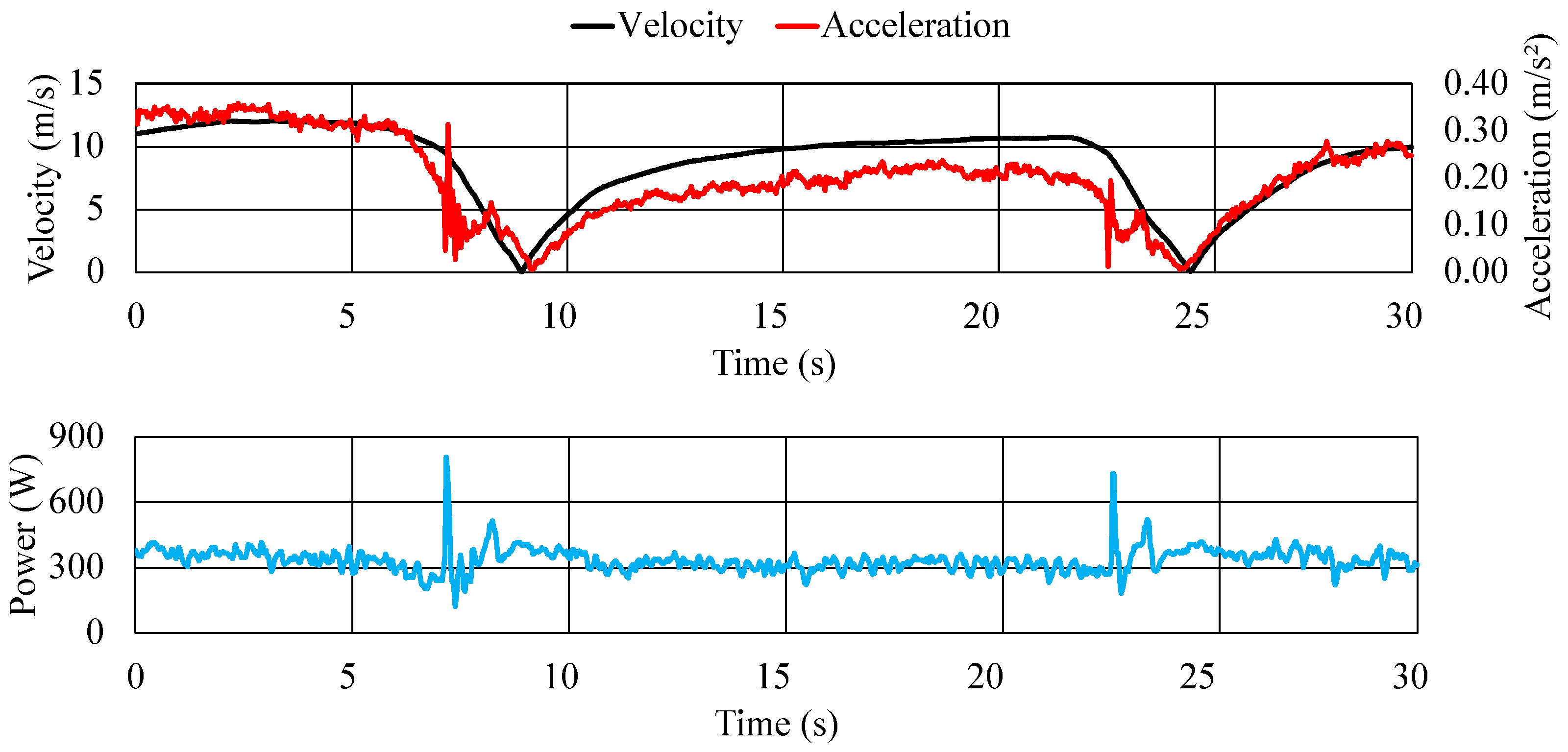
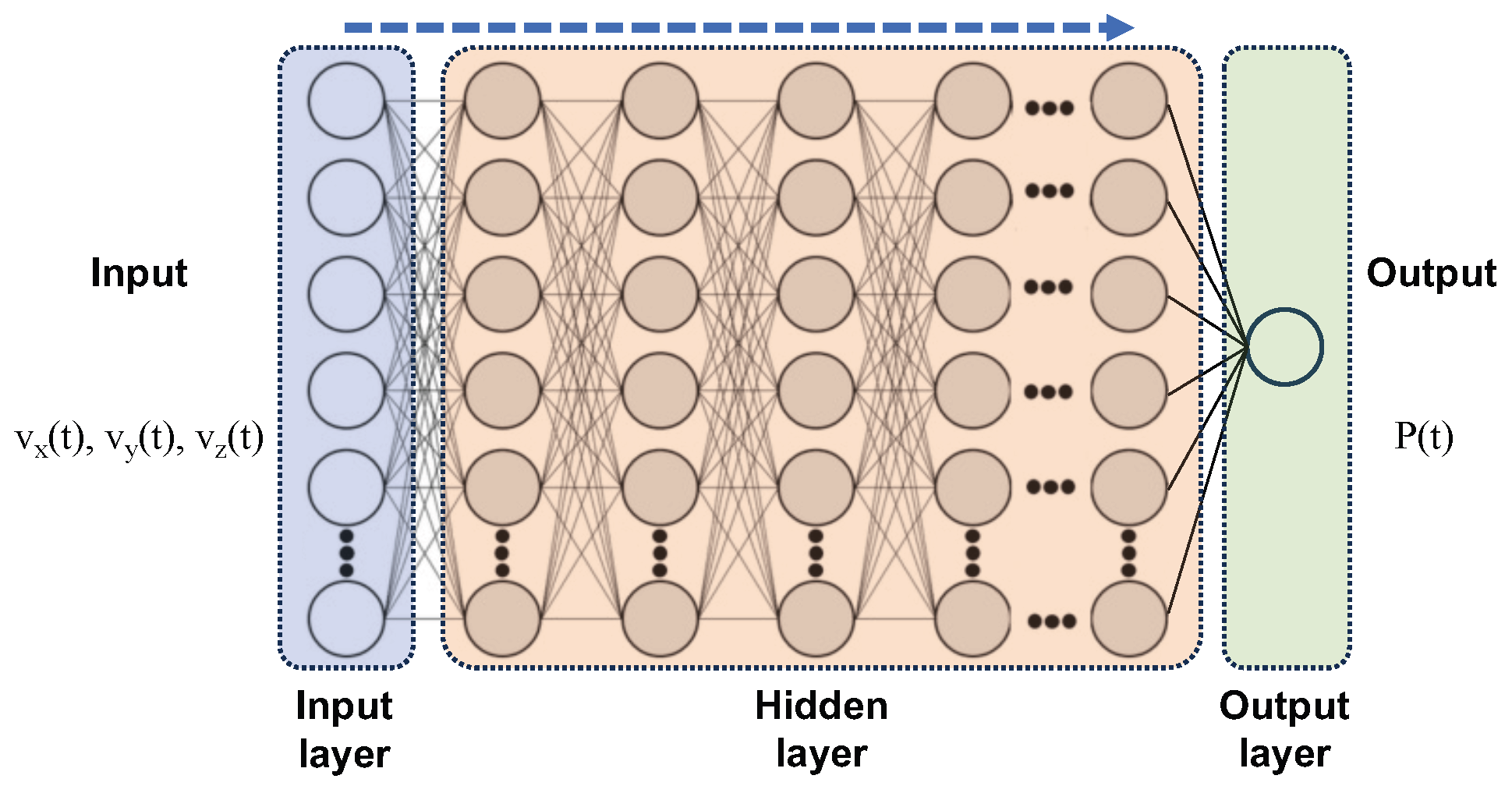
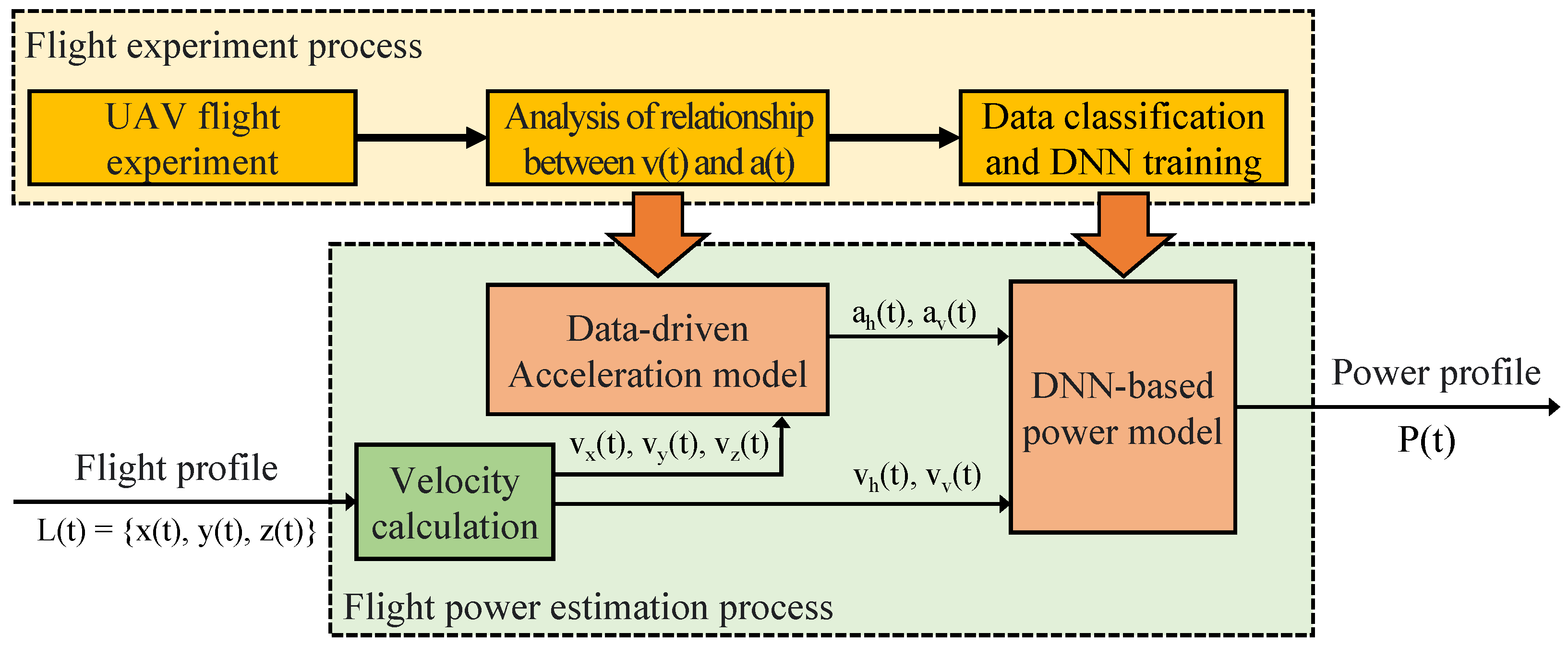
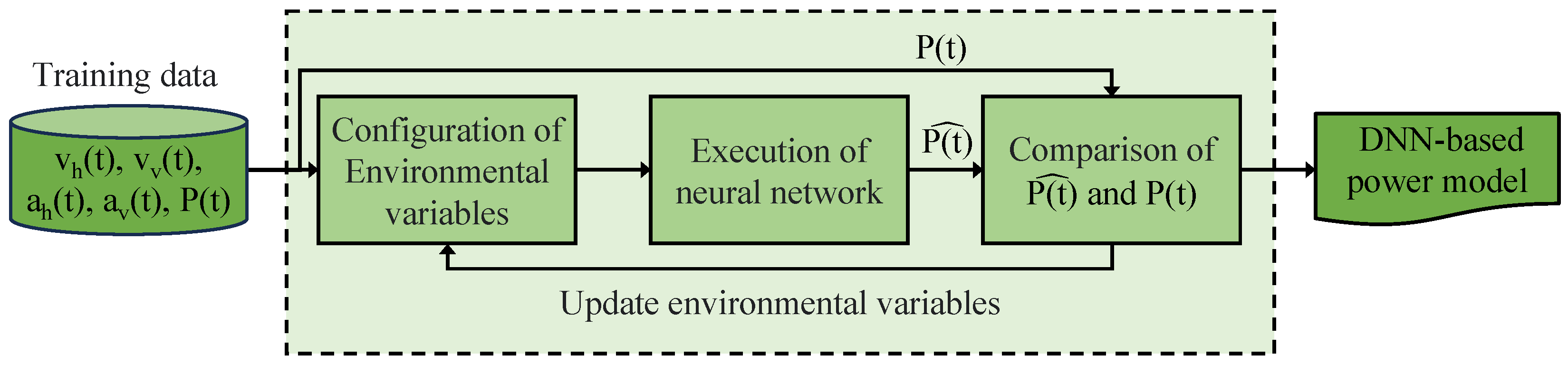
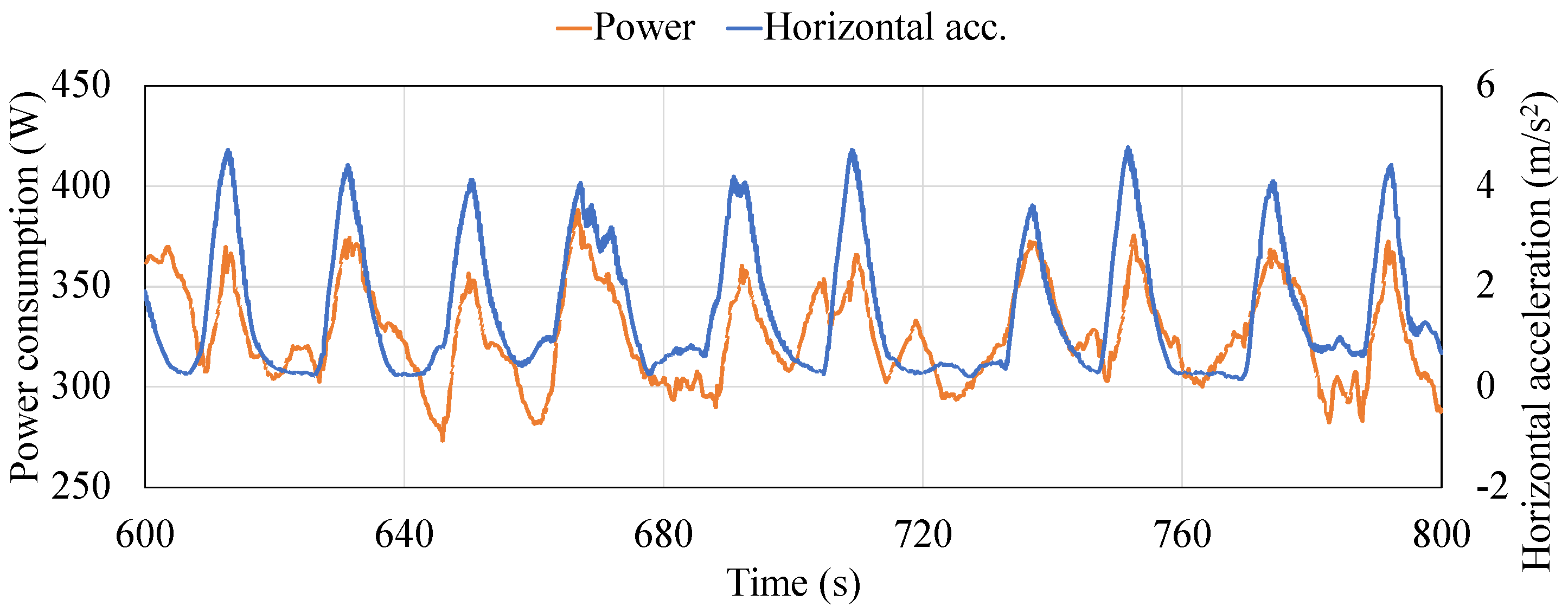
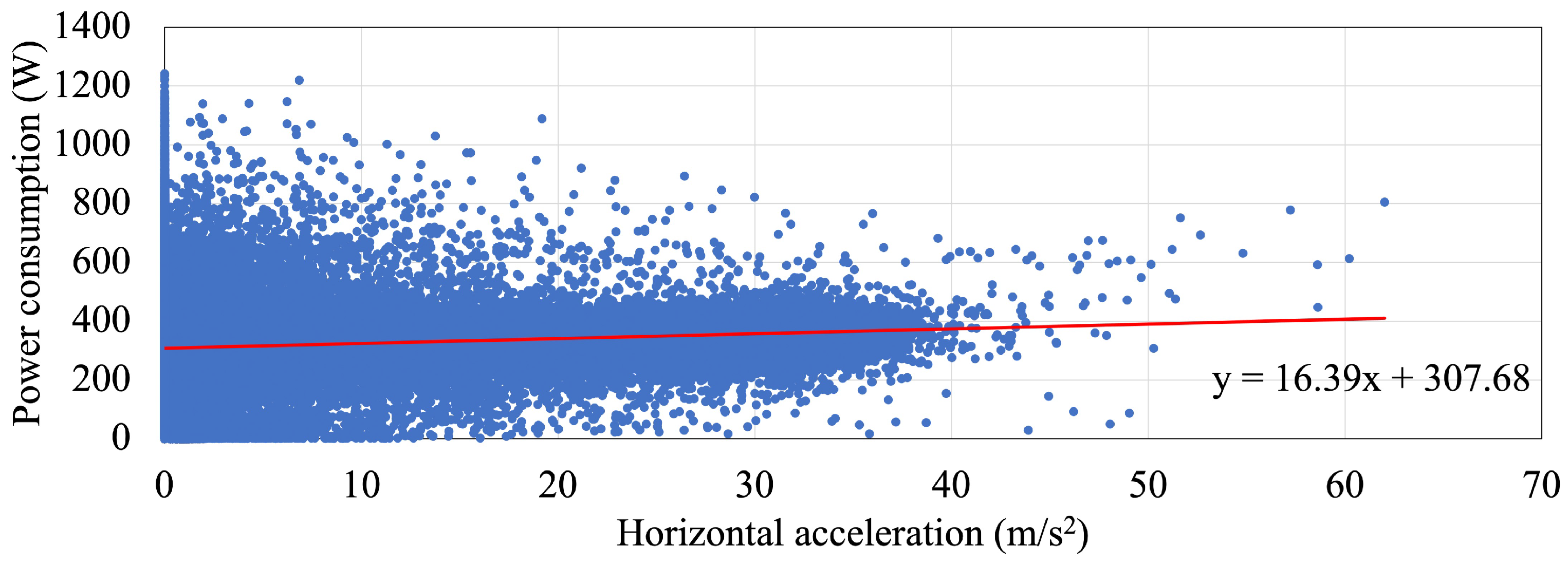
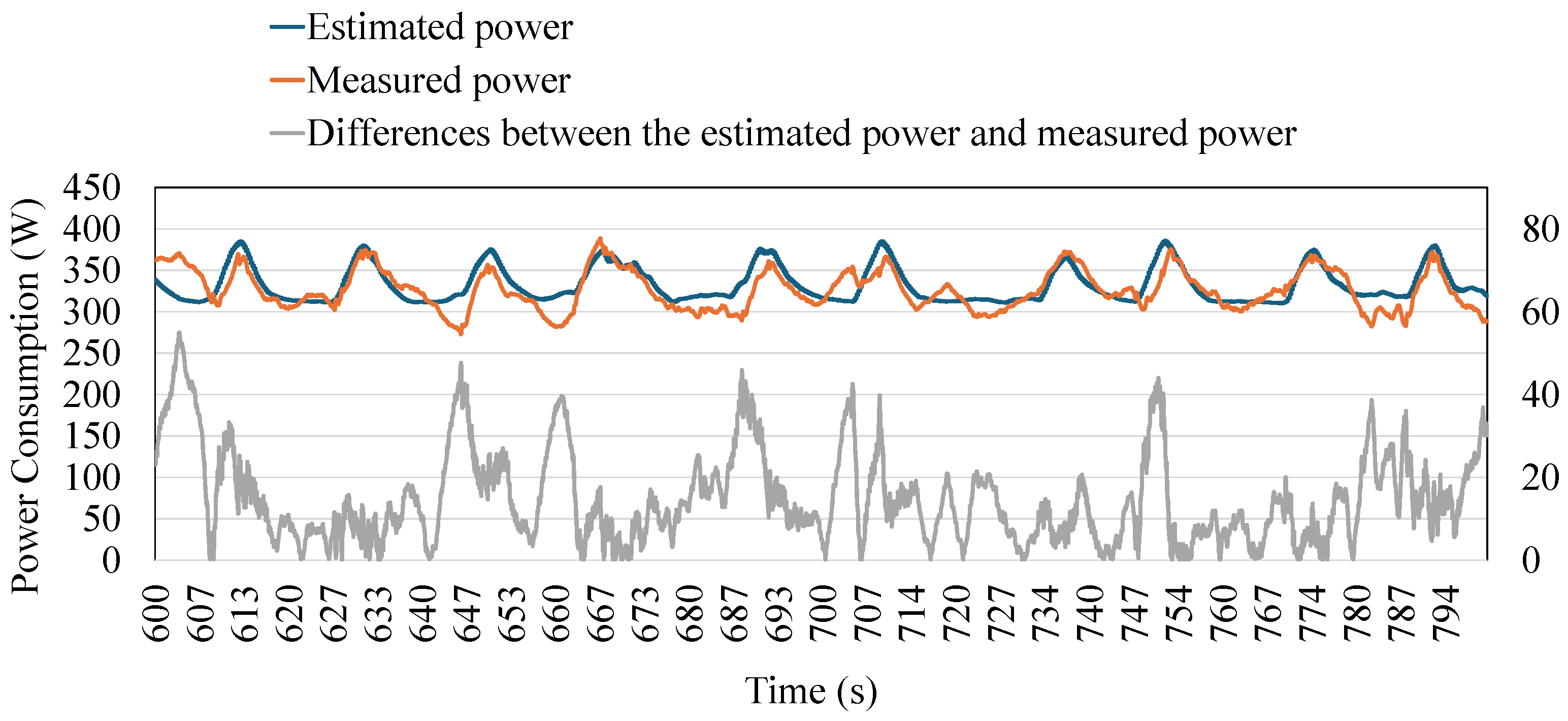
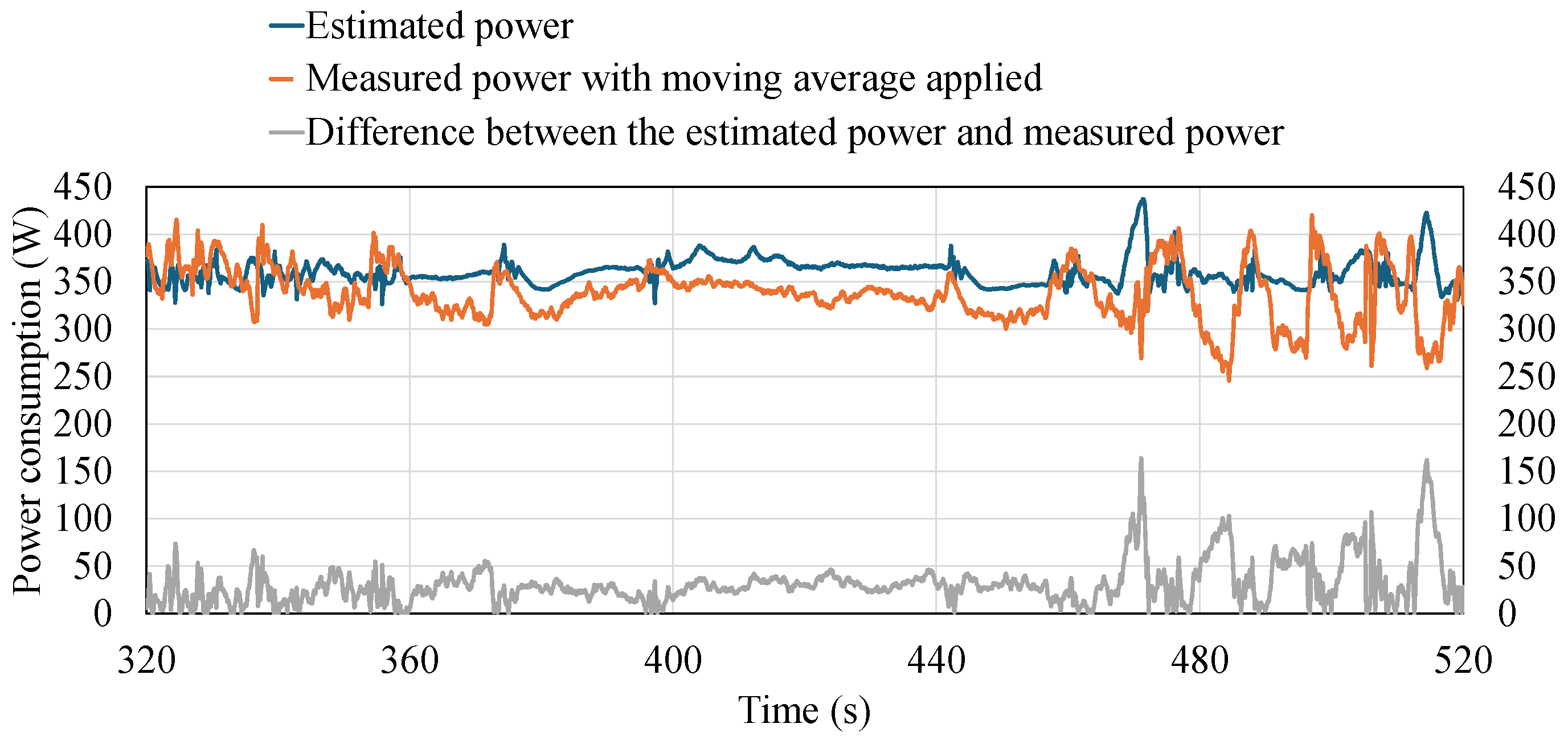
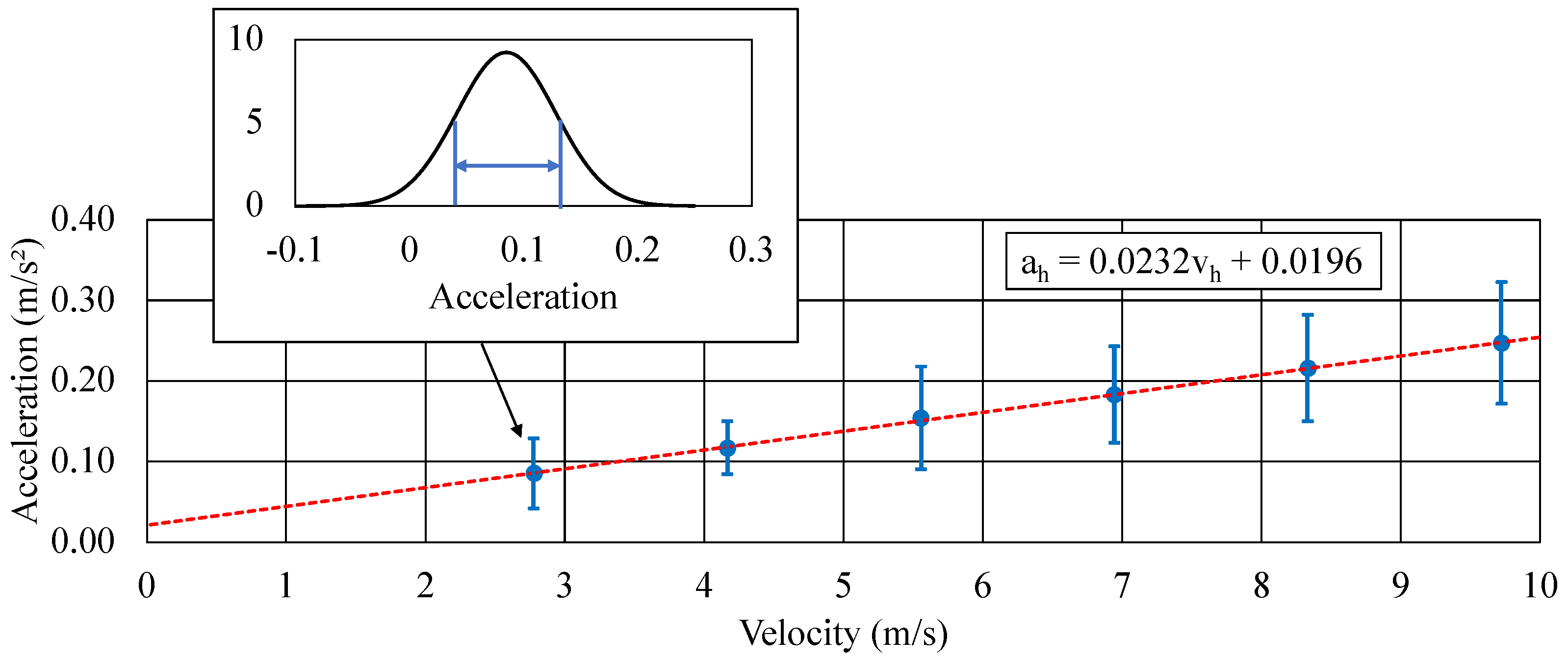
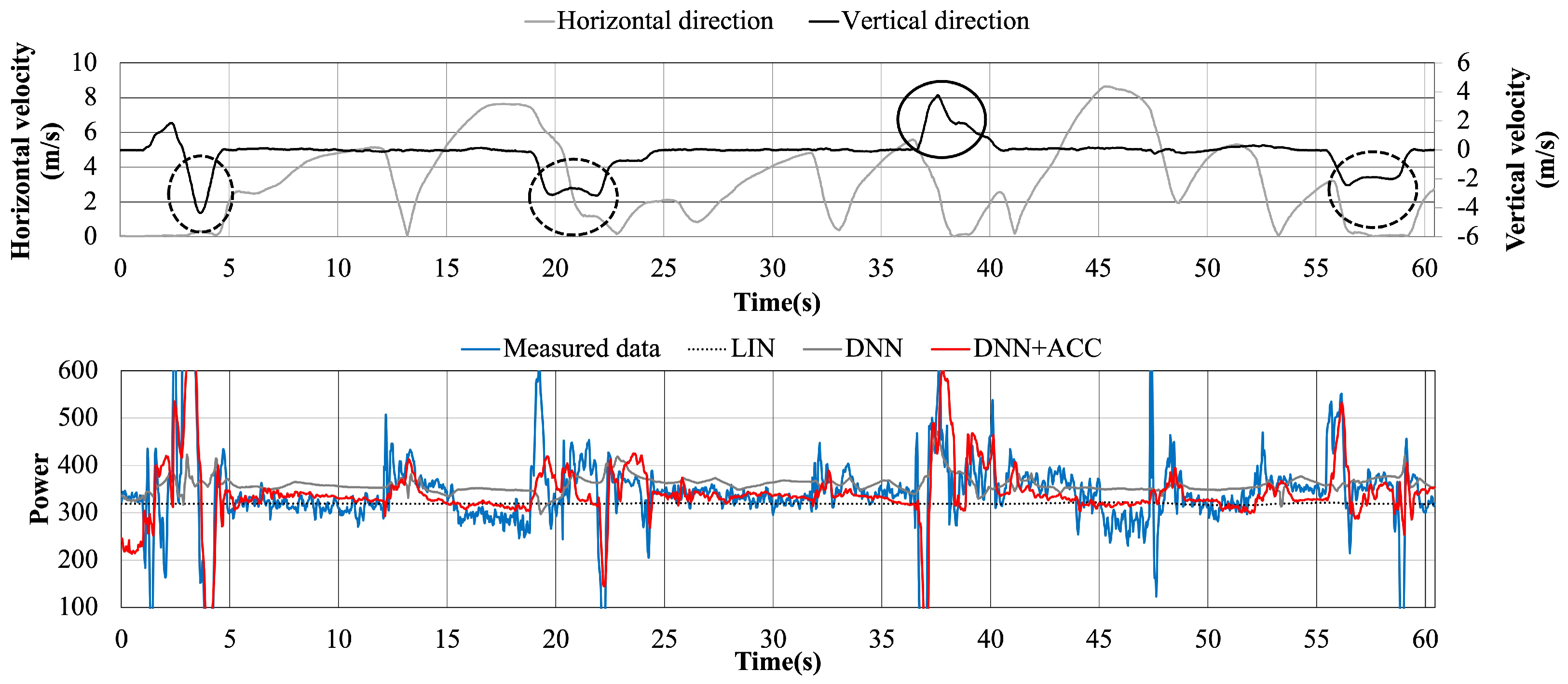
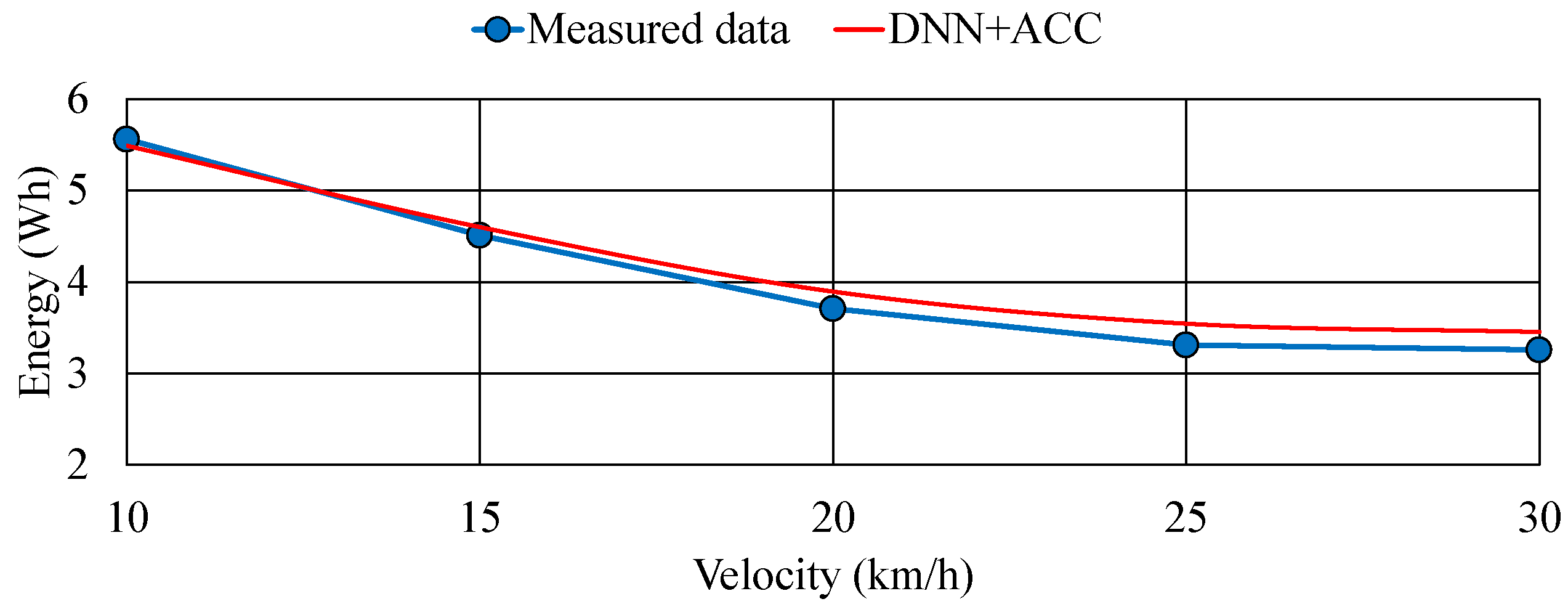
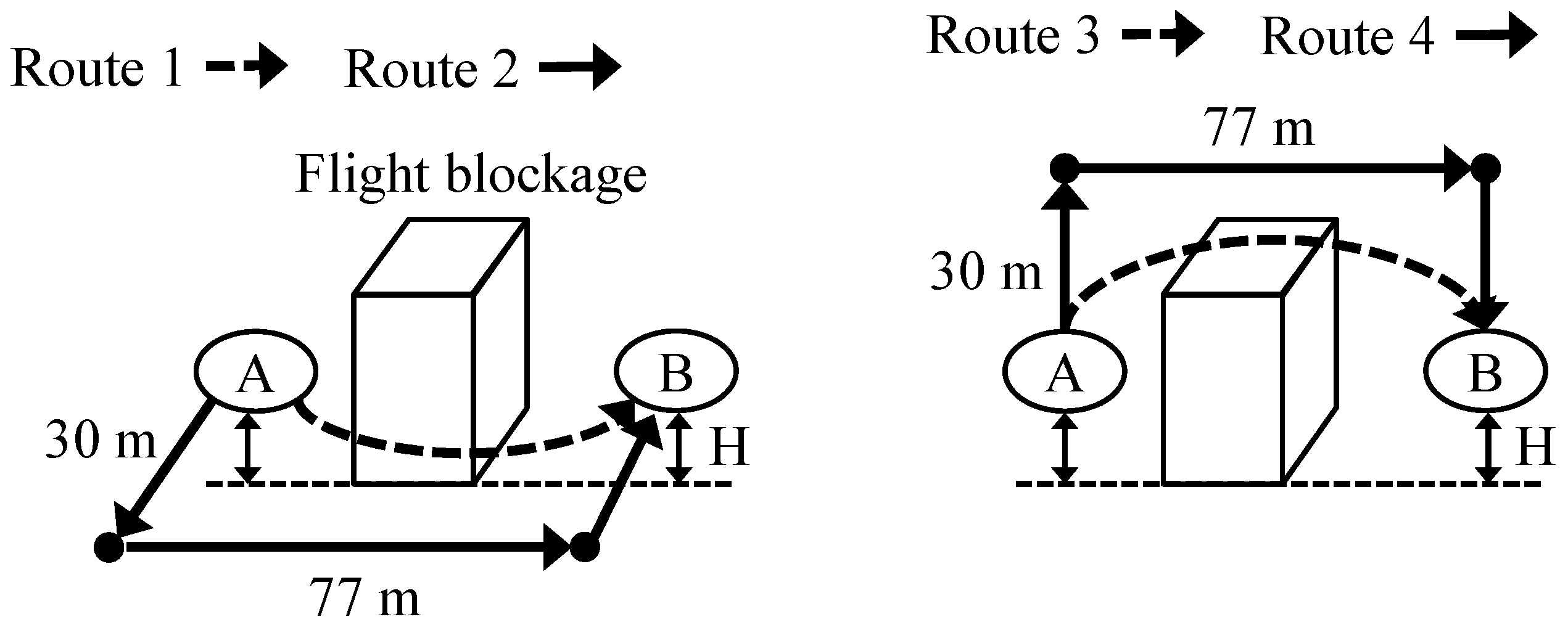
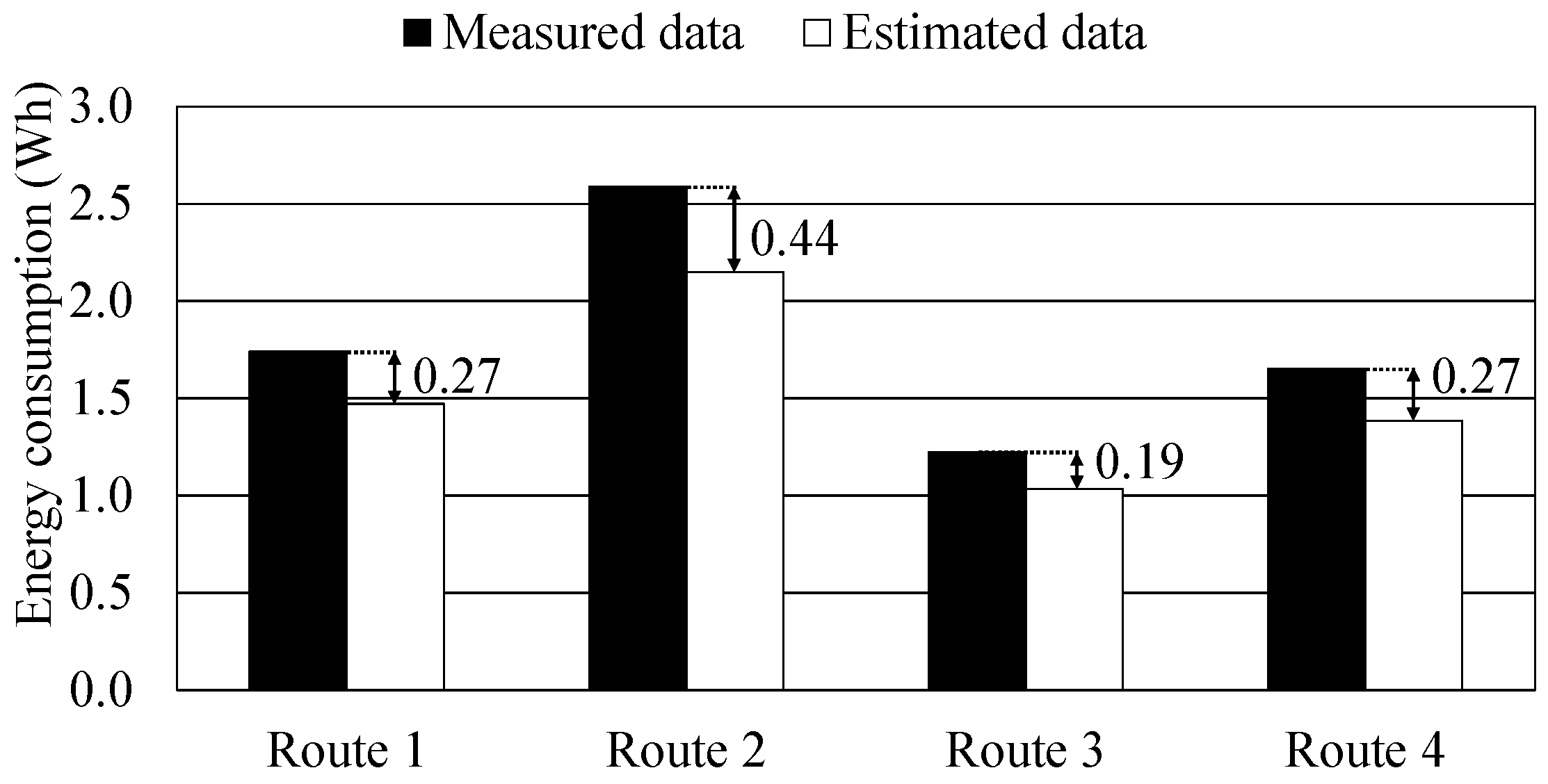
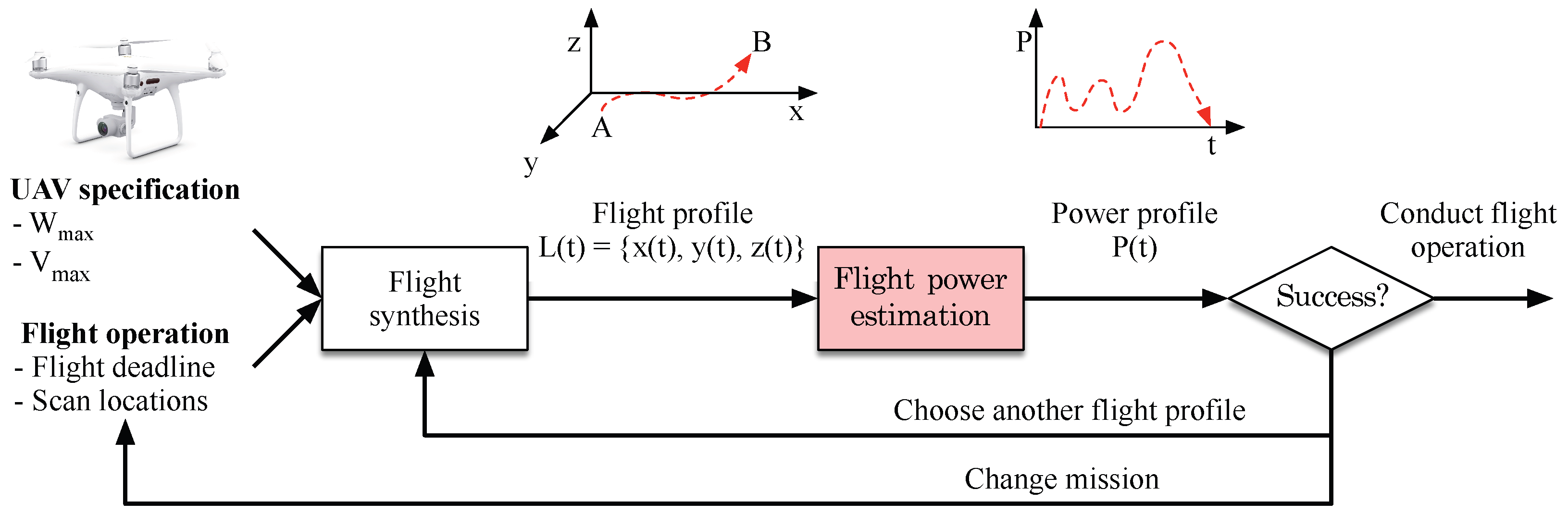
Unmanned Aerial Vehicles (UAVs) have been widely used in logistics and communication, though they were initially used for military purposes. However, because the motor must always be rotated, the flight range of an UAV is limited, which, in turn, restricts the scope of UAV applications. Of course, if UAV power consumption is predicted using AI, it is possible to effectively plan UAV operations by deriving optimal energy-efficient flight paths during the simulation phase. However, when using deep neural networks (DNNs) to build a UAV power consumption model, it is difficult to make accurate inferences based solely on flight velocity data. For precise predictions, random vibration acceleration data, as a result of thrust and resistance, are also required. Unfortunately, such information cannot be obtained during the simulation phase and can only be acquired through the actual flight environment. In this paper, we propose the first hybrid DNN-based power model that combines a DNN-based power consumption model and a data-driven random vibration acceleration model that derives UAV random vibration acceleration information based on flight velocity and environment. The proposed modeling framework was evaluated with flight experiments, demonstrating a 6.12% root mean squared percentage error (RMSPE), which is 39.45% more accurate when compared with a conventional DNN-only power model. In addition, we performed case studies to show that it is possible to find energy-efficient flight paths.
Keywords: unmanned aerial vehicles; deep neural network; power consumption; empirical method unmanned aerial vehicles; deep neural network; power consumption; empirical method