


Abstract
African swine fever (ASF) is a viral disease of domestic and wild pigs that has re-emerged as a major transboundary disease. Modelling using mechanistic, statistical, and machine learning (ML) approaches plays a key role in understanding ASF transmission and informing disease control, but the literature remains fragmented. To synthesise global ASF modelling efforts, we systematically reviewed studies applying these three approaches. We examined temporal and geographic trends, modelling objectives, explanatory variables, and model evaluation practices. A total of 151 papers published through 2024 met the inclusion criteria. Mechanistic (54.3%) and statistical (40.4%) approaches predominated, whereas ML (9.3%) was increasingly applied in recent years. Mechanistic models were primarily used to assess control strategies (48.8%) and transmission drivers (41.5%), statistical models to identify risk factors (63.9%) and spatiotemporal spread (32.8%), and ML for environmental suitability modelling (64.3%). Most were published from 2011 (99.3%) and focused on Europe (43.0%) and Asia (26.5%). Model evaluation remained inconsistent, with mechanistic papers frequently lacking model output uncertainty quantification (47.0%) and statistical papers often omitting model adequacy assessment (49.2%) and assumption checking (50.8%). Overall, ASF modelling approaches have developed complementary methodological roles, while geographic underrepresentation, limited representation of some transmission pathways, and inconsistent model evaluation remain important gaps.
1. Introduction
African swine fever (ASF) is a viral disease affecting domestic pigs and wild boars, with case fatality rates approaching 100% for highly virulent strains. It is caused by the African swine fever virus (ASFV), a large double-stranded DNA virus with high genetic variability [1]. First detected in sub-Saharan Africa in the early 1900s, ASF spread outside Africa through multiple introductions, beginning with genotype I incursions into Europe in 1957 and 1960, followed by the introduction of ASFV genotype II into Georgia in 2007. Since then, ASFV genotype II has driven the current transcontinental spread across Europe, Asia, Oceania, and the reappearance of ASF in the Americas, resulting in widespread outbreaks and severe socioeconomic and food security impacts across multiple continents [2]. With mortality rates approaching 100% and an exceptional capacity for rapid intercontinental spread, ASF is recognised as one of the most important transboundary animal diseases (TADs), posing a major threat to global swine health [3].
The epidemiology of ASF is shaped by the combined effects of multi-host ecology, environmental persistence, and anthropogenic factors [2]. The ASF virus circulates among domestic pigs and wild boar via direct pig-to-pig transmission. In some regions, vector-borne transmission also occurs via soft ticks (e.g., the Ornithodoros tick cycle), such as in sub-Saharan Africa where the warthog–tick sylvatic cycle remains endemic [4]. ASFV has exceptional environmental stability, allowing it to persist for extended periods in carcasses, meat products, and fomites, facilitating both local persistence and long-distance spread [5]. Furthermore, the epidemiological context varies widely across regions, influenced by factors such as wild boar density, pig farming systems, and the implementation of biosecurity and control measures [6]. These interacting biological and socioeconomic drivers create highly heterogeneous outbreak dynamics that are difficult to understand and control.
Modelling provides a systematic framework to untangle this complexity and inform prevention and control strategies [7]. A diverse range of methods has been applied to modelling ASF epidemiology and transmission dynamics, with three broad approaches emerging as central to disease modelling: mechanistic, statistical, and machine learning (ML) [8]. These modelling frameworks offer distinct methodological lenses and representations of disease dynamics, differing in underlying structural assumptions. Mechanistic models aim to capture the biological and epidemiological processes driving disease transmission by specifying how system states evolve through mathematical equations or rule-based simulations, making them particularly useful for exploring disease dynamics and testing hypothetical control strategies [9]. Statistical models, by contrast, use pre-specified statistical structures to quantify associations between disease outcomes and explanatory variables, with data informing parameter estimates within that structure, supporting inference, hypothesis testing, and uncertainty quantification [10]. More recently, ML approaches have gained traction as powerful data-driven tools that learn functional relationships directly from data while imposing relatively few assumptions about underlying biological processes or statistical relationships, thereby offering new opportunities for prediction and real-time decision support [11]. Although these approaches are presented as distinct categories, they should not be regarded as mutually exclusive. Rather, the taxonomy adopted in this review reflects differences in the extent to which model structure is specified a priori or learned from data and is intended as a pragmatic framework for organising the evidence, rather than as a rigid classification.
Interest in ASF modelling has grown considerably in recent years. Following the re-emergence of ASFV in Georgia in 2007 and its subsequent spread across Europe and Asia, ASF modelling has received increasing research attention. A 2021 review of mechanistic ASF models identified 34 publications from 2011 to 2020, with a sharp increase in 2020 alone, which accounted for nearly one-third of the studies reviewed [9]. In 2021, the ASF Modelling Challenge was also launched, marking the first global modelling competition focused on an animal disease [12], further demonstrating the growing momentum in this field. Following the surge in publications in 2020, research output is expected to continue to increase. However, a 2022 review on ML and deep learning for disease prediction revealed that non-zoonotic animal diseases like ASF remain significantly underrepresented compared to human and zoonotic diseases such as COVID-19 and avian influenza [8]. While recent developments signal important progress, the literature remains fragmented, with limited synthesis across modelling approaches, resulting in gaps in understanding about how different frameworks contribute to ASF research and control efforts. This highlights a critical gap in the broader infectious disease modelling literature and underscores the need for a dedicated review to synthesise existing ASF modelling efforts and assess how they have been applied to advance understanding of disease dynamics, control, and prevention.
In light of these gaps, this study aims to summarise the evolution and application of ASF modelling using mechanistic, statistical, and ML approaches. To achieve this aim, we conducted a scoping review of modelling papers published as journal articles to identify studies that applied these approaches to model ASF transmission dynamics and epidemiology in pigs. By mapping existing modelling strategies, this review seeks to inform future research directions and support the development of context-appropriate models, thereby supporting future modelling efforts that underpin ASF surveillance, control, and response.
2. Materials and Methods
2.1. Research Protocol
We conducted a scoping review reported in accordance with the Preferred Reporting Items for Systematic Reviews and Meta-Analyses (PRISMA) guidelines for Scoping Reviews [13] (Supplementary Material S1A). Specifically, this review was guided by the following research questions:
- What modelling objectives have been addressed by each approach?
- How have patterns of use of these modelling techniques evolved over time and across geographic regions?
- What types of ASF data have been modelled, and which factors have been considered as explanatory variables or input features in these models?
- How was model performance evaluated?
The research protocol was registered in International Platform of Registered Systematic Review and Meta-analysis Protocols (INPLASY) under the registration number INPLASY2025100034 (available at https://inplasy.com/inplasy-2025-10-0034/, accessed on 30 July 2026).
2.2. Eligibility Criteria
Papers were selected based on predefined eligibility criteria. We included papers that explicitly applied mechanistic, statistical, or ML approaches to model ASF and were published in English as journal articles up to 31 December 2024. Papers were eligible if they modelled ASF-related outcomes as the response variable, such as presence or absence of ASFV, or counts of infected units from outbreak notifications or surveillance data. These data types could be reported at the level of individual animals, herds/farms, or aggregated administrative units. We excluded papers that modelled biomarker data (e.g., genomics, proteomics, transcriptomics) or non-ASF data (e.g., economic indicators, knowledge–attitude–perception (KAP) responses, farm biosecurity assessments, trade movements). Papers were also excluded if they applied statistical techniques solely for hypothesis testing (e.g., ANOVA/Kruskal–Wallis tests, Pearson/Spearman correlations, Chi-square/Fisher’s tests for association, Global Moran’s I). We excluded preprints, conference proceedings, reviews, book chapters, and dissertations, as well as articles with missing or inaccessible full texts.
2.3. Search Strategy and Data Source
A comprehensive search strategy was developed using keywords associated with four main topics: ASF, mechanistic models, statistical models, and machine learning. Searches were conducted in PubMed, Embase, Web of Science, and Scopus on 22 November 2024 and repeated on 1 August 2025 to capture all relevant papers published up to 31 December 2024. Search terms were applied to the title, abstract, and keyword fields, and controlled vocabulary was used where applicable, i.e., Medical Subject Headings (MeSH) in PubMed and Emtree in Embase, while indexed terms were applied for Scopus. Additional papers were identified by hand-searching the reference lists of included articles. The full search strategies for each database are provided in Supplementary Material S1B.
2.4. Study Selection
Screening and selection were conducted using Covidence [14]. After automated duplicate removal, two researchers (KDLS and KQD) independently screened titles and abstracts to identify potentially eligible papers and reviewed full texts against the inclusion criteria. Disagreements were resolved by a third independent reviewer (BS or YN), depending on subject-matter expertise. Included papers and their full texts were then managed in Endnote 21 for extraction [15].
2.5. Data Extraction and Synthesis
Data extracted from each publication included modelling approach, objectives, methods, study location, publication year, model structure, data inputs, model adequacy, and uncertainty quantification. For mechanistic models, following the framework of Hayes et al. (2021) [9], we further extracted model descriptors (basic epidemiological unit and transmission cycle), model components including framework (population-based, individual-based, or metapopulation), approaches to uncertainty (deterministic or stochastic), time (discrete or continuous), space (spatially explicit, accounting for movement, distance, or both, or non-spatially explicit), and uncertainty quantification. For statistical and ML models, following the framework of Keshavamurthy et al. (2022) [8], we collected details on explanatory variables/input features, assumptions testing, model adequacy checks, and uncertainty quantification. Model adequacy checks included assessments of model fit, predictive performance, explanatory power, validation procedures, and general model diagnostics, as appropriate to the method used. Some papers used multiple approaches and/or models. In such cases, information was extracted for each model using the corresponding framework for that approach. However, results were reported at the paper level. Therefore, categories are not mutually exclusive, and a single paper may contribute to multiple categories. Standard risk of bias assessments (e.g., RoB 2, ROBINS-I) were not applicable and were therefore not employed given the modelling focus of this review. Data extraction was performed by KDLS and reviewed by KQD, with disagreements resolved through internal discussion until consensus was achieved.
2.6. Clustering Analysis
To quantitatively characterise associations between modelling approach, objective, publication year, and continent of study location, we applied Hierarchical Clustering on Principal Components (HCPC). Individual model implementations were treated as the unit of analysis, with papers applying multiple modelling approaches contributing one observation for each model implementation. We used the ‘FactoMineR’ package in R version 4.4.0 because it allowed us to handle mixed data. HCPC first embedded observations in a low-dimensional factor space using Factor Analysis of Mixed Data (FAMD), accommodating both numeric (year) and categorical (approach, objective, continent) variables. Ward’s hierarchical clustering was then computed on the factor coordinates, and the number of clusters was determined by the automated HCPC criterion, with optional refinement by k-means consolidation. Over- and underrepresented category levels per cluster were identified using the v-test statistic, where positive and negative values indicated over- and under-representation, respectively. To aid interpretation, we also reported Mod/Cla (proportion of papers in the cluster exhibiting the category), Cla/Mod (proportion of papers with the category that belong to the cluster), and global values (overall prevalence in the dataset). A supplementary Kruskal–Wallis test was performed to assess whether publication year differed significantly among clusters. Statistical significance was assessed at p < 0.05 for all statistical tests. The R code used for the HCPC analysis and Kruskal–Wallis test is provided in Supplementary Material S1H.
3. Results
Our search identified 5690 papers across four databases (Figure 1). After deduplication and screening based on eligibility criteria, 151 papers (2.7%) were included in the review. Of these, six papers were identified through manual screening of the reference lists of included papers. The complete list of included papers and extracted data are provided in Supplementary Material S2.
Figure 1.
Preferred Reporting Items for Systematic Reviews and Meta-Analyses extension for Scoping Reviews (PRISMA-ScR) flow diagram illustrating the overall selection process.
3.1. Trend Across Time and Geographic Focus
Among the 151 papers, ASF modelling papers primarily employed mechanistic (82, 54.3%) and statistical (61, 40.4%) approaches, while only a few applied ML (14, 9.3%). Six papers (4.0%) applied more than one approach to address distinct modelling objectives. All but one were published from 2011, with a notable increase from 2020 onwards (Figure 2A). The majority examined ASF spread in Europe (65, 43.0%), Asia (40, 26.5%), and Africa (11, 7.3%), while fewer focused on the Americas (8, 5.3%) and Oceania (1, 0.7%). Additionally, three ML papers (2.0%) considered ASF at the global scale, whereas 23 mechanistic papers (15.2%) explored simulated scenarios in non-specific or fictional settings (Supplementary Material S1C). At the country level, most papers in Europe focused on the Baltic states, namely Latvia (19, 12.6%), Estonia (18, 11.9%), and Lithuania (16, 10.6%), and Poland (18, 11.9%), while Asia, China (13, 8.6%) and Vietnam (10, 6.6%) produced the largest number of publications (Figure 2B).
Figure 2.
Distribution of African swine fever modelling papers (1997–2024): (A) by publication year, and (B) by geographic distribution. In (A), horizontally split colour segments denote papers applying more than one approach. In (B), grey and red labels indicate represented and unrepresented countries in the ASF modelling literature, respectively.
Mapping key ASF outbreaks against publication timelines and study locations reveals patterns in research focus mirroring global ASF spread (Figure 3). With ASF long endemic in Africa and Sardinia, Italy, and the 2007 outbreak in Georgia leading to the subsequent spread throughout Europe, research efforts were largely limited to Europe and Africa until 2018. Following ASF introduction to the European Union (EU) in 2014, a rise in the number of scientific publications was observed. By 2018, ASF reached China and rapidly spread throughout Asia, leading to an increase in studies focused on Asian countries from 2019 onwards. In response to the intercontinental spread and re-emergence in some regions, countries in the Americas and Australia began exploring hypothetical scenarios to prepare for potential outbreaks. Throughout this period, several studies also examined simulated scenarios in non-specific or fictional settings.
Figure 3.
Distribution of African swine fever (ASF) modelling papers by publication year (1997–2024) and geographic focus, mapped against notable ASF events (red dashed lines). Bars are coloured by continent and labelled by specific countries of study location.
The steady increase in the number of publications reflects intensified global research activity in response to the expanding epidemic. Nevertheless, several affected countries remain underrepresented in the literature. For instance, ASF has spread within Oceania since 2019, particularly in Timor-Leste and Papua New Guinea, yet ASF modelling research focusing on these countries has yet to be documented. Similarly, several Asian countries have experienced ASF outbreaks but remain unrepresented, including Bangladesh, Bhutan, Cambodia, the Democratic People’s Republic of Korea, Mongolia, Myanmar, Nepal, Thailand, and Sri Lanka (Figure 2B).
Mechanistic and statistical model applications have shown parallel growth since 2011, contrasted by the recent introduction of ML approaches from 2014 (Supplementary Material S1D). Mechanistic modelling expanded substantially following the previous review by Hayes et al. [9], with the number of published studies increasing by approximately 1.4-fold between 2021 and 2024. Among 82 mechanistic modelling papers, compartmental (53, 64.6%) and agent-based models (27, 32.9%) were most frequently applied throughout the years, with network models (11, 13.4%) slowly rising in use from 2019. Among 61 statistical modelling papers, regression-based generalised linear models (GLMs) and extensions (47, 77.0%) were most common, followed by space–time clustering using Kulldorf’s scan statistic (17, 27.9%) which gained popularity from 2016. ML-based modelling was sparse and slowly gained traction in use recently, with the majority (12, 85.7%) of the 14 papers published from 2018. All ML papers employed supervised ML, with one paper also incorporating an unsupervised space–time clustering technique in combination with (supervised) regression analysis [16]. Among the supervised ML papers, maximum entropy (MaxEnt) model was the most common (9, 64.3%), while the remaining papers employed tree-based and ensemble methods.
3.2. Modelling Approach and Objectives
Across the 151 papers, modelling objectives were grouped into 11 distinct categories (Figure 4). Different modelling approaches predominated across modelling objectives, with some objectives addressed using multiple approaches.
Figure 4.
Distribution of African swine fever modelling papers by modelling objectives and approach. Some papers employed multiple approaches and/or models, and some models addressed more than one objective. We distinguished between ‘risk factors’ and ‘transmission determinants’ to maintain important differences in methodological intentions across papers. Risk factors refer to variables associated with models estimating the likelihood of ASF occurrence, while transmission determinants describe factors influencing how the disease spreads.
Mechanistic models were mainly employed to assess control strategies (40, 48.8%) [17,18,19,20,21,22,23,24,25,26,27,28,29,30,31,32,33,34,35,36,37,38,39,40,41,42,43,44,45,46,47,48,49,50,51,52,53,54,55,56] and transmission determinants (34, 41.5%) [19,24,26,28,29,30,32,33,34,43,46,51,53,57,58,59,60,61,62,63,64,65,66,67,68,69,70,71,72,73,74,75,76,77]. Unique to this modelling approach was parameter estimation, primarily of , transmission rates, and durations between infection states (22, 26.8%) [23,29,44,71,73,78,79,80,81,82,83,84,85,86,87,88,89,90,91,92,93,94], and evaluation of hypothetical outbreak scenarios (9, 11.0%) [25,40,41,42,54,57,58,77,95]. Notably, about 60% of these mechanistic models addressed multiple objectives within a single framework. Recent models incorporated a broader range of epidemiological processes, including environmental persistence, arthropod vectors, human behavioural factors, and transmission at the wildlife–livestock interface. Six studies simulated transmission between domestic pigs and wild boar [20,28,35,52,70,94], three of which were developed for the 2021 ASF Modelling Challenge [20,35,52]. Wild boar modelling also expanded beyond its earlier European focus to include studies in Asia [37,48,89] and simulated outbreaks in Australia [77] and the United States [45]. Among model structures, stochastic metapopulation frameworks were the most frequently applied [17,18,20,22,27,29,34,35,36,38,40,41,42,45,46,50,52,53,54,56,59,60,65,67,72,77,81,82,83,84,85,86,89].
When assessing control strategies, compartmental models were applied globally across diverse contexts. In Europe, they were widely used to evaluate policy interventions centred on culling, surveillance, and movement restrictions in domestic pigs [22,38,40,54]. Several studies also assessed the effectiveness of biosecurity measures in pig production systems in Asia [19,23,30,39,44] and in non-specific settings [24,28,33,55]. Agent-based models have been mostly applied to study wild boar control strategies, including carcass removal and population reduction measures, largely in Europe [18,21,25,27,32,41,46,50,56] and in Asia [37,48]. These models allowed explicit representation of individual movement, spatial behaviour, and social structure, which are critical for free-roaming wildlife populations. By contrast, network models have been used to incorporate animal movements in domestic pig systems in the Americas [29,34,42] and Europe [40,54], enabling the evaluation of movement-based control strategies.
Among mechanistic studies assessing transmission determinants, the pathways represented varied according to host system and geographic setting. Animal movement and trade networks were commonly modelled in domestic pig production systems globally using network models [29,34,65,67] or compartmental models with metapopulation frameworks [53,59]. Asian studies also frequently incorporated farm-level biosecurity practices, particularly swill feeding [30,65,71]. In contrast, studies involving wild boar, predominantly conducted in Europe, commonly examined host density, population structure, and carcass-mediated transmission across a range of mechanistic modelling frameworks [26,43,61,62,64,68,72,75,76,77]. Outside Europe, wild boar was represented only in studies from South Korea [96,97] and Singapore [37]. Vector-borne transmission via ticks and stable flies was evaluated only in hypothetical outbreak scenarios using compartmental models [19,28,33,63,70], where vectors were represented as separate compartments transmitting infection between susceptible and infectious hosts. Although ticks were acknowledged in the epidemiological background of all three African mechanistic studies [36,74,80], they were not explicitly incorporated into model structure.
Estimates of varied according to the transmission cycle examined (Supplementary Material S1E). Reported values ranged from 0.46 to 9.17 for between-pen transmission [81,82,83,85], 1.05–24.1 for within-pen transmission [81,82,83,85], 1.41–10.8 for between-herd transmission [78,80,90], and 0.8–17.3 for within-herd transmission [23,78,79,86,88,91,93], and 2.92–4.02 for regional- to national-scale transmission [87,94]. Within-pen and within-herd estimates were generally higher than between-pen and between-herd estimates, consistent with greater contact rates in more confined settings. However, substantial variability remained within each transmission scale, and no consistent geographic pattern was observed.
Statistical models were primarily used to identify risk factors (39, 63.9%) [27,60,78,96,97,98,99,100,101,102,103,104,105,106,107,108,109,110,111,112,113,114,115,116,117,118,119,120,121,122,123,124,125,126,127,128,129,130,131] and spatiotemporal patterns (20, 32.8%) [97,116,117,120,127,132,133,134,135,136,137,138,139,140,141,142,143,144,145,146], with less frequent use for outbreak risk estimation [147] or forecasting [148,149,150]. Logistic regression was the dominant approach for identifying risk factors and was used across all locations and host contexts when the response is binary (e.g., infected vs non-infected) [27,60,97,98,99,100,101,102,106,110,113,114,115,116,117,118,121,122,127,128,129,130]. It was notably the near-exclusive method in Africa-based domestic pig studies, where identified risk factors were primarily related to farm management and biosecurity [99,100,101,102,106,113,118]. Tick exposure was examined in three African studies, although it was identified as a significant risk factor only in Uganda [100] and not in studies from Nigeria [99,101]. Bayesian models were most commonly applied in European wild boar studies, particularly hierarchical or spatial models that account for landscape-level uncertainty, spatial autocorrelation, or sparse surveillance data [27,104,105,119]. Risk factors identified through these models tend to be ecological and environmental (e.g., wild boar density, habitat suitability) rather than farm-management variables. When responses were modelled as counts (e.g., outbreaks per area), Poisson or negative binomial regression models were used, with the latter preferred when overdispersion was observed [96,103,108,109,120,126,127,131]. In these studies, identified risk factors tend to be structural or demographic (e.g., number of farms, socioeconomic indices). Kulldorff’s space–time scan statistic [151] was the predominant method for analysing spatiotemporal clustering [97,116,117,120,127,132,133,136,137,138,139,140,141,142,143,144] and has been used consistently since its early application by Iglesias et al. (2016) to detect ASF clusters in wild boar [132]. While it was the sole method applied in domestic pig studies in Asia [117,120,139,140,141,144] and the Dominican Republic [142], kriging and Bayesian space–time models were also used in European wild boar studies [134,135,145,146].
ML models were mainly applied to assess disease suitability (9, 64.3%), often in combination with identifying predictors of suitability. Maximum entropy models (Maxent) were most widely used for suitability estimation, deployed across studies in China [152,153,154], South Korea [155,156], Indonesia [123], Russia [157], and globally [158], commonly using bioclimatic predictors from WorldClim [159]. In Asian studies, population and livestock variables were also found to be important predictors [152,153,154,155]. Tree-based methods (i.e., random forest and classification tree analysis) were applied in two European studies to identify risk factors [104,128]. In China, an ensemble approach combining ten algorithms, including tree-based methods, GLMs, and Maxent, was used to predict suitability using bioclimatic variables, achieving higher accuracy in that study than any individual model considered [160].
To assist in aligning modelling objectives with suitable modelling frameworks, we enumerated the modelling subtypes applied to address each objective (Table 1). For the mechanistic approach, models are described according to model type (compartmental, agent-based, or network model), framework (population-based, individual-based, or metapopulation), uncertainty handling (deterministic, or stochastic), and spatial component (with or without). More detailed information on the specific modelling methods is provided in Supplementary Material S1F.
Table 1.
Methods applied to different African swine fever (ASF) modelling objectives and the total number of papers addressing that objective. For mechanistic models, each row represents a distinct combination of model type (CM/ABM/NM), modelling framework (PB/IB/Met), approach to uncertainty (deterministic/stochastic), and spatial representation (spatial/non-spatial). Blue cells indicate characteristics present in that combination, while blank cells indicate characteristics that were not used. CM—compartmental model; ABM—agent-based model; NM—network model; PB—population-based; IB—individual-based; Metapop—metapopulation framework.
3.3. ASF Data Used in the Papers
Across 151 papers, modelling most commonly focused on domestic pigs (79, 52.3%), followed by wild boar (51, 34%), with the remainder addressing both species (21, 13.9%). Secondary data were the main sources of outbreak information (94, 62.3%), primarily from government veterinary information systems with many of the represented countries maintaining routine national surveillance data. Global sources were also available through the World Animal Health Information System (WAHIS; https://wahis.woah.org/) of the World Organisation for Animal Health (WOAH) and the Global Animal Disease Information System (EMPRES-i; https://empres-i.apps.fao.org/) of the Food and Agriculture Organization (FAO). A smaller number (17, 11.3%) collected primary samples, mainly blood or serum, and mainly detected ASF using real-time PCR or ELISA. The remaining papers (40, 26.5%) based their analyses on mechanistic simulations of hypothetical outbreaks rather than observed outbreak data.
The characteristics of datasets analysed differed between statistical and ML approaches. Among risk factor studies, ML was applied in only three European studies [16,104,128] and one global analysis [167], all of which analysed substantially larger passive surveillance datasets (approximately 2900–16,500 ASF case records) together with remotely sensed environmental, landscape, and climatic predictors. ML was also the predominant approach for environmental suitability studies, which similarly relied on large spatial datasets. In contrast, statistical models were primarily applied to farm-level management and biosecurity studies based on structured epidemiological investigations, including farmer interviews and field surveys. These studies generally included fewer than 1000 observations [100,101,102,110,113,118,121], with several analysing fewer than 100 [116,117,122,129], and commonly employed deliberate epidemiological sampling strategies such as case–control designs.
3.4. Explanatory Variables/Input Features Used in Modelling
Statistical and ML papers incorporated a broad range of variables for modelling ASF, which are summarised into seven categories (Figure 5). Environmental variables were the most frequently used in both approaches (statistical: 63.9%; ML: 100.0%), including climate (e.g., temperature, precipitation) and landscape features (e.g., elevation, water bodies, forest cover). These were followed by animal and farm demographics (statistical: 44.3%; ML: 71.4%), including pig population, farm density, and animal characteristics (e.g., age, breed). Additional notable variables included human demographics and socioeconomic indicators, movement and road access, and wild boar presence. Use of temporal factors (e.g., month, season), farm management, and ASF surveillance or control variables were reported only in statistical models.
Figure 5.
The explanatory variables/input features considered in African swine fever statistical modelling and machine learning papers (1997–2024).
3.5. Model Adequacy and Uncertainty Quantification by Approach
Uncertainty quantification and model adequacy reporting were inconsistent across modelling approaches. For mechanistic models, uncertainty quantification was reviewed across three categories: model outputs, estimated parameters, and sensitivity analysis. We found that 12 of 82 papers (14.6%) reported no uncertainty quantification in any of these categories. Uncertainty in model outputs was assessed in 66 papers, excluding 16 that focused solely on parameter estimation. Of these, 31 (47.0%) reported simulation-based uncertainty quantification, all using stochastic models, while four (6.1%) estimated Bayesian credible intervals. The remaining 31 papers (47.0%) did not quantify uncertainty in model outputs. Among the 22 papers that explicitly estimated parameters, 12 (54.5%) used frequentist methods, 10 (45.5%) applied Bayesian methods, and two (9.1%) employed simulation-based approaches. Sensitivity analysis was conducted in 43 of 82 papers (52.4%), mainly to examine the influence of model parameters (38, 46.3%), while the remainder assessed model assumptions and initial conditions.
For statistical models, model adequacy assessment, assumption checking, and model selection procedures were reviewed across all 61 papers. Model adequacy was not reported in 30 papers (49.2%). Among those that reported an assessment, the most common metrics were the Akaike Information Criterion (AIC; 13, 21.3%), primarily for model selection, and the area under the receiver operating characteristic curve (AUC-ROC; 8, 13.1%) for evaluating the discriminative ability of binary prediction models. Model assumptions were not assessed in 31 papers (50.8%). Among those that reported assumption checking, the most common assessments were multicollinearity (13, 21.3%), typically using variance inflation factors (VIFs), spatial autocorrelation (10, 16.4%), commonly using Moran’s I or semivariograms, and normality of residuals (5, 8.2%) using formal or graphical methods. Model selection procedures were evaluated in 47 papers (77.0%), excluding studies for which model selection was not applicable, such as space–time clustering analyses. Of these, 23 (48.9%) used stepwise selection, including backward (11, 23.4%), forward (6, 12.8%), and bidirectional (6, 12.8%) approaches. Fifteen papers (31.9%) retained all candidate variables in the final model, while six (12.8%) selected variables based on univariable screening using a predefined significance threshold.
For the 14 ML papers, we reviewed the same three dimensions as for statistical models, and additionally examined feature importance or interpretability, data splitting, and uncertainty quantification. Model adequacy was reported in all papers, with AUC-ROC (12, 85.7%) and the True Skill Statistic (5, 35.7%) being the most common metrics. Model assumptions were assessed in nine papers (64.3%), most often multicollinearity using VIFs, particularly in MaxEnt-based suitability analyses. Model selection primarily involved retaining variables that met underlying assumptions (6, 42.9%) or exceeded a minimum contribution threshold (5, 35.7%). All papers reported feature importance or interpretability, most commonly using jackknife tests (6, 42.9%), predominantly in MaxEnt models, and relative contribution metrics (4, 28.6%), mainly in ensemble models. Most papers (11, 78.6%) used a two-way data split, typically 75:25 or 80:20, for training and validation/testing, while the remainder applied cross-validation or bootstrapping. Uncertainty quantification was infrequent, with nine papers (64.3%) not reporting it. Among those that did, simulation/sampling-based methods were most commonly applied (3, 21.4%).
A full list of information extracted is available in Supplementary Material S1G.
3.6. Clustering Analysis
HCPC identified three clusters that largely corresponded to the major modelling approaches. The analysis further characterised each approach by its most commonly associated objectives and study locations (Table 2). Cluster 1 was characterised by mechanistic papers that primarily assessed control strategies and transmission determinants in simulated or non-specific settings. Cluster 2 was dominated by statistical papers focused on identifying risk factors and spatiotemporal patterns in Europe and Africa. Cluster 3 comprised ML papers that estimated suitability for disease occurrence in Asia and globally. Mean publication year was similar across clusters (Cluster 1: 2021; Cluster 2: 2020; Cluster 3: 2021), with no significant difference in publication year among clusters (Kruskal–Wallis, p = 0.5022). Full HCPC category enrichment and depletion results are provided in Supplementary Material S1H.
Table 2.
Selected Hierarchical Clustering on Principle Components (HCPC) categories predominantly characterising each cluster of African swine fever (ASF) modelling papers, based on category enrichment analysis.
While these clusters represent the most characteristic combinations of study attributes, they are not mutually exclusive. For example, modelling approaches are well represented across multiple geographic regions despite the strong associations between clusters and particular study locations (Figure 6). Mechanistic models were widely used in European and Asian settings despite their strong association with non-specific settings, while statistical studies, associated with Europe and Africa, were also frequently conducted in Asia.
Figure 6.
Sankey diagram showing the distribution of African swine fever (ASF) modelling papers by modelling approach, study objective, and study location. The weight of each link is proportional to the number of papers. Links between modelling approaches (left) and objectives (middle) are coloured based on approach, while links between modelling objectives (middle) and study location (right) are coloured based on study location.
4. Discussion
Within the included literature, interest in ASF modelling increased from 2011 onwards, particularly across Europe, Asia, and Africa, with mechanistic and statistical approaches dominating throughout the study period and machine learning gaining traction in recent years. Modelling activity increased substantially from 2020 onwards as ASF expanded across Asia and Oceania and re-emerged in the Americas and Europe [169]. Despite this rapid growth, this review found that mechanistic, statistical, and ML approaches have continued to serve complementary roles across different epidemiological settings, with regional variation reflected in modelling priorities. Important gaps nevertheless remain, including the underrepresentation of affected regions, limited representation of some transmission pathways, and inconsistent reporting of model evaluation practices.
Differences in ecology and production systems were reflected in the transmission pathways represented across regions. Studies from sub-Saharan Africa and Asia often focused on biosecurity practices and trade networks [30,65,71,99,100,101,102,106,113,118], likely reflecting the predominance of smallholder production systems and transmission pathways that are less relevant in intensively managed commercial systems. In contrast, European studies placed greater emphasis on wildlife reservoirs and transmission at the wildlife–livestock interface [26,27,43,61,62,64,68,72,75,76,77,104,105,119]. These findings highlight the importance of context-specific investigations, as regional differences in ecology, production systems, and socioeconomic conditions shape ASF transmission and may limit the transferability of findings across settings.
The substantial heterogeneity in reported estimates further highlights the context dependence of ASF transmission. Estimates varied not only across geographic settings but also according to the transmission scale examined, including within-pen, between-pen, within-herd, between-herd, and regional- to national-scale transmission [23,78,79,80,81,82,83,85,86,87,88,90,91,93,94]. These differences complicate direct comparisons of transmissibility across studies and underscore the importance of interpreting estimates within their epidemiological context rather than as universally comparable measures of transmission potential. Consequently, control thresholds and intervention strategies should be informed by estimates derived from transmission settings that are relevant to the production system and epidemiological context under investigation.
Although ASF modelling activity increased substantially following the global spread of the disease, HCPC identified no temporal separation of studies, indicating that the relationships between research objectives, modelling approaches, and geographic settings remained relatively consistent over time. This finding suggests that the growth of the literature has been driven by the continued investigation of a set of recurring epidemiological questions across diverse outbreak settings, rather than by fundamental shifts in methodological preference. Mechanistic, statistical, and ML approaches have therefore developed complementary roles, with methodological choice largely determined by the analytical requirements of the research question and the available data. Within the ASF modelling literature, this is reflected in the predominant application of mechanistic models to transmission dynamics and intervention studies, statistical models to epidemiological risk factor analyses, and ML to environmental suitability modelling. Nevertheless, while a small number of ASF papers applied more than one modelling approach within a single investigation, these approaches were generally used to address distinct research questions rather than integrated to address a common modelling objective.
In the broader modelling literature, the integration of modelling approaches to leverage their respective strengths has been explored through a range of methodological frameworks, with new approaches continuing to emerge. Established examples include coupling mechanistic models with Bayesian statistical inference for parameter estimation and uncertainty quantification [170], as also performed in several of the ASF papers included in this review. Similarly, ensemble methods combine predictions from multiple modelling approaches to improve predictive performance, as demonstrated by Li et al. (2022) [160], who integrated statistical regression and ML models to predict ASF spread. Beyond combining complementary methods within a broader modelling framework, recent developments increasingly seek to embed these approaches within a single modelling architecture. For example, the emerging field of scientific machine learning (SciML) integrates mechanistic models with ML algorithms to improve predictive performance while preserving biological realism [171]. Although such approaches remain largely unexplored within the ASF modelling literature identified in this review, they illustrate the continuing evolution of methodologies towards closer integration of modelling approaches, providing further opportunities for methodological innovation in ASF research.
The expansion of mechanistic modelling since the review by Hayes et al. [9] reflects a broadening of ASF models towards more comprehensive representation of the ecological and epidemiological processes underlying disease spread. This is evident in the incorporation of multiple host systems, diverse transmission pathways, and spatially explicit population structures, enabling more integrated representation of ASF transmission across varied epidemiological settings. Despite these developments, inconsistent reporting of uncertainty quantification of model outputs and estimated parameters continues to limit assessment of model robustness.
The contrasting use of statistical and ML approaches was accompanied by differences in the characteristics of the underlying datasets. Statistical models remain well suited to structured epidemiological investigations, where stronger structural assumptions and fewer parameters allow robust and interpretable inference from relatively small but carefully sampled datasets. However, many statistical studies did not report model diagnostics or assumption checks, raising concerns about the reliability of reported associations given that valid statistical inference depends on appropriate model specification and evaluation. In contrast, ML applications in ASF have largely been confined to environmental suitability analyses based on large passive surveillance and spatial datasets. This limited scope is consistent with the broader synthesis by Keshavamurthy et al. (2022), who reported comparatively limited use of ML in non-zoonotic livestock diseases such as ASF despite the wider application of ML to temporal forecasting and disease risk prediction in other infectious disease systems [8]. Collectively, these findings demonstrate that statistical and ML approaches have occupied complementary roles within ASF research, with each predominating in distinct data contexts.
Despite the importance of regional ecological context, one notable gap identified in this review is the limited representation of tick-mediated transmission in endemic African settings. Although ticks have been incorporated into several mechanistic models, these applications were confined to hypothetical outbreak scenarios rather than studies representing the sylvatic transmission cycle in Africa. In contrast, African mechanistic models acknowledged ticks in the epidemiological context but did not explicitly represent them within the model structure, while statistical studies provided limited and inconsistent evidence for their role as a risk factor. Although these findings do not establish the epidemiological importance of ticks across African production systems, they suggest that tick-mediated transmission remains underrepresented in modelling studies from regions where the sylvatic cycle is recognised to contribute to ASF persistence.
Another important gap identified in this review is the geographic underrepresentation of ASF modelling studies, particularly in affected countries across Asia and Oceania. Given the substantial regional differences in production systems, ecology, and transmission pathways observed across the literature, this limits the availability of locally relevant evidence to inform preparedness and control strategies in these settings. Although the reasons for this underrepresentation were not examined in the present review, previous assessments suggest that limited surveillance systems, veterinary infrastructure, and research capacity may contribute to the scarcity of modelling studies in some affected countries [172,173,174,175]. These constraints can reduce the availability of high-quality epidemiological data while limiting the technical and institutional capacity required to develop and apply context-specific models. However, the extent of this underrepresentation may have been influenced by the use of English-language bibliographic databases, which may not have captured relevant studies indexed exclusively in regional or non-English databases.
While this review provides a comprehensive overview of ASF modelling, several limitations should be considered when interpreting its findings. First, we restricted inclusion to papers written in English and published as journal articles, and excluded preprints, conference papers, books, dissertations, and theses, which may have resulted in the omission of important, relevant work. Second, we excluded studies that used statistical techniques but did not meet our criteria for quantitative modelling. While this improved comparability between approaches, it also means the papers included here may not fully represent the breadth of statistical applications to ASF. Third, while some traditional regression-based analyses included in this review could also be classified under broader definitions of ML, we distinguished them to clarify contrasts between conventional statistical approaches and algorithmic, data-driven ML methods. Fourth, the summary of reported R0 estimates is descriptive and limited to the mechanistic studies included in this scoping review and does not represent a comprehensive systematic synthesis of all published ASF R0 estimates. Taken together, these limitations indicate that our findings should be interpreted as a structured overview rather than an exhaustive account of all quantitative analyses conducted on ASF.
5. Conclusions
The ASF modelling literature is characterised by complementary modelling paradigms, with different approaches addressing distinct epidemiological questions under different data and epidemiological contexts. Despite considerable advances in the scope and complexity of ASF modelling, important gaps remain, including the underrepresentation of affected regions, limited representation of ticks as a transmission pathway, and inconsistent reporting of model evaluation practices. By integrating these findings into a practical framework linking modelling objectives, methodological approaches, and epidemiological contexts, this review provides a valuable reference for the design of future ASF modelling studies.
6. Future Directions
This review highlights several opportunities to strengthen future ASF modelling research. The complementary roles identified in this review suggest potential value in integrating modelling approaches, drawing on the strengths of each to address complex epidemiological questions that may not be adequately captured by a single framework. Emerging methodological developments that integrate complementary modelling approaches within a single modelling architecture may provide additional opportunities for future ASF modelling research. As ASF continues to spread into new settings, greater emphasis on context-specific modelling will be important to capture regional differences in production systems, wildlife ecology, and transmission pathways. Expanding modelling efforts in currently underrepresented regions and better representing transmission pathways that remain infrequently modelled would improve understanding of the diverse epidemiological contexts in which ASF persists and spreads. Beyond methodological development, dedicated systematic reviews synthesising key epidemiological parameters, such as reported basic reproduction number (R0) estimates, would improve understanding of how transmission varies across production systems, host populations, and epidemiological settings. Across all modelling approaches, more consistent reporting of model evaluation, including appropriate model adequacy assessment, assumption checking, and uncertainty quantification, would improve the transparency, robustness, and comparability of future studies. Collectively, this review provides a practical reference for designing future ASF modelling studies and an evidence base for selecting modelling strategies aligned with specific research objectives.
Supplementary Materials
The following supporting information can be downloaded at: https://www.mdpi.com/article/10.3390/tropicalmed11080228/s1, Supplementary Material S1 (PDF); S1A: PRISMA-ScR checklist; S1B: Full search strategy; S1C: Continent-level geographic distribution of papers; S1D: Temporal distribution of papers by model subtypes; S1E: Estimated basic reproductive number; S1F: Detailed list of methods applied per objective; S1G: Model adequacy and uncertainty quantification by approach; S1H: Clustering analysis using HCPC; Supplementary Material S2 (.xlsx)—Raw dataset (Complete list of papers and extracted information) [13,16,17,18,19,20,21,22,23,24,25,26,27,28,29,30,31,32,33,34,35,36,37,38,39,40,41,42,43,44,45,46,47,48,49,50,51,52,53,54,55,56,58,59,60,61,62,63,64,65,66,67,68,69,70,71,72,73,74,75,76,77,78,79,80,81,82,83,84,85,86,87,88,89,90,91,92,93,94,95,96,97,98,99,100,101,102,103,104,105,106,107,108,109,110,111,112,113,114,115,116,117,118,119,120,121,122,123,125,126,127,128,129,130,131,132,133,134,135,136,137,138,139,140,141,142,143,144,145,146,147,148,149,150,152,153,154,155,156,157,158,160,161,162,163,164,165,166,167,168].
Author Contributions
Conceptualisation, K.D.B.L.-S., Y.N., L.F.-K., Y.A.S., B.S., and C.L.L.; Methodology, K.D.B.L.-S., Y.N., L.F.-K., Y.A.S., B.S., and C.L.L.; Software, K.D.B.L.-S.; Validation, K.Q.D., L.F.-K., and C.L.L.; Formal Analysis, K.D.B.L.-S.; Investigation, K.D.B.L.-S., K.Q.D.; Resources, K.D.B.L.-S. and C.L.L.; Data Curation, K.D.B.L.-S.; Writing—Original Draft Preparation, K.D.B.L.-S., Y.N., L.F.-K., B.S., and C.L.L.; Writing—Review and Editing, K.D.B.L.-S., Y.N., K.Q.D., L.F.-K., Y.A.S., B.S., and C.L.L.; Visualisation, K.D.B.L.-S.; Supervision, Y.N., L.F.-K., Y.A.S., B.S., and C.L.L.; Project Administration, K.D.B.L.-S. and C.L.L.; Funding Acquisition, K.D.B.L.-S. and C.L.L. All authors have read and agreed to the published version of the manuscript.
Funding
K.D.L.S. is a recipient of the John Allwright Fellowship—Philippines, funded by the Australian Centre for International Agricultural Research (ACIAR), and by the Philippine Department of Science and Technology (DOST)—Science Education Institute (SEI) and DOST—Philippine Council for Agriculture, Aquatic and Natural Resources Research and Development (PCAARRD). This work was supported by the Operational Research and Decision Support for Infectious Diseases (ODeSI) programme, which is funded by The University of Queensland’s Health Research Accelerator (HERA) initiative (2021–2028). C.L.L. and B.S. were supported by Australian National Health and Medical Research Council (NHMRC) Investigator Grants (1193826 and 2034827).
Institutional Review Board Statement
Not applicable.
Informed Consent Statement
Not applicable.
Data Availability Statement
The data supporting the findings of this study are available in Supplementary Material S2 (.xlsx), which contains the complete list of included studies and the extracted data used in the analyses. No additional datasets were generated during the study.
Conflicts of Interest
The authors declare no conflicts of interest.
References
- Blome, S.; Franzke, K.; Beer, M. African swine fever—A review of current knowledge. Virus Res. 2020, 287, 198099. [Google Scholar] [CrossRef] [Scilit] [PubMed]
- Dixon, L.K.; Sun, H.; Roberts, H. African swine fever. Antivir. Res. 2019, 165, 34–41. [Google Scholar] [CrossRef] [Scilit] [PubMed]
- Clemmons, E.A.; Alfson, K.J.; Dutton, J.W., 3rd. Transboundary Animal Diseases, an Overview of 17 Diseases with Potential for Global Spread and Serious Consequences. Animals 2021, 11, 2039. (In English) [Google Scholar] [CrossRef] [Scilit]
- Penrith, M.L. Current status of African swine fever. CABI Agric. Biosci. 2020, 1, 11. [Google Scholar] [CrossRef] [Scilit]
- Mazur-Panasiuk, N.; Żmudzki, J.; Woźniakowski, G. African swine fever virus—Persistence in different environmental conditions and the possibility of its indirect transmission. J. Vet. Res. 2019, 63, 303–310. [Google Scholar] [CrossRef] [Scilit] [PubMed]
- Hsu, C.H.; Chang, C.Y.; Otake, S.; Molitor, T.W.; Perez, A. Strategies for Transboundary Swine Disease Management in Asian Islands: Foot and Mouth Disease, Classical Swine Fever, and African Swine Fever in Taiwan, Japan, and the Philippines. Vet. Sci. 2024, 11, 130. [Google Scholar] [CrossRef] [Scilit]
- Miller, R.S.; Pepin, K.M. BOARD INVITED REVIEW: Prospects for improving management of animal disease introductions using disease-dynamic models. J. Anim. Sci. 2019, 97, 2291–2307. [Google Scholar] [CrossRef] [Scilit] [PubMed]
- Keshavamurthy, R.; Dixon, S.; Pazdernik, K.T.; Charles, L.E. Predicting infectious disease for biopreparedness and response: A systematic review of machine learning and deep learning approaches. One Health 2022, 15, 100439. [Google Scholar] [CrossRef] [Scilit] [PubMed]
- Hayes, B.H.; Andraud, M.; Salazar, L.G.; Rose, N.; Vergne, T. Mechanistic modelling of African swine fever: A systematic review. Prev. Vet. Med. 2021, 191, 105358. (In English) [Google Scholar] [CrossRef] [Scilit] [PubMed]
- Yadav, S.K.; Akhter, Y. Statistical Modeling for the Prediction of Infectious Disease Dissemination With Special Reference to COVID-19 Spread. Front. Public Health 2021, 9, 645405. [Google Scholar] [CrossRef] [Scilit] [PubMed]
- Alfred, R.; Obit, J.H. The roles of machine learning methods in limiting the spread of deadly diseases: A systematic review. Heliyon 2021, 7, e07371. [Google Scholar] [CrossRef] [Scilit] [PubMed]
- Picault, S.; Vergne, T.; Mancini, M.; Bareille, S.; Ezanno, P. The African swine fever modelling challenge: Objectives, model description and synthetic data generation. Epidemics 2022, 40, 100616. (In English) [Google Scholar] [CrossRef] [Scilit] [PubMed]
- Tricco, A.C.; Lillie, E.; Zarin, W.; O’Brien, K.K.; Colquhoun, H.; Levac, D.; Moher, D.; Peters, M.D.J.; Horsley, T.; Weeks, L.; et al. PRISMA Extension for Scoping Reviews (PRISMA-ScR): Checklist and Explanation. Ann. Intern. Med. 2018, 169, 467–473. [Google Scholar] [CrossRef] [Scilit] [PubMed]
- Covidence. Covidence Systematic Review Software; Veritas Health Innovation: Melbourne, Australia, 2025; Available online: https://www.covidence.org (accessed on 18 December 2025).
- The EndNote Team. EndNote; Clarivate: Philadelphia, PA, USA, 2013. [Google Scholar]
- Andraud, M.; Bougeard, S.; Chesnoiu, T.; Rose, N. Spatiotemporal clustering and Random Forest models to identify risk factors of African swine fever outbreak in Romania in 2018–2019. Sci. Rep. 2021, 11, 2098. [Google Scholar] [CrossRef] [Scilit] [PubMed]
- Shaw, C.; McLure, A.; Glass, K. African swine fever in wild boar: Investigating model assumptions and structure. R. Soc. Open Sci. 2024, 11, 231319. [Google Scholar] [CrossRef] [Scilit] [PubMed]
- Lange, M. Alternative control strategies against ASF in wild boar populations. EFSA Support. Publ. 2015, 12, 843E. [Google Scholar] [CrossRef] [Scilit]
- Kouidere, A.; Balatif, O.; Rachik, M. Analysis and optimal control of a mathematical modeling of the spread of African swine fever virus with a case study of South Korea and cost-effectiveness. Chaos Solitons Fractals 2021, 146, 110867. [Google Scholar] [CrossRef] [Scilit]
- Muñoz, F.; Pleydell, D.R.J.; Jori, F. A combination of probabilistic and mechanistic approaches for predicting the spread of African swine fever on Merry Island. Epidemics 2022, 40, 100596. [Google Scholar] [CrossRef] [Scilit] [PubMed]
- Gervasi, V.; Gubertì, V. Combining hunting and intensive carcass removal to eradicate African swine fever from wild boar populations. Prev. Vet. Med. 2022, 203, 105633. [Google Scholar] [CrossRef] [Scilit] [PubMed]
- Halasa, T.; Bøtner, A.; Mortensen, S.; Christensen, H.; Toft, N.; Boklund, A. Control of African swine fever epidemics in industrialized swine populations. Vet. Microbiol. 2016, 197, 142–150. [Google Scholar] [CrossRef] [Scilit] [PubMed]
- Li, J.; Jin, Z.; Wang, Y.; Sun, X.; Xu, Q.; Kang, J.; Huang, B.; Zhu, H. Data-driven dynamical modelling of the transmission of African swine fever in a few places in China. Transbound. Emerg. Dis. 2022, 69, e646–e658. [Google Scholar] [CrossRef] [Scilit] [PubMed]
- Shi, R.; Zhang, Y.; Wang, C. Dynamic Analysis and Optimal Control of Fractional Order African Swine Fever Models with Media Coverage. Animals 2023, 13, 2252. [Google Scholar] [CrossRef] [Scilit]
- Salazar, L.G.; Rose, N.; Hayes, B.; Hammami, P.; Baubet, E.; Desvaux, S.; Andraud, M. Effects of habitat fragmentation and hunting activities on African swine fever dynamics among wild boar populations. Prev. Vet. Med. 2022, 208, 105750. [Google Scholar] [CrossRef] [Scilit] [PubMed]
- Yang, A.; Schlichting, P.; Wight, B.; Anderson, W.M.; Chinn, S.M.; Wilber, M.Q.; Miller, R.S.; Beasley, J.C.; Boughton, R.K.; VerCauteren, K.C.; et al. Effects of social structure and management on risk of disease establishment in wild pigs. J. Anim. Ecol. 2020, 90, 820–833. (In English) [Google Scholar] [CrossRef] [Scilit] [PubMed]
- Desmecht, D.; Gerbier, G.; Gortázar Schmidt, C.; Grigaliuniene, V.; Helyes, G.; Kantere, M.; Korytarova, D.; Linden, A.; Miteva, A.; Neghirla, I.; et al. Epidemiological analysis of African swine fever in the European Union (September 2019 to August 2020). EFSA J. 2021, 19, e06572. [Google Scholar] [CrossRef] [Scilit] [PubMed]
- Mugabi, F.; Duffy, K.J. Epidemiological drivers and control strategies for African swine fever transmission cycles at a wildlife-livestock interface. Ecol. Model. 2023, 481, 110344. [Google Scholar] [CrossRef] [Scilit]
- Sykes, A.L.; Galvis, J.A.; O’Hara, K.C.; Corzo, C.; Machado, G. Estimating the effectiveness of control actions on African swine fever transmission in commercial swine populations in the United States. Prev. Vet. Med. 2023, 217, 105962. [Google Scholar] [CrossRef] [Scilit] [PubMed]
- Li, J.; Zhang, J.; Gao, L.; Nie, B.; Zhu, H. Evaluating the impact of swill-feeding on the control of African swine fever in China with a dynamic model. Chaos Solitons Fractals 2024, 186, 115262. [Google Scholar] [CrossRef] [Scilit]
- Gervasi, V.; Marcon, A.; Bellini, S.; Guberti, V. Evaluation of the Efficiency of Active and Passive Surveillance in the Detection of African Swine Fever in Wild Boar. Vet. Sci. 2019, 7, 5. (In English) [Google Scholar] [CrossRef] [Scilit]
- Kummer, Y.; Fikar, C.; Burtscher, J.; Strobl, M.; Fuchs, R.; Domig, K.J.; Hirsch, P. Facilitating Resilience during an African Swine Fever Outbreak in the Austrian Pork Supply Chain through Hybrid Simulation Modelling. Agriculture 2022, 12, 352. [Google Scholar] [CrossRef] [Scilit]
- Kouidere, A.; Balatif, O.; Rachik, M. Fractional optimal control problem for a mathematical modeling of African swine fever virus transmission. Moroc. J. Pure Appl. Anal. 2023, 9, 97–110. [Google Scholar] [CrossRef] [Scilit]
- Ferdousi, T.; Moon, S.A.; Self, A.; Scoglio, C. Generation of swine movement network and analysis of efficient mitigation strategies for African swine fever virus. PLoS ONE 2019, 14, e0225785. [Google Scholar] [CrossRef] [Scilit] [PubMed]
- Beaunée, G.; Deslandes, F.; Vergu, E. Inferring ASF transmission in domestic pigs and wild boars using a paired model iterative approach. Epidemics 2023, 42, 100665. [Google Scholar] [CrossRef] [Scilit] [PubMed]
- Barongo, M.B.; Bishop, R.P.; Fèvre, E.M.; Knobel, D.L.; Ssematimba, A. A Mathematical Model that Simulates Control Options for African Swine Fever Virus (ASFV). PLoS ONE 2016, 11, e0158658. [Google Scholar] [CrossRef] [Scilit] [PubMed]
- Lim, R.B.H.; Heng, Z.P.; Ho, K.; Koh, K.; Lim, H.P.; Lim, K.; Sng, W.; Tan, G.; Teo, E.; Chua, T.H. Modeling Singapore’s First African Swine Fever Outbreak in Wild Boar Populations. Transbound. Emerg. Dis. 2024, 2024, 5546893. [Google Scholar] [CrossRef] [Scilit] [PubMed]
- Halasa, T.; Bøtner, A.; Mortensen, S.; Christensen, H.; Wulff, S.B.; Boklund, A. Modeling the Effects of Duration and Size of the Control Zones on the Consequences of a Hypothetical African Swine Fever Epidemic in Denmark. Front. Vet. Sci. 2018, 5, 49. [Google Scholar] [CrossRef] [Scilit] [PubMed]
- Zhang, X.; Rong, X.; Li, J.; Fan, M.; Wang, Y.; Sun, X.; Huang, B.; Zhu, H. Modeling the outbreak and control of African swine fever virus in large-scale pig farms. J. Theor. Biol. 2021, 526, 110798. [Google Scholar] [CrossRef] [Scilit] [PubMed]
- Andraud, M.; Hammami, P.; Hayes, B.H.; Galvis, J.A.; Vergne, T.; Machado, G.; Rose, N. Modelling African swine fever virus spread in pigs using time-respective network data: Scientific support for decision makers. Transbound. Emerg. Dis. 2022, 69, e2132–e2144. [Google Scholar] [CrossRef] [Scilit] [PubMed]
- Croft, S.; Massei, G.; Smith, G.C.; Fouracre, D.; Aegerter, J.N. Modelling Spatial and Temporal Patterns of African Swine Fever in an Isolated Wild Boar Population to Support Decision-Making. Front. Vet. Sci. 2020, 7, 154. [Google Scholar] [CrossRef] [Scilit] [PubMed]
- Machado, G.; Farthing, T.S.; Andraud, M.; Lopes, F.P.N.; Lanzas, C. Modelling the role of mortality-based response triggers on the effectiveness of African swine fever control strategies. Transbound. Emerg. Dis. 2021, 69, e532–e546. [Google Scholar] [CrossRef] [Scilit] [PubMed]
- O’Neill, X.; White, A.; Ruiz-Fons, F.; Gortázar, C. Modelling the transmission and persistence of African swine fever in wild boar in contrasting European scenarios. Sci. Rep. 2020, 10, 5895. [Google Scholar] [CrossRef] [Scilit] [PubMed]
- Song, H.; Li, J.; Jin, Z. Nonlinear dynamic modeling and analysis of African swine fever with culling in China. Comm. Nonlinear Sci. Numer. Simul. 2023, 117, 106915. [Google Scholar] [CrossRef] [Scilit]
- Pepin, K.M.; Brown, V.R.; Yang, A.; Beasley, J.C.; Boughton, R.; VerCauteren, K.C.; Miller, R.S.; Bevins, S.N. Optimising response to an introduction of African swine fever in wild pigs. Transbound. Emerg. Dis. 2022, 69, e3111–e3127. [Google Scholar] [CrossRef] [Scilit] [PubMed]
- Taylor, R.A.; Podgórski, T.; Simons, R.R.L.; Ip, S.; Gale, P.; Kelly, L.A.; Snary, E.L. Predicting spread and effective control measures for African swine fever-Should we blame the boars? Transbound. Emerg. Dis. 2020, 68, 397–416. [Google Scholar] [CrossRef] [Scilit] [PubMed]
- Faverjon, C.; Meyer, A.; Howden, K.; Long, K.; Peters, L.; Cameron, A. Risk-based early detection system of African Swine Fever using mortality thresholds. Transbound. Emerg. Dis. 2020, 68, 1151–1161. [Google Scholar] [CrossRef] [Scilit] [PubMed]
- Ko, C.; Cho, W.; Hwang, B.; Chang, B.; Kang, W.; Ko, D.W. Simulating Hunting Effects on the Wild Boar Population and African Swine Fever Expansion Using Agent-Based Modeling. Animals 2023, 13, 298. [Google Scholar] [CrossRef] [Scilit]
- Bonney, P.J.; Malladi, S.; Ssematimba, A.; O’Hara, K.C.; Remmenga, M.D.; Farr, M.; Leonard, M.; Alexander, C.Y.; Blair, B.; Martin, S.W.; et al. Simulation of Premovement Active Surveillance Protocols for Moving Finishing Pigs to a Harvest Facility from a Control Area during an Outbreak of African Swine Fever in the United States. Transbound. Emerg. Dis. 2024, 2024, 6657600. [Google Scholar] [CrossRef] [Scilit] [PubMed]
- Thulke, H.-H.; Lange, M. Simulation-based investigation of ASF spread and control in wildlife without consideration of human non-compliance to biosecurity. EFSA Support. Publ. 2017, 14, 1312E. [Google Scholar] [CrossRef] [Scilit]
- Costard, S.; Zagmutt, F.J.; Porphyre, T.; Pfeiffer, D.U. Small-scale pig farmers’ behavior, silent release of African swine fever virus and consequences for disease spread. Sci. Rep. 2015, 5, 17074. [Google Scholar] [CrossRef] [Scilit] [PubMed]
- Dankwa, E.A.; Lambert, S.; Hayes, S.; Thompson, R.N.; Donnelly, C.A. Stochastic modelling of African swine fever in wild boar and domestic pigs: Epidemic forecasting and comparison of disease management strategies. Epidemics 2022, 40, 100622. [Google Scholar] [CrossRef] [Scilit] [PubMed]
- Lee, H.S.; Thakur, K.K.; Bui, V.N.; Pham, T.L.; Bui, A.N.; Dao, T.D.; Thanh, V.T.; Wieland, B. A stochastic simulation model of African swine fever transmission in domestic pig farms in the Red River Delta region in Vietnam. Transbound. Emerg. Dis. 2020, 68, 1384–1391. [Google Scholar] [CrossRef] [Scilit] [PubMed]
- Andraud, M.; Halasa, T.; Boklund, A.; Rose, N. Threat to the French Swine Industry of African Swine Fever: Surveillance, Spread, and Control Perspectives. Front. Vet. Sci. 2019, 6, 248. [Google Scholar] [CrossRef] [Scilit] [PubMed]
- Suganya, S.; Parthiban, V.; Shangerganesh, L.; Hariharan, S. Transmission dynamics of fractional order SVEIR model for African swine fever virus with optimal control analysis. Sci. Rep. 2024, 14, 27185. [Google Scholar] [CrossRef] [Scilit] [PubMed]
- Lange, M.; Guberti, V.; Thulke, H.-H. Understanding ASF spread and emergency control concepts in wild boar populations using individual-based modelling and spatio-temporal surveillance data. EFSA Support. Publ. 2018, 15, 1521E. [Google Scholar] [CrossRef] [Scilit]
- Nigsch, A.; Costard, S.; Jones, B.A.; Pfeiffer, D.U.; Wieland, B. Stochastic spatio-temporal modelling of African swine fever spread in the European Union during the high risk period. Prev. Vet. Med. 2013, 108, 262–275. [Google Scholar] [CrossRef] [Scilit] [PubMed]
- Halasa, T.; Boklund, A.; Bøtner, A.; Toft, N.; Thulke, H.H. Simulation of Spread of African Swine Fever, Including the Effects of Residues from Dead Animals. Front. Vet. Sci. 2016, 3, 6. [Google Scholar] [CrossRef] [Scilit] [PubMed]
- Halasa, T.; Bøtner, A.; Mortensen, S.; Christensen, H.; Toft, N.; Boklund, A. Simulating the epidemiological and economic effects of an African swine fever epidemic in industrialized swine populations. Vet. Microbiol. 2016, 193, 7–16. [Google Scholar] [CrossRef] [Scilit] [PubMed]
- Mur, L.; Sánchez-Vizcaíno, J.M.; Fernández-Carrión, E.; Jurado, C.; Rolesu, S.; Feliziani, F.; Laddomada, A.; Martínez-López, B. Understanding African Swine Fever infection dynamics in Sardinia using a spatially explicit transmission model in domestic pig farms. Transbound. Emerg. Dis. 2018, 65, 123–134. [Google Scholar] [CrossRef] [Scilit] [PubMed]
- Halasa, T.; Boklund, A.; Bøtner, A.; Mortensen, S.; Kjær, L.J. Simulation of transmission and persistence of African swine fever in wild boar in Denmark. Prev. Vet. Med. 2019, 167, 68–79. [Google Scholar] [CrossRef] [Scilit] [PubMed]
- Pepin, K.M.; Golnar, A.J.; Abdo, Z.; Podgórski, T. Ecological drivers of African swine fever virus persistence in wild boar populations: Insight for control. Ecol. Evol. 2020, 10, 2846–2859. [Google Scholar] [CrossRef] [Scilit] [PubMed]
- Vergne, T.; Andraud, M.; Bonnet, S.; De Regge, N.; Desquesnes, M.; Fite, J.; Etore, F.; Garigliany, M.M.; Jori, F.; Lempereur, L.; et al. Mechanical transmission of African swine fever virus by Stomoxys calcitrans: Insights from a mechanistic model. Transbound. Emerg. Dis. 2020, 68, 1541–1549. [Google Scholar] [CrossRef] [Scilit]
- Gervasi, V.; Guberti, V. African swine fever endemic persistence in wild boar populations: Key mechanisms explored through modelling. Transbound. Emerg. Dis. 2021, 68, 2812–2825. [Google Scholar] [CrossRef] [Scilit] [PubMed]
- Hu, J.H.; Pei, X.; Sun, G.Q.; Jin, Z. Risk Analysis of the Transmission Route for the African Swine Fever Virus in Mainland China. Front. Phys. 2021, 9, 785885. [Google Scholar] [CrossRef] [Scilit]
- Huang, Y.; Li, J.; Zhang, J.; Jin, Z. Dynamical analysis of the spread of African swine fever with the live pig price in China. Math. Biosci. Eng. 2021, 18, 8123–8148. [Google Scholar] [CrossRef] [Scilit] [PubMed]
- Lee, H.S.; Thakur, K.K.; Pham-Thanh, L.; Dao, T.D.; Bui, A.N.; Bui, V.N.; Quang, H.N. A stochastic network-based model to simulate farm-level transmission of African swine fever virus in Vietnam. PLoS ONE 2021, 16, e0247770. [Google Scholar] [CrossRef] [Scilit] [PubMed]
- Pepin, K.M.; Golnar, A.; Podgórski, T. Social structure defines spatial transmission of African swine fever in wild boar. J. R. Soc. Interface 2021, 18, 20200761. [Google Scholar] [CrossRef] [Scilit] [PubMed]
- Chuchard, P.; Prathumwan, D.; Trachoo, K.; Maiaugree, W.; Chaiya, I. The SLI-SC Mathematical Model of African Swine Fever Transmission among Swine Farms: The Effect of Contaminated Human Vector. Axioms 2022, 11, 329. [Google Scholar] [CrossRef] [Scilit]
- Mugabi, F.; Duffy, K.J. Exploring the dynamics of African swine fever transmission cycles at a wildlife-livestock interface. Nonlinear Anal. Real. World Appl. 2022, 70, 103781. [Google Scholar] [CrossRef] [Scilit]
- Song, H.; Guo, L.; Jin, Z.; Liu, S. Modelling and stability analysis of ASFV with swill and the virus in the environment. Math. Biosci. Eng. 2022, 19, 13028–13049. [Google Scholar] [CrossRef] [Scilit] [PubMed]
- Carlos, G.C.; Beatriz, M.L.; Carles, C.; Raquel, C.C.; Emmanuel, S.; Josep Maria, L.M.; Jordi, S.C.; Santiago, L.; Jorge Ramón, L.O. Assessing the epidemiological risk at the human-wild boar interface through a one health approach using an agent-based model in Barcelona, Spain. One Health 2023, 17, 100598. [Google Scholar] [CrossRef] [Scilit] [PubMed]
- Gao, Y.; Boklund, A.E.; Nielsen, L.H.; Alban, L.; de Jong, M.C.M. Estimating the impact of low temperature on African swine fever virus transmission through contaminated environments. Prev. Vet. Med. 2023, 219, 105991. [Google Scholar] [CrossRef] [Scilit] [PubMed]
- Ayihou, S.Y.; Doumatè, T.J.; Hameni Nkwayep, C.; Bowong Tsakou, S.; Glèlè Kakai, R. Mathematical Modeling and Transmission Dynamics Analysis of the African Swine Fever Virus in Benin. Mathematics 2024, 12, 1749. [Google Scholar] [CrossRef] [Scilit]
- Fay, R.; Gamelon, M.; Baubet, E.; Porphyre, T. The time of infection matters: Seasonal interplay between host and pathogen drives epidemic dynamics. Oikos 2024, 2025, e10750. [Google Scholar] [CrossRef] [Scilit]
- Hayes, B.H.; Lim, J.S.; Andraud, M.; Vergne, T. Elucidating the influence of wild boar density on African swine fever spread in wild boar populations, Italy, 2022–2023. EFSA Support. Publ. 2024, 21, 9049E. [Google Scholar] [CrossRef] [Scilit]
- Shaw, C.; McLure, A.; Glass, K. Modelling African swine fever introduction in diverse Australian feral pig populations. Prev. Vet. Med. 2024, 228, 106212. [Google Scholar] [CrossRef] [Scilit] [PubMed]
- Gulenkin, V.M.; Korennoy, F.I.; Karaulov, A.K.; Dudnikov, S.A. Cartographical analysis of African swine fever outbreaks in the territory of the Russian Federation and computer modeling of the basic reproduction ratio. Prev. Vet. Med. 2011, 102, 167–174. [Google Scholar] [CrossRef] [Scilit] [PubMed]
- de Carvalho Ferreira, H.C.; Backer, J.A.; Weesendorp, E.; Klinkenberg, D.; Stegeman, J.A.; Loeffen, W.L. Transmission rate of African swine fever virus under experimental conditions. Vet. Microbiol. 2013, 165, 296–304. [Google Scholar] [CrossRef] [Scilit] [PubMed]
- Barongo, M.B.; Ståhl, K.; Bett, B.; Bishop, R.P.; Fèvre, E.M.; Aliro, T.; Okoth, E.; Masembe, C.; Knobel, D.; Ssematimba, A. Estimating the Basic Reproductive Number (R0) for African Swine Fever Virus (ASFV) Transmission between Pig Herds in Uganda. PLoS ONE 2015, 10, e0125842. [Google Scholar] [CrossRef] [Scilit] [PubMed]
- Pietschmann, J.; Guinat, C.; Beer, M.; Pronin, V.; Tauscher, K.; Petrov, A.; Keil, G.; Blome, S. Course and transmission characteristics of oral low-dose infection of domestic pigs and European wild boar with a Caucasian African swine fever virus isolate. Arch. Virol. 2015, 160, 1657–1667. (In English) [Google Scholar] [CrossRef] [Scilit] [PubMed]
- Guinat, C.; Gubbins, S.; Vergne, T.; Gonzales, J.L.; Dixon, L.; Pfeiffer, D.U. Experimental pig-to-pig transmission dynamics for African swine fever virus, Georgia 2007/1 strain. Epidemiol. Infect. 2016, 144, 25–34. [Google Scholar] [CrossRef] [Scilit] [PubMed]
- Hu, B.; Gonzales, J.L.; Gubbins, S. Bayesian inference of epidemiological parameters from transmission experiments. Sci. Rep. 2017, 7, 16774. [Google Scholar] [CrossRef] [Scilit] [PubMed]
- Lange, M.; Thulke, H.H. Elucidating transmission parameters of African swine fever through wild boar carcasses by combining spatio-temporal notification data and agent-based modelling. Stoch. Environ. Res. Risk Assess. 2017, 31, 379–391. [Google Scholar] [CrossRef] [Scilit]
- Nielsen, J.P.; Larsen, T.S.; Halasa, T.; Christiansen, L.E. Estimation of the transmission dynamics of African swine fever virus within a swine house. Epidemiol. Infect. 2017, 145, 2787–2796. [Google Scholar] [CrossRef] [Scilit] [PubMed]
- Guinat, C.; Porphyre, T.; Gogin, A.; Dixon, L.; Pfeiffer, D.U.; Gubbins, S. Inferring within-herd transmission parameters for African swine fever virus using mortality data from outbreaks in the Russian Federation. Transbound. Emerg. Dis. 2018, 65, e264–e271. [Google Scholar] [CrossRef] [Scilit] [PubMed]
- Loi, F.; Cappai, S.; Laddomada, A.; Feliziani, F.; Oggiano, A.; Franzoni, G.; Rolesu, S.; Guberti, V. Mathematical Approach to Estimating the Main Epidemiological Parameters of African Swine Fever in Wild Boar. Vaccines 2020, 8, 521. [Google Scholar] [CrossRef] [Scilit]
- Ewing, D.A.; Pooley, C.M.; Gamado, K.M.; Porphyre, T.; Marion, G. Exact Bayesian inference of epidemiological parameters from mortality data: Application to African swine fever virus. J. R. Soc. Interface 2022, 19, 20220013. [Google Scholar] [CrossRef] [Scilit] [PubMed]
- Han, J.H.; Yoo, D.S.; Pak, S.I.; Kim, E.T. Understanding the transmission of African swine fever in wild boars of South Korea: A simulation study for parameter estimation. Transbound. Emerg. Dis. 2022, 69, e1101–e1112. [Google Scholar] [CrossRef] [Scilit] [PubMed]
- Mai, T.N.; Nguyen, T.T.; Vu, V.A.; Vu, T.N.; Huynh, T.M.L. Estimation of the herd-level basic reproduction number for African swine fever in Vietnam, 2019. Vet. World 2022, 15, 2850–2855. [Google Scholar] [CrossRef] [Scilit] [PubMed]
- Mai, T.N.; Sekiguchi, S.; Huynh, T.M.L.; Cao, T.B.P.; Le, V.P.; Dong, V.H.; Vu, V.A.; Wiratsudakul, A. Dynamic Models of Within-Herd Transmission and Recommendation for Vaccination Coverage Requirement in the Case of African Swine Fever in Vietnam. Vet. Sci. 2022, 9, 292. [Google Scholar] [CrossRef] [Scilit]
- Malladi, S.; Ssematimba, A.; Bonney, P.J.; St Charles, K.M.; Boyer, T.; Goldsmith, T.; Walz, E.; Cardona, C.J.; Culhane, M.R. Predicting the time to detect moderately virulent African swine fever virus in finisher swine herds using a stochastic disease transmission model. BMC Vet. Res. 2022, 18, 84. [Google Scholar] [CrossRef] [Scilit] [PubMed]
- Le, V.P.; Lan, N.T.; Canevari, J.T.; Villanueva-Cabezas, J.P.; Padungtod, P.; Trinh, T.B.N.; Nguyen, V.T.; Pfeiffer, C.N.; Oberin, M.V.; Firestone, S.M.; et al. Estimation of a Within-Herd Transmission Rate for African Swine Fever in Vietnam. Animals 2023, 13, 571. [Google Scholar] [CrossRef] [Scilit]
- Oh, S.I.; Bui, N.A.; Bui, V.N.; Dao, D.T.; Cho, A.; Lee, H.G.; Jung, Y.H.; Do, Y.J.; Kim, E.; Bok, E.Y.; et al. Pathobiological analysis of african swine fever virus contact-exposed pigs and estimation of the basic reproduction number of the virus in Vietnam. Porc. Health Manag. 2023, 9, 30. [Google Scholar] [CrossRef] [Scilit] [PubMed]
- O’Neill, X.; White, A.; Ruiz-Fons, F.; Gortázar, C. The impact of an African swine fever outbreak on endemic tuberculosis in wild boar populations: A model analysis. Transbound. Emerg. Dis. 2021, 68, 2750–2760. [Google Scholar] [CrossRef] [Scilit] [PubMed]
- Lim, J.S.; Vergne, T.; Pak, S.I.; Kim, E. Modelling the Spatial Distribution of ASF-Positive Wild Boar Carcasses in South Korea Using 2019–2020 National Surveillance Data. Animals 2021, 11, 1208. [Google Scholar] [CrossRef] [Scilit]
- Ito, S.; Bosch, J.; Jeong, H.; Aguilar-Vega, C.; Park, J.; Martínez-Avilés, M.; Sánchez-Vizcaíno, J.M. Spatio-Temporal Epidemiology of the Spread of African Swine Fever in Wild Boar and the Role of Environmental Factors in South Korea. Viruses 2022, 14, 2779. [Google Scholar] [CrossRef] [Scilit]
- Mannelli, A.; Sotgia, S.; Patta, C.; Sarria, A.; Madrau, P.; Sanna, L.; Firinu, A.; Laddomada, A. Effect of husbandry methods on seropositivity to African swine fever virus in Sardinian swine herds. Prev. Vet. Med. 1997, 32, 235–241. [Google Scholar] [CrossRef] [Scilit] [PubMed]
- Fasina, F.O.; Agbaje, M.; Ajani, F.L.; Talabi, O.A.; Lazarus, D.D.; Gallardo, C.; Thompson, P.N.; Bastos, A.D. Risk factors for farm-level African swine fever infection in major pig-producing areas in Nigeria, 1997–2011. Prev. Vet. Med. 2012, 107, 65–75. [Google Scholar] [CrossRef] [Scilit] [PubMed]
- Kabuuka, T.; Kasaija, P.D.; Mulindwa, H.; Shittu, A.; Bastos, A.D.; Fasina, F.O. Drivers and risk factors for circulating African swine fever virus in Uganda, 2012–2013. Res. Vet. Sci. 2014, 97, 218–225. [Google Scholar] [CrossRef] [Scilit] [PubMed]
- Awosanya, E.J.; Olugasa, B.; Ogundipe, G.; Grohn, Y.T. Sero-prevalence and risk factors associated with African swine fever on pig farms in southwest Nigeria. BMC Vet. Res. 2015, 11, 133. [Google Scholar] [CrossRef] [Scilit] [PubMed]
- Muhangi, D.; Masembe, C.; Emanuelson, U.; Boqvist, S.; Mayega, L.; Ademun, R.O.; Bishop, R.P.; Ocaido, M.; Berg, M.; Ståhl, K. A longitudinal survey of African swine fever in Uganda reveals high apparent disease incidence rates in domestic pigs, but absence of detectable persistent virus infections in blood and serum. BMC Vet. Res. 2015, 11, 106. [Google Scholar] [CrossRef] [Scilit] [PubMed]
- Vergne, T.; Korennoy, F.; Combelles, L.; Gogin, A.; Pfeiffer, D.U. Modelling African swine fever presence and reported abundance in the Russian Federation using national surveillance data from 2007 to 2014. Spat. Spatiotemporal Epidemiol. 2016, 19, 70–77. [Google Scholar] [CrossRef] [Scilit] [PubMed]
- Cortiñas Abrahantes, J.; Gogin, A.; Richardson, J.; Gervelmeyer, A. Epidemiological analyses on African swine fever in the Baltic countries and Poland. EFSA J. 2017, 15, e04732. [Google Scholar] [CrossRef] [Scilit] [PubMed]
- Depner, K.; Gortazar, C.; Guberti, V.; Masiulis, M.; More, S.; Oļševskis, E.; Thulke, H.H.; Viltrop, A.; Woźniakowski, G.; Cortiñas Abrahantes, J.; et al. Epidemiological analyses of African swine fever in the Baltic States and Poland: (Update September 2016–September 2017). EFSA J. 2017, 15, e05068. [Google Scholar] [CrossRef] [Scilit] [PubMed]
- Dione, M.M.; Akol, J.; Roesel, K.; Kungu, J.; Ouma, E.A.; Wieland, B.; Pezo, D. Risk Factors for African Swine Fever in Smallholder Pig Production Systems in Uganda. Transbound. Emerg. Dis. 2017, 64, 872–882. [Google Scholar] [CrossRef] [Scilit] [PubMed]
- Huang, Z.Y.; van Langevelde, F.; Honer, K.J.; Naguib, M.; de Boer, W.F. Regional level risk factors associated with the occurrence of African swine fever in West and East Africa. Parasit. Vectors 2017, 10, 16. [Google Scholar] [CrossRef] [Scilit] [PubMed]
- Cappai, S.; Rolesu, S.; Coccollone, A.; Laddomada, A.; Loi, F. Evaluation of biological and socio-economic factors related to persistence of African swine fever in Sardinia. Prev. Vet. Med. 2018, 152, 1–11. [Google Scholar] [CrossRef] [Scilit] [PubMed]
- Jurado, C.; Fernández-Carrión, E.; Mur, L.; Rolesu, S.; Laddomada, A.; Sánchez-Vizcaíno, J.M. Why is African swine fever still present in Sardinia? Transbound. Emerg. Dis. 2018, 65, 557–566. [Google Scholar] [CrossRef] [Scilit] [PubMed]
- Boklund, A.; Dhollander, S.; Chesnoiu Vasile, T.; Abrahantes, J.C.; Bøtner, A.; Gogin, A.; Gonzalez Villeta, L.C.; Gortázar, C.; More, S.J.; Papanikolaou, A.; et al. Risk factors for African swine fever incursion in Romanian domestic farms during 2019. Sci. Rep. 2020, 10, 10215. [Google Scholar] [CrossRef] [Scilit] [PubMed]
- Nurmoja, I.; Mõtus, K.; Kristian, M.; Niine, T.; Schulz, K.; Depner, K.; Viltrop, A. Epidemiological analysis of the 2015–2017 African swine fever outbreaks in Estonia. Prev. Vet. Med. 2020, 181, 104556. [Google Scholar] [CrossRef] [Scilit] [PubMed]
- Podgórski, T.; Borowik, T.; Łyjak, M.; Woźniakowski, G. Spatial epidemiology of African swine fever: Host, landscape and anthropogenic drivers of disease occurrence in wild boar. Prev. Vet. Med. 2020, 177, 104691. [Google Scholar] [CrossRef] [Scilit] [PubMed]
- Bisimwa, P.N.; Dione, M.; Basengere, B.; Mushagalusa, C.A.; Steinaa, L.; Ongus, J. Risk factors of African swine fever virus in suspected infected pigs in smallholder farming systems in South-Kivu province, Democratic Republic of Congo. J. Vet. Sci. 2021, 22, e35. [Google Scholar] [CrossRef] [Scilit] [PubMed]
- Frant, M.; Gal, A.; Bocian, Ł.; Ziętek-Barszcz, A.; Niemczuk, K.; Woźniakowski, G. African swine fever virus (ASFV) in poland in 2019—Wild boars: Searching pattern. Agric. 2021, 11, 45. [Google Scholar] [CrossRef] [Scilit]
- Frant, M.P.; Gal-Cisoń, A.; Bocian, Ł.; Ziętek-Barszcz, A.; Niemczuk, K.; Woźniakowski, G.; Szczotka-Bochniarz, A. African Swine Fever in Wild Boar (Poland 2020): Passive and Active Surveillance Analysis and Further Perspectives. Pathogens 2021, 10, 1219. [Google Scholar] [CrossRef] [Scilit]
- Glazunova, A.A.; Korennoy, F.I.; Sevskikh, T.A.; Lunina, D.A.; Zakharova, O.I.; Blokhin, A.A.; Karaulov, A.K.; Gogin, A.E. Risk Factors of African Swine Fever in Domestic Pigs of the Samara Region, Russian Federation. Front. Vet. Sci. 2021, 8, 723375. [Google Scholar] [CrossRef] [Scilit] [PubMed]
- Matsumoto, N.; Siengsanan-Lamont, J.; Halasa, T.; Young, J.R.; Ward, M.P.; Douangngeun, B.; Theppangna, W.; Khounsy, S.; Toribio, J.; Bush, R.D.; et al. The impact of African swine fever virus on smallholder village pig production: An outbreak investigation in Lao PDR. Transbound. Emerg. Dis. 2021, 68, 2897–2908. [Google Scholar] [CrossRef] [Scilit] [PubMed]
- Mouiche, M.M.M.; Noumedem, R.N.G.; Namegni, R.P.; Feussom, J.M.K.; Moffo, F.; Okah-Nnane, N.H.; Njifon, H.L.M.; Wade, A.; Awah-Ndukum, J. African swine fever in the northern regions of Cameroon: Seroprevalence survey and spatiotemporal analysis of outbreaks from 2010 to 2017. Trop. Anim. Health Prod. 2021, 53, 214. [Google Scholar] [CrossRef] [Scilit] [PubMed]
- Allepuz, A.; Hovari, M.; Masiulis, M.; Ciaravino, G.; Beltrán-Alcrudo, D. Targeting the search of African swine fever-infected wild boar carcasses: A tool for early detection. Transbound. Emerg. Dis. 2022, 69, e1682–e1692. [Google Scholar] [CrossRef] [Scilit] [PubMed]
- Lee, H.S.; Dao, T.D.; Huyen, L.T.T.; Bui, V.N.; Bui, A.N.; Ngo, D.T.; Pham, U.B. Spatiotemporal Analysis and Assessment of Risk Factors in Transmission of African Swine Fever Along the Major Pig Value Chain in Lao Cai Province, Vietnam. Front. Vet. Sci. 2022, 9, 853825. [Google Scholar] [CrossRef] [Scilit] [PubMed]
- Mai, N.T.; Tuyen, L.A.; Van Truong, L.; Huynh, L.T.M.; Huong, P.T.L.; Hanh, V.D.; Anh, V.V.; Hoa, N.X.; Vui, T.Q.; Sekiguchi, S. Early-phase risk assessments during the first epidemic year of African swine fever outbreaks in Vietnamese pigs. Vet. Med. Sci. 2022, 8, 1993–2004. [Google Scholar] [CrossRef] [Scilit] [PubMed]
- Malakauskas, A.; Schulz, K.; Kukanauskaitė, I.; Masiulis, M.; Conraths, F.J.; Sauter-Louis, C. African Swine Fever Outbreaks in Lithuanian Domestic Pigs in 2019. Animals 2022, 12, 115. [Google Scholar] [CrossRef] [Scilit]
- Primatika, R.A.; Sudarnika, E.; Sumiarto, B.; Basri, C. Estimation of the probability risks of African swine fever outbreaks using the maximum entropy method in North Sumatra Province, Indonesia. Vet. World 2022, 15, 1814–1820. [Google Scholar] [CrossRef] [Scilit] [PubMed]
- Primatika, R.A.; Sudarnika, E.; Sumiarto, B.; Basri, C. Cartographical Analysis and Anthropogenic Risk Factor of African Swine Fever Outbreak in North Sumatra, Indonesia on 2019–2020. Vet. Pract. 2022, 23, 200–206. Available online: https://www.embase.com/search/results?subaction=viewrecord&id=L2020634227&from=export (accessed on 30 June 2026).
- Ungur, A.; Cazan, C.D.; Panait, L.C.; Coroian, M.; Cătoi, C. What Is the Real Influence of Climatic and Environmental Factors in the Outbreaks of African Swine Fever? Animals 2022, 12, 781. [Google Scholar] [CrossRef] [Scilit]
- Hien, N.D.; Nguyen, L.T.; Isoda, N.; Sakoda, Y.; Hoang, L.T.; Stevenson, M.A. Descriptive epidemiology and spatial analysis of African swine fever epidemics in Can Tho, Vietnam, 2019. Prev. Vet. Med. 2023, 211, 105819. [Google Scholar] [CrossRef] [Scilit] [PubMed]
- Zakharova, O.I.; Blokhin, A.A.; Yashin, I.V.; Burova, O.A.; Kolbasov, D.V.; Korennoy, F.I. Investigation of Risk Factors Associated with the African Swine Fever Outbreaks in the Nizhny Novgorod Region of Russia, 2011–2022. Transbound. Emerg. Dis. 2023, 2023, 6334935. [Google Scholar] [CrossRef] [Scilit] [PubMed]
- Boklund, A.E.; Ståhl, K.; Miranda Chueca, M.Á.; Podgórski, T.; Vergne, T.; Cortiñas Abrahantes, J.; Cattaneo, E.; Dhollander, S.; Papanikolaou, A.; Tampach, S.; et al. Risk and protective factors for ASF in domestic pigs and wild boar in the EU, and mitigation measures for managing the disease in wild boar. EFSA J. 2024, 22, e9095. [Google Scholar] [CrossRef] [Scilit] [PubMed]
- Ramachanderen, P.V.; Ramanoon, S.Z.; Nor, N.M. Environmental and Biosecurity-Related Risk Factors for African Swine Fever Outbreaks in Peninsular Malaysia. Acta Vet. Eurasia 2024, 50, 65–76. [Google Scholar] [CrossRef] [Scilit]
- Rogoll, L.; Schulz, K.; Staubach, C.; Oļševskis, E.; Seržants, M.; Lamberga, K.; Conraths, F.J.; Sauter-Louis, C. Identification of predilection sites for wild boar carcass search based on spatial analysis of Latvian ASF surveillance data. Sci. Rep. 2024, 14, 382. [Google Scholar] [CrossRef] [Scilit] [PubMed]
- Vitale, N.; Barzanti, P.; Crescio Maria, I.; Desiato, R.; Guardone, L.; Listorti, V.; Martelli, W.; Maurella, C.; Moroni, B.; Possidente, R.; et al. Measuring transboundary disease spread—ASF in wild boars straddling Piedmont and Liguria. Microb. Risk Anal. 2024, 27–28, 100329. [Google Scholar] [CrossRef] [Scilit]
- Iglesias, I.; Muñoz, M.J.; Montes, F.; Perez, A.; Gogin, A.; Kolbasov, D.; de la Torre, A. Reproductive Ratio for the Local Spread of African Swine Fever in Wild Boars in the Russian Federation. Transbound. Emerg. Dis. 2016, 63, e237–e245. [Google Scholar] [CrossRef] [Scilit] [PubMed]
- Iglesias, I.; Rodríguez, A.; Feliziani, F.; Rolesu, S.; de la Torre, A. Spatio-temporal Analysis of African Swine Fever in Sardinia (2012-2014): Trends in Domestic Pigs and Wild Boar. Transbound. Emerg. Dis. 2017, 64, 656–662. [Google Scholar] [CrossRef] [Scilit] [PubMed]
- Nurmoja, I.; Schulz, K.; Staubach, C.; Sauter-Louis, C.; Depner, K.; Conraths, F.J.; Viltrop, A. Development of African swine fever epidemic among wild boar in Estonia—Two different areas in the epidemiological focus. Sci. Rep. 2017, 7, 12562. [Google Scholar] [CrossRef] [Scilit] [PubMed]
- Iglesias, I.; Montes, F.; Martínez, M.; Perez, A.; Gogin, A.; Kolbasov, D.; de la Torre, A. Spatio-temporal kriging analysis to identify the role of wild boar in the spread of African swine fever in the Russian Federation. Spat. Stat. 2018, 28, 226–235. [Google Scholar] [CrossRef] [Scilit]
- Lu, Y.; Deng, X.; Chen, J.; Wang, J.; Chen, Q.; Niu, B. Risk analysis of African swine fever in Poland based on spatio-temporal pattern and Latin hypercube sampling, 2014-2017. BMC Vet. Res. 2019, 15, 160. [Google Scholar] [CrossRef] [Scilit] [PubMed]
- Blokhin, A.; Toropova, N.; Burova, O.; Sevskikh, T.; Gogin, A.; Debeljak, Z.; Zakharova, O. Spatio-Temporal Analysis of the Spread of ASF in the Russian Federation in 2017-2019. Acta Vet. 2020, 70, 194–206. [Google Scholar] [CrossRef] [Scilit]
- Jo, Y.S.; Gortázar, C. African Swine Fever in wild boar: Assessing interventions in South Korea. Transbound. Emerg. Dis. 2021, 68, 2878–2889. [Google Scholar] [CrossRef] [Scilit] [PubMed]
- Pei, X.; Li, M.; Hu, J.; Zhang, J.; Jin, Z. Analysis of Spatiotemporal Transmission Characteristics of African Swine Fever (ASF) in Mainland China. Mathematics 2022, 10, 4709. [Google Scholar] [CrossRef] [Scilit]
- Shao, Q.; Li, R.; Han, Y.; Han, D.; Qiu, J. Temporal and Spatial Evolution of the African Swine Fever Epidemic in Vietnam. Int. J. Environ. Res. Public Health 2022, 19, 8001. [Google Scholar] [CrossRef] [Scilit]
- Hsu, C.H.; Montenegro, M.; Perez, A. Space-Time Dynamics of African Swine Fever Spread in the Philippines. Microorganisms 2023, 11, 1492. [Google Scholar] [CrossRef] [Scilit]
- Schambow, R.A.; Hussain, S.; Antognoli, M.C.; Kreindel, S.; Reyes, R.; Perez, A.M. Epidemiological Assessment of African Swine Fever Spread in the Dominican Republic. Pathogens 2023, 12, 1414. [Google Scholar] [CrossRef] [Scilit]
- Zakharova, O.I.; Korennoy, F.I.; Yashin, I.V.; Burova, O.A.; Liskova, E.A.; Gladkova, N.A.; Razheva, I.V.; Blokhin, A.A. Spatiotemporal Patterns of African Swine Fever in Wild Boar in the Russian Federation (2007–2022): Using Clustering Tools for Revealing High-Risk Areas. Animals 2023, 13, 3081. [Google Scholar] [CrossRef] [Scilit]
- Kimi, R.; Beegum, M.; Nandi, S.; Dubal, Z.B.; Sinha, D.K.; Singh, B.R.; Vinodhkumar, O.R. Spatio-temporal dynamics and distributional trend analysis of African swine fever outbreaks (2020–2021) in North-East India. Trop. Anim. Health Prod. 2024, 56, 39. [Google Scholar] [CrossRef] [Scilit] [PubMed]
- Martínez Avilés, M.; Montes, F.; Sacristán, I.; de la Torre, A.; Iglesias, I. Spatial and temporal analysis of African swine fever front-wave velocity in wild boar: Implications for surveillance and control strategies. Front. Vet. Sci. 2024, 11, 1353983. [Google Scholar] [CrossRef] [Scilit] [PubMed]
- Schulz, K.; Blome, S.; Richter, M.; Carrau, T.; Staubach, C.; Sauter-Louis, C. African Swine Fever in Saxony—Disease Dynamics. Viruses 2024, 16, 1894. [Google Scholar] [CrossRef] [Scilit]
- Yoo, D.S.; Cho, K.H.; Hong, S.K.; Kang, H.E.; Park, J.Y. Data-driven risk assessment of the incursion of African swine fever virus via pig products brought illegally into South Korea by travelers based on the temporal relationship between outbreaks in China. Front. Vet. Sci. 2023, 10, 994749. [Google Scholar] [CrossRef] [Scilit] [PubMed]
- Tiwari, S.; Dhakal, T.; Tiwari, I.; Jang, G.S.; Oh, Y. Spatial proliferation of African swine fever virus in South Korea. PLoS ONE 2022, 17, e0277381. [Google Scholar] [CrossRef] [Scilit] [PubMed]
- Gervasi, V.; Sordilli, M.; Loi, F.; Guberti, V. Estimating the Directional Spread of Epidemics in Their Early Stages Using a Simple Regression Approach: A Study on African Swine Fever in Northern Italy. Pathogens 2023, 12, 812. [Google Scholar] [CrossRef] [Scilit]
- Ko, K.T.; Oh, J.; Son, C.; Choi, Y.; Lee, H. Identifying risk clusters for African swine fever in Korea by developing statistical models. Front. Vet. Sci. 2024, 11, 1416862. [Google Scholar] [CrossRef] [Scilit] [PubMed]
- Kulldorff, M.; Heffernan, R.; Hartman, J.; Assunção, R.; Mostashari, F. A space-time permutation scan statistic for disease outbreak detection. PLoS Med. 2005, 2, e59. (In English) [Google Scholar] [CrossRef] [Scilit] [PubMed]
- Fekede, R.J.; van Gils, H.; Huang, L.; Wang, X. High probability areas for ASF infection in China along the Russian and Korean borders. Transbound. Emerg. Dis. 2019, 66, 852–864. [Google Scholar] [CrossRef] [Scilit] [PubMed]
- Ma, J.; Chen, H.; Gao, X.; Xiao, J.; Wang, H. African swine fever emerging in China: Distribution characteristics and high-risk areas. Prev. Vet. Med. 2020, 175, 104861. [Google Scholar] [CrossRef] [Scilit] [PubMed]
- Yao, Z.; Zhai, Y.; Wang, X.; Wang, H. Estimating the spatial distribution of African swine fever outbreak in China by combining four regional-level spatial models. J. Vet. Med. Sci. 2023, 85, 1330–1340. [Google Scholar] [CrossRef] [Scilit] [PubMed]
- Choi, J.H.; Namgung, H.; Lim, S.J.; Kim, E.K.; Oh, Y.; Park, Y.C. Predicting Suitable Areas for African Swine Fever Outbreaks in Wild Boars in South Korea and Their Implications for Managing High-Risk Pig Farms. Animals 2023, 13, 2148. [Google Scholar] [CrossRef] [Scilit]
- Im, C.; Curtis, A.; Song, D.; Kim, O.S. Mapping African Swine Fever and Highly Pathogenic Avian Influenza Outbreaks along the Demilitarized Zone in the Korean Peninsula. Transbound. Emerg. Dis. 2024, 2024, 8824971. [Google Scholar] [CrossRef] [Scilit] [PubMed]
- Korennoy, F.I.; Gulenkin, V.M.; Malone, J.B.; Mores, C.N.; Dudnikov, S.A.; Stevenson, M.A. Spatio-temporal modeling of the African swine fever epidemic in the Russian Federation, 2007–2012. Spat. Spatiotemporal Epidemiol. 2014, 11, 135–141. [Google Scholar] [CrossRef] [Scilit] [PubMed]
- Tiwari, S.; Dhakal, T.; Kim, T.S.; Lee, D.H.; Jang, G.S.; Oh, Y. Climate Change Influences the Spread of African Swine Fever Virus. Vet. Sci. 2022, 9, 606. [Google Scholar] [CrossRef] [Scilit]
- Fick, S.E.; Hijmans, R.J. WorldClim 2: New 1-km spatial resolution climate surfaces for global land areas. Int. J. Climatol. 2017, 37, 4302–4315. [Google Scholar] [CrossRef] [Scilit]
- Li, Y.P.; Gao, X.; An, Q.; Sun, Z.; Wang, H.B. Ecological niche modeling based on ensemble algorithms to predicting current and future potential distribution of African swine fever virus in China. Sci. Rep. 2022, 12, 15614. [Google Scholar] [CrossRef] [Scilit] [PubMed]
- Shi, R.; Li, Y.; Wang, C. Stability analysis and optimal control of a fractional-order model for African swine fever. Virus Res. 2020, 288, 198111. [Google Scholar] [CrossRef] [Scilit] [PubMed]
- Reimert, M.M.; Gussmann, M.K.; Boklund, A.E.; Denwood, M. Choice of landscape discretisation method affects the inferred rate of spread in wildlife disease models. J. Theor. Biol. 2024, 596, 111963. [Google Scholar] [CrossRef] [Scilit] [PubMed]
- Ssematimba, A.; Malladi, S.; Bonney, P.J.; St Charles, K.M.; Boyer, T.C.; Goldsmith, T.; Cardona, C.J.; Corzo, C.A.; Culhane, M.R. African swine fever detection and transmission estimates using homogeneous versus heterogeneous model formulation in stochastic simulations within pig premises. Open Vet. J. 2022, 12, 787–796. [Google Scholar] [CrossRef] [Scilit] [PubMed]
- Schulz, K.; Masiulis, M.; Staubach, C.; Malakauskas, A.; Pridotkas, G.; Conraths, F.J.; Sauter-Louis, C. African Swine Fever and Its Epidemiological Course in Lithuanian Wild Boar. Viruses 2021, 13, 1276. [Google Scholar] [CrossRef] [Scilit]
- Schulz, K.; Oļševskis, E.; Staubach, C.; Lamberga, K.; Seržants, M.; Cvetkova, S.; Conraths, F.J.; Sauter-Louis, C. Epidemiological evaluation of Latvian control measures for African swine fever in wild boar on the basis of surveillance data. Sci. Rep. 2019, 9, 4189. [Google Scholar] [CrossRef] [Scilit] [PubMed]
- Podgórski, T.; Śmietanka, K. Do wild boar movements drive the spread of African Swine Fever? Transbound. Emerg. Dis. 2018, 65, 1588–1596. [Google Scholar] [CrossRef] [Scilit] [PubMed]
- Jiang, D.; Ma, T.; Hao, M.; Ding, F.; Sun, K.; Wang, Q.; Kang, T.; Wang, D.; Zhao, S.; Li, M.; et al. Quantifying risk factors and potential geographic extent of African swine fever across the world. PLoS ONE 2022, 17, e0267128. [Google Scholar] [CrossRef] [Scilit] [PubMed]
- Liang, R.; Lu, Y.; Qu, X.; Su, Q.; Li, C.; Xia, S.; Liu, Y.; Zhang, Q.; Cao, X.; Chen, Q.; et al. Prediction for global African swine fever outbreaks based on a combination of random forest algorithms and meteorological data. Transbound. Emerg. Dis. 2020, 67, 935–946. [Google Scholar] [CrossRef] [Scilit] [PubMed]
- African Swine Fever (ASF) Situation Report 70. 2025. Available online: https://www.woah.org/app/uploads/2025/11/asf-report-70.pdf (accessed on 30 June 2026).
- O’Neill, P.D. A tutorial introduction to Bayesian inference for stochastic epidemic models using Markov chain Monte Carlo methods. Math. Biosci. 2002, 180, 103–114. [Google Scholar] [CrossRef] [Scilit] [PubMed]
- Noordijk, B.; Garcia Gomez, M.L.; Ten Tusscher, K.; de Ridder, D.; van Dijk, A.D.J.; Smith, R.W. The rise of scientific machine learning: A perspective on combining mechanistic modelling with machine learning for systems biology. Front. Syst. Biol. 2024, 4, 1407994. (In English) [Google Scholar] [CrossRef] [Scilit] [PubMed]
- Jost, C.C.; Machalaba, C.; Karesh, W.B.; McDermott, J.J.; Beltran-Alcrudo, D.; Bett, B.; Tago, D.; Wongsathapornchai, K.; Plee, L.; Dhingra, M.S.; et al. Epidemic disease risks and implications for Veterinary Services. Rev. Sci. ET Tech. Int. Off. Epizoot. 2021, 40, 497. [Google Scholar] [CrossRef] [Scilit] [PubMed]
- WHO. Joint External Evaluation of the International Health Regulations (2005) Core Capacities of Lanka: Mission Report, 4–8 September 2023; World Health Organization: Geneva, Switzerland, 2023. [Google Scholar]
- WHO. Joint External Evaluation of IHR Core Capacities of Nepal: Mission Report, 28 November–2 December 2022; World Health Organization: Geneva, Switzerland, 2023. [Google Scholar]
- WHO. Joint External Evaluation of the International Health Regulations (2005) Core Capacities of Bangladesh: Mission Report, 7–11 July 2024; World Health Organization: Geneva, Switzerland, 2025. [Google Scholar]
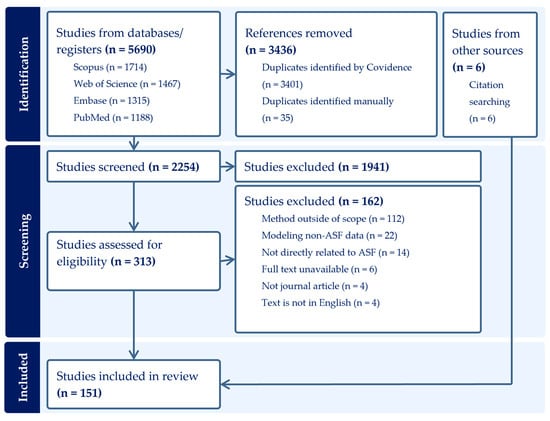
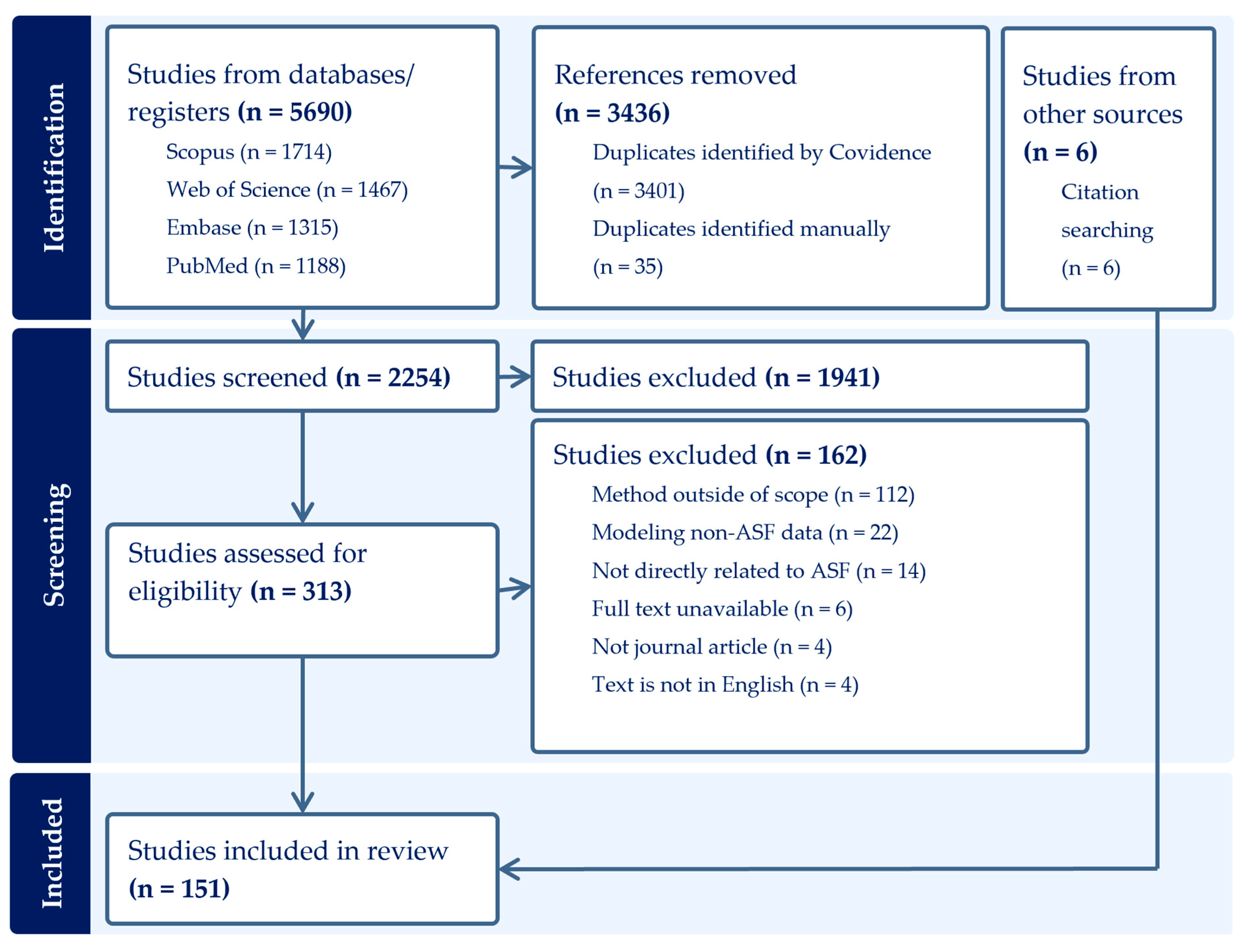
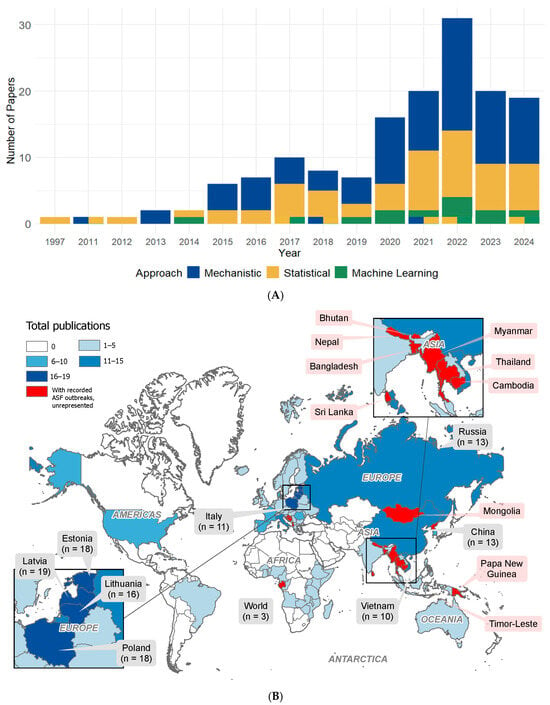
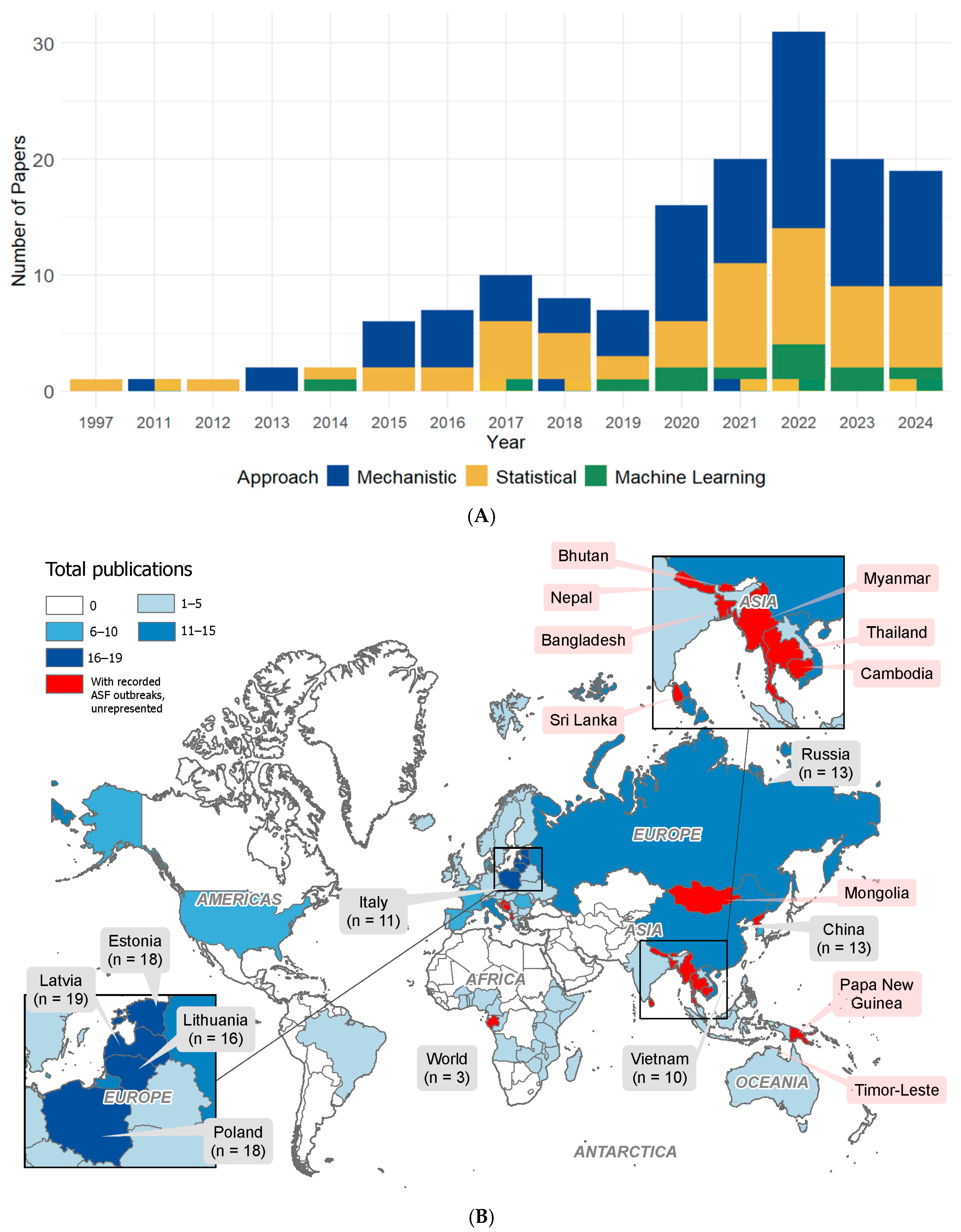
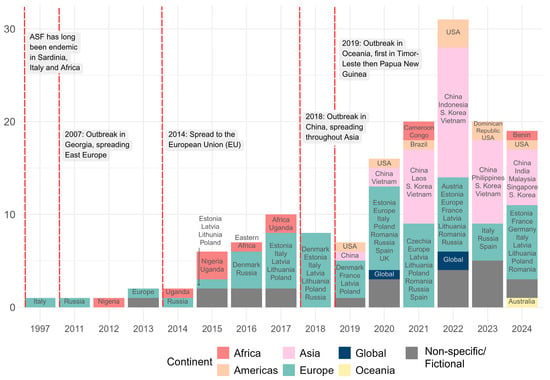
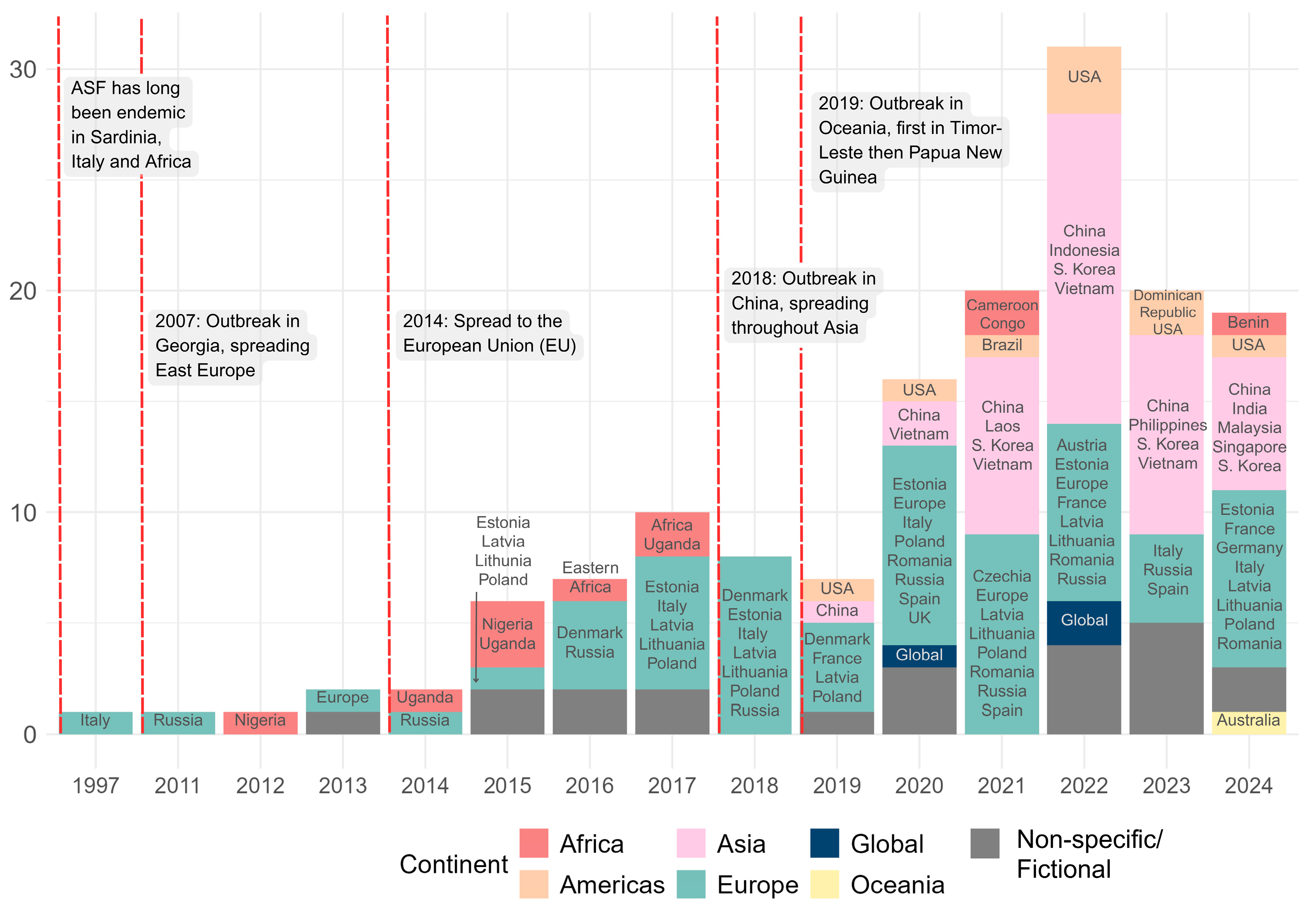
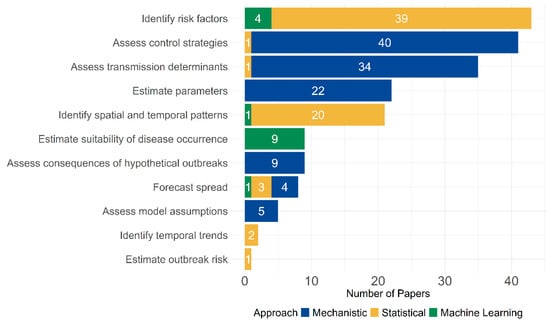
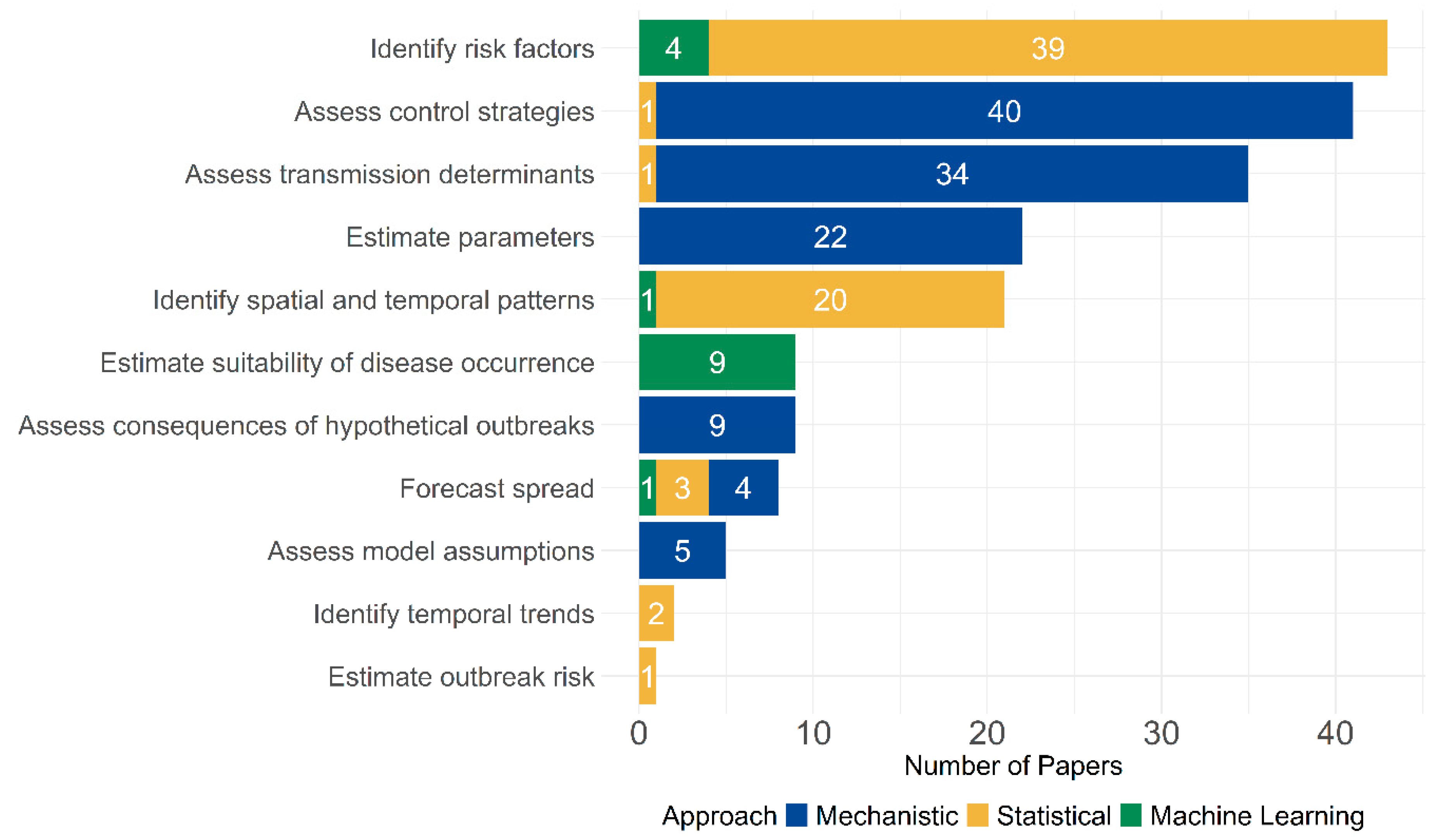
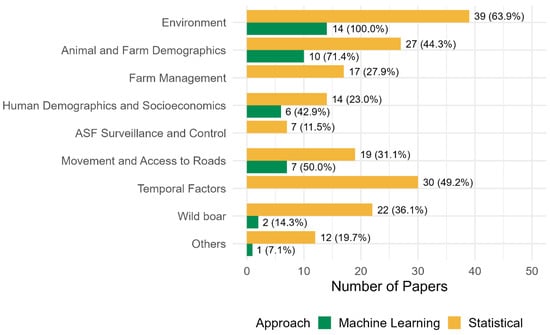
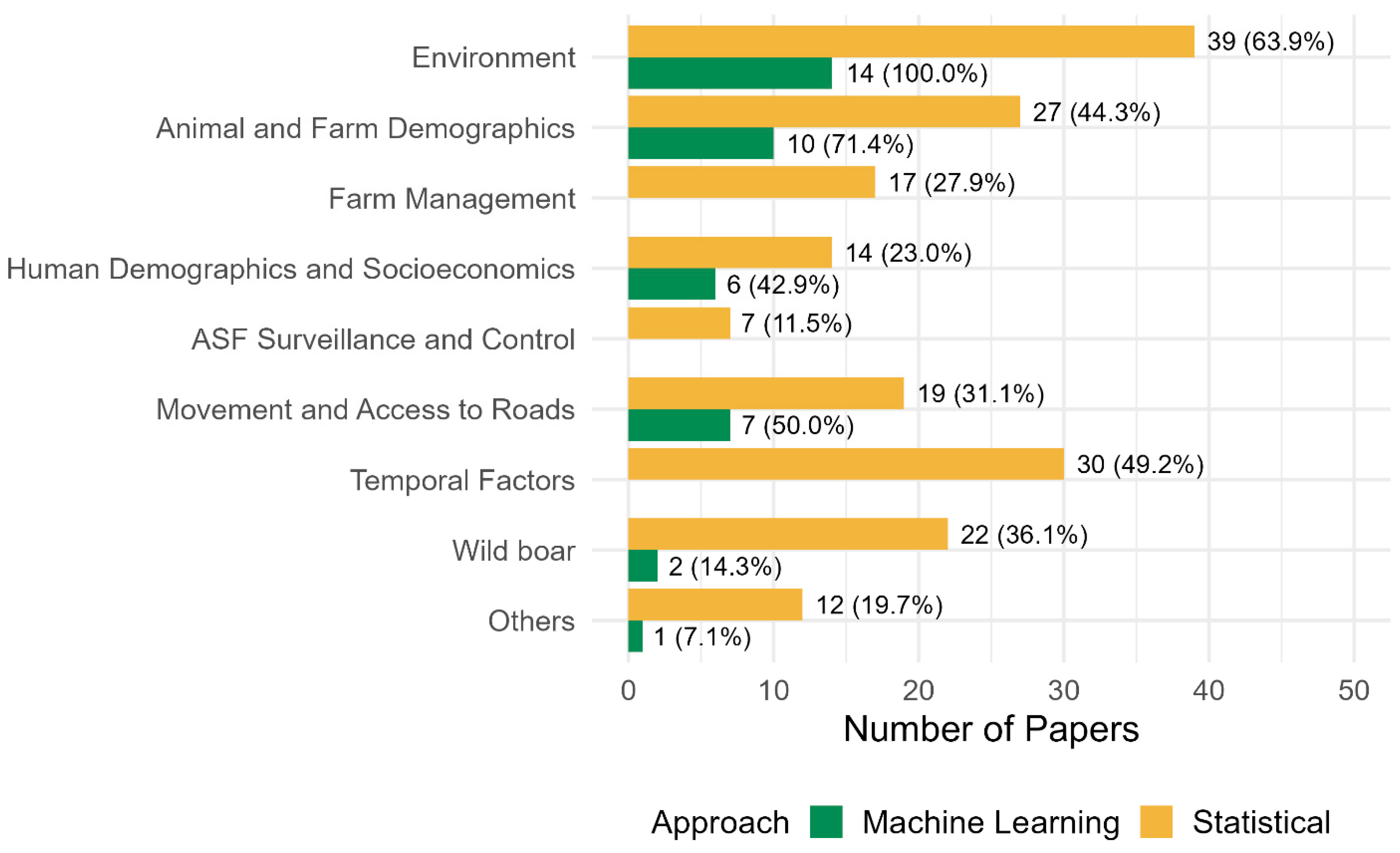
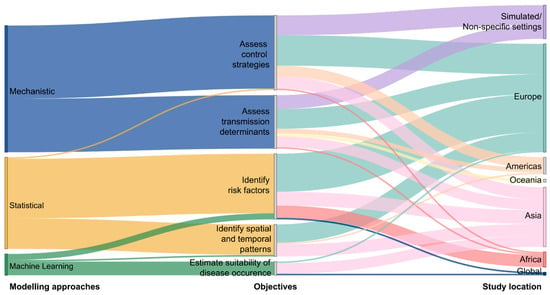
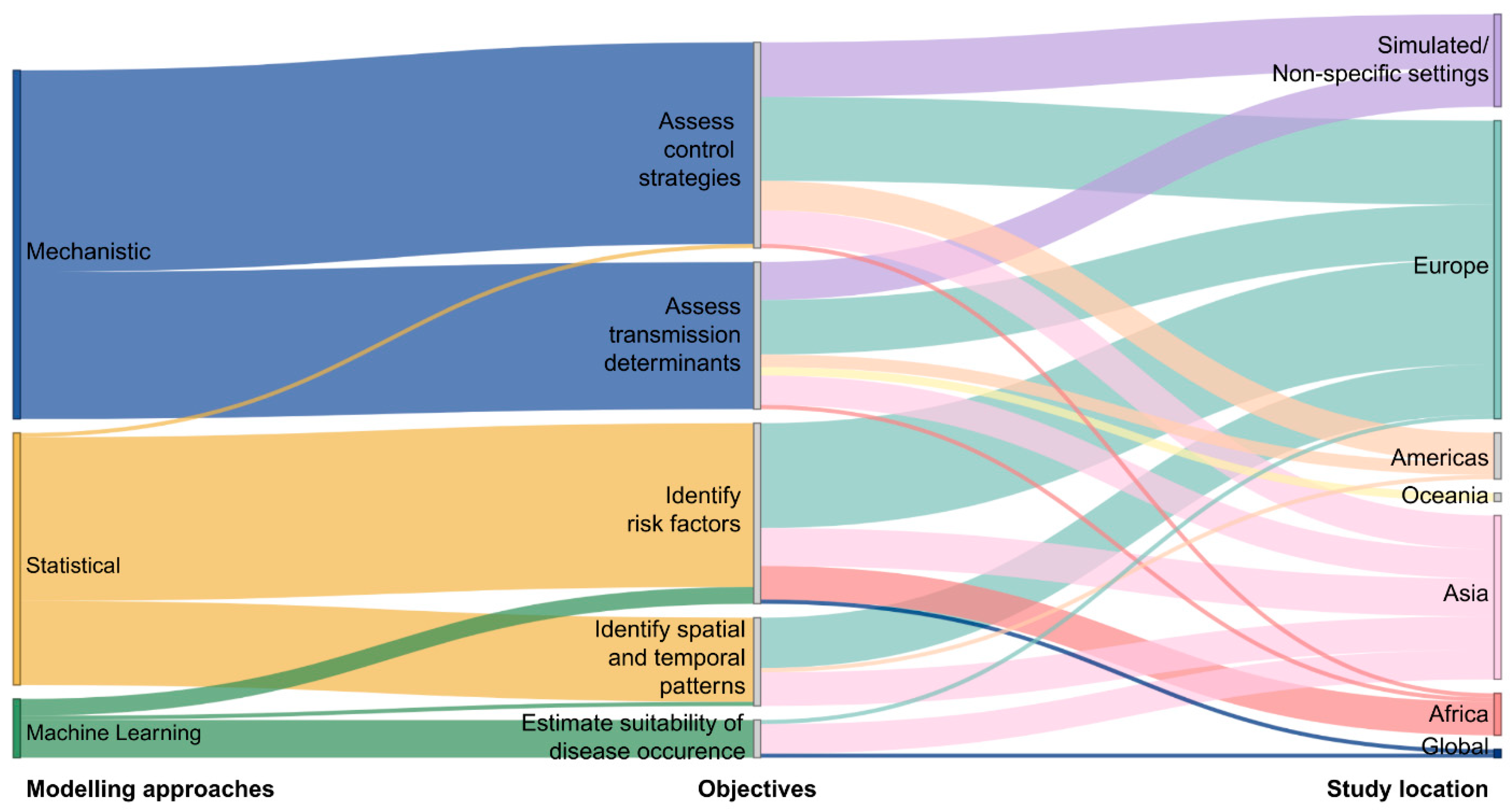

Disclaimer/Publisher’s Note: The statements, opinions and data contained in all publications are solely those of the individual author(s) and contributor(s) and not of MDPI and/or the editor(s). MDPI and/or the editor(s) disclaim responsibility for any injury to people or property resulting from any ideas, methods, instructions or products referred to in the content. |
© 2026 by the authors. Licensee MDPI, Basel, Switzerland. This article is an open access article distributed under the terms and conditions of the Creative Commons Attribution (CC BY) license.