


Abstract
Yellow fever remains a major public health threat in endemic and re-emerging regions of Africa and South America, with recent outbreaks highlighting persistent gaps in prevention and surveillance. Pregnant women represent a particularly vulnerable population, yet the epidemiology, clinical impact, and preventive strategies for yellow fever in pregnancy are insufficiently characterized. Physiological and immunological changes during gestation may influence host responses to infection; however, current evidence does not demonstrate increased susceptibility to or severity of yellow fever during pregnancy. Adverse materno-fetal outcomes, including miscarriage, stillbirth, preterm birth, and, in rare cases, perinatal transmission, have been reported but remain poorly characterized. Diagnostic challenges, overlapping clinical presentations with other arboviral and hepatic diseases, and limited access to specialized care further complicate clinical management in many endemic settings. This perspective provides a comprehensive overview of yellow fever in pregnancy during the 2024–2026 outbreak in the Americas, including a risk-stratification framework for prevention. We summarize current evidence on epidemiology, pathophysiology, diagnosis, and supportive care, and examine prevention strategies with particular emphasis on vaccination. Accumulated observational evidence and substantial real-world experience have not demonstrated an increased risk of serious adverse events and generally support the effectiveness of yellow fever vaccination during pregnancy when administered with appropriate clinical judgment. In high-risk settings, the benefits of maternal immunization clearly outweigh theoretical concerns, supporting a flexible, risk-based approach, despite relatively limited evidence. We also discuss national and international policies, post-pregnancy booster recommendations, and the importance of integrating vaccination assessment into antenatal care. Finally, we highlight critical knowledge gaps and research priorities, including the need for prospective registries and strengthened pharmacovigilance. Coordinated clinical and public health strategies are essential to protect maternal and neonatal health and to reduce the burden of yellow fever in endemic and re-emerging settings.
Keywords:
yellow fever; pregnancy; maternal health; arboviral diseases; vaccination; safety; effectiveness 1. Introduction
Yellow fever (YF) is one of the most severe mosquito-borne viral diseases worldwide, causing recurrent outbreaks with substantial morbidity and mortality in endemic regions of Africa and South America [1]. Despite the availability of an effective live-attenuated vaccine, recent years have witnessed a marked resurgence of YF in several countries [2], particularly in South America [3]. Expanding sylvatic transmission [4], ecological disruption [5,6], population mobility [7], and suboptimal vaccination coverage have contributed to renewed epidemic activity [8]. These dynamics have increased the risk of both rural and peri-urban transmission, raising concerns about the potential reemergence of the urban YF cycle and international spread [9]. In South America, 443 cases and 193 deaths (~44%) have been confirmed during the 2024–2026 outbreak up to 14 March 2026, with cases in 7 countries (Table 1) [7,10,11]. Currently, PAHO/WHO surveillance platforms do not routinely report pregnancy-specific case data (this would also be important in other conditions, such as measles and dengue).
Table 1.
Cases, deaths, incidence, fatality, and mortality rates of YF in South America, 2024–2026 (up to 14 March 2026).
During the 2024–2026 South American outbreak, the highest incidence was observed in Guyana (0.48 cases per 100,000 population), whereas the highest case-fatality rate was observed in Ecuador (72.7%), although this was based on a small number of reported cases. These differences likely reflect heterogeneity in outbreak size, surveillance sensitivity, healthcare access, and delays in diagnosis and referral across affected countries. The incidence rate in Guyana has been 8 times higher than in Brazil and Ecuador, despite the low denominators; however, in Colombia, with higher denominators, it has been 5 times higher than in Brazil (Table 1).
Pregnant women represent a particularly vulnerable population in the context of YF infection (Table 2) [7,12,13,14,15,16,17]. However, it remains uncertain whether pregnancy modifies the clinical spectrum or severity of YF in affected women compared with non-pregnant individuals. Regarding fetal risk, available evidence remains extremely limited. Current reviews indicate that only two cases of confirmed vertical transmission have been reported, both characterized by initially asymptomatic neonates who subsequently developed severe disease with fever, multiorgan failure, and coagulopathy, ultimately resulting in death [16].
Physiological and immunological changes during pregnancy may influence disease severity, clinical presentation, and immune responses, potentially increasing the risk of adverse materno-fetal outcomes [12,15]. Available evidence, although limited, suggests that YF during pregnancy may be associated with severe maternal illness, miscarriage, stillbirth, preterm delivery, and, in rare cases, vertical transmission [7,12,13,14,15,16,17]. However, the true burden of YF in pregnancy remains poorly characterized, largely due to underreporting, limited surveillance, and the scarcity of prospective studies [18].
On the other hand, clinical management and prevention of YF in pregnant women pose significant challenges. Diagnostic difficulties, overlapping clinical features with other arboviral infections, and restricted therapeutic options complicate timely recognition and appropriate care [19].
Moreover, the use of live-attenuated YF vaccines during pregnancy remains a controversial critical issue. It requires careful risk–benefit assessment, particularly in outbreak settings or when travel to endemic areas is unavoidable [20,21]. There is data on this matter, as documented in a 2000 study that reported inadvertent vaccination of 480 pregnant women in the early stages of pregnancy as part of a vaccination campaign against YF, with no safety concerns; even applied during the first trimester, no malformations, complications to the central nervous system, nor adverse perinatal results were observed [22].
In the context of climate change, increased human mobility, and persistent gaps in immunization programs, the intersection between YF and maternal health has become an increasingly important public health concern [23]. This article provides a comprehensive perspective on YF in pregnancy. It addresses epidemiology, clinical impact, diagnostic and management considerations, and prevention strategies, with particular emphasis on vaccination policies and practical guidance. By synthesizing current evidence and identifying key knowledge gaps, we aim to inform clinicians, researchers, and policymakers and support the development of more effective maternal health and disease prevention strategies in YF-endemic and re-emerging settings. We searched studies and articles across multiple databases, including Web of Science, Scopus, PubMed, SciELO, LILACS, Latindex, and ScienceDirect. We were supported by an evidence assessment using the OpenEvidence and VeraHealth platforms; however, this is not a systematic or scoping review. We used a search strategy designed to ensure both breadth and specificity, in line with the objectives of this review. Terms including “Yellow fever (YF)”, “pregnancy and YF”, “Epidemiology of YF”, “Pathophysiology and Pregnancy-Specific Issues”, “diagnosis of YF in pregnant”, “Prevention Strategies in Pregnancy”, “YF Vaccination in Before and During Pregnancy”. Eligible studies were those presenting original data; articles were excluded if they contained incomplete or overlapping datasets, lacked access to the full text. These criteria were implemented to maintain methodological rigor and ensure the validity of the synthesized evidence.
Table 2.
Reported Materno-fetal outcomes associated with yellow fever infection during pregnancy [13,17,24,25,26].
2. Epidemiology of YF in Pregnancy
YF remains endemic in large areas of sub-Saharan Africa and tropical South America, where millions of women of reproductive age live in settings with ongoing or periodic viral transmission [27]. Although vaccination has substantially reduced disease burden in many countries, recurrent outbreaks continue to occur, driven by sylvatic transmission cycles, ecological changes, population mobility, and gaps in immunization coverage [28]. In this context, pregnant women residing in or traveling to endemic regions remain at risk of exposure, particularly in rural, peri-urban, and forest-fringe environments where vector density is high [29].
Reliable epidemiologic data on the incidence and outcomes of YF in pregnancy remain scarce (Table 2) [7,12,13,14,15,16,17]. Most national surveillance systems do not routinely disaggregate cases by pregnancy status, and mild or asymptomatic infections are likely underreported. The absence of routinely reported age-, sex-, and pregnancy-specific surveillance data also limits the ability to generate reliable modeled estimates of the burden of yellow fever in pregnant women during recent outbreaks. Consequently, available epidemiological data are largely derived from outbreak investigations, hospital-based case series, and sporadic case reports. These sources suggest that infection during pregnancy is uncommon in absolute numbers but likely underestimated, especially in regions with limited access to diagnostic testing and prenatal care [30,31]. Nevertheless, in Colombia during the current 2024–2026 outbreak, as of February 3, 2026, 19.5% of cases have been confirmed among women (https://bit.ly/4a0Jjxi) (accessed on 9 February 2026). A similar situation has been observed in Peru, with 16.2% of the 2024–2026 confirmed cases among women (https://www.dge.gob.pe/sala-fiebre-amarilla/tablero.html) (accessed on 9 February 2026). In Brazil, 10.2% of the 2024–2026 confirmed cases occurred in women (https://www.gov.br/saude/pt-br/composicao/svsa/cnie/painel-febre-amarela) (accessed on 9 February 2026). However, among the total confirmed cases reported in Colombia between 2007 and 2023, only 1 case (4%) was in a female (https://www.sispro.gov.co/Pages/Home.aspx) (accessed on 9 February 2026). Although countries may record pregnancy status, it is not displayed publicly in surveillance systems. These proportions indicate that a notable share of infections occurred among women of reproductive age, although pregnancy status is not reported, and no inference about pregnancy-specific risk can be made. At present, reliable estimation of the burden of YF in pregnancy remains difficult because most available surveillance systems and outbreak reports do not publicly show the pregnancy status, gestational age, or age-specific denominators for women of reproductive age, even though in countries (e.g., Brazil or Colombia) the pregnancy status is a mandatory piece of information for reporting any suspected case. In this sense, assuming that every confirmed case has the gestational status documented in the notification and that there is no data on cases among pregnant women, it can be inferred that there were no cases of yellow fever among pregnant women in 2025–2026. As a result, indirect modeling based on general pregnancy rates in affected populations would require strong assumptions and could generate misleading estimates.
Historical and contemporary outbreaks in South America and Africa have intermittently documented cases among pregnant women, often in the context of large epidemics affecting predominantly unvaccinated populations [32]. In these settings, pregnant women are typically exposed through occupational activities, agricultural work, proximity to forested areas in the household, or travel to endemic zones [33,34]. Urbanization and the expansion of peri-urban settlements have further increased contact between human populations and sylvatic transmission cycles, raising concerns about broader exposure among women of childbearing age [35].
Sociodemographic and structural determinants also influence exposure risk and access to prevention in endemic areas [7]. Lower vaccination coverage, geographic isolation, low adherence to and attention from healthcare professionals regarding the recommendation for vaccination of women of childbearing age before pregnancy, and, in outbreak scenarios, the possibility of vaccination even during pregnancy, and barriers to healthcare access may increase vulnerability to infection among women of reproductive age, particularly in rural and forest-adjacent communities where sylvatic transmission occurs [36,37].
Travel-related exposure represents an additional epidemiological dimension [1,7,19,20]. Pregnant travelers from non-endemic countries may be exposed during visits to endemic areas for tourism, work, humanitarian missions, or family-related travel [1,7,19,20]. Although the absolute number of cases in this group remains low, the risk is amplified in outbreak settings or during prolonged stays in high-transmission zones. Increasing international mobility has therefore expanded the geographic scope of concern beyond traditionally endemic countries [1,7,19,20].
Temporal trends in YF epidemiology also have implications for pregnancy-related risk [26,38]. Recent decades have seen a resurgence of outbreaks associated with deforestation, climate variability, and changes in vector ecology [5,6]. These factors have facilitated the spread of competent mosquito vectors and prolonged transmission seasons, potentially increasing cumulative exposure among pregnant women [39]. Moreover, fluctuating vaccine supply, logistical challenges, and vaccine hesitancy have contributed to persistent immunity gaps in some regions [40].
Overall, the epidemiology of YF in pregnancy is characterized by limited data, potential underrecognition, and marked geographic and social heterogeneity [12,14,16,18,19,20,21]. While reported cases remain relatively infrequent [17], the true burden is likely higher than currently appreciated. Strengthening surveillance systems, integrating pregnancy status into routine reporting, and improving access to preventive services are essential to better define and address the risk of YF among pregnant populations in endemic and re-emerging settings [12,14,16,18,19,20,21]. The absence of publicly displayed, routinely reported age-, sex-, and pregnancy-specific surveillance data also limits the ability to generate reliable modeled estimates of the burden of yellow fever in pregnant women during recent outbreaks, even though it is collected in surveillance in some countries.
Understanding the epidemiological context of yellow fever in pregnancy provides an important foundation for examining the physiological and immunological mechanisms that may influence host responses to infection during gestation.
3. Pathophysiology and Pregnancy-Specific Issues
Pregnancy is characterized by complex physiological and immunological adaptations that may influence susceptibility to viral infections and disease severity (Figure 1). These include modulation of innate and adaptive immune responses, altered cytokine signaling, and a shift toward immune tolerance, which is necessary to maintain fetal viability [12,14,15]. While these mechanisms are essential for successful gestation, they may influence antiviral immune responses; however, current epidemiological data do not demonstrate that pregnancy increases susceptibility to or severity of yellow fever infection [12,14,15].
Figure 1.
Immune balance during the tolerant phase of pregnancy and proposed multiorgan pathophysiology of severe yellow fever. (A) Conceptual and hypothetical model of the tolerant immune phase in pregnancy, highlighting regulatory cells and mediators on the anti-inflammatory side (tolerogenic DC, Treg, γδ T cells, M2 macrophages; IL-10, IL-1Ra, sTNFR, IDO, PIBF) versus pro-inflammatory effector cells and mediators (Kupffer cells, NK cells, CD8 T cells, M1 macrophages, neutrophils; PGE, IL-6, IL-1, IFN-γ, IL-17, TNF, IL-33, NO). The yellow fever virus is depicted as a disruptor that can shift this equilibrium toward inflammatory dominance. (B) Proposed sequence of severe yellow fever injury: intrahepatic infection and cytokine signaling (e.g., IL-1, IL-6, TNF-α, IL-33) contributing to hepatocellular dysfunction and systemic inflammation, followed by characteristic organ involvement—liver: midzonal hepatocyte apoptosis → hepatic dysfunction with reduced clotting-factor synthesis and coagulopathy; heart: direct myocardial injury/apoptosis → myocarditis, reduced contractility, shock; kidney: tubular epithelial injury/acute tubular necrosis (ATN) → acute kidney injury (AKI) with oliguria; spleen/lymphoid tissue: germinal-center necrosis/lymphoid depletion → immune dysfunction. Abbreviations: AKI, acute kidney injury; ATN, acute tubular necrosis; DC, dendritic cell; IDO, indoleamine 2,3-dioxygenase; IFN-γ, interferon gamma; IL-1Ra, interleukin-1 receptor antagonist; NK, natural killer; NO, nitric oxide; PGE, prostaglandin E; PIBF, progesterone-induced blocking factor; sTNFR, soluble TNF receptor; TNF-α, tumor necrosis factor alpha; Treg, regulatory T cell. This conceptual model illustrates proposed mechanisms through which pregnancy-related immune modulation and systemic inflammatory responses induced by the YF virus may interact to influence host responses to infection during pregnancy. Created with the help of BioRender (https://BioRender.com).
YF virus primarily targets hepatocytes, endothelial cells, and immune cells, leading to widespread hepatic injury, vascular dysfunction, and systemic inflammatory responses (Figure 1) [24]. In pregnant women, these effects may be amplified by pregnancy-related changes in hepatic metabolism, coagulation pathways, and cardiovascular physiology [24,25,41,42]. The combination of viral-induced liver failure, thrombocytopenia, and coagulopathy increases the risk of hemorrhagic complications, obstetric bleeding, and multi-organ dysfunction, posing significant threats to maternal survival [43,44].
The placenta serves as a critical interface between the maternal and fetal compartments and may function as both a barrier and a potential viral target. Although vertical transmission of YF appears to be rare, placental inflammation, endothelial injury, and altered perfusion may contribute to fetal hypoxia, growth restriction, and pregnancy loss. Experimental studies of other flaviviruses have shown that placental infection may occur through viral entry into trophoblasts and placental macrophages (Hofbauer cells), potentially mediated by surface receptors involved in flavivirus entry such as DC-SIGN and TAM family receptors, leading to local inflammation and disruption of the maternal–fetal interface [45,46,47]. In addition, systemic maternal illness, fever, hemodynamic changes, and metabolic disturbances can indirectly compromise fetal well-being [48,49,50].
The pregnancy-associated shift toward a T helper 2–dominant immune profile, which is essential for fetal tolerance, may theoretically attenuate virus-specific cytotoxic T-cell responses required for efficient clearance of flavivirus infections. This immunological modulation may contribute to suboptimal cellular immunity and accelerated waning of protective antibody titers following natural infection or vaccination. Consequently, some pregnant women may initially seroconvert but experience more rapid declines in antibody levels over time. This mechanism provides a plausible explanation for the reduced durability of vaccine-induced immunity observed in some studies of vaccination during pregnancy, although its relevance to susceptibility to wild-type yellow fever virus infection remains uncertain [51,52,53,54].
These pregnancy-specific physiological and immunological changes provide biological plausibility for altered host responses; however, current epidemiologic evidence does not demonstrate increased susceptibility or severity of yellow fever infection during pregnancy [14]. Importantly, available epidemiologic studies have not demonstrated higher case-fatality rates or clearly increased disease severity among pregnant women with yellow fever [14,51,52,53,54]. However, the absence of comparative cohort studies between pregnant and non-pregnant women limits the ability to definitively assess whether pregnancy modifies the clinical course of yellow fever.
These immunological adaptations may influence host responses to viral infections, potentially altering antiviral immunity during pregnancy. Similar mechanisms have been described in other arboviral infections during pregnancy. For example, dengue virus infection has been associated with exaggerated inflammatory responses and endothelial dysfunction that may increase the risk of severe disease. In contrast, the Zika virus is well recognized for its ability to infect placental trophoblasts and disrupt placental integrity. Although the mechanisms of yellow fever virus interaction with the placenta remain poorly characterized, experimental and clinical observations from related flaviviruses suggest that placental infection may occur through viral replication in trophoblastic cells, endothelial injury, and inflammatory cytokine signaling at the maternal–fetal interface. These processes could theoretically contribute to placental dysfunction, fetal hypoxia, and the rare cases of perinatal transmission reported in the literature [14,16,44,50,55,56,57,58]. However, direct mechanistic studies of YF virus infection in human placental tissue are currently lacking, and most proposed mechanisms are extrapolated from experimental or clinical observations in other flaviviral infections.
Importantly, no dedicated mechanistic studies have yet examined YF virus infection in human placental tissue.
4. Diagnosis in Pregnant Women
The diagnosis of YF in pregnant women is often challenging due to nonspecific early clinical manifestations and frequent overlap with other infectious and non-infectious conditions. Initial symptoms, including fever, headache, myalgia, nausea, and malaise, are indistinguishable from those of other arboviral infections, viral hepatitis (including hepatitis E and its well-known association with poor materno-fetal outcomes), malaria, leptospirosis, and obstetric complications such as preeclampsia with hepatic involvement, HELLP syndrome (Hemolysis, Elevated Liver enzymes, and Low Platelet count), and acute fatty liver of pregnancy (AFLP) (Table 3) [57,59,60,61]. For this reason, differential diagnostic frameworks, such as that summarized in Table 3, are useful for guiding early suspicion of diagnosis, clinical assessment, and selecting appropriate laboratory tests in endemic settings. However, definitive diagnosis ultimately relies on laboratory confirmation using molecular or serological methods. As a result, early high clinical suspicion is essential, particularly in women with recent exposure to endemic areas or ongoing outbreaks (e.g., Tolima in Colombia, 2024–2026) [58].
Table 3.
Key Differential Diagnoses of Yellow Fever in Pregnant Women with Acute Febrile Illness and Hepatic Involvement.
Laboratory confirmation relies primarily on molecular and serological methods [58]. In clinical practice, during the viremic phase, reverse transcription polymerase chain reaction allows direct detection of viral RNA and provides high diagnostic specificity. After the acute phase, serological testing for virus-specific antibodies becomes the main diagnostic tool. However, serological interpretation, even for IgM antibodies, may be complicated by cross-reactivity with other flaviviruses, prior vaccination, and pre-existing immunity, which are common in endemic regions [65].
In areas with recent vaccination campaigns, detection of YF–specific IgM may reflect recent immunization rather than acute infection, and confirmatory testing with plaque-reduction neutralization assays may be required in selected cases [66].
Pregnancy-related physiological changes, including hemodilution, altered immune responses, and modifications in liver enzyme levels, may further obscure diagnostic interpretation. In addition, limited access to advanced laboratory facilities in resource-constrained settings often delays confirmation. Consequently, clinical, epidemiological, and laboratory information must be integrated to support timely diagnosis. Early identification and accurate diagnosis of YF are critical to guide appropriate supportive management, fetal monitoring, and public health interventions aimed at reducing transmission and preventing adverse maternal and neonatal outcomes [67,68].
Once YF is suspected or confirmed, timely clinical management, monitoring, and intensive supportive care are essential to reduce maternal complications and optimize fetal and neonatal outcomes.
5. Clinical Management and Supportive Care
There is no specific antiviral therapy for YF, and clinical management in pregnant women is primarily based on early recognition and comprehensive supportive care. Given the potential for rapid clinical deterioration, suspected or confirmed cases should be managed in healthcare facilities with capacity for close clinical and obstetric monitoring and advanced supportive interventions. Initial management focuses on stabilizing vital signs, maintaining adequate hydration, correcting electrolyte imbalances, and maintaining hemodynamic stability [65,69].
Maternal hyperthermia itself may increase uterine contractility and has been associated with adverse obstetric and neurodevelopmental outcomes [65,70]. Substantial evidence suggests that fever during pregnancy, irrespective of the underlying pathogen, may represent a risk factor for neurodevelopmental disorders, autism spectrum disorders, and congenital cardiovascular malformations [65,70]. Nevertheless, results remain heterogeneous, and not all studies have demonstrated a significant increase in risk. These findings highlight the importance of investigating the causes of fever and implementing timely antipyretic and supportive measures in pregnant women with suspected or confirmed YF [65,70].
Acute liver failure, renal impairment, metabolic disturbances, and coagulopathy frequently complicate severe disease [71]. Regular monitoring of liver enzymes, renal function, coagulation parameters, and platelet counts is essential for early detection of organ dysfunction [72]. Blood products, vitamin K, and careful transfusion support may be required in the presence of significant bleeding or severe thrombocytopenia. Nephrotoxic and hepatotoxic medications should be avoided whenever possible [65,73].
In selected critically ill patients with refractory disease, adjunctive therapies such as intravenous immunoglobulin and intensive therapeutic plasma exchange have been proposed as rescue interventions in addition to standard supportive care, with emerging evidence suggesting potential benefit in severe forms of YF [65,74].
Obstetric management should be individualized and coordinated within a multidisciplinary team involving infectious disease specialists, obstetricians, intensivists, and neonatologists. Continuous fetal monitoring is recommended in viable pregnancies, particularly in critically ill patients. Decisions regarding timing and mode of delivery must balance maternal clinical status, gestational age, and fetal well-being [12,14,16,18,19,20,21,49,68].
In cases of maternal instability, priority should be given to optimizing maternal condition, as this remains the most effective strategy for improving fetal outcomes [12,14,16,18,19,20,21,49,68]. Pregnant women in endemic areas with active yellow fever transmission who present with fever, jaundice, and warning signs should be urgently referred to healthcare facilities with advanced supportive care capabilities, including dialysis and transplant services when available. Early recognition and timely transfer to higher-level care may be critical for improving outcomes in cases of fulminant hepatic failure [75], especially now, in countries with ongoing outbreaks in South America (2024–2026).
Postpartum follow-up is important for monitoring maternal recovery, assessing neonatal health, and providing appropriate counseling on future pregnancies and preventive measures [12,14,16,18,19,20,21,49,68].
In addition to maternal supportive care, careful consideration of fetal and neonatal risks is essential in the management of YF during pregnancy. Most documented cases described in the literature represent perinatal transmission occurring around the time of delivery rather than confirmed transplacental infection earlier in gestation. YF during pregnancy represents a significant clinical challenge because of the risk of vertical and perinatal transmission and the potential for severe neonatal complications. Although available evidence remains limited and is largely derived from isolated case reports, maternal–fetal transmission has been documented, particularly when maternal infection occurs late in pregnancy or around delivery. In such cases, neonatal infection may progress to fulminant disease. Published data describe a wide spectrum of outcomes ranging from asymptomatic congenital infection to fulminant neonatal disease and death. The best-documented perinatal case, reported in Brazil in 2009, described probable vertical transmission leading to neonatal hemorrhagic hepatitis, multi-organ failure, disseminated intravascular coagulation, seizures, and death within the first two weeks of life, underscoring the potential severity of congenital infection [13,76]. Despite these reported cases, the true incidence of vertical or perinatal transmission of the YF virus remains unknown. No large prospective cohorts or population-based surveillance studies have systematically evaluated maternal–fetal transmission, and available evidence is limited to isolated case reports and small clinical descriptions. Consequently, important questions remain unresolved, including the influence of gestational age on transmission risk, the spectrum of fetal outcomes following maternal infection, and the long-term prognosis of exposed infants. Establishing prospective pregnancy registries and integrating pregnancy status into yellow fever surveillance systems will be essential to address these knowledge gaps. Because the total number of pregnancies among infected women during outbreaks is unknown, the incidence of vertical or perinatal transmission cannot currently be estimated. Reliable risk estimates would require systematic recording of pregnancy status and prospective follow-up of maternal infections during outbreaks. Experimental animal studies have also demonstrated fetal growth restriction and reduced viability following early gestational exposure, suggesting increased vulnerability during the first trimester [77].
Cohort studies of inadvertent exposure to the 17D vaccine during pregnancy have not shown a consistent increase in major congenital malformations, although minor dysmorphisms have occasionally been reported, and rare cases of congenital infection following maternal vaccination have been documented [17,78,79,80]. In addition, the possibility of peripartum and lactational transmission, including through breast milk, further complicates risk assessment and clinical management [13,49,81].
Despite these concerns, there are currently no standardized fetal surveillance protocols specifically designed for pregnant women with confirmed or suspected YF. Existing guidelines do not define optimal monitoring intervals, diagnostic modalities, or evidence-based intervention thresholds [82]. Consequently, clinical management relies on general obstetric principles, including confirmation of maternal infection, close assessment of maternal stability, and individualized fetal surveillance using serial ultrasound for growth assessment, fetal wellbeing testing, and Doppler studies when clinically indicated [82]. In endemic settings, prevention remains central and focuses on preconception vaccination, individualized risk–benefit assessment during pregnancy, intensified surveillance of febrile pregnant women, and appropriate breastfeeding guidance following vaccination [49]. Prospective studies and pregnancy registries are urgently needed to determine true vertical transmission rates, characterize prenatal imaging findings, and establish evidence-based fetal and neonatal follow-up strategies to improve perinatal outcomes [13,76].
6. Prevention Strategies in Pregnancy
Prevention of YF and other arboviral diseases in pregnant women relies on an integrated approach combining vector control, personal protective measures, risk assessment, and targeted public health interventions [83], including attention to the immune status of pregnant women and people of childbearing potential. In endemic and high-risk areas, reducing exposure to infected mosquitoes remains a fundamental strategy [83,84]. Environmental management to eliminate breeding sites, regular insecticide application, and community-based vector control programs play a central role in limiting transmission [85]. At the individual level, pregnant women should be encouraged to use repellents approved for use during pregnancy, wear protective clothing, install window screens, and use bed nets, particularly in areas with intense vector activity [1,4,7,36]. At the individual level, women at risk of transmission may be advised to avoid pregnancy during periods of high transmission and outbreaks.
Risk reduction is especially important for women living in rural, peri-urban, and forest-adjacent settings, as well as those engaged in agricultural or outdoor occupations. Travel to endemic regions during pregnancy should be carefully evaluated, and non-essential travel should be postponed when feasible, particularly during outbreaks [86]. When travel is unavoidable, personalized counseling is essential to minimize exposure and ensure access to appropriate preventive measures [87].
Surveillance systems and early warning mechanisms, based on epizootic monitoring, climatic indicators, and human case detection, contribute to timely outbreak responses and targeted prevention efforts. Integrating YF prevention into routine antenatal care provides an opportunity to identify at-risk women, reinforce protective behaviors, and facilitate access to vaccination when appropriate. Strengthening community engagement, health education, and intersectoral collaboration is essential to sustain preventive strategies and reduce the burden of YF among pregnant populations [88,89]. In low-resource settings, maintaining adequate vaccine storage conditions and cold chain integrity represents an additional critical challenge, as failures in temperature control may compromise vaccine potency and undermine prevention efforts, particularly in remote and underserved communities [90,91,92,93].
Community perceptions of febrile illness and its management, as well as local patterns of human–animal interactions, play a central role in shaping the risk of YF transmission among pregnant women. Underestimation of symptoms and delayed care-seeking remain common in many settings. Addressing these factors through culturally appropriate health education can improve risk awareness, promote timely healthcare utilization, and empower pregnant women with practical strategies to prevent infection and recognize early warning signs [94].
7. YF Vaccination in Before and During Pregnancy
Vaccination decisions during pregnancy require careful evaluation of the balance between the risks of wild-type yellow fever infection and the theoretical risks associated with the live-attenuated 17D vaccine. Because protective immunity to YF after infection or vaccination lasts for decades in most people [95], there is a broad window of opportunity for immunological interventions before pregnancy. Vaccination remains the most effective and reliable strategy for preventing YF and reducing disease-related morbidity and mortality in endemic and outbreak settings (Table 4) [1].
Table 4.
Risk–Benefit Framework for Yellow Fever Vaccination in Pregnant Women.
Beyond active immunization, passive immunization strategies, including the use of monoclonal antibodies for prophylactic and therapeutic purposes, have emerged as promising complementary tools, particularly for pregnant or immunocompromised individuals in outbreak settings, and may represent a feasible future approach to outbreak mitigation through targeted stockpiling and rapid deployment [96]. Vaccination against YF, including among pregnant women in high-exposure areas, is critical in a condition with a case fatality rate higher than 40% [7]. The currently available live-attenuated vaccine has demonstrated high effectiveness and an adequate safety profile over several decades of use worldwide (Table 5) [2]. It induces robust and long-lasting immunity in most recipients and has been instrumental in controlling transmission and preventing large-scale epidemics [97]. Accumulated evidence indicates that this vaccine is safe for use in the general population and represents a cornerstone of global YF prevention [1,24].
Table 5.
Safety of Yellow Fever Vaccine in Pregnancy by Trimester [52,98,99,100,101,102,103,104].
In the context of pregnancy, early theoretical concerns regarding fetal exposure to a replicating virus led to cautious recommendations and classification of the vaccine as one to be used with precaution (Table 5) [98].
However, accumulating observational evidence suggests that YF vaccination during pregnancy is not associated with significant adverse maternal, fetal, or neonatal outcomes [22,102].
Although some studies have reported mild symptoms like headache, fever, and myalgias in up to 19.6% of pregnant women who were inadvertently vaccinated early (at a mean of 5.7 weeks of gestation) in gestation [22] and fetal adverse events, mostly malformations (3.3%), with no differences in several types of major malformations except for Down’s syndrome (3 cases in 304 babies exposed, p = 0.003) [80] and spontaneous abortion (<2%) in patients exposed before their last menstrual period or during the first trimester of pregnancy [104,105]. Key quantitative findings from the available observational studies, including cohort size, seroconversion rates, and reported maternal–fetal outcomes, are summarized in the cited references and incorporated into the narrative synthesis presented here. Because the available evidence is primarily observational, vaccination decisions during pregnancy should rely on careful risk–benefit assessment rather than on uniform recommendations.
Multiple studies, including large cohort analyses and post-marketing surveillance data, have failed to demonstrate increased risks of miscarriage, congenital anomalies, stillbirth, preterm birth, or neonatal complications attributable to vaccination [22,52,98,100,101,102]. Importantly, inadvertent vaccination during early pregnancy, including during the first trimester, has not been linked to clinically relevant safety concerns [22,52,98,100,101,102]. Thus, vaccination against YF, including among pregnant women, in high-risk settings, is likely to offer greater benefit than potential risk. It is important to interpret the available evidence on yellow fever in pregnancy with appropriate caution. Much of the available literature consists of observational studies, retrospective analyses, case reports, and post-marketing vaccine surveillance. Prospective controlled studies remain scarce. Consequently, the strength of evidence supporting several conclusions, particularly regarding vaccine safety, immunogenicity, and maternal–fetal outcomes, remains limited. Although accumulated real-world experience and observational data generally support the safety and effectiveness of yellow fever vaccination during pregnancy when clinically indicated, these findings should be interpreted in the context of potential biases inherent to non-randomized data sources, including incomplete follow-up, selection bias, and residual confounding. For this reason, some interpretations presented in this review should be considered hypothesis-generating or based on biological plausibility and indirect evidence rather than definitive causal inference. However, defining precise epidemiological indices to justify including susceptible populations, such as pregnant women, in vaccination campaigns could be challenging.
Regulatory agencies and public health authorities have progressively incorporated this evidence into their guidance [99]. The United States Food and Drug Administration and other regulatory bodies consider the YF vaccine to be safe when administered during pregnancy under appropriate clinical circumstances (https://www.fda.gov/media/76015/download) (accessed on 9 February 2026). Brazil’s National Immunization Program, in a technical document, points out that regarding the use of the YF vaccine in pregnant women, “if it is impossible to postpone vaccination, such as in situations of epidemiological emergency, outbreaks or epidemics, the health service should assess the risk versus benefit of vaccination” (https://www.gov.br/saude/pt-br/vacinacao/calendario) (accessed on 9 February 2026). Consequently, updated clinical guidance and public health messaging could empower primary care and obstetrical providers to incorporate YF vaccination as a key consideration in prenatal care [41,78,106].
Accordingly, vaccination decisions should be individualized based on exposure risk and gestational age. Several countries have adopted pragmatic, evidence-based policies that incorporate local epidemiology, gestational age, and individual exposure profiles. Based on these principles and the quantitative findings reported in observational cohorts and vaccination surveillance studies, a risk-based operational framework is proposed to guide vaccination decisions in clinical and outbreak settings (Figure 2) [1]. In areas with active transmission, recurrent outbreaks, or sustained sylvatic circulation, the risk of severe maternal disease, hemorrhagic complications, and maternal mortality clearly outweighs any potential vaccine-related concerns (https://www.minsalud.gov.co/Normatividad_Nuevo/Circular%20Externa%20No%20029%20de%202025.pdf) (accessed on 9 February 2026). In such settings, vaccination represents the most effective means of protecting both maternal and fetal health. Ideally, women of reproductive age in endemic regions who have not been previously immunized against YF should be vaccinated before becoming pregnant. Conversely, in low-risk environments or when exposure can be avoided, deferring vaccination and postponing travel may be considered [1,2,7]. At the population level, strengthening routine pre-pregnancy vaccination in endemic and epidemic-prone areas is a highly effective preventive strategy, analogous to public health approaches used for other infections with major implications for maternal and fetal health, such as hepatitis B and human papillomavirus.
Figure 2.
Evidence-informed operational decision matrix for yellow fever vaccination in pregnancy based on observational studies and public health guidance. The matrix integrates gestational age and local transmission intensity to guide vaccination decisions in pregnant women. Recommendations reflect current evidence and regional public health guidance, emphasizing individualized risk–benefit assessment, particularly in high-risk outbreak settings. * <12 weeks: PAHO does not generally recommend vaccination during the first trimester due to theoretical risks. However, in high-risk zones, this protocol proposes its use as an exceptional measure based on a Risk versus Benefit analysis (in which the high probability of maternal mortality outweighs the theoretical risk to the fetus). In all scenarios, vector control and personal protection against vectors are recommended. Testing for immune status assessment is generally not readily available. Even if it were, limitations in serologic interpretation due to cross-reactions among flaviviruses could lead to false-positive results for yellow fever and prevent the vaccine from being recommended.
Multiple countries have adopted pragmatic, evidence-based policies reflecting this approach [107]. In the United States, the YF vaccine may be used as a precaution when balancing risks and benefits (https://www.cdc.gov/yellow-fever/hcp/vaccine/index.html) (accessed on 9 February 2026). Pregnant women should avoid or postpone travel to an area where there is a risk of YF. If travel cannot be avoided, discuss vaccination with your healthcare professional. In the United Kingdom, when travel is unavoidable, vaccination in pregnancy should be considered on a case-by-case basis. The possible fetal risks of vaccination should be weighed against the risk to mother and fetus from YF infection, which is associated with significant morbidity and mortality, particularly in immune-naïve individuals (https://uktis.org/monographs/yellow-fever-vaccination-in-pregnancy/) (accessed on 9 February 2026). Similarly, considerations and recommendations are in Canada (https://www.canada.ca/en/public-health/services/publications/healthy-living/canadian-immunization-guide-part-3-vaccination-specific-populations/page-4-immunization-pregnancy-breastfeeding.html) (accessed on 9 February 2026), Australia (https://immunisationhandbook.health.gov.au/contents/vaccine-preventable-diseases/yellow-fever) (accessed on 9 February 2026), France (https://www.pasteur.fr/en/medical-center/vaccines-available-medical-center) (accessed on 9 February 2026), Germany (https://www.auswaertiges-amt.de/resource/blob/2279420/9f78874fa053f8a9cb15c505a5b03ef1/reise-impfempfehlungen-aa-data.pdf) (accessed on 9 February 2026), Spain (https://www.sanidad.gob.es/areas/promocionPrevencion/vacunaciones/programasDeVacunacion/embarazadas/mujeres/docs/Mujeres_edad_fertil_embarazadas_puerperio.pdf) (accessed on 9 February 2026) among other countries.
For example, following national safety assessments, Colombia recommends YF vaccination for pregnant women residing in or traveling to high-risk areas after 12 weeks of gestation (https://www.minsalud.gov.co/Normatividad_Nuevo/Circular%20Externa%20No%20029%20de%202025.pdf) (accessed on 9 February 2026). Ecuador also recommends the use of YF for pregnant women in high-risk areas (https://www.salud.gob.ec/fiebre-amarilla) (accessed on 9 February 2026). Similar risk-based strategies have been implemented in other endemic and non-endemic countries, integrating local epidemiology, individual exposure profiles, and gestational age into vaccination decisions. In Brazil, the vaccination may be recommended for pregnant women when there is a high risk of infection, and vaccination cannot be deferred. This applies to individuals who live in, or will travel to, areas with active transmission, provided that a health service has evaluated them. For travelers, the vaccine should be administered at least 10 days before departure (https://www.gov.br/saude/pt-br/vacinacao/calendario) (accessed on 9 February 2026). When indicated after the first trimester, yellow fever vaccination may be administered alongside inactivated vaccines such as seasonal influenza or COVID-19 vaccines, in accordance with national immunization guidance and individualized clinical assessment [107].
In situations where YF vaccination is recommended, counseling should emphasize the vaccine’s demonstrated safety and effectiveness, the high risk of natural infection, and the substantial benefit of maternal protection, especially during outbreaks. Shared decision-making, supported by clear and transparent information, enhances patient confidence and promotes adherence to preventive measures. Informed consent and appropriate documentation remain essential components of good clinical practice [12,18,49,52,100].
Post-vaccination follow-up should include routine obstetric monitoring and assessment of maternal well-being. Although most vaccinated pregnant women develop an adequate immune response, several studies have shown that seroconversion rates during pregnancy may be lower than in non-pregnant adults and that long-term immunity may be less consistent [41,95,108,109]. In a cohort of 96 infants with available longitudinal follow-up, 51 were born to mothers who were seropositive for YF virus IgG. Among these infants, 36 (70.6%) were IgG-positive at birth, reflecting efficient transplacental transfer of protective maternal antibodies. Longitudinal analyses demonstrated a progressive decline in passively acquired IgG concentrations over time, with substantial interindividual variability in the rate of antibody waning. An additional area of uncertainty is whether high maternal antibody levels in highly endemic settings may transiently blunt infant immune responses to subsequent vaccination or natural exposure, potentially affecting long-term protection. These findings highlight the transient nature of maternally derived immunity and its limited contribution to sustained infant protection [110].
Studies have reported high short-term seroprotection rates following inadvertent YF vaccination during pregnancy, reaching up to 98% in early gestation (2–4 weeks) [22], although substantially lower seroconversion rates have been observed in some cohorts (38.6% at 6 weeks) [41]. Consequently, booster doses after pregnancy are recommended in several countries, including Canada (https://www.canada.ca/en/public-health/services/publications/healthy-living/canadian-immunization-guide-part-4-active-vaccines/page-25-yellow-fever-vaccine.html) (accessed on 9 February 2026), USA (https://www.cdc.gov/yellow-fever/hcp/vaccine/index.html) (accessed on 9 February 2026), Germany [109], Australia, and Colombia (https://www.minsalud.gov.co/Normatividad_Nuevo/Circular%20Externa%20No%20001%20de%202026.pdf) (accessed on 9 February 2026), particularly for women who remain in or return to high-risk areas and were vaccinated during pregnancy [16,68,98,99]. Current recommendations for post-pregnancy booster vaccination are primarily informed by limited immunogenicity data and national vaccination policies rather than by fully established mechanistic evidence.
Breastfeeding considerations should also be addressed. Few case reports have documented transmission of the YF vaccine virus through breast milk during the early neonatal period, leading to severe neurological complications in exposed infants. These observations provide a strong rationale for individualized risk assessment and support recommendations to temporarily interrupt breastfeeding when maternal vaccination is required, particularly in the first weeks of life [111,112]. Although transmission of vaccine-derived virus through breast milk is rare, individualized counseling is appropriate, especially in the early postpartum period. In most cases, the benefits of maternal immunization and continued breastfeeding outweigh potential risks [16,68,98,99]. In women who receive the YF vaccine during breastfeeding, a temporary interruption of breastfeeding for at least 10 days may be considered for infants younger than 6 months, given their increased vulnerability to vaccine-derived viral transmission. In contrast, continued breastfeeding is generally appropriate for infants older than 6 months, in whom the risk of adverse outcomes is substantially lower (Table 4) (https://www.minsalud.gov.co/Normatividad_Nuevo/Circular%20Externa%20No%20029%20de%202025.pdf) (accessed on 9 February 2026).
From a public health perspective, strengthening preconception, adolescent, and routine adult immunization programs is essential to minimize the need for vaccination during pregnancy. Systematic assessment of vaccination history during antenatal care allows early identification of susceptible women and facilitates timely preventive interventions [19,20,101,106].
During mass vaccination campaigns, including those conducted in outbreak settings, pregnant women should not be systematically excluded. Instead, individualized medical assessment, clear operational guidance, and strengthened pharmacovigilance systems are required. The experience from recent outbreaks, including the 2024–2026 epidemic in Colombia, demonstrates that targeted vaccination after the first trimester can be safely implemented when transmission risk is high. It is also important to emphasize that when vaccination is indicated during pregnancy, the standard full-dose YF vaccine should be administered rather than a fractional dose. Dose-sparing strategies using fractional doses have been implemented in outbreak settings. However, fractional dosing has not been adequately evaluated for safety or immunogenicity in pregnant women, and its effectiveness in this population remains uncertain [98]. In other populations, e.g., children, fractional doses do not sustain long-term appropriate antibody titers [113]. Even more, the WHO indicates that until data relevant to specific subgroups become available, children aged < 2 years, individuals known to be HIV-infected, and pregnant women should preferentially be vaccinated using a standard dose [114]. Therefore, full-dose vaccination remains the preferred approach when maternal immunization is required [7].
The recommendations and operational considerations discussed in this article should be interpreted in the context of a narrative synthesis of available evidence rather than as formal evidence-graded guidelines. In several areas, particularly vaccination policies, risk–benefit assessment, and surveillance strategies, the discussion draws on a combination of observational data, existing national and international guidance, and expert-informed interpretation of the literature, given that high-quality prospective evidence remains limited.
In summary, extensive real-world experience and growing scientific evidence support the safety and effectiveness of the YF vaccine during pregnancy. Ultimately, vaccination decisions during pregnancy should be guided by individualized risk–benefit assessment that considers local transmission intensity, maternal exposure risk, and the substantial severity of wild-type yellow fever infection. The vaccine is not contraindicated but should be used with precaution and informed clinical judgment. A risk-based approach that prioritizes maternal protection, supported by appropriate counseling and post-pregnancy booster strategies, represents the most rational and effective framework for preventing YF in pregnant women and their infants in endemic and re-emerging settings [52,115].
Despite the limited and heterogeneous nature of available evidence, this review integrates epidemiological observations, immunological mechanisms, and vaccination data to provide a comprehensive framework for understanding yellow fever in pregnancy and guiding risk-based clinical and public health decision-making.
8. Limitations
This perspective has several important limitations relevant to interpreting its findings. First, available evidence on YF in pregnancy remains limited and heterogeneous [16]. Much of the existing literature is derived from outbreak investigations, small case series, retrospective analyses, and isolated case reports. The scarcity of large, prospective, population-based studies limits the ability to accurately estimate incidence, risk factors, and materno-fetal outcomes. Furthermore, because this article was designed as a narrative perspective rather than a systematic review, we did not formally assess the methodological quality or risk of bias of individual studies. As a result, the synthesis presented here reflects a qualitative interpretation of heterogeneous sources of evidence rather than a graded evaluation of evidence strength. In addition, several policy-oriented considerations discussed in this manuscript represent expert-informed interpretations of the available literature and existing public health guidance rather than formally graded recommendations derived from systematic evidence synthesis.
Surveillance systems in many endemic regions do not routinely capture pregnancy status, gestational age, or detailed obstetric and neonatal outcomes. This limitation also prevents reliable estimation of the incidence and outcomes of vertical transmission. We did not attempt to model expected numbers of YF cases or deaths in pregnant women from population pregnancy rates because the available outbreak data lack the pregnancy-specific, age-stratified, and exposure-specific denominators needed for valid estimation. This contributes to underreporting, incomplete case characterization, and potential misclassification. Mild and asymptomatic infections are likely to be overlooked, leading to an underestimation of the true burden of disease. Similarly, current knowledge on vertical and perinatal transmission is based on very few documented cases, limiting generalizability.
Most safety and immunogenicity data on YF vaccination during pregnancy originate from observational studies and post-marketing surveillance. These data sources are inherently subject to selection bias, incomplete follow-up, and residual confounding. In addition, immunogenicity studies are limited in size and geographic scope, which constrains conclusions regarding long-term protection and optimal booster strategies.
An additional limitation reflects the long-standing exclusion of pregnant women from vaccine and clinical research, a practice historically intended to minimize fetal risk but increasingly recognized as ethically problematic and scientifically counterproductive. This paternalistic approach has contributed to persistent evidence gaps, delayed access to effective interventions, and limited data to support informed decision-making. Failure to adequately include pregnant women in research may ultimately undermine autonomy and compromise maternal and fetal health outcomes. Addressing this structural barrier is essential to generate robust, pregnancy-specific evidence for YF prevention and management [116].
An additional limitation relates to global policy frameworks. The WHO Eliminate YF Epidemics (EYE) strategy, covering 2017–2026, does not explicitly address the specific needs of pregnant women [117]. Despite growing recognition of the impact of infectious diseases on maternal and fetal health, pregnancy-specific considerations remain largely absent from major YF control initiatives. As the EYE strategy nears completion, future updates from WHO and PAHO present an important opportunity to integrate targeted protection, surveillance, and research priorities for pregnant women into global YF prevention and response plans [117].
Finally, the recommendations presented in this article are influenced by evolving epidemiological patterns, national policies, and vaccine availability, all of which may change over time. Continued surveillance, standardized reporting, and well-designed prospective studies are essential to address these limitations and strengthen the evidence base for clinical and public health decision-making.
9. Conclusions
Despite advances in understanding yellow fever epidemiology and prevention, major gaps remain regarding the clinical course, maternal–fetal outcomes, and optimal vaccination strategies during pregnancy. YF remains a major public health threat in endemic and re-emerging regions, and its impact on pregnant women represents an important yet underrecognized dimension of disease burden. Physiological, immunological, and social changes during pregnancy may influence risk of infection, host responses to infection, and maternal–fetal outcomes, underscoring the importance of targeted prevention, early diagnosis, and integrated clinical management. Despite limited and heterogeneous data, available evidence indicates that YF infection in pregnancy can be associated with significant maternal morbidity, pregnancy loss, preterm birth, and, in rare cases, perinatal transmission.
Vaccination remains the cornerstone of prevention. Accumulated real-world experience and observational studies consistently support the safety and effectiveness of the YF vaccine in pregnant women when used with appropriate clinical judgment. In high-risk settings, the benefits of maternal immunization clearly outweigh theoretical concerns, and risk-based strategies that prioritize maternal protection may be considered. Strengthening preconception immunization, integrating vaccination assessment into antenatal care, and implementing postpartum booster strategies are essential components of comprehensive prevention programs.
Looking ahead, next-generation YF vaccines may further improve the safety profile of immunization in special populations. A Vero cell–derived vaccine based on selected 17D sub-strains with reduced neurotropism is currently under clinical development, and ongoing trials are designed to evaluate whether its immunogenicity is non-inferior to existing yellow fever vaccines (https://clinicaltrials.gov/study/NCT04942210) (accessed on 9 February 2026). This platform may potentially reduce the risk of serious adverse events and could be particularly relevant for pregnant women. However, pregnancy-specific safety data are unlikely to become available in the near future, underscoring the continued need for careful surveillance and dedicated research in this population [103].
From a clinical perspective, improved awareness among healthcare providers is critical to facilitate timely recognition, appropriate supportive care, and multidisciplinary management. Public health systems must enhance surveillance, incorporate pregnancy-specific indicators, and ensure equitable access to preventive and diagnostic services, particularly in vulnerable populations.
Beyond currently available interventions, emerging and innovative approaches for YF prevention and management in pregnancy merit sustained attention and investment, particularly to strengthen preparedness and response in high-risk settings.
Future efforts should focus on establishing prospective pregnancy registries, strengthening pharmacovigilance, and expanding studies of vaccine safety, immunogenicity, and effectiveness in pregnant populations. Despite growing attention to YF in pregnancy, the available evidence remains fragmented, largely drawn from observational reports and small case series. Future research should focus on addressing several critical unanswered questions and priority research areas. First, prospective multicenter cohort studies and pregnancy registries are needed to define better the incidence, clinical spectrum, and maternal–fetal outcomes of yellow fever during pregnancy. Second, mechanistic studies should investigate viral interactions with placental tissues, including potential pathways of vertical and perinatal transmission. Third, larger immunogenicity studies are required to clarify the magnitude and durability of vaccine-induced immune responses during pregnancy and the potential need for postpartum booster strategies. Fourth, improved epidemiological surveillance systems should incorporate pregnancy-specific indicators to quantify disease burden better and inform public health responses. Finally, evaluation of emerging preventive strategies, including next-generation vaccines and passive immunization approaches, will be important to improve protection for pregnant women in endemic and outbreak settings. Such initiatives will help refine clinical guidelines and inform policy decisions. Addressing YF in pregnancy through coordinated clinical, epidemiological, and public health strategies is essential to protect maternal and neonatal health and to strengthen preparedness for future outbreaks in endemic and re-emerging settings.
Author Contributions
A.J.R.-M.: Conceptualization, Methodology, Writing—Original Draft, Writing—Review and Editing, Visualization, Supervision, Project administration; Rest of authors: Writing—Review and Editing. All authors have read and agreed to the published version of the manuscript.
Funding
The current article processing charges (publication fees) were funded by the Facultad de Ciencias Médicas (FCM) (2-03-01-01), Universidad Nacional Autonoma de Honduras (UNAH), Tegucigalpa, MDC, Honduras, Central America (granted to Zambrano), and Ministerio de Ciencia, Tecnología e Innovación (Minciencias, Project 91903).
Institutional Review Board Statement
Not applicable.
Informed Consent Statement
Not applicable.
Data Availability Statement
No new data were created or analyzed in this study. Data sharing is not applicable to this article.
Acknowledgments
This article has been registered in the Research Proposal Registration of the Coordination of Scientific Integrity and Surveillance of Universidad Cientifica del Sur, Lima, Peru, under the number PI-50-2026-1390. This article is part of the project titled “Caracterización de la epidemiología y carga para la salud pública de enfermedades infecciosas emergentes y re-emergentes en Colombia y Latinoamérica” (Characterization of the epidemiology and public health burden of emerging and re-emerging infectious diseases in Colombia and Latin America), Código: PE005, of the Institución Universitaria Visión de las Américas. AJRM is the Vice President of the Latin American Alliance of Infectious Diseases and Clinical Microbiology (ALEIMC), Past-President of the Colombian Association of Infectious Diseases (ACIN), and Past-President of the Latin American Society for Travel Medicine (SLAMVI) (Member of the Advisory Board), also, the Leader of the Committee of Tropical Medicine, Zoonoses and Travel Medicine of ACIN (CMTZMV-ACIN). ACC is the past President of the Guatemalan Association of Infectious Diseases (AGEI). HM is the President of AGEI. JBDC is the President of the Latin American Society for Vaccinology (SLV). MH is the President of the Venezuelan Society of Infectious Diseases (SVI). MP is Senior Medical Officer of the Health Surveillance Coordination of the Municipal Health Department of São Paulo and the Vice President of the Brazilian Immunization Society (SBIm) (Regional SP). MLAA is the Past-President of the Latin American Society of Pediatric Infectious Diseases (SLIPE). FJMN is the President of ALEIMC and the President of the Spanish Society for Infectious Diseases and Clinical Microbiology (SEIMC). CTM, JACO, AK, AAFM, and BEPP are members of the CMTZMV-ACIN.
Conflicts of Interest
Author Enrique Chacon-Cruz is the CEO and founder of the company Think Vaccines LLC. The remaining authors declare that the research was conducted in the absence of any commercial or financial relationships that could be construed as a potential conflict of interest.
References
- Reno, E.; Quan, N.G.; Franco-Paredes, C.; Chastain, D.B.; Chauhan, L.; Rodriguez-Morales, A.J.; Henao-Martínez, A.F. Prevention of yellow fever in travellers: An update. Lancet Infect. Dis. 2020, 20, e129–e137. [Google Scholar] [CrossRef] [Scilit]
- Srivastava, S.; Jayaswal, N.; Gupta, P.; Sridhar, S.B.; Jaiswal, P.; Tariq, M.; Rao, G.; Mohanty, A.; Sah, S.; Mehta, R.; et al. The Yellow Fever Vaccine Journey: Milestones and Future Directions. Vaccines 2026, 14, 65. [Google Scholar] [CrossRef] [Scilit]
- Angerami, R.N.; Socorro Souza Chaves, T.D.; Rodríguez-Morales, A.J. Yellow fever outbreaks in South America: Current epidemiology, legacies of the recent past and perspectives for the near future. New Microbes New Infect. 2025, 65, 101580. [Google Scholar] [CrossRef] [Scilit]
- Srivastava, S.; Dhoundiyal, S.; Kumar, S.; Kaur, A.; Khatib, M.N.; Gaidhane, S.; Zahiruddin, Q.S.; Mohanty, A.; Henao-Martinez, A.F.; Krsak, M.; et al. Yellow Fever: Global Impact, Epidemiology, Pathogenesis, and Integrated Prevention Approaches. Infez. Med. 2024, 32, 434–450. [Google Scholar] [CrossRef] [Scilit]
- Bonilla-Aldana, D.K.; Bonilla-Aldana, J.L.; Castellanos, J.E.; Rodriguez-Morales, A.J. Importance of Epizootic Surveillance in the Epidemiology of Yellow Fever in South America. Curr. Trop. Med. Rep. 2025, 12, 16. [Google Scholar] [CrossRef] [Scilit]
- Rodriguez-Morales, A.J. Deforestation and zoonotic arboviral diseases: A One Health challenge in the context of Oropouche and Yellow Fever re-emergence in Latin America. Ger. J. Vet. Res. 2026, 6, 9–15. [Google Scholar] [CrossRef] [Scilit]
- Rodriguez-Morales, A.J.; Alhazmi, A.H.; Katime, A.; Hameed, A.A.; Morales, A.; Lepetic, A.C.; Risquez, A.; Forero-Delgadillo, A.J.; Holguin, A.; Faccini-Martínez, Á.A.; et al. Yellow fever in South America—A plea for action and call for prevention also in travelers from SLAMVI, ESGITM, EVASG, ALEIMC, GEPI-SEIMC, SEMEVI, and CMTZMV-ACIN. Travel Med. Infect. Dis. 2025, 67, 102871. [Google Scholar] [CrossRef] [Scilit]
- Rodríguez-Morales, A.J.; Navarro, J.-C. Fiebre amarilla en América del Sur: Casos y vectores, 2025. Actual. Sida Infectología 2025, 33, 4–7. [Google Scholar] [CrossRef] [Scilit]
- Rodriguez-Morales, A.J.; Sah, R.; Silva-Ramos, C.R.; Pava-Garzón, D.M. Challenges in Emerging and Reemerging Arboviral Diseases: The Examples of Oropouche and Yellow Fever. Pathogens 2025, 14, 621. [Google Scholar] [CrossRef] [Scilit]
- Sanchez-Rojas, I.C.; Solarte-Jimenez, C.L.; Chamorro-Velazco, E.C.; Diaz-Llerena, G.E.; Arevalo, C.D.; Cuasquer-Posos, O.L.; Bonilla-Aldana, J.L.; Bonilla-Aldana, D.K.; Rodriguez-Morales, A.J. Yellow fever in Putumayo, Colombia, 2024. New Microbes New Infect. 2025, 64, 101572. [Google Scholar] [CrossRef] [Scilit]
- Rodriguez-Morales, A.J.; Navarro, J.-C.; Forero-Peña, D.A.; Romero-Alvarez, D. Reemergence of yellow fever in Venezuela, 2025/2026. New Microbes New Infect. 2026, 70, 101737. [Google Scholar] [CrossRef] [Scilit] [PubMed]
- Creisher, P.S.; Klein, S.L. Pathogenesis of viral infections during pregnancy. Clin. Microbiol. Rev. 2024, 37, e0007323. [Google Scholar] [CrossRef] [Scilit]
- Bentlin, M.R.; de Barros Almeida, R.A.; Coelho, K.I.; Ribeiro, A.F.; Siciliano, M.M.; Suzuki, A.; Fortaleza, C.M. Perinatal transmission of yellow fever, Brazil, 2009. Emerg. Infect. Dis. 2011, 17, 1779–1780. [Google Scholar] [CrossRef] [Scilit]
- Racicot, K.; Mor, G. Risks associated with viral infections during pregnancy. J. Clin. Investig. 2017, 127, 1591–1599. [Google Scholar] [CrossRef] [Scilit] [PubMed]
- Pascard, J.; Desgraupes, S.; Chiche, A.; Jeannin, P.; Kanaan, R.; Gessain, A.; Li, H.; Ceccaldi, P.E.; Vidy, A. In vivo risk assessment of yellow fever virus transmission through breastfeeding, and mechanistic insights. J. Infect. Dis. 2025, jiaf637. [Google Scholar] [CrossRef] [Scilit]
- Howard-Jones, A.R.; Pham, D.; Sparks, R.; Maddocks, S.; Dwyer, D.E.; Kok, J.; Basile, K. Arthropod-Borne Flaviviruses in Pregnancy. Microorganisms 2023, 11, 433. [Google Scholar] [CrossRef] [Scilit] [PubMed]
- Diniz, L.M.O.; Romanelli, R.M.C.; de Carvalho, A.L.; Teixeira, D.C.; de Carvalho, L.F.A.; Ferreira Cury, V.; Filho, M.P.L.; Perígolo, G.; Heringer, T.P. Perinatal Yellow Fever: A Case Report. Pediatr. Infect. Dis. J. 2019, 38, 300–301. [Google Scholar] [CrossRef] [Scilit]
- Georgakopoulou, V.E.; Taskou, C.; Sarantaki, A.; Spandidos, D.A.; Gourounti, K.; Chaniotis, D.; Beloukas, A. Vector-borne infectious diseases in pregnancy in the era of climate change: A focus on mosquito- and tick-borne pathogens (Review). Exp. Ther. Med. 2025, 30, 174. [Google Scholar] [CrossRef] [Scilit]
- Hills, S.L.; Wong, J.M.; Staples, J.E. Arboviral vaccines for use in pregnant travelers. Travel Med. Infect. Dis. 2023, 55, 102624. [Google Scholar] [CrossRef] [Scilit]
- Hagmann, S.H.F.; Rao, S.R.; LaRocque, R.C.; Erskine, S.; Jentes, E.S.; Walker, A.T.; Barnett, E.D.; Chen, L.H.; Hamer, D.H.; Ryan, E.T. Travel Characteristics and Pretravel Health Care Among Pregnant or Breastfeeding U.S. Women Preparing for International Travel. Obstet. Gynecol. 2017, 130, 1357–1365. [Google Scholar] [CrossRef] [Scilit]
- Cardona-Ospina, J.A.; Trujillo, A.M.; Jiménez-Posada, E.V.; Sepúlveda-Arias, J.C.; Tabares-Villa, F.A.; Altieri-Rivera, J.S.; Monsalve, A.; Restrepo-Chica, J.; Osorio, D.; Espinoza, D.; et al. Susceptibility to endemic Aedes-borne viruses among pregnant women in Risaralda, Colombia. Int. J. Infect. Dis. 2022, 122, 832–840. [Google Scholar] [CrossRef] [Scilit]
- Suzano, C.E.; Amaral, E.; Sato, H.K.; Papaiordanou, P.M.; The Campinas Group on Yellow Fever Immunization during Pregnancy. The effects of yellow fever immunization (17DD) inadvertently used in early pregnancy during a mass campaign in Brazil. Vaccine 2006, 24, 1421–1426. [Google Scholar] [CrossRef] [Scilit]
- Gianchecchi, E.; Cianchi, V.; Torelli, A.; Montomoli, E. Yellow Fever: Origin, Epidemiology, Preventive Strategies and Future Prospects. Vaccines 2022, 10, 372. [Google Scholar] [CrossRef] [Scilit] [PubMed]
- Monath, T.P. Yellow fever: An update. Lancet Infect. Dis. 2001, 1, 11–20. [Google Scholar] [CrossRef] [Scilit] [PubMed]
- Monath, T.P.; Vasconcelos, P.F. Yellow fever. J. Clin. Virol. 2015, 64, 160–173. [Google Scholar] [CrossRef] [Scilit] [PubMed]
- Chen, L.H.; Wilson, M.E. Yellow fever control: Current epidemiology and vaccination strategies. Trop. Dis. Travel Med. Vaccines 2020, 6, 1. [Google Scholar] [CrossRef] [Scilit]
- Bassey, B.E.; Braka, F.; Onyibe, R.; Kolude, O.O.; Oluwadare, M.; Oluwabukola, A.; Omotunde, O.; Iyanda, O.A.; Tella, A.A.; Olanike, O.S. Changing epidemiology of yellow fever virus in Oyo State, Nigeria. BMC Public Health 2022, 22, 467. [Google Scholar] [CrossRef] [Scilit]
- Fraser, K.; Hamlet, A.; Jean, K.; Ramos, D.G.; Romano, A.; Horton, J.; Cibrelus, L.; Ferguson, N.M.; Gaythorpe, K.A.M. Assessing yellow fever outbreak potential and implications for vaccine strategy. PLoS Glob. Public Health 2024, 4, e0003781. [Google Scholar] [CrossRef] [Scilit]
- Ribeiro, A.F.; Brasil, L.; Prada, R.M.; Nogueira, J.S.; Maeda, A.Y.; Sztajnbok, J. Detection of Wild-type Yellow Fever Virus in Breast Milk. Pediatr. Infect. Dis. J. 2020, 39, 68–69. [Google Scholar] [CrossRef] [Scilit]
- Baba, M.M.; Ikusemoran, M. Is the absence or intermittent YF vaccination the major contributor to its persistent outbreaks in eastern Africa? Biochem. Biophys. Res. Commun. 2017, 492, 548–557. [Google Scholar] [CrossRef] [Scilit]
- Jean, K.; Raad, H.; Gaythorpe, K.A.M.; Hamlet, A.; Mueller, J.E.; Hogan, D.; Mengistu, T.; Whitaker, H.J.; Garske, T.; Hocine, M.N. Assessing the impact of preventive mass vaccination campaigns on yellow fever outbreaks in Africa: A population-level self-controlled case series study. PLoS Med. 2021, 18, e1003523. [Google Scholar] [CrossRef] [Scilit]
- Kwagonza, L.; Masiira, B.; Kyobe-Bosa, H.; Kadobera, D.; Atuheire, E.B.; Lubwama, B.; Kagirita, A.; Katushabe, E.; Kayiwa, J.T.; Lutwama, J.J.; et al. Outbreak of yellow fever in central and southwestern Uganda, February-may 2016. BMC Infect. Dis. 2018, 18, 548. [Google Scholar] [CrossRef] [Scilit] [PubMed]
- Salomón, O.D.; Arias, A.R. The second coming of urban yellow fever in the Americas: Looking the past to see the future. An. Acad. Bras. Cienc. 2022, 94, e20201252. [Google Scholar] [CrossRef] [Scilit]
- Tuells, J.; Henao-Martínez, A.F.; Franco-Paredes, C. Yellow Fever: A Perennial Threat. Arch. Med. Res. 2022, 53, 649–657. [Google Scholar] [CrossRef] [Scilit]
- Shinde, D.P.; Plante, J.A.; Scharton, D.; Mitchell, B.; Walker, J.; Azar, S.R.; Campos, R.K.; Sacchetto, L.; Drumond, B.P.; Vasilakis, N.; et al. Potential role of heterologous flavivirus immunity in preventing urban transmission of yellow fever virus. Nat. Commun. 2024, 15, 9728. [Google Scholar] [CrossRef] [Scilit]
- Rodriguez-Morales, A.J.; Puerta-Arias, M.C.; Husni, R.; Montenegro-Idrogo, J.J.; Escalera-Antezana, J.P.; Alvarado-Arnez, L.E.; Bonilla-Aldana, D.K.; Camacho-Moreno, G.; Mendoza, H.; Rodriguez-Sabogal, I.A.; et al. Infectious diseases prevention and vaccination in migrants in Latin America: The challenges of transit through the treacherous Darien gap, Panama. Travel Med. Infect. Dis. 2025, 65, 102839. [Google Scholar] [CrossRef] [Scilit] [PubMed]
- Mukadi-Kakoni, P.; Munyeku-Bazitama, Y.; Kashitu-Mujinga, G.; Manwana-Pemba, M.; Zenga-Bibi, N.; Okitale-Talunda, P.; Mbelu-Kabongo, C.; Domai-Mbuyakala, F.; Pukuta-Simbu, E.; Mutantu-Nsele, P.; et al. Revealing viral hepatitis epidemiology in the Democratic Republic of Congo: Insights from yellow fever surveillance reanalysis. Trop. Med. Health 2025, 53, 17. [Google Scholar] [CrossRef] [Scilit] [PubMed]
- Visser, L.G. Fractional-dose yellow fever vaccination: How much more can we do with less? Curr. Opin. Infect. Dis. 2019, 32, 390–393. [Google Scholar] [CrossRef] [Scilit]
- Mukhopadhyay, K.; Sengupta, M.; Misra, S.C.; Majee, K. Trends in emerging vector-borne viral infections and their outcome in children over two decades. Pediatr. Res. 2024, 95, 464–479. [Google Scholar] [CrossRef] [Scilit]
- Montalvo Zurbia-Flores, G.; Rollier, C.S.; Reyes-Sandoval, A. Re-thinking yellow fever vaccines: Fighting old foes with new generation vaccines. Hum. Vaccines Immunother. 2022, 18, 1895644. [Google Scholar] [CrossRef] [Scilit]
- Nasidi, A.; Monath, T.P.; Vandenberg, J.; Tomori, O.; Calisher, C.H.; Hurtgen, X.; Munube, G.R.; Sorungbe, A.O.; Okafor, G.C.; Wali, S. Yellow fever vaccination and pregnancy: A four-year prospective study. Trans. R. Soc. Trop. Med. Hyg. 1993, 87, 337–339. [Google Scholar] [CrossRef] [Scilit]
- Förger, F.; Villiger, P.M. Immunological adaptations in pregnancy that modulate rheumatoid arthritis disease activity. Nat. Rev. Rheumatol. 2020, 16, 113–122. [Google Scholar] [CrossRef] [Scilit]
- Lemos, F.O.; França, A.; Lima Filho, A.C.M.; Florentino, R.M.; Santos, M.L.; Missiaggia, D.G.; Rodrigues, G.O.L.; Dias, F.F.; Souza Passos, I.B.; Teixeira, M.M.; et al. Molecular Mechanism for Protection Against Liver Failure in Human Yellow Fever Infection. Hepatol. Commun. 2020, 4, 657–669. [Google Scholar] [CrossRef] [Scilit] [PubMed]
- Bailey, A.L.; Kang, L.I.; de Assis Barros D’Elia Zanella, L.G.F.; Silveira, C.G.T.; Ho, Y.L.; Foquet, L.; Bial, G.; McCune, B.T.; Duarte-Neto, A.N.; Thomas, A.; et al. Consumptive coagulopathy of severe yellow fever occurs independently of hepatocellular tropism and massive hepatic injury. Proc. Natl. Acad. Sci. USA 2020, 117, 32648–32656. [Google Scholar] [CrossRef] [Scilit] [PubMed]
- Gavegnano, C.; Bassit, L.C.; Cox, B.D.; Hsiao, H.M.; Johnson, E.L.; Suthar, M.; Chakraborty, R.; Schinazi, R.F. Jak Inhibitors Modulate Production of Replication-Competent Zika Virus in Human Hofbauer, Trophoblasts, and Neuroblastoma cells. Pathog. Immun. 2017, 2, 199–218. [Google Scholar] [CrossRef] [Scilit] [PubMed]
- Wong, S.C.S.; Fung, J.; Hau, P.T.; Guo, Y.; Chiu, P.C.N.; Yung, H.W.; Siu, G.K.H.; Chow, F.W.; Lee, C.L. Zika virus and the fetal-maternal interface: Deciphering the mechanisms of placental infection and implications for pregnancy outcomes. Emerg. Microbes Infect. 2025, 14, 2532681. [Google Scholar] [CrossRef] [Scilit]
- Semmes, E.C.; Coyne, C.B. Innate immune defenses at the maternal-fetal interface. Curr. Opin. Immunol. 2022, 74, 60–67. [Google Scholar] [CrossRef] [Scilit]
- Parums, D.V. A Review of Emerging Viral Pathogens and Current Concerns for Vertical Transmission of Infection. Med. Sci. Monit. 2024, 30, e947335. [Google Scholar] [CrossRef] [Scilit]
- da Silva, F.C.; Magaldi, F.M.; Sato, H.K.; Bevilacqua, E. Yellow Fever Vaccination in a Mouse Model Is Associated With Uninterrupted Pregnancies and Viable Neonates Except When Administered at Implantation Period. Front. Microbiol. 2020, 11, 245. [Google Scholar] [CrossRef] [Scilit]
- Ribeiro, I.M.; Souto, P.C.S.; Borbely, A.U.; Tanabe, E.L.L.; Cadavid, A.; Alvarez, A.M.; Bueno, J.; Agudelo, O.; Robles, R.G.; Ayala-Ramírez, P.; et al. The limited knowledge of placental damage due to neglected infections: Ongoing problems in Latin America. Syst. Biol. Reprod. Med. 2020, 66, 151–169. [Google Scholar] [CrossRef] [Scilit]
- Campi-Azevedo, A.C.; Costa-Pereira, C.; Antonelli, L.R.; Fonseca, C.T.; Teixeira-Carvalho, A.; Villela-Rezende, G.; Santos, R.A.; Batista, M.A.; Campos, F.M.; Pacheco-Porto, L.; et al. Booster dose after 10 years is recommended following 17DD-YF primary vaccination. Hum. Vaccines Immunother. 2016, 12, 491–502. [Google Scholar] [CrossRef] [Scilit]
- Huebl, L.; Nnyombi, A.; Walakira, E.; Kutalek, R. Yellow Fever Vaccine Safety Perception of Pregnant Women in Emergency Response Mass Vaccination in Uganda. Am. J. Trop. Med. Hyg. 2020, 103, 160–163. [Google Scholar] [CrossRef] [Scilit]
- Honegger, J.R.; Kim, S.; Price, A.A.; Kohout, J.A.; McKnight, K.L.; Prasad, M.R.; Lemon, S.M.; Grakoui, A.; Walker, C.M. Loss of immune escape mutations during persistent HCV infection in pregnancy enhances replication of vertically transmitted viruses. Nat. Med. 2013, 19, 1529–1533. [Google Scholar] [CrossRef] [Scilit] [PubMed]
- Kalimuddin, S.; Tham, C.Y.L.; Chan, Y.F.Z.; Hang, S.K.; Kunasegaran, K.; Chia, A.; Chan, C.Y.Y.; Ng, D.H.L.; Sim, J.X.Y.; Tan, H.C.; et al. Vaccine-induced T cell responses control Orthoflavivirus challenge infection without neutralizing antibodies in humans. Nat. Microbiol. 2025, 10, 374–387. [Google Scholar] [CrossRef] [Scilit] [PubMed]
- Schultz, E.M.; Jones, T.J.; Hopkins, H.K.; Zeng, J.; Barr, K.L. Post-Vaccination Yellow Fever Antiserum Reduces Zika Virus in Embryoid Bodies When Placental Cells are Present. Vaccines 2020, 8, 752. [Google Scholar] [CrossRef] [Scilit]
- Rollman, T.B.; Berkebile, Z.W.; Okae, H.; Bardwell, V.J.; Gearhart, M.D.; Bierle, C.J. Human trophoblast stem cells restrict human cytomegalovirus replication. J. Virol. 2024, 98, e0193523. [Google Scholar] [CrossRef] [Scilit] [PubMed]
- Noor, A.; Panwala, A.; Forouhar, F.; Wu, G.Y. Hepatitis caused by herpes viruses: A review. J. Dig. Dis. 2018, 19, 446–455. [Google Scholar] [CrossRef] [Scilit] [PubMed]
- Waggoner, J.J.; Rojas, A.; Pinsky, B.A. Yellow Fever Virus: Diagnostics for a Persistent Arboviral Threat. J. Clin. Microbiol. 2018, 56. [Google Scholar] [CrossRef] [Scilit]
- Bigna, J.J.; Modiyinji, A.F.; Nansseu, J.R.; Amougou, M.A.; Nola, M.; Kenmoe, S.; Temfack, E.; Njouom, R. Burden of hepatitis E virus infection in pregnancy and maternofoetal outcomes: A systematic review and meta-analysis. BMC Pregnancy Childbirth 2020, 20, 426. [Google Scholar] [CrossRef] [Scilit]
- Bourque, L.; Mahone, M. Acute fatty liver in pregnancy presenting in the second trimester: A systematic literature review. Obstet. Med. 2025, 18, 214–219. [Google Scholar] [CrossRef] [Scilit]
- Zarni, S.; Viegas, A. Acute Fatty Liver in Pregnancy: Literature Review. Cureus 2025, 17, e94576. [Google Scholar] [CrossRef] [Scilit]
- Cola, J.P.; Dos Santos, A.P.B.; Zanotti, R.L.; Dela Costa, A.; Del Carro, K.B.; Coelho, L.A.L.; Miranda, A.E.; Vicente, C.R. Maternal and Fetal Implications of Oropouche Fever, Espírito Santo State, Brazil, 2024. Emerg. Infect. Dis. 2025, 31, 645–651. [Google Scholar] [CrossRef] [Scilit]
- Schwartz, D.A.; Dashraath, P.; Baud, D. Oropouche Virus (OROV) in Pregnancy: An Emerging Cause of Placental and Fetal Infection Associated with Stillbirth and Microcephaly following Vertical Transmission. Viruses 2024, 16, 1435. [Google Scholar] [CrossRef] [Scilit] [PubMed]
- Sah, R.; Srivastava, S.; Kumar, S.; Golmei, P.; Rahaman, S.A.; Mehta, R.; Ferraz, C.; Apostolopoulos, V.; Rodriguez-Morales, A.J. Oropouche fever outbreak in Brazil: An emerging concern in Latin America. Lancet Microbe 2024, 5, 100904. [Google Scholar] [CrossRef] [Scilit]
- Forero-Delgadillo, A.J.; Morales-Olivera, J.A.; Celis-Guzmán, J.F.; Zapata-Díaz, O.E.; González-Varona, G.A.; Acevedo-Bedoya, C.A.; Salazar-Fernández, R.; Ordoñez, J.O.; Robayo-Amortegui, H.; Quintero-Altare, A.; et al. Colombian consensus on the care of critically ill patients with suspected or confirmed severe yellow fever. Lancet Reg. Health Am. 2025, 48, 101144. [Google Scholar] [CrossRef] [Scilit] [PubMed]
- Baba, M.M.; Yahaya, K.M.; Ezra, E.M.; Adamu, M.; Kulloma, B.M.; Ikusemoran, M.; Momoh, J.P.; Oderinde, B.S. Assessment of immunity against Yellow Fever virus infections in northeastern Nigeria using three serological assays. J. Med. Virol. 2021, 93, 4856–4864. [Google Scholar] [CrossRef] [Scilit] [PubMed]
- Judson, S.D.; Schroeder, L.; Asiedu-Bekoe, F.; Laryea, D.O.; Boateng, G.; Gudjinu, H.; Ossom, R.; Danquah, J.F.; Dowdy, D.W.; Kenu, E. Timeliness of yellow fever specimen collection and transport in Ghana, 2018-2022. PLoS Glob. Public Health 2025, 5, e0005703. [Google Scholar] [CrossRef] [Scilit]
- Charlier, C.; Beaudoin, M.C.; Couderc, T.; Lortholary, O.; Lecuit, M. Arboviruses and pregnancy: Maternal, fetal, and neonatal effects. Lancet Child Adolesc. Health 2017, 1, 134–146. [Google Scholar] [CrossRef] [Scilit]
- Rodriguez-Morales, A.J.; Chang-Cheng, B.; Gross, R.; Llanque-Espinoza, O.E.; Villamil-Macareno, J.; Pacheco-Jimenez, C.; Pineda-Bersoza, G.B.; Delgado-Torres, N.F.; Sanchez-Rojas, I.C.; Solarte-Jimenez, C.L.; et al. Clinical features of yellow fever in cases from Bolivia, Ecuador, Colombia, and Peru (2023-2025): A descriptive retrospective study. New Microbes New Infect. 2025, 68, 101651. [Google Scholar] [CrossRef] [Scilit]
- Hcini, N.; Lambert, V.; Picone, O.; Carod, J.F.; Mathieu, M.; Cousin, R.; Akli, F.; Carles, G.; Basurko, C.; Pomar, L.; et al. Causes and consequences of fever in Amazonian pregnant women: A large retrospective study from French Guiana. PLoS Neglected Trop. Dis. 2023, 17, e0011721. [Google Scholar] [CrossRef] [Scilit]
- Ho, Y.L.; Joelsons, D.; Leite, G.F.C.; Malbouisson, L.M.S.; Song, A.T.W.; Perondi, B.; Andrade, L.C.; Pinto, L.F.; D’Albuquerque, L.A.C.; Segurado, A.A.C. Severe yellow fever in Brazil: Clinical characteristics and management. J. Travel Med. 2019, 26, taz040. [Google Scholar] [CrossRef] [Scilit]
- Paules, C.I.; Fauci, A.S. Yellow Fever—Once Again on the Radar Screen in the Americas. N. Engl. J. Med. 2017, 376, 1397–1399. [Google Scholar] [CrossRef] [Scilit]
- Crochemore, T.; Savioli, F.A.; Guerra, J.C.C.; Kalmar, E. Thromboelastometry identifies coagulopathy associated with liver failure and disseminated intravascular coagulation caused by yellow fever, guiding specific hemostatic therapy: A case report. Rev. Bras. Ter. Intensiv. 2020, 32, 474–478. [Google Scholar] [CrossRef] [Scilit]
- Ho, Y.L.; Nukui, Y.; Villaça, P.R.; Okazaki, E.; Tatsui, N.H.; Netto, L.C.; Joelsons, D.; da Rocha, T.R.F.; de Mello Malta, F.; Pinho, J.R.R.; et al. Intensive Therapeutic Plasma Exchange-New Approach to Treat and Rescue Patients with Severe Form of Yellow Fever. Trop. Med. Infect. Dis. 2025, 10, 39. [Google Scholar] [CrossRef] [Scilit]
- European Association for the Study of the Liver. EASL Clinical Practice Guidelines on the management of liver diseases in pregnancy. J. Hepatol. 2023, 79, 768–828. [Google Scholar] [CrossRef] [Scilit] [PubMed]
- Yasir, Y. Maternal-Child Health: Interdisciplinary Aspects Within the Perspective of Global Health; Universitätsverlag Göttingen: Göttingen, Germany, 2013. [Google Scholar]
- Panchaud, A.; Stojanov, M.; Ammerdorffer, A.; Vouga, M.; Baud, D. Emerging Role of Zika Virus in Adverse Fetal and Neonatal Outcomes. Clin. Microbiol. Rev. 2016, 29, 659–694. [Google Scholar] [CrossRef] [Scilit] [PubMed]
- Tsai, T.F.; Paul, R.; Lynberg, M.C.; Letson, G.W. Congenital yellow fever virus infection after immunization in pregnancy. J. Infect. Dis. 1993, 168, 1520–1523. [Google Scholar] [CrossRef] [Scilit]
- Maguiña-Vargas, C. Fiebre amarilla y gestación. Rev. Peru. Ginecol. Obstet. 2010, 56, 179–182. [Google Scholar] [CrossRef] [Scilit]
- Cavalcanti, D.P.; Salomão, M.A.; Lopez-Camelo, J.; Pessoto, M.A. Early exposure to yellow fever vaccine during pregnancy. Trop. Med. Int. Health 2007, 12, 833–837. [Google Scholar] [CrossRef] [Scilit]
- Hassan, T.; Bashir, R.A.; Abdelrahman, D.N.; Madni, H.; El Hussein, A.R.M.; Elkidir, I.M.; Enan, K.A. Transmission of yellow fever vaccine virus from breast feeding mothers to their infants: Reporting of yellow fever virus (YFV) RNA detection in milk specimens. F1000Research 2022, 11, 76. [Google Scholar] [CrossRef] [Scilit]
- Marinho, P.S.; Cunha, A.J.; Junior, J.A.; Barbosa, A.P. Arboviruses and Pregnancy (Zika, Dengue, Chikungunya, and Yellow Fever). In Perinatology: Evidence-Based Best Practices in Perinatal Medicine; Moreira de Sá, R.A., Fonseca, E.B.d., Eds.; Springer International Publishing: Cham, Switzerland, 2022; pp. 857–872. [Google Scholar] [CrossRef] [Scilit]
- Alpern, J.D.; Dunlop, S.J.; Dolan, B.J.; Stauffer, W.M.; Boulware, D.R. Personal Protection Measures Against Mosquitoes, Ticks, and Other Arthropods. Med. Clin. N. Am. 2016, 100, 303–316. [Google Scholar] [CrossRef] [Scilit]
- Maia, M.F.; Kliner, M.; Richardson, M.; Lengeler, C.; Moore, S.J. Mosquito repellents for malaria prevention. Cochrane Database Syst. Rev. 2018, 2018, Cd011595. [Google Scholar] [CrossRef] [Scilit]
- Piccioni, M.G.; Del Negro, V.; Vena, F.; Capone, C.; Merlino, L.; Moore, J.M.; Giancotti, A.; Porpora, M.G.; Brunelli, R. Diagnosis & management of imported malaria in pregnant women in non-endemic countries. Indian J. Med. Res. 2020, 152, 449–455. [Google Scholar] [CrossRef] [Scilit]
- Charoensakulchai, S.; Chantapinya, P.; Prapaso, S.; Onwan, M. Potential risk of yellow fever outbreak in Southeast Asia due to importation amidst outbreaks in South America. J. Travel Med. 2025, 32, taaf045. [Google Scholar] [CrossRef] [Scilit]
- Rosser, J.I.; Nielsen-Saines, K.; Saad, E.; Fuller, T. Reemergence of yellow fever virus in southeastern Brazil, 2017-2018: What sparked the spread? PLoS Neglected Trop. Dis. 2022, 16, e0010133. [Google Scholar] [CrossRef] [Scilit] [PubMed]
- Nomhwange, T.; Jean Baptiste, A.E.; Ezebilo, O.; Oteri, J.; Olajide, L.; Emelife, K.; Hassan, S.; Nomhwange, E.R.; Adejoh, K.; Ireye, F.; et al. The resurgence of yellow fever outbreaks in Nigeria: A 2-year review 2017–2019. BMC Infect. Dis. 2021, 21, 1054. [Google Scholar] [CrossRef] [Scilit] [PubMed]
- Mensah, E.A.; Gyasi, S.O.; Nsubuga, F.; Alali, W.Q. A proposed One Health approach to control yellow fever outbreaks in Uganda. One Health Outlook 2024, 6, 9. [Google Scholar] [CrossRef] [Scilit]
- Collins, J.; Westerveld, R.; Nelson, K.A.; Rohan, H.; Bower, H.; Lazenby, S.; Ikilezi, G.; Bartlein, R.; Bausch, D.G.; Kennedy, D.S. Learn from the lessons and don’t forget them: Identifying transferable lessons for COVID-19 from meningitis A, yellow fever and Ebola virus disease vaccination campaigns. BMJ Glob. Health 2021, 6, e006951. [Google Scholar] [CrossRef] [Scilit]
- Dadari, I.K.; Zgibor, J.C. How the use of vaccines outside the cold chain or in controlled temperature chain contributes to improving immunization coverage in low- and middle-income countries (LMICs): A scoping review of the literature. J. Glob. Health 2021, 11, 04004. [Google Scholar] [CrossRef] [Scilit] [PubMed]
- Ortega Molina, P.; Astasio Arbiza, P.; Albaladejo Vicente, R.; Arrazola Martinez, P.; Villanueva Orbaiz, R.; de Juanes Pardo, J.R. Mantenimiento de la cadena del frio para las vacunas: Una revision sistematica. Gac. Sanit. 2007, 21, 343–348. [Google Scholar] [CrossRef] [Scilit]
- Seaman, C.P.; Kahn, A.-L.; Kristensen, D.; Steinglass, R.; Spasenoska, D.; Scott, N.; Morgan, C. Controlled temperature chain for vaccination in low- and middle-income countries: A realist evidence synthesis. Bull. World Health Organ. 2022, 100, 491–502. [Google Scholar] [CrossRef] [Scilit] [PubMed]
- Mahero, M.W.; Pelican, K.M.; Waila, J.M.; Namusisi, S.; Rwego, I.B.; Kajura, C.; Nyatuna, C.; Boulware, D.R.; Hartter, J.; Mugisha, L.; et al. “There are many fevers”: Communities’ perception and management of Febrile illness and its relationship with human animal interactions in South-Western Uganda. PLoS Neglected Trop. Dis. 2022, 16, e0010125. [Google Scholar] [CrossRef] [Scilit]
- Staples, J.E.; Bocchini, J.A., Jr.; Rubin, L.; Fischer, M. Yellow Fever Vaccine Booster Doses: Recommendations of the Advisory Committee on Immunization Practices, 2015. MMWR Morb. Mortal. Wkly. Rep. 2015, 64, 647–650. [Google Scholar] [PubMed]
- Low, J.G.; Ng, J.H.J.; Ong, E.Z.; Kalimuddin, S.; Wijaya, L.; Chan, Y.F.Z.; Ng, D.H.L.; Tan, H.C.; Baglody, A.; Chionh, Y.H.; et al. Phase 1 Trial of a Therapeutic Anti-Yellow Fever Virus Human Antibody. N. Engl. J. Med. 2020, 383, 452–459. [Google Scholar] [CrossRef] [Scilit] [PubMed]
- Schnyder, J.L.; de Jong, H.K.; Bache, B.E.; Schaumburg, F.; Grobusch, M.P. Long-term immunity following yellow fever vaccination: A systematic review and meta-analysis. Lancet Glob. Health 2024, 12, e445–e456. [Google Scholar] [CrossRef] [Scilit]
- Hall, C.; Khodr, Z.G.; Chang, R.N.; Bukowinski, A.T.; Gumbs, G.R.; Conlin, A.M.S. Safety of yellow fever vaccination in pregnancy: Findings from a cohort of active duty US military women. J. Travel Med. 2020, 27, taaa138. [Google Scholar] [CrossRef] [Scilit]
- Anonymous. Safety of immunizing agents in pregnancy. Med. Lett. Drugs Ther. 1970, 12, 23–24. [Google Scholar]
- Arora, M.; Lakshmi, R. Vaccines—Safety in pregnancy. Best. Pract. Res. Clin. Obstet. Gynaecol. 2021, 76, 23–40. [Google Scholar] [CrossRef] [Scilit]
- Keller-Stanislawski, B.; Englund, J.A.; Kang, G.; Mangtani, P.; Neuzil, K.; Nohynek, H.; Pless, R.; Lambach, P.; Zuber, P. Safety of immunization during pregnancy: A review of the evidence of selected inactivated and live attenuated vaccines. Vaccine 2014, 32, 7057–7064. [Google Scholar] [CrossRef] [Scilit]
- Laris-González, A.; Bernal-Serrano, D.; Jarde, A.; Kampmann, B. Safety of Administering Live Vaccines During Pregnancy: A Systematic Review and Meta-Analysis of Pregnancy Outcomes. Vaccines 2020, 8, 124. [Google Scholar] [CrossRef] [Scilit]
- Piras-Douce, F.; Raynal, F.; Raquin, A.; Girerd-Chambaz, Y.; Gautheron, S.; Sanchez, M.E.N.; Vangelisti, M.; Mantel, N. Next generation live-attenuated yellow fever vaccine candidate: Safety and immuno-efficacy in small animal models. Vaccine 2021, 39, 1846–1856. [Google Scholar] [CrossRef] [Scilit]
- Thomas, R.E.; Lorenzetti, D.L.; Spragins, W.; Jackson, D.; Williamson, T. The safety of yellow fever vaccine 17D or 17DD in children, pregnant women, HIV+ individuals, and older persons: Systematic review. Am. J. Trop. Med. Hyg. 2012, 86, 359–372. [Google Scholar] [CrossRef] [Scilit]
- Robert, E.; Vial, T.; Schaefer, C.; Arnon, J.; Reuvers, M. Exposure to yellow fever vaccine in early pregnancy. Vaccine 1999, 17, 283–285. [Google Scholar] [CrossRef] [Scilit]
- Nishioka, S.D.A.; Nunes-Araújo, F.R.; Pires, W.P.; Silva, F.A.; Costa, H.L. Yellow fever vaccination during pregnancy and spontaneous abortion: A case-control study. Trop. Med. Int. Health 1998, 3, 29–33. [Google Scholar] [CrossRef] [Scilit]
- Staples, J.E.; Gershman, M.; Fischer, M. Yellow fever vaccine: Recommendations of the Advisory Committee on Immunization Practices (ACIP). MMWR Recomm. Rep. 2010, 59, 1–27. [Google Scholar]
- Fantinato, F.; Wachira, V.K.; Porto, V.B.G.; Peixoto, H.M.; Duarte, E.C. Factors associated with yellow fever vaccine failure: A systematic literature review. Vaccine 2023, 41, 2155–2169. [Google Scholar] [CrossRef] [Scilit] [PubMed]
- Kling, K.; Bogdan, C.; Domingo, C.; Harder, T.; Ledig, T.; Meerpohl, J.; Mertens, T.; Röbl-Mathieu, M.; Wichmann, O.; Wiedermann, U. STIKO-Empfehlung zur Gelbfieber-Auffrischimpfung vor Reisen in Endemiegebiete und für Laborpersonal. Epidemiol. Bull. 2022, 3–35. [Google Scholar] [CrossRef]
- Kim, T.; Herrera, B.B.; Chaplin, B.; Naito-Keoho, K.; Ogwuche, J.; Sagay, A.S.; Chang, C.A.; Hamel, D.J.; Wang, W.K.; Kanki, P.J. Preexisting yellow fever virus and West Nile virus immunity and pregnancy outcomes in a Nigerian cohort with endemic orthoflavivirus exposure. Emerg. Microbes Infect. 2025, 14, 2544720. [Google Scholar] [CrossRef] [Scilit]
- Centers for Disease Control and Prevention (CDC). Transmission of yellow fever vaccine virus through breast-feeding—Brazil, 2009. MMWR Morb. Mortal. Wkly. Rep. 2010, 59, 130–132. [Google Scholar]
- Traiber, C.; Coelho-Amaral, P.; Ritter, V.R.; Winge, A. Infant meningoencephalitis caused by yellow fever vaccine virus transmitted via breastmilk. J. Pediatr. 2011, 87, 269–272. [Google Scholar] [CrossRef] [Scilit]
- Kimathi, D.; Juan-Giner, A.; Bob, N.S.; Orindi, B.; Namulwana, M.L.; Diatta, A.; Cheruiyot, S.; Fall, G.; Dia, M.; Hamaluba, M.M.; et al. Low-dose yellow fever vaccination in infants: A randomised, double-blind, non-inferiority trial. Lancet 2026, 407, 497–504. [Google Scholar] [CrossRef] [Scilit] [PubMed]
- World Health Organization. WHO position on the use of fractional doses—June 2017, addendum to vaccines and vaccination against yellow fever WHO: Position paper—June 2013. Vaccine 2017, 35, 5751–5752. [Google Scholar] [CrossRef] [Scilit]
- Ediau, M.; Ekirapa Kiracho, E.; Aweko, J.; Opio, C.; Ashaba, M.S.; Waiswa, P. Assessing the feasibility of partner-implemented digital payment systems for health workers: Stakeholder perspectives from Uganda’s yellow fever mass vaccination campaign—A qualitative study. BMJ Glob. Health 2025, 10, e017472. [Google Scholar] [CrossRef] [Scilit] [PubMed]
- Lyerly, A.D.; Robin, S.G.; Jaffe, E. Rubella and Zika Vaccine Research-A Cautionary Tale About Caution. JAMA Pediatr. 2017, 171, 719–720. [Google Scholar] [CrossRef] [Scilit] [PubMed]
- World Health Organization. A Global Strategy to Eliminate Yellow Fever Epidemics (EYE) 2017–2026; World Health Organization: Geneva, Switzerland, 2018.
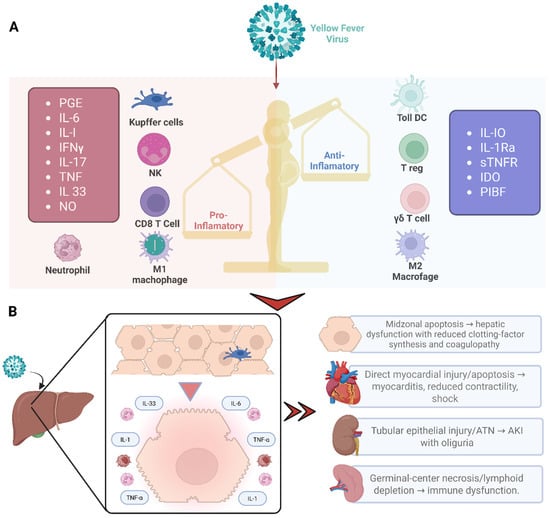
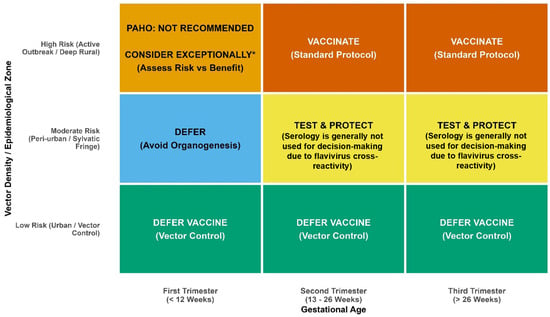
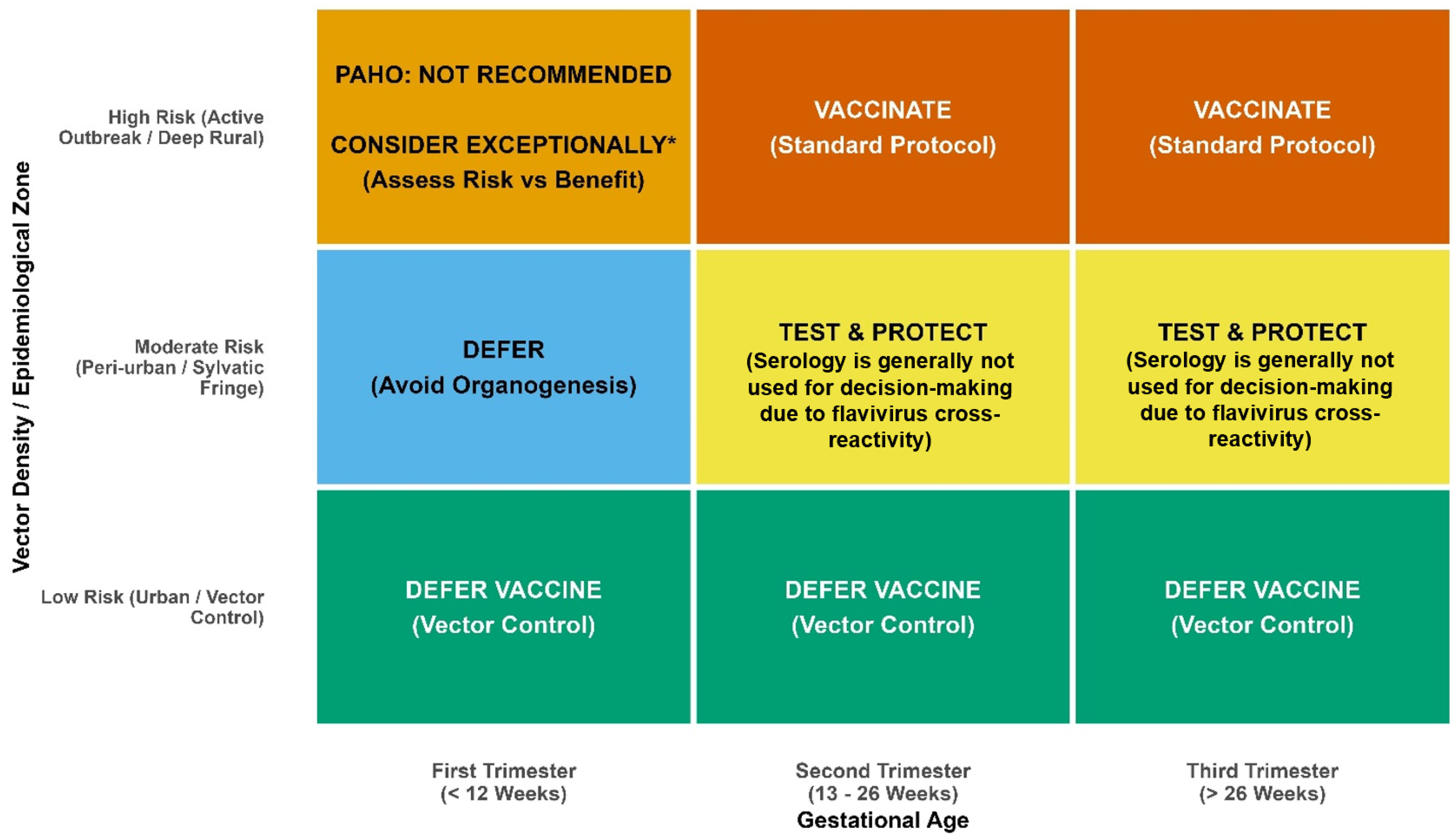

Disclaimer/Publisher’s Note: The statements, opinions and data contained in all publications are solely those of the individual author(s) and contributor(s) and not of MDPI and/or the editor(s). MDPI and/or the editor(s) disclaim responsibility for any injury to people or property resulting from any ideas, methods, instructions or products referred to in the content. |
© 2026 by the authors. Licensee MDPI, Basel, Switzerland. This article is an open access article distributed under the terms and conditions of the Creative Commons Attribution (CC BY) license.