


Abstract
In recent years, artificial intelligence has been fully involved in design practice and educational activities, and its impact on practice and education has received widespread attention from the academic community. This study aimed to preliminarily explore, through a controlled experiment, the differences in the impact of generative artificial intelligence (AI) tools and traditional web/literature tools on the sustainable design learning outcomes of interior design students in a specific teaching context at a university in China. A study was conducted on 58 third-year college students who were divided into an AI tool group (Class B) and a traditional tool group (Class A). Three semi-structured questionnaire surveys were conducted over two months to collect data on their understanding, attitudes, and practical applications of sustainable design. Quantitative statistics and text analysis methods were used for the comparison. The results showed that under specific experimental conditions, students who used AI tools showed a more significant improvement in their self-evaluation of knowledge mastery, but their sense of recognition of the importance of knowledge and subsequent learning willingness also decreased. In subsequent design practice, students in the traditional tool group showed higher initiative in applying concepts and diversity in strategies. Text analysis further suggests that AI-assisted learning may be more conducive to the rapid structured acquisition of knowledge, while traditional learning methods exhibit different characteristics in promoting deep semantic associations. The conclusions of this study are based on short-term experimental observations of specific samples and toolsets, revealing the tension between efficiency and depth that may be faced when integrating AI tools into interior design education, providing a reference and discussion basis for broader and longer-term teaching research in the future.
1. Introduction
Against the backdrop of intensifying global climate change and environmental crises, pursuing sustainable development has become a dominant interdisciplinary paradigm [1]. The efforts of the international community, represented by frameworks such as the United Nations Sustainable Development Goals (SDGs), have accelerated the shift in design from aesthetic and functional practices to emphasizing ecological responsibility and long-term environmental management [2]. This evolution has prompted the design field to seek more environmentally friendly, intelligent, and adaptable methods to combine creativity with environmental ethics and technological innovation [3]. Therefore, sustainability is no longer a peripheral issue but a core guiding principle for future-oriented design practices.
Parallel to this global sustainable development movement, the rapid development of artificial intelligence (AI) has fundamentally changed the way designs are conceived, developed, and evaluated [4]. Emerging technologies, such as generative design, parameter optimization, and data-driven decision systems, enable designers to handle complex datasets, simulate performance scenarios, and optimize results beyond human computing power [5]. More importantly, these tools are not just extensions of human labor; they represent a fundamental shift in the way designers think, perceive, and create. Artificial intelligence is increasingly serving as a cognitive collaborator, using algorithmic reasoning to enhance human intuition, thereby changing the nature of design cognition and decision-making [6]. Importantly, such changes may not only affect how knowledge is acquired, but also how learners evaluate their own understanding and regulate their subsequent learning engagement.
Therefore, the concept of sustainable design is evolving from abstract ideological commitments to systematic and algorithmic practices [7]. With the integration of artificial intelligence into the design process, sustainability principles can be embedded into computational models that simulate energy use, predict environmental impacts, and optimize material efficiency [8]. The integration of artificial intelligence and sustainability signifies a paradigm shift: designing sustainability is becoming quantifiable, data-informed, and dynamically responsive [9]. Through AI-assisted design tools, designers can translate sustainability principles into operational parameters, making sustainability measurable and actionable at every stage of the design process.
Although there is increasing research at the intersection of artificial intelligence and design, most existing studies focus on process optimization and result efficiency [10,11,12,13,14]. The current literature emphasizes the potential of artificial intelligence to automate form generation, improve energy performance, and simplify design workflows. Although these findings confirm the technological capabilities of artificial intelligence, they primarily address the instrumental dimension of AI in design, viewing it as a computational aid rather than a medium for cognitive transformation.
In contrast, research exploring the cognitive dimensions of design—how artificial intelligence can reshape designers’ understanding, interpretation, and application of sustainable design concepts—is still relatively scarce. Few studies have explored how AI-mediated interactions affect designers’ conceptual thinking, moral awareness, or creative reasoning about sustainability. Therefore, the mechanisms by which artificial intelligence influences the internalization and reconstruction of sustainable design principles are still poorly understood. This gap limits our understanding of the broader epistemological shifts in design cognition in the era of artificial intelligence.
However, beyond cognitive performance and knowledge acquisition, an equally critical yet underexplored dimension concerns how learners perceive and regulate their own learning processes under AI-mediated conditions. In particular, constructs such as self-evaluation of knowledge mastery and willingness to continue learning play a pivotal role in shaping long-term learning outcomes.
From a learning science perspective, self-evaluation is not merely a reflective outcome but a metacognitive judgment that influences subsequent learning behaviors, including effort investment, strategy selection, and persistence. Similarly, learning willingness reflects the learner’s intrinsic motivation and value recognition toward a knowledge domain, which directly affects whether acquired knowledge can be further internalized and transferred.
The integration of AI tools into learning environments may fundamentally reshape these mechanisms. On the one hand, AI can enhance learners’ perceived competence by rapidly providing structured and coherent information, potentially leading to higher self-evaluation of knowledge mastery. On the other hand, this efficiency-oriented interaction may reduce learners’ perceived need for deeper engagement, thereby weakening their recognition of the importance of knowledge and diminishing their willingness to invest further effort in learning.
In addition, there is a lack of systematic and quantitative research evaluating the practical effectiveness of AI-assisted sustainable design. Although many studies claim that artificial intelligence can improve sustainability performance, there is limited empirical evidence comparing AI-assisted and traditional design practices. Currently, there is no unified evaluation framework or set of measurable indicators to assess the actual impact of artificial intelligence on environmental performance, material efficiency, or life cycle sustainability. The lack of reliable empirical data and standardized evaluation models hinders a comprehensive understanding of AI’s actual contribution of artificial intelligence to sustainable outcomes.
Against this background, the present study moves beyond a purely performance-oriented comparison of AI-assisted and traditional learning approaches and instead focuses on the cognitive–motivational mechanisms underlying sustainable design learning. Specifically, this study aims to examine not only the differences in knowledge acquisition and practical application, but also how AI-mediated learning influences students’ self-evaluation of knowledge mastery, their recognition of the importance of sustainable design, and their willingness to engage in continued learning.
To achieve this, a controlled experiment was conducted with interior design students, comparing AI-assisted learning and traditional learning conditions through three rounds of semi-structured questionnaires. By integrating quantitative analysis and text-based semantic analysis, this study seeks to reveal the potential tension between efficiency gains and depth-oriented learning, as well as the underlying shifts in learners’ cognitive and motivational structures in AI-supported design education.
2. Literature Review
2.1. Sustainable Design Concept and Its Significance
In the 1970s and the 1980s, some scholars began to criticize modern and unsustainable products based on high moral motivations [15,16,17,18], and the concept of sustainable design began to emerge. In the 1990s, international organizations began to pay attention to environmental sustainability issues. In 1995, the United Nations adopted the Copenhagen Declaration and Program of Action, which proposed the concept of “people-centered sustainable development”. In 1989, the United Nations Environment Program (UNEP) formulated the Clean Production Plan, which made important contributions to sustainable production and consumption policies and user participation in sustainable design [19]. At the same time, industrial designers during this period began to focus on clean production and began to pay attention to reducing negative impacts throughout the product life cycle—from raw material extraction to final disposal. With the integration of environmental issues into service solutions, Design for the Environment (DfE), which focuses on scientific and technological solutions for sustainable development issues, has developed from product life cycle assessment [20]. DfE developers have conducted a life cycle assessment of all potential environmental impacts of the products or services being designed, the energy and materials used, and so on. These stages include manufacturing and packaging, transportation, consumer use, reuse or recycling, and disposal [21]. The solution strategies in DfE and early ecological design were mainly tool-oriented, reflecting the integration of natural science and technology [16]. In the 21st century, designers are increasingly concerned about the sustainability of social culture, quality of life, and user innovation [22]. The methods and trends of sustainable design increasingly focus on ethical standards, technological remediation, and social interaction. Some scholars have also proposed that the primary task of designers today is to meet ecological technology principles, such as low material energy intensity and high regeneration potential, and to meet the needs of users and society through product and service solutions. The key to sustainable development will be a balance between equipment and improved consumption, as well as products and services that can transparently restore human care and responsiveness in all aspects of life [23].
Currently, sustainability can be incorporated into all stages of the design process [24], and the corresponding evaluation work has become increasingly mature, although the parameters of these sustainable design evaluation tools still need to be improved [25,26]. For example, some scholars have proposed the term “sustainable manufacturing design” from a manufacturing perspective. This can be represented as a unique cycle that involves the integration of information and material cycles at various stages of the life cycle [27]. The core content of sustainable manufacturing design at the product and technological levels includes optimal environmental impact design, resource utilization and economic design, manufacturability design, functional design, social impact design, recyclability, and remanufacturing design. The main responsibility of environmental impact design is to address environmental impact, collaborative balance, and efficiency issues [28,29]. The design of resource utilization and economy mainly involves electricity consumption, energy efficiency, material utilization, operating costs, and use of renewable energy [30,31]. Design for manufacturability is related to improving manufacturing methods, packaging, assembly, transportation, and storage technology [32]. Functional design includes key durability, usability, maintainability, upgradability, ergonomics, functional effectiveness, and reliability [33,34], forming a detailed evaluation tool for sustainable manufacturing.
Another noteworthy aspect is the sustainable building design. As is well-known, the construction industry is one of the most resource intensive industries. The production of building materials, construction phase, and operation of completed buildings consume energy, such as heating, lighting, electricity, and ventilation. In addition to energy consumption, the construction industry is considered a major contributor to environmental pollution [35,36,37,38], consuming 3 billion tons of raw materials annually, accounting for 40% of global raw material usage [39,40,41], and generating a large amount of waste [42,43]. Sustainable building methods are considered a way for the construction industry to achieve sustainable development while considering environmental, social, and economic issues, as well as a way to depict the industry’s responsibility to protect the environment [44,45]. The principles of current sustainable building practices include the following: achieving short- and long-term sustainable economic viability; effective utilization of resources during construction, use, or disposal processes; seeking to meet the actual needs of the community and stakeholders while involving them in key decisions; creating a healthy environment; strengthening biodiversity; and minimizing pollution as much as possible [46,47,48].
2.2. Artificial Intelligence in Design
Artificial intelligence is influencing design in various ways. For example, the widespread application of artificial intelligence enhances the scalability and interdisciplinary capabilities of the design process, thereby helping designers overcome various limitations in traditional design processes [49], gradually shifting the design process from ‘machine assisted designer creation’ to ‘designer evaluated machine creation’. Specifically, many scholars often apply machine learning techniques such as backpropagation neural networks, genetic algorithms, and generative adversarial networks to optimize design scheme search, design decision-making, and automatic generation of design schemes. Through integrated data sources, relevant data processing can be completed in a short period of time, allowing designers to invest more energy into design ideation activities [50,51,52]. These features also provide designers with rich creative resources, enhancing the diversity and innovation of design [53]. For example, Adobe’s AI design tools can automatically recommend design elements and layouts, helping designers quickly complete concepts and generate visual content that is consistent with the brand style to meet advertising and marketing needs [54]. In the field of personalized design, AIGC (Artificial Intelligence Generated Content) analyzes user data to generate customized design solutions, improving the level of user experience customization, suitable for e-commerce and social media marketing, and can increase the conversion rate of advertising and content [55,56]. In addition, by automatically generating creative elements and design styles, AIGC promotes the real-time sharing of design materials, simplifies communication between designers, marketers, and development teams, and automatically optimizes designs based on feedback from multiple parties to ensure that the output meets the requirements of all stakeholders [57,58]. This also demonstrates its outstanding performance in meeting personalized user requirements [59].
The rapid spread of AIGC has led to increasingly frequent collaboration between designers and AIGC tools, which has not only sparked profound reflection on the creative process and results, but also attracted increasing attention from the academic community. On the one hand, some designers are also concerned that AIGC may weaken their creative output, as excessive reliance on these tools may lead to a decrease in designer creativity and dependence on AIGC [60]. Other designers believe that AIGC can not only be used for creative inspiration but also for automating repetitive tasks, allowing designers to focus more on creative and strategic work. This division of labor and collaboration provides designers with more time to think, explore, and advance design projects, which helps improve the quality of their creative thinking [61,62]. However, more empirical analyses have been used in related studies to measure the impact of AIGC technology on design efficiency, creative expression, design interaction, design strategy, and innovation confidence [63,64,65,66]. In particular, there are many studies in specific fields, such as art and product design.
In addition, the explosive growth of AIGC in a short period of time has led to insufficient standardized use of AIGC and hidden many dangers. For example, using AIGC tools in the design process may pose risks of infringement and piracy [67]. Some studies have pointed out that using AIGC tools in the design process can provide false and incorrect information [68], which may lead to the spread of incorrect information. Research has also found that despite the potential benefits of AIGC, designers are reluctant to adopt it because of a lack of trust in the technology, especially in terms of data security and privacy [69].
Although the impact of artificial intelligence on design is not entirely positive, existing studies indicate that AI has been integrated throughout the design process, including ideation, scheme generation, representation, and iterative refinement [70,71,72]. Empirical research in design education further demonstrates that students perceive AI as a transformative force that reshapes design workflows, enhances creativity, and influences future design trends [73,74].
2.3. Design Cognition and Knowledge Construction from the Perspective of Learning Science
To understand the impact of artificial intelligence on design learning, it is necessary to go beyond simple comparisons of tool effectiveness and delve into its interactive nature with human cognition, motivation, and knowledge construction processes. From the perspective of constructivism and situational learning, design knowledge is not static information that can be directly transmitted, but a meaningful network constructed by learners through active exploration, social interaction, and continuous reflection in real or simulated design practice communities [75]. This process particularly emphasizes the acquisition of tacit knowledge and contextualized understanding, and its effectiveness highly depends on the learner’s own cognitive investment level [76,77]. The deep processing and cognitive load theories further indicate that from the perspective of cognitive psychology, the long-term memory and transfer ability of information depend on the processing depth during encoding [78,79]. When learning involves precise retelling, such as information association, self-explanation, and critical analysis, knowledge is more easily integrated into existing cognitive schemas, allowing for flexible invocation when solving novel and complex design problems [80]. If AI tools excessively undertake the task of information integration and structuring, they may deprive learners of the opportunity to engage in deep cognitive processing, resulting in knowledge being stored in an isolated and inert form, making it difficult to achieve effective transfer [81,82]. Simultaneously, learning motivation drives this construction process.
From the perspective of constructivism, knowledge is actively constructed through interaction, experience, and reflection rather than passively received. This perspective directly underpins the concept of design cognition in the present study, as students are expected to develop their understanding of design through iterative engagement with design tasks, AI tools, and contextual problem-solving processes. Therefore, constructivist theory provides the theoretical foundation for examining how AI-mediated environments influence students’ design cognition. In this study, constructivism is operationalized through the variable of design cognition, which reflects students’ ability to iteratively construct, test, and refine design knowledge within AI-supported environments.
Self-determination theory emphasizes that the maintenance of intrinsic motivation relies on the satisfaction of the three fundamental psychological needs of autonomy, competence, and belonging [83]. If AI tools overly simplify the learning process into efficient information extraction, it may weaken learners’ desire for autonomous exploration and shift their sense of ability from “understanding complex problems” to “operating tools to obtain answers”, potentially eroding their recognition of the intrinsic value of knowledge and their willingness to continue learning [84,85]. Drawing on self-determination theory, this study incorporates learning motivation as a key variable, particularly focusing on how AI tools influence student’s perceived autonomy (e.g., independent exploration), competence (e.g., enhanced design capability), and relatedness (e.g., collaborative interaction with AI and peers).
Finally, design learning has a unique cognitive paradigm. Design cognition research shows that the core of design thinking lies in the framework construction and collaborative solution of “ill-defined problems”, which highly relies on abilities such as analogical reasoning, concept synthesis, and critical reflection [86,87]. From a multimodal learning perspective, the study introduces AI-mediated multimodal engagement as a measurable construct, referring to students’ use of AI tools to generate, interpret, and integrate multiple forms of design information (e.g., images, texts, and spatial representations).
Therefore, to evaluate the role of AI, it is crucial to examine whether it expands designers’ problem perspectives and creative associations or narrows the problem space invisibly by providing convergent “solution” templates, suppressing the crucial divergent thinking and deep conceptualization processes in the early stages of design. In summary, a theoretical framework that integrates constructivism, deep processing, self-determination, and design cognition provides a multidimensional and profound analytical lens for systematically analyzing the cognitive and motivational mechanisms of design learning under AI intervention.
While the above theoretical perspectives provide a comprehensive foundation for understanding learning in design contexts, the present study further establishes explicit connections between these theories and the variables examined. Specifically, constructivist learning theory informs the operationalization of design cognition as an active process of knowledge construction through iterative design practices. Meanwhile, self-determination theory underpins the inclusion of learning motivation variables, particularly in terms of autonomy, competence, and relatedness, which are critical in AI-mediated learning environments. Additionally, multimodal learning theory supports the examination of AI-assisted multimodal engagement, conceptualized through students’ interaction with diverse representational tools (e.g., visual, textual, and generative AI outputs). These theoretical linkages ensure that each variable in the study is not only empirically measurable but also theoretically grounded.
In summary, this study integrates constructivism, self-determination theory, and multimodal learning theory into a coherent analytical framework. These theories are not treated as isolated perspectives but are explicitly mapped onto the study variables: design cognition, learning motivation, and AI-mediated multimodal engagement. This alignment enables a more structured investigation into how AI-supported learning environments influence students’ cognitive and motivational processes in sustainable design education.
2.4. Theoretical Basis of Questionnaire Design
To ensure theoretical grounding and construct validity, the questionnaire design in this study was informed by two complementary cognitive frameworks: the experiential learning cycle and the golden circle model of thinking.
The experiential learning cycle (Kolb, 1984) conceptualizes learning as a continuous process involving concrete experience, reflective observation, abstract conceptualization, and active experimentation [88]. This cyclical structure emphasizes that knowledge is constructed through iterative cognitive engagement, making it particularly relevant for design education, where learning is closely tied to practice and reflection.
The golden circle model, proposed by Sinek structures thinking into three hierarchical layers: Why (purpose and value), How (process and strategy), and What (outcome and content). This model highlights that deeper understanding and motivation originate from purpose-driven cognition rather than surface-level knowledge acquisition [89].
By integrating these two frameworks, this study establishes a structured cognitive model that captures both the processual dynamics of learning and the hierarchical depth of design cognition, thereby providing a theoretical foundation for the development of the questionnaire instrument.
3. Methods
3.1. Research Design and Framework
The core objective of this study was to compare the differences in the learning and practical effects of sustainable design concepts between students who used AI and those who did not; therefore, a comparative experimental method was adopted. Specifically, this study selected two natural classes, Class A and Class B, with 29 students each, for a total of 58 students in the third year of the interior design major.
The selection of the two classes (Class A and Class B) was based on a structured evaluation conducted by five experienced instructors who had been teaching these cohorts over an extended period. To ensure the comparability and suitability of the sample for the study, the instructors assessed students using multiple criteria, including: (1) academic performance (e.g., course grades and assignment outcomes), (2) classroom engagement (e.g., participation, responsiveness, and learning attitude), and (3) design cognition level (e.g., ability to conceptualize, iterate, and refine design solutions).
Rather than relying on a single metric, the instructors made a holistic judgment based on their continuous observations and formative assessments throughout the semester. Both Class A and Class B were identified as having relatively balanced overall performance and comparable levels across the above dimensions. This ensured that the two groups were appropriate for implementing the experimental intervention and for minimizing potential bias caused by significant differences in prior ability or learning engagement.
This multi-criteria, expert-informed selection process enhances the internal validity of the study by establishing a reasonably equivalent baseline between the experimental and control groups.
To better achieve in-depth learning and understanding of sustainable design among the two groups of students, this study integrated the experiential learning cycle and the golden circle model of thinking to reconstruct the cognitive structure underlying the questionnaire.
Specifically, the questionnaire structure operationalizes these theoretical models as follows:
The experiential learning cycle is reflected in the three cognitive dimensions embedded in each question:
- Perception (P)—corresponding to initial understanding and recognition of concepts (abstract conceptualization);
- Reflection (R)—representing reasoning, interpretation, and cognitive processing (reflective observation);
- Strategy (S)—indicating action-oriented thinking and application planning (active experimentation).
The golden circle model is embedded across the hierarchical structure of the questionnaire:
- “Why” is captured through questions related to value recognition and importance (e.g., Q6);
- “How” is reflected in strategy-oriented items (S dimension);
- “What” corresponds to knowledge understanding and conceptual identification (P dimension).
Through this integration, the questionnaire is designed to capture not only surface-level knowledge acquisition but also deeper cognitive processing, motivational orientation, and action-oriented design thinking. The P–R–S dimensional structure is theoretically derived from experiential learning and cognitive processing frameworks, ensuring alignment between measurement items and underlying learning mechanisms.
Referring to relevant models, this study conducted three semi-structured questionnaire surveys.
Specifically, this study was divided into four stages, as shown in Figure 1.
Figure 1.
Flowchart of the research.
First, this study clarifies the significant impact and significance of artificial intelligence on the design field through relevant literature, as well as the importance of sustainable concepts and sustainable design in the design field. It also introduces the core topic of this study, which is that as current design students, they face the requirements of sustainable design and the background of artificial intelligence development.
To clarify the focus of this study, the research objectives and questions were explicitly defined as follows. This study aims to examine the cognitive effects of AI-assisted design learning within the context of sustainable interior design, with particular attention to perceived knowledge acquisition, depth of conceptual understanding, and knowledge retention over time.
Accordingly, the study addresses the following research questions:
(RQ1) Does the use of AI tools enhance students’ perceived understanding of sustainable design concepts in the short-term?
(RQ2) How does AI assistance affect the depth and semantic richness of students’ conceptual understanding?
(RQ3) What is the impact of AI use on students’ ability to retain and apply design knowledge over time?
(RQ4) Does AI-assisted design lead to more standardized or homogenized patterns in design cognition and expression?
Grounded in existing theories of AI-supported learning and design cognition, the hypotheses of this study were developed to test these relationships in a structured manner.
Second, the core purpose of the first questionnaire in this study was to clarify the basic understanding of sustainable design concepts among the two natural classes (Class A/Class B), mainly using a semi-structured questionnaire for research. To enable the respondents to think more deeply about the relevant issues and obtain more in-depth results, this study constructed relevant questionnaires based on the “learning loop” and golden circle thinking models. After completing the questionnaire, this study established a focus group consisting of five design research experts to discuss the structure and measurement methods of the questionnaire based on a clear research objective and made further adjustments. The specific content is shown in Table A1 in Appendix A. The core structure of the questionnaire was divided into two parts. The first part involved four large questions, each with nine small items. The nine items were evaluated using a three-level scale. If there are more insights into the relevant questions, they can be supplemented with text. The specific question structure is illustrated in Figure 2. These four major questions aimed to investigate students’ specific understanding of sustainable design concepts. The second part involved three questions, including one’s level of understanding of sustainable design-related knowledge, the importance of sustainable design, and the level of effort one will put into learning sustainable design in the future, which was answered using a ten-level scale. After the first questionnaire collection was completed, this study mainly used the statistical analysis software SPSS 26 to conduct a reliability analysis of the questionnaire data results. The reliability of the questionnaire was assessed in terms of internal consistency, using Cronbach’s alpha coefficient as the primary indicator. After confirming the reliability of the results, the software was used to clarify the data results of Class AB through an independent sample t-test. The basic cognitive status of Class AB regarding sustainable design was explained through classification and text analysis.
Figure 2.
The structure of Q1–Q4 in the questionnaire.
Thirdly, after completing the first round of the questionnaire survey, this study had Class A and Class B conduct a three-week collection and organization of knowledge related to “sustainable design”. Class A was not allowed to use AI tools, except for the Internet, papers, and online posts. However, Class B only allowed the use of AI tools for the project. Considering the high-speed work efficiency of AI, Class B students could consider using different AI tools for relevant knowledge collection for individual problems in the future. To reduce treatment heterogeneity and enhance experimental control, a structured AI-use protocol was established for Class B. Students were instructed to conduct searches and question–answer interactions strictly based on the thematic structure of the questionnaire (Q1–Q4). Specifically, they were required to (1) formulate prompts corresponding to each questionnaire item, (2) critically review and verify the generated responses using at least one additional AI query iteration, and (3) extend the initial outputs by synthesizing and reorganizing the collected information into a structured written document.
The learning task lasted for three weeks, during which students were required to organize the collected content into a coherent knowledge summary related to sustainable design. Although different AI tools could be selected (e.g., Doubao 1.5, DeepSeek V3, ChatGPT 4.0), the task scope, thematic structure, and time-on-task were standardized to ensure comparability within the experimental condition. The time frame (two weeks), task scope, thematic alignment with questionnaire constructs, and documentation requirements were kept consistent across participants to minimize uncontrolled variability in AI-assisted learning behaviors. Although detailed system-generated usage logs were not collected, students were required to submit their compiled learning documents, which served as a process-tracking artifact to partially document AI-assisted learning activities.
After completing the data collection, this study conducted a second round of semi-structured questionnaire surveys in a closed book format. The survey questions were the same as those in Table A1 of Appendix A, except that the specific tools used for data collection were specified in the questionnaire. Cronbach’s alpha was used as an indicator of internal consistency to evaluate the measurement reliability of the questionnaire. The questionnaire results were described through classification and summary. Subsequently, using the independent sample t-test method, the results of the second questionnaire between Classes A and B were compared to clarify whether there was a significant difference and describe the comparison results. In addition, the results of the two questionnaires in Class A and the changes in the results of the two questionnaires in Class B were compared and described. Semantic network analysis was used in this study to examine the structure and relationships between key concepts in students’ textual responses. This method allows for the identification of patterns of conceptual association, as well as the degree of convergence or diversity in semantic expression.
Fourth, the third questionnaire of this study did not examine the actual situation and differences in the use of sustainable design concepts in the design practice process between students who did not use AI research (Class A) and those who used AI research (Class B). The specific questionnaire content is shown in Table A2 in Appendix A. The third questionnaire adopted a semi-structured format and was set three weeks after the end of the second questionnaire. During these three weeks, Classes A and B focused on completing the practical content of the interior design course. The design tasks in this study were strictly limited to interior-scale spatial interventions (e.g., layout, material selection, and environmental strategies), rather than architectural design at the building scale. This study allowed two classes, A and B, to freely engage in design practices without any mandatory requirements. The quality of the design exhibitions and design results was not within the scope of this comparison. This study mainly compared the differences in the use of sustainable design concepts in practical applications between the two classes through text analysis and semantic network analysis methods.
It is worth noting that the quantitative data of the questionnaire in this study were mainly analyzed using the data analysis software SPSS 26, including reliability analysis, categorical summary, and independent sample t-test and paired t-test.
The text data from the questionnaire were mainly analyzed using the ROSTCM 6 software developed in China. Prior to statistical extraction, a structured preprocessing protocol was implemented to ensure semantic stability and analytic reliability.
To address potential semantic distortion arising from lexical filtering and word merging, a structured text preprocessing protocol was implemented prior to word frequency and semantic network analysis.
First, all collected open-ended responses were subjected to a comprehensive close reading by two members of the research team to identify core semantic units related to sustainable design cognition. This step ensured contextual understanding before any lexical reduction was applied.
Second, lexical standardization was conducted based on the thematic structure of the questionnaire (Q1–Q4). Synonymous expressions (e.g., “eco-friendly materials” and “environmentally sustainable materials”) were merged only when their conceptual meanings were equivalent within the design discourse context. Ambiguous or context-dependent terms were retained without merging.
Third, in accordance with established semantic network analysis practices, only nouns and adjectives were retained, while verbs were excluded, as these lexical categories are generally considered to carry the primary semantic content in text analysis and are commonly used in semantic network studies to represent conceptual structures.
Fourth, after the initial word frequency extraction, the processed lexical results were cross-validated against the original questionnaire responses. The research team re-examined high-frequency and merged terms to ensure that no key semantic dimensions had been lost or distorted during preprocessing.
Finally, prior to translation into English, the standardized Chinese lexical items were reviewed again in their original response contexts to preserve semantic integrity. Translation was conducted only after lexical stabilization to avoid meaning drift caused by cross-linguistic transformation.
Although full inter-coder reliability statistics were not calculated due to the exploratory nature of the semantic analysis, iterative cross-checking among researchers was conducted to enhance robustness and consistency.
This study was conducted in accordance with established research ethics guidelines for educational research. Prior to participation, all students were fully informed about the purpose, procedures, and duration of the study. Written informed consent was obtained from all participants. Participation was entirely voluntary, and students were explicitly informed that their decision to participate or withdraw would not affect their course grades or academic evaluation in any way. All questionnaire responses were collected anonymously. No personally identifiable information was recorded, and data were analyzed in aggregated form to ensure confidentiality. The study procedures complied with institutional ethical standards for non-invasive classroom-based research, and the three questionnaire responses were all within 15 min to ensure that this study could collect good questionnaire results.
Measurement Structure and Construct Operationalization
The questionnaire structure and the design of the application tasks are defined in this section and are not repeated in the Section 4 to avoid redundancy.
To ensure transparency and allow for independent evaluation of construct validity, the structure, wording logic, scoring rules, and computation procedures of the questionnaire are clarified below.
- (1)
- Item Wording and Thematic Structure
The first and second questionnaires shared an identical core structure (see Appendix A for full item wording). The instrument was organized around four thematic domains of sustainable design cognition:
- Q1: Relationship between sustainability concepts and design.
- Q2: Application of sustainable design concepts.
- Q3: Evaluation criteria of sustainable design.
- Q4: Testing and verification of design sustainability.
Each domain consisted of three cognitive dimensions:
- P (Perception/Understanding)—direct response to the focal issue.
- R (Reflection)—reasoning and explanation for the response.
- S (Strategy)—proposed improvement or action strategies.
Thus, each major question included nine structured items (e.g., Q1-P1, Q1-R1, Q1-S1 … Q1-P3, Q1-R3, Q1-S3).
Items were formulated as short declarative evaluative statements (e.g., “Sustainable concepts are closely related to contemporary design practice”) and students selected the response option that best reflected their position.
- (2)
- Scale Anchors and Coding Rules
For Q1–Q4 items, a three-level evaluative scale was adopted:
- −1 = Negative/weak endorsement.
- 0 = Neutral/uncertain.
- 1 = Positive/strong endorsement.
The coding was applied numerically prior to statistical analysis. Mean values were calculated at the item level for group comparison.
For Q5–Q7, a ten-point Likert-type scale was used:
- 1 = Very low/not important at all.
- 10 = Very high/extremely important.
Specifically:
- Q5 = Self-evaluated level of sustainable design knowledge.
- Q6 = Perceived importance of sustainable design knowledge.
- Q7 = Willingness to invest time and effort in future learning.
These were treated as continuous variables for independent sample t-tests.
- (3)
- Construct Computation and Analytical Unit
Each item was analyzed at the individual level. For group comparison:
- Item-level means were calculated.
- Independent sample t-tests were conducted to compare Class A and Class B.
- Within-group pre–post comparisons were conducted using independent sample t-tests across time points.
No higher-order latent variable aggregation (e.g., summative composite score across Q1–Q4) was performed. Instead, the study adopted an item-level analytical strategy to preserve construct specificity and avoid artificial dimensional reduction, given the exploratory nature of the research.
Reliability analysis (Cronbach’s α) was conducted for the overall scale to assess internal consistency prior to inferential testing.
- (4)
- Textual Construct Operationalization
For open-ended supplementary responses, construct representation was operationalized through:
- Word frequency analysis.
- Semantic network density.
- Noun/adjective retention strategy (verbs and function words removed).
Textual richness and semantic association patterns were interpreted as indicators of cognitive depth and conceptual structure.
3.2. Research Variables
To systematically examine the impact of different learning tools on learning outcomes, this study clearly defined the following variables.
- Independent Variable: Type of learning tool. Set two levels: The experimental group (Class B) uses AI tools (such as Doubao, DeepSeek, ChatGPT, etc.) for data collection and learning; the control group (Class A) uses traditional non-AI tools (such as Internet search engines, academic databases, literature, etc.).
- Dependent Variables: Covering three levels of cognition, attitude, and practice, including:Cognitive level: Students’ self-evaluation of sustainable design knowledge (Q5) and depth of understanding (measured by semantic richness through Q1–Q4 semi-structured questions and text analysis).Attitude level: Students’ recognition of the importance of sustainable design (Q6), willingness to continue learning (Q7), and awareness, reflection, and improvement attitudes toward specific issues related to sustainable design (measured through the Q1–Q4 three-level scale items).Practical level: The proportion of students actively applying sustainable concepts in design practice, the application stages (research, concept, deepening, expression, etc.), and the diversity and innovation of the proposed practical strategies (measured through a third questionnaire and text analysis).
- Control Variables: To ensure comparability between the two groups, the following variables were controlled for: student major (all in environmental design), grade level (junior year), basic consistency between previous courses and teacher background, and normal distribution of course grades. The research process control included the same learning duration, questionnaire format, and response time.
3.3. Research Hypothesis
Based on the theoretical foundations discussed above, the present study developed its hypotheses by explicitly linking prior research to the relationships among the key variables. Existing studies in constructivist learning environments suggest that active engagement with learning tools enhances learners’ cognitive construction processes, particularly in design-related tasks. In parallel, research grounded in self-determination theory indicates that learning motivation—especially in terms of autonomy and competence—plays a mediating role in shaping learning outcomes. Furthermore, multimodal learning studies have demonstrated that exposure to diverse representational formats, particularly through AI-assisted tools, can significantly influence both engagement and higher-order cognitive processes.
However, despite these insights, there remains a lack of empirical research examining how AI-mediated multimodal engagement simultaneously affects design cognition and learning motivation within design education contexts. Therefore, this study formulated the following hypotheses to address this gap.
Prior research in multimodal learning has shown that the integration of multiple forms of representation enhances learners’ ability to process and construct knowledge in complex domains. In design education, such multimodal interactions—particularly those facilitated by AI tools—can support iterative thinking and creative problem-solving. Therefore, it is hypothesized that:
H1.
AI-mediated multimodal engagement has a positive effect on design cognition.
Studies based on self-determination theory suggest that learning environments that support autonomy and competence can significantly enhance students’ intrinsic motivation. AI-assisted tools, by enabling flexible exploration and immediate feedback, may strengthen students’ sense of control and capability in the learning process. Therefore:
H2.
AI-mediated multimodal engagement positively influences learning motivation.
A substantial body of research indicates that learning motivation is closely associated with cognitive engagement and learning outcomes. In design contexts, higher levels of motivation often lead to deeper exploration and more refined design thinking processes. Therefore:
H3.
Learning motivation positively affects design cognition.
Combining constructivist perspectives with self-determination theory, it can be inferred that AI-mediated engagement may influence design cognition not only directly but also indirectly through motivational processes. Therefore:
H4.
Learning motivation mediates the relationship between AI-mediated multimodal engagement and design cognition.
3.4. Data Analysis and Project Analysis Evaluation Criteria
To ensure consistency between the research design and the reported results, all analytical procedures were defined prior to data interpretation. Quantitative analysis included descriptive statistics and comparative analysis between groups. In addition, effect size indicators were employed to evaluate the magnitude of differences beyond statistical significance.
For textual responses, semantic analysis was conducted to examine the depth and diversity of conceptual understanding. This included the use of semantic richness indicators and network-based analysis to capture patterns of conceptual convergence or divergence.
Furthermore, semi-structured interviews were conducted with a subset of participants to complement the quantitative findings and provide qualitative insights into students’ cognitive processes. The interview data were analyzed using thematic analysis.
To ensure the objectivity and consistency of the project analysis, predefined evaluation criteria were established prior to data interpretation. The analysis focused on three main dimensions:
- Conceptual Depth—the extent to which design proposals demonstrate meaningful understanding and integration of sustainable design principles.
- Semantic Richness—the diversity and complexity of concepts expressed in the design descriptions and explanations.
- Design Originality and Variation—the degree of divergence or convergence in proposed solutions across participants.
These criteria were applied consistently across all project analyses to reduce subjective bias and ensure comparability between groups.
4. Results
This section reports the results in relation to the proposed hypotheses. The analyses were structured to correspond with the research model, including tests of direct effects, relationships among key variables, and the examination of potential mediating effects. This organization facilitated a clear evaluation of how the empirical findings support the study’s hypotheses.
The results presented below follow directly from the analytical framework and instruments defined in the Section 3. To avoid redundancy, the structure of the questionnaire and task design is not repeated here.
4.1. Basic Understanding of Sustainable Design by Sample Subjects
4.1.1. Quantitative Data Results of the First Questionnaire
To clarify the authenticity of the research results, this study used reliability analysis to evaluate the results of the first questionnaire. The results are presented in Table 1.
Table 1.
Reliability analysis of the first questionnaire.
From Table 1, it can be seen that the reliability coefficient value is 0.773, which is greater than 0.7, indicating a satisfactory level of internal consistency. On this basis, this study used the independent sample t-test method to compare some of the questionnaire results between Classes A and B. The specific comparison results are presented in Table 2.
Table 2.
Independent t test of the first questionnaire results.
From Table 2 above, all showed consistency and no differences. These results indicate that there were no substantial baseline differences between Class A and Class B prior to the intervention, ensuring the comparability of the two groups. This provides a valid basis for subsequent hypothesis testing.
In order to clarify the magnitude of the cognitive differences between Class A and Class B regarding various contents in the first questionnaire, this study conducted further analysis through the “in depth analysis—effect quantity indicators “, and the specific results are shown in Table 3.
Table 3.
In depth analysis—effect quantity indicators of the first questionnaire.
According to Table 3, the Cohen’s d value of analysis items Q3-S9 was 0.519, indicating a moderate to high degree of difference and practical significance. The differences in other items were very small and may not have practical significance.
Because there was no difference in the basic understanding of sustainable design between the two classes, this study analyzed the overall results of the first questionnaire for Classes A and B using a categorical summary method. A three-level scale (−1 = negative attitude, 0 = neutral attitude, 1 = positive attitude) was used for Q1, Q2, Q3, and Q4. Q5, Q6, and Q7 used a ten-level scale, with higher scores indicating higher importance. The data results of the first questionnaire section are presented in Table 4.
Table 4.
Subtotal of the first questionnaire.
From the data in Table 4, it can be seen that both classes had a relatively positive attitude toward most of the questions answered and only showed a negative or neutral attitude toward some questions, such as Q2-P4, Q2-P5, Q3-P7, and Q3-P8. The specific interpretations of each item are as follows:
According to the data in Table 3, it is worth noting that for Q1-P/R/S2, both classes generally believed that the relationship between future sustainable concepts and design is very close based on deep thinking, and both believed that more proactive ways should be used to improve the relationship between future sustainable concepts and design, such as through education and legal regulations. Another noteworthy point is Q1-P/R/S3, where both classes believed that their relationship with sustainable design was very strong. However, when it came to improving or enhancing their relationship with sustainable design, they tended to rely more on natural accumulation rather than actively seeking education.
According to the data in Table 3, it is worth noting that the values for all Q2 projects were relatively low and concentrated. It can be said that there were obvious shortcomings in the specific application of sustainable design concepts in both classes, and there was no clear demand for more active improvement in the application of sustainable design concepts in the curriculum.
According to the data in Table 3, it is worth noting that the values of Q3-P/R/S7 and Q3-P/R/S8 were relatively scattered, indicating that although their awareness of the evaluation criteria for sustainable design and future sustainable design was relatively low, they tended to use more proactive methods, such as education and legal regulations, to improve the evaluation criteria for sustainable design. The values of Q3-P/R/S9 were relatively concentrated and low, indicating a lack of positive attitude toward establishing and improving sustainable design standards.
According to the data in Table 3, it is worth noting that Q4-R10 and Q4-S12 were more inclined to improve the issue of how to test whether a design is sustainable based on subconscious judgments and are related to their own methods of optimizing sustainable design testing. They were more inclined to improve through education and legal regulations. Combined with the data from other projects in Q4, which were relatively low in value, it indicates that they maintain a relatively neutral attitude toward other content. These results indirectly indicate that they have insufficient and low cognition of this knowledge.
Q5 mainly conducted research on “their own evaluation of the level of awareness of sustainable design-related knowledge”. The average value of this issue for the two classes was 6.310 (6.414 for Class A and 6.207 for Class B), indicating that both classes of students believed that they had a good understanding of sustainability design-related knowledge. The main focus of the Q6 survey was the importance of sustainable design knowledge. The average score for this issue in the two classes was 9.241 (9.103 in Class A and 9.379 in Class B), indicating that students in both classes believed that knowledge of sustainable design is very important.
4.1.2. Qualitative Data Results of the First Questionnaire
According to the questionnaire structure in Table A1 of Appendix A, this study reserved space for supplementary opinions on relevant questions after the relevant ones to collect students’ more profound views on the issue.
This study used the ROSTCM 6 text analysis software, developed by a Chinese team, to conduct text analysis on the supplementary content of the semi-structured questionnaire for Class A and Class B. The analysis results showed that Class A supplemented 198 vocabulary words in the first questionnaire, while Class B supplemented 228 vocabulary words. This study compared the high-frequency vocabulary between the two classes, as shown in Table 5.
Table 5.
Frequency analysis of basic information of the sample subjects.
From the perspective of word frequency, it can be seen that the two classes had a high overlap rate in key vocabulary related to sustainable design knowledge supplementation, and the supplementary content was relatively single, indicating that the two classes had insufficient understanding of this knowledge. On this basis, this study conducted a semantic network analysis on the relevant vocabulary supplemented by Classes A and B, as shown in Figure 3. The two classes currently had the closest cognitive associations between “design” and “sustainability”, which were “nature”, “society”, “application”, “development”, and “demand”.
Figure 3.
The first questionnaire semantic network analysis.
4.2. Cognition of Sample Subjects After Self-Learning Sustainable Design Knowledge
4.2.1. Quantitative Data Results of the Second Questionnaire
This study used reliability analysis to analyze the quantitative questions in the second questionnaire. The results are presented in Table 6.
Table 6.
Reliability analysis of the second questionnaire.
As shown in Table 5, the reliability coefficient value is 0.820, which is greater than 0.8, indicating that the research data have high reliability quality.
Based on this, this study further analyzed the relevant data using classification and summarization methods to facilitate more detailed comparisons, as shown in Table 7.
Table 7.
Subtotal of the second questionnaire.
The specific interpretation of the second questionnaire data in this study is as follows.
It can be seen that through two weeks of research on sustainable design related knowledge, although Class A and Class B used different survey tools, their attitudes toward “the relationship between sustainable concepts and design (Q1)”, “the application of sustainable design concepts (Q2)”, “the evaluation criteria of sustainable design concepts (Q3)”, and “ways to test the sustainability of design (Q4)” began to converge from the three levels of understanding the problem, reflecting on the problem, and solving the problem. Compared with the results of the first questionnaire, the participants showed a more positive attitude. In particular, when it came to one’s own understanding of the problem, such as “the relationship between oneself and sustainable design (Q1-P3)”, “how to apply sustainable design concepts (Q2-P6)”, “one’s evaluation criteria for sustainable design concepts (Q3-P9)”, and “how to verify the sustainability of design (Q4-P12)”, the four questions showed a more positive attitude than the others. This also indirectly indicates that the two-week survey established a more positive connection with sustainable design for the students. Additionally, the students who did not use AI research (Class A) had a more positive attitude toward most issues such as Q1-P3, Q2-P6, Q3-P9, compared to the students who used AI research (Class B), that is, the students who did not use AI research established a more positive connection with sustainable design.
For the evaluation of the level of awareness of sustainable design-related knowledge (Q5), although the average value increased compared to the results of the first questionnaire, the main reason for the increase was the evaluation of students in the AI class (Class B). However, regarding the importance of sustainable design knowledge (Q6) and whether it is necessary to invest time and effort in learning relevant knowledge of sustainable design (Q7), the average values of these two questions decreased compared to the results of the first questionnaire, and the main reason for the decrease was the evaluation of students in the AI class (Class B). From this, it can be seen that using AI to collect and learn knowledge related to sustainable design will significantly enhance the understanding of knowledge, but will reduce the recognition of the importance of knowledge and decrease the enthusiasm for subsequent learning of knowledge.
Because the same participants completed both the first and second questionnaires, within-group comparisons were conducted using paired-samples t-tests to account for dependency in repeated measurements.
To evaluate differential learning effects between Class A and Class B, gain scores (post-test minus pre-test) were calculated for each participant. Independent-samples t-tests were then conducted on these gain scores to examine whether the magnitude of change differed significantly between groups.
The results of comparing the questionnaire data of Class A (without AI) are presented in Table 8.
Table 8.
Analysis results of paired t-test for the two questionnaires in Class A.
From the above table, it can be seen that a total of one set of paired data will show differences (p < 0.05). Specific analysis showed that there was a significant difference at the 0.01 level between the first and second questionnaires (t = −5.167, p = 0.000), and the specific comparative differences indicate that the average value before the experiment (0.86) would be significantly lower than the average value after the experiment (1.02). A total of one set of paired data would all show differences, indicating that students who do not use AI have a significant change in their understanding of sustainable design through traditional learning methods.
This study further conducted in-depth analysis on relevant data—the analysis of effect size indicators is shown in Table 9.
Table 9.
In depth analysis—effect quantity indicators for the two questionnaires in Class A.
According to Table 9, Cohen’s d value is 0.827. Here, 0.827 > 0.8 indicates that there was a significant difference effect between the paired measurement values of the first and second questionnaires in Class A, indicating that the intervention (experiment) had a very obvious effect. The difference of 95% CI was [−0.231~−0.101], indicating that the confidence interval does not include 0. Further statistical confirmation confirmed that the difference between the mean values of the pre-test and post-test was significant (not zero), and there was a 95% probability that the difference falls within this range.
The average difference was −0.17, indicating that the measurement value of the “first questionnaire” minus the measurement value of the “second questionnaire” had decreased by an average of 0.17 units. Due to the significant difference (p < 0.05), this study further analyzed the data of two questionnaires from Class A through classification and summarization methods to illustrate the specific differences between the two questionnaires. The specific results are shown in Table 10.
Table 10.
Subtotal of the two questionnaires in Class A.
According to the data results in the table above, it can be seen that the second questionnaire for Class A was: Q1-S1, Q1-R2, Q1-R3, Q1-S3, Q2-P4, Q2-R4, Q2-P5, Q2-P6, Q2-R6, Q2-S6, Q3-P7, Q3-R7, Q3-P8, Q3-R8, Q3-P9, Q3-R9, Q3-S9, Q4-P10, Q4-R10, Q4-P11, Q4-R11, Q4-S11, and Q4-R12. Compared to the results of the first questionnaire, the items including Q6 showed an improvement exceeding the average difference (−0.17). This means that through traditional learning methods, Class A showed a more pronounced positive attitude toward “How to improve the relationship between sustainable concepts and design”, “Reflection on the relationship between future sustainable concepts and design”, “Reflection on the relationship between self and sustainable concepts”, “How to improve the relationship between oneself and sustainable design”, “Application of sustainable design concept”, “Reflection on the application of sustainable design concepts”, “The application of future sustainable concepts”, “Self-application of sustainable design”, “Self-reflection on the application of sustainable design”, “How to improve the application of sustainable design within oneself”, “Evaluation criteria for sustainable design concepts”, “Reflection on the evaluation criteria of sustainable design concept”, “Evaluation criteria for future sustainable design concepts”, “Reflection on the evaluation criteria for future sustainable design concepts”, “Self-evaluation criteria for sustainable design concepts”, “Reflection on the evaluation criteria for sustainable design concepts”, “How to optimize the evaluation criteria of sustainable design concepts for oneself”, “How to verify the sustainability of design”, “Reflection on how to test the sustainability of design”, “How to test the sustainability of design in the future”, “Reflection on how to test the sustainability of design in the future”, “How to optimize the testing methods for sustainable design in the future”, “Reflection on how to test the sustainability of design on one’s own”, and “Understanding the importance of sustainable design knowledge”. However, the results of Class A’s second questionnaire for Q5 and Q7 questions showed a decrease below the mean difference (−0.17) compared to the first questionnaire. This means that through traditional learning methods, Class A showed a decreasing trend in the importance of two questions, namely “their understanding of sustainable design related knowledge” and “whether it is necessary to invest time and energy in learning and understanding sustainable design”.
The results of comparing the two questionnaire datasets for Class B are shown in Table 11.
Table 11.
Analysis results of paired t-test for the two questionnaires in Class B.
From Table 11 above, it can be seen that using the paired t-test to analyze the differences between the two-questionnaire data of Class B, there was no significant difference (p > 0.05) in the total of one set of paired data.
This study further conducted in-depth analysis on relevant data—the analysis of effect size indicators is shown in Table 12.
Table 12.
In depth analysis—effect quantity indicators for the two questionnaires in Class B.
According to Table 12, Cohen’s d value is 0.237, which belongs to a small effect size, indicating that even if the difference is significant, the actual magnitude of the difference may not be significant. The difference of 95% CI was [−0.297, 0.046], and the interval contained 0, which further suggests that the difference between the two groups may not be significant. This means that there was basically no significant difference in the cognitive attitudes of students who used AI to conduct research and learning on sustainable design-related knowledge before and after the research.
To further compare the cognitive differences in sustainable design-related knowledge between the two classes before and after the experiment, this study compared the difference between two questionnaires in Class A and Class B through the independent sample t-test. The specific results are shown in Table 13.
Table 13.
Independent sample t-test of the difference between two questionnaires.
From the above table, the sample order of the questionnaire showed significant differences (p < 0.05) for three items, Q5, Q6, and Q7, indicating that there were differences in the sample order of the questionnaire for Q5, Q6, and Q7. Specific analysis showed the following:
Different classes showed significant differences in Q5 at the 0.01 level (t = −5.124, p = 0.000), and specific comparative differences indicate that the average value of Class A (−0.59) was significantly lower than that of Class B (1.31). This means that students who used traditional learning tools perceived their level of understanding of sustainable design-related knowledge to be significantly lower than those who used AI tools to learn related knowledge.
Different classes showed significant differences in Q6 at the 0.01 level (t = 3.425, p = 0.001), and specific comparative differences indicate that the average value of Class A (0.24) was significantly higher than that of Class B (−0.79). This means that students who learn using traditional tools perceive the importance of sustainable design to be significantly higher than those who learn using AI tools.
Different classes showed significant differences in Q7 at the 0.01 level (t = 7.024, p = 0.000), and specific comparative differences indicate that the average value of Class A (−0.31) was significantly higher than that of Class B (−2.59). This means that compared to students who learn using AI tools, students who learn using traditional tools clearly believe that they need to invest more time and effort in learning knowledge related to sustainable design.
To further quantify the cognitive differences in sustainable design-related knowledge brought about by different learning tools between Class A and Class B, this study conducted a supplementary analysis of the size differences through the “in depth analysis—effect quantity indicators” based on the independent sample t-test. The specific analysis results are shown in Table 14.
Table 14.
In depth analysis—effect quantity indicators for difference between the two questionnaires.
According to Table 14, the Cohen’s d value of analysis item Q7 was 1.845, indicating a significant difference in the average values of the two groups on this item, which has strong practical significance. Analysis items Q5 (d = 1.346), Q6 (d = 0.899), and Q4-P12 (d = 0.511) showed a moderate to high degree of difference. Other analysis items (d < 0.5) showed very small differences. Overall, AI-mediated multimodal learning demonstrated a significant impact on students’ cognitive perception and motivational attitudes. Therefore, H1 is supported.
4.2.2. Qualitative Data Results of the Second Questionnaire
It is worth noting that the second questionnaire was conducted in a closed book format after two weeks of using different tools to investigate relevant issues in Class A and Class B.
This study first organized and analyzed the semi-structured questionnaire results of Class A (without AI). Among them, the most frequently used tools (in terms of person count) by Class A were Rednote (21), Baidu (18), Webpage (8), Sohu (2), Baidu Wenku (2), and News Network (2). It can be seen that the survey tools used by Class A were relatively concentrated. Moreover, text analysis of the supplementary content in the second questionnaire of Class A showed that a total of 3009 vocabulary words were added, which was a huge increase compared to the 198 vocabulary words added for the first time.
The sorting and analysis of the semi-structured questionnaire results of Class B (using AI) showed that the most frequently used AI tools in Class B (in person time) were Doubao (29), DeepSeek (25), Kimi K2 (8), Chat GPT (6), ERNIE Bot 4.0 (5), Tongyi Qianwen Qwen3 (3) and Tiangong 1.0 (1). It can also be seen that the AI tools used by Class B ere relatively concentrated, with all students using Doubao for their retrieval. Moreover, text analysis of the supplementary content in the second questionnaire of Class B showed that Class B added a total of 2326 vocabulary words in the second round, which was a huge increase compared to the 228 vocabulary words added in the first round, but was surpassed by Class A by 683 words.
A comparison of the high-frequency vocabulary used in the second semi-structured questionnaire between Classes A and B is shown in Table 15.
Table 15.
Results of the post hoc multiple comparative analysis.
As shown in Table 15, although there was a difference in the total vocabulary between Classes A and B, the high-frequency vocabulary used was basically the same. This indicates that AI tools helped Class B compress core information and provide more concise summaries. To better compare the understanding of core information between Classes A and B, this study further analyzed the questionnaire results of Class AB using semantic networks. The specific content of Class A is shown in Figure 4, and that of Class B is shown in Figure 5.
Figure 4.
Semantic network analysis of the Class A questionnaire.
Figure 5.
Semantic network analysis of the Class B questionnaire.
Figure 4 shows that for students in Class A (who did not use AI), the main factors most closely related to design included sustainability, concept, development, life cycle, and innovation.
As shown in Figure 5, for students in Class B (using AI), the most closely related aspects of design were sustainability, concept, process, integration, and future.
Comparing the semantic network analysis results of Classes A and B, it can be seen that the students who did not use AI (Class A) were more concerned about the development and innovation of current sustainable design concepts and the consideration of the design life cycle. Students who used AI (Class B) were more concerned about the methods of integrating sustainable design concepts into the design process, as well as the future of design. Semantic networks showed that students who used AI for research had richer semantic networks, providing users with broader ideas.
4.2.3. Results of the Third Semi-Structured Questionnaire
The third semi-structured questionnaire of this study mainly investigated the spontaneous use of sustainable design concepts in the design of Class A and Class B. Therefore, design practice did not require students to use sustainable concepts for design, but rather to consider whether to use them based on their personal will. The specific content of the third semi-structured questionnaire is presented in Table A2 of Appendix A. It is worth noting that this practice is the main content of the relevant course, lasting three weeks. The specific results and evaluation of the design were beyond the scope of this study.
The results of the third questionnaire are as follows. Among the 29 students in Class A (who did not use AI), 18 incorporated the concept of sustainable design into their design practice while 11 did not. In addition, 21 participants stated that they would incorporate the concept of sustainable design in their future design practices, while eight stated that they would not. However, among the 29 students in Class B (using AI), 10 incorporated the concept of sustainable design into their design practice, whereas 19 did not use it. In addition, 14 participants stated that they would incorporate the concept of sustainable design in their future design practices, while 15 stated that they would not. Comparing the results of the two classes using sustainable design concepts in practice, it can be seen that students who used AI for research had a lower proportion of applying knowledge to practice. Moreover, students who used AI for research had a lower proportion of applying this knowledge to practical situations in the future.
In addition, in the third questionnaire, this study further investigated the question of “at which stage of design did you integrate the concept of sustainable design/if you want to integrate the concept of sustainable design into the design, at which stage would you integrate it” for all students. The specific classification and summary results are presented in Table 16.
Table 16.
Summary results of the classification of Class AB in the third questionnaire.
According to Table 16, students in Classes A and B tended to integrate sustainable design concepts into their design practices during the initial thinking, design deepening, and design scheme presentation and expression stages. Moreover, students in Class A (who did not use AI) had a higher application of sustainable design concepts in the design research stage, initial design thinking stage, design deepening stage, and design scheme presentation and expression stage than Class B (who used AI). Another noteworthy point is that neither Class AB considered the application of sustainable concepts during the design reflection phase. These results indirectly indicate that for both classes, compared to researching and learning related knowledge through the Internet and books, the knowledge learned through AI cannot be better translated into design practice.
In addition, this study also conducted interviews with all students regarding the question “How would you integrate the concept of sustainable design into design practice.” The results of the interviews between the two classes were sorted through text analysis, as shown in Table 17.
Table 17.
Results of the third questionnaire text analysis.
From Table 17, it can be seen that Class A provided a total of 160 vocabulary words for this issue, while Class B provided a total of 121 vocabulary words. In comparison, students in Class A (who did not use AI) provided more ideas for integrating sustainable concepts into practical design than those in Class B (who used AI).
4.2.4. Expert-Based Assessment of Design Implementation Quality
The following analysis is based on the predefined evaluation criteria outlined in the Section 3, ensuring consistency and reducing interpretive bias.
To address the relationship between cognitive shifts and actual design performance, an expert-based qualitative evaluation was conducted. Four professional instructors familiar with the experimental context independently reviewed the final course projects from both classes.
First, expert reviewers consistently observed that Class A (non-AI group) demonstrated significantly greater thematic diversity in commercial spatial typologies. Project themes extended beyond conventional bookstore and café models to include commercial exhibition spaces, revitalization of intangible cultural heritage, adaptive reuse of traditional food culture, and hybrid cultural–commercial platforms. In contrast, Class B (AI-assisted group) showed thematic convergence, with a predominance of bookstore and café typologies. While some projects addressed youth-oriented social interaction or campus service spaces, the overall thematic spectrum appeared narrower. This suggests that AI-assisted ideation may facilitate rapid access to prototypical commercial models, but may simultaneously encourage cognitive convergence toward dominant design templates.
Second, in terms of sustainable design strategies, Class B primarily adopted commonly recognized measures such as spatial reuse, increased space efficiency, incorporation of greenery, and use of natural materials. Class A projects, while including these strategies, further extended sustainability considerations to passive environmental systems (natural lighting and ventilation), reuse of discarded materials, and the integration of cultural symbols and activities as sustainable socio-cultural mechanisms. Experts noted that Class A demonstrated a broader interpretive understanding of sustainability that transcended material substitution and spatial efficiency, incorporating environmental, cultural, and social dimensions. This suggests that different learning modes lead to varying depths of knowledge internalization within the design process. Therefore, H4 is partially supported.
Third, a distinguishing characteristic of Class A was the systemic integration of sustainability into core functional programming. For example, one project proposed a campus-based recycling center for discarded clothing, integrating collection, remanufacturing, commercial display, laundry services, and charitable donation functions within a unified spatial system. In such cases, sustainability was not treated as an additive design layer but embedded as the organizing principle of spatial and operational logic. In contrast, most Class B projects positioned sustainability at the level of material or decorative strategy rather than structural programmatic integration.
Overall, the qualitative differences observed in design implementation correspond closely with the cognitive patterns identified in the questionnaire and semantic analyses. Class A’s broader thematic exploration and systemic integration align with their higher lexical diversity and more complex semantic network structures identified in text analysis. Conversely, the relative thematic convergence and strategy standardization observed in Class B resonate with their reliance on high-frequency, prototypical sustainability terms generated during AI-assisted learning. These findings suggest that cognitive elaboration patterns are materially reflected in spatial design logic, thereby bridging survey-based cognitive indicators and empirical design outcomes.
These findings indicate that learning approaches significantly influence both the transformation of knowledge into design practice and the depth of cognitive processing. Therefore, H2 and H3 are supported.
In summary, the empirical results provide support for most of the proposed hypotheses. Specifically, H1, H2, and H3 are supported, indicating that AI-mediated multimodal learning significantly influences students’ cognitive performance, motivation, and design transformation processes. H4 is partially supported, suggesting variations in the depth of knowledge internalization across different learning modes.
The representative design results and related feature descriptions of the two classes in this study are shown in Table A3 of Appendix A.
5. Discussion
This study provides empirical evidence that AI-mediated learning is associated with a structural shift in the relationship between learning efficiency, cognitive depth, and motivational regulation in design education. While previous studies have predominantly emphasized the instrumental advantages of AI in improving design efficiency, automation, and creative output [10,11,12,13,14,63,64,65,66], the present findings suggest a more complex cognitive–motivational dynamic within the observed learning context.
First, the finding that students in the AI group reported significantly higher self-evaluated knowledge mastery is consistent with prior research indicating that AI tools can enhance perceived competence through rapid information structuring and retrieval [50,51,52,70,71,72]. From the perspective of constructivist learning theory [75,76,77], such structured outputs may scaffold initial knowledge acquisition by providing organized cognitive entry points. However, the present results indicate that this perceived improvement does not necessarily correspond to deeper conceptual integration, as reflected in subsequent performance patterns.
Specifically, the reduced diversity of strategies and weaker initiative observed in the AI group during the design practice phase are consistent with concerns raised in deep processing theory [78,79,80,81,82]. When AI systems partially externalize processes such as information integration and preliminary reasoning, learners may engage less in effortful cognitive activities (e.g., self-explanation, critical comparison), which are important for forming transferable and flexible knowledge structures. In this sense, the findings provide empirical support for the interpretation that AI use may be associated with forms of “cognitive offloading”, potentially constraining deep semantic association and the development of design cognition within the scope of this study.
Importantly, this study also contributes by examining the motivational dimension of AI-mediated learning, which has received comparatively less attention in prior AI-in-design research. While existing studies acknowledge risks such as over-reliance and reduced creativity [60,61,62], fewer studies have explored how AI influences learners’ value recognition and sustained engagement. Drawing on self-determination theory [83,84,85], the observed decline in students’ perceived importance of sustainable design and their willingness to continue learning suggests a potential weakening of intrinsic motivation in AI-supported contexts. One possible explanation is that efficiency-oriented interaction with AI may shift learners’ focus from knowledge construction toward answer acquisition, thereby reducing the perceived necessity of sustained cognitive effort.
Furthermore, the contrast between AI-assisted and traditional learning groups highlights a tension between efficiency and cognitive depth. While prior studies often frame AI as a tool that expands creativity and design possibilities [53,73,74], the present findings indicate that such expansion may be accompanied by a relative reduction in exploratory and reflective processes. This suggests that AI functions not only as a facilitator of design output, but also as a mediator that influences how knowledge is constructed and engaged with during the design process.
From the perspective of multimodal learning theory, the results further suggest that although AI tools provide rich multimodal representations (e.g., text, images, generated content), their effectiveness depends on the level of learners’ active cognitive engagement. Without sufficient cognitive investment, such multimodal inputs may remain at the level of surface exposure rather than being transformed into more integrated conceptual understanding. This nuance refines the assumption that multimodal richness alone leads to deeper learning outcomes.
In summary, this study contributes to the literature in three main ways. First, it extends AI-in-design research from a predominantly performance-oriented perspective toward a cognitive–motivational framework, with greater emphasis on internal learning processes. Second, it provides empirical support for learning science perspectives—particularly constructivism, deep processing theory, and self-determination theory—within the specific context of AI-mediated design education. Third, it identifies a potential tension: while AI use is associated with higher perceived learning efficiency, it may also relate to reduced depth of cognition and lower intrinsic motivation, raising important considerations for the design of sustainable learning environments.
6. Conclusions
This study investigated the impact of AI-mediated multimodal learning on students’ sustainable design cognition through a controlled teaching experiment. The findings reveal a nuanced pattern: while AI-supported learning significantly enhances students’ perceived knowledge mastery and improves learning efficiency, it simultaneously leads to a reduction in strategy diversity, independent problem exploration, and intrinsic learning motivation. These results suggest that AI is not merely a supportive tool, but a mediating factor that reshapes the cognitive and motivational structure of the learning process.
From a theoretical perspective, this study contributes to a more integrated understanding of AI in education by aligning empirical findings with key learning theories, including constructivism, deep processing theory, and self-determination theory. Specifically, the results indicate that although AI facilitates structured knowledge acquisition, it may also induce cognitive offloading and weaken deep processing, thereby limiting the development of transferable design cognition. At the same time, the observed decline in learners’ perceived value of sustainable design highlights a potential risk to intrinsic motivation in AI-supported environments. In this sense, the study helps bridge the gap between theoretical assumptions and empirical observations, strengthening the alignment between the study’s conceptual framework, methodological design, and analytical outcomes.
In terms of practical implications, the findings provide important guidance for design educators integrating AI into studio-based learning. First, AI tools should be positioned as cognitive scaffolds rather than substitutes for thinking, ensuring that students remain actively engaged in key processes such as problem framing, iterative exploration, and critical evaluation. Second, instructional design should deliberately incorporate “de-AI moments”—structured phases where students are required to suspend AI assistance and independently develop concepts—to preserve deep cognitive processing. Third, educators should emphasize process-oriented assessment criteria, such as reasoning transparency, strategy diversity, and reflective documentation, rather than focusing solely on final design outcomes. Finally, given the observed decline in value recognition, it is essential to reinforce the ethical and societal dimensions of sustainable design, helping students maintain intrinsic motivation beyond efficiency-driven task completion.
Despite its contributions, this study has several limitations that point to directions for future research. First, the experimental context was limited to a specific course and student cohort, which may affect the generalizability of the findings. Future studies could adopt multi-institutional and cross-cultural samples to validate the robustness of the results. Second, the current research primarily relies on self-reported data and behavioral observations; subsequent work could incorporate process-tracing methods (e.g., eye-tracking, interaction logs, or protocol analysis) to capture real-time cognitive engagement. Third, further research is needed to examine the longitudinal effects of AI use on design cognition and motivation, particularly whether initial efficiency gains lead to long-term dependency or adaptation. Finally, more nuanced investigations into different types of AI tools and levels of intervention would help clarify how varying degrees of AI involvement influence learning outcomes.
In conclusion, this study highlights a critical paradox in AI-mediated design education: while AI enhances efficiency and perceived competence, it may simultaneously constrain deep learning and intrinsic motivation. Addressing this tension requires not only technological integration but also pedagogical recalibration. By rethinking how AI is embedded within learning environments, educators and researchers can better harness its potential while safeguarding the development of sustainable and reflective design cognition.
Author Contributions
Y.S.: Methodology, resources, funding acquisition, writing—original draft preparation; Y.S.: Validation, formal analysis, writing—original draft preparation; S.W.: Data cu-ration, writing—original draft preparation; S.W.: Software, formal analysis, writing—review and editing; Y.S.: Investigation, funding acquisition, writing—review and editing. All authors have read and agreed to the published version of the manuscript.
Funding
This research received no external funding.
Institutional Review Board Statement
The study was conducted according to the guidelines of the Declaration of Helsinki, and approved by the Academic Ethics Committee of Nantong University on 10 September 2025.
Informed Consent Statement
Verbal informed consent was obtained from the participants. Oral rather than written consent was considered appropriate because the study involved minimal risk, was conducted within a routine educational setting, and did not collect sensitive personal information. Participation was entirely voluntary, and participants were informed of their right to withdraw at any time without penalty.
Data Availability Statement
The data that support the findings of this study are available on re-quest from the corresponding author, Shaochen Wang.
Conflicts of Interest
The authors declare no conflicts of interest.
Appendix A
Table A1.
The content of the first and second questionnaires.
Table A2.
The content of the third questionnaire.
Table A3.
Partial design works of Class AB.
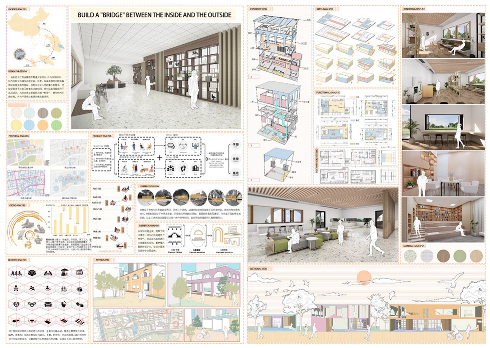
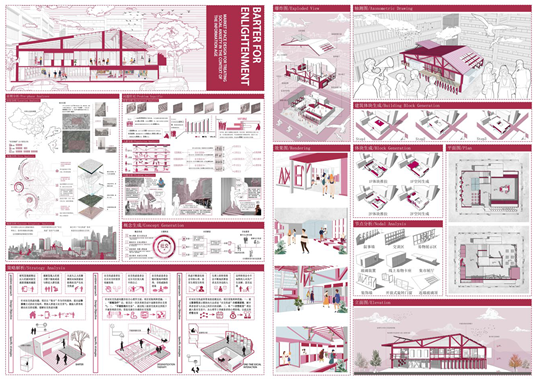
References
- Gore, C. The post-2015 moment: Towards Sustainable Development Goals and a new global development paradigm. J. Int. Dev. 2015, 27, 717–732. [Google Scholar] [CrossRef] [Scilit]
- Mulder, K.F. Innovation for sustainable development: From environmental design to transition management. Sustain. Sci. 2007, 2, 253–263. [Google Scholar] [CrossRef] [Scilit]
- Dixit, K.K.; Dharme, A.; Singh, D.P.; Kalra, R.; Bhavani, B.; Asha, V.; Abdulsada, Z.R. Sustainability by design: Innovative ways of revolutionizing production practices for a better tomorrow. E3S Web Conf. 2023, 453, 01026. [Google Scholar] [CrossRef] [Scilit]
- Verganti, R.; Vendraminelli, L.; Iansiti, M. Innovation and design in the age of artificial intelligence. J. Prod. Innov. Manag. 2020, 37, 212–227. [Google Scholar] [CrossRef] [Scilit]
- Quan, S.J.; Park, J.; Economou, A.; Lee, S. Artificial intelligence-aided design: Smart design for sustainable city development. Environ. Plan. B Urban Anal. City Sci. 2019, 46, 1581–1599. [Google Scholar] [CrossRef] [Scilit]
- Sreenivasan, A.; Suresh, M. Design thinking and artificial intelligence: A systematic literature review exploring synergies. Int. J. Innov. Stud. 2024, 8, 297–312. [Google Scholar] [CrossRef] [Scilit]
- Leuthe, D.; Meyer-Hollatz, T.; Plank, T.; Senkmüller, A. Towards sustainability of AI–identifying design patterns for sustainable machine Learning Development. Inf. Syst. Front. 2024, 26, 2103–2145. [Google Scholar] [CrossRef] [Scilit]
- Agboola, O.P. The role of artificial intelligence in enhancing design innovation and sustainability. Smart Des. Policies J. 2024, 1, 6–14. [Google Scholar] [CrossRef] [Scilit]
- Rawat, K.S.; Yadav, M. Decoding the intellectual landscape and evolving research paradigm of artificial intelligence in environmental sustainability. IEEE Internet Things J. 2025, 12, 44343–44366. [Google Scholar] [CrossRef] [Scilit]
- Liang, J. The application of artificial intelligence-assisted technology in cultural and creative product design. Sci. Rep. 2024, 14, 31069. [Google Scholar] [CrossRef] [Scilit]
- Song, B.; Gyory, J.T.; Zhang, G.; Zurita, N.F.S.; Stump, G.; Martin, J.; Cagan, J. Decoding the agility of artificial intelligence-assisted human design teams. Des. Stud. 2022, 79, 101094. [Google Scholar] [CrossRef] [Scilit]
- Yue, P.; Yuan, T. Artificial intelligence-assisted interior layout design of cad painting. Comput.-Aided Des. 2023, 20, 64–74. [Google Scholar]
- Huang, L.; Zheng, P. Human-computer collaborative visual design creation assisted by artificial intelligence. ACM Trans. Asian Low-Resour. Lang. Inf. Process. 2023, 22, 221. [Google Scholar]
- Khan, M.; Khan, A. Accelerating Innovation through AI-Assisted Design Tools: Productivity and Capability Implications. Int. Multidiscip. J. Sci. Technol. Bus. 2025, 4, 9–16. [Google Scholar]
- Papanek, V. The Green Imperative: Natural Design for the Real World; Thames and Hudson: New York, NY, USA, 1995; p. 17. [Google Scholar]
- Madge, P. Ecological Design: A New Critique [1997]. In The Design Culture Reader; Routledge: Abingdon, UK, 2023; pp. 50–60. [Google Scholar]
- Beck, U.; Giddens, A.; Lash, S. Reflexive Modernisierung; Suhrkamp: Frankfurt, Germany, 1996; p. 55. [Google Scholar]
- Schumacher, E.F. Small is Beautiful; Blond and Briggs: London, UK, 1973; p. 42. [Google Scholar]
- Clark, G. Evolution of the global sustainable consumption and production policy and the United Nations Environment Programme’s (UNEP) supporting activities. J. Clean. Prod. 2007, 15, 492–498. [Google Scholar]
- Fava, J.A.; Smerek, A.; Heinrich, A.B.; Morrison, L. The role of the Society of Environmental Toxicology and Chemistry (SETAC) in Life Cycle Assessment (LCA) development and application. In Background and Future Prospects in Life Cycle Assessment; Springer: Dordrecht, The Netherlands, 2014; pp. 39–83. [Google Scholar]
- Azar, J.; Berko-Boateng, V.; Culhns, P.; deJong, E.; George, J.; Hilbert, H. Agent of Change: Xerox Design-for-Environment Program. In Proceedings of the 1995 1EEE International Symposium Electronics and the Environment, Orlando, FL, USA, 1–3 May 1995. [Google Scholar]
- Manzini, E.; Jégou, F. Sustainable Everyday, Scenarios of Urban Life; Ambiente: Milan, Italy, 2003; p. 42. [Google Scholar]
- Ehrenfeld, J.R. Industrial ecology: Paradigm shift or normal science. Am. Behav. Sci. 2000, 44, 229–244. [Google Scholar] [CrossRef] [Scilit]
- Rosen, M.A.; Kishawy, H.A. Sustainable manufacturing and design: Concepts, practices and needs. Sustainability 2012, 4, 154–174. [Google Scholar] [CrossRef] [Scilit]
- Morgan, J.M.; Liker, J.K. The Toyota Product Development System: Integrating People, Process, and Technology; Productivity Press: New York, NY, USA, 2006; p. 36. [Google Scholar]
- Johnson, D.D.; Srivastava, R. Design for Sustainability: Product Development Tools and Life Cycle Economics. In Proceedings of the 39th Annual Meeting of the Decision Sciences Institute, Baltimore, MD, USA, 22–25 November 2008; pp. 1711–1716. [Google Scholar]
- Kishawy, H.A.; Hegab, H.; Saad, E. Design for sustainable manufacturing: Approach, implementation, and assessment. Sustainability 2018, 10, 3604. [Google Scholar] [CrossRef] [Scilit]
- Mota, B.; Gomes, M.I.; Carvalho, A.; Barbosa-Povoa, A.P. Towards supply chain sustainability: Economic, environmental and social design and planning. J. Clean. Prod. 2015, 105, 14–27. [Google Scholar] [CrossRef] [Scilit]
- Bhamra, T.; Lofthouse, V. Design for Sustainability: A Practical Approach; Routledge: Abingdon, UK, 2016; p. 27. [Google Scholar]
- Jawahir, I.S.; Wanigarathne, P.C.; Wang, X. Product design and manufacturing processes for sustainability. In Mechanical Engineers’ Handbook: Manufacturing and Management, 3rd ed.; Wiley: Hoboken, NJ, USA, 2006; Volume 3, pp. 414–443. [Google Scholar]
- Rosen, M.A.; Nazzal, Y. Energy Sustainability: A Key Toto Addressing Environmental, Economic and Societal Challenges. Res. J. Environ. Earth Sci. 2013, 5, 181–188. [Google Scholar] [CrossRef] [Scilit]
- Anderson, D.M. Design for Manufacturability: How to Use Concurrent Engineering to Rapidly Develop Low-Cost, High-Quality Products for Lean Production; CRC Press: Boca Raton, FL, USA, 2014; p. 55. [Google Scholar]
- Badurdeen, F.; Shuaib, M.A.; Lu, T.; Jawahir, I.S. Sustainable Value Creation in Manufacturing at Product and Process Levels: A Metrics-Based Evaluation. In Handbook of Manufacturing Engineering and Technology; Springer: London, UK, 2013; pp. 1–28. [Google Scholar]
- Arnette, A.N.; Brewer, B.L.; Choal, T. Design for sustainability (DFS): The intersection of supply chain and environment. J. Clean. Prod. 2014, 83, 374–390. [Google Scholar] [CrossRef] [Scilit]
- Kukadia, V.; Hall, D.J. Improving Air Quality in Urban Environments: Guidance for the Construction Industry; Building Research Establishment (BRE) Bookshop, CRC Ltd.: London, UK, 2004; p. 32. [Google Scholar]
- Pitt, M.; Tucker, M.; Riley, M.; Longden, J. Towards sustainable construction: Promotion and best practices. Constr. Innov. 2009, 9, 201–224. [Google Scholar] [CrossRef] [Scilit]
- Yahya, K.; Boussabaine, H. Quantifying environmental impacts and eco-costs from brick waste. Archit. Eng. Des. Manag. 2010, 6, 189–206. [Google Scholar] [CrossRef] [Scilit]
- Zimmermann, M.; Althaus, H.J.; Haas, A. Benchmarks for sustainable construction: A contribution to develop a standard. Energy Build. 2005, 37, 1147–1157. [Google Scholar] [CrossRef] [Scilit]
- Holton, I.; Glass, J.; Price, A. Developing a successful sector sustainability strategy: Six lessons from the UK construction products industry. Corp. Soc. Responsib. Environ. Manag. 2008, 15, 29–42. [Google Scholar] [CrossRef] [Scilit]
- Ding, G.K.C. Sustainable construction—The role of environmental assessment tools. J. Environ. Manag. 2008, 86, 451–464. [Google Scholar] [CrossRef] [Scilit]
- Nelms, C.E.; Russell, A.D.; Lence, B.J. Assessing the performance of sustainable technologies: A framework and its application. Build. Res. Inf. 2007, 35, 237–251. [Google Scholar] [CrossRef] [Scilit]
- Osmani, M.; Glass, J.; Price, A.D.F. Architects’ perspectives on construction waste reduction by design. Waste Manag. 2008, 28, 1147–1158. [Google Scholar] [CrossRef] [Scilit] [PubMed]
- Burgan, B.A.; Sansom, M.R. Sustainable steel construction. J. Constr. Steel Res. 2006, 62, 1178–1183. [Google Scholar] [CrossRef] [Scilit]
- Ofori, G. Sustainable construction: Principles and a framework for attainment. Constr. Manag. Econ. 1998, 16, 141–145. [Google Scholar] [CrossRef] [Scilit]
- Shen, L.; Tam, V.; Tam, L.; Ji, Y. Project feasibility study: The key to successful implementation of sustainable and socially responsible construction management practice. J. Clean. Prod. 2010, 18, 254–259. [Google Scholar] [CrossRef] [Scilit]
- Hill, R.C.; Bowen, P.A. Sustainable construction: Principles and a framework for attainment. Constr. Manag. Econ. 1997, 15, 223–239. [Google Scholar] [CrossRef] [Scilit]
- Miyatake, Y. Technology development and sustainable construction. J. Manag. Eng. 1996, 12, 23–27. [Google Scholar] [CrossRef] [Scilit]
- Cole, R.J.; Larsson, N.K. GBC’98 and GBTool: Background. Build. Res. Inf. 1999, 27, 221–229. [Google Scholar] [CrossRef] [Scilit]
- Wu, Y.; Ma, L.; Yuan, X.; Li, Q. Human–machine hybrid intelligence for the generation of car frontal forms. Adv. Eng. Inform. 2023, 55, 101906. [Google Scholar] [CrossRef] [Scilit]
- Brock, A.; Donahue, J.; Simonyan, K. Large scale GAN training for high fidelity natural image synthesis. arXiv 2018, arXiv:1809.11096. [Google Scholar] [CrossRef] [Scilit]
- Park, T.; Liu, M.Y.; Wang, T.C.; Zhu, J.Y. Semantic image synthesis with spatially-adaptive normalization. In Proceedings of the IEEE/CVF Conference on Computer Vision and Pattern Recognition, Long Beach, CA, USA, 15–20 June 2019; pp. 2337–2346. [Google Scholar]
- Cautela, C.; Mortati, M.; Dell’Era, C.; Gastaldi, L. The impact of artificial intelligence on design thinking practice: Insights from the ecosystem of startups. Strateg. Des. Res. J. 2019, 12, 114–134. [Google Scholar] [CrossRef] [Scilit]
- Elgammal, A.; Liu, B.; Elhoseiny, M.; Mazzone, M. Can: Creative adversarial networks, generating “art” by learning about styles and deviating from style norms. arXiv 2017, arXiv:1706.07068. [Google Scholar] [CrossRef] [Scilit]
- Parasnis, A. Mastering Creative and Experience Intelligence: A Year with Adobe Sensei. Available online: https://blog.adobe.com/en/publish/2017/11/02/a-year-with-adobe-sensei (accessed on 28 October 2024).
- Guo, Z.; Zhu, Z.; Li, Y.; Cao, S.; Chen, H.; Wang, G. AI assisted fashion design: A review. IEEE Access 2023, 11, 88403–88415. [Google Scholar] [CrossRef] [Scilit]
- Lin, J.; Zhou, M.; Ma, Y.; Gao, Y.; Fei, C.; Chen, Y.; Ge, T. Autoposter: A highly automatic and content-aware design system for advertising poster generation. In Proceedings of the 31st ACM International Conference on Multimedia, Ottawa, ON, Canada, 28 October 2023; pp. 1250–1260. [Google Scholar]
- Verheijden, M.P.; Funk, M. Collaborative diffusion: Boosting designerly co-creation with generative ai. In Proceedings of the Extended Abstracts of the 2023 CHI Conference on Human Factors in Computing Systems, Hamburg, Germany, 23–28 April 2023; pp. 1–8. [Google Scholar]
- Hong, M.K.; Hakimi, S.; Chen, Y.Y.; Toyoda, H.; Wu, C.; Klenk, M. Generative AI for product design: Getting the right design and the design right. arXiv 2023, arXiv:2306.01217. [Google Scholar] [CrossRef] [Scilit]
- Yang, W. Analysis of AIGC and Visual Communication Design Fusion Strategies. J. Humanit. Arts Soc. Sci. 2025, 9, 264–268. [Google Scholar] [CrossRef] [Scilit]
- Lin, Y.; Liu, H. The impact of artificial intelligence generated content driven graphic design tools on creative thinking of designers. In Proceedings of the International Conference on Human-Computer Interaction, Washington, DC, USA, 29 June–4 July 2024; pp. 258–272. [Google Scholar]
- Wu, J.; Cai, Y.; Sun, T.; Ma, K.; Lu, C. Integrating AIGC with design: Dependence, application, and evolution—A systematic literature review. J. Eng. Des. 2025, 36, 758–796. [Google Scholar] [CrossRef] [Scilit]
- Karaata, E. Usage of Artificial Intelligence in Today’s Graphic Design. Online J. Art Des. 2018, 6, 183–198. [Google Scholar]
- Upadhyay, A.; Balodi, K.C.; Naz, F.; Di Nardo, M.; Jraisat, L. Implementing industry 4.0 in the manufacturing sector: Circular economy as a societal solution. Comput. Ind. Eng. 2023, 177, 109072. [Google Scholar] [CrossRef] [Scilit]
- Masmoudi, E.; Piétrac, L.; Durieux, S. A literature review on the contribution of Industry 4.0 technologies in OEE improvement. In Proceedings of the International Conference on Decision Support System Technology, Albi, France, 30 May–1 June 2023; pp. 69–79. [Google Scholar]
- Badini, S.; Regondi, S.; Frontoni, E.; Pugliese, R. Assessing the capabilities of ChatGPT to improve additive manufacturing troubleshooting. Adv. Ind. Eng. Polym. Res. 2023, 6, 278–287. [Google Scholar] [CrossRef] [Scilit]
- Rivas, P.; Zhao, L. Marketing with chatgpt: Navigating the ethical terrain of gpt-based chatbot technology. AI 2023, 4, 375–384. [Google Scholar] [CrossRef] [Scilit]
- Castiblanco Jimenez, I.A.; Cepeda García, L.C.; Marcolin, F.; Violante, M.G.; Vezzetti, E. Validation of a TAM Extension in Agriculture: Exploring the Determinants of Acceptance of an e-Learning Platform. Appl. Sci. 2021, 11, 4672. [Google Scholar] [CrossRef] [Scilit]
- Li, K. Determinants of college students’ actual use of AI-based systems: An extension of the technology acceptance model. Sustainability 2023, 15, 5221. [Google Scholar] [CrossRef] [Scilit]
- Wu, W.; Zhai, M.; Liu, J.; Huang, X. Gatekeeper networks, knowledge inertia, and knowledge performance in business incubators. J. Organ. End User Comput. (JOEUC) 2023, 35, 1–33. [Google Scholar] [CrossRef] [Scilit]
- Choudhury, M.M.; Eisenbart, B.; Kuys, B. Artificial intelligence (AI) in the design process–a review and analysis on generative AI perspectives. Proc. Des. Soc. 2025, 5, 631–640. [Google Scholar] [CrossRef] [Scilit]
- Fang, Y.M. Strategic Applications of Generative AI in Design Education. Eng. Proc. 2026, 120, 56. [Google Scholar]
- Lee, C.W. Application of generative artificial intelligence in design education: An exploration and analysis to enhance student creativity. Eng. Proc. 2025, 98, 29. [Google Scholar]
- Wagler, A. Exploring generative AI as part of the design and creative process. J. Advert. Educ. 2025, 29, 118–132. [Google Scholar] [CrossRef] [Scilit]
- Liu, R.; Wu, T.; Chu, J.; Qu, P. Enhancing human computer collaboration in design process: How AI-generated content elevates students’ creativity. Think. Ski. Creat. 2025, 59, 101967. [Google Scholar] [CrossRef] [Scilit]
- Venkatesh, A.; Ma, H. Critical conversations as a tool for students’ tacit knowledge construction: An interpretive research in interior design studio interactions. Int. J. Educ. Res. Open 2021, 2, 100076. [Google Scholar] [CrossRef] [Scilit]
- Venkatesh, A.; Ma, H. Tacit knowledge construction in studio-based learning: A conceptual framework. Int. J. Des. Educ. 2022, 16, 37–53. [Google Scholar] [CrossRef] [Scilit]
- Fleischmann, K. Making tacit knowledge explicit: The case for online peer feedback in the studio critique. Int. J. Technol. Des. Educ. 2025, 35, 699–721. [Google Scholar] [CrossRef] [Scilit]
- Craik, F.I.; Lockhart, R.S. Levels of processing: A framework for memory research. J. Verbal Learn. Verbal Behav. 1972, 11, 671–684. [Google Scholar] [CrossRef] [Scilit]
- Paas, F.; Renkl, A.; Sweller, J. Cognitive load theory and instructional design: Recent developments. Educ. Psychol. 2003, 38, 1–4. [Google Scholar] [CrossRef] [Scilit]
- Rittle-Johnson, B.; Loehr, A.M. Eliciting explanations: Constraints on when self-explanation aids learning. Psychon. Bull. Rev. 2017, 24, 1501–1510. [Google Scholar] [CrossRef] [Scilit]
- Gerlich, M. AI tools in society: Impacts on cognitive offloading and the future of critical thinking. Societies 2025, 15, 6. [Google Scholar] [CrossRef] [Scilit]
- Tian, J.; Zhang, R. Learners’ AI dependence and critical thinking: The psychological mechanism of fatigue and the social buffering role of AI literacy. Acta Psychol. 2025, 260, 105725. [Google Scholar] [CrossRef] [Scilit]
- Ryan, R.M.; Deci, E.L. Self-determination theory and the facilitation of intrinsic motivation, social development, and well-being. Am. Psychol. 2020, 55, 68. [Google Scholar] [CrossRef] [PubMed]
- Zhai, C.; Wibowo, S.; Li, L.D. The effects of over-reliance on AI dialogue systems on students’ cognitive abilities: A systematic review. Smart Learn. Environ. 2024, 11, 28. [Google Scholar] [CrossRef] [Scilit]
- Jose, B.; Cherian, J.; Verghis, A.M.; Varghise, S.M.; Mumthas, S.; Joseph, S. The cognitive paradox of AI in education: Between enhancement and erosion. Front. Psychol. 2025, 16, 1550621. [Google Scholar] [CrossRef] [Scilit]
- Dorst, K. Co-evolution and emergence in design. Des. Stud. 2019, 65, 60–77. [Google Scholar] [CrossRef] [Scilit]
- Gero, J.S.; Milovanovic, J. A framework for studying design thinking through measuring designers’ minds, bodies and brains. Des. Sci. 2020, 6, e19. [Google Scholar] [CrossRef] [Scilit]
- Kolb, A.Y.; Kolb, D.A. Experiential learning theory: A dynamic, holistic approach to management learning, education and development. SAGE Handb. Manag. Learn. Educ. Dev. 2009, 7, 42–68. [Google Scholar]
- Sinek, S. Start with Why: How Great Leaders Inspire Everyone to Take Action; Penguin Press: London, UK, 2009; p. 27. [Google Scholar]
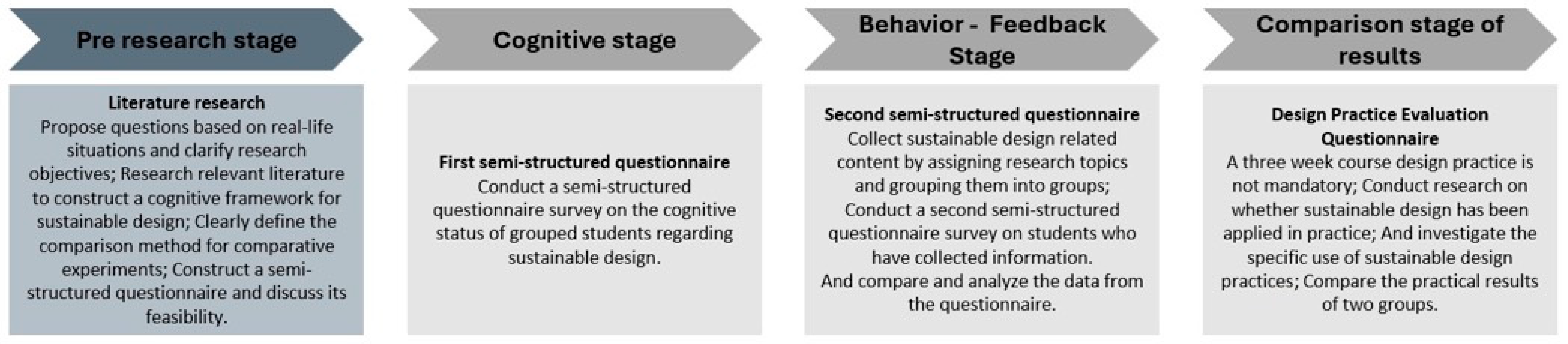
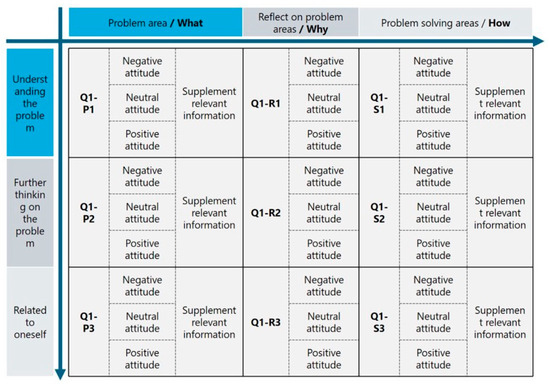
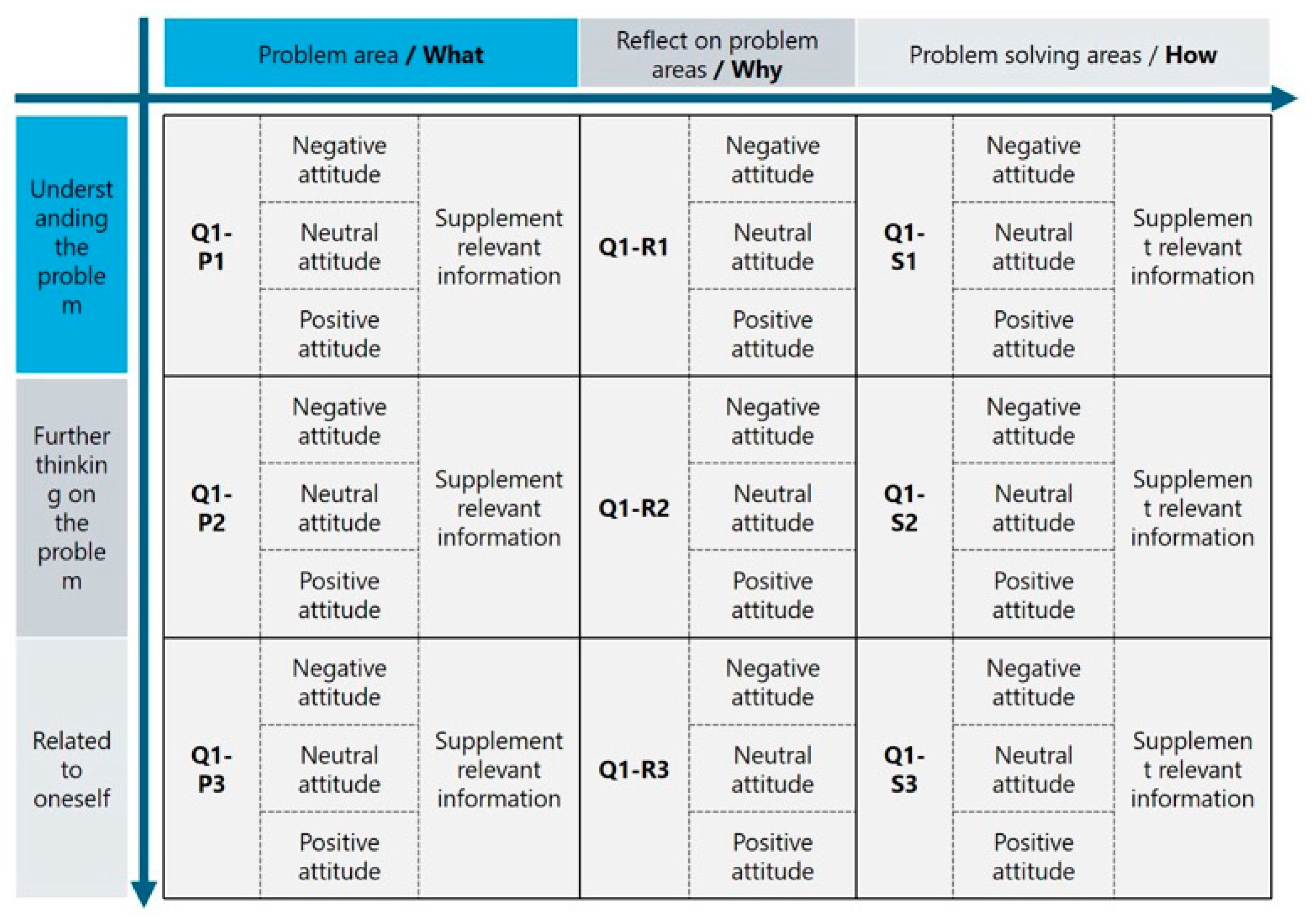
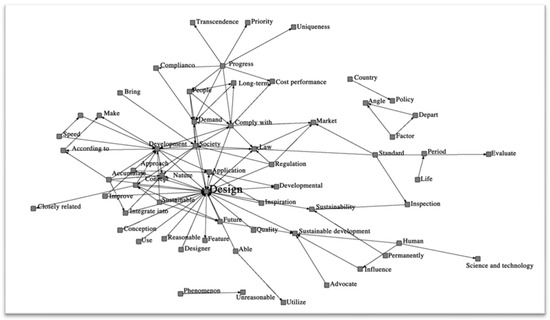
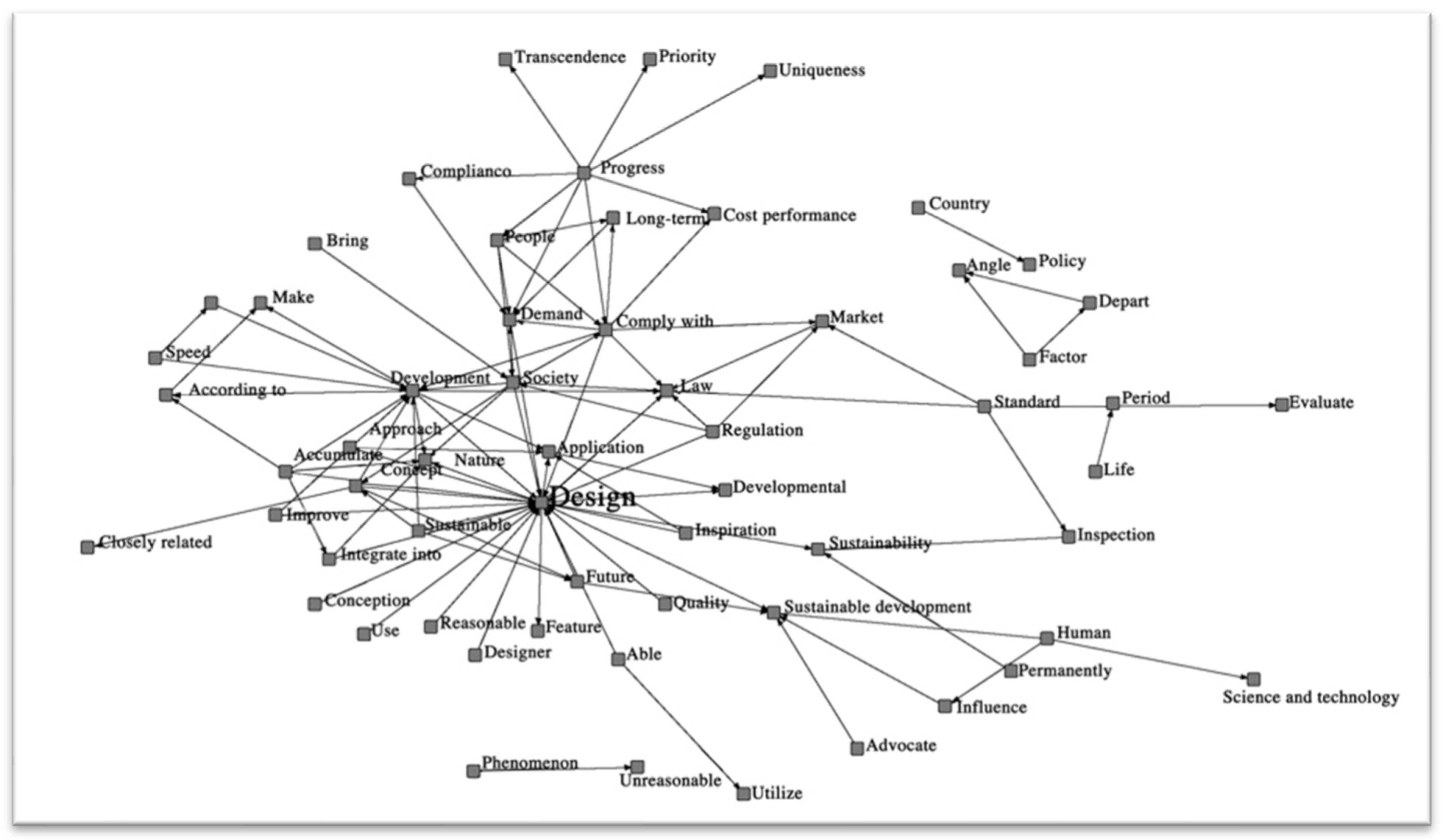
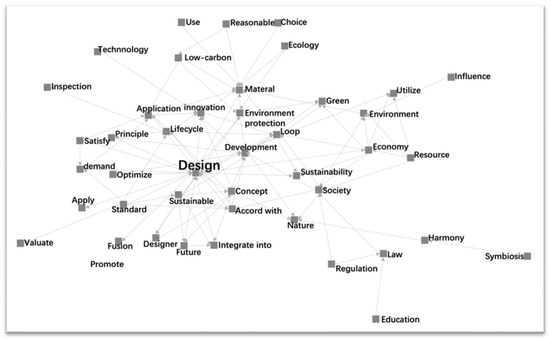
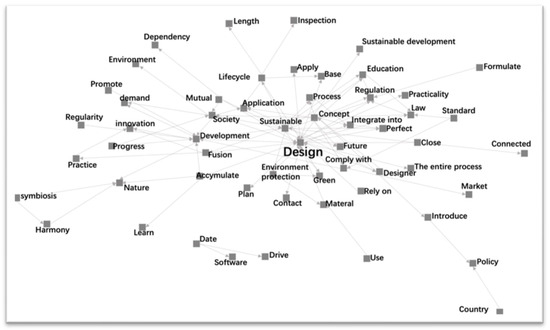

Disclaimer/Publisher’s Note: The statements, opinions and data contained in all publications are solely those of the individual author(s) and contributor(s) and not of MDPI and/or the editor(s). MDPI and/or the editor(s) disclaim responsibility for any injury to people or property resulting from any ideas, methods, instructions or products referred to in the content. |
© 2026 by the authors. Licensee MDPI, Basel, Switzerland. This article is an open access article distributed under the terms and conditions of the Creative Commons Attribution (CC BY) license.