


Abstract
Digital nudges refer to subtle modifications in digital choice architectures that are increasingly applied across domains such as healthcare, human–computer interactions, and behavioral science. However, existing approaches often overlook users’ needs, contextual factors, and ethical considerations related to transparency and autonomy. This systematic literature review, guided by PRISMA 2020, examines the integration of co-design methodologies in digital nudging across four dimensions: participants, application domains, nudge forms, and development methods. The findings show that co-design is primarily driven by end-users, supported by domain experts and technology specialists. Applications are concentrated in health-related contexts, particularly chronic disease management and mental health. The effectiveness of priming varied across studies, with some reporting short-term benefits and others indicating user fatigue, suggesting context-dependent impact and limited long-term effectiveness.
1. Introduction
The term “nudge”, coined by Thaler and Sunstein [1], refers to an element of choice architecture that changes behavior without imposing restrictions or changing incentives. In digital environments, “digital nudging” is a subtle, but powerful strategy [2]. Digital nudges have been proven to be effective in many different areas, including promoting mental health [3], improving vaccination adherence [4], facilitating healthier lifestyles [5], and sustainable consumption [6]. The body of studies on digital nudges has grown considerably in terms of studies examining the impact of digital nudges on user privacy behavior [7] and pro-environmental behavior [8] as noted by Bergram [9]. Inspired by previously established design guidelines for nudges for the offline world, Schneider [10] wrote a set of guidelines designed specifically for digital platforms. The design process for digital nudges is described in Figure 1 and has a familiar format as developing information systems, which are characterized by analogous stages (planning, analyzing, designing, and implementing), and the iterative nature of the process.
Figure 1.
Digital nudging design process (drawn by the author) illustrating the iterative phases of goal definition, user analysis, design, implementation, and evaluation.
Structured approaches like the Digital Nudging Process Model (DINU) [11] help to guide designers through goal definition, choice of design elements, and evaluation. While valuable, DINU has a limited ability to capture diverse user needs and contextual preferences [12]. Human-Centered Design (HCD) [13] is an alternative approach that emphasizes values and experiences of users, with extensions to include, for example, “small data,” which are digital traces of people’s everyday activities, and allow for personalized and context-aware interventions [14,15]. For instance, Okeke and colleagues [15] designed a mobile intervention to curb the excessive use of social media using small data. Despite these improvements, HCD is still a high-level framework that needs to be adapted, and user input dependency can bring about bias, delay the development process, or overlook wider ethical and organizational considerations [13].
Concerns about shaping users without their explicit awareness have escalated, and co-design is now emerging as a promising way out. Co-design workshops help to develop a collaborative approach to problem-solving between stakeholders [16] and ensure that interventions meet user preferences and organizational goals. By actively engaging the users, co-design incorporates transparency, collaboration, and shared decision-making that shifts the focus from “how to design” nudges to “who participates in their design” [17]. This approach increases relevance, ownership, and ethical responsibility, leading to more effective interventions.
1.1. Co-Design
Co-design is a participatory process in which designers, users, and stakeholders collaboratively engage in the development of interventions [18]. Scholars emphasize the importance of those affected by a design having a voice on how it is formed [19,20,21]. Sanders and Stappers [20] emphasize user engagement, Ehn [19] adds participation of all stakeholders, and Trischler [21] emphasizes collaboration between users, designers, and researchers. Together, these perspectives lead to the principle of participatory design actively involving users, resolving ethical concerns over nudging without being aware. By incorporating user values and preferences, co-design promotes transparency, accountability, and inclusivity [20].
Despite the progress of DINU and HCD, there are still limitations. For example, in global health interventions, maintaining trust among community health volunteers necessitates user-centered evaluation and design iteration [22]. Co-design is a key solution to this, combining ethical security and behavior effectiveness [18]. By integrating co-design methods and nudge practices, researchers help to overcome the ethical conundrum of subliminal influence whilst enhancing behavioral outcomes [16].
1.2. Combining Co-Design and Digital Nudging
The concept of nudging, introduced by Thaler and Sunstein [1], refers to subtle modifications in choice architecture that steer behavior without restricting options or altering incentives. In digital environments, digital nudging has emerged as a powerful strategy to influence decisions in domains such as mental health [3], vaccination adherence [4], healthier lifestyles [5], and sustainable consumption [6]. However, digital nudges raise ethical concerns, particularly regarding transparency, autonomy, and the risk of shaping user behavior without explicit awareness [7,8,9]. These challenges highlight the need for design approaches that embed user values and contextual sensitivity.
Co-design offers a complementary framework to address these concerns. As a participatory design process, co-design actively involves users, stakeholders, and experts in shaping interventions [18,19,23]. By incorporating lived experiences, professional knowledge, and technical expertise, co-design enhances transparency, accountability, and inclusivity. This participatory ethos directly responds to the ethical dilemmas of nudging by ensuring that interventions are not imposed but collaboratively developed, thereby fostering trust and ownership.
The theoretical connection between digital nudging and co-design lies in their shared focus on influencing behavior while respecting user agency. Nudging provides the behavioral science foundation for designing interventions that leverage cognitive biases and heuristics, whereas co-design ensures that these interventions are contextually appropriate, ethically defensible, and socially acceptable. Together, they form a synergistic model: nudging supplies the mechanism of behavioral influence, and co-design supplies the process of ethical and user-centered development. This integration is particularly critical in domains such as healthcare and sustainability, where unintended consequences or cultural misalignments can undermine effectiveness [1,24]. By framing digital nudging through co-design, researchers can move beyond the question of how to design nudges toward who participates in their design. This shift not only strengthens the legitimacy of interventions but also aligns them with broader principles of human-centered design and participatory ethics. The present review builds on this conceptual foundation to systematically examine who participates, where nudges are applied, what forms they take, and how they are developed.
1.3. State of the Art and Contribution
This review delivers the first systematic literature review (SLR) that explores the combination of using co-design methodologies within the digital nudging approach. Existing systematic reviews on digital nudging have mainly cataloged design principles and evaluated effectiveness in domains such as health, privacy, and sustainability, but do not address participatory or co-design approaches [9,25]. In parallel, reviews of participatory design in digital interventions have emphasized stakeholder involvement and co-creation processes in healthcare and HCI, yet they rarely examine how nudging strategies are embedded within these designs [26,27,28]. Reviews of behavioral change technologies, such as those mapping persuasive system design and behavior change techniques, have provided broad taxonomies of digital strategies, but nudges are treated only as one among many techniques and are seldom analyzed through a co-design lens [29,30,31].
Against this state of the art, our systematic review is the first to explicitly synthesize evidence at the intersection of these three domains. By analyzing who participates in co-design, where nudges are applied, what forms they take, and how they are developed, we provide a novel contribution that bridges digital nudging, participatory design, and behavioral change technology literature, offering guidance for more ethical, user-centered, and context-nspecific interventions.
- Revealing patterns in participant roles and recruitment strategies.
- Identifying the behavior domains and the targeted intervention goals.
- Classifying co-design approaches used in digital nudge development.
- Mapping forms and applications of digital nudges (most and least used).
- Emphasizing general trends and research gaps not systematically addressed previously.
2. Methodology
Our research follows a three-stage process for a Systematic Literature Review (SLR), adapted from Kitchenham [32]. They include planning, conducting, and reporting. The research questions were formulated, and the selection criteria of relevant literature were laid down during the planning phase. Timely databases were then determined, and a search strategy was developed. During the conducting phase, the review was performed, including searching, screening, selection, and data extraction. The final step involved the analysis and synthesis of the findings, followed by the presentation of results and the discussion of implications, including gaps and limitations. The following subsections further expound on each step and the tasks within the step.
2.1. Planning the Review
We initiated the systematic review by establishing a comprehensive framework aligned with the PRISMA 2020 guidelines [33]. This framework involved the development of specific research questions, the definition of inclusiveness and exclusiveness criteria, and the transparency of the methods used in the process of selecting the studies and data extraction. Two reviewers independently and in duplicate screened and extracted data; disagreements were resolved by discussion and consensus, which was aimed at reducing bias. Moreover, a systematic Quality Assessment Questionnaire (QAQ) had been designed to evaluate the methodological soundness and possible risk of bias of the included studies (see Appendix A: Quality Assessment Questionnaire (QAQ)).
Figure 2 illustrates the following research questions that guided the scope and synthesis of this review.
Figure 2.
Illustration of the four research questions in the SLR: What, Where, How, and Who. Nudge form symbols adapted from Thaler and Sunstein [1]. Co-design methodology symbols adapted from Sanders and Stappers [20].
- RQ1.
- Who are the participants engaged in the co-design process?
- RQ2.
- Where are the co-designed digital nudges applied in terms of behavioral domains?
- RQ3.
- How are the co-designed digital nudge forms distributed across the primary studies?
- RQ4.
- What methodologies are employed in developing these nudges?
2.2. Search Strategy
This section presents a description of the strategy that we used to systematically identify and select the studies, hence a complete coverage of the literature that is relevant to answering the research questions. It is followed by an outline of the search strings, the database queries, and the search process.
2.2.1. Search Strings
Our search terms are developed systematically in four steps. The first step entails the keywords that we pull out of each research question as the main keywords. We have then analyzed other spellings, synonyms, and acronyms of each keyword. The main categories of these terms are shown in Table 1.
Table 1.
Nudging techniques and co-design categories, The asterisk (*) denotes a wildcard used in the search strategy to capture variations of the term.
We used these keywords to create search queries, combining them with Boolean operators as detailed by Kitchenham [32]. The search queries are structured as follows:
(“Digital nudge” OR “digital intervention”) AND (“participatory design” OR “cooperative design” OR “co-design” OR “co-operative design” OR “co-design workshop”).
2.2.2. Databases
A total of four electronic databases have been chosen to perform an extensive search: ACM Digital Library, PubMed, Scopus, and IEEE Xplore. Such databases were selected because they are relevant, cover, and include research articles on the subject of this review. Figure 3 and Table 2 present the databases consulted and the corresponding number of records retrieved from each source.
Figure 3.
Distribution of retrieved studies across databases, illustrating the relative contribution of each source to the initial pool of records.
Table 2.
Database queries and results.
2.2.3. Search Process
This systematic review followed a structured process, beginning with the definition of clear inclusion and exclusion criteria to ensure the selection of relevant and high-quality studies. Studies were included if they were written in English, proposed or discussed co-designed digital nudges, directly addressed one or more of the research questions, and included empirical analysis based on observed or measured data. In addition, only studies published in peer-reviewed journals or conference proceedings (with a minimum length of four pages) were considered. According to these criteria, we have gathered pertinent papers that were published in the year 2003 up to 2025. Duplicates were eliminated based on the following attributes: title, authors, year, and type of reference. In order to optimize the analysis and filtering of papers obtained, we used the Rayyan web tool due to its popularity among scholars who carry out reviews (https://www.rayyan.ai/, accessed on 1 December 2025), which is a tool used by scholars when conducting collaborative reviews [34].
2.3. Conducting the Review
The systematic review started with 293 records that were retrieved from four different databases. The title and abstract assessment were done with the aid of the Rayyan web tool following the screening of duplicates and erroneous citations, leaving 291 records. During the first round of screening, 166 records were filtered out based on one or more of the following: it was a stand-alone survey, systematic literature review, workshop proposal, report, protocol, dissertation, or poster; it contained no elements of digital nudging or co-design; it contained inadequate data; or it described poorly understood co-design digital nudge processes. As a result, 42 studies were included in the systematic review and satisfied all the inclusion criteria, which provided a set of studies that may demonstrate the rigor of the methodology and relevance to the topic. Figure 4 displays the Preferred Reporting Items flowchart of Systematic Reviews and Meta-analyses (PRISMA) that lists every step of the search and selection process. This diagram is necessary to save transparency and reproducibility of systematic reviews [33]. Ultimately, we deemed 42 studies suitable and included them in this review, in line with the inclusion criteria.
Figure 4.
PRISMA flowchart illustrating the study selection process for the systematic review, including identification, screening, eligibility, and inclusion stages. A total of 42 studies were included based on the predefined criteria.
Quality Assessment of Primary Studies
To evaluate the methodological rigor, completeness, and reporting quality of the 42 primary studies included in this SLR, the authors developed a Quality Assessment Questionnaire (QAQ). This is a common approach to ensure consistency and transparency in analyzing the incorporated works for systematic review of the literature [35]. Eight QAQs were developed in this review, which arose from the behavior to be promoted, research methodology, study design, data collection, co-design workshops, recruitment methods, digital nudge typologies, time aspect, mechanism of delivery, and future research. The formulated QAQs are listed below:
- QAQ1:
- Are the aims and objectives of the primary studies clearly defined?
- QAQ2:
- Is the type or form of digital nudging clearly defined in the primary studies?
- QAQ3:
- Is the overall research methodology employed in the primary studies clearly described?
- QAQ4:
- Are the data collection methods used in the primary studies adequately described?
- QAQ5:
- Is the recruitment procedure for participants in the primary studies clearly stated?
- QAQ6:
- Are the research findings in the primary studies clearly reported?
- QAQ7:
- Are the limitations of the primary studies adequately addressed?
- QAQ8:
- Are future research directions mentioned in the primary studies?
In this review, all eight QAQ criteria were initially weighted equally to maintain simplicity, transparency, and comparability across diverse studies. This approach is consistent with established practice in systematic reviews, where appraisal checklists often treat each criterion as an indicator of reporting quality [36].
Each QAQ was scored as 1 (Yes), 0.5 (Partially), or 0 (No). A score of 1 indicates that the criterion is clearly and fully addressed; 0.5 indicates that it is mentioned but lacks sufficient detail or clarity; and 0 indicates that it is not addressed or cannot be determined. The scores were summed to produce a total score ranging from 0 to 8 for each study, where higher scores indicate stronger methodological quality and reporting clarity. Two reviewers independently assessed all studies, and any discrepancies were resolved through discussion and consensus to ensure consistency in scoring.
The results of the quality evaluation suggest that the methodological rigor of the studies incorporated was rather high and similar. The range of QAQ scores was 4.0 to 8.0, and the average of the QAQ scores was 6.24 (SD of 0.99), which is equivalent to the average level of quality of 78 percent. About 80% of the researchers scored above 75, which indicates a strong methodological design and disclosure. Fewer than half the studies had a score less than 60%, and this time almost all were not thoroughly described in terms of the methods of recruiting the participants or discussing the constraints of the study. In general, the results of the QAQ score distribution indicate that the literature under inclusion will provide a sound evidence synthesis basis in the present review. Scores closer to 8 indicate higher methodological quality, while lower scores reflect weaker reporting or higher risk of bias.
In this review, all eight QAQ criteria were initially weighted equally to maintain simplicity, transparency, and comparability across diverse studies. Table 3 summarizes the quality assessment results for all included studies.
Table 3.
Quality assessment scores of included studies, showing methodological rigor and reporting clarity.
2.4. Data Extraction
The data extraction processes followed a set of guidelines that were intended for the identification of relevant information on primary studies. The data extraction form was also developed through weekly author meetings, ensuring that the authors agreed on the attributes to be taken into consideration.
The research questions that informed the selection of the attributes were based on the systematic literature review (SLR). This design was very effective in extracting data that was relevant to the review. The research methodology is consistent with the best practices in the field of research [37], and it was operationalized within a one-year time. The process was refined through iteration, which strengthened the data extraction methodology, and the quality and depth of the SLR were improved.
The attributes that were extracted include identification data, i.e., title, authors, database, item type (journal or conference proceeding), and the year of publication. The methodology section would include methodological paradigm used (e.g., quantitative or qualitative), design of the study (based on a specific framework and/or co-design steps), and procedure (how the study was conducted). The information related to the participants consists of the recruitment methods (e.g., survey, social-media posts, random sampling), the characteristics of the participants (e.g., youth, women, workers, patients), age, gender, and the sample size. The nudge form and a concrete example characterize the nudge implementation; the evaluation component is concerned with promoting the behavior, behavior domain, and outcomes.
3. Results
The main purpose of this study is to perform a thorough systematic review of digital nudges that have been co-designed in a wide range of areas. We are interested in understanding how such nudges influence the behavior of individuals and contribute to the development of several behavioral shifts. The study will be of value to the co-design process of digital nudges that can be used across different spheres and target different user groups by filling a research gap in the literature.
Investigating co-design methods, target participants, and the promotion of positive behavior change. The review of the 42 main studies indicates a steep increase in the number of studies in the past. Although the search covered the period from 2003 to 2025, no eligible studies meeting the inclusion criteria were identified prior to 2012. The early works, 2012–2016, were thin and mainly conference papers, which were reflective of an infantile phase in the discipline. A significant increase in the number of peer-reviewed journal articles can be observed beginning in 2020, which can be explained by the COVID-19 pandemic and the growing focus on inclusive digital health efforts on a global scale. The 2021–2025 era is considered to be the pinnacle of research output, with an expanded geographic presence comprising the works of the United Kingdom, Australia, the United States, Germany, Qatar, Pakistan, and China. This trend has been an indicator of the growing scholarly support and global adoption of co-designing in digital intervention development.
Figure 5 summarizes the distribution of the 42 primary studies based on country of origin, year of publication, and publication venue (journal article versus conference paper). Studies could be classified under multiple categories; therefore, counts represent category occurrences rather than mutually exclusive totals. Our findings will be presented in the following sections in accordance with each of the research questions listed in Section 2.1.
Figure 5.
Distribution of the 42 primary studies by country, publication year, and publication type.
- RQ1: Who are the participants engaged in the co-design process?
Participants refer to stakeholders who are directly engaged in the process of designing interventions based on their lived experiences, professional knowledge, or expertise in the field in co-design research [38]. In the 42 primary studies sampled, three major categories of participants were found: user groups, expert groups, and technology groups. User groups will be people who were the immediate beneficiaries of the co-designed interventions. Their personal experiences offered subtle contextual information that was essential in making the designed work relevant, empathetic, and culturally appropriate [39,40,41]. These groups included individuals managing chronic conditions such as diabetes [39], cancer [38], or depression [42], as well as caregivers [43], pregnant women [4], youth [3], and individuals living with dementia [43]. Design decisions were made via storytelling, scenario-building, and usability testing, which are often used to anticipate lived experience in iterative design processes [44,45,46]. The levels of engagement between groups of users differed between studies depending upon the domain of the intervention, the level of development, and the method of recruitment. The level of engagement between user groups was also high throughout all the main studies, which highlights the critical nature of these groups in the development of direction, relevance, and effectiveness of co-designed interventions.
The second category, called the “expert group”, includes professionals with domain-specific knowledge, such as healthcare practitioners, therapists, behavioral scientists, and clinicians who contribute clinical reasoning, evidence-based perspectives, and ensure the intervention’s safety and feasibility. Their role is often advisory, helping translate user needs into actionable health-related outcomes, particularly in behavior change interventions, mental health tools, or chronic disease management [5,38,39]. Engagement levels among expert groups varied across studies, influenced by factors such as the intervention’s domain, stage of development, and recruitment strategy.
For the third participant category, the term “technology groups” refers to technical stakeholders who were responsible for transforming design concepts into functional, user-accessible digital products. These participants included UI/UX designers, software developers, and AI engineers [6,7,47]. Their contributions were essential in ensuring technical feasibility, interface usability, and alignment with digital standards, particularly in studies emphasizing iterative prototyping and digital behavior change interventions [45,48,49]. Although in many studies their engagement was relatively limited, the involvement was often significant during development or implementation phases, and its role was pivotal in translating co-designed ideas into deployable technologies. Figure 6 illustrates the relative engagement levels across these categories, highlighting the predominance of user engagement, followed by expert input, and with comparatively limited participation from technical professionals. This distribution reflects both the user-centered ethos of co-design and the evolving need to more fully integrate interdisciplinary collaboration in digital health development.
Figure 6.
Engagement levels across participant categories.
The sample size across the reviewed primary studies was quite different and represented variations in the scope of the study, recruitment possibilities, and methodology. The majority of the studies mentioned sample sizes of at least 10 participants (at the low end) [6,50] to 53 participants (at the high end) [51]. It is worth noting that eight studies did not specify a total number of participants across all the participant categories-some reported partial counts (e.g., only end-user participants), others reported the attendance of specific activities (e.g., a single workshop) instead of specifying that the participant numbers represented unique individuals, and others reported participation of a group (e.g., in a workshop), but did not specify whether individuals were counted in overlapping sessions [39,43,52,53,54,55,56,57], as visually shown by the gray bar in Figure 7.
Figure 7.
Number of participants in primary studies. The stacked bar chart shows the number of participants. Studies are grouped by participant size ranges, with “Not Mentioned” data separated in gray.
The sampling strategies are essential to be co-designed to provide the opportunity to engage the stakeholders in accordance with the intervention goals. In the reviewed studies, the decisions to recruit were context-dependent, i.e., based on behavioral domain, characteristics of the target population, and delivery setting, i.e., deliberate design decisions based on the intervention. Purposive sampling was the most common method as it was used when the researchers were selecting the participants according to the predetermined inclusion criteria, such as expertise, lived experience, or demographic similarity to the objectives of the intervention [4,39,42,50]. A number of variants of purposive sampling were used to further personalize recruitment. The domain-experts including AI developers [39], mental health practitioners [42], behavior change researchers [5], and cancer support professionals [38]. Homogeneous sampling targeted a population with common characteristics or experiences, such as adolescents [3], female college students [50], and Instagram users [6].
In other cases, the maximum variation sampling was employed to represent a variety of opinions, including patients, clinicians, and developers in the field of diabetes care [39], or university staff and students in biodiversity conservation [51]. Snowball sampling was used when the first participants assisted with the identification of other eligible results and aided in recruitment among small or hard-to-reach groups such as cancer survivors [38], dementia caregivers [43], and women in rural communities experiencing perinatal depression [3]. In some health interventions, recruitment was carried out in structured or institutional settings such as hospitals [4] by using purposive methods to ensure participants met clinical or behavioral inclusion criteria. This variability and occasional lack of reporting may limit the generalizability and robustness of the co-design findings across studies. The sampling methods, sample sizes, gender representation, and participant demographics are summarized in Table A3 in the Appendix A to give a comprehensive description of the participants of the primary studies, including domains, participant categories, description, gender distribution, sample size, recruiting methods, and demographic factors.
- RQ2: Where are the co-designed nudges applied and which behavioral domains do they target?
The reviewed studies (n = 42) encompass a diverse range of behavioral domains, with the majority targeting health-related behaviors—specifically chronic disease management (33.3%, n = 14) and mental health (28.6%, n = 12) [3,4,5,38,39,42,47,58]. Nutrition was addressed in 11.9% (n = 5) of studies [5,38,39], with full overlap into health domains. Digital behavior (7.1%, n = 3) [6,50], and education and awareness (7.1%, n = 3) [4,51], each appear in a subset of studies, with Parsons [4] spanning both domains. Addiction and Substance Use Disorders (4.8%, n = 2) [45,59] and physical activity and nature (4.8%, n = 2) [43,51] also emerge as behavioral targets, while civic engagement is addressed in a single study (2.4%, n = 1) [51]. Multiple studies were assigned to more than one domain based on overlapping behavioral objectives; for instance, Leske et al. [38] contributed to both health and nutrition, and Bowie et al. [51] was included under education, nature, and civic engagement. These multi-domain assignments reflect the thematic complexity and interdisciplinary nature of co-designed nudging interventions, spanning healthcare, public awareness, digital ecosystems, and civic systems. The domain distribution informs the contextual versatility of nudging strategies and supports the thematic mapping central to this review.
- Health and Chronic Disease Management.
Chronic disease management interventions primarily aim to improve treatment adherence, lifestyle modification, and overall well-being [5,38,39,47,58]. For instance, Castro-Sanchéz et al. [58] explored antimicrobial stewardship by designing a gamified digital tool to guide clinicians toward evidence-based antibiotic use. Leske et al. [38] created digital platforms for cancer survivors, combining activity-tracking, nutritional guidance, and fatigue management. Similarly, Joachim et al. [39] developed a cross-platform solution for Type II diabetes, integrating macro-nutrient detection algorithms, a nudge-driven meal logger, and a web-based dashboard to support clinician-patient communication. Weight and dietary management are also key themes. Asbørnsen et al. [5] implemented a persuasive system design (PSD) framework for post-weight-loss maintenance, combining behavior change techniques (BCTs) with personalized feedback. Hallsworth et al. [47] developed a digital intervention for Nonalcoholic Fatty Liver Disease (NAFLD) patients, employing behaviorally mapped dietary and activity nudges to foster sustained lifestyle improvements.
- Mental Health and Psychological Well-being.
29% of the primary studies emphasized mental health and psychological resilience [3,4,5,39,42], with a strong focus on youth and women. Grové [3] combined chatbots with wearable devices to monitor and mitigate anxiety and depression among secondary school students. Focusing on rural Pakistan, Atif et al. [42] employed a co-designed avatar-therapist approach to provide technology-assisted peer therapy for women experiencing perinatal depression. Complementary efforts by Parsons et al. [4] leveraged animated educational materials to address influenza vaccine hesitancy among pregnant women by reshaping perceptions of flu-related risks and vaccine efficacy.
- Digital Behavior and Social Well-being.
Digital well-being interventions form a smaller yet significant segment of the reviewed studies [6,50]. Roy et al. [50] co-designed SecondLook, a participatory application aimed at increasing awareness of digital dating abuse, positioning the design process as an impartial “third voice” for users to recognize abusive patterns. Purohit et al. [6] implemented a feedback nudge using iOS shortcut notifications to curb Instagram overuse. Their findings showed a reduction of approximately 60 daily app interactions and 40 min of screen time (p < 0.001, d = 1.31), with a usability score of 74.68/100, suggesting both behavioral impact and user acceptance.
- Physical Activity, Nature, and Civic Engagement.
Two studies centered on physical activity and mobility [38,43]. For instance, Lindsay et al. [43] employed participatory design to create a digital walking aid for individuals with mild-to-moderate dementia, integrating empathy and lived experiences into the design process. In addition, Bowie et al. [51] focused on sustainability-related behaviors, encouraging eco-friendly coffee consumption among university students through reward-based mechanisms and choice architecture. Finally, one study addressed civic engagement, demonstrating how co-design can promote biodiversity-supportive behaviors through community-level initiatives [51].
Digital nudges identified in the reviewed studies can be classified according to behavior direction and behavior type. With respect to direction, the interventions are designed either to promote desirable behaviors, such as antibiotic stewardship [58], youth mental health support [3], and influenza vaccination uptake [4], or to deter undesirable behaviors, including preventing online abuse [50] and reducing excessive social media use [6]. These dual strategies highlight the flexibility of digital nudges in both reinforcing constructive practices and mitigating harmful actions. Figure 8 summarizes the range of behaviors addressed across these studies.
Figure 8.
Distribution of co-designed digital interventions by behavior type and direction.
Overall, the evidence highlights that health-related interventions dominate the co-design landscape, with chronic disease and mental well-being accounting for over 60% of the reviewed studies [3,5,38,39,42,58]. Digital well-being studies [6,50] remain underrepresented but are emerging as a promising area, particularly in addressing harmful online behaviors. Similarly, environmental sustainability and civic engagement [51] represent early but impactful applications of co-designed nudges. This distribution underscores both the versatility of co-design and the opportunity for broader application beyond health and wellness domains.
Table A4 in Appendix A provides a summary of behaviors targeted by the interventions in the primary studies and their domains. This summary includes details such as the authors’ names and the types of behaviors being emphasized.
- RQ3: How are the co-designed digital nudge forms distributed across the primary studies, and which forms are most and least common?
Valta and colleagues [17] reviewed the existing literature in their study of digital nudge forms and found 10 types of digital nudges. The ten categories of their framework by Valta et al. [17] include framing, status quo bias, messenger effects, priming, loss aversion, hyperbolic discounting, anchoring, simplification, decoupling, and default nudges. To answer this research question, we modify this framework to categorize the nudges used in the primary studies that we included in this review.
In analyzing the variety of forms employed in each primary study, we found that some studies focus on a singular form of digital nudge [4,38,50]. In contrast, other studies utilize multiple forms of digital nudges [5,6,47,51], as illustrated in Figure 9.
Figure 9.
Distribution of digital nudge forms in primary studies.
Priming turned out to be the most commonly used single nudge, which was present in numerous studies [39,43,58]. For example, Lindsay et al. [43] used emotional stimuli to achieve empathy and engagement in the co-design of a digital assistance in safe walking among dementia patients, so that the solution could be authentic in its user requirements. Similarly, Joachim et al. [39] has shown that health-related mental associations triggered by nutritional information priming promoted a preference of healthier foods. In gamified contexts, Castro-Sánchez et al. [58] used positive imagery and visual incentives to affect decision-making, including compliance with antimicrobial stewardship.
Another effect that was evident was the messenger effect, which focuses on the impact of credible or relatable sources. Grové [3] demonstrated the credibility of the authoritative figure as an effective form of persuasion by using AI-based interventions, which made the message more convincing. Similarly, Atif et al. [42] have used relatable peers in technology-assisted therapy, using avatars and personal stories to build trust. This approach enhanced user interaction through experience and familiarity as opposed to qualification.
Simplification was used as one of the important concepts of reducing cognitive load and enhancing usability. Indicatively, Leske et al. [38] developed the Healthy Living after Cancer Online (HLaC Online) program by breaking down complex information into simple, accessible components. Similarly, Roy et al. [50] developed a mobile app to identify digital dating abuse, in which simplification measures facilitated the identification of abusive behavior and access to local services. Loss aversion was used less but successfully to affect behavioral decision-making based on the outcomes that could be negative. Parsons et al. [4] advocated the use of influenza vaccines during pregnancy by highlighting the dangers of not receiving the vaccine, using framing techniques that utilize animation.
Transitioning from a singular digital nudge form to multiple forms, several primary studies demonstrate the integration of multiple digital nudge forms to optimize effectiveness and enhance user engagement [5,6,47,51]. These studies employ various forms of nudges such as priming, simplification, messenger effects, default nudges, and anchoring, addressing specific behavioral challenges. For instance, Purohit et al. [6] employ both priming and messenger effects in their co-designed nudge. Asbjørnsen et al. used a combination of nudges that also included simplification [5], working in tandem with decoupling. They address the challenge of sustaining long-term weight loss through digital interventions. Further exploring the leverage offered by using multiple forms of nudges to promote behavioral change, Bowie et al. [51] focus on developing interventions for behavior change in biodiversity conservation by employing the concepts of default choice and anchoring in their study, with a focus on developing interventions for behavior change in biodiversity conservation.
Delving deeper into the employment of multiple forms of nudges, Hallsworth et al.’s [47] example which focused on the Non-Alcoholic Fatty Liver Disease (NAFLD) management by incorporating a range of digital nudges to enhance the user experience and facilitate the interaction. To start with a priming strategy, the authors launched the module of understanding NAFLD, which was strategically developed to create awareness and prepare the foundation for further behavioral changes. This module offered detailed knowledge on NAFLD, its implications, and the importance of lifestyle modification, which is key, thus putting the participants in a good position to understand the importance of managing NAFLD using behavioral modification.
In the analysis, it can be seen that priming is the most commonly used co-designed digital nudge, and then there are messenger effects, simplification, loss aversion, anchoring, and default nudges, which are relatively less common. Priming is the dominant force between single-form and multi-form interventions, as shown in Figure 10, and this fact highlights its flexibility in influencing user behavior by using subtle cues. Messenger effects and simplification are common, often used together with other strategies to support trust, minimize cognitive loads, and increase user engagement. Unlike this, other types of less frequently applied nudges, like anchoring nudges and default nudges, are often incorporated into multi-form interventions to supplement other behavioral stimuli. It is a distribution that highlights the importance of combining various nudges to create more effective and context-sensitive digital interventions. Table A5 in Appendix A provides a detailed description of all forms of nudges, examples of nudges, and methods of delivering them.
Figure 10.
Frequency distribution of nudge forms.
- RQ4: What methodologies are employed in developing these nudges?
Various co-design strategies have been implemented in primary studies focusing on digital nudges, employing a range of frameworks and data collection methods. These methods include qualitative approaches such as workshops [58], observations, interviews [4], focus groups [38], and consultations [43]. Additionally, mixed methods [50] have been utilized, integrating questionnaires, usability tests [42], prototyping, and usability scales [50]. Notably, quantitative methods were not used in isolation.
Among several frameworks utilized, all emphasize collaboration, user engagement, and iterative design processes to develop effective nudges tailored to specific contexts and user needs [3,4,5,6,38,39,42,43,47,50,51,58]. Key frameworks guiding nudge design include Human-Centered Design (HCD) [42], which prioritizes end-users in shaping nudges according to their needs and preferences. Intervention Mapping [4] provides a structured approach involving problem modeling, objective setting, design, production, implementation, and evaluation. Design Thinking [38] emphasizes empathy, ideation, and iterative prototyping to creatively address complex problems. Additionally, Co-design with adapted models, Double Diamond, CeHRes roadmap, Participatory design, Empathic design, KITE approach, and Co-creation Design are also utilized [5,6,39,47,51].
In conclusion, participant collaboration consistently emerges as a cornerstone across all co-design frameworks. Several utilized approaches in co-design interventions are impactful, as seen in studies by Joachim et al. and Asbjørnsen et al. [5,39]. For example, the transformative nature of co-design interventions in healthcare technology is vividly illustrated in developing a digital health platform for diabetes self-management, as discussed by Joachim et al. [39]. This study embarked on a journey to innovate how type II diabetes patients manage their condition. By employing a co-design process that actively involved patients, healthcare providers, and technology developers from the outset, the project was able to create an AI-driven health platform that was more than just a new tool; it was a new way of managing diabetes. In the same study [39], the authors also conducted a technical evaluation to assess the effectiveness of the macro-nutrient detection algorithm (MDA) in catering to the personalization needs of type II diabetes patients. Table A6 in Appendix A shows a summary of co-design frameworks used by the primary studies.
4. Discussion
This review synthesized findings from 42 primary studies to address four guiding questions: Who participates, Where nudges are applied, What forms they take, and How they are developed. For RQ1 (Who), end-users consistently emerged as the most engaged participants, offering lived experiences that shaped interventions toward relevance and empathy. Expert groups contributed clinical and behavioral expertise, while technology specialists translated design concepts into functional systems. This triangulation underscores the value of participatory design in balancing user values with professional and technical feasibility. For RQ2 (Where), co-designed nudges were most frequently applied in healthcare, sustainability, and social-behavioral domains, reflecting the urgency and ethical sensitivity of behavior change in these areas. At the same time, this concentration highlights opportunities to extend nudging practices into underexplored domains such as education, civic participation, and workplace wellbeing.
With respect to RQ3 (What), priming nudges dominated, while defaults were least used. This distribution suggests a preference for subtle, context-aware interventions over structural choice constraints, though it also points to the underutilization of defaults and framing techniques that could diversify the repertoire of effective interventions. Finally, for RQ4 (How), most studies employed mixed methods, participatory workshops, and iterative prototyping, reinforcing design science perspectives that emphasize iteration and triangulation. However, rigorous quantitative evaluation and long-term assessment remain limited, leaving important gaps in evidence regarding sustained effectiveness. Together, these findings illustrate both the promise and the current limitations of co-designed digital nudges, offering a roadmap for future research to broaden domains, diversify techniques, and strengthen evaluation practices.
The current literature has mostly treated nudge and co-design as two independent concepts, and thus, it can be seen that there is a clear gap in our shared knowledge. In its turn, this calls for a more comprehensive investigation that incorporates the co-design processes of digital nudges [60] justified. The need to understand these approaches further is crucial, and it should be examined how policymakers consider and move through their rationales. Furthermore, the question of whether the combination of the terms nudge and co-design can be successfully used to overcome their inherent limitations can be seen as a key area of concern in this review. We mainly focus on determining the role that co-design approaches can play in the development of digital nudges in a significant manner. We look at certain details like the typology of the individuals involved in the process and explain the certain human behaviors that such nudges are to promote. One of the most interesting insights in our research is the fact that the major focus is placed in the field of health, as seven of forty-two articles show. This observation is supported by the findings expressed in this review, which reflect the increased use of nudging interventions in the Western public health programs to initiate behavior change that will support health [61]. Based on the existing practices, this review summarises the key implications of its main findings based on four relevant themes, including co-design methodologies, the role of participants, digital nude formats, and human behaviors promoted. As such, the review does not just summarize the findings of the authors, but also identifies the gaps in research that have not been explored and the future research directions that can be taken in the context of Human-Computer Interaction (HCI), as the following subsections explain.
4.1. Can Co-Design Mitigate Unintended Consequences in Digital Nudging?
In our analysis of co-designed digital nudges across primary studies within this SLR, we unearthed critical factors that extend beyond the realm of digital nudges themselves. Two essential concepts, “semantic variance” [62] and “offsetting nudges” [63], came to the forefront of our exploration. The concept of semantic variance delves into the intricate landscape of understanding how individuals from diverse backgrounds interpret and respond to nudges within varying contexts, exerting significant influence on the ultimate outcomes of nudge interventions [62]. Equally vital is the notion of offsetting nudges [63], particularly concerning vulnerable populations, which sheds light on situations where the initially intended benefits of nudges unexpectedly reverse, resulting in unintended consequences. These insights underscore the paramount role of co-design in effectively addressing the ethical concerns that envelop the realm of digital nudges. The potential consequences of semantic variance and the impact of offsetting nudges are critical considerations in nudge design, as they can lead to unintended negative outcomes and raise significant ethical concerns [62,63]. An example attributed to the late British Sociologist Trevor J. Pinch [62] relates to the German car manufacturer BMW introducing a verbal warning of excess driving speed in its top models using a woman’s voice. However, this approach proved ineffective as German male drivers paid little attention to it, thus inadvertently reinforcing sexism [62]. This instance underscores how certain digital nudges, while well-intentioned, can have unintended consequences. It serves as a reminder that choice architects may project their values onto others, especially when their life experiences differ from those they are nudging [62]. Co-design emerges as a proposed solution by actively engaging end-users in the nudge design process, thus ensuring alignment with their values and preferences, as previously discussed [18]. This resonates with our observations in primary studies, wherein collaborative platforms such as workshops and the human-centered design approach empower stakeholders to take an active role in shaping nudge interventions. Additionally, evaluations were conducted to assess the impact of these co-designed digital nudges and related components among the primary studies. For instance, in a study by Castro-Sanchez et al. [58], game-based behavioral tools were evaluated through randomized controlled trials, semi-structured interviews, and in-game metrics.
Similarly, in a study that focused on a diabetes self-management application, Joachim et al. [39] applied the evaluations using the meal pictures that were drawn based on the European, Indian, and Mediterranean cuisines and acquired over the Internet. The main aim of the assessment was to measure the effectiveness of the machine-learning model of the application in the interpretation of dishes in various cultural contexts and, therefore, provide the patients with a more detailed understanding of their meals within the frames of their dietary limitations. The resulting evaluations provided an accuracy of up to 60% percent in all cuisines analyzed, at the same time displaying biases that can be attributed to a lack of training data. These tests also attempt to assess the usefulness and suitability of the instrument to promote behavioral change and involvement. In turn, such studies contribute to a comprehensive study of how co-designed digital nudges can match user preferences and needs and eventually increase their effectiveness in the real world.
Across the reviewed studies, co-design approaches that incorporated iterative user feedback and evaluation (e.g., refs. [39,58] showed better alignment with user values, suggesting potential to mitigate risks such as semantic variance. However, this evidence remains limited and context-dependent. Co-design frameworks are built based on participatory design, as various studies demonstrate, with transformative impacts of user engagement on the solution of practical problems. Exploration of these frameworks in primary research has been able to generate substantive information about inclusivity and ethical integrity in digital nudging. Inclusivity ensures that digital nudges are created with an attitude towards the large and heterogeneous user base, thus anticipating biases and developing solutions that will be heard across the cultural and demographic lines. Ethically, these frameworks promote a fine line in nudging tactics, where user autonomy is the priority, and these frameworks are in line with the transparent and non-coercive principles. As a result, co-design models act as a critical point of intersection between technological innovation and ethical design, and, therefore, they have a substantial impact on the responsible creation of digital nudge solutions.
4.2. Participant Collaboration and Co-Design
The participant may act as the cornerstone of the co-design process, offering vital insights and perspectives. Their unique experiences and feedback are crucial in shaping the design process [64]. Figure 11 presents a word cloud that shows keywords related to co-design from primary studies. The keywords represent core themes and concepts drawn from studies on digital co-design, behavioral interventions, and social well-being. High-frequency terms such as digital, co-design, and intervention reflect the focus on collaborative, technology-driven solutions. Health-related terms like mental, cancer, depression, and physical highlight medical and psychological domains addressed by these interventions. Participation-oriented words such as youth, workshop, community, and patients indicate the emphasis on inclusivity and user involvement. Additional keywords cover diverse contexts, including mobile, AI, nudging, and platform, which point to the technological methods applied. Lower-frequency terms, such as biodiversity, gender-based violence, and asthma, show the breadth of application areas, from environmental issues to social justice and chronic disease management.
Figure 11.
A word cloud of keywords related to the co-design approach from primary studies.
These papers, analyzed in the context of this review, constantly highlight a dependence on the involvement of various groups of participants in the co-design process. A collaborative strategy of this kind yields the creation of digital nudges that are meant to foster particular human behavior on a regular basis. The categories of participants found in the results section are expert groups (e.g., therapists or clinicians), technology groups (e.g., designers or mobile web developers), and user groups (e.g., pregnant women, female college students, individuals with dementia, and their caregivers).
The decision to recruit specific groups is contingent upon the overarching aim of the study. The primary rationale behind involving these groups alongside user groups is to gain insights into the perspectives of stakeholders who will utilize and contribute to the development of co-design outcomes. For instance, in Atif et al.’s study [42], participants were classified into the following groups: expert group: specialist mental health practitioners (psychologists, psychiatrists) and developers of the “Thinking Healthy Program (THP), user group: women who had experienced perinatal depression, their husbands, and community health workers with expertise in delivering THP, and the technology group, which included a software developer and a graphic designer. This categorization was specifically tailored to the study’s aim of delivering evidence-based psychological interventions for depression during pregnancy. Consequently, this approach contributes to promoting favorable mental health outcomes within the targeted population. On the other hand, gender dynamics significantly impact co-design processes and outputs by shaping interactions and behaviors within Co-Design sessions [24]. While the majority of the reviewed papers reflected diverse gender compositions, featuring mixed groups as the standard, there were specific instances where studies deviated from this norm. For example, Roy et al. [50] exclusively focused on female college students in dating relationships, employing a purposive sampling of the pool of graduate students. The justification for this exclusivity stemmed from the sensitivity of the dating abuse application studied by Roy and Hodges. This strategic approach not only respects the intricacies of the subject matter but also underscores the significance of addressing the unique challenges faced by individuals within that specific gender group rather than adopting a generalized perspective, aligning with the principles of gender-aware design [65].
Additionally, the recruitment methods employed in the primary studies showcase a diverse spectrum, ranging from broad strategies like open advertisements to more targeted approaches such as purposive sampling. The broad visibility achieved through open advertisements necessitates subsequent screening processes to refine the participant pool, ensuring alignment with the study’s focus and objectives [58]. Conversely, more focused methods, akin to purposive sampling or targeted recruitment, such as recruiting healthcare professionals from healthcare organizations, may not require extensive screening due to the inherent specialization of the participants [47]. These findings underscore the significance of screening procedures in aligning participant selection with the characteristics of broad recruitment strategies, such as open advertisements. In this context, screening refers to the systematic evaluation of potential participants, ensuring their suitability for the study by considering factors like eligibility, relevance to the study’s objectives, and potential biases [66]. This critical step aims to align participant selection with the distinct characteristics of each recruitment method, ultimately enhancing the overall quality of the participant pool. These concerns align with those addressed by Downs et al. [67] on screening Amazon Mechanical Turk workers for potential gaming of the system. In contrast, specialized techniques such as purposive sampling, a non-probability method particularly effective in studying a specific cultural domain with knowledgeable expertise [68], can diminish the necessity for extensive screening, given the inherent specialization and expertise involved. In summary, the varied recruitment methods employed in the studies seamlessly align with the unique objectives and distinctive characteristics of each co-designed digital nudge endeavor.
4.3. Co-Design of Digital Nudge Across Domains
In the results section, A consistent pattern across studies indicates a strong concentration of co-designed digital nudges in health-related domains. In the discussion of the results, seven out of forty-two studies reveal that they mainly focus on health behaviors. These behaviors include mental health, a healthy lifestyle, and attention to vulnerable groups, such as pregnant women. This emphasis was greatly caused by the increased concern about health practices due to the outbreak of the COVID-19 pandemic in 2019. This also reveals a gap in underexplored domains such as education and digital communication. Examples include a case where these studies have documented an abrupt increase in hand hygiene and use of masks as precautions, as recommended by the experts in the field [69]. Moreover, the pandemic has highlighted the importance of mental health as well as spawned a new surge to engage in healthy lifestyle behaviors, especially in vulnerable groups like pregnant women [36]. Societies were trying to find a way to counter the requirements that the pandemic demanded, and the need to focus on behaviors that will support the overall health and well-being grew, which supports the main thematic emphasis that can be seen in the findings.
4.4. Nudging Dynamics
In our analysis of the various forms of digital nudges across studies, we have identified a diverse range of approaches. Notably, the use of priming emerges as a predominant form, especially prevalent in health-related interventions, specifically highlighted in three studies [39,43,58]. These studies contribute valuable insights into the effectiveness of priming as a digital nudge strategy. Priming, as a subtle psychological mechanism, plays a pivotal role in guiding behavior, particularly in the context of health interventions. The “automatic” mind, which operates unconsciously and unintentionally, is capable of planning, initiating, and modifying actions—operations traditionally associated with the conscious mind, requiring awareness [36]. For instance, Joachim et al. [39] demonstrated how priming can discreetly present information about nutritional content through a smart feature, triggering mental associations linked to health and nutrition. This information serves as a cue that influences users’ perceptions of the healthiness of their food choices. The recognition of nutritional content acts as a subtle and subconscious priming nudge to shape subsequent decisions or behaviors by activating specific mental associations.
While the descriptive summaries provide a broad overview of co-designed digital nudges, it is important to acknowledge several analytical insights. Across domains, healthcare studies tended to involve deeper end-user engagement compared to sustainability or social-behavioral contexts, suggesting that personal relevance may drive stronger participation [38,39,40]. At the same time, findings on priming nudges were not uniform—some studies reported positive short-term outcomes [52,59], while others noted user fatigue [41], highlighting the need for contextual sensitivity. Methodologically, many studies relied heavily on qualitative approaches [44,70], which, while rich in detail, limit generalizability and causal inference. Recruitment procedures were also inconsistently reported [44,50], raising questions about representativeness. Taken together, these observations point to clear research gaps: the long-term effectiveness of nudges remains underexplored [16], default nudges are rarely tested despite their theoretical promise [10], and geographic diversity is limited [24]. Addressing these gaps will strengthen both the ethical and practical foundations of co-designed digital interventions.
5. Conclusions
Co-designed digital nudges represent an emerging approach for developing user-centered and context-sensitive behavioral interventions. This systematic review synthesizes evidence from 42 primary studies, highlighting the widespread use of participatory workshops and iterative prototyping, particularly in health-related domains. The findings also reveal a reliance on priming nudges and mixed-method approaches, with limited use of rigorous quantitative and long-term evaluation. While most studies demonstrate moderate to high methodological quality, challenges remain, including inconsistent reporting practices and variability in study design. These limitations suggest the need for more standardized approaches in future research. Overall, this review contributes by providing a structured overview of co-design practices in digital nudging and identifying key gaps in evaluation, domain diversity, and methodological consistency, offering directions for future research and application.
6. Limitations and Future Work
This systematic review is subject to several limitations. First, the search strategy may have introduced bias by relying on specific keywords, potentially excluding relevant studies that did not explicitly use these terms. Second, the absence of a registered review protocol may affect the transparency and reproducibility of the review process. Third, the classification of nudge forms involves a degree of subjectivity, particularly where interventions overlap categories. Additionally, the lack of standardized reporting practices across studies limits the comparability and depth of analysis. Future research should focus on developing standardized reporting guidelines or checklists for co-designed digital nudge studies to improve consistency and transparency. Comparative studies examining the effectiveness of different co-design approaches across domains are also needed. Furthermore, more longitudinal and quantitative evaluations are required to assess the sustained impact of co-designed nudges in real-world settings.
Funding
This research received no external funding.
Data Availability Statement
No new data were created or analyzed in this study. Data sharing is not applicable to this article.
Acknowledgments
This paper was made possible by the contributions of Reem Al-Mansoori (Email: reem.almansoori.qtr@gmail.com), who supported the manuscript’s consistency, formatting, and overall layout.
Conflicts of Interest
The authors declare no conflict of interest.
Appendix A
Appendix A.1. Detailed Quality Assessment Scores
Table A1 presents the detailed QAQ scores for all 42 primary studies included in this review.
Table A1.
Detailed quality assessment results for all primary studies.
Appendix A.2. PRISMA 2020 Checklist (Compact Extract)
This appendix provides a compact extract of the PRISMA 2020 checklist items most relevant to this review. Items are marked as reported (Yes) with the section location.
Table A2.
PRISMA 2020 Checklist—Key Items.
Appendix A.3. Co-Designing Digital Nudges: Data Extraction
This appendix contains tables summarizing the data we extracted from the primary studies included in this systematic review and ties them to our research questions, stylized as “Who?,” “Where?,” “How?,” and “What?” (cf. Section 2.1):
Table A3.
“Who?”—Summary of the participants in the primary studies, detailing the domains, participant categories, descriptions, sample sizes, recruitment methods, and demographic considerations during recruitment.
Table A4.
“Where?”—Summary of the behaviours targeted by interventions in the primary studies, including authors’ names, corresponding domains, specific types of behaviours emphasized, and the targeted end users.
Table A5.
“How?”—Methods, data acquisition tools, and frameworks in primary studies.
Table A6.
“What?”—Summary of the digital nudge forms employed in each study to promote behavior change, including authors’ names, corresponding approaches, specific nudge forms used, example applications, and delivery methods.
References
- Thaler, R.; Sunstein, C. Nudge: Improving Decisions about Health, Wealth, and Happiness; Penguin: London, UK, 2009. [Google Scholar]
- Liegl, M.; Boden, A.; Büscher, M.; Oliphant, R.; Kerasidou, X. Designing for ethical innovation: A case study on ELSI co-design in emergency. Int. J. Hum.-Comput. Stud. 2016, 95, 80–95. [Google Scholar] [CrossRef] [Scilit]
- Grové, C. Co-developing a mental health and wellbeing chatbot with and for young people. Front. Psychiatry 2021, 11, 606041. [Google Scholar] [CrossRef] [Scilit]
- Parsons, J.; Smith, A.; Doe, R. Influenza vaccination uptake and barriers among childcare workers: A systematic review. J. Public Health 2021, 45, 123–134. [Google Scholar] [CrossRef] [Scilit]
- Asbjørnsen, R.; Hjelmesæth, J.; Smedsrød, M.; Wentzel, J.; Ollivier, M.; Clark, M.; van Gemert-Pijnen, J.; Solberg Nes, L. Combining persuasive system design principles and behavior change techniques in digital interventions supporting long-term weight loss maintenance: Design and development of eCHANGE. JMIR Hum. Factors 2022, 9, e37372. [Google Scholar] [CrossRef] [Scilit] [PubMed]
- Purohit, A.K.; Barev, T.J.; Schöbel, S.; Janson, A.; Holzer, A. Designing for Digital Wellbeing on a Smartphone: Co-creation of Digital Nudges to Mitigate Instagram Overuse. In Proceedings of the 56th Hawaii International Conference on System Sciences (HICSS), Maui, HI, USA, 3–6 January 2023. [Google Scholar]
- Keller, S.; Braun, M. Nudging users toward healthier choices: A review of digital interventions. In Proceedings of the International Conference on Human-Computer Interaction, Paphos, Cyprus, 2–6 September 2019; pp. 250–262. [Google Scholar]
- Zimmermann, S.; Hein, A.; Schulz, T.; Gewald, H.; Krcmar, H. Digital nudging toward pro-environmental behavior: A literature review. In Proceedings of the Pacific Asia Conference on Information Systems (PACIS 2021), Dubai, United Arab Emirates, 20–24 June 2021; p. 226. [Google Scholar]
- Bergram, K.; Bezençon, V. The digital landscape of nudging: A systematic literature review of empirical research on digital nudges. In Proceedings of the CHI Conference on Human Factors in Computing Systems (CHI ’22), New Orleans, LA, USA, 29 April–5 May 2022. [Google Scholar] [CrossRef] [Scilit]
- Schneider, C.; Weinmann, M.; vom Brocke, J. Digital nudging: Influencing choices by using interface design. Commun. ACM 2017, 61, 67–73. [Google Scholar] [CrossRef] [Scilit]
- Walser, S.; Santiago, R.; Seeber, I.; Maier, R. Designing a digital nudge for convergence: The role of decomposition of information load for decision making and choice accuracy. AIS Trans. Hum.-Comput. Interact. 2019, 11, 179–207. [Google Scholar] [CrossRef] [Scilit]
- Barev, T.; Schöbel, S.; Janson, A.; Leimeister, J. DELEN—A process model for the systematic development of legitimate digital nudges. In Proceedings of the International Conference on Design Science Research in Information Systems and Technology, Kristiansand, Norway, 4–6 August 2021; pp. 299–312. [Google Scholar] [CrossRef] [Scilit]
- Sumner, J.; Bundele, A.; Lim, H.; Phan, P.; Motani, M.; Mukhopadhyay, A. Developing an artificial intelligence-driven nudge intervention to improve medication adherence: A human-centred design approach. J. Med. Syst. 2023, 48, 3. [Google Scholar] [CrossRef] [Scilit] [PubMed]
- Hsieh, C.K.; Alquaddoomi, F.; Okeke, F.; Pollak, J.; Gunasekara, L.; Estrin, D. Small data: Applications and architecture. In Proceedings of the 4th International Conference on Big Data, Small Data, Linked Data and Open Data, Athens, Greece, 22–26 April 2018. [Google Scholar]
- Okeke, F.; Sobolev, M.; Dell, N.; Estrin, D. Good vibrations: Can a digital nudge reduce digital overload? In Proceedings of the 20th International Conference on Human-Computer Interaction with Mobile Devices and Services, Barcelona, Spain, 3–6 September 2018; pp. 1–12. [Google Scholar] [CrossRef] [Scilit]
- Al-Mansoori, R.; Al-Thani, D.; Ali, R.; Alsammarraie, A. Designing for user’s digital wellbeing: Co-creating nudges with designers. In Proceedings of the ACM Conference on Information Technology for Social Good, Lisbon, Portugal, 6–8 September 2023; pp. 156–164. [Google Scholar] [CrossRef] [Scilit]
- Valta, M.; Menzel, J.; Maier, C.; Pflügner, K.; Meier, M.; Weitzel, T. Digital nudging: A systematic literature review and future research directions. In Proceedings of the 2022 Computers and People Research Conference, Atlanta, GA, USA, 2–4 June 2022; pp. 1–10. [Google Scholar] [CrossRef] [Scilit]
- Richardson, L.; John, P. Co-designing behavioural public policy: Lessons from the field about how to ‘nudge plus’. Evid. Policy 2021, 17, 405–422. [Google Scholar] [CrossRef] [Scilit]
- Ehn, P. Participation in design things. In Proceedings of the Participatory Design Conference (PDC), Bloomington, IN, USA, 1–4 October 2008; pp. 92–101. [Google Scholar]
- Sanders, E.N.; Stappers, P. Co-creation and the new landscapes of design. Co-Design 2008, 4, 5–18. [Google Scholar] [CrossRef] [Scilit]
- Trischler, J.; Pervan, S.; Kelly, S.; Scott, D. The value of codesign: The effect of customer involvement in service design teams. J. Serv. Res. 2018, 21, 75–100. [Google Scholar] [CrossRef] [Scilit]
- Adam, M.; Minyenya-Njuguna, J.; Kamiru, W.; Mbugua, S.; Makobu, N.; Donelson, A. Implementation research and human-centered design: How theory-driven HCD can sustain trust in complex health systems. Health Policy Plan. 2020, 35, ii150–ii162. [Google Scholar] [CrossRef] [Scilit]
- Sunstein, C.; Reisch, L.; Kaiser, M. Trusting nudges? Lessons from an international survey. J. Eur. Public Policy 2019, 26, 1417–1443. [Google Scholar] [CrossRef] [Scilit]
- Uchidiuno, J.; Solyst, J.; Kemper, J.; Harpstead, E.; Higashi, R.; Hammer, J. What’s your name again? How race and gender dynamics impact codesign processes and output. ACM Trans. Comput.-Hum. Interact. 2023, 30, 36. [Google Scholar] [CrossRef] [Scilit]
- Jóhannsdóttir, L.G.; Sigurðardóttir, S.G.; Óskarsdóttir, M.; Islind, A.S. Digital nudging in digital health technologies: A systematic review. Health Technol. 2025, 15, 1037–1051. [Google Scholar] [CrossRef] [Scilit]
- Wacnik, P.; Daly, S.R.; Verma, A. Participatory design: A systematic review and insights for future practice. Des. Sci. 2025, 11, e21. [Google Scholar] [CrossRef] [Scilit]
- Chen, K.; Chen, Q. Participatory Design in Digital Interventions for Bullying and Cyberbullying: A Systematic Review. Int. J. Hum.-Comput. Interact. 2026. [Google Scholar] [CrossRef] [Scilit]
- Doerwald, F.; Stalling, I.; Recke, C.; Busse, H.; Shrestha, R.; Rach, S.; Bammann, K. A rapid review of digital approaches for the participatory design of health interventions. Front. Public Health 2024, 12, 1461422. [Google Scholar] [CrossRef] [Scilit] [PubMed]
- Mosca, O.; Manunza, A.; Manca, S.; Vivanet, G.; Fornara, F. Digital technologies for behavioral change in sustainability domains: A systematic mapping review. Front. Psychol. 2024, 14, 1234349. [Google Scholar] [CrossRef] [Scilit] [PubMed]
- Thomas Craig, K.J.; Morgan, L.C.; Chen, C.H.; Michie, S.; Fusco, N.; Snowdon, J.L.; Scheufele, E.; Gagliardi, T.; Sill, S. Systematic review of context-aware digital behavior change interventions to improve health. Transl. Behav. Med. 2021, 11, 1037–1048. [Google Scholar] [CrossRef] [Scilit] [PubMed]
- Kheirdoust, A.; Mazaheri Habibi, M.R.; Emadzadeh, A.; Jafarzadeh Esfehani, A.; Agha Seyyed Esmaeil Amiri, F.S.; Ghaddaripouri, K.; Eslami, S. Investigating the approach of using behavior change techniques in the field of mobile applications: A systematic review. BMC Health Serv. Res. 2025, 25, 1347. [Google Scholar] [CrossRef] [Scilit]
- Kitchenham, B.; Brereton, P. A systematic review of systematic review process research in software engineering. Inf. Softw. Technol. 2013, 55, 2049–2075. [Google Scholar] [CrossRef] [Scilit]
- Page, M.J.; McKenzie, J.E.; Bossuyt, P.M.; Boutron, I.; Hoffmann, T.C.; Mulrow, C.D.; Shamseer, L.; Tetzlaff, J.M.; Akl, E.A.; Brennan, S.E.; et al. Updating guidance for reporting systematic reviews: Development of the PRISMA 2020 statement. J. Clin. Epidemiol. 2021, 134, 103–112. [Google Scholar] [CrossRef] [Scilit] [PubMed]
- Deng, J.; Zhou, F.; Hou, W.; Silver, Z.; Wong, C.; Chang, O.; Huang, E.; Zuo, Q. The prevalence of depression, anxiety, and sleep disturbances in COVID-19 patients: A meta-analysis. Ann. N. Y. Acad. Sci. 2021, 1486, 90–111. [Google Scholar] [CrossRef] [Scilit]
- Tran, L.; Tam, D.; Elshafay, A.; Dang, T.; Hirayama, K.; Huy, N. Quality assessment tools used in systematic reviews of in vitro studies: A systematic review. BMC Med. Res. Methodol. 2021, 21, 101. [Google Scholar] [CrossRef] [Scilit] [PubMed]
- Higgins, E.; Eitam, B. Priming…Shmiming: It’s about knowing when and why stimulated memory representations become active. Soc. Cogn. 2014, 32, 225–242. [Google Scholar] [CrossRef] [Scilit]
- Schmidt, L.; Olorisade, B.; McGuinness, L.; Thomas, J.; Higgins, J. Data extraction methods for systematic review (semi)automation: A living systematic review. F1000Research 2021, 10, 401. [Google Scholar] [CrossRef] [Scilit]
- Leske, M.; Koczwara, B.; Blunt, J.; Morris, J.; Eakin, E.; Short, C.E.; Daly, A.; Degner, J.; Beatty, L. Co-designing Healthy Living after Cancer Online: An online nutrition, physical activity, and psychosocial intervention for post-treatment cancer survivors. J. Cancer Surviv. 2022, 18, 606–616. [Google Scholar] [CrossRef] [Scilit]
- Joachim, S.; Forkan, A.R.M.; Jayaraman, P.P.; Morshed, A.; Wickramasinghe, N. A nudge-inspired AI-driven health platform for self-management of diabetes. Sensors 2022, 22, 4620. [Google Scholar] [CrossRef] [Scilit]
- Mancinelli, E.; Gabrielli, S.; Salcuni, S. A digital behavioral activation intervention (JuNEX) for pregnant women with subclinical depression symptoms: Explorative co-design study. JMIR Hum. Factors 2024, 11, e50098. [Google Scholar] [CrossRef] [Scilit]
- Anderson, L.; Bates, L.; Schaefer, L. The impact of a collaboratively designed digital intervention on views of police legitimacy and reported young driver offending. Safer Communities 2024, 24, 20–34. [Google Scholar] [CrossRef] [Scilit]
- Atif, N.; Nazir, H.; Sultan, Z.; Rauf, R.; Waqas, A.; Malik, A.; Sikander, S.; Rahman, A. Technology-assisted peer therapy: A new way of delivering evidence-based psychological interventions. BMC Health Serv. Res. 2022, 22, 842. [Google Scholar] [CrossRef] [Scilit]
- Lindsay, S.; Brittain, K.; Jackson, D.; Ladha, C.; Ladha, K.; Olivier, P. Empathy, participatory design and people with dementia. In Proceedings of the SIGCHI Conference on Human Factors in Computing Systems, Austin, TX, USA, 5–10 May 2012; pp. 521–530. [Google Scholar]
- Livingstone, K.; Rawstorn, J.; Alston, L.; Partridge, S.R.; Bastian, A.; Dullaghan, K.; McNaughton, S.A.; Hendrie, G.A.; Blekkenhorst, L.C.; Maddison, R.; et al. Co-design of a personalised digital intervention to improve vegetable intake in adults living in Australian rural communities. BMC Public Health 2024, 24, 704. [Google Scholar] [CrossRef] [Scilit]
- Collins, A.; Bhattacharya, S.; Oh, J.; Salzhauer, A.; Taylor, C.T.; Wolitzky-Taylor, K.; Aupperle, R.L.; Budney, A.J.; Jacobson, N.C. Inclusion of individuals with lived experiences in the development of a digital intervention for co-occurring depression and cannabis use: Mixed methods investigation. JMIR Ment. Health 2024, 11, e53147. [Google Scholar] [CrossRef] [Scilit]
- Adam, R.; Duncan, L.; MacLennan, S.; Locock, L.; Kiltie, A.E.; Samuel, L.; Murchie, P. Co-design of the structured personalised assessment for reviews after cancer (SPARC) intervention. Health Expect. 2025, 28, e70174. [Google Scholar] [CrossRef] [Scilit]
- Hallsworth, K.; McPherson, S.; Anstee, Q.M.; Flynn, D.; Haigh, L.; Avery, L. Digital intervention with lifestyle coach support to target dietary and physical activity behaviors of adults with nonalcoholic fatty liver disease: Systematic development process of VITALISE using intervention mapping. J. Med. Internet Res. 2021, 23, e20491. [Google Scholar] [CrossRef] [Scilit]
- Hui, C.; Shenton, A.; Martin, C.; Weatherill, D.; Moylan, D.; Hayes, M.; Rienda, L.G.; Kinley, E.; Eck, S.; Pinnock, H. Patient and public involvement workshop to shape artificial intelligence-supported connected asthma self-management research. PLoS ONE 2024, 19, e0288472. [Google Scholar] [CrossRef] [Scilit]
- Hewko, M.; Shaigetz, V.; Smith, M.; Kohlenberg, E.; Ahmadi, P.; Hernandez, M.E.H.; Proulx, C.; Cabral, A.; Segado, M.; Chakrabarty, T.; et al. Considering theory-based gamification in the co-design and development of a virtual reality cognitive remediation intervention for depression (bWell-D): Mixed methods study. JMIR Serious Games 2025, 13, e59514. [Google Scholar] [CrossRef] [Scilit] [PubMed]
- Roy, T.; Hodges, L.F.; Daily, S.B.; McClendon, J. SecondLook: Participatory design process to create a phone app that detects digital dating abuse. In Proceedings of the 2016 IEEE International Conference on Healthcare Informatics (ICHI), Chicago, IL, USA, 4–7 October 2016; pp. 320–327. [Google Scholar]
- Bowie, M.; Dietrich, T.; Cassey, P.; Veríssimo, D. Co-designing behavior change interventions to conserve biodiversity. Conserv. Sci. Pract. 2020, 2, e278. [Google Scholar] [CrossRef] [Scilit]
- Berns, K.; Karlgren, K.; Menon, A.; Rossitto, C.; Tholander, J.; McMillan, D. (Re)framing the ‘smart’ fridge: Configurable technology for activist food-sharing communities. In Proceedings of the Nordic Conference on Human-Computer Interaction (NordiCHI ’24), Uppsala, Sweden, 13–16 October 2024. [Google Scholar] [CrossRef] [Scilit]
- Brown, K.; Lucassen, M.; Núñez-García, A.; Rimes, K.; Wallace, L.; Samra, R. A web-based intervention to support the mental well-being of sexual and gender minority young people: Mixed methods co-design of Oneself. Digit. Health 2025, 11, 20552076251321057. [Google Scholar] [CrossRef] [Scilit]
- Auger, C.; El Hajj, N.; Bier, N.; Demers, L.; Miller, W.C.; Ahmed, S. Intervention Mapping of a Mobility Outcomes Monitoring System for Geriatric Patients. Int. J. Environ. Res. Public Health 2022, 19, 13303. [Google Scholar] [CrossRef] [Scilit] [PubMed]
- Severes, B.; Barreto, M.; Esteves, A. Designing for mental health in higher education: A collaborative approach to digital interventions. Behav. Inf. Technol. 2025, 44, 2474–2492. [Google Scholar] [CrossRef] [Scilit]
- Denecke, K.; Rivera-Romero, O.; Giunti, G.; Van Holten, K.; Gabarron, E. Key components of participatory design workshops for digital health solutions: Nominal group technique and feasibility study. J. Healthc. Inform. Res. 2025, 9, 359–379. [Google Scholar] [CrossRef] [Scilit]
- Wong, V.; Pawar, T.; James, G.; Wallace, J.; MacArthur, C. Praise with a raise: Community-based gameful research for supporting women and children experiencing homelessness. In Proceedings of the CHI Conference on Human Factors in Computing Systems Extended Abstracts (CHI EA ’25), Yokohama, Japan, 26 April–1 May 2025. [Google Scholar]
- Castro-Sánchez, E.; Sood, A.; Rawson, T.; Firth, J.; Holmes, A. Forecasting implementation, adoption, and evaluation challenges for an electronic game-based antimicrobial stewardship intervention: Co-design workshop with multidisciplinary stakeholders. J. Med. Internet Res. 2019, 21, e13365. [Google Scholar] [CrossRef] [Scilit]
- D’Arcey, J.; Tackaberry-Giddens, L.; Junaid, S.; Zhou, W.; Quilty, L.; Sloan, M.; Kidd, S.A. Co-design of a digital health tool for use by individuals with opioid use disorder: App4Independence (A4i-O). Subst. Use Addict. Res. 2025, 9, 12–24. [Google Scholar]
- Einfeld, C.; Blomkamp, E. Nudge and co-design: Complementary or contradictory approaches to policy innovation? Policy Stud. 2022, 43, 901–919. [Google Scholar] [CrossRef] [Scilit]
- Ledderer, L.; Kjær, M.; Madsen, E.; Busch, J.; Fage-Butler, A. Nudging in public health lifestyle interventions: A systematic literature review and metasynthesis. Health Educ. Behav. 2020, 47, 749–764. [Google Scholar] [CrossRef] [Scilit] [PubMed]
- Selinger, E.; Whyte, K. Is there a right way to nudge? The practice and ethics of choice architecture. Sociol. Compass 2011, 5, 923–935. [Google Scholar] [CrossRef] [Scilit]
- Beshears, J.; Kosowsky, H. Nudging: Progress to date and future directions. Organ. Behav. Hum. Decis. Process. 2020, 161, 3–19. [Google Scholar] [CrossRef] [Scilit] [PubMed]
- Lee, Y. Design participation tactics: The challenges and new roles for designers in the co-design process. Co-Design 2008, 4, 31–50. [Google Scholar] [CrossRef] [Scilit]
- Chen, Y.; Wang, L.; Zhao, H. Digital nudging in financial decision-making: A systematic review. J. Behav. Exp. Financ. 2021, 30, 100478. [Google Scholar] [CrossRef] [Scilit]
- Capili, B. Selecting the study participants. Am. J. Nurs. 2021, 121, 64–67. [Google Scholar] [CrossRef] [Scilit]
- Downs, J.; Holbrook, M.; Sheng, S.; Cranor, L. Are your participants gaming the system? Screening Mechanical Turk workers. In Proceedings of the SIGCHI Conference on Human Factors in Computing Systems, Atlanta, GA, USA, 10–15 April 2010; pp. 2399–2402. [Google Scholar] [CrossRef] [Scilit]
- Campbell, S.; Greenwood, M.; Prior, S.; Shearer, T.; Walkem, K.; Young, S.; Bywaters, D.; Walker, K. Purposive sampling: Complex or simple? Research case examples. J. Res. Nurs. 2020, 25, 652–661. [Google Scholar] [CrossRef] [Scilit]
- Van Bavel, J.; Baicker, K.; Boggio, P.; Capraro, V.; Cichocka, A.; Cikara, M.; Crockett, M.; Crum, A.; Douglas, K.; Druckman, J.; et al. Using social and behavioural science to support COVID-19 pandemic response. Nat. Hum. Behav. 2020, 4, 460–471. [Google Scholar] [CrossRef] [Scilit] [PubMed]
- Liverpool, D.; Singleton, R.; Sevdalis, N.; Ramchandani, P. An app to support fathers’ mental health and well-being: User-centered development study. JMIR Form. Res. 2023, 7, e47968. [Google Scholar] [CrossRef] [Scilit] [PubMed]
- Chau, C.; Studd, H.; Huang, D.; Norton, C.; Kruzan, K.P.; Jacobs, M. Envisioning the future of burnout support: Understanding frontline workers’ experiences in nonprofit gender-based violence organizations. ACM Trans. Soc. Comput. 2024, 7, 12. [Google Scholar] [CrossRef] [Scilit]
- Shrivastava, R.; Karyotaki, E.; Singh, A.; Khan, A.; Tugnawat, D.; Choubey, S.; Bhan, A.; Haney, J.; Naslund, J. Stress alleviation methods for community-based health activists (SAMBHAV): Development of a digital program for stress reduction for community health workers in rural India. Internet Interv. 2024, 33, 100719. [Google Scholar] [CrossRef] [Scilit]
- Yin, S.; Kasraian, D.; Wang, G.; Evers, S.; van Wesemael, P. Children’s ideal nature-related digital tools: A co-design experiment. In HCI International 2023 Posters; HCII 2023; Communications in Computer and Information Science; Springer: Berlin/Heidelberg, Germany, 2023; p. 14017. [Google Scholar] [CrossRef] [Scilit]
- Richards, D.; Miranda Maciel, P.S.; Janssen, H. The Co-Design of an Embodied Conversational Agent to Help Stroke Survivors Manage Their Recovery. Healthcare 2023, 11, 120. [Google Scholar] [CrossRef] [Scilit]
- Van Der Horst, A.; Bohlmeijer, E.; Schreurs, K.; Kelders, S. Strength back—A qualitative study on the co-creation of a positive psychology digital health intervention for spinal surgery patients. Front. Psychol. 2023, 14, 1117357. [Google Scholar] [CrossRef] [Scilit]
- Zhu, Y.; Johnston, S.K.; Zhu, C.; Li, Y. Fostering children’s dispositional autonomy and AI understanding through co-designing AI systems: A learning science perspective. Int. J. Hum.-Comput. Stud. 2025, 187, 103412. [Google Scholar] [CrossRef] [Scilit]
- McAlpine, R.; Sacchet, M.; Simonsson, O.; Khan, M.; Krajnovic, K.; Morometescu, L.; Kamboj, S.K. Development of a digital intervention for psychedelic preparation (DIPP). Front. Psychol. 2025, 16, 4072. [Google Scholar] [CrossRef] [Scilit]
- Agleya, L.; Hartley, P.; Duffill, D.; Iqbal, A.; Mackett, A.; Rennie, K.L.; Lafortune, L. Digital intervention promoting physical activity in people newly diagnosed with Parkinson’s disease: Feasibility and acceptability of the KEEP intervention. J. Parkinson’s Dis. 2024, 14, 1234–1245. [Google Scholar] [CrossRef] [Scilit]
- Ospina-Pinillos, L.; Shambo-Rodríguez, D.; Sánchez-Nítola, M.; Morales, A.; Gallego-Sanchez, L.C.; Riaño-Fonseca, M.I.; Bello-Tocancipá, A.C.; Navarro-Mancilla, A.; Pavlich-Mariscal, J.A.; Pomares-Quimbaya, A.; et al. Co-designing, developing, and testing a mental health platform for young people using a participatory design methodology in Colombia: Mixed methods study. JMIR Ment. Health 2025, 12, e56789. [Google Scholar] [CrossRef] [Scilit] [PubMed]
- Dang, T.; Wickramasinghe, N.; Forkan, A.; Jayaraman, P.; Burbury, K.; O’Callaghan, C.; Whitechurch, A.; Schofield, P. Co-design, development, and evaluation of a mobile solution to improve medication adherence in cancer: Design science research approach. JMIR Cancer 2024, 10, e46979. [Google Scholar] [CrossRef] [Scilit] [PubMed]
- McMahon, J.; Wilson, C.B.; Hill, L.; Tierney, P.; Thompson, D.R.; Cameron, J.; Yu, D.; Moser, D.K.; Spilsbury, K.; Srisuk, N.; et al. Optimising quality of life for people living with advanced heart failure in care homes: Co-design and development of a digital intervention. PLoS ONE 2023, 18, e0288433. [Google Scholar] [CrossRef] [Scilit]
- Shrestha, P.; Delir Haghighi, P.; Sharp, G.; Xie, J.; McNaney, R. One size (doesn’t) fit all: Exploring design considerations for digital body dissatisfaction interventions with underrepresented populations. In Proceedings of the ACM Designing Interactive Systems Conference (DIS ’24), Copenhagen, Denmark, 1–5 July 2024. [Google Scholar] [CrossRef] [Scilit]
- Ortega, A.; Rooper, I.R.; Massion, T.; Azubuike, C.; Lipman, L.D.; Lakhtakia, T.; Camino, M.K.; Parsons, L.M.; Tack, E.; Alshurafa, N.; et al. Co-designing prediction data visualizations for a digital binge eating intervention. Transl. Behav. Med. 2025, 15, ibaf009. [Google Scholar] [CrossRef] [Scilit]
- D’Andrea, A.; D’Ulizia, A.; Antonelli, C.; Dionisio, P.; Stecchi, M.; Brodosi, L. Co-design of technological tools and co-creation of intervention strategies to promote a healthy lifestyle: An Italian case study. J. Inf. Commun. Ethics Soc. 2025, 23, 469–494. [Google Scholar] [CrossRef] [Scilit]
- Istanboulian, L.; Rose, L.; Yunusova, Y.; Dale, C. Adapting co-design methodology to a virtual environment: Co-designing a communication intervention for adult patients in critical care. Res. Involv. Engagem. 2023, 9, 103. [Google Scholar] [CrossRef] [Scilit]
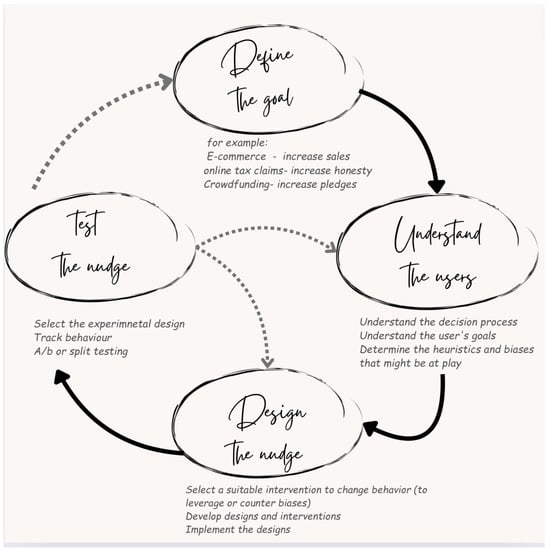
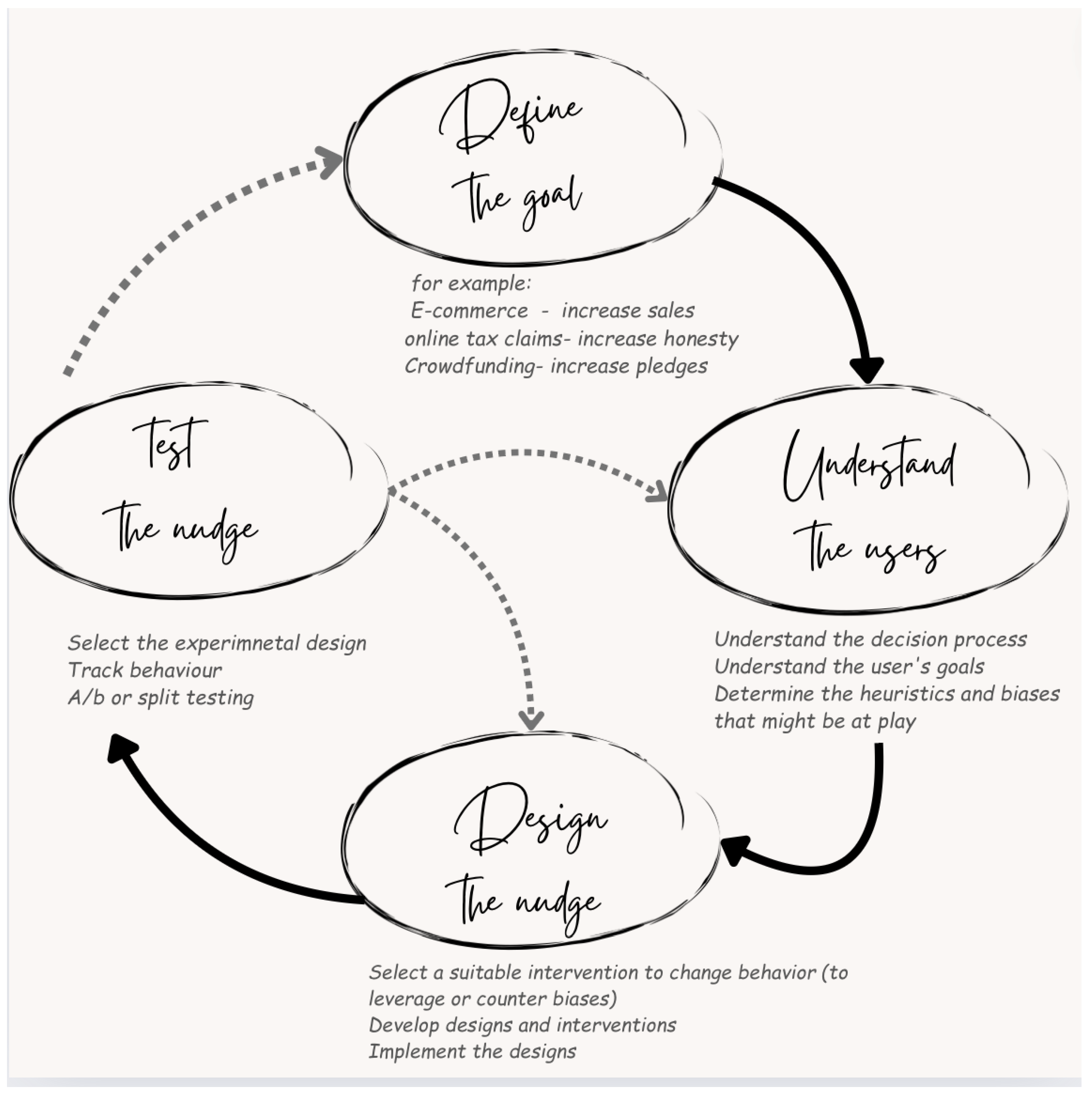
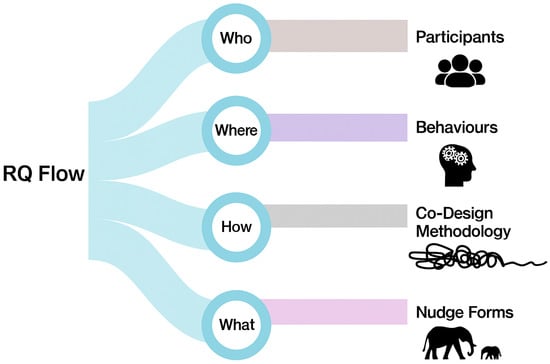
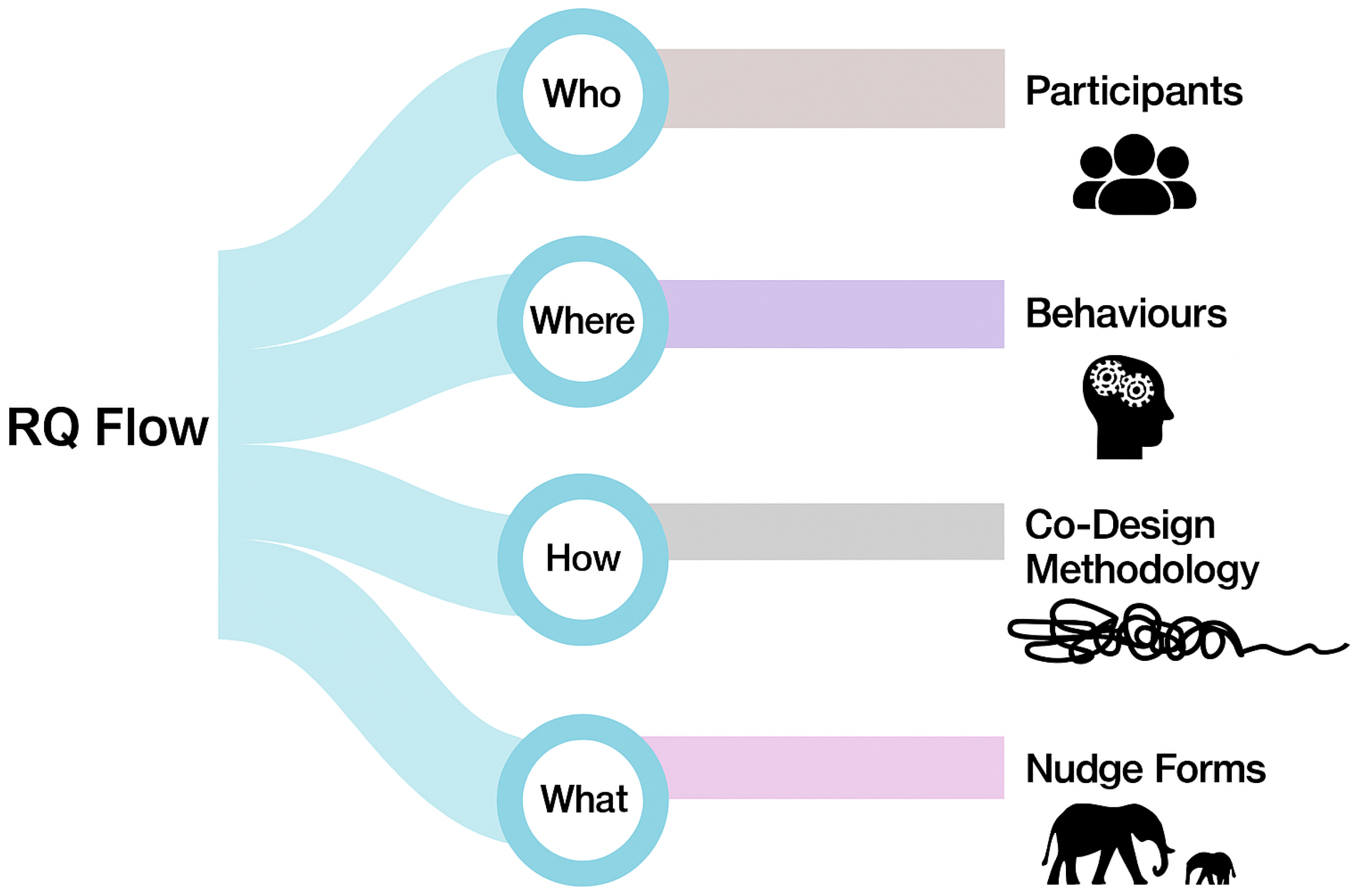
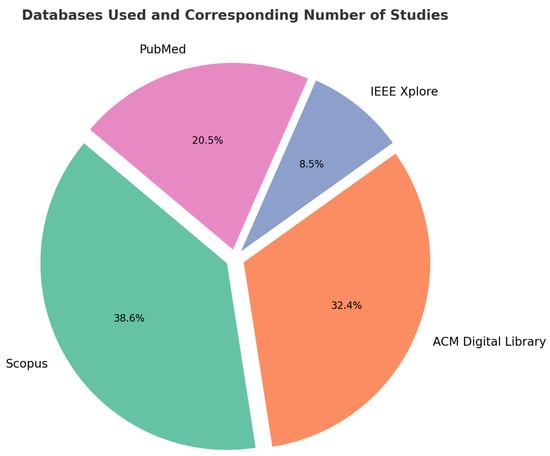
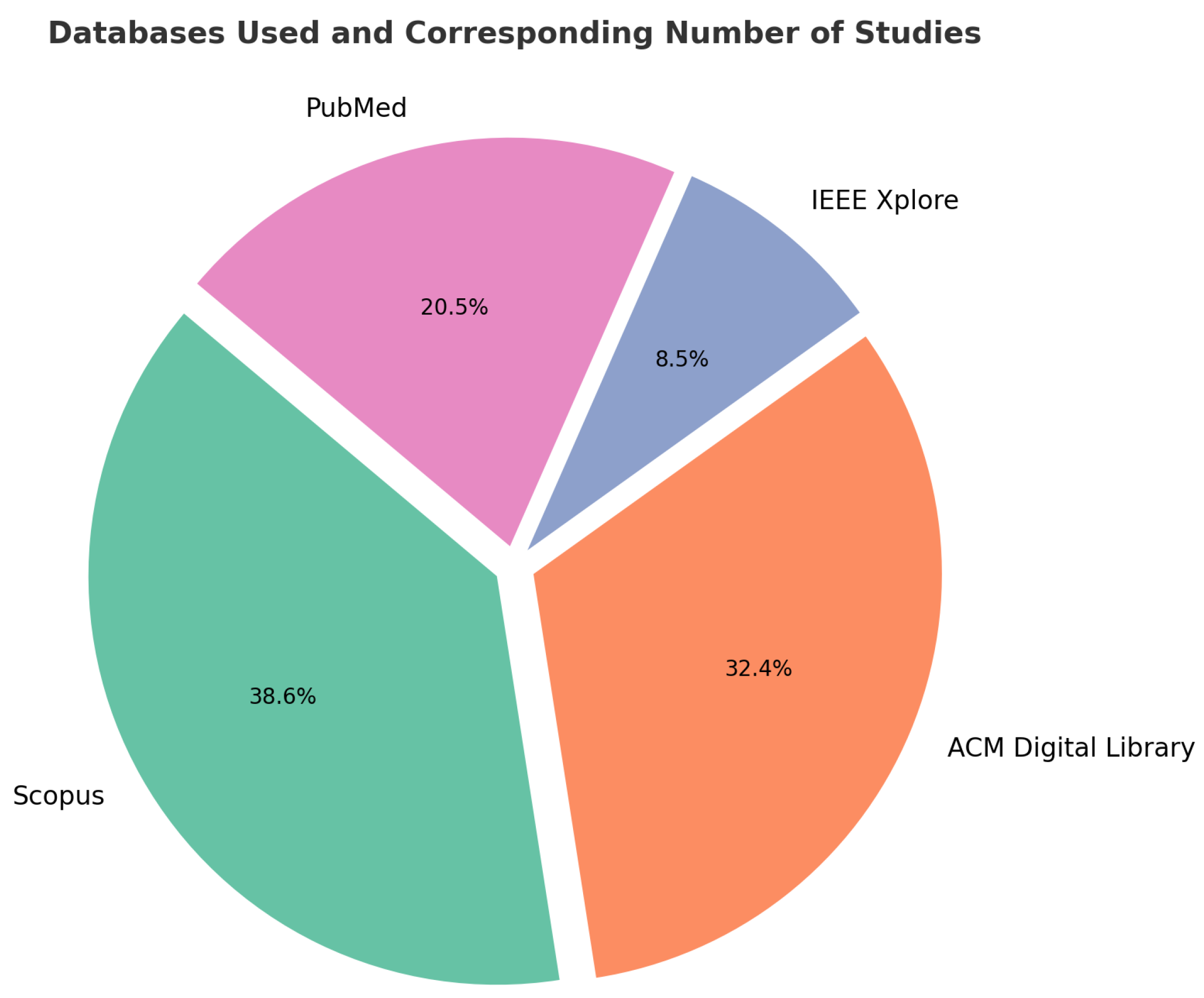
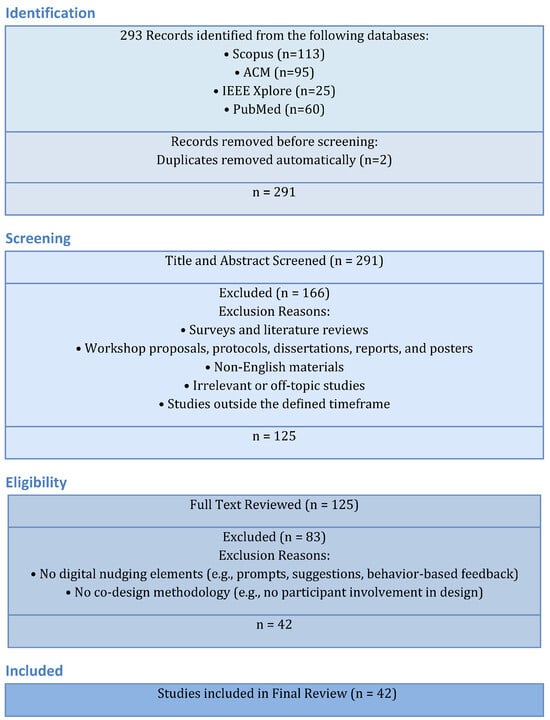
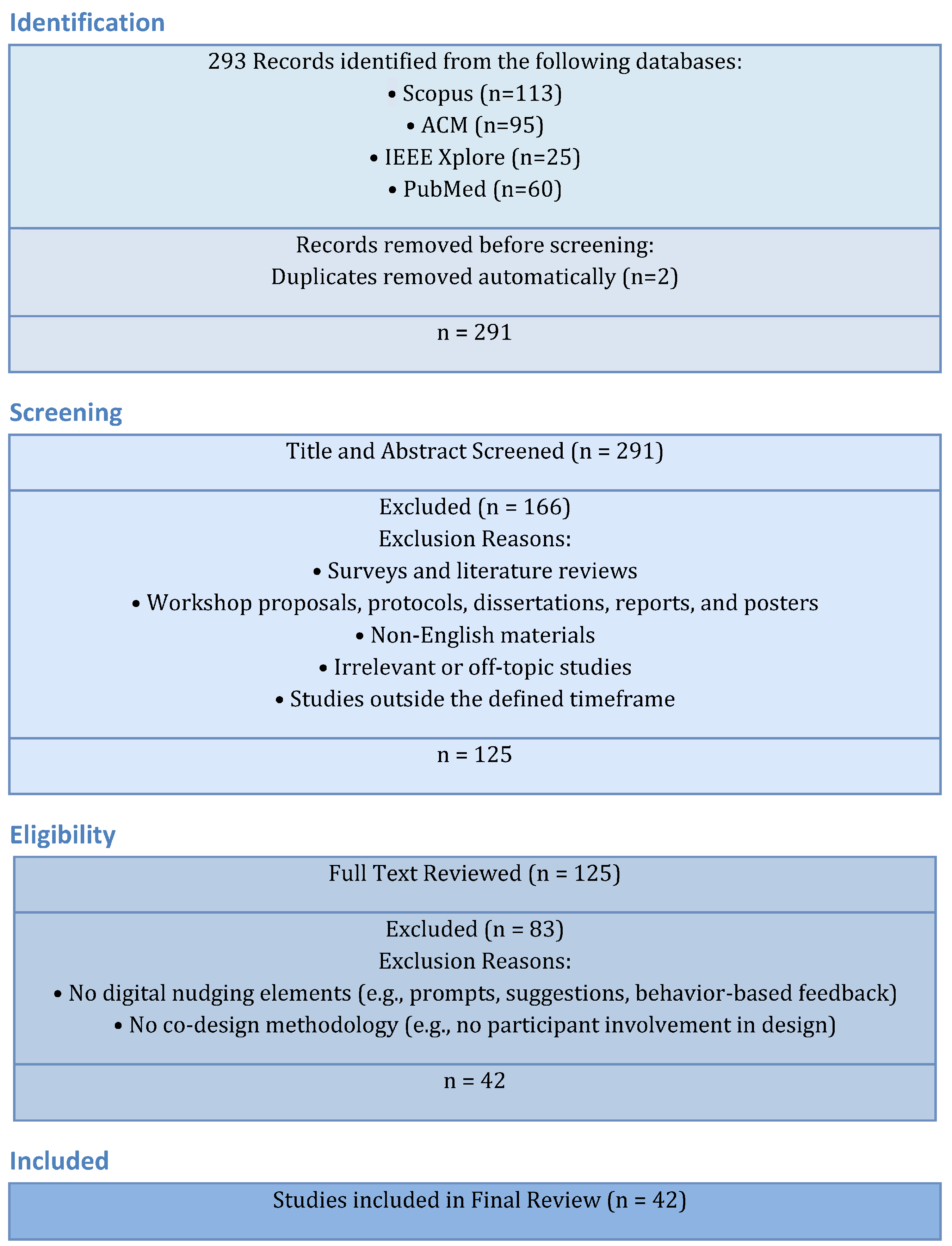
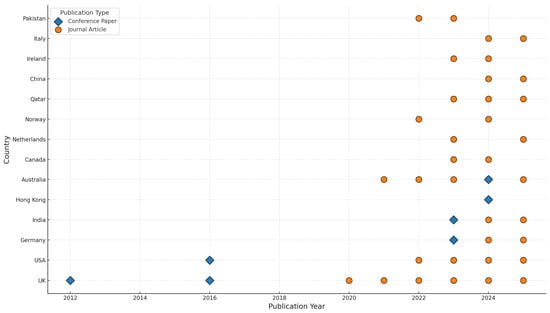
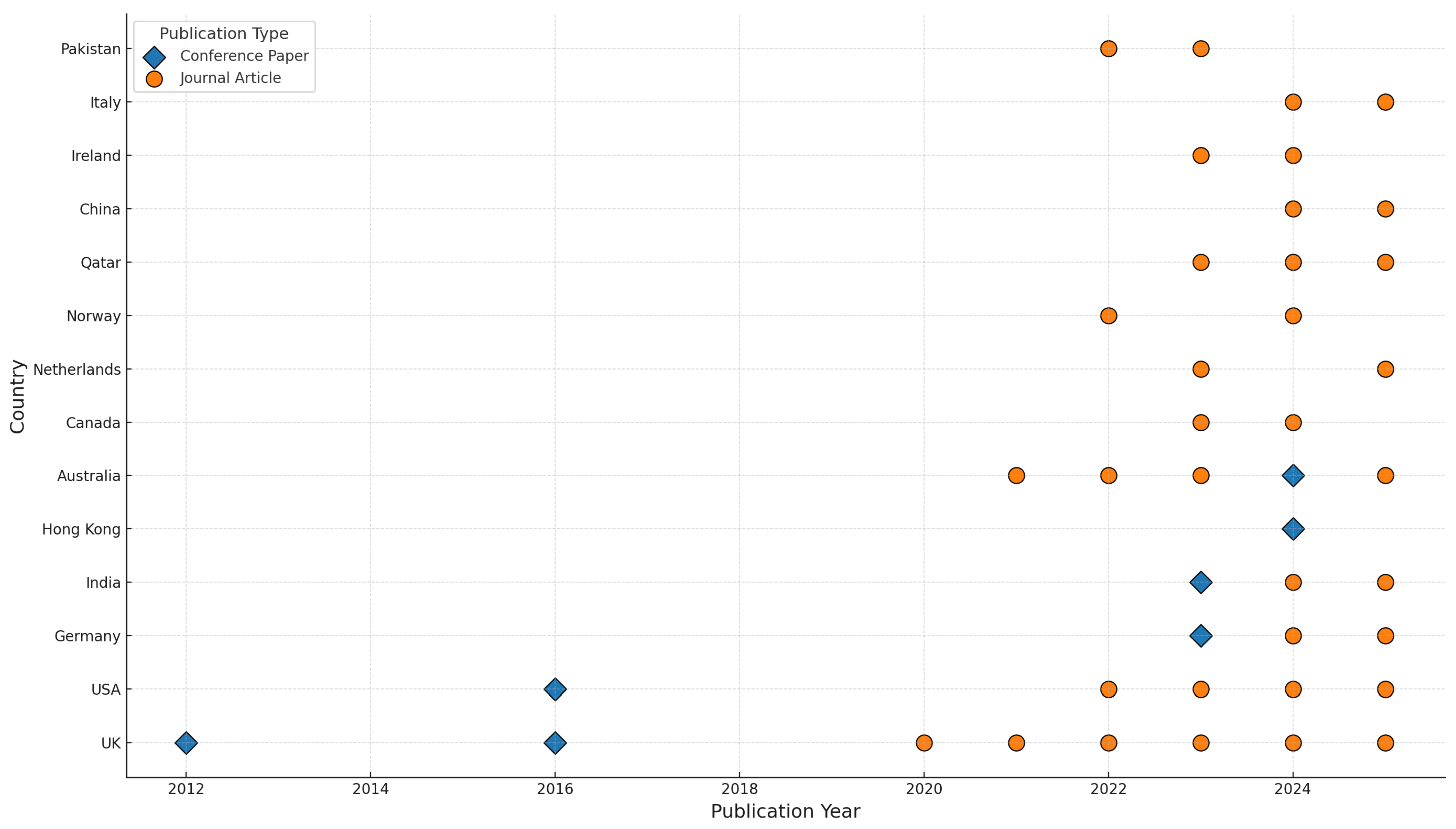
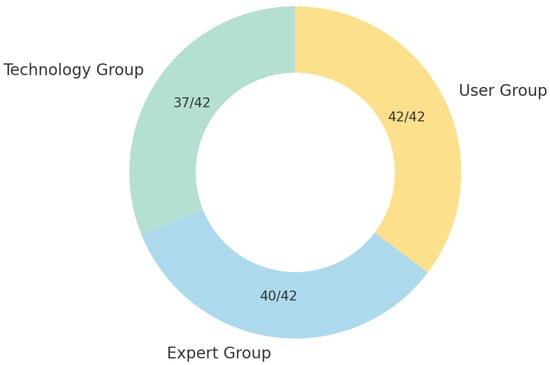
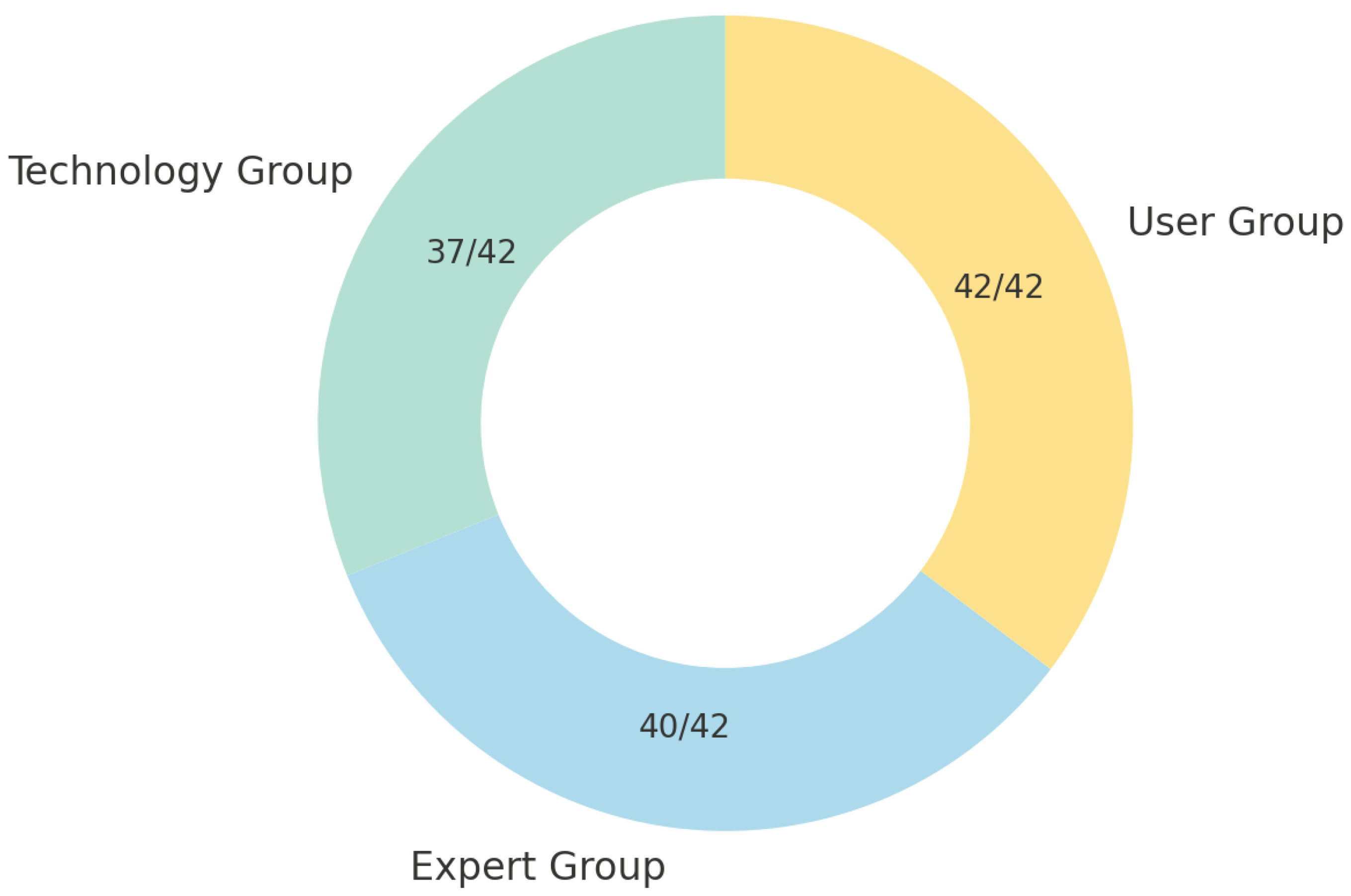
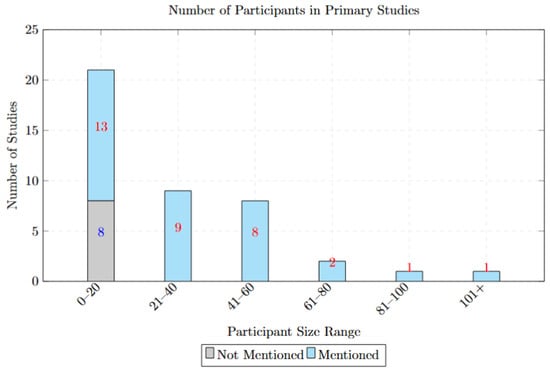
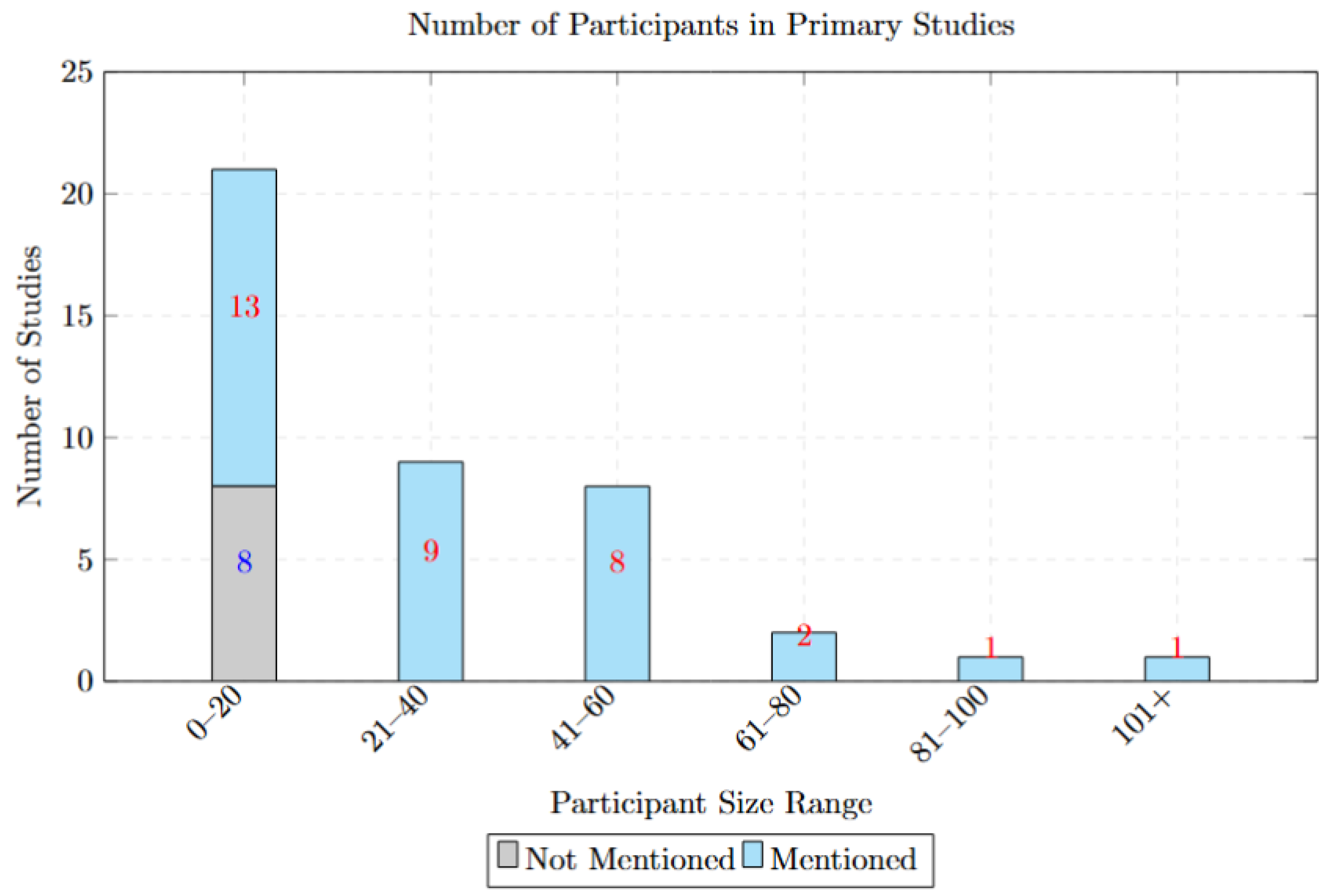
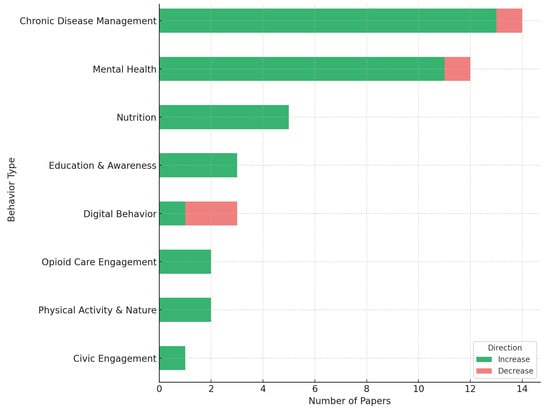
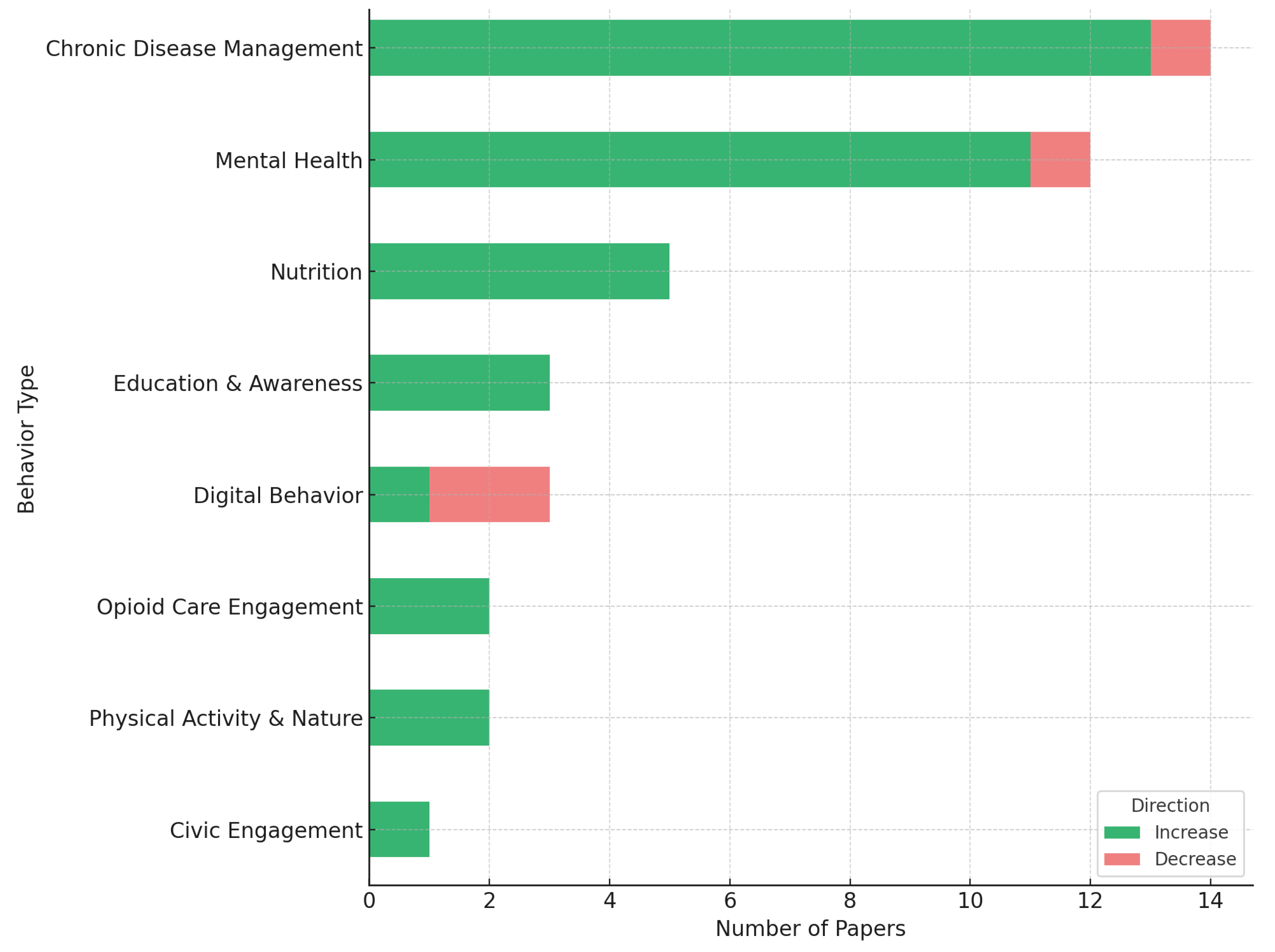
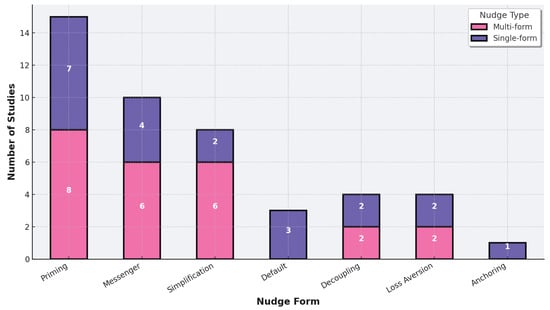
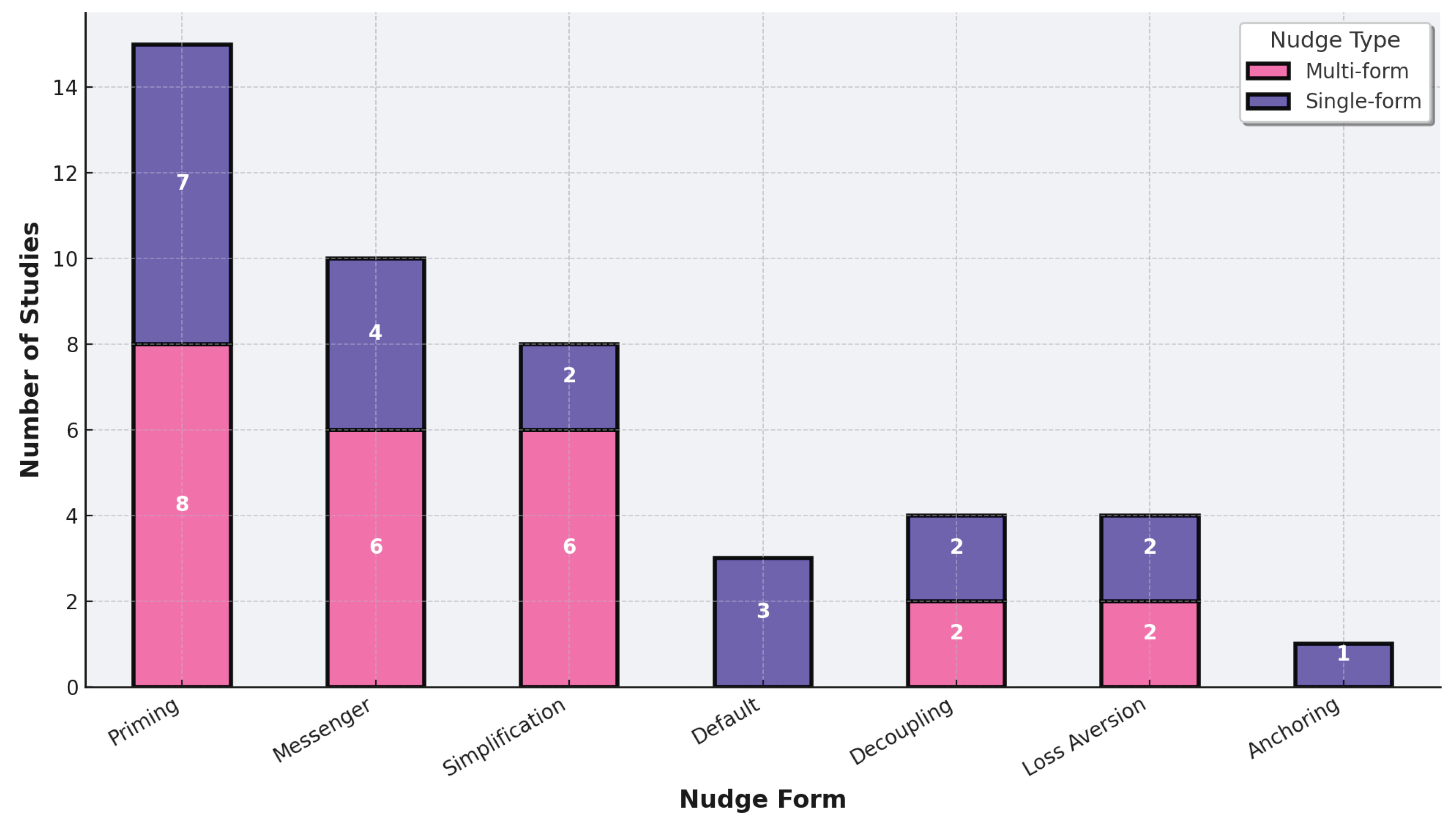
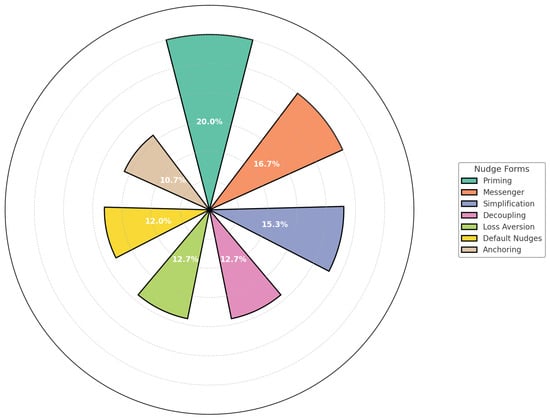
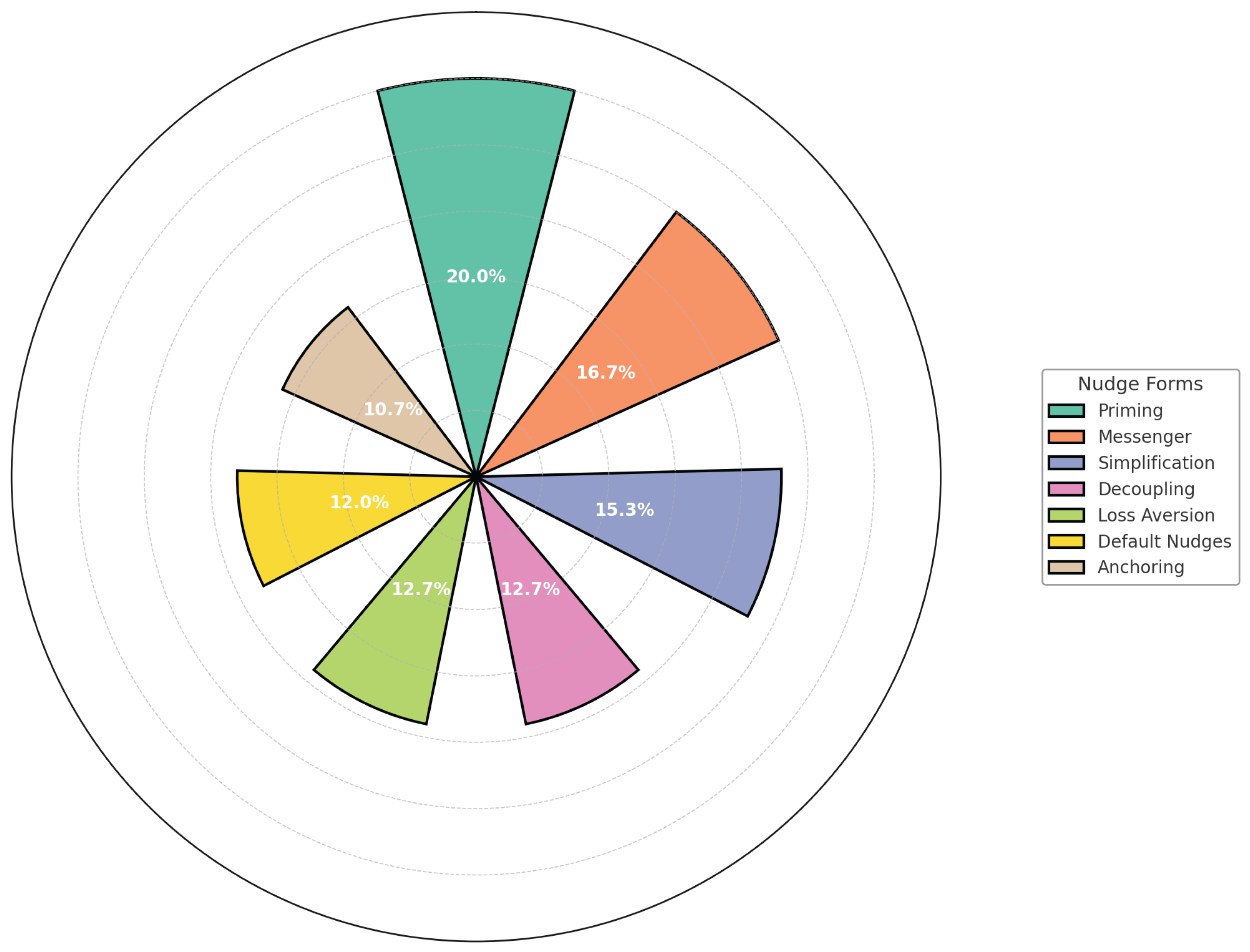
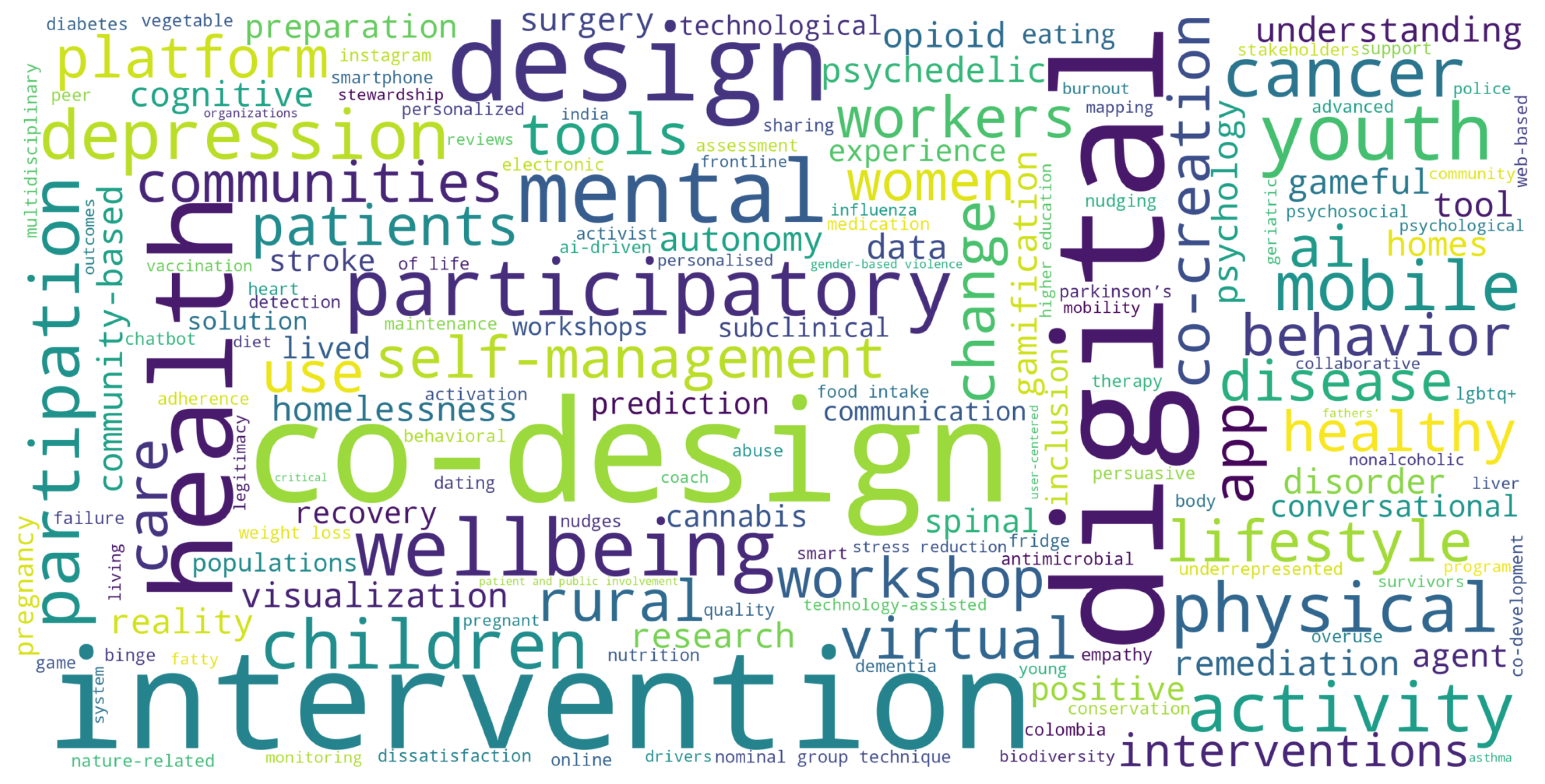

Disclaimer/Publisher’s Note: The statements, opinions and data contained in all publications are solely those of the individual author(s) and contributor(s) and not of MDPI and/or the editor(s). MDPI and/or the editor(s) disclaim responsibility for any injury to people or property resulting from any ideas, methods, instructions or products referred to in the content. |
© 2026 by the authors. Licensee MDPI, Basel, Switzerland. This article is an open access article distributed under the terms and conditions of the Creative Commons Attribution (CC BY) license.