


Abstract
This article examines the relationship between tourism dynamics and housing systems in large urban municipalities, combining three complementary analytical dimensions: statistical indicators, correlation analysis, and resident survey data. The study explores how tourism growth, platform-mediated accommodation, and real estate pressures interact with housing affordability and availability. By triangulating municipal statistical indicators and residents’ perceptions, the article contributes to current debates on touristification, housing assetisation, and platform urbanism. The findings suggest that tourism–housing pressures are multidimensional and uneven, requiring integrated regulatory and planning responses that address both supply constraints and demand-side transformations linked to tourism economies.
1. Introduction
Across Europe, the growing prominence of tourism as an urban economic strategy has increasingly intersected with intensifying housing pressures, placing the tourism–housing nexus at the centre of contemporary debates on land values, affordability, and the social sustainability of city life. Visitor economies have become a key pillar of local development, generating employment, supporting urban regeneration, and strengthening municipal revenues. Yet, in many contexts, the expansion of tourism has coincided with escalating housing costs, heightened competition for centrally located space, and the reorientation of residential stock toward short-term accommodation. These dynamics are not merely sectoral; they reflect deeper transformations in the political economy of cities, in which land and housing are simultaneously infrastructures of social reproduction and vehicles for rent extraction. As a result, the tourism–housing relationship has emerged as a critical field of inquiry for urban studies, economic geography and planning, particularly in Southern European settings where historic centres, coastal destinations and metropolitan regions have experienced rapid tourism growth alongside persistent structural weaknesses in housing provision and regulation.
Portugal offers a particularly salient case through which to examine these processes. Over the past decade, tourism has expanded markedly and has been actively promoted as a driver of territorial competitiveness, urban renewal, and international visibility. At the same time, housing affordability has become a major public concern, especially in the Lisbon and Porto metropolitan areas and in several coastal municipalities where demand pressures have been compounded by constrained supply. Public and policy debates frequently attribute rising prices and reduced availability to tourism and short-term rentals, while others emphasise broader drivers such as metropolitanisation, credit and investment cycles, limited construction output, and regulatory shortcomings. This multiplicity of explanations points to a key analytical challenge: tourism may contribute to housing stress, but its effects are mediated by urban hierarchy, land market structures, and institutional contexts, and they may operate differently across spatial scales and temporal horizons. In other words, what appears as a strong relationship in structural, cross-sectional data may not translate into the same pattern when recent changes are observed, and vice versa. Addressing this challenge requires approaches that combine macro-level patterns with attention to short-term dynamics and actor-level mechanisms.
Third, the article contributes methodologically and substantively through triangulation between municipal statistical evidence and residents’ survey data collected in Lisbon and Porto. Substantively, this approach recognises that the tourism–housing relationship is not fully observable through aggregate indicators alone, since housing pressure is also experienced through changing access conditions, perceived conversion of dwellings to tourism-related uses, and residents’ interpretations of the factors shaping local housing markets. Methodologically, the survey component provides an actor-oriented perspective on whether mechanisms identified in the literature—such as the conversion of residential stock to tourist use, the enabling role of digital platforms, and the perceived trade-offs between tourism-related economic vitality and housing access—are visible in residents’ everyday experience. This mixed-evidence approach helps to interpret why statistical patterns may differ across scales and periods, while also providing policy-relevant insight into how tourism–housing pressures are perceived in Portugal’s two main metropolitan tourism destinations. Portugal provides a particularly useful setting for this analysis because its tourism–housing nexus is organised around two contrasting but interconnected territorial bases. On the one hand, Lisbon and Porto combine metropolitan centrality, diversified labour markets, international tourism, platform accommodation and intense residential demand; on the other hand, the Algarve and other coastal destinations are characterised by strong seasonal tourism specialisation, high visitor intensity relative to resident population and a greater dependence on tourism-related accommodation. These differentiated territorial regimes make it possible to examine whether tourism–housing pressures are expressed similarly across metropolitan cores, coastal resort municipalities and surrounding suburban or peri-urban areas.
Three research questions structure the article. First, it asks: How is the tourism–housing relationship structured across mainland Portuguese municipalities in 2024, and to what extent do tourism intensity and the presence of short-term accommodation co-locate with higher housing prices and rental-market activity across metropolitan, coastal-resort and other municipal contexts? This question addresses the macro-geography of the nexus, clarifying whether tourism and housing valorisation form a shared spatial pattern across the national municipal system, and how strongly this pattern aligns with indicators of market size and activity (e.g., rental contracts). Second, the article examines short-term adjustment dynamics in major urban areas: Among the largest municipalities, how do recent changes (2021–2024) in tourism indicators relate to changes in housing prices and rental-market availability, and what does this reveal about short-term mechanisms of tension (e.g., rigidity in the formal rental market, shifts in turnover)? This question is particularly relevant in contexts where tourism shocks and recoveries can be rapid, while housing supply responds slowly, potentially producing temporal mismatches between tourism growth and price movements. Third, the article integrates resident-level survey evidence: Do residents’ perceptions align with the indicator-based patterns, and which mechanisms are most frequently identified to explain housing pressure? This question is designed to bridge structural patterns and lived dynamics, identifying whether the mechanisms posited in the literature are visible in local decision-making and experience, and whether perceived causal narratives converge with, or diverge from, observed statistical relationships.
The article offers three main contributions to knowledge. First, it advances a multi-scalar interpretation of the tourism–housing nexus by explicitly distinguishing between structural co-location patterns (levels) and recent adjustment dynamics (variations). This distinction is often acknowledged in principle but less frequently operationalised within a single empirical design. By juxtaposing nationwide cross-sectional relationships in 2024 with short-term changes in large municipalities, the analysis clarifies how tourism and housing may appear strongly connected in the “state” of the system while exhibiting weaker or heterogeneous relationships in recent change. This contributes to more rigorous interpretation, avoiding both the overstatement of tourism as a monocausal driver and the opposite error of dismissing tourism effects because short-term correlations appear weak.
Second, the article strengthens the empirical basis for interpreting housing pressure by focusing not only on prices but also on availability-related dynamics in the formal rental market, proxied by the evolution of rental contracts. In many debates, housing affordability is reduced to price indices; however, the ability to access housing depends on market turnover, contract opportunities, and the shrinking or expansion of long-term rental supply. By integrating indicators that speak directly to market functioning (contracts) alongside prices and tourism activity, the analysis captures a dimension of housing stress that is often less visible yet crucial for understanding exclusionary outcomes.
Third, the article contributes methodologically and substantively through triangulation with survey evidence across residents. This is innovative in two respects. Substantively, it recognises that the tourism–housing relationship is mediated by decisions about use conversion and investment strategies, which are not directly observable in aggregate statistics. Methodologically, it uses survey evidence to test whether key mechanisms proposed in the literature, such as the conversion of residential stock to tourist use, the enabling role of platforms, and the perceived trade-offs between economic vitality and housing access, are reported by those positioned at different points of the urban system (producers, intermediaries, and residents). This mixed-evidence approach helps to interpret why statistical patterns may differ across scales and periods, and it provides policy-relevant insights into where interventions may be most effective.
In practical terms, the relevance of this research lies in its capacity to inform policy debates that often polarise around simplified narratives. The results are intended to support more nuanced diagnostics: tourism can be an amplifier of land-value pressures and a driver of conversion incentives, but its impacts vary across territories and interact with metropolitan dynamics, supply constraints, and regulatory frameworks. By combining structural mapping, short-term dynamics and actor-based evidence, the article aims to clarify not only whether tourism and housing are related, but also how the relationship is produced, experienced and potentially governed. In doing so, it contributes to ongoing debates on housing affordability, the regulation of short-term rentals, and the broader question of how cities can sustain visitor economies without undermining the conditions of everyday life and residential permanence.
2. Tourism, Housing and the Platformed City
Over the last decade, European urban systems have been reshaped by a renewed intensity of tourism mobilities and by the increasing centrality of urban consumption economies. This reorientation is not merely sectoral: it affects land-use priorities, investment logics, local labour markets and, crucially, housing systems. Contemporary cities increasingly operate as “platformed” destinations, where digital intermediation accelerates the circulation of visitors, capital and information, while reorganising everyday urban life around short-term consumption and experiential urbanism [1]. In this context, tourism becomes a structural driver of urban change rather than an episodic activity, fostering new spatial hierarchies between central areas, waterfronts, historic districts and “rediscovered” neighbourhoods.
2.1. Tourism Development, Housing Prices and Differentiated Temporal Effects
Such transformations are often interpreted through the lens of urban political economy: tourism demand, when combined with scarcity of centrally located housing and permissive regulatory settings, can raise the relative profitability of short-term visitor accommodation compared to long-term residential uses. This produces direct pressures on housing supply, but also indirect effects through land values, retail restructuring, and changing patterns of neighbourhood “use value” versus “exchange value” [2,3]. Importantly, the tourism–housing nexus is also mediated by measurement practices and data regimes—how cities count housing, vacancy, conversions—or short-term rental conditions: what is problematised and what is governed [4].
A growing body of empirical research has more directly examined the relationship between tourism activity and housing prices, providing evidence that complements critical urban and political-economy interpretations of touristification. Recent meta-analytical work by [5] confirms that the tourism–housing price nexus has become a consolidated field of inquiry, particularly in destinations where overtourism, short-term rentals, and housing affordability pressures overlap. Although the magnitude and direction of the relationship vary according to context, indicators and modelling strategies, the literature generally supports the idea that tourism can act as an additional demand-side pressure on housing markets. This is especially relevant in urban and coastal destinations where residential demand, investment demand and visitor demand compete for the same limited stock of well-located dwellings. In this sense, tourism should not be interpreted as an isolated determinant of prices, but as one component of a broader system of land-value formation in which scarcity, amenities, centrality and expectations are mutually reinforcing.
At this point, the literature consistently highlights a duality. On the one hand, tourism can contribute to urban vitality by revitalising public space, supporting service-sector employment, sustaining heritage rehabilitation, and stimulating entrepreneurial ecosystems linked to accommodation and food services. On the other hand, it can intensify processes commonly described as touristification and gentrification, including displacement (direct and indirect), socio-cultural homogenisation, and the reorientation of local commerce towards visitor demand. While the empirical expression varies across cities, a recurring mechanism is the reallocation of scarce central space, dwellings, ground-floor units, and public amenities, towards higher-yield uses [3,6,7].
Within the tourism–housing nexus, the most policy-salient outcome is often the combined effect of rising prices and declining availability of housing for long-term residents, what the literature typically treats under the umbrella of housing affordability and housing stress [8,9]. Mechanistically, affordability deteriorates when demand expands faster than effective supply, and when part of the existing stock is diverted into short-term visitor accommodation or speculative holding. These pressures are magnified in contexts where urban planning capacity is fragmented, where metropolitan-scale coordination is weak, and where supply goals do not match demographic and economic dynamics [10].
The econometric literature also suggests that tourism can exert measurable effects on housing prices, although these effects are neither uniform nor linear. Ref. [11], analysing Turkey, find evidence that international tourism contributes to house-price escalation, with causal links running from tourism activity to housing prices under structural change. Similarly, ref. [12], using data for European countries, show that tourism revenues and arrivals have a positive effect on housing price indices, reinforcing the argument that tourism can contribute to inflationary dynamics in residential markets. However, ref. [13] demonstrates that the tourism–housing price relationship may be nonlinear, with the impact of tourism varying according to the level of tourism specialisation. This is important for the present study because it cautions against expecting simple contemporaneous correlations between tourism growth and housing-price variation in every territory. Tourism effects may become more visible once a certain threshold of specialisation, profitability, or conversion capacity has been reached, and may operate cumulatively rather than immediately.
From a comparative European perspective, insufficient supply is repeatedly identified as a central driver of the affordability crisis, but the literature cautions against supply-only explanations that ignore demand-side transformations such as tourism, investment flows, and platform-mediated conversions [10]. This is analytically important for tourism-focused research: the question is not simply whether housing supply is too low in aggregate, but whether the accessible long-term rental stock is shrinking in the locations and segments that matter most for resident reproduction, especially in central and well-connected neighbourhoods. Moreover, cross-national evidence suggests that the severity of affordability outcomes is conditioned by welfare regimes and the degree of housing decommodification, the extent to which housing is insulated from market allocation through public provision, regulation and non-profit sectors.
Recent studies further underline the importance of distributional and scale-sensitive approaches. Ref. [14], focusing on Chinese megacities through a multivariate quantile-on-quantile approach, show that the relationship between tourism development and house prices may differ across the distribution of both variables. In other words, tourism does not affect all housing markets in the same way: its effects may be stronger in already expensive, highly demanded or structurally constrained markets, while weaker or more ambiguous in less pressured contexts. This insight is particularly relevant for multi-scalar analyses because it suggests that tourism–housing relations should be interpreted through differentiated territorial regimes rather than through a single average effect. For countries such as Portugal, where metropolitan cores, coastal municipalities and mature tourism destinations coexist with less touristic inland areas, this means that tourism-related housing pressure is likely to be territorially selective, mediated by urban hierarchy, market liquidity, land scarcity and regulatory capacity.
Taken together, this literature suggests that tourism–housing relations should not be understood through a single linear or immediate causal model. Tourism may contribute to long-term housing-market restructuring through cumulative processes of demand intensification, investment expectations and use conversion, while short-term price movements may be shaped by a wider set of macroeconomic, metropolitan and regulatory factors. This distinction between structural co-location and short-term adjustment is central to the empirical strategy adopted in this study.
2.2. Tourism Sustainability, Touristification and Territorial Differentiation in the Portuguese Urban Context
Since the beginning of the twenty-first century, the concept of tourism sustainability has progressively expanded beyond its original environmental emphasis to encompass economic viability, cultural preservation, social cohesion and residents’ well-being. This broader understanding has become particularly important in the study of urban tourism, where tourism growth may generate employment, urban rehabilitation and increased international visibility, while also creating pressures on housing, public space, local commerce, and everyday urban life. Sustainable tourism should therefore not be understood simply as the mitigation of environmental impacts, but as a framework concerned with the capacity of destinations to reconcile visitor economies with the long-term social and residential reproduction of local communities. Earlier work on sustainable tourism already stressed the need to balance tourism development with the protection of local resources and communities [15], while more critical approaches argue that sustainability must be assessed through questions of governance, participation, distribution and power. In this perspective, the relevant question is not only whether tourism generates growth, but also who makes decisions, who benefits from tourism-led development and who bears its social and territorial costs [16].
This broader sustainability debate has contributed to the growing use of concepts such as touristification, gentrification, overtourism and tourismphobia in the analysis of contemporary urban destinations. Touristification refers to the progressive reorientation of urban spaces, services, housing and everyday practices towards visitor consumption, often affecting the cultural authenticity and residential function of historic neighbourhoods. It may be reinforced by the expansion of short-term accommodation, the liberalisation of real-estate markets and the increasing profitability of visitor-oriented uses. Gentrification, in turn, refers to social and residential transformation associated with the replacement or displacement of lower-income residents by higher-income groups, investors or new users of urban space. In tourism-intensive contexts, touristification and gentrification frequently overlap, as the rehabilitation of buildings, the conversion of dwellings and the upgrading of commercial areas can contribute simultaneously to physical improvement and to the exclusion of long-standing residents. Overtourism further highlights the cumulative pressures generated when visitor intensity exceeds the social, spatial or institutional capacity of destinations, affecting public space, local services, mobility, housing availability and community cohesion. In some cities, these processes may also contribute to tourismphobia, understood as growing resident dissatisfaction with the scale of tourism and with the perceived loss of normal everyday life in neighbourhoods increasingly oriented towards temporary visitors.
Portugal offers a particularly relevant setting for examining these dynamics. In Lisbon and Porto, the expansion of tourism has been closely associated with urban rehabilitation, short-term accommodation, retail restructuring, rising real-estate values and changing social composition. Ref. [17] identify tourism as an important driver of urban change in Lisbon, particularly through its relationship with rehabilitation, consumption-oriented development and the transformation of central neighbourhoods. In Porto, ref. [18] show how Airbnb contributed to the reconfiguration of the historic centre, generating new opportunities for tourism-related activity while also intensifying controversies around housing access, displacement and the changing role of the city centre. Ref. [19] similarly highlight the tensions between culture, tourism and everyday urban life in Porto, showing that tourism-led development may generate conflicts over authenticity, public space and the social function of central areas. Research on Lisbon has also demonstrated how touristification and transnational gentrification have become particularly visible in historic neighbourhoods such as Alfama, where tourism growth, international investment and the conversion of housing stock interact with wider processes of socio-spatial change [20].
The Portuguese literature also shows that tourism-related urban transformation cannot be interpreted solely through housing prices. Changes in local commerce, public space, neighbourhood identity and the availability of everyday services are equally relevant to understanding the social sustainability of tourism development. In Lisbon, tourism and overtourism have been associated with retail restructuring and with tensions between visitor-oriented consumption and the resilience of traditional local commerce [21]. The relationship between tourism and authenticity is particularly important in this context, as changes in the commercial fabric can alter the symbolic, social and functional character of historic centres [22]. At the same time, public policy responses need to consider not only tourism regulation but also the resilience of local retail, housing provision, tenant protection and the maintenance of socially diverse urban communities [23]. These contributions reinforce the need to analyse tourism–housing relations through a wider territorial lens, connecting housing-market dynamics with urban sustainability, commercial change, cultural identity and residents’ capacity to remain in place.
The spatial dimension of the tourism–housing nexus is equally important. Ref. [24], studying Croatia, show that tourism activity can generate spatial spillovers on housing prices, meaning that tourism pressure in one municipality may affect neighbouring housing markets rather than remaining confined to the destination itself. This is highly relevant for interpreting metropolitan and coastal systems, where households, investors and visitors operate across functional areas rather than within administrative boundaries. In addition, ref. [25] extend the debate by showing that excessive tourism can contribute not only to housing-price pressures, but also to broader demographic consequences, including international emigration in tourism-dependent regions. These findings support a more expansive reading of the tourism–housing nexus: the issue is not only whether tourism increases prices, but whether tourism-related valorisation may affect residential permanence, although this relationship cannot be causally established with the present design, social reproduction and the capacity of local populations to remain in place. This bridge between econometric evidence and urban citizenship is central to understanding why housing affordability has become one of the most contested dimensions of tourism-led urban transformation.
The Portuguese case is also territorially differentiated. Lisbon and Porto combine metropolitan centrality, diversified labour markets, international tourism, platform-mediated accommodation, and strong residential demand. Coastal resort municipalities, particularly in the Algarve, are more strongly shaped by seasonality, tourism specialisation, second-home markets and high visitor-to-resident ratios. Meanwhile, suburban and peri-urban municipalities may experience indirect housing pressures through residential displacement, commuting systems and price spillovers from metropolitan cores. These contrasts suggest that tourism–housing relations should not be interpreted as a homogeneous national process. Rather, they reflect differentiated territorial regimes in which tourism intensity, housing-market conditions, accessibility, urban hierarchy, regulatory capacity and local governance interact in distinct ways.
This perspective also clarifies the research gap addressed by the present study. Existing literature has often focused on a single city, neighbourhood, tourism destination or housing indicator, frequently privileging house prices or short-term rental concentration. Less attention has been given to the simultaneous analysis of structural territorial co-location, short-term housing and tourism dynamics, rental-market functioning and residents’ perceptions. By combining a nationwide municipal analysis, a dynamic analysis of large municipalities and survey evidence from Lisbon and Porto, this study examines tourism–housing relations across multiple scales and considers both housing prices and the availability-related functioning of the formal rental market. In doing so, it seeks to distinguish between long-term territorial patterns, recent short-term adjustments and the ways in which housing pressures are experienced and interpreted by residents.
2.3. Platformisation, Assetisation and Urban Citizenship
At the conceptual level, it is increasingly useful to treat touristification not as an isolated tourism problem but as a particular modality of capitalist urban restructuring, intersecting with housing commodification and financial logics [26,27,28]. This framing matters because it shifts attention from visitor numbers alone to the institutions and actors that capture tourism-driven rents: property owners, investment funds, platform operators, and segments of the hospitality industry. It also allows a more nuanced reading of neighbourhood change: rather than assuming a linear substitution of residents by tourists some research emphasises hybrid trajectories where short-term rentals operate as an asset strategy integrated into broader processes related to housing.
Also relevant is the convergence of platformisation and financialisation [29,30,31]. Platformisation refers to the growing role of digital intermediaries in matching supply and demand (e.g., short-term rental platforms), lowering transaction costs and enabling rapid scaling of tourist accommodation [32]. Financialisation refers to the increasing dominance of financial actors, metrics and investment logics in housing and urban development, treating real estate as an asset class and housing as a vehicle for wealth extraction [30]. The combined effect is that tourism demand can be capitalised more efficiently: dwellings become revenue-generating micro-assets, and neighbourhood change is accelerated through data-driven market visibility and investor coordination.
Short-term rentals are not always best conceptualised as a stand-alone tourism phenomenon [33], as they may function as a strategy through which housing is reconfigured into a flexible asset, with owners optimising returns across temporalities (nightly, monthly, annual) and across markets (tourist and residential) [32]. Such strategies can sit alongside more classical gentrification processes, but may also operate through distinct channels, especially where institutional investors, property managers, or multi-unit operators professionalise and scale short-term rental activity [28]. At the same time, the visibility and governability of these dynamics depend on data infrastructures and contested measurement practices: what is counted as a “short-term rental unit”, how it is geolocated, and how compliance is assessed are all political questions with policy consequences [4].
Finally, the tourism–housing nexus is inseparable from questions of urban citizenship and the “right to the city”. Ref. [2] formulation, later reworked in critical urban theory, frames the right to the city as a claim to inhabit, appropriate and shape urban life, contesting the dominance of commodified space and exclusionary urbanisation [2,3]. In tourism-driven housing contexts, this right is challenged when residents face displacement, when central neighbourhoods are repurposed around visitor consumption, and when the everyday infrastructures of social reproduction, schools, health services, long-term rental markets, neighbourhood retail, are weakened or reoriented.
Subsequent scholarship has debated the meaning, scope and political valence of the concept, including critiques of its ambiguity and susceptibility to institutional appropriation [7,26,34]. Yet precisely because tourism–housing dynamics are multi-scalar and multi-actor, the right-to-the-city framework remains analytically useful: it links housing affordability to participation, to distributive justice, and to struggles over who the city is for [6,35]. It also resonates with more recent work emphasising difference and inclusion in urban policy, where tourism-led redevelopment risks producing selective urbanism that privileges certain users while marginalising others [36,37]. In this frame, the tourism–housing nexus becomes a key arena for urban citizenship, not least because policy responses (caps on short-term rentals, zoning rules, social housing expansion, taxation, enforcement) hinge on contested evidence and the politics of data, what [4] conceptualises as “data debates” shaping credibility, markets and governance.
This conceptual framework supports an interpretation of the tourism–housing nexus as a territorially differentiated process in which tourism intensity, platform-mediated accommodation, housing-market conditions and urban governance interact across multiple spatial scales. It also provides the basis for the study’s combined examination of municipal indicators, short-term dynamics, and residents’ perceptions.
3. Methods
This research adopts a sequential and complementary mixed-method quantitative design, combining secondary statistical data and primary survey data. The purpose of this design is not to treat both sources as equivalent measures of the same phenomenon, but to articulate two analytically distinct dimensions of the tourism–housing nexus. Official statistical indicators were used to identify structural and recent territorial patterns in tourism activity, housing prices, rental-market functioning and short-term accommodation. The survey, in turn, was used to capture residents’ perceptions of these same processes and to assess whether the mechanisms suggested by the statistical and theoretical analysis—price escalation, declining long-term rental availability, housing conversion to tourism uses, and the enabling role of digital platforms—are recognised at the level of lived urban experience. The combination of the two sources is therefore justified by a logic of triangulation: statistical data provide an external and territorially comparable reading of the phenomenon, while survey data provide an interpretive and actor-oriented layer that helps contextualise how these dynamics are perceived and socially experienced.
The research process was sequential. The analysis of official statistical sources was conducted first and informed the design of the questionnaire. In particular, the selection of questionnaire items followed the main dimensions identified in the statistical and conceptual framework: housing prices, long-term rental availability, perceived contribution of tourism to rent increases, observed conversion of housing to tourism-related uses, the role of digital platforms, the affordability burden, perceived causal factors of housing pressure, and preferred policy responses. The questionnaire was therefore not designed as a general opinion survey on tourism, but as a targeted instrument to test whether the mechanisms emerging from the literature and from the territorial statistical analysis were also visible in residents’ interpretations. This sequencing also explains the focus on Lisbon and Porto: both are major urban and tourism destinations where the statistical evidence indicated intense co-presence of tourism activity, short-term accommodation and housing-market pressure, making them appropriate cases for examining residents’ perceptions of the tourism–housing nexus.
The internal architecture of the questionnaire followed four thematic blocks. The first block addressed perceived housing-market change, focusing on price evolution and the availability of long-term rental housing. The second block examined the perceived role of tourism and housing conversion, including the contribution of tourism to rent increases, the observed transformation of dwellings for tourism-related uses, and the facilitation role of digital platforms. The third block focused on the broader affordability burden and on the identification of the main factors contributing to housing pressure, allowing respondents to position tourism in relation to other possible drivers such as lack of supply, foreign investment/speculation, construction costs, regulation and local incomes. The fourth block addressed policy preferences, asking respondents to identify the measure considered most effective for improving access to housing without fully undermining the tourism economy. This structure was designed to move from perceived outcomes, to perceived mechanisms, to explanatory attributions, and finally to policy judgement.
All survey questions were closed-ended in order to ensure comparability between Lisbon and Porto and to enable descriptive statistical analysis. Ordinal questions were coded numerically according to the intensity of the response categories, from the lowest to the highest level of perceived change or agreement. Multiple-choice questions were coded through categorical variables, with each selected factor or policy option treated as a separate response category for frequency analysis. Because the survey was non-probabilistic and targeted residents only, no statistical weighting or population-level inference was applied. The absence of stratification is explicitly acknowledged as a limitation: the objective was not to produce representative estimates for the resident population of Lisbon and Porto, but to obtain a structured set of perceptions from residents living in the two main metropolitan tourism contexts. For this reason, survey results are interpreted descriptively and comparatively, focusing on response distributions and differences between the two cities rather than on inferential generalisation.
The statistical analysis of official data and the survey analysis were therefore used for different but complementary purposes. Pearson correlation coefficients were calculated to explore the strength and direction of linear associations between tourism and housing indicators at the municipal level, both in absolute terms and through recent change. This technique was selected because the objective was exploratory and relational: to identify whether tourism intensity, short-term rentals, hotel revenue, housing prices and rental-market activity co-vary territorially, without claiming causal identification. The survey data were analysed through descriptive statistics, since the questionnaire was designed to capture residents’ perceptions and reported interpretations rather than to estimate causal effects. Taken together, the two components allow the study to distinguish between structural territorial co-location, recent adjustment dynamics and perceived mechanisms, while remaining cautious about causal claims.
Following this methodological logic, the survey was conducted online using the Survey123 application. It was administered to residents in Porto and Lisbon between 1 September and 30 November 2025 and was conducted entirely anonymously, in accordance with the General Data Protection Regulation in force in Portugal. The final sample comprised 218 valid answers in Lisbon and 168 in Porto. Because the questionnaire was administered to residents only and the sample is not probabilistic, the results should be read as structured perceptions within the respondent group rather than as population estimates. Even so, the consistency of responses across items provides a useful descriptive picture of how the tourism–housing nexus is being experienced and interpreted in the two main metropolitan cores, and how this interpretation differs between Lisbon and Porto.
Prior to analysis, questionnaires were screened for validity and completeness. Records that did not meet the established quality criteria were excluded from the analytical dataset. The final dataset used for Question 7 included only valid questionnaires, and all retained respondents complied with the instruction to select no more than two factors.
Respondents were recruited through a non-probability convenience and voluntary-response strategy. The questionnaire link was disseminated through social media platforms, local community groups and university networks. Eligibility was restricted to persons aged 18 years or over who were residents of Lisbon or Porto at the time of participation. To reduce duplicate or ineligible responses, one response per device/account where applicable and incomplete questionnaires were removed. No quotas or probability-based stratification were applied.
This recruitment strategy has implications for the interpretation of the findings. The sample may over-represent residents who are more digitally connected, more engaged with local housing and tourism debates, or more willing to participate in an online questionnaire. It may also under-represent residents with limited digital access, limited Portuguese-language proficiency, or lower levels of engagement with local civic networks. The survey should therefore be understood as a structured descriptive source on residents’ perceptions rather than as a statistically representative estimate of the population of Lisbon and Porto. Comparisons between the two cities are interpreted cautiously as differences within the respondent groups, not as population-level estimates.
The survey was composed of eight closed questions, namely:
Q1. Over the past three years, how would you assess the change in housing prices?
Q2. Over the past three years, how would you assess the change in the availability of housing for long-term rental?
Q3. In your opinion, to what extent has the increase in tourism contributed to rising rents?
Q4. In your area of residence/activity, did you observe housing being converted to tourism-related uses (e.g., short-term rentals, tourist apartments, hotels) between 2021 and 2024?
Q5. To what extent have digital platforms facilitated the conversion of housing into short-term rentals?
Q6. Currently, you consider that the housing affordability burden (buying or renting) in your municipality is…
Q7. In your opinion, what are the two main factors contributing to the current housing pressure in your municipality? (Select up to 2)
Q8. Which measure do you consider most effective for improving access to housing without fully undermining the tourism economy?
The second analytical component sought to analyse recent dynamics on housing and tourism and to determine if there are correlations between them. Nine statistical indicators from the National Institute of Statistics [38] were analysed, namely:
- ▪
- Number of inhabitants;
- ▪
- Value of Accommodation Sales;
- ▪
- Value of Accommodation Rentals;
- ▪
- Number of rental Contracts;
- ▪
- Number of overnight Stays;
- ▪
- Hotel Industry Income;
- ▪
- Number of Short-term-rentals (Local Accommodations);
- ▪
- Number of Accommodation Companies;
- ▪
- Number of Restaurant Companies.
The correlation sought to assess any statistical relationship (causal or non-causal) between two variables. The Pearson correlation coefficient was calculated according to the following formula:
The Pearson correlation coefficient measures the linear relationship between two variables. To determine the statistical significance of this correlation, we need to test the hypothesis that there is no correlation between the variables (0). The Pearson correlation coefficient provides a measure of the strength and direction of the linear relationship between two variables. Values close to ±1 indicate strong relationships, while values close to 0 indicate weak or no linear relationship. The value of 1 indicates a perfect positive linear relationship between the two variables. As one variable increases, the other variable increases in exact proportion. The value of −1 indicates a perfect negative linear relationship. As one variable increases, the other variable decreases in exact proportion.
For each Pearson correlation coefficient, two-tailed significance tests were conducted under the null hypothesis of zero linear association. Statistical significance is reported in the correlation matrices using conventional thresholds: * p < 0.05, ** p < 0.01 and *** p < 0.001. Given the exploratory purpose of the analysis, statistical significance is interpreted together with coefficient magnitude, territorial context and the limitations of bivariate correlations.
We conducted Grubbs’s test to identify potential outliers in our dataset, which comprised information from 278 municipalities. The purpose of the test was to determine if any data points significantly deviated from the others, potentially affecting our analysis. The results of Grubbs’s test indicated that the presence of outliers was minimal, suggesting a high level of consistency and reliability in our data.
- Test statistic (G-value): 1.81;
- Critical value: 2.47;
- p-value: 0.08;
- Decision: no significant outliers detected.
Consequently, the test confirmed that the influence of outliers on our overall findings was negligible, allowing us to proceed with confidence in the robustness of our dataset.
The results of statistical analysis were also mapped using ArcGis Pro 3.5 software from ESRI.
4. Tourism and Housing: Evidence from Portugal
4.1. Recent Dynamics
Reading levels for 2024 alongside 2021–2024 changes suggest, first and foremost, a very rapid and spatially concentrated tourism rebound that overlaps with a broad housing-price upcycle. The descriptive patterns presented in this section should be interpreted as evidence of temporal and territorial co-occurrence rather than as proof of causal effects. The available indicators make it possible to identify where tourism expansion, short-term accommodation growth and housing-market change overlap, but they do not isolate the independent causal contribution of tourism from other drivers such as metropolitan demand, credit conditions, investment flows, housing supply constraints, regulation or broader post-pandemic recovery dynamics. In the main urban and coastal destinations, overnights and, even more markedly, hotel revenue rose at very high rates between 2021 and 2024, reflecting a post-pandemic “rebound effect”. Lisbon increased overnights by more than 200% (from 5.14 to 15.74 million) and more than tripled hotel revenue; Porto similarly recorded very strong growth in overnights (from 1.87 to 6.28 million) and almost tripled revenue (from 27.5 to 80.7). In the Algarve, the pattern is comparable in municipalities such as Albufeira, Portimão, Lagos, Lagoa or Vila do Bispo, which combine very high volumes of overnights per resident with substantial growth over the period, confirming the dual centrality of Portugal’s tourism system: (i) the metropolitan hubs (Lisbon/Porto) and (ii) the Atlantic coastal arc, with the Algarve as the most intensive cluster (Figure 1, Figure 2 and Figure 3).
Figure 1.
Overnight stays in 2024. Source: Own elaboration, using data from [38].
Figure 2.
Overnight stays variation between 2021 and 2024. Source: Own elaboration, using data from [38].
Figure 3.
Housing rent variation between 2021 and 2024. Source: Own elaboration, using data from [38].
In parallel, the housing market shows a consistent rise in both the sales and rental segments, with particularly visible accelerations in metropolitan municipalities and in territories that concentrate both tourist and residential attractiveness. Between 2021 and 2024, robust increases appear in average sales prices and rents in Lisbon (sales +22.9%; rents +41.7%), Porto (+31.0%; +42.2%), Cascais (+33.1%; +39.8%), Oeiras (+31.3%; +38.0%), Sintra (+43.8%; +36.7%), Braga (+43.6%; +44.0%), and several municipalities in the metropolitan peripheries (e.g., Almada and Seixal with rent growth on the order of ~37–42%). This trajectory suggests that housing pressure is not confined to the most obvious tourist cores: it diffuses through metropolitan systems and accessibility corridors, where residential demand (including spatial substitution within metro areas) interacts with supply constraints, reinforcing land-price dynamics and the transmission of appreciation across neighbouring municipalities.
A third key idea emerges when we look at the absorptive capacity of the rental market through new contracts. In many large municipalities, contracts change only modestly relative to the scale of price growth and demand, and in some cases even decline (Lisbon shows a slight fall). This disconnect between valorisation (prices/rents) and contractual dynamics matters because it points to a tension in availability and turnover: markets can become more expensive without expanding formal access in proportion (i.e., without a commensurate increase in new leases). Analytically, this pattern is consistent with hypotheses about rigidity in the rental stock, reduced residential mobility, the retreat of affordable supply, and/or displacement towards alternative segments (including tourist uses, temporary accommodation, and other forms of occupancy). In other words, the “crisis signal” is not only price level, but also how the market functions, how many effective opportunities are created for households seeking housing.
A fourth dimension that helps connect tourism and housing is the articulation between tourism intensity and short-term rentals (STR) as a potential channel associated with use conversion and for capturing urban rents. In the largest centres, STR grows substantially (Porto +64%; Lisbon +15.7%; Oeiras doubles, albeit from a low base), and across the Algarve there are also strong increases in several municipalities (for instance, Faro +84.6%; Lagoa +42.3%; Portimão +30.2%; Lagos +33.3%). Even where the absolute stock of STR is smaller, rapid growth is consistent with a possible reorientation of part of the housing stock towards short-term uses under conditions of rising tourist demand. Importantly, these signals do not prove short-run causality over prices; rather, they strengthen the reading that tourism, temporary accommodation, and real-estate valorisation tend to co-locate, especially in the most central and desirable territories, operating as cumulative layers of pressure on urban land.
Finally, the data suggest a geography of change organised around two territorial regimes: (i) “mature” tourism municipalities (the Algarve, selected heritage destinations, historic cores) where tourism intensity per resident is very high and the 2021–2024 recovery is particularly strong; and (ii) metropolitan municipalities (cores and outer rings) where housing valorisation is widespread and pressure is structured both by urban tourism and by residential demand shaped by employment, mobility, and centrality. This distinction is useful for framing the article’s argument: the tourism–housing nexus is simultaneously structural (because tourism and high housing values align in the main poles) and differentiated (because mechanisms and tempos of transformation vary between tourism-destination territories and metropolitanisation spaces).
4.2. Territorial Correlation
The relationship between tourism, housing, and land prices has been widely discussed around two core arguments. On the one hand, tourism intensification can reinforce processes of real-estate valorisation, increasing pressure on access to housing and reconfiguring the uses of the built environment. On the other hand, these effects do not operate in a vacuum: they are embedded in urban and economic structures that strongly shape how demand, both tourist and residential, is converted into prices, rents, and transformations of the local productive fabric. The evidence discussed here, based on two complementary readings of Pearson correlations, contributes to this debate by clearly distinguishing between (i) a structural snapshot of the territorial system in 2024, considering all municipalities in mainland Portugal, and (ii) a short-term dynamic portrait centred on recent transformation (2021–2024) in Portugal’s main municipalities (population above 100,000). This dual approach makes it possible to grasp simultaneously the “background geography” (levels) and the adjustment and tension mechanisms that become visible in periods of accelerated change (variations). Pearson correlations are used here as exploratory measures of linear association, not as estimates of causal effects. Accordingly, the results identify patterns of co-location and co-variation between tourism and housing indicators, while causal mechanisms remain theoretically informed hypotheses that would require longitudinal, quasi-experimental or multivariate causal designs to be tested directly.
The significance tests reinforce the distinction between the structural and dynamic analyses. In the 2024 cross-sectional matrix, several moderate and strong correlations are statistically significant because the analysis covers all 278 mainland municipalities. By contrast, in the 2021–2024 variation matrix, based on 25 large municipalities, only three associations are statistically significant at conventional thresholds: population change and rental-contract variation; overnight-stay variation and hotel-income variation; and the joint variation in accommodation and restaurant companies. In particular, the associations between tourism-growth indicators and changes in housing sales or rental values are not statistically significant. This result reinforces the conclusion that short-term tourism recovery and housing-price change did not display a robust linear relationship during the period analysed.
The analysis of absolute levels for 2024 reveals that housing markets, tourism activity and the business base associated with accommodation are structured by partially overlapping but not identical territorial logics (Figure 4). Population is very strongly correlated with the number of rental contracts (r = 0.93), indicating that larger municipalities concentrate a greater volume of formal rental-market activity. It also shows moderate positive associations with hotel industry income (r = 0.60), accommodation companies (r = 0.63) and local accommodation (r = 0.47), but only a very weak association with overnight stays (r = 0.05). This distinction is analytically important. It indicates that municipal population and tourism intensity, when measured through overnight stays, do not necessarily follow the same geography: highly touristic municipalities may be relatively small in population, particularly in coastal and destination-based contexts. Accordingly, tourism and housing indicators should not be interpreted simply as expressions of municipal size; rather, they reflect different combinations of urban scale, destination specialisation, accessibility, economic structure and territorial attractiveness.
Figure 4.
Correlation of Tourism/Housing indications—Continental Portugal (278 municipalities)—absolute values for 2024. Note: Pearson correlation coefficients. N = 278 municipalities. Dark green = strong correlation; light green = medium correlation. Source: Own elaboration, using data from [38].
Within this structural framework, a strong positive association emerges between average sales values and average rental values (r = 0.93). This indicates that municipalities with higher housing purchase prices also tend to record higher rental values, revealing a closely aligned territorial geography of housing valuation across the two market segments. However, the relationship is not perfect and should not be interpreted as evidence that both segments are shaped by exactly the same mechanisms in every municipality. Rather, it suggests that shared conditions of urban attractiveness, relative scarcity, accessibility, income levels, investment demand, and market centrality contribute to the simultaneous valorisation of both ownership and rental markets. Rental contracts also correlate positively with sales values (r = 0.58) and rental values (r = 0.64), indicating that municipalities with larger rental-market volumes are not necessarily more affordable; market activity and high housing values may coexist in the same urban and metropolitan contexts.
At the level of 2024 absolute values, tourism-related variables show positive but differentiated associations with housing-market indicators and the local economic base. Overnight stays correlate moderately with average sales values (r = 0.42) and rental values (r = 0.34), suggesting that municipalities with more intense tourism activity tend, on average, to belong to more highly valued housing markets. These associations should nevertheless be interpreted cautiously. They indicate territorial co-location rather than a direct causal effect of tourism on prices, since both tourism activity and housing values may be shaped by common factors such as accessibility, urban amenities, metropolitan centrality, investment demand and relative land scarcity.
The relationship between overnight stays and local accommodation is also positive but moderate (r = 0.39). This suggests that local accommodation is more prevalent in municipalities with stronger tourism activity, although the association is not sufficiently strong to imply a uniform relationship across the national municipal system. The result is consistent with the idea that local accommodation constitutes one component of tourism infrastructure in destinations and urban centres, while its scale and local effects remain conditioned by regulatory settings, the existing housing stock, destination maturity, and market organisation.
Hotel industry income presents clearer associations with housing-market and economic indicators. It correlates moderately with sales values (r = 0.49), rental values (r = 0.49), overnight stays (r = 0.52) and local accommodation (r = 0.41), while showing stronger associations with rental contracts (r = 0.77) and accommodation companies (r = 0.89). This pattern suggests that municipalities with more economically developed tourism sectors also tend to have larger and more active housing and accommodation markets. However, these relationships should be read as evidence of shared territorial concentration and economic centrality rather than proof that tourism revenue directly determines housing prices.
The correlation structure also indicates that the accommodation business base is strongly linked to hotel-industry income and, to a lesser extent, to local accommodation and restaurant activity. Accommodation companies correlate strongly with hotel-industry income (r = 0.89) and rental contracts (r = 0.79), while restaurant companies show weaker associations with the remaining variables. This suggests that the accommodation sector is more clearly embedded in the territorial organisation of tourism and urban-market scale than the restaurant sector, which may depend on a broader combination of tourism, commuting, local consumption and other economic functions.
Interestingly, in the 2024 portrait, business variables show weaker links than might be expected, at least when measured as the absolute number of firms at a broad municipal scale. Population has low correlations with accommodation firms (r = 0.2) and with restaurants (r = 0.1), and the relationships between prices and firms are null or slightly negative (for example, sales—accommodation firms r = 0.0; sales—restaurants r = −0.2). This result may reflect measurement limitations (sectoral heterogeneity, classification regimes, and business structure), but it also suggests that the transformation of the economic fabric does not translate linearly into the number of firms when the entire territory is aggregated: tourism municipalities may host many micro-enterprises, urban municipalities may concentrate turnover in fewer units, and industrial municipalities may have restaurant activity associated with commuting demand without this aligning with tourism price levels. Hence, the structural portrait of 2024 appears more robust in linking tourism and housing than in translating change directly into the business fabric, recommending caution when inferring “commercial transformation” from aggregate firm counts alone.
The dynamic analysis of 2021–2024 in the 25 largest municipalities introduces a different picture (Figure 5). The most pronounced relationship is observed between the variation in overnight stays and hotel industry income (r = 0.88), which is consistent with the post-pandemic recovery of tourism demand and the associated expansion of tourism revenue. By contrast, recent changes in tourism indicators do not show a positive linear relationship with housing-price variation. The correlation between changes in overnight stays and sales values is almost null (r = −0.06), while the association with rental values is moderately negative (r = −0.32). These results do not demonstrate that tourism growth reduces housing-price growth; rather, they indicate that short-term changes in tourism and housing prices did not move together linearly during this period. Housing-price changes may have been shaped by multiple concurrent factors, including financing conditions, metropolitan demand, supply constraints, regulatory changes, inflation and post-pandemic adjustment effects.
Figure 5.
Correlation of Tourism/Housing indications—25 municipalities with more overnight stays—variation 2021–2024. Note: Pearson correlation coefficients. N = 25 municipalities. Dark green = strong correlation; light green = medium correlation. Source: Own elaboration, using data from [38].
A second relevant result concerns rental-market functioning. The negative association between population variation and the variation in rental contracts (r = −0.62) suggests that, in municipalities where the resident population increased, the number of new rental contracts did not expand proportionally and may, in some cases, have declined. This pattern is consistent with a possible tightening of the formal rental market, lower turnover or increased barriers to access, although the correlation cannot establish the mechanisms responsible. It should therefore be interpreted as an indicator of potential market rigidity requiring further investigation, rather than as direct evidence of displacement or conversion to tourism uses.
The articulation between the two analyses therefore enables a more sophisticated reading of the tourism–housing–land nexus. The 2024 levels show that tourism and housing valorisation coexist spatially and that local accommodation is strongly associated with tourism intensity, suggesting potential mechanisms of use conversion and reinforcement of territorial rents. Nevertheless, the absence of strong correlations between tourism variations and price variations in 2021–2024 suggests that tourism impacts on the housing market may be more cumulative and structural than immediate, operating through medium- and long-term pathways (investment, rehabilitation, shifting expectations, transformation of the housing stock, substitution of uses) that are not fully captured in short-horizon variations. Put differently, the “final” geography of 2024 (where tourism and prices align) may result from prolonged processes of territorial co-evolution, while the 2021–2024 window reflects primarily post-shock adjustments and recompositions of demand that do not translate straightforwardly into marginal price increases.
Integrating the absolute values for large municipalities helps to densify this interpretation. In municipalities such as Lisbon and Porto, where the levels of overnight stays and hotel revenue are very high, sales and rental values are also among the highest nationally, corroborating the structural reading of co-location between tourism and valorisation. However, when recent dynamics are considered, part of tourism growth may have occurred in a context where the trajectory of prices was already at a high plateau, and where percentage variations in prices are shaped by starting levels, regulation, and supply constraints. Furthermore, large peripheral and metropolitan municipalities with strong residential dynamics (for example, some municipalities in the Lisbon and Porto metropolitan areas) may register significant increases in rents or sales without proportional tourism growth, suggesting that pressure on housing can be induced by processes of spatial substitution and redistribution of demand within metropolitan areas more than by direct tourism effects. This heterogeneity is consistent with the literature on metropolisation and on price spillovers from central cores, where competition for land diffuses along accessibility corridors and integrated labour markets.
From the standpoint of the discussion on land prices, the combined results point to a layered interpretive mechanism. The base layer is urban structure: population scale and centrality explain much of the co-location between prices, contracts, and tourism in levels. On this base operates a layer of tourism specialisation and profitability: local accommodation and hotel revenue align with overnight-stay intensity, suggesting that tourism tends to consolidate infrastructures for value capture in already attractive municipalities. Finally, at the level of recent dynamics, the clearest tension appears in the availability and functioning of the rental market (contracts), whose behaviour may diverge from population growth and fail to keep pace with intensified demand, consistent with possible frictions in access and potential displacement processes. In this perspective, urban transformation associated with tourism should not be read only as a short-term price-increase phenomenon, but as a process of territorial reconfiguration that, as it accumulates, reinforces a valuation gradient, heightens competition over uses, and contributes to rigidifying access to housing in central and highly desirable areas.
In sum, the two analyses converge on a central idea: the relationship between tourism and housing in Portugal is simultaneously structural and contingent. It is structural because, in 2024, there is a coherent geography of co-concentration between tourism intensity, local accommodation, housing prices, and urban scale. It is contingent because, in the short term, variations do not necessarily reproduce those associations, and because pressure mechanisms may manifest more clearly in the availability and turnover of the market (contracts) than in immediate price variation. For a policy-oriented research agenda, these results suggest that diagnosis should combine structural metrics (levels, territorial typologies) with tension metrics (recent dynamics, turnover, accessibility), and that assessing tourism’s impact on housing requires analytical strategies that control for urban hierarchy and isolate, as far as possible, the specific effects of tourism and local accommodation on valorisation processes and the functional transformation of the built environment.
4.3. Residents’ Perceptions
Across both cities, residents report a sharply deteriorating housing context between 2021 and 2024, marked by strong perceived price escalation, a contraction of long-term rental availability, and a pronounced increase in the effort required to access housing. Perceptions of price dynamics are unequivocal. In Lisbon, 84.4% of respondents state that housing prices “increased” or “increased a lot” over the last three years, with “increased a lot” as the modal category (59.2%). Porto exhibits a nearly identical pattern: 85.1% report an increase, and 60.1% select “increased a lot.” This symmetry indicates a shared trajectory of steep housing appreciation across both urban markets, consistent with a broader context of scarcity and demand pressures. Importantly, perceptions do not suggest any meaningful divergence between cities in the direction of price change; rather, they point to a common baseline of escalation against which city-specific mechanisms can be interpreted.
When the focus shifts from price to availability, specifically the availability of housing for long-term rental, the pattern remains strongly negative but becomes more differentiated (Figure 6). In Lisbon, 74.3% report that long-term rental availability “decreased” or “decreased a lot.” In Porto, this share rises to 83.9%, suggesting that residents perceive the constraint to be more acute in Porto. This distinction is analytically relevant, because it speaks to the “availability” side of housing stress (the accessible long-term stock and market turnover), not only to affordability through prices. In other words, while both cities are perceived as expensive, Porto residents are more likely to describe the market as also becoming structurally harder to enter due to shrinking long-term options.
Figure 6.
Residents’ perception on housing prices changes over the past three years. Source: Own elaboration, using data from questionnaires.
Residents’ attribution of tourism’s role in these dynamics is substantial, though not uniform across cities (Figure 7). In Porto, 70.2% of respondents consider that tourism contributed “much” or “very significantly” to rent increases. In Lisbon, the corresponding share is 52.3%, with a larger proportion selecting “moderately” (33.9% in Lisbon versus 26.8% in Porto). This contrast suggests that, within residents’ causal narratives, tourism is more central in Porto than in Lisbon, even though both cities register strong overall housing pressure. The difference does not imply that Lisbon respondents discount tourism altogether; rather, it points to a more plural explanatory frame in Lisbon, in which tourism is important but competes with other perceived drivers.
Figure 7.
Residents’ perception on to what extent has the increase in tourism contributed to rising rents. Source: Own elaboration, using data from questionnaires.
The most pronounced city contrast appears in the perceived conversion of housing to tourism-oriented uses (local accommodation, tourist apartments, hotels) between 2021 and 2024. In Porto, 74.4% report “intense” conversion, and a further 22.6% report “moderate” conversion, meaning that 97.0% of respondents perceive at least moderate conversion in their area. In Lisbon, by contrast, perceptions cluster around “occasional” (44.0%) and “moderate” (44.0%), while “intense” conversion is reported by 12.0%. This divergence matters because conversion is one of the most direct experiential proxies for a mechanism frequently proposed in the literature: the reallocation of existing housing stock from residential functions toward higher-yield visitor accommodation. The Porto results suggest that residents are not only reporting an abstract sense of pressure but also describing visible and spatially localised change in the use of the built environment.
At the same time, residents attribute a more qualified role to digital platforms as facilitators of short-term conversion. In Porto, responses concentrate overwhelmingly in “moderately” (77.4%), while only 16.1% select “much” or “very significantly.” Lisbon is more dispersed, with “moderately” (39.4%) and “slightly” (37.2%) dominating, and 15.1% selecting “much/very significantly.” This pattern supports a nuanced interpretation: residents clearly “see” conversion happening (especially in Porto), but they more often treat platforms as a medium-strength enabling condition rather than as a sole or dominant cause. This is consistent with the argument that platformisation amplifies existing incentives, scarcity, rent differentials, and investment strategies, rather than replacing them; in residents’ accounts, platforms are important but not sufficient to explain the observed transformations.
The perceived worsening of access conditions is near-universal. In Lisbon, 91.3% state that the effort required to access housing (buying or renting) is “higher” or “much higher” than three years ago. In Porto, this rises to 98.2%. These results reinforce the idea that housing stress is experienced not merely as a price issue but as a broader intensification of access barriers, affecting both tenure modes. In substantive terms, the survey indicates that residents feel that their capacity to reproduce everyday life in the city, through stable residence or attainable entry into housing, has become markedly more difficult in a short time frame.
When respondents are asked to identify the two main factors behind housing pressure in their municipality, the results reveal both convergence and divergence, and they help clarify the interpretive frames through which residents make sense of the crisis (Figure 8). In Porto, tourism/short-term rentals emerge as the most selected factor (77.4%), followed by foreign investment/speculation (53.6%). Lack of supply/new construction is selected by 26.2%, while regulation/licensing insufficiency is selected by 17.9%. In Lisbon, the pattern is more balanced across a triad of drivers: tourism/short-term rentals (53.2%), lack of supply/new construction (50.5%), and foreign investment/speculation (41.3%), with construction costs/interest rates (29.4%) and low local incomes (22.9%) also playing a notable role. Taken together, the responses suggest that Porto residents tend to foreground tourism more strongly as a driver, whereas Lisbon residents distribute explanatory weight more evenly across tourism, supply constraints, and investment dynamics.
Figure 8.
Residents’ perception on the two main factors contributing to the current housing pressure. Source: Own elaboration, using data from questionnaires.
Policy preferences under the condition “improving access to housing without fully compromising tourism” also differ in ways that mirror these causal narratives (Figure 9). In Lisbon, the most selected option is differentiated taxation of tourist accommodation (26.1%), followed by stronger tenant protections/contract regulation (22.5%) and incentives for long-term renting (17.4%). In Porto, the leading option is incentives for long-term renting (30.4%), followed by expanding public/cooperative housing (22.0%) and limits/containment zones for short-term rentals (18.5%). The policy signal is therefore not a simplistic rejection of tourism but rather a preference for rebalancing instruments that alter incentive structures and protect residential function. Lisbon leans more toward fiscal and contractual measures, while Porto places greater emphasis on stock reallocation (containment) and non-market capacity (public/cooperative provision), alongside incentives for long-term rental.
Figure 9.
Residents’ perception on the most effective measures for improving access to housing without fully undermining the tourism economy. Source: Own elaboration, using data from questionnaires.
In synthesis, the survey results reinforce three claims that can be mobilised alongside your correlation-based analysis and theoretical framing. First, residents in both Lisbon and Porto perceive a broad and rapid housing deterioration: prices have risen steeply, long-term rental availability has fallen, and access effort has increased dramatically. Second, Porto residents more strongly attribute housing stress to tourism-related mechanisms, especially to the visible conversion of housing to visitor accommodation, suggesting that the tourism–housing nexus is not only structurally present but also territorially uneven in its perceived intensity and manifestation. Third, residents understand platformisation primarily as an enabling condition operating within wider market and regulatory structures, rather than as a single-driver explanation, which aligns with a political-economy interpretation centred on scarcity, rent capture, and the competing use values and exchange values of urban space.
5. Discussion
5.1. Structural Co-Location, Short-Term Dynamics and Residents’ Perceptions
The evidence assembled in this article supports a multi-layered interpretation of the tourism–housing nexus in mainland Portugal, in which structural territorial co-location, short-term adjustment dynamics, and lived experience do not fully overlap but are mutually illuminating. Read together, the three analytical components point less to a monocausal “tourism explains housing” narrative than to a political-economy mechanism where tourism demand operates as an amplifier within urban hierarchies, constrained housing supply, and increasingly platformed and asset-oriented real-estate strategies [1,3,4].
First, the structural portrait for 2024 shows that tourism intensity, short-term accommodation (STR), and housing valorisation are spatially aligned with the same municipal gradient of centrality and scale. The strongest associations in the national system are those that link population to both housing-market “volume” (rental contracts) and tourism intensity/revenue, indicating that tourism and housing markets co-concentrate in the most central places rather than existing as independent systems. This is consistent with classic accounts of urban political economy: urban advantage, accessibility, amenity bundles, and symbolic capital concentrate demand and reinforce land-value uplift, while the city becomes a site where “exchange value” pressures progressively dominate the “use value” of everyday residence [2,3]. In this reading, the fact that hotel revenue correlates strongly with housing prices is not merely a “tourism effect”; it is a sign that profitable visitor economies and expensive land markets share foundational territorial conditions. Tourism, however, is not reducible to those conditions. The very strong alignment between overnight stays and STR in 2024 strengthens the plausibility of a specific mediation channel: the conversion of residential assets into visitor accommodation as a means to capture tourism-driven rents (in the economic sense), particularly where scarcity and desirability are already high. That channel resonates with the literature on touristification and on the reallocation of scarce central space to higher-yield uses [6,7]. while also speaking to more recent arguments that short-term rentals may function as an “assetisation strategy” embedded in broader housing commodification and investment logics rather than as a stand-alone tourism phenomenon [28].
Second, the short-term dynamic evidence (2021–2024) introduces an important corrective that is theoretically and methodologically consequential. The limited or inconsistent correlations between recent tourism growth and recent housing-price variation among large municipalities do not invalidate the nexus; rather, they suggest that the principal tourism–housing relationship may be cumulative and path-dependent rather than contemporaneously linear. This aligns with the idea that housing markets respond to multiple interacting temporalities: visitor demand can rebound very quickly (especially in post-shock contexts), while effective housing supply adjusts slowly and often unevenly, and prices may be driven in the short run by macro-financial conditions, expectations, and metropolitan demand spillovers. Here, the article’s emphasis on “availability” and market functioning—proxied by the evolution of rental contracts—is particularly productive. Where rents and sale prices rise sharply but the contractual “flow” does not expand commensurately (or even declines), a plausible interpretation is increased rigidity in the accessible long-term stock, reduced turnover, and higher frictions of entry—an outcome that connects directly to the housing-stress literature and to arguments that affordability crises are not only price phenomena but also opportunity/availability phenomena [10]. This is also compatible with comparative work cautioning against “supply-only” explanations: even where aggregate supply constraints are central, demand transformations—including tourism and platform-mediated conversions—shape which segments of the stock remain accessible, where, and to whom [10]. In short, the dynamic analysis supports a view in which tourism is often not the sole “marginal driver” of short-horizon price changes, but can still be a structural contributor to longer-run market reconfiguration, especially through the incentives it creates for conversion and for treating housing as a flexible revenue-generating asset [30,31].
Third, the residents’ survey evidence clarifies how these structural and dynamic processes are perceived and experienced in the metropolitan cores, and it adds a mechanism-specific layer that aggregate indicators cannot directly observe. Across both Lisbon and Porto, residents report rapid deterioration in prices, long-term rental availability, and the overall effort required to access housing [39]. This coherence across items suggests that, at the level of lived experience, housing stress is understood as a combined affordability–availability squeeze, consistent with the article’s emphasis on market functioning and access barriers. Crucially, the survey also reveals meaningful inter-city differentiation that helps interpret how the nexus is territorially mediated. Porto respondents attribute a stronger role to tourism in rent escalation and report far more intense observed conversion of housing to tourism uses, whereas Lisbon respondents distribute explanatory weight more evenly across tourism, supply constraints, and investment/speculation. This difference is theoretically consistent with the argument that touristification is territorially uneven and can be more “visible” in certain urban fabrics, especially where STR expansion and neighbourhood-scale functional change are concentrated, producing a sharper sense of replacement or competition over housing. It also reinforces the conceptual proposal that tourism should be analysed as a modality of urban restructuring intersecting with commodification and financial logics, not simply as “visitor numbers”: residents’ causal narratives point simultaneously to tourism/STR and to speculation/foreign investment, echoing the literature on financialisation and housing as an asset class [30,31,40] and on platform real estate as an enabling infrastructure that lowers transaction costs and scales conversion [7]. Notably, residents tend to frame platforms as a medium-strength facilitator rather than a singular cause—an important nuance that supports interpretations where platformisation amplifies scarcity and rent differentials rather than determining outcomes on its own [4].
Bringing the three components together, the article’s evidence fits a layered model of the tourism–housing nexus. At the base lies urban structure (hierarchy, centrality, and scale) which organises the co-location of both tourism and housing markets. On that base, tourism specialisation and profitability intensify the rent gap between residential and short-term uses, supporting conversion incentives and reinforcing real-estate valorisation in already desirable places [3,6]. Over short horizons, however, price movements can be shaped by broader metropolitanisation dynamics and macro-financial conditions, while the most policy-salient signals of tension may appear in access and availability (turnover, shrinking long-term options) rather than in tourism–price synchrony [10]. Finally, at the level of urban citizenship, the survey results speak directly to the contested “right to the city”: when residents experience both escalating costs and shrinking access opportunities, the right to inhabit and remain becomes a practical political issue, not only an abstract normative claim [2,3,26]. The article’s emphasis on data regimes and measurement politics is also well placed here: how conversion, vacancy, and short-term rental intensity are counted conditions what is governable and how policy trade-offs are framed [4].
5.2. Differentiated Policy Responses Across Territorial Regimes
The results suggest that tourism–housing policy should not rely on a uniform national approach. Instead, intervention needs to be differentiated according to the territorial regimes through which tourism, housing demand and real-estate valorisation interact. Three broad policy contexts can be identified: coastal resort municipalities, metropolitan cores and suburban or peri-urban municipalities.
In coastal resort areas, where tourism intensity relative to the resident population is high and accommodation markets are strongly shaped by seasonality, policy should focus on protecting the year-round residential function of the housing stock. Relevant measures include differentiated municipal taxation for short-term rentals, stricter licencing or containment areas in highly saturated zones, minimum proportions of long-term residential use in selected neighbourhoods, stronger monitoring of second homes and vacant dwellings, and incentives for landlords who make dwellings available through stable annual contracts. In these destinations, local regulation should be coordinated with regional tourism planning in order to avoid the displacement of short-term rental activity from one municipality to neighbouring municipalities with weaker regulatory capacity.
In metropolitan cores such as Lisbon and Porto, tourism-related pressure intersects with broader processes of international investment, employment concentration, transport accessibility and limited housing supply. Policy therefore needs to combine regulation of short-term rentals with more structural housing measures. These may include differentiated taxation based on the intensity and professionalisation of short-term rental activity, conversion restrictions in neighbourhoods with acute residential loss, acquisition or mobilisation of vacant buildings for affordable and public housing, stronger tenant protections, and the use of municipal data systems to monitor changes in long-term rental supply, short-term accommodation density and evictions. Because these pressures extend beyond municipal boundaries, metropolitan coordination is necessary to prevent regulatory displacement and to align housing, mobility, land-use and tourism policies.
In suburban and peri-urban municipalities, the principal issue may be less the direct concentration of tourism than the indirect transmission of housing pressure from central municipalities through commuting systems, residential displacement and price spillovers. Policy should therefore prioritise affordable long-term rental supply, transport-oriented housing development, rehabilitation of vacant stock, inclusionary requirements in new developments and stronger intermunicipal coordination of housing targets. These areas require policies that prevent peripheral municipalities from becoming merely residual locations for households priced out of central urban areas, while ensuring that access to employment, services and mobility remains compatible with residential affordability.
Across all three territorial regimes, fiscal instruments and data coordination are central. Municipalities should be able to apply differentiated fees, taxes or licencing rules to short-term rentals according to local housing pressure, tourism intensity and the degree of professionalisation of accommodation activity. At the same time, regional and metropolitan governance arrangements are needed to share data on short-term rentals, vacant dwellings, rental contracts, housing prices and tourist accommodation capacity. Future research should examine the effectiveness of these differentiated interventions through longitudinal and quasi-experimental designs, particularly by assessing whether restrictions on short-term rentals lead to greater long-term rental availability, reduced price growth or merely spatial displacement of tourism activity.
6. Conclusions
This article set out to answer three questions by combining (i) a 2024 structural municipal snapshot, (ii) recent change (2021–2024) in large municipalities, and (iii) residents’ survey evidence. Regarding the first question, how the tourism–housing relationship is structured across municipalities in 2024, the results show a clear territorial co-location between tourism intensity (and especially tourism profitability, via hotel revenue), the presence of STR, and higher housing prices. Yet this co-location is strongly mediated by urban hierarchy and scale: population and centrality organise both tourism and housing-market volumes, implying that tourism and housing pressures are embedded in the same agglomeration geography. Tourism therefore appears not as an external shock to an otherwise neutral housing system, but as a reinforcing layer within already central and highly valued territories.
For the second question, how recent tourism changes relate to recent housing changes in the largest municipalities, the evidence suggests that short-term co-movements are weaker and more heterogeneous than the structural 2024 portrait might imply. Tourism rebounded rapidly after 2021, while housing prices and rents also increased sharply, but the relationship is not consistently captured by simple contemporaneous correlations in the short horizon. The more revealing short-term signal concerns rental-market functioning: the evolution of rental contracts does not keep pace with the intensity of price growth and demand, pointing to a tightening of accessible long-term opportunities and to potential market rigidity. This supports the argument that the tourism–housing nexus operates through cumulative and institutional pathways, conversion incentives, expectations, investment strategies, and regulatory contexts, rather than through immediate linear price responses alone.
For the third question, whether residents’ perceptions align with indicator-based patterns and which mechanisms are most salient, survey results confirm an intense perception of housing deterioration in both Lisbon and Porto, with a particularly strong sense of shrinking long-term rental availability and rising access burden. Residents’ causal attributions are consistent with the article’s theoretical framing: tourism/STR is widely recognised as a contributor, but it is interpreted alongside investment/speculation and (especially in Lisbon) supply constraints. Porto stands out for the intensity with which residents report conversion to tourism uses and for the stronger attribution of rent increases to tourism, suggesting territorial unevenness in the visibility and lived experience of touristification. Respondents’ more qualified assessment of platforms, as facilitators rather than sole drivers, aligns with the platformisation/financialisation literature in which digital intermediation amplifies pre-existing incentive structures and rent gaps.
Three limitations should be highlighted. First, the survey is resident-only and non-probabilistic, so results should be interpreted as descriptive perceptions within the respondent group rather than population estimates, and they cannot be straightforwardly generalised. Second, the quantitative evidence relies primarily on correlations and on municipal-scale indicators; while these are useful for mapping co-location and short-term dynamics, they do not identify causal effects nor do they capture intra-municipal variation, which is crucial in processes such as touristification and displacement that are often neighbourhood-specific. Third, the proxy used for rental-market availability (new rental contracts) captures an important dimension of market functioning, but it does not fully observe informal arrangements, temporary forms of occupancy, contract conditions, or the distributional character of access (who can obtain housing at what price and under what terms). The correlation analysis should also be interpreted with caution. It identifies linear associations between municipal indicators but cannot establish causal direction, rule out omitted-variable bias, or separate tourism-specific effects from the influence of urban hierarchy, metropolitanisation, credit conditions, investment dynamics, local regulation and housing supply constraints. The mechanisms discussed in the article should therefore be read as theoretically informed interpretations of observed co-location patterns, supported and contextualised by residents’ perceptions, rather than as causal estimates.
Future research can build on these results in four directions. One is causal identification: designs using panel data with policy discontinuities (e.g., regulatory changes affecting STR), quasi-experiments, or instrumented measures of tourism shocks could help separate tourism effects from metropolitan demand and macro-financial drivers. A second is spatial granularity: neighbourhood- and parcel-level analysis, integrating geolocated short-term rentals, transaction microdata, and socio-demographic change, would better capture the mechanisms of conversion and displacement. A third is actor heterogeneity: extending survey work to landlords, property managers, tourism operators, and displaced households would allow direct testing of the conversion/assetisation mechanisms and the distribution of gains and losses. A fourth is governance and data politics: comparative work on how Portuguese municipalities measure, regulate, and enforce short-term rentals, and how “data debates” shape policy legitimacy, would advance understanding of why similar pressures can produce different outcomes across cities and across time.
Overall, the article’s central conclusion is that the tourism–housing nexus in Portugal is best understood as a structurally embedded and territorially differentiated process. Tourism and STR co-locate with high housing values in 2024, consistent with cumulative trajectories of urban valorisation; short-term changes after 2021 reveal temporal mismatches and point to availability/turnover tensions rather than simple tourism–price synchrony; and residents’ perceptions, especially in Porto, highlight conversion as a visible mechanism and frame housing stress as both affordability and access crisis. The policy implication is that effective responses must combine structural housing-supply strategies with targeted governance of conversion incentives and the protection of long-term residential function, grounded in transparent and contestable data infrastructures that make the nexus measurable and governable.
Funding
This research received no external funding.
Institutional Review Board Statement
Ethical review and approval were waived for this study. According to the internal regulations of the Faculty of Arts, University of Porto, questionnaire-based studies that do not involve human testing or medical or biological manipulation of tissues are exempt from ethical review, provided that participants give informed consent, participation is voluntary, personal data are not collected, and the collected data are used only for the stated academic or professional purposes.
Informed Consent Statement
Informed consent was obtained from all subjects involved in the study.
Data Availability Statement
The original contributions presented in this study are included in the article. Further inquiries can be directed to the corresponding author.
Conflicts of Interest
The authors declare no conflict of interest.
References
- Amin, A.; Thrift, N. Cities: Reimagining the Urban; Polity Press: Cambridge, UK, 2002. [Google Scholar]
- Lefebvre, H. Le Droit à la Ville; Anthropos: Brno, Czech Republic, 1967. [Google Scholar]
- Harvey, D. The right to the city. Int. J. Urban Reg. Res. 2003, 27, 939–941. [Google Scholar] [CrossRef]
- Kitchin, R. Data debates in urban development: The data politics of facts and counter-facts. Urban Res. Pract. 2025, 19, 225–244. [Google Scholar] [CrossRef] [Scilit]
- Tan, S.R.; Wood, J.; Yeap, X.W.; Li, C.; Zhang, C.; Wang, Y.; Chen, Q.; Wu, J. Tourism and housing prices: A meta-analysis. J. Sustain. Tour. 2025, 1–29. [Google Scholar] [CrossRef] [Scilit]
- Marcuse, P. Postscript: Beyond the just city to the right to the city. In Searching for the Just City: Debate in Urban Theory and Practice; Marcuse, P., Connolly, J., Novy, J., Olivo, I., Potter, C., Steil, J., Eds.; Routledge: New York, NY, USA, 2009; pp. 240–254. [Google Scholar]
- Brenner, N.; Marcuse, P.; Mayer, M. (Eds.) Cities for People, Not for Profit: Critical Urban Theory and the Right to the City; Routledge: Abingdon, UK, 2012. [Google Scholar]
- Marcinkiewicz, E. Housing decommodification vs. housing outcomes: A comparative study of the European countries. Innov. Eur. J. Soc. Sci. Res. 2023, 1–21. [Google Scholar] [CrossRef] [Scilit]
- Fields, D.; Rogers, D. Towards a critical housing studies research agenda on platform real estate. Hous. Theory Soc. 2021, 38, 72–94. [Google Scholar] [CrossRef] [Scilit]
- Berra-Sandin, M. Planning for housing: Urban plans and housing supply goals in large European metropolises. Urban Res. Pract. 2025, 19, 333–343. [Google Scholar] [CrossRef] [Scilit]
- Yıldırım, M.O.; Karul, C. Does tourism affect house prices in Turkey? Evidence from smooth structural break tests. Int. J. Hous. Mark. Anal. 2022, 15, 1033–1052. [Google Scholar] [CrossRef] [Scilit]
- Fuinhas, J.A.; Castilho, D.; Kaymaz, V.; Koengkan, M. Is tourism a primary driver of inflation in house prices? The case of European countries. Int. Rev. Econ. 2025, 72, 22. [Google Scholar] [CrossRef] [Scilit]
- Zhang, J. Tourism development and housing price: An interplay. Tour. Econ. 2024, 30, 1095–1114. [Google Scholar] [CrossRef] [Scilit]
- Wu, T.P.; Wu, H.C.; Wang, C.M.; Pan, B.; Feng, Q. Tourism development and house prices in China’s megacities: A multivariate quantile-on-quantile test. J. Policy Res. Tour. Leis. Events 2025, 17, 802–823. [Google Scholar] [CrossRef] [Scilit]
- Ceballos-Lascuráin, H. Tourism, Ecotourism, and Protected Areas: The State of Nature-Based Tourism Around the World and Guidelines for Its Development; IUCN: Gland, Switzerland, 1996. [Google Scholar] [CrossRef] [Scilit]
- Bramwell, B.; Lane, B. Critical research on the governance of tourism and sustainability. J. Sustain. Tour. 2011, 19, 411–421. [Google Scholar] [CrossRef] [Scilit]
- Barata-Salgueiro, T.; Mendes, L.; Guimarães, P. Tourism and urban changes: Lessons from Lisbon. In Tourism and Gentrification in Contemporary Metropolises: International Perspectives; Gravari-Barbas, M., Guinand, S., Eds.; Routledge: Abingdon, UK, 2017. [Google Scholar]
- Chamusca, P.; Rio Fernandes, J.; Carvalho, L.; Mendes, T. The role of Airbnb creating a “new”-old city centre: Facts, problems and controversies in Porto. Bol. Asoc. Geógrafos Esp. 2019, 83, 2820. [Google Scholar] [CrossRef] [Scilit]
- Gusman, I.; Chamusca, P.; Fernandes, J.; Pinto, J. Culture and tourism in Porto city centre: Conflicts and (im)possible solutions. Sustainability 2019, 11, 5701. [Google Scholar] [CrossRef] [Scilit]
- Sequera, J.; Nofre, J. Touristification, transnational gentrification and urban change in Lisbon: The neighbourhood of Alfama. Urban Stud. 2020, 57, 3169–3189. [Google Scholar] [CrossRef] [Scilit]
- Guimarães, P. Retail change in a context of an overtourism city: The case of Lisbon. Int. J. Tour. Cities 2021, 7, 547–564. [Google Scholar] [CrossRef] [Scilit]
- Guimarães, P. Tourism and authenticity: Analyzing retail change in Lisbon city center. Sustainability 2022, 14, 8111. [Google Scholar] [CrossRef] [Scilit]
- Barata-Salgueiro, T.; Guimarães, P. Public policy for sustainability and retail resilience in Lisbon city center. Sustainability 2020, 12, 9433. [Google Scholar] [CrossRef] [Scilit]
- Vizek, M.; Stojčić, N.; Mikulić, J. Spatial spillovers of tourism activity on housing prices: The case of Croatia. Tour. Econ. 2023, 29, 1376–1390. [Google Scholar] [CrossRef] [Scilit]
- Mikulić, J.; Vitezić, V.; Srhoj, S.; Kuliš, Z. Tourism boom, housing doom: Excessive tourism and international emigration. Ann. Tour. Res. 2024, 109, 103853. [Google Scholar] [CrossRef] [Scilit]
- Purcell, M. Excavating Lefebvre: The right to the city and its urban politics of the inhabitant. GeoJournal 2002, 58, 99–108. [Google Scholar] [CrossRef] [Scilit]
- Purcell, M. Citizenship and the right to the global city: Reimagining the capitalist world order. Int. J. Urban Reg. Res. 2003, 27, 564–590. [Google Scholar] [CrossRef] [Scilit]
- Gil, J. Not gentrification, not touristification: Short-term rentals as a housing assetization strategy. J. Urban Aff. 2024, 46, 1125–1145. [Google Scholar] [CrossRef] [Scilit]
- Forrest, R.; Hirayama, Y. The financialization of the social project: Embedded liberalism, neoliberalism and home ownership. Urban Stud. 2015, 52, 233–244. [Google Scholar]
- Aalbers, M.B. The Financialization of Housing: A Political Economy Approach; Routledge: Abingdon, UK, 2016. [Google Scholar]
- Fields, D. Unwilling subjects of financialization. Int. J. Urban Reg. Res. 2017, 41, 588–603. [Google Scholar] [CrossRef] [Scilit]
- Fields, D. Constructing a new asset class: Property-led financial accumulation after the crisis. Econ. Geogr. 2017, 94, 118–140. [Google Scholar] [CrossRef] [Scilit]
- Freytag, T.; Bauder, M. Bottom-up touristification and urban transformations in Paris. Tour. Geogr. 2018, 20, 443–460. [Google Scholar] [CrossRef] [Scilit]
- Attoh, A.K. What kind of right is the right to the city? Prog. Hum. Geogr. 2011, 35, 669–685. [Google Scholar] [CrossRef] [Scilit]
- Marcuse, P. From justice planning to commons planning. In Searching for the Just City: Debate in Urban Theory and Practice; Marcuse, P., Connolly, J., Novy, J., Olivo, I., Potter, C., Steil, J., Eds.; Routledge: New York, NY, USA, 2009; pp. 91–102. [Google Scholar]
- Jabareen, Y. ‘The right to the city’ revisited: Assessing urban rights–The case of Arab Cities in Israel. Habitat Int. 2014, 41, 135–141. [Google Scholar] [CrossRef] [Scilit]
- Santos, A.L.C.; Lucas, D.C. For a city sensitive to what is different. Thinking about public policies from a symbiosis between the right to the city and the right to difference. Rev. De Direito Da Cid. 2022, 14, 1383–1415. [Google Scholar] [CrossRef] [Scilit]
- INE. Territorial Statistics. 2026. Available online: http://www.ine.pt (accessed on 10 February 2026).
- Chamusca, P. Urban Governance and Public Policies in Portugal. In Urban Change in the Iberian Peninsula; Lois-González, R.C., Rio Fernandes, J.A., Eds.; The Urban Book Series; Springer: Cham, Switzerland, 2024. [Google Scholar] [CrossRef] [Scilit]
- Rio Fernandes, J.A.; Chamusca, P.; Pinto, J.R. The Triumph of Floating Residents in the Neoliberal City. In Urban Change in the Iberian Peninsula; Lois-González, R.C., Rio Fernandes, J.A., Eds.; The Urban Book Series; Springer: Cham, Switzerland, 2024. [Google Scholar] [CrossRef] [Scilit]
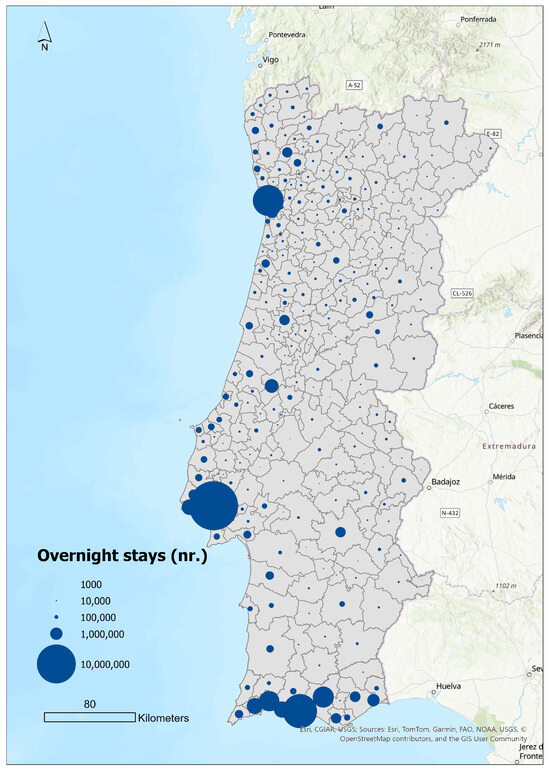
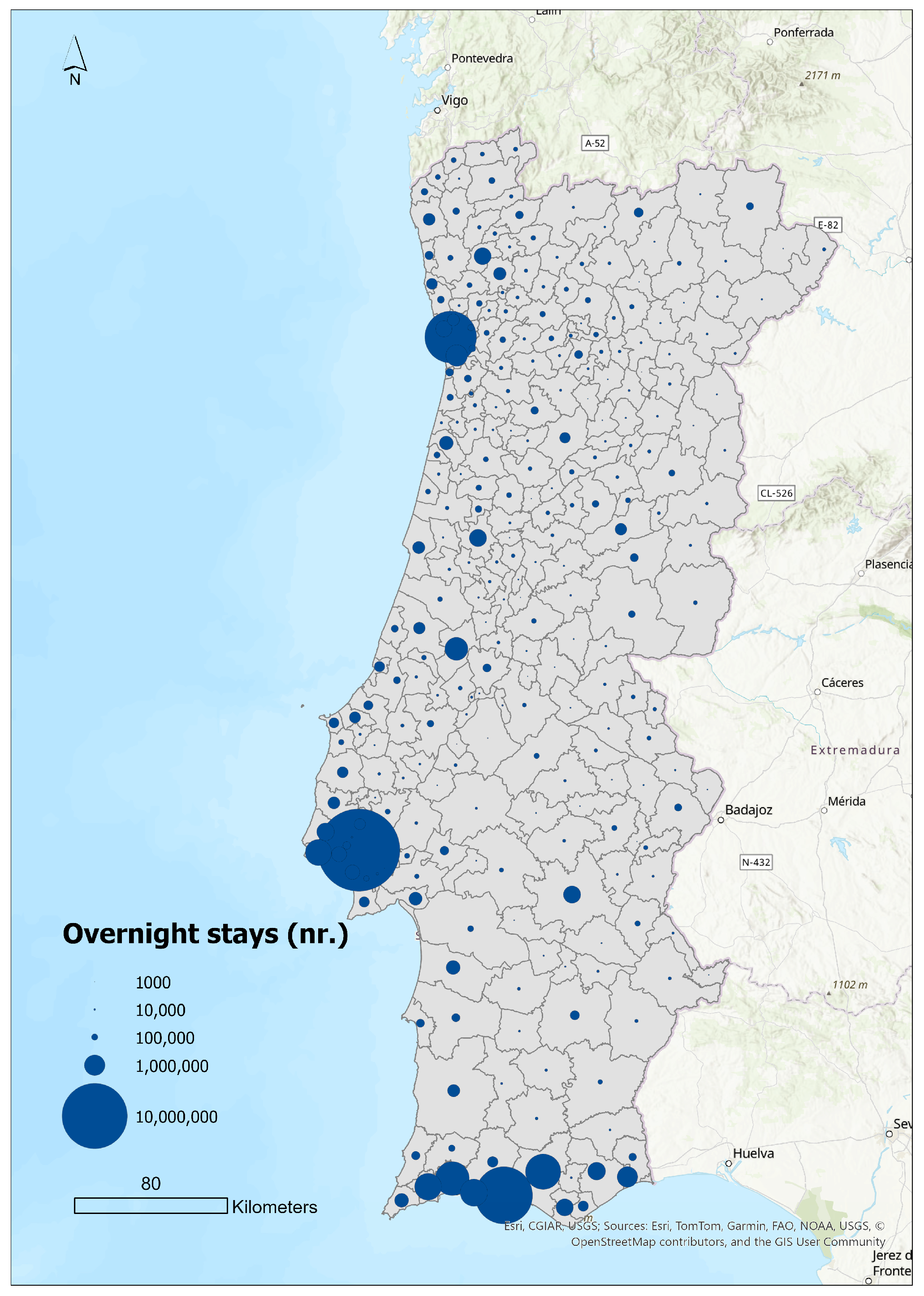
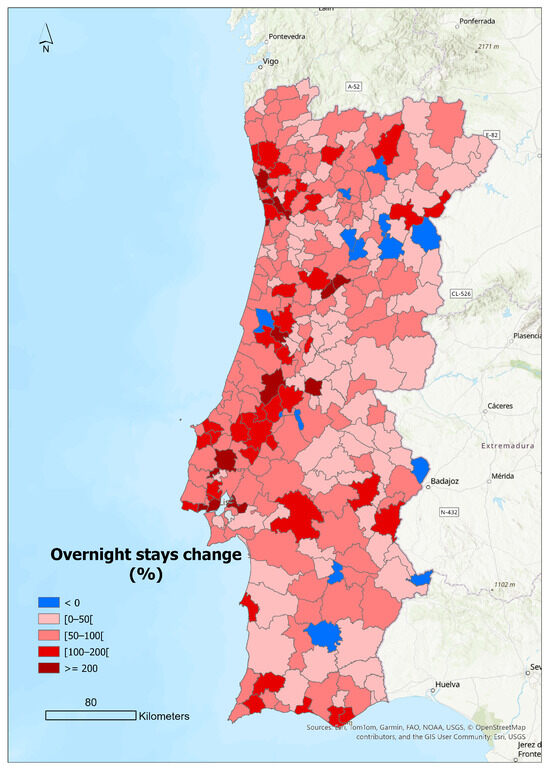
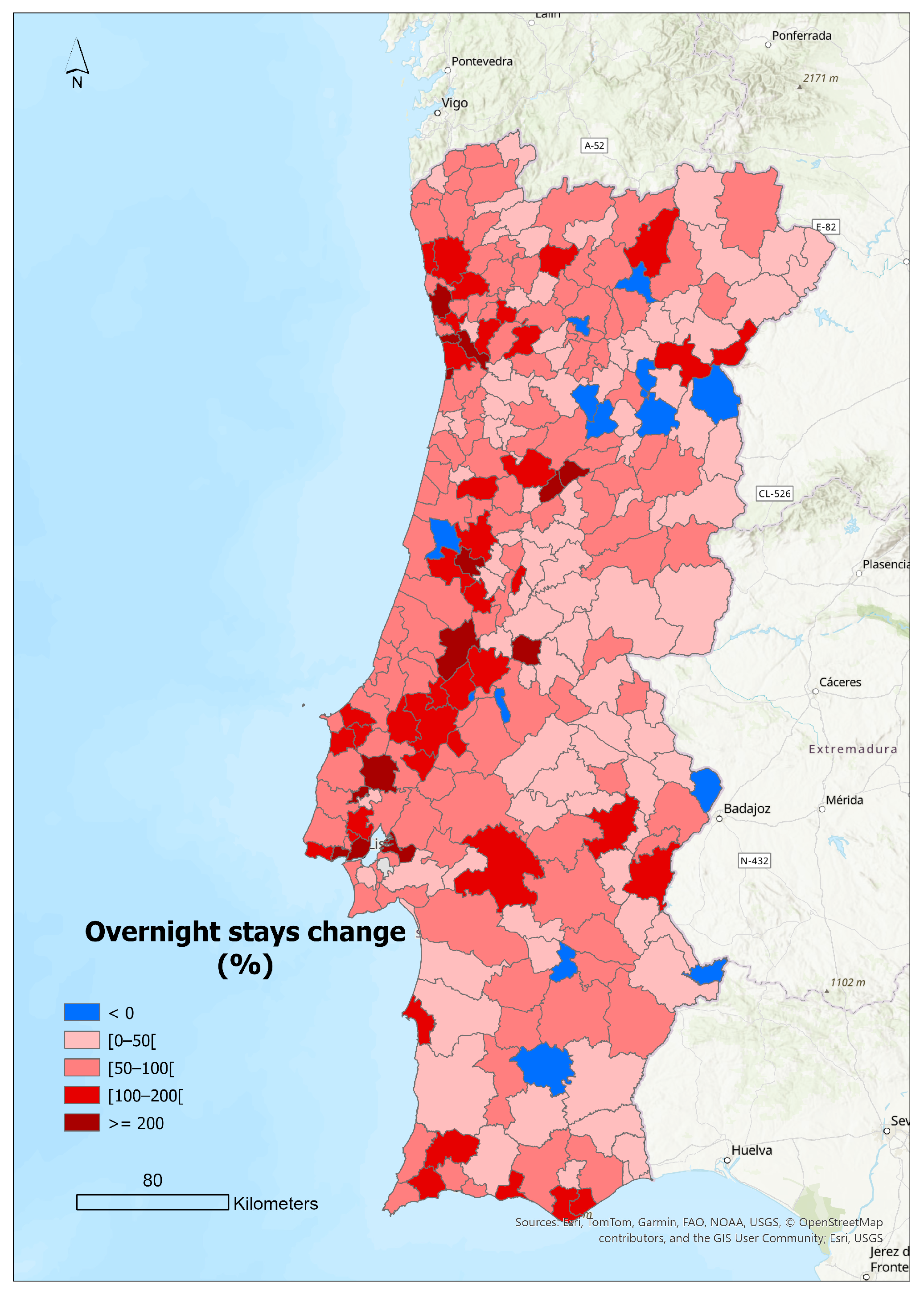
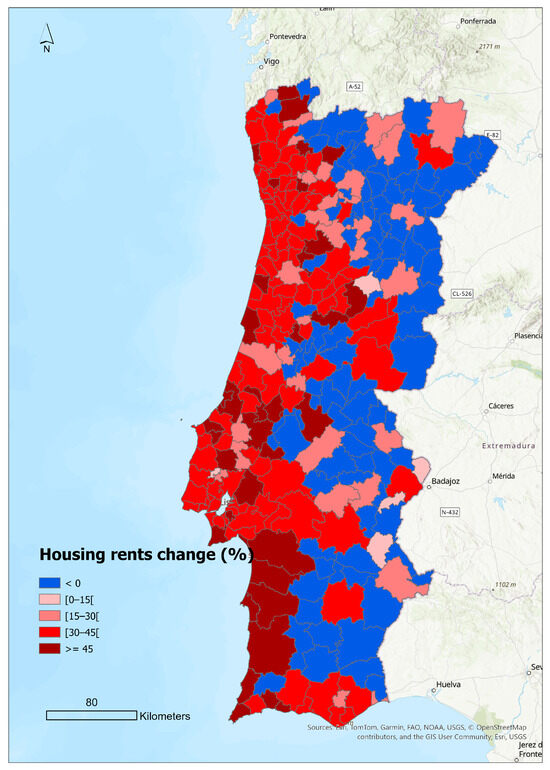
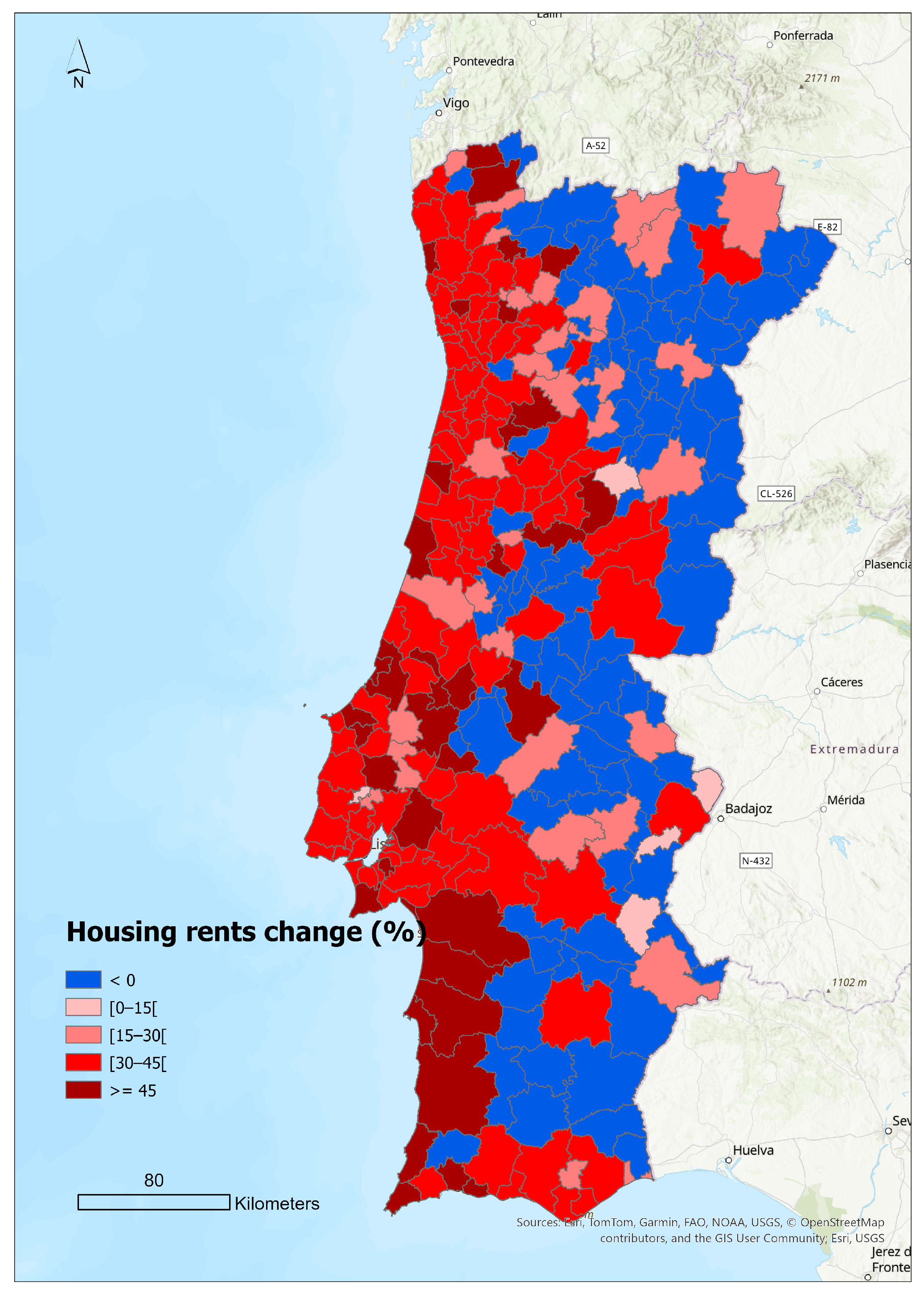
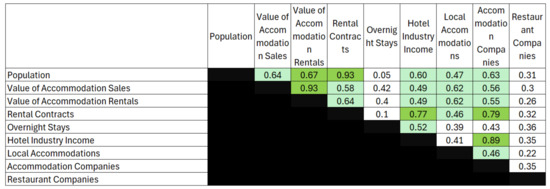
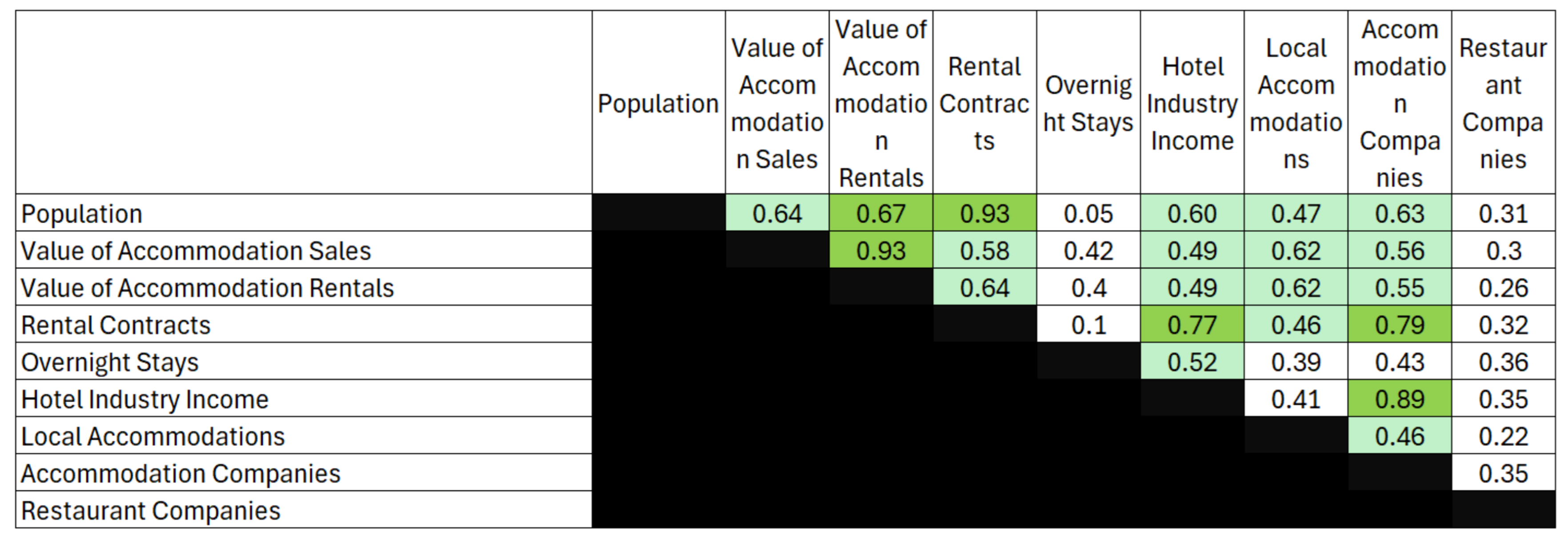
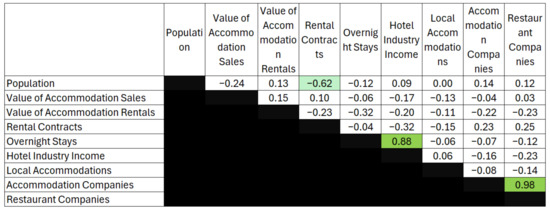
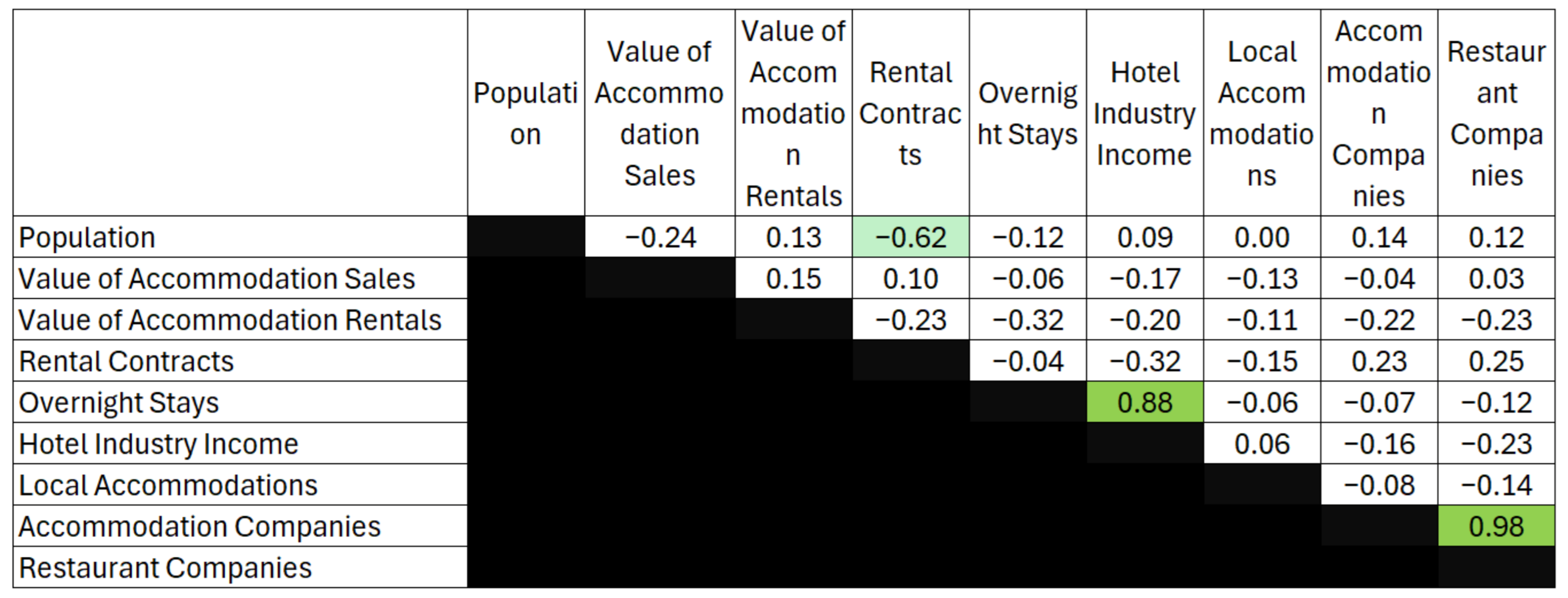
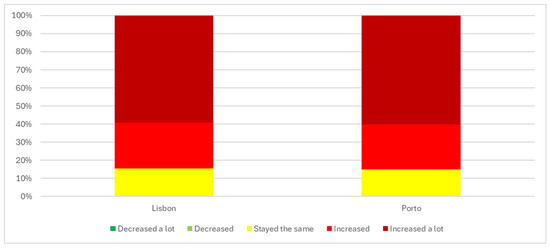
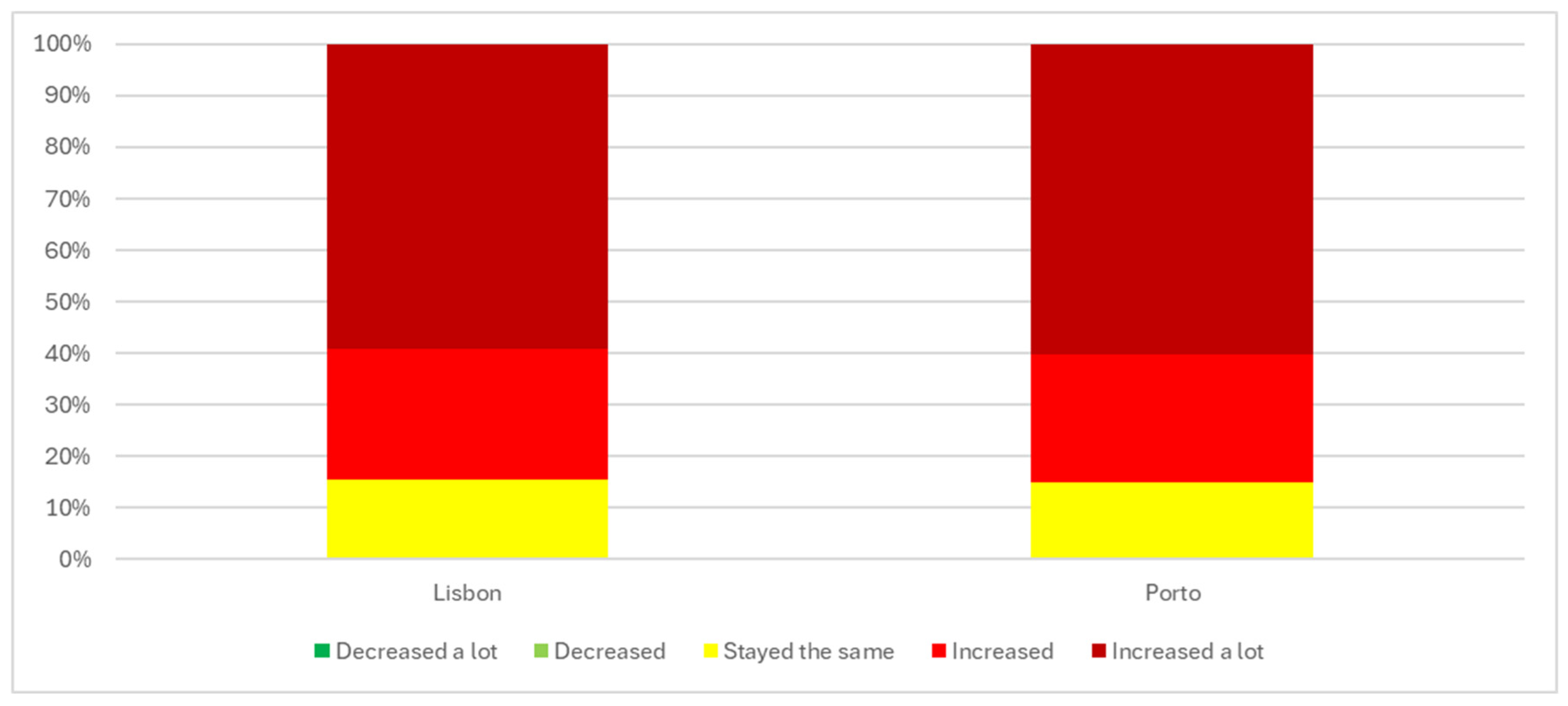
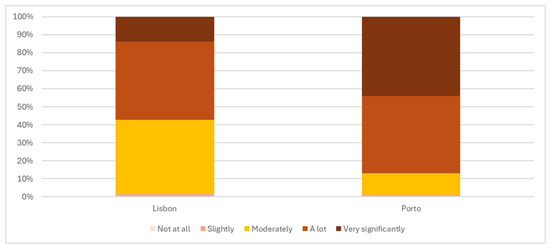
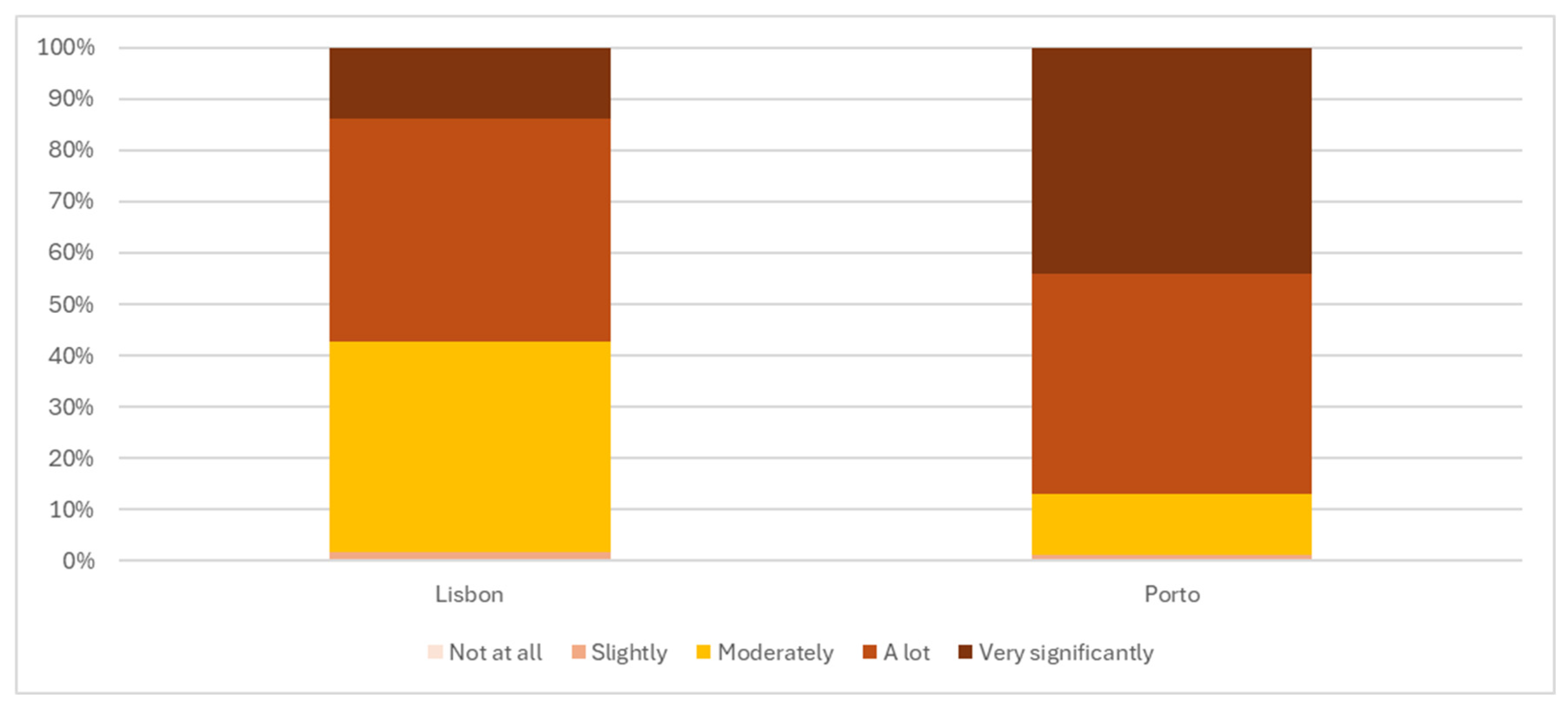
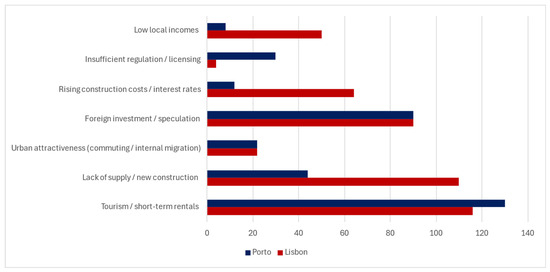
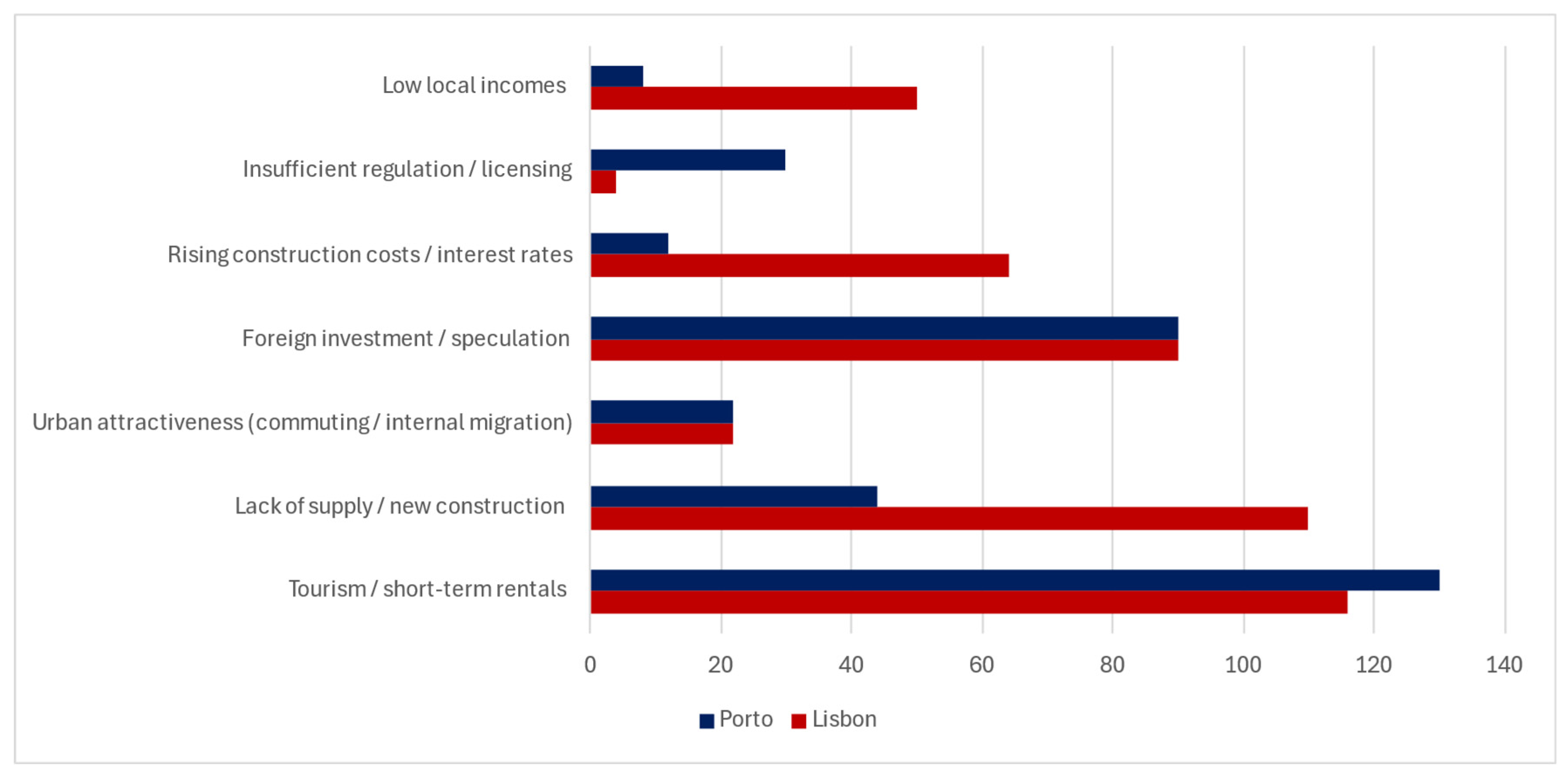
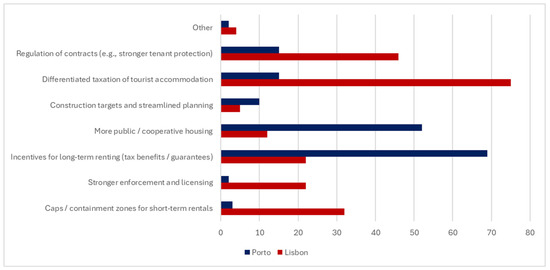
Disclaimer/Publisher’s Note: The statements, opinions and data contained in all publications are solely those of the individual author(s) and contributor(s) and not of MDPI and/or the editor(s). MDPI and/or the editor(s) disclaim responsibility for any injury to people or property resulting from any ideas, methods, instructions or products referred to in the content. |
© 2026 by the author. Licensee MDPI, Basel, Switzerland. This article is an open access article distributed under the terms and conditions of the Creative Commons Attribution (CC BY) license.