


Abstract
This exploratory study examines the heterogeneous spatial evolution of cities in a fragmented non-metropolitan region of Southern Brazil and develops an original functional-symbolic typological framework that integrates functional performance and symbolic production in the classification of cities. Grounded in the theoretical contributions of Lefebvre, Santos, and Corrêa, the framework was designed by the authors to simultaneously incorporate economic, territorial, cultural, and identity-related dimensions that are typically analysed separately in conventional urban typologies. The research adopts a qualitative and inductive approach to analyse secondary data from municipalities in the state of Santa Catarina. Rather than treating urbanisation as a homogeneous process, the study conceptualises urban typologies as analytical devices capable of revealing differentiated urban trajectories, uneven capacities of territorial articulation, and distinct modes of governance in non-metropolitan contexts. The findings show that cities with similar demographic scales perform diverse social, cultural, and economic roles shaped by historically and symbolically produced spatial relations. Five urban typologies were identified: Multifunctional Metropolises, Industrial Regional Capitals, Agroindustrial Cities, Cultural Tourist Cities, and Local Centres of Basic Function. The results demonstrate that urban centrality in non-metropolitan regions is not determined solely by economic performance or demographic scale, but also by symbolic attributes such as cultural heritage, territorial identities, festivals, and religious functions. By integrating material and symbolic dimensions within a single analytical structure, the proposed framework advances the understanding of fragmented urban systems, contributes to contemporary debates on non-metropolitan urbanisation and territorial governance, and offers a transferable approach for the analysis of urban diversity beyond the Brazilian context. The findings also provide practical implications for regional planning and public policy by highlighting the role of symbolic production in shaping territorial organisation and regional influence.
1. Introduction
The understanding of urban space as a heterogeneous and evolving social, historical, symbolic, and political construction emerges from the foundational contributions of Lefebvre [1,2], Corrêa [3], and Santos [4]. These authors challenge the technicist view of the city and argue that urban space is neither neutral nor merely functional but rather produced by social agents and structured by power relations, political intentionalities, and economic dynamics. Lefebvre introduced the notion of the “production of space” by articulating spatial practices, representations of space, and spaces of representation, while also advancing the “right to the city” as an expression of urban citizenship [2]. Corrêa [3], in turn, emphasised the role of spatial production agents, including the state, capital, the market, and civil society, in shaping territorial configurations. Similarly, Santos [4] highlighted the unequal coexistence of superior (formal) and inferior (informal) economic circuits within the Brazilian urban context.
Although the contributions of Lefebvre, Corrêa, and Santos [1,2,3,4] are central to this study, their perspectives are embedded within a broader critical tradition in urban theory that emerged in response to the limitations of technocratic and functionalist planning models in the Global North. This tradition encompasses international debates on spatial justice, uneven development, planetary urbanisation, and relational planning, as articulated by Harvey [5], Soja [6], Brenner and Schmid [7], Roy [8], and Healey [9]. While these scholars have predominantly focused on metropolitan regions and global urban dynamics, Brazilian urban theory offers a distinct analytical lens for understanding heterogeneous urban spatial evolution in non-metropolitan contexts. In particular, it foregrounds the coexistence of formal and informal circuits, the centrality of symbolic production, and the structuring role of small and medium-sized cities in regional space, dimensions that remain comparatively marginal in Global North urban debates. Recent scholarship has further highlighted the analytical relevance of secondary and intermediary cities and the contribution of multidimensional typologies that integrate socioeconomic and spatial configurations across Latin American contexts [10,11].
Whereas non-metropolitan urbanisation has attracted increasing scholarly attention, existing typological models frequently struggle to reflect the interaction between economic functions, cultural identities, and governance dynamics within fragmented urban systems, particularly in the Global South [12,13]. This limitation often stems from the predominance of quantitative or technical indicators, which tend to overlook socio-spatial and symbolic dimensions that are crucial for understanding fragmented non-metropolitan contexts. Despite the growing literature on urban typologies, regional urban networks, and non-metropolitan urbanisation, limited attention has been devoted to frameworks capable of simultaneously integrating functional performance and symbolic production in the classification of cities. Existing approaches frequently prioritise demographic, economic, or hierarchical criteria while overlooking the ways in which symbolic attributes contribute to territorial differentiation and governance dynamics. Consequently, there remains insufficient understanding of how different urban functions and symbolic processes interact to produce heterogeneous urban trajectories in fragmented non-metropolitan regions.
To address this gap, the present study proposes an integrative typological framework that combines functional performance, understood through economic, infrastructural, and centrality-related indicators, with symbolic production, captured through cultural, historical, and identity-based attributes. Here, symbolic production refers to the processes through which urban spaces acquire cultural meanings, identities, and territorial value through heritage, festivals, narratives, and locally recognised traditions, thereby influencing social relations, urban hierarchies, and forms of territorial governance. While functional attributes explain the economic, administrative, and infrastructural roles performed by cities, symbolic dimensions help explain why certain municipalities achieve territorial influence and regional visibility beyond what would be expected from demographic or economic indicators alone [14]. In fragmented non-metropolitan regions, symbolic production may therefore operate as an important mechanism of territorial differentiation, complementing functional performance and justifying its incorporation into the functional-symbolic framework proposed in this study.
Empirically, this study focuses on the state of Santa Catarina, located in Southern Brazil, a region characterised by low metropolitan concentration and a polycentric network of small and medium-sized cities. Unlike the highly concentrated urban systems found in other Latin American countries, Santa Catarina exhibits a fragmented and non-metropolitan pattern of urbanisation, in which cities of similar demographic size follow distinct spatial trajectories shaped by functional and symbolic dynamics. This territorial configuration provides a valuable empirical context for examining how functional and symbolic dimensions interact in shaping urban typologies beyond large metropolitan areas [15]. Similar contexts are increasingly recognised as important for understanding contemporary urban trajectories in the Global South, where urban diversity, uneven territorial articulation, and multi-scalar governance frequently challenge metropolitan-centred analytical frameworks [12,13,16].
Although this study is empirically grounded in Santa Catarina, its contribution extends beyond the Brazilian context. The proposed framework addresses challenges increasingly observed in fragmented and non-metropolitan regions worldwide, particularly in areas characterised by polycentric urban structures, uneven territorial development, and differentiated forms of local governance. By integrating functional performance and symbolic production, the framework offers an analytical approach that may support comparative studies in Latin America, Southern Europe, and other emerging urban systems of the Global South. In this sense, Santa Catarina functions not merely as a regional case study but as an empirical laboratory through which broader processes of non-metropolitan urbanisation, territorial differentiation, and urban governance can be examined.
The originality of this study lies in the development and application of an original functional-symbolic typological framework designed by the authors to integrate functional performance and symbolic production within a single analytical structure. Unlike conventional urban classifications based primarily on demographic size, economic indicators, or hierarchical centrality, the proposed framework simultaneously incorporates economic, territorial, cultural, and identity-related dimensions that are typically analysed separately. In doing so, it advances the understanding of fragmented non-metropolitan urban systems and demonstrates how symbolic attributes, such as cultural heritage, festivals, religious traditions, and territorial identities, interact with functional urban roles to shape territorial organisation and governance dynamics. Together, these contributions provide a context-sensitive approach to analysing urban diversity in non-metropolitan regions and offer a transferable analytical framework for comparative studies beyond the Brazilian context.
The relevance of this research lies in its contribution to explaining how territorial governance is implicitly structured through differentiated urban functions and symbolic practices in non-metropolitan regions. In fragmented urban systems such as that of Santa Catarina, typological frameworks do not merely serve as planning instruments but operate as analytical devices that reveal unequal capacities of coordination, representation, and territorial articulation among cities. From this perspective, urban classifications are not neutral descriptions of space but expressions of socially produced spatial relations and differentiated actions of spatial production agents, through which power relations and governance arrangements become visible [2,3]. Symbolic production should therefore be understood not simply as a cultural or representational sphere but as a process closely connected to relations of power and territorial governance. Symbolic practices, identities, and representations can produce urban hierarchies, reinforce collective claims, and influence the position of cities within regional systems [17]. This reinforces the need for urban typologies that move beyond purely economic or demographic criteria and incorporate the socio-cultural and political dimensions that shape urban development in non-metropolitan contexts [14,16].
Urban typologies contribute to improving regional analysis by integrating formal indicators with behavioural, spatial, and territorial dimensions [18]. Studies conducted in different geographical contexts demonstrate the relevance of urban networks for regional development and strategic planning. In Russia, for example, urban networks influence regional development trajectories and governance arrangements [19], while studies in Latin America have shown that compact and fragmented urban forms are associated with socioeconomic indicators that reveal the limitations of standardised classifications [16]. Despite these advances, existing approaches still tend to overlook how heterogeneity among different types of cities shapes urban transformation processes over time. Consequently, typologies provide an analytical layer that complements national development indicators such as GDP, demographic growth, and infrastructure provision, making it possible to understand how different combinations of functions and symbolic attributes shape urban trajectories and territorial governance.
Significant challenges also remain in articulating quantitative and technical approaches with qualitative interpretations of urban dynamics. Conventional typologies frequently overlook the uneven effects of extensive urbanisation, particularly in small and medium-sized cities, where productive infrastructures, energy networks, and local economic arrangements significantly reshape socio-spatial relations [20]. In Santa Catarina, urban growth does not conform to traditional logics of metropolisation and therefore requires analytical frameworks capable of capturing local specificities, urban multifunctionality, and differentiated forms of territorial articulation [15]. These limitations are particularly relevant in fragmented urban systems, where cities often perform multiple functions simultaneously and where symbolic dimensions play an important role in shaping territorial identities and governance processes.
Contemporary international debates have increasingly focused on extensive urbanisation and urban multifunctionality as explanatory frameworks for fragmented and polycentric urban dynamics beyond traditional metropolitan centres [12,21]. In this context, the framework proposed in this study contributes to ongoing discussions by integrating functional and symbolic dimensions within a single analytical structure capable of capturing the heterogeneity of urban spatial evolution in non-metropolitan regions. Unlike conventional classifications based primarily on demographic size, Gross Domestic Product (GDP), connectivity, or hierarchical centrality, the proposed framework incorporates cultural, historical, and identity-related dimensions, including regional festivals, historical heritage, and religious tourism. This methodological approach is particularly relevant for Santa Catarina, whose fragmented and decentralised urbanisation requires analytical models that are sensitive to regional characteristics and local development trajectories. Consequently, the framework may also serve as a transferable analytical tool for investigating fragmented urban systems beyond the Brazilian context.
From this perspective, the research is guided by the following question: What urban typologies emerge from the heterogeneous spatial evolution of cities in the state of Santa Catarina, and how are these typologies associated with the social functions performed by different types of cities in the organisation of regional space? To answer this question, the general objective of the study is to identify and characterise the urban typologies of Santa Catarina based on their functional, symbolic, and spatial attributes. Specifically, the study seeks to: (i) systematise the main socioeconomic, territorial, and cultural indicators of the cities of Santa Catarina; (ii) construct an integrative typological classification grounded in functional and symbolic criteria; (iii) analyse the social functions performed by cities according to their position in the regional urban network; and (iv) contribute to the formulation of public policies that are sensitive to territorial diversity and local dynamics.
These dimensions are operationalised in Section 3 through a set of functional and symbolic indicators derived from secondary sources. By combining functional and symbolic factors, the proposed framework provides a more nuanced basis for public policies that are not only economically effective but also socially relevant and culturally sensitive. This approach is especially important in contexts where cultural heritage, local identities, and differentiated urban functions shape territorial organisation and therefore require planning strategies that move beyond strictly technical models [22].
Together, these theoretical contributions provide the analytical basis for interpreting urban typologies not merely as descriptive labels, but as socially constructed, functionally differentiated, and symbolically constituted forms of territorial organisation. On this basis, the research adopts an inductive design and a qualitative approach with an applied focus, relying on the collection and analysis of secondary data, including demographic, economic, functional, and territorial indicators. As noted by Martins and Theóphilo [23], this strategy enables theoretical inferences to be drawn from empirical patterns, thereby reinforcing inductive reasoning in territorial studies. In practical terms, the research follows an iterative movement between theory and empirical observation, whereby concepts derived from critical urban theory guide the selection and organisation of data, while empirical patterns support the refinement of the proposed typological interpretation according to the specific characteristics of Santa Catarina’s urban landscape.
2. Literature Review
The understanding of urban space as a social, historical, and political construction was consolidated in Brazilian urban studies between the 1970s and 1990s through a critical perspective that challenged technical and functionalist interpretations of the city [1,3,4]. Within this perspective, urban space is not understood as a neutral or homogeneous container but as a social product shaped by power relations, economic interests, symbolic practices, and historical processes. Lefebvre [1,2] introduced the concept of the production of space, arguing that spatial practices, representations of space, and spaces of representation interact continuously in the constitution of urban reality. This perspective highlights how urban space is simultaneously lived, conceived, and experienced, becoming a terrain of symbolic expression, social conflict, and political action.
In Brazil, these debates were expanded through the contributions of Corrêa [3] and Santos [4]. Corrêa emphasised the role of spatial production agents, including the state, real estate capital, industry, and civil society, in shaping territorial configurations according to distinct and often conflicting interests. Santos, in turn, analysed the coexistence of superior (formal) and inferior (informal) circuits of the urban economy, demonstrating how historical inequalities and uneven development patterns become spatially expressed within Brazilian cities [4]. Consequently, urban landscapes emerge from the interaction between economic structures, political decisions, and social practices, producing differentiated territorial arrangements.
These contributions are embedded within a broader international critical tradition that emerged in response to the limitations of technocratic and functionalist planning models in the Global North. Authors such as Harvey [5], Soja [6], Brenner and Schmid [7], Roy [8], and Healey [9] have contributed to debates on spatial justice, uneven development, planetary urbanisation, and relational planning. Although much of this literature focuses on metropolitan regions and global urban dynamics, recent studies increasingly recognise that urbanisation processes extend beyond major metropolitan centres and are expressed through complex networks of small and medium-sized cities [7,8]. This perspective highlights the importance of examining non-metropolitan regions, where urbanisation processes are frequently fragmented, multifunctional, and shaped by distinctive socio-spatial dynamics.
Recent scholarship has also emphasised the analytical relevance of secondary and intermediary cities, particularly in Latin America, where urban systems often display heterogeneous spatial configurations and differentiated development trajectories [10,11]. In these contexts, urban space must be understood not only through demographic or economic indicators but also through symbolic, relational, and territorial dimensions. Such an approach is particularly relevant for regions characterised by fragmented urbanisation, where multiple forms of centrality coexist and where historical, cultural, and institutional factors play a significant role in shaping urban development.
Recent urban studies have increasingly challenged metropolitan-centred interpretations of urban development by highlighting the growing importance of non-metropolitan regions in the organisation of contemporary territorial systems. In these contexts, urbanisation does not occur through the concentration of population and functions in a single metropolitan core, but rather through networks of small and medium-sized cities that perform differentiated and complementary roles within regional space [12,15]. This perspective has gained particular relevance in regions characterised by fragmented urbanisation, where economic activities, cultural identities, and governance arrangements are distributed across multiple urban centres rather than concentrated in large metropolitan areas.
Santa Catarina represents an emblematic example of this dynamic. Unlike the highly concentrated urban systems observed in several Latin American regions, the state exhibits a polycentric and decentralised urban structure composed predominantly of small and medium-sized cities [15]. As a result, urban growth follows multiple trajectories shaped by economic specialisation, historical settlement processes, cultural heritage, and regional development patterns. This heterogeneity makes generalisations based solely on demographic size or hierarchical position insufficient for explaining the diversity of urban functions performed by cities across the state.
The relevance of regional dynamics can be observed through the different forms of urban centrality identified within Santa Catarina. Cities such as Chapecó and Videira, for example, perform functions that extend beyond their administrative roles, acting as centres of economic activity, circulation, service provision, and cultural interaction within their respective regions [24]. These cities participate in urban networks characterised by complementarities and interdependencies, supporting neighbouring municipalities and contributing to the territorial organisation of regional space. Similar patterns can also be identified among the most populous cities of the state, whose trajectories reflect distinct combinations of economic, social, cultural, and historical factors [15].
Another important dimension of non-metropolitan urbanisation is associated with processes of extensive urbanisation linked to productive infrastructures and regional development projects. Studies examining areas influenced by hydroelectric plants and agroindustrial activities in Southern Brazil demonstrate that urban transformation often extends beyond municipal boundaries, producing new forms of territorial articulation while simultaneously generating socio-spatial inequalities [20]. These inequalities emerge from uneven access to infrastructure, services, economic opportunities, and territorial resources, reinforcing differentiated development patterns across urban regions.
Taken together, these elements indicate that non-metropolitan urbanisation cannot be adequately understood through traditional metropolitan frameworks. Instead, it requires analytical approaches capable of recognising the diversity of urban functions, the coexistence of multiple forms of centrality, and the influence of historical, economic, cultural, and symbolic processes on territorial organisation. Such characteristics make Santa Catarina a particularly relevant context for examining how differentiated urban roles contribute to the structuring of regional space and the emergence of distinct urban typologies.
The concept of the social function of the city refers to the set of activities, services, and relationships that a city provides both to its resident population and to the broader territory with which it interacts. Rather than being restricted to legal or administrative interpretations, contemporary perspectives understand the social function of cities as encompassing their capacity to promote economic development, social inclusion, cultural expression, mobility, and collective well-being [2]. Consequently, cities perform different roles within regional urban networks according to the functions they concentrate and the relationships they establish with surrounding territories. These functions may include administrative, commercial, industrial, logistical, cultural, educational, religious, or tourism-related activities [15].
The diversity of urban functions has stimulated the development of urban typologies as analytical instruments capable of identifying similarities and differences among cities. Urban typologies seek to classify urban centres according to characteristics such as population size, economic profile, degree of centrality, territorial influence, spatial form, and position within urban networks [24]. By grouping cities with similar attributes, typologies contribute to territorial planning, regional analysis, and public policy formulation, while also improving the understanding of how different cities participate in the organisation of regional space.
Despite their analytical relevance, significant divergences persist regarding the criteria that should be used to classify cities. Functionalist and quantitative approaches generally prioritise measurable indicators such as population size, infrastructure, connectivity, economic activity, and service provision [25]. These approaches have contributed substantially to comparative urban studies and planning practices, particularly where standardised classifications are required. However, they often face limitations when applied to fragmented urban systems, where cities may perform multiple functions simultaneously and where symbolic, historical, and cultural dimensions influence territorial dynamics.
In contrast, critical-territorial and qualitative approaches emphasise the social production of space, historical trajectories, symbolic identities, and differentiated territorial arrangements as essential elements for understanding urban diversity [20]. From this perspective, cities cannot be fully understood through demographic or economic indicators alone, since their functions are also shaped by cultural practices, collective identities, political relations, and historical processes. This perspective is particularly relevant in regions such as Santa Catarina, where urbanisation is characterised by fragmentation, decentralisation, and multifunctionality, making rigid hierarchical classifications insufficient for capturing the complexity of regional urban dynamics [15].
These debates reveal that urban typologies should not be understood merely as technical classification tools, but as analytical frameworks capable of interpreting the multiple roles performed by cities within territorial systems. In fragmented non-metropolitan contexts, cities frequently combine economic, symbolic, administrative, and cultural functions, creating overlapping forms of centrality and influence. Consequently, there is a growing need for typological approaches capable of integrating functional and symbolic dimensions in order to better capture the diversity of urban trajectories and the complexity of contemporary regional urban systems.
Despite significant advances in urban studies, important theoretical and methodological challenges remain in the classification and interpretation of urban systems. Much of the existing literature continues to privilege metropolitan hierarchies and technical-functional indicators, emphasising variables such as population size, economic performance, infrastructure, connectivity, and service provision [15,25]. Although these approaches have contributed substantially to urban analysis and regional planning, they often provide limited analytical capacity for understanding fragmented non-metropolitan contexts, where multiple forms of centrality, territorial identities, and symbolic processes coexist [7,8].
The literature on urban typologies can generally be grouped into three major traditions. The first is the functionalist-technical tradition, which emphasises measurable urban attributes and seeks to classify cities according to their economic functions, service provision, infrastructure, and strategic location within urban networks [15,25]. The second is the critical socio-spatial tradition, which interprets cities as products of power relations, social conflicts, and uneven development processes, emphasising segregation, territorial disputes, and the role of spatial production agents [20]. The third is the territorial-cultural tradition, which highlights regional specificities, cultural identities, historical trajectories, and local arrangements as fundamental elements for understanding urban diversity, particularly in regions whose development does not follow conventional metropolitan patterns [24].
Although these traditions have generated important insights, they are often developed separately, resulting in analytical frameworks that either prioritise functional performance or emphasise socio-cultural dimensions without systematically integrating both perspectives. Consequently, urban typologies frequently struggle to explain how economic functions, symbolic production, territorial identities, and governance arrangements interact to shape differentiated urban trajectories, particularly in non-metropolitan regions. This limitation becomes especially evident in contexts characterised by urban fragmentation, multifunctionality, and decentralised territorial organisation, where cities often perform overlapping economic, administrative, cultural, and symbolic roles.
At the same time, urban growth and territorial transformation are influenced by multiple driving forces that operate simultaneously across different spatial scales. Urbanisation processes emerge from the interaction between economic activities, public policies, infrastructure investments, cultural dynamics, and the actions of spatial production agents [3,26,27]. Cities are therefore not the product of random development processes, but rather the outcome of historical trajectories shaped by specific social, economic, and political conditions [27,28]. These dynamics influence not only the emergence and growth of cities but also the functions they perform within broader territorial systems [29].
From a public policy perspective, understanding these differentiated urban functions is essential for improving territorial governance and regional planning. Urban classifications influence how resources are allocated, how development priorities are established, and how territorial inequalities are addressed [30]. However, when classifications rely exclusively on technical indicators, they may overlook symbolic, cultural, and historical dimensions that significantly influence local development trajectories and forms of territorial articulation. This reinforces the need for analytical frameworks capable of capturing the complexity of contemporary urban systems beyond purely demographic or economic criteria.
Against this background, the present study positions itself at the intersection of functional and symbolic approaches to urban analysis. Rather than treating economic performance and symbolic production as separate dimensions, the study proposes an integrative typological framework capable of examining how these elements interact in the structuring of regional space. By focusing on Santa Catarina, a state characterised by fragmented urbanisation, polycentric organisation, and strong regional identities, the research contributes to expanding urban typology studies beyond metropolitan-centred perspectives. In doing so, it responds to calls for more context-sensitive analytical frameworks and advances the understanding of how differentiated urban functions and symbolic processes shape territorial organisation in non-metropolitan regions.
3. Materials and Methods
This research adopts a qualitative approach of an applied nature, grounded in an inductive method. This methodological choice aligns with the objective of understanding how the cities of Santa Catarina are spatially and functionally organised within a multifaceted urban network, moving from the analysis of concrete cases and empirical indicators to the formulation of theoretical and typological categories.
As argued by Martins and Theóphilo [23], the inductive method is particularly suitable for applied social studies, as it enables the formulation of generalisations drawn from the systematic observation of specific data. Accordingly, the research departs from observable reality—such as territorial, demographic, economic, functional, and symbolic data from the cities of Santa Catarina—to develop a typological classification that responds to regional specificities and urban multifunctionality identified throughout the study.
Within this framework, the qualitative approach aims to interpret social and territorial meanings that extend beyond objective indicators. As highlighted by Lemos and Catalão [20], strictly quantitative methods fail to capture spatial inequalities and complexities, especially in fragmented urban contexts. The proposed methodology, therefore, integrates the analysis of secondary data with a critical interpretation of the urban functions observed across different municipalities.
This is, therefore, an applied research study, as it seeks not only to produce academic knowledge but also to provide practical insights for urban planning and public policy design. The theoretical-methodological framework is anchored in categories such as the “production of space” [2], the “social function of the city” [4], and “agents of spatial production” [3], and it is operationalised through the systematisation of indicators, municipal statistics, and comparative analysis among representative urban typologies in the state of Santa Catarina.
In order to measure the functional and symbolic aspects, functional performance was identified through socioeconomic, infrastructural, and centrality-related indicators, including productive specialisation, service provision, and the position of municipalities within regional urban networks. Symbolic production, in turn, was defined through cultural, historical, and identity-related references, such as heritage recognition, officially recognised events, religious itineraries and traditions recognised at the local level. This differentiation made it possible to capture, by means of secondary data, the material and representational dimensions of urban space. These indicators were selected because they make it possible to represent, through secondary data, both the tangible economic roles of municipalities and the cultural and symbolic attributes that shape their position within the regional system.
In addition to the conceptual distinction between functional and symbolic attributes, it was necessary to establish an explicit operational criterion for determining when cultural manifestations and festivals were sufficiently relevant to influence the functional-symbolic classification of municipalities. To this end, the study employed a two-step procedure. First, only manifestations documented in official and institutional databases were considered, including recognised tourism itineraries from the Ministry of Tourism (MTur), heritage inventories from the National Institute of Historic and Artistic Heritage (IPHAN), and state-level registers of cultural and religious events. Second, each manifestation was assessed against a minimum set of qualitative criteria regular recurrence (at least biennial realisation), extra-local recognition (e.g., attraction of visitors from other municipalities or explicit mentions in regional promotional and statistical materials), and association with consolidated territorial identities, such as ethnic-based festivals or religious celebrations that contribute to regional place branding. Symbolic attributes were treated as capable of modifying the typological position of a municipality only when these criteria were simultaneously satisfied, thereby reducing interpretive arbitrariness and reinforcing the transparency of the classification procedure.
Accordingly, the methodological path of this research is presented in Table 1.
Table 1.
Methodological path of the research.
In practical terms, this procedure operated as a qualitative multi-criteria framework in which functional and symbolic evidence were jointly considered. Although no formal numerical weights were assigned to individual indicators, the combination of economic, infrastructural, and symbolic attributes was systematically discussed and validated in iterative internal reviews among the authors, ensuring that any change in typological category was supported by verifiable documentation rather than solely by subjective judgement.
Official data from multiple public sources were employed to classify the functional and symbolic attributes of municipalities in Santa Catarina through an approach that integrates territorial analysis. Subsequently, the methodology followed a systematic procedure for classifying municipalities according to their functional and symbolic attributes. The empirical database was assembled using the most recent official data available for each indicator. Due to the different publication cycles of the sources consulted, the materials used in the analysis span the period from 2016 to 2025.
The first step consisted of data collection and the establishment of analytical categories. For each municipality, information from the Brazilian Institute of Geography and Statistics (IBGE) [31,32,33] was used to identify the municipality’s predominant economic activity. Municipalities were also checked for inclusion in official tourism itineraries and in industrial or port hubs, based on databases from the Ministry of Tourism (MTur) [34], the Brazilian National Confederation of Industry (CNI) [35], the Brazilian Observatory of Local Productive Arrangements (OBAPL) [36], and the National Waterway Transport Agency (ANTAQ) [37]. Additional data were obtained from the Accommodation Services Survey (PSH) [38] and from the Human Development Atlas in Brazil (HDA), an online platform developed through a partnership between the United Nations Development Programme (PNUD), the Institute for Applied Economic Research (IPEA), and the João Pinheiro Foundation (FJP), which provides statistical information on human and sustainable development [39].
For cultural and religious dimensions, official sources such as the National Institute of Historic and Artistic Heritage (IPHAN) [40] were consulted, together with records of religious festivals, cultural events, and locally recognised traditions.
Social attributes were identified through records of social inclusion projects, housing programmes, and income-distribution initiatives, using IBGE data and the HDA as complementary sources.
Figure 1 illustrates the geographical context of the study and the spatial distribution of the functional and symbolic typologies identified in Santa Catarina. The figure locates the state within Brazil and South America and presents the territorial configuration of municipalities according to the proposed functional-symbolic framework. In addition, it highlights the spatial clustering patterns of the identified typologies, revealing the fragmented and polycentric character of Santa Catarina’s urban system. The visualisation supports the interpretation of regional specialisation processes and demonstrates how functional performance and symbolic production are unevenly distributed across the territory, providing an important spatial reference for the subsequent analyses.
Figure 1.
Location of the study area and spatial distribution of functional-symbolic urban typologies in Santa Catarina, Southern Brazil.
Following data collection, municipalities were classified according to two sets of analytical criteria. First, degree of centrality was established based on the Regions of Influence of Cities (REGIC) [32]. Second, functional and symbolic attributions were assigned through the cross-analysis of the main economic sector, public services in health and education —including hospitals and educational institutions identified through National Registry of Health Establishments (CNES) [41] and National Institute of Educational Studies and Research (INEP) datasets [42,43]—, transport infrastructure, tourism and hospitality structures, and specific territorial attributes. Assigned urban functions were then defined after cross-analysing all dimensions, including the identification of Local Productive Arrangements (LPAs) based on OBAPL [36].
In a second analytical step, three integrative categories were incorporated to capture relational dynamics among municipalities: special arrangements, regional networks, and territorial interactions. These categories were incorporated to improve the understanding of socioeconomic interdependencies and spatial configurations across the state.
Special Arrangements captured the presence of officially recognised Local Productive Arrangements (LPAs) [36], or integration into regional tourism, logistics, and agroindustrial hubs. Municipalities integrated into relevant LPAs (e.g., Brusque in the Textile LPA or Chapecó in the Meat LPA) were classified according to their predominant productive sector. Regional networks of influence followed IBGE [32] criteria, which identify urban hierarchies based on flows of trade, services, health, and education. Accordingly, municipalities were categorised as regional metropolises, regional capitals, subregional centres, or local centres, depending on the intensity of their centrality and their capacity to connect with neighbouring cities. Territorial Interactions highlighted exchanges and connections that transcend municipal boundaries, whether economic, cultural, educational, or logistical. Municipalities were classified according to the presence of functional integration with nearby cities, emphasising dynamics such as economic corridors, interdependence of public services, and circulation of goods and people. Data were assigned individually for each municipality using official sources such as REGIC [32], the Ministry of Tourism [34], the Accommodation Services Survey (PSH) [38], the Human Development Atlas [39], CNES [41], and LPA mapping data [36].
When no effective presence of LPAs, organised regional networks, or significant territorial interactions was identified, the field was recorded as “Not applicable,” ensuring analytical transparency and coherence. This methodological expansion allows for the articulation of productive, regional, and territorial aspects within an integrated and systemic perspective.
The assignment of functions considered the definition of cities’ predominant role (Metropolis, Regional Capital, Subregional Centre, Local Centre, among other categories), based on the study REGIC [32], which maps urban flows and territorial hierarchies. The identification of each municipality’s main economic sector (Agriculture, Industry, Commerce, or Services) relied on information from the Continuous National Household Sample Survey (PNAD Contínua) [44], the Municipal Agricultural Production dataset (PAM) [33], and complementary sectoral sources, including industrial and tourism databases [34,35,36].
Subsequently, the presence of essential services, particularly health facilities and broader service provision, was verified using data from the National Registry of Health Establishments (CNES) [41], the Human Development Atlas [39] and the National Institute of Educational Studies and Research (INEP) educational census datasets [42,43]. Transport infrastructure was identified using georeferenced records from the Ministry of Transport [45], with special attention to highways and railways, while port infrastructure was verified through ANTAQ data [37].
The characterisation of municipalities’ tourism vocation was based on information from the Lodging Services Survey [38], the Ministry of Tourism [34], and the Human Development Atlas [39], focusing on the number of available accommodations, the existence of consolidated tourism routes, and the occurrence of relevant cultural events. For this reason, each municipality was also analysed in terms of specific observations, considering peculiarities such as strong agroindustrial activity, the presence of historic centres, traditional festivals, religious sanctuaries, among other aspects of territorial identity. This enabled the application of the functional and symbolic attribution criteria used to classify municipalities, as summarised in Table 2.
Table 2.
Functional and symbolic attribution criteria used to classify Santa Catarina municipalities.
For analytical purposes, functional and symbolic dimensions were treated as complementary but conceptually distinct categories. Functional attributes refer to the economic, productive, administrative, infrastructural, and service-related roles performed by municipalities within the regional urban network. Symbolic attributes refer to cultural, historical, religious, and identity-based elements through which cities acquire territorial meaning, social recognition, and regional visibility. While functional dimensions explain what cities do within the urban system, symbolic dimensions explain how cities are recognised, represented, and valued within regional space. The attribution of functional and symbolic profiles followed an interpretive classification procedure based on the predominance of empirical evidence identified in the secondary data. Functional profiles were assigned according to the dominant economic, productive, administrative, service, or infrastructural roles performed by each municipality, whereas symbolic profiles were attributed based on the presence of recognised cultural, historical, religious, ethnic, or tourism-related elements capable of generating territorial identity and regional visibility. These profiles were not treated as mutually exclusive categories; rather, they were used as analytical dimensions that, when combined, supported the construction of the functional-symbolic typology proposed in this study. The integration of both dimensions constitutes the basis of the analytical framework and enables the identification of urban typologies that reflect not only functional performance but also processes of symbolic production and territorial differentiation.
The selection of official public sources was prioritised because of their systematic coverage and comparability across municipalities. However, the study also has some limitations, particularly regarding the extent to which informal economic circuits may be underreported in official statistics. To address this issue, a multi-source triangulation strategy was used: information from governmental agencies such as IBGE, MTur and IPHAN were cross-verified with complementary platforms such as the Human Development Atlas. This process reinforced the robustness of functional attributions and allowed for a more nuanced reading of both functional and symbolic dimensions. This triangulation also helped to capture, albeit indirectly, the interaction between formal and informal circuits, which is a central aspect of Brazilian urban dynamics.
Despite these efforts, symbolic dimensions remain more difficult to standardise than socioeconomic indicators because cultural identities, historical meanings, and territorial representations are often documented through fragmented institutional records. To minimise this limitation, symbolic attributions were restricted to observable and officially recognised manifestations, such as listed heritage sites, certified tourism routes, major cultural festivals, and religious sanctuaries. Future studies may further refine these dimensions through complementary methods, including interviews, content analysis, social media data, and text-mining approaches capable of capturing symbolic production beyond official records.
For the purposes of this study, functional attributes refer to the economic, productive, administrative, infrastructural, and service-related roles performed by municipalities within the regional urban network. These attributes express the operational capacity of cities to concentrate activities, provide services, generate employment, and articulate territorial flows. In contrast, symbolic attributes refer to cultural, historical, religious, and identity-based elements through which cities acquire territorial meaning, social recognition, and regional visibility. While functional dimensions capture what cities do within the urban system, symbolic dimensions capture how cities are socially represented, recognised, and valued. The integration of both dimensions constitutes the basis of the proposed functional-symbolic framework and allows urban typologies to reflect not only economic performance but also processes of symbolic production and territorial differentiation.
The functional attributes presented in Table 2 were defined through a two-step analytical procedure grounded in the theoretical articulation between Brazilian urban theory and international debates on urban restructuring. In the first step, we conducted a conceptual mapping of the core dimensions recurrent in the literature on urban functions and socio-spatial organisation, drawing on the works of Lefebvre [2] (2016) on the production of space, Corrêa [3] on agents of spatial production, Santos [4] on the coexistence of superior and inferior circuits, as well as on contributions from Harvey [5], Soja [6], Brenner and Schmid [7], Roy [8], and Healey [9] regarding uneven development, planetary urbanisation, relational planning, and spatial justice.
In the second step, these theoretical dimensions were operationalised through the selection of empirical attributes capable of capturing functional centrality, territorial articulation, and symbolic production in medium and small-sized cities. The relevance of each attribute was established based on three criteria: recurrence in the international and Brazilian literature, availability of reliable secondary data sources, and empirical sensitivity to non-metropolitan dynamics. This procedure ensured that the selected indicators were not merely descriptive but analytically meaningful for interpreting socio-spatial differentiation in fragmented urban regions such as Santa Catarina. These attributes were subsequently translated into measurable indicators using official secondary data sources, including the Brazilian Institute of Geography and Statistics (IBGE) [31,32,33,38,44,46], the Ministry of Tourism [34], the Brazilian National Confederation of Industry (CNI) [35], the Brazilian Observatory of Local Productive Arrangements (OBAPL) [36], the National Institute of Historic and Artistic Heritage (IPHAN) [40], the National Registry of Health Establishments (CNES) [41], and educational datasets for basic and higher education produced by the National Institute of Educational Studies and Research (INEP) [42,43].
The legitimacy of the proposed typology rests on this iterative articulation between theory and empirical observation, in which abstract conceptual dimensions are systematically translated into observable attributes.
It is important to emphasise that the functional-symbolic typological framework proposed in this study was developed by the authors and does not derive from a previously established urban classification model. While grounded in the theoretical contributions of Brazilian urban theory and international debates on urbanisation, the framework represents an original analytical construction that integrates functional performance and symbolic production within a single typological structure. The resulting categories, namely Multifunctional Metropolises, Industrial Regional Capitals, Agroindustrial Cities, Cultural Tourist Cities, and Local Centres of Basic Function, emerged from the cross-analysis of empirical indicators and were designed specifically to capture the diversity and heterogeneity of fragmented non-metropolitan urban systems.
To strengthen the reliability of the attribution process, the preliminary classification of municipalities was cross-checked with complementary official sources. Functional assignments were validated against sectoral, infrastructural, and service-related indicators, while symbolic attributions were contrasted with heritage, tourism, and cultural records. In the specific case of industrial cities, the preliminary classification based on economic indicators was further verified, where applicable, through the presence of officially recognised Local Productive Arrangements (LPAs) and complementary industrial information. This procedure reinforced the methodological consistency of the classification and supported the robustness of the resulting functional mapping.
On this basis, the following section presents the main socioeconomic, territorial, and cultural indicators that support the construction of the proposed typology.
4. Results
The results reveal three principal findings. First, the urban network of Santa Catarina exhibits a fragmented and non-metropolitan pattern of organisation, characterised by differentiated forms of urban centrality that cannot be fully explained through demographic or economic indicators alone. Second, the analysis identified five urban typologies, namely Multifunctional Metropolises, Industrial Regional Capitals, Agroindustrial Cities, Cultural Tourist Cities, and Local Centres of Basic Function, each performing distinct social, economic, and territorial functions within the regional network. Third, the findings demonstrate that symbolic production, expressed through cultural heritage, territorial identities, festivals, and religious traditions, plays a significant role in shaping urban relevance and territorial influence, complementing functional performance and reinforcing the importance of the proposed functional-symbolic framework.
4.1. Systematization of the Main Socioeconomic, Territorial, and Cultural Indicators of Santa Catarina’s Cities
The analysis of the socioeconomic, territorial, and cultural indicators of Santa Catarina’s municipalities reveals a differentiated regional panorama that reflects the regional diversity of the state. The population of Santa Catarina is primarily concentrated in the regions of Greater Florianópolis, Northern Santa Catarina, and the Itajaí Valley, which present high demographic density [47]. In these areas, the predominance of the tertiary and secondary economic sectors is evident, while the Western and Serra regions maintain a strong connection to agricultural and livestock activities, in accordance with the Municipal Agricultural Production data [33].
Regarding the economic structure, Greater Florianópolis is characterised by the predominance of commerce, services, and technology sectors. Northern Santa Catarina, particularly in cities such as Joinville and São Francisco do Sul, concentrates industrial and logistical functions, while the Itajaí Valley combines industrial activity with tourism and symbolic production. These centres generate intense daily traffic and freight flows and require strong public transport and logistics systems. The integration of transport infrastructure, including major highways and strategic ports also strengthens their role in the regional and national logistics system. Western Santa Catarina is driven mainly by agribusiness. Furthermore, the Serra region retains agriculture as a predominant activity, while Southern Santa Catarina combines industrial and touristic functions with agricultural activities still present in part of the region [18,33,47].
The municipal GDP reflects this composition, with the regions of Joinville, Blumenau, Florianópolis, and Itajaí registering the highest aggregated values, based primarily on industry, services, and port logistics, respectively [46]. Similarly, the Municipal Human Development Index (MHDI) shows its highest levels in Greater Florianópolis, the North, and the Itajaí Valley, while the Western and Serra regions record more modest figures [39]. This distribution also affects access to essential services such as health and education, with the greatest concentration of hospitals, universities, and higher education institutions observed in the major regional centres of the state, notably Florianópolis, Joinville, Blumenau, Chapecó, and Criciúma [41,42,43].
The analysis of urban multifunctionality in Santa Catarina shows that most municipalities have a single dominant function, predominantly linked to agricultural or basic service activities, totalling 218 cities in the state [47]. However, 20 cities were classified as industrial, characterised by a significant contribution of the industrial sector to their municipal GDP [46]. In addition, 13 cities were identified as having tourism functions, supported by infrastructure and relevant attractions [34,38]. Among multifunctional cities, 22 municipalities combine different roles, with the main groupings being: Industry, Commerce, and Services (8 cities); Industry and Commerce (7 cities); and Industry and Services (4 cities). Finally, three cities were explicitly identified as holding cultural or religious functions. The data indicate that, although an agricultural and basic service profile predominates, there are significant multifunctional hubs, particularly in regions where industry, tourism, and logistics concentrate major urban functions, corroborating the complexity and diversity of urbanisation in Santa Catarina [38,39,40,47].
In terms of transport infrastructure, the state is crossed by major highways, such as BR-101 along the coast and BR-282 connecting the Western region to the coast. Strategic ports are located in Itajaí, São Francisco do Sul, and Navegantes, consolidating the coastal region as an industrial and logistical export zone [37,45].
The territorial organisation of Santa Catarina combines differentiated regional functional profiles with marked variations in symbolic production. Florianópolis and Joinville function as regional metropolises, while Blumenau, Chapecó, Criciúma, and Lages act as regional capitals; sub-regional centres are distributed throughout the state territory. Table 3 summarises the predominant functional profiles of Santa Catarina’s regions, together with their major centres and representative forms of symbolic production. These territorial dynamics also structure economic corridors, such as the Blumenau–Itajaí–Balneário Camboriú axis in the Itajaí Valley and the Chapecó–Concórdia agroindustrial corridor in the West [32].
Table 3.
Regional functional profiles, major centres, and symbolic production in Santa Catarina.
Within these regional profiles, some cities display strong articulation capacity and perform strategic roles within the state’s urban network. Based on the centrality criteria defined in REGIC [32], Florianópolis and Joinville stand out as regional metropolises, while São José functions as an adjunct metropolis to the state capital. Other cities play key regional roles, including Blumenau as a regional hub of commerce and services, Chapecó as the main regional centre in the West, Itajaí as a port and logistics hub, Criciúma as a regional hub in the South, Jaraguá do Sul as a regional centre in Northern Santa Catarina, Lages as the central hub of the Serra region, São Francisco do Sul as a port and logistics hub, and Tubarão as a southern regional centre. In addition to these major centres, several other cities exert regional influence in specific sectors, such as Brusque in the textile industry, Concórdia in agroindustry, and Itajaí and São Francisco do Sul in port activities, thereby illustrating the complexity and functional specialisation of the state’s urban fabric [32].
The symbolic production of space in Santa Catarina emerges as a central element of urban and regional configuration, expressed primarily through cultural, historical, and religious tourism, and constituting an essential component of territorial identity. According to the National Institute of Historical and Artistic Heritage [40], cities such as Florianópolis, Blumenau, and São Francisco do Sul preserve protected historic centres, highlighting colonial and Germanic architectural heritage that contributes to the state’s cultural identity. Cultural events play a significant role in this context, particularly nationally recognised festivals such as the Oktoberfest in Blumenau and the Italian Festival in Nova Veneza [34,38]. Beyond festivals, Santa Catarina shows a strong vocation for cultural and religious tourism, consolidated in itineraries such as the Vale Europeu (European Valley), involving municipalities such as Blumenau and Pomerode, and the Caminho dos Príncipes (Path of the Princes), articulated by Joinville and São Francisco do Sul. Religious sanctuaries, such as the Santa Paulina Sanctuary in Nova Trento, further reinforce the symbolic dimension of space, integrating cultural, religious, and touristic practices into a territorially significant network [34]. Although 13 cities were identified as having a strong touristic vocation, none were officially classified solely as “Cultural Tourism,” “Historical Tourism,” or “Religious Tourism” in the analysed datasets [34,38]. However, the methodology adopted in this study identifies as symbolically relevant those cities where tourism is combined with cultural expressions, such as traditional festivals and preserved heritage. Notable examples include Greater Florianópolis, with Florianópolis combining cultural tourism, religious festivals, and heritage preservation [40]; the Itajaí Valley, with Blumenau (Oktoberfest and Germanic tradition) and Pomerode (German heritage); Western Santa Catarina, with Chapecó combining agroindustry with rural festivals; and Southern Santa Catarina, with Nova Veneza (Italian cultural heritage) and Criciúma (religious and cultural expressions), which together reflect the differentiated symbolic profiles associated with the main regional patterns identified across the state.
4.2. Constructing an Integrative Typological Classification Based on Functional and Symbolic Criteria
The typological construction presented in this subsection builds on the indicators systematised in the previous subsection through the articulation of functional and symbolic criteria.
The typological construction process was organised into four main stages. First, functional data were gathered from the database of Santa Catarina municipalities. At this stage, indicators such as degree of centrality—categorised as metropolis, regional capital, sub-regional centre, and local centre—primary economic sector (agriculture, industry, services, commerce, and tourism), and urban multifunctionality (defined by the combination of sectors) were considered.
Second, symbolic data were collected, focusing on indicators present in cities with strong symbolic production, such as the preservation of heritage sites listed by IPHAN [40], the occurrence of cultural events of regional and national projection [34,38], and inclusion in recognised touristic and religious itineraries.
From the cross-analysis of functional and symbolic data, five typological categories were identified: (i) Multifunctional Metropolises, characterised by high centrality, strong GDP, and diversified functions associated with significant cultural and religious heritage (e.g., Florianópolis, Joinville); (ii) Industrial Regional Capitals, dominated by industrial activity and smaller-scale cultural events (e.g., Blumenau, Criciúma, Chapecó); (iii) Agroindustrial Cities, with sub-regional influence and symbolic production linked to rural festivals (e.g., Concórdia, Chapecó); (iv) Cultural Tourist Cities, marked by tourism-related centrality and strong cultural identity (e.g., Blumenau, Nova Veneza, Pomerode); (v) Local Centres of Basic Function, with low multifunctionality and incipient symbolic expressions (various small municipalities).
Finally, the proposed typology was validated by comparing it with existing functional classifications from REGIC [32] and complemented with information on cultural and touristic itineraries officially recognised by the Ministry of Tourism [34].
4.3. Analysing the Social Functions Performed by Cities According to Their Position in the Regional Urban Network
The organisation of the urban network in Santa Catarina reveals the diversity of social functions performed by cities, which vary according to their degree of centrality and territorial position. Florianópolis, as the state capital and a regional metropolis, concentrates administrative, political, educational, and advanced service functions, while also exerting strong symbolic and tourism-related influence, consistent with its concentration of services and tourism functions [34,40]. Joinville, in turn, with its strong industrial and logistical base, plays a role in economic polarisation, technological innovation, and regional articulation, in line with its position as a major centre in the northern portion of the state [3].
Regional capitals such as Blumenau, Chapecó, Criciúma, and Lages perform intermediary functions within the regional urban network. They concentrate higher education services, specialised healthcare, and diversified economic activities—including the textile industry, agroindustry, and mining—thereby reinforcing the articulation between small urban centres and regional metropolises [4]. These cities also demonstrate significant symbolic production, expressed for example in Blumenau through the Oktoberfest, in Chapecó through rural traditions, in Criciúma through religious and cultural expressions, and in Lages through the Pinhão Festival and rural tourism, which incorporate symbolic functions into their regional roles [38].
Sub-regional and local centres, on the other hand, perform social functions directed toward meeting the basic needs of local populations. Functions such as retail trade, elementary public services (basic education, primary healthcare), and support for agricultural activities predominate at this level of the urban hierarchy, although in some cases these roles coexist with symbolic expressions linked to festivals, heritage, or rural tourism.
Together, these differentiated roles indicate that the social functions performed by cities in Santa Catarina are closely related to their position within the regional urban network.
The spatial distribution of the identified urban typologies is not random. Industrial Regional Capitals are predominantly concentrated in the Northern and Itajaí Valley regions, reflecting the historical development of manufacturing activities and logistics infrastructures. Agroindustrial Cities are mainly located in Western Santa Catarina, where agribusiness constitutes the dominant economic base. Cultural Tourist Cities tend to cluster in municipalities associated with ethnic heritage and consolidated tourism circuits, particularly in the Itajaí Valley and Southern Santa Catarina. Multifunctional Metropolises are concentrated in the largest regional centres, while Local Centres of Basic Function are more widely dispersed throughout the state. These patterns suggest that the proposed typologies exhibit identifiable spatial concentrations associated with regional economic specialisation, historical trajectories, and symbolic production processes.
5. Discussion
5.1. Functional Performance and Symbolic Production in Urban Centrality
The results demonstrate that urban centrality in Santa Catarina cannot be understood exclusively through demographic size, economic performance, infrastructure, or connectivity. Rather, the state’s urban network is characterised by the interaction between functional performance and symbolic production, revealing a fragmented and non-metropolitan pattern of urbanisation in which cities assume differentiated roles within regional space. In this context, urban centrality emerges not only from objective territorial attributes but also from socially produced spatial relations through which coordination capacities, representations, identities, and territorial influence are negotiated [2,3].
When reconnected to the international debates outlined in the Introduction, the empirical findings from Santa Catarina contribute directly to contemporary discussions on planetary urbanisation and spatial justice. Cases such as Nova Veneza, whose regional influence relies heavily on symbolic practices and a consolidated cultural-tourism identity despite a relatively modest functional position, challenge typological approaches that equate centrality primarily with metropolitan scale and standardised economic indicators. In this respect, the functional-symbolic framework proposed here resonates with critiques of metropolitan bias in urban theory, as articulated by Brenner and Schmid, and aligns with Soja’s argument that multiple forms of centrality and spatial injustice emerge within fragmented urban networks beyond major metropolitan cores. By explicitly incorporating symbolic production into the analysis of non-metropolitan urban systems, the framework also contributes to recent calls for more context-sensitive typologies that recognise how cultural heritage, festivals and religious itineraries can generate regional centrality and governance capacity in small and medium-sized cities.
This finding reinforces the theoretical premise that urban space is simultaneously functional, social, and symbolic. Following Lefebvre’s [2] concept of the production of space, the identified typologies reveal that urban functions are not merely technical attributes, but expressions of social practices, symbolic representations, and lived experiences. From Corrêa’s [3] perspective, the differentiated actions of the state, productive sectors, and civil society become visible in the spatial organisation of regional centres, while Santos’ [4] interpretation of the coexistence of superior and inferior economic circuits helps explain the articulation between agroindustrial activities, service provision, tourism, and symbolic production observed across Santa Catarina’s urban network. Consequently, the position occupied by each municipality reflects not only economic specialisation but also historical trajectories, cultural identities, and forms of territorial governance.
The results further indicate that symbolic production constitutes an important source of urban centrality and territorial influence. As argued by Carminatti and Reis [15], the relevance of an urban centre depends not only on its productive capacity but also on its ability to generate, preserve, and project symbolic meanings. Traditional festivals, historical heritage, religious routes, and locally recognised identities contribute to redefining the value and influence of municipalities within the territorial organisation of Santa Catarina. This suggests that symbolic production should not be interpreted as a secondary or complementary dimension of urban development, but rather as an active mechanism through which cities expand their visibility, legitimacy, and regional influence.
This dynamic becomes particularly evident when analysing municipalities whose symbolic relevance exceeds their functional position within the urban hierarchy. Nova Veneza, for example, has consolidated a strong territorial identity associated with Italian heritage, while Pomerode derives symbolic influence from the preservation and promotion of German cultural traditions [24]. Although these municipalities occupy more modest functional positions within the urban network, they extend their territorial reach through tourism, cultural heritage, and identity-based practices. These findings reinforce the argument that urban centrality is not exclusively determined by economic indicators and demonstrate the importance of incorporating symbolic dimensions into urban classification systems.
A comparison between Blumenau, Chapecó, and Nova Veneza further illustrates the analytical contribution of the proposed framework. Blumenau combines industrial dynamism with strong symbolic projection associated with tourism and cultural heritage. Chapecó stands out as a regional agroindustrial hub whose economic centrality is reinforced by cultural traditions and symbolic references connected to rural identity. Nova Veneza, by contrast, demonstrates how a municipality with a more limited functional position can nonetheless achieve broader territorial visibility through cultural heritage and festival-based identity. Together, these cases reveal that urban relevance in Santa Catarina emerges from different combinations of functional performance and symbolic production rather than from demographic scale alone.
These findings confirm that urbanisation in Santa Catarina does not follow conventional metropolitan models based on concentration and hierarchical dependence. Instead, the state exhibits a fragmented, multifunctional, and territorially articulated urban system in which small and medium-sized cities perform strategic economic, cultural, symbolic, and governance functions [15,20]. By revealing the coexistence of functional specialisation and symbolic production, the proposed typology advances the understanding of non-metropolitan urbanisation and demonstrates that urban centrality is simultaneously an economic, social, cultural, and territorial phenomenon.
5.2. Methodological Implications of the Proposed Typology
Beyond its empirical contributions, the proposed functional-symbolic typology raises important methodological implications for urban studies. The results demonstrate that the classification of cities cannot rely exclusively on standardised socioeconomic indicators, particularly in fragmented non-metropolitan contexts where cultural identities, symbolic practices, and territorial trajectories significantly influence urban development. Although economic variables such as Gross Domestic Product (GDP), sectoral specialisation, and employment structure are widely available and comparatively standardised [31,46,47], symbolic dimensions remain considerably more difficult to operationalise and compare across municipalities.
This challenge emerges from the fragmented nature of information related to cultural heritage, religious functions, local traditions, and symbolic practices. Unlike economic indicators, these dimensions are often dispersed across institutional reports, tourism databases, cultural inventories, and local documentation, resulting in uneven levels of visibility and comparability among municipalities [34,40]. Consequently, urban classifications based exclusively on official statistical systems may underestimate the territorial relevance of cities whose influence derives primarily from symbolic production rather than economic scale.
The findings suggest that this asymmetry is particularly relevant in regions characterised by fragmented urbanisation, where small and medium-sized cities frequently exercise forms of territorial influence that are not adequately captured through conventional indicators. Municipalities with strong cultural identities, historical heritage, or religious significance may occupy relatively modest positions in economic hierarchies while simultaneously performing important symbolic and territorial functions within regional networks. This reinforces the argument that urban relevance should not be reduced to measurable economic performance alone, but should also incorporate socially constructed meanings and forms of territorial recognition [48].
In this context, the use of multicriteria approaches becomes especially valuable. Methodologies designed to delimit functional urban areas and identify territorial interactions can help minimise distortions associated with the unequal availability of data and reduce the tendency for large cities to dominate urban classifications simply because they generate greater statistical visibility [49]. By combining functional and symbolic indicators, the proposed framework seeks to overcome some of these limitations and provide a more balanced interpretation of urban diversity [50].
The validation process conducted through Regions of Influence of Cities (REGIC) [32] and complementary databases from the Brazilian National Confederation of Industry [35] and the Brazilian Micro and Small Business Support Service (SEBRAE) [51,52,53] provides additional support for the internal coherence of the proposed typology. Nevertheless, some tensions remain between empirical evidence and classification frameworks. The case of Chapecó illustrates this complexity. While the city is widely recognised as a consolidated agroindustrial centre, it simultaneously performs cultural, symbolic, and regional articulation functions that extend beyond a single classificatory category. Similar hybrid characteristics can be observed in other municipalities whose economic, cultural, and territorial roles overlap.
With regard to the inferior circuits of the urban economy, as emphasised by Santos, we acknowledge that these dynamics are structurally under-represented in the official datasets employed in this research. To partially mitigate this limitation, we resorted to indirect indicators of informality available in consolidated databases, such as self-employment rates, sectoral employment profiles and proxy measures related to precarious housing conditions, derived from the Brazilian Institute of Geography and Statistics (IBGE) and the Atlas of Human Development. Although these proxies do not provide a direct measure of the intensity of informal circuits, they offer contextual clues about municipalities where informality is likely to play a more significant role and therefore help to qualify the interpretation of the typologies, particularly for Agroindustrial Cities and Local Centres of Basic Function. Nonetheless, the functional-symbolic framework remains predominantly anchored in formal data, and a more systematic incorporation of inferior circuits will require future studies combining this typology with qualitative fieldwork, local surveys of popular economies and in-depth case studies of informal arrangements.
These findings suggest that urban typologies should be understood as flexible analytical instruments rather than rigid classificatory systems. By combining quantitative and qualitative evidence, the proposed functional-symbolic framework offers a context-sensitive alternative capable of capturing forms of urban complexity that conventional classifications often overlook. This conclusion is consistent with observations from European contexts, where medium-sized cities frequently perform multiple and overlapping functions that challenge traditional urban hierarchies [54]. Consequently, the proposed typology contributes not only to the interpretation of Santa Catarina’s urban system but also to broader methodological debates concerning the classification of cities in fragmented and non-metropolitan regions.
5.3. Territorial Governance and Policy Implications
The identification of multifunctional and symbolically relevant cities highlights important implications for territorial governance and regional development strategies. The results indicate that urban relevance in Santa Catarina cannot be adequately understood through population thresholds or purely economic hierarchies. Instead, the differentiated social functions performed by municipalities reveal a complex territorial structure in which economic activities, cultural identities, symbolic production, and regional interactions collectively shape urban influence and development trajectories.
This finding reinforces the need to rethink planning instruments traditionally based on metropolitan models. In fragmented urban systems such as Santa Catarina, small and medium-sized cities frequently perform strategic functions that exceed their demographic scale, acting as regional articulators of economic flows, cultural practices, public services, and symbolic identities. Consequently, territorial governance frameworks should recognise these differentiated roles and incorporate functional and symbolic dimensions into regional planning processes.
From a policy perspective, municipalities identified as multifunctional centres deserve particular attention because they combine economic diversification with broader territorial influence. Cities that simultaneously concentrate industrial activities, commerce, services, tourism, and institutional functions operate as important nodes of regional integration and may contribute to reducing territorial inequalities through the diffusion of opportunities and services. Strengthening these centres may therefore generate positive effects that extend beyond municipal boundaries and support more balanced regional development.
The results also demonstrate the strategic relevance of cultural heritage, tourism networks, and symbolic production as drivers of territorial development. Municipalities such as Blumenau, Pomerode, Nova Veneza, and Nova Trento illustrate how cultural identities, historical heritage, and religious traditions can generate forms of urban centrality that are not adequately captured by conventional economic indicators. Recognising symbolic production as a development asset implies moving beyond the traditional perception of culture as a complementary activity and incorporating it as a central component of territorial planning and regional development strategies.
Furthermore, the identification of functional corridors and interdependent urban networks highlights the importance of integrated infrastructure and governance policies. The economic and territorial interactions observed in axes such as Blumenau–Itajaí–Balneário Camboriú and Chapecó–Concórdia demonstrate that urban development increasingly depends on cooperation among municipalities rather than on isolated local initiatives. Strengthening inter-municipal coordination may therefore support not only the circulation of goods, services, and labour, but also the diffusion of cultural practices, symbolic resources, and territorial identities across regions.
More broadly, the predominance of multifunctional and hybrid urban profiles confirms that urbanisation in Santa Catarina follows a fragmented and non-metropolitan pattern characterised by overlapping economic, cultural, symbolic, and governance functions.This finding represents one of the principal contributions of the study, demonstrating that regional urban systems in the Global South frequently operate through forms of territorial organisation that differ substantially from conventional metropolitan, which are typically structured around demographic size, economic performance, and functional centrality, while giving limited attention to symbolic production and territorial identities. In contrast, the results indicate that urban relevance in fragmented non-metropolitan regions is also shaped by symbolic production, territorial identities, and differentiated governance functions. As a result, analytical frameworks and public policies designed for metropolitan contexts may be insufficient for capturing the complexity of these territories.
From a public policy perspective, the functional-symbolic typology enables the formulation of differentiated instruments tailored to distinct urban profiles. In the case of Cultural Tourist Cities, for example, the systematic incorporation of cultural identities into state tourism policies can be operationalised through inter-municipal funding arrangements dedicated to festivals and heritage itineraries, regional consortia for the governance of tourism routes, and co-financing mechanisms between state and municipal governments for the improvement of cultural and tourism infrastructure. For Industrial Regional Capitals and Agroindustrial Cities, the findings point to the relevance of multi-scalar governance boards that coordinate economic corridors and urban networks, supported by inter-municipal mobility plans, integrated logistics programmes and differentiated tax incentives designed to reinforce complementary functions among urban centres. In turn, for Local Centres of Basic Function, policies aimed at strengthening public services in health, education and social assistance can be combined with initiatives that valorise local identities, thereby preventing processes of territorial disarticulation and reinforcing cohesion within fragmented urban networks.
Taken together, these findings suggest that urban typologies should not be understood solely as classificatory instruments, but also as tools for supporting territorial governance and public decision-making. By recognising the interaction between functional performance and symbolic production, the proposed framework offers a more comprehensive basis for understanding urban diversity and for designing development strategies that are sensitive to the particularities of fragmented and non-metropolitan regions.
6. Conclusions
This study aimed to identify and characterise the urban typologies of Santa Catarina based on their functional, symbolic, and spatial attributes, while also analysing the social functions performed by cities within the regional urban network.
The analysis resulted in the identification of five urban typologies: Multifunctional Metropolises, Industrial Regional Capitals, Agroindustrial Cities, Cultural Tourist Cities, and Local Centres of Basic Function. Beyond the identification of these categories, the most significant finding of the study is that urban centrality in non-metropolitan regions is shaped not only by functional performance but also by symbolic production. The results demonstrate that cultural heritage, religious traditions, festivals, and territorial identities influence the position and influence of cities within regional networks, even when these municipalities occupy relatively modest positions according to conventional economic indicators. This finding challenges classifications based exclusively on demographic size, economic performance, or hierarchical centrality and highlights the importance of integrating symbolic dimensions into urban typologies.
The originality of this study lies in the development and application of a functional-symbolic typological framework capable of integrating economic, territorial, and symbolic dimensions within a single analytical structure. By demonstrating how functional performance and symbolic production interact in the constitution of urban centrality, the study expands existing approaches to urban classification and contributes to contemporary debates on non-metropolitan urbanisation, territorial governance, and urban multifunctionality. The findings suggest that urban hierarchies are not exclusively determined by economic or demographic factors, but also emerge from socially produced meanings, cultural identities, and differentiated forms of territorial articulation.
The main contribution of this research lies in the development and empirical application of an original functional-symbolic typological framework designed to classify cities through the simultaneous integration of functional performance and symbolic production. Unlike conventional urban classifications based primarily on demographic size, economic indicators, or hierarchical centrality, the proposed framework combines economic, territorial, cultural, historical, and identity-related dimensions within a single analytical structure. The resulting typology demonstrates that urban centrality and territorial influence in fragmented non-metropolitan regions are shaped not only by functional roles but also by symbolic attributes that contribute to territorial differentiation and governance dynamics.
From a practical standpoint, the study offers practical guidance for territorial management, highlighting the need to: (i) support multifunctional urban centres, (ii) integrate cultural and religious identities as drivers of development, and (iii) incorporate smaller municipalities into broader regional networks of influence. These measures reinforce the notion that urban centrality is not shaped solely by economic functions, but also by culture, memory, and social practices. Taken together, these recommendations translate the theoretical contributions of Lefebvre, Santos, and Corrêa [2,3,4] into practical terms, particularly with regard to the social production of space, the coexistence of diverse urban circuits, and the differentiated roles of spatial production agents.
Despite its contributions, the study presents three main limitations. First, the analysis relies predominantly on secondary and official databases, which do not always capture the full complexity of symbolic practices, local identities, and informal territorial dynamics. Second, although symbolic dimensions were incorporated into the typological framework, the identification of cultural and symbolic attributes necessarily involves interpretive choices, particularly when local relevance is inferred from official records and complementary sources. Third, the study adopts a cross-sectional perspective based on the most recent data available for each indicator and therefore does not capture temporal changes in urban functions, symbolic production, or territorial dynamics. These limitations should be considered when interpreting the results and indicate opportunities for future research.
Therefore, future studies should include in-depth case studies in selected cities, incorporating qualitative methods such as interviews with local actors and ethnographic analysis of spatial practices. Comparative studies with other Brazilian regions and with other Global South contexts that exhibit similar patterns of fragmented urbanisation would also be important, both to test the transferability of the proposed functional-symbolic framework and to refine its analytical dimensions across different socio-cultural settings, thereby expanding the understanding of extensive urbanisation processes and multifunctionality in non-metropolitan contexts. The results also indicate that the proposed framework may serve as a transferable analytical tool for comparative studies in other fragmented and non-metropolitan regions, particularly in contexts where symbolic production plays a relevant role in territorial organisation and regional development.
Author Contributions
Conceptualization, F.T.D., Á.R.-P. and P.C.; methodology, Á.R.-P., P.C. and A.R.C.P.; validation, Á.R.-P., P.C. and A.R.C.P.; formal analysis, F.T.D., Á.R.-P. and P.C.; investigation, F.T.D.; data curation, F.T.D.; writing—original draft preparation, Á.R.-P.; writing—review and editing, Á.R.-P., P.C. and A.R.C.P.; supervision, P.C. All authors have read and agreed to the published version of the manuscript.
Funding
This research received no external funding.
Data Availability Statement
The original contributions presented in this study are included in the article. Further inquiries can be directed to the corresponding author.
Acknowledgments
During the preparation of this manuscript, the authors used ChatGPT 5.2 for text editing (e.g., regarding grammar, spelling and punctuation). The authors reviewed and edited the output and take full responsibility for the content of this publication.
Conflicts of Interest
The authors declare no conflicts of interest.
Abbreviations
The following abbreviations are used in this manuscript:
| ANTAQ | National Waterway Transport Agency |
| CNES | National Registry of Health Establishments |
| CNI | Brazilian National Confederation of Industry |
| HDA | Human Development Atlas |
| IBGE | Brazilian Institute of Geography and Statistics |
| INEP | National Institute of Educational Studies and Research |
| IPHAN | National Institute of Historic and Artistic Heritage |
| LPA | Local Productive Arrangements |
| MHDI | Municipal Human Development Index |
| MTur | Ministry of Tourism |
| OBAPL | Brazilian Observatory of Local Productive Arrangements |
| PAM | Municipal Agricultural Production dataset |
| PSH | Accommodation Services Survey |
| REGIC | Regions of Influence of Cities |
References
- Lefebvre, H. La Producción Del Espacio. Pap. Rev. Sociol. 1974, 3, 219. [Google Scholar] [CrossRef]
- Lefebvre, H. O Direito À Cidade; Centauro Editora: São Paulo, Brazil, 2016. [Google Scholar]
- Corrêa, R. O Espaço Urbano; Editora Ática: São Paulo, Brazil, 1989. [Google Scholar]
- Santos, M. Urbanizaçao Brasileira; Hucitec: São Paulo, Brazil, 1993. [Google Scholar]
- Harvey, D. The Right to the City. New Left Rev. 2008, 2, 23–40. [Google Scholar] [CrossRef]
- Soja, E.W. Seeking Spatial Justice; University of Minnesota Press: Mnneapolis, MN, USA, 2010. [Google Scholar]
- Brenner, N.; Schmid, C. The ‘Urban Age’ in Question. Int. J. Urban Reg. Res. 2014, 38, 731–755. [Google Scholar] [CrossRef]
- Roy, A. The 21st-Century Metropolis: New Geographies of Theory. Reg. Stud. 2009, 43, 819–830. [Google Scholar] [CrossRef]
- Healey, P. Urban Complexity and Spatial Strategies: Towards a Relational Planning for Our Times; The RTPI Library Series; Routledge: Abingdon, UK, 2007. [Google Scholar]
- Trejo-Nieto, A. Unveiling the Intermediate Role of Mexico’s Mid-Sized Metropolises. Reg. Stud. Reg. Sci. 2024, 11, 777–797. [Google Scholar] [CrossRef]
- Irazábal, C. Latin American Perspectives on the Urban Century: Planning Challenges and Opportunities. Lat. Am. Perspect. 2024, 51, 116–124. [Google Scholar] [CrossRef]
- Randolph, G.F.; Storper, M. Is Urbanisation in the Global South Fundamentally Different? Comparative Global Urban Analysis for the 21st Century. Urban Stud. 2023, 60, 3–25. [Google Scholar] [CrossRef]
- Qadeer, M.A. Perspectives on Cities of the Global South. Plan. Theory 2025, 24, 392–407. [Google Scholar] [CrossRef]
- Nugraha, E.; Wesely, J.; Ruszczyk, H.A.; De Villiers, I.; Zhao, Y. Overlooked Cities: Shifting the Gaze in Research and Practice in Global Urban Studies. Cities 2023, 133, 104044. [Google Scholar] [CrossRef]
- Carminatti, K.; Reis, A. Configuração espacial e centralidade urbana: Uma análise comparativa em cidades catarinenses. In Proceedings of the XV Seminario Internacional de Investigación en Urbanismo, Lisboa-Recife, Junio-Septiembre 2023; Universitat Politècnica de Catalunya, Grup de Recerca en Urbanisme: Barcelona, Spain, 2024. [Google Scholar] [CrossRef]
- Pierri-Daunt, A.B.; Siedentop, S. Unravelling Urban Typologies in Latin American Cities: Integrating Socioeconomic Factors and Urban Configurations across Scales. Appl. Geogr. 2025, 174, 103460. [Google Scholar] [CrossRef]
- Torre, V. Re-Learning Culture in Cities beyond the West. Urban Stud. 2024, 61, 2531–2547. [Google Scholar] [CrossRef]
- Oke, J.B.; Aboutaleb, Y.M.; Akkinepally, A.; Azevedo, C.L.; Han, Y.; Zegras, P.C.; Ferreira, J.; Ben-Akiva, M.E. A Novel Global Urban Typology Framework for Sustainable Mobility Futures. Environ. Res. Lett. 2019, 14, 095006. [Google Scholar] [CrossRef]
- Kirillov, P.L.; Makhrova, A.G. Typologizing Regional Urban Settlement Systems of Russia. Reg. Nye Issled. 2020, 1, 4–15. [Google Scholar] [CrossRef]
- Lemos, J.H.Z.; Catalão, I. Urbanização Extensiva, Produção Energética e Justiça Espacial Em Cidades Pequenas Gaúchas e Catarinenses. GeoTextos 2019, 15, 41–73. [Google Scholar] [CrossRef]
- Galan, J. Urban Typologies and Urban Sustainability: A Comparative and Landscape-Based Study in the City of Valencia. Cities 2024, 154, 105344. [Google Scholar] [CrossRef]
- Colomer, L. Participation and Cultural Heritage Management in Norway. Who, When, and How People Participate. Int. J. Cult. Policy 2024, 30, 728–745. [Google Scholar] [CrossRef]
- Martins, G.d.A.; Theóphilo, C.R. Metodologia da Investigação Científica Para Ciências Sociais Aplicadas, 3rd ed.; Editora Atlas Ltd.: São Paulo, Brazil, 2016. [Google Scholar]
- Villela, A.L.V.; Tângari, V.R.; Rosado, M.B.; Peroza, B. Núcleo urbano enquanto centralidade que expressa as funções urbanas: Estudo comparativo das cidades de Chapecó e Videira/SC. In Proceedings of the XIV Seminario Internacional de Investigación en Urbanismo, Madrid-Curitiba, Junio 2022; Departament d’Urbanisme i Ordenació del Territori (DUOT), Universitat Politècnica de Catalunya: Barcelona, Spain; Departamento de Urbanística y Ordenación del Territorio (DUyOT), Universidad Politécnica de Madrid: Madrid, Spain; Departamento de Arquitetura e Urbanismo, Universidad Federal del Paraná (UFPR): Curitiba, Brazil, 2022. [Google Scholar]
- Carminatti, K.D. Cidade, apropriação e urbanidade: Uma análise do traçado urbano de Blumenau como rede de espaços públicos. In Proceedings of the VIII Seminario Internacional de Investigación en Urbanismo, Barcelona-Balneário Camboriú, Junio 2016; Departament d’Urbanisme i Ordenació del Territori, Universitat Politècnica de Catalunya: Barcelona, Spain; Curso de Arquitetura e Urbanismo, Universidade do Vale do Itajaí: Itajaí, Brazil, 2016. [Google Scholar]
- The Urbanization Process and Space Producing Agents. Available online: https://www.academia.edu/49443017/THE_URBANIZATION_PROCESS_AND_SPACE_PRODUCING_AGENTS (accessed on 20 December 2025).
- Marques Pereira, D.; Teixeira Dias, F. Agentes Sociais, Construção Social e Política Urbana: Uma Análise a Partir Da Prostituição No Centro de Guanambi/BA. Rev. Bras. Sociol. Direito 2021, 8, 105–129. [Google Scholar] [CrossRef]
- Tian, P.; Li, J.; Cao, L.; Pu, R.; Wang, Z.; Zhang, H.; Chen, H.; Gong, H. Assessing Spatiotemporal Characteristics of Urban Heat Islands from the Perspective of an Urban Expansion and Green Infrastructure. Sustain. Cities Soc. 2021, 74, 103208. [Google Scholar] [CrossRef]
- Pecqueur, B. O Desenvolvimento Territorial. Raízes Rev. Ciênc. Sociais e Econômicas 2006, 24, 10–22. [Google Scholar] [CrossRef]
- Bernardi, J.L. A Organização Municipal e a Política Urbana; Série Gestão Pública; Editora Intersaberes: Curitiba, Brazil, 2012. [Google Scholar]
- Instituto Brasileiro de Geografia e Estatística (IBGE). Características Gerais dos Domicílios e dos Moradores 2023; IBGE, Coordenação de Pesquisas por Amostra de Domicílios: Rio de Janeiro, Brazil, 2023.
- Instituto Brasileiro de Geografia e Estatística (IBGE). Regiões de Influência das Cidades (REGIC); IBGE, Coordenação de Geografia: Rio de Janeiro, Brazil, 2020.
- Instituto Brasileiro de Geografia e Estatística (IBGE). PAM—Produção Agrícola Municipal. Available online: https://www.ibge.gov.br/estatisticas/economicas/agricultura-e-pecuaria/9117-producao-agricola-municipal-culturas-temporarias-e-permanentes.html (accessed on 25 December 2025).
- Ministério do Turismo (Mtur). Mapa do Turismo 2025–2027. Available online: https://www.mapa.turismo.gov.br/mapa/init.html#/home (accessed on 20 December 2025).
- Confederação Nacional da Indústria (CNI). Estatísticas. Available online: https://www.portaldaindustria.com.br/statistics/industrial-indicators/ (accessed on 20 December 2025).
- Observatório Brasileiro Arranjos Produtivos Locais (OBAPL). Quem São Os APLs Brasileiros. Available online: https://www.gov.br/empresas-e-negocios/pt-br/portais-desconhecidos/observatorioapl/apls-brasileiros (accessed on 25 December 2025).
- Agência Nacional de Transportes Aquaviários (ANTAQ). Estatístico Aquaviário de Janeiro e Fevereiro 2025. Available online: https://web3.antaq.gov.br/ea/sense/index.html#pt (accessed on 20 December 2025).
- Instituto Brasileiro de Geografia e Estatística (IBGE). PSH—Pesquisa de Serviços de Hospedagem. Número de Estabelecimentos de Hospedagem Por Tipo. 2016. Available online: https://www.ibge.gov.br/estatisticas/economicas/servicos/9040-pesquisa-de-servicos-de-hospedagem-municipios-das-capitais-regioes-metropolitanas-das-capitais-e-regioes-integradas-de-desenvolvimento.html (accessed on 25 December 2025).
- Programa das Nações Unidas para o Desenvolvimento (PNUD); Instituto de Pesquisa Econômica Aplicada (IPEA); Fundação João Pinheiro (FJP). Atlas do Desenvolvimento Humano No Brasil. Available online: http://www.atlasbrasil.org.br/consulta/planilha (accessed on 25 December 2025).
- Instituto do Patrimônio Histórico e Artístico Nacional (IPHAN). Conjuntos Urbanos Protegidos Até Janeiro de 2017; IPHAN: Brasília, Brazil, 2017. [Google Scholar]
- Cadastro Nacional de Estabelecimentos de Saúde (CNES) Downloads Base de Dados 2025. Available online: https://cnes.datasus.gov.br/pages/downloads/arquivosBaseDados.jsp (accessed on 20 December 2025).
- Instituto Nacional de Estudos e Pesquisas Educacionais Anísio Teixeira (INEP) Microdados do Censo Escolar da Educação Básica 2025. Available online: https://www.gov.br/inep/pt-br/acesso-a-informacao/dados-abertos/microdados/censo-escolar (accessed on 30 December 2025).
- Instituto Nacional de Estudos e Pesquisas Educacionais Anísio Teixeira (INEP) Microdados do Censo da Educação Superior 2024. Available online: https://www.gov.br/inep/pt-br/acesso-a-informacao/dados-abertos/microdados/censo-da-educacao-superior (accessed on 30 December 2025).
- Instituto Brasileiro de Geografia e Estatística (IBGE). Pesquisa Nacional Por Amostra de Domicílios Contínua (PNAD Contínua) 2025. Available online: https://www.ibge.gov.br/estatisticas/sociais/saude/9173-pesquisa-nacional-por-amostra-de-domicilios-continua-trimestral.html (accessed on 25 December 2025).
- Ministério dos Transportes Mapas Nacionais e Bases Georreferenciadas. Available online: https://www.gov.br/transportes/pt-br/assuntos/dados-de-transportes/bit/bit-mapas (accessed on 25 December 2025).
- Instituto Brasileiro de Geografia e Estatística (IBGE). Produto Interno Bruto dos Municípios 2021; IBGE, Coordenação de Contas: Rio de Janeiro, Brazil, 2024.
- Instituto Brasileiro de Geografia e Estatística (IBGE). Prévia da População dos Municípios Com Base Nos Dados do Censo Demográfico 2022. 2022. Available online: https://basedosdados.org/dataset/08a1546e-251f-4546-9fe0-b1e6ab2b203d?table=ebd0f0fd-73f1-4295-848a-52666ad31757&utm_term=censo%20ibge%202022&utm_campaign=Conjuntos+de+dados+-+Gratuito&utm_source=adwords&utm_medium=ppc&hsa_acc=9488864076&hsa_cam=20482085189&hsa_grp=162202460121&hsa_ad=690125801884&hsa_src=g&hsa_tgt=kwd-1414005611223&hsa_kw=censo%20ibge%202022&hsa_mt=b&hsa_net=adwords&hsa_ver=3&gad_source=1&gad_campaignid=20482085189&gbraid=0AAAAApsIj8x57lE-BvKvZM1asY03PWovG&gclid=CjwKCAjw3ejRBhAdEiwADkqPn3wWH2aue2BSItR3Rny4sNMx6-CKuITpFH8wElpIEmnTP5znUIp8ihoCmGsQAvD_BwE (accessed on 21 June 2026).
- Costa, D.P. Análise espaço-temporal de dados no projeto da rede urbana na calha do rio Solimões-Amazonas: Uma questão de base. Acta Geográfica 2011, 5, 41–48. Available online: https://revista.ufrr.br/actageo/article/view/540/564 (accessed on 20 December 2025).
- Gómez, J.M. El Área Urbana Funcional de Madrid (1991–2011) Metodología y Resultados de Una Propuesta de Delimitación y Caracterización Multicriterio. Territ. Form. 2017, 11, 3–24. [Google Scholar] [CrossRef]
- Lorenzo, C. La noción de ciudad como ambiente significante. Las primeras propuestas teóricas urbanas de Juan Navarro Baldeweg. ZARCH J. Interdiscip. Stud. Archit. Urban. 2017, 8, 184–199. [Google Scholar] [CrossRef]
- Serviço Brasileiro de Apoio às Micro e Pequenas Empresas (SEBRAE). Quesitos Especiais MPE e MEI. Available online: https://datasebrae.com.br/biblioteca-estudos-pesquisas/#confianca (accessed on 25 December 2025).
- Serviço Brasileiro de Apoio às Micro e Pequenas Empresas (SEBRAE). Sondagem Econômica das MPE. Available online: https://datasebrae.com.br/biblioteca-estudos-pesquisas/#confianca (accessed on 25 December 2025).
- Serviço Brasileiro de Apoio às Micro e Pequenas Empresas (SEBRAE). Sondagem Econômica do MEI. Available online: https://datasebrae.com.br/biblioteca-estudos-pesquisas/#confianca (accessed on 25 December 2025).
- Ibáñez, M.R. Las actuaciones de regeneración y renovación urbanas. Práctica Urbanística Rev. Mens. Urban. 2016, 138, 42–55. [Google Scholar]
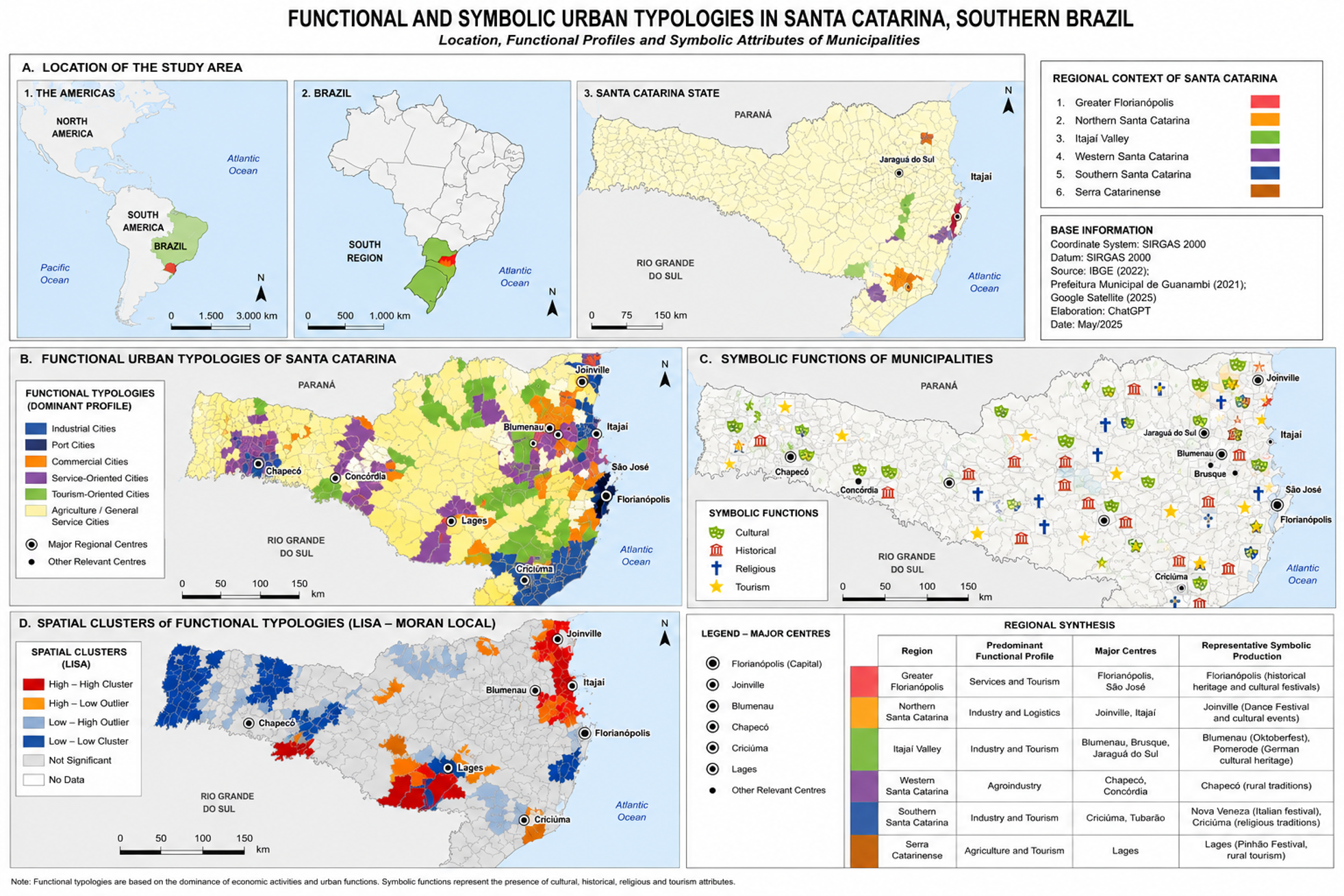

Disclaimer/Publisher’s Note: The statements, opinions and data contained in all publications are solely those of the individual author(s) and contributor(s) and not of MDPI and/or the editor(s). MDPI and/or the editor(s) disclaim responsibility for any injury to people or property resulting from any ideas, methods, instructions or products referred to in the content. |
© 2026 by the authors. Licensee MDPI, Basel, Switzerland. This article is an open access article distributed under the terms and conditions of the Creative Commons Attribution (CC BY) license.