


Abstract
Urban heritage destinations increasingly use digital technologies to interpret cultural heritage, yet limited research has examined how AI-enabled storytelling relates to visitors’ heritage stewardship and sustainable behavior. Drawing on Stimulus–Organism–Response (S-O-R) theory, this study examines the relationships between AI-enabled heritage storytelling, heritage connectedness, heritage stewardship intention, and self-reported sustainable heritage behavior. Survey data from 540 tourists who had encountered AI-enabled heritage storytelling associated with Saudi heritage destinations were analyzed using partial least squares structural equation modeling. The findings indicate positive associations between perceived AI-enabled storytelling and heritage connectedness, stewardship intention, and sustainable heritage behavior. Heritage connectedness is also positively associated with stewardship intention and sustainable heritage behavior, while stewardship intention is positively associated with sustainable heritage behavior. The mediation analyses identify heritage connectedness and stewardship intention as relevant mechanisms underlying the specific indirect relationships examined in the model. However, the cross-sectional design does not establish temporal ordering or causality, and serial mediation was neither hypothesized nor tested. The findings suggest that heritage destination managers may consider incorporating culturally meaningful narratives and conservation-oriented information into AI-enabled interpretation, while evaluating such initiatives in light of historical accuracy, cultural authenticity, and community participation. The study contributes to research on AI-enabled heritage tourism and sustainable visitor responses, with relevance to Sustainable Development Goal 11 and Saudi Arabia’s Vision 2030 agenda. Longitudinal, experimental, and cross-cultural research is needed to assess the robustness and temporal development of these relationships.
1. Introduction
Cultural heritage represents far more than a collection of historic buildings, archaeological remains, traditional practices, and cultural artifacts. It embodies the relationships between people, places, memories, identities, and meanings that connect the past with contemporary social life. Consequently, the sustainability of heritage destinations depends not only on conserving physical resources but also on encouraging visitors to recognize the value of heritage and behave in ways that support its continued protection. Heritage sustainability has therefore increasingly shifted from a narrowly conservation-oriented concern toward a broader behavioral challenge involving tourists, residents, destination managers, and local communities [1,2]. Previous research indicates that visitors’ experiences, place attachment, destination identification, heritage values, and perceptions of cultural significance can influence their willingness to support heritage conservation and behave responsibly at heritage destinations [3,4,5,6]. Comparable evidence from other Islamic heritage contexts similarly shows that cultural identity shapes tourists’ engagement with sustainable heritage practices, reinforcing the relevance of identity-based mechanisms across diverse Islamic cultural settings beyond Saudi Arabia [7]. Similarly, emerging evidence suggests that environmental interpretation, destination responsibility, and heritage-related values can encourage tourists to translate positive perceptions of heritage into environmentally and culturally responsible actions [8,9,10].
This behavioral dimension has become particularly important as heritage destinations confront the simultaneous pressures of tourism development, urbanization, modernization, commercialization, and resource degradation. In Saudi Arabia, the rapid transformation of historic areas and cultural destinations has created both significant opportunities and complex conservation challenges. Urbanization has generated pressures on heritage sites and historic urban environments, while sustainable reuse and adaptive development have emerged as important approaches to reconciling conservation with contemporary economic and social needs [11,12,13]. The case of Tarout Island further illustrates how cultural heritage can contribute to sustainable urban regeneration when heritage resources are integrated with broader development objectives [14]. At the same time, the conservation of Saudi Arabia’s heritage requires careful balancing between modernization and the preservation of cultural identity, authenticity, and historical meaning [15]. Such challenges make tourists’ willingness to support and protect heritage increasingly consequential.
Saudi Arabia provides a particularly important context for examining these issues. The country’s expanding heritage tourism landscape includes internationally recognized sites such as At-Turaif in Dir’iyah and Hegra, alongside numerous archaeological, architectural, gastronomic, and intangible heritage resources. Research on At-Turaif demonstrates the importance of systematic heritage management and development in sustaining a World Heritage Site [16], whereas research on Hegra highlights the role of the UNESCO World Heritage designation in shaping tourism development and the contemporary sense of heritage value [17]. Similarly, Ushaiger Village illustrates how sustainable heritage conservation can contribute to national identity and cultural continuity [18]. Yet heritage tourism development also produces a fundamental question: how can destinations transform tourists from passive consumers of heritage experiences into active supporters of heritage preservation? Addressing this question requires greater attention to the psychological processes through which heritage experiences influence tourists’ subsequent behavioral intentions and actions.
Digital technologies are increasingly becoming central to this transformation. Advances in artificial intelligence (AI), conversational agents, immersive technologies, digital twins, virtual reality, and data-driven heritage management have created new possibilities for documenting, interpreting, communicating, and preserving cultural heritage [19,20,21]. AI is particularly consequential because it can personalize information, generate narratives, respond interactively to visitors, and provide culturally contextualized interpretations at scale. Recent reviews indicate that AI-enabled conversational agents are becoming increasingly relevant to tourism and hospitality by facilitating information provision, interaction, personalization, and visitor engagement [22]. Within cultural heritage specifically, AI has been discussed as a means of improving accessibility, interpretation, preservation, and visitor experience, although questions concerning authenticity, governance, community acceptance, and the appropriate balance between technological access and heritage preservation remain important [23,24,25].
This broader technological transformation extends well beyond text-based interpretation. Advances in generative AI—including text-to-image and text-to-video systems—are increasingly used to reconstruct, animate, and disseminate cultural heritage content, while immersive Virtual Reality (VR), Augmented Reality (AR), and Extended Reality (XR) environments are redefining how audiences encounter heritage narratives [26,27]. Within these environments, large language models and conversational virtual humans are increasingly embedded into virtual heritage experiences to generate adaptive, context-aware narration in real time [28], while generative co-creation tools are being explored as a means of enhancing engagement and emotional connection with intangible heritage [29]. AI-enabled heritage storytelling, as examined in the present study, therefore represents one instantiation of a much broader shift toward AI-supported audiovisual production and interactive storytelling in cultural heritage dissemination—one in which the psychological and behavioral consequences for visitors remain comparatively underexplored.
One particularly promising application is AI-enabled heritage storytelling. Storytelling can transform heritage from an abstract collection of historical facts into a meaningful experience by connecting places, people, events, emotions, and cultural values. Digital narratives have been shown to influence visitor responses in museums and cultural environments, including prosocial behavioral tendencies [30]. AI-mediated storytelling extends this possibility by enabling narratives to become interactive, adaptive, personalized, and potentially emotionally responsive. Recent research on emotionally intelligent AI suggests that AI can shape cultural tourism experiences by creating more emotionally engaging interactions with heritage [31], while research on AI-mediated cultural tourism indicates that the technological experience must balance functional utility with perceptions of authenticity if it is to generate stronger cultural attachment and engagement [32]. Likewise, AI-generated cultural narratives have increasingly been examined in relation to authenticity, engagement, destination perceptions, and tourists’ behavioral intentions [33,34]. The latter study is especially relevant because it demonstrates that AI-driven cultural storytelling can influence tourists’ behavioral intentions through psychological evaluations of authenticity and destination image.
Nevertheless, the existing literature leaves an important conceptual question unresolved. Much of the emerging research on AI and cultural storytelling concentrates on attracting tourists, improving destination image, generating authenticity perceptions, increasing engagement, or stimulating visit-related intentions [33,34,35]. These outcomes are important for destination competitiveness, but they do not necessarily explain whether AI-enabled storytelling can encourage tourists to care for heritage after experiencing it. A sustainable heritage perspective requires moving beyond the question of whether digital storytelling makes tourists want to visit a heritage destination toward the more consequential question of whether it encourages them to value, protect, respect, and support the heritage resource. Recent work on AI and digital cultural heritage similarly emphasizes that affective experiences may be crucial for transforming digital encounters into more sustainable forms of heritage management [36]. Thus, the behavioral consequences of AI-enabled heritage storytelling deserve investigation from a stewardship perspective rather than solely from a marketing or visitation perspective.
A potentially important psychological mechanism in this process is heritage connectedness. Heritage connectedness refers to the meaningful sense of connection individuals experience with heritage through relationships with people, nature, places, memories, and historical continuity. Richardson et al. [37] conceptualize heritage connectedness as connections across people, nature, and place over time, demonstrating its association with wellbeing and environmentalism. Related research has shown that cultural connectedness can contribute to tourists’ relationships with heritage and can provide a basis for understanding visitor segmentation and heritage-related motivations [38,39]. In diaspora tourism, for example, cultural connectedness reflects the psychological reconnection between individuals and cultural heritage, while other research demonstrates that nostalgic reminiscence and psychological ownership can reconnect tourists’ sense of self with heritage places [40]. Fu et al. [41] further demonstrate that cultural connectedness can emerge from identifiable antecedents within heritage-related tourism experiences. Collectively, these studies suggest that the sustainability value of heritage may depend partly on whether visitors perceive heritage as personally meaningful rather than merely historically interesting.
This distinction is theoretically important because tourists who feel connected to heritage may be more inclined to protect it. Place attachment research has repeatedly linked emotional bonds with cultural heritage sites to sustainable behavioral tendencies [3,4]. Destination identification and self-congruity have likewise been shown to shape tourists’ sustainable use of cultural heritage [5], while heritage value and destination attachment have been associated with tourists’ intentions to support sustainable heritage conservation [6]. Research on cultural connectedness in rural community tourism further suggests that meaningful connections with culture can contribute to the sustainability of tourism development [42]. Therefore, AI-enabled storytelling may have consequences that extend beyond information acquisition when it successfully transforms heritage content into a personally meaningful connection. In other words, the story may matter not simply because tourists remember it, but because it makes the heritage feel relevant to them.
The concept of heritage stewardship intention provides a further step in explaining this process. Stewardship differs from conventional tourism intentions because it emphasizes responsibility for the continued wellbeing and preservation of heritage resources. Environmental and heritage stewardship research suggests that fascination, attachment, interpretation, and emotional engagement can encourage visitors to adopt protective orientations toward cultural destinations [8,43]. Similarly, studies of green cultural heritage conservation indicate that participatory intentions and behavioral engagement are important for sustaining heritage resources [44]. Recent research also connects tourist satisfaction with environmental stewardship as part of sustainable cultural destination management [45]. From this perspective, stewardship intention can be understood as a proximal psychological commitment to support the preservation, respectful use, and long-term sustainability of heritage.
The relationship between heritage connectedness and stewardship is therefore likely to be particularly important. When visitors perceive heritage as connected to their identity, emotions, memories, communities, or sense of place, preservation may become personally meaningful rather than externally imposed. Research on cultural and heritage tourism supports this logic by showing that cultural identity, heritage values, destination attachment, and place identity can shape conservation-oriented intentions and sustainable behavior [6,46,47]. This identity-behavior link has also been demonstrated specifically among younger cohorts, with cultural identity predicting behavioral intentions toward World Heritage Sites within an extended theory of planned behavior framework, suggesting that identity-based mechanisms of the kind captured by heritage connectedness generalize across heritage site typologies and visitor generations [48]. Similarly, the relationship between cultural heritage and sustainable tourism is increasingly framed around the ability of heritage experiences to generate responsible participation rather than simply increase tourism demand [2]. Heritage connectedness may consequently represent the psychological bridge through which an externally delivered narrative becomes an internally meaningful relationship with heritage.
The final behavioral outcome in this process is sustainable heritage behavior. Sustainable heritage behavior encompasses actions that reduce harm to heritage resources, respect cultural and environmental values, comply with conservation expectations, and support the long-term preservation of heritage destinations. Existing research has investigated environmentally responsible behavior, sustainable use of cultural heritage, conservation participation, and responsible travel behavior across heritage contexts [5,8,9,44]. Research on natural heritage also demonstrates that emotional responses such as empathy with nature can contribute to responsible behavioral intentions [49]. These findings indicate that sustainable heritage behavior is unlikely to arise from information alone. This pattern parallels evidence from the pro-environmental consumption literature, where environmental identity has been shown to mediate the translation of commitment into green buying behavior, reinforcing the broader principle that identity-based psychological states, rather than information exposure alone, are what convert positive orientations into observable protective action [50]. Rather, visitors must first develop psychological and emotional relationships with the heritage resource before those relationships can translate into responsibility-oriented intentions and behavior.
The potential of storytelling to initiate this process becomes particularly relevant when considering the role of interpretation. Traditional heritage interpretation has often relied on guides, signage, museums, and static information. AI-enabled systems can complement these approaches by generating dynamic narratives and responding to visitors’ individual interests. Research on tour guides and environmental awareness indicates that interpretation can influence visitor engagement and sustainable heritage behavior [51]. At the same time, recent developments in digital heritage demonstrate that AI, virtual reality, metaverse environments, and digital twins can create new forms of heritage representation and conservation [20]. The challenge is therefore not whether technology can represent heritage, but whether technologically mediated representations can create sufficiently meaningful psychological connections to encourage visitors to behave as heritage stewards.
This issue is especially relevant in Saudi Arabia, where heritage tourism is developing alongside an ambitious transformation of tourism, urban environments, and cultural industries. Studies of Saudi heritage have documented the importance of balancing conservation with modernization [15], sustainable reuse of urban heritage [12,13], heritage-based urban regeneration [14], and the management of internationally recognized heritage destinations such as At-Turaif and Hegra [16,17]. Research surrounding Al-Ula similarly highlights the broader societal transformations associated with heritage tourism development [52]. Moreover, Saudi Arabia is increasingly incorporating digital technologies into tourism development, creating a particularly suitable environment for examining the intersection between AI-enabled experiences and heritage sustainability. Recent Saudi research has already shown that sustainability storytelling and smart tourism interactivity can increase responsible visit intentions through destination trust [53]. Yet this research primarily addresses responsible visitation and destination trust rather than the deeper psychological process through which AI-enabled heritage narratives may generate connectedness, stewardship, and sustainable heritage behavior.
This gap is important because technology-mediated heritage experiences may generate both opportunities and tensions. AI can improve access to heritage knowledge and create engaging personalized experiences, but technological mediation may also raise concerns about authenticity, cultural representation, governance, and the potential displacement of local voices [23,54]. AI therefore should not be viewed simply as a technological tool for attracting visitors. Its sustainability value depends on whether it can facilitate meaningful relationships between tourists and heritage while supporting rather than weakening cultural continuity. Recent work on AI and heritage preservation emphasizes this balance between technological accessibility and conservation [24], while research on AI-enabled cultural heritage development suggests that technology can contribute to conservation and tourism development when appropriately integrated with visitor experience objectives [21]. Similarly, AI and big-data applications have been proposed as tools for integrating cultural heritage with tourism marketing and destination development [55].
Despite the growing literature on AI-enabled cultural heritage experiences, an important gap remains. Existing research has primarily examined AI-enabled storytelling in relation to destination image, authenticity, engagement, visitation, and other tourism-oriented outcomes. Less is known about whether and how AI-enabled heritage narratives are associated with sustainability-oriented visitor responses, particularly responses involving psychological connection with heritage, willingness to assume stewardship responsibility, and responsible heritage-related behavior. Moreover, the psychological mechanisms linking AI-enabled storytelling with such outcomes remain insufficiently examined. In particular, limited attention has been given to whether heritage connectedness and stewardship intention jointly explain the relationship between AI-enabled storytelling and sustainable heritage behavior.
Accordingly, this study aims to examine the relationships between AI-enabled heritage storytelling, heritage connectedness, heritage stewardship intention, and sustainable heritage behavior among visitors to urban heritage destinations in Saudi Arabia. Drawing on Stimulus–Organism–Response (S-O-R) theory, the study examines whether heritage connectedness and stewardship intention function as psychological mechanisms linking visitors’ perceptions of AI-enabled storytelling with their self-reported sustainable heritage behavior. Given the cross-sectional design, the proposed sequence is examined as a theoretically grounded pattern of associations rather than as evidence of temporal causality.
The study makes three principal contributions. First, it extends research on AI-enabled heritage storytelling by shifting attention from predominantly experience- and marketing-oriented outcomes toward sustainability-related visitor responses. Second, it identifies heritage connectedness and stewardship intention as potentially complementary psychological mechanisms through which AI-enabled storytelling is associated with sustainable heritage behavior. Third, it contributes contextual evidence from Saudi Arabia, where rapid digital transformation and heritage tourism development create an important setting for examining the relationship between technological innovation and heritage sustainability. These contributions provide a basis for evaluating AI not only in terms of engagement and visitor experience but also in relation to its potential sustainability implications.
2. Literature Review and Hypotheses Development
2.1. Stimulus–Organism–Response Theory
The Stimulus–Organism–Response (S-O-R) framework provides the theoretical foundation for explaining how externally generated environmental stimuli can shape individuals’ internal psychological states and, subsequently, their behavioral responses. Originally developed by Mehrabian and Russell [56], the S-O-R perspective proposes that environmental stimuli influence an individual’s internal cognitive and affective condition, which subsequently determines behavioral responses. Rather than assuming a direct and automatic relationship between an external stimulus and behavior, the framework emphasizes the psychological processes through which environmental experiences are interpreted and transformed into action.
The S-O-R framework is particularly suitable for contemporary heritage tourism because tourists increasingly encounter heritage through technologically mediated environments. Digital storytelling, artificial intelligence, conversational agents, virtual reality, digital twins, and other smart tourism technologies are becoming part of the heritage experience rather than merely supplementary information sources [19,20,22]. These technologies can influence how tourists access information, interpret cultural meanings, experience historical narratives, and emotionally connect with heritage. Recent research has consequently begun to conceptualize AI-mediated tourism experiences as cognitive-affective processes rather than purely technological interactions [32,57,58].
In the present study, AI-enabled heritage storytelling constitutes the stimulus because it represents an externally encountered technological and narrative experience capable of shaping tourists’ perceptions and feelings toward heritage. Heritage connectedness represents the first organismic state, reflecting the extent to which tourists experience meaningful psychological connections with heritage, people, places, nature, and cultural continuity. Heritage stewardship intention represents a second organismic state that reflects tourists’ willingness to assume responsibility for supporting and protecting heritage. Finally, sustainable heritage behavior represents the response, reflecting tourists’ behavioral efforts to respect, preserve, and sustainably use heritage resources. This structure extends the conventional S-O-R logic by recognizing that multiple internal states may operate progressively before an observable behavioral response emerges.
The proposed framework therefore suggests that AI-enabled storytelling does not necessarily produce sustainable heritage behavior directly. Instead, its influence may depend on whether digital narratives first make heritage personally meaningful and subsequently motivate tourists to adopt a stewardship orientation. This proposition is consistent with emerging research emphasizing the importance of affective experience in digital cultural heritage management [36] and with evidence that AI-mediated tourism experiences can influence attachment, engagement, authenticity perceptions, and behavioral intentions [32,33,34].
2.2. AI-Enabled Heritage Storytelling
Storytelling has traditionally been an important mechanism for communicating cultural heritage because heritage resources acquire meaning through the stories, memories, identities, and cultural interpretations associated with them. Rather than presenting heritage merely as physical objects or historical information, storytelling can contextualize heritage within human experiences and connect individual sites with broader cultural narratives. In tourism settings, this interpretive function can make heritage experiences more meaningful and memorable.
The emergence of AI is changing how heritage stories can be created and delivered. AI-enabled storytelling can generate adaptive narratives, personalize information according to visitor interests, facilitate interactive conversations, and potentially respond to tourists’ emotional and cognitive needs. AI applications in cultural heritage increasingly encompass interpretation, digital modelling, accessibility, conservation, and tourism development [19,21,25]. At the same time, AI-mediated storytelling is becoming an emerging research area within tourism marketing and visitor experience. Recent studies have examined AI-driven cultural storytelling in relation to authenticity, engagement, destination image, and tourists’ behavioral intentions [33,34].
AI-enabled heritage storytelling manifests across a range of audiovisual and interactive formats. In practice, it can range from AI-generated textual and voice narration to more elaborate audiovisual productions that employ generative text-to-image and text-to-video tools to visualize historical scenes and to immersive VR/AR/XR applications in which AI-driven virtual guides or virtual humans deliver narration in real time [26,27,28]. Regardless of the specific format, what these applications share is the capacity to transform a static heritage resource into an animated, responsive narrative encounter, and evidence increasingly suggests that generative co-creation with AI can heighten visitors’ engagement with intangible cultural heritage and their sense of connection to it [29]. The measurement of AI-enabled heritage storytelling in the present study focuses on tourists’ experiential perceptions of such AI-generated narratives—engagement, personalization, interactivity, and emotional and cultural relevance—regardless of the specific audiovisual or immersive technology through which the narrative was delivered. Accordingly, AIS should be understood in this study as an experiential, technology-agnostic construct rather than a measure of a specific AI technology. The unit of analysis is the visitor’s perceived AI-enabled storytelling experience, not the technical architecture used to generate or deliver the narrative. This distinction is important because conversational agents, generative audiovisual systems, AI-driven virtual guides, and immersive VR/AR/XR applications may differ in interface, immersion, interactivity, and production process. The present study intentionally abstracts from these technological differences to examine whether common experiential qualities of AI-enabled heritage storytelling are associated with heritage-related psychological and behavioral responses. This abstraction is a boundary condition of the study and does not imply that all AI storytelling modalities are functionally or psychologically equivalent.
AI-enabled storytelling may be particularly valuable in heritage settings because it can combine informational content with narrative personalization and interaction. Research on emotive AI suggests that emotionally intelligent technological interactions can influence cultural tourism experiences [31], while research on AI-mediated cultural tourism indicates that technological utility must be balanced with cultural authenticity when shaping cultural attachment and tourist engagement [32]. Similarly, AI applications in intangible cultural heritage have been examined as tools capable of attracting tourists while potentially contributing to heritage preservation [35]. These developments suggest that the value of AI in heritage tourism extends beyond efficient information delivery.
However, technological mediation also introduces concerns. AI-generated representations of heritage may raise questions concerning authenticity, cultural ownership, community participation, and the possibility of technological interpretations replacing local knowledge [23,54]. Accordingly, the sustainability implications of AI-enabled heritage storytelling depend not simply on its technological sophistication but on whether it generates meaningful relationships between tourists and the heritage being represented. This observation provides the basis for considering heritage connectedness as a central psychological consequence of AI-enabled storytelling.
2.3. The Relationship with Sustainability and SDGs
The behavioral pathway proposed in this study, from AI-enabled heritage storytelling to heritage connectedness, stewardship intention, and sustainable heritage behavior, connects directly with the global sustainability agenda embodied in the United Nations Sustainable Development Goals (SDGs). Cultural heritage occupies an explicit position within this agenda: Target 11.4 of SDG 11 calls for strengthened efforts to protect and safeguard the world’s cultural and natural heritage, framing heritage protection as an outcome that depends on visitor education, awareness, and behavioral engagement, rather than conservation policy alone [59]. Sustainable heritage tourism has likewise been shown to generate synergies across multiple SDGs simultaneously, including SDG 8 (decent work and economic growth), SDG 11 (sustainable cities and communities), and SDG 12 (responsible consumption and production), particularly when tourism experiences translate cultural appreciation into environmentally and socially responsible visitor conduct [60]. Artificial intelligence occupies an ambivalent position within this framework: AI-enabled tools can advance SDG-aligned outcomes by personalizing interpretation and deepening visitors’ engagement with heritage, yet they simultaneously carry risks, including superficial engagement and diminished authenticity, that must be managed if AI is to genuinely serve rather than undermine sustainability objectives [61]. By empirically linking AI-enabled storytelling to stewardship-oriented behavior, this study offers evidence that AI can function as a genuine SDG-enabling mechanism within cultural heritage tourism.
2.4. Heritage Connectedness
Heritage connectedness describes the psychological sense of relationship that individuals develop with cultural heritage and its associated people, places, nature, memories, and historical continuity. The construct builds upon broader traditions of research concerning cultural connectedness, place attachment, place identity, destination identification, and emotional relationships with heritage environments. Richardson et al. [37] specifically conceptualize heritage connectedness as connections with people, nature, and place across time and demonstrate its relationship with wellbeing and environmentalism. This conceptualization is particularly relevant to sustainability because it implies that heritage becomes more consequential when individuals perceive it as connected to their own identities, relationships, and values.
Earlier tourism research provides related evidence. Cultural connectedness has been examined as an important basis for understanding visitor relationships with heritage, particularly among diaspora tourists seeking cultural reconnection [38,39]. Fu et al. [41] further identify antecedents of cultural connectedness in diaspora tourism, demonstrating that connections with heritage can emerge from meaningful tourism experiences and culturally relevant relationships. Similarly, nostalgic reminiscence and psychological ownership can reconnect tourists’ sense of self with heritage places [40]. Although these studies differ conceptually from heritage connectedness, collectively they establish that heritage experiences can generate psychological bonds that extend beyond temporary visitation.
AI-enabled storytelling may be particularly capable of producing such connections because narratives can bridge temporal and spatial distance. A well-designed heritage narrative can transform historical information into an experience involving people, emotions, struggles, traditions, and places. AI may further personalize this process by adapting narratives to individual interests and facilitating interactive exchanges. Recent work on AI interactive technologies in heritage tourism explicitly highlights cognitive and emotional engagement as important components of AI-mediated heritage experiences [57]. Research on digital narratives also indicates that storytelling can generate prosocial outcomes in museum environments [30]. The relationship between AI storytelling and heritage connectedness can therefore be understood through the S-O-R framework. AI-enabled storytelling provides the external stimulus, while the resulting sense of cultural relevance, emotional resonance, and personal connection constitutes an internal psychological response. When tourists perceive a heritage narrative as meaningful and personally relevant, they may feel that the heritage is not simply something they observe but something with which they have a relationship. Accordingly:
H1.
AI-enabled heritage storytelling positively influences tourists’ heritage connectedness.
2.5. AI-Enabled Heritage Storytelling and Heritage Stewardship Intention
Heritage stewardship represents a responsibility-oriented orientation toward the long-term preservation and sustainable use of cultural heritage. Unlike conventional tourism intentions, which often focus on visiting, recommending, revisiting, or purchasing, stewardship intention reflects a willingness to contribute to the protection and continued wellbeing of heritage resources. It therefore represents a more sustainability-oriented behavioral disposition.
The relevance of stewardship is increasingly recognized in heritage tourism research. Visitors’ experiences and place attachment have been associated with sustainable behavior at cultural heritage sites [3], while outstanding universal value, service quality, and place attachment can influence tourists’ intentions to support World Heritage conservation [4]. More recent research indicates that fascination, place attachment, and environmental stewardship can be connected within cultural tourism destinations [43]. Similarly, environmental interpretation has been linked with environmentally responsible behavior among tourists visiting heritage villages [8].
AI-enabled storytelling may relate to stewardship intention because narratives can make the consequences of heritage loss, degradation, neglect, or inappropriate use more understandable and emotionally salient. By presenting heritage as a living cultural resource rather than an inert tourist attraction, storytelling can potentially stimulate responsibility toward its preservation. Recent studies on AI and sustainable cultural heritage suggest that AI can contribute to preservation and sustainable tourism when technology is integrated with appropriate cultural and governance considerations [23,24,62].
The emerging evidence on AI-mediated storytelling also suggests that its effects extend beyond immediate visit-related outcomes. Hasanein et al. [34] show that AI-driven cultural storytelling can influence tourists’ behavioral intentions through authenticity and destination image, while Soliman et al. [33] link AI-mediated storytelling with authenticity, engagement, and destination evangelism. The present study extends the literature by proposing that AI storytelling may also cultivate a more responsibility-oriented outcome: the intention to act as a steward of heritage. Thus, when tourists encounter AI-enabled narratives that make the significance, vulnerability, and continuity of heritage more salient, they may become more willing to support its protection. Therefore:
H2.
AI-enabled heritage storytelling positively influences tourists’ heritage stewardship intention.
2.6. AI-Enabled Heritage Storytelling and Sustainable Heritage Behavior
In this study, sustainable heritage behavior refers to visitors’ self-reported enactment of behaviors intended to minimize negative impacts on heritage resources and support their continued cultural, environmental, and social sustainability. Such behavior may include respecting heritage rules, protecting physical and cultural resources, avoiding damaging practices, supporting conservation, respecting local traditions, and encouraging others to behave responsibly.
The literature suggests that sustainable behavior at heritage destinations is influenced by visitors’ psychological relationships with heritage as well as their interpretation of the destination. Buonincontri et al. [3] proposed a relationship between visitor experience, place attachment, and sustainable behavior at cultural heritage sites. Elshaer et al. [5] found that destination identification and self-congruity help explain residents’ environmentally responsible behavior and tourists’ sustainable use of cultural heritage. Similarly, research based on the extended theory of planned behavior demonstrates that participatory intentions can translate into behavior in green cultural heritage conservation [44]. Other research has identified destination social responsibility, heritage values, place identity, and environmental interpretation as relevant foundations of responsible behavior [8,9,47].
Storytelling can potentially influence these behaviors by shaping how tourists interpret heritage and its value. Digital narratives can communicate conservation needs, explain cultural significance, personalize historical experiences, and create emotional responses that extend beyond the immediate consumption of information. Yin et al. [30] demonstrate that digital narratives can foster prosocial behavior in museums, suggesting that storytelling may influence behavioral responses rather than merely cognitive outcomes. Similarly, Shang et al. [36] argue for the importance of affective experience in connecting digital cultural heritage with sustainable management.
AI potentially strengthens this process through interactive and personalized storytelling. Instead of providing the same conservation message to every visitor, AI-enabled systems can tailor information to tourists’ interests and respond dynamically to their questions. Such interaction may increase the salience of sustainability-related information and make responsible conduct more personally relevant. Accordingly, AI-enabled heritage storytelling is expected to influence sustainable heritage behavior directly.
H3.
AI-enabled heritage storytelling positively influences tourists’ sustainable heritage behavior.
2.7. Heritage Connectedness and Heritage Stewardship Intention
Heritage connectedness provides a plausible psychological foundation for stewardship because people are generally more likely to care for resources with which they perceive meaningful relationships. In heritage tourism, this relationship may emerge through cultural identity, emotional attachment, place identity, memories, and perceived continuity between the past and present.
Research on place attachment supports the idea that psychological bonds with heritage destinations can generate conservation-oriented intentions. Nian et al. [4] found that place attachment contributes to tourists’ intentions toward World Heritage conservation, while Buonincontri et al. [3] conceptualized place attachment as an important mechanism connecting heritage experiences with sustainable behavior. Ghosh et al. [6] similarly demonstrated the relevance of destination attachment in the relationship between heritage value and intention toward sustainable heritage conservation. More recently, Torabi et al. [47] linked place identity with environmental conservation in heritage tourism.
Heritage connectedness extends these ideas by placing greater emphasis on the broader temporal and relational dimensions of heritage. Richardson et al. [37] associate heritage connectedness with environmentalism, while cultural connectedness research shows that heritage relationships can contribute to meaningful engagement with cultural places and traditions [38,39]. When tourists experience heritage as connected to people, place, culture, and continuity over time, preserving it may become an expression of that relationship. Stewardship intention should therefore emerge partly from the degree to which tourists feel connected with the heritage resource. A visitor who perceives a historic site merely as an attraction may have little personal motivation to protect it. By contrast, a visitor who perceives the same site as culturally meaningful and personally connected may be more willing to support its preservation. Hence:
H4.
Tourists’ heritage connectedness positively influences heritage stewardship intention.
2.8. Heritage Connectedness and Sustainable Heritage Behavior
Heritage connectedness may also influence sustainable heritage behavior directly. The underlying logic is that psychological connection can create a sense of responsibility that does not require an immediate external incentive. When tourists perceive heritage as meaningful to themselves, their community, cultural identity, or broader human history, behaviors that threaten that heritage may become personally inconsistent with their values.
This proposition is supported by research linking cultural and place-based relationships with sustainable tourism behavior. Cultural connectedness has been associated with meaningful engagement with heritage among diaspora visitors [38,39], while place attachment has been connected with sustainable behavior at cultural heritage sites [3]. Heritage value and destination attachment have likewise been associated with conservation intentions [6], and place identity has been found to be relevant to conservation behavior in rural heritage settings [47].
The concept also aligns with the broader finding that emotional and identity-based responses can influence responsible tourism. Wang et al. [49], for example, demonstrate that empathy with nature can contribute to tourists’ responsible behavioral intentions in natural heritage tourism. Such findings suggest that sustainability behavior is not exclusively driven by rational evaluations of costs and benefits. Emotional bonds and perceived relationships with places and heritage can also provide an important motivational basis. Accordingly, tourists who experience stronger heritage connectedness are expected to be more likely to engage in behaviors that protect and sustain heritage resources.
H5.
Tourists’ heritage connectedness positively influences sustainable heritage behavior.
2.9. Heritage Stewardship Intention and Sustainable Heritage Behavior
The relationship between stewardship intention and sustainable heritage behavior represents the final psychological-to-behavioral link in the proposed S-O-R model. Stewardship intention reflects a willingness to assume responsibility for heritage, whereas sustainable heritage behavior represents the enactment of that responsibility through actual or intended responsible conduct.
Existing heritage research provides support for this relationship. Xie et al. [44] demonstrate the relevance of participatory intention to behavior in green cultural heritage conservation. Torabi et al. [8] similarly connect environmental interpretation with environmentally responsible behavior in heritage villages. Research on sustainable tourism choices in World Heritage Sites further indicates that psychological and value-based factors influence tourists’ decisions concerning sustainable forms of tourism [63]. Recent research also highlights environmental stewardship as an important component of sustainable management of cultural destinations [45].
The stewardship perspective adds an important dimension to the literature. Sustainable heritage behavior may be understood not merely as compliance with destination regulations but as the behavioral expression of an internal responsibility toward heritage. Once tourists develop an intention to protect and support heritage, that intention should increase the likelihood that they behave responsibly during and after their heritage experience. From an S-O-R perspective, stewardship intention therefore represents the proximal organismic state that translates earlier psychological responses into the behavioral response. Thus:
H6.
Tourists’ heritage stewardship intention positively influences sustainable heritage behavior.
An important qualification concerns the distinction between stewardship intention and behavioral enactment. Although behavioral intentions are commonly theorized as proximal antecedents of behavior, intentions do not invariably translate into corresponding actions. Situational constraints, perceived behavioral control, competing motivations, social norms, and contextual opportunities may create an intention-behavior gap. This distinction is particularly relevant in heritage tourism, where visitors may express strong willingness to protect heritage but face limited opportunities to demonstrate such behavior during or after their visit. In the present study, sustainable heritage behavior is measured through self-reported behavioral items rather than direct observation or independently verified behavioral records. Accordingly, the proposed relationship between stewardship intention and sustainable heritage behavior should be interpreted as an association between two self-reported constructs rather than as evidence that intention necessarily produces objectively observed behavior.
2.10. The Mediating Role of Heritage Connectedness
The preceding arguments suggest that AI-enabled heritage storytelling may influence stewardship intention not only directly but also through heritage connectedness. This proposition is important because AI storytelling is fundamentally an externally delivered stimulus. Its ability to generate responsible intentions should depend partly on whether tourists internalize the narrative and develop a meaningful psychological relationship with the heritage.
The first stage of the proposed mechanism is supported by the emerging AI storytelling literature. AI-enabled and emotionally intelligent technologies can facilitate cognitive and affective engagement with heritage [31,57], while digital narratives can generate behavioral consequences in museum contexts [30]. The second stage is supported by research linking cultural connectedness, place attachment, heritage value, and place identity with conservation-related intentions [3,4,6,47].
Consequently, AI-enabled storytelling may initiate a psychological transformation in which tourists first feel connected to heritage and then become more willing to protect it. This mechanism extends previous AI storytelling studies that have emphasized authenticity and destination image [34] by introducing heritage connectedness as a deeper relational mechanism. Therefore:
H7.
Heritage connectedness mediates the relationship between AI-enabled heritage storytelling and heritage stewardship intention.
2.11. The Mediating Role of Heritage Stewardship Intention
Heritage connectedness may influence sustainable heritage behavior through heritage stewardship intention. Although feeling connected to heritage may encourage responsible behavior directly, connectedness does not necessarily guarantee action. A psychological bond needs to be translated into a willingness to accept responsibility before it can consistently produce conservation-oriented behavior.
This distinction is particularly relevant to heritage tourism because tourists may appreciate or feel emotionally attached to heritage without necessarily behaving responsibly. Stewardship intention provides the motivational bridge between feeling connected and acting responsibly. Research on heritage conservation has repeatedly distinguished between psychological evaluations, conservation intentions, and behavioral outcomes [4,6,44]. Similarly, research concerning environmental stewardship suggests that attachment and fascination can contribute to responsibility-oriented responses in cultural tourism [43]. Within the proposed S-O-R framework, heritage connectedness represents an internal relational state, whereas stewardship intention represents a more action-oriented internal state. The latter should therefore be closer to sustainable heritage behavior. Consequently, tourists who feel connected to heritage may be more likely to develop stewardship intentions, which in turn increase their likelihood of engaging in sustainable heritage behavior. Hence:
H8.
Heritage stewardship intention mediates the relationship between heritage connectedness and sustainable heritage behavior.
The final mediation concerns whether heritage stewardship intention explains the relationship between AI-enabled heritage storytelling and sustainable heritage behavior. This proposition represents the most complete behavioral pathway in the model. AI storytelling may expose tourists to narratives concerning heritage significance, identity, continuity, vulnerability, and preservation. These narratives can generate a willingness to assume responsibility, which subsequently manifests in sustainable heritage behavior.
Existing research provides several pieces of evidence for this logic without directly testing the proposed chain. AI-driven cultural storytelling has been linked to tourists’ behavioral intentions through psychological evaluations such as authenticity and destination image [34]. AI-mediated storytelling has also been associated with engagement and destination-related behavioral outcomes [33]. At the same time, heritage research indicates that conservation-oriented intentions are important precursors of sustainable participation and responsible behavior [8,44]. Research on responsible tourism further demonstrates that psychological and value-based processes can translate destination-related perceptions into responsible behavioral intentions [9,49].
The present study therefore proposes that AI storytelling relates to sustainable heritage behavior by cultivating an internal commitment to heritage stewardship. This proposition moves the literature beyond the conventional technological-performance perspective in which AI is evaluated according to its ability to provide information, improve accessibility, or increase visitation. Instead, it considers whether AI can stimulate a responsibility-oriented psychological response capable of producing sustainability-related behavior. In S-O-R terms, AI-enabled heritage storytelling acts as the external stimulus, heritage stewardship intention represents the action-oriented organismic state, and sustainable heritage behavior represents the behavioral response. The expected indirect relationship is therefore:
H9.
Heritage stewardship intention mediates the relationship between AI-enabled heritage storytelling and sustainable heritage behavior.
The theoretical framework of the study is illustrated below in Figure 1.
Figure 1.
The theoretical framework of the study. The red dashed arrows indicate the mediating effects.
3. Research Methodology
3.1. Research Design and Instrument Development
This study employed a quantitative, cross-sectional research design to examine how AI-enabled heritage storytelling may translate into tourists’ sustainable heritage-related responses. A structured self-administered questionnaire was developed as the principal instrument for collecting the empirical data. The questionnaire measured four latent constructs using 23 measurement items: seven items for AI-enabled heritage storytelling, five items for heritage connectedness, five items for heritage stewardship intention, and six items for sustainable heritage behavior. The demographic section collected respondents’ background characteristics, including gender, age, educational attainment, and familiarity with AI-enabled services.
The measurement items were adapted from previously established scales to ensure conceptual consistency with the constructs examined in the present study. AI-enabled heritage storytelling was assessed using seven items adapted from Hasanein et al. [34]. The scale captures tourists’ perceptions of the characteristics and experiential qualities of AI-generated storytelling when heritage content is communicated through digital technologies. A representative item is, “The AI-generated stories presented Saudi heritage in an emotionally engaging way.” The AIS construct was intentionally operationalized at the experiential level rather than according to a particular technological modality. Heritage connectedness was measured with five items adapted from Richardson et al. [37]. This construct reflects the psychological and emotional bond that visitors develop with the heritage presented to them, including the extent to which they perceive that heritage as personally meaningful. An example item is, “I feel personally connected to this heritage”.
Heritage stewardship intention was assessed using five items adapted from Nian et al. [4]. The scale captures tourists’ willingness and intention to contribute to the protection, preservation, and responsible management of heritage resources. A representative statement is, “I intend to actively support efforts aimed at protecting this heritage”. Finally, sustainable heritage behavior (SHB) was measured using six items adapted from Buonincontri et al. [3]. In the present study, SHB refers to respondents’ self-reported enactment of responsible and protective conduct toward heritage resources, including compliance with conservation-related requirements and avoidance of potentially harmful practices. Because the construct was assessed through respondents’ own reports at a single point in time, it should not be interpreted as an objectively observed or independently verified behavioral outcome. A representative item is, “I followed the rules and regulations established to protect this heritage site.” This operationalization captures visitors’ reported behavioral responses associated with heritage sustainability while recognizing the potential influence of recall and social desirability.
Although AI-enabled heritage storytelling and heritage connectedness are conceptually related, they represent distinct constructs in the proposed model. AI-enabled heritage storytelling captures respondents’ perceptions of the characteristics and experiential qualities of the digitally mediated narrative, including its presentation, interactivity, personalization, and perceived relevance. Heritage connectedness, in contrast, captures respondents’ perceived psychological relationship with the heritage itself, including their sense of personal connection and cultural continuity. Accordingly, the former concerns how the heritage narrative is experienced, whereas the latter concerns the relationship respondents perceive with the heritage being represented. The measurement model provides evidence of construct-level distinction: the HTMT ratio between AI-enabled heritage storytelling and heritage connectedness is 0.613, below the 0.85 criterion. Nevertheless, this statistical result does not eliminate the need for careful item-level conceptual differentiation, and future research could further assess the distinction using alternative measures and independent samples.
All measurement items were evaluated using a five-point Likert-type scale ranging from 1 = strongly disagree to 5 = strongly agree. The use of a common response format across all constructs facilitated consistent interpretation of the items and reduced unnecessary complexity for respondents. The complete measurement instrument and the individual items are presented in Appendix A.
3.2. Research Context, Sampling, and Data Collection
The empirical setting of the study was Saudi Arabia, a context characterized by substantial cultural and heritage resources alongside the rapid development of digital technologies within the tourism sector. The country provides a particularly relevant setting for examining AI-enabled heritage storytelling because digital technologies are increasingly being incorporated into tourism communication, visitor engagement, and the interpretation and presentation of cultural heritage. Accordingly, the target population comprised tourists who had encountered digital or AI-enabled storytelling associated with Saudi cultural or heritage destinations.
Because the research required respondents to possess relevant experience with AI-enabled or digitally mediated heritage storytelling, purposive non-probability sampling was employed. This approach enabled the researchers to deliberately recruit individuals who met the substantive eligibility criteria rather than collecting responses from tourists with no relevant exposure to the phenomenon under investigation. Respondents were therefore screened to establish whether they had interacted with AI-enabled storytelling or related digital tourism services either while visiting a heritage destination or during the planning and preparation of their trip.
Data collection combined on-site and online approaches to broaden the reach of the sample and capture tourists with different patterns of engagement with digital tourism technologies. On-site questionnaires were administered at selected cultural and heritage destinations by trained research assistants. In parallel, an online version of the questionnaire was distributed through digital tourism platforms and travel-oriented social media groups. QR codes and electronic links were used to facilitate access to the online questionnaire. This mixed-mode approach was intended to increase sample heterogeneity while maintaining the eligibility requirements of the study.
The heritage destinations were selected according to three criteria: (1) the destination had identifiable cultural or historical heritage resources accessible to tourists; (2) digital technologies were used to communicate, interpret, or present heritage-related content; and (3) visitors could reasonably encounter AI-enabled or AI-supported storytelling during the destination experience or through associated digital tourism services. The fieldwork covered AlUla, Diriyah, Historic Jeddah, and Madina during the period from February to May 2026.
Data collection used two complementary modes. A total of 216 questionnaires were collected through on-site administration, whereas 324 were obtained through the online survey. For the on-site component, trained research assistants approached visitors at the selected destinations and invited eligible tourists to participate. The overall response rate was 86.4% based on 250 distributed. Because the online recruitment channels did not provide a complete denominator of invitations, we could not calculate a conventional response rate for the online component.
To verify exposure to the phenomenon under investigation, respondents were presented with a screening question requiring them to confirm that they had personally experienced or interacted with an AI-enabled heritage storytelling service associated with a Saudi heritage destination. Respondents who could not confirm such an experience were excluded from the substantive analysis. The screening procedure was designed to distinguish AI-enabled heritage storytelling from general use of digital tourism services.
Participation was entirely voluntary. Before completing the questionnaire, respondents were informed that the study was conducted for academic research purposes and that their responses would be treated anonymously and confidentially. They were also informed that participation was voluntary and that they could discontinue their participation at any point without any negative consequences. No personally identifying information was required as part of the survey.
A total of 540 usable questionnaires remained after the responses were screened and cleaned for analysis. The final sample exceeded the minimum sample size of 220 suggested for structural equation modeling based on the criteria reported by Hair et al. [64]. The resulting sample was therefore considered adequate for testing the proposed relationships and indirect effects within the structural model.
3.3. Data Analysis
The hypothesized model was examined using Partial Least Squares Structural Equation Modeling (PLS-SEM) implemented in WarpPLS 8.0. PLS-SEM was considered appropriate because the study focuses on explaining relationships among multiple latent constructs and includes relationships linking tourists’ perceptions of AI-enabled storytelling to their heritage-related intentions and behaviors. The technique is also appropriate for exploratory and prediction-oriented models and can accommodate data that may deviate from multivariate normality [65].
The analysis proceeded in two principal stages. First, the measurement model was assessed to establish the reliability and validity of the constructs before testing the hypothesized relationships. Internal consistency reliability was examined, while convergent validity and discriminant validity were evaluated to determine whether the measurement items adequately represented their respective latent constructs and remained empirically distinguishable from one another. Second, the structural model was assessed to determine the strength and significance of the hypothesized relationships among AI-enabled heritage storytelling, heritage connectedness, heritage stewardship intention, and sustainable heritage behavior. Particular attention was given to the proposed mediating pathways through which tourists’ experiences with AI-enabled heritage storytelling may ultimately relate to sustainable heritage behavior.
3.4. Assessment of Common Method Bias and Multicollinearity
Because the study relied on a single questionnaire to measure the principal constructs, common method variance was considered as a potential source of bias. Procedurally, respondents were assured of the confidentiality and anonymity of their responses. Statistically, Harman’s single-factor test was conducted as an initial diagnostic. The first unrotated factor accounted for 42.1% of the total variance, which was below the 50% screening criterion used in this study. In addition, the model’s full-collinearity VIF values were examined as a supplementary diagnostic. The average full-collinearity VIF was 1.761, below the 3.3 threshold, while the indicator-level VIF values ranged from 1.548 to 2.949. These results provide preliminary evidence that common method variance and multicollinearity are not indicated as major concerns by the diagnostics employed. However, Harman’s single-factor test and VIF-based diagnostics cannot definitively exclude common method bias. The findings should therefore be interpreted with appropriate caution, particularly because the constructs were measured using self-reported responses collected at a single point in time.
4. Results
4.1. Participants’ Profile
Table 1 presents the demographic characteristics of the 540 participants. The sample was relatively balanced in terms of gender, with males accounting for 54.1% and females for 45.9% of the respondents. Regarding age, the largest proportion of participants was between 20 and 35 years old (44.1%), followed by those aged 35–45 years (25.4%). In terms of education, more than half of the participants held an undergraduate degree (56.3%), while 27.8% reported having a postgraduate degree or above. With respect to familiarity with AI-enabled services, 51.3% of participants reported high or very high familiarity, suggesting that a substantial proportion of the sample had sufficient exposure to AI-enabled services to provide informed evaluations of AI-enabled heritage storytelling.
Table 1.
Participants’ profile (N = 540).
4.2. Measurement Model
Table 2 presents the psychometric properties of the four constructs included in the measurement model. The results indicate satisfactory indicator reliability, as all factor loadings range from 0.654 to 0.878, with the majority exceeding the recommended threshold of 0.70. Although AIS6 shows a relatively lower loading of 0.654, it remains acceptable given the overall measurement quality of the construct. The internal consistency results are also satisfactory, with composite reliability (CR) values ranging from 0.893 to 0.919 and Cronbach’s alpha (CA) values ranging from 0.850 to 0.896, all comfortably above the commonly accepted 0.70 criterion. Moreover, the average variance extracted (AVE) values range from 0.620 to 0.637, indicating that each construct explains more than half of the variance in its respective indicators and thus demonstrates adequate convergent validity. Finally, the variance inflation factor (VIF) values for all indicators range from 1.548 to 2.949, remaining below the conservative threshold of 3.3, which suggests that multicollinearity does not pose a concern.
Table 2.
Results of psychometric properties.
Table 3 and Table 4 assess the discriminant validity of the measurement model using the Fornell–Larcker criterion and the heterotrait-monotrait (HTMT) ratio, respectively. As shown in Table 3, the square roots of the AVE values, reported on the diagonal, range from 0.787 to 0.798 and are consistently higher than the corresponding inter-construct correlations, which range from 0.475 to 0.620. This indicates that each construct shares more variance with its own indicators than with the other constructs, supporting satisfactory discriminant validity according to the Fornell–Larcker criterion. The HTMT results in Table 4 further reinforce this conclusion, with the ratios ranging from 0.539 to 0.710, all well below the commonly accepted threshold of 0.85.
Table 3.
Fornell–Larcker criterion results.
Table 4.
Heterotrait-Monotrait ratio (HTMT) results.
4.3. Model Fit Indices
The model fit and quality indices presented in Appendix B indicate that the proposed structural model demonstrates an overall satisfactory level of fit and predictive quality. The Average Path Coefficient (APC = 0.350, p < 0.001), Average R-squared (ARS = 0.415, p < 0.001), and Average Adjusted R-squared (AARS = 0.413, p < 0.001) are statistically significant and meet the recommended criteria. In addition, the Average Block VIF (AVIF = 1.692) and Average Full Collinearity VIF (AFVIF = 1.761) are well below the acceptable threshold of 5 and the preferred threshold of 3.3, indicating that multicollinearity is unlikely to affect the model estimates. The Tenenhaus Goodness-of-Fit (GoF) value of 0.512 exceeds the threshold for a large effect, suggesting strong overall explanatory performance. Furthermore, the Sympson’s Paradox Ratio (SPR = 1.000), R-squared Contribution Ratio (RSCR = 1.000), Statistical Suppression Ratio (SSR = 1.000), and Nonlinear Bivariate Causality Direction Ratio (NLBCDR = 1.000) all satisfy their respective recommended criteria. Collectively, these results provide evidence that the proposed model has acceptable fit, adequate explanatory capability, and no substantial concerns related to multicollinearity, suppression, paradoxical effects, or the direction of the hypothesized relationships.
4.4. Structural Model and Results of Testing Hypotheses
Table 5 and Figure 2 present the estimated direct relationships among the study constructs. All six hypothesized relationships were statistically supported. AI-enabled heritage storytelling was positively associated with heritage connectedness (β = 0.53, p < 0.01; f2 = 0.281), supporting H1. It was also positively associated with heritage stewardship intention (β = 0.18, p < 0.01; f2 = 0.088) and self-reported sustainable heritage behavior (β = 0.18, p < 0.01; f2 = 0.088), supporting H2 and H3. Heritage connectedness showed a positive association with heritage stewardship intention (β = 0.57, p < 0.01; f2 = 0.379) and self-reported sustainable heritage behavior (β = 0.19, p < 0.01; f2 = 0.113), supporting H4 and H5. Finally, heritage stewardship intention was positively associated with self-reported sustainable heritage behavior (β = 0.45, p < 0.01; f2 = 0.297), supporting H6. The model explained 28% of the variance in heritage connectedness, 47% in heritage stewardship intention, and 50% in sustainable heritage behavior. These results support the hypothesized relationships within the proposed model but should not be interpreted as establishing causality given the cross-sectional research design.
Table 5.
Direct effects.
Figure 2.
Final results of the study.
Table 6 reports the mediation analysis based on the bootstrapping procedure recommended by Preacher and Hayes [66], with the indirect effects evaluated using their corresponding 95% confidence intervals. The findings demonstrate that Heritage Connectedness significantly mediates the relationship between AI-Enabled Heritage Storytelling and Heritage Stewardship Intention (indirect effect = 0.302, SE = 0.042, t = 7.193, 95% CI [0.220, 0.384]), as the confidence interval does not include zero, supporting H7. The results also indicate that Heritage Stewardship Intention significantly mediates the association between Heritage Connectedness and Sustainable Heritage Behavior (indirect effect = 0.257, SE = 0.030, t = 8.550, 95% CI [0.198, 0.315]), providing support for H8. Similarly, Heritage Stewardship Intention mediates the relationship between AI-Enabled Heritage Storytelling and Sustainable Heritage Behavior, with a significant indirect effect of 0.081 (SE = 0.029, t = 2.793, 95% CI [0.024, 0.138]), supporting H9. In all three cases, the mediation is classified as partial, indicating that the respective mediating mechanisms transmit part of the influence of the antecedent variable on the outcome while a significant direct relationship remains.
Table 6.
Mediation analysis results.
5. Discussion
The findings provide support for the proposed relationships among AI-enabled heritage storytelling, heritage connectedness, heritage stewardship intention, and sustainable heritage behavior. Overall, AI-enabled heritage storytelling was positively associated with heritage connectedness, heritage stewardship intention, and sustainable heritage behavior. Heritage connectedness was also positively associated with stewardship intention and sustainable heritage behavior, while stewardship intention was positively associated with sustainable heritage behavior. These findings suggest that AI-enabled storytelling may be relevant not only to visitors’ experience of heritage but also to their psychological and sustainability-oriented responses. However, given the cross-sectional design and self-reported measures, these relationships should be interpreted as associations rather than evidence of causal or temporally established effects.
The positive relationship between AI-enabled heritage storytelling and heritage connectedness indicates that digitally mediated narratives can be associated with a stronger psychological relationship between tourists and heritage. This finding challenges the assumption that digital mediation necessarily distances visitors from authentic heritage experiences. Instead, AI-enabled storytelling may support meaningful engagement when narratives connect visitors with people, places, memories, cultural practices, and historical continuity. This interpretation is consistent with emerging research suggesting that AI can facilitate cognitive and affective engagement rather than merely provide functional information [32,57], as well as research emphasizing the emotional and relational dimensions of heritage experiences [31,36]. The finding extends the literature by identifying heritage connectedness as a relevant outcome of AI-enabled storytelling, suggesting that such technology may be associated with visitors perceiving heritage as something with which they have a meaningful relationship. This interpretation is consistent with Richardson et al. [37], who conceptualize heritage connectedness around relationships with people, nature, and place across time. It also complements research on cultural connectedness, where meaningful relationships with heritage contribute to cultural reconnection and visitor engagement [38,39], and research showing that nostalgia and psychological ownership can reconnect tourists’ sense of self with heritage places [40]. Thus, the present finding extends these insights to an AI-mediated environment by highlighting the potential of technological storytelling to support relational rather than merely informational heritage experiences.
The positive relationship between AI-enabled heritage storytelling and heritage stewardship intention provides another important contribution. Existing AI storytelling research has focused largely on outcomes such as authenticity, destination image, engagement, destination evangelism, and behavioral or visit intentions [33,34]. The present finding extends the literature by showing that AI-enabled storytelling is also associated with a more explicitly conservation-oriented response. This distinction matters because increasing visitor demand alone does not necessarily support heritage sustainability. Increased visitation can place additional pressure on fragile cultural resources unless visitors also develop a sense of responsibility toward their protection. The finding therefore suggests that AI-enabled storytelling may have sustainability relevance when narratives communicate not only what heritage represents, but also why it matters and deserves protection. This interpretation complements research highlighting AI’s potential contribution to conservation, interpretation, accessibility, and heritage tourism development while emphasizing the need to balance technological access with cultural preservation [21,24,25]. It is particularly relevant to Saudi Arabia, where heritage destinations face the challenge of balancing modernization, adaptive reuse, tourism development, identity, and conservation [12,13,15,18].
The positive relationship between AI-enabled heritage storytelling and sustainable heritage behavior further indicates that the relevance of AI storytelling extends beyond psychological responses. This finding is compatible with Yin et al. [30], who demonstrate the behavioral relevance of digital narratives in museum settings, and with research showing that interpretation can influence environmentally responsible behavior at heritage destinations [8]. It also complements research on responsible travel behavior, sustainable tourism choices, and participation in heritage conservation [9,44,63]. Nevertheless, this relationship should not be interpreted as evidence that storytelling automatically produces responsible conduct. Rather, it indicates a positive association between perceptions of AI-enabled storytelling and visitors’ self-reported sustainable heritage behavior. The finding is therefore best understood as evidence that AI-enabled storytelling may be relevant to sustainability-oriented visitor responses, while the self-reported nature of the behavioral measure requires cautious interpretation.
The positive relationship between heritage connectedness and heritage stewardship intention further supports the relational logic of the model. Tourists who reported stronger connections with heritage also reported stronger intentions to support its protection. This finding is consistent with research linking emotional and identity-based relationships with conservation-oriented intentions. Place attachment has been associated with sustainable behavior and intentions toward World Heritage conservation [3,4], while heritage value and destination attachment have been linked to intentions to support sustainable heritage conservation [6]. Place identity has similarly been associated with environmental conservation in heritage tourism settings [47]. The present finding extends these relationships by highlighting heritage connectedness as a broader psychological correlate of stewardship intention. The positive association between heritage connectedness and sustainable heritage behavior provides further support for this interpretation. It aligns with the relationship proposed by Buonincontri et al. [3] between heritage experiences, place attachment, and sustainable behavior and with evidence linking cultural identity, destination identification, self-congruity, and sustainable use of cultural heritage [5]. It also resonates with research demonstrating that cultural and heritage values can influence sustainable tourism choices and conservation-oriented behavior [1,6]. These findings suggest that sustainable heritage behavior may be associated not only with external regulations or destination management practices but also with visitors’ psychological relationships with heritage.
The positive relationship between heritage stewardship intention and sustainable heritage behavior provides a further important link in the proposed model. Stewardship intention reflects willingness to assume responsibility, whereas sustainable heritage behavior captures respondents’ reported conduct toward heritage. This finding is consistent with research identifying relationships between conservation intentions, participatory intentions, and responsible behavior [8,44], as well as recent work emphasizing stewardship as an important component of sustainable cultural destination management [43,45]. The finding helps distinguish stewardship intention from a general positive attitude toward heritage because it captures a more explicit orientation toward responsibility. At the same time, because both constructs were measured through self-report at one point in time, the result should not be interpreted as evidence that stewardship intention necessarily produces objectively observed behavior.
The mediation findings provide additional theoretical insight into how the relationships in the model may operate. The mediation of heritage connectedness in the relationship between AI-enabled heritage storytelling and heritage stewardship intention indicates that part of this association operates through tourists’ psychological connection with heritage. In S-O-R terms, AI-enabled storytelling represents the external stimulus, while heritage connectedness represents an organismic psychological response associated with stewardship intention. This finding extends recent AI storytelling research by suggesting that relational connection with heritage may represent an additional mechanism alongside more established outcomes such as authenticity and destination image. Hasanein et al. [34], for example, demonstrate the relevance of authenticity and destination image in explaining behavioral intentions associated with AI-driven cultural storytelling. The present findings suggest that heritage connectedness captures a different dimension because it concerns the relationship visitors perceive with heritage itself rather than their evaluation of the destination or experience.
The mediation of heritage stewardship intention in the relationship between heritage connectedness and sustainable heritage behavior provides a complementary insight. Although heritage connectedness was directly associated with sustainable heritage behavior, part of this relationship operated through stewardship intention. This distinction is important because feeling connected to heritage and being willing to assume responsibility for its preservation represent different psychological responses. The finding is consistent with research linking heritage values and attachment with conservation intentions [4,6] and with studies emphasizing participatory intention as a precursor to conservation behavior [44]. Similarly, the mediation of heritage stewardship intention in the relationship between AI-enabled heritage storytelling and sustainable heritage behavior suggests that the association between storytelling and reported sustainable behavior is partly related to visitors’ willingness to assume responsibility for heritage. Together, these findings reinforce the S-O-R perspective that relationships between external stimuli and behavioral responses may involve internal psychological processes.
Importantly, these mediation findings should not be interpreted as evidence of a statistically tested serial mediation pathway. Serial mediation was neither hypothesized nor tested in the present study. Although S-O-R provides a theoretical basis for understanding the constructs within an ordered stimulus–organism–response logic, the empirical evidence is limited to the specific direct and indirect relationships included in the hypothesized model. Thus, the contribution of the study lies in identifying heritage connectedness and heritage stewardship intention as distinct psychological mechanisms associated with the relationships examined, rather than demonstrating that they operate as a statistically established sequential process.
The findings extend existing AI tourism research by shifting attention from predominantly experience-oriented and tourism-marketing outcomes toward sustainability-oriented visitor responses. Previous studies have associated AI-mediated experiences with authenticity, destination image, engagement, attachment, and behavioral intentions [32,33,34]. The present study adds heritage connectedness, stewardship intention, and sustainable heritage behavior to this discussion. This distinction is consequential because outcomes such as destination evangelism or visit intention primarily support the tourism system through increased demand, whereas sustainable heritage behavior has potential relevance for both tourism development and the protection of heritage resources. The findings also extend research on heritage connectedness by bringing AI-enabled storytelling into the literature, which has previously emphasized cultural reconnection, visitor engagement, nostalgia, psychological ownership, and place-based relationships [37,38,39,40]. In this sense, the study suggests that digital mediation does not necessarily weaken visitors’ relationships with heritage and may instead be associated with stronger perceived connectedness when the narrative experience is meaningful.
The Saudi Arabian context provides an additional contribution. Saudi heritage destinations are experiencing rapid development, conservation initiatives, adaptive reuse, and increasing integration with tourism and digital technologies [11,12,14,18]. Sites such as At-Turaif and Hegra illustrate the challenge of reconciling visitor access and tourism development with long-term heritage preservation [16,17]. The present findings suggest that AI-enabled storytelling may be relevant to this challenge because it is associated with visitors’ heritage connectedness, stewardship intention, and sustainable heritage behavior. This complements recent Saudi evidence that sustainability storytelling and smart tourism interactivity can encourage responsible visit intentions [53], while extending the discussion toward broader sustainable heritage behavior.
Finally, the findings should be considered alongside concerns regarding AI-generated cultural representations. Recent research highlights issues involving cultural authority, authenticity, governance, representation, and community acceptance [23,54]. Accordingly, the findings do not imply that AI can replace human interpretation, local communities, heritage professionals, or conventional conservation mechanisms. Rather, AI-enabled storytelling should be designed to support meaningful relationships with heritage while remaining subject to appropriate cultural and professional oversight. If AI-generated narratives are historically inaccurate, culturally insensitive, overly commercialized, or detached from local voices, the same technological capacity could potentially undermine rather than support heritage stewardship. The sustainability value of AI-enabled heritage storytelling therefore depends not only on technological adoption but also on the quality, cultural responsibility, and governance of the narratives through which heritage is represented.
6. Study Implications
6.1. Theoretical Implications
This study contributes to research on AI-enabled heritage tourism by examining how perceived AI-enabled heritage storytelling is associated with tourists’ heritage connectedness, heritage stewardship intention, and self-reported sustainable heritage behavior. Drawing on Stimulus–Organism–Response (S-O-R) theory, the study applies the framework to understand relationships among a technology-mediated heritage experience, visitors’ psychological orientations, and sustainability-related responses. The findings provide empirical support for the hypothesized associations within the proposed model. However, because the data were collected cross-sectionally, the results do not establish causal relationships or temporal progression among the constructs. The contribution therefore lies in examining a theoretically grounded set of direct and specific indirect relationships rather than demonstrating a sequential chain of psychological and behavioral effects.
Second, the study contributes to the emerging literature on AI-enabled cultural and heritage tourism by shifting the emphasis from technological utility and tourism consumption toward heritage sustainability. Recent research has examined AI in relation to accessibility, visitor experience, authenticity, destination image, engagement, and behavioral intentions [22,25,32,34]. The present findings broaden this research agenda by demonstrating that AI-enabled heritage storytelling is positively associated with heritage stewardship intention and sustainable heritage behavior. This is theoretically important because it suggests that the consequences of AI in heritage tourism should not be evaluated solely according to whether technology makes destinations more attractive or experiences more engaging. Its theoretical relevance also lies in its potential to influence tourists’ responsibility toward the heritage resource itself.
Third, the study advances the emerging concept of heritage connectedness by positioning it as an explanatory psychological mechanism linking digital storytelling with heritage stewardship. Existing research has examined cultural connectedness, place attachment, place identity, destination identification, and psychological ownership as important forms of tourists’ relationships with heritage [3,38,39,40]. Richardson et al. [37] further conceptualize heritage connectedness in terms of relationships with people, nature, and place across time. Building on the literature, the present findings demonstrate that heritage connectedness can operate as a consequential psychological state within an AI-mediated experience. This suggests that connectedness is not merely an outcome of heritage visitation but may constitute a mechanism through which digital narratives generate conservation-oriented intentions and behavior.
Fourth, the findings provide theoretical support for distinguishing heritage connectedness from heritage stewardship intention. Although both constructs concern tourists’ relationships with heritage, the results suggest that they represent different stages of the psychological process. Heritage connectedness captures a relational and affective orientation toward heritage, whereas stewardship intention reflects a more action-oriented willingness to protect and support it. The positive relationships among these constructs indicate that feeling connected to heritage can provide the psychological foundation for assuming responsibility, but the two concepts should not be collapsed into a single construct. This distinction contributes greater conceptual precision to heritage sustainability research.
Fifth, the study extends the literature on heritage stewardship by positioning stewardship intention as a proximal mechanism through which heritage-related psychological experiences can be translated into sustainable behavior. Existing research has linked heritage values, place attachment, environmental interpretation, and participatory intentions with conservation-related outcomes [4,6,8,44]. The present study brings these streams together by showing that stewardship intention can function as the behavioral bridge between tourists’ psychological connection with heritage and their sustainable conduct. This provides a more responsibility-centered interpretation of sustainable heritage tourism, in which tourists are conceptualized not only as visitors or consumers but also as potential custodians of heritage.
Sixth, the mediation findings extend current knowledge concerning how AI-enabled storytelling affects tourist outcomes. The significant mediation of heritage connectedness between AI-enabled heritage storytelling and stewardship intention suggests that storytelling works partly by transforming an externally encountered digital narrative into an internally meaningful relationship with heritage. The mediation of stewardship intention between heritage connectedness and sustainable heritage behavior further indicates that psychological connection becomes more behaviorally consequential when it develops into a willingness to assume responsibility. Finally, the mediation of stewardship intention between AI-enabled storytelling and sustainable heritage behavior demonstrates that the sustainability effects of AI storytelling can operate through an explicitly responsibility-oriented psychological mechanism. Together, these findings provide a more sophisticated explanation than a simple direct-effect model of technology and sustainable behavior.
Seventh, the study contributes to the growing debate concerning the sustainability implications of AI in cultural heritage. The recent literature recognizes that AI can facilitate heritage documentation, preservation, accessibility, interpretation, and tourism development, while also creating concerns related to authenticity, governance, cultural representation, and community acceptance [23,24,54]. The present study adds a behavioral dimension to this debate. Rather than evaluating AI solely according to what it can technically accomplish for heritage, the findings suggest that its sustainability value can also be considered in terms of the psychological and behavioral responses it generates among tourists. This shifts part of the theoretical discussion from what AI does to heritage toward what AI encourages people to do for heritage.
Eighth, the findings speak to the broader research agenda on AI-driven audiovisual production and immersive storytelling in cultural heritage. Although the AI-enabled storytelling construct examined here was operationalized through tourists’ experiential perceptions rather than through a specific production technology, the theorized S-O-R pathway is technology-agnostic and should, in principle, extend to the generative and immersive formats increasingly used in digital heritage dissemination, including text-to-video reconstructions, AI-driven virtual guides, and VR/AR/XR narrative environments [26,27,28]. This suggests that heritage connectedness and stewardship intention may function as generalizable psychological mechanisms through which diverse forms of AI-supported audiovisual heritage content translate into sustainability-oriented outcomes, offering a behavioral evaluation criterion that complements the predominantly technical and experiential criteria currently used in this research area.
Finally, the study contributes contextual theory by examining these relationships in Saudi Arabia. Existing research has documented the challenges associated with urbanization, modernization, conservation, adaptive reuse, and heritage tourism development in Saudi Arabia [11,12,13,15,18]. Research on At-Turaif, Hegra, and other Saudi heritage environments further demonstrates the growing importance of sustainable heritage management [16,17]. By connecting AI-enabled storytelling with heritage connectedness, stewardship intention, and sustainable behavior, the study brings the digital transformation of tourism into the sustainability discussion surrounding Saudi heritage. It therefore demonstrates that the S-O-R framework can provide a useful theoretical lens for understanding how digital innovation and heritage conservation can intersect within a rapidly transforming destination.
6.2. Practical Implications
The findings offer practical insights for heritage destination managers, tourism authorities, cultural institutions, technology developers, and heritage interpretation professionals. The observed associations suggest that AI-enabled storytelling may be worth evaluating not only in terms of technological performance, visitor satisfaction, engagement, and visit intention, but also in relation to heritage connectedness and stewardship intention. Destination managers could therefore consider incorporating culturally meaningful narratives and conservation-oriented information into digital interpretation systems. These recommendations should be treated as evidence-informed design directions rather than as proof that AI storytelling will necessarily produce changes in actual visitor behavior. Their effectiveness should be evaluated through pilot implementations, visitor feedback, and, where feasible, longitudinal or independently observed behavioral measures.
For heritage destination managers, the findings suggest that AI storytelling should incorporate narratives capable of creating personal and emotional connections with heritage. Rather than presenting isolated historical facts, AI systems could connect monuments, landscapes, traditions, historical figures, local communities, and contemporary cultural identities within coherent narratives. Stories could emphasize continuity between past and present and explain why particular heritage resources remain meaningful today. Such an approach is likely to be more consistent with the relational nature of heritage connectedness than purely informational digital guides.
The findings also suggest that AI storytelling should incorporate stewardship-oriented content. Digital narratives can explain the vulnerability of heritage resources, the consequences of inappropriate visitor behavior, the importance of conservation, and the role visitors can play in protecting heritage. However, these messages should be integrated naturally into the narrative rather than presented as repetitive rules or warnings. A story about a historic building, for example, could explain how previous generations preserved it, what threats it currently faces, and how visitors can contribute to its continued survival. In this way, conservation becomes part of the heritage experience rather than an external instruction.
Tourism authorities and destination organizations in Saudi Arabia can use these findings to support the broader digital transformation of heritage tourism. Saudi heritage destinations such as Dir’iyah, Hegra, Al-Ula, Ushaiger, and other historic environments could potentially use AI-enabled storytelling to provide personalized interpretation while simultaneously communicating heritage values and conservation responsibilities. Such applications would be consistent with the country’s broader movement toward integrating technology, tourism development, cultural preservation, and sustainable destination management [14,16,17,18].
The results also have implications for the design of AI conversational agents used in heritage settings. Developers should move beyond systems that simply answer questions such as “What is this building?” or “When was it constructed?” toward systems capable of contextual and value-oriented interaction. AI could invite visitors to explore the human stories behind heritage resources, explain the cultural significance of particular traditions, highlight conservation challenges, and suggest responsible ways of interacting with the site. Such functionality would make the technology more consistent with the finding that storytelling can contribute to both connectedness and stewardship.
These implications also extend to more advanced, audiovisual forms of AI-enabled heritage storytelling. As digital heritage platforms increasingly incorporate generative text-to-image and text-to-video content, AI-driven virtual guides, and immersive VR/AR/XR experiences [26,27,28], destination managers and technology developers should apply the same connectedness- and stewardship-oriented design logic identified in this study to these richer media formats. For instance, generative co-creation tools that allow visitors to actively participate in producing heritage-related audiovisual content may further strengthen personal and emotional connection with heritage, consistent with recent evidence on GenAI co-creation in cultural heritage dissemination [29]. At the same time, the emotional intensity and realism afforded by immersive and generative formats make careful attention to authenticity and cultural governance even more important than in text-based storytelling alone.
At the same time, the sustainability value of AI-enabled heritage storytelling depends on robust cultural governance. AI systems can reproduce historical inaccuracies, generate plausible but unsupported narratives, amplify representational biases, or simplify complex cultural identities into commercially attractive stories. Heritage authorities should therefore establish governance protocols requiring the verification of historical claims, documentation of source materials, traceability of AI-generated content, and human review before narratives are publicly disseminated. Where generative AI is used to reconstruct historical scenes, voices, identities, or cultural practices, the distinction between documented heritage and AI-generated interpretation should be made clear to visitors. Governance should also incorporate meaningful participation by local communities and relevant cultural experts. Historians, archaeologists, local cultural practitioners, community representatives, and heritage professionals should have opportunities to review narrative content and identify culturally inappropriate, stereotypical, or exclusionary representations. Such participation is important because cultural heritage is not simply a dataset that can be reproduced algorithmically; it also embodies community knowledge, memory, identity, and contested interpretations. AI storytelling should therefore complement rather than displace local voices and human interpretation. Finally, destination managers should guard against the commodification of local identity. Personalization and immersive storytelling may increase engagement, but narratives should not selectively emphasize culturally attractive elements while marginalizing less commercially convenient histories or community perspectives. A responsible governance framework should consequently balance visitor engagement with historical accuracy, cultural integrity, community participation, transparency, and respect for the rights and meanings attached to heritage by local communities.
Another important practical implication concerns personalization. Because AI can adapt narratives to individual users, destination managers can potentially design different storytelling pathways for different visitor profiles. First-time visitors may receive introductory narratives, while visitors with stronger historical interests may receive deeper contextual information. Families and younger visitors could receive more interactive narratives, whereas culturally motivated tourists could explore detailed stories concerning traditions, identities, and historical continuity. The objective should not simply be personalization for engagement’s sake, but personalization that strengthens the visitor’s relationship with heritage.
The findings also suggest that heritage destinations should evaluate AI initiatives using sustainability-oriented performance indicators. Traditional digital tourism metrics, such as number of users, interaction duration, satisfaction, or repeat usage, provide useful information but do not reveal whether technology contributes to heritage preservation. Destination managers could additionally assess changes in heritage connectedness, stewardship intention, conservation awareness, responsible conduct, and participation in heritage-supporting activities. This would help shift technology evaluation from operational performance toward sustainability outcomes.
For tour guides and heritage interpreters, the findings do not imply that AI should replace human interpretation. Instead, AI can function as a complementary tool. Tour guides could use AI-generated narratives to enrich their interpretation, personalize stories for different visitor groups, provide multilingual information, or continue engagement with tourists after the guided experience. Human guides remain particularly important for conveying local knowledge, cultural nuance, emotional authenticity, and community perspectives. A hybrid human–AI interpretation model may therefore offer greater value than a fully automated approach.
Heritage organizations could also use AI storytelling beyond the physical destination. Digital heritage narratives can reach potential visitors before their trip and former visitors after their visit. Pre-visit storytelling could establish an initial connection with the heritage resource, while post-visit storytelling could reinforce stewardship messages and encourage visitors to support conservation initiatives. Such continuity could potentially extend the heritage experience beyond the physical boundaries of the site and transform a short tourism encounter into a longer-term relationship with heritage.
Finally, the findings suggest that Saudi heritage managers should view visitors as potential partners in conservation, rather than simply sources of tourism revenue. If AI-enabled storytelling can strengthen connection and stewardship, digital platforms could subsequently facilitate opportunities for visitors to participate in heritage conservation, support local cultural initiatives, purchase authentic local products, share responsible tourism messages, or contribute to preservation campaigns. In this sense, storytelling can become the first stage of a broader visitor stewardship strategy.
6.3. Policy and National Vision Implications
The findings may inform policy discussions concerning the integration of digital innovation and heritage conservation within Saudi Arabia’s Vision 2030 agenda and the broader 2030 Agenda for Sustainable Development. The observed associations between perceived AI-enabled storytelling, heritage connectedness, stewardship intention, and self-reported sustainable heritage behavior suggest that sustainability-related visitor responses deserve consideration when evaluating digital heritage initiatives. Policymakers could support pilot projects that combine accessible digital interpretation with culturally accurate narratives, conservation information, and meaningful community participation. Such initiatives should be accompanied by appropriate evaluation procedures to determine whether they are associated with sustained changes in visitor behavior. Given the cross-sectional design and self-reported outcome measures used in the present study, the findings provide a basis for further policy evaluation rather than conclusive evidence that investment in AI storytelling will directly produce sustainability outcomes. This cautious approach is consistent with the objectives of SDG 11, particularly Target 11.4, and Saudi Arabia’s Vision 2030 heritage development priorities [67,68].
7. Limitations and Future Research
This study has certain limitations that should be acknowledged. First, the study was conducted in the Saudi Arabian heritage tourism context; therefore, the findings may not be fully generalizable to other cultural and destination contexts. Future research could replicate the model across different countries and heritage settings to examine whether the proposed relationships remain consistent across cultural contexts.
Second, AI-enabled heritage storytelling was examined as a broad construct without distinguishing among specific forms or characteristics of AI storytelling. Future studies could examine how personalization, interactivity, emotional intelligence, perceived authenticity, and narrative quality influence tourists’ heritage connectedness and stewardship responses.
Third, the study focused on heritage connectedness and stewardship intention as the principal psychological mechanisms. Future research could incorporate additional mechanisms, such as perceived authenticity, destination trust, emotional engagement, heritage identity, or psychological ownership, to provide a more comprehensive explanation of how AI-mediated heritage experiences influence sustainable behavior.
Fourth, the study relies on tourists’ reported responses to examine sustainable heritage behavior. Future research could employ longitudinal or experimental designs and, where possible, behavioral measures to determine whether AI-enabled storytelling produces sustained changes in actual conservation-oriented behavior.
Fifth, because the present study measured AI-enabled heritage storytelling as a general experiential construct, it did not differentiate among the specific audiovisual and immersive formats through which such storytelling can be delivered. Future research could examine whether the proposed relationships hold, and whether their strength varies, across different AI-driven production modalities, including generative text-to-image and text-to-video content, AI-narrated documentary-style productions, and immersive VR/AR/XR heritage experiences featuring AI-driven virtual guides or virtual humans [26,27,28]. Comparative designs of this kind would help clarify whether heritage connectedness and stewardship intention operate as a common psychological pathway across the diverse audiovisual production technologies now being adopted in digital heritage dissemination.
Finally, the present study did not hypothesize or test a full serial mediation pathway linking AI-enabled heritage storytelling to sustainable heritage behavior through heritage connectedness and heritage stewardship intention in sequence. Although the theoretical framework provides an ordered S-O-R interpretation in which psychological responses may precede behavioral responses, this theoretical ordering should not be interpreted as evidence that the two mediators operate as a statistically established sequential mechanism. Future research could explicitly hypothesize and test such serial mediation using longitudinal, experimental, or multi-wave research designs. Such designs would provide a stronger basis for examining whether heritage connectedness temporally precedes stewardship intention and whether these psychological processes subsequently relate to sustainable heritage behavior.
8. Conclusions
This study examined the relationships among AI-enabled heritage storytelling, heritage connectedness, heritage stewardship intention, and self-reported sustainable heritage behavior among tourists in Saudi Arabia, drawing on Stimulus–Organism–Response (S-O-R) theory. The findings support the hypothesized direct relationships examined in the proposed model. Favorable perceptions of AI-enabled heritage storytelling were positively associated with heritage connectedness, heritage stewardship intention, and self-reported sustainable heritage behavior. Heritage connectedness was positively associated with both stewardship intention and self-reported sustainable heritage behavior, while stewardship intention was positively associated with self-reported sustainable heritage behavior. The mediation analyses also identified heritage connectedness and stewardship intention as relevant mechanisms underlying the specific indirect relationships tested. These findings should be interpreted as cross-sectional associations rather than evidence of causal effects or temporal progression.
The study contributes to research on AI-enabled heritage tourism by examining sustainability-oriented visitor responses alongside more conventional outcomes such as engagement, authenticity, and destination image. Its application of S-O-R theory highlights the relevance of psychological relationships with heritage when interpreting the associations between digital storytelling and self-reported sustainable behavior. However, serial mediation was neither hypothesized nor tested, and the results do not establish that heritage connectedness temporally precedes stewardship intention. Furthermore, because sustainable heritage behavior was measured through self-reports, the findings do not demonstrate objectively observed behavioral change. Future longitudinal, experimental, and cross-cultural studies could assess the temporal development, robustness, and generalizability of the proposed relationships.
Importantly, the findings should be interpreted within the boundaries of the study design. Serial mediation was neither hypothesized nor tested; therefore, the study does not establish that heritage connectedness and heritage stewardship intention operate as a sequential mediation pathway. Similarly, the cross-sectional design does not permit conclusions about temporal progression or causality among the constructs. Because sustainable heritage behavior was measured through self-reports, the findings should also not be interpreted as evidence of objectively observed behavioral change. Accordingly, the results provide evidence of theoretically informed associations and indirect relationships within the proposed model rather than proof of a causal or temporally established S-O-R process.
From a practical perspective, the findings suggest that AI-enabled heritage storytelling may have value for heritage destinations when it is designed to strengthen visitors’ meaningful relationships with heritage and encourage responsibility toward its preservation. However, such applications should complement rather than replace human interpretation, heritage professionals, and local community voices. Particular attention should be given to historical accuracy, cultural authenticity, responsible representation, and appropriate governance of AI-generated heritage narratives. Overall, the study highlights the potential of AI-enabled storytelling as one component of sustainable heritage tourism while emphasizing that its sustainability implications depend on how the technology is designed, governed, and integrated into broader heritage conservation practices.
Author Contributions
R.A., A.A.A.A., H.A.M.A. and H.A.K.; Data curation: R.A., A.A.A.A., H.A.M.A. and H.A.K.; Formal analysis: R.A., A.A.A.A., H.A.M.A. and H.A.K.; Funding acquisition: R.A.; Investigation: R.A., A.A.A.A., H.A.M.A. and H.A.K.; Methodology: R.A., A.A.A.A. and H.A.M.A.; Project administration: R.A., A.A.A.A., H.A.M.A. and H.A.K.; Resources: R.A., A.A.A.A., H.A.M.A. and H.A.K.; Software: R.A., A.A.A.A., H.A.M.A. and H.A.K.; Supervision: R.A., A.A.A.A., H.A.M.A. and H.A.K.; Validation: R.A., A.A.A.A., H.A.M.A. and H.A.K.; Visualization: R.A., A.A.A.A., H.A.M.A. and H.A.K.; Writing—original draft: R.A., A.A.A.A., H.A.M.A. and H.A.K.; Writing—review & editing: R.A., A.A.A.A., H.A.M.A. and H.A.K. All authors have read and agreed to the published version of the manuscript.
Funding
The authors extend their appreciation to Prince Sattam bin Abdulaziz University for funding this research work through the project number (PSAU/2026/02/46429).
Institutional Review Board Statement
The study was conducted in accordance with the Declaration of Helsinki. The Study protocol received formal approval from the Ethics Committee of the Faculty of Tourism and Hotels, Sadat City University.
Informed Consent Statement
Informed consent was obtained from all subjects involved in this study.
Data Availability Statement
The data presented in this study are available on request from the corresponding author due to privacy and confidentiality restrictions related to participant informed consent. The data were collected under an approved ethics protocol (Ref. No. REC/FTH/USC/11/2026) that guarantees participants’ anonymity and prohibits unrestricted public sharing of the raw dataset. De-identified data supporting the findings may be made available to qualified researchers upon reasonable request and with the permission of the relevant ethics committee.
Conflicts of Interest
The authors declare no conflicts of interest. The funders had no role in the design of the study; in the collection, analyses, or interpretation of data; in the writing of the manuscript, or in the decision to publish the results.
Abbreviations
The following abbreviations are used in this manuscript:
| Abbreviation | Full Term |
| AI | Artificial Intelligence |
| S-O-R | Stimulus–Organism–Response |
| VR | Virtual Reality |
| AR | Augmented Reality |
| XR | Extended Reality |
| LLM | Large Language Model |
| KSA | Kingdom of Saudi Arabia |
| WHS | World Heritage Site |
| UNESCO | United Nations Educational, Scientific and Cultural Organization |
| SDG | Sustainable Development Goal |
| AIS | AI-Enabled Heritage Storytelling |
| HC | Heritage Connectedness |
| HSI | Heritage Stewardship Intention |
| SHB | Sustainable Heritage Behavior |
| PLS-SEM | Partial Least Squares Structural Equation Modeling |
| VIF | Variance Inflation Factor |
| APC | Average Path Coefficient |
| ARS | Average R-Squared |
| AARS | Average Adjusted R-Squared |
| AVIF | Average Block VIF |
| AFVIF | Average Full Collinearity VIF |
| GoF | Tenenhaus Goodness of Fit |
| SPR | Sympson’s Paradox Ratio |
| RSCR | R-Squared Contribution Ratio |
| SSR | Statistical Suppression Ratio |
| NLBCDR | Nonlinear Bivariate Causality Direction Ratio |
Appendix A
| Measurement Scale Items | |
| Code | AI-Enabled Heritage Storytelling (AIS) |
| AIS1 | The AI-generated storytelling presented information about the Saudi heritage site in an engaging and captivating manner. |
| AIS2 | The AI-generated storytelling adapted the heritage narratives to my personal interests and preferences. |
| AIS3 | The AI-generated stories presented Saudi heritage in an emotionally engaging way. |
| AIS4 | The AI-enabled storytelling experience was interactive rather than simply static or informational. |
| AIS5 | The AI-generated storytelling provided meaningful insights into the culture, traditions, and historical significance of the Saudi heritage site. |
| AIS6 | The AI-generated heritage narratives felt personally relevant to me. |
| AIS7 | The emotional tone of the AI-generated storytelling appropriately reflected the cultural and historical context of the Saudi heritage site. |
| Code | Heritage Connectedness (HC) |
| HC1 | The Saudi heritage presented through the AI storytelling feels personally meaningful to me. |
| HC2 | I feel personally connected to the Saudi heritage presented through the AI storytelling. |
| HC3 | I feel connected to the people, culture, traditions, and history associated with this Saudi heritage. |
| HC4 | The AI storytelling made me feel that I have a meaningful relationship with this Saudi heritage. |
| HC5 | I feel that this Saudi heritage connects my understanding of the past with its relevance to the present. |
| Code | Heritage Stewardship Intention (HSI) |
| HSI1 | I intend to respect the rules and guidelines established to protect this Saudi heritage. |
| HSI2 | I intend to actively support efforts aimed at protecting and sustaining this Saudi heritage. |
| HSI3 | I intend to participate in activities that contribute to the protection and preservation of this Saudi heritage. |
| HSI4 | I am willing to contribute my time or resources to support the protection and preservation of this Saudi heritage. |
| HSI5 | I intend to encourage others to behave in ways that protect and respect this Saudi heritage. |
| Code | Sustainable Heritage Behavior (SHB) |
| SHB1 | I followed the rules and regulations established to protect this heritage site. |
| SHB2 | I took care not to damage the physical heritage, facilities, or surrounding environment of this site. |
| SHB3 | I made efforts to leave the heritage site in the same condition in which I found it. |
| SHB4 | I avoided behaviors that could negatively affect the cultural heritage or its surroundings. |
| SHB5 | I encouraged other visitors to respect and protect this heritage site. |
| SHB6 | During my visit, I took actions to help protect this heritage site. |
Appendix B
| Model Fit and Quality Indices (Kock [69] Criteria) | |||
| Assessment | Criterion | Decision | |
| Average path coefficient (APC) | 0.350, p < 0.001 | p < 0.05 | Supported |
| Average R-squared (ARS) | 0.415, p < 0.001 | p < 0.05 | Supported |
| Average adjusted R-squared (AARS) | 0.413, p < 0.001 | p < 0.05 | Supported |
| Average block VIF (AVIF) | 1.692 | acceptable if ≤ 5, ideally ≤ 3.3 | Supported |
| Average full collinearity VIF (AFVIF) | 1.761 | acceptable if ≤ 5, ideally ≤ 3.3 | Supported |
| Tenenhaus GoF (GoF) | 0.512 | small ≥ 0.1, medium ≥ 0.25, large ≥ 0.36 | Supported |
| Sympson’s paradox ratio (SPR) | 1.000 | acceptable if ≥ 0.7, ideally = 1 | Supported |
| R-squared contribution ratio (RSCR) | 1.000 | acceptable if ≥ 0.9, ideally = 1 | Supported |
| Statistical suppression ratio (SSR) | 1.000 | acceptable if ≥ 0.7 | Supported |
| Nonlinear bivariate causality direction ratio (NLBCDR) | 1.000 | acceptable if ≥ 0.7 | Supported |
References
- Krishnapillai, G.; Isa, F.M. Insights from Malaysian World Heritage Sites on Heritage Sustainability. J. Environ. Manag. Tour. 2025, 16, 301–322. [Google Scholar] [CrossRef] [Scilit]
- Pai, C.H.; Zhang, Y.; Wang, Y.L.; Li, K.; Shang, Y. Current challenges and opportunities in cultural heritage preservation through sustainable tourism practices. Curr. Issues Tour. 2026, 29, 1016–1034. [Google Scholar] [CrossRef] [Scilit]
- Buonincontri, P.; Marasco, A.; Ramkissoon, H. Visitors’ experience, place attachment and sustainable behaviour at cultural heritage sites: A conceptual framework. Sustainability 2017, 9, 1112. [Google Scholar] [CrossRef] [Scilit]
- Nian, S.; Zhang, H.; Mao, L.; Zhao, W.; Zhang, H.; Lu, Y.; Zhang, Y.; Xu, Y. How outstanding universal value, service quality and place attachment influences tourist intention towards world heritage conservation: A case study of Mount Sanqingshan National Park, China. Sustainability 2019, 11, 3321. [Google Scholar] [CrossRef] [Scilit]
- Elshaer, I.A.; Azazz, A.M.; Fayyad, S. Residents’ environmentally responsible behavior and tourists’ sustainable use of cultural heritage: Mediation of destination identification and self-congruity as a moderator. Heritage 2024, 7, 1174–1187. [Google Scholar] [CrossRef] [Scilit]
- Ghosh, P.; Jha, S.S.; Bowal, S. Heritage value dimensions and tourist intention towards sustainable heritage conservation: A mediating role of destination attachment. GeoJ. Tour. Geosites 2025, 58, 296–305. [Google Scholar] [CrossRef] [Scilit]
- Abdelghani, A.A.A.; Ammar, S.A.M.; Ahmed, H.A.M.T. The interplay of cultural identity and behavioral factors in promoting sustainable heritage tourism: A study on Islamic Mamluk heritage. Res. J. Adv. Humanit. 2025, 6, 1–22. [Google Scholar] [CrossRef]
- Torabi, Z.A.; Hall, C.M.; Tavakoli, M.; Vahed, Z. Environmental interpretation and environmentally responsible behavior of tourists in heritage villages. Int. J. Environ. Sci. Technol. 2025, 22, 5513–5528. [Google Scholar] [CrossRef] [Scilit]
- Lee, W.; Kim, M.J.; Choe, Y.; Kim, N. Fostering responsible travel behavior at natural heritage destinations through the lens of destination social responsibility and value-belief-norm theory. Tour. Hosp. Res. 2025. Epub ahead of printing. [Google Scholar] [CrossRef] [Scilit]
- Manosuthi, N. Sustaining green–heritage destinations: Normative and heritage-value mechanisms driving sustainable tourism in Bang Kachao. ABAC J. 2025, 45, 525. [Google Scholar] [CrossRef] [Scilit]
- Alqahtany, A.; Aravindakshan, S. Urbanization in Saudi Arabia and sustainability challenges of cities and heritage sites: Heuristical insights. J. Cult. Herit. Manag. Sustain. Dev. 2022, 12, 408–425. [Google Scholar] [CrossRef] [Scilit]
- Mazzetto, S. Urban heritage conservation in Saudi Arabia toward sustainable reuses. Adv. Sci. Technol. 2024, 137, 79–86. [Google Scholar] [CrossRef] [Scilit]
- Mazzetto, S.; Vanini, F. Urban heritage in Saudi Arabia: Comparison and assessment of sustainable reuses. Sustainability 2023, 15, 9819. [Google Scholar] [CrossRef] [Scilit]
- Aldossary, M.J.; Alqahtany, A.M.; Alshammari, M.S. Cultural heritage as a catalyst for sustainable urban regeneration: The case of Tarout Island, Saudi Arabia. Sustainability 2025, 17, 4431. [Google Scholar] [CrossRef] [Scilit]
- Alnaim, M.M.; Alnaim, M.A. Balancing heritage and modernization: The challenges and opportunities of cultural heritage conservation in Saudi Arabia. Front. Built Environ. 2026, 12, 1927868. [Google Scholar] [CrossRef] [Scilit]
- Bay, M.A.; Alnaim, M.M.; Albaqawy, G.A.; Noaime, E. The heritage jewel of Saudi Arabia: A descriptive analysis of the heritage management and development activities in the At-Turaif district in Ad-Dir’iyah, a World Heritage Site (WHS). Sustainability 2022, 14, 10718. [Google Scholar] [CrossRef] [Scilit]
- Sampieri, S.; Saoualih, A.; Safaa, L.; de Carnero Calzada, F.M.; Ramazzotti, M.; Martínez-Peláez, A. Tourism development through the sense of UNESCO world heritage: The case of Hegra, Saudi Arabia. Heritage 2024, 7, 2195–2216. [Google Scholar] [CrossRef] [Scilit]
- Mazzetto, S. Fostering national identity through sustainable heritage conservation: Ushaiger Village as a model for Saudi Arabia. Heritage 2024, 8, 4. [Google Scholar] [CrossRef] [Scilit]
- Baik, A. A comprehensive heritage BIM methodology for digital modelling and conservation of built heritage: Application to Ghiqa Historical Market, Saudi Arabia. Remote Sens. 2024, 16, 2833. [Google Scholar] [CrossRef] [Scilit]
- Zhang, W.; Taib, N.; Taib, M. Reimagining cultural heritage conservation through VR, metaverse, and digital twins: An AI and blockchain-based framework. PLoS ONE 2025, 20, e0335943. [Google Scholar] [CrossRef] [Scilit]
- Long, Y.; Pimchangthong, D.; Li, K. AI-enabled factors influencing cultural heritage conservation and tourism development towards tourist experience quality. Future Technol. 2026, 5, 159–167. [Google Scholar] [CrossRef] [Scilit]
- Alharbi, A.; Pandit, A.; Wilk, V.; Rosenberger, P.J., III; Miah, S. Artificial intelligence-enabled conversational agents in tourism & hospitality: A systematic literature review & future research directions. Asia Pac. J. Tour. Res. 2026, 31, 21–52. [Google Scholar] [CrossRef] [Scilit]
- Bugarčić, M.; Vukolić, D.; Spasojević, A.; Mandarić, M.; Penić, M.; Drašković, B.; Vrbanac, M.; Bejatović, G.; Conić, M.; Milutinović, A.; et al. Artificial Intelligence in Gastronomic Heritage Preservation: Governance and Community Acceptance in Tourism Contexts. Heritage 2026, 9, 114. [Google Scholar] [CrossRef] [Scilit]
- SudhaAnanthi, G.; Manjunath, T.C.; Chandel, P.S. Implementing AI in Heritage Tourism: Balancing Access and Preservation. In AI-Driven Strategies for Sustainable Guest Experience in Intelligent Hospitality; Elnagar, A.K., Derbali, A.M.S., Herzallah, A.M., Eds.; IGI Global Scientific Publishing: Hershey, PA, USA, 2026; pp. 285–314. [Google Scholar]
- Wang, S.; Mei, Y.Q.; Yue, J.C.; Xia, H.M. Does artificial intelligence improve accessibility in cultural and heritage tourism? Evidence from a design-led review and the Inclusive Human–AI Mediation (IHAM) framework. Inf. Technol. Tour. 2026, 28, 43. [Google Scholar] [CrossRef] [Scilit]
- Innocente, C.; Ulrich, L.; Moos, S.; Vezzetti, E. A framework study on the use of immersive XR technologies in the cultural heritage domain. J. Cult. Herit. 2023, 62, 268–283. [Google Scholar] [CrossRef] [Scilit]
- Sangamuang, S.; Ariya, P.; Intawong, K.; Khanchai, S.; Puritat, K. Integrating generative AI and the metaverse for cultural heritage: A case study on the preservation of Lamphun Brocade Fabric. Humanit. Soc. Sci. Commun. 2025, 12, 1974. [Google Scholar] [CrossRef] [Scilit]
- Sánchez-Berriel, I.; Pérez-Nava, F.; Pérez-Rosario, L. Natural interaction in virtual heritage: Enhancing user experience with large language models. Electronics 2025, 14, 2478. [Google Scholar] [CrossRef] [Scilit]
- Fu, K.; Wu, R.; Tang, Y.; Chen, Y.; Liu, B.; Lc, R. Being eroded, piece by piece”: Enhancing engagement and storytelling in cultural heritage dissemination by exhibiting GenAI co-creation artifacts. In Proceedings of the 2024 ACM Designing Interactive Systems Conference (DIS ‘24), Copenhagen, Denmark, 1–5 July 2024; Association for Computing Machinery: New York, NY, USA, 2024; pp. 2833–2850. [Google Scholar] [CrossRef] [Scilit]
- Yin, J.; Chen, H.; Ni, Y. Storytelling influence: How digital narratives foster prosocial behavior in museums. J. Hosp. Tour. Technol. 2026. Epub ahead of printing. [Google Scholar] [CrossRef] [Scilit]
- Rifqi, H.M.; Bastiar, A. Emotive AI and the soul of heritage: Investigating how emotionally-intelligent AI shapes cultural tourism experiences in Taiwan. Adv. Tour. Stud. 2024, 2, 27–37. [Google Scholar]
- Zheng, Z.; Bie, X.Y.; Kim, J.M. AI-mediated cultural tourism experiences: Balancing utility and authenticity in shaping cultural attachment and tourist engagement. Asia Pac. J. Tour. Res. 2026. Epub ahead of printing. [Google Scholar] [CrossRef] [Scilit]
- Soliman, M.; Behboodi, Z.; Al-Ghafri, N.; Shishan, F. AI-mediated Storytelling, Authenticity, Engagement and Destination Evangelism: Challenges and Opportunities for Destination Marketing. J. Creat. Commun. 2026. Epub ahead of printing. [Google Scholar] [CrossRef] [Scilit]
- Hasanein, A.M.; Al-Romeedy, B.S.; Khairy, H.A.; Thani, A.M.A. AI-driven cultural storytelling and tourists’ behavioral intentions: Understanding the mediation of authenticity and destination image. Heritage 2026, 9, 78. [Google Scholar] [CrossRef] [Scilit]
- Li, J.; Liu, L.; Li, G.; Wang, J. When Intangible Cultural Heritage Meets AI—Can AI with Anthropomorphism Elements Attract Tourists to Visit Cultural Heritage Sites? Sustainability 2026, 18, 3977. [Google Scholar] [CrossRef] [Scilit]
- Shang, C.; Zheng, G.; Liu, W.; Xue, Y. Beyond Information: A Dual-Path Strategy for Sustainable Digital-Cultural-Heritage Management Driven by Affective Experience. Sustainability 2026, 18, 699. [Google Scholar] [CrossRef] [Scilit]
- Richardson, M.; Butler, C.W.; Alcock, I.; Tindley, A.; Sheffield, D.; White, P.C. Introducing heritage connectedness: Connections to people, nature and place across time are associated with wellbeing and environmentalism. Hist. Environ. Policy Pract. 2025, 16, 38–58. [Google Scholar] [CrossRef] [Scilit]
- Weaver, D.B.; Kwek, A.; Wang, Y. Cultural connectedness and visitor segmentation in diaspora Chinese tourism. Tour. Manag. 2017, 63, 302–314. [Google Scholar] [CrossRef] [Scilit]
- Zhu, J.J.; Airey, D. Diaspora Chinese tourism: Cultural connectedness and the existing academic insights. Tour. Manag. Perspect. 2021, 40, 100916. [Google Scholar] [CrossRef] [Scilit]
- Lin, Z.; Wong, I.A.; Zhang, G.; Chen, Y. Longing for the heritage treasure: Reconnecting the self and the heritage site through nostalgic reminiscences and psychological ownership. J. Travel Tour. Mark. 2022, 39, 320–334. [Google Scholar] [CrossRef] [Scilit]
- Fu, Y.; Gao, J.; Timothy, D.J.; Wang, Y. Antecedents of cultural connectedness in diaspora tourism: Perspectives from the Chinese diaspora. J. Hosp. Tour. Manag. 2025, 62, 34–45. [Google Scholar] [CrossRef] [Scilit]
- Taylor, E.; Daye, M.; Kneafsey, M.; Barrett, H. Exploring cultural connectedness in the sustainability of rural community tourism development in Jamaica. PASOS Rev. Tur. Patrim. Cult. 2014, 12, 525–538. [Google Scholar] [CrossRef] [Scilit]
- Rezapouraghdam, H.; Akhshik, A.; Strzelecka, M.; Roudi, S.; Ramkissoon, H. Fascination, place attachment, and environmental stewardship in cultural tourism destinations. Tour. Recreat. Res. 2025, 50, 1577–1593. [Google Scholar] [CrossRef] [Scilit]
- Xie, J.; Li, H.; Furuya, K.; Chen, J.; Luo, S. Participatory intention and behavior in green cultural heritage conservation: An application of the extended theory of planned behavior. Herit. Sci. 2024, 12, 299. [Google Scholar] [CrossRef] [Scilit]
- Jumadi; Hamid, E.S.; Adhifa, M.N.H.N. Integrating Tourist Satisfaction and Environmental Stewardship for Sustainable Management of Cultural Destinations. J. Hunan Univ. Nat. Sci. 2025, 52, 111–134. [Google Scholar] [CrossRef] [Scilit]
- Mohammed, M.A.; Ahmed, H.; Sultan, G.A.; Abdelghani, A.A.A. Mamluk cultural heritage and sustainable tourism: The interplay of heritage value, cultural identity, and behavioral intentions in promoting roots tourism. Cult. Arts Res. Dev. 2024, 4, 50–62. [Google Scholar] [CrossRef] [Scilit]
- Torabi, Z.A.; Rezvani, M.R.; Hall, C.M.; Davani, P.; Bakhshaei, B. Place identity and environmental conservation in heritage tourism: Extending the theory of planned behavior to Iranian rural heritage villages. Tour. Hosp. 2025, 6, 150. [Google Scholar] [CrossRef] [Scilit]
- Abdelghani, A.A.A.; Al-Azab, M.R.; Abulebda, M.A.; Ahmed, H.A.M. Cultural identity as an antecedent: An extended theory of planned behavior explaining Gen Z’s intentions to visit World Heritage Sites. Manag. Sustain. Arab Rev. 2026; in press. [CrossRef] [Scilit]
- Wang, K.; Huang, S.; Chen, Z.; Liu, Y. The impact of empathy with nature on tourists’ responsible behavioral intentions in natural heritage tourism: The moderating roles of escapism and awe. Front. Psychol. 2025, 16, 1661381. [Google Scholar] [CrossRef] [Scilit]
- Ahmed, H.A.M.; Abdelghani, A.A.A.; Fayyad, S.; Rashwan, K.A. From commitment to action: The mediating effect of environmental identity in green buying, with eco-conscious behavior as a moderator. Adm. Sci. 2025, 15, 303. [Google Scholar] [CrossRef] [Scilit]
- Kamel, N.A. Tour guide role and environmental awareness impact on visitor engagement and sustainable heritage behavior. Tour. Rev. 2025. Epub ahead of printing. [Google Scholar] [CrossRef] [Scilit]
- Kashef, M.; Balkhy, D. Heritage tourism and societal transformations: Al-Ula world heritage site. Herit. Soc. 2025. Epub ahead of printing. [Google Scholar] [CrossRef] [Scilit]
- Alkhofaily, F.; Noureldin, A. Sustainable Destination Marketing in Saudi Arabia: Effects of Sustainability Storytelling and Smart Tourism Interactivity on Responsible Visit Intention via Destination Trust. Sustainability 2026, 18, 3124. [Google Scholar] [CrossRef] [Scilit]
- Eyssette, J. Algorithmic Heritage and AI-Assisted Museums in Morocco and Egypt—From Clouded Coloniality to Techno-Cultural Empowerment. Heritage 2025, 9, 8. [Google Scholar] [CrossRef] [Scilit]
- Nuraeni, E.; Purnomo, W.; Hidayat, I.I.N. Integration of AI, big data, and cultural heritage in tourism marketing: A case study of Klaten. Int. J. Econ. Tour. Res. 2025, 1, 27–33. [Google Scholar]
- Mehrabian, A.; Russell, J.A. An Approach to Environmental Psychology; The MIT Press: Cambridge, MA, USA, 1974. [Google Scholar]
- Al-Busaidi, A.; Al-Nabhani, K.; Pandurengan, V.; McLean, G.; Al Yahya, M. Developing a Cognitive-Emotion Engagement Model (CEEM) for AI Interactive Technologies in Heritage Tourism: A Conceptual Model. In Proceedings of the International Conference on Sustainability and Innovation Processes and Systems (SUSTAIN Bahrain 2025), Bahrain, June 2025; Cantafio, G., Alali, L., Maqsood, S., Ramadan, A., Farooq, M., Al-Shoqran, M., Naser, H., Eds.; Springer: Cham, Switzerland, 2026; pp. 329–340. [Google Scholar] [CrossRef] [Scilit]
- Fakfare, P.; Andrianto, T.; Susanto, E.; Septyandi, C.B.; Worrachananun, M.; Rittichainuwat, B. Generative AI and ethical travel engagement: A cognitive–affective–behavioral approach in smart tourism destinations. Int. J. Tour. Cities 2026. Epub ahead of printing. [Google Scholar] [CrossRef] [Scilit]
- Wang, X.; Ren, H.; Wang, P.; Yang, R.; Luo, L.; Cheng, F. A preliminary study on Target 11.4 for UN Sustainable Development Goals. Int. J. Geoheritage Park. 2018, 6, 18–24. [Google Scholar] [CrossRef] [Scilit]
- Martins, F.; Sitchinava, T.; Keryan, T.; Mitrofanenko, A.; Stefanelli, N.; Guigoz, Y. Sustainable tourism and SDGs in the South Caucasus. Sustain. Dev. 2025, 33, 4867–4883. [Google Scholar] [CrossRef] [Scilit]
- Gössling, S.; Mei, X.Y. AI and sustainable tourism: An assessment of risks and opportunities for the SDGs. Curr. Issues Tour. 2025, 29, 3235–3248. [Google Scholar] [CrossRef] [Scilit]
- Santoso, F.; Nur, S.M.; Putri, F.D.C.; Julia, A.I. Sustainable Cultural Tourism in the Age of (Green) AI: Opportunities and Challenges for Heritage Sites. J. Ris. Dan Sains Ekon. 2026, 3, 17–30. [Google Scholar]
- Castillo-Canalejo, A.M.; González-Mohíno, M.; Muñoz-Fernández, G.A.; Mora-Márquez, C. Factors influencing sustainable tourism choices in World Heritage Sites. Discov. Sustain. 2025, 6, 1440. [Google Scholar] [CrossRef] [Scilit]
- Hair, J.F.; Black, W.C.; Babin, B.J.; Anderson, R.E.; Tatham, R.L. Multivariate Data Analysis, 7th ed.; Pearson Prentice Hall: Upper Saddle River, NJ, USA, 2010. [Google Scholar]
- Hair, J.F., Jr.; Matthews, L.M.; Matthews, R.L.; Sarstedt, M. PLS-SEM or CB-SEM: Updated guidelines on which method to use. Int. J. Multivar. Data Anal. 2017, 1, 107–123. [Google Scholar] [CrossRef] [Scilit]
- Preacher, K.J.; Hayes, A.F. Asymptotic and resampling strategies for assessing and comparing indirect effects in multiple mediator models. Behav. Res. Methods 2008, 40, 879–891. [Google Scholar] [CrossRef] [Scilit]
- Sampieri, S.; Mazzetto, S. Sustainability in heritage tourism: Evidence from emerging travel destinations. Heritage 2026, 9, 45. [Google Scholar] [CrossRef] [Scilit]
- Alfehaid, M.M. Hard, green, and heritage infrastructure and regional tourism spending in Saudi Arabia: Insights for Vision 2030 and SDG 11. Sustain. Dev. 2026; in press. [CrossRef] [Scilit]
- Kock, N. WarpPLS User Manual: Version 7.0; ScriptWarp Systems: Laredo, TX, USA, 2021. [Google Scholar]
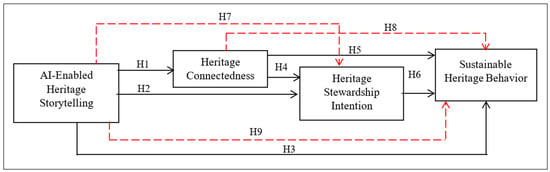
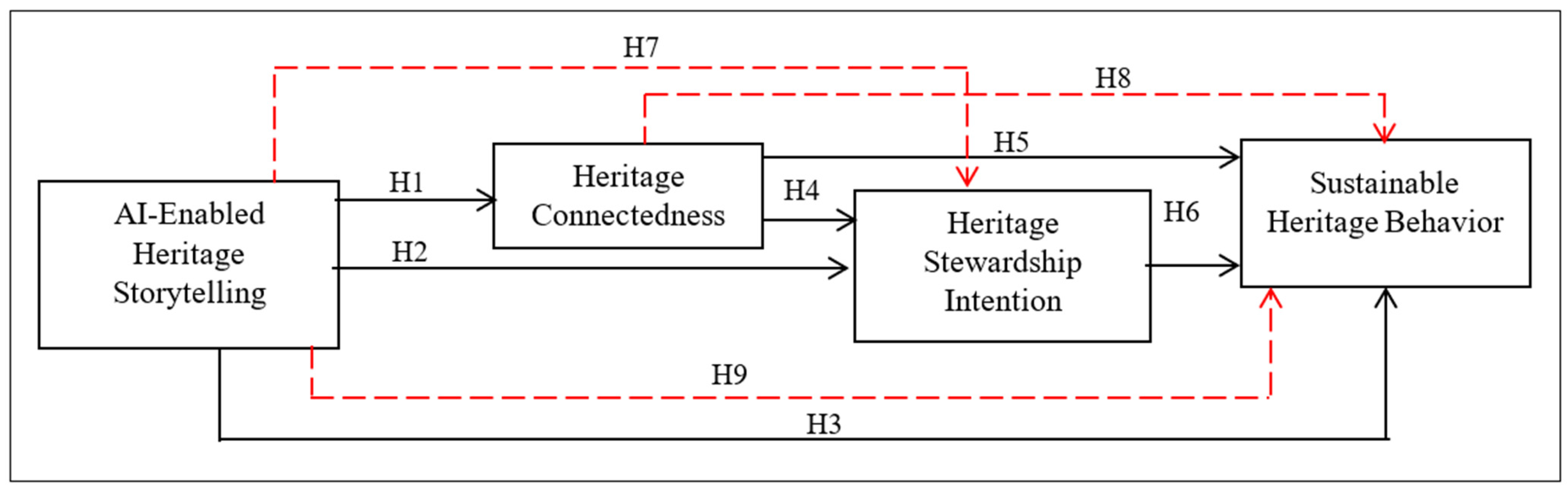
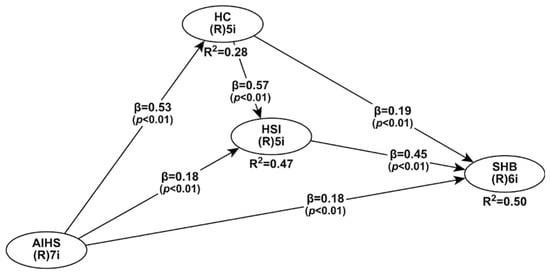
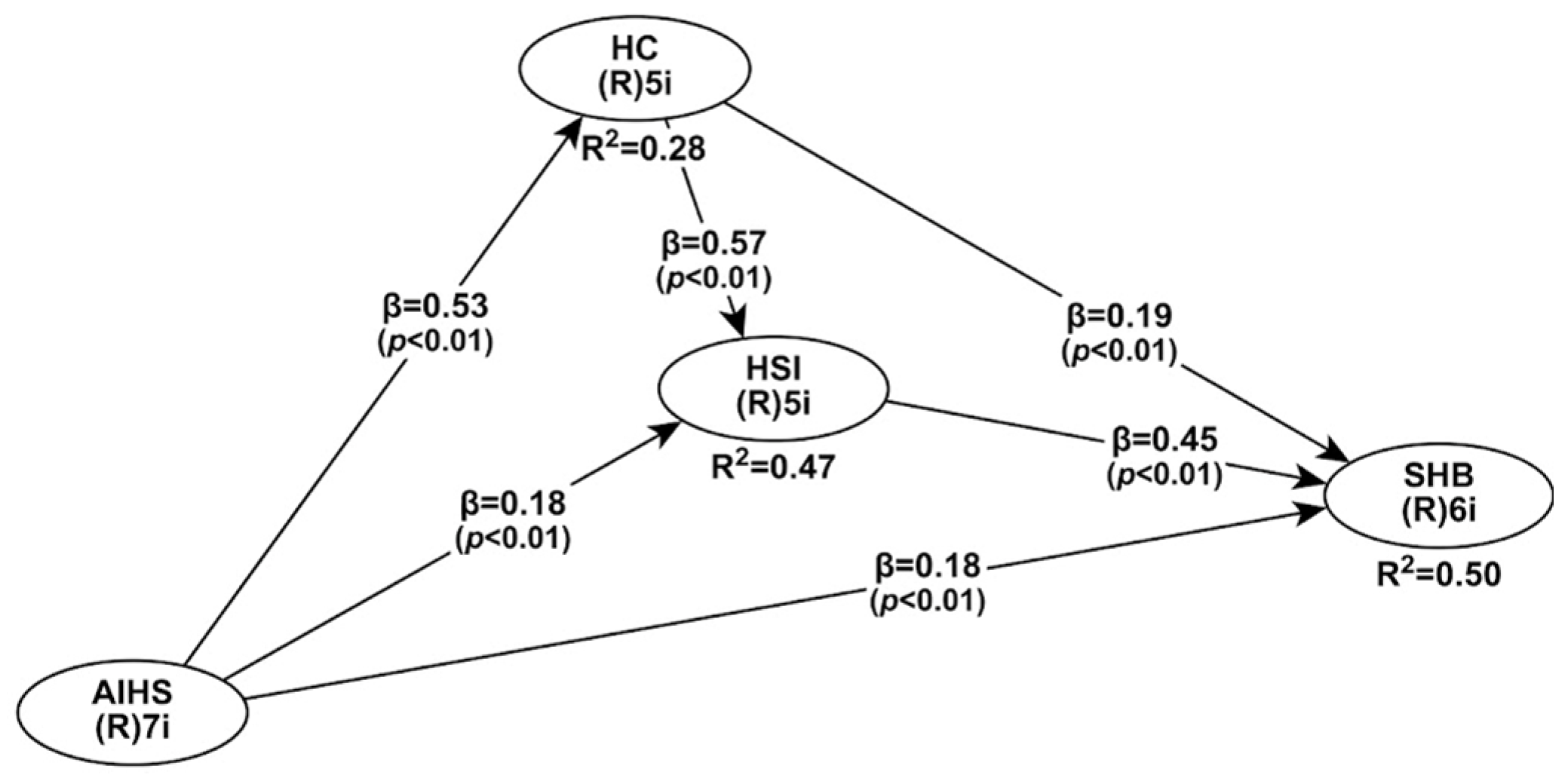

Disclaimer/Publisher’s Note: The statements, opinions and data contained in all publications are solely those of the individual author(s) and contributor(s) and not of MDPI and/or the editor(s). MDPI and/or the editor(s) disclaim responsibility for any injury to people or property resulting from any ideas, methods, instructions or products referred to in the content. |
© 2026 by the authors. Licensee MDPI, Basel, Switzerland. This article is an open access article distributed under the terms and conditions of the Creative Commons Attribution (CC BY) license.