


Abstract
Dynamic response measurements support bridge monitoring and structural assessment because they are obtainable under operational loading and are sensitive to changes in stiffness, boundary conditions, and mass distribution. This article presents a structured scoping review of dynamic-response-based bridge monitoring and assessment. It covers damage-sensitive indicators, stiffness/capacity proxy inference, interpretation under operational and extreme loading, sensing with acquisition (contact, and indirect/drive-by), and data processing, machine learning and digital-twin integration for decision support. Evidence was identified through targeted searches in Scopus and The Lens with duplicate resolution in Zotero. The cited studies are compiled into a traceable evidence inventory linked to method families and decision objectives. The synthesis shows that global modal properties enable change screening but are highly confounded by environmental/operational variability. Localization and state characterization typically require denser or higher-fidelity sensing and signal conditioning. Finally, capacity-related inference using calibrated conversion models or machine learning (ML) surrogates remains context-bounded and validation-dependent. This review provides an end-to-end pipeline, evidence-maturity rubric, and conservative failure-mode checks with escalation logic that tie SHM outputs to inspection and analysis rather than direct condition declarations for bridge owners. This review is intentionally scoped and does not claim PRISMA-style comprehensiveness.
1. Introduction
Bridge structural health monitoring (SHM) has developed from short-term, test-based vibration measurements towards long-term monitoring systems integrated with sensing, modeling and data management. Early work predominantly used one-off vibration tests on laboratory structures and controlled damage scenarios in field structures to demonstrate damage detection methods [1,2,3,4]. As sensor technologies and data acquisition systems matured, long-term monitoring networks with continuous or regular data recording were implemented on large bridges, enabling systematic observation of structural performance under traffic and environmental actions [2,3].
Recent bridge SHM describes contemporary systems as integrated assemblies of heterogeneous sensors, communication with data-management infrastructure, numerical or data-driven models and diagnostic algorithms: they can support condition assessment and decision-making for maintenance and safety [5,6,7,8]. It emphasizes that modern bridge SHM systems move beyond isolated measurement campaigns towards long-term configurations, combining sensors on multiple bridge components with continuous data collection and analysis under varying environmental conditions [5,6].
Recent SHM and ML surveys describe a clear transition from structure-specific, algorithm-focused studies to data-centric SHM systems that integrate dense sensing, communication, databases and ML pipelines for damage diagnosis, prognosis, and health management [9,10,11,12]. They emphasize that modern SHM relies on continuous monitoring with automatic pattern recognition under significant uncertainty and environmental/operational variability. They highlight the need for uncertainty management and statistically robust decision rules [9,13]. Bridge-focused reviews further frame integrated SHM as the combination of in situ measurements, physics-based models with data-driven algorithms to support maintenance, and management and safety decisions over the service life of bridges [5,9,13].
Dynamic response measurements form the basis of most vibration-based damage identification approaches for bridges and other civil structures. Comprehensive reviews show that changes in modal properties natural frequencies, mode shapes, and damping ratios and in derived quantities such as mode-shape curvature, modal strain energy and flexibility have been widely used as indicators of stiffness loss or damage [4,10,14,15]. These review articles compile methods ranging from simple frequency-shift indices to curvature strain-energy and flexibility-based indicators and finite-element model updating schemes, and they document applications on laboratory bridge models and full-scale bridges, emphasizing both the sensitivity of these vibration features to damage and their susceptibility to environmental and operational variability in practice [10,14,15].
Environmental and operational variability, especially temperature, is a major challenge for dynamic-response-based SHM of bridges. Long-term monitoring of the Z24 bridge and other civil structures has shown that modal properties, particularly natural frequencies and, in some cases, mode shapes and damping, exhibit systematic seasonal and daily trends that are strongly correlated with temperature changes [16,17,18]. These temperature-induced variations can be large enough to mask or mimic damage-related changes in vibration characteristics. Motivated by this evidence, recent SHM and bridge-focused reviews describe environmental normalization and regression-based compensation, together with statistical pattern recognition and ML frameworks, as essential tools for separating environmental influences from damage-sensitive features in dynamic response data [9,13,19].
Machine learning (ML) and deep learning algorithms are now widely used to analyze dynamic response data in structural health monitoring. Recent SHM surveys describe applications where supervised models classify damage states or estimate damage indices and unsupervised or one-class approaches perform novelty and anomaly detection, while deep architectures such as convolutional neural networks and autoencoders are trained on modal features, time–frequency representations or raw vibration signals [9,10,11,12]. These reviews emphasize that ML methods can exploit high-dimensional and heterogeneous data streams from modern monitoring systems but also that their reliability depends critically on data quality, explicit treatment of environmental and operational variability, and rigorous training, testing, and validation procedures [11,13].
Contributions of this review:
- Provide a bridge-focused synthesis of dynamic-response indicators and their interpretation under environmental and operational variability.
- Summarize how dynamic responses are used in stiffness and capacity-related assessment, including calibrated dynamic–static conversion and data-driven surrogate approaches.
- Organize sensing and acquisition technologies for dynamic response (contact, non-contact, and indirect/drive-by) together with practical deployment constraints.
- Integrate data-processing, ML, and digital-twin concepts into a common pipeline view to support interpretation and decision support.
- Identify recurring evidence and deployment gaps and articulate a structured agenda for future work grounded in the reviewed literature.
Scope boundary: This review considers peer-reviewed journal studies on bridges and bridge-type structural systems that use dynamic response measurements for monitoring and structural assessment. Foundational monographs and closely related infrastructure studies are referenced where they provide definitions, methodological context, or transferable principles. Non-bridge applications are cited only when explicit transferability to bridges is demonstrated in the cited source.
This review interprets dynamic-response-based SHM as a hierarchy of indirect inference processes constrained by sensing capabilities, environmental variability, and modeling assumptions, rather than as a direct measurement framework. This paper is organized as follows. Section 2 outlines the review methodology. Section 3 discusses core dynamic-response indicators and damage metrics. Section 4 summarizes methods that use dynamic data to assess structural capacity and stiffness. Section 5 examines dynamic responses under operational and extreme loads. Section 6 reviews sensing technologies for dynamic measurements. Section 7 describes data-processing, modeling and control strategies, and Section 8 highlights current trends and research gaps.
Figure 1 provides a blueprint of the review scope and research questions, the evidence-centered synthesis workflow, and how the evidence rubric and decision-support elements are used to navigate the remainder of the paper with the following:
Figure 1.
Review blueprint for bridge infrastructure dynamic-response and structural health monitoring (SHM).
- (A)
- Scope definition and thematic areas with five research questions (RQ1–RQ5);
- (B)
- Evidence-centered synthesis workflow from database search and record handling through screening, evidence coding, and thematic synthesis;
- (C)
- Evidence governance for bridge management, including evidence-maturity rubric, decision-support navigation aids, and associated research tool artifacts (tables, Supplementary Materials, and search log).
2. Review Methodology
This review adopts a structured scoping approach aimed at providing a transparent and decision-oriented synthesis of dynamic-response-based SHM for bridges. The methodology includes (i) scope definition, (ii) targeted literature search, (iii) eligibility screening, and (iv) thematic synthesis (Figure 1).
2.1. Scope and Research Questions
This review focuses on bridge applications of dynamic-response-based SHM and is structured around five thematic domains: (i) damage-sensitive indicators, (ii) structural assessment, (iii) response under serviceability and extreme loads, (iv) sensing technologies, and (v) data-driven frameworks [5,6,9].
The following research questions guided the review:
RQ1: Which dynamic-response indicators and feature types have been used for bridge SHM and damage assessment, and what evidence is reported regarding their sensitivity and limitations?
RQ2: How have dynamic responses been used to infer structural stiffness, capacity, and internal state in bridges?
RQ3: How do operational and extreme loads influence measure dynamic responses and their interpretation for SHM?
RQ4: Which sensing technologies and acquisition strategies are reported for practical dynamic-response monitoring on full-scale bridges?
RQ5: How are data-processing, ML and digital-twin frameworks integrating dynamic-response information into decision support for bridge management?
2.2. Search Strategy and Record Identification
Publications were identified through targeted keyword searches in Scopus and The Lens. Two complementary queries were used per database to capture (i) dynamic-response SHM concepts (Q1) and (ii) sensing and deployment modalities relevant to bridge monitoring (Q2). The exports used for this review were imported into Zotero on 29 December 2025. Exact query strings, database filters, and per-query export counts are reported in Supplementary Table S2.
For Scopus, the year range was limited to 2005–2026. Q1 returned 1882 records and Q2 returned 1792 records (3674 total). After within-source duplicate merging in Zotero, 3647 unique Scopus records remained (27 duplicates removed). For The Lens, the year range filter was 2005–2025. Due to an export cap, 1000 records were exported for each Lens query (2000 total); after within-source duplicate merging, 1707 unique Lens records remained (293 duplicates removed). The deduplicated Scopus and Lens libraries were then merged, resulting in a combined library of 4337 records.
Exact Scopus queries (Advanced Search; year filter 2005–2026) were as follows: Q1 = TITLE-ABS-KEY(bridge* AND (“structural health monitoring” OR SHM) AND (vibration OR “dynamic response” OR “modal identification” OR “operational modal analysis” OR OMA OR “modal parameter*”)); Q2 = TITLE-ABS-KEY(bridge* AND (“structural health monitoring” OR SHM) AND (accelerometer* OR strain OR “fiber Bragg grating” OR FBG OR GNSS OR vision OR radar OR “wireless sensor network” OR WSN OR “drive-by” OR “indirect monitoring”)). Exact Lens queries (year filter 2005–2025; exports limited to first 1000 results per query) were: Q1 = bridge (“structural health monitoring” OR SHM) (vibration OR “dynamic response” OR “operational modal analysis” OR OMA OR “modal identification” OR “modal parameters”); Q2 = bridge (“structural health monitoring” OR SHM) (accelerometer OR strain OR “fiber Bragg grating” OR FBG OR GNSS OR vision OR radar OR “wireless sensor network” OR WSN OR “drive-by” OR “indirect monitoring”).
Reference lists of recent SHM and bridge-focused review articles [5,6,9,20] were screened to identify additional relevant studies, especially for vibration-based damage detection, ML applications, vehicle- and smartphone-based monitoring, and digital-twin frameworks. The Evidence Map (Supplementary Table S1) indexes the cited evidence base and provides structured, citation-text-derived tags to support rapid navigation by sensing and analysis themes.
2.3. Scoping Selection Criteria
Records were included if they addressed bridge systems and employed dynamic-response-based monitoring or assessment with validated numerical, experimental, or field evidence [20]. Studies focusing exclusively on static methods, lacking validation, or unrelated to bridge applications were excluded (Figure 1).
2.4. Data Extraction and Coding
For each study included, the following information was extracted into a structured table, following the evidence-centered synthesis approach used in recent SHM reviews [9,13,21,22]:
- Bridge or system type (laboratory specimen, numerical benchmark, full-scale bridge);
- Structural configuration (e.g., simply supported, or continuous beam, arch, cable-stayed, suspension, box girder, slab);
- Loading or excitation (e.g., ambient traffic, high-speed rail, wind, seismic, impact, controlled excitation);
- Sensing configuration (sensor types, locations, sampling rates, short-term tests, or long-term monitoring);
- Dynamic-response features (e.g., natural frequencies, mode shapes, damping ratios, curvature/MSE, flexibility indices, time–frequency features, displacements, strains, ML-based feature vectors);
- Data-processing and identification methods (e.g., operational modal analysis, statistical pattern recognition, supervised and unsupervised ML, deep learning, model updating, digital-twin schemes);
- Validation approach (numerical, laboratory, full-scale field testing, long-term monitoring);
- Reported main findings and limitations related to dynamic-response-based SHM.
Based on this coding, studies were assigned to one or more of the five thematic areas listed in Section 2.1.
2.5. Thematic Synthesis
Within each thematic area, studies were grouped by indicator or method family. For each family, evidence from numerical, laboratory and field applications was compared with respect to:
- reported sensitivity to damage, stiffness change, or other state variables.
- reported influence of environmental and operational variability.
- data and instrumentation requirements.
- reported advantages, limitations, and open issues.
Summaries in this review are based on the results and interpretations reported in the original publications (e.g., [4,13,14]). Where authors describe limitations, assumptions or context dependence, those aspects are stated explicitly.
3. Dynamic Response in Bridge SHM: Concepts and Indicators
Figure 2 summarizes the end-to-end pipeline used throughout this review, from excitation context and sensing families through indicator extraction, identification/processing, and inference frameworks to decision-relevant outputs, while explicitly highlighting the cross-cutting influence of environmental and operational variability. Furthermore, in order to better understand the method selection and reporting discipline, Table 1 and Table 2 report the evidence maturity rubric and the indicator including the method selection matrix considered in this review while Table 3 indicates the related engineering decision pathway.
Figure 2.
End-to-end pipeline for dynamic-response-based bridge structural health monitoring (SHM) and structural assessment.
Table 1.
Evidence maturity rubric for dynamic-response-based bridge SHM studies.
Table 2.
Indicator and method selection matrix for dynamic-response-based bridge SHM.
Table 3.
Engineering decision pathway for designing a dynamic-response-based bridge SHM program.
The literature on dynamic-response-based indicators reveals a fundamental trade-off between sensitivity, spatial resolution, and robustness. Global indicators, such as natural frequencies, enable stable change detection but provide limited localization capability, whereas local indicators, including curvature and modal strain energy, enhance spatial resolution at the cost of increased sensitivity to noise and sensing density. This trade-off emerges consistently across studies and represents a key constraint for practical deployment.
3.1. Global Modal Properties
Natural frequencies, global mode shapes and, to a lesser extent, modal damping ratios are among the most widely used global indicators in vibration-based bridge SHM. Frequency-based indicators are widely used due to their simplicity and sensitivity to global stiffness changes [4,14,27,28,29]. However, their practical applicability is limited by low spatial resolution and strong sensitivity to environmental and boundary-condition variability, which can mask damage-related changes. These reviews consistently emphasize that natural frequencies are simple to extract from vibration measurements and are sensitive to global stiffness changes, but frequency-only indicators have limited ability to localize damage and are strongly affected by boundary conditions and environmental and operational variability [14,27].
Long-term monitoring studies have shown that modal properties of bridges can vary significantly even when no damage is present. For the Z24 bridge in Switzerland [16], almost one year of monitoring data revealed that natural frequencies change systematically with temperature and other environmental influences: these “normal” variations must be distinguished from changes caused by stiffness loss. Broader reviews of temperature effects on civil and bridge structures report consistent evidence that natural frequencies, and in some cases mode shapes and damping ratios, exhibit pronounced seasonal and daily trends driven primarily by temperature and boundary-condition changes. These findings imply that changes in frequencies or other global modal parameters cannot be interpreted directly as indicators of damage unless environmental effects are explicitly modeled or compensated in the analysis [17,18].
In addition to temperature effects, recent studies have also shown that changes in boundary conditions caused by hydraulic phenomena, such as flood-induced scour at bridge foundations, can significantly affect modal properties. These variations may mimic or mask damage-related changes and therefore represent a critical source of uncertainty in vibration-based bridge monitoring.
3.2. Mode-Shape Curvature and Modal Strain Energy
Mode-shape curvature and modal strain energy (MSE) have been widely studied as damage indicators for beam-like members and bridge structures. Curvature and MSE-based indicators enhance damage localization compared to global metrics [14,15]. This improved sensitivity is conditional on dense and high-quality modal data, making these methods difficult to apply in typical field conditions with sparse instrumentation.
Field and laboratory studies summarized in major reviews indicate that mode-shape curvature and modal strain energy (MSE)-based indices generally offer stronger capability for local damage localization than frequency-only indicators. This particularly occurs when several modes are available and mode shapes are measured with dense spatial sampling [14,15]. At the same time, these curvature- and MSE-based methods rely on accurate modal information. Their performance deteriorates when only a small number of measurement points is available or when noise and identification errors compromise the estimated mode shapes, a limitation that is also echoed in recent work on local feature extraction and spatial resolution in structural health monitoring [14,15,38].
3.3. Flexibility-Based Indicators
Flexibility-based damage detection methods construct an approximate flexibility matrix from identified modal parameters. Typically, natural frequencies and mode shapes are used. They interpret changes in this matrix between reference and monitored states as stiffness loss due to damaged locations. Flexibility-based approaches provide a physically meaningful representation of stiffness changes and can improve damage localization when multiple modes are available [4,14,15]. However, their reliability is strongly affected by mode truncation and identification errors, highlighting a shared dependency with other modal-based indicators.
The structural flexibility matrix is directly related to the deflection response of a structure under load assessing changes in stiffness and deflection-related serviceability in beams and bridge structures [14]. However, flexibility-based methods depend on accurate modal identification and the availability of several modes, and their performance can be degraded by incomplete mode sets, truncation of higher modes and modeling, or measurement errors, as in comparative studies and bridge-focused reviews [4,14,15].
3.4. Time–Frequency and Statistical Features
Time–frequency analysis methods, particularly wavelet transforms and the Hilbert–Huang transform, have been widely employed in vibration-based damage detection to characterize non-stationary features in structural responses. Recent reviews on vibration-based methods report studies in which wavelet-based descriptors, time–frequency energy distributions and related features are extracted from measured vibrations to reveal damage-induced changes in dynamic behavior and to enhance the detection of local stiffness reductions, mainly in laboratory specimens and controlled experimental setups [10,39] as in Table 4.
Table 4.
Dynamic-response-based indicators used in bridge SHM.
Statistical pattern-recognition (SPR) methods are widely used in vibration-based SHM to distinguish normal variability from damage-related changes in dynamic indicators. In this framework, multivariate feature vectors derived from modal parameters or other vibration features are used to model the undamaged condition, and damage is inferred from statistically significant deviations from this reference state [1,13]. For bridge applications, Ref. [13] reviewed numerous case studies where techniques such as principal component analysis, Mahalanobis distance-based damage indices, Gaussian mixture models and related multivariate statistics are applied to bridge monitoring datasets to represent behavior under environmental and operational conditions to perform anomaly detection in a fully data-driven manner.
3.5. Multi-Feature and ML-Based Indicators
Recent work increasingly combines multiple dynamic-response features such as natural frequencies, mode shapes, curvature or flexibility-based indices, and time–frequency descriptors and uses ML models to construct composite damage indicators. Reviews of ML in SHM report numerous applications in which such feature vectors are fed to classifiers including support vector machines, artificial neural networks, and other supervised models to distinguish different damage states or operating conditions [9,10,12]. Malekloo et al. (2022) [11] emphasize the extension of these approaches to high-dimensional and multi-source data and discuss the adoption of deep learning architectures to process vibration and other monitoring signals. In Table 5 are summarized the several aspects. Provided that labeled damage data from full-scale bridges are limited, many studies reported in these reviews train supervised models on data generated from numerical simulations, laboratory tests or controlled damage scenarios and then evaluate them on measured responses [9,10,11]. When only healthy-state or current-state data are available, unsupervised and novelty-detection strategies such as clustering, one-class models and autoencoder-based representations are used within ML and reference-free damage identification frameworks for bridges [11,19].
Table 5.
Representative dynamic-response-based structural assessment strategies.
Across the reviewed indicator families, three recurring patterns can be identified: (i) a trade-off between robustness and localization capability, (ii) a strong dependence on measurement quality and sensor density and (iii) a high sensitivity to environmental and operational variability. These aspects limit the direct interpretability of dynamic-response indicators and motivate the integration of compensation and data-driven approaches. These observations suggest that no single indicator family is sufficient for reliable SHM and that practical implementations require combining complementary features within a framework that explicitly accounts for uncertainty and environmental effects.
4. Dynamic-Response-Based Structural Assessment
The use of dynamic responses for structural assessment represents a transition from direct measurement to inference-based approaches, in which dynamic features are employed to evaluate the parameters which regulate structural behavior as stiffness and capacity. However, such an inference is inherently dependent on the adopted model and its calibration, thereby introducing uncertainty and constraining transferability across different structural systems.
4.1. Stiffness Change and Modal Parameters
Changes in global stiffness due to deterioration are typically reflected in reductions in natural frequencies and, in many cases, in detectable changes in global mode shapes. Review papers on frequency-change methods and vibration-based damage identification compile analytical, numerical and experimental studies on beams and bridge-type structures. They show that, as damage severity increases, reductions in natural frequencies become more pronounced [4,14,27]. At the same time, the relationship between stiffness loss and frequency change is not strictly linear and is influenced by boundary conditions, damage location and mode type as in many reported cases [14,27]. In long-term monitored bridges, trends in natural frequencies are commonly analyzed in relation to both structural condition and environmental variability. As just explained for the Z24 bridge in Switzerland, almost one year of monitoring in the undamaged state followed by a series of artificial damage scenarios showed that natural frequencies exhibit temperature-dependent variations [16]. Field monitoring of the Tsing Ma Suspension Bridge demonstrates that seasonal and daily temperature changes lead to pronounced correlated shifts in modal properties [17]. Recent bridge SHM reviews confirm these aspects [5,6,23].
4.2. Flexibility and Damage Localization
Flexibility-based damage detection methods reconstruct an approximate flexibility matrix from identified natural frequencies and mode shapes. Casas and Moughty (2017) [15] highlight damaged regions in bridge components. They observe that a combination of flexibility-based indicators with static deflections or FEM updating can be related more directly to deflection limits and reductions in load bearing capacity [15].
At the same time, these approaches rely on accurate modal identification and on the necessity of many modes: their performance deteriorates when only a small number of vibration modes are identified, when higher modes are truncated, or when changes in mass and damping lead to errors in the reconstructed flexibility matrix [14,15].
4.3. Dynamic–Static Stiffness Conversion and Capacity Proxies
Dynamic–static stiffness conversion and data-driven approaches have been proposed to obtain information on load bearing capacity without relying solely on static load testing. Recent research works propose both physics-based and data-driven approaches to relate dynamic-response features to stiffness and capacity-related parameters [42,43]. These methods show promising results but remain strongly dependent on calibration and structural configuration, limiting their general applicability.
4.4. Correlation-Based Damage Indicators
For long-span and complex bridges instrumented with multiple sensors, correlation-based indicators have been proposed to exploit the spatial distribution of dynamic responses. Deng et al. (2023) [6] introduced a method in which the bridge is treated as a multi-sensor system. Correlation structures derived from vibration data under normal conditions are compared with those from subsequent monitoring periods, while significant deviations are interpreted as indications of possible stiffness changes. The results show that the method can detect damage-related changes in global responses and exhibits robustness to moderate variability in excitation conditions.
4.5. Data-Driven Capacity-Related Assessment
Data-driven models have been developed to estimate capacity-related quantities or internal state parameters from structural-response features. Data-driven models have been proposed to estimate capacity-related quantities from structural-response features, typically relying on calibrated relationships derived from numerical or experimental datasets [9,42,43].
In these studies, the ML or conversion models are calibrated from clearly defined structural configurations and damage scenarios. The adoption of response-based and ML-based proxies for capacity assessment requires sensitivity analysis and validation before being extrapolated to other structures. Overall, dynamic-response-based assessment methods should be interpreted as supportive tools for condition screening rather than direct estimators of structural capacity, unless supported by calibrated models and validation under representative conditions.
5. Dynamic Responses Under Operational and Extreme Loads
The interpretation of dynamic-response data is strongly influenced by the excitation context. Operational loads provide realistic but highly variable input conditions, whereas extreme events offer clearer signatures of structural behavior but are rarely available. This duality represents a central challenge for SHM-based inference.
5.1. Traffic-Induced Vibrations
Road traffic provides a continuous source of ambient excitation suitable for operational modal analysis (OMA) of bridges. Modal parameters can be identified from traffic-induced vibrations and tracked over time to study structural behavior and possible changes in stiffness [6,44]. These responses depend on factors such as vehicle speed, axle configuration, traffic composition, road surface roughness and environmental conditions. These dependencies are documented in both case-study measurements and simulation-based vehicle–bridge interaction analyses.
Vehicle–bridge interaction research further indicates that dynamic amplification and local effects associated with heavy vehicles, surface roughness and resonance can influence both direct bridge measurements and drive-by monitoring approaches, where the vehicle response is used as an indirect indicator of bridge condition. Reviews by [45,46] summarize vehicle-assisted techniques, highlighting their potential advantages for rapid, network-level assessment and their limitations arising from sensitivity to road conditions, vehicle properties, and environmental variability.
5.2. High-Speed Rail
High-speed railway bridges subjected to repeat train passages experience quasi-periodic loading that is well suited to OMA. Measurements on large-scale high-speed railway bridges have shown that natural frequencies and mode shapes can be identified from train-induced responses, particularly from free-vibration segments immediately after train passages [47].
More recent monitoring with techniques such as moving-base RTK-GNSS similarly exploits repeated train passages to obtain dynamic response time histories and to assess structural behavior over extended periods [48]. Vagnoli et al. (2018) [49] reviewed SHM and fault detection methods for railway bridges, highlighting that they rely on in-service train loads. The responses are influenced by train speed, axle configuration, and track–structure interaction on long-term trends.
5.3. Seismic Loading
Seismic loading is experienced in exceptional cases and for a really reduced time in the life of the structure. This aspect makes seismic loading exceptional input for the SHM of bridges. However, seismic structural response can also be a useful factor in infrastructure monitoring, provided that the infrastructure is properly equipped with monitoring instruments or periodic inspections are performed to identify any damage due to earthquakes. Under seismic excitation, in fact, the dynamic response of bridges can change rapidly as stiffness and energy dissipation evolve due to nonlinear behavior and damage. Jia et al. (2025) [50] analyzed rocking bridge systems subjected to three-dimensional ground motions by a FEM for the rocking interface and nonlinear boundary conditions, including abutment–soil interaction, impact effects, and pile–soil interaction. Results indicate that different rocking configurations (free rocking, prestressed rocking and prestressed rocking with dampers) modify displacement and acceleration demands and that prestressed rocking in bridges with dampers can achieve seismic responses comparable to conventional cast-in-place bridges while maintaining good self-centering capacity. In Ref. [51], they propose a unified probabilistic framework for simultaneously determining stochastic dynamic responses and system reliability of long-span cable-stayed bridges under near-fault stochastic ground motions. In Refs. [52,53], dynamic-response-based assessment under seismic loads can be strengthened by combining measured or simulated response histories with detailed mechanical models, so that changes in displacements, accelerations and internal forces are interpreted in terms of nonlinear mechanisms and quantified reliability measures.
5.4. Wind-Induced Vibrations and Pedestrian Loads
In some cases, environmental actions serve as an interesting and natural test of infrastructure effectiveness. In this regard, several notable examples are worth mentioning. Long-span bridges are sensitive to wind-induced vibrations and, in some cases, to lateral excitation produced by pedestrians. Field observations on pedestrian and long-span footbridges reported by Fujino et al. (1993) [30] and Dallard et al. (2001) [26] show that, under congested conditions, pedestrians can synchronize their walking with the lateral motion of the bridge. This synchronization leads to significant amplification of lateral vibrations. In the congested pedestrian bridge studied by [30], video analysis indicated that when roughly 20% or more of the pedestrians were present, their walking became synchronized with the girder’s lateral vibration, coinciding with large-amplitude motion. For the London Millennium Bridge, Ref. [26] documented lateral vibrations around the first lateral mode that built up when large crowds were present and decayed when the number of pedestrians decreased or they stopped walking, and they interpreted this behavior as a pedestrian-induced lateral vibration problem requiring additional damping. On many long-span bridges, wind and vibration monitoring campaigns form part of integrated structural health monitoring systems and use dynamic measurements to identify modal properties in order to characterize the bridge response under wind and traffic or pedestrian loads and to assess serviceability over time [5,26,30]. These datasets provide a basis for evaluating vibration serviceability limits and for assessing the effectiveness of vibration mitigation measures implemented on sensitive spans.
The pedestrian footway and the long-span bridge examples recalled here present cases in which natural or human-induced events served as a real test for the structure, allowing structural design issues to be addressed. The situations described above are approached in a unique and innovative way compared to other structural monitoring systems.
5.5. Vehicle Impacts and Extreme Transients
Vehicle impacts on bridge members can generate transient dynamic responses with significant high-frequency content and localized demand. Heng et al. (2021) [54] analyzed the dynamic behavior and damage of a highway bridge substructure subjected to heavy truck impact. It reports time–history responses that capture both local impact effects at the pier and the global vibration of the bridge system. For hydrodynamically loaded substructures, Wang et al. (2019) [55] investigated the dynamic response of a circular bridge pier subjected simultaneously to earthquake excitation and wave current action, using FEM combined with a hydrodynamic loading model based on wave current forces. Their results show that the combined earthquake and wave-current loading can significantly modify the pier’s dynamic response and internal force demands compared with earthquake-only conditions.
Dynamic responses under operational and extreme loads are influenced by multiple interacting factors, including load characteristics, structural properties, and environmental conditions. This interaction makes it difficult to isolate structural changes from load-induced variability, which represents a central challenge for SHM interpretation.
Across different loading scenarios, a consistent challenge emerges in separating structural effects from load-induced variability, reinforcing the need for normalization strategies and robust feature extraction.
6. Sensing and Data Acquisition for Dynamic Response
The choice of sensing technology directly constrains the type, resolution, and reliability of dynamic-response features that can be extracted. This reinforces that no single sensing technology is sufficient on its own and that multi-modal sensing strategies are required for robust bridge SHM.
6.1. Conventional Sensors
Piezoelectric accelerometers and electrical resistance strain gauges remain the primary sensors for dynamic-response-based structural health monitoring of bridges. Early reviews of vibration-based damage identification methods emphasize that modal parameters and other damage-sensitive features are extracted from measured vibration responses on laboratory specimens and full-scale civil structures, typically using accelerometers and strain or displacement measurements [4,14]. Recent bridge-focused SHM reviews identify accelerometers and strain gauges as the standard instrumentation for experimental modal testing, operational modal analysis, and long-term monitoring and summarize numerous bridge applications where these sensors provide the core dynamic and strain measurements [5,6]. In large-scale bridge projects such as the Tsing Ma and Kap Shui Mun bridges, Ko and Ni (2005) [2] reported multi-year monitoring systems comprising arrays of accelerometers and strain gauges installed on decks, towers, and cables, from which modal properties are identified and their evolution over time is tracked.
Conventional wired systems, however, require extensive cabling, dedicated power supply, and substantial installation effort, particularly on large bridges where dense sensor layouts would be desirable. Surveys of wireless sensor networks for SHM explicitly note that the cost, complexity, and maintenance burden associated with cabling and wired data acquisition limit the scalability of traditional systems and motivate the adoption of wireless smart sensor networks [29,38,56]. Recent bridge SHM reviews echo this view and highlight the integration of wireless sensing and distributed fiber optic sensors with conventional accelerometers and strain gauges as a means to increase spatial coverage, reduce installation cost and enable more flexible monitoring configurations [5,6].
6.2. Fiber Optic and Distributed Sensing
Fiber optic sensing technologies, including Fiber Bragg Grating (FBG) sensors and distributed fiber optic sensing (DFOS), provide multiplexed strain and temperature measurements with long-range capability and immunity to electromagnetic interference. These two measure strategies are quite different. While FBG furnishes discrete indication at selected points, DFOS is useful to have distributed indication on continuous line along the fibers [57]. FBG sensors for structural health monitoring emphasize their suitability for embedding in composite and concrete materials, as well as their ability to deliver multiple strain and temperature measurements along a single fiber. Ref. [58] present a BOFDA-based DFOS system for internal strain monitoring over the full life cycle of concrete slabs; the reported results show that distributed measurements can capture continuous strain profiles and local strain concentrations associated with cracking and temperature variations, which would be difficult to detect with conventional point sensors.
In bridge engineering, reviews and case studies demonstrate that FBG and DFOS systems are increasingly deployed on bridge decks, piers, and cables as part of integrated SHM architectures [5,59,60]. These applications show that fiber optic sensors complement accelerometers and traditional strain gauges by providing long gauge lengths, dense spatial coverage and the possibility of embedding sensing elements in critical regions such as composite decks, stay cables and FRP girders. When combined with vibration measurements, fiber optic strain data enables a more complete picture of bridge behavior by linking dynamic response characteristics with quasi-static strain and deformation patterns along the structure.
6.3. GNSS for Dynamic Displacement
Global Navigation Satellite Systems (GNSS) have been widely employed to measure dynamic displacements of bridges, particularly long-span and pedestrian structures where low-frequency, relatively large-amplitude motions are of interest. Reviews of GNSS-based structural monitoring document that GNSS has evolved from quasi-static deformation monitoring to dynamic applications and that high-rate GNSS has been used to obtain displacement histories and identify modal parameters for a range of bridges [24,61]. Full-scale experiments on suspension bridges show that GNSS, often in combination with accelerometers, can recover dynamic displacements and fundamental frequencies with sub-centimeter differences relative to accelerometer-derived results when appropriate processing modes are used [62]. Controlled tests on bridge structures further indicate that high-rate GNSS can resolve dynamic displacements with cm to mm-level precision under suitable observation configurations and processing strategies [32,63].
For pedestrian bridges, Ref. [56] deployed closely spaced low-cost, high-rate GNSS receivers on a suspension footbridge and compared their performance against a geodetic-grade GNSS receiver and a robotic total station, showing that the dominant vibration frequencies (up to about 3 Hz) and displacement amplitudes from low-cost GNSS agree well with those from the reference instruments, with displacement amplitude differences on the order of a few millimeters. These studies collectively indicate that GNSS is particularly effective for capturing the low-frequency components of bridge motion and that integrating GNSS with accelerometers or other high-frequency sensors provides complementary coverage of both low- and high-frequency structural responses [24,32,61,62,64].
6.4. Wireless Sensor Networks and MEMS
Wireless sensor networks (WSNs) built around micro-electro-mechanical systems (MEMS) accelerometers and smart sensing nodes have been developed to reduce cabling requirements and to support scalable, distributed deployments for structural health monitoring. Ref. [56] provides a comprehensive survey of WSN-based SHM, reviewing sensor node hardware, network architecture, communication protocols and damage-detection algorithms and summarizing field implementations on bridges, buildings, and other civil structures. Ref. [25] overviews wireless smart sensor networks for SHM and highlights their advantages over conventional wired systems in terms of reduced installation and maintenance cost, scalability and the potential for in-network or edge processing on smart nodes. Contemporary reviews and bridge-focused case studies similarly underline that, when network design challenges such as time synchronization, data loss and power management are properly addressed, WSNs can deliver reliable vibration data and modal parameters for bridge applications [5,56,65].
Recent systematic and bridge-oriented studies report developments in energy-harvesting-enabled sensing platforms, long-lived network designs, and integration with cloud or IoT infrastructures, with the aim of extending the longevity and functionality of WSN deployments in bridge SHM [31,65]. These contributions indicate that WSN platforms can be tailored for long-term vibration monitoring of bridges and effectively integrated with SHM analytics, enabling dense, distributed measurements that complement or partially replace traditional wired data-acquisition systems [5,25,31,56].
6.5. Vision-Based and Radar Techniques
Computer vision (CV) techniques use cameras to measure structural displacements and, in some cases, mode shapes without physical contact. Ref. [38] reviewed computer-vision-based SHM at both local and global levels and summarized applications in which image sequences are processed to obtain displacement time histories, modal parameters and damage indicators for bridges and other civil structures. Field and laboratory studies demonstrate that, after appropriate camera calibration and image processing, vision-based displacement measurements can agree closely with conventional contact sensors. For example, Ref. [66] developed a vision-based sensor for non-contact structural displacement measurement and showed through laboratory tests and field applications that CV-derived displacement time histories match reference transducers within small errors. Ref. [67] applied a single-camera, hybrid template-matching method to a full-scale bridge and reported that the dominant frequencies and displacement amplitudes estimated from the vision system agreed well with those from conventional measurements.
Radar interferometry provides another non-contact technique for measuring dynamic displacements and modal parameters in bridge monitoring. Using a ground-based interferometric radar, Gentile and Bernardini (2008) [33] performed output-only modal identification of a reinforced concrete bridge subjected to traffic-induced vibrations and demonstrated that natural frequencies and mode shapes can be extracted with good repeatability from remotely measured displacements. Broader reviews of ground-based radar interferometry confirm its suitability for static and dynamic testing of bridges and other civil infrastructures and highlight its ability to capture deflection patterns and vibration modes over large distances [68,69]. These studies indicate that CV-based and radar-based systems provide effective tools for remote dynamic measurements on bridges and are particularly advantageous when access is limited or when dense spatial coverage is required [5,33,38,68,69].
6.6. Drive-By Monitoring and Smartphones
Drive-by monitoring refers to indirect bridge monitoring methods in which sensors are mounted on vehicles passing over the bridge rather than on the structure itself. Malekjafarian et al. (2015) [35] provided a critical review of such indirect techniques, summarizing approaches that process vehicle responses to identify bridge dynamic characteristics including natural frequencies, mode shapes, and damping and discussing extensions that seek to derive damage-sensitive features from vehicle bridge interactions. Hester and González (2017) [45] presented a detailed theoretical and numerical discussion of the merits and limitations of drive-by damage detection, showing how factors such as road surface roughness, vehicle properties and excitation conditions can strongly influence the ability to detect localized damage. Recent developments in low-cost sensing and connectivity include the IoT system proposed by Peng et al. (2023) [34], in which instrumented trucks equipped with an on-board single-board computer acquire and process vehicle accelerations and transmit features via a cellular network; experimental tests demonstrate that the system can reliably identify the fundamental frequency of a footbridge from drive-by measurements. Other studies and reviews similarly report drive-by methods as promising but sensitive to vehicle, pavement, and environmental variability [37,70,71].
Smartphone-based sensing has been explored as an opportunistic extension of the drive-by concept. Matarazzo et al. (2022) [37] showed that acceleration and GPS data collected from smartphones during everyday vehicle trips, including ride-share services, can be processed to recover the dominant modal frequencies of real bridges with good accuracy, demonstrating the feasibility of crowdsourcing bridge vibration characteristics from normal traffic. Ozer and Kromanis (2024) [72] reviewed smartphone-based bridge SHM and summarized reported applications and key factors affecting data quality, including mounting conditions, sampling rates, sensor noise, and device variability. Across these studies, indirect and opportunistic approaches using instrumented vehicles or smartphones are generally presented as complements to conventional bridge instrumentation, with particular relevance for network-level screening, prioritization, and preliminary assessment across large stocks of bridges [35,37,70,72].
Sensing strategies are not interchangeable, as they directly determine the type and quality of extractable dynamic-response features, thereby constraining the achievable level of structural insight.
Furthermore, it is important to highlight that no single sensing technology satisfies all SHM requirements, and current trends clearly point toward multi-modal sensing strategies as a necessary condition for robust and scalable bridge monitoring.
7. Data Processing, Modeling and Control
Data-driven approaches, particularly ML and deep learning, have significantly expanded the analytical capabilities of SHM. However, their effectiveness is strongly conditioned by data quality, representativeness, and domain consistency, which remain major limitations in real-world bridge applications.
7.1. Modal and System Identification
Operational modal analysis (OMA) techniques such as stochastic subspace identification (SSI) and frequency-domain decomposition (FDD) have become standard tools for extracting modal parameters from ambient vibrations in bridges and other civil structures. Carden and Fanning (2004) [1] reviewed vibration-based condition monitoring methods and described how OMA algorithms are used to identify natural frequencies, damping ratios and mode shapes in in-service bridges and buildings. A benchmark application is the Z24 highway bridge, for which Peeters and De Roeck (2001) [16] applied stochastic system identification to almost one year of monitoring data and analyzed the identified modal parameters in relation to temperature variations and stepwise damage scenarios, demonstrating that both daily and seasonal changes and damage events are reflected in the estimated modes.
Vibration-based damage identification approaches interpret changes in identified modal parameters as indicators of stiffness reduction or boundary-condition changes [4,14]. Recent reviews of bridge SHM report monitoring systems in which OMA algorithms are embedded in automated processing pipelines so that modal properties are updated periodically or in quasi-real time from continuous vibration data and then passed to statistical pattern-recognition or model-updating modules for condition assessment [5,6]. Together with broader OMA-focused reviews [16,73], these contributions highlight the central role of operational modal identification in contemporary, dynamic-response-based bridge SHM.
7.2. Machine Learning (ML)-Based Pattern Recognition
ML approaches are widely used to process dynamic-response data for damage detection, classification, and state estimation. Supervised models, including support vector machines, random forests, and neural networks, represent the most common implementations in the literature [9,12,74]. However, their performance is often demonstrated under controlled or simulated conditions, raising concerns about robustness and generalization to real-world bridge applications. References [10,11] further summarize vibration-based damage detection examples in which dynamic-response features from bridges and laboratory structures are mapped to discrete damage classes or to continuous measures of damage severity using supervised ML and deep learning architectures.
Across these reviews, supervised ML models are reported to achieve good classification or prediction performance when representative training data are available, environmental, and operational effects are accounted for through feature engineering or normalization, and model validation is performed carefully [9,11]. At the same time, the authors emphasize that labeled damage data from full-scale bridges is scarce, so many studies rely on numerical simulations or laboratory experiments to generate training sets, and the resulting domain-transfer limitations must be explicitly acknowledged when extrapolating to in-service bridges [9,12,74].
7.3. Unsupervised and Reference-Free Approaches
The limited availability of labeled damage data from existing bridges constrains the deployment of fully supervised ML models in practical SHM. Reviews of ML and AI for SHM consistently note that most supervised models are trained on numerical simulations or laboratory experiments and that labeled examples of real bridge damage are relatively rare [9,10,11]. Recent work has placed increasing emphasis on unsupervised and semi-supervised frameworks that learn normal behavior from abundant operational data and use novelty detection or reference-free strategies to flag deviations, as well as on hybrid approaches combining physics-based models with data-driven components [9,11,19]. It also highlights the dependence of ML model performance on the training domain. It stresses the need to quantify uncertainty and domain shift when transferring models between structures or operating conditions.
7.4. Deep Learning and End-to-End Models
Deep learning architectures, including convolutional neural networks (CNNs), autoencoders and recurrent networks, have been proposed for processing structural dynamic responses with minimal manual feature engineering. Review papers on deep learning and machine learning in SHM show that CNNs are frequently trained on time–frequency representations such as spectrograms or scalograms, or directly on raw acceleration time series, to classify damage states, detect anomalies or estimate damage locations in beams, plates and bridge-type structures [10,50,75]. Ref. [11] provides a broader ML-SHM overview in which deep architectures including recurrent and hybrid networks are highlighted for their ability to manage high-dimensional and multi-source monitoring data.
The deep learning studies summarized in these reviews typically report results on specific numerical benchmarks, laboratory experiments or individual structures, and they consistently underline that high performance on such datasets requires careful training, validation, and test-data separation [11,50,75]. Authors also emphasize that issues of interpretability, data requirements and robustness to environmental and operational variability remain significant challenges before deep models can be adopted as primary decision tools in safety-critical bridge SHM [50,75,76].
7.5. Digital Twins and Control-Oriented Modeling
In this context, digital twins are interpreted as data-integration frameworks that combine sensing, modeling, and analytics for structural assessment, whereas control-oriented modeling represents a specific application domain in which such integrated models are used to simulate and optimize structural response under dynamic loading conditions (e.g., seismic or vibration control). The two concepts are therefore linked through their common dependence on dynamic-response-based modeling, although they address different objectives within SHM workflows. In the context of bridge SHM, Sun et al. (2023) [39] and Gao et al. (2024) [77] describe digital twins as data-enriched numerical models that digitally replicate existing infrastructure, support real-time or near-real-time condition assessment, and enable “what-if” scenario analysis. Building on this concept, Qin et al. (2023) [78] propose a physics–data hybrid framework for a bridge digital twin in which a finite-element model is coupled with measured dynamic responses, and model updating and damage identification are conducted within a unified formulation. Ref. [39] provides a comprehensive review of digital-twin-based SHM for civil infrastructure and outlines multi-layer architectures that integrate sensing systems, numerical and data-driven models, data analytics and decision-support modules for diagnosis and prognosis. Ref. [79] presents a bridge digital twin framework that explicitly leverages existing technologies such as building information modeling, SHM systems, intelligent transportation systems, and geographic information systems to support condition assessment, enhanced management and “what-if” simulations for bridge operation and maintenance.
In parallel, research on structural control and advanced damping devices shows how detailed dynamic-response models can be used to design and evaluate control systems for bridges. Recent studies on structural control, including inerter-based and damping devices, demonstrate how detailed dynamic-response models can be used to evaluate and optimize vibration mitigation strategies in bridges. Taken together, these contributions suggest a convergence between digital-twin frameworks and control-oriented modeling, in which dynamic response measurements and models are used jointly to support simulation, prognosis and performance evaluation for bridge SHM and seismic control [39,77,78,79,80].
Recent studies have also explored advanced signal-processing approaches, such as Hilbert–Huang Transform (HHT) analysis of traffic-induced vibrations, to reconstruct nonlinear structural response characteristics and identify constitutive behavior in prestressed and post-tensioned RC bridges. These approaches highlight the potential of combining operational excitation with time–frequency decomposition techniques for enhanced system identification [40,41,81,82]. A recurring limitation across ML-based approaches is the reliance on simulated or laboratory-generated datasets, which introduces domain-shift issues when models are applied to real structures.
8. Integration, Trends and Research Gaps
The reviewed literature, although diverse in methods and applications, converges toward a common paradigm in which dynamic-response measurements act as indirect proxies of structural condition, requiring interpretation through calibrated models, statistical frameworks or hybrid approaches. The evidence-to-decision framework linking objective-aligned indicator selection with conservative failure-mode checks is summarized in Figure 3. The steps are the following:
Figure 3.
Scheme of evidence-to-decision framework.
- (A)
- Objective-aligned selection linking decision objectives to indicator families, sensing density, confounding sensitivity and interpretability, with environmental/operational variability addressed via normalization or residual-based interpretation;
- (B)
- Key failure modes and conservative quality-control checks across feature extraction, localization, flexibility inference, ML inference, indirect/drive-by sensing, and decision support;
- (C)
- Evidence-maturity gating and escalation pathway connecting SHM outputs to alert tiering, inspection, analysis, and intervention, alongside a near-/mid-/long-term research agenda for validation.
8.1. Integration of Sensing, Modeling and Analytics
Contemporary bridge SHM practice increasingly relies on integrated systems that combine multi-modal sensing, dynamic modeling, and data analytics. Recent reviews describe monitoring configurations on large bridges that incorporate accelerometers, strain gauges, fiber optic sensors, GNSS, wireless smart sensors and, in some cases, vision- and radar-based measurements within unified SHM architectures [5,6,7]. These systems typically embed automated operational modal analysis and signal-processing routines, followed by statistical or ML-based pattern recognition for anomaly detection and condition assessment [5,6].
Building on these developments, digital-twin frameworks for bridges have been proposed in which numerical or hybrid physics–data models are continuously or periodically updated with monitoring data. Qin et al. (2023) [78] formulated a physics–data hybrid bridge digital twin that couples a finite-element model with measured dynamic responses for model updating and damage identification, while [39] reviewed digital-twin-based SHM architectures that integrate sensing, computational models, data analytics and decision-support layers for diagnosis and prognosis in civil infrastructure. Costin et al. (2024) [79] further demonstrate how existing technologies such as BIM, SHM systems, intelligent transportation systems and GIS can be integrated into a bridge digital twin to support condition assessment and scenario-based operation and maintenance planning.
8.2. Field Validation and Benchmarking
A large proportion of SHM algorithms, particularly vibration-based damage indicators and ML classifiers, have been validated mainly on numerical models and laboratory specimens. Integrated and bridge-focused reviews note that relatively fewer studies provide systematic validation on full-scale bridges and that reported field applications often involve a single structure with limited data sharing [5,6]. Foundational works on vibration-based damage identification and ML in SHM emphasize the role of benchmark problems and real structures such as the Z24 bridge and other long-term monitoring campaigns in enabling independent comparison and performance assessment [3,13].
Existing benchmark datasets and long-term monitoring projects therefore play a critical role in testing algorithms under realistic operational and environmental conditions, but their number, scope and public accessibility remain modest compared with the diversity of SHM methods proposed in the literature. Recent review papers explicitly call for more open, well-documented field datasets from bridges to support method comparison, uncertainty quantification and the development of standardized evaluation protocols [5,6,13].
8.3. Environmental and Operational Variability
Environmental and operational variability remain a central challenge for dynamic-response-based indicators. Long-term monitoring of the Z24 highway bridge showed that natural frequencies and mode shapes exhibit pronounced daily and seasonal trends governed by temperature and boundary-condition changes, with frequency shifts of similar magnitude to those produced by moderate, artificially introduced damage scenarios [16]. Subsequent studies and reviews on civil structures confirm that temperature, humidity, traffic, and other operational factors can substantially influence identified modal properties and must be accounted for when interpreting dynamic-response changes [17,18].
Recent reviews summarize environmental normalization and compensation strategies, including linear and nonlinear regression, cointegration analysis and ML-based corrective models, and report that these methods can significantly reduce environmentally induced variability but do not completely eliminate it [9,13]. Bridge-focused reference-free damage-identification reviews further highlight the importance of incorporating environmental variables and statistical residuals into unsupervised and semi-supervised frameworks to separate benign variability from damage-related changes, noting that the generalization of these approaches across bridge types, climates and monitoring configurations remains an active research topic [19].
Hydraulic-induced effects, including scour-related stiffness reduction at foundations, further complicate the interpretation of dynamic-response variations, reinforcing the need for multi-parameter monitoring and context-aware analysis.
8.4. Sparse Instrumentation and Indirect Sensing
Many bridges are instrumented sparsely because of cost, access and maintenance constraints, motivating the use of indirect and non-contact sensing techniques to extend spatial coverage and support network-level screening. Drive-by monitoring using instrumented vehicles has been extensively reviewed by [35,45]. They summarize methods that extract bridge natural frequencies and damage-sensitive features from vehicle responses by analyzing the influence of road roughness, vehicle properties and excitation conditions on detectability. Recent work demonstrates that data collected opportunistically by smartphones can also be used to infer bridge dynamic characteristics: [37] showed that crowdsourced smartphone accelerations and GPS data from normal traffic can recover dominant bridge frequencies, and [72] reviewed smartphone-based bridge SHM, highlighting both demonstrated applications and key limitations related to mounting, sampling and device variability.
Non-contact methods such as computer-vision-based displacement tracking and radar interferometry provide additional means to obtain modal shapes and deflection patterns without physical contact. Dong and Catbas (2021) [38] reviewed computer vision methods for local and global SHM. Across these contributions, indirect and non-contact sensing techniques are generally presented as complements to dedicated instrumentation, particularly valuable for extending spatial coverage, accessing difficult locations and enabling rapid or network-level assessments, rather than as full substitutes for purpose-built monitoring systems [35,38,72].
8.5. Data, Labels, and Interpretability
Interpretability and transparency of complex deep learning models have emerged as important research topics, especially for safety-critical applications such as bridge SHM. Deep learning reviews for SHM emphasize that, beyond classification accuracy, practical deployment requires clear reporting of training and validation datasets, model architecture and assumptions, sensitivity to environmental and operational factors, and mechanisms for explaining model outputs to engineers and asset managers [9,10,11]. These considerations underpin current efforts to develop explainable and uncertainty-aware ML frameworks for structural monitoring and summarized in Table 6.
Table 6.
Common failure modes in dynamic-response-based bridge SHM and corresponding checks.
8.6. Outlook
Across the literature surveyed, several recurring trends can be identified for dynamic-response-based bridge SHM:
Multi-modal, scalable sensing systems: Recent reviews of bridge SHM describe a clear move towards multi-modal monitoring configurations that combine conventional accelerometers and strain gauges with fiber optic sensors, GNSS, wireless smart sensors and, in some cases, vision, radar and vehicle- or smartphone-based platforms [5,6,35,38,72]. These are designed to exploit the complementary strengths of different sensing technologies, achieving global coverage and local resolution while managing installation and maintenance costs.
Physics–data hybrid models and digital twins: Bridge-oriented digital-twin frameworks and physics–data hybrid approaches are increasingly proposed to couple monitoring data with numerical models. Ref. [78] developed a bridge digital twin in which a finite-element model is updated using measured dynamic responses to identify damage within a unified physics–data framework. Sun et al. (2023) [39] review digital-twin-based SHM architectures for civil infrastructure, emphasizing the integration of sensing, computational models, data analytics and decision-support modules for condition assessment and prognosis. Costin et al. (2024) [79] show how existing technologies such as BIM, SHM systems, ITS and GIS can be integrated into a bridge digital twin that supports condition assessment and what-if simulations for operation and maintenance. In parallel, numerical studies on inerter-based and other control devices for cable-stayed and long-span bridges illustrate how detailed dynamic models, constrained by realistic properties and demand scenarios, can be used to design and evaluate vibration-control strategies [80].
Data-centric ML and uncertainty-aware analytics: Reviews of ML in SHM emphasize a shift from purely supervised, structure-specific classifiers towards data-centric frameworks that explicitly account for environmental variability, limited labeled damage data and uncertainty [9,11]. In this context, unsupervised and semi-supervised approaches that learn normal behavior from abundant operational data, as well as hybrid models that combine physics-based and data-driven components, are increasingly advocated for bridge SHM [9,19]. These works underline that ML and deep learning models must be developed with careful control of training test separation and domain shift and that uncertainty quantification and robustness to environmental effects are essential prerequisites for their use in safety-critical decision-making.
Open benchmarks and standardization: Reviews of bridge SHM consistently highlight that, despite extensive algorithmic development, relatively few open, curated benchmark datasets from full-scale bridges are available for independent testing. Ref. [6] explicitly calls for more systematic field validation and data sharing to enable objective comparison of methods and assessment of performance under realistic conditions. A three-decade review of statistical pattern-recognition SHM for bridges similarly stresses the importance of long-term monitoring campaigns and publicly accessible datasets for evaluating anomaly-detection and damage-identification algorithms [13]. Broader SHM and AI-focused reviews echo these points, advocating for standardized data formats, shared protocols, and benchmark problems as prerequisites for reproducible research and eventual standardization of dynamic-response-based bridge SHM [3,39].
These trends collectively point towards dynamic-response-based bridge SHM evolving into more integrated, data-centric, and digital-twin-enabled practice, grounded in multi-modal sensing, physics-informed modeling, and rigorous validation frameworks.
8.7. Structured Research Agenda
This subsection consolidates recurring research needs that emerge across the reviewed themes. The agenda is expressed as testable questions and implementation-focused tasks intended to improve comparability, interpretability, and operational credibility of dynamic-response-based bridge SHM. Items are framed conservatively as needs and evaluation targets, rather than as expected outcomes.
8.7.1. Near-Term Priorities (Deployment Discipline)
Near-term work should focus on practices that directly improve credibility of inference on in-service bridges: explicit treatment of environmental and operational variability; transparent reporting of processing and identification choices; and demonstration of indicator behavior under realistic sensing density and noise. Progress in this horizon is measurable through clearer reporting, stability diagnostics, and repeatable evaluation protocols.
- Define and report normalization variables and residual diagnostics used to interpret dynamic-response changes;
- Report processing pipelines and parameter sensitivities sufficient for replication and comparison;
- Quantify sensor-density requirements and robustness limits for localization-oriented indicators.
8.7.2. Mid-Term Priorities (Validation and Bounded Inference)
Mid-term progress is defined by stronger field validation and by bounding claims of transferability. This includes demonstrating repeatable performance across deployment periods, structures, or bridge typologies and expressing response-to-state inference (including ML surrogates and hybrid models) within explicit applicability bounds.
- Validate methods across more than one structure or across repeated campaigns using consistent protocols.
- State applicability bounds for calibrated conversion models and ML surrogates and report drift monitoring when used in long-term settings.
- Use evaluation designs that separate training, tuning, and testing periods to reduce optimistic bias.
8.7.3. Long-Term Priorities (Benchmarks and Decision Support)
Long-term durability of the field depends on shared benchmarks and on integrating SHM outputs into engineering decision processes. This involves establishing dataset governance and protocol standards that enable cumulative comparison and formalizing how alerts translate into actions through uncertainty-aware escalation logic.
- Develop benchmark datasets and protocol standards with documented confounding and metadata to support transparent comparison.
- Establish evaluation metrics that reflect detection/localization performance and operational credibility (false-alarm control and robustness).
- Integrate SHM outputs into decision frameworks that link alerts to inspection and analysis escalation rather than direct condition declarations.
Taken together, Section 8.1, Section 8.2, Section 8.3, Section 8.4, Section 8.5, Section 8.6 and Section 8.7 synthesize cross-cutting limitations and recurring needs reported across dynamic-response-based bridge SHM studies and organize them into evaluation-oriented priorities. The research agenda in Table 7 is presented as a decision-aiding structure for future work, emphasizing transparent reporting, bounded interpretation, and robustness to environmental and operational variability. This framing supports cumulative comparison across methods and deployments and reinforces claims discipline when translating monitoring outputs into decision-relevant actions.
Table 7.
Prioritized research agenda with testable evaluation targets.
Overall, the literature is characterized not by a lack of methods but by limited integration, validation, and comparability across approaches, which constrain the translation of SHM techniques into reliable engineering practice. The main limitation of current SHM approaches is not the lack of indicators or algorithms but the difficulty in ensuring robustness, transferability, and decision relevance under real operating conditions. Finally all the acronyms and terminology are summarized into the Appendix A, while in Appendix B is furnished a reporting scheme.
Supplementary Materials
The following supporting information can be downloaded at: https://www.mdpi.com/article/10.3390/infrastructures11040134/s1.
Author Contributions
All authors contributed collectively to the conceptualization, literature analysis, evidence coding, critical synthesis, and writing of this review. All authors have read and agreed to the published version of the manuscript.
Funding
The research is supported by PRIN 2022 PNRR Rock Resilience and FISA 2024-00140, both from Italian Ministery of University and Research.
Data Availability Statement
No new data were created or analyzed in this study. Data sharing is not applicable.
Conflicts of Interest
The authors declare no conflicts of interest.
Appendix A. Acronyms and Terminology
| Term | Definition (as Used in This Review) |
| SHM | Structural health monitoring. |
| OMA | Operational modal analysis. |
| SSI | Stochastic subspace identification. |
| FDD | Frequency-domain decomposition. |
| MSE | Modal strain energy. |
| FBG | Fiber Bragg grating sensor. |
| DFOS | Distributed fiber optic sensing. |
| BOFDA | Brillouin optical frequency domain analysis. |
| GNSS | Global Navigation Satellite System. |
| WSN | Wireless sensor network. |
| MEMS | Micro-electro-mechanical systems. |
| CNN | Convolutional neural network. |
| Autoencoder | Neural networks are trained to reconstruct inputs; used for representation learning and anomaly detection. |
| Digital twin | Virtual representation of a physical asset updated with monitoring data to reflect current state and support analysis. |
Appendix B. Data-Extraction Template (Reporting Scheme)
| Study ID | Asset/Bridge Type | Span/System Description | Monitoring Duration | Excitation Context | Sensors & Layout | Sampling/DAQ | Indicators/Features | Inference/Algorithm Class | Validation Evidence & Stated Limits |
Note: Appendix B provides a reporting scheme used to structure data extraction and facilitate transparent comparison across reviewed studies.
References
- Carden, E.P.; Fanning, P. Vibration Based Condition Monitoring: A Review. Struct. Health Monit. 2004, 3, 355–377. [Google Scholar] [CrossRef] [Scilit]
- Ko, J.M.; Ni, Y.Q. Technology developments in structural health monitoring of large-scale bridges. Eng. Struct. 2005, 27, 1715–1725. [Google Scholar] [CrossRef] [Scilit]
- Farrar, C.R.; Worden, K. Structural Health Monitoring: A Machine Learning Perspective, 1st ed.; John Wiley & Sons: Hoboken, NJ, USA, 2012. [Google Scholar] [CrossRef] [Scilit]
- Doebling, S.W.; Farrar, C.R.; Prime, M.B. A Summary Review of Vibration-Based Damage Identification Methods. Shock Vib. Dig. 1998, 30, 91–105. [Google Scholar] [CrossRef] [Scilit]
- He, Z.; Li, W.; Salehi, H.; Zhang, H.; Zhou, H.; Jiao, P. Integrated structural health monitoring in bridge engineering. Autom. Constr. 2022, 136, 104168. [Google Scholar] [CrossRef] [Scilit]
- Deng, Z.; Huang, M.; Wan, N.; Zhang, J. The Current Development of Structural Health Monitoring for Bridges: A Review. Buildings 2023, 13, 1360. [Google Scholar] [CrossRef] [Scilit]
- Zhang, B.; Ren, Y.; He, S.; Gao, Z.; Li, B.; Song, J. A review of methods and applications in structural health monitoring (SHM) for bridges. Measurement 2025, 245, 116575. [Google Scholar] [CrossRef] [Scilit]
- Elsisi, A.; Zamrawi, A.; Emad, S. A Comprehensive Review of Structural Health Monitoring for Steel Bridges: Technologies, Data Analytics, and Future Directions. Appl. Sci. 2025, 15, 12090. [Google Scholar] [CrossRef] [Scilit]
- Bao, Y.; Li, H. Machine learning paradigm for structural health monitoring. Struct. Health Monit. 2021, 20, 1353–1372. [Google Scholar] [CrossRef]
- Avci, O.; Abdeljaber, O.; Kiranyaz, S.; Hussein, M.; Gabbouj, M.; Inman, D.J. A review of vibration-based damage detection in civil structures: From traditional methods to Machine Learning and Deep Learning applications. Mech. Syst. Signal Process. 2021, 147, 107077. [Google Scholar] [CrossRef] [Scilit]
- Malekloo, A.; Ozer, E.; AlHamaydeh, M.; Girolami, M. Machine learning and structural health monitoring overview with emerging technology and high-dimensional data source highlights. Struct. Health Monit. 2022, 21, 1906–1955. [Google Scholar] [CrossRef] [Scilit]
- Gomez-Cabrera, A.; Escamilla-Ambrosio, P.J. Review of Machine-Learning Techniques Applied to Structural Health Monitoring Systems for Building and Bridge Structures. Appl. Sci. 2022, 12, 10754. [Google Scholar] [CrossRef] [Scilit]
- Figueiredo, E.; Brownjohn, J. Three decades of statistical pattern recognition paradigm for SHM of bridges. Struct. Health Monit. 2022, 21, 3018–3054. [Google Scholar] [CrossRef] [Scilit]
- Fan, W.; Qiao, P. Vibration-based Damage Identification Methods: A Review and Comparative Study. Struct. Health Monit. 2011, 10, 83–111. [Google Scholar] [CrossRef] [Scilit]
- Casas, J.R.; Moughty, J.J. Bridge Damage Detection Based on Vibration Data: Past and New Developments. Front. Built Environ. 2017, 3, 4. [Google Scholar] [CrossRef] [Scilit]
- Peeters, B.; De Roeck, G. One-year monitoring of the Z24-Bridge: Environmental effects versus damage events. Earthq. Eng. Struct. Dyn. 2001, 30, 149–171. [Google Scholar] [CrossRef] [Scilit]
- Xia, Y.; Chen, B.; Weng, S.; Ni, Y.-Q.; Xu, Y.-L. Temperature effect on vibration properties of civil structures: A literature review and case studies. J. Civ. Struct. Health Monit. 2012, 2, 29–46. [Google Scholar] [CrossRef] [Scilit]
- Luo, J.; Huang, M.; Lei, Y. Temperature Effect on Vibration Properties and Vibration-Based Damage Identification of Bridge Structures: A Literature Review. Buildings 2022, 12, 1209. [Google Scholar] [CrossRef] [Scilit]
- Moravvej, M.; El-Badry, M. Reference-Free Vibration-Based Damage Identification Techniques for Bridge Structural Health Monitoring—A Critical Review and Perspective. Sensors 2024, 24, 876. [Google Scholar] [CrossRef] [Scilit]
- Levac, D.; Colquhoun, H.; O’Brien, K.K. Scoping studies: Advancing the methodology. Implement. Sci. 2010, 5, 69. [Google Scholar] [CrossRef] [Scilit] [PubMed]
- Arksey, H.; O’Malley, L. Scoping studies: Towards a methodological framework. Int. J. Soc. Res. Methodol. 2005, 8, 19–32. [Google Scholar] [CrossRef] [Scilit]
- Tricco, A.C.; Lillie, E.; Zarin, W.; O’Brien, K.K.; Colquhoun, H.; Levac, D.; Moher, D.; Peters, M.D.J.; Horsley, T.; Weeks, L.; et al. PRISMA Extension for Scoping Reviews (PRISMA-ScR): Checklist and Explanation. Ann. Intern. Med. 2018, 169, 467–473. [Google Scholar] [CrossRef] [Scilit]
- Teughels, A.; de Roeck, G. Damage detection and parameter identification by finite element model updating. Arch. Comput. Methods Eng. 2005, 12, 123–164. [Google Scholar] [CrossRef] [Scilit]
- Yu, J.; Meng, X.; Yan, B.; Xu, B.; Fan, Q.; Xie, Y. Global Navigation Satellite System-based positioning technology for structural health monitoring: A review. Struct. Control Health Monit. 2020, 27, e2467. [Google Scholar] [CrossRef] [Scilit]
- Noel, A.B.; Abdaoui, A.; Elfouly, T.; Ahmed, M.H.; Badawy, A.; Shehata, M.S. Structural Health Monitoring Using Wireless Sensor Networks: A Comprehensive Survey. IEEE Commun. Surv. Tutor. 2017, 19, 1403–1423. [Google Scholar] [CrossRef] [Scilit]
- Dallard, P.; Fitzpatrick, T.; Flint, A.; Low, A.; Smith, R.R.; Willford, M.; Roche, M. London Millennium Bridge: Pedestrian-Induced Lateral Vibration. J. Bridge Eng. 2001, 6, 412–417. [Google Scholar] [CrossRef] [Scilit]
- Salawu, O.S. Detection of structural damage through changes in frequency: A review. Eng. Struct. 1997, 19, 718–723. [Google Scholar] [CrossRef] [Scilit]
- Munn, Z.; Peters, M.D.J.; Stern, C.; Tufanaru, C.; McArthur, A.; Aromataris, E. Systematic review or scoping review? Guidance for authors when choosing between a systematic or scoping review approach. BMC Med. Res. Methodol. 2018, 18, 143. [Google Scholar] [CrossRef]
- Peters, M.D.J.; Marnie, C.; Tricco, A.C.; Pollock, D.; Munn, Z.; Alexander, L.; McInerney, P.; Godfrey, C.M.; Khalil, H. Updated methodological guidance for the conduct of scoping reviews. JBI Evid. Synth. 2020, 18, 2119–2126. [Google Scholar] [CrossRef] [Scilit] [PubMed]
- Fujino, Y.; Pacheco, B.M.; Nakamura, S.; Warnitchai, P. Synchronization of human walking observed during lateral vibration of a congested pedestrian bridge. Earthq. Eng. Struct. Dyn. 1993, 22, 741–758. [Google Scholar] [CrossRef] [Scilit]
- Sonbul, O.S.; Rashid, M. Towards the Structural Health Monitoring of Bridges Using Wireless Sensor Networks: A Systematic Study. Sensors 2023, 23, 8468. [Google Scholar] [CrossRef] [Scilit]
- Qu, X.; Shu, B.; Ding, X.; Lu, Y.; Li, G.; Wang, L. Experimental Study of Accuracy of High-Rate GNSS in Context of Structural Health Monitoring. Remote Sens. 2022, 14, 4989. [Google Scholar] [CrossRef] [Scilit]
- Gentile, C.; Bernardini, G. Output-only modal identification of a reinforced concrete bridge from radar-based measurements. NDT & E Int. 2008, 41, 544–553. [Google Scholar] [CrossRef] [Scilit]
- Peng, Z.; Li, J.; Hao, H. Development and experimental verification of an IoT sensing system for drive-by bridge health monitoring. Eng. Struct. 2023, 293, 116705. [Google Scholar] [CrossRef] [Scilit]
- Malekjafarian, A.; McGetrick, P.J.; O Brien, E.J. A Review of Indirect Bridge Monitoring Using Passing Vehicles. Shock Vib. 2015, 2015, 286139. [Google Scholar] [CrossRef] [Scilit]
- Carnevale, M.; Collina, A.; Peirlinck, T. A Feasibility Study of the Drive-By Method for Damage Detection in Railway Bridges. Appl. Sci. 2019, 9, 160. [Google Scholar] [CrossRef] [Scilit]
- Matarazzo, T.J.; Kondor, D.; Milardo, S.; Eshkevari, S.S.; Santi, P.; Pakzad, S.N.; Buehler, M.J.; Ratti, C. Crowdsourcing bridge dynamic monitoring with smartphone vehicle trips. Commun. Eng. 2022, 1, 29. [Google Scholar] [CrossRef] [Scilit]
- Dong, C.-Z.; Catbas, F.N. A review of computer vision–based structural health monitoring at local and global levels. Struct. Health Monit. 2021, 20, 692–743. [Google Scholar] [CrossRef] [Scilit]
- Sun, X.; Ilanko, S.; Mochida, Y.; Tighe, R.C. A Review on Vibration-Based Damage Detection Methods for Civil Structures. Vibration 2023, 6, 843–875. [Google Scholar] [CrossRef] [Scilit]
- Scozzese, F.; Leoni, G.; Dall’Asta, A. HHT-Based Probabilistic Model of Prestressed Bridges Inferred From Traffic Loads. Struct. Control Health Monit. 2025, 2025, 585257. [Google Scholar] [CrossRef] [Scilit]
- Scozzese, F.; Dall’Asta, A. HHT-based methodology for bridge’s nonlinear response identification. Procedia Struct. Integr. 2024, 62, 911–915. [Google Scholar] [CrossRef] [Scilit]
- Tan, G.; Lin, S.; Wang, W.; Yang, W. A rapid evaluation method for the bearing capacity of reinforced concrete bridges under crack damage based on dynamic-static stiffness conversion model. Eng. Struct. 2025, 343, 121207. [Google Scholar] [CrossRef] [Scilit]
- Calò, M.; Ruggieri, S.; Buitrago, M.; Nettis, A.; Adam, J.M.; Uva, G. An ML-based framework for predicting prestressing force reduction in reinforced concrete box-girder bridges with unbonded tendons. Eng. Struct. 2025, 325, 119400. [Google Scholar] [CrossRef] [Scilit]
- Whelan, M.J.; Gangone, M.V.; Janoyan, K.D.; Jha, R. Real-time wireless vibration monitoring for operational modal analysis of an integral abutment highway bridge. Eng. Struct. 2009, 31, 2224–2235. [Google Scholar] [CrossRef] [Scilit]
- Hester, D.; González, A. A discussion on the merits and limitations of using drive-by monitoring to detect localised damage in a bridge. Mech. Syst. Signal Process. 2017, 90, 234–253. [Google Scholar] [CrossRef] [Scilit]
- Shokravi, H.; Shokravi, H.; Bakhary, N.; Heidarrezaei, M.; Koloor, S.S.R.; Petrů, M. Vehicle-Assisted Techniques for Health Monitoring of Bridges. Sensors 2020, 20, 3460. [Google Scholar] [CrossRef] [Scilit] [PubMed]
- Yang, X.-M.; Qu, C.-X.; Yi, T.-H.; Li, H.-N.; Liu, H. Modal Analysis of a Bridge During High-Speed Train Passages by Enhanced Variational Mode Decomposition. Int. J. Struct. Stab. Dyn. 2020, 20, 2041002. [Google Scholar] [CrossRef] [Scilit]
- Xi, R.; Jiang, W.; Xuan, W.; Xu, D.; Yang, J.; He, L.; Ma, J. Performance Assessment of Structural Monitoring of a Dedicated High-Speed Railway Bridge Using a Moving-Base RTK-GNSS Method. Remote Sens. 2023, 15, 3132. [Google Scholar] [CrossRef] [Scilit]
- Vagnoli, M.; Remenyte-Prescott, R.; Andrews, J. Railway bridge structural health monitoring and fault detection: State-of-the-art methods and future challenges. Struct. Health Monit. 2018, 17, 971–1007. [Google Scholar] [CrossRef] [Scilit]
- Jia, Z.; Wen, J.; Hu, M.; Han, Q.; Bi, K. Seismic response of rocking bridge systems under three-dimensional ground motions. Eng. Struct. 2025, 322, 119162. [Google Scholar] [CrossRef] [Scilit]
- Yang, D.; Liu, J.; Yu, R.; Chen, G. Unified framework for stochastic dynamic responses and system reliability analysis of long-span cable-stayed bridges under near-fault ground motions. Eng. Struct. 2025, 322, 119061. [Google Scholar] [CrossRef] [Scilit]
- Zhang, J.; Chen, K.-J.; Zeng, Y.-P.; Yang, Z.-Y.; Zheng, S.-X.; Jia, H.-Y. Seismic Reliability Analysis of Cable-Stayed Bridges Subjected to Spatially Varying Ground Motions. Int. J. Struct. Stab. Dyn. 2021, 21, 2150094. [Google Scholar] [CrossRef] [Scilit]
- Piras, S.; Palermo, A.; Saiid Saiidi, M. State-of-the-Art of Posttensioned Rocking Bridge Substructure Systems. J. Bridge Eng. 2022, 27, 03122001. [Google Scholar] [CrossRef] [Scilit]
- Heng, K.; Li, R.; Li, Z.; Wu, H. Dynamic responses of highway bridge subjected to heavy truck impact. Eng. Struct. 2021, 232, 111828. [Google Scholar] [CrossRef] [Scilit]
- Wang, P.; Zhao, M.; Du, X.; Liu, J. Dynamic Response of Bridge Pier under Combined Earthquake and Wave–Current Action. J. Bridge Eng. 2019, 24, 04019095. [Google Scholar] [CrossRef] [Scilit]
- Sofi, A.; Regita, J.J.; Rane, B.; Lau, H.H. Structural health monitoring using wireless smart sensor network—An overview. Mech. Syst. Signal Process. 2022, 163, 108113. [Google Scholar] [CrossRef] [Scilit]
- Xu, L.; Shi, S.; Huang, Y.; Yan, F.; Yang, X.; Bao, Y. Corrosion monitoring and assessment of steel under impact loads using discrete and distributed fiber optic sensors. Opt. Laser Technol. 2024, 174, 110553. [Google Scholar] [CrossRef] [Scilit]
- Wang, S.; Yang, Z.; Mohanty, L.; Zhao, C.; Han, C.; Li, B.; Yang, Y. Distributed fiber optic sensing for internal strain monitoring in full life cycle of concrete slabs with BOFDA technology. Eng. Struct. 2024, 305, 117798. [Google Scholar] [CrossRef] [Scilit]
- Barrias, A.; Casas, J.; Villalba, S. A Review of Distributed Optical Fiber Sensors for Civil Engineering Applications. Sensors 2016, 16, 748. [Google Scholar] [CrossRef] [Scilit] [PubMed]
- Siwowski, T.; Rajchel, M.; Howiacki, T.; Sieńko, R.; Bednarski, Ł. Distributed fibre optic sensors in FRP composite bridge monitoring: Validation through proof load tests. Eng. Struct. 2021, 246, 113057. [Google Scholar] [CrossRef] [Scilit]
- Shen, N.; Chen, L.; Liu, J.; Wang, L.; Tao, T.; Wu, D.; Chen, R. A Review of Global Navigation Satellite System (GNSS)-Based Dynamic Monitoring Technologies for Structural Health Monitoring. Remote Sens. 2019, 11, 1001. [Google Scholar] [CrossRef] [Scilit]
- Yu, J.; Meng, X.; Shao, X.; Yan, B.; Yang, L. Identification of dynamic displacements and modal frequencies of a medium-span suspension bridge using multimode GNSS processing. Eng. Struct. 2014, 81, 432–443. [Google Scholar] [CrossRef] [Scilit]
- Yigit, C.O.; Gurlek, E. Experimental testing of high-rate GNSS precise point positioning (PPP) method for detecting dynamic vertical displacement response of engineering structures. Geomat. Nat. Hazards Risk 2017, 8, 893–904. [Google Scholar] [CrossRef] [Scilit]
- Xue, C.; Psimoulis, P.A. Monitoring the dynamic response of a pedestrian bridge by using low-cost GNSS receivers. Eng. Struct. 2023, 284, 115993. [Google Scholar] [CrossRef] [Scilit]
- Abdulkarem, M.; Samsudin, K.; Rokhani, F.Z.; Rasid, M.F.A. Wireless sensor network for structural health monitoring: A contemporary review of technologies, challenges, and future direction. Struct. Health Monit. 2020, 19, 693–735. [Google Scholar] [CrossRef] [Scilit]
- Feng, D.; Feng, M.; Ozer, E.; Fukuda, Y. A Vision-Based Sensor for Noncontact Structural Displacement Measurement. Sensors 2015, 15, 16557–16575. [Google Scholar] [CrossRef] [Scilit]
- Aliansyah, Z.; Shimasaki, K.; Senoo, T.; Ishii, I.; Umemoto, S. Single-Camera-Based Bridge Structural Displacement Measurement with Traffic Counting. Sensors 2021, 21, 4517. [Google Scholar] [CrossRef] [Scilit] [PubMed]
- Pieraccini, M. Monitoring of Civil Infrastructures by Interferometric Radar: A Review. Sci. World J. 2013, 2013, 786961. [Google Scholar] [CrossRef] [Scilit] [PubMed]
- Chen, Y.; Huang, Q.; Zhang, T.; Zhou, M.; Jiang, L. Measurement Refinements of Ground-Based Radar Interferometry in Bridge Load Test Monitoring: Comprehensive Analysis on a Multi-Span Cable-Stayed Bridge. Remote Sens. 2024, 16, 1882. [Google Scholar] [CrossRef] [Scilit]
- Elhattab, A. Drive-by Bridge Damage Monitoring: Concise Review. Civ. Eng. Res. J. 2017, 1, 555555. [Google Scholar] [CrossRef] [Scilit]
- Zhu, X.; Cao, M.; Ostachowicz, W.; Xu, W. Damage Identification in Bridges by Processing Dynamic Responses to Moving Loads: Features and Evaluation. Sensors 2019, 19, 463. [Google Scholar] [CrossRef] [Scilit]
- Ozer, E.; Kromanis, R. Smartphone Prospects in Bridge Structural Health Monitoring, a Literature Review. Sensors 2024, 24, 3287. [Google Scholar] [CrossRef] [Scilit]
- Brincker, R.; Ventura, C.E. Introduction to Operational Modal Analysis, 1st ed.; John Wiley & Sons: Hoboken, NJ, USA, 2015. [Google Scholar] [CrossRef] [Scilit]
- Flah, M.; Nunez, I.; Ben Chaabene, W.; Nehdi, M.L. Machine Learning Algorithms in Civil Structural Health Monitoring: A Systematic Review. Arch. Comput. Methods Eng. 2021, 28, 2621–2643. [Google Scholar] [CrossRef] [Scilit]
- Ye, X.W.; Jin, T.; Yun, C.B. A review on deep learning-based structural health monitoring of civil infrastructures. Smart Struct. Syst. 2019, 24, 567–585. [Google Scholar] [CrossRef]
- Cha, Y.-J.; Ali, R.; Lewis, J.; Büyükӧztürk, O. Deep learning-based structural health monitoring. Autom. Constr. 2024, 161, 105328. [Google Scholar] [CrossRef] [Scilit]
- Gao, Y.; Xiong, G.; Hu, Z.; Chai, C.; Li, H. Bridge Digital Twin for Practical Bridge Operation and Maintenance by Integrating GIS and BIM. Buildings 2024, 14, 3731. [Google Scholar] [CrossRef] [Scilit]
- Qin, L.-F.; Ren, W.-X.; Guo, C.-R. A Physics-Data Hybrid Framework to Develop Bridge Digital Twin Model in Structural Health Monitoring. Int. J. Struct. Stab. Dyn. 2023, 23, 2340037. [Google Scholar] [CrossRef] [Scilit]
- Costin, A.; Adibfar, A.; Bridge, J. Digital Twin Framework for Bridge Structural Health Monitoring Utilizing Existing Technologies: New Paradigm for Enhanced Management, Operation, and Maintenance. Transp. Res. Rec. J. Transp. Res. Board 2024, 2678, 1095–1106. [Google Scholar] [CrossRef] [Scilit]
- Mazzeo, M.; Santoro, R.; Sciutteri, S.; Ricciardi, G. Inerter-based dissipation for vibration control of a cable-stayed bridge subjected to transverse seismic excitation. Eng. Struct. 2025, 336, 120297. [Google Scholar] [CrossRef] [Scilit]
- Gonzalez, A.; Aied, H. Application of the Hilbert-Huang Transform for Identification of Changes in Boundary Conditions of a Bridge Using Vibration Data due to Traffic. Key Eng. Mater. 2013, 569–570, 892–899. [Google Scholar] [CrossRef] [Scilit]
- Scozzese, F.; Dall’Asta, A. Nonlinear Response Characterization of Post-Tensioned R.C. Bridges through Hilbert–Huang Transform Analysis. Struct. Control. Health Monit. 2024, 2024, 5960162. [Google Scholar] [CrossRef] [Scilit]
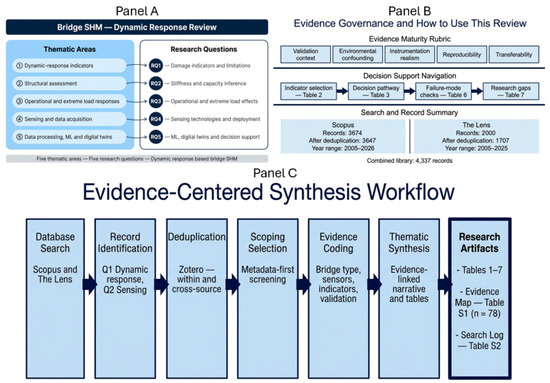
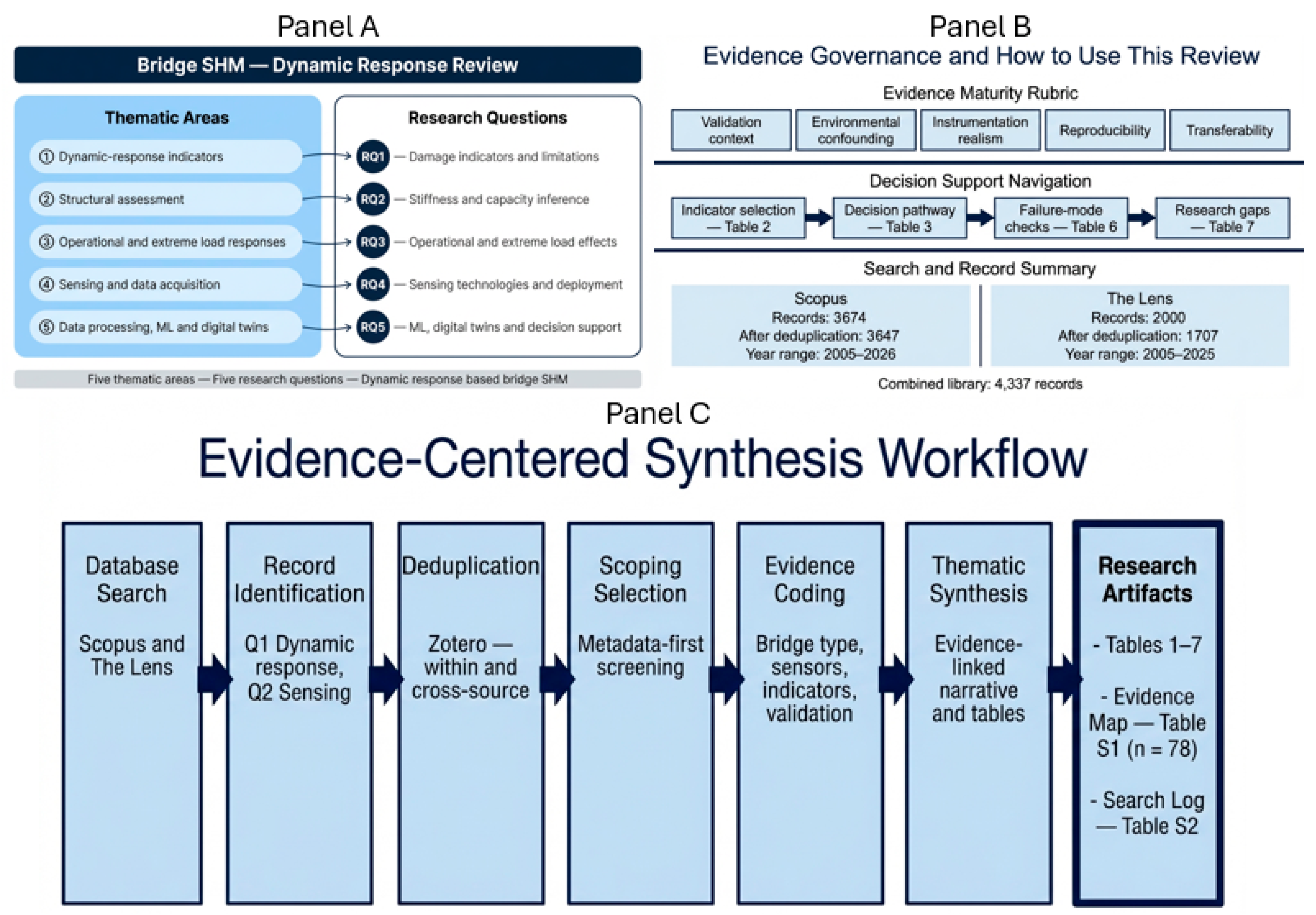
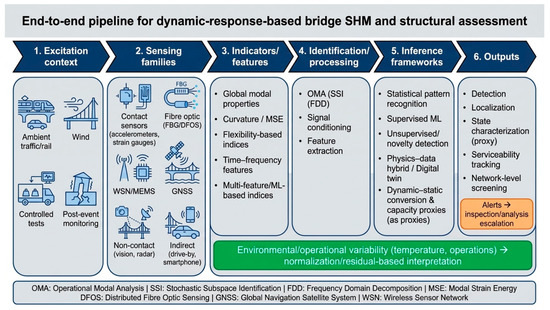
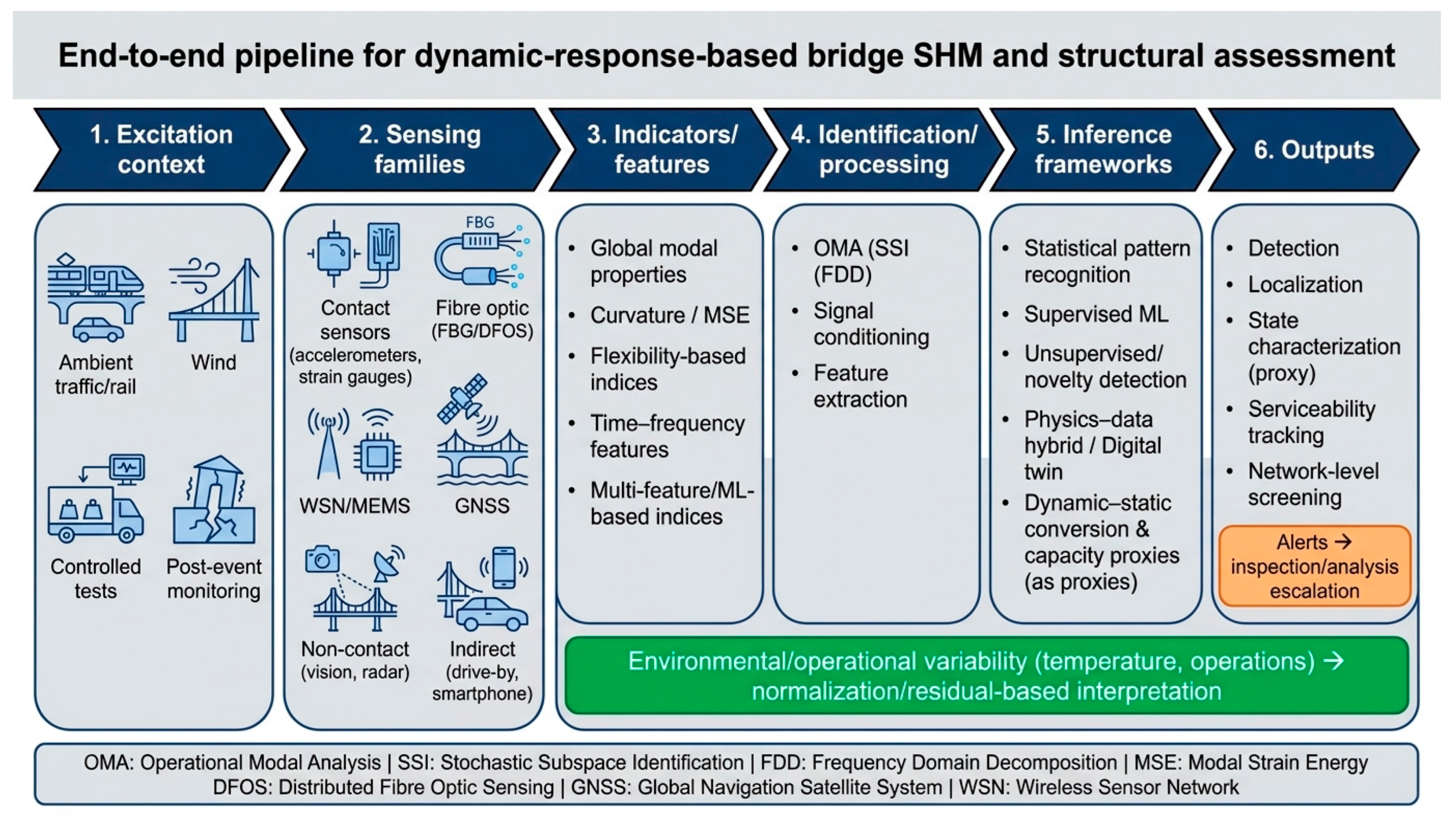
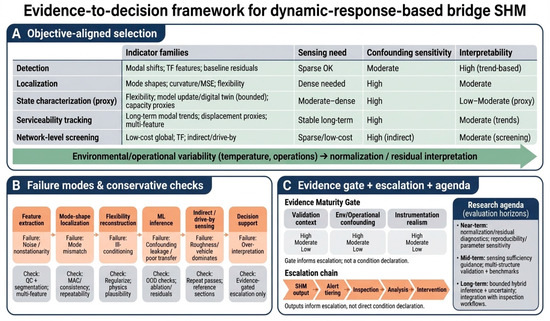
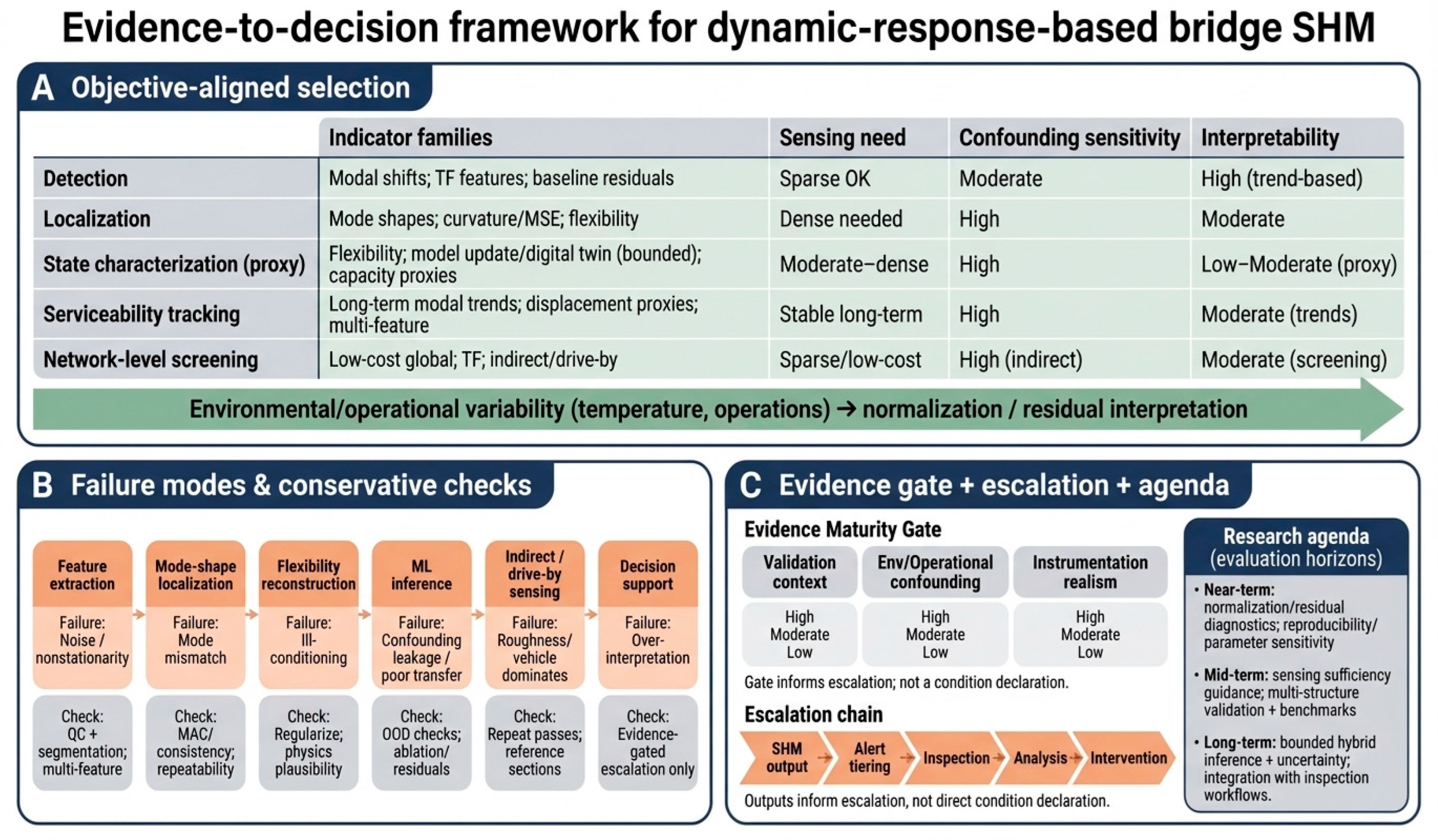

Disclaimer/Publisher’s Note: The statements, opinions and data contained in all publications are solely those of the individual author(s) and contributor(s) and not of MDPI and/or the editor(s). MDPI and/or the editor(s) disclaim responsibility for any injury to people or property resulting from any ideas, methods, instructions or products referred to in the content. |
© 2026 by the authors. Licensee MDPI, Basel, Switzerland. This article is an open access article distributed under the terms and conditions of the Creative Commons Attribution (CC BY) license.