


Abstract
Roller-compacted concrete (RCC) is a promising alternative to conventional pavement systems due to its structural capacity, rapid construction, and potential for sustainable performance. Nevertheless, its global adoption remains limited by the absence of standardized design protocols, variability in construction practices, and insufficient long-term performance assessments. This study provides a comprehensive and critical review of 125 peer-reviewed publications published between 1967 and 2025, proposing a multi-dimensional integration framework that connects material fundamentals, structural design principles, construction practices, in-service monitoring strategies, and documented applications within a unified analytical perspective. Unlike earlier reviews that addressed these aspects separately, this study explicitly articulates their interdependencies and identifies a fragmented global implementation of RCC monitoring practices, with limited integration of structural, functional, and instrumentation-based assessments across life-cycle stages. The findings consolidate a structured reference framework that supports more consistent, data-driven, and sustainability-oriented use of RCC pavements in contemporary infrastructure projects.
1. Introduction
In recent decades, roller-compacted concrete (RCC) has emerged as a technically, economically, and environmentally viable alternative to traditional pavement solutions, such as conventional Portland cement concrete (PCC) and hot mix asphalt (HMA) [1,2,3,4]. Its placement using asphalt-type pavers and compaction with high-frequency vibratory rollers makes it particularly attractive for applications requiring high structural capacity, fast construction, and cost efficiency [5,6,7,8,9].
The development of RCC as a technology applicable to pavements began in industrial and military contexts, gradually extending to urban, rural, and airport applications [5]. Its evolution has been marked by advances in mix design, construction techniques, incorporation of recycled materials, and improvements in durability and in-service performance [10,11,12].
Recent studies have reinforced the importance of understanding the interaction between mix design and environmental service conditions in predicting the performance of RCC. Research has shown that parameters such as the water/cement ratio, dry density, and degree of compaction have direct effects on some mechanical properties [13], including compressive strength, absorption, and modulus of elasticity [14,15,16,17]. In addition, regression models have been developed to estimate these properties based on simple mix design variables, such as water and cement content, which facilitates decision-making during the batching stage [18,19,20].
On the other hand, climatic conditions, especially relative humidity and ambient temperature, have been shown to influence the drying shrinkage of RCC significantly [21]. If adequate curing measures are not implemented, early microcracks may occur, compromising the structural and functional performance of the pavement [22]. These findings support the need to adapt RCC design and construction techniques to the specific environmental context of each project [15,23,24,25].
Numerous studies have also documented the feasibility of using recycled aggregates, such as construction and demolition waste, reclaimed asphalt pavement (RAP), industrial slag, ground rubber, and synthetic fibers, without significantly compromising their mechanical properties [23,26,27,28,29]. This flexibility in mix design has been accompanied by positive results in compressive, flexural, and tensile strengths, as well as durability under demanding environmental conditions [23,30,31,32,33].
From the structural point of view, the design of RCC for pavements presents particular challenges due to its differentiated mechanical behavior compared to conventional concrete. Multiple methodologies and software, such as RCC-PAVE—Version 2.1 [34,35], AASHTO 93, AASHTO MEPDG, PavementDesigner [36], and StreetPave—Version 12 [37], have been developed and applied with varying empirical, mechanistic, and mechanistic–empirical approaches, depending on the region, professional experience, and data availability [13,38,39,40,41,42,43].
In terms of construction, RCC has shown clear advantages in terms of commissioning times, joint reduction, ease of laying, and lower maintenance requirements. However, obtaining a smooth surface suitable for high-speed vehicular traffic remains a technical limitation in some instances, partially mitigated with thin layers of asphalt mix as the wearing surface [44,45].
In-service performance monitoring of RCC has gained importance in recent years, particularly in countries such as the USA and South Korea, where test sections have been instrumented and functional and structural evaluations have been developed with advanced cutting-edge technologies. However, there is still a paucity of data on long-term performance under real-world conditions with mixed traffic and under extreme climates [46,47,48].
The use of RCC in pavements has transcended its traditional application in industrial areas [49] or regions with low vehicular volume, expanding to urban and rural roads, logistics platforms, shoulders, and bicycle lanes [50]. This growth is evidence of its versatility, although it also raises the need for technical standardization to ensure uniform quality and performance in various use conditions [51,52,53].
Despite these advances, multiple technical and research challenges persist. Among them are the lack of standardized methods for the design of mixtures with alternative materials, the difficulties to characterize the behavior of RCC under severe ambient conditions, the scarce information on environmental impacts (e.g., carbon emissions and energy consumption), and the limited understanding of the long-term structural behavior under variable loading and moisture conditions considering the incorporation of other (sustainable) additives to RCC for pavement [54,55,56].
Previous review studies on roller-compacted concrete have predominantly focused on specific technical aspects, such as mix design optimization, structural performance modeling, durability behavior, or construction procedures considered independently. While these contributions have significantly advanced the understanding of RCC pavements, they often address isolated components of the technology. In contrast, the present study integrates material fundamentals, structural design principles, construction practices, in-service monitoring strategies, and documented applications within a unified analytical structure. By explicitly articulating the interdependencies among these dimensions, this review establishes a multi-dimensional integration framework that supports a systemic interpretation of performance and implementation in RCC pavement systems.
Accordingly, the main contribution of this review is to provide a comprehensive, methodologically structured synthesis of the current state of knowledge on RCC for pavements, in a context where its global adoption continues to face regulatory, operational, and environmental challenges. The aim of this study is to identify persistent research gaps and consolidate a reference framework to guide the design, construction, and monitoring of RCC pavements under structural efficiency, constructive feasibility, and sustainability criteria [57]. Through this approach, a more holistic understanding of RCC is fostered, thereby positioning it as a robust and resilient technical solution aligned with contemporary infrastructure demands.
This article is structured in nine sections. After this introduction, the search methodology used and the selection and analysis of the relevant scientific literature are presented. Subsequently, the technical fundamentals of RCC are developed, and recent advances in structural design, construction techniques, performance monitoring strategies, and international applications are discussed in depth. Finally, a critical discussion of the findings is included, followed by the conclusions of this work and some recommendations for professional practice.
2. Methodology of the Review
This review was developed using a systematic and structured methodology aligned with the PRISMA 2020 guidelines (Preferred Reporting Items for Systematic Reviews and Meta-Analyses). The process included four stages: identification, screening, eligibility, and inclusion. The full PRISMA 2020 flow diagram is presented in Figure 1, and the completed PRISMA 2020 checklist is available as Supplementary Material S1. No review protocol was registered.
Figure 1.
PRISMA 2020 flow diagram summarizing the identification, screening, eligibility, and inclusion stages of this review.
2.1. Literature Search and Inclusion Criteria
The literature search was conducted between January 2024 and July 2025 using Scopus, Web of Science, and ProQuest, focusing on peer-reviewed studies published from 1967 to 2025. The search strategy combined keywords such as “roller-compacted concrete”, “RCC pavements”, “mechanical properties”, “structural behavior”, and “performance monitoring”, using Boolean operators and filters by language (English and Spanish) and publication type.
- Inclusion criteria:
- Peer-reviewed scientific articles on RCC applied to pavements.
- Studies addressing at least one dimension: structural design, construction, monitoring, durability, or applications.
- Experimental, numerical, field-based, or state-of-the-art review studies.
- Exclusion criteria:
- Works focused exclusively on hydraulic structures (e.g., dams).
- Non-peer-reviewed documents, technical reports with no scientific value, and duplicates.
From an initial 315 records, 125 studies met the inclusion criteria and were analyzed in depth (n = 125) (see Figure 1).
2.2. Thematic Classification and Analysis Dimensions
The selected studies were categorized into five technical dimensions that structure the core of this review:
- Fundamentals of roller-compacted concrete for pavements: including composition, key mechanical properties, and material behavior relevant to pavement performance.
- Structural design of RCC for pavement: covering empirical, mechanistic, and mechanistic–empirical design methods, design parameters, and software tools.
- RCC construction techniques for pavement: addressing mixing, placement, compaction procedures, curing, and quality control.
- In-service monitoring and performance: encompassing instrumentation strategies, functional and structural evaluations, and long-term behavior.
- Applications and case studies: summarizing global implementation, infrastructure types, and technical lessons learned across regions.
This classification enabled a structured synthesis of trends, technological advances, and persistent gaps in RCC pavement research and practice.
Conceptual Multi-Dimensional Integration Framework
The five technical dimensions identified in this review—material fundamentals, structural design, construction techniques, in-service monitoring, and applications—are not intended as independent categories but as interrelated components of a coherent analytical framework. Together, they form a conceptual multi-dimensional integration framework aimed at understanding RCC pavements as a systemic process rather than as isolated technical stages.
In this framework, material fundamentals establish the mechanical and durability properties that directly influence structural design parameters. Structural design decisions, in turn, condition construction practices, including compaction methods, joint strategies, and curing techniques. The quality of construction affects in-service performance, which is evaluated through monitoring techniques and long-term behavior assessments. Finally, documented applications and case studies provide empirical validation and feedback, informing improvements in materials, design criteria, and construction standards.
By explicitly integrating these dimensions, the current review moves beyond prior studies that have typically focused on isolated aspects of RCC technology (e.g., mix design optimization or structural modeling). Instead, it proposes a connected analytical structure in which technical decisions across stages are understood as mutually dependent, enabling a more comprehensive interpretation of performance, sustainability, and implementation practices in RCC pavement systems.
2.3. Bibliometric and Keyword Analysis
A preliminary bibliometric assessment of the selected corpus revealed a progressive increase in scientific production over time, with a marked acceleration after 2020. Figure 2 illustrates the annual distribution of publications between 1967 and 2025. The color gradient of the bars encodes the yearly publication volume (from low to high intensity). At the same time, the dashed line represents a three-year moving average to highlight medium-term trends. A peak is observed in 2024, which may reflect the growing research attention devoted to sustainable and high-performance pavement technologies within the RCC domain.
Figure 2.
Annual publication output on roller-compacted concrete (RCC) for pavement applications (1967–2025). Bar color intensity reflects the annual number of documents (low to high), and the dashed line represents the three-year moving average trend.
These findings confirm a growing trend in the specialized literature on RCC, which directly responds to the aim of this article by justifying the need for a critical and updated review. The recent concentration of studies points to significant advances and a possible thematic fragmentation that needs to be systematized. This dynamic is consistent with previous studies, which recognize a renewed prominence of RCC in sustainable and low-cost infrastructure contexts [58,59].
Additionally, a keyword frequency analysis (Figure 3) revealed that RCC research is primarily focused on structural and mechanical issues (e.g., strength, durability, compaction). Terms related to sustainability, monitoring, and user-centered functionality appeared less frequently, highlighting conceptual gaps aligned with the aims of this review.
Figure 3.
Word cloud generated from keywords in the documents analyzed.
3. Fundamentals of Roller-Compacted Concrete for Pavements
Roller-compacted concrete (RCC) is a cementitious composite material characterized by its low workability and placement using typical asphalt paving equipment, followed by compaction with high-frequency vibratory rollers. Its structural design and functional performance make it an intermediate solution between traditional hydraulic concrete (PCC) and hot mix asphalt (HMA), combining the strength and durability of concrete with the speed of asphalt construction [1,2,3].
In terms of composition, RCC is formulated with an optimized ratio of cement, coarse and fine aggregates, water, and, optionally, additives or mineral additions. The water content is limited, resulting in a mixture with a consistency similar to wet gravel without flowability, and requiring immediate compaction after spreading. The success of the material critically depends on adequate compaction energy, as this determines the density, durability, and final strength of the mixture [4,5,6].
Among the main properties that define the behavior of RCC [7,60], the following stand out:
- High compressive strength, which can exceed 30 MPa at 28 days with conventional mixes, and reach higher values by using additives or optimal curing.
- Good flexural strength, important in rigid pavement wearing courses where flexural fatigue is critical [39].
- High dry density and low permeability give it excellent resistance to water penetration, salts, and aggressive agents.
- Moderate drying shrinkage, which must be managed through proper curing practices to prevent surface cracking.
- High modulus of elasticity, comparable to that of vibrated concrete, which improves load distribution in multi-layer pavement structures [7,8,9].
From an environmental perspective, RCC allows the effective incorporation of recycled materials, such as construction and demolition waste, RAP, furnace slag, fly ash, and industrial fibers [31,61,62]. These inclusions not only reduce natural resources consumption but also decrease the carbon footprint of the material, without compromising its structural properties if applied under a controlled design [38,63].
3.1. Mechanical Properties Reported in the Literature
Based on the data collected in the critical review, Figure 4 summarizes the values reported in representative studies on the mechanical properties of RCC, particularly concerning compressive and flexural strengths. The graph combines a violin plot, which represents the statistical distribution of the data, with individual points that identify each specific source. This visualization captures the general trend and the variability across studies, facilitating a comparative understanding of properties and research approaches.
Figure 4.
Distribution of the mechanical properties, compressive strength (MPa), and flexural strength (MPa), in roller-compacted concrete for pavements (compiled from [13,40,41,44,64,65,66,67,68,69,70,71]).
The variability observed in both compressive and flexural strength values across the reviewed studies reflects differences in mixture design, construction practices, and testing protocols. Reported 28-day compressive strengths range approximately from 27 MPa to over 48 MPa, while flexural strengths vary between roughly 4.2 MPa and 7 MPa. Several studies identify variations in water–cement ratio (0.37–0.53), optimum moisture content, and maximum dry density as critical factors affecting compaction efficiency and strength development. The use or removal of supplementary cementitious materials, such as fly ash, significantly influences early strength gain. Aggregate gradation and compliance with recommended RCC gradation bands were also reported as determinants of compressive and flexural performance. Construction-related factors—including compaction energy, rolling sequence, placement timing, and curing practices—directly impact mechanical properties. Furthermore, discrepancies between molded cylinder results and drilled core strengths, as well as differences in testing age (7 versus 28 days), contribute to the dispersion of reported values. Consequently, the observed variability reflects heterogeneity in mix design strategies and field execution rather than intrinsic inconsistency of the RCC material itself.
In terms of technical evolution, there has been a transition from traditional mixtures with Portland cement type I [64] to more complex solutions that integrate supplementary cementitious materials, synthetic fibers [29], and recycled aggregates [40,67]. This progression reflects a clear response to the imperatives of sustainability and construction efficiency, aligned with the pillars proposed in this work.
The results summarized and visualized in Figure 4 directly support the objectives of this study by providing a quantitative basis for the mechanical behavior of RCC, which allows us to (i) evaluate its structural viability compared to other solutions; (ii) identify opportunities for improvement in mix design; and (iii) highlight characterization gaps still present in the literature. Furthermore, the distribution of values is consistent with widely cited previously published studies [41,44], which highlight the ability of RCC to be integrated into road infrastructures with medium and high load requirements, while simultaneously reducing the environmental impacts associated with the exclusive use of virgin materials.
Overall, the mechanical fundamentals consolidated in this section reinforce the positioning of RCC as a robust and technically viable alternative that is increasingly aligned with the structural sustainability principles.
3.2. Comparison with Other Paving Materials
Multiple factors, including projected traffic loads, local climate, durability requirements, execution speed, and sustainability objectives, determine the choice of paving material. In this context, roller-compacted concrete (RCC) has emerged as a semi-rigid alternative that combines the structural attributes of conventional hydraulic concrete (PCC) and the operational characteristics of hot mix asphalt (HMA), giving it a strategic position in pavement design and construction [58,72].
3.2.1. Compared to Conventional Concrete (PCC)
RCC offers several advantages over conventional PCC, particularly in construction efficiency and cost optimization. No formwork or internal vibration is required, reducing execution times, equipment needs, and labor specialization. RCC typically experiences lower drying shrinkage and requires fewer joints due to its zero-slump consistency and dense aggregate structure. Surface curing is typically performed using membrane-forming compounds, as in modern PCC practices; however, due to its lower water content and zero-slump consistency, RCC exhibits reduced bleeding and different moisture-retention behavior during early-age curing. Additionally, RCC pavements can be opened to traffic within 1 to 3 days, compared to the ≥7 days typically required for conventional PCC.
However, these advantages are accompanied by important limitations. The mechanical performance of RCC is highly dependent on adequate moisture control and compaction energy during construction. Inadequate compaction may result in density loss and reduced structural performance. Furthermore, untreated RCC surfaces may present higher initial roughness values compared to conventionally finished PCC pavements. Reported field evaluations indicate International Roughness Index (IRI) values ranging approximately from 2.26 to 3.91 m/km [24], although lower values (around 100–120 in/mile) have also been documented under controlled construction conditions [70]. This variability may limit their direct application in high-speed or urban environments unless complemented by diamond grinding or a thin asphalt overlay to improve ride quality.
3.2.2. Compared to Hot Mix Asphalt (HMA)
Compared to HMA, RCC stands out for its higher structural capacity, improved load distribution, and longer potential service life under heavy traffic conditions. RCC exhibits superior resistance to rutting and high-temperature deformation, and its rigid behavior reduces long-term maintenance interventions in heavy-load applications [21,25].
Nevertheless, RCC also has certain constraints when compared to asphalt pavements. Its rigid nature makes it less tolerant to differential settlement, and its surface roughness may require additional finishing treatments to achieve acceptable ride quality [73]. Construction operations demand continuous placement and strict moisture control to avoid cold joints and compaction deficiencies [73]. Additionally, while RCC can be opened to traffic relatively quickly, it does not offer the immediate traffic return typically achievable with HMA in emergency rehabilitation scenarios.
Table 1 presents a structured technical comparison between three materials widely used in paving: roller-compacted concrete (RCC), conventional concrete (PCC), and hot mix asphalt (HMA). The comparison criteria include aspects related to the construction process, structural response, traffic opening time, required maintenance, and performance against sustainability objectives.
Table 1.
Summarized technical comparison of roller-compacted concrete (RCC), conventional concrete (PCC), and hot mix asphalt (HMA).
Figure 5 shows a sequential diagram of the construction process for three types of pavements: roller-compacted concrete (RCC), conventional hydraulic concrete (PCC), and hot mix asphalt (HMA). The main construction stages, technical requirements, machinery used, and estimated times until opening to traffic are detailed.
Figure 5.
Comparative overview of the construction process for rigid (hot mix asphalt, HMA), flexible (Portland cement concrete, PCC), and semi-rigid (roller-compacted concrete, RCC) pavements.
HMA stands out for its rapid placement and traffic reopening (often within 24 h). However, due to its viscoelastic behavior, its long-term performance under heavy and repetitive loading may be more sensitive to rutting and temperature-related deformation compared to rigid systems, particularly when mixture design, material selection, or compaction are not optimized. PCC offers excellent durability, but its construction process is slower and more demanding. RCC combines fast placement with good structural strength, reducing execution times by eliminating formwork and vibration, and allowing commissioning in 1 to 3 days. This balance positions it as an efficient solution in terms of time and mechanical performance.
Figure 5 supports the central idea of the article: RCC represents an intermediate technology that optimizes the balance between construction speed and structural robustness. Its ability to shorten deadlines without losing structural functionality makes it ideal for projects with time or resource constraints. In addition, its compatibility with recycled materials and low long-term maintenance requirements reinforces its relevance in sustainable paving strategies. These findings align with those reported by Debbarma et al. (2022) [30], who emphasized the potential of RCC as a new-generation semi-rigid material adaptable to multiple road contexts.
4. Structural Design of RCC for Pavement
The structural design of roller-compacted concrete (RCC) is a critical stage in pavement engineering, as it defines the physical and geometric parameters necessary for the structure to withstand vehicular loads during its projected service life [74]. Although RCC shares some fundamentals with conventional hydraulic concrete (PCC), it has particular characteristics that require specific design approaches: its monolithic behavior without frequent saw cuts, its placement using asphalt paving equipment, and its dependence on intensive compaction to achieve the desired density [1,2,3].
Internationally, various methods have been developed for dimensioning pavement structures with RCC. These methods vary in their approach (i.e., empirical, mechanistic, or mechanistic–empirical), as well as in the accuracy of their prediction models, the data required, and their applicability to different contexts [75]. The correct choice of method depends on the type of project, technical data availability, and the environmental and load conditions [76].
4.1. Design Methods and Considerations
In contexts where empirical approaches predominate, such as in projects of low or medium structural complexity [77], it is common to use adaptations of the AASHTO 1993 method or tools such as WinPAS [78,79]. These methodologies, widely used in North America, estimate the thickness of RCC slabs based on historically validated empirical relationships, considering variables such as the modulus of rupture of the concrete, subgrade characteristics, number of equivalent load axles, and load transfer coefficient between slabs [80,81,82].
In contrast, the mechanistic–empirical approach, represented by the AASHTO Mechanistic–Empirical Pavement Design Guide (MEPDG) and its current software implementation, i.e., AASHTOWare Pavement ME Design—Version 3.28.1, provides a more robust and flexible framework [83]. These tools allow a more realistic modeling of the behavior under various load, temperature [84], and humidity scenarios, and incorporate complex phenomena such as drying shrinkage, thermal warping, flexural fatigue, and joint erosion. Their predictive capabilities make them ideal choices for projects with high structural demands [85,86].
Likewise, methodologies adapted to local conditions have been developed in various regions around the world. Among these, the proposals elaborated by the U.S. Army Corps of Engineers (USACE) [60,87], the technical reports of the American Concrete Institute (ACI), and computational platforms such as LTPP InfoPave, WinPAS—Version 12, and StreetPave—Version 12 stand out. There are also specific solutions developed by manufacturers, such as Packard’s SR031P modular model, designed for airport pavements [77,85,88].
Table 2 provides a comparative summary of the leading methods identified in the technical literature, considering their approach, level of complexity, climate data requirements, ability to simulate advanced structural mechanisms (shrinkage/warping [89]), and their applicability in complex projects.
Table 2.
Comparison of structural design methods/software for roller-compacted concrete pavements.
This classification shows that, although empirical methods remain commonly referenced in practice due to their operational simplicity, mechanistic and combined approaches allow achieving a more in-depth understanding of the current behavior of RCC. In particular, the ability to simulate thermal warping, plastic shrinkage, and fatigue accumulation is key to the design of high-performance pavements in environments with heavy traffic or extreme environmental conditions [71].
4.2. Comparative Evaluation of Structural Design Methodologies for RCC
Beyond the methodological distinctions described in Section 4.1, the comparative evaluation of RCC structural design frameworks reveals not only differences in analytical formulation but also in epistemological positioning regarding uncertainty, performance prediction, and long-term reliability. Rather than reiterating their procedural characteristics, this section examines their predictive scope and practical implications under variable loading and environmental conditions.
Empirical procedures, including AASHTO 1993/WinPAS and ACI-based methods, are founded on historically calibrated performance relationships derived from observed field behavior. Although these approaches remain widely adopted in practice, particularly where detailed traffic and climatic data are unavailable, their simplified input requirements primarily support preliminary or moderate-complexity designs. However, their formulation inherently abstracts complex thermo-mechanical interactions. In particular, these approaches do not explicitly resolve temperature gradients, drying shrinkage-induced stresses, slab–base interaction mechanisms, or progressive fatigue accumulation. Consequently, when extrapolated to high cumulative traffic levels (expressed in ESALs) or to environments characterized by pronounced climatic variability, their predictive robustness may diminish, increasing epistemic uncertainty in long-term structural performance assessment.
Mechanistic–empirical methodologies, such as AASHTO MEPDG/AASHTOWare Pavement ME Design, PavementDesigner, RCC-PAVE, and USACE procedures [20,36,37,71], provide a more comprehensive analytical structure. These frameworks integrate layered elastic theory with calibrated distress models, enabling simulation of flexural fatigue, thermal warping, load transfer efficiency, and climate–structure interaction [83,91]. The ability to model time-dependent deterioration mechanisms enhances their suitability for multilayer systems and high-demand industrial or logistics pavements, and have been reported in the literature as suitable for performance-oriented RCC applications [85]. Nevertheless, their application requires detailed material characterization, climatic inputs, and traffic spectra, which may limit their implementation in data-scarce environments.
Intermediate tools, including StreetPave, LTPP InfoPave, and modular design proposals developed for specific operational contexts [77], offer hybrid analytical capabilities. They incorporate multilayer structural analysis while maintaining moderate computational requirements. However, their reliability depends on appropriate local calibration and validation against field performance databases, particularly when applied to RCC systems with specific compaction and curing characteristics.
From a structural performance standpoint, the key differentiator among methodologies is not merely their computational complexity but their capacity to explicitly represent the interaction between load magnitude, slab thickness, environmental exposure, and material behavior. In RCC pavements, where compaction efficiency, shrinkage control, and thermal gradients significantly influence cracking susceptibility, integrating mechanistic modeling becomes particularly relevant.
While the comparative evaluation above highlights differences in analytical philosophy and predictive resolution among structural design frameworks, their practical implications ultimately converge on a fundamental engineering decision: determining the slab thickness required to sustain projected traffic demand under specific environmental conditions. In RCC pavements, thickness selection constitutes the most direct structural response to cumulative load effects, serving as the primary design variable through which fatigue resistance, stress distribution, and long-term durability are controlled.
Accordingly, beyond methodological distinctions, it becomes essential to examine how projected traffic levels—expressed in equivalent single axle loads (ESALs)—translate into recommended structural thicknesses in the reviewed literature. This relationship provides an operational bridge between theoretical design frameworks and applied structural configuration, allowing the evaluation of performance-based consistency across different methodological approaches.
The methodological diversity identified in RCC structural design does not operate in isolation. Design assumptions directly influence construction tolerances, compaction requirements, joint configuration, and subsequent monitoring needs. Consequently, the selection of a design framework extends beyond thickness calculation and becomes a determinant factor in the operational and performance validation stages discussed in later sections. This interdependence reinforces the multidimensional integration framework proposed in Section Conceptual Multi-Dimensional Integration Framework, in which structural design serves as a pivotal link between material behavior and in-service performance.
Relationship Between Traffic Load (ESALs) and Structural Thickness
Figure 6 presents a scatter plot relating the projected load level (expressed in millions of ESALs) to the recommended structural thickness for RCC pavement. Although derived from heterogeneous case studies and methodological approaches, the data consistently indicate a positive correlation between cumulative ESAL demand and recommended slab thickness, reflecting the performance-based logic underlying RCC structural design [49,85].
Figure 6.
Scatter plot between the expected load (ESALs) and recommended structural thickness for roller-compacted concrete (RCC) pavements, according to USACE, PCA, and international literature methods.
Accelerated pavement testing reported in the literature further illustrates the sensitivity of RCC performance to slab thickness. Under specific experimental conditions, a 15 cm RCC slab constructed over a strong base sustained up to 87.4 million ESALs, whereas a thinner slab of 10 cm under comparable conditions sustained only approximately 19.2 million ESALs [85]. These results correspond to individual test sections and should not be interpreted as generalized design thresholds. The thickness–traffic relationship summarized in Figure 6 reflects a synthesis of reported design ranges within the 5–30 million ESAL interval identified in the reviewed studies.
This type of relationship allows structural categories to be established based on expected load conditions, which is particularly useful for defining standard sections in logistics corridors, industrial terminals, and areas of continuous heavy traffic [93,94,95].
These results contribute directly to the objective of this work by demonstrating that the structural design of RCC must integrate cumulative performance criteria. The evidence presented reinforces the need for methodologies that correctly simulate load conditions and their effects over time. Furthermore, by correlating with previous findings [70,85], the relevance of mechanistic–empirical approaches as a basis for transitioning to more sustainable and adaptive standards is validated.
Future developments in RCC structural design may benefit from incorporating reliability-based approaches, allowing probabilistic evaluation of traffic variability, environmental uncertainty, and material performance over time.
4.3. Factors Influencing Structural Performance
Beyond methodological selection, structural performance in RCC is strongly conditioned by execution quality and environmental exposure, confirming that structural design decisions must be evaluated within a systemic rather than isolated framework.
In addition to the selected methodology, the structural behavior of RCC in service is conditioned by a series of technical and operational variables that must be considered in the design and execution of each project. Among the most influential factors are:
- Compaction: The final density of RCC depends exclusively on the efficiency of the compaction process. Poor compaction generates porosity, reduces flexural strength, increases permeability, and promotes the appearance of cracks and structural defects. The use of heavy vibratory rollers, adequate control of optimal moisture content, and speed of execution are essential to avoid these problems [13].
- Mix design: The water/cement ratio, the quality and particle size distribution of the aggregates, and the inclusion of mineral additives directly affect the elastic modulus, shrinkage, durability, and strength of RCC. Well-designed mixes ensure greater homogeneity, compactness, and resistance to wear from repeated loading [14].
- Surface curing and weather conditions: Early loss of surface moisture can induce plastic shrinkage and microcracking. To prevent this, it is essential to apply curing membranes immediately after compaction, especially in hot, dry climates, where the temperature gradient between the surface and the core is more pronounced [96].
- Traffic loads: In projects with high volumes of heavy traffic, greater thicknesses or complementary structural layers should be used. The design should consider load distribution, turning radii, and repetitive stresses, which are critical aspects in industrial areas, logistics yards, or port platforms [60].
- Support and lateral confinement: Continuous support of the slab on a stable and well-confined base significantly reduces differential displacement, loss of support at edges, and poor load transfer between joints [97]. The installation of stiffeners or curbs improves the overall load-bearing capacity of the system [76,98].
- Joint spacing and treatment: Although RCC requires fewer joints than PCC, their correct placement, sealing, and maintenance are crucial to prevent random cracking, pumping, and moisture deterioration. In high-demand areas, the use of transfer bars or structural fibers may be considered to increase slab integrity [62,99].
5. RCC Construction Techniques for Pavement
The roller-compacted concrete (RCC) construction process requires a rigorous technical sequence, since its correct execution determines not only the structural durability of the pavement but also its acceptance as a competitive solution compared to conventional alternatives [69,100]. The critical stages are described below, based on technical guidelines, case studies, and documented empirical results.
5.1. Mixing and Placement Processes
RCC is characterized by being a dry consistency mixture (zero-slump), with well-graded aggregates up to ¾” and no surface bleeding, which requires precision in moisture control. In several projects, water/cement ratios between 0.36 and 0.53 have been used, achieving compressive strengths from 27.6 MPa to 48.3 MPa and flexural strengths higher than 4.8 MPa.
Paving is carried out using asphalt pavers such as the ABG Titan, which incorporates high-frequency vibration and tamping compaction mechanisms (1500 blows per minute), reaching up to 90% density as it leaves the machine. This advance optimizes execution times and reduces the need for secondary compaction. However, the transport and spreading sequence must still be carried out within a strict time frame to preserve workability.
Figure 7 presents a sequential diagram summarizing the six fundamental stages of the RCC construction process: mix design, plant production [101], transport and spreading (placing), primary and secondary compaction, initial curing, and on-site quality control. Each box in the diagram represents a critical phase, and the arrows indicate the logical dependency between them.
Figure 7.
Flow chart of the roller-compacted concrete (RCC) construction process for pavements.
The diagram shows that the success of RCC depends not only on the materials or structural design, but also on the operational integration between phases. It highlights the need for continuous execution, without interruptions between spreading (placing) and compaction, and immediate curing. This operational sequence directly influences the density achieved, the structural strength, and the durability of the pavement. The diagram also allows key control points to be visualized, such as the validation of optimal moisture content and minimum required density.
This figure responds to the first objective of this study, i.e., to critically summarize the technical conditions necessary for the performance of RCC. By presenting the process as a structured and controlled system, it reinforces the idea that RCC is not just a material, but a technology that requires standardization, technical monitoring, and specialized operational training. Its inclusion allows the reader to understand graphically why methodological compliance is as crucial as mechanical design.
5.2. Compaction Equipment and Procedures
Compaction is carried out using double drum (steel) and combined (drum and tire) vibratory rollers, following typical patterns of six passes with a steel roller and four with a combined roller. The rollers often work in static mode for most of the process, activating the vibration only in specific areas, such as edges or rougher areas.
A relevant technical finding is that the initial compaction achieved by the paver can exceed 90% of the target density, which reduces the energy demand of subsequent equipment. However, it is essential to respect the optimum compaction moisture content to avoid surface marks and structural defects that could lead to shrinkage cracking, especially in sections of 20 cm or more.
This procedure, validated by real-life cases, such as a project carried out in Georgia, USA (2007), highlights the potential of RCC for rapid-enabling applications, with light traffic possibly in less than 8 h after placement [51,65].
5.3. Quality Control During Construction
5.3.1. RCC Mix Design Considerations
The mix design process for roller-compacted concrete (RCC) differs substantially from conventional PCC due to its zero-slump consistency and the reliance on compaction for structural integrity. A typical design begins with selecting a well-graded aggregate blend that promotes particle interlock and facilitates high in-place density when subjected to vibratory rolling. Studies indicate that targeting a continuous gradation within recommended RCC bands improves compactability and mechanical properties [14,85].
Water content in RCC is primarily controlled through optimum moisture content (OMC) determination using modified Proctor testing, rather than slump criteria. This approach establishes the moisture level that maximizes dry density, which is a critical design objective because field compaction aims to achieve at least 98% of maximum dry density for adequate stiffness and durability [22,85].
Reported water–cement ratios in RCC pavement applications commonly range between 0.36 and 0.53, depending on required mechanical performance and environmental exposure conditions. Cementitious binders may include Portland cement alone or blended systems incorporating fly ash or other supplementary cementitious materials, which can enhance workability, reduce heat of hydration, and improve long-term durability when properly proportioned [14].
RCC mix evaluation focuses on achieving consistent density and mechanical response rather than workability. Laboratory assessments may include Vebe or modified vibration tests to evaluate mix response under compaction energy, and direct compressive and flexural strength tests. Field quality control commonly uses nuclear densitometry and moisture content checks immediately after placement to verify that design assumptions are being met [14,85].
This compaction-oriented design philosophy links laboratory mixture optimization with field execution requirements, making moisture control and compaction energy critical determinants of in-place density and long-term mechanical performance.
5.3.2. Field Quality Assurance Procedures
Quality assurance for RCC pavements commonly includes in-place density assessment using nuclear density gauges (NDG), core extraction for density verification, and strength testing of field-molded cylinders. The reviewed studies report the use of NDG as a standard field method to verify compaction levels immediately after placement, particularly in conjunction with moisture control procedures [62,65,67]. The use of moisture sensors on-site has also improved the consistency of the mixture.
As for curing, projects such as Fort Drum showed that the use of liquid compounds was not practical, and wet coverings with burlap and plastic were adopted as a superior alternative for retaining moisture. In other experiences, white pigmented curing compounds were applied to improve thermal reflectivity and prevent premature drying [96,102].
Figure 8 presents a set of illustrative representations of the key stages in the RCC construction process. These AI-assisted visual depictions include: (a) laboratory mix design, (b) pugmill plant production, (c) spreading with a vibratory asphalt-type paver, (d) compaction with vibratory and pneumatic rollers, (e) surface curing with a liquid pigmented membrane, and (f) on-site quality control through density testing.
Figure 8.
Representative illustrations of standard construction stages in roller-compacted concrete (RCC). (a) Laboratory mix design [14,15,18,22]; (b) Pugmill plant production; (c) Spreading with a vibratory asphalt-type paver; (d) Compaction with vibratory and pneumatic rollers; (e) Surface curing with a white liquid pigmented membrane; (f) On-site quality control (nuclear densimeter). Source: Illustrative representations generated and refined by the authors using AI-based tools for explanatory purposes.
These illustrations are intended to support the conceptual framework for the technical phases described in the text. For instance, vibratory compaction is depicted using standard field equipment, and curing with a pigmented membrane illustrates commonly adopted thermal protection strategies [85]. Similarly, density testing reflects standard quality control procedures required by current specifications to ensure pavement performance. Rather than providing field documentation, these representations serve to visually contextualize how RCC construction practices are typically implemented in real projects.
Figure 8 reinforces the second objective of this review by visually synthesizing the standard execution sequence of RCC pavements. Through structured representations of laboratory mix design, production, placement, compaction, curing, and quality control, the figure conceptually links material behavior, construction practice, and performance validation within the integrative analytical framework proposed in this study.
The following sequence illustrates the essential phases involved in the execution of roller-compacted concrete (RCC) pavements, providing a visual complement to the critical synthesis developed in this study: (a) laboratory mix design, where consistency and moisture are adjusted to achieve target mechanical properties; (b) production in a pugmill plant to ensure homogeneity and controlled moisture content; (c) spreading with a vibratory asphalt-type paver to facilitate initial densification; (d) compaction with vibratory and pneumatic rollers to optimize density and surface characteristics; (e) surface curing with a white pigmented membrane to promote moisture retention and thermal protection; and (f) on-site quality control using nuclear densimeter tests to verify compaction levels. These representations support the integrative analytical framework proposed in this review by visually contextualizing how material behavior, design decisions, construction practices, and quality control procedures interact within RCC pavement systems.
5.4. Evolution of Construction Practices in RCC
An analysis of recent roller-compacted concrete (RCC) implementation projects at the international level reveals significant developments in the methods used for placement, compaction, and quality control on-site.
Table 3 summarizes representative projects involving the implementation of RCC in different international contexts over the last decade. Each case includes critical information on the type of structure built, the placement and compaction method used, the quality control procedures applied, the typical thicknesses, and the mechanical strength levels achieved. This compilation provides a comparative basis for identifying common technical patterns, regional differences, and emerging trends in RCC pavement construction.
Table 3.
Summary of practical roller-compacted concrete (RCC) pavement projects.
Chronological analyses reveal, on the one hand, a progressive evolution in quality control methods [1,2,68] and in the compressive strength values achieved. On the other hand, older projects, such as the ones in the United Kingdom in 2011 and South Africa in 2012, are characterized by limited controls and moderate strengths (~32 MPa). Conversely, more recent projects, such as those developed in Canada (2023) and Australia (2022), show a strengthening of control procedures (e.g., nuclear density testing, on-site moisture monitoring) and an increase in strengths (~36–38 MPa), even under heavy load conditions. Likewise, there is a growing trend toward the integration of asphalt-type pavers combined with heavy vibratory compactors, suggesting an advance in the technification of RCC construction processes.
This evolution reflects not only technological improvement, but also the adaptation of RCC to contexts with greater structural demands, such as mining applications and hybrid RCCP-JPCP systems, as particularly evident in the cases of Malaysia and Australia [67,106,107,108,109].
The results summarized in Table 3 directly address the objective of this study of providing a structured summary of the state of the art of RCC. First, these identify gaps in the technical literature, such as the limited documentation in projects in South Africa and the United Kingdom regarding mechanical bending parameters. Second, the compilation of quality control practices highlights the need to standardize field verification procedures, particularly in variable climates or industrial applications.
When comparing these findings with previous studies, such as those by LaHucik et al. (2017) and Harrington et al. (2010) [66,85], the authors confirmed that construction practices evolved from empirical methods to more controlled and technically validated approaches, in line with the global trend towards sustainability and structural efficiency.
Thus, Table 3 not only provides an overview of RCC applications internationally but also supports the need to consolidate a technical reference framework to guide future developments in the design, construction, and monitoring of RCC pavements, aligned with the principles of efficiency, constructability, and sustainability proposed in this article.
6. In-Service Monitoring and Performance
Validating the performance of roller-compacted concrete (RCC) under real-life conditions is a key step in consolidating its application as a structural technology. Technical monitoring, both during execution and in the service phase, allows us to verify whether the pavement meets structural and functional design requirements, as well as anticipating deterioration. This section is organized into two parts: (i) the methods used to monitor and evaluate RCC, and (ii) the analysis of performance reported in case studies.
6.1. Monitoring and Evaluation Methods
RCC monitoring has been implemented using three complementary approaches: (i) instrumentation, (ii) functional evaluation, and (ii) structural evaluation. Integrating these approaches allows us to understand pavement behavior over time, validating design hypotheses, and optimizing maintenance decisions.
6.1.1. Instrumentation During Construction
Instrumentation consists of using sensors, gauges, or data acquisition systems to measure temperature, deformation, or humidity in real time. It allows us to anticipate phenomena such as thermal warping or shrinkage cracking [96,110]. In the studies reviewed, South Korea shows the highest number of instrumented studies (40%), followed by the USA, China, and Iran (20% each), while Korea and South Africa do not report instrumented applications.
6.1.2. Functional Evaluation
Functional assessment considers parameters such as roughness (IRI), friction, texture, and user comfort. These indicators are essential for validating the quality of pavement service. The USA and South Korea each account for 50% of the functional assessments identified in the reviewed studies and are the only countries that systematically document this practice, suggesting greater technical maturity and focus on end-user performance. Other countries show no evidence of applying functional criteria in RCC monitoring.
6.1.3. Structural Evaluation
Structural assessment verifies the load-bearing capacity of the slab in service. It is performed using techniques such as deflectometry (FWD and LWD), extensometer gauges, and accelerated testing. Structural evaluation is the most widespread approach (n = 8 studies), led by the USA (50%), while South Korea, Korea, China, and South Africa each contribute 12.5%. Iran does not report structural evaluations in the reviewed dataset. This distribution reflects the predominant reliance on load response validation techniques in the international literature. This diversity of approaches is summarized in Table 4, enabling comparison of monitoring method implementation across countries.
Table 4.
Implementation of roller-compacted concrete (RCC) pavement monitoring methods by country.
Table 4 compares the implementation of monitoring approaches by country. The USA and South Korea exhibit broader coverage across instrumentation, functional, and structural evaluations, whereas countries such as Iran and China report more limited or category-specific applications. These differences suggest varying levels of methodological integration in RCC monitoring practices. While the USA and South Korea apply multiple complementary evaluation strategies, other countries tend to prioritize structural validation methods. Table 4, therefore, supports one of the key objectives of this review, i.e., to identify current gaps and opportunities for strengthening monitoring standardization in RCC pavement practice.
To complement the technical understanding of the monitoring strategies implemented in RCC pavements, Table 5 presents a structured summary of the leading equipment and sensors used in monitoring studies of RCC pavements, classified by type of evaluation (instrumentation, functional and structural), countries where they were applied, type of structure evaluated, stage of the life cycle in which they were applied, and specific objective of each measurement. This organization allows us to understand not only which technologies are used, but also how and for what purpose they are used within the RCC construction and evaluation process.
Table 5.
Equipment and methodologies applied in the instrumentation, functional and structural evaluations of roller-compacted concrete (RCC) pavements.
There is also a conceptual difference between four key stages in the RCC pavement life cycle: (i) the construction phase, during which embedded sensors, compaction measurements, and temperature/humidity control can be implemented during setting; (ii) the post-construction phase, which corresponds to initial checks after execution, including deflectometry, joint efficiency [112], and accelerated load tests; (iii) the operation phase, associated with the daily use of the pavement by users, where functional conditions such as roughness, texture, or road safety are evaluated; and (iv) the service phase, which involves long-term structural monitoring under current traffic conditions to evaluate fatigue, accumulated deformations, and loss of bearing capacity.
The analysis of Table 5 reveals a clear evolution in the use of monitoring technologies. Initially, structural assessments dominated the practice, using equipment such as FWD or APT [53,111]. However, recent studies have observed an increase in the incorporation of embedded instrumentation (strain gauges, temperature, and humidity sensors), reflecting a transition towards more detailed methodologies focused on analyzing the actual behavior of the material under field conditions.
Furthermore, functional evaluation remains infrequent and concentrated in specific contexts such as the USA and South Korea, where profilographs, DFT, and automated texture systems are available. This situation limits the comprehensive evaluation of RCC, especially in its interaction with the end user.
In terms of geographical coverage, the use of advanced technologies is concentrated in countries with a strong tradition of applied research (the USA and South Korea), while in other contexts (South Africa, Iran, and China), the techniques focus on specific aspects of structural or construction performance.
The results shown in the table directly address the main objective of this work, as they clearly identify persistent gaps in the literature, including the low use of functional evaluations, the limited presence of continuous monitoring in most studies, and the lack of standardization in measurement objectives between countries.
Furthermore, this synthesis provides a basis for proposing a more holistic framework, integrating instrumental, functional, and structural methodologies aligned with principles of efficiency, sustainability, and decision-making based on real data.
These findings are consistent with those reported in previous studies, such as those by Wu et al. (2016) [111] and Liu et al. (2021) [103], who pointed out the need for more robust monitoring systems for RCC, especially with regard to performance validation under real and prolonged conditions. The review reinforces this critical line of thinking, providing structured and visual evidence on the current and projected state of monitoring in RCC pavements.
In addition to Table 4, Figure 9 and Figure 10 provide a comparative and evolutionary view of the implementation of monitoring strategies in RCC studies.
Figure 9.
Distribution of studies by country according to the type of monitoring applied to roller-compacted concrete (RCC) pavements.
Figure 10.
Presence/absence matrix of instrumentation, functional, and structural evaluations in roller-compacted concrete (RCC) studies.
Figure 9 presents the cumulative number of studies by country that report monitoring strategies in roller-compacted concrete (RCC) pavements, categorized into three dimensions: instrumentation (use of embedded sensors or in situ measurement systems), functional evaluation (surface-related indicators such as roughness and friction), and structural evaluation (load response validation methods such as FWD, HWD, or accelerated testing). The bars represent the number of studies per assessment type within each country.
The results reveal a heterogeneous distribution of monitoring practices across countries. The USA reports the highest overall number of studies incorporating structural evaluation and is one of the two countries documenting functional assessment [113]. South Korea also demonstrates the use of multiple complementary approaches, particularly instrumentation and functional evaluations. In contrast, China, Iran, Korea, and South Africa primarily report structural validation methods, with limited or no evidence of functional monitoring in the reviewed dataset.
From the perspective of this review, the figure provides a structured mapping of current monitoring practices rather than a measure of technological performance. It highlights the predominance of structural evaluation (n = 8 studies) relative to instrumentation (n = 5) and functional assessment (n = 4), and identifies gaps in the integrated application of these approaches. The absence of functional evaluation outside the USA and South Korea suggests opportunities for methodological expansion in future RCC research.
These findings are consistent with previous literature emphasizing structural load response validation as the primary experimental focus in RCC studies [111,114]. However, the comparatively lower frequency of instrumentation and functional indicators underscores the need to advance toward more integrated monitoring frameworks that simultaneously address structural response, surface performance, and long-term service conditions.
Figure 10 presents a binary presence/absence matrix indicating whether individual studies incorporated instrumentation, functional evaluation, or structural assessment. Each row corresponds to a specific study (country–year), and each column represents one of the three monitoring dimensions. The matrix covers all identified RCC pavement studies reporting monitoring practices from 1996 to 2022 (n = 10).
The matrix reveals heterogeneous and non-uniform adoption of monitoring strategies across countries and time periods. Structural evaluation is the most recurrent dimension, appearing in the majority of studies, whereas instrumentation and functional assessment are reported intermittently and without a consistent integration pattern.
In the USA, monitoring practices vary considerably between studies: early work (1996) focused exclusively on structural evaluation, while subsequent studies (2015–2016) incorporated combinations of structural and functional assessment, and, in one case, instrumentation [115]. However, this integration is not sustained across all years, as later studies emphasize only a single dimension. South Korea exhibits a relatively balanced inclusion of instrumentation and functional evaluation in recent studies, although structural assessment remains central. In contrast, countries such as South Africa and Korea report only structural evaluation, while Iran reports instrumentation without structural validation. China combines instrumentation and structural assessment, but does not document functional indicators.
The matrix confirms that RCC monitoring practices have not followed a uniform pattern over time or across countries within the identified literature. This finding is consistent with previous observations by Pittman (1996) [81] and Liu et al. (2021) [103], who reported variability in assessment techniques applied in RCC studies. Furthermore, the limited number of longitudinal studies with integrated monitoring restricts the construction of comparable databases and the cross-validation of structural models. Therefore, the results emphasize the need to consolidate a common monitoring framework that enables RCC pavements to be evaluated under structural efficiency and operational sustainability criteria in real-world contexts.
6.2. Long-Term Performance and Case Studies
The performance analysis of RCC in service confirms that, under appropriate design and construction conditions, this material can maintain its structural and functional capacity during prolonged operation cycles. The most relevant findings are summarized below.
6.2.1. USA: Intensive Monitoring and Accelerated Testing
In Louisiana, 10 to 20 cm thick sections of RCC were evaluated using accelerated loading systems (APT) over 12 months. The results indicated that a thickness of 20 cm achieved a projected structural life of up to 19.2 million ESALs, with minimal surface cracking and stable functional behavior. The integration of sensors, deflection tests, and temperature monitoring allowed the construction of structural deterioration curves and the validation of fatigue models [116,117].
6.2.2. South Korea: Thermal and Deformation Analysis
Using KM-100 B sensors and temperature monitoring, thermal gradients of up to 18 °C were recorded in the slab, with no evidence of visible cracking. Proper curing and lateral confinement were identified as key factors in preventing differential deformation. Functional tests confirmed IRI values within the optimal range (2.26–3.91 m/km), supporting the suitability of RCC for urban and secondary roads [116].
6.2.3. Other Experiences
In countries such as China, South Africa, and Korea (as a separate region), basic structural assessment techniques were applied, with no evidence of functional monitoring or advanced instrumentation. This limits the capacity for longitudinal performance analysis and restricts the extrapolation of results to other contexts. These findings suggest that the good performance of RCC does not depend exclusively on the initial design, but rather on technical management that includes monitoring, feedback, and adaptive maintenance.
7. Applications and Case Studies
Roller-compacted concrete (RCC) has been progressively adopted in multiple functional and geographical contexts, demonstrating its structural versatility, compatibility with variable climatic conditions, and economic potential compared to conventional methods. This section presents an analysis of its international application in various types of infrastructure, as well as lessons learned from outstanding case studies.
7.1. Use of RCC in Different Contexts and Regions
Roller-compacted concrete (RCC) has demonstrated broad technical versatility, enabling its adoption in various regions worldwide and over a broad variety of functional contexts. Its application has focused particularly on infrastructure requiring high load-bearing capacity, durability, and ease of maintenance, such as industrial zones, port areas, logistics platforms, and airports. However, its presence has also gradually spread to urban roads, extra-wide roads, shoulders, and storage yards [118].
In the USA, RCC has been implemented in all functional categories analyzed, from ports and industrial facilities to local roads and shoulders, reflecting a high degree of regulatory and operational maturity [64,65,119,120]. This has been achieved by the existence of standardized technical guidelines, institutional support from the USACE, and the experience accumulated by contractors in implementing the system [87,92,119,121].
South Korea, the United Kingdom, China, and Australia [122] also show an intermediate level of adoption. They have mainly applied RCC on local and arterial roads, airport areas, and industrial environments, prioritizing construction efficiency, crack reduction, and ease of commissioning within short timeframes. In these cases, the selection of adequate machinery [123], climate adaptation, and compaction criteria have been determining factors in their success [124].
On the other hand, countries such as Canada, Lithuania, Malaysia, and the Czech Republic have documented more specific and limited applications in terms of the number of categories. In particular, the Czech Republic stands out in the implementation of RCC in urban road structures, although with adapted or limited automation machinery, which reveals a technical adoption more oriented by structural needs than by regulatory consolidation.
Figure 11 presents a global infographic map of RCC implementation, showing the countries and regions where its use has been documented, along with the main functional categories and the approximate year of commencement. The timeline below summarizes the evolution of these implementations over time, reflecting the pioneering role of the USA and subsequent regional adoption in Asia, Europe, and Africa [125].
Figure 11.
Geographical distribution of the application of roller-compacted concrete (RCC) in road infrastructure and logistics.
This figure allows us to identify spatial and temporal patterns of adoption, showing an evolution from regulatory and technical consolidation in leading countries to more targeted implementations in emerging contexts. The USA stands out for its comprehensive adoption of RCC in all functional categories, suggesting consolidated technical maturity. In contrast, regions such as Africa show incipient development, representing an opportunity for expansion.
The information presented directly addresses the objective of this work by offering a structured overview of the global state of the art in RCC. It also corroborates previous findings that highlight the importance of institutional support, regulatory standardization, and technical expertise as key facilitators for the widespread adoption of sustainable pavement technologies.
Figure 12 complements the above analysis with a matrix representation of country-infrastructure combinations in which the application of RCC has been documented. This visualization allows us to observe the functional breadth of use in each geographical context.
Figure 12.
Roller-compacted concrete (RCC) applications by type of infrastructure and country.
Figure 12 organizes countries according to their degree of adoption of RCC into seven functional categories: ports, industrial areas (light and heavy), airports, arterial and local roads, shoulders, and storage areas [118,120]. The presence of a marker in each cell indicates documented evidence of RCC use in that combination.
This figure facilitates a comparative analysis between countries, enabling the distinction between those with widespread adoption of RCC, such as the USA, South Korea, and the United Kingdom, from others with more limited sectoral applications. From a sustainability and innovation in infrastructure perspective, the figure contributes to the reference framework proposed in this study by providing structured evidence that supports informed decisions in the design and planning of pavements with RCC [11].
7.2. Lessons Learned from Previous Implementations
The documented cases allow drawing several lessons that are critical for the replicability and continuous improvement of RCC in pavements:
- Versatility of the construction method: The USA has demonstrated that the use of asphalt pavers together with vibratory rollers allows high levels of density to be achieved in variable thicknesses of up to 25 cm. In projects such as Fort Drum (New York), the use of two pavers in staggered tandem improved the quality of the longitudinal joints and achieved a more efficient compaction [102,124].
- Technological and climatic adaptation: In South Korea, placement methods have been adjusted to optimize the thermal response of RCC, using sensors that monitor critical thermal gradients. These actions have significantly reduced the risks of warping and cracking in areas with variable climates [110].
- Reduced operating costs: At intermodal yards in the US, the use of RCC has resulted in savings of up to 30% compared to conventional concrete or asphalt solutions. This difference has been particularly noticeable in operations involving heavy-duty equipment, such as cranes or forklifts, where the strength of RCC mitigates frequent surface deterioration.
- Limitations and opportunities for improvement: Although RCC has clear advantages in terms of economy and strength, some cases report deficiencies in initial surface smoothness, restricting its application in high-speed railways or public transport corridors. This limitation can be overcome with stricter curing control, the use of surface finishing technologies, or the use of additives that improve workability.
8. Discussion
8.1. Critical Analysis of Findings
The systematic review confirms that roller-compacted concrete (RCC) has reached a significant level of technological maturity in specific contexts, particularly in the USA and South Korea, where mechanistic–empirical structural design methodologies and advanced monitoring strategies have been consolidated. This finding is consistent with recent reviews that highlight the need for integrated design and validation approaches for emerging paving technologies [6,18,22].
However, the results also highlight significant heterogeneity in its global adoption and application. While in leading regions, RCC is designed, implemented, and monitored under technified schemes, in other contexts, a strong dependence still remains on traditional empirical methods, adapted construction practices, and a lack of functional validation. This disparity suggests that the transfer of technical knowledge and regulatory standardization still represent critical barriers to its sustainable expansion.
In particular, as discussed in Section 4, the limited implementation of mechanistic–empirical modeling in several regions restricts the explicit simulation of thermo-mechanical interactions, shrinkage stresses, and cumulative fatigue effects. Such limitations may increase uncertainty in long-term performance prediction, especially under high traffic demand and climatic variability.
From a construction standpoint, although RCC has proven to be adaptable to different levels of mechanization, documented cases show that compaction quality and surface curing are decisive factors in its long-term performance. Deficiencies in these stages result in higher rates of early cracking and less surface regularity, limiting their applicability on high-speed roads or strategic corridors [110].
Concerning performance monitoring, studies have confirmed that best practices, such as early instrumentation, functional evaluation, and structural monitoring, are correlated with the best durability and functionality results observed in RCC. This correlation, which has only been tentatively explored in the literature [25,70,83,111,114], reinforces the importance of integrating continuous monitoring protocols as a necessary condition for validating and optimizing the life cycle of RCC in different operational environments.
Finally, although RCC has expanded its range of application to multiple types of infrastructure, its penetration in non-conventional sectors (e.g., shoulders, storage yards, and new-generation logistics infrastructure) remains marginal. This suggests that, despite its proven technical versatility, barriers of perception, regulation, or lack of long-term performance demonstrations still limit its more widespread adoption.
These findings confirm the systemic interdependence among structural design decisions, construction practices, and monitoring strategies, as established in the multi-dimensional integration framework proposed in Section Conceptual Multi-Dimensional Integration Framework. The evidence suggests that RCC performance cannot be interpreted through isolated technical components but must instead be understood as the result of coordinated decisions across the pavement life cycle. The integrated interpretation of structural design approaches (Section 4), construction practices (Section 5), and in-service monitoring evidence (Section 6) demonstrates that RCC performance is strongly conditioned by the interaction between mixture optimization, field compaction quality, and long-term validation strategies. Unlike previous reviews that addressed these aspects independently, the current study shows that technological maturity emerges primarily in contexts where these dimensions are simultaneously implemented. This finding provides practical confirmation of the multi-dimensional integration framework proposed in this review and explains the performance disparities observed across regions.
8.2. Identification of Gaps in the Literature
A critical analysis of the studies reviewed identifies structural gaps that currently limit the consolidation of roller-compacted concrete (RCC) as a sustainable, high-performance paving solution. These gaps not only restrict the transfer of best practices between regions but also hinder the development of evidence-based global regulatory frameworks.
Primarily, there is still a lack of international standardization in the design criteria, quality control, and construction procedures applied to RCC. This disparity prevents robust comparisons between studies from different countries and creates barriers to the widespread adoption of the technology in emerging contexts. Recent reviews of paving technologies emphasize that technical standardization is a prerequisite for the consolidation of new construction solutions on a global scale [6,55].
Moreover, there is limited availability of long-term monitoring studies covering complete life cycles under real traffic and weather conditions. Although some studies have reported positive performance over 12- to 24-month periods, the cumulative effects of phenomena such as structural fatigue, thermal warping, and joint erosion are still poorly documented in the international literature [70,83,111]. As previously discussed in Section 4, the absence of probabilistic or reliability-based structural approaches further limits the capacity to address traffic variability, environmental uncertainty, and material heterogeneity within RCC systems.
In addition, there is a lack of studies evaluating the performance of RCC in aggressive environments, such as extremely hot climates, highly expansive soils, or areas subject to intense freeze–thaw cycles. These scenarios represent critical conditions where validating the strength and durability of RCC is essential for its large-scale application.
Another significant gap is the lack of detailed functional analyses. While structural variables such as compressive strength and density have been extensively studied, fundamental aspects of the end-user experience, such as initial roughness, surface friction, noise generation, and ride comfort, remain largely unexplored in case studies and field trials.
Finally, although some preliminary studies report environmental advantages of RCC over conventional concrete or asphalt mixtures [14,56], there is a lack of robust life cycle assessment (LCA) studies that enable a comprehensive quantification of its impacts on carbon emissions, energy consumption, and recyclability potential [126]. This gap limits the objective assessment of RCC within sustainable infrastructure policies or environmental certification frameworks.
Together, these gaps clearly define a future research agenda that should focus not only on the technical improvement of RCC but also on its environmental, functional, and regulatory validation to ensure its effective contribution to sustainable road infrastructure in the 21st century.
From an implementation perspective, the reviewed evidence suggests that future RCC deployment should prioritize integrated design–construction–monitoring schemes rather than isolated technological improvements. The transition toward performance-based infrastructure requires harmonized protocols capable of linking laboratory mixture design, mechanistic–empirical structural modeling, construction quality control, and continuous field monitoring. Such integration represents a critical step toward reducing uncertainty in long-term pavement behavior and facilitating broader international adoption of RCC pavements.
In summary, although roller-compacted concrete (RCC) has shown significant advances in terms of design, construction, and functional performance in specific contexts, its global adoption still faces structural, environmental, and regulatory challenges. The lack of technical standardization, the scarcity of longitudinal data, and the limited integration of functional and sustainability criteria reflect critical areas that require priority attention. The reviewed evidence suggests that, to consolidate RCC as a sustainable, high-performance paving solution on a global scale, it will be necessary to strengthen monitoring protocols, promote integrated regulatory frameworks, and expand environmental life cycle studies. This research agenda represents not only a scientific opportunity but also a strategic necessity in the current context of resilient and sustainable infrastructure.
9. Conclusions
This critical review advances an integrated and evidence-based synthesis of the current state of knowledge, technical capabilities, and existing limitations of roller-compacted concrete (RCC) for pavement applications. Through a systematic examination of 125 peer-reviewed studies and a comparative analysis of structural design approaches, construction practices, monitoring strategies, and documented international implementations, this study establishes a consolidated understanding of RCC performance and its implications for engineering practice and future research.
A principal contribution of this work is the development of a multi-dimensional integration framework, through which RCC pavement systems are interpreted as interdependent technical processes rather than isolated engineering stages. The analysis demonstrates that pavement performance emerges from the interaction between material properties, structural design decisions, construction quality, and in-service validation rather than from any single technical variable. By explicitly linking these dimensions, the proposed framework enables a systemic interpretation of RCC behavior and supports more consistent and performance-oriented decision-making throughout the pavement life cycle.
Based on the synthesized evidence presented throughout this review, the main conclusions are summarized as follows:
- Technological maturity and structural viability.
RCC has evolved from a niche industrial material into a technically mature pavement solution capable of supporting medium- and high-demand infrastructure applications. The reviewed studies confirm its high load-bearing capacity, reduced maintenance requirements, rapid construction capability, and compatibility with sustainable material incorporation, positioning RCC as a competitive alternative to conventional PCC and HMA systems.
- 2.
- Structural design evolution toward performance-based approaches.
The transition from empirical methodologies toward mechanistic–empirical design frameworks represents one of the most significant advances identified in RCC development. Approaches capable of incorporating traffic loading, climatic variability, shrinkage effects, and fatigue accumulation provide improved reliability in thickness design and long-term performance prediction, particularly under demanding service conditions.
- 3.
- Construction quality as a governing performance factor.
Field evidence consistently indicates that compaction efficiency, moisture control, and curing practices are decisive variables controlling RCC durability. Inadequate execution during early construction stages directly increases susceptibility to cracking and functional deficiencies, confirming that construction practices constitute a critical link between design assumptions and real-world performance.
- 4.
- Monitoring as a prerequisite for long-term validation.
The review reveals that regions exhibiting the highest technological maturity systematically integrate instrumentation, functional evaluation, and structural monitoring. Continuous performance assessment reduces uncertainty in deterioration prediction and enables data-driven maintenance strategies, highlighting monitoring as an essential component rather than an optional stage of RCC implementation.
- 5.
- Global adoption disparities and remaining challenges.
Despite demonstrated technical advantages, RCC implementation remains heterogeneous worldwide. Persistent barriers include the absence of internationally harmonized design standards, limited long-term monitoring databases, insufficient functional performance evaluation, and restricted environmental life-cycle assessments. These limitations constrain large-scale adoption, particularly in emerging regions.
- 6.
- Implications for sustainable infrastructure development.
The findings confirm that RCC pavements can contribute to resilient and resource-efficient infrastructure systems when integrated design–construction–monitoring strategies are adopted. Its potential to incorporate recycled materials, reduce maintenance interventions, and optimize construction timelines aligns RCC technology with contemporary sustainability and infrastructure resilience objectives.
Future research efforts should therefore prioritize:
- Reliability-based and probabilistic structural design methodologies;
- Integrated life-cycle assessment (LCA) frameworks linking environmental and structural performance;
- Expanded investigation of functional indicators such as ride quality, friction, and user comfort;
- Large-scale pilot implementations under diverse climatic and traffic conditions to validate RCC performance across different operational contexts.
Overall, this review confirms that the successful consolidation of RCC pavements depends not solely on material or design improvements but on the coordinated integration of engineering decisions across the infrastructure life cycle. Advancing toward standardized, performance-based, and data-supported implementation frameworks will be essential for positioning RCC as a key technology within next-generation sustainable transportation infrastructures.
Supplementary Materials
The following supporting information can be downloaded at: https://www.mdpi.com/article/10.3390/infrastructures11040111/s1.
Author Contributions
J.P.-D. and Y.H.-A. participated in the study conception and design, formal analysis and writing—original draft. All authors have read and agreed to the published version of the manuscript.
Funding
This research was funded by Universidad Cooperativa de Colombia, under research projects INV3900 and 2789.
Data Availability Statement
Data are contained within the article.
Conflicts of Interest
The authors declare no conflicts of interest.
Abbreviations
The following abbreviations are used in this manuscript:
| RCC | Roller-Compacted Concrete |
| RCCP | Roller-Compacted Concrete Pavement |
| JPCP | Jointed Plain Concrete Pavement |
| FRC | Fiber-Reinforced Concrete |
| PCC | Portland Cement Concrete |
| HMA | Hot Mix Asphalt |
| FWD | Falling Weight Deflectometer |
| LWD | Light Weight Deflectometer |
| HWD | Heavy Weight Deflectometer |
| APT | Accelerated Pavement Testing |
| IRI | International Roughness Index |
| DFT | Dynamic Friction Tester |
| USACE | United States Army Corps of Engineers |
| PCA | Portland Cement Association |
| RAP | Reclaimed Asphalt Pavement |
| GPR | Ground Penetrating Radar |
| NDG | Nuclear Density Gauges |
| ESAL | Equivalent Single Axle Load |
| ASTM | American Society for Testing and Materials |
| ACI | American Concrete Institute |
| RCC-PAVE | Roller-Compacted Concrete Pavement Design Software |
| AASHTOWare Pavement ME Design | Official AASHTO mechanistic–empirical pavement design software |
| LTPP | Long-Term Pavement Performance |
| MEPDG | AASHTO Mechanistic–Empirical Pavement Design Guide |
| PRISMA | Preferred Reporting Items for Systematic Reviews and Meta-Analyses |
| LCA | Life Cycle Assessment |
References
- Shakerian, M.; Rajabi, M.S.; Tajik, M.; Taghaddos, H. Hybrid Simulation-Based Resource Planning and Constructability Analysis of RCC Pavement Projects; Springer: Cham, Switzerland, 2024; pp. 657–667. [Google Scholar]
- Gungor, A.G.; Sengun, E.; Yilmaz, Y.; Yaman, I.O. Enhancing Bonding Performance in Two-Layer Roller-Compacted Concrete Pavements: Bridging Laboratory Insights with Field Performance. Constr. Build. Mater. 2024, 418, 135469. [Google Scholar] [CrossRef] [Scilit]
- Zarei, B.; Talebsafa, M.; Shafabakhsh, G.A. Comparative Evaluation of Dynamic Responses of RCC Composite Pavement under Different Moving Axles. Can. J. Civil. Eng. 2023, 50, 498–509. [Google Scholar] [CrossRef] [Scilit]
- Pulecio-Díaz, J. Curing Sustainability Assessment in Concrete Pavements: A 20-Year Simulation-Based Analysis in Urban Road Contexts. Sustainability 2025, 17, 5299. [Google Scholar] [CrossRef] [Scilit]
- Ofori-Awuah, K. State-of-the-Art of Roller Compacted Concrete Pavement. In Proceedings of the Materials Engineering Conference, Washington, DC, USA, 10–14 November 1996; ASCE: New York, NY, USA, 1996. [Google Scholar]
- Selvam, M.; Singh, S. Comparative Investigation of Laboratory and Field Compaction Techniques for Designing Roller Compacted Concrete Pavements (RCCP). Int. J. Pavement Eng. 2023, 24, 2177850. [Google Scholar] [CrossRef] [Scilit]
- Tayabji, S.D.; Sherman, T.W.; Arent, W.L.; Berry, J.R.; Cole, L.; Colucci, B.; Darter, M.I.; Duncan, R.L.; Durham, H.J.; Fluhr, R.J.; et al. Abstract of—State-of-the-Art Report on Roller Compacted Concrete Pavements. ACI Mater. J. 1994, 91, 509–510. [Google Scholar]
- Mohammed, H.; Hacham, Z.; Thom, N.; Dawson, A. Design of Two-Layer Roller Compacted Concrete with Joints by KENSLAB. Transp. Res. Rec. 2024, 2679, 304–311. [Google Scholar] [CrossRef] [Scilit]
- Sengun, E.; Kim, S.; Ceylan, H. Optimizing Roller Compacted Concrete Pavement Design for Steel Container Stacking in Heavy-Duty Terminals. Steel Compos. Struct. 2024, 53, 613–628. [Google Scholar] [CrossRef]
- Pranav, S.; Agganwal, S.; Yang, E.H.; Sarkar, A.K.; Singh, A.P.; Lahoti, M. Alternative Materials for Wearing Course of Concrete Pavements: A Critical Review. Constr. Build. Mater. 2020, 236, 117609. [Google Scholar] [CrossRef] [Scilit]
- Chhorn, C.; Hong, S.J.; Lee, S.W. A Study on Performance of Roller-Compacted Concrete for Pavement. Constr. Build. Mater. 2017, 153, 535–543. [Google Scholar] [CrossRef] [Scilit]
- Selvam, M.; Debbarma, S.; Singh, S.; Shi, X. Utilization of Alternative Aggregates for Roller Compacted Concrete Pavements—A State-of-the-Art Review. Constr. Build. Mater. 2022, 317, 125838. [Google Scholar] [CrossRef] [Scilit]
- Hesami, S.; Modarres, A.; Soltaninejad, M.; Madani, H. Mechanical Properties of Roller Compacted Concrete Pavement Containing Coal Waste and Limestone Powder as Partial Replacements of Cement. Constr. Build. Mater. 2016, 111, 625–636. [Google Scholar] [CrossRef] [Scilit]
- Pulecio-Díaz, J.; Sol-Sánchez, M.; Moreno-Navarro, F. Influence of Service Conditions and Mix Design on the Physical–Mechanical Properties of Roller-Compacted Concrete for Pavement. Materials 2024, 17, 552. [Google Scholar] [CrossRef] [Scilit] [PubMed]
- Pulecio Díaz, J. Evaluación Del Efecto de La Humedad Relativa y La Temperatura En La Retracción Por Secado de Hormigones Compactados Con Rodillo (HCR) Para Pavimento; Universidad de Granada: Granada, Spain, 2025. [Google Scholar]
- Oss-Emer, A.L.; dos Santos, A.G. Predicting the Performance of Semi-Rigid Pavement with Partial Replacement of RAP in RCC and Designed Using a Mechanistic–Empirical Method. Int. J. Pavement Res. Technol. 2024, 18, 1467–1481. [Google Scholar] [CrossRef] [Scilit]
- Abed, Z.M.; Khalil, W.I.; Ahmed, H.K. Rolling Pavements to Sustainability: The Effect of Waste Tires on Roller Compacted Concrete. IJRT-T Civ. Eng. 2024, 49, 3829–3847. [Google Scholar] [CrossRef] [Scilit]
- Pulecio-Díaz, J.; Sol-Sánchez, M.; Moreno-Navarro, F. Prediction of the Physical-Mechanical Properties of Roller-Compacted Concrete Pavements under Different Service and Mix Conditions Based on Cement and Water Content. Materials 2024, 17, 549. [Google Scholar] [CrossRef] [Scilit]
- Fan, J.; Long, Y.; Xu, J.; Qiu, S.; Qiao, W. Analysis of Mechanical Properties of Fiber Reinforced Concrete Using RCC and PCC. Coatings 2024, 14, 972. [Google Scholar] [CrossRef] [Scilit]
- Sengun, E. Evaluating the Performance AASHTOWare’s Mechanistic-Empirical Approach for Roller-Compacted Concrete Roadways. Comput. Concr. 2024, 33, 445–469. [Google Scholar] [CrossRef]
- Saluja, S.; Kaur, K.; Goyal, S.; Bhattacharjee, B. Long-Term Drying Shrinkage of GGBFS-Incorporated RCC under Various Temperature Exposures. J. Mater. Civil. Eng. 2021, 33, 04021122. [Google Scholar] [CrossRef] [Scilit]
- Pulecio-Díaz, J.; Sol-Sánchez, M.; Moreno-Navarro, F. Effects of Relative Humidity and Temperature on the Drying Shrinkage of Roller-Compacted Concrete Pavements. Infrastructures 2024, 9, 22. [Google Scholar] [CrossRef] [Scilit]
- Rambabu, D.; Sharma, S.K.; Akbar, M.A. A Review on Suitability of Roller-Compacted Concrete for Constructing High Traffic Resisting Pavements. Innov. Infrastruct. Solut. 2023, 8, 20. [Google Scholar] [CrossRef] [Scilit]
- Sok, T.; Kim, Y.K.; Park, J.Y.; Lee, S.W. Evaluation of Early-Age Strains and Stresses in Roller-Compacted Concrete Pavement. J. Traffic Transp. Eng. 2022, 9, 93–105. [Google Scholar] [CrossRef] [Scilit]
- Mahdi, M.; Wu, Z.; Liu, Y.L.; Sobhani, M.G. Investigation of In Situ Thermal Properties and Early-Age Pavement Behavior in the Design and Performance Evaluation of Roller Compacted Concrete Pavement in Louisiana, U.S. Transp. Res. Rec. 2023, 2677, 508–518. [Google Scholar] [CrossRef] [Scilit]
- Selvam, M.; Singh, S. Material Selection and Mixture Proportioning Methods for Sustainable Roller-Compacted Concrete Pavements. J. Mater. Civil. Eng. 2022, 34, 03122002. [Google Scholar] [CrossRef] [Scilit]
- Debbarma, S.; G.D. Ransinchung, R.N. Achieving Sustainability in Roller Compacted Concrete Pavement Mixes Using Reclaimed Asphalt Pavement Aggregates—State of the Art Review. J. Clean. Prod. 2021, 287, 125078. [Google Scholar] [CrossRef] [Scilit]
- Aghaeipour, A.; Madhkhan, M. Effect of Ground Granulated Blast Furnace Slag (GGBFS) on RCCP Durability. Constr. Build. Mater. 2017, 141, 533–541. [Google Scholar] [CrossRef] [Scilit]
- Ozturk, O.; Atahan, H.N.; Ozyurt, N. Effects of Synthetic Fibers on the Mechanical Properties and Thickness Requirements of Roller-Compacted Concrete for Pavements. J. Transp. Eng. Part B Pavements 2022, 148, 04022052. [Google Scholar] [CrossRef] [Scilit]
- Debbarma, S.; G.D. Ransinchung, R.N.; Singh, S.; Sahdeo, S.K. Utilization of Waste Materials for Productions of Sustainable Roller-Compacted Concrete Pavements—A Review; Springer Nature: Singapore, 2022; pp. 377–395. [Google Scholar]
- Husein Bayqra, S.; Mardani-Aghabaglou, A.; Ramyar, K. Physical and Mechanical Properties of High Volume Fly Ash Roller Compacted Concrete Pavement (A Laboratory and Case Study). Constr. Build. Mater. 2022, 314, 125664. [Google Scholar] [CrossRef] [Scilit]
- Holland, R.B.; Kurtis, K.E.; Kahn, L.F. Effect of Different Concrete Materials on the Corrosion of the Embedded Reinforcing Steel. In Corrosion of Steel in Concrete Structures; Elsevier: Cambridge, UK, 2016; pp. 131–147. [Google Scholar]
- Marjono, M.; Rochman, T. The Review on the Roller Compacted Concrete Performance: The Effect of Compaction Number on the Compressive Strength. Civil. Eng. Archit. 2023, 11, 2392–2404. [Google Scholar] [CrossRef] [Scilit]
- Seehra, S.S. Roller compacted concrete construction technique for rigid pavement projects. Indian Concr. J. 2004, 78, 49–52. [Google Scholar]
- Cisse, I.K.; Sall, A. Use of the Roller Compacted Concrete (RCC). In Proceedings of the 15th African Regional Conference on Soil Mechanics and Geotechnical Engineering: Resource and Infrastructure Geotechnics in Africa: Putting Theory into Practice, Maputo, Mozambique, 18–21 July 2011; IOS Press: Amsterdam, The Netherlands, 2011. [Google Scholar]
- American Concrete Pavement Association (ACPA). Pavement Designer; ACPA: Rosemont, IL, USA, 2022. [Google Scholar]
- American Association of State Highway and Transportation Officials. Supplement to the AASHTO Guide for Design of Pavement Structures. Part II, Rigid Pavement Design & Rigid Pavement Joint Design; AASHTO: Washington, DC, USA, 1998. [Google Scholar]
- Adamu, M.; Mohammed, B.S.; Shafiq, N.; Liew, M.S.; Alaloul, W.S. Effect of Crumb Rubber and Nano Silica on the Durability Performance of High Volume Fly Ash Roller Compacted Concrete Pavement. Int. J. Advanced Appl. Sci. 2018, 5, 53–61. [Google Scholar] [CrossRef] [Scilit]
- Adamu, M.; Mohammed, B.S.; Shafiq, N.; Shahir Liew, M. Effect of Crumb Rubber and Nano Silica on the Fatigue Performance of Roller Compacted Concrete Pavement. Cogent Eng. 2018, 5, 1436027. [Google Scholar] [CrossRef] [Scilit]
- Aghaeipour, A.; Madhkhan, M. Mechanical Properties and Durability of Roller Compacted Concrete Pavement (RCCP)—A Review. Road Mater. Pavement Des. 2020, 21, 1775–1798. [Google Scholar] [CrossRef] [Scilit]
- Chi, M.; Huang, R. Effect of Circulating Fluidized Bed Combustion Ash on the Properties of Roller Compacted Concrete. Cem. Concr. Compos. 2014, 45, 148–156. [Google Scholar] [CrossRef] [Scilit]
- Sengun, E.; Kim, S.; Ceylan, H. A Comparative Study on Structural Design of Plain and Roller-Compacted Concrete for Heavy-Duty Pavements. Road Mater. Pavement Des. 2023, 25, 392–422. [Google Scholar] [CrossRef] [Scilit]
- Brink, W. Using AASHTOWare Pavement ME Design to Establish Pavement Thicknesses for Frost Protection in Different Climate Zones or Regions. In Proceedings of the Airfield and Highway Pavements 2019: Design, Construction, Condition Evaluation, and Management of Pavements—Selected Papers from the International Airfield and Highway Pavements Conference, Chicago, IL, USA, 21–24 July 2019; pp. 43–51. [Google Scholar]
- Naik, T.R.; Chun, Y.M.; Kraus, R.N.; Singh, S.S.; Pennock, L.L.C.; Ramme, B.W. Strength and Durability of Roller-Compacted HVFA Concrete Pavements. Pract. Period. Struct. Des. Constr. 2001, 6, 154–165. [Google Scholar] [CrossRef] [Scilit]
- Lessard, J.M.; Omran, A.; Tagnit-Hamou, A.; Gagné, R. Production of RCC Using Biomass Fly and Bottom Ashes: From Laboratory to Fieldwork. J. Mater. Civil. Eng. 2017, 29. [Google Scholar] [CrossRef] [Scilit]
- Pittman, D.W. RCC Pavement Construction and Quality Control. In Roll. Compact. Concr. II; American Concrete Institute: Detroit, MI, USA, 1988; pp. 438–453. [Google Scholar]
- Mardani-Aghabaglou, A.; Bayqra, S.H.; Ozen, S.; Altun, M.G.; Faqiri, Z.A.; Ramyar, K. Review of Research on Designing Methods and Properties of Roller Compacted Concrete Mixtures. Pamukkale Univ. J. Eng. Sci. 2020, 26, 419–431. [Google Scholar] [CrossRef] [Scilit]
- Woo, L.S.; Song, S.H. A Study on the Gradation Effect of the Property of Roller Compacted Concrete Pavement. J. Korean Soc. Road Eng. 2015, 17, 49–58. [Google Scholar]
- Rao, S.K.; Sravana, P.; Rao, T.C. Design and Analysis of Roller Compacted Concrete Pavements for Low Volume Roads in India. i-Manag. J. Civil. Eng. 2015, 5, 9–15. [Google Scholar] [CrossRef] [Scilit]
- Lee, C.H.; Kim, Y.K.; Kang, J.G.; Park, C.W.; Lee, S.W. A Study on Construction Methods of Roller Compacted Concrete Pavement for Bike Roads. J. Korean Soc. Road Eng. 2011, 13, 103–114. [Google Scholar] [CrossRef] [Scilit]
- Shoenberger, J.E. Cost-Effective Surfacing for Tracked-Vehicle Traffic; Technical Report GL-87-18; Department of the Army: Vicksburg, MS, USA, 1987; Available online: https://apps.dtic.mil/sti/tr/pdf/ADA185543.pdf (accessed on 8 March 2026).
- Delatte, N. Simplified Design of Roller-Compacted Concrete Composite Pavement. Transp. Res. Rec. J. Transp. Res. Board 2004, 1896, 57–65. [Google Scholar] [CrossRef] [Scilit]
- Plessis, L.D.; Louw, S.J.H.; Rugodho, G.; Musundi, S. Provisional Results from Accelerated Pavement Testing of Roller-Compacted Concrete in South Africa. In Proceedings of the 4th International Conference on Accelerated Pavement Testing, APT, Pretoria, South Africa, 19–21 September 2012; CSIR BE; Springer: Berlin/Heidelberg, Germany, 2012; pp. 313–321. [Google Scholar]
- Kokubu, K.; Anzaki, Y. State of the Art Report on Roller Compacted Concrete Pavements. Concr. J. 1989, 27, 22–30. [Google Scholar] [CrossRef] [Scilit] [PubMed]
- Selvam, M.; Kumar, M.N.; Singh, S. Comparative Analysis of Jointed Plain Concrete Pavement and Roller-Compacted Concrete Pavement. Transp. Res. Rec. 2023, 2678, 196–210. [Google Scholar] [CrossRef] [Scilit]
- Jafarifar, N.; Pilakoutas, K.; Bennett, T. The Effect of Shrinkage Cracks on the Load Bearing Capacity of Steel-Fibre-Reinforced Roller-Compacted-Concrete Pavements. Mater. Struct. 2016, 49, 2329–2347. [Google Scholar] [CrossRef] [Scilit]
- Perrie, B. Information and Advice from The Concrete Institute. Civil. Eng. Mag. S Afr. Inst. Civil. Eng. 2019, 27, 41–44. [Google Scholar]
- NBM & CW. Roller Compacted Concrete for Pavement Applications; New Building Materials & Construction World: New Delhi, India, 2020. [Google Scholar]
- Silva, G.H.W. Roller Compacted Concrete for Low Cost Roads. In Proceedings of the International Conference on Concrete for Transportation Infrastructure, Dundee, Scotland, UK, 5–7 July 2005; pp. 27–34. [Google Scholar]
- He, D.Q.; Wang, Y.M.; Lu, C. Load Stress Analysis on BFRC-RCC Composite Pavement. Appl. Mech. Mater. 2012, 226–228, 1800–1804. [Google Scholar] [CrossRef] [Scilit]
- Novak, J.; Kohoutkova, A.; Chylik, R.; Trtik, T. Study on Pervious Recycled Aggregate Fiber-Reinforced Concrete for Airfield Pavement. IOP Conf. Ser. Mater. Sci. Eng. 2020, 770, 012040. [Google Scholar] [CrossRef] [Scilit]
- Neocleous, K.; Angelakopoulos, H.; Pilakoutas, K.; Guadagnin, M. Fibre-Reinforced Roller Compacted Concrete Transport Pavements. Proc. Inst. Civil. Eng. Transp. 2011, 164, 97–109. [Google Scholar] [CrossRef] [Scilit]
- Mullick, A.K. Use of fly ash in structural concrete: Part II—How much? Indian Concr. J. 2005, 79, 10–14. [Google Scholar]
- Moore, W. RCC Edges Its Way into New Markets. Constr. Equip. 2002, 105, 48–50. [Google Scholar]
- Kim, Y.S. Roller-Compacted Concrete Shoulder Construction on Interstate Highway in Georgia. Transp. Res. Rec. 2007, 2040, 71–79. [Google Scholar] [CrossRef] [Scilit]
- LaHucik, J.; Roesler, J. Field and Laboratory Properties of Roller-Compacted Concrete Pavements; Transportation Research Board: Washington, DC, USA, 2017; Volume 2630, p. 2630. [Google Scholar]
- Sahari, S.; Tan, B.K.; Shaharudin, S.; Bakar, M. Construction of the First Malaysia’s Hybrid Concrete Pavement Using Jointed Plain Concrete Pavement (JPCP) and Roller Compacted Concrete (RCC). IOP Conf. Ser. Mater. Sci. Eng. 2019, 512, 012051. [Google Scholar] [CrossRef] [Scilit]
- Wentland, K.A. Roller-Compacted Concrete Pavement, an Industry Perspective. In Proceedings of the 8th International Conference on Concrete Pavements: Innovations for Concrete Pavement: Technology Transfer for the Next Generation, Colorado Springs, CO, USA, 14–18 August 2005; Volume 2, pp. 453–461. [Google Scholar]
- Palmer, W.D., Jr. Paving with Roller Compacted Concrete. Concr. Constr. 2005, 50, 45–48,50. [Google Scholar]
- Wu, Z.; Mahdi, M. Roller Compacted Concrete over Soil Cement Under Accelerated Loading. Airfield and Highway Pavements 2015: Innovative and Cost-Effective Pavements for a Sustainable Future; ASCE: Miami, FL, USA, 2015; pp. 418–428. [Google Scholar]
- Williams, S. Construction of Roller-Compacted Concrete Pavement in the Fayetteville Shale Play Area, Arkansas. Transp. Res. Rec. 2014, 2408, 47–54. [Google Scholar] [CrossRef] [Scilit]
- Hejazi, S.J.; Sara, K. Technical and Economic Feasibility Study of Roller-Compacted Concrete (RCC) and Stone Mastic Asphalt (SMA) with Hot-Mix Asphalt (HMA) Pavement. Arab. J. Geosci. 2022, 15, 1512. [Google Scholar] [CrossRef] [Scilit]
- Piggott, R.W. Roller-Compacted Concrete for Heavy-Duty Pavements: Past Performance, Recent Projects, and Recommended Construction Methods. Transp. Res. Rec. 1986, 93, 7–12. [Google Scholar]
- Rith, M.; Kim, Y.K.; Lee, S.W. Behavior of RCC-Base Composite Pavement for Heavy Duty Area. Constr. Build. Mater. 2018, 175, 144–151. [Google Scholar] [CrossRef] [Scilit]
- Aguirre, N.; Taghavighalesari, A.; Rogers, R.; Carrasco, C.; Nazarian, S. Influence of Foundation Layer Properties in a Roller-Compacted Concrete Pavement System Subjected to Heavy Vehicle Loads. In 4th International Conference on Transportation Geotechnics 2021; ICTG; Springer: Cham, Switzerland, 2022; Volume 164, pp. 127–139. [Google Scholar]
- Zdiri, M.; Abriak, N.; Neji, J.; Ben Ouezdou, M. Modelling of the Stresses and Strains Distribution in an RCC Pavement Using the Computer Code “Abaqus.”. Electr. J. Struct. Eng. 2009, 9, 37–44. [Google Scholar] [CrossRef] [Scilit]
- Packard, R.G. Computer Program for Airport Pavement Design, SR031P; Portland Cement Association: Chicago, IL, USA, 1967. [Google Scholar]
- AASHTO. Guide for Design of Pavement Structures; AASHTO: Washington, DC, USA, 1993. [Google Scholar]
- Pulecio-Diaz, J.A.; Valderrama-Riveros, O.C.; Sol-Sanchez, M.; Moreno-Navarro, F. Roller Compacted Concrete Pavement (RCCP). 2024. Available online: https://ibaing.com/rccp/index.php (accessed on 8 March 2026).
- Pittman, D.W.; Mccullough, B.F. Development of a Roller-Compacted Concrete Pavement Crack and Joint Spacing Model. Transp. Res. Rec. 1997, 1568, 52–64. [Google Scholar] [CrossRef] [Scilit]
- Pittman, D.W. Load Transfer Characteristics of Roller-Compacted Concrete Pavement Joints and Cracks. Transp. Res. Rec. 1996, 1525, 1–9. [Google Scholar] [CrossRef]
- Sok, T.; Hong, S.J.; Kim, Y.K.; Lee, S.W. Evaluation of Load Transfer Characteristics in Roller-Compacted Concrete Pavement. Int. J. Pavement Eng. 2020, 21, 796–804. [Google Scholar] [CrossRef] [Scilit]
- Mahdi, M.; Sobhani, M.G.; Wu, Z.; Liu, Y.; Xie, Z. Development of a Fatigue Damage Model for Roller Compacted Concrete Pavement Based on In Situ Saw-Cut Beams and Accelerated Pavement Performance. Transp. Res. Rec. 2022, 2676, 279–290. [Google Scholar] [CrossRef] [Scilit]
- He, Z.Y.; Zhang, P.J. Temperature Stress Analysis of Composite Roller Compacted Concrete Pavement. J. Chongqing Jiaotong Univ. (Nat. Sci.) 2010, 29, 540–543,666. [Google Scholar]
- Harrington, D.; Abdo, F.; Adaska, W.; Hazaree, C.V.; Ceylan, H. Guide for Roller-Compacted Concrete Pavements; National Concrete Pavement Technology Center: Ames, IA, USA, 2010. [Google Scholar]
- Johanneck, L.; Tompkins, D.; Clyne, T.; Khazanovich, L. Minnesota Road Research Data for Evaluation and Local Calibration of the Mechanistic-Empirical Pavement Design Guide’s Enhanced Integrated Climatic Model. Transp. Res. Rec. 2011, 2226, 30–40. [Google Scholar] [CrossRef] [Scilit]
- Potter, J.; Rollings, R.; Barker, W. Corps of Engineers Low-Volume Road Design. Transp. Res. Rec. 1987, 90–94. [Google Scholar]
- Packard, R.G. Thickness Design for Concrete Highway and Street Pavements; Portland Cement Association: Skokie, IL, USA, 1984. [Google Scholar]
- Pittman, D.W. Development of a Design Procedure for Roller-Compacted Concrete (RCC) Pavements; U.S. Army Engineer Waterways Experiment Station: Ann Arbor, MI, USA, 1993. [Google Scholar]
- Manesh, M.R.K.; Babaki, M.M.S.; Tavandashti, A.P. Examining the Effect of Weight and the Arrangement of Aircrafts’ Wheels on Roller-Compacted Concrete (RCC) Pavement Design of Runways Using Finite Element Method. Curr. World Environ. 2015, 10, 574–579. [Google Scholar] [CrossRef] [Scilit]
- AASHTO. Mechanistic-Empirical Pavement Design Guide. A Manual of Practice; AASHTO: Washington, DC, USA, 2015. [Google Scholar]
- Tayabji, S.; Halpenny, D. Thickness Design of Roller-Compacted Concrete Pavements. Transp. Res. Rec. 1987, 23–32. [Google Scholar]
- Mickevič, R.; Vaitkus, A. Application of Roller-Compacted Concrete in Freight Terminals. Moksl. Liet. Ateitis 2020, 12, 1–5. [Google Scholar] [CrossRef] [Scilit]
- Hopkins, D.S.; Munro, R.E.; Parizeau, R.; Nathanson, S. A Truck Terminal Built for the Future. In Proceedings of the Annual Conference—Canadian Society for Civil Engineering, Montreal, QC, Canada, 5–8 June 2002; pp. 945–950. [Google Scholar]
- Smallridge, M.; Elbaz, M. RCC Pavement Success at Mobile Container Terminal. In Proceedings of the Ports 2010: Building on the Past, Respecting the Future—Proceedings of the 12th Triannual International Conference, Jacksonville, FL, USA, 25–28 April 2010; pp. 901–911. [Google Scholar]
- Berenji Shokatabad, M.; Sarkar, A. Temperature Curling and Gradient of Roller-Compacted Concrete Composite Pavements. Constr. Build. Mater. 2022, 353, 129008. [Google Scholar] [CrossRef] [Scilit]
- Nanni, A.; Ludwig, D.A.; Shoenberger, J.E. Physico-Mechanical Properties and Load Transfer Efficiency of RCC Pavement. ACI Mater. J. 1996, 93, 356–361. [Google Scholar] [CrossRef] [Scilit]
- Zhang, P.J.; Fang, J.; He, Z.Y.; Lu, Z.F.; Wang, G.W. Load Stress Analysis on Roller Compacted Concrete Pavement. J. Chongqing Jiaotong Univ. (Nat. Sci.) 2010, 29, 371–374. [Google Scholar]
- Hiller, J.E. Optimizing the Efficiency of Transverse Joints and Cracks in Roller-Compacted Concrete (RCC) Pavements; U.S. Army Engineer Waterways Experiment Station: Ann Arbor, MI, USA, 2000. [Google Scholar]
- Keifer, O., Jr. Corps of Engineers Experience with RCC Pavements. In ASCE Specialty Conference on Roller Compacted Concrete, 1988, San Diego, California, USA; American Society of Civil Engineers: Reston, VA, USA, 1988; pp. 429–437. Available online: https://www.semanticscholar.org/paper/Corps-of-engineers-experience-with-RCC-pavements-Keifer/052bb0693f5b7585830a40b05ef8ee0638b81305 (accessed on 8 March 2026).
- Marsh, D. Traction. Concr. Prod. 2012, 115, 27–31. [Google Scholar]
- Bock, B. RCC Paving Record Set. Concr. Constr—World Concr. 1989, 34, 373–377. [Google Scholar]
- Liu, F.; Wu, C.; Li, J.; Xu, X. Structural Life Analysis of Roller-Compacted Concrete Asphalt Pavement. IOP Conf. Ser. Earth Environ. Sci. 2021, 781, 022099. [Google Scholar] [CrossRef] [Scilit]
- Jameson, G.W.; Sharp, K.G.; Bailey, D.P.; Warwick, R.A. Field Trial of the Use of Roller Compacted Concrete in High-Speed Traffic Applications. In Proceedings of the Conference of the Australian Road Research Board, Melbourne, VIC, Australia, 1990; pp. 143–168. [Google Scholar]
- Lee, S.W.; Cho, Y.-H.; Park, C. Mechanical Performance and Field Application of Low Cement Based Concrete under Compaction Energy. KSCE J. Civil. Eng. 2014, 18, 1053–1062. [Google Scholar] [CrossRef] [Scilit]
- Rith, M.; Kim, Y.K.; Lee, S.W. Estimation of Stress at Interface of Asphalt Surface and Rigid Base of Composite Pavement. P. I Civil. Eng-Transp. 2021, 174, 345–353. [Google Scholar] [CrossRef] [Scilit]
- Fardin, H.E.; dos Santos, A.G. Predicted Responses of Fatigue Cracking and Rutting on Roller Compacted Concrete Base Composite Pavements. Constr. Build. Mater. 2021, 272, 121847. [Google Scholar] [CrossRef] [Scilit]
- Karadelis, J.N.; Lin, Y.G. Strain Energy Release Rate at Interface of Concrete Overlaid Pavements. Int. J. Pavement Eng. 2017, 18, 1060–1069. [Google Scholar] [CrossRef] [Scilit]
- Selvakumar, S.; Norris, R.D. Roller Compacted Concrete Experience. Road Transp. Res. 1992, 1, 74–85. [Google Scholar]
- Sok, T.; Kim, Y.K.; Oh, H.U.; Lee, S.W. Evaluation of Crack Width in Roller-Compacted Concrete Pavement. Proc. Inst. Civil. Eng. 2022, 175, 207–219. [Google Scholar] [CrossRef] [Scilit]
- Wu, Z.; Mahdi, M.; Rupnow, T.D. Accelerated Pavement Testing of Thin RCC over Soil Cement Pavements. Int. J. Pavement Res. Technol. 2016, 9, 159–168. [Google Scholar] [CrossRef] [Scilit]
- Pittman, D.W. Factors Affecting Joint Efficiency of Roller-Compacted Concrete Pavement Joints and Cracks. Transp. Res. Rec. 1996, 1525, 10–20. [Google Scholar] [CrossRef]
- Pittman, D.W.; Anderton, G.L. Characteristics of Roller Compacted Concrete Pavements in the United States. In Proceedings of the 7th International Conference on Maintenance and Rehabilitation of Pavements and Technological Control, MAIREPAV, Auckland, New Zealand, 28–30 August 2012. [Google Scholar]
- Mahdi, M.; Liu, Y.; Wu, Z.; Rupnow, T. Experimental Investigation of Wheel-Load Induced Strain Responses in Roller Compacted Concrete Pavements. In 6th International Conference on Accelerated Pavement Testing, APT, Nantes, France, 4–6 April 2022; 2020, 96 LNCE; Springer: Berlin/Heidelberg, Germany, 2021; pp. 196–205. [Google Scholar]
- Chhorn, C.; Kim, Y.K.; Hong, S.J.; Park, J.Y.; Lee, S.W. A Study on Performance of Roller-Compacted Concrete Pavement in Accelerated Pavement Tests. J. Test. Eval. 2020, 48, 2611–2623. [Google Scholar] [CrossRef] [Scilit]
- Issa, I.M.; Zollinger, D.G. A Framework to Evaluate Short- and Long-Term Performance of Roller Compacted Concrete Pavements. Int. J. Pavement Eng. 2022, 24, 2103131. [Google Scholar] [CrossRef] [Scilit]
- Hossain, M.S.; Ozyildirim, H.C. Roller Compacted Concrete Pavement in Virginia. In Proceedings of the Airfield and Highway Pavements 2015: Innovative and Cost-Effective Pavements for a Sustainable Future—Proceedings of the 2015 International Airfield and Highway Pavements Conference, Miami, FL, USA, 7–10 June 2015; pp. 429–440. [Google Scholar]
- Piggott, R.W.; Naas, O.O. Roller Compacted Concrete Pavements in British Columbia, Canada. In Roller Compacted Concrete; ASCE: New York, NY, USA, 1985; pp. 31–47. [Google Scholar]
- Brotman, I.; Crist, M.; Gaul, J. Roller Compacted Concrete Pavement: Properties, Design, and Construction. In Proceedings of the Soil and Material Inputs for Mechanistic-Empirical Pavement Design, Reston, VA, USA, 14 October 2007; American Society of Civil Engineers: Washington, DC, USA, 2007; pp. 1–10. [Google Scholar]
- Larson, J.L. Roller Compacted Concrete Pavement for Marine Terminals; New Orleans, LA, USA, 1986; pp. 144–158. [Google Scholar]
- White, T.D. Mix Design, Thickness Design, and Construction of Roller-Compacted Concrete Pavement. Transp. Res. Rec. 1986, 1062, 1–6. [Google Scholar]
- Edwin Petrie, R.; Matthews, S. Roller Compacted Concrete Pavements. Recent Australian Developments and Prospects for the 90s. In Proceedings of the Conference of the Australian Road Research Board, Darwin, Australia, 26–31 August 1990; pp. 65–87. [Google Scholar]
- Stewart, R.F.; Schexnayder, C.J. Construction Techniques for Roller-Compacted Concrete. Transp. Res. Rec. 1986, 32–37. [Google Scholar]
- Withrow, H. Compaction Parameters of Roller Compacted Concrete; ASCE: San Diego, CA, USA, 1988; pp. 123–135. [Google Scholar]
- Vaitkus, A.; Mickevič, R.; Šernas, O. Roller Compacted Concrete—Best Practice of Lithuania. IOP Conf. Ser. Mater. Sci. Eng. 2021, 1202, 012010. [Google Scholar] [CrossRef] [Scilit]
- Telford, A.; Rengaraju, S.; Mohammed, H.; Nassar, A.I.M.; Al-Tabbaa, A. Life Cycle Analysis of Low Carbon Roller Compacted Concrete Pavements; Springer: Cham, Switzerland, 2025; pp. 747–753. [Google Scholar]
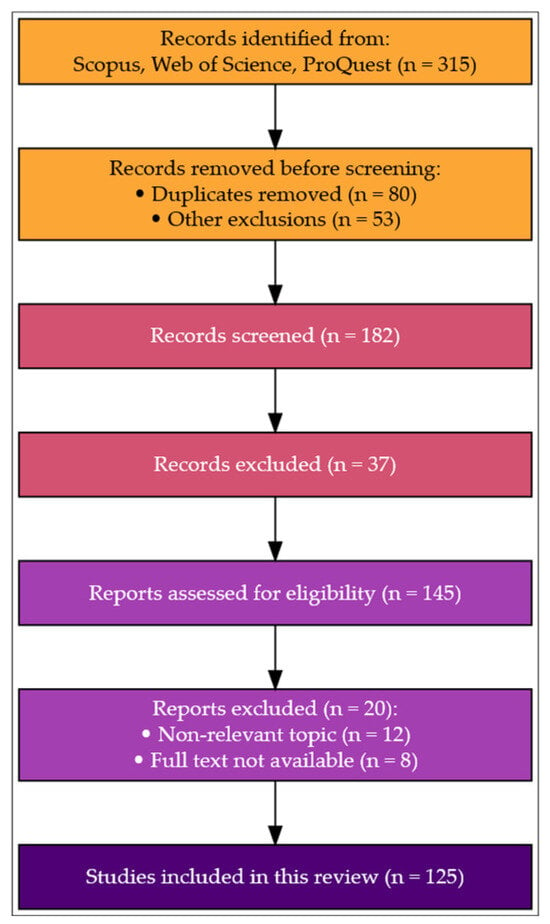
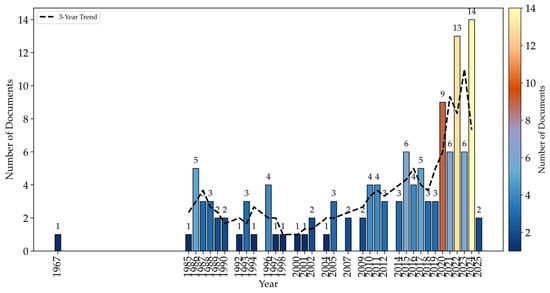
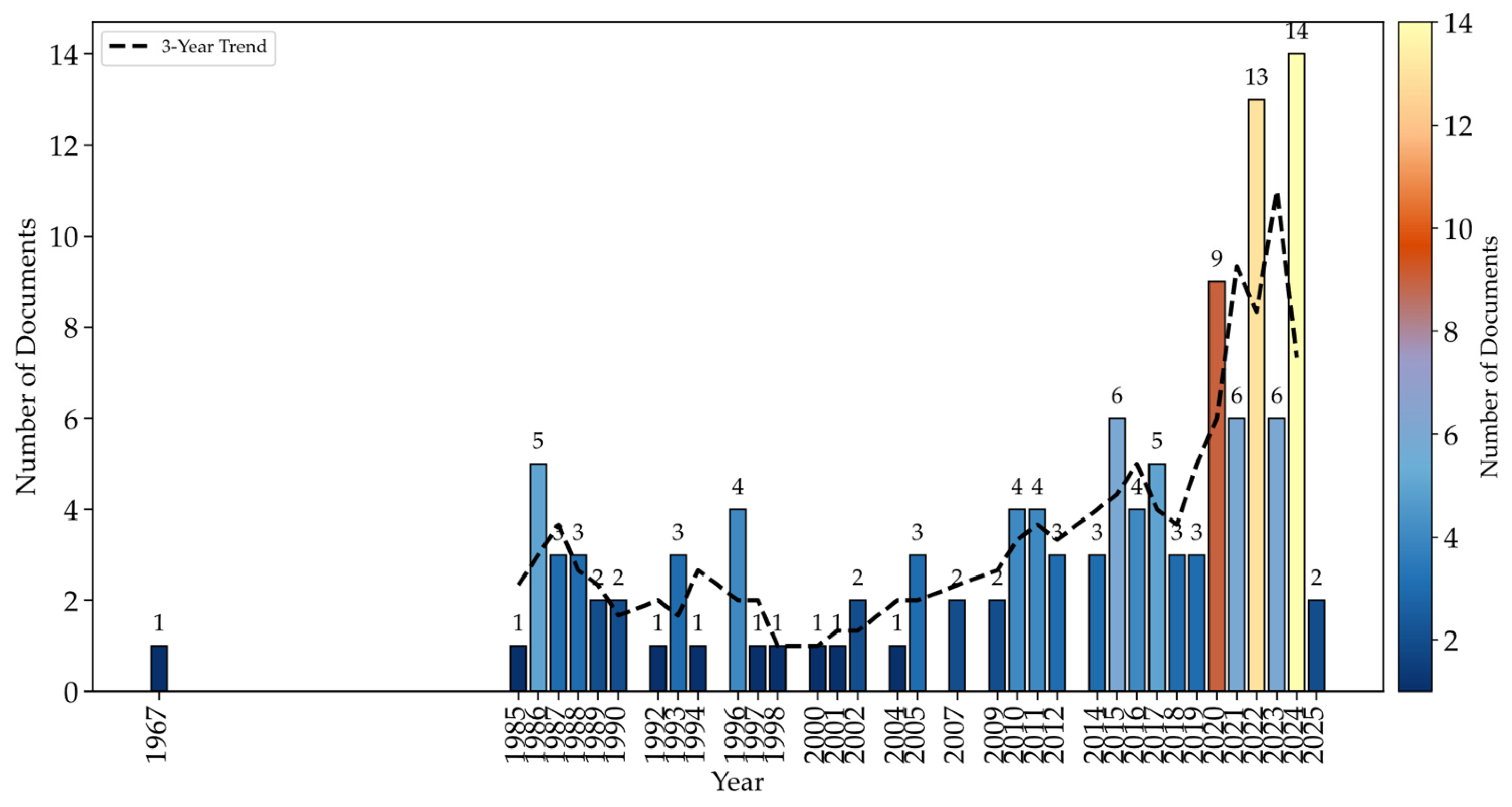
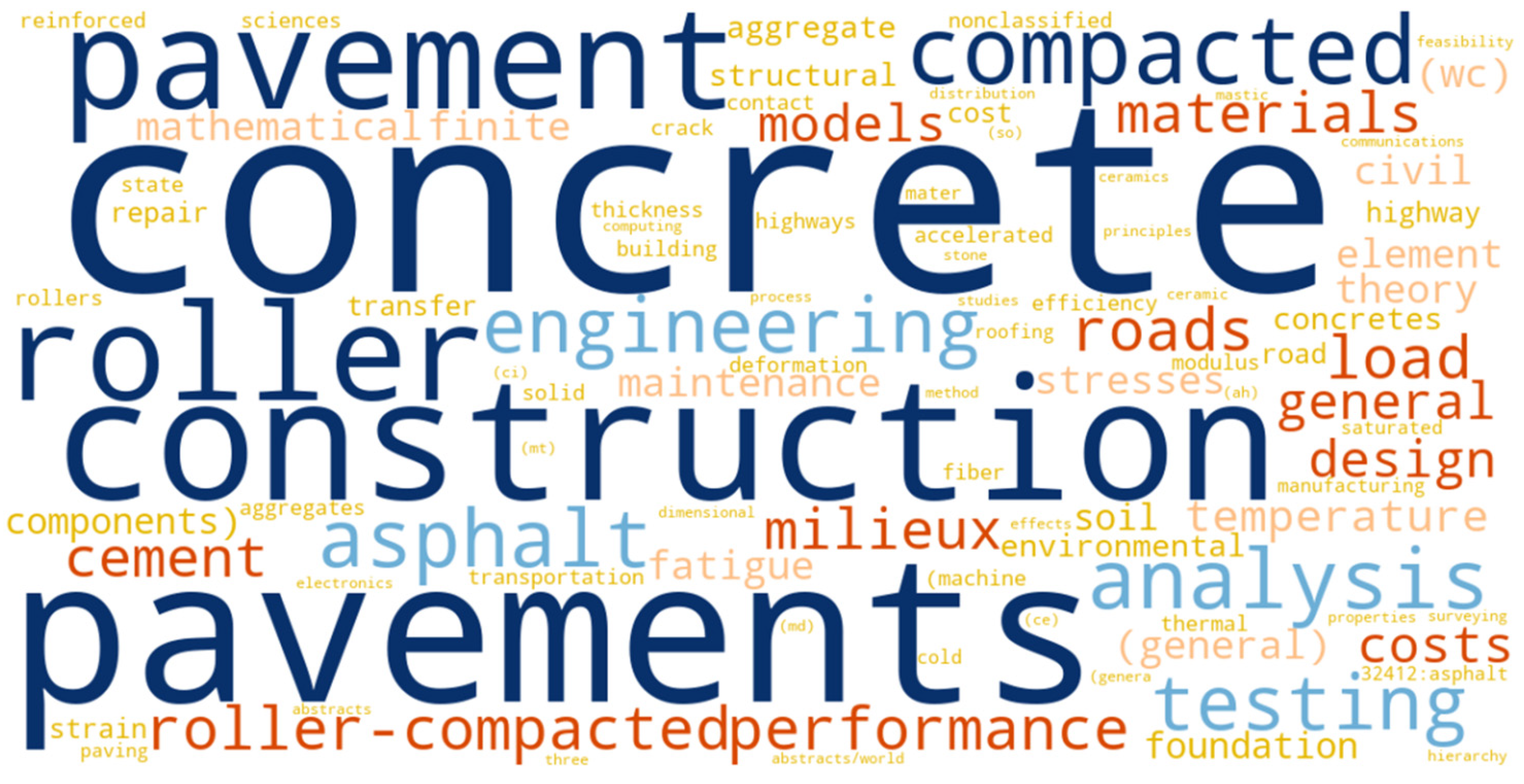
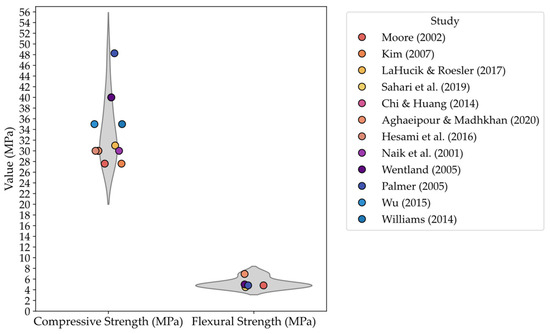
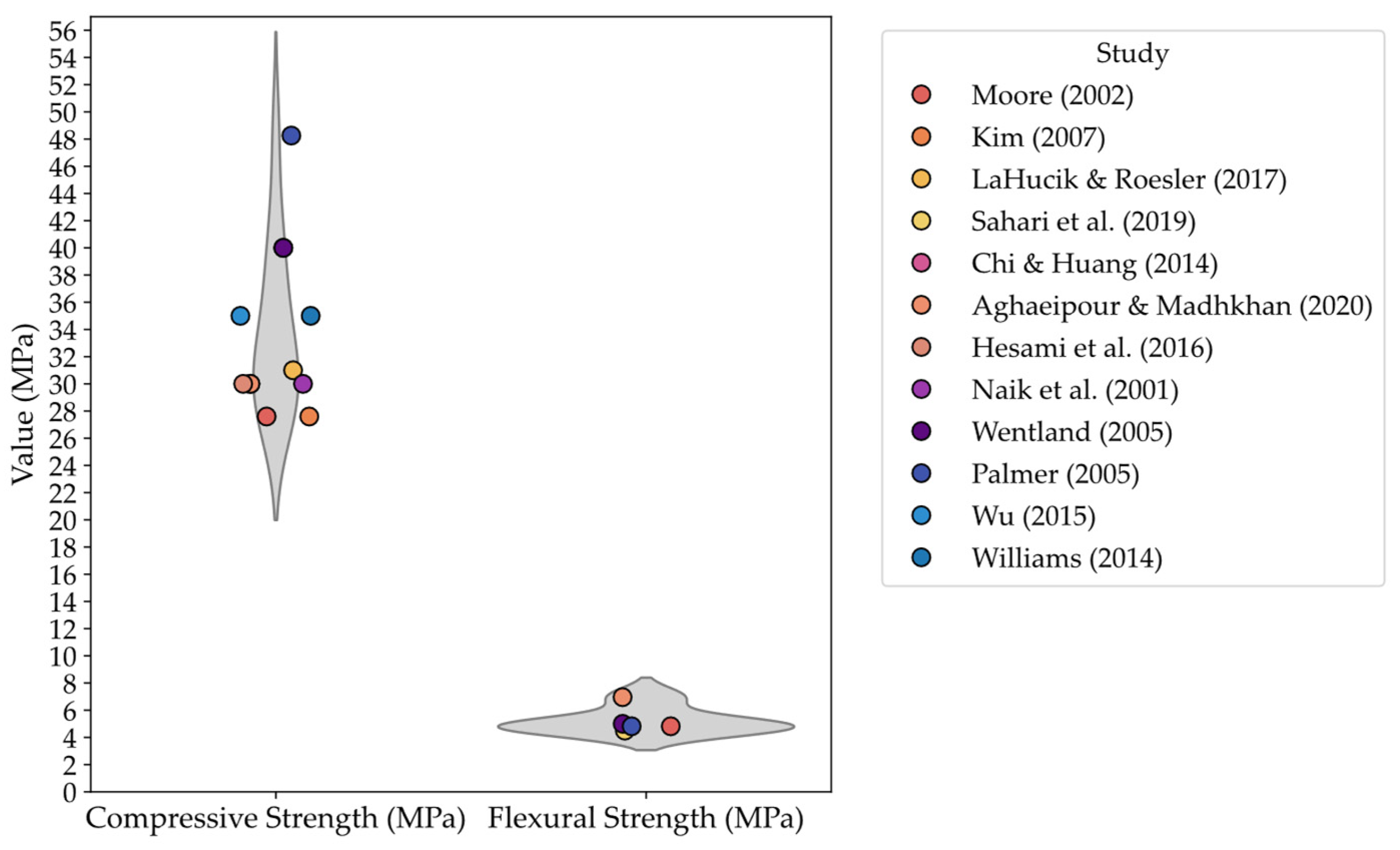
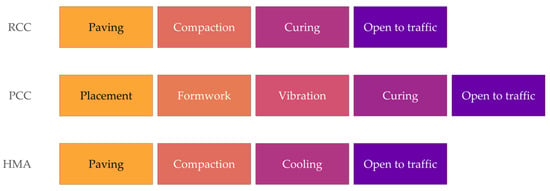
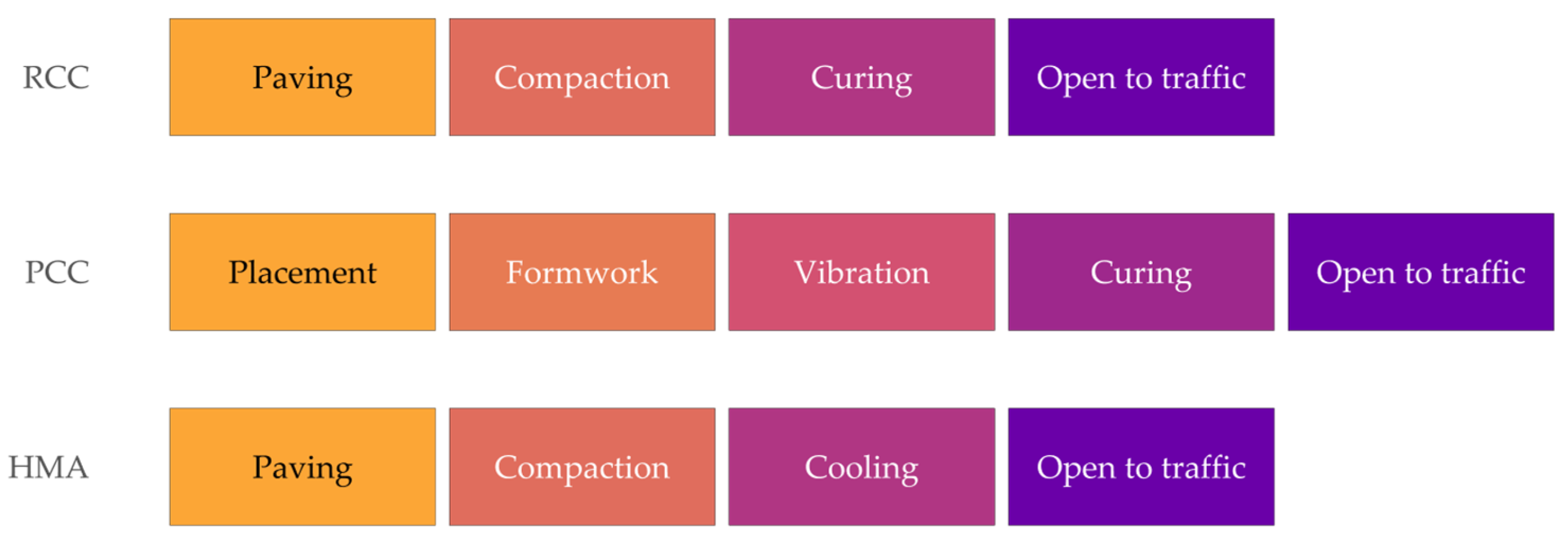
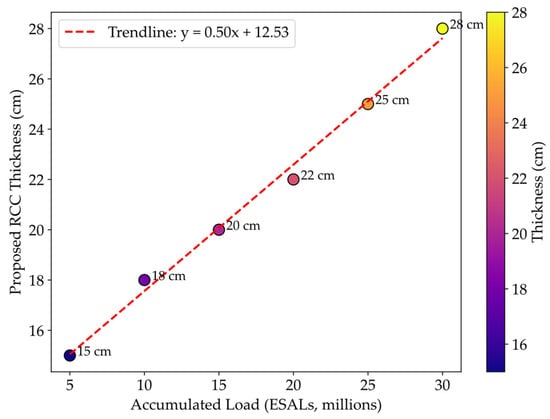
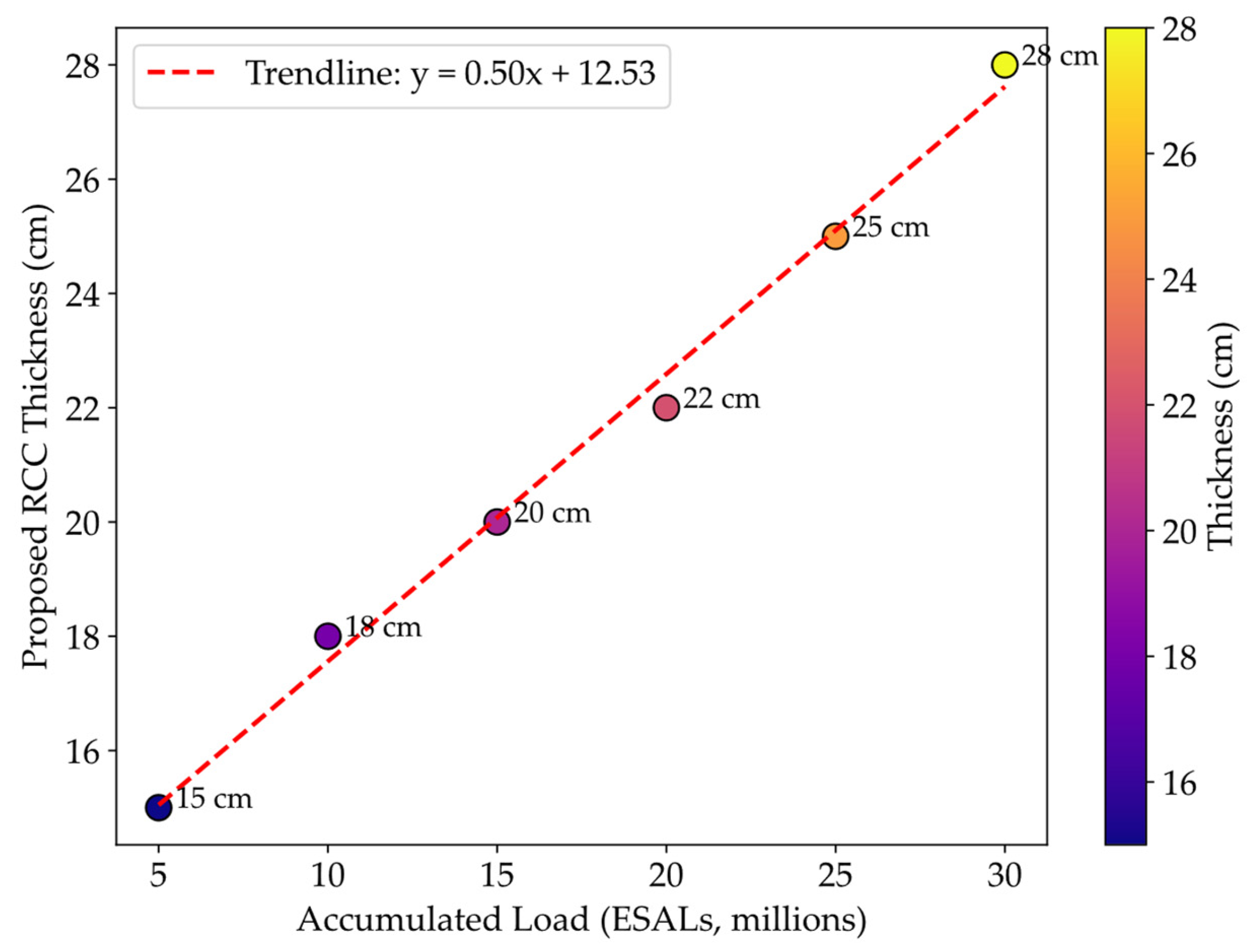
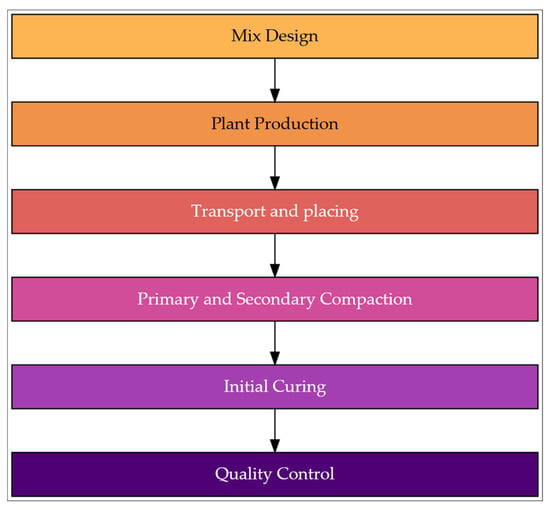
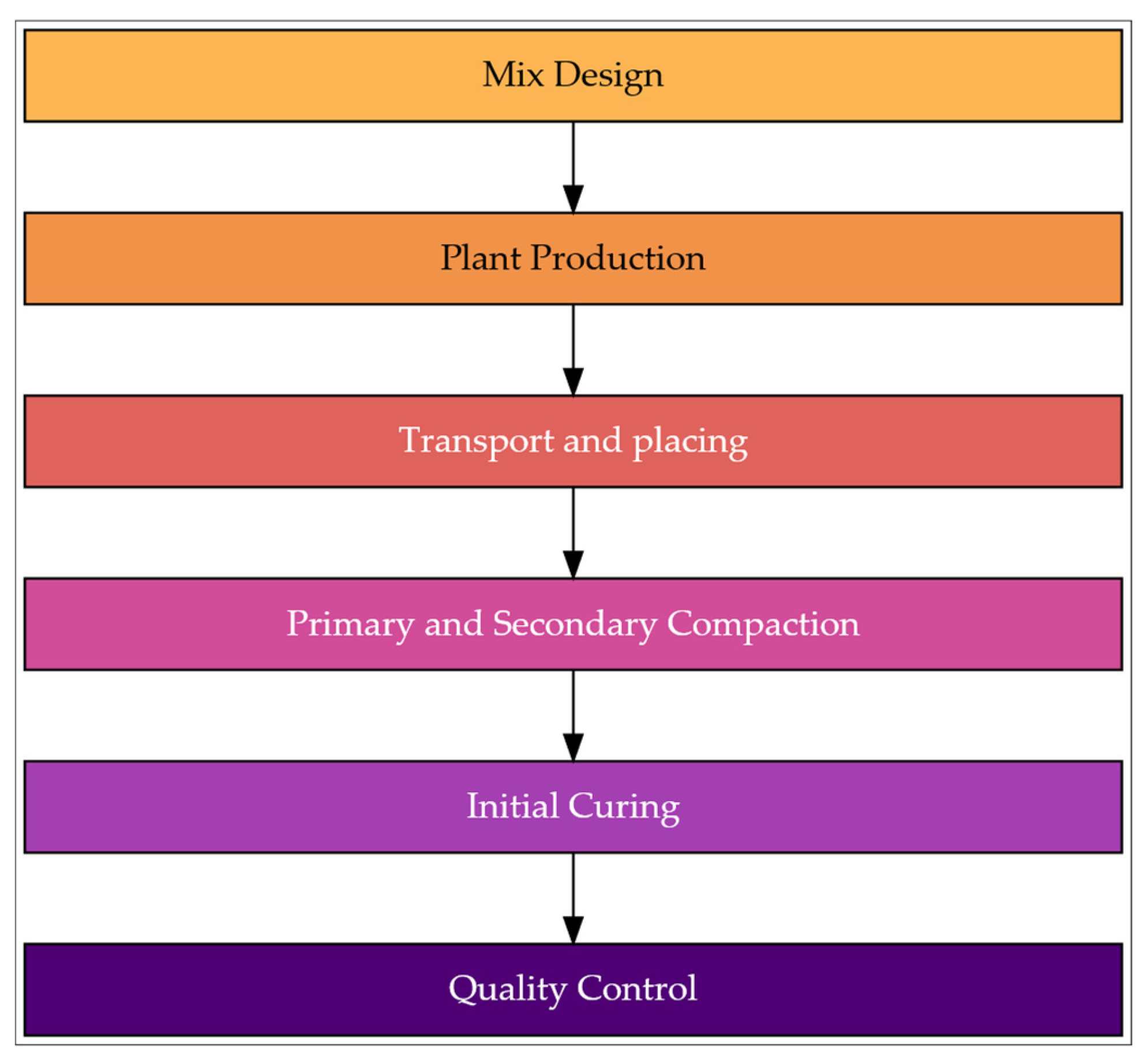
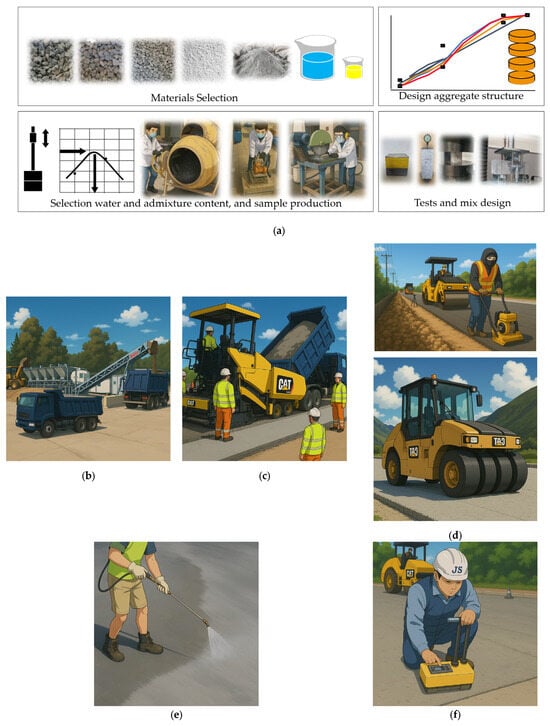
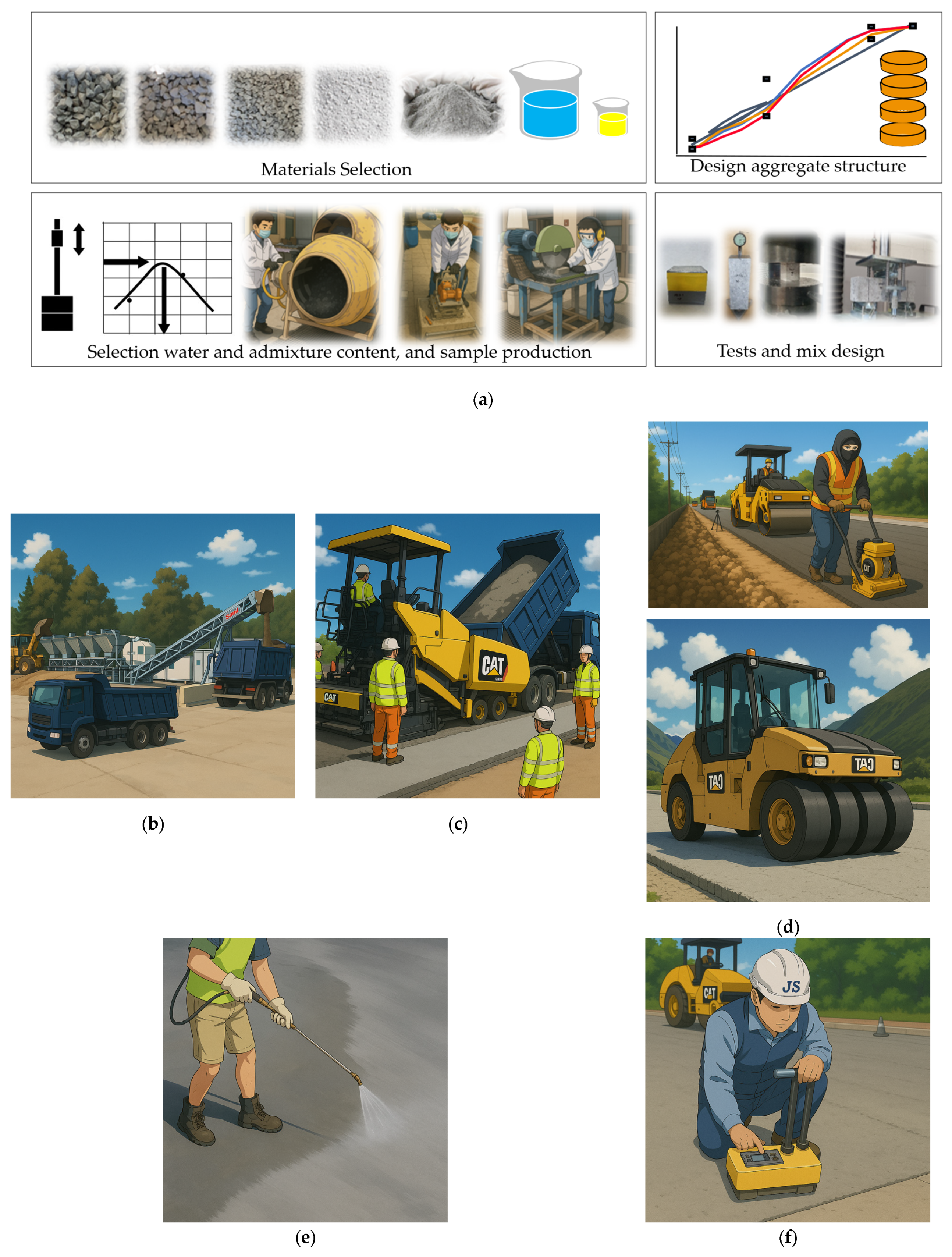
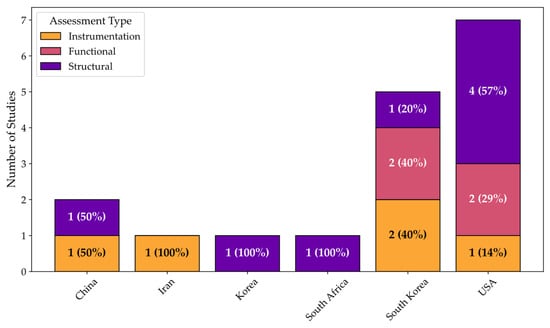
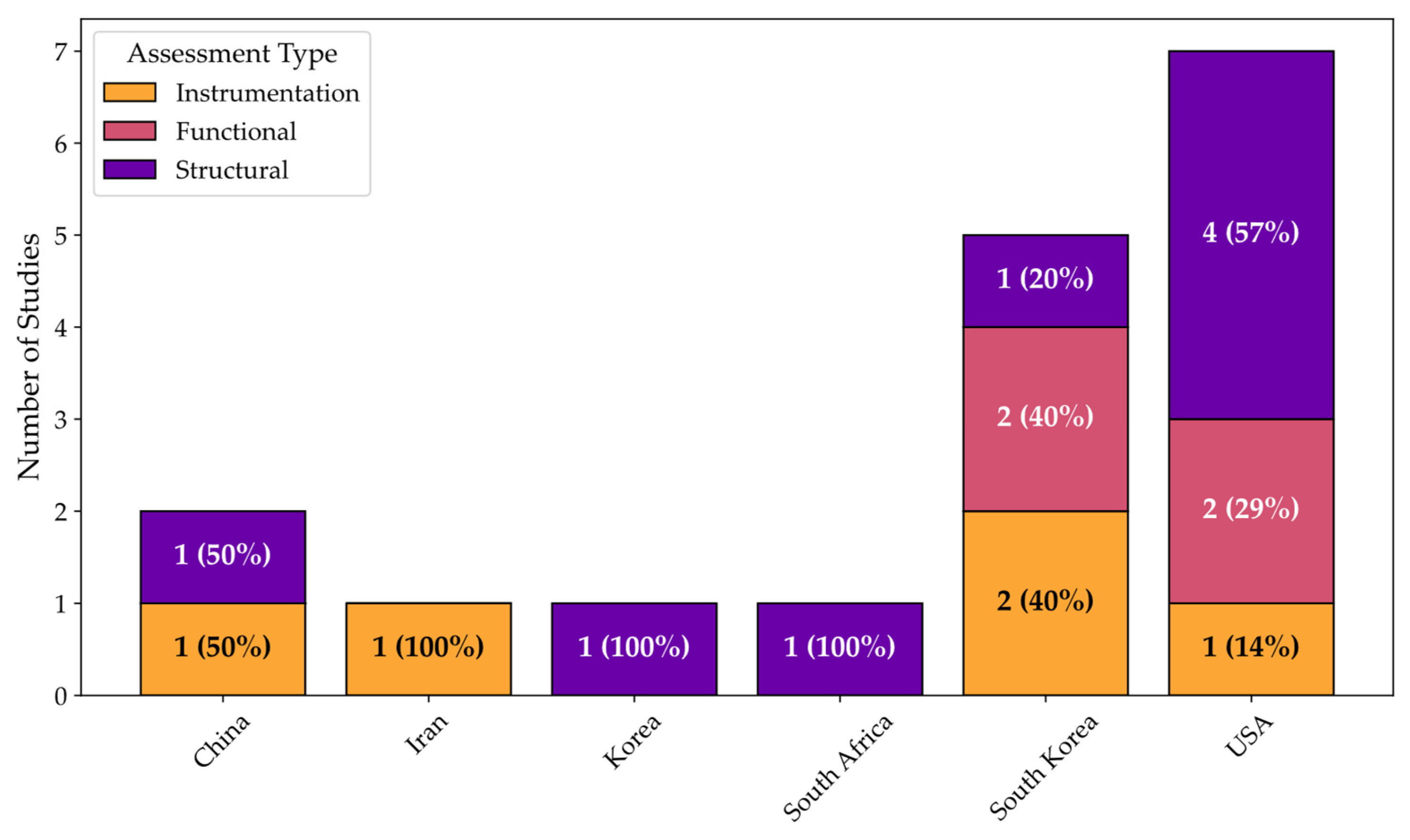
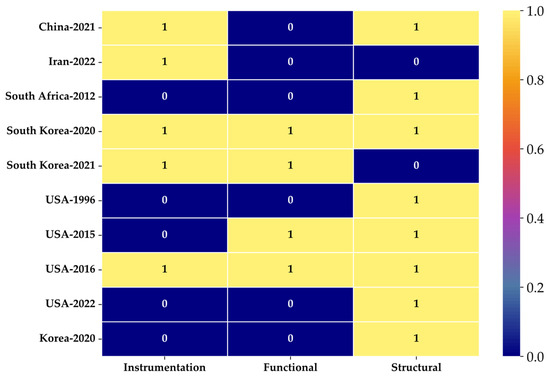
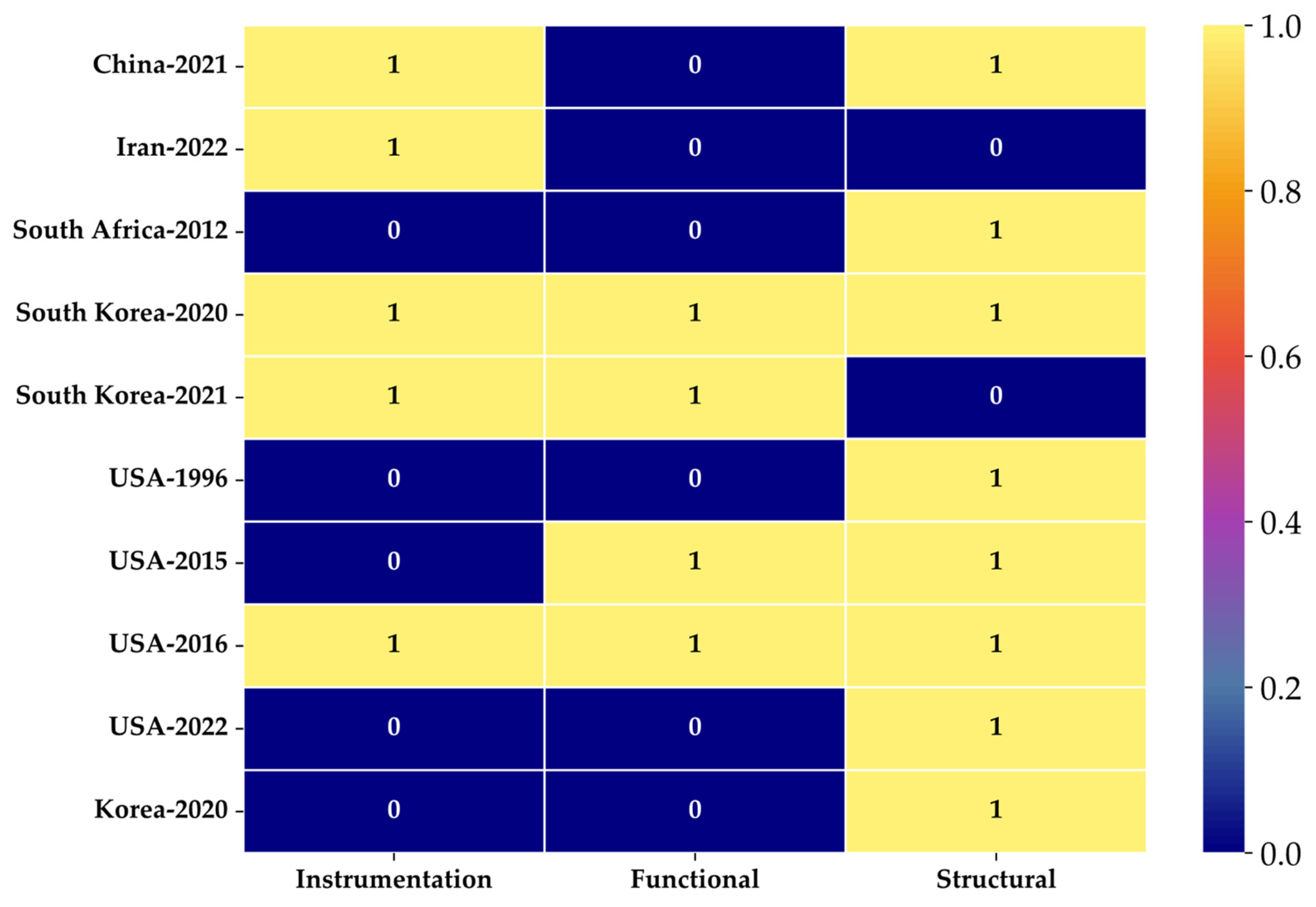
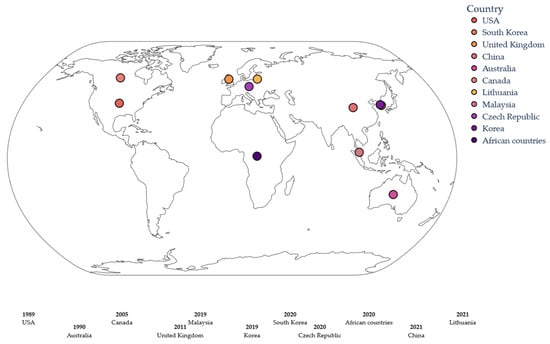
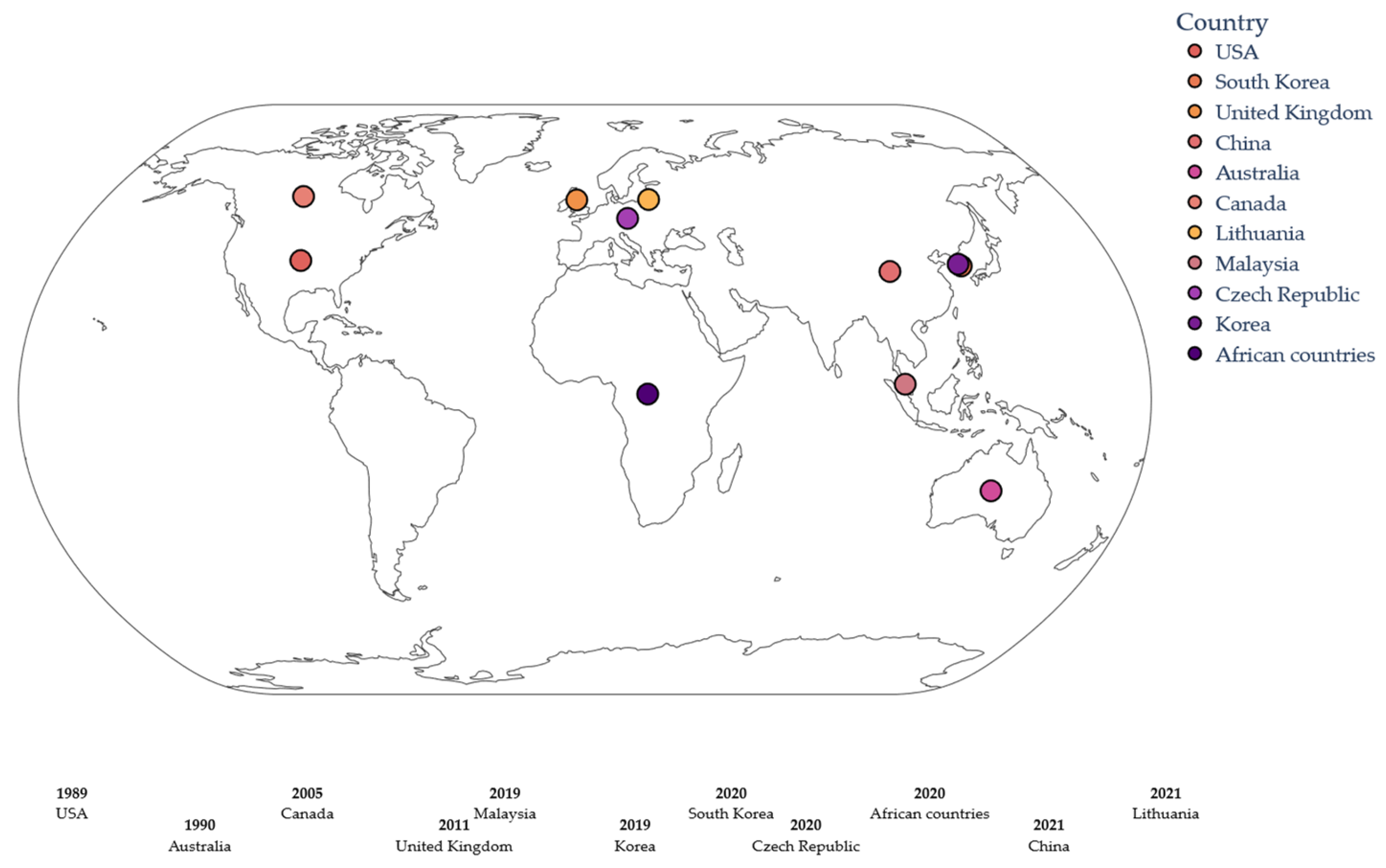
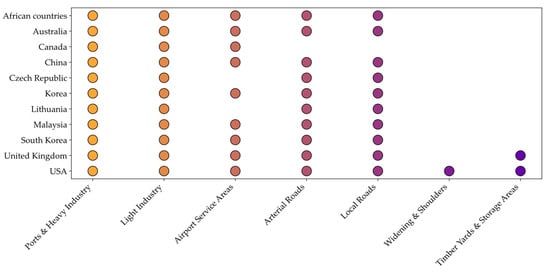
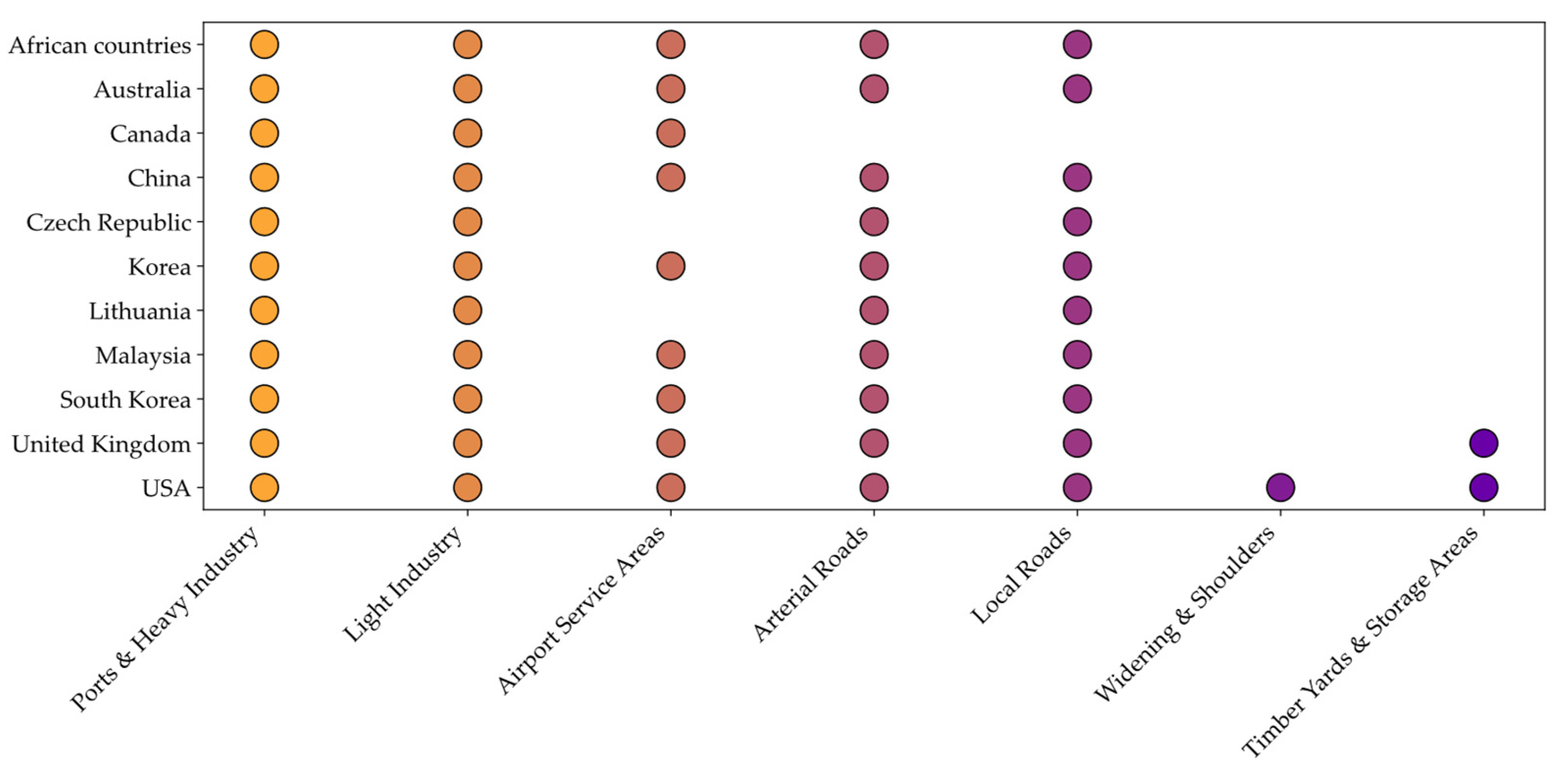

Disclaimer/Publisher’s Note: The statements, opinions and data contained in all publications are solely those of the individual author(s) and contributor(s) and not of MDPI and/or the editor(s). MDPI and/or the editor(s) disclaim responsibility for any injury to people or property resulting from any ideas, methods, instructions or products referred to in the content. |
© 2026 by the authors. Licensee MDPI, Basel, Switzerland. This article is an open access article distributed under the terms and conditions of the Creative Commons Attribution (CC BY) license.