


Abstract
Objectives: The primary objective of this systematic review and meta-analysis was to analyze the effects of training programs on different parameters of physical performance in futsal players. Methods: Following the Preferred Reporting Items for Systematic Reviews and Meta-Analyses (PRISMA) statement, a systematic search was conducted using PubMed, Web of Science, and SportDiscus databases. The search was conducted for the studies published between 2014 and 2024, and 13 studies were selected that met the inclusion criteria. The random-effects model with inverse variance weighting was used for the meta-analysis. Effect sizes (ES) were reported as standardized mean differences and presented with 95% confidence intervals (CI). Results: The effects of such programs showed a primary small effect size for vertical jump (ES = 0.38; 95% CI = 0.11, 0.64; Z = 2.76; p = 0.01); for sprints ≤ 15 m (ES = −0.55; 95% CI = −0.81, −0.29; Z = 4.15; p < 0.01); for sprints ≥ 20 m (ES = −0.56; 95% CI = −0.87, −0.24; Z = 3.49; p < 0.01); for repeated sprint ability (RSA) mean (ES = −0.33; 95% CI = −0.61, −0.05; Z = 2.34; p = 0.02); and for RSA % decrement (ES = −0.38; 95% CI = −0.74, −0.02; Z = 2.06; p = 0.04). However, most included studies were based on pre–post designs without a control group, and additional analyses with control groups showed smaller or non-significant effects. Conclusions: The results indicate that training programs incorporating methods such as strength training, plyometrics, and high-intensity interval training (HIIT) improve performance in vertical jump, short- and long-sprint speed, and RSA scores. These findings highlight the importance of developing evidence-based interventions to maximize physical performance in futsal players.
1. Introduction
Futsal is a team-based indoor sport, in which two teams of five players (four outfield players and a goalkeeper) compete against each other [1,2]. Futsal is currently one of the most widely played sports in the world, both at amateur and professional levels [3,4,5]. The game is played on a 40 m × 20 m court in two 20-min halves with a stopped clock. The objective is to score more goals than the opposing team [6,7]. It is a high-intensity sport that combines explosive movements such as acceleration, deceleration, sprinting, and changes of direction [3,8,9,10], requiring specific physical conditioning to enable players to sustain peak performance throughout the match [1,2,4]. At the competitive level, the sport’s physical and physiological demands have prompted researchers to investigate diverse training methods aimed at optimizing physical performance while minimizing the risk of injury [11,12,13,14], reflecting a continuous evolution in the scientific literature [15,16,17].
In recent years, systematic reviews on futsal have been conducted regarding the epidemiology of injuries [18,19,20], on injury prevention programs [13], anthropometric profiles of players [21], characteristics of futsal players [12], talent development in futsal players [4] and psychological studies applied to futsal [22].
In line with the strategies followed by other sports, such as football [23], numerous strength training programs have been explored to enhance futsal players’ physical and physiological capacities [24,25]. For example, plyometrics [25,26], high-intensity interval training (HIIT) [27] and combinations of these methods [28,29,30] have been used to improve specific strength, power, endurance, and agility in futsal [12,31]. However, the effectiveness of these programs varies depending on a number of factors such as program duration, intensity, frequency, and the competitive level of the players [32,33]. Thus, further research is required to understand the methods that best fit futsal requirements.
From a physiological and neuromuscular perspective, different training modalities induce specific adaptations that may explain their effects on performance. Strength training primarily enhances maximal force production and neuromuscular recruitment, which are key determinants of sprint and jump performance [34]. Plyometric training improves the efficiency of the stretch-shortening cycle, increasing the ability to rapidly generate force during explosive movements [35,36]. HIIT contributes to both aerobic and anaerobic adaptations, improving the capacity to sustain repeated high-intensity efforts, which is essential in futsal [37,38]. In addition, speed training enhances neuromuscular coordination and rate of force development, directly impacting acceleration and maximal sprint performance [39,40]. Understanding these underlying mechanisms is essential for optimizing training prescription and interpreting the effectiveness of different interventions.
Given the growing number of studies on training programs in futsal, conducting a systematic review and meta-analysis is essential to synthesize the existing evidence and provide a clearer understanding of effective training strategies. Although futsal research has been emerging and growing in recent years, it is still limited compared to other similar sports, where numerous meta-analyses have been conducted to investigate the impact of different training programs on physical performance [25,41,42,43,44,45,46]. To the best of our knowledge, no previous meta-analysis has specifically examined the effects of different training interventions on physical performance in futsal players. Therefore, conducting a meta-analysis is of great interest as it allows for the synthesis of existing evidence and helps fill an important gap in the scientific literature. This would not only help to identify the most effective training strategies for improving performance and minimizing the risk of injury but also to establish clear and useful benchmarks for professionals based on the studies conducted to date.
To understand the effects of different training programs in futsal, it is essential to use reliable and validated physical performance tests that ensure accurate assessment of both acute and chronic adaptations induced by training [47,48,49]. The application of standardized measurement protocols ensures consistency, comparability, and validity across studies, enabling a more robust understanding of training-induced changes. Rather than simply selecting assessment tools, it is crucial to establish protocols that minimize variability and ensure accurate monitoring of the effects of different interventions. Among the most commonly used physical performance tests in futsal are the countermovement jump (CMJ), speed tests covering different distances, and repeated sprint ability (RSA), which provide essential insights into key physical capabilities such as muscular strength, explosive power, movement efficiency, and intermittent effort performance, all of which are critical in competitive futsal [1,12,50]. Beyond assessing physical qualities, these tests should be systematically implemented to monitor individual progression and evaluate the effectiveness of training interventions.
Accordingly, the main objective of this systematic review and meta-analysis was to analyze the effects of training programs on different variables of physical performance in futsal players and their implications for player development. By identifying the methodological and design characteristics that lead to superior performance outcomes, this study aims to provide evidence-based recommendations for coaches and sports professionals to optimize training strategies.
2. Materials and Methods
2.1. Experimental Approach to the Problem
This systematic review and meta-analysis followed the Preferred Reporting Items for Systematic Reviews and Meta-Analyses statement (PRISMA) [51] and adheres to the ethical principles of the Declaration of Helsinki. The study was pre-registered in PROSPERO (CRD42024520512).
2.2. Literature Search
Two researchers (OVG and EMP) independently conducted a systematic literature search up to 31 October 2025 in the following electronic databases: PubMed, Web of Science, and SportDiscus. The search strategy was based on the PICOS approach (population, intervention, comparison, outcome, and study design) (Table 1) [51]. The selected search terms related to futsal, interventions and performance were combined using Boolean logic: (“futsal” OR “indoor soccer” OR “five-a-side soccer”) AND (“training” OR “intervention”) AND (“performance” OR “prevention” OR “strength” OR “power” OR “plyometric” OR “neuromuscular” OR “speed” OR “sprint” OR “HIIT” OR “change of direction” OR “agility”). In addition, gray literature and the reference lists of included studies were hand-searched to identify any additional potentially relevant articles.
Table 1.
Inclusion and exclusion criteria.
2.3. Procedures
In order to include studies in the meta-analysis, a thorough review was carried out using a systematic process. First, the titles of relevant articles were assessed; then, the abstracts were analyzed, and finally, the full-text published articles were examined. Only peer-reviewed studies were included. The full search and selection process is shown in Figure 1. This process was carried out independently by two authors (OVG and EMP). Disagreements between the reviewers regarding study eligibility were resolved by consensus with a third author. Data extraction from the selected studies was also performed independently by two authors using a form designed in Microsoft Excel (Microsoft Corporation, Redmond, WA, USA).
Figure 1.
PRISMA flow chart for inclusion and exclusion of studies.
The following criteria determined the eligibility of studies for inclusion in the review: Interventions had to have a minimum duration of 4 weeks and include training programs focused on strength, plyometrics, speed, or HIIT. The selected studies reported reliable measurable outcomes of players’ strength. In addition, only randomized controlled trials or quasi-experimental designs with comparable data were included.
Three primary tests were considered for data extraction: (i) vertical jump, (ii) linear sprint, and (iii) RSA test. After conducting a literature review, it was identified that these tests were the most frequently used in the analyzed studies, which led to their selection as the main variables. Vertical jump was generally assessed using the CMJ test. Linear sprint performance was recorded at different distances: For the acceleration phase, the time required to cover up to 15 m was used; for sprint performance, studies measuring the time to cover at least 20 m were included. RSA was analyzed using two variables: The Repeated Sprint Ability Mean (RSA mean) represents the average time recorded during a series of repeated sprints in a RSA test; the percentage Decrement in Repeated Sprint Ability (RSA %Dec) assesses the ability to maintain performance over successive sprint repetitions, reflecting accumulated fatigue during high-intensity intermittent exercise. A lower RSA %Dec value indicates better repeated sprint endurance, whereas a higher RSA %Dec value indicates greater loss of performance due to fatigue.
2.4. Statistical Analyses
Meta-analytic comparisons were performed using RevMan software version 5.3 [52]. A total of 13 studies comprising 23 experimental groups were included. Means and standard deviations (SD) from pre- and post-intervention assessments within the experimental groups were used to calculate effect sizes (ES). Effect sizes were adjusted using Hedges’ small sample size bias correction [53]. The random effects model with inverse variance (IV) weighting was used for the meta-analysis because it assigns proportional weights to studies based on the size of their individual standard errors [54] and accounts for heterogeneity among studies [55]. Effect sizes were represented by standardized mean differences (Hedges’ g) and reported with 95% confidence intervals (CI). The calculated ES values were interpreted based on the conventions for standardized mean differences described by Hopkins et al. [56] (<0.2 = trivial; 0.2–0.6 = small; 0.6–1.2 = moderate; 1.2–2.0 = large; 2.0–4.0 = very large; >4.0 = extremely large). The degree of heterogeneity among the included studies was assessed using the I2 statistic, which represents the proportion of the variability in effects that is due to heterogeneity rather than chance [51]. Low, moderate, and high levels of heterogeneity correspond to I2 values of 25%, 50%, and 75%, respectively, although these thresholds are considered tentative [57]. The χ2 (chi-squared) statistic was used to determine whether observed differences in outcomes were consistent with random variation alone. A low p-value, or a large χ2 statistic relative to the degrees of freedom, provides evidence of heterogeneity in intervention effects beyond what can be attributed to chance [54]. Given that the majority of included studies (8 out of 13) were based on pre–post designs without a control group, a secondary meta-analysis was conducted, including only studies with a control group (n = 5), to provide an additional estimate of the intervention effects based on controlled comparisons. In this analysis, effect sizes were calculated using standardized mean differences (SMD) based on post-intervention values, directly comparing the experimental and control groups. Subgroup analyses according to training modality were considered but not performed due to the limited number of studies per category and the heterogeneity of the interventions. Publication bias was not formally assessed because the small number of studies included in most outcome-specific analyses limited the interpretability and reliability of both funnel plots and formal asymmetry tests. Therefore, the possibility of publication bias cannot be excluded and should be considered when interpreting the findings. The Physiotherapy Evidence Database (PEDro) scale was used to assess the risk of bias and methodological quality of the eligible studies included in the meta-analysis. This scale assesses the internal validity of a study on a scale from 0 (high risk of bias) to 10 (low risk of bias) for each methodological item listed in Table 2. A score of ≥6 represents the threshold for studies with a low risk of bias [55].
3. Results
3.1. Study Selection
A total of 935 studies were collected in the identification phase. After removing duplicates, 644 publications were selected for screening. After reviewing the titles and abstracts, 605 articles were excluded. The remaining 39 records were further assessed using the defined inclusion and exclusion criteria, resulting in the rejection of 26 records. A total of 13 studies were included in the systematic review and meta-analysis (Figure 1) [58,59,60,61,62,63,64,65,66,67,68,69,70]. The interventions conducted by the author Torres-Torrelo et al. in their two studies are identical [66,67], but each article analyzes different variables.
3.2. Methodological Quality
The methodological quality of the studies included in the review was assessed using the PEDro scale, which comprises 11 dichotomous items (yes/no), although only 10 items are included in the final score because the first item relates to external validity (eligibility criteria). The reviewers, OVG and EMP, performed the assessment independently. Upon completion, both reviewers discussed the results and reached consensus on each item scored. A full and detailed description of the scores achieved by each study on this scale is given in Table 2. One study achieved a score of 8/10 [68], one study scored 7/10 [59], seven studies scored 6/10 [60,61,63,64,65,66,67], three studies scored 5/10 [58,69,70] and one study scored 4/10 [62].
Table 2.
The Physiotherapy Evidence Database (PEDro) scale ratings.
3.3. Study Characteristics
The characteristics of the participants and programming parameters from the 13 studies incorporated in the meta-analysis are indicated in Table 3. A total of 23 trials with 297 participants were included in the meta-analysis (Table 4). It should be noted that the majority of included studies were based on pre–post designs without a control group, which should be considered when interpreting the results.
Table 3.
Characteristics of study participants.
Table 4.
Description of training programs.
3.4. Main Effect
3.4.1. Vertical Jump Performance
A total of 11 trials with 21 experimental groups were selected to analyze vertical jump performance, measured in centimeters. A total of 238 participants were included in the meta-analysis. The vertical jump variable was evaluated using the SMD using the IV method. The results show an SMD = 0.38 (95% CI = 0.11, 0.64), indicating a significant improvement in players’ performance after the interventions (Z = 2.76, p = 0.01). The heterogeneity between studies was moderate (I2 = 50%). The χ2 statistic was 39.90 with 20 degrees of freedom (p = 0.01), indicating that the variability between studies is statistically significant. These results are shown in Figure 2.
Figure 2.
Forest plot of effect sizes for training programs with 95% confidence intervals (CI) on vertical jump performance (cm) [58,59,60,61,62,63,64,66,68,69,70]. IV: inverse variance method; SD: standard deviation; Std: standardized; df: degrees of freedom.
A total of 7 comparisons from 5 studies were included to analyze CMJ performance using a control-group comparison. A total of 166 participants were included (85 in the experimental group and 81 in the control group). The CMJ variable was evaluated using the SMD with the IV method. The results showed an SMD of 0.25 (95% CI = −0.13, 0.62), indicating a small, non-significant improvement in CMJ performance in favor of the experimental group compared to the control group. The test for overall effect was not statistically significant (Z = 1.29, p = 0.20). Heterogeneity between studies was low to moderate (I2 = 30%). The χ2 test was not statistically significant (χ2 = 8.61, df = 6, p = 0.20), suggesting that the observed variability between studies is likely due to chance rather than true heterogeneity. These results are shown in Figure 3.
Figure 3.
Forest plot of effect sizes for training interventions compared with control groups on countermovement jump (CMJ) performance [64,66,68,69]. (IV: inverse variance method; SD: standard deviation; CI: confidence interval).
3.4.2. Linear Sprint Time
Six studies with a total of 16 experimental groups were selected to analyze the acceleration phase of sprint performance at distances ≤ 15 m. A total of 178 participants were included in the meta-analysis. The acceleration phase was measured in time (seconds) in all studies. The meta-analysis shows an SMD = −0.55 (95% CI = −0.81, −0.29), indicating a significant improvement in short sprint time after the interventions (Z = 4.15, p < 0.0001). The heterogeneity between studies was moderate to low (I2 = 29%, p = 0.14). The χ2 statistic was 21.07 with 15 degrees of freedom (p = 0.14), indicating that the observed variability between studies is not statistically significant and is primarily due to chance. These results are shown in Figure 4.
Figure 4.
Forest plot of effect sizes for training programs with 95% confidence intervals (CI) on linear sprint acceleration performance (s) [58,61,63,66,69,70]. IV: inverse variance method; SD: standard deviation; Std: standardized; df: degrees of freedom. The interventions by Paz-Franco et al. (2017) [63] are repeated twice because times for both 10 m and 15 m were included.
Four comparisons from two studies were included to analyze linear sprint acceleration performance at distances ≤ 15 m using a control-group comparison. A total of 95 participants were included (51 in the experimental group and 44 in the control group). The acceleration phase was measured in time (seconds) in all studies. The meta-analysis shows an SMD = −0.36 (95% CI = −0.77, 0.05), indicating a non-significant improvement in short sprint time in favor of the experimental group (Z = 1.73, p = 0.08). The heterogeneity between studies was null (I2 = 0%, p = 0.87). The χ2 statistic was 0.71 with 3 degrees of freedom (p = 0.87), indicating that the observed variability between studies is not statistically significant and is primarily due to chance. These results are shown in Figure 5.
Figure 5.
Forest plot of effect sizes for training programs with control groups and 95% confidence intervals (CI) on linear sprint acceleration performance (s) [66,69]. (IV: inverse variance method; SD: standard deviation; Std: standardized; df: degrees of freedom).
Four studies with a total of 8 experimental groups and 114 participants were included to analyze sprint performance at distances of 20 m or more. The variable was measured in time (seconds). The results of the meta-analysis show an SMD = −0.56 (95% CI = −0.87, −0.24), indicating a significant improvement in sprint time after the interventions (Z = 3.49, p = 0.0005). Heterogeneity among studies was low to moderate (I2 = 26%). The χ2 statistic was 9.47 with 7 degrees of freedom (p = 0.22), suggesting that the observed variability between studies was not statistically significant and was primarily due to chance. These results are shown in Figure 6.
Figure 6.
Forest plot of effect sizes for training programs with 95% confidence intervals (CI) on linear sprint performance (s) (≥20 m) [60,66,68,70]. IV: inverse variance method; SD: standard deviation; Std: standardized; df: degrees of freedom.
Four comparisons from two studies were included to analyze linear sprint performance at distances of 20 m or more using a control-group comparison. A total of 100 participants were included (52 in the experimental group and 48 in the control group). Sprint performance was measured in time (seconds) in all studies. The results of the meta-analysis show an SMD = −0.60 (95% CI = −1.07, −0.14), indicating a significant improvement in sprint time in favor of the experimental group compared to the control group (Z = 2.53, p = 0.01). Heterogeneity between studies was low (I2 = 24%). The χ2 statistic was 3.95 with 3 degrees of freedom (p = 0.27), suggesting that the observed variability between studies was not statistically significant and was primarily due to chance. These results are shown in Figure 7.
Figure 7.
Forest plot of effect sizes for training programs with control groups and 95% confidence intervals (CI) on linear sprint performance (≥20 m) [66,68]. (IV: inverse variance method; SD: standard deviation; Std: standardized; df: degrees of freedom).
3.4.3. RSA
Eight studies with a total of 16 experimental groups and 165 participants were included to analyze mean RSA performance. The variable was measured in time (seconds). The results of the meta-analysis show an SMD = −0.33 (95% CI = −0.61, −0.05), indicating a significant improvement in mean RSA performance after the interventions (Z = 2.34, p = 0.02). The heterogeneity between studies was moderate (I2 = 33%). The χ2 statistic was 22.52 with 15 degrees of freedom (p = 0.09), suggesting that the observed variability between studies was not statistically significant and could be primarily explained by chance. These results are shown in Figure 8.
Figure 8.
Forest plot of effect sizes for training programs with 95% confidence intervals (CI) on RSA mean performance (s) [58,61,63,64,65,67,69,70]. IV: inverse variance method; SD: standard deviation; Std: standardized; df: degrees of freedom.
Four comparisons from two studies were included to analyze mean RSA performance using a control group comparison. A total of 95 participants were included (51 in the experimental group and 44 in the control group). The RSA mean variable was measured in time (seconds) in all studies. The results of the meta-analysis show an SMD = −0.41 (95% CI = −0.82, 0.00), indicating a small improvement in mean RSA performance in favor of the experimental group compared to the control group. The test for overall effect was at the threshold of statistical significance (Z = 1.95, p = 0.05). The heterogeneity between studies was null (I2 = 0%). The χ2 statistic was 1.04 with 3 degrees of freedom (p = 0.79), suggesting that the observed variability between studies was not statistically significant and was primarily due to chance. These results are shown in Figure 9.
Figure 9.
Forest plot of effect sizes for training programs with control groups and 95% confidence intervals (CI) on RSA mean performance (s) [67,69]. (IV: inverse variance method; SD: standard deviation; Std: standardized; df: degrees of freedom).
Six studies with a total of 12 experimental groups and 127 participants were included to analyze the RSA %Dec variable. The results of the meta-analysis show an SMD = −0.38 (95% CI = −0.74, −0.02), indicating a significant improvement in the ability to maintain performance during repeated sprints after the interventions (Z = 2.06, p = 0.04). The heterogeneity between studies was moderate, with I2 = 48%. The χ2 statistic was 21.23 with 11 degrees of freedom (p = 0.03), indicating that the heterogeneity between studies was statistically significant. These results are shown in Figure 10.
Figure 10.
Forest plot of effect sizes for training programs with 95% confidence intervals (CI) on RSA %Dec performance [61,63,64,65,67,70]. IV: inverse variance method; SD: standard deviation; Std: standardized; df: degrees of freedom.
Three comparisons from two studies were included to analyze RSA percentage decrement (RSA %Dec) using a control group comparison. A total of 57 participants were included (30 in the experimental group and 27 in the control group). The RSA %Dec variable was evaluated in all studies. The results of the meta-analysis show an SMD = −0.32 (95% CI = −0.85, 0.21), indicating a small, non-significant improvement in RSA %Dec in favor of the experimental group compared to the control group. The test for overall effect was not statistically significant (Z = 1.20, p = 0.23). The heterogeneity between studies was null (I2 = 0%). The χ2 statistic was 1.32 with 2 degrees of freedom (p = 0.52), suggesting that the observed variability between studies was not statistically significant and was primarily due to chance. These results are shown in Figure 11.
Figure 11.
Forest plot of effect sizes for training programs with control groups and 95% confidence intervals (CI) on RSA %Dec performance [64,67]. (IV: inverse variance method; SD: standard deviation; Std: standardized; df: degrees of freedom).
4. Discussion
The main findings of this meta-analysis indicate that training programs that focus on strength and speed improve vertical jump, linear sprint, and RSA performance in futsal players. This highlights the importance of incorporating strength, speed, and plyometric training programs into futsal-specific training routines in order to develop the physical capacities required in this sport. A key aspect to consider when interpreting the present findings is that the majority of included studies were based on pre–post designs without a control group. This methodological limitation makes it difficult to isolate the true effect of the intervention from other factors such as seasonal variations, accumulated fatigue, or natural adaptations to training. This issue is particularly relevant in futsal, where players are exposed to high training and competitive loads. Consequently, the reported effect sizes may be overestimated and should therefore be interpreted with caution. This limitation is partly explained by the limited number of intervention studies conducted in futsal to date. However, the growing interest in this research area suggests that future studies will likely adopt more robust methodological designs, including the use of control groups. Due to the limited number of studies and the heterogeneity of the interventions, subgroup analyses according to training modality were not performed. In several cases, the number of studies per category would have been insufficient to ensure statistical power and reliable estimates. Additionally, many interventions included combined or hybrid approaches (e.g., strength and plyometric training), making strict classification difficult and potentially arbitrary.
4.1. Vertical Jump Performance
The analysis of the effects of training programs on vertical jump performance in futsal showed significant results (Z = 2.76; p < 0.01). The studies included in the meta-analysis showed small but significant improvements (ES = 0.38) in vertical jump performance. According to the scientific literature, meta-analyses of the effects of interventions in diverse team sports (such as soccer, basketball, or volleyball) show similar results (ES = 0.53 to 1.09) [25,71,72]. No specific reviews have been carried out on training programs in futsal, which highlights the need for further studies to fill this knowledge gap. The main objectives of training programs are to improve physical performance and prevent injuries, which are fundamental pillars of player development. From a mechanistic perspective, these improvements in vertical jump performance may be explained by neuromuscular adaptations induced by the different training interventions applied, such as increased motor unit recruitment, enhanced rate of force development, and improvements in inter- and intramuscular coordination [35,73]. These adaptations are particularly relevant for explosive actions such as jumping, where the ability to rapidly generate force is a key futsal performance determinant [4,74,75].
The interventions that showed the best results in vertical jump performance were the HIIT100 training programs by Campos et al. [58] and the CT and RT programs by Zhai et al. [70], which achieved substantial improvements with a high magnitude (ES = 1.24 to 1.69). The interventions by Iodice et al. [60], with their SRT and TRT groups, showed moderate to substantial improvements (ES = 0.96 to 1.09), as did the HIIT86 training program by Campos et al. (ES = 1.00) [58]. In the shuttle-run HIIT programs studied by Campos et al. [58], an important difference was found in the intensity of the sessions. Participants in the HIIT100 program performed exercises at 100% intensity according to the FIET test, whereas in the HIIT86 program, the intensity was reduced to 86%. This higher intensity in the HIIT100 program resulted in greater improvements in vertical jump performance compared with HIIT86. This may be explained by the greater neuromuscular and metabolic stimulus associated with higher-intensity efforts, suggesting that training intensity may be a key factor influencing the magnitude of performance adaptations. Higher-intensity stimuli can enhance both muscle activation and the capacity to tolerate high levels of mechanical load, thereby contributing to improved explosive performance.
In addition, the data from the forest plot (Figure 2) suggest that studies with high-intensity training programs lasting longer than 8 weeks tend to achieve larger effect sizes, supporting the idea that these factors are key determinants in improving vertical jump performance. This finding is consistent with the meta-analysis conducted by Pardos-Mainer et al. [25], who demonstrated that durations of 8 weeks or more increased the effectiveness of vertical jump performance in female soccer players. Moreover, these results suggest that not only the intensity but also the sustained duration of the training program may be a key factor for achieving long-term performance improvements. Longer training durations likely allow for the accumulation of both neural and structural adaptations, including improvements in muscle–tendon stiffness and neuromuscular efficiency, which are essential for maximizing force production during vertical jump tasks [76].
In contrast, the training programs of Yanci et al. [69] and Soares et al. [64] had negative effects on vertical jump performance (ES = −0.83 to −0.12). The training programs of Yanci et al. [69] included specific plyometric sessions with exercises such as CMJ, Drop Jump (DJ), HJ, and Lateral Jump (LJ), both bilateral and unilateral, over a period of 6 weeks. Soares et al. [64] included additional sprint training three times a week in Brazilian first division futsal players and showed negative results on vertical jump performance. A possible explanation for the decrease in CMJ performance observed in these studies could be the timing of the final evaluation, which coincided with the final phase of the season, a period associated with high levels of accumulated fatigue [77]. In this context, fatigue-related reductions in neuromuscular function may impair the ability to produce force rapidly, negatively affecting jump performance despite ongoing training stimuli [78]. This is consistent with the results observed in Table 1, where studies with shorter durations (<6 weeks) or those focusing exclusively on specific exercises, such as Soares et al. [64], showed less efficacy than longer-duration combined protocols. This finding contrasts with the existing literature, where meta-analyses to date indicate that plyometric training typically leads to significant improvements in vertical jump performance [79]. These results highlight the importance of carefully planning the timing of assessments and training sessions to avoid interfering with the accumulated loads during the competition season.
The main strength exercises used in the training programs analyzed included the squat, which was present in the programs of Marques et al. [62], Torres-Torrelo et al. [66], Zhai et al. [70], as well as the Nordic Curl in the SG programs by Villanueva et al. [68], the HIIT + NC program by Gómez et al. [59] and the program by Marques et al. [62]. Table 1 shows that programs that combined strength exercises with speed or plyometric components had larger effect sizes than those that focused on only one type of exercise [32]. These exercises have been shown to be effective not only in improving vertical jump performance but also in preventing injury [80,81]. The primary goal of strength training is to develop maximal strength to optimize physical performance but combining it with maximal speed tasks and plyometrics enhances these benefits [32]. This combined approach likely maximizes performance adaptations by simultaneously targeting force production, stretch–shortening cycle efficiency, and movement velocity, all of which are key contributors to vertical jump performance. Specific speed programs, such as those of Campos et al. [58] and the VG training program of Villanueva et al. [68], also stood out, especially when they lasted longer than 8 weeks. This suggests that programs of longer duration provide a more sustained and consistent stimulus, leading to significant adaptations in vertical jump performance.
Evidence suggests that it is beneficial for futsal players to implement training programs that last longer than 8 weeks. Incorporating basic strength exercises, such as squats, and combining strength training with maximal-speed and plyometric tasks is beneficial for improving vertical jump performance in futsal players.
4.2. Linear Sprint Time
The present meta-analysis shows significant improvements in linear sprint performance in both the acceleration phase (≤15 m) and the maximal speed phase (≥20 m), with significant effects (Z = 4.15, p < 0.01; Z = 3.49, p < 0.01) and small effect sizes (ES = −0.55 and −0.56). These results are consistent with previous systematic reviews and meta-analyses that reported similar effect sizes (ES = −0.66 to −0.40) [25,82,83], strengthening the robustness of the interventions. Such improvements in sprint performance may be explained by neuromuscular adaptations induced by the training interventions, including increased rate of force development, enhanced intermuscular coordination, and improved ability to apply force in the horizontal direction, all of which are critical determinants of sprint acceleration and maximal speed [84,85].
The interventions with the greatest effect on the acceleration phase (≤15 m) were the CTS training programs by Lago et al. [61] and the CT program by Zhai et al. [70], characterized by specific strength exercises and strength training on stable surfaces (ES = −1.91 to −1.54). Developing reactive power through exercises that integrate lower-body and core stability can optimize performance in the first meters, where horizontal power is key, crucial in futsal. This is particularly relevant during the initial phase of sprinting, where performance largely depends on the ability to generate high levels of horizontal force in a short time frame [84]. In addition, the PT1D intervention by Yanci et al. [69] and the programs by Campos et al. [58] showed a moderate effect (ES = −0.65 to −1.07). Furthermore, the inclusion of plyometric tasks by Yanci et al. [69] and Zhai et al. [70] is directly related to improvements in muscle elasticity and the use of the stretch-shortening cycle (SSC), which enhances the efficiency of the stretch–shortening cycle and the ability to rapidly produce force [86]. The muscular actions of the SSC mimic those produced during sprint acceleration [87]. In sports such as futsal and football, where explosive actions often last between 2 and 4 s, these interventions have a direct impact on competitive performance [88,89]. The ability to accelerate quickly within ≤15 m is essential as it reflects the real demands of the game and helps to overtake opponents.
On the other hand, the intervention that showed the best results in sprint performance (≥20 m) with a large magnitude (ES = −1.57) was the VG training program by Villanueva et al. [68]. This intervention included specific speed exercises, incorporating sled-pulling tasks that have been confirmed to be effective in improving sprint performance [90]. These improvements may be attributed to enhanced neuromuscular coordination and force application at higher velocities, which are essential for maintaining stride length and frequency during maximal sprinting. Additionally, general and specific strength training in the SRT interventions by Iodice et al. [60] and the RT program by Zhai et al. [70] showed a moderate effect (ES = −0.92 to −0.73) on sprint performance (≥20 m). Strength training not only facilitates the development of the required musculature but also promotes neuromuscular adaptations aligned with the specific demands of sprinting [91,92,93]. In particular, increases in maximal strength can enhance the ability to produce force rapidly, thereby improving both acceleration and the transition to maximal speed. Furthermore, a recent study by Oleksy et al. highlights that general strength training should be complemented with specific exercises that meet the demands of sprints [94].
With regard to the linear sprint variable, it is suggested that the incorporation of specific speed tasks can improve sprint times in futsal players. In addition, strength training and plyometric work play a fundamental role in this process, as both increase the explosive capacity of the musculature and directly contribute to improving performance over the first few meters. This combined approach likely optimizes sprint performance by targeting both force production capacity and movement velocity, which are key components of sprint mechanics. Coaches should therefore design training programs based on an analysis of the demands of the sport and the characteristics of the athlete. Players with deficits in acceleration could benefit from plyometric exercises, while those who need to improve their maximum speed should prioritize sled drags [90] and sport-specific strength training.
4.3. RSA
The analysis of the effects of training programs on RSA in futsal shows significant results for both mean RSA (Z = 2.34; p = 0.02) and RSA %Dec (Z = 2.06; p = 0.04). The studies included in the meta-analysis show small but significant improvements in RSA mean (ES = −0.38) and RSA %Dec (ES = −0.38). These improvements are consistent with previous findings in sports with similar characteristics, such as football and other sports (ES = −0.34) [27,95]. However, other studies have not shown significant improvements in RSA with small-sided games or HIIT-based training (p = 0.18) [96], highlighting the importance of selecting appropriate training methods. From a physiological standpoint, improvements in RSA performance may be explained by both metabolic and neuromuscular adaptations induced by training, including enhanced phosphocreatine resynthesis, improved buffering capacity, and a greater ability to maintain force production during repeated high-intensity efforts [95,97].
The most effective programs, such as those by Campos et al. [58], Teixeira et al. [65] and the CT intervention by Zhai et al. [70] achieved significant improvements with moderate magnitudes (ES = −0.96 to −0.73) in the mean RSA variable. These programs share key characteristics, such as the inclusion of high-intensity speed tasks with short recovery periods, mimicking the intermittent demands typical of futsal. Training specificity emerges as a key principle for optimizing RSA capacity in real game contexts. In particular, the studies by Campos et al. [58] and Teixeira et al. [65] designed interventions that closely reflected the demands of the RSA test and the actions observed during a futsal match. This type of training stimulus likely enhances the ability to repeatedly produce high-intensity efforts by improving both energy system efficiency and neuromuscular resilience under fatigue conditions. On the other hand, the CT intervention by Zhai et al. [70] complemented this approach by combining basic strength exercises, such as high-intensity squats and deadlifts, with plyometric tasks, highlighting the importance of integrating different training modalities. Such combined approaches may further support RSA performance by simultaneously improving force production capacity and the efficiency of the stretch–shortening cycle under repeated effort conditions.
Regarding RSA %Dec, the most significant improvements were observed in the programs by Teixeira et al. [65] with a large magnitude (ES = −1.69 to −1.42), and a moderate magnitude in the CTU training programs by Lago et al. [61] and the CT program by Zhai et al. [70]. However, some studies, such as those by Torres-Torrelo et al. [67] and the CRS program by Lago et al. [61], showed negative effects on RSA %Dec, probably due to insufficient intensities or lack of specificity in the tasks proposed. This highlights the need to adapt training loads to maximize adaptations. Insufficient intensity or inadequate recovery periods may limit the development of metabolic adaptations required to sustain repeated efforts, thereby reducing improvements in fatigue resistance. In the case of core training analyzed by Lago et al. [61], it was observed that the use of unstable platforms led to moderate improvements (ES = −0.78), whereas the use of stable platforms reduced performance (ES = 0.90). These results highlight the importance of contextualizing core training in relation to the specific demands of the sport. A study comparing core training with speed training found no differences in RSA capacity between the training groups [98]. Huxel-Bliven et al. [99] emphasizes the importance of core training in improving athletic performance and preventing injuries [99], but further studies are needed to conclusively determine the effects of core training in different sports, particularly futsal.
RSA %Dec is a critical variable for assessing fatigue resistance during high-intensity intermittent efforts, a fundamental aspect of futsal [1,12]. In this context, the programs of Teixeira et al. [65] achieved significant improvements in RSA %Dec with an ES = −0.82 to −0.96. In addition, the training programs of Campos et al. [58] also showed moderately substantial effects on mean RSA (ES = −0.91 to −0.93). These programs are characterized by their specific design, which includes periods of exertion and recovery that simulate the most common actions in futsal, such as two consecutive sprints followed by 15 s of recovery [88]. Such intermittent structures are likely to optimize both aerobic and anaerobic energy system contributions, enhancing the ability to recover between efforts and sustain repeated sprint performance. The principle of training specificity states that adaptations are specific to the type of stimulus applied [100,101]. For example, Pyne et al. [102] found that RSA capacity was more closely related to short sprint qualities than to aerobic endurance, while Gerard et al. [103] emphasized the importance of replicating sprints under fatiguing conditions. Therefore, RSA training programs should prioritize exercises that mimic the real demands of futsal, not only in terms of intensity but also in terms of the temporal structure of efforts and recoveries. This aspect is particularly relevant given that many of the RSA protocols commonly used in the literature originate from other sports with different activity profiles. Consequently, adapting RSA assessments to better reflect the specific effort–recovery patterns of futsal may provide a more accurate evaluation of players’ performance.
In general, the literature suggests that incorporating training programs into futsal improves RSA capacity, as all training programs had positive effects on the mean RSA variable. Due to the heterogeneity of the studies conducted on futsal interventions to date, further research is needed to draw conclusive results. Coaches should design programs that include sport-specific intermittent tasks, such as speed circuits combined with plyometric exercises and core training on unstable surfaces, to improve both repeated sprint performance and fatigue resistance. This integrated approach likely enhances RSA by combining neuromuscular and metabolic adaptations, which are essential for maintaining performance during repeated high-intensity actions. In addition, the integration of match simulations with repeated sprints under fatiguing conditions could improve transfer to actual match play. Periodic assessments of RSA are also recommended to monitor the impact of interventions and to adjust training loads based on individual player needs. Finally, the combination of explosive strength training, plyometrics, and specific sprint tasks represents a comprehensive strategy to maximize performance in futsal and minimize the risk of injury.
4.4. Limitations
One of the main limitations of this meta-analysis is that most of the included studies did not include a control group and relied on pre–post designs; only 5 out of 13 articles included a control group [64,66,67,68,69]. This methodological limitation reduces the internal validity of the findings and makes it difficult to isolate the true effect of the intervention from other factors, such as seasonal variations, accumulated fatigue, or natural adaptations to training. As a result, the magnitude of the reported effects may be overestimated, and the findings should therefore be interpreted with caution. This limitation highlights the need for more robust methodological designs, particularly randomized controlled trials, in future studies. In addition, the relatively small number of studies included in this meta-analysis may limit the generalizability and robustness of the findings. Furthermore, the heterogeneity of the training interventions included in this meta-analysis limited the possibility of conducting subgroup analyses according to training modality. Similarly, the limited number of studies also precluded the use of meta-regression analyses. Another limitation relates to the variability in testing protocols used across studies (e.g., differences in sprint distances, RSA protocols, and jump assessments), which may affect the comparability of results. Additionally, the literature search was restricted to three databases (PubMed, Web of Science, and SPORTDiscus). Although these databases provide extensive coverage of sports science and performance-related research, the exclusion of other databases may have resulted in the omission of potentially relevant studies. However, to minimize this limitation, gray literature and the reference lists of included articles were also hand-searched to identify additional potentially relevant studies. Another limitation of this meta-analysis is that publication bias could not be formally assessed. The relatively small number of studies included in most outcome-specific analyses limited the interpretability and reliability of both funnel plots and formal statistical tests for asymmetry. Therefore, the potential influence of publication bias cannot be ruled out and should be considered when interpreting the present findings. Another relevant limitation is that the complexity of recruiting samples in futsal, particularly for the implementation of training programs during competitive seasons, must be acknowledged. Challenges include the limited availability of players, time constraints due to competitive commitments, and the need to ensure that participants strictly adhere to the criteria and protocols established in the training programs. These difficulties highlight the importance of carefully planning interventions and seeking solutions to improve feasibility and adherence in future studies.
As future lines of research, it would be valuable to establish a protocol for evaluating physical performance based on the demands of each sport. While it is common to find reference tests, such as the CMJ variable, it is necessary to standardize the distances for maximal linear sprint and RSA tests. In maximal linear sprint tests, distances range from 5 m to 60 m. For RSA tests, protocols include 6 to 9 repetitions with distances of 20 m to 25 m and recovery times of 20 to 25 s between repetitions. Standardizing these protocols would facilitate their practical application by physical trainers, improve the comparability of results, and optimize the design of sport-specific training programs for futsal. Additionally, future studies should further explore the implementation of more robust methodological designs, particularly randomized controlled trials with appropriate control groups, to provide stronger evidence on the effectiveness of training interventions in futsal.
4.5. Practical Applications
The findings of this meta-analysis provide relevant practical implications for coaches and strength and conditioning practitioners working in futsal. Training programs that combine strength, plyometric, and speed-oriented exercises appear to be the most effective for improving key performance variables such as vertical jump, linear sprint, and RSA. In particular, interventions lasting at least 8 weeks and performed at high intensity seem to produce greater improvements, especially in vertical jump performance. To enhance sprint performance, especially during the acceleration phase (≤15 m), practitioners should prioritize exercises that develop horizontal force production, including resisted sprinting and plyometric training. For maximal sprint performance (≥20 m), specific speed training should be complemented with strength training to optimize neuromuscular adaptations. Regarding RSA, training programs should include high-intensity intermittent efforts with short recovery periods that replicate the temporal structure of futsal match demands. These approaches are likely to improve both metabolic and neuromuscular capacity to sustain repeated high-intensity actions. Finally, coaches are encouraged to individualize training programs based on player characteristics, competitive demands, and the specific phase of the season, as training objectives and responses may vary depending on factors such as accumulated fatigue, match congestion, and performance priorities. Ensuring that training content closely reflects the physical and temporal requirements of futsal across the season may further enhance performance outcomes.
5. Conclusions
This meta-analysis shows that specific training programs have a significant effect on improving the physical performance of futsal players across key variables such as vertical jump (CMJ), sprint speed, and RSA. In particular, training programs that integrate strength, plyometric, and speed-oriented exercises appear to produce the most consistent improvements across these performance variables. Programs that combine strength, speed, and plyometric exercises over a period of 8 weeks or more produce greater effects on vertical jump performance. These findings suggest that both training content and duration are critical factors for maximizing neuromuscular adaptations in futsal players. On the other hand, specific speed training programs are most effective for improving linear sprint speed, especially during the acceleration phase, which is a key determinant of performance in futsal-specific actions. Similarly, high-intensity training with short recovery periods has the greatest effect on improving RSA capacity, likely due to its ability to replicate the intermittent nature of match play and to enhance both metabolic and neuromuscular responses to repeated efforts.
In addition, the results highlight the importance of designing training programs that are tailored to the specific characteristics of futsal, taking into account factors such as intensity, frequency, and duration of training. Coaches and practitioners should prioritize training strategies that reflect the temporal and physical demands of futsal, including short-duration high-intensity efforts combined with incomplete recovery periods. Although the training programs evaluated showed benefits, the variability in the methodological designs of the included studies reflects the need for standardization of interventions and evaluation parameters. However, these findings should be interpreted with caution due to the predominance of pre–post study designs without control groups. Future research should prioritize randomized controlled trials with appropriate control groups to provide more robust evidence on the effectiveness of training interventions in futsal.
Author Contributions
Conceptualization, O.V.-G. and E.M.-P.; methodology, O.V.-G. and E.M.-P.; software, O.V.-G.; validation, O.V.-G., E.M.-P., B.T. and H.N.; formal analysis, O.V.-G.; investigation, O.V.-G., E.M.-P. and R.A.-A.; resources, O.V.-G., E.M.-P. and H.N.; data curation, O.V.-G.; writing—original draft preparation, O.V.-G.; writing—review and editing, O.V.-G., E.M.-P., B.T., H.N. and R.A.-A.; visualization, O.V.-G., R.A.-A. and B.T.; supervision, E.M.-P., B.T., H.N. and R.A.-A.; project administration, O.V.-G. and E.M.-P. All authors have read and agreed to the published version of the manuscript.
Funding
This research received no external funding.
Institutional Review Board Statement
Not applicable.
Informed Consent Statement
Not applicable.
Data Availability Statement
No new data were created or analyzed in this study. Data sharing is not applicable to this article.
Acknowledgments
O.V.-G. was supported by a grant from Fundación Banco Sabadell, Spain.
Conflicts of Interest
The authors declare no conflicts of interest.
Abbreviations
The following abbreviations are used in this manuscript:
| AddT | Additional Sprint Training |
| CMJ | Countermovement Jump |
| COD | Change of Direction |
| CT | Complex Training |
| CTS | Core Strength Training Performed on Stable Surfaces |
| CTU | Core Strength Training Performed on Unstable Surfaces |
| DJ | Drop Jump |
| ES | Effect Size |
| HIIT | High-Intensity Interval Training |
| HJ | Horizontal Jump |
| PT | Plyometric Training |
| IV | Inverse Variance |
| SD | Standard Deviation |
| SRIT | Shuttle-Run Interval Training |
| S + CDG | Full Squat Combined with COD |
| RSA | Repeated Sprint Ability |
| RT | Resistance Training |
| TRT | Traditional Resistance Training |
| SG | Strength Group |
| SMD | Standardized Mean Difference |
| SRT | Slow-Speed Resistance Training |
| VG | Velocity Group |
References
- Naser, N.; Ali, A.; Macadam, P. Physical and physiological demands of futsal. J. Exerc. Sci. Fit. 2017, 15, 76–80. [Google Scholar] [CrossRef] [Scilit] [PubMed]
- Barbero-Alvarez, J.C.; Soto, V.M.; Barbero-Alvarez, V.; Granda-Vera, J. Match analysis and heart rate of futsal players during competition. J. Sports Sci. 2008, 26, 63–73. [Google Scholar] [CrossRef] [Scilit]
- Beato, M.; Coratella, G.; Schena, F. Brief review of the state of art in futsal. J. Sports Med. Phys. Fit. 2016, 56, 428–432. [Google Scholar]
- Mendes, D.; Travassos, B.; Carmo, J.M.; Cardoso, F.; Costa, I.; Sarmento, H. Talent Identification and Development in Male Futsal: A Systematic Review. Int. J. Environ. Res. Public Health 2022, 19, 10648. [Google Scholar] [CrossRef] [Scilit]
- Ramos-Campo, D.J.; Rubio-Arias, J.A.; Carrasco-Poyatos, M.; Alcaraz, P.E. Physical performance of elite and subelite Spanish female futsal players. Biol. Sport 2016, 33, 297–304. [Google Scholar] [CrossRef] [Scilit]
- Alvarez, J.C.; D’Ottavio, S.; Vera, J.G.; Castagna, C. Aerobic fitness in futsal players of different competitive level. J. Strength Cond. Res. 2009, 23, 2163–2166. [Google Scholar] [CrossRef] [Scilit]
- Medina, J.A.; San Jose, J.R.; Lorente, V.M. El gol como unidad de medida de rendimiento en futsal. Retos 2019, 36, 251–258. [Google Scholar] [CrossRef] [Scilit]
- Serrano, C.; Felipe, J.L.; Garcia-Unanue, J.; Ibañez, E.; Hernando, E.; Gallardo, L.; Sanchez-Sanchez, J. Local Positioning System Analysis of Physical Demands during Official Matches in the Spanish Futsal League. Sensors 2020, 20, 4860. [Google Scholar] [CrossRef] [Scilit]
- Travassos, B.; Ribeiro, J.N.; Freitas, T.T.; Alcaraz, P.E.; Spyrou, K. Editorial: Performance enhancement and injury mitigation in futsal. Front. Sports Act. Living 2024, 6, 1446031. [Google Scholar] [CrossRef] [Scilit] [PubMed]
- Spyrou, K.; Freitas, T.T.; Marín-Cascales, E.; Herrero-Carrasco, R.; Alcaraz, P.E. External match load and the influence of contextual factors in elite futsal. Biol. Sport 2022, 39, 349–354. [Google Scholar] [CrossRef] [Scilit] [PubMed]
- Reis, I.; Rebelo, A.; Krustrup, P.; Brito, J. Performance enhancement effects of Fédération Internationale de Football Association’s “The 11+” injury prevention training program in youth futsal players. Clin. J. Sport Med. 2013, 23, 318–320. [Google Scholar] [CrossRef] [Scilit]
- Spyrou, K.; Freitas, T.T.; Marín-Cascales, E.; Alcaraz, P.E. Physical and Physiological Match-Play Demands and Player Characteristics in Futsal: A Systematic Review. Front. Psychol. 2020, 11, 569897. [Google Scholar] [CrossRef] [Scilit]
- Oliveira, J.P.; Sampaio, T.; Marinho, D.A.; Barbosa, T.M.; Morais, J.E. Exploring Injury Prevention Strategies for Futsal Players: A Systematic Review. Healthcare 2024, 12, 1387. [Google Scholar] [CrossRef] [Scilit] [PubMed]
- Rebelo, M.; Marques, C.; Crisóstomo, R.; Batista, M.; Paulo, R.; Rocha, J.; Serrano, J. The Influence of Futsal Players’ Initial Physical Condition on the Occurrence of Injuries. Int. J. Sports Med. 2024, 45, 917–922. [Google Scholar] [CrossRef] [Scilit]
- Méndez-Dominguez, C.; Nakamura, F.Y.; Travassos, B. Editorial: Futsal Research and Challenges for Sport Development. Front. Psychol. 2022, 13, 856563. [Google Scholar] [CrossRef] [Scilit]
- Borges, L.; Dermargos, A.; Gorjão, R.; Cury-Boaventura, M.F.; Hirabara, S.M.; Abad, C.C.; Pithon-Curi, T.C.; Curi, R.; Barros, M.P.; Hatanaka, E. Updating futsal physiology, immune system, and performance. Res. Sports Med. 2022, 30, 659–676. [Google Scholar] [CrossRef] [Scilit] [PubMed]
- Barreira, J.; da Silva Junior, J.E.P.; de Souza, C.P. Research on women’s futsal: A scoping review. Sci. Med. Footb. 2024, 8, 405–417. [Google Scholar] [CrossRef] [Scilit] [PubMed]
- Fernández-Galván, L.M.; Hernández Santana, C.; López-Nuevo, C.; Sánchez-Infante, J. Injuries in Female Futsal Players: A Systematic Review. Sports 2024, 12, 311. [Google Scholar] [CrossRef] [Scilit]
- Farrell, S.G.; Hatem, M.; Bharam, S. Acute Adductor Muscle Injury: A Systematic Review on Diagnostic Imaging, Treatment, and Prevention. Am. J. Sports Med. 2023, 51, 3591–3603. [Google Scholar] [CrossRef] [Scilit]
- Ruiz-Pérez, I.; López-Valenciano, A.; Elvira, J.L.; García-Gómez, A.; De Ste Croix, M.; Ayala, F. Epidemiology of injuries in elite male and female futsal: A systematic review and meta-analysis. Sci. Med. Footb. 2021, 5, 59–71. [Google Scholar] [CrossRef] [Scilit]
- Gomez-Campos, R.; Vidal-Espinoza, R.; Muñoz-Muñoz, F.; Alvear Vasquez, F.; Portugal, M.R.; Urzua Alul, L.; Mendez-Cornejo, J.; Cossio-Bolaños, M. Systematic review of the anthropometric profile of female futsal players 2010–2020. Eur. J. Transl. Myol. 2023, 33, 10986. [Google Scholar] [CrossRef] [Scilit]
- Yeemin, W.; Dias, C.S.; Fonseca, A.M. A Systematic Review of Psychological Studies Applied to Futsal. J. Hum. Kinet. 2016, 50, 247–257. [Google Scholar] [CrossRef] [Scilit]
- Yiannaki, C.; Carling, C.; Collins, D. Could futsal hold the key to developing the next generation of youth soccer players? Sci. Med. Footb. 2018, 2, 71–74. [Google Scholar] [CrossRef] [Scilit]
- Silva, J.R.; Nassis, G.P.; Rebelo, A. Strength training in soccer with a specific focus on highly trained players. Sports Med. Open 2015, 1, 17. [Google Scholar] [CrossRef] [Scilit]
- Pardos-Mainer, E.; Lozano, D.; Torrontegui-Duarte, M.; Cartón-Llorente, A.; Roso-Moliner, A. Effects of Strength vs. Plyometric Training Programs on Vertical Jumping, Linear Sprint and Change of Direction Speed Performance in Female Soccer Players: A Systematic Review and Meta-Analysis. Int. J. Environ. Res. Public Health 2021, 18, 401. [Google Scholar] [CrossRef] [Scilit] [PubMed]
- Clemente, F.M.; Ramirez-Campillo, R.; Castillo, D.; Raya-González, J.; Rico-González, M.; Oliveira, R.; Rosemann, T.; Knechtle, B. Effects of plyometric jump training on soccer player’s balance: A systematic review and meta-analysis of randomized-controlled trials. Biol. Sport 2022, 39, 765–778. [Google Scholar] [CrossRef] [Scilit]
- Manuel Clemente, F.; Ramirez-Campillo, R.; Nakamura, F.Y.; Sarmento, H. Effects of high-intensity interval training in men soccer player’s physical fitness: A systematic review with meta-analysis of randomized-controlled and non-controlled trials. J. Sports Sci. 2021, 39, 1202–1222. [Google Scholar] [CrossRef] [Scilit]
- Makhlouf, I.; Chaouachi, A.; Chaouachi, M.; Ben Othman, A.; Granacher, U.; Behm, D.G. Combination of Agility and Plyometric Training Provides Similar Training Benefits as Combined Balance and Plyometric Training in Young Soccer Players. Front. Physiol. 2018, 9, 1611. [Google Scholar] [CrossRef] [Scilit] [PubMed]
- Oshima, T.; Nakase, J.; Inaki, A.; Mochizuki, T.; Takata, Y.; Shimozaki, K.; Kinuya, S.; Tsuchiya, H. Comparison of muscle activity, strength, and balance, before and after a 6-month training using the FIFA11+ program (part 2). J. Orthop. Surg. 2020, 28, 2309499019891541. [Google Scholar] [CrossRef] [Scilit]
- Asgari, M.; Alizadeh, M.H.; Shahrbanian, S.; Nolte, K.; Jaitner, T. Effects of the FIFA 11+ and a modified warm-up programme on injury prevention and performance improvement among youth male football players. PLoS ONE 2022, 17, e0275545. [Google Scholar] [CrossRef] [Scilit] [PubMed]
- Taylor, J.B.; Wright, A.A.; Dischiavi, S.L.; Townsend, M.A.; Marmon, A.R. Activity Demands During Multi-Directional Team Sports: A Systematic Review. Sports Med. 2017, 47, 2533–2551. [Google Scholar] [CrossRef] [Scilit]
- Hartmann, H.; Wirth, K.; Keiner, M.; Mickel, C.; Sander, A.; Szilvas, E. Short-term Periodization Models: Effects on Strength and Speed-strength Performance. Sports Med. 2015, 45, 1373–1386. [Google Scholar] [CrossRef] [Scilit]
- Hartwig, T.B.; Gabbett, T.J.; Naughton, G.; Duncan, C.; Harries, S.; Perry, N. Training and match volume and injury in adolescents playing multiple contact team sports: A prospective cohort study. Scand. J. Med. Sci. Sports 2019, 29, 469–475. [Google Scholar] [CrossRef] [Scilit] [PubMed]
- Suchomel, T.J.; Nimphius, S.; Stone, M.H. The Importance of Muscular Strength in Athletic Performance. Sports Med. 2016, 46, 1419–1449. [Google Scholar] [CrossRef] [Scilit]
- Markovic, G.; Mikulic, P. Neuro-musculoskeletal and performance adaptations to lower-extremity plyometric training. Sports Med. 2010, 40, 859–895. [Google Scholar] [CrossRef] [Scilit]
- Slimani, M.; Chamari, K.; Miarka, B.; Del Vecchio, F.B.; Chéour, F. Effects of Plyometric Training on Physical Fitness in Team Sport Athletes: A Systematic Review. J. Hum. Kinet. 2016, 53, 231–247. [Google Scholar] [CrossRef] [Scilit]
- Buchheit, M.; Laursen, P.B. High-intensity interval training, solutions to the programming puzzle: Part I: Cardiopulmonary emphasis. Sports Med. 2013, 43, 313–338. [Google Scholar] [CrossRef] [Scilit]
- Buchheit, M.; Laursen, P.B. High-intensity interval training, solutions to the programming puzzle. Part II: Anaerobic energy, neuromuscular load and practical applications. Sports Med. 2013, 43, 927–954. [Google Scholar] [CrossRef] [Scilit] [PubMed]
- Haugen, T.; Tønnessen, E.; Hisdal, J.; Seiler, S. The role and development of sprinting speed in soccer. Int. J. Sports Physiol. Perform. 2014, 9, 432–441. [Google Scholar] [CrossRef] [Scilit] [PubMed]
- Morin, J.B.; Samozino, P. Interpreting Power-Force-Velocity Profiles for Individualized and Specific Training. Int. J. Sports Physiol. Perform. 2016, 11, 267–272. [Google Scholar] [CrossRef] [Scilit]
- Gomes Neto, M.; Conceição, C.S.; de Lima Brasileiro, A.J.A.; de Sousa, C.S.; Carvalho, V.O.; de Jesus, F.L.A. Effects of the FIFA 11 training program on injury prevention and performance in football players: A systematic review and meta-analysis. Clin. Rehabil. 2017, 31, 651–659. [Google Scholar] [CrossRef] [Scilit] [PubMed]
- Asgari, M.; Nazari, B.; Bizzini, M.; Jaitner, T. Effects of the FIFA 11+ program on performance, biomechanical measures, and physiological responses: A systematic review. J. Sport Health Sci. 2023, 12, 226–235. [Google Scholar] [CrossRef] [Scilit]
- Sánchez, M.; Sanchez-Sanchez, J.; Nakamura, F.Y.; Clemente, F.M.; Romero-Moraleda, B.; Ramirez-Campillo, R. Effects of Plyometric Jump Training in Female Soccer Player’s Physical Fitness: A Systematic Review with Meta-Analysis. Int. J. Environ. Res. Public Health 2020, 17, 8911. [Google Scholar] [CrossRef] [Scilit]
- Ramirez-Campillo, R.; Castillo, D.; Raya-González, J.; Moran, J.; de Villarreal, E.S.; Lloyd, R.S. Effects of Plyometric Jump Training on Jump and Sprint Performance in Young Male Soccer Players: A Systematic Review and Meta-analysis. Sports Med. 2020, 50, 2125–2143. [Google Scholar] [CrossRef] [Scilit]
- van de Hoef, P.A.; Brauers, J.J.; van Smeden, M.; Backx, F.J.G.; Brink, M.S. The Effects of Lower-Extremity Plyometric Training on Soccer-Specific Outcomes in Adult Male Soccer Players: A Systematic Review and Meta-Analysis. Int. J. Sports Physiol. Perform. 2020, 15, 3–17. [Google Scholar] [CrossRef] [Scilit]
- Sáez de Villarreal, E.; Suarez-Arrones, L.; Requena, B.; Haff, G.G.; Ferrete, C. Effects of Plyometric and Sprint Training on Physical and Technical Skill Performance in Adolescent Soccer Players. J. Strength Cond. Res. 2015, 29, 1894–1903. [Google Scholar] [CrossRef] [Scilit]
- Guzmán, A.B.; Vidal-Espinoza, R.; Urzua-Alul, L.; Castelli Correia de Campos, L.F.; Fuentes-López, J.; Urra-Albornoz, C.; Cossio-Bolaños, M.; Gomez-Campos, R. Prescription criteria and effects of explosive strength training in indoor soccer players: A systematic review. Eur. J. Transl. Myol. 2024, 34, 12888. [Google Scholar] [CrossRef] [Scilit] [PubMed]
- Nakamura, F.Y.; Pereira, L.A.; Cal Abad, C.C.; Kobal, R.; Kitamura, K.; Roschel, H.; Rabelo, F.; Souza, W.A., Jr.; Loturco, I. Differences in physical performance between U-20 and senior top-level Brazilian futsal players. J. Sports Med. Phys. Fit. 2016, 56, 1289–1297. [Google Scholar]
- Spyrou, K.; Freitas, T.T.; Herrero Carrasco, R.; Marín-Cascales, E.; Alcaraz, P.E. Load monitoring, strength training, and recovery in futsal: Practitioners’ perspectives. Sci. Med. Footb. 2024, 8, 76–83. [Google Scholar] [CrossRef] [Scilit]
- Jiménez-Reyes, P.; Samozino, P.; Brughelli, M.; Morin, J.B. Effectiveness of an Individualized Training Based on Force-Velocity Profiling during Jumping. Front. Physiol. 2016, 7, 677. [Google Scholar] [CrossRef] [Scilit]
- Liberati, A.; Altman, D.G.; Tetzlaff, J.; Mulrow, C.; Gøtzsche, P.C.; Ioannidis, J.P.; Clarke, M.; Devereaux, P.J.; Kleijnen, J.; Moher, D. The PRISMA statement for reporting systematic reviews and meta-analyses of studies that evaluate health care interventions: Explanation and elaboration. PLoS Med. 2009, 6, e1000100. [Google Scholar] [CrossRef] [Scilit] [PubMed]
- The Cochrane Collaboration. Review Manager (RevMan), Version 5.3; The Nordic Cochrane Centre: Copenhagen, Denmark, 2014.
- Hedges, L.V.; Olkin, I. Statistical Methods for Meta-Analysis; Academic Press: Cambridge, MA, USA, 2014. [Google Scholar]
- Langan, D.; Higgins, J.P.; Jackson, D.; Bowden, J.; Veroniki, A.A.; Kontopantelis, E.; Viechtbauer, W.; Simmonds, M. A comparison of heterogeneity variance estimators in simulated random-effects meta-analyses. Res. Synth. Methods 2019, 10, 83–98. [Google Scholar] [CrossRef] [Scilit]
- Kontopantelis, E.; Springate, D.A.; Reeves, D. A re-analysis of the Cochrane Library data: The dangers of unobserved heterogeneity in meta-analyses. PLoS ONE 2013, 8, e69930. [Google Scholar] [CrossRef] [Scilit]
- Hopkins, W.; Marshall, S.; Batterham, A.; Hanin, J. Progressive statistics for studies in sports medicine and exercise science. Med. Sci. Sports Exerc. 2009, 41, 3. [Google Scholar] [CrossRef] [Scilit]
- Higgins, J.P.; Thompson, S.G.; Deeks, J.J.; Altman, D.G. Measuring inconsistency in meta-analyses. BMJ 2003, 327, 557–560. [Google Scholar] [CrossRef] [Scilit]
- Campos, F.S.; Borszcz, F.K.; Flores, L.J.F.; Barazetti, L.K.; Teixeira, A.S.; Hartmann Nunes, R.F.; Guglielmo, L.G.A. HIIT Models in Addition to Training Load and Heart Rate Variability Are Related with Physiological and Performance Adaptations After 10-Weeks of Training in Young Futsal Players. Front. Psychol. 2021, 12, 636153. [Google Scholar] [CrossRef] [Scilit]
- Gómez, E.M.; Atef, H.; Elsayed, S.H.; Zakaria, H.M.; Navarro, M.P.; Sulé, E.M. Effects of high-intensity interval training with an eccentric hamstring exercise program in futsal players: A randomized controlled trial. Medicine 2023, 102, e34626. [Google Scholar] [CrossRef] [Scilit]
- Iodice, P.; Trecroci, A.; Dian, D.; Proietti, G.; Alberti, G.; Formenti, D. Slow-Speed Resistance Training Increases Skeletal Muscle Contractile Properties and Power Production Capacity in Elite Futsal Players. Front. Sports Act. Living 2020, 2, 8. [Google Scholar] [CrossRef] [Scilit] [PubMed]
- Lago-Fuentes, C.; Rey, E.; Padrón-Cabo, A.; Sal de Rellán-Guerra, A.; Fragueiro-Rodríguez, A.; García-Núñez, J. Effects of Core Strength Training Using Stable and Unstable Surfaces on Physical Fitness and Functional Performance in Professional Female Futsal Players. J. Hum. Kinet. 2018, 65, 213–224. [Google Scholar] [CrossRef] [Scilit]
- Marques, D.L.; Ribeiro, J.N.; Sousa, A.C.; Travassos, B.; Marques, M.C. Strength and Power Performance Changes During an In-Season Resistance Training Program in Elite Futsal Players: A Case Study. J. Hum. Kinet. 2022, 84, 184–194. [Google Scholar] [CrossRef] [Scilit] [PubMed]
- Paz-Franco, A.; Rey, E.; Barcala-Furelos, R. Effects of 3 Different Resistance Training Frequencies on Jump, Sprint, and Repeated Sprint Ability Performances in Professional Futsal Players. J. Strength Cond. Res. 2017, 31, 3343–3350. [Google Scholar] [CrossRef] [Scilit]
- Soares-Caldeira, L.F.; de Souza, E.A.; de Freitas, V.H.; de Moraes, S.M.; Leicht, A.S.; Nakamura, F.Y. Effects of additional repeated sprint training during preseason on performance, heart rate variability, and stress symptoms in futsal players: A randomized controlled trial. J. Strength Cond. Res. 2014, 28, 2815–2826. [Google Scholar] [CrossRef] [Scilit]
- Teixeira, A.S.; Arins, F.B.; De Lucas, R.D.; Carminatti, L.J.; Dittrich, N.; Nakamura, F.Y.; Guglielmo, L.G.A. Comparative Effects of Two Interval Shuttle-Run Training Modes on Physiological and Performance Adaptations in Female Professional Futsal Players. J. Strength Cond. Res. 2019, 33, 1416–1428. [Google Scholar] [CrossRef] [Scilit]
- Torres-Torrelo, J.; Rodríguez-Rosell, D.; González-Badillo, J.J. Light-load maximal lifting velocity full squat training program improves important physical and skill characteristics in futsal players. J. Sports Sci. 2017, 35, 967–975. [Google Scholar] [CrossRef] [Scilit]
- Torres-Torrelo, J.; Rodríguez-Rosell, D.; Mora-Custodio, R.; Pareja-Blanco, F.; Yañez-García, J.M.; González-Badillo, J.J. Effects of Resistance Training and Combined Training Program on Repeated Sprint Ability in Futsal Players. Int. J. Sports Med. 2018, 39, 517–526. [Google Scholar] [CrossRef] [Scilit] [PubMed]
- Villanueva-Guerrero, O.; Lozano, D.; Roso-Moliner, A.; Nobari, H.; Lago-Fuentes, C.; Mainer-Pardos, E. Effects of different strength and velocity training programs on physical performance in youth futsal players. Heliyon 2024, 10, e30747. [Google Scholar] [CrossRef] [Scilit] [PubMed]
- Yanci, J.; Castillo, D.; Iturricastillo, A.; Ayarra, R.; Nakamura, F.Y. Effects of Two Different Volume-Equated Weekly Distributed Short-Term Plyometric Training Programs on Futsal Players’ Physical Performance. J. Strength Cond. Res. 2017, 31, 1787–1794. [Google Scholar] [CrossRef] [Scilit] [PubMed]
- Zhai, Y.; Qin, G. A comparative study of 8-week complex training and resistance training on athletic performance of amateur futsal players. Front. Physiol. 2024, 15, 1360440. [Google Scholar] [CrossRef] [Scilit]
- Stojanović, E.; Ristić, V.; McMaster, D.T.; Milanović, Z. Effect of Plyometric Training on Vertical Jump Performance in Female Athletes: A Systematic Review and Meta-Analysis. Sports Med. 2017, 47, 975–986. [Google Scholar] [CrossRef] [Scilit]
- Ramirez-Campillo, R.; Sanchez-Sanchez, J.; Romero-Moraleda, B.; Yanci, J.; García-Hermoso, A.; Manuel Clemente, F. Effects of plyometric jump training in female soccer player’s vertical jump height: A systematic review with meta-analysis. J. Sports Sci. 2020, 38, 1475–1487. [Google Scholar] [CrossRef] [Scilit]
- Hung, C.-H.; Su, C.-H.; Wang, D. The Role of High-Intensity Interval Training (HIIT) in Neuromuscular Adaptations: Implications for Strength and Power Development—A Review. Life 2025, 15, 657. [Google Scholar] [CrossRef] [Scilit]
- Zheng, T.; Kong, R.; Liang, X.; Huang, Z.; Luo, X.; Zhang, X.; Xiao, Y. Effects of plyometric training on jump, sprint, and change of direction performance in adolescent soccer player: A systematic review with meta-analysis. PLoS ONE 2025, 20, e0319548. [Google Scholar] [CrossRef] [Scilit]
- Xie, L.; Chen, J.; Dai, J.; Zhang, W.; Chen, L.; Sun, J.; Gao, X.; Song, J.; Shen, H. Exploring the potent enhancement effects of plyometric training on vertical jumping and sprinting ability in sports individuals. Front. Physiol. 2024, 15, 1435011. [Google Scholar] [CrossRef] [Scilit] [PubMed]
- Barrera-Domínguez, F.J.; Martínez-García, D.; Jerez-Mayorga, D.; Chirosa-Ríos, L.J.; Almagro, B.J.; Molina-López, J. Vertical Versus Horizontal Training for Improving the Change of Direction Speed in Adult Basketball Players: A Systematic Review and Meta-analysis. J. Strength Cond. Res. 2024, 38, 791–803. [Google Scholar] [CrossRef] [Scilit] [PubMed]
- Zandavalli, L.A.; Grazioli, R.; Izquierdo, M.; Garcia-Tabar, I.; Veeck, F.; Setuain, I.; Ramirez, G.S.; Aroni, A.L.; Pinto, R.S.; Cadore, E.L. Physical Performance Changes in Season are Associated with GPS Data in Soccer Players. Int. J. Sports Med. 2024, 45, 1047–1054. [Google Scholar] [CrossRef] [Scilit] [PubMed]
- Yanez, C.; Ochoa, N.; Cardozo, L.; Peña, J.; Diaz, N.; Ojeda, W.; Rodriguez, J. Assessment of Neuromuscular Fatigue 24 hours After a Futsal Simulated Protocol in University Female Athletes. Int. J. Exerc. Sci. 2023, 16, 205–216. [Google Scholar] [CrossRef] [Scilit]
- Markovic, G. Does plyometric training improve vertical jump height? A meta-analytical review. Br. J. Sports Med. 2007, 41, 349–355. [Google Scholar] [CrossRef] [Scilit]
- Al Attar, W.S.A.; Soomro, N.; Sinclair, P.J.; Pappas, E.; Sanders, R.H. Effect of Injury Prevention Programs that Include the Nordic Hamstring Exercise on Hamstring Injury Rates in Soccer Players: A Systematic Review and Meta-Analysis. Sports Med. 2017, 47, 907–916. [Google Scholar] [CrossRef] [Scilit]
- Morris, S.J.; Oliver, J.L.; Pedley, J.S.; Haff, G.G.; Lloyd, R.S. Comparison of Weightlifting, Traditional Resistance Training and Plyometrics on Strength, Power and Speed: A Systematic Review with Meta-Analysis. Sports Med. 2022, 52, 1533–1554. [Google Scholar] [CrossRef] [Scilit]
- Oliver, J.L.; Ramachandran, A.K.; Singh, U.; Ramirez-Campillo, R.; Lloyd, R.S. The Effects of Strength, Plyometric and Combined Training on Strength, Power and Speed Characteristics in High-Level, Highly Trained Male Youth Soccer Players: A Systematic Review and Meta-Analysis. Sports Med. 2024, 54, 623–643. [Google Scholar] [CrossRef] [Scilit]
- Fernández-Galván, L.M.; Casado, A.; García-Ramos, A.; Haff, G.G. Effects of Vest and Sled Resisted Sprint Training on Sprint Performance in Young Soccer Players: A Systematic Review and Meta-analysis. J. Strength Cond. Res. 2022, 36, 2023–2034. [Google Scholar] [CrossRef] [Scilit]
- Lipčák, A.; Lipková, L.; Kalina, T.; Michaelides, M.; Parpa, K.; Paludo, A.C. The use of horizontal force-velocity profile in soccer: A rapid systematic review. BMC Sports Sci. Med. Rehabil. 2025, 17, 200. [Google Scholar] [CrossRef] [Scilit] [PubMed]
- Bustamante-Garrido, A.; Aedo-Muñoz, E.; Brito, C.; Silva-Esparza, D.; Pérez-Contreras, J.; Izquierdo-Redin, M.; Cerda-Kohler, H. Anthropometric and mechanical factors determining sprint in young soccer players: A brief report. Front. Sports Act. Living 2024, 6, 1480973. [Google Scholar] [CrossRef] [Scilit]
- Sáez de Villarreal, E.; Requena, B.; Cronin, J.B. The effects of plyometric training on sprint performance: A meta-analysis. J. Strength Cond. Res. 2012, 26, 575–584. [Google Scholar] [CrossRef] [Scilit]
- Mero, A.; Komi, P.V.; Gregor, R.J. Biomechanics of sprint running. A review. Sports Med. 1992, 13, 376–392. [Google Scholar] [CrossRef] [Scilit]
- Caetano, F.G.; de Oliveira Bueno, M.J.; Marche, A.L.; Nakamura, F.Y.; Cunha, S.A.; Moura, F.A. Characterization of the Sprint and Repeated-Sprint Sequences Performed by Professional Futsal Players, According to Playing Position, During Official Matches. J. Appl. Biomech. 2015, 31, 423–429, Erratum in J. Appl. Biomech. 2016, 32, 106. https://doi.org/10.1123/jab.2016-0005. [Google Scholar] [CrossRef] [Scilit]
- Uthoff, A.; Oliver, J.; Cronin, J.; Harrison, C.; Winwood, P. Sprint-Specific Training in Youth: Backward Running vs. Forward Running Training on Speed and Power Measures in Adolescent Male Athletes. J. Strength Cond. Res. 2020, 34, 1113–1122. [Google Scholar] [CrossRef] [Scilit] [PubMed]
- Pardos, E.M.; Khalili, S.M.; Villanueva-Guerrero, O.; Clemente, F.M.; Nobari, H. The effects of resisted sprint training programs on vertical jump, linear sprint and change of direction speed in male soccer players: A systematic review and meta-analysis. Acta Kinesiol. 2024, 18, 31–47. [Google Scholar] [CrossRef] [Scilit]
- Paavolainen, L.; Häkkinen, K.; Hämäläinen, I.; Nummela, A.; Rusko, H. Explosive-strength training improves 5-km running time by improving running economy and muscle power. J. Appl. Physiol. 1999, 86, 1527–1533. [Google Scholar] [CrossRef] [Scilit]
- Fiorilli, G.; Mariano, I.; Iuliano, E.; Giombini, A.; Ciccarelli, A.; Buonsenso, A.; Calcagno, G.; di Cagno, A. Isoinertial Eccentric-Overload Training in Young Soccer Players: Effects on Strength, Sprint, Change of Direction, Agility and Soccer Shooting Precision. J. Sports Sci. Med. 2020, 19, 213–223. [Google Scholar]
- Haugen, T.; Seiler, S.; Sandbakk, Ø.; Tønnessen, E. The Training and Development of Elite Sprint Performance: An Integration of Scientific and Best Practice Literature. Sports Med. Open 2019, 5, 44. [Google Scholar] [CrossRef] [Scilit] [PubMed]
- Oleksy, Ł.; Mika, A.; Kuchciak, M.; Stolarczyk, A.; Adamska, O.; Szczudło, M.; Kielnar, R.; Wolański, P.; Deszczyński, J.M.; Reichert, P. Relationship between Countermovement Jump and Sprint Performance in Professional Football Players. J. Clin. Med. 2024, 13, 4581. [Google Scholar] [CrossRef] [Scilit] [PubMed]
- Thurlow, F.; Huynh, M.; Townshend, A.; McLaren, S.J.; James, L.P.; Taylor, J.M.; Weston, M.; Weakley, J. The Effects of Repeated-Sprint Training on Physical Fitness and Physiological Adaptation in Athletes: A Systematic Review and Meta-Analysis. Sports Med. 2024, 54, 953–974. [Google Scholar] [CrossRef] [Scilit]
- Clemente, F.M.; Ramirez-Campillo, R.; Afonso, J.; Sarmento, H.; Rosemann, T.; Knechtle, B. A Meta-Analytical Comparison of the Effects of Small-Sided Games vs. Running-Based High-Intensity Interval Training on Soccer Players’ Repeated-Sprint Ability. Int. J. Environ. Res. Public Health 2021, 18, 2781. [Google Scholar] [CrossRef] [Scilit]
- Osses-Rivera, A.; Yáñez-Sepúlveda, R.; Jannas-Vela, S.; Vigh-Larsen, J.F.; Monsalves-Álvarez, M. Effects of strength training on repeated sprint ability in team sports players: A systematic review. PeerJ 2024, 12, e17756. [Google Scholar] [CrossRef] [Scilit] [PubMed]
- Maciel, O.; Martins, R.; Nakamura, F.Y.; Figueiredo, P.; Afonso, J.; Baptista, I. The Effect of Speed Endurance Versus Core Training on The Repeated Sprint Ability of Youth Male Soccer Players—A Randomized Controlled Trial. J. Sports Sci. Med. 2024, 23, 907–915. [Google Scholar] [CrossRef] [Scilit]
- Huxel Bliven, K.C.; Anderson, B.E. Core stability training for injury prevention. Sports Health 2013, 5, 514–522. [Google Scholar] [CrossRef] [Scilit]
- Hawley, J.A. Specificity of training adaptation: Time for a rethink? J. Physiol. 2008, 586, 1–2. [Google Scholar] [CrossRef] [Scilit]
- Schleip, R.; Müller, D.G. Training principles for fascial connective tissues: Scientific foundation and suggested practical applications. J. Bodyw. Mov. Ther. 2013, 17, 103–115. [Google Scholar] [CrossRef] [Scilit]
- Pyne, D.B.; Saunders, P.U.; Montgomery, P.G.; Hewitt, A.J.; Sheehan, K. Relationships between repeated sprint testing, speed, and endurance. J. Strength Cond. Res. 2008, 22, 1633–1637. [Google Scholar] [CrossRef] [Scilit]
- Girard, O.; Mendez-Villanueva, A.; Bishop, D. Repeated-sprint ability—Part I: Factors contributing to fatigue. Sports Med. 2011, 41, 673–694. [Google Scholar] [CrossRef] [Scilit] [PubMed]
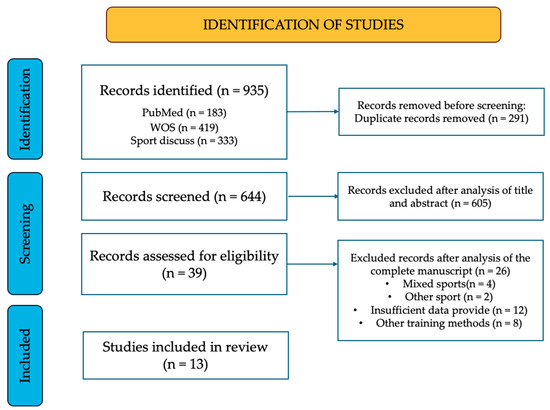
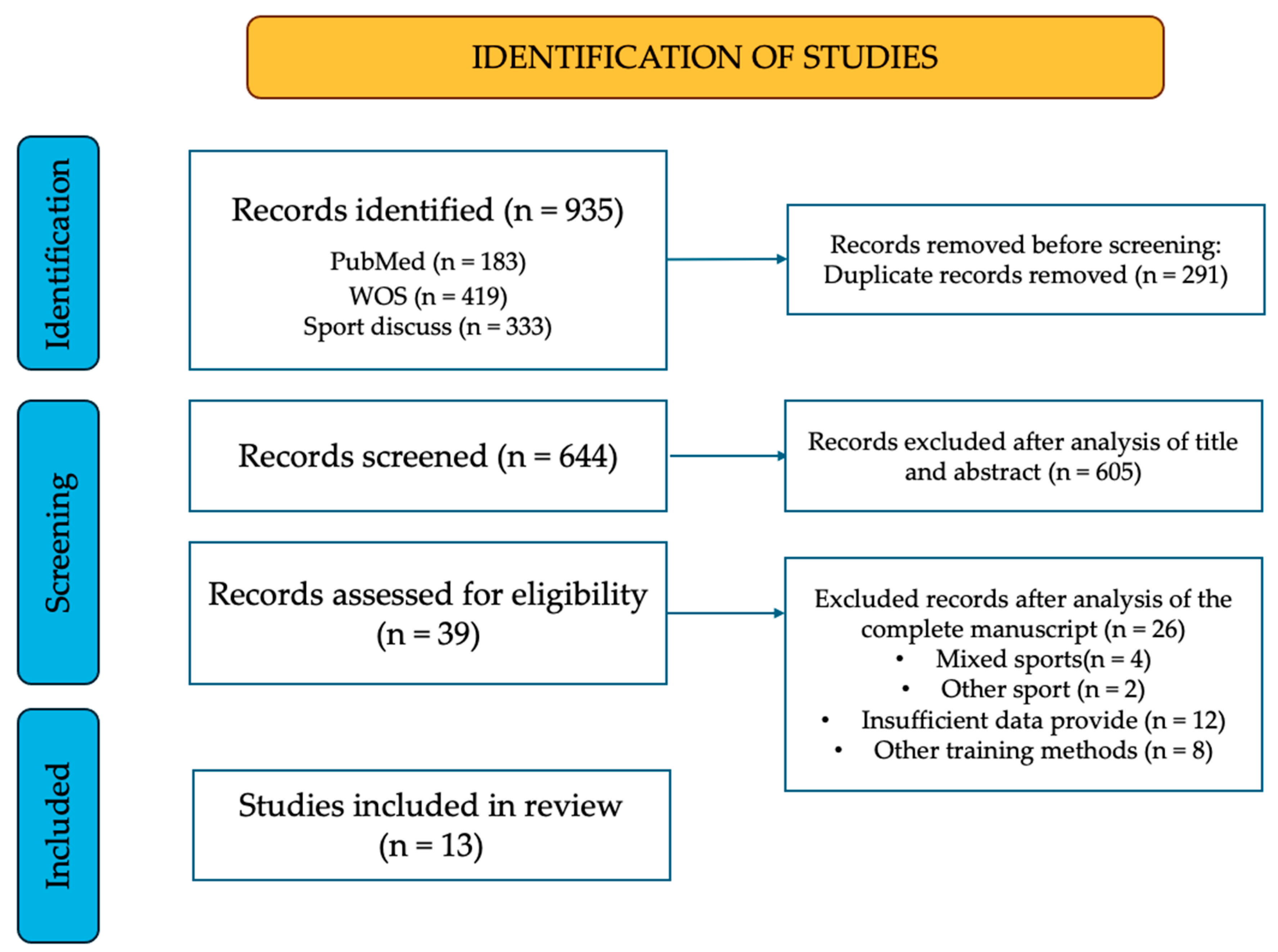
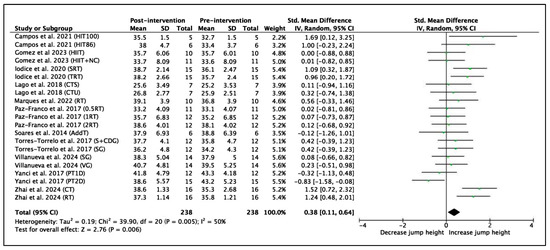
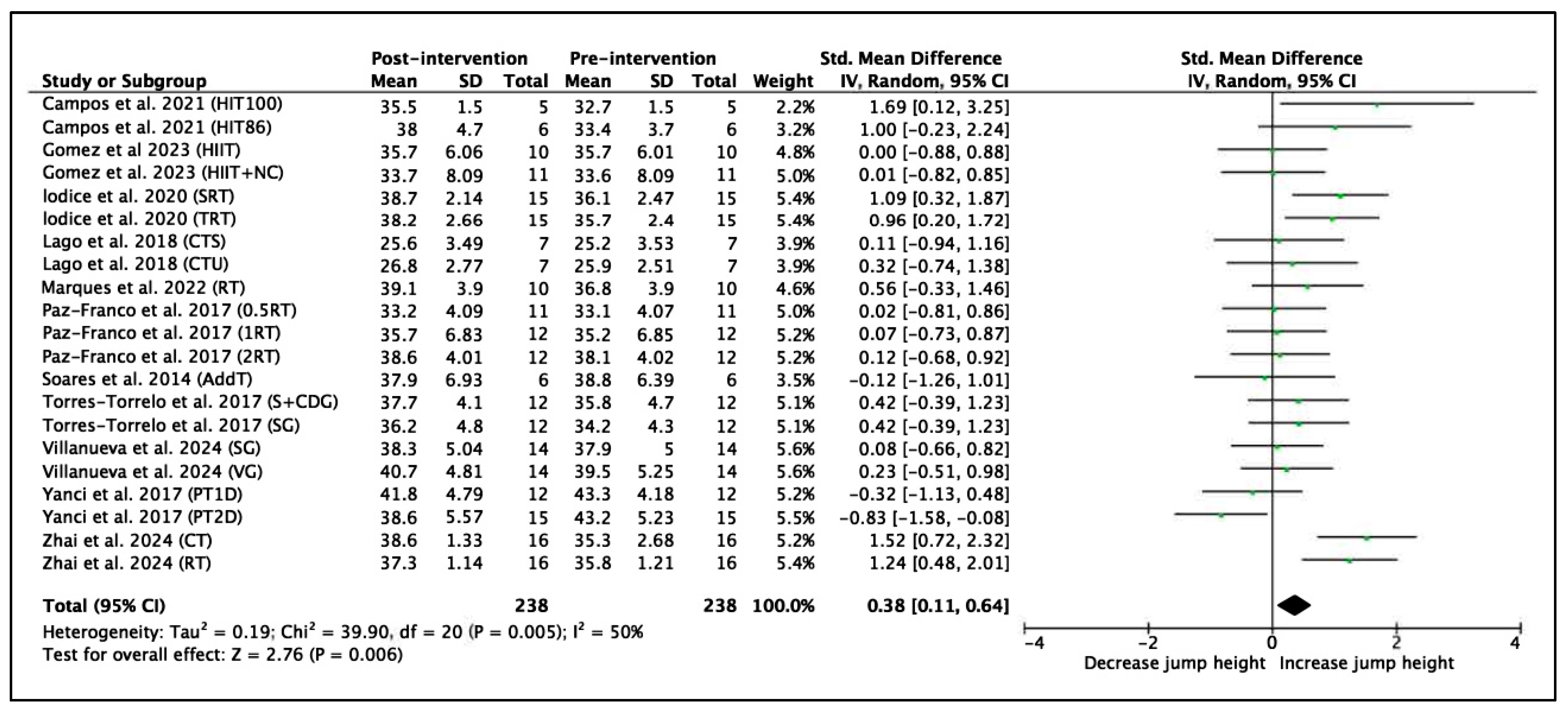
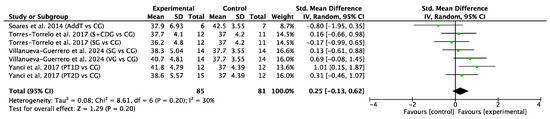
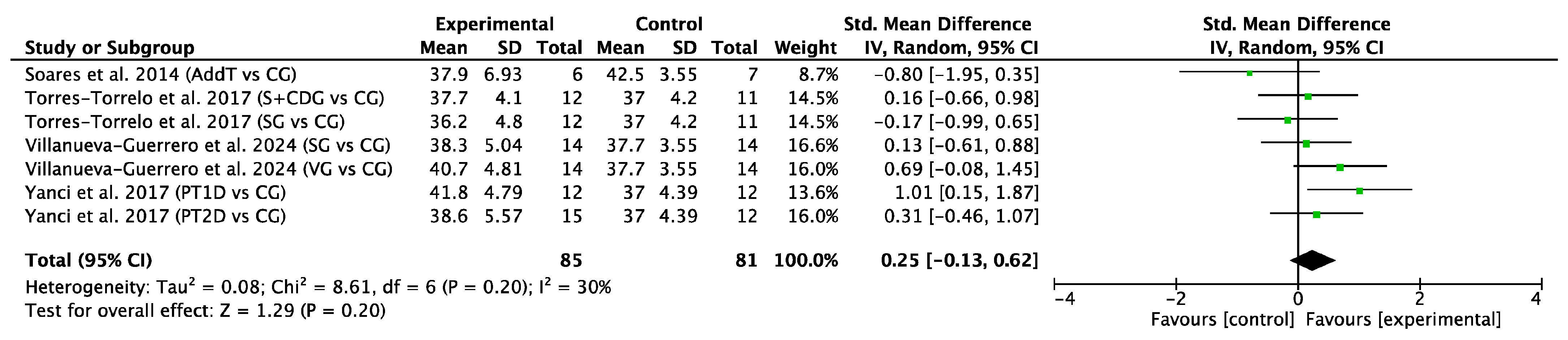
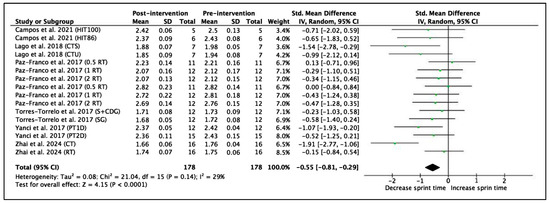
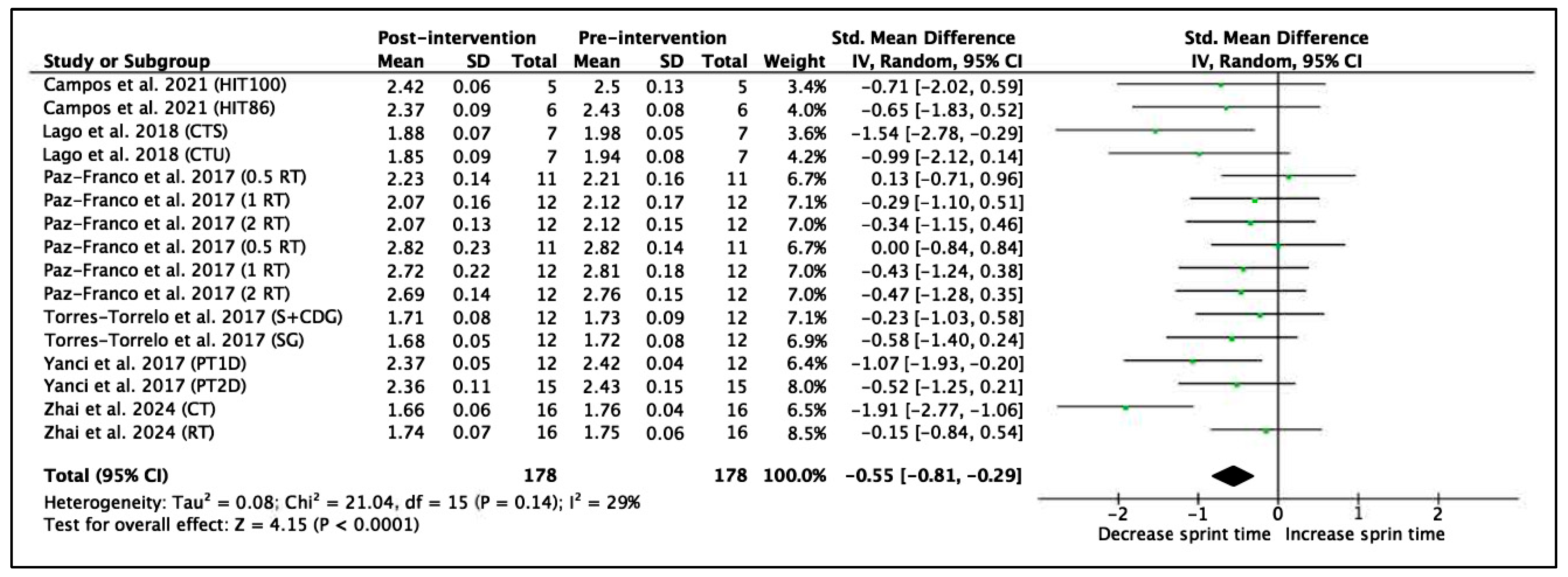


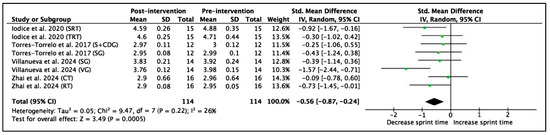
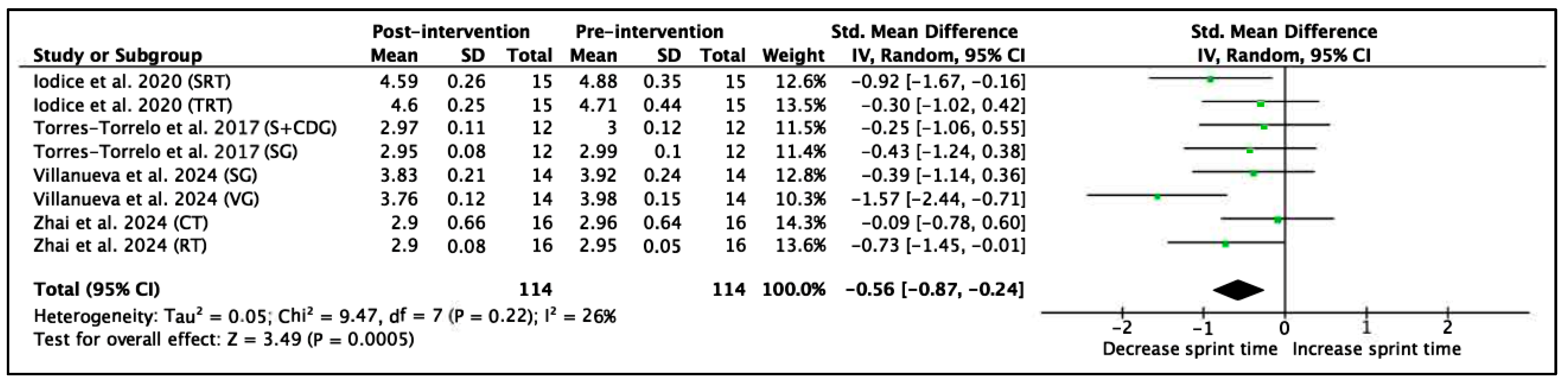


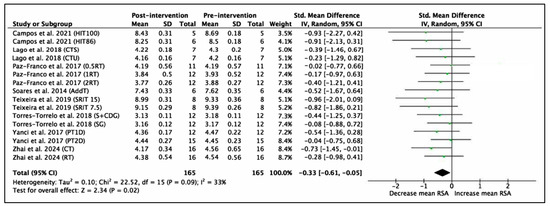
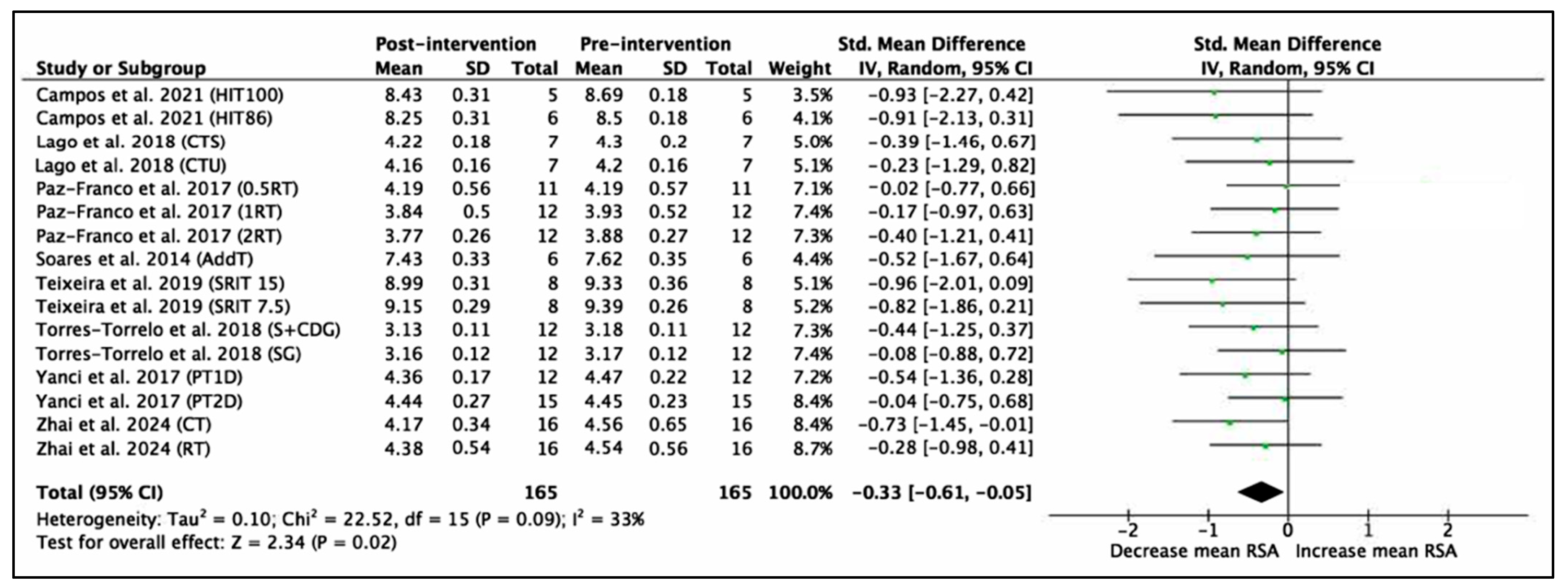


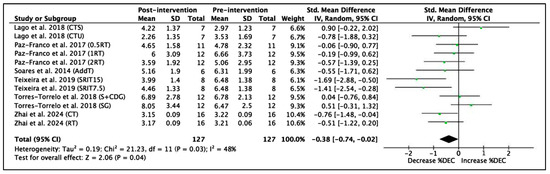
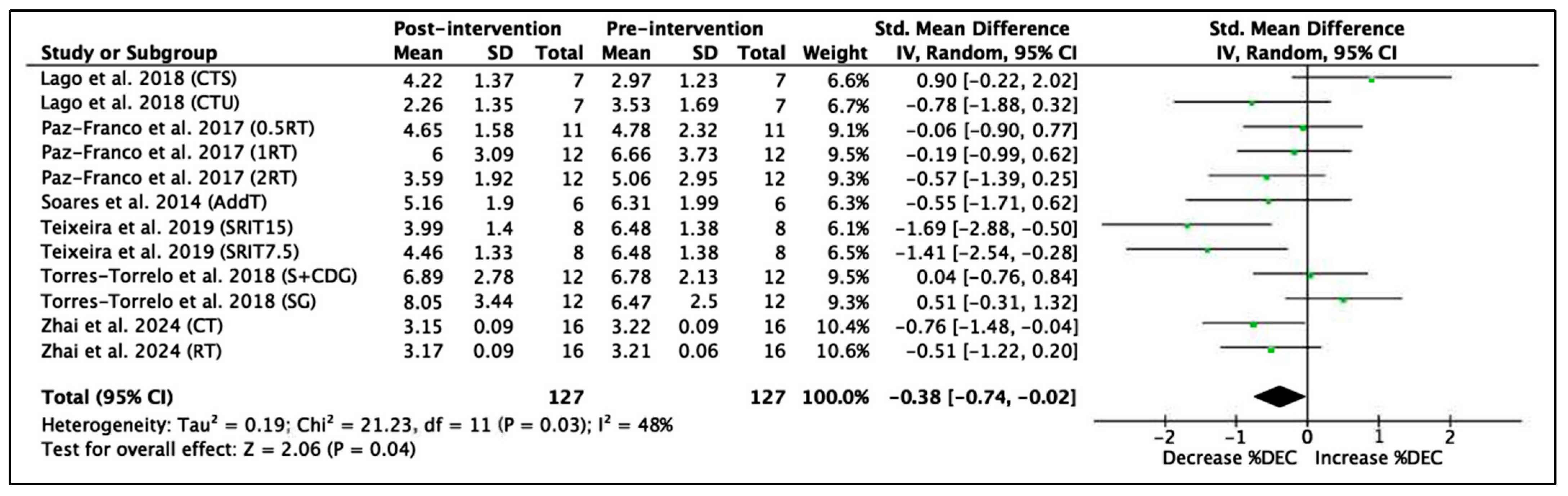



Disclaimer/Publisher’s Note: The statements, opinions and data contained in all publications are solely those of the individual author(s) and contributor(s) and not of MDPI and/or the editor(s). MDPI and/or the editor(s) disclaim responsibility for any injury to people or property resulting from any ideas, methods, instructions or products referred to in the content. |
© 2026 by the authors. Licensee MDPI, Basel, Switzerland. This article is an open access article distributed under the terms and conditions of the Creative Commons Attribution (CC BY) license.