


Abstract
The purpose of this study was to examine the relationships among female athletes’ perceptions of coach behaviors, responses to sexual harassment in sport, ambivalent sexist attitudes, and attitudes toward sexual harassment. A quantitative cross-sectional correlational research design was employed. The sample consisted of 215 actively licensed female team-sport athletes aged 18 years and older. Data were collected using the Coach Behaviors List, the Responses to Sexual Harassment in Sport Scale, the Ambivalent Sexism Inventory, and the Attitudes Toward Sexual Harassment Scale. Descriptive statistics, Pearson correlation analyses, and path analysis with observed variables were used to analyze the data. The findings indicated significant associations among perceived coach behaviors, responses to sexual harassment, ambivalent sexist attitudes, and attitudes toward sexual harassment. Overall, the proposed model suggested that these variables were statistically related within the hypothesized framework, highlighting the interconnected nature of interpersonal experiences and gender-related attitudes in sport. The findings contribute to the understanding of sexual harassment in sport by emphasizing the associations between coach behaviors, gender-related attitudes, and female athletes’ reported responses to harassment-related situations. These findings support the importance of promoting safe sport environments through educational initiatives, safeguarding practices, and organizational awareness while recognizing the limitations inherent in a cross-sectional correlational design.
1. Introduction
Sport is widely recognized as a setting that promotes physical, psychological, and social development while fostering teamwork, personal growth, and well-being. However, contemporary safeguarding research has increasingly emphasized that sport may also constitute an environment in which various forms of interpersonal violence occur because of unequal power relations, hierarchical structures, organizational cultures, and gendered norms. The International Olympic Committee (IOC) defines interpersonal violence in sport as encompassing psychological, physical, and sexual violence, as well as neglect, all of which may occur through repeated or isolated acts involving athletes, coaches, peers, or other members of the sport environment [1]. Within this framework, safeguarding has become a central priority for international sport organizations, highlighting the need to understand not only abusive behaviors themselves but also the contextual and psychosocial factors that are associated with their occurrence and may relate to athletes’ responses.
Sexual violence represents one dimension of interpersonal violence and includes a spectrum of behaviors ranging from sexual abuse and assault to sexual harassment. Although these concepts are closely related, they are not interchangeable. Sexual harassment generally refers to unwanted verbal, non-verbal, or physical behaviors of a sexual nature that violate an individual’s dignity, create an intimidating or hostile environment, or exploit unequal power relationships [1,2,3]. In sport settings, sexual harassment frequently develops within relationships characterized by dependency and authority, making the coach–athlete relationship particularly vulnerable because coaches often possess substantial influence over athletes’ participation opportunities, performance evaluations, and career progression.
The coach–athlete relationship is therefore considered one of the most influential interpersonal relationships in sport. While supportive coaching behaviors contribute to athletes’ development and psychological well-being, inappropriate coach behaviors may be associated with reduced perceptions of psychological safety and increased vulnerability among athletes. Importantly, not all inappropriate coach behaviors constitute sexual harassment. Behaviors such as intimidation, excessive control, humiliation, or psychologically threatening interactions represent broader forms of interpersonal or psychological violence, whereas sexually inappropriate behaviors specifically reflect the sexual dimension of misconduct. Nevertheless, these behaviors often coexist within dysfunctional coaching environments characterized by power imbalance, coercion, and abuse of authority [1,3]. For this reason, the present study conceptualizes coach behaviors as a broader contextual factor that may be associated with female athletes’ perceptions of safety, their attitudes toward sexual harassment, and their responses to potentially harmful situations.
The vulnerability of athletes within the coach–athlete relationship is largely rooted in the structural power asymmetry that characterizes this relationship. Coaches frequently occupy positions of authority because they influence athletes’ selection, playing opportunities, performance evaluations, and future career trajectories. This dependency may extend beyond sporting outcomes and include emotional reliance, trust, and the athlete’s perception of the coach as a significant support figure. Such relational closeness can create ambiguity regarding professional boundaries, particularly because physical contact, individualized attention, and personal communication may be legitimate components of coaching practice while also providing opportunities for boundary violations. Moreover, athletes may hesitate to report inappropriate behaviors due to fear of retaliation, losing competitive opportunities, or damaging their relationship with the coach. Therefore, the combination of unequal power, trust, proximity, and unclear boundaries may create conditions in which inappropriate coach behaviors and sexual harassment are more likely to occur or remain unchallenged [4].
Consistent with this perspective, the Coach Behaviors List (CBL) was selected because it assesses athletes’ perceptions of inappropriate coach behaviors, including both sexually inappropriate behaviors and non-instructional or potentially threatening behaviors. Rather than treating these dimensions as equivalent to sexual harassment itself, the present study considers them as complementary indicators of coaching practices that may be associated with environments in which boundary violations and inappropriate behaviors may be more difficult to recognize, challenge, or report. This conceptual distinction is important because the study does not attempt to measure sexual harassment directly through coach behaviors; instead, it examines whether athletes’ perceptions of inappropriate coaching behaviors are associated with their attitudes toward sexual harassment and their responses to sexually harassing situations.
Research has consistently demonstrated that sexual harassment in sport cannot be explained solely by individual misconduct but must also be understood within broader social and cultural contexts. Sport has historically been characterized by gendered power structures in which traditional masculinity, authority, and performance-oriented norms may reinforce unequal relationships between coaches and athletes [2,5]. Female athletes may consequently encounter both explicit and subtle forms of sexism that influence how inappropriate behaviors are interpreted, accepted, or challenged. Previous research has demonstrated that athletes’ responses to sexual harassment may involve multiple strategies, including confrontation, avoidance, seeking support, disclosure, adaptation, silence, or withdrawal from sport. Importantly, these responses are context-dependent and may vary according to athletes’ perceptions of the situation, available support systems, and anticipated consequences [6,7]. However, responses assessed in empirical research may represent different levels of behavioral engagement, including actual responses following experienced harassment, anticipated responses to hypothetical situations, or perceived tendencies regarding how individuals believe they would react. Therefore, interpretations of athletes’ responses should consider the nature of the measurement approach and should not be assumed to represent verified behavioral actions unless based on documented experiences. Importantly, the absence of overt responses, such as disclosure or confrontation, should not necessarily be interpreted as acceptance, lack of awareness, or insufficient coping. Remaining silent, avoiding the perpetrator, delaying disclosure, or continuing participation within the sport environment may reflect complex adaptive or self-protective strategies associated with factors such as fear of retaliation, dependence on the coach, concerns about sporting consequences, shame, uncertainty about credibility, or the absence of safe reporting mechanisms. Therefore, athletes’ responses to sexual harassment should be understood within broader relational, cultural, and organizational contexts rather than solely as individual choices or indicators of resilience [6,8].
Ambivalent Sexism Theory provides an important theoretical framework for understanding these processes. According to Glick and Fiske [9], sexism consists of two complementary dimensions: hostile sexism, which reflects overtly negative attitudes toward women, and benevolent sexism, which involves subjectively positive yet paternalistic beliefs that reinforce traditional gender roles and unequal power relations. Hostile sexism may be associated with interpretations of sexual harassment by reinforcing negative stereotypes about women and increasing tendencies toward victim-blaming, disbelief, or the minimization of harassment experiences [10]. Such beliefs may reduce the likelihood that inappropriate behaviors are recognized as harmful and may shape how athletes evaluate and respond to harassment-related situations. Within sport, benevolent sexism may manifest through overprotective coaching practices, paternalistic decision-making, or expectations that female athletes should conform to traditional gender norms. However, benevolent sexism extends beyond overprotection; it may involve conditional forms of protection that depend on women’s conformity to traditional gender roles [9]. By reinforcing dependence on male authority figures and portraying unequal relationships as natural or supportive, benevolent sexism may make boundary violations more difficult to identify, challenge, or report. Although such behaviors may appear supportive, they may simultaneously normalize unequal power relationships and reduce athletes’ recognition of inappropriate conduct. From this perspective, ambivalent sexist attitudes are conceptualized as underlying cognitive frameworks that influence how athletes interpret gender-related interactions and evaluate sexual harassment. These attitudes may be associated with harassment-related beliefs, which may subsequently be related to perceptions of whether coach behaviors are inappropriate, harmful, or acceptable. Therefore, the present study proposes that ambivalent sexism precedes attitudes toward sexual harassment, and that these attitudes subsequently contribute to athletes’ perceptions of coach behaviors.
Although previous research has independently examined coach behaviors, sexual harassment, safeguarding, and ambivalent sexism, relatively few studies have integrated these variables within a single explanatory framework, particularly among female team-sport athletes. Moreover, limited attention has been given to understanding how athletes’ perceptions of inappropriate coach behaviors relate to their attitudes toward sexual harassment and, in turn, to their behavioral responses to harassment. Addressing this gap is important because effective safeguarding requires not only preventing abusive behaviors but also understanding the psychological and social mechanisms that shape athletes’ recognition of and reactions to interpersonal violence [1].
In the present study, ambivalent sexism represents female athletes’ own gender-related attitudes, whereas attitudes toward sexual harassment reflect their beliefs regarding the causes and seriousness of sexual harassment. Perceptions of coach behaviors refer to athletes’ evaluations of their coaches’ behaviors. Therefore, the proposed model examines how athletes’ individual attitudes and perceptions are statistically associated with their evaluations of coaching behaviors and their reported responses to sexual harassment situations.
Based on the theoretical framework and previous empirical evidence, the present study proposes a theoretically driven path model examining the relationships among ambivalent sexist attitudes, attitudes toward sexual harassment, perceptions of coach behaviors, and athletes’ responses to sexual harassment situations. In the present study, ambivalent sexism reflects female athletes’ own gender-related attitudes, whereas attitudes toward sexual harassment represent their beliefs regarding the causes and seriousness of harassment. Perceived coach behaviors refer to athletes’ evaluations of their coaches’ behaviors. Thus, the proposed model examines the statistical associations among athletes’ beliefs, perceptions of coaching behaviors, and responses to sexual harassment situations. Given the cross-sectional design of the study, the proposed relationships are interpreted as hypothesized statistical associations and predictive pathways within the tested model rather than causal effects. Specifically, the following hypotheses were formulated:
H1.
Hostile sexism and benevolent sexism will significantly predict athletes’ attitudes toward sexual harassment, including perceptions of sexual harassment as a consequence of women’s provocative behaviors and the trivialization of sexual harassment.
H2.
Athletes’ attitudes toward sexual harassment will significantly predict their perceptions of coach behaviors as assessed by the Coach Behaviors List.
H3.
Perceptions of coach behaviors will significantly predict athletes’ emotional, behavioral, and passive responses to sexual harassment situations.
H4.
Attitudes toward sexual harassment will mediate the relationship between ambivalent sexist attitudes and perceptions of coach behaviors.
H5.
Perceptions of coach behaviors will mediate the relationship between attitudes toward sexual harassment and athletes’ responses to sexual harassment situations.
Accordingly, the present study aimed to test a theoretically derived path model examining the direct and indirect relationships among ambivalent sexist attitudes, attitudes toward sexual harassment, perceptions of coach behaviors, and athletes’ perceived responses to sexual harassment situations. The proposed model was tested within a confirmatory framework based on previous theoretical and empirical literature.
2. Materials and Methods
2.1. Research Design
This study employed a quantitative correlational research design to examine the relationships among female athletes’ perceptions of coach behaviors, responses to sexual harassment in sport, ambivalent sexist attitudes, and attitudes toward sexual harassment, as well as the predictive relationships among these variables. The present study did not assess confirmed experiences of sexual harassment. Instead, it examined athletes’ perceived responses to sexual harassment situations and their perceptions of potentially inappropriate coach behaviors.
2.2. Participants
The target population consisted of actively licensed female team-sport athletes aged 18 years and older. An actively licensed athlete refers to an athlete officially registered with the relevant sports federation and actively participating in competitive sport during the data collection period. Participants were recruited using purposive sampling to ensure that they met the inclusion criteria relevant to the research objectives. The inclusion criteria were being female, aged 18 years or older, actively participating in a licensed team sport, and having an ongoing coach–athlete relationship within a sports club. Athletes who were not actively involved in organized sport or who provided incomplete questionnaires were excluded from the study.
A total of 215 female athletes participated in the study. Participants were recruited through sports clubs, and data were collected during scheduled visits to the clubs by the researchers. Club administrators were contacted to obtain permission for data collection, after which eligible athletes were informed about the study and invited to participate. Coaches and club officials were not involved in participant selection, and participation was voluntary. All eligible athletes who met the inclusion criteria were provided with the opportunity to participate. The questionnaires were administered face-to-face at participating sports clubs. Participants completed them individually and privately, without coaches or club staff present. Responses were anonymous and confidential, and completed questionnaires were collected directly by the research team. Participants received standardized instructions regarding voluntary participation and confidentiality. Completion took approximately 10–15 min.
Before completing the questionnaires, participants were informed about the purpose and procedures of the study, confidentiality principles, and their right to withdraw at any stage. Participants were informed about the sensitive nature of the questions and their right to skip any question or discontinue participation at any time. They were also provided with information about available free psychological support services in case of distress or harm related to the study content. Written informed consent was obtained from all participants. Ethical approval was granted by the Near East University Institute of Social Sciences Ethics Committee on 18 November 2024 (Approval No. 2024/1885).
2.3. Measures
Sociodemographic Information Form
A researcher-developed sociodemographic questionnaire was used to collect participants’ personal information, including age, sport discipline, and years of licensed sports participation.
2.4. Coach Behavior List (CBL)
Female athletes’ perceptions of coach behaviors were assessed using the Coach Behavior List developed by Auweele et al. [11] and adapted into Turkish by Zengin [12]. The Turkish version used in the present study comprises 18 items divided into two nine-item subscales: Sexual Behaviors and Non-instructional/Potentially Threatening Behaviors. The Sexual Behaviors subscale includes behaviors involving sexually suggestive attention or propositions, unwanted sexual approaches, intrusive sexualized conduct, and inappropriate entry into private spaces such as changing rooms. The Non-instructional/Potentially Threatening Behaviors subscale includes behaviors such as insulting or scolding athletes, making derogatory statements about women, unnecessary physical proximity during instruction, and non-sport-related personal contact. Participants rated the frequency of each behavior on a 5-point scale ranging from 1 (never) to 5 (always). Higher scores indicate a greater reported frequency of inappropriate coach behaviors. The reported internal consistency coefficients for the Turkish adaptation were 0.93 for the Sexual Behaviors subscale, 0.85 for the Non-instructional/Potentially Threatening Behaviors subscale, and 0.89 for the overall scale.
2.5. Responses to Sexual Harassment in Sport Scale (RSHSS)
Participants’ responses to sexual harassment in sport were assessed using the Responses to Sexual Harassment in Sport Scale developed by Zengin [12]. The scale consists of 25 items and three subscales: Emotional Responses (10 items), Behavioral Responses (11 items), and Passive Responses (4 items). Emotional-response items assess reactions such as fear, guilt, withdrawal, self-blame, and feelings of humiliation. Behavioral-response items assess active reactions such as confronting the coach, increasing interpersonal distance, reporting the coach to relevant authorities, seeking support, or attempting to change teams or coaches. Passive-response items assess responses such as attempting to ignore, minimize, joke about, or avoid formally reporting the situation. Participants indicated how likely they would be to engage in each response if they experienced or believed they had experienced sexual harassment by a coach, using a 5-point scale ranging from 1 (definitely would not) to 5 (definitely would). Thus, the scale assesses perceived or anticipated response tendencies rather than confirmed behavioral reactions to personally experienced incidents. Higher scores indicate stronger endorsement of the corresponding response tendency. The original study reported Cronbach’s alpha coefficients of 0.84, 0.81, and 0.60 for emotional, behavioral, and passive responses, respectively.
2.6. Ambivalent Sexism Inventory (ASI)
Participants’ gender-related attitudes were assessed using the 22-item Ambivalent Sexism Inventory developed by Glick and Fiske [9] and adapted into Turkish by Sakallı-Uğurlu [13]. The inventory contains two 11-item subscales: Hostile Sexism and Benevolent Sexism. Hostile Sexism items assess antagonistic gender beliefs, including perceptions that women exaggerate gender-related problems, seek unfair advantages, or exercise manipulative power over men. Benevolent Sexism items assess subjectively positive but traditional and paternalistic beliefs, including the view that women should be protected by men, possess distinctive moral or cultural qualities, or are necessary for men’s personal completeness. Participants rated their agreement with each statement on a 6-point scale ranging from 1 (strongly disagree) to 6 (strongly agree). Reverse-keyed items were recoded according to the standard scoring procedure, and higher scores indicate stronger endorsement of the respective form of sexism. The reported internal consistency coefficients were 0.89 for the total scale, 0.86 for Hostile Sexism, and 0.84 for Benevolent Sexism.
2.7. Sexual Harassment Attitude Scale (SHAS)
Participants’ attitudes toward sexual harassment were assessed using the Sexual Harassment Attitude Scale developed by Sakallı-Uğurlu et al. [14]. The version used in the present study comprises 16 items and two subscales: Attribution of Sexual Harassment to Women’s Provocative Behaviors (10 items) and Trivialization of Sexual Harassment (6 items). The first subscale assesses beliefs that women’s clothing, behavior, manner of interaction, or perceived sexual availability may contribute to or provoke sexual harassment. The Trivialization subscale assesses the extent to which sexual harassment is regarded as a serious and disturbing social problem rather than as an insignificant issue. Participants rated their agreement with each statement on a 6-point scale ranging from 1 (strongly disagree) to 6 (strongly agree). Five items expressing recognition of sexual harassment as serious or harmful are reverse-scored. Consequently, after reverse coding, higher scores on the Provocative Behaviors subscale indicate stronger attribution of harassment to women’s behavior, whereas higher scores on the Trivialization subscale indicate a greater tendency to minimize or tolerate sexual harassment. The reported internal consistency coefficients were 0.83 for the overall scale, 0.90 for the Provocative Behaviors subscale, and 0.81 for the Trivialization subscale.
2.8. Data Analysis
Statistical analyses were conducted using the Statistical Package for the Social Sciences (SPSS) version 27.0 and Analysis of Moment Structures (AMOS) version 21.0. Descriptive statistics were calculated to summarize the study variables. Pearson’s correlation coefficients were calculated to examine the associations among the study variables.
The hypothesized predictive model was tested using path analysis with observed variables in AMOS version 21.0. The scale and subscale scores were entered into the model as observed variables rather than latent constructs. The hypothesized model specified paths from hostile sexism and benevolent sexism to attitudes toward sexual harassment, from attitudes toward sexual harassment to perceived coach behaviors, and from perceived coach behaviors to emotional, behavioral, and passive responses to sexual harassment. Hostile sexism and benevolent sexism were allowed to covary.
In the present study, Cronbach’s alpha coefficients were calculated to assess the internal consistency of the study measures. The coefficients were 0.729 for the Coach Behavior List, 0.837 for the Responses to Sexual Harassment in Sport Scale, 0.934 for the Ambivalent Sexism Inventory, and 0.656 for the Sexual Harassment Attitude Scale.
3. Results
A total of 215 female athletes participated in the study. As shown in Table 1, 42.3% of the participants were aged 18–21 years, 33.5% were aged 22–25 years, and 24.2% were aged 26–29 years. Regarding sport discipline, 45.6% participated in football, 23.7% in basketball, 17.2% in volleyball, and 13.5% in handball. In terms of licensed sporting experience, 37.2% had 1–3 years of experience, 34.9% had 4–6 years, and 27.9% had 7 years or more. All participants (100%) reported having male coaches.
Table 1.
Sociodemographic Characteristics of the Female Athletes.
Table 2 presents the descriptive statistics for the Coach Behaviors List. Female athletes obtained a mean total score of 23.40 ± 5.61, with mean scores of 9.72 ± 1.14 for the Sexual Behaviors subscale and 13.68 ± 5.04 for the Non-instructional/Potentially Threatening Behaviors subscale.
Table 2.
Descriptive Statistics of Female Athletes’ Scores on the Coach Behaviors List.
Table 3 presents the descriptive statistics for the Responses to Sexual Harassment in Sport Scale. Female athletes obtained a mean score of 27.02 ± 12.41 on the Emotional Responses subscale, 46.01 ± 9.47 on the Behavioral Responses subscale, and 8.18 ± 4.58 on the Passive Responses subscale.
Table 3.
Descriptive Statistics for Female Athletes’ Responses to Sexual Harassment in Sport Scale Scores.
Table 4 presents the descriptive statistics for the Ambivalent Sexism Inventory. Female athletes obtained a mean score of 28.89 ± 9.92 on the Hostile Sexism subscale and 38.09 ± 14.26 on the Benevolent Sexism subscale.
Table 4.
Descriptive Statistics of Female Athletes’ Scores on the Ambivalent Sexism Inventory.
Table 5 presents the descriptive statistics for the Attitudes Toward Sexual Harassment Scale. Female athletes obtained a mean score of 18.35 ± 5.82 on the subscale assessing the belief that sexual harassment is a consequence of women’s provocative behaviors and a mean score of 14.70 ± 6.03 on the subscale assessing the tendency to trivialize sexual harassment.
Table 5.
Descriptive Statistics of Female Athletes’ Scores on the Attitudes Toward Sexual Harassment Scale.
Table 6 presents the Pearson correlation coefficients among female athletes’ scores on the Coach Behaviors List, Responses to Sexual Harassment in Sport Scale, Ambivalent Sexism Inventory, and Attitudes Toward Sexual Harassment Scale.
Table 6.
Correlations Among Female Athletes’ Scores on the Coach Behaviors List, Responses to Sexual Harassment in Sport Scale, Ambivalent Sexism Inventory, and Attitudes Toward Sexual Harassment Scale.
Perceived sexual coach behaviors were positively associated with emotional responses (r = 0.437, p < 0.001) and behavioral responses (r = 0.266, p < 0.001), whereas they were negatively associated with passive responses (r = −0.329, p < 0.001). In addition, sexual coach behaviors showed significant positive correlations with hostile sexism (r = 0.212, p = 0.002), benevolent sexism (r = 0.185, p = 0.006), and the belief that sexual harassment is a consequence of women’s provocative behaviors (r = 0.271, p < 0.001).
Similarly, non-instructional/potentially threatening coach behaviors were positively correlated with emotional (r = 0.621, p < 0.001) and behavioral responses (r = 0.206, p = 0.002), while demonstrating a negative correlation with passive responses (r = −0.152, p = 0.026). These behaviors were also positively associated with benevolent sexism (r = 0.201, p = 0.003) and the belief that sexual harassment results from women’s provocative behaviors (r = 0.376, p < 0.001), whereas they were negatively associated with the tendency to trivialize sexual harassment (r = −0.311, p < 0.001).
The overall Coach Behaviors List score was positively correlated with emotional (r = 0.647, p < 0.001) and behavioral responses (r = 0.239, p < 0.001), and negatively correlated with passive responses (r = −0.203, p = 0.003). Furthermore, total coach behavior scores demonstrated positive associations with hostile sexism (r = 0.148, p < 0.001), benevolent sexism (r = 0.218, p = 0.001), and the belief that sexual harassment is caused by women’s provocative behaviors (r = 0.393, p < 0.001), while showing a negative association with the tendency to trivialize sexual harassment (r = −0.290, p < 0.001).
Regarding responses to sexual harassment, both emotional and behavioral responses were positively correlated with hostile sexism, benevolent sexism, and the belief that sexual harassment is a consequence of women’s provocative behaviors, whereas both dimensions were negatively associated with the tendency to trivialize sexual harassment (all p < 0.05). Passive responses were negatively associated with emotional and behavioral responses as well as with the perception that sexual harassment results from women’s provocative behaviors.
Finally, both hostile sexism (r = 0.268, p < 0.001) and benevolent sexism (r = 0.234, p = 0.001) were positively associated with the belief that sexual harassment is caused by women’s provocative behaviors. In contrast, benevolent sexism was negatively associated with the tendency to trivialize sexual harassment (r = −0.407, p < 0.001).
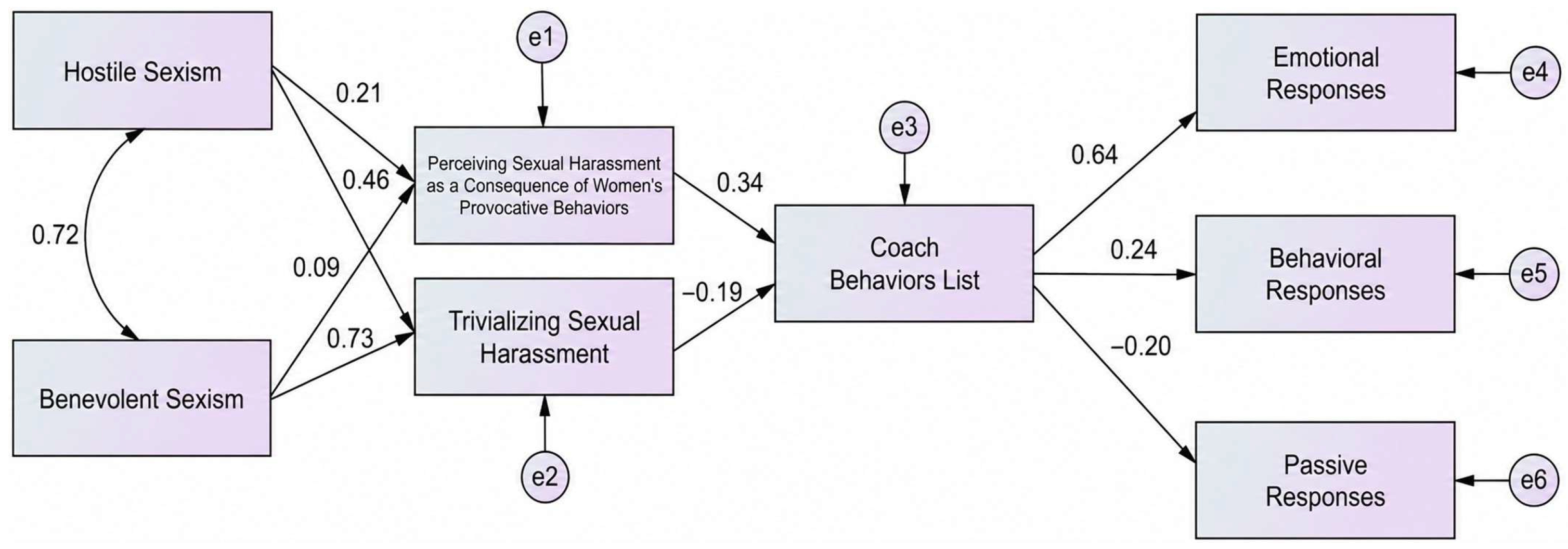
Figure 1 presents the results of the path analysis examining the predictive relationships among the study variables.
Figure 1.
Path Analysis of the Proposed Predictive Model.
The analysis revealed that hostile sexism significantly and positively predicted both perceiving sexual harassment as a consequence of women’s provocative behaviors (β = 0.21, p < 0.05) and trivializing sexual harassment (β = 0.46, p < 0.05). Furthermore, benevolent sexism significantly and negatively predicted the tendency to trivialize sexual harassment (β = −0.73, p < 0.05).
Regarding attitudes toward sexual harassment, the belief that sexual harassment is a consequence of women’s provocative behaviors significantly and positively predicted perceived coach behaviors (β = 0.34, p < 0.05), whereas the tendency to trivialize sexual harassment significantly and negatively predicted perceived coach behaviors (β = −0.19, p < 0.05).
Finally, perceived coach behaviors significantly predicted female athletes’ responses to sexual harassment. Specifically, coach behavior scores positively predicted emotional responses (β = 0.64, p < 0.05) and behavioral responses (β = 0.24, p < 0.05), while negatively predicting passive responses (β = −0.20, p < 0.05).
Overall, the findings supported the proposed statistical model, indicating that ambivalent sexist attitudes were significantly associated with attitudes toward sexual harassment, which were subsequently associated with perceptions of coach behaviors within the tested model. Perceived coach behaviors were also significantly associated with athletes’ reported responses to sexual harassment situations.
4. Discussion
The findings of the present study indicate that the reported frequency of sexually inappropriate coach behaviors was low within this sample. The Sexual Behaviors subscale consists of nine items scored from 1 (never) to 5 (always), giving a theoretical minimum score of 9. The observed mean of 9.72 ± 1.14 therefore corresponds to approximately 1.08 per item, indicating that, on average, participants reported these behaviors at a frequency close to “never.” However, this finding should not be interpreted as demonstrating the absence of sexually inappropriate coach behaviors or as an estimate of their prevalence among female athletes more generally. Mean scores may obscure individual experiences and do not capture the severity of particular behaviors. Furthermore, potential underreporting and the recruitment of currently active athletes should be considered when interpreting the relatively low scores. Recent research indicates that female athletes may differ in how they perceive and evaluate potentially inappropriate coach behaviors depending on the nature and context of the behavior. In particular, unwanted sexual behaviors, behaviors with sexual undertones, sexist conduct, and other boundary-related coach behaviors may be interpreted differently across athletes and sporting contexts, while still representing important safeguarding concerns [15,16]. (These findings underscore the importance of effective communication and motivational strategies within the coaching process. Although the Non-instructional/Potentially Threatening Behaviors subscale showed higher scores than the Sexual Behaviors subscale, this difference should be interpreted cautiously because subscales may differ in item numbers and theoretical ranges. Therefore, these findings should not be interpreted as indicating that one type of inappropriate coaching behavior is necessarily more prevalent than another. Rather, the results suggest that athletes reported perceptions of different forms of problematic coaching behaviors, including both sexually inappropriate and non-instructional or potentially threatening behaviors.
Another important finding of the study concerns the pattern of reported responses to sexual harassment situations. Because the response subscales may differ in the number of items and theoretical ranges, comparisons based on raw total scores should be interpreted cautiously. Therefore, the findings reflect differences in the endorsement of response tendencies measured by the scale rather than indicating that athletes consistently adopt behavioral coping strategies following actual harassment experiences. This pattern should not necessarily be interpreted as indicating the complete absence of risk. Nevertheless, some non-instructional or potentially threatening behaviors were reported. Recent research demonstrates that athletes distinguish overt sexual harassment from ambiguous, ostensibly caring, or professionally framed coach behaviors, with certain boundary-crossing behaviors being perceived as less disturbing, particularly by elite athletes [16]. Similarly, blurred interpersonal boundaries, power asymmetries, and non-instructional physical contact have been identified as important risk factors in the coach–athlete relationship, while subtle or non-contact forms of sexual misconduct may be difficult for athletes to recognize [4]. Moreover, female athletes’ perceptions and acceptance of potentially inappropriate coaching behaviors may vary according to their sociocultural and sporting contexts [15].
Another noteworthy finding of the present study is that some female athletes still tended to attribute sexual harassment, at least partially, to the victim’s behavior. In contrast, the relatively lower scores on the Trivializing Sexual Harassment subscale indicate that participants generally perceived sexual harassment as a serious issue. Previous research has similarly suggested that although female athletes demonstrate high sensitivity toward sexual harassment, it may still be associated with the attribution of partial responsibility to victims [5,17]. These findings emphasize the importance of increasing awareness of sexual harassment in sport and educating female athletes about this issue. Furthermore, the literature consistently highlights that gender stereotypes and prevailing social norms may shape female athletes’ perceptions of sexual harassment, underscoring the need for educational and awareness-raising programs [7]. The present findings suggest that sexual harassment awareness initiatives, together with psychological support and counseling services implemented by sports clubs and federations, may strengthen female athletes’ attitudes and responses toward sexual harassment. Such interventions are essential for creating safer and more equitable sporting environments.
Another important finding was the significant positive relationship between the Sexual Behaviors dimension of the Coach Behaviors List and female athletes’ emotional and behavioral responses to sexual harassment in sport. This finding suggests that sexually inappropriate coach behaviors associated with stronger emotional reactions among female athletes, such as anger, anxiety, and shame, were also associated with behavioral response tendencies, including reporting the incident, distancing themselves from the environment, or establishing interpersonal boundaries. Similarly, previous studies have demonstrated that sexually inappropriate behaviors rooted in power asymmetries within sport have been associated with reduced perceptions of psychological safety and promote more active coping strategies [7]. Conversely, a significant negative association was found between the Sexual Behaviors dimension and Passive Responses, suggesting that female athletes reporting higher perceptions of sexually inappropriate behaviors also reported lower passive response tendencies or normalize such experiences. This finding is consistent with previous research indicating that increased awareness of sexual harassment reduces passive acceptance and encourages more active responses [18].
Furthermore, scores on the Sexual Behaviors subscale were positively associated with both hostile and benevolent sexism. This finding suggests that sexual harassment in sport should be understood not only as an individual-level phenomenon but also as a reflection of broader gender ideologies. Whereas hostile sexism positions female athletes as manipulative or threatening, benevolent sexism portrays women as fragile individuals who require protection and, consequently, remain dependent on male authority. Both forms of sexism have been identified in the literature as ideological frameworks that may be associated with beliefs that normalize unequal interpersonal relationships and boundary concerns of professional and interpersonal boundaries [19]. In addition, Sexual Behaviors scores were positively associated with the attitude that sexual harassment is a consequence of women’s provocative behaviors. This finding indicates that victim-blaming narratives continue to exist within sporting environments. Explaining sexually inappropriate behaviors by referring to women’s clothing, body language, or social interactions shifts responsibility from the perpetrator to the victim, thereby contributing to the invisibility of sexual harassment and reinforcing organizational silence in sport [20]. The present findings extend the existing literature by demonstrating that such victim-blaming attitudes are not merely individual beliefs but are also closely associated with perceived coach behaviors.
When non-instructional or potentially threatening coach behaviors were examined, female athletes who reported higher levels of these behaviors also demonstrated stronger emotional and behavioral responses. This finding suggests that athletes who reported higher levels of these behaviors also reported stronger emotional and behavioral responses. In contrast, the negative association between these behaviors and passive responses indicates that as threatening or harassing behaviors become more apparent, athletes become less likely to remain silent or normalize these experiences. The present finding extends the existing literature by demonstrating that threatening and non-instructional coach behaviors are more strongly associated with emotional and behavioral reactions than with passive responses. Previous research has shown that harmful coaching behaviors can produce substantial and enduring emotional distress among female athletes [21]. Nevertheless, athletes’ behavioral responses appear to be context-dependent, as fear of, power imbalances, and distrust in reporting mechanisms may discourage active responses and promote silence or non-disclosure [22]. The positive association between these behaviors and benevolent sexism further suggests that female athletes may interpret threatening behaviors not necessarily as inappropriate boundary violations by authority figures but rather as behaviors that can be tolerated or rationalized within the context of a male-dominated sporting culture. Previous studies have similarly argued that benevolent sexism portrays women as individuals who require protection while simultaneously expecting them to comply with authority, thereby making it more difficult to question inappropriate coach behaviors.
In addition, the positive association between these behaviors and the belief that sexual harassment is a consequence of women’s provocative behaviors, together with the negative association with the tendency to trivialize sexual harassment, suggests that female athletes perceive threatening coach behaviors as a serious issue that should no longer be underestimated. Similarly, recent studies have demonstrated that as perceptions of psychological harassment and threatening behaviors increase within sport settings, victim-blaming attitudes become more pronounced, whereas the tendency to trivialize sexual harassment decreases [23]. Taken together, these findings suggest that non-instructional and potentially threatening coach behaviors may be associated with greater recognition of sexual harassment-related concern, resulting in a shift from passive responses toward more pronounced emotional and behavioral reactions. This finding further indicates that threatening coach behaviors may reflect broader gendered power relations discussed in previous safeguarding literature; however, organizational-level mechanisms were not directly examined in the present study.
The pattern of relationships observed for the overall Coach Behaviors List score further suggests that coach behaviors in sport may also be understood within broader social and cultural contexts. In particular, the positive association between higher coach behavior scores and stronger emotional and behavioral responses indicates that when athletes perceive non-instructional, threatening, or boundary-violating behaviors, they experience more pronounced psychological reactions. This finding is consistent with recent research demonstrating that coach behaviors influence not only athletic performance but also athletes’ perceptions of safety, self-esteem, and psychological well-being. For example, Schwab et al. [24] reported significant relationships between coaches’ ability to recognize violence in sport, their perceptions of its seriousness, their willingness to report such incidents, and athletes’ psychological experiences. Their findings suggest that coaches who are better able to identify and respond to inappropriate behaviors may reduce the negative psychological consequences of harassment and maltreatment experienced by athletes.
From another perspective, the positive associations between coach behaviors and both hostile and benevolent sexism indicate that coaching practices may be closely intertwined with gendered norms and values. Previous research in sport management has demonstrated that the ethical climate of sports clubs and coaching styles are associated with psychological maltreatment of athletes, with controlling and ethically problematic organizational environments increasing the risk of psychological abuse [25]. These findings support the view that coach behaviors should be examined not only at the individual level but also within the broader organizational climate and culture in which they occur.
The positive association between coach behaviors and the belief that sexual harassment is attributable to women’s behavior, together with the negative association with the tendency to trivialize harassment, further indicates that sexual harassment is increasingly recognized as a serious issue within sporting environments. Similar patterns have been reported in the sport psychology literature, where increased awareness of harassment and sexual violence has been associated with reduced passive acceptance and greater recognition that such experiences should no longer be normalized [16].
The findings also demonstrated that emotional and behavioral responses to sexual harassment in sport were positively associated with both hostile and benevolent sexism. Likewise, these responses were positively related to the belief that sexual harassment is a consequence of women’s provocative behaviors, while being negatively associated with the tendency to trivialize sexual harassment. Overall, these findings indicate that athletes’ perceptions of coach behaviors, together with gender-related beliefs, were associated with female athletes’ perceptions of sexual harassment and their reported responses within the tested model of sexual harassment and their responses to such experiences. Previous studies have similarly emphasized that the male-dominated culture of sport and the attitudes of authority figures are critical determinants of how sexual harassment is perceived and addressed [5,17].
A particularly noteworthy finding of the present study is that both hostile and benevolent sexism were significantly associated with female athletes’ perceptions of sexual harassment and coach behaviors within the tested model of sexual harassment and their perceptions of coach behaviors. Specifically, hostile sexism was positively associated with the tendency to perceive sexual harassment as a consequence of women’s provocative behaviors, reflecting patriarchal narratives that shift responsibility from perpetrators to victims. Previous research has shown that such victim-blaming attitudes contribute to the normalization of sexual harassment in sport and reduce the likelihood that incidents will be reported [3,17]. The positive path coefficient from hostile sexism to trivialization of sexual harassment should, however, be interpreted cautiously. At the bivariate level, hostile sexism showed a small, negative, and non-significant correlation with trivialization, whereas the coefficient became positive and significant when hostile and benevolent sexism were entered simultaneously in the path model. Given the relatively strong correlation between hostile and benevolent sexism and the absence of additional diagnostics specifically assessing multicollinearity or suppression effects, this coefficient should not be interpreted as evidence of a robust independent positive relationship. Rather, it should be regarded as a model-dependent association that requires confirmation in future studies. Conversely, benevolent sexism was negatively associated with the tendency to trivialize sexual harassment in the path model, indicating that higher benevolent sexism scores were associated with lower trivialization scores in the present sample. Although this direction may appear counterintuitive, it should be interpreted as a sample-specific association rather than as evidence that benevolent sexism generally promotes greater recognition of sexual harassment. This finding also highlights the importance of interpreting benevolent sexism and harassment-related attitudes as distinct constructs whose relationships may vary according to the characteristics and sociocultural context of the sample [26,27]. The pattern of associations observed in the model suggests that sexist attitudes, perceptions of coach behaviors, and responses to sexual harassment are interconnected. However, because indirect effects were not formally tested, these pathways should be interpreted as associative relationships rather than mediation effects. The positive association between perceived coach behaviors and athletes’ emotional responses indicates that as awareness of and sensitivity to sexual harassment increase, emotional reactions become more pronounced. Conversely, the negative effect of coach behaviors on passive responses suggests that when harassment is clearly recognized, athletes become less likely to remain silent or accept the situation. This finding is consistent with previous studies demonstrating that increased awareness within sport settings facilitates a shift from passive coping strategies toward more active responses [22,28]. More recent research has further shown that the organizational climate of sport and the male-dominated cultural structure of many sporting environments reinforce sexist attitudes that shape coach behaviors, which, in turn, directly influence how female athletes perceive and respond to sexual harassment [21]. Collectively, these findings indicate that sexual harassment should not be viewed solely as the result of individual behaviors but rather as a multidimensional phenomenon embedded within broader gender ideologies and the organizational culture of sport.
5. Conclusions
In conclusion, the findings highlight the importance of addressing sexist attitudes, athletes’ perceptions of coach behaviors, and harassment-related beliefs within sport environments. Although the present study did not directly examine organizational-level factors, previous safeguarding research suggests that effective prevention requires coordinated efforts involving education, reporting mechanisms, and supportive organizational practices. Therefore, structural interventions should be considered as broader implications supported by the existing literature rather than direct conclusions derived from the present findings.
6. Limitations
The use of self-report measures collected from the same participants within a single assessment session represents an additional limitation of the present study. Because all constructs were assessed using similar response formats and the same data collection procedure, the observed associations may have been partially influenced by common method variance, social desirability, response tendencies, or shared interpretations of questionnaire items. Therefore, the relationships identified in the path model should be interpreted as statistical associations within the proposed model rather than as evidence of completely independent constructs or definitive causal mechanisms. Future research should consider incorporating multi-source assessments, longitudinal designs, and objective indicators of coaching environments and safeguarding practices to further examine these relationships and reduce potential common method bias. Additionally, the use of purposive sampling and recruitment of currently active athletes from sports clubs may limit the generalizability of the findings and may introduce potential sport-survivorship bias, as athletes who discontinued sport participation due to negative experiences may not have been represented. Because data were collected within sports clubs, possible concerns regarding anonymity and underreporting cannot be completely excluded. Furthermore, possible clustering effects related to shared coaches or teams were not examined. The study also did not assess participants’ actual experiences of sexual harassment; therefore, the findings should be interpreted as reported perceptions and response tendencies rather than confirmed reactions to experienced incidents. Finally, organizational factors, such as safeguarding policies and team climate, were not included in the model.
Author Contributions
All authors contributed substantially to the conception and design of the study. The research design, data collection, statistical analyses, interpretation of the findings, and manuscript preparation were carried out collaboratively by all authors. All authors reviewed, approved, and agreed to the final version of the manuscript. All authors have read and agreed to the published version of the manuscript.
Funding
This research received no specific grant from any funding agency in the public, commercial, or not-for-profit sectors.
Institutional Review Board Statement
This study was approved by the Ethics Committee of the Institute of Social Sciences, Near East University, on 18 November 2024 (Approval No. 2024/1885).
Informed Consent Statement
The research was conducted in accordance with the ethical principles of the Declaration of Helsinki and relevant institutional guidelines. All participants voluntarily participated in the study and provided written informed consent prior to data collection.
Data Availability Statement
The original participant-level dataset underlying this study is no longer available to the authors for reanalysis or sharing. Consequently, additional participant-level data cannot be provided upon request. All available statistical results and information supporting the findings are reported within the article.
Conflicts of Interest
The authors declare that the research was conducted in the absence of any commercial or financial relationships that could be construed as a potential conflict of interest.
References
- Tuakli-Wosornu, Y.A.; Burrows, K.; Fasting, K.; Hartill, M.; Hodge, K.; Kaufman, K.; Kavanagh, E.; Kirby, S.L.; MacLeod, J.G.; Mountjoy, M.; et al. IOC consensus statement: Interpersonal violence and safeguarding in sport. Br. J. Sports Med. 2024, 58, 1322–1344. [Google Scholar] [CrossRef] [Scilit]
- Brackenridge, C.H. Spoilsports: Understanding and Preventing Sexual Exploitation in Sport; Routledge: London, UK, 2001. [Google Scholar]
- Mountjoy, M.; Brackenridge, C.; Arrington, M.; Blauwet, C.; Carska-Sheppard, A.; Fasting, K.; Kirby, S.; Leahy, T.; Marks, S.; Martin, K.; et al. International Olympic Committee consensus statement: Harassment and abuse (non-accidental violence) in sport. Br. J. Sports Med. 2016, 50, 1019–1029. [Google Scholar] [CrossRef] [Scilit]
- Gaedicke, S.; Schäfer, A.; Hoffmann, B.; Ohlert, J.; Allroggen, M.; Hartmann-Tews, I.; Rulofs, B. Sexual violence and the coach–athlete relationship—A scoping review from sport sociological and sport psychological perspectives. Front. Sports Act. Living 2021, 3, 643707. [Google Scholar] [CrossRef] [Scilit]
- Stirling, A.E.; Kerr, G.A. Abused athletes’ perceptions of the coach-athlete relationship. Sport Soc. 2009, 12, 227–239. [Google Scholar] [CrossRef] [Scilit]
- Fasting, K.; Brackenridge, C.H.; Walseth, K. Women athletes’ personal responses to sexual harassment in sport. J. Appl. Sport Psychol. 2007, 19, 419–433. [Google Scholar] [CrossRef] [Scilit]
- Vertommen, T.; Schipper-van Veldhoven, N.; Wouters, K.; Kampen, J.K.; Brackenridge, C.H.; Rhind, D.J.A.; Neels, K.; Van Den Eede, F. Interpersonal violence against children in sport in the Netherlands and Belgium. Child Abus. Negl. 2016, 51, 223–236. [Google Scholar] [CrossRef] [Scilit]
- Chroni, S.A.; Kavoura, A. From silence to speaking up about sexual violence in Greece: Olympic journeys in a culture that neglects safety. Front. Psychol. 2022, 13, 862450. [Google Scholar] [CrossRef] [Scilit]
- Glick, P.; Fiske, S.T. The ambivalent sexism inventory: Differentiating hostile and benevolent sexism. J. Personal. Soc. Psychol. 1996, 70, 491–512. [Google Scholar] [CrossRef]
- Abrams, D.; Viki, G.T.; Masser, B.; Bohner, G. Perceptions of stranger and acquaintance rape: The role of benevolent and hostile sexism in victim blame and rape proclivity. J. Personal. Soc. Psychol. 2003, 84, 111–125. [Google Scholar] [CrossRef] [Scilit]
- Van Auweele, Y.; Opdenacker, J.; Vertommen, T.; Boen, F.; De Martelaer, K. Unwanted sexual experiences in sport: Perceptions and reported prevalence among Flemish female student-athletes. Int. J. Sport Exerc. Psychol. 2008, 6, 354–365. [Google Scholar] [CrossRef] [Scilit]
- Zengin, N. Sporda Cinsel Taciz: Antrenör Davranışları, Cinsiyetçilik ve Cinsel Tacize Verilen Tepkiler Arasındaki Ilişkiler. Doctoral Dissertation, Middle East Technical University, Ankara, Turkey, 2012. [Google Scholar]
- Sakallı-Uğurlu, N. The validity and reliability of the Turkish version of the Ambivalent Sexism Inventory. Türk Psikol. Yazıları 2002, 5, 47–58. [Google Scholar]
- Sakallı-Uğurlu, N.; Salman, S.; Turgut, S. Predictors of Turkish women’s and men’s attitudes toward sexual harassment: Ambivalent sexism, and ambivalence toward men. Sex Roles 2010, 63, 871–881. [Google Scholar] [CrossRef] [Scilit]
- Ahmed, M.D.; Cardinal, B.J.; Khan, S.; Khan, B.A.; Begum, S. Male coaches’ sexual harassment, abuse, and assault as perceived by female athletes in India and Pakistan. Phys. Educ. 2022, 79, 629–646. [Google Scholar] [CrossRef] [Scilit]
- Zach, S.; Davidovitz, M.; Cohen, R. Comparative perceptions of sexual harassment among athletes across different competitive levels. Front. Sports Act. Living 2024, 6, 1468534. [Google Scholar] [CrossRef] [Scilit]
- Fasting, K.; Sand, T.S. Narratives of sexual harassment experiences in sport. Qual. Res. Sport Exerc. Health 2015, 7, 573–588. [Google Scholar] [CrossRef] [Scilit]
- Erdaǧ, D.; Özeriç, M.; Harmancı, B. Perception of sexual harassment among female athletes participating in team sports in the Northern Cyprus. Front. Psychol. 2025, 16, 1676528. [Google Scholar] [CrossRef] [Scilit]
- Glick, P.; Fiske, S.T. Ambivalent sexism. In Advances in Experimental Social Psychology; Zanna, M.P., Ed.; Academic Press: Cambridge, MA, USA, 2001; Volume 33, pp. 115–188. [Google Scholar] [CrossRef] [Scilit]
- Fasting, K.; Brackenridge, C.; Sundgot-Borgen, J. Prevalence of sexual harassment among Norwegian female elite athletes in relation to sport type. Int. Rev. Sociol. Sport 2004, 39, 373–386. [Google Scholar] [CrossRef] [Scilit]
- Kerr, G.; Willson, E.; Stirling, A. “It was the worst time in my life”: The effects of emotionally abusive coaching on female Canadian national team athletes. Women Sport Phys. Act. J. 2020, 28, 81–89. [Google Scholar] [CrossRef] [Scilit]
- Willson, E.; Kerr, G.; Battaglia, A.; Stirling, A. Listening to athletes’ voices: National team athletes’ perspectives on advancing safe sport in Canada. Front. Sports Act. Living 2022, 4, 840221. [Google Scholar] [CrossRef] [Scilit]
- Parent, S.; Vaillancourt-Morel, M.P. Magnitude and risk factors for interpersonal violence experienced by Canadian teenagers in the sport context. J. Sport Soc. Issues 2021, 45, 528–544. [Google Scholar] [CrossRef] [Scilit]
- Schwab, L.; Röthlin, P.; Antonini Philippe, R.; Horvath, S. Exploring coaches’ responses to interpersonal violence in sport: Recognition, severity perception, and likelihood of reporting. J. Interpers. Violence, 2026; Epub ahead of print. [CrossRef] [Scilit]
- Pack, S.M. Nation Branding and Sports Diplomacy: Country Image Games in Times of Change. J. Sport Manag. 2024, 39, 70–71. [Google Scholar] [CrossRef] [Scilit]
- Glick, P.; Fiske, S.T.; Mladinic, A.; Saiz, J.L.; Abrams, D.; Masser, B.; Adetoun, B.; Osagie, J.E.; Akande, A.; Alao, A.; et al. Beyond prejudice as simple antipathy: Hostile and benevolent sexism across cultures. J. Personal. Soc. Psychol. 2000, 79, 763–775. [Google Scholar] [CrossRef]
- LeMaire, K.L.; Oswald, D.L.; Russell, B.L. Labeling sexual victimization experiences: The role of sexism, rape myth acceptance, and tolerance for sexual harassment. Violence Vict. 2016, 31, 332–346. [Google Scholar] [CrossRef] [Scilit]
- Kerr, G.; Stirling, A. Where is safeguarding in sport psychology research and practice? J. Appl. Sport Psychol. 2019, 31, 367–384. [Google Scholar] [CrossRef] [Scilit]

Disclaimer/Publisher’s Note: The statements, opinions and data contained in all publications are solely those of the individual author(s) and contributor(s) and not of MDPI and/or the editor(s). MDPI and/or the editor(s) disclaim responsibility for any injury to people or property resulting from any ideas, methods, instructions or products referred to in the content. |
© 2026 by the authors. Licensee MDPI, Basel, Switzerland. This article is an open access article distributed under the terms and conditions of the Creative Commons Attribution (CC BY) license.