


Abstract
Restoration of natural sterlet (Acipenser ruthenus) stocks in the transboundary Irtysh River, shared by China, Kazakhstan, and Russia, is of critical importance for biodiversity conservation and represents a strategic priority for sustainable management of transboundary aquatic resources in all three countries. Over the past two decades, sterlet abundance and occurrence in the river have remained low, indicating an unfavorable population status. The Irtysh sterlet population is likely influenced by a combination of habitat degradation, fragmentation of spawning habitats, alterations in the hydrological regime, and increasing anthropogenic pressure. This study summarizes archival and recent data on sterlet catches, biological condition, and habitat characteristics within the Irtysh River basin. Hydrological and hydrochemical parameters, spatial distribution of catches, and the size–age structure of the population were analyzed. The results revealed a localized distribution pattern of sterlet, with the aggregation index reaching I ≥ 1 in some cases, indicating an uneven spatial distribution of individuals. Such aggregation patterns may partially reflect the presence of ecologically important habitats and provide a basis for future conservation planning and targeted monitoring, although this relationship could not be confirmed within the scope of the present study. A decline in the proportion of older age groups and deterioration of key biological indicators suggest weakening natural reproduction. The study initiated the establishment of a replacement broodstock and formed an initial broodstock of 34 sterlet individuals collected from the wild. This provides a foundation for future artificial propagation and the recovery of the endangered Irtysh River sterlet population.
Keywords:
sterlet; sturgeon fishes; Irtysh River; hydrological and hydrochemical parameters; ichthyological monitoring; size–age structure; broodstock population; population restoration; aquaculture; multi-national conservation Key Contribution:
This study provides the first comprehensive scientific assessment of the endangered sterlet in the transboundary Irtysh River shared by China, Kazakhstan, and Russia, integrating long-term monitoring, environmental analysis, and broodstock development to support coordinated international conservation and population restoration.
1. Introduction
The Upper Irtysh Basin represents a large hydroecological macrosystem characterized by a high level of ichthyofaunal diversity [1]. A total of 37 fish species have been recorded within the basin, among which particular conservation importance is attributed to representatives of the sturgeon family—sterlet (Acipenser ruthenus Linnaeus, 1758) and Siberian sturgeon (Acipenser baerii Brandt, 1869), classified as rare and endangered species [2,3,4]. At present, these species are subjected to significant anthropogenic pressure associated, on the one hand, with illegal poaching and, on the other hand, with habitat transformation, including pollution of aquatic ecosystems and alteration of the river’s hydrological regime [5]. The transboundary nature of the Irtysh River provides a clear example of the negative impact of anthropogenic factors on sturgeon populations caused by hydrological regulation and intensive fishing activities [6]. It is well known that the operation of hydroelectric power plants substantially affects river hydrology by altering flow velocity, temperature regime, and channel structure [7]. For the Irtysh River, this impact is particularly significant because its discharge is regulated by a cascade of large reservoirs, including the Shulbinsk, Bukhtarma, and Ust-Kamenogorsk reservoirs [8].
Contemporary data on catches and recorded occurrences of sterlet in the Ob River basin (Russian Federation) and the lower reaches of the Irtysh River (Republic of Kazakhstan) indicate an unfavorable condition of the natural populations of this species [9]. Over the past 20–30 years, sterlet abundance has remained relatively stable mainly due to artificial reproduction programs implemented by specialized fish hatcheries [10,11]. Nevertheless, sterlet stocks in the lower reaches of the Ob and Irtysh rivers are currently considered to be in a critical state [12,13]. For example, sterlet abundance in the Irtysh River varied across years; however, the overall population trend indicates a decline. In 1989–1991, sterlet accounted for 49% of catches, whereas in 2004–2005, only 1–3 individuals were recorded per single net drift [14]. Consequently, an objective assessment of the sterlet population status in the Irtysh River is complicated by the species’ strict protected status in the Red Book of the Republic of Kazakhstan and by the low occurrence of individuals within fishing areas [15], resulting in the formation of small, localized groups.
Because the Irtysh River is a transboundary river shared by China, Kazakhstan, and the Russian Federation, reliable information on the status of sterlet populations is essential for biodiversity conservation and coordinated management of aquatic biological resources in all three countries. Long-term monitoring of natural populations provides the scientific basis for effective conservation planning and restoration of this protected sturgeon species throughout the Irtysh River.
By analogy with the Ob River population represented by the subspecies Acipenser ruthenus marsiglii Brandt, 1833 [16,17], the existence of a morphogenetically differentiated form of sterlet within the Kazakhstan section of the Irtysh River cannot be excluded [18]. This circumstance highlights the importance of conducting specialized studies; however, their implementation is considerably complicated by the low abundance of the species. At the same time, the accumulated archival data from ichthyological monitoring surveys conducted in different years require updating in order to obtain a comprehensive understanding of the dynamics of sterlet catches and the biological characteristics of the species.
The conservation and restoration of sterlet populations are among the priority areas of the environmental policy of the Republic of Kazakhstan and occupy an important place within the system of nature conservation measures [19]. This issue is of particular relevance for sturgeon species, whose abundance in natural water bodies continues to decline under anthropogenic pressure. In this regard, studies are being conducted in Kazakhstan on the establishment of a broodstock population of sterlet originating from the Irtysh population for subsequent reproduction under artificial conditions. The obtained results are of considerable scientific and practical importance, as they contribute to the improvement of artificial propagation methods, preservation of the species’ gene pool, and enhancement of measures aimed at restoring natural sterlet populations, provided that appropriate genetic monitoring is implemented.
Considering the decline in sterlet abundance, its potential morphogenetic uniqueness, and the priority status of restoration measures, the aim of the present study was to update and systematize long-term ichthyological monitoring data in order to provide a comprehensive assessment of the current status of sterlet populations in the Irtysh River. In addition, the study presents the results of broodstock development using wild-caught individuals intended for subsequent artificial propagation and species conservation. To characterize the current habitat conditions of sterlet, hydrological and hydrochemical parameters, together with their relationships, were also analyzed.
2. Materials and Methods
2.1. Research Area and Data Collection
Archival reporting materials of the Altai Branch of the LLP “Research and Production Center of Fisheries” for different years (1985, 2001, 2004, 2005, 2009, 2010, and 2011) were used to analyze scientific catch data and the biological characteristics of sterlet [20]. In different years, the sterlet sampling area covered the section of the Irtysh River extending from the city of Semey to the vicinity of the settlement of Bashmachnoye (Figure 1).
Figure 1.
Area of recorded sterlet catches in different years (1985, 2001, 2004, 2005, 2009–2011), outlined by the green boundary: (1) Ust-Kamenogorsk Hydroelectric Power Station; (2) Bukhtarma Hydroelectric Power Station; (3) Shulbinsk Hydroelectric Power Station.
Sterlet catches were conducted during the spring–summer period. Sampling was carried out using drift trammel nets 25–50 m in length and 1–1.5 m in height, with a mesh size of 45–50 mm and an inner panel slack of 15–20 cm, as well as a beach seine with the following parameters: total length 55 m, mesh size of 30 mm in the wings and 20 mm in the cod end.
Hydrochemical data were obtained from the monitoring reports of the LLP “Research and Production Center of Fisheries” for two study periods: 2008–2011 and 2021–October 2025 [21]. The hydrochemical characteristics of the Irtysh River were assessed based on the following parameters: pH, free carbon dioxide (CO2), dissolved oxygen (DO), oxygen saturation (DO saturation), ammonium nitrogen (NH4+), nitrite (NO2−), nitrate (NO3−), phosphate (PO43−), permanganate index (PI), and total dissolved solids (TDS).
Hydrological data, including Irtysh River water level records for the period from 2015 to October 2025 and discharge volume data from the hydrological station near the settlement of Semiyarka for the period from 2021 to October 2025, were provided by the Republican State Enterprise “Kazhydromet” under the Ministry of Ecology and Natural Resources of the Republic of Kazakhstan [22]. The principal hydrological parameters included the Irtysh River water level, expressed in meters of the Baltic elevation system (m BS), and river discharge volume (km3). The pronounced interannual variability in river discharge observed during the study reflects the characteristics of the current regulated hydrological regime of the Irtysh River. However, the present study was not designed to assess the ecological consequences of these hydrological changes for sterlet, as establishing such relationships requires dedicated long-term ecological investigations.
Hydrological and hydrochemical data were collected to characterize the environmental conditions of the Irtysh River during the study period and to provide an ecological context for interpreting the observed distribution, occurrence, and biological condition of sterlet. These data were not intended to establish direct cause-and-effect relationships but were used to support a comprehensive assessment of the current population status and to characterize the habitat conditions in which the individuals selected for broodstock establishment were captured.
The analysis of the Irtysh River water level regime was based on combined data from river sections influenced by the Ust-Kamenogorsk and Bukhtarma Hydroelectric Power Stations, as well as the section influenced by the Shulbinsk Hydroelectric Power Station in the Pavlodar Region. The use of hydropower station data was justified by the significant influence of reservoir discharge regimes on fluctuations in river water levels.
2.2. Broodstock Formation
A sterlet broodstock was established under controlled aquaculture conditions to preserve the genetic resources of the local population and to produce broodfish for subsequent artificial propagation. The broodstock included individuals captured from the wild during field expeditions conducted in 2016, 2024, and 2025.
Following capture, the fish were transported to the aquaculture facility of OstFish LLP, where they were maintained in a recirculating aquaculture system (RAS). Before inclusion in the broodstock, all individuals underwent visual health assessment, morphometric measurements, and ultrasonographic examination to determine gonadal development. Fish showing external injuries or signs of disease were excluded from further maintenance.
The broodstock was established following the principle of preserving the highest possible level of genetic diversity by including breeders collected from different sections of the river and in different years. Fish were maintained under standard aquaculture conditions with continuous monitoring of water quality, aeration, and feeding using commercial formulated diets. The established broodstock serves as a source of breeders for conservation-oriented artificial propagation of the Irtysh sterlet population.
2.3. Capture of Sterlet for Broodstock Formation
Wild sterlet individuals were captured using drift gill nets with different mesh sizes during 2024 and from April to October 2025 within the Pavlodar Region. The capture of sterlet was carried out under a permit issued by the Ministry of Agriculture of the Republic of Kazakhstan (No. KZ700VEP00172793) [23]. During this period, a total of seven net deployments were conducted. Fish were collected during scientific monitoring surveys conducted at the sampling sites listed in Table 1. Sampling was performed using standard gill nets with comparable mesh sizes in accordance with a standardized sampling methodology [1,3,8,12]. Following capture, the fish were temporarily held in cages installed directly in the water body. Transportation of the captured individuals was performed by road transport in polyethylene tanks with a volume of 500 L under continuous aeration throughout the entire transport period. Subsequent maintenance of sterlet was carried out in recirculating aquaculture system (RAS) tanks at the facilities of OstFish [24]. Figure 2 shows a sterlet specimen captured in the Irtysh River. The analysis of historical scientific catch data and the corresponding biological records of sterlet was based on surveys conducted in different years using a standardized methodology and comparable fishing gear [1,3,8,12]. Although it is not possible to completely eliminate differences in fishing effort among years in a long-term monitoring dataset, their potential influence was taken into account when interpreting the results. Accordingly, the primary focus of the study was on identifying long-term spatial and temporal patterns rather than on making direct comparisons of catch magnitude among years.
Table 1.
Coordinates of sterlet sampling stations and the number of captured individuals.
Figure 2.
Capture of wild sterlet for the establishment of a broodstock population in 2025: (a) removal of captured sterlet from the nets; (b) captured sterlet specimen in the boat.
In total, 34 sterlet individuals were captured from the Irtysh River at seven sampling sites during 2024–2025 for the establishment of a broodstock population (Figure 3). Previously, in 2016, an additional 11 Irtysh sterlet individuals had been collected from the fish farm and were also used for the conservation and subsequent artificial propagation of the species. The coordinates of the sampling sites and the number of individuals captured at each location are provided in Table 1.
Figure 3.
Sampling sites of sterlet in the Irtysh River in 2024–2025 for the establishment of a broodstock population.
Further procedures related to the determination of biological characteristics and sex identification of sterlet were carried out under the production conditions of OstFish LLP. The obtained data were used for the establishment of a broodstock population and for subsequent artificial propagation of the species.
2.4. Biological Analysis
Biological analysis of the captured sterlet specimens was performed according to the methodology of Pravdin [25]. Morphometric measurements of sterlet were carried out using non-lethal methods. The main measurements included total body length (TL), body length from the snout to the base of the caudal fin (l), and total body mass (Q). Age determination was conducted using a non-destructive method based on cross-sections of the first pectoral fin ray [26].
2.4.1. Length–Mass Relationships
The length–mass ratio (TL/TW) of sterlets was calculated using the Bagenal and Tesch formula [27]:
where
TW = aTLb
TW = Total Mass (g);
TL = Total Length (cm);
a = Intercept of the regression line;
b = Slope of the regression line.
2.4.2. Condition Factor (Fulton’s Factor)
The body condition of sterlets was determined according to Fulton using the formula of [28]. The coefficient was calculated as follows:
where TW is the total mass in grams, and TL is the total length in millimeters.
2.4.3. Sex Determination
Sex determination during the establishment of sterlet broodstock populations was carried out using ultrasonography (US), which allows non-lethal assessment of gonadal condition and developmental stage [29]. Figure 4 presents a fragment of the procedure used to determine sex and gonadal maturity stages in sterlet from the Irtysh River. Ultrasound figures of the gonadal region of sterlet are shown in the figure below.
Figure 4.
Ultrasonographic examination procedure: (a) performing ultrasound diagnostics; (b) sonographic image displayed on the scanner monitor.
The superficial hyperechoic layer corresponds to the body wall musculature. A distinct hyperechoic linear structure represents the fascial septum separating the musculature from the underlying tissues. The deeper moderately echogenic region corresponds to the gonadal tissue, which was examined to determine sex and assess gonadal maturity. Gonadal maturity was evaluated according to the classification proposed by Chebanov [29]. Stage II corresponded to immature (juvenile) gonads, whereas Stage III represented developing gonads undergoing active gametogenesis but not yet reaching final maturity.
2.5. Statistical Data Analysis
Statistical analysis was performed using IBM SPSS Statistics, version 2022 [30]. The statistical analysis included calculation of the mean (Mean), coefficient of variation (CV), standard deviation (±SD), and standard error of the mean (±m).
In particular, the coefficient of variation was used to assess the degree of variability in the Irtysh River discharge. Correlation analysis of hydrological and hydrochemical water parameters was performed using Pearson’s correlation coefficient (r) and Spearman’s rank correlation coefficient (ρ) [30,31]. To provide a more comprehensive assessment of the relationships between the studied variables, both Pearson’s and Spearman’s correlation coefficients were calculated. Pearson’s correlation coefficient was used to evaluate linear relationships, whereas Spearman’s rank correlation coefficient was applied as a non-parametric method that is less sensitive to violations of distributional assumptions and the presence of outliers.
Principal Component Analysis (PCA) and visualization of the hydrochemical data were performed using PAST software, version 4.03 [32]. PCA was applied to identify the main environmental factors underlying interannual differences in the hydrochemical characteristics of the Irtysh River and to visualize the relationships among the analyzed hydrochemical parameters and observation periods.
Linear regression analysis was performed to identify trends in individual hydrological and hydrochemical parameters of the Irtysh River. Comparisons of mean interannual discharge parameters were carried out using post hoc analysis with Tukey’s test [33].
The aggregation index (I) [34] was used to analyze sterlet catches. This index made it possible to assess the distribution pattern of fish within catches, indicating whether individuals were distributed randomly (I ≈ 1), uniformly (I < 1), or concentrated in specific river sections (I > 1).
For all statistical analyses, the level of statistical significance was set at p ≤ 0.05. Differences and correlation relationships were considered statistically significant when the probability of a Type I error was less than or equal to 5%, in accordance with generally accepted criteria in biostatistical research.
2.6. GIS-Based Mapping
Thematic distribution maps of sterlet catches for different years were developed using QGIS software, version 3.28 [35]. Vector layers in Shapefile format containing information on the locations of sampling stations and catch values were used as the primary spatial data sources. In QGIS, Shapefiles were imported and processed, coordinate systems were configured, and spatial data visualization was performed.
3. Results
3.1. Hydrochemical Parameters of Water
Hydrochemical parameters of the Irtysh River for different periods (2008–2011 and 2021–2025) are presented in Table 2. The pH values demonstrated an increasing trend over the years and were generally classified as neutral (Table 2). Stable values were also recorded for free carbon dioxide (CO2), averaging 0.10 ± 0.0 mg/L, with the minimum value observed in 2021 at 0.01 ± 0.01 mg/L. The highest concentrations of dissolved oxygen (DO) and oxygen saturation (DO sat.) in the Irtysh River water were recorded in 2022, reaching 12.2 ± 0.90 mg/L and 142.5 ± 10.0%, respectively (Figure 5).
Table 2.
Mean Hydrochemical Characteristics of the Irtysh River during 2008–2011 and 2021–2025.
Figure 5.
Differences in hydrochemical parameters of the Irtysh River water for the periods 2008–2011 and 2021–2025. Blue and red vectors representing hydrochemical parameters correspond to different observation periods.
Among the nutrient compounds, elevated concentrations of ammonium ions (NH4+) were observed in 2008–2010, while increased nitrate ion (NO3−) levels were recorded in 2009, 2022, and 2024 compared with other periods (Table 2). The rise in concentrations of these substances may be associated with the inflow of organic matter and domestic wastewater discharges. Among all analyzed parameters, total dissolved solids (TDS) showed the most pronounced pattern.
As illustrated in Figure 5, the years 2023 and 2024 formed a distinct group, with TDS values of 111 ± 7.80 mg/L and 121 ± 8.50 mg/L, respectively. Overall, the mineralization level demonstrated a decreasing trend over the study period (Table 3).
Table 3.
Mean Hydrochemical Characteristics of the Irtysh River during 2008–2011 and 2021–2025.
This may reflect changes in the hydrological regime of the Irtysh River, particularly in relation to the volume of water inflow into the river system.
The dynamics of the permanganate index (PI) varied among years; however, regression analysis revealed no overall increasing or decreasing trend during the study period (Table 3). Statistically significant increasing trends were identified for dissolved oxygen concentration (Slope B = 0.75, p ≤ 0.05) and oxygen saturation (Slope B = 0.66, p ≤ 0.05). Decreasing trends were observed for phosphate ions (Slope B = −0.93, p ≤ 0.05) and total dissolved solids (Slope B = −0.06, p ≤ 0.05). For the remaining parameters, the detected trends were not statistically significant (p > 0.05).
3.2. Hydrological Regime
During the period 2015–2025, the water level regime of the Irtysh River was characterized by instability associated with alternating periods of high and low water levels. The Principal Component Analysis (PCA) presented in Figure 6 was performed only for the years for which comparable hydrochemical data were available; therefore, it does not cover the entire study period. The minimum water level was recorded in 2023 (142.20 m a.s.l.), whereas the maximum level was observed in 2019 (144.15 m a.s.l.). The mean water level of the Irtysh River remained at approximately 142.66 m a.s.l.
Figure 6.
Temporal dynamics of water level in the Irtysh River during 2015–2025. The red dashed line indicates the linear trend of water level changes over the study period.
It should be noted that interannual changes in water level were relatively small in certain years. In 2017, 2018, and 2022, water level values differed only slightly (within 0.02 m a.s.l.), allowing this period to be characterized as relatively stable in terms of the Irtysh River water level regime.
Comparative analysis of data from the last five years showed that the mean water level of the Irtysh River during the first nine months of 2025 was 142.65 m a.s.l., which was slightly lower than the value recorded in 2024 (142.68 m a.s.l.) by 0.03 m a.s.l.
Overall, the water level regime of the Irtysh River depends on the magnitude of river discharge. To characterize the hydrological conditions potentially influencing the spatial distribution of sterlet, the relationship between river discharge and water level was analyzed. Although these variables are inherently interdependent, quantifying their relationship provided a characterization of the hydrological regime of the study area during the study period. The available five-year dataset confirmed this relationship through a positive and statistically significant two-tailed correlation between water level and discharge volume in the Irtysh River, as indicated by both Pearson’s correlation coefficient (r = 0.70, p ≤ 0.05) and Spearman’s rank correlation coefficient (ρ = 0.90) (Table 4). It should be noted that the correlation analysis was based on a limited number of annual observations (N = 5); therefore, the identified relationships should be regarded as preliminary and should not be interpreted as evidence of causal relationships.
Table 4.
Correlation analysis of selected hydrochemical parameters of the Irtysh River for the period 2021–2025.
When compared with other hydrochemical parameters, predominantly positive correlation relationships were observed, with the exception of dissolved oxygen concentration and discharge volume. However, the statistical significance of these relationships was not confirmed, likely due to the limited sample size.
In general, a positive relationship was identified between the discharge volume of the Irtysh River and dissolved oxygen concentration (ρ = 0.40), as well as between oxygen saturation and water level (r = 0.44, ρ = 0.70).
A pronounced positive relationship between river discharge and the water level regime of the Irtysh River can be observed from their annual and monthly dynamics during the period 2021–2025 (Figure 7). For example, low discharge volumes corresponded to low water level values in the Irtysh River during 2022–2023. Maximum discharge volumes over the examined five-year period were recorded in April, whereas from June to September the discharge regime was relatively stable. A decline in Irtysh River discharge volume was observed from January to March. The obtained data reflect pronounced seasonal and, consequently, interannual variability in the hydrological regime of the river. The absence of statistically significant relationships is likely associated with interannual and seasonal variability in river discharge. Nevertheless, the observed trends suggest a certain directional pattern in changes in the Irtysh River discharge regime.
Figure 7.
Temporal dynamics of runoff in the Irtysh River during 2021–2025 (km3).
On an interannual scale, the minimum discharge values were recorded in 2023, averaging 0.08 ± 0.04 km3 (Table 5).
Table 5.
Linear regression analysis of monthly runoff dynamics in the Irtysh River for each year during 2021–2025.
Fluctuations in river discharge during this period were relatively small; therefore, no significant trend was identified (Slope B = 0.00, p = 0.12). The maximum discharge values were observed in 2024 (3.00 ± 1.61 km3), showing an increasing tendency (Slope B = 0.07, p = 0.11). Due to the limited sample size (N = 5), the results of the statistical analyses have limited statistical power and primarily reflect potential trends in hydrological variability that require confirmation using longer-term observation datasets.
The coefficients of variation (CV) for the examined periods were high (>33%), indicating pronounced interannual variability in river discharge. The highest CV value was recorded in 2021 (CV = 59.33%). The minimum coefficient of variation was observed in 2023 (CV = 47.42), due to fluctuations remaining within the range of 0.05–0.15 km3.
Interannual comparison of discharge volumes for 2021–2025 revealed statistically significant differences between mean values according to the results of Tukey’s HSD multiple comparison test (Table 6).
Table 6.
Interannual comparison of runoff volume in the Irtysh River for the period 2021–2025.
The most pronounced differences were observed between 2024 and 2023, where the mean difference reached 2.92 km3 (p < 0.01). Significant differences were also identified between 2021 and 2023 (2.35 km3), 2022 and 2024 (−2.30 km3), as well as 2023 and 2025 (−2.51 km3). These results indicate pronounced interannual variability in the discharge volume of the Irtysh River. Overall, the obtained results indicate that the water level regime and discharge volume of the Irtysh River are characterized by high variability associated with seasonal floods, predominantly during the spring period, as well as with regular water releases from the Shulbinsk Reservoir.
3.3. Analysis of Historical Data on Sterlet
3.3.1. Analysis of Sterlet Catch
A total of 212 sterlet specimens were recorded in scientific catches during 1985, 2001, 2004, 2005, and 2009–2011 (Table 7). Figure 8 presents a map of the recorded sterlet catches for the specified periods.
Table 7.
Number of sterlet specimens captured from the Irtysh River during different study periods.
Figure 8.
Schematic map of sterlet catches recorded in 1985, 2001, 2004, 2005, and 2009–2011 in the Irtysh River. The upper map shows the river section from Pavlodar city to the upper Kazakhstan–Russia border, whereas the lower map represents the downstream section from Pavlodar towards Semey city. Numerical labels (1–year, etc.) indicate sampling stations corresponding to the year of catch.
Scientific sampling during the indicated years was conducted primarily upstream of the hydroelectric power station cascade. The maximum number of sterlet recorded in scientific catches was observed in 2011, totaling 53 individuals, which exceeded the 2009 value by one specimen. The minimum number of sterlet, only three individuals, was recorded in 2010.
In most of the analyzed catches, the distribution of sterlet within the studied river section (Semey–Pavlodar–Bashmachnoye area) could be characterized as uniform (I < 1) (Table 8).
Table 8.
Mean values, coefficient of variation, and aggregation index calculated from sterlet catch data.
According to the calculated aggregation indices (I), sterlet exhibited a random distribution pattern in 2004 (I = 0.80, n = 12). An aggregated (localized) distribution was recorded in the 2011 catches (I = 5.45, n = 53). The high aggregation index value observed in 2011 (I = 5.45) may have been associated with seasonal migrations, hydrological regime characteristics, or the localized concentration of fish in favorable habitats. However, the lack of detailed comparable data for this period prevents the unambiguous identification of the factors underlying the observed spatial aggregation.
Overall, the values of the coefficient of variation were consistent with the aggregation index values, confirming the heterogeneous distribution pattern of sterlet. Elevated values of both indices indicate pronounced spatial aggregation of individuals and the presence of localized concentration areas within the studied section of the Irtysh River.
In addition to scientific catches, we analyzed documented cases of illegal sterlet fishing (Figure 9) provided by the Zaysan–Irtysh Interregional Basin Fisheries Inspectorate under the Fisheries Committee of the Ministry of Agriculture of the Republic of Kazakhstan [36].
Figure 9.
Schematic map of recorded illegal sterlet catches (in 2001 and 2021).
In July 2021, one case of illegal sterlet harvesting was recorded in the Pavlodar Region, specifically within the May District. A total of 15 sterlet individuals with a combined mass of 8.9 kg were confiscated. Earlier cases of illegal sterlet catches were also documented in 2001 near the city of Kurchatov, where one specimen weighing 3.5 kg was recorded.
Thus, the analysis of recorded cases of illegal catches indicates that poaching pressure on sterlet in the Irtysh River basin has persisted over a long period. Despite the relatively small number of documented incidents, the identified cases demonstrate continuing anthropogenic pressure on the species population, which may exert an additional negative impact on population abundance and the preservation of older age groups of sterlet.
3.3.2. Analysis of Age Structure
The age structure of sterlet varied among years. The broadest age range was observed in 1985 (from 0+ to 9+ years), whereas the narrowest range was recorded in 2010 (from 2+ to 4+ years). Figure 10 presents the dynamics of the proportional distribution of sterlet age groups during different years of investigation.
Figure 10.
Percentage age composition of sterlet in different years.
Due to the low occurrence and localized distribution of sterlet in the Irtysh River, the age-group composition was characterized by considerable variability, while the proportion of individuals belonging to older age generations remained low with increasing age. For example, in 1989 the combined proportion of sterlet aged 7+ to 9+ years accounted for 7.89% (one individual in each age group), in 2001 the proportion of fish aged 6+ to 7+ years was 7.50%, and in 2011 the proportion of individuals aged 5+ to 7+ years reached 7.55%.
In 2004, 2005, and 2009, catches demonstrated a pronounced decline in sterlet abundance beginning from the 3+ age group. This trend indicates a low representation of older age classes within the studied population segment. For example, in 2009 the proportion of sterlet belonging to the 3+ age group accounted for 11.54% (6 individuals), whereas fish aged 4+ represented only 1.92% (1 individual) of the total number of examined specimens.
The obtained data indicate the predominance of younger age groups in catches and a sharp decline in the number of individuals with increasing age. This pattern is likely associated with the combined effects of biotic and anthropogenic factors, including the limited abundance of local aggregations, fishing pressure, and natural mortality.
3.3.3. Fulton’s Condition Factor (FCF)
The condition factor of sterlet varied from 0.32 (1985) to 0.86 (2011), with a mean value of 0.63 ± 0.16. Mean annual values are presented in Table 9.
Table 9.
Mean condition factor values of sterlet from the Irtysh River in different years.
The low condition factor values of sterlet were likely associated with the predominance of younger age groups in the analyzed samples, as well as with the specific habitat conditions of the Irtysh River. River ecosystems are characterized by increased energetic expenditures of fish related to food searching, migratory activity, and the constant need to overcome water currents, which may limit body mass accumulation. Reduced body condition may be indicative of habitat degradation, reduced food availability, or the cumulative effects of long-term anthropogenic pressures affecting the Irtysh River ecosystem.
At the same time, the coefficients of variation (CV) of sterlet condition factor values across years indicate relatively low intragroup variability of this parameter and relative homogeneity of the studied samples.
3.3.4. Length–Mass Relationship
The analyzed sterlet samples exhibited positive allometric growth, with the exception of the 2009 sample set (Table 10 and Figure 11).
Table 10.
Allometric growth parameters of sterlet from the Irtysh River based on length–mass relationships.
Figure 11.
Relationship between total body length (TL, cm) and body mass (Q, g) of sterlet from the Irtysh River during different years of study.
The minimum body size parameters of sterlet were recorded in 2005 (22.40 cm and 87.00 g). The maximum sterlet size was observed in the 1985 sample, represented by a single captured individual aged 9+ (60.90 cm and 838.00 g).
On average, over the investigated study years, the length–mass characteristics of sterlet were as follows: mean body length 37.88 ± 9.84 cm and mean body mass 391.48 ± 301.93 g.
Sterlet from the Irtysh River is characterized by a positive linear growth pattern, in which the increase in body length occurs more intensively than body mass accumulation (Figure 12). Such an allometric growth pattern indicates the predominance of somatic elongation processes over body mass gain and is typical of populations with a high proportion of younger age groups.
Figure 12.
Age-related body length and mass increments of sterlet in different years from the Irtysh River.
It should be noted that in certain sterlet samples, older age groups demonstrated relatively low rates of body mass gain. For example, in the earliest catches from 1985, the increase in body length at age 7+ was 5.1 cm, while body mass gain was 29 g; at age 8+, the corresponding increases were 4.1 cm and 26 g, respectively.
At the same time, in some samples (1985, 2001, and 2011), sterlet aged 6+ exhibited positive growth dynamics for both parameters. For instance, in 2011, high increments in body length and body mass were recorded, reaching 9.5 cm and 660 g, respectively. Such elevated growth values were associated with the incidental capture of a small number of seven-year-old individuals (7+), represented in the sample by only two specimens, which substantially influenced the mean values.
3.4. Formation of a Replacement Broodstock of Sterlet
The formation of the sterlet replacement broodstock was carried out under recirculating aquaculture system (RAS) conditions using wild brood fish captured from the Irtysh River. Collection sites were selected across different sections of the Irtysh River to ensure the formation of a genetically diverse broodstock.
3.4.1. Transportation and Holding Conditions of Sterlet
The establishment of a sterlet broodstock population from the Irtysh River was carried out at the facilities of LLP «OstFish», where the captured specimens were maintained under tank conditions within a recirculating aquaculture system (RAS). During the study period of 2024–2025, a total of 34 sterlet individuals were collected.
Transportation of sterlet from the Irtysh River was performed using live-fish transport vehicles equipped with oxygen supply systems and water drainage equipment. The transportation condition parameters are presented in Table 11.
Table 11.
Transport conditions for sterlet from the Irtysh River during 2024 and 2025 for broodstock establishment.
The principal transportation parameters for sterlet included water temperature and dissolved oxygen concentration. These indicators corresponded to optimal values of 17 ± 0.52 °C and 7.4 ± 0.87 mg/L, respectively, which positively influenced sterlet survival during the 10-h transportation period. Subsequently, procedures related to the maintenance of wild sterlet were carried out in quarantine tanks (Figure 13).
Figure 13.
Sterlet (Acipenser ruthenus) captured from the Irtysh River and maintained in a quarantine tank for broodstock establishment.
Maintaining an optimal water temperature in recirculating aquaculture systems (RAS) is a key factor for successful sterlet culture. Sterlet is a cold-water fish species for which a specific temperature range ensures the most efficient metabolic and biochemical processes. To maintain optimal conditions for sterlet, water temperature and dissolved oxygen concentration in the tanks were maintained at 17.14 ± 1.63 °C and 9.08 ± 0.12 mg/L, respectively. In 2025, water temperature in the tanks varied from 15.55 to 20.18 °C, while dissolved oxygen concentration ranged from 8.23 to 9.28 mg/L. A gradual increase in water temperature was observed from January (16.3 ± 0.52 °C) to July (19.13 ± 0.16 °C), followed by a consistent decrease from August to December (Figure 14).
Figure 14.
Temperature (°C) and dissolved oxygen (mg/L) regimes in the tank used for sterlet maintenance.
The dynamics of dissolved oxygen concentration were characterized by seasonal variability. From January to March, oxygen concentration decreased from 9.18 ± 0.32 to 9.02 ± 0.39 mg/L. Subsequently, an increasing trend in dissolved oxygen content was observed from July to December. Exceptions were recorded in April and November, when dissolved oxygen concentrations reached 8.94 ± 0.26 and 9.40 ± 0.34 mg/L, respectively.
The obtained temperature and dissolved oxygen parameters indicate stable and favorable conditions for the maintenance of sterlet in the tanks. The recorded water temperature and dissolved oxygen concentrations remained within ranges considered optimal for normal growth, metabolic processes, and the physiological condition of the fish.
For example, the sterlet broodstock collected in 2016, due to their subsequent growth and adaptation to tank conditions, exhibited relatively high Fulton’s condition factor values (0.93 ± 0.31) compared with recently captured specimens obtained in 2024 (0.58 ± 0.05) and 2025 (0.73 ± 0.28) (Table 12).
Table 12.
Biological characteristics of sterlet broodstock collected from the Irtysh River in 2016, 2024, and 2025.
Sterlet specimens captured during the scientific investigations demonstrated relatively similar biological characteristics in 2024 (TW = 280.40 ± 3.33 g, TL = 30.91 ± 1.32 cm) and in 2025 (TW = 280.00 ± 0.07 g, TL = 30.91 ± 1.97 cm).
3.4.2. Feeding Regime and Transition to Artificial Feed
The transition to artificial feeds represents one of the most challenging stages in the adaptation of wild sterlet individuals and was carried out gradually. At the initial stage, the fish diet included feeds of animal origin (minced fish and amphipods) administered twice daily (Table 13). During this period, sterlet exhibited low feeding activity toward the offered feeds, predominantly collecting food particles from the walls of the tanks.
Table 13.
Feeding and rearing performance indicators of sterlet from the Irtysh River in 2024–2025.
After two weeks, minced fish was partially replaced with dry pelleted feeds “Aller Aqua” with pellet sizes of 2.5–6.0 mm. The proportion of artificial and natural feeds was maintained at a 1:1 ratio. Considering the pronounced selectivity in feeding behavior, the composition of the diet was not substantially altered. During the first month of the study, no significant activity in the consumption of artificial feeds was observed. Even after 56 days, the sterlet had not completely switched to feeding on artificial diets.
3.4.3. Sex Composition of the Replacement Broodstock of Sterlet
Further work on the establishment of the sterlet broodstock population was focused on determining sex composition and gonadal development stages. According to the obtained results of sterlet grading, approximately 66.67% of the examined individuals (30 specimens) remained unidentified by sex. The number of male sterlet was 8 individuals (17.78%), while females accounted for 7 individuals (15.56%). Figure 15 presents the numerical and percentage sex ratio of sterlet from the Irtysh River.
Figure 15.
Sex composition of the developing replacement broodstock of sterlet from the Irtysh River.
Among females, individuals at gonadal maturity stages II and III were identified: four specimens were at stage II, while three specimens were at stage III (Table 14). Among males, five individuals were characterized by gonadal maturity stage II and three individuals by stage III. The obtained results indicate varying degrees of sexual maturation among individuals within the developing broodstock population.
Table 14.
Gonadal maturity stages of sterlet from the Irtysh River according to ultrasound scanning data.
Further work on the establishment of the sterlet broodstock population will continue with the aim of developing a stable group of broodfish adapted to tank-rearing conditions and artificial propagation. The established broodstock groups are planned to be used for spawning campaigns and the production of viable offspring under controlled conditions.
The obtained juveniles of sterlet will subsequently be used for restocking the Irtysh River, which will contribute to the replenishment of natural stocks of the species and enhance the effectiveness of conservation and population restoration measures within the river basin.
4. Discussion
Habitat alterations and anthropogenic impacts, including flow regulation and loss of spawning grounds, negatively affect the growth, reproduction, and population structure of sterlet, contributing to population decline [37]. Historically, sterlet was widely distributed throughout the Irtysh River basin; however, its abundance has now markedly decreased, with the key factors being hydrotechnical transformation of the river channel, disruption of the natural flow regime, and obstruction of spawning migrations [38]. Cascade reservoirs constructed for hydroelectric power generation include the Bukhtarma, Ust-Kamenogorsk, and Shulbinsk hydropower stations. Since their commissioning, they have progressively altered the hydrological regime of the Irtysh River. According to long-term observations, the flood period of the Irtysh River begins in April–May, while the recession phase continues until October [39]. In the present study, an increasing trend in river discharge during April–May was identified, which is likely associated with the development of the spring flood period. At the same time, the hydrological regime of the Irtysh River is characterized by pronounced instability caused by regulated water releases from the reservoir cascade and the influence of flood processes. Such conditions create high interannual and seasonal variability in river discharge. Without considering water releases from the Upper Irtysh reservoir cascade, under natural conditions the Irtysh River floodplain was inundated annually across 89–97% of its area for sufficiently long periods, ensuring the flushing of waterlogged and saline sections [40]. It should be noted that the correlation analysis of the hydrochemical and hydrological parameters was based on only five annual observations (2021–2025), which substantially limits the statistical power of the analysis and the robustness of the resulting correlation coefficients. Therefore, the identified correlations should be regarded as preliminary and used primarily to indicate potential relationships among the studied variables. Even high correlation coefficients obtained from such a limited sample size may not reach statistical significance and should not be interpreted as evidence of causal relationships. Confirmation of these patterns will require longer observation periods with higher temporal resolution.
Flow regulation by hydropower stations is one of the factors capable of influencing the hydrological and hydrochemical regime of a river. According to published studies, alterations in flow regime, water residence time, and seasonal stratification may be accompanied by changes in dissolved oxygen concentration, nutrient levels, and other hydrochemical parameters. However, the results of the present study do not allow the observed hydrochemical characteristics recorded during 2021–2025 to be attributed solely to the operation of the hydropower facilities, as water quality is also influenced by natural hydrological processes and anthropogenic pressures throughout the river basin [41,42,43]. Flow regulation has consequently disrupted the genetic homogeneity of annual maximum water levels near the settlement of Semiyarskoye during 1966–2011: annual peak water levels began to occur during the winter period, which is associated with water release schedules from the Shulbinsk and Ust-Kamenogorsk reservoirs, as well as ice-jam phenomena [41]. Within Pavlodar Region (based on analysis of data from 1930–2010), a substantial decrease in minimum summer discharge by 22% and in summer runoff volume by 38% was recorded [44]. Disturbances in the hydrological regime during this period, corresponding with our scientific sterlet catch data, may have influenced the dynamics of sterlet distribution in the Irtysh River. In this regard, analysis of sterlet catches indicates a heterogeneous distribution pattern of the species within the Irtysh River basin. Increased aggregation index values (I ≥ 1) indicate enhanced localized distribution of individuals and the formation of concentration areas within the studied water area. The identification and protection of these areas may contribute to more effective conservation measures, including the protection of key habitats and the prevention of illegal fishing. Further studies are needed to identify the environmental factors responsible for the formation and persistence of these aggregation areas.
However, it was not possible to confirm a direct relationship between sterlet catch dynamics and changes in the hydrological regime of the Irtysh River due to the limited availability of archival hydrological data for the corresponding observation periods. Nevertheless, it is hypothesized that one of the factors contributing to the decline in sterlet abundance and the increasingly localized spatial distribution of the species may be the reduction in water release volumes, resulting in alterations of the river’s hydrological regime. This interpretation requires confirmation through further long-term studies.
In general, according to forecasts, a 10% reduction in total river discharge is expected by 2030 [45], while analysis of long-term data (2019–2023) has already confirmed a decline in discharge volumes of up to 10% together with an increase in air temperature by 1 °C [46]. Under such projected scenarios, the preservation of spawning grounds for sturgeons and other fish species in the Irtysh River may be threatened, potentially exerting negative effects on migration processes, the efficiency of natural reproduction, and population recruitment dynamics. The aggregated spatial distribution pattern observed for sterlet has important practical implications for conservation planning. The concentration of individuals in specific river sections may indicate the presence of favorable habitats, feeding grounds, migration corridors, or spawning sites. Although the present study does not allow the ecological mechanisms underlying this spatial aggregation to be conclusively identified, the areas where aggregations were detected should be regarded as priority sites for future monitoring, habitat quality assessments, and conservation measures, including strengthened control of illegal fishing and the mitigation of anthropogenic impacts. Further studies incorporating habitat characteristics and seasonal movements of sterlet are required to identify the specific factors driving the observed spatial aggregation.
Another significant factor affecting the status of the sterlet population in the Irtysh River is habitat pollution. According to the results of studies conducted during 2008–2011 and 2021–2026, the overall hydrochemical background of the water generally corresponded to conditions favorable for the functioning of fish communities [21,47]. However, in certain years elevated concentrations of ammonium nitrogen (NH4+) and nitrates (NO3−) were recorded, which may be associated with wastewater discharge from industrial enterprises of the energy and metallurgical sectors located in Pavlodar and East Kazakhstan regions. Within urbanized areas adjacent to the cities of Pavlodar and Aksu, nitrite nitrogen concentrations increased to levels characteristic of heavily polluted waters. Analysis of zooplankton community structure also indicates elevated organic loading under relatively low levels of toxic pollution in the Irtysh River [47]. For sterlet from the lower Irtysh River (Tyumen Region, Russia), the biological accumulation coefficient of heavy metals in gills, skeletal tissues, and liver exceeded elimination rates [5]. In the Kazakhstan section of the Irtysh River, among the nine investigated heavy metals (Fe, Mn, Cd, Co, Cr, Cu, Pb, Zn, Hg), exceedances of maximum permissible concentrations for fishery water bodies were consistently recorded for iron, copper, and manganese, and locally for zinc and chromium [47]. Detailed assessment of heavy metal accumulation in sterlet tissues is limited by the protected status of the species and the necessity to minimize impacts on the population during research activities. Published studies have reported exceedances of regulatory limits for certain heavy metals in the water of some areas within the Irtysh River basin, indicating a potential risk of their accumulation in aquatic organisms [5]. However, the concentrations of heavy metals in sterlet tissues were not assessed in the present study. Therefore, the obtained results allow discussion only of the potential risk of habitat contamination rather than the actual accumulation of heavy metals in the tissues of the examined fish.
One of the factors contributing to changes in the population structure of sterlet was the historical exploitation of the species by fisheries. Contemporary data on commercial sterlet catches in the Irtysh River within Kazakhstan are virtually absent due to the low abundance and rare occurrence of the species. Nevertheless, historical records indicate that during periods of active exploitation of the Irtysh basin, sterlet constituted a target species alongside other valuable fishes such as nelma (Stenodus leucichthys nelma), taimen (Hucho taimen), Arctic grayling (Thymallus arcticus), and perch (Perca fluviatilis) [48].
It can be assumed that the development of fishing technologies and the long-term intensification of commercial fisheries substantially altered the exploitation pattern of aquatic biological resources. Modern fishing methods are characterized by greater efficiency and selectivity, which, together with other anthropogenic factors, may have contributed to the decline in sterlet abundance in the Irtysh River. In addition, cases of illegal sterlet harvesting continue to be recorded in the Irtysh River, which have affected the natural reproductive strategy of the species, causing sterlet to acquire characteristics of a short-cycle species [49]. Within the Kazakhstan section of the Irtysh River, such cases of IUU fishing (illegal, unreported, and unregulated fishing) have been recorded sporadically in different years [36].
Analysis of the age structure makes it possible to assess the pattern of interannual changes in sterlet age groups. The present study revealed high variability in the age composition of the population. In certain years, particularly in 2005 and 2009–2010, catches were dominated by individuals aged from 0+ to 4+ years. Other studies have likewise reported that sterlet catches are mainly composed of younger age groups: in 2009–2010, individuals aged 2+ to 4+ years predominated; in 2019, fish aged 2+ to 3+ years dominated; and in 2025, the principal age range was from 0+ to 5+ years [1,8,50]. Such a population structure may indicate the predominance of younger age groups and a reduction in the proportion of older individuals, which could potentially affect the reproductive strategy of sterlet in the Irtysh River. It should be noted that the available historical data on the sterlet population in the Irtysh River basin are temporally uneven and contain substantial gaps during certain periods, particularly in 1992–2000 and 2006–2008. Systematic and comparable data for these periods are either unavailable or only fragmentarily represented in the available literature and archival sources. Consequently, the identified long-term changes in population abundance should be interpreted with caution, taking into account the incompleteness of the time series. The absence of continuous observations limits the accurate assessment of population dynamics between historical periods and highlights the need for regular long-term monitoring of the sterlet population in the Irtysh River basin.
The presented scientific data indicate the necessity of strengthening conservation measures aimed at preserving sterlet within the Irtysh River basin. Inclusion of the species in the Red Book of Kazakhstan and other conservation lists has contributed to stricter control of sterlet harvesting and limitation of fishing pressure [4,51]. At the same time, under current conditions, effective population recovery requires not only protective measures but also the implementation of practice-oriented approaches, including the development of artificial propagation programs and activities aimed at restoring natural stocks of the species. Such conservation programs are being actively introduced into the practice of fish-farming enterprises for the artificial production of sterlet juveniles and their subsequent release into natural habitats [13,52]. However, despite the increasing necessity for the development of artificial propagation of sterlet, the implementation of programs for restoring its natural stocks in the Irtysh River is associated with several limitations. The principal constraints include the insufficient number of broodfish available for the establishment of broodstock populations, as well as the lengthy procedures required to obtain permits for capturing individuals in the natural environment.
Overall, the results of ichthyological monitoring and aquaculture studies indicate the potential effectiveness of an integrated conservation and restoration strategy for sterlet in the Irtysh River basin. Measures focused on population monitoring, broodstock development, and artificial propagation may contribute to stabilizing population abundance and enhancing the recovery of natural stocks. In addition to habitat transformation and alterations of the hydrological regime, illegal fishing remains one of the major anthropogenic threats to the sterlet population in the Irtysh River. Although records of illegal catches were not included in the biological analyses presented in this study, documented confiscation cases indicate that poaching pressure persists and may contribute to the decline of the natural population, particularly through the removal of sexually mature individuals.
In view of the critically endangered status of the Irtysh sterlet population, maintaining a high level of genetic diversity is essential. Therefore, the broodstock should be gradually expanded through the periodic incorporation of unrelated wild individuals captured from different sections of the river. This approach will reduce the risk of genetic erosion and enhance the long-term effectiveness of population restoration efforts.
One of the main practical challenges encountered during broodstock establishment was the prolonged adaptation of wild-caught sterlet to artificial feeding, which exceeded 55 days in some individuals. During this period, feeding activity remained low, increasing the risk of mass loss and physiological stress. Similar difficulties have also been reported for other wild-caught sturgeon species, including Caspian sturgeons, during their transition to captive conditions [6]. Practical measures that may facilitate acclimation include the gradual replacement of natural prey with formulated diets, the use of high-energy moist feeds during the initial acclimation period, and the incorporation of feeding attractants based on free amino acids or marine-derived ingredients [53]. Maintaining stable environmental conditions while minimizing handling stress may further improve feed acceptance, survival, and overall adaptation during the acclimation period.
Overall, the present study represents the first stage of a long-term conservation program for the Irtysh sterlet. Although the current broodstock is sufficient to initiate ex situ conservation activities, its further expansion and continuous monitoring of reproductive maturation will be necessary before implementing large-scale stocking programs. Further refinement of acclimation protocols for wild-caught individuals is also expected to improve broodstock quality and reproductive performance, thereby enhancing the effectiveness of future sterlet conservation and population restoration efforts.
Because the Irtysh River is a transboundary river flowing through China, Kazakhstan, and Russia, effective conservation and restoration of sterlet populations require coordinated international management rather than isolated national measures. Long-term biodiversity conservation programs would benefit from harmonized approaches to assessing population status, hydrological conditions, and habitat quality, allowing direct comparison of data collected across the three countries. Equally important is the exchange of monitoring results and biological information among scientific institutions and fisheries management authorities. Joint efforts to combat illegal fishing, particularly in key migration and spawning areas, would further enhance the effectiveness of conservation measures. In addition, the development of common guidelines for artificial propagation and stocking programs, including broodstock management, juvenile quality assessment, and release protocols, could improve the overall success of sterlet population restoration throughout the Irtysh River basin. Such coordinated actions would help maintain the ecological connectivity of the transboundary population and strengthen its long-term conservation prospects.
5. Conclusions
- Interannual variability in the hydrochemical composition of the Irtysh River water is primarily determined by the annual discharge volume and the water release regime. The most pronounced fluctuations were observed for total dissolved solids (TDS), dissolved oxygen concentration (DO), and oxygen saturation (DO sat). Concentrations of nutrient compounds during the study period did not exceed permissible regulatory limits. At the same time, interannual changes in hydrochemical parameters are assumed to be local in nature and dependent on the characteristics of individual river sections, which may indicate sectoral heterogeneity of the watercourse.
- Significant fluctuations in discharge volume and water level were identified, determining the interannual variability of the hydrological regime of the Irtysh River. Variability in river discharge was uneven, resulting in a highly dynamic hydrological regime. The formation of discharge volume largely depends on seasonal water release regimes from the cascade of hydroelectric power stations, the influence of tributaries, and the intensity of spring flooding. The establishment of a network of hydrological monitoring stations along different sections of the Irtysh River would improve the completeness and reliability of hydrological assessments of the river system.
- The obtained sterlet catch data indicate a heterogeneous distribution of the species within the Irtysh River basin and the presence of localized concentration areas. Aggregation index (I) and coefficient of variation (CV) values confirm pronounced spatial variability in species distribution. Continuing poaching pressure still exerts a negative influence on the population status, particularly on the abundance of mature and older age groups of sterlet within the Irtysh River basin.
- Analysis of the biological characteristics of sterlet, including age structure, size composition, and Fulton’s condition factor (FCF), indicates a reduction in the proportion of older age groups and the predominance of juveniles within the population. Such changes are reflected in the biological characteristics of the species, leading to decreases in average length–mass parameters and transformation of the population age structure. The obtained results indicate reduced stability of the Irtysh sterlet population under continuing anthropogenic pressure and confirm the necessity of strengthening restoration measures, including the development of artificial propagation and restocking of the Irtysh River with sterlet juveniles.
- The establishment of a broodstock population of sterlet from the Irtysh River is currently at an early developmental stage. To improve the efficiency of artificial propagation and ensure stable production of stocking material, further supplementation of the broodstock with mature individuals is required. This will increase the volume of juvenile releases and enhance the effectiveness of measures aimed at restoring the natural population of the species. In addition, genetic studies are currently underway to assess the genetic polymorphism of natural sterlet populations and to determine the contribution of hatchery-released juveniles to the wild population. The integration of genetic, biological, and ecological data will provide a more comprehensive understanding of the population status and will contribute to the development of scientifically based strategies for the conservation and restoration of sterlet populations in the Irtysh River basin.
- The results of this study provide an updated scientific basis for assessing the status of sterlet in the transboundary Irtysh River and support evidence-based conservation and restoration strategies. Given that the Irtysh River is shared by China, Kazakhstan, and Russia, the obtained findings may contribute to coordinated conservation planning, sustainable management of transboundary aquatic biological resources, and long-term preservation of this protected sturgeon species.
Author Contributions
Conceptualization, R.T.B. and N.B.; methodology, M.A. and S.Z.A.; software, A.M.K.; validation, R.T.B., K.B.I. and A.S.; formal analysis, X.-L.L. and A.S.; investigation, R.T.B., N.B. and A.M.K.; resources, K.B.I. and S.Z.A.; data curation, R.T.B.; writing—original draft preparation, R.T.B.; writing—review and editing, M.A., S.Z.A., K.B.I. and A.S.; visualization, R.T.B.; supervision, N.B. and S.Z.A.; project administration, S.Z.A.; funding acquisition, A.S.S. All authors have read and agreed to the published version of the manuscript.
Funding
The research was carried out with funding from the Ministry of Agriculture of the Republic of Kazakhstan as part of scientific and technical programme BR23591065, «Development and implementation of innovative technologies and new aquaculture facilities that are economically efficient in the natural and climatic conditions of various regions of Kazakhstan».
Institutional Review Board Statement
The study was reviewed in accordance with the institutional requirements of the Fisheries Research and Production Center (FishRPC), Republic of Kazakhstan. The research was approved by the Ethics Committee of the Fisheries Research and Production Center (Approval No. 7; Approval Date 15 November 2025).
Informed Consent Statement
Not applicable.
Data Availability Statement
The original contributions presented in this study are included in the article. Further inquiries can be directed to the corresponding author.
Conflicts of Interest
The authors declare no conflicts of interest.
References
- Kirichenko, O.I. Materials on the Biology and Current State of Valuable Rare Fish Species of the Irtysh River. Vestn. KazNU. Biol. Ser. 2012, 55, 84–89. [Google Scholar]
- Nur-Print. Red Book of the Republic of Kazakhstan, 4th ed.; Volume 1: Animals. Part 1: Vertebrates; Nur-Print: Almaty, Kazakhstan, 2008; 320p. [Google Scholar]
- Tretyakova, T.V. Analysis of the Size–Age Structure of Sterlet in the Lower Reaches of the Irtysh River in the Aspect of Conservation of Its Stocks. Fundam. Res. 2014, 11, 1306–1310. [Google Scholar]
- Ubaskin, A.V.; Kaliyeva, A.B.; Bitkeyeva, A.A.; Dyusembayeva, A.T. Materials for the Creation of the “Black Book of the Fauna of Pavlodar Region”: Alien Fish Species in the Ecosystems of the Middle Irtysh. Fundam. Exp. Biol. 2019, 96, 57–61. [Google Scholar] [CrossRef] [Scilit]
- Chemagin, A.A.; Volosnikov, G.I.; Kyrov, D.N.; Liberman, E.L. Heavy Metals Hg, Cd, and Pb in the Body of Sterlet (Acipenser ruthenus L.), the Lower Irtysh River. Vestn. Murm. State Tech. Univ. 2019, 22, 225–233. [Google Scholar] [CrossRef] [Scilit]
- Pueppke, S.G.; Nurtazin, S.T.; Murzashev, T.K.; Galymzhanov, I.S.; Graham, N.A.; Konysbayev, T. Re-establishing naturally reproducing sturgeon populations in the Caspian basin. Water 2023, 15, 3399. [Google Scholar] [CrossRef] [Scilit]
- Šulek, P.; Buček, D. The Influence of Hydropower Plant Operational Scenarios on Maintaining the Navigable Depths in an Anthropized River Reach: A Case Study on the Danube River in Slovakia Downstream of the Gabčíkovo Hydropower Plant. Water 2026, 18, 800. [Google Scholar] [CrossRef] [Scilit]
- Sadykanova, G.E.; Alipina, K.B.; Kumarbekuly, S. Biological Indicators of Sterlet Acipenser ruthenus (Linnaeus, 1758) in the Irtysh River. Bull. Sarsen Amanzholov East Kazakhstan Univ. 2025, 98, 88–95. [Google Scholar] [CrossRef] [Scilit] [PubMed]
- Babakina, I.B.; Sulyayev, V.V.; Blokhin, A.N.; Reshetnikova, S.N.; Babkin, A.M.; Interesova, E.A. Current status of sterlet (Acipenser ruthenus L.) stocks in the Middle Ob River. In Aquatic Ecosystems of Siberia and Prospects for Their Use; Tomsk State University: Tomsk, Russia, 2016; pp. 6–9, (In Russian). Available online: https://www.elibrary.ru/item.asp?id=42886884 (accessed on 8 March 2026).
- Mikheev, P.B.; Kazarinov, S.N.; Melnikova, A.G.; Ponosov, S.V.; Petrenko, N.G.; Nikiforov, A.I.; Puzik, A.Y.; Elchenkova, O.N. Artificial enhancement of sterlet (Acipenser ruthenus) stock in freshwater reservoirs: A case study of the Kama Reservoir. Aquac. Fish. 2024, 9, 287–294. [Google Scholar] [CrossRef] [Scilit]
- Akhmedinov, K.M.; Chibilev, A.A. Contemporary environmental problems of restoring and preserving sturgeon populations in the Ural River basin. South Russ. Ecol. Dev. 2023, 18, 6–16. (In Russian) [Google Scholar] [CrossRef] [Scilit]
- Tretyakova, T.V. Size–age structure of sterlet in the lower Irtysh River in relation to stock conservation. Biol. Sci. 2014, 11, 1306–1310. (In Russian) [Google Scholar]
- Bykov, A.D.; Brazhnik, S.Y. Current status of sterlet stocks and artificial reproduction in Russia. Probl. Fish. 2022, 23, 5–30. (In Russian) [Google Scholar] [CrossRef] [Scilit]
- Kirichenko, O.I.; Kulikov, E.V. Predlozheniya po Vklyucheniyu Ryada Redkikh Vidov Ryb Irtyshskogo Basseyna v Krasnuyu Knigu Respubliki Kazakhstan [Proposals for the Inclusion of a Number of Rare Fish Species of the Irtysh Basin in the Red Book of the Republic of Kazakhstan]. Vestn. KazNU. Seriya Biol. 2011, 4, 89–93. (In Russian) [Google Scholar]
- Yevseyeva, A.A.; Bolbotov, G.A.; Kirichenko, O.I. An Annotated List of Fish-Like Vertebrates and Fishes of the Upper Irtysh River Basin (Eastern Kazakhstan) with Comments on Their Taxonomy and Zoogeography. Acta Biol. Sib. 2019, 5, 156–174. [Google Scholar] [CrossRef] [Scilit]
- Aldokhin, A.S.; Volosnikov, G.I. Comparative Analysis of Morphometric Parameters of Sterlet from Wintering Pits of the Lower Irtysh. Vestn. Astrakhan State Tech. Univ. Ser. Fish. Ind. 2018, 4, 90–95. [Google Scholar] [CrossRef] [Scilit]
- Reshetnikov, Y.S. (Ed.) Atlas of Freshwater Fishes; Nauka Publishers: Moscow, Russia, 2002; Volume 1, pp. 46–47. [Google Scholar]
- Barakov, R.T.; Assylbekova, S.Z.; Isbekov, K.B.; Sitakhmetova, G.; Aubakirova, M.; Bulavina, N.; Bulavin, Y.; Umirtayeva, A.; Suyubayev, A. Morphological Patterns of Sterlet (Acipenser ruthenus L.) in the Zhaik–Caspian and Irtysh Basins (Central Asia, Kazakhstan): A Comparative Analysis. Fishes 2026, 11, 164. [Google Scholar] [CrossRef] [Scilit]
- WECOOP. Analytical Review of Biodiversity Conservation Priorities in Kazakhstan; WECOOP Project: Brussels, Belgium, 2020; Available online: https://wecoop.eu/wp-content/uploads/2020/04/Biodiversity-review-RU-130323.pdf (accessed on 13 May 2026).
- Fisheries Research and Production Center LLP. Altai Branch. Available online: https://fishrpc.kz/?page_id=2433&lang=en (accessed on 13 May 2026).
- Fisheries Research and Production Center LLP. Available online: https://fishrpc.kz/?utm (accessed on 13 May 2026).
- Republican State Enterprise Kazhydromet under the Ministry of Ecology and Natural Resources of the Republic of Kazakhstan. Available online: https://www.kazhydromet.kz/en?utm (accessed on 13 May 2026).
- Ministry of Agriculture of the Republic of Kazakhstan. Available online: https://www.gov.kz/memleket/entities/moa?lang=en&utm (accessed on 13 May 2026).
- OstFish LLP. About the Company. Available online: https://ostfish.kz/?utm (accessed on 13 May 2026).
- Pravdin, I.F. Guide for Fish Study; Food Industry Publishing House: Moscow, Russia, 1966; p. 376. [Google Scholar]
- Rien, T.A.; Beamesderfer, R.C.P. Accuracy and Precision of White Sturgeon Age Estimates from Pectoral Fin Rays. Trans. Am. Fish. Soc. 1994, 123, 255–265. [Google Scholar] [CrossRef] [Scilit]
- Bagenal, T.B.; Tesch, F.W. Age and Growth; Blackwell Scientific Publications: Oxford, UK, 1978. [Google Scholar]
- Nash, R.D.M.; Valencia, A.H.; Geffen, A.J. The Origin of Fulton’s Condition Factor–Setting the Record Straight. Fisheries 2006, 31, 236–238. [Google Scholar]
- Chebanov, M.; Galich, E. Sturgeon Hatchery Manual; FAO Fisheries and Aquaculture Technical Paper No. 558; Food and Agriculture Organization of the United Nations: Rome, Italy, 2011; Available online: https://openknowledge.fao.org/server/api/core/bitstreams/fbdc3f50-d060-4f3a-9825-c3878c11f634/content?utm (accessed on 13 May 2026).
- Pearson, K. Notes on Regression and Inheritance in the Case of Two Parents. Proc. R. Soc. Lond. 1895, 58, 240–242. [Google Scholar] [CrossRef] [Scilit]
- Spearman, C. The Proof and Measurement of Association between Two Things. Am. J. Psychol. 1904, 15, 72–101. [Google Scholar] [CrossRef] [Scilit] [PubMed]
- Hammer, O.; Harper, D.A.; Ryan, P.D. PAST: Paleontological Statistics Software Package for Education and Data Analysis. Palaeontol. Electron. 2001, 4, 1–9. Available online: https://palaeo-electronica.org/2001_1/past/past.pdf (accessed on 9 February 2026).
- Tukey, J.W. Comparing Individual Means in the Analysis of Variance. Biometrics 1949, 5, 99–114. [Google Scholar] [CrossRef] [Scilit]
- Ludwig, J.A.; Reynolds, J.F. Statistical Ecology: A Primer on Methods and Computing; John Wiley & Sons: New York, NY, USA, 1988. [Google Scholar]
- QGIS Development Team. QGIS Geographic Information System. User Guide, Version 3.28; Open Source Geospatial Foundation Project; QGIS Development Team: Grüt, Switzerland, 2024; Available online: https://docs.qgis.org/3.28/en/docs/user_manual/index.html?utm (accessed on 14 May 2026).
- Committee of Fisheries of the Ministry of Ecology and Natural Resources of the Republic of Kazakhstan. Territorial Division Structure. Available online: https://www.gov.kz/memleket/entities/fishery/about/structure/departments/activity/18690/1?utm (accessed on 15 May 2026).
- Ognjanović, D.; Nikolić, V.; Simonović, P. Morphometrics of two sterlet morphs (Acipenser ruthenus L.) in the middle Danube River. J. Appl. Ichthyol. 2008, 24, 126–130. [Google Scholar] [CrossRef] [Scilit]
- Aubakirova, M.; Assylbekova, S.; Satbek, A.; Ablaisanova, G.; Barakov, R.; Aitkaliyeva, A.; Maratova, G.; Umirtayeva, A.; Imasheva, D.; Barakbayev, T. Long-Term Variability in Zoobenthic Communities in Lake Balkhash (Kazakhstan): Community Composition, Taxonomic Richness, and Potential Drivers. Diversity 2026, 18, 409. [Google Scholar] [CrossRef] [Scilit]
- Zakharcheva, E.G.; Vyatkina, G.A. Irtysh–The Main Water Artery of the Omsk Region; Omsk Branch of the Territorial Fund of Geological Information for the Siberian Federal District, Federal Agency for Subsoil Use: Omsk, Russia. Available online: https://www.omsktfi.ru/?utm (accessed on 13 March 2018).
- Ministry of Ecology and Natural Resources of the Republic of Kazakhstan. Natural Scientific and Feasibility Substantiation for the Establishment of a Specially Protected Natural Area Within the Pavlodar Floodplain of the Irtysh River as a State Nature Reserve; Ministry of Ecology and Natural Resources of the Republic of Kazakhstan: Pavlodar, Kazakhstan, 2000; 213p. (In Russian) [Google Scholar]
- Beisembayeva, M.A.; Bazarbekov, K.U. Influence of Environmental Water Releases on the Hydrological Regime of the Irtysh River within the Pavlodar Region of the Republic of Kazakhstan. Izv. Samara Sci. Cent. Russ. Acad. Sci. 2015, 17, 781–787. (In Russian) [Google Scholar]
- Ratkovich, L.D.; Romanova, Y.A. Water Management Balance of the Irtysh River within the Republic of Kazakhstan Considering Planned Measures in the People’s Republic of China. Prirodoobustrojstvo 2014, 2, 75–79. (In Russian) [Google Scholar]
- Ratkovich, L.D.; Bovina, Y.A.; Vladimirova, Y.V. Transboundary Water Use in the Irtysh River Basin. Int. Tech. Econ. J. Environ. Eng. Ecol. 2017, 3, 81–87. (In Russian) [Google Scholar]
- Beisembayeva, M.A.; Dubrovskaya, L.I.; Zemtsov, V.A. Minimum Flow of the Irtysh River in the Plain Part of the Basin within the Republic of Kazakhstan under Anthropogenic Pressure. Bull. Tomsk Polytech. Univ. Geo Assets Eng. 2016, 327, 35–43. (In Russian) [Google Scholar]
- Cherednichenko, A.V.; Cherednichenko, A.; Cherednichenko, V.S.; Burlibayeva, D.M.; Uysinbay, A.J.; Kisebayev, D.K. Dynamics of the Irtysh River Flow under Climate Change. Hydrometeorol. Ecol. 2022, 1, 65–82. [Google Scholar] [CrossRef] [Scilit]
- Kolpakova, V.; Yeremeyeva, Y.; Anapyanova, S.; Mamyrbekova, G.; Nurekenova, R.; Utepbergenova, L.; Shakhmov, Z.; Aniskin, A. Hydroecological Assessment of the Kazakh Part of the Yertis River under Conditions of Industrial Development. Results Eng. 2024, 24, 103578. [Google Scholar] [CrossRef] [Scilit]
- Krupa, E.; Romanova, S.; Serikova, A.; Shakhvorostova, L. A Comprehensive Assessment of the Ecological State of the Transboundary Irtysh River (Kazakhstan, Central Asia). Water 2024, 16, 973. [Google Scholar] [CrossRef] [Scilit]
- Aubakirova, K.A. Fishing in the Economy of the Siberian and Semirechensk Cossacks of Kazakhstan in the XIX Century. Bull. Karaganda Univ. Hist. Philos. Ser. 2023, 112, 7–14. [Google Scholar] [CrossRef] [Scilit]
- Litvinenko, A.I.; Rostovtsev, A.A.; Zaitsev, V.F.; Bessarab, A.S. Assessment of Illegal Catch of Siberian Sterlet (Acipenser ruthenus marsiglii Brandt) in the Middle Reaches of the Irtysh River. Vestn. Astrakhan State Tech. Univ. Ser. Fish. Ind. 2013, 1, 99–104. (In Russian) [Google Scholar]
- Shulika, N.A.; Tunyov, V.E. Current State of Sterlet (Acipenser ruthenus) Abundance in the Irtysh River. In Current Issues of Science and Economy: New Challenges and Solutions; Proceedings of the LIV Student Scientific and Practical Conference Dedicated to the 75th Anniversary of Victory in the Great Patriotic War; State Agrarian University of the Northern Trans-Urals: Tyumen, Russia, 2020; pp. 526–536. (In Russian) [Google Scholar]
- Kulikov, Y.; Kyrychenko, O. Biodiversity Conservation of the Irtysh River. Nat. Preced. 2011. [Google Scholar] [CrossRef] [Scilit]
- Kiyanova, E.V.; Ignatenko, M.A. Main Directions for the Development of Aquaculture in the Azov–Black Sea Fishery Basin. In Water Bioresources and Aquaculture of Southern Russia; Kuban State University: Krasnodar, Russia, 2020; pp. 156–160. (In Russian) [Google Scholar]
- Dabrowski, K.; Zhang, Y.; Kwasek, K.; Hliwa, P.; Ostaszewska, T. Effects of Protein-, Peptide-, and Free Amino Acid-Based Diets in Fish Nutrition. Aquac. Res. 2010, 41, 668–683. [Google Scholar] [CrossRef] [Scilit]
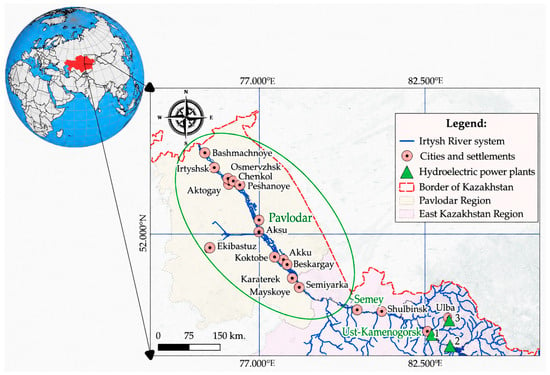
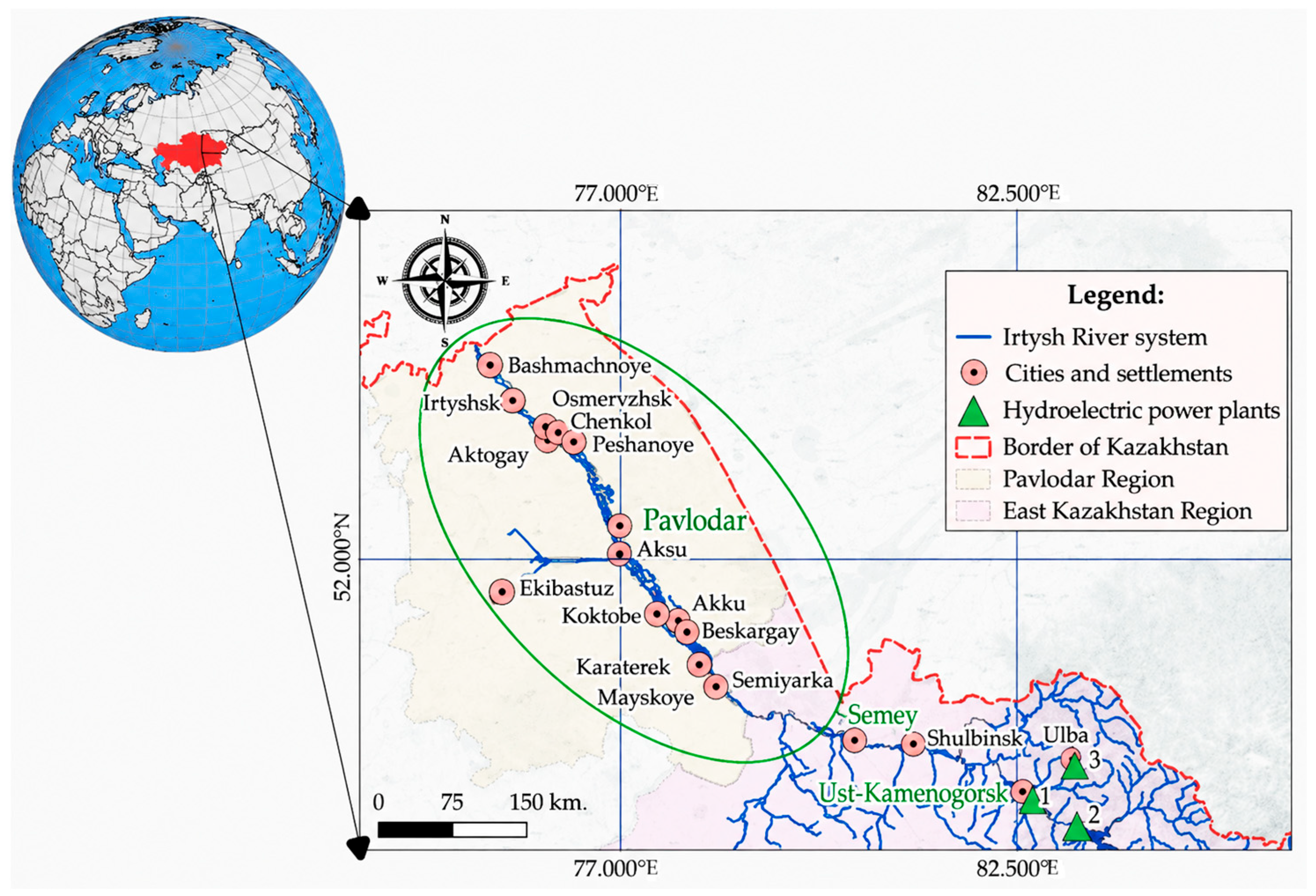
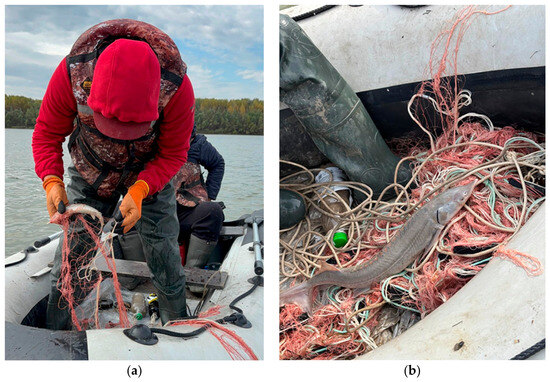
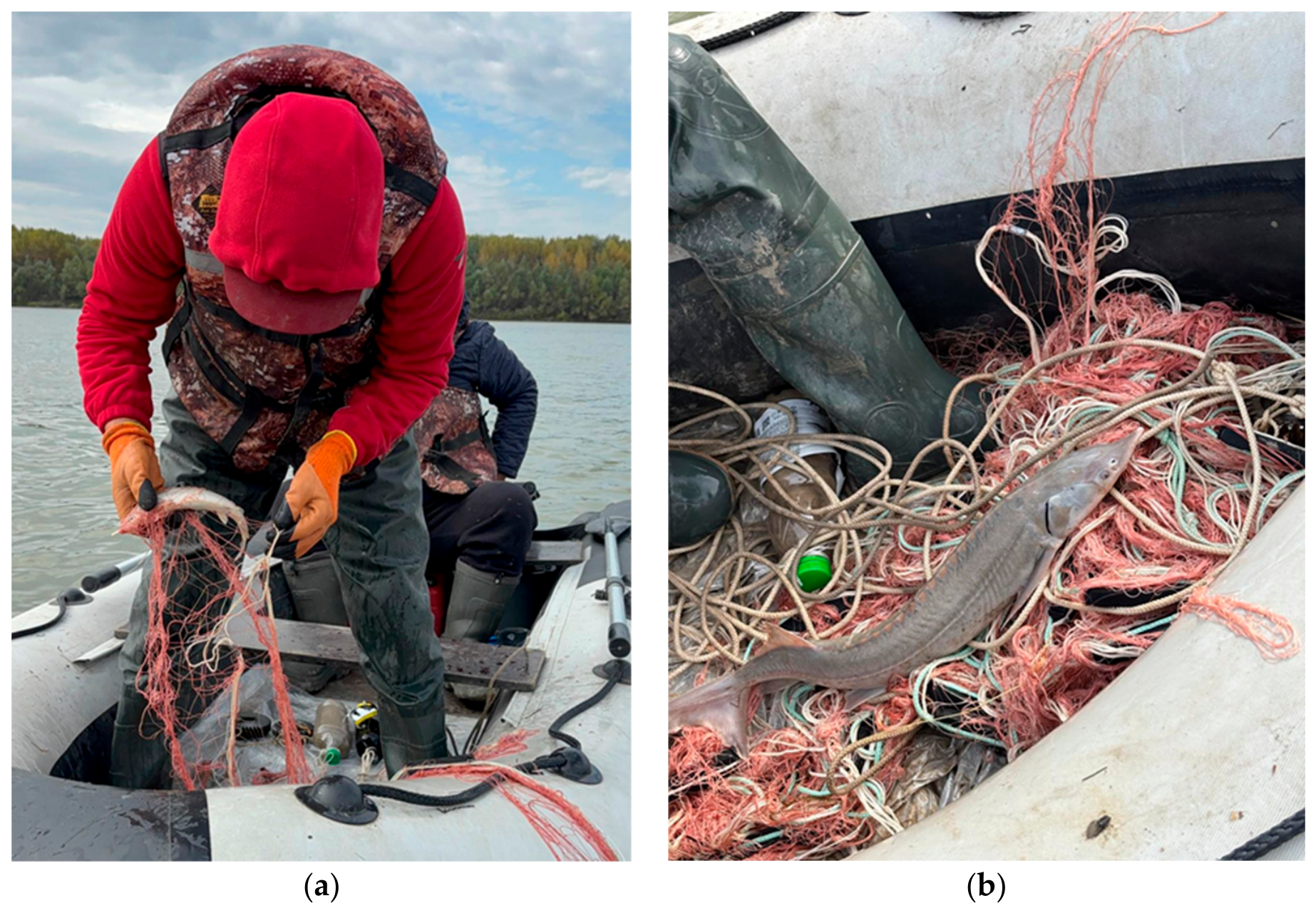
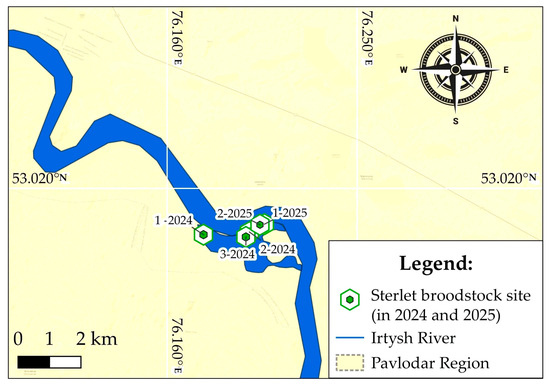
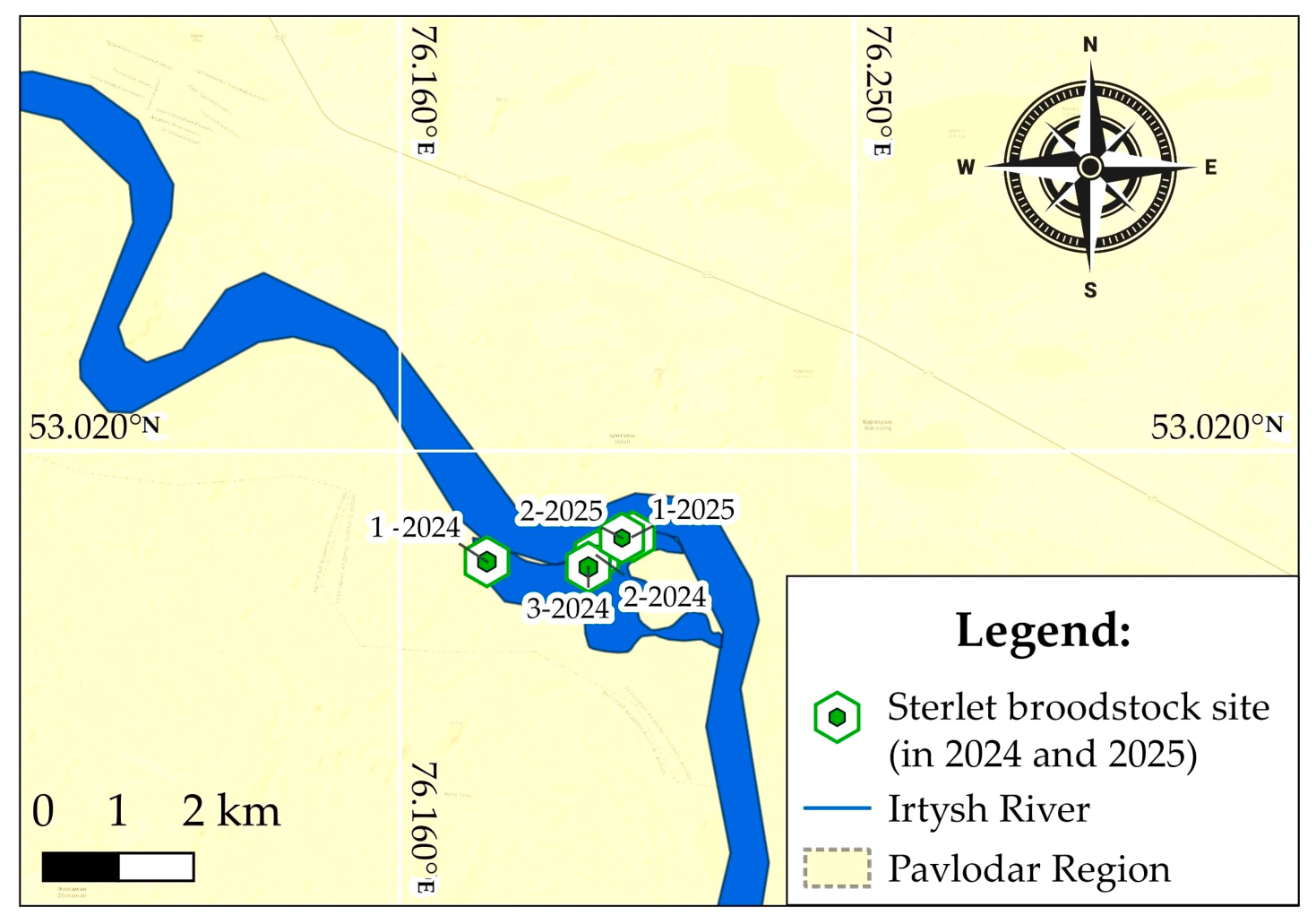
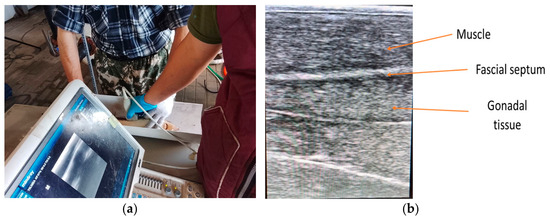
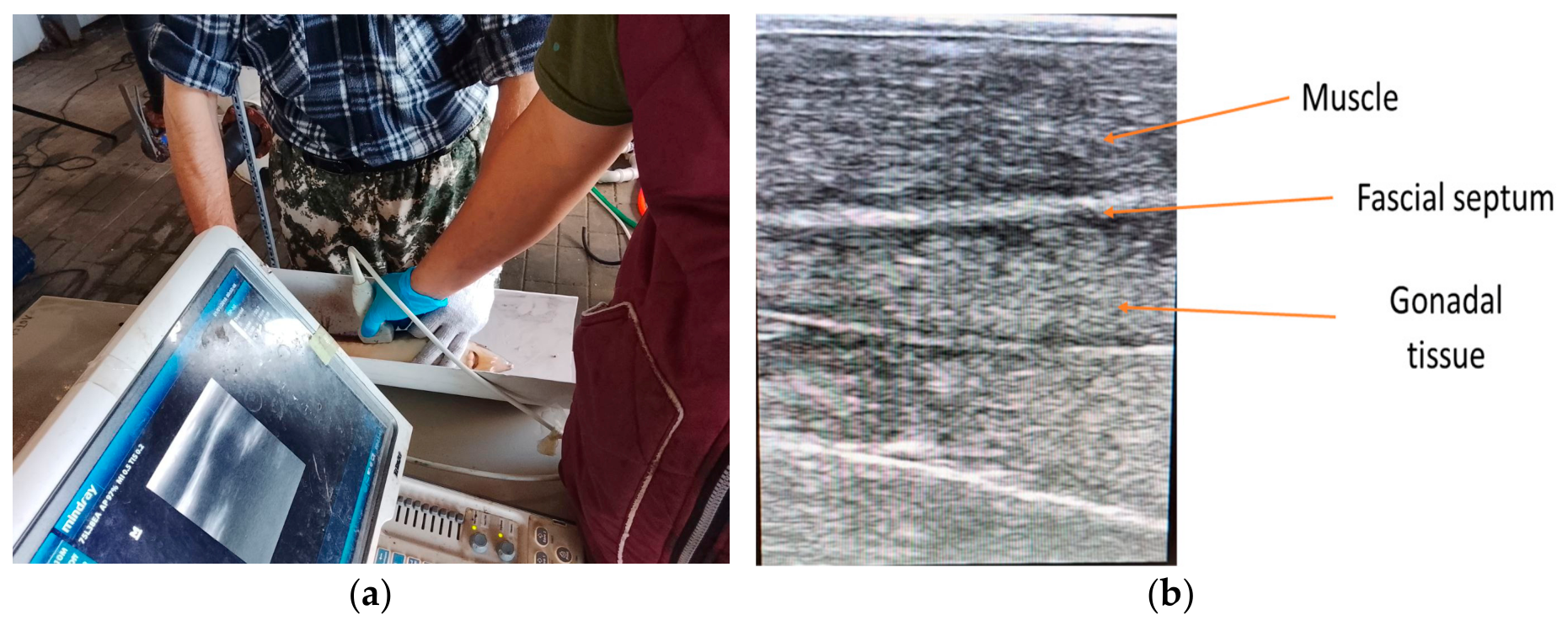
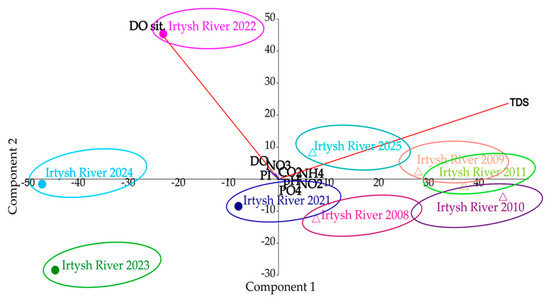
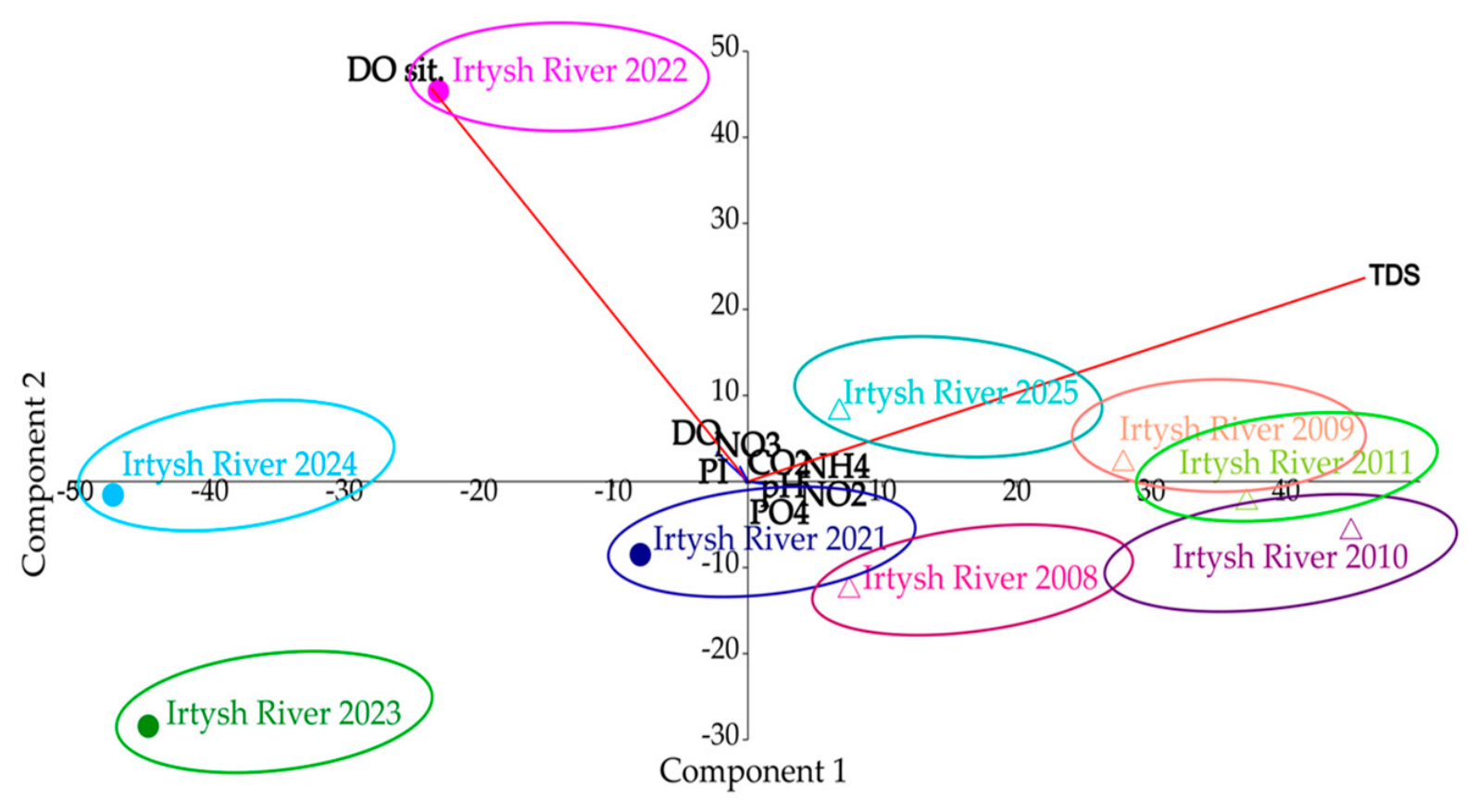
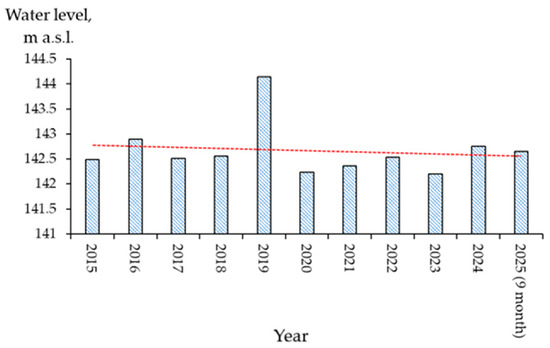
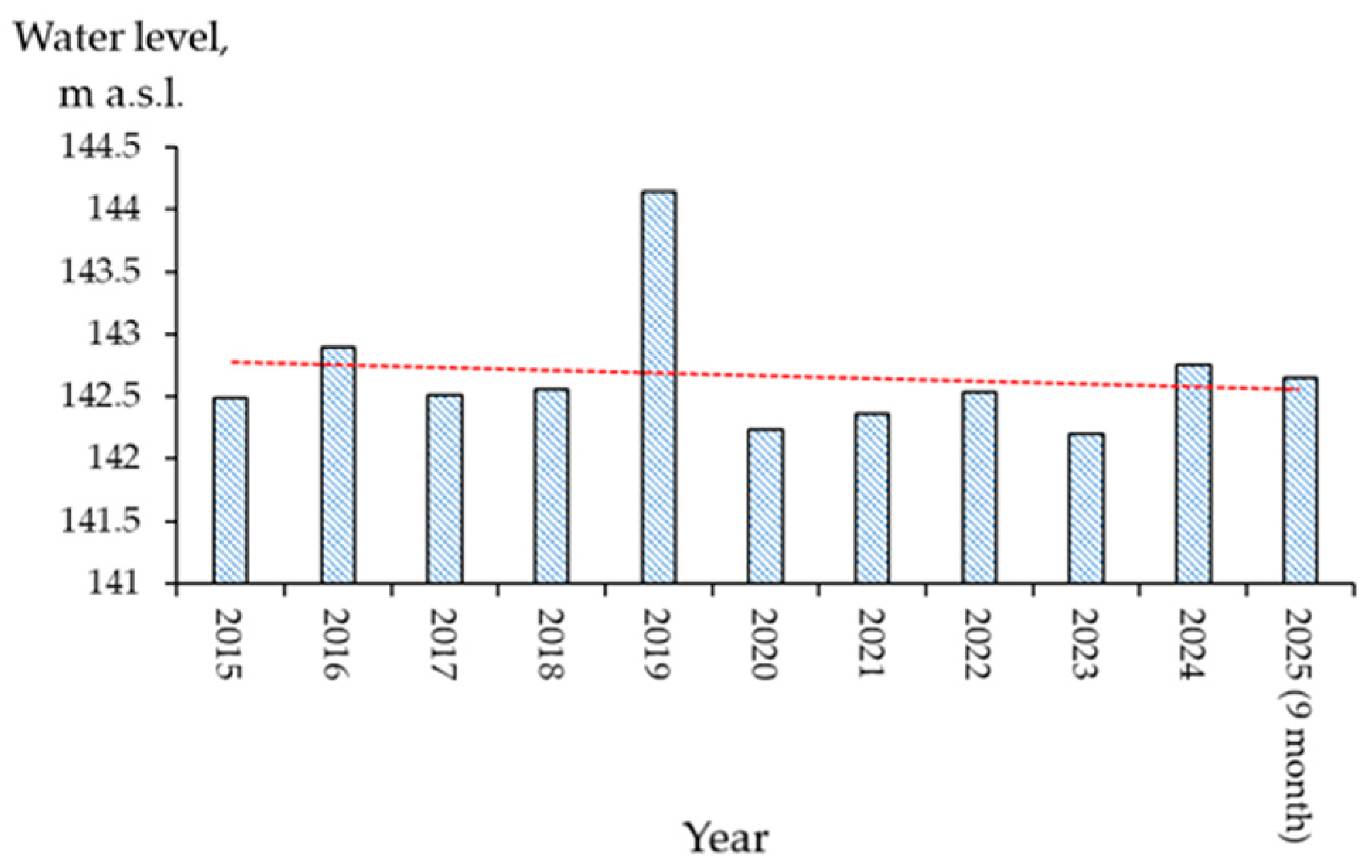
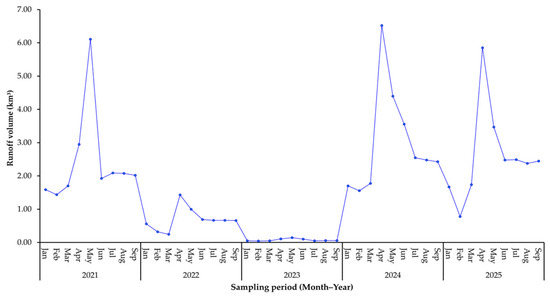
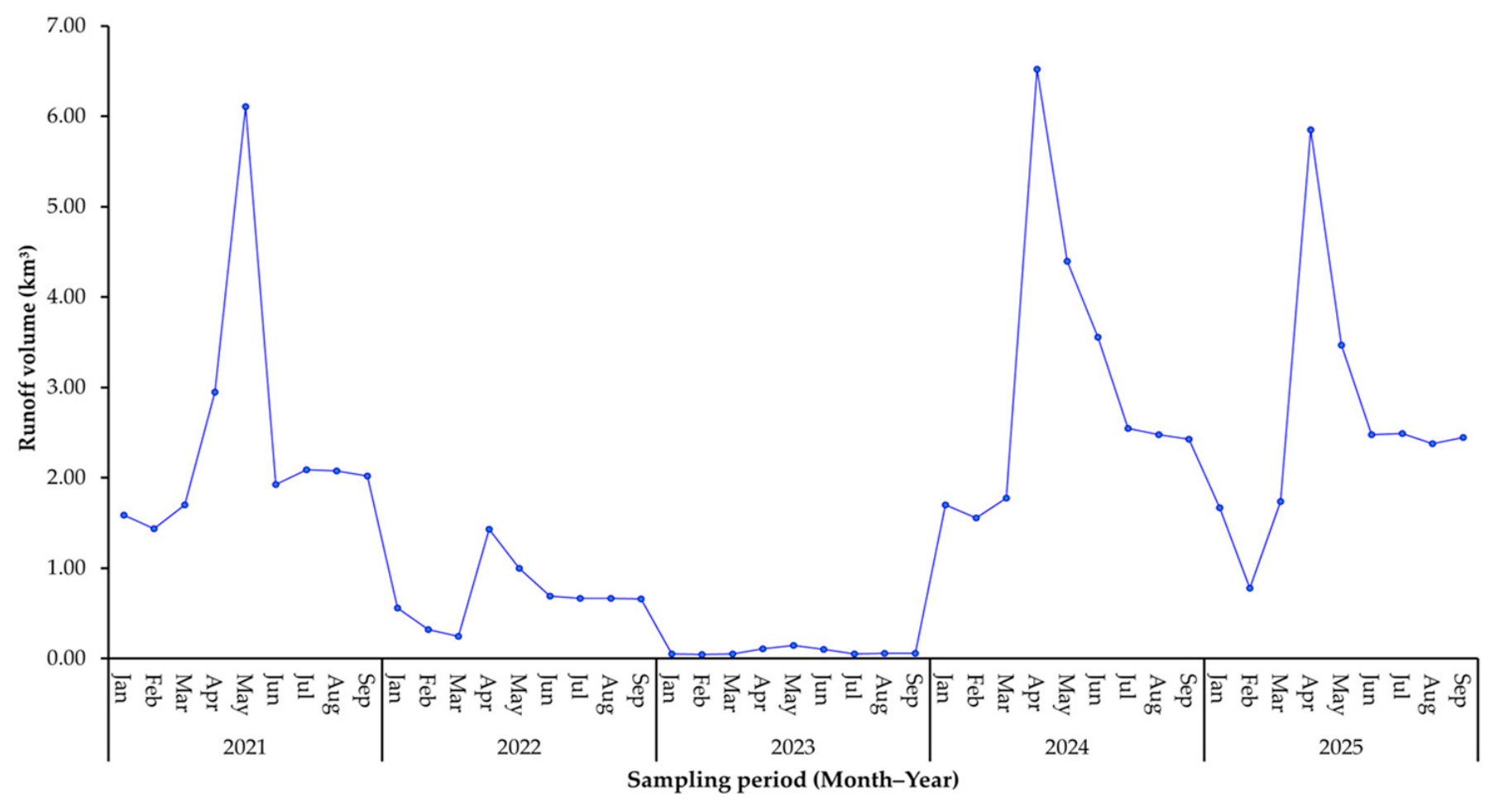
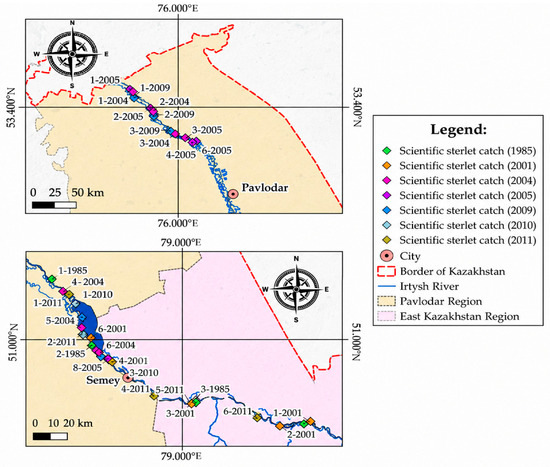
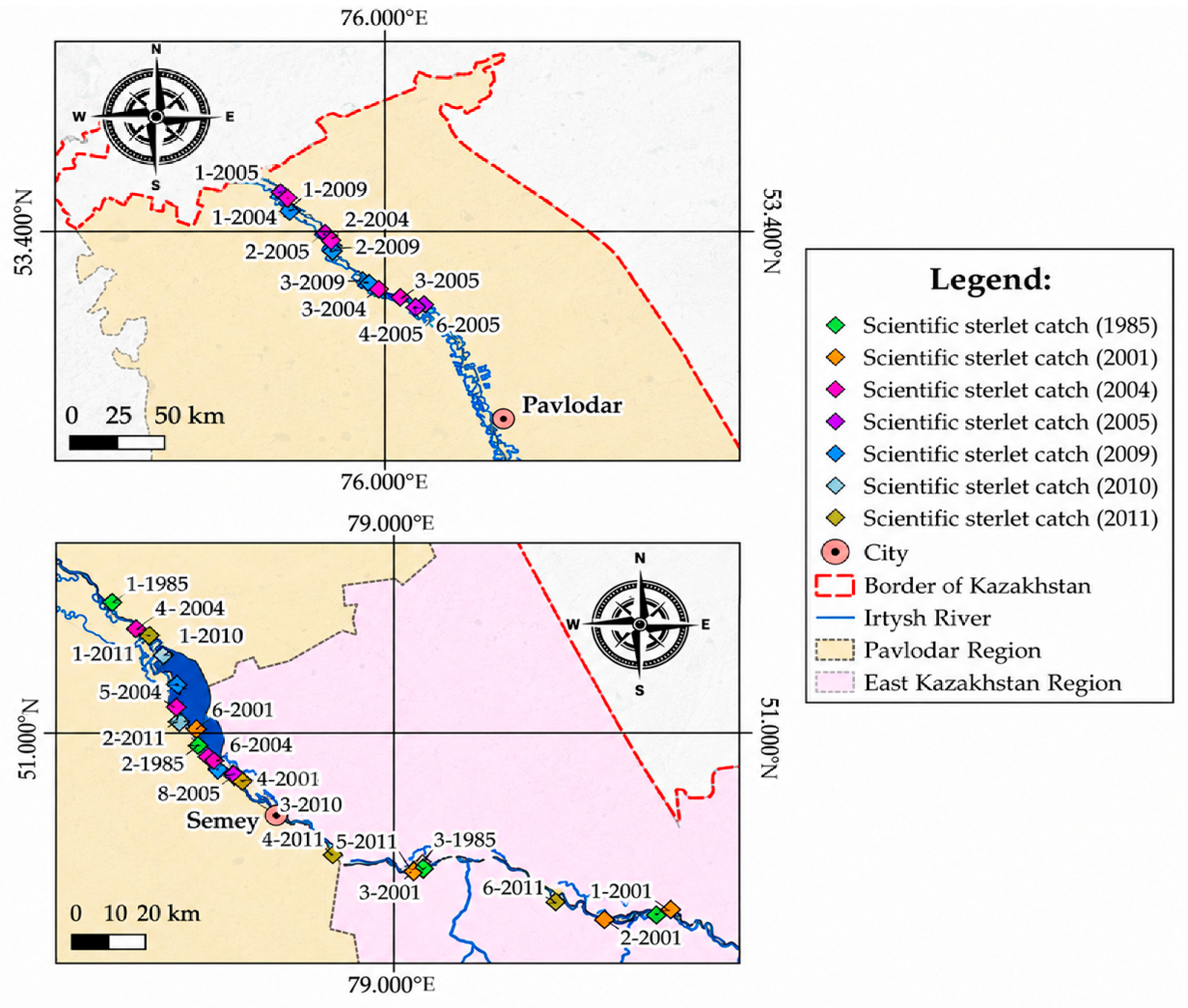
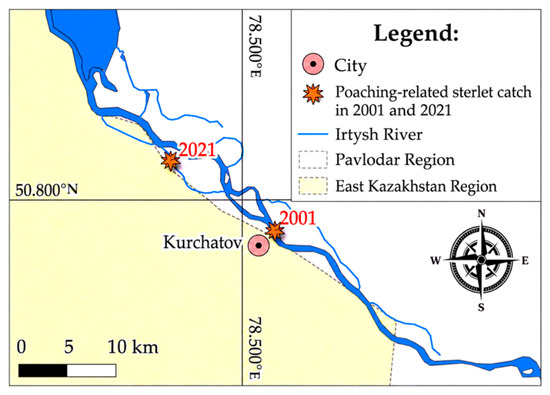
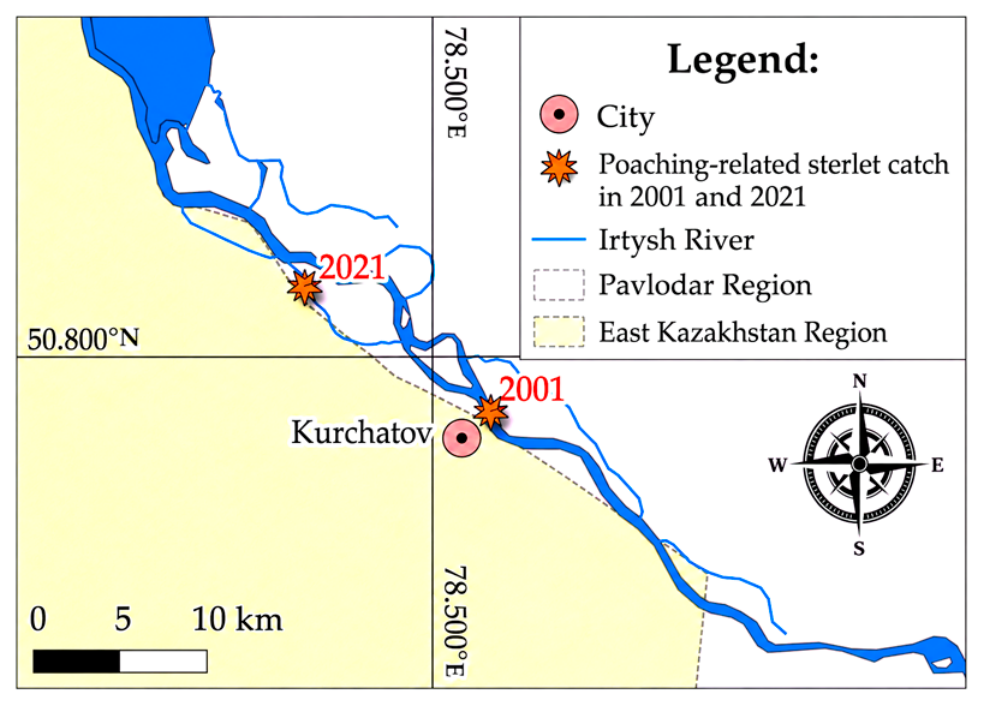
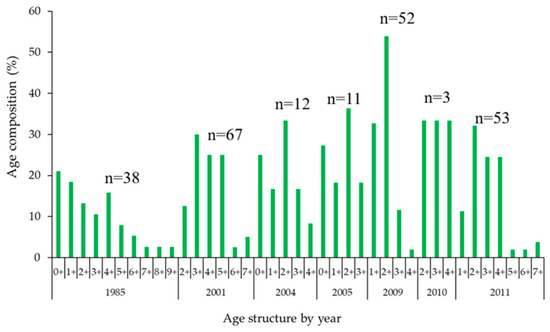
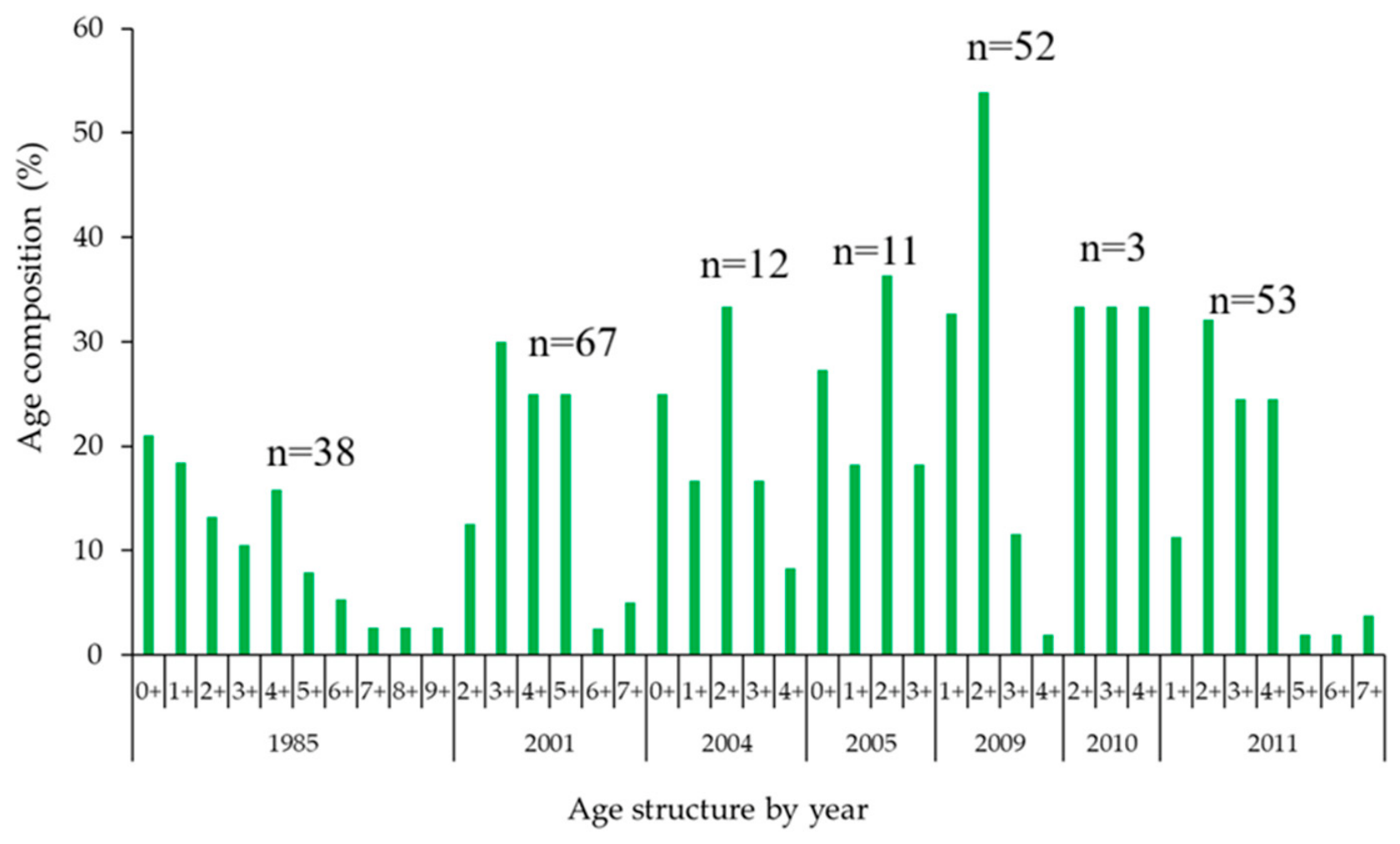
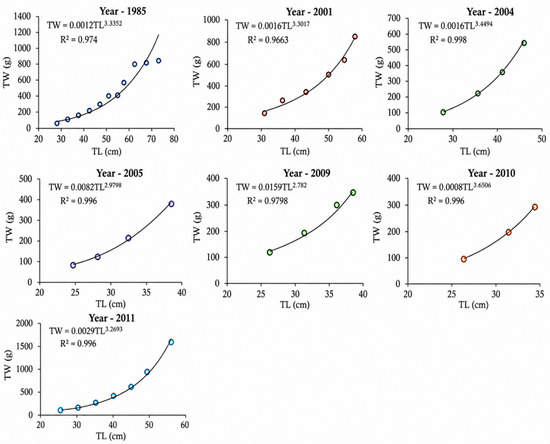
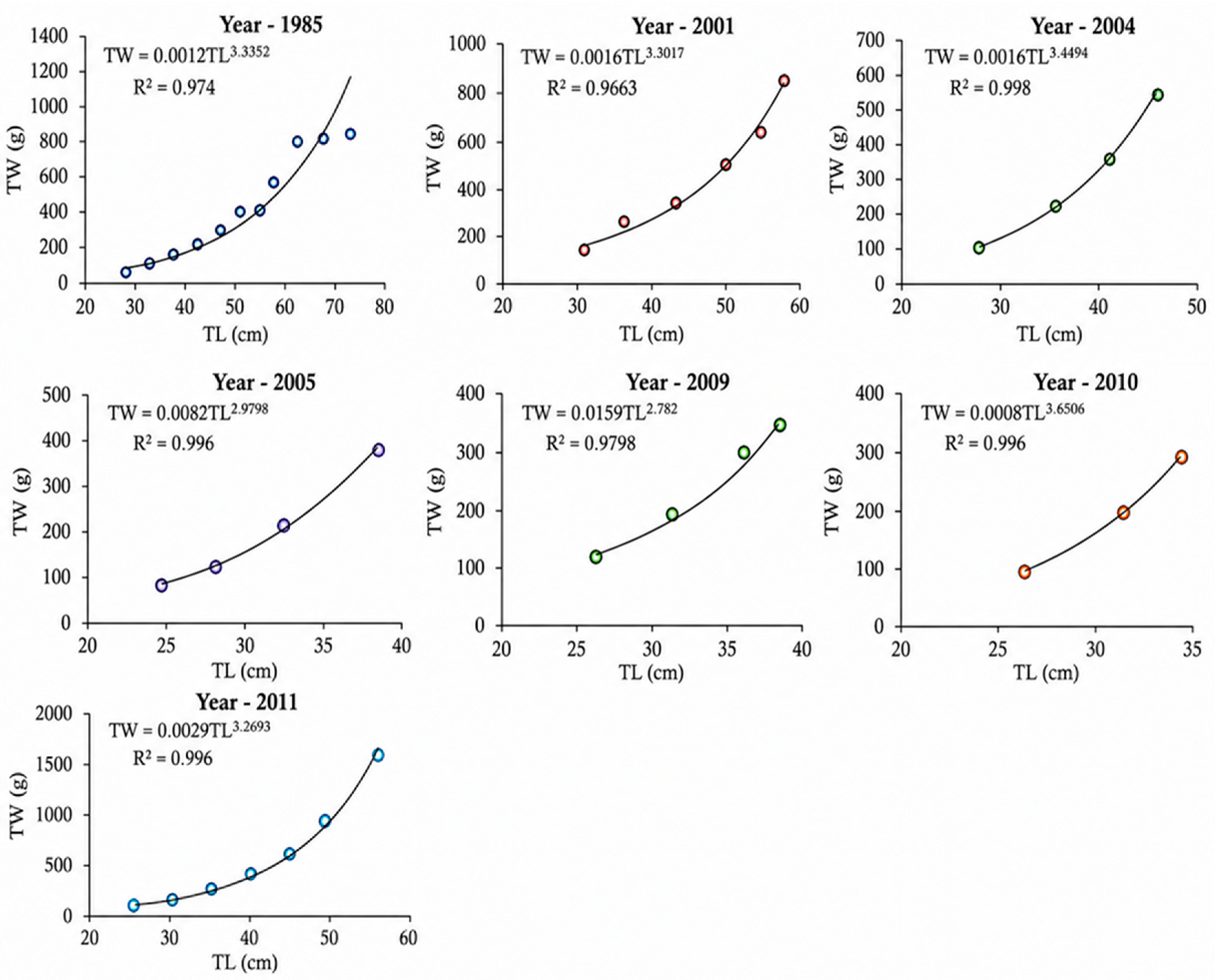
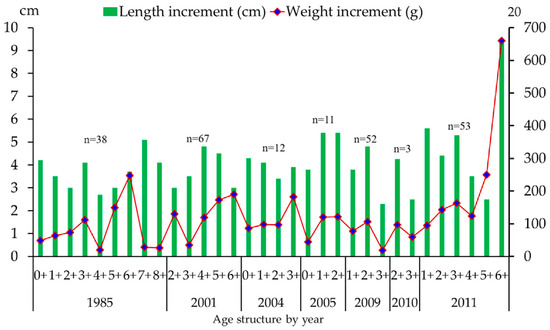
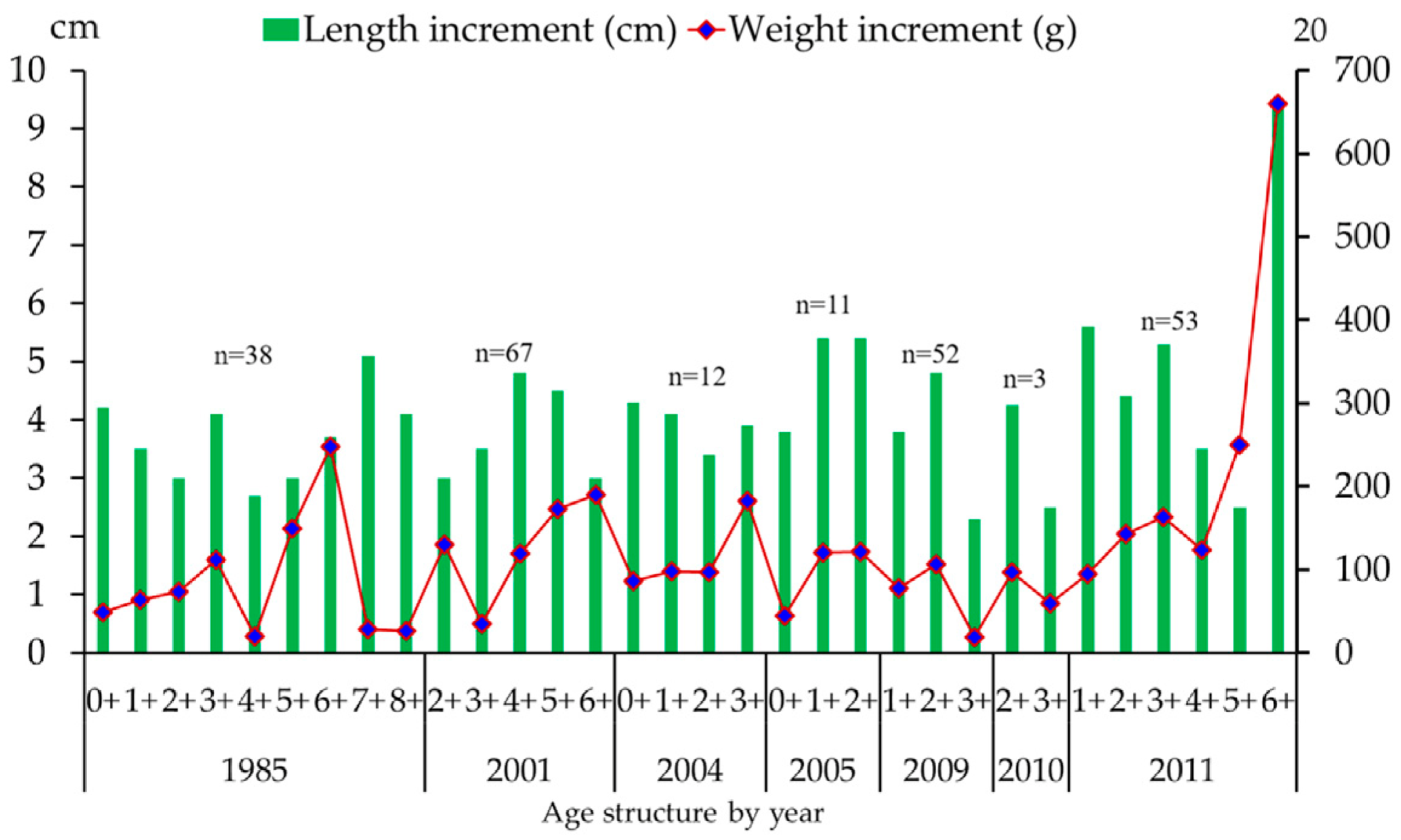
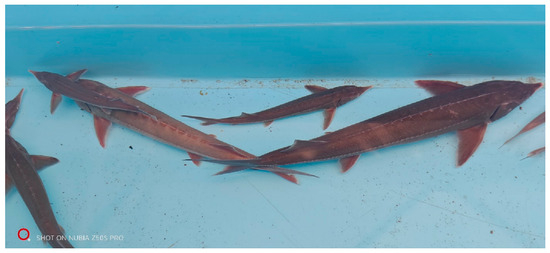
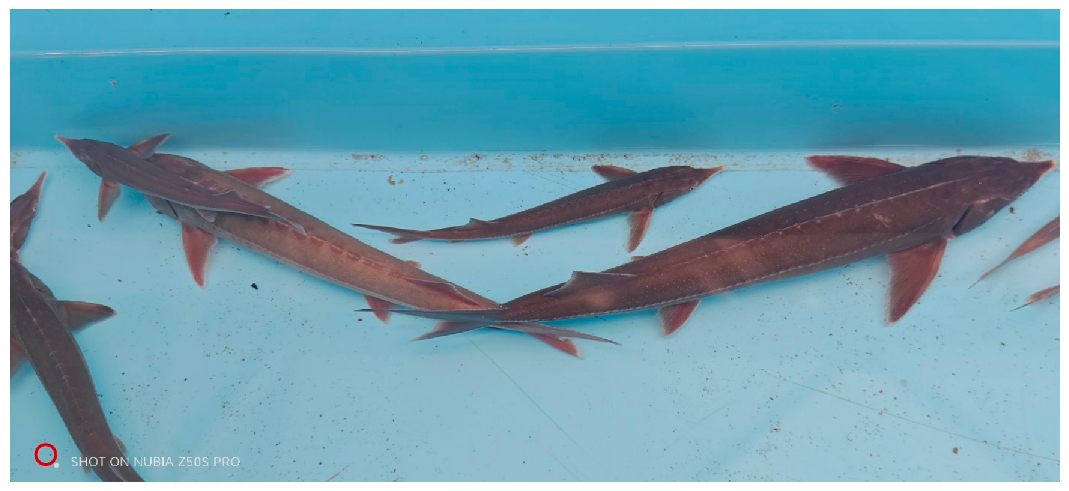
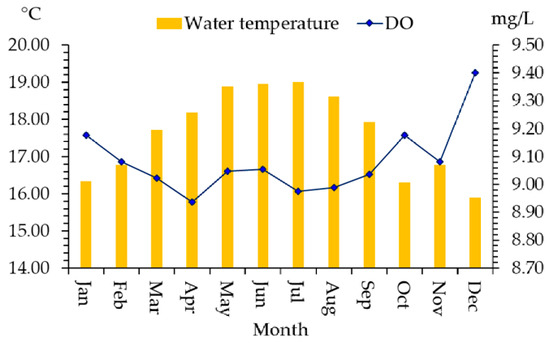
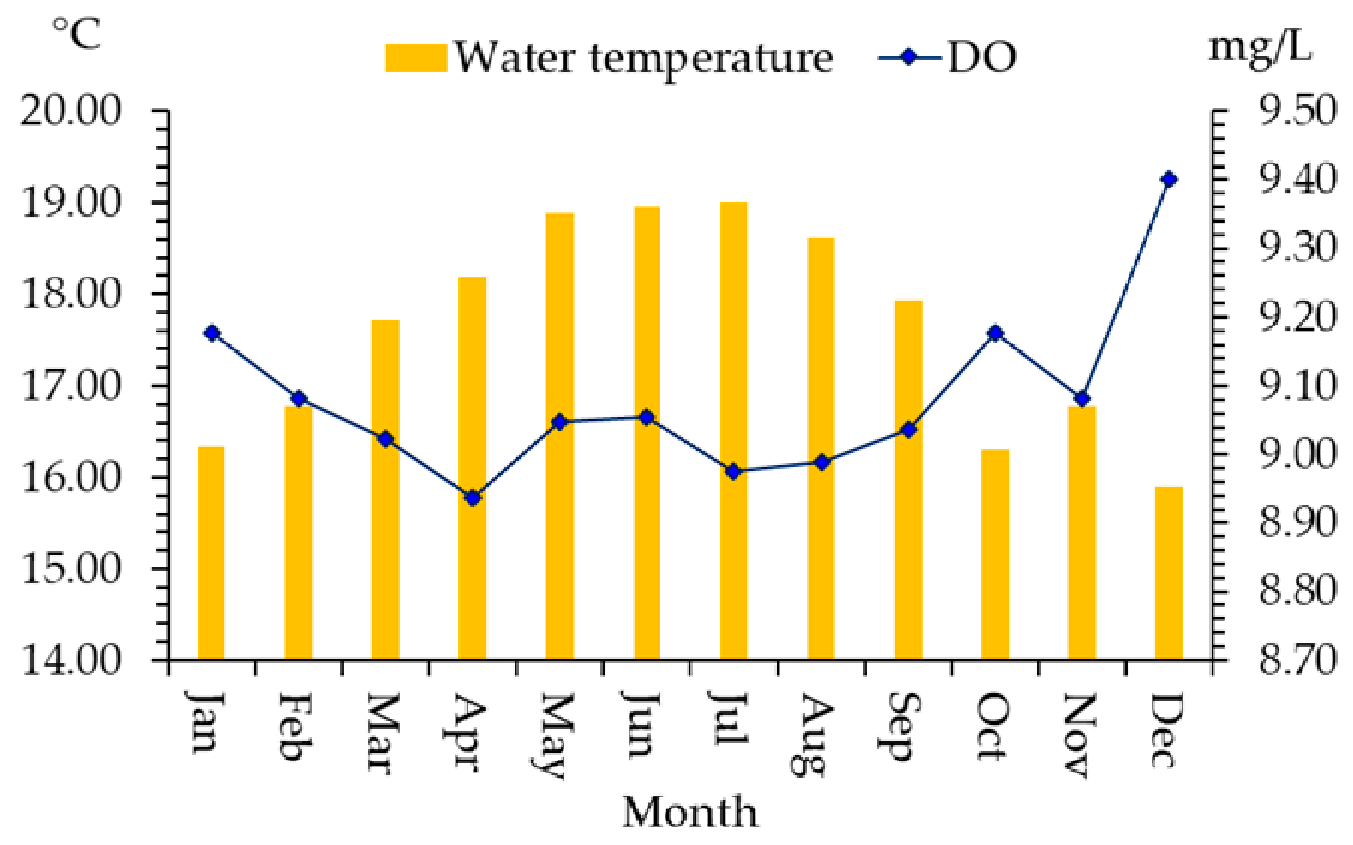
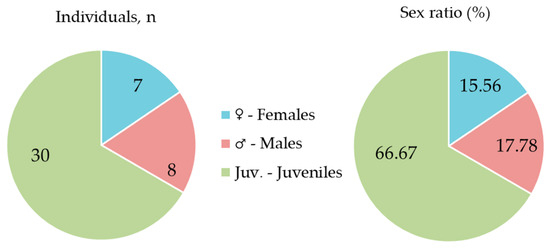
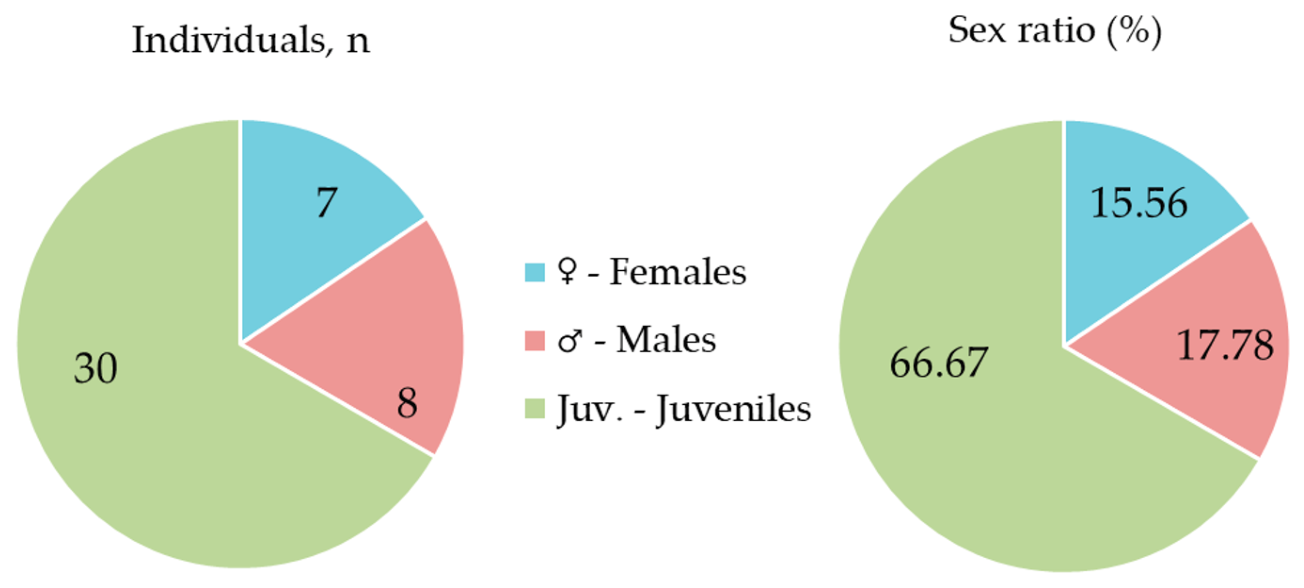

Disclaimer/Publisher’s Note: The statements, opinions and data contained in all publications are solely those of the individual author(s) and contributor(s) and not of MDPI and/or the editor(s). MDPI and/or the editor(s) disclaim responsibility for any injury to people or property resulting from any ideas, methods, instructions or products referred to in the content. |
© 2026 by the authors. Licensee MDPI, Basel, Switzerland. This article is an open access article distributed under the terms and conditions of the Creative Commons Attribution (CC BY) license.