


Abstract
Reintroduction programmes are increasingly used to restore threatened freshwater fishes, yet evaluating their success remains challenging during the early stages of population establishment. Genetic monitoring is commonly used to assess diversity but rarely provides direct evidence of natural reproduction. Here, we investigated natural reproduction following reintroduction in the endangered Zingel asper, a benthic fish endemic to the Rhône River basin. Between 2006 and 2015, more than 25,000 captive-bred individuals from two source populations were released into the Drôme River (France). Using 54 microsatellite loci, we assessed genetic diversity, effective population size, relatedness and inbreeding, reconstructed parentage relationships, and evaluated admixture among source lineages through hybrid assignment analyses. Wild source populations differed markedly in genetic diversity and effective population size, whereas captive propagation reduced genetic diversity and increased relatedness and inbreeding. Despite these effects, the reintroduced population exhibited higher allelic richness than any captive cohort. Parentage analyses provided direct genetic evidence of natural reproduction by identifying individuals whose genetic origin could not be explained by the captive breeding pedigree. Hybrid assignment analyses independently confirmed admixture between source lineages. These results show how complementary genetic approaches can provide early evidence of reintroduction success and support adaptive management of threatened fish populations.
Keywords:
reintroduction; natural reproduction; genetic monitoring; parentage analysis; hybrid assignment; adaptive management Key Contribution:
Combining parentage reconstruction and hybrid assignment analyses provides direct genetic evidence of natural reproduction and a practical framework for assessing early reintroduction success.
1. Introduction
Freshwater biodiversity is declining worldwide at an unprecedented rate, with freshwater fishes among the most threatened vertebrate groups. Habitat degradation, river regulation, habitat fragmentation, water abstraction and biological invasions have caused severe contractions in the distribution and abundance of many freshwater species, resulting in numerous local extirpations and increasing extinction risk [1,2,3]. Although habitat restoration and legal protection remain fundamental conservation measures, these actions alone are often insufficient to recover species that have disappeared from substantial portions of their historical range.
Consequently, reintroductions have become an increasingly important tool for restoring threatened species to areas from which they have been extirpated and now represent a key component of freshwater fish conservation strategies [4,5,6,7]. According to the IUCN, a reintroduction aims to establish a self-sustaining population within a species’ indigenous range through the deliberate release of individuals following local extinction [8]. Successful outcomes depend on addressing the factors responsible for the original decline prior to release and ensuring suitable habitat conditions for population establishment [5,7]. Reintroductions have contributed to the recovery of several threatened freshwater fishes worldwide [5,9], and contemporary conservation programmes increasingly combine approaches such as captive breeding, assisted establishment and population reinforcement to counter habitat loss, demographic decline or hybridization threats [10]. Because reintroduction success ultimately depends on multiple demographic, ecological and genetic processes, these programmes are increasingly recognized as complex conservation interventions requiring adaptive and evidence-based management [11].
Despite their growing importance, evaluating reintroduction success remains challenging. Long-term population persistence is generally regarded as the ultimate criterion of success [8,12], yet demonstrating persistence typically requires demographic monitoring over many years or even decades [13]. Such information is rarely available during the early stages following release, creating a mismatch between the need for timely management decisions and the availability of robust demographic evidence [14]. Consequently, there is increasing interest in identifying reliable indicators that can provide earlier evidence of establishment and biological recovery. More broadly, recent conservation assessments have emphasized the need for robust indicators capable of measuring recovery outcomes and informing adaptive management, rather than relying solely on measures of conservation effort or implementation [15].
Among the various indicators proposed for reintroduction programmes, successful natural reproduction is widely regarded as one of the most informative milestones of establishment success [5,12]. Although the survival of released individuals is an important prerequisite, the long-term viability of a reintroduced population ultimately depends on its capacity to reproduce and recruit offspring in the wild. Detecting natural reproduction, however, can be challenging during the early stages following release, as conventional monitoring approaches based on capture surveys, abundance estimates or occupancy data often cannot reliably distinguish between stocked individuals and naturally produced offspring, particularly when releases occur over multiple years [16,17].
Genetic approaches provide powerful tools for overcoming this limitation. Beyond their widespread use for assessing genetic diversity, effective population size and inbreeding, molecular markers can directly document reproduction and recruitment within reintroduced populations [17,18,19]. In particular, parentage analyses can reconstruct parent–offspring relationships and directly link offspring to released founders, thereby providing robust evidence of successful reproduction within the recipient population [20]. Such approaches have already proven effective in freshwater fish conservation translocations, where they demonstrated successful reproduction and recruitment by translocated individuals in restored habitats [21].
Genetic monitoring is particularly important in reintroduction programmes because newly established populations are often exposed to founder effects, genetic drift and increased relatedness, especially when captive propagation is involved [22,23,24]. Captive populations may additionally experience losses of genetic diversity, increased inbreeding and adaptation to captivity, all of which can compromise long-term population viability if not adequately managed [25]. Consequently, even when demographic recovery is observed, reductions in effective population size and genetic diversity may persist for many generations following reintroduction, potentially affecting long-term evolutionary potential and population resilience [26,27]. Several studies have therefore emphasized the importance of post-release genetic monitoring to evaluate whether newly established populations retain sufficient genetic diversity and demographic resilience following translocation [22,23,28]. Such information is essential for assessing the long-term consequences of reintroduction programmes and informing adaptive management when necessary [9,29].
Additional opportunities arise when reintroduction programmes involve multiple genetically differentiated source populations. Beyond increasing genetic diversity and reducing founder effects [26,30], genetic differentiation among source populations can itself become an informative feature of the reintroduction process, allowing lineage contributions, admixture dynamics and post-release reproductive interactions to be investigated [31,32]. In such cases, hybrid assignment approaches provide an independent and complementary line of evidence for post-release reproduction because the occurrence of F1 hybrids, later-generation hybrids or backcrosses necessarily implies that mating occurred after release.
The Rhône streber, Zingel asper (Linnaeus, 1758), is a benthic percid fish endemic to the Rhône River basin. During the second half of the twentieth century, the species underwent a sharp range contraction, losing approximately 85% of its historical distribution [33] because of river regulation, habitat degradation, and fragmentation [34,35]. Its current distribution is restricted to four disconnected metapopulations [33,36]: one in the Durance River basin (including the Buëch, Bléone, and Asse rivers), one in the Verdon River (a tributary of the Durance River), one in the Ardèche River basin (including the Beaume and Chassezac rivers), and one in the Loue River (Doubs River basin). As a result, Z. asper is currently classified as Endangered and has been the focus of several national and European conservation programmes aimed at preventing its extinction and restoring populations within its former range [33,36]. One of these programmes involved the reintroduction of captive-bred individuals into the Drôme River. Following the last confirmed observation of Z. asper in this basin in 2000 and its subsequent local extirpation [37], more than 25,000 individuals were released between 2006 and 2015. Importantly, the programme relied on two genetically differentiated source populations originating from the Beaume and Durance river basins. This unique context provides an opportunity not only to assess whether natural reproduction occurred following reintroduction, but also to evaluate how different founder lineages contributed to the genetic structure of the reintroduced population.
The objectives of the present study are therefore fourfold. First, we assess the demographic and genetic consequences of captive propagation and reintroduction through analyses of genetic diversity, effective population size, relatedness and inbreeding. Second, we evaluate the relative contribution of the Beaume and Durance source populations to the genetic composition of the reintroduced population. Third, we use parentage reconstruction to detect direct evidence of natural reproduction and recruitment in the wild. Fourth, we use hybrid assignment analyses as an independent and complementary line of evidence for post-release admixture and reproductive interactions while characterizing admixture among founder lineages. By combining these complementary genetic approaches, we aim to improve the evaluation of reintroduction outcomes and provide management-relevant insights into the early establishment dynamics of a threatened freshwater fish.
2. Materials and Methods
2.1. Reintroduction Programme and Captive Breeding Design
The reintroduction programme was based on a captive breeding initiative developed at the Besançon Natural History Museum following ex situ reproduction experiments that demonstrated the feasibility of producing viable offspring of Z. asper under controlled conditions [38].
Following preliminary ecological assessments and habitat suitability studies [39], the Drôme River was selected as the most suitable site for reintroduction. This choice was further supported by evidence that the principal factors believed to have contributed to the species’ local extirpation had been largely mitigated through habitat restoration, improvements in water quality, and the restoration of river connectivity [37]. Between 2006 and 2015, more than 25,000 individuals were released at several sites distributed along the Drôme River, both upstream and downstream of Saillans (Figure 1; Table 1).
Figure 1.
Geographic location of the sampling sites and fish release sites included in the study. The upper left panel shows the study area within the Rhône River basin, southeastern France. The upper right panel shows the locations of the source populations (BSV, Beaume River; V4V5, Durance River basin) used in the reintroduction programme, together with the reference samples representing the Beaume (02PLT and 12PLT) and Durance (SALN) source populations for comparative genetic analyses. The lower panel shows the three monitoring sectors in the Drôme River (PBL, PSX and SAI; red) and the fish release sites (white circles), as numbered in Table 1.
Table 1.
Summary of Zingel asper releases conducted in the Drôme River between 2006 and 2015 as part of the reintroduction programme. For each release event, the release year, site, number of released individuals, release date, age class and fish source population are provided. CB: captive-bred individuals. W: wild translocated individuals.
Most releases involved captive-bred fish produced within the Besançon breeding programme, although a small number of wild-caught individuals from the Durance River were also released during the early stages of the programme. The reintroduction programme relied on two genetically differentiated source populations [40] originating from the Beaume and Durance river basins (Figure 1). The Beaume source population was established from wild breeders collected in 2005 and 2007 in the Beaume River (Ardèche, France), whereas the Durance source population was established from wild breeders collected in the Durance River basin (Alpes-de-Haute-Provence, France) in 2012 and 2013. These populations were selected because they represented two of the most demographically viable remaining populations within the species’ range and were considered suitable sources for captive propagation. The release strategy evolved throughout the programme. Between 2006 and 2012, almost all released individuals originated from the Beaume source population. From 2013 onwards, fish originating from both the Beaume and Durance source populations were released into the Drôme River. Although release locations differed among years and cohorts, the introduction of individuals from two genetically differentiated source populations created the conditions for subsequent contact, admixture and reproduction between lineages within the reintroduced population. Overall, approximately 21,800 individuals originating from the Beaume source population and 3400 individuals originating from the Durance source population were released between 2006 and 2015 in the Drôme River (Table 1). Consequently, any genetic contribution of the Durance lineage to the reintroduced population resulted from a comparatively limited number of founders released during the final phase of the programme.
2.1.1. Beaume Source Population
The Beaume source population comprised two independent captive breeding lineages established from wild breeders collected in the Beaume River. Together, these lineages generated several captive cohorts maintained at the Besançon Natural History Museum over successive generations. Some captive-born individuals were incorporated into the breeding programme as replacement breeders, whereas others were released into the Drôme River as part of the reintroduction programme. Consequently, the Beaume lineage included both wild-caught founders and multiple generations of captive-born descendants produced between 2006 and 2015. The first breeding lineage originated from three wild breeders (one male and two females) collected in 2000 and released back into the wild after gamete collection. Artificial fertilization of these breeders produced the RAM cohort, from which a subset of individuals was subsequently retained as captive breeders to establish the RG5 cohort. The RG5 breeders then produced a third captive generation that contributed individuals to releases conducted in the Drôme River. The second breeding lineage was established from wild breeders sampled in 2007 (BSV). Their offspring constituted the C08 cohort, from which a subset of individuals was retained to establish the C8D breeding cohort. These breeders subsequently produced additional captive-born generations used in the reintroduction programme. Individuals belonging to the RG5, C08 and C8D cohorts that were retained as breeders were sampled for genetic analyses. Although these breeders were not released into the Drôme River, other individuals from the same cohorts, together with their offspring and subsequent descendants, represented the vast majority of fish released throughout the reintroduction programme.
2.1.2. Durance Source Population
The Durance source population was established following fish rescue operations conducted within the Durance River basin in 2012 and 2013. A total of 29 wild individuals (V4V5) were captured during the dewatering of an EDF water intake canal as part of a rescue programme coordinated by the Office Français de la Biodiversité (OFB) and the local fisheries management association (AAPPMA 04). These founders produced two first-generation captive cohorts, D13 (born in 2013) and D14 (born in 2014). A subset of D13 individuals was subsequently retained as breeders and gave rise to the D15 cohort. The D13 + D14 and D15 cohorts contributed fish to releases conducted in the Drôme River between 2013 and 2015. Unlike the Beaume source population, which supplied fish throughout most of the reintroduction programme, the Durance lineage contributed substantially only during the final phase of releases. This temporal difference, combined with the lower number of released individuals, provides an opportunity to evaluate the relative contribution of each source population to the establishment of the reintroduced population.
2.2. Sample Collection
Samples included in the present study (Table 2) originated from four main sources. First, wild individuals from the Beaume and Durance river basins were collected as part of the French National Action Plan for the Rhône streber (Plan National d’Actions en faveur de l’apron du Rhône). Some of these individuals were incorporated into the captive breeding programme and served as founders of the captive population, whereas others were sampled exclusively for genetic analyses and subsequently released. In the Durance basin, wild individuals collected in the EDF diversion channel in 2012 and 2013 (V4V5) were used as breeders in the Besançon conservation breeding facility. Additional wild individuals sampled in the Durance River at the SAL site in 2014 (SALN), as well as wild individuals sampled in the Beaume River in 2002 (02PLT) and 2012 (12PLT), were genetically characterized but were not incorporated into the breeding programme. Wild individuals were captured either by electrofishing or by nocturnal visual surveys using hand nets. A small dorsal fin clip was collected and preserved in 96% ethanol for subsequent genetic analyses. Following genetic sampling, individuals not retained for the captive breeding programme were released alive back into the wild at their capture location. Together, samples V4V5 and SALN represented the Durance source lineage, whereas 02PLT and 12PLT represented the Beaume source lineage in subsequent analyses.
Table 2.
Summary of genetic diversity, effective population size, relatedness and inbreeding estimates. Reported parameters include sample size (n), allelic richness standardized to 29 individuals (Ar29), effective population size estimated using the sibship-assignment (NeRM) and linkage disequilibrium (NeLD) methods, mean relatedness coefficient (R), and mean inbreeding coefficient (F) estimated with COANCESTRY. Confidence intervals are provided for Ne estimates. n.d., not determined.
The second category consisted of captive-born individuals produced within the conservation breeding programme. These samples included both individuals retained as captive breeders and individuals belonging to cohorts subsequently released into the Drôme River. Several captive cohorts were genealogically connected, with first-generation captive fish contributing to the production of subsequent generations.
The third category consisted of 84 individuals sampled in the Drôme River in September 2015 (15DRO). These individuals were collected at three monitoring sites distributed along the reintroduction area: Pontaix-Sainte-Croix (PSX, n = 48), Saillans (SAI, n = 3) and Pont de Blacons (PBL, n = 33), with PSX representing the upstream site and PBL the downstream site (Figure 1). The origin of these fish was unknown a priori, as they could either represent captive-bred individuals released during the reintroduction programme or individuals naturally produced within the river following reproduction of released fish. Because only three individuals were sampled at SAI, they were excluded from analyses of genetic diversity, effective population size, relatedness and inbreeding. However, SAI individuals were retained for parentage analyses conducted with COLONY.
2.3. Microsatellite Genotyping and Quality Control
Genomic DNA was extracted from fin clips using the Gentra Puregene Tissue Kit (QIAGEN, Hilden, Germany). Individuals were initially genotyped at 58 polymorphic microsatellite loci. Microsatellite loci were amplified in eight multiplex PCR reactions and fragment analysis was conducted following the protocols described in [41]. Microsatellite data were screened for deviations from Hardy–Weinberg equilibrium, linkage disequilibrium and the presence of null alleles. Deviations from Hardy–Weinberg equilibrium and linkage disequilibrium were assessed using genepop v4.0 [42], whereas null alleles were evaluated using Micro-Checker v2.2.3 [43]. These quality-control analyses were conducted using the wild reference populations 02PLT, 12PLT, V4V5 and SALN. Based on these assessments, four loci were excluded from subsequent analyses, resulting in a final dataset of 54 microsatellite loci.
2.4. Demographic and Genetic Parameters
Genetic diversity was assessed using allelic richness (Ar), estimated with ADZE v1.0 [44] after rarefaction to a standardized sample size of 29 individuals. Contemporary effective population size (Ne) was estimated using two complementary methods based on different genetic principles. First, Ne was estimated using the sibship-assignment method (NeRM) implemented in COLONY v2.0.5.8 [45,46]. This method infers sibship relationships among individuals and estimates Ne from the frequency of full-sib and half-sib dyads within the sample. Under random mating, small populations are expected to contain a higher proportion of related individuals than large populations. Confidence intervals (95%) were obtained by bootstrapping. A second estimate of Ne (NeLD) was obtained using the linkage disequilibrium (LD) method implemented in NeEstimator v2 [47]. The minor allele frequency threshold was set to Pcrit = 0.02, following the recommendation of [48], and 95% confidence intervals were estimated using the parametric procedure implemented in NeEstimator. This approach assumes that, in an isolated, randomly mating population, non-random associations among alleles primarily result from genetic drift. For both NeRM and NeLD, the assumption of random mating was considered reasonable given the high number of breeders and the low overall relatedness previously reported for natural Z. asper populations [49].
Average relatedness among individuals (R) and individual inbreeding coefficients (F) were estimated using COANCESTRY v1.0.1.9 [50]. Since likelihood-based methods generally outperform moment estimators when a large number of highly polymorphic markers are available [51], we used TrioML estimators of R and F. Differences among groups were assessed using Wilcoxon tests applied to F and R estimates, followed by Benjamini–Hochberg correction for multiple testing. For both relatedness and inbreeding analyses, reference allele frequencies were estimated separately for the Beaume (02PLT, 12PLT and BSV) and Durance (SALN and V4V5) source lineages using pooled wild samples representative of each lineage. For 15PBL and 15PSX, relatedness and inbreeding estimates were calculated using Beaume and Durance reference allele frequencies, respectively, based on their predominant ancestry inferred from assignment analyses. To ensure consistency between ancestry assignment and reference allele frequencies, the single pure Durance individual and the two F1 hybrids identified within 15PBL were excluded from relatedness and inbreeding analyses.
2.5. Parentage Reconstruction and Detection of Natural Reproduction
Parentage reconstruction was conducted to identify evidence of natural reproduction within the Drôme River following reintroduction. Analyses were performed using COLONY [46], which jointly infers parentage and sibship relationships using a full-likelihood framework. Two datasets were defined for the analyses. The parental dataset included all individuals that could potentially have contributed offspring to the reintroduced population. This group comprised wild founders from the Beaume and Durance source populations, captive breeders originating from the breeding programme, and individuals captured and released in the Drôme River between 2011 and 2015. In total, the parental dataset contained 309 individuals. The offspring dataset consisted of 84 individuals sampled in the Drôme River in 2015. These individuals could either represent captive-bred fish released into the river or offspring naturally produced within the Drôme River following reproduction of released individuals.
Pedigree reconstruction was performed using the Full Likelihood method implemented in COLONY. The following biological assumptions were used: diploid dioecious species, polygamous mating system for both sexes, no clonality and no inbreeding avoidance assumptions. Because sex cannot be reliably determined in Z. asper, the same set of candidate individuals was used as both male and female candidate parents. Assignment confidence depends strongly on the proportion of candidate parents included in the analysis [52,53]. Because no reliable estimate of the proportion of sampled candidate parents was available for the study system, uncertainty regarding parental sampling completeness was explicitly incorporated into the analyses. To evaluate the sensitivity of pedigree reconstruction to this uncertainty, three contrasting values of the parameter “probability that an actual parent is included in the candidate pool” (Pp) were tested (0.10, 0.50 and 0.90), spanning scenarios from highly incomplete to nearly exhaustive sampling of candidate parents (as recommended by [54]). For each Pp value, ten independent runs were conducted using different random seeds to assess the consistency of pedigree assignments across analyses. Additional COLONY settings were as follows: long run length, medium likelihood precision, codominant markers, allele dropout rate = 0.025, other genotyping error rate = 0.025, no sibship prior, 54 loci, 84 offspring, and 309 candidate parents.
The captive breeding history of the programme provided a unique opportunity to distinguish between captive-origin individuals and naturally produced offspring. Individuals assigned to two candidate parents belonging to the captive breeding programme were considered compatible with captive origin, whereas individuals whose parental configuration could not be explained solely by known captive breeders were considered evidence of natural reproduction within the reintroduced population.
2.6. Genetic Differentiation and Admixture Analyses Among Source Lineages
Pairwise genetic differentiation among wild populations, captive cohorts and reintroduced groups was quantified using Weir and Cockerham’s pairwise Fst estimator as implemented in the R package adegenet v2.1.11 [55]. The statistical significance of pairwise Fst values was assessed using 10,000 permutations of individuals between each pair of populations. For each permutation, pairwise Fst was recalculated to generate a null distribution under the hypothesis of no genetic differentiation. p-values were adjusted for multiple comparisons using the Benjamini–Hochberg false discovery rate procedure. Pairwise Fst values were visualized using a heatmap combined with hierarchical clustering in order to summarize patterns of genetic similarity among samples.
Hybrid assignment analyses were performed using the Bayesian approach implemented in NewHybrids v2.0 [56] through the R package parallelnewhybrid v1.0.1 [57] to characterize admixture among the Beaume and Durance source lineages and to complement parentage analyses in the assessment of post-reintroduction reproduction. Reference populations were defined using wild individuals sampled in the Beaume River (02PLT and 12PLT) and in the Durance River (V4V5 and SALN). These populations were selected because they represent the two source lineages used in the captive breeding and reintroduction programme and displayed clear genetic differentiation. To improve assignment accuracy, only individuals from these wild reference populations were used to estimate parental allele frequencies, whereas captive cohorts were excluded from the reference dataset. All individuals sampled in the Drôme River between 2011 and 2015 were treated as individuals of unknown origin and assigned to one of six genotype frequency classes estimated by NewHybrids: pure Beaume lineage, pure Durance lineage, F1 hybrids, F2 hybrids, backcrosses to the Beaume lineage, and backcrosses to the Durance lineage. Posterior probabilities of assignment were estimated using a Bayesian Markov chain Monte Carlo (MCMC) approach. Analyses were conducted using Jeffreys-like priors for both allele frequencies and mixing proportions. After a burn-in period of 100,000 iterations, posterior distributions were estimated from 500,000 MCMC iterations. Assignment results were summarized using posterior probabilities for each hybrid class. Individuals were assigned to the class displaying the highest posterior probability. Individuals with posterior probabilities lower than 0.50 for all classes were considered ambiguously assigned.
3. Results
Results of demographic and genetic analyses are presented in Table 2. Overall, both effective population size estimators (NeRM and NeLD) revealed similar patterns across samples, despite differences in absolute values for some wild populations. Moreover, estimates obtained from captive-bred cohorts were generally highly consistent between methods, whereas larger discrepancies were observed in wild populations, particularly for Durance samples.
3.1. Contrasting Genetic Characteristics of the Beaume and Durance Source Populations
Wild populations from the Durance basin displayed higher genetic diversity than those from the Beaume basin (Table 2). Allelic richness reached 4.06–4.11 in Durance samples (SALN and V4V5), compared with 3.24–3.26 in Beaume samples (02PLT and 12PLT). Similarly, effective population size estimates were consistently higher in Durance populations than in Beaume populations, regardless of the estimator considered. Relatedness coefficients were also lower in Durance populations (R = 0.036–0.038) than in Beaume populations (R = 0.053–0.086), suggesting lower levels of kinship among individuals. These results indicate that the two source populations differed markedly in their demographic and genetic characteristics prior to captive propagation.
3.2. Strong Demographic-Genetic Effects of Captive Breeding
For both source populations, captive breeding was associated with a substantial reduction in genetic diversity and effective population size (Table 2). In the Beaume lineage, allelic richness declined from 3.24–3.26 in wild populations to 2.48–2.69 in first-generation captive cohorts (RAM and C08), while Ne decreased from 49–145 to approximately 5–7 individuals. Similar patterns were observed in the Durance lineage, where allelic richness declined from 4.06–4.11 to 3.33, and Ne from 79–1620 to approximately 11–12 individuals. These changes were accompanied by a marked increase in relatedness (Figure 2; Table S1). Mean relatedness values increased from 0.05–0.09 in wild Beaume samples to 0.29 in the RAM and C08 cohorts, and from 0.04 in wild Durance samples to 0.19 in the D13 + D14 cohort. Interestingly, second-generation captive cohorts (C8D and D15) exhibited higher Ne estimates than first-generation cohorts. In the Beaume lineage, NeRM increased from 6 in C08 to 34 in C8D, while NeLD increased from 5 to 26. A similar pattern was observed in the Durance lineage, where NeRM increased from 11 to 24 and NeLD from 12 to 25 between D13 + D14 and D15.
Figure 2.
Distribution of relatedness and inbreeding coefficients for each samples. (a) Relatedness coefficient (R); (b) inbreeding coefficient (F). Abbreviations are defined in Table 2.
3.3. Genetic Characteristics of the Reintroduced Population
The Drôme sample collected in 2015 (15DRO) displayed an allelic richness of 3.60, exceeding all captive cohorts and all wild Beaume samples, while remaining lower than wild Durance populations (Table 1). Contemporary effective population size estimates in the Drôme population remained relatively low (NeRM = 14; NeLD = 10.6), with values comparable to those observed in captive cohorts rather than in wild source populations. For mean relatedness and inbreeding coefficients, we analyzed the downstream (15PBL) and upstream (15PSX) groups separately. The downstream group (15PBL) exhibited higher relatedness (R = 0.279) than the upstream group (15PSX; R = 0.220), although both groups showed values more similar to captive cohorts than to their respective wild source populations (Table 1; Figure 2; Table S1).
3.4. Parentage Reconstruction Reveals Evidence of Natural Reproduction
Parentage analyses recovered highly consistent pedigree assignments across COLONY runs. Parent-offspring relationships were considered reliable when the same assignment was recovered in at least two of the three candidate-parent inclusion scenarios and in at least 8 over 10 replicate runs. Among the 84 individuals sampled in the Drôme River in 2015, 77 could be assigned to two parents belonging to the captive breeding programme. In contrast, seven individuals (15PBM30, 15PBV01, 15PBV08, 15PBV22, 15PBV23, 15PBV24 and 15PBV26) could not be assigned to any parental pair within the captive breeding dataset, despite the extensive representation of potential breeders included in the analysis. These individuals therefore represent the strongest candidates for natural reproduction within the Drôme River and provide direct genetic evidence that reproduction occurred following reintroduction. The origin of these individuals is further investigated using hybrid assignment analyses.
3.5. Genetic Differentiation and Admixture Patterns
Pairwise Fst estimates confirmed the strong genetic differentiation previously reported between the Beaume and Durance lineages [40]. Comparisons between wild reference populations yielded Fst values ranging from 0.088 to 0.107, whereas differentiation among samples belonging to the same lineage was generally much lower, with Fst values typically below 0.05 and often below 0.01 among captive cohorts (Table S2). The heatmap revealed two major genetic clusters corresponding to the Beaume and Durance lineages (Figure 3a). Within the Beaume cluster, captive cohorts (RAM, C08 and C8D) grouped closely with the wild reference populations (02PLT, 12PLT and BSV). Similarly, within the Durance cluster, captive cohorts (D13, D14 and D15) clustered with the wild reference populations SALN and V4V5.
Figure 3.
Genetic structure of source lineages and reintroduced individuals. (a) Heatmap and hierarchical clustering based on pairwise Fst values among wild populations, captive cohorts and reintroduced groups. The analysis highlights the strong genetic differentiation between the Beaume and Durance lineages and shows that the downstream reintroduced group (15PBL) clusters with Beaume-derived cohorts, whereas the upstream group (15PSX) clusters with Durance-derived cohorts. (b) Bayesian assignment of individuals to parental and hybrid genotype classes inferred using NewHybrids. Each vertical bar represents an individual and colors indicate posterior probabilities of assignment to pure Beaume, pure Durance, F1, F2 and backcross categories. Individuals are grouped according to sampling population. Abbreviations are defined in Table 2.
The two reintroduced groups sampled in 2015 showed contrasting genetic affinities. The downstream group (15PBL) clustered with Beaume-derived populations and exhibited particularly low differentiation from the captive cohorts C8D (Fst = 0.003) and C08 (Fst = 0.011). In contrast, the upstream group (15PSX) clustered with Durance-derived populations and showed very low differentiation from D14 (Fst = 0.002), D13 (Fst = 0.004) and D15 (Fst = 0.008). Genetic differentiation between 15PBL and 15PSX was high (Fst = 0.166), consistent with the assignment analyses and indicating that the two groups remained strongly associated with their respective source lineages.
Hybrid assignment analyses confirmed a clear genetic differentiation between the Beaume and Durance reference populations, supporting their use as parental lineages for hybrid assignment (Figure 3b). Most individuals sampled in the Drôme River in 2015 were assigned to one of the two parental categories, indicating that the genetic signature of the source populations remained largely preserved within the reintroduced population. Only two individuals (15PBV08 and 15PBV26) were assigned to the F1 hybrid class, both sampled at the downstream PBL site (Figure 3b). No individuals were assigned to F2 hybrid or backcross categories, and no evidence of extensive admixture was detected within the population. The low frequency of hybrid individuals indicates that genetic mixing between the Beaume and Durance lineages remained limited during the study period. Nevertheless, four individuals assigned to the Durance lineage were detected downstream from the main sector where Durance-origin fish had been released (PSX): three individuals sampled at SAI and one individual sampled at PBL (15PBM30) (Figure 3b). Although based on a limited number of individuals, this pattern suggests downstream dispersal of Durance-lineage fish within the reintroduced population and indicates that movement along the river has contributed to the spatial redistribution of founder lineages following their release.
Overall, the Bayesian assignment analyses revealed that the reintroduced population was primarily composed of individuals retaining the genetic characteristics of the original source lineages. Nevertheless, the detection of two F1 hybrids provides independent evidence that reproductive interactions occurred between individuals originating from the Beaume and Durance source lineages following reintroduction.
4. Discussion
4.1. Contrasting Characteristics of the Beaume and Durance Source Populations
The two source populations used in the reintroduction programme exhibited marked differences in their genetic characteristics prior to captive propagation. Wild populations from the Durance basin consistently displayed higher allelic richness and larger effective population sizes than those from the Beaume basin. These differences indicate that the Durance population retained a larger reservoir of standing genetic variation and, consequently, potentially greater evolutionary capacity to respond to future environmental change [58,59,60].
This finding highlights a broader issue in conservation translocations. Source populations are often selected primarily on the basis of demographic availability, logistical constraints or geographic proximity, whereas their genetic characteristics may receive less attention. However, the genetic composition of founders can strongly influence the long-term trajectory of reintroduced populations by affecting adaptive potential, effective population size and resilience to genetic drift [24,26,30,32]. Consequently, source-population choice should consider not only demographic availability, but also genetic diversity, population structure and evolutionary history [32]. Although the use of multiple source populations can increase genetic diversity and reduce founder effects, their ultimate contribution to the restored population remains shaped by post-release demographic and reproductive processes [24,26,31].
In the present study, the strong genetic differentiation between the Beaume and Durance populations created a particularly informative natural experiment. It enabled us to trace founder contributions following reintroduction and provided an independent framework for detecting post-release admixture through hybrid assignment analyses. Moreover, our results illustrate how introducing individuals from genetically differentiated source populations can simultaneously enhance the genetic basis of restored populations while improving the capacity to evaluate reintroduction outcomes. Rather than representing a methodological convenience alone, this approach provides managers with additional genetic information for assessing the establishment and early evolutionary dynamics of reintroduced populations.
These findings are consistent with earlier work on Z. asper, which identified the Durance population as one of the most genetically diverse populations remaining within the species’ range and demonstrated significant genetic differentiation among remnant Rhône basin populations [40]. The persistence of this differentiation more than a decade later confirms that the Beaume and Durance populations constitute biologically meaningful source lineages and provides a robust genetic foundation for interpreting both parentage reconstruction and hybrid assignment analyses.
4.2. Captive Propagation Generated Strong Demographic-Genetic Effects
As expected, captive propagation was associated with substantial reductions in allelic richness and effective population size in both source lineages. These patterns are consistent with the well-documented genetic consequences of founder events, small breeding populations and unequal reproductive contributions in conservation breeding programmes [58,61,62]. Similar demographic-genetic effects have been reported across a wide range of reintroduction and supportive breeding programmes, where demographic recovery frequently coexists with reduced genetic diversity, increased relatedness and uneven founder representation [22,23,24,27,28,63].
Our results indicate that these effects arose rapidly. First-generation captive cohorts exhibited pronounced reductions in effective population size, accompanied by marked increases in relatedness, while second-generation cohorts showed elevated inbreeding coefficients. Together, these patterns suggest that only a limited number of breeders contributed disproportionately to subsequent generations, creating a pronounced demographic-genetic bottleneck despite the relatively high diversity of the founding populations. Comparable trajectories have been documented in numerous conservation breeding programmes, where unequal founder representation and genetic drift progressively reduced allelic diversity and increased divergence from wild source populations [23,64,65,66,67]. These findings reinforce the importance of maximizing effective broodstock size, equalizing parental contributions whenever possible, and implementing continuous genetic monitoring throughout captive breeding programmes [23,58,62]. In addition, because captive conditions may alter traits affecting performance after release, minimizing the number of captive generations remains a central objective of conservation breeding [68].
Importantly, however, the genetic consequences observed within individual captive cohorts did not fully translate to the reintroduced population. Despite the reduced diversity of each captive cohort, the Drôme population exhibited higher allelic richness than any individual captive group. This pattern most likely reflects the cumulative contribution of multiple release cohorts originating from two genetically differentiated source populations, illustrating how repeated releases and multiple founder lineages can partially offset the genetic erosion occurring during captive propagation. Similar patterns have recently been reported in other reintroduction programmes, where combining distinct source populations helped maintain or restore genetic diversity beyond that observed within individual breeding cohorts [69].
Nevertheless, our results also emphasize an important conceptual point. Although genetic diversity is widely used as an indicator of restoration success, it primarily reflects the evolutionary potential of a population rather than its demographic functionality. A genetically diverse population cannot be considered successfully re-established unless released individuals survive, reproduce and recruit offspring in the wild. Consequently, direct evidence of natural reproduction remains an essential component of reintroduction assessment and cannot be inferred from diversity metrics alone [70]. This distinction provides the rationale for the complementary parentage and hybrid assignment analyses presented below.
4.3. Parentage Reconstruction Provides Direct Evidence of Natural Reproduction
Successful reproduction and recruitment are widely recognized as pivotal milestones of reintroduction success because they mark the transition from a population maintained through repeated releases to one capable of persisting through natural recruitment [5,7,12]. Yet demonstrating this transition remains challenging during the early stages of population establishment, particularly when releases occur over multiple years and involve large numbers of captive-bred individuals. Consequently, conservation programmes often face the difficult task of making management decisions before demographic monitoring can reliably distinguish stocked fish from wild-born offspring [16,17,71].
Our parentage analyses provide direct genetic evidence that this transition had already occurred in the Drôme River. Among the 84 individuals sampled in 2015, 77 were compatible with the known captive breeding pedigree, whereas seven individuals could not be explained by any parental combination included in the candidate-parent dataset. These individuals therefore represent the strongest evidence that natural reproduction had taken place following reintroduction, indicating that the programme had progressed beyond the simple survival of released fish and had already generated naturally recruited offspring less than ten years after the first releases.
Several aspects of our study increase confidence in this conclusion. Parentage reconstruction was based on a large panel of highly polymorphic microsatellite markers, which are known to maximize assignment accuracy [72,73]. In addition, most individuals involved in the captive breeding programme were included in the candidate-parent dataset, an important factor influencing the reliability of parentage assignment [52,53], and assignment consistency was evaluated across multiple COLONY runs under alternative assumptions regarding parental sampling completeness, thereby explicitly accounting for uncertainty associated with incomplete sampling [54]. Although some biological parents may not have been represented among the candidate parents, the inability to reconstruct plausible captive pedigrees for these seven individuals provides compelling evidence that they originated from reproduction occurring in the river rather than within the breeding programme. This conclusion is consistent with previous studies demonstrating that parentage analyses can reveal successful reproduction even when demographic monitoring alone cannot distinguish naturally produced individuals from released fish [17].
Beyond this case study, these results illustrate the added value of genetic monitoring for evaluating reintroduction outcomes. While conventional genetic monitoring is generally used to quantify diversity, effective population size or inbreeding, parentage reconstruction directly assesses a functional component of restoration success: whether released individuals effectively contribute to the next generation. In this sense, genetic monitoring moves beyond describing the genetic status of restored populations to evaluating one of the key demographic processes underlying long-term population persistence.
Finally, parentage analyses also provided preliminary insight into the spatial distribution of successful reproduction. All candidate wild-born individuals were detected in the downstream section of the river, suggesting that reproductive success may currently be concentrated in downstream habitats. Whether this pattern reflects differences in habitat suitability, demographic history or downstream dispersal of naturally produced juveniles remains unclear and will require continued monitoring.
4.4. Admixture Among Source Lineages and Evidence of Post-Reintroduction Reproduction
The Parentage reconstruction provided the primary evidence that natural reproduction had occurred in the Drôme River by identifying individuals whose genetic origin could not be explained by the captive breeding pedigree. Hybrid assignment analyses supplied an independent and complementary line of evidence by exploiting the genetic differentiation between the Beaume and Durance source populations. Previous studies demonstrated strong genetic differentiation among Z. asper populations inhabiting different Rhône tributaries, including the Beaume and Durance catchments [40]. The persistence of this differentiation in our dataset not only enabled the identification of founder contributions after release, but also provided a powerful framework for investigating post-release admixture and reproductive interactions between the two source lineages [32,69]. More generally, our results demonstrate that genetic differentiation among source populations can serve not only to guide founder selection, but also to evaluate reintroduction outcomes by providing independent genetic evidence of post-release reproduction and admixture [31,32].
Although NewHybrids identified only two individuals assigned to the F1 hybrid category, these individuals provide particularly compelling evidence of natural reproduction because two entirely independent analytical approaches converged on the same conclusion. Hybrid assignment analyses identified them as first-generation hybrids between the Beaume and Durance lineages, while parentage reconstruction with COLONY independently showed that their genetic origin could not be explained by any parental combination within the captive breeding programme. Importantly, no Beaume × Durance F1 hybrids were ever produced during captive propagation. Consequently, the only biologically plausible explanation for these individuals is that mating between the two source lineages occurred naturally after their release into the Drôme River.
This convergence between independent analytical approaches substantially strengthens the inference of successful reproduction. Parentage reconstruction demonstrated that reproduction occurred outside the captive breeding programme, whereas hybrid assignment identified the parental origin of that reproduction. Together, these complementary analyses provide a much stronger demonstration of post-release reproduction than either method could achieve independently and illustrate the value of integrating multiple genetic approaches when evaluating reintroduction success.
The low frequency of hybrid individuals further suggests that admixture between the two source lineages remained limited less than ten years after the first releases. Most individuals retained genetic profiles characteristic of one of the two parental lineages, indicating that the original genetic signatures were still largely preserved. Such a pattern is consistent with a population in the early stages of establishment, where naturally produced individuals remain relatively uncommon and opportunities for inter-lineage mating are still limited.
4.5. Implications for Genetic Monitoring of Fish Reintroductions
Recent reviews have emphasized the need for robust indicators capable of evaluating the biological outcomes of fish reintroduction programmes and supporting adaptive management decisions [7,15]. Although demographic monitoring remains indispensable, key demographic responses often require many years to become detectable, whereas management decisions frequently need to be taken during the early stages of population establishment [14]. Genetic approaches can help bridge this gap by providing early indicators of reintroduction outcomes, particularly in programmes involving captive breeding, conservation translocations and population reinforcement [7,10,74]. Nevertheless, despite increasing recognition of their value, genetic monitoring remains underutilized, even though growing consensus advocates integrating demographic and genetic indicators, including genetic diversity, effective population size and evidence of successful reproduction [22,23,63,70,75,76].
Our study illustrates how complementary genetic approaches can substantially broaden the role of genetic monitoring in conservation programmes. Genetic diversity and effective population size remain essential indicators because they characterize the genetic status and long-term evolutionary potential of restored populations. However, these metrics alone cannot demonstrate whether a population has become biologically functional. By contrast, parentage reconstruction directly identifies naturally produced offspring, while hybrid assignment analyses reveal reproductive interactions among source lineages. Together, these complementary approaches move genetic monitoring beyond describing population genetic status towards directly evaluating the demographic processes that ultimately determine reintroduction success [16,20,21,22,23,70].
The Rhône streber National Action Plan provides a particularly informative case study because the use of two genetically differentiated source populations created an opportunity to investigate post-release reproduction through independent and complementary analytical frameworks. Parentage reconstruction demonstrated that reproduction had occurred outside the captive breeding programme, whereas lineage-based admixture analyses independently confirmed natural mating between the two source populations. The complete concordance between these approaches illustrates the added value of integrating multiple genetic methods to strengthen inference and reduce uncertainty when evaluating conservation outcomes. Similar genetic frameworks have been applied in other fish reintroduction programmes to assess founder contributions and post-release hybridization [31].
The framework developed here is readily transferable to other freshwater fish reintroduction programmes, particularly those involving captive breeding and multiple source populations. Rather than relying solely on genetic diversity as an indicator of success, conservation programmes should increasingly integrate complementary genetic approaches capable of simultaneously evaluating genetic status, reproductive performance and population establishment. Such integrated monitoring has the potential to provide earlier, more robust and more informative assessments of restoration outcomes while also detecting unintended genetic consequences of management interventions [22,66,77].
5. Conclusions
Our study provides direct genetic evidence that natural reproduction has been established in the reintroduced Z. asper population in the Drôme River, demonstrating that it has begun the transition from release dependency toward natural recruitment. Captive propagation reduced effective population size and increased relatedness within breeding cohorts, yet the reintroduced population retained relatively high genetic diversity through repeated releases of individuals originating from two genetically differentiated source populations. Parentage reconstruction identified individuals whose origin could not be explained by the captive breeding pedigree, while hybrid assignment analyses confirmed reproductive interactions between the Beaume and Durance founder lineages following release. Together, these complementary approaches provide converging evidence that natural recruitment is now underway within the reintroduced population.
Beyond documenting the successful establishment of natural reproduction in Z. asper, our study demonstrates the value of integrating complementary genetic approaches for assessing reintroduction outcomes. Conventional genetic metrics, including genetic diversity, effective population size and relatedness, remain indispensable for evaluating the genetic status and long-term evolutionary potential of reintroduced populations. However, none of these metrics can, on their own, demonstrate that natural recruitment has been established. By combining parentage reconstruction with hybrid assignment analyses, our framework directly evaluates this key stage of population establishment, providing a more robust assessment of early reintroduction success than conventional genetic monitoring alone. Although hybrid assignment analyses require genetically differentiated source populations, parentage reconstruction remains broadly applicable whenever potential founders are adequately sampled, allowing its use across a wide range of conservation translocation programmes. In this respect, our study complements recent work showing that genetic monitoring can quantify founder contributions, hybridization and the fitness consequences of genetic variation during the early stages of conservation translocations [78], as well as their longer-term demographic and genetic outcomes across multiple generations [79]. Together, these studies illustrate how complementary genetic approaches can evaluate reintroduction success throughout the establishment process.
From a management perspective, our results support the continuation of long-term genetic monitoring to assess the persistence of natural recruitment, temporal changes in effective population size, and the progressive integration of founder lineages. Integrating complementary genetic approaches into routine post-release monitoring would enable managers to determine not only whether reintroduced populations persist, but whether they are sustained through natural recruitment. This integrated monitoring strategy is increasingly recognized as a cornerstone of evidence-based conservation translocations and restoration practice, providing measurable indicators of restoration success, reducing uncertainty in post-release assessments, and supporting adaptive management [80,81].
The analytical framework presented here is applicable to many freshwater fish reintroduction programmes involving captive breeding and multiple genetically differentiated source populations. As conservation translocations become increasingly important for restoring threatened freshwater biodiversity, combining direct assessments of natural recruitment with conventional measures of genetic diversity should improve the evaluation of population establishment, inform adaptive management, and guide long-term conservation planning.
Supplementary Materials
The following supporting information can be downloaded at https://www.mdpi.com/article/10.3390/fishes11080433/s1, Table S1: Pairwise comparisons of relatedness (R) and inbreeding (F) distributions; Table S2: Pairwise genetic differentiation among wild populations, captive cohorts and reintroduced groups; Table S3: Parentage assignments inferred by COLONY for individuals sampled in the Drôme River in 2015.
Author Contributions
Conceptualization, V.D.; methodology, V.D., S.P.B. and J.G.P.; validation, V.D., R.G. and M.B.; formal analysis, S.P.B., J.G.P. and V.D.; investigation, V.D., R.G. and M.B.; resources, M.B.; data curation, V.D. and R.G.; writing—original draft preparation, V.D. and S.P.B.; writing—review and editing, all authors; visualization, V.D.; supervision, V.D.; project administration, V.D.; funding acquisition, V.D. All authors have read and agreed to the published version of the manuscript.
Funding
This work was supported by the Agence de l’Eau Rhône-Méditerranée-Corse, the Regional Council of Auvergne-Rhône-Alpes, the Office Français de la Biodiversité (OFB), and Électricité de France (EDF).
Institutional Review Board Statement
Fish sampling was carried out within the Rhône streber (Zingel asper) National Action Plan (PNA Apron du Rhône 2012–2016) under protocols reviewed and approved by the programme’s Scientific and Technical Committee, which oversaw the scientific and ethical aspects of the conservation programme. The present study involved genetic analyses of samples collected during this conservation programme. All fish sampling was conducted under official permits issued by the Directions Départementales des Territoires (DDTs) of Ardèche, Alpes-de-Haute-Provence, and Drôme (France), in accordance with French regulations governing protected species. Fish were captured in the field, a small fin clip was collected for genetic analyses, and individuals were subsequently released.
Data Availability Statement
The microsatellite dataset supporting the findings of this study has been deposited in Figshare and is available at: https://doi.org/10.6084/m9.figshare.29485346.
Acknowledgments
We warmly thank all individuals who contributed to the fieldwork, particularly Rémi Chappaz (Aix Marseille Université) and Frédéric Amiot, Patrick Gélibert, Pascal Roche, and Jean-Pierre Matron (Office Français de la Biodiversité, OFB), for their valuable field, technical, and logistical support. This study was conducted within the framework of the French Plan National d’Actions en faveur de l’apron du Rhône 2012–2016, coordinated by the Direction Régionale pour l’Environnement, l’Aménagement et le Logement d’Auvergne-Rhône-Alpes and managed by the Conservatoire d’Espaces Naturels Rhône-Alpes (CEN-RA). Data used in this work were generated using the molecular facilities of BMC (IMBE, Marseille) and UAR MEEB (platform ‘GenSeq’, Montpellier). This study originated from the MSc thesis research of Simon P. Barbary.
Conflicts of Interest
Vincent Dubut and Jérôme G. Prunier are employees of ADENEKO. The authors declare that this study received funding from Électricité de France (EDF). The funder was not involved in the study design, collection, analysis, interpretation of data, the writing of this article or the decision to submit it for publication.
References
- Dudgeon, D.; Strayer, D.L. Bending the curve of global freshwater biodiversity loss: What are the prospects? Biol. Rev. 2025, 100, 205–226. [Google Scholar] [CrossRef] [Scilit] [PubMed]
- Reid, A.J.; Carlson, A.K.; Creed, I.F.; Eliason, E.J.; Gell, P.A.; Johnson, P.T.; Kidd, K.A.; MacCormack, T.J.; Olden, J.D.; Ormerod, S.J.; et al. Emerging threats and persistent conservation challenges for freshwater biodiversity. Biol. Rev. 2019, 94, 849–873. [Google Scholar] [PubMed]
- Vardakas, L.; Perdikaris, C.; Freyhof, J.; Zimmerman, B.; Ford, M.; Vlachopoulos, K.; Koutsikos, N.; Karaouzas, I.; Chamoglou, M.; Kalogianni, E. Global patterns and drivers of freshwater fish extinctions: Can we learn from our losses? Glob. Change Biol. 2025, 31, e70244. [Google Scholar] [CrossRef] [Scilit]
- Seddon, P.J.; Griffiths, C.J.; Soorae, P.S.; Armstrong, D.P. Reversing defaunation: Restoring species in a changing world. Science 2014, 345, 406–412. [Google Scholar] [CrossRef] [Scilit] [PubMed]
- Cochran-Biederman, J.L.; Wyman, K.E.; French, W.E.; Loppnow, G.L. Identifying correlates of success and failure of native freshwater fish reintroductions. Conserv. Biol. 2015, 29, 175–186. [Google Scholar] [PubMed]
- Berger-Tal, O.; Blumstein, D.T.; Swaisgood, R.R. Conservation translocations: A review of common difficulties and promising directions. Anim. Conserv. 2020, 23, 121–131. [Google Scholar]
- Pearce, R.H.; Sayer, C.D.; Chadwick, M.A. An updated review of fish species reintroductions: Global lessons to inform future riverine fish conservation in the UK. Discov. Conserv. 2026, 3, 2. [Google Scholar] [CrossRef] [Scilit] [PubMed]
- IUCN/SSC. Guidelines for Reintroductions and Other Conservation Translocations, Version 1.0; IUCN Species Survival Commission: Gland, Switzerland, 2013; 57p. [Google Scholar]
- George, A.L.; Kuhajda, B.R.; Williams, J.D.; Cantrell, M.A.; Rakes, P.L.; Shute, J.R. Guidelines for propagation and translocation for freshwater fish conservation. Fisheries 2009, 34, 529–545. [Google Scholar] [CrossRef] [Scilit]
- Moy, K.; Schaffer, J.; Hammer, M.P.; Attard, C.R.M.; Beheregaray, L.B.; Duncan, R.; Lintermans, M.; Brown, C.; Unmack, P.J. Alternative conservation outcomes from aquatic fauna translocations: Losing and saving the Running River rainbowfish. Aquat. Conserv. Mar. Freshw. Ecosyst. 2023, 33, 1445–1459. [Google Scholar] [CrossRef] [Scilit]
- Batson, W.G.; Gordon, I.J.; Fletcher, D.B.; Manning, A.D. Translocation tactics: A framework to support the IUCN Guidelines for wildlife translocations and improve the quality of applied methods. J. Appl. Ecol. 2015, 52, 1598–1607. [Google Scholar] [CrossRef] [Scilit]
- Armstrong, D.P.; Seddon, P.J. Directions in reintroduction biology. Trends Ecol. Evol. 2008, 23, 20–25. [Google Scholar] [CrossRef] [Scilit] [PubMed]
- Robert, A.; Colas, B.; Guigon, I.; Kerbiriou, C.; Mihoub, J.B.; Saint-Jalme, M.; Sarrazin, F. Defining reintroduction success using IUCN criteria for threatened species: A demographic assessment. Anim. Conserv. 2015, 18, 397–406. [Google Scholar] [CrossRef] [Scilit]
- Benjamin, J.R.; Neibauer, J.; Anthony, H.; Vazquez, J.; Rawhouser, A.; Dunham, J.B. A partner-driven decision support model to inform the reintroduction of bull trout. PLoS ONE 2025, 20, e0323427. [Google Scholar] [CrossRef] [Scilit] [PubMed]
- Young, R.E.; Akçakaya, H.R.; Bennett, E.L.; Hoffmann, M.; Hudson, M.A.; Long, B.; McMurdo Hamilton, T.; Neam, K.; Owen, M.A.; Young, R.P.; et al. Evaluating past and future contributions of conservation programs to species recovery. Conserv. Biol. 2026, 40, e70183. [Google Scholar] [PubMed]
- Evans, M.L.; Johnson, M.A.; Jacobson, D.; Wang, J.; Hogansen, M.; O’Malley, K.G. Evaluating a multi-generational reintroduction program for threatened salmon using genetic parentage analysis. Can. J. Fish. Aquat. Sci. 2016, 73, 844–852. [Google Scholar] [CrossRef] [Scilit]
- Whitesel, T.A.; DeHaan, P.W.; Doyle, J.; Adams, B.A.; Sankovich, P.M. Evaluating the success of a conservation reintroduction: The case of bull trout in the Wallowa River. Conserv. Sci. Pract. 2022, 4, e12674. [Google Scholar] [CrossRef] [Scilit]
- De Barba, M.; Waits, L.P.; Garton, E.O.; Genovesi, P.; Randi, E.; Mustoni, A.; Groff, C. The power of genetic monitoring for studying demography, ecology and genetics of a reintroduced brown bear population. Mol. Ecol. 2010, 19, 3938–3951. [Google Scholar] [CrossRef] [Scilit] [PubMed]
- Roques, S.; Berrebi, P.; Chèvre, P.; Rochard, E.; Acolas, M.-L. Parentage assignment in the critically endangered European sturgeon (Acipenser sturio) based on a novel microsatellite multiplex assay: A valuable resource for restocking, monitoring and conservation programs. Conserv. Genet. Resour. 2016, 8, 313–322. [Google Scholar] [CrossRef] [Scilit]
- Ford, M.J.; Murdoch, A.; Hughes, M. Using parentage analysis to estimate rates of straying and homing in Chinook salmon (Oncorhynchus tshawytscha). Mol. Ecol. 2015, 24, 1109–1121. [Google Scholar] [CrossRef] [Scilit] [PubMed]
- Ovidio, M.; Hanzen, C.; Gennotte, V.; Michaux, J.; Benitez, J.P.; Dierckx, A. Is adult translocation a credible way to accelerate the recolonization process of Chondrostoma nasus in a rehabilitated river? Cybium 2016, 40, 43–49. [Google Scholar]
- Marshall, I.R.; Brauer, C.J.; Wedderburn, S.D.; Whiterod, N.S.; Hammer, M.P.; Barnes, T.C.; Attard, C.R.M.; Möller, L.M.; Beheregaray, L.B. Longitudinal monitoring of neutral and adaptive genomic diversity in a reintroduction. Conserv. Biol. 2022, 36, e13889. [Google Scholar] [CrossRef] [Scilit] [PubMed]
- Buckley, S.J.; Brauer, C.; Lamin, C.; Rose, P.; Vornicu, D.E.; Beheregaray, L.B. A community-driven captive-breeding and reintroduction program maintains genetic diversity in a threatened freshwater fish. Conserv. Sci. Pract. 2024, 6, e13054. [Google Scholar]
- Cao, Q.L.; Zhang, Y.-J.; Zhang, Y.-B.; Luo, Y.; Chen, L.; Wang, Z.-S.; Šimek, J.; Zhang, H.-F.; Azhanhan, E.; Ye, M.; et al. Forty years of captive breeding in Przewalski’s horse: Pedigree-based insights into population growth, sex ratio, and inbreeding. Wildl. Biol. 2026, e01634. [Google Scholar] [CrossRef] [Scilit]
- Ralls, K.; Ballou, J.D. Captive breeding and reintroduction. In Encyclopedia of Biodiversity, 2nd ed.; Levin, S.A., Ed.; Academic Press: Waltham, MA, USA, 2013; Volume 1, pp. 662–667. [Google Scholar]
- Weeks, A.R.; Sgrò, C.M.; Young, A.G.; Frankham, R.; Mitchell, N.J.; Miller, K.A.; Byrne, M.; Coates, D.J.; Eldridge, M.D.B.; Sunnucks, P.; et al. Assessing the benefits and risks of translocations in changing environments: A genetic perspective. Evol. Appl. 2011, 4, 709–725. [Google Scholar] [CrossRef] [Scilit] [PubMed]
- Murphy, S.M.; Adams, J.R.; Waits, L.P.; Cox, J.J. Evaluating otter reintroduction outcomes using genetic spatial capture-recapture modified for dendritic networks. Ecol. Evol. 2021, 11, 15047–15061. [Google Scholar] [CrossRef] [Scilit] [PubMed]
- Roques, S.; Berrebi, P.; Rochard, E.; Acolas, M.-L. Genetic monitoring for the successful re-stocking of a critically endangered diadromous fish with low diversity. Biol. Conserv. 2018, 221, 91–102. [Google Scholar] [CrossRef] [Scilit]
- Jamieson, I.G. Founder effects, inbreeding, and loss of genetic diversity in four avian reintroduction programs. Conserv. Biol. 2011, 25, 115–123. [Google Scholar] [PubMed]
- Frankham, R.; Ballou, J.D.; Eldridge, M.D.; Lacy, R.C.; Ralls, K.; Dudash, M.R.; Fenster, C.B. Predicting the probability of outbreeding depression. Conserv. Biol. 2011, 25, 465–475. [Google Scholar] [CrossRef] [Scilit] [PubMed]
- Huff, D.D.; Miller, L.M.; Chizinski, C.J.; Vondracek, B. Mixed-source reintroductions lead to outbreeding depression in second-generation descendants of a native North American fish. Mol. Ecol. 2011, 20, 4246–4258. [Google Scholar] [CrossRef] [Scilit] [PubMed]
- Galland, L.M.; Parchman, T.L.; Peacock, M.M. Assessing the population genetic structure of introduced rainbow trout (Oncorhynchus mykiss) in the Lake Tahoe basin: Implications for hybridization potential during the reintroduction of native Lahontan cutthroat trout (O. clarkii henshawi). Hydrobiologia 2024, 851, 2573–2590. [Google Scholar] [CrossRef] [Scilit]
- Georget, M. Retours sur deux programmes Life et un plan national d’action en faveur de l’apron du Rhône. Sci. Eaux Territ. 2019, IV, 2–5. [Google Scholar] [CrossRef] [Scilit]
- Mari, S.; Labonne, J.; Gaudin, P. A conservation strategy for Zingel asper, a threatened endemic percid of the Rhône basin. In Conservation of Freshwater Fishes: Options for the Future; Collares-Pereira, M.J., Cowx, I.G., Coelho, M.M., Eds.; Fishing News Books: Oxford, UK, 2002; pp. 149–156. [Google Scholar]
- Olivier, J.-M.; Carrel, G.; Lamouroux, N.; Dole-Olivier, M.-J.; Malard, F.; Bravard, J.-P.; Piégay, H.; Castella, E.; Barthélémy, C. The Rhône River Basin. In Rivers of Europe, 2nd ed.; Tockner, K., Zarfl, C., Robinson, C.T., Eds.; Elsevier: Amsterdam, The Netherlands, 2022; pp. 391–451. [Google Scholar]
- Ford, M. Zingel asper. IUCN Red List Threat. Species 2024, e.T23207A135094609. [Google Scholar] [CrossRef] [Scilit]
- Roche, P.; Boucansaud, C.; Amiot, F.; Béjean, M. Guide Pour la Réintroduction de l’Apron du Rhône (Zingel asper); Office National de l’Eau et des Milieux Aquatiques (ONEMA): Vincennes, France, 2010; 60p.
- Béjean, M. Reproduction of Zingel asper (Linnaeus, 1758) in controlled conditions: An assessment of the experiences realized since 2005 at the Besançon Natural History Museum. Cybium 2019, 43, 17–32. [Google Scholar]
- Labonne, J.; Gaudin, P. Rapport D’expertise D’habitat sur des Sites de Réintroduction Potentiels Pour L’apron; Réserves Naturelles de France (RNF)/Université Claude Bernard Lyon 1: Quetigny, France, 2000; 16p. [Google Scholar]
- Laroche, J.; Durand, J.-D. Genetic structure of fragmented populations of a threatened endemic percid of the Rhône River: Zingel asper. Heredity 2004, 92, 329–334. [Google Scholar] [CrossRef] [Scilit] [PubMed]
- Dubut, V.; Grenier, R.; Meglécz, E.; Chappaz, R.; Costedoat, C.; Danancher, D.; Descloux, S.; Malausa, T.; Martin, J.-F.; Pech, N.; et al. Development of 55 novel polymorphic microsatellite loci for the critically endangered Zingel asper L. (Actinopterygii: Perciformes: Percidae) and cross-species amplification in five other percids. Eur. J. Wildl. Res. 2010, 56, 931–938. [Google Scholar] [CrossRef] [Scilit]
- Rousset, F. genepop’007: A complete re-implementation of the genepop software for Windows and Linux. Mol. Ecol. Resour. 2008, 8, 103–106. [Google Scholar] [CrossRef] [Scilit] [PubMed]
- van Oosterhout, C.; Hutchinson, W.F.; Wills, D.P.; Shipley, P. Micro-Checker: Software for identifying and correcting genotyping errors in microsatellite data. Mol. Ecol. Notes 2004, 4, 535–538. [Google Scholar] [CrossRef] [Scilit]
- Szpiech, Z.A.; Jakobsson, M.; Rosenberg, N.A. ADZE: A rarefaction approach for counting alleles private to combinations of populations. Bioinformatics 2008, 24, 2498–2504. [Google Scholar] [CrossRef] [Scilit] [PubMed]
- Wang, J. A new method for estimating effective population sizes from a single sample of multilocus genotypes. Mol. Ecol. 2009, 18, 2148–2164. [Google Scholar] [CrossRef] [Scilit] [PubMed]
- Jones, O.R.; Wang, J. COLONY: A program for parentage and sibship inference from multilocus genotype data. Mol. Ecol. Resour. 2010, 10, 551–555. [Google Scholar] [CrossRef] [Scilit] [PubMed]
- Do, C.; Waples, R.S.; Peel, D.; Macbeth, G.M.; Tillett, B.J.; Ovenden, J.R. NeEstimator v2: Re-implementation of software for the estimation of contemporary effective population size (Ne) from genetic data. Mol. Ecol. Resour. 2014, 14, 209–214. [Google Scholar] [CrossRef] [Scilit] [PubMed]
- Waples, R.S.; Do, C. Linkage disequilibrium estimates of contemporary Ne using highly variable genetic markers: A largely untapped resource for applied conservation and evolution. Evol. Appl. 2010, 3, 244–262. [Google Scholar] [CrossRef] [Scilit] [PubMed]
- Danancher, D.; Izquierdo, J.I.; Garcia-Vazquez, E. Microsatellite analysis of relatedness structure in young of the year of the endangered Zingel asper (Percidae) and implications for conservation. Freshw. Biol. 2008, 53, 546–557. [Google Scholar]
- Wang, J. COANCESTRY: A program for simulating, estimating and analysing relatedness and inbreeding coefficients. Mol. Ecol. Resour. 2011, 11, 141–145. [Google Scholar] [PubMed]
- Wang, J. Triadic IBD coefficients and applications to estimating pairwise relatedness. Genet. Res. 2007, 89, 135–153. [Google Scholar] [CrossRef] [Scilit] [PubMed]
- Marshall, T.C.; Slate, J.; Kruuk, L.E.B.; Pemberton, J.M. Statistical confidence for likelihood-based paternity inference in natural populations. Mol. Ecol. 1998, 7, 639–655. [Google Scholar] [CrossRef] [Scilit] [PubMed]
- Jones, A.G.; Small, C.M.; Paczolt, K.A.; Ratterman, N.L. A practical guide to methods of parentage analysis. Mol. Ecol. Resour. 2010, 10, 6–30. [Google Scholar] [CrossRef] [Scilit] [PubMed]
- Koch, M.; Hadfield, J.D.; Sefc, K.M.; Sturmbauer, C. Pedigree reconstruction in wild cichlid fish populations. Mol. Ecol. 2008, 17, 4500–4511. [Google Scholar] [CrossRef] [Scilit] [PubMed]
- Jombart, T. adegenet: An R package for the multivariate analysis of genetic markers. Bioinformatics 2008, 24, 1403–1405. [Google Scholar] [CrossRef] [Scilit] [PubMed]
- Anderson, E.C.; Thompson, E.A. A model-based method for identifying species hybrids using multilocus genetic data. Genetics 2002, 160, 1217–1229. [Google Scholar] [CrossRef] [Scilit] [PubMed]
- Wringe, B.F.; Stanley, R.R.; Jeffery, N.W.; Anderson, E.C.; Bradbury, I.R. parallelnewhybrid: An R package for the parallelization of hybrid detection using NewHybrids. Mol. Ecol. Resour. 2017, 17, 91–95. [Google Scholar] [CrossRef] [Scilit] [PubMed]
- Frankham, R.; Briscoe, D.A.; Ballou, J.D. Introduction to Conservation Genetics, 2nd ed.; Cambridge University Press: Cambridge, UK, 2010. [Google Scholar]
- da Silva, J.M.; Bertola, L.D.; DeWoody, J.A.; Steeves, T.; Sunnucks, P.; Vilaça, S.T.; Hoban, S. Conserving genetic and genomic diversity in accordance with the Global Biodiversity Framework. Annu. Rev. Anim. Biosci. 2026, 14, 399–428. [Google Scholar] [CrossRef] [Scilit] [PubMed]
- van Oosterhout, C.; Speak, S.A.; Birley, T.; Hitchings, L.W.G.; Bortoluzzi, C.; Percival-Alwyn, L.; Urban, L.; Groombridge, J.J.; Segelbacher, G.; Morales, H.E. Genomic erosion in the assessment of species’ extinction risk and recovery potential. J. Hered. 2026, esag011. [Google Scholar] [CrossRef] [Scilit] [PubMed]
- Allendorf, F.W. Genetic drift and the loss of alleles versus heterozygosity. Zoo Biol. 1986, 5, 181–190. [Google Scholar] [CrossRef] [Scilit]
- Matusse, N.R.; Pita, A.; Pérez, M.; Trucco, M.I.; Peleteiro, J.B.; Presa, P. First-generation genetic drift and inbreeding risk in hatchery stocks of the wreckfish Polyprion americanus. Aquaculture 2016, 451, 125–136. [Google Scholar] [CrossRef] [Scilit]
- Liu, G.; Shafer, A.B.A.; Zimmermann, W.; Hu, D.; Wang, W.; Chu, H.; Cao, J.; Zhao, C. Evaluating the reintroduction project of Przewalski’s horse in China using genetic and pedigree data. Biol. Conserv. 2014, 171, 288–298. [Google Scholar] [CrossRef] [Scilit]
- Robert, A. Captive breeding genetics and reintroduction success. Biol. Conserv. 2009, 142, 2915–2922. [Google Scholar] [CrossRef] [Scilit]
- Willoughby, J.R.; Fernandez, N.B.; Lamb, M.C.; Ivy, J.A.; Lacy, R.C.; DeWoody, J.A. The impacts of inbreeding, drift and selection on genetic diversity in captive breeding populations. Mol. Ecol. 2015, 24, 98–110. [Google Scholar] [CrossRef] [Scilit] [PubMed]
- Stoeckle, B.C.; Mueller, M.; Nagel, C.; Kuehn, R.; Geist, J. A conservation genetics perspective on supportive breeding: A case study of the common nase (Chondrostoma nasus). Aquat. Conserv. Mar. Freshw. Ecosyst. 2022, 32, 1596–1605. [Google Scholar] [CrossRef] [Scilit]
- Di Crescenzo, S.; Pani, C.; Pasquini, V.; Maxia, M.; Addis, P.; Cannas, R. The more the better: Genetic monitoring of Paracentrotus lividus (Lamarck, 1816) experimental restockings in Sardinia (Western Mediterranean Sea). Animals 2025, 15, 554. [Google Scholar] [CrossRef] [Scilit] [PubMed]
- Fraser, D.J. How well can captive breeding programs conserve biodiversity? A review of salmonids. Evol. Appl. 2008, 1, 535–586. [Google Scholar] [CrossRef] [Scilit] [PubMed]
- Smith, R.J.; Kazyak, D.C.; Kulp, M.A.; Lubinski, B.A.; Fitzpatrick, B.M. Genetic structure of restored Brook Trout populations in the Southern Appalachian Mountains indicates successful reintroductions. Conserv. Genet. 2024, 25, 1007–1020. [Google Scholar] [CrossRef] [Scilit]
- Taylor, G.; Canessa, S.; Clarke, R.H.; Ingwersen, D.; Armstrong, D.P.; Seddon, P.J.; Ewen, J.G. Is reintroduction biology an effective applied science? Trends Ecol. Evol. 2017, 32, 873–880. [Google Scholar] [CrossRef] [Scilit] [PubMed]
- Harding, G.; Griffiths, R.A.; Black, S.A. Factors influencing species reintroduction success. Biodivers. Conserv. 2025, 34, 4745–4764. [Google Scholar] [CrossRef] [Scilit]
- Bernatchez, L.; Duchesne, P. Individual-based genotype analysis in studies of parentage and population assignment: How many loci, how many alleles? Can. J. Fish. Aquat. Sci. 2000, 57, 1–12. [Google Scholar] [CrossRef]
- Harrison, H.B.; Saenz-Agudelo, P.; Planes, S.; Jones, G.P.; Berumen, M.L. Relative accuracy of three common methods of parentage analysis in natural populations. Mol. Ecol. 2013, 22, 1158–1170. [Google Scholar] [CrossRef] [Scilit] [PubMed]
- Attard, C.R.M.; Möller, L.M.; Sasaki, M.; Hammer, M.P.; Bice, C.M.; Brauer, C.J.; Carvalho, D.C.; Harris, J.O.; Beheregaray, L.B. A novel holistic framework for genetic-based captive-breeding and reintroduction programs. Conserv. Biol. 2016, 30, 1060–1069. [Google Scholar] [CrossRef] [Scilit] [PubMed]
- Seaborn, T.; Andrews, K.R.; Applestein, C.V.; Breech, T.M.; Garrett, M.J.; Zaiats, A.; Caughlin, T.T. Integrating genomics in population models to forecast translocation success. Restor. Ecol. 2021, 29, e13395. [Google Scholar] [CrossRef] [Scilit]
- Oklander, L.I.; Soto-Calderón, I.D. Applications of primate genetics for conservation and management. Annu. Rev. Anthropol. 2024, 53, 371–395. [Google Scholar] [CrossRef] [Scilit]
- Wenne, R. Microsatellites as molecular markers with applications in exploitation and conservation of aquatic animal populations. Genes 2023, 14, 808. [Google Scholar] [CrossRef] [Scilit] [PubMed]
- Feuerstein, C.A.; Kovach, R.P.; Kruse, C.G.; Jaeger, M.E.; Bell, D.A.; Robinson, Z.L.; Whiteley, A.R. Genetic variation and hybridization determine the outcomes of conservation reintroductions. Conserv. Lett. 2024, 17, e13049. [Google Scholar] [CrossRef] [Scilit]
- Bell, D.A.; Kovach, R.P.; Campbell, M.R.; Delomas, T.A.; Nelson, L.; Clancey, P.T.; Shepard, B.B.; Williams, J.; Kruse, C.; Whiteley, A.R. Long-term genetic outcomes of a mixed-source introduction of Westslope Cutthroat Trout. Can. J. Fish. Aquat. Sci. 2026, 83, 1–10. [Google Scholar] [CrossRef] [Scilit]
- Whiteley, A.R.; Fitzpatrick, S.W.; Funk, W.C.; Tallmon, D.A. Genetic rescue to the rescue. Trends Ecol. Evol. 2015, 30, 42–49. [Google Scholar] [CrossRef] [Scilit] [PubMed]
- Gann, G.D.; McDonald, T.; Walder, B.; Aronson, J.; Nelson, C.R.; Hallett, J.G.; Guariguata, M.R.; Gonzales, E.K.; Hua, F.; Echeverría, C.; et al. International principles and standards for the practice of ecological restoration. Third edition. Restor. Ecol. 2026, 34, e70441. [Google Scholar] [CrossRef] [Scilit]
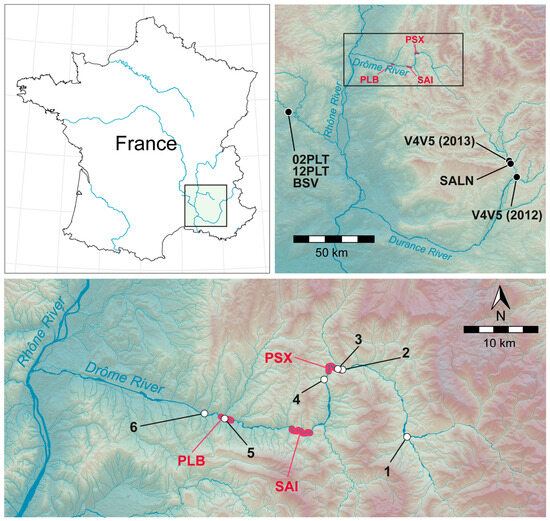
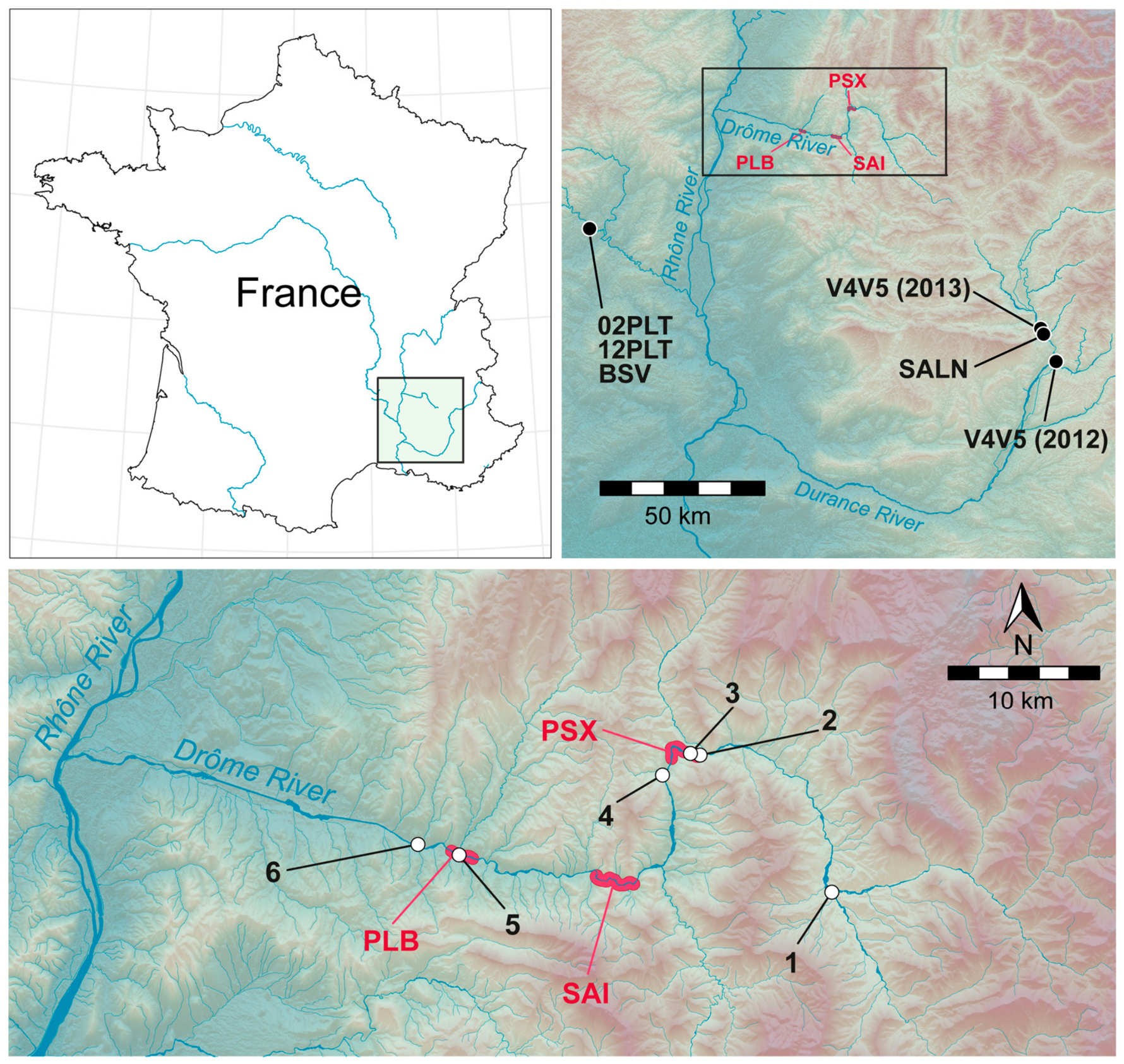
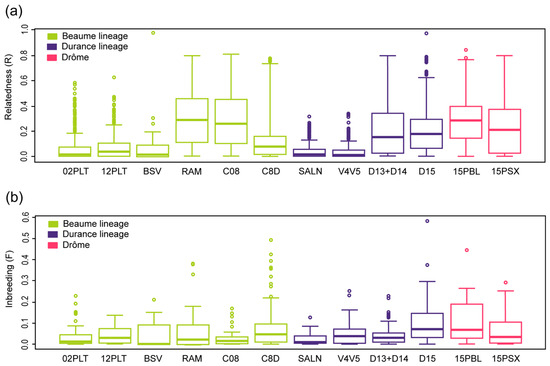
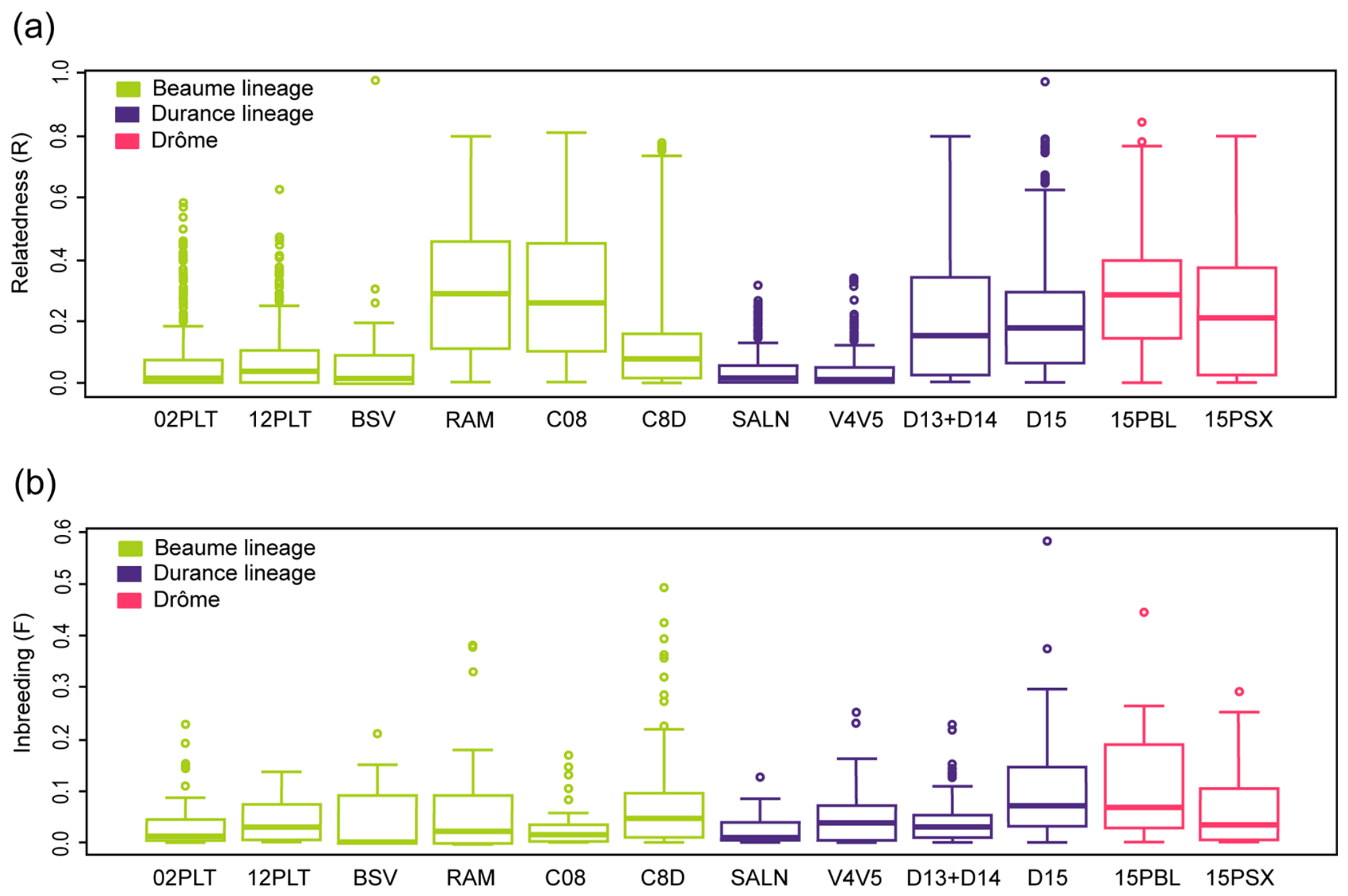
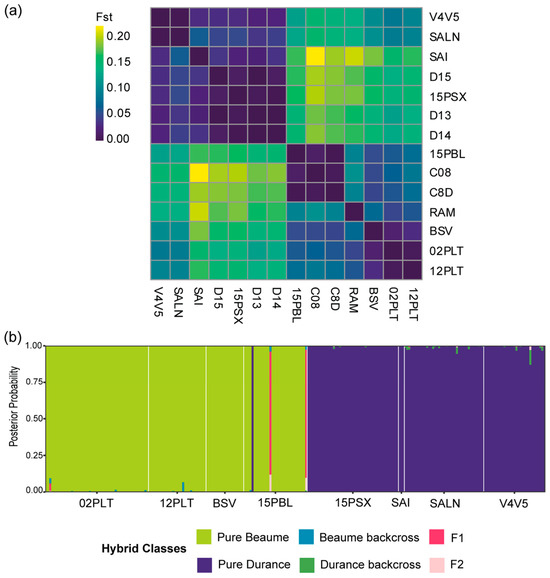
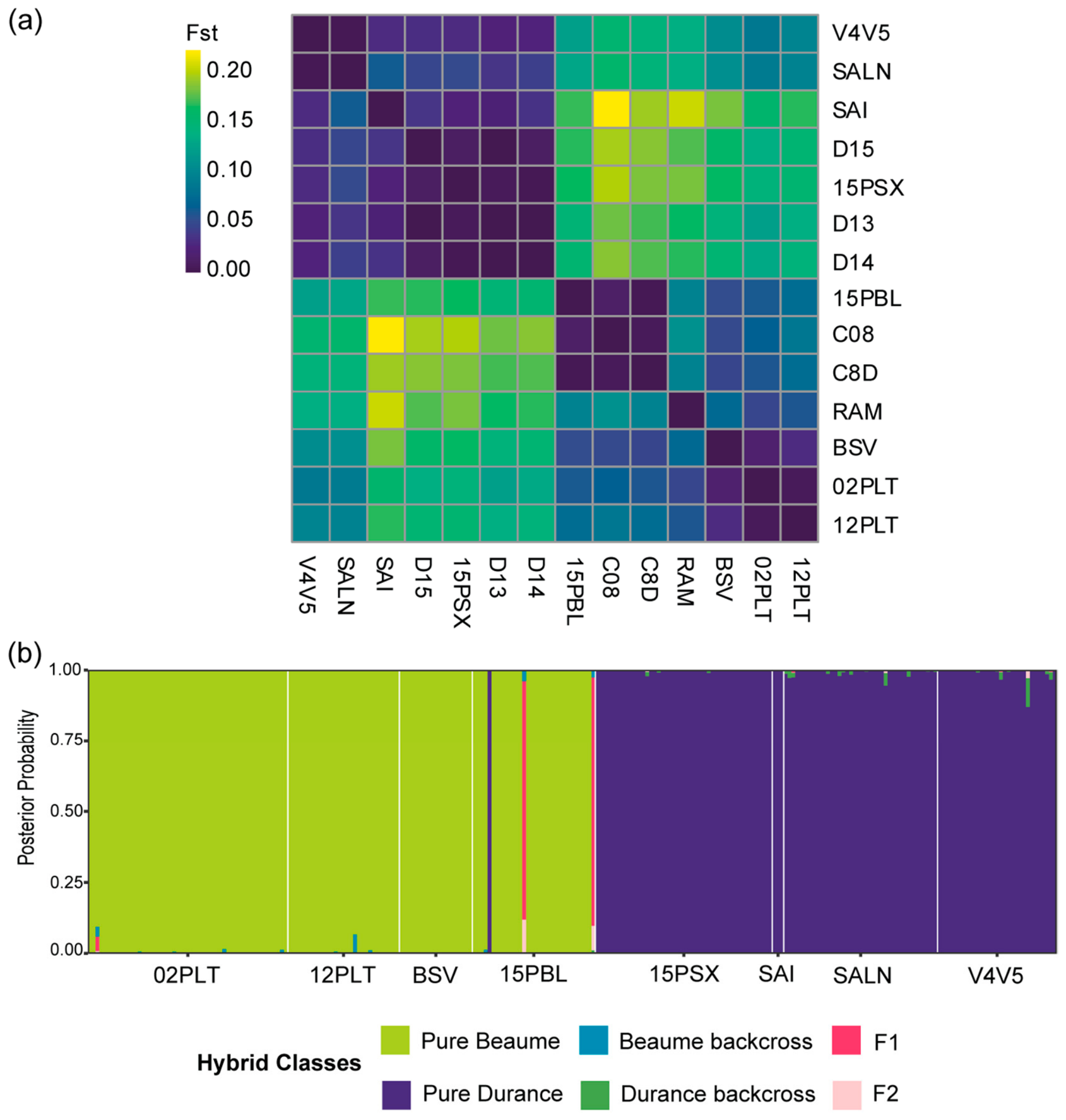

Disclaimer/Publisher’s Note: The statements, opinions and data contained in all publications are solely those of the individual author(s) and contributor(s) and not of MDPI and/or the editor(s). MDPI and/or the editor(s) disclaim responsibility for any injury to people or property resulting from any ideas, methods, instructions or products referred to in the content. |
© 2026 by the authors. Licensee MDPI, Basel, Switzerland. This article is an open access article distributed under the terms and conditions of the Creative Commons Attribution (CC BY) license.