


Abstract
Psychiatric and neurodevelopmental disorders are prevalent in individuals with epilepsy, adversely affecting quality of life and clinical outcomes through complex, potentially bidirectional mechanisms. This narrative review examines the clinical manifestations, pathophysiology, diagnostic challenges, and therapeutic implications of psychiatric and neurodevelopmental comorbidities in epilepsy. Foundational and contemporary literature addressing mood and anxiety disorders, psychoses, dysphoric syndromes, attention-deficit/hyperactivity disorder (ADHD), autism spectrum disorder (ASD), antiseizure medications, biomarkers, and epilepsy surgery was critically reviewed. Depression and anxiety represent major psychiatric comorbidities, with particularly strong evidence supporting a bidirectional association between depression and epilepsy. Ictal, postictal, and interictal psychiatric manifestations require differentiation from primary psychiatric disorders. ADHD and ASD are also important comorbid neurodevelopmental conditions, presenting overlapping clinical features, shared neurobiological vulnerabilities, and additional diagnostic and therapeutic challenges. Forced normalization and interictal dysphoric disorder remain clinically relevant but incompletely understood. Antiseizure medications may exert beneficial or adverse psychiatric effects, while emerging biomarkers suggest potential shared neurobiological mechanisms that require further validation. Psychiatric comorbidities may influence epilepsy surgery outcomes, and postoperative psychiatric symptoms can occur despite successful seizure control. Comprehensive psychiatric and neurodevelopmental assessment should be integrated throughout epilepsy care, including medication selection, presurgical evaluation, and postoperative follow-up. Individualized, multidisciplinary management is essential to optimize clinical outcomes and improve quality of life.
1. Introduction
Epilepsy is a chronic neurological disorder characterized by recurrent unprovoked seizures and is frequently associated with psychiatric comorbidities that contribute substantially to disease burden, functional impairment, and reduced quality of life [1,2]. Although seizures remain the defining clinical manifestation of epilepsy, psychiatric disorders represent an important component of its overall clinical expression [1]. Depression, anxiety disorders, and psychosis are among the most extensively investigated psychiatric conditions in people with epilepsy [1,2], with their occurrence influenced by neurological, psychological, and treatment-related factors.
The reported prevalence of psychiatric disorders in epilepsy varies considerably across studies, reflecting differences in patient populations, epilepsy characteristics, diagnostic criteria, and assessment methods [1,2]. Gaitatzis et al. described substantial psychiatric morbidity, particularly among patients with temporal lobe epilepsy and drug-resistant seizures [1]. Their review reported depression in approximately 30% of patients, anxiety disorders in 10–25%, and psychotic disorders in 2–7%, although estimates varied markedly across clinical settings [1]. Tellez-Zenteno and Wiebe emphasized the methodological challenges involved in interpreting psychiatric epidemiology in epilepsy, particularly the distinction between point prevalence, lifetime prevalence, and incidence [2]. These considerations underscore the importance of population characteristics and standardized psychiatric assessments when interpreting the reported frequency of psychiatric comorbidities.
The relationship between epilepsy and psychiatric disorders extends beyond the psychological consequences of recurrent seizures and the social burden of living with a chronic neurological condition [1,2]. Epidemiological and clinical observations suggest complex temporal associations, whereby psychiatric symptoms may precede epilepsy onset, coexist with seizures, or emerge during the course of the disease [1,2]. These observations raise the possibility of shared biological vulnerabilities, although they do not, by themselves, establish causality or confirm bidirectional relationships across all psychiatric conditions. The mechanisms underlying these associations remain incompletely understood [3].
Several neurobiological processes have been proposed as potential contributors to the association between epilepsy and psychiatric disorders, including alterations in neuronal excitability, neurotransmitter signaling, functional brain networks, neuroendocrine regulation, and inflammatory pathways [3] (Figure 1). These mechanisms may interact with structural and functional abnormalities associated with epilepsy, particularly within networks involved in emotional regulation and behavior [3]. However, the available mechanistic evidence remains heterogeneous, and findings from experimental models, neuroimaging studies, and exploratory molecular investigations cannot necessarily be generalized to all patients with epilepsy. Consequently, these proposed pathways should be regarded as areas of ongoing investigation rather than established causal explanations for the development of specific psychiatric disorders.
Figure 1.
Bidirectional relationship between epilepsy and psychiatric disorders.
Psychiatric manifestations may precede, coexist with, or follow epilepsy onset [1,2]. Shared neurobiological vulnerabilities, seizure-related factors, psychosocial stressors, and the psychiatric effects of antiseizure medications may contribute to these complex associations [1,2], highlighting the importance of integrated clinical management.
From a clinical perspective, psychiatric manifestations in epilepsy may arise from multiple interacting factors, including disease-related processes, psychosocial stressors, seizure-associated phenomena, and adverse psychiatric effects of antiseizure medications [1,2]. Their recognition is essential, as psychiatric symptoms may complicate diagnostic evaluation, influence therapeutic decisions, and contribute to the overall burden of epilepsy independently of seizure frequency [1]. Accordingly, comprehensive epilepsy management requires attention not only to seizure control but also to systematic psychiatric assessment, early identification of comorbid disorders, and appropriate treatment [1,2].
This narrative review aims to summarize current concepts regarding psychiatric and neurodevelopmental comorbidities in epilepsy, with particular emphasis on depression, anxiety, psychotic disorders, epilepsy-related psychiatric syndromes, attention-deficit/hyperactivity disorder (ADHD), autism spectrum disorder (ASD), and the psychiatric effects of antiseizure medications. It also examines emerging biological and electrophysiological correlates, potential biomarkers, and the implications of psychiatric comorbidities for epilepsy management and surgical outcomes. By integrating epidemiological, neurobiological, and clinical evidence, this review seeks to provide a practical framework for the recognition, assessment, and management of psychiatric and neurodevelopmental conditions in people with epilepsy.
Literature Selection Methodology
A narrative review of the literature was conducted using PubMed/MEDLINE, Google Scholar, Cochrane Library, SciELO, and LILACS, considering publications available through October 2026, without restrictions on publication year. The search combined terms related to epilepsy and psychiatric comorbidities, including depression, anxiety, psychosis, dysphoric disorders, attention-deficit/hyperactivity disorder (ADHD), autism spectrum disorder (ASD), antiseizure medications, neurobiological mechanisms, biomarkers, and epilepsy surgery. Relevant studies were identified through the screening of titles and abstracts, followed by full-text evaluation when appropriate, with selection guided by their clinical relevance, scientific quality, and contribution to the understanding of psychiatric and neurodevelopmental comorbidities in epilepsy. Although English-language publications were prioritized, no language restrictions were imposed. Both seminal studies and recent publications were included to provide a historical perspective on the evolution of scientific knowledge while emphasizing contemporary evidence for current diagnostic and therapeutic approaches. Given the narrative design, no formal systematic review protocol was applied, and potential selection bias and incomplete retrieval of relevant literature are acknowledged as methodological limitations.
2. Depression and Anxiety Disorders
2.1. Depression
Depression is one of the most prevalent and clinically significant psychiatric comorbidities in people with epilepsy (PWE), contributing to impaired quality of life, psychosocial disability, and increased disease burden [4,5]. Its prevalence varies according to the population studied, diagnostic methodology, and epilepsy characteristics [4]. In a systematic review and meta-analysis, Fiest et al. identified 23 articles representing 14 unique population-based data sources [4]. Among 29,891 individuals with epilepsy, the pooled prevalence of active depression was 23.1%, while the odds of active depression were significantly higher in PWE than in individuals without epilepsy (odds ratio [OR] 2.77; 95% confidence interval [CI] 2.09–3.67) [4]. Earlier clinical reviews reported considerable variation in lifetime prevalence, ranging from approximately 6% to 30% in population-based studies and reaching 50% in selected tertiary epilepsy populations [5].
The association between depression and epilepsy appears to be bidirectional rather than exclusively attributable to the psychological consequences of recurrent seizures [5,6]. In an early population-based case-referent study, Forsgren and Nyström observed that a history of depression was more common among adults presenting with incident unprovoked seizures than among matched controls [6]. Subsequently, Hesdorffer et al. demonstrated that major depression was associated with an approximately sixfold increased risk of unprovoked seizures in older adults, although the confidence interval was wide, reflecting statistical uncertainty [7]. Further epidemiological evidence identified both depression and a history of suicide attempts as risk factors associated with incident unprovoked seizures [8]. Collectively, these findings suggest that depression may precede epilepsy onset and support the hypothesis of shared biological vulnerability [6,7,8,9], although observational associations cannot establish a direct causal relationship.
Several neurobiological mechanisms have been proposed to explain the coexistence of depression and epilepsy. Kanner and Balabanov emphasized the potential involvement of shared neurobiological abnormalities, particularly those affecting temporal and frontal networks, neurotransmitter regulation, and limbic structures [9]. Kanner further discussed the possible contributions of serotonergic and noradrenergic dysfunction, neuroendocrine alterations, and the effects of recurrent seizures on neuronal circuits involved in emotional regulation [5]. These mechanisms may interact with psychosocial stressors, perceived stigma, limitations in independence, and adverse psychiatric effects of antiseizure medications [5,9]. Consequently, depression in epilepsy should not be interpreted solely as a reactive psychological response to chronic illness.
The clinical manifestations of depression in PWE may resemble those observed in the general population, including persistent sadness, anhedonia, fatigue, sleep disturbances, impaired concentration, and suicidal ideation [5]. However, depressive symptoms may also present with atypical or fluctuating features, complicating their recognition in routine neurological practice [5]. Kanner emphasized the importance of distinguishing major depressive episodes from subsyndromic and epilepsy-related affective manifestations, particularly when symptoms fluctuate in relation to seizures [5]. Furthermore, depression may coexist with medication-related fatigue, cognitive complaints, and sleep disturbances, making careful clinical assessment essential to avoid both underdiagnosis and misattribution of symptoms.
Despite its clinical relevance, depression frequently remains unrecognized and untreated in epilepsy care [5,9]. To facilitate systematic screening, Gilliam et al. developed the Neurological Disorders Depression Inventory for Epilepsy (NDDI-E), a six-item instrument specifically designed to identify major depression while minimizing overlap with common adverse effects of antiseizure medications [10]. In their multicenter study, an NDDI-E score greater than 15 demonstrated a sensitivity of 81% and specificity of 90% for major depression [10]. Although screening instruments cannot replace a comprehensive psychiatric evaluation, their incorporation into routine epilepsy consultations may improve early identification and facilitate timely treatment. Given the association between depression, impaired quality of life, and suicidality [5,9], clinical assessment should include symptom severity, functional consequences, and suicide risk.
2.2. Anxiety Disorders
Anxiety disorders represent another major component of psychiatric morbidity in epilepsy, although they have historically received less attention than depression [11,12]. Their clinical relevance extends beyond emotional distress, as anxiety may substantially affect daily functioning, social participation, treatment adherence, and perceived quality of life [12,13]. Vazquez and Devinsky highlighted the complex relationship between epilepsy and anxiety, emphasizing the influence of seizure occurrence, temporal associations with epileptic events, and antiseizure medications on psychiatric presentation [11]. Subsequent reviews have reinforced the importance of recognizing anxiety as a heterogeneous group of manifestations rather than a single clinical entity [12,13].
A central consideration in the assessment of anxiety in people with epilepsy (PWE) is its temporal relationship with seizures [11,13]. Beyenburg et al. proposed distinguishing ictal, postictal, and interictal anxiety, as these presentations may differ substantially in pathophysiology and management [13]. Ictal anxiety may occur as an emotional manifestation of focal seizures, particularly those involving limbic networks, and may present as sudden, intense, and stereotyped fear without an identifiable psychological trigger [11,13]. In contrast, postictal anxiety develops following seizure activity, whereas interictal anxiety occurs independently of individual seizures and may fulfill diagnostic criteria for established anxiety disorders [12,13]. This distinction is particularly relevant when differentiating focal seizures with affective symptoms from panic attacks, as misclassification may delay diagnosis or result in ineffective treatment [11,13].
Hingray et al. further explored the relationship between epilepsy and anxiety disorders, emphasizing the interaction of neurobiological, psychological, and seizure-related mechanisms [12]. Anxiety may be influenced by seizure unpredictability, fear of injury, loss of autonomy, and concerns regarding social exposure or embarrassment [11,12]. At the same time, anxiety symptoms may be associated with alterations in neural circuits involved in fear processing and emotional regulation [12,13]. These mechanisms are not mutually exclusive, and their relative contributions may vary according to epilepsy syndrome, seizure control, psychiatric history, and individual vulnerability.
Clinical studies have also examined the relationship between anxiety symptoms and demographic or epilepsy-related variables. Kimiskidis et al. investigated depression and anxiety in patients with epilepsy, highlighting the importance of considering both psychiatric symptoms and seizure-related characteristics when evaluating psychological morbidity [14]. Nevertheless, the relationship between anxiety severity and seizure frequency is not necessarily linear, and psychological distress may persist even when seizure control improves [12,14]. Jackson and Turkington emphasized that psychiatric comorbidities are frequently overlooked in neurological practice despite their substantial clinical consequences [15]. Accordingly, psychiatric assessment should not be restricted to individuals with frequent or drug-resistant seizures.
The diagnostic evaluation of anxiety in epilepsy requires particular attention to symptom duration, stereotypy, associated autonomic manifestations, alterations in awareness, and temporal relationships with seizures [11,13]. Brief, recurrent, stereotyped episodes of fear may raise suspicion of ictal anxiety, whereas persistent anticipatory worry, avoidance behavior, and generalized psychological distress are more suggestive of interictal anxiety disorders [11,12,13]. Importantly, anxiety related to fear of future seizures may coexist with independent psychiatric conditions [12]. A comprehensive approach integrating seizure semiology, psychiatric history, medication review, and functional assessment is therefore essential for accurate diagnosis and individualized management.
2.3. Treatment of Depression and Anxiety in Epilepsy
The treatment of depression and anxiety in people with epilepsy (PWE) requires an integrated, individualized approach that addresses psychiatric symptoms while considering seizure control, antiseizure medication regimens, pharmacological interactions, and previous psychiatric history [15,16]. Historically, concerns regarding antidepressant-induced seizure exacerbation have contributed to the undertreatment of psychiatric comorbidities [15,17]. However, contemporary evidence suggests that selected antidepressants, particularly selective serotonin reuptake inhibitors (SSRIs), can generally be used in patients with epilepsy when appropriately prescribed and monitored [16,17]. The therapeutic objective should be remission of psychiatric symptoms and improvement in functioning rather than merely partial symptomatic relief [16].
In 2022, the International League Against Epilepsy (ILAE) published clinical practice recommendations for the medical treatment of unipolar depression in adults with epilepsy, based on a systematic review and adaptation of established depression treatment guidelines [16]. These recommendations support a stepped-care approach according to depression severity [16]. For mild depressive episodes, psychological interventions are recommended as first-line treatment, whereas SSRIs are considered the preferred pharmacological option when medication is indicated (Level B) [16]. For moderate to severe depression, SSRIs are also recommended as first-choice antidepressants (Level B) [16]. In patients with inadequate or partial response, switching to venlafaxine may be considered (Level C) [16]. Importantly, these recommendations apply specifically to unipolar depression in patients with epilepsy and do not encompass bipolar depression, peri-ictal depression, or medication-induced depression, which require distinct diagnostic and therapeutic considerations. Thus, while providing a practical framework for managing unipolar depression, these guidelines acknowledge the limitations of epilepsy-specific comparative pharmacological evidence [16].
Psychological interventions constitute an essential component of psychiatric care in epilepsy [18,19]. Cognitive behavioral therapy (CBT), psychoeducation, and other structured skills-based interventions may address depressive symptoms, maladaptive beliefs, anticipatory anxiety, seizure-related fears, avoidance behaviors, and limitations in psychosocial functioning [18,19]. An updated Cochrane systematic review identified 36 randomized or quasi-randomized studies involving 3526 participants and found moderate-certainty evidence that skills-based psychological interventions improve health-related quality of life in adults and adolescents with epilepsy [19]. Nevertheless, improvement in quality of life should not automatically be interpreted as equivalent to remission of a formally diagnosed depressive or anxiety disorder. Psychological treatment should therefore be selected according to psychiatric diagnosis, symptom severity, patient preferences, and available resources [18,19].
Pharmacological treatment requires careful consideration of antidepressant efficacy, seizure-related safety, tolerability, and potential interactions with antiseizure medications [16,17]. The Cochrane review by Maguire et al., including ten studies and 626 participants with epilepsy and depression, found limited comparative evidence regarding antidepressant efficacy [17]. However, the available seizure-frequency data did not suggest significant worsening of seizure control with the antidepressants evaluated, and moderate- to low-certainty evidence was consistent with the relative seizure safety of SSRIs [17]. Importantly, these findings should not be interpreted as evidence that all antidepressants have equivalent seizure-related safety, since the available studies were heterogeneous and insufficiently powered to establish reliable comparisons between individual agents.
Antidepressant selection should also account for the patient’s antiseizure medication regimen [20,21]. Enzyme-inducing antiseizure medications may alter antidepressant exposure, while certain antidepressants can affect the metabolism of concomitant medications through cytochrome P450 inhibition [20,21]. In addition, overlapping adverse effects, including somnolence, dizziness, cognitive complaints, sleep disturbances, and gastrointestinal symptoms, may influence treatment adherence [20]. The potential for hyponatremia, particularly when serotonergic antidepressants are combined with antiseizure medications associated with sodium disturbances, should be considered in susceptible patients [20,21]. Accordingly, medication selection and dose adjustment should be individualized, with attention to clinically relevant interactions and the patient’s overall medical condition.
Historical investigations have also explored whether antidepressants might directly influence seizure susceptibility [22,23,24,25,26]. Small, predominantly uncontrolled studies reported reductions in seizure frequency during treatment with fluoxetine or citalopram [22,23,24,25], while early investigations of imipramine described favorable responses in selected patients with difficult-to-control seizure types [26]. Although these observations contributed to hypotheses concerning serotonergic modulation and neuronal excitability, their methodological limitations prevent conclusions regarding antiseizure efficacy. In particular, the historical findings involving imipramine do not justify its use as an antiseizure treatment, given the recognized dose-dependent seizure risks associated with tricyclic antidepressants. These studies are therefore primarily of historical and mechanistic interest rather than a basis for contemporary therapeutic recommendations.
Anxiety disorders require similarly individualized management, although epilepsy-specific treatment evidence is less developed than that available for depression [11,12,13]. CBT-based interventions may be particularly useful for persistent anticipatory anxiety, seizure-related avoidance, and maladaptive coping strategies [18]. When pharmacological treatment is indicated, SSRIs may be considered according to established anxiety-disorder treatment principles, with attention to the same seizure-related and pharmacokinetic considerations applicable to depression [16,20]. Importantly, persistent interictal anxiety should be distinguished from ictal fear, postictal symptoms, and medication-induced behavioral changes, since these conditions may require different therapeutic strategies [11,12,13]. The choice of intervention should therefore follow a careful diagnostic assessment rather than treating all anxiety symptoms as manifestations of a primary anxiety disorder.
Treatment response should be monitored longitudinally using clinical interviews and, when appropriate, validated symptom scales [16]. Follow-up should assess depressive and anxiety symptom severity, functional recovery, adverse effects, treatment adherence, and changes in seizure frequency. In patients with major depression, the ILAE recommends maintaining antidepressant treatment for at least six months after remission of a first depressive episode, with longer treatment in patients with recurrent episodes, severe illness, or persistent residual symptoms [16]. Premature discontinuation may increase the risk of depressive relapse, whereas prolonged treatment should be periodically reassessed according to clinical response and individual risk factors.
Finally, patients presenting with suicidal ideation, severe depressive symptoms, psychotic features, or substantial functional deterioration require prompt psychiatric assessment and an appropriately intensified treatment plan [16,18]. Coordination between neurologists, psychiatrists, psychologists, and other healthcare professionals is particularly important when psychiatric symptoms coexist with drug-resistant epilepsy, complex polytherapy, or previous treatment-related behavioral disturbances [16,19,20]. Overall, contemporary management should move beyond historical concerns about antidepressant-associated seizures and adopt an evidence-informed, multidisciplinary strategy aimed at improving psychiatric outcomes without compromising epilepsy care.
3. Epilepsy-Related Psychoses
3.1. Ictal, Postictal, and Interictal Psychoses
Psychotic disorders represent a particularly complex neuropsychiatric manifestation of epilepsy, encompassing heterogeneous syndromes that differ in their temporal relationship with seizures, clinical presentation, underlying mechanisms, and prognosis [27,28,29]. Traditionally, epilepsy-related psychoses have been classified as ictal, postictal, or interictal [28,29], although additional phenomena, including forced normalization and antiseizure medication-associated psychosis, may complicate this classification [27,30]. Distinguishing these syndromes is clinically relevant because psychotic symptoms may reflect ongoing epileptic activity, emerge after seizure clusters, or develop independently of individual seizures [29].
The classification framework discussed by Araújo Filho et al. emphasizes the importance of distinguishing psychiatric disorders occurring as comorbid conditions from manifestations directly related to epileptic activity or its treatment [28]. In clinical practice, this distinction requires consideration of the temporal relationship between psychiatric symptoms and seizures, alterations in awareness, electroencephalographic findings, medication exposure, and underlying cerebral dysfunction [28]. Such an approach provides a useful basis for differentiating epilepsy-related psychotic syndromes and reducing the risk of misclassifying neurological manifestations as primary psychiatric disorders.
Ictal psychosis is associated with ongoing epileptic activity and may occur in the context of focal nonconvulsive status epilepticus or other prolonged ictal states [27,29,30]. Clinical manifestations may include hallucinations, delusional experiences, behavioral disturbances, and alterations in awareness, with considerable variability according to the cerebral networks involved [27,30]. Because psychotic symptoms may dominate the clinical presentation, electroencephalographic assessment is essential when an ictal mechanism is suspected [29,30]. Prolonged or video-electroencephalographic monitoring may be particularly valuable when routine recordings are inconclusive. Importantly, identifying an ictal mechanism has immediate therapeutic implications, as treatment should primarily target the underlying epileptic activity rather than rely exclusively on antipsychotic medication [29,30].
Postictal psychosis is a distinctive syndrome that typically develops after a seizure or, more frequently, a cluster of seizures, often following an initial period of postictal confusion and a subsequent lucid interval [29,31,32,33]. Clinical manifestations may include persecutory or religious delusions, auditory or visual hallucinations, affective disturbances, agitation, and behavioral disorganization [31,32,33]. Consciousness may be relatively preserved during the psychotic episode, although some patients exhibit accompanying confusion or delirium [29,33]. The lucid interval, which may last from several hours to several days, represents an important diagnostic feature and helps distinguish postictal psychosis from immediate postictal confusion and ongoing nonconvulsive status epilepticus [32,33].
Logsdail and Toone proposed operational diagnostic criteria for postictal psychosis based on the temporal relationship with seizures, symptom duration, psychiatric phenomenology, and exclusion of alternative causes [32]. In the widely cited formulation summarized by Devinsky, the syndrome involves a psychotic episode developing within one week after a seizure or seizure cluster, lasting at least 15 h and less than two months, and is characterized by delusions, hallucinations, or associated disturbances of consciousness [33]. Diagnostic evaluation must exclude antiseizure medication toxicity, nonconvulsive status epilepticus, recent head trauma, substance-related conditions, and relevant pre-existing psychotic illness [32,33]. Although a lucid interval is highly characteristic, it was not explicitly included as an independent requirement in the original operational criteria [32]. These criteria remain clinically useful but should be interpreted within a comprehensive neurological and psychiatric assessment rather than as an independently validated diagnostic test.
Postictal psychosis has been particularly associated with longstanding epilepsy, recurrent seizure clusters, and focal epilepsies involving temporal or bilateral cerebral networks [29,31,33]. Nevertheless, its pathophysiology remains incompletely understood, and electroencephalographic findings are not sufficiently consistent to establish a specific diagnostic biomarker [34]. In a systematic review examining electroencephalographic alterations associated with psychiatric disorders in temporal lobe epilepsy with mesial temporal sclerosis, de Barros Lourenço et al. identified only six eligible studies and reported heterogeneous and sometimes contradictory findings [34]. The available evidence concerning electroencephalographic correlates of psychiatric manifestations was inconclusive, highlighting the limitations of interpreting interictal epileptiform activity as a direct marker of postictal psychosis [34].
Interictal psychosis occurs independently of the immediate temporal relationship with seizures and may resemble primary schizophrenia-spectrum disorders [29,35]. Its manifestations commonly include persistent or recurrent delusions, hallucinations, and disturbances in thought content [35]. Classical descriptions suggest that negative symptoms, progressive personality deterioration, and severe affective flattening may be less prominent than in schizophrenia [35]. However, these distinctions are insufficiently specific to establish a diagnosis, and substantial clinical overlap remains. Sachdev emphasized the complexity of the association between epilepsy and schizophrenia-like psychosis, including the potential contributions of epilepsy duration, cerebral pathology, and shared neurobiological mechanisms [35].
Unlike postictal psychosis, interictal psychosis does not have universally accepted epilepsy-specific operational diagnostic criteria [29,35]. Its recognition depends on identifying a psychotic syndrome outside the immediate peri-ictal period, evaluating its longitudinal course, and excluding ongoing ictal activity, medication-induced psychiatric symptoms, substance-related disorders, and other medical or primary psychiatric causes [29,30,31,35]. The absence of a close temporal relationship with seizures does not, by itself, establish that psychosis is caused by epilepsy. Accordingly, diagnostic formulation should integrate psychiatric phenomenology, seizure history, electroencephalographic findings, and relevant clinical investigations.
The clinical characteristics of interictal psychosis were further examined in a systematic review of published case reports by d’Almeida and Gama-Marques [36]. Among 69 patients, the mean age was 34.7 ± 12.9 years, and the average interval between epilepsy onset and interictal psychosis was 13.8 ± 10.2 years [36]. Fourteen patients (20.3%) had initially been misdiagnosed with a primary psychotic disorder, highlighting the diagnostic difficulties associated with this condition [36]. Abnormal electroencephalographic findings were reported in 62.3% of patients, while 17.4% experienced episodes of forced normalization [36]. Although these findings provide valuable clinical characterization, their generalizability is limited by the retrospective nature of published case reports, potential publication bias, and heterogeneity of the available data.
The pathophysiology of epilepsy-related psychoses is likely multifactorial, with proposed mechanisms involving temporal and limbic network dysfunction, altered dopaminergic and glutamatergic neurotransmission, structural cerebral abnormalities, and the cumulative effects of recurrent epileptic activity [27,29,35]. Temporal lobe epilepsy has received particular attention because mesial temporal structures participate in emotional processing, memory, and behavioral regulation [35]. Nevertheless, associations between epileptogenic focus lateralization, interictal epileptiform discharges, and psychiatric manifestations remain inconsistent across studies [34]. The systematic review by de Barros Lourenço et al. underscores the need for more robust investigations before electroencephalographic characteristics can be considered reliable biomarkers of psychiatric comorbidity [34].
The management of epilepsy-related psychoses requires careful diagnostic evaluation and close collaboration between neurology and psychiatry [29,30,37]. Initial assessment should establish the temporal relationship with seizures, review recent changes in antiseizure medications, identify potential metabolic or toxic contributors, and exclude ongoing nonconvulsive status epilepticus when clinically indicated [29,30]. In suspected postictal psychosis, particular attention should be given to recent seizure clusters, the presence of a lucid interval, symptom duration, and the risk of self-harm or aggression [32,33]. Antipsychotic treatment may be necessary for severe or persistent symptoms, but medication selection should consider seizure susceptibility, pharmacokinetic interactions, and adverse-effect profiles [37]. Maguire et al. proposed a practical approach integrating diagnostic investigation, seizure management, psychiatric treatment, and longitudinal follow-up [37]. Ultimately, recognizing the specific psychotic syndrome is essential because ictal, postictal, and interictal psychoses may require substantially different therapeutic strategies [29,30,37].
3.2. Forced Normalization and Alternative Psychosis
Forced normalization is a distinctive and paradoxical neuropsychiatric phenomenon characterized by the emergence of psychiatric or behavioral disturbances in association with a marked reduction or disappearance of epileptiform electroencephalographic activity [38,39]. Originally described by Heinrich Landolt in the 1950s, this concept challenged the assumption that improved seizure control is invariably accompanied by improvement in neurological and psychiatric manifestations [38,40]. The related term alternative psychosis, subsequently introduced by Tellenbach, describes the clinical alternation between epileptic seizures and psychotic manifestations, particularly when electroencephalographic documentation is unavailable [39,41].
Krishnamoorthy and Trimble emphasized the clinical and therapeutic relevance of forced normalization as a phenomenon occurring at the interface between epilepsy and psychiatry [38]. Its manifestations are not restricted to psychosis and may include affective, behavioral, and other psychiatric disturbances [38,39]. The defining characteristic is the temporal association between the emergence of psychiatric symptoms and suppression of epileptic activity, rather than the presence of a specific psychiatric syndrome [39]. Consequently, forced normalization should be regarded as a distinct electroclinical phenomenon rather than a synonym for interictal psychosis.
The recognition of forced normalization requires careful evaluation of changes in seizure frequency, electroencephalographic activity, and psychiatric status [38,39]. Operational criteria discussed by Krishnamoorthy et al. include an established diagnosis of epilepsy, the acute or subacute emergence of behavioral or psychiatric disturbances, and evidence of a marked reduction in epileptiform activity compared with previous recordings or sustained clinical seizure suppression [39]. A reduction of more than 50% in interictal epileptiform discharges has been proposed as an electrophysiological indicator, while clinical seizure freedom for approximately one week has been considered a possible alternative marker when adequate comparative EEG data are unavailable [39]. These operational features are intended to support clinical recognition rather than establish a universally validated diagnostic standard.
Importantly, complete electroencephalographic normalization is not always demonstrated, particularly when previous recordings are unavailable or EEG sampling is limited [39,40]. Likewise, a reduction in seizure frequency alone is insufficient to establish forced normalization without a compatible psychiatric presentation and appropriate exclusion of alternative explanations [39]. Serial EEG assessment may strengthen the diagnosis when technically comparable recordings are available, although differences in recording duration, vigilance state, medication exposure, and sampling conditions may influence the apparent frequency of interictal epileptiform discharges.
A systematic review by Calle-López et al. provided one of the most comprehensive contemporary evaluations of forced normalization, examining published cases to characterize clinical manifestations, precipitating factors, treatment strategies, and outcomes [42]. Psychosis was the predominant psychiatric presentation, although mood and behavioral disturbances were also reported [42]. The phenomenon frequently occurred following changes in antiseizure treatment or other interventions associated with improved seizure control [42]. These findings suggest that forced normalization may emerge in different therapeutic contexts and should not be attributed exclusively to a single antiseizure medication.
Several pathophysiological hypotheses have been proposed to explain the apparent antagonism between epileptic activity and psychiatric manifestations [39,40,41]. Krishnamoorthy et al. discussed the possibility that suppression of epileptiform discharges may be associated with alterations in neural systems involved in emotional and behavioral regulation [39]. Wolf further explored the paradoxical relationship between the disappearance of epileptiform EEG abnormalities and the emergence of acute behavioral symptoms, emphasizing the limitations of a purely electroencephalographic interpretation [40]. These observations raise the possibility that changes in neuronal excitability and network organization may influence psychiatric manifestations independently of overt seizure occurrence, although the underlying causal mechanisms remain uncertain.
Neurotransmitter dysfunction has also been proposed as a contributing mechanism. Kawakami and Itoh reviewed historical and experimental evidence supporting an antagonistic relationship between epilepsy and psychosis, highlighting the potential involvement of dopaminergic pathways [41]. Dopaminergic signaling may influence both seizure susceptibility and psychotic manifestations, although its specific contribution to forced normalization remains uncertain [41]. More recently, Bragatti revisited the phenomenon in light of contemporary neurobiological concepts, discussing network-level alterations, experimental kindling models, and the potential contribution of combined electroencephalographic and functional neuroimaging investigations [43]. These approaches raise the possibility that apparent EEG normalization may coexist with persistent or reorganized pathological network activity, although this hypothesis requires further validation.
Clinical observations further illustrate the heterogeneity of forced normalization. In a case series from a Spanish epilepsy unit, Carazo Barrios et al. described ten patients, including six women and four men, with a mean age of 51.5 years [44]. The authors reported frequent psychiatric comorbidity and developmental difficulties, while acknowledging that these associations might reflect the characteristics of a specialized epilepsy population [44]. Clinical outcomes were generally favorable; however, the small sample size and retrospective design limit conclusions regarding prognosis and optimal management.
Forced normalization may occur following pharmacological treatment changes, epilepsy surgery, or neuromodulatory interventions that substantially modify seizure activity [42,43,44]. Nevertheless, a temporal association between an intervention and psychiatric symptom onset does not necessarily establish a direct pharmacological or procedural cause. Differentiating forced normalization from adverse psychiatric effects of antiseizure medications, postictal psychosis, primary psychiatric disorders, and nonconvulsive status epilepticus is therefore essential [29,42]. In particular, psychotic symptoms emerging after improved seizure control should prompt careful evaluation of both the electroencephalographic trajectory and medication history.
Management remains challenging because strategies directed toward seizure suppression and psychiatric stabilization may occasionally appear to have competing effects [38,42]. Treatment decisions should be individualized according to psychiatric severity, seizure-related risks, and the suspected contribution of recent therapeutic interventions [29,42]. When a temporal association with a newly introduced antiseizure medication is identified, modification of the regimen may be considered, provided that the potential consequences for seizure control are carefully evaluated [42,44]. Short-term antipsychotic treatment may be necessary for severe psychotic symptoms, while prolonged psychiatric follow-up may be appropriate in recurrent or persistent cases [29,38]. However, available recommendations are largely derived from observational studies and case reports, and no standardized therapeutic algorithm has been established [42,44].
Overall, forced normalization illustrates the complex and potentially non-linear relationship between seizure control, cerebral network activity, and psychiatric functioning [39,40,43]. Its recognition reinforces the importance of monitoring psychiatric outcomes alongside conventional seizure-related endpoints. Future prospective investigations integrating longitudinal EEG recordings, neuroimaging, standardized psychiatric assessments, and detailed treatment exposure are needed to clarify its mechanisms, identify susceptible patients, and establish evidence-based management strategies [42,43,44].
4. Epilepsy-Related Dysphoric Syndromes
4.1. Postictal Dysphoria
Postictal dysphoria refers to a heterogeneous group of affective and behavioral symptoms occurring after epileptic seizures, including depressed mood, anxiety, irritability, anger, and emotional instability [45]. Rather than representing a uniformly defined psychiatric disorder, these manifestations may reflect transient postictal symptoms or exacerbations of pre-existing interictal psychiatric conditions [45]. Although postictal neurological deficits and cognitive disturbances are widely recognized, affective symptoms remain comparatively underrecognized despite their potential impact on functional recovery and quality of life [45,46]. Kanner et al. described postictal depressive symptoms in a substantial proportion of patients with pharmacoresistant epilepsy, with a median duration of approximately 24 h [45]. Their clinical framework considered affective manifestations occurring within the first five days following a seizure, highlighting the importance of evaluating psychiatric symptoms beyond the immediate period of postictal confusion [45].
The clinical presentation is heterogeneous and may involve sadness, anhedonia, anxiety, irritability, emotional lability, and behavioral disturbances [45]. Importantly, postictal affective symptoms may coexist with interictal depression or anxiety, making their temporal characterization essential [45]. Kanner et al. reported associations between previous depressive or anxiety disorders and postictal affective manifestations, suggesting that underlying psychiatric vulnerability may contribute to their occurrence [45]. Postictal depressive symptoms have also been associated with more pronounced postictal cognitive impairment, although consistent relationships with seizure focus localization, structural magnetic resonance imaging findings, or specific antiseizure medications have not been established [45].
The broader clinical burden of the postictal period was examined by Subota et al. in a systematic review and meta-analysis that screened 7811 abstracts and included 78 eligible studies, of which 45 contributed to quantitative synthesis [46]. The authors identified 31 distinct postictal manifestations, demonstrating substantial heterogeneity in their occurrence and duration [46]. Postictal headache, migraine, and psychosis were among the most frequently investigated manifestations, with pooled weighted frequencies of 33%, 16%, and 4%, respectively [46]. Although many postictal symptoms resolved within 24 h, selected cognitive and behavioral manifestations persisted considerably longer [46]. These findings reinforce that postictal morbidity extends beyond transient neurological dysfunction and may include prolonged neuropsychiatric consequences.
Recent neurophysiological investigations have provided additional evidence supporting an association between postictal psychiatric symptoms and measurable changes in cerebral activity [47]. Weisholtz et al. prospectively evaluated 33 patients admitted to an epilepsy monitoring unit and identified postictal psychiatric symptoms in eight participants (24.2%) [47]. Anger was the most frequent manifestation, occurring in seven patients, often in association with depression, anxiety, or paranoia [47]. Patients experiencing postictal psychiatric symptoms had significantly more seizures during monitoring and demonstrated greater postictal electroencephalographic slowing at 10 and 20 min after seizure termination [47]. No significant difference in seizure duration was observed between groups [47]. These findings suggest a potential relationship between postictal cerebral dysfunction and affective or behavioral symptoms, although the small sample size and observational design preclude causal conclusions and do not establish EEG slowing as a diagnostic biomarker.
Irritability and anger require particular attention because they may overlap phenomenologically with agitation, confusion, and psychotic manifestations [48,49]. Blumer et al. emphasized the importance of paroxysmal affective disturbances in epilepsy-related dysphoric syndromes, particularly irritability and episodic anger [48]. However, these manifestations should not be interpreted as evidence of inherent aggressiveness among people with epilepsy. Kanemoto et al. compared violent behavior across postictal psychosis, interictal psychosis, and postictal confusion, reporting purposeful violent acts in 22.8%, 4.8%, and 0.7% of the respective episodes in their studied population [49]. These findings illustrate the importance of distinguishing the underlying neuropsychiatric state when evaluating severe behavioral disturbances, while recognizing that results from selected clinical populations cannot be generalized to people with epilepsy as a whole.
From a clinical perspective, the assessment of postictal affective disturbances should include systematic characterization of symptom onset, duration, recurrence, and temporal relationship with seizures [45,47]. A history of interictal mood disorders, recent seizure clusters, medication changes, and associated cognitive or behavioral disturbances should also be investigated [45]. Differentiation from postictal psychosis, prolonged confusion, nonconvulsive status epilepticus, and adverse medication effects is essential when symptoms are severe, atypical, or persistent [45,46,47]. Because postictal dysphoria lacks universally accepted operational diagnostic criteria as an independent disorder, clinicians should document the specific affective symptoms and their temporal relationship with seizures rather than automatically assigning a separate psychiatric diagnosis. Management should prioritize seizure optimization, identification of established psychiatric comorbidities, and individualized treatment of clinically significant affective symptoms. Specific controlled trials addressing postictal dysphoria remain limited, and current therapeutic strategies are largely informed by broader principles of epilepsy and psychiatric care.
4.2. Interictal Dysphoric Disorder
Interictal dysphoric disorder (IDD) is a proposed epilepsy-related affective syndrome characterized by intermittent, pleomorphic symptoms that do not necessarily conform to conventional diagnostic categories of depressive or anxiety disorders [50,51]. The concept originated from historical psychiatric descriptions of episodic dysphoric states in epilepsy and was subsequently reformulated by Blumer, who emphasized fluctuating affective and somatoform symptoms, particularly in patients with longstanding temporal lobe epilepsy [50]. Within this historical framework, dysphoric manifestations were considered potentially related to neurobiological processes associated with epilepsy rather than exclusively attributable to psychological reactions to chronic illness [50]. Nevertheless, IDD remains a proposed clinical construct rather than an established diagnostic entity [51].
Blumer et al. described eight characteristic symptoms grouped into three domains: depressive-somatoform symptoms, including depressed mood, anergia, insomnia, and atypical pain; affective symptoms, including anxiety and fear; and distinctive manifestations consisting of episodic euphoria and paroxysmal irritability [48,51]. The proposed syndrome is characterized by recurrent or fluctuating symptoms, often lasting hours to days, with variable intervals between episodes [48]. The presence of at least three of these eight manifestations has commonly been used as an operational threshold in studies of IDD [51]. However, this threshold should not be interpreted as a validated diagnostic criterion with established sensitivity, specificity, or discriminative validity. Its use remains primarily descriptive and research-oriented [51].
The clinical relevance of IDD lies partly in its potential to identify affective disturbances that may be overlooked when psychiatric assessment focuses exclusively on major depressive episodes or conventional anxiety disorders [48,50]. Irritability, episodic anger, dysphoria, and fluctuating mood symptoms may coexist with sleep disturbances, fatigue, and somatic complaints, complicating their classification within traditional psychiatric frameworks [48,51]. Nevertheless, the considerable overlap between IDD symptoms and established mood and anxiety disorders raises questions regarding whether the proposed syndrome represents a distinct neuropsychiatric entity or an atypical expression of common psychiatric comorbidities in epilepsy [51]. The presence of these symptoms alone should therefore not be considered sufficient to establish an epilepsy-specific psychiatric disorder.
To facilitate systematic evaluation, the Interictal Dysphoric Disorder Inventory (IDDI) was developed to assess the frequency, severity, and associated impairment of the characteristic symptom domains [51,52]. Araújo Filho et al. conducted the translation and cross-cultural adaptation of the IDDI for Brazilian Portuguese, evaluating its comprehensibility in 21 patients with epilepsy [52]. The questionnaire was generally well understood, with only one item requiring modification following patient assessment [52]. The authors concluded that the adapted instrument was linguistically and culturally appropriate for further investigation, while emphasizing the need for subsequent evaluation of its psychometric properties [52]. Accordingly, cross-cultural adaptation should not be considered equivalent to complete diagnostic validation, and a positive screening result should not replace a comprehensive psychiatric assessment.
Despite the historical relevance of IDD, its nosological validity remains controversial [51,53]. Mula critically examined the construct and highlighted the difficulty of distinguishing epilepsy-specific dysphoric symptoms from depressive disorders, anxiety disorders, and other psychiatric conditions [51]. The episodic and heterogeneous nature of the proposed syndrome, together with differences in diagnostic methodology and study populations, has complicated attempts to establish consistent clinical boundaries [51]. Furthermore, the presence of similar affective manifestations in individuals without epilepsy challenges the assumption that IDD represents an epilepsy-specific disorder [51].
These uncertainties were systematically evaluated by Conforti et al. in a review examining whether IDD constitutes an independent diagnostic entity or an atypical manifestation of mood disorders in people with epilepsy [53]. Of 130 initially identified articles, 12 fulfilled the inclusion criteria [53]. Six studies reported findings supporting IDD as a distinct nosological construct, five produced inconclusive results, and one explicitly questioned meaningful differences between IDD and established mood disorders [53]. The authors concluded that the available evidence was insufficient to confirm IDD as an independent diagnostic category, although the concept may retain clinical relevance for characterizing atypical affective symptoms in epilepsy [53].
The pathophysiological interpretation of IDD remains equally uncertain [50,51]. Blumer proposed that inhibitory mechanisms associated with chronic mesial temporal lobe epilepsy might contribute to the emergence of dysphoric manifestations, suggesting a possible relationship between epileptic network activity and affective regulation [48,50]. However, this hypothesis has not been established through consistent neurophysiological or neuroimaging evidence [51,53]. Contemporary interpretations therefore favor a cautious approach, acknowledging the potential contribution of epilepsy-related network dysfunction while avoiding the assumption that the proposed symptom constellation reflects a unique biological mechanism. No specific biological or electrophysiological biomarker has been validated for diagnosing IDD [51,53].
Treatment recommendations for IDD are limited by the absence of a consistently validated diagnostic framework and robust controlled therapeutic trials [51,53]. Blumer described favorable clinical responses to antidepressant treatment, occasionally combined with low-dose atypical antipsychotics, in selected patients presenting with dysphoric symptoms [50]. Nevertheless, these observations were primarily based on clinical experience and uncontrolled evidence and should not be interpreted as establishing a specific pharmacological regimen for IDD. In contemporary practice, treatment should be directed toward identifiable depressive, anxiety, or other psychiatric syndromes, taking into account seizure control, antiseizure medication effects, potential drug interactions, and the patient’s overall clinical condition [15,51]. The use of antipsychotics solely on the basis of a proposed IDD diagnosis is not supported by sufficiently robust evidence [51,53].
Overall, IDD remains a clinically interesting but incompletely validated construct [51,53]. Its principal contribution may be to draw attention to fluctuating affective symptoms that are not adequately captured by conventional categorical assessments [50,51]. However, the current evidence does not justify considering IDD a definitively established or epilepsy-specific psychiatric diagnosis [53]. Future investigations should employ standardized diagnostic interviews, longitudinal symptom assessments, appropriate non-epilepsy comparison groups, and neurobiological measures to determine whether IDD represents an independent disorder, a transdiagnostic affective phenotype, or a particular expression of established psychiatric comorbidities in epilepsy.
5. Psychiatric Adverse Effects of Antiseizure Medications
Antiseizure medications (ASMs) constitute the cornerstone of epilepsy treatment, but their effects extend beyond seizure suppression and may significantly influence mood, behavior, cognition, and psychiatric functioning [20,21]. Psychiatric and behavioral adverse effects represent an important cause of treatment intolerance, medication discontinuation, and impaired quality of life in people with epilepsy (PWE) [21]. These manifestations encompass depression, anxiety, irritability, aggression, emotional instability, and, less frequently, psychotic symptoms or suicidal ideation [20,21]. Importantly, ASMs may exert both beneficial and detrimental psychotropic effects, depending on their pharmacological properties and individual patient susceptibility [54]. Consequently, treatment selection should consider not only antiseizure efficacy but also the patient’s psychiatric history and vulnerability to treatment-emergent neuropsychiatric symptoms [20,21].
The psychiatric effects of ASMs are closely related to their mechanisms of action, although these relationships are neither uniform nor entirely predictable [54]. Ketter et al. proposed a conceptual distinction between predominantly sedating and activating psychotropic profiles [54]. Agents that enhance gamma-aminobutyric acid (GABA)-mediated inhibition, including barbiturates, benzodiazepines, and certain other ASMs, may produce sedation, fatigue, and cognitive slowing while also exhibiting anxiolytic or antimanic properties [54]. Conversely, medications with activating psychotropic profiles may be associated with improved alertness or mood in selected patients but may also contribute to anxiety, irritability, or behavioral activation [54]. These classifications provide a useful historical framework; however, the psychiatric effects of individual medications cannot be reliably predicted solely from their primary antiseizure mechanisms.
Several ASMs possess clinically relevant mood-stabilizing properties [54,55]. Valproate and carbamazepine have established roles in the management of bipolar disorder, whereas lamotrigine has demonstrated particular benefit in the prevention of depressive episodes in bipolar disorder [55]. Such properties may influence antiseizure medication selection in patients with coexisting affective disorders. Nevertheless, the presence of mood-stabilizing effects does not eliminate the possibility of psychiatric adverse reactions, and benefits observed in primary psychiatric disorders should not automatically be extrapolated to all psychiatric manifestations associated with epilepsy. Schmitz emphasized that psychiatric outcomes depend on the interaction between pharmacological mechanisms, epilepsy characteristics, and individual biological and psychosocial vulnerability [55].
Conversely, several ASMs have been associated with negative effects on mood and behavior [56]. Mula and Sander highlighted the multifactorial nature of treatment-emergent depressive symptoms and the difficulty of distinguishing medication-related psychiatric manifestations from the effects of epilepsy itself, pre-existing psychiatric disorders, and psychosocial factors [56]. Negative mood effects have been reported with medications such as phenobarbital, primidone, vigabatrin, topiramate, and levetiracetam, although their frequency and clinical relevance vary substantially between agents and patient populations [56]. Importantly, the emergence of depressive symptoms during ASM treatment should not automatically be attributed to medication toxicity without considering alternative or contributing explanations.
Comparative clinical evidence further illustrates differences in psychiatric tolerability among ASMs. In a retrospective study of 4085 adults with epilepsy, Chen et al. investigated psychiatric and behavioral side effects, including depression, anxiety, irritability, aggression, psychosis, and suicidal thoughts [57]. Psychiatric or behavioral adverse effects were identified in 17.2% of patients and resulted in treatment intolerance in 13.8% [57]. Levetiracetam was associated with the highest reported frequency of psychiatric and behavioral adverse effects (22.1%), as well as increased rates of treatment intolerance (17.7%), dose reduction (9.4%), and discontinuation (8.3%) [57]. Zonisamide was also associated with psychiatric and behavioral adverse effects, reported in 9.7% of patients, with treatment intolerance occurring in 7.9% [57].
In contrast, carbamazepine, clobazam, gabapentin, lamotrigine, oxcarbazepine, phenytoin, and valproate were associated with lower frequencies of psychiatric and behavioral adverse effects compared with the aggregate of other ASMs in the same study [57]. However, these findings should be interpreted cautiously because treatment allocation was not randomized, psychiatric outcomes were identified retrospectively, and differences in patient characteristics may have influenced the observed associations. Furthermore, lower rates of psychiatric adverse effects do not necessarily imply superior overall tolerability, as other neurological, cognitive, metabolic, and systemic adverse effects remain important considerations [21].
The psychiatric and behavioral profiles of commonly prescribed ASMs are summarized in Table 1. These profiles reflect evidence from clinical studies, pharmacovigilance observations, and established psychotropic properties rather than direct randomized comparisons between all agents [20,21,54,55,56,57]. Accordingly, the table should be interpreted as a practical guide to individualized treatment selection, not as a definitive ranking of psychiatric safety. The direction and magnitude of psychiatric effects may vary according to psychiatric history, epilepsy characteristics, dose, titration rate, and concomitant medications [20,21,54,55,56,57].
Table 1.
Psychiatric and behavioral profiles of selected antiseizure medications.
As shown in Table 1, the psychiatric profiles of antiseizure medications (ASMs) are heterogeneous and may influence treatment selection in patients with pre-existing psychiatric comorbidities [20,21,54,55,56,57]. Lamotrigine may be particularly relevant in patients with depressive vulnerability because of its established mood-stabilizing properties, whereas valproate and carbamazepine have recognized antimanic effects [54,55]. Conversely, levetiracetam, perampanel, topiramate, and zonisamide warrant particular attention when psychiatric or behavioral adverse effects are a concern [56,57]. Brivaracetam may offer improved behavioral tolerability in some patients previously experiencing adverse effects with levetiracetam, although this observation is primarily supported by nonrandomized evidence. Importantly, these considerations should not supersede seizure classification, antiseizure efficacy, reproductive safety, systemic adverse effects, or pharmacokinetic interactions [20,21]. No single ASM is universally preferable for patients with psychiatric comorbidities, and individualized clinical assessment remains essential.
Individual susceptibility is a major determinant of treatment-emergent psychiatric complications [56,57]. Chen et al. identified a history of psychiatric disorders, pharmacoresistant epilepsy, and histories of absence or focal-to-bilateral tonic–clonic seizures among factors associated with increased psychiatric and behavioral adverse effects [57]. Mula and Sander similarly emphasized that pre-existing psychiatric vulnerability, seizure-related characteristics, and pharmacological factors should be considered when evaluating mood deterioration during treatment [56]. These findings suggest that psychiatric history should be incorporated into routine pretreatment assessment rather than evaluated only after the emergence of adverse symptoms.
The relationship between seizure control and psychiatric manifestations adds further complexity to the interpretation of treatment-related adverse events. In some patients, psychiatric symptoms may emerge following substantial seizure reduction or suppression of epileptiform activity, a phenomenon historically described as forced normalization or alternative psychosis [38,39,40,41,42,43,44]. Schmitz discussed forced normalization and GABAergic mechanisms as potential contributors to psychiatric changes associated with ASMs [55]. However, psychiatric symptoms arising after treatment initiation may also represent direct pharmacological adverse effects, exacerbation of pre-existing psychiatric illness, or manifestations related to the natural course of epilepsy [20,55]. Distinguishing these possibilities requires careful evaluation of the temporal relationship between medication changes, seizure frequency, electroencephalographic findings, and psychiatric symptom onset [38,39,40,41,42,43,44].
Perucca and Gilliam emphasized that adverse effects of ASMs remain a major cause of treatment failure and an important determinant of health-related quality of life [21]. These effects may develop shortly after treatment initiation or emerge after prolonged exposure, highlighting the importance of continued monitoring throughout therapy [21]. Although many adverse reactions are dose-related, others may reflect individual susceptibility or complex pharmacological interactions [21]. Therefore, medication tolerability should be assessed longitudinally, with attention to both overt psychiatric symptoms and more subtle changes in mood, motivation, sleep, and behavior.
The prevention of iatrogenic psychiatric complications requires a personalized approach to epilepsy management. De Araujo Filho discussed the potential for ASMs and epilepsy surgery to produce either beneficial or adverse psychiatric outcomes, emphasizing the multifactorial nature of these effects and their implications for clinical decision-making [63]. This perspective supports identifying patients at increased psychiatric risk before treatment initiation, carefully considering previous psychiatric diagnoses, and systematically evaluating behavioral changes following therapeutic interventions.
From a practical standpoint, baseline psychiatric assessment should include a history of depressive and anxiety disorders, psychotic episodes, previous medication-related behavioral reactions, and suicidal ideation when clinically indicated [20]. During follow-up, clinicians should actively investigate new or worsening psychiatric symptoms, particularly after medication initiation, dose escalation, or changes in polytherapy [20,21]. When a treatment-emergent psychiatric adverse effect is suspected, management may involve dose adjustment, substitution of the suspected ASM, or targeted psychiatric treatment, according to symptom severity and seizure-related risks [20,21]. Abrupt discontinuation should generally be avoided because of the potential for seizure exacerbation or withdrawal-related complications. Kanner emphasized that optimal epilepsy care requires simultaneous consideration of seizure control and psychiatric comorbidities rather than treating these conditions as independent therapeutic targets [20].
Overall, the psychiatric effects of ASMs reflect a complex interaction between pharmacological properties, underlying epilepsy, psychiatric vulnerability, and treatment-related changes in cerebral activity [20,55,56,57,63]. Although comparative studies identify meaningful differences in psychiatric tolerability [57], no ASM can be considered universally free of psychiatric risk. Incorporating psychiatric assessment into antiseizure medication selection and longitudinal monitoring may improve treatment adherence, reduce preventable adverse events, and promote a more comprehensive approach to epilepsy care [20,21]. The ultimate therapeutic objective should therefore extend beyond seizure freedom to include psychiatric stability, functional outcomes, and quality of life.
6. Neurodevelopmental Disorders in Epilepsy: Autism Spectrum Disorder and Attention-Deficit/Hyperactivity Disorder
Neurodevelopmental disorders are increasingly recognized as an important component of the clinical spectrum of epilepsy. Although autism spectrum disorder (ASD) and attention-deficit/hyperactivity disorder (ADHD) are classified separately from mood and psychotic disorders, their frequent coexistence with epilepsy and psychiatric symptoms makes them particularly relevant to neuropsychiatric care. The relationship extends beyond the effects of recurrent seizures or antiseizure medications (ASMs), as developmental abnormalities, genetic susceptibility, and alterations in neuronal connectivity may contribute to the emergence of both epileptic and neurodevelopmental phenotypes [64,65]. Recognizing these overlapping conditions is important because behavioral and cognitive difficulties may persist even when seizures are adequately controlled.
The biological relationship between epilepsy and neurodevelopmental disorders is complex and heterogeneous. Genetic studies have identified overlapping pathways involving transcriptional regulation, neuronal growth, synaptic organization, and ion channel function, particularly in conditions in which epilepsy and autism coexist [64,65]. Alterations in excitatory and inhibitory neurotransmission and the development of functional neuronal networks have also been proposed as mechanisms contributing to both epileptic activity and atypical neurodevelopment [64,65]. Nevertheless, these mechanisms cannot be generalized to all patients, and the coexistence of two diagnoses does not necessarily imply a single underlying cause. In some individuals, epilepsy and developmental impairment arise from a shared genetic or structural condition; in others, multiple biological and environmental factors may contribute independently.
The clinical implications are substantial. Developmental difficulties may precede the first recognized seizure, become more apparent during childhood, or remain insufficiently investigated in adults with longstanding epilepsy. Conversely, attention deficits, behavioral dysregulation, and impaired social communication may be attributed to epilepsy or medication effects without consideration of an underlying neurodevelopmental disorder [66,67]. The International League Against Epilepsy (ILAE) has emphasized the importance of systematic assessment of ADHD in children with epilepsy, including repeated screening and evaluation of cognitive difficulties affecting school performance [66]. A comprehensive approach should therefore integrate seizure characteristics, developmental history, cognitive functioning, psychiatric symptoms, medication exposure, and the patient’s social and educational circumstances. Such assessment may identify difficulties that would otherwise remain untreated despite satisfactory seizure control.
6.1. Autism Spectrum Disorder
Autism spectrum disorder is characterized by persistent differences in social communication and interaction, together with restricted or repetitive patterns of behavior, interests, or activities. Its association with epilepsy has been recognized for decades, although estimates of co-occurrence vary considerably according to age, intellectual functioning, epilepsy etiology, and the population studied [68,69]. In a systematic review and meta-analysis including 66 study samples from 53 articles, Liu et al. estimated an overall epilepsy prevalence of approximately 10% among autistic individuals [68]. Prevalence was higher in clinical samples and increased with age, reaching approximately 19% in adults compared with 7% in children [68]. Examining the relationship from the opposite perspective, Strasser et al. analyzed 19 studies and reported a pooled ASD prevalence of 6.3% among individuals with epilepsy [69]. These findings demonstrate a clinically meaningful association, although methodological heterogeneity limits the application of a single prevalence estimate to all epilepsy populations.
Intellectual disability is among the most consistently identified factors associated with epilepsy in autistic individuals. In a meta-analysis, Amiet et al. reported epilepsy in 21.5% of autistic participants with intellectual disability, compared with 8.0% of those without intellectual disability [70]. The authors also observed a higher relative occurrence of epilepsy among autistic females, although interpretation of sex-related differences requires consideration of the characteristics of the populations studied [70]. Liu et al. similarly identified intellectual functioning, age, and sex distribution as important contributors to variation in epilepsy prevalence [68]. These findings suggest that the relationship between autism and epilepsy is particularly relevant in individuals with broader developmental impairment, rather than being uniformly distributed across the autism spectrum.
The association is especially prominent in certain developmental and epileptic encephalopathies. Strasser et al. reported elevated frequencies of ASD in selected populations with infantile spasms and Dravet syndrome, although estimates were influenced by small samples and the clinical characteristics of the included cohorts [69]. In these conditions, developmental impairment may reflect a combination of the underlying etiology, abnormal neuronal network development, and the effects of epileptic activity during sensitive periods of brain maturation [64,65]. Importantly, the contribution of epileptic activity to developmental difficulties varies between syndromes and individuals. Developmental abnormalities may precede seizure onset, and seizure suppression does not necessarily reverse established autistic features or cognitive impairment.
Advances in molecular genetics have provided further insight into the biological overlap between epilepsy and autism. Lee et al. described shared pathways involving genes associated with transcriptional regulation, including MECP2 and FOXG1; cellular growth and signaling, including TSC1, TSC2, and PTEN; and neuronal excitability and synaptic function, including SCN2A, CDKL5, and SHANK3 [64]. These observations are consistent with the broader concept that disturbances in neuronal development and synaptic organization may produce different combinations of seizures, cognitive impairment, and autistic features [64,65]. However, genetic findings are highly heterogeneous, and no single molecular mechanism adequately explains the association in most patients. The identification of a genetic etiology is therefore most informative when interpreted alongside the developmental phenotype, seizure semiology, electroencephalographic findings, and neuroimaging characteristics.
Diagnostic assessment requires particular attention because several manifestations of epilepsy may resemble or complicate autistic behaviors. Episodes of behavioral arrest, reduced responsiveness, stereotyped movements, or unusual sensory experiences may raise concern for seizures, whereas communication difficulties can limit the reliability of subjective symptom descriptions. Conversely, repetitive behaviors or fluctuating attention should not automatically be interpreted as epileptic events. The American Academy of Pediatrics emphasizes that EEG is not routinely indicated solely because a child has ASD, in the absence of clinical features suggesting epilepsy or another specific neurological indication [71]. When seizures are suspected, careful clinical characterization and appropriately selected EEG investigations remain essential. Developmental regression, particularly when atypical or associated with possible epileptic manifestations, also warrants individualized neurological evaluation [71].
Management should address epilepsy and autism as related but distinct clinical conditions. Seizure treatment must be guided by epilepsy syndrome, etiology, seizure type, and the patient’s overall medical profile, while developmental and behavioral interventions should respond to the individual’s communication, adaptive, cognitive, and psychiatric needs [65,71]. Sleep disturbances, anxiety, irritability, and difficulties with emotional regulation may further complicate care and should be assessed rather than assumed to be intrinsic features of autism. There is currently insufficient evidence to conclude that seizure control alone consistently improves core autistic characteristics [64,65]. A coordinated approach involving neurology, developmental specialists, psychiatry, psychology, and rehabilitation services may therefore be necessary, particularly in patients with intellectual disability or complex developmental and epileptic encephalopathies.
6.2. Attention-Deficit/Hyperactivity Disorder
Attention-deficit/hyperactivity disorder is one of the most frequently reported neurodevelopmental comorbidities in epilepsy, particularly during childhood. Its clinical manifestations include developmentally inappropriate inattention, hyperactivity, and impulsivity, with varying degrees of impairment in academic, occupational, and social functioning. In a systematic review and meta-analysis of 63 studies involving more than one million participants, Wang et al. estimated a pooled ADHD prevalence of 22.3% among individuals with epilepsy, while epilepsy was identified in 3.4% of individuals with ADHD [72]. A subsequent meta-analysis by He et al., including 46 studies, estimated an ADHD prevalence of 30.7% in children with epilepsy and identified intellectual and developmental disabilities as particularly important associated factors [73]. Differences between these estimates reflect variations in age distribution, diagnostic methods, and clinical populations rather than necessarily indicating a change in disease frequency.
Evidence from population-based studies suggests that the association between epilepsy and ADHD operates in both directions. In a Taiwanese cohort study, Chou et al. found that children with epilepsy had an increased subsequent incidence of ADHD compared with matched controls (adjusted hazard ratio [HR] 2.54; 95% confidence interval [CI] 2.02–3.18) [74]. Conversely, children diagnosed with ADHD had an increased subsequent incidence of epilepsy (HR 3.94; 95% CI 2.58–6.03) [74]. These findings support a bidirectional epidemiological association, although they do not establish that either condition directly causes the other. Familial investigations have also identified shared susceptibility between epilepsy and ADHD, suggesting that genetic and individual-specific factors contribute to their co-occurrence [75]. The relative contribution of these mechanisms is likely to vary across epilepsy syndromes and developmental populations.
The mechanisms underlying attentional difficulties in epilepsy are multifactorial. Neurodevelopmental vulnerability may coexist with the effects of recurrent seizures, epileptiform activity, sleep disruption, psychiatric symptoms, and cognitive adverse effects of ASMs [66,76]. In some patients, attentional difficulties precede epilepsy diagnosis, supporting the possibility of shared underlying susceptibility rather than a purely seizure-related consequence [74,75]. In others, difficulties may become more pronounced with poor seizure control, changes in medication, or increasing academic demands. The ILAE systematic review found that intellectual and developmental disabilities were associated with increased ADHD risk and that behavioral difficulties were more frequent during ASM polytherapy than monotherapy, although the strength of evidence varied across individual findings [66]. These observations reinforce the need to assess attention within the broader neurological and developmental context.
Distinguishing ADHD from other causes of impaired attention is particularly important in clinical practice. Brief episodes of unresponsiveness may represent absence or focal impaired awareness seizures rather than inattentive behavior, whereas persistent difficulties with concentration may arise from sleep disorders, anxiety, depression, intellectual disability, or medication-related cognitive slowing [66,76]. ADHD diagnosis should therefore be based on a developmental history demonstrating persistent symptoms across relevant settings, rather than on isolated complaints of poor concentration. The ILAE consensus recommends ADHD screening from six years of age, or at epilepsy diagnosis when appropriate, with periodic reassessment and additional evaluation following relevant medication changes [66]. Formal cognitive assessment is particularly valuable when school performance is impaired, while adult evaluations should consider longstanding symptoms, occupational functioning, and coexisting psychiatric disorders [66,76].
Treatment of ADHD in patients with epilepsy has historically raised concern about the possibility that stimulant medications might lower seizure threshold. However, available evidence does not support withholding effective ADHD treatment solely because epilepsy is present. The ILAE review concluded that methylphenidate was generally tolerated and effective in children with epilepsy, with Level B evidence, whereas evidence supporting the tolerability of atomoxetine was more limited (Level C) [66]. In a Swedish register-based study, Brikell et al. examined ADHD medication exposure among individuals with a history of seizures and found no overall increase in acute seizure events associated with treatment initiation [77]. Within-individual analyses identified a lower rate of acute seizures during medicated periods (HR 0.73; 95% CI 0.57–0.94), although this observational association should not be interpreted as evidence that ADHD medications exert an antiseizure effect [77]. These findings support individualized treatment rather than the assumption that stimulant therapy is universally contraindicated.
Treatment decisions should nevertheless account for seizure control, epilepsy syndrome, psychiatric comorbidities, sleep, cardiovascular considerations, and potential interactions with ASMs. Methylphenidate is supported by more epilepsy-specific clinical evidence than many alternative ADHD medications, but individual response and tolerability require monitoring [66,76]. Nonpharmacological interventions, including psychoeducation, behavioral strategies, educational accommodations, and psychological support, may provide additional benefits, particularly when ADHD coexists with anxiety, learning difficulties, or developmental impairment [66,76]. In adults, Giambarberi et al. emphasized the importance of reviewing cognitive adverse effects of ASMs, identifying psychiatric comorbidities, and considering specialist referral when diagnostic uncertainty or treatment complexity is substantial [76].
Overall, ADHD should be regarded as a clinically significant comorbidity that warrants active recognition and management throughout the course of epilepsy. Failure to identify persistent attentional difficulties may contribute to educational underachievement, impaired daily functioning, and reduced quality of life even in patients with satisfactory seizure control [66,76]. Conversely, appropriate treatment may improve functioning without necessarily compromising seizure management, provided that medication selection and follow-up are individualized [66,77]. Integrating developmental and psychiatric assessment into routine epilepsy care is therefore essential to address outcomes that extend beyond seizure frequency alone.
7. Biomarkers, Electrophysiological Findings and Surgical Outcomes
7.1. Biomarkers
The identification of biomarkers associated with psychiatric comorbidities in epilepsy represents an important step toward understanding shared pathophysiological mechanisms and developing individualized approaches to diagnosis, prognosis, and treatment [78,79,80]. Potential candidates include inflammatory mediators, oxidative stress markers, neurotrophic factors, neuroendocrine parameters, genetic characteristics, and neuroimaging findings [78,80]. However, biological alterations associated with psychiatric symptoms must be distinguished from biomarkers that have undergone sufficient analytical and clinical validation for individual patient assessment. In the Workshop on the Neurobiology of Epilepsy (WONOEP) appraisal, Ravizza et al. emphasized that reliable diagnostic, predictive, and pharmacodynamic biomarkers of epilepsy-associated comorbidities remained an unmet clinical need [78].
Oxidative stress has attracted attention because of its potential involvement in both epileptogenesis and psychiatric disorders [78,79]. De Araújo Filho et al. investigated oxidative stress parameters in patients with pharmacoresistant temporal lobe epilepsy associated with mesial temporal sclerosis, examining their relationship with major depressive disorder [79]. Although their findings supported further investigation of oxidative imbalance as a biological correlate of psychiatric comorbidity [79], such abnormalities may also reflect recurrent seizures, structural pathology, inflammation, and pharmacological exposure. Consequently, oxidative stress measurements cannot currently distinguish depression-related processes from the broader biological consequences of chronic epilepsy.
Neurotrophic factors represent another promising research direction [80]. Brain-derived neurotrophic factor (BDNF) participates in synaptic plasticity, neuronal survival, and activity-dependent network reorganization, processes potentially relevant to both epilepsy and depression [80]. Kanner, Mazarati, and Koepp discussed the importance of psychiatric comorbidities within the broader investigation of epileptogenesis-related biomarkers, emphasizing possible shared neurobiological vulnerabilities [80]. Nevertheless, peripheral neurotrophic factor concentrations may not directly reflect regional cerebral activity.
McGonigal et al. investigated BDNF as a potential marker of epilepsy severity and psychiatric comorbidity [81]. The anticipated association with psychiatric comorbidities was not confirmed in their clinical population, while antiseizure medication exposure was associated with increased BDNF concentrations [81]. These findings illustrate the influence of pharmacological treatment on biomarker interpretation and the need to control for relevant clinical confounders.
Shpak et al. examined glial cell line-derived neurotrophic factor (GDNF) in lacrimal fluid and serum among patients with focal epilepsy, focal epilepsy with comorbid major depressive disorder, major depressive disorder without epilepsy, and healthy controls [82]. Lacrimal GDNF concentrations were lower across patient groups than in healthy controls, whereas serum GDNF concentrations did not show comparable differences [82]. The investigators also explored multivariable models incorporating neurotrophic, inflammatory, and neuroendocrine parameters [82]. Although these findings suggest that lacrimal fluid may provide a complementary matrix for biomarker research, the lack of established diagnostic specificity limits immediate clinical applicability.
Overall, available evidence supports the investigation of interactions among neuronal plasticity, oxidative stress, inflammation, and neuroendocrine regulation [78,79,80,81,82]. However, no peripheral biomarker has demonstrated sufficient diagnostic accuracy, reproducibility, and clinical utility to replace standardized psychiatric assessment in people with epilepsy [78,80]. Future studies should prioritize longitudinal designs, appropriate comparison groups, standardized biospecimen collection, adjustment for antiseizure medication exposure, and independent validation of candidate biomarkers.
7.2. Electrophysiological Findings
Electrophysiological investigations provide an opportunity to explore the relationship between epileptic network activity and psychiatric manifestations [83,84,85,86]. Electroencephalography (EEG), prolonged video-EEG monitoring, intracranial recordings, and quantitative signal analysis may reveal abnormalities in neuronal synchronization, oscillatory activity, and functional network organization [83,84,85,86]. Nevertheless, an essential distinction must be made between electrophysiological markers used to localize epileptogenic networks or predict seizure outcomes and markers intended to identify or predict psychiatric disorders [83]. Evidence supporting one application cannot automatically be extrapolated to the other.
The relationship between conventional EEG abnormalities and psychiatric disorders in temporal lobe epilepsy remains uncertain [34]. In a systematic review focusing on temporal lobe epilepsy associated with mesial temporal sclerosis, de Barros Lourenço et al. identified six eligible studies examining EEG findings in relation to psychiatric comorbidities [34]. The available evidence was heterogeneous, with inconsistent associations between psychiatric manifestations and electrophysiological characteristics [34]. These findings do not support the use of interictal epileptiform discharge frequency, localization, or lateralization as independently validated diagnostic markers of depression, anxiety, or psychosis.
Advanced electrophysiological methods may provide information beyond conventional visual EEG interpretation [84,85,86]. Kamarajan et al. reviewed current source density approaches in neuropsychiatric research, highlighting their potential to characterize cortical electrical activity and investigate distributed functional abnormalities [84]. Intracranial recordings may also facilitate investigation of neural circuits involved in emotion, cognition, and behavior [85,86]. Balzekas et al. discussed the opportunities and methodological challenges associated with invasive electrophysiology in psychiatric circuit research [85], while Youngerman et al. reviewed the contributions of stereoelectroencephalography (SEEG) to epilepsy evaluation and the study of cognitive and psychiatric networks [86]. Although these approaches are relevant to understanding limbic and frontotemporal circuitry, their use for diagnosing psychiatric comorbidities remains investigational.
Quantitative electrophysiological measures have also been studied as predictors of postoperative seizure outcomes [87]. Kuroda et al. analyzed intracranial EEG recordings from 135 patients, investigating interictal high-frequency oscillations and phase-amplitude coupling [87]. Ninety-five patients achieved favorable postoperative seizure control, defined as International League Against Epilepsy class 1 [87]. Incorporating quantitative interictal measures improved the classification accuracy of seizure outcome prediction models from 0.75 to as high as 0.82 [87]. Importantly, this study evaluated postoperative seizure control, not psychiatric remission or the emergence of psychiatric disorders. Its findings therefore support the potential value of quantitative electrophysiology in seizure prognostication but cannot establish its usefulness for predicting psychiatric outcomes.
The development of electrophysiological biomarkers specifically targeting psychiatric outcomes requires studies that prospectively assess depression, anxiety, psychosis, and other psychiatric manifestations using standardized diagnostic instruments [34,83,88]. Multimodal presurgical investigations may provide relevant information, but their psychiatric prognostic value must be established independently of their performance in seizure localization or seizure outcome prediction [87,88]. At present, no conventional or quantitative EEG measure has been sufficiently validated for routine individual prediction of psychiatric outcomes in epilepsy [34,83,88].
7.3. Surgical Outcomes
Epilepsy surgery represents an established therapeutic option for appropriately selected patients with drug-resistant focal epilepsy [89,90]. Although postoperative seizure freedom is a central measure of surgical efficacy, psychiatric outcomes are equally important because depression, anxiety, psychosis, and behavioral disturbances may substantially influence quality of life and functional recovery [89,91]. Spencer and Huh reviewed surgical outcomes in adults and children, emphasizing the importance of evaluating benefits and complications across multiple clinical domains [89]. Similarly, Vakharia et al. highlighted the importance of careful patient selection, comprehensive presurgical assessment, and individualized evaluation of postoperative outcomes [90].
Early multicenter investigations contributed to the characterization of surgical efficacy and the variability of outcomes across epilepsy populations. Spencer et al. reported initial findings from a multicenter epilepsy surgery study, providing an important framework for understanding postoperative seizure outcomes [92]. However, seizure freedom alone does not adequately characterize psychiatric recovery, and psychiatric disorders may persist, improve, or emerge after otherwise successful surgical treatment [91,93].
The relationship between temporal lobe surgery and psychiatric outcomes has been investigated for several decades [93,94,95,96,97]. Blumer et al. described psychiatric complications following temporal lobectomy, including affective and psychotic manifestations [93]. Altshuler et al. examined the relationship between temporal lobe epilepsy, temporal lobectomy, and major depression [94], while Anhoury et al. investigated predictors of psychiatric outcomes following temporal lobectomy [95]. Subsequent investigations by Pintor et al. [96] and Foong and Flugel [97] reinforced the importance of evaluating psychiatric status throughout the surgical pathway, including the early postoperative period.
A systematic review by Macrodimitris et al. identified 13 studies evaluating psychiatric outcomes following epilepsy surgery [91]. Most studies demonstrated either improvement or no significant change in psychiatric status, although deterioration was reported in selected outcomes [91]. The incidence of de novo postoperative psychiatric conditions ranged from 1.1% to 18.2% [91]. The most consistently identified predictors of postoperative psychiatric status were seizure freedom and a history of psychiatric disorders before surgery [91]. These findings indicate that favorable psychiatric outcomes are common but not universal, and postoperative psychiatric complications remain clinically relevant even after successful seizure treatment.
The prognostic importance of preoperative depression was investigated by de Araújo Filho et al. in 115 patients with pharmacoresistant temporal lobe epilepsy and mesial temporal sclerosis undergoing cortico-amygdalohippocampectomy [98]. Presurgical psychiatric disorders were identified in 40.8% of patients, and 48.7% achieved Engel class IA at one year [98]. In multivariable analysis, preoperative major depressive disorder was associated with an increased likelihood of an unfavorable seizure outcome (odds ratio 5.23; p = 0.003) [98]. Importantly, this investigation assessed depression as a predictor of postoperative seizure outcome rather than seizure outcome as a predictor of psychiatric remission. The association should not be interpreted as evidence that depression independently causes surgical failure.
The relationship between psychiatric disorders and access to presurgical evaluation is also clinically important. De Araújo Filho et al. investigated psychiatric disorders as potential hidden contraindications to presurgical video-EEG monitoring in patients with refractory epilepsy, drawing attention to the possibility that psychiatric comorbidities may influence progression through the surgical evaluation pathway [99]. Psychiatric disorders should therefore prompt appropriate assessment and treatment rather than automatic exclusion from consideration for epilepsy surgery.
A related concern involves patients with coexisting psychogenic nonepileptic seizures, also termed functional or dissociative seizures. Furlan et al. retrospectively evaluated patients with refractory temporal lobe epilepsy and mesial temporal sclerosis, comparing surgical access and outcomes according to the presence of psychogenic nonepileptic seizures [100]. Patients with coexisting nonepileptic seizures were less likely to undergo surgery (37.5% versus 71.4%; p = 0.005) [100]. However, favorable postoperative seizure outcomes did not differ significantly between the operated groups (55.5% versus 74.3%; p = 0.54) [100]. Although the small number of operated patients limits statistical power, these findings suggest that coexisting functional seizures should not, by themselves, constitute an absolute contraindication to epilepsy surgery.
More specifically addressing psychiatric prognosis, Karam et al. investigated the association between presurgical investigation concordance and postoperative psychiatric outcomes in patients with pharmacoresistant temporal lobe epilepsy and mesial temporal sclerosis undergoing cortico-amygdalohippocampectomy [88]. Their retrospective cohort initially included 106 patients, of whom 89 completed the first postoperative year of follow-up [88]. Among patients with preoperative psychiatric disorders, 18 experienced psychiatric remission after surgery, whereas eight patients developed de novo psychiatric disorders [83]. Discordance in lateralization among preoperative video-EEG, ictal single-photon emission computed tomography (SPECT), and magnetic resonance imaging (MRI) was associated with psychiatric disorders at two years after surgery (p = 0.02) [88]. Psychiatric outcomes were also significantly associated with postoperative seizure outcomes [88].
These findings suggest that presurgical multimodal concordance may provide information relevant to psychiatric prognosis in addition to its established role in epileptogenic network localization [88]. However, the retrospective design, limited cohort size, and potential confounding factors prevent causal interpretation. Moreover, the association between postoperative seizure control and psychiatric status does not establish that seizure freedom necessarily produces psychiatric remission [88,91]. Accordingly, multimodal concordance should be considered a candidate prognostic factor rather than a validated independent predictor of postoperative psychiatric outcomes.
Overall, the available literature supports a multidimensional approach to epilepsy surgery in which psychiatric outcomes are considered alongside seizure control, cognition, functional independence, and quality of life [89,90,91]. Preoperative psychiatric disorders may influence prognosis but should not generally be treated as automatic contraindications to surgical intervention [98,99,100]. A comprehensive pathway should include structured psychiatric assessment before surgery, identification of high-risk patients, appropriate psychiatric treatment, and longitudinal postoperative monitoring, particularly during the first year after surgery [88,91,95,96,97].
7.4. Antiseizure Medication Withdrawal After Epilepsy Surgery
The reduction or discontinuation of antiseizure medications (ASMs) following successful epilepsy surgery is an important therapeutic consideration because sustained seizure control may allow a reduction in medication burden and associated adverse effects [101,102]. Nevertheless, withdrawal introduces the possibility of seizure recurrence and requires individualized evaluation of surgical outcome, epilepsy characteristics, residual epileptiform activity, duration of postoperative seizure freedom, and patient preferences [101,102]. In addition to neurological considerations, changes in ASMs may influence psychiatric functioning because several medications possess mood-stabilizing, anxiolytic, or potentially adverse psychotropic properties [20,21,54,55,56,63].
Schiller et al. investigated the discontinuation of antiepileptic drugs after successful epilepsy surgery, providing early observational evidence concerning the feasibility and risks of medication withdrawal in surgically treated patients [101]. Such studies established an important foundation for postoperative medication management but did not resolve the optimal timing of withdrawal or identify a universally applicable strategy [101]. In particular, the decision to discontinue medication must account for the possibility that seizure recurrence may compromise functional and psychiatric gains achieved after surgery.
More recently, Ferreira-Atuesta et al. investigated the timing of initiating ASM withdrawal after epilepsy surgery in adults, addressing an important unresolved question in long-term postoperative management [102]. This work contributes contemporary evidence to the discussion of when medication reduction may be considered following surgical treatment [102]. However, the timing of withdrawal should not be interpreted independently of individual recurrence risk, surgical characteristics, and the patient’s clinical circumstances.
The psychiatric implications of postoperative ASM withdrawal deserve particular attention. Discontinuation of medications with mood-stabilizing properties may alter psychiatric stability in susceptible patients, whereas reducing agents associated with irritability, depression, or behavioral adverse effects may improve psychological tolerability [20,21,46,47,48,49,50,51,52,53,54,63]. These competing possibilities are consistent with the established psychotropic profiles of ASMs, but the withdrawal studies discussed here primarily address seizure-related outcomes rather than prospectively measured psychiatric endpoints [101,102]. Therefore, any expected psychiatric benefit or risk associated with postoperative withdrawal should be considered a clinical hypothesis requiring individualized monitoring rather than an established effect of withdrawal timing.
From a practical perspective, postoperative ASM reduction should be undertaken through shared decision-making, with explicit discussion of seizure recurrence, driving and occupational implications, medication adverse effects, and psychiatric history [101,102]. Patients with previous depression, anxiety, psychosis, or medication-related behavioral disturbances may benefit from coordinated neurological and psychiatric follow-up during dose reduction [20,21,91]. Further prospective investigations are needed to determine whether specific withdrawal strategies can optimize both seizure control and psychiatric outcomes after epilepsy surgery.
8. Conclusions
Psychiatric disorders represent a substantial and frequently underrecognized component of the clinical burden of epilepsy, with significant implications for quality of life, functional outcomes, and long-term disease management. The relationship between epilepsy and psychiatric comorbidities is complex and bidirectional, reflecting shared neurobiological vulnerabilities as well as the psychological and social consequences of recurrent seizures. Beyond conventional depressive and anxiety disorders, epilepsy is associated with distinctive psychiatric manifestations, including ictal, postictal, and interictal psychoses, affective disturbances, and phenomena such as forced normalization. Although some epilepsy-related psychiatric syndromes remain subject to diagnostic and nosological debate, their recognition is essential for accurate clinical assessment and individualized management.
Psychiatric outcomes are further influenced by antiseizure medications, which may exert beneficial or adverse psychotropic effects, and by therapeutic interventions, including epilepsy surgery. Emerging investigations of oxidative stress, neurotrophic factors, electrophysiological abnormalities, and cerebral network dysfunction provide insights into potential shared mechanisms, although these findings have not yet yielded sufficiently validated biomarkers for routine psychiatric diagnosis or prognostication. Furthermore, psychiatric comorbidities may influence surgical outcomes, while surgical treatment and subsequent medication withdrawal may themselves modify psychiatric stability. Taken together, these findings support an integrated, multidisciplinary approach in which psychiatric assessment is incorporated into epilepsy care from initial diagnosis through long-term follow-up. Optimizing epilepsy treatment therefore requires moving beyond seizure control alone to encompass early recognition, prevention, and treatment of psychiatric comorbidities, with the ultimate goal of improving both neurological and psychosocial outcomes.
Author Contributions
Conceptualization, V.R.P.M., L.H.N.M., G.M.d.A.F. and L.T.P.; methodology, V.R.P.M., L.H.N.M., G.M.d.A.F. and L.T.P.; validation, V.R.P.M., L.H.N.M., G.M.d.A.F., L.T.P., D.P.C.B., G.L.L.W., P.A.F.P., L.K. and I.W.; formal analysis, V.R.P.M., L.H.N.M., G.M.d.A.F., L.T.P., D.P.C.B., G.L.L.W., P.A.F.P., L.K. and I.W.; investigation, V.R.P.M., L.H.N.M., G.M.d.A.F., L.T.P., D.P.C.B., G.L.L.W., P.A.F.P., L.K. and I.W.; resources, V.R.P.M., L.H.N.M., G.M.d.A.F., L.T.P., D.P.C.B., G.L.L.W., P.A.F.P., L.K. and I.W.; data curation, V.R.P.M., L.H.N.M., G.M.d.A.F., L.T.P., D.P.C.B., G.L.L.W., P.A.F.P., L.K. and I.W.; writing—original draft preparation, V.R.P.M., L.H.N.M., G.M.d.A.F. and L.T.P.; writing—review and editing, V.R.P.M., L.H.N.M., G.M.d.A.F., L.T.P., D.P.C.B., G.L.L.W., P.A.F.P., L.K. and I.W.; visualization, V.R.P.M., L.H.N.M., G.M.d.A.F., L.T.P., D.P.C.B., G.L.L.W., P.A.F.P., L.K. and I.W.; supervision, V.R.P.M., L.H.N.M., G.M.d.A.F., L.T.P., D.P.C.B., G.L.L.W., P.A.F.P., L.K. and I.W.; project administration, V.R.P.M., L.H.N.M., G.M.d.A.F. and L.T.P. All authors have read and agreed to the published version of the manuscript.
Funding
This research received no external funding.
Institutional Review Board Statement
Not applicable.
Informed Consent Statement
Not applicable.
Data Availability Statement
No new data were created or analyzed in this study. Data sharing is not applicable to this article.
Acknowledgments
During the preparation of this manuscript, the authors consulted the following scientific databases and academic search platforms: PubMed/MEDLINE; Google Scholar; Cochrane Library; SciELO; LILACS. These resources were used to identify and retrieve relevant scientific publications concerning psychiatric disorders in epilepsy. The authors critically reviewed, interpreted, and synthesized the available literature and take full responsibility for the scientific content of this publication.
Conflicts of Interest
The authors declare no conflicts of interest.
Abbreviations
The following abbreviations are used in this manuscript:
| ASMs | Antiseizure medications |
| BDNF | Brain-Derived Neurotrophic Factor |
| CBT | Cognitive Behavioral Therapy |
| EEG | Electroencephalography |
| GABA | Gamma-Aminobutyric Acid |
| GDNF | Glial Cell Line-Derived Neurotrophic Factor |
| IDD | Interictal Dysphoric Disorder |
| IDDI | Interictal Dysphoric Disorder Inventory |
| ILAE | International League Against Epilepsy |
| MRI | Magnetic Resonance Imaging |
| NDDI-E | Neurological Disorders Depression Inventory for Epilepsy |
| PWE | People With Epilepsy |
| SEEG | Stereoelectroencephalography |
| SPECT | Single-Photon Emission Computed Tomography |
| SSRIs | Selective Serotonin Reuptake Inhibitors |
| WONOEP | Workshop on the Neurobiology of Epilepsy |
References
- Gaitatzis, A.; Trimble, M.R.; Sander, J.W. The psychiatric comorbidity of epilepsy. Acta Neurol. Scand. 2004, 110, 207–220. [Google Scholar] [CrossRef] [Scilit]
- Tellez-Zenteno, J.F.; Wiebe, S. Prevalence of psychiatric disorders in patients with epilepsy: What we think we know and what we know. In Psychiatric Controversies in Epilepsy; Kanner, A.M., Schachter, S.C., Eds.; Academic Press: San Diego, CA, USA, 2008; pp. 1–18. [Google Scholar] [CrossRef] [Scilit]
- Que, B.J.; Lekatompessy, J.C.; Idrus, C.L. Neurobiological mechanisms of mental disorders in relation to epilepsy: A narrative review. Curr. Issues Mol. Biol. 2026, 48, 1162. [Google Scholar] [CrossRef] [Scilit]
- Fiest, K.M.; Dykeman, J.; Patten, S.B.; Wiebe, S.; Kaplan, G.G.; Maxwell, C.J.; Bulloch, A.G.M.; Jette, N. Depression in epilepsy: A systematic review and meta-analysis. Neurology 2013, 80, 590–599. [Google Scholar] [CrossRef] [Scilit]
- Kanner, A.M. Depression in epilepsy: Prevalence, clinical semiology, pathogenic mechanisms, and treatment. Biol. Psychiatry 2003, 54, 388–398. [Google Scholar] [CrossRef] [Scilit]
- Forsgren, L.; Nyström, L. An incident case-referent study of epileptic seizures in adults. Epilepsy Res. 1990, 6, 66–81. [Google Scholar] [CrossRef] [Scilit]
- Hesdorffer, D.C.; Hauser, W.A.; Annegers, J.F.; Cascino, G. Major depression is a risk factor for seizures in older adults. Ann. Neurol. 2000, 47, 246–249. [Google Scholar] [CrossRef] [Scilit]
- Hesdorffer, D.C.; Hauser, W.A.; Olafsson, E.; Ludvigsson, P.; Kjartansson, O. Depression and suicide attempt as risk factors for incident unprovoked seizures. Ann. Neurol. 2006, 59, 35–41. [Google Scholar] [CrossRef] [Scilit]
- Kanner, A.M.; Balabanov, A. Depression and epilepsy: How closely related are they? Neurology 2002, 58, S27–S39. [Google Scholar] [CrossRef] [Scilit]
- Gilliam, F.G.; Barry, J.J.; Hermann, B.P.; Meador, K.J.; Vahle, V.; Kanner, A.M. Rapid detection of major depression in epilepsy: A multicentre study. Lancet Neurol. 2006, 5, 399–405. [Google Scholar] [CrossRef] [Scilit]
- Vazquez, B.; Devinsky, O. Epilepsy and anxiety. Epilepsy Behav. 2003, 4, S20–S25. [Google Scholar] [CrossRef] [Scilit]
- Hingray, C.; McGonigal, A.; Kotwas, I.; Micoulaud-Franchi, J.A. The relationship between epilepsy and anxiety disorders. Curr. Psychiatry Rep. 2019, 21, 40. [Google Scholar] [CrossRef] [Scilit]
- Beyenburg, S.; Mitchell, A.J.; Schmidt, D.; Elger, C.E.; Reuber, M. Anxiety in patients with epilepsy: Systematic review and suggestions for clinical management. Epilepsy Behav. 2005, 7, 161–171. [Google Scholar] [CrossRef] [Scilit]
- Kimiskidis, V.K.; Triantafyllou, N.I.; Kararizou, E.; Gatzonis, S.S.; Fountoulakis, K.N.; Siatouni, A.; Loucaidis, P.; Pseftogianni, D.; Vlaikidis, N.; Kaprinis, G.S. Depression and anxiety in epilepsy: The association with demographic and seizure-related variables. Ann. Gen. Psychiatry 2007, 6, 28. [Google Scholar] [CrossRef] [Scilit]
- Jackson, M.J.; Turkington, D. Depression and anxiety in epilepsy. J. Neurol. Neurosurg. Psychiatry 2005, 76, i45–i47. [Google Scholar] [CrossRef] [Scilit]
- Mula, M.; Brodie, M.J.; de Toffol, B.; Guekht, A.; Hecimovic, H.; Kanemoto, K.; Kanner, A.M.; Teixeira, A.L.; Wilson, S.J. ILAE clinical practice recommendations for the medical treatment of depression in adults with epilepsy. Epilepsia 2022, 63, 316–334. [Google Scholar] [CrossRef] [Scilit]
- Maguire, M.J.; Marson, A.G.; Nevitt, S.J. Antidepressants for people with epilepsy and depression. Cochrane Database Syst. Rev. 2021, 4, CD010682. [Google Scholar] [CrossRef] [Scilit]
- Michaelis, R.; Tang, V.; Goldstein, L.H.; Reuber, M.; LaFrance, W.C., Jr.; Lundgren, T.; Modi, A.C.; Wagner, J.L. Psychological treatments for adults and children with epilepsy: Evidence-based recommendations by the International League Against Epilepsy Psychology Task Force. Epilepsia 2018, 59, 1282–1302. [Google Scholar] [CrossRef] [Scilit]
- Michaelis, R.; Tang, V.; Nevitt, S.J.; Wagner, J.L.; Modi, A.C.; LaFrance, W.C., Jr.; Goldstein, L.H.; Gandy, M.; Bresnahan, R.; Valente, K.; et al. Psychological treatments for people with epilepsy. Cochrane Database Syst. Rev. 2020, 8, CD012081. [Google Scholar] [CrossRef] [Scilit]
- Kanner, A.M. Management of psychiatric and neurological comorbidities in epilepsy. Nat. Rev. Neurol. 2016, 12, 106–116. [Google Scholar] [CrossRef] [Scilit]
- Perucca, P.; Gilliam, F.G. Adverse effects of antiepileptic drugs. Lancet Neurol. 2012, 11, 792–802. [Google Scholar] [CrossRef] [Scilit]
- Favale, E.; Rubino, V.; Mainardi, P.; Lunardi, G.; Albano, C. Anticonvulsant effect of fluoxetine in humans. Neurology 1995, 45, 1926–1927. [Google Scholar] [CrossRef] [Scilit]
- Favale, E.; Audenino, D.; Cocito, L.; Albano, C. The anticonvulsant effect of citalopram as an indirect evidence of serotonergic impairment in human epileptogenesis. Seizure 2003, 12, 316–318. [Google Scholar] [CrossRef] [Scilit]
- Specchio, L.M.; Iudice, A.; Specchio, N.; La Neve, A.; Spinelli, A.; Galli, R.; Rocchi, R.; Ulivelli, M.; de Tommaso, M.; Pizzanelli, C.; et al. Citalopram as treatment of depression in patients with epilepsy. Clin. Neuropharmacol. 2004, 27, 133–136. [Google Scholar] [CrossRef] [Scilit]
- Fromm, G.H.; Amores, C.Y.; Thies, W. Imipramine in epilepsy. Arch. Neurol. 1972, 27, 198–204. [Google Scholar] [CrossRef] [Scilit]
- Hurst, D.L. The use of imipramine in minor motor seizures. Pediatr. Neurol. 1986, 2, 13–17. [Google Scholar] [CrossRef] [Scilit]
- Krishnamoorthy, E.S.; Reghu, R. The psychoses of epilepsy. In Psychiatric Issues in Epilepsy: A Practical Guide to Diagnosis and Treatment, 2nd ed.; Ettinger, A.B., Kanner, A.M., Eds.; Lippincott Williams & Wilkins: Philadelphia, PA, USA, 2007; pp. 264–271. [Google Scholar]
- Araújo Filho, G.M.; Rosa, V.P.; Yacubian, E.M.T. Transtornos psiquiátricos na epilepsia: Uma proposta de classificação elaborada pela comissão de neuropsiquiatria da ILAE. J. Epilepsy Clin. Neurophysiol. 2008, 14, 119–123. [Google Scholar] [CrossRef] [Scilit]
- Maguire, M.; Singh, J.; Marson, A. Epilepsy and psychosis: A practical approach. Pract. Neurol. 2018, 18, 106–114. [Google Scholar] [CrossRef] [Scilit]
- Kanner, A.M. Psychosis of epilepsy: A neurologist’s perspective. Epilepsy Behav. 2000, 1, 219–227. [Google Scholar] [CrossRef] [Scilit]
- de Toffol, B. Epilepsy and psychosis. Rev. Neurol. 2024, 180, 298–307. [Google Scholar] [CrossRef] [Scilit]
- Logsdail, S.J.; Toone, B.K. Post-ictal psychoses: A clinical and phenomenological description. Br. J. Psychiatry 1988, 152, 246–252. [Google Scholar] [CrossRef] [Scilit]
- Devinsky, O. Postictal psychosis: Common, dangerous, and treatable. Epilepsy Curr. 2008, 8, 31–34. [Google Scholar] [CrossRef] [Scilit]
- de Barros Lourenço, F.H.; Marques, L.H.N.; de Araujo Filho, G.M. Electroencephalogram alterations associated with psychiatric disorders in temporal lobe epilepsy with mesial sclerosis: A systematic review. Epilepsy Behav. 2020, 108, 107100. [Google Scholar] [CrossRef] [Scilit]
- Sachdev, P. Schizophrenia-like psychosis and epilepsy: The status of the association. Am. J. Psychiatry 1998, 155, 325–336. [Google Scholar] [CrossRef] [Scilit]
- d’Almeida, I.; Gama-Marques, J. The interictal psychoses of epilepsy: A systematic review of case reports. Epileptic Disord. 2026, 28, 1399–1430. [Google Scholar] [CrossRef] [Scilit]
- Nadkarni, S.; Arnedo, V.; Devinsky, O. Psychosis in epilepsy patients. Epilepsia 2007, 48, 17–19. [Google Scholar] [CrossRef] [Scilit]
- Krishnamoorthy, E.S.; Trimble, M.R. Forced normalization: Clinical and therapeutic relevance. Epilepsia 1999, 40, S57–S64. [Google Scholar] [CrossRef] [Scilit]
- Krishnamoorthy, E.S.; Trimble, M.R.; Sander, J.W.A.S.; Kanner, A.M. Forced normalization at the interface between epilepsy and psychiatry. Epilepsy Behav. 2002, 3, 303–308. [Google Scholar] [CrossRef] [Scilit]
- Wolf, P. Acute behavioral symptomatology at disappearance of epileptiform EEG abnormality: Paradoxical or “forced” normalization. Adv. Neurol. 1991, 55, 127–142. [Google Scholar]
- Kawakami, Y.; Itoh, Y. Forced normalization: Antagonism between epilepsy and psychosis. Pediatr. Neurol. 2017, 70, 16–19. [Google Scholar] [CrossRef] [Scilit]
- Calle-López, Y.; Ladino, L.D.; Benjumea-Cuartas, V.; Castrillón-Velilla, D.M.; Téllez-Zenteno, J.F.; Wolf, P. Forced normalization: A systematic review. Epilepsia 2019, 60, 1610–1618. [Google Scholar] [CrossRef] [Scilit]
- Bragatti, J.A. Forced normalization revisited: New concepts about a paradoxical phenomenon. Front. Integr. Neurosci. 2021, 15, 736248. [Google Scholar] [CrossRef] [Scilit]
- Carazo Barrios, L.; García Martín, G.; Romero Godoy, J.; Romero Acebal, M.; Chamorro Muñoz, M.I. Forced normalization: Case series from a Spanish epilepsy unit. Seizure 2020, 81, 132–137. [Google Scholar] [CrossRef] [Scilit]
- Kanner, A.M.; Trimble, M.; Schmitz, B. Postictal affective episodes. Epilepsy Behav. 2010, 19, 156–158. [Google Scholar] [CrossRef] [Scilit]
- Subota, A.; Khan, S.; Josephson, C.B.; Manji, S.; Lukmanji, S.; Roach, P.; Wiebe, S.; Buchhalter, J.; Federico, P.; Teskey, G.C.; et al. Signs and symptoms of the postictal period in epilepsy: A systematic review and meta-analysis. Epilepsy Behav. 2019, 94, 243–251. [Google Scholar] [CrossRef] [Scilit]
- Weisholtz, D.S.; Roy, A.; Sanayei, A.; Cha, B.; Reich, D.; Silbersweig, D.A.; Dworetzky, B.A. Postictal psychiatric symptoms: A neurophysiological study. Epilepsy Behav. 2024, 154, 109728. [Google Scholar] [CrossRef] [Scilit]
- Blumer, D.; Montouris, G.; Davies, K. The interictal dysphoric disorder: Recognition, pathogenesis, and treatment of the major psychiatric disorder of epilepsy. Epilepsy Behav. 2004, 5, 826–840. [Google Scholar] [CrossRef] [Scilit]
- Kanemoto, K.; Tadokoro, Y.; Oshima, T. Violence and postictal psychosis: A comparison of postictal psychosis, interictal psychosis, and postictal confusion. Epilepsy Behav. 2010, 19, 162–166. [Google Scholar] [CrossRef] [Scilit]
- Blumer, D. Dysphoric disorders and paroxysmal affects: Recognition and treatment of epilepsy-related psychiatric disorders. Harv. Rev. Psychiatry 2000, 8, 8–17. [Google Scholar] [CrossRef] [Scilit]
- Mula, M. The interictal dysphoric disorder of epilepsy: A still open debate. Curr. Neurol. Neurosci. Rep. 2013, 13, 355. [Google Scholar] [CrossRef] [Scilit]
- Araujo Filho, G.M.; de Oliveira, G.N.M.; Oliva, C.H.; Mazetto, L.; Kummer, A.M.; Alonso, N.B.; Teixeira, A.L.; Yacubian, E.M.T. Translation and cross-cultural adaptation of the Interictal Dysphoric Disorder Inventory (IDDI). J. Epilepsy Clin. Neurophysiol. 2010, 16, 155–161. [Google Scholar] [CrossRef] [Scilit]
- Conforti, H.; Maekawa, R.M.; Lisboa, J.R.F.; de Araújo Filho, G.M. Interictal Dysphoric Disorder: A disorder with distinct nosography or atypical symptomatology of mood disorders in people with epilepsy? Results from a systematic review. Epilepsy Behav. 2023, 145, 109231. [Google Scholar] [CrossRef] [Scilit]
- Ketter, T.A.; Post, R.M.; Theodore, W.H. Positive and negative psychiatric effects of antiepileptic drugs in patients with seizure disorders. Neurology 1999, 53, S53–S67. [Google Scholar]
- Schmitz, B. Effects of antiepileptic drugs on mood and behavior. Epilepsia 2006, 47, 28–33. [Google Scholar] [CrossRef] [Scilit]
- Mula, M.; Sander, J.W. Negative effects of antiepileptic drugs on mood in patients with epilepsy. Drug Saf. 2007, 30, 555–567. [Google Scholar] [CrossRef] [Scilit]
- Chen, B.; Choi, H.; Hirsch, L.J.; Katz, A.; Legge, A.; Buchsbaum, R.; Detyniecki, K. Psychiatric and behavioral side effects of antiepileptic drugs in adults with epilepsy. Epilepsy Behav. 2017, 76, 24–31. [Google Scholar] [CrossRef] [Scilit]
- Steinhoff, B.J.; Klein, P.; Klitgaard, H.; Laloyaux, C.; Moseley, B.D.; Ricchetti-Masterson, K.; Rosenow, F.; Sirven, J.I.; Smith, B.; Stern, J.M.; et al. Behavioral adverse events with brivaracetam, levetiracetam, perampanel, and topiramate: A systematic review. Epilepsy Behav. 2021, 118, 107939. [Google Scholar] [CrossRef] [Scilit]
- Steinig, I.; von Podewils, F.; Möddel, G.; Bauer, S.; Klein, K.M.; Paule, E.; Reif, P.S.; Willems, L.M.; Zöllner, J.P.; Kunz, R.; et al. Postmarketing experience with brivaracetam in the treatment of epilepsies: A multicenter cohort study from Germany. Epilepsia 2017, 58, 1208–1216. [Google Scholar] [CrossRef] [Scilit]
- Ettinger, A.B.; LoPresti, A.; Yang, H.; Williams, B.; Zhou, S.; Fain, R.; Laurenza, A. Psychiatric and behavioral adverse events in randomized clinical studies of the noncompetitive AMPA receptor antagonist perampanel. Epilepsia 2015, 56, 1252–1263. [Google Scholar] [CrossRef] [Scilit]
- Hasegawa, N.; Fukuda, M. The effect of lacosamide on psychiatric comorbidities in patients with epilepsy. Epilepsy Behav. Rep. 2020, 14, 100402. [Google Scholar] [CrossRef] [Scilit]
- Schmitz, B.; Dimova, S.; Zhang, Y.; Chellun, D.; De Backer, M.; Gasalla, T. Tolerability and efficacy of lacosamide and controlled-release carbamazepine monotherapy in patients with newly diagnosed epilepsy and concomitant psychiatric conditions: Post hoc analysis of a prospective, randomized, double-blind trial. Epilepsy Res. 2020, 159, 106220. [Google Scholar] [CrossRef] [Scilit]
- de Araujo Filho, G.M. Can we anticipate and prevent the occurrence of iatrogenic psychiatric events caused by anti-seizure medications and epilepsy surgery? In Psychiatric and Behavioral Aspects of Epilepsy: Current Perspectives and Mechanisms; Springer: Cham, Switzerland, 2022; pp. 281–305. [Google Scholar] [CrossRef] [Scilit]
- Lee, B.H.; Smith, T.; Paciorkowski, A.R. Autism spectrum disorder and epilepsy: Disorders with a shared biology. Epilepsy Behav. 2015, 47, 191–201. [Google Scholar] [CrossRef] [Scilit]
- Giliberti, A.; Frisina, A.M.; Giustiniano, S.; Carbonaro, Y.; Roccella, M.; Nardello, R. Autism spectrum disorder and epilepsy: Pathogenetic mechanisms and therapeutic implications. J. Clin. Med. 2025, 14, 2431. [Google Scholar] [CrossRef] [Scilit]
- Auvin, S.; Wirrell, E.; Donald, K.A.; Berl, M.; Hartmann, H.; Valente, K.D.; Van Bogaert, P.; Cross, J.H.; Osawa, M.; Kanemura, H.; et al. Systematic review of the screening, diagnosis, and management of ADHD in children with epilepsy. Consensus paper of the Task Force on Comorbidities of the ILAE Pediatric Commission. Epilepsia 2018, 59, 1867–1880. [Google Scholar] [CrossRef] [Scilit]
- Uliel-Sibony, S.; Chernuha, V.; Tokatly Latzer, I.; Leitner, Y. Epilepsy and attention-deficit/hyperactivity disorder in children and adolescents: An overview of etiology, prevalence, and treatment. Front. Hum. Neurosci. 2023, 17, 1021605. [Google Scholar] [CrossRef] [Scilit]
- Liu, X.; Sun, X.; Sun, C.; Zou, M.; Chen, Y.; Huang, J.; Wu, L.; Chen, W.-X. Prevalence of epilepsy in autism spectrum disorders: A systematic review and meta-analysis. Autism 2022, 26, 33–50. [Google Scholar] [CrossRef] [Scilit]
- Strasser, L.; Downes, M.; Kung, J.; Cross, J.H.; De Haan, M. Prevalence and risk factors for autism spectrum disorder in epilepsy: A systematic review and meta-analysis. Dev. Med. Child Neurol. 2018, 60, 19–29. [Google Scholar] [CrossRef] [Scilit]
- Amiet, C.; Gourfinkel-An, I.; Bouzamondo, A.; Tordjman, S.; Baulac, M.; Lechat, P.; Mottron, L.; Cohen, D. Epilepsy in autism is associated with intellectual disability and gender: Evidence from a meta-analysis. Biol. Psychiatry 2008, 64, 577–582. [Google Scholar] [CrossRef] [Scilit]
- Hyman, S.L.; Levy, S.E.; Myers, S.M. Identification, evaluation, and management of children with autism spectrum disorder. Pediatrics 2020, 145, e20193447. [Google Scholar] [CrossRef] [Scilit]
- Wang, S.; Yao, B.; Zhang, H.; Xia, L.; Yu, S.; Peng, X.; Xiang, D.; Liu, Z. Comorbidity of epilepsy and attention-deficit/hyperactivity disorder: A systematic review and meta-analysis. J. Neurol. 2023, 270, 4201–4213. [Google Scholar] [CrossRef] [Scilit]
- He, Z.; Yang, X.; Li, Y.; Zhao, X.; Li, J.; Li, B. Attention-deficit/hyperactivity disorder in children with epilepsy: A systematic review and meta-analysis of prevalence and risk factors. Epilepsia Open 2024, 9, 1148–1165. [Google Scholar] [CrossRef] [Scilit]
- Chou, I.C.; Chang, Y.T.; Chin, Z.N.; Muo, C.-H.; Sung, F.-C.; Kuo, H.-T.; Tsai, C.-H.; Kao, C.-H. Correlation between epilepsy and attention deficit hyperactivity disorder: A population-based cohort study. PLoS ONE 2013, 8, e57926. [Google Scholar] [CrossRef] [Scilit]
- Brikell, I.; Ghirardi, L.; D’Onofrio, B.M.; Dunn, D.W.; Almqvist, C.; Dalsgaard, S.; Kuja-Halkola, R.; Larsson, H. Familial liability to epilepsy and attention-deficit/hyperactivity disorder: A nationwide cohort study. Biol. Psychiatry 2018, 83, 173–180. [Google Scholar] [CrossRef] [Scilit]
- Giambarberi, L.; Alexander, H.B.; Munger Clary, H. ADHD in adults with epilepsy: A guide for neurologists. Epilepsy Behav. Rep. 2025, 29, 100739. [Google Scholar] [CrossRef] [Scilit]
- Brikell, I.; Chen, Q.; Kuja-Halkola, R.; D’oNofrio, B.M.; Wiggs, K.K.; Lichtenstein, P.; Almqvist, C.; Quinn, P.D.; Chang, Z.; Larsson, H. Medication treatment for attention-deficit/hyperactivity disorder and the risk of acute seizures in individuals with epilepsy. Epilepsia 2019, 60, 284–293. [Google Scholar] [CrossRef] [Scilit]
- Ravizza, T.; Onat, F.Y.; Brooks-Kayal, A.R.; Depaulis, A.; Galanopoulou, A.S.; Mazarati, A.; Numis, A.L.; Sankar, R.; Friedman, A. WONOEP appraisal: Biomarkers of epilepsy-associated comorbidities. Epilepsia 2017, 58, 331–342. [Google Scholar] [CrossRef] [Scilit]
- de Araújo Filho, G.M.; Martins, D.P.; Lopes, A.M.; Brait, B.J.; Furlan, A.E.R.; Oliveira, C.I.F.; Marques, L.H.N.; Souza, D.R.S.; de Almeida, E.A. Oxidative stress in patients with refractory temporal lobe epilepsy and mesial temporal sclerosis: Possible association with major depressive disorder? Epilepsy Behav. 2018, 80, 191–196. [Google Scholar] [CrossRef] [Scilit]
- Kanner, A.M.; Mazarati, A.; Koepp, M. Biomarkers of epileptogenesis: Psychiatric comorbidities. Neurotherapeutics 2014, 11, 358–372. [Google Scholar] [CrossRef] [Scilit]
- McGonigal, A.; Becker, C.; Fath, J.; Hammam, K.; Baumstarck, K.; Fernandes, S.; Giusiano, B.; Dufau, S.; Rheims, S.; Maillard, L.; et al. BDNF as potential biomarker of epilepsy severity and psychiatric comorbidity: Pitfalls in the clinical population. Epilepsy Res. 2023, 195, 107200. [Google Scholar] [CrossRef] [Scilit]
- Shpak, A.A.; Rider, F.K.; Druzhkova, T.A.; Zhanina, M.Y.; Popova, S.B.; Guekht, A.B.; Gulyaeva, N.V. Reduced levels of lacrimal glial cell line-derived neurotrophic factor (GDNF) in patients with focal epilepsy and focal epilepsy with comorbid depression: A biomarker candidate. Int. J. Mol. Sci. 2023, 24, 16818. [Google Scholar] [CrossRef] [Scilit]
- Halford, J.J. Neurophysiologic correlates of psychiatric disorders and potential applications in epilepsy. Epilepsy Behav. 2003, 4, 375–385. [Google Scholar] [CrossRef] [Scilit]
- Kamarajan, C.; Pandey, A.K.; Chorlian, D.B.; Porjesz, B. The use of current source density as electrophysiological correlates in neuropsychiatric disorders: A review of human studies. Int. J. Psychophysiol. 2015, 97, 310–322. [Google Scholar] [CrossRef] [Scilit]
- Balzekas, I.; Sladky, V.; Nejedly, P.; Brinkmann, B.H.; Crepeau, D.; Mivalt, F.; Gregg, N.M.; Attia, T.P.; Marks, V.S.; Wheeler, L.; et al. Invasive electrophysiology for circuit discovery and study of comorbid psychiatric disorders in patients with epilepsy: Challenges, opportunities, and novel technologies. Front. Hum. Neurosci. 2021, 15, 702605. [Google Scholar] [CrossRef] [Scilit]
- Youngerman, B.E.; Khan, F.A.; McKhann, G.M. Stereoelectroencephalography in epilepsy, cognitive neurophysiology, and psychiatric disease: Safety, efficacy, and place in therapy. Neuropsychiatr. Dis. Treat. 2019, 15, 1701–1716. [Google Scholar] [CrossRef] [Scilit]
- Kuroda, N.; Sonoda, M.; Miyakoshi, M.; Nariai, H.; Jeong, J.W.; Motoi, H.; Luat, A.F.; Sood, S.; Asano, E. Objective interictal electrophysiology biomarkers optimize prediction of epilepsy surgery outcome. Brain Commun. 2021, 3, fcab042. [Google Scholar] [CrossRef] [Scilit]
- Karam, B.F.D.A.; de Medeiros, M.P.; Marques, L.H.N.; de Araújo Filho, G.M. Is lateralization concordance between preoperative video-EEG, ictal SPECT, and MRI to be associated with positive psychiatric outcomes after cortico-amygdalohippocampectomy in patients with pharmacoresistant temporal lobe epilepsy associated to mesial temporal sclerosis? A retrospective cohort study. Epilepsy Behav. 2024, 161, 110115. [Google Scholar] [CrossRef] [Scilit]
- Spencer, S.; Huh, L. Outcomes of epilepsy surgery in adults and children. Lancet Neurol. 2008, 7, 525–537. [Google Scholar] [CrossRef] [Scilit]
- Vakharia, V.N.; Duncan, J.S.; Witt, J.; Elger, C.E.; Staba, R.; Engel, J. Getting the best outcomes from epilepsy surgery. Ann. Neurol. 2018, 83, 676–690. [Google Scholar] [CrossRef] [Scilit]
- Macrodimitris, S.; Sherman, E.M.S.; Forde, S.; Tellez-Zenteno, J.F.; Metcalfe, A.; Hernandez-Ronquillo, L.; Wiebe, S.; Jetté, N. Psychiatric outcomes of epilepsy surgery: A systematic review. Epilepsia 2011, 52, 880–890. [Google Scholar] [CrossRef] [Scilit]
- Spencer, S.S.; Berg, A.; Vickrey, B.; Sperling, M.; Bazil, C.; Shinnar, S.; Langfitt, J.; Walczak, T.; Pacia, S.; Ebrahimi, N.; et al. Initial outcomes in the multicenter study of epilepsy surgery. Neurology 2003, 61, 1680–1685. [Google Scholar] [CrossRef] [Scilit]
- Blumer, D.; Wakhlu, S.; Davies, K.; Hermann, B. Psychiatric outcome of temporal lobectomy for epilepsy: Incidence and treatment of psychiatric complications. Epilepsia 1998, 39, 478–486. [Google Scholar] [CrossRef] [Scilit]
- Altshuler, L.; Rausch, R.; Delrahim, S.; Kay, J.; Crandall, P. Temporal lobe epilepsy, temporal lobectomy, and major depression. J. Neuropsychiatry Clin. Neurosci. 1999, 11, 436–443. [Google Scholar] [CrossRef] [Scilit]
- Anhoury, S.; Brown, R.J.; Krishnamoorthy, E.S.; Trimble, M.R. Psychiatric outcome after temporal lobectomy: A predictive study. Epilepsia 2000, 41, 1608–1615. [Google Scholar] [CrossRef] [Scilit]
- Pintor, L.; Bailles, E.; Fernández-Egea, E.; Sánchez-Gistau, V.; Torres, X.; Carreño, M.; Rumia, J.; Matrai, S.; Boget, T.; Raspall, T.; et al. Psychiatric disorders in temporal lobe epilepsy patients over the first year after surgical treatment. Seizure 2007, 16, 218–225. [Google Scholar] [CrossRef] [Scilit]
- Foong, J.; Flugel, D. Psychiatric outcome of surgery for temporal lobe epilepsy and presurgical considerations. Epilepsy Res. 2007, 75, 84–96. [Google Scholar] [CrossRef] [Scilit]
- de Araújo Filho, G.M.; Gomes, F.L.; Mazetto, L.; Marinho, M.M.; Tavares, I.M.; Caboclo, L.O.S.F.; Yacubian, E.M.T.; Centeno, R.S. Major depressive disorder as a predictor of a worse seizure outcome one year after surgery in patients with temporal lobe epilepsy and mesial temporal sclerosis. Seizure 2012, 21, 619–623. [Google Scholar] [CrossRef] [Scilit]
- de Araújo Filho, G.M.; Furlan, A.E.R.; Ribeiro, A.E.S.A.; Marques, L.H.N. Psychiatric disorders as “hidden” contraindications for presurgical VEEG in patients with refractory epilepsy: A retrospective cohort study in a tertiary center. Epilepsy Behav. 2015, 45, 35–38. [Google Scholar] [CrossRef] [Scilit]
- Furlan, A.E.R.; da Silva Junior, S.C.; Marques, L.H.N.; de Araujo Filho, G.M. Are psychogenic nonepileptic seizures risk factors for a worse outcome in patients with refractory mesial temporal epilepsy submitted to surgery? Results of a retrospective cohort study. Epilepsy Behav. 2019, 93, 12–15. [Google Scholar] [CrossRef] [Scilit]
- Schiller, Y.; Cascino, G.D.; So, E.L.; Marsh, W.R. Discontinuation of antiepileptic drugs after successful epilepsy surgery. Neurology 2000, 54, 346–349. [Google Scholar] [CrossRef] [Scilit]
- Ferreira-Atuesta, C.; De Tisi, J.; McEvoy, A.W.; Miserocchi, A.; Khoury, J.; Yardi, R.; Vegh, D.; Butler, J.T.; Lee, H.J.; Ives-Deliperi, V.; et al. Timing for starting antiseizure medication withdrawal after epilepsy surgery in adults. Neurology 2026, 106, e214613. [Google Scholar] [CrossRef] [Scilit]
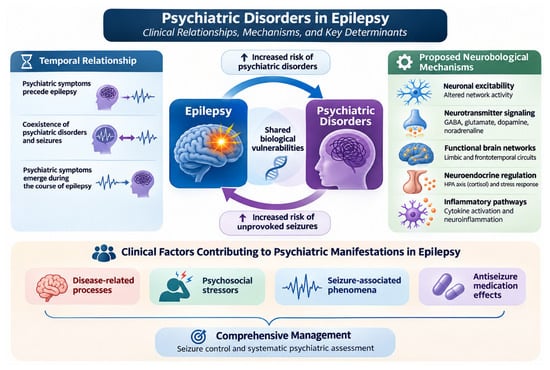
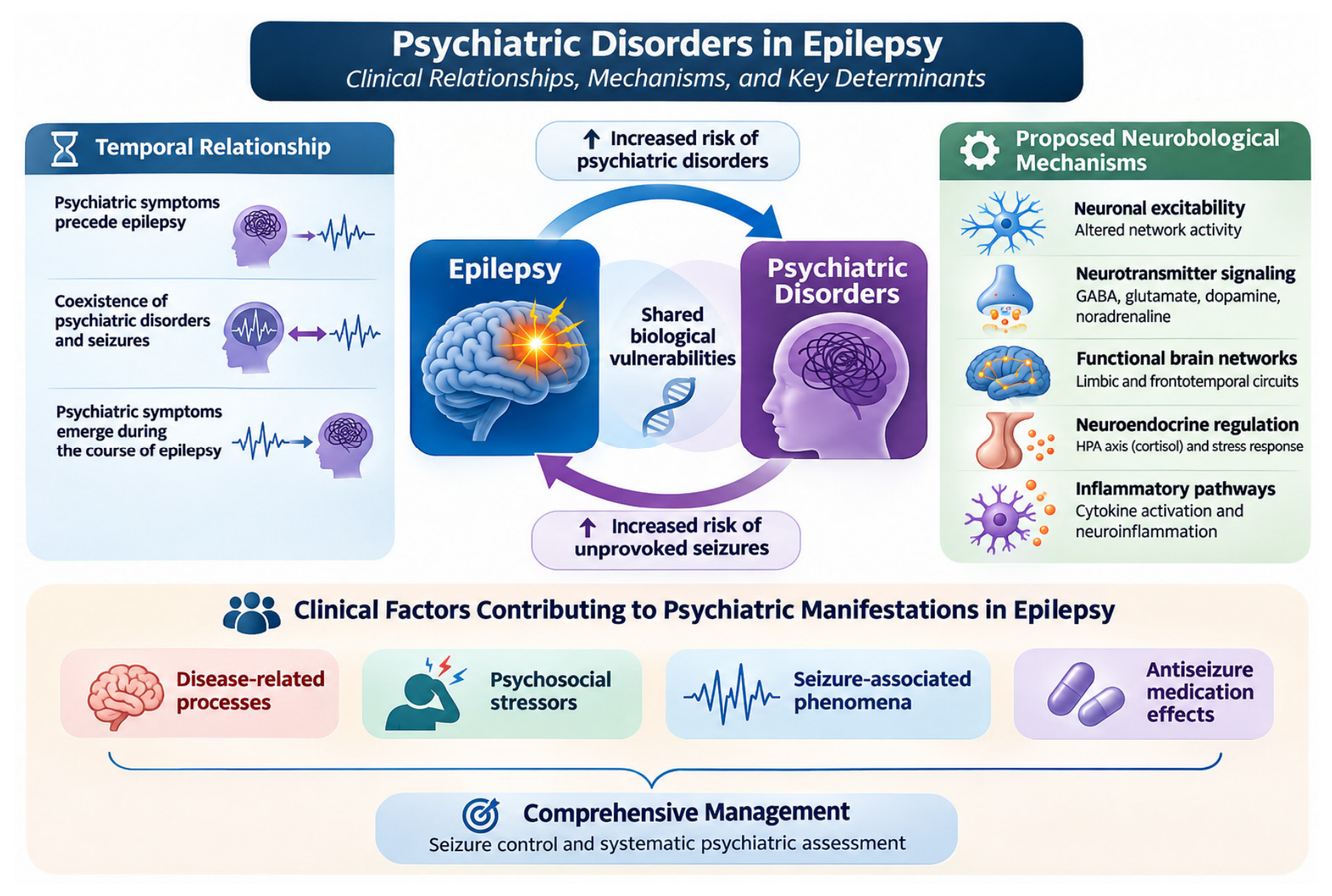

Disclaimer/Publisher’s Note: The statements, opinions and data contained in all publications are solely those of the individual author(s) and contributor(s) and not of MDPI and/or the editor(s). MDPI and/or the editor(s) disclaim responsibility for any injury to people or property resulting from any ideas, methods, instructions or products referred to in the content. |
© 2026 by the authors. Published by MDPI on behalf of the Journal of Mind and Medical Sciences. Licensee MDPI, Basel, Switzerland. This article is an open access article distributed under the terms and conditions of the Creative Commons Attribution (CC BY) license.