


Abstract
Background. Adolescents from low socioeconomic status households experience increased emotional distress and barriers to mental health care. Real-time moderated digital emotional support (MDES) may offer a scalable and low-barrier complement to formal services. Objectives. This study focused on state-level sentiment changes among government plan-sponsored adolescents and young adults who accessed a no-cost, 24/7, anonymous, real-time MDES service. Methods. The retrospective analysis included 1005 moderated live chats between March and December 2024 from 663 users aged 13–20. Sentiments were scored using a few-shot learning approach with GPT-4o-mini, evaluating sadness, stress, insecurity, loneliness, anger, anxiety, and optimism. Sentiment trajectories were mapped as conversations progressed and assessed using Wilcoxon signed-rank tests and effect sizes. Results. Significant improvements were observed in all sentiments throughout the conversations (all p < 0.001), with the greatest reductions seen for anger (46.94%, r = 0.87), loneliness (31.99%, r = 0.79), and stress (31.02%, r = 0.82). Smaller but also significant reductions in anxiety (29.81%, r = 0.79), sadness (28.64%, r = 0.81), and insecurity (24.17%, r = 0.75) were observed, with a substantial improvement in optimism (47.69%, r = 0.70). Conclusions. Among government plan-sponsored adolescents and young adults, use of anonymous, real-time MDES was associated with reduced negative sentiment and increased optimism expression. Given the higher burden of mental health concerns and barriers in this population, this service may serve as a scalable approach to expand access to emotional support.
1. Introduction
1.1. Background
It is widely accepted that there is a direct and causal inverse association between low socioeconomic status (SES) and health for chronic and mental health conditions [1,2]. Individuals from low-income households have greater exposure to chronic stressors such as food insecurity, lack of stable housing, as well as environmental stressors, such as substance use and violence. Adolescents living in these households cannot avoid exposure to familial stressors, and their effects may persist across generations.
Overall, U.S. adolescents report increasingly more psychological and behavioral conditions such as subclinical anxiety and depression, inattention, and hyperactivity [3,4]. Indicators of emotional distress, such as feeling sad, worried, bored, or frustrated, also increased. Across studies of diverse global adolescent populations, there are consistently high levels of psycho-emotional disturbance, especially stress, sadness, and loneliness. Loneliness is on the rise among adolescents both in the U.S. and globally, and is correlated with greater use of the internet, mobile phones, and social media [5,6]. Emotional distress levels are disproportionately higher among lower-income adolescents [7]. This correlates with extensive evidence demonstrating that mental health challenges increase as SES decreases [8]. Further adding to the burden of factors that contribute to emotional distress, poverty is also linked to an increased risk of obesity and behavioral issues, and reduced vocabulary and reading skills [9,10].
In addition to emotional distress, a mental health crisis among low-income adolescents exists. Youth from low SES households are estimated to have a two- to threefold higher risk of developing a mental health condition compared to their peers from higher SES backgrounds [8,11]. The prevalence of mental health conditions is estimated at 21% within this group and may reach as high as 50% among youth receiving welfare [12], compared with approximately 13–20% of teens worldwide [13,14,15]. More recent studies showed that rates of depression and suicidal ideation (SI) in teens from all SES backgrounds are on the rise [16].
The rising rates of emotional distress may be partly explained by social baseline theory [17]. This theory states that humans rely on social support to perceive their environment as less threatening [17]. When social support is available, emotions become less distressing and perceived threats are reduced. Conversely, when social support is limited or missing, perceived threat increases. Consistent with social baseline theory, direct access to social support may help reduce emotional distress. However, adolescents face a myriad of barriers to obtaining appropriate mental health care when needed, with these barriers disproportionately affecting those from lower SES backgrounds. It is estimated that more than half of children aged 17 years and younger with a diagnosed mental health condition do not receive treatment [18], due to barriers such as mental health stigma, unsupportive family belief systems, low mental health literacy, and difficulty accessing services [19]. Access to treatment is even lower among teens from low SES households [11], reaching as high as 85% among youth receiving welfare [12].
Given these barriers to care, there is a critical need for alternative approaches to address the mental health needs of adolescents, especially those from lower-income households. Access to care is often conceptualized using the framework introduced in 1981 by Pechansky and Thomas, which characterizes access to care as a multidimensional construct including five domains (known as the 5 A’s): availability, accessibility, accommodation, affordability and acceptability [20]. Given the large volume of teens facing inadequate access to mental health care and emotional support, solutions are needed to address every dimension of access and span varying levels of illness severity, from subclinical emotional distress to severe mental illness.
Availability, defined as the relationship between the supply of care and the level of need, and accessibility, traditionally defined as the geographic distance between where a patient lives and where care is provided [21], are two access variables that may be improved through effective health interventions at the population level. Such solutions are especially helpful in reaching groups at elevated risk and offer opportunities to deliver broad-based support to adolescents experiencing emotional distress or increasing vulnerability to mental illness. These approaches can also benefit adolescents with untreated conditions, as not all are ready or willing to engage in typical mental health care but may be receptive to complementary support that can serve as bridges to formal care services. In addition, resources may help to identify emotional distress early before it advances to clinical mental illness.
Adolescence is a developmental period characterized by heightened emotional expression, often in response to developing independence and hormonal changes. It is also associated with a heightened focus on forming and managing social relationships. The nature of adolescents’ social connections is also shifting from primarily in-person to mostly digital interactions, or a mix of both [22]. All of these changes result in an expected and healthy expression of negative emotions, including sadness, anxiety, anger, and insecurity [23]. Stress, which can be both positive and negative, is also a normal component of adolescent development as teens learn to navigate their responsibilities and increasingly independent lives [24]. Feelings of loneliness may arise from real or perceived deficits in social relationships and connectedness [22]. In addition to negative emotions, optimism is an important protective emotional state during adolescence. It is closely related to resilience, increased coping skills, and robust emotional regulation [25]. All of these emotions, when transient and supported by effective emotional regulation, are developmentally normal and expected in adolescence. However, when one or more emotional states become persistent, heightened, or insufficiently regulated, this can be an early sign for greater concern [15]. Other factors such as trauma, bullying, or violence further increase teens’ vulnerability to downstream physical and mental health conditions [26]. With this in mind, we aimed to introduce and evaluate an alternative intervention for low-income teens experiencing increased emotional distress who may not yet meet clinical criteria for a mental health condition. This study examines the role of a moderated digital emotional support (MDES) intervention in reducing emotional distress and increasing access to emotional health support and resources for adolescents with subsidized government plans.
1.2. Digital Emotional Support
Digital emotional support includes technology-driven interactions that can help individuals express, process, and respond to emotional concerns. Such support may be provided through peer communities [27], trained facilitators [28], mental health professionals, automated tools, or combinations of these approaches. Digital emotional support may occur synchronously or asynchronously and may be moderated or unmoderated. Moderators may serve as trained facilitators who can promote user safety, encourage reflection, support empathy and constructive feedback, and help enforce guidelines and rules. Digital emotional support can enable shared validation, discussion and social connection, but the degree of direct peer-to-peer interaction may vary across sessions or modalities.
Peer support is a form of digital emotional support in which individuals with shared experiences provide validation, understanding, or practical guidance to one another [27]. Digital peer support (DPS) may involve direct peer interactions, moderated group discussions, or trained facilitators who support peer engagement. Though the extent of the impact of peer support has not been consistently established given the wide variation in delivery modalities, evidence indicates positive benefits for individuals with formal mental health diagnoses [29,30]. For example, a study of individuals with severe mental illness found that peer support increased life satisfaction and perceived control over making life changes [31]. Another study demonstrated that adults with mental illness noted improved positive self-assessments of their mental health following online peer support interventions [32]. Peer support has also shown effectiveness among young adults, improving mental health outcomes such as reducing loneliness and improving self-esteem [33].
The benefits of peer support also apply to younger populations. A study of a free, anonymous, UK-based online forum providing emotional support to youth and young adults aged 11–25 years demonstrated positive effects associated with discussing emotional and mental health concerns. The majority of online peer interactions were emotional in nature and involved sharing similar personal experiences, while others were informational, offering specific guidance or advice [30]. A systematic review examining the impact of peer support on anxiety and depression among youth and young adults noted a trend towards symptom reduction. The mean age across included studies ranged from 14 to 24 years. Although the magnitude of peer support’s impact varied across studies and fewer reported statistically significant reductions in anxiety and depression, most documented reductions in negative affect in general [29].
While peer support is not a substitute for clinical mental health care, evidence indicates that it provides valuable adjunctive benefits that enhance overall support and well-being [28]. For example, a 2018 randomized controlled trial involving adolescents with mental health conditions found that reductions in stigma-related stress were associated with increased disclosure of diagnoses to others [34]. Similarly, a study conducted in Australia reported improved shared decision-making among participants aged 13–17 years who received an intervention supported by youth peer workers [33]. Additionally, a study involving adolescents with schizophrenia indicated that DPS improved self-efficacy and decreased self-reported depressive symptoms [35].
Beyond these well-documented barriers to care, including mental health stigma and unsupportive family environments [19], there is also consistent evidence suggesting that adolescents are more likely to seek help from peers before turning to typical medical systems [29]. This highlights the importance of considering whether such digital emotional support produces the desired outcomes adolescents are seeking. Given that today’s youth are heavily immersed in digital technologies and social media, they are a well-suited population to evaluate the impact of MDES interventions, including which modalities may be the most impactful in bridging to higher-level mental health care. To assess the feasibility of digital solutions for low-income adolescents specifically, it is necessary to examine the current patterns of access to and use of digital devices.
1.3. Technology
Exposure to technology has become the new normal among adolescents. Members of Generation Z (born 1995–2012) and Generation Alpha (born 2013–2025) have grown up immersed in online environments, with approximately 95% of teens aged 13–18 years reporting access to a smartphone [36]. In the past, differences between access to and proficiency with digital technology, known as the digital divide, have been much wider across both urban and rural populations [37]. When considering Penchansky and Thomas’ access framework in the age of digital care delivery, availability and accessibility are increasingly dependent on access to digital devices as well as the ability to effectively use technology [20]. Recent evidence suggests that this digital divide is narrowing among adolescents, with those from lower SES households reporting smartphone access comparable to peers from higher-income households, although they remain less likely to have a computer or tablet at home [38].
Adolescents are faced with the complexities of navigating social interactions within digital environments. A 2024 Pew Research Center survey revealed that 96% of U.S. teens aged 13–17 years report daily internet use, and 46% report being online “almost constantly,” increasing twofold over the past decade [39]. There are only minor differences in the use of technology by SES. Lower-income adolescents are more likely to use social media to communicate with friends, while texting is more common among higher-income peers [39]. An earlier survey of teens aged 13–17 years explored how teens form and sustain social relationships [39] and showed that although school remains an important setting for social connection, online interactions have become increasingly common. Smartphone ownership is associated with an increased use of text messaging to communicate with close friends, and digital platforms, such as social media and online gaming, are commonly used to meet new friends and interact with existing ones. Engagement with these digital formats is associated with increased feelings of connectedness, and teens use their digital technology as a way to maintain relationships with their “offline” friends [40]. More recently, a 2023 analysis of 203 teens noted that digital interactions co-occur with in-person settings such as school, with 97% of surveyed students reporting smartphone use during the school day, most commonly for social media and gaming apps [36].
In addition to social media platforms, adolescents are increasingly engaging with AI chatbots like ChatGPT, Google Gemini, and Anthropic’s Claude, among others. A study found that one in eight adolescents and young adults reported using AI chatbots for mental health support and most users returned to these platforms at least on a monthly basis [41]. Another study reported that 50% of adolescents aged 15 to 17 years used generative AI [42]. Beyond mental health support, users also use large language model (LLM)-based chatbots for problem-solving in both academic and non-academic settings, such as assisting with schoolwork, explaining concepts, and personal advice [43]. Since chatbots are available 24/7 and provide rapid responses in a perceived non-judgmental environment, they are frequented by users from all ages worldwide.
Despite their popularity, the sudden appropriation of AI chatbots into many aspects of daily life has also raised many concerns. LLM-based models rely on user prompts and are prone to validating and reinforcing user beliefs rather than challenging them [44]. This can cause user delusions and maladaptive thinking patterns, worsening mental health [45]. Additionally, they are not developed with clinical safety guidelines or human oversight, which makes them unsuitable settings for discussing sensitive mental health information and seeking advice [46]. Another well-established shortcoming of LLM-based AI models is their difficulty in understanding human language, including figurative language, sarcasm, and other human nuances [47,48]. As a result, in many instances, AI chatbots have not been able to recognize suicidal ideation and have contributed to users committing suicide [49,50,51].
Given that so much of teens’ attention, social interactions, and relationships now occur in digital formats, assessing the potential benefits of digital emotional support at the population level requires examination of empathy development in modern adolescents, including whether they demonstrate comparable capacity for empathy in digital social interactions as they do in-person interactions.
1.4. Digital Empathy
Online interactions allow teens to connect and provide emotional support to each other; however, some still struggle to find spaces where they can express themselves safely and receive empathetic responses. Trained facilitators may fill this gap in need for empathy and validation, as well as encouraging supportive peer communications. Empathy tends to be stronger for one’s perceived “in-group” members compared with those outside the group [52]. Social media plays an important role in supporting teens through personal challenges but can also have a negative impact. In a survey, 21% of teens reported that social media use made them “feel worse about their own life” [39]. However, more recent studies indicate that social media has positive effects among teens, increasing their capacity to recognize and share other’s emotions [53,54]. Other evidence suggests that adolescents’ ability to express their emotions does not vary between online and in-person settings [55]. However, empathy burnout (i.e., compassion fatigue), or becoming less empathetic to someone else’s struggle due to prolonged exposure to distressing social issues, is also documented among social media and technology users [56]. Survey results indicate that 57% of respondents attributed empathy fatigue to social media use, though this effect varied by social media platform [56].
1.5. Moderated Digital Emotional Support and Self-Determination Theory
The possible benefits of emotional support interventions can be understood in the framework of self-determination theory, first conceptualized by Deci and Ryan in 1985 [57]. According to this theory, three fundamental factors, namely autonomy, competence, and relatedness, facilitate individuals’ progression toward emotional change. Autonomy may be supported by encouraging users to decide which concerns and how much to share. Competence may be supported through reflection and validation. Relatedness may also be supported by trained moderators showing empathy, and, when peers are present, through peer connections [57,58,59]. Moderators may support all of these processes by encouraging self-directed reflection, maintaining psychological safety, and helping users express their emotions in a constructive manner. Together, these dynamics are hypothesized to positively impact mental health and well-being [57,59]. By leveraging the principles of autonomy, competence, and relatedness, digital interventions offer a unique, potentially transformative, and more accessible approach to addressing emotional difficulties and promoting individuals’ overall psychological resilience, although the degree of peer-to-peer interaction may vary across sessions [60,61,62].
1.6. Real-Time Moderated Digital Emotional Support
Moderation is consistently identified as one of the most influential factors of MDES, because it may provide synchronous oversight, support constructive engagement, and help maintain the safety of participants. The introduction of live, real-time moderation, provided either by trained professionals or peers themselves, has demonstrated a positive effect on user outcomes, including increased engagement and perceived effectiveness compared with non-moderated support [63]. The term “moderation” has increasingly been applied to asynchronous, post hoc review mechanisms; however, such appropriation risks diluting its conceptual integrity. Moderation, properly understood, denotes synchronous, interactive oversight, and should not be conflated with after-the-fact content adjustment. Moderated interventions promote higher levels of user trust and safety [64]. At a protective level, moderation also protects against acute risks, such as hostility, direct attacks, and the spread of misinformation [65]. This is especially important in digital settings addressing emotional distress, where users may be more susceptible to harm if the conversation is not evidence-based. Moderators have also been found to keep users engaged for longer durations, maintain civility and positivity in chats, prevent disruptive topic changes, and foster stronger user cohesion [64].
Given the digital immersion of contemporary adolescents, further research is needed to understand how moderated, safe online environments may counterbalance negative dynamics within the digital spaces and foster empathy and emotional resilience in users. To address this need in adolescents, we evaluated the effectiveness of an anonymous, chat-based MDES service that offers real-time conversational support and features sub-clinical trained human moderators who facilitate constructive discussions while ensuring a safe and respectful environment. In a previous study, we evaluated the impact of this service among older adults and found significant reductions in short-term loneliness and increases in optimism after only a few minutes of chat engagement [66]. Building on our prior work, the current study focuses on government plan-sponsored adolescents in the Southwest and Midwest US, who were given no-cost access to the same anonymous, real-time MDES service. We examine how sentiment states changed throughout the chat conversations to better understand the sentiment dynamics among youth, focusing on non-clinical sentiment distress domains, including sadness, stress, insecurity, loneliness, anger, and anxiety, as well as optimism.
2. Materials and Methods
2.1. Supportiv Service Model
Supportiv (Supportiv Inc., Berkeley, CA, USA) is a 24/7 browser-based, moderated, synchronous MDES live chat service that matches users into small, anonymous groups of up to five peers based on their shared concerns, although users can also enter one-on-one conversations with moderators. Users voluntarily opt into Supportiv’s anonymous peer-to-peer support platform through an informed, self-selection process. The interaction begins with the prompt, “What’s your struggle?” where they share a free text description of their real-time concern.
Access to the MDES service was provided to school districts with high government-health plan eligible adolescents. Schools served as distribution and access points for the sponsored MDES service and referral was not required. Schools were provided with informational materials that were shared with students and their parents and guardians. Adolescents could voluntarily use the service. This MDES model is delivered as an out-of-the-box software-as-a-service offering that can be offered by Medicaid and other government-sponsored health plans within a matter of weeks without the need to build a new clinical model independently. Costs vary depending on member volume, utilization rate, and contractual structure. However, this service may deliver mental health support at a much lower cost compared to traditional therapy sessions [67,68]. The MDES sessions may reduce therapy session utilization and cost less than half the cost of a therapy session [67,69]. This study did not include an economic evaluation of the offered services.
Using AI-driven Natural Language Processing (NLP), the users are matched with others facing similar issues, forming small groups of no more than five people in a live chat which is guided in real-time by a trained sub-clinical human moderator. We implemented a transformer-based language classifier to identify whether an incoming message was authored by an adolescent. When a message is classified, the system restricts peer matching to other adolescent users to enhance age-appropriate support and promote relatable peer interactions. Users are auto-selected, not self-selected, into either a moderator-led small group or a one-on-one chat with a moderator.
Trained human moderators facilitate discussions, ensure a psychologically safe environment by enforcing chat rules, and lead collaborative problem-solving efforts. Another key role of the moderators is to identify and exclude individuals who intentionally disrupt conversations with inflammatory or irrelevant remarks, ensuring that the digital emotional support space remains supportive and constructive.
Moderators have all completed formal sub-clinical training, up to 165 h of both synchronous and asynchronous, and demonstrated competence in skills such as asking facilitative questions, providing empathetic responses, sharing relevant resources, and, when necessary, connecting users to crisis services. Moderators also receive ongoing supervision and feedback on their chat moderation skills to reinforce and correct moderating skills. The MDES service is continuously staffed by trained moderators throughout the day and night hours, and moderator performance was evaluated daily and in real-time for service quality and crisis handling.
Supportiv has a proprietary AI-driven suicidality detection tool and documented referral protocols to address concerns, including medical emergencies, physical danger (suicide risk, domestic violence, sexual assault, and elder abuse), and panic attacks [63]. Prior to accessing services, individuals are required to review and consent to the Terms of Use and Privacy Policy, including consent for the use of their anonymous data, which is inherently anonymous from the outset, not anonymous post-collection, for research and service improvement purposes. No personally identifiable information (PII), personal health information (PHI), or HIPAA-protected health information is required. All data handling complies with the California Consumer Privacy Act (CCPA) and the General Data Protection Regulation (GDPR).
2.2. Study Design and Population
This observational and retrospective study analyzed government plan-sponsored teens aged 13–20 years who had no-cost access to the service between 1 March 2024, and 31 December 2024, through their government-sponsored health plan and their school district. Only chat sessions containing at least three messages were included in the analysis. Sessions shorter than three messages were excluded due to concerns about insufficient user engagement, which would limit the ability to assess the associated sentiment change during MDES engagement. Conversations with irrelevant messages were also excluded as they did not reflect genuine emotional expression or authentic engagement with the group and could distort analyses of sentiment change and moderated interaction dynamics. After eligibility, a total of 1005 conversations from 663 distinct users were analyzed. The primary unit of analysis was the conversation rather than the individual user. Analysis included sentiment change and topic classification at the conversation level. This approach was used as the studied service provides immediate and anonymous emotional support for user concerns expressed in conversations, and users may return at different times for varying concerns, contexts, or emotional states. Therefore, conversation-level analyses were best aligned with the study objectives of assessing how the service is associated with within-session sentiment change rather than long-term user sentiment trajectories.
This study was reviewed by the Pearl Institutional Review Board (IRB) and determined to be exempt from human subjects’ review under 45 CFR 46.104(d)(4)(ii) (secondary research use of existing data). The exemption determination was issued on 31 January 2025 (IRB #2025-0043). Because the study involved retrospective analysis of de-identified data, informed consent was not required.
2.3. Conversation Setting
Once users typed a brief description of their struggle, they were automatically matched within one minute (mean time: 29.78 s, median time: 13.39 s) either to an existing live small-group chat or to a one-on-one chat with a moderator, where they could later be joined by other concurrent users auto-matched for experiencing similar struggles.
Newly joined participants received a short narrative summary of the ongoing discussion to ensure continuity and context. Moderators played a central role in facilitating these conversations by posing open-ended questions, guiding discussions, and fostering participant engagement.
Additionally, moderators shared relevant resources tailored to the issues discussed, including practical advice articles and informational materials aimed at enhancing users’ understanding of their struggles. At the conclusion of the conversation, users were given the opportunity to provide feedback (representative feedback examples are included in the Section 3).
2.4. Sentiment Analysis
We evaluated different state-level sentiments using OpenAI’s LLM, GPT-4o-mini, employing a few-shot learning approach using publicly available datasets [66]. Few-shot learning refers to a method in which a model is provided with a small number of labeled examples (or “shots”) within the prompt to guide its responses. Instead of requiring extensive fine-tuning on large labeled datasets, the model learns from these examples in real time, allowing it to generalize and perform the desired task effectively. To enhance performance, the model was given examples of manually selected and rated messages as references. A random subset of messages were reviewed by clinically trained human evaluators using the same sentiment definitions and scoring scale. Disagreements between human raters and the LLM model were used to iteratively train the model. In our prior work, we demonstrated that this approach is comparable to or superior to state-of-the-art models [65].
State-level sentiments refer to emotions that occur within a specific time window that reflect the users’ current affective tone, physiological activation, and cognitive patterns which can fluctuate, rather than their long-term psychological or personality traits. This study examined sentiment states that were expressed within MDES conversations. The following sentiments were evaluated: sadness, stress, insecurity, loneliness, anger, anxiety, and optimism. For each sentiment, the model was provided with the user’s message along with the context of the preceding conversation, which included all messages since the previous message from the user in question. The model then assigned a score to each sentiment on a scale from 1 to 10, where 1 represents the minimum and 10 the maximum level of expressed sentiment. The 1–10 scale provides sufficient granularity to capture shifts in sentiment expression, allowing differentiation of subtle variations in intensity while maintaining interpretability. To ensure the scale effectively represented real-world sentiment dynamics, examples were selected from real data spanning the full range of expression, from subtle to intense. This approach enhances the robustness of the model’s scoring and its applicability to diverse sentiment contexts. Examples for the scores 1, 5, and 10 are portrayed in Appendix A.
Importantly, some messages did not allow inference of the sentiment state because they were unrelated to users sharing their concerns, such as users asking moderators, “Are you a human?” or making unrelated statements to the conversation (for example, “My dad is calling me”). In cases where there was insufficient information to evaluate sentiment, the model using the same few-shot learning approach was instructed not to assign a score in order to avoid introducing noise or misclassification due to uncertainty.
To assess changes in sentiment state over the course of the moderated chat, we analyzed scores as the conversation progressed. Linear interpolation was used to map each conversation from 0 to 100% progression, ensuring that all conversations were scaled to a common reference frame regardless of length.
Analysis included conversations with initial negative affect to examine sentiment change during MDES sessions. To identify these conversations, we calculated the maximum value of the sentiment scores from the first three messages and selected conversations with a score of 5 or higher, which indicates that a particular sentiment was meaningfully present. Restricting change analyses to elevated baseline scores is consistent with prior mental health research. Studies have evaluated participants exceeding prespecified PHQ-9 or GAD-7 thresholds at baseline to ensure that meaningful emotion of concern is present [70,71,72]. While sentiment scores are not clinical measures, we applied a similar thresholding approach. This approach accounted for the possibility that initial messages may contain polite greetings or neutral introductions before transitioning to the core issue, which more accurately reflects the state of concern. By using the maximum value within this window, we aimed to capture the strongest negative sentiment expressed early in the conversation while mitigating the influence of neutral or non-representative opening statements. This ensured that we were tracking meaningful shifts over the course of a conversation, rather than including cases in which the sentiment of interest was minimal or absent. By focusing on conversations in which a given sentiment was salient, we aimed to better capture relevant changes.
To determine whether the observed sentiment changes could be attributed to other factors such as regression to the mean due to the initial sentiment thresholding, we conducted a baseline-adjusted analysis for each sentiment. With the initial sentiment score included as a covariate, this approach aims to account for the possibility that conversations beginning with higher initial negative or lower positive sentiment may show greater change because of their starting values. This analysis was conducted for each sentiment using the same conversation data. The model intercept represented the estimated sentiment change at the average initial sentiment level.
Since this thresholding method was applied separately for each sentiment, different subsets of conversations were analyzed. We observed that the first 10% and last 10% of the conversations often included introductory and concluding messages that consisted of greetings, introductions, expressions of gratitude, or other formalities that do not necessarily reflect the core concern of the interactions. To mitigate this bias, we excluded the first and last 10% of each conversation and focused on the remaining central portion.
Within this core segment, we fitted a linear model to the sentiment scores and used the slope of the fitted line as an indicator of change. A negative slope indicates a reduction in distress over the course of the conversation, whereas a flatter or positive slope suggests stability or worsening of the initial sentiment state. This method allowed us to quantify the pattern of sentiment change during MDES conversations, while minimizing the influence of structural artifacts in conversation flow.
We used a non-parametric Wilcoxon signed-rank test, assuming a non-normal distribution, to evaluate whether the effects were significantly different and computed effect size using rank-biserial correlation. Additionally, we conducted a separate comparison of sentiment states at the beginning and end of the conversation by calculating the mean sentiment score of the first three and last three messages. Our data suggest that adolescents often do not clearly articulate their concerns in their initial description of “struggle” and may provide non-informative inputs such as “I need to talk”, or simple greetings (e.g., “Hello”), which do not allow for an accurate assessment of their initial sentiment state. However, considering the first three messages generally provides sufficient context to capture sentiment context. Based on this observation, we conducted a comparative analysis between the sentiment scores of the first and last three messages in each conversation.
To assess the significance of these changes, we again employed the Wilcoxon signed-rank test and calculated rank-biserial correlation as a measure of effect size.
2.5. Topic Modeling
We employed a topic modeling framework using LLM-based categorization to assign topics and subtopics to text data efficiently. A predefined list of topics was manually selected after reviewing conversation content. Texts were processed using GPT-4o-mini using a structured prompt to categorize them into selected topics and subtopics. Classification accuracy was manually verified for a random subset of messages, but inter-rater reliability statistics were not formally calculated. Instead, the disagreements between human and LLM assessments were used to train the model. Therefore, the topic labels are intended as descriptive categories rather than clinical classifications.
2.6. Session Timing and Device Type
We recorded users’ joining times and converted them to local time to account for time zone differences. Additionally, we collected data on the type of device used to access the service, allowing for a more comprehensive analysis of digital engagement and interaction patterns.
2.7. Statistical and Visualization Software
Statistical analyses and data visualization were conducted in Python version 3.10 (Wilmington, DE, USA) using pandas 2.2.0, numpy 1.26.4, SciPy 1.13.1, and matplotlib 3.9.3.
3. Results
Due to irrelevant messages, 1.3% of conversations were excluded. A total of 1005 conversations from 663 users that met the inclusion criteria were included in the final analysis from March 2024 to December 2024.
3.1. User Demographics
Approximately 19.6% of users (n = 130) reported their age, with a median age of 16 years (mean = 15.98). Out of the users who disclosed their gender (27.9%, n = 185), most users were female (68.6%, n = 127), 25.4% were male (n = 47) and 5.9% were non-binary (n = 11). Users came from different ethnic backgrounds (27.0%, n = 179), with 40.8% of users identifying as White (n = 73), 23.5% as Hispanic or Latino (n = 42), 18.4% as Black or African American (n = 33), 7.8% as Asian (n = 14), 6.1% as American Indian or Alaska Native (n = 11), 1.7% as Middle Eastern or North African (n = 3) and 1.7% as Native Hawaiian or other Pacific Islander (n = 3).
3.2. Session Characteristics
Among these conversations, session duration varied, with a mean duration of 29.15 min (SD = 30.71) and a median duration of 18.19 min, indicating a positively skewed distribution (Figure 1). The majority of interactions (n = 781 conversations, 77.7%) occurred in one-on-one sessions with a moderator, while the remainder took place in moderated small group discussions with peers and moderators. Sentiment outcomes should be interpreted as associated with a broader MDES model, which included one-on-one moderator-supported and moderated small-group peer interactions, rather than assuming peer-to-peer interaction in every session.
Figure 1.
Average duration of the user session chat (n = 1005 conversations) lasted on average 29.15 min (SD = 30.71) and a median duration of 18.19 min.
Most conversations contained fewer than 1000 words in total (median number of words = 698, median number of messages = 12) (Figure 2). The majority of conversations were conducted on mobile devices, accounting for 80.89% of interactions. Desktop computers were used in 18.47% of cases, while tablets were the least common device type, representing only 0.65% of interactions.
Figure 2.
Distribution of messages and words across all users in live chat conversations.
Temporal analysis of service usage revealed distinct patterns in adolescents’ engagement with MDES. As illustrated in Figure 3, usage peaked between 1:00 and 3:00 PM, and a sustained surge in conversations occurred in the evening between 7:00 PM until midnight.
Figure 3.
Distribution of live chat conversations by their start times. This histogram shows the timing of conversation initiations throughout the day with two notable peaks: an early afternoon surge around 1:00–2:00 PM and a major evening increase starting at 7:00 PM and peaking between 9:00 PM and midnight.
3.3. Discussion Topic
The most frequently discussed topic was social connection (39.84%), followed by mental health conditions (27.26%), loneliness (9.86%), stress (9.15%), and identity (3.92%). Other topics, including productivity or work, financial concerns, physical health, and burnout, were discussed less frequently, each comprising less than 3% of the conversations. Within the broader category of social connection, the most prominent subtopics were relationships (80.56%), followed by family (11.36%), breakups (3.03%), and communication (2.78%). Representative struggle descriptions for the top five topics are provided in Appendix B.
3.4. Sentiment Outcomes
Regarding the progression of sentiment states throughout the conversations, we observed a consistent improvement across all analyzed dimensions, as shown in Figure 4. Specifically, all negative sentiments demonstrated significant decreases (all p < 0.001), with the greatest reductions observed for anger (46.94%; effect size: 0.87), loneliness (31.99%; effect size: 0.79), and stress (31.02%; effect size: 0.82). There were also reductions in anxiety (29.81%; effect size: 0.79), sadness (28.64%; effect size: 0.81), and insecurity (24.17%; effect size: 0.75) over the course of the conversations. There was a corresponding significant increase in overall optimism, with a 47.69% improvement (p < 0.001; effect size: 0.70).
Figure 4.
Sentiment trends throughout conversation progression. Sentiment scores were observed as conversations progressed. Blue solid lines represent the observed sentiment trajectory across conversation progression, and dashed lines represent the fitted linear trendlines. Shaded areas represent the standard error of the mean. (A–F). The green region (scores 1–4) represents low levels of sentiment, yellow (4–7) represents moderate levels, and red (7–10) indicates high momentary sentiment. (G). For overall optimism, the red region represents negative values (scores 6–10), the yellow area represents neutral values (3–6), and the green area represents the positive range (0–3).
Comparing sentiment states at the beginning and end of conversations, we observed significant improvement across all sentiments (all p < 0.001), as shown in Figure 5. Because thresholding criteria were applied to include only conversations with elevated negative sentiment scores, the number of conversations analyzed varied. The most pronounced reductions in negative sentiment were observed for loneliness, with mean scores declining from 6.97 to 4.61 (Δ − 2.36) (r = 0.84) across 263 conversations, anger, with mean scores declining from 5.82 to 3.48 (Δ − 2.34) over 78 conversations (r = 0.88) and stress, with mean scores declining from 6.72 to 4.50 (Δ − 2.22) over 278 conversations (r = 0.81). Similarly, sadness levels decreased from 6.66 to 4.51 (Δ − 2.15) across 297 conversations (r = 0.81), indicating a meaningful reduction. Anxiety also significantly decreased, with 171 conversations showing a reduction from 6.31 to 4.30 (Δ − 2.01) (r = 0.78). Insecurity showed a notable decline, with mean scores decreasing from 6.86 in the first three messages to 4.95 (Δ − 1.91) in the last three messages across 184 conversations (r = 0.69). In contrast, a significant improvement in optimism was observed over the course of conversations with an increase from 1.96 to 2.94 (Δ + 0.98) over 648 analyzed conversations (r = 0.71). Together, these targeted comparisons between the beginning and end of conversations further support the patterns of state-level sentiment changes observed across all sentiment types. The largest changes were observed for loneliness, anger, stress and sadness, which may reflect processes like validation, expression and perceived connectedness. However, these mechanisms were not directly assessed.
Figure 5.
Comparison of initial and final sentiment states across conversations. For each sentiment, the first three scores (gray) and last three scores (green) were averaged per conversation and compared, p < 0.001 is denoted with ***. Filled box plots display the distribution of scores, with the central orange line indicating the median, box edges denoting the interquartile range (IQR), and whiskers extending to 1.5 times the IQR. Open circles indicate individual observations that fall beyond the whiskers.
To confirm that the sentiment change findings are not due to regression to the mean due to thresholding initial negative sentiment scores ≥ 5, and initial optimism scores ≤ 5, we carried out a baseline-adjusted analysis to model sentiment change as a function of initial sentiment levels. Baseline-adjusted changes remained significant for all sentiments (all p < 0.001). Anger showed the greatest change (ANCOVA β0 = −2.17, [95% Cl: −2.51, −1.82]), followed by insecurity (β0 = −1.81, [−2.12, −1.52]), stress (β0 = −1.80, [−2.05, −1.56]), anxiety (β0 = −1.70 [−2.00, −1.40]), loneliness (β0 = −1.60 [−1.87, −1.32]), sadness (β0 = −1.41 [−1.63, −1.18]), and optimism (β0 = +0.67 [+ 0.54, +0.81]).
Lastly, we analyzed user feedback and identified several common themes in user experiences. One prominent theme was feeling heard and understood, with many users’ expressing appreciation for being listened to without judgment (Appendix C). Another key theme was changes in sentiment state, as users often reported that the chats helped them process their emotions and feel lighter, highlighting the comfort provided by MDES conversations. We also observed that some users in group conversations described enjoying opportunities to support others and reflect on their own experiences. Additionally, users commended moderators’ kindness, patience, and understanding. These themes demonstrate the positive impact of the interactions, providing state-level sentiment relief and a strong sense of community.
4. Discussion
4.1. Principal Findings
Among this cohort of government-plan-sponsored teens, use of an anonymous, synchronous, real-time MDES service was associated with significant improvements across all seven studied sentiments (sadness, stress, insecurity, loneliness, anger, anxiety, and optimism). The largest reduction was observed for anger, with 46.94% decrease, followed by reductions of 31.99% and 31.02% for loneliness and stress, respectively. Similarly, anxiety, sadness, and insecurity decreased by 29.81%, 28.64%, and 24.17%, respectively. Consistent with these reductions in negative affect, there was a corresponding improvement in optimism by the end of the conversations (+47.69%). These reductions in distressing sentiments continued as the conversations progressed and were replicated when comparing sentiment states at the beginning and end of conversations. Together, these findings show a consistent pattern of reduced negative sentiment expression during MDES engagement, reinforcing the potential value of conversation-based engagement for changes in state-level sentiment. Notably, these findings were consistent in direction in baseline-adjusted analyses that considered initial sentiment levels, showing that the observed sentiment changes could not be explained by high initial negative sentiment or low positive sentiment alone. This sensitivity analysis provided support for the robustness of the observed sentiment changes. Although the magnitude of change was somewhat different when accounting for initial sentiment level, the direction of change remained consistent across all sentiments. However, it did not establish a causal effect of MDES engagement.
The results portray evidence of within-conversation and short-term changes in sentiment, rather than evidence for long-term benefits of MDES. These within-conversation sentiment changes may show how adolescents benefit from real-time MDES, but there may be other processes that impact the observed sentiment changes. These may include users’ normalizing their experiences, receiving informational support, validation, feeling connected, among others. This study did not distinguish between these pathways and is not evidence of one mechanism over others.
These findings are promising and indicate that real-time MDES may be associated with improvements in multiple domains related to adolescent state-level sentiment expression. These sentiment domains are relevant to users’ overall well-being, as they may be early indicators of more serious mental health conditions, allowing for earlier intervention, recognition of rising risk, and prevention of serious life-threatening consequences such as suicidal ideation. For instance, anger has been shown to reduce general well-being in adolescents aged 12–14 years [73]. Chronic loneliness can negatively impact adolescents’ emotional regulation during social interactions and also decrease willingness to engage socially [74]. Adolescents experiencing chronic stress may also be at risk for adverse neurological changes involving the amygdala, hippocampus, and prefrontal cortex, along with physiological disruptions [75]. Similarly, sadness in adolescents has been linked to impairments across multiple life domains, such as family relationships, peer connections, and educational outcomes [76].
Although empathy was not directly measured, the observed improvements in optimism sentiment scores and reductions in negative sentiment scores suggest that supportive digital interactions may help create environments where adolescents feel validated and less isolated [53]. In parallel, usage of digital applications is continuously growing and has become the dominant mode of socializing for many adolescents [38,39]. Over recent decades, social media and messaging applications have become central components of adolescents’ social lives. Thus, these digital forms of communication represent an integral part of contemporary teenage social systems rather than simply alternative channels of interaction.
Additional insights can be drawn from the topics discussed during conversations. The five primary topics accounting for the majority of conversations were social connection, mental health conditions, loneliness, stress, and identity, reflecting a strong emphasis on emotional and psychological well-being. Interpersonal relationships emerged as a central concern for adolescents seeking support, with discussions primarily revolving around romantic and social connections, followed by family dynamics and challenges related to communication. This highlights the significance of multiple relationships within adolescents’ social systems and their role in development and mental health, aligning with prior literature demonstrating how important interpersonal relationships are for protecting and affecting adolescent emotional well-being [77]. The consistency of these topics across conversations may also suggest that adolescents face difficulty in expressing interpersonal concerns in offline settings and may therefore find comfort in online spaces where anonymity and reduced risk of conflict facilitate open and comfortable expression.
Our findings mirror national data on device ownership and use among low-income adolescents [38]. The majority of conversations were conducted via mobile devices, while tablets were the least commonly used. The predominance of mobile devices suggests that adolescents primarily engage in conversations in flexible, on-the-go contexts, which may influence how they express emotions and articulate concerns. Usage peaked in the early afternoon and evening, suggesting that some users may reach out during school breaks or lunch periods, with the highest levels of engagement occurring in the late evening and late-night hours. This sustained increase in late hours aligns with periods when adolescents may experience heightened emotional distress or have greater privacy to seek support. These findings highlight the importance of ensuring service availability during peak usage times, particularly in the evening, when demand is highest.
4.2. Potential Applications
4.2.1. Cyberbullying
Given its accessibility, ease of use, and anonymity, real-time MDES, like Supportiv, may offer a potential solution for additional adolescent mental health concerns. For instance, the rise in cyberbullying has become an increasing concern, with prevalence estimates ranging from 20 to 40% of adolescents, with youth aged 12–14 years at highest risk [78]. The rise in cyberbullying is thought to be partly due to digital social media environments that allow participants to evade the supervision generally present in face-to-face, school-based interactions. Adolescents who experience cyberbullying may face many negative consequences, including adverse psychological effects and increased risk of mental health conditions. Depression, social anxiety, low self-esteem and help-seeking behavior, loneliness, sleep disturbances, and suicidal ideation have all been reported at higher rates among victims of severe cyberbullying [78].
Expanded access to real-time moderated emotional support tools could provide adolescents with a safe, anonymous setting to process these experiences without fear of further victimization. This intervention may especially benefit school and community-based organizations seeking to address the downstream consequences of cyberbullying.
4.2.2. Self-Esteem
Given the established relationship between low self-esteem and emotional distress, the statistically significant decreases in negative sentiment scores suggest that MDES may also have potential applicability in addressing decreases in self-esteem commonly reported among cyberbullying victims [78,79]. The potential benefits extend beyond this population, as improvements in self-esteem have also been associated with positive outcomes across multiple domains, such as relationships, education, occupations, physical fitness, and reduced antisocial behavior [80]. Additionally, evidence suggests that higher self-esteem is associated with decreased excessive social media use among adolescents [81], potentially due to improved self-regulation and control of addictive tendencies. This may be an area for future research among adolescents, as it may indicate that MDES engagement contributes to healthier social media behaviors and broader mental health benefits.
4.2.3. Safety of Digital Environments
Social media platforms facing increasing criticism and pressure to protect adolescent well-being could consider integrating objective, third party services such as anonymous, real-time MDES, especially since evidence indicates increased social media use is linked to decreased self-esteem [82]. While social media platforms can provide a space for healthy social engagement, they lack continuous, human moderation capable of preventing harmful interactions in real time. Although certain algorithmic content moderation systems can identify and censor certain words and phrases, many harmful comments rely on user reporting and are reviewed at a later time. In contrast, MDES provides active oversight and immediate intervention. Furthermore, anonymity can increase willingness to engage with sensitive information, supporting the value of such services in digital environments.
4.3. Study Limitations
Since Supportiv is designed to provide subclinical emotional support as opposed to offering clinical diagnosis or treatment, the service intentionally has anonymous users to mitigate any drawbacks or hesitancies related to sharing personal or sensitive information. From a research perspective, this anonymity prevents tracking individual users over time, limiting the ability to assess emotional and psychological states prior to and after utilizing the service, as well as trends across repeated support interactions among returning users. Moreover, the lack of demographic information restricts our ability to examine potential variations in MDES-associated outcomes by factors such as race, gender or gender identity. It is also unknown whether government-plan-sponsored users who used Supportiv differ from those enrolled in the same plans but did not engage in these services.
Another limitation was the analytic design of the study. The primary analysis unit was the number of MDES conversations, rather than individual users. Therefore, results did not include per-user topic, sentiment change, or use pattern analysis. The conversation-level analyses reflect state-level sentiment changes within conversations, rather than individual changes or implications in user well-being across sessions. Future research should examine user-level patterns of repeat use, discussion topics, and long-term sentiment changes.
This study was also limited by its retrospective observational design. Because there was no control group, the sentiment changes that were observed cannot be interpreted as causal effects of MDES engagement, and the improvements in sentiment may have been influenced by other factors, such as regression to the mean. Since the analyses were restricted to conversations with high negative sentiment above or equal to a score of 5 in the first three messages, some of the observed reduction in negative sentiment may be due to movement from a high score to a more neutral score, rather than the result of MDES engagement. While this approach was used to allow analysis of conversations with meaningful and relevant levels of negative sentiment, it may also overestimate the level of sentiment change. To evaluate the possibility of regression to the mean, we conducted a baseline-adjusted sensitivity analysis in which initial sentiment was modeled as a covariate of sentiment change. Adjusted changes remained statistically significant across all sentiments, suggesting that the observed improvements were not solely due to initial high negative sentiment or low positive sentiment. However, since there was no control condition, other contributing factors cannot be excluded. Additionally, sentiment expression in chat conversations is not equivalent to validated clinical symptom measures. Similarly, labels such as ‘identity’ were used to categorize conversations and should not be interpreted as diagnostic assessments. These findings should be interpreted as changes in state-level sentiment expression within conversations, rather than changes in clinical symptom severity or indicators of long-term improvement. Scoring of expressed sentiment allows for capturing one way that users may benefit from MDES, but other pathways may also affect the outcomes, such as normalizing feelings or experiences, exchanging psychoeducational information, validation, social connectedness, self-efficacy, among others.
The identification of adolescent users relied on a combination of an AI-driven NLP transformer-based language classifier that determined if a user was an adolescent, and self-reported demographic data. When available, self-reported age was used to assign users to the adolescent group, however, when self-reported age was unavailable, classification relied only on the AI model. Since any automated classifier is not foolproof, there was a risk of misclassification. This allowed more users to be analyzed, but age detection methods may be improved in future anonymous digital environments.
Since the majority of conversations studied involved one-on-one interactions between teens and trained moderators, the observed changes cannot be attributed to direct peer-to-peer interaction. Therefore, the results reflect expressed sentiment change associations with the broader MDES model in general. This study did not compare outcomes between moderator and peer support. Further research is needed to determine whether peer participation provides benefits beyond those associated with trained moderator support.
Additionally, the external validity of these results cannot be fully known as the study sample consisted of government-plan-sponsored adolescents from Southwestern and Midwestern United States. Therefore, we cannot directly assess whether similar changes in sentiment would be observed among all adolescents not enrolled in government-sponsored plans or those from other locations. However, given widespread use of digital technologies among adolescents and the high incidence of mental health concerns across all socioeconomic strata and geographies, we hypothesize that similar results may occur in broader populations. This represents an important area for future studies.
5. Conclusions
In conclusion, engagement with real-time, anonymous MDES appears promising for reducing several negative sentiment states’ expressions among adolescents, such as anxiety, anger, insecurity, loneliness, sadness, and stress. This service provided an accessible and safe digital environment for teens to engage in supportive, personal discussions and meaningfully alleviate emotional distress. Our findings support the potential for MDES to be explored as a population-level intervention to expand the availability and accessibility of emotional support services.
Given the higher incidence of mental health conditions and access barriers faced by adolescents from low-income households, this type of sponsored, no-cost-to-end-user MDES service may be particularly valuable in addressing emotional distress that contributes to the larger youth mental health crisis among this especially vulnerable population.
Author Contributions
Conceptualization, A.S., K.K., S.S., H.N. and Z.D.; methodology, A.S., S.S. and Z.D.; software, Z.D.; validation, H.N.; formal analysis, A.S. and S.S.; resources, A.S. and H.N.; data curation, A.S., S.S. and K.K.; writing—original draft preparation, A.S. and K.K.; writing—review and editing, A.S., S.S., H.N. and Z.D.; visualization, A.S.; supervision, H.N. and Z.D.; project administration, H.N. and Z.D. All authors have read and agreed to the published version of the manuscript.
Funding
This research received no external funding.
Institutional Review Board Statement
The study was determined to be exempt by the Pearl Institutional Review Board under 45 CFR 46.104(d)(4)(ii) (IRB 2025-0043) issued on 31 January 2025.
Informed Consent Statement
A consent-to-participate statement was not required due to the retrospective nature of the data analysis.
Data Availability Statement
The datasets generated and analyzed during the current study are not publicly available due to proprietary data. Data is available from the corresponding author upon reasonable request.
Acknowledgments
This work was sponsored by Supportiv. The authors would like to thank Alejandro Martinez of Stanford University for providing the original peer support training for the Supportiv moderators, and Dylan Dudek and Ilayda Ozsan McMillan for their contributions to the completion of this manuscript.
Conflicts of Interest
All authors were employed by the company Supportiv. The authors declare that the research was conducted in the absence of any commercial or financial relationships that could be construed as a potential conflict of interest.
Abbreviations
The following abbreviations are used in this manuscript:
| CCPA | California Consumer Privacy Act |
| DPS | Digital Peer Support |
| GDPR | General Data Protection Regulation |
| HIPAA | Health Insurance Portability and Accountability Act of 1996 |
| IRB | Institutional Review Board |
| LLM | Large Language Model |
| MDES | Moderated Digital Emotional Support |
| NLP | Natural Language Processing |
| PHI | Personal Health Information |
| PII | Personally Identifiable Information |
Appendix A
Examples Provided to Interpret Emotion Intensities in a Few-Shot Manner
|
| Score 1 (low levels of insecurity): “I love the person I became I am happier and more importantly mindful of what I do” Score 5 (medium levels of insecurity): “Yes, I don’t think too highly of myself. I think that I’m a little on the chubby side. I need to work out a little bit. Which I have been getting into.” Score 10 (highest levels of insecurity): “Sometimes i feel like a husk. other times i feel gross and not worthy of perception. i hate my body.” |
|
| Score 1 (low levels of stress): “Life is actually going pretty good lately, just wanting to talk to someone so someone can care about how good my life is going.” Score 5 (medium levels of stress): “My boyfriend and I have been together for like 5 years, but there’s been so many new things and changes and situations that keeps coming up” Score 10 (highest levels of stress): “The whole experience of this stress anxiety and depression have been riding on my back for so long and it’s been awful like being forced to wear literal tons of weights on your back” |
|
| Score 1 (low levels of sadness): “i’m feeling okay today, just want to chat a bit” Score 5 (medium levels of sadness): “It’s just sad to me that he won’t even give me a chance” Score 10 (highest levels of sadness): “I feel alone and depressed and very dark and invisible. My life has been terrible for years and I never knew what it was like to receive care.” |
|
| Score 1 (low levels of anger): “Well, you’re really calmed me down, I feel much better now” Score 5 (medium levels of anger): “Yeah it annoyed me because I would never do this to them… and when I express those emotions, I get called the mean and fake friend” Score 10 (highest levels of anger): “I feel anger a lot of anger like at myself my family all the people that could have helped me but chose not to” |
|
| Score 1 (low levels of anxiety): “The other alternatives I have explored is drawing, music, and talking to my mom that I only trust to talk to and even I hug her too!” Score 5 (medium levels of anxiety): “it’s kind of a lot and i might be overreacting it but it’s just the stress of keeping up grades and getting frustrated with myself” Score 10 (highest levels of anxiety): “So intense that i can hear my heart racing and my fingers sweating and i get the chills in my spine” |
|
| Score 1 (low levels of loneliness): “My best friend is the person I usually go to when I’m ranting and she rants back. We go to each other all the time for advice or for a pick me up” Score 5 (medium levels of loneliness): “I was alone a lot at in-person things like school or clubs, but I had online friends. I can deal with my own issues alone most of the time but sometimes I do crave interaction or social support.” Score 10 (highest levels of loneliness): “My mom abandoned me when I was around five, I lived what my grandmother she never let us leave the house other than going to school so I didn’t have much of a social life and I didn’t really know how to talk to other kids my age, so I got bullied a lot” |
|
| Score 1 (low levels of optimism): “Some people are just doomed no matter what they do” Score 5 (medium levels of optimism): “Honestly, some days I wonder why I bother, but that’s when I am frustrated. I try to imagine the restart” Score 10 (highest levels of optimism): “It does fill me back up it shows me that there us good in ppl the warmth and the smile does it for me that shows me humanity is worth every last bit of effort” |
Appendix B
Examples of User’s Struggles for the Most Common Topics
|
| “The guy I’m talking to is giving me mixed signals and I don’t know what to do” |
|
| “I have problems with anxiety, I may have ADHD and I don’t know if I am depressed, but I also may have problems with my feelings and emotions.” |
|
| “I’m really lonely because I have no friends and I can’t actually do anything about it to fix how I feel” |
|
| “Life makes me feel stressful with inadequate solutions to find peace” |
|
| “I’m sad because I can’t do hockey as a girl it really makes me depressed” |
Appendix C
Examples of User Reviews Highlighting Common Themes
|
| “I feel less anxious now that I’ve talked about my thoughts and feelings. I felt heard and they gave me good advice. I was able to say anything without any judgment or hesitation.” |
|
| “I do feel a bit better, like some weight was lifted off my chest and shoulders)” |
|
| “I love helping people with their thoughts, it was lovely! <3” |
|
| “[moderator] was a very good moderator, understood my feeling and provided helpful resources, is very kind and understanding about what you have to say, no matter the topic.” |
References
- Acri, M.C.; Bornheimer, L.A.; Jessell, L.; Heckman Chomancuzuk, A.; Adler, J.G.; Gopalan, G.; McKay, M.M. The intersection of extreme poverty and familial mental health in the United States. Soc. Work. Ment. Health 2017, 15, 677–689. [Google Scholar] [CrossRef] [Scilit]
- Hudson, C.G. Socioeconomic Status and Mental Illness: Tests of the Social Causation and Selection Hypotheses. Am. J. Orthopsychiatry 2005, 75, 3–18. [Google Scholar] [CrossRef] [Scilit]
- García-Rodríguez, M.T.; Juanatey-Rodríguez, I.; Seijo-Bestilleiro, R.; González-Martin, C. Psycho-emotional distress in children and adolescents in relation to COVID-19 confinement and pandemic: A systematized review: Author lists. Ital. J. Pediatr. 2023, 49, 47. [Google Scholar] [CrossRef] [Scilit]
- Merikangas, K.R.; He, J.; Burstein, M.; Swanson, S.A.; Avenevoli, S.; Cui, L.; Benjet, C.; Georgiades, K.; Swendsen, J. Lifetime Prevalence of Mental Disorders in U.S. Adolescents: Results from the National Comorbidity Survey Replication–Adolescent Supplement (NCS-A). J. Am. Acad. Child Adolesc. Psychiatry 2010, 49, 980–989. [Google Scholar] [CrossRef] [Scilit]
- Twenge, J.M. Increases in Depression, Self-Harm, and Suicide Among U.S. Adolescents After 2012 and Links to Technology Use: Possible Mechanisms. Psychiatr. Res. Clin. Pract. 2020, 2, 19–25. [Google Scholar] [CrossRef] [Scilit]
- Twenge, J.M.; Haidt, J.; Blake, A.B.; McAllister, C.; Lemon, H.; Le Roy, A. Worldwide increases in adolescent loneliness. J. Adolesc. 2021, 93, 257–269. [Google Scholar] [CrossRef] [Scilit]
- Sălceanu, C. EMOTIONAL DISTRESS, ANXIETY AND SOCIOECONOMIC STATUS IN ADOLESCENCE. Rev. Univ. Sociol. 2019, XV, 202–214. [Google Scholar]
- Reiss, F.; Meyrose, A.K.; Otto, C.; Lampert, T.; Klasen, F.; Ravens-Sieberer, U. Socioeconomic status, stressful life situations and mental health problems in children and adolescents: Results of the German BELLA cohort-study. PLoS ONE 2019, 14, e0213700. [Google Scholar] [CrossRef] [Scilit]
- Warrne, D. Social Policy Research Paper No. 47: Low Income and Poverty Dynamics Implications for Child Outcomes. Australian Institute of Family Studies: Southbank, Australia, 2017. Available online: https://aifs.gov.au/sites/default/files/2022-06/sprp47_low_income_web.pdf (accessed on 1 July 2025).
- Noonan, K.; Burns, R.; Violato, M. Family income, maternal psychological distress and child socio-emotional behaviour: Longitudinal findings from the UK Millennium Cohort Study. SSM—Popul. Health 2018, 4, 280–290. [Google Scholar] [CrossRef] [Scilit]
- Hodgkinson, S.; Godoy, L.; Beers, L.S.; Lewin, A. Improving Mental Health Access for Low-Income Children and Families in the Primary Care Setting. Pediatrics 2017, 139, e20151175. [Google Scholar] [CrossRef] [Scilit]
- Stagman, S.; Cooper, J. Children’s Mental Health What Every Policymaker Should Know; NCCP: New York, NY, USA, 2010; Available online: https://www.nccp.org/wp-content/uploads/2010/04/text_929.pdf (accessed on 1 July 2025).
- Bitsko, R.H. Mental Health Surveillance Among Children—United States, 2013–2019. MMWR Suppl. 2022, 71, 1–42. [Google Scholar] [CrossRef] [Scilit]
- Polanczyk, G.V.; Salum, G.A.; Sugaya, L.S.; Caye, A.; Rohde, L.A. Annual Research Review: A meta-analysis of the worldwide prevalence of mental disorders in children and adolescents. J. Child Psychol. Psychiatry 2015, 56, 345–365. [Google Scholar] [CrossRef] [Scilit]
- WHO. Mental Health of Adolescents. 2025. Available online: https://www.who.int/news-room/fact-sheets/detail/adolescent-mental-health (accessed on 16 July 2026).
- Suicide—National Institute of Mental Health (NIMH). Available online: https://www.nimh.nih.gov/health/statistics/suicide (accessed on 16 July 2026).
- Beckes, L.; Coan, J.A. Social Baseline Theory: The Role of Social Proximity in Emotion and Economy of Action. Soc. Personal. Psychol. Compass 2011, 5, 976–988. [Google Scholar] [CrossRef] [Scilit]
- Whitney, D.G.; Peterson, M.D. US National and State-Level Prevalence of Mental Health Disorders and Disparities of Mental Health Care Use in Children. JAMA Pediatr. 2019, 173, 389. [Google Scholar] [CrossRef] [Scilit]
- Aguirre Velasco, A.; Cruz, I.S.S.; Billings, J.; Jimenez, M.; Rowe, S. What are the barriers, facilitators and interventions targeting help-seeking behaviours for common mental health problems in adolescents? A systematic review. BMC Psychiatry 2020, 20, 293. [Google Scholar] [CrossRef] [Scilit]
- Penchansky, R.; Thomas, J.W. The Concept of Access: Definition and Relationship to Consumer Satisfaction. Med. Care 1981, 19, 127–140. [Google Scholar] [CrossRef] [Scilit]
- Sieck, C.J.; Rastetter, M.; Hefner, J.L.; Glover, A.R.; Magaña, C.; Gray, D.M.; Joseph, J.J.; Panchal, B.; Olayiwola, J.N. The Five A’s of Access for TechQuity. J. Health Care Poor Underserved 2021, 32, 290–299. [Google Scholar] [CrossRef] [Scilit]
- Twenge, J.M.; Spitzberg, B.H.; Campbell, W.K. Less in-person social interaction with peers among U.S. adolescents in the 21st century and links to loneliness. J. Soc. Pers. Relatsh. 2019, 36, 1892–1913. [Google Scholar] [CrossRef] [Scilit]
- Mulholland, H. Primary Care in Rochester and Kasson. Primary Care in Rochester and Kasson. 2024. Available online: https://communityhealth.mayoclinic.org/featured-stories/teen-emotions (accessed on 16 July 2026).
- Emotional Development | HHS Office of Population Affairs. Available online: https://opa.hhs.gov/adolescent-health/adolescent-development-explained/emotional-development (accessed on 16 July 2026).
- Marquez, J.; Francis-Hew, L.; Humphrey, N. Protective factors for resilience in adolescence: Analysis of a longitudinal dataset using the residuals approach. Child Adolesc. Psychiatry Ment. Health 2023, 17, 140. [Google Scholar] [CrossRef] [Scilit]
- How Does Bullying Affect Health and Well-Being? 2019. Available online: https://www.stopbullying.gov/ (accessed on 16 July 2026).
- Tracy, K.; Wallace, S. Benefits of peer support groups in the treatment of addiction. Subst. Abus. Rehabil. 2016, 7, 143–154. [Google Scholar] [CrossRef] [Scilit]
- Cooper, R.E.; Saunders, K.R.K.; Greenburgh, A.; Shah, P.; Appleton, R.; Machin, K.; Jeynes, T.; Barnett, P.; Allan, S.M.; Griffiths, J.; et al. The effectiveness, implementation, and experiences of peer support approaches for mental health: A systematic umbrella review. BMC Med. 2024, 22, 72. [Google Scholar] [CrossRef] [Scilit]
- Simmons, M.B.; Cartner, S.; MacDonald, R.; Whitson, S.; Bailey, A.; Brown, E. The effectiveness of peer support from a person with lived experience of mental health challenges for young people with anxiety and depression: A systematic review. BMC Psychiatry 2023, 23, 194. [Google Scholar] [CrossRef] [Scilit]
- Prescott, J.; Hanley, T.; Ujhelyi, K. Peer Communication in Online Mental Health Forums for Young People: Directional and Nondirectional Support. JMIR Ment. Health 2017, 4, e29. [Google Scholar] [CrossRef] [Scilit]
- Davidson, L.; Bellamy, C.; Guy, K.; Miller, R. Peer support among persons with severe mental illnesses: A review of evidence and experience. World Psychiatry 2012, 11, 123–128. [Google Scholar] [CrossRef] [Scilit]
- Merchant, R.; Goldin, A.; Manjanatha, D.; Harter, C.; Chandler, J.; Lipp, A.; Nguyen, T.; Naslund, J.A. Opportunities to expand access to mental health services: A case for the role of online peer support communities. Psychiatr. Q. 2022, 93, 613–625. [Google Scholar] [CrossRef] [Scilit]
- Richard, J.; Rebinsky, R.; Suresh, R.; Kubic, S.; Carter, A.; Cunningham, J.E.A.; Ker, A.; Williams, K.; Sorin, M. Scoping review to evaluate the effects of peer support on the mental health of young adults. BMJ Open 2022, 12, e061336. [Google Scholar] [CrossRef] [Scilit]
- Mulfinger, N.; Müller, S.; Böge, I.; Sakar, V.; Corrigan, P.W.; Evans-Lacko, S.; Nehf, L.; Djamali, J.; Samarelli, A.; Kempter, M.; et al. Honest, Open, Proud for adolescents with mental illness: Pilot randomized controlled trial. J. Child Psychol. Psychiatry 2018, 59, 684–691. [Google Scholar] [CrossRef] [Scilit]
- Schlosser, D.A.; Campellone, T.R.; Truong, B.; Etter, K.; Vergani, S.; Komaiko, K.; Vinogradov, S. Efficacy of PRIME, a Mobile App Intervention Designed to Improve Motivation in Young People with Schizophrenia. Schizophr. Bull. 2018, 44, 1010–1020. [Google Scholar] [CrossRef] [Scilit]
- Radesky, J.; Weeks, H.; Schaller, A.; Robb, M.; Mann, S.; Lenhart, A. Constant Companion: A Week in the Life of a Young Person’s Smartphone Use. Common Sense. 2023. Available online: https://www.commonsensemedia.org/sites/default/files/research/report/2023-cs-smartphone-research-report_final-for-web.pdf (accessed on 15 July 2026).
- What Is the Digital Divide? Available online: https://www.ncbroadband.gov/ (accessed on 16 July 2026).
- Faverio, M.; Sidoti, O. Teens, Social Media and AI Chatbots 2025. 2025. Available online: https://www.pewresearch.org/internet/2025/12/09/teens-social-media-and-ai-chatbots-2025/ (accessed on 16 July 2026).
- Lenhart, A. Teens, Technology and Friendships. Pew Research Center. 2015. Available online: https://www.pewresearch.org/internet/2015/08/06/teens-technology-and-friendships/ (accessed on 16 July 2026).
- Valkenburg, P.M.; Sumter, S.R.; Peter, J. Gender differences in online and offline self-disclosure in pre-adolescence and adolescence. Br. J. Dev. Psychol. 2011, 29, 253–269. [Google Scholar] [CrossRef] [Scilit]
- McBain, R.K.; Bozick, R.; Diliberti, M.; Zhang, L.A.; Zhang, F.; Burnett, A.; Kofner, A.; Rader, B.; Breslau, J.; Stein, B.D.; et al. Use of Generative AI for Mental Health Advice Among US Adolescents and Young Adults. JAMA Netw. Open 2025, 8, e2542281. [Google Scholar] [CrossRef] [Scilit]
- Maheux, A.J.; Akre-Bhide, S.; Boeldt, D.; Flannery, J.E.; Richardson, Z.; Burnell, K.; Telzer, E.H.; Kollins, S.H. Generative Artificial Intelligence Applications Use Among US Youth. JAMA Netw. Open 2026, 9, e2556631. [Google Scholar] [CrossRef] [Scilit]
- Klarin, J.; Hoff, E.; Larsson, A.; Daukantaitė, D. Adolescents’ use and perceived usefulness of generative AI for schoolwork: Exploring their relationships with executive functioning and academic achievement. Front. Artif. Intell. 2024, 7, 1415782. [Google Scholar] [CrossRef] [Scilit]
- Naddaf, M. AI chatbots are sycophants—Researchers say it’s harming science. Nature 2025, 647, 13–14. [Google Scholar] [CrossRef] [Scilit]
- Yeung, J.A.; Dalmasso, J.; Foschini, L.; Dobson, R.J.; Kraljevic, Z. The Psychogenic Machine: Simulating AI Psychosis, Delusion Reinforcement and Harm Enablement in Large Language Models. arXiv 2025, arXiv:2509.10970. [Google Scholar] [CrossRef] [Scilit]
- Holmes, G.; Tang, B.; Gupta, S.; Venkatesh, S.; Christensen, H.; Whitton, A. Applications of Large Language Models in the Field of Suicide Prevention: Scoping Review. J. Med. Internet Res. 2025, 27, e63126. [Google Scholar] [CrossRef] [Scilit]
- Haroz, E.E.; Kitchen, C.; Nestadt, P.S.; Wilcox, H.C.; DeVylder, J.E.; Kharrazi, H. Comparing the predictive value of screening to the use of electronic health record data for detecting future suicidal thoughts and behavior in an urban pediatric emergency department: A preliminary analysis. Suicide Life Threat. Behav. 2021, 51, 1189–1202. [Google Scholar] [CrossRef] [Scilit]
- Gutierrez, G.; Stephenson, C.; Eadie, J.; Asadpour, K.; Alavi, N. Examining the role of AI technology in online mental healthcare: Opportunities, challenges, and implications, a mixed-methods review. Front. Psychiatry 2024, 15, 1356773. [Google Scholar] [CrossRef] [Scilit]
- Hill, K. A Teen Was Suicidal. ChatGPT Was the Friend He Confided. The New York Times, 26 August 2025. Available online: https://www.nytimes.com/2025/08/26/technology/chatgpt-openai-suicide.html (accessed on 6 March 2026).
- Roose, K. Can A.I. Be Blamed for a Teen’s Suicide? The New York Times, 23 October 2024. Available online: https://www.nytimes.com/2024/10/23/technology/characterai-lawsuit-teen-suicide.html (accessed on 6 March 2026).
- Kuznia, R.; Gordon, A.; Lavandera, E. ChatGPT Encouraged College Graduate to Commit Suicide, Family Claims in Lawsuit Against OpenAI. CNN, 6 November 2025. Available online: https://www.cnn.com/2025/11/06/us/openai-chatgpt-suicide-lawsuit-invs-vis (accessed on 6 March 2026).
- Richins, M.T.; Barreto, M.; Karl, A.; Lawrence, N. Empathic responses are reduced to competitive but not non-competitive outgroups. Soc. Neurosci. 2019, 14, 345–358. [Google Scholar] [CrossRef] [Scilit]
- Vossen, H.G.M.; Valkenburg, P.M. Do social media foster or curtail adolescents’ empathy? A longitudinal study. Comput. Hum. Behav. 2016, 63, 118–124. [Google Scholar] [CrossRef] [Scilit]
- Alloway, T.; Runac, R.; Qureshi, M.; Kemp, G. Is Facebook Linked to Selfishness? Investigating the Relationships among Social Media Use, Empathy, and Narcissism. Soc. Netw. 2014, 03, 150–158. [Google Scholar] [CrossRef]
- Derks, D.; Fischer, A.H.; Bos, A.E.R. The role of emotion in computer-mediated communication: A review. Comput. Hum. Behav. 2008, 24, 766–785. [Google Scholar] [CrossRef] [Scilit]
- Surveying Americans on Empathy Burnout. United Way NCA. 2022. Available online: https://unitedwaynca.org/blog/empathy-burnout-survey/ (accessed on 16 July 2026).
- Deci, E.L.; Ryan, R.M. Intrinsic Motivation and Self-Determination in Human Behavior; Springer: New York, NY, USA, 1985. [Google Scholar] [CrossRef] [Scilit]
- Deci, E.L.; Ryan, R.M. The “What” and “Why” of Goal Pursuits: Human Needs and the Self-Determination of Behavior. Psychol. Inq. 2000, 11, 227–268. [Google Scholar] [CrossRef] [Scilit]
- Ryan, R.M.; Soenens, B.; Vansteenkiste, M. Reflections on self-determination theory as an organizing framework for personality psychology: Interfaces, integrations, issues, and unfinished business. J. Pers. 2019, 87, 115–145. [Google Scholar] [CrossRef] [Scilit]
- Kaplan, K.; Salzer, M.S.; Solomon, P.; Brusilovskiy, E.; Cousounis, P. Internet peer support for individuals with psychiatric disabilities: A randomized controlled trial. Soc. Sci. Med. 2011, 72, 54–62. [Google Scholar] [CrossRef] [Scilit]
- Aschbrenner, K.A.; Naslund, J.A.; Shevenell, M.; Mueser, K.T.; Bartels, S.J. Feasibility of Behavioral Weight Loss Treatment Enhanced with Peer Support and Mobile Health Technology for Individuals with Serious Mental Illness. Psychiatr. Q. 2016, 87, 401–415. [Google Scholar] [CrossRef] [Scilit]
- Fortuna, K.L.; Venegas, M.; Umucu, E.; Mois, G.; Walker, R.; Brooks, J.M. The Future of Peer Support in Digital Psychiatry: Promise, Progress, and Opportunities. Curr. Treat. Options Psychiatry 2019, 6, 221–231. [Google Scholar] [CrossRef] [Scilit]
- Shukla, S.; Balaji, P.; McMillan, I.O.; Avalos, M.R.A.; Nagra, H.; Dana, Z. Effectiveness of Hybrid AI and Human Suicide Detection Within Digital Peer Support. J. Clin. Med. 2026, 15, 1929. [Google Scholar] [CrossRef] [Scilit]
- Wadden, D.; August, T.; Li, Q.; Althoff, T. The Effect of Moderation on Online Mental Health Conversations. arXiv 2020, arXiv:09225. [Google Scholar] [CrossRef] [Scilit]
- Deng, D.; Rogers, T.; Naslund, J.A. The Role of Moderators in Facilitating and Encouraging Peer-to-Peer Support in an Online Mental Health Community: A Qualitative Exploratory Study. J. Technol. Behav. Sci. 2023, 8, 128–139. [Google Scholar] [CrossRef] [Scilit]
- Dana, Z.; Nagra, H.; Kilby, K. Role of Synchronous, Moderated, and Anonymous Peer Support Chats on Reducing Momentary Loneliness in Older Adults: Retrospective Observational Study. JMIR Form. Res. 2024, 8, e59501. [Google Scholar] [CrossRef] [Scilit]
- Nagra, H.; Mines, R.A.; Dana, Z. Exploring the Impact of Digital Peer Support Services on Meeting Unmet Needs Within an Employee Assistance Program: Retrospective Cohort Study. JMIR Hum. Factors 2025, 12, e68221. [Google Scholar] [CrossRef] [Scilit]
- Buntrock, C. Cost-effectiveness of digital interventions for mental health: Current evidence, common misconceptions, and future directions. Front. Digit. Health 2024, 6, 1486728. [Google Scholar] [CrossRef] [Scilit]
- Comparing Digital Peer Support Services. Supportiv. Available online: https://www.supportiv.com/supportiv-vs-competitors (accessed on 15 September 2025).
- Gyani, A.; Shafran, R.; Layard, R.; Clark, D.M. Enhancing recovery rates: Lessons from year one of IAPT. Behav. Res. Ther. 2013, 51, 597–606. [Google Scholar] [CrossRef] [Scilit]
- Lungu, A.; Jun, J.J.; Azarmanesh, O.; Leykin, Y.; Chen, C.E.J. Blended Care-Cognitive Behavioral Therapy for Depression and Anxiety in Real-World Settings: Pragmatic Retrospective Study. J. Med. Internet Res. 2020, 22, e18723. [Google Scholar] [CrossRef] [Scilit]
- Araya, R.; Menezes, P.R.; Claro, H.G.; Brandt, L.R.; Daley, K.L.; Quayle, J.; Diez-Canseco, F.; Peters, T.J.; Vera Cruz, D.; Toyama, M.; et al. Effect of a Digital Intervention on Depressive Symptoms in Patients with Comorbid Hypertension or Diabetes in Brazil and Peru: Two Randomized Clinical Trials. JAMA 2021, 325, 1852. [Google Scholar] [CrossRef] [Scilit]
- Mahon, N.E.; Yarcheski, A.; Yarcheski, T.J. Positive and negative outcomes of anger in early adolescents. Res. Nurs. Health 2000, 23, 17–24. [Google Scholar]
- Vanhalst, J.; Luyckx, K.; Van Petegem, S.; Soenens, B. The Detrimental Effects of Adolescents’ Chronic Loneliness on Motivation and Emotion Regulation in Social Situations. J. Youth Adolesc. 2018, 47, 162–176. [Google Scholar] [CrossRef] [Scilit]
- Jaycox, L.H.; Stein, B.D.; Paddock, S.; Miles, J.N.V.; Chandra, A.; Meredith, L.S.; Tanielian, T.; Hickey, S.; Burnam, M.A. Impact of Teen Depression on Academic, Social, and Physical Functioning. Pediatrics 2009, 124, e596–e605. [Google Scholar] [CrossRef] [Scilit]
- Romeo, R.D. The impact of stress on the structure of the adolescent brain: Implications for adolescent mental health. Brain Res. 2017, 1654, 185–191. [Google Scholar] [CrossRef] [Scilit]
- Flick, L.; Dawes, M.; Brian, A.; Monsma, E.; De Meester, A. Relationships among peer- relatedness, self-confidence, peer victimization, social anxiety and school satisfaction in American high school students. Phys. Educ. Sport. Pedagog. 2024, 29, 573–587. [Google Scholar] [CrossRef] [Scilit]
- Tokunaga, R.S. Following you home from school: A critical review and synthesis of research on cyberbullying victimization. Comput. Hum. Behav. 2010, 26, 277–287. [Google Scholar] [CrossRef] [Scilit]
- Nixon, C. Current perspectives: The impact of cyberbullying on adolescent health. Adolesc. Health Med. Ther. 2014, 5, 143–158. [Google Scholar] [CrossRef] [Scilit]
- Orth, U.; Robins, R.W. Is high self-esteem beneficial? Revisiting a classic question. Am. Psychol. 2022, 77, 5–17. [Google Scholar] [CrossRef] [Scilit]
- Martinez-Pecino, R.; Garcia-Gavilán, M. Likes and Problematic Instagram Use: The Moderating Role of Self-Esteem. Cyberpsychol. Behav. Soc. Netw. 2019, 22, 412–416. [Google Scholar] [CrossRef] [Scilit]
- Vogel, E.A.; Rose, J.P.; Roberts, L.R.; Eckles, K. Social comparison, social media, and self-esteem. Psychol. Pop. Media Cult. 2014, 3, 206–222. [Google Scholar] [CrossRef] [Scilit]
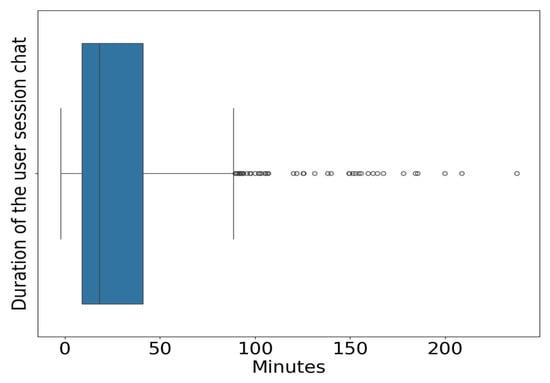
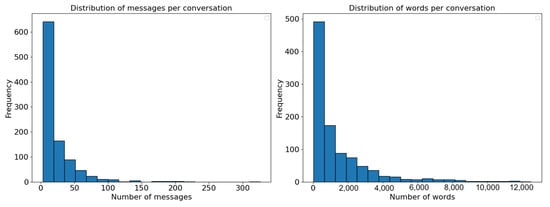
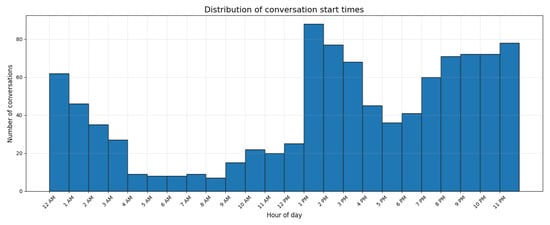
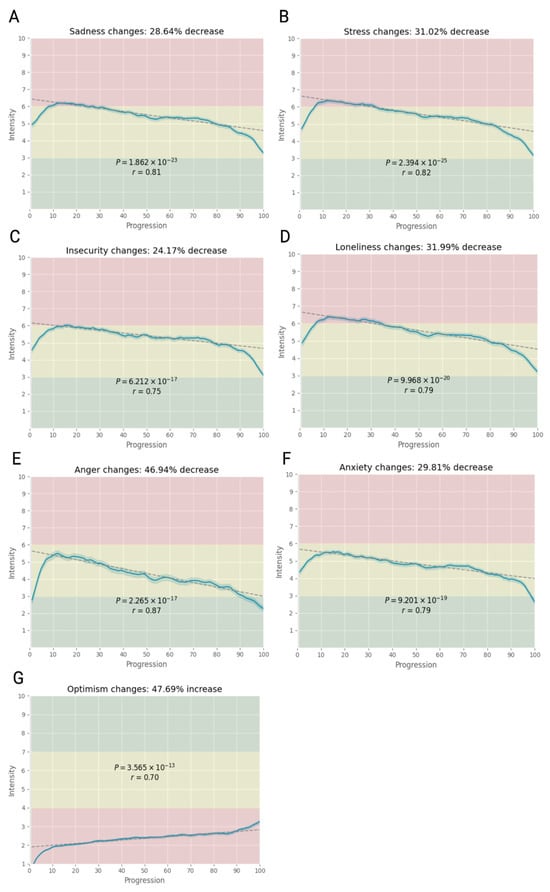
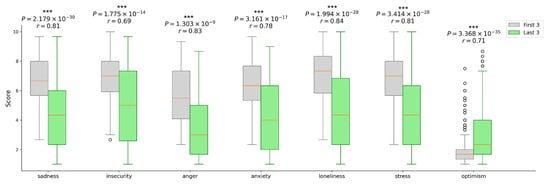
Disclaimer/Publisher’s Note: The statements, opinions and data contained in all publications are solely those of the individual author(s) and contributor(s) and not of MDPI and/or the editor(s). MDPI and/or the editor(s) disclaim responsibility for any injury to people or property resulting from any ideas, methods, instructions or products referred to in the content. |
© 2026 by the authors. Published by MDPI on behalf of the Journal of Mind and Medical Sciences. Licensee MDPI, Basel, Switzerland. This article is an open access article distributed under the terms and conditions of the Creative Commons Attribution (CC BY) license.