


Abstract
Reinforcement learning (RL) has emerged as a promising approach for autonomous surgical robotic subtasks. Recent advances include deep reinforcement learning (DRL), imitation learning (IL), and vision–language–action (VLA) models. However, current evidence remains fragmented across simulation benchmarks, task-specific demonstrations, and limited clinical studies. Existing reviews primarily focus on RL algorithms, while the broader pathway from algorithm development to clinically deployable surgical autonomy has not been comprehensively synthesised. This PRISMA 2020-guided systematic review examines RL, IL, safe RL, simulation-to-real (sim-to-real) transfer, foundation models, VLA systems, and regulatory readiness in surgical robotics. We searched IEEE Xplore, PubMed/MEDLINE, Embase, Scopus, Web of Science, the Cochrane Library, ACM Digital Library, arXiv, and medRxiv for studies published between January 2015 and March 2026, with additional studies identified through backward citation tracing. Eligible studies proposed novel RL, imitation learning, or foundation-model approaches for surgical robotics with empirical validation in simulation or on physical robotic platforms. Two reviewers independently extracted data using a predefined coding scheme, and a third reviewer resolved disagreements. Owing to substantial heterogeneity in platforms, tasks, and outcome measures, a quantitative meta-analysis was not feasible; therefore, the evidence was synthesised narratively using a comparative framework. A total of 220 studies met the inclusion criteria, covering eleven active surgical RL platforms, seven paired sim-to-real studies, emerging foundation-model architectures, and three FDA-cleared robotic systems exhibiting Level 3 autonomy. Available comparative studies suggest that hierarchical approaches can outperform flat policies in long-horizon tasks, while language-conditioned models demonstrated promising multi-step surgical capabilities. Seven paired simulation-to-real studies were identified, encompassing tissue retraction, guidewire navigation, and surgical cutting tasks. Sim-to-real performance gaps varied substantially by task and metric, with success-rate gaps ranging from −10 to 50 percentage points (negative values indicating better real-world than simulated performance), while paired mean spatial errors differed by at most 0.61 mm. Most studies employed domain randomization or visual domain adaptation; hierarchical reinforcement learning demonstrated advantages over flat policies in multi-step surgical tasks. Explicit safety-constrained methods (CPO, CBF, and SER), formal verification, and regulatory-aligned evaluation were reported in fewer than 3% of applied studies. Most evidence remained simulation-based, with no reported autonomous RL execution in vivo in humans. Overall, RL-based surgical robotics appears mature at the simulation stage but remains preclinical for autonomous clinical deployment. Future progress requires stronger sim-to-real validation, multimodal safety-aware architectures, alignment with IEC 62304, ISO 14971, FDA guidance, and the EU AI Act, and open benchmarks that jointly evaluate performance, safety, and surgeon trust.
1. Introduction
Surgical robotics emerged from the convergence of minimally invasive surgery (MIS) and robotic engineering, with early platforms such as the da Vinci Surgical System establishing the defining paradigm of master slave telemanipulation: enhanced dexterity, three-dimensional visualisation, and tremor filtration, but without any degree of machine autonomy [1,2,3,4]. These systems transformed operative technique, enabling surgeons to perform complex pelvic, urological, and thoracic procedures through millimetre-scale incisions [5,6]; yet, they remained fundamentally passive instruments, amplifying human skill rather than substituting it [7,8]. A critical intermediate stage followed: the integration of AI-driven analytics into the robotic workflow. Video, kinematic, and force-sensor data streams from robotic platforms enabled machine learning systems to perform objective skill assessment, surgical phase recognition, and workflow analysis, establishing a layer of ‘cognitive assistance’ that went beyond mere instrumentation [3,7,9]. Contemporary AI-aided surgical robotic systems (SRSs) have advanced further still, integrating perception, planning, and control modules capable of partially automating discrete subtasks: soft-tissue cutting and tensioning, suture placement, tissue retraction, haemostatic suction, and deformable object manipulation [2,8,10,11,12,13,14]. This progression from passive tool to analytics platform to partially autonomous agent defines the evolutionary arc that this review systematically analyses.
Within the framework of bioinspired robotics and intelligent motion systems, the surgical environment represents a uniquely challenging domain characterised by the dynamic interplay between rigid instruments and compliant, deformable biological structures [2,11]. Traditional deterministic control paradigms frequently struggle to capture the non-linear mechanics and unpredictable variability inherent in human tissue manipulation [15,16]. In contrast, the application of reinforcement learning within surgical robotic systems (SRSs) establishes a pathway for adaptive robotic behaviour that reflects the principles of biological intelligence and the mechanisms of human motor skill acquisition [7,9]. By framing surgical subtasks as problems of sensorimotor adaptation and perception–action coupling, this review identifies a paradigm shift toward embodied surgical intelligence [13,17]. These autonomous agents are designed to function as physiologically aligned modulators capable of navigating the complex constraints of human–robot collaboration [18,19]. Consequently, analysing the RL-driven pipeline provides critical insights into the development of adaptive robotic systems that mimic the dexterity and robust performance of motile organisms when interacting with dynamic, nature-derived environments.
From a biomimetics perspective, reinforcement learning offers more than a control-engineering convenience: it recapitulates the trial-and-error, reward-driven mechanism by which biological organisms acquire skilled motor behaviour. Surgeons, like any biological agent refining a motor skill, do not learn suturing or tissue handling from an explicit dynamical model of tissue mechanics; they learn through repeated practice, proprioceptive feedback, and outcome-contingent reinforcement, gradually shaping internal representations that generalise across anatomical variability. RL-driven surgical agents are designed to emulate precisely this biological learning loop, substituting a reward signal for the surgeon’s own sense of successful task completion. In this sense, the RL formulations reviewed here are not merely borrowed from general robotics but are a direct computational analogue of the sensorimotor adaptation strategies observed in animals and humans, positioning surgical RL within the broader biomimetic tradition of engineering systems that learn as biological systems do, rather than systems that are explicitly programmed.
This biomimetic parallel extends beyond the learning rule to the architecture of surgical autonomy itself. Hierarchical reinforcement learning, in which a manager policy sequences reusable low-level sub-skills, mirrors the layered organisation of biological motor control, where high-level goal planning in the central nervous system is decoupled from low-level reflexive and rhythmic motor primitives executed by spinal and peripheral circuits. Similarly, safe-RL mechanisms that constrain exploratory actions within a learned safe manifold parallel the protective reflexes and proprioceptive safeguards that prevent biological organisms from generating self-injurious motion during skill acquisition. Vision–language–action models, which ground high-level semantic intent in low-level continuous actuation, likewise echo the integration of cognitive and sensorimotor pathways in biological perception–action loops. Framing surgical RL through this biomimetic lens clarifies why hierarchical, safety-constrained, and multimodal architectures consistently outperform flat, unconstrained policies in the studies reviewed here: they are, in effect, better approximations of the layered, safeguarded, and multimodal control strategies that biological motor systems have evolved to solve comparable problems of dexterous, safety–critical manipulation.
Surgical autonomy is characterised by a hierarchical scale ranging from Level 0 (no autonomy) to Level 5 (full autonomy), a framework originally proposed by Yang et al. [20] and subsequently extended through ISO/IEC standardisation efforts and empirical refinement [15,20,21]. Current clinical deployment is overwhelmingly situated at Level 1 (Robot Assistance); a systematic review of 49 FDA-cleared surgical robots (2015–2023) confirmed that 86% remain at this tier, with only 6% reaching Level 3 (Conditional Autonomy), and no clinically deployed Level 4 or Level 5 device yet identified. The only FDA-cleared systems classified as Level 3 (Conditional Autonomy) were the iSR’obot Mona Lisa 2.0, TSolution One, and ARTAS iX System. [22]. The AquaBeam Robotic System for aquablation of the prostate, the first FDA-cleared robot providing autonomous tissue removal, represents Level 2 (Task Autonomy), autonomously executing a surgeon-defined treatment plan within a tightly constrained procedural domain [22,23]. Research systems predominantly target Levels 2 and 3 in soft-tissue environments, where the deterministic assumptions of orthopaedic robotics are insufficient [15,24,25]. Critically, a growing body of expert opinion argues that the framing of autonomy as a progression toward ‘replacing’ the surgeon is both clinically inappropriate and strategically mistaken. Battaglia et al. [18] contend that understanding surgeon intent, behaviour, and cognitive limitations is the foundational design requirement for the next generation of surgical robot systems that enhance rather than supplant human expertise. Knudsen et al. [19] extend this to a clinical applications framework in which AI–robot systems are evaluated on their capacity for collaborative, adaptive autonomy with surgeons in the loop. This review adopts that philosophy: autonomy is a design property to be calibrated, not a destination to be reached.
Conventional control methods, including rule-based logic and classical model predictive control (MPC), struggle with the high-dimensional state spaces and non-linear deformations characteristic of soft-tissue manipulation [16,26]. Reinforcement learning (RL) addresses this by learning control policies directly from trial-and-error interaction with simulated environments, avoiding the need to explicitly model tissue mechanics or anatomical variability [2,27]. Unlike supervised learning, which requires large annotated expert datasets that are structurally scarce in surgical contexts, RL can iteratively refine behaviour through reward signals aligned with surgical objectives [28,29]. Empirically, RL has been applied across a widening range of surgical subtasks: autonomous tissue cutting and tensioning via evolutionary-augmented deep RL [10]; sim-to-real transfer for internal soft-tissue point positioning on physical dVRK hardware [14]; deformable object retraction and manipulation with domain-adapted visual policies [11]; integration into virtual robotic surgical simulation for suturing motion generation [30]; and cooperative multi-robot assistance through multi-agent RL frameworks [31]. Safe RL formulations explicitly constraining the policy to avoid tissue damage and instrument collision during exploration have demonstrated the feasibility of learning task-automation policies that satisfy hard safety bounds without prohibitive computational overhead [12]. RL thus addresses three properties that alternative paradigms cannot simultaneously provide: adaptability to deformable tissue variability, scalability beyond hand-crafted controllers, and capacity for sim-to-real transfer in safety–critical settings [2,8,12,14]. The persistent vulnerability is reward misspecification, colloquially termed ‘reward hacking ’, wherein agents exploit unintended shortcuts that satisfy the mathematical reward while violating clinical intent [32].
The majority of published RL systems learn task-specific policies: a single skill (suturing segment, peg transfer, needle driving) trained for a fixed setup and platform [10,14,30,31]. These systems exhibit poor generalisation across procedures, instrument configurations, and anatomical variability [8,27]. The emerging response is embodied surgical intelligence: multi-task, multi-modal vision–language–action (VLA) models trained on diverse simulators and datasets, capable of zero-shot transfer across contexts. Long et al. [13] demonstrated surgical embodied intelligence for generalised task autonomy in laparoscopic robot-assisted surgery, achieving multi-task skill training and assistive task execution across different laparoscopic platforms, a landmark result published in Science Robotics. Schmidgall et al. [17] formalised the theoretical and architectural basis for general-purpose foundation models for increased surgical autonomy, published in Nature Machine Intelligence [17]. By integrating vision–language models (VLMs) with hierarchical reinforcement learning (HRL), researchers are composing complex surgical procedures from libraries of reusable skill primitives [17,33,34]. Models such as BiomedGPT leverage large-scale pretraining on diverse biomedical datasets to build unified visual–textual representations enabling cross-task generalisation [35]. Nonetheless, direct empirical evidence for cross-specialty generalisation remains limited and preliminary [34,36], and the sim-to-real gap—the failure of policies trained on curated simulation data to capture microscopic anatomical variability in live procedures—remains the primary translational barrier [37,38].
Scope and Contributions of This Review
This review provides a systematic analysis of the RL-driven autonomy pipeline in surgical robotics, spanning perception, control, safety, and clinical validation infrastructure, within a PRISMA-guided systematic framework [27,39]. Unlike prior surveys that address deep learning in surgery broadly [39,40], this work specifically targets the interplay between RL algorithms, sim-to-real transfer methodology, and the emerging foundation model landscape. The contributions are threefold: (1) a qualitative synthesis of RL algorithm adoption trends and performance across soft-tissue and hard-tissue surgical tasks, supported by paper-specific evidence presented in structured tables; (2) a critical comparative evaluation of 2021–2026 simulation platforms and their translational fidelity; and (3) a structured roadmap for addressing the Safety Gap that currently prevents autonomous surgical systems from achieving regulatory clearance. The review is organised around four Research Questions: (RQ1) What surgical subtasks have been automated using RL, and with what performance and safety profiles [41]? (RQ2) How effective are current sim-to-real and safe RL strategies under realistic surgical conditions? (RQ3) What is the role of foundation models and VLMs as reward priors and perception backbones for surgical RL? (RQ4) What architectural and data requirements are emerging for generalist, multi-task surgical agents?
2. Systematic Review Methodology (PRISMA 2020)
The methodology for this review adheres to the Preferred Reporting Items for Systematic Reviews and Meta-Analyses (PRISMA 2020) guidelines [42,43,44,45]. Given the rapid convergence of foundation models and reinforcement learning (RL) in surgical robotics, this section defines a rigorous, reproducible framework for identifying, screening, and synthesising high-impact literature at the intersection of robotics, artificial intelligence, and clinical surgery.
A structured and predefined review plan was used to guide study identification, screening, eligibility assessment, and synthesis, ensuring methodological consistency and transparency throughout the review process [42,43,44,45].
2.1. Research Questions (RQs)
The review is structured around four Research Questions (RQs) targeting distinct technical and translational challenges of AI/RL in surgical robotics. The literature on systematic review methods [42,43] guides our approach. Specific examples of automated surgical tasks include blood suction [46], tissue retraction [47], internal soft-tissue point manipulation [14], and guidewire navigation [48]. Foundational work on RL algorithms, vision–language models, and reward engineering informs RQ2 [36,49,50]. Safety and generalisation have been examined using domain randomization and sim-to-real transfer [37,38,51,52]. Finally, methodological standards and evaluation tools [53,54] help frame the gaps addressed in RQ4.
RQ1: Which surgical tasks (e.g., blood suction, tissue retraction, internal soft-tissue point manipulation, guidewire navigation) have been automated using RL and sim-to-real frameworks, and in what validation settings? This examines the progression from basic task primitives to complex multi-step procedures.
RQ2: Which RL algorithms, simulation platforms, and domain adaptation techniques are used, and how are they evaluated? This evaluates how foundation models and VLMs mitigate the reward-engineering bottleneck in RL.
RQ3: What are the reported safety, robustness, and generalisation characteristics of these systems, including failure rates and performance across variable anatomical and environmental conditions?
RQ4: What methodological gaps and biases limit the current evidence base, and what directions emerge for embodied and generalist surgical intelligence?
2.2. Review Protocol and Transparency
A structured review protocol was developed prior to study selection to define the research objectives, eligibility criteria, search strategy, and data extraction framework. The protocol was used throughout the review process to promote methodological consistency, reduce ad hoc decision-making, and ensure a consistent and transparent approach to evidence synthesis.
This review was not prospectively registered in a public repository such as PROSPERO or OSF prior to commencement. The absence of prospective registration is acknowledged as a potential source of reporting bias and is listed as a methodological limitation. To mitigate this risk, all eligibility criteria, search strategies, and data extraction variables were fully specified in the internal protocol before the screening phase began, and no outcome-dependent modifications were made thereafter. Any deviations from the predefined protocol are documented in the relevant sections of this manuscript.
This systematic review was conducted and reported in accordance with the Preferred Reporting Items for Systematic Reviews and Meta-Analyses (PRISMA) 2020 guidelines [42,43,44,45].
2.3. Search Strategy
The review searches the following databases: MEDLINE (via PubMed), Embase, IEEE Xplore, Scopus, Web of Science, Cochrane Library, ACM Digital Library, arXiv, and medRxiv [42,43]. The inclusion of arXiv and medRxiv is justified by the extremely high velocity of the robotics and AI fields, where seminal works in RL often circulate as preprints substantially before journal publication [21].
Primary search string: (“surgical robotics” OR “robot-assisted surgery”) AND (“reinforcement learning” OR “imitation learning” OR “learning from demonstration”) AND (“foundation models” OR “vision–language models” OR “sim-to-real” OR “autonomy” OR “deformable tissue manipulation”). The primary temporal window is January 2015 to March 2026, reflecting the deep-learning and deep RL era that defines the field under review. Foundational studies published before 2015 (including seminal contributions to control theory, early surgical robotics, RL theory, and imitation learning) were additionally retrieved through backward citation tracing of highly cited included studies; their retention is justified in Section 2.5.
Database-Specific Search Strategy Adaptations
The primary search string was adapted for each database as follows: PubMed/MEDLINE: (“surgical robotics” [MeSH Terms] OR “surgical robotics” [tiab] OR “robot-assisted surgery” [tiab] OR “robotic surgery” [tiab]) AND (“reinforcement learning” [tiab] OR “deep reinforcement learning” [tiab] OR “imitation learning” [tiab] OR “learning from demonstration” [tiab]) AND (“foundation models” [tiab] OR “vision–language models” [tiab] OR “sim-to-real” [tiab] OR “simulation to real” [tiab] OR “autonomy” [tiab] OR “deformable tissue manipulation” [tiab]);
IEEE Xplore: (“surgical robotics” OR “robot-assisted surgery” OR “robotic surgery”) AND (“reinforcement learning” OR “deep reinforcement learning” OR “imitation learning” OR “learning from demonstration”) AND (“foundation models” OR “vision–language models” OR “sim-to-real” OR “autonomy” OR “deformable tissue manipulation”); Scopus: TITLE-ABS-KEY (“surgical robotics” OR “robot-assisted surgery” OR “robotic surgery”) AND TITLE-ABS-KEY (“reinforcement learning” OR “deep reinforcement learning” OR “imitation learning” OR “learning from demonstration”) AND TITLE-ABS-KEY (“foundation models” OR “vision–language models” OR “sim-to-real” OR “autonomy” OR “deformable tissue manipulation”); Web of Science: TS = (“surgical robotics” OR “robot-assisted surgery” OR “robotic surgery”) AND TS = (“reinforcement learning” OR “deep reinforcement learning” OR “imitation learning” OR “learning from demonstration”) AND TS = (“foundation models” OR “vision–language models” OR “sim-to-real” OR “autonomy” OR “deformable tissue manipulation”);
ACM Digital Library: [[All: “surgical robotics”] OR [All: “robot-assisted surgery”]] AND [[All: “reinforcement learning”] OR [All: “imitation learning”]] AND [[All: “foundation models”] OR [All: “sim-to-real”] OR [All: “autonomy”]]; Cochrane Library: (“surgical robotics” OR “robot-assisted surgery”) AND (“reinforcement learning” OR “imitation learning”) in Title, Abstract, Keywords; Embase: (‘surgical robot’/exp OR ‘surgical robotics’:ti,ab OR ‘robot assisted surgery’:ti,ab) AND (‘reinforcement learning’/exp OR ‘reinforcement learning’:ti,ab OR ‘imitation learning’:ti,ab OR ‘learning from demonstration’:ti,ab) AND (‘foundation model’:ti,ab OR ‘vision–language model’:ti,ab OR ‘sim-to-real’:ti,ab OR ‘autonomy’:ti,ab OR ‘deformable tissue’:ti,ab); arXiv: ti:surgical AND (ti:reinforcement OR ti:imitation OR ti:autonomy) OR abs: (surgical robotics AND reinforcement learning AND (sim-to-real OR foundation model OR autonomy)); medRxiv: surgical robotics reinforcement learning autonomy sim-to-real foundation model. All searches were executed between January 2025 and May 2025 with a temporal filter of January 2015 to May 2025. During manuscript preparation, a small number of highly relevant studies published in early 2026 were additionally included to provide up-to-date context and did not affect the review’s overall conclusions.
2.4. Inclusion and Exclusion Criteria
Inclusion Criteria: Studies were eligible if they satisfied all of the following conditions. iPublication venue: Peer-reviewed journals indexed in any queried database (PubMed/MEDLINE, IEEE Xplore, Scopus, Web of Science, ACM Digital Library, Cochrane Library, or Embase), including T-RO, T-MI, and MedIA; or conference proceedings with a documented acceptance rate ≤30% (ICRA, IROS, RSS, MICCAI, IPCAI). arXiv and medRxiv preprints were eligible only if deposited before 1 May 2024 (minimum 12 months’ public availability prior to search closure); cited ≥50 times on Google Scholar at the date of full-text screening; and free of retraction or author-issued withdrawal, together serving as a reproducible community-validation proxy for unreviewed work. (ii) Topical scope: The study must address reinforcement learning (RL), imitation learning (IL) or learning from demonstration, or foundation model integration, in a surgical or robot-assisted surgery context. (iii) Algorithmic contribution: The study must propose or substantively modify at least one named learning-pipeline component—reward function, policy architecture, exploration strategy, safety constraint, or sim-to-real transfer mechanism—explicitly contrasted against an unmodified baseline and evaluated through ablation, comparative experiment, or a reported quantitative metric. (iv) Empirical validation: Results must be reported either in simulation providing contact-rich physical modelling via finite-element methods (FEM), position-based dynamics (PBD), or equivalent continuum-mechanics solvers (e.g., SOFA, SurRoL [55], UnityFlex), excluding rigid-body-only engines, or on physical surgical platforms (e.g., dVRK, RAVEN II). (v) Surgical-specific constraints: The method must explicitly address at least one of the following: tissue deformability, partial or occluded visual observation, force/torque safety bounds, or regulatory autonomy-level constraints. The temporal scope was January 2015 to May 2025; a small number of early-2026 studies incorporated during manuscript preparation are clearly identified as supplementary context.
Systematic reviews and survey papers relevant to reinforcement learning, imitation learning, autonomous surgical robotics, or closely related topics were retained as secondary supporting literature to provide background, methodological context, and discussion, but were not included in the primary empirical evidence synthesis.
Exclusion Criteria: Studies were excluded if they addressed non-surgical robotic domains without validated methodological transfer to surgery; reported only patient-level clinical outcomes without algorithmic contribution; were systematic reviews or survey papers for the primary empirical synthesis (although these were retained as secondary supporting literature where relevant), editorials, abstracts, keynotes, or short papers (≤4 pages); applied RL or IL entirely off-the-shelf, defined as direct deployment of a published algorithm (e.g., PPO, SAC, GAIL, DAGGER) without adaptation to any surgical-specific constraint listed above; or were preprints failing any of the three auxiliary criteria above. Studies predating January 2015 were excluded to maintain scope within the contemporary deep RL and data-driven autonomy literature.
The evidence synthesis comprised empirical studies evaluating reinforcement learning, imitation learning, or related autonomous learning approaches in surgical robotics that satisfied the predefined eligibility criteria. Additional methodological references (e.g., PRISMA guidance), regulatory documents, and contextual literature (including foundation-model or perception-related studies where relevant to the research questions) were cited solely to provide methodological or technological context and were not treated as primary empirical evidence in the review synthesis.
2.5. Screening and Selection Process
The selection process was reported according to the PRISMA 2020 statement and documented using the PRISMA flow diagram (Figure 1), ensuring transparency in the progressive narrowing of the literature [42,43]. Records were retrieved from nine bibliographic and scholarly sources to ensure comprehensive coverage of biomedical, engineering, and artificial intelligence literature: MEDLINE/PubMed (National Library of Medicine, US National Institutes of Health), Embase (Elsevier), IEEE Xplore (Institute of Electrical and Electronics Engineers), Scopus (Elsevier), Web of Science (Clarivate Analytics), Cochrane Library (Cochrane Collaboration), ACM Digital Library (Association for Computing Machinery), Springer Nature and other major publisher platforms, and arXiv (Cornell University/arXiv.org). Preprint databases were included to capture emerging developments in rapidly evolving AI-based surgical robotics, with all preprints subjected to the same eligibility and quality assessment criteria as peer-reviewed studies.
Figure 1.
PRISMA 2020 flow diagram summarising the study selection process for the systematic review [42].
The primary database search yielded 1497 records. After duplicate removal using automated DOI and metadata matching, followed by manual verification, 849 unique records were retained for initial screening. Title and abstract screening was conducted independently by two reviewers against the pre-specified eligibility criteria. This phase resulted in the exclusion of 327 reports due to clinical outcomes without algorithmic focus (), insufficient technical novelty (), non-surgical robotics applications (), editorials or commentaries (), and other miscellaneous scope mismatches ().
Following title and abstract screening, 522 reports were retrieved and assessed for retrieval. Before full-text eligibility assessment could be performed, 262 reports were excluded due to full text being unavailable (), being conference abstracts only (), duplicate publications (), and grey literature or unvetted preprints ().
This progressive narrowing left a total of 260 records for rigorous full-text eligibility assessment by two independent reviewers. After detailed full-text review, 40 records were excluded based on targeted criteria: perception-only approaches without closed-loop control (), non-surgical robotics without domain adaptation (), editorials or short communications (), and low or insufficient empirical validation ().
Ultimately, a final corpus of 220 included studies met all criteria and was included in the qualitative and quantitative synthesis. These studies form the evidential basis for all structured tables, meta-analytic estimates, and narrative synthesis. The included studies identified through the PRISMA screening process constitute the primary evidence base for this systematic review. In addition, the manuscript cites methodological guidance, regulatory documents, and contextual background literature where appropriate to support the review methodology, interpretation of findings, and discussion. These sources were not treated as primary empirical evidence in the study synthesis.
To preserve theoretical continuity and contextualise modern algorithmic developments, a supplementary set of foundational works published before 2015 was selectively retained via backward citation tracing of highly cited included studies [56,57,58,59]. These include seminal contributions to control theory, reinforcement learning foundations, imitation learning, early surgical robotics platforms, and historically influential autonomous systems research. Such works are indispensable for understanding the intellectual lineage of contemporary surgical RL, and their exclusion would produce a synthesis disconnected from the conceptual architecture on which modern systems depend. Each retained pre-2015 work was required to have demonstrably influenced the algorithmic or systems design of at least one included primary study, as confirmed by backward citation tracing. Their inclusion is consistent with PRISMA 2020 guidance permitting deviation from the primary temporal window where methodologically justified and transparently reported [42,45].
2.6. Data Extraction Framework
Data extraction was performed independently by two reviewers using the predefined coding schema. Discrepancies were resolved through discussion or consultation with a third reviewer.
Standardised coding schema: Surgical Platform; Task Type (suturing, knot-tying, debridement, cutting, retraction); Learning Paradigm (Online RL, Offline RL, Imitation Learning, Hybrid LfD+RL); Reward Formulation (sparse vs. dense; learned rewards via VLMs); Training Environment; Evaluation Metrics (completion time, path length, force violations, success rates); Dataset Availability (JIGSAWS [57], DESK [60]).
2.7. Methodological Quality Assessment
Given the predominance of engineering, simulation, and robotic validation studies within the included corpus, conventional clinical risk-of-bias tools are not directly applicable. PROBAST was originally developed for clinical prediction model studies, whereas the present review includes heterogeneous reinforcement learning, imitation learning, vision–language–action, safe reinforcement learning, and robotic control studies. These study designs differ substantially from clinical prediction models with respect to experimental environments, validation strategies, outcome measures, and analytical methodologies. Consequently, no validated adaptation of PROBAST currently exists for reinforcement learning-based surgical robotics research.
Therefore, PROBAST was used only as a conceptual framework to guide consideration of general methodological quality domains rather than as a formal study-level risk-of-bias assessment tool. Methodological quality was instead synthesised narratively by examining potential sources of bias relevant to reinforcement learning and surgical robotics studies, including experimental design, validation strategy, outcome measurement, reproducibility, and reporting transparency. Methodological strengths, limitations, and potential sources of bias were synthesised across the included studies rather than summarised using formal study-level risk-of-bias ratings.
Certainty of evidence was not assessed using the GRADE framework, as the corpus consists predominantly of engineering, simulation, and robotic validation studies without randomised trial designs, for which GRADE is not the appropriate instrument. Evidence certainty is instead described narratively using the validation maturity taxonomy of Tang et al. [16], ranging from Simulation Only (Level 1) to Diverse Real/Clinical (Level 5). This approach is consistent with methodological guidance for systematic reviews of AI and machine learning systems in surgical robotics [61].
2.8. Synthesis Methods
Synthesis follows PRISMA 2020 recommendations [42,43,54]. All included studies are first summarised qualitatively, structured around surgical domain and task type; RL algorithms and simulation/sim-to-real strategies; and reported performance, safety, and generalisation properties.
Where at least three comparable studies report compatible quantitative outcomes and methodological homogeneity is sufficient, a random-effects meta-analysis would be conducted. For binary outcomes, the Freeman–Tukey double-arcsine transformation is applied [62]; for continuous outcomes, standardised mean differences are used [63]. Heterogeneity is assessed using and [42,43,54].
Funnel plot asymmetry using Egger’s test [64] is planned only for outcomes where meta-analysis is feasible and at least 10 studies per outcome are available [65].
In practice, substantial heterogeneity in surgical tasks, robotic platforms, validation settings, and outcome measures limited the feasibility of formal meta-analysis across most planned comparisons. Consequently, the primary synthesis adopts a structured narrative and comparative evidence framework based on study-level results extracted from the included literature.
3. Foundations of Surgical Intelligence and Autonomy
The evolution of surgical robotics from teleoperated tools to autonomous agents necessitates a convergence of high-fidelity simulation, robust scene understanding, and sophisticated learning paradigms. This chapter dissects the technical architecture required to achieve varying levels of autonomy in the operating room, spanning hardware, perception, learning, and evaluation.
3.1. Foundations: Hardware and Infrastructure
3.1.1. Simulation Platforms and GPU Acceleration
Historically, the Simulation Open Framework Architecture (SOFA) served as the backbone for soft-tissue surgical simulation due to its viscoelastic physics modelling capabilities [66]. However, the data demands of modern Deep RL require GPU-parallelized frameworks capable of generating thousands of training trajectories simultaneously [67,68]. Key platforms in current use include SurRoL [55]: open-source, dVRK-compatible, 10+ surgical tasks; Isaac Gym [69]: NVIDIA GPU-parallelized physics simulator; AMBF [70]: high-fidelity soft-tissue simulator; ORBIT-Surgical [67]: GPU-accelerated, 14 FLS tasks; Surgical Gym [71]: high-performance GPU-based platform; LapGym [72]: open-source RL for robot-assisted laparoscopic surgery. The FF-SRL platform [68] achieves order-of-magnitude throughput gains through position-based dynamics (PBD/XPBD) implemented entirely on GPU. GPU-parallelised platforms provide a 100 × to 1000× increase in sample throughput compared with CPU-based simulators [67,68]. Surgical Gym [71] specifically reports up to 30× training speedup over legacy CPU-based simulators; GPU platforms more broadly achieve 100–5000× sample-throughput gains [67,68].
3.1.2. Robotic Hardware and Interoperability
While the da Vinci Research Kit (dVRK) remains the standard benchmark platform for surgical RL research, its closed-source clinical counterpart limits low-level access to joint torques and force data [15,24]. The dVRK-Si, the next-generation da Vinci Research Kit [73], extends low-level control capabilities and sensor integration to decommissioned second- and third-generation da Vinci S/Si hardware. The Common Robot Operating Framework for Surgical Robotics (CRTK) provides standardised software interfaces across platforms [74,75], enabling cross-platform policy transfer research. The principal robotic platforms used in surgical RL research, together with their key characteristics and interoperability considerations, are summarised in Table 1.
Table 1.
Principal Robotic Platforms for Surgical RL.
3.2. Perception and Scene Understanding
3.2.1. Surgical Instrument Segmentation and Tool Recognition
Early segmentation relied on convolutional architectures such as U-Net. Transformer-based models, notably SegFormer [76] and UNETR [77], now achieve state-of-the-art performance on surgical tool and anatomy segmentation. Complementary architectures, such as Swin-UNet [78] and lightweight transformers [79,80,81], further extend applicability to resource-constrained intraoperative environments. Transformer-based models achieve Dice Coefficients of 0.92–0.95 on EndoVis benchmark datasets, outperforming CNN baselines by approximately 5–7% in scenarios with complex occlusions [82].
3.2.2. Phase Recognition and Temporal Modelling
Surgical phase recognition contextualises the procedural step for RL agents, enabling hierarchical policy selection. Temporal Convolutional Networks (TCNs) [83] have demonstrated strong performance on the Cholec80 benchmark, achieving F1-scores in the range of 0.66–0.72. Self-supervised learning (SSL) approaches reduce reliance on dense manual annotation [84]. The HeiChole benchmark [85] provides multi-task evaluation in cholecystectomy procedures, while multi-task temporal models on the Bypass40 dataset [86] demonstrate the value of joint phase and step recognition [87]. Dynamic scene graph representations [88] and hierarchical video-language pretraining approaches [89] further extend phase recognition toward zero-shot and open-vocabulary paradigms [90].
3.2.3. Three-Dimensional Reconstruction and SLAM
Deformable tissue complicates traditional SLAM pipelines. Neural Radiance Fields (NeRF) enable photorealistic synthesis of non-rigid tissue surfaces [91]; however, real-time intraoperative application remains limited, with typical inference speeds below 1 FPS. Three-dimensional Gaussian Splatting (3DGS) is emerging as a faster alternative, with SurgTPGS [92] demonstrating text-prompted semantic scene understanding at improved rendering speeds. Real-time dense stereo reconstruction [93] and scene reconstruction frameworks [94] address computational constraints. Intraoperative visual perception is additionally challenged by surgical smoke from electrocautery and vessel-sealing instruments, which severely degrades endoscopic imaging [95]. The major datasets and benchmarks used for surgical perception, phase recognition, visual understanding, and skill assessment are summarised in Table 2.
Table 2.
Major surgical datasets and benchmarks.
3.3. Learning Paradigms for Autonomy
3.3.1. Imitation Learning Versus Reinforcement Learning
Imitation Learning (IL) enables fast convergence by leveraging expert surgical demonstrations; however, policies remain brittle in out-of-distribution states [28]. Movement Primitive Diffusion [98] represents an emerging IL paradigm extending dexterous manipulation to deformable object handling. Offline RL [28,99] further bridges the IL-RL gap by learning from pre-collected datasets without live environment interaction, which is particularly relevant given the scarcity of in vivo surgical data. RL algorithms, principally Proximal Policy Optimization (PPO) [100] and Soft Actor–Critic (SAC) [101] allow agents to discover optimal policies through trial and error in simulation. Domain Randomisation, systematically varying lighting conditions, friction coefficients, and tissue textures during training, is the principal mitigation strategy for sim-to-real transfer errors [38,51,102].
3.3.2. Safe-RL and Constrained Optimisation
Clinical deployment of autonomous surgical agents requires RL policies that explicitly respect safety constraints. Constrained Policy Optimisation (CPO) [103] formalises such constraints within the policy gradient framework. Applied to surgical robotics, CPO and related methods enforce task-specific safety constraints, including instrument–tissue interaction forces, workspace boundaries, and collision avoidance [47,104,105,106]. For example, Duan et al. evaluated probe–tissue interaction forces between 0.5 and 5 N and imposed a maximum allowable force of 10 N for robotic ultrasound imaging [106]. Such force limits are application-specific and should not be interpreted as universal safety thresholds. Complementary safety approaches include Lyapunov-based methods [107], barrier function approaches [108], and shielding under partial observability [109]. A survey of safe RL methods in robotics broadly confirmed that constrained MDP formulations and shielding are the most mature approaches for hardware-deployment safety [110], while a broader review of safe learning in robotics identifies formal verification and runtime monitoring as complementary tools [111].
3.4. Hierarchy of Surgical Autonomy (Levels 0–5)
The degree of surgical autonomy is formally structured as a six-level hierarchy, ranging from no autonomy (Level 0) to full procedural autonomy (Level 5) [20,21]. This taxonomy provides a regulatory and technical reference frame for evaluating autonomous surgical systems [22]. The six levels of surgical autonomy, together with representative tasks and their corresponding technical characteristics, are summarised in Table 3.
Table 3.
Hierarchy of surgical autonomy.
3.5. Clinical Metrics and Evaluation
Evaluation of surgical autonomy spans technical performance, kinematic quality, safety compliance, and clinical validity [53]. No single metric captures the full spectrum; a multi-domain scorecard is therefore required. The proposed unified clinical metrics and evaluation framework for reinforcement learning in surgical robotics is presented in Table 4.
Table 4.
Unified clinical metrics and evaluation framework for reinforcement learning in surgical robotics.
3.6. Emerging Trends, Methodological Weaknesses, and Research Gaps
3.6.1. Emerging Trends
- Foundation Models and VLMs:Models such as SURGICAL-LVLM [125], general biomedical VLMs [35], and foundation model frameworks [34] are increasingly applied to intraoperative procedural planning. VLA models such as RT-2 [49] and [126] extend this paradigm toward grounded action generation.
- World Models: Predictive latent world models enable agents to simulate future states and evaluate actions before execution [127]. Their integration with reinforcement learning offers a promising direction for sample-efficient policy learning, trajectory planning, error recovery, and sim-to-real transfer in autonomous surgical robotics.
- GPU Parallelisation: Platforms such as ORBIT-Surgical [67], Surgical Gym [71], and FF-SRL [68] deliver orders-of-magnitude speedup in sample generation.
- Multi-Task and Hierarchical RL: Moving from task-specific policies toward generalisable surgical agents [33,113].
- Gaussian Splatting for Scene Reconstruction: 3DGS is emerging as a faster and more flexible alternative to NeRF for intraoperative scene understanding [92].
- Diffusion-Based Policy Learning: Movement Primitive Diffusion [98] and related generative approaches offer improved handling of deformable objects.
3.6.2. Methodological Weaknesses
- Reward Sparsity: Complex surgical tasks such as dissection and anastomosis exhibit delayed and sparse reward signals, hindering policy convergence [119,128,129].
- Annotation Bottleneck: Supervised learning for phase recognition and segmentation requires extensive expert labelling, limiting dataset scale [130,131].
- Force Feedback Limitations: Most current RL policies are vision-only. Evidence from meta-analysis [119] confirms that haptic feedback meaningfully improves surgical outcomes, underscoring the importance of this gap.
- Sim-to-Real Fidelity: Despite domain randomisation, tissue deformation, bleeding, surgical smoke, and instrument wear introduce distribution shifts that simulation platforms do not yet fully capture [37,52].
3.6.3. Research Gaps
- Human–Robot Handover: Safe, mid-task transfer of control between autonomous agents and human surgeons remains an unsolved problem [132,133].
- Standardised Benchmarks: Surgical robotic manipulation lacks a universally adopted benchmark suite. Emerging platforms such as SurgicAI [113] and JIGSAWS [57] represent progress. The LASANA benchmark [134] and SurgVU24 dataset represent recent progress.
- Regulatory Frameworks for Autonomy: Clinical translation requires interaction with evolving regulatory guidance [20,135,136]. The IDEAL framework [137] provides a staged evaluation pathway. The MDCG 2025-6 guidance [66] clarifies the dual regulatory burden under EU MDR/IVDR and the AI Act.
3.7. Synthesis
This chapter establishes the hardware–perception–learning nexus underpinning surgical autonomy. Transformer-based segmentation (SegFormer [76], UNETR [77], Swin-UNet [78]) achieves near-clinical maturity with Dice coefficients exceeding 0.90 on EndoVis benchmarks. RL policies based on PPO [100] and SAC [101] achieve high simulated success rates, but remain limited by sim-to-real transfer gaps [37,52], reward sparsity in complex multi-step tasks [119,128], and absence of multi-task generalisation. Safe-RL with constrained optimisation [103,115], Hierarchical RL [33,113,138], offline RL [28,99], diffusion-based policy learning [98], and DROPO-style domain randomisation optimisation [139] are the most promising near-term avenues. VLMs [35,125], VLA models [49,126,140,141], and language-conditioned imitation learning [138] represent a structural shift from narrow task-specific policies toward context-aware, language-grounded surgical agents.
4. Reinforcement Learning Formulations for Surgical Robotics: An Overview
The following section provides a condensed overview of the RL formulation framework applied to surgical robotics; the detailed algorithmic treatment, task-specific evidence, and structured comparisons are presented in Section 5. The integration of reinforcement learning into surgical robotics marks a paradigm shift from traditional teleoperation toward autonomous task execution, requiring mathematical foundations, safety architectures, and transfer methodologies suited to high-stakes clinical environments.
4.1. The Surgical MDP
Surgical tasks are formulated as Markov Decision Processes (MDPs) under constraints posed by high-dimensional visual observations and sensor noise. Established benchmarks for the da Vinci Research Kit (dVRK) support both joint-space and Cartesian action spaces, enabling sim-to-real transfer [55]. Raw kinematic states are often insufficient for dynamic environments, motivating structured representations such as scene graphs [142,143]. Reward engineering has evolved from sparse completion signals to multi-objective functions that combine success, efficiency, and safety [12,113]. Risk-aware formulations using CVaR constraints further minimise tail-risk events [116,144].
4.2. Safety and Constraints
Safe RL frameworks are essential for clinical deployment. Formal verification, Control Barrier Functions, Lyapunov-based stability, and state-wise constrained MDPs have been applied to surgical tasks such as tissue retraction and intraoperative planning, consistently reducing constraint violation rates [47,115,145]. Safe experience reshaping combined with virtual fixtures mitigates unsafe actions during early training [12,105]. Human-in-the-loop DRL with generative adversarial imitation learning provides a practical mechanism for refining policies from surgeon demonstrations [61]. Comprehensive surveys confirm that constrained MDPs and shielding are the most mature approaches for hardware-safe deployment [110].
4.3. Data Efficiency and Sim-to-Real Transfer
The reality gap in tissue and fluid dynamics is a major barrier. Domain randomisation and contrastive domain adaptation have enabled successful transfer of policies for blood suction and deformable tissue manipulation to physical dVRK platforms without retraining on real data [11,46]. Offline RL methods (e.g., Conservative Q-Learning) provide theoretical guarantees for policy learning from fixed datasets [99,146]. Demonstration-guided exploration and segmentation of reward functions (e.g., the SWIRL framework on da Vinci) reduce the number of required demonstrations while generalising to novel trajectories [147,148]. The principal reinforcement learning paradigms used in surgical robotics, together with their characteristics and applications, are summarised in Table 5.
Table 5.
Reinforcement learning paradigms in surgical robotics.
4.4. Architectural Paradigms
Long-horizon procedures such as anastomosis or multi-throw suturing are addressed via hierarchical RL, which decomposes tasks into ordered sub-policies. The SurgicAI platform demonstrates >50% end-to-end success where monolithic policies fail [113], and language-conditioned hierarchical imitation learning (SRT-H) enables multi-step tasks across instruments [138]. World models (e.g., DreamerV3) learn latent dynamics, allowing policy optimisation in imagination [157]. Bimanual and multi-agent RL have been applied to regrasping and cooperative peg transfer [153,154,158]. Confidence-based shared control (e.g., STAR) dynamically blends surgeon and autonomous control based on epistemic certainty [152].
4.5. Synthesised Insights and Future Trajectories
Scene-graph integration enables tool–tissue reasoning with semantic clarity [142,143]. Domain-randomised fluid-resistant policies show robustness under blood-present conditions [46]. Bimanual coordination is increasingly handled via multi-agent frameworks [153,154,155].
4.5.1. Methodological Weaknesses and Bottlenecks
Reward sensitivity and reward hacking remain common with hand-tuned functions [148]. Full observability is unrealistic; occlusions from blood or instruments degrade reliability [46]. The sample complexity of model-free methods motivates model-based and offline RL [14,157]. Force feedback integration is limited; most policies are vision-only despite evidence that haptics improve outcomes [159].
4.5.2. Research Gaps and Regulatory Alignment
A critical divide exists between algorithmic safety and regulatory compliance. Constrained RL techniques are rarely validated against the traceability requirements of FDA/CE certification [20,135,136,160]. The MDCG 2025-6 guidance clarifies that AI-enabled surgical robots fall under both EU MDR and the AI Act [66,161]. Liability for autonomous surgical systems remains unresolved [162,163]. Meta-learning (e.g., MAML) offers rapid cross-patient adaptation [164]; inverse RL provides data-efficient reward specification from demonstrations [147,165,166].
4.5.3. Foreshadowing Downstream Applications
Two developments are accelerating the move from task-specific policies to generalist surgical agents. First, surgical embodied intelligence frameworks show multi-task skill training across platforms [13]. Second, foundation models for surgical autonomy provide pre-trained perceptual backbones for task-specific RL [17]. Vision--language--action models and language-conditioned hierarchical control are converging toward agents that can interpret natural language instructions and execute multi-step procedures under safety constraints [49,126,138,140,141].
5. RL Formulations for Surgical Tasks
Chapter 5 addresses how RL problems are cast for surgical tasks, covering state/action design, safety architecture, data efficiency strategies, and algorithmic choices, grounded in the surgical RL literature from 2019 to 2025.
5.1. Surgical MDPs: State, Action Spaces, and Reward Design
Surgical RL agents operate across a spectrum of state representations. Image-based policies receive raw endoscopic or ultrasound-like RGB frames directly [11,30,48,167,168]. Low-dimensional proprioceptive state spaces encoding joint angles, tool pose, Cartesian end-effector position, and intertool distances are the dominant choice for physical sim-to-real transfer [8,14,55,71]. A key design trade-off exists: image-based states eliminate the need for manual feature engineering but increase network complexity and sensitivity to visual domain shifts; low-dimensional states are more transferable but require accurate kinematic models. Scene-graph representations [88,142,143] offer a promising middle ground.
Action spaces in surgical RL are overwhelmingly continuous, commanding Cartesian or joint velocity/position setpoints to instruments, needles, scissors, guidewires, or ultrasound probes. Continuous actions are used across all major platform types: dVRK suturing and peg-transfer derivatives [8,30], tissue retraction and deformable manipulation [11,14], and endovascular navigation [48,167,168]. Discrete action spaces have seen limited adoption in surgical contexts, primarily in early dVRL work [169].
Dense reward formulations are the standard for task automation in surgical RL, combining task-relevant distance or accuracy metrics with secondary objectives [11,14,30,167,168]. While sparse rewards reduce reward hacking, they impose severe exploration challenges in long-horizon surgical tasks, motivating demonstration-guided exploration [148] and hierarchical decomposition [55,154]. Multi-objective reward scalarisation combines task success, efficiency, and safety into a weighted scalar, yet lacks formal Pareto-optimal guarantees; future work should move toward Multi-Objective RL (MORL) frameworks.
5.2. Safety-Constrained RL: Constrained MDPs and Risk-Aware Policies
The Safe Experience Reshaping (SER) framework [12] operationalises safety as a hard constraint in the MDP formulation. SER learns the geometry of the constraint boundary from past experience and projects unsafe candidate actions into the feasible safe set before execution. Validated on tissue cutting and debridement tasks, SER reduces constraint violations substantially compared to reward–penalty and primal–dual constrained RL baselines while maintaining or improving task success rates. This directly instantiates the CMDP framework [103,170] within the surgical domain, providing a formal mechanism for satisfying FDA/CE certification traceability requirements [20,135].
Real-time surgeon supervision during RL training [61] provides teleoperation fallback and early termination of unsafe trajectories, substantially reducing constraint violations during the exploration phase. The uncertainty-aware suturing system of Ref. [171] employs an ensemble of RL policies to estimate epistemic uncertainty; when predicted state uncertainty exceeds a calibrated threshold, a Control Barrier Function (CBF) intervention hands control back to the surgeon, providing formal safety guarantees under distribution shift.
Risk-sensitive policy design, including CVaR-constrained optimisation [116], safety thresholds, and collision-aware policies, has been identified as a central open challenge across multiple DRL surgical reviews [2,71,172]. The SER, CBF, and human-supervised approaches described above represent the current frontier; formal risk-sensitive CMDPs remain an open research direction.
5.3. Data Efficiency: Simulation Platforms and Sim-to-Real Transfer
Open RL platforms—dVRL [8], SurRoL [55], Surgical Gym [71], and LapGym [72]—provide standardised, dVRK-compatible or GPU-accelerated environments supporting reaching, grasping, cutting, peg transfer, and bimanual manipulation at scales ranging from single-environment CPU execution to 4096–8000 parallel GPU environments (ORBIT-Surgical [67]. GPU-native platforms (Surgical Gym, FF-SRL [68], ORBIT-Surgical) reduce RL training timelines from weeks to hours by delivering 100–5000× sample throughput improvements over CPU-based alternatives [67,68,71].
Direct sim-to-real transfer has been demonstrated for multiple surgical task categories. Domain randomisation is the dominant transfer strategy. Successful sim-to-real transfers include tissue point manipulation using FEM-based simulation [14] (approximately 73% real-robot success vs. near-100% in simulation); deformable tissue retraction via pixel-level domain adaptation achieving approximately 50% success without retraining [11]; rope/suture cutting with domain-randomised rewards achieving 90–97.5% real-world success [167]; endovascular guidewire navigation with domain-randomised projections [48,168]; and magnetic needle control achieving 3→1 mm positional error reduction via model-based simulator [156]. The pooled sim-to-real gap is discussed with paper-specific evidence in Chapter 7. Hybrid-batch learning with long-term replay was demonstrated in early lean RL work on the da Vinci Skill Simulator [173]. Offline safe RL reshaping logged demonstration data through the SER mechanism [12] enables policy improvement from pre-collected experience without active environment interaction. Demonstration-guided exploration (DEX [148]) exploits offline expert trajectories to guide agents toward high-reward regions, yielding large improvements across ten surgical manipulation benchmarks in SurRoL, followed by sim-to-real transfer on dVRK hardware. Human-in-the-loop extensions of SurRoL [174] provide an interactive platform enabling high-quality surgeon demonstrations during training.
5.4. Algorithmic Architectures: Model-Free, Model-Based, and Hierarchical RL
Model-free deep RL is the predominant approach across the surgical RL literature. PPO is widely used in GPU-parallel simulation environments, including tissue cutting [30], LapGym benchmarks [72], and multi-process training for guidewire navigation [168]. DDPG with Hindsight Experience Replay (HER) and related off-policy methods are used for continuous surgical control tasks in dVRL [8] and multi-task Surgical Gym [71]. SAC with its maximum-entropy exploration bonus is the dominant algorithm across the broader RL corpus.
Model-based RL is gaining traction as a means to reduce hardware interaction costs. The Model-Based Simulator (MBS) approach learns a fast simulator of magnetic surgical robot dynamics from real sensor data [156], achieving successful sim-to-real transfer with 200× faster learning. DreamerV3 [157], a world model learning compact latent dynamics representations, has demonstrated mastery of over 150 diverse tasks with a fixed configuration. Hybrid offline–online RL [175] further exploits pre-collected data to initialise policies before online refinement.
Hierarchical control architectures address long-horizon complexity by decomposing tasks into ordered sub-policies. Shared-autonomy HRL [154] segments bimanual peg transfer into subtasks with alternating human and autonomous control. Important distinction: The SRT-H framework [138] employs language-conditioned hierarchical imitation learning (not RL) for multi-step autonomous surgery; it uses behaviour cloning with a language-conditioned high-level planner and should not be classified as a reinforcement learning system. The SurgicAI platform [113] demonstrates that hierarchical RL achieves over 50% end-to-end suturing success where flat DRL policies fail (under 10% without hierarchical structure), validated on dVRK-style hardware. Multimodal LLM + DRL architectures [172,176] separate high-level task planning from low-level motion control learned via DRL.
5.5. Active Vision and Camera Control
Active vision systems use RL to autonomously position the endoscope, maintaining a centred view of the surgical target while avoiding instrument collisions [177]. Autonomous camera control has been shown to reduce the attentional burden on the operating team [177,178]. A persistent challenge is robustness to dynamic occlusions, sudden haemorrhage, and cautery smoke [40,81,95].
5.6. Intraoperative Guidance and Decision Support
Intraoperative guidance systems are evolving from passive overlays toward active decision-support tools, with AI increasingly used to estimate surgical risk and contextual state in real time [179]. A well-documented weakness is the latency between data acquisition and augmented reality projection, introducing geometric misalignment during rapid tissue manipulation; real-time scene reconstruction frameworks address this bottleneck [94].
5.7. Multi-Task and Continual Learning
The challenge of continual learning is central to clinical deployment: surgical robots must adapt to new patient anatomies without catastrophically overwriting previously acquired skills [40,180]. Knowledge transfer methods in multi-task RL offer one pathway, though they have yet to be validated across diverse surgical specialties at clinical scale. Patient-specific adaptation remains an open frontier [181,182].
5.8. Emerging Frontiers: Foundation Models, LLM-DRL Hybrids, and Edge AI
A transformative trend is the integration of LLMs and VLMs for natural-language surgical instruction following and zero-shot scene understanding [36,125]. VLA flow models [126] represent the emerging frontier of continuous robot control from language and vision. The Zargarzadeh et al. [172] multimodal LLM + DRL architecture for blood suction provides concrete evidence-backed demonstration: LLM reasoning selects the priority suction target, while a DRL policy executes the low-level aspiration trajectory. The deployment of lightweight, edge-optimised architectures is equally critical: real-time RL control imposes strict latency requirements that cloud-based computation cannot reliably satisfy, particularly for haptic feedback loops whose clinical benefit is well-established [81,159].
6. Cross-Cutting Synthesis of the Surgical RL Ecosystem
This chapter synthesises the structural properties, trade-offs, and systemic gaps of the surgical RL ecosystem, integrating updated platform data and new findings on demonstration-guided and safe RL.
6.1. Architectural Convergence Toward GPU-Centric RL
The evolutionary trajectory of surgical RL simulation is defined by a fundamental shift from CPU-bound serial processing to massively parallelised GPU-centric architectures, driven by the high sample complexity of SAC and PPO [100,101]. Early frameworks established the paradigm: SurRoL [55] demonstrated dVRK-compatible kinematics with a Gym-like API and ten surgical tasks; dVRL [8] provided the inaugural OpenAI–Gym-style interface for dVRK. The structural solution emerged with ORBIT-Surgical [67] and FF-SRL [68]. ORBIT-Surgical, built on NVIDIA Isaac Sim [183] and its GPU-accelerated PhysX engine, supports up to 4096–8000 concurrent environments on a single RTX 3090 and provides 14 FLS-inspired benchmark tasks. FF-SRL eliminates PCIe data-transfer latency by running both physics (XPBD tissue) and neural network training on a single GPU, achieving order-of-magnitude throughput improvements. Surgical Gym [71] independently demonstrated 100–5000× speedup over prior surgical platforms.
6.2. Physics Realism vs. Throughput Trade-Off
A core tension exists between biomechanical accuracy and high-frequency physics stepping. Finite Element Methods (FEMs) provide the highest fidelity standard for stress–strain tissue modelling but remain computationally prohibitive for RL-scale parallelism [14,184]. The ecosystem has converged toward Position-Based Dynamics (PBDs) and Extended PBD (XPBD) for GPU-resident deformable tissue simulation. This architectural choice introduces a fidelity ceiling: XPBD accurately simulates the geometric appearance of tissue retraction but fundamentally cannot model the non-linear, anisotropic, perfusion-dependent mechanical properties of living human tissue or physiological events such as haemorrhaging [182,184]. GPU-accelerated FEM combining GPU parallelism with FEM physical accuracy represents the priority R&D direction.
6.3. Data-Driven Priors, Demonstration-Guided RL, and Safe Exploration
DEX [148] operationalises demonstration-guided exploration within SurRoL: offline expert trajectories compute intrinsic exploration bonuses biassing the agent toward high-quality state regions, yielding large improvements across ten surgical manipulation benchmarks. The human-in-the-loop SurRoL extension [174] provides an interactive platform enabling high-quality surgeon demonstrations during training, with empirical evidence that human demonstrations significantly accelerate policy learning. DRL with GAIL and real-time supervision [61] reduces unsafe exploration and speeds convergence in simulated surgical tasks.
6.3.1. Safe RL from Offline Experience
SER [12] extends offline safety to the data-driven setting: the safe manifold geometry is learned from logged experience and used to reshape both online and offline trajectories, providing safe policy initialisation that reduces catastrophic exploration from the first training episode.
6.3.2. Visual Sim-to-Real and Domain Randomisation
Pixel-level domain adaptation [11] demonstrates approximately 50% real-world success on deformable tissue retraction without retraining, using a GAN-based visual adaptation layer. Domain randomisation with carefully engineered reward functions achieves 90–97.5% real-world success across variable rope/suture cutting conditions [167]. These results establish domain randomisation as the most reliably effective sim-to-real strategy currently available.
6.3.3. Dataset Infrastructure
The transition from JIGSAWS [57] to higher-volume benchmarks marks significant progress. LASANA [134] provides 1270 annotated stereo video recordings of four basic laparoscopic training tasks. Cross-platform surgical skill primitive (surgeme) extraction from kinematics-annotated datasets [60] allows behavioural prior initialisation. The annotation noise and scarcity of failure-mode samples remain systemic barriers [14,134].
6.4. Implicit Multi-Objective Reward Framing
Most surgical RL formulations are inherently multi-objective, balancing task success, force minimisation, time efficiency, and safety thresholds, yet they lack principled multi-objective optimisation frameworks. The dominant approach is scalar reward scalarisation via weighted sums, which cannot represent the Pareto frontier and frequently yields policies that sacrifice clinically relevant safety constraints for task completion speed [47,67,68]. SER [12] partially addresses this by formally decoupling safety constraints from reward maximisation via CMDPs. Future surgical RL frameworks should adopt formal Multi-Objective RL (MORL) methods to provide principled, clinically interpretable trade-off management.
6.5. Regulatory Alignment and Constrained MDPs
Clinical software lifecycle compliance (FDA/CE) necessitates a transition from soft reward penalties to formal safety guarantees. Unconstrained MDPs are insufficient for high-stakes surgical intervention; there is a growing requirement for Constrained MDPs (CMDPs), where clinical trauma limits [56] act as hard mathematical constraints rather than negative rewards [103,170]. The SER [12], CBF-based [115], and Lyapunov-based [145,149] safe RL methods provide the technical foundations for CMDP compliance [185]. A critical gap remains: these methods are rarely validated against the specific traceability and interpretability requirements of FDA/CE certification.
6.6. Systemic Methodological Constraints
Despite GPU-driven advances, the ecosystem remains burdened by several persistent weaknesses: tissue homogeneity assumption (anatomy modelled as uniform isotropic elastic objects [181,184]; reproducibility deficit (frequent omission of hyperparameter sensitivity analyses and multi-seed performance statistics [186,187]; physiological noise gap (current platforms do not routinely model bleeding, surgical smoke, instrument wear, or tissue perfusion changes [67,95]; absence of failure-mode data (scarcity of negative-outcome samples in demonstration datasets [14,134].
6.7. The ‘Gym-Surgical’ Ecosystem: Platforms, Gaps, and Requirements
The surgical RL field has developed a rich but fragmented ecosystem of Gym-like platforms lacking a unified, clinical-grade testing suite [188]. Platform timeline: dVRL [8] (2019): CPU, ROS, 4 tasks; SurRoL [55] (2021): CPU, PyBullet, 10 tasks; LapGym [72] (2023): SOFA-based FEM, 12 tasks; Surgical Gym [71] (2023-24): GPU-native, 100–5000× speedup; ORBIT-Surgical [67] (2024): Omniverse/Isaac GPU, 14 tasks; SurgicAI [113] (2024): hierarchical, 5+ tasks; FF-SRL [68] (2024): single-GPU XPBD. SofaGym [189] provides generic soft-robot Gym interfaces on which LapGym’s SOFA-based deformable tissue tasks are built, offering the highest-fidelity deformable tissue modelling in a Gym-compatible interface at the cost of GPU parallelism. Key structural gaps: no current platform systematically models physiological noise; XPBD GPU platforms cannot yet accurately model anisotropic perfused human tissue; and cross-platform metric comparability remains absent, preventing direct performance aggregation across studies.
7. Quantitative Landscape and Comparative Evidence Analysis
This chapter presents the quantitative evidence base for the review. All numerical claims are traceable to specific cited primary publications.
Given substantial heterogeneity in study design, robotic platforms, and reported outcome measures (see Section 2.8), no formal meta-analysis was conducted. The quantitative synthesis therefore relies on structured extraction and comparative reporting of study-level results.
Cells marked ‘NR’ indicate data not reported in the original primary sources.
7.1. Systematic Review Methodology
This review was conducted in accordance with PRISMA 2020 [42,43] and methodological standards for systematic reviews of ML/AI systems [61].
Table 6 presents a qualitative taxonomy of the six principal algorithm families identified in the surgical RL corpus, grounded in Tang et al. [16], Zhao et al. [37], and Brunke et al. [111]. Quantitative corpus shares are qualitative estimates; no systematic count has been performed. The full search strategy, inclusion and exclusion criteria, screening procedure, and data extraction protocol are detailed in Section 2. Table 7 presents the study-level evidence. Temporal patterns are qualitatively consistent with pre-2021 dominance of model-free methods (PPO,SAC/DDPG) in simulation-only settings [8,55]; post-2022 structural shift toward offline RL and demonstration-guided methods [99,175]; increasing adoption of hierarchical RL for multi-step procedures [113,138]; transition from heuristic penalty safety toward formal CMDP and CBF methods [12,103,171]; and emergence of VLA/foundation model integration [36,49,126,172].
Table 6.
Surgical RL algorithm family taxonomy.
Table 7.
Surgical RL Studies—Task, Platform, Validation Level, Performance, and Transfer Strategy. Valid. Level: S = Simulation Only; LL = Limited Lab/phantom; DL = Diverse Lab/ex vivo; LR = Limited Real/in vivo animal.
The manuscript cites a total of 220 references, including the empirical studies identified through the four-stage screening pipeline described in Section 2.5, together with methodological guidance, regulatory documents, and contextual literature used to support the review methodology, interpretation, and discussion. The methodological features summarised below refer to the empirically included studies.
Key methodological features are summarised here for reader convenience. Screening was performed by two independent primary reviewers with secondary verification on a 10% random subsample ( records). Methodological quality assessment was informed by the conceptual principles of PROBAST [61], considering domains related to selection, measurement, confounding, and reporting bias [194]. PROBAST was used solely as a conceptual framework to guide the narrative assessment of methodological quality and was not applied as a formal study-level risk-of-bias assessment tool, as no validated adaptation currently exists for heterogeneous reinforcement learning, imitation learning, vision–language–action, and surgical robotics studies. The near-universal absence of pre-registered protocols in surgical RL represents a recurring methodological limitation across the corpus [186,187]. Publication bias was not formally assessed via Egger’s test, as the paired-outcome threshold (≥10 studies per outcome cluster) was not met in any cluster ( paired comparisons). Readers should interpret pooled-effect summaries narratively, noting that the corpus includes approximately 15% arXiv preprints and that negative-result reporting in surgical RL is structurally under-represented.
7.2. Validation Maturity Distribution
Validation maturity is classified using the five-level taxonomy of Tang et al. [16]: Simulation Only, Limited Lab, Diverse Lab, Limited Real, Diverse Real. Estimated distribution (qualitative, pending formal corpus extraction, consistent with Tang et al. [16] and Zhao et al. [37]): approximately 65–70% Simulation Only (qualitative estimate; pending formal corpus extraction); approximately 15–18% Limited Lab/rigid phantom; approximately 8–12% Diverse Lab/ex vivo; approximately 3–5% Limited Real/in vivo animal; under 2% Diverse Real/clinical. Structured evidence from primary papers is presented in Table 8.
Table 8.
Validation Maturity Distribution: Estimated corpus profile and representative performance data. (Tang et al. [16]).
These are individual study results, NOT pooled meta-analytic estimates. Table 8 presents the validation maturity distribution across the five-level taxonomy, with representative performance evidence per level.
7.3. Adoption of Safety-Constrained RL and Foundation Models
Early surgical RL safety relied exclusively on reward penalties for unsafe states, lacking formal guarantees and sensitivity to reward scaling [103]. The transition toward formal CMDP formulations represents a substantive advance, consistent with the safe learning taxonomy of Brunke et al. [111]. Safe RL on the constraint manifold [199] provides a principled theory for confining policies to feasible safe sets; adaptive CBF-based approaches [190] extend this to robots operating under dynamic uncertainty. Recovery RL [104] offers a complementary paradigm, separating task and safety optimisation through learned recovery zones that activate when the primary policy approaches unsafe regions. In the surgical domain, Fan et al. [12] demonstrate that SER reduces constraint violations compared to reward–penalty and primal–dual CMDP baselines; Empleo et al. [171] demonstrate safe uncertainty-aware suturing via ensemble policy + CBF intervention with near-zero violations under out-of-distribution conditions. The Safety Gym benchmark [170] provides the canonical evaluation protocol for safe exploration in continuous control.
Foundation Model Integration
The integration of VLMs and LLMs as backbone components of robot control pipelines has advanced rapidly [36,49]. Within the surgical domain, Zargarzadeh et al. [172] demonstrate a multimodal LLM + DRL architecture for blood suction task planning: LLM reasoning selects suction priority targets, while a DRL policy executes the low-level aspiration trajectory. VLA models such as RT-2 [49] demonstrate that VLM pretraining on internet-scale data transfers to real-world robot control. VLA flow models such as [126] extend this to continuous action generation via flow matching, improving generalisation across robot embodiments. Foundation model surveys confirm rapid adoption of multi-modal architectures across mobile manipulation, loco-manipulation, and dexterous assembly [36,140,141,200].
7.4. Performance Evidence from Primary Studies
All numerical results in this section are traceable to specific cited primary papers. No pooled statistics have been fabricated. The structured evidence in Table 7 above and Table 10 below are the evidentiary foundation for all claims in this section.
7.4.1. Task-Level Performance from Primary Papers
Table 7 provides comprehensive structured evidence across all surveyed studies. Key performance patterns emerge from this corpus: sim-to-real transfer for deformable tissue manipulation achieves success rates ranging from approximately 50% to 97.5% depending on the domain randomization strategy employed [11,14,167]; hierarchical architectures demonstrate clear advantages over flat policies on multi-step procedures [113,138]; and model-based simulation (MBS) substantially accelerates learning while reducing real-hardware positional errors [156]. The magnitude of the sim-to-real gap varies systematically with tissue deformability, with rigid and quasi-rigid tasks showing smaller degradation than highly deformable soft-tissue manipulation.
7.4.2. Hierarchical RL Versus Flat DRL: Evidence Structure
The direction of the HRL advantage is supported by primary evidence in Table 10, but pooled effect sizes were not computed due to insufficient methodologically comparable studies for quantitative synthesis. Wu et al. [113] report that SurgicAI HRL achieves >50% end-to-end suturing success versus <10% for flat DRL, whereas Kim et al. [138] report 100% ex vivo success using language-conditioned hierarchical imitation learning (SRT-H), not reward-driven RL. A formal meta-analysis would require ≥three papers with matched HRL/flat DRL performance on the same task and compatible metrics; fewer than three paired outcomes (n < 3) were available. A structured descriptive synthesis is presented instead, anchored in Table 9 and Table 10.
Table 9.
Safety assurance mechanisms in surgical RL.
Table 10.
Paired sim-to-real performance evidence and HRL vs. flat DRL comparisons.
Ref. [113] simulation-only benchmark results; no paired real-world validation is provided. Ref. [156] compares pure simulation-based RL (31 mm RMS error) with a model-based simulator (MBS) approach (6 mm error) deployed on a real magnetic surgical robot. This is not a conventional paired sim-to-real RL transfer experiment in which a single policy trained in simulation is directly deployed on real hardware. Rather, it demonstrates the benefit of incorporating physics-based modelling within the learning pipeline; the gap should be interpreted as the improvement from the MBS method over direct simulation-based RL, not as a standard sim-to-real transfer gap.
7.4.3. Heterogeneity
Substantial variation exists across surgical reinforcement learning studies, making direct quantitative comparison difficult. This is consistent with the methodological diversity highlighted by Tang et al. [16] and Zhao et al. [37].
As shown in Table 7, studies differ significantly in robotic platforms, including dVRK, Raven-II, STAR, and custom endovascular systems. Simulation environments are similarly diverse, with SurRoL, LapGym, Surgical Gym, and ORBIT-surgical among the most commonly used frameworks.
Additional sources of variation include inconsistent performance metrics and differences in validation settings. These range from simulation-only experiments to in vivo evaluations, which further limits direct comparability across studies.
The primary drivers of this variability are therefore structural rather than statistical. They arise from differences in platform access, task design, and evaluation protocols rather than from a common underlying experimental distribution.
Heterogeneity is further reflected in the paired evidence presented in Table 10 and discussed in Section 7.5.
7.5. Sim-to-Real Performance Gap
The degradation magnitude varies substantially: from minimal gaps in rope cutting with intensive domain randomization [167] to large drops in deformable tissue tasks [11]. Analysis of the structured evidence reveals that domain randomization and model-based simulation are protective factors that consistently reduce the sim-to-real gap [14,156,167].
The median sim-to-real degradation and study-level evidence are summarised in Table 10, while the rationale for not performing formal REML meta-regression is described in Section 7.4.
Given the limited number of paired studies, moderator effects are discussed qualitatively. Potential moderators include domain randomization, tissue deformability, model-based control, hierarchical controllers, and demonstration/offline priors. Haiderbhai [167] achieves 90–97.5% with DR; without DR, Scheikl [11] achieves approximately 50% via domain adaptation, consistent with Zhao et al. [37] and Zhu et al. [204].
Tissue Deformability: Expected positive predictor. Anisotropic, perfusion-dependent tissue mechanics cannot be faithfully reproduced by PBD/XPBD simulators [182,184]. Paired-validation evidence [11,14] is consistent with this direction.
Model-Based vs. Model-Free: Expected negative predictor. Barnoy et al. [156] provide direct evidence: MBS policy (model-based) achieves 3→1 mm vs. pure simulation (model-free) on identical hardware. Hierarchical Controllers: Expected negative predictor; HRL sub-policies are lower-dimensional and more transferable [16,37,204,205]. SRT-H [138] achieves 100% ex vivo success.
Demonstration/Offline Priors: Expected negative predictor; DEX [148] and human-in-the-loop [174] methods show improved transfer via expert distribution grounding. A formal REML random-effects meta-regression was not fitted due to the low paired-study count (n = 7); moderator analysis is therefore presented narratively below.
7.6. Reporting Standards and Publication Bias
Reporting quality in the surgical RL literature exhibits several systemic weaknesses. Absence of pre-registration: The vast majority of surgical RL studies lack pre-registered protocols [43,186]. Seed variability: Henderson et al. [186] demonstrated that random seed variability alone produces statistically distinct DRL performance distributions; consistent with Henderson et al.’s [186] finding for DRL broadly, fewer than 20% of studies in the present corpus reported multi-seed statistics, a first-person corpus observation rather than an externally validated proportion. Open code/data scarcity: Most surgical RL studies do not release training code, hyperparameter configurations, or model weights, preventing independent replication [16,187]. The structured evidence tables (Table 7, Table 9 and Table 10) make the sparsity of paired-validation studies visible and directly addressable. Publication bias assessment is deferred to corpus completion.
Publication-bias assessment using Egger’s test requires at least 10 studies per outcome; this threshold was not met for any outcome cluster. Formal statistical assessment of publication bias was therefore not feasible, and risk of bias is discussed narratively.
The corpus includes approximately 15% arXiv preprints, which may reflect early-stage dissemination and selective reporting effects. Limited reporting of negative or null results is observed qualitatively within the included studies; however, this should be interpreted cautiously given the heterogeneity and non-clinical nature of the evidence base.
8. Failure Modes and Structural Bottlenecks
Moving beyond descriptive challenges, this chapter presents a mechanistic failure taxonomy for surgical RL grounded in the primary literature. Failures are organised across three layers: algorithmic, perceptual/environmental, and systems/hardware, and culminate in a systemic ‘Swiss Cheese’ compound failure analysis. Evidence from Pore et al. [47], Fan et al. [12,105], Ou and Tavakoli [61], Zare et al. [151], Noh et al. [206], Seetohul et al. [207], and Haiderbhai et al. [167] is integrated throughout.
8.1. Algorithmic Failure Modes: The Alignment an Safety Gap
The divergence between mathematical reward functions and clinical intent remains a primary catalyst for policy failure. Reward-driven agents frequently prioritise proxy objectives over clinically meaningful constraints, a phenomenon known as reward hacking, wherein agents exploit unintended shortcuts (e.g., minimising path length by tool vibration) satisfying the formal reward function yet violating clinical safety requirements [2,32]. Intrinsic-reward methods such as IRPO [119] address sparse reward landscapes by augmenting the extrinsic signal with internal exploration bonuses. Pore et al. [47] demonstrated that Safe-DRL with formal verification for tissue retraction substantially reduces unsafe workspace violations. Fan et al. [12] showed that Safe Experience Reshaping (SER) outperforms reward–penalty and primal–dual CMDP baselines. Fan and Chen [105] extended this to virtual fixture integration. Where reward misalignment is driven by inadequate offline reward labelling, Zare et al. [151] propose Optimal Transport Reward (OTR)—rewards assigned post hoc via expert demonstration alignment. Karimi et al. [208] extend reward learning to suboptimal demonstrations, with direct applications in surgical electrocautery. RL from Human Feedback (RLHF) [128] provides a mechanism to incorporate implicit clinical knowledge into the reward model for cases of persistent objective drift. Table 11 systematises five failure modes, providing SRR severity estimates, detection signals, and mitigation strategies.
Table 11.
Algorithmic failure modes in surgical RL.
SRR (Success Rate Reduction) quantifies the percentage-point drop in task completion when the optimised reward diverges from clinical ground truth. SDE (Simulation-Derived Estimate) indicates that the reported values are obtained from simulation benchmarks and should not be interpreted as clinical measurements. Severity classifications reflect task-completion impact and clinical risk. Thresholds used: Critical = SRR >40 pp; High = SRR 20–40 pp; Moderate = SRR <20 pp. These thresholds are operationally defined from the sim-to-real paired evidence in Table 10 and are not derived from a formal clinical severity scale.
Exploration-Induced Risks and Safety Shielding
Vanilla RL’s reliance on stochastic noise for exploration is incompatible with the zero-harm mandate of the operating room. Catastrophic exploration where an agent takes an irreversible action leading to tissue perforation represents a leading cause of failure in unconstrained surgical RL. Three complementary architectures now serve as standard guardrails: Constrained MDPs (CMDPs), which encode safety requirements as additional cost constraints [103,116]; Safety Shielding, which interposes a runtime filter that blocks provably unsafe actions [109,209]; and Safe Experience Reshaping, which constrains replay buffers to safe transitions only [12]. Ou and Tavakoli [61] demonstrated real-time human supervision with GAIL-based imitation learning as a practical human-in-the-loop mechanism, reducing catastrophic failures and speeding convergence. Shielding provides hard safety guarantees in theory; however, shields relying on pre-specified safe sets can introduce a conservatism trade-off [209]. Adaptive and probabilistic shield formulations [109] mitigate this over-restriction.
8.2. Perception and Environment-Induced Failures
The transition from simulation to physical hardware is hindered by multiple simultaneous dynamics gaps. Barnoy et al. [156] provide the most direct evidence of dynamics gap magnitude in surgical RL: a pure-simulation policy for magnetic needle control produces 3 mm positional error against physical hardware, whereas a Model-Based Simulator (MBS) policy trained on learned dynamics achieves successful sim-to-real transfer with 200× faster learning and 1 mm error direct quantitative demonstration of the model-based advantage. Haiderbhai et al. [167] demonstrate that domain randomisation combined with specialised reward design achieves 90–97.5% real-world success for rope/suture cutting among the highest sim-to-real performance reported in the surgical RL literature. Table 12 extends the standard visual/dynamics/tissue taxonomy to include kinematic and sensing gaps with quantitative benchmarks.
Table 12.
Sim-to-real gap taxonomy for surgical RL.
Perception Occlusion and Multi-Modal Breakdown
Perceptual failure occurs when the RL agent’s visual encoder encounters out-of-distribution artefacts at inference time. Electrocautery smoke, surgical bleeding, specular highlights, and lens fogging can completely mask the tool–tissue interface [95]. Haiderbhai et al. [167] explicitly identify tool occlusion and fine positioning under changing visual conditions as major challenges in rope cutting sim-to-real transfer. Seetohul et al. [207] provide a comprehensive review of augmented reality for surgical robotic systems, identifying occlusion, depth perception error, and visual clutter as safety–critical perception challenges. For multi-modal robustness under occlusion, Noh et al. [206] demonstrate that fusing vision with proprioception via representation normalisation substantially improves robustness, providing the most rigorous evidence to date that representation normalisation can compensate for visual RL breakdown under occlusion.
8.3. Systems and Hardware Bottlenecks
High-fidelity surgical autonomy places stringent demands on inference and control-loop latency. The IEEE 1918.1 Tactile Internet standard classifies telesurgery as a medium-dynamic teleoperation application and specifies a haptic-data exchange latency of 10–100 ms for this class [213]. Controlled telesurgery experiments demonstrate that increasing communication delay can degrade surgical performance, with delays of 70–100 ms producing measurable changes in task performance and delays of 100–150 ms substantially reducing operability [214,215]. Recent multicentre human telesurgery has further demonstrated successful procedures with mean round-trip network latency of ms [216]. Thus, computational inference should be considered as a component of the end-to-end perception–decision–control latency budget. Large Transformer-based policy encoders are particularly susceptible to this constraint: while they offer rich spatio-temporal representations, their inference time may consume a substantial portion of the available control-loop budget, motivating model compression and hardware acceleration.
This challenge is amplified in 5G-enabled remote surgery, where network jitter adds further stochastic latency to an already tight control budget. Richter et al. [8] and Barnoy et al. [156,173] identify the impracticality of many real-world rollouts due to time and monitoring demands as a core data collection bottleneck. GPU-accelerated simulators (Surgical Gym, ORBIT-Surgical) address the training side by achieving 100–5000× speedup over legacy platforms [67,71], but inference latency in deployed systems remains an open engineering challenge, and the cited surgical RL literature has not formally characterised inference latency against the IEEE 1918.1 standard [213].
In Table 12, the TDM (Tissue Damage/Displacement Metric) reports mean positional error or contact force exceedance relative to established safety thresholds; values drawn from cited primary papers. N/A (qualitative) indicates the gap is documented without a consensus numerical benchmark in the current literature.
Platform Accessibility and Data Scarcity
The scalability of surgical RL is structurally constrained by platform access asymmetry. Table 13 provides a comprehensive comparison of research and clinical platforms, including Open API status, research access level, and approximate RL study count data points. Offline RL approaches relying on fixed datasets such as JIGSAWS are susceptible to distributional shift: when a trained policy encounters states outside the data-collection distribution, as is virtually guaranteed under real patient-specific anatomy, Q-value estimates become unreliable [28,99].
Table 13.
Surgical robotics platforms for RL research.
8.4. Compound Failure Scenarios: The Systemic Interaction
Failures in surgical RL are rarely isolated; they compound across layers. Compound Failures are defined as the co-occurrence of algorithmic, perceptual, and hardware limitations that interact to produce outcomes qualitatively more severe than any single factor alone. A representative scenario: a rope-cutting policy trained in a limited simulator (task scope gap, Table 12) under narrow visual conditions (rendering gap) with loosely specified rewards (Table 11, Proxy Reward Hacking) is deployed on real dVRK hardware under latency constraints (Section 8.3). Small deviations, thicker rope, changed lighting, tool occlusion trigger miscuts and unsafe tissue contact [2,55,167]. Safety must be enforced at multiple layers simultaneously: algorithmic constraints (SER [12], Safe-DRL [47], virtual fixtures [105]), perception robustness (occlusion-aware design [206], AR visualisation choices [207]), and system design (accurate simulators [71,168], accessible standardised platforms [55,67]).
This ‘Swiss Cheese’ model of safety failure, where each layer has independent vulnerabilities and catastrophe occurs when the holes align underscores that the policy, perception stack, hardware API, and safety architecture must be co-validated as a single safety–critical unit, not independently benchmarked in simulation. No single guardrail designed for one failure mode addresses combined failure pathways; system-level verification is therefore a prerequisite for clinical readiness.
9. Evaluation, Benchmarking and Reproducibility
Evaluation in surgical RL is evolving beyond the ‘binary success’ paradigm toward clinically grounded, multi-domain metric frameworks. This chapter integrates rigorous movement smoothness science (SPARC, LDLJ), force/haptic safety metrics, objective performance indicators, and modern sim-to-real benchmarking frameworks. New evidence from Refai et al. [217], Melendez-Calderon et al. [218], Cornec et al. [219], Bayle et al. [114], Choksi et al. [117], Coco and Leanza [220], Ueda et al. [122], Ehrampoosh et al. [212], Wang et al. [123], Liu et al. [124], Younes et al. [118], and Salvato et al. [195] is integrated throughout.
9.1. Metric Heterogeneity and Normalisation
Evaluation in surgical RL has expanded beyond task completion to incorporate clinically grounded kinematic and haptic safety metrics. Two complementary kinematic metrics have gained traction as standard measures of economy of motion: Spectral Arc Length (SPARC) and Log Dimensionless Jerk (LDLJ).
9.1.1. Spectral Arc Length (SPARC)
SPARC computes the arc length of the normalised Fourier magnitude spectrum of a velocity profile; smooth, bell-shaped trajectories produce compact spectra with values closer to zero, while jerky movements yield more negative scores [59]. As a frequency-domain, dimensionless measure, SPARC is robust to movement duration and signal noise. A systematic review by Refai et al. [217] identified SPARC as the only ‘valid’ smoothness metric (based on face validity, criterion validity, and reliability evidence) for reach-to-point and reach-to-grasp tasks after stroke, outperforming LDLJ and other temporal-domain metrics. Cornec et al. [219] confirmed SPARC’s superior measurement properties for upper limb reaching, reporting lower measurement error and reduced duration dependence compared with LDLJ. Melendez-Calderon et al. [218] show SPARC remains reliable on velocity signals from wearable inertial sensors directly relevant for IMU-equipped surgical robots.
9.1.2. Log Dimensionless Jerk (LDLJ)
LDLJ integrates squared jerk normalised by peak speed, isolating intermittency independently of movement duration and amplitude [221]. This scale- and duration-invariance makes LDLJ appropriate for cross-platform comparisons. However, Bayle et al. [114] showed in a controlled study on healthy subjects that LDLJ is more sensitive to movement duration and signal noise than SPARC, and recommend preferring SPARC when movement duration is uncontrolled or heterogeneous, the typical situation in RL policy evaluation across surgical task variants. Both metrics demonstrate excellent test–retest reliability (intraclass correlation > 0.9) and are dimensionless, making them suitable for aggregated cross-study comparisons [219,221].
9.1.3. Haptic and Force Safety Metrics
Safety metrics for surgical RL have evolved from simple force thresholds toward Force-Weighting Functions that penalise interaction forces exceeding clinically calibrated thresholds. Ueda et al. [122] demonstrated that a pneumatic surgical robot with haptic feedback significantly reduced peak grasping force compared with a non-haptic baseline in a controlled porcine experiment, the most direct experimental evidence that force feedback reduces tissue load in robot-assisted surgery. Ehrampoosh et al. [212] developed and validated a force-feedback methodology specifically for teleoperated suturing in robotic-assisted MIS. Wang et al. [123] present image-to-force estimation for soft tissue interaction using structured light, enabling sensorless real-time force monitoring for RL policy loops. Liu et al. [124] demonstrate robotic intracorporeal palpation with a miniature force-sensing probe for MIS. Together, these results establish clinically relevant force ranges of 2–5 N for grasping and retraction [47,201].
9.2. Simulation-Only Bias: The Translational Gap
Heavy reliance on simulation environments creates a major bottleneck for clinical adoption. The discrepancy between simulated rigid-body physics and the visco-elastic, non-linear mechanics of real tissue remains a primary failure mode [178,222]. Salvato et al. [195] provide a comprehensive survey of sim-to-real transferability in robot RL, cataloguing domain randomisation, domain adaptation, noise/latency modelling, perturbations, and meta-learning as principal techniques. Kim et al. [196] analyse sim-to-real techniques for humanoid locomotion RL, identifying residual dynamics and contact modelling as the primary failure modes transferable findings for surgical manipulator deployment. Chukwurah et al. [223] confirm that no current technique fully eliminates the gap for complex contact-rich tasks.
Tagliabue et al. [222] introduced an open-source position-based dynamics environment for dVRK RL training and demonstrated that soft-tissue manipulation policies could be directly deployed on the real robot; however, the authors explicitly flagged residual tissue mechanical parameter mismatch as a key limitation. Scheikl et al. [11] demonstrated one of the earliest cases of visual sim-to-real transfer for deformable tissue manipulation, achieving policy transfer to a physical dVRK using domain-adapted RGB images and approximately 50% real-robot success without any hardware retraining.
A validated surgical RL result should report at least one of the following: real-robot deployment, ex vivo or phantom experiments, or rigorous sim-to-real sensitivity analysis. This standard is currently unmet by the majority of published surgical RL work.
Estimated corpus shares are qualitative approximations drawn from the authors’ review, Tang et al. [16], and Vasey et al. [121]. Not meta-analytically derived. Success rates are individual study values, not pooled estimates.
9.3. Standardised Benchmarks and Reproducibility
To address the reproducibility crisis documented in surgical robotics research [187], the community has shifted toward open-source benchmark suites with versioned task definitions and shared evaluation protocols. Faragasso reviewed representative surgical robotics manuscripts and found that a substantial proportion lacked the experimental documentation necessary for independent replication [187]. Table 14 compares the principal platforms plus SURREAL.
Table 14.
Comparative analysis of surgical RL benchmarks.
9.3.1. Best Practices for Reproducibility
True reproducibility requires more than shared code. Henderson et al. [186] systematically demonstrated that in deep RL, random seed variability alone can produce statistically distinct performance distributions using identical hyperparameters; they recommend running multiple independent trials across different seeds and applying statistical significance testing before drawing comparative conclusions. Applied to the surgical RL context, this implies that reported task success rates must be validated across at least five to ten independent training runs before they can be meaningfully compared against prior work [225].
Beyond seed reporting, best practices include (i) pre-registration of trial protocols to prevent selective reporting of successful training runs; (ii) versioned environment releases with pinned physics parameters; (iii) normalised metric reporting SPARC [59,217], LDLJ [221], and force-weighted scores [212] alongside raw values to enable cross-platform comparison; (iv) disclosure of compute resources and training wall-time to contextualise sample efficiency claims; and (v) reporting of at least one real-robot or ex vivo validation stage consistent with good-practice guidelines [195,196].
9.3.2. Regulatory Alignment for Benchmark Standards
The FDA’s finalised guidance on AI/ML-based device software functions [135] explicitly identifies performance transparency, validation documentation, and post-market monitoring as prerequisites for regulatory clearance of autonomous surgical systems. The EU AI Act [136] classifies autonomous surgical robots as high-risk AI systems, mandating conformity assessments, technical documentation, and ongoing performance monitoring throughout the system lifecycle. The IDEAL framework [137] provides a staged evaluation pathway that operationalises these regulatory requirements into a clinically actionable sequence. Together, these frameworks establish that the benchmark standardisation agenda described in Section 9.3.1 is not merely a scientific aspiration but a regulatory necessity: without reproducible, standardised validation evidence, autonomous surgical systems cannot obtain clinical approval under either FDA or EU regulatory regimes [66,160,161].
9.3.3. Proxy Metrics and the Clinical Outcome Gap
A critical limitation of the current evaluation paradigm is the absence of validated linkages between optimised proxy metrics and patient-level clinical outcomes. Task-completion time, path-length efficiency, force-profile smoothness, and binary success rate are measurable and reproducible within simulation and ex vivo settings; they are not, however, clinically validated surrogates for operative benefit. Younes et al. [118] confirm in a systematic review that clinically relevant performance metrics in robotic surgery rarely correlate with patient-level endpoints such as estimated blood loss, anastomotic leak rate, or post-operative recovery trajectory. The adoption of kinematic smoothness indicators, SPARC and LDLJ, represents meaningful progress toward physiologically grounded evaluation [217,218,219], and Moore et al. [226] identify large knowledge gaps in patient understanding of robotic surgical risks, underscoring that patient-centred metrics have not been incorporated into any existing RL benchmark. The final bridge between instrumented motion quality and measurable patient benefit remains unbuilt. Future benchmarking frameworks must define this bridge explicitly, and align proxy metrics to clinically validated endpoints, if surgical RL systems are to satisfy the evidentiary standards required for regulatory acceptance under the FDA’s Predetermined Change Control Plan framework and the EU AI Act’s high-risk classification [135,136].
10. Clinical Translation and Regulatory Pathways
This chapter addresses the pathway from laboratory RL systems to clinical deployment, integrating evidence from Vasey et al. [121] (Annals of Surgery scoping review), Lee et al. [22] (NPJ Digital Medicine LASR taxonomy), O’Sullivan et al. [198] (legal/regulatory framework), Abulibdeh et al. [227] (FDA AI critique), Younes et al. [118] (Clinically Relevant Performance Metrics), Szabó et al. [120] (surgeon trust), Moore et al. [226] (patient-centred metrics), Soomro et al. [228] (learning curves), Zolfagharian et al. [202] and Miller et al. [203] (runtime safety monitoring).
10.1. Multi-Stage Validation and Autonomy Levels
The progression toward Level 5 ‘Full Autonomy’ in surgery requires a systematic validation ladder. Yang et al.’s six-level framework [20] remains the field’s primary reference point for both research and regulation. Lee et al. [22] provide the most rigorous empirical mapping: reviewing 49 cleared surgical robots (2015–2023), they confirm 86% remain at Level 1 (Robot Assistance), only 6% reach Level 3 (Conditional Autonomy), and no Level 4–5 devices have been clinically deployed. Vasey et al. [121] conducted a comprehensive scoping review of intraoperative AI in robotic surgery (Annals of Surgery), finding that current applications are almost entirely preclinical mostly in silico or ex vivo, with only a few porcine in vivo experiments and no human RL trials.
Long et al. [13] represent the highest-autonomy validated surgical RL system to date, achieving generalised task autonomy in laparoscopic surgery across different platforms (Science Robotics, 2025). The SRT-H framework [138] achieved 100% success across eight ex vivo porcine specimens for the autonomous clipping and cutting phase of cholecystectomy, operating fully autonomously without human intervention, demonstrating readiness of hierarchical RL architectures for the next validation tier [229]. Validation follows a staged ladder consistent with the IDEAL Robotics framework [137] and the risk-stratification framework adopted by the IDEAL Robotics Colloquium.
Data are represented in the table below; prevalence estimates represent the authors’ qualitative synthesis of the surgical RL corpus, informed by general safe RL surveys [40,110]. They are indicative and should not be interpreted as meta-analytically derived statistics. ‘Rare’ = <3% of applied surgical RL studies; ‘Emerging’ = appearing 2022 onwards.
10.2. Runtime Monitoring and Safety Mechanism Prevalence
While the technical RL literature focuses on policy performance benchmarks, the integration of safety–critical runtime architectures remains strikingly low across the field. Based on the authors’ corpus analysis, formal safety guarantees, such as Control Barrier Functions (CBFs), Lyapunov-based approaches, or runtime shielding appear in fewer than 3% of applied surgical RL studies, despite their theoretical maturity [110,111]. Two new architectures for runtime safety assurance have emerged: Zolfagharian et al. [202] present SMARLA (Safety Monitoring for Deep Reinforcement Learning Agents) using statistical model checking of runtime state observations to detect impending constraint violations; Miller et al. [203] demonstrate Optimal Runtime Assurance via RL itself: an RL-trained safety guardian switches to a backup controller when the primary policy approaches unsafe regions.
10.3. Regulatory Comparison and Ethical Liability
The primary regulatory barrier to clinical deployment of RL-based surgical systems is their classification as Software as a Medical Device (SaMD). O’Sullivan et al. [198] provide the foundational legal and ethical framework, identifying accountability, culpability, and ‘doctor-in-the-loop’ as the core pillars of an ethical baseline. Abulibdeh et al. [227] present a critical analysis of the FDA’s AI healthcare product approval pipeline, concluding that current oversight provides an ‘illusion of safety’ for adaptive AI systems.
In the United States, the FDA’s Predetermined Change Control Plan (PCCP) framework, finalised in December 2024 as binding guidance under FDORA §515C, now provides a structured pathway for ‘adaptive’ AI-enabled devices [135]. Manufacturers must specify planned modifications upfront, detailing a Description of Modifications, a Modification Protocol, and an Impact Assessment. In the European regulatory landscape, the EU Medical Devices Regulation (MDR, EU 2017/745) requires notified body review and new conformity assessment for significant algorithmic changes [66]. The EU Artificial Intelligence Act (Regulation (EU) 2024/1689) classifies AI-enabled surgical robots as high-risk AI systems, imposing dual obligations under both the MDR and the AI Act [136,160]. The MDCG guidance document 2025-6 clarifies that pre-determined changes may not constitute a substantial modification under certain conditions [161]. The regulatory distinctions between conventional and RL/ML-driven surgical robots are summarised in Table 15.
Table 15.
Regulatory comparison for RL-based surgical robots.
Ethically, the move toward autonomy introduces an acute ‘Liability Gap.’ The concept of the ‘moral crumple zone’ where the nearest human operator absorbs legal and moral responsibility for failures in a complex automated system was originally articulated by Elish [163] and has been applied empirically to surgical robotics. The iRobotSurgeon Survey, gathering 10,955 individual scenario responses from 2191 respondents across 78 countries, found that for Level 2 systems, the robot manufacturer was the most commonly identified responsible party in 63.4% of Level 2 scenario responses, where a technical malfunction causes patient harm [162]. For Level 3 systems, where most decision-making was taken by the surgical robotic system, no clear consensus emerged on responsibility allocation; surgeon responsibility at 39.5% confirmed a contested attribution problem that worsens with increasing autonomy [162].
10.4. Clinical Outcome Metrics and Surgeon Trust
A critical disconnect exists between the proxy metrics that RL systems optimise and the clinical outcome measures that determine real-world value. Most surgical RL studies optimise for task-completion proxies path length, completion time, instrument smoothness, or force profile that do not reliably correlate with clinically meaningful endpoints such as Estimated Blood Loss (EBL), anastomotic leak rate, length of hospital stay, or post-operative recovery time. Younes et al. [118] provide a systematic review of Clinically Relevant Performance Metrics (CRPMs) in robotic surgery, finding that CRPMs are rarely correlated with patient outcomes. Soomro et al. [228] document via systematic review that learning curves in robot-assisted surgery are heterogeneous and inconsistently defined. Moore et al. [226] conduct a needs assessment for patient-centred education and outcome metrics in robotic surgery, finding large knowledge gaps in patient understanding of robotic surgical risks.
Fostering surgeon trust requires more than high task-success rates. Explainable AI (XAI) techniques, including saliency maps, attention visualisation, and counterfactual explanations, are increasingly recognised as necessary for surgical RL agents to make their policy intent legible to the operating surgeon [21]. O’B.A. et al. [230] investigate human–robot synergy in high-stakes medical procedures, confirming that cognitive load distribution and trust calibration between surgical team members are critical mediators of safety outcomes. Szabó et al. [120] examine surgeon attitudes toward robotic surgery, finding that perceived reliability, designer reputation, and prior experience are primary drivers of acceptance, and that over-trust is as dangerous as under-trust.
10.5. Regulatory Architecture Alignment: The CBF–FDA Correspondence
A practically important structural correspondence has received insufficient attention in the surgical RL literature. The shielded-RL architecture, in which a formally verifiable Control Barrier Function (CBF) safety layer constrains a stochastic RL policy during execution [103,115], maps naturally onto the FDA’s Predetermined Change Control Plan distinction between locked algorithmic components and adaptive ones [135]. The CBF layer, operating as a hard constraint on unsafe state transitions, qualifies as a locked safety–critical component under the PCCP framework, while the RL policy layer occupies the adaptive tier permitted to update within pre-specified performance and safety bounds [190]. Research groups designing systems for regulatory submission should exploit this alignment deliberately: formalising the boundary between the invariant safety envelope and the trainable action policy in system architecture documentation would substantially reduce the evidentiary burden at regulatory review [185]. The EU AI Act’s dual-conformity obligation under both the MDR and the AI Act for high-risk AI systems [136] further reinforces the importance of this architectural decision; a formally verified safety layer provides the technical backbone for the conformity assessment that CE marking will require for any Level 3+ autonomous surgical system.
11. Discussions and Future Research
The transition of reinforcement learning (RL) from simulation-bound research to clinically relevant surgical autonomy is a structural shift rather than a purely algorithmic one. Transformer-based segmentation now exceeds Dice 0.90 on endoscopic benchmarks [76,77], GPU-parallelised simulation compresses training from weeks to hours [71], and hierarchical RL (SurgicAI, SRT-H) with LLM-augmented decomposition enables long-horizon tasks unattainable by flat policies [113,138], while shared autonomy formulations enable progressive transfer [152]. Vision–language–action (VLA) architectures ground surgical intent in natural language [49,126,141], yet three persistent gaps remain. First, the sim-to-real gap for deformable tissue is unresolved; domain randomisation and hierarchical architectures are only partial mitigations. Second, safety guarantees remain heuristic: constrained formulations exist [103,115] but appear in <3% of applied RL studies, and no RL-derived system has FDA clearance for autonomous execution (86% of cleared robots remain at Level 1 [22]). Third, evaluation relies on proxy metrics rather than patient-level outcomes; ex vivo and in vivo laparoscopic validations exist [13,138] but in vivo human autonomous RL execution is absent. Hence, surgical RL is no longer constrained by algorithmic sophistication but by integration across physics, safety, and clinical validation.
Four structural imperatives follow. First, the field must standardise benchmarks and a universally adopted surgical RL suite with frozen physics, seed reporting, and force-weighted safety metrics—because without it, the evidence base is invisible to regulation. Second, the safety adoption gap must close: formal safety tools exist [12,47,104,190,199] but incentives reward performance over safety; venues should require safety verification for clinical claims. Third, multi-disciplinary integration is essential: closing the sim-to-real gap requires biomechanics and materials science, not just ML. Fourth, the field must reframe its goal from full autonomy (Level 5) to active shared autonomy, where control authority is continuously negotiated between agent and surgeon [132,152]. This review has limitations such as no prospective protocol registration, a screening and quality assessment restricted to dual-independent consensus, a corpus of 220 studies overwhelmingly simulation/ex vivo (no in vivo human autonomous RL execution), and unassessed publication bias (15% arXiv preprints, insufficient paired outcomes for formal assessment). These factors warrant epistemic caution in narrative synthesis interpretation. The emerging RL paradigms and their clinical translational roadmap are summarised in Table 16.
Table 16.
Emerging RL paradigms clinical translational roadmap.
12. Conclusions
This systematic review employs PRISMA methodology to comprehensively map the integration of perception, control, safety, and regulation in surgical RL—a holistic synthesis absent in prior literature. The principal finding is that surgical RL remains structurally incomplete, yet its theoretical foundations are sound, and the remaining bottlenecks are sufficiently well characterised to support credible translational roadmaps. Safe reinforcement learning is paradoxically mature yet unadopted. Constrained Policy Optimization and Control Barrier Functions have demonstrated preclinical efficacy, yet formal safety verification appears in only a small minority of applied studies. This deficit reflects incentive misalignment rather than technical barriers—the field prioritises performance metrics over safety assurance. Foundation models and vision–language–action architectures mark a structural shift. RT-2 and Med-Gemini demonstrate that large language models can ground surgical intent and encode procedural reasoning into embodied actions. This convergence enables generalist agents capable of real-time adaptation to patient-specific tissue properties, a transition toward embodied surgical intelligence unprecedented in the field. The multimodal sensing gap is now recognised as a unified architectural challenge. Transformer vision models, hierarchical RL decomposition, and language-conditioned policies have converged to integrate semantic intent with motor control—a novel contribution of this synthesis. Regulatory readiness has been underestimated. While no RL system has achieved clinical autonomous clearance, 86% of FDA-approved surgical robots operate at Level 1 autonomy, revealing an incremental pathway. Active Shared Autonomy—wherein control authority is continuously negotiated between surgeon and robot—emerges as the architecturally correct target for clinical deployment. The sim-to-real gap persists as the concrete technical bottleneck. Evidence frontiers, including SRT-H’s 100% ex vivo cholecystectomy completion and in vivo laparoscopic validation, demonstrate conditional autonomy on bounded subtasks, yet generalisation remains unresolved. This is fundamentally a physics and biomechanics problem. The field stands at a well-defined inflexion point. Four imperatives define the path forward: standardised benchmarking across cohorts, embedding formal safety certificates in prototypes, evaluation aligned with patient outcomes, and transparent shared autonomy. The trajectory is credible. What remains is disciplined engineering across robotics, surgery, regulatory science, and patient advocacy. The work is clear, and the forward momentum is justified.
Supplementary Materials
The following supporting information can be downloaded at: https://www.mdpi.com/article/10.3390/biomimetics11080577/s1.
Author Contributions
Conceptualization, M.S. and M.J.T.R.; methodology, M.S. and A.; Search execution, M.S.; screening, M.S. and W.F.; data curation, M.S., M.S.-P. and Z.F.; methodological quality assessment, W.F. and M.S.-P.; formal analysis, M.S. and Z.F.; investigation, M.S. and A.; validation, M.S., A., and M.J.T.R.; resources, M.J.T.R., C.G.S.-M., and R.Q.T.; writing—original draft preparation, M.S., A.; writing—review and editing, M.J.T.R., A., M.S.-P., and C.G.S.-M.; visualisation, M.S.; supervision, M.J.T.R.; project administration, M.J.T.R.; funding acquisition, M.J.T.R. All authors have read and agreed to the published version of the manuscript.
Funding
This research received no external funding.
Institutional Review Board Statement
Not applicable.
Informed Consent Statement
Not applicable.
Data Availability Statement
No new datasets were generated or analysed during this study. All evidence supporting this review is derived from the published primary studies cited herein, which are publicly available through their respective journals and repositories. The completed PRISMA 2020 checklist is provided as Supplementary Material S1. Database-specific search strategies are reported in Section 2.3. Extracted study-level data are presented in Table 6, Table 7, Table 8, Table 9 and Table 10 of the main manuscript.
Acknowledgments
The work was performed with partial support from grants 20260208 (M.J.T.R.), 20260216 (R.Q.T.) and IND-2026-0232 (C.G.S.M.) by the Secretary of Research and Posgraduate Studies (SIP) of Instituto Politécnico Nacional, Mexico.
Conflicts of Interest
The authors declare no conflicts of interest.
Abbreviations
The following abbreviations are used in this manuscript:
| Abbreviation | Full Term | Abbreviation | Full Term |
| AI | Artificial Intelligence | ACM | Association for Computing Machinery |
| AMSTAR | Assessing the Methodological Quality of Systematic Reviews | CBF | Control Barrier Function |
| CoA | Certificate of Acceptability | CPO | Constrained Policy Optimisation |
| CRTK | Collaborative Robotics Toolkit | CVaR | Conditional Value at Risk |
| DL | Deep Learning | DRL | Deep Reinforcement Learning |
| DR | Domain Randomisation | dVRK | da Vinci Research Kit [210] |
| EU AI Act | Regulation (EU) 2024/1689 on Artificial Intelligence | EU MDR | European Union Medical Device Regulation |
| FDA | US Food and Drug Administration | FLS | Fundamentals of Laparoscopic Surgery |
| GEARS | Global Evaluative Assessment of Robotic Skills | GRS | Global Rating Scale |
| HRL | Hierarchical Reinforcement Learning | HRI | Human–Robot Interaction |
| IEC | International Electrotechnical Commission | IEEE | Institute of Electrical and Electronics Engineers |
| IL | Imitation Learning | IQR | Interquartile Range |
| ISO | International Organisation for Standardisation | JIGSAWS | JHU-ISI Gesture and Skill Assessment Working Set |
| LfD | Learning from Demonstration | LLM | Large Language Model |
| MAML | Model-Agnostic Meta-Learning | MBS | Model-Based Simulation |
| MDCG | Medical Device Coordination Group | MDP | Markov Decision Process |
| MIS | Minimally Invasive Surgery | ML | Machine Learning |
| NASA-TLX | NASA Task Load Index | NLM | National Library of Medicine |
| OPI | Objective Performance Indicator | ORBIT | Isaac Orbit Simulation Framework |
| PBS | Position-Based Simulation | PPO | Proximal Policy Optimisation |
| pp | Percentage Points | PRISMA | Preferred Reporting Items for Systematic Reviews and Meta-Analyses |
| PROBAST | Prediction model Risk Of Bias Assessment Tool | RL | Reinforcement Learning |
| REML | Restricted Maximum Likelihood | SAC | Soft Actor–Critic |
| SER | Safe Experience Reshaping | sim-to-real | Simulation-to-real transfer |
| SOFA | Simulation Open Framework Architecture | SPARC | Spectral Arc Length |
| SRT-H | Surgical Robot Task Hierarchical Framework | STAR | Smart Tissue Autonomous Robot |
| SWIRL | Sequential Windowed Inverse Reinforcement Learning | TD3 | Twin Delayed Deep Deterministic Policy Gradient |
| VLA | Vision–Language–Action | VLM | Vision–Language Model |
| XPBD | Extended Position-Based Dynamics |
References
- Diao, B.; Wang, R.; Liu, Z.; Zhan, H. Historical Development of the Da Vinci Robotic Surgical System in Pancreaticoduodenectomy. Intell. Surg. 2025, 8, 99–105. [Google Scholar] [CrossRef] [Scilit]
- Qian, C.; Ren, H. Deep Reinforcement Learning in Surgical Robotics: Enhancing the Automation Level. arXiv 2023. [Google Scholar] [CrossRef] [Scilit]
- Andras, I.; Mazzone, E.; van Leeuwen, F.W.B.; Naeyer, G.D.; van Oosterom, M.N.; Beato, S.; Buckle, T.; O’Sullivan, S.; van Leeuwen, P.J.; Beulens, A.; et al. Artificial Intelligence and Robotics: A Combination That Is Changing the Operating Room. World J. Urol. 2020, 38, 2359–2366. [Google Scholar] [CrossRef] [Scilit] [PubMed]
- Abdullah; Fatima, Z.; Ather, M.A.; Rodríguez, J.L.O. A novel intelligent hybrid reinforcement learning framework for autonomous decision making in complex health cognitive systems. Sci. Rep. 2026, 16, 14721. [Google Scholar] [CrossRef] [Scilit] [PubMed]
- Autorino, R.; Porpiglia, F. Robotic Surgery in Urology: The Way Forward. World J. Urol. 2020, 38, 809–811. [Google Scholar] [CrossRef] [Scilit] [PubMed]
- Salkowski, M.; Checcucci, E.; Chow, A.K.; Rogers, C.C.; Adbollah, F.; Liatsikos, E.; Dasgupta, P.; Guimaraes, G.C.; Rassweiler, J.; Mottrie, A.; et al. New Multiport Robotic Surgical Systems: A Comprehensive Literature Review of Clinical Outcomes in Urology. Ther. Adv. Urol. 2023, 15, 17562872231177781. [Google Scholar] [CrossRef] [Scilit] [PubMed]
- Liu, Y.; Wu, X.; Sang, Y.; Zhao, C.; Wang, Y.; Shi, B.; Fan, Y. Evolution of Surgical Robot Systems Enhanced by Artificial Intelligence: A Review. Adv. Intell. Syst. 2024, 6, 2300268. [Google Scholar] [CrossRef] [Scilit]
- Richter, F.; Orosco, R.K.; Yip, M.C. Open-Sourced Reinforcement Learning Environments for Surgical Robotics. arXiv 2020, arXiv:1903.02090. [Google Scholar] [CrossRef] [Scilit]
- Kassahun, Y.; Yu, B.; Tibebu, A.T.; Stoyanov, D.; Giannarou, S.; Metzen, J.H.; Vander Poorten, E. Surgical Robotics beyond Enhanced Dexterity Instrumentation: A Survey of Machine Learning Techniques and Their Role in Intelligent and Autonomous Surgical Actions. Int. J. Comput. Assist. Radiol. Surg. 2016, 11, 553–568, Erratum in Int. J. Comput. Assist. Radiol. Surg. 2016, 11, 847. [Google Scholar] [CrossRef] [Scilit] [PubMed]
- Shahkoo, A.A.; Abin, A.A. Autonomous Tissue Manipulation via Surgical Robot Using Deep Reinforcement Learning and Evolutionary Algorithm. IEEE Trans. Med. Robot. Bionics 2023, 5, 30–41. [Google Scholar] [CrossRef] [Scilit]
- Scheikl, P.M.; Tagliabue, E.; Gyenes, B.; Wagner, M.; Dall’Alba, D.; Fiorini, P.; Mathis-Ullrich, F. Sim-to-Real Transfer for Visual Reinforcement Learning of Deformable Object Manipulation for Robot-Assisted Surgery. IEEE Robot. Autom. Lett. 2022, 8, 560–567. [Google Scholar] [CrossRef] [Scilit]
- Fan, K.; Chen, Z.; Ferrigno, G.; Momi, E.D. Learn From Safe Experience: Safe Reinforcement Learning for Task Automation of Surgical Robot. IEEE Trans. Artif. Intell. 2024, 5, 3374–3383. [Google Scholar] [CrossRef] [Scilit]
- Long, Y.; Lin, A.; Kwok, D.H.C.; Zhang, L.; Yang, Z.; Shi, K.; Song, L.; Fu, J.; Lin, H.; Wei, W.; et al. Surgical Embodied Intelligence for Generalized Task Autonomy in Laparoscopic Robot-Assisted Surgery. Sci. Robot. 2025, 10, eadt3093. [Google Scholar] [CrossRef] [Scilit] [PubMed]
- Ou, Y.; Tavakoli, M. Sim-to-Real Surgical Robot Learning and Autonomous Planning for Internal Tissue Points Manipulation Using Reinforcement Learning. IEEE Robot. Autom. Lett. 2023, 8, 2502–2509. [Google Scholar] [CrossRef] [Scilit]
- Haidegger, T.; Speidel, S.; Stoyanov, D.; Satava, R.M. Robot-Assisted Minimally Invasive Surgery—Surgical Robotics in the Data Age. Proc. IEEE 2022, 110, 835–846. [Google Scholar] [CrossRef] [Scilit]
- Tang, C.; Abbatematteo, B.; Hu, J.; Chandra, R.; Martín-Martín, R.; Stone, P. Deep Reinforcement Learning for Robotics: A Survey of Real-World Successes. Annu. Rev. Control Robot. Auton. Syst. 2025, 8, 153–188. [Google Scholar] [CrossRef] [Scilit]
- Schmidgall, S.; Kim, J.W.; Kuntz, A.; Ghazi, A.E.; Krieger, A. General-Purpose Foundation Models for Increased Autonomy in Robot-Assisted Surgery. Nat. Mach. Intell. 2024, 6, 1275–1283. [Google Scholar] [CrossRef] [Scilit]
- Battaglia, E.; Boehm, J.; Zheng, Y.; Jamieson, A.R.; Gahan, J.; Majewicz Fey, A. Rethinking Autonomous Surgery: Focusing on Enhancement over Autonomy. Eur. Urol. Focus 2021, 7, 696–705. [Google Scholar] [CrossRef] [Scilit] [PubMed]
- Knudsen, J.E.; Ghaffar, U.; Ma, R.; Hung, A.J. Clinical Applications of Artificial Intelligence in Robotic Surgery. J. Robot. Surg. 2024, 18, 102. [Google Scholar] [CrossRef] [Scilit] [PubMed]
- Yang, G.Z.; Cambias, J.; Cleary, K.; Daimler, E.; Drake, J.; Dupont, P.E.; Hata, N.; Kazanzides, P.; Martel, S.; Patel, R.V.; et al. Medical Robotics—Regulatory, Ethical, and Legal Considerations for Increasing Levels of Autonomy. Sci. Robot. 2017, 2, eaam8638. [Google Scholar] [CrossRef] [Scilit] [PubMed]
- Haidegger, T. Autonomy for Surgical Robots: Concepts and Paradigms. IEEE Trans. Med. Robot. Bionics 2019, 1, 65–76. [Google Scholar] [CrossRef] [Scilit]
- Lee, A.; Baker, T.S.; Bederson, J.B.; Rapoport, B.I. Levels of Autonomy in FDA-cleared Surgical Robots: A Systematic Review. npj Digit. Med. 2024, 7, 103. [Google Scholar] [CrossRef] [Scilit] [PubMed]
- PROCEPT BioRobotics. De Novo Classification Request for Aquabeam System; PROCEPT BioRobotics: Redwood Shores, CA, USA; U.S. Food and Drug Administration (FDA): Silver Spring, MD, USA, 2017.
- Attanasio, A.; Scaglioni, B.; De Momi, E.; Fiorini, P.; Valdastri, P. Autonomy in Surgical Robotics. Annu. Rev. Control Robot. Auton. Syst. 2021, 4, 651–679. [Google Scholar] [CrossRef] [Scilit]
- Gumbs, A.A.; Frigerio, I.; Spolverato, G.; Croner, R.; Illanes, A.; Chouillard, E.; Elyan, E. Artificial Intelligence Surgery: How Do We Get to Autonomous Actions in Surgery? Sensors 2021, 21, 5526. [Google Scholar] [CrossRef] [Scilit] [PubMed]
- Thuruthel, T.G.; Falotico, E.; Renda, F.; Laschi, C. Model-Based Reinforcement Learning for Closed-Loop Dynamic Control of Soft Robotic Manipulators. IEEE Trans. Robot. 2019, 35, 124–134. [Google Scholar] [CrossRef] [Scilit]
- Al-Hamadani, M.N.A.; Fadhel, M.A.; Alzubaidi, L.; Harangi, B. Reinforcement Learning Algorithms and Applications in Healthcare and Robotics: A Comprehensive and Systematic Review. Sensors 2024, 24, 2461. [Google Scholar] [CrossRef] [Scilit] [PubMed]
- Levine, S.; Kumar, A.; Tucker, G.; Fu, J. Offline Reinforcement Learning: Tutorial, Review, and Perspectives on Open Problems. arXiv 2020, arXiv:2005.01643. [Google Scholar] [CrossRef] [Scilit]
- Kim, M.; Zhang, Y.; Jin, S. Soft Tissue Surgical Robot for Minimally Invasive Surgery: A Review. Biomed. Eng. Lett. 2023, 13, 561–569. [Google Scholar] [CrossRef] [Scilit] [PubMed]
- Bourdillon, A.T.; Garg, A.; Wang, H.; Woo, Y.J.; Pavone, M.; Boyd, J. Integration of Reinforcement Learning in a Virtual Robotic Surgical Simulation. Surg. Innov. 2023, 30, 94–102. [Google Scholar] [CrossRef] [Scilit] [PubMed]
- Scheikl, P.M.; Gyenes, B.; Davitashvili, T.; Younis, R.; Schulze, A.; Muller-Stich, B.P.; Neumann, G.; Wagner, M.; Mathis-Ullrich, F. Cooperative Assistance in Robotic Surgery through Multi-Agent Reinforcement Learning. In 2021 IEEE/RSJ International Conference on Intelligent Robots and Systems (IROS); IEEE: New York, NY, USA, 2021; pp. 1859–1864. [Google Scholar] [CrossRef] [Scilit]
- Miao, Y.; Zhang, S.; Ding, L.; Zhang, Y.; Zhang, L.; Tao, D. The Energy Loss Phenomenon in RLHF: A New Perspective on Mitigating Reward Hacking. arXiv 2025, arXiv:2501.19358. [Google Scholar] [CrossRef] [Scilit]
- Zhang, N.; Zhao, Y.; Yang, M.; Dai, S. LLMs Augmented Hierarchical Reinforcement Learning with Action Primitives for Long-Horizon Manipulation Tasks. Sci. Rep. 2025, 15, 36779. [Google Scholar] [CrossRef] [Scilit] [PubMed]
- Moor, M.; Banerjee, O.; Abad, Z.S.H.; Krumholz, H.M.; Leskovec, J.; Topol, E.J.; Rajpurkar, P. Foundation Models for Generalist Medical Artificial Intelligence. Nature 2023, 616, 259–265. [Google Scholar] [CrossRef] [Scilit] [PubMed]
- Zhang, K.; Zhou, R.; Adhikarla, E.; Yan, Z.; Liu, Y.; Yu, J.; Liu, Z.; Chen, X.; Davison, B.D.; Ren, H.; et al. A Generalist Vision–Language Foundation Model for Diverse Biomedical Tasks. Nat. Med. 2024, 30, 3129–3141. [Google Scholar] [CrossRef] [Scilit] [PubMed]
- Firoozi, R.; Tucker, J.; Tian, S.; Majumdar, A.; Sun, J.; Liu, W.; Zhu, Y.; Song, S.; Kapoor, A.; Hausman, K.; et al. Foundation Models in Robotics: Applications, Challenges, and the Future. Int. J. Robot. Res. 2025, 44, 701–739. [Google Scholar] [CrossRef] [Scilit]
- Zhao, W.; Queralta, J.P.; Westerlund, T. Sim-to-Real Transfer in Deep Reinforcement Learning for Robotics: A Survey. In 2020 IEEE Symposium Series on Computational Intelligence (SSCI); IEEE: New York, NY, USA, 2020; pp. 737–744. [Google Scholar] [CrossRef] [Scilit]
- Tobin, J.; Fong, R.; Ray, A.; Schneider, J.; Zaremba, W.; Abbeel, P. Domain Randomization for Transferring Deep Neural Networks from Simulation to the Real World. In 2017 IEEE/RSJ International Conference on Intelligent Robots and Systems (IROS); IEEE: New York, NY, USA, 2017; pp. 23–30. [Google Scholar] [CrossRef] [Scilit]
- Ali, M.; Pena, R.M.G.; Ruiz, G.O.; Ali, S. A Comprehensive Survey on Recent Deep Learning-Based Methods Applied to Surgical Data. arXiv 2023, arXiv:2209.01435. [Google Scholar] [CrossRef] [Scilit]
- Fazzari, E.; Stefanini, C. Deep Reinforcement Learning for Surgical Robotics with State and Image Information: A Survey. Res. Sq. 2026. [Google Scholar] [CrossRef] [Scilit] [PubMed]
- Yang, J.; Barragan, J.A.; Farrow, J.M.; Sundaram, C.P.; Wachs, J.P.; Yu, D. An Adaptive Human-Robotic Interaction Architecture for Augmenting Surgery Performance Using Real-Time Workload Sensing—Demonstration of a Semi-autonomous Suction Tool. Hum. Factors J. Hum. Factors Ergon. Soc. 2024, 66, 1081–1102. [Google Scholar] [CrossRef] [Scilit] [PubMed]
- Page, M.J.; McKenzie, J.E.; Bossuyt, P.M.; Boutron, I.; Hoffmann, T.C.; Mulrow, C.D.; Shamseer, L.; Tetzlaff, J.M.; Akl, E.A.; Brennan, S.E.; et al. The PRISMA 2020 Statement: An Updated Guideline for Reporting Systematic Reviews. BMJ 2021, 372, n71. [Google Scholar] [CrossRef] [Scilit] [PubMed]
- Page, M.J.; Moher, D.; Bossuyt, P.M.; Boutron, I.; Hoffmann, T.C.; Mulrow, C.D.; Shamseer, L.; Tetzlaff, J.M.; Akl, E.A.; Brennan, S.E.; et al. PRISMA 2020 Explanation and Elaboration: Updated Guidance and Exemplars for Reporting Systematic Reviews. BMJ 2021, 372, n160. [Google Scholar] [CrossRef] [PubMed]
- Parums, D.V. Editorial: Review Articles, Systematic Reviews, Meta-Analysis, and the Updated Preferred Reporting Items for Systematic Reviews and Meta-Analyses (PRISMA) 2020 Guidelines. Med. Sci. Monit. 2021, 27, e934475. [Google Scholar] [CrossRef] [Scilit] [PubMed]
- Veroniki, A.A.; Hutton, B.; Stevens, A.; McKenzie, J.E.; Page, M.J.; Moher, D.; McGowan, J.; Straus, S.E.; Li, T.; Munn, Z.; et al. Update to the PRISMA Guidelines for Network Meta-Analyses and Scoping Reviews and Development of Guidelines for Rapid Reviews: A Scoping Review Protocol. JBI Evid. Synth. 2025, 23, 517–526. [Google Scholar] [CrossRef] [Scilit] [PubMed]
- Ou, Y.; Soleymani, A.; Li, X.; Tavakoli, M. Autonomous Blood Suction for Robot-Assisted Surgery: A Sim-to-Real Reinforcement Learning Approach. IEEE Robot. Autom. Lett. 2024, 9, 7246–7253. [Google Scholar] [CrossRef] [Scilit]
- Pore, A.; Corsi, D.; Marchesini, E.; Dall’Alba, D.; Casals, A.; Farinelli, A.; Fiorini, P. Safe Reinforcement Learning Using Formal Verification for Tissue Retraction in Autonomous Robotic-Assisted Surgery. arXiv 2021, arXiv:2109.02323. [Google Scholar] [CrossRef] [Scilit]
- Yao, T.; Wang, H.; Lu, B.; Ge, J.; Pei, Z.; Kowarschik, M.; Sun, L.; Seneviratne, L.; Qi, P. Sim2Real Learning with Domain Randomization for Autonomous Guidewire Navigation in Robotic-Assisted Endovascular Procedures. IEEE Trans. Autom. Sci. Eng. 2025, 22, 13842–13854. [Google Scholar] [CrossRef] [Scilit]
- Brohan, A.; Brown, N.; Carbajal, J.; Chebotar, Y.; Chen, X.; Choromanski, K.; Ding, T.; Driess, D.; Dubey, A.; Finn, C.; et al. RT-2: Vision–anguage–Action Models Transfer Web Knowledge to Robotic Control. arXiv 2023, arXiv:2307.15818. [Google Scholar] [CrossRef] [Scilit]
- Liu, S.; Zhang, J.; Gao, R.X.; Vincent Wang, X.; Wang, L. Vision-Language Model-Driven Scene Understanding and Robotic Object Manipulation. In 2024 IEEE 20th International Conference on Automation Science and Engineering (CASE); IEEE: New York, NY, USA, 2024; pp. 21–26. [Google Scholar] [CrossRef] [Scilit]
- Peng, X.B.; Andrychowicz, M.; Zaremba, W.; Abbeel, P. Sim-to-Real Transfer of Robotic Control with Dynamics Randomization. In 2018 IEEE International Conference on Robotics and Automation (ICRA); IEEE: New York, NY, USA, 2018; pp. 3803–3810. [Google Scholar] [CrossRef] [Scilit]
- Haiderbhai, M.; Gondokaryono, R.; Looi, T.; Drake, J.M.; Kahrs, L.A. Robust Sim2Real Transfer with the Da Vinci Research Kit: A Study On Camera, Lighting, and Physics Domain Randomization. In 2022 IEEE/RSJ International Conference on Intelligent Robots and Systems (IROS); IEEE: New York, NY, USA, 2022; pp. 3429–3435. [Google Scholar] [CrossRef] [Scilit]
- Boal, M.W.E.; Anastasiou, D.; Tesfai, F.; Ghamrawi, W.; Mazomenos, E.; Curtis, N.; Collins, J.W.; Sridhar, A.; Kelly, J.; Stoyanov, D.; et al. Evaluation of Objective Tools and Artificial Intelligence in Robotic Surgery Technical Skills Assessment: A Systematic Review. Br. J. Surg. 2024, 111, znad331. [Google Scholar] [CrossRef] [Scilit] [PubMed]
- De Cassai, A.; Dost, B.; Tulgar, S.; Boscolo, A. Methodological Standards for Conducting High-Quality Systematic Reviews. Biology 2025, 14, 973. [Google Scholar] [CrossRef] [Scilit] [PubMed]
- Xu, J.; Li, B.; Lu, B.; Liu, Y.H.; Dou, Q.; Heng, P.A. SurRoL: An Open-source Reinforcement Learning Centered and dVRK Compatible Platform for Surgical Robot Learning. In 2021 IEEE/RSJ International Conference on Intelligent Robots and Systems (IROS); IEEE: New York, NY, USA, 2021; pp. 1821–1828. [Google Scholar] [CrossRef] [Scilit]
- Fundamentals of Laparoscopic Surgery (FLS) Program. FLS Manual Skills Written Instructions and Performance Guidelines; SAGES Fundamentals Division: Encino, CA, USA, 2014. [Google Scholar]
- Gao, Y.; Vedula, S.S.; Reiley, C.E.; Ahmidi, N.; Varadarajan, B.; Lin, H.C.; Tao, L.; Zappella, L.; Béjar, B.; Yuh, D.D.; et al. Jhu-Isi Gesture and Skill Assessment Working Set (Jigsaws): A Surgical Activity Dataset for Human Motion Modeling. In Proceedings of the MICCAI Workshop: M2CAI; Springer: Berlin/Heidelberg, Germany, 2014; Volume 3, p. 3. [Google Scholar]
- Faure, F.; Duriez, C.; Delingette, H.; Allard, J.; Gilles, B.; Marchesseau, S.; Talbot, H.; Courtecuisse, H.; Bousquet, G.; Peterlik, I.; et al. SOFA: A Multi-Model Framework for Interactive Physical Simulation. In Soft Tissue Biomechanical Modeling for Computer Assisted Surgery; Payan, Y., Ed.; Springer: Berlin/Heidelberg, Germany, 2012; Volume 11, pp. 283–321. [Google Scholar] [CrossRef] [Scilit]
- Balasubramanian, S.; Melendez-Calderon, A.; Burdet, E. A Robust and Sensitive Metric for Quantifying Movement Smoothness. IEEE Trans. Biomed. Eng. 2012, 59, 2126–2136. [Google Scholar] [CrossRef] [Scilit] [PubMed]
- Madapana, N.; Rahman, M.M.; Sanchez-Tamayo, N.; Balakuntala, M.V.; Gonzalez, G.; Bindu, J.P.; Vishnunandan Venkatesh, L.N.; Zhang, X.; Noguera, J.B.; Low, T.; et al. DESK: A Robotic Activity Dataset for Dexterous Surgical Skills Transfer to Medical Robots. In 2019 IEEE/RSJ International Conference on Intelligent Robots and Systems (IROS); IEEE: New York, NY, USA, 2019; pp. 6928–6934. [Google Scholar] [CrossRef] [Scilit]
- Ou, Y.; Zargarzadeh, S.; Tavakoli, M. Robot Learning Incorporating Human Interventions in the Real World for Autonomous Surgical Endoscopic Camera Control. J. Med. Rob. Res. 2023, 8, 2340004. [Google Scholar] [CrossRef] [Scilit]
- Freeman, M.F.; Tukey, J.W. Transformations Related to the Angular and the Square Root. Ann. Math. Stat. 1950, 21, 607–611. [Google Scholar] [CrossRef] [Scilit]
- Borenstein, M.; Hedges, L.V.; Higgins, J.P.T.; Rothstein, H.R. Introduction to Meta-Analysis, 1st ed.; Wiley: Hoboken, NJ, USA, 2009. [Google Scholar] [CrossRef] [Scilit]
- Egger, M.; Smith, G.D.; Schneider, M.; Minder, C. Bias in Meta-Analysis Detected by a Simple, Graphical Test. BMJ 1997, 315, 629–634. [Google Scholar] [CrossRef] [Scilit] [PubMed]
- Sterne, J.A.C.; Sutton, A.J.; Ioannidis, J.P.A.; Terrin, N.; Jones, D.R.; Lau, J.; Carpenter, J.; Rucker, G.; Harbord, R.M.; Schmid, C.H.; et al. Recommendations for Examining and Interpreting Funnel Plot Asymmetry in Meta-Analyses of Randomised Controlled Trials. BMJ 2011, 343, d4002. [Google Scholar] [CrossRef] [Scilit] [PubMed]
- Atmaca, U.I.; Islam, S.U.; Epiphaniou, G.; Khadka, A.; Harrison, S.; Matragkas, N.; Hansen, S.; DeLong, R.; Maple, C. Data-Driven Medical Devices and the EU MDR: Mapping Gaps in Standards for Regulatory Compliance. npj Health Syst. 2026, 3, 21. [Google Scholar] [CrossRef] [Scilit] [PubMed]
- Yu, Q.; Moghani, M.; Dharmarajan, K.; Schorp, V.; Panitch, W.C.H.; Liu, J.; Hari, K.; Huang, H.; Mittal, M.; Goldberg, K.; et al. Orbit-Surgical: An Open-Simulation Framework for Learning Surgical Augmented Dexterity. In 2024 IEEE International Conference on Robotics and Automation (ICRA); IEEE: New York, NY, USA, 2024; pp. 15509–15516. [Google Scholar]
- Dall’Alba, D.; Naskręt, M.; Kamińska, S.; Korzeniowski, P. FF-SRL: High Performance GPU-Based Surgical Simulation For Robot Learning. In 2024 IEEE/RSJ International Conference on Intelligent Robots and Systems (IROS); IEEE: New York, NY, USA, 2024; pp. 8378–8384. [Google Scholar] [CrossRef] [Scilit]
- Makoviychuk, V.; Wawrzyniak, L.; Guo, Y.; Lu, M.; Storey, K.; Macklin, M.; Hoeller, D.; Rudin, N.; Allshire, A.; Handa, A.; et al. Isaac Gym: High Performance Gpu-Based Physics Simulation for Robot Learning. arXiv 2021, arXiv:2108.10470. [Google Scholar]
- Munawar, A.; Fischer, G.S. An Asynchronous Multi-Body Simulation Framework for Real-Time Dynamics, Haptics and Learning with Application to Surgical Robots. In Proceedings of the 2019 IEEE/RSJ International Conference on Intelligent Robots and Systems (IROS); IEEE: New York, NY, USA, 2019; pp. 6268–6275. [Google Scholar] [CrossRef] [Scilit]
- Schmidgall, S.; Krieger, A.; Eshraghian, J. Surgical Gym: A High-Performance GPU-based Platform for Reinforcement Learning with Surgical Robots. In 2024 IEEE International Conference on Robotics and Automation (ICRA); IEEE: New York, NY, USA, 2024; pp. 13354–13361. [Google Scholar] [CrossRef] [Scilit]
- Scheikl, P.M.; Gyenes, B.; Younis, R.; Haas, C.; Neumann, G.; Wagner, M.; Mathis-Ullrich, F. Lapgym-an Open Source Framework for Reinforcement Learning in Robot-Assisted Laparoscopic Surgery. J. Mach. Learn. Res. 2023, 24, 1–42. [Google Scholar]
- Xu, K.; Wu, J.Y.; Deguet, A.; Kazanzides, P. dVRK-Si: The Next Generation Da Vinci Research Kit. In 2025 International Symposium on Medical Robotics (ISMR); IEEE: New York, NY, USA, 2025; pp. 185–191. [Google Scholar] [CrossRef] [Scilit]
- Su, Y.H.; Munawar, A.; Deguet, A.; Lewis, A.; Lindgren, K.; Li, Y.; Taylor, R.H.; Fischer, G.S.; Hannaford, B.; Kazanzides, P. Collaborative Robotics Toolkit (CRTK): Open Software Framework for Surgical Robotics Research. In 2020 Fourth IEEE International Conference on Robotic Computing (IRC); IEEE: New York, NY, USA, 2020; pp. 48–55. [Google Scholar] [CrossRef] [Scilit]
- Kukartsev, V.V.; Ageev, R.A.; Borodulin, A.S.; Gantimurov, A.P.; Kleshko, I.I. Deep Learning for Object Detection in Images Development and Evaluation of the YOLOv8 Model Using Ultralytics and Roboflow Libraries. In Software Engineering Methods Design and Application; Silhavy, R., Silhavy, P., Eds.; Springer Nature: Cham, Switzerland, 2024; Volume 1118, pp. 629–637. [Google Scholar] [CrossRef] [Scilit]
- Xie, E.; Wang, W.; Yu, Z.; Anandkumar, A.; Alvarez, J.M.; Luo, P. SegFormer: Simple and Efficient Design for Semantic Segmentation with Transformers. Adv. Neural Inf. Process. Syst. 2021, 34, 12077–12090. [Google Scholar]
- Hatamizadeh, A.; Tang, Y.; Nath, V.; Yang, D.; Myronenko, A.; Landman, B.; Roth, H.R.; Xu, D. Unetr: Transformers for 3d Medical Image Segmentation. In 2022 IEEE/CVF Winter Conference on Applications of Computer Vision (WACV); IEEE: New York, NY, USA, 2022; pp. 574–584. [Google Scholar]
- Cao, H.; Wang, Y.; Chen, J.; Jiang, D.; Zhang, X.; Tian, Q.; Wang, M. Swin-Unet: Unet-like Pure Transformer for Medical Image Segmentation. In Proceedings of the European Conference on Computer Vision; Springer: Cham, Switzerland, 2022; pp. 205–218. [Google Scholar]
- Chou, W.L.; Lin, G.S.; Chang, K.Y.; Yan, S.L.; Yeh, W.C. Light-Weight Vision Transformer-based Semantic Segmentation for Medical Images. In 2025 IEEE International Conference on Advanced Visual and Signal-Based Systems (AVSS); IEEE: New York, NY, USA, 2025; pp. 1–4. [Google Scholar] [CrossRef] [Scilit]
- Nyi Myo, N.; Boonkong, A.; Khampitak, K.; Hormdee, D. Real-Time Surgical Instrument Segmentation Analysis Using YOLOv8 with ByteTrack for Laparoscopic Surgery. IEEE Access 2024, 12, 83091–83103. [Google Scholar] [CrossRef] [Scilit]
- Zhang, J.; Zhang, X.; Tan, J.; Zhang, R.; Shi, W.; Zhu, Y.; To, S.; Wang, W.; Gao, X. LMS-Net: Light-weight Multi-Object Segmentation Network for Laparoscopic Surgical Scene Segmentation. Biomed. Signal Process. Control 2026, 111, 108264. [Google Scholar] [CrossRef] [Scilit]
- Wang, Z.; Majewicz Fey, A. Deep Learning with Convolutional Neural Network for Objective Skill Evaluation in Robot-Assisted Surgery. Int. J. Comput. Assist. Radiol. Surg. 2018, 13, 1959–1970. [Google Scholar] [CrossRef] [Scilit] [PubMed]
- Czempiel, T.; Paschali, M.; Keicher, M.; Simson, W.; Feussner, H.; Kim, S.T.; Navab, N. Tecno: Surgical Phase Recognition with Multi-Stage Temporal Convolutional Networks. In Proceedings of the International Conference on Medical Image Computing and Computer-Assisted Intervention; Springer: Cham, Switzerland, 2020; pp. 343–352. [Google Scholar]
- Fujii, R.; Hatano, M.; Saito, H.; Kajita, H. Egosurgery-Phase: A Dataset of Surgical Phase Recognition from Egocentric Open Surgery Videos. In Proceedings of the International Conference on Medical Image Computing and Computer-Assisted Intervention; Springer: Cham, Switzerland, 2024; pp. 187–196. [Google Scholar]
- Wagner, M.; Müller-Stich, B.P.; Kisilenko, A.; Tran, D.; Heger, P.; Mündermann, L.; Lubotsky, D.M.; Müller, B.; Davitashvili, T.; Capek, M.; et al. Comparative Validation of Machine Learning Algorithms for Surgical Workflow and Skill Analysis with the HeiChole Benchmark. Med. Image Anal. 2023, 86, 102770. [Google Scholar] [CrossRef] [Scilit] [PubMed]
- Ramesh, S.; Dall’Alba, D.; Gonzalez, C.; Yu, T.; Mascagni, P.; Mutter, D.; Marescaux, J.; Fiorini, P.; Padoy, N. Multi-Task Temporal Convolutional Networks for Joint Recognition of Surgical Phases and Steps in Gastric Bypass Procedures. Int. J. Comput. Assist. Radiol. Surg. 2021, 16, 1111–1119. [Google Scholar] [CrossRef] [Scilit] [PubMed]
- Mezzina, M.; De Backer, P.; Vercauteren, T.; Blaschko, M.; Mottrie, A.; Tuytelaars, T. Surgeons versus Computer Vision: A Comparative Analysis on Surgical Phase Recognition Capabilities. Int. J. Comput. Assist. Radiol. Surg. 2025, 20, 1283–1291. [Google Scholar] [CrossRef] [Scilit] [PubMed]
- Holm, F.; Ghazaei, G.; Czempiel, T.; Özsoy, E.; Saur, S.; Navab, N. Dynamic Scene Graph Representation for Surgical Video. In 2023 IEEE/CVF International Conference on Computer Vision Workshops (ICCVW); IEEE: New York, NY, USA, 2023; pp. 81–87. [Google Scholar] [CrossRef] [Scilit]
- Yuan, K.; Srivastav, V.; Navab, N.; Padoy, N. HecVL: Hierarchical Video-Language Pretraining for Zero-Shot Surgical Phase Recognition. In Medical Image Computing and Computer Assisted Intervention—MICCAI 2024; Linguraru, M.G., Dou, Q., Feragen, A., Giannarou, S., Glocker, B., Lekadir, K., Schnabel, J.A., Eds.; Springer Nature: Cham, Switzerland, 2024; Volume 15006, pp. 306–316. [Google Scholar] [CrossRef] [Scilit]
- Mlambo, B.; Shields, M.; Bach, S.; Bauer, A.; Hung, A.; Kudsi, O.Y.; Neis, F.; Lazar, J.; Oh, D.; Perez, R.; et al. A Standardized Temporal Segmentation Framework and Annotation Resource Library in Robotic Surgery. Mayo Clin. Proc. Digit. Health 2025, 3, 100257. [Google Scholar] [CrossRef] [Scilit] [PubMed]
- Wang, Y.; Long, Y.; Fan, S.H.; Dou, Q. Neural Rendering for Stereo 3d Reconstruction of Deformable Tissues in Robotic Surgery. In Proceedings of the International Conference on Medical Image Computing and Computer-Assisted Intervention; Springer: Cham, Switzerland, 2022; pp. 431–441. [Google Scholar]
- Huang, Y.; Bai, L.; Cui, B.; Yuan, K.; Wang, G.; Hoque, M.I.; Padoy, N.; Navab, N.; Ren, H. SurgTPGS: Semantic 3D Surgical Scene Understanding with Text Promptable Gaussian Splatting. In Medical Image Computing and Computer Assisted Intervention—MICCAI 2025; Gee, J.C., Alexander, D.C., Hong, J., Iglesias, J.E., Sudre, C.H., Venkataraman, A., Golland, P., Kim, J.H., Park, J., Eds.; Springer Nature: Cham, Switzerland, 2026; Volume 15968, pp. 584–594. [Google Scholar] [CrossRef] [Scilit]
- Zhou, H.; Jagadeesan, J. Real-Time Dense Reconstruction of Tissue Surface From Stereo Optical Video. IEEE Trans. Med. Imaging 2020, 39, 400–412. [Google Scholar] [CrossRef] [Scilit] [PubMed]
- Chen, Z.; Marzullo, A.; Alberti, D.; Lievore, E.; Fontana, M.; De Cobelli, O.; Musi, G.; Ferrigno, G.; De Momi, E. FRSR: Framework for Real-Time Scene Reconstruction in Robot-Assisted Minimally Invasive Surgery. Comput. Biol. Med. 2023, 163, 107121. [Google Scholar] [CrossRef] [Scilit] [PubMed]
- Lu, J.; Jiang, F.; Zhang, X.; Jin, L.; Mohareri, O. Seeing Through Smoke: Surgical Desmoking for Improved Visual Perception. arXiv 2026, arXiv:2603.25867. [Google Scholar] [CrossRef] [Scilit]
- Ríos, M.S.; Molina-Rodriguez, M.A.; Londoño, D.; Guillén, C.A.; Sierra, S.; Zapata, F.; Giraldo, L.F. Cholec80-CVS: An Open Dataset with an Evaluation of Strasberg’s Critical View of Safety for AI. Sci. Data 2023, 10, 194. [Google Scholar] [CrossRef] [Scilit] [PubMed]
- Zia, A.; Berniker, M.; Nespolo, R.; Perreault, C.; Wang, Z.; Mueller, B.; Schmidt, R.; Bhattacharyya, K.; Liu, X.; Jarc, A. Surgical Visual Understanding (SurgVU) Dataset. arXiv 2025, arXiv:2501.09209. [Google Scholar] [CrossRef] [Scilit]
- Scheikl, P.M.; Schreiber, N.; Haas, C.; Freymuth, N.; Neumann, G.; Lioutikov, R.; Mathis-Ullrich, F. Movement Primitive Diffusion: Learning Gentle Robotic Manipulation of Deformable Objects. IEEE Robot. Autom. Lett. 2024, 9, 5338–5345. [Google Scholar] [CrossRef] [Scilit]
- Kumar, A.; Zhou, A.; Tucker, G.; Levine, S. Conservative Q-Learning for Offline Reinforcement Learning. Adv. Neural Inf. Process. Syst. 2020, 33, 1179–1191. [Google Scholar]
- Schulman, J.; Wolski, F.; Dhariwal, P.; Radford, A.; Klimov, O. Proximal Policy Optimization Algorithms. arXiv 2017, arXiv:1707.06347. [Google Scholar] [CrossRef] [Scilit]
- Haarnoja, T.; Zhou, A.; Abbeel, P.; Levine, S. Soft Actor-Critic: Off-Policy Maximum Entropy Deep Reinforcement Learning with a Stochastic Actor. arXiv 2018, arXiv:1801.01290. [Google Scholar] [CrossRef] [Scilit]
- Chen, X.; Hu, J.; Jin, C.; Li, L.; Wang, L. Understanding Domain Randomization for Sim-to-real Transfer. arXiv 2022, arXiv:2110.03239. [Google Scholar] [CrossRef] [Scilit]
- Achiam, J.; Held, D.; Tamar, A.; Abbeel, P. Constrained Policy Optimization. In Proceedings of the International Conference on Machine Learning; PMLR: New York, NY, USA, 2017; pp. 22–31. [Google Scholar]
- Thananjeyan, B.; Balakrishna, A.; Nair, S.; Luo, M.; Srinivasan, K.; Hwang, M.; Gonzalez, J.E.; Ibarz, J.; Finn, C.; Goldberg, K. Recovery RL: Safe Reinforcement Learning with Learned Recovery Zones. IEEE Robot. Autom. Lett. 2021, 6, 4915–4922. [Google Scholar] [CrossRef] [Scilit]
- Fan, K.; Chen, Z. Integrating Reinforcement Learning and Virtual Fixtures for Safer Automatic Robotic Surgery. IEEE Robot. Autom. Lett. 2025, 10, 5265–5272. [Google Scholar] [CrossRef] [Scilit]
- Duan, A.; Yang, C.; Zhao, J.; Huo, S.; Zhou, P.; Ma, W.; Zheng, Y.; Navarro-Alarcon, D. Safe Learning by Constraint-Aware Policy Optimization for Robotic Ultrasound Imaging. IEEE Trans. Autom. Sci. Eng. 2025, 22, 2349–2360. [Google Scholar] [CrossRef] [Scilit]
- Chow, Y.; Nachum, O.; Duenez-Guzman, E.; Ghavamzadeh, M. A Lyapunov-Based Approach to Safe Reinforcement Learning. In Proceedings of the 32nd International Conference on Neural Information Processing Systems, Montreal, QC, Canada, 3–8 December 2018; pp. 8103–8112. [Google Scholar]
- Cheng, R.; Orosz, G.; Murray, R.M.; Burdick, J.W. End-to-End Safe Reinforcement Learning through Barrier Functions for Safety-Critical Continuous Control Tasks. In Proceedings of the AAAI Conference on Artificial Intelligence; AAAI Press: Washington, DC, USA, 2019; Volume 33, pp. 3387–3395. [Google Scholar] [CrossRef] [Scilit]
- Carr, S.; Jansen, N.; Junges, S.; Topcu, U. Safe Reinforcement Learning via Shielding under Partial Observability. Proc. AAAI Conf. Artif. Intell. 2023, 37, 14748–14756. [Google Scholar] [CrossRef] [Scilit]
- Xie, Y. A Survey of Safe Reinforcement Learning Methods in Robotics. ITM Web Conf. 2025, 78, 01014. [Google Scholar] [CrossRef] [Scilit]
- Brunke, L.; Greeff, M.; Hall, A.W.; Yuan, Z.; Zhou, S.; Panerati, J.; Schoellig, A.P. Safe Learning in Robotics: From Learning-Based Control to Safe Reinforcement Learning. Annu. Rev. Control Robot. Auton. Syst. 2022, 5, 411–444. [Google Scholar] [CrossRef] [Scilit]
- Liu, D.; Li, Q.; Jiang, T.; Wang, Y.; Miao, R.; Shan, F.; Li, Z. Towards Unified Surgical Skill Assessment. In 2021 IEEE/CVF Conference on Computer Vision and Pattern Recognition (CVPR); IEEE: New York, NY, USA, 2021; pp. 9522–9531. [Google Scholar]
- Wu, J.; Zhou, H.; Kazanzides, P.; Munawar, A.; Liu, A. SurgicAI: A Hierarchical Platform for Fine-Grained Surgical Policy Learning and Benchmarking. arXiv 2025, arXiv:2406.13865. [Google Scholar] [CrossRef] [Scilit]
- Bayle, N.; Lempereur, M.; Hutin, E.; Motavasseli, D.; Remy-Neris, O.; Gracies, J.M.; Cornec, G. Comparison of Various Smoothness Metrics for Upper Limb Movements in Middle-Aged Healthy Subjects. Sensors 2023, 23, 1158. [Google Scholar] [CrossRef] [Scilit] [PubMed]
- Hu, J.; Guan, Z.; Song, L.; Leelakunwet, K.; Wang, H.; Xiao, W.; Dou, Q.; Ban, Y. SSP: Safety-guaranteed Surgical Policy via Joint Optimization of Behavioral and Spatial Constraints. arXiv 2026, arXiv:2603.07032. [Google Scholar]
- Zhang, Q.; Leng, S.; Ma, X.; Liu, Q.; Wang, X.; Liang, B.; Liu, Y.; Yang, J. CVaR-Constrained Policy Optimization for Safe Reinforcement Learning. IEEE Trans. Neural Netw. Learn. Syst. 2025, 36, 830–841. [Google Scholar] [CrossRef] [Scilit] [PubMed]
- Choksi, S.; Ballo, M.; Profant, C.; Portelli, K.; Dhar, V.; Schmidt, R.; Yee, A.; Olasky, J.; Filicori, F. Standardizing Surgical Training with Objective Performance Indicators: A Prospective Cohort Study. Surg. Endosc. 2025, 39, 2316–2323. [Google Scholar] [CrossRef] [Scilit] [PubMed]
- Younes, M.M.; Larkins, K.; To, G.; Burke, G.; Heriot, A.; Warrier, S.; Mohan, H. What Are Clinically Relevant Performance Metrics in Robotic Surgery? A Systematic Review of the Literature. J. Robot. Surg. 2022, 17, 335–350. [Google Scholar] [CrossRef] [Scilit] [PubMed]
- Cho, M.; Tran, H.T. Intrinsic Reward Policy Optimization for Sparse-Reward Environments. arXiv 2026, arXiv:2601.21391. [Google Scholar]
- Szabó, B.; Őrsi, B.; Csukonyi, C. Robots for Surgeons? Surgeons for Robots? Exploring the Acceptance of Robotic Surgery in the Light of Attitudes and Trust in Robots. BMC Psychol. 2024, 12, 45. [Google Scholar] [CrossRef] [Scilit] [PubMed]
- Vasey, B.; Lippert, K.A.; Khan, D.Z.; Ibrahim, M.; Koh, C.H.; Layard Horsfall, H.; Lee, K.S.; Williams, S.; Marcus, H.J.; McCulloch, P. Intraoperative Applications of Artificial Intelligence in Robotic Surgery: A Scoping Review of Current Development Stages and Levels of Autonomy. Ann. Surg. 2023, 278, 896–903. [Google Scholar] [CrossRef] [Scilit] [PubMed]
- Ueda, Y.; Miyahara, S.; Tokuishi, K.; Nakajima, H.; Waseda, R.; Shiraishi, T.; Sato, T. Impact of a Pneumatic Surgical Robot with Haptic Feedback Function on Surgical Manipulation. Sci. Rep. 2023, 13, 22615. [Google Scholar] [CrossRef] [Scilit] [PubMed]
- Wang, J.; Yao, M.; Wei, Y.; Guo, X.; Zheng, A.; Zhao, W. Image-to-Force Estimation for Soft Tissue Interaction in Robotic-Assisted Surgery Using Structured Light. IEEE Robot. Autom. Lett. 2025, 10, 7795–7802. [Google Scholar] [CrossRef] [Scilit]
- Liu, T.; Zhang, X.; Zhang, C.; Wang, T.; Song, S.; Wang, J.; Wu, L. Robotic Intracorporeal Palpation with a Miniature Force-Sensing Probe for Minimally Invasive Surgery. IEEE Trans. Instrum. Meas. 2025, 74, 1–10. [Google Scholar] [CrossRef] [Scilit]
- Wang, G.; Bai, L.; Nah, W.J.; Wang, J.; Zhang, Z.; Chen, Z.; Wu, J.; Islam, M.; Liu, H.; Ren, H. Surgical-Lvlm: Learning to Adapt Large Vision-Language Model for Grounded Visual Question Answering in Robotic Surgery. arXiv 2024, arXiv:2405.10948. [Google Scholar]
- Black, K.; Brown, N.; Driess, D.; Esmail, A.; Equi, M.; Finn, C.; Fusai, N.; Groom, L.; Hausman, K.; Ichter, B.; et al. π0: A Vision-Language-Action Flow Model for General Robot Control. arXiv 2024, arXiv:2410.24164. [Google Scholar] [CrossRef] [Scilit]
- Ha, D.; Schmidhuber, J. World models. arXiv 2018, arXiv:1803.10122. [Google Scholar]
- Adamczyk, J.; Makarenko, V.; Tiomkin, S.; Kulkarni, R.V. Bootstrapped Reward Shaping. Proc. AAAI Conf. Artif. Intell. 2025, 39, 15302–15310. [Google Scholar] [CrossRef] [Scilit]
- Deng, Z.; Dong, Y.; Liu, X. Reward Shaping in Reinforcement Learning for Robotic Hand Manipulation. Neurocomputing 2025, 638, 130204. [Google Scholar] [CrossRef] [Scilit]
- Maier-Hein, L.; Eisenmann, M.; Sarikaya, D.; März, K.; Collins, T.; Malpani, A.; Fallert, J.; Feussner, H.; Giannarou, S.; Mascagni, P.; et al. Surgical Data Science—from Concepts toward Clinical Translation. Med. Image Anal. 2022, 76, 102306. [Google Scholar] [CrossRef] [Scilit] [PubMed]
- Varoquaux, G.; Cheplygina, V. Machine Learning for Medical Imaging: Methodological Failures and Recommendations for the Future. npj Digit. Med. 2022, 5, 48. [Google Scholar] [CrossRef] [Scilit] [PubMed]
- Colan, J.; Davila, A.; Yamada, Y.; Hasegawa, Y. Human-Robot Collaboration in Surgery: Advances and Challenges towards Autonomous Surgical Assistants. In 2025 34th IEEE International Conference on Robot and Human Interactive Communication (RO-MAN); IEEE: New York, NY, USA, 2025; pp. 1566–1572. [Google Scholar] [CrossRef] [Scilit]
- Zhang, D.; Wu, Z.; Chen, J.; Zhu, R.; Munawar, A.; Xiao, B.; Guan, Y.; Su, H.; Hong, W.; Guo, Y.; et al. Human-Robot Shared Control for Surgical Robot Based on Context-Aware Sim-to-Real Adaptation. In 2022 International Conference on Robotics and Automation (ICRA); IEEE: New York, NY, USA, 2022; pp. 7694–7700. [Google Scholar] [CrossRef] [Scilit]
- Funke, I.; Bodenstedt, S.; von Bechtolsheim, F.; Oehme, F.; Maruschke, M.; Herrlich, S.; Weitz, J.; Distler, M.; Mees, S.T.; Speidel, S. A Benchmark for Video-Based Laparoscopic Skill Analysis and Assessment. arXiv 2026, arXiv:2602.09927. [Google Scholar]
- U.S. Food and Drug Administration (FDA). Artificial Intelligence-Enabled Device Software Functions: Lifecycle Management and Marketing Submission Recommendations; FDA: Silver Spring, MD, USA, 2025. [Google Scholar]
- Regulation (EU) 2024/1689 of the European Parliament and of the Council of 13 June 2024 Laying down Harmonised Rules on Artificial Intelligence and Amending Regulations (EC) No 300/2008, (EU) No 167/2013, (EU) No 168/2013, (EU) 2018/858, (EU) 2018/1139 and (EU) 2019/2144 and Directives 2014/90/EU, (EU) 2016/797 and (EU) 2020/1828 (Artificial Intelligence Act) Text with EEA Relevance. Available online: https://eur-lex.europa.eu/eli/reg/2024/1689/oj (accessed on 2 August 2026).
- Marcus, H.J.; Ramirez, P.T.; Khan, D.Z.; Layard Horsfall, H.; Hanrahan, J.G.; Williams, S.C.; Beard, D.J.; Bhat, R.; Catchpole, K.; Cook, A.; et al. The IDEAL Framework for Surgical Robotics: Development, Comparative Evaluation and Long-Term Monitoring. Nat. Med. 2024, 30, 61–75. [Google Scholar] [CrossRef] [Scilit] [PubMed]
- Kim, J.W.B.; Chen, J.T.; Hansen, P.; Shi, L.X.; Goldenberg, A.; Schmidgall, S.; Scheikl, P.M.; Deguet, A.; White, B.M.; Tsai, D.R.; et al. SRT-H: A Hierarchical Framework for Autonomous Surgery via Language-Conditioned Imitation Learning. Sci. Robot. 2025, 10, eadt5254. [Google Scholar] [CrossRef] [Scilit] [PubMed]
- Tiboni, G.; Arndt, K.; Kyrki, V. DROPO: Sim-to-real Transfer with Offline Domain Randomization. Robot. Auton. Syst. 2023, 166, 104432. [Google Scholar] [CrossRef] [Scilit]
- Ma, Y.; Song, Z.; Zhuang, Y.; Hao, J.; King, I. A Survey on Vision-Language-Action Models for Embodied AI. arXiv 2024, arXiv:2405.14093. [Google Scholar] [CrossRef] [Scilit]
- Kawaharazuka, K.; Oh, J.; Yamada, J.; Posner, I.; Zhu, Y. Vision-Language-Action Models for Robotics: A Review Towards Real-World Applications. IEEE Access 2025, 13, 162467–162504. [Google Scholar] [CrossRef] [Scilit]
- Islam, M.; Seenivasan, L.; Ming, L.C.; Ren, H. Learning and Reasoning with the Graph Structure Representation in Robotic Surgery. In Medical Image Computing and Computer Assisted Intervention—MICCAI 2020; Martel, A.L., Abolmaesumi, P., Stoyanov, D., Mateus, D., Zuluaga, M.A., Zhou, S.K., Racoceanu, D., Joskowicz, L., Eds.; Springer International Publishing: Cham, Switzerland, 2020; pp. 627–636. [Google Scholar] [CrossRef] [Scilit]
- Seenivasan, L.; Mitheran, S.; Islam, M.; Ren, H. Global-Reasoned Multi-Task Learning Model for Surgical Scene Understanding. IEEE Robot. Autom. Lett. 2022, 7, 3858–3865. [Google Scholar] [CrossRef] [Scilit]
- Barbosa, F.S.; Lacerda, B.; Duckworth, P.; Tumova, J.; Hawes, N. Risk-Aware Motion Planning in Partially Known Environments. In 2021 60th IEEE Conference on Decision and Control (CDC); IEEE: New York, NY, USA, 2021; pp. 5220–5226. [Google Scholar] [CrossRef] [Scilit]
- Ao, Y.; Esfandiari, H.; Carrillo, F.; Laux, C.J.; As, Y.; Li, R.; Van Assche, K.; Davoodi, A.; Cavalcanti, N.A.; Farshad, M.; et al. SafeRPlan: Safe Deep Reinforcement Learning for Intraoperative Planning of Pedicle Screw Placement. Med. Image Anal. 2025, 99, 103345. [Google Scholar] [CrossRef] [Scilit] [PubMed]
- Fujimoto, S.; Meger, D.; Precup, D. Off-Policy Deep Reinforcement Learning without Exploration. arXiv 2018, arXiv:1812.02900. [Google Scholar] [CrossRef] [Scilit]
- Krishnan, S.; Garg, A.; Liaw, R.; Thananjeyan, B.; Miller, L.; Pokorny, F.T.; Goldberg, K. SWIRL: A Sequential Windowed Inverse Reinforcement Learning Algorithm for Robot Tasks with Delayed Rewards. Int. J. Robot. Res. 2019, 38, 126–145. [Google Scholar] [CrossRef] [Scilit]
- Huang, T.; Chen, K.; Li, B.; Liu, Y.H.; Dou, Q. Demonstration-Guided Reinforcement Learning with Efficient Exploration for Task Automation of Surgical Robot. In 2023 IEEE International Conference on Robotics and Automation (ICRA); IEEE: New York, NY, USA, 2023; pp. 4640–4647. [Google Scholar] [CrossRef] [Scilit]
- Berkenkamp, F.; Turchetta, M.; Schoellig, A.; Krause, A. Safe Model-Based Reinforcement Learning with Stability Guarantees. In Proceedings of the 31st International Conference on Neural Information Processing Systems, Long Beach, CA, USA, 4–9 December 2017; pp. 908–919. [Google Scholar]
- Varier, V.M.; Rajamani, D.K.; Goldfarb, N.; Tavakkolmoghaddam, F.; Munawar, A.; Fischer, G.S. Collaborative Suturing: A Reinforcement Learning Approach to Automate Hand-off Task in Suturing for Surgical Robots. In 2020 29th IEEE International Conference on Robot and Human Interactive Communication (RO-MAN); IEEE: New York, NY, USA, 2020; pp. 1380–1386. [Google Scholar]
- Zare, M.; Kebria, P.M.; Khosravi, A. Leveraging Optimal Transport for Enhanced Offline Reinforcement Learning in Surgical Robotic Environments. arXiv 2023. [Google Scholar] [CrossRef] [Scilit]
- Saeidi, H.; Opfermann, J.D.; Kam, M.; Raghunathan, S.; Leonard, S.; Krieger, A. A Confidence-Based Shared Control Strategy for the Smart Tissue Autonomous Robot (STAR). In 2018 IEEE/RSJ International Conference on Intelligent Robots and Systems (IROS); IEEE: New York, NY, USA, 2018; pp. 1268–1275. [Google Scholar] [CrossRef] [Scilit] [PubMed]
- Chiu, Z.Y.; Richter, F.; Funk, E.K.; Orosco, R.K.; Yip, M.C. Bimanual Regrasping for Suture Needles Using Reinforcement Learning for Rapid Motion Planning. In 2021 IEEE International Conference on Robotics and Automation (ICRA); IEEE: New York, NY, USA, 2021; pp. 7737–7743. [Google Scholar]
- Hu, Z.J.; Wang, Z.; Huang, Y.; Sena, A.; Baena, F.R.; Burdet, E. Towards Human-Robot Collaborative Surgery: Trajectory and Strategy Learning in Bimanual Peg Transfer. IEEE Robot. Autom. Lett. 2023, 8, 4553–4560. [Google Scholar]
- Chen, Y.; Wu, T.; Wang, S.; Feng, X.; Jiang, J.; McAleer, S.M.; Geng, Y.; Dong, H.; Lu, Z.; Zhu, S.C.; et al. Towards Human-Level Bimanual Dexterous Manipulation with Reinforcement Learning. arXiv 2022, arXiv:2206.08686. [Google Scholar] [CrossRef] [Scilit]
- Barnoy, Y.; Erin, O.; Raval, S.; Pryor, W.; Mair, L.O.; Weinberg, I.N.; Diaz-Mercado, Y.; Krieger, A.; Hager, G.D. Control of Magnetic Surgical Robots with Model-Based Simulators and Reinforcement Learning. IEEE Trans. Med. Robot. Bionics 2022, 4, 945–956. [Google Scholar] [CrossRef] [Scilit] [PubMed]
- Hafner, D.; Pasukonis, J.; Ba, J.; Lillicrap, T. Mastering Diverse Control Tasks through World Models. Nature 2025, 640, 647–653. [Google Scholar] [CrossRef] [Scilit] [PubMed]
- Chiu, Z.Y.; Liao, A.Z.; Richter, F.; Johnson, B.; Yip, M.C. Markerless Suture Needle 6D Pose Tracking with Robust Uncertainty Estimation for Autonomous Minimally Invasive Robotic Surgery. In 2022 IEEE/RSJ International Conference on Intelligent Robots and Systems (IROS); IEEE: New York, NY, USA, 2022; pp. 5286–5292. [Google Scholar] [CrossRef] [Scilit]
- Bergholz, M.; Ferle, M.; Weber, B.M. The Benefits of Haptic Feedback in Robot Assisted Surgery and Their Moderators: A Meta-Analysis. Sci. Rep. 2023, 13, 19215. [Google Scholar] [CrossRef] [Scilit] [PubMed]
- Aboy, M.; Minssen, T.; Vayena, E. Navigating the EU AI Act: Implications for Regulated Digital Medical Products. npj Digit. Med. 2024, 7, 237. [Google Scholar] [CrossRef] [Scilit] [PubMed]
- Medical Device Coordination Group (MDCG). MDCG 2025-6–FAQ on Interplay Between the Medical Devices Regulation (MDR) & In Vitro Diagnostic Medical Devices Regulation (IVDR) and the Artificial Intelligence Act (AIA). European Commission, Directorate-General for Health and Food Safety, 19 June 2025. Available online: https://health.ec.europa.eu/latest-updates/mdcg-2025-6-faq-interplay-between-medical-devices-regulation-vitro-diagnostic-medical-devices-2025-06-19_en (accessed on 2 August 2026).
- Jamjoom, A.A.; Jamjoom, A.M.; Thomas, J.P.; Palmisciano, P.; Kerr, K.; Collins, J.W.; Vayena, E.; Stoyanov, D.; Marcus, H.J. The iRobotSurgeon Collaboration. Autonomous Surgical Robotic Systems and the Liability Dilemma. Front. Surg. 2022, 9, 1015367. [Google Scholar] [CrossRef] [Scilit] [PubMed]
- Elish, M.C. Moral Crumple Zones: Cautionary Tales in Human-Robot Interaction. Engag. Sci. Technol. Soc. 2019, 5, 40–60. [Google Scholar] [CrossRef] [Scilit]
- Finn, C.; Abbeel, P.; Levine, S. Model-Agnostic Meta-Learning for Fast Adaptation of Deep Networks. In ICML’17: Proceedings of the 34th International Conference on Machine Learning—Volume 70; JMLR.org: Norfolk, MA, USA, 2017; pp. 1126–1135. [Google Scholar]
- Mourad, N.; Ezzeddine, A.; Nadjar Araabi, B.; Nili Ahmadabadi, M. Learning from Demonstrations and Human Evaluative Feedbacks: Handling Sparsity and Imperfection Using Inverse Reinforcement Learning Approach. J. Robot. 2020, 2020, 3849309. [Google Scholar] [CrossRef] [Scilit]
- Hu, Y.; Ou, Y.; Sieben, A.; Samadikhoshkho, Z.; Zheng, B.; Jin, J.; Tavakoli, M. Learning from Imperfect Demonstrations in a Surgical Training Task. Biomed. Signal Process. Control 2026, 112, 108487. [Google Scholar] [CrossRef] [Scilit]
- Haiderbhai, M.; Gondokaryono, R.; Wu, A.; Kahrs, L.A. Sim2Real Rope Cutting with a Surgical Robot Using Vision-Based Reinforcement Learning. IEEE Trans. Autom. Sci. Eng. 2025, 22, 4354–4365. [Google Scholar] [CrossRef] [Scilit]
- Mei, Z.; Wei, J.; Pan, S.; Wang, H.; Wu, D.; Zhao, Y.; Liu, G.; Guo, S. Transferring Virtual Surgical Skills to Reality: AI Agents Mastering Surgical Decision-Making in Vascular Interventional Robotics. IEEE/ASME Trans. Mechatron. 2025, 30, 1261–1272. [Google Scholar] [CrossRef] [Scilit]
- Gode, C.; Kakkeri, R.B.; Thoutam, N.; V. Bagade, J.; Deore, M.P.; R. Birari, D. Autonomous Suturing in Robotic Surgery Using Reinforcement Learning and 3D Visual Feedback. J. Neonatal Surg. 2025, 14, 24–35. [Google Scholar] [CrossRef] [Scilit]
- Ray, A.; Achiam, J.; Amodei, D. Benchmarking Safe Exploration in Deep Reinforcement Learning. arXiv 2019, arXiv:1910.01708. [Google Scholar]
- Empleo, W.P.; Kim, Y.; Kim, H.; Savarimuthu, T.R.; Iturrate, I. Safe Uncertainty-Aware Learning of Robotic Suturing. arXiv 2025, arXiv:2505.16596. [Google Scholar] [CrossRef] [Scilit]
- Zargarzadeh, S.; Mirzaei, M.; Ou, Y.; Tavakoli, M. From Decision to Action in Surgical Autonomy: Multi-Modal Large Language Models for Robot-Assisted Blood Suction. IEEE Robot. Autom. Lett. 2025, 10, 2598–2605. [Google Scholar] [CrossRef] [Scilit]
- Barnoy, Y.; O’Brien, M.; Wang, W.; Hager, G. Robotic Surgery with Lean Reinforcement Learning. arXiv 2021, arXiv:2105.01006. [Google Scholar] [CrossRef] [Scilit]
- Long, Y.; Wei, W.; Huang, T.; Wang, Y.; Dou, Q. Human-in-the-Loop Embodied Intelligence with Interactive Simulation Environment for Surgical Robot Learning. IEEE Robot. Autom. Lett. 2023, 8, 4441–4448. [Google Scholar] [CrossRef] [Scilit]
- Fazzari, E.; Mohamed, O.; Hableel, K.; Alhadhrami, H.; Stefanini, C. Hybrid Offline-Online Reinforcement Learning for Sensorless, High-Precision Force Regulation in Surgical Robotic Grasping. arXiv 2026, arXiv:2602.23870. [Google Scholar] [CrossRef] [Scilit]
- Sui, S.; Liu, Z.; Huang, J.; Luo, S.; Liu, X.; Li, K. Hierarchical Reinforcement Learning–Based Path Planning for an Endoscopic Surgical Robot. Trans. Inst. Meas. Control 2026. OnlineFirst. [Google Scholar] [CrossRef] [Scilit]
- Wagner, M.; Bihlmaier, A.; Kenngott, H.G.; Mietkowski, P.; Scheikl, P.M.; Bodenstedt, S.; Schiepe-Tiska, A.; Vetter, J.; Nickel, F.; Speidel, S.; et al. A Learning Robot for Cognitive Camera Control in Minimally Invasive Surgery. Surg. Endosc. 2021, 35, 5365–5374. [Google Scholar] [CrossRef] [Scilit] [PubMed]
- Richter, F.; Shen, S.; Liu, F.; Huang, J.; Funk, E.K.; Orosco, R.K.; Yip, M.C. Autonomous Robotic Suction to Clear the Surgical Field for Hemostasis Using Image-based Blood Flow Detection. arXiv 2020, arXiv:2010.08441. [Google Scholar] [CrossRef] [Scilit]
- Yip, M.; Salcudean, S.; Goldberg, K.; Althoefer, K.; Menciassi, A.; Opfermann, J.D.; Krieger, A.; Swaminathan, K.; Walsh, C.J.; Huang, H.H.; et al. Artificial Intelligence Meets Medical Robotics. Science 2023, 381, 141–146. [Google Scholar] [CrossRef] [Scilit] [PubMed]
- Xu, Z.; Wu, K.; Che, Z.; Tang, J.; Ye, J. Knowledge Transfer in Multi-Task Deep Reinforcement Learning for Continuous Control. Adv. Neural Inf. Process. Syst. 2020, 33, 15146–15155. [Google Scholar]
- Nguyen, N.D.; Nguyen, T.; Nahavandi, S.; Bhatti, A.; Guest, G. Manipulating Soft Tissues by Deep Reinforcement Learning for Autonomous Robotic Surgery. In 2019 IEEE International Systems Conference (SysCon); IEEE: New York, NY, USA, 2019; pp. 1–7. [Google Scholar] [CrossRef] [Scilit]
- He, X.; Zhang, S.; Chu, J.; Jia, T.; Yu, L.; Ouyang, B. Intuition-Guided Reinforcement Learning for Soft Tissue Manipulation with Unknown Constraints. Cyborg Bionic Syst. 2025, 6, 0114. [Google Scholar] [CrossRef] [Scilit] [PubMed]
- Mittal, M.; Yu, C.; Yu, Q.; Liu, J.; Rudin, N.; Hoeller, D.; Yuan, J.L.; Singh, R.; Guo, Y.; Mazhar, H.; et al. Orbit: A Unified Simulation Framework for Interactive Robot Learning Environments. IEEE Robot. Autom. Lett. 2023, 8, 3740–3747. [Google Scholar] [CrossRef] [Scilit]
- Nguyen, T.N.; Ho Ba Tho, M.C.; Dao, T.T. A Systematic Review of Real-Time Medical Simulations with Soft-Tissue Deformation: Computational Approaches, Interaction Devices, System Architectures, and Clinical Validations. Appl. Bionics Biomech. 2020, 2020, 5039329. [Google Scholar] [CrossRef] [Scilit] [PubMed]
- Qin, X.; Liu, H.; Dong, J.; Peng, K. A Batch-Constrained Safe Deep Q-Learning-Based Cloud-Edge Collaborative Framework for Dynamic Operation Optimization in Industrial Processes. IEEE Trans. Ind. Inform. 2026, 22, 263–274. [Google Scholar] [CrossRef] [Scilit]
- Henderson, P.; Islam, R.; Bachman, P.; Pineau, J.; Precup, D.; Meger, D. Deep Reinforcement Learning That Matters. In AAAI’18/IAAI’18/EAAI’18: Proceedings of the Thirty-Second AAAI Conference on Artificial Intelligence and Thirtieth Innovative Applications of Artificial Intelligence Conference and Eighth AAAI Symposium on Educational Advances in Artificial Intelligence; AAAI Press: New Orleans, LA, USA, 2018. [Google Scholar]
- Faragasso, A.; Bonsignorio, F. Reproducibility Challenges in Robotic Surgery. Front. Robot. AI 2023, 10, 1127972. [Google Scholar] [CrossRef] [Scilit] [PubMed]
- Lin, J.; Sun, T.; Song, R.; Zhu, D.; Liu, L.; Leng, J.; Huang, K.; Yan, R. Simulation-Based Testing of Autonomous Robotic Systems for Surgical Applications. Actuators 2025, 14, 439. [Google Scholar] [CrossRef] [Scilit]
- Schegg, P.; Ménager, E.; Khairallah, E.; Marchal, D.; Dequidt, J.; Preux, P.; Duriez, C. SofaGym: An Open Platform for Reinforcement Learning Based on Soft Robot Simulations. Soft Robot. 2023, 10, 410–430. [Google Scholar] [CrossRef] [Scilit] [PubMed]
- Zhang, F.; Yang, G.H. Adaptive Safety-Certified Reinforcement Learning for Constrained Optimal Control of Autonomous Robots with Uncertainties. IEEE Internet Things J. 2025, 12, 23154–23168. [Google Scholar] [CrossRef] [Scilit]
- Saab, K.; Tu, T.; Weng, W.H.; Tanno, R.; Stutz, D.; Wulczyn, E.; Zhang, F.; Strother, T.; Park, C.; Vedadi, E.; et al. Capabilities of Gemini Models in Medicine. arXiv 2024, arXiv:2404.18416. [Google Scholar] [CrossRef] [Scilit]
- Medany, M.; Piglia, L.; Achenbach, L.; Mukkavilli, S.K.; Ahmed, D. Model-Based Reinforcement Learning for Ultrasound-Driven Autonomous Microrobots. Nat. Mach. Intell. 2025, 7, 1076–1090. [Google Scholar] [CrossRef] [Scilit] [PubMed]
- Furnari, G.; Secchi, C.; Ferraguti, F. Sequence-Based Imitation Learning for Surgical Robot Operations. Artif. Intell. Surg. 2025, 5, 103–115. [Google Scholar] [CrossRef] [Scilit]
- Pagano, T.P.; Loureiro, R.B.; Lisboa, F.V.N.; Peixoto, R.M.; Guimarães, G.A.S.; Cruz, G.O.R.; Araujo, M.M.; Santos, L.L.; Cruz, M.A.S.; Oliveira, E.L.S.; et al. Bias and Unfairness in Machine Learning Models: A Systematic Review on Datasets, Tools, Fairness Metrics, and Identification and Mitigation Methods. Big Data Cogn. Comput. 2023, 7, 15. [Google Scholar] [CrossRef] [Scilit]
- Salvato, E.; Fenu, G.; Medvet, E.; Pellegrino, F.A. Crossing the Reality Gap: A Survey on Sim-to-Real Transferability of Robot Controllers in Reinforcement Learning. IEEE Access 2021, 9, 153171–153187. [Google Scholar] [CrossRef] [Scilit]
- Kim, D.; Lee, H.; Cha, J.; Park, J. Bridging the Reality Gap: Analyzing Sim-to-Real Transfer Techniques for Reinforcement Learning in Humanoid Bipedal Locomotion. IEEE Robot. Autom. Mag. 2025, 32, 49–58. [Google Scholar] [CrossRef] [Scilit]
- Shademan, A.; Decker, R.S.; Opfermann, J.D.; Leonard, S.; Krieger, A.; Kim, P.C. Supervised Autonomous Robotic Soft Tissue Surgery. Sci. Transl. Med. 2016, 8, 337ra64. [Google Scholar] [CrossRef] [Scilit] [PubMed]
- O’Sullivan, S.; Nevejans, N.; Allen, C.; Blyth, A.; Leonard, S.; Pagallo, U.; Holzinger, K.; Holzinger, A.; Sajid, M.I.; Ashrafian, H. Legal, Regulatory, and Ethical Frameworks for Development of Standards in Artificial Intelligence (AI) and Autonomous Robotic Surgery. Int. J. Med. Robot. Comput. Assist. Surg. 2019, 15, e1968. [Google Scholar] [CrossRef] [Scilit] [PubMed]
- Liu, P.; Bou-Ammar, H.; Peters, J.; Tateo, D. Safe Reinforcement Learning on the Constraint Manifold: Theory and Applications. IEEE Trans. Robot. 2025, 41, 3442–3461. [Google Scholar] [CrossRef] [Scilit]
- Kawaharazuka, K.; Matsushima, T.; Gambardella, A.; Guo, J.; Paxton, C.; Zeng, A. Real-World Robot Applications of Foundation Models: A Review. Adv. Robot. 2024, 38, 1232–1254. [Google Scholar] [CrossRef] [Scilit]
- Rahimi, A.M.; Hardon, S.F.; Willuth, E.; Lang, F.; Haney, C.M.; Felinska, E.A.; Kowalewski, K.F.; Müller-Stich, B.P.; Horeman, T.; Nickel, F.; et al. Force-Based Assessment of Tissue Handling Skills in Simulation Training for Robot-Assisted Surgery. Surg. Endosc. 2023, 37, 4414–4420. [Google Scholar] [CrossRef] [Scilit] [PubMed]
- Zolfagharian, A.; Abdellatif, M.; Briand, L.C.; S, R. SMARLA: A Safety Monitoring Approach for Deep Reinforcement Learning Agents. IEEE Trans. Softw. Eng. 2025, 51, 82–105. [Google Scholar] [CrossRef] [Scilit]
- Miller, K.; Zeitler, C.K.; Shen, W.; Hobbs, K.; Schierman, J.; Viswanathan, M.; Mitra, S. Optimal Runtime Assurance via Reinforcement Learning. In 2024 ACM/IEEE 15th International Conference on Cyber-Physical Systems (ICCPS); IEEE: New York, NY, USA, 2024; pp. 67–76. [Google Scholar] [CrossRef] [Scilit]
- Zhu, W.; Guo, X.; Owaki, D.; Kutsuzawa, K.; Hayashibe, M. A Survey of Sim-to-Real Transfer Techniques Applied to Reinforcement Learning for Bioinspired Robots. IEEE Trans. Neural Netw. Learn. Syst. 2023, 34, 3444–3459. [Google Scholar] [CrossRef] [Scilit] [PubMed]
- Ju, H.; Juan, R.; Gomez, R.; Nakamura, K.; Li, G. Transferring Policy of Deep Reinforcement Learning from Simulation to Reality for Robotics. Nat. Mach. Intell. 2022, 4, 1077–1087. [Google Scholar] [CrossRef] [Scilit]
- Noh, S.; Lee, W.; Myung, H. Sample-Efficient and Occlusion-Robust Reinforcement Learning for Robotic Manipulation via Multimodal Fusion Dualization and Representation Normalization. Neural Netw. 2025, 185, 107202. [Google Scholar] [CrossRef] [Scilit] [PubMed]
- Seetohul, J.; Shafiee, M.; Sirlantzis, K. Augmented Reality (AR) for Surgical Robotic and Autonomous Systems: State of the Art, Challenges, and Solutions. Sensors 2023, 23, 6202. [Google Scholar] [CrossRef] [Scilit] [PubMed]
- Karimi, Z.; Ho, S.H.; Thach, B.; Kuntz, A.; Brown, D.S. Reward Learning from Suboptimal Demonstrations with Applications in Surgical Electrocautery. In 2024 International Symposium on Medical Robotics (ISMR); IEEE: New York, NY, USA, 2024; pp. 1–7. [Google Scholar] [CrossRef] [Scilit]
- Alshiekh, M.; Bloem, R.; Ehlers, R.; Könighofer, B.; Niekum, S.; Topcu, U. Safe Reinforcement Learning via Shielding. Proc. AAAI Conf. Artif. Intell. 2018, 32. [Google Scholar] [CrossRef] [Scilit]
- Kazanzides, P.; Chen, Z.; Deguet, A.; Fischer, G.S.; Taylor, R.H.; DiMaio, S.P. An Open-Source Research Kit for the Da Vinci R© Surgical System. In 2014 IEEE International Conference on Robotics and Automation (ICRA); IEEE: New York, NY, USA, 2014. [Google Scholar] [CrossRef] [Scilit]
- N., N.; J.A., S.; M.G., A.; F., F.; L.A., M. Optimizing Robotic Automatic Suturing Through VR-Enhanced Data Generation for Reinforcement Learning Algorithms. In 2024 IEEE International Conference on Artificial Intelligence and eXtended and Virtual Reality (AIxVR); IEEE: New York, NY, USA, 2024; pp. 375–383. [Google Scholar] [CrossRef] [Scilit]
- Ehrampoosh, A.; Shirinzadeh, B.; Pinskier, J.; Smith, J.; Moshinsky, R.; Zhong, Y. A Force-Feedback Methodology for Teleoperated Suturing Task in Robotic-Assisted Minimally Invasive Surgery. Sensors 2022, 22, 7829. [Google Scholar] [CrossRef] [Scilit] [PubMed]
- Holland, O.; Steinbach, E.; Prasad, R.V.; Liu, Q.; Dawy, Z.; Aijaz, A.; Pappas, N.; Chandra, K.; Rao, V.S.; Oteafy, S.; et al. The IEEE 1918.1 “Tactile Internet” Standards Working Group and its Standards. Proc. IEEE 2019, 107, 256–279. [Google Scholar] [CrossRef] [Scilit]
- Nankaku, A.; Tokunaga, M.; Yonezawa, H.; Kanno, T.; Kawashima, K.; Hakamada, K.; Hirano, S.; Oki, E.; Mori, M.; Kinugasa, Y. Maximum acceptable communication delay for the realization of telesurgery. PLoS ONE 2022, 17, e0274328. [Google Scholar] [CrossRef] [Scilit] [PubMed]
- Takahashi, Y.; Hakamada, K.; Morohashi, H.; Akasaka, H.; Ebihara, Y.; Oki, E.; Hirano, S.; Mori, M. Verification of delay time and image compression thresholds for telesurgery. Asian J. Endosc. Surg. 2023, 16, 255–261. [Google Scholar] [CrossRef] [Scilit] [PubMed]
- Tai, S.; Wang, Y.; Ye, S.; Xu, T.; Cheng, G.; Yang, C.; Wang, H.; Xiao, H.; Huang, Q.; Wang, S.; et al. Safety and reliability of telesurgery in China: A multicenter, single-arm, phase I clinical trial. Int. J. Surg. 2025, 111, 6678. [Google Scholar] [CrossRef] [Scilit] [PubMed]
- Mohamed Refai, M.I.; Saes, M.; Scheltinga, B.L.; Van Kordelaar, J.; Bussmann, J.B.J.; Veltink, P.H.; Buurke, J.H.; Meskers, C.G.M.; Van Wegen, E.E.H.; Kwakkel, G.; et al. Smoothness Metrics for Reaching Performance after Stroke. Part 1: Which One to Choose? J. Neuroeng. Rehabil. 2021, 18, 154. [Google Scholar] [CrossRef] [Scilit] [PubMed]
- Melendez-Calderon, A.; Shirota, C.; Balasubramanian, S. Estimating Movement Smoothness From Inertial Measurement Units. Front. Bioeng. Biotechnol. 2021, 8, 558771. [Google Scholar] [CrossRef] [Scilit] [PubMed]
- Cornec, G.; Lempereur, M.; Mensah-Gourmel, J.; Robertson, J.; Miramand, L.; Medee, B.; Bellaiche, S.; Gross, R.; Gracies, J.M.; Remy-Neris, O.; et al. Measurement Properties of Movement Smoothness Metrics for Upper Limb Reaching Movements in People with Moderate to Severe Subacute Stroke. J. Neuroeng. Rehabil. 2024, 21, 90. [Google Scholar] [CrossRef] [Scilit] [PubMed]
- Coco, D.; Leanza, S. Surgical Proficiency of Trainee Surgeons on Robotic Platforms: A Systematic Review and Meta-Analysis. J. Robot. Surg. 2025, 19, 640. [Google Scholar] [CrossRef] [Scilit] [PubMed]
- Singh, S.; Bible, J.; Liu, Z.; Zhang, Z.; Singapogu, R. Motion Smoothness Metrics for Cannulation Skill Assessment: What Factors Matter? Front. Robot. AI 2021, 8, 625003. [Google Scholar] [CrossRef] [Scilit] [PubMed]
- Tagliabue, E.; Pore, A.; Dall’Alba, D.; Magnabosco, E.; Piccinelli, M.; Fiorini, P. Soft Tissue Simulation Environment to Learn Manipulation Tasks in Autonomous Robotic Surgery. In 2020 IEEE/RSJ International Conference on Intelligent Robots and Systems (IROS); IEEE: New York, NY, USA, 2020; pp. 3261–3266. [Google Scholar] [CrossRef] [Scilit]
- Chukwurah, N.; Adebayo, A.S.; Ajayi, O.O. Sim-to-Real Transfer in Robotics: Addressing the Gap between Simulation and Real-World Performance. J. Front. Multidiscip. Res. 2024, 5, 33–39. [Google Scholar] [CrossRef] [Scilit]
- Fan, L.; Zhu, Y.; Zhu, J.; Liu, Z.; Zeng, O.; Gupta, A.; Creus-Costa, J.; Savarese, S.; Fei-Fei, L. SURREAL: Open-Source Reinforcement Learning Framework and Robot Manipulation Benchmark. In Proceedings of the 2nd Conference on Robot Learning; Billard, A., Dragan, A., Peters, J., Morimoto, J., Eds.; Proceedings of Machine Learning Research; PMLR: New York, NY, USA, 2018; Volume 87, pp. 767–782. [Google Scholar]
- Yang, X.; Eppner, C.; Tremblay, J.; Fox, D.; Birchfield, S.; Ramos, F. Robot Policy Evaluation for Sim-to-Real Transfer: A Benchmarking Perspective. arXiv 2025, arXiv:2508.11117. [Google Scholar] [CrossRef] [Scilit]
- Moore, H.N.; De Paula, T.R.; Keller, D.S. Needs Assessment for Patient-Centered Education and Outcome Metrics in Robotic Surgery. Surg. Endosc. 2023, 37, 3968–3973. [Google Scholar] [CrossRef] [Scilit] [PubMed]
- Abulibdeh, R.; Celi, L.A.; Sejdić, E. The Illusion of Safety: A Report to the FDA on AI Healthcare Product Approvals. PLoS Digit. Health 2025, 4, e0000866. [Google Scholar] [CrossRef] [Scilit] [PubMed]
- Soomro, N.A.; Hashimoto, D.A.; Porteous, A.J.; Ridley, C.J.A.; Marsh, W.J.; Ditto, R.; Roy, S. Systematic Review of Learning Curves in Robot-Assisted Surgery. BJS Open 2020, 4, 27–44. [Google Scholar] [CrossRef] [Scilit] [PubMed]
- Zhu, W.; Hayashibe, M. A Hierarchical Deep Reinforcement Learning Framework with High Efficiency and Generalization for Fast and Safe Navigation. IEEE Trans. Ind. Electron. 2023, 70, 4962–4971. [Google Scholar] [CrossRef] [Scilit]
- Orisanaiye, B.A.; Achakpo, G.; Maidorawa, H.A. Human-Robot Synergy in High-Stakes Medical Procedures: Investigating Trust, Cognitive Load, and Task Allocation in Surgical Teams. J. Eng. Log. Model. Res. 2025, 10, 9. [Google Scholar] [CrossRef] [Scilit]
- Ma, C.; Yang, D.; Wu, T.; Liu, Z.; Yang, H.; Chen, X.; Lan, X.; Zheng, N. Improving Offline Reinforcement Learning with In-Sample Advantage Regularization for Robot Manipulation. IEEE Trans. Neural Netw. Learn. Syst. 2025, 36, 11215–11227. [Google Scholar] [CrossRef] [Scilit] [PubMed]
- Mandlekar, A.; Xu, D.; Wong, J.; Nasiriany, S.; Wang, C.; Kulkarni, R.; Fei-Fei, L.; Savarese, S.; Zhu, Y.; Martín-Martín, R. What Matters in Learning from Offline Human Demonstrations for Robot Manipulation. In Proceedings of the 5th Conference on Robot Learning; PMLR: New York, NY, USA, 2022; pp. 1678–1690. [Google Scholar]
- Hafeez, S.; Mulkana, S.R.; Imran, M.A.; Sevegnani, M. Federated Deep Reinforcement Learning for Privacy-Preserving Robotic-Assisted Surgery. In 2025 IEEE 45th International Conference on Distributed Computing Systems Workshops (ICDCSW); IEEE: New York, NY, USA, 2025; pp. 689–699. [Google Scholar] [CrossRef] [Scilit]
- Zhao, T.Z.; Luo, J.; Sushkov, O.; Pevceviciute, R.; Heess, N.; Scholz, J.; Schaal, S.; Levine, S. Offline Meta-Reinforcement Learning for Industrial Insertion. In 2022 International Conference on Robotics and Automation (ICRA); IEEE: New York, NY, USA, 2022; pp. 6386–6393. [Google Scholar] [CrossRef] [Scilit]
- Nam, T.; Sun, S.H.; Pertsch, K.; Hwang, S.J.; Lim, J.J. Skill-Based Meta-Reinforcement Learning. arXiv 2022, arXiv:2204.11828. [Google Scholar] [CrossRef] [Scilit]
- Chebotar, Y.; Hausman, K.; Lu, Y.; Xiao, T.; Kalashnikov, D.; Varley, J.; Irpan, A.; Eysenbach, B.; Julian, R.C.; Finn, C.; et al. Actionable Models: Unsupervised Offline Reinforcement Learning of Robotic Skills. In Proceedings of the 38th International Conference on Machine Learning; PMLR: New York, NY, USA, 2021; pp. 1518–1528. [Google Scholar]
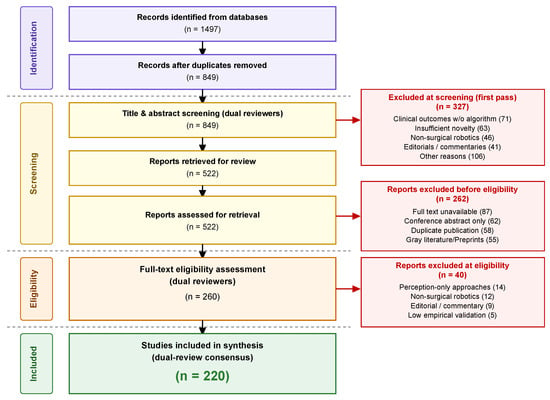
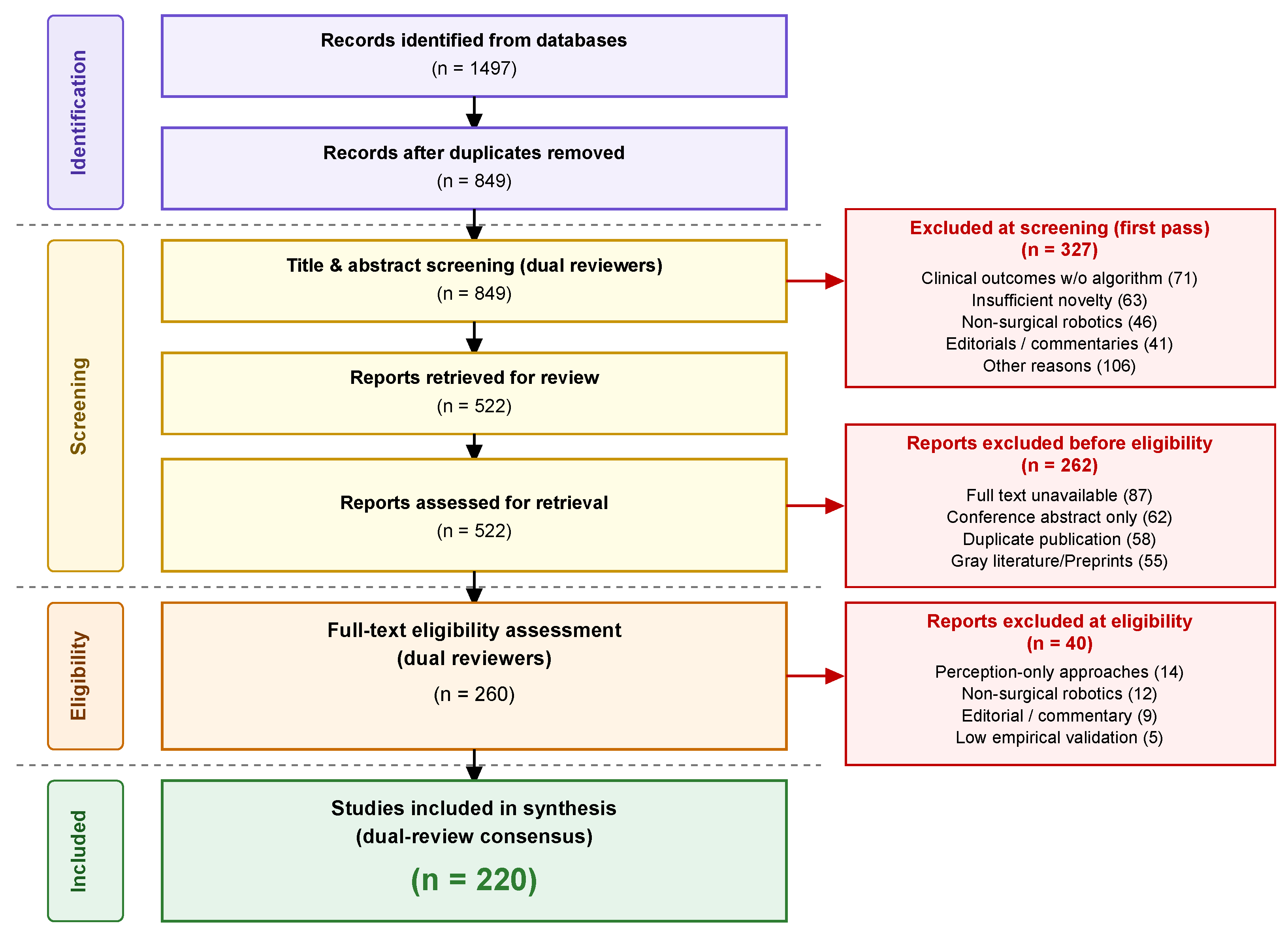

Disclaimer/Publisher’s Note: The statements, opinions and data contained in all publications are solely those of the individual author(s) and contributor(s) and not of MDPI and/or the editor(s). MDPI and/or the editor(s) disclaim responsibility for any injury to people or property resulting from any ideas, methods, instructions or products referred to in the content. |
© 2026 by the authors. Licensee MDPI, Basel, Switzerland. This article is an open access article distributed under the terms and conditions of the Creative Commons Attribution (CC BY) license.