


Abstract
Disposable post-consumer diaper (nappy) waste represents a growing and compositionally complex waste stream containing recoverable materials with considerable potential for civil engineering applications. This systematic review critically evaluates the utilisation of post-consumer disposable diaper waste and its recovered constituents across civil engineering applications, linking laboratory-scale research with emerging industrial recycling and material-recovery pathways. The review demonstrates that engineering performance is strongly dependent on the intended application, processing method, replacement level and recovered material fraction. Direct incorporation of processed nappy waste provides a relatively simple waste-diversion route but is frequently associated with reductions in mechanical strength, increased porosity and variability arising from material heterogeneity. In contrast, selective recovery enables superabsorbent polymers, cellulose fibres and polyolefin fractions to be utilised according to their distinct moisture-regulating, reinforcing and material-modifying properties. Applications in concrete, mortar and plaster, masonry products, and soil and geotechnical engineering demonstrate differing levels of technical feasibility, performance benefits and limitations. Importantly, this review integrates evidence from civil engineering applications with existing and emerging industrial nappy-recycling technologies, highlighting opportunities for component-based resource recovery within a circular-economy framework. Key priorities for future research and implementation include standardisation and characterisation of recovered materials, assessment of long-term durability and field performance, development of scalable and hygienically robust recovery processes, and comprehensive life-cycle environmental and economic evaluation.
1. Introduction
1.1. Climate Change and Sustainable Construction
Climate change is one of the greatest global challenges, requiring urgent reductions in greenhouse gas (GHG) emissions alongside more sustainable resource management. International initiatives, including the Paris Agreement and the United Nations Sustainable Development Goals (SDGs), have established ambitious targets for achieving net-zero emissions and accelerating the transition towards a circular, low-carbon economy. Despite these commitments, global progress remains insufficient, with only around 17% of SDG targets currently on track to be achieved by 2030 [1,2].
The building and construction sector plays a central role in this transition due to its substantial environmental footprint. The sector accounts for approximately 37% of global greenhouse gas emissions (≈14 Gt CO2 annually), including around 10 Gt CO2 from building operations and 4 Gt CO2 from construction materials and building activities, as shown in Figure 1. Consequently, achieving net-zero buildings requires reductions in both operational and embodied carbon through improved building performance, cleaner construction practices and the adoption of low-carbon materials [3].
Figure 1.
Contribution of the buildings and construction sector to global greenhouse gas emissions, distinguishing operational and embodied carbon sources [3].
Historically, sustainable construction has focused on reducing operational energy demand through energy-efficient building design and renewable energy technologies. However, as operational emissions decline, through advances in energy efficiency and renewable technologies, embodied carbon is becoming an increasingly important contributor to whole-life building emissions. Embodied carbon encompasses emissions associated with raw material extraction, manufacturing, transportation, construction and end-of-life management, making material selection a critical component of building decarbonisation strategies [3,4]. Environmental performance is commonly evaluated using embodied energy and Life Cycle Assessment (LCA), although inconsistencies in system boundaries and assessment methodologies continue to limit comparisons between conventional and emerging construction materials [4,5,6,7].
Alongside decarbonisation, the circular economy has emerged as a complementary strategy for reducing resource consumption and waste generation. Unlike the traditional linear model of take–make–dispose, the circular economy promotes reducing, reusing, recovering and recycling materials to maximise resource efficiency throughout their life cycle. Rather than focusing solely on recycling, circular economy principles encourage systemic changes in material use, business models and resource management to support sustainable development [8,9,10].
The construction industry is particularly well positioned to implement circular economy principles because of its high demand for raw materials and its proven capacity to incorporate secondary resources. Numerous waste streams, including fly ash, blast furnace slag, recycled aggregates, waste plastics and municipal solid waste ash, have already demonstrated their potential to replace virgin materials, whilst maintaining acceptable engineering performances [11]. Nevertheless, successful implementation requires balancing environmental benefits with durability, structural performance and economic feasibility [12]. Against this background, identifying novel waste streams capable of reducing landfill disposal while producing value-added construction materials has become an important research priority. Post-consumer disposable nappy waste represents one such opportunity and forms the focus of this review.
1.2. Disposable Diapers and Post-Consumer Waste Generation
Disposable diapers (also known as nappies in the UK and some other countries) are among the most widely used absorbent hygiene products (AHPs), significantly improving infant care, public health and quality of life. Since their commercial introduction in the late 1940s, continuous advances in material science, nonwoven textiles and polymer technology have transformed diapers from bulky cellulose-based products into lightweight, highly absorbent composite systems with improved comfort and reduced material consumption [13].
As illustrated in Figure 2, modern disposable diapers comprise multiple functional layers, including a permeable, hydrophobic polypropylene (PP) top sheet, an acquisition and distribution layer (ADL), an absorbent core containing cellulose fluff pulp and superabsorbent polymers (SAPs), a polyethylene (PE) back sheet, together with elastic components and fastening systems. Cellulose fibres facilitate liquid distribution, while SAPs are cross-linked hydrogels capable of absorbing several hundred times their own weight in water, enabling thinner diapers with superior absorbency. Polyolefin components provide moisture protection, flexibility and mechanical integrity [14,15,16].
Figure 2.
Layered structure and representative material composition of a modern disposable diaper, showing the principal cellulose, superabsorbent polymer (SAP), polypropylene (PP) and polyethylene (PE) fractions [14].
Alongside material innovation, manufacturing processes have become increasingly resource-efficient. Eco-design approaches, including material optimisation and glueless bonding technologies, have been reported to reduce raw material consumption by approximately 23%, manufacturing energy demand by 10%, and associated greenhouse gas emissions and life-cycle costs without compromising product performance [17,18].
Despite these advances, disposable diapers have become an increasingly important waste stream. More than 20 billion diapers are used annually within the European Union alone, generating millions of tonnes of waste composed primarily of cellulose fibres, plastics and SAPs [18]. However, their multilayer structure, biological contamination and heterogeneous composition make recycling technically challenging and economically costly [14,17].
Consequently, improving manufacturing sustainability alone is insufficient to address the environmental burden associated with post-consumer nappy waste. Recovering valuable constituents through recycling and resource recovery has therefore become increasingly important within circular-economy strategies. Such recovery creates two potential pathways for civil engineering utilisation: direct incorporation of processed nappy waste and selective recovery of individual material fractions for targeted engineering applications.
1.3. Recycling and Resource Recovery
The growing volume of disposable diaper waste has stimulated increasing interest in recycling and resource recovery as alternatives to conventional landfilling and incineration. Consistent with circular economy principles, the objective is to recover valuable materials and retain them within productive use rather than treating diapers solely as waste [8,9]. Figure 3 illustrates the typical diaper waste recovery pathway, beginning with collection and sanitisation, followed by mechanical separation into cellulose fibres, polyolefin plastics (PP/PE), superabsorbent polymers (SAPs) and residual materials, before their conversion into new products.
Figure 3.
Conventional disposal and resource-recovery pathways for post-consumer disposable diapers, from collection and sanitisation to separation and recovery.
Several recycling technological approaches have been developed for absorbent hygiene products, including mechanical recycling, thermal treatment (pyrolysis and gasification), composting and open-loop recycling. Mechanical recycling remains the most established approach, involving sterilisation, shredding and material separation, whereas thermal processes recover energy or secondary raw materials. Open-loop recycling has recently gained attention because recovered diaper components can be incorporated into entirely different products rather than being recycled back into diapers, thereby increasing resource utilisation and reducing landfill disposal.
Industrial initiatives have demonstrated the technical feasibility of diaper recycling. Companies such as NappiCycle, Knowaste, FaterSMART and Unicharm have developed processes capable of recovering cellulose, plastics and SAPs from post-consumer diapers. However, widespread commercial implementation remains limited by the costs of collection, sanitisation, material separation and transportation, together with the lack of dedicated recycling infrastructure.
Among the valorisation routes identified in the literature, civil engineering represents one potential utilisation pathway for selected recovered diaper-derived materials where their functional properties can be matched with appropriate engineering applications. Construction materials have previously incorporated a range of secondary resources, including fly ash, slag, recycled aggregates and waste plastics [11,19,20]. Similarly, the individual components recovered from diapers may provide specific engineering functions: cellulose fibres may contribute reinforcement or moisture regulation, polyolefin fractions may provide polymeric reinforcement, and SAPs may function as internal-curing or water-regulating agents. Recent studies have also demonstrated the feasibility of incorporating shredded diapers, recovered SAPs and diaper-derived ash into concrete, mortar, bricks and geotechnical materials [19,20]. However, post-consumer diaper waste is a heterogeneous and potentially contaminated feedstock, and its direct acceptance as a construction material cannot be assumed. Practical utilisation would require effective sanitisation and separation, consistent material characterisation, quality-control procedures, standardised processing and application-specific engineering validation. Consequently, the reviewed evidence is more appropriately interpreted in terms of the potential utilisation of controlled recovered fractions rather than the indiscriminate use of mixed post-consumer diaper waste.
Despite these developments, important challenges remain in collection, sanitisation, material separation, quality control and long-term engineering performance. Moreover, the available evidence is fragmented across different applications, processing methods, incorporation levels and recovered material fractions, limiting direct comparison between studies. Accordingly, this review critically evaluates post-consumer nappy waste and its recovered constituents while distinguishing direct incorporation of processed nappy waste from selective component recovery and linking laboratory-scale evidence with emerging industrial material-recovery pathways.
1.4. Aim and Objectives
Growing interest in circular-economy strategies has increased research into the utilisation of post-consumer disposable nappy waste in construction. However, the literature remains fragmented across different recovered materials, applications, processing methods and incorporation levels, with limited synthesis linking laboratory-scale engineering performance to industrial material-recovery pathways. This review addresses this gap through a systematic, component- and application-based assessment of post-consumer nappy waste utilisation in civil engineering.
The aim of this review is to critically evaluate the utilisation of post-consumer disposable nappy waste and its recovered constituents in civil engineering, with emphasis on the influence of intended application, processing method, incorporation or replacement level and recovered material fraction on engineering performance and on the transition from laboratory-scale research towards industrial implementation. The review is therefore focused on critically synthesising the technical evidence for civil engineering utilisation rather than establishing construction as the preferred end-of-life pathway for diaper-derived materials. Comparative ranking of construction against closed-loop recycling or other higher-value recovery routes would require dedicated life-cycle, techno-economic and material-flow assessments beyond the scope of the present review. The specific objectives are to:
- Systematically identify and classify existing studies according to recovered diaper components and civil engineering applications.
- Critically evaluate and compare engineering performance across concrete, mortar and plaster, masonry, and soil and geotechnical applications, considering processing methods, incorporation or replacement levels, recovered material fractions and associated performance limitations.
- Compare direct incorporation of processed nappy waste with selective component recovery and relate the properties of recovered cellulose, SAPs, PP/PE and ash to their potential engineering functions and targeted applications.
- Assess industrial recycling and material-recovery pathways and their potential to supply suitable secondary materials for civil engineering applications.
- Identify key research priorities relating to standardisation and characterisation of recovered materials, long-term durability and field performance, scalable and hygienically robust recovery processes, and comprehensive environmental and economic evaluation.
2. Methodology
2.1. Review Methodology
This study employed a systematic literature review to synthesise the current state of knowledge on the utilisation of disposable diaper waste in civil engineering. Systematic reviews provide a transparent, reproducible and structured approach for identifying, evaluating and synthesising existing evidence while minimising selection bias [21,22]. The review was conducted and reported in accordance with the Preferred Reporting Items for Systematic Reviews and Meta-Analyses (PRISMA) 2020 guidelines [23,24]. The study identification, screening, eligibility assessment and inclusion process is presented in the PRISMA 2020 flow diagram provided as Supplementary Figure S1. The review was not registered, and no formal review protocol was prepared.
The review methodology comprised six sequential stages: (i) defining the review scope and research questions; (ii) conducting a comprehensive literature search using predefined search terms; (iii) screening and selecting studies according to predefined inclusion and exclusion criteria; (iv) examining the characteristics of the retrieved literature; (v) classifying the selected studies into predefined review categories; and (vi) extracting, analysing and synthesising the relevant information. Owing to substantial heterogeneity in the recovered diaper fractions, processing methods, incorporation levels, engineering applications, experimental procedures and reported performance indicators, a quantitative meta-analysis was not considered appropriate. The evidence was therefore synthesised using a structured comparative narrative approach.
2.2. Literature Search Strategy
A comprehensive literature search was conducted in July 2026 to identify studies investigating the utilisation of disposable diaper waste in civil engineering and construction applications. The search was performed using the Scopus and Web of Science (WoS) databases, selected for their broad coverage of peer-reviewed literature across engineering, environmental science and materials science, while minimising duplication between publisher-specific databases [25].
To maximise the retrieval of relevant studies, Boolean operators and wildcard characters were employed to combine keywords related to disposable diaper waste and construction applications, as shown in Figure 4. The final search string was:
Figure 4.
Systematic literature-search and study-selection framework used in this review.
TITLE-ABS-KEY ((diaper* OR nappy OR nappies OR “disposable diaper*” OR
“disposable nappy*” OR “nappy waste” OR “diaper waste”) AND (concrete OR mortar OR brick OR pavement OR building Environment OR construction OR Geotechnical OR Infrastructure OR))
The search was applied to the title, abstract and keywords of publications, with no restriction placed on the year of publication to ensure comprehensive coverage of the available literature. Only publications written in English were considered. The search terms were adapted to the syntax of each database and applied to publication titles, abstracts and keywords.
2.3. Study Selection and Eligibility Criteria
The retrieved records were screened and assessed for eligibility in accordance with the Preferred Reporting Items for Systematic Reviews and Meta-Analyses (PRISMA 2020) guidelines using the predefined inclusion and exclusion criteria summarised in Table 1. The complete literature search and study selection process is illustrated in Figure 4.
Table 1.
Inclusion and exclusion criteria applied during the systematic literature review and study-selection process.
Studies were included if they investigated disposable diaper waste or its recovered components in relation to civil engineering, construction materials, recycling technologies or resource recovery in construction. To ensure comprehensive coverage of this emerging research field, both journal articles and conference papers were considered. Studies were excluded if they focused exclusively on medical or healthcare applications or addressed absorbent hygiene products other than disposable diapers without direct relevance.
The initial database search identified 305 publications, comprising 231 records from Scopus and 74 from Web of Science. The temporal distribution of the retrieved publications is presented in Figure 5. Although the earliest indexed publication dates back to 1973, research activity remained limited for several decades, with only a small number of studies published before 2000. A gradual increase is observed after 2010, followed by a marked acceleration from 2018 onwards, coinciding with increasing research interest, waste valorisation and sustainable construction materials. The lower number of publications identified for 2026 reflects an incomplete publication year at the time of the literature search.
Figure 5.
Temporal distribution of publications retrieved from Scopus and Web of Science during the literature search, illustrating the growth in research activity on disposable diaper waste and applications. * Up to date when the research was done October 2026.
Following removal of duplicate records, titles and abstracts were independently screened by two reviewers against the predefined eligibility criteria presented in Table 1. Potentially relevant publications were subsequently assessed against the same criteria before inclusion in the final dataset. Any disagreement regarding eligibility was resolved through discussion and consensus between the reviewers. No automated screening tools were used. The number of records identified, excluded, assessed and ultimately included is presented in the PRISMA 2020 flow diagram (Supplementary Figure S1).
Following title and abstract screening, 26 records from each database were retained for full-text assessment. After combining the two datasets and removing duplicate records, a final dataset of 45 unique studies satisfied the eligibility criteria and was selected for detailed classification and synthesis, as described in the following section.
2.4. Literature Classification and Data Synthesis
To facilitate a structured synthesis, the 45 selected studies were classified into three primary research themes: Background and Fundamentals, Resource Recovery and Valorisation, and Civil Engineering Applications, as illustrated in Figure 6. Studies addressing civil engineering applications were further classified by application—concrete, mortar and plaster, masonry, and soil and geotechnical applications—and by recovered diaper component: whole diaper waste, cellulose fibres, superabsorbent polymers (SAPs), polypropylene/polyethylene (PP/PE) and diaper waste ash. As some studies investigated multiple components or applications, these categories were considered non-mutually exclusive where appropriate.
Figure 6.
Classification framework for the 45 studies included in the systematic review according to research focus, recovered diaper component and civil engineering application.
For each study, information was systematically extracted on the recovered material fraction, intended engineering application, processing method, incorporation or replacement strategy and level, reported engineering-performance indicators, and principal findings. Comparative synthesis focused on four principal determinants of performance: (i) intended application, (ii) processing method, (iii) incorporation or replacement level, and (iv) recovered material fraction. Particular attention was given to distinguishing direct incorporation of processed nappy waste from selective component recovery and to relating the intrinsic properties of recovered fractions to their potential engineering functions.
Owing to substantial methodological and material heterogeneity among the included studies, including differences in material composition, processing routes, experimental procedures, incorporation levels and reported performance indicators, statistical pooling of effect estimates was not undertaken. Instead, findings were synthesised narratively and comparatively within the predefined component- and application-based categories. Apparent differences between studies were interpreted in relation to these methodological and material characteristics rather than through formal statistical heterogeneity or sensitivity analyses.
Figure 6 demonstrates that the included literature is distributed across several distinct research themes, recovered material fractions and civil engineering applications. This classification highlights the heterogeneous nature of the evidence base and provides the structure used for the subsequent comparative synthesis, allowing the performance and limitations of individual diaper-derived components to be evaluated according to their intended engineering function.
2.5. Quality Assessment and Certainty of Evidence
A formal risk-of-bias or certainty-of-evidence assessment was not undertaken because the included literature comprised heterogeneous engineering studies with substantial variation in study design, materials, experimental procedures, performance indicators and reporting formats, and the review was designed primarily as a comparative evidence synthesis rather than a quantitative intervention review. Instead, the evidence was critically evaluated considering the experimental design, material characterisation, processing conditions, incorporation levels, reported engineering performance and consistency of findings across studies. Consequently, no formal overall certainty rating was assigned to individual outcomes or to the body of evidence.
Formal assessment of publication or selective-reporting bias was also not undertaken because the review did not involve statistical pooling of comparable effect estimates. The possibility of reporting and publication bias should nevertheless be recognised when interpreting the findings, particularly given the relatively small and heterogeneous evidence base for several recovered diaper components and engineering applications.
3. Literature Review and Synthesis
3.1. Background and Fundamentals
3.1.1. Evolution of Disposable Diaper Technology
Early research on disposable diapers focused primarily on improving product performance, absorbency and manufacturing efficiency, with little consideration given to end-of-life management or material recovery. During the 1990s, product development increasingly emphasised source reduction, with reductions in fluff pulp content enabled by greater use of superabsorbent polymers (SAPs) and improved fluid-management systems, resulting in thinner and more absorbent products [26].
Subsequent research focused on optimising multilayer diaper construction, absorbent core composition and manufacturing processes. Studies consistently demonstrated that improvements in fluid management, optimisation of SAP-to-pulp ratios and advances in adhesive technologies enhanced liquid absorption, wearer comfort and manufacturing efficiency, enabling the production of thinner, lighter and more absorbent products. At the same time, these developments transformed disposable diapers into increasingly sophisticated multi-material composite systems, significantly increasing the complexity of constituent separation and material recovery at end-of-life [27,28,29].
Collectively, these studies illustrate that research has historically focused on enhancing product functionality and manufacturing processes rather than addressing environmental sustainability. Therefore, the resulting evolution towards increasingly sophisticated multi-material products has also created greater challenges for waste management, highlighting the need for effective recycling technologies capable of recovering valuable constituents such as cellulose fibres, SAP and polyolefin plastics. This shift has driven recent research towards resource recovery and circular economy approaches, as discussed in the following section.
3.1.2. Material Constituents and Rationale for Resource Recovery
The growing interest in recovering disposable diaper waste is largely driven by the intrinsic value of its constituent materials rather than the waste product itself. Modern disposable diapers contain high-value polymers and fibres, including superabsorbent polymers (SAPs), cellulose fibres and polypropylene (PP), all of which possess well-established applications beyond hygiene products. Consequently, recovering these constituents offers opportunities to transform a complex waste stream into valuable secondary resources suitable for a range of engineering applications.
Among these materials, SAPs have attracted the greatest research attention owing to their exceptional water absorption and controlled water-release capabilities. Early work by [30] established crosslinked partially neutralised polyacrylic acid as the dominant commercial SAP because of its high absorbency, low cost and safety, while recognising that hygiene-grade SAPs require further modification before they can be adopted in engineering applications. Subsequent reviews demonstrated that SAPs have evolved far beyond their original hygienic applications, functioning as multifunctional admixtures in cementitious materials to provide internal curing, reduce autogenous shrinkage, improve hydration, control cracking and enhance long-term durability [16,31,32]. More recently, research has shifted towards biodegradable and bio-based SAP composites capable of maintaining high absorbency while reducing dependence on fossil-derived polymers, reflecting increasing emphasis on sustainability and circular economy principles [33].
In addition to SAPs, both polypropylene and cellulose possess considerable engineering value. The authors of [34] demonstrated that polypropylene is already extensively used in fibre-reinforced concrete, thermoplastic composites, geotextiles, drainage systems and road construction, where it improves tensile strength, crack resistance, durability and impact performance. Moreover, the authors highlighted the growing interest in cellulose fibres as lightweight, renewable reinforcement materials suitable for polymer composites, construction products and precast concrete applications. Although the latter study did not experimentally validate cellulose in cementitious materials, it demonstrated the broad versatility of cellulose and its potential as a sustainable engineering resource.
Collectively, these studies demonstrate that the individual constituents of disposable diapers already possess significant technical and commercial value across multiple engineering sectors. Consequently, the principal challenge is not identifying new applications for these materials, but rather developing efficient technologies capable of separating and recovering them from the highly integrated multilayer structure of disposable diapers. This recognition has shifted research from product optimisation towards resource recovery and valorisation, forming the basis of the recycling technologies discussed in the following section.
3.1.3. Environmental Impacts and Sustainability
The widespread use of disposable diapers has created a growing environmental challenge due to increasing waste generation, reliance on fossil-derived materials and limited end-of-life recovery options. Ref. [35] estimated that rural communities in South Africa generate more than 200,000 used diapers per day, while [36] projected that disposable diapers could account for up to 20% of combustible municipal waste in many Japanese municipalities by 2045. These findings demonstrate that disposable diapers are becoming a major municipal waste stream, requiring dedicated collection, treatment and recovery.
Life-cycle assessment studies indicate that a substantial proportion of the environmental burden of disposable diapers originates from constituent-material production. As illustrated in Figure 7, ref. [37] identified SAP production as the largest contributor to carbon footprint, followed by polypropylene, while manufacturing electricity contributed comparatively less. This concentration of impacts suggests that selective recovery of high-impact constituents may offer greater environmental benefits than treating diapers as a homogeneous waste stream. Ref. [38] similarly reported lower calculated carbon emissions for diaper-waste concrete through recycling credits; however, collection, transportation, sanitisation and separation were excluded, highlighting the need for comprehensive life-cycle assessment before environmental benefits can be confirmed.
Figure 7.
Relative contributions of material production and manufacturing processes to the carbon footprint of disposable and reusable absorbent hygiene products. Data adapted from [37].
Current disposal practices further increase environmental impacts. Ref. [39] demonstrated that diaper-derived plastics persist during composting and fragment into fine particles that contaminate compost products, while [35] identified illegal dumping, open burning and burial as common disposal practices in areas with limited waste management infrastructure. Consequently, conventional disposal not only wastes valuable secondary resources but also creates additional environmental and public health concerns.
Recognising these limitations, recent research has increasingly adopted a circular economy perspective that prioritises material recovery over disposal. The authors of [40] demonstrated that biodegradable diapers remain constrained by the poor degradation of polyolefin components and conventional SAPs, indicating that biodegradability alone cannot fully address the environmental burden. Similarly, ref. [41] concluded that sustainable diaper management requires integrated collection, recycling and resource recovery systems supported by improved product design and public awareness. Collectively, these studies indicate that recovering high-value constituents, particularly SAPs and polypropylene, represents a promising strategy for reducing the environmental burden of disposable diaper waste and provides the rationale for the recycling technologies discussed in the following section.
3.2. Civil Engineering Applications of Post-Consumer Nappy Waste and Recovered Constituents
3.2.1. Concrete
Concrete is the most extensively investigated civil engineering application of post-consumer nappy waste and its recovered constituents. Three principal utilisation pathways have been investigated: (i) direct incorporation of processed nappy waste, (ii) selective recovery and utilisation of superabsorbent polymer (SAP) as a functional admixture, and (iii) thermal processing of nappy waste to produce ash for partial cement replacement. These pathways differ fundamentally in processing method, recovered material fraction, incorporation level and intended engineering function and should therefore be evaluated separately [42,43,44].
Processed Post-Consumer Nappy Waste in Concrete
Direct incorporation of processed post-consumer nappy waste represents a relatively simple valorisation strategy because it minimises the need for selective separation of individual constituents. However, the resulting material remains a heterogeneous mixture of cellulose fibres, SAPs and polymeric fractions. Its engineering performance therefore depends strongly on processing method, incorporation level and intended function within the concrete, with higher replacement levels generally associated with greater reductions in mechanical performance [42,45].
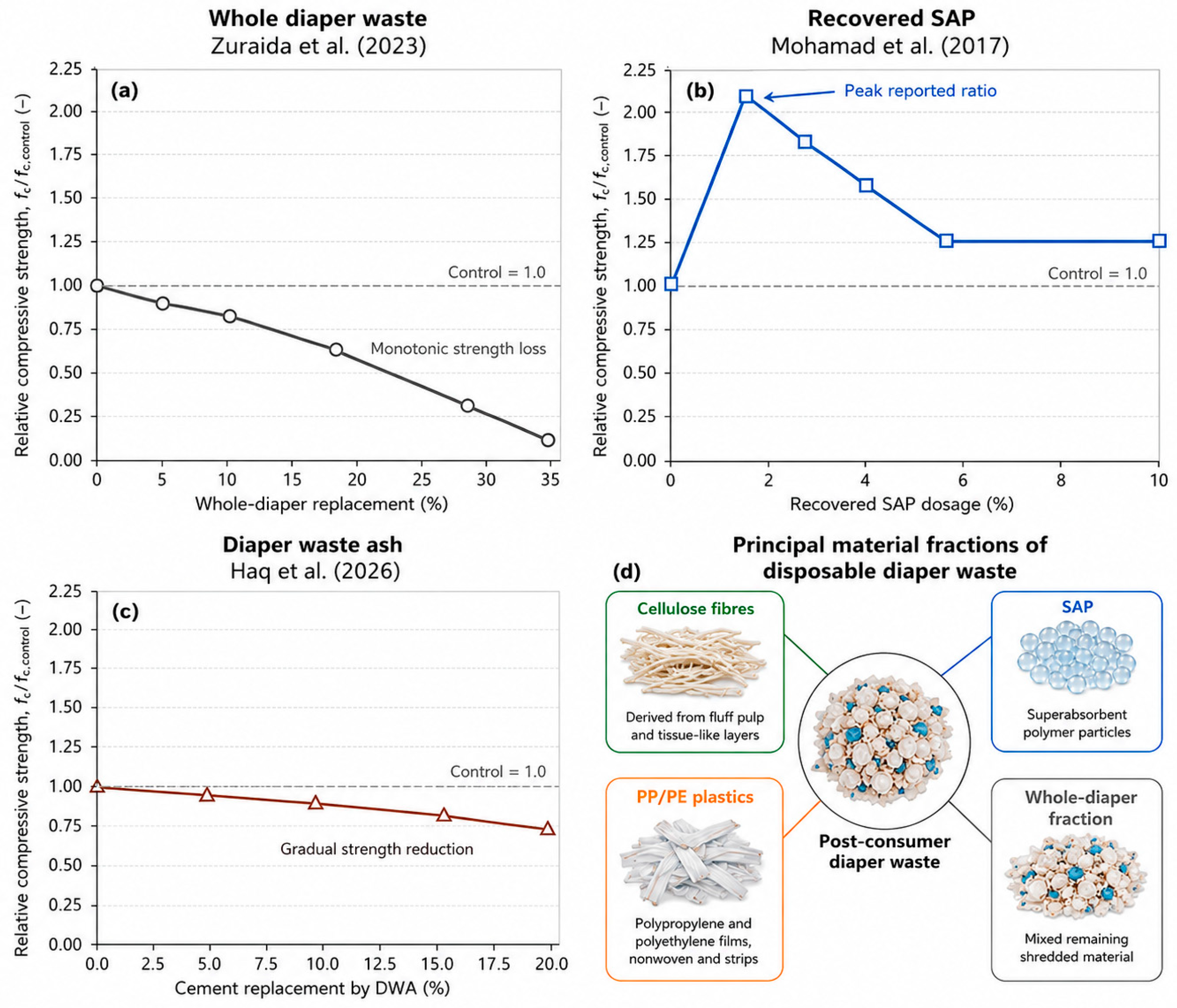
Ref. [45] demonstrated that recycled diaper waste can partially replace conventional concrete constituents while maintaining adequate compressive strength when replacement levels remain relatively low. Their analysis suggested that replacement levels of approximately 10% are suitable for structural concrete, whereas substantially higher replacement levels are better suited to non-structural applications owing to progressive reductions in strength, as shown in Figure 8. The authors further highlighted that replacement should be based on equivalent volume rather than mass because the low density of diaper waste would otherwise result in excessive volumetric substitution. They also emphasised that although recycling is technically feasible, practical implementation remains constrained by collection, sanitisation, shredding and separation processes, which currently limit large-scale application.
A different utilisation strategy was proposed by [42], who investigated shredded waste diapers (SWDs) as viscosity-modifying admixtures rather than as replacement materials. Their results showed that low SWD contents effectively increased the yield stress and viscosity of cement grouts and self-compacting concrete, with approximately 1% SWD improving fresh concrete rheology without compromising compressive strength. To ensure compliance with durability and safety requirements associated with residual urine constituents, the authors recommended limiting SWD contents to approximately 2% in reinforced concrete and 5% in non-reinforced concrete. These findings demonstrate that whole diaper waste may provide greater engineering value as a functional admixture than as a bulk replacement material.
Collectively, these studies indicate that the engineering performance of whole diaper waste is governed primarily by its intended role within the concrete. When used as a replacement material, increasing waste content generally reduces mechanical performance, whereas limited incorporation as a rheology-modifying admixture can improve fresh concrete behaviour without adversely affecting strength.
Superabsorbent Polymers (SAPs) in Concrete
SAPs represent one of the most extensively investigated functional constituents relevant to nappy-waste valorisation because of its established role in internal curing and moisture regulation. However, the evidence base includes both SAP recovered from post-consumer diapers and commercial or virgin SAP investigated independently of nappy recycling. The latter provides important mechanistic evidence for potential engineering functionality but should not be interpreted as direct evidence of post-consumer nappy-waste utilisation. During mixing, SAP absorbs water and subsequently releases it as hydration progresses, with the resulting balance between internal curing and residual pore formation strongly dependent on SAP characteristics and dosage [43,46,47,48], as outlined below.
Several studies have observed improvements in workability following SAP incorporation because the swollen polymer acts as an internal water reservoir. The authors of [43] reported increases in slump of approximately 26% and 50% for mixtures containing 3% and 5% diaper polymer, respectively, while also achieving an 18% increase in long-term compressive strength at the highest dosage through enhanced internal curing. Similarly, ref. [47] found that SAP increased compressive strength, with hydrogel contents between approximately 1.5% and 2% providing the best balance between compressive and split tensile strength. Both studies, however, noted that excessive SAP contents increased water absorption or drying shrinkage owing to additional pore formation after water release.
Not all investigations reported strength enhancement. The authors of [48] observed that although SAP consistently improved workability and internal curing, compressive strength decreased progressively with increasing SAP dosage because additional voids were formed within the hardened cement matrix. Approximately 1% SAP provided the optimum compromise between workability and strength, whereas higher dosages resulted in strength reductions of around 15–30% relative to the control concrete. Similar observations were reported for cement mortars, where increasing the SAP content improved moisture transport and internal curing but also increased porosity, reducing compressive and flexural strength at higher dosages [49].
Despite these apparent differences, the overall findings are remarkably consistent. None of the studies questioned the effectiveness of SAPs as an internal-curing material; instead, they differed primarily in identifying the optimum dosage. This variation is likely attributable to differences in concrete grade, water-to-cement ratio and SAP characteristics rather than contradictions in the underlying mechanism. Across all investigations, low SAP contents generally provided the most favourable balance between improved hydration and acceptable mechanical performance, whereas excessive SAP increased macroporosity after water release and consequently reduced strength.
More recent studies have shifted attention from virgin SAPs towards recycled SAPs recovered directly from disposable diapers, representing an important step towards component-specific circular utilisation. Refs. [50,51] demonstrated that recycled SAPs possessed a slightly lower swelling capacity than commercial SAP because of residual fibres and processing effects but maintained a comparable water absorption behaviour. Although recycled SAPs reduced compressive strength through macropore formation, its performance closely matched that of virgin SAPs in reducing autogenous shrinkage, promoting crack sealing and enhancing self-healing. These findings suggest that recovered diaper SAPs can replace commercially manufactured SAPs in cementitious materials with only limited reductions in engineering performance. Commercial SAPs are commonly based on partially neutralised sodium polyacrylate; therefore, their potential contribution to alkali loading should also be considered when evaluating their use in cementitious systems, particularly at higher dosages [30].
The practical feasibility of recycled SAPs has also been supported through chemical characterisation studies. Refs. [46,52] reported only minor differences between new and recovered diaper polymers in terms of pH, chemical oxygen demand (COD), biochemical oxygen demand (BOD) and other chemical characteristics, indicating that recycling does not significantly alter the hydrogel chemistry. Subsequent material characterisation similarly confirmed that recovered SAPs remained chemically compatible with the alkaline concrete environment, although further long-term durability investigations are required before structural implementation can be fully validated. However, the available environmental characterisation remains limited. Although [46,52] assessed parameters including pH, turbidity, BOD and COD, the reviewed studies did not provide standardised leaching data for potentially relevant contaminants such as urea/ammonium, chlorides, sulphates, pathogens or pharmaceutical residues. Consequently, environmental compatibility cannot yet be established from the available chemical-characterisation data alone.
Overall, SAPs represent one of the most technically developed functional pathways relevant to nappy-waste valorisation. Unlike direct incorporation of processed nappy waste, SAPs are utilised primarily for their moisture-regulating and internal-curing functions rather than for waste replacement alone. Evidence using recovered post-consumer SAPs remains less extensive than the broader commercial-SAP literature; nevertheless, available studies indicate promising potential where recovery quality and dosage can be adequately controlled.
Diaper Waste Ash in Concrete
Research on diaper waste ash (DWA) remains comparatively limited. The authors of [44] investigated incinerated diaper waste ash as a partial cement replacement alongside ground granulated blast furnace slag (GBFS) as a fine aggregate replacement. Chemical analysis indicated that although DWA contains appreciable quantities of calcium, silica and alumina, its composition differs considerably from conventional supplementary cementitious materials. Accordingly, the authors concluded that DWA behaves predominantly as a low-reactivity filler rather than a pozzolanic material. The chemical composition reported by [44] also indicates approximately 5% Na2O in DWA, while K2O was not reported. At DWA replacement levels of 5–20%, this corresponds to an Na2O contribution of approximately 0.25–1.0% of total binder mass; at the recommended 10% replacement level, the contribution is approximately 0.50%. A complete equivalent-alkali value (Na2Oeq = Na2O + 0.658K2O) cannot be determined from the reported data because the required K2O information is unavailable. The relatively high sodium content nevertheless warrants further assessment of total alkali loading, setting behaviour, efflorescence and alkali–silica reaction before wider use of DWA in concrete.
Increasing DWA content progressively reduced compressive, tensile and flexural strengths because cement dilution outweighed any packing benefits. Nevertheless, acceptable durability, including satisfactory resistance to sulphate and acid attack and favourable microstructural characteristics, was achieved at relatively low replacement levels. The authors therefore recommended limiting DWA contents to approximately 10% for structural concrete applications. While these findings demonstrate that ash utilisation is technically feasible, the evidence currently suggests that DWA has considerably lower engineering potential than recovered SAPs because it contributes primarily through physical filler effects rather than active hydration.
Overall, the available evidence demonstrates that disposable diaper waste can be successfully incorporated into concrete through multiple utilisation pathways, with engineering performance governed primarily by the recovered component, its dosage and its intended function within the cementitious matrix, as shown in Figure 8.
Figure 8.
Comparative influence of disposable diaper-derived materials on concrete compressive strength: (a) whole diaper waste, (b) recovered SAP and (c) diaper waste ash, together with (d) the principal recoverable diaper components. Data synthesised from [44,45,47,53].
3.2.2. Mortar and Plaster
Research on disposable diaper-derived materials in mortars and plasters remains limited and is dominated by superabsorbent polymers (SAPs). Most available studies used commercial SAPs rather than polymer recovered directly from disposable diapers. Consequently, they demonstrate relevant engineering mechanisms and application pathways but provide only indirect evidence for diaper-waste valorisation.
Ref. [49] investigated 0.25–1.0 wt.% commercial SAPs in cement mortar and identified a clear trade-off between mechanical and hygrothermal performance. Increasing the SAP content raised the total porosity from 15.4% to 23.8% and increased water absorption, water-vapour permeability and the moisture-storage capacity. Thermal conductivity decreased by up to 22%, indicating potential benefits for lightweight renders and thermally insulating mortar layers. However, compressive and flexural strengths declined as SAP dosage increased because swelling and subsequent water release produced additional voids in the hardened matrix. Although continued internal curing was considered capable of supporting later-age hydration, the measured results indicate that pore formation dominated the mechanical response.
These findings show that SAP performance in mortar should not be judged solely by strength. In non-structural applications, improved moisture storage and lower thermal conductivity may be more valuable than maximum compressive resistance. Nevertheless, dosage remains critical because excessive porosity can compromise cohesion, surface durability and mechanical integrity. The response also differs from some concrete studies reporting strength improvement at low SAP contents, suggesting that SAP effects cannot be transferred directly between cementitious systems. The greater proportion of paste in mortar may make its performance more sensitive to SAP-generated pores.
A more application-specific role was examined by [54], who incorporated 0.5–1.5 wt.% SAP into cement–lime plaster for passive indoor moisture control. Increasing the SAP dosage enhanced porosity and moisture-storage capacity while reducing thermal conductivity and water-vapour diffusion resistance. These changes improved the ability of the plaster to absorb and release moisture within building envelopes. Computational modelling indicated that SAP-modified plasters reduced relative humidity in wall assemblies by approximately 6–10%, potentially lowering the risk of moisture accumulation and mould formation.
The thermal-energy benefit was comparatively modest, with a maximum estimated annual energy saving of approximately 3.2%. The principal value of SAP-modified plaster therefore lies in humidity buffering rather than energy conservation. This distinction is important because reduced thermal conductivity alone may overstate the overall building-performance benefit. The study also identified dosage optimisation and long-term durability as unresolved issues, particularly under repeated wetting and drying.
Broader SAP literature supports these mechanisms. Ref. [53] described SAPs as internal water reservoirs that can improve water retention, regulate rheology and extend the open time of cement-based materials, all of which are relevant to mortar placement and plaster finishing. However, this review concerned SAPs generally and did not directly evaluate recovered diaper polymer.
Evidence from recycled SAP in cementitious materials is encouraging but still indirect. Ref. [51] reported that diaper-derived recycled SAP retained a water-absorption behaviour broadly comparable with virgin SAP, despite slightly lower swelling capacity caused by residual fibres and processing. Recycled SAP reduced compressive strength through macropore formation but improved permeability control, crack sealing and self-healing.
Overall, SAPs offer useful moisture-regulating and thermal functions in mortar and plaster, but increased porosity and strength reduction remain the main limitations, as shown in Figure 9. Direct studies using recovered diaper SAPs in these applications are still scarce, leaving uncertainties regarding processing, contamination, adhesion, dimensional stability and long-term performance. Figure 9 highlights the principal trade-off associated with SAP incorporation in mortar, whereby improved moisture-regulating and hygrothermal behaviour is accompanied by increasing porosity and reductions in mechanical performance at higher dosages. This reinforces the importance of dosage optimisation according to the intended functional requirement of the material.
Figure 9.
Effect of SAP dosage on the relative mechanical and hygrothermal properties of cementitious mortar, together with the internal-curing mechanism associated with water absorption and subsequent release by SAP particles. Data adapted from [49].
3.2.3. Masonry
Research on the utilisation of disposable diaper waste in masonry products remains limited compared with concrete and mortar, with existing studies focusing primarily on concrete bricks, paving blocks and fired clay bricks. Nevertheless, masonry products represent a promising application because their lower mechanical requirements allow greater waste incorporation while supporting waste diversion and resource recovery objectives. Current studies have predominantly utilised whole diaper waste, avoiding the additional processing associated with component separation.
Ref. [45] demonstrated that the allowable incorporation of recycled diaper waste depends on the intended masonry application. Concrete bricks accommodated substantially higher replacement levels than paving blocks while maintaining the strength required for non-structural applications, suggesting that masonry products are more tolerant of whole diaper incorporation than structural concrete. Similar trends have been observed in concrete, where increasing processed nappy-waste content progressively reduces compressive strength, indicating that replacement level is a major determinant of mechanical performance alongside waste composition and processing conditions.
The observed strength reduction can be explained by the broader behaviour of diaper-derived materials in cementitious systems. Studies on recycled SAPs and diaper waste ash have shown that these materials modify pore structure and matrix continuity through internal curing, residual void formation and low-reactivity filler effects [43,44,46]. Although these investigations were conducted in concrete and mortar, they provide a mechanistic explanation for the gradual decline in masonry strength with increasing diaper content. This suggests that optimising replacement levels, rather than maximising waste utilisation, remains essential for maintaining engineering performance. The successful production of masonry units also depends on consistent feedstock quality. The authors of [45] identified collection, sanitisation and shredding as critical processing steps prior to incorporation. This aligns with the wider recycling literature, which recognises efficient separation and contamination control as prerequisites for producing recycled diaper materials with reliable engineering properties. For fired masonry products, particular attention should also be given to washing and the removal of soluble contaminants before processing. Residual soluble salts and other soluble species may remain within the recovered diaper-derived material and, if not adequately reduced during pretreatment, could contribute to efflorescence, surface staining and variability in the appearance and quality of the final product. Appropriate washing and contaminant-removal procedures may therefore be important for improving feedstock consistency and reducing the risk of salt-related defects prior to firing. However, the reviewed literature does not yet provide sufficient evidence to define standard washing conditions or to quantify the extent to which such pretreatment mitigates efflorescence in diaper-derived masonry products.
An alternative approach was investigated by [55] through the incorporation of recycled diaper waste into fired clay bricks. Unlike cement-based masonry products, the organic fraction contributed energy during firing, enabling lower firing temperatures while producing bricks that satisfied ASTM requirements for normal-duty applications. However, higher waste contents also increased water absorption and reduced crushing strength because combustion of the organic constituents generated additional porosity within the ceramic matrix. Similar porosity-related trade-offs have been reported for diaper-derived cementitious materials, reinforcing that waste incorporation must be balanced against engineering performance rather than maximised indiscriminately [44,49].
Overall, the available evidence indicates that masonry products represent one of the most promising near-term applications for whole disposable diaper waste. As illustrated in Figure 10, concrete bricks and fired clay bricks exhibit a substantially lower rate of compressive strength deterioration with increasing waste incorporation than structural concrete. This improved performance is attributed to the less stringent strength requirements of masonry products and their greater tolerance to increased porosity. In particular, concrete bricks benefit from a denser matrix and improved particle interlock, while fired clay bricks undergo ceramic bonding during firing. Consequently, these masonry applications can accommodate higher levels of diaper waste while maintaining acceptable engineering performance compared with conventional concrete. Nevertheless, current research remains limited to compressive strength and water absorption, with little understanding of long-term durability, weathering resistance, dimensional stability, leaching behaviour or life-cycle performance. Addressing these knowledge gaps will be essential before recycled diaper materials can be adopted in commercial masonry production.
Figure 10.
Comparative reduction in relative compressive strength with increasing disposable diaper waste incorporation in concrete and masonry products, Data synthesised from [42,45,55].
3.2.4. Soil and Geotechnical Applications
Compared with cementitious applications, the utilisation of disposable diaper waste in soil and geotechnical engineering remains largely unexplored. However, the limited available evidence indicates that the engineering role of recovered diaper components differs fundamentally from that in concrete and masonry. Rather than acting as replacements for conventional construction materials, recovered polyethylene, polypropylene, cellulose and superabsorbent polymer (SAP) primarily function as reinforcing or moisture-regulating agents, exploiting the inherent physical properties of each component. An experimental study has directly evaluated recycled diaper waste for soil stabilisation, demonstrating that polyethylene strips recovered from diaper back-sheet layers increased the California Bearing Ratio (CBR) of soft clay by approximately 2.5 times through enhanced soil–strip interaction and restriction of deformation, as shown in Figure 11 [56]. The optimum performance was achieved at a relatively low dosage of 0.5%, indicating that the reinforcing efficiency of the recovered polymer depends on effective stress transfer and frictional interaction with the surrounding soil rather than the quantity of material incorporated.
Figure 11.
Influence of recovered polyethylene strip dimensions and dosage on the California Bearing Ratio (CBR) of soft clay, demonstrating the optimum reinforcing configuration for diaper-back-sheet-derived strips. Data adapted from [56].
Although direct experimental validation remains limited, the wider literature consistently demonstrates that the individual constituents of disposable diapers possess characteristics already exploited in soil and geotechnical engineering. Polypropylene fibres are widely used in geotextiles, soil stabilisation, erosion control and road construction owing to their high tensile strength, chemical stability and durability under environmental exposure [34]. Likewise, recent reviews of open-loop recycling identify soil amendments as a promising utilisation pathway for recovered diaper materials, recognising the potential to divert waste into applications where the functional properties of the constituent materials can be effectively utilised [57]. While these studies do not directly investigate recycled diaper components, they provide a strong engineering basis for their application in ground improvement, particularly where tensile reinforcement and deformation control are required.
The absorbent components of disposable diapers offer additional opportunities that differ from conventional soil reinforcement. SAPs have long been recognised for their ability to absorb and gradually release large quantities of water, supporting applications in soil water retention, stabilisation, tunnel sealing and dust suppression [32,58]. Similarly, cellulose fibres have demonstrated considerable potential for improving high-water content soils through enhanced moisture absorption, with longer fibres exhibiting greater water uptake and improved ground conditioning performance [59]. Collectively, these studies indicate that the value of disposable diaper waste in soil systems extends beyond mechanical reinforcement, encompassing hydraulic regulation and moisture management. Consequently, each recovered component performs a complementary engineering function that could be exploited following effective separation and processing.
Overall, soil and geotechnical engineering illustrates the potential value of component-based utilisation, although direct experimental evidence involving recovered post-consumer nappy materials remains limited. Available evidence indicates that recovered polymeric fractions can provide tensile reinforcement, while SAPs and cellulose offer potential moisture-regulating and water-absorption functions. However, much of the broader evidence for these functions is derived from commercial or non-nappy-derived materials and should therefore be regarded as mechanistic support rather than direct validation of recovered post-consumer constituents. Future research should prioritise field-scale validation, long-term mechanical and hydraulic performance, and scalable recovery of consistent and hygienically safe material fractions. Figure 11 demonstrates that the effectiveness of recovered polyethylene strips in soil reinforcement depends on both strip geometry and dosage rather than simply increasing the quantity of recovered polymer. The observed optimum therefore supports a performance-based approach in which material configuration is matched to the intended geotechnical function.
3.3. Component-Based Engineering Synthesis
The reviewed literature indicates a transition from direct utilisation of whole disposable diaper waste towards the recovery and application of individual constituents, as summarised in Figure 12 and Table 2. Early studies primarily incorporated shredded diapers because minimal processing was required. However, advances in diaper design and material performance have increased product complexity while simultaneously highlighting the value of recovering individual components such as SAPs, cellulose fibres and polyolefin plastics for secondary applications [60]. Consequently, recent research increasingly focuses on component recovery rather than mixed waste utilisation, reflecting broader advances in recycling technologies and circular economy strategies that prioritise resource recovery over disposal [61,62,63].
Figure 12.
Component-based engineering framework for post-consumer disposable diaper waste, linking recovered whole diaper material with civil engineering applications.
Table 2.
Component-based synthesis of recovered disposable diaper materials, their potential civil engineering applications, utilisation strategies, engineering mechanisms and key limitations.
Comparison across the reviewed studies indicates that the engineering maturity of recovered diaper components varies considerably. Whole diaper waste has been investigated because it provides a straightforward recycling pathway and has demonstrated feasibility in concrete, masonry and geotechnical applications. However, its performance is often constrained by material heterogeneity and contamination. In contrast, SAPs represent the most extensively developed functional pathway, with well-established mechanisms for internal curing, shrinkage reduction and hydration enhancement in cementitious materials. Cellulose fibres also show promise as sustainable reinforcement, although evidence regarding long-term durability remains limited. Polypropylene and polyethylene have received comparatively less attention despite their established engineering applications. In addition to the limited evidence on long-term field performance, an important limitation is the lack of reaction-to-fire assessment for diaper-derived PP/PE fractions intended for building-product applications. As these polymeric materials are combustible, their incorporation may influence flame spread, heat release and the overall fire behaviour of the final product. Consequently, future studies involving recovered PP/PE in exposed construction products should include appropriate fire-performance testing and classification, including assessment according to BS EN 13501-1, where applicable.
Despite promising engineering performance, large-scale implementation remains constrained by collection, sanitisation, material separation, feedstock variability and the absence of standardised processing and quality-control procedures. Most studies also remain laboratory-based, with limited evidence on long-term durability, economic feasibility and field-scale performance. These limitations are examined further in Section 4 [53,61,62,64]. Figure 12 illustrates the transition from treating post-consumer diapers as a single heterogeneous waste stream towards a component-based utilisation strategy. The framework emphasises that different recovered fractions provide different engineering functions: SAPs are primarily associated with moisture regulation and internal curing, cellulose fibres with water absorption and reinforcement, and PP/PE fractions with tensile reinforcement. This distinction is important because the reviewed evidence indicates that selective recovery provides greater control over material performance than indiscriminate incorporation of whole diaper waste.
Overall, the reviewed evidence supports a shift from direct incorporation of processed post-consumer nappy waste towards selective component recovery, enabling individual material fractions to be matched with applications that exploit their specific engineering functions. Recovered SAPs, cellulose fibres and polyolefin plastics have established engineering applications beyond hygiene products, supporting their potential as secondary construction resources where consistent recovery can be achieved [65,66]. Early applications of recycled nappy-derived plastics further demonstrate the feasibility of this valorisation pathway [67]. This component-based approach is consistent with green engineering principles, promoting resource efficiency and productive reuse of secondary materials [68]. Compared with direct incorporation of processed nappy waste, selective recovery provides greater control over material characteristics and enables SAPs, cellulose and polyolefin fractions to be directed towards moisture-regulating, reinforcing and material-modifying functions, respectively. However, these engineering advantages should not be interpreted as evidence of overall environmental or economic superiority. Practical implementation remains dependent on consistent material separation, standardised characterisation and quality control, scalable and hygienically robust recovery processes, long-term durability and field validation, and comprehensive life-cycle environmental and economic assessment. Similarly, the identification of technically feasible civil engineering applications should not be interpreted as evidence that construction represents the preferred end-of-life pathway for recovered diaper constituents. Where closed-loop recycling or other higher-value recovery routes are technically, environmentally and economically feasible, these alternatives may retain greater material value. The present review does not seek to rank these competing recovery pathways; rather, it evaluates the published evidence concerning civil engineering utilisation. Determining the preferred destination for individual recovered fractions would require dedicated life-cycle, techno-economic and material-flow assessments beyond the scope of the available engineering literature synthesised here.
As summarised in Table 2, no single utilisation strategy is universally optimal across all diaper-derived fractions. Whole-diaper incorporation permits relatively simple waste utilisation but is generally limited by strength reduction, increased porosity and material heterogeneity. In contrast, selectively recovered SAPs, cellulose fibres and polymeric fractions can be matched with specific engineering functions, although their reported utilisation levels, evidence maturity and principal limitations differ substantially. The table therefore reinforces the central finding of this review that the suitability of diaper-derived materials depends on the recovered component, intended application, incorporation level and required engineering performance rather than on waste diversion alone.
4. Industrial Implementation and Future Perspectives
4.1. Industrial Implementation of Post-Consumer Nappy Recycling and Material Recovery
The findings presented in Section 3 demonstrate the growing potential of disposable diaper waste as a secondary resource for civil engineering. However, translating laboratory-scale research into practical implementation requires more than demonstrating material performance; it depends on the establishment of efficient collection, sanitisation and recycling systems capable of producing consistent, high-quality secondary materials [17]. Over the past decade, several commercial and pilot-scale initiatives have emerged across the globe to recover valuable constituents from post-consumer disposable diapers. Representative examples are presented in Table 3, illustrating the diversity of recycling technologies currently employed worldwide rather than providing an exhaustive inventory of existing initiatives.
As shown in Table 3, current recycling technologies are primarily based on combinations of sterilisation, mechanical separation and material recovery processes designed to isolate cellulose fibres, polyethylene and polypropylene plastics, and SAPs. Despite differences in process configuration, the recovered material streams show broad consistency across the initiatives considered, reflecting the relatively uniform composition of modern disposable diapers. This consistency provides practical support for the component-based utilisation strategy proposed in Section 3.3. Rather than incorporating mixed diaper waste directly into construction materials, commercial recycling enables selective recovery of functional constituents, allowing each component to be utilised according to its intrinsic engineering properties [57]. Consequently, advances in recycling technologies have the potential to overcome many of the performance limitations associated with whole-diaper utilisation identified throughout the literature.
The recovered material streams shown in Table 3 correspond with several of the engineering functions identified in the reviewed literature. SAPs have demonstrated potential as internal-curing or moisture-regulating constituents in cementitious systems. Polymeric fractions have been investigated for reinforcement applications, and cellulose fibres have been considered for moisture regulation and soil improvement. This correspondence indicates that civil engineering may provide a potential end-use pathway for selected recovered fractions where appropriate material quality and performance can be demonstrated. However, the available evidence does not establish civil engineering as a high-volume or preferential outlet for diaper waste, nor does it demonstrate that diaper-derived materials would displace larger and better-characterised secondary material streams already available to the construction sector. Their potential relevance lies instead in identifying application-specific uses for difficult-to-manage recovered fractions that possess useful engineering properties. Accordingly, construction utilisation should be considered conditional on successful recovery, sanitisation, characterisation, standardisation and performance validation rather than being justified primarily on the basis of the sector’s capacity to consume secondary materials. Direct UK- or EU-wide data quantifying the mass of diaper-derived material currently reaching construction applications were not identified in the reviewed literature. Available evidence nevertheless indicates that realistic construction-ready quantities would be lower than the total waste stream because of collection efficiency, sanitisation, separation, processing losses and competing recovery routes, supporting their consideration as targeted secondary resources rather than bulk construction substitutes.
Despite these opportunities, several challenges continue to hinder widespread implementation. The economic viability of diaper recycling remains dependent on efficient collection networks, transportation logistics and reliable sanitisation processes to ensure safe handling of post-consumer waste [18]. In addition, variations in diaper composition, contamination levels and recovery efficiency can affect the consistency of recovered materials, limiting confidence in their engineering performance. The absence of standardised material specifications, quality assurance protocols and field-scale validation further restricts industrial adoption within the construction sector [4,5]. Therefore, while commercial recycling initiatives have demonstrated that recovery of valuable diaper constituents is technically feasible, wider implementation will depend on integrating recycling technologies with standardised material processing and comprehensive engineering validation [69]. Addressing these challenges represents the next stage in advancing component-based utilisation of disposable diaper waste and forms the basis of the future research priorities discussed in the following section.
In addition to microbiological safety, odour management represents an important practical consideration during the collection, storage, transportation and processing of post-consumer disposable diapers. The reviewed literature and industrial initiatives primarily emphasise washing, sterilisation, sanitisation and material-separation processes, while odour reduction or elimination is rarely assessed as a distinct performance criterion. Some existing recycling processes employ washing, sterilisation and ozone treatment, which may contribute to odour reduction alongside decontamination; however, the effectiveness of these approaches specifically for controlling odour during storage, transport and processing has not been systematically established in the available literature. Consequently, odour management should be considered alongside hygienic safety, contamination control and material quality when developing scalable diaper-waste recycling systems. Further research is required to establish effective and measurable odour-control strategies and to determine their influence on the practical implementation of recovered diaper materials in civil engineering applications.
Pretreatment of post-consumer diaper waste is also important for controlling soluble contaminants before incorporation into construction materials. Washing processes used in existing recycling systems may assist in removing residual soluble salts, organic matter and other contaminants, in addition to supporting hygienic treatment and material separation. This consideration is particularly relevant to cementitious materials and fired masonry products, where residual soluble species may adversely affect material performance or contribute to surface efflorescence. However, the reviewed construction literature does not establish a standardised washing procedure or provide sufficient quantitative evidence to determine the degree to which washing removes potentially problematic soluble constituents from recovered diaper fractions. Consequently, the effectiveness of washing pretreatments, including the required washing intensity, water demand and influence on recovered-material properties, remains an important area for further investigation before large-scale construction use can be recommended.
Table 3.
Representative industrial initiatives for the recycling and material recovery of post-consumer disposable diapers worldwide [70].
4.2. Research Gaps and Future Perspectives
While recent research and industrial initiatives have demonstrated the feasibility of recovering and utilising disposable diaper components, several scientific and technological challenges continue to limit their widespread adoption in civil engineering. Addressing these limitations requires targeted future research.
A major barrier to the widespread utilisation of disposable diaper waste in civil engineering is the absence of standardised recovery and material characterisation protocols [57]. Current studies employ different diaper types, separation methods, sanitisation procedures and processing techniques, resulting in considerable variability in the properties of recovered cellulose fibres, polymeric fractions, SAPs and ash [71,72]. This lack of consistency limits the reproducibility and comparability of experimental findings while hindering the development of engineering specifications. Future research should therefore prioritise standardised recovery procedures, quality control protocols and material specifications to enable reliable assessment, facilitate industrial adoption and support the development of standardised testing and certification frameworks for recovered diaper-derived materials [4]. Regulatory acceptance remains a key barrier to wider civil engineering use of diaper-derived materials. Recovered fractions must satisfy applicable end-of-waste requirements [73] and, where incorporated into construction products, relevant product-performance and safety requirements [74]. The absence of diaper-specific specifications, together with feedstock variability, contamination concerns and limited standardised validation, currently restricts practical adoption. More broadly, construction-industry evidence shows that adoption of innovative solutions can also be constrained by cost, risk aversion, conservative practice, limited empirical validation, lack of guidance and professional liability concerns [75].
Construction products containing recovered polypropylene/polyethylene (PP/PE) fractions require particular consideration in relation to fire performance because these polymeric materials are combustible and may influence flame spread, heat release and the overall reaction-to-fire behaviour of the final product. This issue becomes particularly important where recovered PP/PE is incorporated into building products such as insulation materials, lightweight composites, prefabricated components or other applications in which fire performance is a regulatory requirement. Consequently, products containing diaper-derived PP/PE should undergo appropriate reaction-to-fire assessment and classification, including testing in accordance with BS EN 13501-1, where applicable. The reviewed literature on diaper-derived PP/PE has focused predominantly on mechanical and geotechnical performance, while reaction-to-fire behaviour has received limited attention. Therefore, fire-performance testing should be considered an important requirement in future studies before recovered PP/PE fractions are proposed for wider use in construction products.
Future validation should therefore include standardised leaching assessment of organic matter, ammonium, soluble salts and other residual contaminants before construction use. For context, Council Decision 2003/33/EC specifies inert-waste leaching limits at L/S = 10 L/kg of 800 mg/kg for chloride, 1000 mg/kg for sulphate and 500 mg/kg for dissolved organic carbon [76]. These are landfill-acceptance criteria rather than construction-product limits; however, they provide useful environmental benchmarks. Direct comparison is currently not possible because equivalent leaching data have not been reported for diaper-derived construction materials.
Furthermore, despite encouraging laboratory-scale results, the long-term durability and field performance of diaper-derived materials remain poorly established. The reviewed studies predominantly assess short-term mechanical properties, with limited investigation of freeze–thaw resistance, chemical attack, wetting–drying cycles, creep, shrinkage and long-term moisture behaviour. Future research should therefore extend established durability assessment approaches for recycled construction materials [19] to diaper-derived systems, alongside pilot- and field-scale validation.
Moreover, current research has primarily focused on conventional applications, including concrete, mortar, masonry and soil stabilisation, leaving numerous civil engineering materials largely unexplored. Future studies should investigate the incorporation of recovered diaper components into advanced cementitious systems such as geopolymer concrete, ultra-high-performance concrete (UHPC) and 3D-printable materials, as well as non-cementitious products including insulation materials, lightweight composites, prefabricated building components and pavement applications. Expanding research into these high-value applications could maximise resource utilisation while broadening the commercial potential of recovered diaper components beyond the relatively narrow range of construction materials currently investigated [11,57].
Finally, translating laboratory research into practical implementation requires greater emphasis on component-based recycling and commercial integration. The findings of this review demonstrate that recovering individual diaper constituents offers greater engineering potential than incorporating whole diaper waste, enabling SAPs, cellulose fibres and polymeric fractions to be directed towards applications that exploit their specific functional properties. Future research should therefore prioritise integrated recovery processes capable of producing consistent, high-quality secondary materials while strengthening collaboration between recycling companies, industry and academia to facilitate pilot-scale production and commercial product development. In parallel, comprehensive life-cycle assessment, techno-economic assessment and supply chain analyses are required to demonstrate the environmental and economic viability of recovered diaper components and support their wider adoption within the construction sector [17].
Overall, advancing the utilisation of disposable diaper waste in civil engineering requires a shift from laboratory-scale feasibility studies towards standardised, component-based recovery systems supported by durability validation, industrial collaboration and commercial implementation as shown in Figure 13. Addressing these priorities could facilitate the transition of disposable diaper waste from an environmental burden towards a valuable secondary resource for civil engineering. Supplementary information provided Figure S1 and Table S1.
Figure 13.
Integrated research framework for advancing component-based utilisation of recovered disposable diaper materials in civil engineering.
5. Conclusions
This systematic review critically evaluated the utilisation of post-consumer disposable nappy waste and its recovered constituents in civil engineering applications, linking laboratory-scale evidence with emerging industrial recycling and material-recovery pathways. The findings demonstrate that engineering performance depends strongly on the intended application, processing method, incorporation or replacement level, and recovered material fraction. Direct incorporation of processed nappy waste offers a relatively simple waste-diversion route but is generally constrained by material heterogeneity, increased porosity, and reduced mechanical performance at higher incorporation levels. In contrast, selective recovery provides greater control over engineering performance by enabling individual constituents to be matched with applications according to their specific material properties. The following conclusions can be drawn:
- Concrete is the most extensively investigated application; however, whole-diaper incorporation generally results in progressive strength reduction, limiting its suitability for structural applications. In contrast, recovered superabsorbent polymers (SAPs) can provide internal curing and moisture regulation at controlled dosages, while diaper waste ash represents a potential mineral replacement material that requires further validation.
- Mortar and plaster provide promising applications for recovered SAPs and cellulose, particularly where water retention, internal curing and moisture regulation are desirable. However, these benefits must be balanced against potential reductions in mechanical performance and increased porosity, making dosage optimisation essential.
- Masonry products can accommodate comparatively higher proportions of diaper waste than structural concrete and may therefore provide a suitable outlet for larger waste quantities. Nevertheless, further investigation of durability, water absorption and compliance with relevant performance standards is required before practical implementation.
- Soil and geotechnical applications provide an important alternative utilisation pathway, particularly for recovered polypropylene/polyethylene (PP/PE) and cellulose fractions. Polymeric strips can improve soil reinforcement and bearing behaviour; however, optimisation of strip geometry and dosage, together with field-scale validation, remains necessary.
- Across the reviewed applications, selective component recovery offers greater engineering value than indiscriminate whole-diaper utilisation. Although cellulose, SAPs and polymeric fractions can be recovered, their construction use requires consistent material quality, effective sanitisation, standardised characterisation, regulatory compliance and engineering validation. Construction should therefore be regarded as an application-specific recovery pathway rather than the preferred or highest-value option, particularly where technically and economically viable closed-loop or higher-value alternatives exist.
- Future research and implementation should prioritise four areas: standardisation and comprehensive characterisation of recovered materials; assessment of long-term durability and field performance; development of scalable and hygienically robust recovery processes; and comprehensive life-cycle environmental and techno-economic evaluation. Addressing these priorities is necessary to determine whether laboratory-scale technical feasibility can be translated into reliable and economically viable construction applications. Clear regulatory and standardisation pathways are therefore required before wider practical adoption.
- The review has several methodological limitations. Restricting the search to Scopus, Web of Science and English-language studies may have excluded relevant evidence. Considerable heterogeneity in materials, processing methods, incorporation levels and testing procedures prevented meta-analysis and limited direct comparison. In addition, no formal assessment of risk of bias, publication bias or certainty of evidence was conducted. These limitations should be considered when interpreting the findings and proposed optimum utilisation levels. The findings of this review should be interpreted in the context of the limited and heterogeneous evidence base. Variations in diaper composition, processing methods, experimental conditions and reported performance indicators constrain direct comparison among studies and limit the generalisability of reported optimum utilisation levels.
Supplementary Materials
The following supporting information can be downloaded at: https://www.mdpi.com/article/10.3390/recycling11110202/s1, Figure S1: Schematic of the PRISMA Framework; Table S1: Checklist of PRISMA Framework.
Author Contributions
Conceptualisation, J.O., J.K., B.A., G.R.O., R.J., A.H., R.C., C.M., C.S. and K.A.; methodology, J.O., J.K., B.A., G.R.O., R.J., A.H., R.C., C.M., C.S. and K.A.; software, J.O., J.K., B.A., G.R.O., R.J., A.H., R.C., C.M., C.S. and K.A.; validation, J.O., J.K., B.A., G.R.O., R.J., A.H., R.C., C.M., C.S. and K.A.; formal analysis, J.O., J.K., B.A., G.R.O., R.J., A.H., R.C., C.M., C.S. and K.A.; investigation, J.O., J.K., B.A., G.R.O., R.J., A.H., R.C., C.M., C.S. and K.A.; resources, J.O., J.K., B.A., G.R.O., R.J., A.H., R.C., C.M., C.S. and K.A.; data curation, J.O., J.K., B.A., G.R.O., R.J., A.H., R.C., C.M., C.S. and K.A.; writing—original draft preparation, J.O., J.K., B.A., G.R.O., R.J., A.H., R.C., C.M., C.S. and K.A.; writing—review and editing, J.O., J.K., B.A., G.R.O., R.J., A.H., R.C., C.M., C.S. and K.A.; visualisation, J.O., J.K., B.A., G.R.O., R.J., A.H., R.C., C.M., C.S. and K.A.; supervision, J.O., J.K., B.A., G.R.O., R.J., A.H., R.C., C.M., C.S. and K.A.; project administration, J.O., J.K., B.A., G.R.O., R.J., A.H., R.C., C.M., C.S. and K.A.; funding acquisition, J.O., J.K., B.A., G.R.O., R.J., A.H., R.C., C.M., C.S. and K.A. All authors have read and agreed to the published version of the manuscript.
Funding
This project was funded by the UK Research and Innovation (UKRI), Engineering and Physical Sciences Research Council (EPSRC) under the Switch to Net Zero Buildings PBIAA grant.
Data Availability Statement
Data are contained within the article or Supplementary Material.
Conflicts of Interest
Authors Richard Jones, Angharad Harding, Rhiannon Chapple, Craig Masters were employed by the company NappiCycle Ltd. The remaining authors declare that the research was conducted in the absence of any commercial or financial relationships that could be construed as a potential conflict of interest.
References
- Calvin, K.; Dasgupta, D.; Krinner, G.; Mukherji, A.; Thorne, P.W.; Trisos, C.; Romero, J.; Aldunce, P.; Barrett, K.; Blanco, G.; et al. IPCC, 2023: Climate Change 2023: Synthesis Report. Contribution of Working Groups I, II and III to the Sixth Assessment Report of the Intergovernmental Panel on Climate Change; Core Writing Team, Lee, H., Romero, J., Eds.; IPCC: Geneva, Switzerland, 2023. [Google Scholar]
- Sachs, J. Sustainable Development Report 2022; Cambridge University Press: Cambridge, UK, 2022. [Google Scholar]
- Ma, M.; Zhou, N.; Feng, W.; Yan, J. Challenges and opportunities in the global net-zero building sector. Cell Rep. Sustain. 2024, 1, 100154. [Google Scholar] [CrossRef] [Scilit]
- Cabeza, L.F.; Barreneche, C.; Miró, L.; Morera, J.M.; Bartolí, E.; Fernández, A.I. Low carbon and low embodied energy materials in buildings: A review. Renew. Sustain. Energy Rev. 2013, 23, 536–542. [Google Scholar] [CrossRef] [Scilit]
- Dixit, M.K.; Fernández-Solís, J.L.; Lavy, S.; Culp, C.H. Need for an embodied energy measurement protocol for buildings: A review paper. Renew. Sustain. Energy Rev. 2012, 16, 3730–3743. [Google Scholar] [CrossRef] [Scilit]
- Abushama, K.; Hawkins, W.; Pelecanos, L.; Ibell, T. Optimizing the embodied carbon of concrete, timber, and steel piles with a case study. In The International Conference on Net-Zero Civil Infrastructures: Innovations in Materials, Structures, and Management Practices (NTZR); Springer Nature: Cham, Switzerland, 2024; pp. 899–911. [Google Scholar]
- Abushama, K.; Hawkins, W.; Pelecanos, L.; Ibell, T. Effect of slenderness ratio on the environmental impact of piles bored in clayey soil-case study. In Proceedings of the 14th Fib PhD Symposium in Civil Engineering, Rome, Italy, 5–7 September 2022; pp. 673–680. [Google Scholar]
- Kirchherr, J.; Reike, D.; Hekkert, M. Conceptualizing the circular economy: An analysis of 114 definitions. Resour. Conserv. Recycl. 2017, 127, 221–232. [Google Scholar] [CrossRef] [Scilit]
- Geissdoerfer, M.; Savaget, P.; Bocken, N.M.; Hultink, E.J. The Circular Economy–A new sustainability paradigm? J. Clean. Prod. 2017, 143, 757–768. [Google Scholar] [CrossRef] [Scilit]
- Oti, J.; Adeleke, B.O.; Rathnayake, M.; Kinuthia, J.M.; Ekwulo, E. Strength and durability characterization of structural concrete made of recycled plastic. Materials 2024, 17, 1841. [Google Scholar] [CrossRef] [Scilit] [PubMed]
- Siddique, R. Waste Materials and By-Products in Concrete; Springer: Berlin, Germany, 2008; Volume 413. [Google Scholar]
- Moshood, T.D.; Rotimi, J.O.; Shahzad, W. Enhancing sustainability considerations in construction industry projects. Environ. Dev. Sustain. 2025, 27, 29287–29313. [Google Scholar] [CrossRef] [Scilit]
- Dyer, D. Seven Decades of Disposable Diapers. A Record of Continuous Innovation and Expanding Benefit. The Wintrop. Group, Inc. on Behalf of EDANA. 2005. Available online: https://www.edana.org/ (accessed on 4 November 2026).
- Kakonke, G.; Tesfaye, T.; Sithole, B.; Ntunka, M. Review on the manufacturing and properties of nonwoven superabsorbent core fabrics used in disposable diapers. Int. J. Chem. Sci. 2019, 17, 302. [Google Scholar]
- Ahmed, E.M. Hydrogel: Preparation, characterization, and applications: A review. J. Adv. Res. 2015, 6, 105–121. [Google Scholar] [CrossRef] [Scilit] [PubMed]
- Mignon, A.; De Belie, N.; Dubruel, P.; Van Vlierberghe, S. Superabsorbent polymers: A review on the characteristics and applications of synthetic, polysaccharide-based, semi-synthetic and ‘smart’derivatives. Eur. Polym. J. 2019, 117, 165–178. [Google Scholar] [CrossRef] [Scilit]
- Mendoza, J.M.F.; D’aponte, F.; Gualtieri, D.; Azapagic, A. Disposable baby diapers: Life cycle costs, eco-efficiency and circular economy. J. Clean. Prod. 2019, 211, 455–467. [Google Scholar] [CrossRef] [Scilit]
- Mendoza, J.M.F.; Popa, S.A.; D’aponte, F.; Gualtieri, D.; Azapagic, A. Improving resource efficiency and environmental impacts through novel design and manufacturing of disposable baby diapers. J. Clean. Prod. 2019, 210, 916–928. [Google Scholar] [CrossRef] [Scilit]
- Silva, R.V.; de Brito, J.M.C.L.; Dhir, R.K. The influence of the use of recycled aggregates on the compressive strength of concrete: A review. Eur. J. Environ. Civ. Eng. 2015, 19, 825–849. [Google Scholar] [CrossRef] [Scilit]
- Jain, A.; Siddique, S.; Gupta, T.; Sharma, R.K.; Chaudhary, S. Utilization of shredded waste plastic bags to improve impact and abrasion resistance of concrete: A. Jain et al. Environ. Dev. Sustain. 2020, 22, 337–362. [Google Scholar]
- Snyder, H. Literature review as a research methodology: An overview and guidelines. J. Bus. Res. 2019, 104, 333–339. [Google Scholar] [CrossRef] [Scilit]
- Schick-Makaroff, K.; MacDonald, M.; Plummer, M.; Burgess, J.; Neander, W. What synthesis methodology should I use? A review and analysis of approaches to research synthesis. AIMS Public Health 2016, 3, 172. [Google Scholar] [CrossRef] [Scilit] [PubMed]
- Page, M.J.; McKenzie, J.E.; Bossuyt, P.M.; Boutron, I.; Hoffmann, T.C.; Mulrow, C.D.; Shamseer, L.; Tetzlaff, J.M.; Akl, E.A.; Brennan, S.E.; et al. The PRISMA 2020 statement: An updated guideline for reporting systematic reviews. BMJ 2021, 372, n71. [Google Scholar] [CrossRef] [Scilit] [PubMed]
- Page, M.J.; Moher, D.; Bossuyt, P.M.; Boutron, I.; Hoffmann, T.C.; Mulrow, C.D.; Shamseer, L.; Tetzlaff, J.M.; Akl, E.A.; Brennan, S.E.; et al. PRISMA 2020 explanation and elaboration: Updated guidance and exemplars for reporting systematic reviews. BMJ 2021, 372, n160. [Google Scholar] [CrossRef] [PubMed]
- Mongeon, P.; Paul-Hus, A. The journal coverage of Web of Science and Scopus: A comparative analysis. Scientometrics 2016, 106, 213–228. [Google Scholar] [CrossRef] [Scilit]
- Nickull. Development trends in hygienic products—New challenges for fluff pulps. In Niches in the World of Textiles. Proceedings of the TI 77th World Conference, Tampere, Finland, 21–24 May 1996; The Textile Institute: Manchester, UK, 1996; Volume 1, pp. 255–262. [Google Scholar]
- Yaman, N.; Senol, M.F.; Tayyar, A.E. Alternative test methods for assessing the mechanical properties of disposable diapers. Fibres Text. East. Eur. 2007, 15, 80. [Google Scholar]
- Yaman, N.; Şenol, F.M.; Gurkan, P. Applying artificial neural networks to total hand evaluation of disposable diapers. J. Eng. Fibers Fabr. 2011, 6, 155892501100600106. [Google Scholar] [CrossRef] [Scilit]
- Raja, P.R.; Jones, C.M.; Seo, K.S.; Peters, M.A.; Croll, S.G. Evaluation of disposable diaper construction hot melt pressure-sensitive adhesives using blends of olefinic block copolymer and amorphous polyolefin polymers—Adhesive performance, sprayability, and viscoelastic characteristics. J. Appl. Polym. Sci. 2013, 130, 3311–3318. [Google Scholar] [CrossRef] [Scilit]
- Shimomura, T.; Namba, T. Preparation and application of high performance superabsorbents. Polym. Mater. Sci. Eng. Proc. ACS Div. Polym. Mater. Sci. Eng. 1993, 69, 485–486. [Google Scholar]
- Zohourian, M.M.; Kabiri, K. Superabsorbent polymer materials: A review. Iran. Polym. J. 2008, 17, 451–477. [Google Scholar]
- Kabiri, K.; Omidian, H.; Zohuriaan-Mehr, M.J.; Doroudiani, S. Superabsorbent hydrogel composites and nanocomposites: A review. Polym. Compos. 2011, 32, 277–289. [Google Scholar] [CrossRef] [Scilit]
- More, A.P. Superabsorbent composites: A review. Polym. Bull. 2024, 81, 1893–1956. [Google Scholar] [CrossRef] [Scilit]
- Rahman, M.M.; Payel, M.T.H.; Asaduzzaman, M.; Hossain, S.; Ali, M. Physical properties of isolated cellulose fiber from jute and banana fiber through kraft pulping: Potential applications in packaging and regenerated fibers. SPE Polym. 2024, 5, 709–717. [Google Scholar] [CrossRef] [Scilit]
- Nell, C.M.; Schenck, C.J.; Joubert, J.W.; Chitaka, T.Y.; de Wit, M.P. Disposable diaper usage, disposal practices and quantity estimation in rural areas. Environ. Chall. 2024, 16, 101001. [Google Scholar] [CrossRef] [Scilit]
- Kawai, K.; Oshita, K.; Kusube, T. Model for projecting the generation of used disposable diapers in the era of depopulation and aging in Japan. Waste Manag. Res. 2023, 41, 1089–1101. [Google Scholar] [CrossRef] [Scilit] [PubMed]
- Muthu, S.S.; Ng, F.S.; Li, Y.; Hui, P.C.; Guo, Y. Carbon and eco-footprints of adult incontinence products. Fibers Polym. 2013, 14, 1776–1781. [Google Scholar] [CrossRef] [Scilit]
- Zuraida, S.; Armijaya, H.; Margono, R.B.; Harmaji, A.; Dewancker, B.J. A calculation approach of embodied energy, carbon emission and eco-costs on waste recycled composite materials. J. Appl. Sci. Eng. 2022, 25, 109–118. [Google Scholar]
- Brinton, W.F., Jr. Characterization of man-made foreign matter and its presence in multiple size fractions from mixed waste composting. Compost Sci. Util. 2005, 13, 274–280. [Google Scholar] [CrossRef] [Scilit]
- Czarnecka, E.; Walczak, M.; Kumar, G.; Piechota, G.; Nowaczyk, J. Degradation of biodegradable diapers as an element circular economy in waste containing various plastics. J. Clean. Prod. 2022, 377, 134426. [Google Scholar] [CrossRef] [Scilit]
- Płotka-Wasylka, J.; Vakh, C. Insights into baby disposable diapers sustainable application. Sci. Total Environ. 2023, 900, 165813. [Google Scholar] [CrossRef] [Scilit] [PubMed]
- Karimi, H.; Yu, Q.L.; Brouwers, H.J.H. Valorization of waste baby diapers in concrete. Resour. Conserv. Recycl. 2020, 153, 104548. [Google Scholar] [CrossRef] [Scilit]
- Beddu, S.; Mohamad, D.; Nazri, F.M.; Sadon, S.N.; Elshawesh, M.G. Properties of self-curing high strength concrete by using baby polymer diapers. In MATEC Web of Conferences; EDP Sciences: Les Ulis, France, 2018; Volume 203, p. 06022. [Google Scholar]
- Ul Haq, M.Z.; Singh, S.; Vora, T.; Sharma, M.; Das, P.; Ak, D.; Shahin, K.; Vijay Kumar, V. Valorization of diaper waste ash and GBFS sand in concrete: A sustainable approach for Indian construction. Sustain. Environ. 2026, 12, 2623338. [Google Scholar] [CrossRef] [Scilit]
- Zuraida, S.; Dewancker, B.; Margono, R.B. Application of non-degradable waste as building material for low-cost housing. Sci. Rep. 2023, 13, 6390. [Google Scholar] [CrossRef] [Scilit] [PubMed]
- Mohamad, D.; Beddu, S.; Zahari, N.M.; Zawawi, M.H.; Syamsir, A.; Radzuan, N.; Sapuan, W.K.M. The performance of diapers polymer in concrete as self-curing agent in term of chemical properties. In AIP Conference Proceedings; AIP Publishing LLC: Melville, NY, USA, 2018; Volume 2030, p. 020186. [Google Scholar]
- Mohamad, D.; Beddu, S.; Zahari, N.M.; Zawawi, M.H.; Syamsir, A.; Ismail, I.N.; Rasidi, D.I.S.; Sapuan, W.K.M. Mechanical properties of high performance self-curing concrete using hydrogel polymer diapers. In AIP Conference Proceedings; AIP Publishing LLC: Melville, NY, USA, 2018; Volume 2030, p. 020185. [Google Scholar]
- Anil, P.; Bhikshma, V. Experimental study on improving the strength of concrete by using self-curing technic with Poly ethylene glycol and super absorbent polymer. In IOP Conference Series: Materials Science and Engineering; IOP Publishing: Bristol, UK, 2020; Volume 955, p. 012031. [Google Scholar]
- Fořt, J.; Hotěk, P.; Mildner, M.; Krejsová, J.; Černý, R. Effect of superabsorbent polymer admixtures on hygric and thermal properties of cement mortar. In E3S Web of Conferences; EDP Sciences: Les Ulis, France, 2020; Volume 172, p. 14011. [Google Scholar]
- Snoeck, D. Mitigating autogenous shrinkage by using recycled superabsorbent polymers. In Interdisciplinary Symposium on Smart & Sustainable Infrastructures; Springer Nature: Cham, Switzerland, 2023; pp. 172–182. [Google Scholar]
- Snoeck, D. Reusing and recycling superabsorbent polymers for sustainable sealing and healing in cementitious materials. In RILEM Spring Convention and Conference; Springer Nature: Cham, Switzerland, 2024; pp. 127–135. [Google Scholar]
- Mohamad, D.; Beddu, S.; Sadon, S.N.; Sheng, H.W.; Ismail, I.N.; Sapuan, W.K.M. Study of physical properties and environmental monitoring for diapers polymer. In AIP Conference Proceedings; AIP Publishing LLC: Melville, NY, USA, 2019; Volume 2129, p. 020011. [Google Scholar]
- Mohamad, D.; Beddu, S.; Sadon, S.N.; Kamal, N.L.; Itam, Z.; Syamsir, A.; Mohamad, K.; Sapuan, W.M. Performance of self-curing concrete using baby diapers polymer. Int. J. Appl. Eng. Res. 2017, 12, 14687–14692. [Google Scholar]
- Fořt, J.; Hotěk, P.; Kočí, J.; Černý, R. Utilization plasters with superabsorbent admixture to moderate moisture level in constructions. In E3S Web of Conferences; EDP Sciences: Les Ulis, France, 2020; Volume 172, p. 11009. [Google Scholar]
- Amin, S.K.; Abadir, M.F. Innovative use of recycled diapers in brick manufacturing. Constr. Build. Mater. 2025, 492, 142847. [Google Scholar] [CrossRef] [Scilit]
- Mat Nor, A.H.; Pakir, F.; Izzudin, M.A.A.; Salim, S.; Sanik, M.E.; Kaamin, M.; Dan, M.F.M.; Burhanudin, M.K. Stabilization of soft clay by using diapers back sheet layer wastes. In MATEC Web of Conferences; EDP Sciences: Les Ulis, France, 2018; Volume 250, p. 01015. [Google Scholar]
- Lim, J.K.; Müller, J.; Mahdi, F.N.; Chen, S.K.; Tan, K.B.; Lee, O.J. New open-loop recycling approaches for disposable diaper waste. Environ. Rev. 2022, 30, 268–279. [Google Scholar] [CrossRef] [Scilit]
- Zohuriaan-Mehr, M.J.; Omidian, H.; Doroudiani, S.; Kabiri, K. Advances in non-hygienic applications of superabsorbent hydrogel materials. J. Mater. Sci. 2010, 45, 5711–5735. [Google Scholar] [CrossRef] [Scilit]
- Sawamura, Y.; Kojima, T.; Kido, R.; Shakuno, T.; Nuruki, Y.; Miyawaki, S.; Horii, H.; Nagai, H.; Doi, M.; Fujii, N. Relationship Between Water Absorption and Fiber Properties of Pulp used as Ground Improvement Material. In International Conference on Transportation Geotechnics; Springer Nature: Singapore, 2024; pp. 205–213. [Google Scholar]
- Hui, P.C.L.; Liu, N.; Yu, Y.; Choi, T.M.; Ng, S.F. A new approach to characterize moisture management properties of diaper. Adv. Mater. Res. 2014, 853, 571–575. [Google Scholar]
- Takaya, C.A.; Cooper, I.; Berg, M.; Carpenter, J.; Muir, R.; Brittle, S.; Sarker, D.K. Offensive waste valorisation in the UK: Assessment of the potentials for absorbent hygiene product (AHP) recycling. Waste Manag. 2019, 88, 56–70. [Google Scholar] [CrossRef] [Scilit] [PubMed]
- Chowdhury, R.B.; Wijayasundara, M. Phosphorus circular economy of disposable baby nappy waste: Quantification, assessment of recycling technologies and plan for sustainability. Sci. Total Environ. 2021, 799, 149339. [Google Scholar] [CrossRef] [Scilit] [PubMed]
- Siregar, M.J. Recent technology for recycling of used diapers waste. Int. J. Innov. Eng. 2022, 2, 13–25. [Google Scholar] [CrossRef] [Scilit]
- Menachery, N.; Nambiar, S.V.; Sangeeth, S.; Vishnu Thilak, A.; Sebastian, N.; Joby, S.K. The low cost adult diaper waste management method. Int. J. Mech. Prod. Eng. Res. Dev. (IJMPERD) 2019, 9, 105–110. [Google Scholar]
- Gardner. Microporous films: Properties and applications. In Proceedings of the Largest International Nonwovens Technical Conference, Atlantic City, NJ, USA, 15–17 September 1998; pp. 14.1–14.7. [Google Scholar]
- Olivieri, P.; De Angelis, V. Polypropylene fibre: Recent advances in floor and wall coverings and industrial applications. In New Materials and Processing in the Textile Industry—The Eighth Shirley International Seminar; Shirley Publication S24; Shirley Institute: Manchester, UK, 1976; 21p. [Google Scholar]
- Marquee Homes. Welcome to Your New Home: Shared Ownership User Guide. Available online: https://marqueehomes.co.uk/hubfs/Home%20User%20Guide%20V1.pdf (accessed on 4 November 2026).
- Anastas, P.T.; Zimmerman, J.B. Design through the 12 principles of green engineering. IEEE Eng. Manag. Rev. 2003, 35, 16. [Google Scholar]
- Kasapseçkin, M.A.; Altuncu, D. Innovative materials in interior design: Organic light emitting textiles (Oleds). Adv. Mater. Res. 2013, 689, 254–259. [Google Scholar]
- Khoo, S.C.; Phang, X.Y.; Ng, C.M.; Lim, K.L.; Lam, S.S.; Ma, N.L. Recent technologies for treatment and recycling of used disposable baby diapers. Process Saf. Environ. Prot. 2019, 123, 116–129. [Google Scholar] [CrossRef] [Scilit]
- Hautamäki, P.; Tehrani, A.; Oksanen, A. Future Research Endeavours. In Sustainable Nonwovens of the Future: From Research into Business Opportunities; Hautamäki, P., Raipale, N., Eds.; Tampere University of Applied Sciences: Tampere, Finland, 2024; pp. 124–128. [Google Scholar]
- Warner, C.; Vick, H.; Walker, A.; Hill, K. Contribution of ‘Real Nappies for London’ to local authority waste prevention—2012–2016. Proc. Inst. Civ. Eng. Resour. Manag. 2017, 170, 119–127. [Google Scholar]
- European Parliament and Council of the European Union. Directive 2008/98/EC of 19 November 2008 on waste and repealing certain Directives, as amended. Off. J. Eur. Union 2008, L312, 3–30. [Google Scholar]
- European Parliament and Council of the European Union. Regulation (EU) 2024/3110 of 27 November 2024 laying down harmonised rules for the marketing of construction products and repealing Regulation (EU) No 305/2011. Off. J. Eur. Union 2024, L 2024/3110. 18 December 2024. Available online: http://data.europa.eu/eli/reg/2024/3110/oj (accessed on 4 November 2026).
- Abushama, K.; Hawkins, W.; Pelecanos, L.; Ibell, T. Barriers and enablers to the decarbonisation of deep foundations in the UK: Insights from geotechnical industry experts. Environ. Sustain. Indic. 2026, 32, 101521. [Google Scholar] [CrossRef] [Scilit]
- Council of the European Union. Council Decision 2003/33/EC of 19 December 2002 establishing criteria and procedures for the acceptance of waste at landfills pursuant to Article 16 of and Annex II to Directive 1999/31/EC. Off. J. Eur. Communities 2003, L11, 27–49. [Google Scholar]
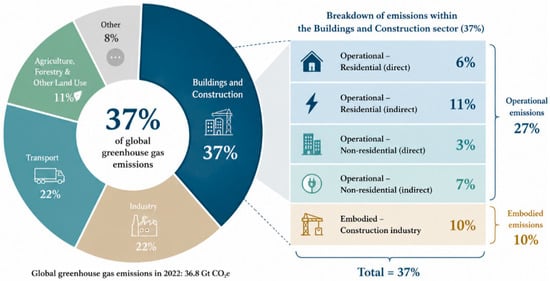
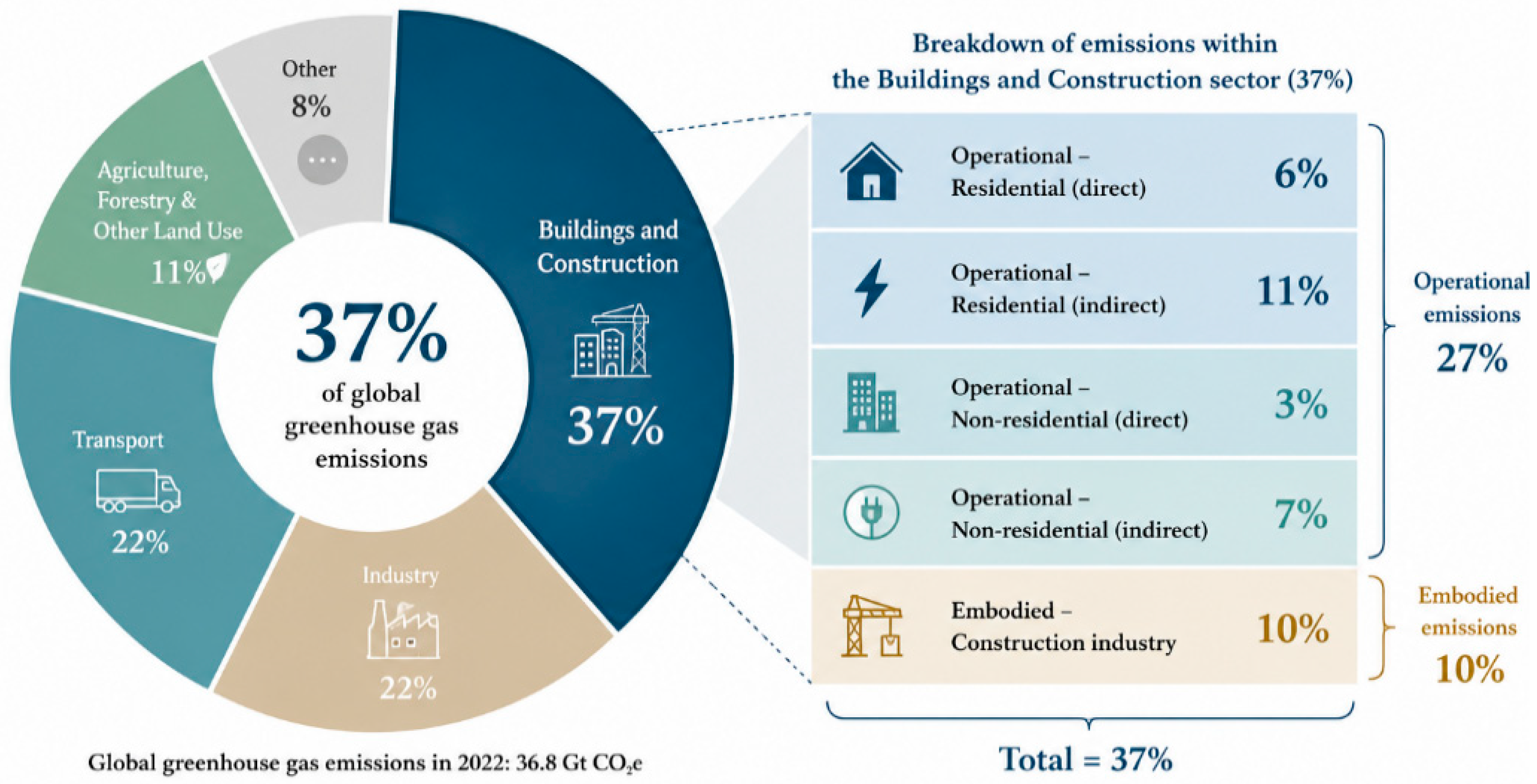
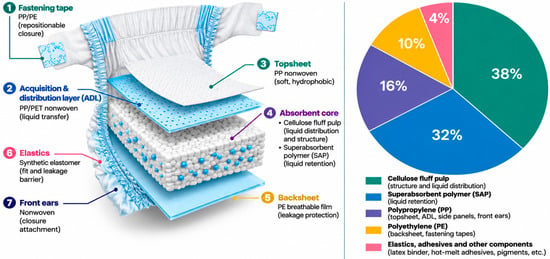
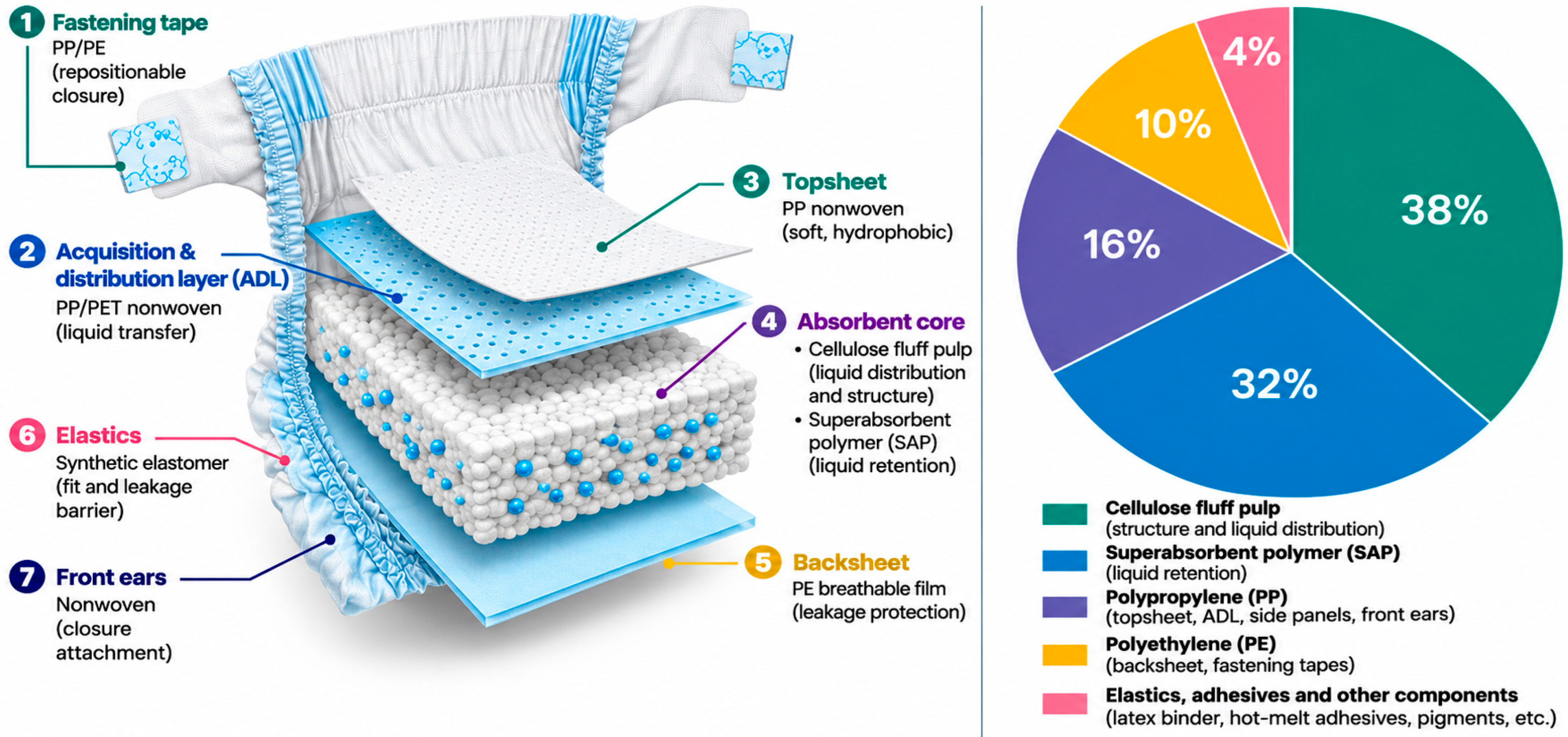
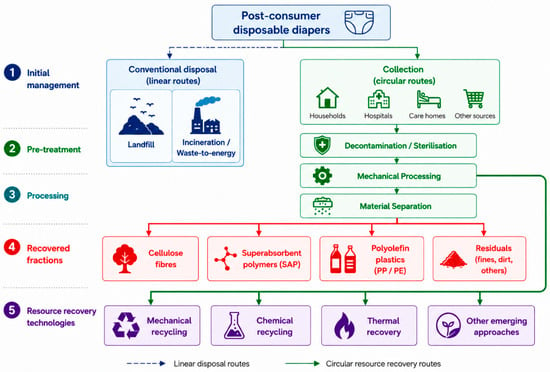
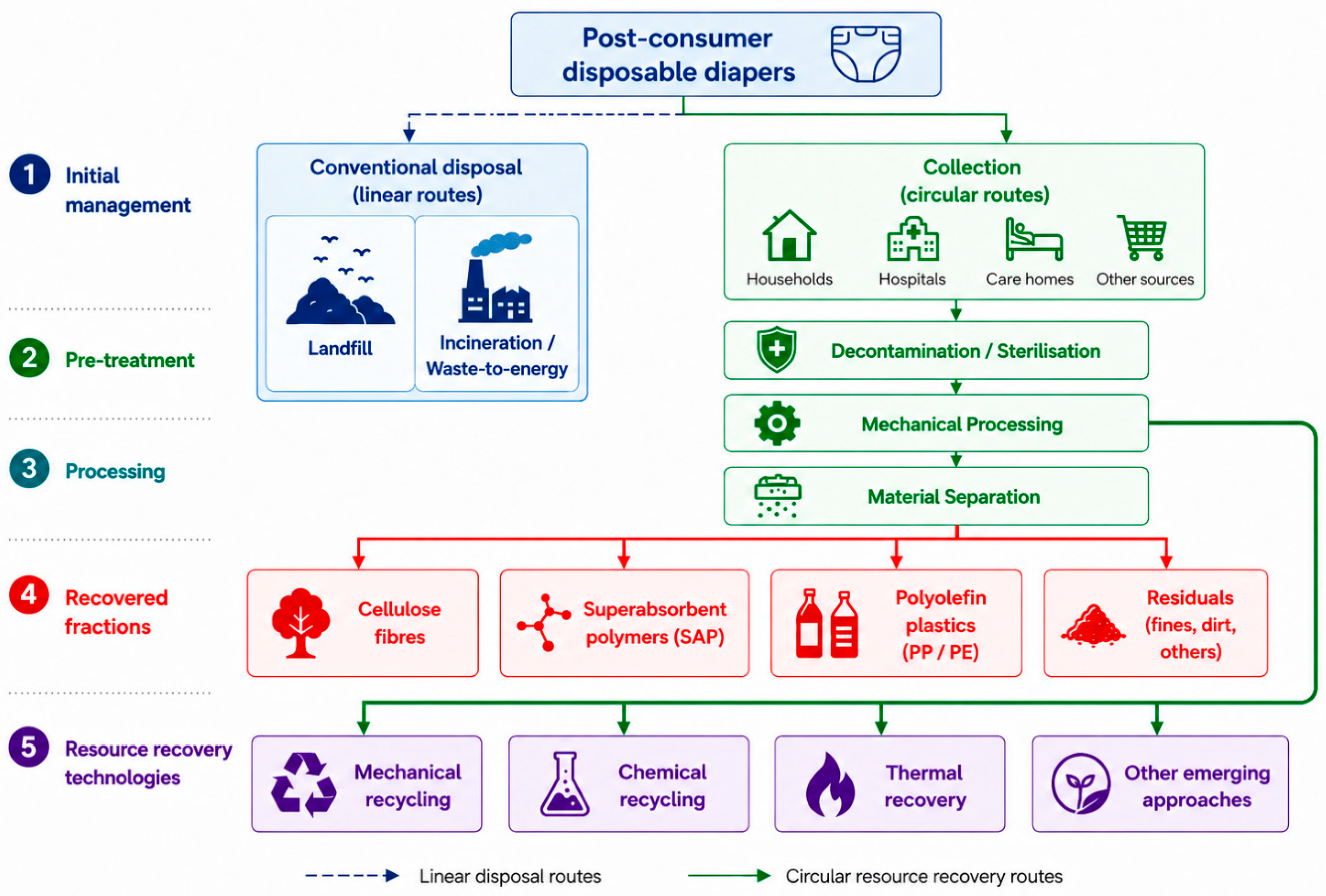
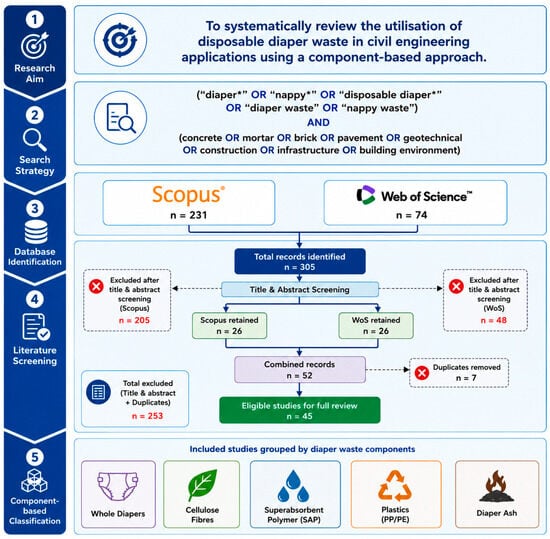
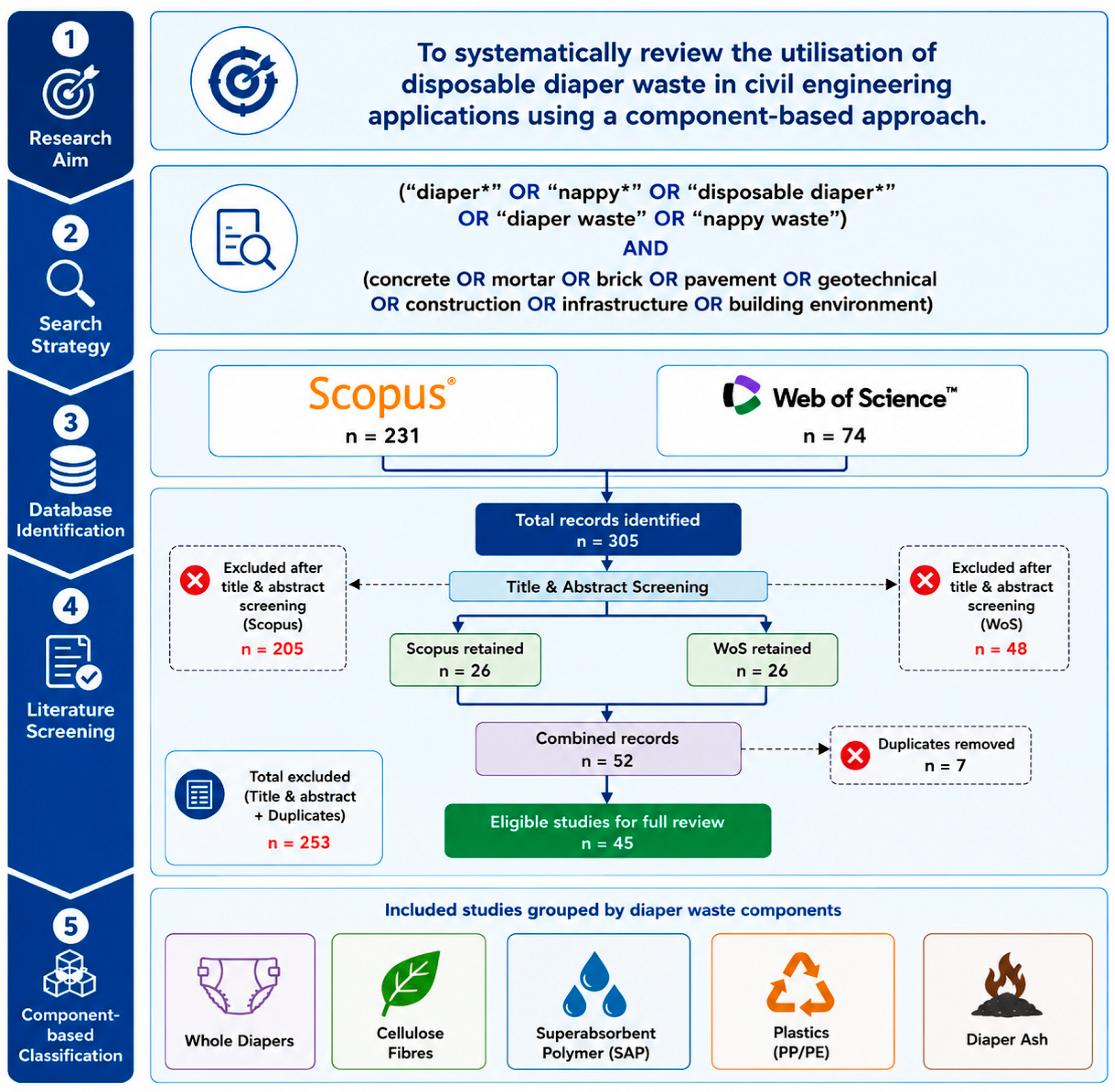
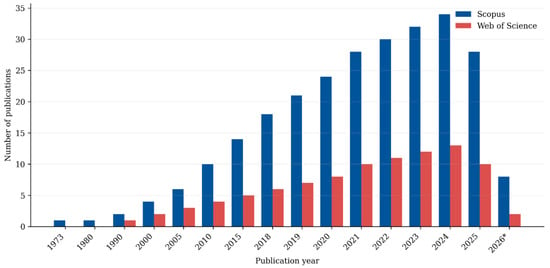
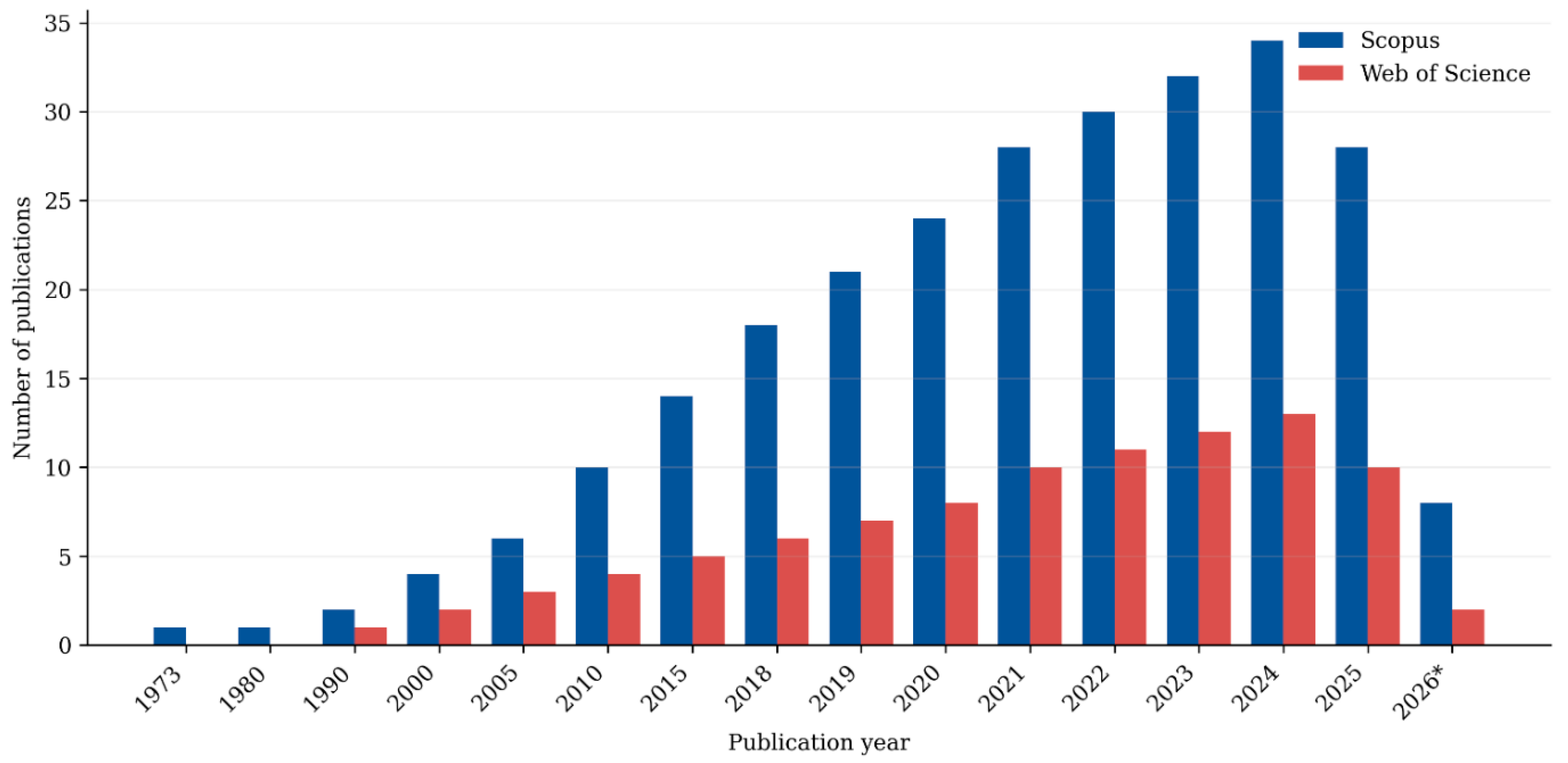
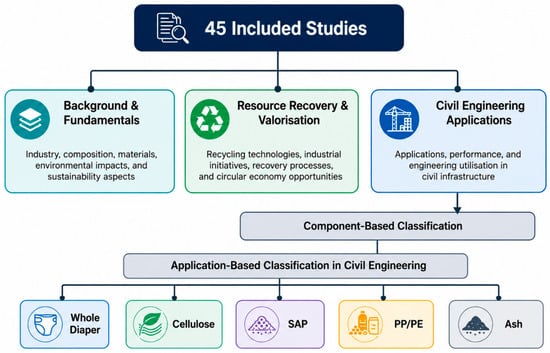
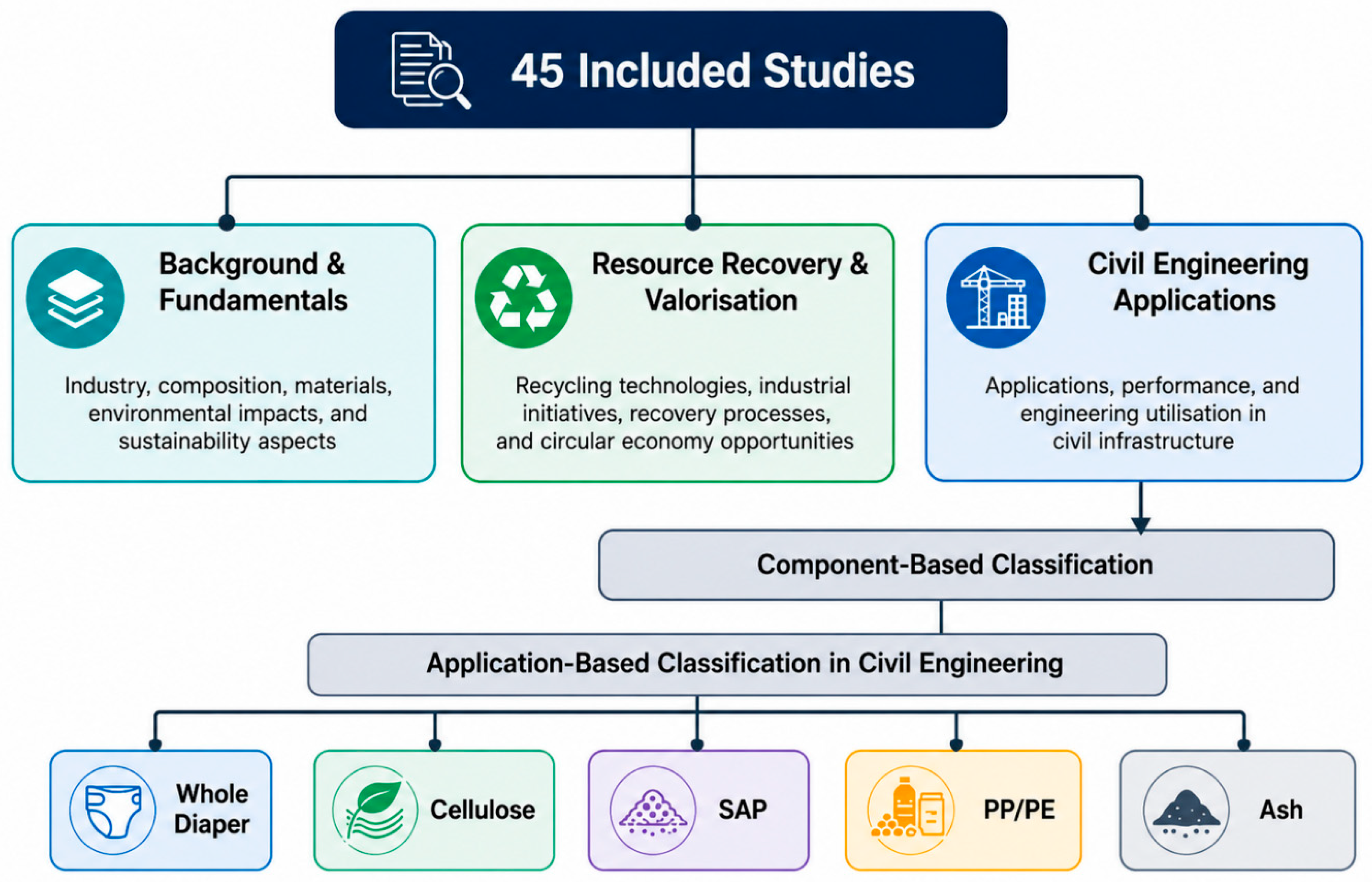
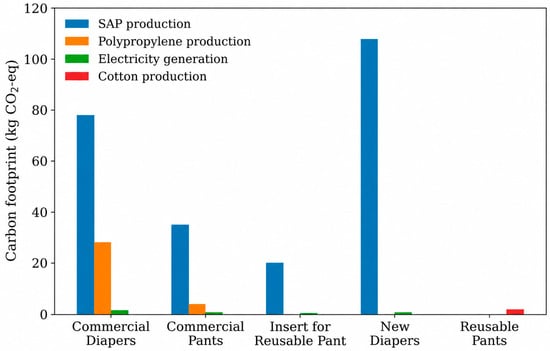
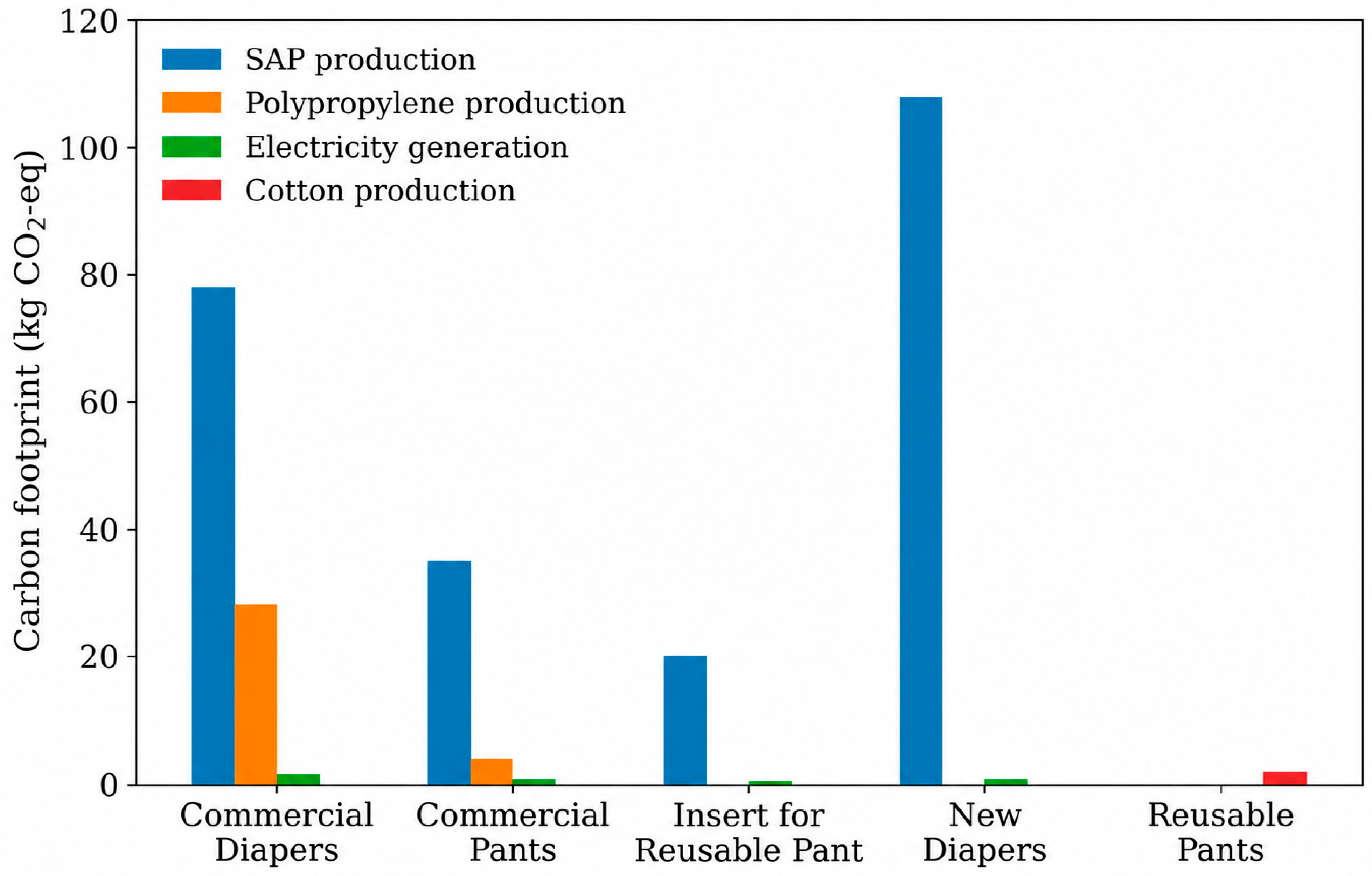
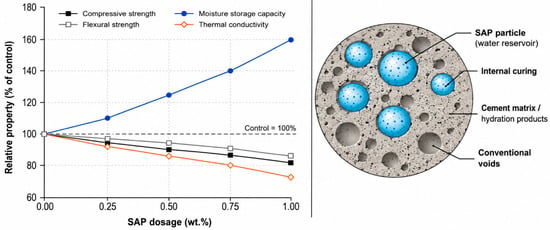
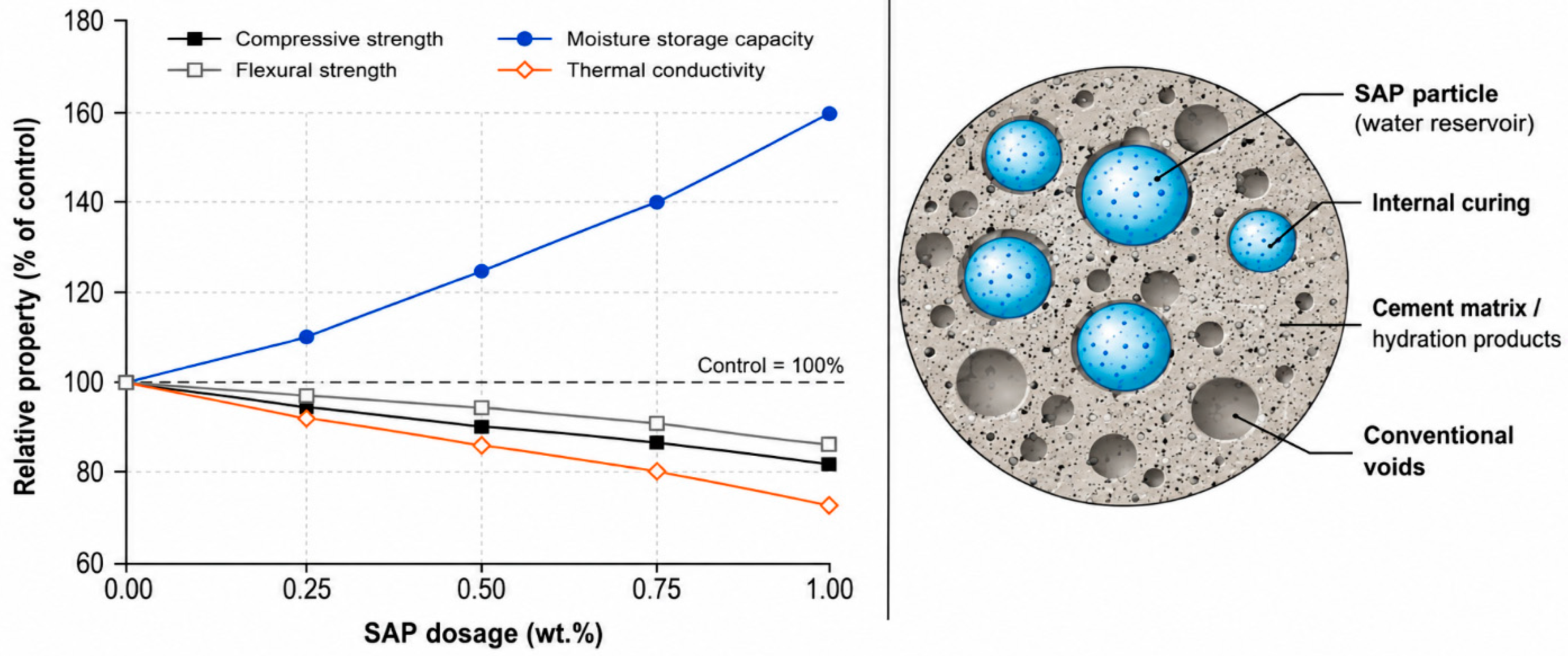
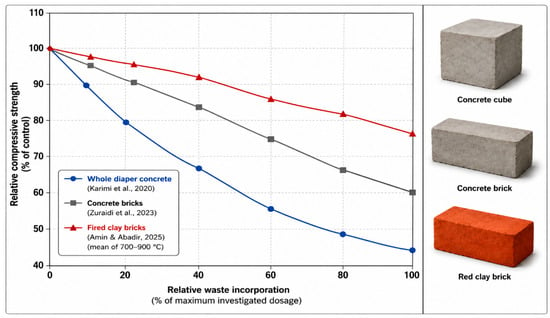
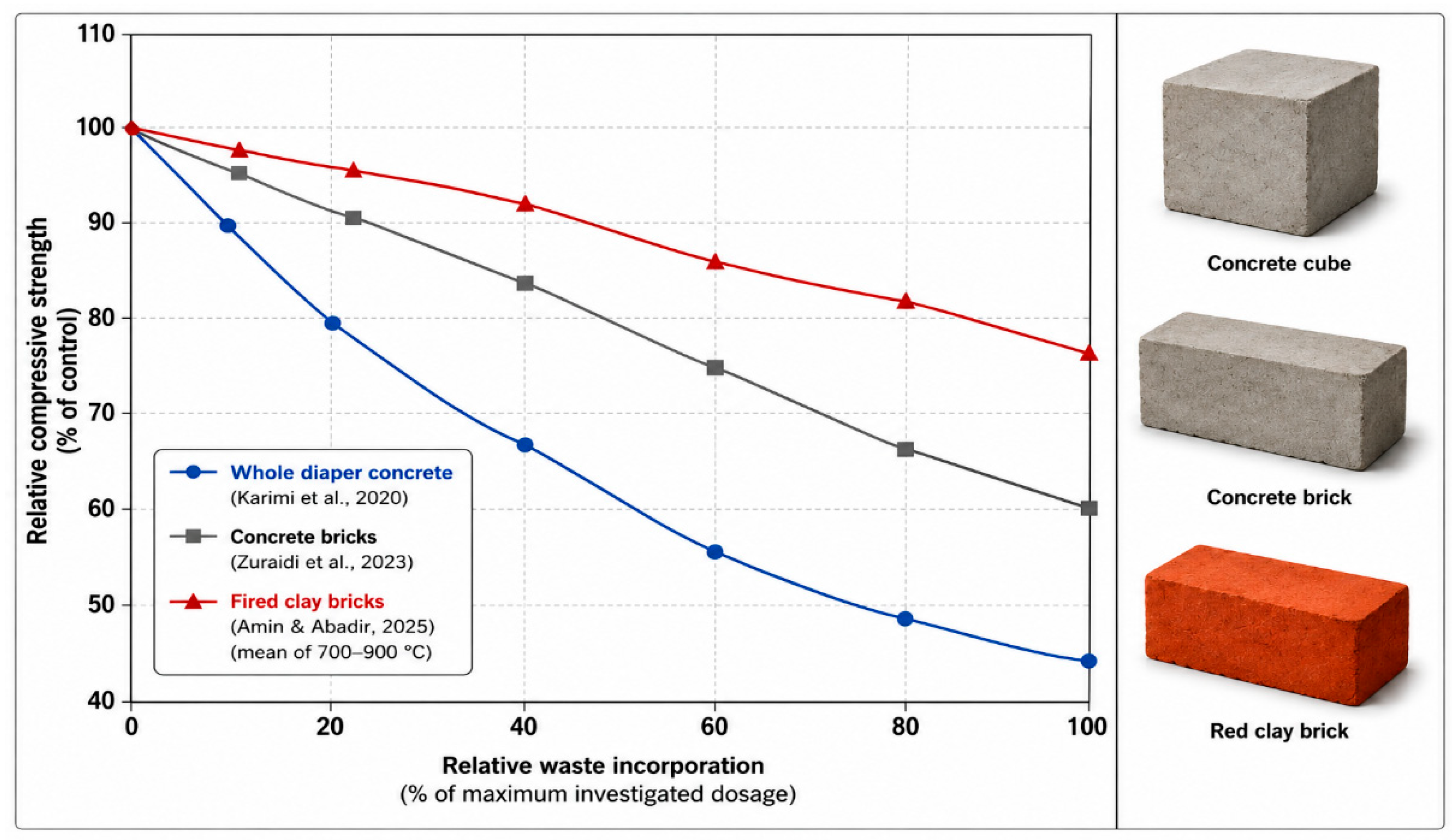
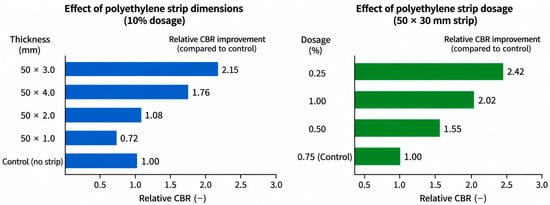
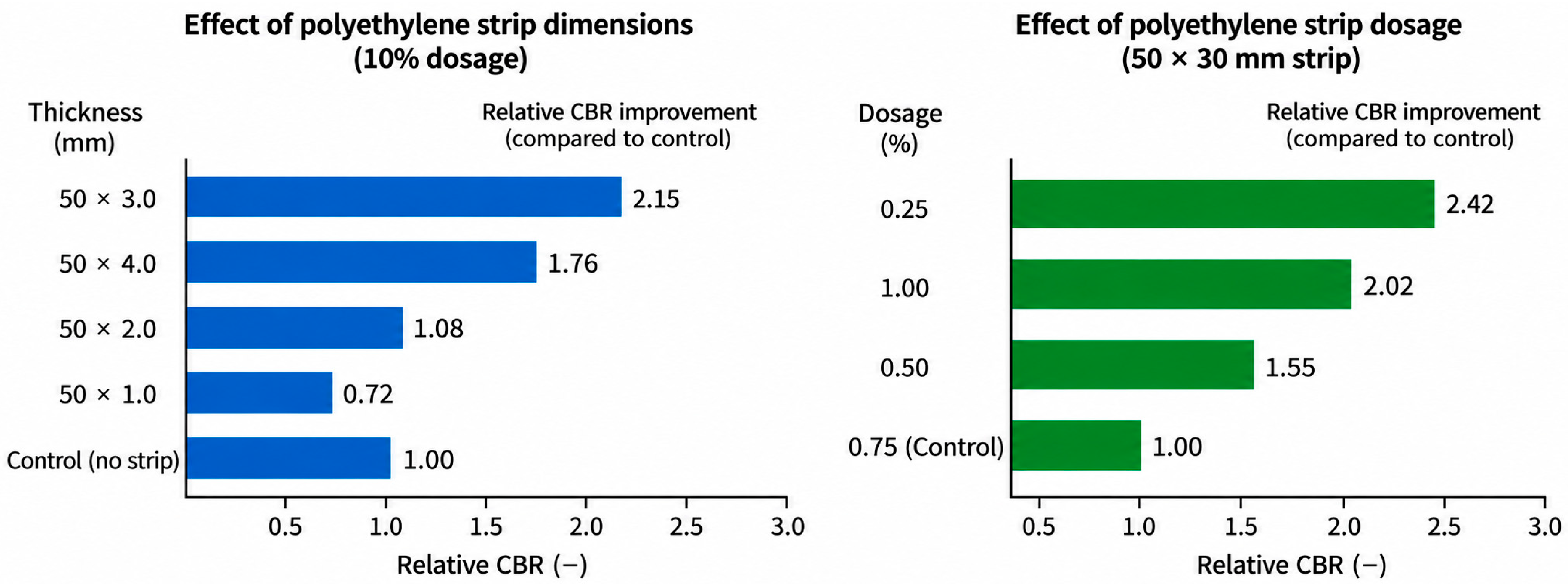
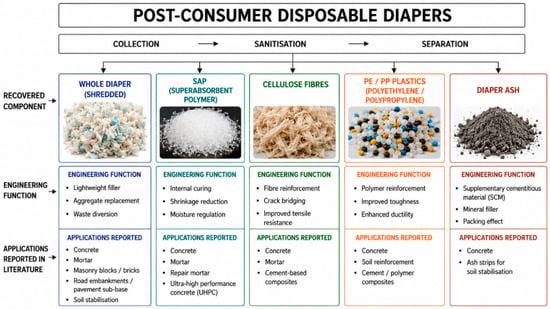
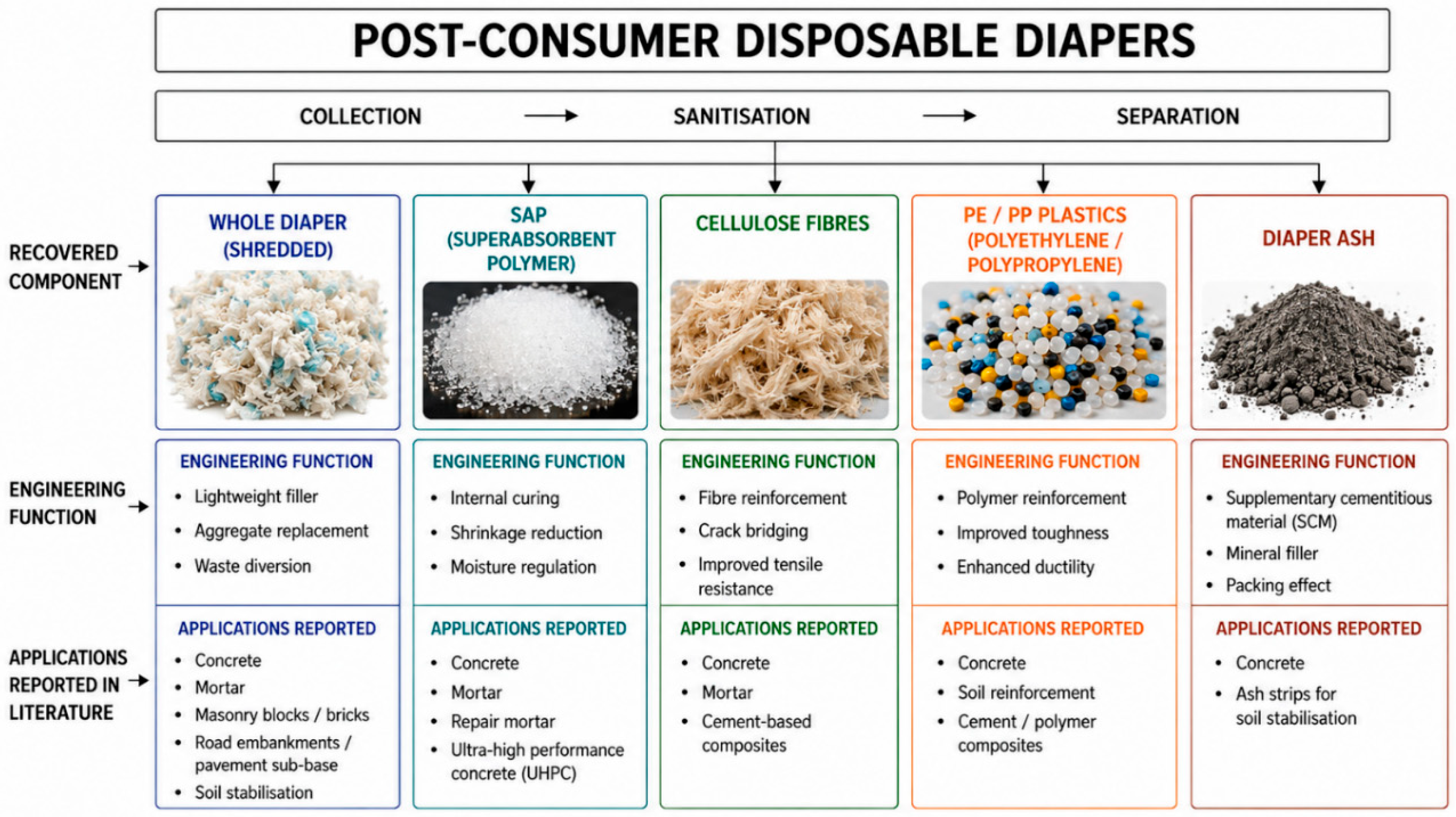
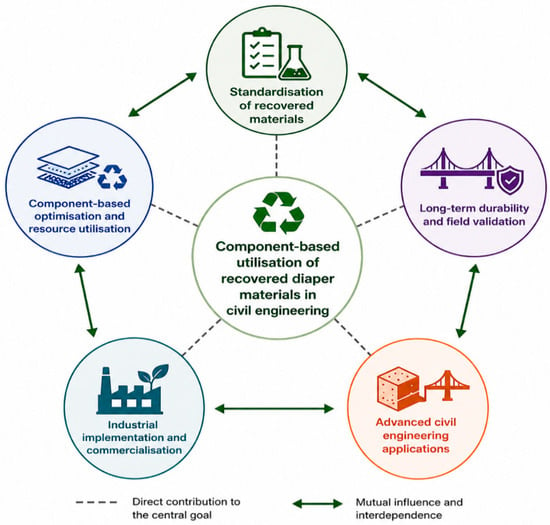
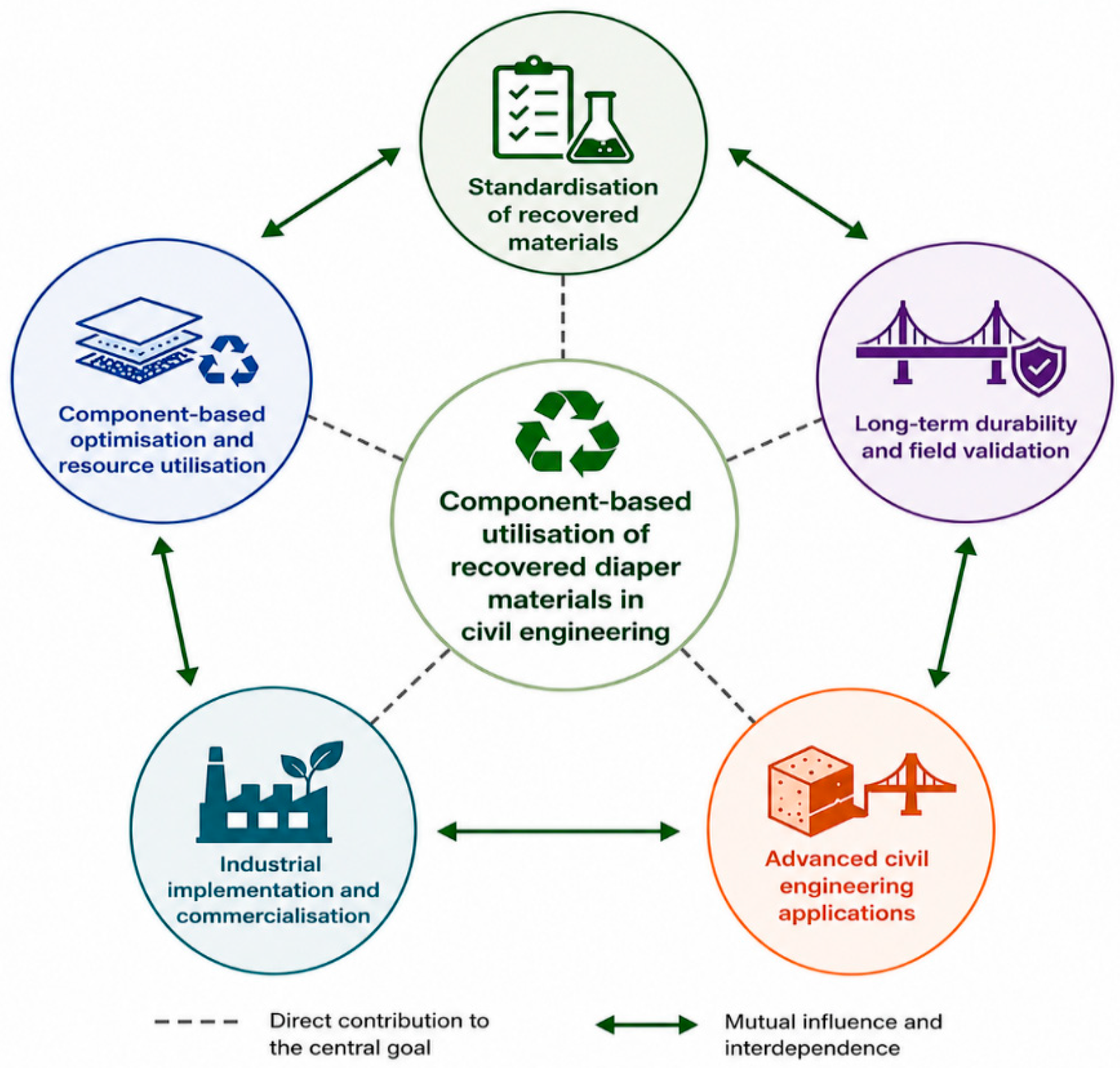

Disclaimer/Publisher’s Note: The statements, opinions and data contained in all publications are solely those of the individual author(s) and contributor(s) and not of MDPI and/or the editor(s). MDPI and/or the editor(s) disclaim responsibility for any injury to people or property resulting from any ideas, methods, instructions or products referred to in the content. |
© 2026 by the authors. Licensee MDPI, Basel, Switzerland. This article is an open access article distributed under the terms and conditions of the Creative Commons Attribution (CC BY) license.