


Abstract
High-energy-density supercapacitors are attracting increasing interest as electrochemical energy-storage devices capable of bridging the gap between conventional electric double-layer capacitors and rechargeable batteries. However, increasing energy density while preserving high power capability, long cycle life, and safety remains a major challenge. This review critically examines the role of interfacial redox chemistry and carbon/transition-metal-compound architectures in the development of high-energy-density hybrid supercapacitors. Particular attention is given to the transition from purely surface-controlled double-layer storage to pseudocapacitive and battery-type charge-storage mechanisms, emphasizing how electrode composition, nanoscale morphology, porosity, electrical conductivity, electrolyte compatibility, and interfacial stability determine practical performance. Carbonaceous materials, including activated carbons, graphene-derived structures, carbon nanotubes, and hierarchical porous carbons, are discussed as conductive and structural scaffolds for transition-metal oxides, hydroxides, sulfides, and mixed-valence compounds. The review further analyses key characterization approaches, including cyclic voltammetry, galvanostatic charge–discharge, electrochemical impedance spectroscopy, Raman spectroscopy, X-ray photoelectron spectroscopy, and electron microscopy, highlighting how these techniques help distinguish capacitive, pseudocapacitive, and diffusion-controlled contributions. Finally, the review discusses current challenges related to mass loading, electrode density, voltage-window optimization, electrolyte selection, cycling stability, and practical device metrics. By linking interfacial chemistry, nanostructured electrode design, and realistic performance evaluation, this review aims to provide a focused framework for the rational development of high-energy-density hybrid supercapacitors.
1. Introduction
Electrochemical capacitors, commonly referred to as supercapacitors, occupy a distinctive position among electrochemical energy-storage technologies because they combine rapid charge–discharge capability, high power density, and long operational lifetime [1,2,3]. These characteristics make them particularly attractive for applications involving short response times, power buffering, regenerative energy recovery, and high-rate energy delivery. Their principal limitation remains, however, their comparatively moderate energy density relative to rechargeable batteries. Increasing the amount of energy that can be stored without sacrificing the kinetic advantages and cycling stability associated with capacitive operation has therefore become one of the central objectives in supercapacitor research [1,2,3].
For carbon-based electric double-layer capacitors (EDLCs), the traditional strategy for increasing capacitance has relied heavily on maximizing the specific surface area of the electrode. Although a large accessible electrode/electrolyte interface is essential for electrostatic charge storage, accumulated experimental evidence has demonstrated that total surface area alone is not a sufficient descriptor of electrochemical performance. Studies on carbide-derived carbons showed that capacitance can increase when pore dimensions approach the size of the electrolyte ions, even in subnanometer pores previously considered too small to contribute effectively to charge storage [4]. Subsequent work demonstrated the strong dependence of capacitance on the matching between pore size and ion dimensions [5]. More broadly, the electrochemical utilization of porous carbon depends on pore accessibility, ion solvation and desolvation, pore-size distribution, electrolyte properties, and electrode density, rather than simply on the Brunauer–Emmett–Teller (BET) surface area [3,4,5,6].
This distinction becomes increasingly important when the objective shifts from maximizing gravimetric capacitance to maximizing useful energy storage at the device level. Highly porous carbons may provide extensive internal surface area but can simultaneously exhibit low packing density, tortuous transport pathways, inaccessible microporosity, or inefficient ion accommodation. Consequently, increasing surface area beyond an optimum range may provide progressively smaller electrochemical benefits while penalizing volumetric performance. The design problem is therefore not merely how much surface can be created, but how much of that surface is electrochemically accessible and how effectively it participates in reversible charge storage [5,6]. This conceptual shift provides the starting point for moving beyond surface area as the dominant design criterion.
One major route toward higher energy density is to introduce reversible Faradaic charge-storage processes alongside double-layer storage. Transition-metal compounds can provide substantially higher charge-storage densities through oxidation-state changes occurring at or near the electrode/electrolyte interface. Depending on the kinetics and structural response of the material, such Faradaic processes may exhibit pseudocapacitive or battery-type characteristics [7,8,9]. The distinction is important: fast surface or near-surface redox reactions can retain capacitor-like kinetic behavior, whereas diffusion-limited reactions and phase transformations increasingly resemble conventional battery storage. The growing diversity of nanostructured electrode materials has blurred these boundaries, making rigorous identification of the operative charge-storage mechanism essential when discussing high-energy supercapacitors [7,8,9]. The mechanistic distinctions are considered explicitly in Section 2 and are therefore not developed further here.
Hybrid supercapacitors exploit this intermediate electrochemical landscape by combining rapid capacitive charge storage with higher-capacity Faradaic processes. Such hybridization may occur at the device level, by coupling electrodes with different storage mechanisms, or directly within composite electrodes containing conductive carbon and redox-active phases [10,11]. In both cases, the objective is essentially the same: to extend energy density toward battery-like values while preserving as much as possible of the rate capability and cycling durability characteristic of electrochemical capacitors. Considerable progress has consequently been made using transition-metal oxides, hydroxides, oxyhydroxides, sulfides, and other multivalent compounds in combination with activated carbons, graphene-derived materials, carbon nanotubes, and hierarchically porous carbon frameworks [10,11,12,13].
The performance of these systems cannot, however, be understood simply as the sum of a conductive carbon phase and a high-capacity redox material. The interface between them is itself an electrochemically functional region. Carbon frameworks can provide long-range electronic percolation, mechanical support, and ion-accessible pathways, whereas transition-metal compounds provide redox-active sites; the effectiveness of the hybrid electrode depends on how efficiently these two functions are coupled across their common interface. Interfacial contact can influence electron-transfer resistance, utilization of redox-active domains, local ion transport, wettability, structural accommodation, and the stability of the electrochemically active surface during repeated cycling [12,13,14]. Strong and appropriately engineered carbon/transition-metal-compound interactions may therefore produce electrochemical behavior that cannot be predicted solely from the surface area or intrinsic properties of either constituent [12,13].
Several previous reviews have addressed important aspects of hybrid supercapacitor development. Ren et al. [12] examined transition-metal-compound/carbon hybrid electrodes, emphasizing conductive carbon frameworks, interface engineering, and electronic-structure regulation. Xing et al. [14] discussed battery–supercapacitor hybrid devices from the perspectives of charge-storage mechanisms, microstructural engineering, and device design. More recently, Guan et al. [15] reviewed dimensional engineering strategies for carbon–pseudocapacitive composites, while Parvin et al. [16] provided a broader assessment of hybrid-supercapacitor materials, electrolytes, fabrication techniques, and scalability. Despite these contributions, an important gap remains in connecting the proposed benefits of carbon/transition-metal interfaces with the experimental evidence required to establish their mechanistic origin and their contribution to practical energy storage. In particular, improvements attributed to interfacial synergy must be distinguished from those arising primarily from increased conductivity, modified porosity, or improved dispersion of redox-active materials. Furthermore, mechanistic evidence obtained from individual electrodes does not necessarily establish corresponding gains in assembled devices, where mass loading, electrode balancing, operating voltage, and performance normalization introduce additional constraints. The present review addresses this gap by integrating three complementary perspectives: the physicochemical processes occurring at carbon/transition-metal interfaces, the experimental validation of their contributions to charge storage, and the quantitative assessment of their impact on full-cell energy density, power capability, and cycling stability. Rather than treating these aspects independently, we examine how interfacial design principles can be connected to measurable electrochemical performance and identify where the available evidence remains insufficient. This distinguishing perspective is summarized in Table 1.
Table 1.
Comparison of representative previous reviews on hybrid supercapacitors and the distinguishing contribution of the present work.
Accordingly, this review examines high-energy-density hybrid supercapacitors through the relationship between interfacial chemistry, charge-storage mechanisms, electrode architecture, and practical electrochemical performance. Particular attention is given to how carbon/transition-metal interfaces regulate electron transfer, redox-site accessibility, ion transport, and structural stability. The discussion further evaluates the complementary electrochemical, spectroscopic, structural, and operando approaches required to substantiate proposed mechanisms and examines how these interfacial properties influence energy density, power capability, and cycling durability under realistic device conditions. This integrated framework aims to identify transferable design and evaluation principles for high-performance hybrid supercapacitors. The principal design strategies involving conductive carbon architectures, interfacial engineering, and electronic-structure regulation are illustrated in Figure 1.
Figure 1.
Schematic illustration of the principal design strategies for transition-metal-compound/carbon hybrid electrodes, including conductive carbon architecture, interfacial engineering, and regulation of the electronic structure of the redox-active phase. Reproduced from Ref. [12] under the terms of the Creative Commons Attribution 4.0 International License (CC BY 4.0).
2. Charge-Storage Mechanisms in Hybrid Supercapacitors
Hybrid supercapacitors combine electrochemical processes that differ substantially in their origin, kinetics, and spatial extent. Their response can include non-Faradaic charge accumulation at the electrode/electrolyte interface, fast Faradaic reactions occurring at or near the surface, and diffusion-dependent redox processes involving a larger fraction of the active material. These mechanisms are conventionally described as electric double-layer, pseudocapacitive, and battery-type storage, respectively [7,8,9]. Although useful as limiting categories, they should not be regarded as mutually exclusive, particularly in nanostructured hybrid electrodes, where several contributions may operate simultaneously within the same potential range.
This distinction is central to the interpretation of hybrid-supercapacitor performance. A conductive carbon phase may contribute rapid double-layer storage while simultaneously supporting a redox-active component whose response ranges from surface-controlled pseudocapacitance to diffusion-limited battery-type behavior [10,11]. The relative contribution of each mechanism depends not only on material composition, but also on characteristic transport lengths, accessible redox sites, electrolyte properties, potential window, and experimental timescale. Accordingly, the following subsections consider the principal charge-storage mechanisms separately before discussing their coexistence and kinetic differentiation in hybrid electrodes.
2.1. Electric Double-Layer Charge Storage
Electric double-layer capacitance arises from the reversible redistribution of electronic and ionic charge at the interface between an electronically conductive electrode and an electrolyte. Upon polarization, electronic charge accumulates in the electrode and is compensated by an oppositely charged ionic environment in the electrolyte. In the ideal EDLC mechanism, no net electron transfer occurs across the electrode/electrolyte interface and the oxidation state of the electrode material remains unchanged. Charge storage therefore proceeds through electrostatic rearrangement of electrolyte ions, which accounts for the intrinsically rapid response and high cycling reversibility of carbon-based EDLC electrodes [3,6].
For an idealized planar interface, capacitance can be expressed conceptually as
where A is the effective electrode/electrolyte interfacial area, d is the effective charge-separation distance, and εr and ε0 are the relative and vacuum permittivities, respectively. This simple relationship illustrates why high-surface-area carbons became the conventional materials of choice for EDLC electrodes. However, nanoporous carbons depart strongly from the ideal planar-capacitor picture. Within nanometer and subnanometer pores, the organization of counter-ions and co-ions, solvent structure, degree of ion solvation, and effective charge-separation distance depend on the dimensions and local chemistry of the confining pore [4,5,6,17].
The electrochemically relevant surface of porous carbon is not equivalent to its total geometrical or gas-accessible surface area, since only regions that can accommodate electrolyte ions under operating conditions contribute effectively to double-layer storage. Chmiola et al. [4] provided experimental evidence of this distinction using carbide-derived carbons with average pore sizes ranging from 0.6 to 2.25 nm. They observed an increase in capacitance as pore dimensions decreased below 1 nm, challenging the assumption that pores smaller than solvated electrolyte ions cannot participate in charge storage. This behavior is consistent with ion accommodation under nanoconfinement, including partial desolvation, and illustrates how electrostatic storage can be enhanced without requiring transition-metal redox reactions. Subsequent experiments confirmed the importance of matching pore dimensions to electrolyte-ion size [5]. These findings demonstrate why electrolyte-accessible surface area, rather than nominal BET surface area alone, is a more meaningful descriptor of EDLC performance.
Molecular-level studies have provided further insight into this confined regime. Simulations of realistic nanoporous carbon electrodes show that charge compensation can involve different combinations of counter-ion adsorption, co-ion expulsion, and ion exchange, depending on electrode polarization and pore environment [17]. Thus, double-layer formation inside nanopores should not be viewed simply as the formation of a conventional planar Helmholtz layer folded into a porous structure. Nanoconfinement modifies ion packing and screening and can fundamentally alter the microscopic mechanism of charge compensation.
These effects also explain why BET specific surface area is not, by itself, a reliable predictor of capacitance. BET-derived surface area is obtained from gas adsorption and therefore does not directly reproduce the size, solvation state, interactions, or transport behavior of electrolyte ions in an operating electrochemical cell. Moreover, increasing nominal surface area does not guarantee a proportional increase in useful charge-storage sites. Barbieri et al. observed that the gravimetric capacitance of high-surface-area activated carbons tends toward a plateau as surface area increases, demonstrating that additional porosity can become progressively less effective for charge accommodation [18]. Similarly, Raymundo-Piñero et al. showed that the relationship between porous texture and capacitance depends strongly on the electrolyte and that appropriate pore dimensions can be more important than maximizing surface area alone [19].
For hybrid supercapacitors, the practical implication is that the carbon component should provide not the largest possible surface area, but an electrochemically accessible interface with pore dimensions and connectivity compatible with the selected electrolyte. Its EDLC contribution then provides a rapid and highly reversible charge-storage component that can be coupled with Faradaic processes occurring in the redox-active phase. The latter introduce additional charge-storage mechanisms whose kinetics and electrochemical signatures differ fundamentally from purely electrostatic storage, beginning with pseudocapacitance as discussed in the following section.
2.2. Pseudocapacitive Charge Storage
Pseudocapacitance is a Faradaic charge-storage mechanism that combines reversible electron-transfer reactions with electrochemical kinetics approaching those of a capacitor. In contrast to electric double-layer storage, charge transfer occurs across the electrode/electrolyte interface and is accompanied by changes in the oxidation state of the active material. However, the resulting response is not necessarily limited by the slow solid-state diffusion or phase-boundary propagation typically associated with battery-type electrodes. Pseudocapacitive behavior should therefore be identified from the kinetics of charge storage rather than simply from the occurrence of a redox reaction [7,8,20]. This distinction is essential because the presence of Faradaic peaks alone does not establish pseudocapacitance, and materials displaying pronounced diffusion-controlled redox behavior are sometimes incorrectly classified as pseudocapacitive [7,20].
Two principal forms of pseudocapacitive storage are particularly relevant to hybrid supercapacitors. Redox pseudocapacitance involves fast and reversible electron transfer coupled to ionic adsorption or near-surface ion accommodation at electrochemically accessible redox sites. Because a large population of such sites can participate over a relatively broad potential range, the stored charge can substantially exceed that available from electrostatic double-layer formation while retaining rapid charge–discharge kinetics [8,20]. Hydrous RuO2 represents the classic example of this behavior, although analogous responses occur in several transition-metal compounds. Detailed comparison among these material families is deferred to Section 3, where their role as redox-active components is considered in the context of carbon/transition-metal interfaces.
Intercalation pseudocapacitance demonstrates that capacitive-like Faradaic storage is not necessarily restricted to the electrode surface. In this mechanism, ions enter crystallographic sites within a host material without exhibiting the strongly diffusion-limited response characteristic of conventional battery electrodes. Augustyn et al. [21] provided experimental evidence using orthorhombic Nb2O5, demonstrating rapid Li+ insertion, relatively small redox-peak shifts with increasing scan rate, and substantial charge retention at high rates. These observations establish that ion insertion can proceed with capacitive-like kinetics and that the occurrence of intercalation or Faradaic charge transfer does not, by itself, justify classifying an electrode as battery-type. Mechanistic classification must instead consider the kinetic response and structural evolution accompanying charge storage.
Pseudocapacitive electrodes consequently display characteristic electrochemical signatures that distinguish them from both ideal EDLCs and conventional battery electrodes. Their voltammetric response generally retains substantial charge at increasing scan rates, polarization remains comparatively limited, and a large fraction of the stored charge can be accessed over short timescales [20,22]. Depending on the material and mechanism, cyclic voltammograms may be nearly rectangular or may contain broad redox features; therefore, curve shape alone is insufficient for mechanistic classification. Quantitative analysis of scan-rate dependence is more informative and is addressed in Section 2.4, where capacitive and diffusion-controlled contributions are considered explicitly.
For hybrid supercapacitors, pseudocapacitance is particularly attractive because it provides a route to increase stored charge through reversible redox chemistry without imposing the full kinetic penalty associated with conventional battery-type storage [22]. Its practical contribution nevertheless depends on the fraction of redox sites that remains electrochemically accessible and on sufficiently rapid ionic and electronic transport to those sites. These requirements become especially important in composite electrodes, but their dependence on carbon architecture and interfacial chemistry is reserved for Section 3 and Section 4. The following subsection instead considers the battery-type limit, in which charge storage becomes increasingly governed by solid-state diffusion and bulk redox transformations.
2.3. Battery-Type Redox Storage
Battery-type charge storage is governed by Faradaic reactions in which charge compensation involves ionic transport within the active material and redox transformations affecting a significant fraction of its bulk. Depending on the chemistry involved, these processes may proceed through ion insertion, conversion, or composition-dependent phase changes. Their electrochemical response is therefore more strongly influenced by solid-state diffusion, nucleation phenomena, and structural rearrangement than in capacitor-like Faradaic storage [8,9,20,23,24]. Importantly, the presence of reversible redox chemistry alone does not define pseudocapacitance; Faradaic processes that exhibit pronounced diffusion control and battery-like electrochemical signatures should instead be classified as battery-type [9,23,24].
A characteristic feature of battery-type storage is that charge is accumulated preferentially within relatively narrow potential ranges associated with specific redox transitions. In cyclic voltammetry, this behavior commonly produces distinct oxidation and reduction peaks, frequently accompanied by appreciable peak separation arising from kinetic polarization. Under galvanostatic conditions, the corresponding charge–discharge profiles often contain plateau-like regions in which substantial charge is stored while the electrode potential changes only modestly [24]. These electrochemical signatures differ fundamentally from the nearly potential-independent response of an ideal EDLC and from the more distributed Faradaic response characteristic of pseudocapacitive materials. Gogotsi and Penner emphasized that intense, clearly separated redox peaks and pronounced voltage plateaus are strong indicators of battery-like behavior in nanostructured electrodes [24].
The kinetic limitation of battery-type electrodes arises primarily because electrochemical utilization depends on the ability of ions and electrons to reach redox-active regions throughout the material. As current density or scan rate increases, insufficient time for ion transport can prevent complete participation of the active phase, leading to lower accessible charge and greater polarization. The extent of this limitation depends on diffusion length, electronic conductivity, crystallographic structure, and the magnitude of any accompanying structural transformation. Nanostructuring can substantially improve the rate capability of battery-type materials by shortening diffusion distances and increasing electrochemically active surface area, but improved kinetics do not automatically change the fundamental storage mechanism [20,24]. A nanoscale battery material may therefore operate faster than its bulk counterpart while still retaining distinctly battery-like electrochemical behavior.
Nickel hydroxide provides a representative example of battery-type Faradaic storage. In alkaline electrolytes, Ni(OH)2-based electrodes undergo reversible Ni(II)/Ni(III) transformations involving the Ni(OH)2/NiOOH redox couple. Their electrochemical response typically exhibits distinct oxidation and reduction peaks and plateau-like regions during galvanostatic charge–discharge, rather than the more continuously distributed charge storage associated with pseudocapacitive behavior. As emphasized by Brousse et al. [7,9], these characteristics explain why high specific charge and reversible Faradaic activity do not necessarily imply pseudocapacitance. Although Ni(OH)2 and related cobalt compounds have frequently been described as pseudocapacitive, their characteristic electrochemical signatures support a battery-type classification [9,24]. This example illustrates the importance of evaluating potential dependence and reaction kinetics rather than relying solely on the presence of reversible redox processes.
This distinction also has consequences for the way electrochemical performance is reported. For a genuinely capacitive electrode, capacitance describes the proportionality between stored charge and potential change. In contrast, for a battery-type material in which substantial charge is accumulated within a narrow redox-potential interval, specific capacity, expressed for example in mAh g−1 or C g−1, is generally the more physically meaningful quantity [23,24]. Assigning a capacitance value to a strongly battery-like response by dividing the total stored charge by an arbitrarily chosen voltage interval can mask the underlying storage mechanism and produce misleading comparisons with true capacitive materials.
Battery-type redox storage therefore provides access to high charge densities through extensive utilization of redox-active material, but this advantage is intrinsically coupled to stronger transport and structural constraints than those governing purely capacitive storage. The balance between redox-site utilization and kinetic accessibility is consequently a defining feature of battery-type electrodes used in high-energy hybrid supercapacitors.
2.4. Coexistence of Capacitive and Diffusion-Controlled Contributions
Real hybrid electrodes rarely operate through a single idealized charge-storage pathway. Instead, the measured current can contain contributions with different kinetic dependences, including rapidly accessible interfacial processes and slower processes limited by ion transport within the active material. The relative importance of these contributions is strongly dependent on the electrochemical timescale: at slow scan rates, ions have sufficient time to access deeper redox-active regions, whereas increasing the scan rate progressively favors processes that can respond over shorter characteristic times [20,23]. For this reason, cyclic voltammetry recorded over an appropriate range of scan rates is widely used to assess the kinetic origin of charge storage in hybrid electrodes.
A common first approach is the power-law relationship:
where i is the current at a selected potential or redox peak, v is the scan rate, and a and b are adjustable parameters. Taking logarithms gives:
so that b is obtained from the slope of a log i versus log v plot. Under ideal limiting conditions, b ≈ 1 corresponds to a current that scales linearly with scan rate and is therefore associated with non-diffusion-limited, capacitive-like kinetics, whereas b ≈ 0.5 is characteristic of semi-infinite diffusion control [20,21]. Intermediate values are commonly interpreted as evidence that both kinetic regimes contribute to the measured response.
i = avb
log i= log a + b log v
The power-law exponent provides useful qualitative information, but it does not directly quantify the fraction of charge stored by each process. A more detailed treatment separates the current at a given potential according to:
where k1v represents the current component that scales linearly with scan rate and k2v1/2 represents the component exhibiting diffusion-controlled scaling. The relationship can be rearranged as:
allowing k1 and k2 to be determined from voltammetric data obtained at different scan rates. Applying this analysis throughout the potential window provides an estimate of the relative surface-controlled and diffusion-controlled contributions to the total current [25]. Wang et al. used this approach to distinguish capacitive and diffusion-dependent Li-storage contributions in nanocrystalline TiO2, demonstrating that the capacitive fraction increased substantially as particle dimensions were reduced [25].
i (V) = k1v + k2v1/2
The terminology associated with these kinetic analyses requires particular care. The k1v contribution should be described as capacitive-like or non-diffusion-limited rather than exclusively pseudocapacitive, since it may include electric double-layer charging, fast Faradaic reactions, and other processes displaying approximately linear current–scan-rate scaling. Conversely, the k2v1/2 contribution represents diffusion-like current scaling but does not uniquely identify battery-type storage or establish the occurrence of a particular redox reaction or phase transformation. Accordingly, neither the power-law b-value nor the k1v/k2v1/2 decomposition provides direct evidence of the chemical identity, location, or structural reversibility of charge-storage processes. These methods should therefore be regarded as phenomenological kinetic analyses rather than definitive mechanistic assignments [20,23,25,26].
The limiting values b ≈ 0.5 and b ≈ 1 should not be treated as universal mechanistic thresholds, since experimentally determined exponents depend on the potential, scan-rate interval, electrode thickness, and ion-transport geometry [26]. Moreover, the v1/2 dependence assumes a diffusion regime approaching semi-infinite linear transport, which may not adequately describe highly porous or nanostructured electrodes. A b-value approaching unity can arise from either double-layer charging or rapid Faradaic reactions, whereas intermediate values do not establish the coexistence of specific pseudocapacitive and battery-type processes. Reliable mechanistic assignments therefore require complementary electrochemical measurements, including CV and GCD, together with independent chemical or structural evidence. Potential-dependent oxidation-state analysis and in situ or operando characterization are particularly valuable for distinguishing reversible redox reactions from structural transformations [20,23,26,27,28].
The principal value of these approaches in hybrid supercapacitors is therefore their ability to reveal how the balance between rapidly accessible and transport-limited charge storage changes with operating timescale. A material may display substantial diffusion-controlled utilization at low scan rates while becoming increasingly dominated by capacitive-like processes at higher rates. Rather than assigning the electrode to a single rigid category, such behavior is more appropriately described as a continuum of kinetic contributions whose relative weights depend on both material characteristics and measurement conditions.
3. Carbon/Transition-Metal Interfaces for High-Energy Storage
The integration of carbonaceous frameworks with transition-metal compounds provides a versatile route for combining high redox charge storage with fast electronic and ionic transport. In these hybrid electrodes, electrochemical performance is not determined simply by the intrinsic properties of the individual components. Rather, it depends on how the redox-active phase is distributed, electrically connected, mechanically accommodated, and exposed to the electrolyte within the composite architecture [12,13]. Transition-metal compounds can provide high charge-storage densities through multivalent redox chemistry, but their practical utilization is frequently restricted by limited electronic conductivity, structural changes during cycling, and the tendency of nanoscale domains to aggregate [12]. Carbon frameworks can alleviate these limitations by organizing the active phase within a continuous transport and support network.
The carbon component should therefore be regarded as an architectural element of the electrode rather than merely a conductive additive. Its dimensionality, connectivity, porosity, mechanical properties, and interaction with the redox-active phase determine the topology through which electrons and ions reach electrochemically active regions. The effectiveness of a carbon/transition-metal hybrid consequently depends not only on maximizing the amount of either component, but on constructing an interconnected architecture in which transport length, active-material dispersion, and structural stability are simultaneously controlled [12,13].
3.1. Role of the Carbon Framework
One of the most fundamental functions of the carbon framework is to compensate for the comparatively poor intrinsic electronic conductivity of many transition-metal oxides, hydroxides, and related redox-active compounds. Carbon materials can establish electronically continuous pathways extending from nanoscale active domains to the macroscopic current-collecting network, thereby reducing the probability that electrochemically active regions become electronically isolated [12,13]. This role becomes particularly important at high charge–discharge rates, where inefficient electron transport increases polarization and limits utilization of the redox-active phase. The relevant design parameter is therefore not simply the conductivity of the carbon itself, but the connectivity of the conductive network throughout the electrode.
This distinction introduces the concept of long-range electronic percolation. Dispersed conductive particles can improve local conductivity, but a carbon framework becomes particularly effective when its elements form a continuous or highly interconnected network spanning the electrode. Carbon nanotubes, carbon nanofibers, graphene-derived networks, and three-dimensional porous carbons can provide such extended pathways because their high aspect ratio or interconnected morphology allows electrical contact to be maintained over distances much larger than the dimensions of individual redox-active particles [12,29,30]. The resulting percolating architecture reduces the number of poorly connected domains and enables electrons generated or consumed during Faradaic reactions to access the external circuit through multiple parallel pathways. Carbon architecture can therefore influence rate capability even when the intrinsic redox chemistry of the active material remains unchanged.
The carbon framework can also provide mechanical stabilization. Many redox-active transition-metal compounds undergo lattice strain, swelling, contraction, or local structural rearrangement during repeated cycling. When these processes occur in unsupported particulate electrodes, they can promote cracking, particle detachment, and progressive loss of electrical contact. A mechanically continuous carbon scaffold can partially accommodate these dimensional changes while preserving contact between neighboring active regions. Flexible one-dimensional and two-dimensional carbon structures are particularly effective in this respect because they can bridge particles and redistribute local stresses without requiring the redox-active domains themselves to maintain direct contact [12]. The mechanical and electronic functions of the carbon phase are therefore closely coupled: structural integrity is valuable primarily because it helps preserve the conductive topology during prolonged electrochemical operation.
Porosity provides another essential architectural function, but its role here is distinct from the subnanometer double-layer effects discussed in Section 2.1. In a hybrid redox electrode, an interconnected porous framework provides transport pathways through which electrolyte can penetrate the composite and reach spatially distributed active domains. Microporous regions may contribute large interfacial area, whereas larger interconnected pores can reduce ion-transport distances and facilitate electrolyte penetration through thicker or more densely loaded electrodes [6,29,30]. The objective is therefore to establish a porous network that connects the external electrolyte reservoir with the redox-active phase without compromising electronic continuity or electrode density. Excessive porosity is not intrinsically beneficial if it produces tortuous pathways, weak mechanical integration, or large volumes of electrochemically inactive void space.
A further advantage of carbon scaffolds is their ability to control the spatial distribution of nanoscale transition-metal compounds. High-surface-energy nanoparticles tend to agglomerate, particularly during synthesis, drying, or repeated electrochemical cycling. Aggregation decreases the effective active area, increases diffusion distances, and can convert initially nanoscale domains into larger electrochemically less accessible clusters. Anchoring, confining, or dispersing such domains within a carbon framework can restrict particle migration and reduce direct particle–particle contact. Ren et al. summarized numerous hybrid architectures in which conductive carbon substrates suppress aggregation while maintaining distributed redox-active domains and continuous electron-transport pathways [12]. This spatial-confinement effect is particularly important at high active-material loading, where the tendency toward clustering becomes progressively stronger.
These functions are interdependent rather than additive. A highly conductive carbon phase is of limited value if electrolyte cannot reach the supported redox material; a highly porous structure is ineffective if the active domains are poorly connected electronically; and strong local electrical contact may deteriorate rapidly if the framework cannot accommodate cycling-induced structural changes. The most effective carbon scaffolds therefore combine electronic percolation, ionic accessibility, mechanical continuity, and spatial control of the redox-active phase within the same architecture [12,13,29]. This multifunctionality explains why the carbon component can strongly affect both the rate capability and the long-term utilization of transition-metal compounds even when it contributes only a fraction of the total redox charge.
3.2. Carbon Architectures
The structural diversity of carbon materials provides multiple routes for organizing redox-active transition-metal compounds, but no single carbon architecture simultaneously maximizes conductivity, accessible porosity, electrode density, mechanical compliance, and ease of processing. The relevant distinction among carbon frameworks is therefore not simply their dimensionality or specific surface area, but the topology they impose on the composite electrode. Zero- and three-dimensionally porous carbons, two-dimensional graphene-derived sheets, and one-dimensional nanotube networks generate markedly different distributions of electronic pathways, void space, and contact with the supported redox-active phase [29]. Their relative advantages must consequently be considered in terms of the constraints imposed by the complete electrode rather than as intrinsic rankings of individual carbon materials.
Activated carbons and hierarchical porous carbons remain particularly attractive because they combine technological maturity, chemical stability, comparatively low cost, and highly tunable porous structures [6,31]. Activated carbons can provide large internal interfacial areas within a three-dimensional disordered framework and are readily produced from a wide range of precursors. Their principal architectural limitation in hybrid redox electrodes is that much of this internal porosity may not contribute equally to the accommodation of an added transition-metal phase. Deposition inside very narrow pores can obstruct ion access, whereas preferential growth on the external surface can leave much of the internal carbon volume underutilized as a support for the redox component. In addition, the conductivity of activated carbons is generally lower than that of more graphitized nanocarbons, so the electronic continuity of thick composite electrodes may require careful control of particle contact and carbon connectivity [29,31].
Hierarchical porous carbons seek to alleviate some of these limitations by combining pore domains with different characteristic dimensions within a connected framework. Their principal advantage is architectural rather than simply an increase in total porosity: smaller pores provide extensive internal interface, whereas larger channels facilitate penetration through the electrode and shorten transport pathways between the bulk electrolyte and internally located active regions [32]. Such multiscale organization can be especially useful when transition-metal compounds are spatially distributed throughout a porous carbon host. However, increasing the fraction of large pores also introduces a trade-off with packing density and volumetric performance, while highly controlled hierarchical structures may require more complex synthesis than conventional activated carbons [29,32]. Thus, hierarchical porosity is advantageous only when the additional pore volume contributes to transport or active-phase accommodation rather than simply generating empty space.
Graphene and graphene-derived materials offer a fundamentally different geometry. Their two-dimensional morphology provides extended conductive surfaces on which redox-active compounds can be distributed with short electronic pathways to the carbon framework. The high in-plane conductivity of graphitic sheets and their large exposed basal and edge surfaces make graphene-derived structures effective substrates for forming intimately mixed composites [29,33]. Early work by Stoller et al. demonstrated that chemically modified graphene could combine high accessible area with good electrical conductivity in electrochemical capacitors [33]. In hybrid electrodes, the key architectural advantage is the possibility of dispersing nanoscale redox domains across a continuous conductive sheet rather than embedding them within a tortuous particulate carbon network.
The same two-dimensional geometry also creates an important limitation: graphene sheets tend to restack through van der Waals interactions during processing and electrode formation. Restacking reduces accessible intersheet space, increases transport tortuosity, and can diminish the advantage of the nominally high-area sheet morphology [29]. Three-dimensional graphene networks, crumpled sheets, aerogel-like structures, and composites incorporating spacers have therefore been developed to preserve intersheet separation. These modifications can improve accessibility but often reduce packing density. Consequently, the practical advantage of graphene-derived architectures is determined not by the properties of an isolated graphene sheet, but by the extent to which those properties survive assembly into a macroscopic electrode.
Carbon nanotubes (CNTs) provide yet another topology. Their high aspect ratio enables conductive pathways to extend across comparatively large distances with relatively small amounts of carbon, making nanotubes particularly effective for connecting spatially separated redox-active domains [29,34]. Unlike planar graphene sheets, CNTs can form entangled three-dimensional networks in which individual tubes bridge particles and maintain conductive continuity even when the composite undergoes local structural rearrangement. Early studies using single-walled CNT electrodes demonstrated that low electrode resistance could sustain high-power electrochemical response, illustrating the importance of network and contact resistance independently of surface area [34]. This one-dimensional connectivity makes CNTs particularly useful when long-range percolation is more important than maximizing the carbon contribution to stored charge.
CNT architectures nevertheless present their own constraints. Nanotubes can bundle strongly, reducing accessible surface and producing heterogeneous contact with the supported phase. Their relatively low packing density can also penalize volumetric performance, and high-quality CNTs generally involve greater materials and processing costs than conventional activated carbons [29]. Moreover, a percolating nanotube network does not necessarily provide the same internal volume for hosting redox-active material as a porous carbon matrix. CNTs are therefore often most effective as conductive bridging elements rather than as the sole structural component of a high-loading hybrid electrode.
Other engineered carbon structures including carbon nanofibers, aerogels, templated porous carbons, carbide-derived carbons, and combinations of different carbon dimensionalities expand the available architectural space [29,32]. Their importance lies primarily in the possibility of decoupling properties that are difficult to optimize simultaneously in a single conventional carbon. For example, a composite framework may combine a highly conductive one-dimensional network with a porous carbon domain that provides greater internal volume, or a two-dimensional conductive substrate with secondary pores that prevent dense restacking. Such combinations can be beneficial, but increasing architectural complexity is justified only when it produces a measurable improvement in active-material utilization, transport, or electrode stability. A related development in conductive-polymer networks was reported by Zhong et al. [35], who demonstrated ion-responsive nanophase regulation in PEDOT:PSS/PVA organogels, enabling reversible reconfiguration of conductive pathways. Although this system was designed for bioelectronics rather than electrochemical energy storage, it illustrates an approach to controlling network connectivity and mechanical adaptability. Whether similar concepts could improve conductive scaffolds in carbon/transition-metal hybrid electrodes remains to be established experimentally.
The comparison therefore reveals no universally optimal carbon scaffold. Activated and hierarchical porous carbons favor distributed internal volume and tunable pore networks; graphene-derived materials provide extended two-dimensional conductive contact; and CNTs provide efficient long-range one-dimensional connectivity. Their principal limitations, namely, tortuosity and moderate conductivity in activated carbons, restacking in graphene, and bundling and low packing density in CNT networks, arise directly from the same structural characteristics that provide their advantages. Carbon selection for hybrid electrodes should therefore be based on the architectural complementarity between the carbon framework and the redox-active phase, rather than on a single descriptor such as specific surface area or intrinsic conductivity. The principal characteristics of the carbon architectures discussed above, together with their main interfacial design priorities, are summarized in Table 2.
Table 2.
Functional characteristics and interfacial design priorities of representative carbon architectures for hybrid supercapacitor electrodes.
3.3. Redox-Active Transition-Metal Components
The redox-active component determines the amount and potential range of Faradaic charge that can be incorporated into a hybrid supercapacitor electrode. Transition-metal compounds are particularly attractive because partially filled d orbitals allow access to multiple oxidation states and, consequently, to reversible redox reactions within electrochemically useful potential windows. Their practical contribution, however, depends not only on the number of formally available redox centers, but also on how much of the active phase can be accessed on the relevant timescale. Electronic conductivity, ion-transport length, structural response during cycling, and chemical stability can therefore be as important as theoretical charge-storage capacity [12,13]. For this reason, the most useful distinction among transition-metal compounds is not simply compositional, but reflects the balance between redox density and electrochemical accessibility.
3.3.1. Transition-Metal Oxides
Transition-metal oxides constitute one of the most extensively investigated classes of redox-active materials because their oxidation states, crystal structures, and morphologies can be varied over a broad range. Representative systems include MnO2, RuO2, Co3O4, NiO, Fe-based oxides, and multimetal spinels [12,13]. Among these, MnO2 is particularly instructive because it combines natural abundance, comparatively low toxicity, and multiple structural polymorphs with electrochemical activity in aqueous electrolytes. Detailed studies have shown that its charge-storage response can involve coupled changes in manganese oxidation state and electrolyte-cation participation, while only a limited fraction of thick MnO2 electrodes may remain effectively involved in the redox process [36]. This illustrates a general limitation of many oxide electrodes: high intrinsic redox activity does not guarantee complete utilization when electronic and ionic transport into the active phase are restricted.
The principal advantage of transition-metal oxides is their chemical and structural diversity. By varying metal identity, oxidation state, crystallinity, defect concentration, and particle dimensions, their redox potential and reaction kinetics can be adjusted over a wide range. Their main disadvantage is that many technologically attractive oxides have modest intrinsic electronic conductivity, so increasing active-material loading can progressively amplify polarization and leave internal regions electrochemically underutilized [12,13]. Highly conductive oxides such as RuO2 represent an important exception, but cost and scarcity limit their widespread implementation. Consequently, earth-abundant oxides generally benefit most when their redox activity is coupled to an electronically continuous host rather than relied upon as self-supporting bulk phases.
3.3.2. Hydroxides, Oxyhydroxides, and Layered Double Hydroxides
Transition-metal hydroxides and oxyhydroxides provide high densities of accessible redox centers and are especially effective in alkaline electrolytes. Ni- and Co-based compounds are among the most widely studied examples because reversible changes in metal oxidation state can generate high specific charge at relatively positive electrode potentials. Their layered structures can facilitate electrolyte access to redox-active regions, but their electrochemical response is often accompanied by changes in local coordination, lattice spacing, or hydration state. These structural changes can progressively affect conductivity and mechanical stability when cycling is extended.
Layered double hydroxides (LDHs) expand this chemistry by incorporating two or more metal cations within positively charged brucite-like layers separated by charge-compensating interlayer anions and water. Their composition can be adjusted over a broad range, allowing the relative populations of different redox-active metals to be tuned without abandoning the layered framework. Ni–Co, Ni–Fe, Co–Fe, and related LDHs have therefore attracted considerable interest as high-charge positive-electrode materials [37]. The combination of compositional flexibility and anion-accessible interlayer regions offers a high density of potentially active redox sites; however, practical utilization remains limited by relatively poor intrinsic electrical conductivity, incomplete accessibility of internal sites, and structural or chemical instability during prolonged operation [37].
The attraction of LDHs is thus not simply their theoretical redox capacity, but the possibility of distributing different metal centers within a common host structure. At the same time, compositional complexity should not automatically be interpreted as electrochemical synergy. Adding a second or third transition metal is advantageous only when it increases accessible redox activity, improves transport, stabilizes the host structure, or shifts the working potential in a useful direction. Otherwise, additional components may introduce electrochemically inactive mass or competing structural transformations.
3.3.3. Transition-Metal Sulfides
Replacing oxygen with sulfur produces a class of materials with distinct electronic and bonding characteristics. Transition-metal sulfides such as NiSx, CoSx, MoS2, and multimetal sulfides have been widely investigated because the greater polarizability of sulfur and the more covalent character of metal–sulfur bonding can result in higher electronic conductivity than that of many corresponding oxides [38]. This can improve the utilization of redox-active material at elevated rates and reduce the extent to which electron transport limits electrochemical response. Recent assessments of transition-metal sulfides highlight their combination of high redox activity, comparatively favorable electronic transport, and broad compositional flexibility as major reasons for their continued use in hybrid-supercapacitor electrodes [38].
These advantages are accompanied by important stability constraints. Sulfide phases can undergo substantial structural rearrangement during repeated oxidation and reduction, and some compositions are susceptible to dissolution, surface oxidation, or irreversible phase evolution depending on electrolyte and potential window. Higher conductivity therefore does not eliminate the need to control morphology and redox depth. In practice, the most useful sulfide electrodes are those in which rapid charge transport is combined with sufficiently stable local coordination to prevent progressive loss of active material.
3.3.4. Mixed-Metal and Mixed-Valence Compounds
Mixed-metal and mixed-valence compounds provide an additional degree of freedom because more than one redox center can participate within the same crystalline or nanostructured phase. Spinel NiCo2O4 is a representative example. Its mixed Ni/Co chemistry enables several oxidation-state transitions within an electronically more conductive oxide framework than many single-metal analogues, while nanoscale forms can expose a large fraction of the redox-active phase to the electrolyte [39]. Ultrathin mesoporous NiCo2O4 nanosheets, for example, have been reported to combine rapid electron and ion transport with high electrochemical utilization, illustrating the potential of multimetal compositions when structural dimensions are appropriately controlled [39].
The broader rationale for multimetal systems is that different cations may contribute complementary redox potentials, modify band structure and electronic conductivity, or stabilize structural motifs that would be less favorable in single-metal compounds. Mixed valence can likewise provide additional electronic pathways through intervalence charge transfer. However, these benefits are strongly composition-dependent. Increasing the number of redox-active elements does not necessarily produce a proportional increase in stored charge, because only electrochemically accessible oxidation-state changes contribute under realistic operating conditions. Moreover, additional phase complexity can complicate reaction pathways and accelerate irreversible reconstruction if the constituent metals respond differently to cycling.
Across oxides, hydroxides, LDHs, sulfides, and mixed-metal compounds, the central materials challenge is therefore the same: maximize the fraction of redox centers that can be reversibly accessed without introducing excessive electronic, ionic, or structural penalties. Oxides generally offer broad structural diversity and chemical robustness but often limited conductivity; hydroxides and LDHs provide high redox-site density and compositional tunability but may suffer from transport and cycling-stability limitations; sulfides frequently offer improved electronic transport but can be more chemically labile; and mixed-metal compounds can broaden or intensify redox activity provided that compositional complexity translates into genuinely accessible electrochemistry. This balance, rather than nominal theoretical capacity alone, determines the usefulness of a transition-metal phase in a high-energy hybrid electrode.
3.4. Building an Effective Carbon/Redox Interface
The performance of a carbon/transition-metal hybrid depends not only on selecting complementary components, but also on how effectively they are joined at the nanoscale. Simple physical mixing may provide macroscopic contact while leaving poorly connected regions, non-uniform active-material distributions, and substantial interfacial resistance. An effective hybrid interface therefore requires intimate and persistent contact between the carbon framework and the redox-active phase, ideally over length scales comparable to those involved in electron and ion transport [12,13,40]. Recent analyses of carbon-tailored transition-metal electrodes emphasize that the method used to integrate both components can influence crystallization, morphology, interfacial structure, and ultimately the fraction of active material that remains electrochemically accessible [40].
One of the most effective approaches is in situ nucleation and growth of the redox-active phase directly on the carbon substrate. Compared with ex situ blending of independently synthesized components, direct growth can increase the number of contact points and reduce the formation of loosely attached aggregates. Surface functionalities already present on oxidized or chemically treated carbons can act as preferential nucleation sites, promoting a more homogeneous distribution of metal-containing precursors and allowing particle size and spatial density to be controlled during synthesis [12,13,40]. The objective is not necessarily to maximize interfacial area indiscriminately, but to create sufficient nanoscale contact while preserving exposed redox-active surface and electrolyte access.
Surface chemistry provides an additional means of controlling this assembly. Oxygen-containing groups such as hydroxyl, carbonyl, and carboxyl functionalities can coordinate metal ions or precursors before nucleation, while heteroatom-containing sites introduced through N-, S-, or P-functionalization can modify the affinity of the carbon surface toward specific transition-metal species [12,40]. In this context, functionalization is valuable primarily as a synthetic and anchoring tool: it can determine where the redox phase forms, how strongly it is attached, and how uniformly it is distributed. Excessive functionalization, however, may disrupt the conjugated carbon structure or introduce chemically unstable sites, so the density and nature of anchoring groups must be balanced against preservation of the underlying carbon framework.
Spatial confinement offers a complementary strategy. Transition-metal nanoparticles or clusters can be grown within carbon pores, hollow structures, interlayer spaces, or nanoscale cavities, restricting their dimensions and limiting migration during processing and cycling [12,40]. Confinement can be particularly useful for maintaining small redox-active domains that would otherwise coarsen or agglomerate. At the same time, excessive encapsulation can become counterproductive if the carbon shell or surrounding matrix restricts electrolyte access. Effective confinement therefore requires an open architecture in which stabilization of the active phase does not isolate it from the ionic environment.
Interface construction also depends on controlling the relative distribution and loading of both components. Sparse deposition may leave much of the carbon framework electrochemically underutilized, whereas excessive loading can generate continuous transition-metal layers or dense clusters that obscure the carbon surface and lengthen ion-transport pathways. Recent interface-engineering studies therefore increasingly favor conformal coatings, ultrathin nanosheets, dispersed nanoparticles, and interconnected heterostructures rather than thick active-material deposits [40,41]. Such geometries increase the probability that redox-active domains remain simultaneously connected to the conductive framework and exposed to the electrolyte.
The quality of the interface should consequently be assessed in terms of contact continuity, active-phase dispersion, accessibility, and structural persistence, rather than by interfacial area alone. A large nominal carbon/redox interface is of limited value if contact is weak, if active domains become buried within inaccessible regions, or if the interface deteriorates during operation. Conversely, a smaller but chemically anchored and geometrically well-connected interface may provide more effective utilization of the redox-active phase. This distinction is increasingly reflected in contemporary supercapacitor design, where interface engineering is treated as an independent structural variable rather than as an incidental consequence of composite formation [40,41].
4. How Interfacial Chemistry Controls Electrochemical Performance
Once an electronically and structurally connected carbon/redox architecture has been established, its electrochemical behavior is governed by processes occurring across the resulting solid–solid and solid–electrolyte interfaces. These regions are not necessarily passive boundaries between two materials. Electronic equilibration, local bonding, charge redistribution, and changes in coordination can create an interfacial environment whose properties differ from those of either isolated component [40,41,42]. Consequently, the electrochemical response of a hybrid electrode cannot always be predicted from the bulk conductivity or intrinsic redox activity of its constituents.
The significance of interfacial chemistry lies in its ability to regulate the accessibility and kinetics of redox reactions without necessarily changing the nominal composition of the electrode. An effective interface can facilitate electron transfer, modify the local electronic structure of redox-active sites, and reduce kinetic barriers, whereas a poorly coupled interface can introduce additional resistance even when both components are individually electrochemically favorable [40,41]. Interfacial design should therefore be evaluated in terms of the functionality created at the junction rather than simply the physical coexistence of two phases.
4.1. Interfacial Electron Transfer
Electronic transport across a carbon/transition-metal interface involves two distinct but related factors: conduction through the individual phases and electron transfer across their junction. A highly conductive carbon scaffold can provide rapid macroscopic transport, but this advantage is only fully exploited when electrons can cross efficiently between the carbon and the redox-active material. Weak or discontinuous junctions can introduce substantial contact resistance, whereas electronically well-coupled interfaces provide lower-resistance pathways between redox sites and the conductive network [13,40,41].
Electronic equilibration at intimate carbon/transition-metal interfaces can produce local charge redistribution when the constituent phases differ in work function and electronic structure. Depending on the materials and their interfacial bonding, this redistribution may generate an interfacial dipole or potential gradient that influences charge-transfer kinetics. However, these effects cannot be assumed simply from the coexistence of carbon and a redox-active compound. Charge-density-difference calculations and electronic-structure analysis can provide a theoretical basis for identifying the direction of charge redistribution and predicting a built-in electric field, but they do not constitute direct experimental measurement of that field. Similarly, a decrease in electrochemical charge-transfer resistance cannot independently establish interfacial electronic coupling, since improved contact, particle dispersion, and morphology may produce comparable effects [43,44].
The nature of interfacial bonding also influences electronic communication. Covalent or coordination interactions can provide stronger orbital coupling than weak physical contact, potentially creating more efficient electron-transfer pathways between carbon and transition-metal centers [40,41]. Conversely, excessive separation by insulating surface species, poorly conducting reaction products, or discontinuous contact regions can increase interfacial resistance and limit utilization of otherwise electrochemically active material. The relevant objective is therefore not maximum interaction strength, but an electronically transparent junction that preserves both rapid charge transfer and reversible redox activity.
Representative studies illustrate how interfacial electronic effects can be investigated by combining theoretical calculations with electrochemical measurements. Shang et al. [44] constructed Fe2O3/carbon heterointerfaces on porous carbon fibers and used density functional theory to compare charge redistribution and K+/Na+ adsorption at the Fe2O3/graphene junction with the corresponding individual components. Their calculations predicted electron transfer from carbon toward Fe2O3 and a resulting interfacial potential gradient, while electrochemical measurements of the synthesized composite in KCl and Na2SO4 electrolytes showed improved ion-storage behavior and charge-transfer kinetics. A complementary example was reported by Zhao et al. [43], who prepared hollow nitrogen-doped carbon nanocages supporting oxygen-deficient NiCo2O4 nanosheets. Their electronic-structure calculations indicated that oxygen vacancies and nitrogen doping modify the electronic properties of the respective components, providing a basis for the proposed interfacial electric-field effect. The optimized electrode delivered 966.2 F g−1 at 1 A g−1, while the corresponding full-cell energy and power results are discussed in Section 6.1. Although these findings support the relevance of interfacial electronic regulation, the performance improvements cannot be attributed exclusively to built-in electric fields because changes in porosity, defect concentration, and electrode architecture may also contribute.
This distinction is important when interpreting the frequently invoked “synergistic effect” in hybrid electrodes. Improved performance after adding carbon does not by itself demonstrate interfacial electronic synergy: it may simply reflect lower electrode resistance, smaller active-material domains, or better physical dispersion. Evidence for genuine interfacial electronic coupling requires demonstration of changes attributable specifically to the junction, such as charge redistribution, modified electronic states, altered oxidation environments, or reduced charge-transfer barriers [40,41,44]. Maintaining this distinction is essential for identifying transferable interface-design principles rather than attributing every improvement in composite electrodes to an undefined synergistic interaction.
Interfacial electron transfer should therefore be regarded as a property of the junction itself. The most effective hybrid electrodes combine macroscopic electronic continuity with nanoscale interfaces that permit rapid and reversible exchange of charge between the carbon framework and the redox-active phase. This coupling determines how efficiently the conductive architecture established at the electrode scale can be translated into electrochemical utilization at individual redox sites.
4.2. Redox-Site Accessibility
The redox capacity of a transition-metal compound is ultimately determined not by the total number of chemically available redox centers, but by the fraction that can participate reversibly within the operating potential and timescale of the electrode. This distinction between nominal redox-site density and electrochemically accessible redox-site density is particularly important in hybrid supercapacitors, where high theoretical charge storage can coexist with incomplete utilization of the active phase. Redox centers located within poorly accessible domains, buried beneath inactive material, or outside the electrochemically addressable region may contribute little to measured capacity even when they are chemically present [40,41,45]. Recent analyses of porous transition-metal electrodes consistently identify exposure and utilization of active sites as critical determinants of electrochemical performance.
Accessibility is strongly influenced by the spatial dimensions and distribution of the redox-active phase. Ultrathin nanosheets, small nanoparticles, conformal coatings, and other architectures with short distances between the interface and internal redox centers can increase the fraction of material participating in electrochemical reactions. Conversely, thick deposits or densely packed domains may contain substantial amounts of nominally active material whose internal redox centers remain only partially utilized. The objective is therefore not simply to increase active-material loading or external surface area, but to maintain a sufficiently large fraction of the redox phase within an electrochemically addressable environment [40,45]. Porous transition-metal architectures are particularly useful in this respect because they can expose a larger proportion of redox-active material without requiring complete subdivision into isolated nanoparticles [45].
Redox-site accessibility also has a chemical dimension. A metal center contributes effectively only if its oxidation state can be reversibly modulated within the selected potential window and if its local coordination environment remains compatible with the required electrochemical transformation. Consequently, nominally identical metal centers may not contribute equally when they occupy different crystallographic positions, surface environments, or interfacial coordination states. Hybridization can therefore change not only how many sites are physically exposed, but also which sites become electrochemically addressable. This provides an important distinction between simply increasing the amount of active material and increasing its utilization efficiency.
The relationship between loading and utilization is consequently non-linear. Adding more redox-active material initially increases the number of available storage sites, but beyond an optimum thickness or coverage the additional phase may contribute progressively less to the measured charge. This effect is particularly relevant for high-capacity transition-metal compounds because impressive theoretical capacities can encourage architectures with excessive active-phase loading. In practice, a lower nominal loading with high site utilization can outperform a larger amount of poorly accessible material on a gravimetric basis and may also provide superior rate response. Thus, redox-site density should be considered together with the fraction of sites that remain reversibly active under realistic electrochemical conditions.
A recent NiCoMn-LDH/SWCNT hybrid provides a useful illustration. Li et al. prepared ultrathin NiCoMn-LDH nanosheets dispersed throughout a SWCNT network and reported substantially higher electrochemical response than the corresponding LDH without nanotubes. The authors attributed the improvement partly to the greater exposure of redox-active sites produced by the dispersed ultrathin LDH morphology; the composite delivered 1704.3 F g−1 at 1 A g−1 compared with substantially lower values for the pristine LDH [46]. Importantly, this result should not be interpreted as evidence that active-site exposure alone determines performance, because conductivity, dispersion, and structural organization were modified simultaneously. Nevertheless, it illustrates how increasing the fraction of physically and electrochemically accessible redox centers can markedly enhance utilization of a transition-metal phase. The nanoscale organization of this hybrid is illustrated in Figure 2, where TEM and HRTEM imaging reveal the intimate association between the ultrathin NiCoMn-LDH nanosheets and the SWCNT network, while elemental mapping confirms the spatial distribution of the constituent elements [46].
Figure 2.
Nanoscale morphology and interfacial organization of NiCoMn-LDH/SWCNT hybrid electrodes. (a) TEM image of NiCoMn-LDH; (b) TEM image of the NiCoMn-LDH/SWCNT composite showing ultrathin LDH nanosheets intertwined with the SWCNT network; (c) HRTEM image resolving lattice fringes associated with the NiCoMn-LDH and SWCNT phases; (d,e) EDS elemental mapping; and (f) EDS analysis of the NiCoMn-LDH/SWCNT composite. Reproduced from Ref. [46] under the terms of the Creative Commons Attribution 4.0 International License (CC BY 4.0).
Redox-site accessibility is therefore best viewed as a utilization problem rather than a simple materials-composition problem. High-performing hybrid electrodes require not only a large population of redox centers, but also an architecture and local chemical environment that allow those centers to participate reversibly. This perspective helps explain why nominally similar transition-metal compositions can display very different charge-storage capacities when their interfacial organization and active-phase dimensions differ.
4.3. Ion Transport Across the Interface
Efficient redox utilization requires not only electronically accessible active sites, but also sufficiently rapid delivery and removal of electrolyte ions. In a hybrid electrode, ion transport occurs through a sequence of coupled steps: migration from the bulk electrolyte into the porous electrode, diffusion through interconnected channels, reorganization or partial desolvation near confined interfaces, and finally access to the electrochemically active region. The overall rate is therefore controlled by the slowest element of this transport sequence rather than by a single characteristic diffusion coefficient [45,47].
Pore connectivity is particularly important because geometrically accessible active material may remain kinetically underutilized if ions must traverse highly tortuous or poorly connected pathways. Continuous transport channels reduce effective diffusion distances and facilitate electrolyte penetration through the electrode, whereas dead-end pores or constricted junctions can generate local concentration gradients during rapid charging. Recent analyses of transition-metal porous electrodes emphasize that interconnected porosity is beneficial principally because it reduces transport resistance and maintains ionic communication between the bulk electrolyte and internal reaction sites [45]. The relevant structural parameter is therefore not pore volume alone, but how efficiently individual pores are integrated into a continuous transport network.
Ion transport becomes more complex as confinement approaches molecular dimensions. Electrolyte ions entering narrow interfacial regions may undergo partial rearrangement or desolvation, and the energetic cost of this process can strongly influence charging kinetics. Advanced studies of confined electrochemical interfaces have shown that ion flux, solvation structure, and electrode–ion interactions can differ substantially from those at planar interfaces [47]. Desolvation can facilitate closer approach to the electrode and access to narrow regions, but it also introduces an energetic barrier that must be overcome. Consequently, very narrow pores or interfacial gaps can enhance charge storage while simultaneously slowing transport if the energetic penalty associated with ion entry becomes excessive [47,48].
This balance between confinement and mobility produces an important design trade-off. Small interfacial dimensions can shorten distances between ions and redox centers and increase local charge density, whereas larger interconnected channels facilitate rapid electrolyte exchange. Recent work on synthetic porous carbons emphasizes that high-rate performance depends on coordinating these length scales: microporous regions provide storage environments, while mesoporous and larger channels function primarily as transport pathways [48]. Although this principle has been established most clearly for carbon electrodes, the same transport constraint applies to carbon/transition-metal hybrids whenever ions must traverse a porous scaffold before reaching a redox-active interface.
Interfacial chemistry can further modify ion transport. Surface charge, local electric fields, and ion–surface interactions may either promote or hinder the movement of particular ionic species through confined regions. The concept of ion-confined transport has therefore expanded beyond purely geometrical pore control to include interfacial and field-driven effects that regulate ion flux at the nanoscale [49]. Such effects are particularly relevant in hybrid electrodes because the local environment at a carbon/transition-metal junction may differ chemically and electrostatically from either bulk phase.
Ion transport should therefore be treated as a multiscale property linking electrode architecture with local interfacial chemistry. High-performance hybrid electrodes require pathways that allow rapid electrolyte penetration at the macroscopic level while avoiding excessive transport barriers near the redox-active interface. The optimum structure is not the one with the highest porosity or smallest characteristic dimensions, but the one that minimizes ionic resistance while maintaining a large fraction of electrochemically addressable redox sites.
4.4. Defects, Surface Functionalities, and Chemical Coupling
The chemical character of a carbon/transition-metal interface can be modified substantially by lattice defects, surface functional groups, and heteroatom substitution. These features alter the local electronic and chemical environment without necessarily changing the overall electrode architecture. Their influence is therefore distinct from the geometrical effects discussed above: defects and functional groups can modify surface polarity, local charge density, interaction with electrolyte species, and the coordination environment of adjacent redox-active centers [40,41,50].
Heteroatom incorporation into carbon provides a particularly versatile means of tuning these properties. Nitrogen, sulfur, phosphorus, boron, and oxygen differ from carbon in electronegativity, atomic size, and valence configuration, producing local distortions and redistribution of electronic charge within the carbon framework. Depending on their bonding configuration, such heteroatoms can increase surface polarity, modify the density of electronic states, and create chemically differentiated sites at the interface [50]. Nitrogen-containing functionalities are among the most extensively studied examples, while S and P can introduce larger structural distortions and modify local electronic density because of their greater atomic dimensions. The electrochemical consequence therefore depends not only on the total dopant concentration but also on its chemical state and spatial distribution.
Surface functionalities can also influence electrode–electrolyte interactions. Polar oxygen- and nitrogen-containing groups generally improve the wettability of otherwise hydrophobic carbon surfaces, facilitating more uniform electrolyte contact with the composite electrode [50,51]. This effect should be distinguished from pore-controlled ion transport: wettability determines whether the electrolyte can establish effective contact with available surfaces, whereas pore connectivity and confinement determine how ions subsequently move through the electrode. Improved wetting can therefore increase the fraction of an existing interface that participates electrochemically without necessarily increasing its geometrical area.
Defects within the transition-metal phase can likewise modify redox behavior. Vacancies, lattice distortions, and dopant-induced structural disorder can alter metal coordination, electronic states, and adsorption energies, thereby creating electrochemically distinct environments around nominally equivalent metal centers. Recent analyses of transition-metal oxides and chalcogenides show that controlled defect engineering can increase the population of reactive sites and modify the energetics of ion adsorption and redox transformations [52]. However, defect concentration must remain controlled: excessive structural disorder can destabilize the host lattice, generate irreversible reaction pathways, or accelerate chemical degradation during cycling.
Chemical coupling across the carbon/redox interface adds a further level of control. Interfacial bonds involving metal–O–C, metal–N–C, or related coordination motifs can create a local environment that differs from simple van der Waals contact. Such coupling may stabilize particular oxidation states, alter local electron density, and strengthen the structural integration of both phases. These effects are potentially valuable because they allow interface chemistry to influence redox behavior directly rather than merely serving as a physical connection between a conductive carbon and an active compound [40,41].
The benefits of functionalization and defect engineering are nevertheless subject to an important trade-off. Introducing defects or heteroatoms can increase polarity and generate chemically active environments, but excessive disruption of the conjugated carbon lattice can reduce electronic conductivity and structural stability [50,51]. Similarly, highly reactive surface groups may promote unwanted side reactions or undergo chemical evolution during prolonged cycling. Optimal interface design therefore requires controlled chemical heterogeneity rather than maximum defect density.
Defects, surface functionalities, and interfacial bonding should consequently be treated as tunable chemical variables that regulate how the carbon scaffold, electrolyte, and transition-metal phase interact locally. Their value lies not in maximizing the number of modified sites, but in creating an interfacial environment that improves electrochemical utilization while preserving conductivity and structural reversibility.
4.5. Interfacial Stability During Cycling
The carbon/redox interface should be regarded as a dynamic region whose structure and composition can evolve continuously during electrochemical operation. Repeated changes in transition-metal oxidation state can modify local coordination, lattice dimensions, surface composition, and interfacial bonding. Consequently, an interface that is initially well defined may progressively reconstruct, dissolve, detach, or develop new surface phases during cycling [12,53]. Long-term performance therefore depends not simply on the properties of the as-prepared heterostructure, but on whether its electrochemically functional configuration can be maintained under repeated redox operation.
Structural reconstruction is not necessarily detrimental. In several transition-metal hydroxides, oxides, and chalcogenides, the initially synthesized phase can partially transform during the first cycles into a surface structure that is more electrochemically active. Such activation may increase the number of accessible redox environments or establish a more favorable surface composition. The critical distinction is between reversible or self-limiting reconstruction, which preserves electrochemical functionality, and continuous structural evolution that progressively consumes or disconnects active material. Recent in situ studies emphasize that phase and surface evolution during operation can differ substantially from the structure inferred from ex situ characterization of the pristine electrode [54].
Irreversible degradation can proceed through several coupled pathways. Repeated redox transformations may generate local strain and progressive changes in crystallinity, while soluble transition-metal species can be released into the electrolyte and subsequently redeposit elsewhere. This process changes both composition and spatial distribution of the active phase and can progressively weaken the original carbon/redox junction. In layered double hydroxides, for example, recent analysis identifies transition-metal dissolution and weak interfacial interactions among the principal origins of capacitance decay during extended cycling [53].
The electrolyte-facing region may also evolve chemically. Repeated polarization can alter surface hydroxylation, oxidation state, adsorbed species, or interfacial reaction products, thereby changing the local environment in which charge transfer occurs. Such modifications can be beneficial when they generate a stable electrochemically active surface, but detrimental when poorly conductive or chemically unstable products accumulate. Interfacial stability should therefore not be equated with complete chemical invariance; rather, the relevant objective is to ensure that any evolution remains sufficiently reversible and does not progressively increase transport resistance or deactivate redox centers.
Loss of interfacial integrity can be particularly damaging because it simultaneously affects several functions of the hybrid electrode. A redox-active domain may remain chemically intact yet cease to contribute efficiently if its electronic connection to the carbon framework deteriorates. Conversely, stable chemical coupling can help preserve electrochemical communication even when the active phase undergoes moderate structural rearrangement. This explains why cycling stability depends not only on the intrinsic durability of the transition-metal compound, but also on the ability of the junction to tolerate repeated changes in its local structure and composition [12,53].
Interfacial stability is therefore best defined as the capacity of the carbon/redox junction to preserve functional connectivity during electrochemical evolution, rather than as the absence of structural change. Interfaces capable of accommodating reversible reconstruction while suppressing dissolution, irreversible phase segregation, and progressive contact loss are more likely to sustain high redox utilization over prolonged cycling.
4.6. Why More Surface Area Does Not Necessarily Mean More Energy
A large interfacial area can increase the number of potential charge-storage locations, but it does not guarantee that those locations contribute effectively to energy storage. In hybrid electrodes, the relevant quantity is not the geometric or nominal surface area itself, but the fraction of the interface that remains simultaneously electrochemically accessible, electronically connected, chemically stable, and compatible with sufficiently dense active-material packing. Once these requirements are considered together, maximizing surface area can conflict with several other parameters that determine useful electrode performance [40,55].
One important limitation is the relationship between porosity and electrode density. Highly porous structures frequently contain a large fraction of void volume and therefore accommodate less active material per unit electrode volume. This can produce high gravimetric capacitance while simultaneously limiting volumetric energy storage. Recent analyses of dense carbon electrodes emphasize that porosity and packing density cannot generally be maximized independently: architectures optimized exclusively for large internal area can sacrifice the dense ion storage required for high volumetric performance [56].
A second limitation arises when additional surface does not correspond to additional functional interface. Regions that are poorly wetted, weakly connected to the conductive network, covered by inactive species, or associated with inaccessible redox domains may contribute little despite increasing measured surface area. Surface chemistry therefore becomes as important as surface quantity. Zhu et al. recently emphasized that the electrochemical effectiveness of porous carbon surfaces depends strongly on their chemical character and interaction with the electrolyte, demonstrating why nominal area alone is an incomplete descriptor of energy-storage capability [55].
Excessive nanostructuring may also introduce structural and electrochemical penalties. Increasing interfacial area generally increases the fraction of atoms located at surfaces, edges, defects, and heterojunctions. These environments can enhance redox accessibility, but they may also be more susceptible to reconstruction, dissolution, parasitic reactions, or irreversible chemical evolution. The objective is therefore not to maximize interfacial area indefinitely, but to generate enough stable and well-coupled interfaces to exploit the redox-active phase without creating an excessive population of unstable surface environments.
These considerations explain why surface area should be treated as one structural variable within a multidimensional design problem rather than as an optimization target in isolation. High-energy hybrid electrodes require a compromise between accessible interface, redox-site density, electronic and ionic continuity, packing density, and interfacial stability. The highest useful energy storage is therefore expected not from the architecture with the greatest nominal surface area, but from the one that converts the largest fraction of its available volume and mass into reversibly accessible electrochemical interface.
5. Characterizing Capacitive and Redox Contributions
The increasingly complex electrochemical response of hybrid supercapacitors makes mechanistic assignment dependent on the combined interpretation of complementary characterization methods. No single experimental signature is sufficient to distinguish reliably among double-layer charging, pseudocapacitive redox processes, and diffusion-controlled storage, particularly when several contributions coexist within the same potential range. Electrochemical measurements provide the first level of evidence by revealing reversibility, rate dependence, polarization, resistance, and characteristic timescales, whereas structural and spectroscopic techniques are required to associate these responses with specific physicochemical changes. Reliable mechanistic interpretation therefore depends less on obtaining a particular curve shape than on establishing consistency among independent observations [57,58].
5.1. Electrochemical Characterization
In carbon/transition-metal hybrid electrodes, cyclic voltammetry (CV) and galvanostatic charge–discharge (GCD) measurements are particularly useful for examining whether interfacial engineering increases the reversibly accessible charge without introducing excessive polarization. Comparisons between hybrid electrodes and appropriate control materials, conducted under matched loading, electrolyte, and potential-window conditions, can reveal changes in redox-peak separation, scan-rate dependence, discharge behavior, and charge retention at elevated current densities [57,58]. These observations help assess whether an engineered interface improves redox-site utilization and charge-storage kinetics. However, neither a nearly rectangular voltammogram nor reduced peak separation independently demonstrates pseudocapacitance or interfacial electron transfer. Similarly, the interpretation of GCD profiles must account for potential-dependent Faradaic contributions; for strongly battery-type responses, specific charge or capacity is generally more meaningful than capacitance calculated using ideal-capacitor relationships.
Electrochemical impedance spectroscopy (EIS) provides a complementary means of evaluating the transport limitations that may change after constructing a carbon/transition-metal interface. High-frequency features include contributions from series and contact resistance, intermediate-frequency responses may reflect interfacial charge-transfer processes, and lower-frequency behavior can provide information on ion penetration within the porous electrode [59]. Comparisons should therefore be performed under consistent electrochemical and geometric conditions, including electrode loading and state of charge. A decrease in fitted charge-transfer resistance may support improved electrochemical kinetics but cannot, by itself, demonstrate charge redistribution, a built-in electric field, or specific electronic coupling at the junction. Because equivalent-circuit parameters are not uniquely determined by an impedance spectrum, their physical interpretation must remain consistent with independent chemical and structural evidence [59].
Scan-rate-dependent kinetic analyses provide an additional layer of interpretation. The power-law and current-separation approaches described in Section 2.4 can estimate how the relative importance of rapidly accessible and diffusion-dependent processes changes with operating timescale [25,26,57]. Their principal value in characterization is comparative: they can reveal changes produced by particle dimensions, interfacial engineering, or electrode architecture. They should not, however, be used independently to assign pseudocapacitance or battery-type storage, because similar kinetic exponents can arise from different combinations of transport geometry, porosity, and reaction kinetics.
Electrochemical characterization is therefore strongest when CV, GCD, EIS, and kinetic analysis are interpreted collectively. Agreement among rate dependence, polarization, impedance response, and stored charge provides considerably stronger evidence than any individual metric. Equally important, experimental conditions including potential window, scan rate or current density, electrolyte, electrode loading, and instrumental settings must be reported sufficiently clearly to allow meaningful comparison and reproducibility [57,58].
5.2. Structural and Chemical Characterization
Electrochemical measurements reveal how an electrode responds, but they do not by themselves identify the structural or chemical origin of that response. Establishing whether performance changes arise from phase composition, surface chemistry, interfacial bonding, nanoscale dispersion, or structural degradation therefore requires complementary structural and spectroscopic characterization. The most useful approaches are those that connect electrochemical signatures with independent evidence of composition, oxidation state, crystallographic structure, and morphology [28]. Recent reviews of energy-storage characterization emphasize that mechanistic interpretation is considerably strengthened when information obtained at different length scales and probing depths is combined rather than relying on any single technique [28,60].
Spectroscopic characterization of carbon/transition-metal hybrid electrodes should establish whether interfacial engineering modifies the chemical states and bonding environments involved in reversible charge storage. Raman spectroscopy can reveal changes in carbon disorder, lattice vibrations, and the structural response of redox-active phases, while X-ray photoelectron spectroscopy (XPS) can identify variations in surface composition, transition-metal oxidation states, and chemical environments associated with interfacial bonding [28,60]. Comparing these signatures before and after interface construction, and at defined electrochemical states, can provide evidence supporting proposed changes in local electronic and chemical structure. Nevertheless, Raman-band variations may also arise from strain, disorder, or measurement-induced effects, whereas XPS binding-energy shifts can reflect charging, surface oxidation, or sample preparation. Neither technique independently establishes the direction of interfacial electron transfer or the chemical state of the electrode under operating conditions.
X-ray diffraction (XRD) and electron microscopy provide complementary structural evidence for evaluating whether the proposed carbon/redox interface is formed and maintained during electrochemical cycling. XRD can identify crystalline phase transformations and lattice changes in the redox-active component, although poorly crystalline or amorphous interfacial phases may remain undetected [28]. Scanning and transmission electron microscopy, including high-resolution TEM and elemental mapping, can reveal the spatial distribution of active phases, nanoscale contact with carbon, and morphological changes associated with aggregation, detachment, or structural reconstruction [28,60]. These observations are essential for distinguishing interfacial effects from improvements caused primarily by particle-size reduction or dispersion. However, isolated micrographs cannot establish electronic coupling or demonstrate that a particular junction dominates the electrochemical behavior of the complete electrode. Representative structural observations must therefore be correlated with electrochemical measurements and, where possible, techniques sensitive to the chemical state during operation.
Mechanistic validation should begin with a specific hypothesis and a corresponding set of complementary measurements. For example, a proposed improvement in interfacial electron transfer should be supported by electrochemical evidence of reduced polarization or modified charge-transfer kinetics, together with spectroscopic evidence of changes in local electronic states or bonding environments and structural confirmation of intimate contact between the carbon and redox-active phases. Appropriate control electrodes are essential to distinguish genuine interfacial effects from changes in conductivity, surface area, particle size, or active-material loading. Similarly, assigning reversible Faradaic storage requires correlating potential-dependent electrochemical features with changes in transition-metal oxidation state, whereas claims involving ion insertion or phase transformation require complementary structural or local-coordination evidence. Thus, mechanistic conclusions are most reliable when independent techniques test different consequences of the same proposed process rather than merely providing several descriptions of electrode morphology [27,28,60,61].
5.3. In Situ and Operando Approaches
Ex situ characterization provides essential information on electrode composition and structure, but it can miss transient states that exist only under polarization or during charge–discharge. This limitation is particularly relevant for hybrid supercapacitors, where changes in oxidation state, coordination, phase composition, and interfacial structure may occur reversibly over short timescales. In situ and operando methods therefore provide a direct means of correlating electrochemical response with the structural and chemical state of the electrode under working conditions [28,54].
The distinction is important. In situ measurements probe a material within its electrochemical environment, whereas operando experiments simultaneously monitor structural or spectroscopic changes while the device is undergoing a defined electrochemical process. In practice, both approaches aim to minimize the uncertainty introduced when an electrode is removed from the cell, washed, relaxed, or exposed to a different environment before analysis [28]. This is especially valuable when intermediate oxidation states or metastable phases disappear once the applied potential is removed.
Operando Raman spectroscopy can track changes in bonding, local symmetry, and surface species as a function of potential, while in situ or operando X-ray diffraction can reveal reversible lattice expansion, phase transformation, or loss of crystallinity during cycling [27,28]. X-ray absorption methods provide complementary information on transition-metal oxidation state and local coordination and are particularly useful when structural changes are too subtle or disordered to produce distinct diffraction signatures. Electron microscopy and liquid-cell approaches can extend this analysis to nanoscale morphological evolution, although the experimental environment and electron beam itself may perturb sensitive electrochemical systems [27,61].
Representative experimental studies illustrate how operando characterization can resolve charge-storage processes that cannot be identified uniquely from electrochemical measurements alone. Chen et al. [62] investigated thin-film MnO2 electrodes using operando Raman spectroscopy and correlated potential-dependent spectral changes with the size of intercalating Li+, Na+, and K+ ions and the charge stored during electrochemical cycling. The combination of Raman measurements and theoretical vibrational analysis provided evidence linking local structural changes to electrolyte-cation incorporation. Similarly, Iamprasertkun et al. [63] investigated layered MnO2 nanosheets using in situ electrochemical X-ray absorption spectroscopy, demonstrating the value of directly probing the evolution of transition-metal electronic and local coordination environments during charge storage. Together, these studies illustrate the complementary roles of vibrational spectroscopy and X-ray absorption spectroscopy in establishing whether electrochemical redox features are accompanied by specific chemical or structural transformations.
Evidence from carbon/transition-metal composites also highlights the need to distinguish the initially synthesized structure from the active phase generated during cycling. In MnO2@reduced-graphene-oxide electrodes, ex situ Raman spectroscopy and XRD measurements performed at different electrochemical states revealed structural transformations involving manganese oxide phases during electrochemical activation and subsequent cycling [64]. Although these measurements were not performed operando, their combination with electrochemical characterization illustrates how a carbon-supported redox material may evolve into an active structure that differs from its as-prepared state. Such observations reinforce the importance of time-resolved measurements when transient intermediates are involved and demonstrate why ex situ structural characterization, while valuable, cannot independently establish the sequence or reversibility of rapid interfacial processes.
For the interfacial processes emphasized in this review, the main advantage of these techniques is their ability to distinguish persistent structural features from dynamically generated electrochemical states. Potential-dependent changes in transition-metal valence, appearance and disappearance of intermediate phases, reversible surface reconstruction, and evolution of local coordination can demonstrate whether an observed redox response originates from a stable host structure or from a continuously transforming interface. This information is particularly valuable for interpreting the reconstruction phenomena discussed in Section 4.5, because structures identified before or after cycling do not necessarily represent the electrochemically active state [28,54].
However, operando evidence also requires careful interpretation. Specialized cells may differ from conventional devices in pressure, electrolyte volume, electrode thickness, beam path, or current distribution, and the temporal or spatial resolution of a technique may be insufficient to capture the fastest processes. Moreover, observing a structural change concurrently with an electrochemical feature does not by itself establish causality. The strongest mechanistic assignments therefore arise from combining time-resolved characterization with electrochemical data and, where possible, complementary techniques that probe different structural or chemical variables [27,61].
In situ and operando characterization should thus be viewed not as an additional catalogue of analytical methods, but as a means of establishing when, where, and to what extent the structural and chemical states identified by conventional characterization actually participate in charge storage. This dynamic perspective is essential for distinguishing reversible redox activity from irreversible reconstruction and for validating mechanistic models of complex carbon/transition-metal interfaces. The complementary information provided by the principal electrochemical, structural, spectroscopic, and operando techniques discussed above is summarized in Table 3.
Table 3.
Principal characterization techniques for elucidating charge-storage mechanisms and interfacial processes in hybrid supercapacitors.
6. From High Capacitance to Realistic High-Energy Devices
Improvements in electrode-level capacitance or capacity do not necessarily translate into proportional gains in the energy delivered by a complete device. Practical performance emerges from the interaction among electrode response, cell voltage, internal resistance, and the fraction of the total device that actively contributes to charge storage. This distinction is particularly important for hybrid supercapacitors, where high-capacity Faradaic electrodes are frequently evaluated under conditions that differ substantially from those of an assembled two-electrode cell. As emphasized by Gogotsi and Simon, exceptional material-level metrics can substantially overestimate device performance when inactive components and realistic cell constraints are excluded [65].
The transition from electrode optimization to useful high-energy storage therefore requires metrics that describe the complete electrochemical device rather than isolated active materials. Recent analyses of laboratory-scale supercapacitors continue to identify inconsistent calculation and normalization practices as important sources of misleading performance comparisons [58]. For hybrid systems, this issue is compounded by the coexistence of capacitive and battery-like responses, which makes simple extrapolation from a single capacitance value particularly problematic.
To complement the mechanistic discussion, Table 4 shows a quantitative comparison of representative carbon/transition-metal hybrid supercapacitors reported in recent experimental studies. The comparison considers electrode composition, electrolyte, cell configuration, mass loading, specific capacitance or capacity, operating voltage, specific energy, specific power, and cycling stability. Particular attention is given to distinguishing electrode-level measurements from full-cell performance and identifying differences in normalization procedures. Values are reported as provided in the original publications, with unavailable parameters explicitly identified. The comparison highlights substantial differences in device design and testing conditions: for example, the assembled devices investigated by Qian et al. [66] and Lee et al. [67] operated at 2.8 and 1.4 V, respectively, while Liu et al. [68] demonstrated the importance of reporting areal performance at much higher active-material loadings. These observations illustrate why specific energy and power cannot be interpreted independently of operating voltage, electrode loading, measurement configuration, and normalization basis.
Table 4.
† Quantitative comparison of representative carbon/transition-metal hybrid supercapacitors reported in recent experimental studies.
6.1. Energy and Power Metrics
For an ideal capacitor with approximately voltage-independent capacitance, the stored energy is:
where CCell is the capacitance of the complete cell and ΔV is its usable voltage window. When normalized gravimetrically, the corresponding specific energy is commonly expressed as:
in Wh kg−1, provided that Csp is expressed in F kg−1 and refers to the appropriately normalized cell capacitance, rather than the capacitance of an individual electrode [58,70]. The quadratic dependence on voltage is particularly important: increasing the stable cell voltage can influence stored energy more strongly than a comparable fractional increase in capacitance.
This expression becomes less rigorous when the cell exhibits strongly potential-dependent Faradaic behavior. Hybrid devices can show curved discharge profiles or extended redox regions for which a single constant capacitance does not accurately describe the relationship between charge and voltage. In such cases, energy is more appropriately obtained directly from the discharge response:
or, under constant-current discharge,
Direct integration avoids forcing a non-linear hybrid response into the ideal-capacitor relationship and is therefore preferable when substantial battery-type contributions are present [58,71]. Recent analyses of battery–supercapacitor hybrid devices likewise emphasize that energy and power evaluation must account for their mixed electrochemical response rather than relying indiscriminately on capacitor equations [71].
Power describes how rapidly this stored energy can be delivered. For a discharge of duration Δt, the average power is:
Energy and power should ideally be calculated from the same discharge experiment, because the amount of accessible energy generally decreases as discharge rate increases. Combining an energy value measured at low current with a power value obtained independently under much faster conditions can therefore create an artificial combination of high energy and high power that no single operating condition actually provides [65,70].
The relationship between interfacial engineering and device-level energy storage can be illustrated through studies that connect electronic-structure modification with electrochemical performance. Zhao et al. [43] investigated oxygen-deficient NiCo2O4 nanosheets supported on hollow nitrogen-doped carbon nanocages. Density functional theory calculations indicated that oxygen vacancies and nitrogen doping modify the electronic structure of the constituent phases, providing a possible explanation for improved charge-transfer behavior. The optimized electrode exhibited a reported specific capacitance of 966.2 F g−1 at 1 A g−1 and retained approximately 71% of this value at 20 A g−1, indicating substantial charge-storage accessibility over a broad operating-rate range. When assembled with an activated-carbon negative electrode, the resulting two-electrode hybrid device delivered 41.9 Wh kg−1 at 750.4 W kg−1. These measurements link the engineered electrode architecture with full-cell performance, although the contributions of electronic coupling, defect chemistry, and hollow morphology cannot be isolated from the reported results alone.
A complementary example was reported by Shang et al. [44], who constructed Fe2O3/carbon heterointerfaces on porous carbon fibers. Their calculations predicted interfacial charge redistribution and more favorable K+/Na+ adsorption, while electrochemical measurements indicated improved charge-storage behavior and ion-transport kinetics relative to the individual components. An asymmetric Fe2O3@PCF//MnO2/carbon-cloth device operated over a voltage window of 2.0 V and delivered an areal energy density of 0.126 mWh cm−2 at 1.2 mW cm−2. These results illustrate the progression from interfacial modification to electrode response and assembled-cell performance. However, the two studies use different chemistries and normalization bases, so their energy values cannot be compared directly. More importantly, neither study establishes that the reported device-level energy improvement arises exclusively from interfacial electronic effects rather than from concurrent changes in morphology, accessible charge, and transport characteristics.
Care is also required with terminology and normalization. A gravimetrically normalized value in Wh kg−1 is more precisely a specific energy, whereas Wh L−1 represents volumetric energy density; the analogous distinction applies between specific power (W kg−1) and volumetric power density (W L−1). More importantly, the denominator must be stated explicitly. Normalization to a single active electrode, the combined active materials of both electrodes, or the total device mass can produce substantially different numerical values [65,70]. Meaningful comparisons therefore require both consistent terminology and transparent specification of what mass or volume has been included.
High capacitance should consequently not be treated as a direct surrogate for high device energy. Useful energy storage results from the combined magnitude of accessible charge, usable cell voltage, and the ability to retain that charge at technologically relevant discharge rates. Likewise, high power is meaningful only when accompanied by information on how much energy remains available at that rate. Energy and power are therefore coupled device properties rather than independent material descriptors, and their evaluation provides the first critical test of whether interfacial improvements observed at the electrode level survive translation into a practical hybrid cell.
6.2. Voltage Window and Electrolyte Selection
Because stored energy is strongly dependent on the usable cell voltage, electrolyte selection provides one of the most direct routes to increasing the energy of a supercapacitor device. The relevant parameter, however, is not the nominal electrochemical stability window of the electrolyte measured in isolation, but the maximum cell voltage that can be sustained reversibly in contact with both electrodes. Electrolyte decomposition, gas evolution, transition-metal dissolution, and parasitic surface reactions can reduce this practical window well before the nominal stability limit is reached [72,73]. Thus, widening the operating voltage is beneficial only when the additional potential range remains electrochemically stable over extended cycling.
Aqueous electrolytes remain attractive because of their high ionic conductivity, low cost, non-flammability, and ease of handling [72,73]. Their principal limitation is the thermodynamic instability of water outside a relatively narrow potential range, although kinetic overpotentials and asymmetric electrode polarization allow practical cell voltages to exceed the 1.23 V thermodynamic water-splitting potential in many systems. The accessible range nevertheless remains strongly dependent on electrode chemistry because transition-metal surfaces can catalyze hydrogen or oxygen evolution. Consequently, the stable voltage of an aqueous hybrid device must be determined experimentally for the complete electrode–electrolyte combination rather than inferred solely from the electrolyte composition [73].
Organic electrolytes provide substantially wider operating windows and therefore offer an important energy-density advantage. Conventional organic systems can support cell voltages well above those normally available in aqueous media, but this benefit is accompanied by lower ionic conductivity, higher resistance, flammability, toxicity concerns, and more stringent fabrication requirements [72,73]. Their suitability also depends on ion size, solvent structure, and chemical compatibility with the redox-active electrode. A wider nominal voltage window therefore does not automatically yield a proportional gain in useful energy if the resulting increase in resistance reduces accessible charge at technologically relevant rates.
Ionic liquids extend this approach further by combining negligible volatility with high thermal stability and broad electrochemical stability windows [72,73]. Their principal disadvantages are comparatively high viscosity, reduced ionic mobility, cost, and sometimes incomplete penetration of nanoscale electrode structures. These characteristics make them attractive when maximizing voltage and thermal stability is particularly important, but less advantageous when very high power or low-temperature operation dominates device requirements. The choice between aqueous, organic, and ionic-liquid electrolytes is consequently a trade-off between voltage, conductivity, safety, temperature range, and interfacial compatibility rather than a simple progression toward ever wider stability windows.
Recent electrolyte development has sought to reduce this trade-off by modifying the solvation environment itself. Highly concentrated aqueous electrolytes, including water-in-salt formulations, decrease the activity of free water and can substantially expand the usable aqueous stability window [73]. Aqueous/organic hybrid electrolytes pursue a related strategy by introducing an organic co-solvent into water-based systems. The resulting changes in ion solvation and free-water activity can suppress parasitic water decomposition while retaining part of the conductivity and safety advantages of aqueous electrolytes [74]. Recent analyses identify these hybrid electrolyte systems as a promising route toward higher-voltage supercapacitors without fully adopting conventional organic media.
For carbon/transition-metal hybrid electrodes, electrolyte compatibility also requires that the selected potential range preserve the reversible chemistry of the redox-active phase. An electrolyte capable of sustaining a wide voltage window on an inert carbon electrode may promote dissolution, irreversible oxidation-state changes, or electrolyte decomposition when brought into contact with a catalytic transition-metal surface. The effective operating window is therefore an interfacial property of the complete cell, determined jointly by electrolyte stability and the electrochemical limits of both electrodes [72,73,74].
Electrolyte selection should consequently aim for the widest reversibly usable cell voltage rather than the largest nominal stability window. The optimum electrolyte is the one that combines sufficient voltage with low resistance, appropriate ion–electrode compatibility, chemical stability, and acceptable safety. In high-energy hybrid supercapacitors, extending voltage is valuable only when the additional energy remains accessible without accelerating irreversible interfacial reactions or compromising rate capability.
6.3. Mass Loading, Electrode Thickness, and Density
The practical relevance of an electrode cannot be assessed independently of its mass loading, thickness, and packing density. Laboratory-scale electrodes are frequently optimized at low active-material loading, where electrolyte penetration is efficient and electronic and ionic transport distances remain short. Under these conditions, a large fraction of the active material can participate in charge storage, producing high gravimetric capacitance or capacity. Increasing the amount of active material per unit area, however, changes the transport environment and can reveal limitations that remain largely invisible in very thin electrodes [56,75].
Mass loading therefore introduces a fundamental distinction between gravimetric and areal performance. Increasing electrode loading can raise the total charge stored per unit area even when the specific capacitance expressed per gram decreases. This behavior is important because a device must store sufficient charge within a finite footprint; exceptionally high gravimetric values obtained from very small amounts of material may have limited relevance if areal charge storage remains low. Conversely, maximizing loading indiscriminately can reduce utilization of the interior electrode volume as transport pathways become longer and local polarization increases [75]. The useful objective is therefore not maximum mass loading itself, but the largest loading that can be electrochemically utilized at the required rate. The distinction between gravimetric and areal performance can be illustrated quantitatively. For an electrode with an active-material mass loading of ma (g cm−2), the areal capacitance is Ca = Cspma, where Csp is the specific capacitance expressed in F g−1. For example, an electrode delivering 1000 F g−1 at a loading of 1 mg cm−2 exhibits an areal capacitance of 1 F cm−2, whereas an electrode delivering only 300 F g−1 at 5 mg cm−2 reaches 1.5 F cm−2. Although these values are illustrative rather than experimental results, they demonstrate that substantially higher gravimetric capacitance does not necessarily correspond to greater charge storage per unit area. Furthermore, thicker electrodes may exhibit progressively lower active-material utilization at high current densities because of increasing ionic resistance, longer transport pathways, and greater polarization. Therefore, performance claims based on low-loading electrodes should not be extrapolated to practically relevant configurations without considering areal charge storage, electrode thickness, and rate-dependent utilization [58,65,75].
Electrode thickness is closely coupled to this effect. Thicker electrodes contain more active material per unit geometric area but also increase the characteristic distance over which ions and electrons must travel. Concentration gradients can develop across the electrode during rapid charging, causing regions close to the electrolyte interface to respond differently from material located deeper within the layer. Electronic potential gradients may develop simultaneously if the conductive network is insufficiently continuous. As a result, increasing thickness can produce a non-linear loss of specific performance even though total areal charge continues to increase. Practical electrode design must therefore preserve transport pathways throughout the full thickness rather than extrapolating performance measured in thin films to thicker configurations.
Recent scale-up studies illustrate this distinction directly. Chakrabarti and Low demonstrated activated-carbon electrodes with mass loadings of approximately 8 mg cm−2 and thicknesses around 125 μm in pouch-cell configurations, showing that electrochemical performance can be retained at substantially more practical dimensions when electrode structure and conductivity are appropriately controlled [76]. The importance of such studies lies less in the particular numerical values than in demonstrating performance after simultaneous increases in loading, area, and thickness rather than under idealized thin-electrode conditions. The progression from large-area electrode fabrication to pouch-cell assembly and testing is illustrated in Figure 3, providing a representative example of how laboratory-scale electrode concepts can be translated toward more practically relevant supercapacitor configurations [76].
Figure 3.
Representative scale-up pathway from electrode fabrication to pouch-cell assembly and electrochemical evaluation. (a) Electrophoretic deposition (EPD) process used to prepare 50 cm2 activated-carbon (AC)/carbon-black (CB) composite electrodes. (b) Double-sided AC electrode prepared by EPD, including a bending test illustrating its mechanical integrity. (c) Schematic representation of the double-sided EPD electrode used for A7 pouch-cell fabrication. (d) Cutting of 5 × 7 cm (A8) electrodes from the deposited coatings. (e) Single- and double-sided AC electrodes before and after tab welding. (f) Electrode/separator assembly during sealing inside the aluminum pouch casing. (g) Pouch-cell assembly sequence using tab-welded EPD electrodes and a Celgard 2325 microporous separator, followed by connection to the electrochemical testing system. (h) Electrochemical testing of a single pouch cell inside a temperature-controlled chamber. (i) Electrochemical evaluation of two pouch cells. Reproduced from Ref. [76] under the terms of the Creative Commons Attribution 4.0 International License (CC BY 4.0).
Electrode density adds a further constraint. Highly porous or loosely packed electrodes can provide favorable gravimetric performance but occupy a large volume, reducing volumetric energy storage. Increasing compaction improves the fraction of active material contained within a given device volume, but excessive densification can collapse transport pathways and decrease electrolyte accessibility [56,75]. Consequently, gravimetric and volumetric optimization do not necessarily lead to the same electrode architecture. Micron-scale and densely packed materials have recently attracted renewed attention precisely because their higher tap density can improve volumetric and areal performance compared with extremely low-density nanostructured electrodes, provided that adequate transport is preserved [75]. The relationship between gravimetric and volumetric performance can be expressed as Cv = Ca/t = Ckpρa, where Cv is the volumetric capacitance (F cm−3), t is the electrode thickness (cm), and ρa is the active-material mass per unit electrode volume (g cm−3). This relationship demonstrates that highly porous electrodes with excellent gravimetric capacitance may exhibit limited volumetric performance when their packing density is low. Increasing electrode compaction can improve volumetric charge storage, but excessive densification may reduce accessible porosity and hinder electrolyte penetration. Consequently, electrode thickness and packing density must be optimized together to preserve ionic accessibility and electronic continuity [56,75]. Importantly, the electrode-level volumetric capacitance calculated above cannot be equated to full-cell volumetric energy density, which must be determined from the measured cell discharge and normalized to a clearly defined assembled-cell volume. The reported volume should specify whether current collectors, separator, electrolyte, and packaging are included.
The studies summarized in Table 4 illustrate the difficulty of comparing devices solely through their maximum specific energy or capacitance. Although several carbon/transition-metal hybrid systems report high gravimetric performance, electrode mass loading and the normalization basis are not always readily established from the reported performance summaries. In contrast, high-loading architectures such as the NiCo-LDH/NiCoOOH/graphene system investigated by Liu et al. demonstrate the importance of reporting areal charge storage alongside the amount of active material incorporated into the electrode. The comparison therefore highlights a central limitation in current performance assessment: improvements in gravimetric charge storage cannot be assumed to translate directly into comparable improvements in areal, volumetric, or packaged-device energy density. A related example of device-oriented electrode engineering was reported by Mohamed et al. [77], who assembled an aqueous zinc-ion hybrid supercapacitor combining jute-derived activated carbon with Zn nanosheets electrodeposited on stainless-steel mesh. The device achieved approximately 84 Wh kg−1 at 0.5 A g−1, with a reported power density of 400 W kg−1 and 95% capacity retention after 10,000 cycles. Although this configuration differs from the carbon/transition-metal-compound composites emphasized here, it illustrates how electrode architecture and current-collector design can influence the performance and durability of assembled hybrid devices. Direct quantitative comparison nevertheless requires consistent mass-normalization procedures.
A further example illustrating the practical relevance of high-mass-loading electrodes was reported by Lv et al. [78], who developed nickel-protected, Co-doped NiSₓ supported on carbon-fiber paper. At an active-material loading of approximately 26.7 mg cm−2, the electrode delivered a gravimetric capacitance of 1997 F g−1, an areal capacitance of 53.3 F cm−2, and a volumetric capacitance of 2807 F cm−3, all reported at 5 mA cm−2. An asymmetric supercapacitor incorporating this electrode and a riboflavin-functionalized activated-carbon negative electrode achieved a maximum specific energy of 60.4 Wh kg−1. The combination of these measurements demonstrates that high loading can coexist with substantial areal and volumetric charge storage when electronic connectivity and structural integrity are appropriately controlled.
6.4. Electrode Balancing in Hybrid Devices
Hybrid and asymmetric supercapacitors combine electrodes with different charge-storage mechanisms, potential windows, and specific charge-storage capabilities. Their masses therefore cannot be selected arbitrarily. For stable operation, the magnitudes of the reversible charges accommodated by the positive and negative electrodes should be approximately equal, i.e., |Q+| = |Q−|, where Q+ and Q− are the charges stored by the positive and negative electrodes, respectively [79,80]. Charge imbalance causes one electrode to reach its electrochemical potential limit before the other, leaving part of the second electrode underutilized while increasing the risk of parasitic reactions at the limiting electrode. Electrode balancing is therefore required not simply to maximize capacitance, but to enable both electrodes to exploit their stable potential ranges simultaneously.
For electrodes exhibiting approximately capacitive behavior, the charge stored by each electrode can be expressed as Q = m Csp ΔV, where m is the active-material mass, Csp is the specific capacitance, and ΔV is the operating potential range of the electrode. The charge-balance condition can therefore be written as m+ Csp+ ΔV+ = m− Csp− ΔV−. Consequently, the required positive-to-negative mass ratio is m+/m− = (Csp− ΔV−)/(Csp+ ΔV+) [79]. This relationship shows that the appropriate mass ratio depends on both the specific electrochemical response and the usable potential interval of each electrode. A material displaying a high specific capacitance does not necessarily require the larger electrode mass if the charge stored per unit mass within its stable operating range is correspondingly greater.
For hybrid devices containing a strongly battery-type electrode, however, the use of Csp ΔV may not be appropriate because the relationship between stored charge and electrode potential is not necessarily linear. In this case, balancing is more rigorously based on the experimentally measured specific charge, so that Q = m qsp, where qsp is the specific charge, expressed for example in C g−1 or mAh g−1. The charge-balance condition then becomes m+ qsp+ = m− qsp−, and the corresponding mass ratio is m+/m− = qsp−/qsp+, provided that both specific-charge values are expressed in the same units.
For a predominantly capacitive electrode, the specific charge can be placed on the same basis as that of a battery-type electrode. When expressed in C g−1, qsp = Csp ΔV. When expressed in mAh g−1, the corresponding relationship is qsp = Csp ΔV/3.6. Thus, in a hybrid cell combining a capacitive electrode with a battery-type electrode, both sides should ultimately be compared in terms of charge per unit mass rather than by directly equating capacitance and capacity. This provides a physically consistent basis for determining the electrode mass ratio [79,80].
A further complication is that charge balance is not necessarily invariant with operating rate. Positive and negative electrodes can exhibit different rate dependences because their storage kinetics differ. Qorbani et al. showed that a mass ratio producing satisfactory charge balance at one current density or scan rate may become progressively unbalanced as the operating rate changes [80]. Thus, a single mass ratio derived from low-rate capacitance or capacity values should not automatically be assumed to remain optimal across the complete operating range. For practical hybrid devices, charge balancing should therefore be verified experimentally over the intended range of current densities. The positive and negative electrodes may exhibit different rate-dependent charge-storage responses, causing the optimal mass ratio to vary with operating conditions. Monitoring the individual electrode potentials during full-cell charge–discharge measurements, for example by incorporating a reference electrode into an otherwise two-electrode device, can help identify premature polarization of either electrode and verify that both remain within their stable potential windows. Such measurements complement conventional three-electrode characterization and provide a more reliable basis for assessing charge balance during realistic device operation [79,80].
The stable potential limits of the individual electrodes must also be considered. Jing et al. showed that maximizing device energy requires mass balancing such that both electrodes approach, but do not exceed, their respective electrochemically stable potential windows [79]. If one electrode reaches its stability limit prematurely, further increasing the cell voltage does not produce useful reversible energy and instead promotes overpolarization and parasitic reactions.
Electrode balancing should therefore be regarded as a device-level charge-matching problem rather than a fixed stoichiometric calculation. The optimum positive-to-negative mass ratio is determined by the actual charge stored by each electrode within its stable potential range and under relevant operating conditions. Correct balancing allows both electrodes to be utilized efficiently and is essential for translating favorable individual-electrode properties into realistic full-cell energy storage.
6.5. Two-Electrode Versus Three-Electrode Measurements
The distinction between three-electrode and two-electrode measurements is fundamental when assessing the practical relevance of hybrid-supercapacitor performance. A three-electrode configuration is designed primarily to characterize an individual electrode. The working-electrode potential is controlled relative to a reference electrode, while the counter electrode completes the electrical circuit. This arrangement enables accurate determination of the potential-dependent response, redox behavior, kinetic characteristics, and electrochemical stability limits of the material under investigation [58,81]. It is therefore particularly valuable for mechanistic studies and preliminary electrode optimization.
These advantages do not make the three-electrode configuration representative of a practical supercapacitor device. The counter electrode is normally selected so that it does not constrain the response of the working electrode, and the reference electrode allows its potential to be monitored independently. Consequently, the measurement largely isolates the behavior of one electrode from the limitations that arise when two finite-capacity electrodes must operate together. Specific capacitance or capacity values obtained in this configuration should therefore be interpreted as electrode-level properties rather than direct device-performance metrics [58,81].
A two-electrode cell instead measures the combined response of the positive and negative electrodes and therefore reproduces more closely the operating principle of an actual supercapacitor. The applied voltage is distributed between both electrodes according to their electrochemical responses, state of charge, and charge balance. Cell resistance, electrode interactions, separator and electrolyte contributions, and the limitations of both electrodes are consequently incorporated into the measured response. Energy, power, cell capacitance, cycling stability, and usable cell voltage should therefore be evaluated primarily in the two-electrode configuration when claims concern device performance [65,81].
The numerical results obtained from the two configurations are not directly interchangeable. Three-electrode measurements frequently yield higher apparent specific performance because the response is normalized to a single working electrode and is not constrained by a second finite-capacity electrode. Recent analysis of the transition from three-electrode evaluation to practical two-electrode devices has highlighted that differences in normalization, electrode loading, potential distribution, internal resistance, and operating conditions can generate substantial discrepancies between material-level and device-level performance [82]. Such discrepancies do not imply that three-electrode measurements are intrinsically misleading; rather, they reflect the different questions addressed by the two configurations.
Particular care is required when reporting specific capacitance from symmetric and asymmetric two-electrode cells. The numerical value depends on whether normalization is performed using the mass of one electrode, the combined active mass of both electrodes, or another defined basis. Conversion factors occasionally used to compare single-electrode and full-cell capacitances are valid only under specific assumptions, such as symmetric electrodes with comparable capacitance and mass. They should not be transferred indiscriminately to hybrid cells containing electrodes with different storage mechanisms [65,81]. Transparent reporting of the normalization basis is therefore essential.
For hybrid supercapacitors, the two configurations should be regarded as complementary rather than competing. Three-electrode measurements establish the electrochemical characteristics and stable operating range of each electrode, whereas two-electrode measurements determine whether those properties can coexist within a balanced device. A convincing demonstration of high-energy performance should therefore progress from electrode-level characterization to full-cell validation, with all relevant masses, potential windows, current densities, and normalization procedures explicitly reported [58,81,82]. A practical consequence of this distinction is that electrode-level capacitance or capacity measured in a three-electrode configuration cannot be used directly to calculate the specific energy of an assembled hybrid device. Full-cell energy and power depend on the combined response of both electrodes, their charge balance, the usable cell voltage, and the selected normalization basis. Therefore, device-level performance should be established from two-electrode measurements, with specific energy and power calculated from the same discharge experiment and normalized to a clearly specified mass or volume. Where practical relevance is claimed, reporting based on the combined active mass of both electrodes should be distinguished from estimates incorporating current collectors, separator, electrolyte, and packaging [58,65,81].
6.6. Ragone Plots
Ragone plots provide a compact representation of the trade-off between energy and power by plotting energy against power, usually on logarithmic axes. For hybrid supercapacitors, their principal value is not the comparison of isolated maximum values, but the visualization of how much energy remains accessible as the rate of energy delivery increases [65,83]. A meaningful Ragone curve should therefore consist of multiple energy–power pairs obtained from the same device under progressively different discharge conditions rather than from independently selected energy and power maxima. Recent experimental studies provide quantitative examples of the energy–power trade-off in assembled carbon/transition-metal hybrid supercapacitors. Kim et al. [69] reported a specific energy of 86.44 Wh kg−1 at 914.45 W kg−1 for a NiCo-LDH/N-doped porous carbon asymmetric device. Qian et al. [66] demonstrated that a MnO2/mesoporous-carbon//activated-carbon device operating with a 21 m LiTFSI water-in-salt electrolyte delivered 70.2 Wh kg−1 at 700 W kg−1 and retained 24.8 Wh kg−1 at 28,000 W kg−1. Zheng et al. [84] reported 63.49 Wh kg−1 at 949.8 W kg−1 for an asymmetric device incorporating ammonium-pre-intercalated MnO2 supported on carbon cloth. These full-cell results illustrate the importance of evaluating specific energy together with the corresponding specific power. The two operating points reported by Qian et al., in particular, demonstrate the decrease in accessible energy as power demand increases, providing information that cannot be conveyed by a single maximum-energy value. Each point should represent a complete and internally consistent measurement. The energy and corresponding average power should be derived from the same discharge event and between the same predefined upper and lower cell-voltage limits [83]. For hybrid devices with non-linear discharge profiles, the energy values should be obtained from the experimentally measured discharge response, as described in Section 6.1, rather than inferred from an ideal-capacitor expression. Maintaining this correspondence is essential because increasing discharge rate generally reduces the fraction of stored energy that remains accessible.
The comparison reveals two important limitations in interpreting published Ragone plots. First, differences in reported specific energy may arise from variations in operating voltage, electrode chemistry, electrolyte composition, and the mass included in the normalization. Therefore, values expressed in Wh kg−1 cannot automatically be treated as equivalent measures of practical device performance. Second, individual energy–power pairs provide only a limited description of rate capability. A complete Ragone curve obtained at several discharge rates is more informative because it shows how rapidly accessible energy decreases as power increases. For example, the MnO2/mesoporous-carbon device investigated by Qian et al. [66] retained approximately 35% of its reported low-power specific energy when specific power increased from 700 to 28,000 W kg−1. Such comparisons should preferably be made within the same device, where the mass-normalization basis and cell configuration remain unchanged. Cross-study comparisons are most reliable when electrode loading, operating voltage, electrolyte, and normalization procedures are also consistent. Figure 4 provides a graphical representation of the energy–power pairs summarized in Table 5. The two operating points reported by Qian et al. [66] illustrate the decrease in accessible energy at higher specific power, whereas the individual points from Kim et al. [69] and Zheng et al. [84] do not, by themselves, establish the rate-dependent behavior of their respective devices.
Figure 4.
Specific energy versus specific power for representative assembled carbon/transition-metal hybrid supercapacitors. Data are taken from the full-cell measurements reported by Kim et al. [69], Qian et al. [66], and Zheng et al. [84]. Results are presented using the normalization reported in the original publications; differences in mass-normalization procedures may limit direct quantitative comparison. Only operating points reported for the same device are connected.
Table 5.
‡ Representative Ragone-plot data from recent two-electrode hybrid supercapacitors.
A complete Ragone curve constructed from multiple operating points of the same device can reveal the practical energy–power compromise of the device. A cell that retains a substantial fraction of its low-rate energy as power increases exhibits better high-rate utilization than one showing a rapid decline in accessible energy. Lines of constant discharge time can also aid interpretation because the characteristic discharge time is related to energy and power through τ = E/P. When specific energy is expressed in Wh kg−1 and specific power in W kg−1, τ is obtained in hours. These lines provide a useful indication of the timescale over which a device can deliver its stored energy, but they do not replace the underlying experimental energy–power data [83].
Comparison among Ragone plots requires particular attention to normalization. Curves based on the mass of a single electrode, the combined active mass of both electrodes, or the total packaged device do not describe equivalent performance levels and should not be compared without explicitly identifying their normalization basis [65,83]. The same applies to gravimetric and volumetric quantities. Apparent superiority in a Ragone plot can therefore arise from different accounting conventions rather than from intrinsically superior electrochemical performance.
Operating conditions should likewise accompany the plot. Electrode loading, electrolyte, cell voltage limits, discharge protocol, and normalization basis influence the resulting energy–power relationship and are required for meaningful comparison [58,83]. Beyers et al. emphasized that variations in Ragone-plot methodology remain sufficiently large that curves reported in different studies are often not directly comparable unless these conditions are clearly specified [83].
Ragone plots should therefore be interpreted as device-specific energy–power maps rather than universal rankings of electrode materials. For hybrid supercapacitors, their greatest value lies in demonstrating whether the additional redox charge introduced to increase energy can remain accessible as the discharge rate increases. A credible high-energy hybrid device should consequently shift the energy–power relationship favorably without obtaining this improvement through inconsistent normalization or comparison of measurements performed under different conditions. The key parameters required for translating electrode-level performance into meaningful hybrid-supercapacitor device metrics are summarized in Table 6.
Table 6.
Key parameters for evaluating and reporting practical high-energy hybrid-supercapacitor performance.
7. Challenges and Future Perspectives
The advances reviewed here provide a basis for the next stage of high-energy hybrid-supercapacitor development: moving from empirical optimization of carbon/redox composites toward quantitatively guided interfacial design. The most promising direction is to connect three levels of evidence: experimental identification of reversible interfacial redox processes, preservation of the resulting kinetic and charge-storage benefits in realistically loaded electrodes, and demonstration of stable energy–power performance in balanced full cells. Achieving this progression also requires scalable and reproducible fabrication, together with early consideration of materials sustainability [15,16].
A major unresolved challenge is the quantitative identification of charge transfer associated specifically with the carbon/transition-metal interface. Improvements in electrode performance should be evaluated against appropriate controls, including the individual components and physically mixed composites with comparable composition, morphology, and active-material loading. Electrochemical impedance spectroscopy can provide comparative information on resistance and charge-transfer kinetics, although fitted resistance values cannot independently establish interfacial electronic coupling. A more rigorous approach would combine these measurements with potential-resolved X-ray absorption or complementary spectroscopic techniques to determine changes in transition-metal oxidation states, the fraction of reversibly participating redox centers, and their evolution with operating rate. Correlating these observations with electrochemical charge and polarization would help distinguish genuine interfacial effects from improvements arising primarily from conductivity or active-phase dispersion [27,28,61].
A second priority is to establish whether the advantages of engineered interfaces can be maintained at practically relevant electrode dimensions. Future investigations should evaluate both electrodes over a defined mass-loading series, for example approximately 1, 5, and 10 mg cm−2 where compatible with the electrode chemistry, while reporting thickness, packing density, areal charge storage, and rate-dependent utilization. These values represent illustrative testing conditions rather than universal performance requirements. As a practical reference, activated-carbon electrodes with a loading of approximately 8 mg cm−2 and a thickness of 125 μm have been demonstrated in pouch-cell configurations [76], although comparable performance cannot be assumed for Faradaic hybrid electrodes. Scale-up should also address coating uniformity, adhesion to current collectors, reproducibility between batches, compatibility with conventional fabrication methods, and the number and complexity of synthesis steps. The relevant achievement is not simply producing larger electrodes, but preserving their interfacial functionality and electrochemical performance during reproducible manufacturing [16,76].
Translating electrode-level performance into practical devices requires a validation pathway extending from three-electrode characterization to balanced two-electrode cells and, ultimately, larger-format prototypes. At each stage, the electrode mass ratio, accessible voltage window, electrolyte quantity, and operating rate should be specified. Energy and power must be determined from corresponding full-cell discharge measurements and reported with an explicit normalization basis, distinguishing the combined active mass of both electrodes from the mass or volume of the complete packaged device. Comparisons with reference cells should be performed under equivalent loading and operating conditions to establish whether interfacial engineering produces a measurable device-level advantage. Rate capability, energy retention, self-discharge, and behavior under relevant temperature conditions should accompany maximum energy-density claims. Such testing would provide a more reliable measure of technological progress than extrapolation from individual-electrode capacitance [58,65,81].
Long-term interfacial stability should be investigated by identifying how the carbon/redox junction evolves throughout cycling, rather than relying exclusively on capacitance retention after a fixed number of cycles. A suitable experimental approach would combine repeated electrochemical impedance measurements with structural and chemical characterization at defined stages of device operation, including initial conditioning, intermediate cycling, and end-of-life testing. XPS, X-ray absorption spectroscopy, and diffraction can reveal changes in oxidation state, coordination, and phase composition, while electron microscopy can help identify particle detachment or loss of interfacial contact. Analysis of dissolved transition metals in the electrolyte would provide complementary evidence of material degradation. These observations should be correlated with changes in resistance, energy retention, coulombic efficiency, and rate capability to distinguish reversible electrochemical activation from progressive, irreversible degradation. Such studies are essential for determining whether initially favorable interfacial structures remain functional during prolonged device operation [27,28,61].
Sustainability and economic feasibility constitute an additional constraint that can no longer be treated independently of electrochemical performance. Complex nanostructuring, scarce transition metals, energy-intensive synthesis, hazardous solvents, and difficult end-of-life separation can offset some of the advantages associated with long cycle life. A recent life-cycle assessment and life-cycle costing review showed that environmental and economic comparisons among supercapacitor technologies remain limited by inconsistent system boundaries and functional units, while comprehensive assessments of next-generation hybrid devices are still comparatively scarce [85]. Future material selection should therefore consider not only capacitance, energy density, and stability, but also precursor availability, synthesis energy, solvent use, manufacturability, recoverability, and end-of-life processing.
These priorities define a staged research trajectory. First, experimentally validated descriptors of interfacial activity, including reversible redox-site utilization, polarization, and cycling-dependent chemical-state changes, should be established using matched control electrodes and complementary in situ or operando measurements. Next, the same interfacial design strategies should be evaluated in reproducibly manufactured electrodes with increasing mass loading, thickness, and area, while reporting both areal and volumetric performance. Finally, balanced two-electrode prototypes should establish whether the observed benefits persist across discharge rates and prolonged cycling under clearly defined mass and volume normalization. Demonstrating this continuity would help transform interfacial engineering from a promising materials strategy into a transferable approach for developing high-energy, high-power, and durable hybrid-supercapacitor devices.
8. Conclusions
High-energy-density hybrid supercapacitors should be designed around the fraction of redox-active material that remains reversibly utilized under operating conditions, rather than around surface area or nominal charge-storage capacity alone. Four interdependent design requirements emerge from this review: electronically continuous carbon networks, effective coupling across carbon/transition-metal interfaces, accessible redox sites supported by sufficiently rapid ion transport, and chemically and mechanically stable interfacial structures. Increasing active-material loading is beneficial only when these requirements are preserved; excessive deposition can obstruct ion pathways, increase polarization, and reduce electrochemical utilization.
These interfacial parameters govern energy density, power capability, and cycling durability through closely related mechanisms. Higher energy density requires additional reversible Faradaic charge within a stable operating voltage window, whereas high power depends on rapid electron transfer and ion transport throughout the electrode. Long-term stability requires maintaining electrical contact and limiting dissolution, irreversible structural reconstruction, and progressive deactivation of redox sites. These objectives involve unavoidable trade-offs: highly porous architectures may facilitate ion access but reduce packing density, while densely loaded electrodes can increase areal charge storage at the expense of rate capability. The relevant optimization target is therefore the effective utilization of the electrode mass and volume, rather than any individual structural descriptor.
Reliable mechanistic interpretation is equally important. Voltammetric analysis, galvanostatic charge–discharge measurements, and scan-rate-dependent kinetic methods provide valuable information but cannot independently establish the chemical origin of charge storage. Combining electrochemical measurements with complementary spectroscopic, structural, and in situ or operando characterization is necessary to distinguish electrostatic, pseudocapacitive, and battery-type contributions and to identify how interfacial structures evolve during operation.
Ultimately, the practical value of interfacial engineering must be demonstrated in assembled devices with defined mass loading, electrode thickness, packing density, and charge balance. Energy and power should be evaluated from corresponding full-cell discharge measurements using clearly specified normalization procedures. The central design principle is therefore to maximize reversibly delivered energy at technologically relevant power while preserving interfacial functionality during prolonged cycling. Achieving this balance offers a more reliable pathway toward practical high-energy hybrid supercapacitors than pursuing exceptional electrode-level metrics in isolation.
Author Contributions
Conceptualization, F.M.; methodology, F.M. and A.M.; formal analysis, F.M. and A.M.; investigation, C.M.-P., A.M., M.C.C., F.D., J.D. and F.M.; resources, F.M., M.C.C. and A.M.; writing—original draft preparation, C.M.-P., A.M., M.C.C., F.D., J.D. and F.M.; writing—review and editing, C.M.-P., A.M., M.C.C., F.D., J.D. and F.M.; supervision, F.M.; project administration, F.M.; funding acquisition, F.M. All authors have read and agreed to the published version of the manuscript.
Funding
The authors gratefully acknowledge financial support from the NSF Center for the Advancement of Wearable Technologies (CAWT, Grant 1849243), the Consortium of Hybrid Resilient Energy Systems (CHRES, Grant DE-NA0003982).
Institutional Review Board Statement
Not applicable.
Informed Consent Statement
Not applicable.
Data Availability Statement
Acknowledgments
The authors gratefully acknowledge Dock García and Dina Márquez for their valuable assistance in organizing and updating the research databases, as well as for their support in coordinating the bibliography.
Conflicts of Interest
The authors declare no conflicts of interest.
Abbreviations
The following abbreviations are used in this manuscript:
| AC | Activated carbon |
| ASC | Asymmetric supercapacitor |
| BET | Brunauer–Emmett–Teller |
| CNT | Carbon nanotube |
| CV | Cyclic voltammetry |
| EDLC | Electric double-layer capacitor |
| EDS | Energy-dispersive X-ray spectroscopy |
| EIS | Electrochemical impedance spectroscopy |
| EPD | Electrophoretic deposition |
| GCD | Galvanostatic charge–discharge |
| HRTEM | High-resolution transmission electron microscopy |
| LDH | Layered double hydroxide |
| LiTFSI | Lithium bis(trifluoromethanesulfonyl)imide |
| PCF | Porous carbon fibers |
| PEDOT:PSS | Poly(3,4-ethylenedioxythiophene):poly(styrenesulfonate) |
| PVA | Poly(vinyl alcohol) |
| SEM | Scanning electron microscopy |
| SWCNT | Single-walled carbon nanotube |
| TEM | Transmission electron microscopy |
| TMC | Transition-metal compound |
| XAS | X-ray absorption spectroscopy |
| XPS | X-ray photoelectron spectroscopy |
| XRD | X-ray diffraction |
References
- Simon, P.; Gogotsi, Y. Perspectives for Electrochemical Capacitors and Related Devices. Nat. Mater. 2020, 19, 1151–1163. [Google Scholar] [CrossRef] [Scilit] [PubMed]
- Miller, J.R.; Simon, P. Electrochemical Capacitors for Energy Management. Science 2008, 321, 651–652. [Google Scholar] [CrossRef] [Scilit] [PubMed]
- Simon, P.; Gogotsi, Y. Materials for Electrochemical Capacitors. Nat. Mater. 2008, 7, 845–854. [Google Scholar] [CrossRef] [Scilit] [PubMed]
- Chmiola, J.; Yushin, G.; Gogotsi, Y.; Portet, C.; Simon, P.; Taberna, P.L. Anomalous Increase in Carbon Capacitance at Pore Sizes Less Than 1 Nanometer. Science 2006, 313, 1760–1763. [Google Scholar] [CrossRef] [Scilit] [PubMed]
- Largeot, C.; Portet, C.; Chmiola, J.; Taberna, P.-L.; Gogotsi, Y.; Simon, P. Relation Between the Ion Size and Pore Size for an Electric Double-Layer Capacitor. J. Am. Chem. Soc. 2008, 130, 2730–2731. [Google Scholar] [CrossRef] [Scilit] [PubMed]
- Béguin, F.; Presser, V.; Balducci, A.; Frackowiak, E. Carbons and Electrolytes for Advanced Supercapacitors. Adv. Mater. 2014, 26, 2219–2251. [Google Scholar] [CrossRef] [Scilit] [PubMed]
- Brousse, T.; Bélanger, D.; Long, J.W. To Be or Not to Be Pseudocapacitive? J. Electrochem. Soc. 2015, 162, A5185–A5189. [Google Scholar] [CrossRef] [Scilit]
- Augustyn, V.; Simon, P.; Dunn, B. Pseudocapacitive Oxide Materials for High-Rate Electrochemical Energy Storage. Energy Environ. Sci. 2014, 7, 1597. [Google Scholar] [CrossRef] [Scilit]
- Simon, P.; Gogotsi, Y.; Dunn, B. Where Do Batteries End and Supercapacitors Begin? Science 2014, 343, 1210–1211. [Google Scholar] [CrossRef] [Scilit] [PubMed]
- Zuo, W.; Li, R.; Zhou, C.; Li, Y.; Xia, J.; Liu, J. Battery-Supercapacitor Hybrid Devices: Recent Progress and Future Prospects. Adv. Sci. 2017, 4, 1600539. [Google Scholar] [CrossRef] [Scilit] [PubMed]
- Dubal, D.P.; Ayyad, O.; Ruiz, V.; Gómez-Romero, P. Hybrid Energy Storage: The Merging of Battery and Supercapacitor Chemistries. Chem. Soc. Rev. 2015, 44, 1777–1790. [Google Scholar] [CrossRef] [Scilit] [PubMed]
- Ren, K.; Liu, Z.; Wei, T.; Fan, Z. Recent Developments of Transition Metal Compounds-Carbon Hybrid Electrodes for High Energy/Power Supercapacitors. Nano-Micro Lett. 2021, 13, 129. [Google Scholar] [CrossRef] [Scilit] [PubMed]
- Tomboc, G.M.; Tesfaye Gadisa, B.; Jun, M.; Chaudhari, N.K.; Kim, H.; Lee, K. Carbon Transition-metal Oxide Electrodes: Understanding the Role of Surface Engineering for High Energy Density Supercapacitors. Chem. Asian J. 2020, 15, 1628–1647. [Google Scholar] [CrossRef] [Scilit] [PubMed]
- Xing, F.; Bi, Z.; Su, F.; Liu, F.; Wu, Z. Unraveling the Design Principles of Battery-Supercapacitor Hybrid Devices: From Fundamental Mechanisms to Microstructure Engineering and Challenging Perspectives. Adv. Energy Mater. 2022, 12, 2200594. [Google Scholar] [CrossRef] [Scilit]
- Guan, L.; Li, D.; Li, Y.; Qi, C.; Iamprasertkun, P.; Wang, B. Dimensional Engineering of Carbon-Pseudocapacitive Hybrids toward Advanced Supercapacitors: Recent Advances and Future Perspectives. Sustain. Chem. Energy Mater. 2025, 2, 100022. [Google Scholar] [CrossRef] [Scilit]
- Parvin, N.; Merum, D.; Kang, M.; Joo, S.W.; Jung, J.H.; Mandal, T.K. Recent Advances in Hybrid Supercapacitors: A Review of High Performance Materials and Scalable Fabrication Techniques. J. Mater. Chem. A 2025, 13, 24320–24386. [Google Scholar] [CrossRef] [Scilit]
- Merlet, C.; Rotenberg, B.; Madden, P.A.; Taberna, P.-L.; Simon, P.; Gogotsi, Y.; Salanne, M. On the Molecular Origin of Supercapacitance in Nanoporous Carbon Electrodes. Nat. Mater. 2012, 11, 306–310. [Google Scholar] [CrossRef] [Scilit] [PubMed]
- Barbieri, O.; Hahn, M.; Herzog, A.; Kötz, R. Capacitance Limits of High Surface Area Activated Carbons for Double Layer Capacitors. Carbon 2005, 43, 1303–1310. [Google Scholar] [CrossRef] [Scilit]
- Raymundo-Piñero, E.; Kierzek, K.; Machnikowski, J.; Béguin, F. Relationship Between the Nanoporous Texture of Activated Carbons and Their Capacitance Properties in Different Electrolytes. Carbon 2006, 44, 2498–2507. [Google Scholar] [CrossRef] [Scilit]
- Fleischmann, S.; Mitchell, J.B.; Wang, R.; Zhan, C.; Jiang, D.; Presser, V.; Augustyn, V. Pseudocapacitance: From Fundamental Understanding to High Power Energy Storage Materials. Chem. Rev. 2020, 120, 6738–6782. [Google Scholar] [CrossRef] [Scilit] [PubMed]
- Augustyn, V.; Come, J.; Lowe, M.A.; Kim, J.W.; Taberna, P.-L.; Tolbert, S.H.; Abruña, H.D.; Simon, P.; Dunn, B. High-Rate Electrochemical Energy Storage through Li+ Intercalation Pseudocapacitance. Nat. Mater. 2013, 12, 518–522. [Google Scholar] [CrossRef] [Scilit] [PubMed]
- Choi, C.; Ashby, D.S.; Butts, D.M.; DeBlock, R.H.; Wei, Q.; Lau, J.; Dunn, B. Achieving High Energy Density and High Power Density with Pseudocapacitive Materials. Nat. Rev. Mater. 2019, 5, 5–19. [Google Scholar] [CrossRef] [Scilit]
- Guan, L.; Yu, L.; Chen, G.Z. Capacitive and Non-Capacitive Faradaic Charge Storage. Electrochim. Acta 2016, 206, 464–478. [Google Scholar] [CrossRef] [Scilit]
- Gogotsi, Y.; Penner, R.M. Energy Storage in Nanomaterials—Capacitive, Pseudocapacitive, or Battery-Like? ACS Nano 2018, 12, 2081–2083. [Google Scholar] [CrossRef] [Scilit] [PubMed]
- Wang, J.; Polleux, J.; Lim, J.; Dunn, B. Pseudocapacitive Contributions to Electrochemical Energy Storage in TiO2 (Anatase) Nanoparticles. J. Phys. Chem. C 2007, 111, 14925–14931. [Google Scholar] [CrossRef] [Scilit]
- Babu, B.; Simon, P.; Balducci, A. Fast Charging Materials for High Power Applications. Adv. Energy Mater. 2020, 10, 2001128. [Google Scholar] [CrossRef] [Scilit]
- Ramachandran, T.; Raji, R.K.; Palanisamy, S.; Renuka, N.; Karuppasamy, K. The Role of In Situ and Operando Techniques in Unraveling Local Electrochemical Supercapacitor Phenomena. J. Ind. Eng. Chem. 2025, 145, 144–168. [Google Scholar] [CrossRef] [Scilit]
- De Kogel, A.; Wang, R.; Tsai, W.-Y.; Tobis, M.; Leiter, R.; Luo, R.; Zhao, E.W.; Fleischmann, S.; Wang, X. Material Characterization Methods for Investigating Charge Storage Processes in 2D and Layered Materials-Based Batteries and Supercapacitors. Nanoscale 2025, 17, 13531–13560. [Google Scholar] [CrossRef] [Scilit] [PubMed]
- Gu, W.; Yushin, G. Review of Nanostructured Carbon Materials for Electrochemical Capacitor Applications: Advantages and Limitations of Activated Carbon, Carbide-derived Carbon, Zeolite-templated Carbon, Carbon Aerogels, Carbon Nanotubes, Onion-like Carbon, and Graphene. WIREs Energy Environ. 2014, 3, 424–473. [Google Scholar] [CrossRef] [Scilit]
- Frackowiak, E.; Béguin, F. Carbon Materials for the Electrochemical Storage of Energy in Capacitors. Carbon 2001, 39, 937–950. [Google Scholar] [CrossRef] [Scilit]
- Sevilla, M.; Mokaya, R. Energy Storage Applications of Activated Carbons: Supercapacitors and Hydrogen Storage. Energy Environ. Sci. 2014, 7, 1250–1280. [Google Scholar] [CrossRef] [Scilit]
- Borchardt, L.; Oschatz, M.; Kaskel, S. Tailoring Porosity in Carbon Materials for Supercapacitor Applications. Mater. Horiz. 2014, 1, 157–168. [Google Scholar] [CrossRef] [Scilit]
- Stoller, M.D.; Park, S.; Zhu, Y.; An, J.; Ruoff, R.S. Graphene-Based Ultracapacitors. Nano Lett. 2008, 8, 3498–3502. [Google Scholar] [CrossRef] [Scilit] [PubMed]
- An, K.H.; Kim, W.S.; Park, Y.S.; Choi, Y.C.; Lee, S.M.; Chung, D.C.; Bae, D.J.; Lim, S.C.; Lee, Y.H. Supercapacitors Using Single-Walled Carbon Nanotube Electrodes. Adv. Mater. 2001, 13, 497–500. [Google Scholar] [CrossRef]
- Zhong, W.; Zhao, H.; Yao, B.; Li, Z.; Zhou, S.; Wang, Z.; Geng, Y.; Sun, W.; Fu, J. Highly Reconfigurable Neuronlike Conductive Networks through Nanophase Structure Engineering. Nat. Commun. 2025, 17, 1332. [Google Scholar] [CrossRef] [Scilit] [PubMed]
- Toupin, M.; Brousse, T.; Bélanger, D. Charge Storage Mechanism of MnO2 Electrode Used in Aqueous Electrochemical Capacitor. Chem. Mater. 2004, 16, 3184–3190. [Google Scholar] [CrossRef] [Scilit]
- Jing, C.; Tao, S.; Fu, B.; Yao, L.; Ling, F.; Hu, X.; Zhang, Y. Layered Double Hydroxide-Based Nanomaterials for Supercapacitors and Batteries: Strategies and Mechanisms. Prog. Mater. Sci. 2025, 150, 101410. [Google Scholar] [CrossRef] [Scilit]
- Zhu, M.; Wang, D.; Ge, Z.; Pan, L.; Chen, Y.; Wang, W.; Mitsuzaki, N.; Jia, S.; Chen, Z. Recent Advances in Transition Metal Sulfide-Based Electrode Materials for Supercapacitors. Chem. Commun. 2025, 61, 8314–8326. [Google Scholar] [CrossRef] [Scilit] [PubMed]
- Yuan, C.; Li, J.; Hou, L.; Zhang, X.; Shen, L.; Lou, X.W. Ultrathin Mesoporous NiCo2 O4 Nanosheets Supported on Ni Foam as Advanced Electrodes for Supercapacitors. Adv. Funct. Mater. 2012, 22, 4592–4597. [Google Scholar] [CrossRef] [Scilit]
- Ran, F.; Wen, H.; Wang, K.; Sun, W.; Liu, J. Recent Advances in Transition Metal Electrodes for Supercapacitors: Unveiling the Unique Roles of Carbon Species in Electrode Engineering. J. Energy Storage 2026, 154, 121369. [Google Scholar] [CrossRef] [Scilit]
- Nisa, F.U.; Safdar, S.; Tahir, M.; Naseem, M.; Ahmad, W.; Ammar, M.; Lu, D.; Fayyaz, B.; Nisa, M.; Ahmed, M.; et al. Functional Nanostructures for Supercapacitors: Metal-Ion Modulation, Interface Engineering, and Hybridization. Energy Storage Mater. 2026, 89, 105272. [Google Scholar] [CrossRef] [Scilit]
- Askari, M.B.; Salarizadeh, P.; Tourchi Moghadam, M.T.; Azizi, S.; Ramezan Zadeh, M.H. Binary Transition Metal Oxide/Carbon Compounds-Based Electrode Materials for Supercapacitor Application: A Comprehensive Review. J. Alloys Compd. 2025, 1027, 180573. [Google Scholar] [CrossRef] [Scilit]
- Zhao, T.; Liu, C.; Yi, F.; Deng, W.; Gao, A.; Shu, D.; Zheng, L. Hollow N-Doped Carbon @ O-Vacancies NiCo2O4 Nanocages with a Built-in Electric Field as High-Performance Cathodes for Hybrid Supercapacitor. Electrochim. Acta 2020, 364, 137260. [Google Scholar] [CrossRef] [Scilit]
- Shang, Z.; Zhang, T.; Yang, Q.; Wang, D.; Liao, Y.; Xie, D.; Dai, Y.; Wang, Y.; Yuan, S. Constructing Fe2O3/Carbon Heterointerfaces on Porous Carbon Fibers: Achieving a Synergistic Effect for Enhanced Supercapacitors. J. Power Sources 2025, 633, 236468. [Google Scholar] [CrossRef] [Scilit]
- Ran, F.; Hu, M.; Deng, S.; Wang, K.; Sun, W.; Peng, H.; Liu, J. Designing Transition Metal-Based Porous Architectures for Supercapacitor Electrodes: A Review. RSC Adv. 2024, 14, 11482–11512. [Google Scholar] [CrossRef] [Scilit] [PubMed]
- Li, Y.; Zhou, Q.; Lian, Y. Zeolitic Imidazolate Framework-67-Derived NiCoMn-Layered Double Hydroxides Nanosheets Dispersedly Grown on the Conductive Networks of Single-Walled Carbon Nanotubes for High-Performance Hybrid Supercapacitors. Nanomaterials 2025, 15, 481. [Google Scholar] [CrossRef] [Scilit] [PubMed]
- Ge, K.; Shao, H.; Lin, Z.; Taberna, P.-L.; Simon, P. Advanced Characterization of Confined Electrochemical Interfaces in Electrochemical Capacitors. Nat. Nanotechnol. 2025, 20, 196–208. [Google Scholar] [CrossRef] [Scilit] [PubMed]
- Wang, F.; Samartzis, N.; Wang, T.; Dai, S. Synthetic Porous Carbons for High-Energy, High-Power Supercapacitors. Chem. Rev. 2026, 126, 8517–8598. [Google Scholar] [CrossRef] [Scilit] [PubMed]
- Tang, P.; Jing, P.; Tan, W.; Dou, Q.; Yan, X. Ion-Confined Transport Supercapacitors: The Encounter with Energy Electronics. Mater. Today 2024, 74, 187–202. [Google Scholar] [CrossRef] [Scilit]
- Shinde, P.A.; Shrestha, L.K.; Ariga, K. Heteroatom-Functionalized Carbon Nanoarchitectonics: Unlocking the Doping Effects for Supercapacitor Electrode Design. Green Energy Environ. 2025, 10, 1838–1862. [Google Scholar] [CrossRef] [Scilit]
- Wang, J.; Huo, T.; Zhao, Y.; Lu, R.; Wu, X. Recent Advances in Heteroatoms-Doped Porous Carbon Electrode Materials for Supercapacitors: A Review. J. Energy Storage 2025, 110, 115216. [Google Scholar] [CrossRef] [Scilit]
- Kaladi Chondath, S.; Bansal, L.; Sahu, B.; Kumar, R. Dopant-Induced Defect Engineering in Transition Metal Oxide/Chalcogenide-Based Electrodes for High-Performance Supercapacitors: A Critical Review. ACS Appl. Energy Mater. 2025, 8, 8680–8709. [Google Scholar] [CrossRef] [Scilit]
- Hu, W.; Hu, B.; Zheng, Q.; Shan, G.; Du, M. A Critical Review on Boosting Cycling Stability of Layered Double Hydroxides for Supercapacitors: Degradation Mechanism and Rational Design. J. Energy Storage 2025, 134, 118278. [Google Scholar] [CrossRef] [Scilit]
- Ramkumar, V.; Muniyandi, M.; Thirumurugan, A.; Sandoval-Hevia, G.; Santhamoorthy, M.; Kim, S.C. In-Situ Insights into Surface and Interface Evolution in Composite and Alloy-Based Electrodes for Energy Storage Applications. J. Alloys Compd. 2025, 1042, 184037. [Google Scholar] [CrossRef] [Scilit]
- Zhu, Y.; Shen, H.; Zada, I.; Li, H.; Li, Y.; Zhu, S.; Li, Y. Surface Engineering of Porous Carbons for Next-Generation Supercapacitors. J. Energy Storage 2024, 100, 113608. [Google Scholar] [CrossRef] [Scilit]
- Wu, D.; Sun, F.; Xie, M.; Wang, H.; Fan, W.; Gao, J.; Zhao, G.; Liu, S. A Review on Multi-Scale Structure Engineering of Carbon-Based Electrode Materials towards Dense Energy Storage for Supercapacitors. J. Energy Chem. 2025, 102, 768–799. [Google Scholar] [CrossRef] [Scilit]
- Pholauyphon, W.; Charoen-amornkitt, P.; Suzuki, T.; Tsushima, S. Guidelines for Supercapacitor Electrochemical Analysis: A Comprehensive Review of Methodologies for Finding Charge Storage Mechanisms. J. Energy Storage 2024, 98, 112833. [Google Scholar] [CrossRef] [Scilit]
- Pinzón, M.J.; Ajuria, J.; Mysyk, R. Electrochemical Analysis of Lab-Scale Supercapacitors: Basics and Pitfalls. Electrochim. Acta 2025, 538, 146850. [Google Scholar] [CrossRef] [Scilit]
- Perdana, M.Y.; Johan, B.A.; Abdallah, M.; Hossain, M.E.; Aziz, M.A.; Baroud, T.N.; Drmosh, Q.A. Understanding the Behavior of Supercapacitor Materials via Electrochemical Impedance Spectroscopy: A Review. Chem. Rec. 2024, 24, e202400007. [Google Scholar] [CrossRef] [Scilit] [PubMed]
- Wu, J.; Jiang, N.; Xu, M. From Understanding to Control: Unifying Mechanistic Insights and Interface Engineering in Energy Storage through Advanced Characterization. Matter 2026, 9, 102523. [Google Scholar] [CrossRef] [Scilit]
- Yuan, F.; Zhou, J.; Yamauchi, Y.; Wu, Y.; Wan, C. Supercapacitor Dynamics: Mechanisms, Architectures, and Advanced in-Situ Characterizations for next-Generation Energy Storage. Coord. Chem. Rev. 2026, 549, 217268. [Google Scholar] [CrossRef] [Scilit]
- Chen, D.; Ding, D.; Li, X.; Waller, G.H.; Xiong, X.; El-Sayed, M.A.; Liu, M. Probing the Charge Storage Mechanism of a Pseudocapacitive MnO2 Electrode Using in Operando Raman Spectroscopy. Chem. Mater. 2015, 27, 6608–6619. [Google Scholar] [CrossRef] [Scilit]
- Iamprasertkun, P.; Tanggarnjanavalukul, C.; Krittayavathananon, A.; Khuntilo, J.; Chanlek, N.; Kidkhunthod, P.; Sawangphruk, M. Insight into Charge Storage Mechanisms of Layered MnO 2 Nanosheets for Supercapacitor Electrodes: In Situ Electrochemical X-Ray Absorption Spectroscopy. Electrochim. Acta 2017, 249, 26–32. [Google Scholar] [CrossRef] [Scilit]
- Zhao, J.; Ma, Z.; Qiao, C.; Fan, Y.; Qin, X.; Shao, G. Spectroscopic Monitoring of the Electrode Process of MnO2 @rGO Nanospheres and Its Application in High-Performance Flexible Micro-Supercapacitors. ACS Appl. Mater. Interfaces 2022, 14, 34686–34696. [Google Scholar] [CrossRef] [Scilit] [PubMed]
- Gogotsi, Y.; Simon, P. True Performance Metrics in Electrochemical Energy Storage. Science 2011, 334, 917–918. [Google Scholar] [CrossRef] [Scilit] [PubMed]
- Qian, Y.; Zhou, Z.; Zhang, Q.; Zhao, H.; Chen, H.; Han, J.; Wan, H.; Jin, H.; Wang, S.; Lei, Y. Boosting the Energy Density of Bowl-like MnO2 @Carbon Through Lithium-Intercalation in a High-Voltage Asymmetric Supercapacitor with “Water-in-Salt” Electrolyte. Small 2024, 20, 2310037. [Google Scholar] [CrossRef] [Scilit] [PubMed]
- Lee, Y.-S.; Selvaraj, A.R.; Kostoglou, N.; Rebholz, C.; Rajendiran, R.; Raman, V.; Kim, H.; Rajesh, J.A.; Nagulapati, V.M.; Oh, T.H.; et al. Asymmetric Supercapacitors Based on Biomass-Derived Porous Activated Carbon (PAC)/1D Manganese Oxide (MnO2) Electrodes with High Power and Energy Densities. Mater. Sci. Eng. B 2024, 304, 117368. [Google Scholar] [CrossRef] [Scilit]
- Liu, L.; Gao, M.; Guo, M.; Deng, R.; Xu, C.; Li, Y.; Ru, J.; Hua, Y.; Zhang, Q. Reconstructing Open-Pore Structure in NiCo-LDH/NiCoOOH Composite Films Confined by Two-Dimensional Graphene Multilayers for Exceptional High-Mass-Loading Energy Storage. Carbon Neutraliz. 2025, 4, e70069. [Google Scholar] [CrossRef] [Scilit]
- Kim, G.; Kim, D.; Yoon, S.; Kim, M.J.; Oh, S.; Park, J.; Choi, S.; Park, H.; Son, Y.; Lee, S.; et al. A Systematic Study of NiCo Layered Double Hydroxides Grown on Porous Carbon for Hybrid Battery-like Supercapacitor Electrodes: Growth Method, Morphology, and Composition. ACS Appl. Energy Mater. 2024, 7, 8085–8097. [Google Scholar] [CrossRef] [Scilit]
- Stoller, M.D.; Ruoff, R.S. Best Practice Methods for Determining an Electrode Material’s Performance for Ultracapacitors. Energy Environ. Sci. 2010, 3, 1294. [Google Scholar] [CrossRef] [Scilit]
- Anjana, P.M.; Aminabhavi, T.M. Supercapattery: Energy Storage Devices Combining Functionalities of Battery Electrodes and Supercapacitor Electrodes. J. Energy Storage 2025, 134, 118265. [Google Scholar] [CrossRef] [Scilit]
- Saha, M.; Kumar, A.; Kanaoujiya, R.; Behera, K.; Trivedi, S. A Comprehensive Review of Novel Emerging Electrolytes for Supercapacitors: Aqueous and Organic Electrolytes Versus Ionic Liquid-Based Electrolytes. Energy Fuels 2024, 38, 8528–8552. [Google Scholar] [CrossRef] [Scilit]
- Lu, J.; Zhang, J.; Wang, X.; Zhang, J.; Tian, Z.; Zhu, E.; Yang, L.; Guan, X.; Ren, H.; Wu, J.; et al. A Review of Advanced Electrolytes for Supercapacitors. J. Energy Storage 2024, 103, 114338. [Google Scholar] [CrossRef] [Scilit]
- Mir, R.A.; Amardeep, A.; Liu, J. Harnessing Hybrid Aqueous/Organic Electrolytes for High Energy Density Supercapacitors. Small 2025, 21, 2501264. [Google Scholar] [CrossRef] [Scilit] [PubMed]
- Pan, X.; Wang, W.; Tong, D.; Zhao, L. Research Progress of High-Performance Micron-Sized Electrode Materials for Supercapacitors with a Promising Future. J. Energy Storage 2025, 108, 115177. [Google Scholar] [CrossRef] [Scilit]
- Chakrabarti, B.K.; Low, C.T.J. Scaling to Practical Pouch Cell Supercapacitor: Electrodes by Electrophoretic Deposition. Next Energy 2024, 4, 100137. [Google Scholar] [CrossRef] [Scilit]
- Mohamed, M.M.; Aziz, M.A.; Hussain, A.; Hardianto, Y.P.; Yamani, Z.H. Dendrite-Free Zinc-Ion Hybrid Supercapacitor with Jute-Derived Carbon and Nanostructured Zinc on Steel Mesh for EVs. J. Energy Storage 2024, 100, 113635. [Google Scholar] [CrossRef] [Scilit]
- Lv, G.; Dai, X.; Qiao, Y.; Ren, G.; Tan, Q.; Guo, S.-W.; Liu, Y.-N.; Chen, Y. Anti-Shedding Nickel-Protection-Layer Boosting an Ultrahigh Loading Carbon Fiber@Co–NiSx Electrode to Deliver Superior Areal/Volumetric/Gravimetric Capacitance. ACS Appl. Mater. Interfaces 2023, 15, 43778–43789. [Google Scholar] [CrossRef] [Scilit] [PubMed]
- Jing, L.; Zhuo, K.; Sun, L.; Zhang, N.; Su, X.; Chen, Y.; Hu, X.; Feng, R.; Wang, J. The Mass-Balancing Between Positive and Negative Electrodes for Optimizing Energy Density of Supercapacitors. J. Am. Chem. Soc. 2024, 146, 14369–14385. [Google Scholar] [CrossRef] [Scilit] [PubMed]
- Qorbani, M.; Chen, K.; Chen, L. Hybrid and Asymmetric Supercapacitors: Achieving Balanced Stored Charge across Electrode Materials. Small 2024, 20, 2400558. [Google Scholar] [CrossRef] [Scilit] [PubMed]
- Pedro Aguiar Dos Santos, J.; Cesar Rufino, F.; Yutaka Ota, J.I.; Fernandes, R.C.; Vicentini, R.; Pagan, C.J.B.; Morais Da Silva, L.; Zanin, H. Best Practices for Electrochemical Characterization of Supercapacitors. J. Energy Chem. 2023, 80, 265–283. [Google Scholar] [CrossRef] [Scilit]
- Idris, M.B.; Mamba, B.B.; Xolile, F. Hierarchical Pore Engineering in Waste-Derived Carbons for Supercapacitors: Bridging the Performance Gap from Three-Electrode Evaluation to Practical Two-Electrode Devices. RSC Adv. 2026, 16, 29368–29398. [Google Scholar] [CrossRef] [Scilit] [PubMed]
- Beyers, I.; Bensmann, A.; Hanke-Rauschenbach, R. Ragone Plots Revisited: A Review of Methodology and Application across Energy Storage Technologies. J. Energy Storage 2023, 73, 109097. [Google Scholar] [CrossRef] [Scilit]
- Zheng, C.; Sun, X.; Zhao, X.; Zhang, X.; Wang, J.; Yuan, Z.; Gong, Z. Ammonium Ion-Pre-Intercalated MnO2 on Carbon Cloth for High-Energy Density Asymmetric Supercapacitors. Materials 2024, 17, 1858. [Google Scholar] [CrossRef] [Scilit] [PubMed]
- Bahmei, F.; De Buruaga, A.S.; Bautista, S.P.; Olarte, J.; Ajuria, J.; Varzi, A.; Weil, M. Life Cycle Assessment and Life Cycle Costing of Supercapacitors: A Comprehensive Review and Assessment of Environmental and Economic Impacts. ChemSusChem 2025, 18, e202500583. [Google Scholar] [CrossRef] [Scilit] [PubMed]
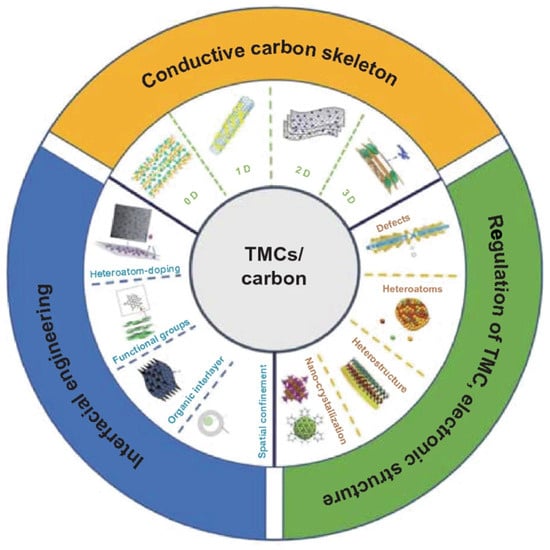
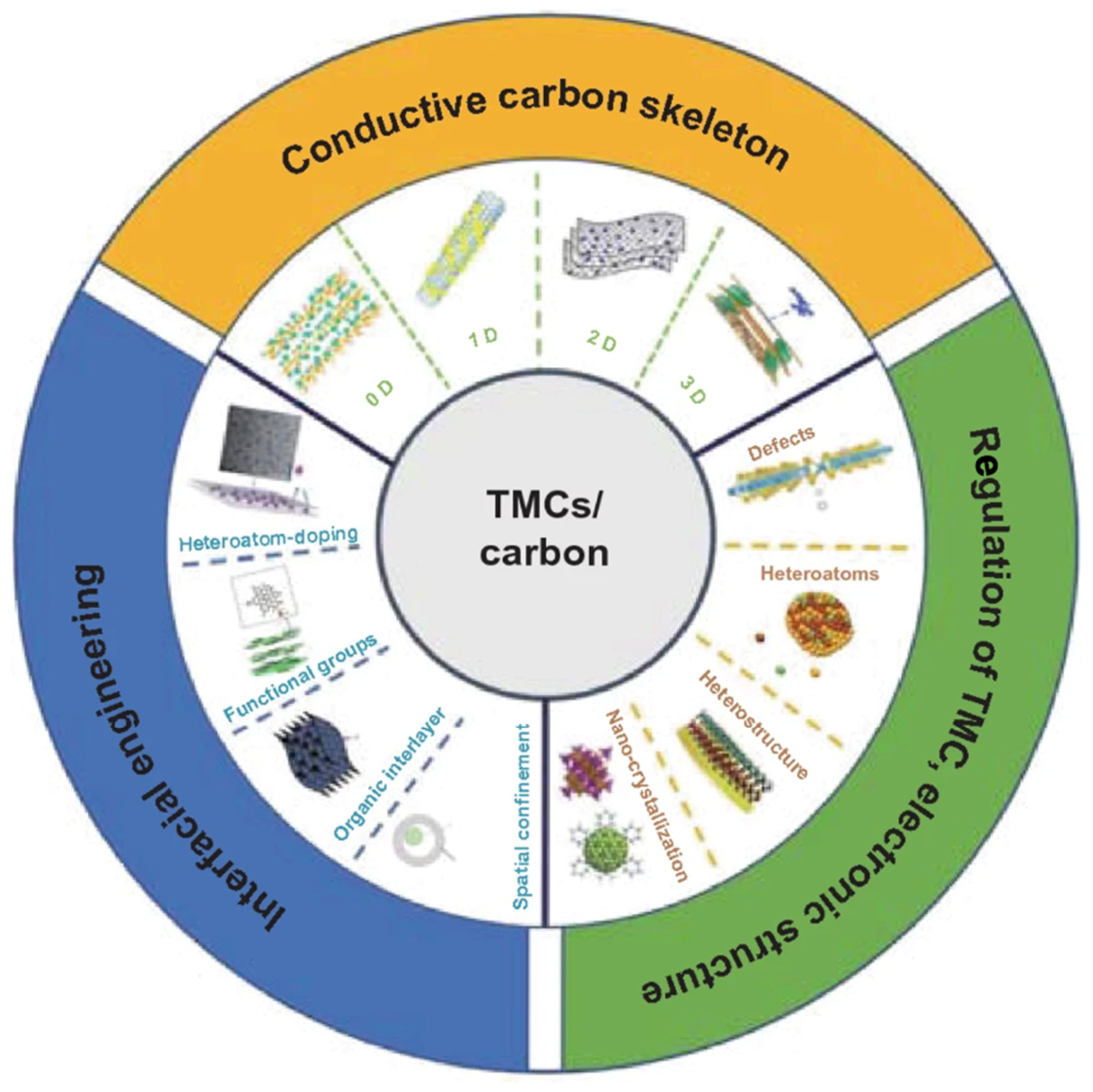
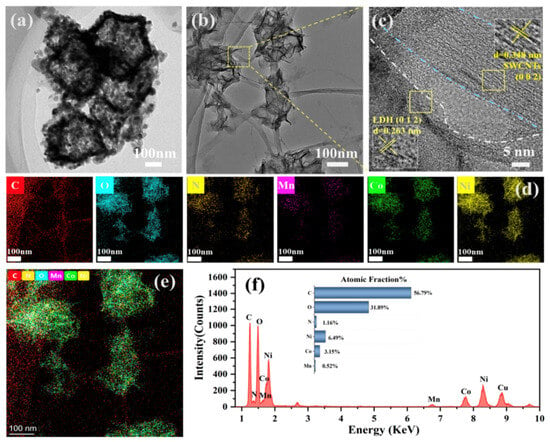
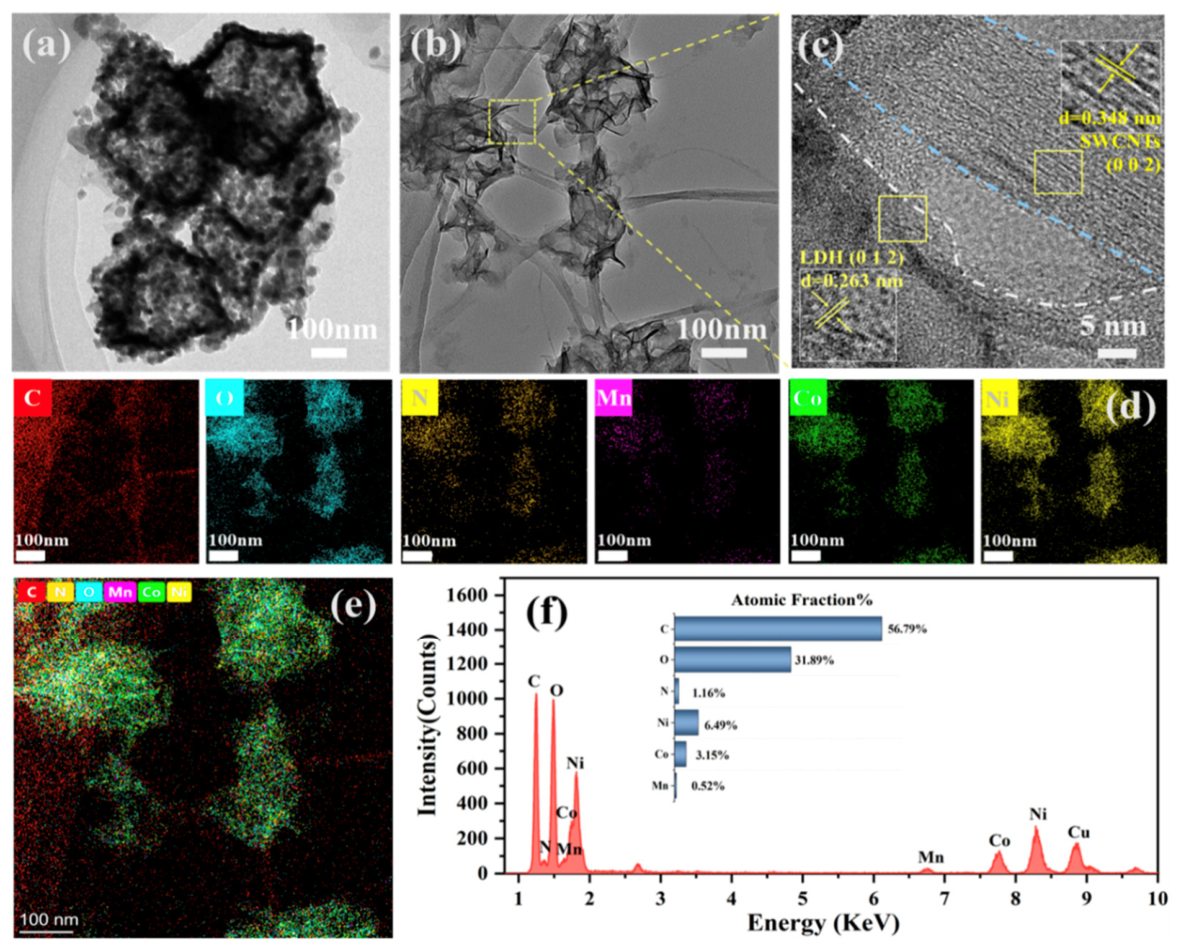
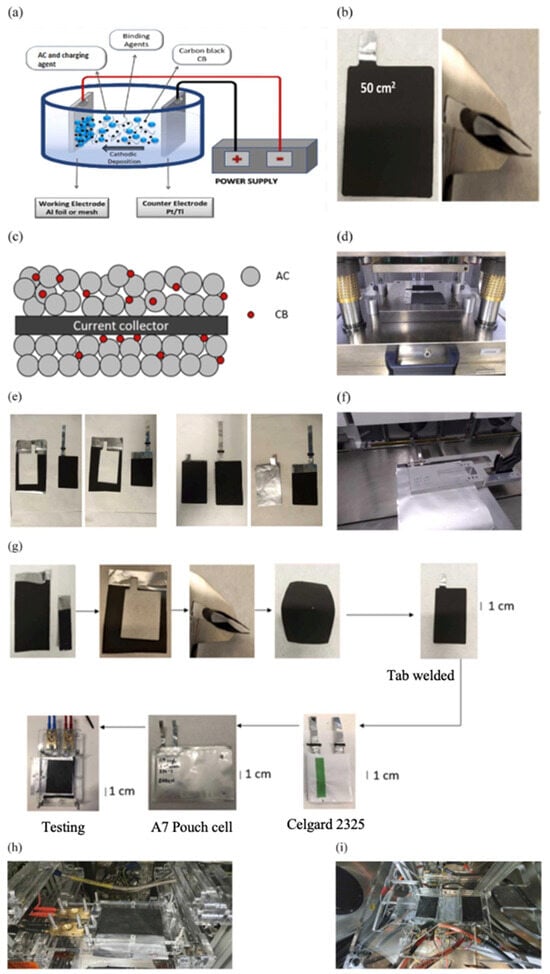
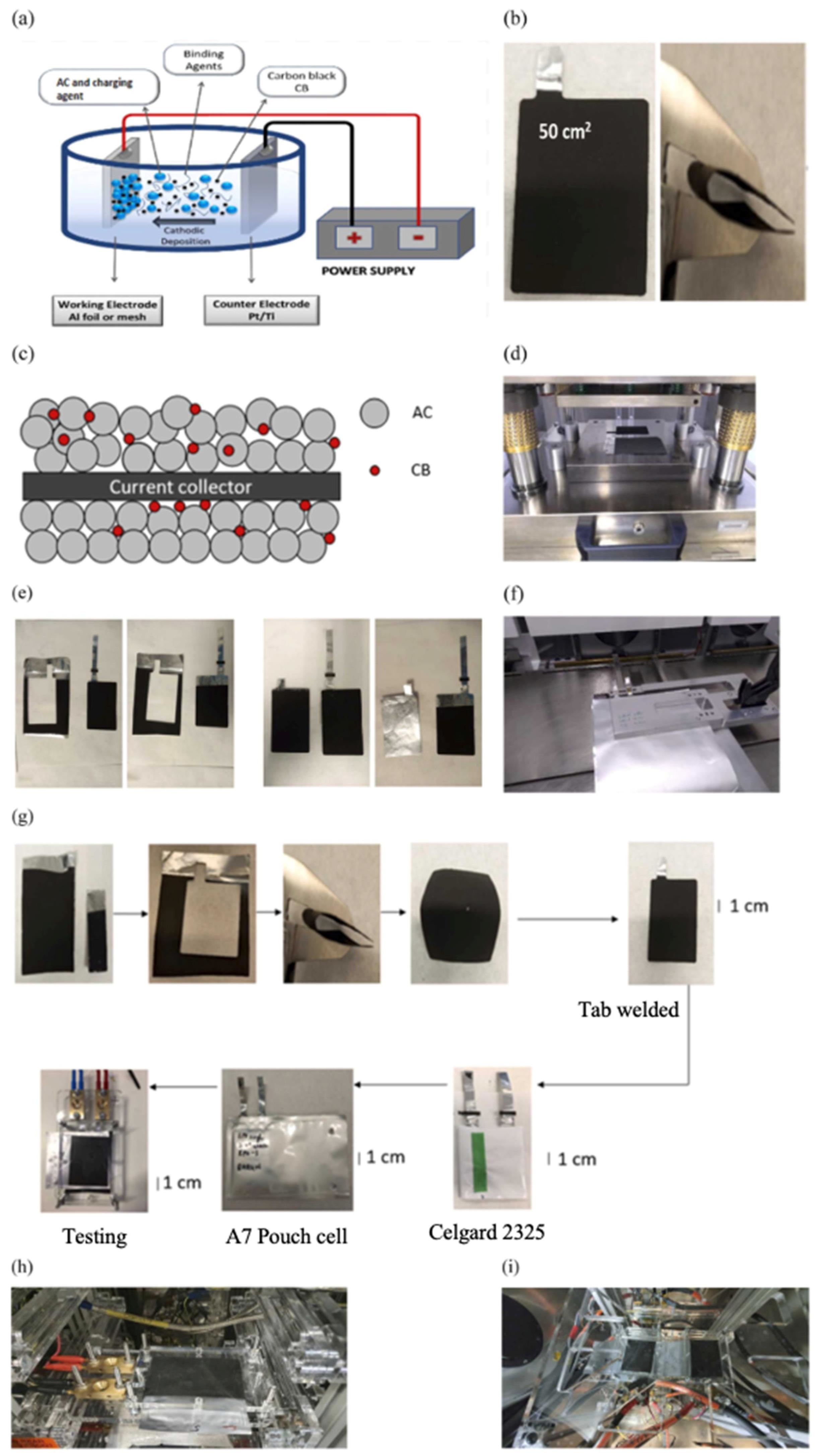
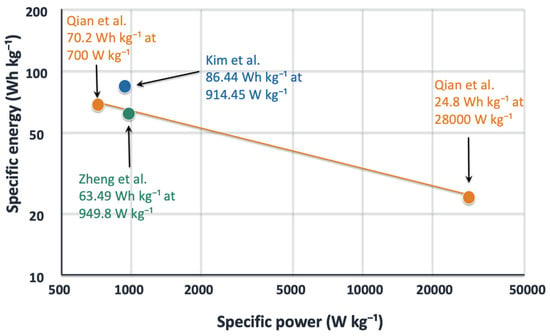
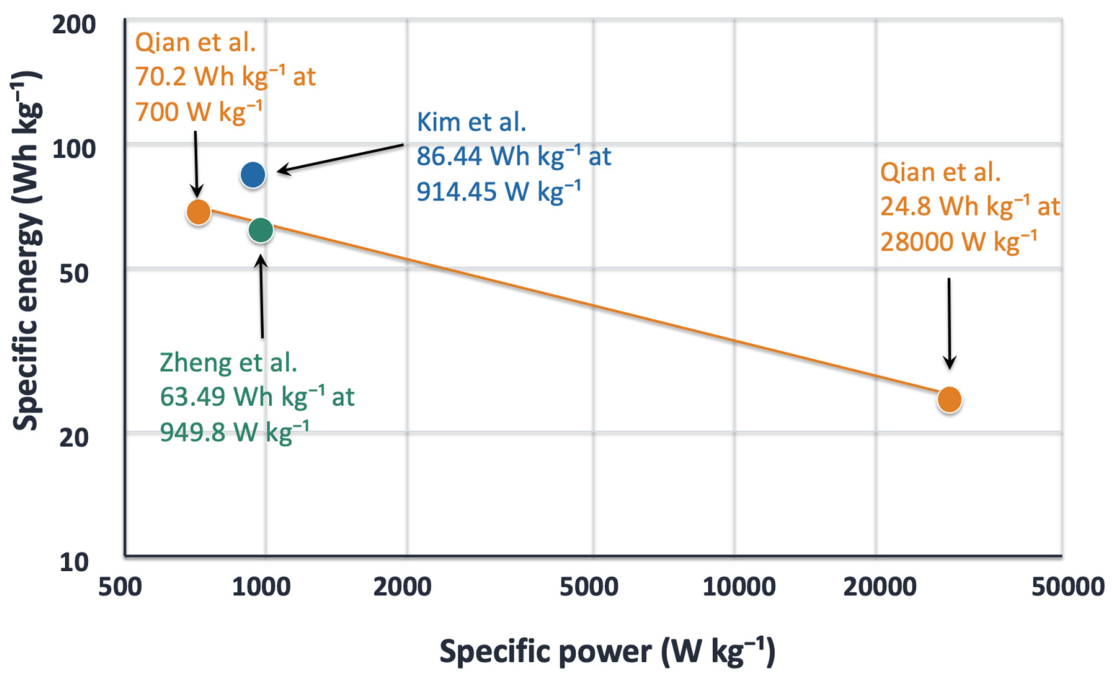

Disclaimer/Publisher’s Note: The statements, opinions and data contained in all publications are solely those of the individual author(s) and contributor(s) and not of MDPI and/or the editor(s). MDPI and/or the editor(s) disclaim responsibility for any injury to people or property resulting from any ideas, methods, instructions or products referred to in the content. |
© 2026 by the authors. Licensee MDPI, Basel, Switzerland. This article is an open access article distributed under the terms and conditions of the Creative Commons Attribution (CC BY) license.