


Highlights
This research entails a narrative review of the physiological and environmental specifications necessary for the cultivation of Vanilla planifolia under Mediterranean greenhouses, identifying this species as a high-value alternative crop for integration into the intensive protected horticulture of the Almería agroecosystem model, alongside an analysis of its markets and economic impact, spanning a ten-year period, to identify the dynamics of the global and European vanilla market.
What are the implications of the main findings?
- •
- Identification of the minimum technology required for this crop in a Mediterranean greenhouse and the reference agronomic parameters for designing field trials in a typical Almería greenhouse.
- •
- Identification of high-value markets for premium-quality vanilla that could sustain local production in Southern Europe.
Abstract
Almería’s high-yield Mediterranean agricultural model is based fundamentally on eight main greenhouse vegetables, with tomato, peppers, and cucumber identified as the principal crops. To facilitate regional diversification, the biological adaptation and techno-economic viability of Vanilla planifolia are examined. The physiological requirements of this orchid, an obligate CAM plant, regarding light intensity and water-use efficiency highlight the need to implement active heating systems, a double internal roof, high-density shading, and misting to emulate the tropical conditions required for this crop in Mediterranean-climate greenhouses. Globally, the market value fell from 898 million USD in 2020 to nearly 328 million USD in 2025, revealing extreme price volatility. Around 75% of global production is absorbed by European and North American markets. While primary production is concentrated in Madagascar, Indonesia, Uganda, and Papua New Guinea, strategic commercial roles are maintained by traders in non-producing nations such as France, the Netherlands, and Germany. Between 2022 and 2024, a systemic collapse was recorded in export revenues. During this period, mean prices fell from 130.83 USD/kg to 44.57 USD/kg. In 2025, wholesale prices rose slightly to 48.59 USD/kg, and global vanilla demand stands at around 6760 t, a volume similar to that of previous years. Viable cultivation of Vanilla planifolia in southeastern Spain and processing it into cured pods are favored by its geographical proximity to European markets. This strategic positioning can ensure optimal harvest maturity and achieve superior biochemical quality through the incorporation of agro-industrial procedures. This information will provide the knowledge necessary to design a field trial aimed at validating Vanilla planifolia as a crop of interest for Mediterranean greenhouses.
1. Introduction
Vanilla planifolia is considered one of the most difficult and complex crops in global agriculture. It is the only member of the Orchidaceae family that is commercially exploited for both industrial and food applications [1]. Vanilla uses Crassulacean acid metabolism (CAM) for carbon fixation [2]. Stomata remain closed during the day, allowing the plants to survive water stress. This influences the management of the plant’s light, temperature, and water requirements in the greenhouses [2,3,4,5]. This crop could represent an interesting opportunity for the Almería agroecosystem model as a high-value niche crop. Its integration enables the diversification of regional agricultural products by focusing not only on the production of green pods but also on the curing process, which is essential for vanillin biosynthesis, to maximize added value.
The current European market shows growing demand for natural aromatic profiles over synthetic substitutes [6]. The geographical proximity of Southeast Spain to major European consumer markets offers a clear competitive advantage: it allows the fruit to reach its optimal physiological ripeness before harvesting. This results in superior biochemical quality in the cured pods compared to non-European competitors who often resort to premature harvesting to mitigate the risk of theft, which frequently occurs in producing countries [7].
1.1. Regional Context: Tropical Crop Production in Southern Spain
Spain is designated as the preeminent producer of tropical and subtropical fruit species within the European Union under open field conditions, especially in the Canary Islands and southern Spain. Furthermore, there is a significant interest in the implementation of protected cultivation systems for some specific tropical crops [8]. A unique microclimatic niche was established across the southern Spanish littoral, encompassing the coastal regions of Málaga, Granada, and Almería, which facilitated the exclusive continental European cultivation of the first documented tropical crop: sugarcane, Saccharum officinarum. In Figure 1, we can observe the historical distribution of sugarcane cultivation in the Mediterranean as an indicator of areas suitable for vanilla greenhouse cultivation [9]. This agricultural crop was historically introduced in Spain during the 10th century by the Arab and subsequently advanced to industrial prominence by the 19th century, when high-tonnage yields were processed into refined sugar at specialized mills called “ingenio” [9,10].
Figure 1.
Historical overlap of sugarcane (A.D. 700–1600) with the current distribution of mangoes on the Mediterranean coast and in the Canary Islands. Image adapted from [9,11]. Orange: sugarcane area; Red circle: mango area.
Within the province of Almería, the Adra delta river ecosystem functioned as a primary epicenter of sugarcane [12]. In the mid-20th century, industry faced a combination of factors: firstly, local competition from cheaper sugar beet, and secondly, international competition from tropical countries. Sugarcane proved that, south of Spain, there is a subtropical microclimate suitable for tropical crops. The legacy of sugarcane has paved the way for a modern “tropical revolution” on the so-called “Tropical Coast” of Granada and Málaga, famous for its cherimoyas, avocados, and mangoes, and now also extended to Almería’s greenhouses through the introduction of new species. The same warmth that allowed cane to grow without frost for four centuries made the region perfect for off-season vegetables, somehow called the “Almería miracle” because of its fast landscape and economic transformation. Because Almería is essentially a semi-arid subtropical zone, it is exceptionally well suited for high-value tropical products that previously could not compete with imports from tropical areas, but which now, due to increased transport among other factors, could have a competitive window. While sugarcane is now mostly a memory, preserved in local distilleries that make rum, the greenhouses have successfully adopted other tropical crops like papaya and pitaya, where the Iberian Peninsula and various Mediterranean countries are identified as regions characterized by favorable climatic conditions conducive to the cultivation [13,14].
The structural maturation of the agricultural production system in Almería is evaluated within the context of identified challenges and opportunities for the implementation of Vanilla planifolia. Productive maturation has been attained by the Almería high-yield model, which is fundamentally predicated upon eight primary greenhouse crops (tomato, peppers, cucumber, squash, beans, eggplant, melon, and watermelon among other minor vegetables). To diversify the regional agricultural portfolio, the integration of exotic species is being scrutinized through evaluations of biological adaptation and techno-economic viability [13]. These research efforts are necessary to facilitate a scalable transition from pilot-scale experimental trials to established commercial enterprises.
1.1.1. Consolidated Tropical Crops
An analytical overview regarding the current status of agrotropical cultivation is subsequently provided. Most of the Spanish avocados are planted in the southern mainland provinces of Málaga and Granada [8]. According to the Spanish Association of Tropical Fruits and the IOM (International Organization for Avocado Production) [15], the national area dedicated to avocado cultivation is around 24,213 ha [15]. Andalusia accounts for approximately 17,000–18,000 ha, representing 70–75% of the total [15,16].
Spanish avocado production accounts for around one-third of European Union consumption. Within semiarid Mediterranean regions, water scarcity is intensified by climate-driven shifts and anthropogenic demand, necessitating the implementation of regulated deficit irrigation. Modeling evapotranspiration and monitoring plant physiology, such as stem water potential and stomatal conductance, are strategies for optimizing water requirements and precise irrigation scheduling [17]. Canopy reduction is performed, or entire plantations are decommissioned, as a primary strategy to mitigate total water consumption.
A significant proliferation of novel plantations of mangoes has been documented in the eastern littoral zones of Andalusia, primarily within the province of Málaga [8]. A national aggregate of 6043 ha is reported, with 5100 ha concentrated in eastern Andalusia. Within this region, 4598 ha (90% of mango production) are maintained in Axarquía, Málaga, while 472 ha are situated on the tropical coast of Granada [15]. Mangoes need warmth and a dry season to flower; an old quote said that “do not attempt to grow vanilla in areas where mangoes cannot be grown” is a generally accurate guideline for outdoor cultivation [18]. Vanilla plantations worldwide have developed their production and activities alongside mango crops (Madagascar, Mexico, and Indonesia [11,19]), among others such as sugarcane (Reunion Island) and cocoa (Uganda) [1,20]; this could serve as an indicator of future integration, as illustrated in Figure 1, along the Mediterranean coast.
Mango and avocado are mainly grown in open air in neighboring Málaga (Axarquía), but there is an interest in moving into other areas under protected nets and/or plastic environments to minimize water consumption, use pollinator bees, and extend the harvest season [21,22].
Spain is the world’s first producer of cherimoya with about 30,000 t per year consuming in its national market around 90 percent of its own production. The planted area is approximately 3041 ha, almost all of which are in the coastal area of Granada in the southern mainland [15].
1.1.2. Minor Tropical Crops
The introduction of papaya, Carica papaya, to the Canary Islands was initially recorded in the 16th century, although its establishment as a commercial cultivar was not realized until the preceding three decades. Numerous cultivation trials have historically been conducted by producers in Southern Spain, but success was significantly mitigated by highly unfavorable climatic variables [5]. Recently, the development of this crop has been facilitated through the implementation of protected greenhouse environments within the Almería and Granada regions [13].
In Spain, there are 471 ha of papaya. They continue to be the main driver of this crop in Spain. They have approximately 350 ha in Andalusia (Almería and Málaga). This is the area with the greatest potential for growth under plastic. Now a major greenhouse tropical crop in Almería, it benefits from the high humidity trapped under plastic. It is estimated that there are between 40 and 60 ha, and 24 ha in Mazarrón, Murcia [16].
Pitaya is concentrated in areas with warm climates and a low probability of frost, mainly in the south of Spain and the Canary Islands [8]. Andalusia is the region with the highest growth rate. It is estimated to exceed 120 ha. Suited for the arid climate and is easily managed in greenhouse structures [16]. Huelva has become the main producer of pitaya thanks to the conversion of some berries to fruit crops. Málaga and Almería maintain a stable planted area, taking advantage of the subtropical climate of the Axarquía and the Levante region of Almería [14].
2. Methodology
The first part of this study focuses on the initial phase: a literature review of biological requirements and established cultivation practices to strategically design field trials suitable for Mediterranean greenhouse systems in Almería. The second part includes a longitudinal analysis of international production, trends, and price fluctuations over the last decade (2015–2025) as a baseline for economic projections from FAOSTAT [23], World Bank [24], Eurostat [25], and Datacomex [26].
The bibliographic search strategy was carried out across various multidisciplinary platforms, such as Scopus, WoS, PubMed, and Google Scholar. This is a narrative review article; we did not aim to conduct a systematic bibliometric review. We have also consulted specialized books through the University of Almería’s digital library services. The keywords used were those related to the biology and agronomic requirements of Vanilla planifolia, specifically focused on shade houses and other protected structures (keywords and Boolean operators: Vanilla planifolia, Vanilla AND crop management, Vanilla AND biological requirements, Vanilla AND protected structure, OR shade house, OR shade netting, DLI, light intensity, etc.).
The search period spans from 2000 to 2025; however, while reviewing citations in certain articles, we consulted original sources predating the year 2000 and included them in the references of this manuscript.
Regarding climate information, we have compiled basic climate data for three areas of interest from public weather stations and specialized websites or institutions. The La Mojonera weather station (IFAPA) is a public service provided by the authorities in Spain [27]. The available data covered the period from 2000 to 2025. (https://www.juntadeandalucia.es/agriculturaypesca/ifapa, accessed on 2 April 2026). Using the climate website https://es.climate-data.org (accessed on 2 April 2026) [28], we downloaded climate data for Veracruz, Mexico, the natural environment where vanilla originates. The available data covered the period from 1991 to 2021. We conducted a correlation analysis to validate the sources, comparing data from our local weather station in La Mojonera with data from the weather website https://es.climate-data.org (accessed on 2 April 2026) for the nearest locations in El Ejido. The results showed a strong and positive Pearson correlation coefficient (r) of 0.9993. The Pearson correlation demonstrated that both measurement sources follow exactly the same seasonal cycle and vary by practically the same proportion from one month to the next. It is appropriate to consider the (r) coefficient as a descriptive measure of seasonal alignment, given that the Pearson method may have certain limitations when applied to non-linear data series. For this reason, we also conducted a Spearman correlation, which yielded an (r) value of 0.9930, likewise indicating a strong correlation. For the Sava region (Madagascar), we have used information provided by the World Bank, a source we consider reliable [29].
Climate data sources come from official public services, recognized institutions, and specialized climate websites that have been validated. Analyzing climate data is important for understanding the climatic differences between Almería, Spain (the region of interest for introducing vanilla cultivation), Madagascar (the leading producer country), and Mexico (the place of origin of Vanilla planifolia). At times, information from developing countries is not consistent over time or in format, but the data provided are sufficient to establish a comparative baseline climate profile.
For this review article, we have not only consulted the academic literature but also incorporated the experiences of researchers, traders, farmers, and non-governmental organizations working in producing countries. We have filtered this information by examining data directly relevant to our specific hypothesis: identifying Vanilla planifolia as a species of interest for the Mediterranean region.
3. Part I: Vanilla planifolia Review
3.1. Analytical Interest for the Integration of Vanilla planifolia in Mediterranean Greenhouses
The implementation of greenhouse horticultural systems enables high crop yields through the precise regulation of local environmental parameters. In these protected environments, indoor climatic conditions are controlled to mitigate the adverse effects of seasonal variability and hazardous weather events associated with climate change [30].
There is no clear information regarding the official area covered by greenhouses in Europe. The potential area [ha] for greenhouse crops in Europe is shown in Table 1, including non-European countries closely linked to agricultural trade networks and those with a Mediterranean climate, which favors the adaptation of tropical crops [31,32,33,34].
Table 1.
Greenhouse area [ha] in Europe, 2023 [31,32,33,34].
Table 1 presents the mapped greenhouse area, supplemented by data from local sources for certain countries where the adoption of tropical crops is feasible in certain specific areas. Mapping techniques based on satellite imagery make it possible to determine the current surface area of greenhouses.
Within Spain, it is indicated in reports from June 2024 that a total of 79,000 ha of protected cropping infrastructure is maintained within Spain [16], positioning it as the second-largest global extent for intensive cultivation, surpassed only by China [31]. A stable projection for the Andalusian protected footprint is established at 54,742 ha for the 2025 cycle, with the primary concentration of protected horticulture identified along the Eastern Andalusian littoral [16]. The geospatial distribution of the protected surface area within the Andalusian autonomous community is categorized in Table 2.
Table 2.
Greenhouse area [ha] in Andalusia, 2025 [16].
The anthropogenic transformation of the Almería landscape has been carried out over the preceding fifty years through the establishment of a highly optimized agro-industrial complex. Almería is considered the main hub of horticultural production in Europe, covering an area of approximately 34,000 ha [35]. Annual production of vegetables exceeds 4 million tons, with a total market value of over 4.5 billion euros [36]. This significant concentration of export-oriented greenhouses serves as an analytical basis for the evaluation of high-value niche crops within the Almería agroecosystem model.
The Almería agricultural greenhouse model employs cost-effective structures that leverage the local climate, combining them with high-tech precision agriculture to optimize water and nutrient use and integrate pest management. Agricultural activity in Almería faces a critical threat stemming from water scarcity, exacerbated by climate change in this semi-arid region, as crops rely heavily on groundwater extracted from wells that are sometimes subject to salinization [35]. Furthermore, the sector faces constant challenges in reducing waste and safely managing the vast volume of agricultural biomass generated throughout its multiple annual vegetable-growing cycles. A fundamental aspect is that, in pursuit of market differentiation, public institutions are focusing their efforts on adapting exotic and novel fruits to Almería’s climatic conditions, thereby transforming the region’s traditional crop selection to meet new market demands [35].
Optimal development of Vanilla planifolia, an indigenous plant to Mexican tropical rainforests, is contingent upon the maintenance of specific climatic parameters. A thermal daytime range between 20 °C and 32 °C is required, and between 15–20 °C at night, while absolute physiological thresholds are established between 10 °C and 33 °C [1,5,37,38,39]. However, it is recommended that the temperature does not exceed 30 °C for prolonged periods, since, as it is a CAM plant, the stomata remain closed and the leaves cannot cool themselves during the day [5]. Furthermore, a minimum annual precipitation of 1500–2000 mm must be evenly distributed to ensure environmental stability [4,37,38].
Greenhouse vanilla cultivation allows for the control of numerous parameters, such as light, temperature, irrigation, fertilization, and CO2 levels. However, it is necessary to determine the optimal combinations of these cultivation parameters to achieve good vanilla yield and quality. Although climate, the shading system (which influences light and temperature), fertilization, and irrigation could be managed via computer systems, the setpoints must be established empirically [5].
Global agricultural productivity is significantly compromised by climate change, which manifests through intensified thermal stress and irregular precipitation regimes. In this context, Vanilla planifolia is identified as a species highly susceptible to environmental perturbations due to its deficit of genetic diversity [37]. Consequently, the systematic identification of alternative ecological niches is required to mitigate projected reductions in suitable cultivation areas driven by shifting climatic patterns. Technified cultivation structures, specifically shade houses and nurseries integrated with automated irrigation, are identified in Mexico as anthropogenic interventions designed to counteract the deleterious effects of climatic thermal stress due to climate change [37].
Almería has a semi-arid Mediterranean climate (mild winters, hot and dry summers with high solar radiation) with an annual average temperature of 18.5 °C, ranging between 13.2 °C in winter months and 24.9 °C in summer months [27], with average annual precipitation of 275 mm [27]. Outdoors, vanilla cultivation in Almería is not possible due to the lack of humidity, excessive direct sunlight, and winter temperatures that drop below 15 °C, where vegetative growth is reduced. Table 3 shows the average ranges for the locations considered in this study, which serve as climatic references. However, Almería is a world pioneer in greenhouse technology that can mitigate this climate gap. Identifying the facilities needed to successfully address this crop is one of the objectives of this paper.
Table 3.
Average reference climate ranges for Almería, Veracruz, and Sava [27,28,29]. Winter months (Jan–Feb–March), Summer months (Jul–Aug–Sep).
3.2. Vanilla planifolia: A Tropical Species of Agricultural Interest for Greenhouse Cultivation in Southern Spain
An exhaustive analysis of the literature regarding Vanilla planifolia is conducted, wherein a synthesis of diverse authorial perspectives and empirical trials is utilized to facilitate an advanced comprehension of this crop. This bibliographic analysis is implemented to establish the physiological and agronomic prerequisites for the successful introduction of this tropical crop into intensive protected cultivation systems within the Mediterranean agroecosystem of Almería.
3.2.1. Brief Historical Review of Vanilla
The historical trajectory of vanilla has been divided into five distinct chronological phases regarding the evolution of vanilla as a crop; we have synthesized this from a multiplicity of authors. Special consideration is given to the sociotechnical advancements that have influenced agronomic production, while contemporary paradigms characterizing the current state of the cultivar are comprehensively integrated.
The emerging cultivation of Vanilla planifolia is hypothesized to have been initiated by the Maya via the primary collection of wild fruit (I), a development facilitated by the biogeographical overlap with cocoa-producing territories in north-central Veracruz [40]. Subsequently, documented agricultural systems were implemented by Totonac populations in Veracruz during the 1760s to facilitate the supply of exotic botanical adjuncts to the European market [41].
The namesake for the genus Vanilla, came from Charles Plumier (1646–1704), who described this plant as an orchid. Its name came from the Spanish words “little pod with flat leaf”, also often called the flat-leaved vanilla. It was first scientifically named and described in 1808 as Vanilla planifolia by the British botanist Henry C. Andrews (attributed to George Jackson) [42].
The regional hegemony of Vanilla planifolia cultivation was maintained under the Papantla monopoly (II) until the implementation of manual pollination protocols, identified by both Charles Morren, a botanist from Belgium, in the 1830s [43], and Edmond Albius, a boy and slave from Reunion, in the 1840s [44], which facilitated the global expansion of the species via vegetative propagation. Consequently, the established Mexican dominance was superseded by French colonial output (III), primarily situated in Reunion, following the successful transition to intensive agricultural practices across diverse tropical territories, with Madagascar the adequate location [45,46].
In 1874, the discovery of the chemical synthesis of vanillin (IV) from conifer bark undermined the market position of Mexican vanilla. Consequently, synthetic vanilla has been incorporated into more than 90% of current formulations due to its greater profitability and price stability compared to natural cured pods [41].
Demand for natural vanilla (V) is sustained by consumer preferences for natural product labeling, particularly in Europe and the United States [7]. In the carbonated beverage industry, natural vanilla is once again being used as a key flavor stabilizer, and it serves as a high-quality ingredient in high-fat super-premium dairy formulations (such as ice cream). Additionally, natural vanilla is a fundamental element in the fragrance sector.
3.2.2. Botanic Description
The genus Vanilla is classified as a succulent, semi-epiphytic climbing vine. This plant initially establishes itself in the soil before attaching to tree trunks and branches. Its root system facilitates the absorption of water and minerals, as well as providing structural anchorage [47]. Morphologically, plants are characterized by fleshy or leathery leaves, ephemeral flowers that typically persist for less than 24 h, and fruits described as elongated, deciduous berries [41,48]. Following successful pollination, long, slender fruits develop. The seeds are characterized by being black, hard, and crustaceous in consistency, and the presence of endosperm, which provides nutrients to the developing embryo [47]. Figure 2 shows different vegetative stages of Vanilla planifolia, in which various morphological parts can be observed. Currently, the commercialization of fruits for flavor and fragrance is restricted to Vanilla planifolia Jacks ex Andrews and Vanilla tahitensis, both of which are hypothesized to have originated in Mesoamerica based on genetic studies [41], even though V. tahitensis has actually never been found in the wild [41,47].
Figure 2.
Vanilla leaves and flowering in pots and substrate (a) and vanilla fruit set alongside an eggplant crop (b).
3.2.3. Geographic Distribution and Biodiversity: Sexual Reproduction
The genus Vanilla exhibits a pan-tropical distribution across the Americas, Africa, and Asia-Oceania, with geographic boundaries typically constrained by the 27th parallels [49]. The diversification of this orchid lineage is estimated to have occurred over 65 million years ago, a period contemporaneous with the large-scale continental fragmentation of Gondwana [50]. Comprising an estimated 100 to 107 species, approximately half of these species are recognized as endemic to tropical America [47,48,51,52,53].
The taxonomic identification keys and phytogeographical distributions associated with the Vanilla genus have been updated and refined by Soto Arenas [54]. Within this updated framework, the global distribution of the genus is categorized into three primary geographical regions: (i) the Neotropics, encompassing South and Central America, the Caribbean, and Florida, which contains 61 species and the natural habitat of Vanilla planifolia situated within the lowland tropical evergreen forests of eastern Mexico and the Caribbean watersheds of Guatemala, Belize, and Honduras; (ii) Africa and Madagascar, where 23 species are documented; and (iii) the Asian continent and the Indian Subcontinent, where the remaining species diversity is distributed [54].
Sexual reproduction within natural populations of V. planifolia is observed at exceedingly low frequencies, with the fruit set typically documented between 1% and 3% [55,56]. To prevent autonomous self-pollination, the floral morphology features a physical barrier known as the rostellum [57]. Figure 3 shows the floral morphology and pollination processes.
Figure 3.
Floral morphology (a) and rostellum (b) during pollination.
The reproductive system of Vanilla planifolia is characterized by a central column in which the anther is situated above the concave stigma. The rostellum is a specialized membrane that acts as a physical barrier between the male and female reproductive organs to prevent spontaneous autogamy [58]. Only V. palmarum is identified as self-pollinating [59]; the remaining species generally depend on infrequent pollination by Melipona bees or hummingbirds within their native range. Seed germination is further limited by undifferentiated embryos and waxy seed coats containing biochemical inhibitors. For this reason, vegetative propagation via stem cuttings is utilized as the primary reproductive strategy for both natural expansion and commercial establishment.
The significant genetic uniformity observed in global crops is hypothesized to result from a restricted initial genetic pool [60,61] and the historical proliferation of a singular clone [57].
3.2.4. Taxonomy
The Orchidaceae family is divided into five distinctive subfamilies according to contemporary taxonomic classifications [62]. (i) Apostasioideae: This is the most basal phylogenetic position [54]. (ii) Vanilloideae: Most notably represented by the genus Vanilla [54]. Vanilla planifolia and V. tahitensis are identified as the main species of economic significance. Vanilla pompona is subjected to local cultivation or wild harvesting with no significant economic valuation [57]. The industrial utilization of Vanilla planifolia and V. tahitensis is primarily directed toward the food and pharmaceutical sectors for flavoring purposes, while V. pompona is mainly used in fragrance synthesis due to its specific aromatic properties. In the United States and the European Union, government regulations restrict the use of vanilla products in food to the two species V. planifolia and V. tahitensis [63,64].
The origin of Vanilla tahitensis has caused confusion among researchers. It was established in Tahiti after its introduction from the Philippines in 1848. The genome of V. tahitensis is that of a tetraploid hybrid derived from a maternal lineage of V. planifolia and V. odorata. DNA studies confirmed that V. tahitensis is not native to Polynesia [49]. (iii) Cypripedioideae: This subfamily is predominantly composed of terrestrial taxa employing C3 metabolism. (iv) Orchidoideae: This predominantly terrestrial clade is known to share a common ancestor with the Epidendroideae. (v) Epidendroideae: This subfamily exhibits the highest degree of taxonomic and metabolic diversification and encompasses more than 80% of all existing orchid species. Highly flexible metabolic strategies, including the implementation of facultative and obligate Crassulacean acid metabolism, are employed to sustain a predominantly epiphytic existence. Representative genera of high ornamental and commercial value include Phalaenopsis, Cattleya and Dendrobium [49,54,57].
3.2.5. CAM Metabolism
Crassulacean acid metabolism (CAM) is an ecophysiological adaptation that allows plants to capture carbon with extreme water-use efficiency [65,66]. Numerous lineages of land plants convergently evolved through this photosynthetic pathway, enabling their survival in environments characterized by drought, high temperatures, and limited CO2 availability [66,67]. The main characteristic of CAM metabolism is the temporal separation between carbon uptake and assimilation: CO2 is captured at night and transformed into carbohydrates during the day [67].
The biochemical process of CAM metabolism is typically divided into four distinct phases over a 24 h period: (i) Phase I (Night): Stomata remain open, allowing for the nocturnal uptake of atmospheric CO2. The enzyme phosphoenolpyruvate carboxylase (PEPC) fixes CO2 into oxaloacetate, which is then converted to malic acid and stored in the large central vacuoles of mesophyll cells [65,67]. (ii) Phase II (Early Morning): A brief transition period where stomata remain open, and CO2 may be fixed simultaneously by both PEPC and Rubisco [65,67]. (iii) Phase III (Day): Stomata close to prevent water loss [45,47]. Malic acid is remobilized from the vacuole and decarboxylated, releasing a high internal concentration of CO2 [65]. This CO2 is then refixed by Rubisco in the Calvin cycle while the stomata are closed [65,66]. (iv) Phase IV (Late Afternoon): If environmental conditions are favorable and malic acid has been depleted, stomata may reopen, allowing for direct C3-type CO2 fixation [65,66].
Within the Orchidaceae, CAM is prevalent among epiphytic species that face frequent water deficits in the tree canopy [68]. Success in these niches is often supported by succulent leaves and specialized root structures like the velamen radicum, which facilitates rapid water uptake [68]. Vanilla planifolia is an obligate (constitutive) Crassulacean acid metabolism (CAM) semi-epiphytic orchid [2]. The photosynthetic pathway and diurnal regulation of V. planifolia are highly important for optimizing greenhouse cultivation in semi-arid environments such as Almería (Spain), where the management of light intensity and water-use efficiency is critical. Its photosynthetic efficiency is characterized by a strict diurnal rhythm and specific organ behavior, summarized in Table 4: (i) Organ-specific modes: while leaves and stems perform CAM, defined by nocturnal CO2 uptake and massive malate accumulation, the aerial roots show the Calvin C3 cycle [2]. (ii) Photosynthetic induction: V. planifolia has the ability to rapidly activate its photosynthetic machinery under fluctuating light, reaching 95% of maximum electron transport in 4–6 min in the morning. This is significantly faster than many reported C3 and C4 species [3]. (iii) Temporal restriction: light use efficiency is maximal during the morning hours (Phase III of CAM) but is significantly restricted in the afternoon as the internal reserve of stored malic acid is depleted [3]. (iv) Photoprotective mechanisms: To mitigate photoinhibition during sudden light transitions, V. planifolia utilizes the water–water cycle to prevent the over-reduction of photosystem I (PSI) as an alternative electron sink. In the afternoon, when CO2 fixation is restricted, cyclic electron flow is stimulated to dissipate excess energy [3].
Table 4.
Specific organ behavior in V. planifolia [2].
Primary carbon fixation in V. planifolia is regulated by a small multigene family of phosphoenolpyruvate carboxylase (PEPC) isoforms [2]. (i) The PpcV1 (CAM-specific) isoform is primarily expressed in leaves and stems. Its main function is related to massive CO2 fixation during the night phase in CAM plants. (ii) PpcV2 is the housekeeping isoform gene; it is expressed throughout the plant, including the non-photosynthetic roots in the soil. (iii) Kinetic regulation: PEPC activity is highly sensitive to feedback inhibition by malate, which shifts the enzyme to a less active state and balances the carbon flux. In leaf extracts, the inhibitor constant (Ki) for malate is lower at pH 7.0 (0.90 mM) compared to pH 8.0 (1.38 mM), reflecting the complex regulatory environment of the cytosol throughout the CAM cycle.
The chemical composition of Vanilla planifolia leaves is highly flexible, depending on leaf age (ontogeny), the time of day, and seasonal variations [4]: (i) Ontogeny: Young leaves (first position) gather high concentrations of glucose and specialized phenolic compounds known as Glucosides A and B (precursors to glucovanillin). Older leaves (5th to 10th positions) concentrate higher levels of sucrose, malic acid, homocitric acid, and acetic acid. (ii) Daytime chemistry: Consistent with CAM physiology, malic acid levels are highest at dawn (06:00 h) following nocturnal fixation, whereas sucrose levels peak at sundown (18:00 h) after a full day of Calvin cycle activity. (iii) Metabolomic plasticity: Glycosides A and B vary more according to the developmental stage (50% variation) than according to the season or time of day (19% variation), indicating that their synthesis is highly controlled by tissue maturity.
Table 5 presents a summary of the concentrations of various metabolites found in different leaf types and during day and night periods. To successfully cultivate vanilla in Almería’s greenhouses, we must understand the key strategies regarding the control of light (A), humidity (B), and temperature (C).
Table 5.
Relative concentration of key metabolites in V. planifolia leaves [4]. Sunrise and sunset under the environmental conditions of Reunion Island. Higher amount (++), presence (+).
(A) Light management: V. planifolia is a shade-tolerant plant that rapidly exploits fluctuating light in the morning but faces limitations in the afternoon; therefore, dynamic shading systems must prioritize protection during peak afternoon radiation to avoid photoinhibition [3]. In this situation, the water–water cycle (O2 photoreduction) is utilized as a critical safety mechanism. To prevent the over-reduction of photosystem I (PSI) during unexpected increases in irradiance, alternative acceptors are available to act as a sink for the excess electron flow [3]. On the other hand, a considerably more restrictive shading strategy must be implemented during the afternoon, as light use efficiency drops drastically as malic acid reserves in the vacuoles are depleted. During the afternoon, CO2 fixation capacity is constrained, and the plant is dependent upon the stimulation of cyclic electron flow (CEF) to generate a proton gradient (ΔpH). This mechanism is employed to release energy through non-photochemical quenching (NPQ) while the stomata remain closed.
To optimize greenhouse vanilla cultivation in Almería, the following technical guidelines are established, based on physiological evidence: (i) Irradiance regulation: a maximum light intensity of approximately 200 μmol/m2·s is identified as optimal to prevent metabolic stress in vanilla [2,3]. (ii) Prioritization of shading after solar noon: more intense or continuous shading is required after midday, a period during which the risk of photoinhibition of photosystem I (PSI) increases due to the limitation of carbon sinks [3]. (iii) Physiological protection of C3 organs: the vulnerability of aerial roots is addressed, given that these organs perform C3 photosynthesis and lack malate accumulation; protection against excessive irradiance is required throughout the diurnal cycle, specifically when relative humidity is not maintained at levels close to 80% [2,3]. (iv) Reduction in fluctuating irradiance: sudden light fluctuations (sunflecks) could be minimized through dynamic shading systems; although the photosynthetic apparatus is partially protected by the water–water cycle, repeated exposure to PSI over-reduction under CO2-limiting conditions that cause accelerated oxidative damage is avoided [3].
(B) Humidity management: Optimal photosynthetic performance is achieved with a regulated relative humidity of 80%. Nighttime CO2 assimilation is maximized, allowing for vigorous vegetative growth [2]. The presence of aerial roots with C3 metabolism suggests that maintaining high relative humidity (around 80%) is essential, as these organs lack the water-saving advantages characteristic of CAM metabolism [2]. Yield is significantly affected when humidity levels fall below optimal parameters, as V. planifolia does not tolerate prolonged water stress. In the absence of adequate moisture, permanent stomatal closure is induced as a survival mechanism, or metabolic activity is slowed down. In this scenario, vegetative growth is restricted to avoid mortality due to desiccation [2].
(C) Temperature management: Relative humidity should be maintained at approximately 75% to 80%, alongside daytime temperatures of 20–32 °C and nighttime temperatures of 15–20 °C, to replicate the vanilla plant’s natural habitat throughout the different seasons of the year [1,2,3,38,39]. This environmental synchronization is necessary to optimize the catalytic activity of essential enzymes, particularly phosphoenolpyruvate carboxylase (PEPC), which shows maximum efficiency in leaf chloroplasts [2]. Although the optimal temperature for PEPC and malate dehydrogenase is above 35 °C, it was concluded that relatively cool night temperatures below 20 °C would be most favorable for dark fixation in CAM metabolism [65]. Regarding its implementation in Almería’s greenhouse systems, maintaining 80% humidity is considered not merely a recommendation, but a physiological requirement in order to ensure carbon assimilation through foliar CAM metabolism or C3 pathways in the aerial roots [2]. To improve and contribute to crop yield and quality fruit, it is necessary to determine the adequate temperature, light irradiance, and humidity suitable for the different phenological stages. The transition from glucose to sucrose and malate as leaves mature indicates the need to standardize leaf age when assessing the chemical or sanitary quality of the crop [4].
3.2.6. Identification of Agronomic Management Procedures for the Cultivation of Vanilla planifolia in Mediterranean Greenhouses
Understanding the biology and natural lifestyle of vanilla makes it possible to identify the factors that hinder its agronomic management. Vanilla planifolia, as a semi-epiphytic climbing vine, is traditionally characterized by its requirement for arboreal support, which provides structural stabilization, irradiance attenuation, and organic substrate. Historically, the cultivation of vanilla has been integrated into silvicultural systems through intercropping with other species such as orange tree (Citrus sinensis) and native tree “Acahual” [1,38,39]. In professional horticulture, vanilla is produced using intensive monoculture systems, facilitated by specialized shade houses [37,39]. The adaptation of these intensive methodologies to Almería’s protected cropping system is currently being considered.
Facilities, Plant Density, Intercropping, and Yield
Traditional vanilla cultivation has been carried out in association with other crops, such as banana, cacao, or orange trees. On Reunion Island, the intercropping of sugarcane and vanilla in equal proportions is practiced alongside established monoculture systems. In traditional cultivation, a density of 3000 to 4000 plants per ha is maintained (sometimes fewer than 3000) with planting spacings of 1–2 m by 1.5–2 m, adjusted according to the level of mechanization of the associated crops [1,38].
The establishment of vanilla as a high-value niche crop in the Australian agricultural sector is strategically supported by a vertically integrated model that spans the entire value chain, from primary production to marketing under a proprietary brand. To mitigate the inherent labor intensity and optimize physiological development in Australia, it is necessary to use shade-house infrastructure that provides the specific irradiance levels with a shading degree of between 50% and 60% [69]. In these controlled environments, 3 m vertical support systems are implemented to facilitate higher plant density and the consequent increase in cumulative yield per ha. Plant spacing is optimized at 1.5 m to ensure ergonomic access for manual pollination and harvesting tasks. Finally, the frequency of manual vine training is significantly diminished by the integration of taller support structures, thereby streamlining management protocols within the shade house system [69].
In Costa Rica’s intensive shade-screen system, the number of vanilla plants per ha ranges from 2000 to 6000. However, if the planting density is excessive, the vanilla plants will not flower, or flowering will be sparse [70].
Maximum productivity is attained during the fourth or fifth year post-establishment, with a subsequent decline attributed to spatial management constraints involving ventilation and irradiance. Total cessation of yield is typically observed by the twelfth year, but it depends on the health status of the crops. Commercial plantations in Mexico have an average lifespan of five years. This temporal span is partitioned into an initial triennial period of vegetative development, succeeded by a biennial phase of productive output [71,72]. In Mexico, yields of green vanilla beans are reported at 1–2 t/ha in rain-fed systems, whereas 2–4 t/ha are achieved in irrigated high-density planting of 10,000 plants/ha [39]. In Indonesia, on an individual plant basis, an average yield of 0.2 kg of mature pods is typically harvested, despite a calculated production potential of 1.0 kg per plant [19]. High planting densities are frequently utilized to maximize floral production per unit area, though such configurations require optimized inter-row spacing to maintain plant health [72]; however, an excessively high planting density makes the vanilla highly susceptible to fungal attack [38]. In shade house configurations utilizing 50% luminosity and densities of 1.5–2.5 plants/m2, yields of up to 5.14 t/ha of green vanilla are documented [39]. In greenhouse vanilla cultivation under Mediterranean conditions, it is necessary to study and seek a balance in planting density that allows for healthy plant development while simultaneously maximizing yield.
Vanilla Propagation Techniques
Spontaneous self-pollination is physically prevented by the rostellum, while natural seed germination is severely limited by anatomical and biochemical factors. These reproductive bottlenecks necessitated human intervention for agricultural cultivation. Vegetative propagation of Vanilla planifolia is carried out using non-flowering stem cuttings, ideally consisting of 6 to 8 nodes to facilitate rapid shoot emergence [39]. If material availability is not a limit, cuttings 2.0 to 3.5 m in length are preferred, as they will flower within one to two years, unlike 30 cm cuttings, which will produce flowers and fruit in three to four years [73,74]. Short cuttings, in this case, consisting of three to four internodes, 30 cm in length, are typically established in a nursery to ensure the production of high-quality planting material [38,72].
To mitigate pathogen entry via open lesions, basal leaves are manually exercised through petiole torsion. Chemical prophylaxis against Fusarium oxysporum is implemented by immersing the basal segments in fungicidal solutions for 2–5 min [39]. Subsequently, a desiccation period of 7–15 days is observed in a shaded, ventilated environment to promote tissue flexibility and callus formation. Substrate establishment is conducted during warm, dry phases to optimize success rates (>90%), with root initiation typically observed within the first week [39].
Soil, Nutrients, and Water Management
A fasciculated, superficial root system is developed by the plant, typically extending to a depth of no more than 80 cm within the organic matter layer. Soil fertility is maintained through the application of organic substrates to develop a well-draining soil with a high organic content (6–7 pH). It is recommended to apply a thick layer of organic mulch (dry leaves/grass) to protect shallow roots, such as decomposed leaf litter and mulch from support trees, or organic manures intentionally added, like compost, 3–4 times per year, which serve as the primary nutrient source [72]. While chemical fertilization is less common, annual applications of nitrogen, phosphorus, and potassium are utilized in some intensive systems to enhance productivity. The nutrient found in the greatest quantity in the stem is calcium; in the leaf, magnesium; and in the fruit, potassium. Foliar application of a 1% solution of complete fertilizer (17:17:17) once a month promotes growth and flowering [38]. Water requirements are frequently met through flood irrigation systems, with applications synchronized with periods of peak physiological activity [72]. Vanilla requires constant moisture but does not tolerate waterlogged soil. Moderate watering is needed during the dry seasons. Foliar fertilization of Vanilla planifolia is carried out using low doses in trials conducted in Australia. A concentration equivalent to one-quarter of the recommended dose for horticultural crops is used to provide a complete source of nutrients, with optimal results observed when the spray application is performed just after sundown [69]. In experimental greenhouses in the Netherlands, vanilla is grown in pots placed on channels designed to collect drainage water. Irrigation is carried out using drip systems and overhead sprinklers [5]. The use of inorganic substrates, such as rockwool and expanded perlite, is considered suitable for cultivation purposes. However, the coarse particle size of these mineral-based substrates necessitates more frequent irrigation compared to the water-holding characteristics of peat-based media [5]. For Mediterranean greenhouses, it is necessary to evaluate the ideal composition and distribution of the substrate so that it can meet the plants’ needs under specific environmental conditions. Almería’s soil has a poor structure; therefore, container cultivation must ensure isolation from soil-borne diseases and guarantee water retention.
Shade Management and Floral Induction
There is not much information in the reviewed literature regarding the light intensity requirements of vanilla when cultivated in its natural habitat. In Mexico, optimal irradiance attenuation of between 30% and 50% is maintained during the rainy season, increasing to 70–80% during the dry period (March–June) to promote hygrometric stability and mitigate both solar radiation that induces necrosis and premature fruit abscission [72]. It has been identified that the precise duration of lighting is a critical determinant for successful floral induction and subsequent yield [72]. In recent years, this topic has sparked renewed interest among researchers, particularly when attempting cultivation at other latitudes and/or in controlled environments (shade houses and greenhouses). Puthur [75] studied the light preferences of vanilla in field trials at different locations in the Kottayam district of Kerala state in India and concluded that the plant grows at light levels between 300 and 800 µmol/m2·s, with the 300 to 600 µmol/m2·s range being the most effective for vegetative development. We consider these values excessive for conditions in southern Spain, estimating that such figures are more appropriate for different developmental stages of horticultural crops. For greenhouse-grown tomato plants during the vegetative growth phase, a light intensity of 500–800 µmol/m2·s at the canopy level during the central hours of the day is considered optimal as we can see in Table 6 [76,77,78,79].
Table 6.
Optimal PPFD ranges according to the developmental stages of some horticultural crops [µmol/m2·s].
However, in the work of Wang et al. (2022) [3], a more recent study on vanilla CAM metabolism addresses this issue by using a value of 200 μmol/m2·s for vanilla vegetative growth. This value was initially proposed by Gehrig et al. (1998) [2] in their experimental study conducted in a climate-controlled greenhouse at the Darmstadt Botanical Garden (Germany), where CAM metabolism in the vanilla plant was confirmed for the first time. Vanilla plants were grown under a photoperiod of 12 h light/12 h darkness, with a photosynthetic photon flux density (400–700 nm) of approximately 200 μmol/m2·s during the day; a growth temperature of 27 °C (day)/20 °C (night); and an air relative humidity of 80% throughout the diurnal cycle. In Wang’s study, the experimental conditions are also detailed meticulously. The primary objective of this study was to determine the response of vanilla plants to different fluctuating light intensities. The plants were grown in a shade house at the Spice and Beverage Research Institute of China, located at 18° 70′ E and 110° 18′ N, at an altitude of 10 m above sea level. Controlled environmental conditions were established with day/night temperatures of 33/25 °C and 80% air humidity. Vanilla cultivation was carried out at a light intensity of 200 μmol/m2·s to promote adequate vegetative growth without stressing the photosynthetic apparatus or inducing photoinhibition, considering this value as optimal for vegetative growth.
Shade screens are used in greenhouses to control light intensity. These screens also diffuse the light, causing it to strike the tops of the plants more gently and penetrate the crop more effectively [5]. It is necessary to evaluate appropriate light levels and shading management in Mediterranean-type greenhouses in Almería in order to determine the optimal light intensity range for the various stages of vanilla cultivation (rooting, vegetative growth, floral induction, fruit set, and maturation). Floral induction is strategically implemented via vine decapitation, apical meristem excision six to eight months prior to anthesis, and light-regime modulation through the management of supporting arborescent structures or covering screens [39]. These systems can be easily managed using movable screens or traditional covering methods used in Mediterranean greenhouses, such as netting or whitewashing techniques. Ideally, lighting levels should be determined for different stages: rooting and establishment, vegetative growth, floral induction, fruit set, and ripening.
Looping Vines
Vertical shoot management is carried out using a redirection protocol known as “looping,” which limits canopy height to 2 m to facilitate pollination and harvesting [1]. This technique is utilized to stimulate hormonal induction for floral development and secondary branching. Following redirection, the burial of 2–3 internodal segments is performed to promote adventitious root formation. Consequently, nutrient acquisition is enhanced, and systemic resilience against Fusarium oxysporum is increased, thereby reducing pathogen-associated mortality [39]. In the Netherlands, three cultivation systems based on the use of loops were compared: (i) the high-wire system (similar to that used for tomatoes with roller hooks); (ii) the short-loop system (loops of approximately 1.5 m, without rooting); and (iii) the long-loop system (4 m loops with rooting) [5]. A disadvantage of the high-wire system is that, due to the great length of the stems, the fruit ends up hanging close to the ground or in shaded areas when the vanilla plants are lowered and repositioned. The disadvantage of the short-loop system is that the plant becomes excessively dense and develops too many branches after a few years of cultivation. At present, the long-loop system appears to offer the greatest advantages for greenhouse cultivation in the Netherlands [5]. The systems used in Dutch experimental greenhouses should undergo empirical testing in Almería greenhouses.
Flowering
Vanilla blooms only once a year, in a staggered manner over an average period of two to three months, depending on local weather variations [1]. In vanilla-producing countries located at northern latitudes (including Mexico, India, and China), vanilla blooms primarily in the spring, from March to May, reaching its peak intensity during the month of April [39]. In Mexico, flowering is observed from April to May; in Madagascar and the Comoros Islands, between November and January. In Indonesia, this occurs between June–July and August–September [1,38]; in India, from December to February [80], while in the Philippines, flowering begins as early as March and continues until June [81]; in Reunion Island, flowering starts between October and November, extended until December in Tahiti and in Puerto Rico from January to April [1]. In new producing countries like Uganda, farmers typically adopt a traditional cropping system that combines bananas, coffee, and vanilla. A brief dry season triggers the flowering process, and since Uganda experiences two dry seasons a year, vanilla can be harvested twice annually: between June and July, and between December and January [82]. In a high-tech Dutch greenhouse, the flowering period starts at the end of March and lasts till the end of May, with the following temperature regimen: daytime and nighttime heating is set to 20 °C, and the windows open at 28 °C for natural ventilation [5]. The inflorescences develop in the leaf axils, and each plant generates approximately 10 to 15 clusters. The transition from the vegetative phase to the initial flowering period typically requires a span of three to four years after establishment [72]. The induction of anthesis in Vanilla planifolia is facilitated by climatic or mechanical stress factors. When the temperature drops below 10 °C, apical dominance is inhibited, and the development of lateral flower buds is stimulated. In Mexico, a well-defined dry season occurs in the spring, between the months of March and June. During the winter, cool, humid, low-intensity winds known as “nortes” blow, bringing cooler temperatures to the area, sometimes dropping below 10 °C; this phenomenon is believed to stimulate vanilla flowering [39]. The peak of the flowering phase occurs during the month of April, within a broader seasonal period spanning from March to May. Although initial flowering rates during the first year are limited (27.19%), a maturation-dependent increase to approximately 97.07% is generally achieved by the third flowering cycle. Annual yield variability is further modulated by the availability of vegetative shoots, irradiance levels, and the phytosanitary status of the plants [39,72].
Pollination
The rostellum is a physical barrier situated between the stigma and the anther sac to prevent autogamy. Hand pollination is performed by bypassing this tissue with a stylus. A normal rate of four flowers per minute is achieved [39], limited to a one-day receptivity period for each flower [72]. Pollination of the first flowers in the cluster ensures superior fruit morphology and high-quality length. Pods resulting from later blooms have lower commercial value. Pollination works are carried out daily over a period of three months during the early morning hours [39,74]. To achieve a cumulative yield of 100 to 120 fruits per plant, it is necessary to pollinate between 8 and 15 flowers per cluster. Excessive pollination is discouraged, as a reduction in fruit dimensions and an increase in operational expenditures are induced [39]. This labor-intensive process is a primary driver of production costs but is essential for ensuring a successful fruit set [72].
Fruit Development and Harvest
Pollen tube germination and ovule fertilization are initiated following manual pollination. Peak morphometric dimensions are attained at 45 days after pollination (dap). The cessation of fruit expansion requires a maturation phase of seven to eight months. A nine-month developmental period is required following pollination for pods to reach physiological maturity, typically when the tips start turning yellow [39]. Farmers harvest their whole crop in a single day, which means the fruits are at all different stages of ripeness. This variability is due to the fact that the pollination process has extended over a period of three months. A significant problem is that immature fruits end up losing water and drying out much faster than those that are truly mature [39]. Harvest quality is regulated by physical parameters, including a minimum fruit length of 15 cm and specific moisture content ranges [72]. In Mexico, vanilla farmers coordinate harvest season with quality control services to determine the right moment to harvest [39]. Then, the pods are stored in shaded, well-ventilated areas before being cured. Flowering shoots should be pruned, as they will not produce again; this improves lighting conditions for the crop and allows the plants to redistribute their energy resources [39].
Abiotic Stress
Vanilla yield is considerably limited by environmental factors, including extreme temperatures and water deficit. Temperatures above 39 °C during the flowering phase are associated with pollen sterility, while excessive solar radiation can cause leaf scorch and premature fruit abscission. Furthermore, the physiological status of the plant as a Crassulacean acid metabolism (CAM) species necessitates that management interventions be timed to avoid peak diurnal stress [72]. Apical meristematic necrosis is precipitated by exposure to temperatures of 7 °C for durations exceeding one hour. While vegetative development is arrested in immature plants, low-temperature stress serves as a physiological catalyst for reproductive induction in mature ones. Pollen quality and viability are reduced if the temperature is below 15 °C. Pollen tube growth is inhibited below 11 °C, and between 13 and 15 °C, the fecundation of vanilla flowers is compromised. Fruit premature abortion is related to temperatures above 34 °C and low humidity [83]. Thermal damage mitigation is achieved through the maintenance of high substrate and mulch moisture and the provision of 50% shade during winter periods. Concurrently, solar radiation-induced foliar lesions result in diminished photosynthetic efficiency and increased susceptibility to phytopathogenic invasion [39].
Biotic Stress and Management of Phytopathological Limitations
A comprehensive synthesis of phytopathological constraints affecting Vanilla planifolia has been compiled. The management and mitigation of these diseases are addressed through various prophylactic and curative interventions, as documented in the literature. The global expansion of vanilla cultivation was historically facilitated by vegetative propagation and artificial hand-pollination. Consequently, a high degree of genetic uniformity is observed in vanilla crops worldwide, which complicates genetic breeding efforts aimed at developing disease-resistant varieties. Fusarium species are identified as ubiquitous saprophytes that colonize dead organic matter or crop residues. They can persist in the soil profile by forming durable survival structures, such as chlamydospores and macro- and microconidia. Tropical species such as mango, avocado, banana, and papaya are severely affected worldwide [84]. The climatic conditions found in Mediterranean greenhouses, where high ambient temperatures and elevated humidity foster their proliferation, represent a significant phytosanitary concern. It is recommended to avoid monoculture by alternating cropping cycles between solanaceous plants and cucurbits; however, this is not feasible for tropical tree crops or long-cycle crops such as vanilla. The dominant Fusarium populations in Mediterranean greenhouses belong to host-specific formae speciales (ff. spp.) of Fusarium oxysporum and Fusarium solani. In Spain, Italy, Greece, and North Africa, Fusarium oxysporum f. sp. lycopersici, which causes vascular wilt, and Fusarium oxysporum f. sp. Radicis-lycopersici, which causes crown and root rot, are endemic to greenhouse tomato production [85]. F. oxysporum f. sp. radicis-cucumerinum and F. oxysporum f. sp. melonis severely affect greenhouse cucumbers, melons, and watermelons, causing root damage and collapse. Grafting techniques are very useful in watermelon cultivation for combating soil-borne diseases. This is an important issue due to its relevance to vanilla regarding potential cross-contamination risks, given the close phylogenetic relationship with Fusarium oxysporum f. sp. vanillae and the strict sanitation protocols that must be followed.
Fusarium oxysporum f. sp. vanillae is classified as the most lethal threat to vanilla cultivation and causes root and stem rot [86,87]. This pathogen can cause production losses of up to 67.4% in Mexico and is currently one of the reasons why the crop is being abandoned [86]. Vascular tissues are rapidly colonized, leading to progressive necrosis and physiological failure [87]. Figure 4 shows the gradual development of Fusarium spp. on vanilla. The initial browning is followed by total necrosis of the roots; aerial roots are observed to die upon contact with the soil [87]. The stems show dark brown lesions and constriction of the internodes, while a diagnostic “chlorotic zone” is frequently identified at the interface between healthy and diseased tissue [87].
Figure 4.
Initial (a), advanced (b), and severe (c) Fusarium root and stem rot symptoms.
The development of Fusarium is favored by certain environmental factors, such as high humidity, poor soil drainage, and excessive shade [86]. It is recommended to maintain a 10 cm layer of mulch over the root systems to improve moisture retention and the availability of organic matter. Precise management of shade and sunlight and optimization of planting density (with a suggested spacing of 1.5–2.0 m × 2.0–2.5 m) is required to avoid environmental conditions conducive to fungal proliferation [86]. The application of biological antagonists, including Trichoderma harzianum, Bacillus spp., and Pseudomonas fluorescens, is proposed for pathogen suppression [86,88]. Additionally, intercropping with Piper nigrum (black pepper) has been observed to reduce disease incidence by increasing microbial diversity and promoting beneficial fungi like Penicillium [89].
Unlike the vascular invasion of Fusarium, Colletotrichum is primarily an epidermal and superficial pathogen, also known as anthracnose and black spot [87]. Disease is induced by different Colletotrichum spp., such as C. orchidophilum, C. gloeosporioides, and C. arxii. While C. gloeosporioides is identified as a primary agent of anthracnose, C. orchidophilum has been recently characterized as the causal agent of black spot disease in specific regions [89,90]. Symptoms include small, sunken, dark coffee-colored necrotic spots on leaves, fruits, stems, and flowers [86,90]. Annual pod production is repeatedly reduced by 10% to 50% due to premature fruit drop [86,89,90]. A primary prerequisite for infection by Colletotrichum spp. is the presence of epidermal injuries; thus, the avoidance of mechanical damage to flowers, fruits, and leaves is essential [90]. Aeration must be encouraged through the pruning of support trees (tutors) to reduce humidity within the canopy [89,90]. Farmers employ chemical control through the application of fungicides such as mancozeb or copper oxychloride (2 g/L) [86]. The use of Bordeaux mixture is specifically recommended following the onset of “nortes” (cool winter winds in the peninsula of Yucatan, Mexico), provided applications avoid periods of intense solar radiation to prevent phytotoxicity [86]. Phytophthora spp. (Black rot) is a highly aggressive pathogen capable of causing widespread tissue rot and plant death within a matter of days [86,89]. Watery lesions of greenish to blackish hue are observed, starting from the apical part and spreading to stems, leaves, and fruits [86,89]. One week post-infection, fine white mycelial filaments become visible on the injured tissue [1,86]. The pathogen causing Sclerotium rot (Sclerotium rolfsii) persists in the soil via globose, brown sclerotia that remain in a dormant state [87,89]. Notable among its symptoms are the presence of brown, watery-looking tissue and fans of white mycelium. Deep sunken, reddish-brown lesions are observed primarily on pods and leaves, often beginning at the bean tips and spreading to the stalks [89]. Aggressive pruning of tutors is required to increase light intensity and decrease moisture retention [86,89]. Weed control and the adjustment of plant rows to facilitate ventilation are cited as critical reduction strategies to cope with Phytophthora spp. [89].
Rust caused by Uromyces sp. and Puccinia sp. initially causes the appearance of yellow-orange pustules on the leaves; these subsequently merge, leading to leaf desiccation and defoliation [86,89]. Vine development is arrested, and production capacity is significantly reduced [86]. Infected foliar tissue must be removed and incinerated immediately upon symptom detection [86]. Weekly applications of copper-based products (2.5 g/L) are suggested alongside adjustments to increase sunlight penetration within the plantation [86,89]. Rhizoctonia solani and F. oxysporum are associated with foot rot, wilting, and the rotting of underground sections of recently planted cuttings [86,89]. Among the principal viruses are Cucumber mosaic virus (CMV), Cymbidium mosaic virus (CymMV), and Odontoglossum ringspot virus (ORSV) [89]. Transmission occurs primarily through vegetative propagation from infected stem cuttings [89]. The symptoms are characterized by leaf deformation, wavy margins, and chlorotic mosaic spots. In advanced stages, brittle, crinkled leaves and stunted growing points are observed. Brown necrotic patches, ranging from 1 mm to 15 cm, are observed on the stem; infected regions become dry and brittle, eventually leading to vine death due to impaired nutrient uptake [89]. A biotechnological tool for diagnostic detection must be developed; since the viruses spread primarily through vegetative propagation, the implementation of diagnostic detection (e.g., ELISA) for cuttings is crucial. The establishment of plots using virus-free material and the maintenance of rigorous sanitary protocols during handling are identified as the only effective means of limiting the spread of viruses and fungi [89]. Cuttings should be treated with fungicidal solutions prior to establishment; if infection occurs post-planting, the soil must be drenched with the same fungicidal agent [86].
3.3. Comparison of Climate Profiles: Almería (Spain), Veracruz (Mexico), and Sava (Madagascar)
The south of Spain has been identified as a primary geographic region for the cultivation of subtropical crops, like avocado, mango, and cherimoya, with approximately 1,342,000 ha categorized as climatically suitable [91]. Areas with high potential for tropical agricultural intensification are located in the provinces of Huelva, Sevilla, Cádiz, Málaga, Granada, and Almería. The physiological requirements for fruit set in tropical species (specifically, minimum temperatures above 10 °C and maximum temperatures ranging around 30–33 °C) are predominantly found in southwestern environments. However, reproductive success is frequently limited by insufficient warmth during the critical spring window. The months of March and April, with minimum temperatures below 10 °C during the flowering phase, have been identified as the most restrictive climatic factor to expand tropical crops on the Iberian Peninsula. Although relative humidity conditions are generally considered non-restrictive in April, the occurrence of low average minimum temperatures during winter continues to pose a significant obstacle to optimal productivity in many traditionally evaluated areas. Such limitations are mitigated by proximity to the sea, which reduces the likelihood of frost, and by the adoption of protective structures [91].
A critical “climate gap” has been identified by comparing the temperature, humidity, and DLI (daily light integral) profiles of Almería, Veracruz, and the Sava region for the cultivation of Vanilla planifolia on the Mediterranean coast. Agroclimatic datasets were systematically aggregated from diverse local and international meteorological stations over a longitudinal period of 25 years [27,28,29].
3.3.1. Temperature
Figure 5 shows the climatic temperature disparities between the subtropical Mediterranean environment of Almería (Spain) and the tropical regions of Veracruz (México) and Sava (Madagascar), primarily defined by a significant thermal deficit during the winter season. While tropical temperature stability is maintained in Veracruz and Sava, significant seasonal fluctuations are observed in Almería, where winter temperatures frequently descend below the 15 °C biological threshold required for vegetative growth and to prevent root rot.
Figure 5.
Average values of maximum (a), mean (b), and minimum (c) outside air temperature (°C) in Almería, Spain (blue dotted line) [27], Veracruz, Mexico (red discontinuous line) [28], and Sava, Madagascar (black solid line) [29]. Values collected from different climatic stations (Veracruz and Sava from 1991 to 2021 and Almería from 2000 to 2025).
In Almería, Spain, mean temperatures are recorded at approximately 12–13 °C during January, with nocturnal minimums frequently descending to 8–10 °C within unheated greenhouse structures. In winter, we face freezing temperatures when Arctic air masses descend to our latitudes, causing a drop of up to 5 °C. This phenomenon usually occurs two to three times per winter, but over the years, a greater extent and intensity have been observed. In contrast, Veracruz (Mexico) maintains a high degree of thermal stability, with average temperatures consistently exceeding the 21 °C threshold required for optimal vegetative growth. A small oscillation in the mean temperature of 6.5 °C is observed in the study area in Veracruz. A local study conducted throughout 2019 at the Loma Bonita, Oaxaca, agro-climatic station revealed a mean annual temperature of 26.7 °C, representing an increase over the historical average of 25 °C. Absolute extreme temperatures were recorded, with a low of 14.7 °C and a high of 41.9 °C [92]. In Sava, Madagascar, summer temperatures fall between those of Veracruz and Almería, while winter values remain significantly higher than in a Mediterranean climate, ensuring that Vanilla planifolia plants do not enter a state of dormancy. There is a clear thermal gap, with a deficit of approximately 8–10 °C in Almería during the winter months (November to March) relative to tropical requirements. It is noted that vanilla vegetative growth is inhibited at temperatures below 15 °C.
3.3.2. Humidity
Almería’s humidity is significantly lower and more volatile than the tropical levels required by vanilla, with minimums often dropping below 40% as shown in Figure 6. In Veracruz, relative humidity extremes are recorded in September (83%) and April (71%), while the maximum frequency of pluvial events is documented in September and the lowest in February, with an annual precipitation variance of 210 mm. In 2019, researchers recorded a significant rise in temperatures and a 44% reduction in precipitation compared to the historical normal of 1902.3 mm [92]. Inside greenhouses, high levels of atmospheric humidity are typically recorded during winter periods, reaching up to 90–95%, frequently resulting in deleterious condensation phenomena on both structural covers and horticultural crops, forcing the need to ventilate to reduce the risk of fungal disease, consequently losing energy from the inside [93]. In summertime, sometimes we have a meteorological phenomenon called “calima”; this is characterized by the suspension of Saharan dust particles in the wind, which results in atmospheric haze, chromatic sky alterations, and the occurrence of “mud rain” upon precipitation. The advection of Saharan air masses (heatwaves) causes significant temperature increases, exceeding 40 °C during the day and sustained nighttime temperatures of between 25 and 28 °C, accompanied by a precipitous drop in relative humidity to levels below 20%. Physiological degradation in Vanilla planifolia, specifically foliar necrosis and fruit abscission, is induced by hyper-transpiration. These conditions are frequently exacerbated by desert-like environments. The rigorous use of automated climate control and misting systems for greenhouses is necessary. Stable thermal conditions and high relative humidity levels, ranging between 70% and 80%, have to be maintained through these technological interventions.
Figure 6.
Average maximum, mean, and minimum humidity values (%) in Almería, Spain (blue dashed, solid, and dashed-dot lines) [27] compared with the average mean humidity value (%) in Veracruz, Mexico (thick red solid line) [28]. Values collected from different climatic stations. Veracruz 1991–2021 and Almería 2000–2025.
3.3.3. DLI (Daily Light Integral)
The daily light integral (DLI) is defined as the cumulative number of photons within the photosynthetically active radiation (PAR) spectrum (400–700 nm) incident on a square meter over a 24 h period. In Mediterranean horticulture, the maintenance of DLI within crop-specific physiological thresholds is regarded as essential for optimizing growth, flowering, and fruit quality. In areas with high irradiance, such as Almería, whitewashing or the use of shading nets is employed to adjust DLI levels to the plants’ needs. Agrivoltaic technology, which involves the integration of photovoltaic modules, is currently being studied with the aim of reducing high levels of irradiance and generating energy [94]. The DLI (daily light integral) data is provided by the Suntracker Technologies website (https://dli.suntrackertech.com/) [95]. These data have been validated by comparing this source with our local weather station in La Mojonera, yielding a Pearson correlation coefficient (r) of 0.9942 and a Spearman correlation coefficient (r) of 0.9930. In Table 7, we can see that Almería’s daily light integral (DLI, mol/m2) fluctuates wildly (from roughly 20 mol/m2/d in winter to over 50 mol/m2/d in summer), whereas tropical regions like Sava (Madagascar) or Veracruz (Mexico) maintain much more stable, moderate light levels (generally between 30–45 mol/m2/d). Almería’s summer DLI (>50) is far too high for an orchid that naturally grows in the understory of tropical forests. It will be necessary to empirically determine the response of vanilla plants to this large fluctuation in solar radiation. Dynamic shading should be implemented in Almería greenhouses using aluminized shade screens, screen mesh, or whitewashing techniques. This prevents leaf scorch and keeps the plant from “stalling” due to light stress. reducing the energy input. Biological requirements are not satisfied during the winter period, in terms of heat. A significant deficiency of radiant energy during the winter months is identified as the primary limiting factor. On the other hand, given that vanilla is a shade-loving plant, appropriate lighting can be provided through systematic light management strategies.
Table 7.
Daily light integral [mol·m−2]. Source [95].
The semi-arid climate of the Almería littoral is characterized by thermal extremes and seasonal radiation variability, where ambient absolute temperatures frequently exceed 35 °C, easily exceeding 40 °C inside the greenhouses, while winter cycles are defined by suboptimal thermal levels where temperatures can frequently drop below 10 °C [93,96]. Furthermore, microclimatic heterogeneity is often observed within greenhouse structures, necessitating passive control interventions to mitigate excessive energy loads during spring-summer and thermal deficits during winter season [96]. There is almost no information regarding actual light levels or daily light requirements in relation to the shading needed by vanilla [5]; therefore, it is important to conduct field research on this subject under Mediterranean greenhouses. To emulate the tropical canopy conditions of reference regions, the implementation of active heating systems, with the incorporation of internal double roofs to reduce lost energy, is found to enhance nocturnal air temperatures proximally to the crop by approximately 0.5 °C to 1.1 °C [93]. In passive greenhouses, high-pressure fogging to sustain 70–80% relative humidity and 70–80% high-density shading is required within Almería’s greenhouse infrastructure.
4. Part II: Vanilla Market
4.1. Global Vanilla Market
The global vanilla market is defined by its high commercial value and characterized by extreme price volatility and a structural imbalance susceptible to “speculative bubbles” [97,98]. A significant contraction in the global vanilla value market is evidenced between the years 2020 and 2025, as shown in Table 8. Global demand in volume remains stable at around 6500 t (metric tons) per year, with the exception of 2024, the year in which the market absorbed more than 10,000 t, causing a large accumulation of stocks and a collapse in the final price. Although the official agricultural database FAOSTAT does not yet have information on exports from producing countries for 2025, the World Bank does provide trade data on imports. However, the World Bank source lacks information on France for that year; therefore, to calculate the value of the global vanilla market in 2025, we incorporated Eurostat data for France into the World Bank database, taking into account the average euro/dollar exchange rate of 1.13 for 2025, according to the European Central Bank [99].
Table 8.
Millions of US dollars in the vanilla export market over the last five years, with data on volume and average prices.
Based on this data, the vanilla market is valued at approximately USD 328.45 million, with a volume of 6759.2 t. In 2024, export revenues of USD 462 M were recorded for a volume of 10,365.92 t, with a mean price of 44.57 USD/kg being established. This followed the 2023 period, in which a valuation of USD 521.45 M was reported for 5213.5 t at a mean price of 100.02 USD/kg. Prior to these changes, a market valuation of USD 847.12 M was reached in 2022 for a volume of 6474.98 t, with a price set at 130.83 USD/kg.
Between 2018 and 2025, a marked decline in vanilla bean prices was recorded, as shown in Figure 7. However, between 2020 and 2022, a distinct phase of market price stability was maintained in the major importing countries. During this period, prices remained largely within the 150–200 USD/kg range before undergoing a final, sharp contraction toward the international market price floor observed in 2024. In 2025, a slight increase in the wholesale price is observed, averaging around 49 USD/kg. This could indicate the baseline price reached.
Figure 7.
Vanilla average import price [USD/kg]. Key importing countries in vanilla global market [24].
4.1.1. Global Producing Countries—Export Data
Vanilla production is defined by geographical origins, with Madagascar, Indonesia, Uganda, and Papua New Guinea standing out as the main producing countries, including overseas territories and former French colonies. The collected data presented in Table 9 indicate Madagascar’s strong reliance as the primary producing country. Madagascar, the leading producer, is currently facing inventory surpluses and socio-political volatility following a period of sustained price increases. However, emerging regions (specifically Uganda, Indonesia, and the Comoros) achieve greater market competitiveness through the implementation of innovative cultivation and curing methodologies [100].
Table 9.
Volume of vanilla cured pods [t] exported from producing countries (FAOSTAT [23]).
The combined output of the leading producing countries accounts for 60% of global production and 70% of commercial value. In this context, Madagascar accounts for 34% of production and 59% of the economic value and serves as an international benchmark for quality. Global market stability depends fundamentally on industrial continuity in Madagascar, as any localized disruption is expected to trigger systemic destabilization. Data published in 2024 for Singapore (40.3 t), Malaysia (19.6 t), and Tanzania (18.3 t) reveal a diversification of global vanilla sources [24]. In 2024, a significant global market surplus was precipitated by the strategic release of Madagascar’s state-mandated inventories, leading to a twofold increase in procurement as depressed pricing was exploited for stock accumulation, as we can see in Table 9 [23,100].
Non-producing countries such as France, the Netherlands, and Germany play a significant role in the global export market, thanks to established trade ties rooted in historical colonial structures, as shown in Table 10. These data are frequently omitted from production figures due to their administrative integration into nations classified as importers. Datasets on global trade and economic transactions were systematically analyzed using the World Bank database to substantiate these market dynamics.
Table 10.
Vanilla cured pods [t] exported from trading countries (World Bank source [24]).
Table 11 shows Madagascar’s percentage share of the vanilla market in recent years. Madagascar emerges as the dominant player, responsible for approximately 42% of the global supply between 2018 and 2023 [101].
Table 11.
Impact of Malagasy vanilla on the global market. Trade trajectory of Malagasy vanilla over the last 5 years, 2020 to 2024 (FAOSTAT, source [23]).
Table 12 and Table 13 show the market value of vanilla by major countries. Control of international vanilla trade is predominantly maintained by specialized intermediaries and historical colonial groundwork, through which primary producers and processors are systemically excluded from market governance.
Table 12.
Vanilla cured pods [M USD] exported from producing countries (FAOSTAT, source [23]).
Table 13.
Vanilla cured pods [Million USD] exported from non-producing countries (World Bank, source [24]).
A mandatory minimum export price (MEP) was designated by the government of Madagascar in 2020, facilitating a structural decoupling from global demand. Due to this institutional intervention, substantial volumes of production were withdrawn from the market and stored as surplus inventory. These accumulated reserves were subsequently liquidated in 2024, precipitating a systemic collapse of the global market and a regression of prices to baseline industrial extraction levels, as shown by the data in Table 14.
Table 14.
Wholesale price of cured vanilla pods [USD/kg] exported from producing countries (FAOSTAT, source [23]).
France, the Netherlands, and Germany secure significant price margins thanks to their role as strategic intermediaries in the European vanilla market. This mediation is evidenced by substantial differentials between import costs and re-export valuations, notably in Germany (2024), where an import price of 41.5 USD/kg is leveraged into an 86.88 USD/kg re-export rate, and in the case of France (2024), an import price of 54 USD/kg is re-exported at 82,22 USD/kg. In 2025, the profit margin obtained by France, Germany, and the Netherlands through the re-export of vanilla corroborated this evidence, with an increase of 28.39%, 55%, and 25% over the import price, respectively. These metrics are derived from Table 15, in which the World Bank database on annual import and export averages reflects the economic value captured by these nations in their capacity as market intermediaries.
Table 15.
Wholesale price of cured vanilla pods [USD/kg] exported from trading countries (World Bank, source [24]).
4.1.2. Global Importing Countries—Import Data
A total of 75% of global production is absorbed by European and North American markets (USA and Canada), with 58% and 42% being distributed to these respective regions. While diverse quality grades are procured by European markets, in percentage terms, lower-cost vanilla is primarily utilized within the United States industrial food sector. It is interesting to note that the volume of vanilla purchases (in tons) by France, Canada, and the Netherlands increased exceptionally during 2017 (Table 16). That year, Cyclone Enawo struck Sava, destroying vanilla plantations. This measure was taken to accumulate stocks in anticipation of the price crisis of 2018 and 2019. Table 16 shows that the United States and France are the leading importing countries, with acquisition volumes that have increased significantly in 2024. This year, volumes increased 2.7-fold in France and Canada and 2.4-fold in Germany, while the United States saw a doubling of imports and the Netherlands recorded a 1.7-fold increase. Future commercial trajectories are expected to be influenced by these strategic changes in the coming years. Spain reduced its import volume in 2024 compared to the previous fiscal year, demonstrating its marginal influence on the global trade landscape. The data in Table 17 come from the World Bank and show figures similar to those in FAOSTAT. This database included updated information for 2025 that was not available in FAOSTAT at the time of consultation. Purchases in 2025 decreased slightly compared to those in 2024, but they have not fallen drastically.
Table 16.
Import of cured vanilla pods [t] from importing countries (FAOSTAT, source [23]).
Table 17.
Import of cured vanilla pods [t] from importing countries (World Bank, source [24]).
When we analyze import prices by country, a significant price premium is yielded by specialized import markets where high-standard quality is prioritized, despite the observed volatility in export pricing (Table 18). The premium markets are Poland, Switzerland, Italy, and Japan, almost doubling the standard price. It is remarkable that the higher price was reached in 2018 and 2019, the highest price in the 2014–2025 series.
Table 18.
Import price of cured vanilla pods [US USD/kg] from importing countries (World Bank, source [24]).
4.2. European Vanilla Market
The expansion of the European vanilla market is primarily driven by an escalating demand for natural additives within the industrial confectionery and bakery sectors. The vanilla market is expected to grow in the years ahead, driven by ice cream, chocolate products, carbonated drinks, and bakery industries [6]. The continuing growth is based on the demand for natural ingredients, clean labels, traceability, and sustainability certifications (i.e., organic production and fair trade). The demand for natural vanilla cannot be met by the limited quantity of cultivated vanilla pods available globally, which puts pressure on the market [6,25]. A significant proportion of global vanilla is imported by the Eurozone, accounting for 53% of the aggregate market value and 43% of volume. In 2024, a valuation of USD 231.6 million was recorded for European imports out of a global total of USD 438.1 million (World Bank [24]). Important to note that there is a slight deviation in recorded data depending on the consulted database; for instance, FAOSTAT accounted for USD 462 million and the World Bank USD 438 million [23,24]. In 2025, the Eurozone’s market share is similar even though the value has decreased to USD 172.8 million; this figure represents 52.6% of the total market value of USD 328.45 million [24,25]. France, Germany and the Netherlands are by far the biggest vanilla importers in Europe, also in value. Vanilla was very expensive in 2016, 2017, 2018, and 2019, reducing the total volume imported. Since then, a slight drop in price promoted buying, tripling and doubling imports in 2024 due to a collapse in international prices because of an oversupply [23,24,25].
In 2025, most countries reduced their purchases, although some increased them, such as Poland, Italy, Spain, and Belgium, which did not take the opportunity to expand their stocks in 2024, as shown in Table 19.
Table 19.
Import of cured vanilla pods [t] from European countries (Eurostat source [25]).
The premium price points commanded by superior-quality vanilla show that in specialized luxury markets (Figure 8 FAOSTAT), specifically Switzerland, Italy, Belgium, Poland, and Austria, in times of constrained supply, there is competition in terms of paying more to acquire higher-quality vanilla. Table 20 also reflects price but in Euros per kg, highlighting some countries as a premium market.
Figure 8.
Vanilla average import price [USD/kg], 2014–2024. FAOSTAT source [23].
Table 20.
Import price of cured vanilla pods [EUR/kg] from European countries (Eurostat source [25]).
Trading Countries: Re-Exporting Vanilla Within and Outside the Euro Area
Europe is a very intricate and complex market that traders have evolved and consolidated over time, acting as intermediaries between production areas and final distributors and consumers. Vanilla enters Europe primarily through three different countries: France, Germany, and the Netherlands. Once in Europe, vanilla is mainly re-exported to other European countries and other nations. Table 21 shows the statistics and the role played by various European countries as logistics hubs for the re-export of cured vanilla.
Table 21.
Re-export of cured vanilla pods [t] in the European market (EUROSTAT, source [25]).
France is the main re-exporter of vanilla within and outside the EU in terms of volume, although Germany and the Netherlands are also significant players. More than 90% of the vanilla re-exported outside Europe is led by these three countries: France, 55%; Germany, 24%; and the Netherlands, 13%. (Average calculated from 2015 to 2025). Regarding the European domestic market, approximately 50% of French imports are destined for domestic consumption, primarily by the agri-food industry and the hospitality sector [25]. The other 50% is subsequently re-exported, around 20% within Europe, facilitating regional trade, and the remaining 30% is re-exported outside of Europe (data calculated between 2022 and 2025). In the special year of 2024, France allocated 74% of its imports to domestic use and reserved only 26% for export, maintaining a similar proportion. In 2025, re-exports of French vanilla amounted to EUR 39 million, out of a total import value of EUR 73.2 million. Germany stands out as a preeminent industrial hub for vanilla utilization. German bulk imports are systematically channeled through large-scale processors to meet demand from the food and beverage sectors. This consumption is driven primarily by the intensive manufacture of chocolate-based confectionery, dairy products, and bakery products. In 2025, German re-exports of vanilla amounted to EUR 20 million, against a total import value of EUR 34.1 million [25]. The Netherlands acts as a major logistics hub for vanilla, facilitating value-added processing and strategic re-export. This center manages the distribution of vanilla and other spices in Europe and other countries. In terms of data, approximately 15% of its imports remain within the domestic industry, while 85% are re-exported to other nations, particularly those in the Eurozone. In 2025, Dutch re-exports of vanilla amounted to EUR 13 million, against a total import value of EUR 17.1 million [25].
4.3. Vanilla Market in Spain
Vanilla supplies in Spain are sourced primarily through intra-European commercial channels, specifically via France, the Netherlands, and Germany, which account for approximately 78.7% of vanilla purchases [26]. As shown in Table 22, France currently maintains a dominant market position as the principal supplier within this regional economic landscape. Madagascar is identified as the unique producing country that maintains a minimum impact on Spanish import statistics over a long period. Mexico in the past played this role, but nowadays the imports from Mexico are low in volume but high in price, revealing a small but premium market.
Table 22.
Total vanilla imports by Spain (Datacomex, source [26]).
Vanilla imports are generally made in two formats: cured pods on the branch, with a higher market value, and vanilla powder, in which lower-quality pods are transformed into powder, offering a more economical source of vanilla. Table 23 indicates that Spain re-exports small quantities. Overall, Spain is not a crucial market for vanilla in terms of volume and price.
Table 23.
Re-export of vanilla from Spain to other countries (Datacomex, source [26]).
New emerging countries, like Papua New Guinea, introduce their production to Spain for some years, but they are not consistent over time (Table 23). During the 2023 fiscal year, 68.2% of Spanish vanilla imports were procured from Papua New Guinea, while an unprecedented volume of re-exported product was also acquired from Germany [26]. In 2024, 73.7% of Spanish vanilla imports were procured from intra-European Union territories, with specific quantities attributed to France (43.3%), Italy (16.4%), Belgium (10.9%), Germany (2.6%), and the Netherlands (0.4%). Direct sourcing of 24.2% was facilitated from Madagascar, while the role of Indonesian and Mexican markets was restricted to the acquisition of extra-premium grade vanilla.
As the data in Table 24 shows, in 2025, 91.6% of vanilla purchases were sourced from France, with an additional 2.1% attributed to Belgian imports. A supply of 3.2% was recorded from Madagascar, aligning with the historical mean of 3.5% accounted for in the last decade, in contrast with the atypical 2024, when the international vanilla market was saturated by an oversupply from Madagascar.
Table 24.
Vanilla imported by Spain from different origins (Datacomex source [26]).
Figure 9 shows the different origins of vanilla and their varying wholesale prices. Price variability in this primary sector depends largely on product quality and its end use.
Figure 9.
Average import prices of vanilla by Spain [EUR/kg] (Datacomex [26]).
The final price of vanilla imports in Spain is variable, showing a wide range depending on the final purpose of the product and grading quality, which informs us that a high-quality premium market above 300 EUR/kg is also found in Spain.
5. Opportunities for Vanilla Production in Mediterranean Greenhouses
The vanilla market is characterized by a high degree of complexity and diversity within an extensive supply chain. For new local producers, analyzing market dynamics and price trends is essential to determine whether vanilla cultivation is financially viable. This is because global price volatility can directly influence projected profits and key investment decisions [101]. In this scenario, we must also consider the emergence of new tropical producer countries. This pipeline spans from the stages of primary production and processing to global distribution through multiple intermediaries. This study critically evaluates both the systemic strengths and the structural vulnerabilities of this logistical arrangement. From an agronomic perspective, cultivating Vanilla planifolia outside its natural environment presents a considerable challenge. Analyzing its biological and agronomic requirements is essential to fully understand how to manage this crop and to identify the minimum technology needed to address this activity in Mediterranean greenhouses.
5.1. Against Whom Do We Compete, and Under What Conditions?
The global vanilla market is undergoing a structural transition from a Madagascar-centric model toward a more multipolar and diversified landscape. This shift is driven by a systemic oversupply in traditional regions and the qualitative emergence of secondary producers [23,24,25,82,100].
5.1.1. Traditional Producing Countries
Madagascar accounts for 59% of the global market value, despite having recorded an average production contribution of only 34% over the preceding five-year period. Dominance in the international market is maintained through superior product quality and substantial production capacity, leading to durable hegemony. In 2024, Madagascar accounted for 44% of global production, with production volumes strategically adjusted in response to market demands [23,24]. Price levels remained stable in 2023 thanks to the export of 1387.1 t, even though the harvest volume that year exceeded 2500 t. In 2024, an export volume of 4544.8 t was recorded, following an accumulation of inventories resulting from earlier trade restrictions caused by the imposition of a minimum export price by the government of Madagascar. This sudden increase in supply triggered global vanilla price deflation, forcing other international market players to make strategic adjustments. It has been shown that the global market can be profoundly influenced by any internal or external shock that destabilizes Madagascar, ranging from natural disasters to human-induced crises [23,24]. Since October 2025, Madagascar has been under direct military rule following an uprising. Although 78% of global cultivation land is situated in Madagascar, a suboptimal agricultural yield is observed in comparison with other producing nations (Figure 10). It is important to note the inverse relationship between cultivation area and yield in Madagascar, which highlights the importance of this crop for farmers, especially in the SAVA region.
Figure 10.
Vanilla cultivation area [ha] (blue column) and yield of vanilla [kg/ha] (black line). FAOSTAT source, 2024 [23].
We observe that the primary cultivation system used in Madagascar takes place in the rainforest; there, farmers clear areas where vanilla plants grow attached to trees, making use of the basic elements provided by nature. Farmers periodically monitor the crop’s development. Some vanilla plots are located in wooded areas two or three hours away from the villages, requiring farmers to travel on foot during the flowering season to pollinate the plants early in the morning. When prices are high and the harvest season approaches, farmers build temporary shelters to stay in the fields day and night, protecting the crop against potential theft given the prevailing insecurity. That reveals the strong dependence on this crop, specifically in the Sava region, catalyzing humanitarian crisis and violence around vanilla cultivation.
A 71% reduction in average farmgate vanilla prices was observed, falling from approximately EUR 40 in 2019 to EUR 10 per kg of green vanilla in 2020. It was determined that a minimum price of EUR 13.59 per kg of green vanilla is required for households to achieve a living income, placing the farming population at a high risk of falling into extreme poverty [102]. To mitigate this exposure, strategies involving fair trade practices and agricultural diversification through the introduction of alternative crops are currently being implemented by local producers, traders, and international organizations [23].
Indonesia remains the second-largest producer, stabilizing at approximately 173 and 257.5 t in 2023 and 2024, respectively. According to World Bank data, in 2025 the volume exported by Indonesia was 257.77 t at a price of 45.06 USD/kg [23,24]. Vanilla production in Indonesia is concentrated primarily in provinces such as North Sumatra, Lampung, Java, Bali, and Sulawesi, with recent expansions into Kalimantan and Papua. Vanilla production is dominated by smallholder farmers who often combine vanilla with secondary crops, such as durian or mango [19]. Historically, vanilla quality has been compromised by artificial heat curing and the harvesting of immature pods. However, the region is currently shifting towards traditional sun-drying methods to improve its organoleptic profile and global competitiveness [100]. A strong commercial link is maintained between Indonesia and the Netherlands, within which the Port of Rotterdam serves as a key logistics hub for vanilla market operations originating in Southeast Asia.
Mexico is the origin of all knowledge and innovation. In 2025, 1276 t were exported at 45.77 USD/kg. Of particular relevance to Almería’s greenhouse research, Mexican producers are increasingly utilizing shade houses and controlled environments to mitigate the deleterious effects of climate change. This innovation allows them to maintain stable production despite environmental shifts in the Veracruz region. Mexico also features a unique harvest window (December–January) and has seen the successful reintroduction of native Melipona bees for natural pollination [97,100]. Pollinating bees such as Bombus terrestris and Apis mellifera are commonly used in vegetable crops, especially in Almería’s greenhouses, to improve fruit set. Adopting this method of natural pollination, along with biological control techniques, could be a significant improvement in reducing labor costs and leading to organic production.
5.1.2. Emerging Producing Countries
The cultivation of vanilla in East Africa is restricted exclusively to the species Vanilla planifolia. Production is predominantly executed by smallholder farmers, though large-scale operations exceeding 20 ha have been established in certain regions, such as the North Kivu Province. The region’s equatorial climate, characterized by a bimodal rainfall distribution, facilitates two distinct flowering and harvesting seasons annually, a feature that distinguishes East Africa from other global producers [20]. Cultivation is concentrated in the Lake Victoria basin and the Albertine Rift Valley. Due to the unique microclimates, plants are often observed bearing flowers, immature pods, and mature pods simultaneously. In Uganda, vanilla is often grown alongside cocoa. When vanilla prices are low, it is not uncommon for farmers to actively uproot vanilla plants to prioritize cocoa production. Uganda processes and markets a significant quantity of vanilla from neighboring Tanzania and the Democratic Republic of the Congo, which is subsequently exported as “Ugandan vanilla” [20].
The region has achieved a market niche for “extract-quality” vanilla, which often exhibits vanillin concentrations exceeding 3% [20]. Conversely, biological degradation due to fungal attacks is identified as a latent risk during the curing process. This vulnerability is attributed to hygiene deficiencies, particularly the use of blankets for insulation during the “sweating” phase, which can harbor contaminants [20]. Uganda is emerging as a key stabilizing factor in the market thanks to its ability to produce two harvests per year, without the weather risks (cyclones) common in the Indian Ocean [23]. The Ugandan market is fully liberalized, meaning there is no government regulation or intervention in price setting or production [20]. Uganda’s total vanilla yield increased from 265.8 to 603.3 t in recent years, as farmers have significantly improved bean consistency and curing standards [23,24]. A key challenge remains the high inventory of cured pods and the possibility that farmers might opt for other cash crops if prices remain stagnant [82,100].
Papua New Guinea faces challenges related to smuggling into Indonesia, which complicates its path toward commercial viability [100]. In 2024, a total global production volume exceeding 132.9 t was recorded [23,24]. This year, the Comoros contributed 24.9 t, leveraging volcanic soil conditions to foster a distinctive aromatic profile. Quality improved considerably in 2023, as lower demand allowed for the prolonged maturation of the pods [100]. Tanzania generates a production volume of 15 to 20 t, characterized by high vanillin concentrations. Both countries, Comoros and Tanzania, show growth potential in the vanilla market [23,24].
5.1.3. Domestic Production in Europe and the United States: From Tropical Overseas Territories to Current Attempts at Greenhouse Vanilla Cultivation in Non-Tropical Regions
Europe’s overseas territories and former colonies have special agreements to introduce their agricultural produce into the European market. The omission of Réunion from international statistical databases is due to its administrative classification as a French overseas territory. Global vanilla logistics are structured around three main corridors, the French, Dutch, and German routes, which bring in cured pods from tropical growing regions. These trade routes are based on historical colonial influences connecting European markets with production centers in Madagascar, Indonesia, and Papua New Guinea (Figure 11).
Figure 11.
Vanilla import trade routes. The thickness of the arrows indicates the qualitative importance of this route; however, it should be noted that they are not drawn to scale.
The tax regime governing the importation of vanilla into the European Union from major producing regions is characterized by a standardized zero-tariff system. However, the final distribution of vanilla is subject to specific obligations regarding Value Added Tax (VAT). For Madagascar, Comoros, Uganda, and Papua New Guinea, duty-free access is established through various Economic Partnership Agreements (EPAs) and the “Everything But Arms” (EBA) initiative, resulting in a 0% tariff rate regardless of volume [103]. Although Réunion is classified as an EU outermost region, for tax purposes it is considered a third territory; consequently, while it is exempt from customs duties, VAT must be paid at the rate applicable in the country of destination [103]. Similarly, vanilla originating in Indonesia benefits from a 0% tariff under the most-favored-nation status, but it remains subject to VAT and administrative handling fees upon entry.
In summary, while protective tariffs do not apply to these five regions, all imports are subject to mandatory VAT (typically ranging from 20% to 21%) as well as strict compliance with sanitary and phytosanitary regulations.
There have been some attempts to introduce vanilla as a tropical greenhouse crop in Europe. In the Canary Islands (Spain), vanilla plants are grown on a small farm where the operation is directly integrated with agritourism, recreating a tropical forest to offer guided tours. A pilot-scale project is underway in the Netherlands to continue cultivating vanilla in Dutch greenhouses, following van Noort’s research. However, Almería’s climatic conditions are more favorable for the greenhouse cultivation of tropical species that require fewer resources and less technology. In this regard, Israel cultivates vanilla through private AgTech companies, although its cultivation models are protected as trade secrets rather than being published in open-access academic journals.
For years, the integration of the domestic supply chain within the United States has also been fostered, particularly in the subtropical areas of Puerto Rico and Hawaii [55,101], and greater interest is being shown in exploring its growth in Florida [101,103]. Shade house infrastructure is commonly used in South Florida for the intensive cultivation of both tropical fruits and ornamental species [104]. The adoption of these production systems is driven by the need to modulate significant seasonal fluctuations in solar irradiance, which range from 134 W/m2 to 241 W/m2. An empirical evaluation of its physiological adaptation is necessary to address the cultivation of Vanilla planifolia in South Florida [104]. Research into internal supply chains is currently underway, particularly in Florida, although commercial-scale viability has not yet been achieved.
5.2. What Might Be the Price Range for the Sale of Locally Produced Vanilla in Europe?
The analysis of the vanilla market for the 2014–2025 period revealed a decade characterized by a cycle of extreme commodity price volatility. This period encompasses the transition from a phase of scarcity and high prices to a global systemic surplus with wholesale prices at bottom levels. This context provides a fundamental economic basis for the implementation of Vanilla planifolia cultivation in protected environment agriculture in Almería (Spain).
5.2.1. Macro-Economic Phases and Price Volatility (2014–2025)
A marked geographic concentration is observed in the SAVA region of Madagascar, which constitutes the main hub of the international vanilla market. Figure 12 shows the extreme price elasticity evidenced by the analyzed longitudinal data [23,24,25]. Import prices remained at a baseline level of between 50–100 USD/kg during the 2005–2014 decade. Between 2017 and 2018, a significant increase in average prices was recorded, reaching a range of 250–350 USD/kg, with unprecedented peaks hitting 500–600 USD/kg. A subsequent stabilization was observed between 2018 and 2023 at an approximate average of 150–200 USD/kg, prior to the sharp drop to 50 USD/kg recorded in 2024. In 2025, a stable demand volume of approximately 6500 t was recorded, reaching an average price of 48 USD/kg according to the World Bank [24].
Figure 12.
Vanilla wholesale price [USD/kg]. In green: maximum (dashed line), average (solid line), and minimum (dotted line) prices (USD/kg) from FAOSTAT [23] (2014–2024). In red: (thick solid line) average price (USD/kg) from the World Bank [24] (2018–2025). Key events: Cyclone Enawo affects Madagascar in 2017 (a). Implementation of Madagascar’s minimum export price in 2020 (b). Market collapse due to inventory release in 2024 (c).
The price of vanilla depends on the origin, quality, and grade of the pods. Vanilla powder sits at the lower end of this range, while premium, gourmet, Grade A, or organic cured pods command higher prices.
In the production year (2015), a structural deficit emerged due to weak flowering seasons and premature harvesting [100]. Prices escalated from approximately 50 to 100 USD/kg in 2015 to reach historic levels exceeding 600 USD/kg between 2017 and 2018 [104]. This “bubble” was exacerbated by Cyclone Enawo (2017), which severely affected Madagascar and impacted global supply, and by widespread speculative buying on the part of industrial flavoring companies and traders [98]. In response to the bubble, the Malagasy government implemented a mandatory minimum export price (MEP) of 250 USD/kg in 2020. This intervention caused a decoupling between official prices and market demand, leading to excess inventory and prompting industrial users to substitute synthetic vanillin for natural extracts [105]. By 2023, the MEP became unsustainable due to increased production in competitive regions such as Uganda and Papua New Guinea. In 2024, Madagascar exported a record volume of over 4500 t to clear out stockpiles, causing the market to collapse. Current international prices (2024) have regressed to a baseline of 50–100 USD/kg for industrial extraction grades. Vanillin concentrations of 1.6–1.8% are typically yielded by G1 (grade 1 premium quality), whereas G3 (cuts) grades produce approximately 1.0–1.2% [105].
The global vanilla market is currently characterized by a state of severe oversupply and historically low commodity pricing. Annual production volumes in Madagascar are projected to exceed 4000 t in 2025 and remain between 3000 and 3500 t in 2026. Due to the substantial accumulation of global inventories, a prolonged depression of the price cycle is anticipated. Consequently, the acquisition of forward coverage extending through the 2027 and 2028 fiscal periods is strongly advocated to mitigate future volatility [105]. However, based on the data analyzed, we have observed a market premium for vanilla in Europe, with prices exceeding 300 EUR/kg despite the situation of oversupply and mass production.
5.2.2. What Can Vanilla Cultivation in Almería Offer?
These data suggest several techno-economic advantages for greenhouse vanilla production in Almería (Spain) that must be achieved in order to penetrate a saturated market. Given the current low prices of Madagascan vanilla, Almería’s production must leverage gourmet vs. black vanilla standards for the specialized premium organic market identified. Greenhouse controlled-environment agriculture allows for superior curing and high vanillin content (target > 2.0%), which still commands a premium over “extraction-grade” pods. European production offers a significant “origin advantage” regarding traceability, food safety compliance, and ethical sourcing, eliminating risks associated with child labor or illegal pesticides often found in traditional origins. Lucrative market opportunities are identified for high-quality vanilla bean production, specifically when sustainable sourcing and environmental transparency are prioritized.
By ensuring a stable supply, the Spanish greenhouse-based production model addresses the fundamental weakness of the current global market: its extreme vulnerability to external disruptions. Direct negotiation with industrial buyers to set a stable purchase price, rather than being subject to the control of intermediaries, can make it possible to manage speculative price fluctuations. To maintain financial viability, Almería’s production should be geared toward the gourmet segment, which remains insulated from the price collapse affecting industrial categories. This entails establishing a staggered planting schedule to diversify production timing and generate earlier revenue or exploring the sale of young plants or cuttings as an additional income stream.
Rising fuel prices are driving up global transport and freight costs by increasing maritime, land, and air transport expenses. This situation is exacerbated by geographical conflicts affecting global trade. These costs are passed on to consumers and businesses, contributing to higher transport rates and jeopardizing the supply of goods from producing countries. A “vanilla produced in Europe” would likely prove more attractive to consumers than vanilla from other origins, due to its quality and geographical proximity. Another aspect to consider is that long-distance transport is not environmentally friendly due to CO2 emissions, so consumers might prefer local production.
It is clear that there are certain agronomic challenges that must be taken into account before undertaking the project. Field trials in a greenhouse environment are necessary to determine real adaptation to the Mediterranean climate. The exhaustive review of Vanilla planifolia provided some clues. Strict climate control would require greenhouses with active heating systems for winter and misting systems or wet pads to maintain humidity above 70% during Almería’s dry summers. Constant shading by traditional liming (whiteness) or shade netting would have to be precisely managed to prevent solar radiation from damaging the plants. Manual pollination and the curing process require specific training and represent a very high skilled labor cost, especially compared to European wages in producing countries. Major research companies specializing in plant breeding are located in Almería, where they develop vegetable breeding programs that include pollination work to obtain pure inbred lines and F1 hybrids. Qualified and experienced staff can be easily found and be trained in vanilla plant pollination techniques.
5.3. Future Lines of Research
The integration of Vanilla planifolia into the Mediterranean region will require further research, specifically regarding experimental greenhouse cultivation management, which will make it possible to determine production costs and clarify its potential as an alternative crop. This approach aims to address specific lines of inquiry that should be explored in the future to improve greenhouse vanilla cultivation in non-tropical regions. It will be necessary to study the costs associated with these technologies to determine whether vanilla production in Almería will be profitable in the future.
- Experimental trials to study various cultivation practices aimed at vanilla adaptation, addressing aspects such as planting densities, substrate mixtures for container cultivation, optimal cutting sizes to shorten developmental stages, irrigation requirements and water quality, fertilization, and climate control management.
- Identification of the optimal light range for different developmental stages and shading management to determine the DLI for this crop in Almería greenhouses, with the aim of guiding production in the Mediterranean region.
- Identification of the optimal agronomic practices that could influence vanillin content and pod quality. Shade management regulates light intensity to modify the production of secondary metabolites, while fertilization establishes a nutrient balance that determines the availability of precursors.
- Phytosanitary and pest control assessment. It will be necessary to study which local pests and diseases could affect vanilla in Almería’s greenhouses. Likewise, implementing a strict quarantine control system and introducing plants with certificates of origin will be essential. Research must be conducted on the effect of mycorrhizal fungi and Trichoderma-based formulations on strengthening the root system against Fusarium.
- Quantify the number of flowers that must be hand-pollinated to achieve maximum yields and higher-quality pods, without subjecting the crop to excessive stress from over-pollination that would reduce its lifespan.
- Research into natural vanilla pollinators adapted to the Mediterranean climate could represent a significant competitive advantage by reducing labor costs.
- Determine the appropriate stage of physiological maturity during the harvest period to allow for full flavor development.
- Design of the post-harvest curing process, incorporating precise and appropriate control of temperature and humidity, enabling the enzymatic transformation of glucovanillin into vanillin.
- Identification of associated short-cycle crops with commercial value that could be compatible during the establishment phase.
- Research into an advanced agricultural heating system designed to optimize greenhouse efficiency by capturing and recycling waste thermal energy from flue gases. Carbon dioxide enrichment during the night could prove highly beneficial for vanilla cultivation, given the plant’s CAM metabolism and the fact that CO2 is a greenhouse gas that traps infrared heat radiated by the soil.
6. Conclusions
In this review, we analyze the feasibility of introducing Vanilla planifolia into the Mediterranean agroecosystem. We have observed clear interest in vanilla cultivation across various regions and in the adoption of protective structures, such as shade houses, as a climate change adaptation measure. The study of the biological and agronomic prerequisites of Vanilla planifolia reveals the need to address a climatic deficiency, which implies the use of greenhouses to emulate its natural tropical environment with technologies such as heating, misting, and shading systems.
Subsequently, the viability of integrating vanilla crop into Almería’s agrotechnological ecosystem has to be assessed through experimental and field trials. Critical research concerning vegetative growth, physiological responses to abiotic and biotic stressors, flowering induction, and crop lifespan must be conducted. Detailed assessments of artificial pollination and post-harvest curing procedures are necessary to determine potential yield and organoleptic quality. These technical considerations are reconciled with economic variables, specifically labor expenditures and the amortization of capital investments to obtain the operating cost. Exploring the possibility of cultivating vanilla in association with other horticultural or ornamental crops in Mediterranean greenhouses could make this crop economically attractive, but it requires experimental validation.
Competing with producer countries that enjoy climatic advantages seems impossible and unprofitable; however, some of these countries have faced various issues regarding political and social instability. The extensive value chain, involving multiple intermediaries, makes vanilla an exotic product and could pave the way for new players to enter the market. A quality crisis was precipitated by the 2017–2018 price surge, during which the enzymatic transformation of glucovanillin to vanillin was inhibited by the premature harvesting and vacuum-packing of pods to mitigate theft. Consequently, the contemporary market has pivoted toward qualitative differentiation, where high-quality gourmet/black vanilla is prioritized over industrial extraction grades based on superior organoleptic profiles, taking this as an opportunity for vanilla production in Southeast Spain.
Vanilla planifolia could represent an interesting diversification opportunity for high-value, niche agricultural operations seeking extremely profitable exotic crops, while leveraging Almería’s cutting-edge agricultural technology, as outlined below:
- •
- Existing infrastructure, market positioning, and supply consistency. Locally produced vanilla, grown using boutique methods, can attract consumers thanks to the guarantee of a reliable supply that reduces the carbon footprint associated with transport.
- •
- High-value crop and product quality. The very high price of natural vanilla in the identified European premium market could offset heating and labor costs. Achieving a higher vanillin content should be a goal to enable local production to compete with that of tropical producing countries.
- •
- Pest control, food safety, and organic production. Growing in a controlled environment in Europe guarantees a product free from banned pesticides and with perfect traceability, qualities highly valued by European high-end cosmetics and confectionery brands.
With this study, we aim to explore the possibility of cultivating and processing vanilla throughout its entire life cycle, which is long and demanding. We have identified the agronomic fundamentals for designing experimental field trials in Mediterranean greenhouses and have described the dynamics of the global and European vanilla markets. We are addressing vanilla cultivation in the Mediterranean region, and this work laid the initial groundwork. It is acknowledged that Almería cannot compete in terms of climate, but it can compete on quality, traceability, and food safety. There is potential to develop business models based on sourcing green pods from producing countries and carrying out the curing process in Europe. The knowledge gained through this research could benefit other Mediterranean countries with lower labor costs. However, further research is needed to generate knowledge-based value for the region, not only in profitable cultivation of vanilla through the adoption of innovative techniques but also in the industrial processing technologies required to obtain cured pods.
Author Contributions
Conceptualization, F.J.A.-G. and A.L.-M.; methodology, F.J.A.-G. and A.L.-M.; formal analysis, F.J.A.-G.; investigation, F.J.A.-G. and A.L.-M.; resources, F.J.A.-G. and A.L.-M.; data curation, F.J.A.-G.; writing—original draft preparation, F.J.A.-G.; writing—review and editing, F.J.A.-G. and A.L.-M.; supervision, A.L.-M.; project administration, A.L.-M.; funding acquisition, A.L.-M. All authors have read and agreed to the published version of the manuscript.
Funding
This research was funded by the University of Almería (UALtransfierE-2022 Programme), grant number TRFE-I-2022/005.
Data Availability Statement
The original contributions presented in this study are included in the article. Further inquiries can be directed to the corresponding author.
Acknowledgments
During the preparation of this manuscript, the authors used Gemini to elaborate Figure 11 and NotebookLM to check grammar and spelling. The authors have reviewed and edited the output and take full responsibility for the content of this publication.
Conflicts of Interest
The authors declare no conflicts of interest.
References
- Fouché, J.G.; Jouve, L. Vanilla planifolia: History, botany and culture in Reunion Island. Agron. EDP Sci. 1999, 19, 689–703. Available online: https://hal.archives-ouvertes.fr/hal-00885962 (accessed on 1 June 2026). [CrossRef] [Scilit]
- Gehrig, H.; Faist, K.; Kluge, M. Identification of phosphoenolpyruvate carboxylase isoforms in leaf, stem and roots of the obligate CAM plant Vanilla planifolia Salib. (Orchidaceae): A physiological and molecular approach. Plant Mol. Biol. 1998, 38, 1215–1223. [Google Scholar] [CrossRef] [Scilit] [PubMed]
- Wang, H.; Wang, X.Q.; Zeng, Z.L.; Yu, H.; Huang, W. Photosynthesis under fluctuating light in the CAM plant Vanilla planifolia. Plant Sci. Int. J. Exp. Plant Biol. 2022, 317, 111207. [Google Scholar] [CrossRef] [Scilit] [PubMed]
- Palama, T.L.; Fock, I.; Choi, Y.H.; Verpoorte, R.; Kodja, H. Biological variation of Vanilla planifolia leaf metabolome. Phytochemistry 2010, 71, 567–573. [Google Scholar] [CrossRef] [Scilit] [PubMed]
- van Noort, F. Vanilla in Dutch greenhouses: A discovery—from research to production. In Handbook of Vanilla Science and Technology, 2nd ed.; Havkin-Frenkel, D., Belanger, F.C., Eds.; Wiley-Blackwell: Chichester, UK, 2018; pp. 157–164. [Google Scholar] [CrossRef] [Scilit]
- The European Market Potential for Vanilla. Available online: https://www.cbi.eu/market-information/spices-herbs/vanilla/market-potential (accessed on 15 April 2025).
- Brownell, R.J. Fair Trade—The Future of Vanilla? In Handbook of Vanilla Science and Technology, 1st ed.; Havkin-Frenkel, D., Belanger, F.C., Eds.; Wiley-Blackwell: Chichester, UK, 2010; pp. 107–116. [Google Scholar] [CrossRef] [Scilit]
- Galán Saúco, V.; Farré Massip, J.M. Tropical and Subtropical Fruits in Spain. Acta Hortic. 2005, 694, 259–264. [Google Scholar] [CrossRef] [Scilit]
- Galloway, J.H. The Mediterranean Sugar Industry. Geogr. Rev. 1977, 67, 177–194. [Google Scholar] [CrossRef] [Scilit] [PubMed]
- Abulafia, D. Sugar in Spain. Eur. Rev. 2008, 16, 191–210. [Google Scholar] [CrossRef] [Scilit]
- Galán Saúco, V. El cultivo del mango, 2nd ed.; Mundi-Prensa: Madrid, Spain, 2009. [Google Scholar]
- Segado, V.E.R. El cultivo de la caña de azúcar y la industria azucarera en Adra (siglos XVI-XIX). Farua Rev. Del Cent. Virgitano Estud. Históricos 2010, 13, 47–82. [Google Scholar]
- Honoré, M.N.; Belmonte-Ureña, L.J.; Navarro-Velasco, A.; Camacho-Ferre, F. Profit Analysis of Papaya Crops under Greenhouses as an Alternative to Traditional Intensive Horticulture in Southeast Spain. Int. J. Environ. Res. Public Health 2019, 16, 2908. [Google Scholar] [CrossRef] [Scilit] [PubMed]
- Trindade, A.R.; Paiva, P.; Lacerda, V.; Marques, N.; Neto, L.; Duarte, A. Pitaya as a New Alternative Crop for Iberian Peninsula: Biology and Edaphoclimatic Requirements. Plants 2023, 12, 3212. [Google Scholar] [CrossRef] [Scilit] [PubMed]
- Asociación Española de Tropicales. Available online: https://asociaciondetropicales.net/ (accessed on 8 April 2026).
- Consejeria de Agricultura, Pesca, Agua y Desarrollo Rural, Junta de Andalucia. Available online: https://www.juntadeandalucia.es/organismos/agriculturapescaaguaydesarrollorural/servicios/estadistica-cartografia/actividad/detalle/175064/175485.html (accessed on 2 April 2026).
- Rodríguez Pleguezuelo, C.R.; Francia Martínez, J.R.; García Tejero, I.F.; Gálvez Ruíz, B.; Franco Tarifa, D.; Durán Zuazo, V.H. Chapter 14—Avocado (Persea americana Mill.) Trends in Water-Saving Strategies and Production Potential in a Mediterranean Climate, the Study Case of SE Spain: A Review. In Water Scarcity and Sustainable Agriculture in Semiarid Environment; Academic Press: Cambridge, MA, USA, 2018; pp. 317–346. [Google Scholar] [CrossRef] [Scilit]
- Bianchessi, P.; Pacific Island Farmers Organisation Network, Nadi, Fiji. Vanilla Technical Session: Plot Preparation. 2021. Available online: https://pacificfarmers.com/vanilla-technical-session-plot-preparation/ (accessed on 8 April 2026).
- Zaubin, R.; Tombe, M.; Liew, E. Vanilla Production in Indonesia. In Vanilla Medicinal and Aromatic Plants—Industrial Profiles, 1st ed.; Odoux, E., Grisoni, M., Eds.; Taylor and Francis Group: London, UK, 2010; pp. 298–309. Available online: https://ebookcentral.proquest.com/lib/bual-ebooks/reader.action?docID=566034&ppg=298&c=RVBVQg (accessed on 8 April 2026).
- Fehr, C. Vanilla Production in East Africa: Uganda, Tanzania, Kenya and Eastern Democratic Republic of Congo. In Vanilla Medicinal and Aromatic Plants—Industrial Profiles, 1st ed.; Odoux, E., Grisoni, M., Eds.; Taylor and Francis Group: London, UK, 2010; pp. 341–347. Available online: https://ebookcentral.proquest.com/lib/bual-ebooks/reader.action?docID=566034&ppg=341&c=RVBVQg (accessed on 8 April 2026).
- Scuderi, D.; Gugliuzza, G.; Di Salvo, G.; Priola, F.; Passafiume, R.; Farina, V. Shading Net and Partial Covering Plastic Film Do Not Affect Phenology, Photosynthetic Activity or Fruit Quality Traits of Kensington Pride Mango. Plants 2022, 11, 3510. [Google Scholar] [CrossRef] [Scilit] [PubMed]
- Galán Saúco, V. Advantages and disadvantages of cultivating mangoes (Mangifera indica L.) under subtropical conditions and potential of greenhouse cultivation of mango. Acta Hortic. 2015, 1075, 167–178. [Google Scholar]
- Faostat Database. Available online: https://www.fao.org/faostat/es/#data/PP (accessed on 5 July 2026).
- World Integrated Trade Solution (WITS). World Bank Database. Available online: https://wits.worldbank.org/trade/comtrade/en/country/ALL/year/2025/tradeflow/Imports/partner/WLD/product/090500 (accessed on 8 June 2026).
- Eurostat Database. Available online: https://ec.europa.eu/eurostat/databrowser/view/ds-059331__custom_20016398/default/table (accessed on 19 May 2026).
- Estadísticas de Comercio Exterior de Bienes de España y la UE. Datacomex Database. Available online: https://datacomex.comercio.es/Data (accessed on 6 February 2026).
- La Mojonera Climate Station. Almeria (Spain). Available online: https://www.juntadeandalucia.es/agriculturaypesca/ifapa/riaweb/web/estacion/4/1 (accessed on 2 April 2026).
- Veracruz Climate Station. Veracruz (Mexico). Available online: https://es.climate-data.org/america-del-norte/mexico/veracruz-de-ignacio-de-la-llave/veracruz-4695/ (accessed on 8 April 2026).
- Observed Seasonal Cycle. Sava (Madagascar). Available online: https://climateknowledgeportal.worldbank.org/country/madagascar/climate-data-historical (accessed on 8 April 2026).
- la Cecilia, D.; Despini, F. Protected agriculture mapping at continental scale for highlighting hotspots of altered hydrological processes. Remote Sens. Appl. Soc. Environ. 2025, 37, 101509. [Google Scholar] [CrossRef] [Scilit]
- Tong, X.; Zhang, X.; Fensholt, R.; Jensen, P.; Li, S.; Larsen, M.; Reiner, F.; Tian, F.; Brandt, M. Global area boom for greenhouse cultivation revealed by satellite mapping. Nat. Food 2024, 5, 1–11. [Google Scholar] [CrossRef] [Scilit] [PubMed]
- Savvas, D.; Ropokis, A.; Ntatsi, G.; Kittas, C. Current situation of greenhouse vegetable production in Greece. Acta Hortic. 2016, 1142, 443–448. [Google Scholar] [CrossRef] [Scilit]
- Costa, J.M.; Reis, M.; Palha, M.G.; Passarinho, J.A.; Carvalho, S.M.P.; Almeida, D.; Nunes, L.; Ferreira, M.E. Overview of greenhouse horticulture in Portugal: Technology and environment. In Proceedings of the VIII Congresso Ibérico de Ciências Hortícolas, Actas Portuguesas de Horticultura, N.º 30, Algarve, Portugal, 7–10 June 2020; Available online: http://hdl.handle.net/10400.1/20330 (accessed on 8 April 2026).
- Mapping Israel’s Agriculture. Ministry of Agriculture and Food Security of Israel. Available online: https://storymaps.arcgis.com/stories/7192f8ba970b404696ead8b91473bacc (accessed on 15 June 2026).
- Egea, F.J.; Torrente, R.G.; Aguilar, A. Review: An efficient agro-industrial complex in Almería (Spain): Towards an integrated and sustainable bioeconomy model. New Biotechnol. 2018, 40, 103–112. [Google Scholar] [CrossRef] [Scilit] [PubMed]
- Anuario agrícola 2024–2025; Cátedra del Agua en Agricultura, Regadío y Agroalimentación; Universidad de Almería: Almería, Spain, 2025.
- Armenta-Montero, S.; Menchaca-García, R.; Pérez-Silva, A.; Velázquez-Rosas, N. Changes in the Potential Distribution of Vanilla planifolia Andrews under Different Climate Change Projections in Mexico. Sustainability 2022, 14, 2881. [Google Scholar] [CrossRef] [Scilit]
- De Guzman, C.C.; Zara, R.R. Vanilla. In Handbook of Herbs and Spices, 2nd ed.; Peter, K.V., Ed.; Woodhead Publishing Series in Food Science, Technology and Nutrition: Cambridge, UK, 2012; pp. 547–589. [Google Scholar] [CrossRef] [Scilit]
- Hernandez-Hernandez, J. Mexican Vanilla production. In Handbook of Vanilla Science and Technology, 1st ed.; Havkin-Frenkel, D., Belanger, F.C., Eds.; Wiley-Blackwell: Chichester, UK, 2011; pp. 3–24. [Google Scholar] [CrossRef] [Scilit]
- Lubinsky, P.; Romero-González, G.A.; Heredia, S.M.; Zabel, S. Origins and Patterns of Vanilla Cultivation in Tropical America (1500–1900): No Support for an Independent Domestication of Vanilla in South America. In Handbook of Vanilla Science and Technology, 1st ed.; Havkin-Frenkel, D., Belanger, F.C., Eds.; Wiley-Blackwell: Chichester, UK, 2011; pp. 117–138. [Google Scholar] [CrossRef] [Scilit]
- Lubinsky, P.; Bory, S.; Hernández-Hernández, J.; Kim, S.; Gómez-Pompa, A. Origins and Dispersal of Cultivated Vanilla (Vanilla planifolia Jacks. [Orchidaceae])1. Econ. Bot. 2008, 62, 127–138. [Google Scholar] [CrossRef] [Scilit]
- Andrews, H.C.; Bensley, T.; Haworth, A.H.; Kennedy, J.; Jackson, G. The Botanist’s Repository, for New and Rare Plants; Biodiversity Heritage Library: London, UK, 1797; Volume 8, Available online: https://www.biodiversitylibrary.org/page/35393476 (accessed on 8 April 2026).
- Yam, T.W.; Arditti, J. History of Orchid Propagation: A mirror of the history of biotechnology. Plant Biotechnol. 2009, 3, 1–56. [Google Scholar] [CrossRef] [Scilit]
- Ecott, T. Vanilla: Travels in Search of the Ice Cream Orchid, 1st ed.; Grove-Atlantic: New York, NY, USA, 2004. [Google Scholar]
- Morren, C. On the Production of Vanilla in Europe. Ann. Mag. Nat. Hist. 1839, 3, 1–9. [Google Scholar] [CrossRef] [Scilit]
- Karremans, A.P. A Historical Review of the Artificial Pollination of Vanilla planifolia: The Importance of Collaborative Research in a Changing World. Plants 2024, 13, 3203. [Google Scholar] [CrossRef] [Scilit] [PubMed]
- Cameron, K.M. Vanilla Phylogeny and Classification. In Handbook of Vanilla Science and Technology, 1st ed.; Havkin-Frenkel, D., Belanger, F.C., Eds.; Wiley-Blackwell: Chichester, UK, 2011; pp. 241–255. [Google Scholar] [CrossRef] [Scilit]
- Pridgeon, A.M.; Cribb, P.J.; Chase, M.W.; Rasmussen, F.N. Orchidoideae (Part Two), Vanilloideae. In Genera Orchidacearum; Oxford University Press: Oxford, UK, 2003; Volume 3. [Google Scholar]
- Bory, S.; Spencer Brown, M.D.; Besse, P. Evolutionary Processes and Diversification in the Genus Vanilla. In Vanilla Medicinal and Aromatic Plants—Industrial Profiles, 1st ed.; Odoux, E., Grisoni, M., Eds.; Taylor and Francis group: London, UK, 2010; pp. 35–49. Available online: https://ebookcentral.proquest.com/lib/bual-ebooks/reader.action?docID=566034&ppg=35&c=RVBVQg (accessed on 8 April 2026).
- Ramírez, S.R.; Gravendeel, B.; Singer, R.B.; Marshall, C.R.; Pierce, N.E. Dating the origin of the Orchidaceae from a fossil orchid with its pollinator. Nature 2007, 448, 1042–1045. [Google Scholar] [CrossRef] [Scilit] [PubMed]
- Portères, R. Le genre Vanilla et ses espèces. In Le Vanillier et la Vanille Dans Le Monde; Bouriquet, G., Ed.; Éditions Lechevalier, P.: Paris, France, 1954. [Google Scholar]
- Ackerman, J.D. Vanilla. In Flora of North America North of Mexico; Oxford University Press: Oxford, UK, 2002; pp. 507–510. [Google Scholar]
- Baas, P. Mabberley’s Plant-Book—A Portable Dictionary of Plants, Their Classification and Uses, 4th ed.; Mabberley, D.J., Ed.; Cambridge University Press: Cambridge, UK, 2017. [Google Scholar]
- Cameron, K.M. Vanilloid Orchids—Systematics and Evolution. In Vanilla Medicinal and Aromatic Plants—Industrial Profiles, 1st ed.; Odoux, E., Grisoni, M., Eds.; Taylor and Francis Group: London, UK, 2010; pp. 22–34. Available online: https://ebookcentral.proquest.com/lib/bual-ebooks/reader.action?docID=566034&ppg=22&c=RVBVQg (accessed on 8 April 2026).
- Childers, N.F.; Cibes, H.R. Vanilla Culture in Puerto Rico; Circular No. 28; Federal Experiment Station in Puerto Rico, U.S. Department of Agriculture: Mayagüez, PR, USA, 1948.
- Weiss, E.A. Orchidaceae. In Spice Crops; Weiss, E.A., Ed.; CAB International: Wallingford, UK, 2002; p. 136. [Google Scholar]
- Bory, S.; Grisoni, M.; Duval, M.F.; Besse, P. Biodiversity and preservation of vanilla: Present state of knowledge. Genet Resour. Crop Evol. 2008, 55, 551–571. [Google Scholar] [CrossRef] [Scilit]
- de Oliveira, R.T.; da Silva Oliveira, J.P.; Macedo, A.F. Vanilla beyond Vanilla planifolia and Vanilla × tahitensis: Taxonomy and Historical Notes, Reproductive Biology, and Metabolites. Plants 2022, 11, 3311. [Google Scholar] [CrossRef] [Scilit] [PubMed]
- Soto-Arenas, M.A. Vainilla: Los retos de un cultivo basado en una especie amenazada con una historia de vida compleja. In Proceedings of the Consejo Veracruzano de la Vainilla (ed) Congreso Internacional de Productores de Vainilla, Papantla, Veracruz, Mexico, 5–8 March 2019; pp. 26–28. [Google Scholar]
- Soto-Arenas, M.A. Filogeografía y Recursos genéticos de las Vainillas de México. Instituto Chinoin A. C. Bases de Datos SNIB-CONABIO, Proyecto J101. México, D.F. 1999. Available online: http://www.conabio.gob.mx/institucion/proyectos/resultados/InfJ1 (accessed on 8 April 2026).
- Lubinsky, P. Conservation of wild vanilla. In Proceedings of the First International Congress on the Future of the Vanilla Business, Princeton, NJ, USA, 11–12 November 2003. [Google Scholar]
- Chase, M.W.; Cameron, K.M.; Barrett, R.L.; Freudenstein, J.V. DNA data and Orchidaceae systematics: A new phylogenetic classification. In Orchid Conservation; Dixon, K.M., Kell, S.P., Barrett, R.L., Cribb, P.J., Eds.; Natural History Publications: Kota Kinabalu, Malaysia, 2003; pp. 69–89. [Google Scholar]
- Gretzinger, N.; Dean, D. Vanilla Production in the Context of Culture, Economics, and Ecology of Belize. In Handbook of Vanilla Science and Technology, 2nd ed.; Havkin-Frenkel, D., Belanger, F.C., Eds.; Wiley-Blackwell: Chichester, UK, 2018; pp. 65–82. [Google Scholar] [CrossRef] [Scilit]
- Singletary, K.W. Vanilla: Potential Health Benefits. Nutr. Today 2020, 55, 186–196. [Google Scholar] [CrossRef] [Scilit]
- Lüttge, U. Ecophysiology of Crassulacean Acid Metabolism (CAM). Ann. Bot. 2004, 93, 629–652. [Google Scholar] [CrossRef] [Scilit] [PubMed]
- Males, J.; Griffiths, H. Stomatal Biology of CAM Plants. Plant Physiol. 2017, 174, 550–560. [Google Scholar] [CrossRef] [Scilit] [PubMed]
- Borland, A.M.; Griffiths, H.; Hartwell, J.; Smith, J.A. Exploiting the potential of plants with crassulacean acid metabolism for bioenergy production on marginal lands. J. Exp. Bot. 2009, 60, 2879–2896. [Google Scholar] [CrossRef] [Scilit] [PubMed]
- Zhang, S.; Yang, Y.; Li, J.; Qin, J.; Zhang, W.; Huang, W.; Hu, H. Physiological diversity of orchids. Plant Divers. 2018, 40, 196–208. [Google Scholar] [CrossRef] [Scilit] [PubMed]
- Exley, R. Vanilla Production in Australia. In Handbook of Vanilla Science and Technology, 1st ed.; Havkin-Frenkel, D., Belanger, F.C., Eds.; Wiley-Blackwell: Chichester, UK, 2010; pp. 69–78. [Google Scholar] [CrossRef] [Scilit]
- Varela Quirós, E. Vanilla Production in Costa Rica. In Handbook of Vanilla Science and Technology, 1st ed.; Havkin-Frenkel, D., Belanger, F.C., Eds.; Wiley-Blackwell: Chichester, UK, 2010; pp. 40–49. [Google Scholar] [CrossRef] [Scilit]
- Elorza, M.P.; López, H.M.; Hernández, F.A.D.; Olmedo, P.G.; Domínguez, B.C.; García, J.M.M. Efecto del tipo de tutor sobre el contenido de vainillina y clorofila en vainas de vainilla (Vanilla planifolia Andrews) en Tuxpan, Veracruz, México. UDO Agríc 2007, 7, 228–236. [Google Scholar]
- Rocha-Flores, R.G.; Herrera-Cabrera, B.E.; Velasco-Velasco, J.; Salazar-Rojas, V.M.; Delgado-Alvarado, A.; Mendoza-Castillo, M.C. Preliminary determination of yield components for vanilla (Vanilla planifolia Jacks ex Andrews) cultivation in Totonacapan region, Mexico. Agro Product. 2018, 11, 9–14. Available online: https://revista-agroproductividad.org/index.php/agroproductividad/article/view/210 (accessed on 8 April 2026).
- Correll, D.S. Vanilla—Its botany, history, cultivation and economic import. Econ. Bot. 1953, 7, 291–358. Available online: https://api.semanticscholar.org/CorpusID:34061570 (accessed on 8 April 2026). [CrossRef] [Scilit]
- Purseglove, J.W.; Brown, E.G.; Green, C.L.; Robbins, S.R.J. Spices, 1st ed.; Longman: London, UK, 1981; Volumes 1 and 2, p. 813. [Google Scholar]
- Puthur, J. Influence of light intensity on growth and crop productivity of Vanilla planifolia Andr. Gen. Appl. Plant Physiol. 2005, 31, 215–224. [Google Scholar]
- Argento, S.; Garcia, G.; Treccarichi, S. Sustainable and low-input techniques in Mediterranean greenhouse vegetable production. Horticulturae 2024, 10, 997. [Google Scholar] [CrossRef] [Scilit]
- Liu, X.; Shi, R.; Gao, M.; He, R.; Li, Y.; Liu, H. Growth of tomato and cucumber seedlings under different light environments and their development after transplanting. Front. Plant Sci. 2023, 14, 1164768. [Google Scholar] [CrossRef] [Scilit]
- Paucek, I.; Pennisi, G.; Pistillo, A.; Appolloni, E.; Crepaldi, A.; Calegari, B.; Spinelli, F.; Cellini, A.; Gabarrell, X.; Orsini, F.; et al. Supplementary LED interlighting improves yield and precocity of greenhouse tomatoes in the Mediterranean. Agronomy 2020, 10, 1002. [Google Scholar] [CrossRef] [Scilit]
- Yan, Z.; Wang, L.; Cheng, J.; Lin, D.; Yang, Y. Morphology, growth, and physiological traits of greenhouse cucumber seedlings as affected by supplementary white and blue LEDs. Int. J. Agric. Biol. Eng. 2022, 15, 60–66. [Google Scholar] [CrossRef] [Scilit]
- Anandaraj, M.; Rema, J.; Sasikumar, B.; Suseela-Bhai, R. Vanilla. In Modern Graphics, Kochi. Calicut, Kerala; ICAR—Indian Institute of Spices Research: Kerala, India, 2001. [Google Scholar]
- David, P.A. Vanilla culture in the college of agriculture at Los Baños. Philipp. Agric. 1950, 33, 239–249. [Google Scholar]
- Shriver, J. Revitalizing Vanilla in Uganda. A Case Study Analysis of CRS Vanilla Value Chain Programming in Uganda, 2015–2020; Catholic Relief Services: Baltimore, MD, USA, 2020; Available online: https://www.crs.org/sites/default/files/2025-04/revitalizing_vanilla_in_uganda_a_case_study_web_05.14.20.pdf (accessed on 8 April 2026).
- Borbolla-Pérez, V.; Iglesias-Andreu, L.G.; Herrera-Cabrera, B.E.; Vovides-Papalouka, A. Aborción prematura de frutos de Vanilla planifolia Jacks ex Andrews. Agroproductividad 2016, 9, 11–12. Available online: https://ageconsearch.umn.edu (accessed on 8 April 2026).
- Zakaria, L. Fusarium species associated with diseases of major tropical fruit crops. Horticulturae 2023, 9, 322. [Google Scholar] [CrossRef] [Scilit]
- Arie, T. Fusarium oxysporum of tomato: Evolution, host specialization, and disease management. J. Gen. Plant Pathol. 2019, 85, 1–9. [Google Scholar]
- Hernandez-Hernandez, J. Vanilla Diseases. In Handbook of Vanilla Science and Technology, 1st ed.; Havkin-Frenkel, D., Belanger, F.C., Eds.; Wiley-Blackwell: Chichester, UK, 2011; pp. 26–38. [Google Scholar] [CrossRef] [Scilit]
- Tombe, M.; Liew, E.C.Y. Fungal Diseases of Vanilla. In Vanilla Medicinal and Aromatic Plants—Industrial Profiles, 1st ed.; Odoux, E., Grisoni, M., Eds.; Taylor and Francis Group: London, UK, 2010; pp. 144–159. Available online: https://ebookcentral.proquest.com/lib/bual-ebooks/reader.action?docID=566034&ppg=144&c=RVBVQg (accessed on 8 April 2026).
- Valdovinos-Ponce, G.; Nava-Diaz, C.; García-Vázquez, E.; Villegas-Monter, A.; González-Chávez, M.D.A. Hongos asociados a tallos y hojas de Vainilla planifolia Jacks ex Andrews. AgroProductividad 2016, 9, 27. Available online: https://link.gale.com/apps/doc/A535236270/IFME?u=anon~df8020e3&sid=googleScholar&xid=dd593125 (accessed on 8 April 2026).
- Nurdiana, A.K.; Naher, L.; Noorhazira, S. Economical important phytopathogenic diseases in Vanilla planifolia: A review paper. J. Trop. Resour. Sustain. Sci. (JTRSS) 2019, 7, 77–82. [Google Scholar] [CrossRef] [Scilit]
- Charron, C.; Hubert, J.; Minatchy, J.; Wilson, V.; Chrysot, F.S.; Loos, R.; Jeandel, C.; Grisoni, M. Characterization of Colletotrichum orchidophilum, the agent of black spot disease of vanilla. J. Phytopathol. 2018, 66, 525–531. [Google Scholar] [CrossRef] [Scilit]
- Domínguez, A.; García-Martín, A.; Moreno, E.; González, E.; Paniagua, L.L.; Allendes, G. Identifying Optimal Zones for Avocado (Persea americana Mill) Cultivation in Iberian Peninsula: A Climate Suitability Analysis. Land 2024, 13, 1290. [Google Scholar] [CrossRef] [Scilit]
- Soto Molina, V.H.; Alanís Méndez, J.L.; Pech Canché, J.M. Un año de observaciones meteorológicas en Loma Bonita, Oax., México; una referencia climatológica para su industria agropecuaria. Rev. Biológico Agropecu. Tuxpan 2019, 7, 206–221. [Google Scholar] [CrossRef] [Scilit]
- Granados, M.R.; Bonachela, S.; López, J.C.; Magán, J.J.; Hernández, J.; Baeza, E.J. Evaluación del clima y de la productividad de un cultivo de pepino de ciclo temprano en un invernadero pasivo con doble techo móvil interior en el litoral de Almería. Sociedad Española de Ciencias Hortícolas. In Actas de Horticultura; ISHS: Leuven, Belgium, 2012; Available online: https://research.umh.es/vivo/individual?uri=http%3A%2F%2Fresearch.umh.es%2Fvivo%2Fpub%2Feditorial%2F12102 (accessed on 8 April 2026).
- Hanrieder, N.; Kujawa, A.; Bendejacq Seychelles, A.; Blanco, M.; Carballo, J.; Wilbert, S. Estimation of maximum photovoltaic cover ratios in greenhouses based on global irradiance data. Appl. Energy 2024, 365, 123232. [Google Scholar] [CrossRef] [Scilit]
- Suntracker Technologies. Available online: https://dli.suntrackertech.com/ (accessed on 1 February 2024).
- Arellano García, M.A.; Valera Martínez, D.L.; Urrestarazu Gavilán, M.; García Garza, S.; Sánchez Salas, A.; Soria-Ruiz, J. Estudio del microclima en dos subtipos de invernaderos Almería. Agric. Téc. En. México 2006, 32, 225–234. Available online: http://www.scielo.org.mx/scielo.php?script=sci_arttext&pid=S0568-25172006000200010&lng=es&tlng=es (accessed on 8 April 2026).
- Barragán-Ocaña, A.; Silva-Borjas, P.; Cecilio-Ayala, E. Vanilla production in the world and Mexico: Market value and technology. Soc. Sci. Humanit. Open 2024, 10, 101076. [Google Scholar] [CrossRef] [Scilit]
- Khan, K.; Su, C.W.; Khurshid, A.; Umar, M. Are there bubbles in the vanilla price? Agric. Food Econ. 2022, 10, 6. [Google Scholar] [CrossRef] [Scilit] [PubMed]
- European Central Bank. Available online: https://www.ecb.europa.eu/stats/policy_and_exchange_rates/euro_reference_exchange_rates/html/eurofxref-graph-usd.en.html (accessed on 8 April 2026).
- Nielsen-Massey. Crop Report. 2023. Available online: https://nielsenmassey.com/ (accessed on 8 April 2026).
- Hammami, A.M.; Elliott, C.D. Sourcing Vanilla Closer to Home: Market Potential for US Production. Choices Mag. Food Farm Resour. Issues Agric. Appl. Econ. Assoc. 2025, 40, 1–11. [Google Scholar] [CrossRef]
- Hänke, H. (Fairtrade, Canada) Living Income Reference Price for Vanilla from Madagascar, a 2020 Update, 2020. Available online: https://www.fairtrade.net/ca-en.html (accessed on 8 April 2026).
- Taxation and Customs Union. Economy Business. European Comission. Available online: https://taxation-customs.ec.europa.eu/customs/common-customs-tariff-cct/tariff-classification-goods/eu-customs-tariff-taric_en (accessed on 11 February 2026).
- Chambers, A.H.; Moon, P.; Edmond, V.; Bassil, E. Vanilla Cultivation in Southern Florida. HS1348 2019, 6, 7. [Google Scholar] [CrossRef] [Scilit]
- Aust & Hachmann of Hamburg, Reports 2022–2025. Available online: https://www.austhachcanada.com/reports/ (accessed on 10 March 2026).
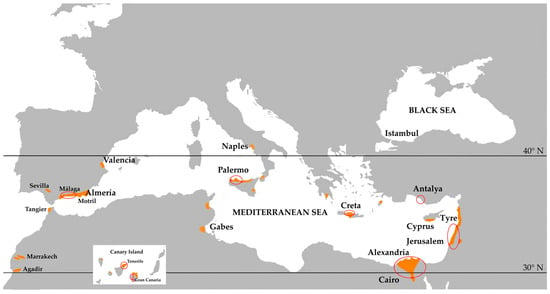
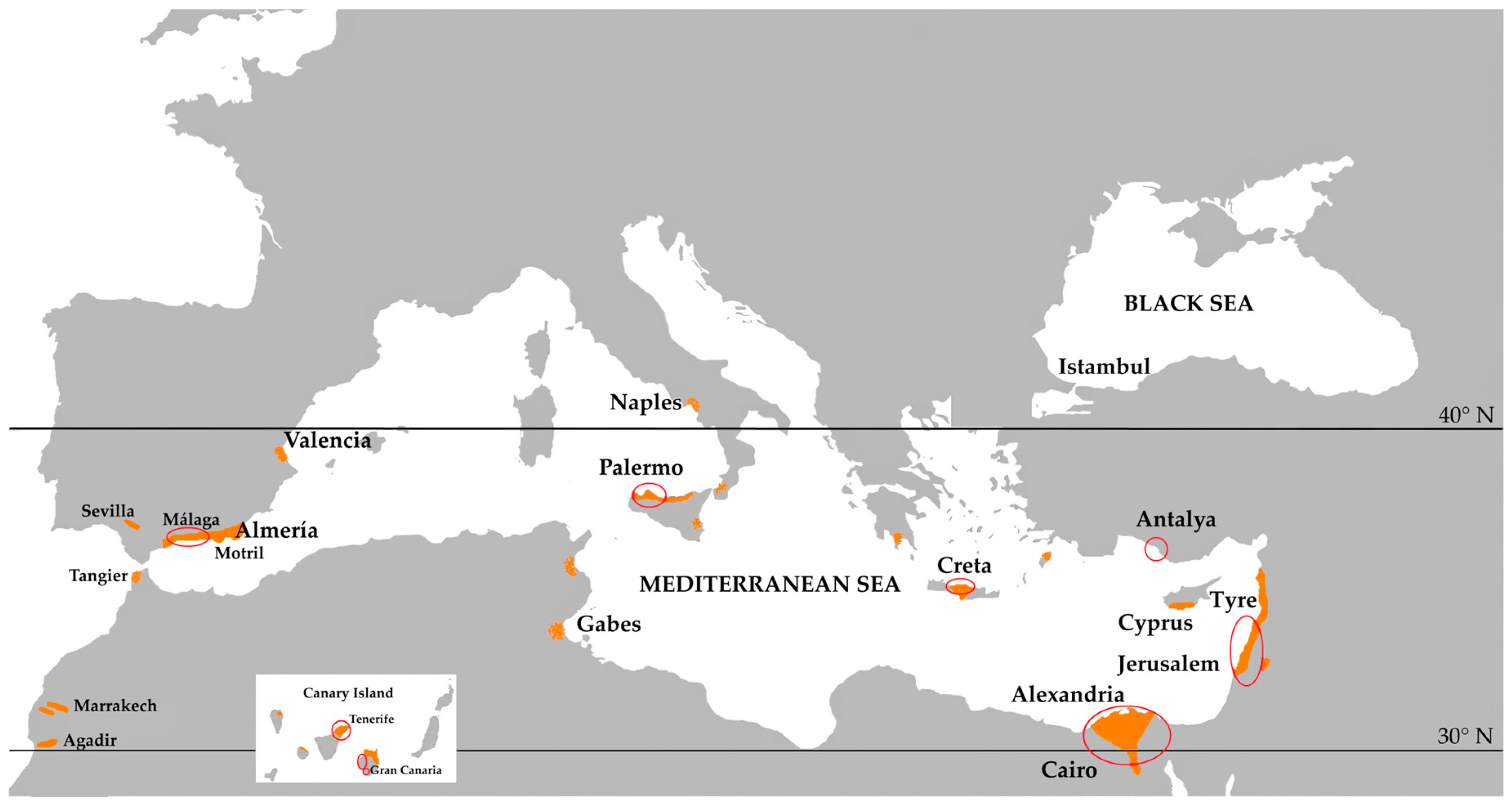
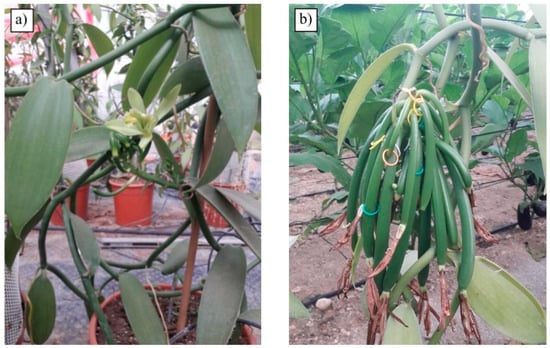
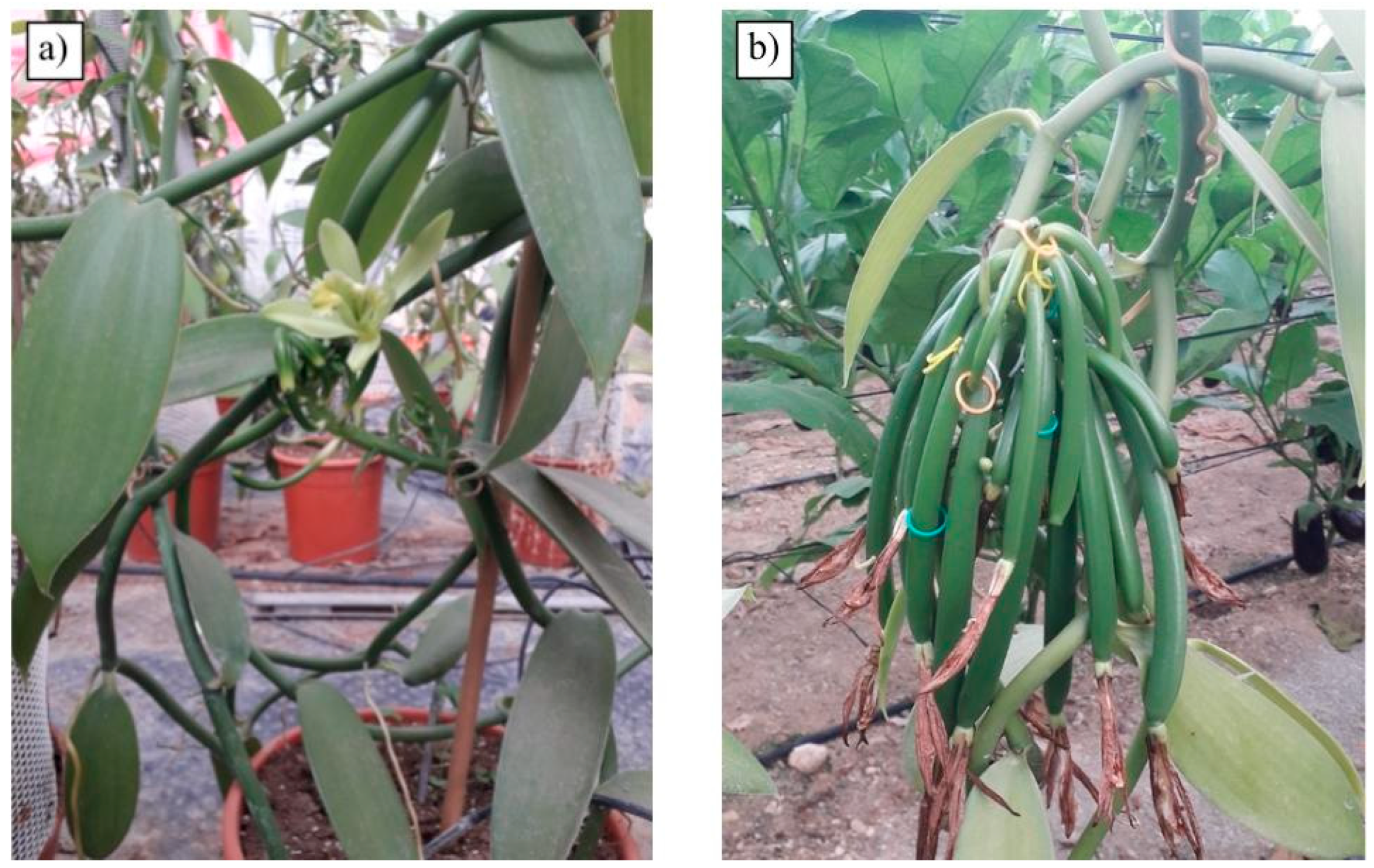
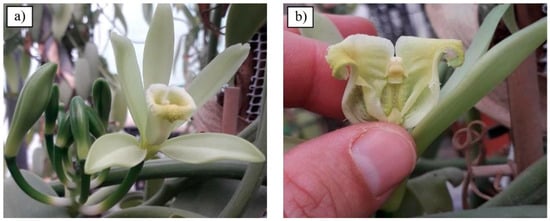
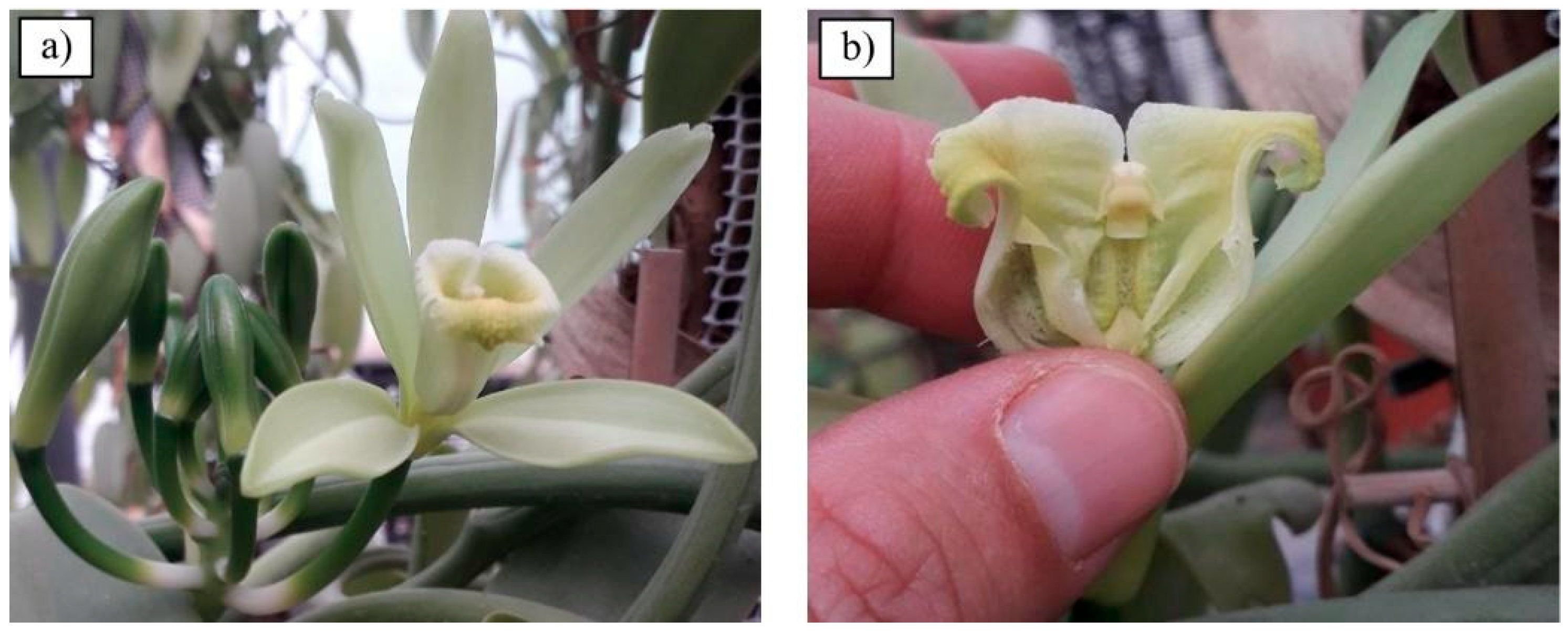
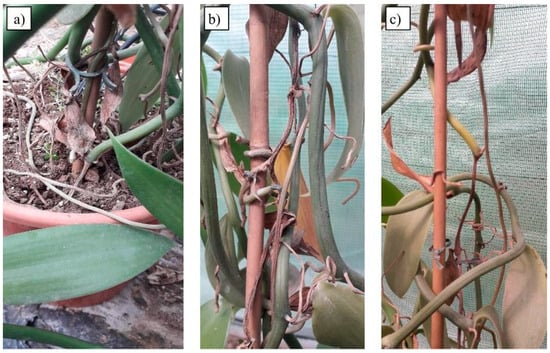
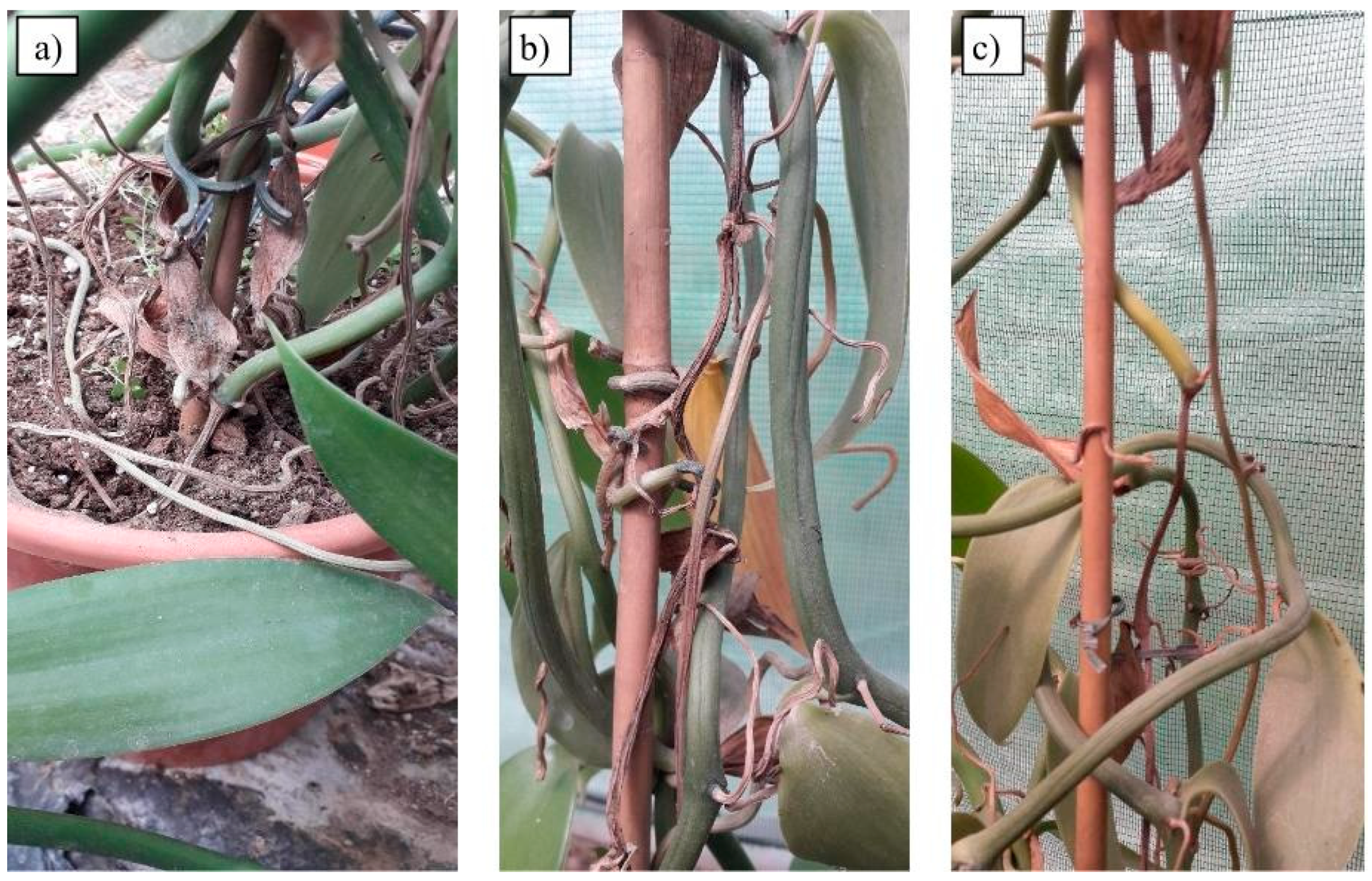


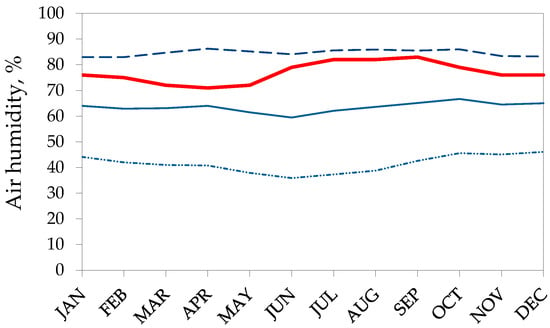
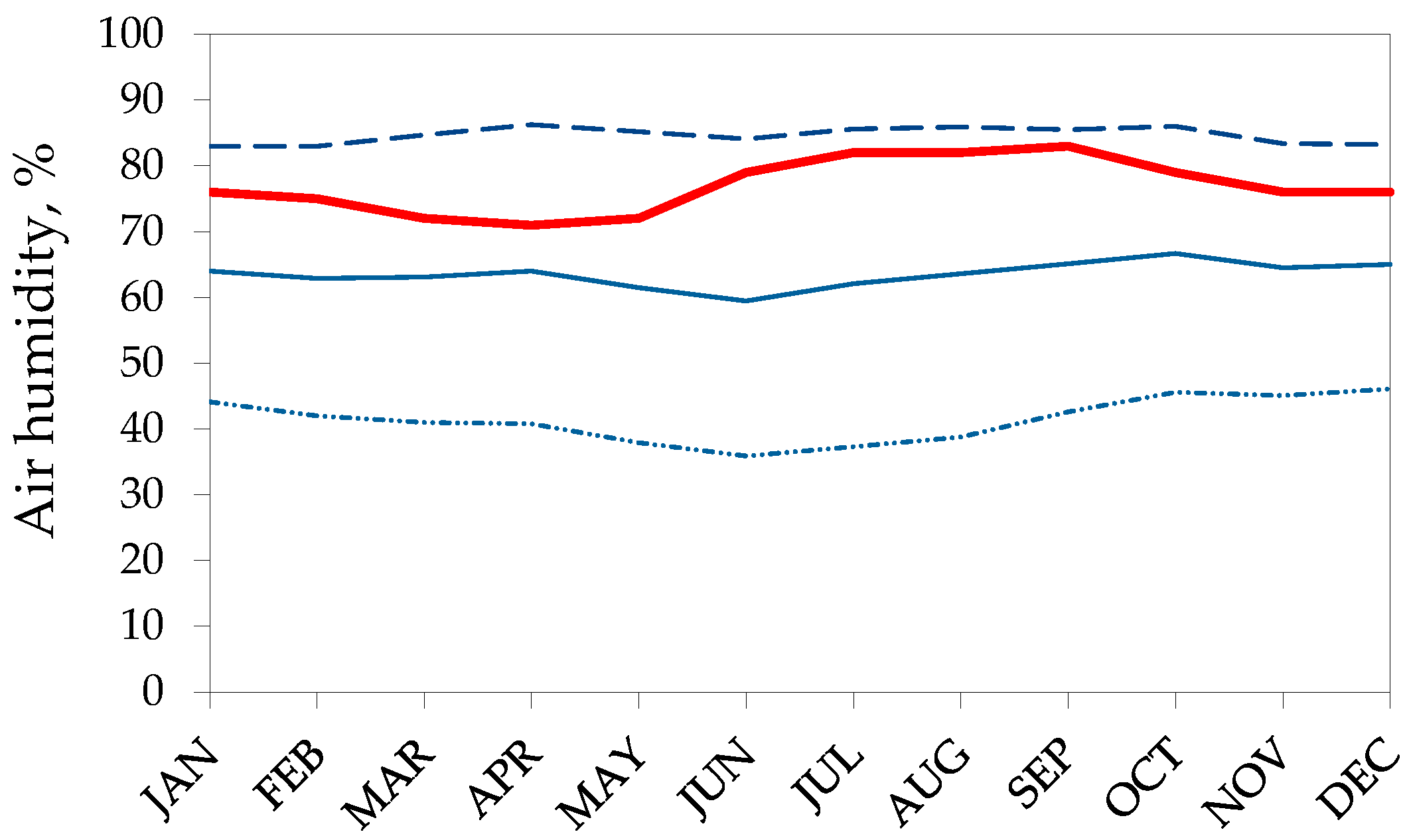
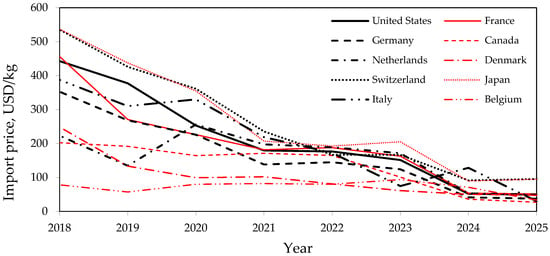
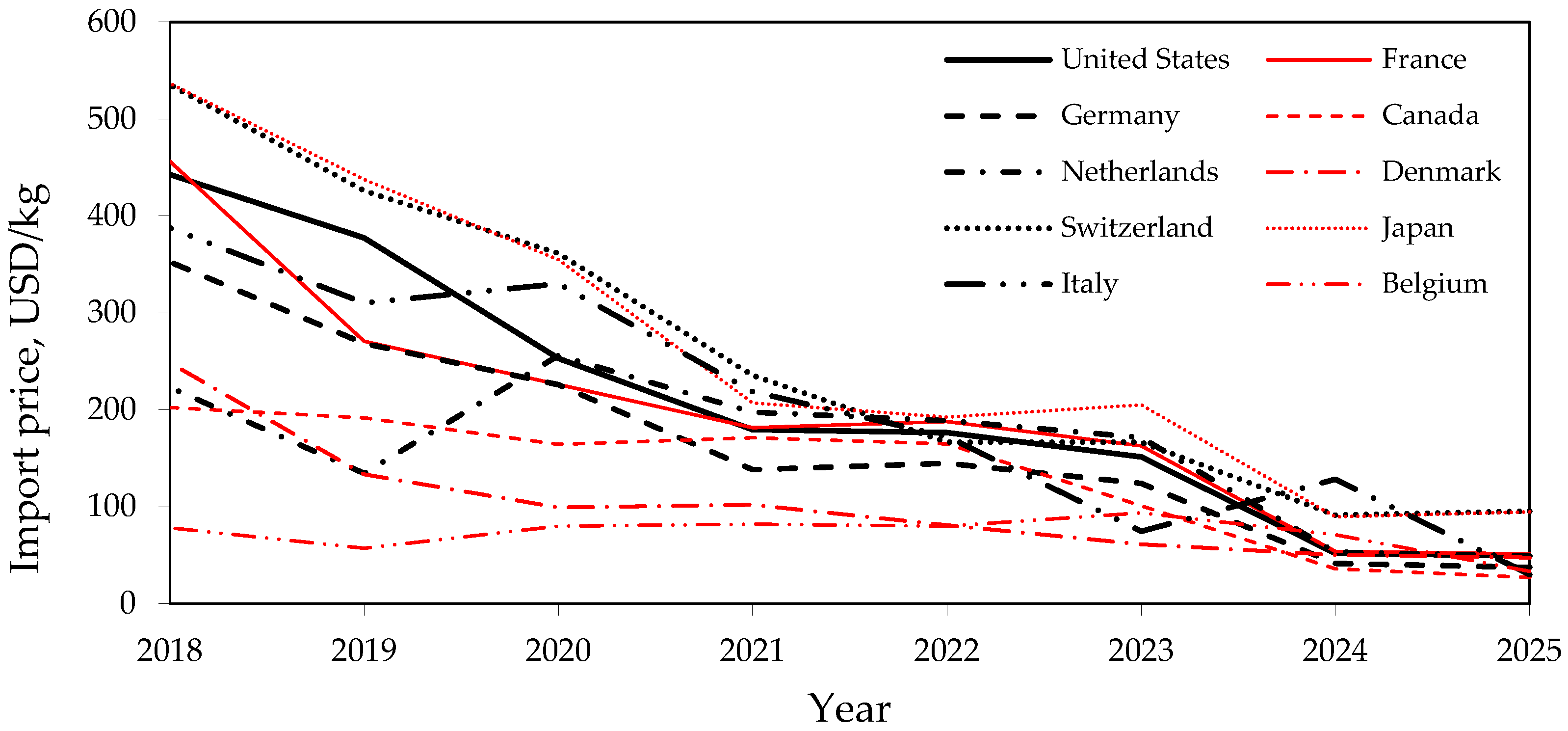
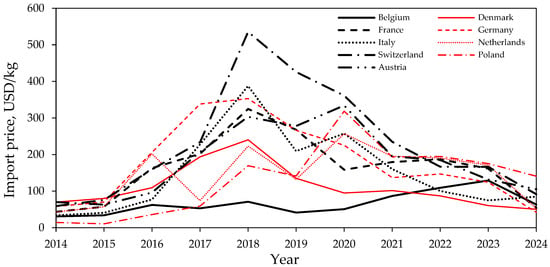
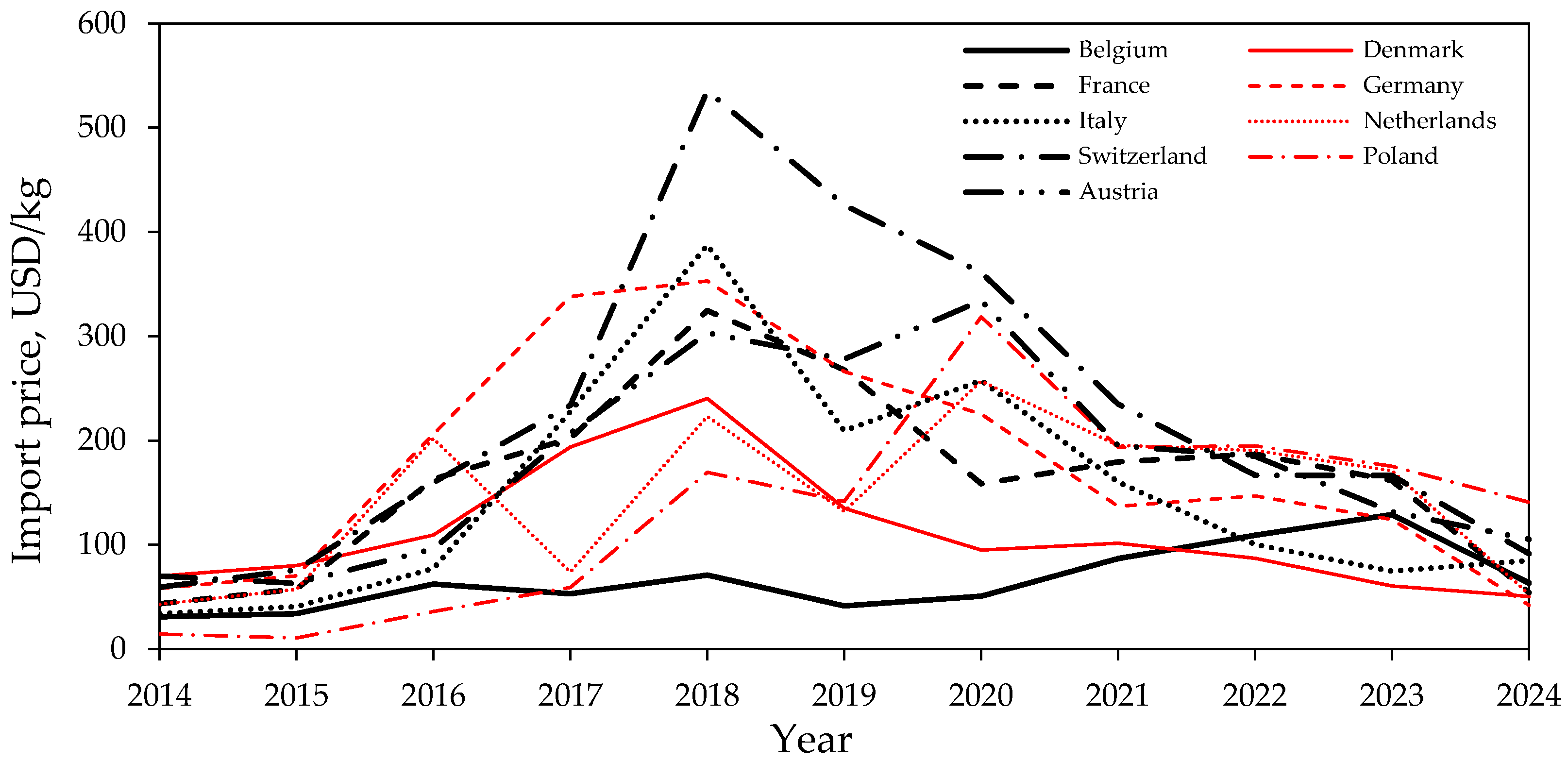
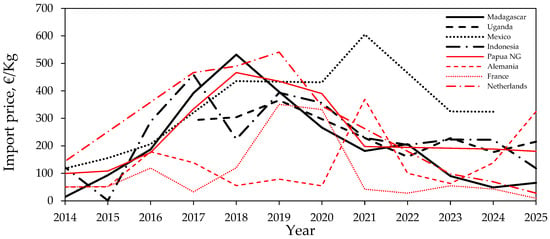
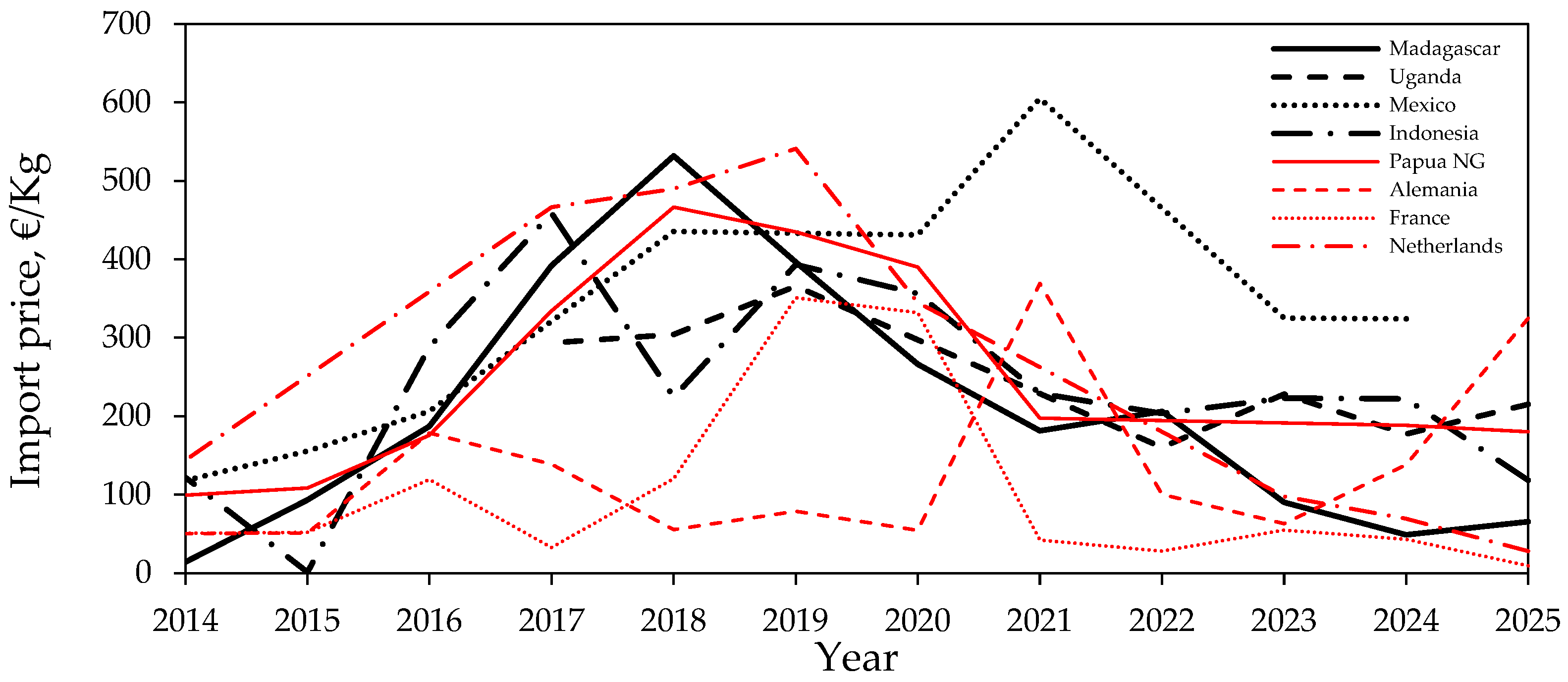
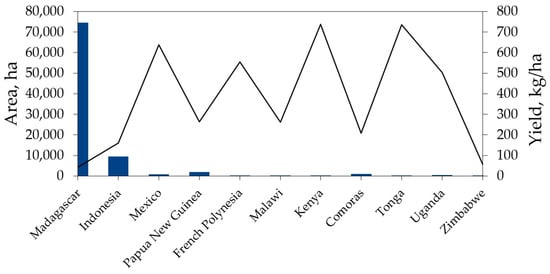
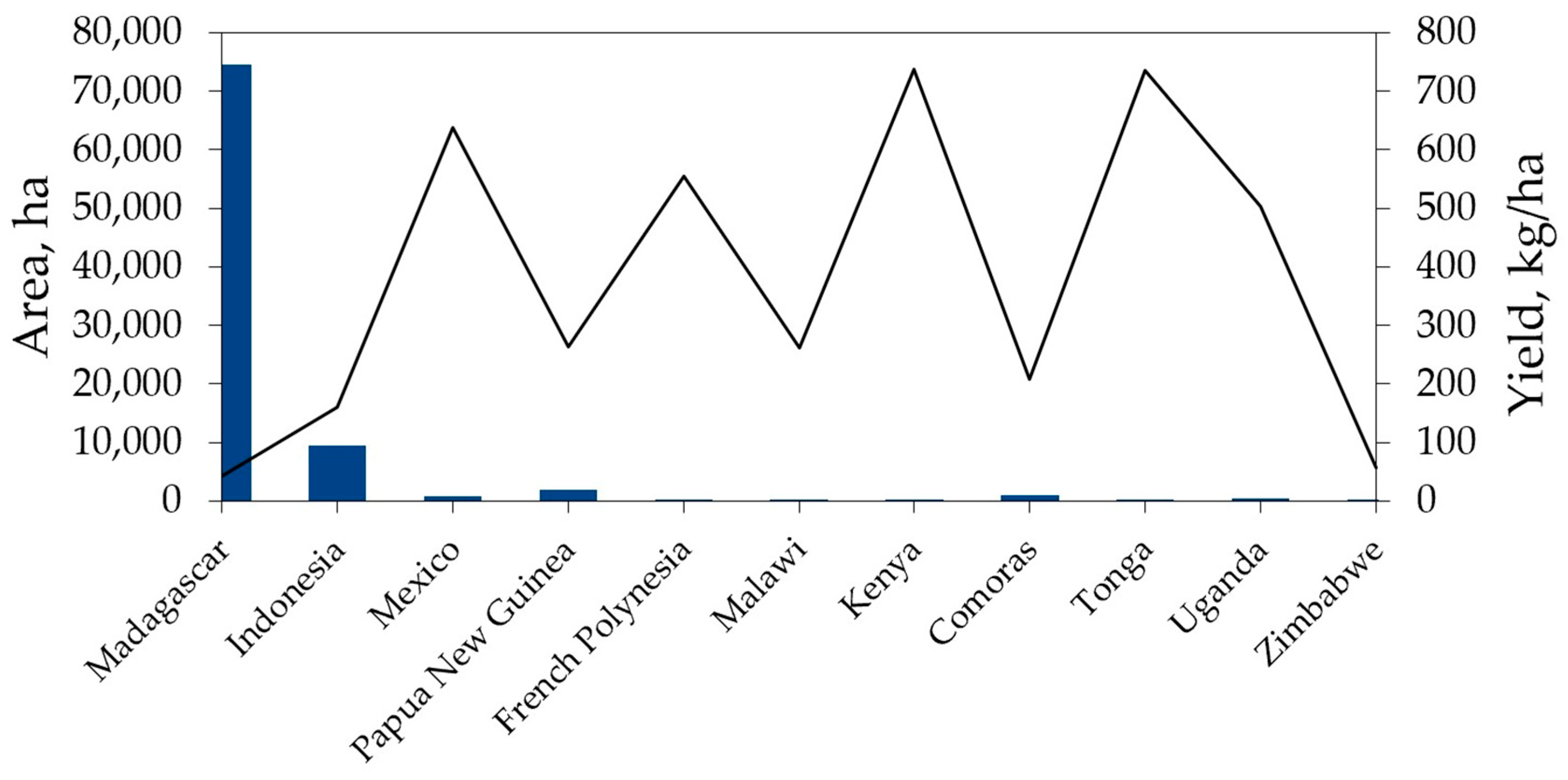
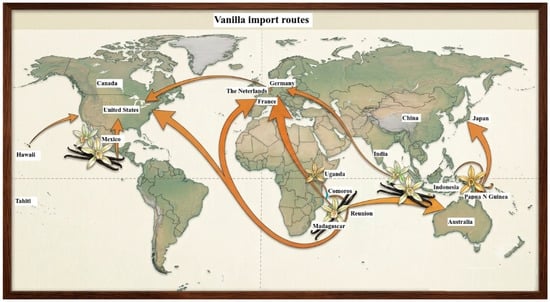
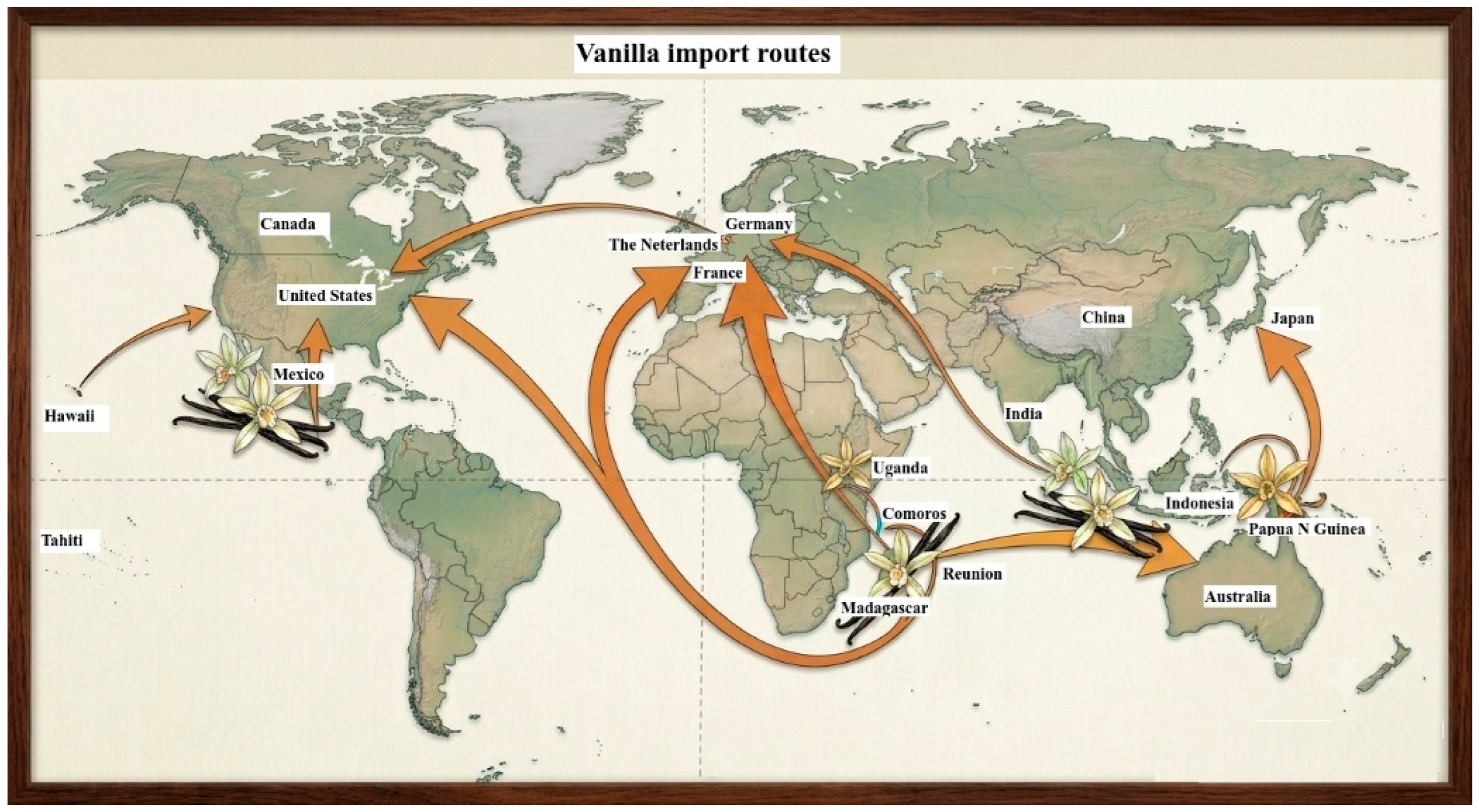
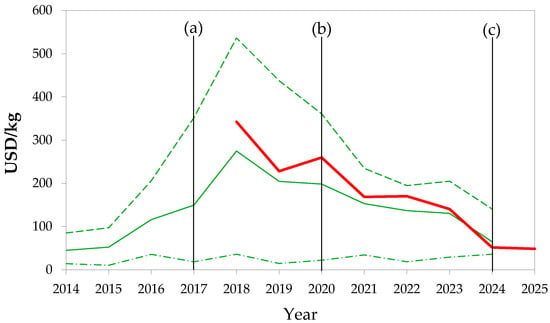
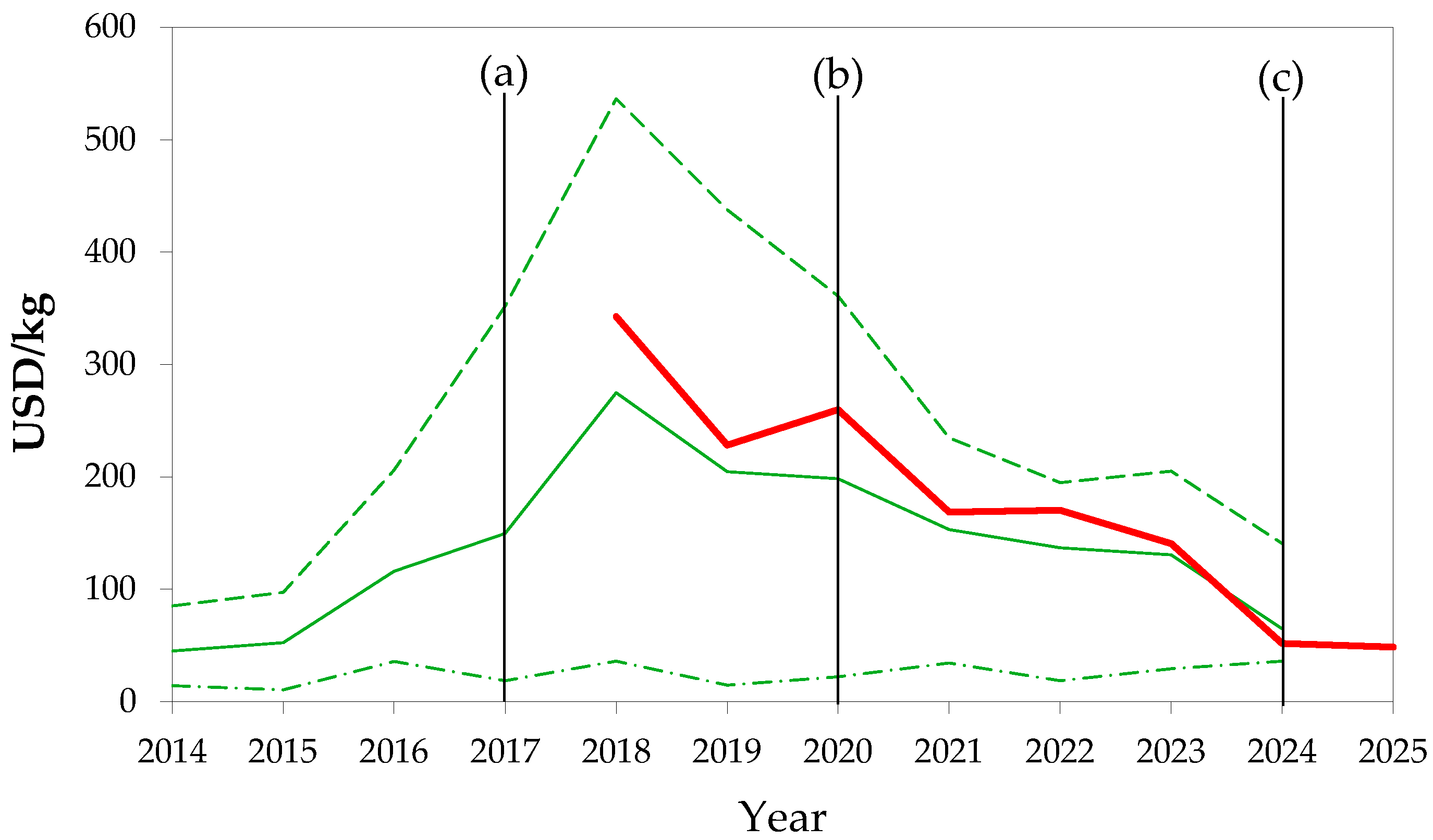

Disclaimer/Publisher’s Note: The statements, opinions and data contained in all publications are solely those of the individual author(s) and contributor(s) and not of MDPI and/or the editor(s). MDPI and/or the editor(s) disclaim responsibility for any injury to people or property resulting from any ideas, methods, instructions or products referred to in the content. |
© 2026 by the authors. Licensee MDPI, Basel, Switzerland. This article is an open access article distributed under the terms and conditions of the Creative Commons Attribution (CC BY) license.