


Abstract
Mature-green tomatoes are prone to rapid ripening and quality deterioration during the postharvest stage, highlighting the urgent need for environmentally friendly and efficient preservation technologies. This study investigated the synergistic regulatory effects of nano-SiO2 and light quality (white light, W; blue light, B; red/blue mixed light, RB, 1:1) on postharvest appearance, physiological processes, and quality attributes in ‘Yu Zhu’ (Solanum lycopersicum L.), a tasty tomato cultivar with light-yellow fruit color. Mature-green fruits were treated with light quality in combination with nano-SiO2 (pre-immersion in 1 mL/L nano-SiO2 for 1 h, followed by periodic spraying with 0.5 mL/L nano-SiO2 every two days). Key indicators—including ripening traits, flavor attributes, antioxidant capacity, and endogenous hormone metabolites—were monitored on their respective sampling days. The results revealed distinct light quality-dependent responses: (1) B-Si (B + nano-SiO2) significantly delayed the breaker stage compared to W, maintained the lowest water loss, and exhibited the slowest softening rate. W-Si showed a significantly higher dry weight-to-fresh weight ratio than W. (2) RB-Si achieved superior flavor quality, with 11.47% soluble solids, 1.62% titratable acidity, and a sugar-to-acid ratio of 7.2—values markedly higher than those in RB. (3) RB-Si increased total phenolic (TP), flavonoids, and ascorbic acid (AsA) levels relative to RB, while enhancing total antioxidant capacity (T-AOC) and the activities of superoxide dismutase (SOD), catalase (CAT), and peroxidase (POD), with only slight suppression of ascorbate peroxidase (APX) activity. (4) Nano-SiO2 differentially regulated hormonal metabolism depending on light quality: it activated the jasmonic acid (JA)–gibberellin (GA) pathway under W light, fine-tuned cytokinin (CK) metabolism under B light, and upregulated JA, GA, CK, and auxin under RB light. Moreover, RB-Si significantly reduced ACC accumulation compared to W, thereby delaying senescence. Collectively, RB-Si synergistically regulates endogenous hormone metabolism to simultaneously delay ripening, reduce water loss, maintain firmness, optimize flavor, and enhance antioxidant capacity. This study elucidates the interaction mechanism between nano-SiO2 and light quality, providing theoretical and technical support for the green preservation of horticultural crops.
1. Introduction
Fruits are important horticultural crops and key sources of nutrients for humans, but rapid postharvest ripening, water loss, decay, and nutrient degradation constrain the development of the fruit industry [1]. Tomato (Solanum lycopersicum L.), a widely cultivated and consumed crop, has high economic and nutritional value [2]. However, mature-green tomatoes rapidly undergo ripening, softening, and flavor deterioration during storage and transport, resulting in significant economic losses [2]. Therefore, developing effective and eco-friendly postharvest technologies to delay ripening, maintain quality, and extend shelf life has become a top priority in agriculture.
Colored tomatoes—including yellow, purple, orange, and green varieties—represent a significant category of specialty fruits and vegetables that have challenged the long-standing dominance of red tomatoes within agricultural supply systems. Their integration into daily life encompasses multiple inter-related dimensions: dietary consumption, health promotion, agricultural economic development, and aesthetic living. As a result, they not only enhance dietary diversity but also contribute to industrial upgrading in agriculture and support the adoption of healthy lifestyles. Thus, colored tomatoes are increasingly recognized as a vital nexus linking improvements in public well-being with broader industrial advancement. ‘Yu Zhu’ (Solanum lycopersicum L.), also known as ‘Jin Junmei’ (Shanghai Qiande Seed Industry Co., Ltd., Shanghai, China), a tasty tomato cultivar with light-yellow fruit color. Its nutritional composition is rich in β-carotene, lutein, and β-cryptoxanthin, with high soluble solid content and low titratable acidity, making it highly suitable for raw consumption. This cultivar demonstrates health-promoting potential, particularly in supporting eye health and skin wellness. ‘Yu Zhu’ has gained widespread acceptance in Shouguang, Shandong Province, China, and is currently being promoted for broader adoption in the domestic market.
Light quality regulates plant growth, development, and postharvest metabolism through photosensory systems [3]. Advances in light-emitting diode (LED) technology now enable precise control of lighting in greenhouses. LEDs consume less energy, exhibit higher light conversion efficiency, are safer, and offer tunable wavelengths compared to traditional lighting sources [4]. The use of LEDs increases cultivation density, shortens growth duration, and improves spatial utilization. Changes in light conditions, including photoperiod, intensity, and quality, strongly affect plant morphogenesis and physiological metabolism [5]. Red (R) and blue (B) light are the most effective wavelengths for plant growth due to their central role in driving photosynthesis [6]. B light inhibits stem elongation, promotes stomatal opening, enhances the accumulation of photosynthetic pigments, and reduces leaf area [7]. Increasing the proportion of B light within an optimal range improves photosynthetic performance in various plant species, including lettuce [4], cucumber [8], and rapeseed [9]. Similarly, B LEDs significantly increase gallic acid and quercetin accumulation while decreasing p-coumaric acid and epicatechin levels in wheat sprouts [10]. Furthermore, B light significantly enhances the biosynthesis of secondary metabolites such as total phenolics, anthocyanins, flavonoids, and ascorbate by deactivating the PAS/LOV photoreceptor and subsequently suppressing GDP-L-galactose phosphorylase activity [11]. In strawberry, B light-induced anthocyanin accumulation is mediated by the FaCRY1–FaCOP1–FaHY5 signaling pathway [12]. R light influences chlorophyll content and photosynthetic efficiency, regulates cell expansion and growth, and promotes hypocotyl elongation through phytochrome-mediated signaling in plants [13]. Modulating light spectra enhances plant growth, development, and the biosynthesis of specialized metabolites. However, prolonged exposure to monochromatic R or B light alone is insufficient to sustain normal vegetative and reproductive development. Plants grown under monochromatic R light exhibit abnormal leaf morphology, reduced photosynthetic efficiency, and lower biomass accumulation. Supplementing R light with B light mitigates these adverse effects, highlighting the importance of balanced spectral quality [14]. A 7:2 R/B ratio enhances photosynthetic performance and promotes the accumulation of soluble sugars, starch, chlorophyll, and carotenoids in cucumber [15]. Tomato plants exposed to R/B mixed light (R:B = 5:4) under a 16 h photoperiod show significantly greater chlorophyll content and biomass compared to those grown under white (W) light [16]. Furthermore, combined R, B, and W light (R1W1B0.5) significantly enhances photosynthesis, biomass production, and fruit quality in tomato through the photoreceptors PHYB1 and CRY1, which activate the downstream SlHY5–SlLHCA/B–SlCYCB signaling cascade [17].
Fruits exposed to low-light environments often exhibit abnormalities such as color disorders and reduced quality [18]. However, the effects of light quality on fruit quality remain poorly understood. The onset of ripening is associated with chloroplast-to-chromoplast conversion, leading to chlorophyll degradation and accumulation of carotenoids, including β-carotene and lycopene [19]. Carotenoids, a diverse group of natural pigments responsible for yellow, orange, and red colors, play a crucial role in photosynthesis and serve as pollination attractants in plants [19,20]. They also contribute significantly to the bright pigmentation of ripened tomato fruits. Previous studies have demonstrated that R light activates phytochrome (PHY), leading to the inhibition of PHYTOCHROME INTERACTING FACTOR 1a (PIF1a) protein accumulation. This suppression prevents PIF1a from binding to the phytoene synthase 1 (PSY1) promoter, thereby relieving repression on PSY1 expression and promoting lycopene accumulation [21]. B light has been shown to enhance lycopene accumulation in tomato fruits by upregulating the transcript levels of the CRY1a gene [22]. Moreover, combinations of light quality have consistently been found to improve fruit quality in tomato. For example, R and B light at a ratio of 3:1 increases soluble solids and soluble sugars by enhancing the abundance of proteins involved in glucose metabolism pathways [23]. Similarly, R/B mixed light promotes lycopene biosynthesis and carbohydrate accumulation in tomato fruits [24]. These findings collectively demonstrate that rational regulation of light quality can not only effectively improve fruit quality but also extend the postharvest preservation period. However, the mechanisms underlying how different light spectra regulate tomato fruit ripening and quality remain poorly understood.
The beneficial effects of silicon and its role in plants are well established; however, the advantages of silicon nanoparticles (Si-NPs) over bulk Si remain less explored [25]. Si-NPs exhibit distinct physical and chemical properties compared to their bulk counterparts [26]. These unique physicochemical properties enable promising applications across various fields, particularly in agriculture. Recent studies have shown that Si-NPs can directly interact with plants, influencing their morphology and physiology through multiple mechanisms—including enhancing structural coloration, promoting plant growth, and improving yield [27,28,29,30]. Si-NPs have been shown to form a binary film at the epidermal cell wall following absorption, which may enhance structural coloration in plants [28]. The authors also concluded that a nano-Si layer could reduce plant transpiration and thereby increase resistance to drought, high temperature, and humidity. The unique properties of Si-NPs enable them to mitigate agricultural damage caused by climate change and/or abiotic stress [31]. The application of Si-NPs in agriculture may contribute to global food security by facilitating the development of improved crop varieties with higher productivity [32]. Si-NPs show promise for agricultural applications, and several novel uses are currently under investigation. In the agricultural sector, Si-NPs have been applied as a protective agent against heavy metal toxicity [33], UVB stress [34], salinity stress [35], and dehydration [36]. Therefore, Si-NPs hold potential for improving crops in the context of sustainable agriculture.
Despite extensive research on light quality and Si-NPs in plant development, existing studies have primarily focused on their individual effects, whereas the synergistic regulatory mechanisms underlying the combined application of “light quality + Si-NPs” in modulating postharvest fruit quality remain poorly understood. Moreover, the impact of this integrated approach on endogenous hormone metabolism—an essential regulatory hub that coordinates fruit ripening, stress responses, and nutrient accumulation—has not been systematically investigated. Additionally, it remains unclear whether their combination can synergistically regulate hormone-related metabolites to comprehensively enhance postharvest tomato quality. Based on this, mature-green ‘Yu Zhu’ tomatoes were used as the experimental material in this study. Three light quality treatments (W, B, and RB) and nano-SiO2 application (via a two-step process of immersion followed by spraying) were implemented as experimental factors. The objectives were to: (1) investigate the synergistic effects of nano-SiO2 and light quality on postharvest ripening, including color development, firmness, and water loss; flavor attributes, such as soluble solid content and sugar–acid ratio; and antioxidant capacity, evaluated through antioxidant metabolites and enzyme activities; (2) preliminarily identify the types of differential endogenous hormone metabolites associated with the synergistic effect; (3) determine the optimal “light quality + nano-SiO2” combination for postharvest tomato preservation. This study aims to enrich the theoretical framework of postharvest fruit quality regulation and provide technical support for developing green and efficient preservation technologies in the fruit industry.
2. Materials and Methods
2.1. Mature-Green Tomato Fruits
The mature-green tomatoes (Solanum lycopersicum L. cv. ‘Yu Zhu’) used in this experiment were provided by the Shouguang Demonstration Base of Shanghai Qiande Seed Industry Co., Ltd., Shanghai, China. The ‘Yu Zhu’ tomatoes were naturally pollinated and grown without any exogenous substance treatments. For the fruit experiment, flowers were labeled on the day of anthesis to accurately track fruit developmental and ripening stages [37]. On 7 May 2025 (5:00 a.m.), when tomato fruits reached the mature green (MG) stage—characterized by full size, green color, and cessation of dimensional expansion, approximately 35 days after anthesis [38]—in the greenhouse (Figure 1a), fruits of uniform size and ripeness were harvested, immediately placed in preservation containers for temporary storage, and transported to the laboratory within two hours post-harvest for subsequent processing.
Figure 1.
Spectral light cultivation systems and light spectral characteristics for mature-green tomatoes under nano-SiO2 experimental/control groups. (a) Mature-green tomatoes of cultivar ‘Yu Zhu’ used in the experiment. (b) Cultivation systems under white (W), blue (B), and red-blue (1:1, RB) light, separated into subgroups treated with or without nano-SiO2 supplementation; the experimental state of day one. Five red dots indicate the light parameter measurement points on a horizontal plane 15 cm directly above the fruit in each culture room layer. (c) Photosynthetic photon flux density (PPFD) and spectral distributions of W, B, and RB LED light.
2.2. Experimental Setup
All instances of “Si” referred to in this article denote nano-SiO2. The nano-SiO2 water-soluble fertilizer (SiO2 ≥ 385 g/L; Longsi, Shandong Berkshire Agricultural Development Co., Ltd., Weifang, Qingzhou, China) was used in this study. According to the manufacturer’s specifications, a 1000-fold dilution is recommended for short-term fruit immersion, whereas a 2000-fold dilution is recommended for fruit spray applications. A dual Si treatment protocol was implemented (Table 1): Within each light quality treatment (the same cultivation layer), tomato fruits were assigned to either the Si-treated group or the untreated control group. The treatment procedures were as follows: (1) Prior to light exposure, fruits designated for Si treatment were immersed in a nano-SiO2 solution (1 mL/L, SiO2 ≥ 0.3850 g/L) for 1 h and then air-dried at room temperature before initiation of light treatment; (2) Following the start of light treatment, every other day at 9:00 a.m.—1 h after illumination in the growth chamber commenced—the Si-treated fruits were uniformly sprayed with a 2000-fold diluted nano-silicon solution (0.5 mL/L, SiO2 ≥ 0.1925 g/L), with approximately 10 mL applied per treatment unit. The transparent PVC partitions (5 mm thickness) separated the chambers to prevent cross-contamination during nano-SiO2 spraying, and fruits were placed in two separate compartments on each layer (Figure 1b). The experiment included six treatment groups, with 30 fruits per group, resulting in a total of 180 fruits.
Table 1.
Experimental materials and treatments.
Different light treatment experiments were conducted in controlled-environment growth chambers (CFG-500C, Changzhou Haibo Instrument Equipment Co., Ltd., Jiangsu, China) under identical light intensity conditions of 200 ± 5 μmol·m−2·s−1 photosynthetic photon flux density (PPFD). The growth chamber had three layers with identical photoperiod (12 h light/12 h dark), temperature (25 ± 1 °C during light period/20 ± 1 °C during dark period), relative humidity (65 ± 2%), and air velocity (0.3 m/s), but differing light quality across layers due to side-installed LED lights (HortiLED Production Module, Philips, Netherlands) with distinct spectral outputs. The light quality treatments were as follows: polychromatic white LEDs (W, 400–800 nm, λmax = 450 nm), monochromatic blue LEDs (B, λmax = 450 nm), and red-blue mixed LEDs (RB, 1:1, λmax = 450 nm [blue] and 650 nm [red]) (Figure 1c). Light intensity was measured using a LI-250A light quantum meter (LI-COR, Lincoln, NE, USA), and the light spectrum was recorded with a Lighting Passport Pro spectrometer (Asensetek, Taiwan, China) using Spectrum Genius Cloud 4.0.1 software (New Taipei, Taiwan, China). Light source parameters were measured at a horizontal plane 15 cm directly above the fruit in each culture room layer—under uniform light quality—and averaged across five spatially distributed points (Figure 1b).
After treatment, seeds, gel, and placenta were removed from each fruit, and the pericarp was sampled from the equatorial region of the fruits under liquid nitrogen and immediately stored at −80 °C. The experiment followed a completely randomized design with three technical replicates and at least nine independent biological replicates. All samples were collected from fruits located in the central region of the chamber to minimize the influence of potential light intensity variations.
Each fruit was uniquely numbered and clearly marked for its intended measurement purpose (such as hormone determination, sugar–acid analysis, transcriptome sampling, etc.) from the start of the experiment. During the experiment, the phenotypic changes within each treatment group were relatively consistent. The allocation of fruit uses within each treatment group is as follows:
9 fruits for color change observation, and measurements of water loss rate and fruit firmness;
9 fruits for measurements of dry weight/fresh weight ratio and Si content;
9 fruits (Mixed samples) for measurements of carotenoid content, sugar–acid ratio, total phenol content, total flavonoid content, ascorbic acid content, total antioxidant capacity, antioxidant enzyme activities, and phytohormone content;
3 fruits (Mixed samples) for Differential metabolite selection in metabolomics.
A total of 30 independent fruits for each treatment.
2.3. Determination of Indicators Associated with Dynamic Changes in Postharvest Ripening Behavior and Quality Attributes
2.3.1. Color Change Observation
Fruit color was visually assessed daily throughout the 16-day storage period. The breaker stage, defined as the onset of color change from green to light yellow, was marked with a red star, and the duration from the mature green stage to the breaker stage was calculated for each treatment.
2.3.2. Measurement of Carotenoid Content
After 12 days of treatment, carotenoid content was measured using a Carotenoid Content Detection Kit (BC4330, 50T/48S, Beijing Solarbio Science & Technology Co., Ltd., Beijing, China). About 0.1 g of tomato fruit tissue was chopped and homogenized in a pre-cooled mortar with 1 mL distilled water and ~10 mg reagent one, under ice and dark conditions until fully disrupted. The homogenate was transferred to a 10 mL centrifuge tube, and the residue was rinsed completely with extraction solution (acetone: water = 4:1, v/v), with all washings collected. Volume was brought to 10 mL, then sealed and incubated in the dark for 3 h with two gentle inversions. Extraction was considered complete when the pellet turned nearly white; otherwise, incubation was extended until this color change occurred. The absorbance of the supernatant (1 mL) was measured at 440 nm (A440) using a UV spectrophotometer (Libra S22, Biochrom Ltd., Cambridge, UK) for quantification.
Carotenoid content (mg/g fresh weight) was calculated according to the following formula:
where the following abbreviations are used:
Carotenoid content = A440/(ε × d) × V × 1000/W × F
A440: the absorbance at 440 nm;
ε: the empirical extinction coefficient for carotenoids (250 L·g−1·cm−1);
d: the optical path length of the cuvette (1 cm);
V: the total extraction volume (0.01 L);
W: the sample fresh weight (g);
F: the dilution factor.
2.3.3. Water Loss Rate
Fruits were weighed using an electronic balance (Sartorius, Germany) at the beginning (day 2) and every two days during storage. The water loss rate was calculated as follows:
Water loss rate (%) = [(Initial fresh weight − Sampling fresh weight)/Initial fresh weight] × 100
2.3.4. Fruit Firmness
After 16 days of treatment, fruit firmness was assessed using a fruit texture testing machine (CT3, Brookfield Inc., Middleboro, MA, USA). The equatorial region of each fruit was penetrated to a depth of 7 mm using a 2 mm cylindrical probe in a puncture test, and the maximum force was recorded.
2.3.5. Dry Weight/Fresh Weight Ratio
After 16 days of treatment, tomato fruits were weighed individually to determine their fresh weight (FW), then dried to constant weight at 85 °C for 7 days in a drying oven (Venticell-222, MMM Medcenter Einrichtungen GmbH, Munich, Germany), and subsequently weighed again to determine dry weight (DW) using a semi-analytical electronic balance (Sartorius, Germany). The DW/FW ratio was calculated to evaluate dry matter retention.
2.3.6. Si Content
Silicon (Si) content was quantified by Wuhan Pronets Testing Technology Co., Ltd. (Wuhan, China) Samples were tomato peels collected after 16 days of treatment, with pectin-rich layers, placenta, and seeds removed. To determine the content of Si, dried samples from each treatment were ground separately and respectively. The samples were ashed at 525 °C for 4 h in a Nabertherm muffle furnace (Model LV 5/11/B180, Lilienthal, Bremen, Germany). The ash was dissolved in 5 mL 25% HCl, followed by dilution with 20 mL of warm distilled water. The content was then measured nine times for each treatment using an inductively coupled plasma (ICP) spectrometer (Optima 4300DV/5300DV, Perkin Elmer, Germany).
The standard curve was y = 6.8415x − 0.0296 (R2 = 0.999). The calculation formula was as follows:
Si (g/kg) = (P − P0) × V × (V3/V2)/1000/m.
P: Si mass concentration in the chromogenic solution, determined from the calibration curve or regression equation (mg/L);
P0: Si mass concentration in the blank solution, determined from the calibration curve or regression equation (mg/L);
V: Final volume of the fused digest solution (mL);
V2: Volume of the fused digest solution aliquoted for colorimetric analysis (mL);
V3: Final volume of the chromogenic solution after dilution (mL);
m: Weight of samples (g);
1000: Unit conversion factor.
2.4. Determination of Indicators Associated with Postharvest Flavor
After 12 days of treatment, flavor-related indicators were measured using a Pocket Brix-Acidity Meter (Citrus) Master Kit PAL-BXIACID1 (ATAGO, Japan; measurement range: Brix 0.0–25.0%, titratable acid 0.00–2.00 g/100 mL). Soluble solid content (Brix value): At least 0.3 mL of fruit juice, extracted by squeezing the equatorial region, was placed on the refractometer prism, and the reading was recorded after calibration with distilled water. Titratable acid content (expressed as citric acid equivalent): After 50-fold dilution of the juice, at least 0.3 mL was applied to the measuring port for measurement. Sugar–acid ratio: Calculated as the ratio of soluble solid content to titratable acid content.
2.5. Determination of Antioxidant Metabolite Contents in Tomato Fruits
2.5.1. Total Phenol Content
After 12 days of treatment, the total phenol (TP) content was determined colorimetrically using the Folin–Ciocalteu method [39]. To 0.5 mL of sample extract, 2 mL of Folin–Ciocalteu reagent (diluted 1:10) and 1.5 mL of 7.5% w/v Na2CO3 solution were added. The reaction mixture was incubated at room temperature in the dark for 1 h, and the absorbance was subsequently measured at 765 nm using a UV spectrophotometer (Libra S22, Biochrom Ltd., Cambridge, UK). TP content was quantified based on a standard curve prepared with gallic acid and expressed as milligrams of gallic acid equivalents (GAE) per 100 g FW.
2.5.2. Total Flavonoid Content
After 12 days of treatment, the total flavonoid (TF) content was quantitatively determined using a colorimetric method at 500 nm with a UV spectrophotometer (Libra S22, Biochrom Ltd., Cambridge, UK) [39]. A volume of 0.5 mL of the sample extract was transferred into a 10 mL volumetric flask. Then, 0.6 mL of 5% NaNO2 was added, and the mixture was vortexed and allowed to stand for 6 min. Next, 0.5 mL of 10% Al(NO3)3 solution was added, followed by thorough mixing and incubation for another 6 min. Subsequently, 3.0 mL of 4.3% NaOH solution was added, and the volume was brought to the mark with distilled water. The final mixture was vortexed and allowed to stand for 15 min prior to measurement. The total flavonoid concentration in the methanol extract was calculated based on a quercetin calibration curve and expressed as milligrams of quercetin equivalents (QE) per 100 g FW.
2.5.3. Ascorbic Acid Content
After 12 days of treatment, 2.5 mL of sample solution was withdrawn from each fruit and transferred to a 25 mL volumetric flask. A 0.4% oxalic acid solution was added to the mark, and the mixture was diluted to volume with distilled water. Then, 1 mL of this solution was pipetted into a 10 mL volumetric flask, and 2,6-dichlorophenolindophenol (DCPIP) solution was added dropwise until a stable pink color persisted, followed by thorough mixing to ensure homogeneity. The absorbance was measured at 513 nm using a UV spectrophotometer (Libra S22, Biochrom Ltd., Cambridge, UK) [40]. Vitamin C (VC) concentration was determined using the standard curve method. The VC content was calculated according to the following formula:
where the following abbreviations are used:
K = (X × V × FP)/fresh weight of sample (g)
K = VC content in the sample (μg/g);
X = VC concentration in the diluted sample solution (μg/mL);
V = volume of the original sample solution before dilution (mL);
FP = dilution factor.
2.6. Determination of Total Antioxidant Capacity and Antioxidant Enzyme Activities in Tomato Fruits
2.6.1. Total Antioxidant Capacity
After 12 days of treatment, the total antioxidant capacity (T-AOC) was determined using the DPPH (1,1-diphenyl-2-picrylhydrazyl) method. A 0.1 mM solution of DPPH in methanol was prepared. To 3 mL of the extract solution, 1.0 mL of this DPPH stock solution was added. The mixture was incubated at room temperature for 45 min in the dark, and the absorbance was measured at 517 nm using a UV spectrophotometer (Libra S22, Biochrom Ltd., Cambridge, UK). Ascorbic acid was used as a positive control. The percentage inhibition of DPPH free radicals was calculated relative to a control consisting of DPPH solution and distilled water without extract [41].
DPPH scavenging activity (%) = [(Absorbance of control − Absorbance of test)/Absorbance of control] × 100
2.6.2. Antioxidant Enzyme Activities
All enzyme activities were measured after 12 days of treatment. Enzyme extracts were prepared by homogenizing 100 mg of lyophilized tomato powder in a pre-chilled mortar with 5.0 mL of 0.1 M potassium phosphate buffer (pH 7.0) containing 0.1 mM EDTA. For ascorbate peroxidase (APX) activity determination, 2 mM ascorbate was added to the extraction buffer. The homogenate was filtered through a nylon cloth and centrifuged at 12,000× g for 15 min at 4 °C. All procedures were carried out at 4 °C, and the resulting supernatant (enzyme extract) was collected and stored at −25 °C until analysis.
The polyphenol oxidase (PPO) activity was determined by measuring the increase in absorbance at 410 nm using a UV spectrophotometer (Libra S22, Biochrom Ltd., Cambridge, UK). Catechol was used as the substrate in all experiments under pH 7.0 and a temperature of 40 °C. Each reaction tube contained 2.0 mL of substrate solution, 0.9 mL of sodium phosphate buffer (pH 7.0), and 0.1 mL of crude plant extract. The blank tube contained only the substrate and buffer. An increase in absorbance of 0.001 per minute was defined as one unit of PPO activity [42]. The kinetic parameters (Km and Vmax) were determined from the Lineweaver–Burk plot [43].
The superoxide dismutase (SOD) activity was determined by measuring its ability to inhibit the photochemical reduction of nitro blue tetrazolium (NBT) chloride, as previously described by Giannopolitis and Ries [44]. One unit of SOD activity was defined as the amount of enzyme required to cause 50% inhibition of the NBT photoreduction rate, and the results were expressed as U mg−1 protein.
APX activity was determined according to the method described by Nakano and Asada [45], i.e., by monitoring the oxidation of ascorbate, which was measured as the decrease in absorbance at 290 nm (ε = 2.8 × 10³ M−1 cm−1). APX activity was expressed as μmol H2O2 min−1 mg−1 protein.
The catalase (CAT) activity was determined according to the method of Beers and Sizer [46], i.e., by monitoring the decrease in absorbance at 240 nm due to the decomposition of H2O2 (ε = 36 M−1 cm−1). CAT activity was expressed as µmol H2O2 min−1 g−1 protein.
The peroxidase (POD) activity in tomato fruits was measured based on the optical density of the reaction products formed by the oxidation of benzidine per second over a 120 s period at a wavelength of 590 nm. The detailed procedure for measuring and calculating POD activity was performed according to Pochinok [47].
2.7. Differential Metabolites of Plant Endogenous Hormones
After 12 days of treatment, phytohormone contents were determined using the AB Sciex QTRAP 6500 LC-MS/MS platform at MetWare (http://www.metware.cn/ accessed on 17 September 2025).
2.7.1. Chemicals and Reagents
HPLC-grade acetonitrile (ACN) and methanol (MeOH) were purchased from Merck (Darmstadt, Germany). Milli-Q water (Millipore, Bradford, PA, USA) was used in all experiments. Standards were obtained from Olchemim Ltd. (Olomouc, Czech Republic) and isoReag (Shanghai, China). Acetic acid and formic acid were from Sigma-Aldrich (St. Louis, MO, USA). Stock solutions (1 mg/mL in MeOH) were stored at −20 °C and diluted with MeOH to working solutions before analysis.
2.7.2. Sample Preparation and Extraction
Fresh fruit samples were harvested, immediately frozen in liquid nitrogen, ground into powder (30 Hz, 1 min), and stored at −80 °C until analysis. A 50 mg portion was weighed into a 2 mL plastic microtube, frozen in liquid nitrogen, and extracted with 1 mL of methanol/water/formic acid (15:4:1, v/v/v). Ten microliters of internal standard solution (100 ng/mL) was added for quantification. The mixture was vortexed for 10 min, centrifuged at 12,000 r/min for 5 min at 4 °C, and the supernatant was transferred to clean microtubes. After evaporation to dryness, the residue was reconstituted in 100 μL of 80% methanol (v/v) and filtered through a 0.22 μm membrane filter prior to LC-MS/MS analysis [48,49].
2.7.3. UPLC Conditions
The sample extracts were analyzed using a UPLC-ESI-MS/MS system (UPLC: ExionLC™ AD, https://sciex.com.cn/; MS: QTRAP® 6500+, https://sciex.com.cn/). The analytical conditions were as follows: LC separation was performed on a Waters ACQUITY UPLC HSS T3 C18 column (100 mm × 2.1 mm i.d., 1.8 µm) with a mobile phase consisting of water containing 0.04% acetic acid (A) and acetonitrile containing 0.04% acetic acid (B). The gradient program was set as follows: 5% B from 0 to 1 min, increased to 95% B from 1 to 8 min, held at 95% B from 8 to 9 min, and returned to 5% B from 9.1 to 12 min. The flow rate was 0.35 mL/min, the column temperature was maintained at 40 °C, and the injection volume was 2 μL [50,51,52].
2.7.4. ESI-MS/MS Conditions
Linear ion trap (LIT) and triple quadrupole (QQQ) scans were acquired using a QTRAP® 6500+ LC-MS/MS system (Sciex) and a triple quadrupole-linear ion trap mass spectrometer equipped with an ESI Turbo Ion-Spray interface, operating in both positive and negative ion modes, and controlled by Analyst 1.6.3 software. The ESI source parameters were as follows: ion source, ESI+/−; source temperature, 550 °C; ion spray voltage (IS), 5500 V (positive mode) and −4500 V (negative mode); curtain gas (CUR), 35 psi. Phytohormones were analyzed using scheduled multiple reaction monitoring (MRM). Data acquisition was performed with Analyst 1.6.3 software, and metabolite quantification was carried out using Multiquant 3.0.3 software (Sciex). Mass spectrometry parameters, including declustering potential (DP) and collision energy (CE) for individual MRM transitions, were optimized through further DP and CE tuning. A specific set of MRM transitions was monitored for each time segment based on the elution periods of the target metabolites [53,54,55].
2.7.5. Hierarchical Cluster Analysis
The hierarchical cluster analysis (HCA) results for samples and metabolites were visualized as heatmaps with dendrograms. HCA was performed using the R package pheatmap. Normalized signal intensities of metabolites, scaled by unit variance, are represented by a color spectrum in the heatmap.
2.7.6. Differential Metabolites Selected
Metabolomics data is characterized by “high dimensionality and massive volume”; thus, it is necessary to combine univariate statistical analysis and multivariate statistical analysis methods and conduct multi-angle analysis based on data characteristics to accurately identify differential metabolites. Univariate statistical analysis methods include hypothesis testing and fold change (FC) analysis. Multivariate statistical analysis methods include principal component analysis (PCA), orthogonal partial least squares-discriminant analysis (OPLS-DA), etc. Based on the OPLS-DA model (biological replicates ≥ 3), the variable importance in projection (VIP) can be used to preliminarily screen out metabolites that are different between different varieties or tissues. At the same time, the p-value/FDR (biological replicates ≥ 2) or FC value from univariate analysis can be combined to further screen out differential metabolites. The screening criteria were as follows:
For comparisons between two groups:
1. Select metabolites with a fold change ≥ 2 and fold change ≤ 0.5. If the difference in metabolites between the control group and the experimental group is more than 2 or less than 0.5, it is considered significantly different.
2. Significantly regulated metabolites between groups are determined by absolute Log2FC (fold change).
For comparisons among multiple groups:
1. Select metabolites with a VIP > 1. The VIP value indicates the influence intensity of the inter-group difference for the corresponding metabolite in the classification and discrimination of samples in each group in the model. Generally, metabolites with VIP > 1 are considered significantly different.
2. Select metabolites with a p-value < 0.05 in the analysis of variance (ANOVA). If there is a statistically significant difference in metabolites among different groups, it is considered significantly different.
3. A lower False Discovery Rate (FDR) reflects greater statistical confidence in the identified features, as it directly estimates the expected proportion of false positives among all significant results; thus, stringent FDR thresholds (FDR < 0.05) are widely adopted to ensure robustness against multiple testing artifacts.
2.8. Statistical Analysis
All fruits were randomly sampled in this study. Data were processed, plotted, and statistically analyzed using Excel 2016 and the DPS software package 19.05 (DPS for Windows, 2009). Significant differences among treatments were evaluated by one-way analysis of variance (ANOVA) followed by Duncan’s multiple range test at a significance level of p ≤ 0.05, using SAS software (Statistical Analysis System, Version 9.1; SAS Institute, Cary, NC, USA). Each treatment included nine fruits with consistent physiological states, and results are presented as mean ± standard error.
3. Results
3.1. Postharvest Ripening Behavior and Quality Attribute Dynamics
The results demonstrate that different treatments significantly influence the postharvest ripening of mature-green tomatoes. The W light treatment induced color change as early as day 2, whereas the “B light + nano-SiO2” (B-Si) treatment exhibited the latest onset of ripening, revealing marked differences among treatments in the transition from green to colored fruit. B-Si prolonged the green stage the longest and displayed the strongest ripening-delaying effect, indicating a synergistic inhibitory interaction between light quality and nano-SiO2 (Figure 2a,b). In the absence of nano-SiO2, carotenoid accumulation was significantly higher under B and RB light than under W light, with no significant difference between B and RB treatments. Nano-SiO2 enhanced carotenoid accumulation under both W and B light, but had minimal or even suppressive effects under RB light. Notably, the B-Si treatment achieved the highest carotenoid levels by combining the inherently high basal accumulation under B light with a strong nano-SiO2-driven enhancement (Figure 2c). During late storage, the W treatment showed a sharp increase in water loss rate, while both B and B-Si maintained low water loss, with B-Si exhibiting superior moisture retention. This suggests that nano-SiO2 strengthens the fruit’s cuticular or cellular barrier function, thereby reducing dehydration (Figure 2d). Fruit firmness declined progressively across all treatments, but softening was most rapid under W light and slowest under B-Si, implying that nano-SiO2 helps preserve textural quality by promoting cell wall thickening and/or suppressing cell wall degradation (Figure 2e). Collectively, B and B-Si treatments effectively delay ripening, minimize water loss, and maintain firmness—key attributes for preserving postharvest quality. Importantly, B-Si emerges as the comparatively excellent strategy, with nano-SiO2 providing a synergistic enhancement in delaying ripening and improving overall preservation efficacy.
Figure 2.
Postharvest ripening behavior and quality attribute dynamics of mature-green tomatoes (cv. ‘Yu Zhu’) under combined spectral light conditions with/without nano-SiO2 supplementation. (a) Temporal visual ripening progression of tomatoes exposed to W, B, and RB (1:1) light (with/without nano-SiO2 supplementation), where red stars denote the breaker stage initiation point. (b) Duration required for tomatoes to transition from the green developmental stage to the breaker stage across different treatments. (c) Carotenoid content in tomato fruits following 16 days of experimental treatment. (d) Time-dependent changes in water loss rate of tomatoes under the tested postharvest treatment regimens. (e) Dynamic variations in fruit firmness throughout the experimental storage period. Different lowercase letters indicate significant separation among treatments by Duncan’s multiple range test at p ≤ 0.05. Vertical bars represent means ± standard error (n = 9).
This study employed a 16-day exposure to W, B, and RB light, followed by 7 days of dried at 85 °C, to evaluate the effect of nano-SiO2 supplementation on the dry mass of mature-green tomatoes. As shown in Figure 3a, nano-SiO2-treated fruits exhibited a plump appearance and intact morphology, whereas untreated samples displayed pronounced shriveling and color dullness. Furthermore, nano-SiO2 significantly increased the dry weight to fresh weight ratio (DW/FW), demonstrating its effectiveness in suppressing both water loss and dry matter degradation under high-temperature stress. The greatest improvement in DW/FW was observed in the W light treatment group (Figure 3b). Si content in tomato fruit was shown in Figure 3c. The B–Si group had the highest Si concentration, followed by RB–Si. The B and RB LED treatments enhanced Si accumulation relative to their light-only controls; while the W LED did not.
Figure 3.
After 16 days of treatment, the postharvest performance of mature-green tomato fruits ‘Yu Zhu’ was determined after being dried for 7 days at 85 °C. (a) The visual appearance after drying. (b) Dry weight/fresh weight (DW/FW) ratio. (c) Si content. Different lowercase letters indicate significant separation among treatments by Duncan’s multiple range test at p ≤ 0.05. Vertical bars represent means ± standard error (n = 9).
3.2. Postharvest Flavor-Related Indicators
After 12 days of treatment, mature-green ‘Yuzhu’ tomatoes exhibited distinct quality responses to nano-SiO2 under different light qualities, demonstrating a clear dependence on light conditions. Nano-SiO2 suppressed soluble solids accumulation in the W and B groups but enhanced it in the RB group (Figure 4a). It increased titratable acid content in the W and RB groups—most markedly in RB—while showing no significant effect in the B group (Figure 4b). Notably, nano-SiO2 significantly elevated the sugar-to-acid ratio (Brix/acid) in the RB group, thereby improving flavor balance, whereas it reduced this ratio in the W and B groups (Figure 4c). These results reveal a significant interaction between light quality and nano-SiO2 application. The combination of RB light and nano-SiO2 proved most effective in preserving postharvest fruit quality and optimizing sensory attributes, highlighting its potential for post-storage quality management.
Figure 4.
Postharvest flavor-related indicators of mature-green tomatoes ‘Yu Zhu’ under combined spectral light and nano-SiO2 treatments. (a) Brix value, (b) titratable acid content, and (c) Brix-to-acidity ratio of tomato fruits across W, W-Si, B, B-Si, RB, and RB-Si treatment groups. Different lowercase letters indicate significant separation among treatments by Duncan’s multiple range test at p ≤ 0.05. Vertical bars represent means ± standard error (n = 9).
3.3. Antioxidant Metabolite Contents
After 12 days of treatment, mature-green ‘Yu Zhu’ tomatoes subjected to different light qualities (W, B, and RB) in combination with nano-SiO2 exhibited distinct, light quality-dependent variations in antioxidant indices. Nano-SiO2 increased total phenolic (TP) content under all light treatments, with the highest level observed in the RB-Si group (Figure 5a). It enhanced flavonoid accumulation in the W and RB groups but suppressed it under B light (B-Si) (Figure 5b). Regarding ascorbic acid (AsA), nano-SiO2 significantly promoted its accumulation in the RB-Si group, while reducing AsA levels in the W-Si group (Figure 5c). Collectively, the RB-Si treatment effectively enhanced all three key antioxidants—TP, flavonoids, and AsA—demonstrating the most favorable overall effect. In contrast, other combinations showed specific limitations: B-Si inhibited flavonoid synthesis, and W-Si reduced AsA content.
Figure 5.
Antioxidant metabolite contents of mature-green tomatoes ‘Yu Zhu’ under spectral light and nano-SiO2 treatments. (a) Total phenol (TP) content, (b) flavonoid content, and (c) ascorbic acid (ASA) content in tomatoes across the W, W-Si, B, B-Si, RB, and RB-Si treatment groups. Different lowercase letters indicate significant separation among treatments by Duncan’s multiple range test at p ≤ 0.05. Vertical bars represent means ± standard error (n = 9).
3.4. Total Antioxidant Capacity and Antioxidant Enzyme Activities
After 12 days of treatment, mature-green ‘Yu Zhu’ tomatoes exposed to different light qualities (W, B, and RB) in combination with nano-SiO2 exhibited distinct, light quality-dependent responses in stress resistance indices (Figure 6). Nano-SiO2 enhanced total antioxidant capacity (T-AOC) across all treatment groups, with the highest level observed under RB-Si. Superoxide dismutase (SOD) and catalase (CAT) activities were maximized in the RB-Si group, marginally increased in the W-Si group, and markedly suppressed in the B-Si group. In contrast, polyphenol oxidase (PPO) activity surged dramatically in the W-Si group, indicating a high risk of enzymatic browning, whereas it remained slightly low and well-controlled in the RB-Si group. Overall, the RB-Si treatment achieved a favorable balance between robust antioxidant capacity, elevated antioxidant enzyme activities, and minimal browning potential, demonstrating the most comprehensive protective effect. In comparison, the W-Si treatment was associated with an increased risk of browning due to PPO overactivation, while the B-Si treatment resulted in compromised enzymatic defense, reflecting its limitations in enhancing stress tolerance.
Figure 6.
Total antioxidant capacity and antioxidant enzyme activities of mature-green tomatoes ‘Yu Zhu’ under spectral light and nano-SiO2 treatments. (a) Total antioxidant capacity (T-AOC), (b) ascorbate peroxidase (APX) activity, (c) polyphenol oxidase (PPO) activity, (d) peroxidase (POD) activity, (e) superoxide dismutase (SOD) activity, and (f) catalase (CAT) activity in tomatoes across the W, W-Si, B, B-Si, RB, and RB-Si treatment groups. Different lowercase letters indicate significant separation among treatments by Duncan’s multiple range test at p ≤ 0.05. Vertical bars represent means ± standard error (n = 9).
3.5. Differential Metabolites of Plant Endogenous Hormones
Interpretation of intergroup regulatory patterns of endogenous hormone-related differential metabolites in mature-green tomatoes following 12 days of treatment (Figure 7).
Figure 7.
Heatmap of differential endogenous hormone metabolites in mature-green tomato fruits, showing treatment-specific patterns mediated by light quality and nano-SiO2 supplementation. The color scale represents Log2FC values: orange-yellow indicates upregulation (Log2FC > 0), blue indicates downregulation (Log2FC < 0), and white indicates no significant (NS, p > 0.05), n = 3.
Intralight quality comparisons: In the weight light conditions, comparison of W-Si versus W revealed consistent upregulation of jasmonic acid (JA)- and gibberellin (GA)-like metabolites, indicating that nano-SiO2 specifically activates the “stress resistance (JA)–growth promotion (GA)” dual pathway under white light, thereby simultaneously enhancing both stress tolerance and developmental potential during postharvest storage. In the blue light environments, B-Si versus B showed bidirectional regulation of cytokinin (CK) metabolites, with certain CK species upregulated and others downregulated, suggesting that nano-SiO2 exerts precise regulatory control over growth-associated hormones under blue light, resulting in a more moderate and balanced physiological response. In the red-blue mixed light conditions, RB-Si exhibited widespread upregulation of most hormone metabolites—including JA, GA, CK, and auxin—relative to RB, demonstrating that nano-SiO2 acts synergistically with red-blue mixed light to activate both growth and stress resistance pathways, leading to broad-spectrum metabolic activation.
Interlight quality comparisons (without nano-SiO2 supplementation): When comparing non-white light (B/RB) and W light conditions, stress-related hormones (JA and salicylic acid (SA)) were generally upregulated, whereas growth-promoting hormones (GA and CK) were downregulated. This indicates that W light preferentially promotes growth processes, while non-white light regimes trigger a stress-adaptive phenotypic response—a regulatory pattern consistent with the adaptive strategies of postharvest tomatoes during storage. Furthermore, minimal differences in hormonal profiles were observed between RB and B light treatments, indicating a high degree of similarity in endogenous hormone regulation under these two non-white light conditions in the absence of nano-SiO2.
Interlight quality comparisons (with nano-SiO2 supplementation): In the nano-SiO2-supplemented groups, comparisons between non-white light (B/RB-Si) and W-Si treatments revealed that differential metabolite responses were predominantly concentrated in growth-related hormones, characterized by the upregulation of GA-like metabolites and the downregulation of CK. This observation suggests that nano-SiO2 modulates the physiological balance across different light spectra toward growth promotion while reducing intergroup variations in stress-related signaling pathways. Furthermore, RB-Si versus B-Si showed marked upregulation of CK- and GA-like metabolites, indicating that the RB-Si combination is more effective than the B-Si combination in activating growth-regulating hormonal pathways.
Collectively, nano-SiO2-mediated hormonal regulation is strongly dependent on light quality: under RB light, it induces comprehensive activation of hormone pathways; under W light, it achieves targeted co-activation of stress resistance and growth pathways; and under B light, it elicits only subtle modulation of growth-associated hormones. A distinct dichotomy in hormonal regulation between white and non-white light treatments is evident. Notably, nano-SiO2 enhances growth-related signaling under non-white light conditions while attenuating the stress resistance advantage observed under white light. Physiologically, this light-dependent differential regulation directly affects postharvest storage quality. Specifically, the RB-Si treatment—by concurrently activating both growth and stress resistance hormone pathways—demonstrates significant potential to improve tomato stress tolerance and nutrient accumulation and thus serves as the optimal combination for enhancing postharvest storage performance.
Table 2 presents the results of multi-group comparisons of endogenous hormone-related differential metabolites in ‘Yu Zhu’ tomatoes: (1) In the absence of nano-SiO2 (W vs. B vs. RB), differentially regulated hormones were limited to JA and SA associated with stress resistance, and CK and auxin linked to basic growth processes, indicating that light quality variation primarily modulates the “stress resistance–basic growth” regulatory axis. (2) With nano-SiO2 supplementation (W-Si vs. B-Si vs. RB-Si), ethylene (ETH)- and GA-related metabolites emerged as newly altered components, extending hormonal modulation to pathways governing growth and development, demonstrating that nano-SiO2 actively participates in and enhances light quality-mediated regulation of growth- and maturation-associated hormones. (3) For cross-comparisons across “light quality + nano-SiO2” conditions (W vs. W-Si vs. B vs. B-Si), abscisic acid (ABA)-related metabolites were further involved, resulting in comprehensive coverage of the “stress resistance–growth–stress adaptation” network, revealing that combined treatments coordinately activate a more intricate and integrated hormonal regulatory system.
Table 2.
Screening results of differential metabolites of plant endogenous hormones.
Key metabolites—including iP9G, OPDA, Phe, IAA-Val, and IAM—were consistently detected across multiple treatment groups, representing core hormonal targets under synergistic regulation by light quality and nano-SiO2. Hormonal changes are directly linked to postharvest quality traits: pronounced alterations in stress-related hormones (JA, SA, and ABA) reflect enhanced stress adaptation capacity, while differences in growth- and maturation-associated hormones (CK, GA, and ETH) determine the growth potential and ripening dynamics during storage. The “light quality + nano-SiO2” system modulates key quality attributes such as color development and antioxidant capacity by orchestrating a balanced interplay among “stress resistance, growth, and maturation”.
In the absence of nano-SiO2, B vs. W and RB vs. W shared seven differential metabolites—the highest number among all pairwise comparisons—while B vs. W and RB vs. B shared two, and no shared metabolites were observed between RB vs. W and RB vs. B; only RB vs. W exhibited one unique differential metabolite (Figure 8a). This indicates a high degree of commonality in hormonal responses between W light and other light qualities, with substantial overlap in their regulatory patterns. As shown in Figure 8b, upon nano-SiO2 supplementation, B-Si vs. W-Si and RB-Si vs. W-Si shared only one differential metabolite—a marked reduction compared to the non-Si group—whereas a newly emerged shared metabolite was detected between B-Si vs. W-Si and RB-Si vs. B-Si; only RB-Si vs. W-Si exhibited one unique metabolite. This demonstrates that nano-SiO2 significantly diminishes the commonality of hormone-related differences across light qualities and induces a shift in regulatory strategies. In multi-group comparisons across “light quality + nano-SiO2” conditions, the three groups collectively shared only one differential metabolite, with pairwise comparisons showing a maximum of three shared metabolites; each group possessed distinct, treatment-specific differential metabolites (1–5) (Figure 8c). This highlights that combined treatments enhance the specificity of hormonal responses under different conditions. Overall, nano-SiO2 reprograms endogenous hormone regulation: in the absence of nano-SiO2, regulatory responses across light qualities are highly conserved but low in specificity; following nano-SiO2 application, commonality declines while specificity increases, leading to more pronounced interactive effects between light quality and Si-NPs.
Figure 8.
Venn diagram of intergroup differences of plant endogenous hormones. Each circle represents a comparison group. Numbers in overlapping regions indicate shared differential metabolites; those in non-overlapping regions indicate metabolites unique to each group. (a), (b), and (c) respectively represent different comparison groups.
The combination of different light qualities—W, B, and RB lights—with nano-SiO2 treatment significantly modulated the content of 1-aminocyclopropane-1-carboxylic acid (ACC), a key ethylene precursor that reflects the senescence rate. Nano-SiO2 supplementation markedly reduced ACC levels in the W and RB groups, but exerted no significant effect on the B group (Figure 9a–c). In the absence of nano-SiO2, the W group exhibited the highest ACC content, whereas the RB group showed the lowest (Figure 9d), indicating an intrinsic regulatory role of light quality in ACC accumulation. The W group without nano-SiO2 displayed the highest ACC level and the fastest senescence progression; in contrast, both the RB-Si group and the B group (regardless of nano-SiO2 treatment) maintained consistently low ACC levels and exhibited the slowest senescence; the W-Si group showed a significant reduction in ACC compared to the W group, demonstrating effective alleviation of senescence (Figure 9e,f). Overall, nano-SiO2 delayed senescence in the W and RB groups by suppressing ACC accumulation, with the RB-Si combination achieving the most pronounced inhibitory effect on ACC and senescence; in contrast, the B group inherently maintains low ACC levels, reflecting a lower risk of senescence.
Figure 9.
The ACC levels of mature-green ‘Yu Zhu’ tomatoes under spectral light and nano-SiO2 treatments for 12 days. (a), (b), (c), (d), (e), and (f) respectively denote the results of comparisons between different groups. Different lowercase letters indicate significant separation among treatments by Duncan’s multiple range test at p ≤ 0.05. Vertical bars represent means ± standard error (n = 9).
4. Discussion
The present study systematically investigated the synergistic regulatory effects of nano-SiO2 and different light qualities (white light, W; blue light, B; red-blue mixed light, RB, 1:1) on postharvest ripening, nutritional quality, antioxidant capacity, and endogenous hormone metabolism in mature-green ‘Yu Zhu’ tomatoes. The results revealed a distinct light quality-dependent pattern of nano-SiO2 regulation, with the RB–Si (nano-SiO2) treatment emerging as the most effective approach for postharvest preservation and quality enhancement.
4.1. Delayed Ripening and Enhanced Water Retention by B-Si
Fruit ripening, water loss, and firmness degradation are key determinants of postharvest quality, with these processes being tightly regulated by environmental conditions and exogenous substances. In this study, W light induced the earliest color change, whereas B-Si treatment significantly prolonged the green maturity stage and delayed ripening (Figure 2a–c), consistent with previous findings that full-spectrum W light exerts a more comprehensive positive effect on plant growth and development [56], while the postharvest ripening of fruit was significantly inhibited by B light [57]. According to Lee et al. [58], W LED treatments represent a viable strategy for cultivating C. setidens by simultaneously enhancing plant quality and maintaining high photochemical efficiency, whereas monochromatic R LED treatment—although effective in increasing plant size and biomass accumulation—may concurrently induce physiological indicators associated with photochemical stress. Notably, the combination of light quality and nano-SiO2 exhibited a synergistic effect in inhibiting ripening, particularly the B-Si treatment, which not only delayed color transition but also maintained the lowest water loss rate and the slowest firmness decline (Figure 2d,e). B light inhibits total soluble solids accumulation, reduces respiratory rate and ethylene production, and suppresses 1-aminocyclopropane-1-carboxylate synthase and 1-aminocyclopropane-1-carboxylic acid oxidase activities [57]. It also inhibits starch degradation and related enzymes (α-amylase, β-amylase), prevents breakdown of protopectin, cellulose, and hemicellulose, and promotes water-soluble pectin accumulation [57]. Additionally, B light suppresses polygalacturonase, pectin lyase, pectin methylesterase, and cellulase activities and downregulates genes involved in ethylene biosynthesis, starch degradation, and cell wall metabolism compared to dark controls [57]. B light triggers slow liquid–liquid phase separation of the CRY2–SPA1–FIO1 complex, enhancing the methyltransferase activity of the m6A “encoder” FIO1, promoting chlorophyll homeostasis, and increasing m6A modification and translational efficiency of related genes, thereby delaying chlorophyll degradation in plants under B light conditions [59]. Silicon nanoparticles (Si-NPs) deposit on the fruit surface to form a protective barrier, enhancing cuticle integrity and reducing transcutaneous water loss. Additionally, Si-NPs may inhibit cell wall-degrading enzyme activity by regulating intracellular ion balance, thereby helping to maintain fruit firmness [25,60]. The low water loss rate observed in the B and B-Si treatments during late storage further supports the conclusion that B light, when combined with nano-SiO2, enhances postharvest water retention capacity in tomatoes, providing a theoretical foundation for reducing postharvest losses. Additionally, the combination of light quality and nano-SiO2, particularly the W-Si treatment, caused significant peel wrinkling in late storage, which may be attributed to the phytotoxic effects of Si-NPs resulting from pH changes in the growth media [61].
4.2. W-Si Significantly Improved the DW/FW Ratio
Dried at 85 °C for 7 days, nano-SiO2 significantly improved the appearance stability and dry matter retention of tomatoes, with the most pronounced effect observed in the W group (Figure 3a). While high temperature typically induces excessive water loss and dry matter degradation, Si-NPs alleviate heat stress damage by enhancing fruit antioxidant capacity and structural stability [25]. The significant increase in the dry weight/fresh weight ratio in the W-Si group indicates that nano-SiO2 effectively mitigates the negative impacts of W light-induced rapid metabolism under high temperature (Figure 3b), likely through the activation of stress-resistant hormone pathways (JA, GA) by nano-SiO2 under W light. Subsequent hormone analysis (Figure 7) revealed that JA enhances stress resistance by inducing the expression of stress-responsive genes, while GA maintains cell vitality to reduce dry matter loss [62]. These results suggest that nano-SiO2 exerts a broad-spectrum protective effect across different temperature conditions, with its efficacy modulated by light quality.
4.3. Optimal Sugar–Acid Ratio by RB-Si
Soluble solids, titratable acidity, and their ratio (sugar–acid ratio) are key indicators of fruit flavor quality, and their accumulation is closely linked to carbon metabolism and nutrient transport. The study found that nano-SiO2 exerted contrasting effects on soluble solids accumulation under different light qualities: inhibiting accumulation in the W and B groups, but promoting it in the RB group (Figure 4a). This light quality-dependent regulation may be associated with differences in photosynthetic product metabolism mediated by light quality. According to Zhang et al. [16], R1B0.8 light treatment enhanced electron transfer efficiency and photosynthetic capacity by improving light energy utilization and inducing the expression of photosystem core subunit genes (SlPsaC, SlPsaB, and SlPsaA) and light-harvesting complex genes (SlLHCB/A). Furthermore, fruits under R1B0.8 light treatment showed significantly increased fructose and glucose accumulation, along with enhanced expression of the volatile-related gene (SlAADC1a) and flavor-related gene (SlGORKY). And nano-SiO2 may further enhance sugar accumulation by improving nutrient transport efficiency [25,27]. For titratable acidity, nano-SiO2 increased its content in the W and RB groups, particularly in the RB group, but had no significant effect in the B group (Figure 4b). Fruit acid metabolism is primarily regulated by organic acid synthesis, such as the tricarboxylic acid cycle, and degradation pathways. In berries, R and B light promote the synthesis of terpenes and aromatic alcohols in fruit, while B light reduces fruit acid content [63,64,65]. The sugar–acid ratio, a key determinant of flavor balance, was significantly improved only in the RB-Si group (Figure 4c), indicating that the synergistic interaction between RB light and nano-SiO2 coordinately regulates sugar and acid metabolism, thereby achieving optimal flavor quality. This finding is consistent with previous research showing that the red-blue light combination is more conducive to improving fruit flavor quality [16], and that nano-SiO2 further amplifies this advantage through interactive regulation [25,27].
4.4. Synergistic Enhancement of Antioxidant Capacity by RB-Si: Coordinated Regulation of Metabolites and Enzymatic Systems
Antioxidant metabolites (TP, flavonoids, and AsA) and antioxidant enzymes (SOD, CAT, APX, etc.) form a complex defense network that scavenges reactive oxygen species (ROS) and maintains redox homeostasis in fruit during postharvest storage. The RB-Si treatment induced a simultaneous upregulation of total phenolics, flavonoids, and ascorbic acid, outperforming all other treatment combinations (Figure 5). Compared with W light, B light significantly increased anthocyanins (malvidin-3-O-glucoside and peonidin-3-O-glucoside), volatile compounds (alcohols and phenols), and soluble sugars (glucose and fructose), while reducing organic acids (citric acid and malic acid). B light promotes anthocyanin accumulation, which is significantly associated with the upregulated expression of transcription factors (VvHY5, VvMYB90, and VvMYB86) and anthocyanin biosynthetic genes (VvC4H, Vv4CL, VvCHS3, VvCHI1, VvCHI2, and VvDFR) [65]. Adding R light to the current regimen will further enhance carbohydrate synthesis [16]. Nano-SiO2 may further enhance this activation by inducing stress-responsive pathways [25].
In terms of antioxidant enzyme activities, RB-Si maximized T-AOC, SOD, CAT, and POD activities while maintaining APX at a low level (Figure 6). SOD and CAT are core enzymes for ROS scavenging: SOD converts O2− into H2O2, and CAT decomposes H2O2 into H2O and O2 [66]. The high activities of SOD and CAT in the RB-Si group indicate a strong capacity for ROS scavenging, which helps alleviate oxidative damage during storage. In contrast, the B-Si group showed significantly reduced SOD and CAT activities, likely due to the limited regulatory effect of nano-SiO2 on B light-mediated hormone signaling—specifically, the fine-tuning of cytokinin (CK) levels (Figure 7)—resulting in insufficient induction of antioxidant enzyme synthesis. Notably, PPO activity sharply increased in the W-Si group, elevating the risk of enzymatic browning (Figure 6c). PPO catalyzes the oxidation of phenolic compounds into quinones, which subsequently polymerize to form brown pigments [67,68]. The elevated PPO activity in the W-Si group may be linked to the phytotoxic effects of Si-NPs in fruit parenchyma cells [61]. In contrast, the RB-Si slightly suppressed PPO activity while enhancing antioxidant capacity, thereby playing a critical role in maintaining postharvest fruit appearance and nutritional quality.
4.5. Light Quality-Dependent Endogenous Hormone Metabolism
Endogenous hormones are key signaling molecules regulating postharvest fruit development. The study reveals that nano-SiO2 modulates hormone pathways in a light quality-dependent manner, underpinning its synergistic interaction with specific light qualities.
As shown in Figure 7, within the same light quality, nano-SiO2 exhibited distinct regulatory patterns. Under W light, it specifically activated the JA and GA pathways, enhancing stress resistance and growth potential. Nano-SiO2 fine-tuned CK metabolism with a mild regulatory effect in the B light group, resulting in a moderate delay of ripening but limited enhancement of antioxidant capacity. Particularly, RB-Si treatment comprehensively upregulated JA, GA, CK, and auxin, collectively improving fruit storage performance. Exogenous silicon enhances plant drought resistance through the regulation of phytohormone levels [69,70,71]. The accumulation of ABA is a hallmark response in plants exposed to adverse environmental conditions, including drought. Under drought stress, ABA triggers rapid physiological responses such as stomatal closure, thereby minimizing water loss through transpiration [70]. Xu et al. [72] reported that silicon application significantly increased endogenous ABA concentrations in wheat under drought stress. Similar to ABA, JA functions as an endogenous signaling molecule involved in plant stress resistance responses [73]. SA enhances plant resistance to adverse environmental conditions by modulating the expression of genes encoding antioxidants, secondary metabolites, and heat shock proteins (HSPs) [74]. Hamayun et al. [75] reported that exogenous silicon reduced jasmonic acid (JA) levels in soybean under drought and salt stress while increasing SA levels. More recently, Patel et al. [69] demonstrated that silicon application under drought stress decreased ABA levels in peanut while simultaneously increasing JA and SA levels. In addition, indole-3-acetic acid (IAA), indole-3-butyric acid (IBA), GA, and CK can enhance plant growth and productivity under water-deficient conditions [76]. Silicon application has been shown to increase the levels of ABA, IAA, and GA in sugarcane under drought stress [71], and Patel et al. [69] further reported elevated levels of IAA, IBA, and zeatin (ZT) in peanut. Thus, silicon-mediated regulation of these endogenous phytohormones contributes to improved plant growth and development, water status, membrane stability, and antioxidant defense capacity, ultimately enhancing drought resistance.
Across different light qualities, a clear dichotomy between white and non-white light was observed (Figure 7). W light favored the expression of growth-related hormones, including GA and CK, whereas non-white light (B and RB) promoted the accumulation of stress-related hormones, such as JA and SA. Nano-SiO2 further modulated this hormonal pattern by enhancing growth signals in RB-Si and B-Si treatments and reducing the stress resistance advantage of W light group, enabling the RB-Si group to achieve a balanced regulation between growth and stress tolerance. Different light qualities and their combinations can regulate the levels of various endogenous hormones in plants [77,78]. Increasing the B light proportion has minimal effects on ABA levels in stems and leaves of mulberry seedlings, but significantly reduces GA3 content [79]. Light quality regulates the metabolism and biosynthesis of endogenous hormones through phytochromes [80]. Plant endogenous hormones exhibit differential responses to R and B light: a high R-to-B ratio promotes GA3 synthesis, whereas a high blue proportion favors ABA accumulation; notably, IAA levels peak under the 6R:1B treatment. Supplementing pure R light with an appropriate proportion of B light more effectively modulates hormonal balance in leaves of Tsoongiodendron odorum seedlings by coordinating the synergistic actions of GA3, IAA, and zeatin (ZR), thereby enhancing seedling growth and development. This indicates that adding a suitable amount of B light enhances the synthesis of GA3, IAA, and ZR, thus exerting a positive effect on plant development [81]. Chen Lili et al. [78] reported that in potato (Solanum tuberosum) tissue-cultured seedlings, ABA levels under pure R light remained consistently higher than those in the control group and other treatments. Liu et al. also confirmed that pure R light promotes ABA accumulation in Tsoongiodendron odorum seedlings [81].
The analysis of ACC (1-aminocyclopropane-1-carboxylic acid, ethylene precursor) content further confirmed this observation (Figure 9). The RB-Si group maintained the lowest ACC level, whereas the W group exhibited the highest. By comprehensively regulating hormonal pathways, the RB-Si group not only suppressed ethylene production but also enhanced stress resistance and growth potential, thereby achieving superior storage performance. Studies on the effects of light quality on tomato fruit color transformation have demonstrated that both R and B light promote chlorophyll degradation, carotenoid accumulation, plastid transformation, and the biosynthesis of AsA and ETH, thereby influencing fruit skin coloration, and R light is more effective than B light in this process [82].
Silicon (Si) is generally considered a beneficial element for the growth of higher plants, especially under stress conditions, although the underlying mechanisms remain unclear. A previous study showed that supplemental Si enhanced sorghum salt tolerance by reducing Na+ accumulation, concurrently increasing polyamine (PA) levels and decreasing ACC concentrations [83]. Silicon nanoparticles (SiNPs) can modulate endogenous phytohormone levels, including those of ABA, IAA, CK, ET, GA, and JA. Altered phytohormone levels influence plant growth, development, and productivity at multiple organ and tissue levels [84]. However, research on the crosstalk between SiNPs and phytohormonal, antioxidative, and other regulatory systems remains limited.
The multi-group comparison of differential hormone metabolites revealed that the combination of light quality and nano-SiO2 broadened the coverage of regulated hormone pathways—from stress resistance and basic growth to stress adaptation and enhanced growth—and increased the specificity of hormonal responses. Key metabolites such as iP9G (cytokinin), OPDA (a precursor of jasmonic acid), and IAM (an auxin precursor) were consistently detected across multiple experimental groups, indicating their role as core targets of synergistic regulation (Table 2 and Figure 8). These metabolites mediate crosstalk among distinct hormone signaling pathways, forming a complex regulatory network that coordinates fruit ripening, stress responses, and nutrient accumulation [85]. However, the specific molecular mechanisms underlying the interactions among these metabolites, photoreceptors, and SiNPs remain unclear.
In practical applications, the integration of LED RB light (1:1) with a dual nano-SiO2 treatment—comprising pre-harvest foliar immersion and postharvest periodic spraying—can be implemented in storage systems to simultaneously extend shelf life and improve nutritional quality. This strategy is highly valuable for minimizing postharvest losses and increasing the commercial value of tomatoes. However, the molecular mechanism underlying the synergistic regulation of hormone pathways by nano-SiO2 and light quality has not been fully elucidated. Our future studies will integrate transcriptomic, proteomic, and metabolomic analyses to systematically identify key regulatory genes and signaling networks involved in the interaction among nano-SiO2, light receptors, and hormone synthesis pathways, thereby contributing to enhanced postharvest quality and storage stability of fruits.
5. Conclusions
In summary, nano-SiO2 and light quality exert a light-dependent synergistic regulatory effect on postharvest tomato quality through the differential modulation of endogenous hormone metabolism, ripening-related physiological processes, antioxidant capacity, and flavor attribute accumulation. The RB-Si (nano-SiO2) combination emerges as the most promising candidate for postharvest tomato preservation, as this treatment drives distinct shifts in hormone-related metabolite profiles that align with altered postharvest ripening dynamics, stress tolerance status, and growth-related physiological responses in mature-green ‘Yu Zhu’ tomatoes. These metabolite changes—including the upregulation of JA, GA, CK, and auxin metabolites and reduced accumulation of the ethylene precursor ACC—are consistent with the coordinated modulation of stress resistance, growth, and developmental pathways. Collectively, these metabolite shifts correlate with the concurrent optimization of key postharvest traits (delayed ripening, reduced water loss, improved flavor balance, and enhanced antioxidant capacity) in RB-Si-treated fruits. The hypothesis that RB-Si comprehensively activates these interlinked hormone signaling pathways to drive the observed phenotypic improvements requires further targeted validation. Pending validation under standard commercial postharvest storage conditions, this study deepens the current understanding of the interaction mechanisms between environmental abiotic factors (light quality) and exogenous nanomaterial applications (nano-SiO2) in regulating postharvest fruit quality and provides a foundational theoretical and technical framework for the development of green, efficient postharvest preservation technologies for horticultural crops. Future research addressing the identified limitations will further refine and validate the utility of the RB-Si combination for practical postharvest applications in various tomato cultivars.
Author Contributions
Conceptualization, J.Y., J.S., J.Z., M.S. and B.R.J.; methodology, J.Y., Q.S. and Y.L.; software, Q.S., Y.L. and H.Z.; validation, J.Y., Q.S., Y.L. and J.S.; formal analysis, Q.S., Y.L., H.Z. and J.Z.; investigation, Q.S., Y.L. and Y.Y.; resources, J.Y., J.S., J.Z., M.S. and B.R.J.; data curation, J.Y., Q.S. and Y.L.; writing—original draft preparation, J.Y., Q.S.,Y.L., J.S. and J.Z.; writing—review and editing, J.Y., Y.Y., H.Z., B.R.J. and M.S.; visualization, J.Y., Q.S., Y.L. and J.S.; supervision, J.Y., J.S., J.Z., M.S. and B.R.J.; project administration, J.Y. and J.S.; funding acquisition, J.Y. All authors have read and agreed to the published version of the manuscript.
Funding
This research was funded by support provided by the Shandong Natural Science Foundation to J.Y. (ZR2025QC288), the Weifang University of Science and Technology High-level Talent Research Start-up Fund Project to J.Y. (KJRC2023019), and the BK21 Four Program to J.Y. (Ministry of Education, Republic of Korea).
Data Availability Statement
The original contributions presented in this study are included in the article. Further inquiries can be directed to the corresponding authors.
Acknowledgments
Regarding the preparation of this study, we thank the Shouguang Demonstration Base of Shanghai Qiande Seed Industry Co., Ltd. for providing the experimental materials—mature-green tomato (cv. ‘Yu Zhu’) fruits—and MetWare (http://www.metware.cn/) for conducting the metabolomics data analysis.
Conflicts of Interest
Author Jingli Yang, Jingmin Zhang, Jinnan Song, and Maopeng Sang were supported by the Jingzhi-Maoteng Agricultural Technology Limited Company. The remaining authors declare that the research was conducted in the absence of any commercial or financial relationships that could be construed as a potential conflict of interest.
Abbreviations
The following abbreviations are used in this manuscript:
| ABA | Abscisic acid |
| ABA-GE | ABA-glucosyl ester |
| ACC | 1-Aminocyclopropanecarboxylic acid |
| ACN | Acetonitrile |
| ANOVA | Analysis of variance |
| APX | Ascorbate peroxidase |
| AsA | Ascorbic acid |
| B | Blue light |
| BAPR | 6-Benzyladenosine |
| B-Si | Blue light + nano-SiO2 |
| CAT | Catalase |
| CE | Collision energy |
| CFG-500C | Controlled-environment growth chamber |
| CK | Cytokinin |
| COP1 | Constitutively photomorphogenic 1 |
| CRY1 | Cryptochrome 1 |
| cZRMP | cis-Zeatin riboside monophosphate |
| DCPIP | 2,6-dichlorophenolindophenol |
| DHZR | Dihydrozeatin ribonucleoside |
| DP | Declustering potential |
| DPPH | 1,1-diphenyl-2-picrylhydrazyl |
| DW | Dry weight |
| EDTA | Ethylenediaminetetraacetic acid |
| ESI | Electrospray ionization |
| ETH | Ethylene |
| FW | Fresh weight |
| GA | Gibberellin |
| GA19 | Gibberellin A19 |
| HCA | Hierarchical cluster analysis |
| HPLC | High-performance liquid chromatography |
| HSPs | Heat shock proteins |
| HY5 | Elongated hypocotyl 5 |
| IAA | Indole-3-acetic acid |
| IAA-Val | N-(3-Indolylacetyl)-L-valine |
| IAM | 3-Indole acetamide |
| IBA | Indole-3-butyric acid |
| iP9G | N6-Isopentenyl-adenine-9-glucoside |
| JA | Jasmonic acid |
| Km | Michaelis constant |
| LC-MS/MS | Liquid chromatography–tandem mass spectrometry |
| LEDs | Light-emitting diodes |
| LI-250A | Light quantum meter |
| LIT | Linear ion trap |
| MEIAA | Methyl indole-3-acetate |
| MeOH | Methanol |
| MRM | Multiple reaction monitoring |
| Nano-SiO2 | Nano-silicon dioxide |
| OPDA | cis(+)-12-Oxophytodienoic acid |
| Phe | L-Phenylalanine |
| PHY | Phytochrome |
| PIF1a | PHYTOCHROME INTERACTING FACTOR 1a |
| POD | Peroxidase |
| PPFD | Photosynthetic photon flux density |
| PPO | Polyphenol oxidase |
| PSY1 | Phytoene synthase 1 |
| QQQ | Triple quadrupole |
| RB | Red-blue mixed light |
| RB-Si | Red-blue mixed light + nano-SiO2 |
| SA | Salicylic acid |
| SAG | Salicylic acid 2-O-β-glucoside |
| Si-NPs | Silicon nanoparticles |
| SOD | Superoxide dismutase |
| T-AOC | Total antioxidant capacity |
| TF | Total flavonoids |
| TP | Total phenolics |
| TRA | Tryptamine |
| TRP | L-tryptophan |
| UPLC | Ultra-performance liquid chromatography |
| Vmax | Maximum reaction rate |
| W | White light |
| W-Si | White light + nano-SiO2 |
| ZT | Zeatin |
| 2MeScZR | 2-Methylthio-cis-zeatin riboside |
References
- Bhardwaj, R.L.; Sharma, Y.K.; Vyas, L. Importance of postharvest technology in horticultural crops. In Postharvest Handling of Horticultural Crops; CRC Press: Boca Raton, FL, USA, 2022. [Google Scholar]
- Passam, H.C.; Karapanos, I.C.; Bebeli, P.J.; Savvas, D. A review of recent research on tomato nutrition, breeding and post-harvest technology with reference to fruit quality. Eur. J. Plant Sci. Biotechnol. 2007, 1, 1–21. [Google Scholar]
- Ahammed, G.J.; Chen, Y.; Liu, C.; Yang, Y. Light regulation of potassium in plants. Plant Physiol. Biochem. 2022, 170, 316–324. [Google Scholar] [CrossRef] [Scilit]
- Wang, J.; Lu, W.; Tong, Y.; Yang, Q. Leaf morphology, photosynthetic performance, chlorophyll fluorescence, stomatal development of lettuce (Lactuca sativa L.) exposed to different ratios of red light to blue light. Front. Plant Sci. 2016, 7, 250. [Google Scholar] [CrossRef] [Scilit]
- Reuveni, M.; Evenor, D. On the effect of light on shoot regeneration in petunia. Plant Cell Tissue Organ Cult. 2007, 89, 49–54. [Google Scholar] [CrossRef] [Scilit]
- Li, Y.; Xin, G.; Liu, C.; Shi, Q.; Yang, F.; Wei, M. Effects of red and blue light on leaf anatomy, CO2 assimilation and the photosynthetic electron transport capacity of sweet pepper (Capsicum annuum L.) seedlings. BMC Plant Biol. 2020, 20, 318. [Google Scholar] [CrossRef] [Scilit]
- Inoue, S.I.; Kinoshita, T. Blue light regulation of stomatal opening and the plasma membrane H+-ATPase. Plant Physiol. 2017, 174, 531–538. [Google Scholar] [CrossRef] [Scilit]
- Hernández, R.; Kubota, C. Physiological responses of cucumber seedlings under different blue and red photon flux ratios using LEDs. Environ. Exp. Bot. 2016, 121, 66–74. [Google Scholar] [CrossRef] [Scilit]
- Chang, S.; Li, C.; Yao, X.; Song, S.; Chen, X.; Jiao, X.; Liu, Z.; Guan, R. Morphological, photosynthetic, and physiological responses of rapeseed leaf to different combinations of red and blue lights at the rosette stage. Front. Plant Sci. 2016, 7, 1144. [Google Scholar] [CrossRef] [Scilit]
- Cuong, D.M.; Ha, T.W.; Park, C.H.; Kim, N.S.; Yeo, H.J.; Chun, S.W.; Kim, C.; Park, S.U. Effects of LED lights on expression of genes involved in phenylpropanoid biosynthesis and accumulation of phenylpropanoids in wheat sprout. Agronomy 2019, 9, 307. [Google Scholar] [CrossRef] [Scilit]
- Bournonville, C.; Mori, K.; Deslous, P.; Decros, G.; Blomeier, T.; Mauxion, J.P.; Jorly, J.; Gadin, S.; Cassan, C.; Maucourt, M. Blue light promotes ascorbate synthesis by deactivating the PAS/LOV photoreceptor that inhibits GDP-L-galactose phosphorylase. Plant Cell 2023, 35, 2615–2634. [Google Scholar] [CrossRef] [Scilit]
- Liu, Y.; Tang, L.; Wang, Y.; Zhang, L.; Xu, S.; Wang, X.; He, W.; Zhang, Y.; Lin, Y.; Wang, Y. The blue light signal transduction module FaCRY1-FaCOP1-FaHY5 regulates anthocyanin accumulation in cultivated strawberry. Front. Plant Sci. 2023, 14, 1144273. [Google Scholar] [CrossRef] [Scilit]
- Wang, H.; Jiang, Y.P.; Yu, H.J.; Xia, X.J.; Shi, K.; Zhou, Y.H.; Yu, J.Q. Light quality affects incidence of powdery mildew, expression of defence-related genes and associated metabolism in cucumber plants. Eur. J. Plant Pathol. 2010, 127, 125–135. [Google Scholar] [CrossRef] [Scilit]
- Trouwborst, G.; Hogewoning, S.W.; Van Kooten, O.; Harbinson, J.; Van Ieperen, W. Plasticity of photosynthesis after the ‘red light syndrome’in cucumber. Environ. Exp. Bot. 2016, 121, 75–82. [Google Scholar] [CrossRef] [Scilit]
- Wang, S.; Fang, H.; Xie, J.; Wu, Y.; Tang, Z.; Liu, Z.; Lv, J.; Yu, J. Physiological responses of cucumber seedlings to different supplemental light duration of red and blue LED. Front. Plant Sci. 2021, 12, 709313. [Google Scholar] [CrossRef] [Scilit]
- Zhang, Y.; Zhu, K.; Wang, X.; Yan, J.; Zhu, H.; Zhang, N.; Wang, Y.; Zhao, Q.; Liu, Y.; Bu, X. Manipulation of artificial light environment improves plant biomass and fruit nutritional quality in tomato. J. Adv. Res. 2024, 75, 79–93. [Google Scholar] [CrossRef] [Scilit]
- Yan, J.; Liu, J.; Yang, S.; Jiang, C.; Liu, Y.; Zhang, N.; Sun, X.; Zhang, Y.; Zhu, K.; Peng, Y. Light quality regulates plant biomass and fruit quality through a photoreceptor-dependent HY5-LHC/CYCB module in tomato. Hortic. Res. 2023, 10, uhad219. [Google Scholar] [CrossRef] [Scilit]
- Alves, F.R.R.; Pikart, F.C.; Bianchetti, R.E.; Rossi, M.; Freschi, L. No fear of the dark: Constitutively active phytochrome B2 minimizes tomato nutritional quality penalty due to suboptimal ripening conditions. J. Plant Growth Regul. 2025, 44, 1297–1302. [Google Scholar] [CrossRef] [Scilit]
- Sun, T.; Yuan, H.; Cao, H.; Yazdani, M.; Tadmor, Y.; Li, L. Carotenoid metabolism in plants: The role of plastids. Mol. Plant 2018, 11, 58–74. [Google Scholar] [CrossRef] [Scilit]
- Wang, Y.; He, Y.; Zhai, Y.; Al Babili, S.; Miao, Y.; Jia, K.P. Perspectives on developing natural colored cotton through carotenoid biofortification. New Crops 2025, 2, 100054. [Google Scholar] [CrossRef] [Scilit]
- Llorente, B.; D’andrea, L.; Ruiz-Sola, M.A.; Botterweg, E.; Pulido, P.; Andilla, J.; Loza-Alvarez, P.; Rodriguez-Concepcion, M. Tomato fruit carotenoid biosynthesis is adjusted to actual ripening progression by a light-dependent mechanism. Plant J. 2016, 85, 107–119. [Google Scholar] [CrossRef] [Scilit]
- Giliberto, L.; Perrotta, G.; Pallara, P.; Weller, J.L.; Fraser, P.D.; Bramley, P.M.; Fiore, A.; Tavazza, M.; Giuliano, G. Manipulation of the blue light photoreceptor cryptochrome 2 in tomato affects vegetative development, flowering time, and fruit antioxidant content. Plant Physiol. 2005, 137, 199–208. [Google Scholar] [CrossRef] [Scilit]
- Dong, F.; Wang, C.; Sun, X.; Bao, Z.; Dong, C.; Sun, C.; Ren, Y.; Liu, S. Sugar metabolic changes in protein expression associated with different light quality combinations in tomato fruit. Plant Growth Regul. 2019, 88, 267–282. [Google Scholar] [CrossRef] [Scilit]
- Li, Y.; Liu, C.; Shi, Q.; Yang, F.; Wei, M. Mixed red and blue light promotes ripening and improves quality of tomato fruit by influencing melatonin content. Environ. Exp. Bot. 2021, 185, 104407. [Google Scholar] [CrossRef] [Scilit]
- Rastogi, A.; Tripathi, D.K.; Yadav, S.; Chauhan, D.K.; Živčák, M.; Ghorbanpour, M.; El Sheery, N.I.; Brestic, M. Application of silicon nanoparticles in agriculture. 3 Biotech 2019, 9, 90. [Google Scholar] [CrossRef] [Scilit]
- O’farrell, N.; Houlton, A.; Horrocks, B.R. Silicon nanoparticles: Applications in cell biology and medicine. Int. J. Nanomed. 2006, 1, 451–472. [Google Scholar] [CrossRef] [Scilit]
- Bao Shan, L.; Shao Qi, D.; Chun Hui, L.; Li Jun, F.; Shu Chun, Q.; Min, Y. Effect of TMS (nanostructured silicon dioxide) on growth of Changbai larch seedlings. J. For. Res. 2004, 15, 138–140. [Google Scholar] [CrossRef] [Scilit]
- Strout, G.; Russell, S.D.; Pulsifer, D.P.; Erten, S.; Lakhtakia, A.; Lee, D.W. Silica nanoparticles aid in structural leaf coloration in the Malaysian tropical rainforest understorey herb Mapania caudata. Ann. Bot. 2013, 112, 1141–1148. [Google Scholar] [CrossRef] [Scilit]
- Suriyaprabha, R.; Karunakaran, G.; Yuvakkumar, R.; Rajendran, V.; Kannan, N. Foliar application of silica nanoparticles on the phytochemical responses of maize (Zea mays L.) and its toxicological behavior. Synth. React. Inorg. Met.-Org. Nano-Met. Chem. 2014, 44, 1128–1131. [Google Scholar] [CrossRef] [Scilit]
- Siddiqui, M.H.; Al Whaibi, M.H. Role of nano-SiO2 in germination of tomato (Lycopersicum esculentum seeds Mill.). Saudi J. Biol. Sci. 2014, 21, 13–17. [Google Scholar] [CrossRef] [Scilit]
- Tripathi, D.K.; Singh, V.P.; Kumar, D.; Chauhan, D.K. Impact of exogenous silicon addition on chromium uptake, growth, mineral elements, oxidative stress, antioxidant capacity, and leaf and root structures in rice seedlings exposed to hexavalent chromium. Acta Physiol. Plant. 2012, 34, 279–289. [Google Scholar] [CrossRef] [Scilit]
- Parisi, C.; Vigani, M.; Rodríguez Cerezo, E. Agricultural nanotechnologies: What are the current possibilities? Nano Today 2015, 10, 124–127. [Google Scholar] [CrossRef] [Scilit]
- Cui, J.; Liu, T.; Li, F.; Yi, J.; Liu, C.; Yu, H. Silica nanoparticles alleviate cadmium toxicity in rice cells: Mechanisms and size effects. Environ. Pollut. 2017, 228, 363–369. [Google Scholar] [CrossRef] [Scilit]
- Tripathi, D.K.; Singh, S.; Singh, V.P.; Prasad, S.M.; Dubey, N.K.; Chauhan, D.K. Silicon nanoparticles more effectively alleviated UV-B stress than silicon in wheat (Triticum aestivum) seedlings. Plant Physiol. Biochem. 2017, 110, 70–81. [Google Scholar] [CrossRef] [Scilit]
- Abdel Haliem, M.E.; Hegazy, H.S.; Hassan, N.S.; Naguib, D.M. Effect of silica ions and nano silica on rice plants under salinity stress. Ecol. Eng. 2017, 99, 282–289. [Google Scholar] [CrossRef] [Scilit]
- SULAIMAN; El-Beltagi, H.S.; Shehata, W.F.; Ahmad, A.; Hassim, M.F.N.; Hadid, M. Role of silica nanoparticles in enhancing drought tolerance of cereal crops. Not. Bot. Horti Agrobot. Cluj-Napoca 2023, 51, 13480. [Google Scholar] [CrossRef] [Scilit]
- Zhang, H.; Zhang, K.; Zhao, X.; Bi, M.; Liu, Y.; Wang, S.; He, Y.; Ma, K.; Qi, M. Galactinol synthase 2 influences the metabolism of chlorophyll, carotenoids, and ethylene in tomato fruits. J. Exp. Bot. 2024, 75, 3337–3350. [Google Scholar] [CrossRef] [Scilit]
- Gramegna, G.; Rosado, D.; Sanchez Carranza, A.P.; Cruz, A.B.; Simon-Moya, M.; Llorente, B.; Rodríguez-Concepcíon, M.; Freschi, L.; Rossi, M. Phytochrome-interacting factor 3 mediates light-dependent induction of tocopherol biosynthesis during tomato fruit ripening. Plant Cell Environ. 2019, 42, 1328–1339. [Google Scholar] [CrossRef] [Scilit] [PubMed]
- Soare, R.; Băbeanu, C.; Bonea, D.; Păniță, O. The content of total phenols, flavonoids and antioxidant activity in Rosehip from the spontaneous flora from south Romania. Sci. Pap. Ser. A Agron. 2015, 58, 307–314. [Google Scholar]
- Nurbaya, S.; Taufik, M.; Sianipar, A.Y.; Zulfan, Z. Penentuan kadar vitamin C pada jeruk manis (Citrus sinensis) menggunakan metode titrasi Na-2,6-dichlorophenol indophenol dan spektrofotometri. J. Farm. 2018, 5, 7–10. [Google Scholar]
- Kulshreshtha, M.; Srivastava, G.; Singh, M.P. Pharmacognostical, anti-oxidant activity and high performance thin layer chromatography studies on leaves of Quisqualis indica linn. Curr. Tradit. Med. 2018, 4, 53–67. [Google Scholar] [CrossRef] [Scilit]
- Ümit Ünal, M.; Şener, A.; Şen, K. Characterization of Sultaniye grape (Vitis vinifera L. cv. Sultana) polyphenol oxidase. Int. J. Food Sci. Technol. 2007, 42, 1123–1127. [Google Scholar] [CrossRef] [Scilit]
- Lineweaver, H.; Burk, D. The determination of enzyme dissociation constants. J. Am. Chem. Soc. 1934, 56, 658–666. [Google Scholar] [CrossRef] [Scilit]
- Giannopolitis, C.N.; Ries, S.K. Superoxide dismutases: I. Occurrence in higher plants. Plant Physiol. 1977, 59, 309–314. [Google Scholar] [CrossRef] [Scilit]
- Nakano, Y.; Asada, K. Hydrogen peroxide is scavenged by ascorbate-specific peroxidase in spinach chloroplasts. Plant Cell Physiol. 1981, 22, 867–880. [Google Scholar] [CrossRef] [Scilit]
- Beers, R.F.; Sizer, I.W. A spectrophotometric method for measuring the breakdown of hydrogen peroxide by catalase. J. Biol. Chem. 1952, 195, 133–140. [Google Scholar] [CrossRef] [Scilit]
- Pochinok, K.N. Methods of Biochemical Analysis of Plants; Naukova Dumka: Kiev, Ukraine, 1976; p. 333. [Google Scholar]
- Li, Y.; Zhou, C.; Yan, X.; Zhang, J.; Xu, J. Simultaneous analysis of ten phytohormones in Sargassum horneri by high-performance liquid chromatography with electrospray ionization tandem mass spectrometry. J. Sep. Sci. 2016, 39, 1804–1813. [Google Scholar] [CrossRef] [Scilit]
- Floková, K.; Tarkowská, D.; Miersch, O.; Strnad, M.; Wasternack, C.; Novák, O. UHPLC–MS/MS based target profiling of stress-induced phytohormones. Phytochemistry 2014, 105, 147–157. [Google Scholar] [CrossRef] [Scilit] [PubMed]
- Cai, B.D.; Zhu, J.X.; Gao, Q.; Luo, D.; Yuan, B.F.; Feng, Y.Q. Rapid and high-throughput determination of endogenous cytokinins in Oryza sativa by bare Fe3O4 nanoparticles-based magnetic solid-phase extraction. J. Chromatogr. A 2014, 1340, 146–150. [Google Scholar] [CrossRef] [Scilit] [PubMed]
- Niu, Q.; Zong, Y.; Qian, M.; Yang, F.; Teng, Y. Simultaneous quantitative determination of major plant hormones in pear flowers and fruit by UPLC/ESI-MS/MS. Anal. Methods 2014, 6, 1766–1773. [Google Scholar] [CrossRef] [Scilit]
- Xiao, H.M.; Cai, W.J.; Ye, T.T.; Ding, J.; Feng, Y.Q. Spatio-temporal profiling of abscisic acid, indoleacetic acid and jasmonic acid in single rice seed during seed germination. Anal. Chim. Acta 2018, 1031, 119–127. [Google Scholar] [CrossRef] [Scilit]
- Pan, X.; Welti, R.; Wang, X. Quantitative analysis of major plant hormones in crude plant extracts by high-performance liquid chromatography–mass spectrometry. Nat. Protoc. 2010, 5, 986–992. [Google Scholar] [CrossRef] [Scilit] [PubMed]
- Šimura, J.; Antoniadi, I.; Široká, J.; Tarkowská, D.E.; Strnad, M.; Ljung, K.; Novák, O. Plant hormonomics: Multiple phytohormone profiling by targeted metabolomics. Plant Physiol. 2018, 177, 476–489. [Google Scholar] [CrossRef] [Scilit]
- Cui, K.; Lin, Y.; Zhou, X.; Li, S.; Liu, H.; Zeng, F.; Zhu, F.; Ouyang, G.; Zeng, Z. Comparison of sample pretreatment methods for the determination of multiple phytohormones in plant samples by liquid chromatography–electrospray ionization-tandem mass spectrometry. Microchem. J. 2015, 121, 25–31. [Google Scholar] [CrossRef] [Scilit]
- Lalge, A.; Cerny, P.; Trojan, V.; Vyhnanek, T. The effects of red, blue and white light on the growth and development of Cannabis sativa L. MendelNet 2017, 8, 646–651. [Google Scholar]
- Xu, Y.; Yang, C.; Zhang, Y.; Cao, Q.; Wan, C.; Chen, C.; Chen, J.; Huang, Z.; Gan, Z. Blue light treatment delays postharvest ripening of kiwifruit by suppressing ethylene biosynthesis, starch degradation, and cell wall metabolism. LWT 2024, 199, 116105. [Google Scholar] [CrossRef] [Scilit]
- Lee, J.H.; Kim, E.A.; Sunwoo, Y.; Cha, E.B.; Joo, S.; Lee, S.; Lee, J.G.; Nam, S.Y. Light Spectrum Strategies to Optimize Yield and Physiological Performance of Korean Thistle (Cirsium setidens (Dunn) Nakai) in a Closed-type Plant Production System. J. People Plants Environ. 2025, 28, 799–823. [Google Scholar] [CrossRef] [Scilit]
- Jiang, B.; Zhong, Z.; Gu, L.; Zhang, X.; Wei, J.; Ye, C.; Lin, G.; Qu, G.; Xiang, X.; Wen, C. Light-induced LLPS of the CRY2/SPA1/FIO1 complex regulating mRNA methylation and chlorophyll homeostasis in Arabidopsis. Nat. Plants 2023, 9, 2042–2058. [Google Scholar] [CrossRef] [Scilit]
- Eldib, R. Application of nano-coating and chitosan combination films on cantaloupe preservation. Pak. J. Biol. Sci. 2020, 23, 1037–1043. [Google Scholar] [CrossRef] [Scilit]
- Slomberg, D.L.; Schoenfisch, M.H. Silica nanoparticle phytotoxicity to Arabidopsis thaliana. Environ. Sci. Technol. 2012, 46, 10247–10254. [Google Scholar] [CrossRef] [Scilit]
- Yu, W.; Sun, Q.; Xu, H.; Zhou, X. Integrating transcriptomics and metabolomics to comprehensively analyze phytohormone regulatory mechanisms in Rhododendron chrysanthum pall. Under UV-B radiation. Int. J. Mol. Sci. 2025, 26, 1545. [Google Scholar] [CrossRef] [Scilit] [PubMed]
- Nadalini, S.; Zucchi, P.; Andreotti, C. Effects of blue and red LED lights on soilless cultivated strawberry growth performances and fruit quality. Eur. J. Hortic. Sci. 2017, 82, 12–20. [Google Scholar] [CrossRef] [Scilit]
- Peng, X.; Wang, B.; Wang, X.; Ni, B.; Zuo, Z. Variations in aroma and specific flavor in strawberry under different colored light-quality selective plastic film. Flavour Fragr. J. 2020, 35, 350–359. [Google Scholar] [CrossRef] [Scilit]
- Zhang, P.; Lu, S.; Liu, Z.; Zheng, T.; Dong, T.; Jin, H.; Jia, H.; Fang, J. Transcriptomic and metabolomic profiling reveals the effect of LED light quality on fruit ripening and anthocyanin accumulation in cabernet sauvignon grape. Front. Nutr. 2021, 8, 790697. [Google Scholar] [CrossRef] [Scilit] [PubMed]
- Mittler, R.; Vanderauwera, S.; Gollery, M.; Van Breusegem, F. Questions and future challenges. Trends Plant Sci. 2004, 9, 490–498. [Google Scholar] [CrossRef] [Scilit]
- Kausar, A.; Babar, M.E.; Khan, S.; Ahmad, M.S. Controlling of polyphenol oxidase-based browning in selected fruits and vegetables. Agrobiol. Rec. 2020, 2, 69–75. [Google Scholar] [CrossRef] [Scilit] [PubMed]
- Wang, H.; Iqbal, A.; Murtaza, A.; Xu, X.; Pan, S.; Hu, W. A review of discoloration in fruits and vegetables: Formation mechanisms and inhibition. Food Rev. Int. 2023, 39, 6478–6499. [Google Scholar] [CrossRef] [Scilit]
- Patel, M.; Fatnani, D.; Parida, A.K. Silicon-induced mitigation of drought stress in peanut genotypes (Arachis hypogaea L.) through ion homeostasis, modulations of antioxidative defense system, and metabolic regulations. Plant Physiol. Biochem. 2021, 166, 290–313. [Google Scholar] [CrossRef] [Scilit]
- Yoshida, T.; Obata, T.; Feil, R.; Lunn, J.E.; Fujita, Y.; Yamaguchi Shinozaki, K.; Fernie, A.R. The role of abscisic acid signaling in maintaining the metabolic balance required for Arabidopsis growth under nonstress conditions. Plant Cell 2019, 31, 84–105. [Google Scholar] [CrossRef] [Scilit] [PubMed]
- Verma, K.K.; Singh, R.K.; Song, Q.Q.; Singh, P.; Zhang, B.Q.; Song, X.P.; Chen, G.L.; Li, Y.R. Silicon alleviates drought stress of sugarcane plants by improving antioxidant responses. Biomed. J. Sci. Tech. Res. 2019, 17, 12580–12586. [Google Scholar] [CrossRef] [Scilit]
- Xu, L.; Islam, F.; Ali, B.; Pei, Z.; Li, J.; Ghani, M.A.; Zhou, W. Silicon and water-deficit stress differentially modulate physiology and ultrastructure in wheat (Triticum aestivum L.). 3 Biotech 2017, 7, 273. [Google Scholar] [CrossRef] [Scilit]
- Dong, T.; Cai, K.; Zeng, R. Effects of methyl jasmonate (MeJA) on photosynthetic traits of rice seedlings under drought stress. Ecol. Environ. 2009, 18, 1872. [Google Scholar]
- Jayakannan, M.; Bose, J.; Babourina, O.; Rengel, Z.; Shabala, S. Salicylic acid improves salinity tolerance in Arabidopsis by restoring membrane potential and preventing salt-induced K+ loss via a GORK channel. J. Exp. Bot. 2013, 64, 2255–2268. [Google Scholar] [CrossRef] [Scilit] [PubMed]
- Hamayun, M.; Sohn, E.Y.; Khan, S.A.; Shinwari, Z.K.; Khan, A.L.; Lee, I.J. Silicon alleviates the adverse effects of salinity and drought stress on growth and endogenous plant growth hormones of soybean (Glycine max L.). Pak. J. Bot. 2010, 42, 1713–1722. [Google Scholar]
- Akter, N.; Rafiqul Islam, M.; Abdul Karim, M.; Hossain, T. Alleviation of drought stress in maize by exogenous application of gibberellic acid and cytokinin. J. Crop Sci. Biotechnol. 2014, 17, 41–48. [Google Scholar] [CrossRef] [Scilit]
- Fan, X.X.; Song, B.; Xu, H.; Chen, L.Z.; Xu, Z.G.; Yuan, X.H. Effects of light-emitting diodes on contents of endogenous hormones in non-heading Chinese cabbage and tomato. Acta Agric. Zhejiang 2015, 27, 1927–1931. [Google Scholar]
- Chen, L.L.; Wang, H.Y.; Gong, X.C.; Xue, X.Z.; Hu, Y.G. Effects of different LED light spectra on growth and alterations of endogenous hormone of potato plantlets grown in vitro. Chin. Potato J. 2020, 34, 257–267. [Google Scholar]
- Hu, J.W.; Dai, X.; Song, T.; Yang, X.Y.; Wang, Q.J.; Sun, G.Y. Effect of different proportions of red and blue light on carbon-nitrogen metabolism and endogenous hormones in mulberry seedlings. Pratacult. Sci. 2018, 35, 2489–2499. [Google Scholar]
- Wang, H.B.; Wang, S.; Wang, X.D.; Shi, X.B.; Wang, B.L.; Zheng, X.C.; Wang, Z.Q.; Liu, F.Z. Effects of light quality on leaf senescence and endogenous hormones content in grapevine under protected cultivation. Chin. J. Appl. Ecol. 2017, 28, 3535–3543. [Google Scholar]
- Tao, L.; Wannian, L.; Jiayan, W.; Kai, C.; Yafang, M.; Mei, Y. Effects of red and blue light ratio on growth and endogenous hormone synthesis of Tsoongiodendron odorum seedlings. J. S. For. Univ. 2022, 42, 11–18. [Google Scholar]
- Xu, Y.; You, C.; Xu, C.; Zhang, C.; Hu, X.; Li, X.; Ma, H.; Gong, J.; Sun, X. Red and blue light promote tomato fruit coloration through modulation of hormone homeostasis and pigment accumulation. Postharvest Biol. Technol. 2024, 207, 112588. [Google Scholar] [CrossRef] [Scilit]
- Yin, L.; Wang, S.; Tanaka, K.; Fujihara, S.; Itai, A.; Den, X.; Zhang, S. Silicon-mediated changes in polyamines participate in silicon-induced salt tolerance in Sorghum bicolor L. Plant Cell Environ. 2016, 39, 245–258. [Google Scholar] [CrossRef] [Scilit] [PubMed]
- Mukarram, M.; Petrik, P.; Mushtaq, Z.; Khan, M.M.A.; Gulfishan, M.; Lux, A. Silicon nanoparticles in higher plants: Uptake, action, stress tolerance, and crosstalk with phytohormones, antioxidants, and other signalling molecules. Environ. Pollut. 2022, 310, 119855. [Google Scholar] [CrossRef] [Scilit] [PubMed]
- Santner, A.; Calderon Villalobos, L.I.A.; Estelle, M. Plant hormones are versatile chemical regulators of plant growth. Nat. Chem. Biol. 2009, 5, 301–307. [Google Scholar] [CrossRef] [Scilit] [PubMed]
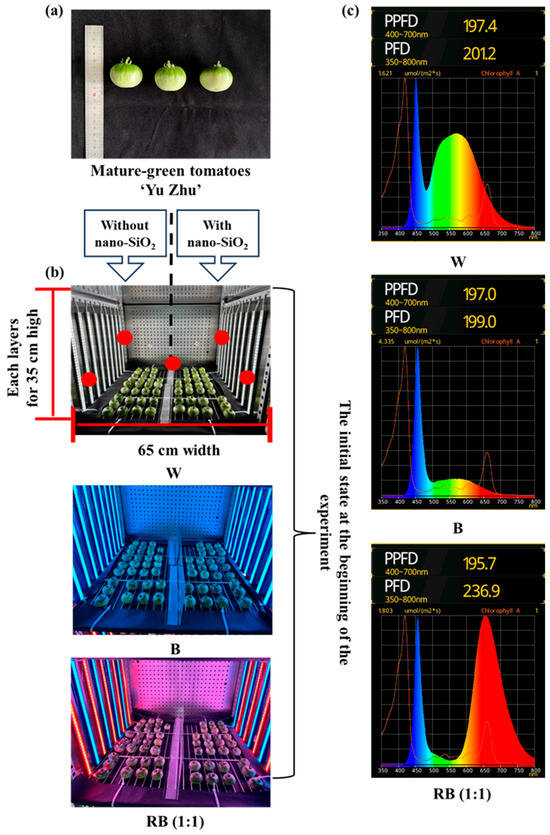
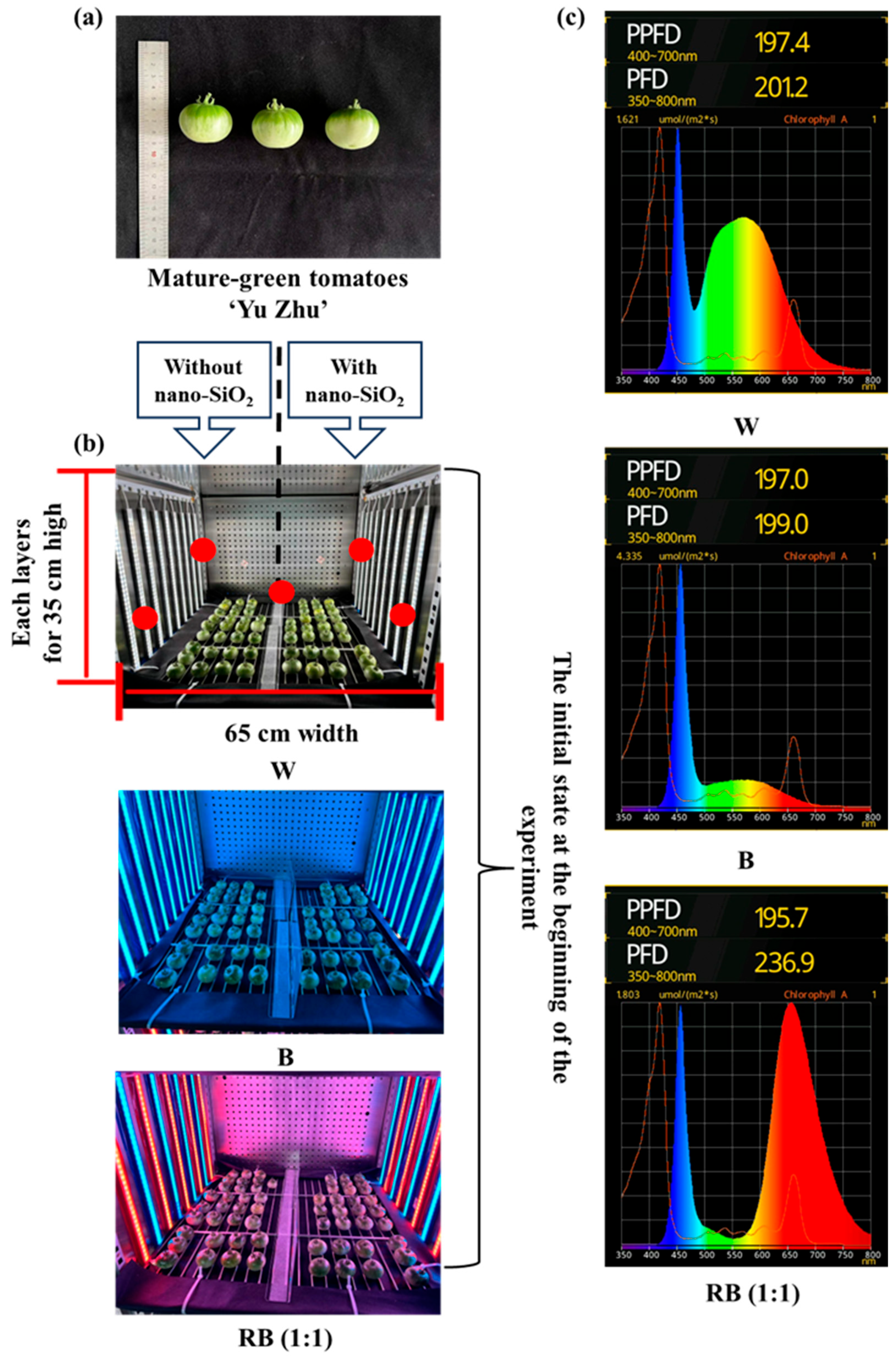
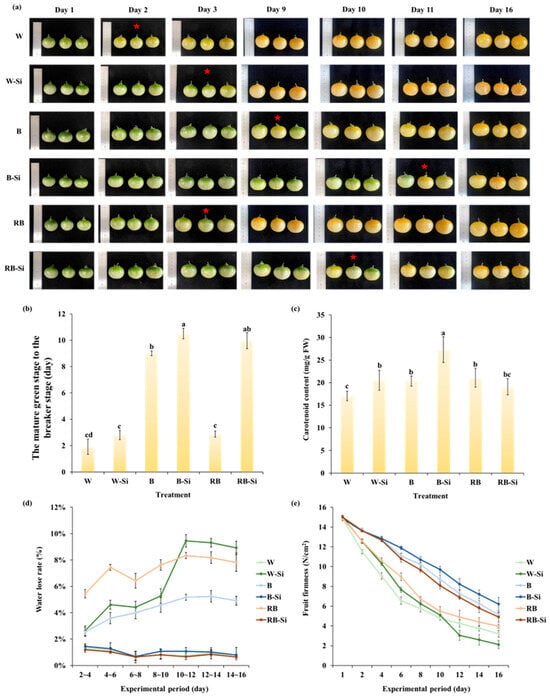
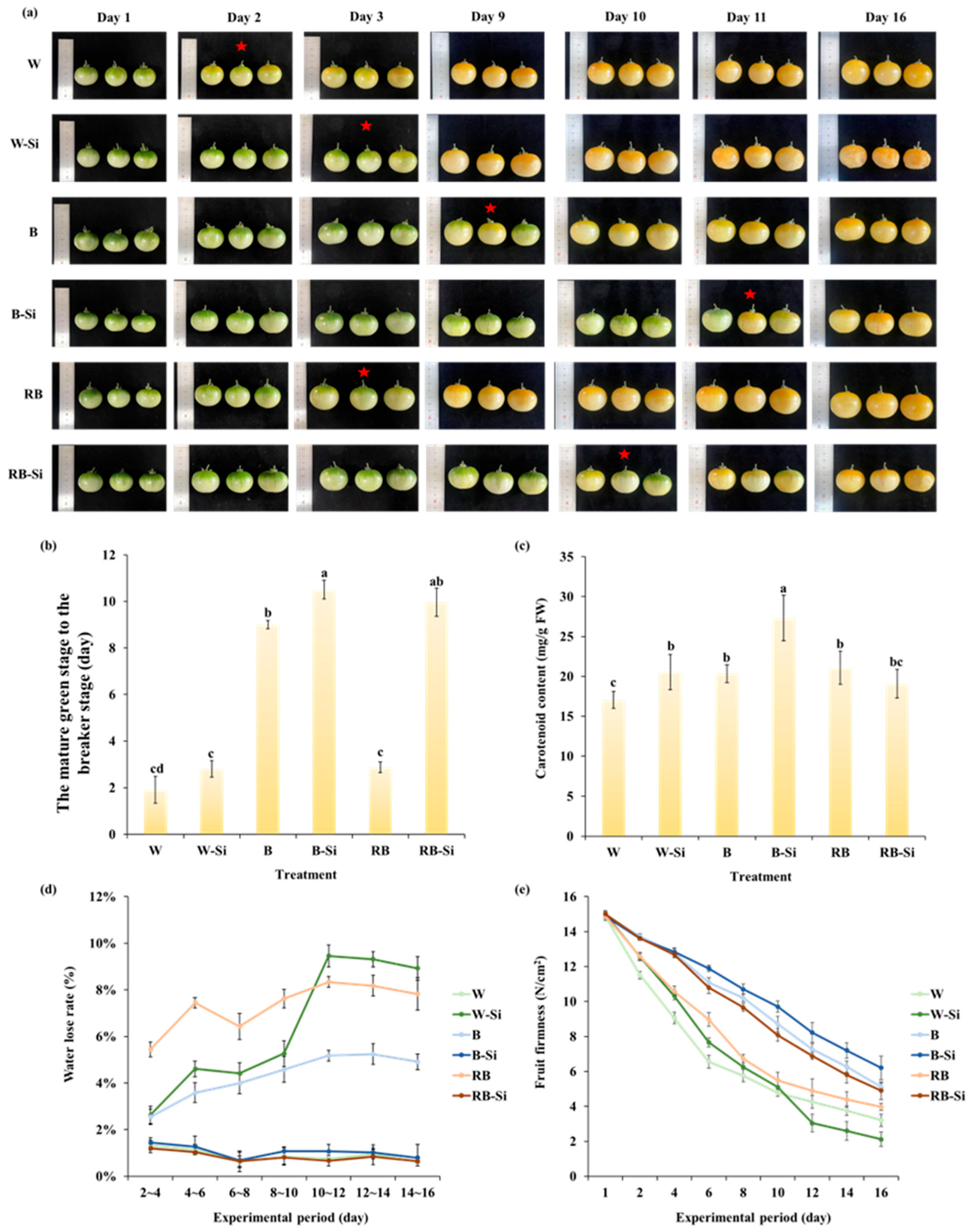
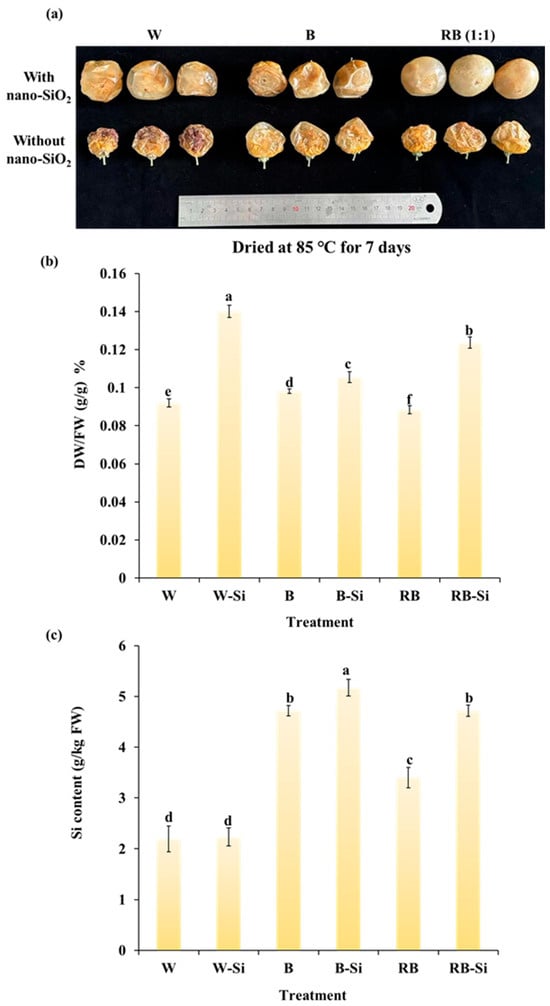
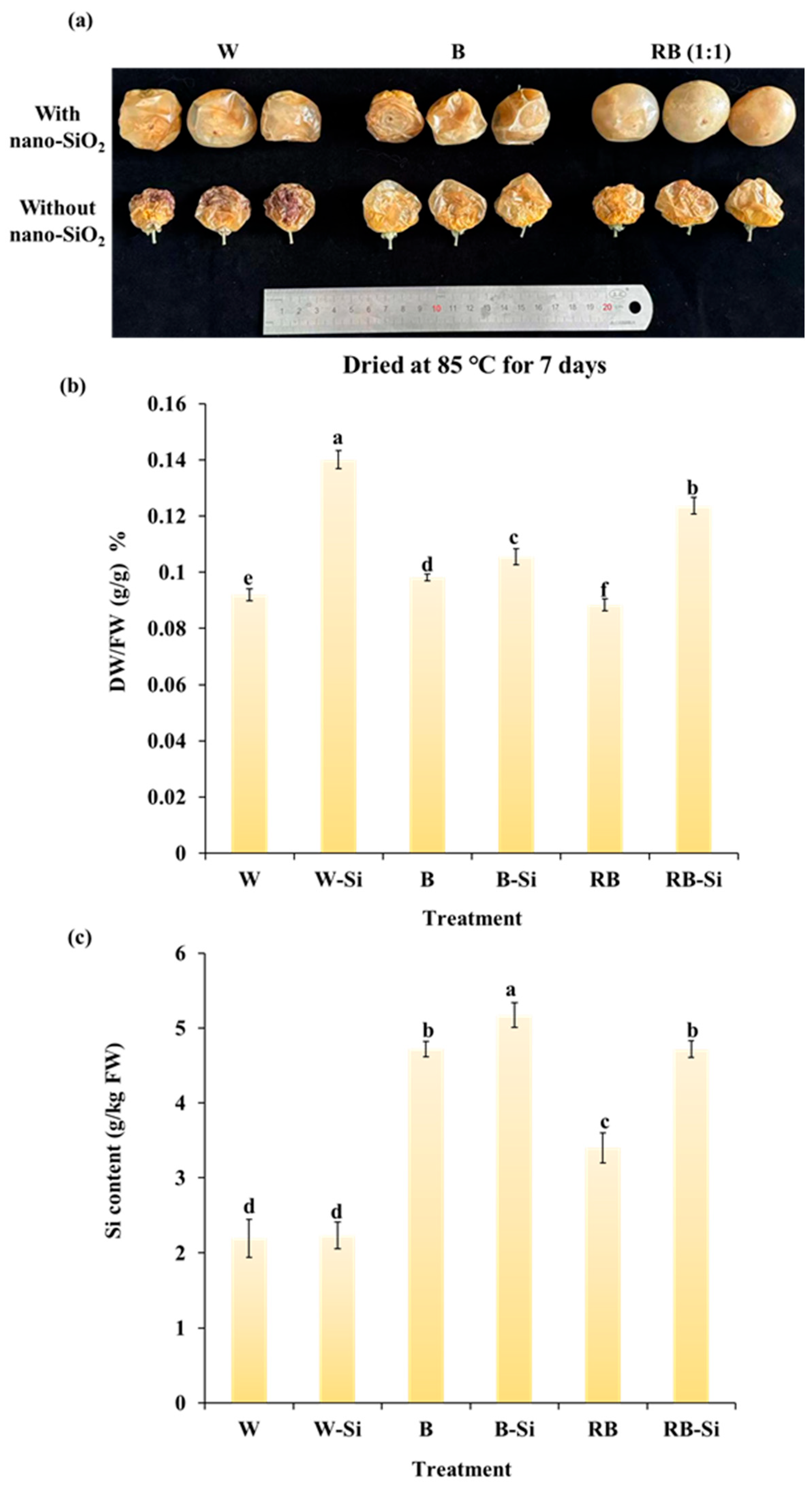
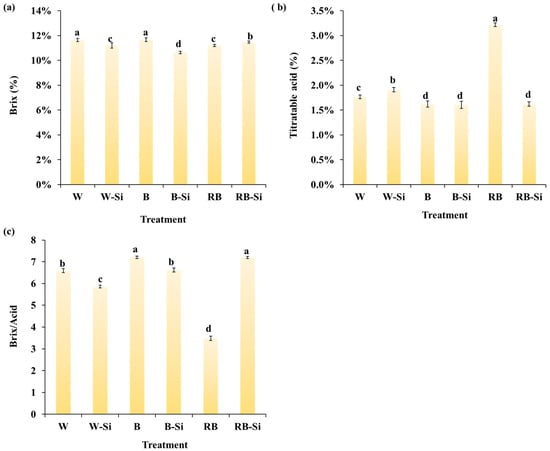
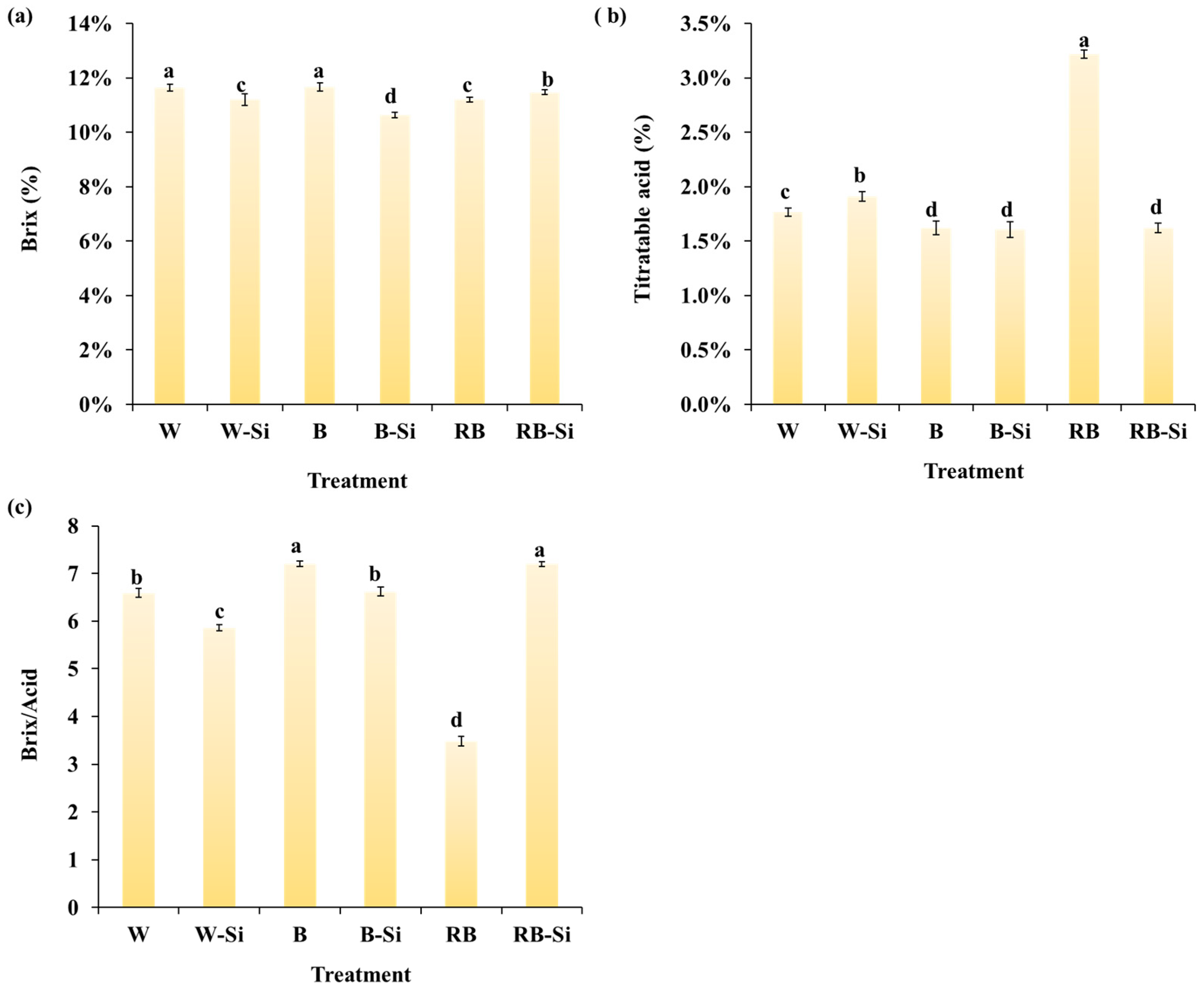
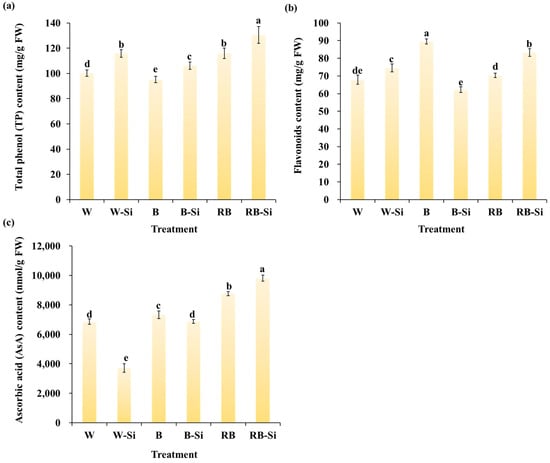
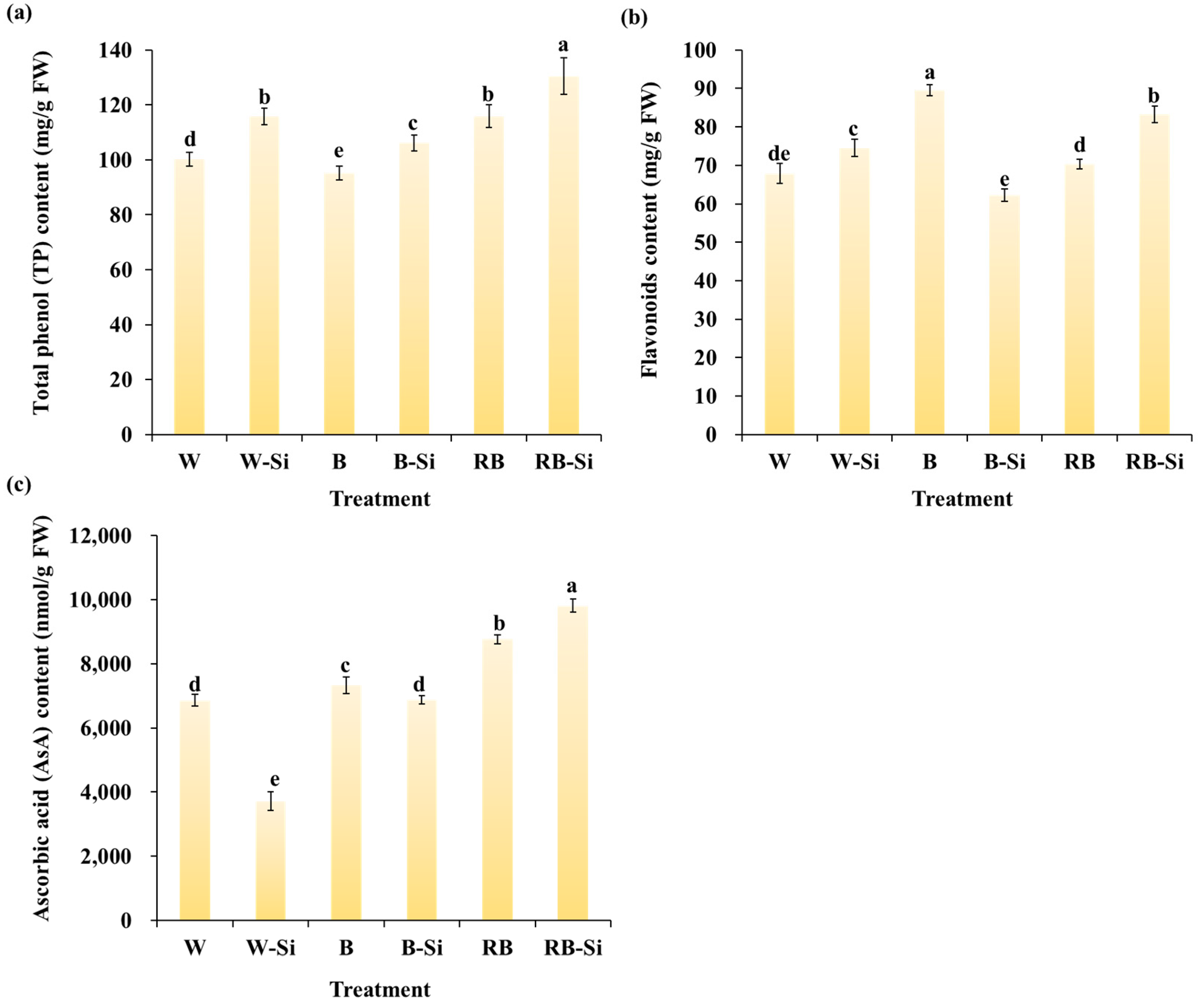
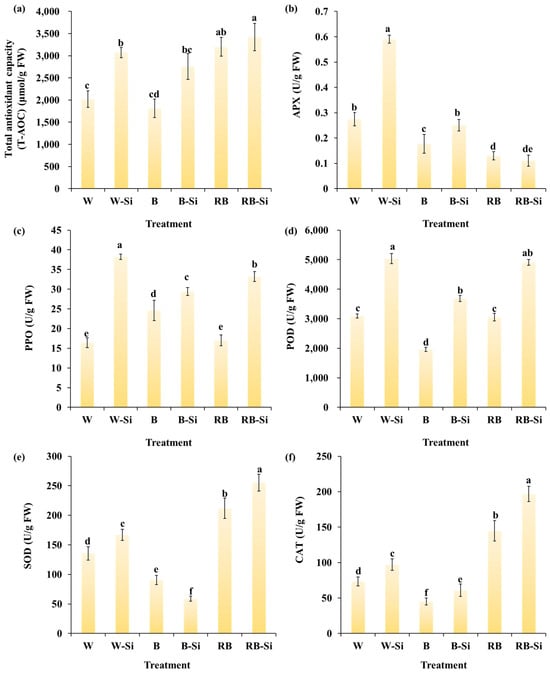
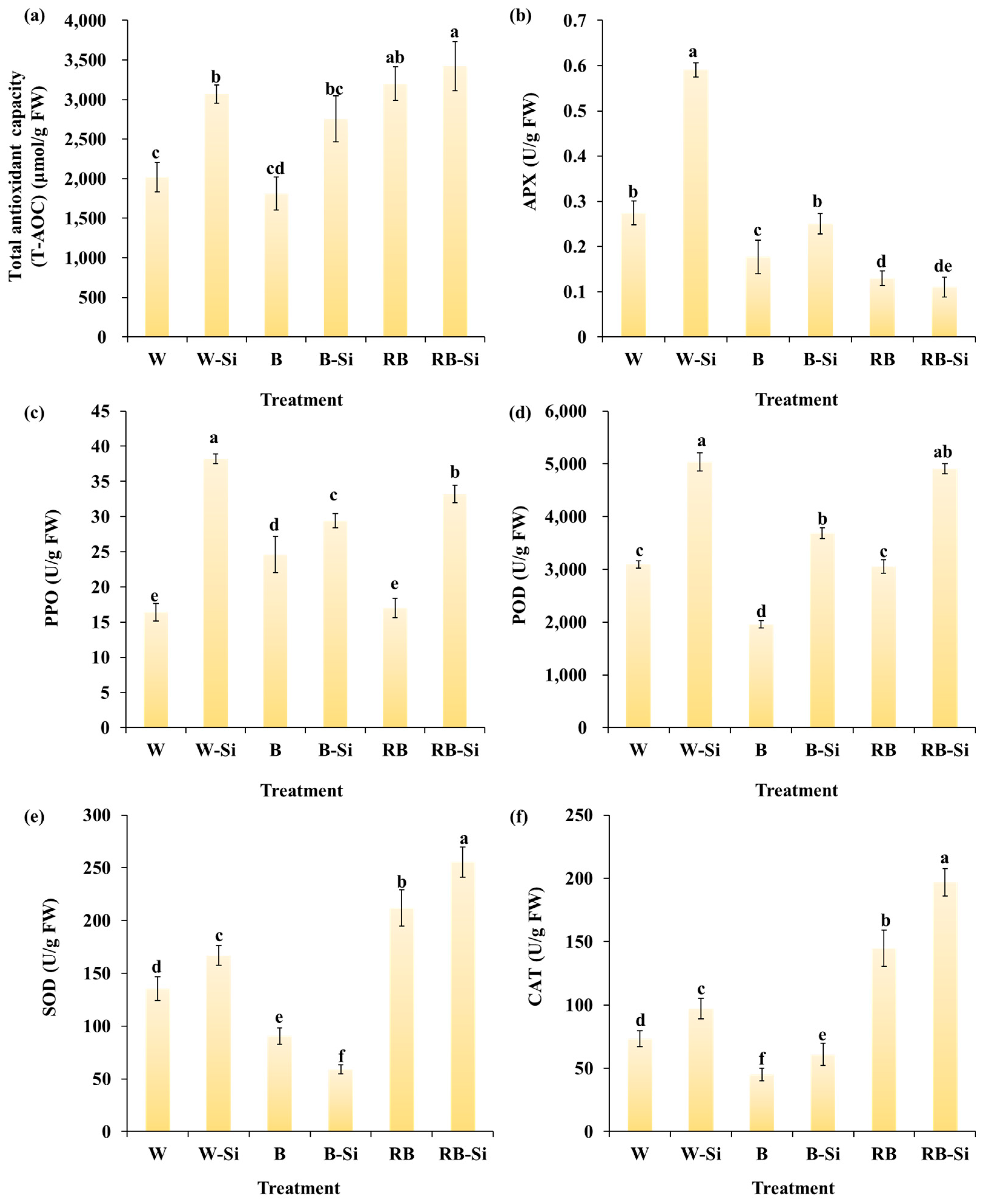
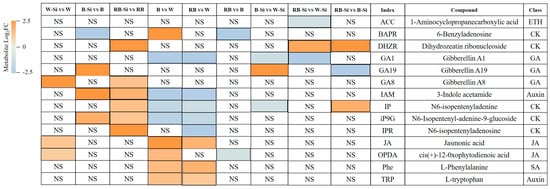
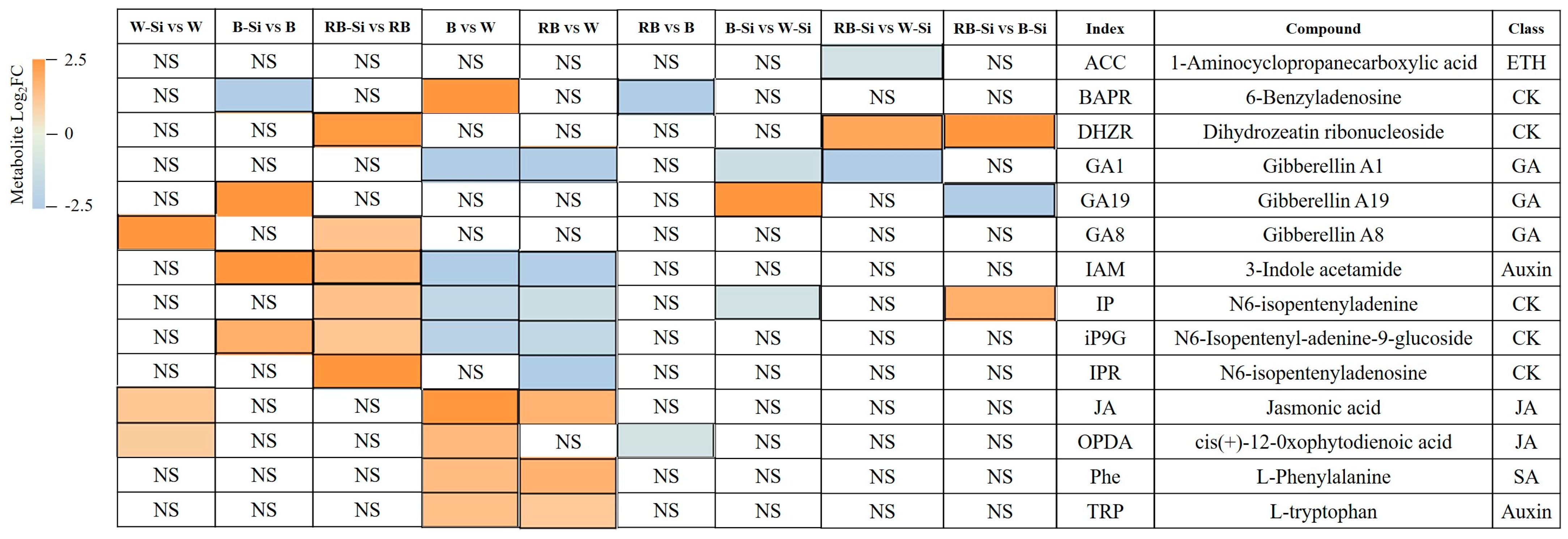
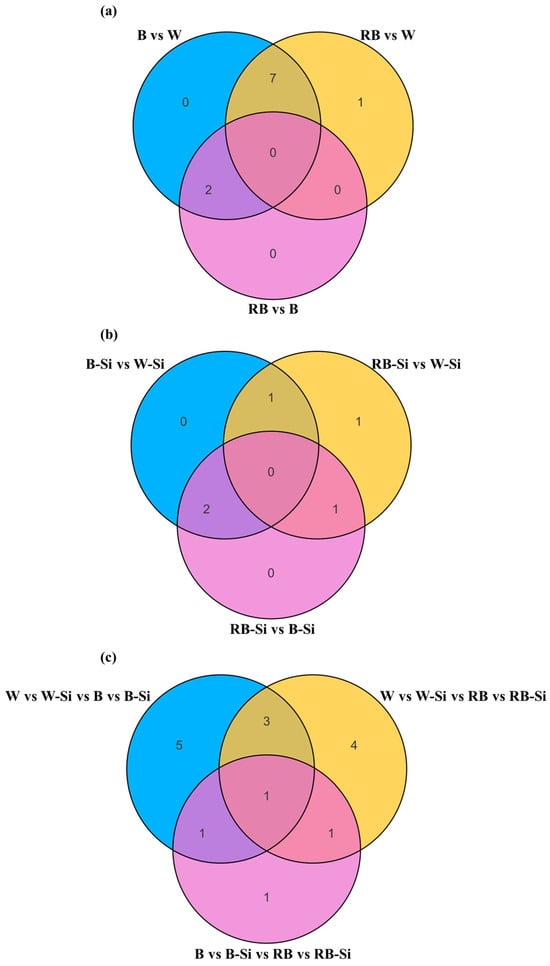
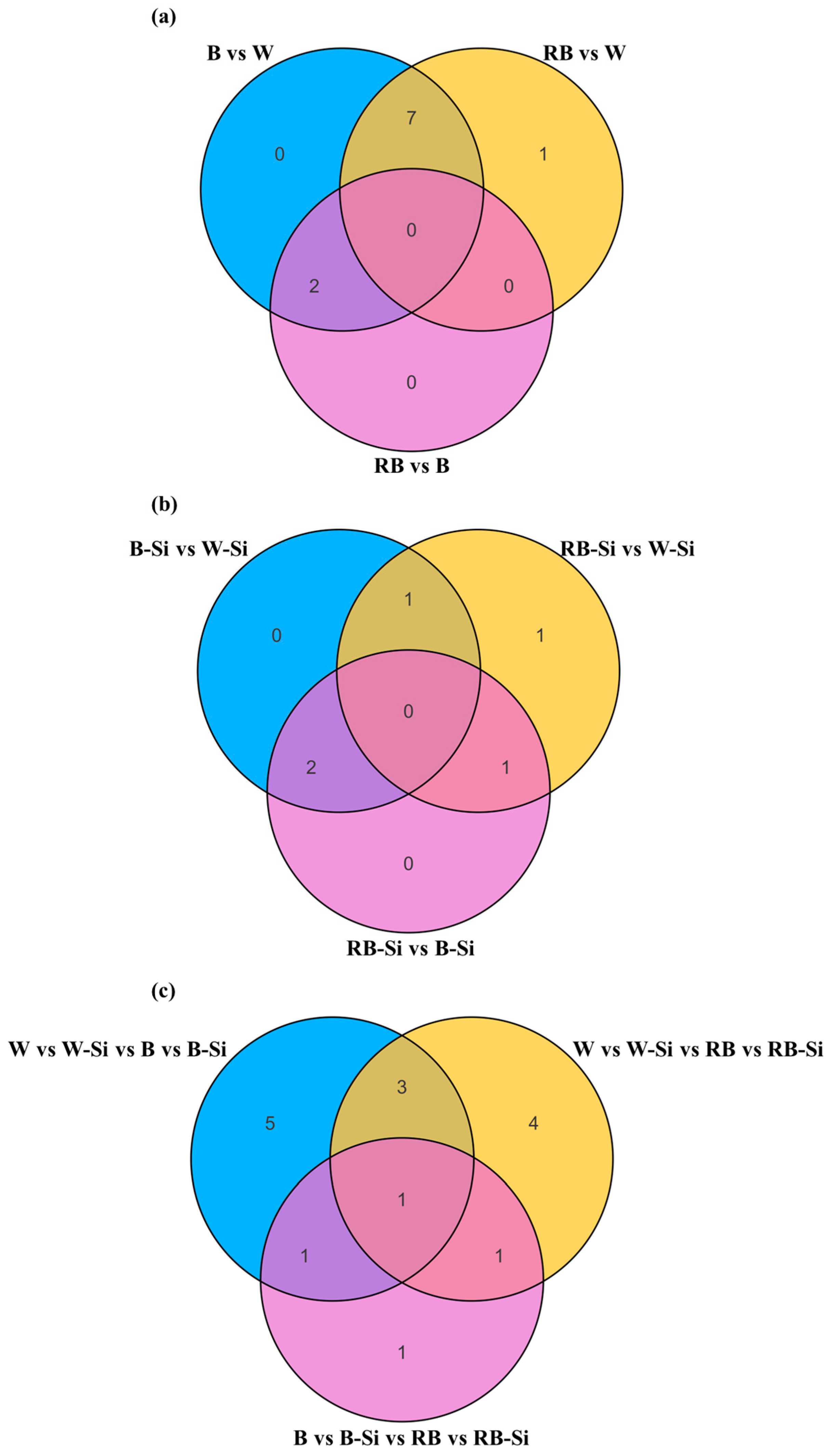
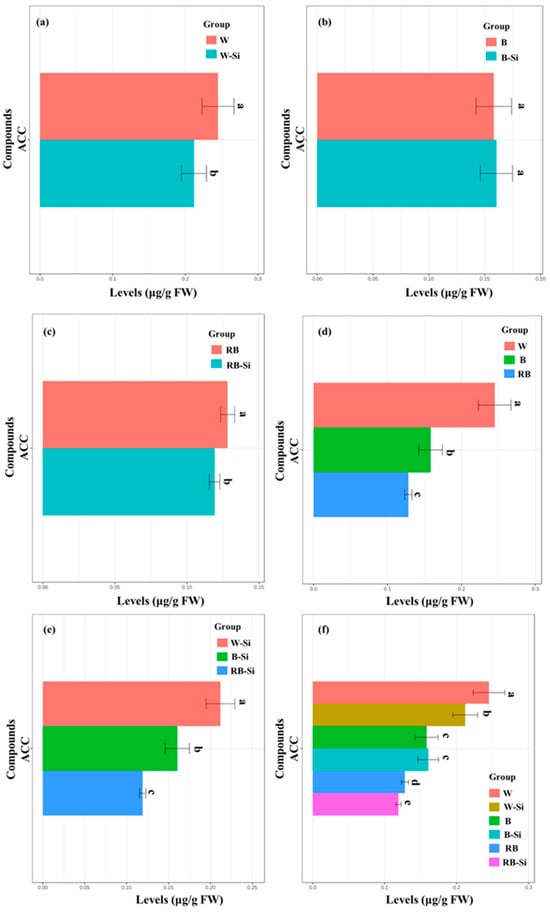
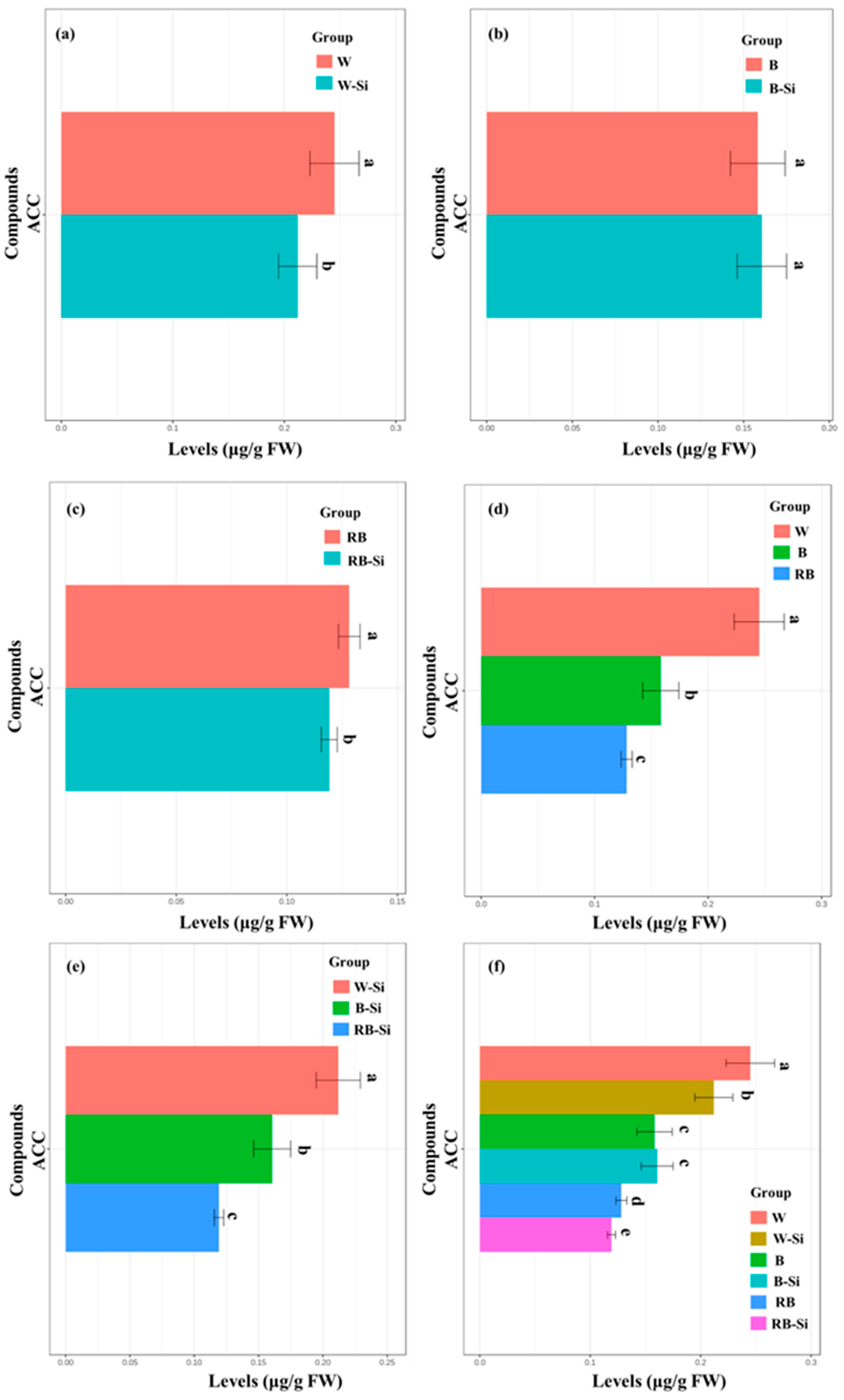

Disclaimer/Publisher’s Note: The statements, opinions and data contained in all publications are solely those of the individual author(s) and contributor(s) and not of MDPI and/or the editor(s). MDPI and/or the editor(s) disclaim responsibility for any injury to people or property resulting from any ideas, methods, instructions or products referred to in the content. |
© 2026 by the authors. Licensee MDPI, Basel, Switzerland. This article is an open access article distributed under the terms and conditions of the Creative Commons Attribution (CC BY) license.