


Abstract
Carbon fiber and graphene are widely used carbon materials in sports equipment, serving distinct yet complementary roles. Carbon fiber is primarily employed as a structural reinforcement owing to its high specific strength, high specific stiffness, and lightweight characteristics, which provide considerable flexibility in structural design. In contrast, graphene is typically incorporated as a functional modifier, where even small additions can improve mechanical strength, toughness, and impact resistance while enabling precise control over stiffness and damping behavior. This review systematically examines the advantages of carbon fiber and graphene for applications in sports equipment. It provides an overview of the preparation methods for these materials and summarizes their representative applications in various types of sports equipment. Recent progress in recycling technologies and the development of alternative materials are further discussed, followed by an assessment of future research directions and potential developments in this field. This review provides a reference for the material selection and structural design of sports equipment.
1. Introduction
With increasing public awareness of health and fitness, the sports industry has experienced continuous growth, leading to a rising demand for sports equipment with enhanced functionality and quality. Sports equipment has undergone substantial improvements in performance driven by advances in materials science [1]. The evolution of materials used in sports equipment, from traditional wood and steel to aluminum alloys and advanced carbon composites, has contributed to reductions in weight and improvements in mechanical strength, durability, and safety [2].
Due to the diversity of carbon’s electron orbitals, carbon materials possess various excellent physical and chemical properties, making them indispensable in fields such as machinery, electronics, aviation, and sports equipment [3,4,5]. Among them, carbon fiber and graphene are particularly attractive because of their outstanding mechanical and functional properties. Carbon fiber combines high specific strength and stiffness with low density, making it suitable for lightweight structural components in bicycles, tennis rackets, golf clubs, and various sports boards [1,6]. Graphene, with an intrinsic Young’s modulus of approximately 1 TPa and a tensile strength of approximately 130 GPa under ideal conditions, has attracted increasing interest as a functional additive in sports equipment [7,8]. Previous studies have explored different aspects of advanced materials in sports equipment. Qiu et al. discussed the importance of safety, aesthetics, environmental impact, and user experience in equipment design, emphasizing improvements through material selection and manufacturing innovation [1]. Temesgen et al. reviewed the applications of advanced composites, particularly carbon fiber-reinforced structures, and examined related manufacturing techniques and recycling strategies [6]. Wu et al. summarized the applications of graphene in wearable sensors, footwear, tennis rackets, and sportswear, highlighting its potential to improve mechanical performance, lightweight design, and user comfort [9]. Carbon fiber, as a traditional material, is well established in sports equipment and has demonstrated excellent performance, while graphene, as an emerging material, has been applied in sports equipment owing to its outstanding physical and chemical properties, showing great potential for future applications. Discussing these two materials together establishes material foundations with forward-looking perspectives, offering readers broader insights and facilitating the application of carbon materials in sports equipment.
2. Performance Characteristics and Application Advantages of Carbon Materials in Sports Equipment
2.1. Performance Characteristics of Carbon Fiber
Carbon fiber generally contains more than 90% carbon, and its properties are strongly influenced by the precursor materials and heat treatment conditions. It exhibits outstanding mechanical performance, with tensile strengths ranging from 2.5 to 7.0 GPa, tensile moduli of 230 to 588 GPa, and densities of 1.76 to 1.94 g cm−3, which is approximately one-quarter of the density of steel. These characteristics contribute to its considerably higher specific strength and specific modulus compared with conventional metallic materials such as steel and aluminum alloys. Furthermore, carbon fiber exhibits excellent fatigue resistance, a low coefficient of thermal expansion, and good chemical stability, making it a suitable reinforcement for polymer matrices in the fabrication of carbon fiber-reinforced polymer (CFRP) composites [10,11,12]. Carbon fiber can be compounded with resin, metal, and ceramic matrices to form various structural materials [13,14], and it is widely used in aircraft manufacturing, wind turbine blades, and sports equipment.
2.2. Advantages of Carbon Fiber in Sports Equipment
CFRP composites exhibit excellent specific strength and stiffness, while their anisotropic mechanical properties can be tailored by optimizing the orientation of carbon fiber layers, providing considerable flexibility in structural design. Owing to these advantages, CFRP composites have been widely adopted in sports equipment, particularly in bicycles, tennis rackets, and golf clubs. Approximately 40% of baseball bats worldwide and around 7 million tennis racket frames produced annually are reported to be manufactured using CFRP composites, highlighting their widespread application and contributions to equipment performance and user experience [15,16].
2.3. Performance Characteristics of Graphene
Graphene is a new material consisting of a single layer of carbon atoms arranged in a tightly packed, two-dimensional honeycomb lattice structure with sp2 hybridization. It combines high strength with high electrical and thermal conductivity, showing tremendous application potential in the field of sports equipment [17].
2.4. Performance Advantages of Graphene in Sports Equipment
When incorporated into sports equipment composites as a functional modifier rather than a primary structural reinforcement, graphene can improve interfacial bonding, enhance interlaminar properties, and increase matrix toughness even at relatively low loadings. These improvements help mitigate localized mechanical weaknesses within the composite structure, thereby enhancing its overall mechanical performance [18,19,20].
3. Preparation of High-Performance Carbon Materials
Carbon fiber or graphene alone can hardly meet all the performance requirements of sports equipment and often needs to be combined with other materials. Producing high-quality carbon fiber and graphene materials is a prerequisite for material compounding. Various preparation processes have a considerable impact on both material quality and overall costs. Developing suitable production techniques can enable the large-scale, cost-effective preparation of carbon materials.
3.1. Carbon Fiber
Currently, raw materials used for carbon fiber synthesis are divided into three major categories: polyacrylonitrile (PAN)-based fibers [21,22,23,24], pitch-based fibers [25,26,27], and rayon-based fibers [28,29].
Polyacrylonitrile (PAN)-based carbon fibers account for more than 90% of global carbon fiber production and are the predominant type used in sports equipment [21,22,23,24]. In contrast, pitch-based carbon fibers are primarily employed in specialized applications requiring high modulus [25,26,27], whereas rayon-based carbon fibers are rarely used in sports equipment [28,29]. Figure 1 illustrates the preparation process of PAN-based carbon fibers, which mainly consists of four steps: polymerization to produce the PAN precursor, stabilization in air, carbonization in an inert environment (N2), and high-temperature carbonization in an inert environment (N2), ultimately yielding carbon fibers. Polyacrylonitrile (PAN)-based carbon fibers are characterized by high tensile strength and well-established manufacturing processes, making them suitable for a wide range of sports equipment, from recreational products to professional competitive applications. Wet spinning remains a widely adopted method for producing PAN precursor fibers. In contrast, dry spinning, in which the solvent is evaporated by a stream of heated gas, is less commonly employed for high-performance carbon fiber precursors because of limitations in fiber drawing and relatively high energy consumption [11,30,31]. Although electrospinning enables the production of PAN fibers with nanoscale diameters, the resulting fiber assemblies generally exhibit limited mechanical integrity and are not readily suitable for use as continuous structural reinforcements in sports equipment [32,33].
Figure 1.
(a) Carbon fiber preparation flow chart [30]. (b) An actual photo of carbon fiber.
The high cost of PAN precursor fiber has limited its large-scale application. Varley et al. used low-cost textile-grade PAN as a carbon fiber precursor to produce carbon fiber, ultimately preparing textile-grade PAN-based carbon fiber with a tensile strength of 2.2 GPa and a tensile modulus of 210 GPa [33]. Although its performance is not as good as that of carbon fibers produced from carbon-fiber-grade PAN precursors, this work opened a new pathway for carbon fiber application in automotive and sports/leisure goods. Jin et al. employed textile-grade polyacrylonitrile (Tex-PAN) as the precursor to prepare carbon fiber by stabilization and carbonization, increasing the tensile strength of the precursor fiber from 1.28 GPa to 3.25 GPa and the modulus from 25.95 GPa to 245 GPa. The resulting product exhibited performance comparable to that of commercial PAN-based carbon fibers, which verified the feasibility of producing low-cost carbon fibers in this way [34].
Similar to PAN-based carbon fiber production, the production of pitch-based carbon fiber involves fiber spinning to prepare precursor fibers, followed by stabilization (thermosetting) in air at temperatures up to 350 °C and carbonization in a nitrogen or argon atmosphere at up to 2000 °C. If a high carbon content is required, an additional graphitization step is conducted in argon at temperatures reaching 3000 °C [35,36]. Traditional pitch-based carbon fibers are prepared by melt-spinning mesophase pitch or isotropic pitch obtained from raw materials like petroleum or coal, or by pyrolyzing artificially synthesized polymers. The final properties of pitch-based carbon fibers are highly dependent on both the choice of precursor materials and the specific heat treatment protocols employed. Isotropic pitch-based carbon fibers have a tensile strength of 0.5–1.0 GPa and a Young’s modulus of 30–50 GPa. Despite their relatively modest mechanical properties, these materials exhibit an elongation at break exceeding 1.5%. In addition to these mechanical characteristics, isotropic pitch-based carbon fibers show potential for applications demanding heat resistance, oxidation resistance, chemical corrosion resistance, and lubrication [37]. Mesophase pitch-based carbon fibers exhibit tensile strengths ranging from 1.2 to 3.8 GPa, Young’s moduli between 55 and 935 GPa, and elongation at break values of 0.3% to 0.9%. Moreover, their exceptional thermal conductivity (6–900 W/m·K) and low electrical resistivity (10−3 Ω·cm) significantly broaden their potential application scope [38,39]. Composites made from pitch-based carbon fiber fabric and cyanate ester resin have a very low coefficient of thermal expansion, making them suitable for satellite materials and other precision instruments. Since pitch is the raw material for pitch-based carbon fiber, the production of these fibers enables high-value utilization of pitch pollutants while addressing some environmental pollution issues, showing good application prospects. High-modulus pitch-based carbon fibers have been explored in a limited range of sports equipment applications, particularly in shafts and plate components requiring exceptionally high stiffness. However, their commercial adoption remains limited.
Rayon-based carbon fiber is made from cellulose-containing rayon fiber. Compared to the PAN-based carbon fiber production process, this route involves two additional steps of washing and catalytic impregnation, which inevitably leads to increased production costs. Compared to PAN-based and pitch-based carbon fibers, rayon-based carbon fiber generally has inferior overall performance, lower yield, and higher cost. However, this material features low thermal conductivity and excellent ablation resistance, making it an ideal thermal insulation material. Additionally, its relatively low density makes it suitable for lightweight components, while its good biocompatibility allows for use in medical biomaterials. Furthermore, the combination of low modulus and high elongation at break provides adequate toughness, alongside good processability for further manufacturing [28]. However, its practical applications in sports equipment remain limited.
PAN-based carbon fiber possesses a series of excellent properties such as high strength, high modulus, low density, corrosion resistance, and fatigue resistance, achieving a good balance between performance and cost in material applications. It is widely used in aerospace, sports and leisure, the automotive industry, construction engineering, etc. [40]. The raw materials for pitch-based carbon fiber come from petroleum or coal tar pitch and other refining by-products. Pitch-based carbon fibers have outstanding thermal and chemical stability, oxidation resistance, corrosion resistance, and recyclability. However, their tensile properties vary substantially between isotropic and mesophase pitch-based fibers, so their mechanical performance cannot be ranked uniformly against that of PAN-based carbon fibers; these properties are presented in Table 1 in detail. The application range of pitch-based carbon fiber extends from automotive components and civil construction to aerospace and defense fields [41]. Rayon-based carbon fiber has a low density, low thermal conductivity, and good thermal stability. This material has been used as a high-quality high-temperature insulation material in aerospace thermal protection systems (TPS) and high-temperature furnaces [42,43]. In sports equipment applications, carbon fibers are usually used in the form of polymer-based composite materials rather than raw fiber. The main molding processes for carbon fiber-reinforced polymer composites include hot stamping, injection molding, pultrusion molding, filament winding, automatic layup, and additive manufacturing. The choice of process mainly depends on the geometry of the component, fiber orientation, and production volume [44].
Table 1.
Comparison of carbon fiber types [21,22,23,24,25,26,27,28,29].
Artificial intelligence (AI) has emerged as a promising tool for improving the manufacturing quality and mechanical performance of carbon fiber composites through damage identification, process monitoring, and structural optimization. In damage analysis, K-means clustering has demonstrated the ability to distinguish different damage mechanisms, including fiber fracture, matrix cracking, and interfacial debonding [45]. Zubayer et al. employed a deep learning-based object detection algorithm to identify fiber misalignment defects in real time during the additive manufacturing of continuous carbon fiber-reinforced polymer (CFRP) composites [46]. This approach effectively reduced fiber misalignment defects and improved manufacturing quality. Furthermore, AI-assisted material prediction and numerical simulation provide opportunities to optimize the mechanical properties of carbon fiber composites according to the specific performance requirements of sports equipment, such as badminton rackets, bicycle frames, snowboards, and racing vehicle components. By considering different loading conditions and performance requirements, AI-based optimization methods can facilitate the selection of fiber types, ply orientations, stacking sequences, and resin contents to achieve targeted structural performance [47,48].
3.2. Graphene
Graphene exhibits outstanding mechanical properties, high electrical conductivity, and excellent thermal stability, making it a promising reinforcing agent for enhancing the mechanical performance and functional properties of composite materials [17,49]. Graphene preparation methods mainly include exfoliation methods (mechanical exfoliation and supercritical fluid exfoliation), chemical vapor deposition (CVD), oxidation–reduction methods, and arc plasma methods.
Mechanical exfoliation involves peeling graphene using methods like adhesive tape or ultrasonic dispersion [49]. Despite its simple process and low production costs, the low yield of this method renders it unsuitable for large-scale manufacturing. Supercritical fluid exfoliation utilizes the properties of supercritical fluids (exhibiting both gas and liquid characteristics) to exfoliate graphene. Pu et al. first used supercritical CO2 to exfoliate graphite under specific temperature and pressure conditions, successfully preparing graphene-like materials with over 10 layers and a yield above 30%. Supercritical fluid exfoliation enables precise control over the number of graphene layers [50]. Coupled with its simple processing, this method is highly suitable for large-scale production [51]. However, this method faces two main challenges: the adsorption of large molecules, such as surfactants, during exfoliation compromises the product quality, while the high-temperature and high-pressure operating conditions pose potential safety hazards.
Chemical vapor deposition (CVD) is a prominent technique for graphene synthesis, wherein carbon-containing precursors undergo thermal decomposition at elevated temperatures to deposit carbon atoms onto a metal or alternative substrate. This approach is highly regarded for its ability to produce structurally intact, high-quality, and large-area graphene with excellent controllability and minimal defects. Somani et al. first demonstrated this method in 2006 by volatilizing camphor at 180 °C in an argon atmosphere and depositing it onto a nickel surface [52]. Despite these advantages, the complex processing requirements inevitably lead to high production costs, which currently restrict its widespread large-scale application.
Currently, the oxidation–reduction method for preparing graphene offers high yield and ease of scale-up, making it a common method for large-scale graphene production. The preparation process of the oxidation–reduction method is shown in Figure 2. This method mainly includes the Hummers method [53], the modified Hummers method [54], the Brodie method [55] and the Staudenmaier method [56]. Song et al. first used a modified Hummers method with H2SO4, NaNO3, and KMnO4 as oxidants, followed by reduction using hydrazine hydrate and ammonia to produce graphene. The extensive use of strong oxidants severely compromises the structural integrity of graphene and degrades its overall quality. Furthermore, the significant environmental pollution associated with this process restricts the future application prospects of the oxidation–reduction method [57].
Figure 2.
Graphene preparation flowchart for the oxidation–reduction method [52,55].
The arc plasma method is a new technique for preparing carbon nanomaterials, with advantages such as simple equipment, high efficiency, and relatively high product purity. The principle involves forming a high-temperature arc between the cathode and anode, causing the graphite anode to evaporate into gaseous carbon atoms or ions. These species subsequently form small carbon clusters in the lower-temperature regions near the arc, which then evolve into graphene in even cooler zones [58]. Liang et al. used arc plasma equipment in a hydrogen atmosphere to prepare high-quality, small-sized, few-layer graphene (2–8 layers). Numerical simulations of the temperature field and radial temperature distribution during plasma-assisted graphene synthesis were conducted using COMSOL Multiphysics 5.3a. The graphene nucleation temperature was determined to be 4500 K, in good agreement with values reported in previous studies. They proposed a hydrogen-induced marginal growth (HIMG) kinetic model dominated by hydrogen transfer and carbon addition to explain the growth mechanism of graphene, providing positive guidance for arc plasma graphene preparation [59].
A comparison of the performance, yield, cost, purity and extent of scale-up of graphene prepared by different methods is shown in Figure 3. The mechanical exfoliation method was used to achieve the preparation of single-layer graphene for the first time. It has the advantages of a simple process, high quality, and low production cost, but its low yield makes it unsuitable for large-scale production. The liquid-phase exfoliation method has the advantages of a simple process, high purity and low production cost and is suitable for large-scale production. However, it has disadvantages such as low yield and large variation in product layer thickness. The CVD method can produce large-sized graphene with good quality. However, the cost of large-scale production using this method is extremely high. By comparison, the Hummers method has the advantages of high yield and easy large-scale production, but the quality of graphene is poor, and the process causes environmental pollution. Therefore, its application is limited. Recently, the arc plasma method has attracted much attention for preparing high-purity graphene with high efficiency. However, the stability of the plasma affects the quality of graphene, and production costs are high; thus, large-scale production is limited. The selection of graphene preparation methods for sports equipment applications should consider production scalability, processing compatibility, and manufacturing costs. In particular, graphene must be available in suitable forms, such as powders or stable dispersions, to facilitate its incorporation into polymer resins, elastomers, and coating systems. Among the available preparation strategies, graphene oxide (GO) synthesis followed by chemical or thermal reduction, as well as liquid-phase exfoliation, offers considerable potential for scalable production and subsequent composite fabrication [60,61].
Figure 3.
Radar map comparing graphene prepared by different methods.
In recent years, artificial intelligence (AI) has emerged as a promising tool for advancing graphene composites research, particularly in the prediction of potential energy surfaces, electronic bandgaps, and crack propagation behavior. The integration of AI into graphene research can improve research efficiency, facilitate material optimization, and reduce the time and costs associated with conventional experimental approaches. Furthermore, AI-assisted computational methods offer opportunities to explore material structures and synthesis strategies that are difficult to investigate using traditional methods [62,63,64]. In sports equipment applications, these advances could accelerate the development of lightweight graphene composites with enhanced mechanical strength and impact resistance, thereby contributing to improved equipment performance and durability.
4. Application of High-Performance Carbon Materials in Sports Equipment
Due to their aforementioned favorable physical properties, high-performance carbon materials are widely used in the field of sports equipment, as shown in Figure 4. Carbon fiber and graphene are rarely employed in isolation; instead, they are typically integrated with other materials or incorporated as functional additives. The use of high-performance carbon composite materials can support improvements in equipment performance and athlete safety when material selection and structural design are matched to the demands of use.
Figure 4.
Application of carbon materials in sports equipment.
4.1. Applications of Carbon Fiber in Sports Equipment
4.1.1. Lightweight Design and High Specific Strength
The demand for lighter and stronger bicycles in contemporary sports is increasing. Lightweight design and adequate strength address distinct requirements: reducing bicycle mass and enabling the frame to withstand mechanical impacts from rough terrain. Material selection therefore requires a balance between weight reduction and strength. Carbon materials have attracted widespread attention in the bicycle industry due to their low density and excellent mechanical properties.
In 1974, the American company Apex Proto first used carbon materials to manufacture a bicycle frame with carbon fiber composite thin-walled tubes bonded to stainless steel joints, marking the beginning of carbon fiber bicycle applications. In 1990, Japan’s Miyata Industries used carbon fiber for the frame, introducing the ARC1000 racing bike and RDC1000 flat-bar bike models. The carbon fiber frame was 50% lighter and 1.6 times stronger than a standard chromium–molybdenum steel bicycle frame. In recent years, the international tire manufacturer Vittoria (Italy) released the Qurano series of bicycle racing wheels made from graphene-reinforced composites, improving wheel performance by 10–30%. Subsequently, the Interceptor frame, produced by British bicycle manufacturer Dassi, became the world’s first graphene-reinforced frame and weighed only 500 g. Its shear strength and fracture toughness increased by 70% and 50%, respectively. Additionally, incorporating graphene into helmets improves mechanical performance and heat dissipation, thereby enhancing overall comfort for users [65].
Byko highlighted the advantages of carbon fiber in competitive cycling through the example of Trek bicycles used by Lance Armstrong and his team, emphasizing their low weight, high specific stiffness, excellent tensile strength, and structural design flexibility. Carbon fiber composite frames and components offer substantial weight savings, which can reduce the overall bicycle mass and improve climbing efficiency. Furthermore, their high specific stiffness, compared with conventional metallic materials such as steel and aluminum alloys, allows the mechanical response and riding characteristics of bicycle frames to be tailored through the optimization of fiber orientation. Trek used a proprietary carbon fiber called Optimum Compaction Low Void (OCLV) [66].
4.1.2. High Stiffness and Designability
The high specific modulus and structural design flexibility of carbon fiber composites enable the optimization of stiffness and dynamic mechanical responses in sports equipment. In golf club shafts, these characteristics are particularly important for controlling bending deformation, torsional behavior, and vibration response. Cheong et al. systematically investigated the mechanical properties of carbon fiber-reinforced plastic golf shafts through experimental characterization and finite element analysis. The results indicated that vibration frequency, torsional angle, deflection, and kick point were sensitive to fiber properties and laminate architecture. Specifically, variations in the orientation of off-axis layers within the range of 30° to 70° allowed these mechanical responses to be tailored, demonstrating the effectiveness of fiber orientation control in optimizing the structural performance of golf shafts. Beyond laminate design, local reinforcement also plays an important role in improving the mechanical reliability of carbon fiber composite structures [67]. Dvořák et al. investigated the structural performance of CFRP bicycle frames, with particular attention to the head tube junction.
The samples were made from high-strength (Toray T700) and high-modulus (Tenax® UMS40) carbon fibers. When combined with a two-component epoxy resin, a fiber volume fraction of 51–55% was achieved. The joint was assembled using filament-wound composite tubes and reinforced with unidirectional carbon fiber tapes and additional composite wrapping. Their findings showed that doubling the thickness of the carbon fiber fabric in the joint region substantially increased the strength of the frame. Together, these studies demonstrate that appropriate laminate configurations and localized reinforcement strategies can improve the mechanical performance of CFRP sports equipment by tailoring deformation behavior and strengthening critical structural regions [68]. Mubashir et al. compared the performance of T300 carbon fiber-reinforced epoxy composites with that of conventional materials, including aluminum alloys and wood, for tennis racket applications, as summarized in Table 2. The results demonstrated that carbon fiber-reinforced polymer (CFRP) composites offer advantages in weight reduction, specific strength, and structural safety compared with conventional materials [69].
Table 2.
Material performance comparison [69].
4.1.3. Fatigue Resistance and Vibration Control
Since the mid-1970s, several companies, including Chemold (USA), have conducted long-term research and found that using carbon fiber materials to manufacture tennis rackets could improve vibration damping and offer higher design freedom, even for large-sized rackets. Compared to that of original wooden rackets, the stress area of carbon fiber tennis rackets could be increased by nearly 1.5 times, and string tension could be increased by about 35% [70]. The use of carbon fiber with a high specific modulus in an epoxy resin matrix minimizes excessive deformation upon impact. Its vibration damping performance helps reduce vibrations upon ball impact. Table 3 compares carbon fiber, steel, and aluminum, showing the advantages of carbon fiber in specific strength, fatigue strength, and damping coefficient [71].
Table 3.
Material performance comparison [71].
Carbon fiber-reinforced polymer (CFRP) composites exhibit excellent fatigue resistance under cyclic loading, although their residual compressive strength after impact can be substantially reduced by interlaminar delamination. To address the challenges associated with matrix selection and delamination resistance in sports rackets, Bhudolia et al. investigated thin-ply C-Ply™ carbon reinforcements and noncrimp fabrics combined with thermosetting epoxy or low-viscosity thermoplastic matrices. The composites were fabricated using vacuum-assisted resin infusion for potential applications in tennis and badminton rackets. Their mechanical properties were evaluated through tensile and flexural testing, while Mode I interlaminar fracture toughness was characterized using double cantilever beam (DCB) tests. The results indicated that both thermosetting and thermoplastic matrices could be incorporated into thin-ply carbon fiber composites for sports racket applications. Furthermore, thin-ply laminates can inhibit microcrack initiation and delamination propagation, while thermoplastic matrices can improve interlaminar fracture resistance. These findings provide valuable insights into the development of lightweight sports equipment with enhanced resistance to delamination [72].
In 1972, Brewer introduced carbon fiber composites to golf club manufacturing, successfully replacing traditional persimmon wood clubs. Subsequent iterations focused on optimizing the weight and dimensions of these clubs [70]. In 1998, carbon fiber composites accounted for approximately 80% of the golf club market, with steel comprising the remaining 20% [73]. The integration of carbon fiber reduced overall club weight by 10–40%. The effects of weight reduction on ball launch conditions should be evaluated together with the overall club design and swing conditions. Higher damping can reduce impact-induced vibrations, providing a separate basis for assessing the performance of carbon fiber composites [70,74]. Recently, manufacturers have utilized carbon fibers of varying specifications to tailor clubs to diverse performance requirements [75]. A recent study investigated the impact of polydopamine modification on the damping and mechanical properties of carbon fiber-reinforced plastics (CFRPs). The results demonstrated that the damping factor of the modified CFRP reached 0.227 at 1 Hz, representing a 180% increase over untreated samples. Concurrently, the first-order damping ratio rose to 0.779% (a 65.2% improvement), while tensile modulus and strength increased by approximately 11.3% and 6.7%, respectively. These findings highlight a synergistic enhancement in both damping and mechanical performance, providing valuable empirical data for the application of polyurethane-based CFRPs in golf club manufacturing [76].
Carbon fiber-reinforced polymer (CFRP) composites are susceptible to manufacturing defects, including voids, inclusions, and delamination, as well as damage accumulated during service, such as fatigue cracking, interlaminar delamination, matrix cracking, and fiber fracture. Nondestructive testing (NDT) techniques are widely employed to evaluate the structural integrity and detect defects in these composites. Visual testing (VT) enables rapid inspection of surface defects, while ultrasonic testing (UT) is particularly effective for detecting internal delamination, voids, interfacial debonding, and impact-induced damage. Infrared thermography facilitates rapid inspection of large areas and is suitable for identifying near-surface defects, although its detection capability decreases with increasing defect depth. X-ray computed tomography (CT) provides three-dimensional visualization of internal defects, including voids, inclusions, cracks, and fiber fracture, but its ability to resolve thin delamination defects depends on imaging resolution and defect orientation. Acoustic emission (AE) testing enables real-time monitoring of damage evolution under mechanical loading and can provide information on matrix cracking, interfacial debonding, delamination, and fiber fracture. Raman spectroscopy (RS) provides complementary information on chemical structure, molecular interactions, and local stress distributions, although its applicability is generally limited to surface and near-surface regions. Together, these techniques offer complementary capabilities for evaluating the quality and damage evolution of CFRP composites [66,72,77].
4.2. The Application of Graphene in Sports Equipment
4.2.1. Interface Enhancement and Delamination Resistance
Graphene/carbon fiber composites combine carbon fiber reinforcement with a graphene-modified epoxy matrix, providing a route to improve local matrix properties in tennis rackets [73]. Young et al. studied the HEAD YouTek tennis racket made from a graphene composite. As shown in Figure 5, uniformly distributed fiber cross-sections with a diameter of 6 μm were found in the tip region of the racket, and fiber arrays arranged at different inclinations existed in the shaft. The results indicated that the racket frame was mainly composed of high-strength carbon fibers in an epoxy resin matrix. The connection area between the racket head and shaft contained resin-rich regions that are potential points of weakness. Their analysis identified graphene-based nanoparticles, most probably graphite nanoplatelets, in this region, consistent with a local reinforcement role. This microstructural evidence supports local reinforcement as a design strategy, although it does not by itself quantify an increase in the strength or stiffness of the entire racket [71].
Figure 5.
(a) Racket tip region: (a1) cross-sectional light micrograph illustrating the layup of fiber plies; (a2) higher-magnification view of the same cross-section, highlighting resin-rich interply zones. (b) Shaft region: (b1) transverse optical image showing a localized resin accumulation; (b2) magnified micrograph of the identical section, revealing finer details of the resin-enriched areas [71].
Kumar et al. investigated the effects of different functional groups of graphene on the mechanical behavior of carbon fiber-reinforced epoxy composites. A maximum interlaminar shear strength (ILSS) improvement of 120.25% was obtained for 0°/90°/±45° stacked carbon fiber/epoxy composites by adding 0.3 wt% NH2-functionalized graphene. Studies have demonstrated that the incorporation of functionalized graphene at low loadings can effectively enhance the interfacial and mechanical properties of composites, whereas excessive graphene loading may induce agglomeration and consequently compromise their overall performance [8].
Kunikowska et al. introduced high-strength metallurgical graphene (HSMG) as an additional reinforcing material into carbon fiber-reinforced polymer (CFRP) composites using the transfer method for bicycle applications. At an HSMG content of approximately 0.22 ppm, the modified tubular specimens withstood 1,000,000 loading cycles, whereas the specimens without HSMG failed after 589,840 cycles under identical pulsating loading conditions. Furthermore, no fatigue-induced delamination was observed at the interfaces containing HSMG. These findings demonstrate the potential of HSMG to improve the fatigue resistance and structural durability of CFRP composites, providing a promising approach for enhancing the service performance of bicycle components [78].
4.2.2. Mechanical and Tribological Performance
Gao et al. incorporated pristine graphene prepared by shear exfoliation into a polyacrylonitrile (PAN) solution in dimethyl sulfoxide (DMSO) at concentrations ranging from 0.01 to 1.0 wt%. The resulting PAN and graphene composite fibers were processed through wet spinning, thermal stabilization, and carbonization to produce graphene-modified carbon fibers. The optimal mechanical performance was achieved at a graphene content of 0.075 wt%, with a tensile strength of 1916 MPa and a Young’s modulus of 233 GPa. These values represented increases of 225% and 184%, respectively, compared with the corresponding values of 589 MPa and 82 GPa for carbon fibers prepared without graphene [79]. In a separate study, Srivastava et al. deposited graphene nanoplatelets onto carbon fiber surfaces using spray coating, with graphene loadings of 0.4 and 0.8 wt% for untreated fibers and 0.2 and 0.4 wt% for oxidized fibers, calculated relative to the carbon fiber mass. Carbon fiber-reinforced epoxy laminates were subsequently fabricated using vacuum-assisted resin transfer molding (VARTM). The results showed that graphene coating increased the interfacial contact area between the fibers and epoxy matrix while reducing the specific wear rate and coefficient of friction. Notably, oxidized carbon fibers exhibited improved wear resistance at lower graphene loadings. These findings indicate potential applications in sports equipment, including bicycle components and racket structures [7], as illustrated in Figure 6.
Figure 6.
Graphene applications in the sports industry, created by Microsoft PowerPoint.
Graphene materials and their composites may exhibit aggregation, nonuniform dispersion, insufficient interfacial bonding, and restacking of graphene sheets, which can adversely affect their overall performance. To evaluate these issues, several complementary characterization techniques can be employed. Raman spectroscopy (RS) is widely used to assess graphene quality by providing information on structural defects, layer number, doping, and strain. Nanoscale X-ray computed tomography (nano-CT) enables nondestructive three-dimensional imaging of internal defects, including pores, cracks, and sufficiently large aggregates. Scanning electron microscopy (SEM) provides detailed observations of surface morphology, wrinkles, and aggregation in graphene powders, films, and composites. Acoustic emission (AE) testing allows real-time monitoring of damage evolution in graphene-reinforced composites, including crack formation, delamination, and interfacial debonding, but it is not suitable for the direct characterization of graphene powders [7,70,79].
5. Recycling Strategies and Alternative Materials for Carbon-Based Materials
5.1. Recycling of Carbon Fiber Materials
Carbon fiber-reinforced polymer (CFRP) composites are extensively utilized in sports equipment. Nevertheless, their heterogeneous composition and the strong bonding between carbon fibers and polymer matrices pose considerable challenges to material separation and recycling [80].
The recycling of carbon fiber-reinforced thermosetting composites is particularly challenging because their polymer matrices contain densely crosslinked networks that prevent remelting and hinder dissolution in conventional solvents. As a result, recovering carbon fibers and processing the remaining resin matrix require specialized recycling strategies. The major approaches currently employed include mechanical recycling, pyrolysis, fluidized bed processing, and chemical recycling [81].
Mechanical recycling involves shredding and grinding carbon fiber-reinforced polymer (CFRP) waste into short fibers and particulate materials, followed by classification and sieving to obtain fractions with controlled particle size distributions. Although this approach offers operational simplicity and relatively low processing costs, it often results in fiber shortening and surface damage, which can compromise the mechanical performance of recycled composites. Furthermore, the effective separation of carbon fibers from resin residues remains challenging. Consequently, mechanically recycled materials are primarily utilized as fillers or short-fiber reinforcements in composites with relatively modest performance requirements, limiting their potential for high-value applications [81,82,83].
Pyrolysis involves the thermal decomposition of thermosetting polymer matrices at temperatures ranging from 400 to 1000 °C under an inert atmosphere, enabling the recovery of carbon fibers with relatively well-preserved structural integrity. The recovered fibers typically retain approximately 50% to 85% of their original tensile strength, depending on the processing conditions. However, pyrolysis requires substantial energy input and may release hazardous gaseous by-products, necessitating appropriate gas treatment systems. In addition, the recovered carbon fibers often require surface treatment and the application of new sizing agents to improve their interfacial adhesion to polymer matrices. Despite these limitations, pyrolysis remains one of the relatively mature industrial technologies for recycling carbon fiber-reinforced polymer (CFRP) composites [80,84,85,86].
The fluidized bed process is a thermal recycling technique in which carbon fiber-reinforced polymer composites are introduced into a bed of heated particles, typically sand, to facilitate polymer matrix decomposition and fiber recovery. Depending on the operating conditions, the decomposition products may also be utilized for energy recovery. Although this approach enables relatively rapid processing of composite waste, mechanical interactions with the bed particles and exposure to elevated temperatures can cause fiber shortening and tensile strength degradation, potentially restricting the reuse of recovered fibers in demanding structural applications [87,88].
Chemical recycling involves the decomposition of polymer matrices using suitable solvents and reaction conditions to recover carbon fibers. Approaches such as low-temperature solvolysis and subcritical or supercritical fluid treatment can recover carbon fibers with relatively intact structures and high retention of mechanical properties. However, these processes often require substantial solvent consumption, involve relatively high operating costs, and present challenges in process complexity and scalability [81,89,90].
Carbon fiber-reinforced thermoplastic composites (CFRTPs) contain polymer matrices with linear or branched molecular structures that allow repeated melting and reshaping, providing greater recyclability than conventional thermosetting composites and offering potential for closed-loop recycling. Common recycling approaches include melt reprocessing, mechanical recycling, chemical recycling, and thermal recovery, with melt reprocessing being one of the most widely adopted methods. Mechanical recycling often leads to fiber shortening and reduced mechanical performance, whereas chemical recycling can facilitate polymer matrix decomposition and carbon fiber recovery. However, repeated thermal processing may cause polymer chain degradation, deterioration of interfacial properties, and reductions in mechanical performance. Therefore, optimizing recycling conditions and establishing appropriate quality control standards are essential for maintaining the performance and reusability of recycled composites [91].
The recycling of carbon fiber-reinforced polymer (CFRP) composites used in sports equipment remains challenging due to difficulties in material sorting, component disassembly, and contamination control. Sports equipment often incorporates multiple materials, including metals, adhesives, coatings, and different types of reinforcing fibers, which complicate material separation and reduce recycling efficiency. Future efforts should emphasize design for recyclability through the use of thermoplastic matrices, reversibly crosslinked resins, and composite structures that facilitate material separation. Furthermore, life cycle assessment should be integrated into material selection and recycling strategies to evaluate environmental impacts and support the development of more sustainable recycling pathways [80,81,82,83,84,91].
5.2. Recycling of Graphene Materials
In sports equipment, graphene is generally used as a minor additive at a low content. The feasibility of separate graphene recovery therefore requires an assessment of recovery efficiency and cost, while recycling of the graphene-containing composite remains a distinct consideration.
5.3. Carbon Fiber Alternative Materials
Amiri et al. developed a flax and carbon fiber hybrid composite bicycle frame containing 40% flax fiber to address the high cost and limited impact resistance of conventional carbon fiber composites. By incorporating flax and carbon fibers into an epoxy matrix with an optimized laminate configuration, the hybrid design combined the high stiffness and strength of carbon fibers with the potential advantages of flax fibers in cost reduction, vibration damping, and environmental sustainability. Mechanical testing demonstrated that the hybrid frame exhibited stiffness and strength comparable to or higher than those of commercially available carbon fiber composite, titanium alloy, and aluminum alloy frames, while providing improved vibration damping and lower manufacturing costs compared with conventional carbon fiber composite frames. These findings highlight the potential of flax and carbon fiber hybrid composites to achieve a favorable balance among structural performance, economic feasibility, and sustainability in bicycle frames and other sports equipment [92].
To address the high cost and environmental concerns associated with conventional synthetic fiber-reinforced composites used in field hockey equipment, Al Rashid et al. investigated banana fiber and glass fiber hybrid composites as potential alternatives. The hybrid composites were fabricated using banana and glass fibers as reinforcements within an epoxy resin matrix. Compared with conventional synthetic fibers, natural fibers offer potential advantages in terms of lower cost, reduced density, and renewable resource utilization. However, the hydrophilic nature of banana fibers can result in poor interfacial adhesion with relatively hydrophobic polymer matrices, limiting their reinforcing efficiency and mechanical performance. Hybridization with glass fibers and appropriate surface treatments can improve interfacial adhesion and load-bearing capacity. The resulting hybrid composites exhibited mechanical performance comparable to or higher than that of glass fiber-reinforced composites under the investigated conditions. These findings highlight the potential of banana and glass fiber hybrid composites as alternative materials for sports equipment, particularly field hockey applications, while offering opportunities to balance mechanical performance, cost, and sustainability [93].
Ribeiro et al. investigated snowboards with asymmetric multilayer structures (MLS) developed using anisotropic layer design technology (A.L.D. tech.). Three types of fiber-reinforced polymer composites—carbon fiber-reinforced polymer (CFRP), glass fiber-reinforced polymer (GFRP), and flax fiber-reinforced polymer (FFRP)—were evaluated as structural materials based on technical performance, economic feasibility, and environmental impact. The results indicated that GFRP offered the greatest economic advantages, CFRP exhibited superior technical performance, and FFRP demonstrated the most favorable environmental characteristics among the investigated materials. These findings highlight the importance of selecting reinforcement materials according to the specific performance requirements and sustainability considerations of sports equipment [94].
Çelik et al. investigated basalt and aramid fiber hybrid composites as potential alternatives to carbon fiber-reinforced polymer (CFRP) composites. Hybrid laminates with different fiber proportions and stacking sequences were fabricated using vacuum infusion and compared with conventional CFRP composites. Tensile testing revealed that CFRP exhibited the highest tensile strength, whereas the mechanical performance of the hybrid composites was strongly influenced by the stacking sequence. In contrast, impact testing demonstrated that the hybrid composites exhibited superior energy absorption capacity, with higher aramid fiber contents contributing to improved impact performance. Moreover, placing aramid fiber layers on the outer surfaces increased the hardness of the composites. Scanning electron microscopy (SEM) observations revealed interfacial debonding, fiber fracture, shrinkage, and interfacial gaps in the hybrid composites, suggesting weaker fiber–matrix adhesion compared with that in CFRP. These findings indicate that basalt and aramid fiber hybrid composites offer potential for sports equipment components where impact resistance is prioritized over maximum tensile strength. However, their recyclability and long-term performance require further evaluation [95].
Ventura et al. investigated the mechanical and tribological properties of composites reinforced with recycled carbon fibers (rCF) and virgin carbon fibers (vCF). The results indicated that rCF-reinforced composites exhibited comparable mechanical and tribological performance to their vCF-reinforced counterparts while offering potential advantages in cost reduction and environmental sustainability. These composites demonstrated favorable stiffness, strength, frictional behavior, and wear resistance. Furthermore, the formation of a transfer film under water lubrication contributed to their tribological performance, highlighting their potential for applications in sports equipment, including skis and components requiring high wear resistance [96].
Li et al. highlighted the advantages of titanium alloys in sports equipment, including low density, high specific strength and stiffness, excellent corrosion and fatigue resistance, and favorable mechanical performance over a wide temperature range. These properties have facilitated their application in various types of sports equipment, such as tennis and badminton rackets, racing vehicle components, and trekking poles. However, the relatively high production costs and limitations in recycling infrastructure have largely restricted their adoption to premium market segments. To promote broader applications, future efforts should focus on developing more cost-effective titanium alloys, establishing efficient recycling systems, upgrading melting and casting technologies, and improving manufacturing and production management practices [97].
Bamboo and wood are renewable and relatively inexpensive materials, although their applications can be restricted by variable mechanical properties, moisture sensitivity, and limitations in structural performance [98,99,100]. Deng et al. developed rubberwood and bamboo hybrid laminates inspired by the structural design of table tennis rackets. Compared with conventional wood structures, the hybrid laminates exhibited improved vibration damping, seismic resistance, and resistance to compressive deformation while maintaining favorable flexural performance [101]. These advantages suggest their potential for sports equipment requiring mechanical stability and vibration attenuation. Meanwhile, ceramics and ceramic-based hybrid composites provide high hardness and wear resistance, but their brittleness and relatively high density limit their suitability for lightweight structural applications, making them more appropriate for localized protective and wear-resistant components [102].
Although carbon fiber-reinforced polymer (CFRP) composites exhibit excellent mechanical properties, their relatively high costs and the energy requirements associated with recycling remain significant challenges. Rather than completely replacing CFRP, alternative materials can be incorporated into hybrid composite structures tailored to the specific requirements of sports equipment, including load-bearing capacity, weight reduction, structural stiffness, and impact resistance.
5.4. Graphene Alternative Materials
Siddiqui et al. investigated the mechanical properties of carbon nanotube (CNT)-modified carbon fiber-reinforced polymer (CFRP) composites. The incorporation of 0.5 wt.% CNTs resulted in modest improvements in flexural modulus and strength, while the interlaminar shear strength (ILSS) increased by 12% compared with unmodified CFRP composites. More pronounced enhancements were observed in torsional properties, with the torsional modulus and strength increasing by 17% and 19.5%, respectively. However, further increasing the CNT content beyond 0.5 wt.% reduced the reinforcing effectiveness, which was attributed to CNT agglomeration [103].
Cheng et al. investigated boron nitride nanosheet-coated Kevlar fibers (BNNS@Kevlar) to improve the tribological properties of the material. The results showed that at an optimal BNNS loading of 2.0 wt%, the composite exhibited a 37.5% increase in thermal conductivity at 200 °C, along with a 47.1% reduction in wear rate under high-temperature sliding conditions. Application to sports equipment therefore requires evaluation under the relevant service temperatures and loading conditions [104].
6. Conclusions
In sports equipment, carbon fiber mainly provides lightweight structural reinforcement, while graphene is used to modify matrix and interfacial properties. With the application of high-performance carbon materials in various sports equipment, lighter, stronger, and more durable equipment continues to emerge. Further development should focus on the following challenges:
- (1)
- Cost Reduction: Currently, sports equipment using high-performance carbon materials offers excellent performance, but the prohibitive costs significantly hinder public access to high-quality sports equipment. Selecting an appropriate preparation route is an effective approach to reducing costs, and this selection should comprehensively account for product quality, scalability, and cost [105].
- (2)
- Improving Toughness: For carbon fiber composites, improving matrix toughness and interlaminar fracture resistance is important for limiting damage in sports equipment. Combining carbon fibers with tougher matrices (e.g., thermoplastic resins) can address these requirements alongside appropriate fiber architecture and interfacial design.
- (3)
- Recycling: The popularization of high-performance carbon material applications has generated large amounts of waste carbon materials, which do not degrade naturally and can cause environmental pollution. Furthermore, waste carbon fiber still retains good mechanical properties. Repurposing recycled carbon fiber for non-critical components is a pivotal strategy for advancing environmental sustainability.
- (4)
- AI-Empowered Development of New Carbon-Based Materials: Artificial intelligence has accelerated the development of new carbon-based materials, especially the creation of materials with customized properties to satisfy the diverse application requirements of sports equipment. Some key parameters, including strength, stiffness, damping, fatigue resistance and energy rebound, can serve as design targets for AI-driven material prediction and simulation according to the service conditions of different types of sports equipment, such as badminton rackets, bicycle frames, snowboards and racing carbon plates.
Author Contributions
Conceptualization, X.H., Z.X. and F.L.; writing—original draft preparation, X.H. and D.Z.; writing—review and editing, X.H. and Z.X.; revision and proofreading, F.L. All authors have read and agreed to the published version of the manuscript.
Funding
The work was financially supported by the National Natural Science Foundation of China (grant No. 12575270) and Yunnan Fundamental Research Projects (grant Nos. 202601BE070001-024, 202601CI070075).
Data Availability Statement
No new data were created or analyzed in this study. Data sharing is not applicable to this article.
Conflicts of Interest
The authors declare no conflicts of interest.
References
- Qiu, Z. The Influence of the Design and Manufacture of Sports Equipment on Sports. J. Phys. Conf. Ser. 2020, 1549, 032039. [Google Scholar] [CrossRef] [Scilit]
- Grand View Research Inc. Sports Composites Market Size, Share & Trends Analysis Report by Resin Type, by Fiber Type, by Application, by Region, and Segment Forecasts, 2024–2030; Grand View Research, Inc.: San Francisco, CA, USA, 2024. [Google Scholar]
- Li, Z.; Li, Z.; Zhang, Z. Application of Carbon Nanocomposite Sensing and Functional Magnetic Nanomaterial in the Sports Industry and Its Biosecurity Research. J. Nanomater. 2022, 2022, 1790787. [Google Scholar] [CrossRef] [Scilit]
- Kim, H.C.; Kim, H.; Moon, S.O.; Jo, C.; Park, H.S. Carbon-based materials for potassium-ion battery anodes: Storage mechanisms and engineering strategies. J. Energy Chem. 2025, 105, 764–796. [Google Scholar] [CrossRef] [Scilit]
- Kong, W.; Kum, H.; Bae, S.-H.; Shim, J.; Kim, H.; Kong, L.; Meng, Y.; Wang, K.; Kim, C.; Kim, J. Path towards graphene commercialization from lab to market. Nat. Nanotechnol. 2019, 14, 927–938. [Google Scholar] [CrossRef] [Scilit] [PubMed]
- Temesgen, A.G.; Arslanoglu, H. Advanced Composite Technologies for High-Performance Sports Equipment. Polym. Adv. Technol. 2026, 37, 1–13. [Google Scholar] [CrossRef] [Scilit]
- Srivastava, A.K.; Desai, U.; Singh, A. Effect of graphene coating on modified and pristine carbon fibers on the tribological response of carbon fiber epoxy composites. Compos. Part B Eng. 2023, 250, 110412. [Google Scholar] [CrossRef] [Scilit]
- Kumar, A.; Sharma, K.; Dixit, A.R. Tensile, flexural and interlaminar shear strength of carbon fiber reinforced epoxy composites modified by graphene. Polym. Bull. 2023, 80, 7469–7490. [Google Scholar] [CrossRef] [Scilit]
- Wu, Y.; Li, Y.; Zhang, X. The Future of Graphene: Preparation from Biomass Waste and Sports Applications. Molecules 2024, 29, 1825. [Google Scholar] [CrossRef] [Scilit] [PubMed]
- Nitai, A.S.; Chowdhury, T.; Inam, M.N.; Rahman, M.S.; Mondal, M.I.H.; Johir, M.A.H.; Hessel, V.; Fattah, I.M.R.; Kalam, M.A.; Suwailesh, W.A.; et al. Carbon fiber and carbon fiber composites—Creating defects for superior material properties. Adv. Compos. Hybrid. Mater. 2024, 7, 169. [Google Scholar] [CrossRef] [Scilit]
- Chand, S. Review Carbon fibers for composites. J. Mater. Sci. 2000, 35, 1303–1313. [Google Scholar] [CrossRef] [Scilit]
- Fitzer, E. Pan-based carbon fibers—Present state and trend of the technology from the viewpoint of possibilities and limits to influence and to control the fiber properties by the process parameters. Carbon 1989, 27, 621–645. [Google Scholar] [CrossRef] [Scilit]
- Kinloch, I.A.; Suhr, J.; Lou, J.; Young, R.J.; Ajayan, P.M. Composites with carbon nanotubes and graphene: An outlook. Science 2018, 362, 547–553. [Google Scholar] [CrossRef] [Scilit] [PubMed]
- Senthilkumar, V.; Balasubramanian, K.; Prabagaran, S.; Premkumar, T.; Chandrasekar, P.; Rathinavelu, V.; Vinayagam, M.; Al Obaid, S.; Salmen, S.H. High performance poly ceramic hybrid composite featured with carbon fiber. J. Polym. Eng. 2025, 45, 734–743. [Google Scholar] [CrossRef] [Scilit]
- Luo, Y.; Shi, Z.; Qiao, S.; Tong, A.; Liao, X.; Zhang, T.; Bai, J.; Xu, C.; Xiong, X.; Chen, F.; et al. Advances in nanomaterials as exceptional fillers to reinforce carbon fiber-reinforced polymers composites and their emerging applications. Polym. Compos. 2025, 46, 54–80. [Google Scholar] [CrossRef] [Scilit]
- Feng, H.; Xu, X.; Wang, B.; Su, Y.; Liu, Y.; Zhang, C.; Zhu, J.; Ma, S. Facile preparation, closed-loop recycling of multifunctional carbon fiber reinforced polymer composites. Compos. Part B Eng. 2023, 263, 110677. [Google Scholar] [CrossRef] [Scilit]
- Wang, Y.; Li, S.; Yang, H.; Luo, J. Progress in the functional modification of graphene/graphene oxide: A review. RSC Adv. 2020, 10, 15328–15345. [Google Scholar] [CrossRef] [Scilit] [PubMed]
- Dreyer, D.R.; Todd, A.D.; Bielawski, C.W. Harnessing the chemistry of graphene oxide. Chem. Soc. Rev. 2014, 43, 5288–5301. [Google Scholar] [CrossRef] [Scilit] [PubMed]
- Stankovich, S.; Dikin, D.A.; Piner, R.D.; Kohlhaas, K.A.; Kleinhammes, A.; Jia, Y.; Wu, Y.; Nguyen, S.T.; Ruoff, R.S. Synthesis of graphene-based nanosheets via chemical reduction of exfoliated graphite oxide. Carbon 2007, 45, 1558–1565. [Google Scholar] [CrossRef] [Scilit]
- Wang, B.; Fang, G.; Tan, X.; Liang, J.; Ge, J.; Liu, S. Investigation on the longitudinal compressive strength of unidirectional carbon fiber/nanoparticles reinforced polymer composites using FFT-based method. Compos. Struct. 2020, 247, 112448. [Google Scholar] [CrossRef] [Scilit]
- Ginsparg, A.R.; Watts, J.L.; Fahrenholtz, W.G.; Dickerson, M.B.; Detwiler, K.N.; Brubaker, Z.E.; Hilmas, G.E. Characterization of thermally heat-treated polyacrylonitrile carbon fibers. Diam. Relat. Mater. 2025, 159, 112875. [Google Scholar] [CrossRef] [Scilit]
- Mokhova, E.; Gordienko, M.; Menshutina, N.; Serkina, K.; Avetissov, I. Obtaining polyacrylonitrile carbon nanofibers by electrospinning for their application as flame-retardant materials. Polymers 2025, 17, 1255. [Google Scholar] [CrossRef] [Scilit] [PubMed]
- Choi, J.; Jeon, C.; Lee, J.-E.; Lee, G.-H.; Hwang, S.; Han, M.; Lee, S.; Gwak, H.J.; Lee, E.; Won, J.S.; et al. Optimization of the carbonization process based on the evolution of microstructural components of polyacrylonitrile (PAN)-based fibers. Carbon 2025, 235, 120058. [Google Scholar] [CrossRef] [Scilit]
- Gao, X.; Wang, X.; Yu, J.; Ding, B.; Zhang, X. Synthesis of Poly(acrylonitrile-co-acrylic acid) for High-Strength Carbon Nanofibers. ACS Appl. Polym. Mater. 2025, 7, 4002–4008. [Google Scholar] [CrossRef] [Scilit]
- Wang, M.; Ullah, S.; Rizwan, M.; Zhou, X. Preparation process of mesophase pitch-based carbon fiber: A review. RSC Adv. 2025, 15, 39514–39538. [Google Scholar] [CrossRef] [Scilit] [PubMed]
- Gao, Y.; Li, Y.; Niu, Q.; Zhang, P. Transforming petroleum asphalt into carbon fibers and related metal/oxide composites by electrospinning synthesis. Green Chem. 2025, 27, 8007–8017. [Google Scholar] [CrossRef] [Scilit]
- Lu, D.; Zhang, G.; Li, B.; Zhu, H.; Cong, Y.; Dong, Z.; Li, X.; Guo, J. Improving molecular stacking perfection of coal tar pitch based mesophase pitches for regulating microstructure of their carbon fibers via a low-cost co-carbonization process. Carbon 2025, 238, 120315. [Google Scholar] [CrossRef] [Scilit]
- Breitenbach, S.; Unterweger, C.; Lumetzberger, A.; Duchoslav, J.; Stifter, D.; Hassel, A.W.; Fürst, C. Viscose-based porous carbon fibers: Improving yield and porosity through optimization of the carbonization process by design of experiment. J. Porous Mater. 2021, 28, 727–739. [Google Scholar] [CrossRef] [Scilit]
- Su, Z.; Lv, Y.; Qiu, L.; Liu, Y.; Bai, B.; Liu, Z.; Sheng, K.; Du, P. Ni-plated viscose-based carbon fibers/biomass-derived hierarchical porous carbon for high-performance lithium-sulfur battery free-standing cathodes. J. Alloys Compd. 2024, 970, 172593. [Google Scholar] [CrossRef] [Scilit]
- Liu, Y.; Kumar, S. Recent Progress in Fabrication, Structure, and Properties of Carbon Fibers. Polym. Rev. 2012, 52, 234–258. [Google Scholar] [CrossRef] [Scilit]
- Newcomb, B.A. Processing, structure, and properties of carbon fibers. Compos. Part A Appl. Sci. Manuf. 2016, 91, 262–282. [Google Scholar] [CrossRef] [Scilit]
- Lv, H.; Li, X.; Wang, M.; Bai, R.; Li, H.; Lao, J.; Du, M.; Shi, J.; Gao, H.; Duan, B.; et al. Electrostatic spinning technology coupled with traditional pollution control processes: A review. Sci. Total Environ. 2025, 1005, 180838. [Google Scholar] [CrossRef] [Scilit] [PubMed]
- Inagaki, M.; Yang, Y.; Kang, F. Carbon nanofibers prepared via electrospinning. Adv. Mater. 2012, 24, 2547–2566. [Google Scholar] [CrossRef] [Scilit] [PubMed]
- Jin, X.; Feng, C.; Creighton, C.; Hameed, N.; Parameswaranpillai, J.; Salim, N.V. On the structural evolution of textile grade polyacrylonitrile fibers during stabilization and carbonization: Towards the manufacture of low-cost carbon fiber. Polym. Degrad. Stab. 2021, 186, 109536. [Google Scholar] [CrossRef] [Scilit]
- Morgan, P. Carbon Fibers and Their Composites; CRC Press: Boca Raton, FA, USA, 2005. [Google Scholar] [CrossRef] [Scilit]
- Park, S.-J. Carbon Fibers; Springer: Singapore, 2018. [Google Scholar] [CrossRef] [Scilit]
- Kim, B.-J.; Kotegawa, T.; Eom, Y.; An, J.; Hong, I.-P.; Kato, O.; Nakabayashi, K.; Miyawaki, J.; Kim, B.C.; Mochida, I.; et al. Enhancing the tensile strength of isotropic pitch-based carbon fibers by improving the stabilization and carbonization properties of precursor pitch. Carbon 2016, 99, 649–657. [Google Scholar] [CrossRef] [Scilit]
- Kim, B.-J.; Eom, Y.; Kato, O.; Miyawaki, J.; Kim, B.C.; Mochida, I.; Yoon, S.-H. Preparation of carbon fibers with excellent mechanical properties from isotropic pitches. Carbon 2014, 77, 747–755. [Google Scholar] [CrossRef] [Scilit]
- Liu, J.; Shimanoe, H.; Nakabayashi, K.; Miyawaki, J.; Ko, S.; Jeon, Y.-P.; Yoon, S.-H. Preparation of isotropic pitch precursor for pitch-based carbon fiber through the co-carbonization of ethylene bottom oil and polyvinyl chloride. J. Ind. Eng. Chem. 2018, 67, 276–283. [Google Scholar] [CrossRef] [Scilit]
- He, J.; Chen, Q.; Fan, B.; Lin, K.; Zhang, H.; Liu, Y.; Yu, J. Correlations among microstructures of PAN-based carbon fibers and their K.synergistic regulatory effects on tensile strength. Compos. Part A Appl. Sci. Manuf. 2026, 200, 109379. [Google Scholar] [CrossRef] [Scilit]
- Sharma, A.; Amin, M.M.; Al Bari, M.A.; Hossain, M.M.; Siddiquee, M.N.S. Carbon fiber from petroleum pitch: Current advances and potential applications. Energy Nexus 2025, 17, 100355. [Google Scholar] [CrossRef] [Scilit]
- Zhang, X.; Lu, Y.; Xiao, H.; Peterlik, H. Effect of hot stretching graphitization on the structure and mechanical properties of rayon-based carbon fibers. J. Mater. Sci. 2014, 49, 673–684. [Google Scholar] [CrossRef] [Scilit]
- Li, B.; Wu, X.; Huang, D.; Ye, C.; Chen, X.; Cao, X.; Shen, K.; Liu, J. High-purity rayon-based carbon fiber felt prepared by halogen gas purification for superior thermal insulation and oxidation resistance. Carbon 2024, 224, 119056. [Google Scholar] [CrossRef] [Scilit]
- Sun, L.; Wu, S.; Chu, D.; Wang, T.; Shen, W.; Li, Z.; Fu, Y.; Li, W.; Xing, S. Advances in Forming Processes of Carbon Fiber-Reinforced Thermoplastic Composites: From Material Challenges to Interface Engineering. Materials 2026, 19, 2988. [Google Scholar] [CrossRef] [Scilit] [PubMed]
- Huang, H.; Liu, Y.; Zhan, J.; Jia, B.; Dong, Z.; Zhao, M.; Liu, Y.; Li, B. Recent progress of AI in CFRP: From design and manufacturing to structural health monitoring. Thin-Walled Struct. 2026, 226, 114936. [Google Scholar] [CrossRef] [Scilit]
- Zubayer, M.H.; Xiong, Y.; Wang, Y.; Imdadul, H.M. Enhancing additive manufacturing precision: Intelligent inspection and optimization for defect-free continuous carbon fiber-reinforced polymer. Compos. Part C Open Access 2024, 14, 100451. [Google Scholar] [CrossRef] [Scilit]
- Wang, Y.; Wang, J.; Zhang, H.; Song, J. Bridging prediction and decision: Advances and challenges in data-driven optimization. Nexus 2025, 2, 100057. [Google Scholar] [CrossRef] [Scilit]
- Golkarnarenji, G.; Naebe, M.; Badii, K.; Milani, A.S.; Jamali, A.; Bab-Hadiashar, A.; Jazar, R.N.; Khayyam, H. Multi-objective optimization of manufacturing process in carbon fiber industry using artificial intelligence techniques. IEEE Access 2019, 7, 59410–59420. [Google Scholar] [CrossRef] [Scilit]
- Kang, X.; Fu, W.; Schneider, G.F. Experimental strategies to fabricate mechanically exfoliated graphene sub-nanofluidic devices. Carbon 2025, 234, 120005. [Google Scholar] [CrossRef] [Scilit]
- Pu, N.-W.; Wang, C.-A.; Sung, Y.; Liu, Y.-M.; Ger, M.-D. Production of few-layer graphene by supercritical CO2 exfoliation of graphite. Mater. Lett. 2009, 63, 1987–1989. [Google Scholar] [CrossRef] [Scilit]
- Li, L.; Yu, K.; Xie, J.; Sun, H.; Feng, T.; Xu, Q.; Yin, J. Fabrication of graphene-PEI composite membrane by supercritical CO2 exfoliation for efficient nanofiltration performance. Chem. Eng. J. 2025, 515, 163457. [Google Scholar] [CrossRef] [Scilit]
- Somani, P.R.; Somani, S.P.; Umeno, M. Planer nano-graphenes from camphor by CVD. Chem. Phys. Lett. 2006, 430, 56–59. [Google Scholar] [CrossRef] [Scilit]
- Hummers, W.S., Jr.; Offeman, R.E. Preparation of Graphitic Oxide. J. Am. Chem. Soc. 1958, 80, 1339. [Google Scholar] [CrossRef] [Scilit]
- Li, D.; Müller, M.B.; Gilje, S.; Kaner, R.B.; Wallace, G.G. Processable aqueous dispersions of graphene nanosheets. Nat. Nanotechnol. 2008, 3, 101–105. [Google Scholar] [CrossRef] [Scilit] [PubMed]
- Brodie, B.C. On the atomic weight of graphite. Philos. Trans. R. Soc. Lond. 1859, 149, 249–259. [Google Scholar] [CrossRef] [Scilit]
- Staudenmaier, L. Verfahren zur Darstellung der Graphitsäure. Ber. Dtsch. Chem. Ges. 1898, 31, 1481–1487. [Google Scholar] [CrossRef] [Scilit]
- Song, J.; Kang, S.W.; Lee, Y.W.; Park, Y.; Kim, J.-H.; Han, S.W. Regulating the catalytic function of reduced graphene oxides using capping agents for metal-free catalysis. ACS Appl. Mater. Interfaces 2017, 9, 1692–1701. [Google Scholar] [CrossRef] [Scilit] [PubMed]
- Li, B.; Nan, Y.; Zhang, P.; Song, X. Structural characterization of individual graphene sheets formed by arc discharge and their growth mechanisms. RSC Adv. 2016, 6, 19797–19806. [Google Scholar] [CrossRef] [Scilit]
- Zhang, D.; Ye, K.; Liang, F.; Dai, Y. Hydrogen-induced marginal growth model for the synthesis of graphene by arc discharge. Sci. China. Technol. Sci. 2021, 64, 1074–1080. [Google Scholar] [CrossRef] [Scilit]
- Orawiec, M.; Belton, D.; Telford, R.; Surtees, A. Application of semi-in situ liquid exfoliation of graphite to the scalable production of graphene-epoxy nanocomposites. Polym. Compos. 2020, 41, 4933–4944. [Google Scholar] [CrossRef] [Scilit]
- Sun, X.; Huang, C.; Wang, L.; Liang, L.; Cheng, Y.; Fei, W.; Li, Y. Recent progress in graphene/polymer nanocomposites. Adv. Mater. 2021, 33, 2001105. [Google Scholar] [CrossRef] [Scilit] [PubMed]
- Singh, A.; Li, Y. Reliable machine learning potentials based on artificial neural network for graphene. Comput. Mater. Sci. 2023, 227, 112272. [Google Scholar] [CrossRef] [Scilit]
- Dong, Y.; Wu, C.; Zhang, C.; Liu, Y.; Cheng, J.; Lin, J. Bandgap prediction by deep learning in configurationally hybridized graphene and boron nitride. npj Comput. Mater. 2019, 5, 26. [Google Scholar] [CrossRef] [Scilit]
- Elapolu, M.S.; Shishir, M.I.R.; Tabarraei, A. A novel approach for studying crack propagation in polycrystalline graphene using machine learning algorithms. Comput. Mater. Sci. 2022, 201, 110878. [Google Scholar] [CrossRef] [Scilit]
- Klaus, W. Surface and Interface Science: Volume 10: Applications of Surface Science II; Wiley-VCH Verlag GmbH & Co. KgaA: Weinheim, Germany, 2020. [Google Scholar]
- Byko, M. Carbon fiber lightens up bicycle racing. JOM 2005, 57, 44–45. [Google Scholar] [CrossRef] [Scilit]
- Cheong, S.K.; Kang, K.W.; Jeong, S.K. Evaluation of the mechanical performance of golf shafts. Eng. Fail. Anal. 2005, 12, 937–950. [Google Scholar] [CrossRef] [Scilit]
- Dvořák, M.; Ponížil, T.; Kulišek, V.; Schmidová, N.; Doubrava, K.; Kropík, B.; Růžička, M. Experimental development of composite bicycle frame. Appl. Sci. 2022, 12, 8377. [Google Scholar] [CrossRef] [Scilit]
- Mubashir, M.; Zarzoor, A.K.; Asim, A.; Shoaib-Ur-Rehman, M. A systematic framework for the design and material selection of composite for tennis racket upon impact. Discov. Mater. 2024, 4, 57. [Google Scholar] [CrossRef] [Scilit]
- Tang, D.Z. The Application of Carbon Fiber Materials in Sports Equipment. Appl. Mech. Mater. 2014, 443, 613–616. [Google Scholar] [CrossRef] [Scilit]
- Young, R.J.; Liu, M. The microstructure of a graphene-reinforced tennis racquet. J. Mater. Sci. 2016, 51, 3861–3867. [Google Scholar] [CrossRef] [Scilit]
- Bhudolia, S.K.; Perrotey, P.; Joshi, S.C. Experimental investigation on suitability of carbon fibre thin plies for racquets. Proc. Inst. Mech. Eng. Part P J. Sports Eng. Technol. 2016, 230, 64–72. [Google Scholar] [CrossRef] [Scilit]
- Fu, B.; Gao, J. Study on the Application of Graphene Polymer Material in Sports Equipment. J. Phys. Conf. Ser. 2020, 1676, 012044. [Google Scholar] [CrossRef] [Scilit]
- Chen, J.; Ji, Y. The Application of Carbon Fiber Reinforced Material in Sports Equipments. Adv. Mater. Res. 2012, 568, 372–375. [Google Scholar] [CrossRef] [Scilit]
- Wang, W.W.; Zhang, J.H.; Habibi, M.; Albaijan, I. Stretchable-thickness model for dynamic responses of graphene origami reinforced badminton sport plate. Mech. Adv. Mater. Struc. 2025, 32, 1999–2011. [Google Scholar] [CrossRef] [Scilit]
- Chen, C.F.; Chen, Y.T.; Wu, S.X. Design and application of practical golf clubs. Entrep. Days 2013, 7, 81–82. [Google Scholar]
- Han, S.; Li, Q.; Cui, Z.; Xiao, P.; Miao, Y.; Chen, L.; Li, Y. Non-destructive testing and structural health monitoring technologies for carbon fiber reinforced polymers: A review. Nondestruct. Test. Eval. 2024, 39, 725–761. [Google Scholar] [CrossRef] [Scilit]
- Kunikowska, A.; Szymanski, W.; Jedrzejczak, A.; Lipa, S.; Galazka, M.; Szlachetka, M.; Kula, P. High strength metallurgical graphene as an additional reinforcing phase for carbon fibre composites. Arch. Civ. Mech. Eng. 2020, 20, 25. [Google Scholar] [CrossRef] [Scilit]
- Gao, Z.; Zhu, J.; Rajabpour, S.; Joshi, K.; Kowalik, M.; Croom, B.; Schwab, Y.; Zhang, L.; Bumgardner, C.; Brown, K.R.; et al. Graphene reinforced carbon fibers. Sci. Adv. 2020, 6, eaaz4191. [Google Scholar] [CrossRef] [Scilit] [PubMed]
- Zhang, J.; Chevali, V.S.; Wang, H.; Wang, C.-H. Current status of carbon fibre and carbon fibre composites recycling. Compos. Part B Eng. 2020, 193, 108053. [Google Scholar] [CrossRef] [Scilit]
- Wang, S.; Xing, X.; Zhang, X.; Wang, X.; Jing, X. Room-temperature fully recyclable carbon fibre reinforced phenolic composites through dynamic covalent boronic ester bonds. J. Mater. Chem. A 2018, 6, 10868–10878. [Google Scholar] [CrossRef] [Scilit]
- Pickering, S.J. Recycling technologies for thermoset composite materials—Current status. Compos. Part A Appl. Sci. Manuf. 2006, 37, 1206–1215. [Google Scholar] [CrossRef] [Scilit]
- Oliveux, G.; Dandy, L.O.; Leeke, G.A. Current status of recycling of fibre reinforced polymers: Review of technologies, reuse and resulting properties. Prog. Mater. Sci. 2015, 72, 61–99. [Google Scholar] [CrossRef] [Scilit]
- Zhu, J.H.; Chen, P.Y.; Su, M.N.; Pei, C.; Xing, F. Recycling of carbon fibre reinforced plastics by electrically driven heterogeneous catalytic degradation of epoxy resin. Green Chem. 2019, 21, 1635–1647. [Google Scholar] [CrossRef] [Scilit]
- Overcash, M.; Twomey, J.; Asmatulu, E.; Vozzola, E.; Griffing, E. Thermoset composite recycling—Driving forces, development, and evolution of new opportunities. J. Compos. Mater. 2018, 52, 1033–1043. [Google Scholar] [CrossRef] [Scilit]
- Gastelu, N.; Lopez-Urionabarrenechea, A.; Solar, J.; Acha, E.; Caballero, B.M.; López, F.A.; De Marco, I. Thermo-catalytic treatment of vapors in the recycling process of carbon fiber-poly (benzoxazine) composite waste by pyrolysis. Catalysts 2018, 8, 523. [Google Scholar] [CrossRef] [Scilit]
- Pickering, S.J.; Kelly, R.M.; Kennerley, J.R.; Rudd, C.D. A fluidised bed process for the recovery of glass fibres from scrap thermoset composites. Compos. Sci. Technol. 2000, 60, 509–523. [Google Scholar] [CrossRef] [Scilit]
- Yip, H.L.H.; Pickering, S.J.; Rudd, C.D. Characterisation of carbon fibres recycled from scrap composites using fluidized bed process. Plast. Rubber Compos. 2002, 31, 278–282. [Google Scholar] [CrossRef] [Scilit]
- Qureshi, J. A review of recycling methods for fibre reinforced polymer composites. Sustainability 2022, 14, 16855. [Google Scholar] [CrossRef] [Scilit]
- Wu, J.; Gao, X.; Wu, Y.; Wang, Y.; Nguyen, T.T.; Guo, M. Recycling carbon fiber from carbon fiber-reinforced polymer and its reuse in photocatalysis: A review. Polymers 2022, 15, 170. [Google Scholar] [CrossRef] [Scilit] [PubMed]
- Su, H.; Zhou, M.; Wei, Z.; Huang, W.; Liu, M. Review: Manufacturing processes, application advances, and recycling transformation of carbon fiber-reinforced thermoplastic composites. J. Mater. Sci. 2026, 61, 26815–26852. [Google Scholar] [CrossRef] [Scilit]
- Amiri, A.; Krosbakken, T.; Schoen, W.; Theisen, D.; Ulven, C.A. Design and manufacturing of a hybrid flax/carbon fiber composite bicycle frame. Proc. Inst. Mech. Eng. Part P J. Sports Eng. Technol. 2018, 232, 28–38. [Google Scholar] [CrossRef] [Scilit]
- Al Rashid, A.; Khalid, M.Y.; Imran, R.; Ali, U.; Koc, M. Utilization of Banana Fiber-Reinforced Hybrid Composites in the Sports Industry. Polymers 2020, 12, 1553. [Google Scholar]
- Ribeiro, I.; Kaufmann, J.; Götze, U.; Peças, P.; Henriques, E. Fibre reinforced polymers in the sports industry—Life Cycle Engineering methodology applied to a snowboard using anisotropic layer design. Int. J. Sustain. Eng. 2019, 12, 201–211. [Google Scholar] [CrossRef] [Scilit]
- Çelik, O.; Yaşar, A.; Karaçor, B. Properties of basalt/aramid fiber reinforced hybrid composites compared to carbon fiber composites. Polym. Compos. 2023, 44, 3509. [Google Scholar] [CrossRef] [Scilit]
- Ventura, A.M.; Kneissl, L.M.; Nunes, S.; Emami, N. Recycled carbon fibers as an alternative reinforcement in UHMWPE composite. Circular economy within polymer tribology. Sustain. Mater. Technol. 2022, 34, e00510. [Google Scholar] [CrossRef] [Scilit]
- Li, M.; Pan, Y.; Zou, Y. Application and Optimization Design of Titanium Alloy in Sports Equipment. J. Phys. Conf. Ser. 2021, 1820, 012011. [Google Scholar] [CrossRef] [Scilit]
- Wang, H.; Tian, G.; Li, W.; Ren, D.; Zhang, X.; Yu, Y. Sensitivity of bamboo fiber longitudinal tensile properties to moisture content variation under the fiber saturation point. J. Wood Sci. 2015, 61, 262–269. [Google Scholar] [CrossRef] [Scilit]
- Feng, J.; Chen, J.; Chen, M.; Su, X.; Shi, Q. Effects of biocide treatments on durability of wood and bamboo/high density polyethylene composites against algal and fungal decay. J. Appl. Polym. Sci. 2017, 134, 45148. [Google Scholar] [CrossRef] [Scilit]
- Lee, C.-H.; Yang, T.-H.; Cheng, Y.-W.; Lee, C.-J. Effects of thermal modification on the surface and chemical properties of moso bamboo. Constr. Build. Mater. 2018, 178, 59–71. [Google Scholar] [CrossRef] [Scilit]
- Deng, J.; Wei, X.; Zhou, H.; Wang, G.; Zhang, S. Inspiration from table tennis racket: Preparation of rubber-wood-bamboo laminated composite (RWBLc) and its response characteristics to cyclic perpendicular compressive load. Compos. Struct. 2020, 241, 112135. [Google Scholar] [CrossRef] [Scilit]
- Gogotsi, G.A. Fracture toughness of ceramics and ceramic composites. Ceram. Int. 2003, 29, 777–784. [Google Scholar] [CrossRef] [Scilit]
- Siddiqui, N.A.; Khan, S.U.; Kim, J.-K. Experimental torsional shear properties of carbon fiber reinforced epoxy composites containing carbon nanotubes. Compos. Struct. 2013, 102, 230–238. [Google Scholar] [CrossRef] [Scilit]
- Cheng, P.; Wu, Y.; Gou, Z.; Yang, J.; Liu, C.; Wang, W.; Fei, J.; Qi, L. Functionalized BNNS@Kevlar fibers for efficient heat dissipation and enhanced tribological behavior in resin-based composites. Compos. Commun. 2026, 64, 102814. [Google Scholar] [CrossRef] [Scilit]
- Khan, H.; Kaur, J.; Naebe, M.; Hutchinson, S.; Varley, R.J. Continuous, pilot-scale production of carbon fiber from a textile grade PAN polymer. Mater. Today Commun. 2022, 31, 103231. [Google Scholar] [CrossRef] [Scilit]
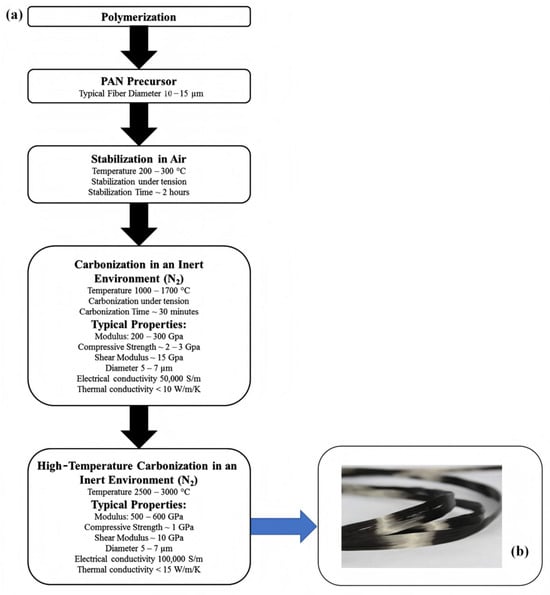
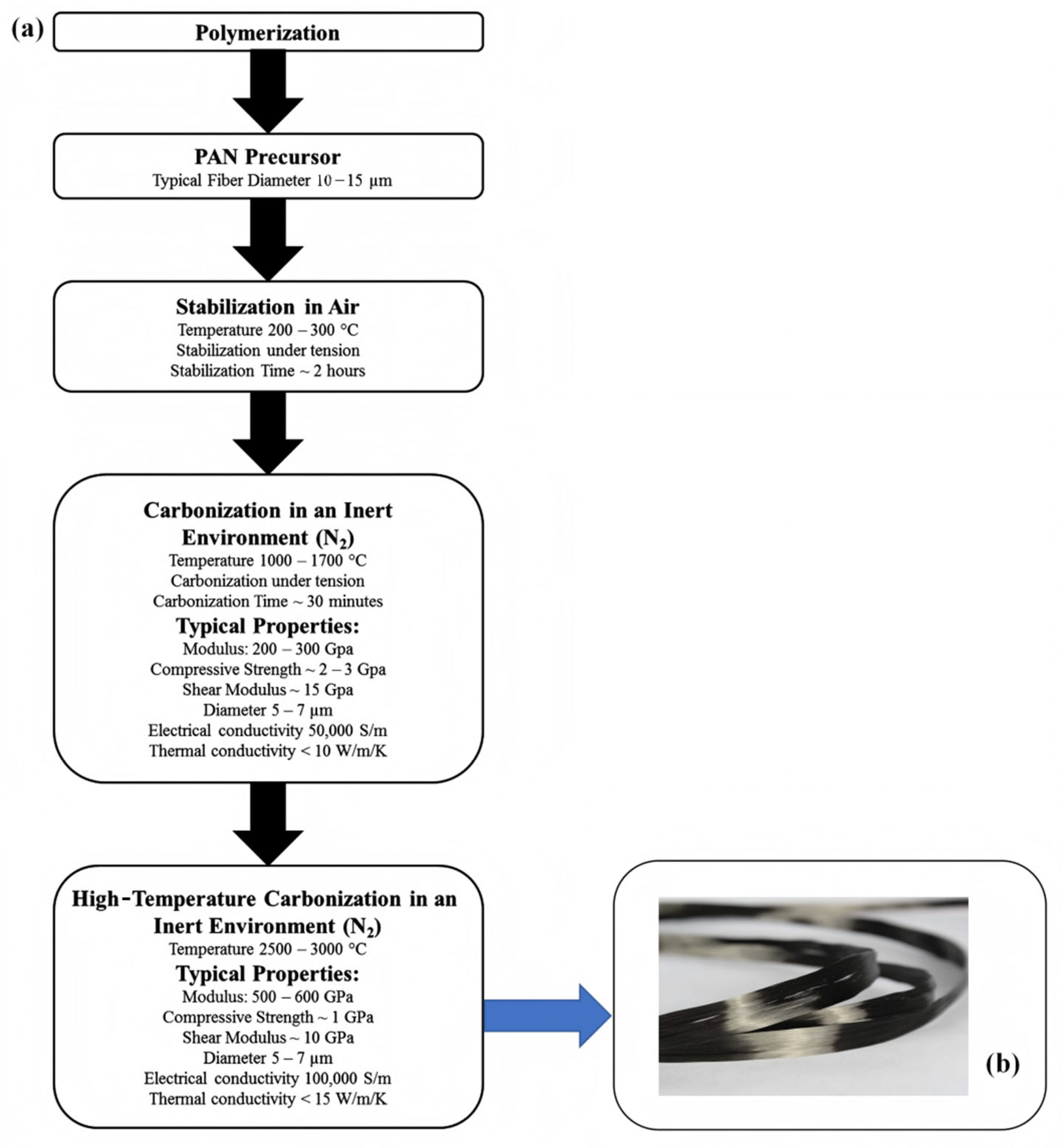
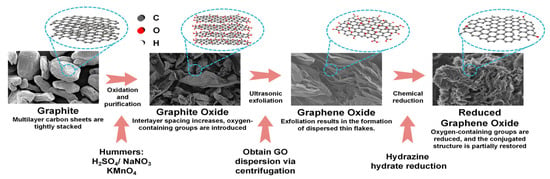
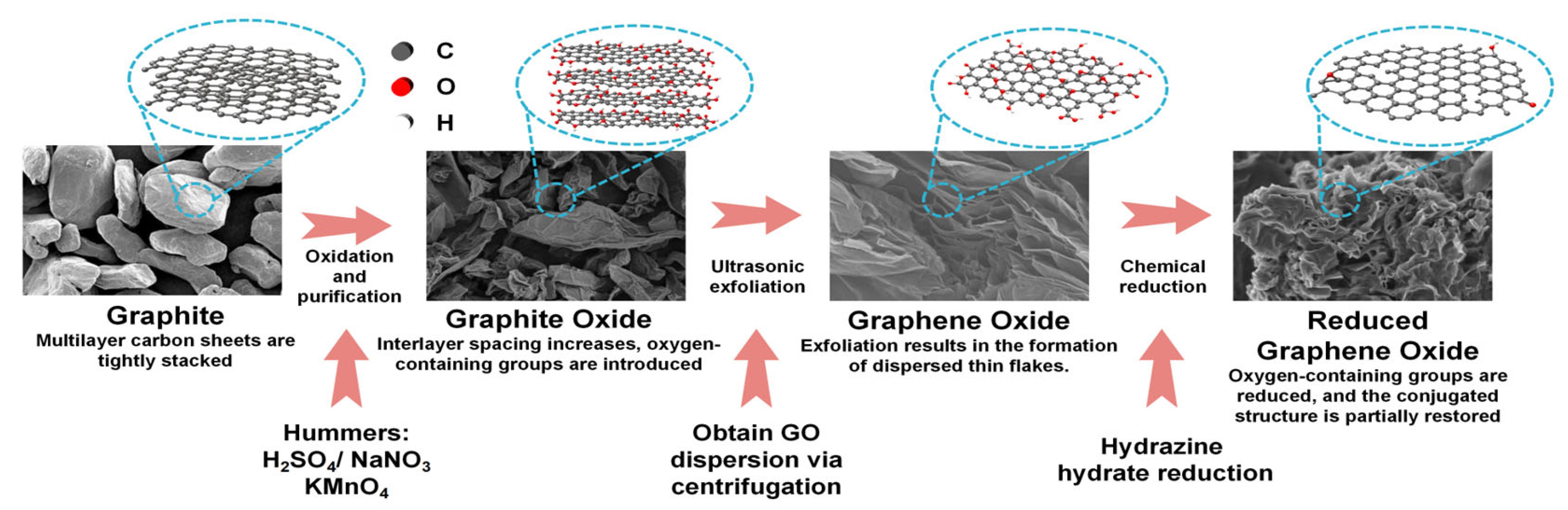
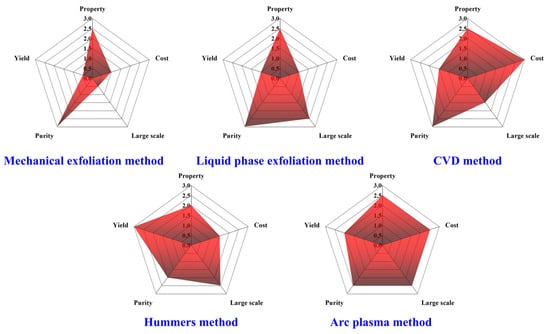
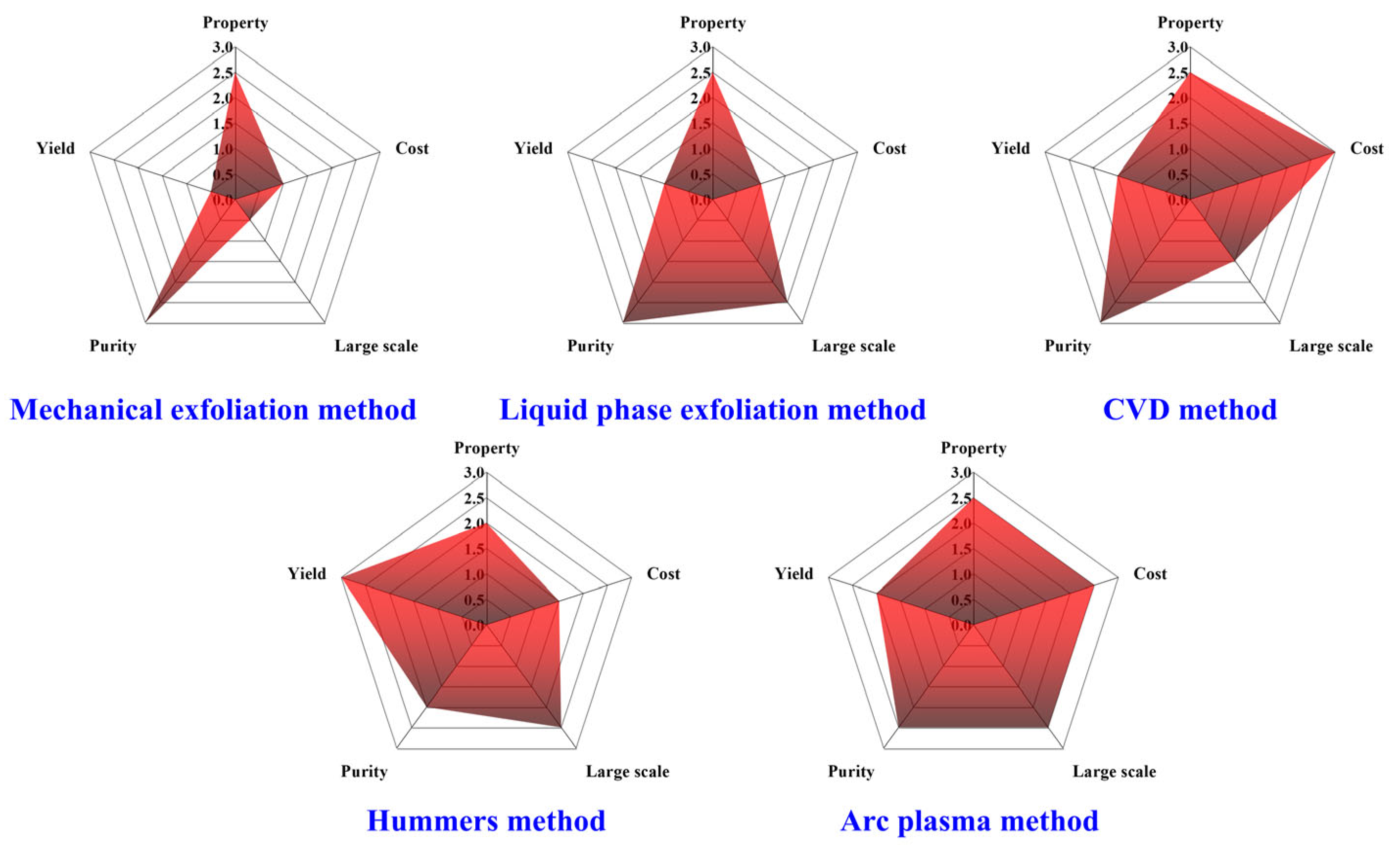
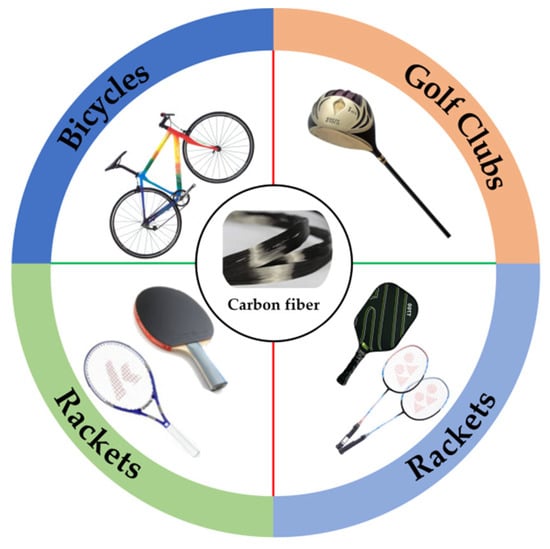
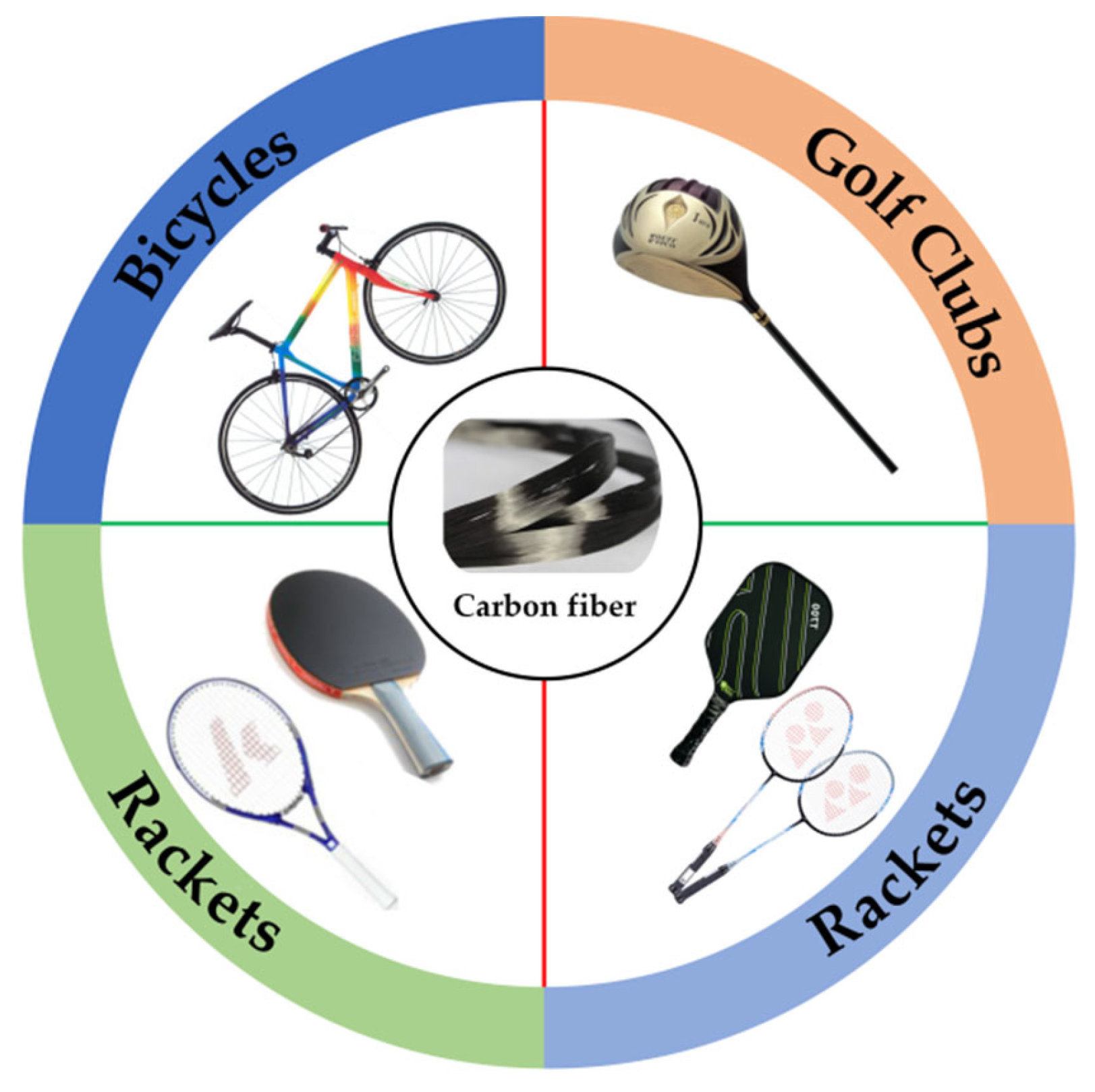
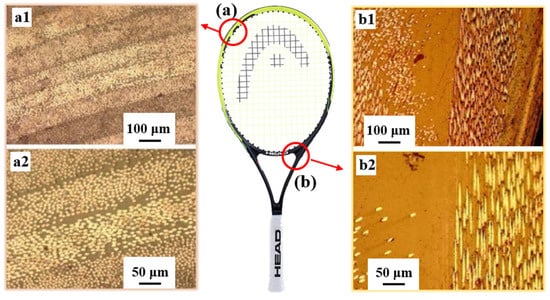
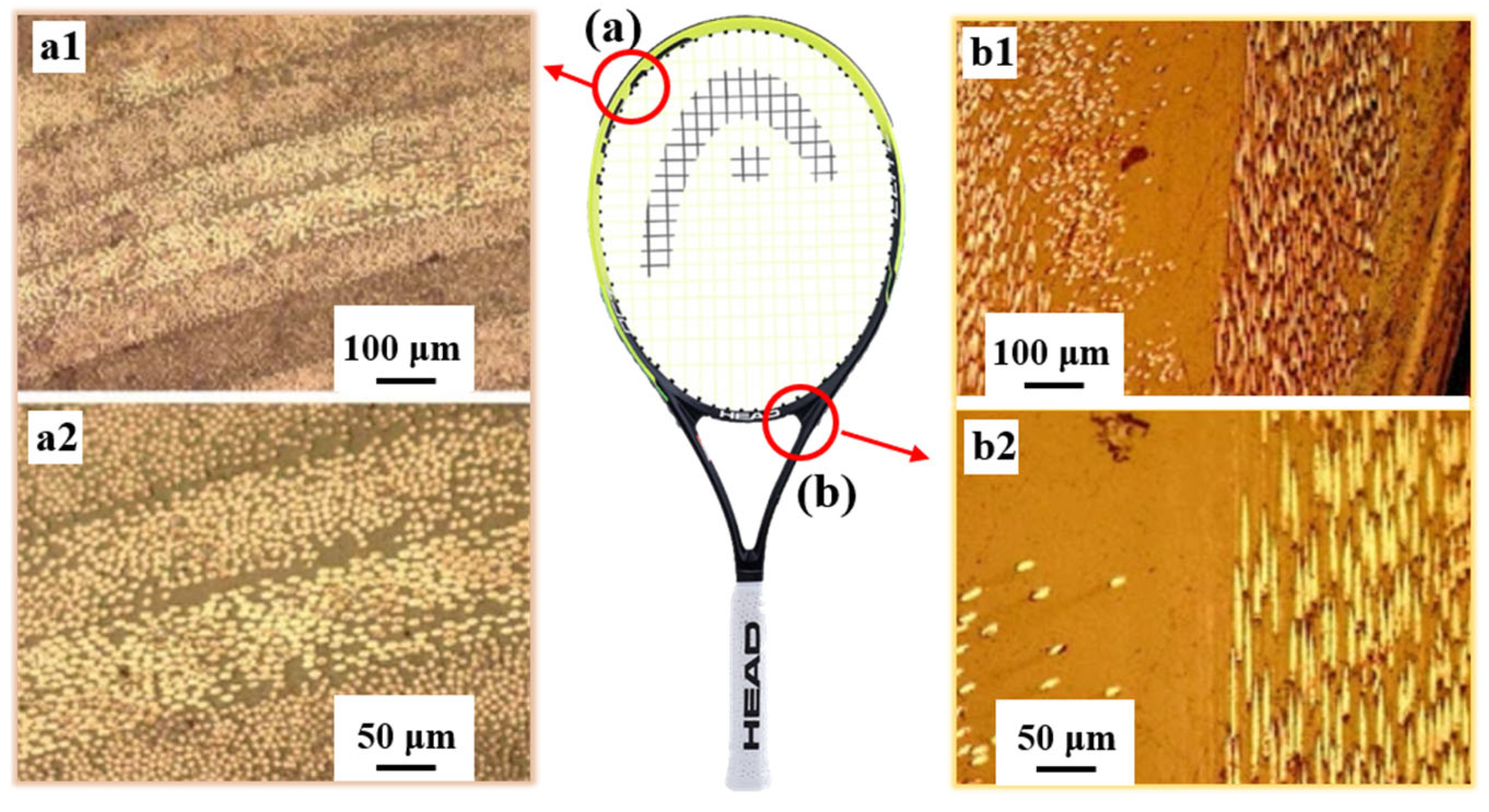
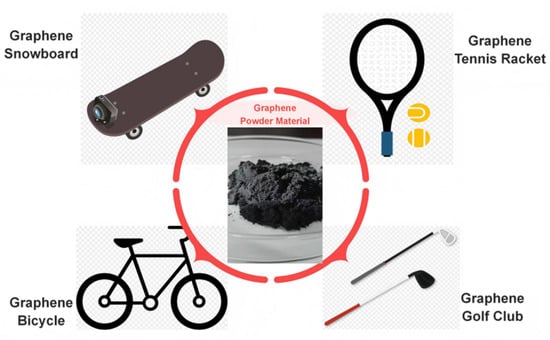
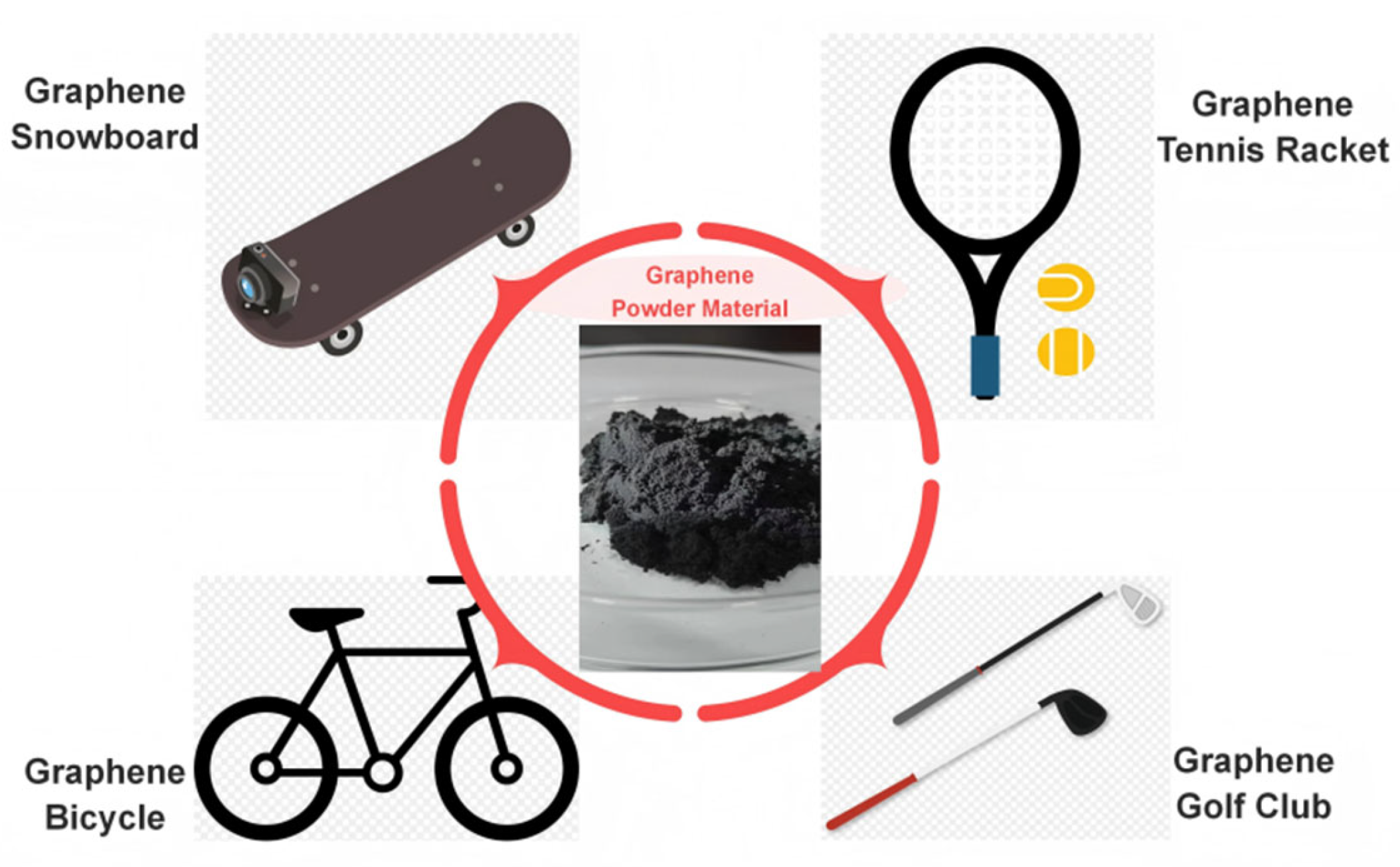

Disclaimer/Publisher’s Note: The statements, opinions and data contained in all publications are solely those of the individual author(s) and contributor(s) and not of MDPI and/or the editor(s). MDPI and/or the editor(s) disclaim responsibility for any injury to people or property resulting from any ideas, methods, instructions or products referred to in the content. |
© 2026 by the authors. Licensee MDPI, Basel, Switzerland. This article is an open access article distributed under the terms and conditions of the Creative Commons Attribution (CC BY) license.