


Abstract
Microplastics (MPs) are increasingly recognized as persistent, carbon-based contaminants in biosolids produced during wastewater treatment. As biosolids are widely applied to land or disposed of via landfilling and incineration, the incorporation of microplastic-derived carbon into managed and natural ecosystems raises important questions regarding carbon cycling, organic carbon stability, and long-term environmental implications. This review synthesizes current knowledge on the occurrence, characteristics, and fate of microplastics in biosolids, with particular emphasis on their interactions with native organic matter and their influence on carbon-related processes. This work critically assesses how MPs in biosolids influence carbon dynamics, including their role as a persistent carbon pool, interactions with soil organic matter, effects on microbial activity and decomposition, and implications for carbon sequestration and turnover after land application. The review also considers indirect consequences for food systems and human exposure through carbon-associated pathways. Significant knowledge gaps remain regarding the quantification of microplastic-associated carbon stocks and fluxes, transformation processes during biosolid treatment and soil incorporation, and the long-term persistence of this carbon fraction. Methodological challenges in measuring and reporting MPC are briefly highlighted, alongside their implications for understanding MPs as an emerging component of the terrestrial carbon cycle and for sustainable biosolid management.
1. Introduction
The production and land application of biosolids—nutrient-rich residuals generated during wastewater treatment—are integral to modern waste management and resource recovery strategies [1,2]. Widely used to improve soil fertility and structure, biosolids support circular economy approaches but also act as sinks for emerging contaminants, including microplastics (MPs) [1,2]. MPs, typically defined as plastic particles smaller than 5 mm [3], originate from both primary sources and the fragmentation of larger plastic materials [2]. Their pervasive presence in municipal wastewater leads to accumulation in sewage sludge during treatment processes, resulting in their transfer to terrestrial environments via biosolid application [1,2]. This pathway raises growing concerns regarding their occurrence, characteristics, and environmental fate, particularly in relation to soil carbon cycling and long-term carbon stability [2].
Wastewater treatment plants (WWTPs) are recognized as both conduits and interception points for MPs, removing a substantial proportion of influent particles while concentrating them in sludge [1,2,4,5,6,7,8]. Reported removal efficiencies typically range from 50% to over 90%, depending on treatment configuration and operational conditions [4,5,6,7,8]. However, due to the large volumes of wastewater processed, WWTPs remain significant pathways for microplastic release to the environment [4,5,6,7,8]. A major fraction of removed MPs is retained in sewage sludge; for example, approximately 72% of MPs may be removed during primary treatment alone [4], and total accumulation in sludge can exceed 65% in full-scale systems [6]. Consequently, wastewater treatment effectively transfers microplastics from the aqueous phase to biosolids, where they may reach substantially higher concentrations [1,5].
The partitioning of MPs into sludge is governed by physical and physicochemical processes. Primary sedimentation removes particles based on size and density [4], while secondary biological treatment promotes aggregation and bioflocculation, facilitating incorporation into activated sludge flocs [4]. Sorption and adhesion processes further enhance associations between MPs, organic matter, and microbial biomass [4,7], and sedimentation dynamics influence overall retention [7]. In addition, treatment configuration and operational parameters—such as sludge retention time and aeration—affect microplastic size distribution, polymer composition, and surface properties [1]. These processes indicate that biosolids are dynamic matrices in which MPs are both retained and transformed during wastewater treatment [1,2].
Microplastics in biosolids are highly heterogeneous in polymer composition, morphology, and surface characteristics [1,2]. Common polymers include polyethylene, polypropylene, polystyrene, and polyethylene terephthalate [1,2], while morphologies range from fibers and fragments to films and beads, with fibers often dominating due to textile-derived inputs [2]. During treatment, MPs undergo aging processes such as mechanical abrasion, chemical oxidation, and microbial interactions, which alter surface properties and promote biofilm formation [1,2]. These changes can enhance the adsorption of organic matter and co-contaminants, influencing the environmental behavior of MPs after land application [2].
The fate of microplastics in biosolids is closely linked to management practices, particularly land application, which represents the primary pathway for their introduction into soils [1,2]. Once in soil systems, MPs may persist, accumulate, or fragment into smaller particles, including nanoplastics [2]. Their transport occurs through infiltration, bioturbation, erosion, and runoff, extending their environmental distribution [2]. The persistence of MPs is largely attributed to their recalcitrant polymer structure, which resists biodegradation and contributes to their role as a relatively stable form of carbon [2]. However, fragmentation may increase particle reactivity and mobility, with implications for soil processes and contaminant dynamics [2].
Interactions between MPs and biosolid-associated organic matter are central to their environmental behavior. MPs can act as sorptive surfaces for dissolved organic carbon, influencing carbon distribution and bioavailability in soils [2]. Conversely, organic matter can coat microplastic surfaces, affecting aggregation, transport, and microbial colonization [2]. These interactions are further complicated by co-occurring contaminants, such as heavy metals and organic pollutants, which may associate with MPs and be co-transported into soil systems [1,2]. Such combined effects raise concerns regarding cumulative environmental risks under repeated biosolid applications [1,2].
Although the increasing recognition of MPs in biosolids has advanced understanding of their environmental occurrence, significant knowledge gaps remain regarding their long-term fate and implications for carbon cycling [2]. In particular, microplastic-derived carbon (MPC) represents a distinct and poorly quantified carbon pool in soils [2]. In this review, MPC is defined as the total carbon associated with microplastic particles introduced into the environment via plastic materials, comprising three components: (i) intrinsic polymer carbon, referring to the carbon structurally bound within the plastic matrix; (ii) microplastic-associated sorbed organic carbon, referring to externally derived organic matter attached to or absorbed by MPs; and (iii) secondary carbon fluxes induced by MPs, referring to indirect carbon transformations or mobilization processes driven by their presence.
While partial degradation may occur, complete mineralization is extremely slow, suggesting long-term persistence [2]. In addition, methodological challenges in sampling, identification, and quantification limit the comparability of existing studies and hinder robust environmental assessments [2,9]. At the same time, the rapid growth of studies on MPs in biosolids and soils has been accompanied by substantial methodological inconsistencies across the literature. Differences in sampling strategies, extraction protocols, polymer identification techniques, and reporting metrics often limit comparability among studies. Furthermore, many studies emphasize occurrence and mechanistic pathways without consistently addressing uncertainties or conflicting findings, which constrains the development of robust, quantitative frameworks for assessing their role in carbon cycling.
In this context, a comprehensive understanding of the occurrence, characteristics, and fate of MPs in biosolids is essential for evaluating their role in terrestrial ecosystems and carbon cycling [1,2,9]. This review synthesizes current knowledge on MPs in biosolids and critically examines their influence on carbon dynamics, including their role as a persistent synthetic carbon pool, interactions with soil organic carbon (SOC), and effects on microbial activity, decomposition, and carbon sequestration following land application.
In this review, the term “stability” is used in a biogeochemical context to describe the persistence and resistance of carbon to microbial decomposition and environmental transformation, rather than in a strict thermodynamic or kinetic sense. Specifically, carbon stability here refers to the extent to which microplastic-derived and associated organic carbon remain protected from mineralization through physical, chemical, and biological mechanisms, including sorption to mineral surfaces, incorporation within soil aggregates, and reduced enzymatic accessibility [10,11,12,13]. This conceptualization aligns with the current soil carbon literature, where stability is commonly defined in terms of residence time and susceptibility to decomposition under varying environmental conditions [10,11,12,13]. In this context, MPC may contribute to longer-term carbon persistence depending on its interactions with soil mineral phases and microbial constraints [11].
It further considers implications for food systems and human exposure through carbon-associated pathways. Key knowledge gaps are identified, particularly regarding carbon stock quantification, transformation processes, and long-term persistence, and priority research directions are proposed to support sustainable biosolid management.
2. Mechanisms of Carbon Dynamics Mediated by Biosolid-Borne Microplastics
Biosolid-borne MPs are emerging as influential regulators of soil carbon dynamics, simultaneously acting as persistent carbon reservoirs and modulators of microbial-mediated processes. Upon entering soils, MPs can accumulate as recalcitrant polymeric carbon, contributing to apparent SOC stocks while simultaneously acting as regulators of microbial-mediated carbon transformation processes [11,12,13,14,15,16,17,18,19].
Through these interactions, MPs can both stabilize carbon over long timescales and stimulate short-term carbon fluxes via microbial colonization, enzyme modulation, and altered soil physicochemical properties. These processes include the release of labile dissolved organic carbon, provision of colonization surfaces for microbial communities, and modification of soil microhabitats, thereby influencing decomposition dynamics, greenhouse gas emissions, and carbon turnover [20,21,22,23,24]. This duality—between passive carbon storage and active biogeochemical modulation—creates complex, context-dependent effects on soil carbon cycling, setting the stage for detailed exploration of MP–organic matter interactions (Section 2.1) and their role as carbon reservoirs (Section 2.2).
Although substantial progress has been made in identifying mechanisms linking MPs to carbon cycling, the current body of literature remains highly heterogeneous in terms of experimental design, environmental conditions, and analytical approaches. As a result, reported effects of MPs on microbial activity, organic matter decomposition, and carbon stabilization are sometimes inconsistent or even contradictory. For example, studies differ in whether MPs enhance or suppress carbon mineralization, largely due to variations in polymer type, aging state, soil properties, and exposure duration. These inconsistencies highlight the need for standardized methodologies and more comparative experimental designs to improve the robustness and transferability of findings.
2.1. Interactions with Native Organic Matter and Implications for Carbon Cycling
Microplastics (MPs) are increasingly recognized not only as inert contaminants but also as active participants in carbon (C) cycling through their interactions with native organic matter (NOM) across terrestrial and aquatic systems. Recent studies [14,15,16,17,18,19] demonstrate that MPs can act as both sources and modifiers of dissolved organic matter (DOM), thereby altering carbon transformation pathways, microbial activity, and overall biogeochemical processes. These interactions are strongly modulated by environmental conditions such as climatic stressors, including temperature, ultraviolet (UV) radiation, and hydrological variability [14,25,26,27]. In particular, the release of MP-derived DOM introduces novel carbon substrates into ecosystems, which can interact with existing NOM pools and influence their reactivity and turnover.
One of the primary mechanisms by which MPs influence carbon cycling is through the release of DOM. As highlighted by Lee et al. (2025) [14], climatic stressors enhance the leaching of DOM from MPs, often producing low-molecular-weight and labile compounds. These compounds are readily utilized by microorganisms, stimulating microbial metabolism and accelerating carbon turnover [25,26,28]. However, MP-derived DOM can also comprise more complex and aromatic structures, particularly following environmental aging, which enhances resistance to biodegradation and promotes longer-term carbon persistence [18,27]. This persistence is driven by coupled physical, chemical, and biological mechanisms: physical protection via sorption to mineral surfaces and incorporation within soil aggregates limits microbial access; chemical transformations, including oxidation and increased aromaticity, generate more recalcitrant compounds with stronger mineral associations; and biological constraints arise from reduced enzymatic accessibility and preferential microbial utilization of labile substrates [10,11,12,13,27]. Collectively, these processes favor the stabilization of MP-derived DOM and its persistence within soil carbon pools. Therefore, the net effect of MP-derived DOM on carbon cycling is governed by its molecular composition and environmental context.
The interaction between MP-derived DOM and native organic matter can also induce priming effects, whereby the addition of an external carbon source alters the decomposition rate of existing soil organic matter (SOM). These compounds are rapidly assimilated by microbial communities, enhancing metabolic activity and accelerating carbon turnover through well-established priming mechanisms [25,26,28]. Lin et al. (2025) [15] demonstrated that soil moisture fluctuations significantly regulate these dynamics. Drying–rewetting cycles enhance SOM accessibility through aggregate disruption and increased DOC release, thereby intensifying microbial decomposition [29,30]. When combined with MPs, especially biodegradable types, these effects are amplified due to the additional supply of labile carbon, resulting in strong positive priming and increased CO2 emissions [15,31].
Hydrological conditions further regulate the interactions between MPs and NOM, particularly in waterlogged systems such as paddy soils. Lu et al. (2025) [16] showed that water level regimes control oxygen availability, which in turn governs microbial activity and carbon mineralization. Under flooded (anaerobic) conditions, decomposition is generally suppressed, whereas drainage promotes aerobic microbial processes and enhances carbon loss [32]. MPs can modify DOM composition and influence its interaction with SOM under these conditions, thereby altering the balance between carbon stabilization and mineralization [16].
Beyond serving as passive sources of DOM, MPs can function as active “reactors” that facilitate chemical and biological transformations. Yu et al. (2025) [17] proposed that MPs act as mobile hotspots for DOM production and microbial colonization, often referred to as the “plastisphere” [33,34]. These surfaces provide niches for microbial communities capable of metabolizing both MP-derived and native organic compounds, promoting co-metabolism and altering microbial community structure [35,36]. Such changes can significantly influence carbon cycling processes, including decomposition rates and carbon use efficiency.
The chemical evolution of MP-derived DOM over time further complicates these interactions. Zhang et al. (2025) [18] demonstrated that photochemical aging alters the molecular composition of DOM, increasing its oxygenation and aromaticity. These transformations can enhance resistance to microbial degradation or promote interactions with minerals and NOM through adsorption and complexation [27,37]. As a result, aged MP-derived DOM may shift carbon cycling from rapid mineralization toward longer-term stabilization pathways, depending on environmental conditions.
In aquatic systems, the extent to which MPs influence carbon emissions is closely linked to changes in organic matter composition. Zhang et al. (2026) [19] found that the priming effect induced by biodegradable MPs depends on the magnitude and quality of introduced organic matter. Labile compounds tend to stimulate microbial respiration and CO2 production, whereas more recalcitrant compounds may suppress microbial activity or contribute to carbon storage [38,39]. This highlights the critical role of DOM quality in regulating carbon fluxes in MP-contaminated systems.
Across the studies reviewed, the direction of microplastic-induced effects on soil carbon cycling shows clear context dependency rather than uniform behavior. Under aerobic conditions, a majority of reported studies indicate that MPs tend to enhance microbial activity and promote positive priming effects, particularly when MPs introduce labile carbon fractions or stimulate co-metabolic processes. By contrast, under waterlogged or oxygen-limited conditions, reported effects are more frequently neutral to negative, reflecting constraints on microbial respiration and altered redox-sensitive carbon pathways. Similarly, conventional polymers such as polyethylene and polypropylene are more often associated with physical habitat modification and moderate stimulation of microbial processes, whereas biodegradable polymers show a higher frequency of strong positive priming responses due to their direct contribution as metabolizable carbon sources. However, these patterns are not universal, as soil texture, organic matter content, and exposure duration frequently modify or reverse these trends. Overall, while the literature does not support a strict numerical weighting across studies, a clear directional tendency emerges when results are stratified by environmental and experimental conditions.
Overall, the interactions between MPs and NOM are multifaceted and highly context-dependent, encompassing both chemical–biological and physical soil structure effects. In addition to DOM-mediated interactions, the hydrophobic and aging-induced reactive surfaces of MPs facilitate the sorption and transport of co-contaminants, including heavy metals, particularly cationic species [1,2,27]. Through electrostatic interactions and surface complexation, MPs act as vectors for metal redistribution within soil systems [10,27]. These coupled contaminant interactions can indirectly regulate carbon cycling by modifying microbial activity, suppressing enzyme function, and altering organic matter decomposition pathways [12,13] Metal-associated toxicity and co-contaminant effects may constrain microbial mineralization, while shifts in community structure can further reconfigure the balance between carbon turnover and stabilization [12,13,40].
Beyond chemical and biological controls, MPs also modify key soil physical properties governing carbon cycling. Their incorporation into soil matrices alters bulk density, porosity, and aggregate stability, thereby affecting pore connectivity and water infiltration dynamics [10,12,21,41]. These structural changes regulate soil aeration and moisture regimes, which are critical determinants of microbial activity and organic matter decomposition [10,13,23]. Increased macroporosity may enhance oxygen diffusion and accelerate carbon mineralization, whereas reduced pore continuity or water retention can induce localized anaerobic microsites that suppress decomposition and promote carbon stabilization [13,23,24]. Jointly, these physical alterations, together with contaminant-mediated effects, shape soil carbon turnover and persistence in biosolid-amended systems [10,12,13].
MPs influence carbon cycling through multiple pathways, including DOM leaching, priming effects, microbial community shifts, and chemical transformations of organic matter. Environmental factors such as climatic stressors, moisture dynamics, and hydrological regimes modulate these processes and determine their net impact [10,20]. Consequently, MPs can either enhance carbon mineralization and greenhouse gas emissions or contribute to carbon stabilization, depending on system-specific conditions.
Understanding these complex interactions is essential for accurately predicting the long-term implications of MP pollution on global carbon cycling. Future research should focus on integrating molecular-level characterization of DOM with ecosystem-scale measurements of carbon fluxes, as well as exploring the combined effects of multiple environmental stressors. Such efforts will help clarify the role of MPs as emerging regulators of carbon dynamics in both terrestrial and aquatic environments.
Table 1 summarizes key mechanisms through which MPs interact with NOM and influence carbon cycling. MPs release DOM, alter NOM composition, and can induce priming effects that either accelerate or suppress organic matter decomposition. They serve as substrates for microbial communities (“plastisphere”) and act as localized biogeochemical reactors, while photochemical and oxidative aging increase DOM recalcitrance. The impacts of these processes are strongly modulated by environmental factors—temperature, UV, redox, hydrology, and climatic stressors—shaping the balance between carbon mineralization and stabilization.
Table 1.
Mechanisms of microplastic (MP) interactions with native organic matter (NOM) and implications for carbon cycling.
2.2. Microplastics as Carbon Reservoirs: Implications for Microbial Activity and Decomposition Dynamics
Microplastics (MPs) are increasingly recognized as unconventional yet significant components of the soil carbon pool, functioning both as persistent carbon reservoirs and dynamic modulators of microbial-mediated biogeochemical processes. Composed predominantly of carbon (>90% in many polymers), MPs can contribute to apparent soil organic carbon (SOC) stocks without necessarily participating in natural carbon stabilization pathways [11]. This dual role—as both a passive carbon pool and an active regulator of microbial activity—complicates current understanding of soil carbon cycling and decomposition dynamics.
2.2.1. MPs as Passive and Active Carbon Pools
Conventional MPs (e.g., polyethylene, polypropylene, polystyrene) are highly recalcitrant and persist in soils over extended timescales, functioning as pseudo-stable carbon reservoirs [12,13]. Despite their persistence, MPs are not ecologically inert. They modify SOC distribution between particulate and mineral-associated fractions and influence dissolved organic matter (DOM) properties, increasing aromaticity, molecular weight, and humification degree [11]. These alterations may enhance carbon stabilization in some contexts while limiting bioavailability in others.
Simultaneously, MPs contribute to the active carbon pool through the release of dissolved organic carbon (DOC) leachates. These leachates are often highly bioavailable, rapidly metabolized by soil microbes, and can stimulate microbial activity and accelerate SOC mineralization [11,13]. Notably, MP-derived DOC can be more degradable than natural humic substances, highlighting their potential to influence short-term carbon turnover and CO2 emissions.
2.2.2. Microbial Utilization and Plastisphere Formation
MPs provide novel microhabitats that support microbial colonization, resulting in distinct “plastisphere” communities that differ from surrounding soil microbiota [12]. These assemblages can selectively enrich bacterial taxa (e.g., Proteobacteria, Actinobacteria) and fungal groups, reshaping microbial community structure and functional potential [12,20].
MPs substantially influence soil microbial activity by altering habitat structure, substrate availability, and enzyme accessibility, thereby reshaping microbial community composition and function [10,12,13,34]. Their surfaces provide colonization niches that selectively enrich plastisphere-associated microorganisms, including bacterial groups such as Proteobacteria, Actinobacteria, and Bacteroidetes, and fungal taxa such as Ascomycota, often associated with carbon-limited or surface-attached lifestyles [34,35,36]. These MP-associated assemblages differ functionally from bulk soil communities, with increased representation of taxa capable of metabolizing complex or polymer-derived carbon substrates [12,13,34]. Concurrently, MPs modify soil microenvironments by altering pore structure, aggregation, and moisture distribution, thereby influencing microbial hotspot formation and restricting diffusion of enzymes and substrates within soil matrices [10,21,41]. Leached MP-derived DOM can transiently stimulate microbial respiration and activity [25,28], whereas prolonged exposure may reduce microbial carbon use efficiency due to the accumulation of recalcitrant carbon fractions and contaminant-associated stress [12,13,40]. Collectively, these coupled biological and physical processes restructure microbial community dynamics and functional potential, with important implications for soil carbon processing efficiency and stability [10,12,13].
These shifts have direct implications for decomposition. MPs can stimulate microbial activity by providing surfaces for biofilm formation and localized carbon inputs, enhancing enzymatic activity and organic matter breakdown [21,22]. Conversely, chronic MP exposure may reduce microbial diversity, suppress key functional groups, and impair nutrient cycling and ecosystem resilience [12,41]. Biodegradable MPs (e.g., PLA, PBAT) introduce an additional pathway, where polymer carbon (i.e., carbon contained within the synthetic polymer backbone of biodegradable plastics) is enzymatically depolymerized and mineralized to CO2 and microbial biomass [12,22]. While this can temporarily increase microbial activity and carbon flux, it may also lead to transient accumulation of toxic intermediates and elevated greenhouse gas emissions.
2.2.3. Effects on Carbon Mineralization and Decomposition Processes
MPs exert complex effects on soil carbon mineralization that are often context-dependent. MPs influence decomposition dynamics by altering organic matter accessibility and microbial processing efficiency, with effects varying by polymer type, aging state, and environmental context [10,12,13,22]. They can either accelerate or suppress SOM and litter decomposition, as labile MP-derived compounds may initially stimulate microbial respiration and enzyme activity through positive priming effects [15,22,38,39], whereas aged, more aromatic MPs tend to be less bioavailable and may induce negative priming by redirecting microbial activity toward more recalcitrant carbon pools [13,18,27].
Decomposition responses are further regulated by changes in microbial carbon use efficiency and enzymatic constraints, where reduced enzyme accessibility due to MP-associated physical barriers can slow complex organic matter breakdown, and shifts in microbial community composition may favor taxa with lower growth efficiency and altered substrate preferences [12,13,34]. In addition, MP-induced modifications of soil structure, including altered aeration, porosity, and water retention, regulate oxygen availability and decomposition pathways, promoting either aerobic mineralization or localized anaerobic stabilization [10,21,23,41].
Together, these coupled biological and physical mechanisms determine the net effect of MPs on carbon turnover and stabilization in soil ecosystems [10,12,13]. Notably, MPs may also enhance decomposition under certain conditions by providing labile carbon inputs or improving soil aeration and oxygen diffusion, thereby stimulating microbial respiration [23]. In some cases, electron transfer processes associated with MPs can further contribute to microbial carbon turnover, although the magnitude of this effect remains context-dependent.
Conversely, MPs can inhibit decomposition by inducing oxidative stress, disrupting enzyme systems, and reducing microbial necromass formation, a key contributor to stable SOC [11,12]. Conventional MPs, in particular, have been shown to decrease microbial necromass accumulation, thereby weakening long-term carbon sequestration potential [11], while plastic additives and plasticizers can further impair microbial metabolism and decomposition efficiency [40].
A similar context-dependent pattern is observed in studies reporting microbial necromass accumulation and carbon stabilization responses to MPs [13,22,42]. Across the reviewed literature, positive or enhanced microbial necromass formation is more frequently reported under low MP concentrations, coarser-textured soils, and short exposure durations, where microbial communities may utilize MP-associated labile carbon inputs and benefit from increased habitat heterogeneity [10,11,15,21].
In contrast, reduced necromass accumulation is more commonly observed under higher MP concentrations, finer-textured soils, or prolonged exposure, where physical disruption of soil aggregates, microbial stress responses, and reduced carbon use efficiency become dominant [10,12,13,21,22,23]. Aerobic systems also tend to show a higher frequency of suppression effects under stress conditions, whereas mixed or fluctuating moisture regimes produce more variable outcomes [15,16,20,23,29]. Although a formal quantitative weighting of studies is not possible due to methodological heterogeneity, these stratified patterns provide a clearer interpretive framework for understanding the variability in reported results [10,13,42,43].
The apparently contrasting effects of MPs on microbial necromass accumulation reported across studies can be reconciled by considering differences in experimental and environmental contexts. Variability in polymer composition (e.g., conventional versus biodegradable plastics), MP concentration, soil physicochemical properties (such as texture and mineralogy), and exposure duration can lead to divergent microbial responses. For instance, low concentrations of MPs or those providing labile carbon inputs may stimulate microbial growth and necromass formation, whereas higher concentrations or aged, hydrophobic polymers may suppress microbial efficiency and reduce necromass production [13,22,23,25,28]. Similarly, soil texture modulates MP–microbe–mineral interactions by influencing aggregation and organic matter protection, thereby altering necromass stabilization pathways [10,11,12,21]. Collectively, these factors explain the inconsistent observations across studies and underscore the importance of standardized experimental frameworks for robust cross-study comparisons. MPs also influence litter decomposition and greenhouse gas emissions; for instance, polyethylene MPs can alter microbial community composition during decomposition, thereby affecting CO2 and CH4 fluxes [21,23,24].
2.2.4. Indirect Effects via Plant–Soil Interactions
Beyond direct microbial interactions, MPs can indirectly modulate soil carbon dynamics by influencing plant productivity and carbon inputs. Evidence indicates that MPs may reduce photosynthetic carbon assimilation and subsequent carbon transfer to soils, diminishing rhizodeposition and SOC formation [44]. These reductions in plant-derived carbon can exacerbate the destabilization of soil carbon pools and further alter microbial decomposition pathways.
The complex pathways through which conventional and biodegradable MPs influence soil carbon dynamics are summarized in Figure 1. By altering soil physicochemical properties, providing novel microbial habitats, and modulating enzyme activity, MPs regulate SOC mineralization, greenhouse gas emissions, and carbon sequestration. This framework integrates both direct microbial interactions and indirect plant–soil effects, illustrating the multifaceted roles of MPs in soil carbon cycling.
Figure 1.
Conceptual pathways through which conventional and biodegradable MPs influence soil carbon dynamics, explicitly highlighting key soil physicochemical property alterations (bulk density, porosity, aggregate stability, aeration, and water retention) that regulate microbial activity, soil structure, decomposition processes, and greenhouse gas emissions. Concepts synthesized from [11,12,13,20,21,22,23,24].
2.2.5. Implications and Emerging Challenges
MPs act as both carbon reservoirs and regulators of microbial-mediated decomposition, decoupling apparent carbon storage from functional carbon cycling. Figure 2 presents a conceptual schematic illustrating how MPs, including conventional (PE, PP, PS, PVC) and biodegradable (PLA, PBAT) types, act as both passive and active carbon reservoirs in soil. MPs support plastisphere communities and release leachates, which together drive microbial shifts and biofilm formation. These changes influence microbial activity and decomposition processes, leading to divergent pathways of carbon mineralization (e.g., increased CO2 emissions and accelerated SOC breakdown) and carbon sequestration (e.g., microbial necromass formation and reduced stable SOC). Additionally, MPs induce broader ecological consequences, including altered nutrient cycling, reduced microbial diversity, toxic additive release, and long-term accumulation, while also impacting plant processes such as photosynthesis and rhizodeposition.
Figure 2.
Conceptual schematic illustrating microplastics (MPs) as carbon reservoirs in soil and their effects on microbial activity and decomposition dynamics. Concepts synthesized from [11,12,13,20,21,22,23,24].
Key challenges remain in disentangling MP-derived carbon contributions from native SOC in observed carbon fluxes. Advanced approaches, including isotope tracing and multi-omics integration, are essential to link microbial community shifts to functional outcomes [11,12]. Furthermore, the long-term ecological consequences of MP accumulation under realistic field conditions require urgent investigation.
In summary, microplastics represent a novel and complex component of the soil carbon cycle, functioning as inert carbon reservoirs, sources of labile carbon, and modulators of microbial activity and decomposition. Their multifaceted impacts underscore the necessity of incorporating MP dynamics into conceptual and quantitative models of soil carbon cycling.
3. Linking Microplastic-Mediated Carbon Dynamics to Food Systems and Human Exposure
Microplastics are no longer viewed solely as environmental pollutants; they act as dynamic agents that influence ecosystem processes and connect environmental carbon dynamics directly to food systems and human health. Understanding their role requires examining how these particles interact with carbon pools, traverse ecological networks, and ultimately enter the human diet.
3.1. Microplastics as Modifiers of Carbon Cycling and Ecosystem Metabolism
Microplastics are increasingly recognized as active mediators of carbon cycling and ecosystem metabolism. Their physicochemical properties enable interactions with dissolved and particulate organic carbon, as well as microbial communities, influencing carbon mineralization, sequestration, and trophic transfer [45,46,47]. By supporting biofilm formation—the “plastisphere”—microplastics can enhance or inhibit microbial respiration and enzymatic activity, reshaping ecosystem-level carbon fluxes [33]. Additionally, they adsorb organic carbon and associated contaminants, altering carbon transport and fate [45,46]. In soils, microplastics affect aggregation, porosity, and organic matter stabilization, while in aquatic systems, their buoyancy and surface characteristics can modify particle sinking and aggregation, potentially disrupting the biological carbon pump [45,47].
Collectively, these processes highlight microplastics as dynamic participants in carbon cycling rather than passive pollutants [33,46]. Importantly, microplastics often co-occur with complex microbial communities that may harbor antibiotic resistance genes, further complicating their ecological role and potential health implications [33]. This highlights the multifaceted nature of microplastic–carbon interactions, linking ecosystem metabolism not only to biogeochemical processes but also to emerging microbiological risks.
3.2. Transfer Through Food Webs and Entry into Agricultural and Food Systems
The integration of microplastics into food webs is a critical pathway by which altered carbon dynamics reach biological systems and human food sources. Microplastics, often associated with organic carbon, are ingested by primary consumers such as plankton, invertebrates, and soil organisms, and are subsequently transferred to higher trophic levels through predation, sometimes leading to biomagnification, particularly in aquatic systems [45,46,47]. This movement embeds microplastics within ecological energy flows, enabling accumulation in organisms consumed by humans along with associated contaminants [33].
In agroecosystems, microplastics enter soils via biosolids, irrigation, atmospheric deposition, and plastic-based farming practices, where they interact with soil carbon pools and microbial communities, potentially affecting nutrient cycling and plant physiology; crops may acquire microplastics through root uptake or surface deposition [46,48]. In aquatic food systems, fish and shellfish ingest microplastics directly or indirectly via prey, making seafood a major vector for human exposure [46,47,48]. Widespread detection of microplastics across diverse food categories—including seafood, salt, drinking water, and agricultural products—underscores their integration into global food systems and highlights their role in linking environmental carbon processes to human exposure and food safety concerns [33,46,47,48].
3.3. Chronic Human Exposure via Diet and Environment
The presence of microplastics in food systems translates directly into chronic human exposure, primarily through ingestion. Dietary intake is widely recognized as the dominant exposure pathway, although inhalation of airborne particles and dermal contact also contribute [49,50,51,52,53]. The ubiquity of microplastics in food and environmental media ensures that exposure is continuous and cumulative over time.
Quantitative estimates of human intake vary substantially due to differences in analytical methodologies and exposure scenarios. Nonetheless, systematic reviews indicate that individuals may ingest significant quantities of microplastics annually, with variability driven by dietary habits, geographic location, and lifestyle factors [54]. Additional exposure occurs through inhalation, particularly in indoor environments where synthetic fibers and dust contribute to airborne microplastic concentrations [55].
Microplastics may enter the human body through multiple routes and subsequently undergo systemic distribution. Once ingested or inhaled, particles can interact with biological interfaces, including the gastrointestinal epithelium and respiratory tract, potentially crossing these barriers and entering circulation [55,56,57]. Their association with organic carbon and chemical contaminants may further influence their bioavailability and biological interactions.
Recent studies emphasize that exposure is not limited to microplastics alone but extends to nanoplastics, which may exhibit greater mobility and reactivity due to their smaller size [58,59]. These particles can penetrate deeper into tissues and may pose distinct toxicological risks. The convergence of multiple exposure pathways highlights the complexity of assessing total human exposure and underscores the need for integrated approaches that consider both environmental and dietary sources [60,61].
3.4. Bioaccumulation, Human Health Implications, and Uncertainty
Following exposure, MPs and NPs have the potential to accumulate within human tissues, raising concerns about long-term health effects. Recent studies have confirmed their presence in various biological matrices, including blood, lungs, gastrointestinal tissues, and placenta, indicating their capacity for translocation and persistence within the human body [56,58,62]. This bioaccumulation represents a direct interface between environmental contaminants and human physiology. At the mechanistic level, MPs can induce oxidative stress, inflammation, and immune responses, while also disrupting cellular signaling and metabolic processes, as supported by emerging toxicological evidence [61,63,64]. At the cellular level, NPs can interact with membranes, proteins, and DNA, potentially leading to cytotoxic and genotoxic effects [57,65]. Emerging research also suggests possible links between microplastic exposure and chronic diseases, including respiratory disorders and cancer-related pathways, although causal relationships remain to be fully established [65,66].
In the respiratory system, inhaled microplastics may deposit along the airway and penetrate lung tissues, where they can trigger localized inflammation and cellular damage [55,65]. Similarly, in the gastrointestinal tract, ingested particles may interact with the gut microbiome and epithelial barrier, potentially influencing nutrient absorption and immune function. The ability of microplastics to act as vectors for chemical additives and environmental pollutants further complicates their toxicological profile, as these substances may be released within the body and contribute to adverse health outcomes [67,68].
Despite growing evidence of exposure and potential toxicity, significant uncertainties remain regarding the overall risk posed by microplastics to human health. Current risk assessments are limited by methodological inconsistencies, including variability in sampling, detection, and quantification techniques. Additionally, there is a lack of standardized frameworks for evaluating dose–response relationships and long-term health effects [69]. The diversity of microplastic particles—varying in size, shape, polymer composition, and surface chemistry—adds further complexity to toxicity assessments.
Another critical gap lies in understanding how carbon-mediated interactions influence the behavior and toxicity of microplastics within biological systems. The association of microplastics with organic carbon and microbial communities may affect their transport, transformation, and bioavailability, yet these processes remain poorly characterized. Furthermore, the role of nanoplastics, which may exhibit enhanced cellular uptake and reactivity, is not yet fully understood and represents a key area for future research [58,59].
Addressing these uncertainties will require interdisciplinary efforts that integrate environmental science, toxicology, food safety, and public health. Standardized analytical methods, improved exposure assessment models, and long-term epidemiological studies will be essential for advancing understanding and informing risk management strategies. In parallel, mitigation approaches aimed at reducing microplastic contamination in environmental and food systems will be critical for minimizing human exposure.
Microplastics constitute a pivotal nexus linking altered carbon cycling, food system contamination, and human health. Through interactions with organic carbon, transfer across trophic networks, and accumulation in human tissues, they establish a continuum connecting ecosystem processes to physiological outcomes. While evidence of their environmental prevalence and potential health impacts is rapidly expanding, substantial uncertainties remain, underscoring the need for integrative, interdisciplinary research to elucidate mechanistic pathways, exposure dynamics, and implications for both ecosystem sustainability and public health.
Table 2 provides a comprehensive summary of these mechanistic pathways. It organizes key processes across stages—from environmental interactions and trophic transfer to food system contamination, human exposure, and bioaccumulation—offering an integrated overview of how microplastics traverse ecosystems and enter human systems. The table further highlights critical knowledge gaps, pinpointing areas for targeted research to advance understanding and mitigation strategies.
Table 2.
Microplastic-mediated carbon dynamics, food systems, and human exposure.
4. Challenges in Quantifying and Reporting Microplastic-Derived Carbon
Quantifying MPC is a critical frontier in understanding how microplastic pollution intersects with global carbon cycling. Although MPs are inherently carbon-rich, current environmental assessments rarely express their contribution in terms of carbon mass, focusing instead on particle counts or polymer mass [70,71,72]. This discrepancy limits integration into soil and ecosystem carbon biogeochemical models, particularly those used to simulate carbon cycling and assess carbon fluxes across terrestrial environments, and impedes comparative analyses across ecosystems. MPs further interact with biofilms, sorbed organic matter, and environmental contaminants, which may contribute additional carbon signatures or modify degradation rates [43,73]. Together, these factors introduce multiple layers of uncertainty. This section consolidates the primary challenges into four interrelated areas: (i) conceptual and terminological ambiguities, (ii) sampling and methodological variability, (iii) analytical limitations and interference with traditional carbon metrics, and (iv) integration with ecosystem function and human health frameworks.
4.1. Conceptual and Terminological Ambiguities
A primary obstacle in quantifying MPC lies in the lack of standardized definitions and terminology. Microplastics vary widely in polymer type, size, shape, surface chemistry, and associated additives, while environmental interactions may result in biofilm colonization and the adsorption of dissolved organic matter, each adding to the effective carbon content [70,73,74]. Despite their carbon-rich nature, many studies report microplastics solely as particle counts or polymer mass, which cannot be directly converted to carbon equivalents without additional assumptions [70,75]. Even when isotopic analyses are applied, distinguishing polymer carbon from natural organic carbon pools remains challenging due to overlapping δ13C signatures and variability introduced during weathering and degradation processes [71,76].
Moreover, there is debate over whether nanoplastics should be treated separately from microplastics when considering carbon contributions, as they may have disproportionate surface area-to-volume ratios and higher reactivity [42,73]. These conceptual ambiguities propagate uncertainty throughout environmental and human exposure assessments. Establishing standardized definitions for MPC, including the contribution of biofilms and associated contaminants, is critical for advancing cross-study comparability and reliably integrating MPC into carbon cycle models.
4.2. Sampling and Methodological Variability
Sampling and preprocessing methods introduce further complexity in MPC quantification. Variations in mesh size, filtration methods, sampling volume, and collection depth can lead to systematic biases in the particle size distributions captured, often underrepresenting small micro- and nanoplastics that may carry substantial carbon [72,77]. In soils, sediments, and aquatic systems, interactions with mineral surfaces and organic matter can influence particle recovery and carbon estimation. Preprocessing steps, such as density separation, chemical oxidation, and enzymatic digestion, can inadvertently degrade polymer carbon or release bound DOC, thereby altering the measured carbon mass [43,78].
Airborne contamination by synthetic fibers or polymer residues remains a pervasive challenge, particularly when measuring trace-level carbon contributions, and insufficient blank controls can introduce significant artifacts [74,79] Compounding these issues is the lack of consensus regarding sample storage, preservation, and reporting of methodological uncertainties, which limits reproducibility and hinders inter-laboratory comparability. Standardized protocols that account for both particle recovery and carbon mass are essential for producing reliable, scalable measurements of MPC across diverse environmental compartments.
4.3. Analytical Limitations and Interference with Carbon Metrics
The accurate measurement of MPC is constrained by limitations in analytical techniques. FTIR and Raman spectroscopy are widely used to identify polymer types but lack the ability to quantify carbon mass, especially for particles smaller than ~20 µm [69,71]. Pyrolysis-GC/MS provides polymer mass and composition but is destructive, subject to matrix effects, and requires extensive calibration for accurate carbon conversion [71,75]. Isotopic approaches, including Isotope-Ratio Mass Spectrometry, can potentially trace polymer carbon contributions, but natural variability and overlapping isotopic signatures reduce sensitivity and complicate interpretation [76,77]. Detection of nanoplastics via electron microscopy, light scattering, or emerging high-resolution mass spectrometry techniques is promising, yet throughput is low and carbon quantification remains uncertain [73,78].
In biosolid-rich matrices, these analytical challenges are further exacerbated by high background organic carbon, humic substances, microbial biomass, and inorganic ash, which can interfere with accurate polymer identification and carbon quantification. Effective analytical workflows therefore require tailored pre-treatment strategies to reduce matrix complexity while preserving polymer integrity. Common approaches include oxidative and/or enzymatic digestion to remove organic matter, followed by density separation and purification steps to isolate microplastic particles, although these must be carefully optimized to avoid polymer degradation or loss. Spectroscopic techniques such as FTIR and Raman may be further limited by residual organic matter and fluorescence effects in complex extracts, while pyrolysis-GC/MS can be influenced by co-pyrolysis of organic residues, complicating signal attribution. Similarly, isotope-based approaches require careful consideration of background carbon contributions and fractionation effects. Consequently, integrated workflows that combine targeted pre-treatment with complementary analytical techniques are essential for improving accuracy and reproducibility in biosolid systems.
Microplastic carbon can also interfere with conventional carbon metrics such as TOC, DOC, and particulate organic carbon (POC), biasing measurements and complicating interpretations of natural carbon cycling [43,70,73]. For example, TOC measurements may inadvertently include polymer carbon, potentially inflating estimates of biological carbon stocks or misrepresenting ecosystem carbon fluxes [76]. Laboratory studies demonstrating polymer degradation and DOC/CO2 release provide mechanistic insights, yet scaling these results to complex, variable environmental conditions is nontrivial due to protective biofilms, burial, and heterogeneous exposure [75,77,79]. These analytical limitations underscore the need for methodological integration that simultaneously quantifies both polymer abundance and carbon mass.
To address these methodological constraints, greater emphasis on standardization is required across the research workflow. This includes the adoption of consistent sampling protocols (e.g., defined soil depths, replication strategies, and contamination controls), as well as harmonized extraction and separation procedures to improve recovery efficiency across particle sizes and polymer types. Analytical approaches should incorporate calibrated and validated spectroscopic methods, with clearly reported detection limits, spectral matching criteria, and quality assurance/quality control (QA/QC) procedures [70,72,75].
In addition, standardized reporting metrics—such as expressing microplastic abundance on both mass and particle-number bases, along with polymer-specific characterization—would enhance cross-study comparability. Where possible, the integration of complementary techniques (e.g., thermal analysis and isotope-based approaches) should be encouraged to better distinguish MPC from native SOC pools. Collectively, these steps would improve reproducibility, reduce uncertainty, and facilitate the incorporation of microplastic dynamics into quantitative biogeochemical models.
4.4. Integration with Ecosystem Function and Human Health
Microplastic carbon quantification has direct implications for ecosystem modeling and human exposure assessments. Human exposure studies often focus on particle counts or dietary intake estimates, rather than carbon mass, limiting the ability to link MPC to metabolic or toxicological outcomes [43,74,76]. Evidence of microplastic incorporation into human tissues highlights potential systemic exposure, yet the magnitude, chemical form, and physiological impact of polymer carbon remain poorly quantified [42,75,79].
From an ecological perspective, microplastic carbon may influence nutrient cycling, microbial metabolism, and the transport of sorbed contaminants, but these effects are difficult to quantify without harmonized metrics [43,73]. Bridging environmental MPC measurements with human and ecosystem health frameworks requires standardized analytical protocols, consistent reporting of carbon equivalents, and interdisciplinary collaboration across environmental chemistry, ecotoxicology, and human health disciplines. Addressing these gaps is critical for accurately assessing the role of microplastic-derived carbon in global biogeochemical cycles and evaluating potential risks to human and ecosystem health.
5. Priority Research Directions and Knowledge Gaps
Although biosolids are increasingly acknowledged as a significant source of terrestrial microplastics, understanding of their influence on soil carbon cycling and long-term stability remains limited. Soils receiving biosolid applications serve as critical zones where microplastics intersect with organic carbon pools, microbial communities, and broader biogeochemical processes. Current studies, however, are often fragmented, examining microplastics, soil properties, or carbon dynamics separately rather than in an integrated context. Recent bibliometric and systematic assessments emphasize the need for integrated, interdisciplinary approaches that combine methodological standardization, improved analytical capabilities, and system-level modeling to resolve these complexities [80,81,82]. The following sections outline priority research directions that are essential for advancing understanding of microplastic impacts on carbon cycling in biosolid-amended environments.
5.1. Quantification of Microplastic-Derived Carbon in Biosolids and Soil Systems
A fundamental priority is the accurate quantification of microplastic-derived carbon (MPC) in biosolids and receiving soils. Current studies largely report microplastics in terms of particle abundance or polymer mass, which limits their integration into soil carbon budgets [81,83]. In biosolids, where organic carbon content is already high, distinguishing synthetic polymer carbon from natural organic matter presents a significant analytical challenge.
Standardized methodologies for sampling, extraction, and quantification are urgently needed to ensure comparability across studies and environmental contexts [81,84]. Advances in analytical techniques, including high-resolution spectroscopy, pyrolysis-based methods, and isotope tracing, offer potential for improved carbon-specific measurements, yet require further validation for complex biosolid matrices [83]. The development of reference materials and interlaboratory calibration protocols will be critical for establishing reliable baselines of MPC in biosolids and soils. Without such standardization, the contribution of microplastics to soil carbon pools and their long-term implications for carbon accounting remain uncertain.
5.2. Fate and Transformation of Microplastics in Biosolid-Amended Soils
Understanding the environmental fate of microplastics introduced through biosolids is essential for predicting their impact on soil carbon dynamics. Following land application, microplastics are subject to physical, chemical, and biological processes, including fragmentation, aging, aggregation, and vertical transport within soil profiles [84,85]. These processes influence not only the persistence of microplastics but also their interactions with soil organic matter and mineral surfaces.
Transport pathways across environmental compartments—including runoff to aquatic systems or atmospheric redistribution—further complicate their fate and potential carbon fluxes [84]. Importantly, the association of microplastics with organic carbon matrices and microbial biofilms may alter their degradation pathways and residence times in soil systems. Despite these insights, quantitative data on transformation rates, long-term persistence, and cross-compartment fluxes remain limited. Integrative modeling approaches that couple soil physics, hydrology, and biogeochemistry are needed to better predict the environmental behavior of biosolid-derived microplastics and their role in carbon cycling [83].
5.3. Impacts on Soil Carbon Cycling, Stability, and Microbial Processes
Microplastics in biosolids have the potential to influence soil carbon cycling through multiple mechanisms, yet these effects remain poorly understood. Interactions between microplastics and soil organic matter may affect aggregation, porosity, and the stabilization of carbon within soil structures. Changes in soil physical properties can, in turn, influence microbial activity and carbon mineralization rates, potentially altering the balance between carbon sequestration and CO2 release.
Microplastics may also serve as substrates for microbial colonization, forming biofilm-associated communities that modify enzymatic activity and carbon turnover processes. However, existing studies provide conflicting evidence regarding whether these interactions enhance or inhibit microbial-mediated carbon cycling, reflecting variability in polymer type, environmental conditions, and exposure duration [82,85]. Furthermore, the long-term implications of repeated biosolid applications on soil carbon stability remain largely unexplored. Addressing these uncertainties requires controlled long-term field experiments and mechanistic studies that explicitly link microplastic presence to soil carbon dynamics, including both labile and stable carbon fractions.
5.4. Soil–Plant Transfer, Food Systems, and Broader Implications
Biosolid-derived microplastics also represent a potential pathway for transfer from soils to crops and, ultimately, to human food systems. While evidence of plant uptake remains limited and variable, surface contamination and indirect transfer through soil–root interactions are plausible mechanisms that warrant further investigation [85,86]. These pathways are particularly relevant for agricultural systems where biosolids are applied as fertilizers, creating a direct link between waste management practices and food safety.
Significant geographic disparities in research coverage further limit understanding of these processes, with many regions lacking data on microplastic occurrence in biosolids, soils, and food products [86]. Expanding research to underrepresented regions and diverse agricultural systems is essential for assessing global patterns of exposure and risk. In addition, emerging concerns regarding nanoplastics—due to their enhanced mobility and bioavailability—highlight the need for advanced detection methods and integrated exposure assessments [83,85].
More broadly, bibliometric analyses indicate that microplastic research remains fragmented, underscoring the need for interdisciplinary frameworks that connect environmental processes, carbon cycling, and human exposure pathways [80]. Developing such integrative approaches will be critical for translating scientific understanding into effective management and policy strategies aimed at mitigating the impacts of microplastics in biosolids.
5.5. Integrative Discussion
From the synthesis of the current literature, it is evident that MPs introduced via biosolids represent a fundamentally new dimension in soil carbon cycling, functioning simultaneously as persistent carbon reservoirs and active regulators of microbial and biogeochemical processes. Unlike traditional organic carbon inputs, MPs introduce a chemically stable yet functionally dynamic carbon form that decouples carbon persistence from ecological stability. This duality challenges conventional assumptions in soil carbon science, where long-term carbon storage is typically associated with microbial transformation and mineral association.
Taken together, the evidence indicates that MPs should no longer be treated solely as inert contaminants, but rather as integrated components of soil carbon pools with system-wide effects on microbial activity, soil structure, and carbon fluxes. However, the direction and magnitude of these effects remain highly context-dependent, controlled by polymer type, environmental conditions, and interactions with NOM. Therefore, advancing this field requires moving beyond isolated process studies toward integrated frameworks that explicitly link microplastic dynamics with soil carbon stabilization and turnover mechanisms in biosolid-amended ecosystems.
Importantly, progress in this direction is further constrained by methodological limitations across the existing literature. A further limitation across existing studies is the predominance of descriptive reporting over critical evaluation of methodological quality and uncertainty. Many investigations focus on identifying potential mechanisms of microplastic–carbon interactions, while fewer explicitly assess the robustness, reproducibility, or comparability of their results. This imbalance limits the ability to develop predictive frameworks and contributes to uncertainty in scaling laboratory findings to field conditions. Strengthening methodological transparency and incorporating uncertainty analysis are therefore essential for advancing this field toward more quantitative and model-compatible outcomes.
To enhance the broader applicability of current knowledge, future research should consider how MPC can be systematically incorporated into soil carbon accounting frameworks and biosolid management strategies. This includes developing approaches to quantify MPC alongside SOC pools, distinguishing persistent polymer carbon from biologically active fractions, and accounting for its influence on conventional carbon metrics (e.g., TOC and SOC inventories). From a regulatory perspective, integrating MPC into biosolid guidelines may require standardized monitoring protocols, reporting of carbon-equivalent metrics, and consideration of long-term accumulation under repeated land application. Establishing such frameworks would support more accurate assessments of carbon cycling, improve cross-study comparability, and inform risk-based management of biosolid amendments in terrestrial ecosystems.
Synthesis and Outlook
Advancing understanding of microplastic impacts in biosolid-amended soils requires an integrated, system-level approach. Priorities include standardized methods for quantifying microplastic-derived carbon, improved characterization of their environmental fate and transformation, and mechanistic insights into effects on soil carbon cycling and stability. Expanding research on soil–plant transfer and potential food system implications, alongside broader geographic coverage and analytical innovation, is essential for addressing current knowledge gaps. Collectively, these efforts will enable a comprehensive assessment of how biosolid-derived microplastics influence carbon dynamics and ecosystem functioning, providing the foundation for evidence-based management strategies and sustainable use of biosolids in agriculture [80,81,82,83,84,85,86].
6. Conclusions
In summary, this review highlights MPs in biosolids as emerging and multifaceted regulators of terrestrial carbon cycling. Beyond their role as persistent environmental contaminants, MPs function simultaneously as unconventional carbon reservoirs and active modulators of soil biogeochemical processes. Through interactions with NOM, microbial communities, and soil physical structure, they influence carbon stabilization, mineralization, and greenhouse gas emissions in ways that are highly context-dependent and sensitive to environmental conditions.
A central finding is the dual role of MPs in soil carbon dynamics. On one hand, their recalcitrant polymeric nature contributes to long-term carbon persistence, effectively adding a synthetic and poorly degradable carbon pool to soils. On the other hand, MPs actively regulate microbial activity, priming effects, and organic matter transformation through DOC release, plastisphere formation, and changes in soil habitat structure. This duality complicates conventional understanding of soil carbon stability and challenges existing carbon accounting frameworks.
Overall, the presence of MPs in biosolid-amended systems has far-reaching implications for carbon cycling, ecosystem functioning, and potentially downstream food systems. However, substantial uncertainties remain regarding their long-term fate, transformation pathways, and quantitative contribution to soil carbon stocks. Addressing these gaps will require standardized methodologies, improved carbon-specific measurements, and integrated experimental and modeling approaches to better resolve the role of MPs in global carbon cycling and support sustainable biosolid management.
Funding
This research received no external funding.
Data Availability Statement
No new data were created or analyzed in this study. Data sharing is not applicable to this article.
Conflicts of Interest
The author declares no conflicts of interest.
References
- Bawa, S.A.; Wrobel-Tobiszewska, A.; Chan, A.; Rodemann, T.; Hardie, M.; Holloway, D. Configuration-driven microplastic fate in full-scale sewage treatment and opportunities for system-level mitigation. J. Environ. Manag. 2026, 403, 129218. [Google Scholar] [CrossRef] [Scilit]
- Popoola, L.T.; Olawale, T.O.; Salami, L. A review on the fate and effects of contaminants in biosolids applied on land: Hazards and government regulatory policies. Heliyon 2023, 9, e19788. [Google Scholar] [CrossRef] [Scilit] [PubMed]
- Hartmann, N.B.; Hüffer, T.; Thompson, R.C.; Hassellöv, M.; Verschoor, A.; Daugaard, A.E.; Rist, S.; Karlsson, T.; Brennholt, N.; Cole, M.; et al. Are we speaking the same language? Recommendations for a definition and categorization framework for plastic debris. Environ. Sci. Technol. 2019, 53, 1039–1047. [Google Scholar] [CrossRef] [Scilit] [PubMed]
- Lyare, P.U.; Ouki, S.K.; Bond, T. Microplastics removal in wastewater treatment plants: A critical review. Environ. Sci. Water Res. Technol. 2020, 6, 2664. [Google Scholar] [CrossRef] [Scilit]
- Hatinoğlu, M.D.; Sanin, F.D. Sewage sludge as a source of microplastics in the environment: A review of occurrence and fate during sludge treatment. J. Environ. Manag. 2021, 295, 113028. [Google Scholar] [CrossRef] [Scilit]
- Miino, M.C.; Galafassi, S.; Zullo, R.; Torretta, V.; Rada, E.C. Microplastics removal in wastewater treatment plants: A review of the different approaches to limit their release in the environment. Sci. Total Environ. 2024, 930, 172675. [Google Scholar] [CrossRef] [Scilit]
- Gao, Z.; Chen, L.; Cizdziel, J.; Huang, Y. Research progress on microplastics in wastewater treatment plants: A holistic review. J. Environ. Manag. 2023, 325, 116411. [Google Scholar] [CrossRef] [Scilit]
- Maw, M.M.; Boontanon, N.; Aung, H.K.Z.Z.; Jindal, R.; Fujii, S.; Visvanathan, C.; Boontanon, S.K. Microplastics in wastewater and sludge from centralized and decentralized wastewater treatment plants: Effects of treatment systems and microplastic characteristics. Chemosphere 2024, 361, 142536. [Google Scholar] [CrossRef] [Scilit]
- Vo, P.H.N.; Le, G.K.; Huy, L.N.; Chaiwong, C.; Nguyen, N.N.; Nguyen, H.T.M.; Ralph, P.J.; Kuzhiumparambil, U.; Danaee, S.; Toft, S.; et al. Occurrence, spatiotemporal trends, fate, and treatment technologies for microplastics and organic contaminants in biosolids: A review. J. Hazard. Mater. 2024, 466, 133471. [Google Scholar] [CrossRef] [Scilit]
- de Souza Machado, A.A.; Kloas, W.; Zarfl, C.; Hempel, S.; Rillig, M.C. Microplastics as an emerging threat to terrestrial ecosystems. Glob. Change Biol. 2018, 24, 1405–1416. [Google Scholar] [CrossRef] [Scilit]
- Chen, Y.C.L.; Liang, X.; Lu, S.; Ren, J.; Zhang, Y.; Han, Z.; Gao, B.; Sun, K. Effects of microplastics on soil carbon pool and terrestrial plant performance. Carbon Res. 2024, 3, 37. [Google Scholar] [CrossRef] [Scilit]
- Aslam, I.; Bux, N.; Yu, X.; Bi, M.; Guo, H.; Niu, Y.; Ma, Q.; Wang, T. Microplastics in agricultural soils: Impacts on soil microbial communities, nutrient cycling, earthworm health, and soil ecosystem functions. Environ. Chem. Ecotoxicol. 2026, 8, 1157–1175. [Google Scholar] [CrossRef] [Scilit]
- Liu, Y.; Wang, W.; He, J. Microplastic effects on carbon cycling in terrestrial soil ecosystems: Storage, formation, mineration, and microbial mechanisms. Sci. Total Environ. 2024, 954, 176658. [Google Scholar] [CrossRef] [Scilit]
- Lee, Y.K.; Badalge, N.D.K.; He, W.; Guo, H.; Hur, J. Impacts of climatic stressors on dissolved organic matter leaching from microplastics and their effects on biogeochemical processes: A review. Water Res. 2025, 271, 122867. [Google Scholar] [CrossRef] [Scilit] [PubMed]
- Lin, J.; Chen, B.; Dong, H.; Zhang, W.; Kumar, A.; Hui, D.; Zhang, C.; Shan, S.; Zhu, B. Effects of soil moisture fluctuation and microplastics types on soil organic matter decomposition and carbon dynamics. Soil Biol. Biochem. 2025, 205, 109781. [Google Scholar] [CrossRef] [Scilit]
- Lu, X.; Wang, L.; Guggenberger, G.; Sun, Y.; Hu, R.; Li, T. Water level regimes can regulate the influences of microplastic pollution on carbon loss in paddy soils: Insights from dissolved organic matter and carbon mineralization. J. Environ. Manag. 2025, 381, 125296. [Google Scholar] [CrossRef] [Scilit]
- Yu, G.; Zhang, H.; Ying, K.; Liu, J.; Yu, H. From carrier to reactor: How microplastic as a mobile source of DOM reshapes soil carbon cycling and microbial communities. J. Environ. Sci. 2025. [Google Scholar] [CrossRef] [Scilit]
- Zhang, Z.; Chen, Z.L.; Liu, Y.; Yi, Y.; Cai, R.; Ye, M.; Liu, M.; Yan, M.; Leung, K.M.Y.; He, D. Molecular fingerprints of dissolved organic matter leached from microplastics over prolonged photochemical aging: Implications from aquatic carbon cycling. Water Res. 2025, 285, 124163. [Google Scholar] [CrossRef] [Scilit]
- Zhang, S.H.; Chang, X.; Wu, F.T.; Lu, Y.H.; An, S.; Zhou, Y.Q.; Feng, M.H.; Du, Y.X. Alternation magnitudes of organic matter composition determines priming effect of biodegradable microplastics on lake carbon emission. Water Res. 2026, 297, 125713. [Google Scholar] [CrossRef] [Scilit]
- Idbella, M.; Abelouah, M.R.; Djebaili, R.; Idbella, A.; Raho, O.; Nouj, N.; Iacomino, G.; Bonanomi, G.; Nouj, N.; Iacomino, G.; et al. Microplastic pollution drives soil bacterial community shifts and alters phosphorous cycling across land use gradients. J. Hazard. Mater. 2026, 501, 140968. [Google Scholar] [CrossRef] [Scilit]
- Lu, J.; Long, Y.; Hou, B.; Guo, X.; Zhang, Y.; Bai, H.; Jia, Y. Effects of low-density polyethylene microplastics on soil functions and microbial communities across soil depths. Eur. J. Soil Biol. 2025, 127, 103778. [Google Scholar] [CrossRef] [Scilit]
- Song, D.; Jin, G.; Su, Z.; Ge, C.; Fan, H.; Yao, H. Influence of biodegradable microplastics on soil carbon cycling: Insights from soil respiration, enzyme activity, carbon use efficiency and microbial community. Environ. Res. 2025, 266, 120558. [Google Scholar] [CrossRef] [Scilit]
- Shi, J.; Wang, Z.; Peng, Y.; Fan, Z.; Zhang, Z.; Wang, X.; Zhu, K.; Shang, J.; Wang, J. Effects of Microplastics on Soil Carbon Mineralization: The Crucial Role of Oxygen Dynamics and Electron Transfer. Environ. Sci. Technol. 2023, 57, 13588–13600. [Google Scholar] [CrossRef] [Scilit]
- Wang, S.; Zhou, Q.; Hu, X.; Tao, Z. Polyethylene microplastic-induced microbial shifts affected greenhouse gas emissions during litter decomposition in coastal wetland sediments. Water Res. 2024, 251, 121167. [Google Scholar] [CrossRef] [Scilit]
- Romera-Castillo, C.; Pinto, M.; Langer, T.M.; Álvarez-Salgado, X.A.; Herndl, G.J. Dissolved organic carbon leaching from plastics stimulates microbial activity in the ocean. Nat. Commun. 2018, 9, 1430. [Google Scholar] [CrossRef] [Scilit]
- Zhu, K.; Jia, H.; Sun, Y.; Dai, Y.; Zhang, C.; Guo, X.; Wang, T.; Zhu, L. Long-term phototransformation of microplastics under simulated sunlight irradiation in aquatic environments: Roles of reactive oxygen species. Water Res. 2020, 173, 115564. [Google Scholar] [CrossRef] [Scilit]
- Qiu, X.; Ma, S.; Zhang, J.; Fang, L.; Guo, X.; Zhum, L. Dissolved organic matter promotes the aging process of polystyrene microplastics under dark and ultraviolet light conditions: The crucial role of reactive oxygen species. Environ. Sci. Technol. 2022, 56, 10149–10160. [Google Scholar] [CrossRef] [Scilit]
- Liu, X.; Fang, L.; Gardea-Torresdey, J.L.; Zhou, X.; Yan, B. Microplastic-derived dissolved organic matter: Generation, characterization, and environmental behaviors. Sci. Total Environ. 2024, 948, 174811. [Google Scholar] [CrossRef] [Scilit]
- Borken, W.; Matzner, E. Reappraisal of drying and wetting effects on C and N mineralization and fluxes in soils. Glob. Change Biol. 2009, 15, 808–824. [Google Scholar] [CrossRef] [Scilit]
- Schimel, J.P. Life in dry soils: Effects of drought on soil microbial communities and processes. Annu. Rev. Ecol. Evol. Syst. 2018, 49, 409–432. [Google Scholar] [CrossRef] [Scilit]
- Fei, Y.; Huang, S.; Zhang, H.; Tong, Y.; Wen, D.; Xia, X.; Wang, H.; Luo, Y.; Barceló, D. Response of soil enzyme activities and bacterial communities to the accumulation of microplastics in an acid cropped soil. Sci. Total Environ. 2020, 707, 135634. [Google Scholar] [CrossRef] [Scilit] [PubMed]
- Kuzyakov, Y.; Blagodatskaya, E. Microbial hotspots and hot moments in soil: Concept and review. Soil Biol. Biochem. 2015, 83, 184–199. [Google Scholar] [CrossRef] [Scilit]
- Joo, S.H.; Knauer, K.; Su, C.; Toborek, M. Antibiotic Resistance in Plastisphere. J. Environ. Chem. Eng. 2025, 13, 115217. [Google Scholar] [CrossRef] [Scilit] [PubMed]
- Amaral-Zettler, L.A.; Zettler, E.R.; Mincer, T.J. Ecology of the plastisphere: Microbial communities on plastic debris. Nat. Rev. Microbiol. 2020, 18, 139–151. [Google Scholar] [CrossRef] [Scilit]
- Jacquin, J.; Cheng, J.; Odobel, C.; Pandin, C.; Conan, P.; Pujo-Pay, M.; Barbe, V.; Meistertzheim, A.L.; Ghiglione, J.-F. Microbial Ecotoxicology of Marine Plastic Debris: A Review on Colonization and Biodegradation by the “Plastisphere”. Front. Microbiol. 2019, 10, 865. [Google Scholar] [CrossRef] [Scilit]
- Huang, M.; Zhu, Y.; Chen, Y.; Liang, Y. Microplastics in soil ecosystems: Soil fauna responses to field applications of conventional and biodegradable microplastics. J. Hazard. Mater. 2023, 441, 129943. [Google Scholar] [CrossRef] [Scilit]
- Walsh, A.N.; Reddy, C.M.; Niles, S.F.; McKenna, A.M.; Hansel, C.M.; Ward, C.P. Plastic formulation is an emerging control of its photochemical fate in the ocean. Environ. Sci. Technol. 2021, 55, 12383–12392. [Google Scholar] [CrossRef] [Scilit]
- Kuzyakov, Y. Priming effects: Interactions between living and dead organic matter. Soil Biol. Biochem. 2010, 42, 1363–1371. [Google Scholar] [CrossRef] [Scilit]
- Catalán, N.; Kellerman, A.M.; Peter, H.; Carmona, F.; Tranvik, L.J. Absence of a priming effect on dissolved organic carbon degradation in lake water. Limnol. Oceanogr. 2015, 60, 159–168. [Google Scholar] [CrossRef] [Scilit]
- Pereira, P.; Kovacs, E.D.; Kovacs, M.H.; Inacio, M.; Brevik, E.C.; Barcelo, D. Microplastics and persistent organic pollutants’ impacts on soil ecosystem services supply. Trends Anal. Chem. 2026, 196, 118667. [Google Scholar] [CrossRef] [Scilit]
- Li, L.; Zhang, Y.; Kang, S.; Wang, Z.; Kang, Q.; Sajjad, W.; Luo, X. Vertical distributions of microplastics in long-term mulched soils and their potential impacts on soil properties and microbial diversity. J. Hazard. Mater. 2025, 499, 140046. [Google Scholar] [CrossRef] [Scilit] [PubMed]
- Shen, M.; Liu, S.; Hu, T.; Zheng, K.; Wang, Y.; Long, H. Recent advances in the research on effects of micro/nanoplastics on carbon conversion and carbon cycle: A review. J. Environ. Manag. 2023, 334, 117529. [Google Scholar] [CrossRef] [Scilit] [PubMed]
- Prata, J.; Padrao, J.; Walker, T.R. Do’s and don’ts of microplastic research: A comprehensive guide. Water Emerg. Contam. Nanoplastics 2024, 3, 8. [Google Scholar] [CrossRef] [Scilit]
- Lui, Z.; Su, Z.; Chen, J.; Zou, J.; Liu, Z.; Li, Y.; Wang, J.; Wu, L.; Wei, H.; Zhang, J. Polyethylene microplastics can attenuate soil carbon sequestration by reducing plant photosynthetic carbon assimilation and transfer: Evidence from a 13C-labeling mesocosm study. J. Clean. Prod. 2023, 385, 135558. [Google Scholar]
- Gao, S.; Li, Z.; Zhang, S. Trophic transfer and biomagnification of microplastics through food webs in coastal waters: A new perspective from a mass balance model. Mar. Pollut. Bull. 2024, 200, 116082. [Google Scholar] [CrossRef] [Scilit]
- Chen, M.; Khan, A.R.; Memon, M.S.; Iqbal, B. Microplastics and nanoplastics across the food web: Challenges and mitigation strategies in securing human health. Process Saf. Environ. Prot. 2025, 201, 107586. [Google Scholar] [CrossRef] [Scilit]
- Yousefi, M.; Mazaheri, Y.; Soltani, M.; Rezagholizade-shirvan, A.; Sadighara, P.; Askari, E.; Salehi, A.; Alikord, M.; Shokri, S. Microplastics in food: Occurrence, detection methods, human exposure routes, health risks and mitigation strategies: A comprehensive review. Food Biosci. 2025, 74, 108035. [Google Scholar] [CrossRef] [Scilit]
- Hayder, M.; Laan, M.M.; van Wezel, A.P. Exposure to microplastics from food: Comparative analysis of food types and quantification techniques. J. Hazard. Mater. 2026, 601, 140657. [Google Scholar] [CrossRef] [Scilit]
- Snehamayee, N.; Somya, S.; Kumar, S.C.; Niranjan, M.; Ranjan, S.B.; Kumar, M.N. Microplastics and Human Health: A Comprehensive Review on Exposure Pathways, Toxicity, and Emerging Risks. Microplastics 2026, 5, 8. [Google Scholar] [CrossRef] [Scilit]
- Li, Y.; Tao, L.; Wang, Q.; Wang, F.; Li, G.; Song, M. Potentail Health Impact of Microplastics: A Review of Environmental Distribution, Human Exposure, and Toxic Effects. Environ. Health 2023, 1, 249–257. [Google Scholar] [CrossRef] [Scilit]
- Nawab, A.; Ahmad, M.; Khan, M.T.; Nafees, M.; Khan, I.; Ihsanullah, I. Human exposure to microplastics: A review on exposure routes and public health impacts. J. Hazard. Mater. 2024, 16, 100487. [Google Scholar] [CrossRef] [Scilit]
- Sun, A.; Wang, W.-X. Human Exposure to Microplastics and Its Associated Health Risks. Environ. Health 2023, 1, 139–149. [Google Scholar] [CrossRef] [Scilit] [PubMed]
- Bakan, B.; Kalcec, N.; Liu, S.; Ilic, K.; Qi, Y.; Capjak, I.; Bozicevic, L.; Peranic, N.; Vrcek, I.V. Science-based evidence on pathways and effects of human exposure to micro- and nanoplastics. Arch. Ind. Hyg. Toxicol. 2024, 75, 1–14. [Google Scholar] [CrossRef] [Scilit] [PubMed]
- Heo, S.J.; Moon, N.; Kim, J.H. A systematic review and quality assessment of estimated daily intake of microplastics through food. Rev. Environ. Health 2024, 40, 371–392. [Google Scholar] [CrossRef] [Scilit]
- Huang, X.; Saha, S.C.; Saha, G.; Francis, I.; Luo, Z. Transport and deposition of microplastics and nanoplastics in the human respiratory tract. Environ. Adv. 2024, 16, 100525. [Google Scholar] [CrossRef] [Scilit]
- Bhardwaj, G.; Abdulkadhim, M.; Joshi, K.; Wankhede, L.; Das, R.K.; Brar, S.K. Exposure Pathways, Systemic Distribution, and Health Implications of Micro- and Nanoplastics in Humans. Appl. Sci. 2025, 15, 8813. [Google Scholar] [CrossRef] [Scilit]
- Lai, H.; Liu, X.; Qu, M. Nanoplastics and Human Health: Hazard Identification and Biointerface. Nanomaterials 2022, 12, 1298. [Google Scholar] [CrossRef] [Scilit]
- Anik, A.H.; Oishy, M.N.; Murshed, M.F.; Abdullah, R.B.; Khan, M.R. Distribution and health impacts of micro- and nanoplastics (MNPs) in human organs: Accumulation, translocation, and toxicity—A systematic review of current evidence. J. Hazard. Mater. Plast. 2025, 1, 100002. [Google Scholar] [CrossRef] [Scilit]
- Winiarska, E.; Jutel, M.; Zemelka-Wiacek, M. The potential impact of nano- and microplastic son human health: Understanding human health risks. Environ. Res. 2024, 251, 118535. [Google Scholar] [CrossRef] [Scilit]
- Nouri, M.; Massahi, T.; Hossini, H. Microplastics in human body: A narrative on routes of exposure to contamination and potential health effects. Environ. Pollut. Bioavailab. 2025, 37, 2538535. [Google Scholar] [CrossRef] [Scilit]
- Singh, S.; Tiwari, R.R. Micro/nanoplastics and human health: A review of the evidence, consequences, and toxicity assessment. Food Chem. Toxicol. 2025, 203, 115595. [Google Scholar] [CrossRef] [Scilit] [PubMed]
- Roslan, N.S.; Lee, Y.Y.; Ibrahim, Y.S.; Anuar, S.T.; Yusof, K.M.K.K.; Lai, L.A.; Brentnall, T. Detection of microplastic in human tissues and organics: A scoping review. J. Glob. Health 2024, 14, 04179. [Google Scholar] [CrossRef] [Scilit] [PubMed]
- Zhang, X.; Yu, C.; Wang, P.; Yang, C. Microplastics and human health: Unraveling the toxicological pathways and implications for public health. Front. Public Health 2025, 13, 1567200. [Google Scholar] [CrossRef] [Scilit] [PubMed]
- Jahedi, F.; Fard, N.J.H. Micro- and nanoplastic toxicity in humans: Exposure pathways, cellular effects, and mitigation strategies. Toxicol. Rep. 2025, 14, 102043. [Google Scholar] [CrossRef] [Scilit]
- Zhang, S.; Zhang, H.; Li, Y.; Sun, Z.; Chen, Y. Recent advances on transport and transformation mechanism of nanoplastics in lung cells. Sci. Total Environ. 2024, 952, 175881. [Google Scholar] [CrossRef] [Scilit]
- Deng, X.; Gui, Y.; Zhao, L. The micro(nano)plastics perspective: Exploring cancer development and therapy. Mol. Cancer 2025, 24, 30. [Google Scholar] [CrossRef] [Scilit]
- Donisi, I.; Colloca, A.; Anastasio, C.; Balestrieri, M.L.; D’Onofrio, N. Micro(nano)plastics: An Emerging Birden for Human Health. Int. J. Biol. Sci. 2024, 20, 5779. [Google Scholar] [CrossRef] [Scilit]
- Yee, M.S.-L.; Hill, L.-W.; Looi, C.K.; Lim, W.-M.; Wong, S.-F.; Lok, Y.-Y.; Tan, B.-K.; Wong, C.-Y.; Leong, C.-O. Impact of Microplastics and Nanoplastics on Human Health. Nanomaterials 2021, 11, 496. [Google Scholar] [CrossRef] [Scilit]
- Hoang, H.G.; Nguyen, N.S.H.; Zhang, T.; Tran, H.-T.; Mukherjee, S.; Naidu, R. A review of microplastic pollution and human health risk assessment: Current knowledge and future outlook. Front. Environ. Sci. 2025, 13, 1606332. [Google Scholar] [CrossRef] [Scilit]
- Fan, Y.; Chen, X.; Su, H.; Xu, W.; Wei, S.; Ma, M.; Wang, W.; Cheng, S.; Qian, X.; Shan, N. Using microplastic-carbon to reassess pollution level of microplastics in urban rivers. J. Hazard. Mater. 2025, 497, 139785. [Google Scholar] [CrossRef] [Scilit]
- Maier, J.; Barth, J.A.C.; Ruess, L.; Castiglione, L.; Blenk, P.; Visser, A.-N. Natural abundance δ13C constraints on the detection of microplastic-derived carbon in freshwater environments. Environ. Pollut. 2026, 389, 127435. [Google Scholar] [CrossRef] [Scilit] [PubMed]
- Medina, F.L.E.; Taylor, G.T.; Beaupré, S.R. Microplastic contaminants potentially distort our understanding of the ocean’s carbon cycle. PLoS ONE 2025, 20, e0334546. [Google Scholar] [CrossRef] [Scilit] [PubMed]
- Xiao, J.; Zhang, Z.; Liu, P.; Guo, X.; Yang, X.; Zhang, F.; Li, F.; Jiang, Y.; Gong, Y. Microplastic-Derived Carbon Emissions: From Granular Carbon to Dissolved Organic Carbon and Carbon Dioxide under Ultraviolet Radiation. Environ. Sci. Technol. 2025, 59, 17310–17321. [Google Scholar] [CrossRef] [Scilit] [PubMed]
- Li, K.; Du, L.; Qin, C.; Bolan, N.; Wang, H.; Wang, H. Microplastic pollution as an environmental risk exacerbating the greenhouse effect and climate change: A review. Carbon Res. 2024, 3, 9. [Google Scholar] [CrossRef] [Scilit]
- Elawady, A.; Mohamed, J.A.H.; Abid, M.B. Advancements in microplastics detection techniques and their multidimensional impacts on aquatic ecosystems and human health. J. Hazard. Mater. 2026, 2, 100025. [Google Scholar] [CrossRef] [Scilit]
- Ivleva, N.P. Chemical Analysis of Microplastics and Nanoplastics: Challenegs, Advanced Methods, and Perspectives. Chem. Rev. 2021, 121, 11886–11936. [Google Scholar] [CrossRef] [Scilit]
- Bhavsar, P.S.; Dongare, P.R.; Shimada, Y.; Gore, A.H. A Critical Review on Current Challenges in the Analysis of Microplastics in Food Samples. ACS Food Sci. Technol. 2023, 3, 2001–2017. [Google Scholar] [CrossRef] [Scilit]
- Iwanowicz, D.D.; Baldwin, A.K.; Barber, L.B.; Blazer, V.S.; Corsi, S.R.; Duris, J.W.; Fisher, S.C.; Focazio, M.; Janssen, S.E.; Jasmann, J.R.; et al. Integrated Science for the Study of Microplastics in the Environment—A Strategic Science Vision for the U.S. Geological Survey: U.S. Geological Survey; Circular; U.S. Geological Survey: Reston, VA, USA, 2024; 54p. [CrossRef] [Scilit]
- IHsanullah, I.; Hossain, M.F.; Khan, M.T.; Zulfiqar, R.; Zhou, Y. Microplastic Removal from Water Using Biomass-Based Carbon: A Review of Recent Advances. Chem. Asian J. 2025, 20, e00346. [Google Scholar] [CrossRef] [Scilit]
- Xing, Z.; Fu, W.; Li, L.; Wu, S. Bibliometric analysis of microplastics research: Advances and future directions (2020–2024). Cont. Shelf Res. 2025, 285, 105371. [Google Scholar] [CrossRef] [Scilit]
- Zhao, B.; Richardson, R.E.; You, F. Microplastics monitoring in freshwater systems: A review of global efforts, knowledge gaps, and research priorities. J. Hazard. Mater. 2024, 477, 135329. [Google Scholar] [CrossRef] [Scilit]
- Zhang, Y.; Ren, J.; Zheng, B.; Sun, J.; Zhang, J.; Niu, Y.; Shao, B.; Jin, Y. Microplastic toxicity: Mechanisms, assessment methods, and future research directions. Front. Toxicol. 2026, 8, 1766103. [Google Scholar] [CrossRef] [Scilit]
- Wang, Z.; Pilechi, A.; Ariya, P.A. Waterborne nanoplastics and microplastics: Analytical advances, modelling, and future directions. Environ. Sci. Nano 2026. advance article. [Google Scholar] [CrossRef] [Scilit]
- Akdogan, Z.; Guven, B. Microplastics in the environment: A critical review of current understanding and identification of future research needs. Environ. Pollut. 2019, 254, 113011. [Google Scholar] [CrossRef] [Scilit]
- Vighi, M.; Bayo, J.; Fernandez-Pinas, F.; Gago, J.; Gomez, M.; Hernandez-Borges, J.; Herrera, A.; Landaburu, J.; Muniategui-Lorenzo, S.; Munoz, A.-R.; et al. Micro and Nano-Plastics in the Environment: Research Priorities for the Near Future. Rev. Environ. Contam. Toxicol. 2021, 257, 163–218. [Google Scholar]
- Deville, A.; Vazquez-Rowe, I.; Kahhat, R. Knowledge gaps and future research priorities linked to microplastic abundance and occurrence in Peruvia fisheries and seafood products. Mar. Policy 2025, 173, 106544. [Google Scholar] [CrossRef] [Scilit]
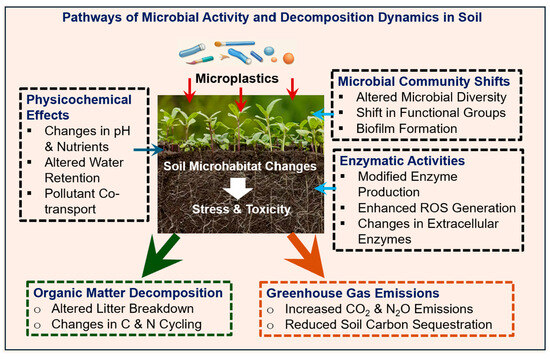
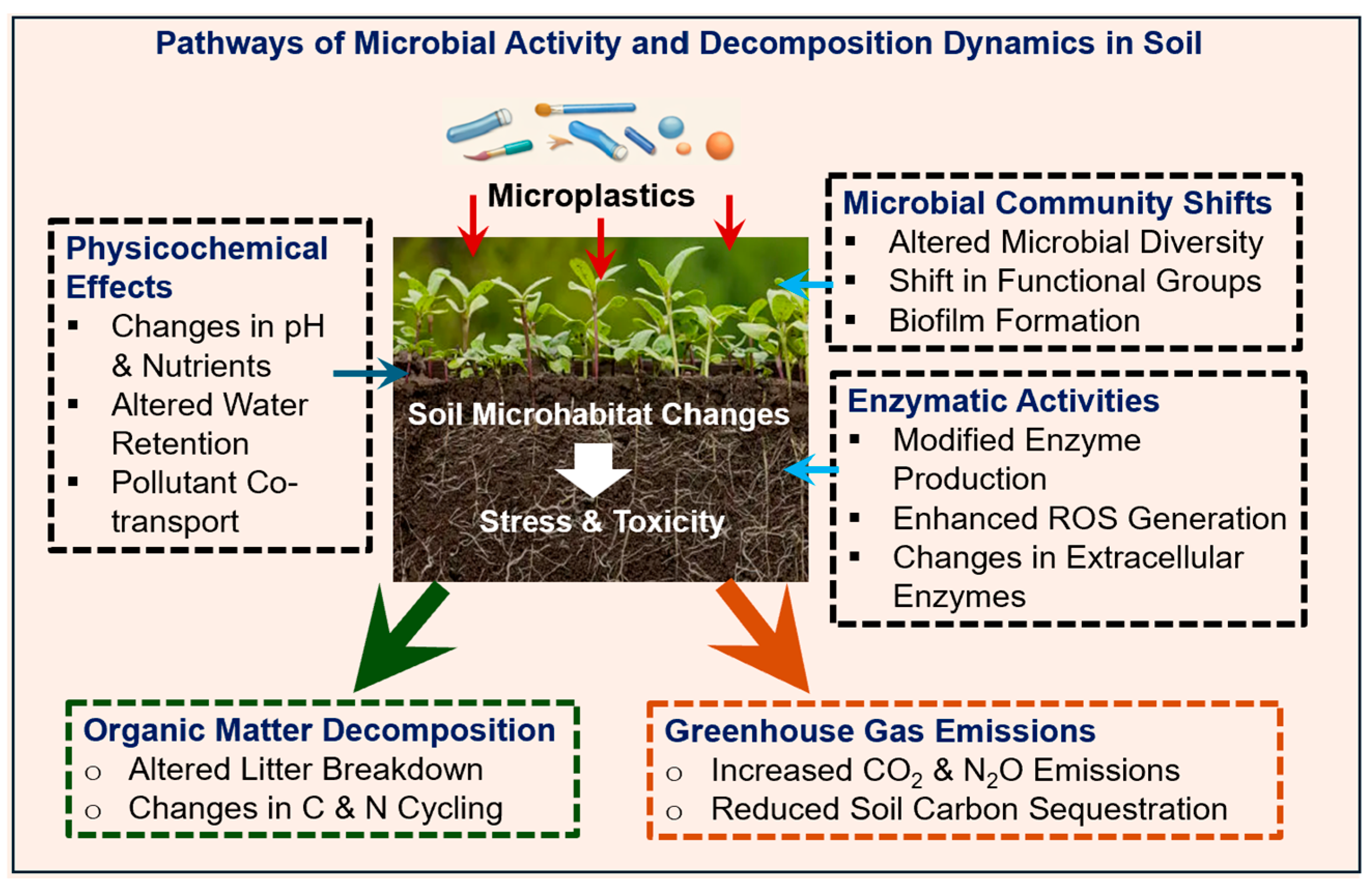
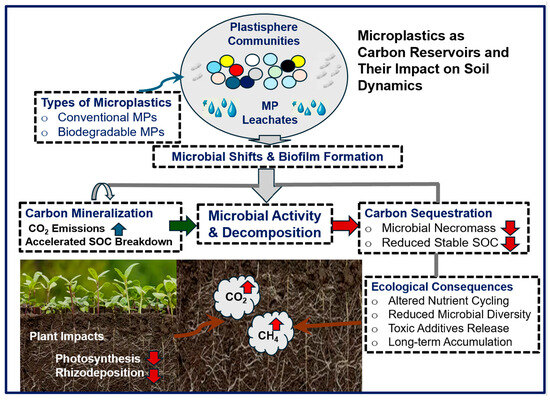
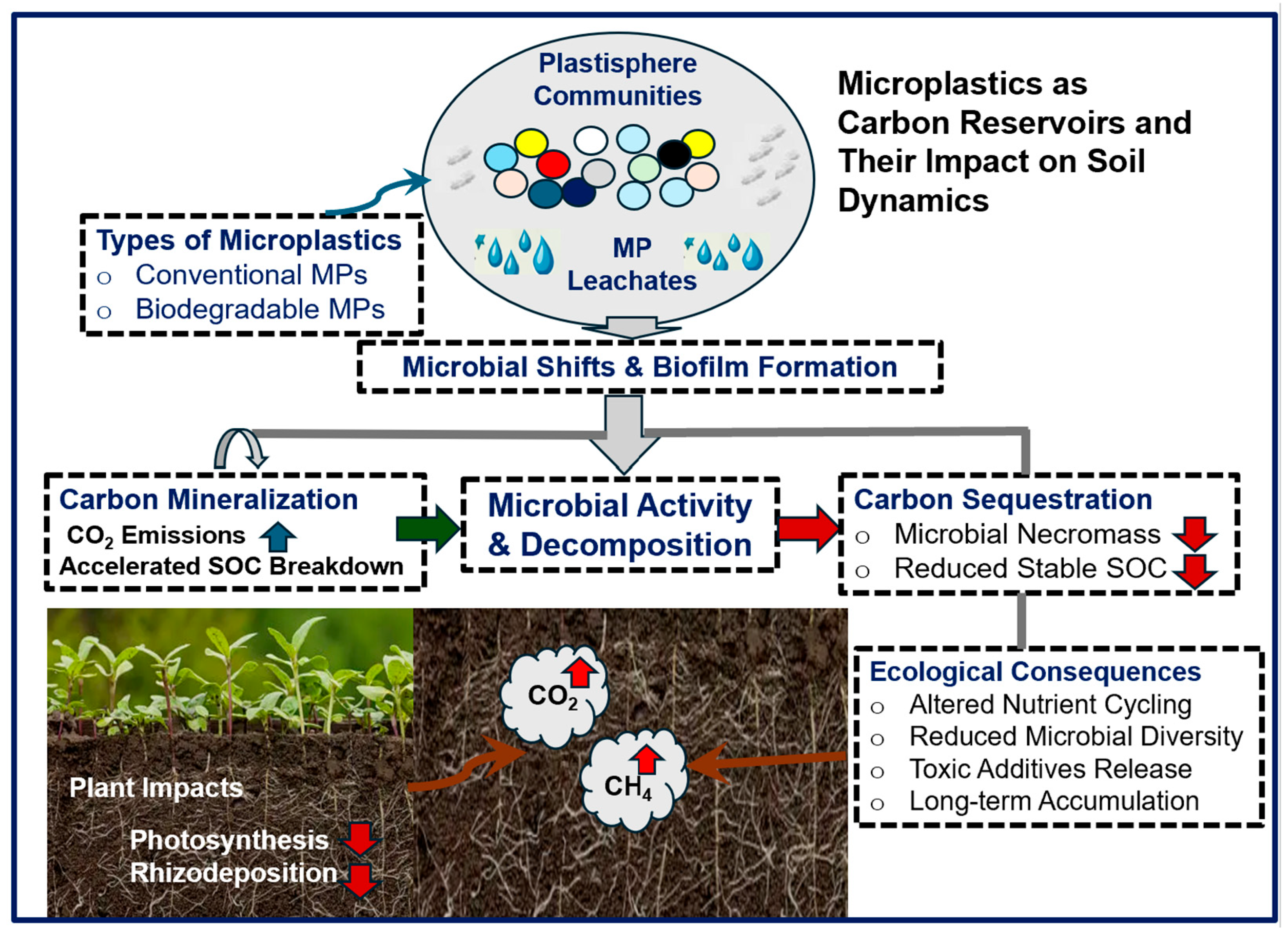

Disclaimer/Publisher’s Note: The statements, opinions and data contained in all publications are solely those of the individual author(s) and contributor(s) and not of MDPI and/or the editor(s). MDPI and/or the editor(s) disclaim responsibility for any injury to people or property resulting from any ideas, methods, instructions or products referred to in the content. |
© 2026 by the author. Licensee MDPI, Basel, Switzerland. This article is an open access article distributed under the terms and conditions of the Creative Commons Attribution (CC BY) license.