


Abstract
This study investigates the use of carbon nanotubes (CNTs) in the development of a filter capable of capturing toxic and carcinogenic compounds found in cigarette smoke dispersed in the environment. The aim is to contribute to the reduction in passive exposure to these substances, with potential benefits for public health and air quality. Carbon nanotubes were selected for their exceptional adsorption properties, attributed to their high specific surface area and porous structure. The material’s adsorptive performance was evaluated based on the quantity used, to determine the optimal mass that ensures the best filtering capacity. To test the system, an experimental setup was assembled to simulate real-world smoke emission conditions. Filters containing CNTs were subjected to gravimetric analysis to measure the amount of retained substances, and to gas chromatography to identify the adsorbed chemical compounds. The results confirm the potential of carbon nanotubes as an advanced filtering material, paving the way for robust solutions to mitigate the environmental impact of secondhand smoke. The results indicate that CNT-based filters, particularly those containing 0.06 g of material, are highly effective in retaining several toxic components of cigarette smoke, including nicotine. This configuration achieves a strong reduction in harmful organic species while using a moderate amount of adsorbent, suggesting a promising selectivity of CNTs toward the most hazardous molecules.
1. Introduction
The consumption of tobacco-containing products remains a widespread habit, despite the well-documented risks associated with smoking, including cardiovascular diseases, cancers, and reproductive system disorders. Globally, there are an estimated 1.3 billion smokers [1], and tobacco use is often compared to an epidemic, with about 6 million premature deaths each year [2]. Smoking harms not only those who consume it but also those exposed passively, through so-called environmental tobacco smoke, responsible for about 1% of global mortality and associated with lung cancer in non-smokers [1,2].
One strategy to mitigate these effects is to filter the smoke, reducing the concentration of hazardous substances contained in it. Tobacco smoke is a complex aerosol, composed of liquid and solid particles dispersed in a gaseous phase, and can be distinguished into mainstream smoke (inhaled by the smoker), sidestream smoke (emitted by the cigarette during combustion), and environmental smoke (resulting from the interaction of sidestream smoke with the environment) [3]. This mixture is generated by high-temperature processes (800–920 °C), such as combustion, pyrolysis, and condensation [3], and contains thousands of organic substances, oxides, metals, and free radicals, with particles of an average diameter around 0.2 μm [3]. The variety and size of the particles make the design of an effective filter complex.
The use of carbon nanotubes (CNTs) has proven particularly effective as a filtering material, thanks to their distinctive properties: high specific surface area, porous structure, thermal resistance up to 600 °C, and selective adsorption capacity for gases such as CO2, NOx, H2, NH3, and volatile organic compounds [4]. Recent studies have demonstrated their effectiveness in treating organic contaminants in aqueous phase, highlighting their potential in environmental applications as well [5,6].
Beyond aqueous environments, CNTs have been successfully employed in air purification and toxic smoke filtration. Conductive CNT-based membranes have shown effectiveness in capturing and inactivating airborne viruses [7], adsorbing volatile organic compounds such as benzene and toluene [8], and removing ultrafine particulate matter [9]. Recent studies have confirmed the ability of CNTs to remove benz[a]anthracene from cigarette smoke [10], purify urban air [11], and capture heavy metals [12].
Further research has highlighted their role in controlling urban air pollution [11], capturing industrial toxic vapors [13], and protecting against pathogens in healthcare environments [14]. During the COVID-19 pandemic, the use of CNTs in personal protective equipment (PPE) was investigated [15]. More recent studies have explored CNT functionalization to improve adsorption efficiency [16], their use in reusable membranes [17], and integration into flexible composite filters [18]. Other works have analyzed active and passive adsorption of 47 atmospheric VOCs [19], their use in wetlands for organic matter removal [20], and applications in agricultural and industrial environments [21].
A 2024 review summarized progress in CNT synthesis and purification [22], while other studies examined their ecological impact [23], VOC detection capability [24], and their role in advanced oxidation processes [25]. At the application level, it has been demonstrated that CNTs can be incorporated into composite materials for the removal of fine particulate matter and polycyclic aromatic compounds, improving air quality in urban and industrial environments [26,27]. The use of modified carbon nanostructures has also shown high efficiency in bioaerosol capture and atmospheric pollutant detection [28,29].
Next-generation CNT-based filtration technologies have been proposed to improve indoor air quality, with particular attention to reducing VOCs emitted from building materials and household products [30]. A systematic review highlighted how functionalized CNTs offer advantages in terms of sustainability, regenerability, and selectivity in contaminant removal [31]. Finally, recent developments include the use of CNTs in hybrid systems with photocatalytic materials for active degradation of volatile organic compounds [32], in smart sensors for real-time air quality monitoring [33,34], and in regenerable filters for continuous purification [35].
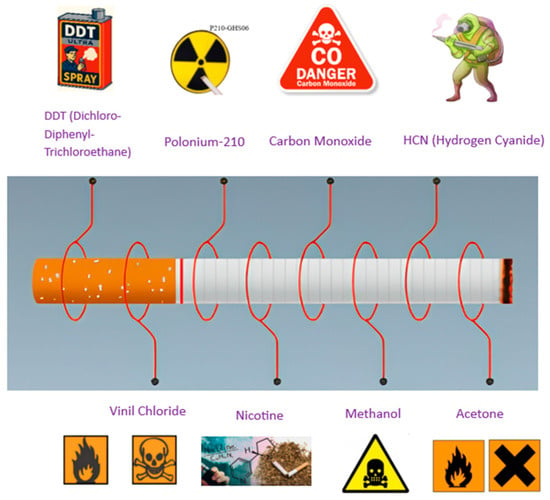
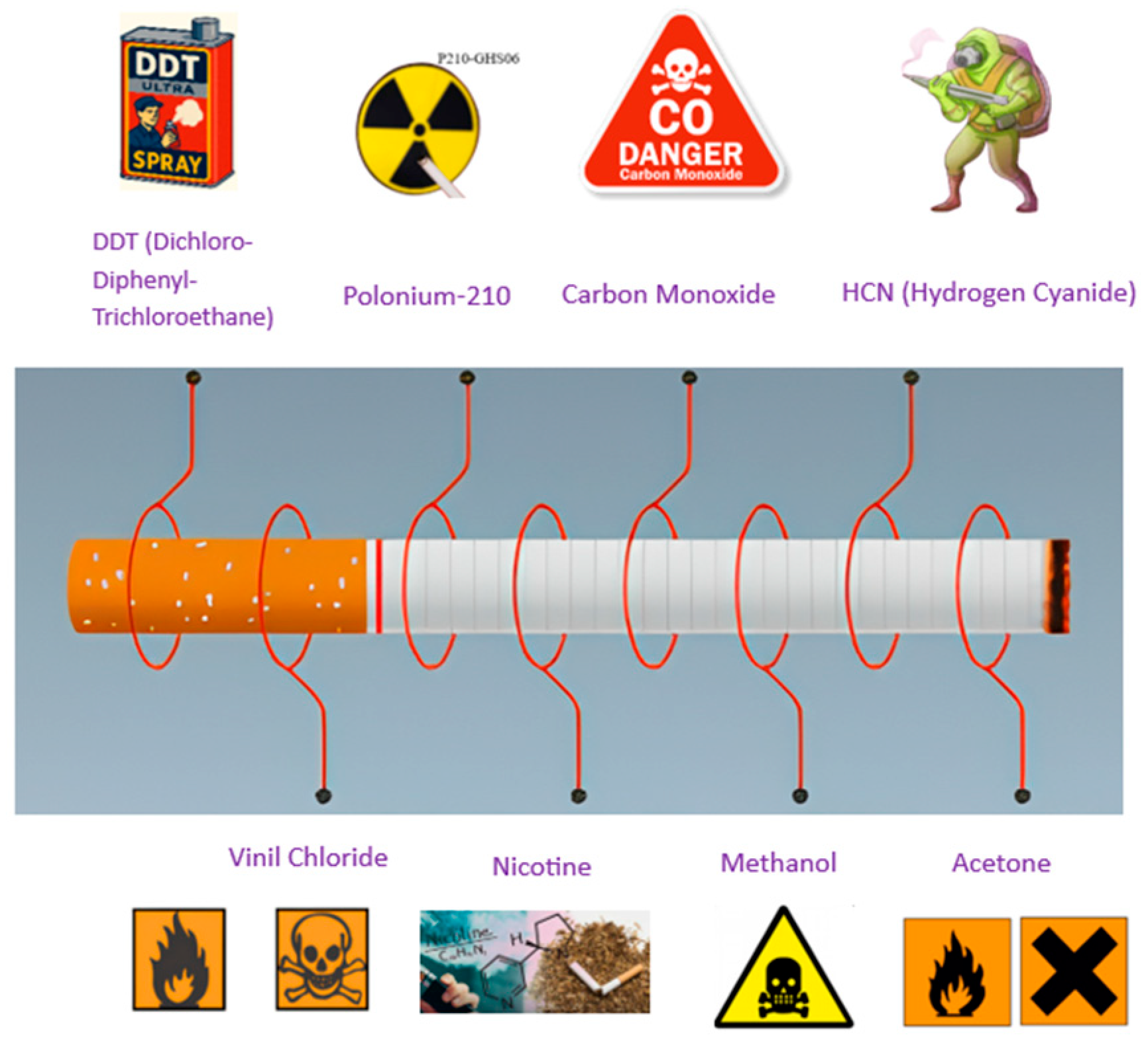
Thanks to their peculiar adsorptive properties, carbon nanotubes could prove particularly promising in the purification of passive cigarette smoke, contributing to the removal of harmful compounds in enclosed environments. These compounds compromise the health of active smokers and contribute to the phenomenon of passive smoking, with negative effects on air quality and public health (Figure 1) [36,37].
Figure 1.
Harmful substances present in cigarette paper and tobacco.
This research analyzes the use of unfunctionalized carbon nanotubes (CNTs) as a filtering material for tobacco smoke, under simulated environmental conditions and with reference to passive exposure in enclosed spaces. The approach is distinguished by the direct use of raw CNTs, without chemical treatments, to evaluate their effectiveness in adsorbing particulate matter and volatile compounds in non-industrial contexts, with the aim of developing simple solutions that can be integrated into everyday devices. From a health perspective, the reduction in toxic substances in passive smoke represents a benefit for vulnerable groups, such as children and the elderly. On this basis, the study aims to experimentally verify the efficiency of CNT filters and their potential application for improving air quality and mitigating health risks.
The originality of this work lies in the direct use of raw CNTs, without chemical treatments, to evaluate their ability to adsorb particulate matter and volatile compounds in a non-industrial context, with the objective of proposing simple and effective solutions that can be integrated into everyday devices.
The present study considered the possibility of trapping and recognizing the structure of most organic components of cigarette smoke through adsorption on filters made of carbon nanotubes. The adsorptive performance of these filters was verified by gravimetric recovery tests and other types of measurements, rather than through GC–MS analyses. GC–MS analyses were evaluated solely as an instrumental method to identify most of the organic compounds adsorbed both by the carbon-nanotube filters and by cellulose alone. The objective was exclusively to qualitatively identify the classes of organic compounds and those among them considered toxic.
The following section describes the experimental tests conducted to measure the adsorption capacity of the filters and identify the retained compounds.
2. Materials and Methods
2.1. Carbon Nanotubes (CNT)
The CNTs were synthesized via Chemical Vapour Deposition (CVD) using a hydrocarbon precursor and a metal catalyst under controlled temperature and gas-flow conditions. Additional structural and morphological characteristics of the synthesized CNTs are reported in reference [5]. This method allows the production of materials with structural and morphological characteristics suitable for subsequent analyses, as reported in the Section 3.
2.2. Filters
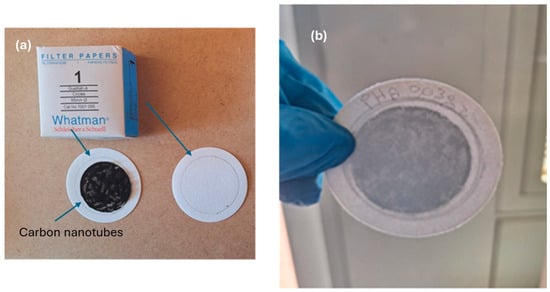
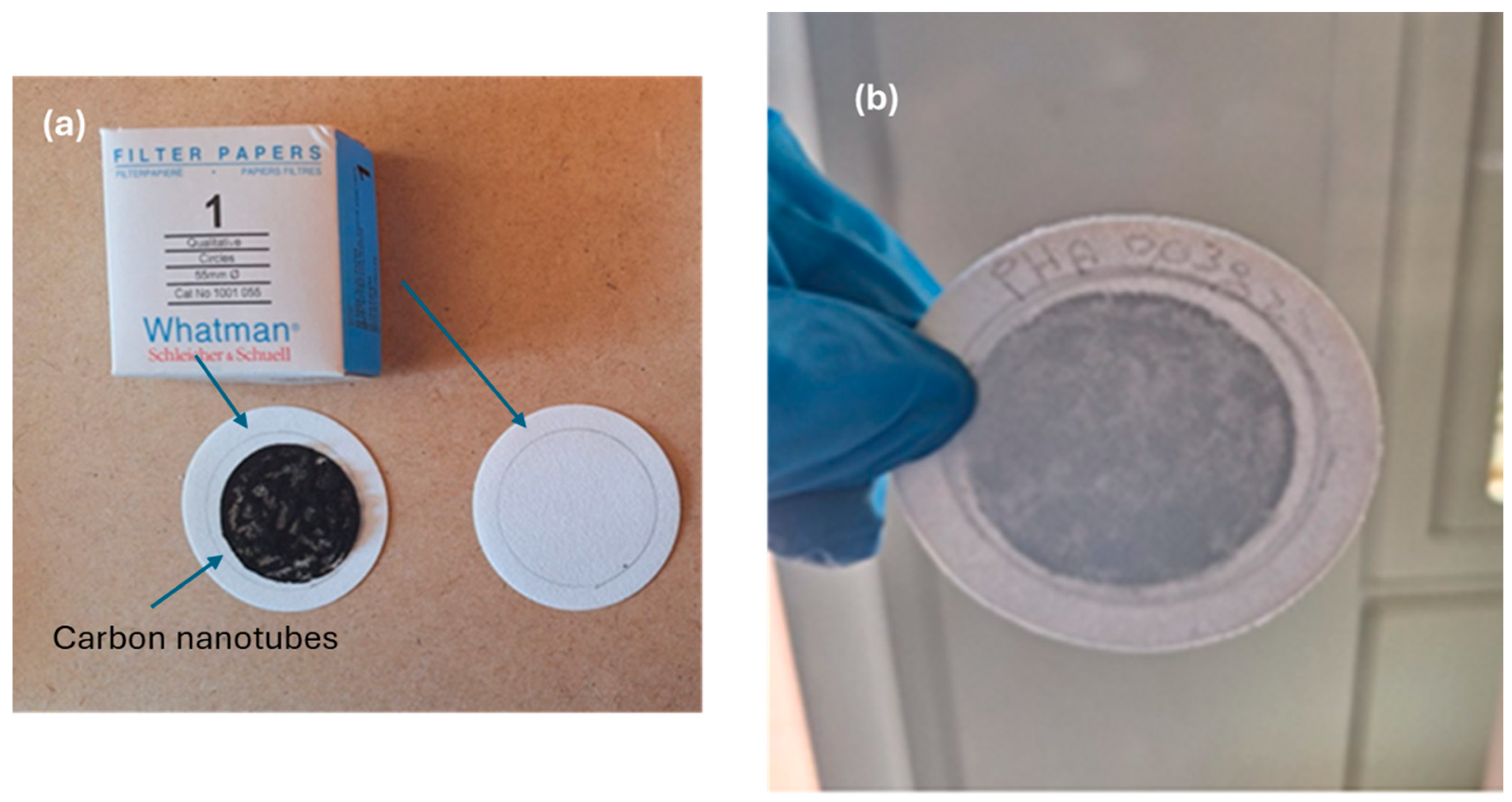
To evaluate the effectiveness of unfunctionalized CNTs in filtering tobacco smoke, two filters were arranged in series. The primary filter, which is the focus of this study, was fabricated by placing predefined quantities of CNTs between two layers of filter paper (11 μm, ϕ = 55 mm, Cat No. 1001055, Whatman) (Figure 2a). The edges were sealed to contain the material and prevent dispersion during use. The result was a compact, circular element resembling a coffee pod (Figure 2b), designed for ease of handling and reproducibility.
Figure 2.
(a) Components used for filter assembly; (b) final filter containing predefined quantities of CNTs.
Four filter variants were prepared, containing respectively 0 g (control), 0.03 g, 0.06 g, and 0.09 g of CNTs. These quantities were selected based on preliminary analyses aimed at identifying an effective range compatible with the filter geometry and the simulated operating conditions.
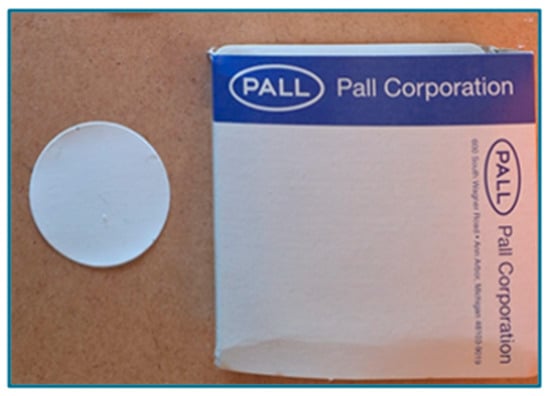
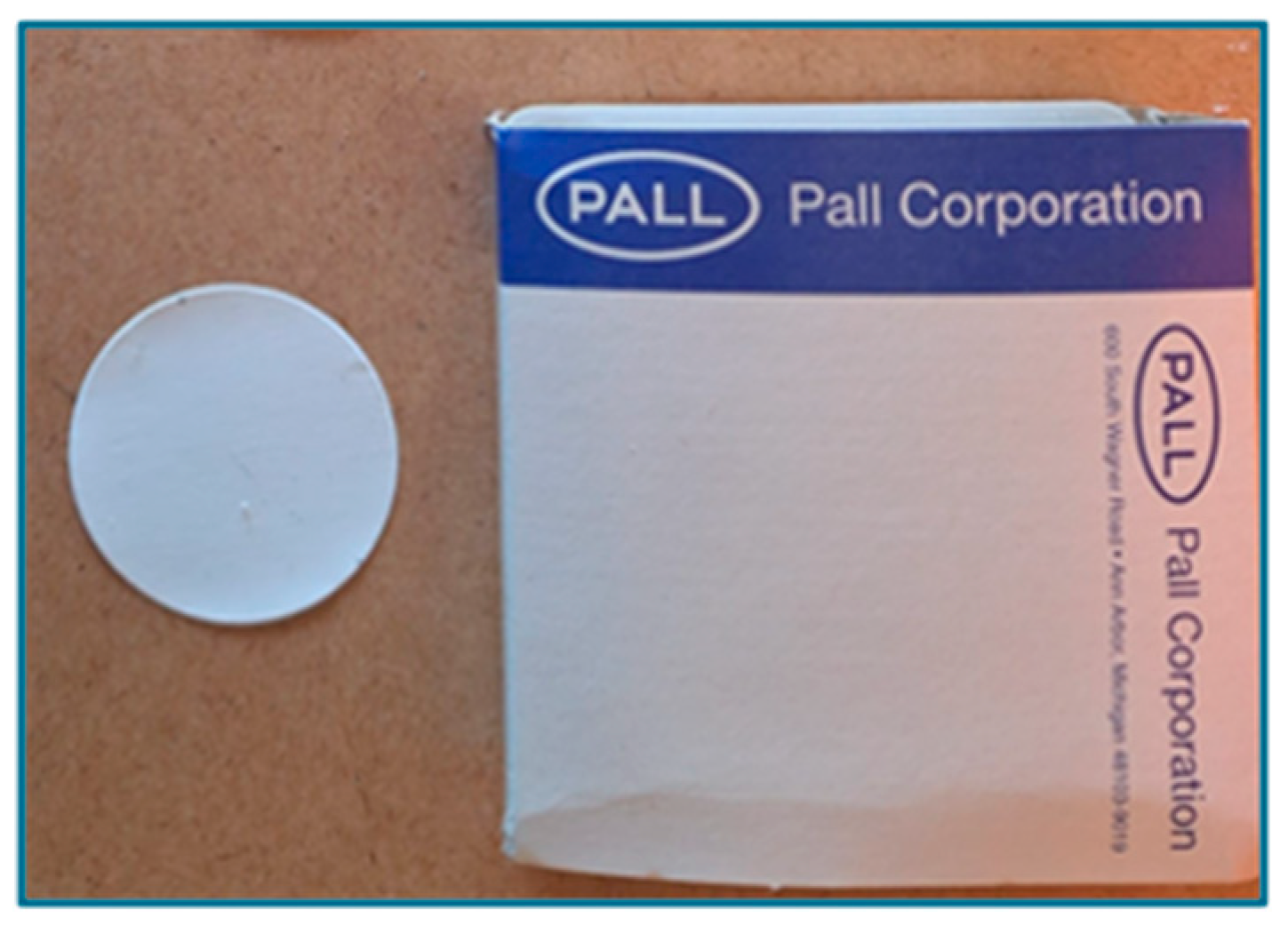
Upstream of the CNT-containing filter, a secondary cellulose filter was positioned. This type is commonly used for atmospheric particulate collection and air quality analysis (Figure 3). It served as a collection system for particulate matter and substances not retained by the primary CNT filter.
Figure 3.
Cellulose filter.
2.3. Cigarette
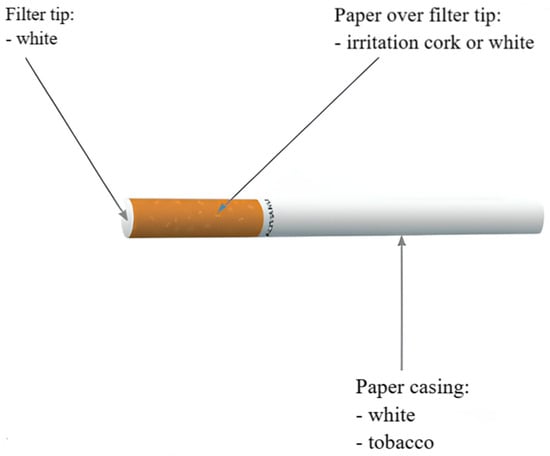
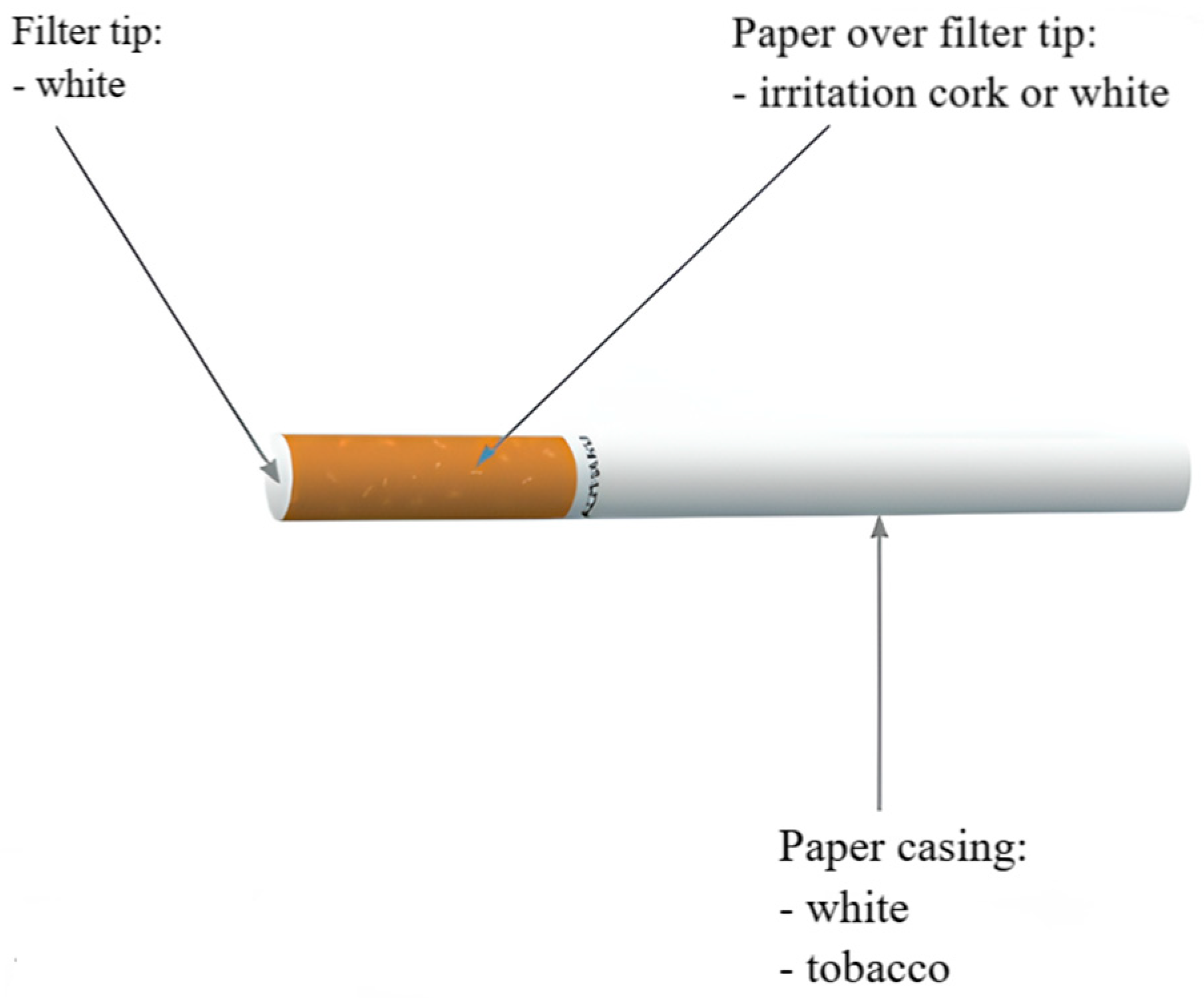
In this study, commercially available cigarettes from a well-known brand were used. Each cigarette consists of three main components: a cellulose acetate filter, wrapping paper, and a rod of shredded tobacco (tobacco rod) (Figure 4). This configuration was selected to ensure uniform combustion conditions and comparability of results.
Figure 4.
Structure of the cigarette.
The filter is made of cellulose acetate (CA) fibers, often plasticized with triacetin, and partially reduces particulate matter and some toxic substances, while not eliminating most harmful compounds. From a thermal perspective, cellulose acetate decomposes between 230–260 °C, releasing volatile organic compounds. Recent studies have highlighted its poor biodegradability and environmental persistence [38,39].
The wrapping paper, produced with special papers containing additives such as carbonates and citrates, regulates the combustion rate and airflow. It burns at about 200–250 °C, contributing to the formation of ash and carbon dioxide [36].
The tobacco rod contains nicotine, sugars, alkaloids, and numerous additives, and is the main fuel. During puffing, the combustion zone can reach 850–900 °C, while the pyrolysis zone, immediately behind it, remains between 200–600 °C, favoring the formation of tar, carbon monoxide, and PAHs. In the distillation zone, at temperatures below 200 °C, water and volatile compounds evaporate [40].
During a puff, the lit tip of the cigarette reaches about 900 °C, while between puffs the temperature drops to 400–500 °C. Incomplete combustion of tobacco leads to the formation of toxic substances such as carbon monoxide, aldehydes, nitrosamines, and PAHs [37].
The filter, although performing a partial mechanical adsorption action, is not designed to withstand high temperatures and does not prevent exposure to most harmful compounds. Cigarette smoke represents one of the main sources of environmental pollution and exposure to toxic and carcinogenic substances, including carbon monoxide, PAHs, aldehydes, and nitrosamines. These compounds compromise the health of active smokers and contribute to the phenomenon of passive smoking, with negative effects on air quality and public health [36,37].
2.4. Experimental Setup
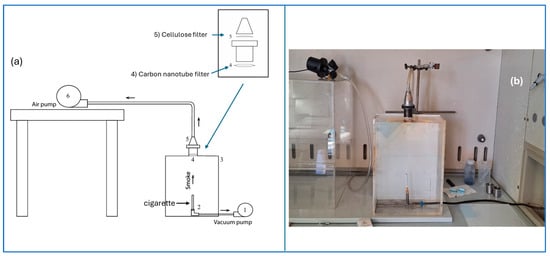
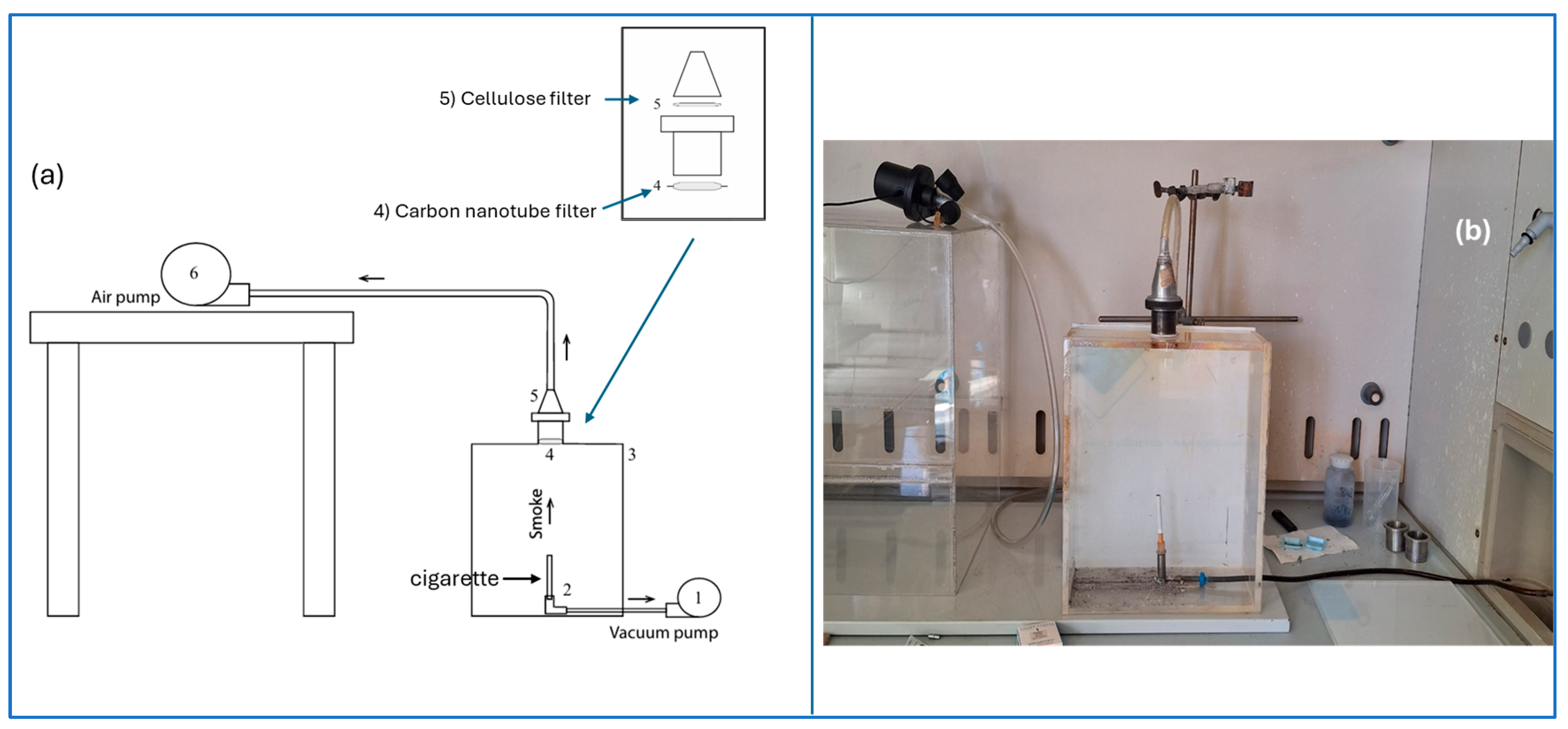
To carry out the filtration tests, a laboratory-scale experimental setup was designed and constructed to simulate the controlled consumption of a cigarette and direct the smoke toward the filters under evaluation. The system, illustrated in Figure 5, consists of six main components: (1) a vacuum pump that continuously draws smoke, simulating the act of smoking; (2) a support to hold the cigarette in place and connect it to the pump; (3) a plexiglass combustion chamber equipped with openings and a door for sample insertion; (4) a filter containing CNTs, sealed along the edges to prevent dispersion; (5) a cellulose filter, commonly used for atmospheric particulate collection, placed upstream to capture any unretained residues; (6) a second suction pump to ensure the flow of smoke through the entire system.
Figure 5.
(a) Schematic of the designed setup. (b) Image of the assembled system.
Combustion was induced continuously through forced suction, eliminating variables related to smoker behavior and allowing for a controlled assessment of filter adsorptive performance.
2.5. Experimental Method
Tests were conducted using three cigarettes for each filter configuration, and the reported values represent the average of the measurements. Each filter, whether cellulose or CNT-based, was stabilized for 24 h in a desiccator with silica gel to remove residual moisture, then weighed using a five-decimal-place analytical balance. After the test, each filter was reweighed to assess mass changes due to filtration.
The cigarette was positioned in the holder inside the combustion chamber, the filters were inserted into their respective housings, and the pumps were activated. Combustion proceeded up to the built-in filter limit, avoiding the collection of byproducts from the cigarette’s internal filter. Residual smoke was drawn for approximately one minute before the pump was turned off.
Each cycle involved the combustion of three consecutive cigarettes, repeated three times using new filters and a constant CNT quantity. The combustion time and total test duration were recorded, averaging approximately 2.5–3 min, corresponding to the typical smoking time of a single cigarette.
A dual-filter configuration was adopted to evaluate retention capacity under controlled environmental conditions. Estimated average emissions for a 20-cigarette pack are approximately 0.60 g of nicotine, 8 g of tar, and 9 g of carbon monoxide, consistent with literature data [41].
The experimental conditions adopted aim to reproduce an average and representative combustion scenario of a standard cigarette, assuming an average duration of approximately three minutes as a reference for the formation of the main organic compounds. Although variables such as puff volume and frequency may influence the process, these differences are intrinsic to the individual variability of smokers and do not compromise the validity of the preliminary data needed to evaluate the use of carbon nanotubes in this application.
2.6. Sample Preparation for Extraction
To enable the qualitative analysis of the substances captured by the filters, an extraction procedure was applied to recover the adsorbed organic compounds and allow their subsequent identification and characterization. All samples were prepared using a simple protocol based on a freshly prepared Deep Eutectic Solvent (DES). A 1:2 molar ratio mixture of choline chloride and ethylene glycol was placed in a one-neck flask, heated in a water bath at 70 °C, and magnetically stirred until a homogeneous, clear, and dense liquid was obtained.
An aliquot of 0.5 mL of the DES was used for the extraction. The filter loaded with CNTs was finely chopped and transferred into a glass vial containing the DES aliquot. Water (0.5 mL) was added, and the mixture was sonicated at 25 °C for 15 min. The resulting suspension was centrifuged, and methyl tert-butyl ether (1 mL) was added to the supernatant. The biphasic system was shaken, and an aliquot (1 μL) of the ethereal layer was directly injected into the GC–MS for analysis. The same DES-based protocol was applied to obtain the extracts from the respective cellulose filters.
2.7. Instrumentation
Before being used in the filtration systems, the carbon nanotubes underwent structural and morphological characterization. They were analyzed using a scanning electron microscope (ESEM Quanta 200 FEG, FEI Company, Eindhoven, The Netherlands) to assess their purity, morphology, and dimensional distribution.
BET analysis was performed to determine the specific surface area and porosity of the material. Nitrogen adsorption measurements were carried out using a Micromeritics ASAP 2460 surface area analyzer (Micromeritics Instrument Corp., Norcross, GA, USA) after degassing the samples at 473 K for 12 h.
The retained particulate fraction was evaluated gravimetrically by weighing the filters before and after exposure to smoke. A five-decimal-place analytical balance (OHAUS ANALYTICAL Plus, OHAUS Corporation, Parsippany, NJ, USA) was used, capable of detecting mass variations on the order of 10−5 g.
GC–MS analyses were performed using a GC–MS system (Hewlett Packard, Palo Alto, CA, USA) equipped with a polysiloxane-coated capillary column (30 m × 0.25 mm i.d. × 0.25 μm). Helium was used as the carrier gas at a flow rate of 1 mL/min. The injector temperature was set to 250 °C. Mass spectra were acquired in electron impact (EI) mode at 70 eV.
2.8. GC–MS Analytical Method
Each ethereal extract (1 μL) was injected in splitless mode. The oven temperature program started at 60 °C for 2 min, followed by a temperature ramp of 20 °C/min up to 280 °C. The method was optimized for the identification of volatile and semi-volatile organic compounds. In the present study, GC-MS analyses were used exclusively for qualitative purposes, whereas quantitative or semiquantitative evaluations would require dedicated analytical protocols and the use of appropriate standards; such investigations will be the subject of future studies.
3. Results and Discussion
The experimental activity was structured into several consecutive phases, including: the initial characterization of the carbon nanotubes (CNTs) used in the filters, the gravimetric analysis of the cellulose filters, and the gas chromatographic analysis of both cellulose and CNT-containing filters. The results obtained are presented below, accompanied by a critical discussion aimed at interpreting the data and assessing their significance in relation to the study’s objectives.
3.1. Characterization of CNTs
3.1.1. SEM
Before starting the experimental tests, a preliminary characterization of the CNTs was carried out using scanning electron microscopy (SEM) to evaluate their morphological quality and purity. SEM observations revealed high material purity, with no significant residues of catalysts or visible impurities, confirming the suitability of the CNTs for use in the experimental filters.
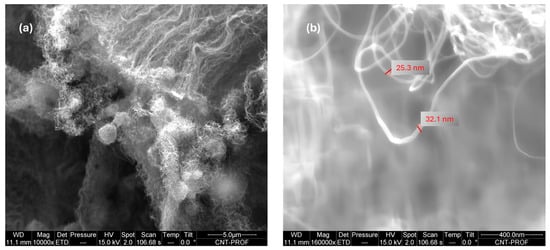
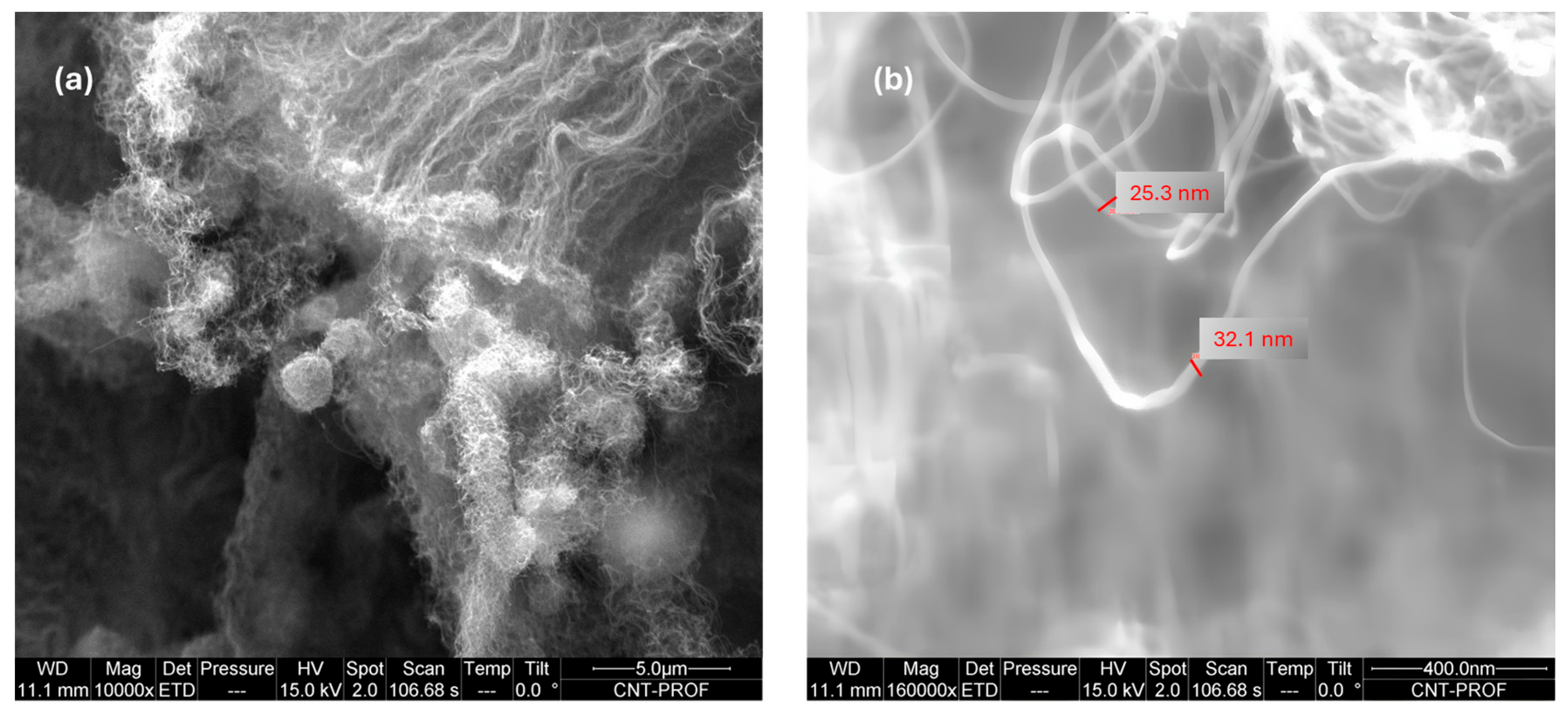
The CNTs appeared as long filaments with micrometer-scale lengths, exhibiting a marked tendency to entangle (Figure 6a), forming disordered three-dimensional structures. This morphology, typical of multi-walled CNTs synthesized via chemical methods, may enhance the ability to trap ultrafine particles and organic compounds.
Figure 6.
SEM images of carbon nanotubes: (a) general morphology showing the filamentous structure and three-dimensional entanglement; (b) detail of the external diameters of the nanotubes, measured at the nanometric scale.
Measurements taken from the SEM images indicated that the external diameter of individual nanotubes ranged between 25 and 32 nm (Figure 6b), consistent with expected values for multi-walled CNTs. These dimensions confirm the nanostructured nature of the material and its potential effectiveness in advanced filtration processes.
3.1.2. Porosimetry Analysis of CNTs
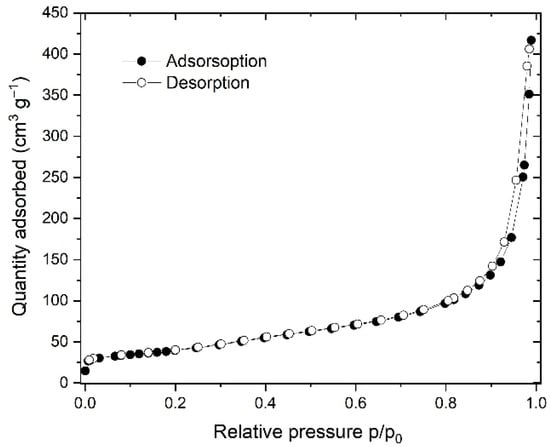
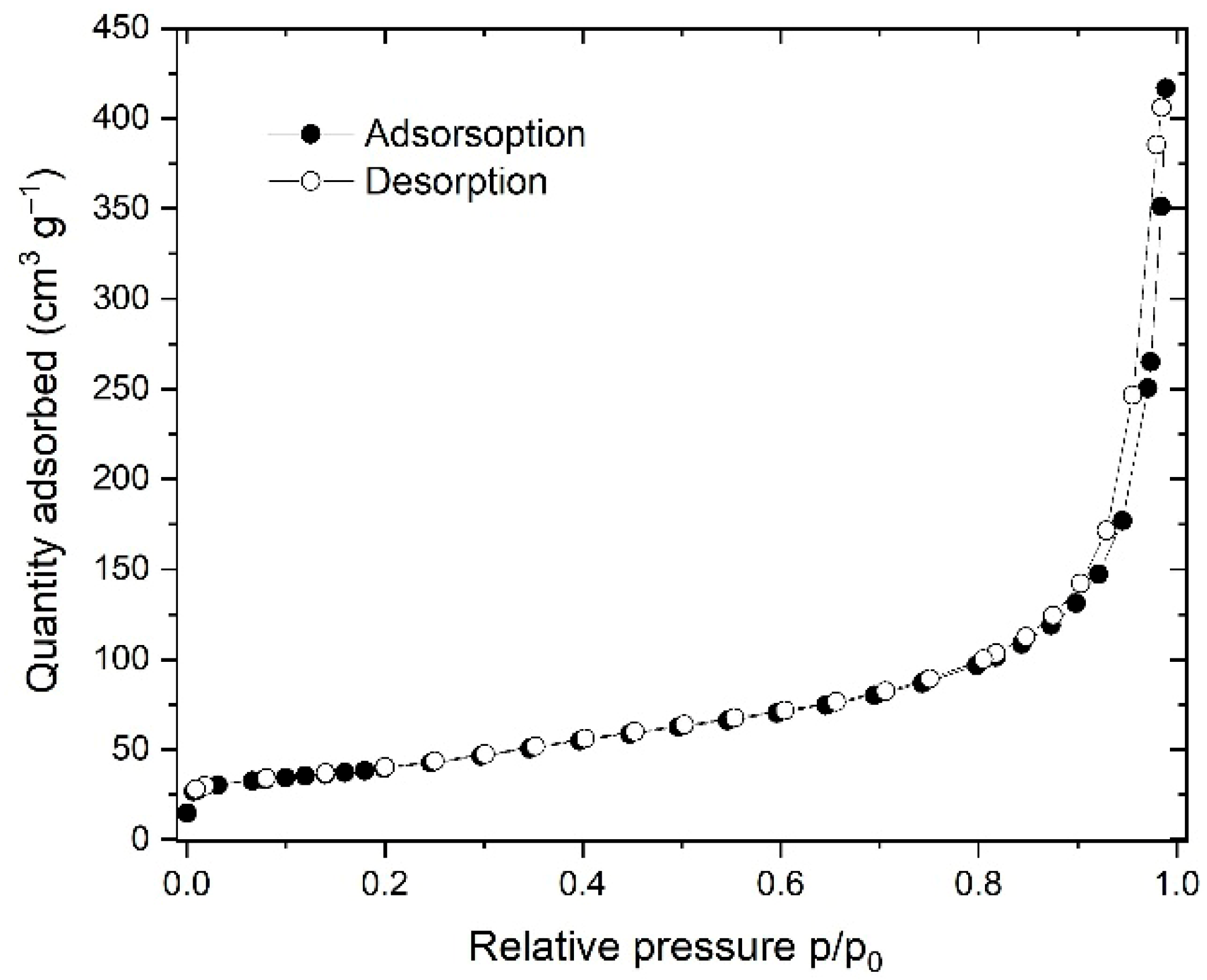
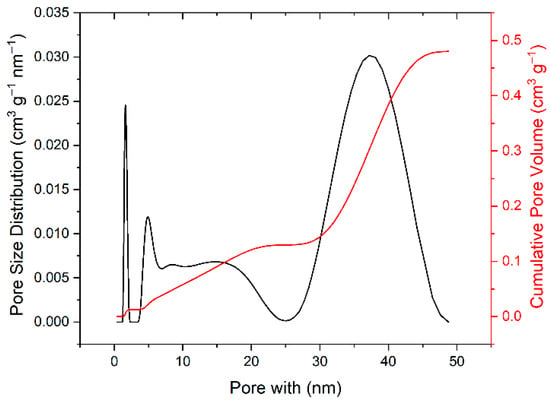
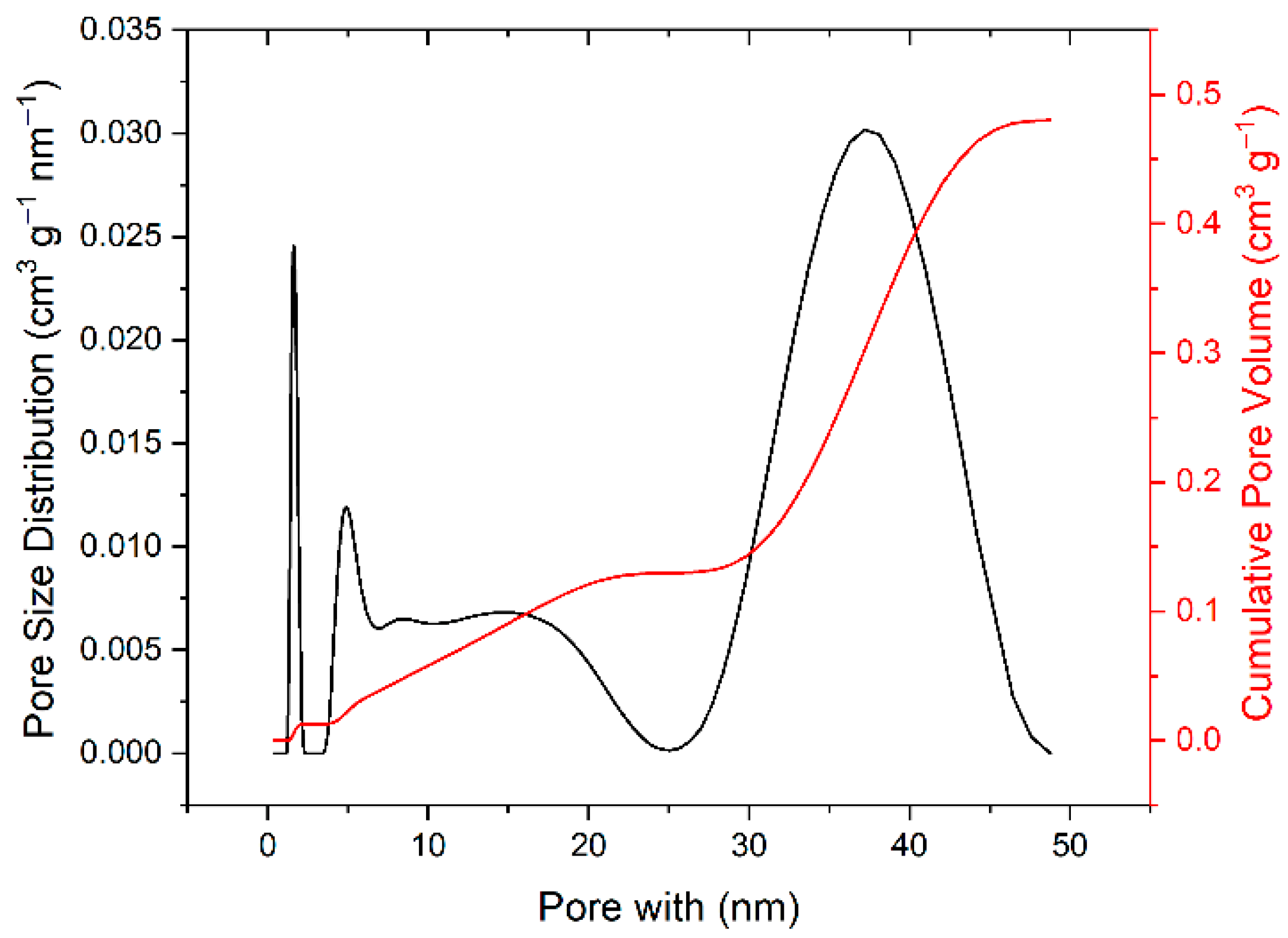
The structural properties of the sample were analyzed by nitrogen (N2) physical adsorption at 77 K using a Micromeritics ASAP 2460 apparatus. Prior to each measurement, the samples were degassed under vacuum at 473 K for 12 h. The specific surface area (SSA) was calculated using the Brunauer–Emmett–Teller (BET) method within a relative pressure range of 0.01–0.30, applying the Rouquerol criteria. Total pore volume (VT) and pore size distribution were evaluated using Non-Local Density Functional Theory (NLDFT) analysis (Figure 7 and Figure 8).
Figure 7.
N2 adsorption–desorption isotherms at 77 K of the analyzed sample.
Figure 8.
Pore size distribution and cumulative pore volume of the analyzed sample.
The nitrogen (N2) adsorption–desorption isotherm at 77 K obtained for the carbon nanotube (CNT) sample synthesized via CVD shows a typical type IV behavior according to the IUPAC classification, characteristic of mesoporous materials (with pore diameters between 2 and 50 nm). This type of isotherm is commonly associated with solids that exhibit well-developed porosity and high surface area, consistent with the inherently tubular and aggregated structure of CNTs.
In the low relative pressure region (p/p0 < 0.1), a gradual increase in the adsorbed amount is observed, indicative of the formation of the first molecular layer (monolayer adsorption) and progressive filling of micropores. This behavior suggests that the sample possesses a fraction of microporosity, probably associated with the internal spaces of the nanotubes and defect sites on their surface. The presence of micropores, although limited compared to the predominant mesoporosity, contributes to the specific surface area of the material, as typically observed in CNTs obtained via CVD synthesis.
In the intermediate region (0.1 < p/p0 < 0.8), the adsorption increases almost linearly, due to the formation of multiple layers of nitrogen molecules on the external surface and within the mesoporous channels of the CNTs. This phenomenon indicates a highly developed and accessible surface, where the tubular arrangement and interconnection between nanotubes favor multilayer film formation.
Finally, in the high relative pressure region (p/p0 > 0.8), the amount of adsorbed nitrogen increases sharply, accompanied by a clear hysteresis loop between the adsorption and desorption branches. This phenomenon is attributable to capillary condensation in mesopores. The shape of the hysteresis loop, similar to type H3 according to IUPAC classification, is indicative of slit-shaped pores or aggregates of elongated particles, such as those formed in bundles of carbon nanotubes.
Overall, the isotherm highlights a dominant mesoporous structure with minor microporous contributions, consistent with the nature of CNTs synthesized via CVD. The large surface area, high pore volume, and good internal accessibility make this material highly effective for applications in adsorption, catalysis, filtration, and energy storage, where the combination of micro- and mesoporosity favors both adsorption capacity and diffusion of species within the material structure.
The analysis of pore size distribution (black line) and cumulative pore volume (red line) in the CNT sample synthesized via Chemical Vapor Deposition (CVD) provides crucial information about the porous morphology of the material and its potential applications.
The pore size distribution shows a porous structure characterized by two main distinct peaks. The first peak, located below 2 nm (micropores) with a tail extending up to about 10 nm (small mesopores), indicates the presence of fine porosity. This phenomenon is typical in CNTs obtained via CVD, where microporosity often arises from the interaction between the catalyst and the precursor gas. The presence of micropores suggests a high specific surface area and potential adsorption capacity, useful in applications such as gas storage or filtration.
The second peak, observed around 30–40 nm, highlights the presence of larger mesopores, which may result from the growth of internal cavities or interstitial spaces between CNT bundles. The formation of these larger pores is common in CNTs produced via CVD, where heterogeneity in nanotube growth can lead to wider cavities.
The cumulative pore volume (red line) shows a significant increase up to about 20 nm, suggesting that most of the pore volume is concentrated in micropores and small mesopores. Above this dimension, the curve tends to saturate, indicating that larger pores contribute less to the total pore volume.
Overall, the analyzed CNT sample presents a complex porous structure dominated by microporosity and mesoporosity, typical of carbon nanotubes produced via CVD. The bimodal pore distribution suggests heterogeneity in CNT formation, with different growth phases leading to varied pore sizes within the material. This type of porosity indicates a material potentially highly effective in applications such as filtration, catalysis, and storage or transport of molecules and gases.
The porosimetric characterization of CNTs synthesized by Chemical Vapor Deposition (CVD) highlights a pore system overwhelmingly dominated by mesopores. The contribution of micropores (<2 nm) is negligible, with a volume of about 0.012 cm3/g, corresponding to only 2.5% of the total pore volume. Conversely, the mesopore fraction (2–50 nm) is predominant, reaching 0.468 cm3/g and accounting for approximately 97.5% of the overall porosity (Table 1). This value is consistent with literature data for unmodified MWCNTs [42], where variations are typically attributed to bundle morphology, diameter distribution, and purification procedures.
Table 1.
Textural properties of the analyzed sample.
This distribution indicates a well-developed network of intermediate pores, capable of retaining compounds (VOCs), nicotine derivatives, and other cigarette smoke contaminants. The predominance of mesoporosity also suggests good accessibility to active sites, a key condition for environmental and biomedical applications. The measured specific surface area of 139 m2/g is consistent with high-quality CNTs produced via CVD and reflects a well-developed and accessible structure capable of offering numerous interaction sites for target molecules [43].
From an application standpoint, a high specific surface area is a critical parameter for selective adsorption processes, heterogeneous catalysis, controlled drug release, and air pollutant filtration. The capacity to capture toxic compounds strongly depends on the availability and distribution of active surface sites. Therefore, the results confirm that the CNTs synthesized via CVD possess a dominant mesoporous structure and high specific surface area—two essential features for use in advanced air filtration systems, particularly for removing toxic compounds from cigarette smoke.
Moreover, the low microporosity limits the adsorption of very small molecules but enhances selectivity toward complex organic species, making these materials suitable as supports for drug delivery systems. The combination of mesoporosity and active surface area makes CNTs highly attractive for environmental, biotechnological, and pharmaceutical applications, in line with current demands for sustainability and public health protection.
3.2. Gravimetric Analysis
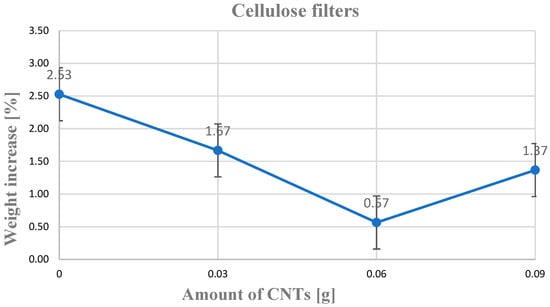
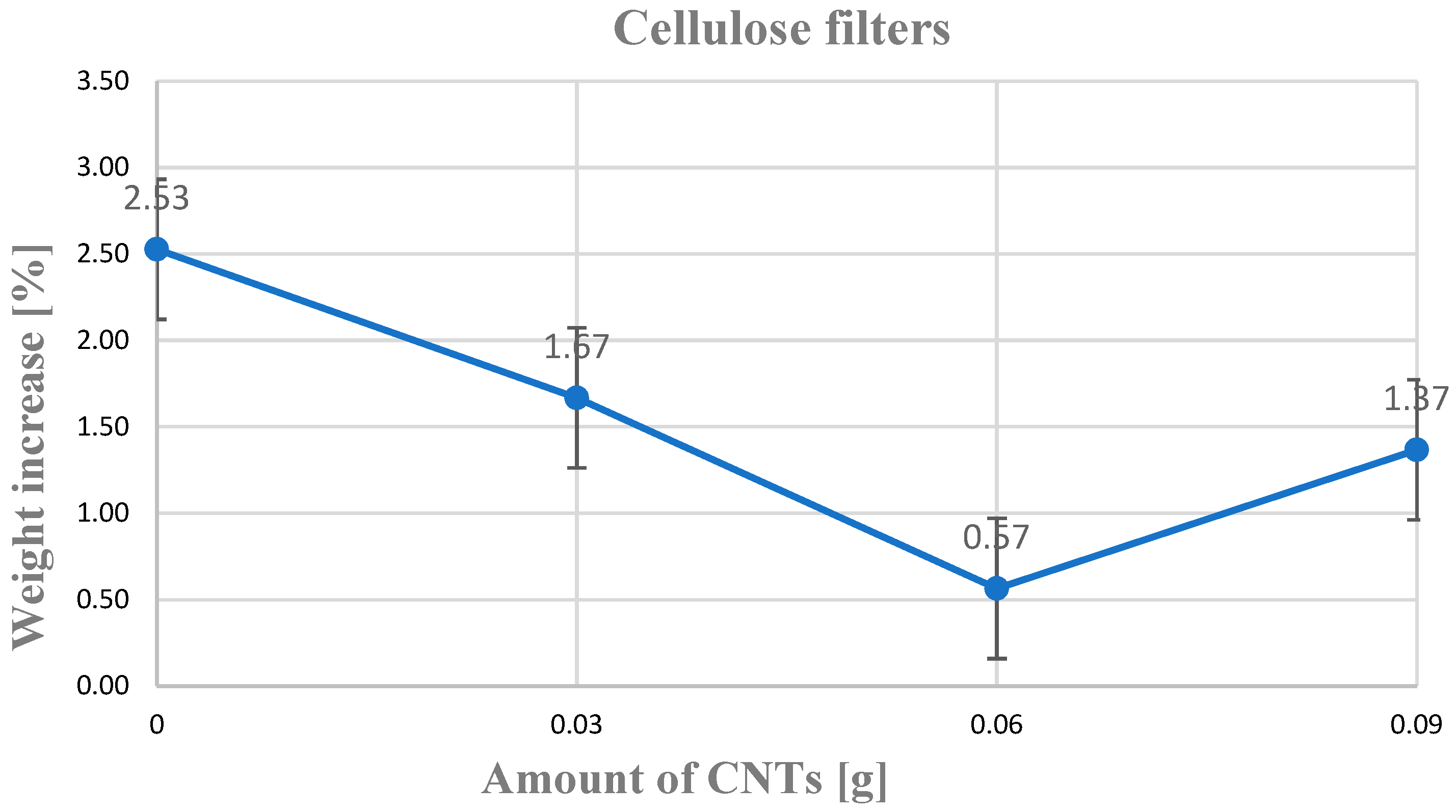
Figure 9 presents the results of the gravimetric analysis performed on cellulose filters placed above filters containing varying amounts of carbon nanotubes (CNTs). The data are expressed as the percentage increase in the weight of the cellulose filter relative to its initial mass. A higher weight gain indicates a greater amount of particulate matter not retained by the CNT-based filter, and therefore a lower filtration capacity of the latter.
Figure 9.
Percentage weight increase of cellulose filters as a function of the downstream filter containing different amounts of CNTs.
The results clearly show that, regardless of the amount of CNTs used, the presence of these materials in the filter leads to a reduction in the weight gain of the overlying cellulose filters compared to the configuration without CNTs. This expected behavior confirms that the inclusion of CNTs improves particulate removal capacity, contributing to enhanced air purification.
A more detailed analysis of the filters with different CNT quantities reveals that the configuration with 0.06 g of CNTs was the most effective. In this case, the cellulose filter showed the lowest weight increase among all tested configurations, indicating a greater capacity of the underlying filter to retain particulate matter.
Conversely, the configuration with 0.03 g of CNTs exhibited lower performance, likely due to an insufficient amount of active material to ensure homogeneous and continuous coverage of the filtering surface. This resulted in reduced particle interception and a higher transfer of particulate to the cellulose filter.
The configuration with 0.09 g of CNTs also showed lower performance compared to the 0.06 g setup. A possible explanation lies in poor material dispersion: an excessive amount of CNTs may promote the formation of aggregates or clusters, which reduce the effective surface area exposed to airflow. This phenomenon compromises filtration capacity, as particles tend to bypass the less active zones of the filter.
In summary, the data suggest the existence of an optimal CNT quantity for filter performance, and that both excess and deficiency of material can impair the overall performance of the system.
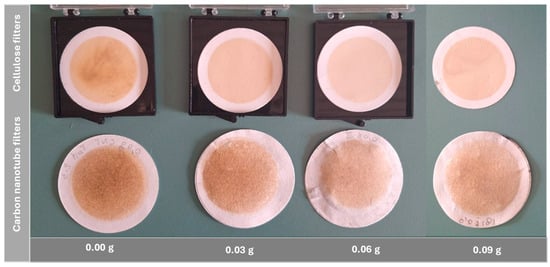
At the end of the experimental tests, the surface contamination of the cellulose filters was also evaluated as a qualitative indicator of the effectiveness of the CNT-based filters. A lower accumulation of residues on the cellulose filter was interpreted as evidence of greater retention capacity by the CNT filter.
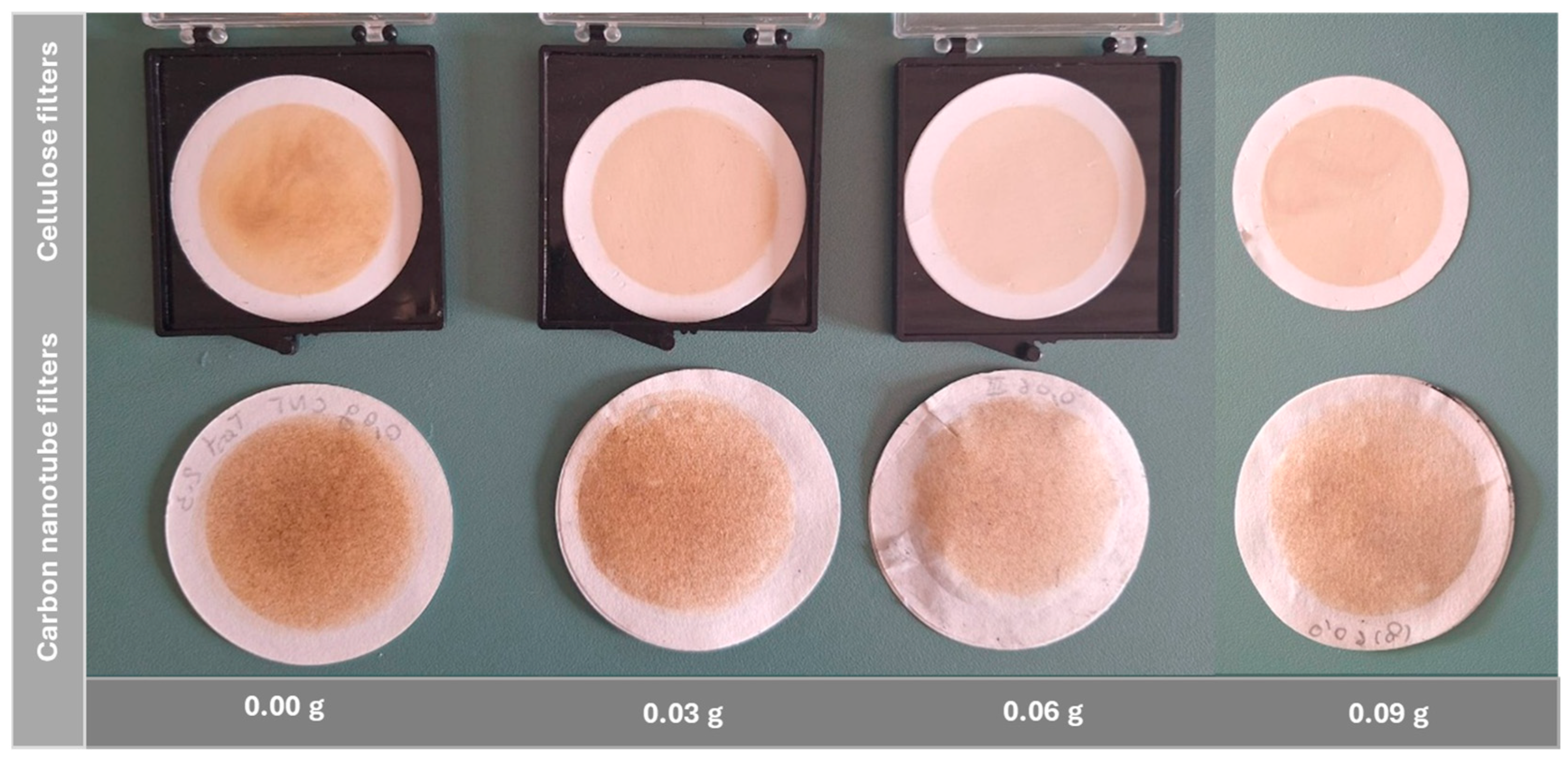
The results showed that all cellulose filters associated with CNT-based filters exhibited a lighter coloration compared to those exposed directly to the smoke flow without CNTs (Figure 10). This visibly evident behavior suggests that the presence of CNTs, regardless of the amount used, effectively contributes to the system’s filtration capacity. Visual observation further confirmed the findings from the gravimetric analysis, reinforcing the interpretation that CNTs enhance particulate retention.
Figure 10.
Cellulose filters associated with corresponding filters containing varying amounts of CNTs.
Additionally, a correlation was observed between increasing CNT quantity and reduced contamination of the cellulose filter, confirmed in the samples containing 0.03 g and 0.06 g of CNTs, where the cellulose filter appeared significantly lighter.
However, in the case of the filter containing 0.09 g of CNTs, a reversal of this trend was noted: the cellulose filter showed higher contamination levels, indicating reduced filtration capacity. This behavior may be attributed to structural limitations of the CNT filter, whose surface may be insufficient to ensure homogeneous distribution of the active material when the quantity exceeds a critical threshold.
Under such conditions, CNTs tend to aggregate into clusters—a phenomenon well documented in the literature as one of the main challenges in the effective use of free-form CNTs. The formation of aggregates significantly reduces the available surface area for adsorption, limiting interaction with target particles and compromising the overall performance of the system.
These results highlight the importance of optimizing not only the quantity but also the distribution method of CNTs within the filter, in order to avoid saturation or aggregation phenomena that could hinder expected performance.
3.3. The GC-MS Analysis of Samples
Commercial cigarettes contain more than 5000 chemicals, and their combustion produces smoke containing organic compounds that are potential toxicants.
We conducted a systematic instrumental analysis on filters made with CNTs, aiming at the determination of chemical profiles of organic compounds adsorbed and retained by the carbon material, while also focusing attention on the environment exposed to burning cigarettes equipped with CNTs filters.
All analyses were performed on extracts obtained by the treatment of filters after the cigarette combustion and from cellulose filters interacting with the smoke in the environment where the cigarette was allowed to burn.
A protocol based on the use of a deep eutectic solvent (DES) was applied to obtain the organic extracts from the corresponding CNTs filters, and to prepare samples which were directly injected into a GC-MS apparatus. The results collected by the instrumental analyses provided the profiling of the main constituents of smoke, either those produced during cigarette burning or adsorbed on the filters suspended in the environment where the combustion takes place.
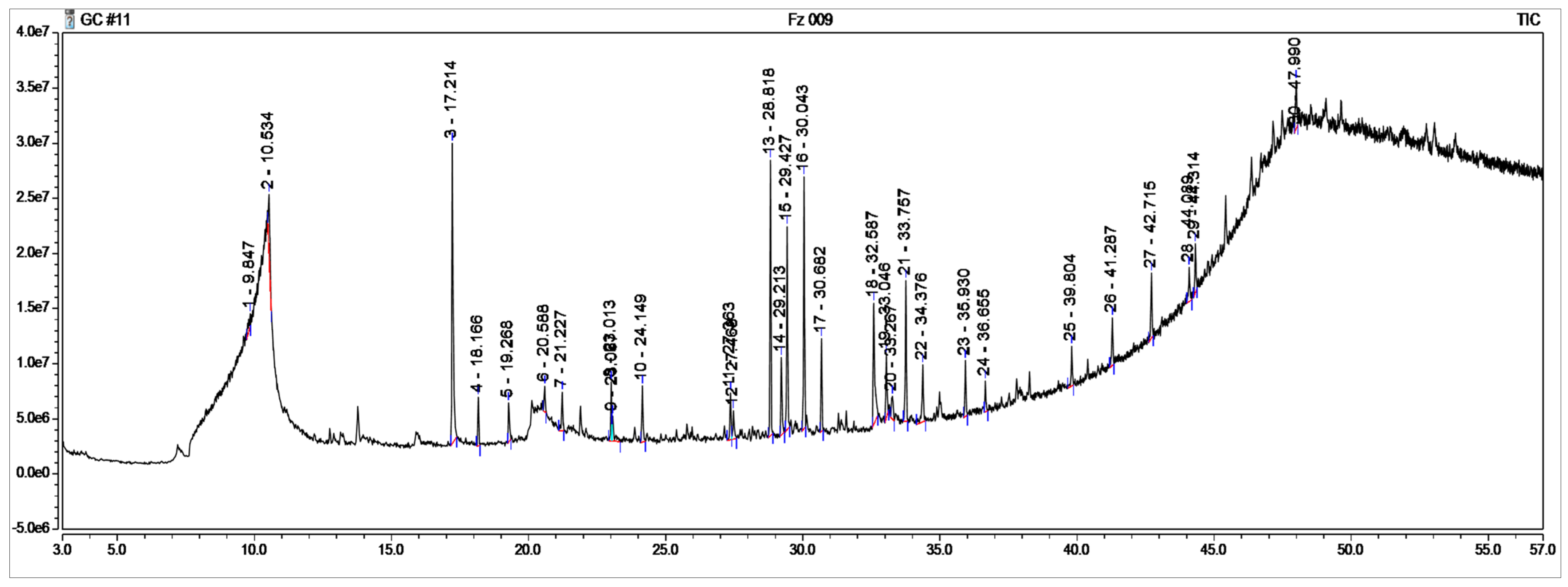
A simple Deep Eutectic Solvent (DES) based protocol was applied for the sampling, according to extractive methods already reported in the literature [44]. The DES was used in combination with sonication to facilitate the almost complete desorption of organic compounds retained on the CNTs surface. The chromatographic runs are presented in their original form, exactly as generated by the instrument software, in order to preserve the integrity of the profiles and retention times, reducing the figures would have resulted in the removal of significant portions of the chromatogram.
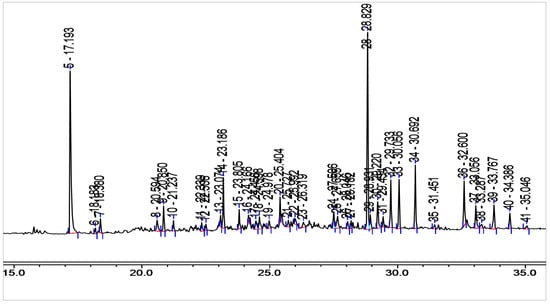
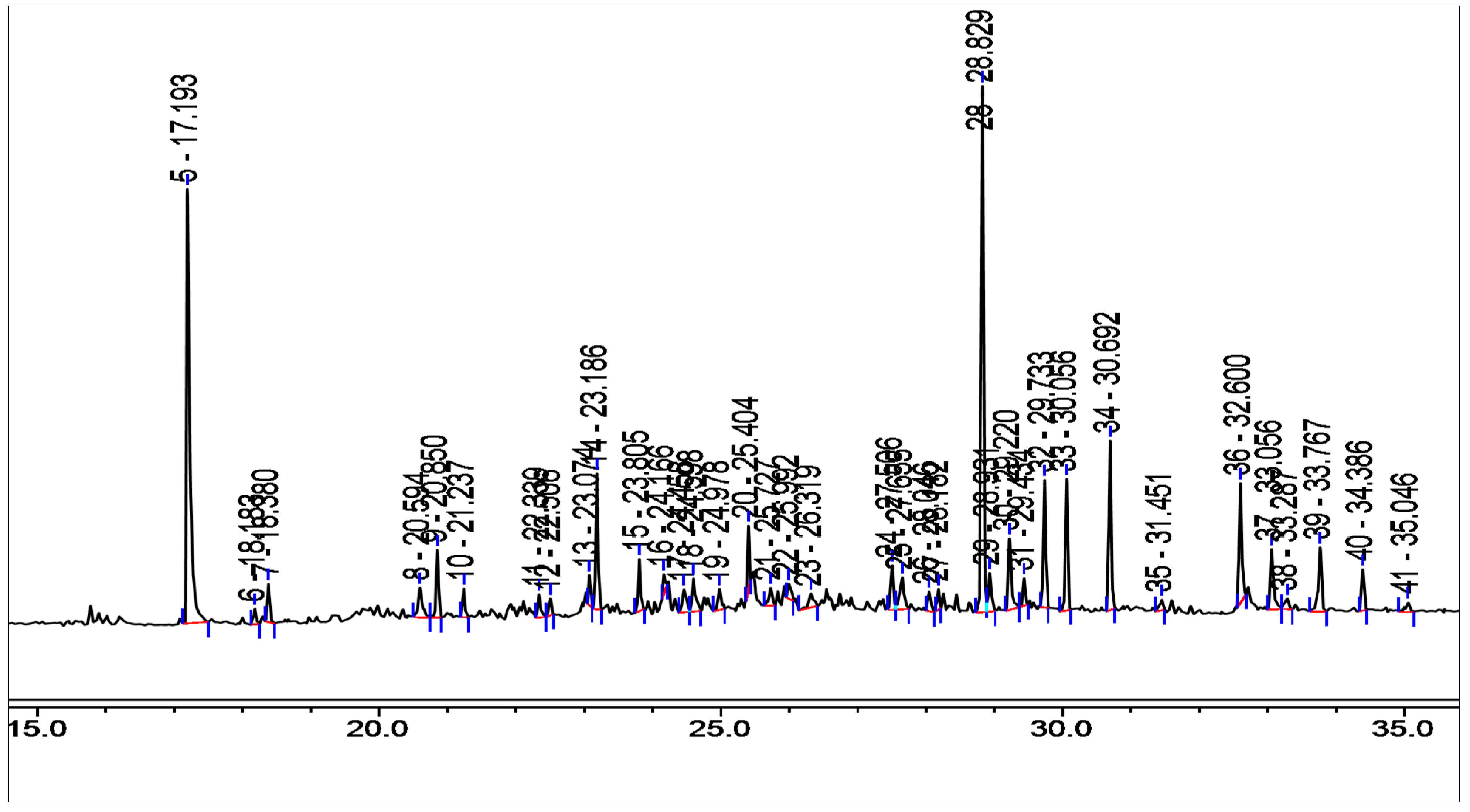
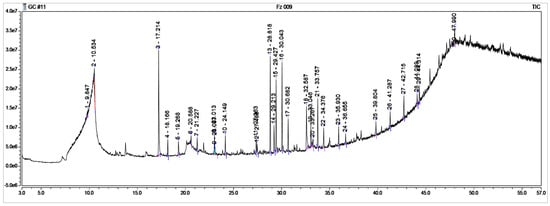
We show here the chromatograms of a typical GC-MS analysis performed on samples obtained from the experiment using the filter containing 0.03 g of CNTs (Figure 11 and Figure 12). The instrumental analysis was repeated in triplicate to obtain the best and most complete information about the non-targeted molecular profiling of the smoke components adsorbed on CNTs and the residues retained by the cellulose filter. The structures of all organic compounds detected were assigned by the respective electron impact mass spectra and confirmed with reference to the most important databases (Wiley 8 and Wiley Fragrans) accompanying the GC-MS apparatus. The names of all compounds detected is are reported as the legends in Figure 12.
Figure 11.
Total gas-chromatogram of the sample obtained from the filter containing 0.03 g of CNTs. The assignment of peaks is reported as the legend to Figure 11. Peaks 3 and 4 are generated by naphthalene and phenoxyethanol, respectively.
Figure 12.
Enlargement of the region between 15.0 and 35.0 min of the gas-chromatogram reported in Figure 10. Assignment of peaks is as follows: 5, nicotine; 6, Unknown; 7, tetradecane; 8, 5,5-dimethylcyclopentane-3,3-dicarboxylic acid dimethylester; 9, eptadecane; 10, 2-(1,1-dimethylethyl)-5-(2-propenyl)-1,4-benzendiol; 11 and 12, unknown; 13, diethyl phthalate; 14, hexadecane; 15, methyl dodecanoate; 16, unknown; 17, 1,1-bis-(dodecyloxy)-hexadecane; 18, docosyl ottyl ether; 19, unknown; 20, nonadecane; 21, 2,3-dihydro-1,1,3-trimethyl-3-phenyl-1H-indene; 22 and 23, unknown; 24, docosane; 25, 26 and 27, unknown; 28, phthalic acid; 29, (1-ethylundecyl)-benzene; 30, hexadecanol; 31, 2-(diethylamino)-N-(2,6)-dimethylphenyl acetamide; 32, 1-methyldodecyl benzene; 33, methyl hexadecanoate; 34, triphenylmethane; 35, unknown; 36, (Z)-11-hexadecen-1-ol; 37, dibutylphthalate; 38, unknown; 39, methyl octadecenoate; 40 and 41, unknown.
Figure 10 highlights a highly complex graphic plot. The structure attributions are possible only for those compounds showing GC peaks with intensities higher than three times the signal-to noise (S/N) ratio. The other minor peaks cannot be attributed to the respective smoke components, due to the sensitivity limits of the instrumental technique adopted for the analysis and to some extent overlap, two factors that could hamper the detection and recognition of organic compounds present in the samples with low concentrations.
The detected smoke components can be classified into several different classes of organic compounds which are widely considered to be toxic. Esters of aliphatic and aromatic carboxylic acids, alkenes, short- and long-chain alkans, phenols and their derivatives, polycyclic aromatic hydrocarbons, benzenediols were easily detected and confirmed. It should be noted that the presence of phthalates (used to protect tobacco plants against pathogenic agents and to prepare cigarette filters), saturated and unsaturated long-chain alcohols (compounds used for the manufacturing of cigarette papers), substituted benzenes as combustion products, and nitrogenated heterocycles (nicotine). Finally, the presence of the most intense peaks generated by nicotine and phthalic acid in the GC plot demonstrates the high capacity of CNTs in retaining these substances avoiding their dispersion in the environment. This evidence is also supported by the GC-MS analysis of the smoke substances retained by the cellulose filter exposed to the environment (Figure 13 and Figure 14). The absence of the peaks attributable to nicotine and phthalic acid confirms the high retention performance of these compounds by the filter loaded with CNTs. Surprisingly, the GC-MS methods can also advantageously be applied for the successful detection of triphenylmethane, a very toxic aromatic component that is employed in the chemical treatment used to obtain the typical “blonde” color of tobacco leaves after the shredding.
Figure 13.
Total gas-chromatogram of the sample obtained from the cellulose filter used for the experiment performed with the cigarette filter loaded with 0.03 g of CNTs.
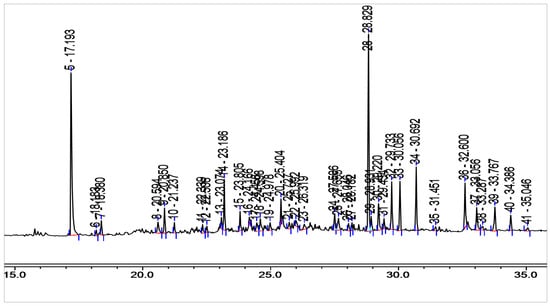
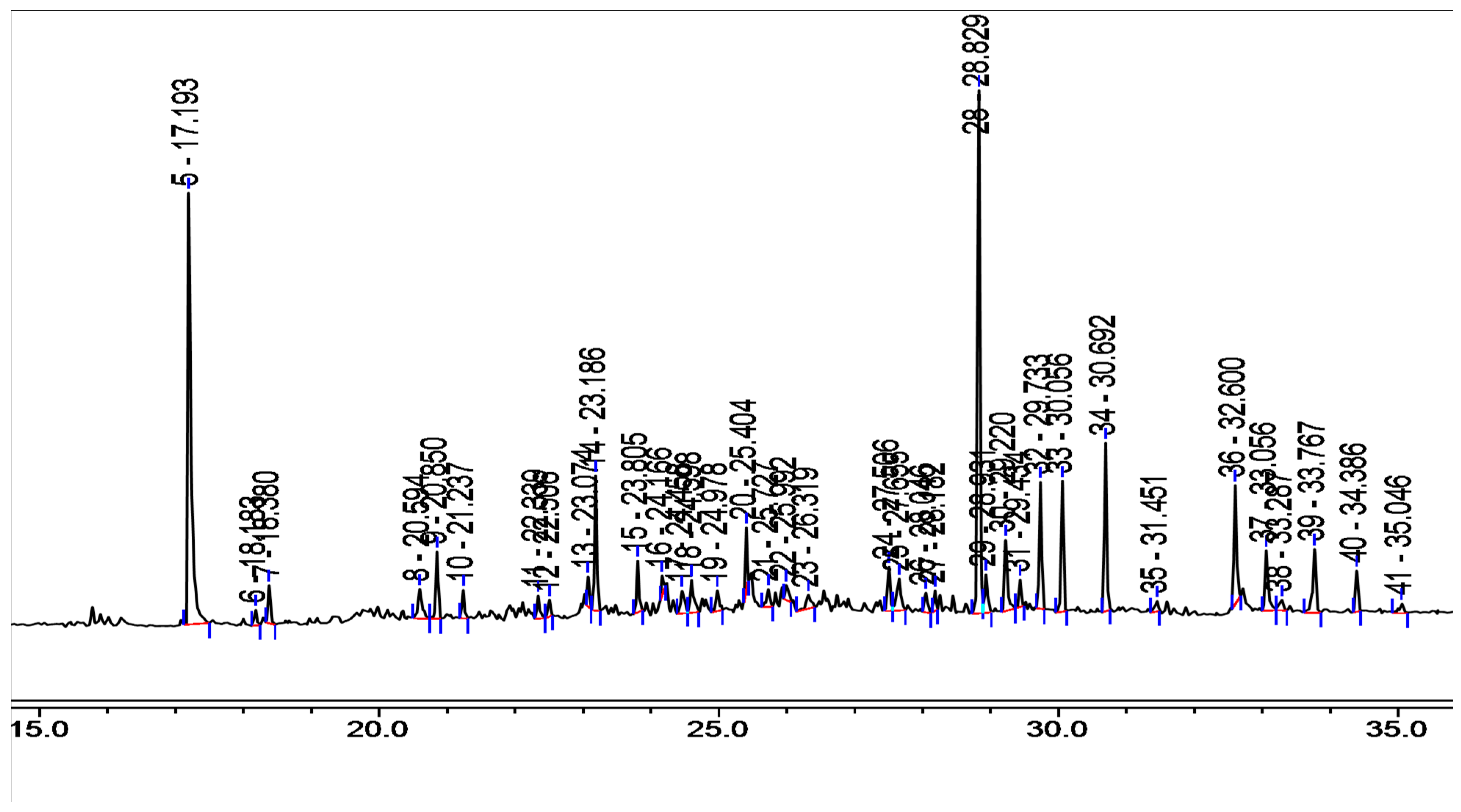
Figure 14.
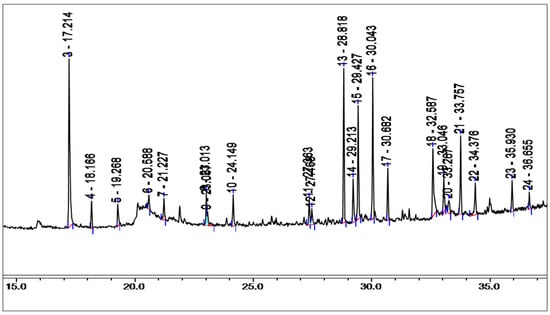
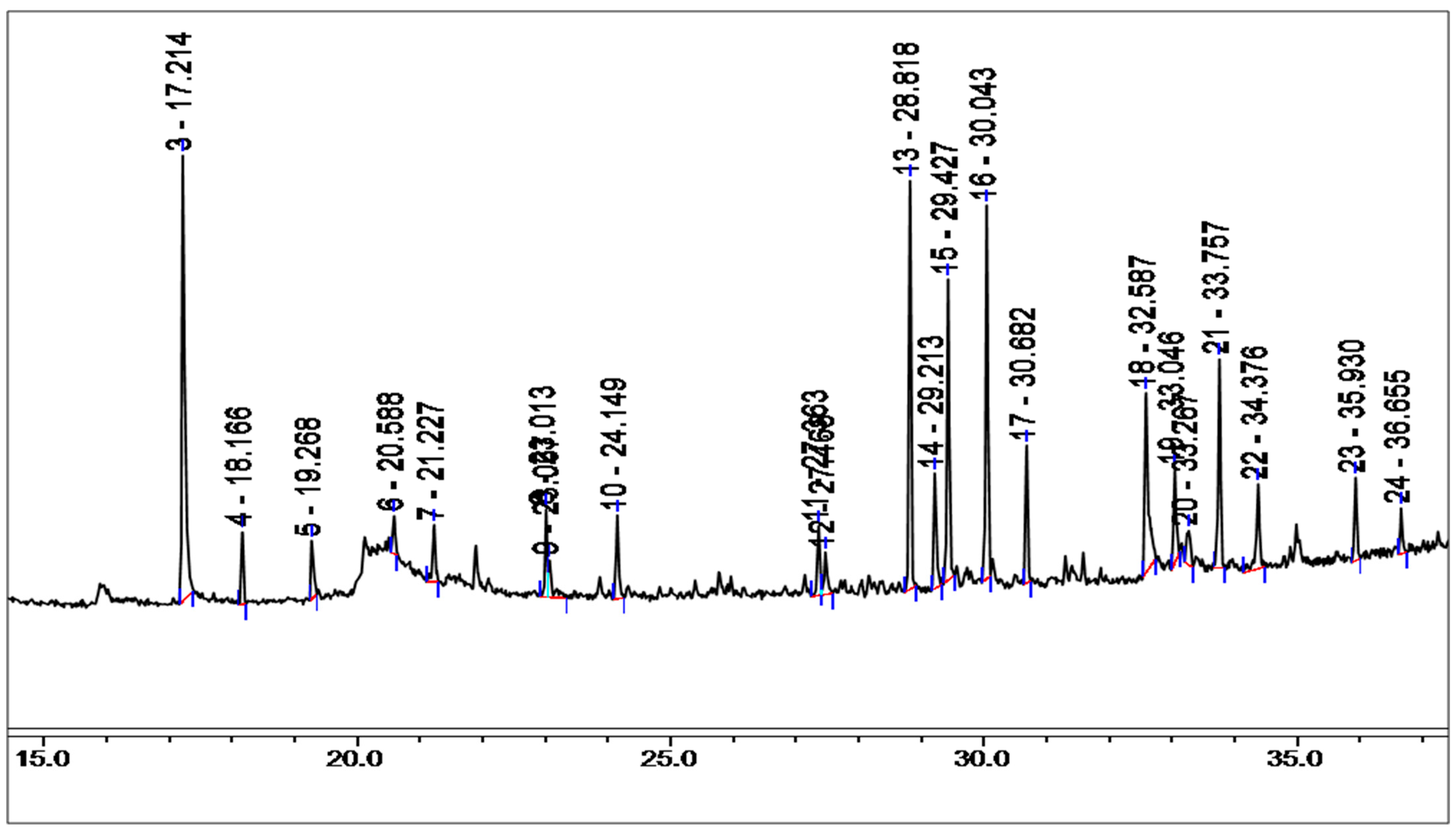
Enlargement of the region between 15.0 and 37.0 min of the gas-chromatogram reported in Figure 12. Assignment of peaks is as follows: 3, dodec-1-ene; 4, tetradec-1-ene; 5, 3-(3,4)-diidro-2H-pyrrol-5-yl-pyridine; 6 and 7, unknown; 8, eptadec-1-ene; 9, 10, 11 and 12, unknown; 13, phthalic acid hexa-3-yl-isobutylester; 14, hexadecan-1-ol; 15, 2-(diethylamino)ethyl-4-amino-2-hydroxybenzoate; 16, methyl hexadecanoate; 17, dibutyl phthalate; 18, (Z)-2-(9-octadecenyloxy)-ethanol; 19 and 20, unknown; 21, methyl octadecanoate; 22, 23 and 24, unknown.
The GC-MS analysis of the extracts obtained from the cellulose filter (Figure 13 and Figure 14) is characterized by a plot with a simplified profile compared to that generated by the extracts collected from the cigarette filter. Among the peaks attributable to the same compounds recognized by the GC-MS analysis previously discussed, the chemical profiling of the components adsorbed on the cellulose shows some different compounds not detected in the extracts from the CNTs filter. The same classes of organic compounds can be recognized, nevertheless many of these substances are absent or give peaks of relatively low intensities, indicating that they are retained almost quantitatively by the CNTs filter. The absence of peaks generated by nicotine and phthalic acid clearly demonstrate that this kind of filter can avoid the emission into the environment of the two toxic substances, also reducing the amount of many other equally dangerous compounds.
Although the data obtained requires further investigation for a possible targeted quantitative analysis, the GC-MS method discussed here could represent an advantageous tool to evaluate the efficiency of filters loaded with CNTs and used as traps for toxic organic substances contained in the cigarette smoke.
4. Conclusions
The combined analysis of gravimetric data and qualitative investigations conducted via GC-MS highlighted the high adsorptive performance of filters containing carbon nanotubes (CNTs) in retaining toxic components from cigarette smoke. The results show that the filter containing 0.06 g of CNTs represents the most capable configuration, capable of significantly reducing particulate matter while using a moderate amount of filtering material. This balance between quantity and distribution helped prevent aggregation phenomena, which were observed in filters with higher CNT dosages.
GC-MS analyses confirmed the CNTs’ ability to selectively and almost completely adsorb nicotine and phthalic acid, making them undetectable in the downstream cellulose filter. Additionally, a marked reduction was observed in volatile benzene derivatives, polycyclic aromatic hydrocarbons, phthalates, long-chain alcohols, and nitrogen-containing heterocycles—all recognized as harmful substances present in cigarette smoke.
These findings represent a preliminary but meaningful investigation, particularly regarding the selectivity of CNTs toward highly toxic molecules.
The CNTs used exhibit properties that make them suitable for advanced filtration systems: their high specific surface area (hundreds of m2/g) provides numerous active sites for the adsorption of toxic substances such as PAHs, aldehydes, and nitrosamines; their tunable porous structure allows control of diameters and lengths, creating nanometric channels capable of effectively trapping harmful particles and vapors. From a physicochemical perspective, the CNT surface promotes π–π interactions with aromatic compounds (e.g., benzo[a]pyrene), hydrophobic interactions with VOCs, and electrostatic bonding with polar species, enhancing capture efficiency. Surface functionalization with hydroxyl, carboxyl, or amine groups can further increase selectivity toward specific pollutants.
Another advantage is their thermal stability, which remains effective above 600 °C in inert atmospheres, an essential characteristic for applications involving cigarette smoke temperatures between 800 and 900 °C. Furthermore, the possibility of regeneration through thermal or chemical treatments makes CNTs reusable and more sustainable than traditional cellulose acetate filters. These properties make CNTs a promising choice for the development of advanced filters capable of effectively retaining harmful substances from cigarette smoke, contributing to improved air quality and reduced public health risks.
Although a direct comparison with other filtering materials was not addressed at this stage, the data obtained provide a solid foundation for evaluating the potential of CNTs as advanced filtering media and for understanding their selective behavior toward specific classes of organic compounds in air purification systems.
As this work represents a preliminary phase aimed at verifying the potential usefulness and selectivity of CNTs as an adsorbent material, comparisons with commercial filters, activated carbon, or functionalized CNTs—together with more advanced quantitative investigations—will be carried out in subsequent studies dedicated to a comprehensive comparative evaluation of filtration performance.
In parallel, a comprehensive discussion of potential risks associated with CNTs—such as inhalation toxicity, thermal stability, possible CNT release, and regulatory considerations—must be undertaken in future application-oriented studies, in which suitable safety systems and mitigation strategies may also be evaluated.
Author Contributions
Conceptualization, L.M., P.D.L., A.M. and C.S. Methodology, L.M. and P.D.L.; Formal analysis, P.F., L.M. and A.P.; Investigation, L.M., C.S., P.D.L. and A.M. Data curation, P.F., L.M. and A.P. Writing—original draft preparation, L.M. and P.D.L. Writing—review and editing, L.M., P.D.L. and C.S. Supervision, P.D.L., C.S. and L.M. All authors have read and agreed to the published version of the manuscript.
Funding
This research received no external funding.
Data Availability Statement
The original contributions presented in this study are included in the article. Further inquiries can be directed to the corresponding author(s).
Conflicts of Interest
The authors declare no conflicts of interest.
References
- World Health Organization. WHO Report on the Global Tobacco Epidemic, 2021. Available online: https://www.who.int/publications/i/item/9789240032095 (accessed on 16 October 2025).
- World Health Organization. Tobacco. Available online: https://www.who.int/news-room/fact-sheets/detail/tobacco (accessed on 16 October 2025).
- Hoffmann, D.; Hoffmann, I.; El-Bayoumy, K. The Less Harmful Cigarette: A Controversial Issue. Chem. Res. Toxicol. 2001, 14, 767–790. [Google Scholar] [CrossRef] [Scilit] [PubMed]
- IARC. Monographs on the Evaluation of Carcinogenic Risks to Humans. In Tobacco Smoke and Involuntary Smoking; IARC: Lyon, France, 2004; Volume 83. [Google Scholar]
- De Luca, P.; Nagy, J.B. Treatment of Water Contaminated with Reactive Black-5 Dye by Carbon Nanotubes. Materials 2020, 13, 5508. [Google Scholar] [CrossRef] [Scilit]
- De Benedetto, C.; Macario, A.; Siciliano, C.; B.Nagy, J.; De Luca, P. Adsorption of Reactive Blue 116 Dye and Reactive Yellow 81 Dye from Aqueous Solutions by Multi-Walled Carbon Nanotubes. Materials 2020, 13, 2757. [Google Scholar] [CrossRef] [Scilit]
- Issman, L.; Graves, B.; Terrones, J.; Hosmillo, M.; Qiao, R.; Glerum, M.; Yeshurun, S.; Pick, M.; Goodfellow, I.; Elliott, J.; et al. Filtration of Viral Aerosols via a Hybrid Carbon Nanotube Active Filter. Carbon 2021, 183, 232–242. [Google Scholar] [CrossRef] [Scilit]
- Li, X.; Zhang, L.; Yang, Z.; Wang, P.; Yan, Y.; Ran, J. Adsorption Materials for Volatile Organic Compounds (VOCs) and the Key Factors for VOCs Adsorption Process: A Review. Sep. Purif. Technol. 2020, 235, 116213. [Google Scholar] [CrossRef] [Scilit]
- Lee, H.-J.; Choi, W.S. 2D and 3D Bulk Materials for Environmental Remediation: Air Filtration and Oil/Water Separation. Materials 2020, 13, 5714. [Google Scholar] [CrossRef] [Scilit]
- Vishwakarma, P.K.; Pandey, S.K.; Singh, A.K.; Rathore, S.; Ram, K.; Giri, R.; Srivastava, A. Reusable and Thermostable Multiwalled Carbon Nanotubes Membrane for Efficient Removal of Benz[α]anthracene from Cigarette Smoke. Oxf. Open Mater. Sci. 2023, 3, itad012. [Google Scholar] [CrossRef] [Scilit]
- Zhang, W.; Li, G.; Yin, H.; Zhao, K.; Zhao, H.; An, T. Adsorption and Desorption Mechanism of Aromatic VOCs onto Porous Carbon Adsorbents for Emission Control and Resource Recovery: Recent Progress and Challenges. Environ. Sci. Nano 2022, 9, 81–104. [Google Scholar] [CrossRef] [Scilit]
- Attia, Y.A.; Ezet, A.E.; Saeed, S.; Galmed, A.H. Nano Carbon-Modified Air Purification Filters for Removal and Detection of Particulate Matters from Ambient Air. Sci. Rep. 2024, 14, 621. [Google Scholar] [CrossRef] [Scilit]
- Sajid, M.; Asif, M.; Baig, N.; Kabeer, M.; Ihsanullah, I.; Mohammad, A.W. Carbon Nanotubes-Based Adsorbents: Properties, Functionalization, Interaction Mechanisms, and Applications in Water Purification. J. Water Process Eng. 2022, 47, 102815. [Google Scholar] [CrossRef] [Scilit]
- Liapun, V.; Motola, M. Carbon Nanostructures Functionalization for Air Filtration and Purification. In Handbook of Functionalized Carbon Nanostructures; Springer: Cham, Switzerland, 2024; pp. 1821–1858. [Google Scholar] [CrossRef] [Scilit]
- De Luca, P.; B.Nagy, J.; Macario, A. Nanomaterials Used in the Preparation of Personal Protective Equipment (PPE) in the Fight against SARS-CoV-2. Inorganics 2023, 11, 294. [Google Scholar] [CrossRef] [Scilit]
- De Luca, P.; Macario, A.; Madeo, L.; B. Nagy, J. The Influence of Carbon Nanotube Functionalization on Water Contaminated by Diesel and Benzoic Acid: A Comparison of Two Case Studies. Inorganics 2024, 12, 18. [Google Scholar] [CrossRef] [Scilit]
- Chitranshi, M.; Chen, D.R.; Kosel, P.; Cahay, M.; Schulz, M. Flexible and Lightweight Carbon Nanotube Composite Filter for Particulate Matter Air Filtration. Nanomaterials 2022, 12, 4094. [Google Scholar] [CrossRef] [Scilit] [PubMed]
- Yim, Y.J.; Yoon, Y.H.; Kim, S.H.; Lee, J.H.; Chung, D.C.; Kim, B.J. Carbon Nanotube/Polymer Composites for Functional Applications. Polymers 2025, 17, 119. [Google Scholar] [CrossRef] [Scilit]
- Wong, G.K.S.; Webster, R.D. Active and Passive Adsorption of 47 Trace Atmospheric Volatile Organic Compounds onto Carbon Nanotubes. RSC Adv. 2021, 11, 29913–29919. [Google Scholar] [CrossRef] [Scilit]
- Acosta Suasnabar, E.; Aquino Soto, M.L.; Benites-Alfaro, E.; Banon Arias, J.V. Environmental Nanotechnology: Carbon Nanotubes as an Alternative to Reduce Organic Matter in Wetlands. Chem. Eng. Trans. 2023, 101, 103–108. [Google Scholar] [CrossRef]
- Iqbal, K.; Hussain, Q.; Masood, S.; Javed, N.; Bilal, M. Carbon Nanotubes in Environmental Remediation: Soil and Water Applications. In Environment, Climate, Plant and Vegetation Growth; Fahad, S., Saud, S., Nawaz, T., Gu, L., Ahmad, M., Zhou, R., Eds.; Springer: Cham, Switzerland, 2024. [Google Scholar] [CrossRef] [Scilit]
- Raghunatha Reddy, A.K.M.; Kumar, S.; Patel, R.; Singh, V. Advances in CNT Synthesis and Purification. Batteries 2025, 11, 71. [Google Scholar] [CrossRef] [Scilit]
- Flahaut, E. Toxicity and Environmental Impact of Carbon Nanotubes. In Carbon Nanotubes for Biomedical Applications; Klingeler, R., Sim, R., Eds.; Springer: Berlin/Heidelberg, Germany, 2011; pp. 193–207. [Google Scholar] [CrossRef] [Scilit]
- Shaban, A.; Abohalguma, T.; Vastag, G.; Telegdi, J. Nanostructured Materials and Electronic Nose Devices: Introduction. In Nanostructured Materials for Electronic Nose; Advanced Structured Materials; Joshi, N.J., Navale, S., Eds.; Springer: Singapore, 2024; Volume 213. [Google Scholar] [CrossRef] [Scilit]
- Santos, D.H.S.; Xiao, Y.; Chaukura, N.; Hill, J.M.; Selvasembian, R.; Zanta, C.L.P.S.; Meili, L. Regeneration of Dye-Saturated Activated Carbon through Advanced Oxidative Processes: A Review. Heliyon 2022, 8, e10205. [Google Scholar] [CrossRef] [Scilit]
- Zhao, Y.; Zhong, Z.; Low, Z.-X.; Yao, Z. A multifunctional multi-walled carbon nanotubes/ceramic membrane composite filter for air purification. RSC Adv. 2015, 5, 91951–91959. [Google Scholar] [CrossRef] [Scilit]
- Kah, M.; Zhang, X.; Jonker, M.T.O.; Hofmann, T. Measuring and Modeling Adsorption of PAHs to Carbon Nanotubes over a Six Order of Magnitude Wide Concentration Range. Environ. Sci. Technol. 2011, 45, 6011–6017. [Google Scholar] [CrossRef] [Scilit] [PubMed]
- Kim, H.; Park, S.; Choi, J.; Lee, Y.; Han, M.; Cho, K. Next-Generation Air Filtration Nanotechnology for Improved Indoor Air Quality. Chem. Commun. 2025, 61, 1234–1242. [Google Scholar] [CrossRef] [Scilit]
- De Penning, S.; Islam, M.S.; Ahasan, K.; Kingston, T.A.; Shrotriya, P. From Aerosol to Signal: Advances in Biosensor Technologies for Airborne Biothreat Detection. Biosensors 2025, 15, 764. [Google Scholar] [CrossRef] [Scilit]
- Vellaiyan, S. Environmental Performance Improvement of Ammonium Hydroxide–Diesel Blends via Carbon Nanotube Catalysis and Electrostatic Nanoparticle Filtration. J. Hazard. Mater. 2025, 485, 136906. [Google Scholar] [CrossRef] [Scilit]
- Wang, L.; Zhu, F.; Liu, E.; Yang, Y.; Yu, Q.; He, Y.; Peng, W.; Lam, S.S.; Chen, X. Progress in Advanced Carbon Nanotubes Composites for Air Purification. Adv. Compos. Hybrid Mater. 2024, 7, 100. [Google Scholar] [CrossRef] [Scilit]
- Liu, Z.; Yan, T.; Shi, H.; Pan, H.; Kang, P. Grafting Amine-Functionalized Ligand Layer on Catalyst for Electrochemical CO2 Capture and Utilization. Appl. Catal. B Environ. 2024, 343, 123456. [Google Scholar] [CrossRef] [Scilit]
- Luo, S.X.L.; Swager, T.M. Chemiresistive Sensing with Functionalized Carbon Nanotubes. Nat. Rev. Methods Primers 2023, 3, 73. [Google Scholar] [CrossRef] [Scilit]
- Sharafeldin, I.; Garcia-Rios, S.; Ahmed, N.; Alvarado, M.; Vilanova, X.; Allam, N.K. Metal-Decorated Carbon Nanotubes-Based Sensor Array for Simultaneous Detection of Toxic Gases. J. Environ. Chem. Eng. 2021, 9, 104534. [Google Scholar] [CrossRef] [Scilit]
- Piaskowski, K.; Świderska-Dąbrowska, R.; Dąbrowski, T. Carbon-Based Nanomaterials in Water and Wastewater Treatment Processes. Sustainability 2025, 17, 7414. [Google Scholar] [CrossRef] [Scilit]
- Baker, R.R. Smoke Generation inside a Burning Cigarette: Modifying Combustion to Develop Cigarettes that May Be Less Hazardous to Health. Prog. Energy Combust. Sci. 2006, 32, 373–385. [Google Scholar] [CrossRef] [Scilit]
- Hoffmann, D.; Hoffmann, I. The Changing Cigarette, 1950–1995. J. Toxicol. Environ. Health 1997, 50, 307–364. [Google Scholar] [CrossRef] [Scilit] [PubMed]
- Wilkinson, E.; Stack, M.; Hoh, E.; Poletti, S.; Mladenov, N.; Youssef, G. Cigarette Filters: A Benchmarking Investigation of Thermal and Chemical Attributes of Cellulose Acetate. Cellulose 2024, 31, 5671–5689. [Google Scholar] [CrossRef] [Scilit]
- Vijayananth, K.; Paramasivam, B.; Raju, S. Measurement of Mechanical and Thermal Performance of Cigarette Filter Fibres/Eggshell Particles Reinforced Polymer Composite Using Integrated CRITIC-TODIM Approach. Measurement 2024, 228, 114251. [Google Scholar] [CrossRef] [Scilit]
- Rodgman, A.; Perfetti, T.A. The Chemical Components of Tobacco and Tobacco Smoke, 1st ed.; CRC Press: Boca Raton, FL, USA, 2008; 1840p. [Google Scholar] [CrossRef] [Scilit]
- Agenzia delle Dogane e dei Monopoli. Livelli di Emissione Delle Sigarette. Available online: https://www.adm.gov.it/portale/livelli-di-emissioni-delle-sigarette (accessed on 16 October 2025).
- Attia, N.F.; Policicchio, A.; Mohamed, A.K.; Poselle Bonaventura, C.; Agostino, R.G.; Kassem, F.A.-M.; Zakria, A.M.; Alkahlawy, A.; Elashery, S.E.A. Sustainable and scalable production of nanoporous carbon derived casein nanoparticles with high surface area for promising hydrogen storage capacity and CO2/H2 separation. Chem. Eng. J. 2025, 522, 167820. [Google Scholar] [CrossRef] [Scilit]
- Policicchio, A.; Vuono, D.; Rugiero, T.; De Luca, P.; B. Nagy, J. Study of MWCNTs adsorption performances in gas processes. J. CO2 Util. 2015, 10, 30–39. [Google Scholar] [CrossRef] [Scilit]
- Perri, A.; Di Gioia, M.L.; Gencarelli, S.; Siciliano, C. Deep Eutectic Solvents and Carbon Nanotubes: A New Alliance in Green Nanotechnology. J. Mol. Liq. 2025, 439, 128772. [Google Scholar] [CrossRef] [Scilit]

Disclaimer/Publisher’s Note: The statements, opinions and data contained in all publications are solely those of the individual author(s) and contributor(s) and not of MDPI and/or the editor(s). MDPI and/or the editor(s) disclaim responsibility for any injury to people or property resulting from any ideas, methods, instructions or products referred to in the content. |
© 2026 by the authors. Licensee MDPI, Basel, Switzerland. This article is an open access article distributed under the terms and conditions of the Creative Commons Attribution (CC BY) license.