
Journal Description
C — Journal of Carbon Research
C
— Journal of Carbon Research is an international, scientific, peer-reviewed, open access journal on carbon research, published quarterly online by MDPI. The Spanish Carbon Group (GEC) is affiliated with C — Journal of Carbon Research and its members receive discounts on article processing charges.
- Open Access— free for readers, with article processing charges (APC) paid by authors or their institutions.
- High Visibility: indexed within ESCI (Web of Science), Scopus, CAPlus / SciFinder, and other databases.
- Journal Rank: CiteScore - Q2 (Environmental Science (miscellaneous))
- Rapid Publication: manuscripts are peer-reviewed and a first decision is provided to authors approximately 22.5 days after submission; acceptance to publication is undertaken in 2.8 days (median values for papers published in this journal in the second half of 2025).
- Recognition of Reviewers: reviewers who provide timely, thorough peer-review reports receive vouchers entitling them to a discount on the APC of their next publication in any MDPI journal, in appreciation of the work done.
Impact Factor:
2.9 (2024);
5-Year Impact Factor:
4.0 (2024)
Latest Articles
Engineered Biochar for the Sequestration of Textile Fibrous Microplastics: From Mechanistic Insights to Rational Functional Design
C 2026, 12(2), 31; https://doi.org/10.3390/c12020031 - 7 Apr 2026
Abstract
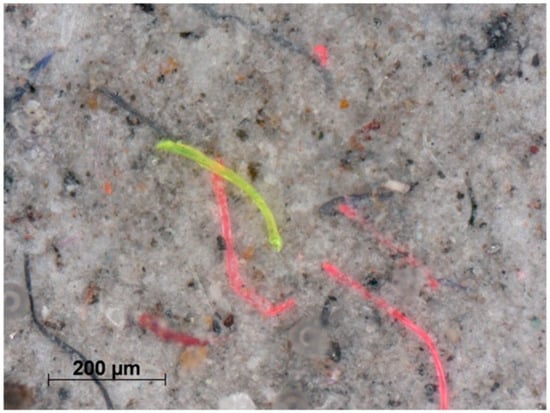
Microplastic pollution has emerged as a major environmental concern due to its persistence, widespread distribution and potential risks to ecosystems and human health. Among the various types of microplastics, fibrous microplastics (FMPs) account for 60% to 90% of all detected microplastic particles in
[...] Read more.
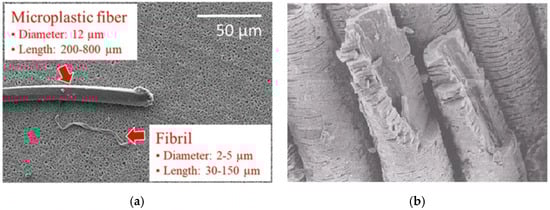
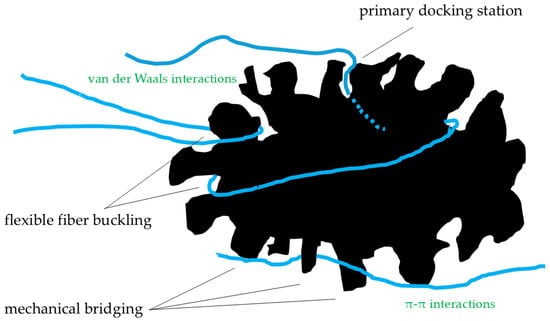
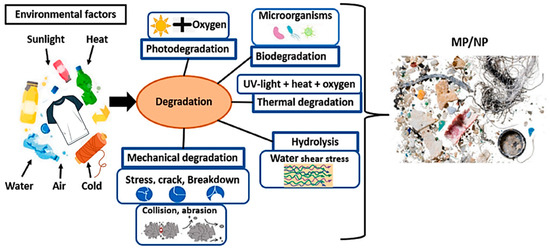
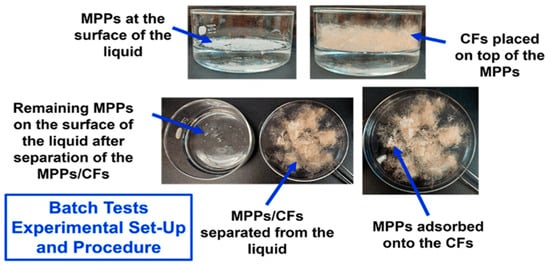
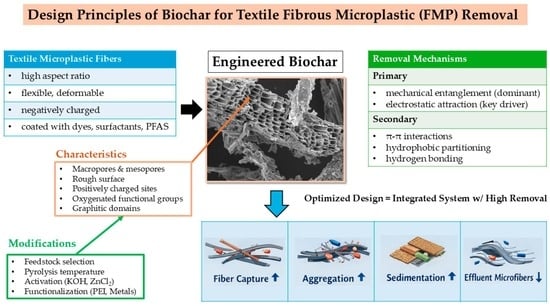
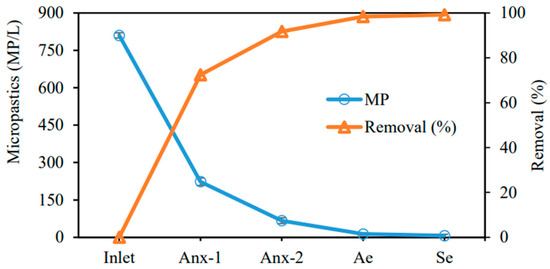
Microplastic pollution has emerged as a major environmental concern due to its persistence, widespread distribution and potential risks to ecosystems and human health. Among the various types of microplastics, fibrous microplastics (FMPs) account for 60% to 90% of all detected microplastic particles in surface waters, primarily originating from synthetic textile production, laundering, and wastewater discharge. Their elongated morphology, high aspect ratio, and complex surface chemistry differentiate them significantly from microplastic fragments or beads, creating unique challenges for effective removal in water treatment systems. In recent years, engineered biochar has attracted increasing attention as a promising and sustainable material for microplastic removal due to tunable pore structure, surface chemistry, and adsorption capacity. However, existing reviews largely discuss microplastic removal in general terms, with limited attention to the distinctive properties of textile FMPs and their implications for biochar design and performance. This review provides a comprehensive and focused analysis of the functional characteristics of biochar that enable the effective removal of textile FMPs in water systems. First, the environmental significance and physicochemical characteristics of textile-derived FMPs are summarized. Next, the major mechanisms governing biochar–microplastic interactions, including physical interception, adsorption, and aggregation processes, are discussed. The review then examines key functional characteristics of engineered biochar, such as pore structure, surface functional groups, hydrophobicity, and composite modifications, that enhance the sequestration of FMPs. Finally, current technological challenges, research gaps, and future directions for developing scalable biochar-based solutions for textile microplastic mitigation are discussed. By linking the unique properties of textile FMPs with the functional design of biochar, this review provides a framework to guide the development of more effective and sustainable treatment strategies for reducing microplastic contamination in aquatic environments.
Full article
(This article belongs to the Topic Converting and Recycling of Waste Materials)
►
Show Figures
Open AccessArticle
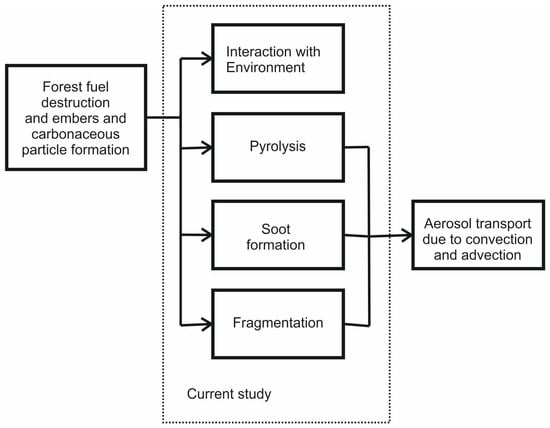
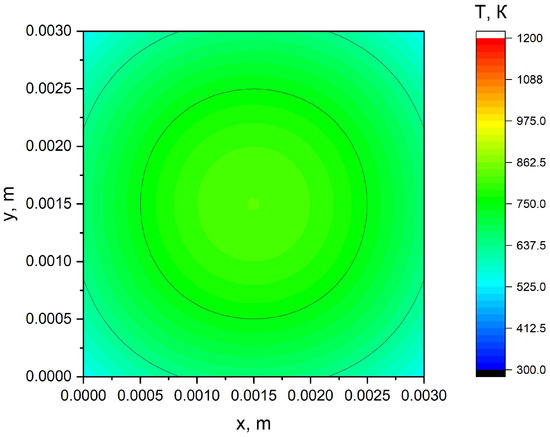
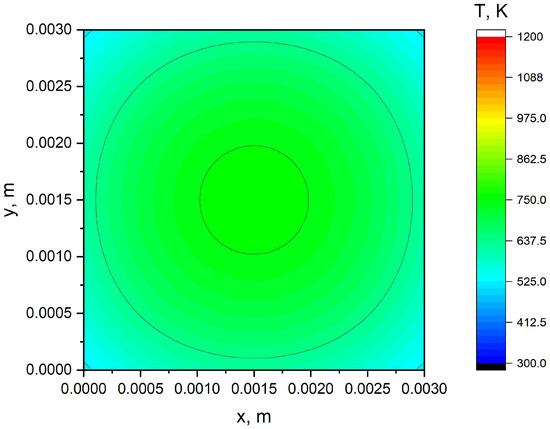
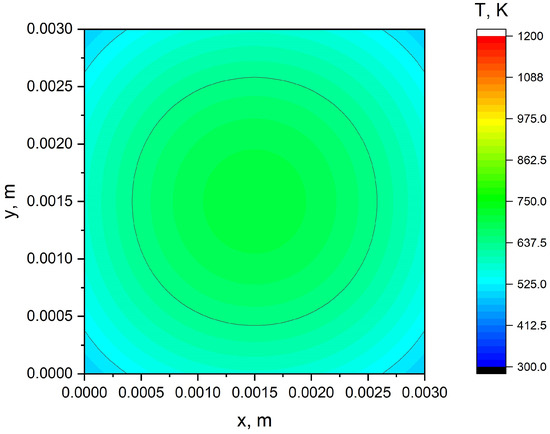
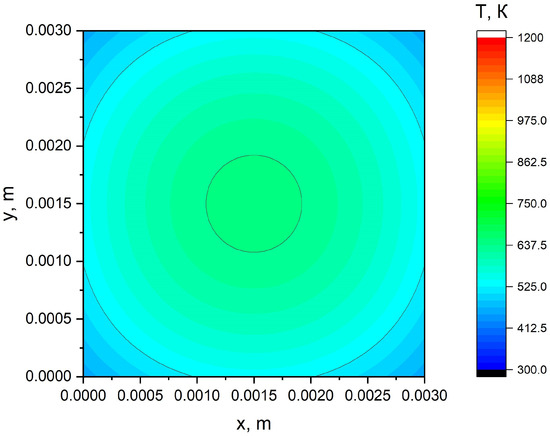
Mathematical Modeling of Soot Formation and Fragmentation of Carbon Particles During Their Pyrolysis Under Conditions of Removal from the Front of a Forest Fire
by
Nikolay Viktorovich Baranovskiy and Viktoriya Andreevna Vyatkina
C 2026, 12(2), 30; https://doi.org/10.3390/c12020030 - 1 Apr 2026
Abstract
The object of the study is a single heated carbonaceous particle of relatively small size, 0.003 to 0.01 m. Main hypothesis: The formation of soot particles and black carbon particles is caused by the thermochemical destruction of dry organic matter of forest fuel
[...] Read more.
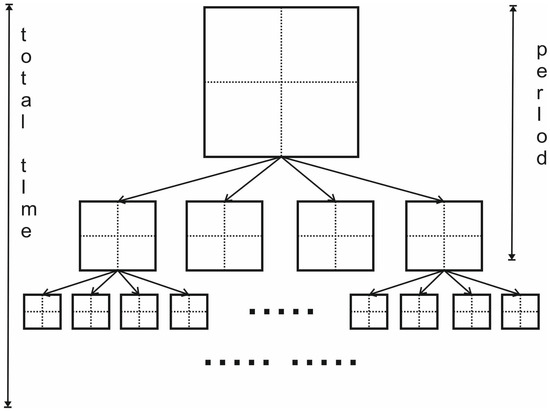
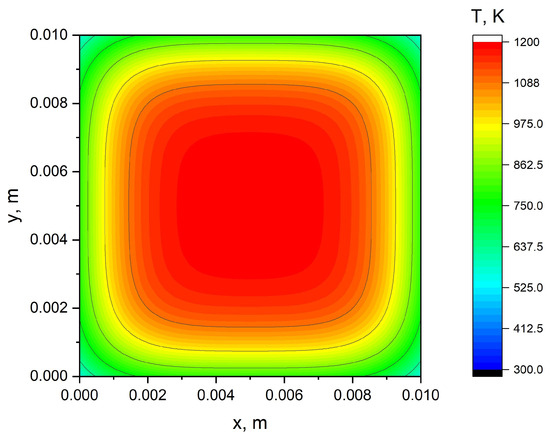
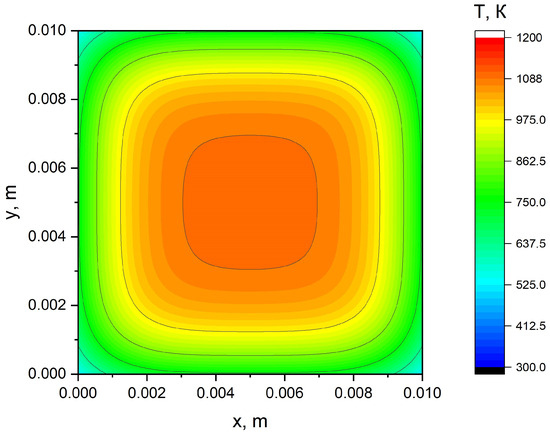
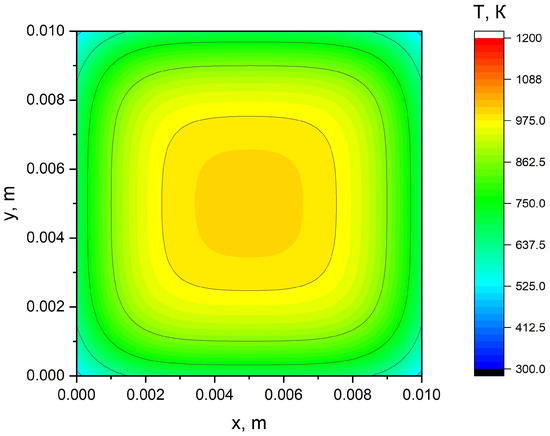
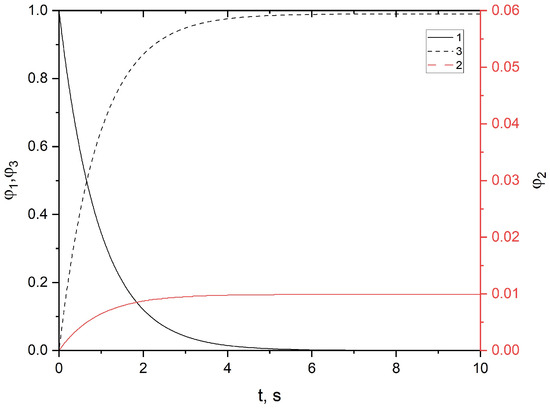
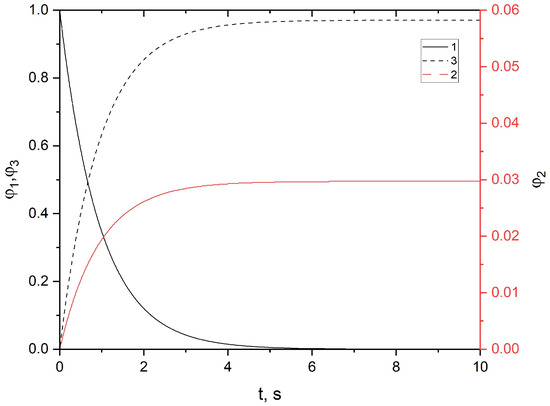
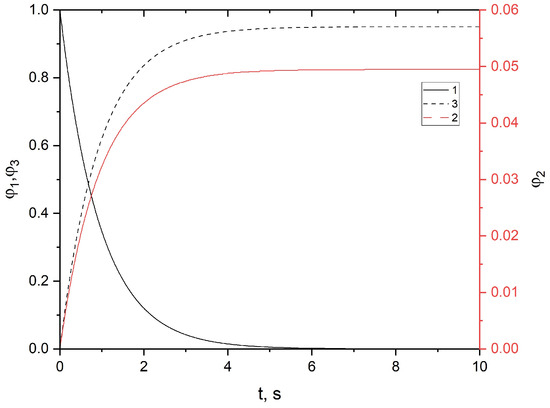
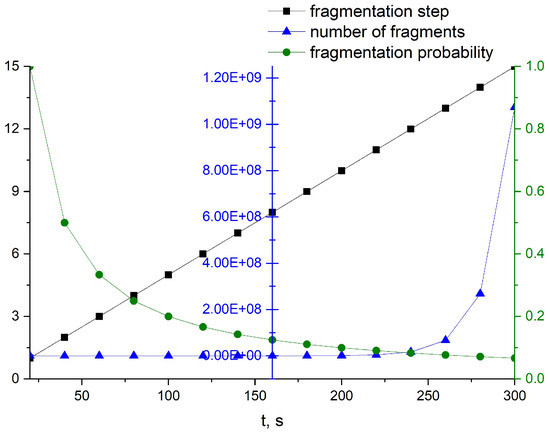
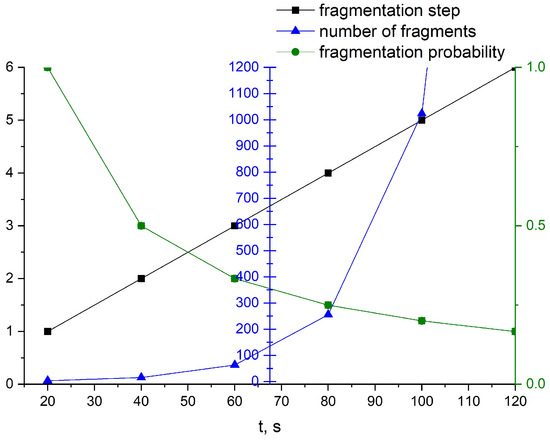
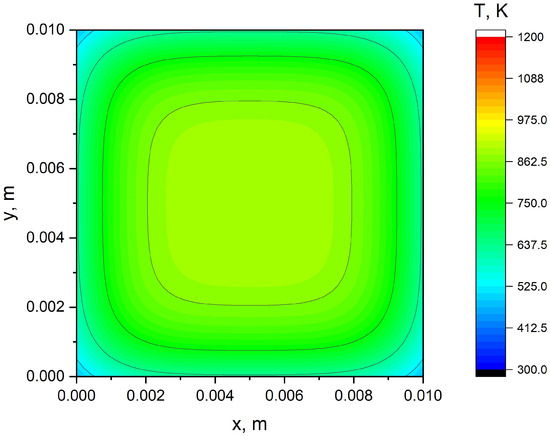
The object of the study is a single heated carbonaceous particle of relatively small size, 0.003 to 0.01 m. Main hypothesis: The formation of soot particles and black carbon particles is caused by the thermochemical destruction of dry organic matter of forest fuel and the mechanical fragmentation of coke residue. The aim of the study is to conduct numerical simulations of heat and mass transfer in a single heated carbonaceous particle, taking into account the soot formation process and assessing its fragmentation with regard to heat exchange with the external environment in a 2D setting. As part of this study, a new model of heat and mass transfer in a pyrolyzed carbonaceous particle was developed, taking into account its step-by-step fragmentation (fragmentation tree model with four secondary particle formations from the initial particle). The calculations resulted in the distributions of temperature and volume fractions of phases in the carbonaceous particle across various scenarios. Scenarios of surface fires (initial temperatures of 900 K and 1000 K), crown fires (1100 K), and a firestorm (1200 K) for typical vegetation (pine, spruce, birch) are considered. Cubic carbonaceous particles are considered in the approximation of a 2D mathematical model. To describe heat and mass transfer in the structure of the carbonaceous particle, a differential equation of thermal conductivity with corresponding initial and boundary conditions of the third type is used, taking into account the gross reaction in the kinetic scheme of pyrolysis and soot formation. Differential analogues of partial differential equations are solved using the finite difference method of second-order approximation. Options for using the developed mathematical model and probabilistic fragmentation criterion for assessing aerosol emissions are proposed. Recommendations: The suggested mathematical model must be incorporated with mathematical models of forest fire plume and aerosol transport in the upper layers of the atmosphere. Moreover, probabilistic criteria for health assessment must be developed for the practical use of the suggested mathematical model.
Full article
(This article belongs to the Topic Environmental Pollutant Management and Control)
►▼
Show Figures

Figure 1
Open AccessArticle
Activation Temperature-Dependent Dynamic Water Vapor Sorption in Chestnut Shell-Derived Carbons
by
Mohammed Mohammed, Katelyn Hamilton, Mia Dial and Venkateswara R. Kode
C 2026, 12(1), 29; https://doi.org/10.3390/c12010029 - 22 Mar 2026
Abstract
Water vapor sorption in porous activated carbons (PACs) is governed by a complex interplay of pore architecture and surface functionality and often exhibits pronounced adsorption–desorption hysteresis. In this work, chestnut-shell-derived carbons were synthesized via a two-step thermal route—pyrolysis at 550 °C for 120
[...] Read more.
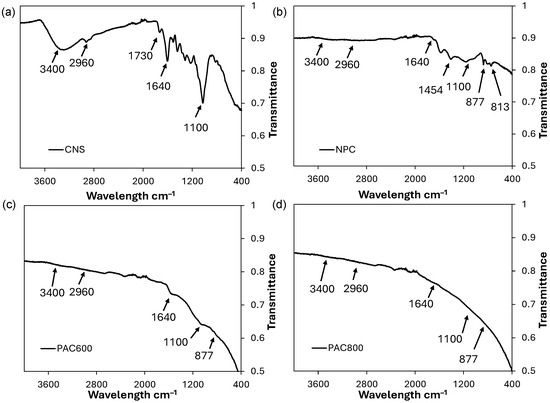
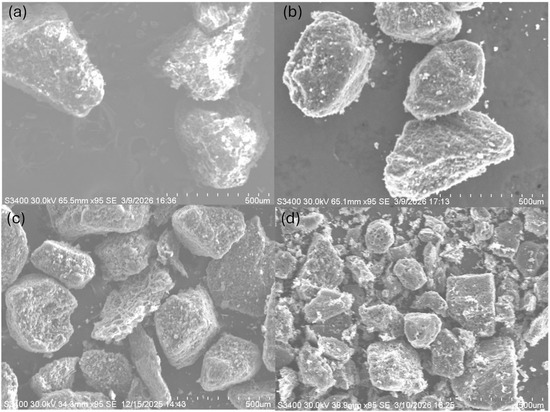
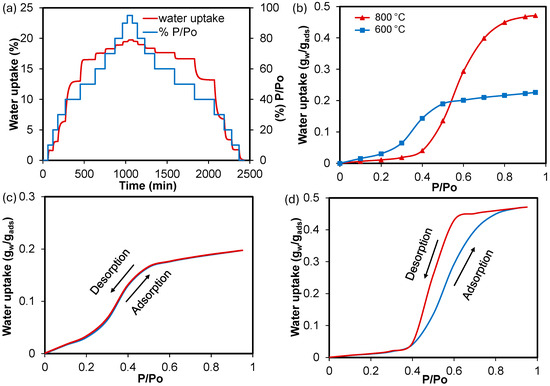
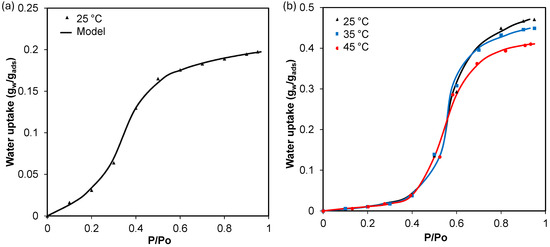
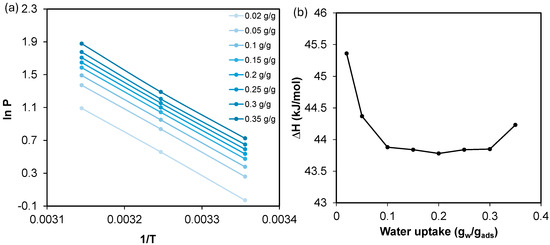
Water vapor sorption in porous activated carbons (PACs) is governed by a complex interplay of pore architecture and surface functionality and often exhibits pronounced adsorption–desorption hysteresis. In this work, chestnut-shell-derived carbons were synthesized via a two-step thermal route—pyrolysis at 550 °C for 120 min followed by KOH activation at either 600 °C or 800 °C for 240 min—and evaluated using a dynamic vapor sorption analyzer to quantify water uptake, hysteresis, and temperature-dependent energetics. Both materials exhibit sigmoidal Type V isotherms, characteristic of cooperative water clustering on hydrophobic carbon surfaces with localized polar sites. At 25 °C, The PAC sample prepared at 800 °C shows a sharper uptake transition and higher total capacity (~0.45 g/g at 90% RH), compared to the broader, more gradual isotherm of the 600 °C sample (~0.17 g/g). Temperature-dependent isotherms collected between 25 °C and 45 °C were fit using the Dubinin–Serpinsky (DS-4) model, yielding good agreement (R2 ≈ 0.997) and enabling mechanistic interpretation of primary site adsorption and cooperative cluster growth. Clausius–Clapeyron analysis of ln P versus 1/T at fixed loadings yielded isosteric heats of adsorption (ΔH) decreasing from approximately 45.4 kJ mol−1 at low uptake (0.02 g g−1) to ~43.8 kJ mol−1 at intermediate loading, followed by a slight increase to ~44.2 kJ mol−1 at higher coverage (0.35 g g−1). This trend reflects the transition from strong adsorption at high-energy surface sites to cooperative water clustering and confinement effects within the pore network. These findings highlight the role of activation temperature in modulating sorption mechanisms and energetics, offering practical guidance for tuning biomass-derived carbons for atmospheric water harvesting applications.
Full article
(This article belongs to the Special Issue Carbons for Health and Environmental Protection (2nd Edition))
►▼
Show Figures

Figure 1
Open AccessArticle
Experimental Evaluation of CO2 Absorption and Thermophysical Properties of TBAB-Based Deep Eutectic Solvents with Amine and Acid Donors
by
Siddharth Atal, Sonam Sharma, Amit Kumar Gomey, Syed Saim Ali, Rakesh Kumar, Deepak Dwivedi and Bhupendra Pratap Singh
C 2026, 12(1), 28; https://doi.org/10.3390/c12010028 - 20 Mar 2026
Abstract
Carbon dioxide emissions from fossil fuel burning remains a severe environmental challenge that needs to be addressed. Deep eutectic solvents (DESs) have emerged as promising alternatives to conventional alkanolamines for CO2 capture applications due to their lower volatility and reduced corrosion potential.
[...] Read more.
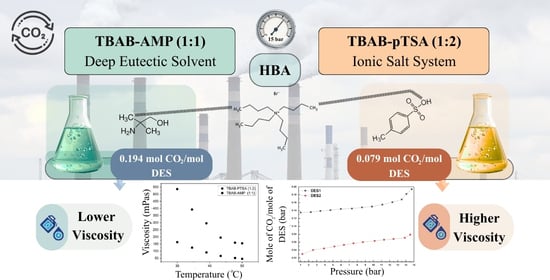
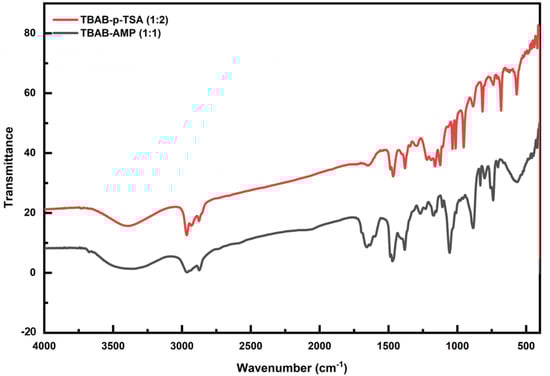
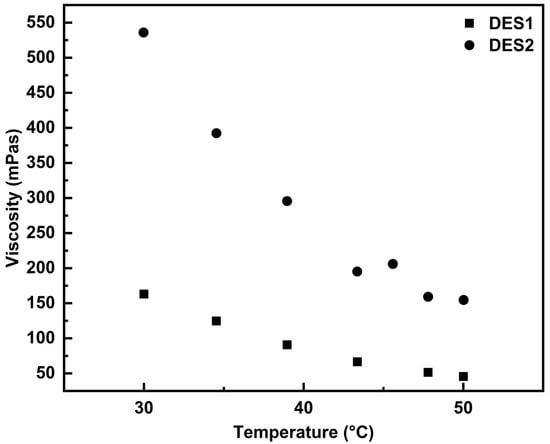
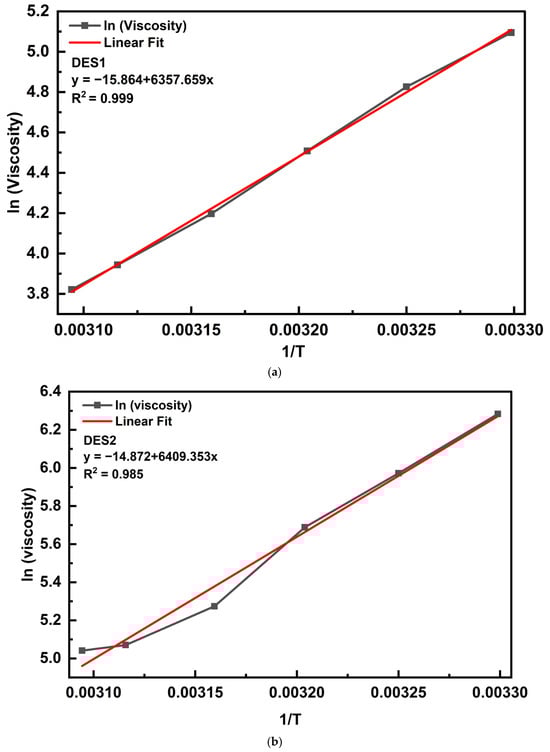
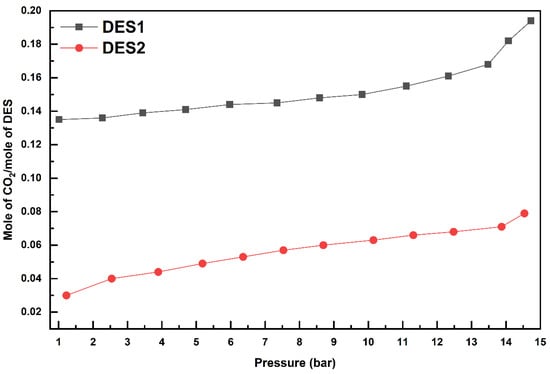
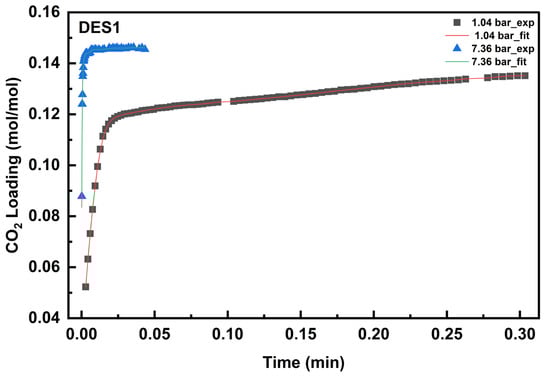
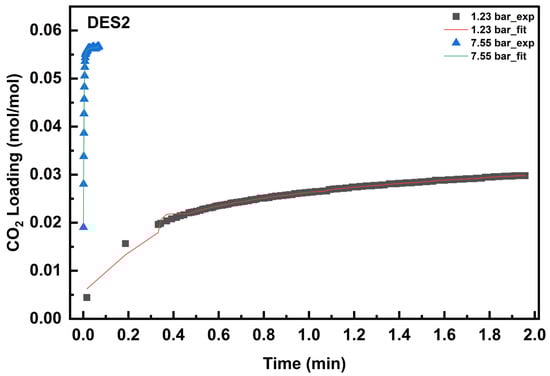
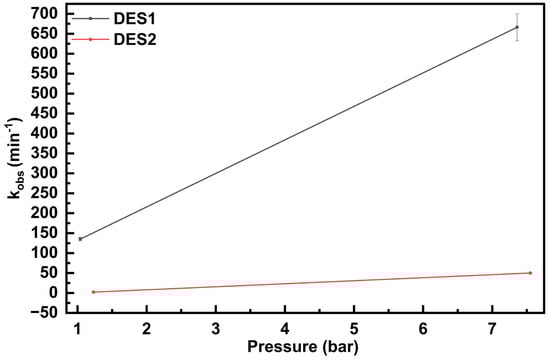
Carbon dioxide emissions from fossil fuel burning remains a severe environmental challenge that needs to be addressed. Deep eutectic solvents (DESs) have emerged as promising alternatives to conventional alkanolamines for CO2 capture applications due to their lower volatility and reduced corrosion potential. In this work, two tetrabutylammonium bromide (TBAB)-based systems were synthesized using different hydrogen bond donors: 2-amino-2-methyl-1-propanol (AMP) at a 1:1 molar ratio and p-toluenesulfonic acid (PTSA) at a 1:2 molar ratio. FTIR spectroscopic analysis confirmed that TBAB-AMP (1:1) forms a true DES through hydrogen bonding interactions, whereas TBAB-PTSA (1:2) undergoes proton transfer to form an ionic salt. CO2 solubility measurements were conducted using the pressure drop method up to 15 bar at 30 °C. The TBAB-AMP system exhibited a CO2 uptake of 0.194 mol CO2/mol DES at 14.7 bar, approximately 2.5-fold higher than the TBAB-PTSA system, which achieved 0.079 mol/mol at 14.5 bar. Critical and thermophysical properties were estimated using the modified Lydersen–Joback–Reid, Lee–Kesler, and Haghbakhsh group-contribution methods. Viscosity measurements conducted from 30 to 50 °C revealed that TBAB-AMP exhibited significantly lower viscosity, ranging from 163 to 46 mPa·s, compared to TBAB-PTSA, which showed viscosity values between 536 and 155 mPa·s. The superior CO2 capture performance of the amine-functionalized DES was attributed to favorable hydrogen-bonding interactions, lower viscosity, which enabled better mass transfer, and enhanced chemical affinity toward CO2 through carbamate formation.
Full article
(This article belongs to the Section Carbon Cycle, Capture and Storage)
►▼
Show Figures

Graphical abstract
Open AccessReview
Transverse Mechanical Response of Carbon Nanotube Yarns: An Experimental Study Using Atomic Force Microscopy and Raman Spectroscopy
by
Iriana Garcia Guerra, Deissy. J. Feria, Gustavo M. A. Alves, Jandro L. Abot, Inés Pereyra and Marcelo N. P. Carreño
C 2026, 12(1), 27; https://doi.org/10.3390/c12010027 - 20 Mar 2026
Abstract
Carbon nanotube yarns (CNTYs) have received more consideration recently due to their excellent specific mechanical, electrical and thermal properties, making them promising materials for different applications. Until now, the axial properties of the yarn have been thoroughly investigated; however, the transverse or radial
[...] Read more.
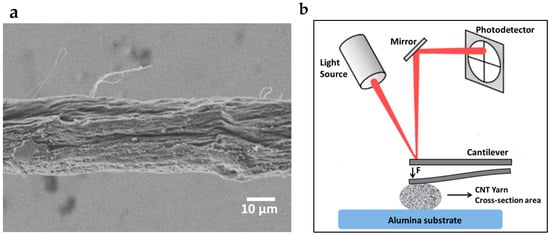
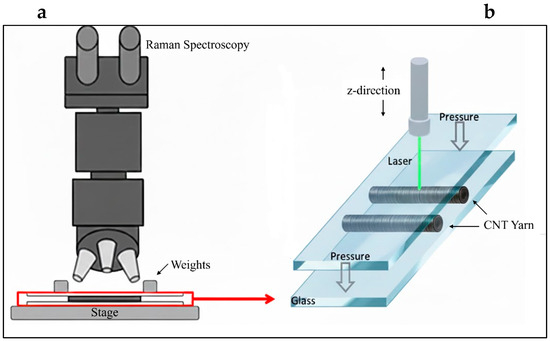
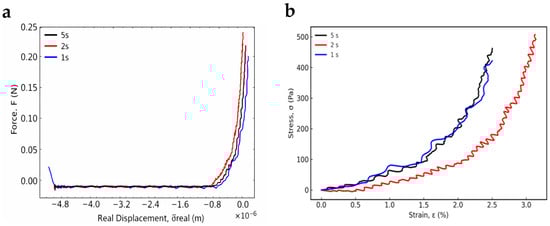
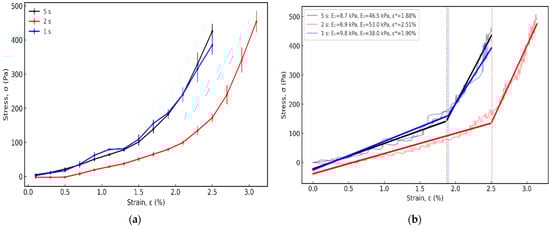
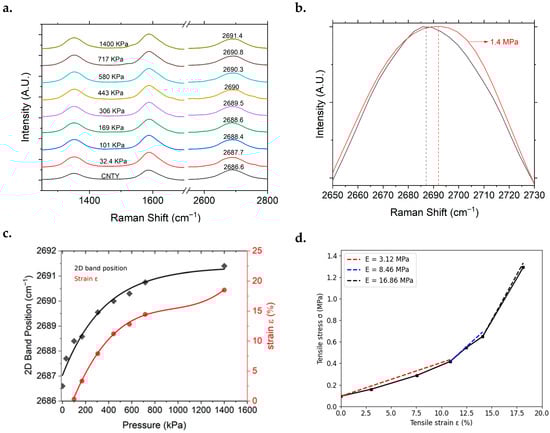
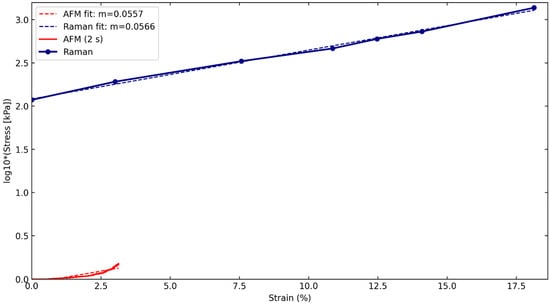
Carbon nanotube yarns (CNTYs) have received more consideration recently due to their excellent specific mechanical, electrical and thermal properties, making them promising materials for different applications. Until now, the axial properties of the yarn have been thoroughly investigated; however, the transverse or radial properties, orthogonal to the fiber axis, remain relatively unknown due to the challenges associated with their measurement. In this study, the transverse or radial response of the CNTY including its elastic modulus was determined using Atomic Force Microscopy (AFM) and Raman Spectroscopy. Determining transverse properties in fibrous materials presents challenges owing to their geometry, inherent anisotropy, whereby mechanical characteristics exhibit directional disparities; i.e., the properties in the transverse direction may be several orders of magnitude smaller than those in the axial direction. To overcome these difficulties, AFM was utilized to perform nanoindentation experiments, where a tipless flexible cantilever probe was used to apply a controlled force to the CNTY surface. The resulting indentation depth was then analyzed to determine the transversal elastic modulus. Preliminary findings indicate that the transverse elastic modulus of the CNTYs ranges from 10–54 kPa for strain levels below 3%. Complementary Raman spectroscopy provided insight into the bulk-scale mechanical behavior of CNTYs. Incremental compressive loading between microscope slides induced nonlinear upshifts in the 2D Raman band (from ~2686.6 to 2691.4 cm−1), indicating nanoscale tube realignment, inter-tube densification, and compaction. From lateral diameter measurements under load, a stress–strain curve was constructed, revealing three distinct regimes: one with an initial elastic modulus of 3.12 MPa (0.3–11.2% strain), another one with an elastic modulus increasing to 8.46 MPa (11.2–14.4%), and finally one with an elastic modulus peaking at 16.86 MPa beyond 14.4% strain. Together, these methods delineate the hierarchical and anisotropic nature of CNTYs, validating the importance of multiscale mechanical characterization for their deployment in piezoresistive sensors and multifunctional composites. This study establishes a robust framework for quantifying the transverse mechanical response of CNTYs.
Full article
(This article belongs to the Collection Novel Applications of Carbon Nanotube-Based Materials)
►▼
Show Figures

Figure 1
Open AccessArticle
Testing and Modeling of a CFRP Composite Subjected to Simple and Compound Loads
by
Ionuț Mititelu, Viorel Goanță, Paul Doru Bârsănescu and Ciprian Ionuț Morăraș
C 2026, 12(1), 26; https://doi.org/10.3390/c12010026 - 20 Mar 2026
Abstract
Most components fail under complex states of stress and for this reason the study of materials failure under these conditions is an important topic. The article presents the experimental study of the failure of a CFRP material, with a 0/90° cross-ply configuration, subjected
[...] Read more.
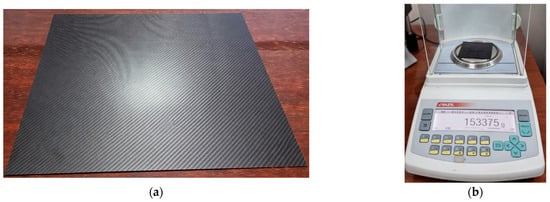
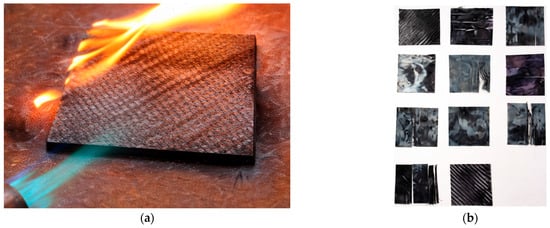
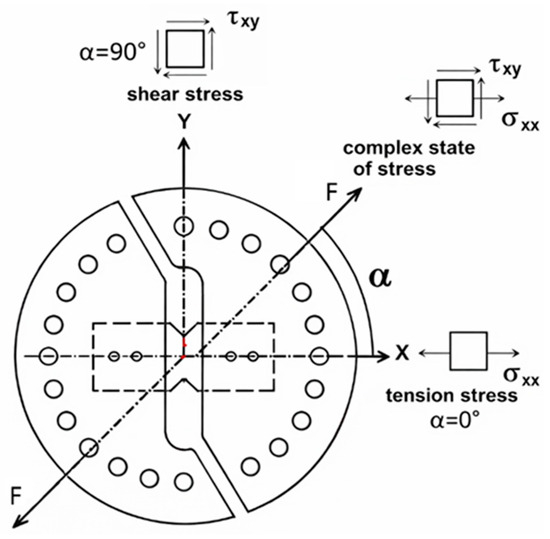
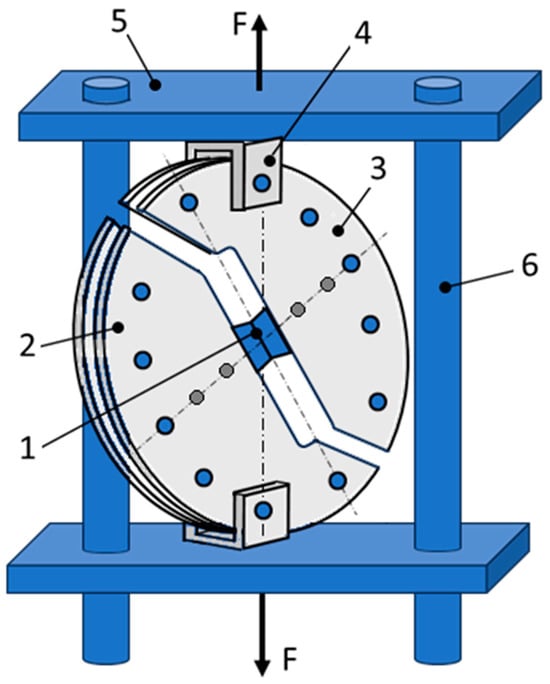
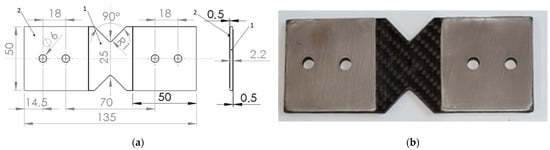
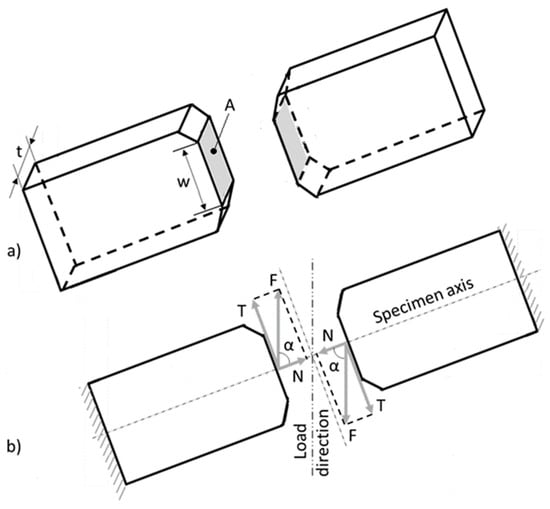
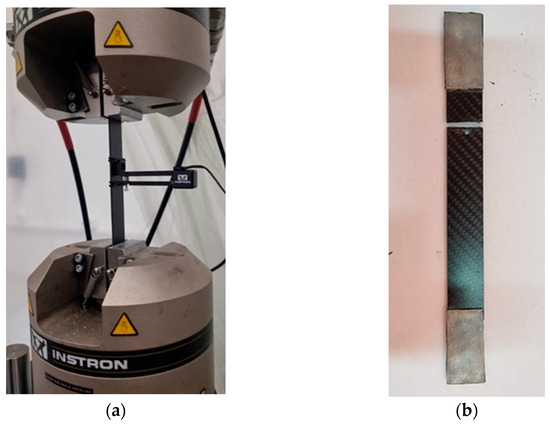
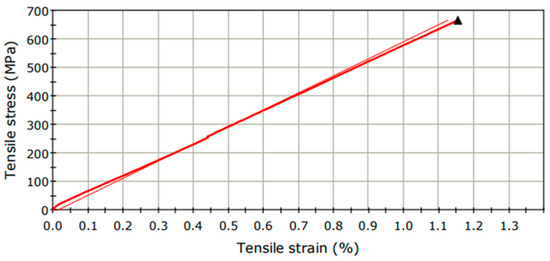
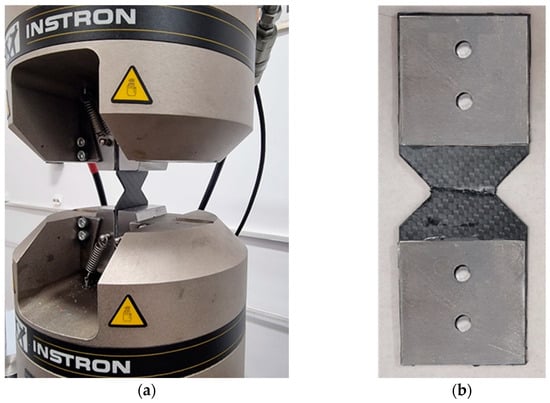
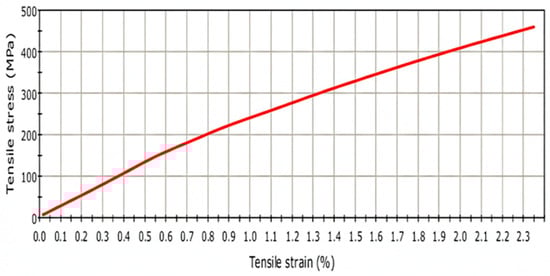
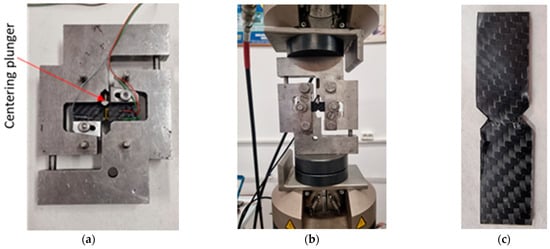
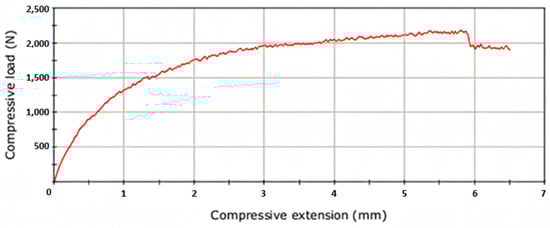
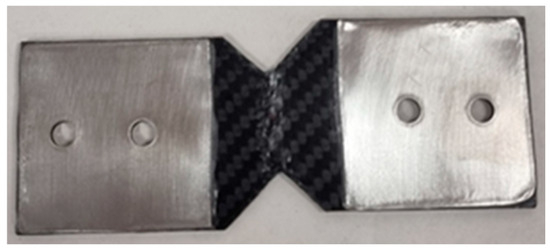
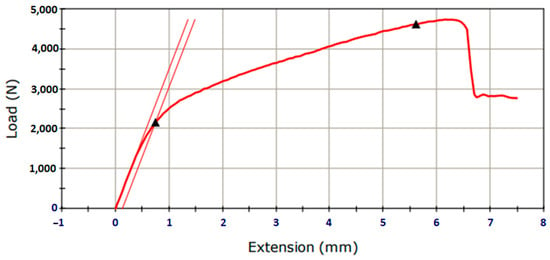
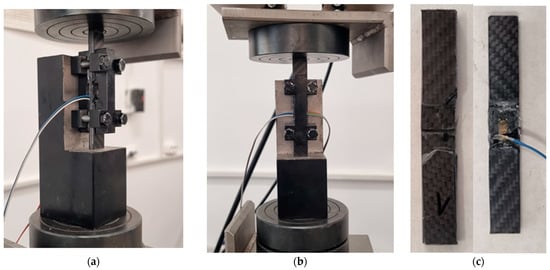
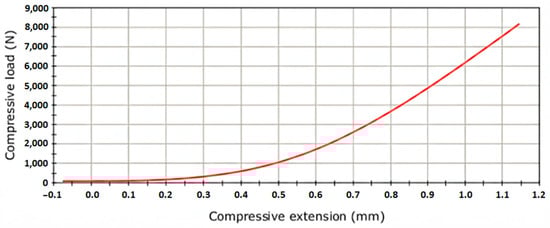
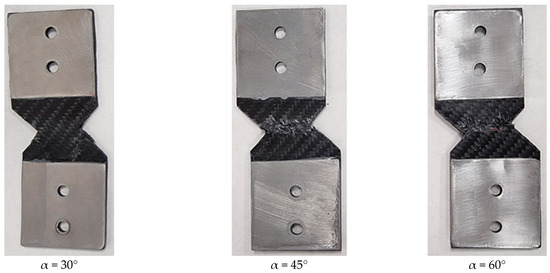
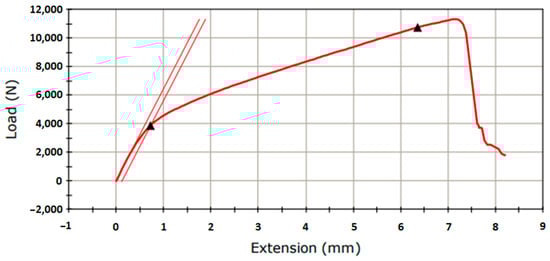
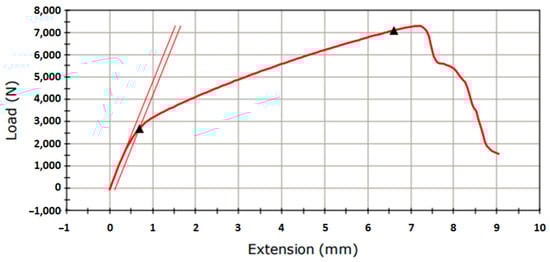
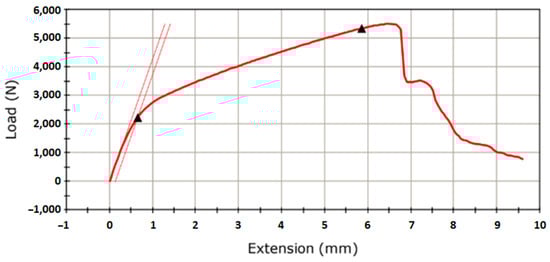
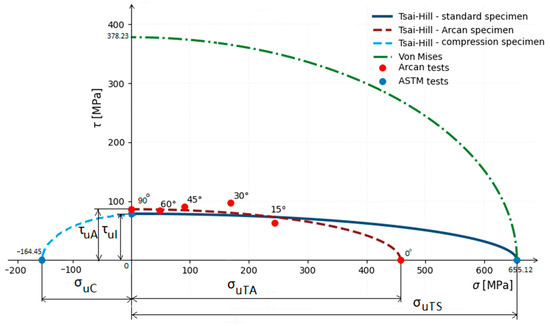
Most components fail under complex states of stress and for this reason the study of materials failure under these conditions is an important topic. The article presents the experimental study of the failure of a CFRP material, with a 0/90° cross-ply configuration, subjected to both simple loading conditions (tension, compression, and shear) and combined loading (tension–shear), using a modified Arcan testing method. The Arcan device and specimen geometry were redesigned to reduce experimental errors and the dispersion of results. It was found that there are significant differences between the strength values obtained for simple loads performed by the standardized methods and by the Arcan method, respectively. For this reason, it is recommended to use the Arcan method only for mixed loading modes. Specimens with steel tabs were used to reduce both hole ovality during testing and the number of clamping screws to only four. It was found that the experimental results under complex stress states are well described by the Tsai–Hill failure criterion and the failure envelope for the material studied was plotted. Recommendations are provided regarding the appropriate use of the Arcan method in order to obtain precise results for CFRP composites under multiaxial loading.
Full article
(This article belongs to the Section Carbon Materials and Carbon Allotropes)
►▼
Show Figures

Figure 1
Open AccessReview
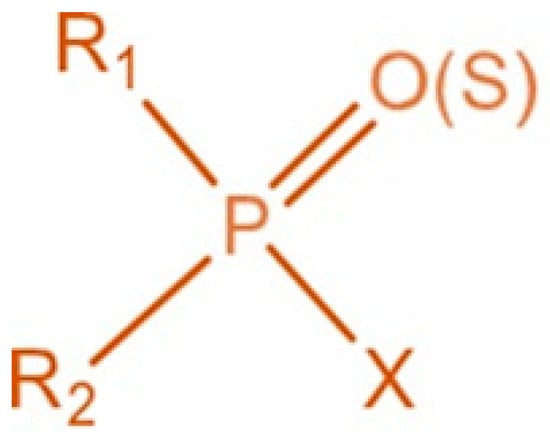
Porous Carbon Materials for Organophosphate Removal—Implications for Long-Term Neurotoxicity Exposure
by
Tamara Lazarević-Pašti, Vedran Milanković, Nevena Radivojević and Tamara Terzić
C 2026, 12(1), 25; https://doi.org/10.3390/c12010025 - 18 Mar 2026
Abstract
Organophosphate pesticides (OPs) are widespread contaminants in agricultural and aquatic environments. Growing evidence indicates that even low-level, chronic exposure to OPs is associated with neurotoxic effects and long-term neurological risks. Over the past decade, substantial progress has been made in developing porous carbon
[...] Read more.
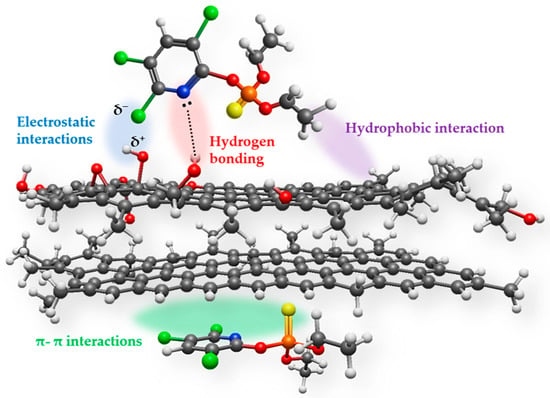
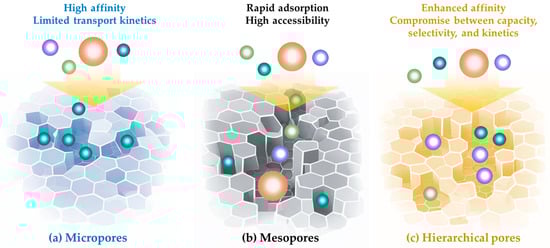
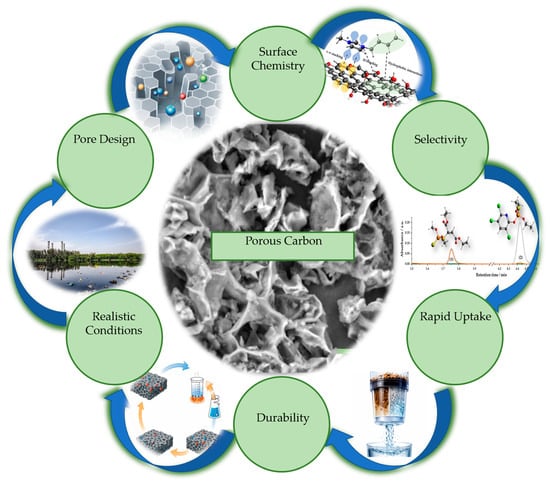
Organophosphate pesticides (OPs) are widespread contaminants in agricultural and aquatic environments. Growing evidence indicates that even low-level, chronic exposure to OPs is associated with neurotoxic effects and long-term neurological risks. Over the past decade, substantial progress has been made in developing porous carbon materials capable of efficiently removing OPs from water, food systems, and other environmental matrices. However, adsorption studies have largely focused on equilibrium performance metrics rather than on conditions relevant to real exposure scenarios. This review introduces an exposure-oriented perspective for evaluating porous carbon materials for OP mitigation by linking adsorption science with exposure-driven neurotoxicity considerations. By analysing recent studies on OP adsorption, we demonstrate that equilibrium adsorption capacity alone is often a poor predictor of real-world exposure mitigation. Instead, adsorption kinetics at low concentrations, pore accessibility, and surface chemical heterogeneity emerge as key factors governing sustained OP sequestration. The review further highlights how hierarchical pore architectures and balanced surface functionalization can enhance adsorption efficiency under environmentally realistic conditions. By integrating environmental carbon research with exposure-relevant considerations, this work outlines design principles for carbon adsorbents to reduce long-term OP exposure and associated neurological risks.
Full article
(This article belongs to the Special Issue 10th Anniversary of C — Journal of Carbon Research)
►▼
Show Figures

Figure 1
Open AccessReview
Textile Microplastics in Wastewater: A Critical Review of Removal and Carbonization Technologies
by
Azam Ali and Muhammad Zaman Khan
C 2026, 12(1), 24; https://doi.org/10.3390/c12010024 - 9 Mar 2026
Abstract
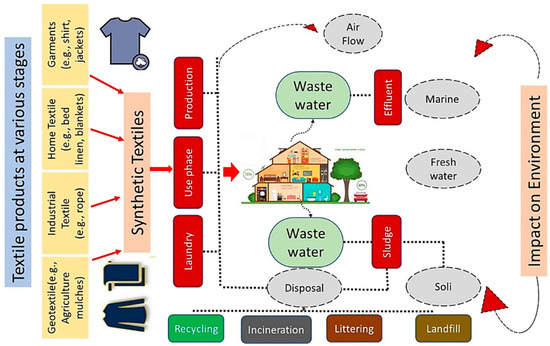
The rapid growth of synthetic textile production has intensified the release of micro- and nanoplastics (MPs/NPs) into aquatic environments, primarily through industrial effluents and domestic laundering. Textile-derived microplastics, especially polyester fibers and polymeric coating fragments, constitute a significant fraction of plastic contamination in
[...] Read more.
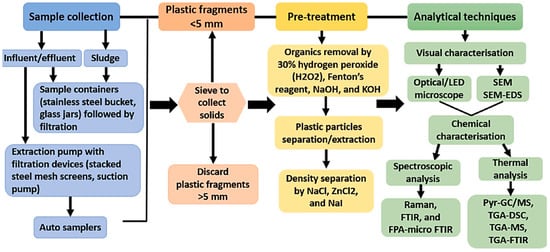
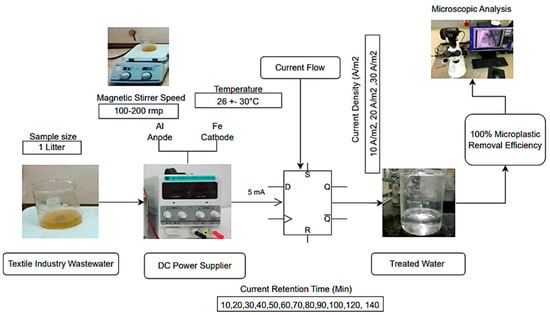
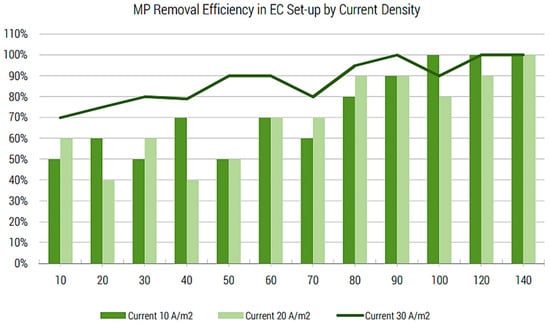
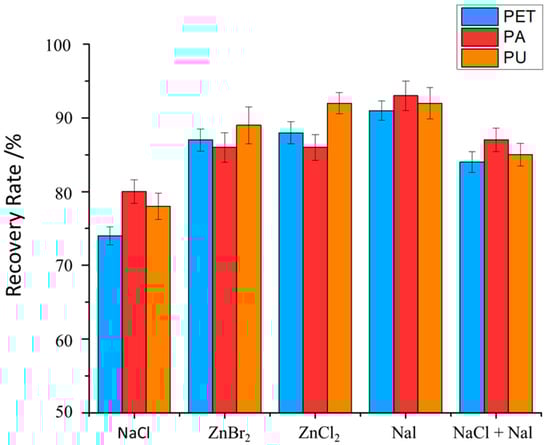
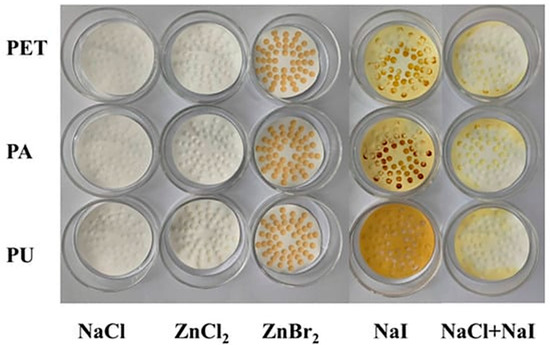
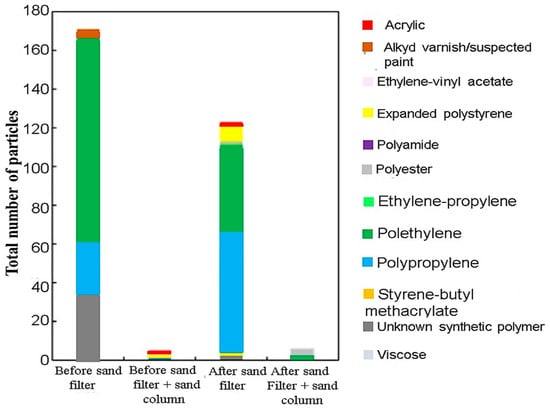
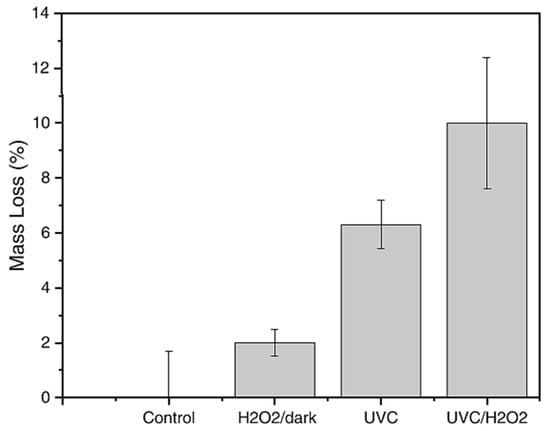
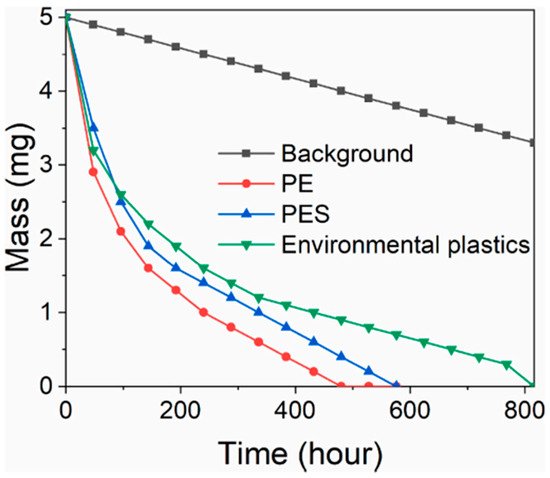
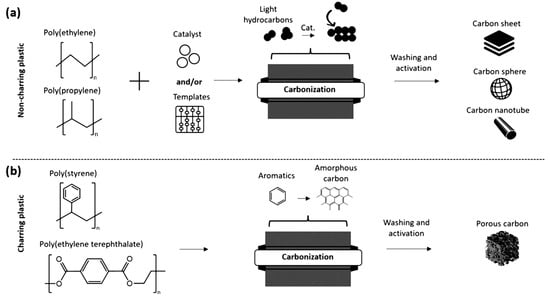
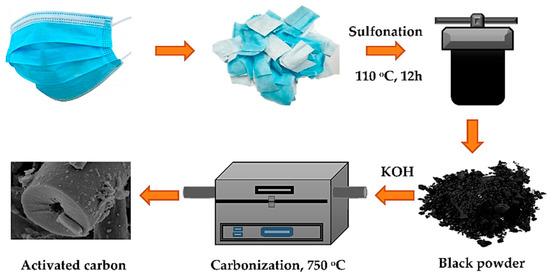
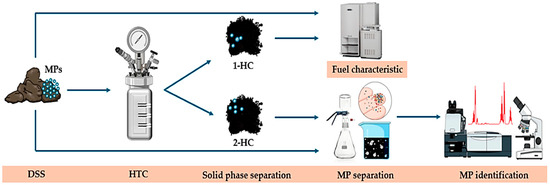
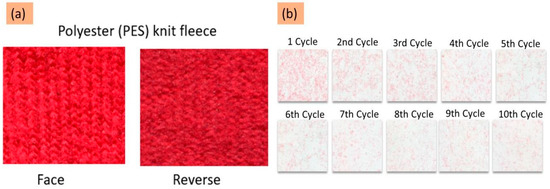
The rapid growth of synthetic textile production has intensified the release of micro- and nanoplastics (MPs/NPs) into aquatic environments, primarily through industrial effluents and domestic laundering. Textile-derived microplastics, especially polyester fibers and polymeric coating fragments, constitute a significant fraction of plastic contamination in wastewater systems. Although wastewater treatment plants (WWTPs) can remove a large proportion of MPs, substantial quantities accumulate in sewage sludge, raising concerns about long-term environmental persistence and secondary release pathways. This review critically examines the sources, classification, and release mechanisms of textile-based micro- and nanoplastics, including fibrous debris and coating-derived fragments. Then it focuses on current identification and removal technologies, such as sedimentation, coagulation/flocculation, electrocoagulation, flotation, membrane filtration, adsorption, and biodegradation, and on the emerging strategy of converting recovered microplastics into value-added porous carbon materials via hydrothermal treatment and pyrolysis. Carbonized microplastics exhibit high surface area and adsorption capacity for dyes, heavy metals, and organic pollutants, offering a circular approach that simultaneously mitigates plastic pollution and enhances wastewater treatment efficiency. By integrating source control, optimized removal technologies, and carbonization-based valorization, this review proposes a dual-benefit framework that transforms textile-derived microplastic waste from an environmental liability into a functional resource for sustainable water purification.
Full article
(This article belongs to the Section Carbon Materials and Carbon Allotropes)
►▼
Show Figures

Figure 1
Open AccessArticle
Eco-Friendly Orange Peels/Aluminum/Graphene Oxide Composites for Reactive Red 120 and Methylene Violet Dye Removal from Textile Wastewater
by
Sofia Fykari, George Z. Kyzas and Athanasia K. Tolkou
C 2026, 12(1), 23; https://doi.org/10.3390/c12010023 - 5 Mar 2026
Abstract
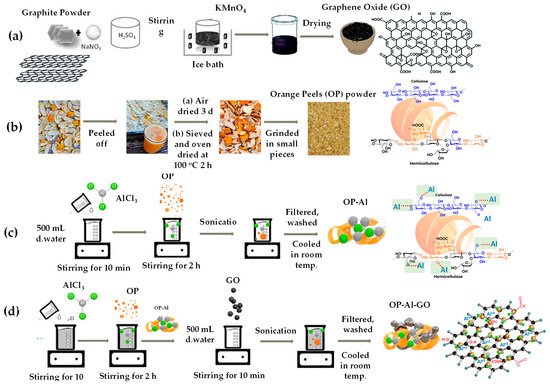
In this work, sustainable aluminum-modified orange peels functionalized with graphene oxide (OP-Al-GO) were synthesized and evaluated for the removal of Methylene Violet (MV) and Reactive Red 120 (RR120) from aqueous solutions. Adsorption performance was systematically investigated in single-dye systems, binary dye mixtures, and
[...] Read more.
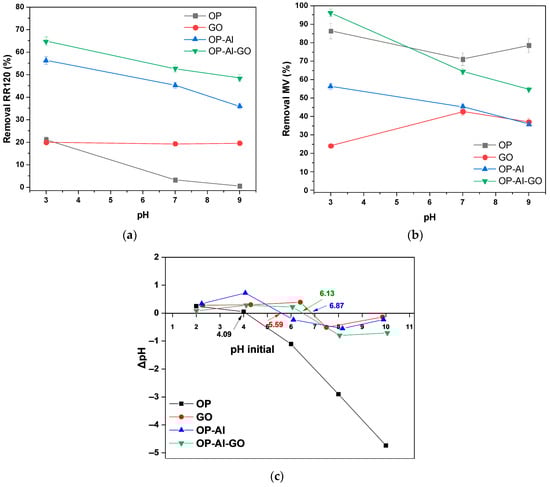
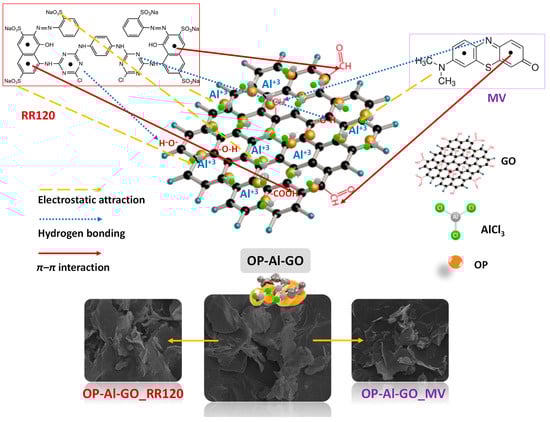
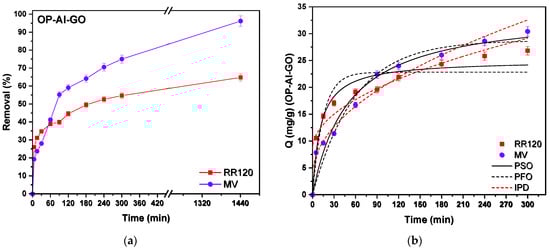
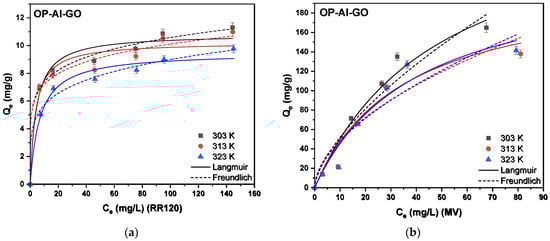
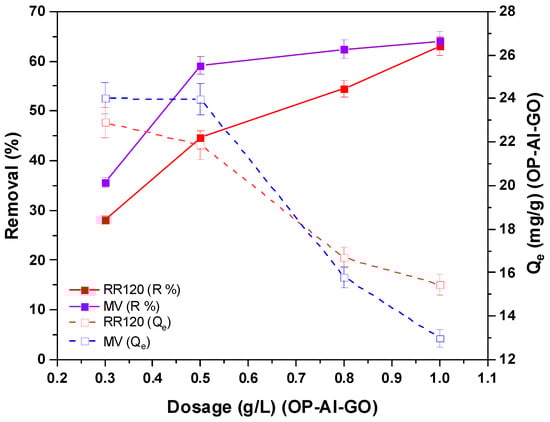
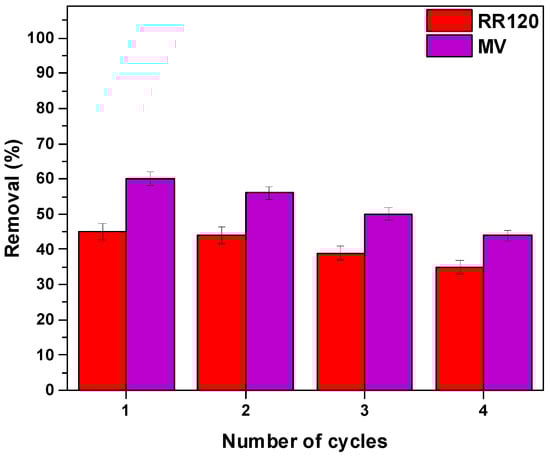
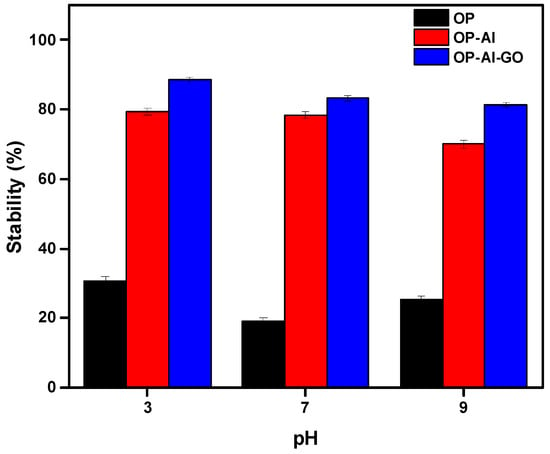
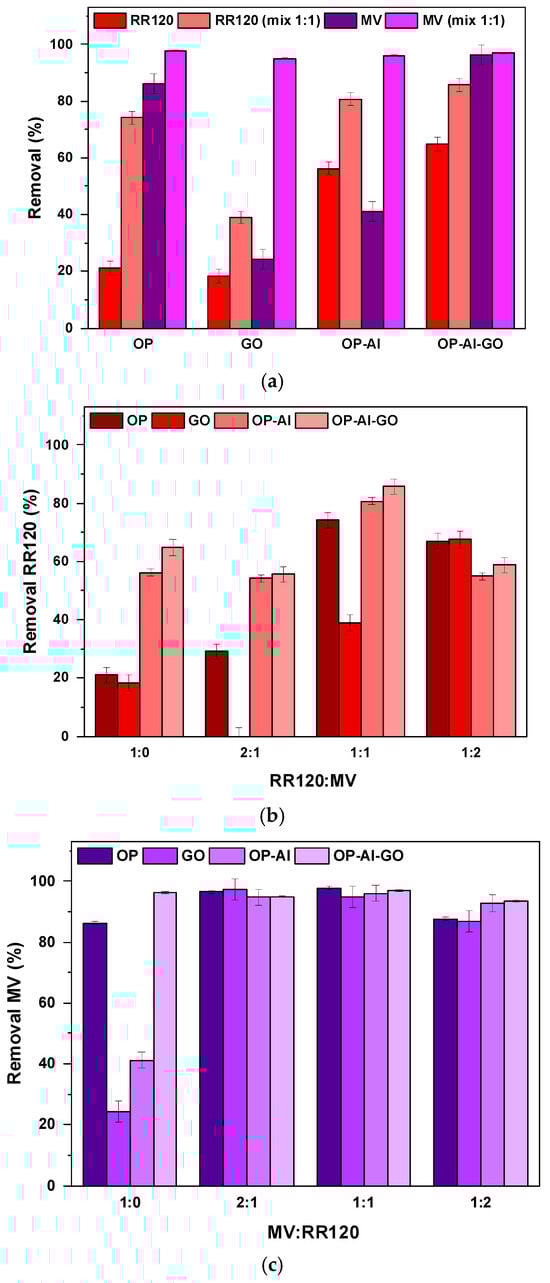
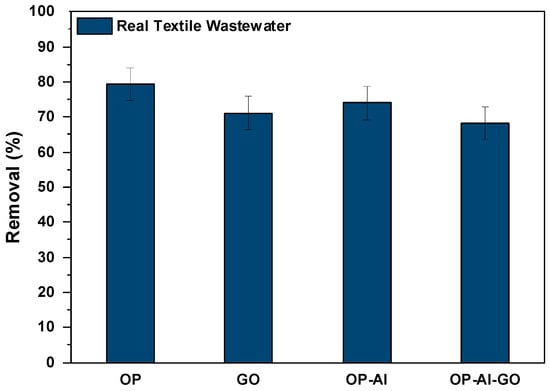
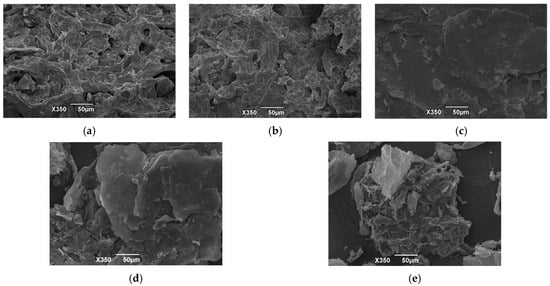
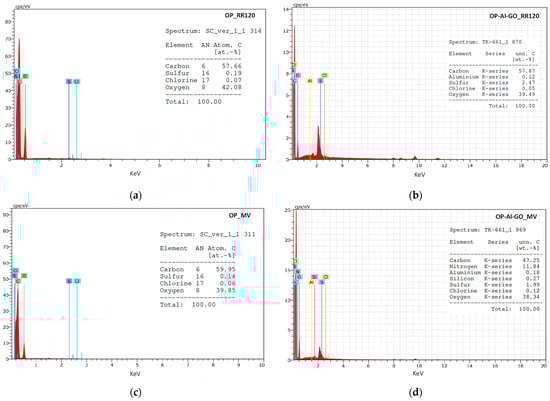
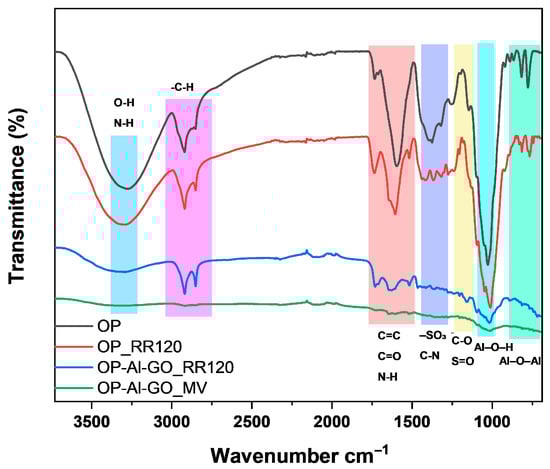
In this work, sustainable aluminum-modified orange peels functionalized with graphene oxide (OP-Al-GO) were synthesized and evaluated for the removal of Methylene Violet (MV) and Reactive Red 120 (RR120) from aqueous solutions. Adsorption performance was systematically investigated in single-dye systems, binary dye mixtures, and real textile wastewater samples, and compared with that of orange peels (OP), orange peel–aluminum composite (OP-Al), and graphene oxide (GO). pHpzc analysis clarified the surface charge of the adsorbent, while SEM and FTIR showed that the incorporation of aluminum and GO increased roughness and functional groups appearance, enhancing dye adsorption and confirming successful interactions. The OP-Al-GO composites exhibited improved removal efficiency for both dyes (64.8% for RR120 and 96.2% for MV) at pH 3.0. The presence of aluminum improved structural stability and surface charge regulation, while graphene oxide contributed to multiple adsorption mechanisms, including electrostatic attraction and π–π interactions. The adsorption kinetics were found to follow a pseudo-second-order (PSO) kinetic model for RR120 and an intraparticle-diffusion model (IPD) for MV, while isotherm analysis revealed a Langmuir behavior for MV and a Freundlich behavior for RR120. Langmuir maximum adsorption capacities were 298.7 and 10.8 mg/g for MV and RR120, respectively. High removal efficiency was maintained in binary dye mixtures, with OP-Al-GO achieving 96.9% removal of MV and 85.7% of RR120. Furthermore, the proposed adsorbent was tested on real wastewater samples, and the results highlight that the proposed adsorbents are promising, low-cost, and environmentally sustainable for textile wastewater treatment.
Full article
(This article belongs to the Special Issue 10th Anniversary of C — Journal of Carbon Research)
►▼
Show Figures

Figure 1
Open AccessArticle
Exploring Activation-Free Biochars Through a Comprehensive Characterization
by
Maria Apostolopoulou, Nikos Kavousanos, Feidias Bairamis, Konstantinos Brintakis, Athanasia Kostopoulou, Emmanuel Stratakis, Emmanuel Spanakis, Ricardo Santamaría Ramirez, Dimitris Kalderis and Dimitra Vernardou
C 2026, 12(1), 22; https://doi.org/10.3390/c12010022 - 3 Mar 2026
Abstract
Conventional carbon-based electrodes like graphene are limited by costly, energy-intensive synthesis that rely on non-renewable precursors, challenging their scalability. While biomass-derived carbons (biochar) are a promising green alternative, achieving state-of-the-art performance typically requires chemical activation. Developing high-performance biochar through simple, scalable, and green
[...] Read more.
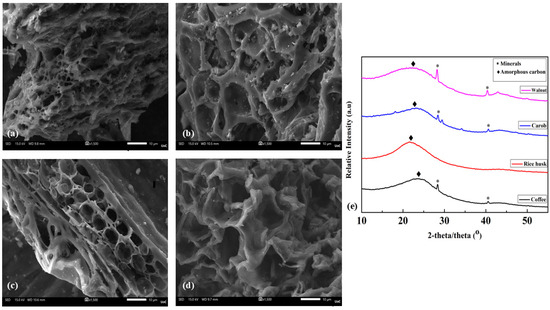
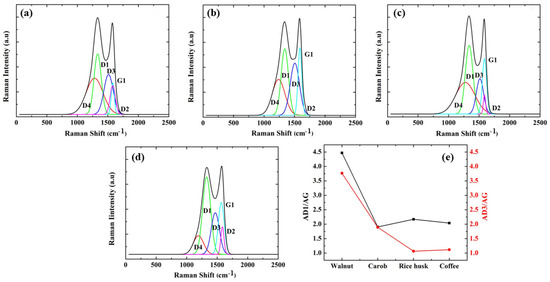
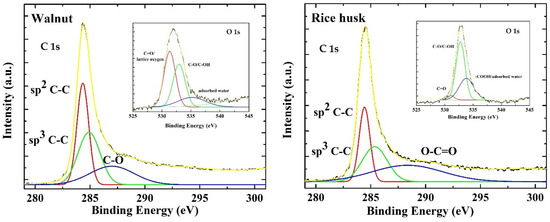
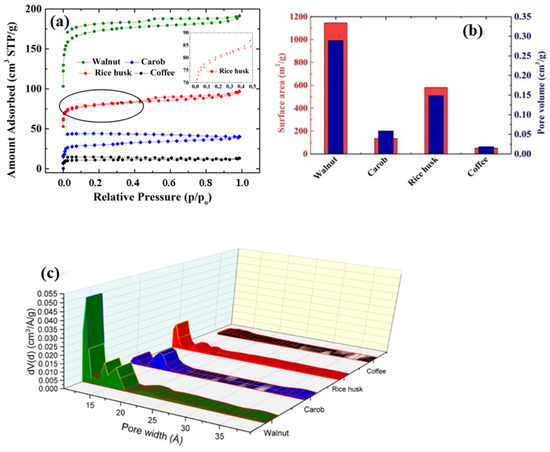
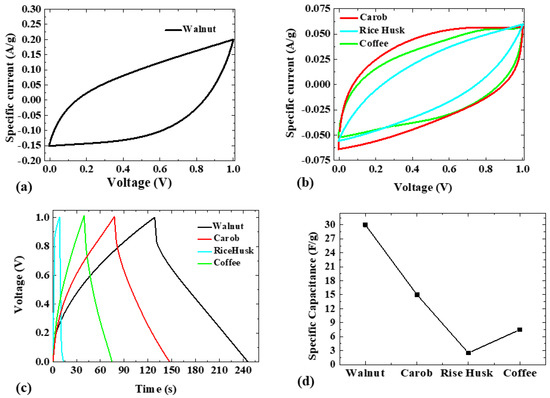
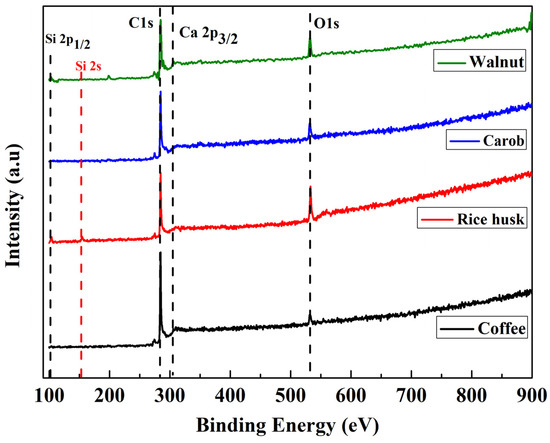
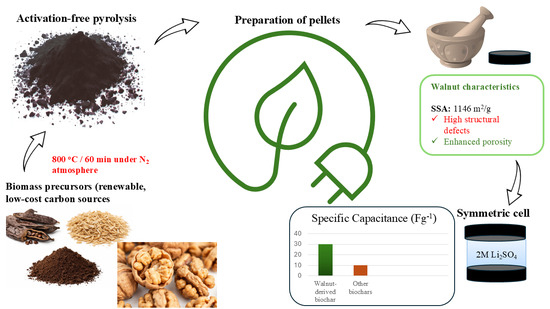
Conventional carbon-based electrodes like graphene are limited by costly, energy-intensive synthesis that rely on non-renewable precursors, challenging their scalability. While biomass-derived carbons (biochar) are a promising green alternative, achieving state-of-the-art performance typically requires chemical activation. Developing high-performance biochar through simple, scalable, and green pathways therefore remains a key challenge. In this work, we present a comprehensive physicochemical characterization of activation-free biochar derived from walnut, carob, rice husk and coffee via simple pyrolysis. Surface area, porosity and structural disorder were systematically analyzed to identify the key parameters governing ion interaction and charge storage. The results reveal a strong dependence of biochar properties on biomass type, with pronounced differences in accessible porosity and defect density. Among the materials studied, walnut-derived biochar combined a high specific surface area (1146 m2/g) with a high degree of structural disorder, highlighting the critical role of defects in enhancing ion adsorption and charge-transfer processes. Electrochemical measurements illustrated the functional implications of these intrinsic characteristics. Overall, this work demonstrates that carefully selected, unprocessed biomass can serve as a direct, low-cost source of functional carbon electrodes, providing insight into the parameters that dictate their electrochemical behavior and enable broader functional potential.
Full article
(This article belongs to the Section Carbon Materials and Carbon Allotropes)
►▼
Show Figures

Graphical abstract
Open AccessArticle
Shear–Flexure Integrated Strengthening of RC Beams with Near-Surface Mounted Carbon Fiber-Reinforced Polymer (CFRP) Ropes and Geopolymer Overlays
by
Gathot Heri Sudibyo, Laurencius Nugroho, Yanuar Haryanto, Hsuan-Teh Hu, Fu-Pei Hsiao, Paulus Setyo Nugroho, Nanang Gunawan Wariyatno, Banu Ardi Hidayat and Dahlan Titis Kuncoro
C 2026, 12(1), 21; https://doi.org/10.3390/c12010021 - 1 Mar 2026
Abstract
The strengthening of reinforced concrete (RC) beams requires repair systems that can enhance strength, stiffness, and energy dissipation without significantly increasing self-weight or compromising durability. This study explores the structural response of RC beams strengthened using an integrated shear–flexure system combining near-surface-mounted carbon
[...] Read more.
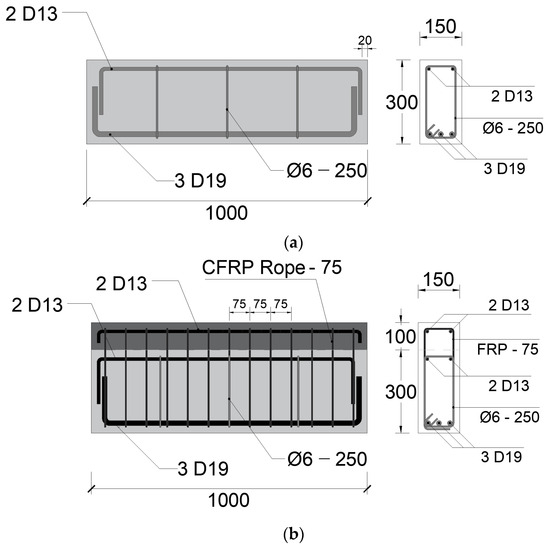
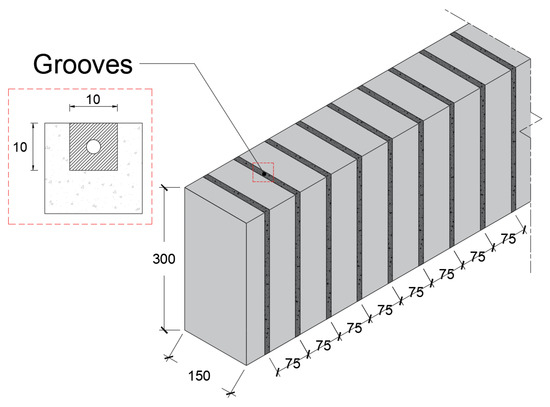
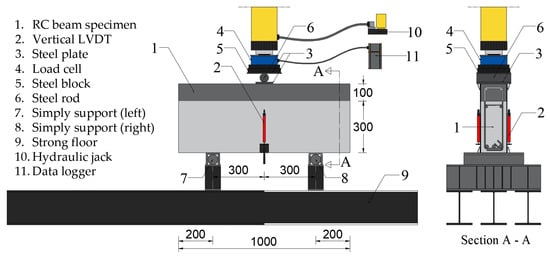
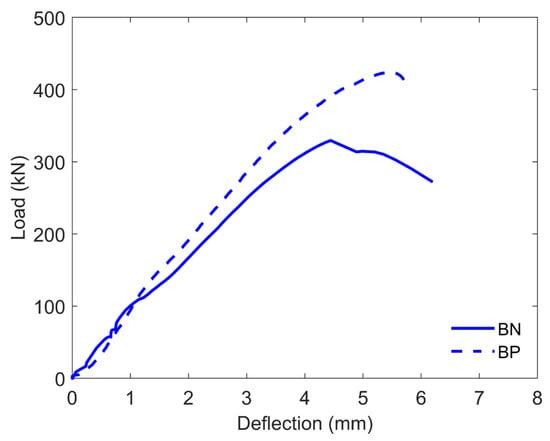
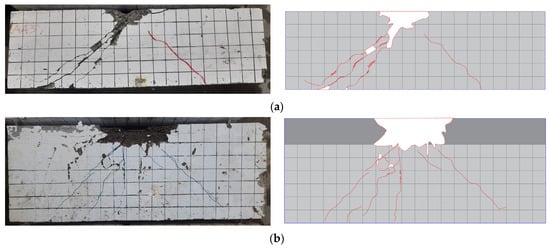
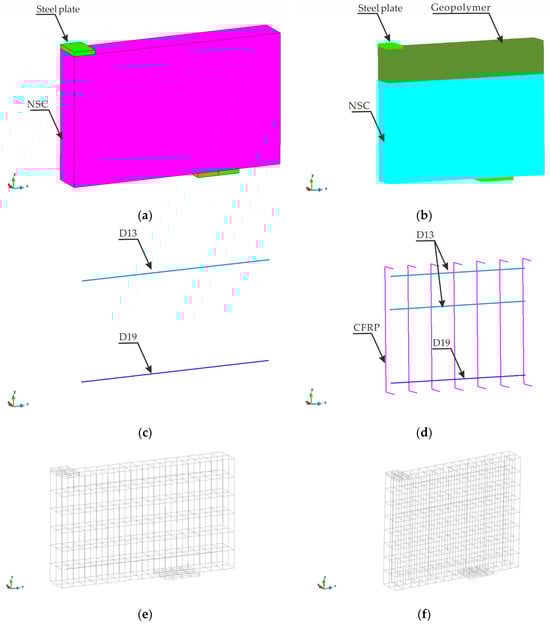
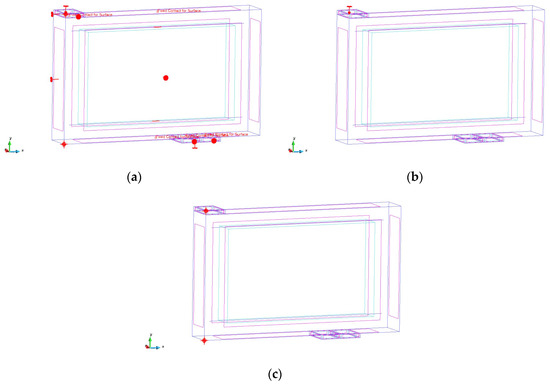
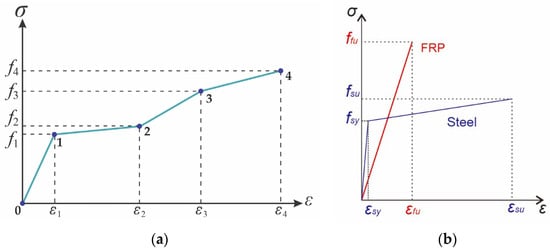
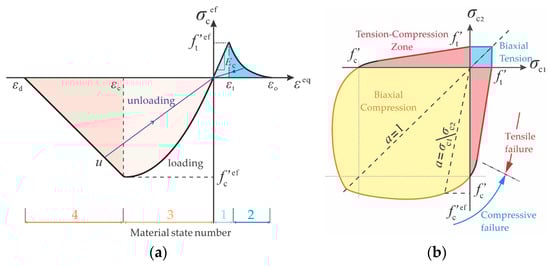
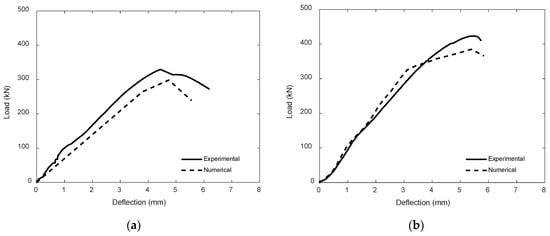
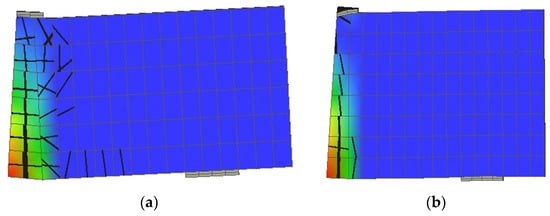
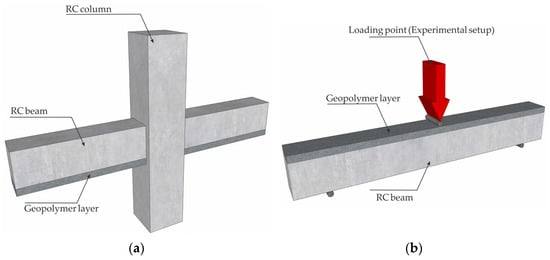
The strengthening of reinforced concrete (RC) beams requires repair systems that can enhance strength, stiffness, and energy dissipation without significantly increasing self-weight or compromising durability. This study explores the structural response of RC beams strengthened using an integrated shear–flexure system combining near-surface-mounted carbon fiber-reinforced polymer (NSM-CFRP) ropes and steel-reinforced geopolymer overlays in the compression zone. Monotonic three-point bending tests were performed on two RC beam specimens, one unstrengthened control and one strengthened beam, to obtain preliminary observations of load–deflection behavior, stiffness, ductility, and energy absorption. The strengthened specimen exhibited increases in ultimate load (28.6%), stiffness (13.6%), and energy absorption (7.65%) relative to the control beam, suggesting the potential for effective composite action between the CFRP ropes and geopolymer material. A three-dimensional nonlinear finite element model was developed using ATENA to support interpretation of the experimental response, incorporating detailed constitutive models for concrete, steel reinforcement, and CFRP ropes. The numerical predictions showed reasonable agreement with the experimental results. Within the limitations of the test matrix, the results indicate that the proposed dual strengthening system may offer a viable and sustainable approach for enhancing the shear–flexural performance of RC beams.
Full article
(This article belongs to the Section Carbon Materials and Carbon Allotropes)
►▼
Show Figures

Figure 1
Open AccessReview
Spin Covalent Chemistry of Carbon
by
Elena F. Sheka
C 2026, 12(1), 20; https://doi.org/10.3390/c12010020 - 28 Feb 2026
Abstract
This review presents the covalent chemistry of carbon from the point of the spin-radical concept of electron interaction in the framework of the unrestricted molecular orbitals (UHF MO) theory. Using the language of valence bond trimodality, the regions of classical spinless spin-symmetric covalence
[...] Read more.
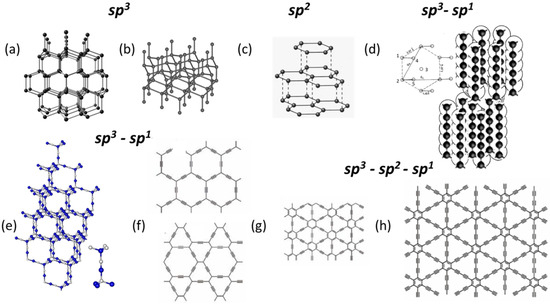
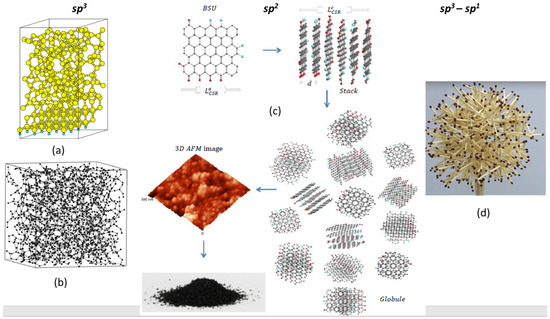
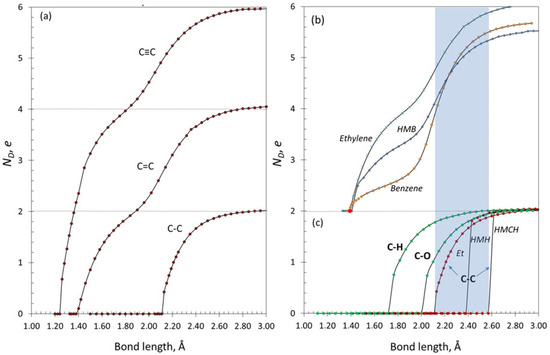
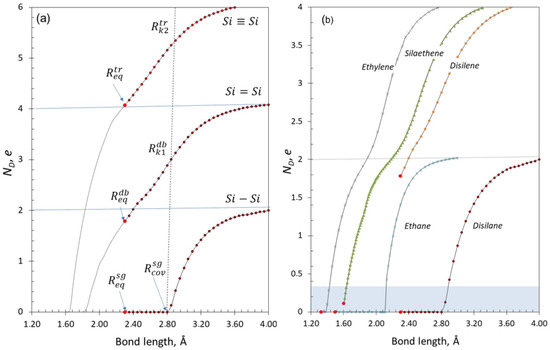
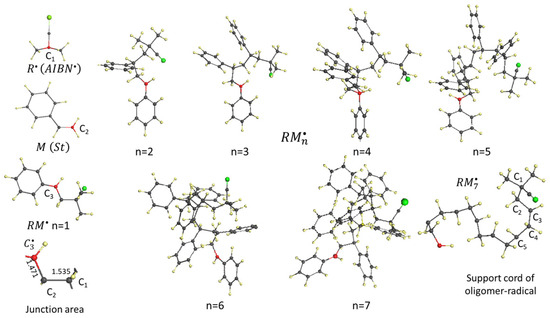
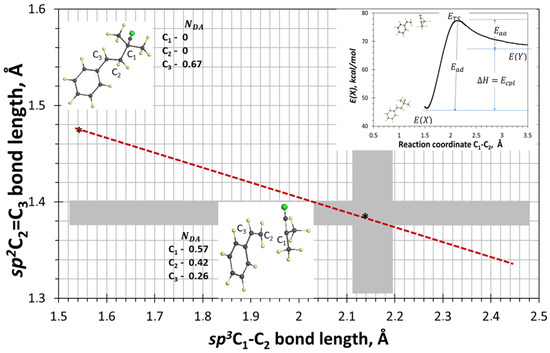
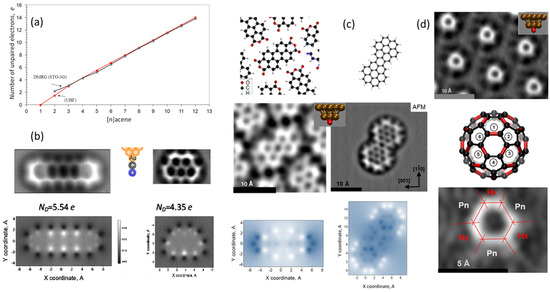
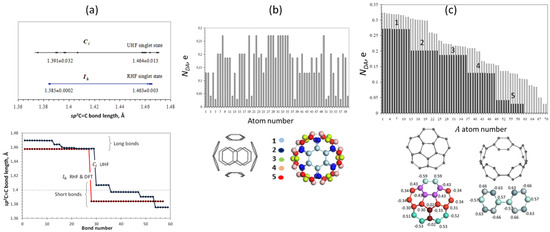
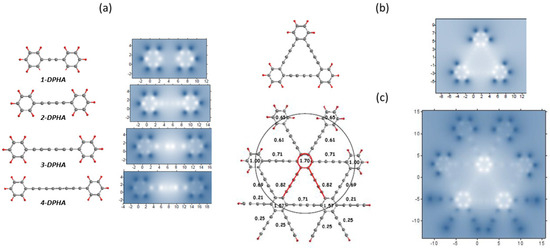
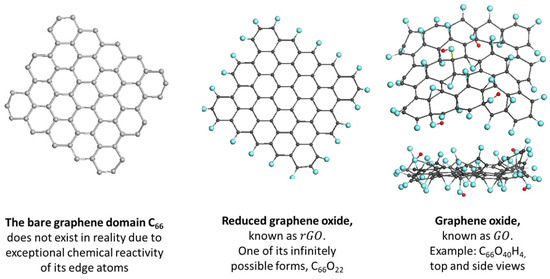
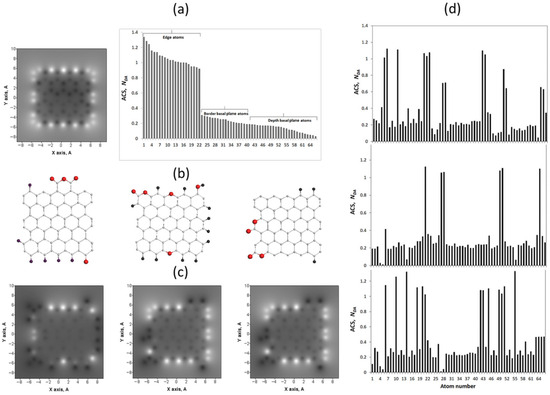
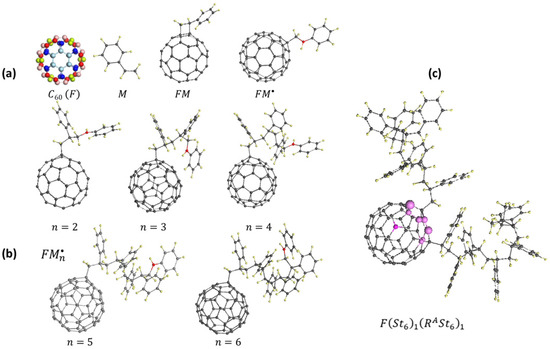
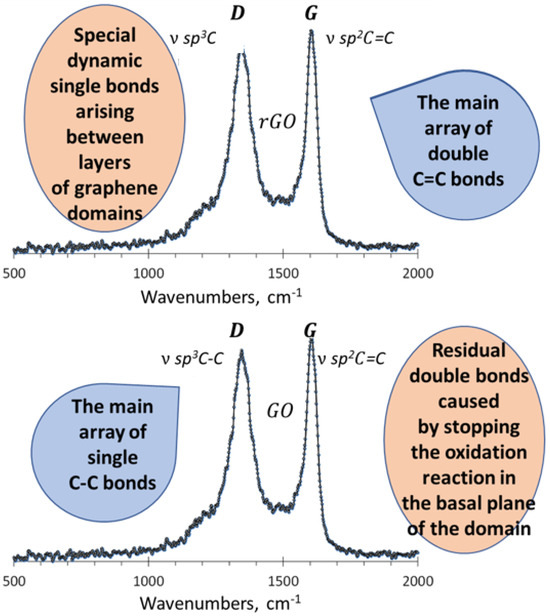
This review presents the covalent chemistry of carbon from the point of the spin-radical concept of electron interaction in the framework of the unrestricted molecular orbitals (UHF MO) theory. Using the language of valence bond trimodality, the regions of classical spinless spin-symmetric covalence and its spin-dependent asymmetric counterpart are defined. Carbon is the only element exhibiting spin covalent chemistry. Classical covalent chemistry of carbon of molecular substances whose valence bond structure includes segregate or chained single sp3 bonds meet its spin counterpart only at these bonds breaking. Substances with double sp2 and triple sp1 bonds are the subject of spin covalent chemistry of carbon. The mathematical apparatus of the UHF MO allows forming algorithms controlling the chemical modification of carbon substances, polymerization processes, and catalysis involving them, making it possible to supplement the empirical spin covalent chemistry of carbon with its virtual analog.
Full article
(This article belongs to the Special Issue 10th Anniversary of C — Journal of Carbon Research)
►▼
Show Figures

Graphical abstract
Open AccessArticle
C/CuNi Composites for High-Speed Train Pantograph Sliders: Regulation of Mechanical and Friction Properties by Carbon Fiber Content
by
Qi Qiang, Kezhi Li, Tianzhan Shen and Haibo Ouyang
C 2026, 12(1), 19; https://doi.org/10.3390/c12010019 - 26 Feb 2026
Abstract
►▼
Show Figures
The pantograph slider is a key friction component in high-speed train systems, and its performance directly affects the safety and efficiency of operation. In this study, Cf/C/CuNi composites with carbon fiber contents of 1 wt.%, 3 wt.%, 5 wt.%, and 7 wt.% were
[...] Read more.
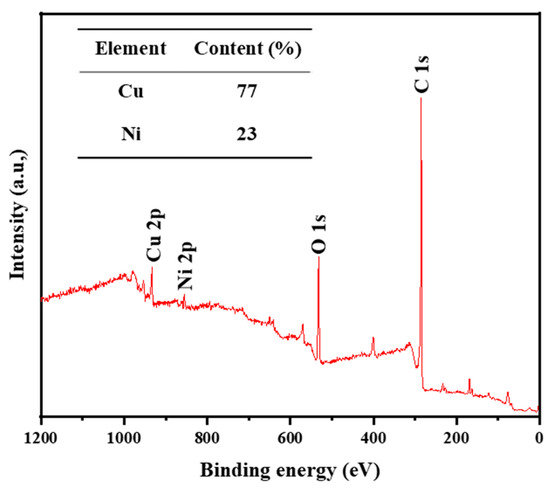
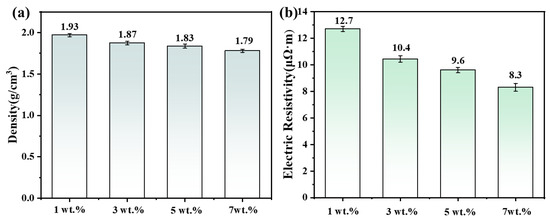
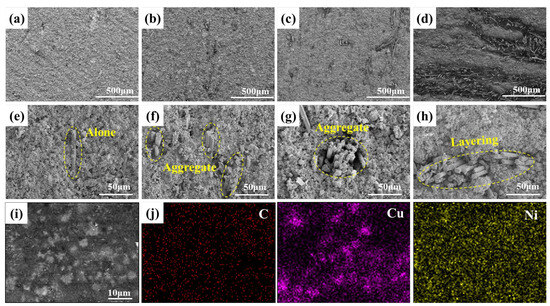
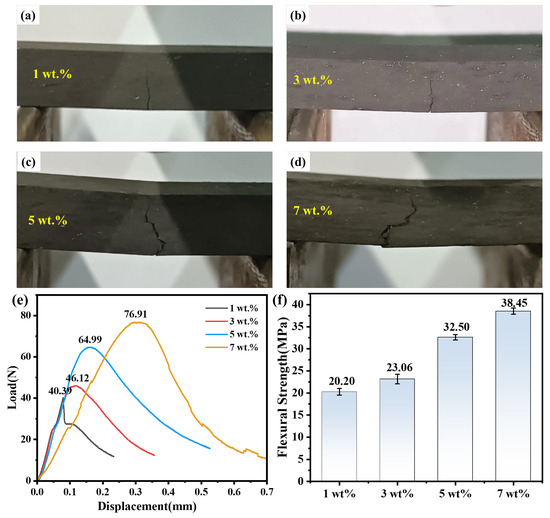
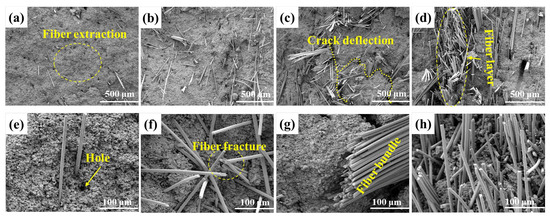
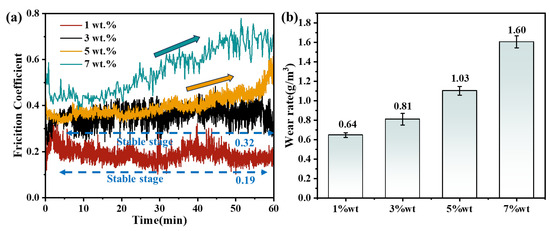
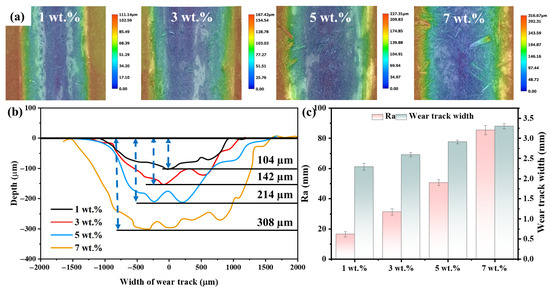
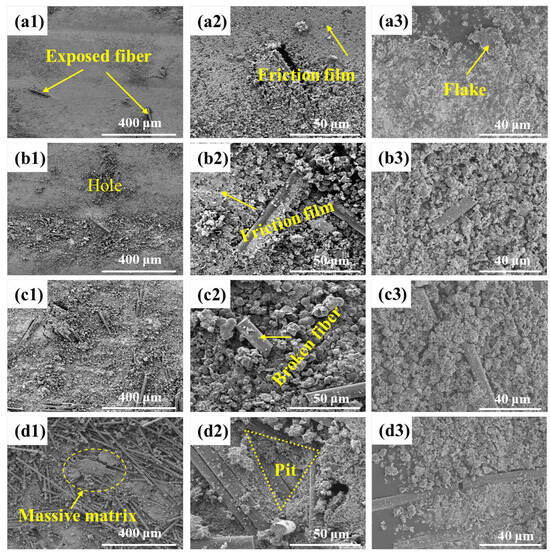
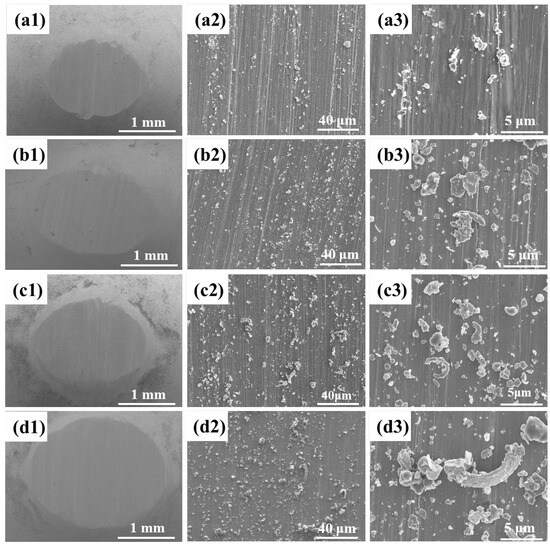
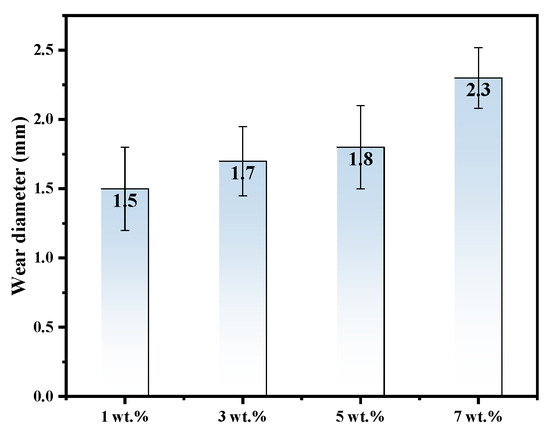
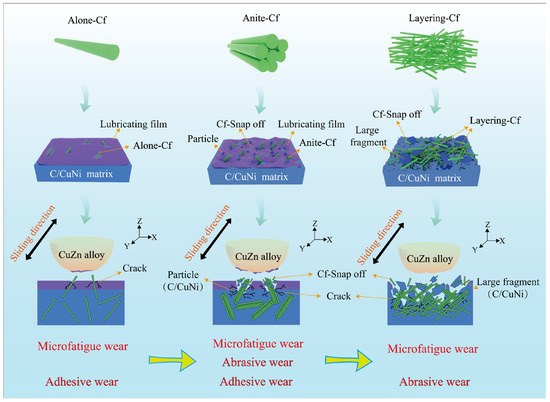
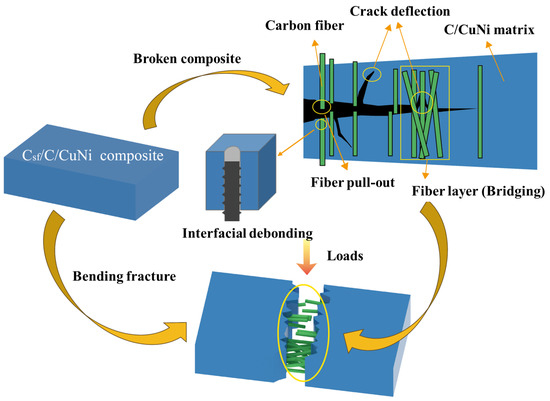
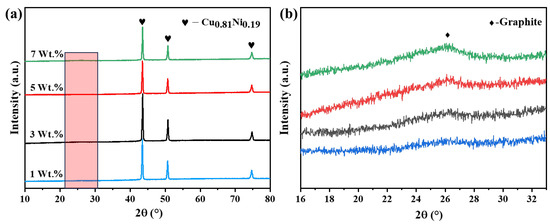
The pantograph slider is a key friction component in high-speed train systems, and its performance directly affects the safety and efficiency of operation. In this study, Cf/C/CuNi composites with carbon fiber contents of 1 wt.%, 3 wt.%, 5 wt.%, and 7 wt.% were prepared by a solvothermal method combined with spark plasma sintering (SPS). The influence of carbon fiber content on the mechanical and friction properties of the composites was systematically studied. The results show that the flexural strength of the composites increases from 20.20 MPa to 38.45 MPa with an increase in the carbon fiber content. However, excessive carbon fiber content can lead to fiber agglomeration and interface defects, thereby reducing the friction stability and increasing the wear rate from 0.64 g/m3 to 1.60 g/m3. A carbon fiber content of 1 wt.% helps to form a continuous lubricating film, resulting in a low and stable friction coefficient. This study provides valuable insights for the design and optimization of high-performance pantograph slider materials for high-speed railway applications.
Full article

Figure 1
Open AccessArticle
Rectifying and Photoconductive Responses in Graphene–Double-Insulator–Graphene (GI2G) Structures
by
Takashi Uchino, Yanjun Heng, Chao Tang, Akira Satou, Hirokazu Fukidome and Taiichi Otsuji
C 2026, 12(1), 18; https://doi.org/10.3390/c12010018 - 20 Feb 2026
Abstract
Advanced solar energy-harvesting devices, such as optical rectennas, typically use metal–insulator–metal diodes because of the ultrafast response of these diodes at high frequencies. However, the diode performance is limited by weak current–voltage (I–V) asymmetry and optical losses in metallic
[...] Read more.
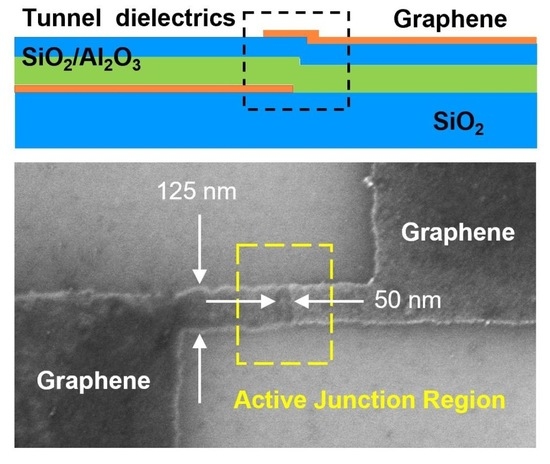
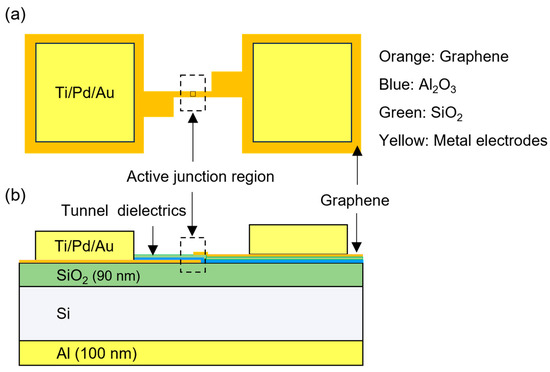
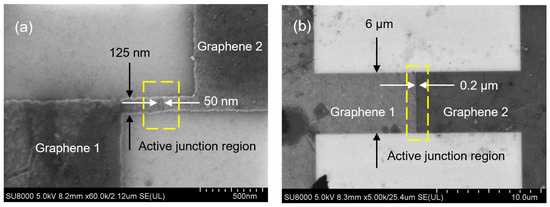
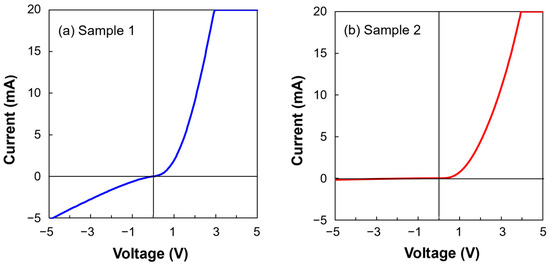
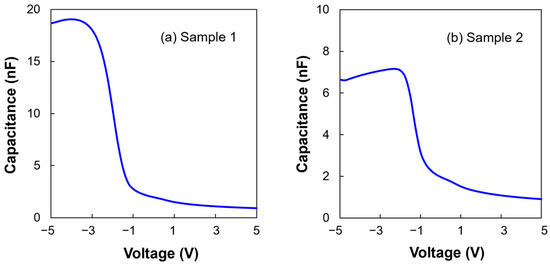
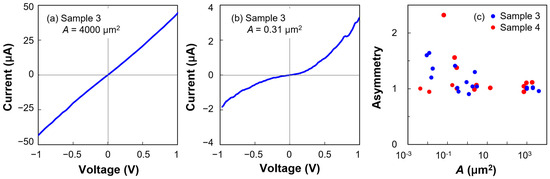
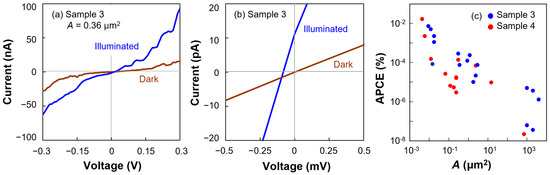
Advanced solar energy-harvesting devices, such as optical rectennas, typically use metal–insulator–metal diodes because of the ultrafast response of these diodes at high frequencies. However, the diode performance is limited by weak current–voltage (I–V) asymmetry and optical losses in metallic electrodes. Graphene offers a promising alternative electrode material owing to its high carrier mobility, broadband optical transparency, and compatibility with nanoscale device architectures. Nevertheless, graphene-based optical rectennas face challenges associated with insufficient diode nonlinearity. In this study, we developed a vertically stacked graphene–double-insulator–graphene (GI2G) tunnel diode. Devices with various junction sizes were fabricated to investigate size-dependent rectifying behavior. A reduced graphene overlap area was defined by electron-beam lithography to introduce asymmetry and increase nonlinear conduction. An Al2O3/SiO2 tunnel barrier composed of dielectrics with different band gaps and electron affinities improved the asymmetric I–V characteristics. Photoresponse measurements under AM1.5G illumination revealed a clear photocurrent, indicating rectification-related photoresponse. The photoresponse increased with decreasing junction area, which is consistent with enhanced rectification performance in smaller junctions. These results demonstrate that the GI2G tunnel diode provides a promising platform for next-generation energy harvesting and optical sensing applications.
Full article
(This article belongs to the Special Issue 10th Anniversary of C — Journal of Carbon Research)
►▼
Show Figures

Graphical abstract
Open AccessArticle
Biocompatible Carbon Nanotube-Based Drug Delivery System for Neurodegenerative and Regenerative Biomedical Applications
by
Stefano Bellucci
C 2026, 12(1), 17; https://doi.org/10.3390/c12010017 - 18 Feb 2026
Abstract
Carbon nanotubes (CNTs) represent promising nanoplatforms for drug delivery due to their high surface area, tunable surface chemistry, and unique physicochemical properties. This study investigated the effect of chemical functionalization on the dispersion, drug loading, release behavior, aerosolization, and preliminary in vitro cytotoxicity
[...] Read more.
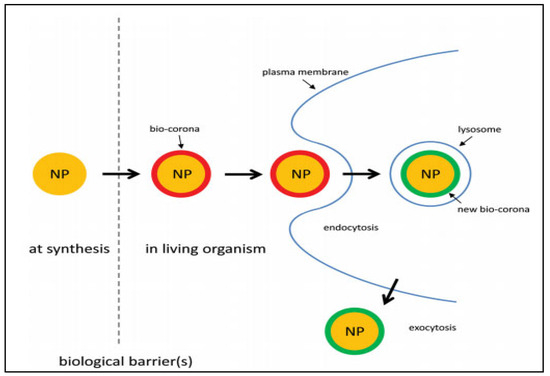
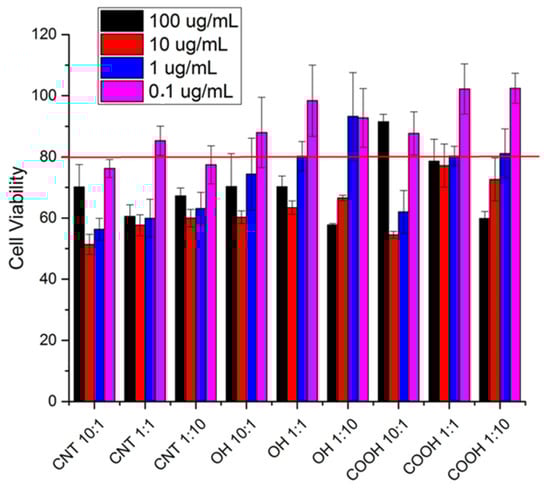
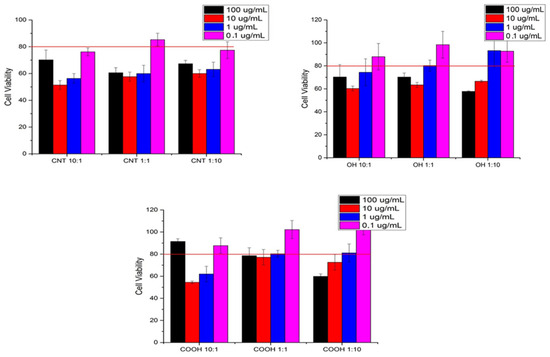
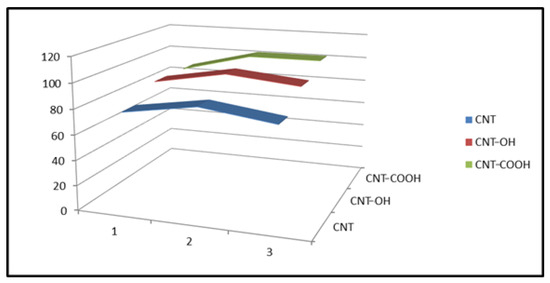
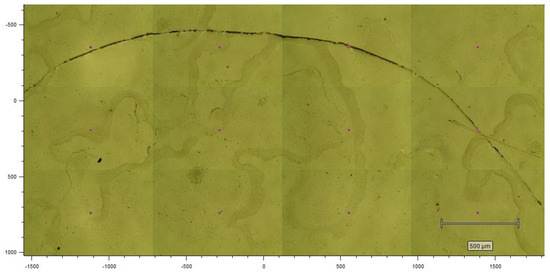
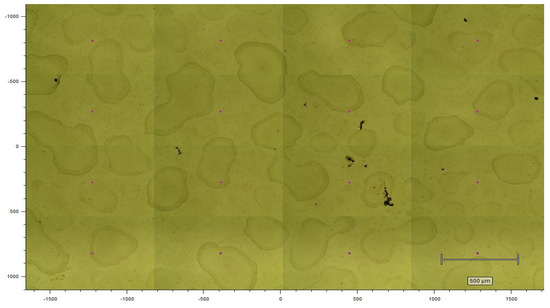
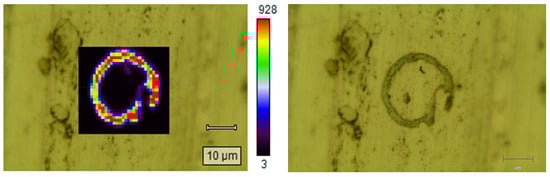
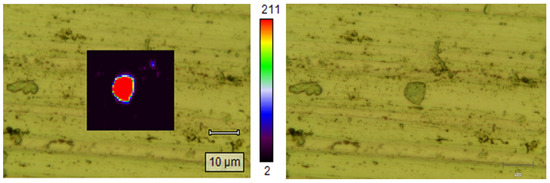
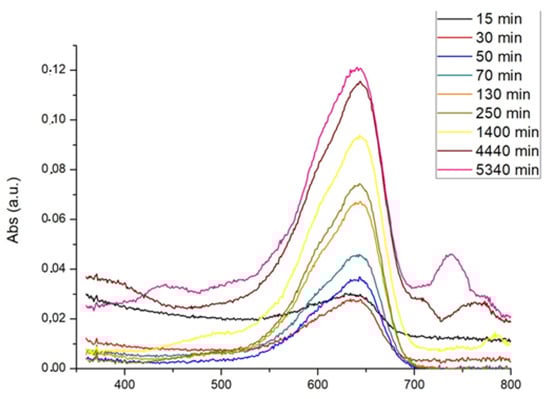
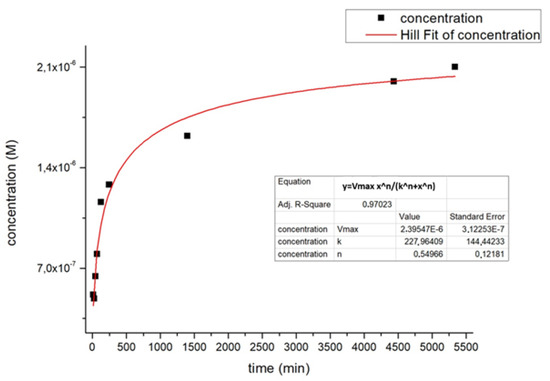
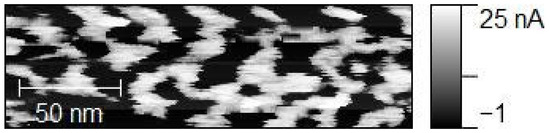
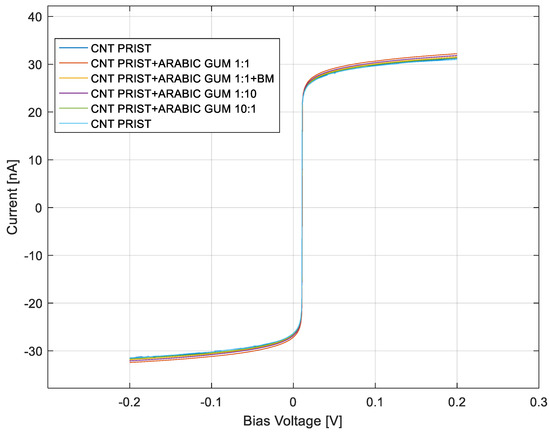
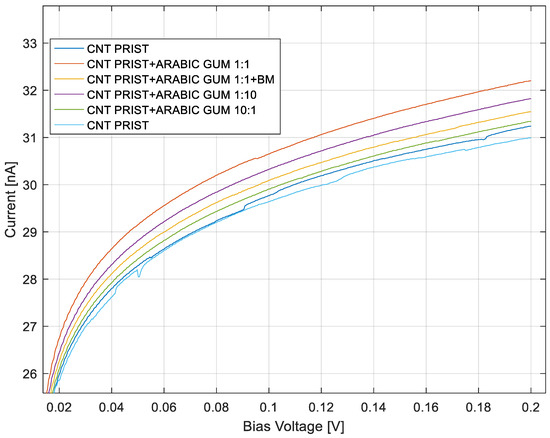
Carbon nanotubes (CNTs) represent promising nanoplatforms for drug delivery due to their high surface area, tunable surface chemistry, and unique physicochemical properties. This study investigated the effect of chemical functionalization on the dispersion, drug loading, release behavior, aerosolization, and preliminary in vitro cytotoxicity of CNT-based drug delivery systems, with a view toward potential intranasal applications. Pristine CNTs and CNTs functionalized with hydroxyl (–OH) and carboxyl (–COOH) groups were loaded with methylene blue as a model therapeutic compound. The nanosystems were characterized using Raman spectroscopy, UV–Vis analysis, aerosol deposition measurements, electrical mapping by conductive atomic force microscopy (C-AFM), and MTT cytotoxicity assays. Functionalization significantly enhanced CNT dispersion stability and drug release control, with COOH–CNTs exhibiting the most sustained release profile and improved cytocompatibility, maintaining cell viability above XX% at concentrations up to YY µg/mL. Aerosolization tests demonstrated stable droplet formation compatible with nasal delivery devices. Overall, this work provides a proof-of-concept physicochemical and technological assessment of functionalized CNTs as potential carriers for intranasal drug delivery, laying the groundwork for future in vivo validation.
Full article
(This article belongs to the Section Carbon Materials and Carbon Allotropes)
►▼
Show Figures

Figure 1
Open AccessReview
In Situ and Operando Monitoring Techniques for Carbon- and Silicon-Based Anodes in Lithium-Ion Batteries: A Review
by
Mingjie Wang, Siqing Chen, Yue Guo, Hengshan Mao, Gaoce Han, Yu Ding, Yuxin Fan and Yifei Yu
C 2026, 12(1), 16; https://doi.org/10.3390/c12010016 - 9 Feb 2026
Abstract
Lithium-ion batteries (LIBs) power devices from portable electronics to electric vehicles and grid storage, yet their reliable operation requires real-time monitoring of battery state, particularly at the anode where complex reactions and structural changes occur. Sensor technologies capable of capturing dynamic physical and
[...] Read more.
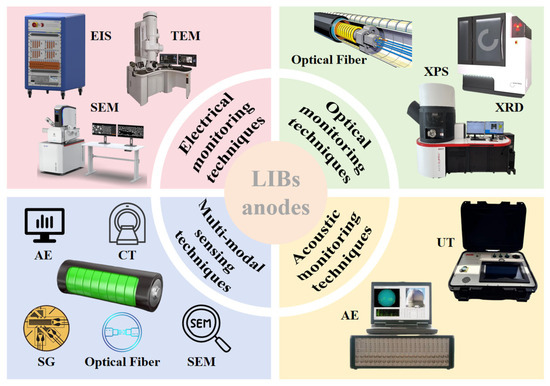
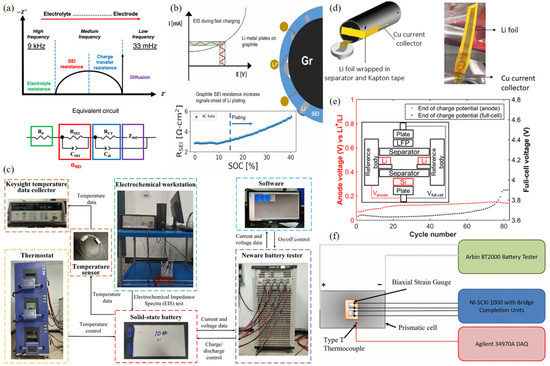
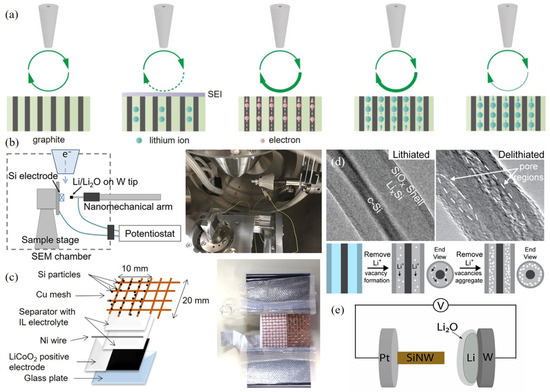
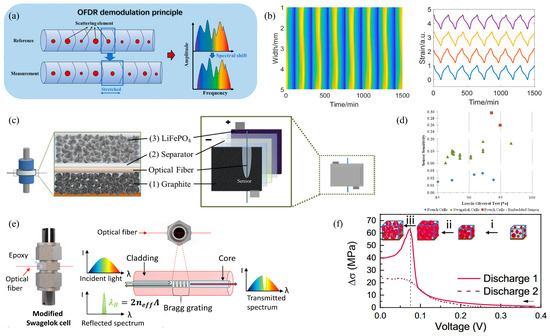
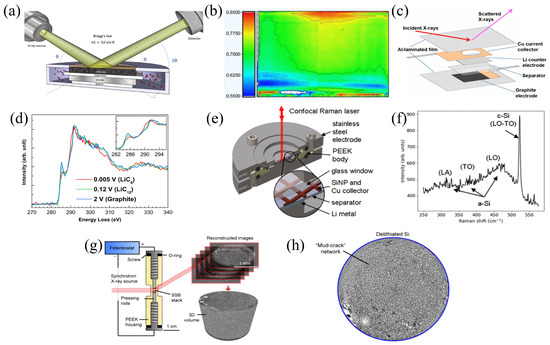
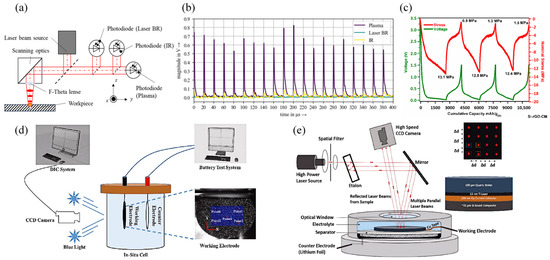
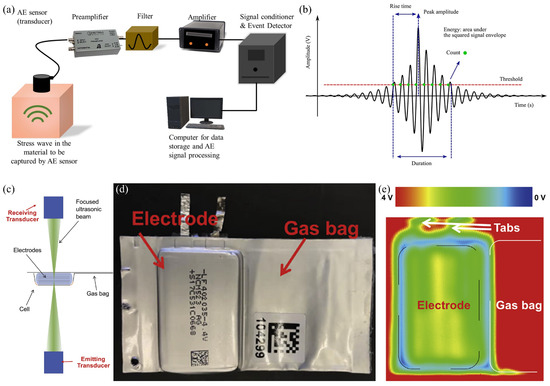
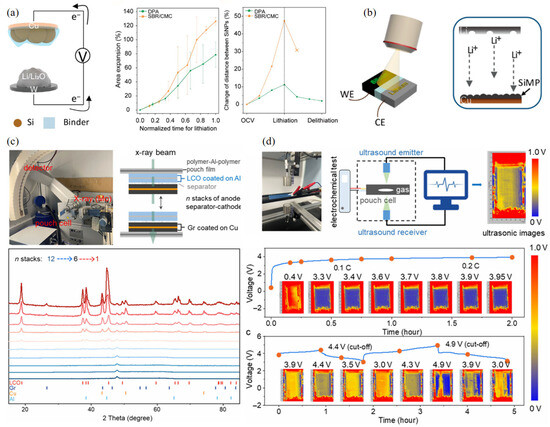
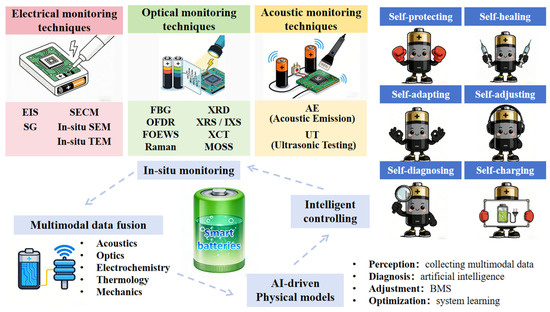
Lithium-ion batteries (LIBs) power devices from portable electronics to electric vehicles and grid storage, yet their reliable operation requires real-time monitoring of battery state, particularly at the anode where complex reactions and structural changes occur. Sensor technologies capable of capturing dynamic physical and chemical signals have therefore gained increasing attention for probing internal battery processes. This review summarizes recent operando and in situ monitoring strategies for carbon-based and silicon-based anodes, highlighting advances in electrical, optical, and acoustic sensing. These methods reveal degradation mechanisms and morphological evolution in real time. Multimodal sensing strategies that integrate multiple signals for improved battery state estimation are also discussed. Finally, future directions are outlined, focusing on real-time anode monitoring and the integration of sensing technologies with next-generation battery designs. This review aims to guide the development of smart battery sensing for artificial-intelligence-assisted and multimodal sensing, providing solutions for battery management system that enable accurate synchronous detection of mechanical, thermal, and electrical signals.
Full article
(This article belongs to the Topic Advances in Carbon-Based Materials)
►▼
Show Figures

Figure 1
Open AccessArticle
Mechanisms of Halomethane Adsorption on Functionalized Carbons: How Surface Chemistry Governs Selectivity in Realistic Gas Mixtures
by
María E. Farías Hermosilla and Alberto G. Albesa
C 2026, 12(1), 15; https://doi.org/10.3390/c12010015 - 6 Feb 2026
Abstract
►▼
Show Figures
Halomethanes (CH3X, where X = F, Cl, Br) are potent atmospheric pollutants, and their removal via adsorption on activated carbons (ACs) is a critical remediation strategy. However, the molecular-level influence of AC surface chemistry on adsorption, especially under realistic environmental conditions,
[...] Read more.
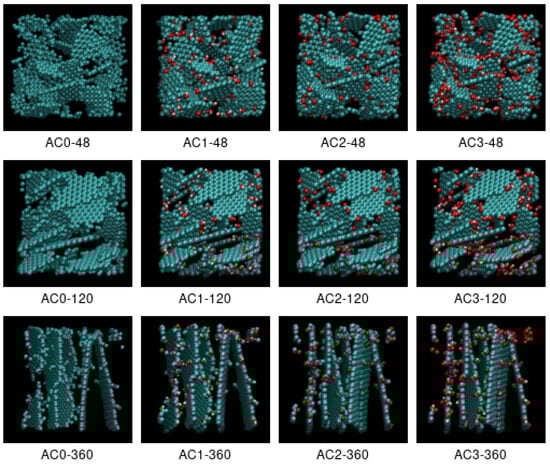
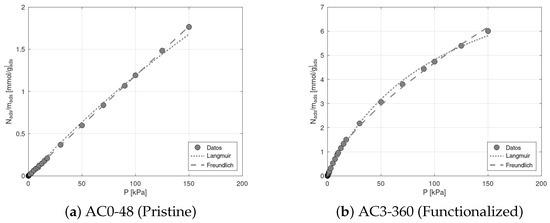
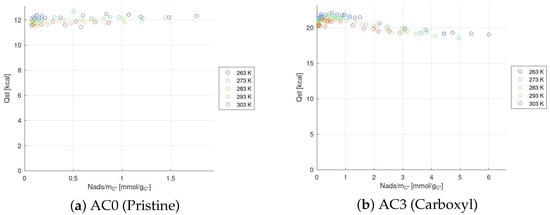
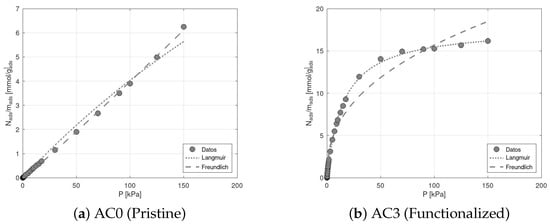
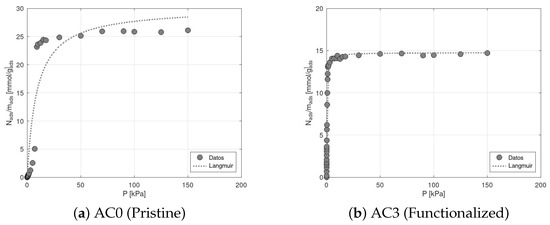
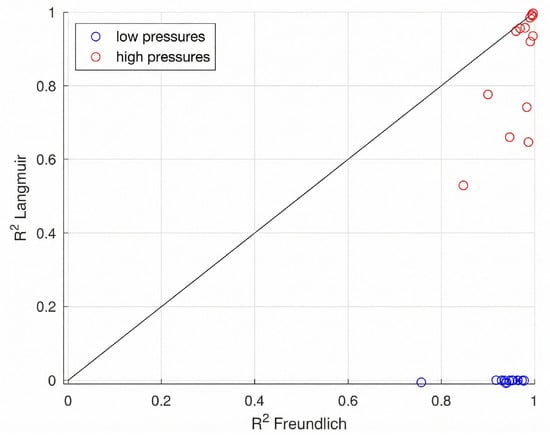
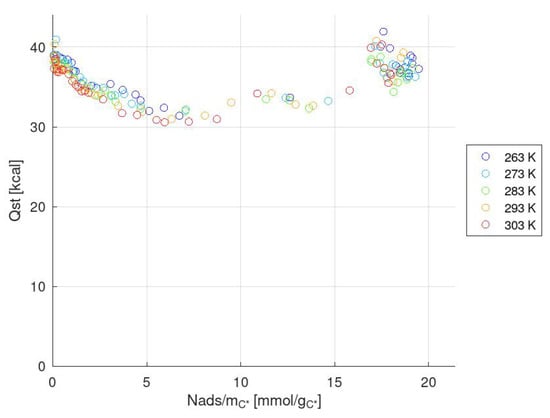
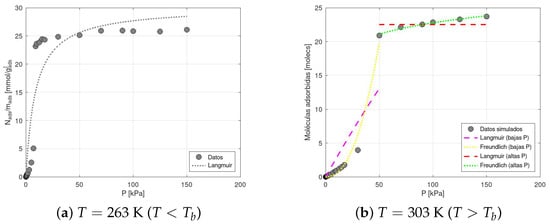
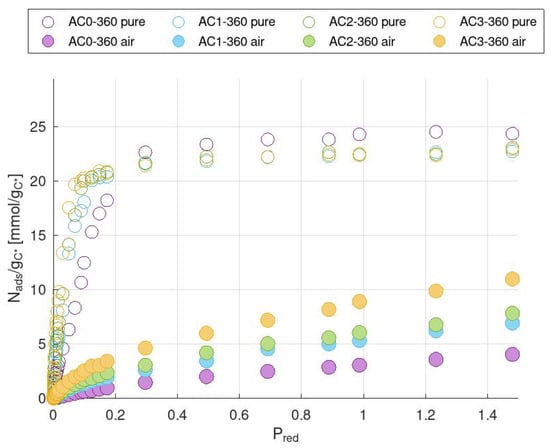
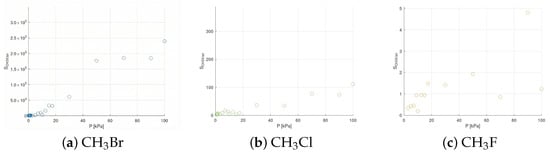
Halomethanes (CH3X, where X = F, Cl, Br) are potent atmospheric pollutants, and their removal via adsorption on activated carbons (ACs) is a critical remediation strategy. However, the molecular-level influence of AC surface chemistry on adsorption, especially under realistic environmental conditions, is not fully understood. This work utilizes Grand Canonical Monte Carlo (GCMC) simulations to investigate the adsorption of CH3F, CH3Cl, and CH3Br on realistic carbon models, comparing unfunctionalized graphitic surfaces (AC0) with surfaces functionalized with alcohol (AC1), carbonyl (AC2), and carboxyl (AC3) groups. We analyze the process for both pure components and in realistic mixtures (Quarantine and Pre-Shipment concentrations). Our findings reveal a critical inversion in adsorption preference. For pure components, CH3Br adsorption is highest on the unfunctionalized (AC0) surface, driven by strong adsorbate–adsorbate interactions leading to condensation, characterized by a rising isosteric heat of adsorption ( kJ/mol) that matches the enthalpy of sublimation. Conversely, in realistic humid mixtures, the pristine surface suffers a capacity collapse (>90% loss). The functionalized surfaces (especially AC3) demonstrate superior performance, exhibiting a thermodynamic selectivity of (compared to for AC0) and retaining approximately 60% of their dry-condition affinity. This study elucidates the distinct roles of surface chemistry and intermolecular forces, providing a molecular basis for designing carbon materials optimized for high selectivity in complex environmental gas streams.
Full article

Figure 1
Open AccessArticle
Bimetallic Catalysts on Activated Carbon for Enhanced NO Reduction
by
Patrícia S. F. Ramalho, Olívia S. G. P. Soares, José L. Figueiredo and Manuel F. R. Pereira
C 2026, 12(1), 14; https://doi.org/10.3390/c12010014 - 4 Feb 2026
Cited by 1
Abstract
Reducing emissions of nitrogen compounds represents a significant challenge in environmental protection, and catalytic treatment is an effective approach. Carbon-based catalysts offer a promising alternative by exploiting the redox properties of carbon materials and eliminating the need for external reducing agents. In this
[...] Read more.
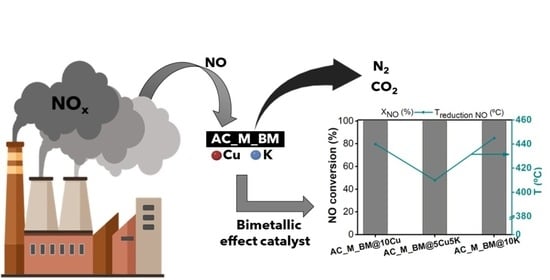
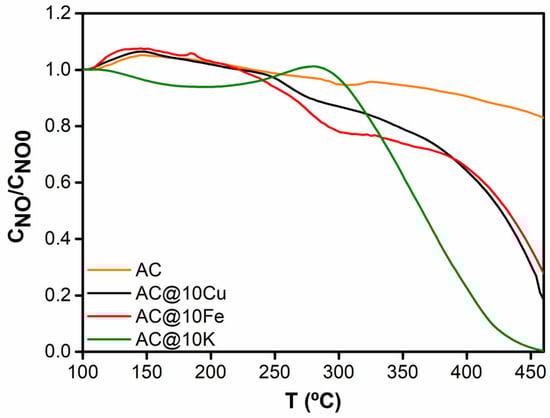
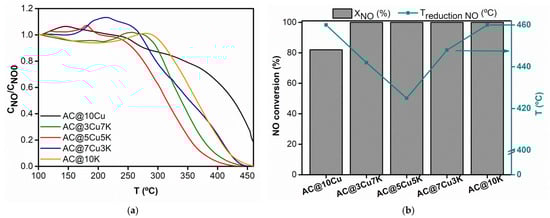
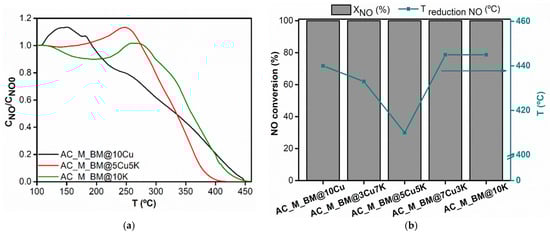
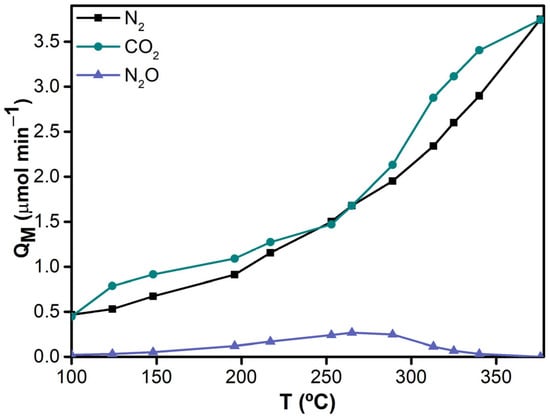
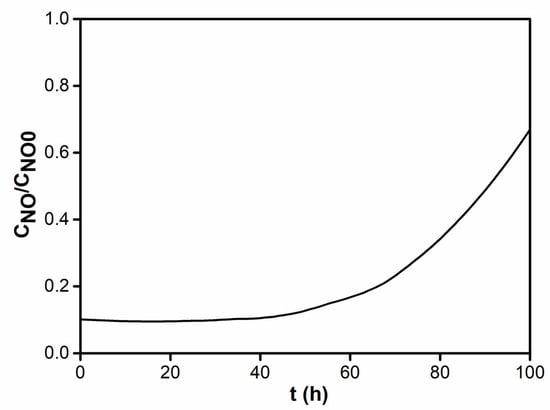
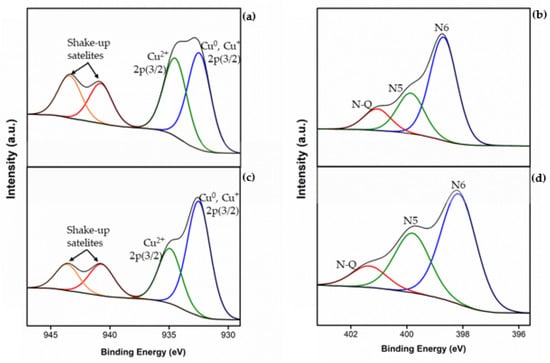
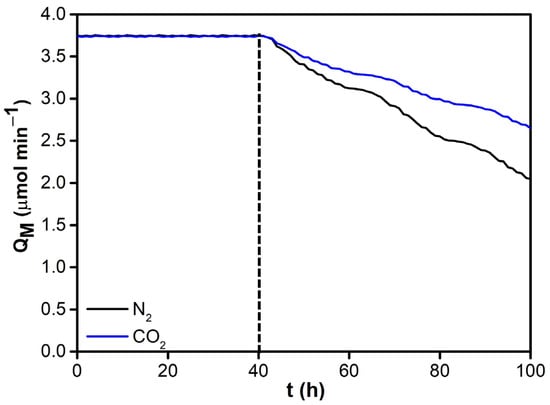
Reducing emissions of nitrogen compounds represents a significant challenge in environmental protection, and catalytic treatment is an effective approach. Carbon-based catalysts offer a promising alternative by exploiting the redox properties of carbon materials and eliminating the need for external reducing agents. In this study, nitrogen-free and nitrogen-doped activated carbons were used for NO reduction. The catalysts were developed by incorporating transition metals (Cu and Fe), alkali metals (K), and bimetallic Cu-K formulations. The addition of K to Cu and the presence of nitrogen functionalities improved the catalytic performance and an optimum Cu/K ratio was identified. The best-performing catalyst, AC_M_BM@5Cu5K, achieved 100% NO conversion at 410 °C, producing mainly N2 and CO2, while N2O was detected as an intermediate and CO was not observed. The catalyst’s stability was evaluated in a 100 h continuous test at 376 °C, during which the catalyst maintained approximately 90% NO conversion for 40 h before deactivation. The deactivation mechanism is discussed in detail.
Full article
(This article belongs to the Section Combustion Emissions)
►▼
Show Figures

Graphical abstract

Open AccessArticle
Contamination of Amorphous Carbon Thin Films: Modelling the Transport of Atoms in Gases During Deposition
by
Pedro M. A. Guerreiro, Ana Rita G. E. Pires, Susana M. C. S. Fidalgo, Orlando M. N. D. Teodoro, Pedro Costa Pinto and Nenad Bundaleski
C 2026, 12(1), 13; https://doi.org/10.3390/c12010013 - 4 Feb 2026
Abstract
►▼
Show Figures
Monte Carlo simulations of the transport of atoms in gases related to the deposition process and the contamination of amorphous carbon thin films during deposition in magnetron discharges have been performed. These films are of interest in accelerator technology due to their low
[...] Read more.
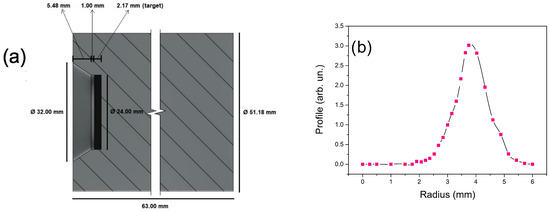
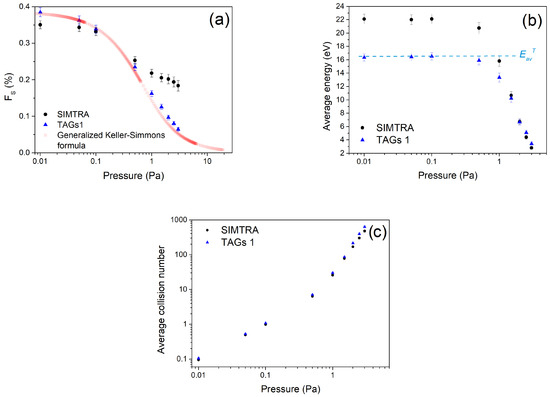
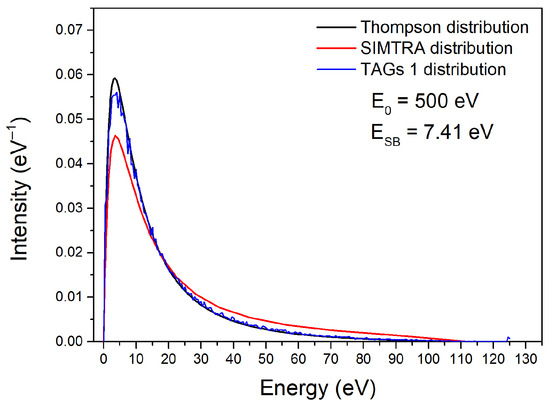
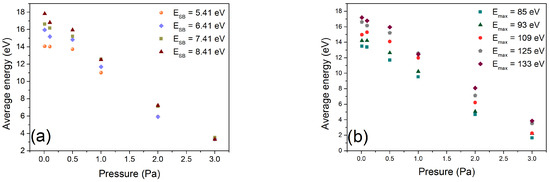
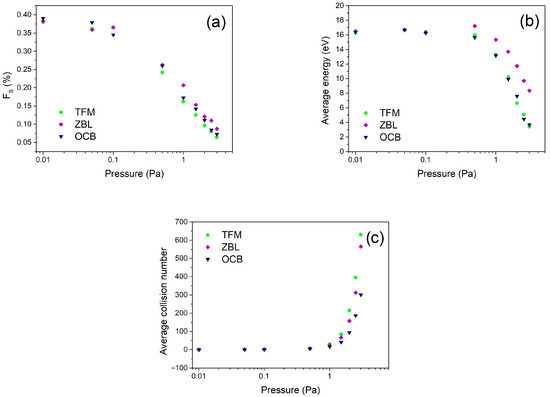
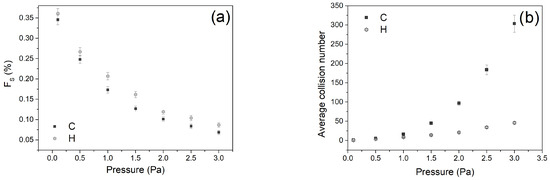
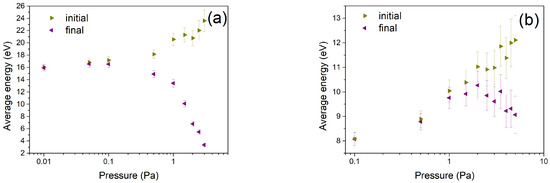
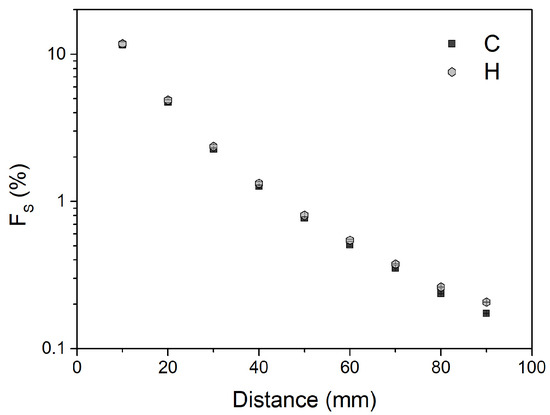
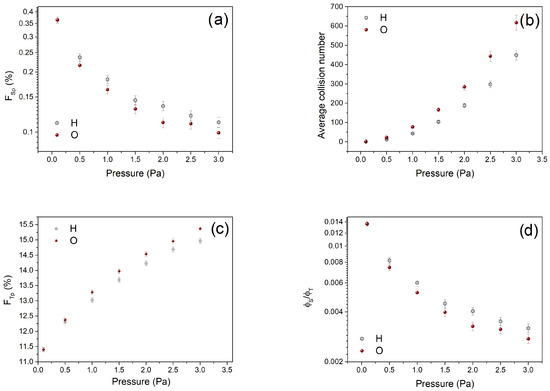
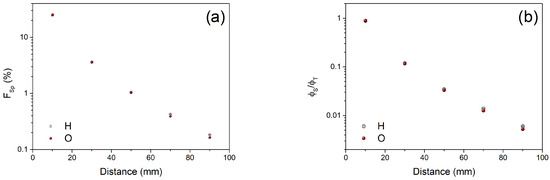
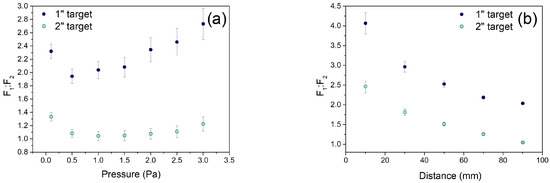
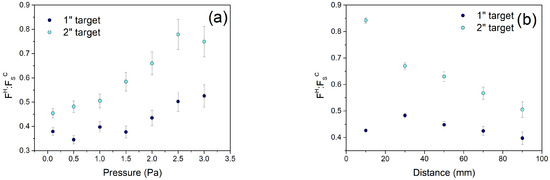
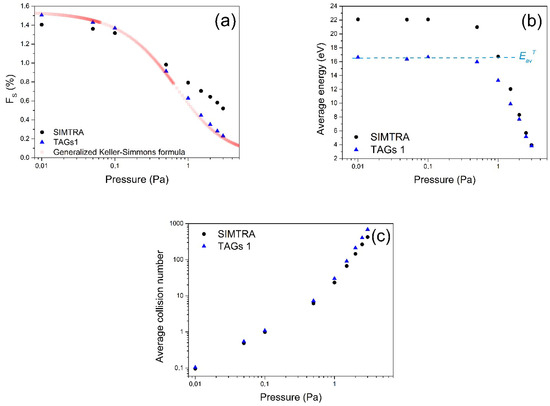
Monte Carlo simulations of the transport of atoms in gases related to the deposition process and the contamination of amorphous carbon thin films during deposition in magnetron discharges have been performed. These films are of interest in accelerator technology due to their low secondary electron yield when their structures are dominated by sp2 carbon. Two codes, which practically share the same algorithm, are introduced: TAGs 1 simulates the transport of sputtered atoms from the target to the substrate, and TAGs 2 simulates the transport of atoms from the plasma towards the target and the substrate. The similar results of TAGs 1 and the well-established SIMTRA for the same input parameters imply the algorithm’s accuracy. The codes were used to model the transport of different atoms (C, H, O, D) in a magnetron Ar discharge. The simulations reveal that the operating pressure should be higher than 1 Pa for a sample-target distance of 90 mm to secure sp2 carbon formation. The contamination mechanisms of amorphous carbon coatings were then studied by merging the results obtained with both programs. Preliminary comparisons with experiments suggest that the combined results of TAGs 1 and 2 agree very well with the experiments.
Full article

Figure 1
Open AccessReview
Flexible Sensors Based on Carbon-Based Materials and Their Applications
by
Jihong Liu and Hongming Liu
C 2026, 12(1), 12; https://doi.org/10.3390/c12010012 - 3 Feb 2026
Abstract
In recent years, the rapid commercialization and widespread adoption of portable and wearable electronic devices have imposed increasingly stringent performance requirements on flexible sensors, including enhanced sensitivity, stability, response speed, comfort, and integration. This trend has driven extensive research and technological advancement in
[...] Read more.
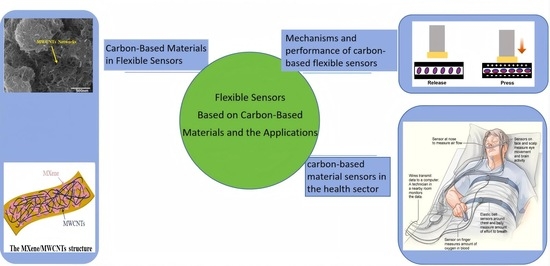
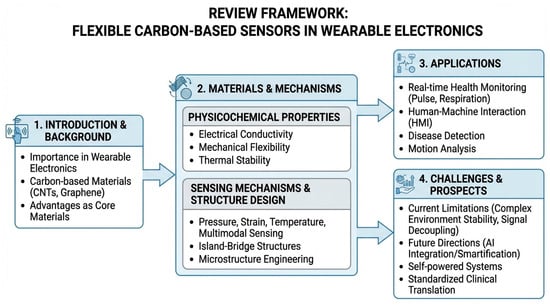
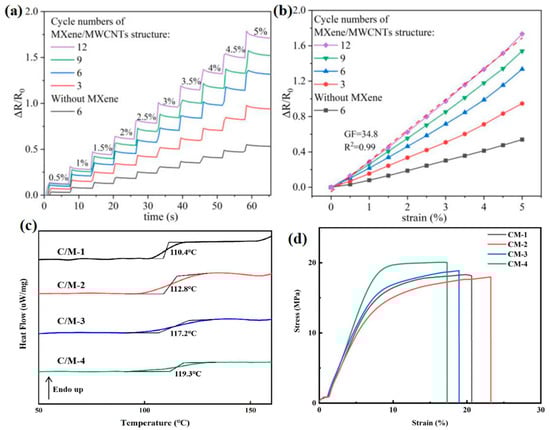
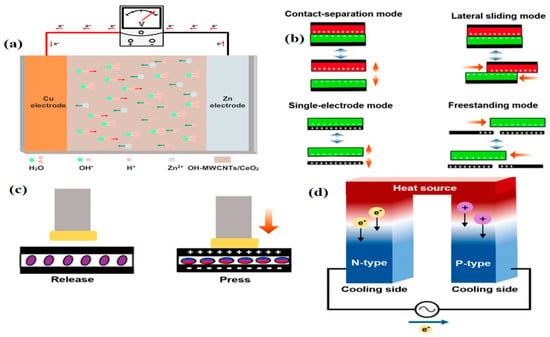
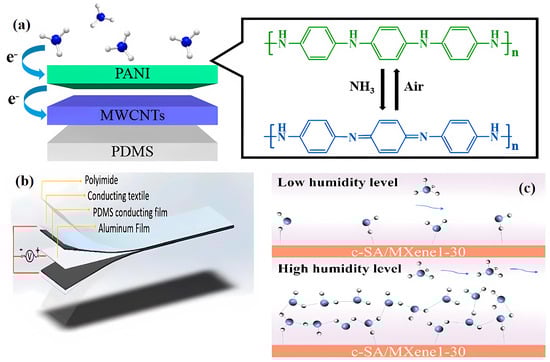
In recent years, the rapid commercialization and widespread adoption of portable and wearable electronic devices have imposed increasingly stringent performance requirements on flexible sensors, including enhanced sensitivity, stability, response speed, comfort, and integration. This trend has driven extensive research and technological advancement in sensor material systems, among which carbon-based materials have emerged as core candidates for high-performance flexible sensors due to their exceptional electrical conductivity, mechanical flexibility, chemical stability, and highly tunable structural features. Meanwhile, new sensing mechanisms and innovative device architectures continue to emerge, demonstrating significant value in real-time health monitoring, early disease detection, and motion-state analysis, thereby expanding the functional boundaries of flexible sensors in the health-care sector. This review focuses on the application progress and future opportunities of carbon-based materials in flexible sensors, systematically summarizing the critical roles and performance-optimization strategies of carbon nanotubes, graphene, carbon fibers, carbon black, and their derivative composites in various sensing systems, including strain and pressure sensing, physiological electrical signal detection, temperature monitoring, and chemical or environmental sensing. In response to the growing demands of modern health-monitoring technologies, this review also examines the practical applications and challenges of flexible sensors—particularly those based on emerging mechanisms and novel structural designs—in areas such as heart-rate tracking, blood-pressure estimation, respiratory monitoring, sweat-component analysis, and epidermal electrophysiological signal acquisition. By synthesizing the current research landscape, technological pathways, and emerging opportunities of carbon-based materials in flexible sensors, and by evaluating the design principles and practical performance of diverse health-monitoring devices, this review aims to provide meaningful reference insights for researchers and support the continued innovation and practical deployment of next-generation flexible sensing technologies.
Full article
(This article belongs to the Section Carbon Materials and Carbon Allotropes)
►▼
Show Figures

Graphical abstract
Journal Menu
► ▼ Journal Menu-
- C Home
- Aims & Scope
- Editorial Board
- Reviewer Board
- Topical Advisory Panel
- Instructions for Authors
- Special Issues
- Topics
- Sections & Collections
- Article Processing Charge
- Indexing & Archiving
- Editor’s Choice Articles
- Most Cited & Viewed
- Journal Statistics
- Journal History
- Journal Awards
- Society Collaborations
- Editorial Office
Journal Browser
► ▼ Journal BrowserHighly Accessed Articles
Latest Books
E-Mail Alert
News
Topics
Topic in
Applied Sciences, C, Geosciences
New Advances in Carbon Capture and Storage (CCS) Geochemistry
Topic Editors: Suzanne Golding, Julie Pearce, Linda StalkerDeadline: 25 May 2026
Topic in
Applied Nano, C, Materials, Nanomaterials, Polymers
Advances in Carbon-Based Materials
Topic Editors: Giovanni Spinelli, Vittorio RomanoDeadline: 30 June 2026
Topic in
C, Polymers, Recycling, Sustainability, Waste
Converting and Recycling of Waste Materials
Topic Editors: Simeng Li, Tolulope A. AgunbiadeDeadline: 30 September 2026
Topic in
C, Membranes, Polymers, Water, Environments, Toxics, Recycling
Waste-Based Materials for Environmental Remediation
Topic Editors: Huayi Chen, Yulong ZhangDeadline: 31 October 2026
Special Issues
Special Issue in
C
Carbon-Based Polymer Composites: Synthesis, Processing, Characterization and Applications (2nd Edition)
Guest Editors: Chi-Hui Tsou, Patrizia SaviDeadline: 30 April 2026
Special Issue in
C
High-Performance Carbon Materials and Their Composites (2nd Edition)
Guest Editor: Jinliang SongDeadline: 25 June 2026
Special Issue in
C
Sustainable Graphene Materials and Composites: From Green Synthesis to Applications
Guest Editors: Mohamad Nasir Mohamad Ibrahim, Muhammad Taqi-Uddeen SafianDeadline: 30 June 2026
Special Issue in
C
Carbons for Health and Environmental Protection (2nd Edition)
Guest Editors: Sergey Mikhalovsky, Rosa Busquets, Geoffrey D. Fowler, Joaquín Silvestre-AlberoDeadline: 25 September 2026
Topical Collections
Topical Collection in
C
Carbon-Based Materials for Hydrogen Production, Storage and Conversion
Collection Editors: Nikolaos Kostoglou, Claus Rebholz