


Abstract
Alginate-based hydrogels, derived from brown seaweed, represent biocompatible and biodegradable materials whose properties are systematically controlled through molecular structure (M/G composition), crosslinking strategy, and compositional modification. This review synthesizes recent advances in alginate hydrogel design, encompassing fundamental structural properties, three primary crosslinking approaches—ionic coordination with divalent cations (Ca2+, Ba2+, Sr2+), covalent chemical linkages, and hybrid multi-crosslinking systems—and strategic modification strategies including chemical derivatization, polymer blending, and nanoparticle incorporation. These modifications address inherent limitations of native alginate, namely insufficient mechanical strength and biological inertness, thereby expanding applicability. The review examines applications across biomedical domains (drug delivery, tissue engineering, wound healing), environmental remediation, food industry systems, and emerging technologies including flexible electronics and soft robotics. Advanced fabrication techniques—3D/4D printing, microfluidics, and electrospinning—enable improved architectural control. Current evidence from preclinical and clinical studies demonstrates feasibility in specific applications, while important challenges persist, including predictable degradation kinetics, mechanical property optimization, standardization of characterization protocols, regulatory compliance, and manufacturing scalability. This review aims to provide a systematic assessment of alginate-based hydrogel development and identify areas requiring further investigation to advance clinical translation.
1. Introduction
Hydrogels—three-dimensional crosslinked networks retaining substantial water—have emerged as versatile materials for biomedical and environmental applications due to their tunable physicochemical properties and environmental responsiveness [1,2,3,4]. Natural polysaccharide-based hydrogels offer biocompatibility, biodegradability, and ease of modification [5,6,7,8,9,10,11,12]. Alginate, a commercially relevant biopolymer, has applications spanning food, pharmaceuticals, tissue engineering, drug delivery, wound care, and environmental remediation [5,6,13]. Alginate is a linear anionic polysaccharide composed of β-D-mannuronic acid (M) and α-L-guluronic acid (G) residues. The M/G ratio (proportion of mannuronic to guluronic acid units) varies with algal source and extraction method, typically ranging from 0.3 to 3.0. G-rich segments (high G content) form strong, brittle gels through ‘egg-box’ coordination with divalent cations; M-rich regions contribute flexibility and elasticity. The specific M/G ratio fundamentally determines gel mechanical properties, degradation kinetics, and biocompatibility, making it a critical design parameter for tailoring hydrogel performance to specific applications [2,14,15,16,17].
Alginate derives from brown seaweeds (Laminaria, Ascophyllum, Macrocystis) and bacteria (Pseudomonas, Azotobacter), primarily [18,19]. The extraction process, molecular weight distribution, and M/G ratio vary significantly depending on the algal species, harvest season, geographical origin, and processing conditions, substantially affecting the functional properties of the resulting materials [20]. As a material recognized as Generally Regarded as Safe (GRAS) by regulatory authorities including the U.S. Food and Drug Administration (FDA), alginate has found extensive commercial applications across multiple sectors [5,21].
Ionic crosslinking with divalent cations (particularly Ca2+) via the ‘egg-box’ mechanism enables rapid gel formation under physiological conditions, offering economic viability and abundant resources for industrial and specialized applications [7,14,22,23]. This unique gelation behavior has facilitated the development of alginate-based materials for applications requiring mild processing conditions, such as cell encapsulation, protein delivery, and injectable therapeutics [24].
Despite these advantages, native alginate hydrogels face critical limitations: insufficient mechanical strength, uncontrolled degradation kinetics, biological inertness (limited cell binding), poor stability, and susceptibility to chelating agents [25,26]. The absence of cell-recognition sequences such as the RGD (Arg-Gly-Asp) peptide motifs in the alginate molecular structure results in poor cell–material interactions, limiting its utility in tissue engineering and regenerative medicine applications [27,28]. Additionally, the mechanical properties of ionically crosslinked alginate hydrogels often fail to match the requirements of specific applications, particularly for load-bearing tissue scaffolds or materials subjected to dynamic mechanical stresses [7,15].
To overcome these critical limitations, researchers have developed comprehensive modification strategies that substantially enhance alginate performance across diverse applications. Physical modification approaches—including strategic polymer blending with biocompatible natural polymers (chitosan, hyaluronic acid, gelatin) or synthetic alternatives (PVA, PEG, PAM)—enable tailored mechanical properties and functional integration without introducing toxic byproducts. Complementary nanomaterial incorporation strategies employing hydroxyapatite (HAP), graphene oxide (GO), carbon nanotubes (CNTs), silica, and metal compounds establish reinforced networks that dramatically enhance mechanical robustness while promoting cellular interactions [7,8,22]. Beyond these physical approaches, systematic chemical modifications—including oxidation, sulfation, phosphorylation, amidation, esterification, graft copolymerization, and click chemistry methodologies—enable precise introduction of functional groups, controlled modulation of degradation kinetics, enhanced bioactivity, and incorporation of stimuli-responsive characteristics that render alginate systems responsive to physiological triggers [6,22]. These integrated strategies transform native alginate from a passive biomaterial into a sophisticated platform capable of addressing complex biomedical and technological requirements.
Advanced alginate hydrogels with stimuli-responsive properties (pH, temperature, ionic strength) enable minimally invasive delivery of therapeutics. Conductive variants show promise in neural/cardiac tissue engineering, biosensing, and flexible electronics [7,24,29,30,31,32]. Advanced alginate-based composite hydrogels with enhanced mechanical properties and biological functionality have shown promise in bone, cartilage, vascular, and neural tissue regeneration [7]. In environmental applications, alginate-based adsorbents have demonstrated excellent performance for heavy metal removal, dye adsorption, and pollutant remediation [27,33]. Furthermore, the integration of alginate hydrogels with emerging technologies such as 3D/4D printing, microfluidics, and artificial intelligence-assisted design has opened new avenues for creating sophisticated functional materials with unprecedented capabilities [6,26].
This review synthesizes current knowledge on alginate-based hydrogels across six major domains: (1) fundamental properties and preparation, including molecular structure-property relationships, source variations, and diverse gelation mechanisms; (2) advanced crosslinking strategies, encompassing ionic, covalent, hybrid, and physical approaches, with particular emphasis on nanoparticle integration and multi-responsive design; (3) strategic modification approaches including chemical derivatization, polymer blending, and stimuli-responsive element incorporation to overcome native alginate limitations (insufficient mechanical strength, biological inertness, uncontrolled degradation); (4) multifunctional biomedical applications spanning drug delivery, tissue engineering, wound healing, 3D/4D bioprinting, and advanced cell culture platforms; (5) environmental remediation and food safety systems, demonstrating efficacy in heavy metal removal, organic pollutant degradation, pharmaceutical wastewater treatment, pesticide detection, and active food preservation; and (6) emerging technological applications in flexible devices, strain sensing, energy harvesting, soft robotics, electromagnetic shielding, and soil conditioning, as illustrated in Figure 1. Additionally, this review addresses critical challenges impeding clinical translation—mechanical property optimization, degradation kinetics control, manufacturing scalability, and regulatory standardization—while identifying promising future directions including stimuli-responsive hydrogels for targeted therapies, advanced 3D/4D bioprinting architectures, and sustainable manufacturing integrated with regulatory streamlining. By synthesizing state-of-the-art developments and critically analyzing implementation barriers, this review provides researchers, engineers, and practitioners with comprehensive insights into alginate-based hydrogels’ transformative potential for advancing biomedical innovation, environmental sustainability, and technological functionality while establishing a roadmap toward clinical translation and industrial implementation.
Figure 1.
Alginate-based hydrogels: a comprehensive overview of preparation methods, key modifications, diverse applications, critical barriers, and future directions.
2. Fundamental Properties and Preparation of Alginate-Based Hydrogels
2.1. Chemical Structure and Molecular Composition
Basic Molecular Architecture
Alginate, a linear anionic polysaccharide from brown seaweed and bacteria, comprises β-D-mannuronic (M) and α-L-guluronic (G) acid residues in MM, GG, and MG block arrangements (G content: 30–70% typically; MW: 32,000–400,000 g/mol), as shown in Figure 2 [5,16,34,35,36]. The monomeric carboxyl groups undergo deprotonation at neutral pH, conferring polyanionic character, optimal viscosity at pH 3.0–3.5, and non-Newtonian shear-thinning behavior at reduced concentrations [5,37]. Notably, the M/G molar ratio critically determines mechanical properties: G-enrichment enhances gelling capability and structural rigidity, while M-enrichment improves solution viscosity and flexibility, enabling precise control over final hydrogel characteristics [38].
Figure 2.
Structural characteristics of alginates. (a) Monomer units; (b) chain conformation; (c) block distribution; (d) egg-box structure [16].
Alginate forms stable hydrogels via divalent cation interactions (e.g., Ca2+, Ba2+), generating ‘egg-box’ complexes with G-blocks (as shown in Figure 2d [16]). Acidic conditions induce aqueous swelling [14,34,39,40,41,42,43]. The polymer demonstrates pH-dependent mucoadhesion and exhibits exceptional biocompatibility, biodegradability, antioxidant and anti-inflammatory properties, positioning it as an ideal material for tissue engineering, drug delivery, and wound dressing. While alginate demonstrates antioxidant and anti-inflammatory potential in vitro—including capacity to reduce nitric oxide, reactive oxygen species (ROS), prostaglandin E2, and cyclooxygenase 2—the translation of these properties into in vivo therapeutic efficacy remains incompletely characterized and requires further clinical validation [34,36,44,45,46,47,48,49,50,51,52].
Commercial alginate production utilizes seaweed extraction with sodium or calcium chloride solutions (as shown in Figure 3) [34]. Natural sources frequently contain impurities including endotoxins, heavy metals, and proteinaceous contaminants, necessitating rigorous purification protocols to ensure biocompatibility and reproducibility [53]. The selection and implementation of appropriate purification methodologies significantly impact the final product’s quality and suitability for biomedical applications.
Figure 3.
A typical process for the extraction of sodium alginate from brown algae followed by gelation in the presence of CaCl2 [34].
2.2. Gelation Mechanisms and Crosslinking Strategies
Alginate-based hydrogel networks exhibit three-dimensional architectures that closely mimic natural bio-macromolecular structures, conferring exceptional biocompatibility and enabling non-invasive therapeutic delivery [34]. The physicochemical properties of these hydrogels fundamentally depend on multiple interdependent factors: crosslinking type (ionic, chemical, physical, or hybrid), crosslinker density, polymer composition, and molecular weight distribution. The strategic selection and optimization of these parameters enable precise control over hydrogel performance characteristics. This section comprehensively examines diverse crosslinking methodologies, mechanistic principles, and their consequential effects on hydrogel functionality.
2.2.1. Ionic Crosslinking
Ionic crosslinking with divalent cations—predominantly Ca2+—represents the most widely employed alginate-based hydrogel preparation method, establishing characteristic “egg-box” junction sites where divalent cations coordinate with adjacent guluronate block residues [14,15,23,43,54,55,56,57]. This coordination enables instantaneous gelation at ambient temperature and physiological pH, offering substantial advantages over time-intensive covalent approaches. While Ca2+ is favored for biocompatibility, alternative cations (Ba2+, Zn2+, Cu2+, Fe3+, Al3+) induce gelation with distinct mechanical and functional properties; Ba2+ typically produces more robust gels due to superior binding affinity for G-block residues, as summarized in Table 1 [15,31,34,56,58,59,60,61,62,63]. The causal chain connecting these parameters operates as follows: (1) M/G composition determines which divalent cations can effectively coordinate with guluronate blocks and the resulting network density; (2) ion species selection produces distinct coordination geometries and binding affinities establishing specific network connectivity patterns; (3) resulting network features—characterized by crosslink density, junction zone distribution, and pore architecture—directly determine macroscopic material behaviors including swelling capacity, degradation kinetics, and mechanical responsiveness; (4) material behaviors (swelling percentage, degradation rate, stress relaxation) measurably propagate into quantified performance outcomes (tensile strength, compressive modulus, cell viability, long-term stability). This integrated mechanistic framework enables systematic understanding of how molecular-level design parameters propagate through network architecture to determine clinical applicability across specific application contexts [15,31,34,56,58,59,60,61,62,63].
Alginate-based hydrogel’s mechanical properties critically depend on gelation rate, temperature, and polymer composition. Higher gelation rates combined with lower temperatures promote homogeneous network structures with enhanced mechanical properties, whereas G-block-enriched alginates yield substantially stiffer hydrogels compared to M-block-enriched variants [23,64]. This composition–property relationship enables rational design of hydrogels tailored to specific mechanical requirements.
In addition, rapid gelation kinetics frequently necessitate controlled methodologies, such as phosphate-buffered systems, to moderate gel formation rates and achieve homogeneous network structures [65,66]. Wang et al. demonstrated that ferrous sulfate (Fe2+) doping of sodium alginate hydrogels enhances antimicrobial efficacy and accelerates infected wound regeneration. Fe-doped alginate (Fe-ALG) hydrogels were fabricated via ionotropic gelation with calcium chloride crosslinking, where ferrous sulfate incorporation modulated network properties and imparted antimicrobial functionality. Fe-ALG hydrogels exhibited significantly accelerated wound closure compared to buffer control, unmodified sodium alginate (Na-ALG), and vancomycin-treated groups at both 7- and 14-day timepoints [67].
Recent studies demonstrate the remarkable versatility of metal-incorporated ionic systems [67,68,69]. For instance, Urzedo et al. presents the first report of alginate hydrogels simultaneously incorporating S-nitroso-mercaptosuccinic acid (S-nitroso-MSA, a nitric oxide donor) and green tea-synthesized silver nanoparticles (AgNPs) for synergistic antimicrobial action. Hydrogels are fabricated via ionotropic gelation (CaCl2 crosslinking) with glycerol plasticization to enhance mechanical flexibility, while AgNPs averaged 35.3 ± 5.9 nm with zeta potential of −35.5 ± 1.2 mV, confirming stable colloid formation [68]. Additionally, copper alginate (SA-Cu) hydrogels with lower M/G ratios exhibit improved crosslinking density, mechanical strength, and immunomodulatory properties [61]. These metal-enhanced systems exemplify how ionic crosslinking platforms accommodate functional diversification without compromising core gelation mechanisms.
Ionically crosslinked alginate hydrogels exhibit exceptional swelling capacities (1500–4200%), favorable porosity (56–85.20%), high water content (74–94%), variable Young’s modulus (0.99–9.75 MPa), and excellent drug encapsulation efficiency (87–95%) [69,70,71,72,73]. These characteristics render ionic systems particularly suitable for drug delivery and cell encapsulation applications. However, purely ionic crosslinked hydrogels exhibit significant limitations: inadequate mechanical strength (rarely exceeding 1–10 MPa), rapid physiological degradation through ion exchange mechanisms, and insufficient long-term structural stability [69,74,75].
To overcome these mechanical constraints, Ji et al. developed an innovative “reconstruction approach” involving anisotropic drying of pre-gel substrates followed by sequential additional crosslinking and rehydration. This multi-step strategy produced hydrogels with substantially enhanced tensile strengths (8–57 MPa) and elastic moduli (94–1290 MPa), with Fe3+ yielding the most robust networks [75]. This approach demonstrates how post-gelation treatment can substantially amplify mechanical performance while preserving the advantages of ionic crosslinking. Additionally, Tordi et al.’s innovation leverages ionically tunable networks through dual-cation crosslinking, wherein Cu2+ or Mn+ ions establish alginate network structure while systematic Li+ doping modulates ionic transport and mechanical properties. Gelatin and alginate solutions were sequentially crosslinked with MCl2 (M = Mn or Cu) and LiCl, followed by glycerol–water equilibration. SAXS analysis reveals fundamentally distinct network architectures governing electrochemical performance. Cu2+ forms compact, structurally resilient networks (ξ = 3.5–3.9 nm) resistant to Li+ perturbation through strong binding affinity. Conversely, Mn2+ networks progressively loosen (ξ = 6.3–14.7 nm) as Li+ concentration increases via competitive ion exchange, enabling enhanced ionic mobility despite reduced mechanical integrity. This synergistic dual-crosslinking strategy reveals decoupled optimization of mechanical robustness and ionic conductivity—a balance unattainable in single-ion systems: (1). Cu2+ pathway: Maintains high mechanical integrity (~1.36 MPa) while Li+ doping progressively enhances ionic conductivity through interstitial conduction; (2) Mn2+ pathway: Li+ reduces gel modulus by >60% (0.15 MPa at Mn025AlgGel) but dramatically improves ionic mobility through network loosening. The demonstration that mechanical robustness and ionic conductivity are independently optimizable via Cu2+/Mn2+ selection and L2+ doping represents a significant mechanistic advancement, enabling rational design of electrolytes with tailored performance profiles [76].
Table 1.
Summary of recent representative ionic crosslinking of alginate hydrogels [15,31,34,56,58,59,60,61,62,77].
2.2.2. Molecular Entanglement-Based Hydrogels
Molecular entanglement forms non-covalent alginate hydrogels through freeze–thaw cycling, hydrophobic interactions or hydrogen bonding interactions, inducing polymer chain association without covalent bond formation. This strategy enables reversible gel properties with simplified preparation protocols compared to chemical approaches, facilitating dynamic functionality essential for responsive applications [78,79,80,81].
For instance, hydrophobically linked poly(AM-co-BA)@NaAlg hydrogels synthesized via cetyltrimethylammonium bromide (CTAB)-mediated micelle formation exhibit exceptional 1611% stretchability, toughness of 403.293 kJ/m3, and high strain sensitivity (gauge factor = 27.79 at 900% strain) [81]. Similarly, Abbasi et al. incorporated Pluronic F127 block copolymer into PVA/alginate composites, producing hydrogels with 58.75 MPa tensile strength, 565% elongation capacity, sustained antimicrobial release over 35 h, and significant antibacterial efficacy against clinically relevant pathogens, achieving complete wound closure within 21 days [82]. Aitchison et al. investigated 3D-printed alginate/polyvinyl alcohol (PVA) bioinks for cartilage tissue engineering by characterizing how varying polymer concentrations affect scaffold physical properties. Increasing PVA concentration decreased swelling while increasing degradation rates, demonstrating PVA’s role in modulating hydrogel matrix stability. The highest elastic modulus (0.22 MPa) was achieved with 5% PVA and 20% alginate, approaching native cartilage mechanical properties. These results establish that rationally tuned PVA and alginate concentrations enable bioink development with tailored mechanical properties suitable for cartilage tissue engineering applications [83]. These examples illustrate how hydrophobic interactions and polymer blending enhance mechanical performance beyond native alginate capabilities.
In addition, polyvinyl alcohol (PVA)-incorporated composite systems demonstrate particular promise due to PVA’s inherent hydrophilicity, aqueous affinity, and established biocompatibility [84,85,86]. Jin et al. created a sodium fusidate-loaded triple polymer hydrogel with systematically optimized PVA:polyvinylpyrrolidone (PVP):sodium alginate molar ratio (10:6:1), demonstrating superior mechanical properties (324.7 ± 12.4% swelling, 175.97 ± 16.30 g bioadhesion), sustained pharmaceutical release (71.8 ± 1.3% within 24 h), and enhanced dermal permeation compared to commercial products [87]. Liang et al. developed a water-soluble composite hydrogel combining carboxymethylcellulose sodium (CMC-Na), sodium alginate (SA), and chitosan (CS) to simultaneously achieve moisture self-regulation and anti-adhesion properties—critical requirements previously unmet by conventional burn dressings. The hydrogel forms through thermally induced physical polymer blending via hydrogen bonding and electrostatic interactions between anionic CMC-Na and SA and cationic CS, reinforced mechanically by a polypropylene nonwoven scaffold. This non-permanently crosslinked matrix achieves 99.48 ± 1.03% wound closure over 20 days, exhibits superior water vapor permeability (1810.777 ± 131.679 g·m−2·d−1), and provides effective inflammatory modulation [88]. These formulations demonstrate how polymer composition optimization achieves synergistic property enhancement.
2.2.3. Chemical Crosslinking
Covalent crosslinking establishes three-dimensional networks via covalent interactions utilizing hydroxyl and carboxyl groups inherent to alginate [47,89]. Unlike ionically crosslinked gels that undergo stress-induced dissociation and plastic deformation, covalently crosslinked gels exhibit elastic deformation, superior mechanical stability, and prolonged structural integrity. Chemically crosslinked alginate hydrogels can be synthesized via multiple mechanisms: free radical polymerization, macromolecular self-crosslinking, and click chemistry approaches [24,90,91,92,93,94,95]. However, potential toxicity of conventional crosslinking agents necessitates careful removal of unreacted chemical species to ensure biocompatibility [18,96].
Investigations into different crosslinking agents and crosslinking density regulation demonstrate that mechanical properties and swelling behavior can be finely tuned [97]. Eiselt et al. demonstrated that covalent cross-linking of sodium alginate with poly(ethylene glycol)-diamines (PEG-diamines) of varying molecular weights overcomes the mechanical limitations of ionically cross-linked alginate hydrogels. Covalent coupling via carbodiimide chemistry (EDC/NHS activation) yields stable, tunable mechanical properties with precise control over cross-linking density. Hydrogel mechanics are tunable through two parameters, (1) PEG molecular weight and (2) cross-linking density, enabling rational design of hydrogels with elastic moduli spanning 9–110 kPa. High cross-linking efficiency (~90%) with minimal unreacted PEG-diamines (0.2–5.3%) validates the synthetic approach. However, unexpected mechanical decline at high PEG loading (>27 wt%) reveals limitations of current rubber-elasticity theory in predicting two-component macromolecular network behavior [98].
Kulkarni et al. developed interpenetrating network (IPN) hydrogel membranes combining sodium alginate (SA) and poly(vinyl alcohol) (PVA), cross-linked with glutaraldehyde (GA), for sustained transdermal delivery of prazosin hydrochloride, an anti-hypertensive agent. The IPN architecture overcomes single-polymer limitations by creating a three-dimensional network where GA acts as a bi-functional cross-linking agent, forming acetal bridges between hydroxyl groups of SA and PVA and aldehyde groups of GA. IPN membranes achieved sustained transdermal drug release over 24 h with significantly extended release kinetics compared to rapid release from pure SA (99.3% at 12 h) or PVA (82.8% at 12 h) alone. Tensile strength increased two-fold in IPNs (3.98–4.53 kg/cm2) relative to individual polymers (SA: 2.34 kg/cm2; PVA: 2.98 kg/cm2), confirming superior mechanical properties through extensive inter-polymer chain linkages [97].
Beyond permanent covalent bonding, Schiff-base chemistry creates pseudo-covalent imine bonds with reversible equilibrium, enabling hydrogel fabrication with dynamic properties and self-healing capabilities [99,100,101,102]. Sodium periodate oxidation of alginate produces alginate dialdehyde (ADA) with reactive aldehyde groups forming Schiff-base linkages with gelatin, chitosan, or proteins, creating hybrid hydrogels with enhanced cell adhesion, modifiable degradation kinetics, and inherent self-healing properties through continuous imine bond uncoupling/recoupling cycles [91,92,93,94,103]. This reversible crosslinking strategy permits dynamic network reorganization, accommodating mechanical stress and promoting tissue integration.
Basu et al. developed a DNA-based nanocomposite hydrogel cross-linked via reversible imine linkages between amine groups on DNA nucleobases and aldehyde groups of oxidized alginate (OA), incorporating silicate nanodisks (nSi) to enhance mechanical properties and self-healing capacity. Oxidation of alginate dramatically enhanced gel strength: storage moduli (G′) increased from 12.59 Pa (21.64% oxidation) to 199.5 Pa (53.76% oxidation) at 2.8% OA concentration, while viscosity rose from 78.1 Pa·s (DNA alone) to 416 Pa·s (DNA + OA). Yield stress increased 15.8-fold and yield strain increased 6.3-fold with oxidation enhancement, demonstrating oxidation degree as the primary mechanical control parameter. The hydrogels sustained simvastatin release over extended periods through tunable imine cross-link dynamics [99]. Additionally, Huan et al. fabricated injectable self-healing hydrogels using oxidized sodium alginate (OSA) and carboxymethyl chitosan (CMCS) incorporating vascular endothelial growth factor (VEGF) and human umbilical vein endothelial cells (HUVECs); in vivo studies in streptozotocin-induced diabetic mice demonstrated sustained glycemic control extending to 100 days [100]. These applications exemplify how Schiff-base chemistry enables sophisticated therapeutic delivery combined with dynamic mechanical functionality [99,100,104].
Alginate undergoes modification via grafting copolymerization with hydrophilic vinyl monomers through radical abstraction mechanisms [105,106,107]. Wang et al. developed semi-interpenetrating polymer network (semi-IPN) superabsorbent hydrogels from sodium alginate-g-poly(sodium acrylate) (NaAlg-g-PNaA) and polyvinylpyrrolidone (PVP), demonstrating enhanced water absorption (1004 g/g), increased swelling kinetics, and pH-sensitive reversible switching behavior. This approach facilitates incorporation of responsive functionality through straightforward chemical modification [105].
Free radical polymerization establishes covalent crosslinks between methacrylate groups, substantially enhancing mechanical properties and providing superior structural control [34,108]. Modified alginate with photocrosslinkable chains enables methacrylate functionalization followed by photoinitiator-mediated polymerization under physiological conditions, allowing spatiotemporal cell or bioactive molecule encapsulation [108,109,110].
Coates et al. prepared methacrylated alginate via reaction with methacrylic anhydride, followed by VA-086 photoinitiator polymerization under 365 nm UV light. Mesenchymal stem cells (MSCs) at 3 × 10⁶ cells/mL demonstrated high initial viability (80%) with negligible statistical differences in metabolic activity compared to calcium crosslinked controls over 10 days [111]. However, chemical photo-initiators (VA-086, VA-044, V-50, Irgacure 1870) exhibit cytotoxicity toward encapsulated cells and bioactive molecules, with prolonged UV exposure substantially compromising cell viability [109,111,112]. To address these limitations, Gao et al. developed dual crosslinked methacrylated alginate (Alg-MA) microfibers using sequential ionic crosslinking with Ca2+ followed by UV photocrosslinking. These dual crosslinked systems demonstrated substantially improved swelling control (60% reduction) and dimensional stability (25% weight loss after 7 days in simulated body fluid), effectively minimizing photoinitiator exposure while maintaining mechanical performance [109].
Microwave irradiation provides an environmentally sustainable alternative to conventional thermal processing, facilitating rapid reaction kinetics while minimizing solvent utilization and hazardous byproduct generation [113,114]. Zhao et al. synthesized sodium alginate dimethyl diallyl ammonium chloride (SAD) via microwave-accelerated free radical copolymerization [113], while Chen et al. demonstrated that microwave-assisted drying of calcium alginate beads with volcanic tephra enhanced mechanical stability, surface morphology, and phosphate adsorption capacity [114]. These green chemistry approaches align with sustainability imperatives while maintaining synthesis efficiency.
2.2.4. Hybrid and Multi-Crosslinking Systems
Advanced hydrogel systems employ multiple complementary crosslinking mechanisms to achieve synergistic effects and amplified functionality. This hybrid strategy circumvents limitations inherent to individual crosslinking approaches while leveraging complementary advantages [115,116,117]. Cao et al. synthesized double-network hydrogels combining gelatin methacrylate (Gel-GMA) and OSA via sequential Schiff-base reactions and UV photo-crosslinking, achieving compressive strength of 77.82 ± 6.82 kPa with exceptional biocompatibility (>95% cell viability after 48 h) and effective antimicrobial properties [118]. Sequential crosslinking strategies effectively minimize photo-initiator exposure while maintaining superior mechanical performance, demonstrating the principle that rational crosslinking order enhances outcomes.
Recent innovations extend this principle further. Triple-crosslinked systems incorporating phenylboronic acid-grafted polyethyleneimine (PBA-PEI)-modified gelatin and alginate dialdehyde demonstrate how imine bonds, boronate ester linkages, and calcium-mediated ionic crosslinks collectively enhance self-healing capacity, mechanical strength, and multi-stimuli responsiveness through diverse interaction mechanisms [48,119]. This architectural complexity enables sophisticated control over degradation, mechanical behavior, and functional response to physiological signals.
2.2.5. Nanoparticle Integration and Material Reinforcement
Nanomaterials with exceptional porosity and surface area-to-volume ratios establish interconnected nanofibrous networks within alginate matrices, enhancing mechanical properties while promoting cell adhesion and improving bioink characteristics [119,120,121,122,123,124,125,126,127]. For instance, Cordero et al. systematically investigated how one-dimensional (1D) nanoparticle length affects photo-crosslinked methacrylated alginate (AlgMA) hydrogel properties. Aluminum oxide nanowires (NWs: 21 nm) and nanofibers (NFs: 166 nm) were functionalized with amino groups, fluorescently labeled with FITC, and photopolymerized into AlgMA at concentrations of 0.01–1.0 wt%. At 0.5 wt% loading, nanofibers achieved 8-fold complex modulus increase compared to 2-fold for nanowires, with proportionally greater yield strain reduction. Swelling decreased 2.5-fold with NFs versus minimal change with NWs, attributed to increased hydrogen bonding crosslinking. Activation energy increased significantly at >50% conversion, demonstrating nanoparticle-induced thermal stabilization through hydrogen bonding between surface hydroxyls and alginate carboxylate/hydroxyl groups. Nanofiber superior reinforcement stems from restricted polymer chain mobility and enhanced stress transfer via higher aspect ratio, establishing a dual control mechanism: length-dependent network connectivity and hydrogen bonding interactions [66]. Additionally, single-walled carbon nanotubes (SWCNTs) at 1 wt% demonstrate substantial mechanical enhancements (tensile strength +24.3%, secondary modulus +49.7%, elongation +17.9%) with improved cell adhesion; however, concentrations exceeding 1 wt% may increase cytotoxicity, necessitating careful dose optimization [67].
Nanocellulose forms—cellulose nanocrystals (CNCs) and cellulose nanofibrils (CNFs)—improve pore architecture and nutrient transport while enhancing mechanical properties through reinforcement mechanisms [68,69]. CNCs function as effective shear-thinning additives in bioink formulations, enabling improved printability, whereas CNFs enable high-precision 3D scaffold fabrication maintaining morphological fidelity for extended periods (up to 30 days), demonstrating utility in advanced manufacturing approaches [68,69].
Mesoporous silica nanoparticles (MSNs) and hydroxyapatite nanoparticles (HAPs) enhance mechanical properties and promote cell proliferation through bioactive ion release and surface interactions; 1 wt% HAP-enriched hydrogels achieve porosity exceeding 90% with superior bone regeneration induction capacity. These mineral-based nanomaterials bridge synthetic and biological functionality, facilitating superior tissue–material integration [122].
However, nanoparticle co-modification presents significant challenges including strong intermolecular interactions leading to microporous architecture disruption, decreased effective porosity, and increased enzymatic degradation resistance that counteracts intended benefits. Nanoparticle agglomeration remains a persistent limitation requiring strategic resolution through advanced surface modification and dispersion methodologies [70]. Future approaches should emphasize rational surface engineering, molecular functionalization, and advanced dispersion techniques to maximize nanoparticle functionality while maintaining biocompatibility and structural integrity.
2.3. Summary: Crosslinking Strategies and Future Directions for Alginate Hydrogel Development
Alginate-based hydrogel engineering depends critically on crosslinking methodology selection. As detailed in Table 2, ionic approaches enable rapid gelation with excellent biocompatibility but modest mechanical properties; covalent methods deliver superior mechanics with biocompatibility concerns related to photo-initiator toxicity; hybrid systems achieve balanced optimization of competing properties. Successful formulations integrate M/G composition, crosslinking density, bioactive modifications, and manufacturing considerations as an inter-dependent system. The following sections detail application-specific implementations demonstrating how rational design within this framework enables therapeutic utility across multi-field domains.
Table 2.
Comprehensive crosslinking strategy comparison.
3. Properties and Multifunctional Applications of Alginate-Based Hydrogels
3.1. Biomedical Applications
Alginate-based hydrogels leverage biocompatibility, biodegradability, and hydrophilicity for biomedical applications in drug delivery, gene therapy, tissue engineering, and diagnostics, which demonstrate exceptional capabilities [128,129,130]. Recent alginate-based hydrogel systems for drug delivery, tissue engineering, wound healing, and diagnostics are reviewed below.
3.1.1. Advanced Drug Delivery System
Alginate-based hydrogels have emerged as versatile platforms for biomedical applications, effectively addressing the limitations of native alginate through innovative chemical modifications and advanced delivery strategies, as summarized in Table 3 and Table 4 [29,131]. Native, unmodified alginate exhibits limitations including modest mechanical strength (typically <10 MPa tensile strength), variable stability across pH ranges, kinetically unpredictable degradation in physiological environments, and rapid biodegradation—constraints that restrict its utility in demanding applications [132,133,134,135,136,137,138].
Recent advances in alginate modifications highlight their potential as sophisticated delivery systems [138,139,140,141,142]. For example, to enhance curcumin’s therapeutic potential—addressing its poor water solubility, rapid metabolism, and minimal oral bioavailability (1%)—Paswan et al. developed sodium alginate/curcumin-PLA (SA/Cur-PLA) hydrogel beads through a novel encapsulation strategy. By combining sodium alginate with polylactic acid and employing calcium chloride as a crosslinker, the formulation achieved multiple advantages: PLA incorporation enhanced gel fraction, crosslinking density, and swelling capacity while providing UV protection for curcumin. Solubility improved dramatically from 0.1 mg/mL to 0.814 mg/mL per 1 mg PLA, and cellular uptake increased with cytocompatibility exceeding 96% at 0.5 mg/mL concentration. The SA/Cur-PLA system demonstrated 81.47% encapsulation efficiency and exhibited intelligent pH-responsive release: complete curcumin release within 12 h under simulated intestinal conditions (pH 7.4), while remaining stable in acidic gastric environments (pH 1.2) for 2 h [139]. Using Design of Experiment (DoE) software to modulate formulation variables including polymer ratios, cross-linker concentration, and oxidation modification (the schematic representation of hydrogel preparation is as shown in Figure 4I), optimized alginate-based hydrogels also could sustain delivery of two antimicrobial peptides (AMPs)—human β-defensin 2 (hBD-2) and PP4-3.1. The optimized hydrogels exhibited high storage modulus (14.79 ± 1.69 kPa), nanometric porous structure (average pore diameter 5.16 ± 6.17 nm), and sustained AMP release over three days with approximately 51.91 ± 5.14% released by 12 h [140]. Similarly, Bogdanova et al. created Ca2+-enhanced alginate hydrogel microspheres for prolonged ribonuclease release, maintaining enzymatic activity during sustained delivery (as shown in Figure 4II) [143]. These advancements in drug delivery mechanisms—focusing on diffusion, swelling, and responsiveness—position alginate as a versatile platform for addressing diverse clinical needs [29,131].
Figure 4.
(I) Schematic representation of the preparation of alginate-based hydrogels for AMP delivery [140]. (II) RNase activity in blank solution (300 µg/mL in 0.01 M PBS pH 7.2) and in solution containing 1 mg/mL beta-casein after ultrafiltration through a membrane filter with a pore diameter of 30 kDa (A) and time-course of binase release from alginate hydrogel and alginate hydrogel supplemented by beta-casein (B). We took 100% of RNase activity of the loaded protein (calculated as difference between the activity of initial solution in 0.01 M sodium phosphate buffer and resting activity after hydrogel incubation) [143]. (III) (a) Photothermal effect and (b) temperature elevation of hydrogels under NIR-II irradiation (1064 nm, 1.0 W.cm−2). Temperature variation in APN/PP-CNT hydrogel (c) under NIR-II irradiation with different power densities and (d) under cyclic NIR-II irradiation (1064 nm, 1.0 W.cm−2) [119].
Table 3.
Summary of quantitative performance metrics for recent representative alginate-based hydrogels used in drug delivery.
Table 4.
Comparison of qualitative features and mechanisms for recent representative alginate-based hydrogels used in drug delivery.
Li et al. presented a novel multi-responsive nanocomposite hydrogel combining ADA, PEI, poly(N-isopropylacrylamide) (PNIPAM), and phenylboronic acid-modified carbon nanotubes (PP-CNT), with the key innovation being direct incorporation of PNIPAM during hydrogel formation—a previously unreported approach that generates thermal-responsive networks with enhanced performance through dynamic covalent bonds (imine and boronate ester) creating strong polymer–nanomaterial interactions. The hydrogel demonstrates quadruple-stimulus responsiveness (pH-dependent, temperature-dependent with LCST 32 °C, hydrogen peroxide-triggered, and NIR-II light-responsive) with dynamic covalent crosslinks conferring self-healing and shear-thinning capabilities, enabling injectable administration through 18 G needles and homogeneous CNT distribution within the polymer matrix that prevents leakage while yielding a mechanically robust yet flexible delivery platform. As shown in Figure 4III, NIR-II light penetration depth (3 cm) substantially exceeds UV/visible wavelengths, enabling non-invasive deep-tissue applications with superior safety profile (1 W.cm−2 for NIR-II vs. 0.33 W.cm−2 for 808 nm systems), while PNIPAM contraction at elevated temperatures triggers burst drug release kinetics and neomycin release demonstrates pronounced pH sensitivity with 88.0% release at pH 5.5 (acidic infection environment) versus 26.5% at physiological pH 7.4, enabling targeted delivery to infection sites with minimal systemic exposure for non-invasive on-demand wound infection treatment, transdermal drug delivery, and deep-tissue therapeutic access via minimally invasive injection [119]. However, critical limitations restrict broader applicability: the LCST of 32 °C limits body-temperature applications since physiological temperature (37 °C) exceeds the responsive transition and potentially causes uncontrolled release, necessitating incorporation of acrylic acid or PEG modification to elevate LCST above body temperature; differential pH-sensitivity across hydrogel compositions requires systematic investigation to establish design guidelines for rational formulation selection.
In cancer therapy, alginate hydrogels exemplify the sophistication achieved through multi-mechanism approaches and pH-responsive targeting that exploit distinctions in the tumor microenvironment [149,150]. For example, Zolfagharian et al. developed sodium alginate/xanthan gum nanocomposite hydrogels containing 5-fluorouracil loaded in sulfuric acid-treated kaolin nanotubes, achieving significantly high apoptosis rates in cervical cancer through controlled pH-responsive release—slower at physiological pH 7.4 but markedly accelerated at pH 5.5 [149]. Building on this concept, Parvaresh et al. designed triple-responsive hydrogels from oxidized sodium alginate with Schiff-base bonds and calcium crosslinking, achieving simultaneous redox-pH and glutathione responsiveness for sustained Adriamycin delivery, significantly enhancing anti-cancer activity [150].
Beyond pH-responsiveness, Shanmugapriya et al. engineered EGFR-targeted fucoidan/alginate hydrogels incorporating chlorin e6 for photodynamic therapy in colon cancer, demonstrating improved efficacy through combined targeting and immunoenhancement [151,152,153]. In a more localized approach, Pan et al. demonstrated ICG-alginate hydrogels for photothermal tumor ablation using in situ Ca2+/Mg2+ stimuli-responsive gelation, while combined ICG-alginate hydrogel plus 808 nm laser treatment achieved remarkable cell killing with only 5.20% and 4.84% viability at power densities of 0.3 and 1 W/cm2, respectively. Critically, in vivo fluorescence imaging revealed that ICG in the hydrogel demonstrated substantially slower metabolism and better localization compared to free ICG, which rapidly distributed throughout the body. In vivo PTT resulted in rapid tumor ablation with tumors nearly disappearing within one week, compared to continuous growth in control groups [77]. These multifaceted cancer therapies illustrate the evolution of alginate systems from simple carriers to sophisticated targeting mechanisms that address the complexities of tumor microenvironments [154,155].
3.1.2. Wound Healing: From Passive Dressing to Active Therapeutic Systems
Alginate-based hydrogels have revolutionized wound healing, serving as superior alternatives to traditional dry dressings due to their exceptional capacity to maintain moist environments, absorb exudate, and promote tissue regeneration. These hydrogels can contain up to 99% water and possess a three-dimensional hydrophilic structure, which is essential for effective healing [29,86,156,157,158]. Recent innovations demonstrate their multifunctional potential across various therapeutic mechanisms. For example, Cai et al. created spray double-network hydrogels featuring a dual-layered architecture—an alginate/carboxymethyl cellulose matrix crosslinked by calcium ions for analgesic and hemostatic functions, topped with acidic chitosan for antibacterial properties. This hydrogel polymerizes rapidly within 10 s, allowing for adaptation to irregular wound shapes [159]. In a related study, Cai et al. developed injectable elastic hydrogels crosslinked with curcumin–gelatin nanoparticles, resulting in significantly reduced healing times through synergistic mechanisms, including promoting M2-macrophage polarization, reducing oxidative damage, accelerating collagen deposition, and enhancing angiogenesis (as shown in Figure 5I) [160].
Figure 5.
(I) In vivo wound healing evaluation of the 2.5 CG NPs-Gel. (A) Representative images of wounds in the Vaseline-gauze, Gel, 2.5 CG NPs-Gel groups on days 0, 3, 5, 7 and 11. (B) Schematic image of the wound healing process of the different treatment groups. (C) Wound healing rate of the Vaseline-gauze, Gel, 2.5 CG NPs-Gel groups on days 3, 5, 7 and 11. * (p < 0.05), ** (p < 0.01) and *** (p < 0.001) [160]. (II) Schematic illustration showing formation of Alg-Ph/gelatin hydrogels with capacity of cell attachment based on HRP enzymatic reaction. HRP, horseradish peroxidase [161].
Furthermore, addressing the challenges of infected wounds, Xie et al. developed sophisticated injectable alginate hydrogels that incorporate carboxymethyl chitosan, curcumin–gelatin nanoparticles, and minocycline, ensuring rapid healing of Staphylococcus aureus-infected wounds (as shown in Figure 5II) [161]. These hydrogels utilize sustained-release mechanisms to provide prolonged therapeutic effects while minimizing the need for frequent dressing changes [161]. Extending antimicrobial strategies, Hu et al. developed biocompatible hydrogels that combine alginate with gallic acid-functionalized silver nanoparticles, successfully reducing pro-inflammatory cytokines (IL-6 and TNF-α) while promoting angiogenesis through the upregulation of CD31, α-SMA, and VEGF expression [69]. Tao et al. developed ProΦGel, a pathogen-responsive dual-layer alginate microbead hydrogel that coordinates phages and probiotics for synergistic wound infection therapy, which aims to address the critical challenge of multidrug-resistant Pseudomonas aeruginosa wound infections. Results show exceptional antibacterial performance with phage-only treatment reducing bacterial counts by ~5 logs at 6 h but experiencing regrowth to ~108 CFU/mL by 24 h, whereas phage-probiotic combination achieved complete eradication with no detectable bacteria at 24 h through synergistic pH reduction to ~4.5 that prevents resistant variant proliferation, alongside >80% phage release within 24 h under infection conditions and sustained probiotic viability (107 CFU/mL) for 48 h on ex vivo human skin. These hydrogels could be used as advanced wound dressings for chronic and acute infections caused by antibiotic-resistant pathogens [157]. Moreover, this work establishes a transformative material strategy for coordinating multi-component living therapeutics through spatiotemporal control of sequential release, demonstrating that rational hydrogel engineering can harness the complementary strengths of fast-acting and slow-acting antimicrobial agents to overcome individual limitations and achieve superior infection eradication while promoting tissue regeneration [157].
Alginate biomaterials effectively tackle the challenges of impaired wound healing in chronic wounds through their inherent biocompatibility, biodegradability, and ability to maintain optimal moisture levels—qualities that collectively facilitate tissue regeneration [156]. Emerging technologies, such as piezoelectric and photothermal systems, further address chronic wound complications [162,163]. For instance, Zhang et al. developed injectable PVA-SBQ/oxidized sodium alginate hydrogels incorporating polydopamine particles to achieve enhanced photothermal antibacterial properties, resulting in a 96.45% wound healing rate after 14 days [164].
These innovations illustrate a significant transformation in wound dressings from passive coverings to active therapeutic systems. By incorporating copper ions for antibacterial properties, MXene and zinc ions for combined antimicrobial and conductive functionality, and titanium dioxide nanoparticles for photocatalytic activity, these multifunctional technologies signify a paradigm shift in wound care [165,166]. Alginate-based hydrogels now actively participate in the healing process through controlled drug release, antimicrobial effects, inflammation modulation, and enhancement of tissue regeneration. This integrated approach effectively addresses the multifactorial nature of wound healing, particularly for challenging cases such as diabetic wounds, infected wounds, and chronic ulcers [29]. Their rapid gelation times, injectable delivery methods, sustained therapeutic release, and responsive functionalities position alginate-based hydrogels as next-generation wound care solutions that improve clinical outcomes while reducing the treatment burden [29].
While numerous preclinical studies suggest therapeutic potential, clinical evidence of alginate-based hydrogels remains limited and heterogeneous [156]. For example, a randomized Diabetic foot ulcer (DFU) controlled trial (n = 26, 19 completers) comparing sodium alginate-enriched hydrogels with conventional dressings reported reduced inflammatory infiltrates but no significant differences in wound area reduction, PUSH scores, or histological markers of healing [167]. Conversely, specialized formulations incorporating additional bioactive components have shown more promising outcomes, highlighting the importance of composition in clinical efficacy and the need for larger-scale trials [167].
The clinical utility of alginate dressings appears attributable to their biocompatibility and enhanced water absorption capacity (15–17 times higher than conventional dressings) [168]. However, the purported mechanisms involving calcium–sodium ion exchange remain incompletely characterized at molecular and physiological levels, and clinical trials have demonstrated variable efficacy [169]. While some studies suggest reduced dressing change frequency may enhance patient comfort, cost-effectiveness analyses are limited [156]. A specialized calcium alginate formulation incorporating zinc oxide nanoparticles achieved 75% healing rates (vs. 71.1% control) [170] and combining alginate with hyaluronic acid achieved 63.6% healing for venous leg ulcers (vs. 14.3% conventional therapy) [156,171]; however, these represent specialized formulations rather than native alginate, and larger comparative trials are needed to establish definitive cost-effectiveness profiles. Nevertheless, clinical limitations warrant careful consideration; some trials have shown no significant differences between alginate and conventional dressings, and the presence of larger initial wound sizes negatively affects healing outcomes [169]. Moreover, the limited effectiveness of alginate in dry wound environments and a lack of long-term efficacy data necessitate larger-scale trials to assess cost-effectiveness definitively. Despite these limitations, validated clinical applications across various contexts—including diabetic foot ulcers, venous leg ulcers, donor-site injuries, postoperative wounds, pressure ulcers, and PICC insertion sites—establish alginate hydrogels as biocompatible and moisture-retentive solutions that enhance the transition from passive wound support to active healing promotion in real-world healthcare environments. This evolution advances wound care practices toward evidence-based personalized treatment strategies [156].
3.1.3. Tissue Engineering: Biocompatible Scaffolds Mimicking Natural Extracellular Matrix
Alginate-based hydrogels serve as promising biocompatible scaffolds for tissue engineering applications; however, their inherent limitation—the absence of cell adhesion motifs (particularly RGD sequences) [7,14,35]—necessitates strategic chemical modification or composite integration to facilitate effective cell–matrix interactions and cellular differentiation [172,173,174,175]. Despite these constraints, alginate’s exceptional hydrophilicity (74–94% water retention) effectively recapitulates the native tissue microenvironment, enabling optimal nutrient diffusion, signaling molecule transport, and oxygen penetration essential for maintaining cell viability and promoting tissue morphogenesis [29,128,154,176,177,178].
Recent advances demonstrate quantifiable efficacy across diverse tissue types with distinct mechanical and biological outcomes [178,179]. For instance, Vu et al. constructed in situ cross-linked hydrogels using oxidized alginate, N,O-carboxymethyl chitosan, and β-tricalcium phosphate. These hydrogels demonstrated excellent regeneration capacity in mouse skull lesions that exhibited no natural healing ability. Here, β-tricalcium phosphate provided bioactive osteogenic properties (as shown in Figure 6), while oxidized alginate enabled Schiff base crosslinking, enhancing mechanical stability [179]. Zheng et al. developed interpenetrating polymer network hydrogels from alginate and silk protein that incorporated bioactive mesoporous glass as a pore-forming agent. This modification not only enhanced the osteogenic differentiation of bone marrow mesenchymal stem cells but also facilitated controlled bioactive ion release to stimulate bone formation [178]. For further mechanical property improvement, Schöbel et al. developed magnesium-enriched alginate dialdehyde-gelatin hydrogels that incorporated magnesium carbonate at concentrations ranging from 0.5 to 20 mg/mL. These hydrogels achieved dual crosslinking through calcium ions and microbial transglutaminase, enhancing pore sizes to 100–300 μm. Additionally, the effective modulus increased from 23.5 ± 4.0 to 33.9 ± 3.7 kPa (as shown in Figure 7I) while promoting chondrogenic cell proliferation; however, the mechanical properties remained substantially lower than those of native cartilage (0.5–1.5 MPa), and elevated pH from higher concentrations potentially affects cell viability [148].
Figure 6.
Images showing mouse cranial defects (red dashed circles) and corresponding H&E staining after 4 weeks of follow-up in experimental groups (scale bar 100 μm) and at higher magnification (A1–A6, scale bar 50 μm). White arrow indicates blood vessel and white dashed circle indicates newly synthesized ECM [179].
Figure 7.
(I) Mechanical properties of ADA-GEL-Mg hydrogels showing the effect of MgCO3 incorporation on compressive modulus (A) and stress relaxation behavior (B) with the determined normalized compressive stress after 5 min (C) and quantitative stress relaxation time (D) of the hydrogels. The data represent mean ± SD of n = 6 specimens for all measurements. To determine the statistical significance, the Holm-Bonferroni test was implemented, with significance levels being * for p < 0.05, ** for p < 0.01 and *** for p < 0.001 [148]. (II) Schematic illustration showing formation of Alg-Ph/gelatin hydrogels with capacity of cell attachment based on HRP enzymatic reaction. HRP, horseradish peroxidase [180].
Injectable hydrogels offer significant clinical advantages for tissue engineering through in situ gelation capabilities, reducing patient morbidity and enabling personalized delivery compared to conventional surgical implantation [154,177,178]. Recent advances exemplify their potential: Shojarazavi et al. developed injectable hydrogels combining alginate with modified decellularized cartilage ECM and silk nanofibers, creating interpenetrating polymer networks that provide both structural support and biochemical cues for tissue regeneration [181]. Similarly, Morshedloo et al. designed injectable alginate hydrogels with phenol segments (Figure 7II) that maintained chondrocyte viability during month-long subcutaneous implantation in rats, with phenol units enhancing mechanical properties and facilitating enzymatic crosslinking [180]. These formulations demonstrate the versatility of alginate-based systems as injectable, biocompatible scaffolds for diverse tissue engineering applications. The chemical and physical modifiability of alginate, combined with integration of bioactive molecules and nanomaterials, offers substantial opportunities for next-generation scaffolds [182]. The minimally invasive nature of injectable systems reduces patient discomfort and recovery time, positioning alginate-based hydrogels as particularly attractive for clinical translation and personalized medicine [173,174,176,182].
Three-dimensional bioprinting of alginate hydrogels represents a transformative fabrication approach for creating patient-specific tissue scaffolds. Singh et al. demonstrated this potential using sodium alginate/58S bioactive glass ink systems, where the ABG10 formulation (10 wt% bioactive glass) achieved superior 3D printing accuracy (>90% versus 30–40% for pure alginate), substantially enhanced mechanical properties (storage modulus increased from 767 to 13,604 Pa; compressive strength improved by 58%), and exhibited excellent cytocompatibility [182]. In vascular engineering, Zhang et al. employed triaxial bioprinting to achieve 3.16 ± 0.10 kPa moduli [183], and Barrs et al. developed peptide-functionalized bioinks that promoted progressive microvascular invasion depths from 200 to 650 μm [184]. Across diverse tissue types—bone, cartilage, skin, neural, and vascular—3D-bioprinted alginate hydrogels have demonstrated cell viabilities of 80–95% with tunable mechanical properties spanning kilopascals to megapascals. Collectively, these advances position alginate-based hydrogels as indispensable materials for regenerative medicine, demonstrating broad applicability across diverse tissue types via advanced 3D bioprinting technologies that connect laboratory innovations with clinical translation [183,184,185,186,187,188,189,190,191,192,193]. However, clinical translation remains limited, with most evidence derived from in vitro and small animal models; long-term in vivo stability and functional integration require further investigation [121,194,195].
Building on these advances, four-dimensional printing extends alginate’s capabilities through programmable spatiotemporal control of structural transformations in response to physiological stimuli. This enables dynamic scaffold design that improves extracellular matrix deposition and facilitates seamless implantation with reduced invasiveness. Díaz-Payno et al. exemplified this approach in cartilage engineering using bilayer hydrogels exhibiting controlled self-bending upon hydration; scaffolds maintained over 90% cell viability and promoted chondrogenic differentiation with sustained extracellular matrix deposition over 28 days [196]. Similarly, Lv et al. developed 4D-printed alginate-gelatin methacrylate scaffolds infused with mineralized collagen for bone regeneration, achieving significantly enhanced bone formation in cranial defect models (bone mineral density: 0.46 g/cc versus 0.32 g/cc in controls) with improved vascularization indicated by elevated CD31 and osteocalcin expression [197]. These developments underscore that 4D-printed alginate-based hydrogels represent a promising strategy for regenerative medicine, combining programmable biomaterial responses with clinically relevant tissue regeneration outcomes [196,197,198,199,200,201,202].
Alginate-based hydrogels have emerged as valuable three-dimensional cell culture platforms due to their biocompatibility, tunable properties, and ability to replicate in vivo tissue microenvironments [193,203,204,205]. Wang et al. conducted a comprehensive comparative analysis demonstrating that three-dimensional alginate hydrogel cultures significantly outperformed conventional two-dimensional monolayers in supporting human pluripotent stem cell-derived endothelial cells across multiple parameters (Figure 8) [203]. Zhang et al. further advanced this application by developing a multi-well plate system for fabricating alginate hydrogel microspheres through gravity-driven gelation combined with bent-capillary-centrifugal dynamics. This approach produced microspheres with exceptional sphericity (Φ = 0.96) and monodispersity (PDI = 0.94%), supporting in situ three-dimensional cell culture with cell viability exceeding 85% [204]. The platform enables high-throughput drug susceptibility testing, single-cell encapsulation, and accelerated drug development validation, demonstrating the versatility of alginate systems for accelerated drug development and personalized medicine applications [204].
Figure 8.
Comparison of hPSC expansion in three culture systems. (A) Phase image of hPSC expansion in 2D, 3D-PEG, and 3D-alginate culture systems. Scale bar, 50 μm. (B) Immunostaining of the pluripotency markers OCT3/4 and NANOG in 2D, 3D-PEG, and 3D-alginate culture systems. Scale bars, 50 μm. (C,D) Statistical analysis of OCT3/4- and NANOG-positive cells in 2D, 3D-PEG, and 3D-alginate culture systems. (E,F) Live-/dead-cell staining and statistical analysis of harvested cells from 2D, 3D-PEG, and 3D-alginate culture systems. Scale bar, 200 μm. (G,H) When seeded at 1.0 × 10⁶ cells/mL, about 7-fold expansion occurs to yield ∼7 × 10⁶ cells/mL on day 3 in the 2D culture system; about 5-, 10-, and 20-fold expansion, yielding ∼5, 10, and 20 million cells per milliliter of the hydrogel on days 3, 4, and 5, respectively, is achieved in the 3D-PEG culture system; and about ∼30-, 150-, and 480-fold expansion occur to yield ∼30×, 150×, and 480 × 106 cells/mL on days 5, 7, and 9, respectively, in the 3D-alginate culture system. Data are represented as mean ± SD (n = 3) [203].
Overall, these integrated approaches establish alginate-based hydrogels as versatile biocompatible platforms for regenerative medicine, demonstrating broad multi-tissue applicability through advanced fabrication technologies that effectively bridge laboratory innovations with clinically translatable regenerative solutions.
3.1.4. Regulatory and Safety Requirements for Clinical Translation
Overall, successful clinical translation of alginate-based hydrogels necessitates systematic evaluation of some interconnected safety parameters, each requiring standardized characterization and risk mitigation strategies. (1) Photo-initiator cytotoxicity and UV exposure management represent paramount concerns: conventional photo-initiators (VA-086, VA-044, Irgacure 1870, V-50) exhibit dose-dependent cytotoxicity toward encapsulated cells and bioactive molecules, with prolonged UV exposure (>45 s at high Alg-MA concentrations ≥ 4% w/v) significantly impairing cell viability and proliferation; residual photo-initiator concentrations must be minimized through sequential crosslinking strategies (e.g., ionotropic pre-crosslinking followed by photo-curing), visible-light activation methodologies, or alternative biocompatible photo-initiators to achieve >85% post-fabrication cell viability [109,111,112]. (2) Metal-ion leaching from functional systems (Cu2+, Zn2+, Fe3+, Ba2+) poses secondary risks despite enhanced antimicrobial/mechanical properties: uncontrolled ion release in physiological environments requires rigorous biocompatibility assessment, chelation strategy validation, and quantification of leaching kinetics to prevent systemic accumulation [15,31,34,56,58,59,60,61,62,69,74,75]. (3) Protein adsorption and biofouling in blood-contacting applications may compromise long-term device performance, though alginate’s hydrophilic nature and anionic character provide inherent resistance to nonspecific protein binding compared to synthetic polymers [25,26,27,28]. (4) Innate immune and inflammatory responses necessitate careful characterization: while alginate exhibits documented antioxidant and anti-inflammatory properties (reducing nitric oxide, reactive oxygen species, prostaglandin E2, and cyclooxygenase-2), natural source contaminants (endotoxins, heavy metals, proteinaceous material) require rigorous purification protocols to ensure batch-to-batch consistency and minimize immune activation [34,36,44,45,46,47,48,49,51,52]. (5) Post-sterilization performance degradation remains underexplored but critical: gamma irradiation, ethylene oxide (EtO), and plasma sterilization methods may compromise mechanical properties, electrical conductivity in conductive hydrogels, and adsorptive capacity in remediation applications through crosslink disruption and polymer chain scission. Standardized sterilization protocols validated across representative formulations are essential [1,20,166,206]. (6) Cold-storage stability (particularly 4 °C conditions used in clinical manufacturing and distribution) requires documentation: certain alginate systems demonstrate structural integrity exceeding four weeks at refrigeration temperatures, though comprehensive data on moisture loss, microbial colonization kinetics, and oxidative degradation across formulation variants remain limited [2,3,88,207]. These parameters should constitute a standardized regulatory checklist for all preclinical-to-clinical transition studies, with specific acceptance criteria defined through cross-disciplinary consensus involving material scientists, regulatory bodies (FDA, EMA), and clinical investigators to facilitate streamlined regulatory approval pathways and ensure patient safety [5,21].
3.1.5. Summary
Alginate-based hydrogels demonstrate significant potential in biomedical applications, including controlled drug delivery, tissue engineering, wound healing, and diagnostic platforms. Despite challenges in mechanical properties and degradation control, ongoing advances in chemical modifications and fabrication technologies continue to expand their utility. Future directions emphasize stimuli-responsive systems for personalized medicine and regenerative therapies.
3.2. Wastewater Treatment
Alginate-based hydrogels offer sustainable environmental remediation through inherent biodegradability, abundant hydrophilic functional groups (–OH and –COOH), and versatile multi-mechanism adsorption capabilities [208,209,210,211,212]. These materials efficiently remove diverse contaminants via electrostatic interactions, ion exchange, surface complexation, and hydrogen bonding, delivering comprehensive single-stage treatment and eliminating the need for sequential operations typically required by conventional approaches. This section synthesizes recent advances in alginate-based hydrogels for wastewater treatment.
3.2.1. Removal of Metal Ions
Heavy metal ion removal has received considerable attention due to the remarkable efficacy of alginate-based hydrogel composite systems, which employ multiple removal mechanisms as illustrated in Figure 9I [208,209,210,211,213,214,215]. Quantitative performance metrics, mechanistic and design features for recent representative alginate-based hydrogels used in heavy metal removal are summarized in Table 5 and Table 6. For example, MXene/polyaniline/sodium alginate composites achieve impressive adsorption capacities of 255.81 mg/g for Cu(II) and 352.76 mg/g for Hg(II) through integrated mechanisms including physical adsorption, electrostatic attraction, ion exchange, complexation, and redox reactions [214]. Similarly, Kong et al. developed a calcium ion-induced sodium alginate fibroid hydrogel (AFH) that exhibits exceptional performance with saturated adsorption capacities of 315.92 mg/g for Cu2+, 232.35 mg/g for Cd2+, and 465.22 mg/g for Pb2+. The AFH’s three-dimensional network structure enables efficient ion retention, with optimal performance achieved at pH 3.0–4.0 and 303 K [215]. Notably, the hydrogel’s mechanical strength increases after metal ion adsorption, facilitating facile recovery and reuse (as shown in Figure 9II). However, performance may diminish under conditions of variable ionic concentrations and complex multi-ion environments [215].
Figure 9.
(I) Mechanisms of heavy metal ions removal [208]. (II) (a) Optical images of AFH without and with heavy metal ions adsorbed, (b) SEM image of AFH, (c) strain–stress curves of AFH with Cu2+/Cd2+/Pb2+ ion adsorbed, (d) TGA curve of without and with heavy metal ions adsorbed [215].
Beyond these systems, waste valorization approaches demonstrate significant promise. Cross-linked alginate composites incorporating rice husk ash, graphene oxide, and chitosan nanoparticles successfully removed lead ions at 242.5 mg/g, illustrating the potential of utilizing agricultural byproducts for environmental remediation [216]. Temperature-responsive systems further enhance removal efficiency; Wang et al. incorporated poly(N-isopropylacrylamide) into alginate/carboxymethyl cellulose matrices (SCP hydrogel), enabling Pb(II) adsorption at 311 mg/g below the lower critical solution temperature with triggered desorption above this threshold. These materials maintained 73–85% efficiency retention across multiple adsorption–desorption cycles, demonstrating practical viability for dynamic remediation applications [217].
Table 5.
Summary of quantitative performance metrics for recent representative alginate-based hydrogels used in heavy metal removal.
Table 6.
Comparison of mechanistic and design features for recent representative alginate-based hydrogels used in heavy metal removal.
3.2.2. Removal of Organic Pollutants
Significant advances have been achieved in organic dye elimination through alginate-based hydrogel systems [221,222]. Hierarchical microgels composed of sodium alginate, polyvinyl alcohol, and zeolitic imidazolate framework-8 (ZIF-8) simultaneously remove both anionic and cationic dyes with adsorption capacities of 180 mg/g for methyl orange and 210 mg/g for methylene blue, demonstrating the versatility of alginate-based materials for diverse contaminant profiles [222]. Beyond conventional calcium coordination crosslinking, Wang et al. demonstrated a paradigm shift from calcium to barium alginate (BA) as a skeleton coating material for graphene oxide (GO) and bentonite-derived composites. Barium’s sp2d2 hybridization enables 6-fold coordination with alginate G/M units, exposing significantly more adsorption sites than calcium’s planar tetragonal geometry and directly accounting for enhanced performance. This dual-component synergy—bentonite’s cation-exchange capacity combined with GO’s π-conjugated structure—provides complementary electrostatic and hydrogen bonding interactions driving superior dye removal. BA/GO membranes achieved 1011.3 mg/g adsorption capacity, while 3D-BA hydrogels reached 710.3 mg/g, substantially surpassing calcium alginate composites (150.6–181.8 mg/g). Filtration efficiency remained stable at ~75% at high dye concentrations (1000 mg/L), and surface area increased 43-fold with GO incorporation (109.25 m2/g vs. 2.55 m2/g for pure BA). Capacity retention exceeded 85% after four regeneration cycles, demonstrating excellent reusability. However, future investigations should address long-term Ba2+ leaching behavior and performance in real wastewater matrices [223].
Pharmaceutical wastewater remediation presents critical challenges, as antibiotic contamination disrupts beneficial microbial communities and generates toxic byproducts, exacerbating global antibiotic resistance [224,225]. Alginate-based systems effectively address multiple antibiotic classes—tetracyclines, sulfonamides, macrolides, and fluoroquinolones—through diverse adsorption mechanisms [226,227,228,229,230,231,232,233,234]. For instance, sodium alginate/polyvinyl alcohol beads achieve tetracycline removal at 121.6 mg/g via hydrogen bonding and electrostatic interactions [231], while ferrous ion-induced cellulose nanocrystals/alginate composites substantially enhance capacity to 741.66 mg/g through surface complexation and cation bridging [232]. Notably, photocatalytic systems integrating Fe-modified graphitic carbon nitride with alginate achieve 99.18% sulfamethoxazole degradation within 40 min through active pathways while preventing photocatalyst agglomeration [233]. Activated carbon/alginate composites further extend applicability to pharmaceuticals, reaching adsorption capacities of 916.3 mg/g for almotriptan and 588.56 mg/g for paracetamol, underscoring alginate’s adaptability to varied pharmaceutical compounds [234].
3.2.3. Removal of Phosphorus
Phosphorus pollution from fertilizers, manure, and detergents represents a critical environmental concern, driving eutrophication and contributing to significant health complications including bone degradation and renal dysfunction [235,236,237]. Alginate-based materials are particularly effective for phosphate remediation due to their distinctive capillary action, swelling capacity, and abundant functional groups that enable synergistic removal mechanisms [220,238].
Zinc oxide/zinc iron layered hydroxide/alginate composites (ZnO/LDHs/Alg) achieved phosphate removal capacity of 17.06 mg/g with desorption efficiency of 96.81%, while enabling simultaneous composite restoration for sustainable and repeated environmental application [238]. Nickel-doped calcium alginate beads (Ni-CaAlg) substantially enhanced performance to 238.1 mg/g [220]. Advanced systems incorporating zirconium/iron-embedded chitosan/alginate hydrogel beads (Zr/Fe/CS/Alg) and cellulose/lanthanum alginate microspheres (CSPGs-La) demonstrated maximum adsorption capacities of 221.72 mg/g [239] and 159.5 mg/g [240], respectively. Notably, these systems maintained superior selectivity with 73% efficiency retention after six adsorption–desorption cycles, demonstrating both efficacy and sustainability for prolonged wastewater remediation applications [239,240,241].
3.2.4. Performance Enhancement Through Material Integration
Strategic incorporation of advanced materials synergistically enhances alginate-based system performance by circumventing inherent limitations [242,243]. Graphene oxide (GO), a two-dimensional carbon material, exhibits exceptional properties for adsorption applications, including elevated specific surface area, superior electrical conductivity, tunable surface chemistry, and enhanced mechanical strength [219,244]. Similarly, MXene [126,245] and MoS2 nanomaterials [242,246] demonstrate comparable advantages. Coupling two-dimensional materials with polymeric matrices improves membrane structural stability through precise layer spacing control, which governs pore architecture and facilitates efficient ion or molecular separation [209].
Jia et al. exemplified this approach by fabricating composite membranes combining sodium alginate with graphene oxide via double crosslinking methodology, achieving enhanced separation performance [244]. In parallel, Song et al. constructed nanofiltration membranes featuring α-Cu(OH)2 nanosheets as structural reinforcement and sodium alginate as the polymer matrix (brick-and-mortar architecture), attaining 99.92% dye retention for rose bengal with sustained stability over 48 h while effectively eliminating both Gram-positive and Gram-negative bacteria [247].
MXene nanosheets, characterized by oxygen-containing functional groups and lamellar architecture, substantially strengthen sodium alginate composites while mitigating functional ion leaching [218,248]. MXene/alginate composites achieved Cu(II) adsorption capacity of 87.6 mg/g, with magnetic field-enhanced variants achieving 234.3 mg/g in sodium alginate/MXene/CoFe2O4 beads developed by Ren et al. [218].
Addressing MoS2 hydrophobicity and agglomeration challenges in aqueous environments, Yao et al. incorporated alginate-derived biochar during synthesis, generating biochar-MoS2 composites with significantly improved aqueous dispersibility and adsorption performance. This composite exhibited enhanced hydrophilicity and superior adsorption capacities for methylene blue (99.61 mg/g), basic fuchsin (86.83 mg/g), and Cu(II) (60 mg/g), substantially outperforming pristine MoS2 [242].
3.2.5. Summary
Alginate-based systems provide comprehensive solutions for remediating heavy metals, organic pollutants, and pharmaceutical contaminants, demonstrating substantial potential for sustainable environmental management. Mechanistic investigations confirm that most systems follow pseudo-second-order kinetics and conform to Langmuir isotherm models, indicating chemisorption-dominated processes [150,209,234,249]. Future research should prioritize optimizing these systems for field-scale applications while enhancing long-term stability and regeneration efficiency to facilitate practical deployment in wastewater remediation.
3.3. Flexible Devices
Recent advancements in flexible devices demonstrate the promising potential of alginate-based hydrogels for strain sensing and energy harvesting applications [250]. As natural polyelectrolytes, alginate hydrogels provide an excellent foundation for creating multifunctional materials with sophisticated conductive networks and enhanced mechanical performance. The strategic integration of conductive polymers, carbon nanomaterials, and stimuli-responsive components enables dynamic responsiveness to external stimuli while maintaining superior mechanical stability and electrical conductivity. Consequently, alginate-based hydrogels have attracted significant attention for their contributions to flexible electronics and soft robotics [251]. This section examines the latest developments, capabilities, and challenges associated with alginate-based flexible devices.
3.3.1. Alginate-Based Hydrogel Strain Sensing and Advanced Material Architectures
Alginate-based hydrogels represent outstanding candidates for strain sensor applications due to their sophisticated conductive network design and mechanical reinforcement capabilities [250,252]. Quantitative performance metrics, mechanistic and design features for recent representative alginate-based hydrogels used in strain sensing are summarized in Table 7 and Table 8. Su et al. exemplified this by developing a conductive hydrogel combining chitosan and sodium alginate via an eco-friendly approach. Hydrogen bonding between these polymers, coupled with Ca2+ crosslinking, created a dual physical crosslinking network functioning as a sensitive ionic conductor generating electrical signals in response to motion [252]. As a natural polyelectrolyte, alginate provides abundant conductive ions enabling high-sensitivity monitoring of weak physiological signals—essential for biomedical applications (as shown in Figure 10I) [250,253,254,255].
Figure 10.
(I) Hydrogel for human motion detection. Human movement was detected using SZPM hydrogel sensors: (a) fingers, (b) fingers bent at different angles, (c) wrist, (d) elbow, (e) waist twisting, (f) neck bending, (g) ankle, (h) knee bending, and (i) throat swallowing and speaking [253]. (II) Interactions between various polymer networks in PAM-ALG-PPy hydrogel [256].
Recent innovations demonstrate substantial progress. Polyacrylamide/sodium alginate/polypyrrole (PAAM-SA-PPy) hydrogels achieved strain sensitivities of 4.53 over a 400–800% strain range with excellent cyclic stability, attributed to uniformly distributed polypyrrole nanoparticles forming robust 3D conductive networks [251]. Advanced systems incorporating supramolecular interactions—including hydrogen bonding and cation-π interactions—coupled with high-strength polymers achieved tensile strengths of 1.63 MPa, electrical conductivities of 2.16 S/m, and impressive gauge factors of 4.1 (as show in Figure 10II) [256]. Systems enhanced with silver-functionalized carbon nanotubes (Ag-CNTs) within oxidized sodium alginate-polyacrylic acid matrices exhibited exceptional properties: 1412% stretchability, 99.9% antibacterial efficacy, gauge factors of 1.22, and autonomous self-healing through reversible C=N bonds [257]. Additionally, ionic liquid-enhanced polyacrylamide/sodium alginate hydrogels containing graphite fillers achieved ionic conductivities of 22.39 mS/cm1, tensile strains of 467%, gauge factors of 4.01, and rapid response/recovery times maintained across over 200 loading–unloading cycles [258].
Table 7.
Summary of quantitative performance metrics for recent representative alginate-based hydrogels used in strain sensing.
Table 8.
Comparison of functional and design features for recent representative alginate-based hydrogels used in strain sensing.
3.3.2. Environmental Stability and Multifunctional Integration
Environmental stability remains a critical challenge for hydrogel-based sensors, particularly regarding dehydration in atmospheric conditions and swelling in aqueous environments [261,262,263]. Silicone rubber-coated sodium alginate hydrogel fibers with mechanical interlocking structures effectively address these constraints, maintaining stable performance across diverse conditions. pH-regulated ferric chloride-soaked polyvinyl alcohol/sodium alginate dopamine hydrogels achieve superior performance metrics—tensile strengths of 3.14 MPa, elongation of 442%, and operational flexibility down to −42.21 °C—enabling real-time monitoring of finger bending and joint movements across both normal and subzero temperatures [262].
Strategic integration of bioactive components enhances multifunctional capabilities. Conductive hydrogels incorporating S-nitroso-N-acetyl penicillamine and MXene nanosheets combine continuous nitric oxide release with excellent conductivity, essential for sensitive strain sensing applications [264]. Similarly, shape-reversible starch/alginate hydrogels demonstrate substantial tensile strengths of 281.51 kPa and conductivities of 9.80 S·m−1, effectively monitoring both subtle body motions (e.g., speech, coughing) and larger movements. These comparative examples illustrate how material composition directly governs mechanical and functional properties [252,265]. Marchiano et al. developed an edible polydopamine-based alginate hydrogel electrode comprising Ca2+-crosslinked alginate (3.5% w/v) plasticized with glycerol (5% w/v) and reinforced with polydopamine, silver nanoparticles, and food-grade glucose oxidase. The optimized formulation demonstrated an electroactive surface area of 1.99 ± 0.07 cm2, double-layer capacitance of 10.1 ± 0.3 μF, and charge-transfer resistance of 7.7 ± 0.6 kΩ. Configured as a first-generation glucose biosensor, the electrode exhibited linear response from 50 μM to 1.0 mM in USP simulated intestinal fluid (pH 6.8), with a detection limit of 10.4 ± 0.8 μM and apparent Michaelis constant (KM) of 0.35 ± 0.08 mM. The biosensor retained ≥95% activity during 20 h continuous operation and 90% activity after 30 days of storage, with negligible interference from physiological species. This edible platform establishes a promising route toward ingestible bioelectronics for non-invasive glucose monitoring and personalized metabolic assessment [266].
Advanced multi-network architectures further enhance performance [259,267]. Zhang et al. leveraged a one-step water–oil phase separation strategy to create in situ self-layering bilayer hydrogels with robust interfacial coupling. The top poly(acrylamide-acrylic acid)-gelatin-alginate (poly(AM-AA)-SA-gelatin) network provides mechanical resilience and environmental durability through reversible hydrogen bonding, while the bottom poly(butyl acrylate-2-hydroxyethyl acrylate)-glycerol-polycaprolactone methacrylic anhydride (poly(BA-HEA)-GPCL-MA) pressure-sensitive adhesive (PSA) layer ensures strong yet reversible adhesion to diverse surfaces. The synergistic bilayer architecture that overcomes the conventional adhesion–sensing trade-off without compromising mechanical performance, superior thermal and freeze stability (retaining over 70% and 69.1% of tensile strain after treatment at 60 °C and −25 °C, respectively), and excellent biocompatibility suitable for skin contact applications. The hydrogel exhibits outstanding mechanical properties including maximum strain of 548%, toughness of 12.77 kJ/m3, Young’s modulus of 12.5 kPa, and remarkable water retention with only 11% water loss over 30 days at room temperature, with adhesion strength retention exceeding 87.4% after eight cyclic cycles. However, the relatively low conductivity of the PSA layer (0.00025 S/m) may limit direct sensing in the adhesive layer [268]. This work establishes a transformative design paradigm for bilayer hydrogels, positioning the PAAMG system as a promising platform for adaptive soft robotic systems and next-generation wearable sensor technologies.
Similarly, SA/polyacrylamide/calcium/polyaniline hydrogels synthesized via in situ aniline polymerization exhibit exceptional properties: tensile strengths of 0.577 MPa at 1991% elongation, dual-temperature ionic conductivities of 16.51 S/m (25 °C) and 11.08 S/m (−20 °C), strain sensing gauge factors of 3.82, and simultaneous supercapacitor functionality with specific capacitances of 177.19 mF·cm−2 [259]. Oxidized sodium alginate/polyacrylic acid/lithium ion hydrogels demonstrate comparable performance with 1596% elongation, 98.6% self-healing efficiency, rapid response/recovery times, and thermo-responsive transparency switching for smart applications [260]. pH-responsive polyacrylic acid/SA/starch hydrogels display pronounced environmental sensitivity—swelling ratios ranging from 400% (pH 2) to 9200% (pH 12)—with exceptional transparency (77–95%), multi-substrate adhesion of 25.6 kPa, and excellent antimicrobial activity (>97%) [267]. Overall, these multifunctional platforms demonstrate sophisticated capabilities in detecting physiological activities—finger bending, pulse rate, electrocardiography signals, and voice recognition—advancing comprehensive health monitoring systems [250,255,269,270,271].
The rapid development of artificial intelligence has also provided new opportunities for the application of hydrogels in wearable devices [272,273,274]. Li et al. synthesized a poly(AM-co-AA)/carboxymethyl cellulose/OSA/polydopamine-modified carbon nanotube (PCOP) hydrogel featuring a dual dynamic cross-linking system combining reversible Schiff-base bonds with robust hydrogen bonding. The hydrogel demonstrates exceptional mechanical and adhesion properties: fatigue resistance exceeding 10,000 deformation cycles with minimal degradation, wet adhesion of 26 kPa within 1 min under simulated sweat conditions, and 90% adhesion retention after 10 attach–detach cycles. Physiological signal acquisition significantly outperforms commercial electrodes, with ECG signal-to-noise ratio of 28.2 dB and EMG signal-to-noise ratio of 10.7 dB during 24 h monitoring. Integration with machine learning algorithms achieves 98.75% validation accuracy for real-time classification of knee joint flexion angles (30°, 60°, 90°, and 120°), enabling precision kinematic feedback. However, scalability concerns for mass production, long-term degradation pathways under extreme environmental conditions, and computational overhead for real-time machine learning in portable systems need further investigation [272]. This work establishes a transformative material platform for intelligent sports science, positioning the PCOP hydrogel as a foundation for AI-enhanced coaching systems and next-generation athletic performance analysis technologies.
3.3.3. Energy Harvesting and Smart Integration
Alginate-based hydrogels have advanced significantly into active energy harvesting applications, marking a pivotal shift from passive sensing toward self-powered wearable electronics [120,275,276,277]. Flexible single-electrode triboelectric nanogenerators incorporating graphene oxide-enhanced polyvinyl alcohol/sodium alginate composites demonstrate substantial performance—outputs of approximately 495 V, currents of 22 μA, and power densities around 4.2 W·m−2—effectively powering 80 LEDs with operational stability maintained across −10 °C to 50 °C and durability exceeding 5000 compression cycles. These metrics establish alginate-based systems as viable alternatives for continuous energy generation in wearable applications [120].
Complementary hybrid approaches expand energy-harvesting capabilities. Bipolar electrode systems combining polyethylene terephthalate, indium tin oxide, polythiophene, and alginate achieve potential outputs of approximately 350 mV through concentration cell mechanisms, with capacities ranging from 2.7 to 3.3 mAh/g, facilitating both wireless drug delivery and simultaneous energy generation (as shown in Figure 11I) [278]. In addition, Liu et al. addressed the critical limitation of conventional thermoelectric generators in warm climates by developing an integrated photothermoelectric (PTE) device that combines a cotton/polypyrrole (PPy) photothermal layer with a polyacrylamide/sodium alginate thermoelectric hydrogel containing [Fe(CN)6]3−/4− redox couples, enabling simultaneous harvesting from solar radiation and body heat where body-ambient temperature differentials are thermodynamically inadequate. The synergistic integration of photothermoelectric and thermogalvanic mechanisms sustains stable voltage output of 31.42 mV under 150 mW cm−2 solar intensity with maximum Seebeck coefficient of 1.76 mV/K at 2 M LiCl. Single-device power outputs scale linearly with varied solar intensity (as shown in Figure 11II), while four units in series generate 40.5 mV and 4.29 μW, successfully powering LED, calculator, and sensor systems within 120 s via voltage amplifier. However, the single-device power output remains insufficient for standalone applications, necessitating series configuration for practical deployment—a scalability constraint that presents opportunities for modular architecture optimization [279].
Figure 11.
(I) Wireless loading of small molecules. (a) Schematic representation of the BPE (PET/ITO/PEDOT/Alginate hydrogel) wirelessly loaded with fluorescein molecules (red dashed square), where (i) represents the initial state of the intact BPE fully loaded with fluorescein molecules, (ii) represents passive (diffusion-controlled), and (iii) electrically controlled release from Alginate and PEDOT layers of the BPE halves. (b) Concentration of fluorescein passively released from the oxidized (light blue) and reduced (dark blue) halves of the BPE. (c) Nyquist EIS plots of a BPE (oxidized half) during passive fluorescein release [278]. (II) (a) Surface temperature variation in photothermal fabric and temperature differences between the top and bottom of thermoelectric hydrogel under different solar intensities. (b) Plot of the voltage output of PTE device under solar intensities. (c) Plot of the voltage output of PTE device with CP0.6 and PTE device without CP0.6. (d) Cyclic voltage test plots of PTE device under the solar intensity of 50 mW/cm2. (e) Output power diagram of PTE device under different light intensities. (f) Output voltage and output power after connecting multiple PTE devices in series [279].
Self-powered sensing represents an emerging frontier [255,280,281]. Galvanic copper/polyacrylamide-calcium alginate/silver NO2 sensors function independently without external power sources, achieving sensitivities of 307.17% per ppm with detection limits of 2.86 ppb [280]. Advanced human–machine interfaces, such as polyaniline@silk fibroin/carbon nanotube/graphene oxide interpenetrating networks, enable sophisticated functionalities—including voice recognition, comprehensive motion monitoring, and wireless robotic arm control via smart gloves—demonstrating the feasibility of fully integrated wearable systems [255].
Recyclability and sustainability emerge as critical advantages. Glycerol-plasticized alginate/PEDOT:PSS hydrogels demonstrate exceptional properties: 138% stretchability, ultralow hysteresis of 2.95% at 50% strain, and outstanding recyclability maintaining consistent performance over 450 stretching cycles with complete dissolution and reformation capability (as shown in Figure 12) [282]. This regenerative capacity distinguishes alginate-based platforms from conventional non-recyclable energy harvesting materials, positioning them as environmentally sustainable alternatives while maintaining functional reliability across extended operational lifespans.
Figure 12.
(a) Recycling process of hydrogels. (b) Relative resistances of the ALG/PEDOT:PSS recycled hydrogel strain sensors under consecutive step-and-hold testing. (c) Response and recovery times of the sensor applied under a strain of 70%. (d) Sensitivity responses of the ALG/PEDOT:PSS recycled hydrogels during loading and unloading cycles with a GF and linear curves of the strain sensor. (e) Resistance changes upon repeated loading and unloading for 300 cycles at a strain of 50%. (f) Cyclic stretching–releasing of the ALG/PEDOT:PSS recycled hydrogels at different strain levels. A demonstration of the recycled sensor for (g) finger bending, (h) wrist bending, and (i) mouth opening/closing [282].
3.3.4. Sphere-Based Soft Actuators
Alginate-based hydrogels can be shaped into spherical beads whose isotropic geometry and modular architecture enable encapsulation and scalable, stimuli-responsive actuation across diverse thermal, magnetic, electrical, optical, and chemical domains [283]. In comparison to traditional planar or cylindrical hydrogel actuators, spherical alginate structures offer distinct advantages, including facile fabrication via droplet microfluidics or centrifugal casting, the ability to encapsulate active or living agents, and adaptability for anisotropic deformation through directional fillers or asymmetric stimuli-responsive domains [119,283,284,285,286,287,288].
Recent developments aptly illustrate these capabilities. Salahuddin et al. developed biomorph soft actuators (BSAs) that replicate the resilience of tardigrades by combining a thermo-responsive PNIPAm hydrogel core with a porous alginate shell [288]. These hollow spheres exhibit contraction under dehydration or microwave heating and re-expansion upon rehydration, enabling reversible formations and durability under extreme conditions. When embedded in McKibben-style sleeves, BSAs achieved contraction strains exceeding 9% with accelerated microwave responses, showcasing their significant potential for high-speed soft robotic systems and environmental remediation applications, such as removing heavy metals from industrial effluents [288]. Harder et al. developed soft, untethered hydrogel microrobots capable of targeted single-cell delivery, spheroid assembly, photothermal actuation, and real-time thermal sensing [289]. The microrobots consist of alginate hydrogel networks embedded with gold nanorods for plasmonic heating and Rhodamine B for temperature monitoring. Microfluidic encapsulation produces uniform ~30 μm diameter spheres with surface modifications enabling electrostatic cell adhesion and integrin-mediated spheroid formation. Thermophoretic convection driven by 785 nm laser irradiation enables precise locomotion and manipulation in three-dimensional workspaces. The microrobots simultaneously function as localized heaters and sensors, modulating the cellular microenvironment through photothermal actuation while providing real-time temperature feedback. Single-cell capture and spheroid formation are achieved with high efficiency and cell viability >95% over 72 h. Combined photothermal stimulation and chemotherapy demonstrated synergistic reduction in fibrosarcoma cell invasiveness in proof-of-concept studies, establishing the platform as a versatile tool for integrated drug screening and cellular manipulation [289].
3.3.5. Summary
In summary, alginate-based hydrogels have established themselves as transformative materials in flexible electronics and soft robotics, leveraging their unique properties for a wide array of applications, particularly in strain sensing, energy harvesting, and physiological monitoring [264]. Despite significant advancements, challenges including component concentration dependency, performance degradation during prolonged immersion, and environmental instability persist [261]. Continued research into environmental stability and the development of multi-network architectures are crucial for practical applications. Looking forward, integrating advanced nanomaterials and dual-responsive polymers will be essential in advancing alginate-based hydrogels as foundational materials for sustainable wearable electronics and personalized healthcare solutions.
3.4. Food Industry Applications: Integrated Detection and Preservation Systems
Alginate-based hydrogels have emerged as versatile multifunctional materials in food safety applications, functioning simultaneously as contaminant detection platforms and removal systems [290,291,292]. Their inherent biocompatibility, combined with abundant hydrophilic functional groups (−OH and −COOH), enables rapid detection of diverse food contaminants—including pesticides, heavy metals, pathogenic microorganisms, and veterinary drugs—while maintaining high recovery rates (>85%) and excellent mechanical stability critical for practical sensor integration. Strategic material design consolidates disparate functional requirements within unified platforms, addressing interrelated challenges spanning therapeutics, environmental remediation, and food industry operations through a cohesive engineering approach [290,291,292,293]. This section systematically examines the latest developments, functional capabilities, and technical challenges associated with alginate-based hydrogels in food safety applications across production, processing, and distribution stages. Quantitative performance metrics and mechanistic and practical features for recent representative alginate-based hydrogels used in food detection systems are summarized in Table 9 and Table 10, while quantitative performance metrics for recent representative alginate-based hydrogels used in food preservation and packaging systems are summarized in Table 11.
Table 9.
Summary of quantitative performance metrics for recent representative alginate-based hydrogels used in food industry applications—detection systems.
Table 10.
Comparison of mechanistic and practical features for recent representative alginate-based hydrogels used in food industry applications—detection systems.
Table 11.
Summary of quantitative performance metrics for recent representative alginate-based hydrogels used in food preservation and packaging systems.
3.4.1. Pesticide Detection
Pesticides are essential agricultural inputs yet they pose significant ecological and food safety concerns through bioaccumulation in food chains and tissue accumulation [303,304]. Pesticide residues persist as a widespread contamination challenge, particularly in foods of animal origin—including meat, fish, eggs, and milk [290,305]. Conventional detection methods face inherent limitations in sensitivity, multiplexing capability, and operational practicality. Alginate-based hydrogel sensors overcome these constraints through multimechanistic detection platforms, demonstrating exceptional analytical performance for pesticide monitoring [294,306,307].
Chen et al. pioneered a target-responsive system by embedding phosphotriesterase hybrid nanoflowers within sodium alginate hydrogels to detect methyl parathion. This biocatalytic approach exploits enzymatic degradation of the target pesticide to p-nitrophenol, generating colorimetric signals quantifiable via smartphone imaging without requiring sophisticated instrumentation. The system achieved a broad linear detection range (1–150 μM), low detection limit (0.15 μM), and excellent long-term stability, establishing enzyme-integrated hydrogels as viable point-of-care diagnostic platforms [294].
Building on enzymatic principles, Wang et al. advanced detection capabilities through dual-signal amplification using bifunctional gold nanoenzymes integrated within sodium alginate hydrogels, achieving detection limits of 7 ppb with response times under 25 min [295]. Complementary to enzymatic detection, Qi et al. developed a plasmonic sensing platform by incorporating gold–silver core–shell nanoparticles within sodium alginate frameworks. The hydrogel’s inherent porosity creates consistent surface-enhanced Raman spectroscopy (SERS) hotspots, enabling label-free thiram residue detection in fruit juice at concentrations as low as 1 × 10⁻¹⁰ M without requiring complex sample preparation. This approach demonstrates the versatility of alginate platforms in accommodating diverse physicochemical detection mechanisms while maintaining practical applicability [306].
3.4.2. Heavy Metal Detection and Removal: Dual-Functionality Systems
Industrial activities release hazardous heavy metals into aquatic and terrestrial ecosystems, creating persistent bioaccumulation risks that threaten food chain integrity and human health. Alginate-based hydrogels uniquely integrate detection and removal capabilities within single-platform systems, addressing this dual challenge through sophisticated material design [297,308,309].
For instance, Li et al. developed a sodium alginate-based fluorescent hydrogel achieving exceptional analytical performance for Cr(VI) monitoring, with a detection limit of 1.99 nM and recovery rates of 100–108% while maintaining specificity against 22 interfering ions. This performance validates alginate’s potential for food contact safety applications requiring high selectivity and sensitivity [296].
Complementary to detection, Tang et al. advanced removal efficacy through chitosan/sodium alginate/calcium hydrogels, achieving a tensile strength of 0.190 MPa and swelling capacity of 89 g/g at pH 3. These properties facilitate rapid analyte penetration into internal pores, enabling effective sequestration of lead, copper, and cadmium ions through multiple binding mechanisms [310].
Furthermore, Lan et al. developed a bifunctional Cu:ZnS quantum dot–sodium alginate (Cu:ZnS QDs-SA) hydrogel demonstrating simultaneous visual detection and efficient removal of lead in liquid food matrices. The system employs aggregation-induced quenching (ACQ) for label-free detection across a linear range of 0.1–60 mg/kg, achieving a quantification limit of 0.1 mg/kg (as shown in Figure 13) [297]. Integration with an automated cyclic device yielded outstanding Pb2+ removal efficiency of 99.62% across diverse beverage matrices—including lake water, herbal tea, orange juice, and Chinese baijiu—demonstrating practical applicability across complex food systems. The dual functionality originates from synergistic material design: Cu:ZnS quantum dots enable fluorescence-based detection through quenching mechanisms, while abundant sodium alginate functional groups facilitate chemisorption via complexation and ion exchange pathways. Toxicity assessment revealed minimal cytotoxicity (cell viability > 87% under extreme conditions), confirming biocompatibility for environmental and food safety applications. However, current limitations restrict practical deployment; the Cu:ZnS QDs-SA system’s applicability remains confined to liquid food matrices, and field-scale validation in complex food production environments remains incomplete [297].
Figure 13.
(A) Change in fluorescence brightness of hydrogel beads after reacting with 0, 0.1, 0.3, 1, 5, 10, 30, 60 mg/kg Pb(II); (B) fitting curve of the brightness ratio “L0/L” and Pb(II) concentration; (C) results of Pb(II) determined by hydrogel beads were compared with results of standard AAS method; (D) concentration changes in Pb(II) and Na(II) during the continuous cycles. AAS, atomic absorption spectroscopy; SA, sodium alginate [297].
3.4.3. Veterinary Drug and Antibiotic Detection
The widespread application of veterinary drugs and antibiotics in animal husbandry generates persistent environmental contamination and accelerates antimicrobial resistance through selective pressure on microbial populations—a critical global health challenge [311,312]. Alginate-based hydrogel platforms address this challenge through diverse sensing mechanisms tailored to specific antibiotic classes.
Jie et al. pioneered europium-functionalized porphyrin-based metal–organic framework heterostructures (MOF@Eu) integrated within polyvinyl alcohol hydrogels, achieving rapid sulfonamide detection at 56 nmol/L with high recovery rates (81.2–118.3%). This approach leverages the hydrogel’s inherent microporosity and water permeability to facilitate analyte transport while the MOF structure provides selective binding sites [313].
Complementing MOF-based approaches, Mei et al. developed lutetium-doped cadmium telluride quantum dot (Lu3+/CdTe QDs) hydrogel sensors achieving exceptional response times (≤2 s) for doxycycline detection at 36.6 nM with recovery rates of 94–103%. The rapid response originates from optimized pore architecture facilitating direct analyte penetration into the quantum dot sensing layer [314].
Advancing detection sophistication, Ao et al. developed hydroxyl-functionalized covalent organic frameworks (COFs) integrated with sodium alginate/calcium/polyacrylate microspheres, enabling complete fluoroquinolone separation within one minute without centrifugation [315]. Combined with HPLC-MS/MS validation, this platform achieved outstanding analytical performance: broad linear detection range (0.01–100 ng/mL), low detection limits (0.05–0.42 μg/kg), high precision (RSD ≤ 20.5%), and excellent recovery rates (80.3–117.3%) across diverse food samples. Critically, extraction efficiencies exceeded 90% across five consecutive cycles, demonstrating practical reusability and cost-effectiveness [315].
These integrated systems collectively demonstrate how synergistic material design—combining selective binding frameworks (MOFs, COFs) with transport-optimized hydrogel matrices—enables simultaneous achievement of sensitivity, speed, and practical operability required for food supply chain monitoring.
3.4.4. Pathogen Detection: Advanced Biosensing for Foodborne Disease Prevention
Foodborne pathogens—including viruses, bacteria, fungi, and parasites—represent significant global health threats. Five bacterial species collectively account for 54.9% of pathogen-related deaths, with the U.S. Centers for Disease Control and Prevention reporting approximately 48 million annual foodborne illnesses, 128,000 hospitalizations, and 3000 deaths [316]. This epidemiological burden underscores the critical need for sensitive, rapid detection systems. Alginate-based hydrogels address this challenge through integration with molecular recognition technologies, particularly aptamer and CRISPR methodologies [298,317].
Zhang et al. pioneered aptamer-functionalized carbon dot integration within hydrogel matrices, enabling simultaneous detection of E. coli O157:H7 (8 CFU/mL) and S. aureus (20 CFU/mL) with exceptional recovery rates (90–101%) across complex food samples [317]. Advancing this approach, Yu et al. developed a dual-mode smart hydrogel aptasensor for Vibrio parahaemolyticus quantification, combining visual fluorescence with microfluidic analysis to achieve rapid screening at 100 CFU/mL (45 min) and accurate quantification at 10 CFU/mL (45–60 min) through ATP aptamer-gold nanocluster signal amplification [318].
Complementary to single-target approaches, Xu et al. developed a phage/aptamer dual-encoded alginate hydrogel microfluidic platform enabling simultaneous detection of E. coli, Salmonella typhimurium, and Staphylococcus aureus within 60 min at exceptionally low limits (20, 30, and 15 CFU/mL, respectively) [298]. This represents a significant advancement toward high-throughput pathogen screening. Further innovation through CRISPR/Cas12a biosensing, demonstrated by Shen et al., exploited alginate’s sol–gel transition properties for Salmonella detection, achieving 158 CFU/mL sensitivity with outstanding recovery rates (87.91–98.63%) through precise enzymatic control via CRISPR-triggered alkaline phosphatase release and modulated water molecule diffusion [299].
These integrated platforms collectively demonstrate how rational design combining molecular recognition elements (aptamers, CRISPR), stimuli-responsive hydrogel matrices, and microfluidic integration enables simultaneous advancement of sensitivity, multiplexing capability, and operational speed—essential requirements for real-time food supply chain monitoring.
3.4.5. Smart Food Packaging and Preservation: Active Preservation Systems
Food packaging serves dual critical functions—preserving product integrity while ensuring safety throughout distribution chains. Biodegradable alternatives to conventional petroleum-based materials address mounting sustainability concerns [319]. Alginate-based hydrogels have emerged as advanced materials for intelligent multifunctional packaging, distinguished by their capacity to integrate antimicrobial and antioxidant functionalities within structurally stable matrices [291,301,320,321].
Soy protein isolate/sodium alginate composite films incorporated with ε-polylysine and tannic acid exemplify this functional integration, demonstrating enhanced mechanical performance (increased tensile strength and elongation), substantial radical-scavenging capacity (78% DPPH activity), and measurable preservation efficacy—extending refrigerated beef shelf life by three days through synergistic antimicrobial mechanisms [322].
Building upon these principles, Abdin et al. developed sophisticated biodegradable films combining carboxymethyl cellulose, sodium alginate, and Thymus vulgaris leaf extract at controlled concentrations. Systematic variation in extract concentration yielded progressive performance enhancements: increased opacity (2.98), while simultaneously reducing moisture content (10.31%), swelling capacity (30.17%), and water vapor permeability (1.12 × 10⁻¹⁰ g·m−1·s−1·Pa−1) with morphological transition from smooth to irregular surface topography. This rational composition design effectively preserved moisture content, titratable acidity, and sensory attributes of packaged cheddar cheese during cold storage, demonstrating clear performance superiority over commercial packaging alternatives [323].
These integrated systems illustrate how strategic material design—combining natural antimicrobial/antioxidant components with transport-optimized hydrogel matrices—simultaneously achieves mechanical stability, barrier functionality, and extended preservation efficacy required for diverse food preservation applications.
3.4.6. Food Freshness Detection
Rapid, practical, and reliable freshness assessment represents a critical requirement for food safety throughout distribution chains [324,325]. Intelligent alginate-based hydrogel indicators with stimulus-responsive properties have emerged as superior alternatives to conventional time–temperature indicators, enabling real-time freshness monitoring with visual or fluorescent readouts [300,326,327].
For instance, Qiao et al. pioneered a novel approach by developing a glycerol-sodium chloride antifreeze organic hydrogel (GSC-AOH) incorporating glucono-δ-lactone and a methyl red/bromothymol blue dual-indicator system to assess rice storage duration. This thermos-responsive platform maintains structural integrity across extreme temperature ranges (−25 °C to 25 °C), achieving rapid detection times (1.17 min at 25 °C; 1.36 min at −25 °C) with exceptional selectivity for free fatty acids accumulated during storage. The hydrogel’s innovative color gradient progression—transitioning from green (<1 year) to orange (>3 years)—enables quantitative assessment of storage duration, effectively bridging a critical gap where conventional hydrogels fail under extreme cold conditions [326].
Complementing temperature-responsive approaches, Li et al. developed a self-ratiometric fluorescent sensor by embedding a synthesized coumarin derivative (DCCA: 7-diethylamino-coumarin-3-carboxylic acid) within sodium alginate hydrogel beads via calcium chloride crosslinking [300]. This system achieves remarkable analytical performance through dual fluorescence emission with an exceptional ratiometric fluorescence ratio change (I480/I630) of ~500× across pH 2.5–7.4, demonstrating excellent linearity in highly acidic ranges (pH 2.5–5.0, R2 = 0.9846). Enhanced biocompatibility (>85% cell viability), resistance to 25 interfering metal cations/anions, and rapid response kinetics enable RGB data conversion for precise quantitative pH determination. This represents the first successful visual detection of extremely acidic pH changes via self-ratiometric fluorescence in alginate hydrogels, enabling real-time fruit juice freshness monitoring with outstanding recovery rates (98–102%) across diverse acidic matrices—including orange, prickly pear, and lemon juices—while maintaining structural stability exceeding four weeks at 4 °C [300]. However, practical limitations restrict current deployment: restriction to highly acidic pH ranges (2.5–5.0), UV light exposure requirements (<2 min to prevent photobleaching), and validation limited to acidic food systems necessitate further development for broader food industry applicability.
Furthermore, Georgopoulou et al. developed the first fully edible thermoelectric–electrochromic device that harvests thermal energy from food to generate electrical power with integrated visual feedback. The system combines vanillin-crosslinked chitosan (p-type) and calcium-crosslinked alginate (n-type) hydrogels functionalized with food-grade potassium chloride electrolyte. Anthocyanin-functionalized gelatin electrochromic displays reversibly shift from purple to blue under 1 V, enabling visual temperature monitoring that completes within 10–15 min as food cools to safe consumption temperature. Unlike previous ionic thermoelectric hydrogels, this platform operates under modest temperature gradients without requiring non-edible components. Despite modest power output compared to conventional thermoelectric devices, the system shows promise for on-food temperature monitoring with safety indicators signaling optimal consumption timing and for integration into smart food packaging [102]. This work establishes a foundation for sustainable, biodegradable edible electronics, demonstrating that food-grade materials can be engineered to harvest thermal energy and provide actionable visual signals for food science, biomedical monitoring, and transient electronic applications.
3.4.7. Summary
Alginate-based hydrogels enable rapid (<10 min), sensitive detection with >85% recovery in food safety applications [290,294,295,328]. These biodegradable materials are poised to serve as next-generation intelligent food safety systems throughout production (pesticide and veterinary drug detection), processing (pathogen detection and removal), and distribution (active packaging) [290,291,292]. Despite the promising capabilities demonstrated in detecting pesticides, heavy metals, and pathogenic bacteria, challenges such as specificity, the need for direct food contact, susceptibility to UV photobleaching, and the necessity of field-scale studies remain [324,325]. Overall, alginate-based hydrogels are positioned as practical food safety solutions that advance preservation strategies essential for protecting public health.
3.5. Other Emerging Applications
3.5.1. Enhanced Flame Retardancy in Alginate-Based Hydrogels
Alginate-based hydrogels have emerged as effective flame-retardant materials for protective textiles and equipment, benefiting from their flexible structure and high water content, which facilitate evaporation-driven thermal energy absorption [329,330,331,332,333,334]. For instance, Yu et al. demonstrated that alginate–cotton fabric composites, when incorporated with calcium chloride (CaCl2), could withstand temperatures exceeding 1200 °C for 30 min without igniting the underlying fabric, whereas untreated cotton ignited in just 12 s [330]. This remarkable performance is attributed to significant alterations in thermal degradation mechanisms—specifically, the incorporation of Ca2+ ions shifts the degradation pathway of alginate, promoting decarboxylation and esterification over char residue formation, thereby minimizing flammable gas production and delaying ignition [332,333].
Further advancements in flame resistance are evident in composite hydrogels. Xiao et al. developed sodium alginate-carboxymethyl cellulose-N-isopropylacrylamide composites that achieved an ignition time of 79 s, a heat release rate of 113.1 kW·m−2, and a total heat release of only 29.3 MJ/m [333]. Layer-by-layer assembly techniques, exemplified by Wang et al.’s sodium alginate-chitosan coating on polyurethane foam, significantly reduced peak heat release, total heat release, and smoke production by 66%, 11%, and 6%, respectively, with minimal weight addition (5.7%) [334]. Collectively, these developments position hydrogel-based systems as scalable and effective flame-retardant solutions for protective applications, addressing critical safety needs in various environments.
Nonetheless, challenges remain in achieving uniform distribution of alginate complexes within host materials. Inadequate dispersion may result in inconsistent flame retardancy and inadequate protection, undermining overall effectiveness and restricting broader practical applications [335]. Addressing this inconsistency is essential for enhancing the reliability of these flame-retardant systems.
3.5.2. Electromagnetic Interference (EMI) Shielding
The rapid expansion of fifth-generation (5G) communication technologies and electronic devices has elevated living standards while intensifying concerns regarding electromagnetic interference (EMI) and radiation hazards [336]. Prolonged exposure to high-intensity electromagnetic fields poses significant health risks, particularly to sensitive medical implants and precision instruments [337]. Consequently, there is an increasing demand for effective electromagnetic shielding materials capable of mitigating these risks [337,338,339].
Alginate-based hydrogels have demonstrated substantial potential for absorbing and shielding electromagnetic waves (EMWs), owing to their unique porous structure and specific functional modifications. Recent studies exemplify this approach [336,337,338]. For instance, CPSA hydrogels, composed of carbon nanotube (CNT)-wrapped polyacrylamide (PAM) particles integrated with sodium alginate and crosslinked with Cu2+, exhibited an evaporation rate of 1.97 kg·m−2·h−1 under 1.0 sun irradiation and provided an electromagnetic shielding effectiveness of 81.1 dB at a thickness of 6 mm, largely through absorption mechanisms [338]. This dual functionality also encompasses excellent photocatalytic activity, as evidenced by methylene blue degradation in wastewater treatment.
In another advancement, He et al. designed multi-layered alginate hydrogels with alternating layers of cobalt-carbon nanotubes (Co-CNT) and standard CNTs. The introduction of cobalt enhances electromagnetic wave attenuation, minimizes secondary reflection, and improves impedance matching for effective wave penetration. A 0.7 mm thick multi-layered structure demonstrated over 99.8% attenuation of electromagnetic waves, achieving absorption losses greater than 85% [339]. These studies collectively underscore the potential of absorption-dominated, flexible alginate hydrogels in addressing emergent challenges in EMI shielding, facilitating integrated solutions for water-energy management.
3.5.3. Soil Conditioning and Agricultural Applications
Soil stabilization is essential for overcoming the difficulties associated with silty soils, which often exhibit low shear strength, poor consolidation, and dynamic instability. Conventional engineering techniques frequently involve extended curing periods of 28 to 90 days, significantly contributing to CO2 emissions, which account for approximately 8% of global carbon output [300]. However, recent innovations are fostering more efficient soil stabilization methods. For instance, Yin et al. developed a ternary interpenetrating polymer network consisting of sodium alginate, acrylamide, and hexadecyl methacrylate, which achieved an unconfined compressive strength of 2405.69 kPa, nearly 25 times higher than untreated soil, while maintaining a hydraulic conductivity of 3.45 × 10⁻⁶ cm/s. This advancement effectively reduces the need for protracted curing times, thus improving construction efficiency [300].
Additionally, waste valorization initiatives are converting construction and demolition debris into high-performance materials. Magombana et al. developed calcium-alginate hydrogel amendments using crushed construction waste to enhance the mechanical properties and ductility of soils, making them suitable for pavement base courses [301]. To combat the environmental challenges associated with petroleum-based hydrogels, He et al. introduced a biodegradable lignin-based ternary composite containing 7.00% nitrogen through Mannich reaction chemistry. These composite exhibits remarkable water absorption capacity of 91.9 g/g and recyclability of 88.95 g/g after eight cycles [302].
Significantly, within just one month of application, this composite demonstrated a 27.88% increase in water holding capacity, a 42.66% improvement in water retention, and an extended nutrient release profile 48 to 60 times longer than conventional fertilizers. Furthermore, soil organic matter increased by 222.40%, while total nitrogen content rose by 110.05%, indicating substantial improvements in soil fertility due to increased microbial activity [302]. These advancements highlight the efficacy of alginate-based materials and innovative composites in enhancing soil stabilization and agricultural practices, thereby advancing sustainable construction methods and promoting soil health.
4. Conclusions and Perspectives
Alginate-based hydrogels are versatile biomaterials whose properties are controlled by molecular structure (M/G balance), crosslinking strategy (physical/chemical), and compositional modifications. This enables tailored performance across biomedical and environmental applications [2,6,20,29,340,341,342]. Current clinical applications in wound dressings, drug delivery, and tissue engineering scaffolds confirm that alginate-based materials can successfully translate from laboratory research into practical therapeutic solutions [209]. Nevertheless, important challenges remain: achieving robust mechanical properties without sacrificing biocompatibility, controlling degradation kinetics predictably, and navigating the complex regulatory and manufacturing landscape required for practical approval [16,22,209,343,344,345].
To facilitate rational selection of preparation strategies for specific applications, we synthesize our comprehensive review findings in Table 12. This matrix systematically integrates preparation-application relationships across biomedical, environmental, and technological domains, providing actionable guidance for researchers, engineers, and practitioners.
Table 12.
Application suitability matrix: preparation type selection based on application requirements and performance criteria.
Ionic crosslinking demonstrates exceptional suitability for cell encapsulation and injectable delivery applications, leveraging rapid gelation kinetics under physiological conditions, superior biocompatibility, and outstanding scalability—characteristics that render these systems particularly valuable for minimally invasive therapeutic delivery, personalized medicine approaches, and cost-sensitive manufacturing environments [15,31,34,56,58,59,60,61,62,67,68,69]. However, modest mechanical properties (typically <10 MPa) and unpredictable degradation kinetics driven by ion-exchange mechanisms limit broader applicability to non-load-bearing contexts.
Conversely, covalent crosslinking strategies deliver superior mechanical robustness (9–110 MPa tunable) and prolonged structural stability essential for load-bearing tissue scaffolds, regenerative medicine applications, and long-term implant functionality; however, photo-initiator cytotoxicity—particularly from VA-086, VA-044, Irgacure-1870, and related photo-initiators—presents significant biocompatibility challenges requiring careful mitigation through alternative photo-initiator development, sequential crosslinking strategies, or visible-light activation methodologies [34,108,109,111,112].
Hybrid approaches leveraging complementary mechanisms—such as sequential ionic and photochemical crosslinking (e.g., GelMA/Oxidized SA systems achieving >95% cell viability) or Schiff base chemistry combined with metal coordination—effectively circumvent individual limitations while enabling synergistic functional enhancement, positioning these systems as optimal solutions for emerging complex applications including 3D/4D bioprinting, stimuli-responsive therapeutics, dynamic mechanical response, and multifunctional tissue engineering scaffolds [3,118,183,217,260,340].
Physical crosslinking systems maximize cost-effectiveness and manufacturing simplicity while maintaining exceptional biocompatibility and reversible gel properties; however, inherent mechanical limitations restrict applicability to dynamic, reversible systems and non-load-bearing applications such as responsive drug delivery and sensor integration [78,79,80,81,82].
Strategic selection of appropriate preparation methodologies requires systematic consideration of interconnected parameters: mechanical property requirements aligned with specific tissue targets, degradation timeline synchronized with biological healing kinetics, biocompatibility constraints for cellular interactions, scalability demands for clinical translation, and regulatory pathway complexity for commercial deployment. This integrated decision framework, synthesized in Table 12, enables researchers to navigate the extensive alginate preparation landscape with precision, maximizing probability of successful translation toward clinical and commercial endpoints while maintaining rigorous safety and efficacy standards.
The path forward requires addressing these gaps while capitalizing on emerging technologies to unlock new possibilities for alginate systems [113,209,346,347,348,349,350]. Stimuli-responsive hydrogels that respond intelligently to physiological signals—enabling triggered drug release, real-time wound monitoring, and tissue-guided regeneration—represent an exciting frontier worthy of sustained exploration [2,7,351,352]. Machine learning and artificial intelligence offer powerful tools for accelerating hydrogel design optimization, while high-throughput screening can rapidly evaluate formulations for specific applications [7,29,272]. Complementary advances in fabrication technologies—particularly 3D/4D bioprinting, microfluidics, and electrospinning—promise construction of complex tissue-like architectures with unprecedented precision [3,289,340,353]. Equally important is the shift toward sustainable manufacturing: embracing circular economy principles, exploring alternative alginate sources through bacterial synthesis and waste valorization, and developing controlled degradation strategies synchronized with biological healing timelines [2,26]. Establishing standardized characterization protocols would also facilitate cross-study comparison and expedite regulatory pathways [3,340].
Translating these advances into clinical reality demands genuine collaboration across disciplines—materials scientists, biomedical engineers, clinicians, and regulatory experts must work together seamlessly [354]. Rigorous clinical validation studies, comprehensive biocompatibility assessments, and GMP-compliant manufacturing represent non-negotiable requirements for regulatory approval [2,8,22,209,340,345]. Partnerships between academic research groups, industry, and regulatory bodies will be essential for streamlining this process while maintaining rigorous safety standards [354]. Alginate-based hydrogels show promise in environmental remediation, agriculture, and bioelectronics [209]. Interdisciplinary collaboration integrating molecular understanding, advanced fabrication, and clinical validation will establish these materials as cornerstone biomaterials for modern medicine and technology.
Author Contributions
All authors conceived the research idea and the framework of this study. X.L. collected and sorted out papers related to the theme of the article and prepared the final draft; S.C. prepared Section 1 and Section 4, analyzed the structure of and modified the article; Y.L. prepared Section 2; M.W. prepared Section 3.1 and Section 3.2; Q.W. prepared Section 3.3, Section 3.4 and Section 3.5; D.C.: writing—review and editing; H.-J.Z.: funding acquisition, writing—review and editing, supervision; H.D.: funding acquisition, writing—review and editing, supervision; X.M.: project administration, writing—review and editing, supervision. All authors have read and agreed to the published version of the manuscript.
Funding
This work is supported by the National Natural Science Foundation of China (No. 52472022, 52578279, 52308286), the Guangdong Basic and Applied Basic Research Foundation (China) (No. 2024A1515010167), the Guangzhou Basic and Applied Basic Research Foundation (China) (2023A03J0616, 2024A04J9918), Key Laboratory of Prevention, Diagnosis, and Therapy of Upper Gastrointestinal Cancer of Zhejiang Province (2022SXHD0003), the Key Laboratory of Sichuan Province for Traditional Chinese Medicine Regimen and Health, & Key Laboratory of State Administration of Traditional Chinese Medicine for Scientific Research, and & Industrial Development of Traditional Chinese Medicine Regimen and Health (China) (GZ2022003), the Tertiary Education Scientific research project of Guangzhou Municipal Education Bureau (No. 2024312331).
Institutional Review Board Statement
Not applicable.
Data Availability Statement
Not applicable.
Conflicts of Interest
The authors declare no conflicts of interest.
References
- Wang, H.; Yang, L.; Yang, Y. A review of sodium alginate-based hydrogels: Structure, mechanisms, applications, and perspectives. Int. J. Biol. Macromol. 2025, 292, 139151. [Google Scholar] [CrossRef] [Scilit]
- Tan, J.; Luo, Y.; Guo, Y.; Zhou, Y.; Liao, X.; Li, D.; Lai, X.; Liu, Y. Development of alginate-based hydrogels: Crosslinking strategies and biomedical applications. Int. J. Biol. Macromol. 2023, 239, 124275. [Google Scholar] [CrossRef] [Scilit]
- Zhang, C.W.; Si, M.Q.; Chen, C.; He, P.; Fei, Z.Q.; Xu, N.; He, X.M. Hierarchical Engineering for Biopolymer-based Hydrogels with Tailored Property and Functionality. Adv. Mater. 2025, 37, 2414897. [Google Scholar] [CrossRef] [Scilit]
- Liang, X.; Zhang, M.; Chong, C.M.; Lin, D.; Chen, S.; Zhen, Y.; Ding, H.; Zhong, H.J. Recent Advances in the 3D Printing of Conductive Hydrogels for Sensor Applications: A Review. Polymers 2024, 16, 2131. [Google Scholar] [CrossRef] [Scilit]
- Lee, K.Y.; Mooney, D.J. Alginate: Properties and biomedical applications. Prog. Polym. Sci. 2012, 37, 106–126. [Google Scholar] [CrossRef] [Scilit]
- Pawar, S.N.; Edgar, K.J. Alginate derivatization: A review of chemistry, properties and applications. Biomaterials 2012, 33, 3279–3305. [Google Scholar] [CrossRef] [Scilit]
- Patel, D.K.; Jung, E.; Priya, S.; Won, S.Y.; Han, S.S. Recent advances in biopolymer-based hydrogels and their potential biomedical applications. Carbohydr. Polym. 2024, 323, 121408. [Google Scholar] [CrossRef] [Scilit] [PubMed]
- Manzoor, A.; Dar, A.H.; Pandey, V.K.; Shams, R.; Khan, S.; Panesar, P.S.; Kennedy, J.F.; Fayaz, U.; Khan, S.A. Recent insights into polysaccharide-based hydrogels and their potential applications in food sector: A review. Int. J. Biol. Macromol. 2022, 213, 987–1006. [Google Scholar] [CrossRef] [Scilit] [PubMed]
- Liang, X.; Lin, D.; Zhang, W.; Chen, S.; Ding, H.; Zhong, H.J. Progress in the Preparation and Application of Inulin-Based Hydrogels. Polymers 2024, 16, 1492. [Google Scholar] [CrossRef] [Scilit] [PubMed]
- Guo, Y.X.; Chen, X.F.; Gong, P.; Li, Z.X.; Wu, Y.P.; Zhang, J.; Wang, J.T.; Yao, W.B.; Yang, W.J.; Chen, F.X. Advances in the mechanisms of polysaccharides in alleviating depression and its complications. Phytomedicine 2023, 109, 154566. [Google Scholar] [CrossRef] [Scilit]
- Liu, L.; Shi, J.; Sun, X.; Zhang, Y.; Qin, J.; Peng, S.; Xu, J.; Song, L.; Zhang, Y. Thermo-responsive hydrogel-supported antibacterial material with persistent photocatalytic activity for continuous sterilization and wound healing. Compos. Part B Eng. 2022, 229, 109459. [Google Scholar] [CrossRef] [Scilit]
- Rivas-Fernández, J.P.; Vuillemin, M.; Pilgaard, B.; Klau, L.J.; Fredslund, F.; Lund-Hanssen, C.; Welner, D.H.; Meyer, A.S.; Morth, J.P.; Meilleur, F.; et al. Unraveling the molecular mechanism of polysaccharide lyases for efficient alginate degradation. Nat. Commun. 2025, 16, 2670. [Google Scholar] [CrossRef] [Scilit] [PubMed]
- Hong, S.; Sycks, D.; Chan, H.F.; Lin, S.; Lopez, G.P.; Guilak, F.; Leong, K.W.; Zhao, X. 3D Printing of Highly Stretchable and Tough Hydrogels into Complex, Cellularized Structures. Adv. Mater. 2015, 27, 4035–4040. [Google Scholar] [CrossRef] [Scilit] [PubMed]
- Cao, L.; Lu, W.; Mata, A.; Nishinari, K.; Fang, Y. Egg-box model-based gelation of alginate and pectin: A review. Carbohydr. Polym. 2020, 242, 116389. [Google Scholar] [CrossRef] [Scilit] [PubMed]
- Fernandes, P.C.; Filgueiras, V.F.; Matte, B.F.; Lopes, J.H. A comprehensive rheological study on the influence of ion charge density and valence in ionotropically crosslinked alginate hydrogels for bioprinting. Int. J. Biol. Macromol. 2025, 316, 144720. [Google Scholar] [CrossRef] [Scilit]
- Wang, Y.T.; Shen, Z.P.; Wang, H.L.; Song, Z.P.; Yu, D.H.; Li, G.D.; Liu, X.N.; Liu, W.X. Progress in Research on Metal Ion Crosslinking Alginate-Based Gels. Gels 2025, 11, 16. [Google Scholar] [CrossRef] [Scilit]
- Eslami, Z.; Elkoun, S.; Ahyaya, L.; Robert, M. Influence of M/G ratio and molecular weight on water sorption and glass transition behavior of alginate films. Int. J. Biol. Macromol. 2025, 315, 144639. [Google Scholar] [CrossRef] [Scilit]
- Abourehab, M.A.S.; Rajendran, R.R.; Singh, A.; Pramanik, S.; Shrivastav, P.; Javed Ansari, M.; Manne, R.; Amaral, L.S.; Deepak, A. Alginate as a Promising Biopolymer in Drug Delivery and Wound Healing: A Review of the State-of-the-Art. Int. J. Mol. Sci. 2022, 23, 9035. [Google Scholar] [CrossRef] [Scilit]
- Rostami, E. Recent achievements in sodium alginate-based nanoparticles for targeted drug delivery. Polym. Bull. 2022, 79, 6885–6904. [Google Scholar] [CrossRef] [Scilit]
- Beaumont, M.; Tran, R.; Vera, G.; Niedrist, D.; Rousset, A.; Pierre, R.; Shastri, V.P.; Forget, A. Hydrogel-Forming Algae Polysaccharides: From Seaweed to Biomedical Applications. Biomacromolecules 2021, 22, 1027–1052. [Google Scholar] [CrossRef] [Scilit]
- Hurtado, A.; Aljabali, A.A.; Mishra, V.; Tambuwala, M.M.; Serrano-Aroca, Á. Alginate: Enhancement Strategies for Advanced Applications. Int. J. Mol. Sci. 2022, 23, 4486. [Google Scholar] [CrossRef] [Scilit]
- Yan, P.L.; Lan, W.Q.; Xie, J. Modification on sodium alginate for food preservation: A review. Trends Food Sci. Technol. 2024, 143, 104217. [Google Scholar] [CrossRef] [Scilit]
- Kuo, C.K.; Ma, P.X. Ionically crosslinked alginate hydrogels as scaffolds for tissue engineering: Part 1. Structure, gelation rate and mechanical properties. Biomaterials 2001, 22, 511–521. [Google Scholar] [CrossRef] [Scilit]
- Vu, T.T.; Gulfam, M.; Jo, S.H.; Park, S.H.; Lim, K.T. Injectable and biocompatible alginate-derived porous hydrogels cross-linked by IEDDA click chemistry for reduction-responsive drug release application. Carbohydr. Polym. 2022, 278, 118964. [Google Scholar] [CrossRef] [Scilit]
- Solbu, A.A.; Koernig, A.; Kjesbu, J.S.; Zaytseva-Zotova, D.; Sletmoen, M.; Strand, B.L. High resolution imaging of soft alginate hydrogels by atomic force microscopy. Carbohydr. Polym. 2022, 276, 118804. [Google Scholar] [CrossRef] [Scilit]
- Li, F.; Gan, L.; Yang, X.; Tan, Z.; Shi, H.; Lai, C.; Zhang, D. Progress of AI assisted synthesis of polysaccharides-based hydrogel and their applications in biomedical field. Int. J. Biol. Macromol. 2025, 287, 138643. [Google Scholar] [CrossRef] [Scilit]
- Radoor, S.; Karayil, J.; Jayakumar, A.; Kandel, D.R.; Kim, J.T.; Siengchin, S.; Lee, J.W. Recent advances in cellulose- and alginate-based hydrogels for water and wastewater treatment: A review. Carbohydr. Polym. 2024, 323, 121339. [Google Scholar] [CrossRef] [Scilit]
- Li, D.; Wei, Z.; Xue, C. Alginate-based delivery systems for food bioactive ingredients: An overview of recent advances and future trends. Compr. Rev. Food Sci. Food Saf. 2021, 20, 5345–5369. [Google Scholar] [CrossRef] [Scilit] [PubMed]
- Ren, Y.; Wang, Q.; Xu, W.; Yang, M.; Guo, W.; He, S.; Liu, W. Alginate-based hydrogels mediated biomedical applications: A review. Int. J. Biol. Macromol. 2024, 279, 135019. [Google Scholar] [CrossRef] [Scilit]
- Wang, Z.S.; Xu, L.J.; Liu, W.L.; Chen, Y.; Yang, Q.N.; Tang, Z.M.; Tan, H.H.; Li, N.; Du, J.J.; Yu, M.L.; et al. Tough, self-healing, adhesive double network conductive hydrogel based on gelatin-polyacrylamide covalently bridged by oxidized sodium alginate for durable wearable sensors. Int. J. Biol. Macromol. 2024, 276, 133802. [Google Scholar] [CrossRef] [Scilit] [PubMed]
- Mao, G.; Tian, S.; Shi, Y.; Yang, J.; Li, H.; Tang, H.; Yang, W. Preparation and evaluation of a novel alginate-arginine-zinc ion hydrogel film for skin wound healing. Carbohydr. Polym. 2023, 311, 120757. [Google Scholar] [CrossRef] [Scilit]
- Xia, H.; Shui, T.; Wan, X.; Chen, Y.; Wang, F.; Miao, C.; Cao, X.; Pan, B.; Pan, Z.; Xie, Q.; et al. Microphase-Separated Hydrogel Electrolytes with Selective Ion Transportation Pathways for Flexible Zinc-Ion Batteries. Adv. Mater. 2026, 38, e18881. [Google Scholar] [CrossRef] [Scilit]
- Majeed, F.; Razzaq, A.; Rehmat, S.; Azhar, I.; Mohyuddin, A.; Rizvi, N.B. Enhanced dye sequestration with natural polysaccharides-based hydrogels: A review. Carbohydr. Polym. 2024, 330, 121820. [Google Scholar] [CrossRef] [Scilit]
- Abasalizadeh, F.; Moghaddam, S.V.; Alizadeh, E.; Akbari, E.; Kashani, E.; Fazljou, S.M.B.; Torbati, M.; Akbarzadeh, A. Alginate-based hydrogels as drug delivery vehicles in cancer treatment and their applications in wound dressing and 3D bioprinting. J. Biol. Eng. 2020, 14, 8. [Google Scholar] [CrossRef] [Scilit]
- Raus, R.A.; Nawawi, W.M.W.; Nasaruddin, R.R. Alginate and alginate composites for biomedical applications. Asian J. Pharm. Sci. 2021, 16, 280–306. [Google Scholar] [CrossRef] [Scilit]
- Augst, A.D.; Kong, H.J.; Mooney, D.J. Alginate Hydrogels as Biomaterials. Macromol. Biosci. 2006, 6, 623–633. [Google Scholar] [CrossRef] [Scilit]
- Yang, X.; Nisar, T.; Liang, D.; Hou, Y.; Sun, L.; Guo, Y. Low methoxyl pectin gelation under alkaline conditions and its rheological properties: Using NaOH as a pH regulator. Food Hydrocoll. 2018, 79, 560–571. [Google Scholar] [CrossRef] [Scilit]
- Tønnesen, H.H.; Karlsen, J. Alginate in Drug Delivery Systems. Drug Dev. Ind. Pharm. 2002, 28, 621–630. [Google Scholar] [CrossRef] [Scilit]
- Li, C.; Zhou, X.; Zhou, D.; Chen, F.; Shen, J.; Li, H.; Zhang, J.; Zhou, X. Ionic–Covalent Hybrid Tough Hydrogels Enabled by the in Situ Release of Metal Ions from Insoluble Salts or Alkalis. ACS Appl. Polym. Mater. 2019, 1, 3222–3226. [Google Scholar] [CrossRef] [Scilit]
- Tavakoli, J.; Laisak, E.; Gao, M.; Tang, Y. AIEgen quantitatively monitoring the release of Ca2+ during swelling and degradation process in alginate hydrogels. Mater. Sci. Eng. C 2019, 104, 109951. [Google Scholar] [CrossRef] [Scilit] [PubMed]
- Liu, J.; Yang, S.; Li, X.; Yan, Q.; Reaney, M.J.; Jiang, Z. Alginate Oligosaccharides: Production, Biological Activities, and Potential Applications. Compr. Rev. Food Sci. Food Saf. 2019, 18, 1859–1881. [Google Scholar] [CrossRef] [Scilit]
- Ching, S.H.; Bansal, N.; Bhandari, B. Alginate gel particles–A review of production techniques and physical properties. Crit. Rev. Food Sci. Nutr. 2017, 57, 1133–1152. [Google Scholar] [CrossRef] [Scilit]
- Grant, G.T.; Morris, E.R.; Rees, D.A.; Smith, P.J.; Thom, D. Biological interactions between polysaccharides and divalent cations: The egg-box model. FEBS Lett. 1973, 32, 195–198. [Google Scholar] [CrossRef] [Scilit]
- Haugstad, K.E.; Håti, A.G.; Nordgård, C.T.; Adl, P.S.; Maurstad, G.; Sletmoen, M.; Draget, K.I.; Dias, R.S.; Stokke, B.T. Direct Determination of Chitosan–Mucin Interactions Using a Single-Molecule Strategy: Comparison to Alginate–Mucin Interactions. Polymers 2015, 7, 161–185. [Google Scholar] [CrossRef] [Scilit]
- Taylor, C.; Pearson, J.P.; Draget, K.I.; Dettmar, P.W.; Smidsrød, O. Rheological characterisation of mixed gels of mucin and alginate. Carbohydr. Polym. 2005, 59, 189–195. [Google Scholar] [CrossRef] [Scilit]
- Draget, K.I.; Taylor, C. Chemical, physical and biological properties of alginates and their biomedical implications. Food Hydrocoll. 2011, 25, 251–256. [Google Scholar] [CrossRef] [Scilit]
- Zhang, M.; Zhao, X. Alginate hydrogel dressings for advanced wound management. Int. J. Biol. Macromol. 2020, 162, 1414–1428. [Google Scholar] [CrossRef] [Scilit]
- Shen, K.H.; Chiu, T.H.; Teng, K.C.; Yu, J.; Yeh, Y.C. Fabrication of triple-crosslinked gelatin/alginate hydrogels for controlled release applications. Int. J. Biol. Macromol. 2023, 250, 126133. [Google Scholar] [CrossRef] [Scilit] [PubMed]
- Zhou, R.; Shi, X.; Gao, Y.; Cai, N.; Jiang, Z.; Xu, X. Anti-inflammatory Activity of Guluronate Oligosaccharides Obtained by Oxidative Degradation from Alginate in Lipopolysaccharide-Activated Murine Macrophage RAW 264.7 Cells. J. Agric. Food Chem. 2015, 63, 160–168. [Google Scholar] [CrossRef] [Scilit] [PubMed]
- Xu, N.; Bohndiek, S.E.; Li, Z.; Zhang, C.; Tan, Q. Mechanical-scan-free multicolor super-resolution imaging with diffractive spot array illumination. Nat. Commun. 2024, 15, 4135. [Google Scholar] [CrossRef] [Scilit] [PubMed]
- Maciel, D.; Figueira, P.; Xiao, S.; Hu, D.; Shi, X.; Rodrigues, J.; Tomás, H.; Li, Y. Redox-Responsive Alginate Nanogels with Enhanced Anticancer Cytotoxicity. Biomacromolecules 2013, 14, 3140–3146. [Google Scholar] [CrossRef] [Scilit]
- Rocha de Souza, M.C.; Marques, C.T.; Guerra Dore, C.M.; Ferreira da Silva, F.R.; Oliveira Rocha, H.A.; Leite, E.L. Antioxidant activities of sulfated polysaccharides from brown and red seaweeds. J. Appl. Phycol. 2007, 19, 153–160. [Google Scholar] [CrossRef] [Scilit] [PubMed]
- Spasojevic, M.; Bhujbal, S.; Paredes, G.; de Haan, B.J.; Schouten, A.J.; de Vos, P. Considerations in binding diblock copolymers on hydrophilic alginate beads for providing an immunoprotective membrane. J. Biomed. Mater. Res. Part A 2014, 102, 1887–1896. [Google Scholar] [CrossRef] [Scilit] [PubMed]
- Yang, J.; Wang, C.; Liu, X.; Yin, Y.; Ma, Y.H.; Gao, Y.; Wang, Y.; Lu, Z.; Song, Y. Gallium–Carbenicillin Framework Coated Defect-Rich Hollow TiO2 as a Photocatalyzed Oxidative Stress Amplifier against Complex Infections. Adv. Funct. Mater. 2020, 30, 2004861. [Google Scholar] [CrossRef] [Scilit]
- Xue, X.; Song, G.; Chang, C. Tough all-polysaccharide hydrogels with uniaxially/planarly oriented structure. Carbohydr. Polym. 2022, 288, 119376. [Google Scholar] [CrossRef] [Scilit] [PubMed]
- Lin, Y.H.; Liang, H.F.; Chung, C.K.; Chen, M.C.; Sung, H.W. Physically crosslinked alginate/N,O-carboxymethyl chitosan hydrogels with calcium for oral delivery of protein drugs. Biomaterials 2005, 26, 2105–2113. [Google Scholar] [CrossRef] [Scilit]
- Zheng, D.; Xu, X.; Zhu, J.; Bai, B.; Wang, Q.; Shi, W.; Li, J. Humidity capture and solar-driven water collection behaviors of alginate-g-PNIPAm-based hydrogel. J. Environ. Chem. Eng. 2023, 11, 109247. [Google Scholar] [CrossRef] [Scilit]
- Bajpai, M.; Shukla, P.; Bajpai, S.K. Ca(II)+Ba(II) ions crosslinked alginate gels prepared by a novel diffusion through dialysis tube (DTDT) approach and preliminary BSA release study. Polym. Degrad. Stab. 2016, 134, 22–29. [Google Scholar] [CrossRef] [Scilit]
- Wang, T.; Yi, W.; Zhang, Y.; Wu, H.; Fan, H.; Zhao, J.; Wang, S. Sodium alginate hydrogel containing platelet-rich plasma for wound healing. Colloids Surf. B Biointerfaces 2023, 222, 113096. [Google Scholar] [CrossRef] [Scilit]
- Patrick, P.S.; Bear, J.C.; Fitzke, H.E.; Zaw-Thin, M.; Parkin, I.P.; Lythgoe, M.F.; Kalber, T.L.; Stuckey, D.J. Radio-metal cross-linking of alginate hydrogels for non-invasive in vivo imaging. Biomaterials 2020, 243, 119930. [Google Scholar] [CrossRef] [Scilit]
- Wu, S.; Wu, J.; Yu, H.; Zhang, J.; Huang, J.; Zhou, L.; Deng, L.; Li, H. Varying ratios of M/G in alginate to modulate macrophages polarization and its application for wound healing in diabetic. Int. J. Biol. Macromol. 2024, 270, 132387. [Google Scholar] [CrossRef] [Scilit]
- Chen, C.K.; Lin, C.Y.; Chakravarthy, R.D.; Chen, Y.H.; Chen, C.Y.; Lin, H.C.; Yeh, M.Y. Effect of Metal Ions on the Conductivity, Self-Healing, and Mechanical Properties of Alginate/Polyacrylamide Hydrogels. Materials 2025, 18, 3871. [Google Scholar] [CrossRef] [Scilit]
- Yang, J.; Jin, Y. Engineering broadband near-infrared emission via the strategic assembly of Cr3+ ion pairs in aluminum-based spinels. Opt. Lett. 2025, 50, 5185–5188. [Google Scholar] [CrossRef] [Scilit]
- Drury, J.L.; Dennis, R.G.; Mooney, D.J. The tensile properties of alginate hydrogels. Biomaterials 2004, 25, 3187–3199. [Google Scholar] [CrossRef] [Scilit] [PubMed]
- Crow, B.B.; Nelson, K.D. Release of bovine serum albumin from a hydrogel-cored biodegradable polymer fiber. Biopolymers 2006, 81, 419–427. [Google Scholar] [CrossRef] [Scilit] [PubMed]
- Malagurski, I.; Levic, S.; Pantic, M.; Matijasevic, D.; Mitric, M.; Pavlovic, V.; Dimitrijevic-Brankovic, S. Synthesis and antimicrobial properties of Zn-mineralized alginate nanocomposites. Carbohydr. Polym. 2017, 165, 313–321. [Google Scholar] [CrossRef] [Scilit]
- Wang, Z.; An, Z.; Richel, A.; Huang, M.; Gou, X.; Xu, D.; Zhang, M.; Mo, H.; Hu, L.; Zhou, X. Ferrous sulfate remodels the properties of sodium alginate-based hydrogel and facilitates the healing of wound infection caused by MRSA. Carbohydr. Polym. 2024, 346, 122554. [Google Scholar] [CrossRef] [Scilit] [PubMed]
- Urzedo, A.L.; Goncalves, M.C.; Nascimento, M.H.; Lombello, C.B.; Nakazato, G.; Seabra, A.B. Cytotoxicity and Antibacterial Activity of Alginate Hydrogel Containing Nitric Oxide Donor and Silver Nanoparticles for Topical Applications. ACS Biomater. Sci. Eng. 2020, 6, 2117–2134. [Google Scholar] [CrossRef] [Scilit]
- Hu, Q.; Nie, Y.; Xiang, J.; Xie, J.; Si, H.; Li, D.; Zhang, S.; Li, M.; Huang, S. Injectable sodium alginate hydrogel loaded with plant polyphenol-functionalized silver nanoparticles for bacteria-infected wound healing. Int. J. Biol. Macromol. 2023, 234, 123691. [Google Scholar] [CrossRef] [Scilit]
- Kamoun, E.A.; Kenawy, E.R.; Tamer, T.M.; El-Meligy, M.A.; Eldin, M.S. Poly (vinyl alcohol)-alginate physically crosslinked hydrogel membranes for wound dressing applications: Characterization and bio-evaluation. Arab. J. Chem. 2015, 8, 38–47. [Google Scholar] [CrossRef] [Scilit]
- Radić, M.M.B.; Filipović, V.V.; Vukomanović, M.; Runić, J.N.; Tomić, S.L. Degradable 2-Hydroxyethyl Methacrylate/Gelatin/Alginate Hydrogels Infused by Nanocolloidal Graphene Oxide as Promising Drug Delivery and Scaffolding Biomaterials. Gels 2022, 8, 22. [Google Scholar] [CrossRef] [Scilit]
- Babić Radić, M.M.; Filipović, V.V.; Vuković, J.S.; Vukomanović, M.; Rubert, M.; Hofmann, S.; Müller, R.; Tomić, S.L. Bioactive Interpenetrating Hydrogel Networks Based on 2-Hydroxyethyl Methacrylate and Gelatin Intertwined with Alginate and Dopped with Apatite as Scaffolding Biomaterials. Polymers 2022, 14, 3112. [Google Scholar] [CrossRef] [Scilit]
- Ilgin, P.; Ozay, H.; Ozay, O. Synthesis and characterization of pH responsive alginate based-hydrogels as oral drug delivery carrier. J. Polym. Res. 2020, 27, 251. [Google Scholar] [CrossRef] [Scilit]
- Awasthi, R.; Kulkarni, G.T.; Ramana, M.V.; de Jesus Andreoli Pinto, T.; Kikuchi, I.S.; Molim Ghisleni, D.D.; de Souza Braga, M.; De Bank, P.; Dua, K. Dual crosslinked pectin–alginate network as sustained release hydrophilic matrix for repaglinide. Int. J. Biol. Macromol. 2017, 97, 721–732. [Google Scholar] [CrossRef] [Scilit]
- Ji, D.; Park, J.M.; Oh, M.S.; Nguyen, T.L.; Shin, H.; Kim, J.S.; Kim, D.; Park, H.S.; Kim, J. Superstrong, superstiff, and conductive alginate hydrogels. Nat. Commun. 2022, 13, 3019. [Google Scholar] [CrossRef] [Scilit]
- Tordi, P.; Montes-García, V.; Tamayo, A.; Bonini, M.; Samorì, P.; Ciesielski, A. Ionically Tunable Gel Electrolytes Based on Gelatin-Alginate Biopolymers for High-Performance Supercapacitors. Small 2025, 21, 2503937. [Google Scholar] [CrossRef] [Scilit]
- Pan, H.; Zhang, C.; Wang, T.; Chen, J.; Sun, S.K. In situ fabrication of intelligent photothermal indocyanine green–alginate hydrogel for localized tumor ablation. ACS Appl. Mater. Interfaces 2018, 11, 2782–2789. [Google Scholar] [CrossRef] [Scilit] [PubMed]
- Liang, X.; Ding, H.; Wang, Q.; Sun, G. Tough physical hydrogels reinforced by hydrophobic association with remarkable mechanical property, rapid stimuli-responsiveness and fast self-recovery capability. Eur. Polym. J. 2019, 120, 109278. [Google Scholar] [CrossRef] [Scilit]
- Chen, S.C.; Wu, Y.C.; Mi, F.L.; Lin, Y.H.; Yu, L.C.; Sung, H.W. A novel pH-sensitive hydrogel composed of N,O-carboxymethyl chitosan and alginate cross-linked by genipin for protein drug delivery. J. Control. Release 2004, 96, 285–300. [Google Scholar] [CrossRef] [Scilit] [PubMed]
- Diniz, F.R.; Maia, R.C.A.P.; de Andrade, L.R.M.; Andrade, L.N.; Vinicius Chaud, M.; da Silva, C.F.; Corrêa, C.B.; de Albuquerque Junior, R.L.C.; Pereira da Costa, L.; Shin, S.R.; et al. Silver Nanoparticles-Composing Alginate/Gelatine Hydrogel Improves Wound Healing In Vivo. Nanomaterials 2020, 10, 390. [Google Scholar] [CrossRef] [Scilit] [PubMed]
- Ara, L.; Shah, L.A.; Fu, J.; Khattak, N.S.; Yoo, H. Hydrophobically associated hydrogels assisted with sodium alginate for flexible strain sensors in human motion monitoring. Int. J. Biol. Macromol. 2026, 338, 149777. [Google Scholar] [CrossRef] [Scilit] [PubMed]
- Abbasi, A.R.; Sohail, M.; Minhas, M.U.; Khaliq, T.; Kousar, M.; Khan, S.; Hussain, Z.; Munir, A. Bioinspired sodium alginate based thermosensitive hydrogel membranes for accelerated wound healing. Int. J. Biol. Macromol. 2020, 155, 751–765. [Google Scholar] [CrossRef] [Scilit] [PubMed]
- Aitchison, A.H.; Allen, N.B.; Mitra, K.; Abar, B.; O’Neill, C.N.; Bagheri, K.; Anastasio, A.T.; Adams, S.B. Tunable Alginate-Polyvinyl Alcohol Bioinks for 3D Printing in Cartilage Tissue Engineering. Gels 2024, 10, 829. [Google Scholar] [CrossRef] [Scilit]
- Liang, X.; Zhong, H.J.; Ding, H.; Yu, B.; Ma, X.; Liu, X.; Chong, C.M.; He, J. Polyvinyl Alcohol (PVA)-Based Hydrogels: Recent Progress in Fabrication, Properties, and Multifunctional Applications. Polymers 2024, 16, 2755. [Google Scholar] [CrossRef] [Scilit] [PubMed]
- Liang, X.; Ding, H.; Wang, Q.; Wang, M.; Yin, B.; Sun, G. Nature-inspired semi-IPN hydrogels with tunable mechanical properties and multi-responsiveness. New J. Chem. 2021, 45, 861–871. [Google Scholar] [CrossRef] [Scilit]
- Zeng, H.; Tang, L.; Huang, L.; Yang, N.; Chen, X.; Peng, X.; Chen, Z.; Guo, J.; Weng, J.; Guo, T. A novel multi-functional PVA- alginate hydrogel with dynamic bond crosslinking for infected wound repair. Carbohydr. Polym. 2025, 362, 123636. [Google Scholar] [CrossRef] [Scilit]
- Jin, S.G.; Kim, K.S.; Kim, D.W.; Kim, D.S.; Seo, Y.G.; Go, T.G.; Youn, Y.S.; Kim, J.O.; Yong, C.S.; Choi, H.G. Development of a novel sodium fusidate-loaded triple polymer hydrogel wound dressing: Mechanical properties and effects on wound repair. Int. J. Pharm. 2016, 497, 114–122. [Google Scholar] [CrossRef] [Scilit]
- Liang, M.; Chen, Z.; Wang, F.; Liu, L.; Wei, R.; Zhang, M. Preparation of self-regulating/anti-adhesive hydrogels and their ability to promote healing in burn wounds. J. Biomed. Mater. Res. Part B Appl. Biomater. 2019, 107, 1471–1482. [Google Scholar] [CrossRef] [Scilit]
- Lau, H.K.; Kiick, K.L. Opportunities for Multicomponent Hybrid Hydrogels in Biomedical Applications. Biomacromolecules 2015, 16, 28–42. [Google Scholar] [CrossRef] [Scilit]
- Gao, Y.; Peng, K.; Mitragotri, S. Covalently Crosslinked Hydrogels via Step-Growth Reactions: Crosslinking Chemistries, Polymers, and Clinical Impact. Adv. Mater. 2021, 33, 2006362. [Google Scholar] [CrossRef] [Scilit]
- Soltan, N.; Ning, L.; Mohabatpour, F.; Papagerakis, P.; Chen, X. Printability and Cell Viability in Bioprinting Alginate Dialdehyde-Gelatin Scaffolds. ACS Biomater. Sci. Eng. 2019, 5, 2976–2987. [Google Scholar] [CrossRef] [Scilit] [PubMed]
- Wang, L.; Zhou, W.; Wang, Q.; Xu, C.; Tang, Q.; Yang, H. An Injectable, Dual Responsive, and Self-Healing Hydrogel Based on Oxidized Sodium Alginate and Hydrazide-Modified Poly(ethyleneglycol). Molecules 2018, 23, 546. [Google Scholar] [CrossRef] [Scilit] [PubMed]
- Shi, J.; Guobao, W.; Chen, H.; Zhong, W.; Qiu, X.; Xing, M.M. Schiff based injectable hydrogel for in situ pH-triggered delivery of doxorubicin for breast tumor treatment. Polym. Chem. 2014, 5, 6180–6189. [Google Scholar] [CrossRef] [Scilit]
- Sarker, B.; Papageorgiou, D.G.; Silva, R.; Zehnder, T.; Gul-E-Noor, F.; Bertmer, M.; Kaschta, J.; Chrissafis, K.; Detsch, R.; Boccaccini, A.R. Fabrication of alginate–gelatin crosslinked hydrogel microcapsules and evaluation of the microstructure and physico-chemical properties. J. Mater. Chem. B 2014, 2, 1470–1482. [Google Scholar] [CrossRef] [Scilit]
- Gan, X.; Chen, Z.; Ma, W.; Zhang, Y.; Qu, J. Research on carbon structure evolution, surface chemical properties, microstructure, and mechanism of low-rank coal pyrolysis under different atmospheres. J. Anal. Appl. Pyrolysis 2026, 195, 107607. [Google Scholar] [CrossRef] [Scilit]
- Mukherjee, K.; Dutta, P.; Saha, A.; Dey, S.; Sahu, V.; Badwaik, H.; Giri, T.K. Alginate based semi-IPN and IPN hydrogel for drug delivery and regenerative medicine. J. Drug Deliv. Sci. Technol. 2024, 92, 105402. [Google Scholar] [CrossRef] [Scilit]
- Kulkarni, R.V.; Sreedhar, V.; Mutalik, S.; Setty, C.M.; Sa, B. Interpenetrating network hydrogel membranes of sodium alginate and poly(vinyl alcohol) for controlled release of prazosin hydrochloride through skin. Int. J. Biol. Macromol. 2010, 47, 520–527. [Google Scholar] [CrossRef] [Scilit]
- Eiselt, P.; Lee, K.Y.; Mooney, D.J. Rigidity of Two-Component Hydrogels Prepared from Alginate and Poly(ethylene glycol)−Diamines. Macromolecules 1999, 32, 5561–5566. [Google Scholar] [CrossRef] [Scilit]
- Basu, S.; Pacelli, S.; Paul, A. Self-healing DNA-based injectable hydrogels with reversible covalent linkages for controlled drug delivery. Acta Biomater. 2020, 105, 159–169. [Google Scholar] [CrossRef] [Scilit]
- Huan, Z.; Li, J.; Cao, X.; Lu, M.; Yu, Y.; Li, L. Injectable self-healing hydrogels loaded with islet-integrated microfiber scaffolds for islet transplantation in diabetes mellitus. Sci. Bull. 2025, 70, 3589–3599. [Google Scholar] [CrossRef] [Scilit]
- Xing, L.; Sun, J.; Tan, H.; Yuan, G.; Li, J.; Jia, Y.; Xiong, D.; Chen, G.; Lai, J.; Ling, Z.; et al. Covalently polysaccharide-based alginate/chitosan hydrogel embedded alginate microspheres for BSA encapsulation and soft tissue engineering. Int. J. Biol. Macromol. 2019, 127, 340–348. [Google Scholar] [CrossRef] [Scilit]
- Georgopoulou, A.; Kwak, B.; Floreano, D.; Amstad, E. Esther, From Food to Power: Hydrogel Thermoelectrics for Ingestible Electronics. Adv. Funct. Mater. 2026, e25982. [Google Scholar] [CrossRef] [Scilit]
- Pettignano, A.; Häring, M.; Bernardi, L.; Tanchoux, N.; Quignard, F.; Díaz, D.D. Self-healing alginate–gelatin biohydrogels based on dynamic covalent chemistry: Elucidation of key parameters. Mater. Chem. Front. 2017, 1, 73–79. [Google Scholar] [CrossRef] [Scilit]
- Zussman, M.; Zilberman, M. Injectable metronidazole-eluting gelatin-alginate hydrogels for local treatment of periodontitis. J. Biomater. Appl. 2022, 37, 166–179. [Google Scholar] [CrossRef] [Scilit]
- Wang, W.; Wang, A. Synthesis and swelling properties of pH-sensitive semi-IPN superabsorbent hydrogels based on sodium alginate-g-poly(sodium acrylate) and polyvinylpyrrolidone. Carbohydr. Polym. 2010, 80, 1028–1036. [Google Scholar] [CrossRef] [Scilit]
- Işıklan, N.; Kurşun, F.; İnal, M. Graft copolymerization of itaconic acid onto sodium alginate using benzoyl peroxide. Carbohydr. Polym. 2010, 79, 665–672. [Google Scholar] [CrossRef] [Scilit]
- Debnath, P.; Ray, S.K. Synthesis of sodium alginate grafted and silver nanoparticles filled anionic copolymer polyelectrolytes for adsorption and photocatalytic degradation of a cationic dye from water. Int. J. Biol. Macromol. 2025, 285, 138228. [Google Scholar] [CrossRef] [Scilit]
- Rouillard, A.D.; Berglund, C.M.; Lee, J.Y.; Polacheck, W.J.; Tsui, Y.; Bonassar, L.J.; Kirby, B.J. Methods for Photocrosslinking Alginate Hydrogel Scaffolds with High Cell Viability. Tissue Eng. Part C Methods 2010, 17, 173–179. [Google Scholar] [CrossRef] [Scilit] [PubMed]
- Gao, Y.; Jin, X. Dual Crosslinked Methacrylated Alginate Hydrogel Micron Fibers and Tissue Constructs for Cell Biology. Mar. Drugs 2019, 17, 557. [Google Scholar] [CrossRef] [Scilit] [PubMed]
- Daniele, M.A.; Boyd, D.A.; Adams, A.A.; Ligler, F.S. Microfluidic Strategies for Design and Assembly of Microfibers and Nanofibers with Tissue Engineering and Regenerative Medicine Applications. Adv. Healthc. Mater. 2015, 4, 11–28. [Google Scholar] [CrossRef] [Scilit] [PubMed]
- Coates, E.E.; Riggin, C.N.; Fisher, J.P. Photocrosslinked alginate with hyaluronic acid hydrogels as vehicles for mesenchymal stem cell encapsulation and chondrogenesis. J. Biomed. Mater. Res. Part A 2013, 101A, 1962–1970. [Google Scholar] [CrossRef] [Scilit]
- Jeon, O.; Powell, C.; Ahmed, S.M.; Alsberg, E. Biodegradable, Photocrosslinked Alginate Hydrogels with Independently Tailorable Physical Properties and Cell Adhesivity. Tissue Eng. Part A 2010, 16, 2915–2925. [Google Scholar] [CrossRef] [Scilit]
- Zhao, X.; Wang, X.; Song, G.; Lou, T. Microwave assisted copolymerization of sodium alginate and dimethyl diallyl ammonium chloride as flocculant for dye removal. Int. J. Biol. Macromol. 2020, 156, 585–590. [Google Scholar] [CrossRef] [Scilit]
- Chen, W.; Li, L.; Zhang, W.; Xu, F.; Niu, M.; Wang, J.; Wang, Y. Microwave-Assisted Dried Volcanic Tephra/Calcium Alginate Composite for Phosphate Removal from Micro-Polluted Wastewater. CLEAN–Soil Air Water 2014, 42, 561–570. [Google Scholar] [CrossRef] [Scilit]
- Jejurikar, A.; Seow, X.T.; Lawrie, G.; Martin, D.; Jayakrishnan, A.; Grøndahl, L. Degradable alginate hydrogels crosslinked by the macromolecular crosslinker alginate dialdehyde. J. Mater. Chem. 2012, 22, 9751–9758. [Google Scholar] [CrossRef] [Scilit]
- Reakasame, S.; Boccaccini, A.R. Oxidized Alginate-Based Hydrogels for Tissue Engineering Applications: A Review. Biomacromolecules 2018, 19, 3–21. [Google Scholar] [CrossRef] [Scilit]
- Silva, R.; Singh, R.; Sarker, B.; Papageorgiou, D.G.; Juhasz, J.A.; Roether, J.A.; Cicha, I.; Kaschta, J.; Schubert, D.W.; Chrissafis, K.; et al. Hybrid hydrogels based on keratin and alginate for tissue engineering. J. Mater. Chem. B 2014, 2, 5441–5451. [Google Scholar] [CrossRef] [Scilit] [PubMed]
- Cao, B.; Wang, C.; Guo, P.; Zhang, Q.; Wang, C.; Sun, H.; Wen, H.; Chen, X.; Wang, Y.; Wang, Y.; et al. Photo-crosslinked enhanced double-network hydrogels based on modified gelatin and oxidized sodium alginate for diabetic wound healing. Int. J. Biol. Macromol. 2023, 245, 125528. [Google Scholar] [CrossRef] [Scilit] [PubMed]
- Li, B.Y.; Lin, T.Y.; Lai, Y.J.; Chiu, T.H.; Yeh, Y.C. Engineering Multiresponsive Alginate/PNIPAM/Carbon Nanotube Nanocomposite Hydrogels as On-Demand Drug Delivery Platforms. Small 2025, 21, 2407420. [Google Scholar] [CrossRef] [Scilit] [PubMed]
- Manchi, P.; Paranjape, M.V.; Kurakula, A.; Kavarthapu, V.S.; Kim, C.W.; Yu, J.S. Graphene oxide-incorporated PVA/sodium alginate composite hydrogel-based flexible and sensitive single-electrode TENGs for efficient energy harvesting and smart security applications. Nano Energy 2025, 142, 111184. [Google Scholar] [CrossRef] [Scilit]
- Li, H.; Liu, S.; Li, L. Rheological study on 3D printability of alginate hydrogel and effect of graphene oxide. Int. J. Bioprint. 2016, 2. [Google Scholar] [CrossRef] [Scilit]
- Siqueira, P.; Siqueira, É.; De Lima, A.E.; Siqueira, G.; Pinzón-Garcia, A.D.; Lopes, A.P.; Segura, M.E.C.; Isaac, A.; Pereira, F.V.; Botaro, V.R. Three-Dimensional Stable Alginate-Nanocellulose Gels for Biomedical Applications: Towards Tunable Mechanical Properties and Cell Growing. Nanomaterials 2019, 9, 78. [Google Scholar] [CrossRef] [Scilit] [PubMed]
- Wei, Q.; Zhou, J.; An, Y.; Li, M.; Zhang, J.; Yang, S. Modification, 3D printing process and application of sodium alginate based hydrogels in soft tissue engineering: A review. Int. J. Biol. Macromol. 2023, 232, 123450. [Google Scholar] [CrossRef] [Scilit]
- Chen, Z.; Li, N.; Zhao, W.; Liu, M.; Bai, Z.; Liu, C.; Liu, P.; Jiang, F.; Xu, J.; Jiang, Q. Layer-by-Layer Assembled Flexible MXene/TiS2 Composite Films for Thermoelectric Applications. Energy Mater. Adv. 2024, 5, 0102. [Google Scholar] [CrossRef] [Scilit]
- Xu, N.; Liu, G.; Tan, Q. High-Fidelity Far-Field Microscopy at λ/8 Resolution. Laser Photonics Rev. 2022, 16, 2200307. [Google Scholar] [CrossRef] [Scilit]
- Kahila, B.; Ehsan, G.; Saleem, R.; Babenko, A.; Paimard, G.; Bashir, T.; Maleki-Ghaleh, H.; Jie, L.; Orooji, Y. Recent advancements in MXenes synthesis, properties, and cutting-edge applications: A comprehensive review. J. Environ. Chem. Eng. 2024, 12, 113546. [Google Scholar] [CrossRef] [Scilit]
- Gan, X.; Chen, Z.; Ma, W.; Zhang, Y.; Qu, J.; Han, C.; Li, Z. Kinetic and thermodynamic analyses of multigranular low-rank coal: Synergistic effect of particle size on reactivity and coke properties. Fuel 2026, 406, 137065. [Google Scholar] [CrossRef] [Scilit]
- Barros da Silva, P.; Zhao, X.; Bidarra, S.J.; Nascimento, D.S.; LaLone, V.; Lourenço, B.N.; Paredes, J.; Stevens, M.M.; Barrias, C.C. Tunable Hybrid Hydrogels of Alginate and Cell-Derived dECM to Study the Impact of Matrix Alterations on Epithelial-to-Mesenchymal Transition. Adv. Healthc. Mater. 2024, 13, 2401032. [Google Scholar] [CrossRef] [Scilit]
- Karim, A.; Rehman, A.; Feng, J.; Noreen, A.; Assadpour, E.; Kharazmi, M.S.; Lianfu, Z.; Jafari, S.M. Alginate-based nanocarriers for the delivery and controlled-release of bioactive compounds. Adv. Colloid Interface Sci. 2022, 307, 102744. [Google Scholar] [CrossRef] [Scilit]
- Liu, Z.H.; Jiao, Y.P.; Wang, Y.F.; Zhou, C.R.; Zhang, Z.Y. Polysaccharides-based nanoparticles as drug delivery systems. Adv. Drug Deliv. Rev. 2008, 60, 1650–1662. [Google Scholar] [CrossRef] [Scilit]
- Liu, Y.; Zhang, Y.; An, Z.; Zhao, H.; Zhang, L.; Cao, Y.; Mansoorianfar, M.; Liu, X.; Pei, R. Slide-ring structure-based double-network hydrogel with enhanced stretchability and toughness for 3D-bio-printing and its potential application as artificial small-diameter blood vessels. ACS Appl. Bio Mater. 2021, 4, 8597–8606. [Google Scholar] [CrossRef] [Scilit]
- Román-Guerrero, A.; Cortés-Camargo, S.; Alpizar-Reyes, E.; Fabela-Morón, M.F.; Cruz-Olivares, J.; Velázquez-Gutiérrez, S.K.; Pérez-Alonso, C. Chemically Modified Alginate-Based Hydrogel-Matrices in Drug Delivery. Macromol 2025, 5, 36. [Google Scholar] [CrossRef] [Scilit]
- Li, S.; Zhang, H.; Chen, K.; Jin, M.; Vu, S.H.; Jung, S.; He, N.; Zheng, Z.; Lee, M.S. Application of chitosan/alginate nanoparticle in oral drug delivery systems: Prospects and challenges. Drug Deliv. 2022, 29, 1142–1149. [Google Scholar] [CrossRef] [Scilit]
- Tong, Z.; Chen, Y.; Luo, W. Grafting Derivate from Alginate. In Biopolymer Grafting; Thakur, V.K., Ed.; Elsevier: Amsterdam, The Netherlands, 2018; Chapter 3; pp. 115–173. [Google Scholar]
- Raghav, N.; Vashisth, C.; Mor, N.; Arya, P.; Sharma, M.R.; Kaur, R.; Bhatti, S.P.; Kennedy, J.F. Recent advances in cellulose, pectin, carrageenan and alginate-based oral drug delivery systems. Int. J. Biol. Macromol. 2023, 244, 125357. [Google Scholar] [CrossRef] [Scilit] [PubMed]
- Liu, L.; Huang, K.; Sun, X.; Shi, J.; Yin, X.; Zhao, W.; Lin, P.; Han, Y.; Zhang, F.; Miao, W.; et al. Tunable ion-release biodegradable nanoparticles enhanced pyroptosis for tumor immunotherapy. Biomaterials 2025, 317, 123111. [Google Scholar] [CrossRef] [Scilit] [PubMed]
- Sarker, B.; Rompf, J.; Silva, R.; Lang, N.; Detsch, R.; Kaschta, J.; Fabry, B.; Boccaccini, A.R. Alginate-based hydrogels with improved adhesive properties for cell encapsulation. Int. J. Biol. Macromol. 2015, 78, 72–78. [Google Scholar] [CrossRef] [Scilit]
- Putro, J.N.; Soetaredjo, F.E.; Santoso, S.P.; Irawaty, W.; Yuliana, M.; Wijaya, C.J.; Saptoro, A.; Sunarso, J.; Ismadji, S. Jackfruit peel cellulose nanocrystal—Alginate hydrogel for doripenem adsorption and release study. Int. J. Biol. Macromol. 2024, 257, 128502. [Google Scholar] [CrossRef] [Scilit]
- Paswan, M.; Chandel, A.K.; Malek, N.I.; Dholakiya, B.Z. Preparation of sodium alginate/Cur-PLA hydrogel beads for curcumin encapsulation. Int. J. Biol. Macromol. 2024, 254, 128005. [Google Scholar] [CrossRef] [Scilit] [PubMed]
- Da Silva, J.; Leal, E.C.; Gomes, A.; Gomes, P.; Calheiros, D.; Gonçalves, T.; Carvalho, E.; Silva, E.A. Alginate-based hydrogels for sustained antimicrobial peptide delivery to enhance wound healing in diabetes. Biomater. Adv. 2025, 175, 214337. [Google Scholar] [CrossRef] [Scilit]
- Ghauri, Z.H.; Islam, A.; Qadir, M.A.; Ghaffar, A.; Gull, N.; Azam, M.; Mehmood, A.; Ghauri, A.A.; Khan, R.U. Novel pH-responsive chitosan/sodium alginate/PEG based hydrogels for release of sodium ceftriaxone. Mater. Chem. Phys. 2022, 277, 125456. [Google Scholar] [CrossRef] [Scilit]
- Chalanqui, M.J.; Pentlavalli, S.; McCrudden, C.; Chambers, P.; Ziminska, M.; Dunne, N.; McCarthy, H.O. Influence of alginate backbone on efficacy of thermo-responsive alginate-g-P(NIPAAm) hydrogel as a vehicle for sustained and controlled gene delivery. Mater. Sci. Eng. C 2019, 95, 409–421. [Google Scholar] [CrossRef] [Scilit]
- Bogdanova, L.R.; Zelenikhin, P.V.; Makarova, A.O.; Zueva, O.S.; Salnikov, V.V.; Zuev, Y.F.; Ilinskaya, O.N. Alginate-Based Hydrogel as Delivery System for Therapeutic Bacterial RNase. Polymers 2022, 14, 2461. [Google Scholar] [CrossRef] [Scilit] [PubMed]
- Liu, Y.Q.; Guo, H.Y.; Hu, C.Y.; Xu, X. A novel dual pH- and temperature-responsive poly (N-isopropylacrylamide)/polyacrylamide/calcium alginate hydrogel with robust mechanical performance and biocompatibility for sustainable drug release. Polymer 2025, 327, 128386. [Google Scholar] [CrossRef] [Scilit]
- Zhuang, H.; Xue, P.; Shao, S.; Zeng, X.; Yan, S. In situ generation of hybrid alginate hydrogels for enhanced breast tumor ferrotherapy through multiplex magnifying redox imbalances. Int. J. Biol. Macromol. 2024, 258, 128952. [Google Scholar] [CrossRef] [Scilit]
- Zhu, W.F.; Ji, W.J.; Wang, Q.Y.; Qu, W.; Feng, F.; Han, L.F.; Xue, J.W.; Liu, F.L.; Liu, W.Y. Intraoperative Cavity Local Delivery System with NETs-Specific Drug Release for Post-Breast Cancer Surgery Recurrence Correction. Adv. Healthc. Mater. 2024, 13, 2401537. [Google Scholar] [CrossRef] [Scilit]
- Abbasi, M.; Sohail, M.; Minhas, M.U.; Mahmood, A.; Shah, S.A.; Munir, A.; Kashif, M.U. Folic acid-decorated alginate nanoparticles loaded hydrogel for the oral delivery of diferourylmethane in colorectal cancer. Int. J. Biol. Macromol. 2023, 233, 123585. [Google Scholar] [CrossRef] [Scilit] [PubMed]
- Schöbel, L.; Özdemir, U.; Boccaccini, A.R. Investigation of oxidized alginate-gelatin-based hydrogels enriched with magnesium for cartilage tissue engineering. Mater. Today Chem. 2025, 49, 103030. [Google Scholar] [CrossRef] [Scilit]
- Zolfagharian, S.; Zahedi, P.; Ardestani, M.S.; Khatibi, A.; Jafarkhani, S. Sodium alginate/xanthan-based nanocomposite hydrogels containing 5-fluorouracil: Characterization and cancer cell death studies in presence of halloysite nanotube. J. Ind. Eng. Chem. 2023, 120, 374–386. [Google Scholar] [CrossRef] [Scilit]
- Parvaresh, A.; Izadi, Z.; Nemati, H.; Derakhshankhah, H.; Jaymand, M. Redox- and pH-responsive alginate-based magnetic hydrogel: “Smart” drug delivery and protein corona studies. J. Mol. Liq. 2023, 382, 121990. [Google Scholar] [CrossRef] [Scilit]
- Tang, M.; Song, J.; Zhang, S.; Shu, X.; Liu, S.; Ashrafizadeh, M.; Ertas, Y.N.; Zhou, Y.; Lei, M. Innovative theranostic hydrogels for targeted gastrointestinal cancer treatment. J. Transl. Med. 2024, 22, 970. [Google Scholar] [CrossRef] [Scilit]
- Shanmugapriya, K.; Kim, H.; Kang, H.W. Epidermal growth factor receptor conjugated fucoidan/alginates loaded hydrogel for activating EGFR/AKT signaling pathways in colon cancer cells during targeted photodynamic therapy. Int. J. Biol. Macromol. 2020, 158, 1163–1174. [Google Scholar] [CrossRef] [Scilit]
- Lang, J.Q.; Liu, Q.; Ma, M.G. Advanced development of smart stimulus-responsive cellulose-based composites through polymer science and nanoscale engineering: Preparation approaches and applications. Carbohydr. Polym. 2025, 360, 123611. [Google Scholar] [CrossRef] [Scilit]
- Liu, B.; Gu, X.; Sun, Q.; Jiang, S.; Sun, J.; Liu, K.; Wang, F.; Wei, Y. Injectable In Situ Induced Robust Hydrogel for Photothermal Therapy and Bone Fracture Repair. Adv. Funct. Mater. 2021, 31, 2010779. [Google Scholar] [CrossRef] [Scilit]
- Zhang, Y.; Kang, R.; Zhang, X.; Pang, G.; Li, L.; Han, C.; Liu, B.; Xue, X.; Liu, J.; Sun, T.; et al. A programmable oral bacterial hydrogel for controllable production and release of nanovaccine for tumor immunotherapy. Biomaterials 2023, 299, 122147. [Google Scholar] [CrossRef] [Scilit]
- Mazurek, Ł.; Kuś, M.; Jurak, J.; Rybka, M.; Kuczeriszka, M.; Stradczuk-Mazurek, M.; Konop, M. Biomedical potential of alginate wound dressings—From preclinical studies to clinical applications: A review. Int. J. Biol. Macromol. 2025, 309, 142908. [Google Scholar] [CrossRef] [Scilit] [PubMed]
- Tao, S.; D’Adam, D.; Hu, A.; Zhang, S.; Roduner, J.; Maniura-Weber, K.; Ren, Q. Dual-Layer Living Hydrogel Enables On-Demand Delivery of Phages and Probiotics for Synergistic Wound Infection Therapy. Adv. Funct. Mater. 2025, e27392. [Google Scholar] [CrossRef] [Scilit]
- Li, Z.; Dong, W.; Ren, J.; Gao, W.; Cao, L.; Gu, Y.; Ling, S. Mechanically Trained Calcium Alginate Ionic Hydrogels for Enhanced Abdominal Wall Defect Repair. Adv. Funct. Mater. 2025, 35, 2419151. [Google Scholar] [CrossRef] [Scilit]
- Cai, C.; Wang, T.; Han, X.; Yang, S.; Lai, C.; Yuan, T.; Feng, Z.; He, N. In situ wound sprayable double-network hydrogel: Preparation and characterization. Chin. Chem. Lett. 2022, 33, 1963–1969. [Google Scholar] [CrossRef] [Scilit]
- Cai, X.; He, Y.; Cai, L.; Zhan, J.; Li, Q.; Zhong, S.; Hou, H.; Wang, W.; Qiu, X. An injectable elastic hydrogel crosslinked with curcumin–gelatin nanoparticles as a multifunctional dressing for the rapid repair of bacterially infected wounds. Biomater. Sci. 2023, 11, 3227–3240. [Google Scholar] [CrossRef] [Scilit] [PubMed]
- Xie, C.; Zhang, Q.; Li, Z.; Ge, S.; Ma, B. Sustained and Microenvironment-Accelerated Release of Minocycline from Alginate Injectable Hydrogel for Bacteria-Infected Wound Healing. Polymers 2022, 14, 1816. [Google Scholar] [CrossRef] [Scilit]
- Qiao, L.; Liang, Y.; Chen, J.; Huang, Y.; Alsareii, S.A.; Alamri, A.M.; Harraz, F.A.; Guo, B. Antibacterial conductive self-healing hydrogel wound dressing with dual dynamic bonds promotes infected wound healing. Bioact. Mater. 2023, 30, 129–141. [Google Scholar] [CrossRef] [Scilit] [PubMed]
- Liu, K.; Zhou, Z.; Wang, H.; Li, Q.; Chen, B.; Wang, X.; Nie, J.; Ma, G. A Heterojunction Piezoelectric Antimicrobial Asymmetric Hydrogel for Dynamic Wound Healing and Monitoring. Small 2025, 21, 2411265. [Google Scholar] [CrossRef] [Scilit]
- Zhang, J.; Dong, H.; Jing, X.; Wang, X.; Shi, Y.; He, C.; Ma, B.; Nie, J.; Zhang, J.; Ma, G. Injectable In Situ Photocrosslinked Hydrogel Dressing for Infected Wound Healing. ACS Appl. Bio Mater. 2023, 6, 1992–2002. [Google Scholar] [CrossRef] [Scilit] [PubMed]
- Feng, Y.; Su, L.; Zhang, Z.; Chen, Y.; Younis, M.R.; Chen, D.; Xu, J.; Dong, C.; Que, Y.; Fan, C.; et al. pH-Responsive Wound Dressing Based on Biodegradable CuP Nanozymes for Treating Infected and Diabetic Wounds. ACS Appl. Mater. Interfaces 2024, 16, 95–110. [Google Scholar] [CrossRef] [Scilit]
- Hu, Y.; Zeng, Q.; Hu, Y.; He, J.; Wang, H.; Deng, C.; Li, D. MXene/zinc ion embedded agar/sodium alginate hydrogel for rapid and efficient sterilization with photothermal and chemical synergetic therapy. Talanta 2024, 266, 125101. [Google Scholar] [CrossRef] [Scilit]
- Barbosa, M.G.; Carvalho, V.F.; Paggiaro, A.O. Hydrogel enriched with sodium alginate and vitamins A and E for diabetic foot ulcer: A randomized controlled trial. Wounds Compend. Clin. Res. Pract. 2022, 34, 229–235. [Google Scholar] [CrossRef] [Scilit]
- Cai, J.; Chen, X.; Wang, X.; Tan, Y.; Ye, D.; Jia, Y.; Liu, P.; Yu, H. High-water-absorbing calcium alginate fibrous scaffold fabricated by microfluidic spinning for use in chronic wound dressings. RSC Adv. 2018, 8, 39463–39469. [Google Scholar] [CrossRef] [Scilit]
- Armstrong, D.G.; Orgill, D.P.; Galiano, R.D.; Glat, P.M.; Kaufman, J.P.; Carter, M.J.; DiDomenico, L.A.; Zelen, C.M. Use of a purified reconstituted bilayer matrix in the management of chronic diabetic foot ulcers improves patient outcomes vs standard of care: Results of a prospective randomised controlled multi-centre clinical trial. Int. Wound J. 2022, 19, 1197–1209. [Google Scholar] [CrossRef] [Scilit]
- Loera-Valencia, R.; Neira, R.E.; Urbina, B.P.; Camacho, A.; Galindo, R.B. Evaluation of the therapeutic efficacy of dressings with ZnO nanoparticles in the treatment of diabetic foot ulcers. Biomed. Pharmacother. 2022, 155, 113708. [Google Scholar] [CrossRef] [Scilit]
- Bienias, R.; Feulner, M.; Hergenröder, S.; Schrammel, H.; Spreitzer, L.; Szkiler, E.; Zielinski, A.; Roes, C. A real-world study of a calcium alginate dressing for various wound etiologies on clinical performance, usability, and safety. Wounds 2023, 35, 26–31. [Google Scholar] [CrossRef] [Scilit] [PubMed]
- Zhao, X.; Xue, W.; Ding, W.; Qiao, Y.; Chu, X.; Qiu, Y.; Tang, M.; Sun, D.; Fu, X. A novel injectable sodium alginate/chitosan/sulfated bacterial cellulose hydrogel as biohybrid artificial pancreas for real-time glycaemic regulation. Carbohydr. Polym. 2025, 354, 123323. [Google Scholar] [CrossRef] [Scilit] [PubMed]
- Chen, G.; Tang, W.; Wang, X.; Zhao, X.; Chen, C.; Zhu, Z. Applications of Hydrogels with Special Physical Properties in Biomedicine. Polymers 2019, 11, 1420. [Google Scholar] [CrossRef] [Scilit]
- Portnov, T.; Shulimzon, T.R.; Zilberman, M. Injectable hydrogel-based scaffolds for tissue engineering applications. Rev. Chem. Eng. 2017, 33, 91–107. [Google Scholar] [CrossRef] [Scilit]
- Dinara, R.; Bastidas, O.M.; Lee, S.; Nelli, T.; Bhattacharyya, A.; Noh, I. Design of cyclic tissue engineering bioreactor based on alginate hydrogel responses to the stress of compression surface morphologies and texture profile and its finite element analysis. Int. J. Biol. Macromol. 2026, 338, 149768. [Google Scholar] [CrossRef] [Scilit]
- Singh, A.K.; Pramanik, K. Fabrication and investigation of physicochemical and biological properties of 3D printed sodium alginate-chitosan blend polyelectrolyte complex scaffold for bone tissue engineering application. J. Appl. Polym. Sci. 2023, 140, e53642. [Google Scholar] [CrossRef] [Scilit]
- Hernández-González, A.C.; Téllez-Jurado, L.; Rodríguez-Lorenzo, L.M. Alginate hydrogels for bone tissue engineering, from injectables to bioprinting: A review. Carbohydr. Polym. 2020, 229, 115514. [Google Scholar] [CrossRef] [Scilit]
- Zheng, A.; Wang, X.; Xin, X.; Peng, L.; Su, T.; Cao, L.; Jiang, X. Promoting lacunar bone regeneration with an injectable hydrogel adaptive to the microenvironment. Bioact. Mater. 2023, 21, 403–421. [Google Scholar] [CrossRef] [Scilit]
- Vu, B.T.; Hua, V.M.; Tang, T.-N.; Dang, N.N.T.; Cao, H.T.T.; Phan, T.B.; Ta, H.T.K.; Pham, V.H.; Tran, Q.N.; Le, T.D.; et al. Fabrication of in situ crosslinking hydrogels based on oxidized alginate/N,O-carboxymethyl chitosan/β-tricalcium phosphate for bone regeneration. J. Sci. Adv. Mater. Devices 2022, 7, 100503. [Google Scholar] [CrossRef] [Scilit]
- Morshedloo, F.; Khoshfetrat, A.B.; Kazemi, D.; Ahmadian, M. Gelatin improves peroxidase-mediated alginate hydrogel characteristics as a potential injectable hydrogel for soft tissue engineering applications. J. Biomed. Mater. Res. Part B Appl. Biomater. 2020, 108, 2950–2960. [Google Scholar] [CrossRef] [Scilit]
- Shojarazavi, N.; Mashayekhan, S.; Pazooki, H.; Mohsenifard, S.; Baniasadi, H. Alginate/cartilage extracellular matrix-based injectable interpenetrating polymer network hydrogel for cartilage tissue engineering. J. Biomater. Appl. 2021, 36, 803–817. [Google Scholar] [CrossRef] [Scilit] [PubMed]
- Singh, I.; Rao, S.T.B.; Irving, H.R.; Balani, K. Advanced alginate/58S bioactive glass inks with enhanced printability, mechanical strength, and cytocompatibility for soft tissue engineering. Int. J. Biol. Macromol. 2025, 305, 141106. [Google Scholar] [CrossRef] [Scilit] [PubMed]
- Zhang, J.; Suttapreyasri, S.; Leethanakul, C.; Samruajbenjakun, B. Triaxial bioprinting large-size vascularized constructs with nutrient channels. Biomed. Mater. 2023, 18, 055026. [Google Scholar] [CrossRef] [Scilit] [PubMed]
- Barrs, R.W.; Jia, J.; Ward, M.; Richards, D.J.; Yao, H.; Yost, M.J.; Mei, Y. Engineering a Chemically Defined Hydrogel Bioink for Direct Bioprinting of Microvasculature. Biomacromolecules 2021, 22, 275–288. [Google Scholar] [CrossRef] [Scilit]
- Wu, Y.F.; Wen, Y.T.; Salamanca, E.; Aung, L.M.; Chao, Y.Q.; Chen, C.Y.; Sun, Y.S.; Chang, W.J. 3D-bioprinted alginate-based bioink scaffolds with β-tricalcium phosphate for bone regeneration applications. J. Dent. Sci. 2024, 19, 1116–1125. [Google Scholar] [CrossRef] [Scilit]
- Bhattacharyya, A.; Khatun, M.R.; Narmatha, S.; Nagarajan, R.; Noh, I. Modulation of 3D Bioprintability in Polysaccharide Bioink by Bioglass Nanoparticles and Multiple Metal Ions for Tissue Engineering. Tissue Eng. Regen. Med. 2024, 21, 261–275. [Google Scholar] [CrossRef] [Scilit]
- Özenler, A.K.; Distler, T.; Tihminlioglu, F.; Boccaccini, A.R. Fish scale containing alginate dialdehyde-gelatin bioink for bone tissue engineering. Biofabrication 2023, 15, 025012. [Google Scholar] [CrossRef] [Scilit]
- Kilian, D.; Poddar, A.; Desrochers, V.; Heinemann, C.; Halfter, N.; Liu, S.; Rother, S.; Gelinsky, M.; Hintze, V.; Lode, A. Cellular adhesion and chondrogenic differentiation inside an alginate-based bioink in response to tailorable artificial matrices and tannic acid treatment. Biomater. Adv. 2023, 147, 213319. [Google Scholar] [CrossRef] [Scilit]
- Jovic, T.H.; Nicholson, T.; Arora, H.; Nelson, K.; Doak, S.H.; Whitaker, I.S. A comparative analysis of pulp-derived nanocelluloses for 3D bioprinting facial cartilages. Carbohydr. Polym. 2023, 321, 121261. [Google Scholar] [CrossRef] [Scilit]
- Lee, W.; Debasitis, J.C.; Lee, V.K.; Lee, J.H.; Fischer, K.; Edminster, K.; Park, J.K.; Yoo, S.S. Multi-layered culture of human skin fibroblasts and keratinocytes through three-dimensional freeform fabrication. Biomaterials 2009, 30, 1587–1595. [Google Scholar] [CrossRef] [Scilit]
- Ning, L.; Zhu, N.; Mohabatpour, F.; Sarker, M.D.; Schreyer, D.J.; Chen, X. Bioprinting Schwann cell-laden scaffolds from low-viscosity hydrogel compositions. J. Mater. Chem. B 2019, 7, 4538–4551. [Google Scholar] [CrossRef] [Scilit]
- Liu, F.; Jiang, J.; Zhe, M.; Yu, P.; Xing, F.; Xiang, Z. Alginate-based 3D bioprinting strategies for structure–function integrated tissue regeneration. J. Mater. Chem. B 2025, 13, 12765–12811. [Google Scholar] [CrossRef] [Scilit]
- Zhang, L.; Liu, H.; Shan, X.; Chen, B.; Yang, M. Stability assessment of CO2 hydrate-based sequestration in complex marine environments. Chem. Eng. J. 2026, 527, 171826. [Google Scholar] [CrossRef] [Scilit]
- Saravanou, S.F.; Ioannidis, K.; Dimopoulos, A.; Paxinou, A.; Kounelaki, F.; Varsami, S.M.; Tsitsilianis, C.; Papantoniou, I.; Pasparakis, G. Dually crosslinked injectable alginate-based graft copolymer thermoresponsive hydrogels as 3D printing bioinks for cell spheroid growth and release. Carbohydr. Polym. 2023, 312, 120790. [Google Scholar] [CrossRef] [Scilit]
- Vaziri, A.S.; Vasheghani-Farahani, E.; Hosseinzadeh, S.; Bagheri, F.; Büchner, M.; Schubert, D.W.; Boccaccini, A.R. Genipin-Cross-Linked Silk Fibroin/Alginate Dialdehyde Hydrogel with Tunable Gelation Kinetics, Degradability, and Mechanical Properties: A Potential Candidate for Tissue Regeneration. Biomacromolecules 2024, 25, 2323–2337. [Google Scholar] [CrossRef] [Scilit] [PubMed]
- Díaz-Payno, P.J.; Kalogeropoulou, M.; Muntz, I.; Kingma, E.; Kops, N.; D’Este, M.; Koenderink, G.H.; Fratila-Apachitei, L.E.; van Osch, G.J.V.M.; Zadpoor, A.A. Swelling-Dependent Shape-Based Transformation of a Human Mesenchymal Stromal Cells-Laden 4D Bioprinted Construct for Cartilage Tissue Engineering. Adv. Healthc. Mater. 2023, 12, 2201891. [Google Scholar] [CrossRef] [Scilit] [PubMed]
- Lv, S.; Lian, X.; Feng, H.; Yang, B.; Liu, Z.; Fu, T.; Zhao, L.; Huang, D. Three-step crosslinking dependent self-bending transformation of a nano-spherical mineralized collagen laden 4D printed sodium alginate scaffold for bone regeneration. Carbohydr. Polym. 2025, 355, 123422. [Google Scholar] [CrossRef] [Scilit] [PubMed]
- Chen, X.; Han, S.; Wu, W.; Wu, Z.; Yuan, Y.; Wu, J.; Liu, C. Harnessing 4D Printing Bioscaffolds for Advanced Orthopedics. Small 2022, 18, 2106824. [Google Scholar] [CrossRef] [Scilit]
- Ding, A.; Jeon, O.; Cleveland, D.; Gasvoda, K.L.; Wells, D.; Lee, S.J.; Alsberg, E. Jammed micro-flake hydrogel for four-dimensional living cell bioprinting. Adv. Mater. 2022, 34, 2109394. [Google Scholar] [CrossRef] [Scilit]
- Habib, M.; Liberati, A.; Nieswic, N.; Berthelot, J.; Seriket, H.; Demoly, F.; Tourrette, A.; Sharkawi, T.; Blanquer, S. Shape-morphing photo-crosslinked alginate hydrogels via digital light processing 4D printing. Appl. Mater. Today 2026, 48, 103064. [Google Scholar] [CrossRef] [Scilit]
- Xu, N.; Liu, G.; Tan, Q. Adjustable super-resolution microscopy with diffractive spot array illumination. Appl. Phys. Lett. 2020, 116, 254103. [Google Scholar] [CrossRef] [Scilit]
- Liu, Y.; Ding, A. An overview of recent advancements in 4D printing of alginate hydrogels for tissue regeneration. J. Biomater. Sci. Polym. Ed. 2025, 36, 2786–2819. [Google Scholar] [CrossRef] [Scilit]
- Wang, Z.; Zuo, F.; Liu, Q.; Wu, X.; Du, Q.; Lei, Y.; Wu, Z.; Lin, H. Comparative Study of Human Pluripotent Stem Cell-Derived Endothelial Cells in Hydrogel-Based Culture Systems. ACS Omega 2021, 6, 6942–6952. [Google Scholar] [CrossRef] [Scilit] [PubMed]
- Taira, N.; Ino, K.; Robert, J.; Shiku, H. Electrochemical printing of calcium alginate/gelatin hydrogel. Electrochim. Acta 2018, 281, 429–436. [Google Scholar] [CrossRef] [Scilit]
- Levi, T.; Yosefi, G.; Bitton, R.; Rapaport, H. Macroscopic membranes self-assembled by alginate and a cationic and amphiphilic peptide for cell culture. Polym. Adv. Technol. 2022, 33, 3832–3841. [Google Scholar] [CrossRef] [Scilit]
- Liang, X.; Yu, B.; Dai, Y.; Wang, Y.; Hu, M.; Zhong, H.J.; He, J. Three-Dimensional Printing Resin-Based Dental Provisional Crowns and Bridges: Recent Progress in Properties, Applications, and Perspectives. Materials 2025, 18, 2202. [Google Scholar] [CrossRef] [Scilit] [PubMed]
- Cofelice, M.; De Leonardis, A.; Letizia, F.; Iorizzo, M.; Cuomo, F.; Lopez, F. Alginate-Based Edible Coating to Preserve the Quality and Extend the Shelf Life of Fresh-Cut Salad. Colloids Interfaces 2025, 9, 87. [Google Scholar] [CrossRef] [Scilit]
- Felicia, W.X.L.; Rovina, K.; Supri, S.; Matanjun, P.; Amin, S.F.M.; Rahman, M.N.A. Next-generation sodium alginate hydrogels for heavy metal ion removal: Properties, dynamic adsorption–desorption mechanisms, and sustainable application potential. Polym. Bull. 2025, 82, 10587–10637. [Google Scholar] [CrossRef] [Scilit]
- Dong, S.W.; Li, Y.Y.; Zhu, K.R.; Wang, C.H.; Zhai, S.R. Advances in structure designing and function tailoring strategy toward alginate-based hydrogels for efficient water remediation: A review. Int. J. Biol. Macromol. 2025, 304, 140801. [Google Scholar] [CrossRef] [Scilit]
- Liu, W.; Lou, T.; Wang, X. Effect of conductive polyaniline on the cationic and anionic dye adsorption properties of amphoteric alginate/chitosan composite foams. J. Environ. Chem. Eng. 2024, 12, 112532. [Google Scholar] [CrossRef] [Scilit]
- Wan, Y.; Jing, T.; Ma, S.; Shen, F.; Liu, X. Ultra-wide microwave absorption with thin thickness in multi-layered Fe3O4-coated FeSiCr composites. Appl. Surf. Sci. 2025, 687, 162303. [Google Scholar] [CrossRef] [Scilit]
- Yang, J.; Geng, N.; Li, Y.; Wu, L.; Chang, T.; Shi, H.; Ahmad, Z.; Jiang, M.; Qu, J.; Zhang, H.; et al. Wax-Casted Macroporous Polyamidoxime Hydrogel Particles Encapsulated in Alginate-Polyacrylic Acid Beads for Highly Efficient Uranium Capture from Seawater. Adv. Funct. Mater. 2025, 35, 2418340. [Google Scholar] [CrossRef] [Scilit]
- Wu, S.; Li, D.; Wei, M.; Li, B.; Wu, L. Polyoxometalate-mediated film bearing near-infrared photothermal self-healing property for seawater desalination. Chem. Eng. J. 2024, 499, 156030. [Google Scholar] [CrossRef] [Scilit]
- Liang, J.; Li, X.; Wu, M.; Chen, C.; Hu, Z.; Zhao, M.; Xue, Y. MXene/polyaniline/sodium alginate composite gel: Adsorption and regeneration studies and application in Cu(II) and Hg(II) removal. Sep. Purif. Technol. 2025, 353, 128298. [Google Scholar] [CrossRef] [Scilit]
- Kong, C.; Zhao, X.; Li, Y.; Yang, S.; Chen, Y.M.; Yang, Z. Ion-Induced Synthesis of Alginate Fibroid Hydrogel for Heavy Metal Ions Removal. Front. Chem. 2020, 7, 905. [Google Scholar] [CrossRef] [Scilit]
- Nassar, A.A.; Mubarak, M.F.; El-Sawaf, A.K.; Zayed, M.A.; Hemdan, M. Efficient lead ion removal from aqueous solutions for wastewater treatment using a novel cross-linked alginate-rice husk ash-graphene oxide-chitosan nanocomposite. Int. J. Biol. Macromol. 2025, 284, 137983. [Google Scholar] [CrossRef] [Scilit]
- Wang, H.; Feng, Y.; Mu, C.; He, Z.; Zhong, L.; Zhang, L. Synergistic design of thermoresponsive interpenetrating network hydrogels for efficient and dynamic Pb(II) adsorption. Chem. Phys. Lett. 2025, 879, 142428. [Google Scholar] [CrossRef] [Scilit]
- Ren, J.; Zhu, Z.; Qiu, Y.; Yu, F.; Zhou, T.; Ma, J.; Zhao, J. Enhanced adsorption performance of alginate/MXene/CoFe2O4 for antibiotic and heavy metal under rotating magnetic field. Chemosphere 2021, 284, 131284. [Google Scholar] [CrossRef] [Scilit]
- Bai, C.; Wang, L.; Zhu, Z. Adsorption of Cr(III) and Pb(II) by graphene oxide/alginate hydrogel membrane: Characterization, adsorption kinetics, isotherm and thermodynamics studies. Int. J. Biol. Macromol. 2020, 147, 898–910. [Google Scholar] [CrossRef] [Scilit]
- Joolaei Ahranjani, P.; Dehghan, K.; Farhoudi, S.; Esmaeili Bidhendi, M.; Sotoudehnia Korrani, Z.; Rezania, S. Effective removal of nitrate and phosphate ions from water using nickel-doped calcium alginate beads. Process Saf. Environ. Prot. 2025, 194, 486–496. [Google Scholar] [CrossRef] [Scilit]
- An, B.; Wang, Y.; Guo, Z.; Chu, F.; Li, Y.; Liu, X.; Liu, B.; Liu, H.; Liang, Z.; Zuo, Y. Constructing graphene oxide/sodium alginate aerogel for efficient purification of dye wastewater. Mater. Today Commun. 2025, 42, 111157. [Google Scholar] [CrossRef] [Scilit]
- Phu, N.A.M.; Wi, E.; Jeong, G.; Kim, H.; Singha, N.R.; Chang, M. Highly efficient dye adsorption by hierarchical porous SA/PVA/ZIF-8 composite microgels prepared via microfluidics. Carbohydr. Polym. 2025, 350, 123016. [Google Scholar] [CrossRef] [Scilit]
- Wang, M.; Li, Y.; Cui, M.; Li, M.; Xu, W.; Li, L.; Sun, Y.; Chen, B.; Chen, K.; Zhang, Y. Barium alginate as a skeleton coating graphene oxide and bentonite-derived composites: Excellent adsorbent based on predictive design for the enhanced adsorption of methylene blue. J. Colloid Interface Sci. 2022, 611, 629–643. [Google Scholar] [CrossRef] [Scilit]
- Rodriguez-Mozaz, S.; Chamorro, S.; Marti, E.; Huerta, B.; Gros, M.; Sànchez-Melsió, A.; Borrego, C.M.; Barceló, D.; Balcázar, J.L. Occurrence of antibiotics and antibiotic resistance genes in hospital and urban wastewaters and their impact on the receiving river. Water Res. 2015, 69, 234–242. [Google Scholar] [CrossRef] [Scilit]
- Nguyen, M.K.; Lin, C.; Bui, X.T.; Rakib, M.R.J.; Nguyen, H.L.; Truong, Q.M.; Hoang, H.-G.; Tran, H.T.; Malafaia, G.; Idris, A.M. Occurrence and fate of pharmaceutical pollutants in wastewater: Insights on ecotoxicity, health risk, and state–of–the-art removal. Chemosphere 2024, 354, 141678. [Google Scholar] [CrossRef] [Scilit] [PubMed]
- Daghrir, R.; Drogui, P. Tetracycline antibiotics in the environment: A review. Environ. Chem. Lett. 2013, 11, 209–227. [Google Scholar] [CrossRef] [Scilit]
- Bi, J.J.; Zhu, Z.Z.; Li, T.; Lv, Z.A. Research progress on g-C3N4-based materials for efficient tetracyclines photodegradation in wastewater: A review. J. Water Process Eng. 2024, 66, 105941. [Google Scholar] [CrossRef] [Scilit]
- Wang, L.; Wang, Y.; Wang, Y.; Wang, H.; Wu, H.; Gao, D. Efficient photocatalytic degradation of sulfonamides in wastewater using g-C3N4 heterostructures: A critical review. Environ. Technol. Innov. 2024, 36, 103854. [Google Scholar] [CrossRef] [Scilit]
- Garrido, I.; Martínez-Escudero, C.M.; Aliste, M.; Morán, L.O.L.; Contreras, F.; Hellín, P.; Flores, P.; Fenoll, J. Degradation of macrolide antibiotics in wastewater and soil by different advanced oxidation technologies. J. Environ. Manag. 2025, 392, 126859. [Google Scholar] [CrossRef] [Scilit]
- Li, H.; Wang, Z.; Geng, J.; Song, R.; Liu, X.; Fu, C.; Li, S. Current advances in UV-based advanced oxidation processes for the abatement of fluoroquinolone antibiotics in wastewater. Chin. Chem. Lett. 2025, 36, 110138. [Google Scholar] [CrossRef] [Scilit]
- Li, H.; Chen, X.; Sun, Y.; Li, H.; Wang, Z.; Zhu, S.; Mao, Z.; Nan, G.; Wang, Z.; Huang, Y.; et al. Construction and characterization of sodium alginate/polyvinyl alcohol double-network hydrogel beads with surfactant-tailored adsorption capabilities for efficient tetracycline hydrochloride removal. Int. J. Biol. Macromol. 2024, 280, 135879. [Google Scholar] [CrossRef] [Scilit]
- Tie, L.; Zhang, W.; Deng, Z. Ferrous ion-induced cellulose nanocrystals/alginate bio-based hydrogel for high efficiency tetracycline removal. Sep. Purif. Technol. 2024, 328, 125024. [Google Scholar] [CrossRef] [Scilit]
- Zhan, X.; Zhang, Z.; Lin, J.; Xu, J.; Wang, X.; Hong, B.; Xia, Y.; Zeng, Y. Surface atom rearrangement enabling graphitic carbon nitride/sodium alginate gel monolith for ultrafast completely photodegrading ciprofloxacin under visible light. Chem. Eng. J. 2024, 489, 151218. [Google Scholar] [CrossRef] [Scilit]
- Mahmoud, R.; Mahgoub, S.M.; Ashraf, A.M.; Allam, A.A.; Alawam, A.S.; Rudayni, H.A.; Moaty, S.A. Activated carbon alginate as adsorbent for simultaneous removal of almotriptan and paracetamol from binary solutions. Sustain. Chem. Pharm. 2024, 41, 101708. [Google Scholar] [CrossRef] [Scilit]
- Banu, H.A.; Karthikeyan, P.; Meenakshi, S. Removal of nitrate and phosphate ions from aqueous solution using zirconium encapsulated chitosan quaternized beads: Preparation, characterization and mechanistic performance. Results Surf. Interfaces 2021, 3, 100010. [Google Scholar] [CrossRef] [Scilit]
- Karthikeyan, P.; Banu, H.A.; Meenakshi, S. Removal of phosphate and nitrate ions from aqueous solution using La3+ incorporated chitosan biopolymeric matrix membrane. Int. J. Biol. Macromol. 2019, 124, 492–504. [Google Scholar] [CrossRef] [Scilit]
- Boeykens, S.P.; Piol, M.N.; Legal, L.S.; Saralegui, A.B.; Vázquez, C. Eutrophication decrease: Phosphate adsorption processes in presence of nitrates. J. Environ. Manag. 2017, 203, 888–895. [Google Scholar] [CrossRef] [Scilit]
- Cao, S.; Zhang, X.; Xie, S.; Wang, C.; Bai, J.; Li, X.; Zhang, R.; Xiao, X.; Hu, J.; Jiang, X. Mechanistic insights into efficient phosphorus adsorption and recovery from water using functional ZnO/ZnFe-LDHs alginate hydrogels. J. Environ. Chem. Eng. 2025, 13, 115091. [Google Scholar] [CrossRef] [Scilit]
- Ahmed, A.M.; Mekonnen, M.L.; Jote, B.A.; Damte, J.Y.; Mengesha, E.T.; Lednický, T.; Mekonnen, K.N. Removal of phosphate from wastewater using zirconium/iron embedded chitosan/alginate hydrogel beads: An experimental and computational perspective. Int. J. Biol. Macromol. 2024, 281, 136431. [Google Scholar] [CrossRef] [Scilit]
- Wu, J.; Zhong, Y.; Hao, C.; Chen, J.; Gao, H.; Han, S.; Shen, Y.; Wang, X. Emulsion synthesis of cellulose/lanthanum alginate /La (III) composite microspheres for efficient and selective adsorption of phosphate. Chem. Eng. J. 2024, 488, 150949. [Google Scholar] [CrossRef] [Scilit]
- Xu, Z.; Chen, D.; Duan, X.; Chen, Y.; Li, C.; Li, S.; Ma, Y.; Huang, B.; Pan, X. Collaboratively removal of phosphate and glyphosate from wastewater by a macroscopic Zr-SA/Ce-UIO-66 adsorbent: Performance, mechanisms and applicability. J. Hazard. Mater. 2025, 484, 136786. [Google Scholar] [CrossRef] [Scilit]
- Yao, Q.; Guo, J.; Guan, F.; Li, J.; Xu, Y.; Zhang, X.; Li, Z.; Zhang, Y.; Feng, S. Alginate-derived biomass carbon-molybdenum disulfide heterogeneous materials: Vertically grown/uniformly dispersed molybdenum disulfide nanosheets/nanoflowers for wastewater treatment. Int. J. Biol. Macromol. 2024, 279, 135467. [Google Scholar] [CrossRef] [Scilit] [PubMed]
- Lang, J.Q.; Li, C.; Chen, L.; Mai, T.; Guo, Z.H.; Ma, M.G. A polyethyleneimine-functionalized cellulose nanofiber/MXene composite aerogel: Towards highly efficient adsorption of crude oil, organic solvents, and dyes. J. Water Process Eng. 2025, 74, 107808. [Google Scholar] [CrossRef] [Scilit]
- Jia, F.; Yang, L.; Li, Z.; Sun, L.; Yu, D.; Song, Y.; Wang, Y.; Huang, L.; Tang, J. Graphene oxide/sodium alginate nanofiltration membrane with double cross-linked structure for high-performance in dye separation. J. Mater. Sci. 2023, 58, 6618–6631. [Google Scholar] [CrossRef] [Scilit]
- Shahzad, A.; Nawaz, M.; Moztahida, M.; Jang, J.; Tahir, K.; Kim, J.; Lim, Y.; Vassiliadis, V.S.; Woo, S.H.; Lee, D.S. Ti3C2Tx MXene core-shell spheres for ultrahigh removal of mercuric ions. Chem. Eng. J. 2019, 368, 400–408. [Google Scholar] [CrossRef] [Scilit]
- Hu, C.Y.; Achari, A.; Rowe, P.; Xiao, H.; Suran, S.; Li, Z.; Huang, K.; Chi, C.; Cherian, C.T.; Sreepal, V.; et al. pH-dependent water permeability switching and its memory in MoS2 membranes. Nature 2023, 616, 719–723. [Google Scholar] [CrossRef] [Scilit] [PubMed]
- Song, R.; Chen, G.; Wang, H.; Wang, L.; Lei, J. Preparation and properties of α-Co(OH)2/SA nanofiltration membranes with a “brick and mortar” biomimetic structure. Sep. Purif. Technol. 2024, 345, 127237. [Google Scholar] [CrossRef] [Scilit]
- Dong, Y.; Sang, D.; He, C.; Sheng, X.; Lei, L. Mxene/alginate composites for lead and copper ion removal from aqueous solutions. RSC Adv. 2019, 9, 29015–29022. [Google Scholar] [CrossRef] [Scilit]
- Zheng, J.; Han, Y.; Wei, L.; Zhu, L. Sludge-derived hierarchically porous carbon electrode prepared via CaCO3-assisted dual crosslinking for enhanced phosphate electrosorption. Chem. Eng. J. 2023, 477, 147172. [Google Scholar] [CrossRef] [Scilit]
- Li, J.; Wei, H.; Cui, S.; Hou, H.; Zhang, Y.; Zhang, Y.; Xu, B.B.; Chu, L.; El-Bahy, Z.M.; Melhi, S.; et al. Polyvinyl alcohol/sodium alginate-based conductive hydrogels with in situ formed bimetallic zeolitic imidazolate frameworks towards soft electronics. Carbohydr. Polym. 2024, 346, 122633. [Google Scholar] [CrossRef] [Scilit]
- Zhang, Y.; Li, S.; Gao, Z.; Bi, D.; Qu, N.; Huang, S.; Zhao, X.; Li, R. Highly conductive and tough polyacrylamide/sodium alginate hydrogel with uniformly distributed polypyrrole nanospheres for wearable strain sensors. Carbohydr. Polym. 2023, 315, 120953. [Google Scholar] [CrossRef] [Scilit]
- Su, C.Y.; Li, D.; Wang, L.J.; Wang, Y. Green double crosslinked starch-alginate hydrogel regulated by sustained calcium ion-gluconolactone release for human motion monitoring. Chem. Eng. J. 2023, 455, 140653. [Google Scholar] [CrossRef] [Scilit]
- Qin, Y.; Wei, E.; Cui, C.; Xie, J. High Tensile, Antibacterial, and Conductive Hydrogel Sensor with Multiple Cross-Linked Networks Based on PVA/Sodium Alginate/Zinc Oxide. ACS Omega 2024, 9, 16851–16859. [Google Scholar] [CrossRef] [Scilit] [PubMed]
- Sun, Y.; Tian, G.; Deng, W.; Yang, W. Ionic Hydrogel Sensors toward Next-Gen Personalized Healthcare. Adv. Mater. 2025, 38, e09122. [Google Scholar] [CrossRef] [Scilit]
- Zhang, X.; Zhang, Z.; Tang, W.; Ye, Y.; Yang, X.; Li, G.; Chen, M.; Zhang, X.; Ning, G. Guozhao, Sodium Alginate-Based Frost-Resistant and Antidry Conductive Hydrogel for Human Motion Monitoring and Human–Computer Interaction. Biomacromolecules 2025, 26, 7140–7151. [Google Scholar] [CrossRef] [Scilit]
- Sun, Z.; Dong, C.; Chen, B.; Li, W.; Hu, H.; Zhou, J.; Li, C.; Huang, Z. Strong, Tough, and Anti-Swelling Supramolecular Conductive Hydrogels for Amphibious Motion Sensors. Small 2023, 19, 2303612. [Google Scholar] [CrossRef] [Scilit] [PubMed]
- He, T.; Lv, S.; Chen, Y.; Ding, W.; Wei, D.; Liu, L.; Dai, Y. Super-stretchable, self-adhesive, self-healing, and antibacterial sodium alginate-based dual-crosslinked flexible sensors for human activity monitoring. Carbohydr. Polym. 2025, 370, 124399. [Google Scholar] [CrossRef] [Scilit] [PubMed]
- Tong, H.; Li, S.; Dong, X.; Xing, Z.; Li, H.; Liu, X. Enhanced carbon dispersion of polyacrylamide/sodium alginate hydrogels via irregular copolymerization imidazolyl ionic liquid for flexible sensor. J. Polym. Res. 2025, 32, 119. [Google Scholar] [CrossRef] [Scilit]
- Yu, M.; Gao, Y.; Hong, H.; Wang, T.; Peng, Z. A versatile, highly stretchable, and anti-freezing alginate/polyacrylamide/polyaniline multi-network hydrogel for flexible strain sensors and supercapacitors. Int. J. Biol. Macromol. 2025, 288, 138740. [Google Scholar] [CrossRef] [Scilit]
- He, T.; Lv, S.; Chen, Y.; Mu, Y.; Liu, J.; She, J.; Wei, D.; Liu, L. Hofmeister effect guided dual-crosslinked sodium alginate-based hydrogel with super-stretchable, self-adhesive, and antibacterial properties for flexible sensors in human activity monitoring. Chem. Eng. J. 2025, 520, 165901. [Google Scholar] [CrossRef] [Scilit]
- Geng, L.; Huang, S.; Wan, Z.; Wu, J.; Peng, X. Enhanced interface bonding of hydrophobic encapsulated hydrogel fibers by mechanical interlocking structure: Toward anti-drying and anti-swelling strain sensors. Chem. Eng. J. 2024, 498, 155027. [Google Scholar] [CrossRef] [Scilit]
- Xia, M.; Meng, X.; Lin, L.; Gao, A.; Diao, Y.; Liu, X.; Yang, H. pH-Regulated catechol-modified sodium alginate hydrogel with anti-freezing and high toughness for wearable strain sensor. Int. J. Biol. Macromol. 2025, 302, 140140. [Google Scholar] [CrossRef] [Scilit]
- Wang, Q.; Xu, J.; Yang, S.; Hu, X.; Ding, H.; Liang, X.; Liu, Q.; Pang, C.; Wang, M. A superior environmentally stable, sensitive, and low hysteretic graphene foam-based skin-like strain sensor for wearable applications. Mater. Des. 2025, 255, 114191. [Google Scholar] [CrossRef] [Scilit]
- Tang, L.; Wu, P.; Zhuang, H.; Qin, Z.; Yu, P.; Fu, K.; Qiu, P.; Liu, Y.; Zhou, Y. Nitric oxide releasing polyvinyl alcohol and sodium alginate hydrogels as antibacterial and conductive strain sensors. Int. J. Biol. Macromol. 2023, 241, 124564. [Google Scholar] [CrossRef] [Scilit] [PubMed]
- Xie, F. Natural polymer starch-based materials for flexible electronic sensor development: A review of recent progress. Carbohydr. Polym. 2024, 337, 122116. [Google Scholar] [CrossRef] [Scilit] [PubMed]
- Marchianò, V.; Pellegrini, C.; Tricase, A.; Macchia, E.; Brattelli, A.; Gentile, L.; Hanieh, P.N.; Fiaschini, N.; Rinaldi, A.; Torsi, L.; et al. Mussel-Bioinspired Edible Ca2+-Crosslinked Alginate Hydrogel Electrodes for Glucose Gastrointestinal Monitoring. Adv. Sci. 2025, 13, e16912. [Google Scholar] [CrossRef] [Scilit]
- Lei, J.; Chen, K.; Qiu, H. Preparation of pH-responsive starch/sodium alginate hybrid hydrogels for smart monitoring applications. Sustain. Mater. Technol. 2025, 45, e01551. [Google Scholar] [CrossRef] [Scilit]
- Zhang, X.; Zhang, P.; Pu, J.; Liao, F.; Pang, G.; Li, F.; Hu, X.; Bai, Y. In situ self-layering bilayer alginate-gelatin hydrogels enabling synergistic adhesion and sensing for pressure distribution recognition. Carbohydr. Polym. 2026, 378, 124967. [Google Scholar] [CrossRef] [Scilit]
- Wu, L.; Li, L.; Pan, L.; Wang, H.; Bin, Y. MWCNTs reinforced conductive, self-healing polyvinyl alcohol/carboxymethyl chitosan/oxidized sodium alginate hydrogel as the strain sensor. J. Appl. Polym. Sci. 2021, 138, 49800. [Google Scholar] [CrossRef] [Scilit]
- Zhan, Y.; Xing, Y.; Ji, Q.; Ma, X.; Xia, Y. Strain-sensitive alginate/polyvinyl alcohol composite hydrogels with Janus hierarchy and conductivity mediated by tannic acid. Int. J. Biol. Macromol. 2022, 212, 202–210. [Google Scholar] [CrossRef] [Scilit] [PubMed]
- Xu, Q.; Wu, Z.J.; Zhao, W.; He, M.P.; Guo, N.; Weng, L.; Lin, Z.P.; Taleb, M.F.A.; Ibrahim, M.M.; Singh, M.V.; et al. Strategies in the preparation of conductive polyvinyl alcohol hydrogels for applications in flexible strain sensors, flexible supercapacitors, and triboelectric nanogenerator sensors: An overview. Adv. Compos. Hybrid Mater. 2023, 6, 203. [Google Scholar] [CrossRef] [Scilit]
- Li, Z.C.; Ge, R.F.; Li, N.; Hou, J.Q.; Zhao, Z.Y.; Hua, J.L.; Du, C.; Wang, L. Multifunctional conductive hydrogel based on carboxymethyl cellulose/ oxidized sodium alginate for machine learning-guided sports training. Carbohydr. Polym. 2026, 378, 124942. [Google Scholar] [CrossRef] [Scilit]
- Shen, B.; Qian, B.; Tu, N. Utilizing AI algorithms to model and optimize the composite of nanocellulose and hydrogels via a new technique. Int. J. Biol. Macromol. 2025, 290, 138903. [Google Scholar] [CrossRef] [Scilit]
- Zhao, Z.; Huang, L.; Liu, Z.; Liu, X.; Liang, C.; Hu, Y.; Wu, W.; Chen, Y.; Zhong, W.; Zhang, J.; et al. Crystallized conjugated polymers constructed photonic synaptic transistors for in-sensor reservoir computing. J. Mater. Sci. Technol. 2026, 252, 147–153. [Google Scholar] [CrossRef] [Scilit]
- Choudhury, S.; Wang, Z.L.; Kim, S.W. Hydrogel-based piezoelectric materials and devices for implantable bioelectronics. Biomaterials 2026, 327, 123768. [Google Scholar] [CrossRef] [Scilit]
- Jiang, W.; Liu, J.; Zhang, H.; Song, D.; Yu, J.; Liu, Q.; Chen, R.; Zhu, J.; Wang, J. Low-temperature resistant hydrogel with inkjet-printed MXene on microspine surface for pressure sensing and triboelectric energy harvesting. Chem. Eng. J. 2024, 483, 149117. [Google Scholar] [CrossRef] [Scilit]
- Lu, J.; Xu, L.; Hazarika, D.; Zhang, C.; Li, J.; Wu, J.; Zhang, K.; Wan, R.; Xu, X.; Chen, J.; et al. Piezoelectric nanogenerator enabled fully self-powered instantaneous wireless sensor system. Nano Energy 2024, 129, 110022. [Google Scholar] [CrossRef] [Scilit]
- Da Silva, A.C.; Hu, X.; Paschoal, V.H.; Hagis, N.; Zajac, A.J.; Ribeiro, M.C.C.; Minev, I.R. Bipolar electrochemistry-driven wireless drug loading and energy harvesting in conductive hybrid hydrogels. Commun. Mater. 2025, 6, 28. [Google Scholar] [CrossRef] [Scilit]
- Liu, H.; Jin, X.; Xu, Q.; Jin, Y.; Zhang, X.; Lv, S.L. Integrated Hydrogel-Based Photothermoelectric Device for Energy Harvesting. ACS Appl. Mater. Interfaces 2025, 17, 36943–36950. [Google Scholar] [CrossRef] [Scilit] [PubMed]
- Ding, Q.; Luo, Y.; Shi, W.; Wang, H.; Li, J.; Zhou, Y.; Zhu, X.; Yao, D.; Wu, Z.; Tao, K.; et al. Hydrogel-Based Self-Powered, Oxygen-Resistant, and Flexible Sensors for Ultrasensitive and Selective NO2 Detection. Adv. Funct. Mater. 2026, 36, e12817. [Google Scholar] [CrossRef] [Scilit]
- Lu, J.; Zhang, K.; Hazarika, D.; Xu, L.; Yao, J.; Xuan, L.; Ni, J.; Wu, J.; Li, J.; Wan, R.; et al. GaIn-Induced Polarization Control in PVDF for High-Efficiency Energy Harvesting and Instantaneous Wireless Sensing. Energy Environ. Mater. 2025, e70201. [Google Scholar] [CrossRef] [Scilit]
- Sembiring, Y.S.; Vo, T.T.T.; Entifar, S.A.N.; Wibowo, A.F.; Kim, J.H.; Entifar, N.A.E.; Kim, J.H.; Baek, S.W.; Lee, S.I.; Kim, M.S.; et al. Recyclable, conductive alginate-based hydrogels with high stretchability and low electrical hysteresis for wireless wearable sensors. J. Mater. Chem. A 2025, 13, 15200–15212. [Google Scholar] [CrossRef] [Scilit]
- Khanam, U.S.; Jeong, H.T.; Mutlu, R.; Aziz, S. Alginate Sphere-Based Soft Actuators. Gels 2025, 11, 432. [Google Scholar] [CrossRef] [Scilit] [PubMed]
- Zhang, X.; Aziz, S.; Zhu, Z. Tough and Fast Thermoresponsive Hydrogel Soft Actuators. Adv. Mater. Technol. 2025, 10, 2401920. [Google Scholar] [CrossRef] [Scilit]
- Sun, R.; Gao, S.; Zhang, K.; Cheng, W.T.; Hu, G. Recent advances in alginate-based composite gel spheres for removal of heavy metals. Int. J. Biol. Macromol. 2024, 268, 131853. [Google Scholar] [CrossRef] [Scilit]
- He, Y.; Tang, J.; Hu, Y.; Yang, S.; Xu, F.; Zrínyi, M.; Chen, Y.M. Magnetic hydrogel-based flexible actuators: A comprehensive review on design, properties, and applications. Chem. Eng. J. 2023, 462, 142193. [Google Scholar] [CrossRef] [Scilit]
- Tian, Y.; Han, W.; Yeung, K.L. Magnetic Microsphere Scaffold-Based Soft Microbots for Targeted Mesenchymal Stem Cell Delivery. Small 2023, 19, 2300430. [Google Scholar] [CrossRef] [Scilit] [PubMed]
- Salahuddin, B.; Aziz, S.; Zhang, X.; Feng, D.; Zhu, Z. Biomorph Soft Actuators with Tardigrade-Like Resilience. Adv. Funct. Mater. 2024, 34, 2404962. [Google Scholar] [CrossRef] [Scilit]
- Harder, P.; İyisan, N.; Wang, Y.; Özkale, B. A Soft Microrobot for Single-Cell Transport, Spheroid Assembly, and Dual-Mode Drug Screening. Adv. Mater. 2025, e08807. [Google Scholar] [CrossRef] [Scilit]
- Chen, J.; Hao, M.; Xin, Y.; Zhu, R.; Gu, Z.; Zhang, L.; Guo, X. A novel phosphotriesterase hybrid nanoflower-hydrogel sensor equipped with a smartphone detector for real-time on-site monitoring of organophosphorus pesticides. Int. J. Biol. Macromol. 2024, 276, 133979. [Google Scholar] [CrossRef] [Scilit]
- Wang, J.; Huang, Y.; Kuai, Z.; Zhang, Y.; Shen, Q.; Tian, P.; Nong, W.; Jiang, W.; He, Y.; Ran, N.; et al. Ultrasensitive and rapid detection of organophosphates using a dual-signal naked-eye hydrogel sensor based on acetylcholinesterase inhibition. Int. J. Biol. Macromol. 2024, 283, 137778. [Google Scholar] [CrossRef] [Scilit]
- Li, Y.; Xiong, Z.; Zhang, S.; Zhang, L.; Sheng, L.; Ding, X.; Shen, L.; Xu, J.; Wang, J.; Zhang, G. Development of fluorescent sensing platform with degradable hydrogel for rapid and ultratrace detection of Cr(VI) in vegetables. Microchem. J. 2024, 201, 110604. [Google Scholar] [CrossRef] [Scilit]
- Lan, W.; Zhao, X.; Rao, Y.; Min, X.; Zhao, Y.; Chen, H.; Long, W.; Han, X.; She, Y.; Fu, H. Novel Cu:ZnS Quantum Dots-Sodium Alginate Composite Fluorescent Hydrogel for Simultaneous Visual Detection and Efficient Removal of Pb(II). Food Front. 2025, 6, 2852–2863. [Google Scholar] [CrossRef] [Scilit]
- Xu, J.; Zhou, S.; Zhang, Y.; Wu, H.; Li, T.; Tan, L.; Gan, N.; He, J. Phage/aptamer dual-encoded hydrogel arrays integrated with microfluidic platforms for simultaneous detection of multiple food pathogens. Talanta 2025, 294, 128209. [Google Scholar] [CrossRef] [Scilit] [PubMed]
- Shen, Y.; Li, B.; Hao, G.; Duan, M.; Zhao, Y.; Liu, Z.; Li, X.; Jia, F. A CRISPR/Cas12a-based direct transverse relaxation time biosensor via hydrogel sol-gel transition for Salmonella detection. Food Chem. 2025, 470, 142693. [Google Scholar] [CrossRef] [Scilit]
- Li, J.; Lv, P.; Ou, H.; Yang, X.; Chang, Y.; Li, Y.; Zhou, Q.; Shan, Y.; Chen, X.; Yu, X. A novel self-ratiometric fluorescent sensor of sodium alginate hydrogel bead doping with coumarin derivative with extremely acidic pH visual monitoring of fruit juice freshness. Int. J. Biol. Macromol. 2025, 307, 142099. [Google Scholar] [CrossRef] [Scilit] [PubMed]
- Su, C.; Li, D.; Wang, L.; Wang, Y. Development of corn starch-sodium alginate emulsion gels as animal fat substitute: Effect of oil concentration. Food Hydrocoll. 2024, 157, 110439. [Google Scholar] [CrossRef] [Scilit]
- Mohammadalinejhad, S.; Jensen, I.J.; Kurek, M.; Lerfall, J. Novel colorimetric indicators based on alginate hydrogel beads containing anthocyanin for visual freshness monitoring of shrimp and minced chicken. LWT 2024, 199, 116127. [Google Scholar] [CrossRef] [Scilit]
- Zhang, L.; Gao, X.; Feng, Y.; Yan, Y.; Zhu, H.; Liu, S.; Yu, Y.; Yu, B. Chitosan-Based Hydrogel-Incorporated Trp-CDs with Antibacterial Properties and pH-Mediated Fluorescence Response as a Smart Food Preservation Material. ACS Appl. Mater. Interfaces 2023, 15, 44097–44108. [Google Scholar] [CrossRef] [Scilit]
- Jiang, X.; Zhou, L. Progress, challenge and perspective of hydrogels application in food: A review. Npj Sci. Food 2025, 9, 155. [Google Scholar] [CrossRef] [Scilit]
- Leyva-Jiménez, F.J.; Abellán-Dieguez, C.; Oliver-Simancas, R.; Rodríguez-García, A.M.; Alañón, M.E. Structure Properties of Gallic Acid-Enhanced Alginate Hydrogels for Sustainable Food Packaging as Plastic Replacement. Food Front. 2025, 6, 2394–2407. [Google Scholar] [CrossRef] [Scilit]
- Zhao, Q.; Chen, X.; Ji, W.; Zhang, J.; Li, X.; Liu, Z.; Wang, W.; Liu, H.; Wang, Y.; Nan, B.; et al. From lab to table: Recent advances in the application of sodium alginate-based hydrogel beads in the food industry. Food Res. Int. 2025, 217, 116843. [Google Scholar] [CrossRef] [Scilit]
- Zhang, X.; Wu, T.; Wang, L.; Liu, S.; Gao, Y.; Zhang, P.; He, C.; Gao, Y.; Zhang, C.; Zhang, L.; et al. Pesticide-fertilizer synergistic alginate-based hydrogel for enhanced pesticide retention and nutrient optimization against apple Valsa canker. Int. J. Biol. Macromol. 2025, 307, 141877. [Google Scholar] [CrossRef] [Scilit]
- Luo, S.; Liu, Y.; Jiang, F.; Liang, Y.; Huang, G.; Lin, B. Biosafe alginate-based dual-pesticides controlled release system for selective control of multiple pests. Chem. Eng. J. 2025, 518, 164703. [Google Scholar] [CrossRef] [Scilit]
- Chen, J.; Wang, C.; Huang, X.; Wan, R.; Zhu, Z.; Sun, G.; Wang, X.; Chen, H.; Han, L.; Li, L.; et al. Quantum Dots-Engineered Flexible Hydrogel as Plant-Wearable Sensor for on-Site Profiling Dynamic Pesticide Degradation. Adv. Funct. Mater. 2025, 35, 2423643. [Google Scholar] [CrossRef] [Scilit]
- Qi, G.; Wang, Y.; Liu, T.; Sun, D. “On-site” analysis of pesticide residues in complex sample matrix by plasmonic SERS nanostructure hybridized hydrogel. Anal. Chim. Acta 2023, 1282, 341903. [Google Scholar] [CrossRef] [Scilit] [PubMed]
- Li, H.; Zou, R.; Su, C.; Zhang, N.; Wang, Q.; Zhang, Y.; Zhang, T.; Sun, C.; Yan, X. Ratiometric fluorescent hydrogel for point-of-care monitoring of organophosphorus pesticide degradation. J. Hazard. Mater. 2022, 432, 128660. [Google Scholar] [CrossRef] [Scilit]
- Cao, L.; Ye, Q.; Ren, Y.; Gao, B.; Wu, Y.; Zhao, X.; Ling, N.; Chen, M.; Ye, Y.; Wu, Q. Nanomaterial-mediated self-calibrating biosensors for ultra-precise detection of food hazards: Recent advances and new horizons. Coord. Chem. Rev. 2025, 522, 216204. [Google Scholar] [CrossRef] [Scilit]
- Liu, S.; Sun, Q.; Xu, N.; Wang, Y.; Li, Y.; Li, J.; Li, Z.; Rajput, V.D.; Minkina, T.; Kong, X. Recent advances in the treatment of heavy/precious metal pollution, resource recovery and reutilization: Progress and perspective. Coord. Chem. Rev. 2025, 523, 216268. [Google Scholar] [CrossRef] [Scilit]
- Tang, S.; Yang, J.; Lin, L.; Peng, K.; Chen, Y.; Jin, S.; Yao, W. Construction of physically crosslinked chitosan/sodium alginate/calcium ion double-network hydrogel and its application to heavy metal ions removal. Chem. Eng. J. 2020, 393, 124728. [Google Scholar] [CrossRef] [Scilit]
- Qin, G.; Song, X.; Chen, Q.; He, W.; Yang, J.; Li, Y.; Zhang, Y.; Wang, J.; Dionysiou, D.D. Novel durable and recyclable Cu@MoS2/polyacrylamide/copper alginate hydrogel photo-Fenton-like catalyst with enhanced and self-regenerable adsorption and degradation of high concentration tetracycline. Appl. Catal. B Environ. Energy 2024, 344, 123640. [Google Scholar] [CrossRef] [Scilit]
- Zhao, P.; Yang, Y.; Yu, L.; Li, G.; Zhu, D. Hydrogels in Veterinary Vaccine Development: Types, Mechanisms, and Applications. Gels 2025, 11, 468. [Google Scholar] [CrossRef] [Scilit]
- Jie, M.; Lan, S.; Zhu, B.; Zhu, A.; Yue, X.; Xiang, Q.; Bai, Y. Europium functionalized porphyrin-based metal-organic framework heterostructure and hydrogel for visual ratiometric fluorescence sensing of sulfonamides in foods. Food Chem. 2024, 458, 140304. [Google Scholar] [CrossRef] [Scilit]
- Mei, C.; Li, L.; Zhang, J.; Pan, L.; Yang, F.; Wang, Z.; Yang, L. Ion-induced enhanced fluorescence colorimetric hydrogel sensor for visual quantization of doxycycline. Sens. Actuators B Chem. 2023, 380, 133359. [Google Scholar] [CrossRef] [Scilit]
- Ao, R.; Xu, X.L.; Zhao, Y.; Wang, J.; Hu, M.; Wang, X.J.; Boukherroub, R.; Chen, X.; Zhang, F. Synthesis of COF (TAPA-DHTA)-sodium alginate-Ca2+-polyacrylate composite microspheres as adsorbent for dispersive solid phase extraction of fluoroquinolone antibiotics in food and water prior to the quantification by HPLC-MS/MS. J. Chromatogr. A 2025, 1757, 466117. [Google Scholar] [CrossRef] [Scilit]
- Liu, S.; Rahman, M.R.; Wu, H.; Qin, W.; Wang, Y.; Su, G. Development and application of hydrogels in pathogenic bacteria detection in foods. J. Mater. Chem. B 2025, 13, 1229–1251. [Google Scholar] [CrossRef] [Scilit] [PubMed]
- Zhang, H.; Liu, M.; Liu, Y.; Xiao, J.; Ren, Y.; Gao, X. Portable real-time determination of Escherichia coli O157:H7 and Staphylococcus aureus based on smartphones and hydrogels. Spectrochim. Acta Part A Mol. Biomol. Spectrosc. 2025, 325, 125119. [Google Scholar] [CrossRef] [Scilit] [PubMed]
- Yu, J.; Xiao, S.; Yu, Z.; Hui, Y.; Li, T.; Wu, D.; Bi, W.; Gan, N.; Jia, Z. On-site and dual-mode detection of live Vibrio parahaemolyticus in waters: A universal pathogen sensing platform based on a smart hydrogel aptasensor imbedded with gold nanoclusters. Sens. Actuators B Chem. 2022, 366, 131947. [Google Scholar] [CrossRef] [Scilit]
- Wang, S.; Ma, Y.; Wang, F.; Lu, C.; Liu, Y.; Zhang, S.; Ma, S.; Wang, L. Development of cellulose-based self-healing hydrogel smart packaging for fish preservation and freshness indication. Carbohydr. Polym. 2025, 348, 122806. [Google Scholar] [CrossRef] [Scilit]
- Niemczyk-Soczynska, B.; Sajkiewicz, P.Ł. Hydrogel-Based Systems as Smart Food Packaging: A Review. Polymers 2025, 17, 1005. [Google Scholar] [CrossRef] [Scilit]
- Pereira, R.F.; Carvalho, A.; Gil, M.H.; Mendes, A.; Bártolo, P.J. Influence of Aloe vera on water absorption and enzymatic in vitro degradation of alginate hydrogel films. Carbohydr. Polym. 2013, 98, 311–320. [Google Scholar] [CrossRef] [Scilit]
- Yong, Y.; Gu, Y.; Ahmad, H.N.; Wang, L.; Wang, R.; Zhu, J. Design and characterization of tannic acid/ε-polylysine biocomposite packaging films with excellent antibacterial and antioxidant properties for beef preservation. Food Chem. 2024, 439, 138155. [Google Scholar] [CrossRef] [Scilit]
- Abdin, M.; Mabrouk, M.; El-Sebaiy, L.; Eissa, M.; El-Bana, M.; Salama, M.A.; Naeem, M.A. Composite films based on carboxy methyl cellulose and sodium alginate incorporated Thymus vulgaris purified leaves extract for food application: Assessment, antimicrobial and antioxidant properties. Int. J. Biol. Macromol. 2023, 240, 124474. [Google Scholar] [CrossRef] [Scilit]
- Khan, S.; Bao, Z.; Wang, J.; Zhou, X.; Ding, Y.; Cheng, W.; Liu, S. Smart funoran film incorporated with blueberry anthocyanins as a dual pH/NH3 sensor for real-time monitoring of shrimp freshness. Food Hydrocoll. 2026, 171, 111788. [Google Scholar] [CrossRef] [Scilit]
- Ali, K.; Niaz, N.; Mgomi, F.C.; Haq, F.U.; Ashraf, W.; Khalid, M.U.; Wang, Q.; Wu, M. pH-responsive pea protein-sodium alginate hydrogel beads for freshness monitoring in protein drinks: Structural and molecular insight. Food Hydrocoll. 2026, 171, 111848. [Google Scholar] [CrossRef] [Scilit]
- Qiao, J.; Piao, Z.; Ying, Y.; Liu, X.; Chen, X.; Li, W.; Liu, X.; Wang, L. A glycerol-sodium chloride synergistic antifreeze organic hydrogel based on sodium alginate for rapid assessment of rice quality. Food Hydrocoll. 2026, 174, 112356. [Google Scholar] [CrossRef] [Scilit]
- Ren, Y.; Wang, Y.; Yang, X.; Li, L. Edible blueberry anthocyanin-loaded soybean protein nanofibers/sodium alginate hydrogel beads: Freshness detection of high protein drinks. Food Chem. 2025, 475, 143130. [Google Scholar] [CrossRef] [Scilit] [PubMed]
- Singh, R.; Nickhil, C.; Nisha, R.; Upendar, K.; Jithender, B.; Deka, S.C. A Comprehensive Review of Advanced Deep Learning Approaches for Food Freshness Detection. Food Eng. Rev. 2025, 17, 127–160. [Google Scholar] [CrossRef] [Scilit]
- Luo, W.; Shi, K.; Ma, Z.; Zhao, Y.; Ma, J.; Tan, C.; Cheng, Q.; Wang, L.; Deng, L.; Yin, D.; et al. Recent advances in polysaccharide-based hydrogels for green flame-retardant applications: A review. Int. J. Biol. Macromol. 2025, 329, 147820. [Google Scholar] [CrossRef] [Scilit]
- Yu, Z.; Liu, J.; He, H.; Ma, S.; Yao, J. Flame-retardant PNIPAAm/sodium alginate/polyvinyl alcohol hydrogels used for fire-fighting application: Preparation and characteristic evaluations. Carbohydr. Polym. 2021, 255, 117485. [Google Scholar] [CrossRef] [Scilit]
- Qiu, S.; Hu, S.; Liao, C.; Zhang, L. Design of Hindered Amine-Based Gel Electrolytes through Molecular Grafting Engineering for High-Voltage and Fire-Resistant Lithium Batteries. Energy Mater. Adv. 2025, 6, 0425. [Google Scholar] [CrossRef] [Scilit]
- Xu, Y.J.; Qu, L.Y.; Liu, Y.; Zhu, P. An overview of alginates as flame-retardant materials: Pyrolysis behaviors, flame retardancy, and applications. Carbohydr. Polym. 2021, 260, 117827. [Google Scholar] [CrossRef] [Scilit]
- Tan, W.; Zuo, C.; Liu, X.; Tian, Y.; Bai, L.; Ren, Y.; Liu, X. Developing flame retardant, smoke suppression and self-healing polyvinyl alcohol composites by dynamic reversible cross-linked chitosan-based macromolecule. Int. J. Biol. Macromol. 2024, 280, 135734. [Google Scholar] [CrossRef] [Scilit]
- Wang, X.; Pan, Y.T.; Wan, J.T.; Wang, D.Y. An eco-friendly way to fire retardant flexible polyurethane foam: Layer-by-layer assembly of fully bio-based substances. RSC Adv. 2014, 4, 46164–46169. [Google Scholar] [CrossRef] [Scilit]
- Tordi, P.; Ridi, F.; Samorì, P.; Bonini, M. Cation-Alginate Complexes and Their Hydrogels: A Powerful Toolkit for the Development of Next-Generation Sustainable Functional Materials. Adv. Funct. Mater. 2025, 35, 2416390. [Google Scholar] [CrossRef] [Scilit]
- Song, P.; Liu, B.; Qiu, H.; Shi, X.; Cao, D.; Gu, J. MXenes for polymer matrix electromagnetic interference shielding composites: A review. Compos. Commun. 2021, 24, 100653. [Google Scholar] [CrossRef] [Scilit]
- Zhang, W.; Wei, L.; Ma, Z.; Fan, Q.; Ma, J. Advances in waterborne polymer/carbon material composites for electromagnetic interference shielding. Carbon 2021, 177, 412–426. [Google Scholar] [CrossRef] [Scilit]
- Chen, J.; Li, H.; Chen, B.; Li, X.; Yao, D.; Gao, X.; Lu, C.; Pang, X. Carbon nanotube-wrapped particles in sodium alginate hydrogels for enhanced solar evaporation and EMI shielding through tortuous channel. Int. J. Biol. Macromol. 2025, 315, 144501. [Google Scholar] [CrossRef] [Scilit]
- He, T.; Liu, C.; Chen, Z.; Nie, C.; Ren, W.; Zhang, Y.; Zhang, H.; Ji, G. Multi-layer alternating structured alginate hydrogels featuring exceptional flexibility and electromagnetic shielding performance. J. Colloid Interface Sci. 2025, 699, 138103. [Google Scholar] [CrossRef] [Scilit]
- Tomić, S.L.; Radić, M.M.B.; Vuković, J.S.; Filipović, V.V.; Nikodinovic-Runic, J.; Vukomanović, M. Alginate-Based Hydrogels and Scaffolds for Biomedical Applications. Mar. Drugs 2023, 21, 177. [Google Scholar] [CrossRef] [Scilit]
- Fernando, I.P.; Lee, W.W.; Han, E.J.; Ahn, G. Alginate-based nanomaterials: Fabrication techniques, properties, and applications. Chem. Eng. J. 2020, 391, 123823. [Google Scholar] [CrossRef] [Scilit]
- Tian, X.; Wen, Y.; Zhang, Z.; Zhu, J.; Song, X.; Phan, T.T.; Li, J. Recent advances in smart hydrogels derived from polysaccharides and their applications for wound dressing and healing. Biomaterials 2025, 318, 123134. [Google Scholar] [CrossRef] [Scilit] [PubMed]
- Tariq, Z.; Iqbal, D.N.; Rizwan, M.; Ahmad, M.; Faheem, M.; Ahmed, M. Significance of biopolymer-based hydrogels and their applications in agriculture: A review in perspective of synthesis and their degree of swelling for water holding. RSC Adv. 2023, 13, 24731–24754. [Google Scholar] [CrossRef] [Scilit] [PubMed]
- Zhou, T.; Li, J.; Liu, P. Ionically crosslinked alginate-based nanohydrogels for tumor-specific intracellular triggered release: Effect of chemical modification. Colloids Surf. A Physicochem. Eng. Asp. 2018, 553, 180–186. [Google Scholar] [CrossRef] [Scilit]
- Seifi, S.; Shamloo, A.; Barzoki, A.K.; Bakhtiari, M.A.; Zare, S.; Cheraghi, F.; Peyrovan, A. Engineering biomimetic scaffolds for bone regeneration: Chitosan/alginate/polyvinyl alcohol-based double-network hydrogels with carbon nanomaterials. Carbohydr. Polym. 2024, 339, 122232. [Google Scholar] [CrossRef] [Scilit]
- Fan, W.; Zhang, X. Magnetic coconut shell biochar/sodium alginate composite aerogel beads for efficient removal of methylene blue from wastewater: Synthesis, characterization, and mechanism. Int. J. Biol. Macromol. 2025, 284, 137945. [Google Scholar] [CrossRef] [Scilit]
- Ben Ayed, S.; Mansour, L.; Vaiano, V.; Halim Harrath, A.; Ayari, F.; Rizzo, L. Magnetic Fe3O4-natural iron ore/calcium alginate beads as heterogeneous catalyst for Novacron blue dye degradation in water by (photo)Fenton process. J. Photochem. Photobiol. A Chem. 2023, 438, 114566. [Google Scholar] [CrossRef] [Scilit]
- Simonescu, C.M.; Chipurici, P.; Călinescu, I.; Vînătoru, M.; Toma, E.N.; Culiţă, D.C.; Ene, V.-L.; Mason, T.J. Effects of ultrasounds and microwaves on the morphology and adsorption capacity of calcium alginate. Colloids Surf. A Physicochem. Eng. Asp. 2024, 682, 132906. [Google Scholar] [CrossRef] [Scilit]
- Wang, K.; Chu, J.; Wu, S.; Lam, K.P. What’s New in Seepage Control: Ca-Alginate Hydrogel Gelation. Biogeotechnics 2025, 100201. [Google Scholar] [CrossRef] [Scilit]
- Ni, Y.; Liu, J.; Han, H.; Yu, Q.; Yang, L.; Xu, Z.; Jiang, C.; Liu, L.; Xu, W. Visualized in-sensor computing. Nat. Commun. 2024, 15, 3454. [Google Scholar] [CrossRef] [Scilit]
- Zhang, H.; Cheng, J.; Ao, Q. Preparation of Alginate-Based Biomaterials and Their Applications in Biomedicine. Mar. Drugs 2021, 19, 264. [Google Scholar] [CrossRef] [Scilit]
- Reig-Vano, B.; Tylkowski, B.; Montane, X.; Giamberini, M. Alginate-based hydrogels for cancer therapy and research. Int. J. Biol. Macromol. 2021, 170, 424–436. [Google Scholar] [CrossRef] [Scilit] [PubMed]
- Wang, X.; Ma, Y.; Niu, Y.; Xiong, B.; Zhang, A.; Zhang, G.; Chen, Y.; Wei, W.; Fang, L.; Wu, J.; et al. Sub-second volumetric 3D printing by synthesis of holographic light fields. Nature 2026, 1–9. [Google Scholar] [CrossRef] [Scilit] [PubMed]
- Iravani, S.; Varma, R.S. Alginate-Based Micro- and Nanosystems for Targeted Cancer Therapy. Mar. Drugs 2022, 20, 598. [Google Scholar] [CrossRef] [Scilit] [PubMed]
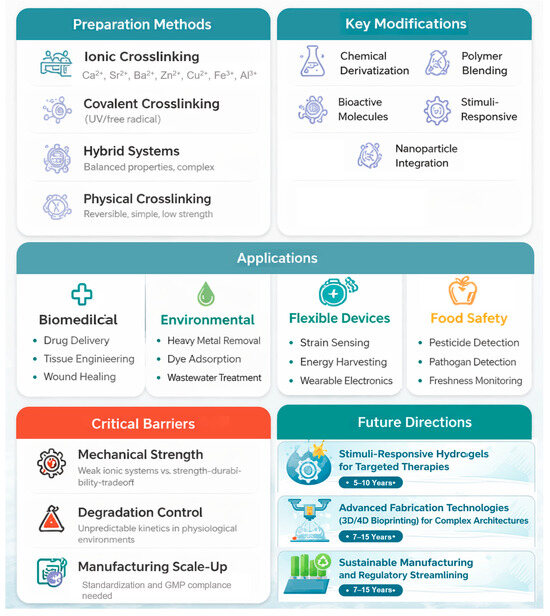
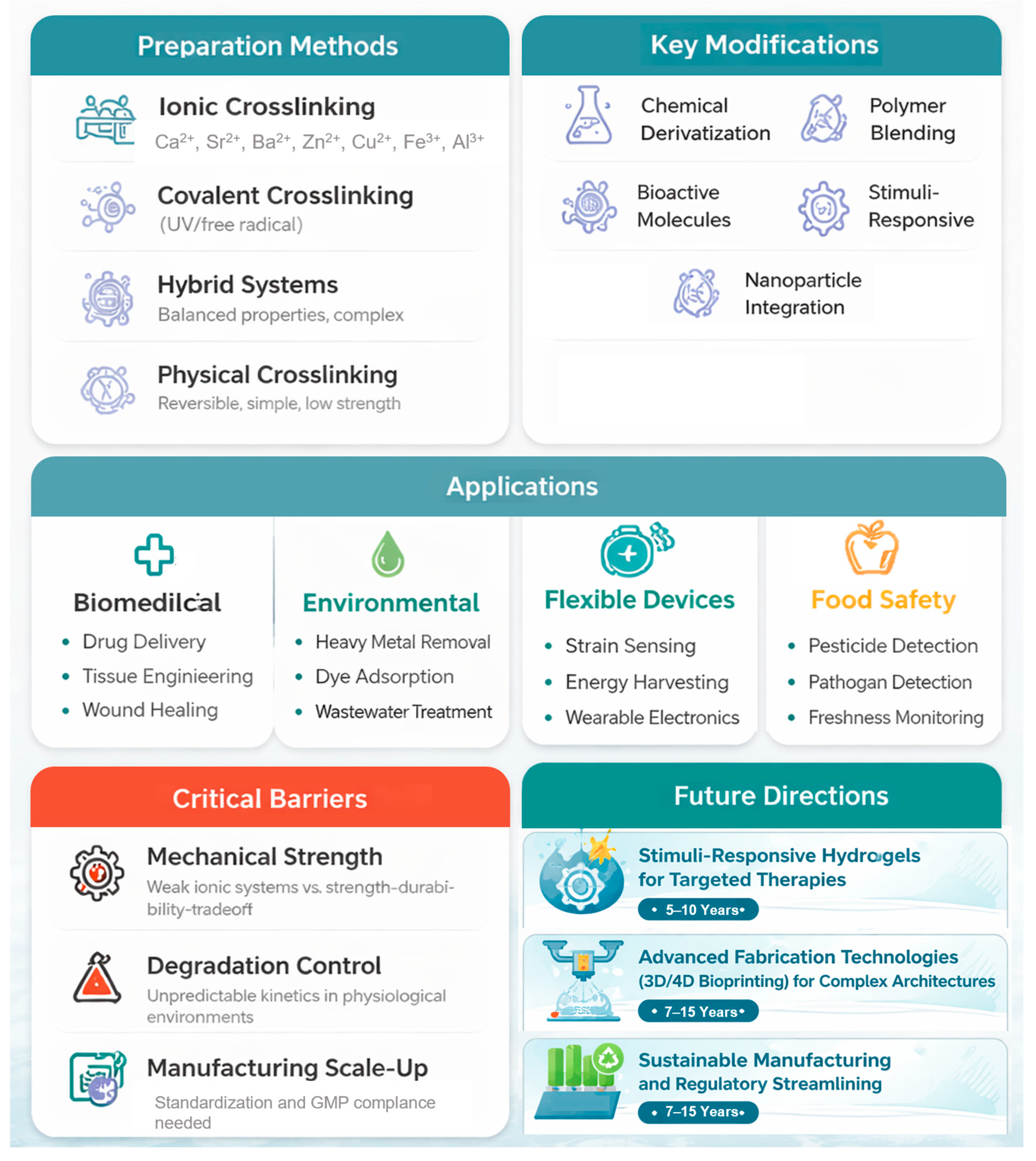
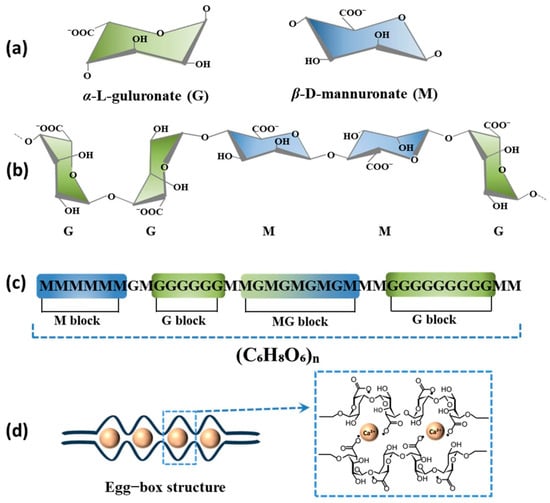
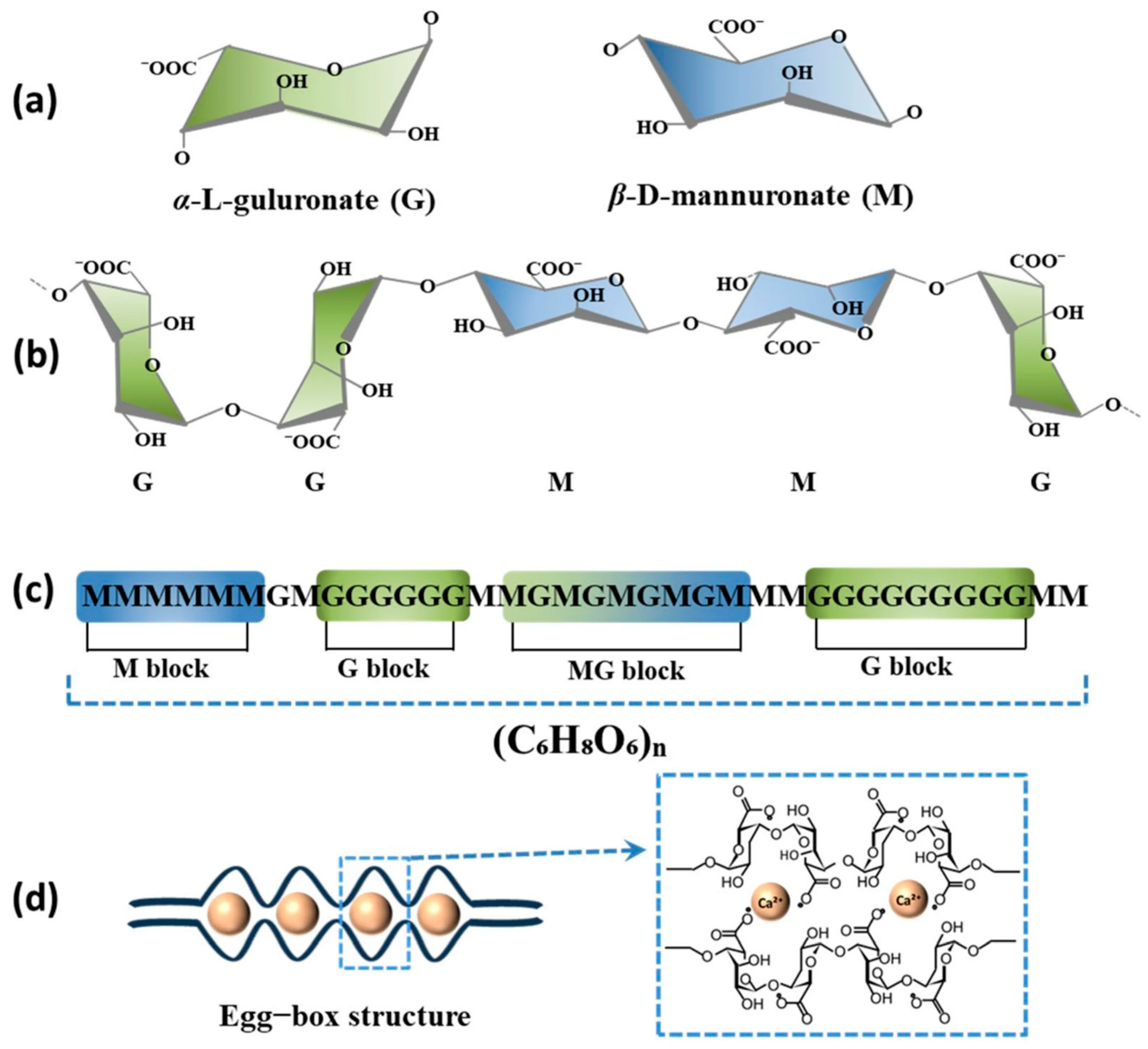
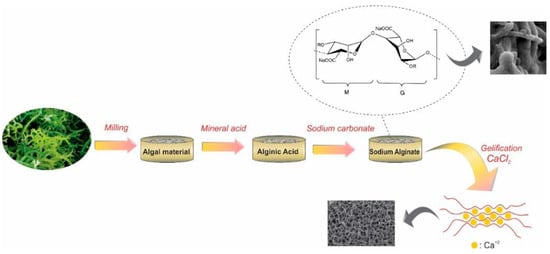
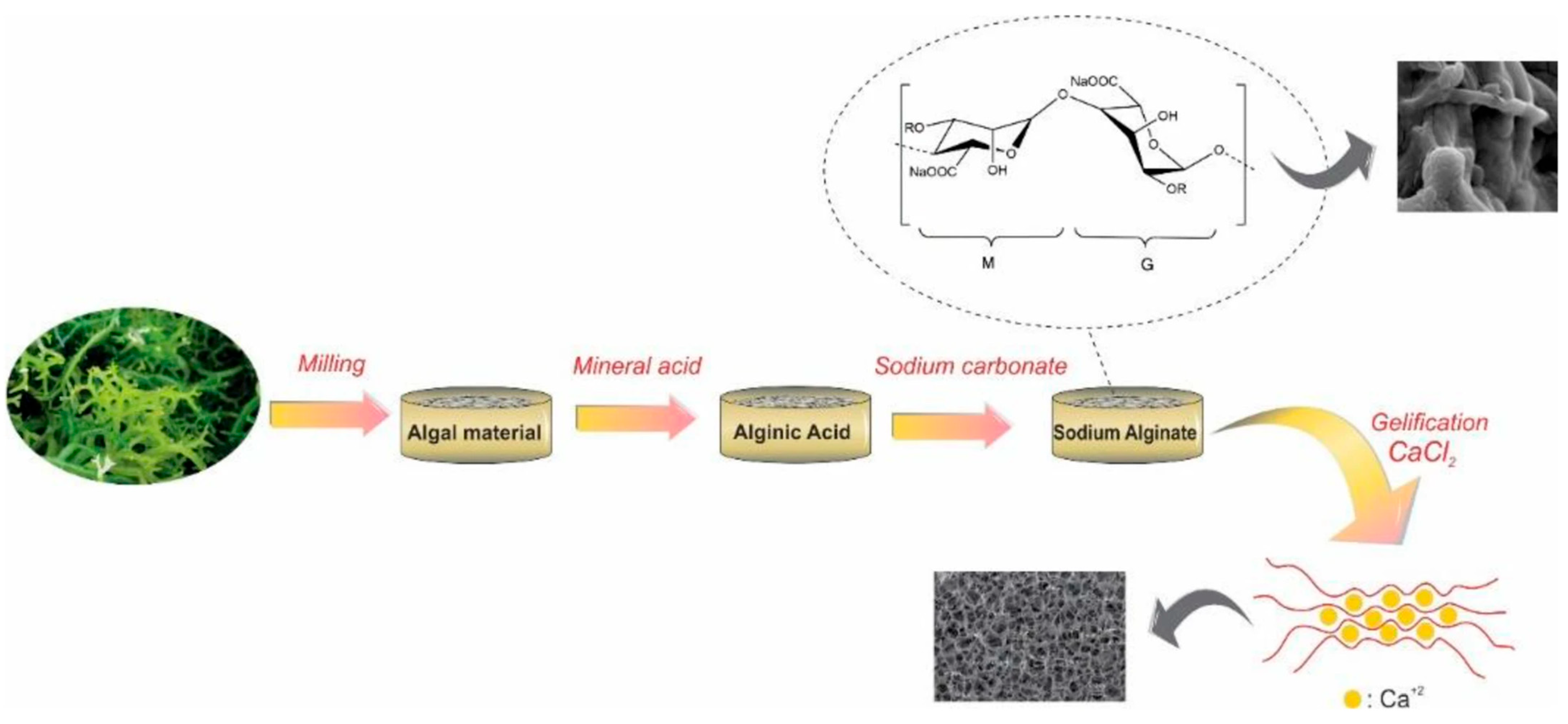
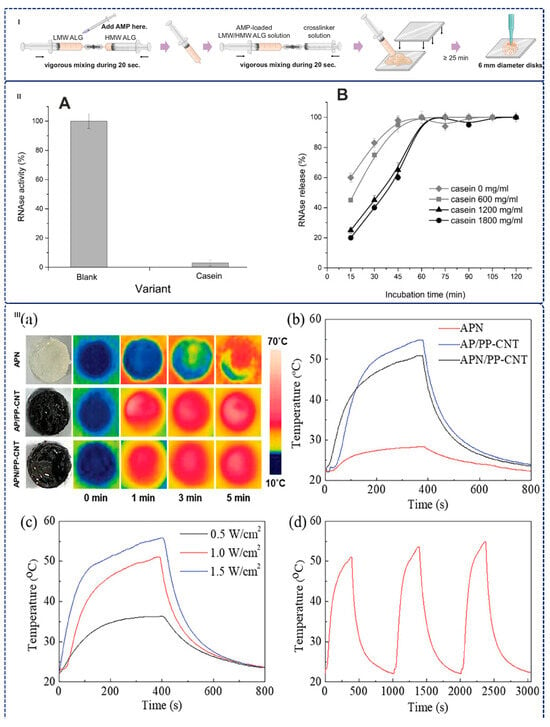
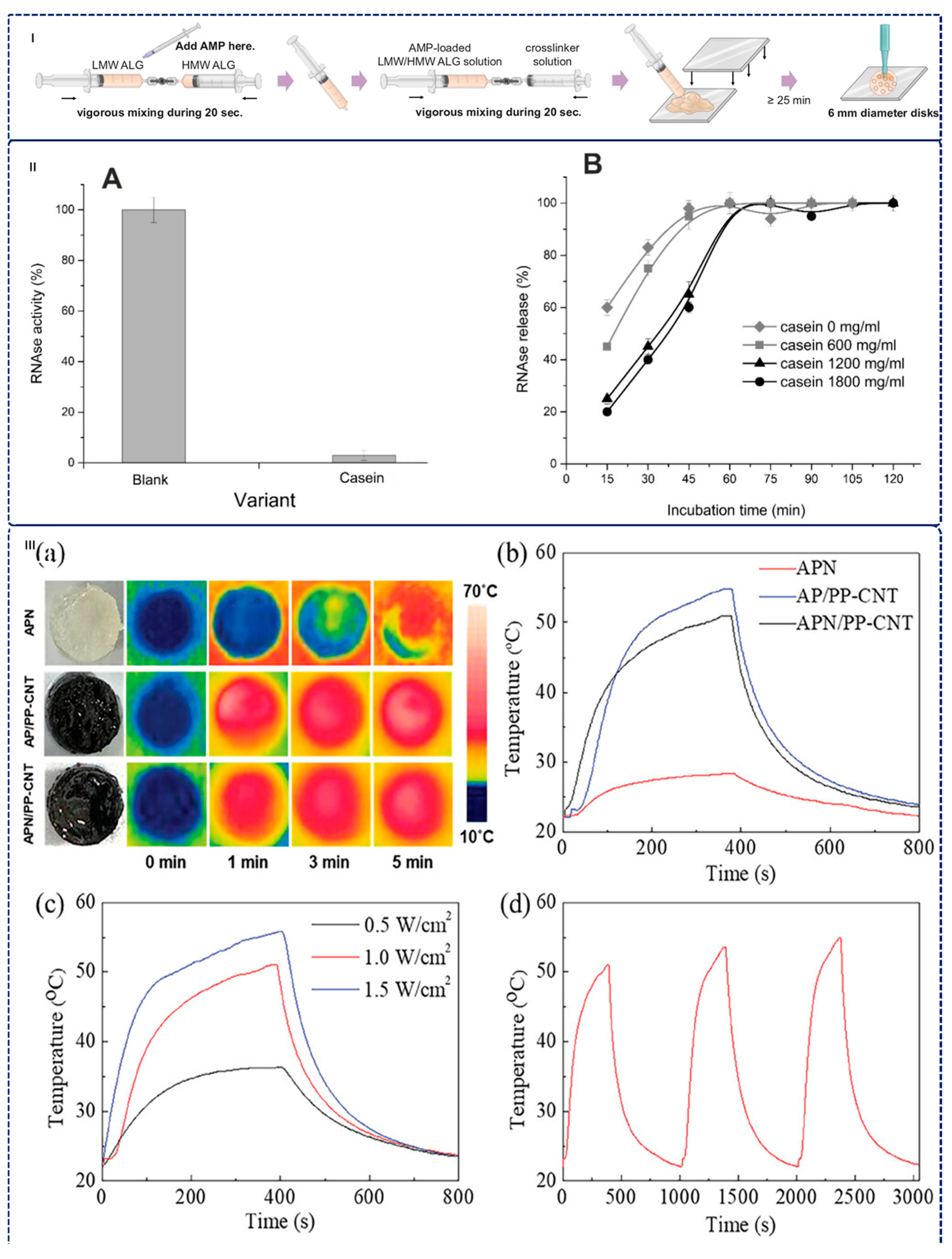
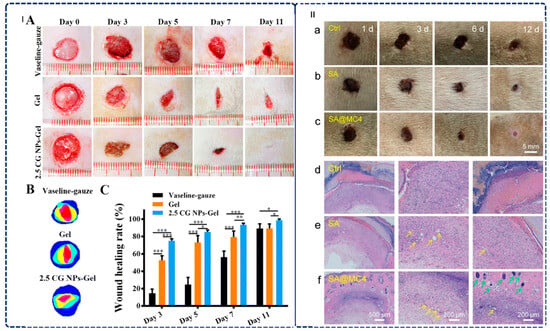
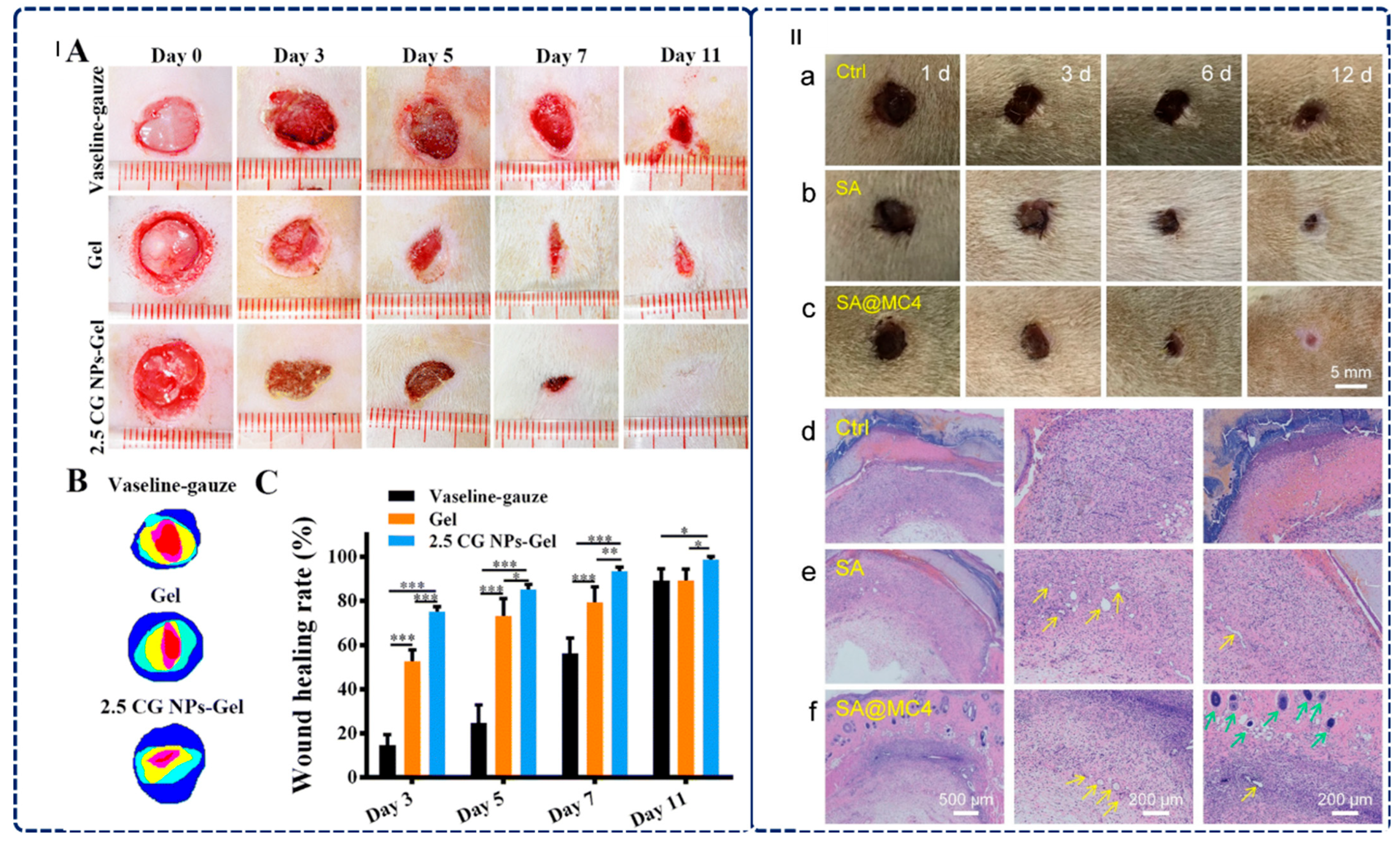
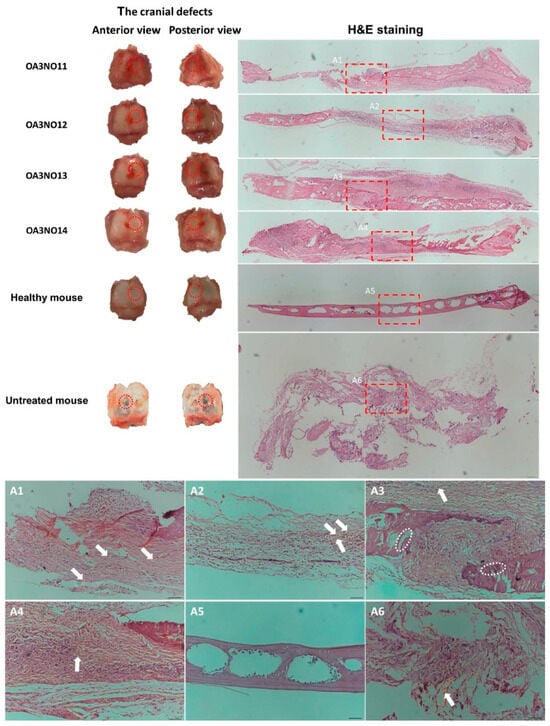
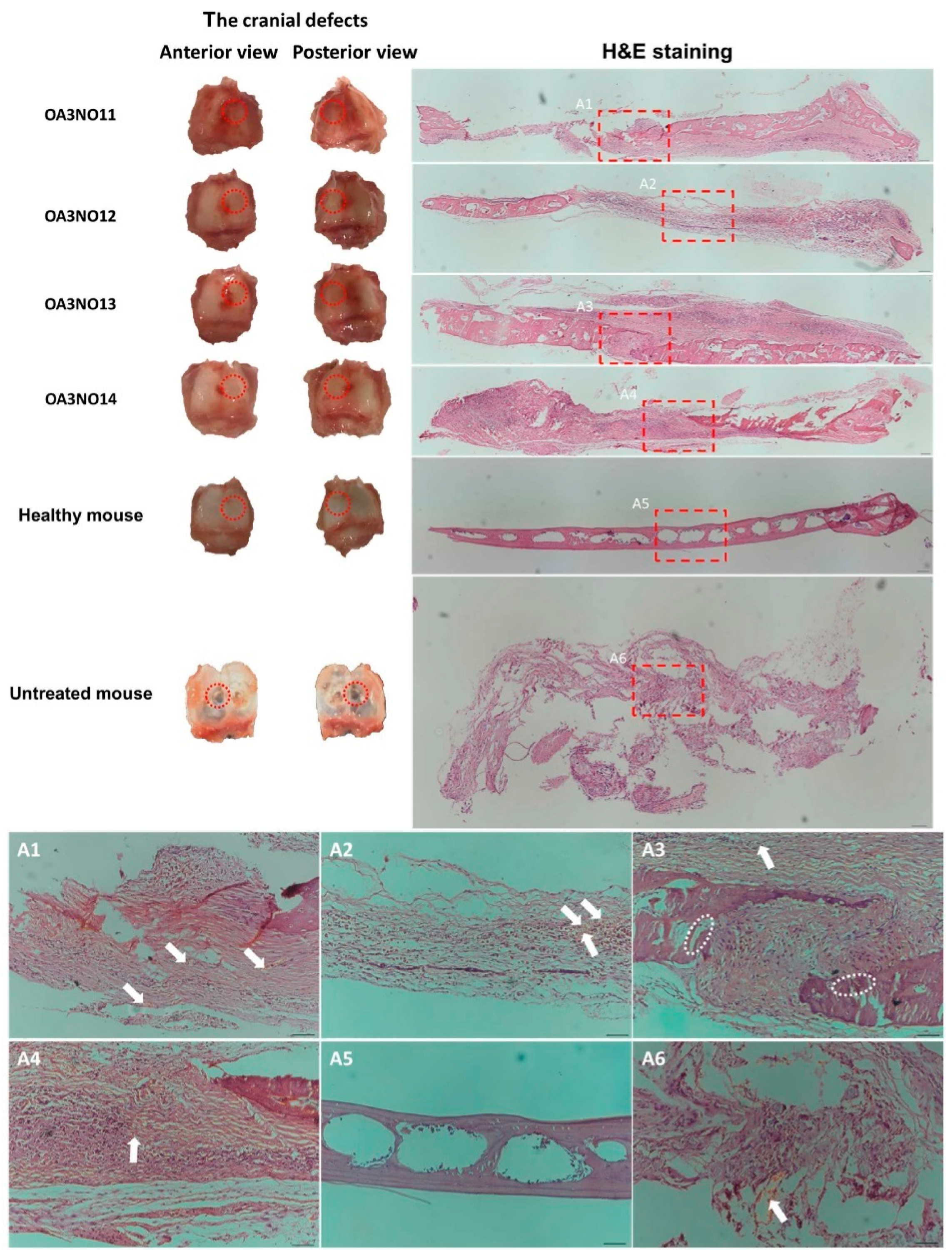
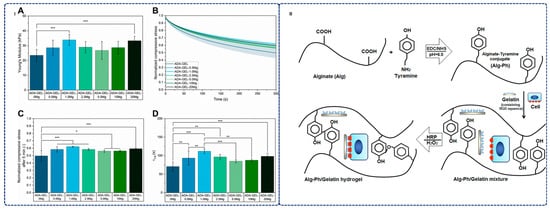
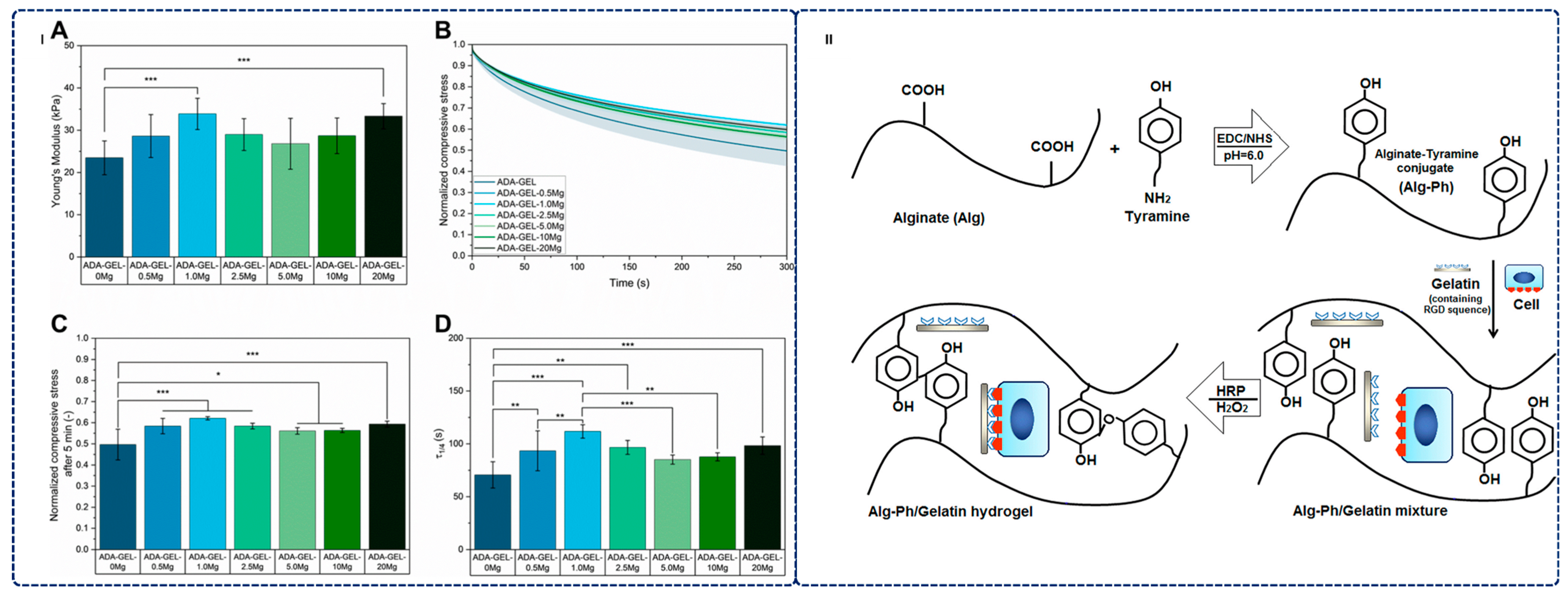
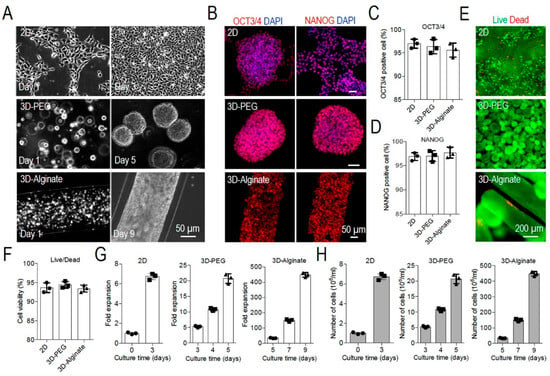
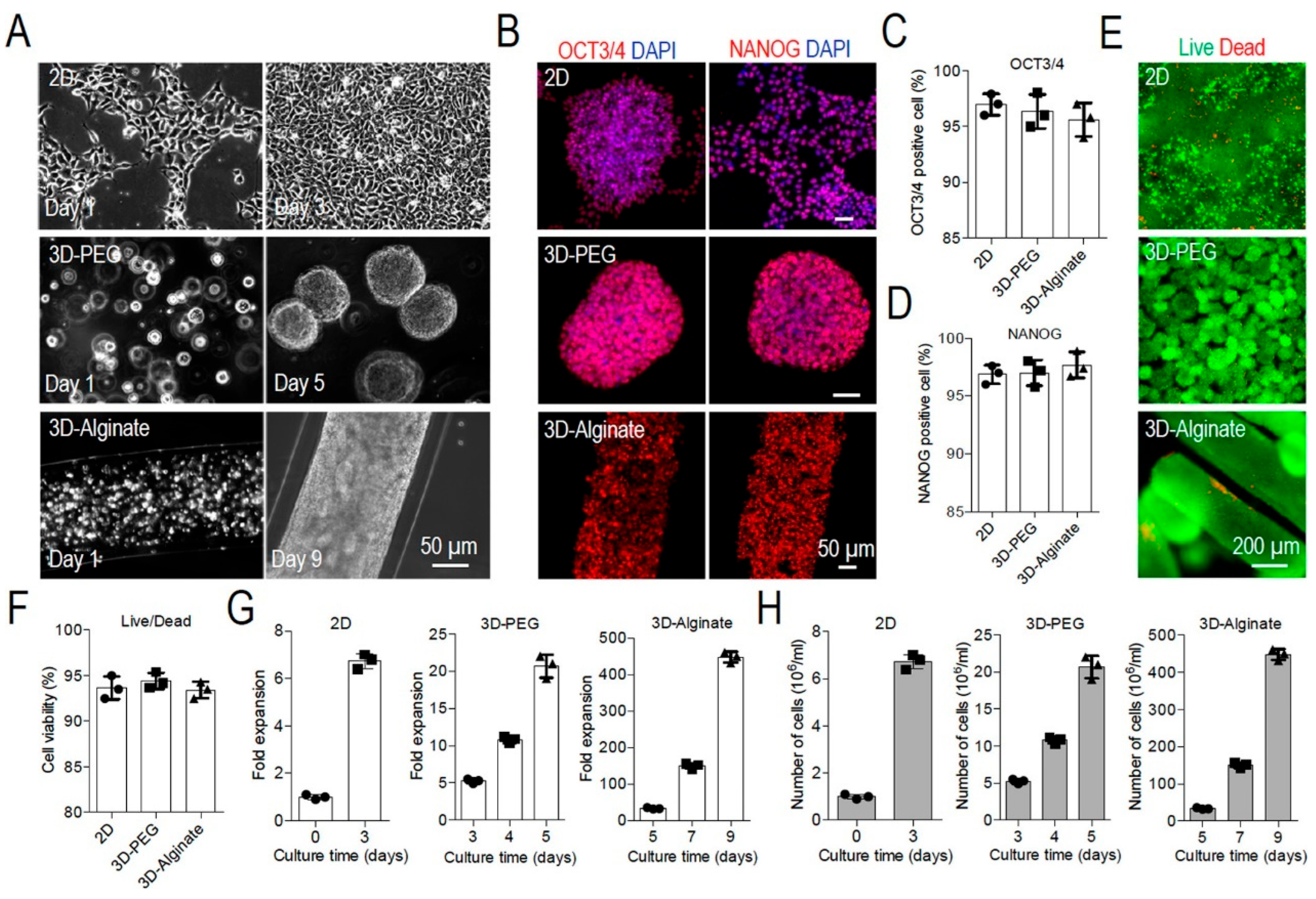
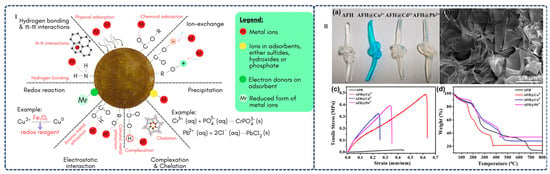
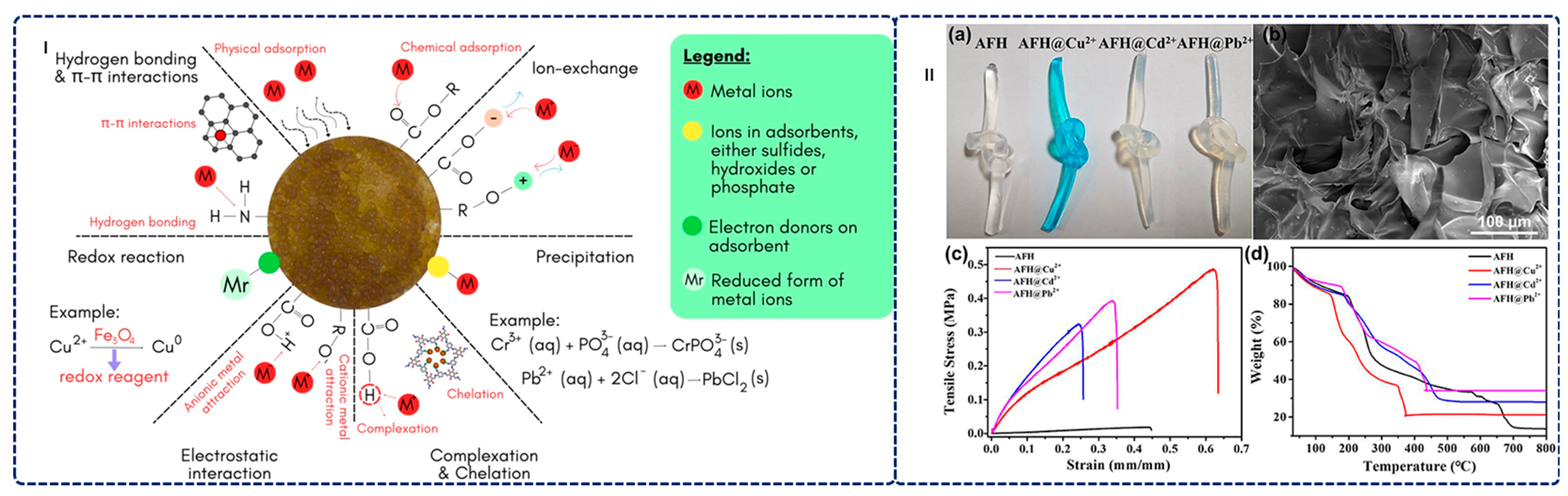
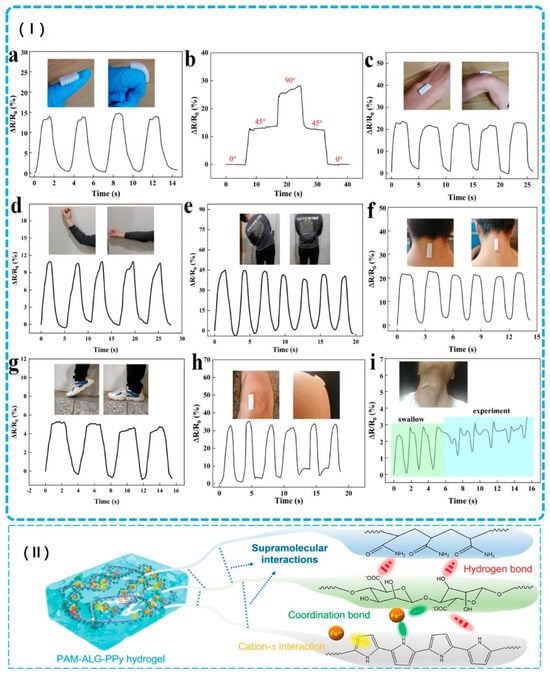
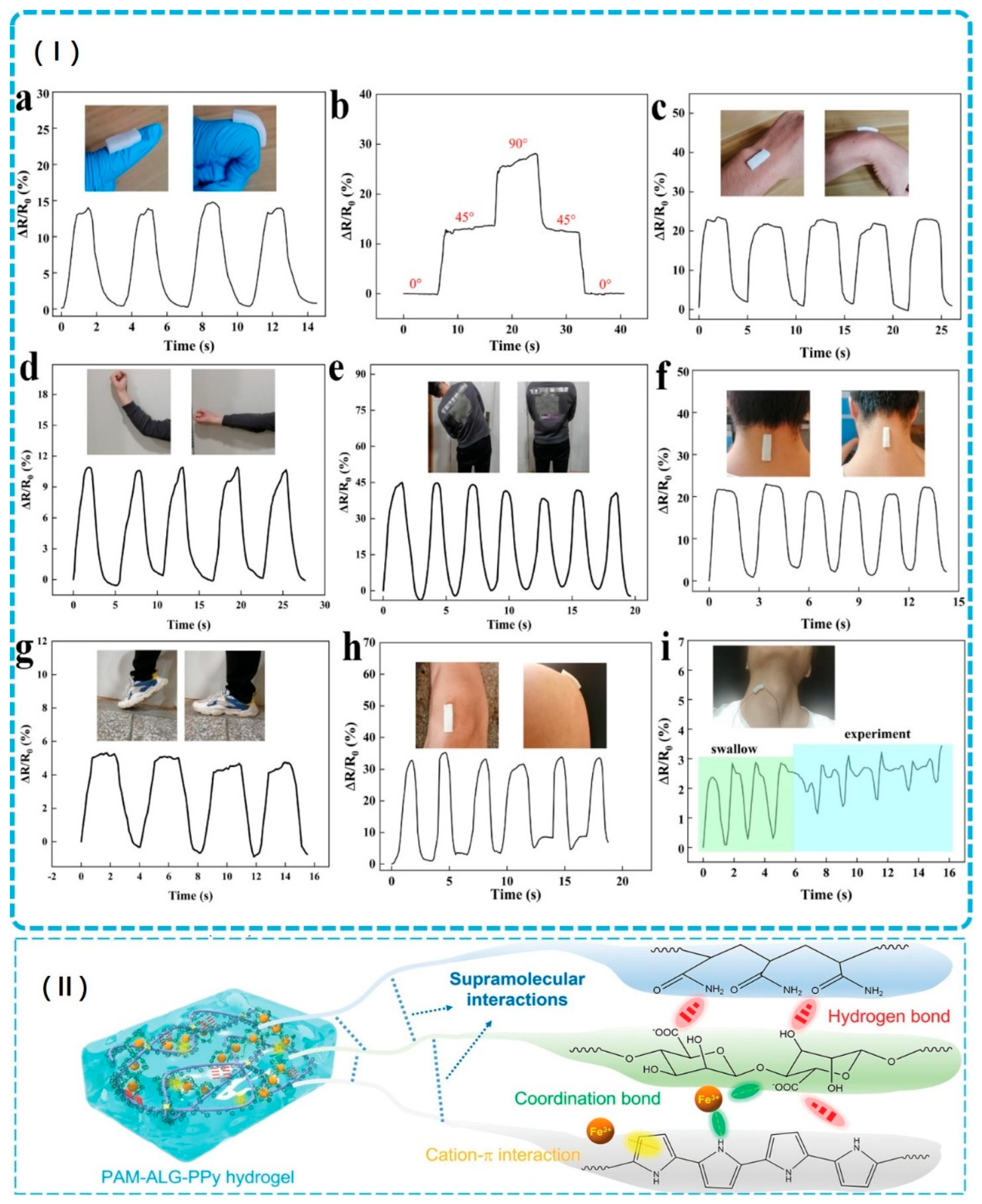
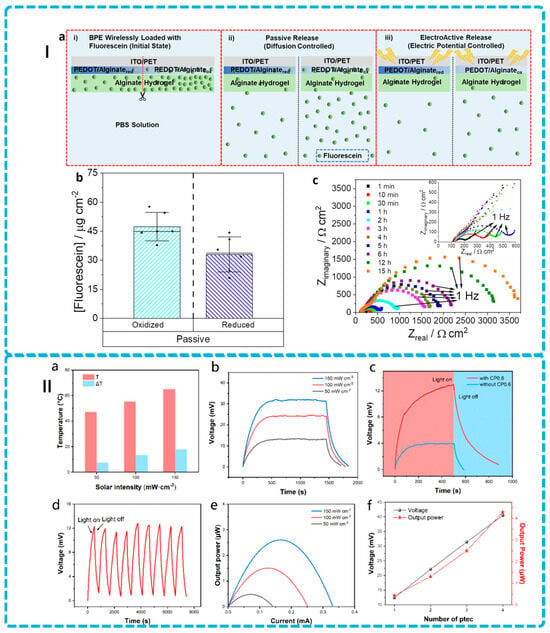
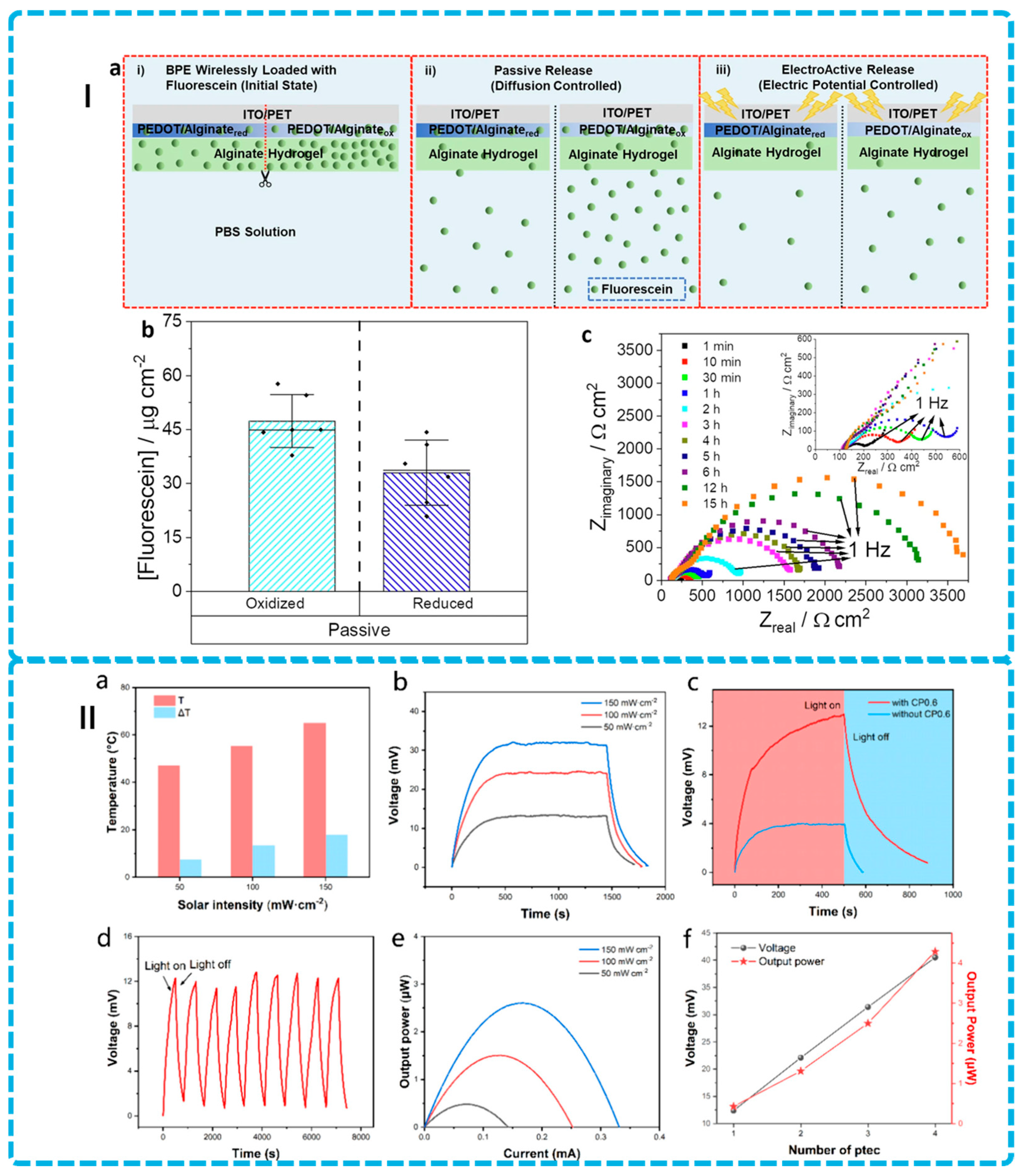
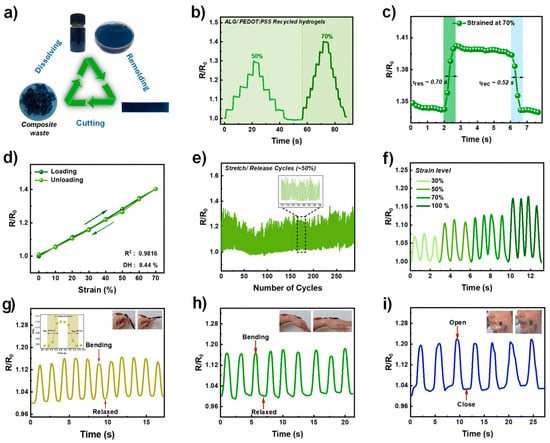
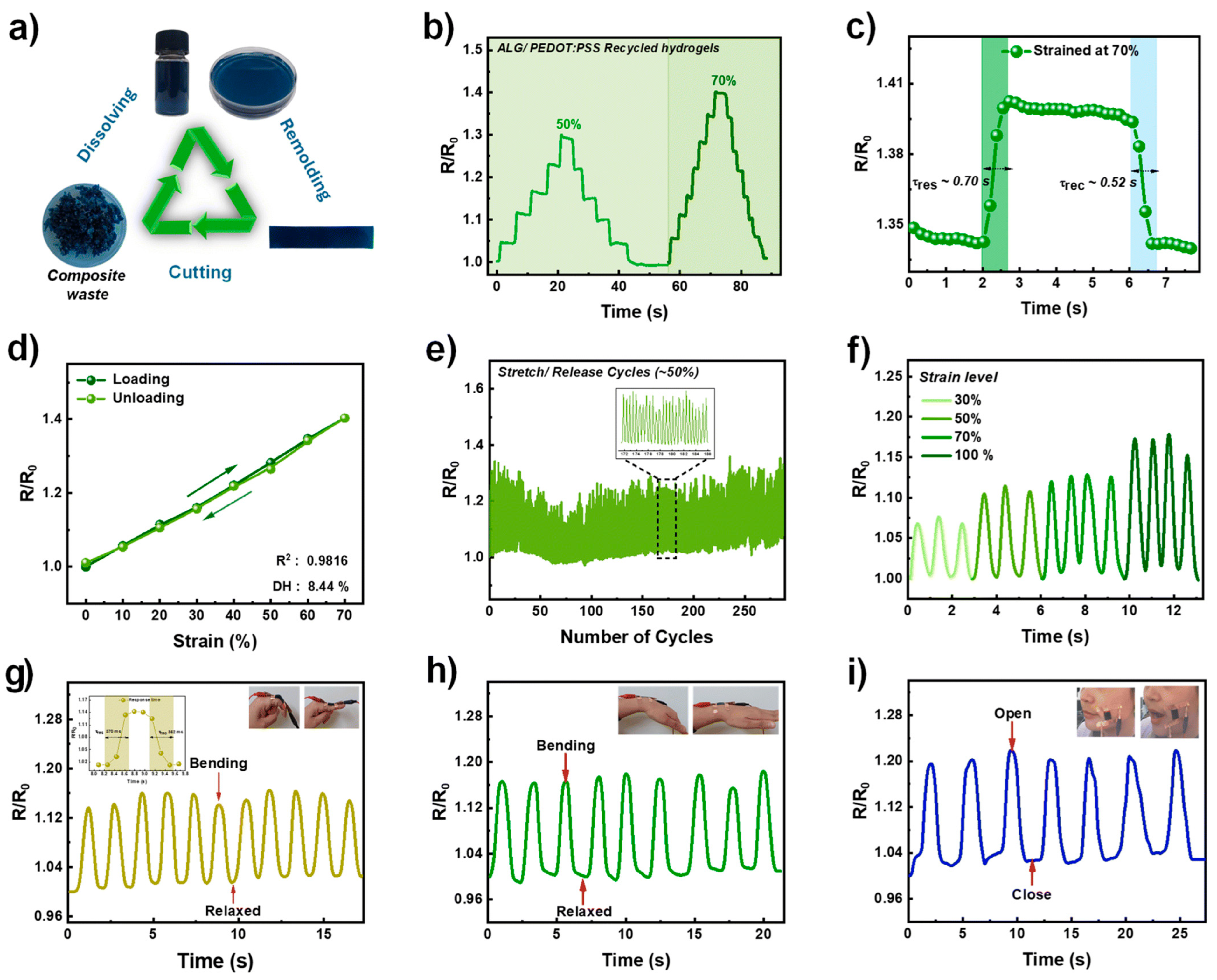
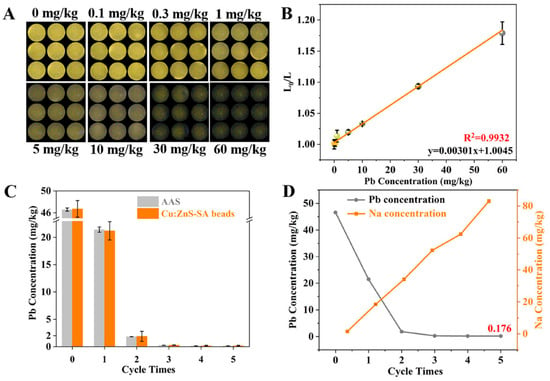
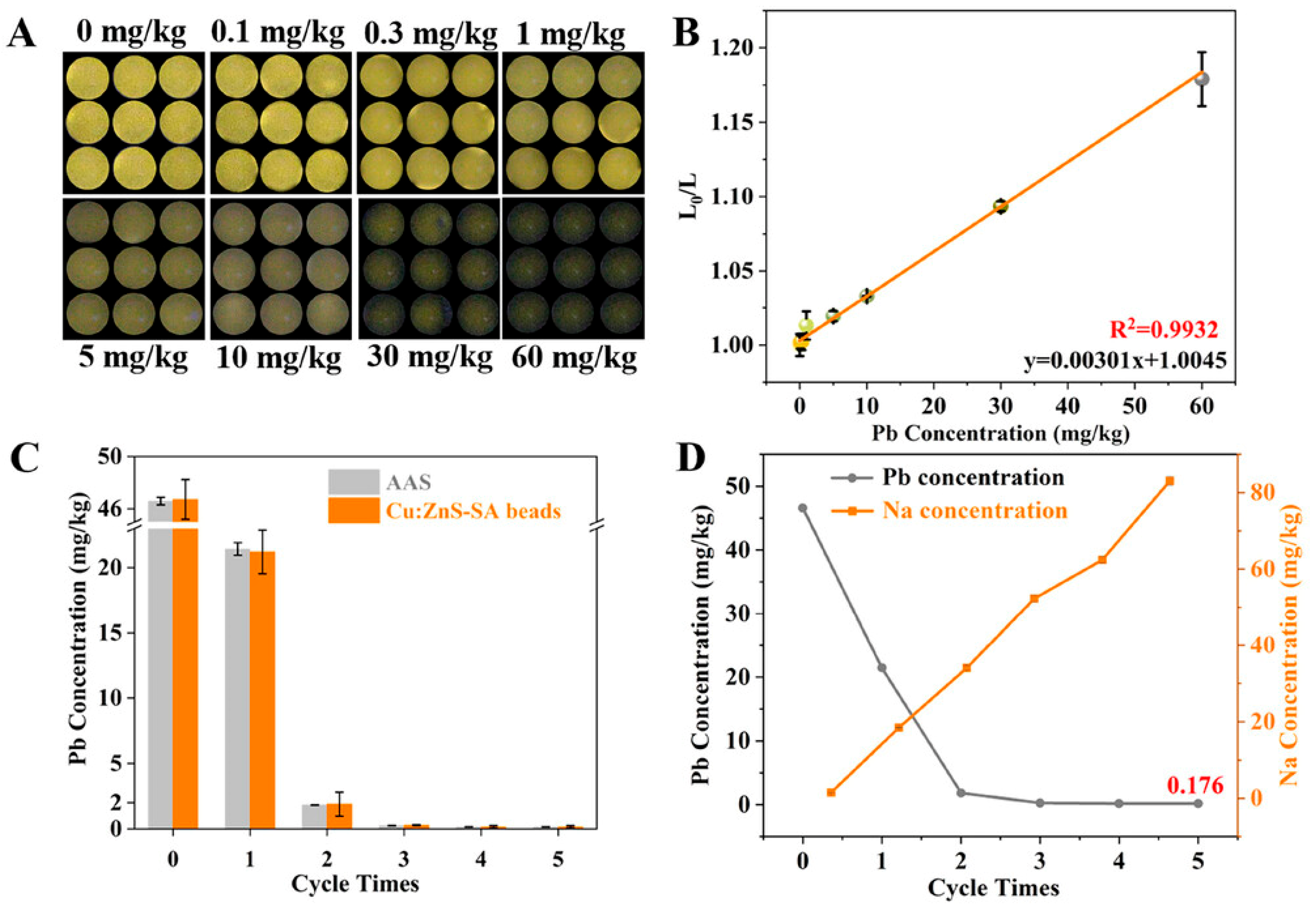

Disclaimer/Publisher’s Note: The statements, opinions and data contained in all publications are solely those of the individual author(s) and contributor(s) and not of MDPI and/or the editor(s). MDPI and/or the editor(s) disclaim responsibility for any injury to people or property resulting from any ideas, methods, instructions or products referred to in the content. |
© 2026 by the authors. Licensee MDPI, Basel, Switzerland. This article is an open access article distributed under the terms and conditions of the Creative Commons Attribution (CC BY) license.