


Abstract
Gelatin methacryloyl (GelMA) is the most widely used biomaterial for extrusion-based bioprinting. However, its intrinsic rheological properties often require optimisation with rheological modifiers, such as the nanoclay Laponite (Lapo). Since the rheological behaviour of GelMA/Lapo hybrid bioinks depends on polymer–nanoclay interactions, the physicochemical and conformational properties of GelMA are expected to critically influence Lapo incorporation, the resulting rheological behaviour, and ultimately printability. Accordingly, this study combines formulation design with a systematic rheology-guided screening strategy. Two GelMA derivatives (GelMADP and GelMASP) obtained through different synthesis procedures, and characterised by distinct physicochemical and structural properties, were used to prepare GelMA/Lapo bioinks under physiologically relevant conditions. GelMASP enabled homogeneous incorporation of higher Lapo contents than GelMADP, expanding the formulation space and allowing the development of hybrid inks with improved rheological properties. A sequential rheological roadmap integrating oscillation temperature-ramp, flow-sweep, yield stress, and elastic recovery analyses was then used to progressively screen the formulations and guide the selection of suitable processing conditions. Among the investigated formulations, SP20-3 (20% w/v GelMASP and 3% w/v Lapo) exhibited the most suitable rheological profile, combining favourable temperature-dependent gelation, pronounced shear-thinning behaviour, and rapid structural recovery, ultimately leading to high printing fidelity. These properties were largely retained also after high-density cell inclusion. Overall, these results identify the physicochemical and conformational properties of the starting GelMA as critical design parameters governing polymer–clay network organisation, rheological behaviour, and bioink printability, while highlighting the value of a systematic rheology-guided approach for formulation screening and optimisation.
1. Introduction
Three-dimensional (3D) extrusion-based bioprinting (EBB) has emerged as one of the most widely employed biofabrication technologies for tissue engineering and regenerative medicine due to its versatility, cost-effectiveness, and ability to process a broad range of biomaterials and cell types at physiologically relevant densities [1,2]. EBB relies on the pressure-induced extrusion of a continuous bioink strand through a nozzle, followed by layer-by-layer deposition according to a computer-aided design (CAD) and stabilisation of the printed structure through polymer crosslinking [3]. The success of this process critically depends on the development of bioinks capable of simultaneously satisfying the biological requirements necessary to support cell function and the rheological constraints imposed by the printing process [4,5]. Among the various materials explored for EBB, hydrogels have emerged as one of the most prominent classes due to their high water content, tuneable mechanical properties, and biochemical versatility, providing a 3D matrix that supports cell survival, proliferation, and tissue maturation [6]. In addition, their properties can be tailored to limit cell sedimentation before the extrusion, facilitate flow through the nozzle, and promote rapid stabilisation after deposition [7]. However, designing hydrogel formulations that combine biocompatibility, high printability, and adequate structural stability remains a major challenge in EBB [8,9,10]. Among hydrogel-forming materials investigated for EBB, gelatin methacryloyl (GelMA) has received considerable attention because of its biocompatibility, biodegradability, low toxicity, and ability to support cell adhesion and proliferation [11,12]. GelMA also retains the thermoresponsive behaviour of native gelatin (Gel), undergoing a concentration- and temperature-dependent sol-gel transition that can be advantageously used to modulate extrusion and filament stabilisation. Nevertheless, the rheological behaviour of GelMA-based bioinks is generally inadequate to ensure filament stability and structural recovery after extrusion [13,14]. GelMA is, therefore, commonly combined with secondary components capable of modulating its rheological and mechanical properties, while preserving its biologically relevant properties [15]. Among these, Laponite® (Lapo), a synthetic nanoclay, has received considerable interest as a rheological modifier. Its ability to establish reversible interparticle and polymer–nanoclay interactions can increase viscosity, promote shear-thinning behaviour, and stabilise the hydrogel network [16,17]. Accordingly, Lapo has been extensively incorporated into GelMA-based systems to modulate their rheological and printing performance [18,19]. The behaviour of these polymer–clay hybrid systems depends not only on GelMA and Lapo concentrations, but also on polymer–nanoclay interactions, which are strongly influenced by the physicochemical and conformational properties of GelMA and environmental factors, particularly ionic strength and pH [18,20]. In particular, more flexible gelatin chains have been reported to interact more favourably with the nanoclay, while their adsorption onto Lapo can interfere with triple-helix formation [21,22]. These findings highlight how the conformational features of GelMA can influence the nature and extent of its interactions with Lapo, thereby influencing the organisation of the resulting hybrid network and its rheological properties, ultimately affecting bioink printability. In addition, the ionic environment may critically influence the organisation of the Lapo-GelMA network, as both interparticle and interchain interactions are highly sensitive to ionic strength [23]. Despite this feature being particularly relevant for bioink development, Lapo-containing formulations are still frequently developed and optimised in aqueous media that do not reproduce the ionic environment of physiological buffers, such as Dulbecco’s phosphate-buffered saline (DPBS) [17,24]. Taken together, these observations suggest that the combined interplay between GelMA physicochemical and structural properties and physiologically relevant conditions may represent a critical yet poorly understood determinant of Gel–Lapo bioink behaviour.
All that considered, the present study aims at investigating how the physicochemical and conformational properties of the starting GelMA affect Lapo incorporation under physiologically relevant conditions, and consequently the rheological behaviour and printability of the resulting formulations. Two GelMA derivatives prepared from porcine gelatin using different synthesis procedures were considered for the scope, as in our previous work [25] we demonstrated that GelMA physicochemical and conformational properties are strongly influenced by the synthetic procedure used for Gel methacrylation. In particular, we developed a homogeneous single-phase (SP) procedure yielding GelMASP, which exhibits distinct structural and rheological properties compared with GelMADP obtained through the conventional double-phase (DP) procedure [26]. These two GelMA derivatives, therefore, provided a suitable model to investigate how differences in polymer conformation and physicochemical properties affect GelMA–Lapo interactions and the rheological behaviour of the resulting formulation. Despite comparable degrees of derivatisation, GelMASP shows reduced triple-helix content, resulting in a predominantly random-coil conformation, greater chain flexibility, and reduced intermolecular chain–chain interactions and, consequently, a lower gelation temperature and viscosity than GelMADP. Based on these findings, GelMADP and GelMASP were first combined with increasing Lapo concentrations to identify homogeneous polymer–clay formulations and define the corresponding formulation space. This initial formulation space was then refined through a systematic rheological roadmap designed to rationally guide formulation screening, optimisation, and selection, thereby minimising reliance on empirical and time-consuming trial-and-error approaches [10,27,28,29]. Critical rheological properties governing the different stages of EBB were systematically evaluated, providing a rational framework to relate formulation composition, properties, and processing conditions to printing performance. Specifically, oscillation temperature-ramp, flow-sweep, yield stress, and elastic recovery analyses were sequentially performed to evaluate the rheological requirements of each stage of the extrusion process, enabling the identification of suitable formulations. The outcome of each analysis was used to guide the subsequent step, progressively narrowing the formulation space and defining optimal processing conditions, including extrusion and printbed temperatures, which were subsequently validated through printing tests. Finally, the optimised formulation was combined with cells to determine whether the rheological and printing performances identified in the acellular system were retained following cell incorporation.
2. Results and Discussion
2.1. Development of GelMA–Lapo Formulations
To investigate polymer–nanoclay interactions under physiologically relevant conditions compatible with subsequent cell incorporation, GelMA was combined with Lapo suspensions prepared in DPBS (0.165 M). Because the physicochemical and conformational properties of GelMA are expected to influence these interactions and the rheological behaviour of the resulting formulations, two GelMA derivatives with markedly different characteristics were compared: GelMADP, synthesised using the conventional double-phase procedure, and GelMASP, obtained through the single-phase procedure developed in our previous work [25]. Both derivatives exhibited the same degree of derivatisation (DD = 0.58 mmol/g) and were incorporated at increasing concentrations (5, 10, 15, and 20% w/v) into 0.5, 1.5, or 3.0% w/v Lapo suspensions in DPBS. Formulations exhibiting a macroscopically homogeneous appearance, without visible phase separation or particle aggregation, were considered homogeneous and included in the formulation space for further characterisation.
GelMADP was selected as the first GelMA derivative to be investigated. The macroscopic appearance of the resulting suspensions strongly depended on the polymer-to-clay ratio. At 0.5% w/v of Lapo, GelMADP addition increased suspension transparency across the entire polymer concentration range compared with the corresponding polymer-free dispersion in DPBS (Figure 1a–c). Consistent with these results, UV-Vis analysis showed an increase in light transmittance from 6.9% for the polymer-free Lapo suspension to 43.5% and 32.8% after the addition of 5% and 20% w/v of GelMADP, respectively. These results may reflect polymer adsorption onto the nanoplatelet surfaces and consequent steric stabilisation that may favour a more homogeneous Lapo dispersion, as proposed in the literature [23,30]. Increasing the Lapo concentration to 1.5% w/v resulted in phase separation, when GelMADP concentration was lower than 10% w/v, suggesting that this polymer-to-clay ratio was insufficient to maintain a macroscopically homogeneous dispersion (Figure 1d). Moreover, the presence of DPBS affected the gelation behaviour of these formulations, preventing the sol-gel transition at room temperature observed in the corresponding systems prepared in ultrapure water, which appeared homogeneous and gelled under the same conditions (Figure 1e).
Figure 1.
Macroscopic appearance of GelMA/Lapo suspensions. (a) Polymer-free Lapo suspensions (0.5 and 3.0% w/v). (b,c) Homogeneous GelMADP/Lapo suspensions containing 0.5% w/v Lapo and 5% and 20% w/v GelMADP, respectively. (d) Heterogeneous GelMADP/Lapo formulation containing 1.5% w/v of Lapo and 5% w/v of GelMADP, and (e) the corresponding formulation prepared in ultrapure water showing a gel state. (f,g) Heterogeneous and gelled GelMADP/Lapo formulations containing 1.5% w/v of Lapo and 15% and 20% w/v of GelMADP, respectively. (h,i) Homogeneous GelMASP/Lapo samples containing 3.0% w/v of Lapo and 5% and 20% w/v of GelMASP, respectively.
This difference suggests that, under physiologically relevant conditions, the ionic strength may alter the electrical double layer surrounding the Lapo particles, promoting changes in their aggregation state and ultimately affecting the rheological behaviour of the formulations, making those prepared in DPBS less suitable for EBB. At 15% and 20% w/v of GelMADP, the dispersions appeared heterogeneous, with localised gelification occurring already during sample preparation (Figure 1f,g). At these higher polymer concentrations, the greater tendency of GelMADP to undergo thermogelation, together with the rheological contribution of increasing Lapo content, may have promoted the formation of gel-like agglomerates and hindered the development of a homogeneous polymer–nanoclay system. Increasing the Lapo concentration to 3.0% w/v further enhanced this tendency, leading to gelation during sample preparation at all GelMADP concentrations. The same experimental approach was subsequently applied to GelMASP. In contrast to GelMADP, GelMASP formed homogeneous suspensions in DPBS across the entire range of polymer (5–20% w/v) and Lapo (0.5–3.0% w/v) concentrations investigated, with no visible phase separation or localised gelled regions (Figure 1h,i). This different behaviour suggests that the physicochemical and conformational properties imparted to GelMASP by the single-phase synthesis promote the formation of homogeneous GelMA/Lapo formulations under physiologically relevant conditions. As demonstrated in our previous work [26], GelMASP exhibits reduced triple-helix content, a predominantly random-coil conformation, greater chain flexibility, and weaker intermolecular chain–chain interactions, which may promote its interaction with nanoclay [21]. In addition, gelatin adsorption onto Lapo has been associated with reduced triple-helix formation, highlighting the potential competition between gelatin–gelatin and gelatin–clay interactions [22]. Both factors, together with the lower viscosity and reduced tendency of GelMASP to undergo thermogelation, may facilitate homogeneous polymer–Lapo mixing and dispersion. Conversely, the greater chain association, thermogelation tendency, and viscosity of GelMADP may contribute to the formation of heterogeneous dispersions at increasing Laponite concentrations. Moreover, other synthesis-dependent characteristics, including possible differences in molecular weight distribution, may also contribute to the observed differences in formulation homogeneity.
These findings highlight the critical role of the GelMA synthetic route in governing its compatibility with Lapo under physiologically relevant conditions and defined the formulation space of the two GelMA derivatives. The rheological behaviour and printability of formulations within this space were then investigated to evaluate their suitability for EBB. On this basis, all GelMASP formulations and only GelMADP formulations containing 0.5% w/v of Laponite were selected for subsequent rheological characterisation, as these were the only compositions that formed homogeneous suspensions under the investigated conditions. These formulations were designated according to GelMA type as DP or SP, followed by the numerical values indicating the GelMA and Lapo concentrations (% w/v), respectively, as summarised in Table 1.
Table 1.
Composition of GelMA-based inks and their corresponding Tgel values, as determined by oscillation temperature-ramp analysis.
2.2. Rheology-Guided Screening of GelMA/Lapo Inks
The homogeneous GelMA/Lapo formulations reported in Table 1 were subjected to a systematic rheological characterisation adopting the roadmap reported in Figure 2, to identify those with rheological properties suitable for EBB. The rheological roadmap was conceived as a sequential screening strategy in which each analysis addressed a specific rheological requirement associated with a different stage of the EBB process. Accordingly, temperature-ramp analysis was first used to determine whether the formulations exhibited a thermally accessible processing window compatible with biologically suitable temperatures. Formulations fulfilling this criterion were then evaluated by flow-sweep analysis to characterise their flow behaviour and verify their suitability for extrusion through the nozzle. Yield stress analysis was subsequently performed to determine whether extrusion could be achieved without excessive applied stress. Finally, elastic recovery was investigated as the decisive screening step, as it directly assesses the ability of the ink to rapidly recover its initial structure after extrusion and thus to preserve filament geometry and structure stability after deposition. Rather than being considered as independent descriptors of printability, these analyses were, therefore, integrated as complementary and sequential screening steps, progressively narrowing the pool of candidate formulations. By integrating these four sequential rheological analyses into a single decision-making framework, the adopted roadmap may provide objective criteria for the selection of printable formulations, while substantially reducing reliance on the empirical, time-consuming, and costly trial-and-error approaches that still dominate EBB [31,32].
Figure 2.
Rheology roadmap for the development of high-performance GelMA-based inks and bioinks specifically designed for EBB.
2.2.1. Oscillation Temperature-Ramp Analysis
The thermosensitive properties of GelMA make its sol-gel transition temperature (Tgel) a key parameter in defining its thermal processing window for EBB. Ideally, Tgel should fall within a biologically relevant temperature range, allowing the bioink to transition between liquid-like and gel-like states under cell-compatible conditions. The liquid-like state facilitates homogeneous cell incorporation and transfer of the formulation into the printing cartridge, minimising air bubble entrapment. Conversely, the gel-like state helps prevent cell sedimentation, may reduce shear-induced cell damage, and promotes filament stabilisation after deposition [10]. For cell-compatible bioprinting, the processing window is generally considered to range from 20 to 37 °C, with 37 °C representing the physiological reference temperature and 20 °C the lower practical limit below which prolonged exposure may compromise cell viability [33,34]. A Tgel below this range may result in insufficient structuring during printing, favouring droplet formation rather than stable, continuous filaments. Conversely, a Tgel above this range may lead to premature gelation during preparation and handling, hindering cell incorporation, homogeneous dispersion, and cartridge loading. According to this premise, oscillation temperature-ramp (T-ramp) analysis was selected as the first decision step of the proposed rheological roadmap, as it enables the rapid identification of formulations with a Tgel falling within this biologically relevant temperature window. A Tgel within this interval was, therefore, adopted as a screening criterion to ensure a gel-like state under the intended printing conditions, although it should not be interpreted as a universal threshold for printability. The T-ramp curves shown in Figure 3a revealed the expected concentration-dependent thermoreversible behaviour of GelMADP in the absence of Lapo, with Tgel progressively increasing from 18.3 ± 0.5 °C at 5% w/v to 27.5 ± 0.5 °C at 20% w/v GelMADP. Incorporation of 0.5% w/v Lapo increased Tgel across all investigated GelMADP concentrations, indicating that homogeneously dispersed nanoplatelets promoted physical network formation (Figure 3b). However, the modest increase in Tgel resulted in only a limited broadening of the thermal processing window (Table 1). A distinct thermal response was observed for the SP-based formulations. In the absence of Lapo, the crossover of the storage modulus (G′) and loss modulus (G″) was observed only for SP20 (Tgel = 5.5 ± 0.5 °C), whereas SP5, SP10, and SP15 remained predominantly liquid-like throughout the investigated temperature range (Figure 3c). This behaviour is consistent with our previous results [25,26], showing that the single-phase synthesis reduces coil-to-helix transition of GelMA chains, resulting in limited thermoreversible gelation compared with conventionally synthesised GelMA, namely GelMADP. Based on these results, GelMASP-based formulations would initially appear less favourable for EBB in terms of thermal processing characteristics compared with their GelMADP-based counterparts. However, the greater compatibility of GelMASP with Lapo enabled the incorporation of higher nanoclay concentrations, which could substantially modify the overall rheological behaviour of the formulations and potentially overcome the unfavourable thermal characteristics of the polymer alone. Therefore, the potential of GelMASP for EBB was further investigated and a total of 16 GelMASP/Lapo formulations were prepared and characterised, as reported in Table 1. Increasing the nanoclay concentration progressively shifted the Tgel towards physiologically relevant values (Table 1), demonstrating that the thermoresponsive behaviour of GelMASP could be effectively tailored through Lapo incorporation. Interestingly, at a fixed Lapo concentration, Tgel increases as the polymer concentration decreases (Figure S1). This behaviour can be attributed to the balance between polymer–Lapo and Lapo–Lapo interactions. As polymer concentration decreases, the contribution of polymer–Lapo interactions is reduced, promoting Lapo–Lapo association and the development of the nanoclay network responsible for the formulation gelation [35,36,37]. Accordingly, as reported in Table 1, samples containing 5% and 10% w/v of GelMASP with 1.5% w/v Lapo (SP5-1.5 and SP10-1.5, respectively) and those containing 5%, 10%, and 15% w/v of GelMASP with 3% w/v of Lapo (SP5-3, SP10-3, and SP15-3, respectively) showed Tgel values above 45 °C, resulting in thermoreversible sol-gel transition during sample preparation and making them unsuitable for bioprinting.
Figure 3.
(a) Oscillation temperature-ramp analysis of DP-based biomaterial inks, (b) DP-based biomaterial inks with Lapo, (c) SP-based biomaterial inks, and (d) SP20-3 and SP15-1.5 biomaterial inks.
In contrast, the formulations containing 15% w/v of GelMASP with 1.5% w/v of Lapo (SP15-1.5) and 20% w/v of GelMASP with 3% w/v of Lapo (SP20-3) exhibited G′–G″ crossover at temperatures close to the physiological value (32.0 and 34.2 °C, respectively), providing thermal properties suitable for EBB (Figure 3d).
Thus, the T-ramp analysis constituted the first screening step of the roadmap, reducing the initial pool of 24 formulations to 6 candidates (DP15, DP20, DP15-0.5, DP20-0.5, SP15-1.5, and SP20-3) exhibiting a thermally suitable processing window for cell-compatible EBB. These six formulations were subsequently carried forward to the flow-sweep analyses. In addition, their Tgel values were used as reference temperatures for all subsequent rheological analyses.
2.2.2. Flow-Sweep Analysis
During extrusion, bioinks are subjected to high deformation within the printing nozzle and should, therefore, exhibit pronounced shear-thinning behaviour to facilitate flow and prevent needle clogging. Consequently, the combination of high viscosity at rest and pronounced shear-thinning is considered a key prerequisite for achieving high printability. Accordingly, the viscosity and shear-thinning behaviour of the selected formulations were investigated to evaluate whether the different ability of GelMADP and GelMASP to incorporate Lapo translated into different flow behaviour and, consequently, different printability outcomes. Flow-sweep analyses were performed on the six previously selected formulations at their respective Tgel (Table 1), reproducing the thermal conditions that will be adopted during printing. To ensure that the shear rate range investigated by steady shear rotational rheometry reproduced the flow conditions during extrusion, the apparent shear rate was calculated according to two different approaches, as detailed in the Supplementary Material Section S2, Tables S3 and S4. In the first approximate approach, consistent with volume conservation frameworks commonly employed in extrusion bioprinting analyses, the volumetric flow rate was inferred from deposited strand geometry, rather than from pressure-driven capillary flow into the needle [38,39,40]. The second approach involved the estimation of a more reliable cross-sectional area of the printed strands, using geometric data (i.e., width w and height h of the strands) measured for the estimation of shape fidelity parameters (see Section 2.3). Apparent and true shear rates at the walls for the printed inks are reported in Table S4. In both cases, calculated wall shear rates up to 800 s−1 are comfortably covered by the investigated shear rate range.
As shown in Figure 4a,b, all selected formulations exhibited a pronounced shear-thinning behaviour. Moreover, the initial viscosity measured at 0.5 s−1 ranged between 10−3 and 104 Pa·s for all investigated samples, falling within the interval generally regarded as suitable for EBB [41].
Figure 4.
Flow-sweep analysis of (a) DP-based and (b) SP-based biomaterial inks. Yield stress analysis of (c) DP-based and (d) SP-based biomaterial inks.
Although all formulations fulfilled the viscosity requirements, differences emerged depending on both GelMA type and Lapo content. For DP-based formulations, Lapo incorporation preserved the characteristic shear-thinning behaviour, with only a moderate increase in low-shear viscosity, likely due to the relatively low nanoclay content. In contrast, compared with the corresponding Lapo-free formulations, the higher Lapo contents in GelMASP-based formulations significantly increased low-shear viscosity, while preserving excellent shear-thinning behaviour.
Overall, the flow-sweep analysis confirmed that all selected formulations exhibit shear-thinning behaviour and viscosity values compatible with EBB. More importantly, it showed that GelMASP enables a much broader rheological tunability than GelMADP, offering greater flexibility for bioink design. At this stage of the roadmap, the six selected formulations displayed both thermally suitable processing windows and flow properties compatible with EBB. As the flow-sweep analysis did not further reduce the number of candidates, all six formulations were consequently advanced to yield stress analysis.
2.2.3. Yield Stress Analysis
While viscosity governs the resistance of a material to flow under continuous deformation, yield stress (τf) determines the minimum stress required to deform the internal network and induce flow. In EBB, this parameter directly influences the extrusion pressure required to dispense the bioink. Yield behaviour is commonly evaluated using rotational shear rheometry by performing continuous shear stress or shear rate ramp experiments and fitting the resulting data to the Bingham, Casson, or Herschel–Bulkley models [42]. However, it has been reported that values obtained using this approach are strongly influenced by the analysis method [43]. In this work, oscillation amplitude-sweep analyses were used to compare the yielding behaviour of the formulations, following literature recommendations for assessing soft hydrogels [43]. The resulting apparent yield stress was interpreted within the adopted experimental protocol, without assuming equivalence to steady-flow yield stress or the stress required for nozzle extrusion. Amplitude-sweep experiments were performed on DP15, DP20, DP15-0.5, DP20-0.5, SP15-1.5, and SP20-3 under the same thermal conditions adopted for the previous rheological analyses. Figure 4c,d shows the evolution of G′ and G″ as a function of the applied shear stress. All investigated formulations exhibited apparent yield stress values higher than 100 Pa under the adopted conditions. These estimates were considered alongside the other rheological properties to evaluate their potential suitability for EBB. Indeed, yield stress values ≥ 100 Pa have been generally recommended to achieve high print fidelity and adequate shape retention after extrusion, although excessively high values may increase the extrusion pressure and adversely affect cell viability [44]. For DP-based formulations, Lapo incorporation increased G′ values while simultaneously reducing the yield stress compared with the corresponding Lapo-free samples. These results indicate the formation of hydrogel networks with higher stiffness, as indicated by the increased G′ values, but lower resistance to structural yielding. This combination is particularly advantageous for extrusion, as it reduces the stress required to induce flow while maintaining a stiff network under low-deformation conditions.
Compared with GelMADP-based formulations, SP systems exhibited greater network stability, supported by their higher G′ values, while maintaining yield stress values fully compatible with EBB. These findings indicate that the higher nanoclay loadings promote the formation of mechanically stable polymer–nanoclay networks without compromising extrudability. Overall, the yield stress analysis confirmed that all six candidate formulations exhibited sufficient structural stability for EBB, while maintaining yield stress values within the range considered compatible with extrusion. Therefore, as observed for the flow behaviour, these results established that all six candidates fulfilled the requirements for both extrusion and low-deformation structural stability, supporting their advancement to the final elastic recovery screening.
2.2.4. Elastic Recovery Analysis
During extrusion, the high deformation imposed on the material induces breakdown of the hydrogel network and, consequently, rapid structural recovery after deposition is required to prevent filament spreading and preserve layer-by-layer accuracy and construct geometry. Although temperature-ramp, flow-sweep, and yield stress analyses identified formulations exhibiting rheological properties suitable for EBB, these parameters do not provide information on the ability of the material to recover and preserve filament geometry. Therefore, time-dependent elastic recovery, defined as the ability of a material to recover its original viscoelastic structure after deformation, was evaluated as the final screening step of the rheological roadmap. Despite its relevance, elastic recovery remains one of the least investigated rheological parameters during bioink development, and it is frequently overlooked in favour of viscosity or yield stress measurements [45]. The loss tangent or damping factor (tanδ) is commonly used to evaluate the elastic recovery capacity. However, tanδ describes viscoelastic behaviour at a given time, whereas it does not provide direct information on the kinetics of structural recovery, which are crucial for achieving high-fidelity printing [43]. In contrast, monitoring the time-dependent evolution of G′ and G″ following deformation by oscillation time-sweep experiments provides a more comprehensive assessment of the structural recovery process [45]. Ideally, G’ should recover at least 85% of its initial value within 5–10 s to ensure good shape fidelity and high printing resolution [44]. Therefore, in this study a three-step experiment was specifically designed to reproduce the successive stages of the printing process. Samples were first maintained at low oscillation strain (1%) at their respective extrusion temperatures, simulating the conditions inside the printing cartridge. A large deformation (100% strain) was then applied to reproduce hydrogel network disruption during extrusion through the nozzle. Finally, the strain was restored to 1%, while the temperature was adjusted to reproduce the printbed conditions during deposition. Since GelMA is thermoresponsive and the printbed temperature strongly influences its printing behaviour, recovery was evaluated at three different temperatures as described in Section 4.5.4: at the extrusion temperature, 3 °C below the extrusion temperature, and at 20 °C, a value commonly adopted in EBB to improve filament stabilisation while minimising cell thermal damage [33,34]. This experimental design allowed the simultaneous evaluation of formulation- and process-dependent effects on structural recovery. During the first step of the experiment, all formulations exhibited stable G′ and G″ values, confirming the structural stability previously observed during oscillation rheological analyses. Application of high deformation induced rapid breakdown of the hydrogel network, resulting in a decrease of G′ below G″ for all investigated formulations. However, pronounced differences emerged during the subsequent recovery step (Figure 5).
Figure 5.
Oscillation time-sweep tests of (a) DP15, (b) DP15-0.5, (c) DP20, and (d) DP20-0.5, and (e) SP15-1.5 and (f) SP20-3 biomaterial inks.
The Lapo-free DP formulations exhibited the slowest recovery kinetics. When recovery was performed at the extrusion temperature, DP15 and DP20 required approximately 26 s and 20 s, respectively, to achieve predominantly elastic behaviour (G′ > G″). However, both formulations did not completely recover the initial G′ within the investigated time interval, indicating that the polymer network was not fully re-established to its pre-deformation state. Lowering the temperature led to an earlier G′-G″ crossover and progressively higher G′ values (Figure 5a,c), which may reflect the combined effects of recovery after deformation and temperature-dependent gelation. These results demonstrate that post-extrusion structuring depends not only on formulation composition, but also on the thermal conditions after extrusion, with printbed temperature representing an important process variable for improving the recovery of formulations. The incorporation of Lapo improved the recovery behaviour of GelMADP-based samples (Figure 5b,d). G′ exceeded G″ from the earliest measurable time points of the third step under all investigated thermal conditions, indicating an immediate recovery of gel-like behaviour after deformation. Lowering the temperature during the third step further increased G′, which exceeded its pre-deformation value in several DP formulations, reflecting the combined contributions of structural recovery and the dependence of the gel viscoelastic properties on temperature. The progressive increase in G′ suggests that the network continues to evolve over time, as no plateau is observed within the experimental timeframe.
A different behaviour was observed for SP-based formulations. SP15-1.5 exhibited significantly faster recovery and a greater ability to regain its initial viscoelastic properties compared with the DP-based formulations (Figure 5e). This response remained temperature dependent, with substantial recovery already observed at 28 °C and further improvements in both rate and extent as temperature decreased, particularly at 20 °C, although pre-deformation G′ values were not achieved. In contrast, SP20-3 displayed an almost instantaneous and complete recovery across all investigated thermal conditions (Figure 5f). Immediately after removal of the applied deformation, G′ rapidly returned to values comparable with those measured in the first step, indicating that the hydrogel network almost completely recovers its pre-deformation state. Overall, the rheological roadmap revealed a progressive selection process among the investigated GelMA/Lapo formulations. The T-ramp analysis first reduced the initial pool of formulations to those exhibiting a thermally suitable processing window for EBB, while flow-sweep and yield stress analyses confirmed that the selected candidates fulfilled the requirements for extrusion and structural stability. The subsequent recovery analysis provided the final level of discrimination among these candidates, with substantial differences in recovery behaviour emerging between formulations. Indeed, recovery behaviour emerged as the decisive rheological parameter able to effectively differentiate the formulations according to the structural recovery characteristics required for high-fidelity printing, thereby enabling the identification of the optimal formulation. In particular, SP20-3 emerged as the only formulation combining rapid and almost complete structural recovery with high network stiffness and a yield stress fully compatible with EBB. This rheological profile is expected to support efficient extrusion and rapid filament stabilisation, thereby supporting improved printing fidelity.
Taken together, these findings demonstrate that the proposed roadmap does not rely on independent rheological descriptors, but progressively evaluates complementary requirements of the EBB process, ultimately identifying structural recovery as the key discriminating criterion for formulation selection. Moreover, these findings demonstrate that the synthetic route used to produce GelMA dictates the physicochemical and conformational properties of the polymer, thereby governing Lapo incorporation, the structure of the resulting hybrid network, and ultimately the rheological behaviour required for EBB.
2.3. Printability Assessment of Biomaterial Inks
To experimentally validate the findings of the rheological screening, the selected formulations (DP15, DP20, DP15-0.5, DP20-0.5, SP15-1.5, and SP20-3) were subjected to printing tests to confirm whether the identified rheological differences translated into distinct printing performances. Printing parameters were selected according to the rheological analyses as described in Section 4.6. In particular, extrusion temperatures were set according to the Tgel determined by T-ramp analysis and further investigated within a range of ± 2 °C around Tgel to experimentally validate the predicted processing window. Printbed temperatures were defined based on elastic recovery analysis. For each sample, the three temperatures identified by rheological characterisation were tested to evaluate their effect on post-deposition filament stabilisation. Finally, the extrusion pressure was adjusted for each formulation to maintain a constant printing speed of 7 mm/s, ensuring direct comparison among formulations.
Results obtained for DP20-0.5 (Figure 6a–c) showed that extrusion at Tgel produced discontinuous and irregular filaments, likely due to an over-gelled state of the ink that negatively affected extrudability.
Figure 6.
Ink extrudability and printability assessment under different printhead and printbed temperatures. DP20-0.5 extruded at (a) Tgel or (b,c) 1 and 2 °C above Tgel, respectively. Single-layer construct obtained at printbed temperatures of (d) 20, (e) 24, and (f) 27 °C.
In contrast, printing at Tgel + 2 °C resulted in pronounced filament spreading immediately after extrusion. The best printing performance was achieved at Tgel + 1 °C. Similar behaviour was observed for all DP-based formulations, identifying Tgel + 1 °C as the optimal extrusion temperature and demonstrating that rheologically determined Tgel values provide a reliable basis for selecting extrusion conditions. The effect of printbed temperature on printing performance was also consistent with the elastic recovery studies. As illustrated for DP20-0.5 in Figure 6d–f, increasing the printbed temperature progressively impaired filament shape retention and increased spreading after deposition, whereas lower temperatures promoted faster stabilisation and better preservation of filament geometry. Similar temperature-dependent behaviour was observed for the other formulations.
In contrast, SP20-3 maintained essentially unchanged printing resolution throughout the investigated temperature range. This behaviour closely reflected the results of the recovery analyses, in which SP20-3 exhibited rapid and nearly complete structural recovery with limited temperature dependence.
Overall, these findings demonstrate that elastic recovery analysis provides a rational basis for optimising printing conditions and highlights the central role of recovery kinetics in preserving the geometry of the final printed structures. Constructs printed under their respective best printing conditions, as detailed in Table 2, were subsequently subjected to quantitative analysis of printability and shape fidelity [46,47,48,49,50].
Table 2.
Rheologically predicted and experimentally tested printing parameters and corresponding printing outcomes for each biomaterial ink.
Strand printability (S), uniformity factor (U), printability (Pr), and integrity factor (I) were calculated, as described in Section 4.7, and compared with the corresponding CAD model. Among the DP-based formulations, all four investigated parameters improved with increasing polymer concentration and Lapo incorporation (Figure 7), with DP20-0.5 exhibiting the best overall performance (S = 1.68 ± 0.08, U = 0.91 ± 0.05, Pr = 1.13 ± 0.07, and I = 0.89 ± 0.02). However, all parameters still deviated from the corresponding CAD values (S = 1, U = 1, Pr = 1, and I = 1), indicating that printing fidelity remained limited, consistent with the incomplete structural recovery previously observed.
Figure 7.
Evaluation of inks’ printability and shape fidelity during printing and post-fabrication. (a) CAD model, (b) images of the printed structures. Quantitative assessment of (c) uniformity factor, (d) printability, (e) integrity factor, and (f) pore factor of biomaterial inks.
A significantly different performance was observed for the SP-based formulations, particularly SP20-3. This formulation produced homogeneous and continuous filaments with excellent dimensional stability and minimal spreading after deposition. Quantitative analysis confirmed its high shape fidelity, with S = 1.09 ± 0.02, U = 1.04 ± 0.02, Pr = 1.02 ± 0.01, and I = 0.99 ± 0.01, all closely matching the corresponding values of the CAD model. These results demonstrate that the rapid and nearly complete structural recovery identified during rheological screening directly translates into effective filament stabilisation and preservation of construct geometry during printing. According to these findings, SP20-3 was selected for subsequent bioink preparation. Overall, the printing results validated the formulation strategy adopted in this work. The superior printability of SP20-3 was achieved through a rational and sequential optimisation strategy rather than an empirical trial-and-error approach, whereby formulation composition and printing conditions were progressively defined based on the outcome of each step of the proposed rheological roadmap. Moreover, these findings demonstrate that the synthetic route used to produce GelMA is not merely a preparation step, but it represents a key design parameter governing the performance of GelMA/Lapo bioinks. By tailoring the physicochemical and conformational properties of GelMA, the single-phase synthesis enabled higher Lapo incorporation, improved rheological performance, and ultimately enhanced printing fidelity compared with bioinks based on GelMA produced through the conventional double-phase synthesis.
2.4. Bioink Formulation and Characterisation
Following the identification of SP20-3 as the best-performing biomaterial ink, its suitability as a bioink was evaluated by incorporating aneuploid human immortal keratinocytes (HaCaT) cells at a high cell density (5 × 10⁶ cells mL−1). The rheological and printing behaviour of the resulting formulation was assessed after the complete bioink preparation procedure, including GelMA sterilisation, subsequent freeze-drying, and cell incorporation. As shown in Figure 8a, the bioink exhibited moderately lower G′ and G″ values and a slightly lower yield stress than the SP20-3 biomaterial ink, indicating a less stiff network under the tested conditions.
Figure 8.
(a) Yield stress analysis (b) and oscillation time-sweep tests of the bioink sample. (c) Images of printed structures. Quantitative assessment of (d) uniformity factor, printability, integrity factor, and pore factor of SP20-3 and the corresponding bioink.
The bioink also exhibited a more pronounced temperature dependence of recovery than the SP20-3 biomaterial ink (Figure 8b). These differences may reflect the combined effects of several factors, including the presence of a high cell density, which may influence polymer–nanoclay network organisation, as well as the processing conditions applied to GelMA, including sterilisation and subsequent freeze-drying, and the incubation conditions required for bioink preparation. Nevertheless, the bioink retained a rheological profile suitable for EBB, exhibiting rapid structural recovery at an extrusion temperature of 24 °C and a recovery temperature of 20 °C. Lowering both temperatures compensated for the reduction in network strength associated with cell incorporation, thereby enabling rapid post-deformation recovery. These temperatures were directly applied during bioprinting. Under these conditions, the cell-laden formulation generated homogeneous filaments and well-defined constructs with high structural integrity and dimensional stability, validating the proposed methodology for the development of cell-laden bioinks.
Quantitative analysis further supported these results, as S, U, Pr, and I factors remained very close to those measured for the corresponding biomaterial ink (Figure 8c,d), indicating only a marginal reduction in printing fidelity in the final bioink. All considered, these results demonstrate that the optimised SP20-3 biomaterial ink successfully preserves its structural and printing performance following bioink preparation and cell incorporation, confirming its suitability for EBB applications.
3. Conclusions
The present study demonstrates that the synthetic procedure used to produce GelMA represents a key design parameter for the development of GelMA/Lapo inks, as the resulting physicochemical and conformational properties of the polymer influence its interactions with Lapo and, consequently, polymer–nanoclay hybrid network organisation. These differences in GelMA–Lapo interactions were reflected in the ability of the resulting systems to form homogeneous polymer–nanoclay networks, which provided the basis for defining the initial formulation space under physiologically relevant conditions. In this context, GelMASP showed greater compatibility with Lapo than GelMADP, enabling the incorporation of higher nanoclay concentrations and consequently providing a broader formulation space for further optimisation. Moreover, the marked differences observed between formulations prepared in DPBS and ultrapure water demonstrated that the formulation medium represents an additional critical parameter in formulation design, as it can markedly influence GelMA–Lapo interactions and, consequently, formation of a homogeneous polymer–nanoclay network. Within the formulation space defined based on GelMA–Lapo compatibility, formulation selection was subsequently refined through the proposed rheology-driven approach, in which each rheological analysis addressed specific requirements associated with the different stages of EBB. Temperature-ramp analysis first identified formulations with a suitable thermal processing window, while flow-sweep and yield stress analyses confirmed their compatibility with extrusion. Elastic recovery then provided the final level of discrimination among the selected candidates, enabling the identification of SP20-3 as the most promising formulation based on its rapid and nearly complete structural recovery. Printing experiments validated the rheology-guided selection and showed that recovery kinetics closely reflected the ability of the inks to stabilise after deposition and preserve the geometry of the printed constructs. Notably, the favourable recovery and printing performance were also observed in the final bioink, despite minor differences in its rheological response compared with the SP20-3 biomaterial ink, potentially attributable to cell incorporation and/or the bioink preparation procedure.
Overall, these findings establish a direct link between GelMA synthesis, GelMA–Lapo interactions, rheological behaviour, and printing performance, supporting the use of a sequential rheological strategy to rationally refine the formulation space and guide the development and optimisation of GelMA/Lapo biomaterial inks and bioinks for EBB.
4. Materials and Methods
Type A gelatin from porcine skin (~300 Bloom), anhydrous dimethyl sulfoxide (DMSO; purity ≥ 99.9%), deuterated water (D2O, 99.8 atom % D), methacrylic anhydride (MAA; contains 2000 ppm topanol A as inhibitor, ≥ 98%), 37% w/w hydrochloric acid (HCl), Irgacure 2959 (purity 98%), N-methyl-2-pyrrolidone (purity ≥ 99.0%), nicotinamide (purity ≥ 99.5%), dialysis membranes (cutoff 12–14 kDa), and L-glutamine were purchased from Sigma Aldrich (Milan, Italy). Ethanol (EtOH), monobasic potassium phosphate (KH2PO4; purity ≥ 99.0%), sodium hydroxide pellets (NaOH; purity ≥ 98.0%), and distilled water were purchased from Carlo Erba (Milan, Italy). Dulbecco’s phosphate-buffered saline (DPBS; 1× and 10×) was purchased from Aurogene (Rome,Italy). Primocin™ was purchased from InvivoGen (Toulouse, France), foetal bovine serum (FBS) was from Gibco (Paisley, UK), Dulbecco’s Modified Eagle’s Medium (DMEM) was from Lonza (Verviers, Belgium), and penicillin–streptomycin solution (10,000 U/mL) was obtained from BioWhittaker (Verviers, Belgium). Laponite® XLG was kindly gifted by Rockwood Additives Ltd. (Widnes, UK). All reagents were of analytical grade.
4.1. Synthesis and Characterisation of Gelatin Methacryloyl (GelMA)
4.1.1. Two-Phase Synthesis of GelMA
Two-phase synthesis of GelMA was carried out following the method reported in the literature [51]. Briefly, gelatin (Gel) was solubilised in phosphate buffer (PB; pH = 7.4) at 50.0 ± 0.5 °C for 1 h at a concentration of 10% w/v under vigorous magnetic stirring. Following complete solubilisation, 1.2 mL of MAA/g Gel was added drop by drop. The resulting biphasic system was left to react at 50.0 ± 0.5 °C for 3 h and the reaction was interrupted by dilution (×5) with PB previously heated at 50 °C. The mixture was exhaustively dialyzed for 5 days at a temperature of 37.0 ± 0.5 °C to avoid polymer gelation. The polymer solution was then freeze-dried with a LIO 5P freeze dryer (5 Pascal, Italy) equipped with an Adixen vacuum pump (Alcatel, France). The obtained polymer was named GelMADP, whereas the corresponding inks were named DP samples.
4.1.2. Single-Phase Synthesis of GelMA
The single-phase synthesis of GelMA was carried out following the method reported in the literature [25]. The procedure involves the solubilisation of Gel in anhydrous DMSO at a concentration of 5% w/v, under vigorous magnetic stirring for 3 h at 50.0 ± 0.5 °C. After complete solubilisation, 0.3 mL of MAA/g Gel was added, and the solution was kept under magnetic stirring for 3 h at 50.0 ± 0.5 °C. Then, it was dialyzed against distilled water at 37.0 ± 0.5 °C for 4 days and freeze-dried. The obtained polymer was named GelMASP, whereas the corresponding inks were named SP samples.
4.1.3. 1H-NMR Determination of GelMA Derivatisation Degree (DD)
1H-NMR analyses were conducted to verify the successful methacrylation of Gel and to determine the derivatisation degree (DD) of the polymer. 1H-NMR spectra were recorded using a JEOL JNM-ECZ 600R spectrometer working at a proton frequency of 600.17 MHz and equipped with a 5 mm FG/RO DIGITAL AUTOTUNE PROBE (JEOL Ltd., Tokyo, Japan). For this purpose, aliquots (10 mg) of GelMADP and GelMASP were dissolved in 0.4 mL of D2O, and then 0.2 mL of the internal standard nicotinamide (1 mg/mL solution in D2O) was added. Nicotinamide was used to determine the content of methacryloyl groups (DD) of GelMADP and GelMASP, which resulted in 0.58 mmol/g, in both cases.
4.2. Biomaterial Inks Formulation
GelMA-based biomaterial inks were prepared using GelMADP and GelMASP at different concentrations (5%, 10%, 15%, and 20% w/v). To this end, appropriate amounts (100, 200, 300, or 400 mg) of the freeze-dried polymers were gradually added to distilled water (1.8 mL) and solubilised at 50 ± 1 °C under mild magnetic stirring for 1 h. Then, 0.2 mL of DPBS 10× was added and the samples were allowed to solubilise for an additional 2 h, to obtain clear and homogeneous solutions (final polymer concentrations of 5%, 10%, 15%, and 20% w/v). After complete solubilisation, the temperature was cooled to 37 ± 1 °C and the photoinitiator Irgacure 2959 (Sigma Aldrich; Milan, Italy) was added in a 1:6 molar ratio with the methacrylic groups, using a 20% w/v solution in N-methyl-2-pyrrolidone. The polymer solutions were kept under mild magnetic stirring for 10 min and then poured into Cellink printing cartridges (CELLINK, Gothenburg, Sweden). Following this procedure, samples SP5, SP10, SP15, and SP20 and DP5, DP10, DP15, and DP20 were obtained, according to the different type (GelMADP or GelMASP) and polymer concentration used. Additional biomaterial inks were prepared by adding Lapo as a thixotropic agent. To this end, appropriate amounts (10, 30, or 60 mg) of Lapo were dispersed in 1.8 mL of distilled water under magnetic stirring for 1 h. Then, different amounts (100, 200, 300, or 400 mg) of GelMADP or GelMASP were added to obtain samples with the same GelMA concentrations as the previously reported biomaterial inks. All the prepared inks, with or without Lapo, were stored at 37 ± 1 °C for 12 h, protected from light until use. The composition of all the prepared GelMA-based inks is reported in Table 1.
4.3. Transmittance Measurements
Transmittance (%) of the samples prepared as described in Section 4.2 was measured at 600 nm using a PerkinElmer Lambda 40 UV-Vis spectrophotometer (PerkinElmer, Überlingen, Germany). Measurements were performed in triplicate.
4.4. Bioink Formulation
Aneuploid human immortal keratinocytes (HaCaTs) were used for bioink preparation. Cells were cultured at 37 °C and 5% CO2 in DMEM supplemented with 10% v/v of FBS, 1% v/v of L-glutamine, and 1% v/v of an antibiotic solution, consisting of penicillin and streptomycin. The bioink was prepared with the same composition as the SP20-3 ink sample. To this end, a GelMASP solution (5% w/v) was steam sterilised at 121 °C for 20 min and then freeze-dried. SP20-3 ink (2 mL) was prepared using sterilised GelMASP. The sample was heated at 37 °C, and 40 µL of HaCats cell pellet was added to achieve a concentration of 5 × 10⁶ cells/mL. The sample was gently mixed until the cell pellet was uniformly dispersed, then poured into a Cellink printing cartridge and stored at 37 ± 1 °C and 5% CO2 for 12 h before use.
4.5. Rheological Analysis
The rheological measurements were carried out using a Discovery TA HR-1 (New Castle, DE, USA) stress-controlled rheometer equipped with a Peltier Plate system for temperature control and a hard-anodised aluminium parallel-plate geometry (40 mm diameter) with a smooth surface. For tests performed under axial-force control (0.1 N), the gap was allowed to adjust during measurement rather than being maintained at a fixed value.
Different types of tests were performed to assess the rheological properties and printability of all formulated inks. All experiments were carried out at least in triplicate.
4.5.1. Oscillation Temperature-Ramp Analysis
Oscillation temperature-ramp analyses were carried out by decreasing the temperature from 50.0 to 5.0 °C (ramp rate 3.0 °C/min), keeping a constant frequency of 1 Hz and a strain of 10%. The linear viscoelastic region (LVR) was previously determined using amplitude-sweep tests and further verified at 1 Hz at the temperatures corresponding to the G′–G″ crossover. A constant axial force of 0.1 N was imposed throughout the experiments, and a solvent trap was used to prevent solvent evaporation. Twenty points were collected during each experiment. The bioink was tested employing the same experimental parameters but over a narrower temperature range (37.0–20.0 ± 0.1 °C) to avoid cellular damage.
The sol-gel transition temperature (Tgel) was found by the crossover of the storage modulus (G′) and loss modulus (G″).
4.5.2. Flow-Sweep Analysis
The shear viscosity (η) of the sample was determined as a function of shear rate () for varying in the range 0.01 s−1–10,000 s−1. The analyses were carried out at 25.0 ± 0.5 °C for DP15, SP15-0.5, and SP20-3, 27.0 ± 0.5 °C for DP15-0.5 and DP20, and 29.0 ± 0.5 °C for DP20-0.5. Seven points per decade were collected for each experiment. Data were acquired in steady-state mode. To ensure that the measured shear rate range was consistent with the extrusion process, volumetric flow rates were estimated for each extruded ink from printed strands’ geometries, and data were corrected for the shear-thinning behaviour to estimate the true shear rates at the wall of the extrusion needle (see Supplementary Materials Tables S2 and S3, Figure S4) [38,39].
4.5.3. Yield Stress Analysis: Oscillation Stress Amplitude-Sweep Test
The apparent yield stress was determined by oscillation stress amplitude-sweep analysis and estimated using the two-tangent method based on the intersection of tangents to the low-stress plateau and the descending region of the G′ versus oscillation stress curve. The samples were preheated at 37.0 ± 0.5 °C and loaded onto the Peltier Plate, preheated to the same temperature. Thereafter, the temperature was reduced, and each sample was allowed to equilibrate for at least 5 min before starting the experiment. Analyses were carried out at the same temperatures already reported for the flow-sweep tests. All analyses were performed at a frequency of 10 Hz and increasing oscillation stress from 0.5 to 10,000 Pa. A steady axial force of 0.1 N was imposed throughout the experiments and 7 points per decade were collected for each experiment.
4.5.4. Elastic Recovery Analysis: Oscillation Time-Sweep Test
The elastic recovery capacity of the biomaterial inks was evaluated via oscillation time-sweep tests consisting of three different steps. Specifically, a low–high–low deformation cycle was followed, setting an interval of 100 s for each deformation step. In the first and third steps, the oscillation time-sweep tests were performed at a constant frequency of 10 Hz and a constant strain of 1%. Under these conditions, a low deformation within the LVR was applied. In contrast, a strain value (100%) outside the LVR was used in the second step to destroy the samples’ structure. A steady axial force of 0.1 N was imposed during the entire deformation cycle. All samples were preheated at 37.0 ± 0.5 °C before loading onto the Peltier Plate. The temperature was then reduced to the values reported in Table 3 for the first and second steps and each sample was allowed to equilibrate for 5 min before starting the experiment. The third step was performed at three different temperatures for each sample (Table 3). Twenty points were collected during each step. The same analysis was also carried out on the bioink sample.
Table 3.
Temperatures adopted for the oscillation time-sweep test of the various ink and bioink samples.
4.6. 3D Printing
All prepared biomaterial inks and the selected bioink were printed using a BioXTM pneumatic extrusion-based 3D bioprinter (CELLINK, Gothenburg, Sweden). Samples were printed using a 3 mL syringe equipped with a 22G (diameter 0.41 mm; full length 24 mm) needle. A temperature-controlled printhead was used for all experiments to ensure proper temperature control during the printing process. Inks were equilibrated at the extrusion temperature for at least 45 min before printing. Scaffolds were printed according to a square-shaped CAD model (20 × 20 × 3 mm) obtained by subsequent additive deposition of 7 layers. An ultraviolet (UV) photocuring module (λ = 365 nm, I = 0.8 mW/cm2) was employed to photocrosslink the printed structures and ensure their long-term stability. The printed samples were irradiated for 40 s from a distance of 4 cm. Upon UV irradiation, Irgacure 2959 acts as a type I photoinitiator, undergoing photochemical cleavage to generate free radicals that initiate the radical polymerisation of the methacryloyl groups on GelMA chains [47]. Propagation of radical reaction leads to the formation of covalent crosslinks between polymer chains, stabilising the printed constructs. Printing parameters tested for each ink, such as extrusion temperature, printbed temperature, extrusion pressure, deposition speed, and pre- and post-flow times, are detailed in Table 4.
Table 4.
Parameters adopted for the 3D printing of various ink and bioink samples.
4.7. Printability and Shape Fidelity Tests
Printability and shape fidelity of the printed scaffolds were evaluated by measuring four different parameters: strand printability (S), uniformity factor (U), pore factor (Pr), and integrity factor (I). Each parameter was measured on three different scaffolds manufactured with the same printing parameters and the results were reported as the mean values ± the standard deviation. A representative example of the measurement procedure used to calculate these four parameters is provided in Figure S5, which includes schematic illustrations and annotated images of SP20-3 constructs.
4.7.1. Strand Printability
Strand printability (S) was used to measure printability in terms of comparing the strand diameter of a printed scaffold to the corresponding CAD strand diameter [46]. Three single-layered structures were printed and extruded filaments were imaged using a digital camera in three regions. Using ImageJ 1.53k software, the rims of the filaments were manually outlined, and their diameters were measured and compared to the theoretical diameter of a perfectly uniform filament [49]. S was calculated as the ratio between dp and dt, which represent the diameters of the printed and theoretical filaments, respectively. S = 1 indicates a perfectly uniform strand, whereas 1 < S or S < 1 indicate a non-uniform strand. Inks with S values between 0.9 and 1.1 were considered printable.
4.7.2. Uniformity Factor
Uniformity factor (U) was used to determine homogeneity and uniformity of the printed filaments [50]. Single-layered structures were printed and imaged, as already reported for S. The length of the outer edge of both sides of a strand (straight line on both sides of the strand) was measured using ImageJ 1.53k software. The uniformity factor was calculated as the ratio between Lp and Lt, which are the lengths of the printed and theoretical filaments, respectively. Here, 1 < U or U < 1 represent a non-uniform strand, whereas U = 1 represents a perfectly uniform strand. Inks with U values between 0.9 and 1.1 were considered printable.
4.7.3. Pore Factor
Pore factor (Pr) was used to estimate the shape fidelity of the printed constructs in the x-y plane, by comparing the area of the printed pores with that of the corresponding CAD-designed pores [49]. Double-layered structures were printed and imaged, as already reported in Section 4.7.2. Pr was calculated based on the perimeter and area of each pore according to Equation (1):
Pr = 1 indicates a high geometric accuracy and shape fidelity of the printed structure, whereas Pr < 1 and Pr > 1 correspond to structures with more round or irregularly shaped pore geometry, respectively. Inks with Pr values between 0.9 and 1.1 were considered printable.
4.7.4. Integrity Factor
Integrity factor (I) was used to evaluate the shape retention of circular filaments in multi-layered constructs by comparing the thickness of printed scaffolds to that of the CAD structure [50]. Thus, square-shaped scaffolds with 7 layers were printed, imaged, and their height was measured using ImageJ 1.53k software. For each sample, I was calculated as the ratio of the printed height to the theoretical construct height. I = 1 indicates a high shape retention of the printed structure, whereas I < 1 and I > 1 correspond to structures with no retained shapes. Inks with I values between 0.9 and 1.1 were considered printable.
Supplementary Materials
The following supporting information can be downloaded at https://www.mdpi.com/article/10.3390/gels12110997/s1. Figure S1: Oscillation temperature-ramp analysis of (a) SP-based biomaterial inks with Lapo at 0.5% w/v, (b) 1.5% w/v and (c) 3.0% w/v (C). Section S2: Calculation of apparent and true wall shear rates during extrusion. Table S3: Power law index n and consistency index K extracted from flow curves of each printed sample. Table S4: Apparent and true wall shear rates calculated using geometric strand parameters and shear thinning flow correction. Figure S5: Oscillation temperature-ramp analysis of (a) SP-based biomaterial inks with Lapo at 0.5% w/v, (b) 1.5% w/v and (c) 3.0% w/v (C). Figure S5: Illustration of the measurements used to evaluate printability and shape fidelity, using SP20-3 as a representative formulation. Schematic diagrams (top) and annotated experimental images with enlarged views (bottom) show the measurements for (a) strand printability, (b) uniformity factor, (c) pore factor, and (d) integrity factor. Yellow lines indicate filament diameter and construct
Author Contributions
Conceptualisation, L.D.M., P.P., and G.D.B.; methodology, L.D.M., P.P., and G.D.B.; software, L.D.M. and G.D.B.; validation, L.D.M., P.P., G.D.B., M.A.C., and S.P.; formal analysis, P.P., G.D.B., and S.P.; investigation, L.D.M., P.P., and G.D.B.; resources, S.P.; data curation, L.D.M. and P.P.; writing—original draft preparation, L.D.M. and P.P.; writing—review and editing, G.D.B., M.A.C., S.P., and S.C.; visualisation, M.A.C., S.P., and S.C.; supervision, P.P., M.A.C., and G.D.B.; project administration, P.P.; funding acquisition, P.P. and S.P. All authors have read and agreed to the published version of the manuscript.
Funding
This research received no external funding.
Institutional Review Board Statement
Not applicable.
Informed Consent Statement
Not applicable.
Data Availability Statement
The original contributions presented in this study are included in the article and Supplementary Material. Further inquiries can be directed to the corresponding author.
Acknowledgments
The authors would like to acknowledge Sapienza University of Rome for financial support. The authors wish also to thank Roberto Gaetani (Department of Molecular Medicine—Sapienza University of Rome) for providing HaCat cells.
Conflicts of Interest
The authors declare no conflicts of interest.
References
- Mirshafiei, M.; Rashedi, H.; Yazdian, F.; Rahdar, A.; Baino, F. Advancements in Tissue and Organ 3D Bioprinting: Current Techniques, Applications, and Future Perspectives. Mater. Des. 2024, 240, 112853. [Google Scholar] [CrossRef] [Scilit]
- Rossi, A.; Pescara, T.; Gambelli, A.M.; Gaggia, F.; Asthana, A.; Perrier, Q.; Basta, G.; Moretti, M.; Senin, N.; Rossi, F.; et al. Biomaterials for Extrusion-Based Bioprinting and Biomedical Applications. Front. Bioeng. Biotechnol. 2024, 12, 1393641. [Google Scholar] [CrossRef] [Scilit] [PubMed]
- Cui, X.; Li, J.; Hartanto, Y.; Durham, M.; Tang, J.; Zhang, H.; Hooper, G.; Lim, K.; Woodfield, T. Advances in Extrusion 3D Bioprinting: A Focus on Multicomponent Hydrogel-Based Bioinks. Adv. Healthc. Mater. 2020, 9, 1901648. [Google Scholar] [CrossRef] [Scilit] [PubMed]
- Sánchez-Sánchez, R.; Rodríguez-Rego, J.M.; Macías-García, A.; Mendoza-Cerezo, L.; Díaz-Parralejo, A. Relationship between Shear-Thinning Rheological Properties of Bioinks and Bioprinting Parameters. Int. J. Bioprint. 2023, 9, 687. [Google Scholar] [CrossRef] [Scilit] [PubMed]
- Boularaoui, S.; Al Hussein, G.; Khan, K.A.; Christoforou, N.; Stefanini, C. An Overview of Extrusion-Based Bioprinting with a Focus on Induced Shear Stress and Its Effect on Cell Viability. Bioprinting 2020, 20, e00093. [Google Scholar] [CrossRef] [Scilit]
- Calafel, M.I.; Criado-Gonzalez, M.; Aguirresarobe, R.; Fernández, M.; Mijangos, C. From Rheological Concepts to Additive Manufacturing Assessment of Hydrogel-Based Materials for Advanced Bioprinting Applications. Mater. Adv. 2025, 6, 4566–4597. [Google Scholar] [CrossRef] [Scilit]
- Hull, S.M.; Brunel, L.G.; Heilshorn, S.C. 3D Bioprinting of Cell-Laden Hydrogels for Improved Biological Functionality. Adv. Mater. 2022, 34, 2103691. [Google Scholar] [CrossRef] [Scilit] [PubMed]
- Li, X.; Zheng, F.; Wang, X.; Geng, X.; Zhao, S.; Liu, H.; Dou, D.; Leng, Y.; Wang, L.; Fan, Y. Biomaterial Inks for Extrusion-Based 3D Bioprinting: Property, Classification, Modification, and Selection. Int. J. Bioprint. 2023, 9, 649. [Google Scholar] [CrossRef] [Scilit] [PubMed]
- Karvinen, J.; Kellomäki, M. Design Aspects and Characterization of Hydrogel-Based Bioinks for Extrusion-Based Bioprinting. Bioprinting 2023, 32, e00274. [Google Scholar] [CrossRef] [Scilit]
- Yu, S.; Luo, Y.; Chen, S.; Fan, J.; Zhang, H. Quantitative Assessment of Hydrogel Printability in Extrusion Bioprinting. Gels 2026, 12, 189. [Google Scholar] [CrossRef] [Scilit] [PubMed]
- Di Muzio, L.; Sergi, C.; Carriero, V.C.; Tirillò, J.; Adrover, A.; Messina, E.; Gaetani, R.; Petralito, S.; Casadei, M.A.; Paolicelli, P. Gelatin-Based Spongy and Compressive Resistant Cryogels with Shape Recovery Ability as Ideal Scaffolds to Support Cell Adhesion for Tissue Regeneration. React. Funct. Polym. 2023, 189, 105607. [Google Scholar] [CrossRef] [Scilit]
- Das, S.; Jegadeesan, J.T.; Basu, B. Gelatin Methacryloyl (GelMA)-Based Biomaterial Inks: Process Science for 3D/4D Printing and Current Status. Biomacromolecules 2024, 25, 2156–2221. [Google Scholar] [CrossRef] [Scilit] [PubMed]
- Echave, M.C.; Burgo, L.S.; Pedraz, J.L.; Orive, G. Gelatin as Biomaterial for Tissue Engineering. Curr. Pharm. Des. 2017, 23, 3567–3584. [Google Scholar] [CrossRef] [Scilit] [PubMed]
- Villata, S.; Frascella, F.; Gaglio, C.G.; Nastasi, G.; Petretta, M.; Pirri, C.F.; Baruffaldi, D. Self-Standing Gelatin-Methacryloyl 3D Structure Using Carbopol-Embedded Printing. J. Polym. Sci. 2024, 62, 2259–2269. [Google Scholar] [CrossRef] [Scilit]
- Elkhoury, K.; Patel, D.; Gupta, N.; Vijayavenkataraman, S. Nanocomposite GelMA Bioinks: Toward Next-Generation Multifunctional 3D-Bioprinted Platforms. Small 2025, 21, e05968. [Google Scholar] [CrossRef] [Scilit] [PubMed]
- Heid, S.; Boccaccini, A.R. Advancing Bioinks for 3D Bioprinting Using Reactive Fillers: A Review. Acta Biomater. 2020, 113, 1–22. [Google Scholar] [CrossRef] [Scilit] [PubMed]
- Munoz-Perez, E.; Perez-Valle, A.; Igartua, M.; Santos-Vizcaino, E.; Hernandez, R.M. High Resolution and Fidelity 3D Printing of Laponite and Alginate Ink Hydrogels for Tunable Biomedical Applications. Biomater. Adv. 2023, 149, 213414. [Google Scholar] [CrossRef] [Scilit] [PubMed]
- Davern, J.W.; Hipwood, L.; Bray, L.J.; Meinert, C.; Klein, T.J. Addition of Laponite to Gelatin Methacryloyl Bioinks Improves the Rheological Properties and Printability to Create Mechanically Tailorable Cell Culture Matrices. APL Bioeng. 2024, 8, 016101. [Google Scholar] [CrossRef] [Scilit] [PubMed]
- de Barros, N.R.; Gomez, A.; Ermis, M.; Falcone, N.; Haghniaz, R.; Young, P.; Gao, Y.; Aquino, A.F.; Li, S.; Niu, S.; et al. Gelatin Methacryloyl and Laponite Bioink for 3D Bioprinted Organotypic Tumor Modeling. Biofabrication 2023, 15, 045002. [Google Scholar] [CrossRef] [Scilit] [PubMed]
- Nelson, A.; Cosgrove, T. Dynamic Light Scattering Studies of Poly(ethylene oxide) Adsorbed on Laponite: Layer Conformation and Its Effect on Particle Stability. Langmuir 2004, 20, 10382–10388. [Google Scholar] [CrossRef] [Scilit] [PubMed]
- Pawar, N.; Bohidar, H.B. Surface Selective Binding of Nanoclay Particles to Polyampholyte Protein Chains. J. Chem. Phys. 2009, 131, 045103. [Google Scholar] [CrossRef] [Scilit] [PubMed]
- López-Angulo, D.; Bittante, A.M.Q.B.; Luciano, C.G.; Ayala-Valencia, G.; Flaker, C.H.C.; Djabourov, M.; Sobral, P.J.A. Effect of Laponite® on the Structure, Thermal Stability and Barrier Properties of Nanocomposite Gelatin Films. Food Biosci. 2020, 35, 100596. [Google Scholar] [CrossRef] [Scilit]
- Sheikhi, A.; Afewerki, S.; Oklu, R.; Gaharwar, A.K.; Khademhosseini, A. Effect of Ionic Strength on Shear-Thinning Nanoclay-Polymer Composite Hydrogels. Biomater. Sci. 2018, 6, 2073–2083. [Google Scholar] [CrossRef] [Scilit] [PubMed]
- Ng, W.L.; Yeow, C.H.E.; Huang, X.; Lee, S.; Yeong, W.Y. Physically Crosslinked Gelatin Bio-Inks with Enhanced Printability, Degradation and Mechanical Robustness for Multi-Modal Bioprinting. Interdiscip. Med. 2025, 3, e20250058. [Google Scholar] [CrossRef] [Scilit]
- Di Muzio, L.; Cienzo, F.; Paolicelli, P.; Petralito, S.; Garzoli, S.; Brandelli, C.; Trilli, J.; Casadei, M.A. A Convenient Strategy to Synthesize Highly Tunable Gelatin Methacryloyl with Very Low Gelation Temperature. Eur. Polym. J. 2021, 154, 110538. [Google Scholar] [CrossRef] [Scilit]
- Di Muzio, L.; Borrelli, F.; Pigliacelli, C.; Manetto, S.; Ciogli, A.; Mazzoccanti, G.; Spano, M.; Bigi, B.; Casadei, M.A.; Petralito, S.; et al. Effect of Source and Reaction Conditions on the Structure and Rheological Properties of Gelatin Methacryloyl. Polymer 2026, 350, 129781. [Google Scholar] [CrossRef] [Scilit]
- Nacu, I.; Bercea, M.; Niță, L.E.; Peptu, C.A.; Butnaru, M.; Vereștiuc, L. 3D Bioprinted Scaffolds Based on Functionalized Gelatin for Soft Tissue Engineering. React. Funct. Polym. 2023, 190, 105636. [Google Scholar] [CrossRef] [Scilit]
- Zhang, T.; Zhao, W.; Xiahou, Z.; Wang, X.; Zhang, K.; Yin, J. Bioink Design for Extrusion-Based Bioprinting. Appl. Mater. Today 2021, 25, 101227. [Google Scholar] [CrossRef] [Scilit]
- Mappa, T.A.; Liu, C.M.; Tseng, C.C.; Ruslin, M.; Cheng, J.H.; Lan, W.C.; Huang, B.H.; Cho, Y.C.; Hsieh, C.C.; Kuo, H.H.; et al. An Innovative Biofunctional Composite Hydrogel with Enhanced Printability, Rheological Properties, and Structural Integrity for Cell Scaffold Applications. Polymers 2023, 15, 3223. [Google Scholar] [CrossRef] [Scilit] [PubMed]
- Mongondry, P.; Tassin, J.F.; Nicolai, T. Revised State Diagram of Laponite Dispersions. J. Colloid Interface Sci. 2005, 283, 397–405. [Google Scholar] [CrossRef] [Scilit] [PubMed]
- Jongprasitkul, H.; Parihar, V.S.; Turunen, S.; Kellomäki, M.; Ferreira, A.M.; Fulton, D.A. Bridging Rheology and Bioprinting: A Predictive Framework for Safe and Precise Extrusion Bioprinting Parameters. Bioprinting 2026, 56, e00480. [Google Scholar] [CrossRef] [Scilit]
- Rau, D.A.; Bortner, M.J.; Williams, C.B. A Rheology Roadmap for Evaluating the Printability of Material Extrusion Inks. Addit. Manuf. 2023, 75, 103745. [Google Scholar] [CrossRef] [Scilit]
- Zhao, Y.; Li, Y.; Mao, S.; Sun, W.; Yao, R. The Influence of Printing Parameters on Cell Survival Rate and Printability in Microextrusion-Based 3D Cell Printing Technology. Biofabrication 2015, 7, 045002. [Google Scholar] [CrossRef] [Scilit] [PubMed]
- Gu, Y.; Zhang, L.; Du, X.; Fan, Z.; Wang, L.; Sun, W.; Cheng, Y.; Zhu, Y.; Chen, C. Reversible Physical Crosslinking Strategy with Optimal Temperature for 3D Bioprinting of Human Chondrocyte-Laden Gelatin Methacryloyl Bioink. J. Biomater. Appl. 2018, 33, 609–618. [Google Scholar] [CrossRef] [Scilit] [PubMed]
- Kiaee, G.; Dimitrakakis, N.; Sharifzadeh, S.; Kim, H.J.; Avery, R.K.; Moghaddam, K.M.; Haghniaz, R.; Yalcintas, E.P.; de Barros, N.R.; Karamikamkar, S.; et al. Laponite-Based Nanomaterials for Drug Delivery. Adv. Healthc. Mater. 2022, 11, 2102054. [Google Scholar] [CrossRef] [Scilit] [PubMed]
- Sun, W.; Yang, Y.; Wang, T.; Huang, H.; Liu, X.; Tong, Z. Effect of Adsorbed Poly(ethylene glycol) on the Gelation Evolution of Laponite Suspensions: Aging Time-Polymer Concentration Superposition. J. Colloid Interface Sci. 2012, 376, 76–82. [Google Scholar] [CrossRef] [Scilit] [PubMed]
- Dávila, J.L.; d’Ávila, M.A. Laponite as a Rheology Modifier of Alginate Solutions: Physical Gelation and Aging Evolution. Carbohydr. Polym. 2017, 157, 1–8. [Google Scholar] [CrossRef] [Scilit] [PubMed]
- Arjoca, S.; Bojin, F.; Neagu, M.; Andreea, A.; Neagu, A.; Virgil, P. Hydrogel Extrusion Speed Measurements for the Optimization of Bioprinting Parameters. Gels 2024, 10, 103. [Google Scholar] [CrossRef] [Scilit] [PubMed]
- Paxton, N.; Smolan, W.; Böck, T.; Melchels, F.; Groll, J.; Jungst, T. Proposal to Assess Printability of Bioinks for Extrusion-Based Bioprinting and Evaluation of Rheological Properties Governing Bioprintability. Biofabrication 2017, 9, 044107. [Google Scholar] [CrossRef] [Scilit] [PubMed]
- Rides, M.; Kelly, A.L.; Allen, C.R.G. An Investigation of High Rate Capillary Extrusion Rheometry of Thermoplastics. Polym. Test. 2011, 30, 916–924. [Google Scholar] [CrossRef] [Scilit]
- Bercea, M. Rheology as a Tool for Fine-Tuning the Properties of Printable Bioinspired Gels. Molecules 2023, 28, 2766. [Google Scholar] [CrossRef] [Scilit] [PubMed]
- Chimene, D.; Kaunas, R.; Gaharwar, A.K. Hydrogel Bioink Reinforcement for Additive Manufacturing: A Focused Review of Emerging Strategies. Adv. Mater. 2020, 32, 1902026. [Google Scholar] [CrossRef] [Scilit] [PubMed]
- Schwab, A.; Levato, R.; D’Este, M.; Piluso, S.; Eglin, D.; Malda, J. Printability and Shape Fidelity of Bioinks in 3D Bioprinting. Chem. Rev. 2020, 120, 11028–11055. [Google Scholar] [CrossRef] [Scilit] [PubMed]
- Townsend, J.M.; Beck, E.C.; Gehrke, S.H.; Berkland, C.J.; Detamore, M.S. Flow Behavior Prior to Crosslinking: The Need for Precursor Rheology for Placement of Hydrogels in Medical Applications and for 3D Bioprinting. Prog. Polym. Sci. 2019, 91, 126–140. [Google Scholar] [CrossRef] [Scilit] [PubMed]
- Gillispie, G.J.; Copus, J.; Uzun-Per, M.; Yoo, J.J.; Atala, A.; Niazi, M.K.K.; Lee, S.J. The Correlation between Rheological Properties and Extrusion-Based Printability in Bioink Artifact Quantification. Mater. Des. 2023, 233, 112237. [Google Scholar] [CrossRef] [Scilit] [PubMed]
- Naghieh, S.; Chen, X. Printability—A Key Issue in Extrusion-Based Bioprinting. J. Pharm. Anal. 2021, 11, 564–579. [Google Scholar] [CrossRef] [Scilit] [PubMed]
- Tomal, W.; Ortyl, J. Water-Soluble Photoinitiators in Biomedical Applications. Polymers 2020, 12, 1073. [Google Scholar] [CrossRef] [Scilit] [PubMed]
- Soltan, N.; Ning, L.; Mohabatpour, F.; Papagerakis, P.; Chen, X. Printability and Cell Viability in Bioprinting Alginate Dialdehyde-Gelatin Scaffolds. ACS Biomater. Sci. Eng. 2019, 5, 2976–2987. [Google Scholar] [CrossRef] [Scilit] [PubMed]
- Chai, W.; An, Y.; Wang, X.; Yang, Z.; Wei, Q. Optimization of SA-Gel Hydrogel Printing Parameters for Extrusion-Based 3D Bioprinting. Gels 2025, 11, 552. [Google Scholar] [CrossRef] [Scilit] [PubMed]
- Shojaeiarani, J.; Rasouli, R.; Frampton, J. Coaxial Bioprinting of Cellulose Nanocrystal-Reinforced Core-Sheath Strands for Alginate Hydrogel Construct Fabrication. Carbohydr. Polym. Technol. Appl. 2023, 6, 100376. [Google Scholar] [CrossRef] [Scilit]
- Van Den Bulcke, A.I.; Bogdanov, B.; De Rooze, N.; Schacht, E.H.; Cornelissen, M.; Berghmans, H. Structural and Rheological Properties of Methacrylamide Modified Gelatin Hydrogels. Biomacromolecules 2000, 1, 31–38. [Google Scholar] [CrossRef] [Scilit] [PubMed]
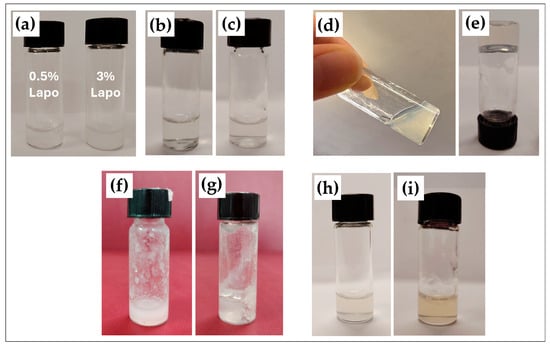
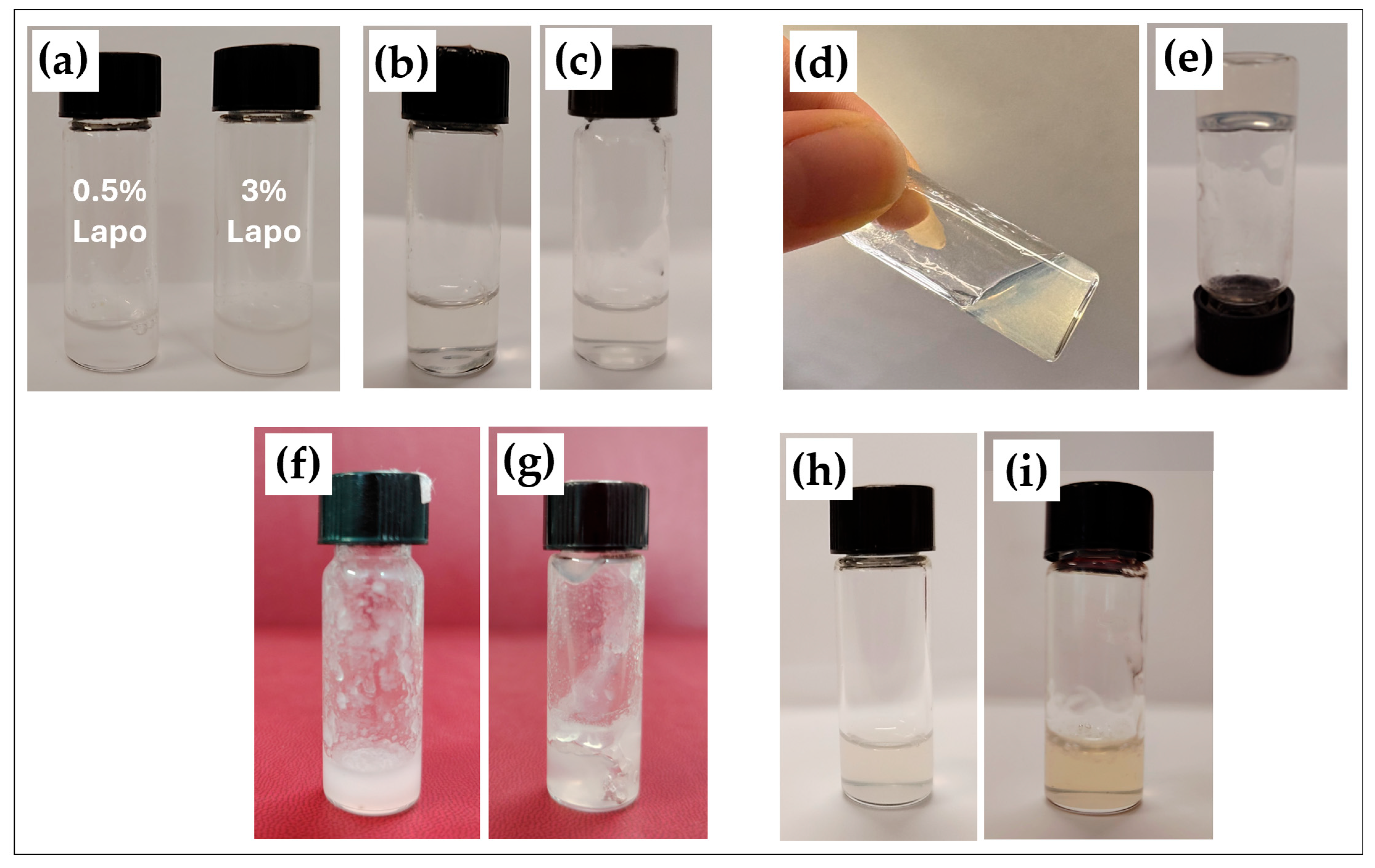
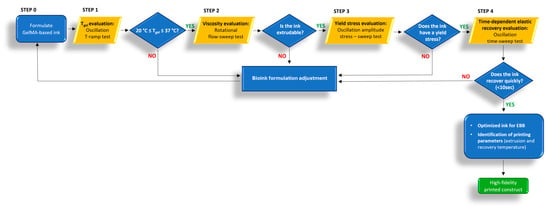
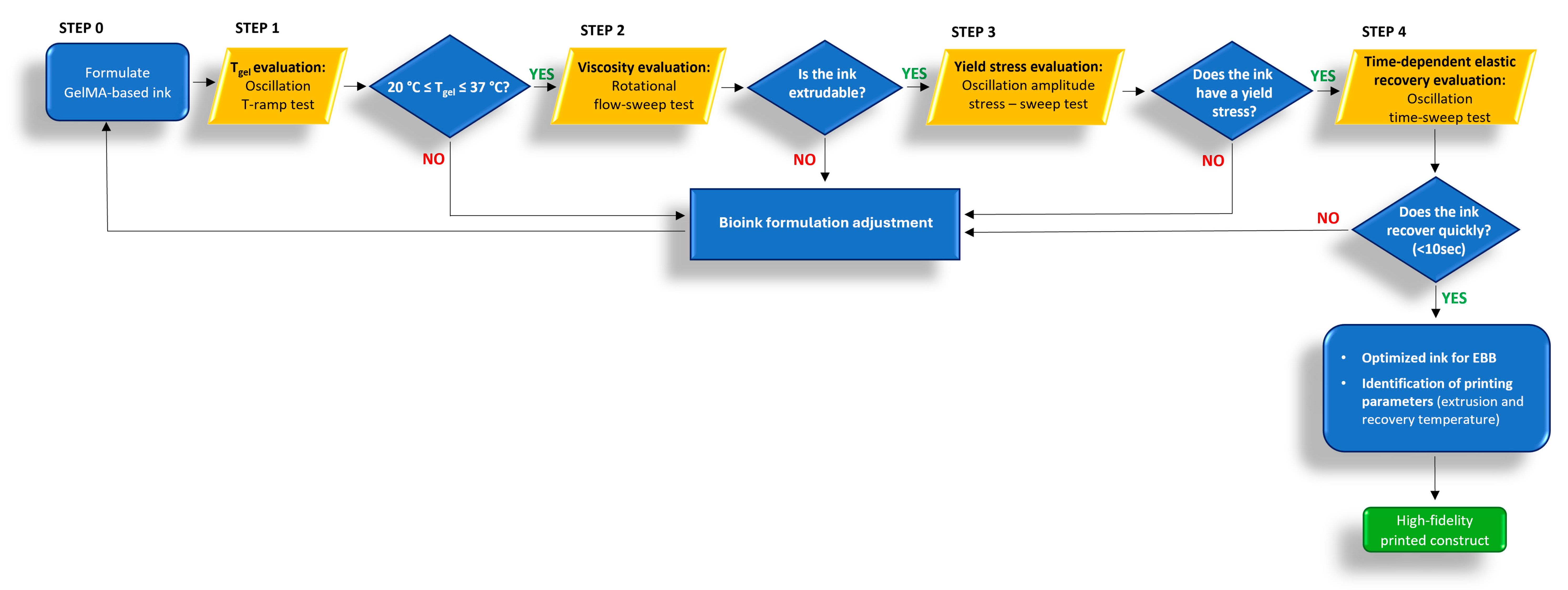
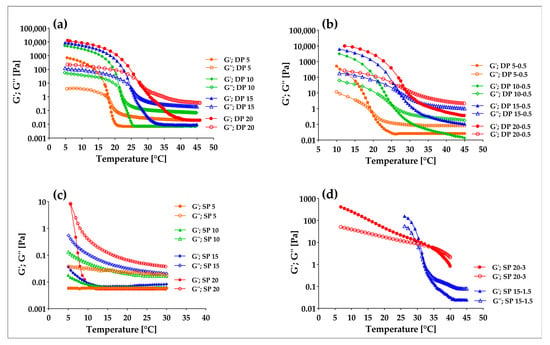
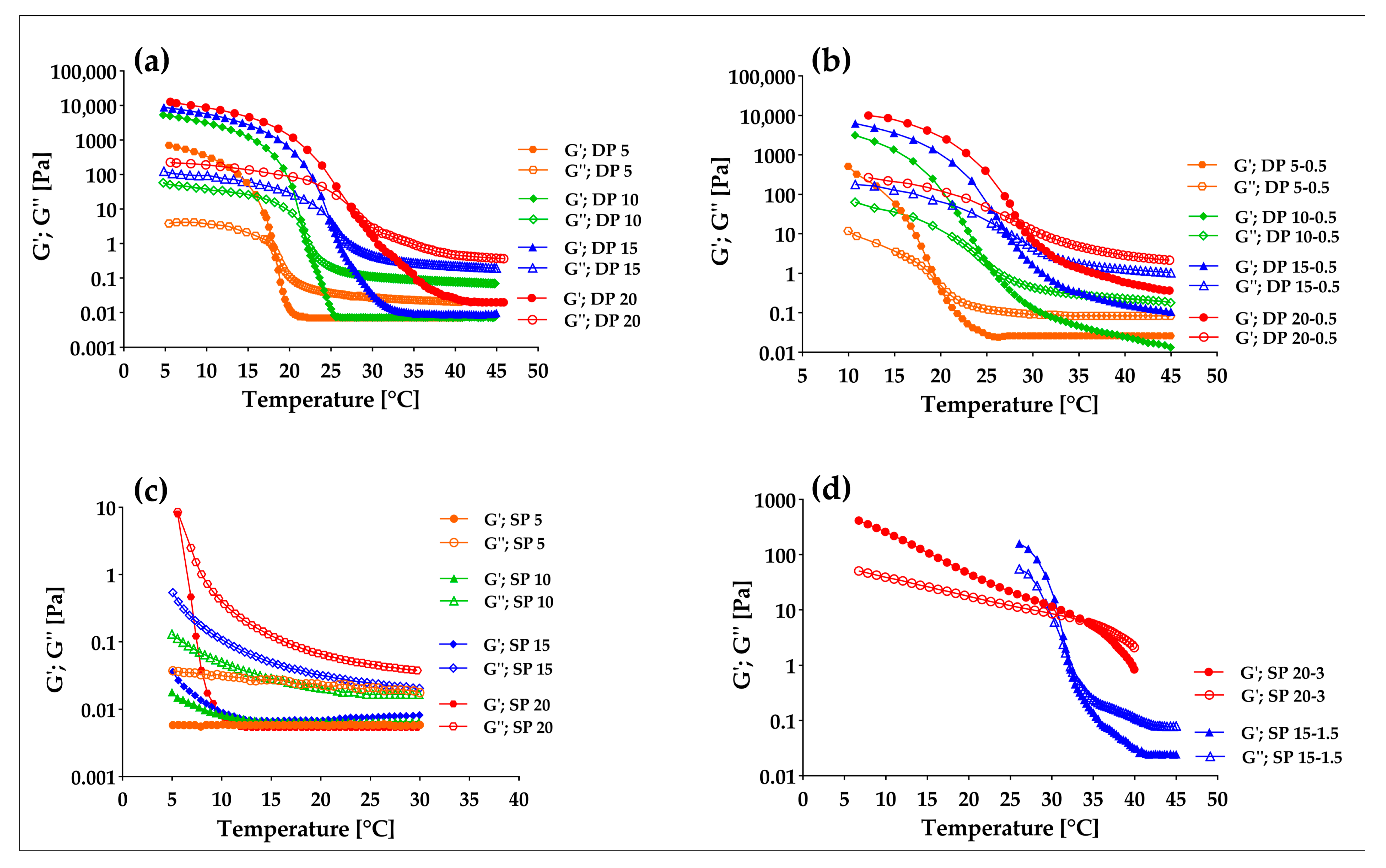
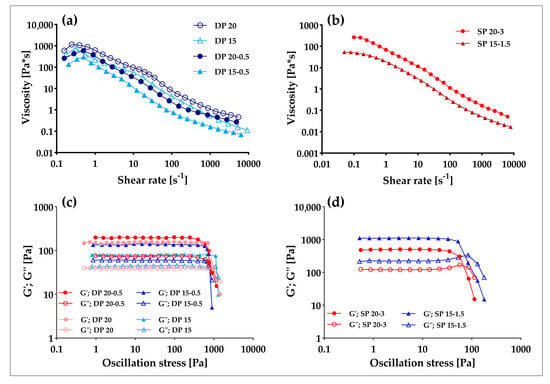
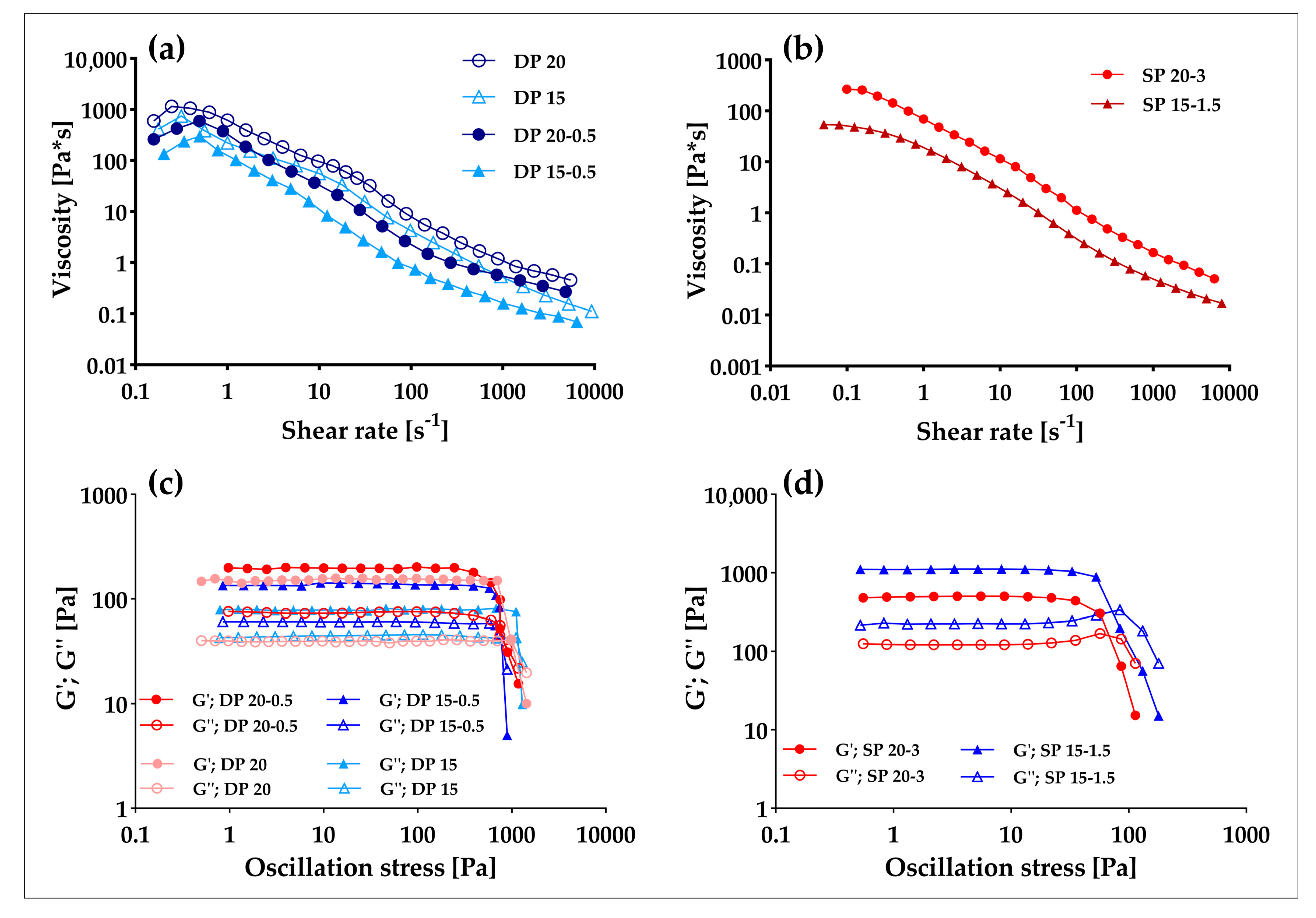
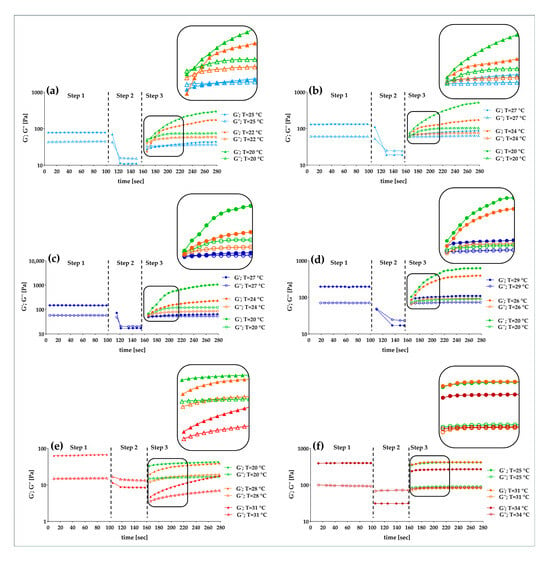
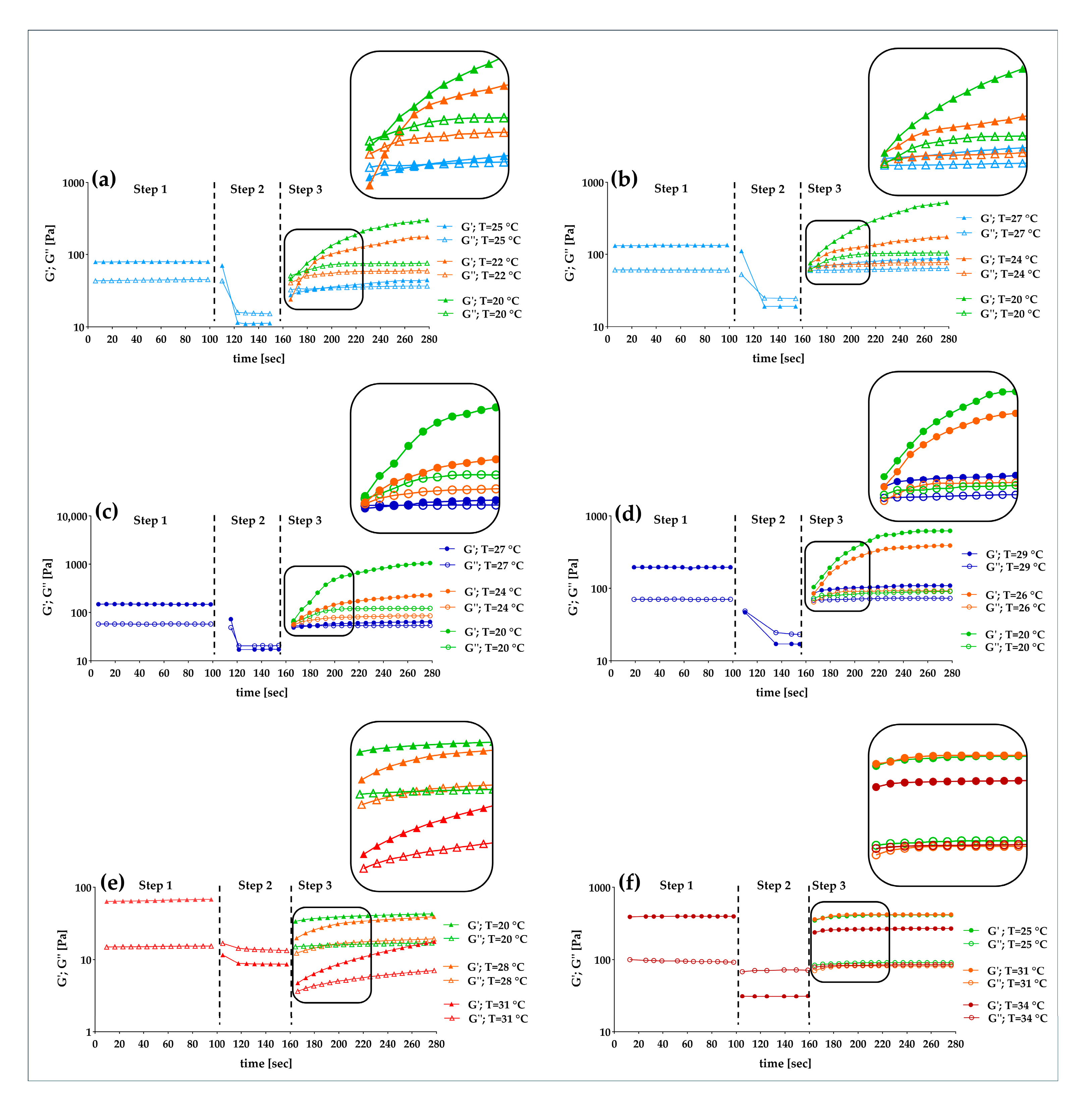
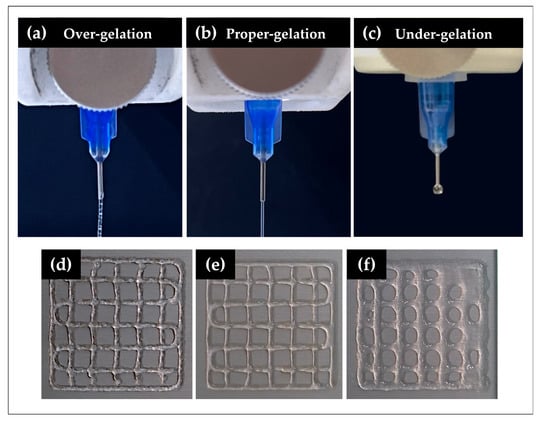
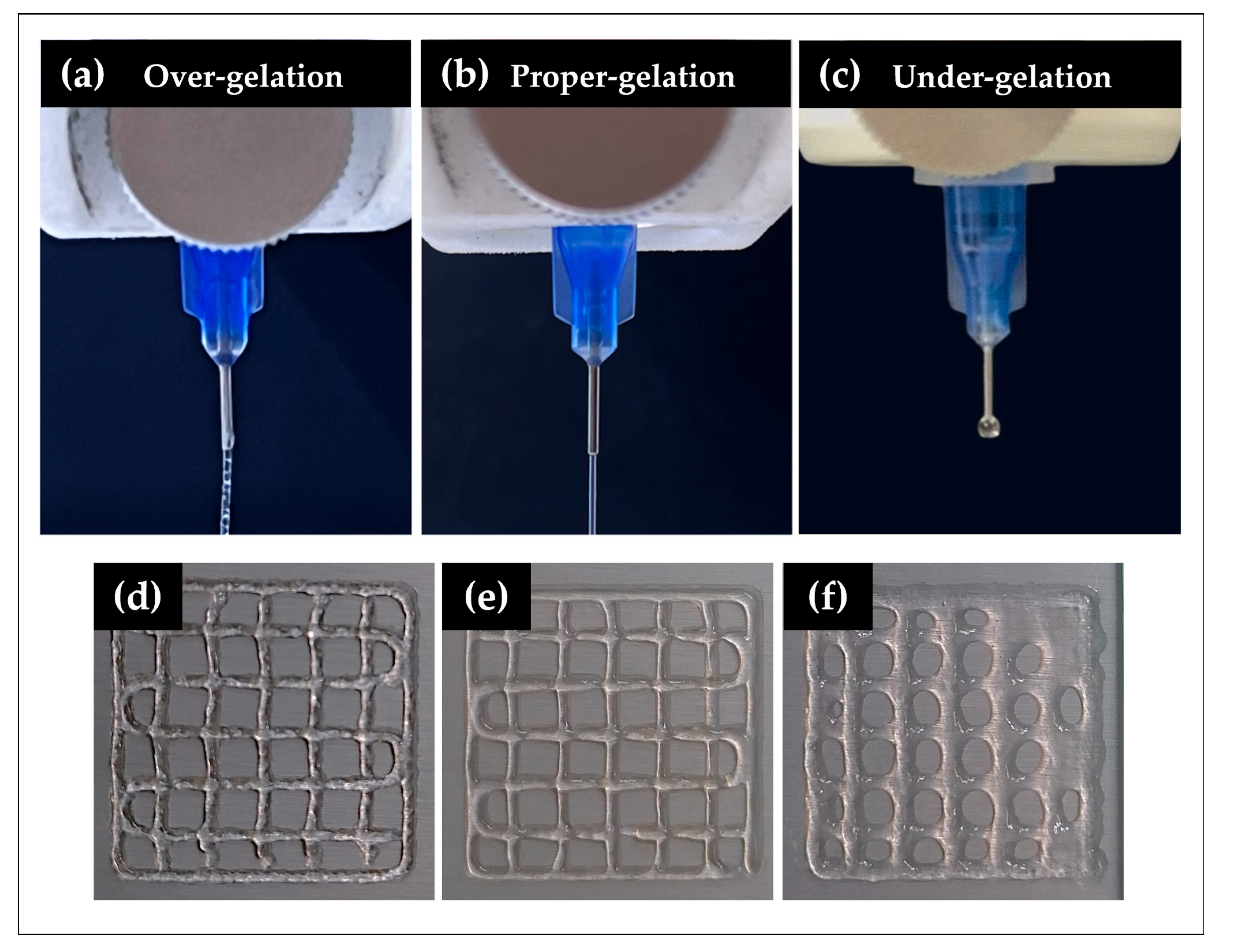
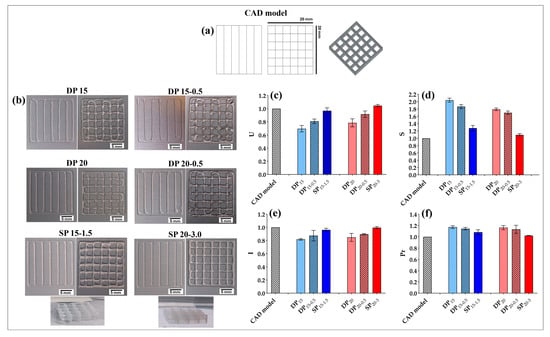
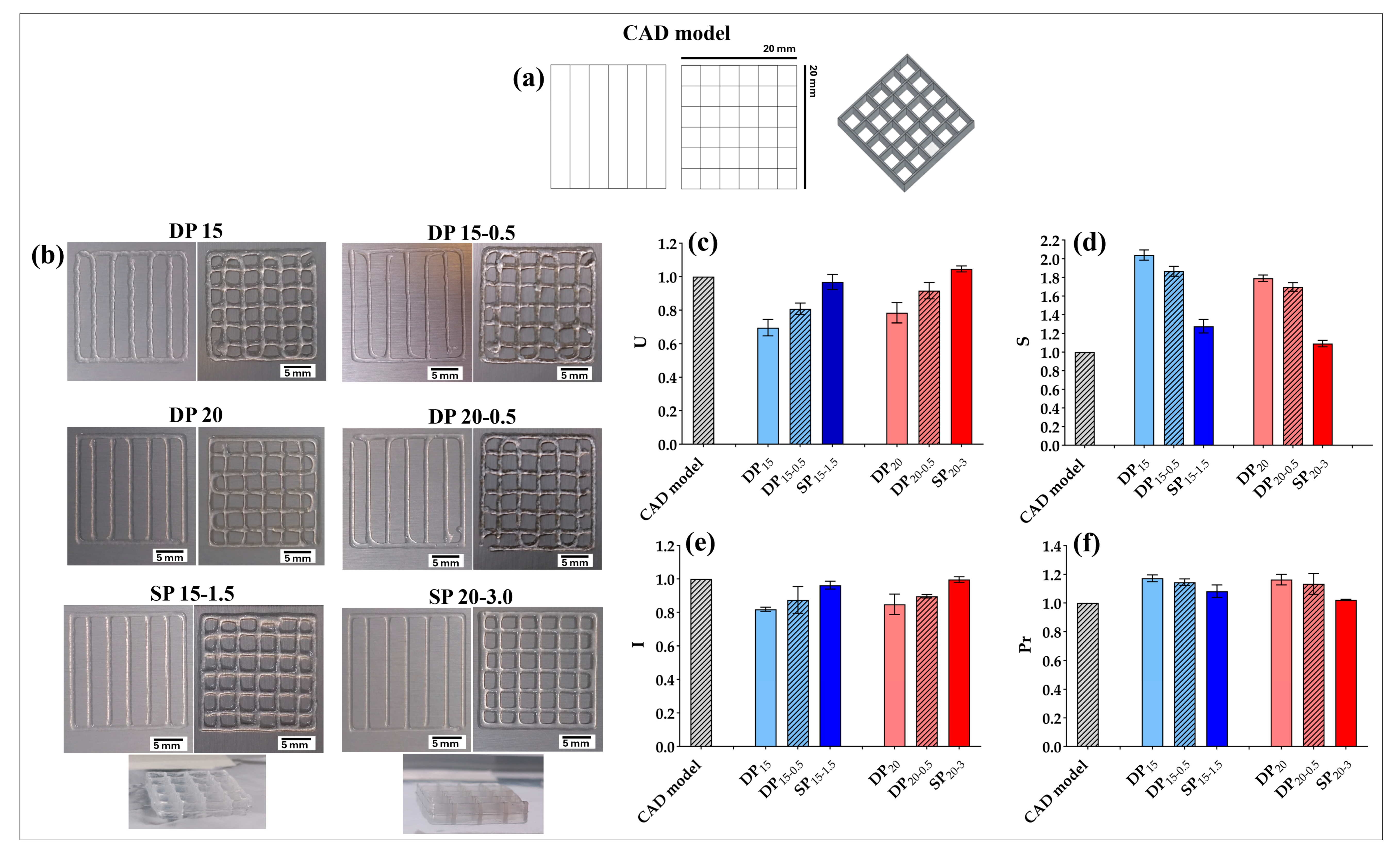
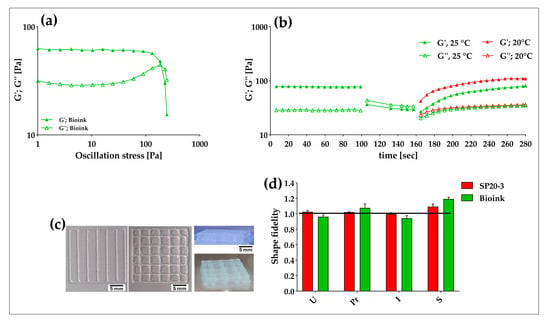
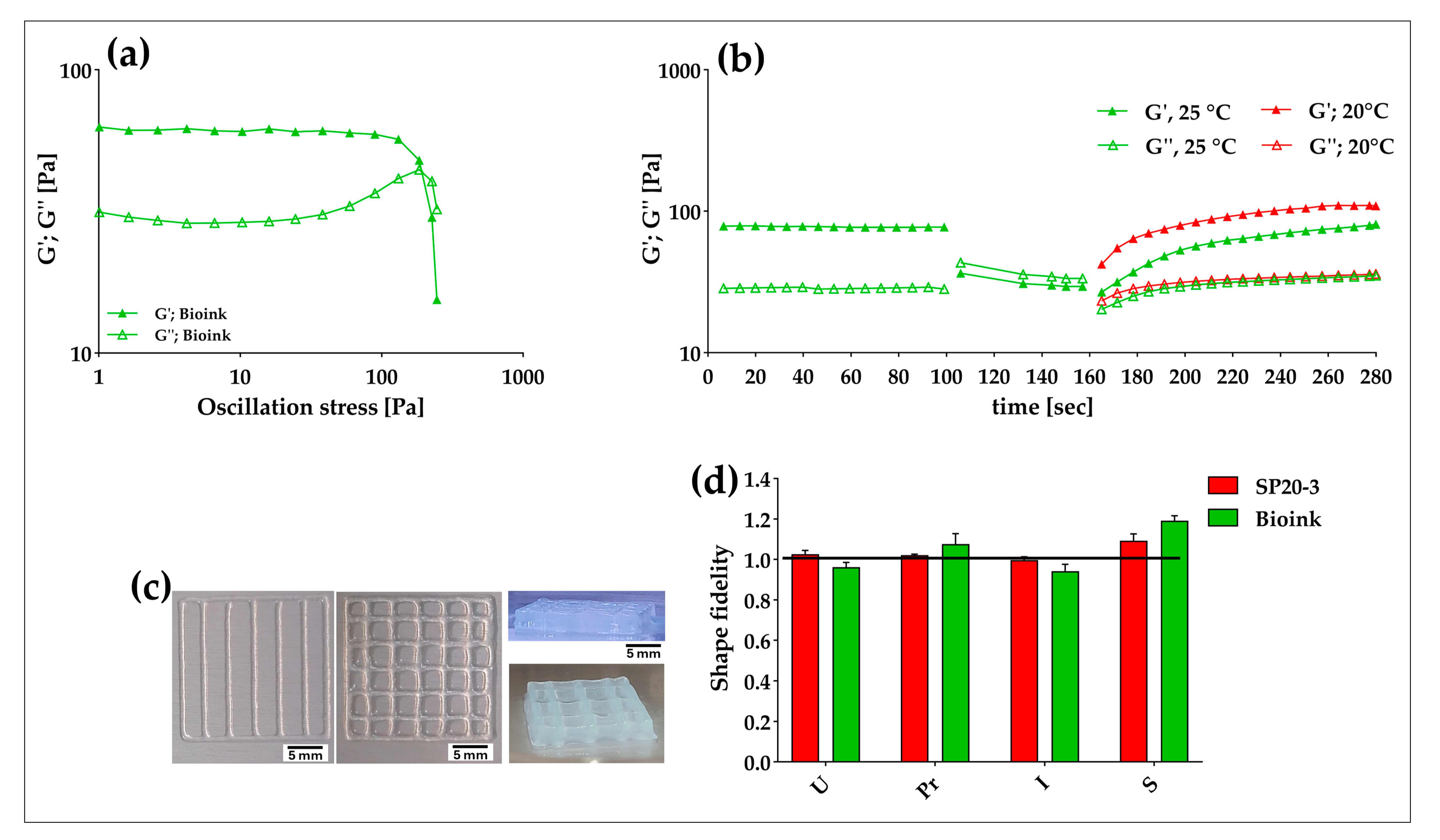

Disclaimer/Publisher’s Note: The statements, opinions and data contained in all publications are solely those of the individual author(s) and contributor(s) and not of MDPI and/or the editor(s). MDPI and/or the editor(s) disclaim responsibility for any injury to people or property resulting from any ideas, methods, instructions or products referred to in the content. |
© 2026 by the authors. Licensee MDPI, Basel, Switzerland. This article is an open access article distributed under the terms and conditions of the Creative Commons Attribution (CC BY) license.