


Abstract
Partial replacement of cement by concrete waste micropowder in ultra-low-w/b cementitious composites is an effective strategy to reduce carbon emissions and promote the high-value utilization of concrete waste. While existing studies have predominantly focused on the effect of concrete waste micropowder on high-w/b cementitious composites systems, investigations on ultra-low-w/b cementitious composites remained limited. Therefore, this study examined the influence of concrete waste micropowder type and replacement ratio on the performance of ultra-low-w/b cementitious composites. The results indicated that moderate cement substitution by concrete waste exerted a minor impact on hydration and hydration products and enhanced multi-scale mechanical properties. In contrast, high-volume replacement (above 30%) weakened the hydration process, reduced both the quantity and quality of hydration products, and degraded the micro-to-macro performance. Nevertheless, even at 70% replacement, the ultra-low-w/b cementitious composites retained exceptional mechanical performance and a high strength retention rate, with a 28-day compressive strength still exceeding 120 MPa. Based on the hydration data of ultra-low-w/b cementitious composites incorporating concrete waste micropowder, a kinetic model was established and the corresponding kinetic parameters were determined. In addition, the ultra-low-w/b cementitious composites with ground concrete micropowders and those with ground mortar micropowders exhibited comparable microstructure and mechanical performance, both of which were superior to those with ground paste micropowder. Co-incorporation of granulated blast furnace slag or fly ash with concrete waste micropowder further improved the microstructure and multi-scale mechanical performance.
1. Introduction
Concrete waste constitutes the predominant fraction of construction and demolition waste, and the recycling of concrete waste represents an effective pathway to reduce the generation of such waste; conversely, the inappropriate disposal of concrete waste gives rise to a range of environmental issues and safety hazards [1,2]. There are two principal routes for the recycling of concrete waste. The first involves crushing and screening concrete waste into recycled coarse aggregate and recycled sand to partially or fully replace natural gravel and sand [3]. The second entails grinding concrete waste into concrete waste micropowder to serve as a supplementary cementitious material [4,5]. Compared with the production and application of recycled aggregates, the utilization of concrete waste micropowder as the substitution for partial cement replacement in cement-based materials offer higher added value and superior environmental benefits [6]. Consequently, cementitious systems based on concrete waste micropowder have emerged as a prominent research topic in the field of low-carbon binders.
Concrete waste micropowder is predominantly composed of calcium, silicon, and aluminum elements and their corresponding compounds, while micropowders derived from different sources and with varying chemical compositions exhibit distinct reactivity levels [7,8]. Concrete waste micropowder possesses an irregular morphology and a relatively high specific surface area; its incorporation reduces the rheological performance of fresh mixtures, and this rheological deterioration becomes more pronounced as the particle size of the concrete waste micropowder decreases [9]. Concrete waste micropowder addition mitigates the autogenous shrinkage of cementitious systems, and moderate cement replacement by the concrete waste micropowder also alleviates drying shrinkage [10,11]. Although concrete waste micropowder exerts a physical filling effect and exhibits certain pozzolanic activity, high-volume incorporation degrades the microstructure of the cementitious materials and lowers its mechanical strength [12]. Reducing the particle size of concrete waste micropowder is an effective means to enhance both its physical filling and chemical reactivity; however, the improvement in its activity index remains limited [13]. Thermal activation at elevated temperatures can increase the reactivity of concrete waste micropowder, with an optimal activation temperature range of 600–800 °C [14,15]. In addition, carbonation curing represents another effective approach to enhance its reactivity, and both the carbonation method and regime exert significant influences on the activation efficiency [16,17,18]. By controlling the replacement ratio of concrete waste micropowder in combination with appropriate modification techniques, low-carbon cementitious materials with good strength and durability can be produced. At present, concrete waste micropowder has been widely adopted in ultra-high-performance cementitious composites, 3D-printed concrete, and alkali-activated cementitious systems [19,20,21].
Ultra-low-w/b cementitious composites represent a class of high-performance concrete materials characterized by high cement and fiber contents, and ultra-high-performance concrete (UHPC) and reactive powder concrete are the two most common ultra-low water-to-binder ratio cementitious materials [22,23]. Owing to their superior performance, such composites have been extensively applied in protective and blast-resistant engineering, bridge structures, and critical construction projects [23]. The properties of ultra-low-w/b cementitious composites are closely governed by mix proportion design and curing regimes; the addition of nanomaterials has also been demonstrated to further enhance both the micro- and macro-scale performance of ultra-low-w/b cementitious composites [24,25,26]. However, due to the inherently high cement demand, the life-cycle carbon emissions of ultra-low-w/b cementitious composites remain at an elevated level. Reducing cement content is therefore a key pathway to lowering their carbon footprint and improving overall sustainability. Existing studies have shown that moderate incorporation of industrial by-products, such as ground granulated blast furnace slag (GGBS) and fly ash (FA), can improve the workability, microstructure, and durability of ultra-low-w/b cementitious composites [27,28]. Furthermore, the feasibility of utilizing finely ground construction and demolition-derived powders, including concrete waste micropowder, clay brick waste micropowder, and glass or ceramic waste micropowder, for the preparation of low-carbon ultra-low-w/b cementitious composites and UHPC has also been confirmed [29,30,31,32,33,34].
Taking into account the supplementary cementitious characteristics of concrete waste micropowder, as well as the high cement content and the presence of a considerable proportion of unhydrated clinker inherent to UHPC and ultra-low-w/b cementitious composites, the partial replacement of cement by concrete waste micropowder offers a dual benefit: reducing the carbon emissions of UHPC and ultra-low-w/b cementitious composites while simultaneously enabling the high-value utilization of concrete waste. This approach carries both significant theoretical merit and practical engineering value. Although existing studies have confirmed the feasibility of using concrete waste micropowder in UHPC and related cementitious composites, few studies have considered the combined effect of different types of concrete waste micropowder and their replacement levels, and there is also a lack of systematic investigation into the evolution mechanisms of hydration gel products and multi-scale performance. Accordingly, this study investigates the hydration kinetics and mechanical performance of low-carbon ultra-low-w/b cementitious composites using concrete waste micropowder as a partial cement substitute, with particular emphasis on the effects of replacement ratio and type of concrete waste micropowder. Furthermore, a strategy of co-incorporating reactive GGBS or FA to enhance the performance of concrete waste micropowder-incorporated ultra-low-w/b cementitious composites is proposed. The findings of this study provide a theoretical foundation for the application of concrete waste micropowder in ultra-low-w/b cementitious composites and ultra-high-performance concrete.
2. Results and Discussions
2.1. Hydration Reaction and Hydration Kinetics Analysis
The concrete waste micropowder used in this study includes the ground concrete micropowder, ground mortar micropowder, and ground paste micropowder. Figure 1a presents the heat flow curves of ultra-low-w/b cementitious composites pastes with varying replacement ratios of ground concrete micropowder. It can be seen that the incorporation of ground concrete micropowder does not alter the five characteristic hydration stages, pre-induction, induction, acceleration, deceleration, and steady-state periods, indicating that ground concrete micropowder exerts no fundamental influence on the stage-wise division of the hydration process [35]. However, the peak value of the main exothermic peak decreases monotonically with increasing ground concrete micropowder content. This is primarily attributed to the fact that the main peak is governed by the hydration of active clinker minerals such as C3S; the progressive dilution of active cementitious components by ground concrete micropowder directly reduces the total heat release capacity of the system. Under high-replacement conditions (50% and 70%), the dilution effect becomes absolutely dominant, leading to a particularly sharp attenuation of the peak. Notably, the main exothermic peak shifts markedly leftward with higher ground concrete micropowder dosages, i.e., the time to peak heat flow is advanced. This acceleration can be explained by two synergistic mechanisms. First, ground concrete micropowder retains considerable quantities of pre-existing hydration products from the parent hardened cement paste, which act as high-density, structurally compatible nucleation sites for neo-formed phases [36]. Second, partial substitution of cement by inert/low-reactivity ground concrete micropowder relatively improves the local water availability for the remaining cement particles in the ultra-low-w/b cementitious composites. The increased probability of contact between free water and unhydrated clinker enhances localized hydration degree, further shortening the induction duration [37]. The evolution of cumulative heat release further reveals a dialectical feature of educed total output yet improved hydration efficiency (Figure 1a). Benefiting from the intrinsically high binder content of ultra-low-w/b cementitious composites and the nucleation promotion by ground concrete micropowder, the 10% replacement group achieves a final cumulative heat comparable to that of the reference. Once the replacement level exceeds 30%, however, the reduction in absolute clinker content dominates, and the cumulative heat declines progressively with increasing ground concrete micropowder dosage: the 30%, 50%, and 70% groups register decreases of 11.6%, 26.1%, and 43.0%, respectively, relative to the reference.
Figure 1.
Effect of ground concrete micropowder content on hydration heat curves of ultra-low-w/b cementitious composites.
It is worth emphasizing that a distinct non-proportional relationship exists between the ground concrete micropowder replacement ratio and the reduction in cumulative heat of the ultra-low-w/b cementitious composites: the former far exceeds the latter. This reveals that while ground concrete micropowder reduces the overall exothermic scale, it simultaneously imparts a marked delayed yet stimulatory effect on the hydration of unit-mass cement. The heat flow curves show that the instantaneous heat release rate of ground concrete micropowder-blended pastes gradually surpasses that of the reference after 48 h; by 72 h, when the reference’s cumulative heat has essentially plateaued, the ground concrete micropowder groups continue to exhibit a faint but persistent exothermic rise (Figure 1a). To quantify this behavior, Figure 1b presents the hydration heat evolution normalized to per-gram cement. With increasing ground concrete micropowder content, the normalized heat flow peak rises and shifts to earlier times, while the maximum cumulative heat per unit cement increases monotonically: the 10%, 30%, 50%, and 70% groups show respective increases of 11.4%, 26.2%, 47.7%, and 90.7% over the reference. First, partial cement substitution by ground concrete micropowder relatively elevates the water-to-cement ratio, offering delayed wetting pathways to unhydrated grains that are otherwise sealed off in the ultra-low-w/b matrix, thereby triggering secondary hydration of dormant clinker. Furthermore, residual C–S–H and unreacted clinker fragments in ground concrete micropowder supply structurally compatible nucleation substrates, accelerating the dissolution–precipitation cycle of C3S and C3A and deepening the average reaction extent of individual cement grains [38,39].
Figure 2 presents the hydration rate curves of ultra-low-w/b cementitious composites with different ground concrete micropowder replacement ratios, derived from the Krstulovic–Dabic (K–D) kinetic model. It can be observed that F1(α), F2(α), and F3(α) clearly delineate the rate evolution of ground concrete micropowder-blended ultra-low water-to-binder cementitious composites in a stage-wise manner, confirming that even with partial cement substitution by ground concrete micropowder, the hydration process still conforms to the multi-mechanism coupled kinetic regime described by the K–D framework. The transition points in the model are denoted as α1 (NG → I) and α2 (I → D), corresponding sequentially to the shift from nucleation and growth control (NG), to phase-boundary reaction control (I), and finally to diffusion control (D). In marked contrast to the relatively mild and protracted NG–I–D progression typical of ordinary Portland cement systems, the I stage in ultra-low-w/b cementitious composites is drastically compressed or even eliminated. This behavior is intrinsically rooted in the ultra-low initial water-to-binder ratio and the rapidly densified microstructure of ultra-low water-to-binder cementitious composites. During the NG period, sufficient free water is temporarily available, enabling rapid nucleation and surface growth of hydration products; gel phases such as C–S–H occupy a large fraction of pore space within a very short time. As hydration advances, the effective water film available for ion transport thins rapidly, the product layer becomes highly compact, and a physical barrier to long-range ionic diffusion is established almost synchronously. Consequently, the control regime jumps directly from interface-controlled reaction to diffusion control. In other words, under ultra-low w/b conditions, the “stable phase-boundary growth window” that sustains the I stage is compressed to a negligible extent, leading to a quasi-two-stage NG–D hydration pattern [40]. While ground concrete micropowder incorporation slightly shifts the onset and termination of each stage through its nucleation effect, it does not alter this fundamental kinetic transition.
Figure 2.
Hydration kinetics models and kinetic parameters of ultra-low-w/b cementitious composites containing ground concrete micropowder at different replacement rates. (a) Control, (b) C-10RC, (c) C-30RC, (d) C-50RC, (e) C-70RC, (f) reaction order, (g) K′1, (h) K′2, and (i) K′3.
Table 1 and Figure 2 summarize the hydration kinetic parameters of ground concrete micropowder-blended ultra-low-w/b cementitious composites. The reaction order, n, exhibits a nonlinear evolution with increasing ground concrete micropowder content. Overall, the incorporation of 10% RC increases the reaction order of the ultra-low-w/b cementitious composites system, whereas 30–70% replacement levels decrease the reaction order. The apparent rate constants of the three stages (K1′, K2′, and K3′) display divergent evolution trends. In the NG stage, K1′ of the 10% group (C-10RC) is nearly identical to that of the reference. Once the replacement reaches ≥ 30%, K1′ declines continuously: the absolute reduction in reactive species directly shrinks the nucleation population, while the physical adsorption of free water by ground concrete micropowder particles and their isolation of cement grains prolong the ion transport path, jointly suppressing NG-stage kinetics. Entering the I stage, K2′ decreases monotonically with increasing ground concrete micropowder content, with the 70% group showing a 30.8% reduction. The lower cement volume fraction directly curtails the active interfacial area available for phase-boundary reaction, and the altered pore solution chemistry and chemical potential gradient introduced by ground concrete micropowder lower the driving force for interfacial reaction, slowing the mid-term chemically controlled rate. The attenuation of K3′ is the most pronounced: the 70% group records a 54.7% drop relative to the reference, far exceeding the reductions in the previous stages. This highlights the marked intensification of diffusion limitation by ground concrete micropowder at later ages. Microscopically, the dual effects of dense filling by ground concrete micropowder and clinker dilution lead to the early formation of a highly compacted product skeleton [41]. The connectivity of the pore network deteriorates and its tortuosity rises sharply, causing a drastic increase in the transport resistance of Ca2+ and water molecules through the C–S–H layer and interfacial transition zones. As a result, diffusion not only sets in earlier but also becomes the overriding rate-limiting step throughout the remaining hydration life.
Table 1.
Hydration kinetic parameters of ultra-low-w/b cementitious composites.
Table 1 also shows that the stage transition points α1 (NG → I) and α2 (I → D) both exhibit an overall decreasing trend with the increase in ground concrete micropowder content, indicating that the introduction of ground concrete micropowder enables ultra-low-w/b cementitious composites to complete the two mechanism transitions, from nucleation and growth to phase-boundary reaction, and from chemical reaction to diffusion control, at a lower degree of hydration. The hydration process as a whole is advanced and accelerates into the retardation period. The decrease in α1 can be understood as the result of the dynamic balance in the NG stage being disrupted: at low dosage, the particle grading optimization and homogeneous nucleation effect of ground concrete micropowder shorten the induction period and accelerate initial product precipitation, causing the reaction to shift into the I stage earlier at a relatively higher α; meanwhile, at a high dosage, clinker dilution leads to a significant reduction in system alkalinity and autocatalytic capacity, and the NG process loses its kinetic advantage before α has sufficiently accumulated due to insufficient reactant supply, and is forced to exit the nucleation-dominated interval prematurely. The decrease in α1 is the same macroscopic reflection of the superimposed manifestation of early acceleration and later kinetic deficiency across different dosage ranges. The continuous decrease in α2 is mainly attributed to the precocious construction of the diffusion barrier. On one hand, the filling and nucleation effects of ground concrete micropowder promote the rapid and dense accumulation of hydration products such as C–S–H on the surface of cement particles [42]; the thickness and compactness of the product layer at a moderate hydration degree are already sufficient to block long-range ion migration, so that diffusion resistance exceeds the interfacial chemical reaction resistance while α is still low, and the control mechanism shifts forward. On the other hand, the physical isolation layers formed by ground concrete micropowder particles at the microscale, coupled with the overall decrease in concentrations of key ions such as Ca2+ and OH− in the liquid phase, jointly compress the duration window of the phase-boundary reaction. In addition, the rapid consumption of CH by highly reactive silica fume in the ultra-low-w/b cementitious composites further lowers the pore solution alkalinity and accelerates the decay of the chemical reaction rate in the I stage, compressing what should be a relatively gentle reaction control plateau, and driving the system into the terminal stage characterized by extremely slow diffusion at a very low α2. It should be noted that although the Krstulovic–Dabic (K-D) hydration model is an important method for characterizing the hydration kinetics of cementitious materials, it has inherent limitations that can cause fluctuations in some simulated data. Nevertheless, the overall trend remains consistent with the experimental results. For instance, K1 exhibits a fluctuating variation with increasing recycled micropowder replacement rate, but its overall trend shows a decreasing tendency.
Figure 3a further presents the influence of various concrete waste micropowders on the hydration heat release of ultra-low-w/b cementitious composites. Under the same cement replacement ratio, the incorporation of different types of concrete waste micropowder reduces the hydration heat release peak and shortens the peak occurrence time of the ultra-low-w/b cementitious composites. Among them, the exothermic peak of the ultra-low-w/b cementitious composites with ground paste micropowder is higher than that of the ultra-low-w/b cementitious composites with ground mortar micropowder and ground concrete micropowder, but its peak time is shorter. This is mainly because ground paste micropowder is dominated by hardened cement (C–S–H gel) particles, and these C–S–H gel particles may act as homogeneous nucleation sites in the early stage of cement hydration, accelerating the formation and growth of hydration products and thereby shortening the peak time of the hydration reaction [43]. In contrast, apart from a small amount of hardened cement particles, ground mortar micropowder and ground concrete micropowder are mainly composed of a large number of inert quartz and calcite particles. These inert particles have poor compatibility with hydration products and provide relatively weak nucleation in the early hydration process; their main functions tend toward dilution and micro-aggregate filling. Therefore, the induction period of ultra-low-w/b cementitious composites with ground concrete micropowder and ground mortar micropowder is delayed compared with that of the ultra-low-w/b cementitious composites with ground paste micropowder. Figure 3b presents the influence of different types of concrete waste micropowders on the cumulative hydration heat per unit cement. In the hydration induction stage, the maximum cumulative heat of the concrete waste micropowder-incorporated ultra-low-w/b cementitious composites is lower than that of the reference ultra-low-w/b cementitious composites. In the acceleration stage of hydration, due to the nucleation effect of C–S–H gel particles contained in the concrete waste micropowder, the formation of hydration products is induced earlier, and the cumulative heat of the concrete waste micropowder-incorporated ultra-low-w/b cementitious composites exceeds that of the reference ultra-low-w/b cementitious composites within 10–20 h; the increase in cumulative heat is particularly obvious for the ultra-low-w/b cementitious composites with ground paste micropowder. Although the early hydration heat of the ultra-low-w/b cementitious composites with ground paste micropowder is higher than that of the ultra-low-w/b cementitious composites with ground concrete micropowder and its peak time is shortened, the maximum cumulative hydration heat of the former at the stable stage is still slightly lower than that of the latter.
Figure 3.
Effect of concrete waste micropowder types on hydration heat curves of ultra-low-w/b cementitious composites.
2.2. Hydration Gel Products and Microstructure Evaluation
Based on the XRD, TG/DTG, and FTIR results, Figure 4a–c first present the influence of ground concrete micropowder replacement at different levels on the hydration products of the ultra-low-w/b composites. The incorporation of ground concrete micropowder does not alter the types of hydration products in the ultra-low-w/b cementitious matrix; however, because ground concrete micropowder is rich in quartz and calcite, the contents of SiO2 and CaCO3 increase with rising micropowder dosage, whereas the amounts of hydration products such as C–S–H and CH decrease, with this trend becoming particularly pronounced at ultra-high replacement levels. Although ground concrete micropowder exerts a certain physical filling effect and pozzolanic activity, its reactivity is far lower than that of cement; therefore, cement substitution by ground concrete powder reduces the total quantity of hydration products in the ultra-low-w/b cementitious composites [44,45]. Through X-ray CT analysis, Figure 4d–g provide three-dimensional visualizations of the ultra-low-w/b cementitious composites with ground concrete micropowder. The test was conducted on the samples with a size of 40 mm3. The 3D pixel size is 899 × 856 × 852 voxels, with voxel dimensions of 61.09 μm in each direction (spatial resolution). Micropores smaller than this limit cannot be evaluated. Compute Ambient Occlusion is used to enhance the contrast between internal and external structures, combined with Ortho Slice checks and interactive thresholding to establish effective analysis areas, suppressing fiber edge interference. Within the effective ROI, thresholds are determined based on the grayscale histogram, three orthogonal slices, and grayscale profile, and target structures are extracted through interactive thresholding. After denoising and correction with Volume Edit, Label Analysis is used to calculate the volume, equivalent diameter, surface area, and spatial location of connected domains, and Volume Fraction is used to calculate the volume fraction. However, it is worth noting that X-ray CT detection is subject to limitations—pores below the detection threshold cannot be recognized. The addition of ground concrete micropowder does not change the fiber distribution within the matrix, but both the pore number and pore size increase progressively with higher cement replacement ratios. It is worth noting, however, that even at 50–70% replacement by ground concrete micropowder, the ultra-low-w/b cementitious composite still retains a dense structure under the combined effects of the ultra-low w/b ratio, high fiber and ground concrete micropowder content.
Figure 4.
Hydration products and microstructure of ultra-low-w/b cementitious composites incorporating concrete waste micropowders at various replacement ratios. (a) XRD analysis, (b) TG/DTG results, (c) FTIR analysis, (d) X-ray CT analysis for Control, (e) X-ray CT analysis for C-30RC, (f) X-ray CT analysis for C-50RC, and (g) X-ray CT analysis for C-70RC.
Figure 5a–f comparatively present the influence of different concrete waste micropowder types on the hydration products of ultra-low-w/b cementitious composites. The effects of ground concrete micropowder and ground mortar micropowder are generally consistent: both raise the quartz phase content in the matrix while reducing the total amount of hydration products. Notably, ground paste micropowder itself is inherently rich in C–S–H and CH [46]; its incorporation causes only a limited reduction in overall hydration product quantity, yet the amounts of newly formed C–S–H and CH may still decline with increasing dosage, with this reduction becoming particularly significant at high replacement levels. Figure 5g,h further compare the three-dimensional microstructural images of composites with ground concrete micropowder and those with ground paste micropowder. At the same equivalent cement replacement ratio, the ultra-low-w/b cementitious composites containing ground paste micropowder exhibit a greater pore number and larger pore size than their ground concrete micropowder counterpart. This is mainly attributed to the abundant porous, low-grade C–S–H particles in ground paste micropowder, whose incorporation introduces more intrinsic defects and further degrades the microstructure of ultra-low-w/b cementitious composites.
Figure 5.
Hydration products and microstructure of ultra-low-w/b cementitious composites incorporating concrete waste micropowders of various types. (a,d) XRD analysis, (b,e) FTIR analysis, (c,f) TG/DTG results, (g) X-ray CT image for C-30RC, and (h) X-ray CT image for C-30RP.
Figure 6 further presents the deconvoluted FTIR spectra. The band at 850–880 cm−1 corresponds to the isolated silicate tetrahedron (Q0) in unhydrated cement clinker, whose intensity decreases markedly with the incorporation of ground concrete micropowder, indicating a reduction in the amount of unhydrated cement. The calcite in the ground concrete micropowder exhibits a characteristic band around 874–875 cm−1, which may overlap with the Q0 silicate, and thus, carbonate peaks are incorporated into the fitting model, allowing for the isolated quantification of the Q0 area. This is attributed both to the direct decrease in cement content caused by partial replacement and to the accelerated cement hydration induced by the dilution effect of the ground concrete micropowder. The absence of a distinct Q1 peak is considered to result from spectral overlap between Q1 and Q2, which together form a broad, unresolved envelope. The principal characteristic peak at 975–978 cm−1 is assigned to Q2 species of the C–S–H chain structure. With increasing ground concrete micropowder content, this peak shifts to higher wavenumbers. The combined evolution of the Q1–Q2 peak areas indicates a slight upward trend in the relative proportion of C–S–H with rising replacement level, which is mainly because ground concrete micropowder itself contains abundant pre-existing hydration products. The bands around 1090–1100 cm−1 and 1150–1180 cm−1 correspond to Q3/Q4 species, which are primarily derived from carbonated C–S–H, silica gel, and quartz phases contributed by the ground concrete micropowder.
Figure 6.
FTIR deconvolution analysis of ultra-low-w/b cementitious composites incorporating concrete waste micropowders: (a) Control, (b) C-10RC, (c) C-30RC, (d) C-50RC, (e) C-70RC, (f) C-30RM, (g) C-30RP, (h) C-70RM, and (i) C-70RP.
Figure 7 presents the hydration product data and microstructural characteristics of the ultra-low-w/b cementitious composites co-blended with ground concrete micropowder and GGBS or FA. At the same total cement replacement level, the ultra-low-w/b cementitious composites containing both ground concrete micropowder and 20% GGBS (or 20% FA) exhibit a greater quantity of hydration products with a higher degree of polymerization, as well as a denser microstructure, compared with those incorporating ground concrete micropowder alone. This is because GGBS and FA possess considerably higher reactivity than ground concrete micropowder; partial substitution of the micropowder by GGBS or FA optimizes the binder chemical composition and particle gradation, thereby promoting the formation of hydration products and refining the microstructure [47]. Furthermore, GGBS contains more reactive components than FA, and its co-incorporation yields a more pronounced improvement in both the hydration products and the microstructure of the ultra-low-w/b cementitious composites. Therefore, as described in Figure 1, Figure 2, Figure 3, Figure 4, Figure 5, Figure 6, Figure 7 and Figure 8, both the concrete waste micropowder types and the replacement ratios have a significant impact on the hydration gel products and microstructure, because of the high inertness and complex composition of various concrete waste micropowders [37].
Figure 7.
Using active GGBS and FA to improve the micro-properties of concrete waste micropowder-blended ultra-low-w/b cementitious composites: (a) XRD analysis, (b) FTIR analysis, (c) X-ray CT image for C-70RC, and (d) X-ray CT image for C-30G+40RC.
Figure 8.
Effects of concrete waste micropowder content on nanoindentation properties of ultra-low-w/b cementitious composites.
2.3. Effects of Concrete Waste Micropowder on Nanoindentation and Microhardness Performance
Based on the characteristics of the ultra-low-w/b cementitious composite matrix and the mineral features introduced by the concrete waste micropowder, combined with nanoindentation modulus distribution curves and the existing literature, the number of phase distribution curves can be determined [48,49]. C–S–H in ultra-low-w/b cementitious composites can be subdivided into low-density (LD C–S–H), high-density (HD C–S–H), and ultra-high-density (UHD C–S–H) based on characteristic indentation modulus ranges of 25 ± 4.9 GPa, 36.3 ± 5.9 GPa, and 47.6 ± 8.7 GPa, respectively, with the mechanical response of UHD C–S–H being close to that of the CH phase [50,51,52]. Furthermore, according to nanoindentation analysis by Li et al. [52], the indentation elastic modulus of quartz is significantly higher than that of hydration products, and feldspar particles exhibit an indentation elastic modulus of near 73.5 GPa. As shown in Figure 8 and Figure 9, all ground concrete micropowder replacement levels sustain the stable presence of the three C–S–H types (LD/HD/UHD) in the ultra-low-w/b cementitious composites, and this multi-scale dense gel spectrum constitutes the microscopic basis for both the reference and ground concrete micropowder groups to retain ultra-high strength. Even at high replacement levels of 50% and 70%, the inherently ultra-low water-to-binder ratio and pozzolanic effect of silica fume still ensure continuous hydration product formation and structural densification. At 30% replacement, the ground concrete micropowder group is slightly superior to the reference in both modulus and hardness distributions: the LD C–S–H fraction decreases, while HD and UHD C–S–H fractions increase simultaneously, reflecting an overall enhancement in the degree of gel hardening.
Figure 9.
Effects of concrete waste micropowder type on nanoindentation properties of ultra-low-w/b cementitious composites.
The nano-scale strengthening at this moderate dosage arises from a dual synergistic mechanism. First, the unhydrated clinker inherently retained due to the low w/b ratio means that replacement within 30% only weakly reduces the total amount of active components (consistent with the earlier hydration heat findings), while relatively surplus free water and improved particle packing provide more sufficient reaction conditions for the remaining clinker. Second, the retained C–S–H phase in ground concrete micropowder may exert a homogeneous nucleation effect, accelerating gel network development, while its micro-aggregate effect fills meso- to nano-scale pores and reduces defect size, rendering the product layer more compact [51]. Together, these effects raise the average stiffness and load-bearing proportion of the gel phases. It is worth noting that, with further increases in ground concrete micropowder content, a discrete peak in the ~70 GPa modulus range emerges and intensifies (Figure 8), which is identified as CaCO3 in combination with XRD phase analysis. Its origin is twofold: one is the increased probability of the indenter directly hitting the native coarse aggregate and interfacial carbonation products in ground concrete micropowder; the other is that, at appropriate dosages, the hydrated gel and ground concrete micropowder particles form a stiff–soft–stiff interlocked composite network, which possesses good transmission and dispersion capacity against local micro-indentation load, leading to a statistically stable high-modulus response of the CaCO3 phase. Furthermore, evaluation of the nanoindentation results also has certain limitations. Due to the presence of high-hardness and high-elastic-modulus components in the concrete waste micropowder, a higher indentation modulus does not necessarily indicate improved hydration gels and enhanced cementitious performance. Therefore, nanoindentation results should be comprehensively analyzed in conjunction with other characterization methods for hydration gel products and microstructure.
Figure 8 presents the indentation modulus frequency density distributions of ground concrete micropowder-incorporated ultra-low-w/b cementitious composites at ultra-high replacement levels of 50% and 70%. At 50% replacement, HD C–S–H and UHD C–S–H still dominate, indicating that even under pronounced dilution, the gel network skeleton of ultra-low-w/b cementitious composites does not undergo structural collapse and the system retains a high nano-scale stiffness. However, when the replacement rises to 70%, the distribution characteristics reverse markedly: the peak area of LD C–S–H expands, while the proportions of HD and UHD phases contract simultaneously. This reflects a decline in the overall gel hardening degree, an increase in pores and low-grade products, and degradation of the microstructure from dense and continuous to loose and discrete. At this point, the positive effects of nucleation and micro-filling by ground concrete micropowder are insufficient to offset the deficit in total product volume caused by drastic clinker reduction. This scale-specific weakening mechanism is precisely the microscopic origin of the significant attenuation of macroscopic strength in ultra-low-w/b cementitious composites with ultra-high ground concrete micropowder content. With increasing ground concrete micropowder dosage, the high modulus peak in the ~70–100 GPa range continuously intensifies. This phenomenon does not originate from hydration product strengthening, but rather from the statistical manifestation of the intrinsic compositional nature: the parent waste concrete contains a large proportion of natural aggregates, making ground concrete micropowder rich in rigid phases such as SiO2 and CaCO3, whose indentation moduli range from 62 to 110 GPa [52]. The higher the ground concrete micropowder proportion, the greater the probability that the indenter directly hits these inert hard phases, manifesting as a false enrichment of high-modulus phases in the frequency spectrum. The XRD patterns above also reveal the presence of these phases. Furthermore, the distribution of the indentation modulus shows that high-modulus regions appear as isolated particulate clusters spatially coincident with embedded quartz/feldspar grains, whereas the continuous low-modulus matrix corresponds to C-S-H gels, consistent with the spatial segregation implied by deconvolution. From a positive perspective, these high-hardness particles act as rigid micro-aggregates in the gel matrix, partially bridging microcracks and filling defects, and buffering the decline in macroscopic strength to some extent. Nevertheless, due to their weak interfacial bonding with surrounding hydration phases, they remain essentially non-cementitious reinforcing phases and cannot replace the dominant strength contribution of C–S–H.
Figure 9 compares the nanoindentation mechanical responses of ultra-low-w/b cementitious composites with various concrete waste micropowders at 30% replacement. The results show that, against the inherent strong acceleration and densification background of the ultra-low-w/b system, concrete waste micropowders of different origins all maintain a continuous high-strength gel network with LD/HD/UHD C–S–H as the skeleton through the synergy of dilution–nucleation–filling. The overall modulus and hardness of the matrix remain at high levels, and the UHD C–S–H fraction is particularly stable, indicating that compositional differences among concrete waste micropowders do not undermine the core structural characteristics of hydration products. The origin of phases in the high-modulus range (>60 GPa) exhibits a clear type dependence: the high modulus peak of the ground concrete micropowder group is mainly attributed to quartz and calcite derived from natural aggregates in the parent material; the ground mortar micropowder group is dominated by the quartz phase; while the ground paste micropowder group, containing almost no coarse aggregate, derives its high-modulus response more from unhydrated clinker particles and residual CH/carbonation products. It is worth emphasizing that the ground paste micropowder group is distinctly superior in HD C–S–H proportion compared with ground mortar micropowder and ground concrete micropowder. This enhanced hardening is credited to the high-matching interfacial regulation of product growth by the C–S–H enriched in ground paste micropowder. However, the elastic modulus and hardness of C–S–H are lower than those of quartz and calcium carbonate in the concrete waste micropowder. Therefore, it can reasonably be expected that, at the same cementitious waste micropowder replacement rate, the macroscopic mechanical strength of the ground paste powder group would be lower than that of the ground mortar powder and ground concrete powder groups.
Figure 10 presents the Vickers microhardness test results of ultra-low-w/b cementitious composite matrices with different ground concrete micropowder replacement ratios. The 10% replacement group (C-10RC) reaches an average microhardness of 120.1 HV, slightly higher than the 114.6 HV of the reference group, reflecting a slight strengthening effect at a low dosage. This phenomenon can be attributed to the superposition of multiple positive effects: first, the inherently retained unhydrated clinker in ultra-low-w/b cementitious composites mitigates the impact of partial cement replacement on total product volume, while the homogeneous nucleation of C–S–H and micro-aggregate densification by ground concrete micropowder further raise the load-bearing density of the gel skeleton; second, the high-hardness inert phases introduced by ground concrete micropowder, such as quartz and calcite, function as rigid micro-aggregates in the matrix, optimize particle gradation, fill nano- to micro-scale pores, and form a stiff–soft interlocked network with surrounding hydration products, offering stronger dispersion and resistance against indentation load [53]. Together, these enable low-dosage ground concrete micropowder to achieve a modest rise in microscopic stiffness with almost no loss of hydration scale. As the replacement increases to 30–70%, the microhardness declines monotonically: C-30RC, C-50RC, and C-70RC register 98.0 HV, 93.4 HV, and 84.1 HV, respectively, all below the reference. At high dosages, the absolute clinker content drops sharply, and the total amount of hydration gel—the strength source—contracts markedly, becoming the dominant factor in hardness reduction [54,55]; meanwhile, interfacial bonding between ground concrete micropowder particles and neo-formed hydration phases weakens, and the porous, low-grade adhered C–S–H in the micropowder increases the defect fraction, further eroding network integrity. Although the positive contributions of dilution and filling persist, they are macroscopically insufficient to offset the loss of active components. Even at 70% ultra-high replacement, ground concrete micropowder–ultra-low-w/b cementitious composites still retain a microhardness above 84 HV, reflecting the supporting effect of the ultra-low w/b ratio and silica fume in holding the structural baseline. More critically, the magnitude of microhardness loss (only 26.6% reduction for the 70% group) is significantly smaller than the replacement ratio itself, showing a clear nonlinear deviation.
Figure 10.
Microhardness of ultra-low-w/b cementitious composites with concrete waste micropowder. (1) Effects of concrete waste micropowder content on microhardness: (a) Control; (b) C−10RC; (c) C−30RC; (d) C−50RC; (e) C−70RC; (f) Boxplot comparison. (2) Effects of concrete waste micropowder type on microhardness: (a) C−30RM; (b) C−30RP; (c) C−70RM; (d) C−70RP; (e) Comparison at 30% replacement; (f) Comparison at 70% replacement.
Figure 10 further compares the influence of concrete waste micropowders prepared from different concrete wastes on the microhardness of ultra-low-w/b cementitious composites. Under the same cement replacement ratio, the ultra-low-w/b cementitious composites with ground concrete micropowder and those with ground mortar micropowder exhibit comparable microhardness, both of which are significantly higher than that of the ultra-low-w/b cementitious composites with ground paste micropowder. This is because ground concrete micropowder and ground mortar powder contain a large number of high-hardness inert SiO2 and CaCO3 particles [56]. When the amount of hydration products is similar, these two micropowders co-cement with cement hydration products to form a stable framework structure capable of well resisting external loading, thus yielding relatively high microhardness. Furthermore, at high and ultra-high replacement levels, the probability of the indenter detecting the ground concrete micropowder itself and its high-hardness SiO2 and CaCO3 particles in the ultra-low-w/b cementitious composites increases, which helps maintain relatively high average microhardness for the ground concrete micropowder and ground mortar powder groups. In contrast, ground paste powder is dominated by hardened cement particles and mostly consists of low-grade, porous C–S–H gel particles [57]. Its incorporation not only introduces a large number of initial defects such as cracks and pores into the ultra-low-w/b cementitious composites, but also results in a relatively weak stability of the microstructure formed between the micropowder particles and hydration products. Consequently, the microhardness of the ultra-low-w/b cementitious composites with ground paste powder is lower than that with ground concrete micropowder or ground mortar micropowder.
Figure 11a compares the indentation modulus and hardness of ultra-low-w/b cementitious composites with those from a single incorporation of ground concrete micropowder and those from combined incorporation of ground concrete micropowder and GGBS under the same total cement replacement level. For the single-incorporation case, the enhancement in the high-modulus phase reflects the filling role of ground concrete micropowder as an inert skeleton; however, the reduction in total hydration gel products weakens the continuity of the gel network, leading to performance degradation. In the ultra-low-w/b cementitious composites co-blended with ground concrete micropowder and GGBS, the proportion of UHD C–S–H in the calcium silicate hydrate increases. This is attributed to the higher reactivity and pozzolanic effect of GGBS, which promotes the formation of C–S–H gel in the hydration products and compensates for the loss of matrix cementing capacity caused by high-dosage ground concrete micropowder. Therefore, GGBS co-incorporation mitigates the adverse influence of ground concrete micropowder on the hydration products and gel structure of ultra-low-w/b cementitious composites. By combining the high-modulus inert-skeleton filling effect of ground concrete micropowder with the hydration-enhancing effect of GGBS, a dual synergistic effect of mineral filling and hydration densification is achieved, enabling the matrix with 30% ground concrete micropowder and 20% GGBS to exhibit higher nano-mechanical parameters than that with single-incorporated 50% ground concrete micropowder.
Figure 11.
Using active GGBS and FA to improve the nanoindentation and microhardness performance of concrete waste micropowder-blended ultra-low-w/b cementitious composites.
Figure 11b presents the influence of co-incorporating ground concrete micropowder and supplementary cementitious materials on the microhardness of ultra-low-w/b cementitious composites. At a constant total cement replacement ratio, the microhardness of the ultra-low-w/b cementitious composites with 30% ground concrete micropowder and 20% GGBS (or 20% FA) is higher than that of the ultra-low-w/b cementitious composites with single-incorporated 50% ground concrete micropowder, with the 30% ground concrete micropowder and 20% GGBS group showing the highest value. Replacing part of the ground concrete micropowder with GGBS or FA optimizes the particle gradation and reactive composition of the binder in ultra-low-w/b cementitious composites, forming a denser microstructure, while promoting the secondary hydration of the binder and generating more C–S–H gel. This further strengthens the cementation and filling between ground concrete micropowder particles and hydration products; the more stable microstructure offers better resistance to external loading and enhances microhardness [58]. Since GGBS contains more reactive components and possesses higher pozzolanic activity, its co-incorporation yields a more pronounced improvement in microhardness than other mineral admixtures. When the ground concrete micropowder replacement is fixed at 30%, further replacing 20% cement with GGBS or FA reduces the microhardness of the ultra-low-w/b cementitious composites matrix, with the adverse effect being smallest for the 20% GGBS case. The ultra-low-w/b cementitious composites is governed by hydration product formation; further cement replacement by mineral admixtures additionally reduces the amount of hydration products and thus degrades microhardness. In this process, the relatively good hydration reactivity and pozzolanic effect of GGBS partially offset the negative impact of reduced hydration products; so, the 30% ground concrete micropowder and 20% GGBS matrix shows only a slight decrease in microhardness compared with the 30% ground concrete micropowder single-incorporated ultra-low-w/b cementitious composites.
2.4. Effects of Concrete Waste Micropowder Type and Dosage on Macro-Strength Performance
Figure 12a presents the influence of cement replacement by ground concrete micropowder on the mechanical strength of the ultra-low-w/b cementitious composites. When the replacement ratio is less than 30%, the ground concrete micropowder addition has a limited effect on mechanical strength and may even slightly enhance it at 10% replacement. This is because the ultra-low-w/b cementitious composites inherently retain a certain amount of unhydrated cement, and low-level replacement causes only minor impairment to hydration and product formation, while the filling effect and pozzolanic activity of ground concrete micropowder contribute positively to strength development [59]. Consequently, at moderate replacement levels, the ultra-low-w/b cementitious composites retain a mechanical performance comparable to or even better than that of the control group. However, when the replacement exceeds 30%, the mechanical strength of ultra-low-w/b cementitious composites declines progressively with increasing ground concrete micropowder dosage, although even at 70% replacement the composite still maintains an ultra-high strength level (compressive strength > 120 MPa). On one hand, the high content of cement substitution reduces both the quantity and quality of hydration products, which inevitably degrades the strength of the ultra-low-w/b cementitious composites. On the other hand, under the combined action of the ultra-low w/b ratio and the high fiber content, sufficient hydration products still interlock with the ground concrete micropowders and fibers to form a dense and continuous microstructure, preserving the exceptional strength. Therefore, even at a 70% replacement ratio of ground concrete micropowder, the ultra-low-w/b cementitious composites sustain ultra-high mechanical performance. In addition, unlike high-w/b cementitious composites in which strength deteriorates rapidly with rising ground concrete micropowder content, the adverse effect of a high ground concrete micropowder dosage on the mechanical properties of ultra-low-w/b cementitious composites is comparatively mild [60]. Figure 13 further presents the influence of ground concrete micropowder incorporation on the strength per unit cement (dimensionless) in the ultra-low-w/b cementitious composites. In the figure, the cement content of the control ultra-low water-to-binder ratio cementitious composite is set as 100 parts, and the strength per unit cement is calculated based on the actual measured strength. For the mixtures incorporating concrete waste micropowder, the strength per unit cement is converted according to the equivalent cement amount and the actual measured strength. The strength per unit cement increases continuously with rising ground concrete micropowder replacement ratio.
Figure 12.
Effects of concrete waste micropowder type and content on mechanical strength of ultra-low-w/b cementitious composites: (a) mechanical strength, (b) effects of concrete waste micropowder type at 30% replacement, (c) effects of concrete waste micropowder type at 70% replacement, (d–f) comparison at same cement content, and (g–i) comparison at same concrete waste micropowder replacement.
Figure 13.
Effects of concrete waste micropowder incorporation on mechanical strength per unit of cement in ultra-low-w/b cementitious composites.
Figure 12b,c compare the influence of different concrete waste micropowder types on the mechanical properties of the ultra-low-w/b cementitious composites. At the same cement replacement level, the ultra-low-w/b cementitious composites with ground concrete micropowder and those with ground mortar micropowder exhibit comparable mechanical strengths. This is mainly attributed to their similar mineralogical composition, as both are dominated by high-hardness quartz and calcite together with a minor amount of hydration products, which ensures the excellent physical filling performance of these two micropowders. In contrast, the ultra-low-w/b cementitious composite with ground hardened cement paste micropowder shows a lower mechanical strength than its ground concrete micropowder counterpart, and this gap becomes more pronounced at high replacement levels. The reason lies in the abundant porous, low-grade C–S–H particles contained in ground paste micropowder; its incorporation introduces a large number of intrinsic defects into the ultra-low-w/b cementitious composites, leading to more significant strength degradation [61,62]. Figure 12d–i present the influence of co-incorporating ground concrete micropowder and GGBS or FA on the mechanical strength of the ultra-low-w/b cementitious composites. At the same cement content, the ultra-low-w/b cementitious composites co-blended with ground concrete micropowder and 20% GGBS (or 20% FA) exhibit superior mechanical strength compared with those containing ground concrete micropowder alone, with the strength enhancement being more pronounced for the GGBS-blended ultra-low-w/b cementitious composites. On one hand, highly reactive GGBS and FA incorporations optimize the reactive composition and workability of the ultra-low-w/b cementitious composites, thereby refining the microstructure and strengthening the mechanical performance. On the other hand, co-addition of GGBS or FA and ground concrete micropowder improves the particle gradation of the binder system, leading to a denser microstructure, which further contributes to the increase in the mechanical strength of ultra-low-w/b cementitious composites.
3. Conclusions
This study investigated the influence of concrete waste micropowder type and dosage on the performance of ultra-low-w/b cementitious composites, drawing the following conclusions:
- The nucleation effect of concrete waste accelerates the formation of hydration products and shortens the time to peak heat flow. Incorporation of 10% concrete waste micropowder has a negligible influence on cumulative hydration heat, whereas 20–70% cement replacement by the micropowder reduces it. Compared with the composites with ground concrete micropowder, the composite with ground paste micropowder exhibits a higher early hydration heat but a lower later-age cumulative heat. This study further established the hydration kinetic model and showed its parameters.
- Concrete waste micropowder incorporation does not alter the types of hydration products in the ultra-low-w/b cementitious composites but reduces their amount. The microstructure of the ultra-low-w/b cementitious composites degrades progressively with high-volume concrete waste micropowder incorporation, yet a dense microstructure is still retained even at 50–70% replacement. At the same equivalent cement replacement level, the ultra-low-w/b cementitious composites co-blended with concrete waste micropowder and GGBS or FA exhibit more favorable hydration products and a denser microstructure than those with concrete waste micropowder alone.
- Moderate concrete waste micropowder incorporation promotes the formation of high-density C–S–H, thereby enhancing the microhardness and mechanical strength; however, high-volume replacement (>30%) reduces both the quantity and quality of C–S–H, leading to deterioration in microhardness and mechanical strength. Even at 70% replacement, the composite still retains excellent mechanical performance, with a 28-day compressive strength exceeding 120 MPa. Composites with ground concrete micropowder and those with ground mortar micropowder exhibit comparable mechanical performance and superior mechanical performance compared to composites with ground paste micropowder. Co-incorporation of GGBS/FA with concrete waste micropowder further improves the mechanical performance.
- By optimizing concrete waste micropowder type and replacement level, ultra-low-w/b cementitious composites with a dense microstructure and excellent mechanical performance can be produced. The recommended replacement ratio of concrete waste micropowder is below 30% when the focus is on mechanical strength, and ground concrete and mortar micropowders outperform ground paste micropowder. Co-incorporation of GGBS/FA with concrete waste micropowder further improves the microstructure and mechanical performance of ultra-low-w/b cementitious composites.
4. Materials and Methods
4.1. Raw Materials
Concrete waste micropowder ground from construction and demolition waste mainly originates from three sources: the first is concrete waste from the demolition of 50-year-old concrete buildings; the second is mortar waste also generated from the dismantling of 50-year-old concrete buildings; and the third is hardened cement waste produced during concrete production. Accordingly, this study considers these three principal concrete waste streams and their ground micropowders, namely ground concrete micropowder (RC), ground mortar micropowder (RM), and ground cement micropowder (RP). All collected waste materials were sourced from construction and demolition sites and manually sorted to isolate concrete waste, mortar waste, and paste waste. The separated fractions were then subjected to drying (60 °C, 48 h), crushing (particle size below 5 mm), grinding (ball grinding mill for 60 min), and sieving (particle size below 0.075 mm) to ultimately obtain the three types of concrete waste micropowders. To investigate the influence of cement substitution by these concrete waste micropowders on the performance of ultra-low-w/b cementitious composites, the mean particle sizes of all concrete waste micropowders were controlled to be close to that of Portland cement. Figure 14 presents the basic characteristics of the Portland cement (PII 52.5) and various concrete waste micropowders. The particle sizes of different powders were measured using a laser particle size analyzer, and particle size distribution curves were plotted; among these curves, the cumulative distribution corresponds to the percentage of particles with sizes smaller than a given value, and the differential (frequency) distribution indicates the relative number of particles at specific size intervals. All three concrete waste micropowders possess irregular particle morphologies. The XRD results show that the ground concrete micropowder and ground mortar micropowder are rich in quartz and calcite phases, along with a minor amount of hydration products, whereas ground cement micropowder is dominated by hydration phases and residual unhydrated cement. Furthermore, Table 2 provides the chemical oxide compositions of various concrete waste micropowders, GGBS and FA. In addition, the silica fume used in this study is a highly reactive, ultrafine silica fume with a SiO2 content of 98%.
Figure 14.
Properties of cement and various concrete waste micropowders.
Table 2.
Chemical composition of cement and various concrete waste powders.
4.2. Mix Proportion
The mix proportions used in this study are shown in Table 3, with a water-to-binder ratio of 0.18, a steel fiber dosage of 2.0%, and a designed compressive strength of 150 MPa for the reference group [32,33]. First, Table 2 details the ultra-low-w/b cementitious composites prepared by replacing different proportions of cement with concrete waste micropowder, in which C-30RC and C-70RC denote the composites with 30% and 70% replacement of the original cement mass by concrete waste micropowder, respectively. It should be noted that the percentage values in the table refer to the mass of the concrete waste micropowder relative to the original cement content, rather than to the total binder content. Second, Table 3 presents the ultra-low-w/b cementitious composites prepared with different types of concrete waste micropowders, and the mix proportions were designed to prepare ultra-low-w/b cementitious composites incorporating concrete waste micropowder at a common replacement rate (30%) and the maximum replacement rate (70%). C-30RM and C-30RP represent the composites prepared by replacing 30% cement with ground mortar micropowder and ground hardened cement paste micropowder, respectively.
Table 3.
Mix of ultra-low-w/b cementitious composites with concrete waste micropowder (kg/m3).
In addition, Table 3 further compares the control ultra-low-w/b cementitious composites blended with GGBS and FA, in which C-30G and C-30F denote the composites prepared by replacing 30% cement with GGBS and FA, respectively. Finally, Table 3 provides the ultra-low-w/b cementitious composites co-blended with concrete waste micropowder and GGBS/FA, where specimen C-20G+30RC denotes the composite prepared by replacing 20% cement with ground concrete micropowder and 30% cement with GGBS. Under this substitution scheme, Table 3 not only compares the performance between C-20G+30RC and C-50RC (same total cement replacement rate) but also compares C-20G+30RC with C-30RC (same RC replacement rate), which enables a comprehensive evaluation of the individual and combined effects of RC and GGBS.
The preparation and curing process of the ultra-low-w/b cementitious composites is detailed as follows: First, the binder materials were dry-mixed in a mixer for 2 min, after which silica sand was added and mixed at a low speed for another 2 min. Second, the water and superplasticizer (fully pre-mixed) were poured into the blend mixture at a low speed for 2 min, followed by high-speed mixing for 3 min, to ensure thorough dispersion of the binder and sand. The 1.5–2.0% superplasticizer used in this study was a high-efficiency polycarboxylate-based admixture with a solid content of 50%, and the water from the superplasticizer was included in the total mixing water for calculating the water-to-binder ratio. Finally, copper-coated straight steel fibers (length 12 mm, diameter 0.2 mm) were uniformly dispersed into the mixture under low-speed mixing for 3 min to produce the final ultra-low water-to-binder ratio cementitious composite. The fresh mixture was then cast into steel molds of various sizes and vibrated for compaction. The molded specimens were covered with plastic film and cured under standard conditions (temperature 20 ± 2 °C, relative humidity ≥ 95%) for 1 day until complete hardening. After demolding, the specimens were continuously cured until the test ages were reached (3 days and 28 days).
4.3. Performance Characterization and Measurement
This study carried out systematic hydration and microstructural characterization tests. First, an isothermal calorimeter was employed to characterize the influence of concrete waste micropowder incorporation on the hydration reaction and heat release of ultra-low-w/b cementitious composites, and a hydration kinetic reaction model was established based on the obtained heat release parameters. The hydration heat release was measured using a TAM Air isothermal calorimeter (TA Instruments, New Castle, DE, USA). One day prior to testing, the calorimeter temperature was set to 20 °C and the instrument was balanced and calibrated. According to the mix proportions, the powder materials and water were weighed, thoroughly mixed using a mixer, and then 10 g of the fresh paste was sampled and placed into an ampoule bottle. The ampoule was then loaded into the calorimeter to conduct the hydration heat test, during which the heat flow rate and cumulative heat of the sample were recorded at 20 °C for 72 h. Furthermore, the Krstulovic–Dabic (K-D) model was used to analyze the hydration kinetics, including the following three stages: nucleation and crystal growth (NG), interaction at phase boundaries (I), and diffusion (D). The corresponding formulas to describe these stages are as follows:
The differential equations are as follows:
where n is the reaction order; t0 is the end time of the induction period; r is the radius of the reactant particles; K1, K2, and K3 are the reaction rate constants; K1′, K2′, and K3′ are the apparent reaction rate constants.
We used the Knudsen formula to convert hydration heat data into the degree of hydration (α) and the rate of hydration (dα/dt) needed for the kinetic model, where t50 is the half-life, which is the time needed for the heat of hydration to reach 50% of its maximum release, and t − t0 is the hydration time after the induction period ends. Taking C-50RC as an example, according to Equation (7), we performed a linear fit to obtain the maximum heat release Qmax and t50. Then, we used Equations (8) and (9) to convert the hydration heat data into the degree of hydration α and hydration rate dα/dt in the kinetic model. By plugging the calculated degree of hydration α(t) into Equation (1) and performing a linear fit, we obtained the kinetic parameters n and for the NG process. Similarly, we used Equations (2) and (3) for linear fitting to obtain and .
α(t) = Q(t)/Qmax
Second, XRD, FTIR, and TG/DTG analyses were conducted to determine the effect of concrete waste micropowder on the type and amount of hydration products in the ultra-low-w/b cementitious composites. To terminate hydration, 28-day-cured hardened paste specimens were immersed in isopropanol, followed by vacuum drying at 60 °C to a constant mass. The dried samples were subsequently prepared as flakes or powders for XRD, FTIR, and TG/DTG analyses. XRD patterns were collected from 10° to 60° with a step size of 0.15 s/step. FTIR spectra were recorded over the wavenumber range of 400–4000 cm−1. TG/DTG curves were obtained from 30 °C to 1000 °C. Finally, X-ray CT analysis and 3D reconstruction were used to quantitatively evaluate the microstructure, pore characteristics, and fiber distribution of the ultra-low-w/b cementitious composites modified with concrete waste micropowder.
In addition, multi-scale mechanical characterization tests were conducted on the ultra-low-w/b cementitious composites modified with concrete waste micropowder. First, nanoindentation testing was performed to evaluate the influence of concrete waste micropowder on the indentation modulus of the ultra-low-w/b cementitious composite matrix, and the composition and distribution of different C–S–H phases were analyzed in conjunction with the indentation modulus frequency density data. The samples for nanoindentation were prepared through cutting, drying, cold mounting, grinding, and polishing. The nanoindentation test was conducted in load control mode, with a loading and unloading rate of 0.2 mN/s, a maximum load of 5 mN, a holding time of 10 s at the peak load, and a 10 × 10 grid with a spacing of 30 μm. Second, referring to the testing standard GB/T 4340.1-2024 [63] and the related literature, a Vickers hardness tester was used to measure the microhardness of the ultra-low-w/b cementitious composites, adopting a 10 × 10 indentation matrix; to ensure data reliability and avoid mutual interference between adjacent indents, the spacing between measurement points was set at 60 μm. Finally, a universal testing machine was employed to determine the compressive strength (40 × 40 × 40 mm) and flexural strength (40 × 40 × 160 mm) of the ultra-low-w/b cementitious composite specimens, aiming to systematically assess the evolution of macro-scale mechanical performance. The compressive strength and flexural strength tests were conducted in accordance with the Chinese national standards GB/T 17671-2021 and GB/T 31387-2025 [64,65]. Independent cube specimens were used for the compressive strength test. To ensure data reliability, three specimens were prepared for each mixture, and the average of the three test results was taken as the final value. The variance of the three data points was used as the indicator of data dispersion and variability, which was presented using error bars.
Author Contributions
Conceptualization, C.L. and H.W.; methodology, H.W.; validation, H.W., Z.M. and C.L.; formal analysis, H.W. and Z.M.; investigation, H.W. and Z.M.; resources, H.W.; data curation, H.W., Z.M. and C.L.; writing—original draft preparation, H.W.; writing—review and editing, H.W., Z.M. and C.L.; supervision, Z.M. and C.L.; project administration, Z.M. and C.L.; funding acquisition, C.L. All authors have read and agreed to the published version of the manuscript.
Funding
The authors would like to acknowledge the financial support from the Natural Science Foundation (52008364) and the Central Government Funding Program for Guiding Local Science and Technology Development (2025ZY01028).
Institutional Review Board Statement
Not applicable.
Informed Consent Statement
Not applicable.
Data Availability Statement
The data presented in this study are available on request from the corresponding author.
Conflicts of Interest
The authors declare no conflicts of interest.
References
- Sagan, J.; Mach, A. Construction waste management: Impact on society and strategies for reduction. J. Clean. Prod. 2025, 486, 144363. [Google Scholar] [CrossRef] [Scilit]
- Gebremariam, A.T.; Di Maio, F.; Vahidi, A.; Rem, P. Innovative technologies for recycling end-of-life concrete waste in the built environment. Resour. Conserv. Recycl. 2020, 163, 104911. [Google Scholar] [CrossRef] [Scilit]
- Pedro, D.D.; De Brito, J.; Evangelista, L. Structural concrete with simultaneous incorporation of fine and coarse recycled concrete aggregates: Mechanical, durability and long-term properties. Constr. Build. Mater. 2017, 154, 294–309. [Google Scholar] [CrossRef] [Scilit]
- Rocha, J.H.A.; Toledo Filho, R.D. The utilization of recycled concrete powder as supplementary cementitious material in cement-based materials: A systematic literature review. J. Build. Eng. 2023, 76, 107319. [Google Scholar] [CrossRef] [Scilit]
- Liu, X.; Liang, C.; Zhang, Z.; Zhang, Y.; Xu, J.; Ma, Z. Mechanical performance of low-carbon ultra-high performance engineered cementitious composites (UHP-ECC) with high-volume recycled concrete powder. J. Build. Eng. 2024, 88, 109153. [Google Scholar] [CrossRef] [Scilit]
- Kwon, E.; Ahn, J.; Cho, B.; Park, D. A study on development of recycled cement made from waste cementitious powder. Constr. Build. Mater. 2015, 83, 174–180. [Google Scholar] [CrossRef] [Scilit]
- Hou, S.; Hu, R.; Xu, L.; Zhang, Y.; Ma, Z. Understanding the chloride migration in recycled powder concrete: Effects of recycled powder type, replacement rate and substitution pattern. Constr. Build. Mater. 2024, 436, 136825. [Google Scholar] [CrossRef] [Scilit]
- Mao, Y.; Wang, X.; Drissi, S.; Chen, W.; Guo, S.; Hu, X.; Shi, C. Life cycle assessment of carbonated recycled concrete fine products. J. Clean. Prod. 2026, 556, 148215. [Google Scholar] [CrossRef] [Scilit]
- Zhang, D.; Zhang, S.; Huang, B.; Yang, Q.; Li, J. Comparison of mechanical, chemical, and thermal activation methods on the utilisation of recycled concrete powder from construction and demolition waste. J. Build. Eng. 2022, 61, 105295. [Google Scholar] [CrossRef] [Scilit]
- Xie, Y.; Guo, Y.; Xue, J. Development of a sustainable engineered geopolymer composite with mitigated autogenous shrinkage, enhanced mechanical performance, and improved thermal behaviour by recycled concrete powder. Powder Technol. 2025, 460, 121087. [Google Scholar] [CrossRef] [Scilit]
- Bao, G.; Wang, D.; Liu, Z.; Jagne, I.; Sui, H.; Lin, J.; Gao, Y. Recursive reuse of recycled concrete powder with second-cycle performance retention through graphene oxide modification. Constr. Build. Mater. 2026, 547, 148594. [Google Scholar] [CrossRef] [Scilit]
- Gao, Q.; Li, X.G.; Shi, X.D.; Li, X.L.; Lyu, X.J.; Zhu, X.N.; Ren, Y.G. Clean and high-value recycling approach for waste concrete powder: Mechano-chemical activation of pozzolanic activity. Powder Technol. 2025, 458, 120988. [Google Scholar] [CrossRef] [Scilit]
- Dughaishi, H.A.L.; Leong, G.W.; Mo, K.H.; Milad, A. Utilization of recycled concrete powder in sustainable cement production: A critical review. J. Build. Eng. 2026, 122, 115727. [Google Scholar] [CrossRef] [Scilit]
- Zhai, W.Q.; Sun, R.M.; Xie, Y.D.; Ding, H.C.; Su, Y.; He, Z.H. Thermal-activated recycled cement powder synergized with fly ash as supplementary cementitious in Portland cement: Strength, microstructure and environmental benefits. Constr. Build. Mater. 2025, 474, 141018. [Google Scholar] [CrossRef] [Scilit]
- Kim, J.; Ubysz, A. Thermal activation of multi-recycled concrete powder as supplementary cementitious material for repeated and waste-free recycling. J. Build. Eng. 2024, 98, 111169. [Google Scholar] [CrossRef] [Scilit]
- Ma, Z.M.; Wu, Y.H.; Guo, J.Y.; Yang, D.Y.; Wu, H.X. Using CO2 mineralization for enhancing the performance of recycled concrete powder and its cementitious materials: A critical review. Cem. Concr. Compos. 2026, 173, 106723. [Google Scholar] [CrossRef] [Scilit]
- Poon, C.S.; Shen, P.; Jiang, Y.; Ma, Z.; Xuan, D. Total recycling of concrete waste using accelerated carbonation: A review. Cem. Concr. Res. 2023, 173, 107284. [Google Scholar] [CrossRef] [Scilit]
- Hashmi, S.R.Z.; Sandagomika, H.; Arashpour, M.; Raman, S.N. Thermal and carbonation activation of recycled concrete powder: Mechanistic characterisation and performance in mortar. Constr. Build. Mater. 2026, 515, 145579. [Google Scholar] [CrossRef] [Scilit]
- Dai, D.; Panesar, D.K.; Lou, B.; Yang, J.; Meng, T. Recycling brick powder and recycled concrete powder in geopolymers: Hydration kintics, microstructure and mechanical properties. J. Clean. Prod. 2026, 547, 147843. [Google Scholar] [CrossRef] [Scilit]
- Qian, H.; Hua, S.; Yue, H.; Feng, G.; Qian, L.; Jiang, W. Utilization of recycled construction powder in 3D concrete printable materials through particle packing optimization. J. Build. Eng. 2022, 61, 105236. [Google Scholar] [CrossRef] [Scilit]
- Liu, X.; Kong, J.; Chen, Y.; Wang, L.; Zhao, P.; Huang, Y.; Chen, M. Rheology and printability control of low-carbon 3D-printed cementitious materials via circular use of recycled concrete powder. Constr. Build. Mater. 2025, 505, 144797. [Google Scholar] [CrossRef] [Scilit]
- Zhu, J.; Xu, L.; Yu, R.; Liu, X.; Wang, S.; Wang, Z. Clarifying early period hydration process of ultra-low W/B cementitious composite subjected to underwater circumstance. J. Am. Ceram. Soc. 2025, 108, e20187. [Google Scholar] [CrossRef] [Scilit]
- Alrekabi, T.K.; Cunha, V.M.C.F.; Barros, J.A.O. Reactive powder concrete reinforced with steel fibres exposed to high temperatures. IOP Conf. Ser. Mater. Sci. Eng. 2017, 246, 012020. [Google Scholar] [CrossRef] [Scilit]
- Liu, J.; Wang, M.; Liu, N.; Teng, L.; Wang, Y.; Chen, Z.; Shi, C. Development of ultra-fine SAP powder for lower-shrinkage and higher-strength cement pastes made with ultra-low water-to-binder ratio. Compos. Part B Eng. 2023, 262, 110810. [Google Scholar] [CrossRef] [Scilit]
- Li, H.; Farzadnia, N.; Zhao, Y.; Hu, X.; Shi, C. Effects of SCMs on chloride binding capacity of ultra-low water-to-binder ratio cement paste with internally introduced chloride. Constr. Build. Mater. 2024, 413, 134725. [Google Scholar] [CrossRef] [Scilit]
- Chen, X.; Feng, Y.; Chen, Y.; Liu, K.; Yang, Z.; Yu, R. Effect of dosage of lithium slag powder on the microstructure and hydration of ultra-low water-to-binder ratio lithium slag-based concrete prepared by microwave pre-curing. Constr. Build. Mater. 2026, 514, 145421. [Google Scholar] [CrossRef] [Scilit]
- Yu, R.; Spiesz, P.; Brouwers, H.J.H. Development of an eco-friendly ultra-high performance concrete (UHPC) with efficient cement and mineral admixtures uses. Cem. Concr. Compos. 2015, 55, 383–394. [Google Scholar] [CrossRef] [Scilit]
- Zhang, Y.; Han, C.; Tan, Y.; Nehdi, M.L.; Wang, Q. Compressive and hydration properties of UHPC driven by synergistic activation of PS-GGBS-FA ternary system. J. Aust. Ceram. Soc. 2026, 62, 01389. [Google Scholar] [CrossRef] [Scilit]
- Luan, C.; Liu, J.; Zhao, S.; Li, Y.; Yang, Y. Enhancing the properties of UHPC with recycled concrete powder and iron ore tailings sand, and evaluating the environmental impact. Constr. Build. Mater. 2024, 452, 138769. [Google Scholar] [CrossRef] [Scilit]
- Zhang, Y.; Raza, A.; Umar, M.; Chen, Y.; Yuan, C. Study on frost resistance and interface bonding performance through the integration of recycled brick powder in ultra-high-performance concrete for structural reinforcement. Materials 2023, 16, 6999. [Google Scholar] [CrossRef] [Scilit] [PubMed]
- Tahwia, A.M.; Essam, A.; Tayeh, B.A.; Abd Elrahman, M. Enhancing sustainability of ultra-high performance concrete utilizing high-volume waste glass powder. Case Stud. Constr. Mater. 2022, 17, e01648. [Google Scholar] [CrossRef] [Scilit]
- Wu, H.; Chen, G.; Liu, C.; Gao, J. Understanding the micro-macro properties of sustainable ultra-high performance concrete incorporating high-volume recycled brick powder as cement and silica fume replacement. Constr. Build. Mater. 2024, 448, 138170. [Google Scholar] [CrossRef] [Scilit]
- Zhang, C.; Wu, Z.; Luo, C.; Hu, X.; Li, K.; Shi, C.; Banthia, N. Size effect of ultra-high-performance concrete under compression: Effects of steel fiber characteristics and water-to-binder ratio. Constr. Build. Mater. 2022, 330, 127170. [Google Scholar] [CrossRef] [Scilit]
- Duan, Z.; Hou, S.; Xiao, J.; Singh, A. Rheological properties of mortar containing recycled powders from construction and demolition wastes. Constr. Build. Mater. 2020, 237, 117622. [Google Scholar] [CrossRef] [Scilit]
- Luo, X.; Gao, J.; Liu, X.; Li, S.; Zhao, Y. Hydration and microstructure evolution of recycled clay brick powder-cement composite cementitious materials. J. Therm. Anal. Calorim. 2022, 147, 10977–10989. [Google Scholar] [CrossRef] [Scilit]
- Wu, H.; Liu, C.; Zhao, Y.; Chen, G.; Gao, J. Elucidating the role of recycled concrete powder in low-carbon ultra-high performance concrete (UHPC): Multi-performance evaluation. Constr. Build. Mater. 2024, 441, 137520. [Google Scholar] [CrossRef] [Scilit]
- Wu, H.; Chen, G.; Gao, J. Insights into the effects of concrete waste powder characteristics on time-dependent rheological, shrinkage and hardened properties of sustainable UHPC. J. Build. Eng. 2026, 130, 117189. [Google Scholar] [CrossRef] [Scilit]
- Wang, C.; Yu, Q.; Zhan, B.; Gao, P.; Guo, B.; Chu, Y.; Bian, P. Activity quantification and assessment of recycled concrete powder based on the contributions of the dilution effect, physical effect and chemical effect. J. Clean. Prod. 2024, 442, 140918. [Google Scholar] [CrossRef] [Scilit]
- Deng, X.; Guo, H.; Tan, H.; He, X.; Zheng, Z.; Su, Y.; Yang, J. An accelerator prepared from waste concrete recycled powder and its effect on hydration of cement-based materials. Constr. Build. Mater. 2021, 296, 123767. [Google Scholar] [CrossRef] [Scilit]
- Zhou, H.; Zhu, H.; Gou, H.; Yang, Z. Comparison of the hydration characteristics of ultra-high-performance and normal cementitious materials. Materials 2020, 13, 2594. [Google Scholar] [CrossRef] [Scilit] [PubMed]
- Zhou, Z.; Yang, Z.; Cheng, S.; Yang, L. Effect of recycled concrete powder on the performance of alkali-activated slag. Case Stud. Constr. Mater. 2025, 22, e04811. [Google Scholar] [CrossRef] [Scilit]
- Li, Z.; Bian, Y.; Zhao, J.; Wang, Y.; Yuan, Z. Recycled concrete fine powder (RFP) as cement partial replacement: Influences on the physical properties, hydration characteristics, and microstructure of blended cement. J. Build. Eng. 2022, 62, 105326. [Google Scholar] [CrossRef] [Scilit]
- Lu, B.; Shi, C.; Zhang, J.; Wang, J. Effects of carbonated hardened cement paste powder on hydration and microstructure of Portland cement. Constr. Build. Mater. 2018, 186, 699–708. [Google Scholar] [CrossRef] [Scilit]
- Li, H.; Wang, R.; Yang, X.; He, Y.; Xu, R.; Yang, Z.; Liu, F. Effects of high-volume recycled powder from seawater-mixed construction waste on cement-based materials: Strength, hydration kinetics, and microstructure. J. Build. Eng. 2025, 117, 114904. [Google Scholar] [CrossRef] [Scilit]
- Cavalcante, T.C.; Filho, R.D.T.; Reales, O.A.M. Rheological and environmental implications of recycled concrete powder as filler in concrete 3D printing. Build 2025, 15, 1280. [Google Scholar] [CrossRef] [Scilit]
- Mao, Y.; Hu, X.; Alengaram, U.J.; Chen, W.; Shi, C. Use of carbonated recycled cement paste powder as a new supplementary cementitious material: A critical review. Cem. Concr. Compos. 2024, 154, 105783. [Google Scholar] [CrossRef] [Scilit]
- Yao, T.; Tian, Q.; Zhang, M.; Qi, S.; Wang, C.; Ruan, M. Laboratory investigation of foamed concrete prepared by recycled waste concrete powder and ground granulated blast furnace slag. J. Clean. Prod. 2023, 426, 139095. [Google Scholar] [CrossRef] [Scilit]
- Hu, C.; Li, Z. A review on the mechanical properties of cement-based materials measured by nanoindentation. Constr. Build. Mater. 2015, 90, 80–90. [Google Scholar] [CrossRef] [Scilit]
- He, Z.; Qian, C.; Zhang, Y.; Zhao, F.; Hu, Y. Nanoindentation characteristics of cement with different mineral admixtures. Sci. China Technol. Sci. 2013, 56, 1119–1123. [Google Scholar] [CrossRef] [Scilit]
- Puttbach, C.; Prinz, G.S.; Murray, C.D. Strength and stiffness characterization of ultra-high performance concrete (UHPC) cement paste phases through in-situ micro-mechanical testing. Cem. Concr. Compos. 2024, 149, 105520. [Google Scholar] [CrossRef] [Scilit]
- He, Z.H.; Han, X.D.; Zhang, M.Y.; Yuan, Q.; Shi, J.Y.; Zhan, P.M. A novel development of green UHPC containing waste concrete powder derived from construction and demolition waste. Powder Technol. 2022, 398, 117075. [Google Scholar] [CrossRef] [Scilit]
- Li, S.; Chen, G.; Zhao, Y.; Xu, Z.; Luo, X.; Liu, C.; Gao, J. Investigation on the reactivity of recycled brick powder. Cem. Concr. Compos. 2023, 139, 105042. [Google Scholar] [CrossRef] [Scilit]
- Liu, L.; Ou, G.; Xu, L.; Ogiwara, N.; Uchida, S.; Yang, H.; Sakai, Y. Simultaneous productions of high-purity calcium carbonate and amorphous nanosized silica-rich gel from waste concrete powder by alkaline treatment and carbonation. J. Environ. Manag. 2024, 372, 123319. [Google Scholar] [CrossRef] [Scilit] [PubMed]
- Yoo, D.Y.; Banthia, N. Mechanical properties of ultra-high-performance fiber-reinforced concrete: A review. Cem. Concr. Compos. 2016, 73, 267–280. [Google Scholar] [CrossRef] [Scilit]
- Park, S.; Wu, S.; Liu, Z.; Pyo, S. The role of supplementary cementitious materials (SCMs) in ultra high performance concrete (UHPC): A review. Materials 2021, 14, 1472. [Google Scholar] [CrossRef] [Scilit] [PubMed]
- Yang, D.; Liu, M.; Zhang, Z.; Yao, P.; Ma, Z. Properties and modification of sustainable foam concrete including eco-friendly recycled powder from concrete waste. Case Stud. Constr. Mater. 2022, 16, e00826. [Google Scholar] [CrossRef] [Scilit]
- Ma, Z.; Zhang, Z.; Hu, R.; Liu, X.; Shen, J.; Wang, C. Chloride resistance and improvement of fully recycled cementitious materials with both recycled aggregate and recycled powder. J. Sustain. Cem.-Based Mater. 2024, 13, 49–67. [Google Scholar] [CrossRef] [Scilit]
- Juenger, M.C.; Siddique, R. Recent advances in understanding the role of supplementary cementitious materials in concrete. Cem. Concr. Res. 2015, 78, 71–80. [Google Scholar] [CrossRef] [Scilit]
- Li, S.; Gao, J.; Li, Q.; Zhao, X. Investigation of using recycled powder from the preparation of recycled aggregate as a supplementary cementitious material. Constr. Build. Mater. 2021, 267, 120976. [Google Scholar] [CrossRef] [Scilit]
- Liu, X.; Liu, L.; Lyu, K.; Li, T.; Zhao, P.; Liu, R.; Shah, S.P. Enhanced early hydration and mechanical properties of cement-based materials with recycled concrete powder modified by nano-silica. J. Build. Eng. 2022, 50, 104175. [Google Scholar] [CrossRef] [Scilit]
- Fang, X.; Xuan, D.; Zhan, B.; Li, W.; Poon, C.S. A novel upcycling technique of recycled cement paste powder by a two-step carbonation process. J. Clean. Prod. 2021, 290, 125192. [Google Scholar] [CrossRef] [Scilit]
- Mao, Y.; Drissi, S.; He, P.; Hu, X.; Zhang, J.; Shi, C. Quantifying the effects of wet carbonated recycled cement paste powder on the properties of cement paste. Cem. Concr. Res. 2024, 175, 107381. [Google Scholar] [CrossRef] [Scilit]
- GB/T 4340.1-2024; Metallic Materials—Vickers Hardness Test—Part 1: Test Method. Standardization Administration of the People’s Republic of China: Beijing, China, 2024.
- GB/T 17671-2021; Test Method of Cement Mortar Strength (ISO Method). Standardization Administration of the People’s Republic of China: Beijing, China, 2021.
- GB/T 31387-2025; Ultra High Performance Concrete. Standardization Administration of the People’s Republic of China: Beijing, China, 2025.
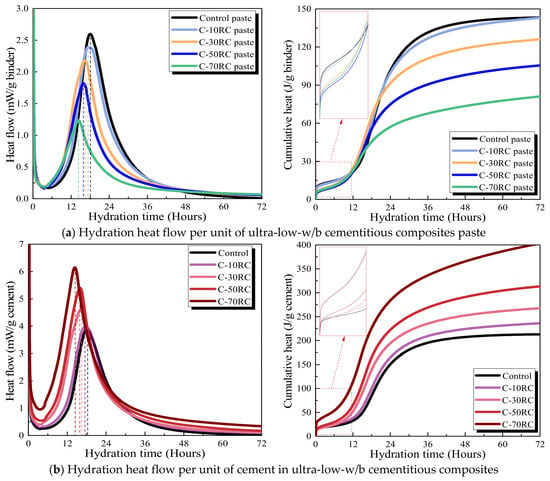
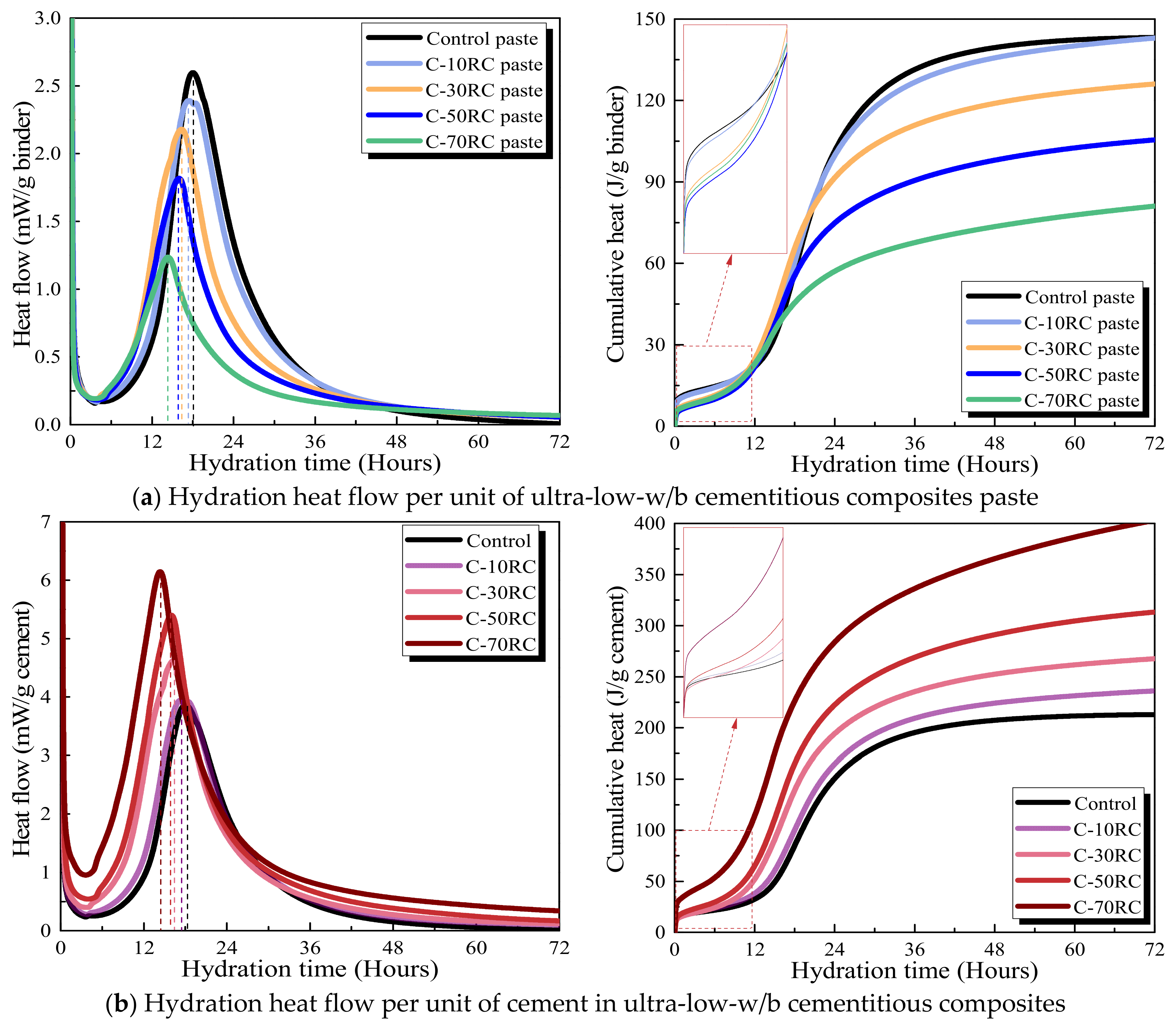
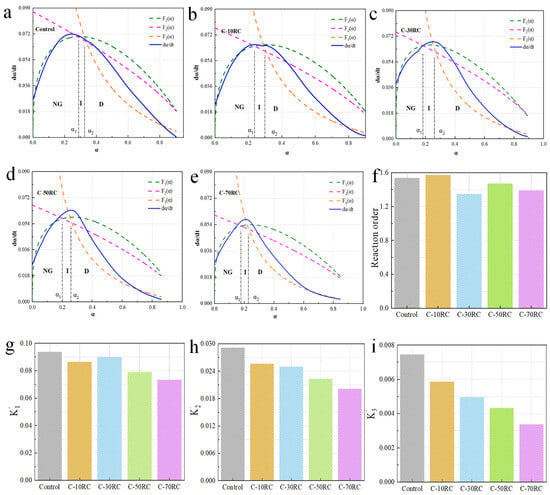
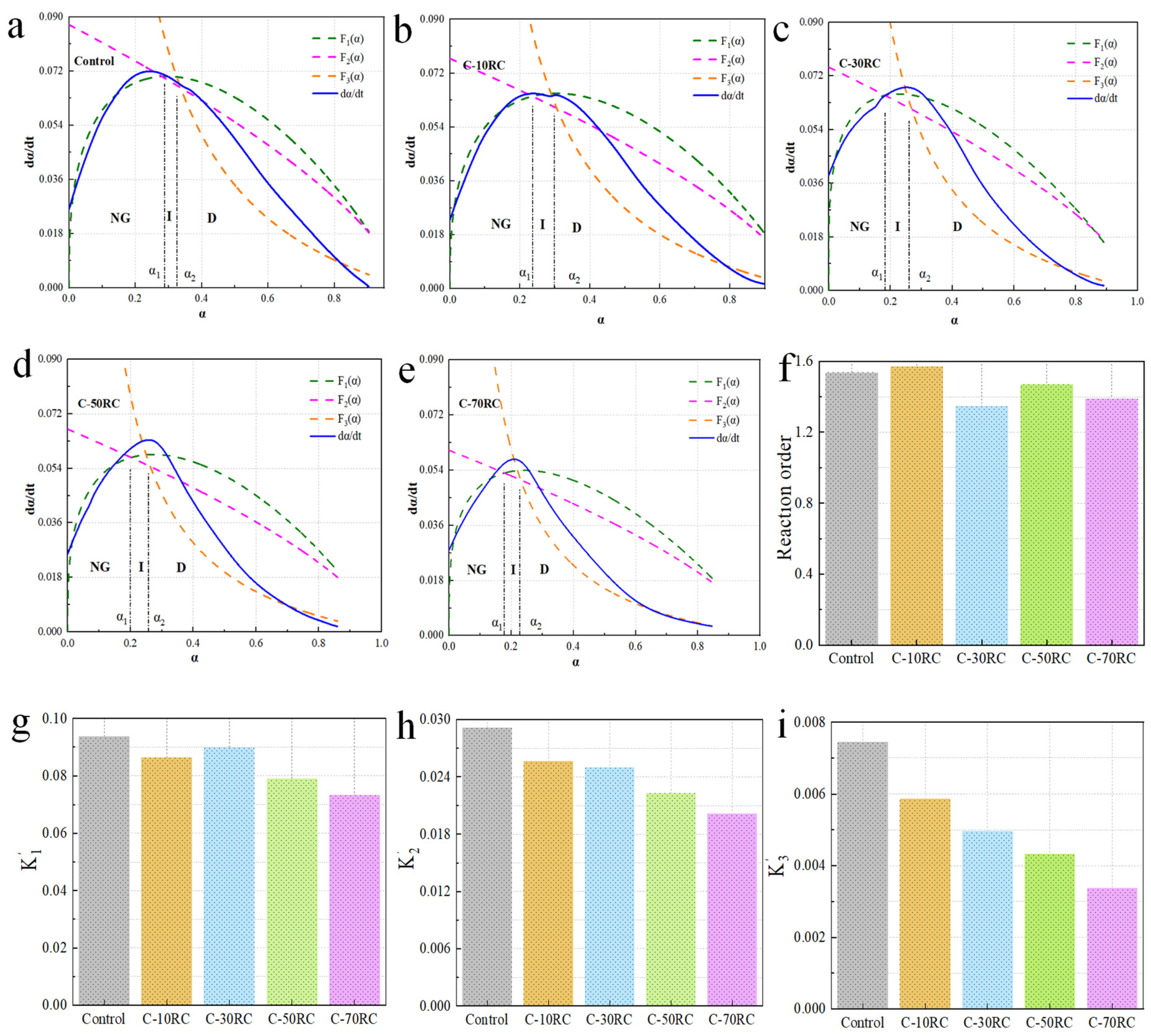
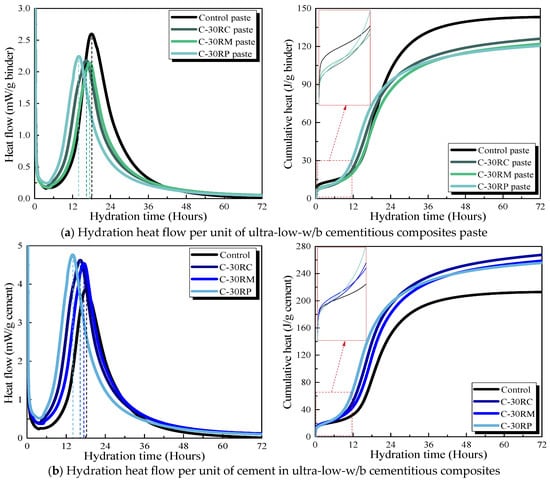
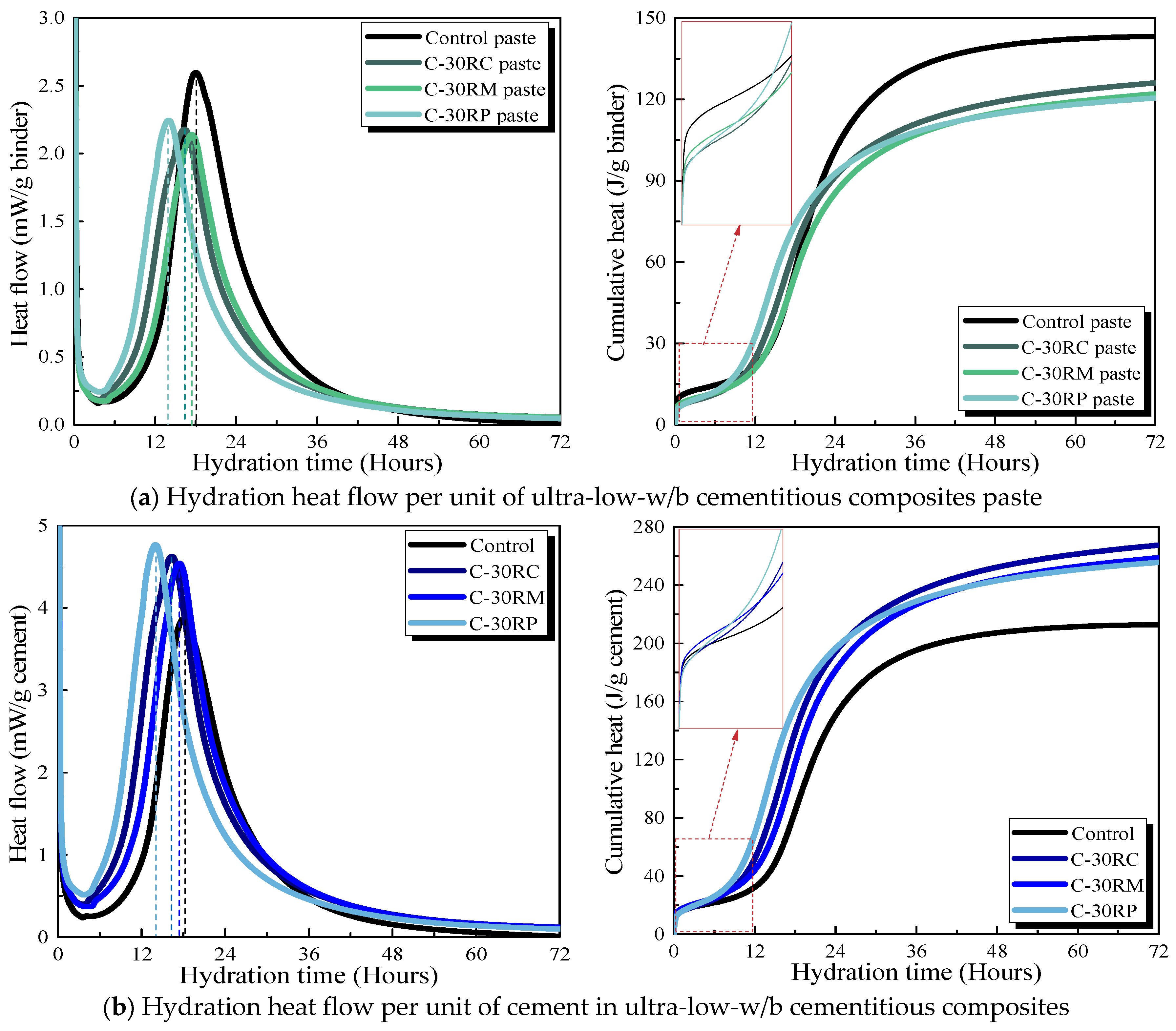
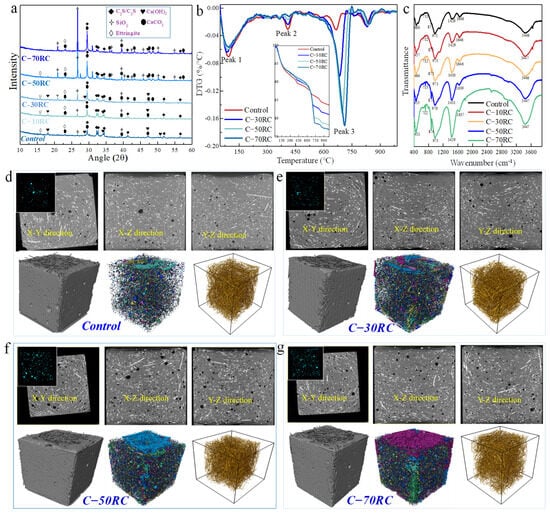
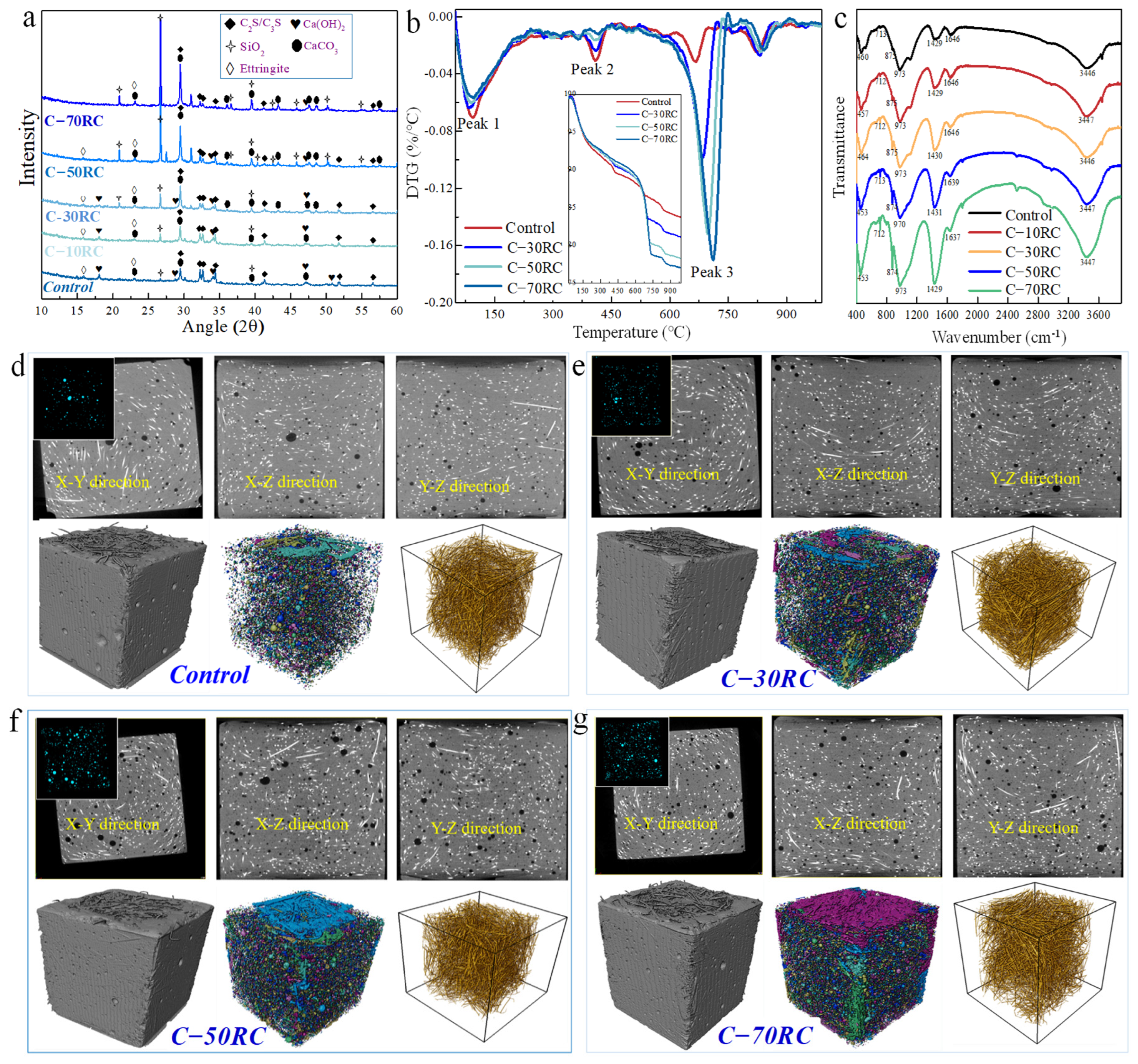
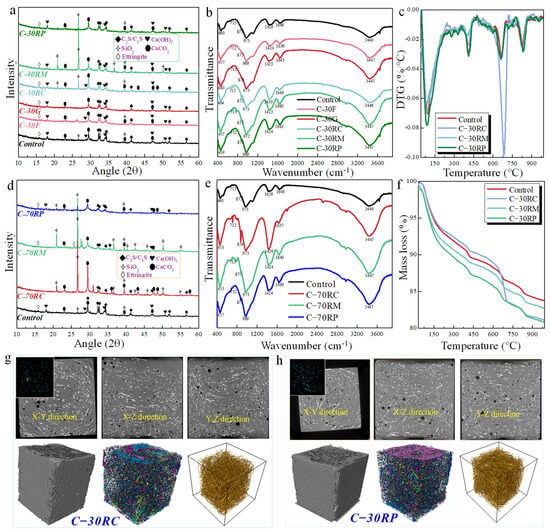
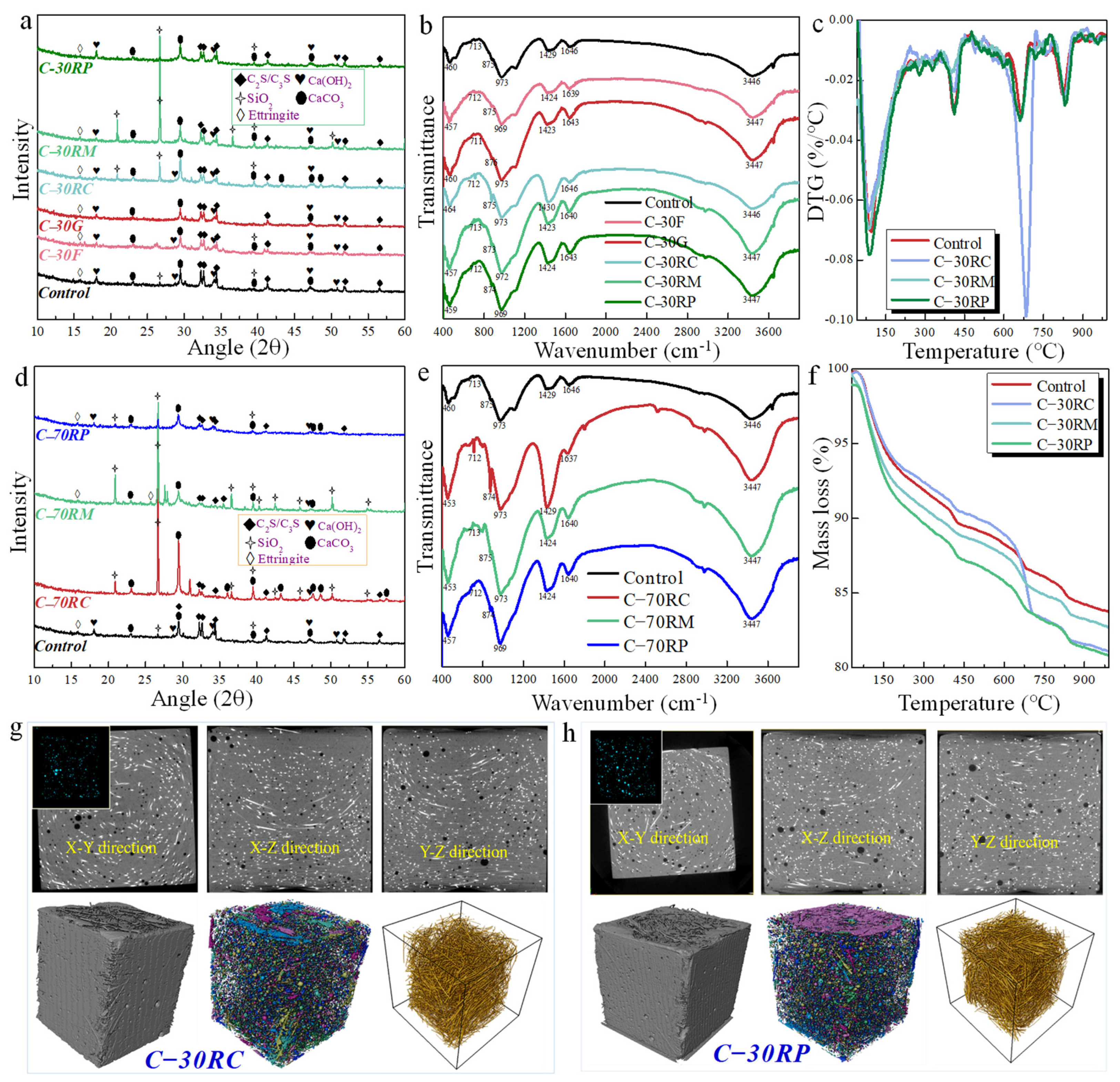
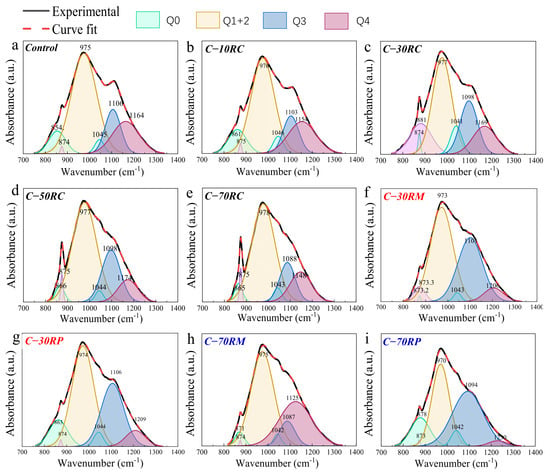
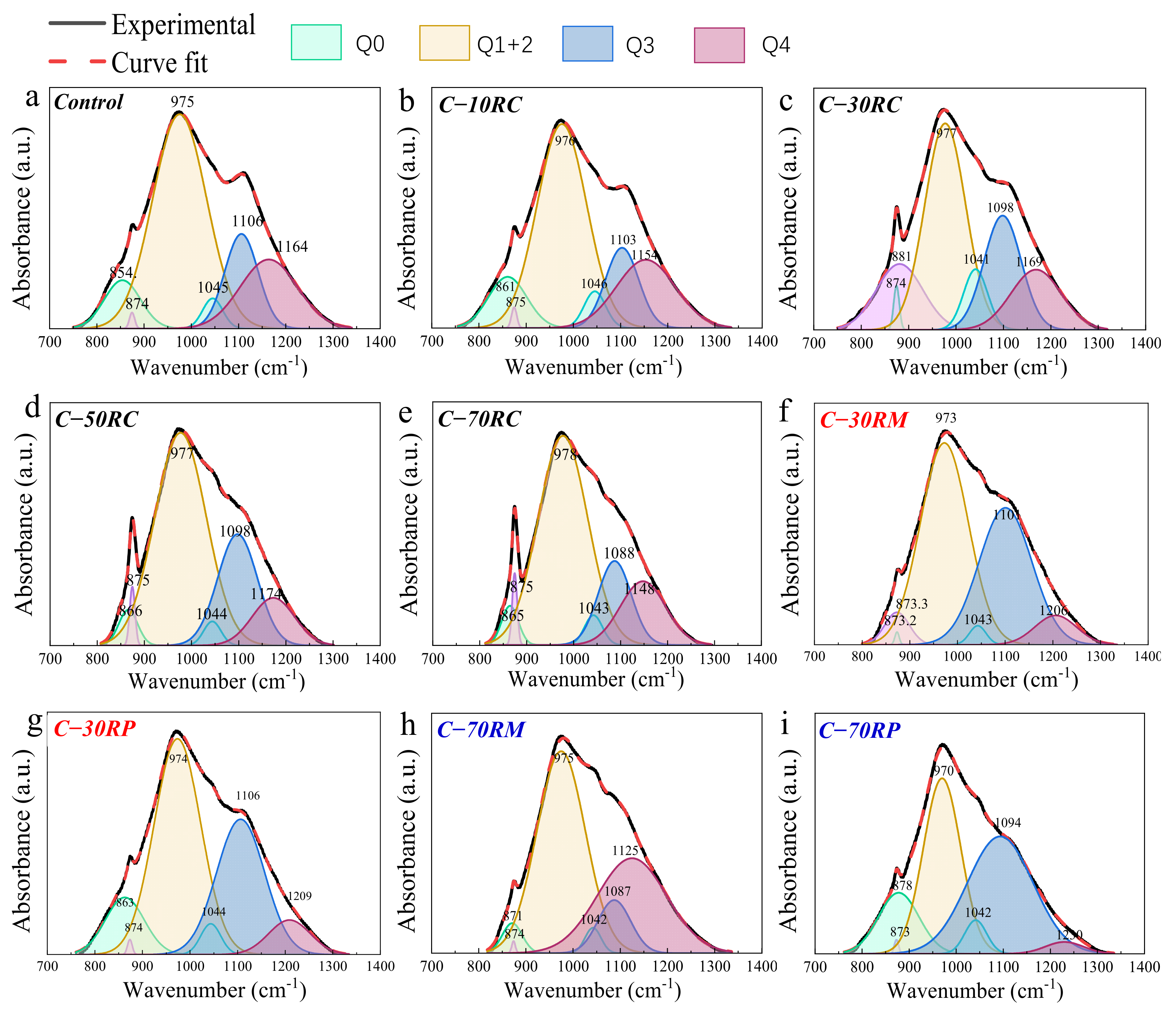
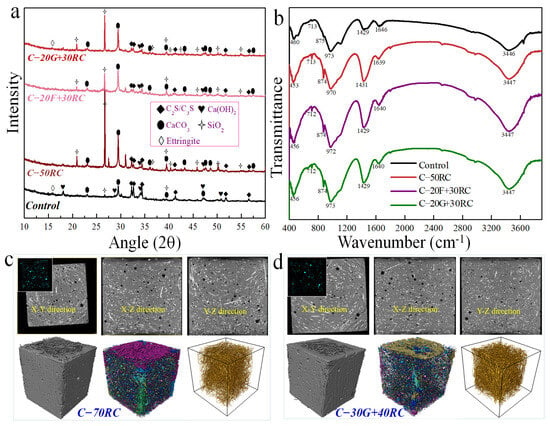
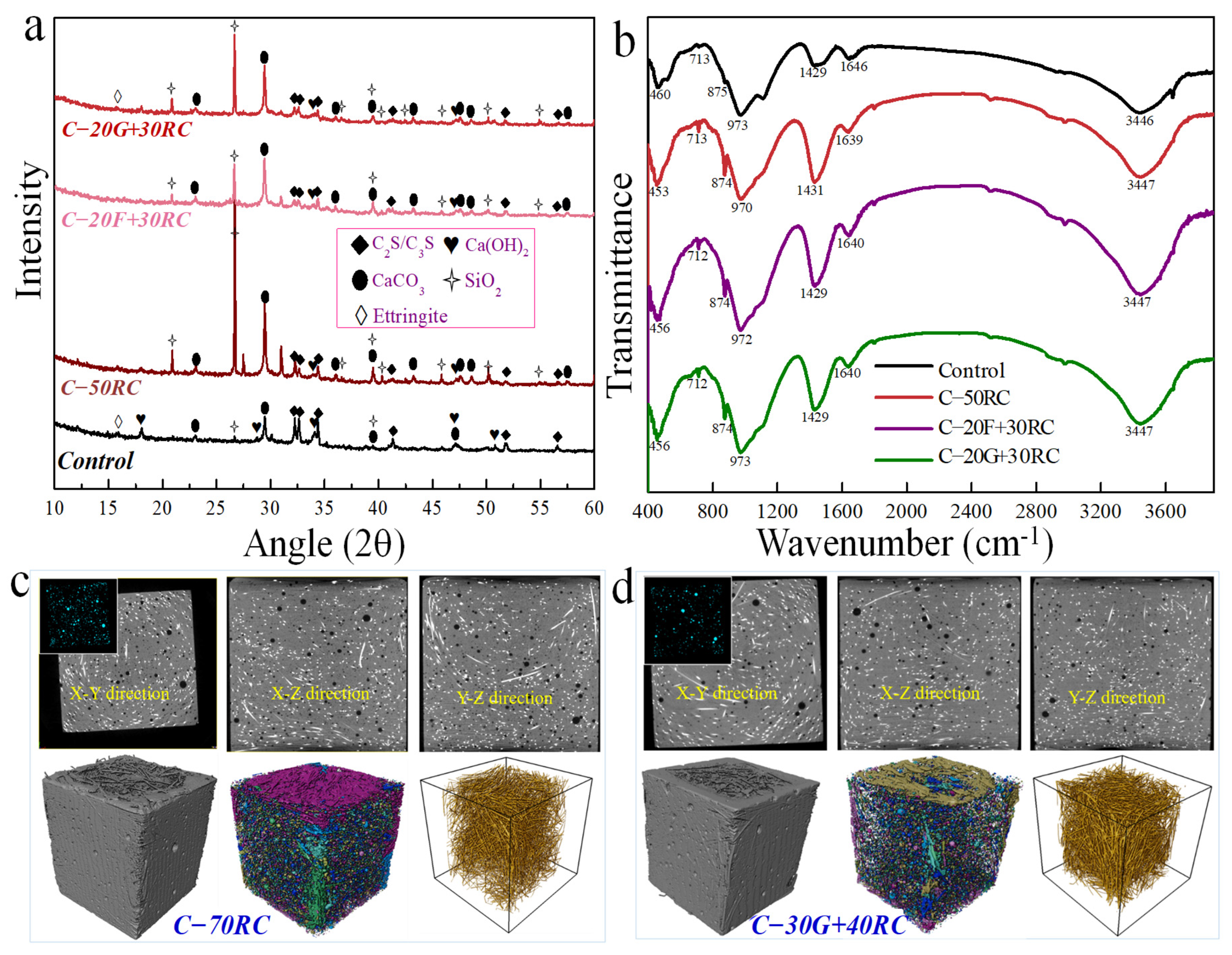
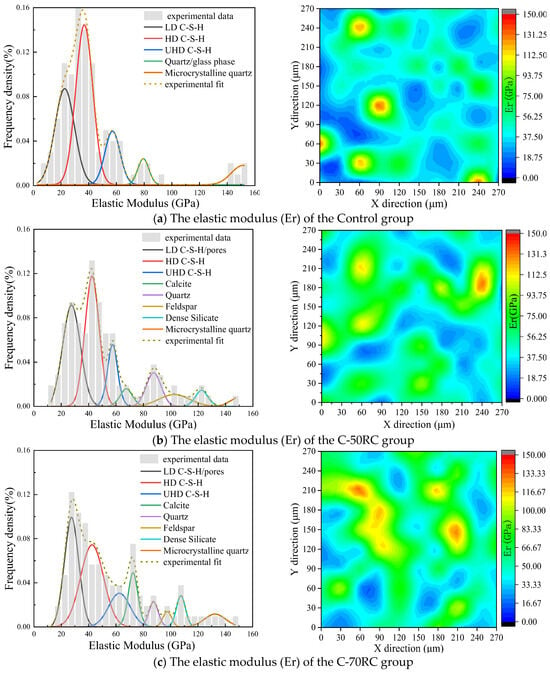
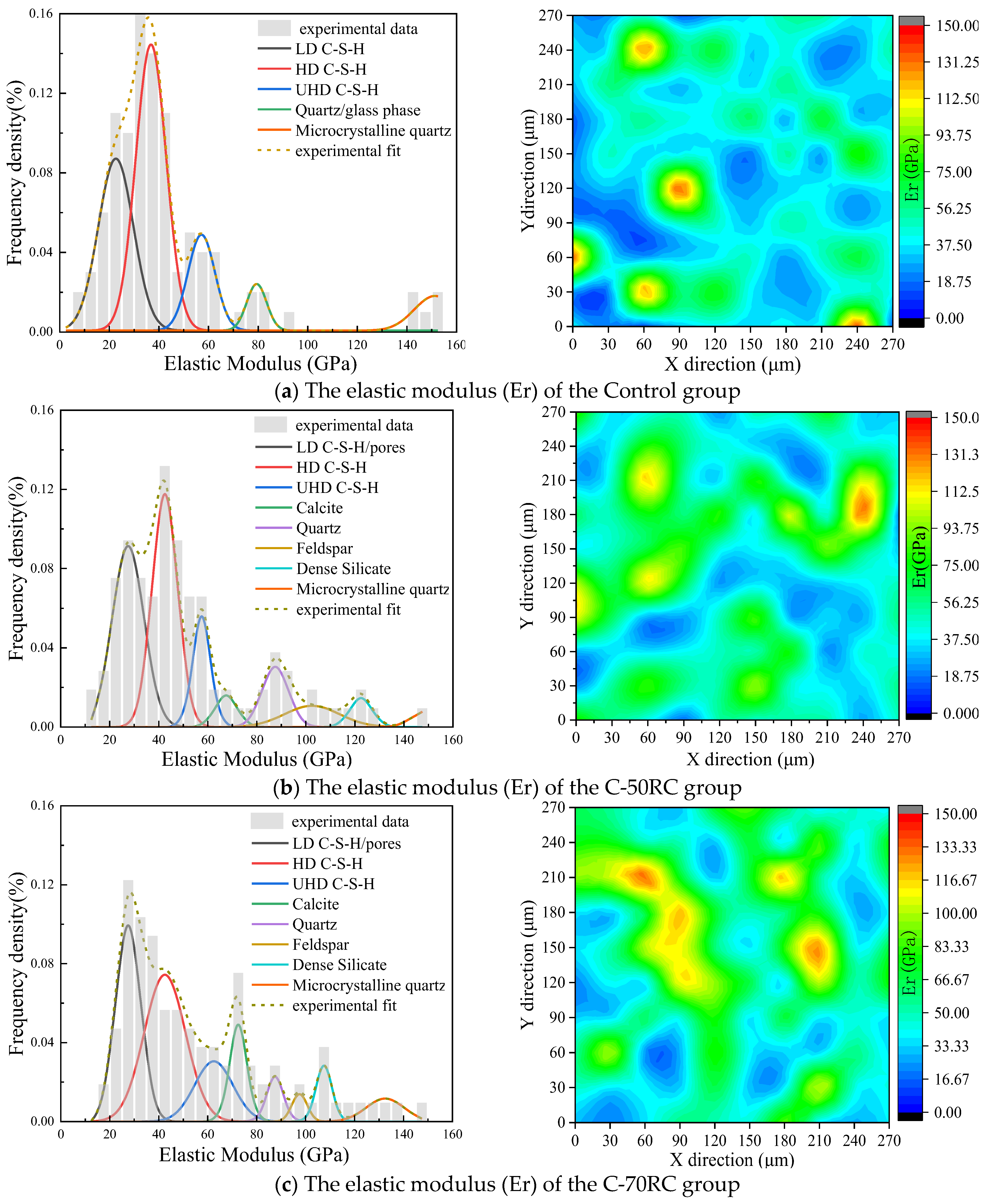
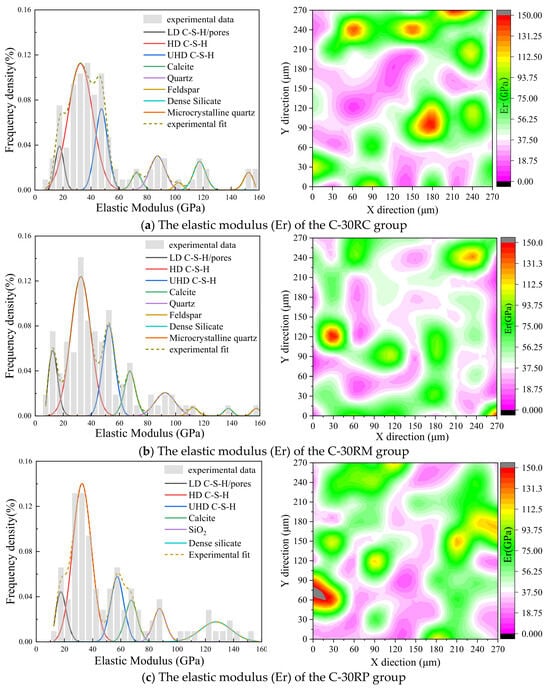
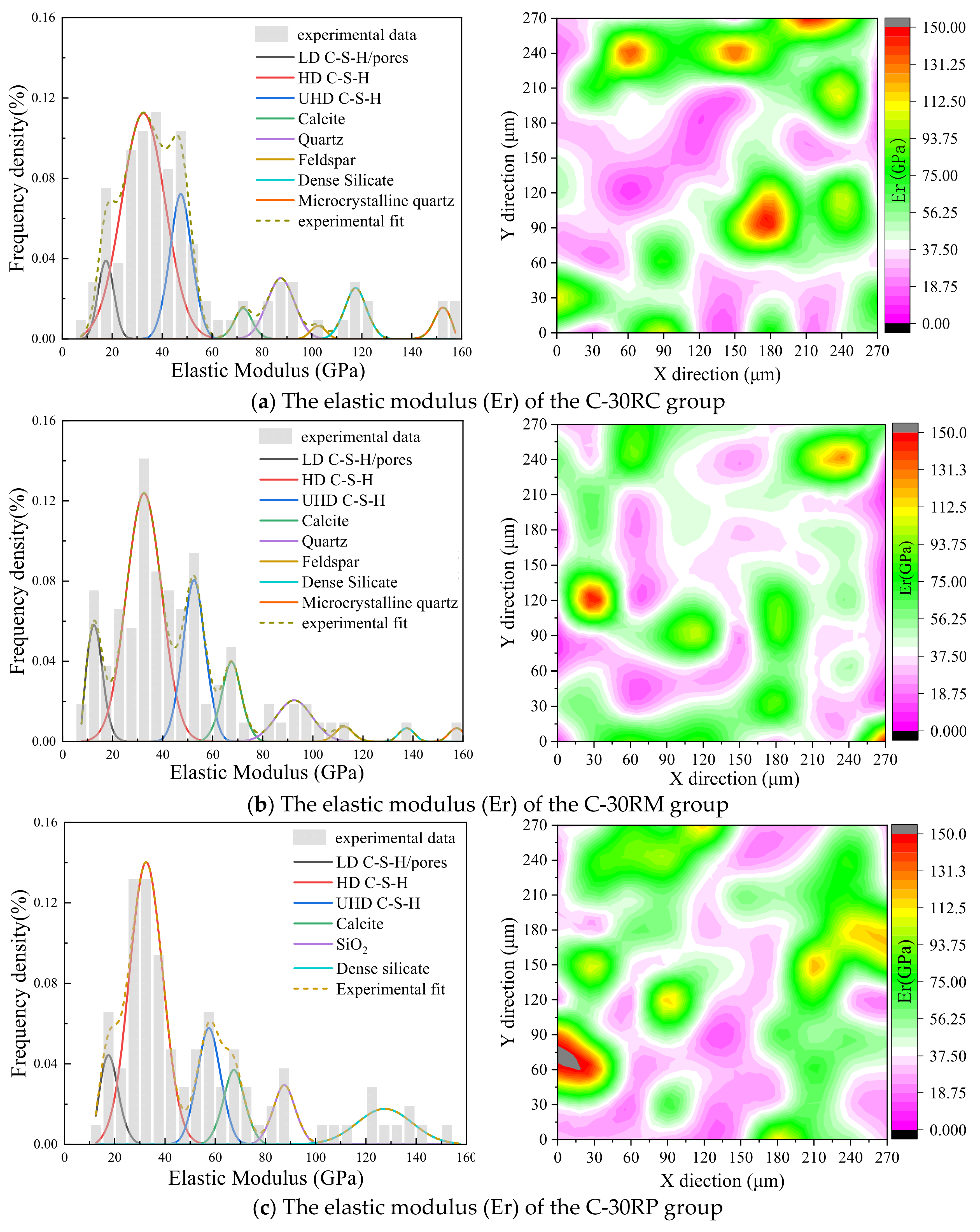
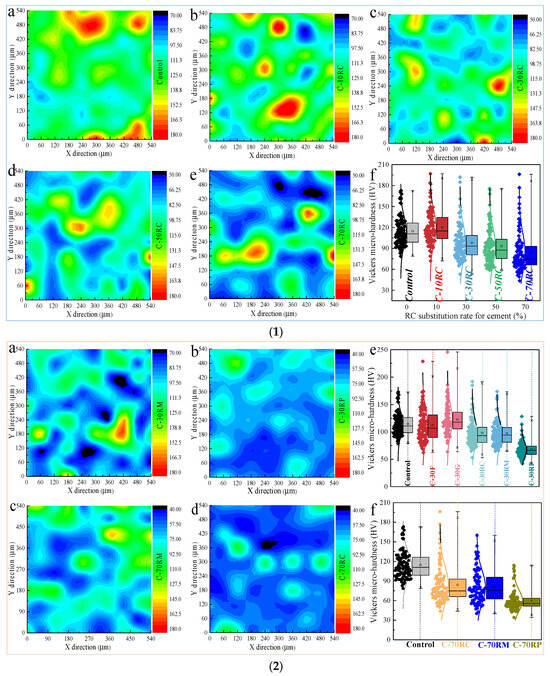
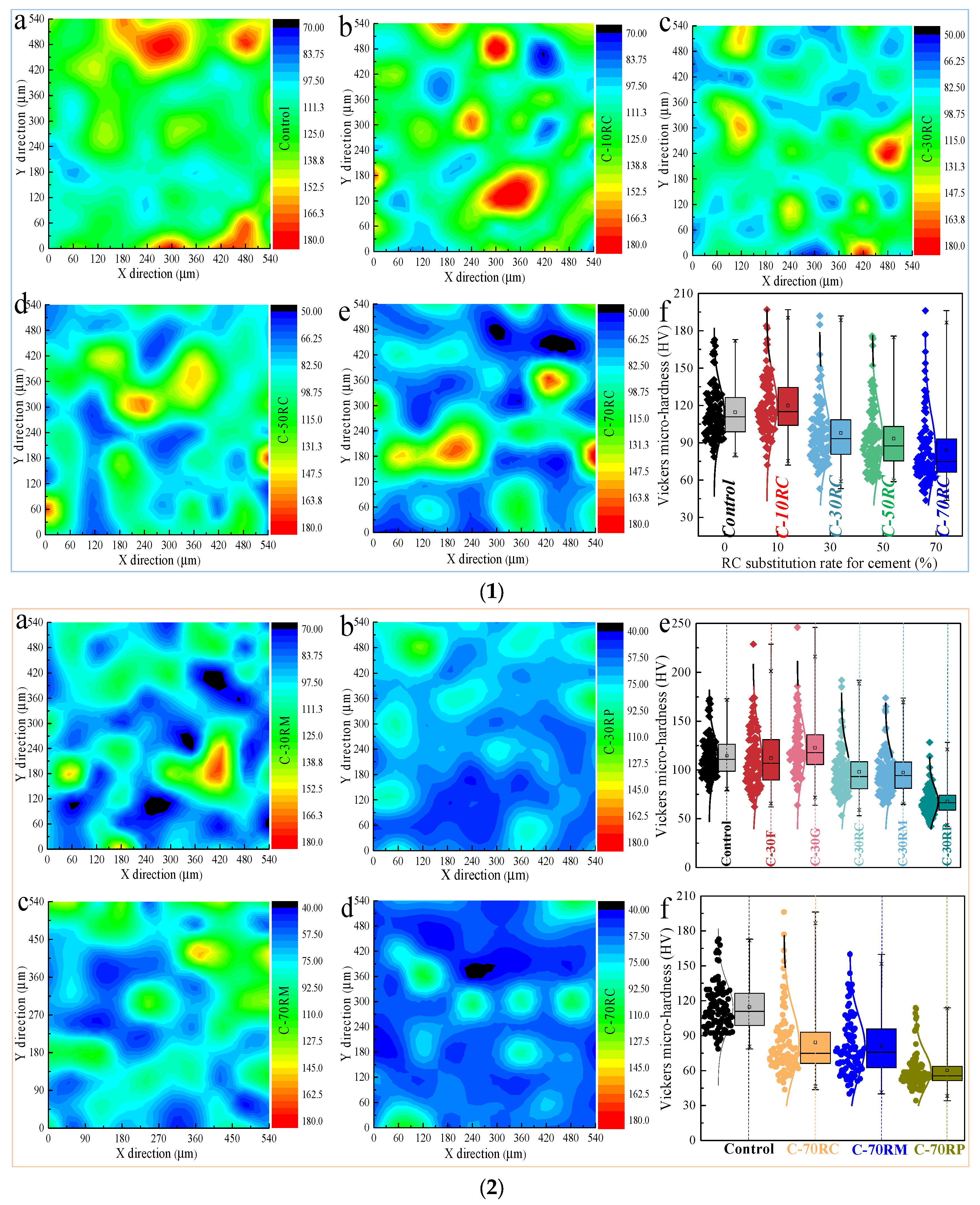
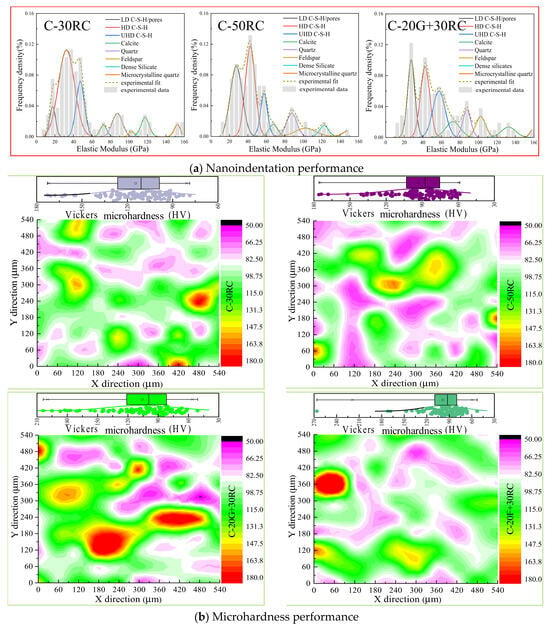
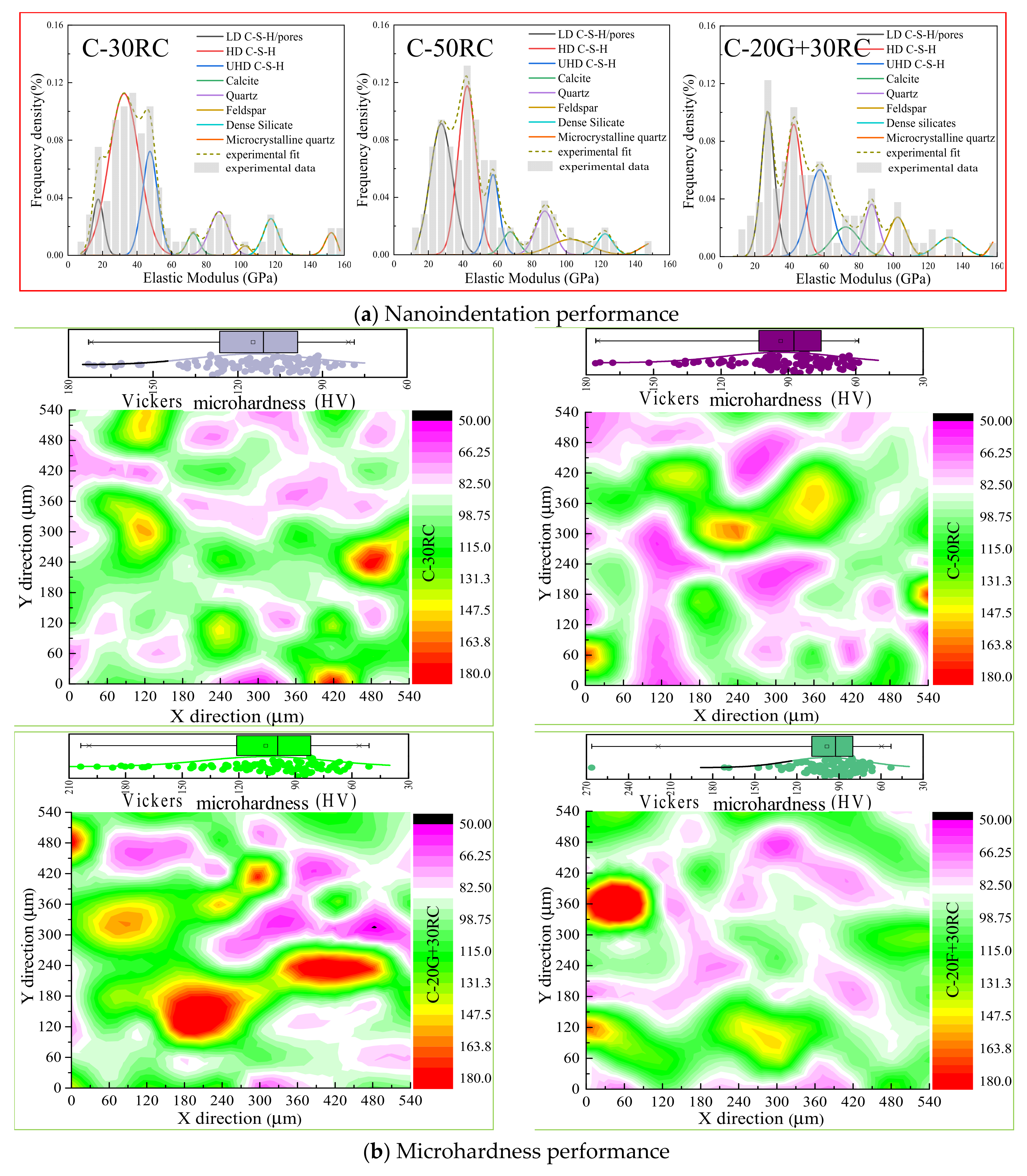
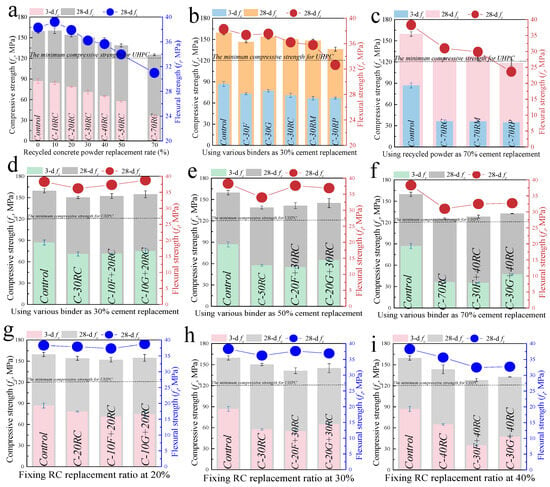
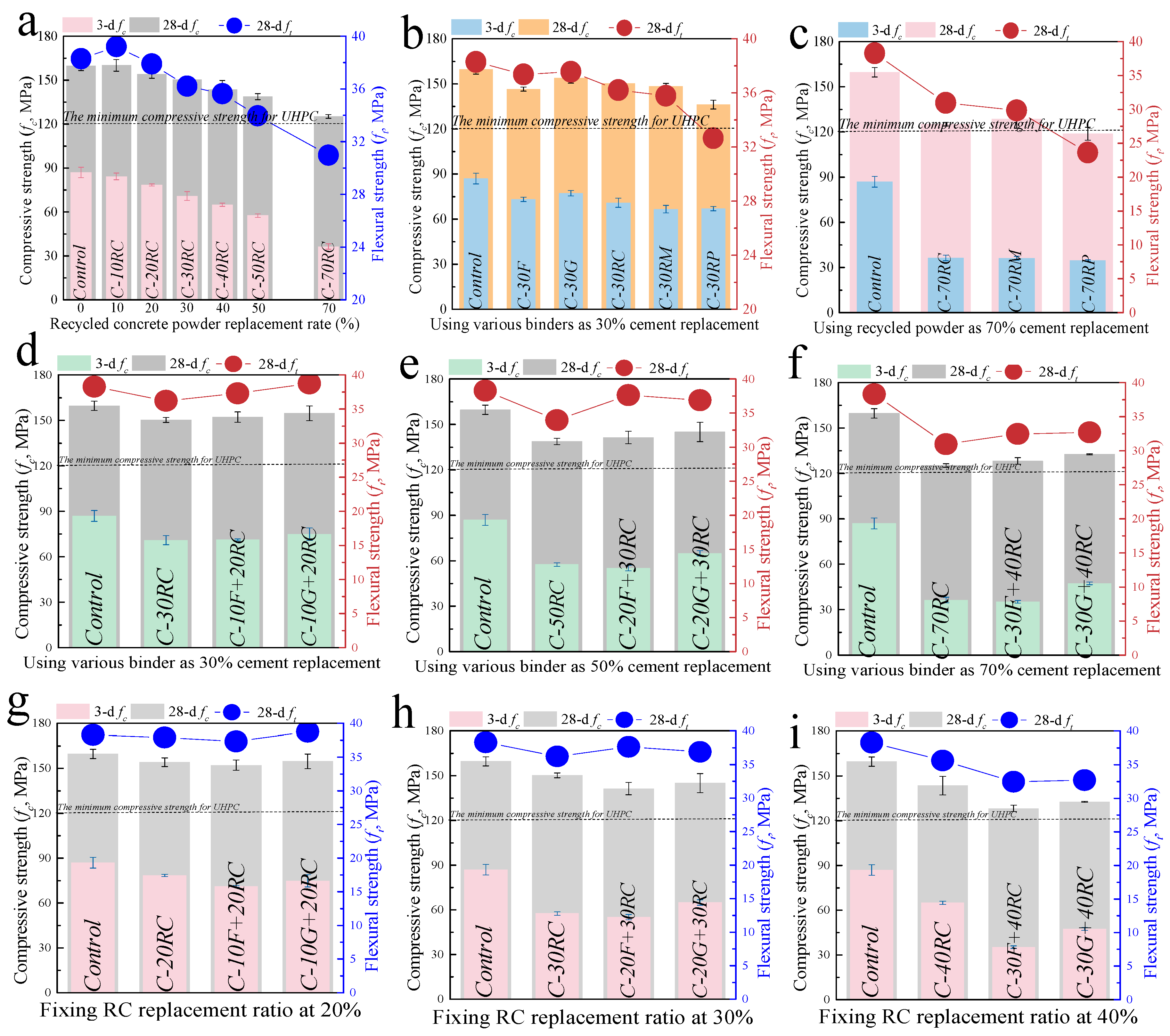
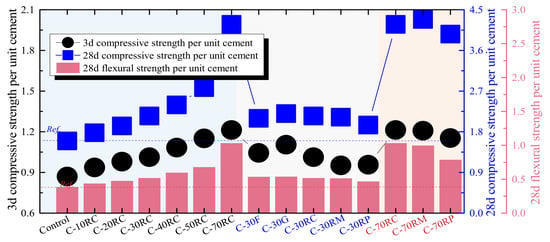
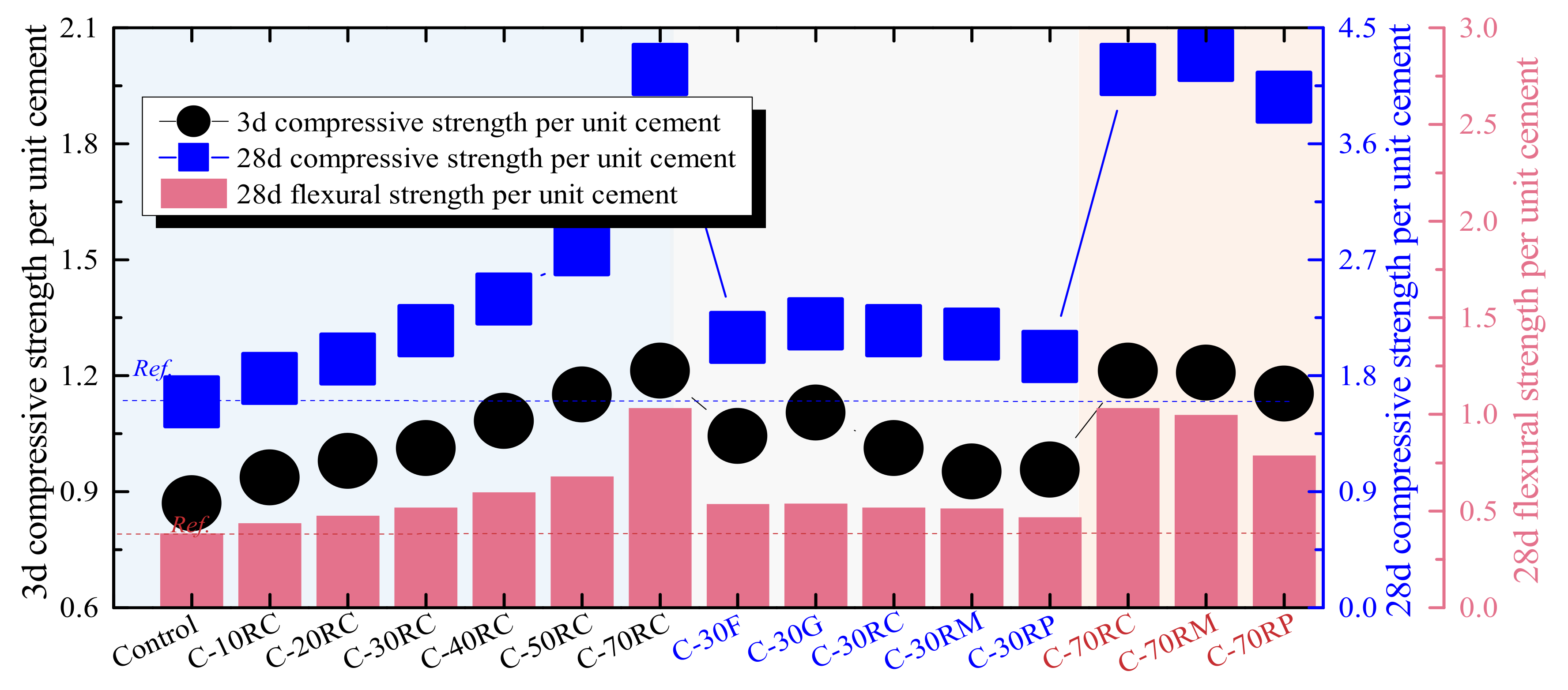
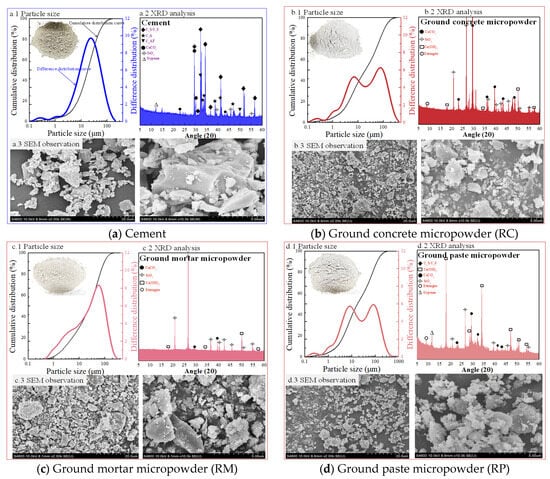
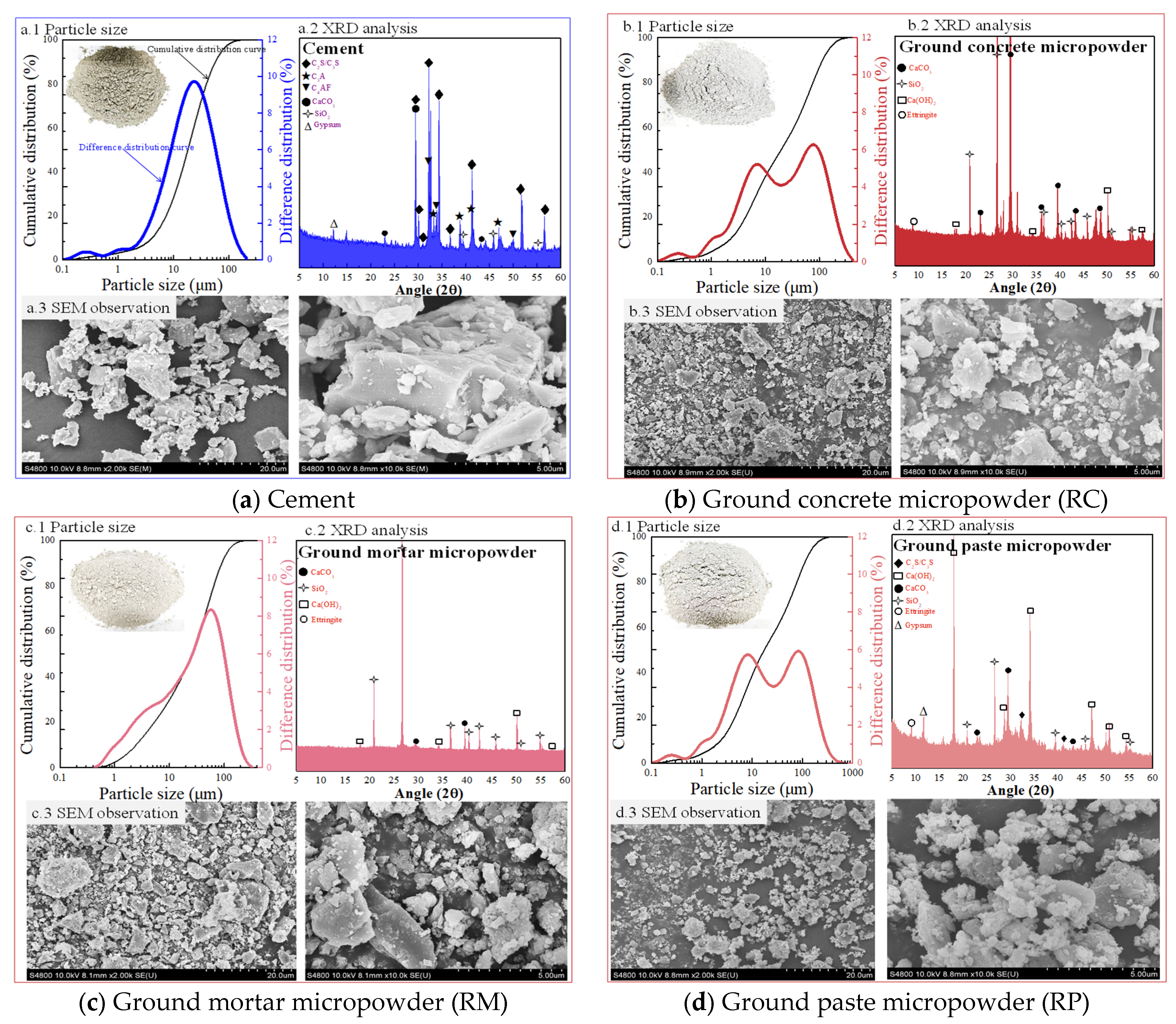

Disclaimer/Publisher’s Note: The statements, opinions and data contained in all publications are solely those of the individual author(s) and contributor(s) and not of MDPI and/or the editor(s). MDPI and/or the editor(s) disclaim responsibility for any injury to people or property resulting from any ideas, methods, instructions or products referred to in the content. |
© 2026 by the authors. Licensee MDPI, Basel, Switzerland. This article is an open access article distributed under the terms and conditions of the Creative Commons Attribution (CC BY) license.