


Simple Summary
Olive oil production generates large amounts of by-products, such as olive leaves, pulp, and pomace, which may be used as sustainable ingredients in chicken feed. However, their effects on chicken growth, health, and meat quality remain unclear. This study combined findings from 34 experimental studies, 33 of which contributed to the meta-analysis, to evaluate whether dietary supplementation with olive by-products improves growth, feed efficiency, intestinal health, antioxidant protection, and meat quality in broiler chickens. Overall, olive by-products did not significantly improve weight gain, feed efficiency, intestinal structure, or meat lipid stability. Some analyses indicated changes in antioxidant markers, including increased activity of protective enzymes and reduced indicators of oxidative damage; however, additional statistical analyses revealed uncertainty in these findings. These results should be interpreted cautiously because the effects varied across studies, with considerable differences in olive by-product types, supplementation levels, and experimental conditions. Further research is needed to identify suitable products and feeding levels. The use of olive by-products in poultry feed could contribute to reducing agricultural waste and supporting more sustainable chicken production.
Abstract
Olive by-products are increasingly evaluated as sustainable functional ingredients in broiler nutrition; however, their effects remain inconsistent. This meta-analysis assessed the effects of olive by-product supplementation on growth performance, intestinal morphology, antioxidant status, and meat lipid oxidation in broiler chickens. PubMed/MEDLINE, Scopus, and Web of Science were searched up to 18 April 2026, following Preferred Reporting Items for Systematic Reviews and Meta-Analyses guidelines and Cochrane recommendations. A total of 34 controlled experimental studies met the eligibility criteria, of which 33 contributed to the meta-analysis. Random-effects models were used to calculate mean differences (MD) or standardized mean differences (SMD) with 95% confidence interval (CI). Primary analyses used the maximum reported dose, while minimum-dose sensitivity analyses assessed the influence of treatment-arm selection. A formal dose–response meta-analysis was not performed because of variations in olive by-product types and reported dose units. Subgroup analyses and meta-regression were conducted to investigate potential sources of heterogeneity, and risk of bias was assessed using the Systematic Review Centre for Laboratory Animal Experimentation risk-of-bias tool. Primary analyses showed no significant effects on body weight gain (BWG) (14 comparisons; MD = −18.10 g, 95% CI: −108.26 to 72.07; I2 = 92%), feed conversion ratio (FCR) (29 comparisons; MD = −0.02, 95% CI: −0.08 to 0.04; I2 = 98%), duodenal villus height (VH) (MD = 130.49, 95% CI: −88.97 to 349.95), crypt depth (CD) (MD = 47.08, 95% CI: −9.72 to 103.88), villus height-to-crypt depth ratio (VH:CD) (MD = 0.40, 95% CI: −0.52 to 1.32), or meat lipid oxidation (SMD = −0.37, 95% CI: −1.36 to 0.61). However, malondialdehyde (MDA) concentrations were significantly reduced (SMD = −0.81, 95% CI: −1.57 to −0.05; I2 = 65%), while superoxide dismutase (SOD) activity significantly increased (SMD = 2.59, 95% CI: 0.69 to 4.49; I2 = 88%). Minimum-dose sensitivity analyses showed a non-significant increase in BWG (MD = 54.82 g, 95% CI: −2.44 to 112.08; p = 0.06), whereas FCR (MD = −0.04, 95% CI: −0.08 to 0.00; p = 0.08) and meat lipid oxidation (SMD = −0.49, 95% CI: −1.21 to 0.23) remained non-significant. MDA showed a reduction that was not statistically significant (SMD = −0.50, 95% CI: −1.02 to 0.01), while SOD activity remained significantly elevated (SMD = 1.60, 95% CI: 0.21 to 3.00). However, Hartung–Knapp adjustments rendered the primary MDA and SOD effects statistically non-significant, and both 95% prediction intervals included zero. Subgroup analyses identified significant differences in SOD activity by biological matrix, whereas meta-regression identified no significant moderators of growth performance. Grading of Recommendations Assessment, Development and Evaluation assessments indicated very-low-certainty evidence for BWG, FCR, MDA, and SOD. Overall, olive by-products were associated with changes in selected antioxidant markers under conventional analyses, but the very-low-certainty evidence and additional sensitivity findings limit confidence in these effects. Consistent improvements in growth performance, intestinal morphology, and meat oxidative stability were not established. Substantial heterogeneity and limited evidence for certain outcomes warrant cautious interpretation and further standardized experimental studies.
1. Introduction
Broiler production, characterized by its short production cycle, high feed efficiency, and economic importance as a major source of animal protein for human consumption, is a significant sector of animal agriculture. Several performance indicators are used to evaluate broiler production efficiency, including final body weight, body weight gain (BWG), feed intake (FI), feed conversion ratio (FCR), and composite efficiency indices. For example, Adaszyńska-Skwirzyńska et al. [1] reported that average final body weight (BW), FCR, and the European Performance Efficiency Factor are key indicators of productivity and economic performance, emphasizing the relationship between biological performance and economic profitability. Similarly, Quintana-Ospina et al. [2] highlighted that BWG and FCR are major determinants of production efficiency under commercial conditions. In addition to growth performance, intestinal health, antioxidant balance, and meat quality are increasingly important because of their effects on nutrient utilization, health status, product quality, and market value. However, rapid growth and intensive broiler production expose birds to physiological, metabolic, immune, and oxidative stressors that may affect their productivity and welfare [3]. Therefore, nutritional strategies that promote growth performance while preserving intestinal integrity, supporting antioxidant defense, and maintaining meat quality are important in the modern broiler industry.
Intestinal integrity and antioxidant balance are important factors influencing broiler health and productivity because they affect nutrient absorption, metabolic efficiency, and tissue quality. Common morphological indices, including villus height (VH), crypt depth (CD), and the villus height-to-crypt depth ratio (VH:CD), are widely used indicators of intestinal morphology. Taller villi may indicate a greater absorptive surface area, whereas deeper crypts may reflect increased epithelial renewal and mucosal turnover. Alagbe et al. [4] highlighted that VH, CD, villus area, and VH:CD are indicators of intestinal development associated with nutrient utilization and postnatal growth. Similarly, Nath et al. [5] reported that improvements in VH and VH:CD are correlated with nutrient digestibility, body weight, and feed efficiency, reflecting the importance of intestinal morphology in broiler performance. Oxidative status is frequently assessed using indicators of lipid peroxidation (e.g., malondialdehyde (MDA) or thiobarbituric acid-reactive substances (TBARS)) and antioxidant enzymes (e.g., superoxide dismutase (SOD)). Vossen et al. [6] used TBARS, SOD, glutathione peroxidase (GSH-Px), and ferric reducing antioxidant power (FRAP) as indicators of lipid peroxidation and antioxidant status to evaluate oxidative status in broilers, highlighting the importance of both enzymatic and lipid peroxidation markers in poultry. Lipid oxidation is a major mechanism of chemical deterioration that compromises meat quality. Amaral et al. [7] reported that lipid oxidation shortens shelf life, increases rancidity, impairs sensory characteristics such as flavor, odor, color, and texture, and reduces nutritional value. Hence, nutritional strategies that support intestinal structural development, endogenous antioxidant mechanisms, and meat oxidative stability play a pivotal role in sustaining broiler performance and product quality.
Olive oil production generates various by-products that can be used as alternative feed ingredients or functional additives in broiler diets, including olive pomace, olive cake, olive pulp, olive leaf extract, olive mill wastewater, and other processing residues. These materials are relevant to sustainable poultry feeding because they enable the valorization of agro-industrial residues while potentially reducing environmental impacts and waste management costs. Pečjak et al. [8] reported that olive leaves and olive cake may be included in broiler diets at 5% and 10%, respectively, without affecting growth performance. Olive co-products are compositionally heterogeneous and may contain residual oil, fiber, carbohydrates, proteins, lipids, and bioactive polyphenols, with phenolic compounds representing an important bioactive fraction [9]. These bioactive compounds include oleuropein, hydroxytyrosol (HT), tyrosol, and other related phenolics, which may exert antioxidant, antimicrobial, and gut health-related effects. Within the circular bioeconomy, olive by-product valorization supports waste minimization, resource recovery, and sustainable production, while biotechnological approaches (e.g., fermentation) may further enhance the nutritional and functional value of these materials. However, olive by-products should not be treated as a homogeneous feed category, as their effects depend on product type, fiber content, phenolic composition, residual oil level, and processing method. For example, Baky et al. [10] reported that fermented and enzymatically fermented olive pomace exert different effects on growth performance and oxidative stability in broilers, suggesting that processing can substantially alter the biological value of these feedstuffs.
Biological mechanisms that may mediate the effects of olive by-products on broiler performance and product quality include antioxidant defense, lipid peroxidation, and gut function, which may also influence meat oxidative stability. Phenolic compounds from olives and their extracts may exhibit antioxidant activity by enhancing the expression or activity of antioxidant enzymes and reducing oxidative damage. For example, Alfifi et al. [11] reported that a combination of olive leaf phenolic extract and arginine improved antioxidant capacity and reduced MDA concentrations. Similarly, Ferlisi et al. [9] reported that olive oil co-products rich in polyphenols may have potential as nutraceutical feed ingredients for monogastric animals, with possible effects on performance, gut health, and meat oxidative status. Nevertheless, these positive effects may not always be observed in broiler trials because several olive by-products, particularly dried olive pomace and olive cake, have high fiber and relatively low protein contents, which may limit nutrient digestibility and their suitability as conventional feed ingredients. Ibrahim et al. [12] noted that dried olive pomace has limited use as a poultry feed ingredient because of its low protein and high crude fiber content. However, fermentation and enzymatic treatment can enhance its nutritional value. Thus, the inconsistent results observed in broiler studies for BWG, FCR, intestinal morphology, MDA/TBARS, SOD, and meat lipid oxidation are biologically plausible and may be attributed to differences in by-product types, processing methods, inclusion levels, phenolic bioavailability, broiler strain, duration of supplementation, and biological matrices used to assess outcomes.
Although olive by-products have been studied as potential feed ingredients in broiler nutrition, the existing literature reports inconsistent findings that are difficult to compare and interpret because of differences in olive by-product type, processing method, inclusion level, preservation technique, and evaluated outcomes. Yeniçeri et al. [13] indicated that further research is needed on incorporating olive waste into poultry diets, particularly regarding nutrient retention, preservation, and appropriate inclusion levels. In addition, most existing evidence has originated from individual experimental studies or narrative reviews, and a comprehensive quantitative synthesis remains necessary across major outcome domains relevant to broiler production, including growth performance, intestinal physiology and morphology, antioxidant capacity, and meat quality. Therefore, the present meta-analysis was conducted to quantitatively assess the effects of dietary olive by-products on growth performance, intestinal morphology, antioxidant status, and meat lipid oxidation in broiler chickens, with a specific focus on BWG, FCR, duodenal VH, CD, VH:CD, MDA/TBARS, and SOD activity in biological samples, as well as meat lipid oxidation.
2. Methodology
2.1. Search Strategy
This meta-analysis was reported in accordance with the Preferred Reporting Items for Systematic Reviews and Meta-Analyses (PRISMA) guidelines [14] and conducted following the methodological recommendations of the Cochrane Handbook for Systematic Reviews of Interventions. A comprehensive and reproducible search strategy was used to identify studies investigating the effects of olive by-products on growth performance, antioxidant status, intestinal health, and meat quality in broiler chickens. The search strategy included controlled vocabulary terms (Medical Subject Headings (MeSH), where applicable) and free-text keywords to maximize sensitivity and specificity. Boolean operators (“AND” and “OR”) and database-specific field tags were used. The search strategy was organized into four key domains: (1) broiler chickens and poultry; (2) olive by-products and their derivatives, including olive pomace, olive cake, olive pulp, olive mill wastewater, olive leaves, and olive leaf extract; (3) growth performance outcomes, including BWG and FCR; and (4) health-related outcomes, including oxidative status (SOD and MDA), intestinal morphology (VH, CD, and VH:CD), and meat lipid oxidation. Three major electronic databases—PubMed/MEDLINE, Scopus, and Web of Science (WOS)—were searched. The detailed search strategies are provided in Material S1.
The literature search was conducted on 18 April 2026. All retrieved records were exported to EndNote (Version 21.5; Clarivate Analytics, Philadelphia, PA, USA) reference management software, where duplicate records were identified and removed before screening [15].
2.2. Eligibility Criteria
The eligibility criteria were specified a priori using the population, intervention, comparator, outcomes, and study design (PICOS) framework. Broiler chickens were the population of interest. Eligible interventions comprised dietary supplementation with olive by-products, including olive pomace, olive cake, olive pulp, olive leaves, olive leaf extract, and other olive-processing residues. Broilers in the comparator group received a basal diet without olive by-products. Studies were required to report at least one of the prespecified outcomes, including growth performance indices (BWG and FCR), intestinal health indices (VH, CD, and VH:CD), markers of lipid peroxidation (MDA or TBARS), antioxidant enzyme activity (SOD), and meat quality indicators associated with lipid oxidation and oxidative stability.
For inclusion in the quantitative synthesis, studies were required to report adequate summary statistics, including means, corresponding sample sizes (n), and a measure of dispersion, such as standard deviation (SD), standard error (SE), or standard error of the mean (SEM). Where studies reported a single pooled or common SD, SE, or SEM, the data were considered eligible only when the measure was clearly defined, applicable to both groups, and accompanied by group-specific means and sample sizes.
Eligible study designs included controlled experimental trials, whether randomized or nonrandomized. Studies involving mixed interventions were included only if the independent effect of olive by-products could be isolated. Likewise, studies reporting multiple outcomes were included if at least one prespecified outcome was extractable. Studies were excluded if they did not involve broiler chickens, were published in a language other than English, lacked an adequate control group, did not include an olive by-product intervention, did not report relevant outcomes, or provided insufficient statistical data for quantitative synthesis. Nonexperimental studies and in vitro experiments were also excluded.
2.3. Study Selection and Screening
Study selection was conducted using a structured two-phase screening process in accordance with the PRISMA reporting guidelines and the methodological recommendations of the Cochrane Handbook. Retrieved records were imported into the Rayyan systematic review tool [16]. The first phase involved screening titles and abstracts to identify potentially eligible studies. Records were assessed against the predefined eligibility criteria. At this stage, studies were retained for further assessment if they met the inclusion criteria. Records were excluded if they did not involve broiler chickens, did not investigate olive by-products, were not controlled experimental studies, or did not address the predefined outcomes of interest.
In the second phase, the full texts of potentially eligible studies were retrieved and assessed in detail for eligibility. Only studies that fulfilled all PICOS criteria were included. These criteria required an appropriate control group receiving a basal diet without olive by-product supplementation and at least one predefined outcome with extractable quantitative data, including group-specific means, variability measures (SD, SE, or SEM), and sample sizes. Studies excluded during full-text screening were documented along with the reasons for exclusion. Two independent reviewers performed the screening and study selection, and disagreements were resolved through discussion and consensus.
2.4. Data Extraction and Organization
Data extraction was conducted using a structured two-stage approach guided by a predefined extraction template to ensure consistency, transparency, and reproducibility. Two reviewers independently screened the studies and extracted the data. Only information explicitly reported in the full texts was extracted, without making assumptions or inferring missing values. Missing data were coded as not reported. Any necessary statistical conversions were performed separately during data preparation for the meta-analysis.
In the first stage, study characteristics were extracted for all included studies. These included author(s), year of publication, country, total sample size, broiler strain, age (days), housing type, olive by-product type, processing form, dose, duration (days), basal diet type, comparator, and reported outcomes. All variables were recorded as reported in the original studies. Olive by-product types and processing forms were documented, and doses were extracted in their original units. Data extraction focused on predefined eligible outcomes related to growth performance (BWG and FCR), intestinal morphology (VH, CD, and VH:CD), antioxidant status (MDA/TBARS and SOD), and meat quality (lipid oxidation or oxidative stability).
In the second stage, quantitative data were extracted and organized into tables for meta-analysis. Data were extracted separately for each comparison (one treatment dose compared with the relevant control group). Each outcome- and dose-specific comparison was recorded separately; however, comparisons sharing a control group were not treated as independent within the same pooled analysis. Extracted information included study IDs, experimental design and intervention characteristics, outcome name, biological matrix (blood, serum, plasma, or liver), measurement unit, outcome assessment time point, and outcome-specific statistics, including means, variability measures (SD, SE, or SEM), and sample sizes for treatment and control groups. For BWG and FCR, sample sizes and corresponding variability measures were extracted based on independent experimental units (pens, cages, or individual birds, as appropriate to the original study design). Studies with unclear experimental units or insufficient information to establish the corresponding sample sizes and variability measures were excluded from the relevant quantitative analyses to avoid pseudoreplication. Where multiple doses or treatment groups were reported, all eligible comparisons were recorded separately without combining treatment groups during data extraction.
Data were extracted for all outcomes across the overall experimental period. If multiple time points were reported, the final follow-up (end of trial) was selected. When phase-specific data were available, cumulative values were used where appropriate for the outcome; otherwise, data from the last reported phase were recorded. Site-specific data from the duodenum were extracted for intestinal morphology outcomes. Only values measured in biological samples (e.g., serum, plasma, liver, or intestinal tissue) were included in the analysis of antioxidant status, and meat-based outcomes were excluded from this analysis. In contrast, meat quality outcomes were restricted to measurements obtained from meat samples, such as breast or thigh muscle, and the final storage time point was selected where applicable. Studies reporting a pooled or common variability measure (SD, SE, or SEM) for both treatment and control groups were included if the measure was clearly defined and applicable to both groups. These values were recorded identically for both groups without modification during extraction. Following extraction, unit conversions were performed where necessary to ensure consistency and comparability across studies. The study-level extracted data used in the primary and minimum-dose sensitivity analyses are provided in Tables S7–S22.
2.5. Risk of Bias Assessment
The Systematic Review Centre for Laboratory Animal Experimentation (SYRCLE) risk-of-bias tool for animal intervention studies was used to assess the risk of bias in the included studies [17], and the results were visualized using robvis [18]. The tool assesses ten domains of potential bias: sequence generation, baseline characteristics, allocation concealment, random housing, blinding of caregivers/investigators, random outcome assessment, blinding of outcome assessors, incomplete outcome data, selective outcome reporting, and other sources of bias. The assessment was conducted in two stages. First, information relevant to each domain was extracted from the full texts using a predefined form. Only explicitly reported information was recorded, while missing information was classified as “Not reported.” Second, domain-level risk-of-bias judgments (low, high, or unclear) were assigned according to the SYRCLE criteria based on the extracted information. Both data extraction and risk-of-bias assessment were performed by two independent reviewers, with disagreements resolved through discussion and consensus.
2.6. Statistical Analysis
The primary meta-analysis, sensitivity analyses, and subgroup analyses were performed using Review Manager (RevMan) version 5.4 (The Cochrane Collaboration, 2020) [19], while leave-one-out analyses, meta-regression, and publication bias assessments were conducted using R software (version 4.4.2; R Foundation for Statistical Computing, Vienna, Austria) with the metafor [20], readxl [21], R software [22], and dplyr [23] packages. When variability measures were reported as SE or SEM, they were converted to SD using the following equation:
where n represents the sample size of the respective group. Quantitative synthesis was performed using a random-effects model to account for between-study heterogeneity. Effect sizes for outcomes measured on comparable scales, including BWG, FCR, VH, CD, and VH:CD, were calculated as mean differences (MD):
where and denote the mean values of the treatment and control groups, respectively. For outcomes reported using different measurement scales, including antioxidant parameters (MDA and SOD) and meat quality indices, standardized mean differences (SMD) were calculated as:
where SDpooled represents the pooled SD of the treatment and control groups, and and represent the respective group means.
Given the substantial variation in olive by-product types, processing methods, and reported dose units across studies, a common dose–response meta-analysis was not considered appropriate. Therefore, the highest reported dose was selected for the primary analysis to avoid double-counting shared control groups, while the minimum reported dose was used in a sensitivity analysis to assess the influence of treatment-arm selection on pooled estimates. These analyses were not intended to establish dose–response relationships or determine optimal inclusion levels. Subgroup analyses were conducted based on housing type, broiler strain, olive by-product type, duration of outcome measurement (days), and biological matrix (serum, plasma, or liver) [24], as applicable to the outcomes assessed. Univariable random-effects meta-regression analyses were performed for BWG and FCR using the DerSimonian–Laird estimator for between-study variance to investigate associations between effect sizes and housing type, broiler strain, olive by-product type, and outcome measurement duration. For MDA and SOD, Hartung–Knapp-adjusted confidence interval (CI) and 95% prediction intervals were additionally calculated using DerSimonian–Laird random-effects models to assess uncertainty in the pooled estimates and variability in effects across study settings.
Leave-one-out analyses were performed to evaluate the influence of individual studies on pooled estimates. Additional sensitivity analyses were performed by excluding studies classified as being at overall high risk of bias according to the SYRCLE assessment and studies involving experimentally challenged broilers, where applicable. These analyses used the same statistical methods as the primary analyses to evaluate the robustness of pooled estimates. An additional sensitivity analysis using the ratio of means (RoM) was conducted for BWG to assess the influence of effect measure selection. Publication bias was assessed using funnel plot inspection and Egger’s regression test [25]. The certainty of evidence for BWG, FCR, MDA, and SOD was assessed using the Grading of Recommendations Assessment, Development and Evaluation (GRADE) approach, considering risk of bias, inconsistency, indirectness, imprecision, and publication bias. Statistical significance was set at p < 0.05.
3. Results
3.1. Study Selection
The study selection process was reported in accordance with the PRISMA 2020 guidelines to ensure transparency and reproducibility [14]. A total of 272 records were identified through database searches, including 53 from PubMed, 110 from Scopus, and 109 from Web of Science. After the removal of 129 duplicate records, 143 unique records remained. Of these, three non-English-language records were excluded, leaving 140 records for title and abstract screening. During screening using Rayyan, 77 records were excluded based on predefined eligibility criteria, leaving 63 reports for full-text retrieval, of which six could not be retrieved. Consequently, 57 full-text reports were assessed for eligibility. Following full-text evaluation, 13 reports were excluded for specific reasons: wrong population (n = 1), wrong comparator (n = 3), wrong intervention (n = 5), and absence of relevant outcomes (n = 4). Subsequently, ten reports were excluded because of insufficient or unclear statistical data required for meta-analysis. Ultimately, 34 reports met all inclusion criteria and were eligible for quantitative synthesis [8,12,26,27,28,29,30,31,32,33,34,35,36,37,38,39,40,41,42,43,44,45,46,47,48,49,50,51,52,53,54,55,56,57]. However, one report was excluded from quantitative pooling because of overlapping data, resulting in 33 reports contributing to the final meta-analysis. The complete study selection process is presented in the PRISMA flow diagram (Figure 1), and detailed information on study screening is provided in Material S2.
Figure 1.
Preferred Reporting Items for Systematic Reviews and Meta-Analyses (PRISMA) flow diagram illustrating the study selection process from identification to inclusion in systematic review and meta-analysis [8,12,26,27,28,29,30,31,32,33,34,35,36,37,38,39,40,41,42,43,44,45,46,47,48,49,50,51,52,53,54,55,56,57].
3.2. Study Characteristics
The characteristics of the studies eligible for quantitative analysis are summarized in Table 1. The included studies varied in broiler strain, housing type, olive by-product type, outcome measurement duration, and outcomes assessed, including growth performance, intestinal health, antioxidant status, and meat quality. These differences may have contributed to between-study heterogeneity and were further investigated through subgroup analyses and meta-regression, where applicable.
Table 1.
Characteristics of studies included in the systematic review.
3.3. Risk of Bias Assessment
The SYRCLE risk-of-bias tool was used to assess the risk of bias across ten methodological domains: sequence generation, baseline characteristics, allocation concealment, random housing, blinding of caregivers/investigators, random outcome assessment, blinding of outcome assessors, incomplete outcome data, selective outcome reporting, and other sources of bias. The assessment was conducted systematically according to predefined criteria to ensure consistency across studies. Study-level risk-of-bias assessments are presented in the traffic-light plot (Figure 2), and an overall summary across all domains is provided in Figure 3.
Figure 2.
Traffic-light plot of the Systematic Review Centre for Laboratory Animal Experimentation risk-of-bias assessment across included studies [8,12,26,27,28,29,30,31,32,33,34,35,36,37,38,39,40,41,42,43,44,45,46,47,48,49,50,51,52,53,54,55,56,57].
Figure 3.
Summary plot of the Systematic Review Centre for Laboratory Animal Experimentation risk-of-bias assessment across all domains [8,12,26,27,28,29,30,31,32,33,34,35,36,37,38,39,40,41,42,43,44,45,46,47,48,49,50,51,52,53,54,55,56,57].
Sensitivity analyses excluding studies classified as having an overall high risk of bias showed that the pooled effects remained non-significant for BWG (7 studies; MD = −54.62, 95% CI: −242.84 to 133.60; p = 0.57; I2 = 95%) and FCR (17 studies; MD = −0.01, 95% CI: −0.10 to 0.08; p = 0.77; I2 = 99%). The significant reduction in MDA observed in the primary analysis became non-significant (4 studies; SMD = −1.09, 95% CI: −2.67 to 0.50; p = 0.18; I2 = 79%), whereas SOD activity remained significantly increased (5 studies; SMD = 3.41, 95% CI: 1.16 to 5.67; p = 0.003; I2 = 86%). Substantial heterogeneity persisted after excluding high-risk studies. Detailed comparisons are presented in Table S1.
The GRADE assessment indicated very low certainty of evidence for BWG, FCR, MDA/TBARS, and SOD, mainly because of concerns regarding risk of bias, unexplained heterogeneity, and limited precision. Detailed assessments are presented in Table S2.
3.4. Growth Performance
3.4.1. Body Weight Gain
BWG was evaluated across 14 studies, comprising 82 independent experimental units in each of the treatment and control groups. The primary meta-analysis using a random-effects inverse-variance model showed a non-significant effect (MD = −18.10 g, 95% CI: −108.26 to 72.07; Z = 0.39, p = 0.69), with considerable heterogeneity (τ2 = 24,821.87; χ2 = 157.56, df = 13, p < 0.00001; I2 = 92%), as shown in Figure 4.
Figure 4.
Forest plot of body weight gain (BWG) in broiler chickens: primary meta-analysis based on the maximum reported olive by-product dose [12,27,29,30,31,33,35,38,40,41,45,48,49,50]. Abbreviations: SD, standard deviation; CI, confidence interval; IV, inverse variance.
Subgroup analysis by olive by-product type showed non-significant effects for olive cake (6 studies; MD = −31.93, 95% CI: −161.32 to 97.46; p = 0.63; I2 = 90%), olive pomace (2 studies; MD = −164.94, 95% CI: −339.38 to 9.50; p = 0.06; I2 = 95%), olive leaves (3 studies; MD = 33.14, 95% CI: −115.04 to 181.31; p = 0.66; I2 = 58%), olive pulp (1 study; MD = −75.72, 95% CI: −404.53 to 253.09; p = 0.65; heterogeneity not applicable), and extracts (2 studies; MD = 135.52, 95% CI: −111.43 to 382.47; p = 0.28; I2 = 92%). No significant subgroup differences were observed (χ2 = 4.79, df = 4, p = 0.31; I2 = 16.5%) (Figure S1).
Subgroup analysis by intervention duration showed non-significant effects for short-duration (≤21 days) interventions (2 studies; MD = −166.63, 95% CI: −524.32 to 191.06; p = 0.36; I2 = 96%), medium-duration (22–35 days) interventions (7 studies; MD = 20.80, 95% CI: −17.00 to 58.60; p = 0.28; I2 = 0%), and long-duration (>35 days) interventions (5 studies; MD = 26.13, 95% CI: −165.54 to 217.80; p = 0.79; I2 = 96%). No significant subgroup differences were observed (χ2 = 1.05, df = 2, p = 0.59; I2 = 0%) (Figure S2).
Subgroup analysis by broiler strain showed non-significant effects for Ross (10 studies; MD = −48.72, 95% CI: −161.03 to 63.58; p = 0.40; I2 = 93%) and Cobb (2 studies; MD = 1.95, 95% CI: −88.75 to 92.65; p = 0.97; I2 = 0%) broilers. In contrast, a statistically significant effect was observed for other strains (2 studies; MD = 102.41, 95% CI: 31.32 to 173.50; p = 0.005; I2 = 0%), with borderline subgroup differences (χ2 = 6.03, df = 2, p = 0.05; I2 = 66.8%) (Figure 5).
Figure 5.
Forest plot of body weight gain (BWG) in broiler chickens: subgroup analysis by broiler strain based on the maximum reported olive by-product dose [12,27,29,30,31,33,35,38,40,41,45,48,49,50]. Abbreviations: SD, standard deviation; CI, confidence interval; IV, inverse variance.
Subgroup analysis by housing type showed non-significant effects for floor housing (12 studies; MD = −14.52, 95% CI: −127.19 to 98.16; p = 0.80; I2 = 93%) and cage housing (2 studies; MD = −44.90, 95% CI: −125.14 to 35.35; p = 0.27; I2 = 51%), with no significant subgroup differences (χ2 = 0.19, df = 1, p = 0.67; I2 = 0%) (Figure S3).
The minimum-dose sensitivity analysis included 14 studies (n = 83 vs. 83) and showed a non-significant pooled effect (MD = 54.82, 95% CI: −2.44 to 112.08; Z = 1.88, p = 0.06), with substantial heterogeneity (τ2 = 8253.68; χ2 = 67.22, df = 13, p < 0.00001; I2 = 81%) (Figure 6). Sensitivity analysis excluding the challenged study showed that the pooled effect on BWG remained non-significant (13 studies; MD = −20.23 g, 95% CI: −116.85 to 76.39; p = 0.68; I2 = 92%). An additional sensitivity analysis using the ratio of means (RoM) for BWG (k = 14) showed no significant effect of olive by-products (RoM = 0.991, 95% CI: 0.942–1.043; p = 0.733; I2 = 91.3%), consistent with the primary MD analysis. This corresponded to an estimated 0.88% reduction in BWG (Figure S4).
Figure 6.
Forest plot of body weight gain (BWG) in broiler chickens: sensitivity analysis based on the minimum reported olive by-product dose [12,27,29,30,31,33,35,38,40,41,45,48,49,50]. Abbreviations: SD, standard deviation; CI, confidence interval; IV, inverse variance.
Univariable random-effects meta-regression analyses involving 14 studies showed no significant associations between BWG and housing type (F = 0.028, p = 0.870), broiler strain (F = 0.940, p = 0.420), olive by-product type (F = 1.144, p = 0.396), or outcome measurement duration (F = 1.198, p = 0.338). Olive by-product type accounted for 19.86% of between-study heterogeneity, whereas housing type, broiler strain, and outcome measurement duration explained 0% (R2 = 0%). Substantial residual heterogeneity persisted (I2 = 89.93–92.38%), indicating that the investigated variables did not adequately explain the variability in BWG responses across studies.
Leave-one-out analysis showed that the pooled effect remained non-significant across all 14 iterations, with estimates ranging from MD = −42.43 to 9.61 and all 95% confidence intervals crossing zero (p > 0.05), as shown in Table S3. Heterogeneity ranged from I2 = 87.39% to 92.38%, with the lowest value observed after excluding Ibrahim et al. [12]. Visual inspection suggested possible funnel plot asymmetry (Figure 7). However, Egger’s regression test was not statistically significant (z = 0.3577, p = 0.7205), with a limit estimate of −48.0422 (95% CI: −235.4474 to 139.3631).
Figure 7.
Funnel plot for body weight gain (BWG) showing distribution of study effects against standard error [12,27,29,30,31,33,35,38,40,41,45,48,49,50].
3.4.2. Feed Conversion Ratio
FCR was evaluated across 29 studies, comprising 172 independent experimental units in each of the treatment and control groups. The primary meta-analysis using a random-effects inverse-variance model showed a non-significant effect (MD = −0.02, 95% CI: −0.08 to 0.04; Z = 0.63, p = 0.53), with considerable heterogeneity (τ2 = 0.02; χ2 = 1301.68, df = 28, p < 0.00001; I2 = 98%) (Figure 8).
Figure 8.
Forest plot of feed conversion ratio (FCR) in broiler chickens: primary meta-analysis based on the maximum reported olive by-product dose [8,12,26,27,29,30,32,33,34,35,36,37,38,39,40,41,42,43,44,47,48,49,50,51,52,53,54,56,57]. Abbreviations: SD, standard deviation; CI, confidence interval; IV, inverse variance.
Subgroup analysis by intervention duration showed non-significant effects for short-duration (≤21 days) interventions (4 studies; MD = −0.10, 95% CI: −0.34 to 0.15; p = 0.45; I2 = 100%), medium-duration (22–35 days) interventions (15 studies; MD = 0.01, 95% CI: −0.01 to 0.04; p = 0.36; I2 = 57%), and long-duration (>35 days) interventions (10 studies; MD = −0.03, 95% CI: −0.12 to 0.05; p = 0.46; I2 = 97%). No significant subgroup differences were observed (χ2 = 1.65, df = 2, p = 0.44; I2 = 0%) (Figure S5).
Subgroup analysis by olive by-product type showed non-significant effects for olive cake (8 studies; MD = −0.05, 95% CI: −0.24 to 0.14; p = 0.62; I2 = 98%), olive pulp (5 studies; MD = 0.04, 95% CI: −0.02 to 0.10; p = 0.16; I2 = 61%), olive pomace (2 studies; MD = 0.10, 95% CI: −0.04 to 0.25; p = 0.17; I2 = 98%), and olive leaves (6 studies; MD = −0.01, 95% CI: −0.10 to 0.07; p = 0.73; I2 = 87%). In contrast, extracts showed a statistically significant effect (8 studies; MD = −0.06, 95% CI: −0.10 to −0.01; p = 0.03; I2 = 87%). However, the overall test for subgroup differences was not statistically significant (χ2 = 8.72, df = 4, p = 0.07; I2 = 54.1%) (Figure 9).
Figure 9.
Forest plot of feed conversion ratio (FCR) in broiler chickens: subgroup analysis by olive by-product type based on the maximum reported dose [8,12,26,27,29,30,32,33,34,35,36,37,38,39,40,41,42,43,44,47,48,49,50,51,52,53,54,56,57]. Abbreviations: SD, standard deviation; CI, confidence interval; IV, inverse variance.
Subgroup analysis by broiler strain showed non-significant effects for Cobb (7 studies; MD = 0.01, 95% CI: −0.02 to 0.05; p = 0.48; I2 = 48%) and Ross (14 studies; MD = 0.00, 95% CI: −0.10 to 0.11; p = 0.94; I2 = 99%) broilers. In contrast, other strains showed a statistically significant effect (8 studies; MD = −0.07, 95% CI: −0.14 to −0.00; p = 0.04; I2 = 90%). However, no statistically significant differences were observed between subgroups (χ2 = 4.50, df = 2, p = 0.11; I2 = 55.6%) (Figure S6).
Subgroup analysis by housing type showed non-significant effects for floor housing (20 studies; MD = −0.01, 95% CI: −0.07 to 0.04; p = 0.66; I2 = 93%), cage housing (4 studies; MD = 0.05, 95% CI: −0.02 to 0.12; p = 0.16; I2 = 75%), and other housing types (5 studies; MD = −0.11, 95% CI: −0.31 to 0.08; p = 0.25; I2 = 100%). No significant subgroup differences were observed (χ2 = 3.45, df = 2, p = 0.18; I2 = 42.0%) (Figure S7).
Univariable random-effects meta-regression analyses involving 29 studies showed no significant associations between FCR and housing type (F = 2.106, p = 0.142), broiler strain (F = 1.158, p = 0.330), olive by-product type (F = 1.193, p = 0.339), or outcome measurement duration (F = 1.304, p = 0.289). Olive by-product type and intervention duration accounted for 18.41% and 0.66% of between-study heterogeneity, respectively, whereas housing type and broiler strain explained 0%. Substantial residual heterogeneity persisted across all models (I2 = 95.55–98.00%; p < 0.0001), indicating that the examined moderators did not adequately explain the variability in FCR responses across studies.
The minimum-dose sensitivity analysis included 29 studies (n = 172/172, treatment/control) and showed a non-significant effect (MD = −0.04, 95% CI: −0.08 to 0.00; Z = 1.74, p = 0.08), with considerable heterogeneity (τ2 = 0.01; χ2 = 616.99, df = 28, p < 0.00001; I2 = 95%) (Figure 10). Sensitivity analysis excluding challenged studies showed that the pooled effect on FCR remained non-significant (26 studies; MD = −0.02, 95% CI: −0.10 to 0.06; p = 0.60; I2 = 98%).
Figure 10.
Forest plot of feed conversion ratio (FCR) in broiler chickens: sensitivity analysis based on the minimum reported olive by-product dose [8,12,26,27,29,30,32,33,34,35,36,37,38,39,40,41,42,43,44,47,48,49,50,51,52,53,54,56,57]. Abbreviations: SD, standard deviation; CI, confidence interval; IV, inverse variance.
Leave-one-out analysis showed that the pooled effect remained non-significant across all 29 iterations, with estimates ranging from MD = −0.0278 to −0.0028 and all 95% confidence intervals crossing zero (p > 0.05). Heterogeneity remained high across all models (I2 = 91.36–97.93%), with the lowest value observed after excluding Branciari et al. [34] (Table S4).
Visual inspection of the funnel plot showed no clear evidence of asymmetry (Figure 11). Egger’s regression test was not statistically significant (t = −0.5051, df = 27, p = 0.6176), with a limit estimate of 0.0035 (95% CI: −0.0725 to 0.0795), indicating no statistically detectable funnel plot asymmetry.
Figure 11.
Funnel plot for feed conversion ratio (FCR) showing distribution of study effects against standard error [8,12,26,27,29,30,32,33,34,35,36,37,38,39,40,41,42,43,44,47,48,49,50,51,52,53,54,56,57].
3.5. Antioxidant Status
3.5.1. Malondialdehyde
MDA was evaluated across 8 studies, comprising 60 treatment and 60 control observations. The primary meta-analysis using a random-effects model showed a statistically significant effect (SMD = −0.81, 95% CI: −1.57 to −0.05; Z = 2.10, p = 0.04), with substantial heterogeneity (τ2 = 0.66; χ2 = 19.91, df = 7, p = 0.006; I2 = 65%) (Figure 12A). However, the Hartung–Knapp adjustment yielded a non-significant effect (SMD = −0.81, 95% CI: −1.97 to 0.35; t = −1.66, p = 0.14), and the 95% prediction interval ranged from −3.06 to 1.44, indicating considerable uncertainty in the underlying effects across study settings.
Figure 12.
Forest plots of malondialdehyde (MDA): (A) primary meta-analysis based on maximum dose; (B) sensitivity analysis based on minimum dose [26,41,42,43,47,51,52,55]. Abbreviations: SD, standard deviation; CI, confidence interval; IV, inverse variance; Std., standardized.
The minimum-dose sensitivity analysis included 8 studies (n = 60/60, treatment/control) and showed a non-significant effect (SMD = −0.50, 95% CI: −1.02 to 0.01; Z = 1.93, p = 0.054), with low to moderate heterogeneity (τ2 = 0.19; χ2 = 11.20, df = 7, p = 0.13; I2 = 38%) (Figure 12B). Sensitivity analysis excluding the challenged study showed significantly lower MDA levels in broilers supplemented with olive by-products (SMD = −1.02, 95% CI: −1.79 to −0.25; p = 0.01; I2 = 61%).
Subgroup analysis by biological matrix showed non-significant effects for plasma (3 studies; SMD = −0.71, 95% CI: −1.94 to 0.52; p = 0.26; I2 = 62%) and serum (3 studies; SMD = −1.60, 95% CI: −4.75 to 1.55; p = 0.32; I2 = 84%). In contrast, the liver subgroup showed a statistically significant effect (2 studies; SMD = −0.80, 95% CI: −1.46 to −0.15; p = 0.02; I2 = 18%). However, the overall test for subgroup differences was not statistically significant (χ2 = 0.27, df = 2, p = 0.87; I2 = 0%) (Figure S8).
Leave-one-out sensitivity analysis showed that pooled SMD estimates ranged from −1.02 to −0.57, with statistically significant effects retained in four of eight iterations (p < 0.05). Heterogeneity ranged from I2 = 58.06% to 69.56% (Table S5). Visual inspection of the contour-enhanced funnel plot suggested asymmetry, supported by Egger’s regression test (z = −2.6640, p = 0.0077) (Figure S9). However, these findings should be interpreted cautiously because only eight studies were included, limiting the reliability of funnel plot asymmetry assessments.
3.5.2. Superoxide Dismutase
SOD was evaluated across 6 studies, comprising 43 treatment and 43 control observations. The primary meta-analysis using a random-effects model showed a statistically significant effect (SMD = 2.59, 95% CI: 0.69 to 4.49; Z = 2.67, p = 0.008), with substantial heterogeneity (χ2 = 41.65, p < 0.00001; I2 = 88%) (Figure 13A). However, the Hartung–Knapp adjustment yielded a non-significant effect (SMD = 2.59, 95% CI: −0.55 to 5.73; t = 2.12, p = 0.09), with a 95% prediction interval ranging from −3.65 to 8.83, indicating considerable uncertainty and variability in the underlying effects across study settings.
Figure 13.
Forest plots of superoxide dismutase (SOD): (A) primary meta-analysis based on maximum dose; (B) sensitivity analysis based on minimum dose [12,26,42,43,51,52]. Abbreviations: SD, standard deviation; CI, confidence interval; IV, inverse variance; Std., standardized.
The minimum-dose sensitivity analysis included 6 studies and showed a statistically significant effect (SMD = 1.60, 95% CI: 0.21 to 3.00; Z = 2.25, p = 0.02), with substantial heterogeneity (χ2 = 29.13, p < 0.0001; I2 = 83%) (Figure 13B). Sensitivity analysis excluding the challenged study showed significantly higher SOD activity in broilers supplemented with olive by-products (SMD = 1.98, 95% CI: 0.18 to 3.78; p = 0.03; I2 = 88%).
Subgroup analysis by biological matrix showed a statistically significant effect in serum (3 studies; SMD = 4.74, 95% CI: 1.78 to 7.70; p = 0.002; I2 = 78%) and a non-significant effect in plasma (3 studies; SMD = 0.61, 95% CI: −0.82 to 2.05; p = 0.40; I2 = 72%). A statistically significant difference was observed between subgroups (χ2 = 6.03, df = 1, p = 0.01; I2 = 83.4%) (Figure 14).
Figure 14.
Forest plot of superoxide dismutase (SOD) activity in broiler chickens: subgroup analysis by biological matrix (serum and plasma) based on the maximum reported olive by-product dose [12,26,42,43,51,52]. Abbreviations: SD, standard deviation; CI, confidence interval; IV, inverse variance; Std., standardized.
Leave-one-out sensitivity analysis showed that pooled SMD estimates ranged from 1.84 to 3.41, with statistically significant effects retained across all six iterations (p < 0.05). Substantial heterogeneity persisted (I2 = 83.30–89.73%) (Table S6). Visual inspection of the contour-enhanced funnel plot suggested asymmetry, supported by Egger’s regression test (z = 3.8597, p = 0.0001) (Figure S10). However, these findings should be interpreted cautiously because only six studies were included, limiting the reliability of funnel plot asymmetry assessments.
3.6. Intestinal Morphology
3.6.1. Villus Height
Duodenal VH was evaluated across 2 studies, comprising 15 treatment and 15 control observations. The primary meta-analysis using a random-effects model showed a non-significant effect (MD = 130.49, 95% CI: −88.97 to 349.95; Z = 1.17, p = 0.24), with substantial heterogeneity (τ2 = 16,959.62; χ2 = 3.09, df = 1, p = 0.08; I2 = 68%) (Figure S11). The sensitivity analysis included 2 studies (n = 15/15, treatment/control) and showed a non-significant pooled effect (MD = 155.67, 95% CI: −259.83 to 571.18; Z = 0.73, p = 0.46), with considerable heterogeneity (τ2 = 81,759.62; χ2 = 11.06, df = 1, p = 0.0009; I2 = 91%) (Figure S12).
3.6.2. Crypt Depth
Duodenal CD was evaluated across 2 studies, comprising 15 treatment and 15 control observations. The primary meta-analysis using a random-effects model showed a non-significant effect (MD = 47.08, 95% CI: −9.72 to 103.88; Z = 1.62, p = 0.10), with substantial heterogeneity (τ2 = 1369.51; χ2 = 5.38, df = 1, p = 0.02; I2 = 81%) (Figure S13). The sensitivity analysis included 2 studies (n = 15/15, treatment/control) and showed a non-significant pooled effect (MD = 23.40, 95% CI: −0.60 to 47.40; Z = 1.91, p = 0.06), with no observed heterogeneity (τ2 = 0.00; χ2 = 0.13, df = 1, p = 0.72; I2 = 0%) (Figure S14).
3.6.3. Villus Height-to-Crypt Depth Ratio
The duodenal VH:CD was evaluated across 2 studies, comprising 15 treatment and 15 control observations. The primary meta-analysis using a random-effects model showed a non-significant effect (MD = 0.40, 95% CI: −0.52 to 1.32; Z = 0.85, p = 0.40), with no observed heterogeneity (τ2 = 0.00; χ2 = 0.55, df = 1, p = 0.46; I2 = 0%) (Figure S15). The sensitivity analysis included 2 studies (n = 15/15, treatment/control) and showed a non-significant pooled effect (MD = −0.80, 95% CI: −1.72 to 0.12; Z = 1.71, p = 0.09), with no observed heterogeneity (τ2 = 0.00; χ2 = 0.03, df = 1, p = 0.86; I2 = 0%) (Figure S16).
3.7. Lipid Oxidation in Meat
Meat lipid oxidation (MDA/TBARS) was evaluated across 3 studies, comprising 25 treatment and 25 control observations. The primary meta-analysis using a random-effects model showed a non-significant effect (SMD = −0.37, 95% CI: −1.36 to 0.61; Z = 0.74, p = 0.46), with moderate to substantial heterogeneity (τ2 = 0.36; χ2 = 4.08, df = 2, p = 0.13; I2 = 51%) (Figure S17). The minimum-dose sensitivity analysis included 3 studies (n = 25/25, treatment/control) and showed a non-significant effect (SMD = −0.49, 95% CI: −1.21 to 0.23; Z = 1.34, p = 0.18), with low heterogeneity (τ2 = 0.09; χ2 = 2.55, df = 2, p = 0.28; I2 = 22%) (Figure S18).
4. Discussion
4.1. Principal Findings of the Meta-Analysis
This meta-analysis assessed the effects of olive by-products on growth performance, intestinal morphology, antioxidant status, and meat oxidative stability in broiler chickens. Overall, the primary analyses showed no consistent improvements in growth performance or intestinal morphology. BWG and FCR were not significantly affected. Likewise, duodenal VH, CD, and VH:CD showed no statistically significant effects, although these findings were based on only two studies per outcome. In contrast, the results suggested potential antioxidant effects, although the findings varied across outcomes and sensitivity analyses. MDA levels were significantly reduced in the primary analysis but not in the minimum-dose sensitivity analysis, with substantial heterogeneity observed in the primary analysis. SOD activity increased significantly in both the primary and minimum-dose sensitivity analyses, although substantial heterogeneity persisted. However, both antioxidant outcomes became statistically non-significant following Hartung–Knapp adjustment, and their 95% prediction intervals included zero, indicating considerable uncertainty in the underlying effects. Meat lipid oxidation was not significantly affected in either the primary or minimum-dose sensitivity analysis. Among growth performance outcomes, the minimum-dose sensitivity analysis showed a positive but non-significant effect on BWG (p = 0.06), whereas FCR remained non-significant. These comparisons do not establish a dose–response relationship or demonstrate the superiority of lower inclusion levels.
4.2. Effects on Growth Performance
In the primary meta-analysis based on the maximum reported dose, no statistically significant improvement in BWG was observed. This indicates that olive-derived residues did not show a significant overall effect on BWG at the maximum reported inclusion levels. Pečjak et al. [8] found that the inclusion of 5% or 10% olive leaves or olive cake had no significant effect on broiler growth performance. Similarly, Dedousi et al. [35] reported that inclusion of dried olive pulp at 3% and 6% impaired growth during the early growth phase, potentially because of its high fiber content and reduced nutrient utilization. However, overall growth performance at the end of the experimental period was not significantly affected, suggesting possible adaptation with age. These findings are consistent with the non-significant primary BWG response and suggest that growth responses to olive by-products may vary according to bird age, fiber content, digestibility, and exposure duration.
The minimum-dose sensitivity analysis showed a positive but non-significant effect on BWG (MD = 54.82 g, 95% CI: −2.44 to 112.08; p = 0.06), indicating that the pooled estimate was sensitive to treatment-arm selection rather than establishing the superiority of lower inclusion levels. At the individual-study level, Ibrahim et al. [12] reported variable BWG responses to enzymatically fermented dried olive pomace, with the highest BWG observed at 7.5% inclusion. These responses may be associated with improved nutrient digestibility, reduced crude fiber content, increased nutrient availability, and changes in the expression of genes involved in dietary fiber digestion and glucose transport. Overall, these findings suggest that olive by-products do not have a uniform effect on BWG but may produce different responses depending on inclusion level, processing method, nutritional value, and digestibility.
In the present meta-analysis, olive by-product supplementation showed a small negative mean difference in FCR, although this effect was not statistically significant. The direction of the pooled estimate is consistent with improved feed efficiency, but the evidence does not establish an overall benefit. Similarly, the minimum-dose sensitivity analysis showed no statistically significant effect on FCR, indicating that the findings remained non-significant under the alternative treatment-arm selection strategy. At the individual-study level, Ibrahim et al. [12] reported that enzymatically fermented olive pomace, particularly at 7.5% and 15% inclusion levels, improved FCR, enhanced the digestibility of crude protein, fat, and fiber, and reduced feed cost per kilogram of body weight gain. These findings suggest that processing methods, such as fermentation and enzymatic treatment, may improve the nutritional value of olive pomace and potentially enhance feed utilization.
Subgroup analyses in the present meta-analysis indicated a statistically significant reduction in FCR for extract-based products, whereas the effect of olive pomace was non-significant. However, the overall difference between subgroups was not statistically significant (p = 0.07), and meta-regression did not identify a significant association between olive by-product type and FCR. Philatha et al. [58] reported that supplementation with olive pomace extract, particularly at 1200 ppm, significantly reduced FCR in broilers under tropical conditions. Similarly, Ferlisi et al. [9] noted that olive oil co-products are sources of polyphenols that may enhance productive performance in monogastric animals, supporting the biological plausibility of improved feed efficiency through bioactive compounds such as phenolics. However, substantial heterogeneity in the FCR analysis indicates that responses were not uniform across studies. Although individual studies have reported improved feed conversion with certain olive-derived products, the pooled findings should be interpreted cautiously because of substantial variation in dose, processing method, broiler strain, diet composition, and experimental duration.
4.3. Effects on Intestinal Morphology
The pooled analysis showed no statistically significant effects of olive by-product supplementation on duodenal VH, CD, or VH:CD in broiler chickens. However, only two studies contributed to each outcome, limiting the precision and generalizability of the pooled estimates. Substantial heterogeneity was observed for VH (I2 = 68%) and CD (I2 = 81%), whereas no statistical heterogeneity was detected for the VH:CD (I2 = 0%). At the meta-analytic level, these results do not establish consistent improvements in duodenal morphology, although the limited number of studies precludes firm conclusions.
Differences between the pooled and individual-study findings may be related to olive by-product type, processing form, intestinal segment evaluated, inclusion level, bird age, and biological activity of the supplemented material. For example, Vasilopoulou et al. [56] reported a significant improvement in intestinal morphology following supplementation with a 1% oleuropein-enriched olive leaf extract, suggesting potential gut health benefits of polyphenol-rich olive derivatives. Similarly, Sabino et al. [59] reported that olive mill wastewater decreased jejunal CD and influenced the expression of jejunal epithelial genes involved in immunity and lipid metabolism but did not significantly affect VH or VH:CD. Taken together, these findings suggest that olive phenolics may influence intestinal integrity through antioxidant, anti-inflammatory, antimicrobial, or immunomodulatory pathways. As highlighted by Jha and Mishra [60], the effects of dietary fiber in poultry vary depending on fiber type, solubility, physicochemical properties, degree of lignification, and inclusion level. Thus, the high fiber content of some olive by-products may offset potential phenolic benefits by reducing nutrient digestibility or altering intestinal viscosity and digesta transit. This may help explain why positive gut-related responses observed in some individual studies were not consistently reproduced in the pooled duodenal morphology analysis.
4.4. Effects on Antioxidant Status
The present meta-analysis showed that olive by-product supplementation was associated with a statistically significant reduction in MDA concentrations in biological samples under the conventional random-effects model, suggesting a potential reduction in lipid peroxidation. However, substantial heterogeneity was observed, and the reduction was not statistically significant in the minimum-dose sensitivity analysis. The Hartung–Knapp adjustment also yielded a non-significant effect, with a wide 95% prediction interval indicating considerable uncertainty in the underlying effects. Leave-one-out analysis retained statistical significance in only four of eight iterations, suggesting that the primary finding was sensitive to the exclusion of individual studies. Furthermore, the reduction in MDA was no longer statistically significant after excluding studies at high risk of bias, indicating that the primary finding was not robust to risk-of-bias-based exclusion. The reduction observed in the liver subgroup may suggest tissue-specific differences in responses to olive bioactive compounds compared with circulating MDA levels measured in serum or plasma. Nevertheless, this interpretation should remain cautious because the overall subgroup comparison was not statistically significant and the liver subgroup included only two studies.
These findings are partly consistent with previous studies. Vasilopoulou et al. [55] found that supplementation with resin-purified olive leaf extract modulated antioxidant parameters but did not demonstrate a clear dose-dependent reduction in liver MDA. The lower dose was more effective than the higher dose in reducing meat lipid oxidation. This suggests that the antioxidant effects of olive phenolics may depend on several factors, including dose and biological matrix. From a mechanistic perspective, phenolic compounds such as oleuropein, hydroxytyrosol, and tyrosol, which are found in olive leaves, pomace, and related by-products, may delay oxidative reactions and improve oxidative stability, as summarized by Munekata et al. [61]. Nonetheless, the reduction in MDA observed in the conventional primary analysis was not statistically significant following Hartung–Knapp adjustment, indicating uncertainty regarding the antioxidant response to olive by-products across biological samples. This variability may be related to by-product composition, phenolic bioavailability, processing method, inclusion level, and the biological matrix used to assess oxidative status.
Among the antioxidant outcomes examined, SOD activity showed a statistically significant increase following olive by-product supplementation under the conventional random-effects model. This effect persisted in the minimum-dose sensitivity analysis and after excluding studies at high risk of bias, although substantial heterogeneity remained. However, the Hartung–Knapp-adjusted effect was not statistically significant, and the wide 95% prediction interval indicated considerable uncertainty in the underlying effects. Leave-one-out analysis retained statistically significant effects across all six iterations under the conventional random-effects model. Because SOD is a key endogenous antioxidant enzyme involved in the dismutation of superoxide radicals, these findings suggest that olive by-products may modulate enzymatic antioxidant defense in broiler chickens. However, increased SOD activity alone does not necessarily indicate reduced oxidative stress and should be interpreted alongside MDA and meat lipid oxidation findings. The substantial heterogeneity observed in the primary analysis indicates that the magnitude of the response varied considerably across studies, potentially because of differences in by-product type, phenolic concentration, dose, processing method, route of administration, biological matrix, bird age, and management conditions.
Previous studies also suggest that olive-derived polyphenols have antioxidant potential; however, responses in SOD activity are not uniform. Papadopoulou et al. [62] reported that supplementation with polyphenolic powder derived from olive mill wastewater improved overall redox status in broilers by increasing total antioxidant capacity, catalase activity, and reduced glutathione while decreasing oxidative damage markers such as TBARS and protein carbonyls. The same study reported a decrease in plasma SOD activity after 25 days of treatment, which was attributed to a compensatory mechanism in response to the direct scavenging of superoxide radicals by olive polyphenols. This suggests that SOD responses may depend on the biological matrix and measurement time point rather than consistently increasing across tissues. Consistent with this variability, the present meta-analysis showed a statistically significant increase in serum SOD activity but not in plasma SOD activity, with a statistically significant difference between subgroups. Exploratory contour-enhanced funnel plots and Egger’s regression tests suggested asymmetry for both MDA and SOD. However, these findings do not establish publication bias because the small number of studies and substantial heterogeneity limit the reliability of asymmetry assessments. Overall, although the conventional pooled analyses suggested increased SOD activity following olive by-product supplementation, this finding should be interpreted as possible modulation of antioxidant balance rather than evidence of a consistent reduction in oxidative stress across biological matrices.
4.5. Effects on Meat Lipid Oxidation and Oxidative Stability
The primary meta-analysis did not show a statistically significant reduction in meat lipid oxidation following olive by-product supplementation, indicating that a protective effect on meat oxidative stability in broilers was not established at the maximum reported inclusion levels. Similarly, the minimum-dose sensitivity analysis showed no statistically significant effect on meat lipid oxidation, with low observed heterogeneity. Although olive-derived phenolics can act as natural antioxidants, their effects on meat oxidative stability may vary depending on the fatty acid profile, storage duration, and antioxidant availability in muscle tissue. Moreover, both analyses included only three studies, limiting the precision and strength of the pooled findings. These results are consistent with the mixed evidence reported in previous studies. Albendea et al. [63] found that olive pomace acid oil used as a dietary fat source did not adversely affect meat oxidative stability or thiobarbituric acid (TBA) values, although refrigerated storage increased lipid oxidation regardless of dietary treatment. This suggests that certain olive-derived products may be incorporated into broiler diets without adversely affecting meat oxidative stability, but their protective effects are not consistently evident.
In contrast, reviews by Munekata et al. [61] and Ferlisi et al. [9] suggest that phenolic compounds from olive leaves, pomace, and other olive-processing by-products may delay oxidative reactions, preserve meat oxidative stability, and improve shelf life. Nevertheless, the present meta-analysis does not establish a consistent protective effect of olive by-products on meat oxidative stability or demonstrate greater benefits at lower inclusion levels. Potential responses may depend on product type, phenolic content, meat lipid composition, storage conditions, and dose.
4.6. Influence of Dose Selection on Pooled Effects
Given the substantial variation in olive by-product types, processing methods, composition, and reported dose units across studies, a formal dose–response meta-analysis was not considered appropriate. Therefore, the maximum reported dose from each study was selected for the primary analyses, while minimum-dose sensitivity analyses were performed to assess the influence of treatment-arm selection on pooled effects.
The primary analyses showed no statistically significant effects on BWG, FCR, or meat lipid oxidation. Similarly, the minimum-dose sensitivity analyses showed no statistically significant effects on these outcomes, although BWG had a positive but non-significant pooled estimate. MDA was significantly reduced in the primary analysis, but this reduction was not statistically significant in the minimum-dose sensitivity analysis, which showed lower heterogeneity. In contrast, SOD activity increased significantly in both analyses, although the pooled effect size was numerically greater in the maximum-dose analysis. However, Hartung–Knapp adjustments rendered the primary MDA and SOD effects statistically non-significant, highlighting the sensitivity of these findings to the statistical inference method.
These findings indicate that some pooled outcomes were sensitive to treatment-arm selection. Nevertheless, comparing maximum-dose and minimum-dose analyses does not constitute a formal dose–response analysis and cannot establish the superiority of lower inclusion levels or determine optimal doses. Processing methods, including fermentation and enzymatic treatment, may also influence treatment responses by improving digestibility, mitigating fiber-related limitations, and potentially altering the bioavailability of olive-derived bioactive compounds.
4.7. Sources of Heterogeneity
Several outcomes exhibited considerable heterogeneity, most notably BWG, FCR, VH, CD, MDA, SOD, and meat lipid oxidation. Heterogeneity was investigated through subgroup analyses based on available study-level characteristics, including olive by-product type, outcome measurement duration (days), broiler strain, biological matrix for antioxidant outcomes, and housing type for growth performance outcomes. Univariable meta-regression analyses were also conducted for BWG and FCR to further investigate potential sources of heterogeneity.
In the growth performance subgroup analyses, borderline subgroup differences in BWG were observed by broiler strain, whereas no statistically significant differences were detected for olive by-product type, outcome measurement duration, or housing type. For FCR, subgroup differences were not statistically significant, including those based on olive by-product type. Meta-regression analyses did not identify significant associations between the examined moderators and either BWG or FCR, and substantial residual heterogeneity persisted across the models.
For antioxidant outcomes, a statistically significant subgroup difference was observed in SOD activity between serum and plasma, whereas no significant differences were detected for MDA across biological matrices. Furthermore, the wide 95% prediction intervals for MDA and SOD, both encompassing zero, indicated considerable uncertainty in the underlying effects across study settings. For meat lipid oxidation, only three studies were included, limiting the investigation of potential sources of heterogeneity.
Overall, these findings indicate that responses to olive by-products are not uniform and that considerable unexplained heterogeneity remains. Although borderline subgroup differences were observed for BWG by broiler strain and statistically significant subgroup differences were detected for SOD by biological matrix, these exploratory findings should be interpreted cautiously.
4.8. Limitations
Several limitations should be considered when interpreting the results of this meta-analysis. First, substantial heterogeneity was observed across several outcomes, complicating the interpretation and generalizability of the pooled estimates. Risk-of-bias sensitivity analyses further showed that the statistically significant reduction in MDA was not maintained after excluding high-risk studies, while substantial heterogeneity persisted for several outcomes, limiting confidence in the pooled estimates. Furthermore, the primary MDA and SOD effects became statistically non-significant following Hartung–Knapp adjustment, and their wide 95% prediction intervals included zero, indicating considerable uncertainty in the antioxidant findings.
Second, only a limited number of studies were available for intestinal morphology and meat lipid oxidation (two studies for each intestinal morphology outcome and three studies for meat lipid oxidation), limiting the precision of pooled estimates and the investigation of heterogeneity through subgroup analyses. Differences in muscle type, measurement time points, and storage conditions may also have influenced meat lipid oxidation results; however, the limited number of studies prevented meaningful subgroup analyses. In addition, intestinal morphology findings were restricted to the duodenum, while MDA and SOD were measured using different assays and biological matrices, limiting the generalizability and comparability of these outcomes.
Third, exploratory contour-enhanced funnel plots and Egger’s regression tests suggested asymmetry for both MDA and SOD. However, the small number of studies (eight and six, respectively) and substantial heterogeneity limit the reliability of these assessments. Therefore, the observed asymmetry does not establish publication bias.
Additional limitations include differences in dose units, dietary inclusion levels, olive by-product processing methods, biological matrices, and experimental designs, which restricted direct comparisons between studies. Although comparing dietary nutrient composition was not an objective of this meta-analysis, differences in energy, protein, and fiber content between treatment and control diets may have influenced growth performance and contributed to the observed heterogeneity. Studies reporting common or pooled SEM or SE were also included, and reporting of methodological details relevant to risk of bias was often incomplete. Furthermore, the review protocol was not prospectively registered, and the literature search was limited to three databases and English-language publications, potentially introducing language and database selection bias. Finally, although maximum-dose primary analyses and minimum-dose sensitivity analyses helped avoid double-counting shared control groups within each pooled analysis, substantial variation in olive by-product types and reported dose units prevented a formal dose–response meta-analysis. Therefore, these sensitivity analyses cannot establish dose–response relationships or identify optimal inclusion levels.
4.9. Practical Implications
Olive by-products may represent potentially sustainable feed ingredients in poultry nutrition. However, evidence for improvements in antioxidant status remains uncertain following Hartung–Knapp adjustment, and consistent benefits for meat oxidative stability have not been demonstrated. Therefore, their practical application should consider olive by-product type, processing method, and inclusion level. The positive but non-significant BWG effect observed in the minimum-dose sensitivity analysis suggests that growth responses may vary with treatment-arm selection but does not establish the superiority of lower inclusion levels.
Processing methods such as fermentation and enzymatic treatment may offer functional benefits by improving digestibility and the availability of bioactive compounds. Nevertheless, olive by-products should not be treated as a homogeneous feed category, and practical recommendations should account for product type, dose, processing form, and expected production performance. Future studies should employ standardized dose–response designs and, where feasible, directly compare olive cake, olive pomace, olive pulp, olive leaves, and olive-derived extracts. Studies should clearly report experimental units, n, and variability measures and characterize olive by-products in terms of fiber content, residual oil, phenolic concentration, and processing method. Further evidence is needed regarding intestinal morphology across different intestinal segments and meat oxidative stability under standardized storage conditions. Challenge models may help elucidate potential antioxidant, anti-inflammatory, and gut-protective effects under stress conditions, while complementary economic analyses could strengthen the practical applicability of these findings. Such studies may help identify suitable inclusion levels and processing techniques for broiler production.
5. Conclusions
This meta-analysis suggests that olive by-products have outcome-specific effects in broiler chickens. In the primary analyses based on the maximum reported dose, olive by-products did not significantly affect BWG, FCR, VH, CD, VH:CD, or meat lipid oxidation. The minimum-dose sensitivity analyses showed a positive but non-significant effect on BWG, while FCR and meat lipid oxidation also remained non-significant. However, these findings do not establish a dose–response relationship. SOD activity increased significantly in both the primary and minimum-dose sensitivity analyses. MDA was significantly reduced in the primary analysis, although this effect was not statistically significant in the minimum-dose sensitivity analysis or after excluding studies at high risk of bias. Importantly, Hartung–Knapp adjustments rendered the primary MDA and SOD effects statistically non-significant, and both 95% prediction intervals included zero, indicating considerable uncertainty in the underlying antioxidant effects.
Overall, the available evidence suggests changes in selected antioxidant markers under conventional analyses but does not establish consistent antioxidant benefits or improvements in growth performance, intestinal morphology, or meat oxidative stability. Substantial heterogeneity, the limited number of studies for certain outcomes, differences in olive by-product types and reported dose units, and incomplete reporting of methodological details relevant to risk of bias limit confidence in practical recommendations. Further standardized dose–response trials are needed before definitive recommendations regarding inclusion levels and processing methods can be established.
Supplementary Materials
The following supporting information can be downloaded at: https://www.mdpi.com/article/10.3390/vetsci13121283/s1, Material S1: Detailed Database Search Strategies; Material S2: PRISMA Study Selection and Exclusion Records; Table S1: Primary Meta-Analysis and Risk-of-Bias Sensitivity Results; Table S2: GRADE Certainty-of-Evidence Assessment; Tables S3–S6: Leave-One-Out Sensitivity Analyses for BWG, FCR, MDA, and SOD; Figures S1–S18: Subgroup Analyses, Sensitivity Analyses, Forest Plots, and Funnel Plots; Tables S7–S22: Study-Level Extraction Data Used in the Primary and Minimum-Dose Sensitivity Analyses for BWG, FCR, MDA, SOD, Meat Lipid Oxidation, VH, CD, and VH:CD; Supplementary References.
Author Contributions
Conceptualization, F.B.; methodology, F.B. and U.A.; software, I.A.; validation, A.E.A. and A.R.A.S.; formal analysis, A.R. and M.A.S.; investigation, M.A.S.; resources, A.E.A. and A.R.A.S.; data curation, U.A. and I.A.; writing—original draft preparation, F.B.; writing—review and editing, M.W., A.R., M.A.S., A.E.A. and A.R.A.S.; visualization, I.A. and A.R.A.S.; supervision, F.B. and M.W. All authors have read and agreed to the published version of the manuscript.
Funding
This research received no external funding.
Institutional Review Board Statement
Not applicable.
Informed Consent Statement
Not applicable.
Data Availability Statement
The data supporting the findings of this meta-analysis are included in the article and its Supplementary Materials. Study-level extracted data used in the primary and minimum-dose sensitivity analyses are provided in Tables S7–S22. Records of study exclusions and the corresponding reasons are provided in Material S2. The statistical methods and analytical specifications are described in Section 2.6 of the manuscript. Further inquiries can be directed to the corresponding authors.
Conflicts of Interest
The authors declare no conflicts of interest.
References
- Adaszyńska-Skwirzyńska, M.; Konieczka, P.; Bucław, M.; Majewska, D.; Pietruszka, A.; Zych, S.; Szczerbińska, D. Analysis of the production and economic indicators of broiler chicken rearing in 2020–2023: A case study of a Polish farm. Agriculture 2025, 15, 139. [Google Scholar] [CrossRef] [Scilit]
- Quintana-Ospina, G.A.; Alfaro-Wisaquillo, M.C.; Oviedo-Rondon, E.O.; Ruiz-Ramirez, J.R.; Bernal-Arango, L.C.; Martinez-Bernal, G.D. Data analytics of broiler growth dynamics and feed conversion ratio of broilers raised to 35 d under commercial tropical conditions. Animals 2023, 13, 2447. [Google Scholar] [CrossRef] [Scilit] [PubMed]
- Fisinin, V.; Kavtarashvili, A.S. Heat stress in poultry. I. Danger, related physiological changes and symptoms. Сельскoхoзяйственная биoлoгия 2015, 50, 162–171. [Google Scholar] [CrossRef] [Scilit]
- Alagbe, E.O.; Sung, J.Y.; Pasternak, J.A.; Adeola, O. Postnatal small intestinal morphological development in Cobb 500 broiler chickens. Poult. Sci. 2026, 105, 106412. [Google Scholar] [CrossRef] [Scilit] [PubMed]
- Nath, S.K.; Islam, M.S.; Hossain, M.T.; Islam, M.M.; Dipa, R.A.; Saha, T.; Hossain, M.S.; Sarker, S.; Talukder, S. Matrix-Dosed Protease Supplementation Enhances Growth Performance, Nutrient Utilization, and Economic Return in Broiler Chickens. Poultry 2025, 4, 61. [Google Scholar] [CrossRef] [Scilit]
- Vossen, E.; Ntawubizi, M.; Raes, K.; Smet, K.; Huyghebaert, G.; Arnouts, S.; De Smet, S. Effect of dietary antioxidant supplementation on the oxidative status of plasma in broilers. J. Anim. Physiol. Anim. Nutr. 2011, 95, 198–205. [Google Scholar] [CrossRef] [Scilit] [PubMed]
- Amaral, A.B.; Silva, M.V.d.; Lannes, S.C.d.S. Lipid oxidation in meat: Mechanisms and protective factors—A review. Food Sci. Technol. 2018, 38, 1–15. [Google Scholar] [CrossRef] [Scilit]
- Pečjak, M.; Levart, A.; Salobir, J.; Rezar, V. Effect of the supplementation of olive leaves and olive cake on growth performance and bone mineralisation of broiler chickens. Acta Fytotech. Zootech. 2020, 23, 105–111. [Google Scholar] [CrossRef] [Scilit]
- Ferlisi, F.; Tang, J.; Cappelli, K.; Trabalza-Marinucci, M. Dietary supplementation with olive oil co-products rich in polyphenols: A novel nutraceutical approach in monogastric animal nutrition. Front. Vet. Sci. 2023, 10, 1272274. [Google Scholar] [CrossRef] [Scilit] [PubMed]
- Baky, M.H.; Zahran, H.A.; Khalifa, I.; Nabih, E.K.; Zayed, A.; Capanoglu, E.; Farag, M.A. Sustainable valorization of olive by-products: Environmental impact, biotechnological and probiotic approaches for bioactive recovery in alignment with circular bioeconomy. Crit. Rev. Food Sci. Nutr. 2025, 66, 4400–4424. [Google Scholar] [CrossRef] [Scilit] [PubMed]
- Alfifi, A.; El-Hamid, M.I.A.; Abdel-Raheem, S.M.; Al-Khalaifah, H.; Youssef, W.; Khalil, S.S.; Al-Nasser, A.; Elkhawaga, E.; Elmehrath, E.M.; Nassar, A.H. Combined modulatory effects of dietary arginine and olive leaf phenolic extract on growth performance and immune functions of broiler chickens, and meat antioxidant potential during frozen storage. BMC Vet. Res. 2025, 21, 226. [Google Scholar] [CrossRef] [Scilit] [PubMed]
- Ibrahim, D.; Moustafa, A.; Shahin, S.E.; Sherief, W.R.; Abdallah, K.; Farag, M.F.; Nassan, M.A.; Ibrahim, S.M. Impact of fermented or enzymatically fermented dried olive pomace on growth, expression of digestive enzyme and glucose transporter genes, oxidative stability of frozen meat, and economic efficiency of broiler chickens. Front. Vet. Sci. 2021, 8, 644325. [Google Scholar] [CrossRef] [Scilit] [PubMed]
- Yeniçeri, M.; Filik, A.; Filik, G. The effect of olive wastes for poultry feed on growth performance of broilers: A review. J. Glob. Innov. Agric. Sci. 2021, 9, 163–166. [Google Scholar] [CrossRef] [Scilit]
- Page, M.J.; McKenzie, J.E.; Bossuyt, P.M.; Boutron, I.; Hoffmann, T.C.; Mulrow, C.D.; Shamseer, L.; Tetzlaff, J.M.; Akl, E.A.; Brennan, S.E. The PRISMA 2020 statement: An updated guideline for reporting systematic reviews. BMJ 2021, 372, n71. [Google Scholar] [CrossRef] [Scilit] [PubMed]
- Bramer, W.M.; Giustini, D.; De Jonge, G.B.; Holland, L.; Bekhuis, T. De-duplication of database search results for systematic reviews in EndNote. J. Med. Libr. Assoc. JMLA 2016, 104, 240. [Google Scholar] [CrossRef] [Scilit] [PubMed]
- Ouzzani, M.; Hammady, H.; Fedorowicz, Z.; Elmagarmid, A. Rayyan—A web and mobile app for systematic reviews. Syst. Rev. 2016, 5, 210. [Google Scholar] [CrossRef] [Scilit] [PubMed]
- Hooijmans, C.R.; Rovers, M.M.; De Vries, R.B.; Leenaars, M.; Ritskes-Hoitinga, M.; Langendam, M.W. SYRCLE’s risk of bias tool for animal studies. BMC Med. Res. Methodol. 2014, 14, 43. [Google Scholar] [CrossRef] [Scilit] [PubMed]
- McGuinness, L.A.; Higgins, J.P.T. Risk-of-bias VISualization (robvis): An R package and Shiny web app for visualizing risk-of-bias assessments. Res. Synth. Methods 2020, 12, 55–61. [Google Scholar] [CrossRef] [Scilit] [PubMed]
- The Cochrane Collaboration. Review Manager (RevMan) [Computer Program], version 5.4; The Cochrane Collaboration: Copenhagen, Denmark, 2020.
- Viechtbauer, W. Conducting meta-analyses in R with the metafor package. J. Stat. Softw. 2010, 36, 1–48. [Google Scholar]
- Wickham, H.; Bryan, J.; Kalicinski, M.; Valery, K.; Leitienne, C.; Colbert, B.; Hoerl, D.; Miller, E.; Bryan, M.J. Package ‘Readxl’, version 1.3.1; The Comprehensive R Archive Network: Vienna, Austria, 2019.
- R Core Team. R: A Language and Environment for Statistical Computing; R Foundation for Statistical Computing: Vienna, Austria, 2024. [Google Scholar]
- Wickham, H.; François, R.; Henry, L.; Müller, K.; Vaughan, D. dplyr: A Grammar of Data Manipulation. 2023. Available online: https://cran.r-project.org/web/packages/dplyr/index.html (accessed on 12 August 2025).
- Deeks, J.J.; Higgins, J.P.; Altman, D.G.; Group, C.S.M. Analysing data and undertaking meta-analyses. In Cochrane Handbook for Systematic Reviews of Interventions, 2nd ed.; John Wiley & Sons, Ltd.: Hoboken, NJ, USA, 2019; pp. 241–284. [Google Scholar]
- Egger, M.; Smith, G.D.; Schneider, M.; Minder, C. Bias in meta-analysis detected by a simple, graphical test. BMJ 1997, 315, 629–634. [Google Scholar] [CrossRef] [Scilit] [PubMed]
- Abdel-Moneim, A.E.; Khidr, R.S.; Badran, A.M.M.; Amin, S.A.; Badri, F.B.; Gad, G.G.; Thabet, H.A.; Elbaz, A.M. Efficacy of supplementing Aspergillus awamori in enhancing growth performance, gut microbiota, digestibility, immunity, and antioxidant activity of heat-stressed broiler chickens fed diets containing olive pulp. BMC Vet. Res. 2024, 20, 205. [Google Scholar] [CrossRef] [Scilit] [PubMed]
- Al-Harthi, M.A. The efficacy of using olive cake as a by-product in broiler feeding with or without yeast. Ital. J. Anim. Sci. 2016, 15, 512–520. [Google Scholar] [CrossRef] [Scilit]
- Al-Harthi, M.A. The Effect of Olive Cake, With or Without Enzymes Supplementation, on Growth Performance, Carcass Characteristics, Lymphoid Organs and Lipid Metabolism of Broiler Chickens. Braz. J. Poult. Sci. 2017, 19, 83–90. [Google Scholar] [CrossRef] [Scilit]
- Al-Harthi, M.A.; Attia, Y.A. Effect of citric acid on the nutritive value of olive cake in broiler diets. Eur. Poult. Sci. 2016, 80, 14. [Google Scholar] [CrossRef] [Scilit]
- Al-Harthi, M.A.; Attia, Y.A.; El-Shafey, A.S.; Elgandy, M.F. Impact of phytase on improving the utilisation of pelleted broiler diets containing olive by-products. Ital. J. Anim. Sci. 2020, 19, 310–318. [Google Scholar] [CrossRef] [Scilit]
- Al-Harthi, M.A.; Attia, Y.A.; Elgandy, M.F. The effect of pelleting and enzyme supplementation on performance, carcass and blood parameters of broilers fed on different concentrations of olive cake. Eur. Poult. Sci. 2019, 83, 13. [Google Scholar] [CrossRef] [Scilit]
- Almuhayawi, M.S.; Alruhaili, M.H.; Gattan, H.S.; Alharbi, M.T.; Nagshabandi, M.K.; Almehayawi, M.S.; Jaouni, S.K.A.; Selim, S.; Alqahtani, F.S.; El-Saadony, M.T.; et al. Evaluation of antimicrobial effect of olive leaves powder and its role in improving the broiler productivity, carcass traits, blood metabolites, and caecal microbiota. Poult. Sci. 2023, 102, 103054. [Google Scholar] [CrossRef] [Scilit] [PubMed]
- Amini, Z.; Parsaei, S.; Houshmand, M.; Naghiha, R. Effect of olive leaf powder on the performance and ileal bacterial count of broilers. Vet. Res. Forum 2019, 10, 255–259. [Google Scholar] [CrossRef] [Scilit] [PubMed]
- Branciari, R.; Galarini, R.; Giusepponi, D.; Trabalza-Marinucci, M.; Forte, C.; Roila, R.; Miraglia, D.; Servili, M.; Acuti, G.; Valiani, A. Oxidative Status and Presence of Bioactive Compounds in Meat from Chickens Fed Polyphenols Extracted from Olive Oil Industry Waste. Sustainability 2017, 9, 1566. [Google Scholar] [CrossRef] [Scilit]
- Dedousi, A.; Kotzamanidis, C.; Kritsa, M.Z.; Tsoureki, A.; Andreadelli, A.; Patsios, S.I.; Sossidou, E. Growth Performance, Gut Health, Welfare and Qualitative Behavior Characteristics of Broilers Fed Diets Supplemented with Dried Common (Olea europaea) Olive Pulp. Sustainability 2023, 15, 501. [Google Scholar] [CrossRef] [Scilit]
- Dedousi, A.; Kritsa, M.Z.; Sossidou, E.N. Thermal Comfort, Growth Performance and Welfare of Olive Pulp Fed Broilers during Hot Season. Sustainability 2023, 15, 932. [Google Scholar] [CrossRef] [Scilit]
- Erener, G.; Ocak, N.; Ozturk, E.; Cankaya, S.; Ozkanca, R.; Altop, A. Evaluation of olive leaf extract as a growth promoter on the performance, blood biochemical parameters, and caecal microflora of broiler chickens. Rev. Bras. Zootec. 2020, 49, 11. [Google Scholar] [CrossRef] [Scilit]
- Ghaffar, O.R.; Khoshnaw, D.M.; Ahmed, O.R.; Aziz, S.O.; Abdollahi, A.; Mohammed, N.I.; Saleh, K.K.; Ahmad, N.R.; Majeed, M.M.; Muhammad, S.I.; et al. Supplementing high-fiber olive pomace and multi-enzymes to broiler chicken’s diet can improve health and performance. Trop. Anim. Health Prod. 2025, 57, 47. [Google Scholar] [CrossRef] [Scilit] [PubMed]
- Herrero-Encinas, J.; Blanch, M.; Pastor, J.J.; Menoyo, D. Diet Supplementation with a Bioactive Pomace Extract from Olea europaea Partially Mitigates Negative Effects on Gut Health Arising from a Short-Term Fasting Period in Broiler Chickens. Animals 2020, 10, 349. [Google Scholar] [CrossRef] [Scilit] [PubMed]
- Herrero-Encinas, J.; Menoyo, D.; Blanch, M.; Pastor, J.J.; Rochell, S.J. Response of broiler chickens fed diets supplemented with a bioactive olive pomace extract from Olea europaea to an experimental coccidial vaccine challenge. Poult. Sci. 2021, 100, 575–584. [Google Scholar] [CrossRef] [Scilit] [PubMed]
- Nassar, H.Y.A.; Abdel-Raheem, H.A.M.; Sotohy, S.A. Effect of dietary olive leaves and chamomile flowers powder on the growth performance and carcass traits and of broilers (sasso breed). Assiut Vet. Med. J. 2019, 65, 58–67. [Google Scholar] [CrossRef] [Scilit]
- Negm, M.H.; Aldhalmi, A.K.; Ashour, E.A.; Mohamed, L.A.; Youssef, I.M.; Kamal, M.; Elolimy, A.A.; Mahgoub, S.A.; Abd El-Hack, M.E.; Swelum, A.A. Consequences of dietary olive leaf powder supplementation on growth performance, carcass traits, blood biochemical parameters and gut microbiota in broilers. Poult. Sci. 2025, 104, 105087. [Google Scholar] [CrossRef] [Scilit] [PubMed]
- Oke, O.E.; Emeshili, U.K.; Iyasere, O.S.; Abioja, M.O.; Daramola, J.O.; Ladokun, A.O.; Abiona, J.A.; Williams, T.J.; Rahman, S.A.; Rotimi, S.O.; et al. Physiological responses and performance of broiler chickens offered olive leaf extract under a hot humid tropical climate. J. Appl. Poult. Res. 2017, 26, 376–382. [Google Scholar] [CrossRef] [Scilit]
- Papadomichelakis, G.; Pappas, A.C.; Tsiplakou, E.; Symeon, G.K.; Sotirakoglou, K.; Mpekelis, V.; Fegeros, K.; Zervas, G. Effects of dietary dried olive pulp inclusion on growth performance and meat quality of broiler chickens. Livest. Sci. 2019, 221, 115–122. [Google Scholar] [CrossRef] [Scilit]
- Rezar, V.; Pal, M.P.; Salobir, J.; Levart, A. Effect of Dietary Inclusion of Olive Leaves and Olive Pulp on the Oxidative Status and Meat Quality of Broiler Chickens. Agriculture 2025, 15, 662. [Google Scholar] [CrossRef] [Scilit]
- Roila, R.; Valiani, A.; Miraglia, D.; Ranucci, D.; Forte, C.; Trabalza-Marinucci, M.; Servili, M.; Codini, M.; Branciari, R. Olive mill wastewater phenolic concentrate as natural antioxidant against lipid-protein oxidative deterioration in chicken meat during storage. Ital. J. Food Saf. 2018, 7, 7342. [Google Scholar] [CrossRef] [Scilit] [PubMed]
- Saleh, A.; Alzawqari, M. Effects of Replacing Yellow Corn with Olive Cake Meal on Growth Performance, Plasma Lipid Profile, and Muscle Fatty Acid Content in Broilers. Animals 2021, 11, 2240. [Google Scholar] [CrossRef] [Scilit] [PubMed]
- Saleh, A.A.; Paray, B.A.; Dawood, M.A.O. Olive Cake Meal and Bacillus licheniformis Impacted the Growth Performance, Muscle Fatty Acid Content, and Health Status of Broiler Chickens. Animals 2020, 10, 695. [Google Scholar] [CrossRef] [Scilit] [PubMed]
- Salih, Y.G.; Mirza, R.A. The efficacy of using olive cake as a by-product and probiotic supplementation on growth performance and blood characteristics of broiler chickens. Passer. J. Basic. Appl. Sci. 2023, 5, 213–217. [Google Scholar]
- Sarica, S.; Ürkmez, D. The use of grape seed-, olive leaf- and pomegranate peel-extracts as alternative natural antimicrobial feed additives in broiler diets. Eur. Poult. Sci. 2016, 80, 13. [Google Scholar] [CrossRef] [Scilit]
- Sevillano, F.; Blanch, M.; Pastor, J.J.; Ibáñez, M.A.; Menoyo, D. Effects of Olive Pomace and Spice Extracts on Performance and Antioxidant Function in Broiler Chickens. Animals 2025, 15, 808. [Google Scholar] [CrossRef] [Scilit] [PubMed]
- Sevillano, F.; Maldonado-Ortiz, A.J.; Herrero-Encinas, J.; Rey, A.I.; Menoyo, D. Growth performance and antioxidant response of broiler chicken fed oxidized lipids with or without phytogenic feed additives. Poult. Sci. 2026, 105, 106570. [Google Scholar] [CrossRef] [Scilit] [PubMed]
- Tufarelli, V.; Passantino, L.; Zupa, R.; Crupi, P.; Laudadio, V. Suitability of dried olive pulp in slow-growing broilers: Performance, meat quality, oxidation products, and intestinal mucosa features. Poult. Sci. 2022, 101, 102230. [Google Scholar] [CrossRef] [Scilit] [PubMed]
- Varmaghany, S.; Rahimi, S.; Torshizi, M.A.K.; Lotfollahian, H.; Hassanzadeh, M. Effect of olive leaves on ascites incidence, hematological parameters and growth performance in broilers reared under standard and cold temperature conditions. Anim. Feed. Sci. Technol. 2013, 185, 60–69. [Google Scholar] [CrossRef] [Scilit]
- Vasilopoulou, K.; Papadopoulos, G.A.; Lioliopoulou, S.; Pyrka, I.; Nenadis, N.; Savvidou, S.; Symeon, G.; Dotas, V.; Panitsidis, I.; Arsenos, G.; et al. Effects of Dietary Supplementation of a Resin-Purified Aqueous-Isopropanol Olive Leaf Extract on Meat and Liver Antioxidant Parameters in Broilers. Antioxidants 2023, 12, 1723. [Google Scholar] [CrossRef] [Scilit] [PubMed]
- Vasilopoulou, K.; Papadopoulos, G.A.; Lioliopoulou, S.; Skaltsounis, L.; Stathopoulos, P.; Stylianaki, I.; Galamatis, D.; Tsiouris, V.; Arsenos, G.; Giannenas, I. Effects of dietary supplementation of an oleuropein-enriched olive leaf extract on performance, carcass characteristics, intestinal health, foot pad parameters and meat quality of broilers. Res. Vet. Sci. 2026, 199, 105990. [Google Scholar] [CrossRef] [Scilit] [PubMed]
- Xie, P.J.; Deng, Y.J.; Huang, L.X.; Zhang, C.H. Effect of olive leaf (Olea europaea L.) extract addition to broiler diets on the growth performance, breast meat quality, antioxidant capacity and caecal bacterial populations. Ital. J. Anim. Sci. 2022, 21, 1246–1258. [Google Scholar] [CrossRef] [Scilit]
- Philatha, A.; Rassmidatta, K.; Tanumtuen, W.; Ngoygudjik, S.; Blanch, M.; Viñado, A.; Wantanu, S.; Adeyemi, K.D.; Ruangpanit, Y. Influence of olive pomace extract on performance, gut health, immune indices, carcass traits, and meat quality of broiler chickens raised under tropical conditions. Poult. Sci. 2026, 105, 106266. [Google Scholar] [CrossRef] [Scilit] [PubMed]
- Sabino, M.; Cappelli, K.; Capomaccio, S.; Pascucci, L.; Biasato, I.; Verini-Supplizi, A.; Valiani, A.; Trabalza-Marinucci, M. Dietary supplementation with olive mill wastewaters induces modifications on chicken jejunum epithelial cell transcriptome and modulates jejunum morphology. BMC Genom. 2018, 19, 576. [Google Scholar] [CrossRef] [Scilit] [PubMed]
- Jha, R.; Mishra, P. Dietary fiber in poultry nutrition and their effects on nutrient utilization, performance, gut health, and on the environment: A review. J. Anim. Sci. Biotechnol. 2021, 12, 51. [Google Scholar] [CrossRef] [Scilit] [PubMed]
- Munekata, P.E.; Nieto, G.; Pateiro, M.; Lorenzo, J.M. Phenolic compounds obtained from Olea europaea by-products and their use to improve the quality and shelf life of meat and meat products—A review. Antioxidants 2020, 9, 1061. [Google Scholar] [CrossRef] [Scilit] [PubMed]
- Papadopoulou, A.; Petrotos, K.; Stagos, D.; Gerasopoulos, K.; Maimaris, A.; Makris, H.; Kafantaris, I.; Makri, S.; Kerasioti, E.; Halabalaki, M. Enhancement of antioxidant mechanisms and reduction of oxidative stress in chickens after the administration of drinking water enriched with polyphenolic powder from olive mill waste waters. Oxidative Med. Cell. Longev. 2017, 2017, 8273160. [Google Scholar] [CrossRef] [Scilit] [PubMed]
- Albendea, P.; Guardiola, F.; Rafecas, M.; Vichi, S.; Barroeta, A.C.; Verdú, M.; Tres, A. Effect of feeding olive pomace acid oil on dark chicken meat lipid composition, oxidative stability, color, and sensory acceptance. Animals 2023, 13, 1343. [Google Scholar] [CrossRef] [Scilit] [PubMed]
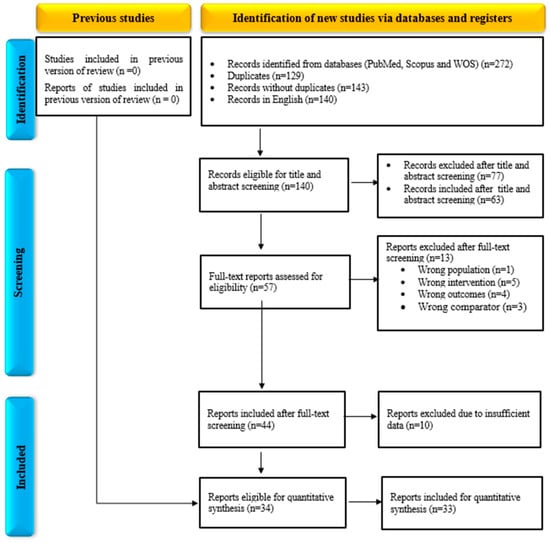
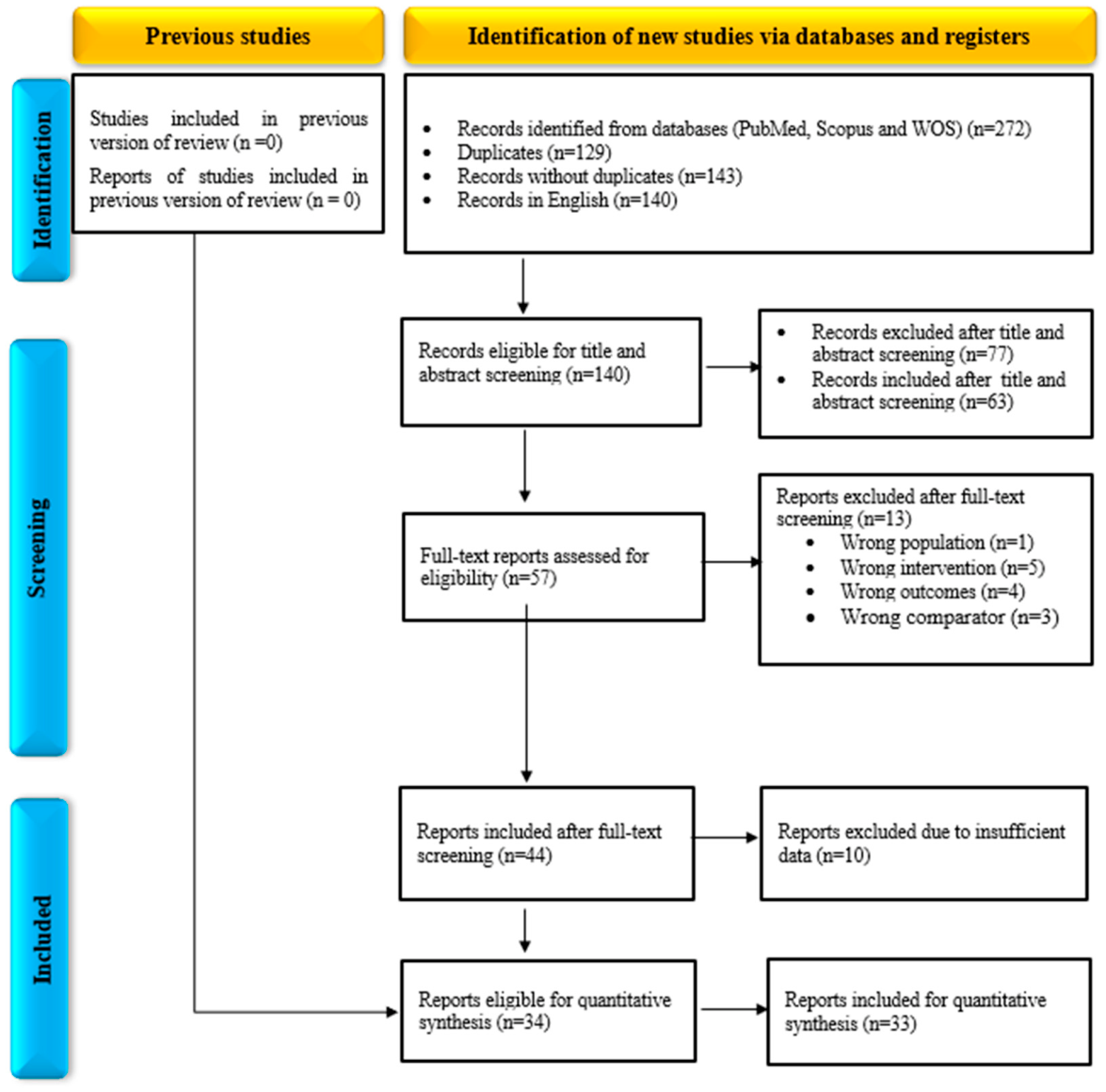
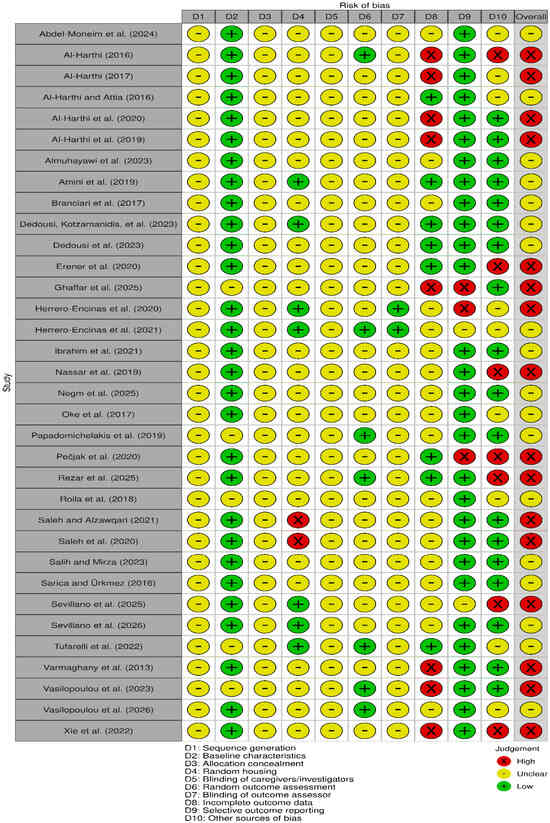
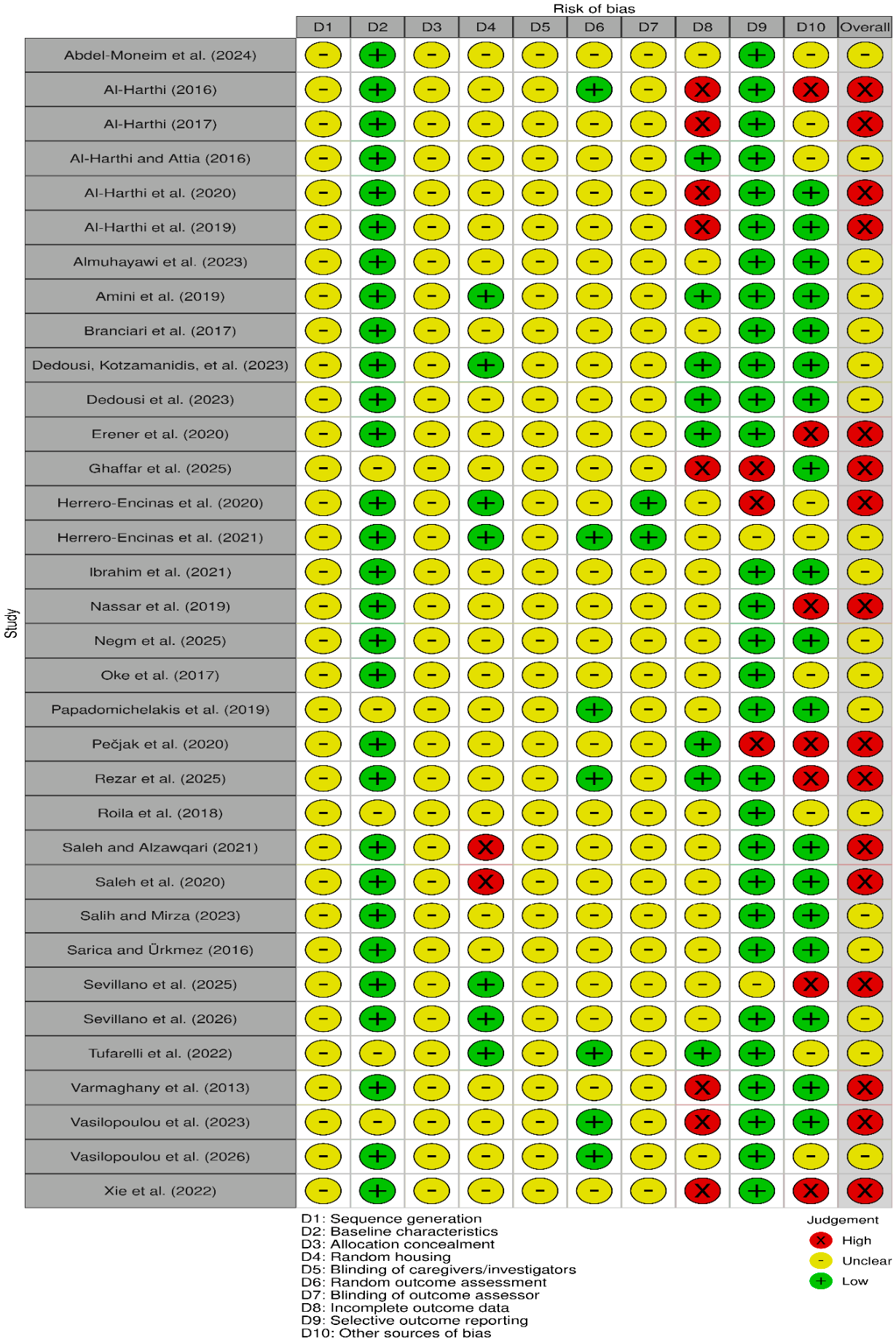
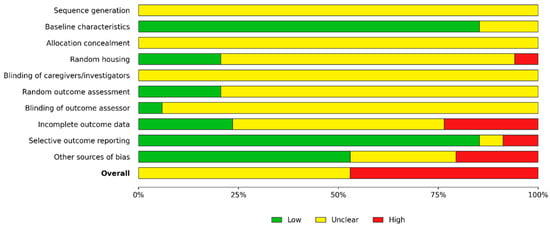
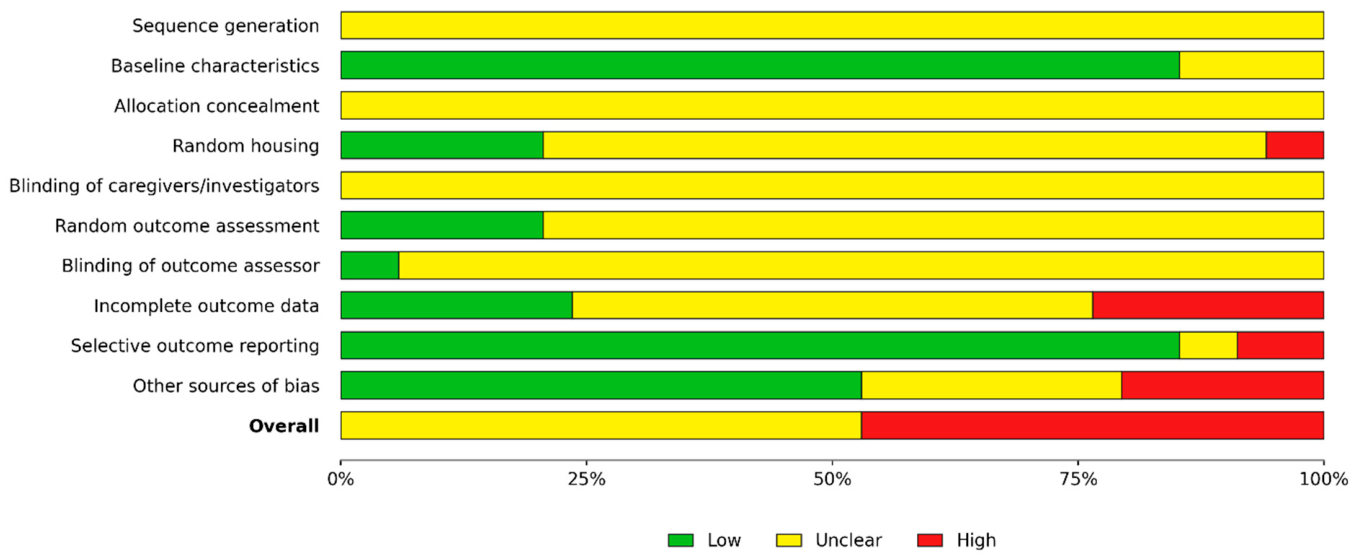
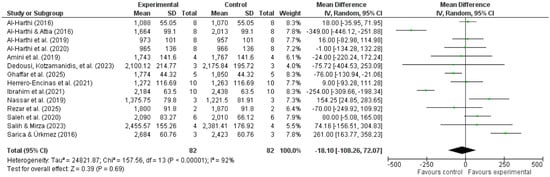
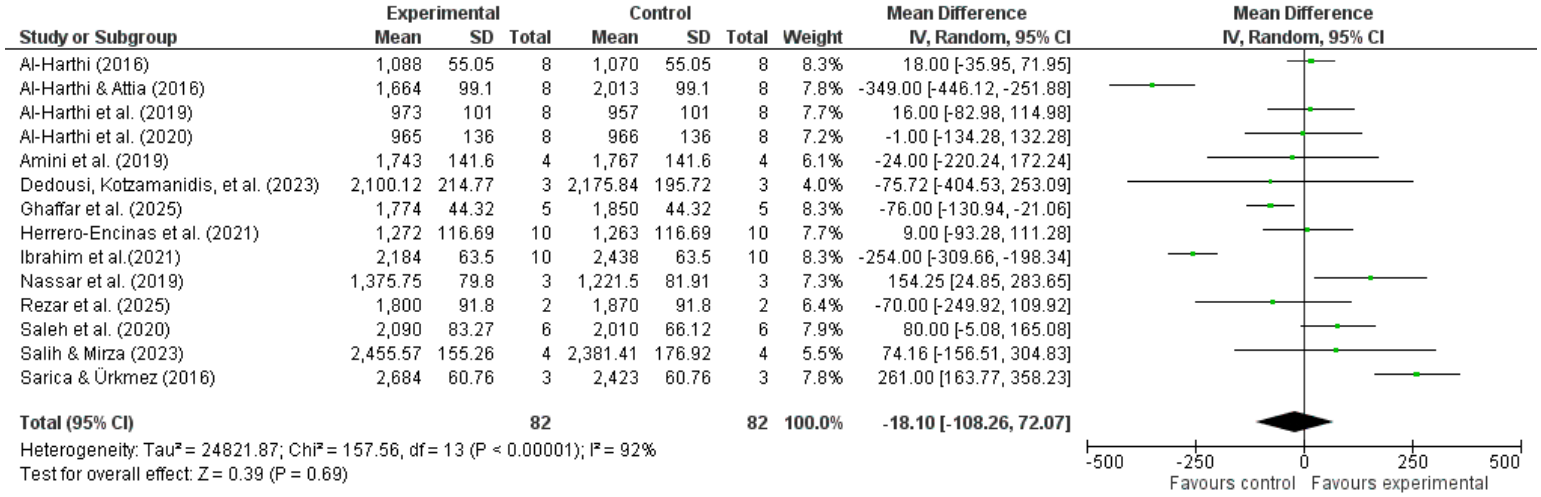
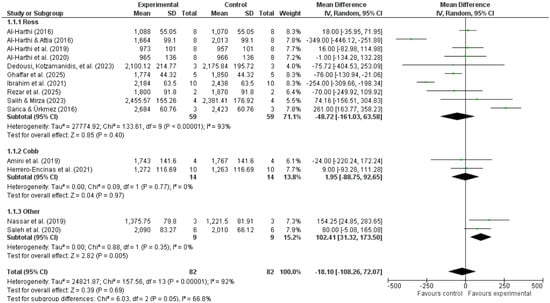
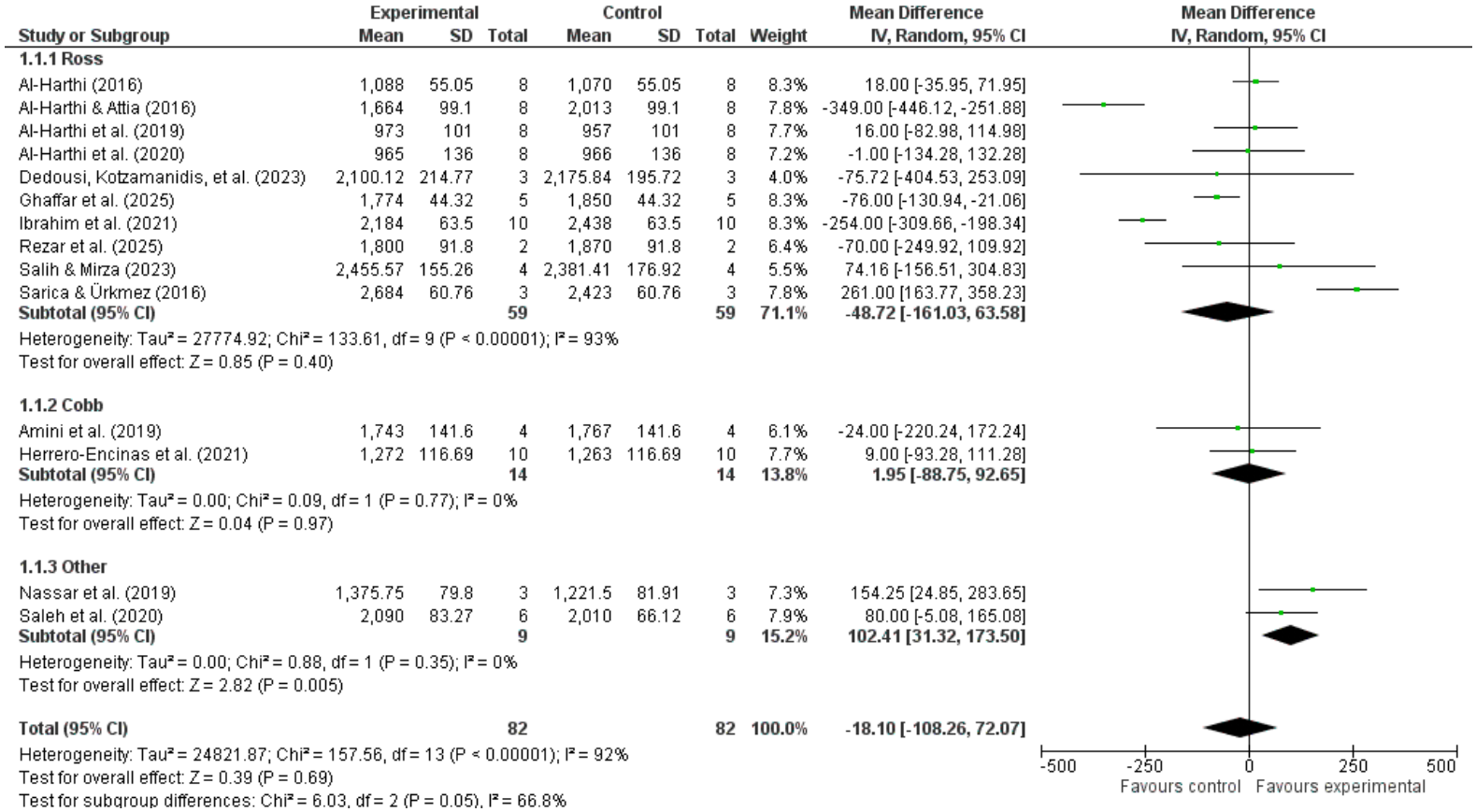
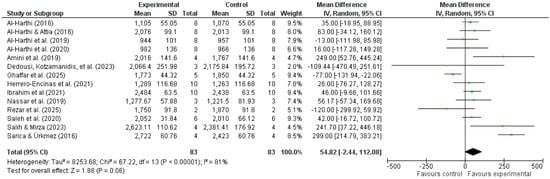
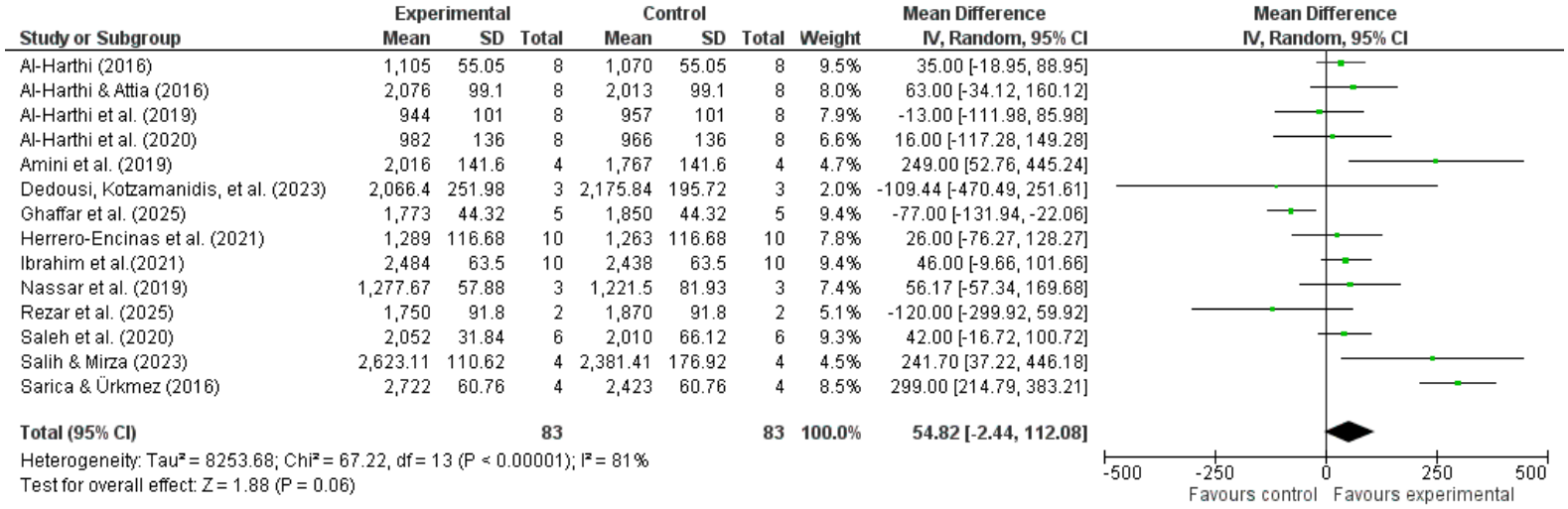
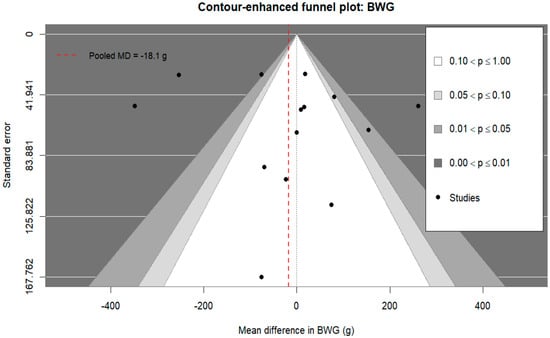
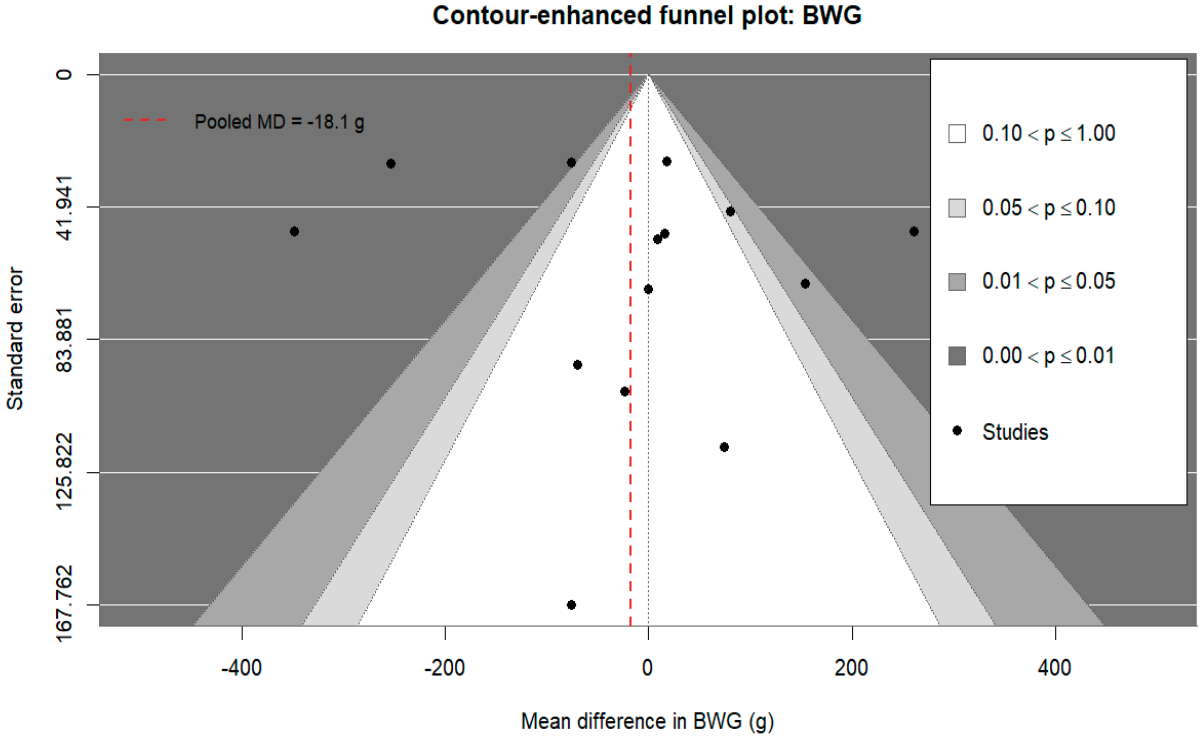
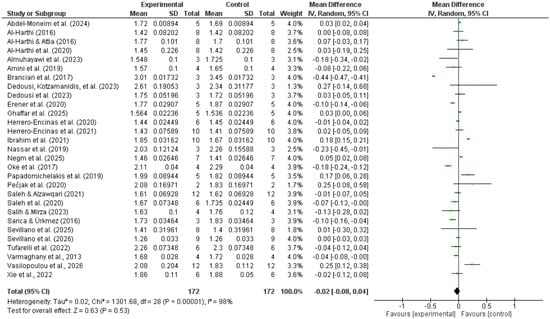
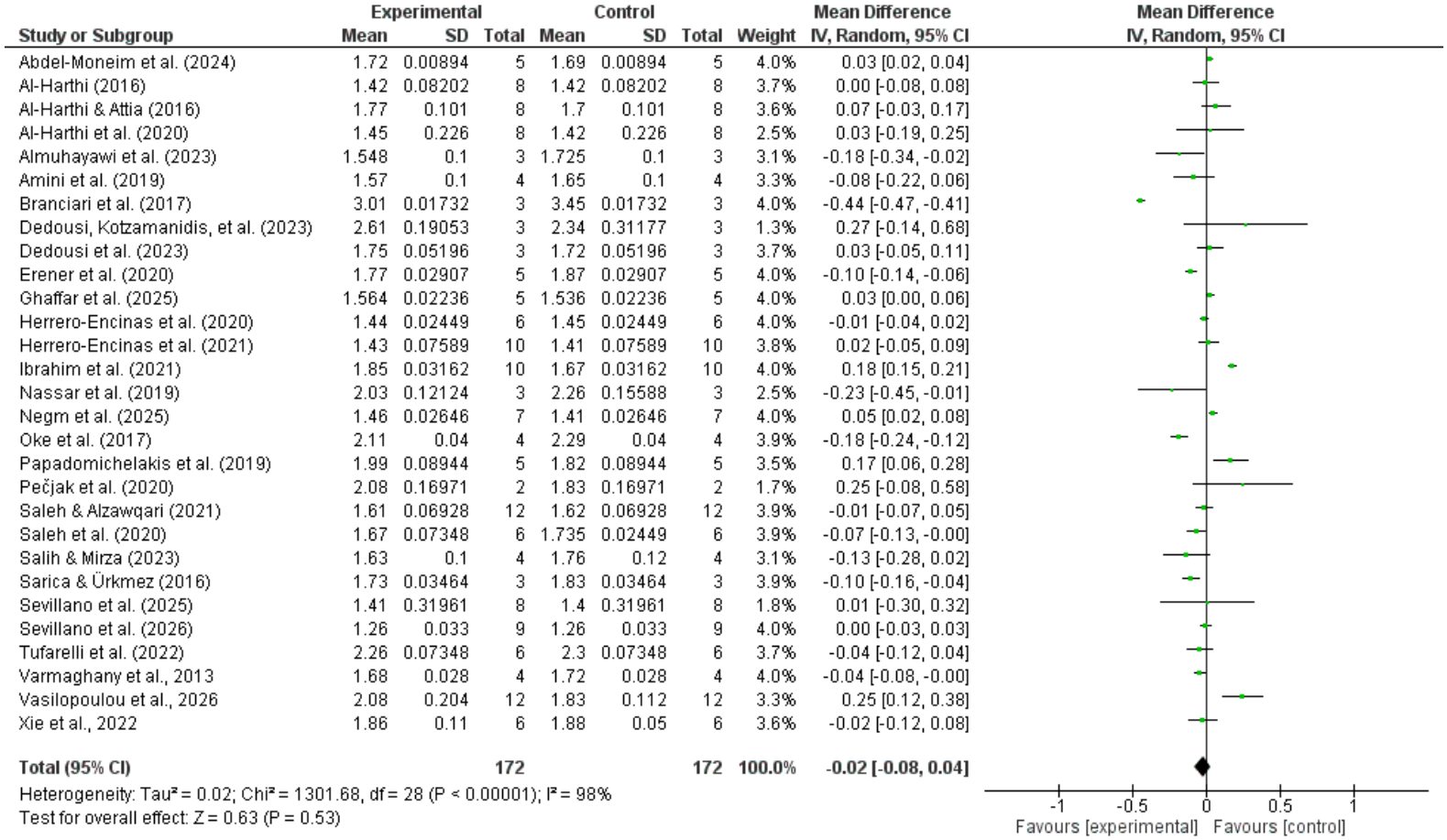
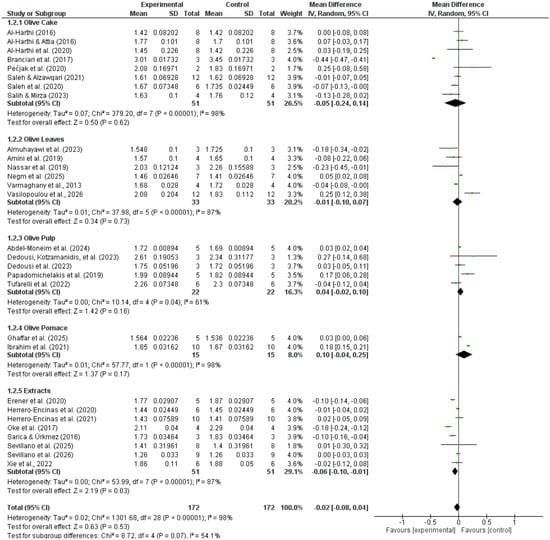
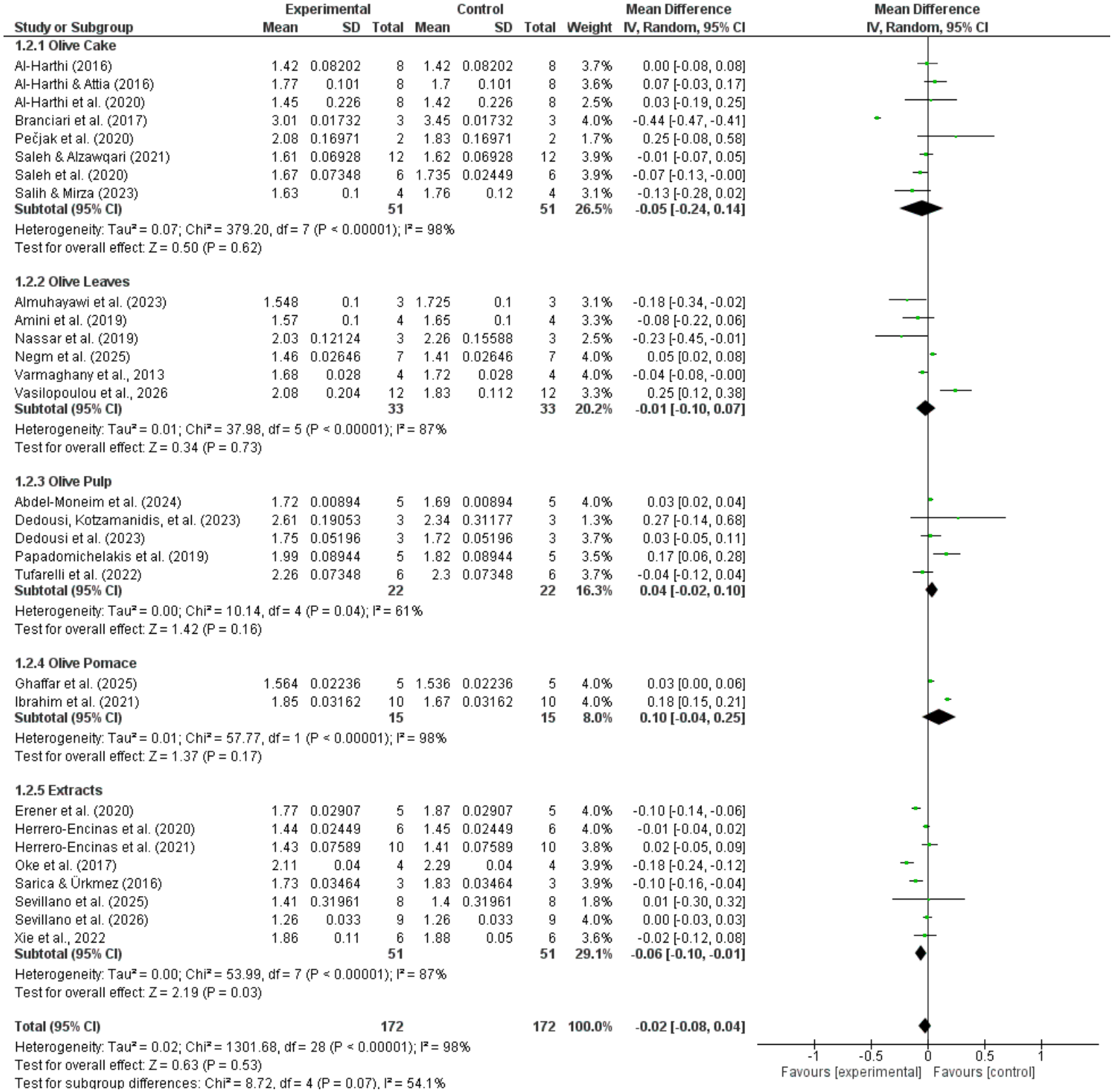
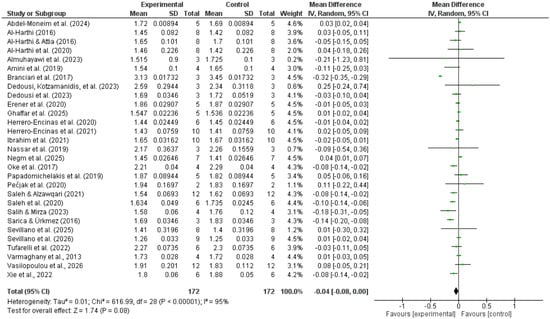
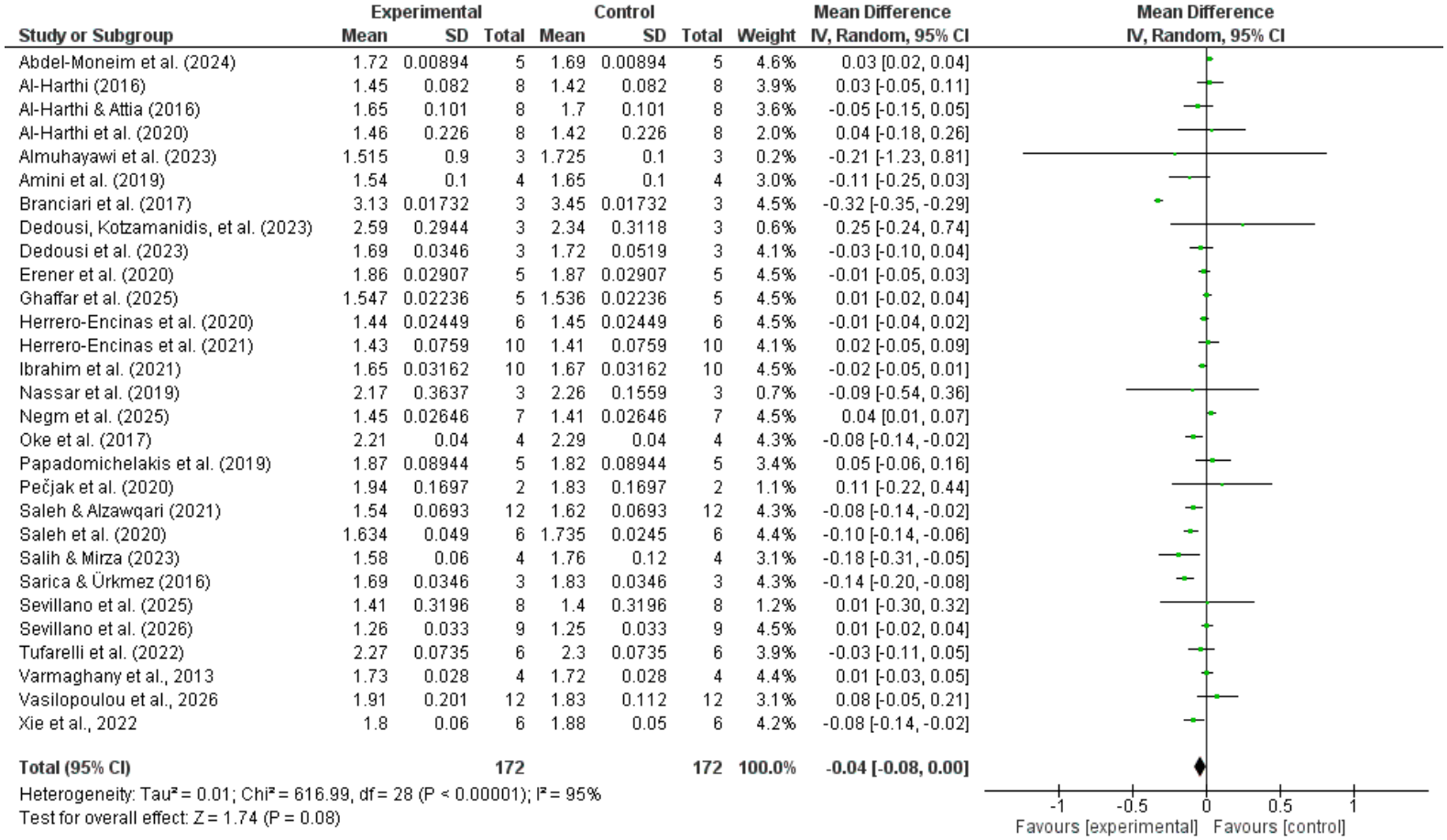
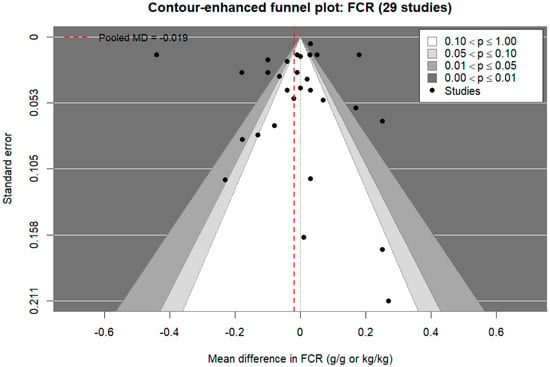
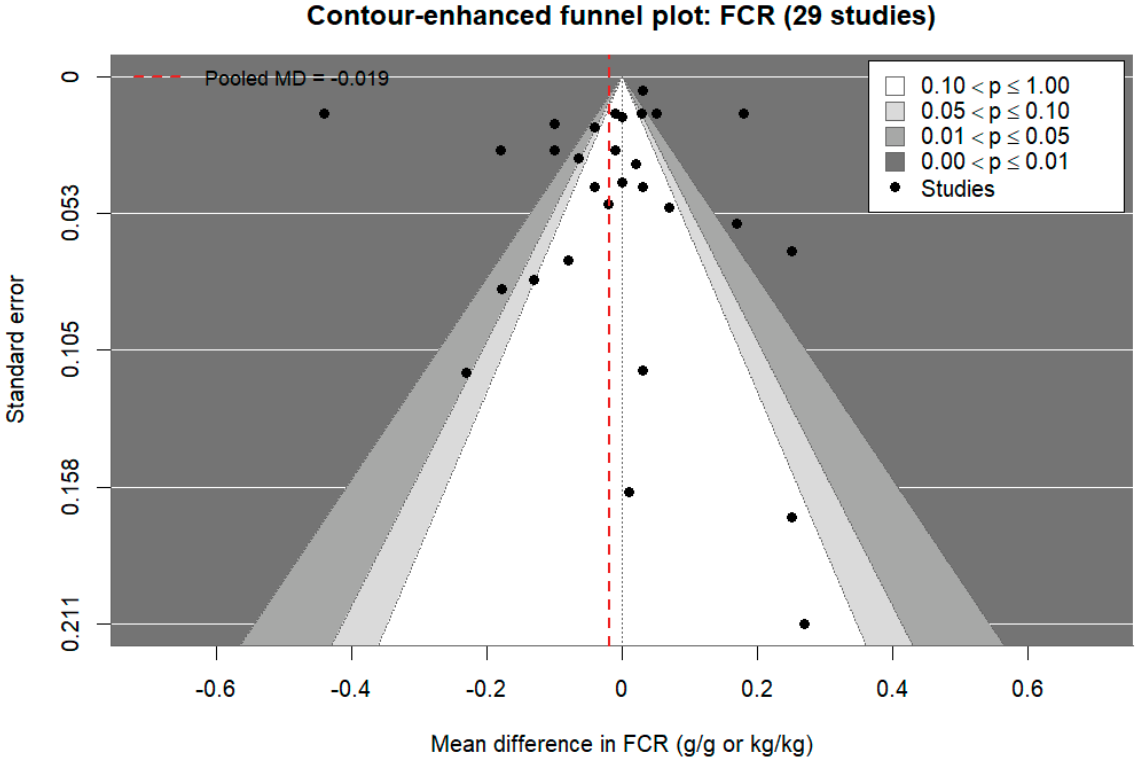
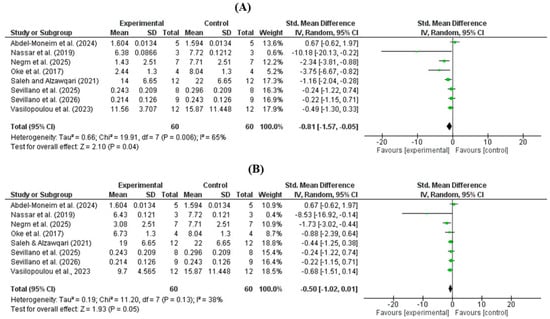
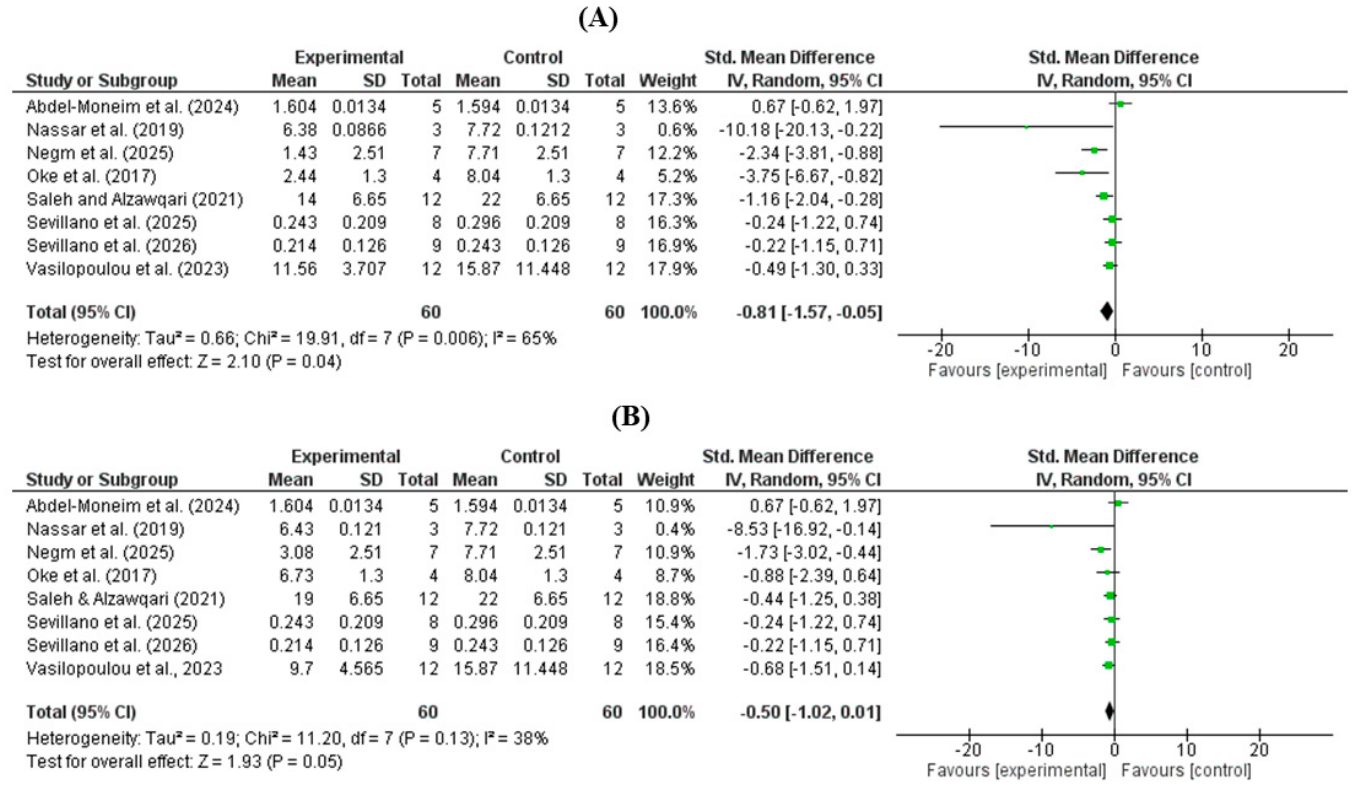
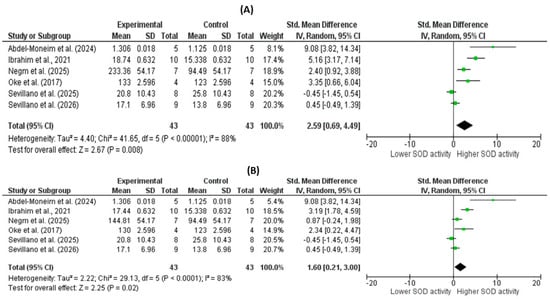
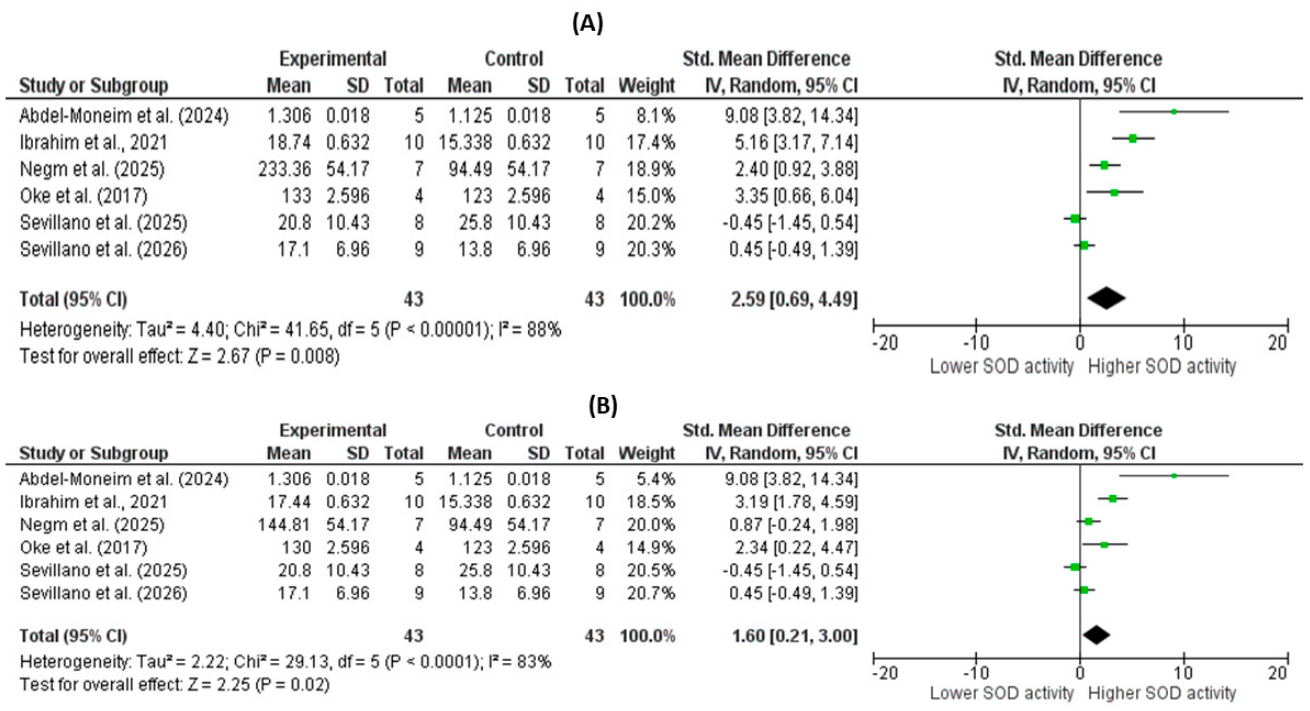
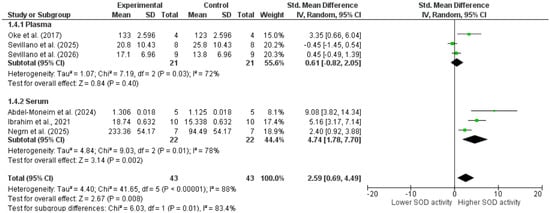
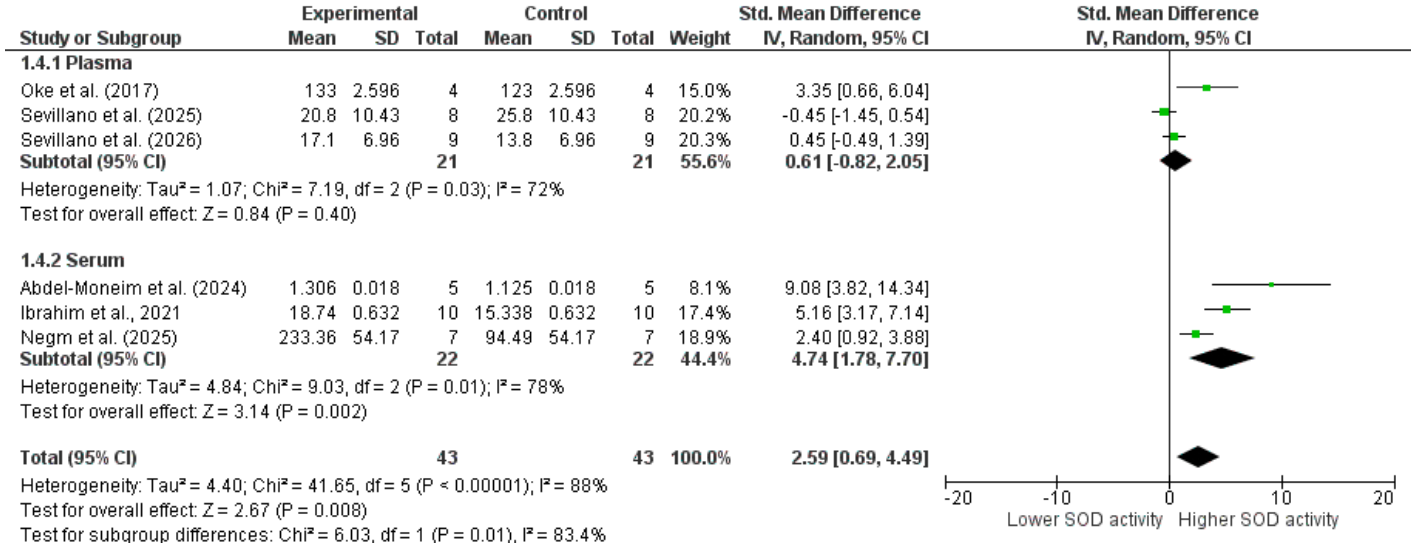

Disclaimer/Publisher’s Note: The statements, opinions and data contained in all publications are solely those of the individual author(s) and contributor(s) and not of MDPI and/or the editor(s). MDPI and/or the editor(s) disclaim responsibility for any injury to people or property resulting from any ideas, methods, instructions or products referred to in the content. |
© 2026 by the authors. Licensee MDPI, Basel, Switzerland. This article is an open access article distributed under the terms and conditions of the Creative Commons Attribution (CC BY) license.