


Abstract
Introduction: The transition toward a circular bioeconomy has repositioned coffee industry side-streams as high-value reservoirs of functional ingredients. While the roasted bean is the primary commercial product, by-products such as coffee husk and pulp, coffee silverskin (CSS), and spent coffee grounds (SCGs) contain significant amounts of dietary fiber, polysaccharides, and melanoidins that escape upper gastrointestinal digestion. This narrative review critically evaluates these matrices as emerging substrates for gut health modulation, addressing the link between their chemical complexity and prebiotic-like effects. Methods: A narrative synthesis of published literature was developed around four domains: (i) chemical and functional composition; (ii) preclinical and clinical evidence of microbiota modulation; (iii) toxicological profiles and contaminant levels; and (iv) regulatory status within EU and US markets. Evidence was discussed qualitatively to identify translational opportunities and limitations. Discussion: The findings highlight that CSS, coffee husk and pulp, and SCGs converge within a common functional framework where insoluble fibers and “maillardized dietary fibers” (melanoidins) promote the growth of beneficial taxa, including Bifidobacterium spp. and Lactobacillus spp. Specifically, SCG-derived galactomannans and CSS xylan-type structures trigger the biosynthesis of short-chain fatty acids (SCFAs) and reduce colonic pH. Safety assessments indicate that while these materials are susceptible to Ochratoxin A and thermal contaminants like acrylamide, concentrations typically remain within EU regulatory thresholds. However, a significant geographical asymmetry exists in regulation; while coffee husk and pulp is an authorized Novel Food in the EU, CSS and SCGs still face fragmentation and a lack of standardized human interventions. Conclusions: Coffee by-products represent a sustainable platform for the development of gut-health-oriented functional foods. To overcome the identified translational gap, this work proposes an illustrative framework for a future randomized controlled trial (RCT) to investigate gut-health outcomes. Achieving commercial scalability will depend on harmonizing regulatory pathways and ensuring consistent compositional control through advanced bioconversion strategies.
1. Introduction
The modulation of gut microbiota through diet has emerged as a central strategy for promoting human health, positioning functional foods and dietary fibers at the forefront of nutrition research. Among these, prebiotics are defined as substrates that are selectively utilized by host microorganisms, conferring a health benefit [1]. This definition, now widely accepted, emphasizes selectivity, fermentability and physiological relevance, moving beyond the classical focus on fructans and galactans alone. Accumulating evidence links prebiotic intake not only to gastrointestinal homeostasis but also to metabolic regulation, immune function and the gut–brain axis, largely mediated by microbial metabolites such as short-chain fatty acids (SCFAs) [2,3,4]. In this context, the multi-dimensional nature of the gut–brain axis also suggests that psychological and behavioral health conditions, such as those related to body image and eating disorders, are closely linked to general public health outcomes and systemic physiological balance [5]. Furthermore, the scientific interest in the microbiota is no longer limited to gastrointestinal function alone; recent research highlights how states of dysbiosis and the production of altered microbial metabolites can influence systemic health, extending the importance of maintaining a healthy microbial ecosystem far beyond the digestive tract [6]. Dietary fibers remain the most established class of prebiotic substrates, particularly soluble and partially fermentable carbohydrates such as fructo-oligosaccharides (FOSs), galacto-oligosaccharides (GOSs) and inulin. However, growing attention has been directed toward complex, structurally diverse matrices containing insoluble fibers, lignin-associated polysaccharides and phenolic-bound carbohydrates, which may exert prebiotic-like effects through slower fermentation kinetics and prolonged colonic residence [7,8]. In this context, food matrices rich in heterogeneous fiber fractions and Maillard reaction products are increasingly recognized as relevant modulators of gut microbiota metabolism rather than simple antioxidant carriers. Parallel to these nutritional developments, the food system faces pressure to adopt circular economy strategies, valorizing agri-food by-products as sustainable sources of functional ingredients. The coffee sector is particularly relevant in this respect. Only the roasted coffee bean is used for beverage preparation, while the transformation of coffee cherries into green and roasted beans generates substantial amounts of by-products, including coffee husk and pulp, coffee silverskin (CSS), and spent coffee grounds (SCGs) [9]. These materials have historically been treated as waste, yet they are increasingly recognized as reservoirs of dietary fiber, polysaccharides, melanoidins and phenolic compounds, many of which reach the colon largely undigested and interact directly with gut microbiota [10,11]. Recent reviews have consolidated the concept that coffee by-products represent an underexplored platform for prebiotic ingredient development, highlighting the presence of oligosaccharides, galactomannans, chlorogenic acids and melanoidins with demonstrated fermentability and microbiota-modulating potential. In vitro fermentation models and animal studies indicate that these matrices can promote the growth of beneficial genera such as Bifidobacterium spp., Lactobacillus spp., Akkermansia spp. and butyrate-producing taxa, alongside increased SCFA production and reduced colonic pH [11,12]. Notably, polysaccharides derived from SCGs, particularly galactomannans enzymatically converted to mannooligosaccharides (MOSs), exhibit low digestibility and robust fermentability, fulfilling key prebiotic criteria and offering scalability for ingredient standardization [13]. Beyond carbohydrates, coffee melanoidins—high-molecular-weight Maillard reaction products structurally associated with polysaccharides and phenolics—have been described as “maillardized dietary fiber” capable of reaching the colon intact and undergoing microbial fermentation. While their prebiotic effects appear concentration-dependent, melanoidins from coffee and CSS have been shown to selectively stimulate bifidobacteria and modulate microbial metabolism, reinforcing the relevance of coffee by-products as complex, multifunctional substrates rather than isolated fiber sources [11].
Although previous literature reviews have addressed the general effects of coffee brew on the gastrointestinal tract and the brain–gut axis, the broad prebiotic potential of coffee wastes, or isolated bioactive fractions such as coffee oligosaccharides, a critical research gap persists regarding the translational continuum from bench to bedside [14,15,16]. Most available evidence is compartmentalized into preliminary in vitro digestion–fermentation models and preclinical investigations [17,18,19], while systematic syntheses bridging bioactivity with safety and human clinical efficacy remain scarce [20]. In parallel, safety and regulatory frameworks represent critical bottlenecks for genuine food application. Chemical hazards such as acrylamide and ochratoxin A, residual caffeine content, and matrix variability linked to botanical species and industrial processing must be rigorously evaluated against current European and international standards [21,22]. While coffee husk and pulp infusions have recently established a novel food precedent following positive EFSA evaluations, equivalent regulatory substantiation is conspicuously lacking for CSS and SCGs (Regulation—2015/2283) [23]. To bridge these fragmented domains, the present review moves beyond descriptive inventories of bioactive profiles. Specifically, it aims to synthesize published evidence on CSS, coffee husk and pulp and SCGs as emerging ingredients for gut health-oriented food and beverage applications, addressing four interconnected domains:
- Chemical composition and functional constituents relevant to gut microbiota modulation;
- Preclinical and clinical evidence supporting prebiotic-like effects;
- Safety, toxicological and contaminant profiles;
- Regulatory status and formulation implications across EU and US markets.
By critically intersecting chemical composition, microbiota-driven metabolic mechanisms, toxicological constraints, and Novel Food regulatory pathways, this work defines an actionable, product-to-clinical roadmap to support the substantiated integration of coffee by-products into functional food systems.
2. Methods
This article is a structured narrative review integrating peer-reviewed primary studies, mechanistic investigations, comprehensive reviews, and regulatory frameworks. To ensure structural rigor, transparency, and clinical relevance, the literature retrieval and evaluation were guided by a conceptual framework addressing the four core thematic domains outlined above and focusing on whole or standardized food-grade matrices derived from CSS, coffee husk and pulp, or SCGs.
A comprehensive literature search was conducted across PubMed, Scopus, and Web of Science, capturing peer-reviewed publications with no data restrictions. Search strings incorporated combinations of targeted keywords and medical subject headings (MeSH) related to coffee by-products (“coffee silverskin”, “cascara”, “coffee husk”, “coffee pulp”, “spent coffee grounds”), gut physiology (“gut microbiota”, “gastrointestinal”, “intestinal fermentation”, “colonic transit”), and bioactive metabolomics (“short-chain fatty acids”, “prebiotics”, “dietary fiber”, “polyphenols”). Cross-referencing and hand-searching of authoritative reports from international food safety authorities (e.g., EFSA) were also performed to contextualize novel food status and toxicological limits.
Literature selection was governed by predefined qualitative and translational criteria. Eligible evidence comprised validated in vitro dynamic and batch colonic fermentation models, preclinical animal studies investigating metabolic and intestinal health, and human clinical trials. Studies evaluating non-food-grade chemical fractions, heavily stripped extracts devoid of the original matrix context, or agricultural remediation assays unrelated to human nutrition and gut health were excluded. Selected studies were critically evaluated for methodological quality, reporting rigor, and biological plausibility, drawing upon established reporting standards (such as CONSORT benchmarks for human interventions).
The identified literature was synthesized qualitatively and organized thematically across matrices and evidentiary hierarchies. This approach clearly delineates cellular and animal mechanistic observations from clinically confirmed outcomes in humans, thereby bridging current experimental findings with translational challenges and future clinical study designs.
3. Taxonomy and Regulatory Framework
3.1. Coffee Silverskin
CSS is a thin tegument released during the roasting of green coffee beans and represents one of the most abundant solid by-products of the coffee industry. Unlike cascara, CSS is not explicitly listed as a Novel Food in the EU, and its regulatory assessment is therefore conducted case by case, depending on its intended use, processing history, and functional positioning (e.g., fiber-rich ingredient or antioxidant source) [24]. Several studies have reported the incorporation of CSS into bakery products, snacks and beverages, emphasizing its high dietary fiber content and antioxidant capacity [16]. However, the absence of a harmonized EFSA opinion introduces regulatory uncertainty, particularly for large-scale commercialization and cross-border applications [24]. As of 2024–2025, CSS-based ingredients are primarily positioned within pilot-scale or niche markets, often relying on national interpretations of existing food law rather than EU-wide authorization.
3.2. Coffee Husk and Pulp and Coffee Fruit Derivatives
Coffee husk and pulp, obtained from the dried husk and pulp of the coffee cherry (Coffea arabica L. and Coffea canephora Pierre ex A. Froehner), has recently undergone formal regulatory evaluation in the EU under the Novel Food framework. In its scientific opinion adopted in 2022, the EFSA concluded that cascara infusion is safe under the proposed conditions of use, defining specific food categories, preparation methods and maximum intake scenarios, with particular attention to residual caffeine exposure per serving [15]. This decision represents a critical regulatory milestone, enabling the controlled commercialization of cascara-based beverages within the EU while clearly delimiting its authorized uses. In contrast, coffee leaf infusion benefits from a distinct regulatory status in the EU, being recognized as a traditional food from a third country under Regulation (EU) 2015/2283, based on evidence of safe consumption prior to May 1997. Importantly, this regulatory pathway does not automatically extend to cascara or other coffee fruit derivatives, which must be individually assessed [15]. Outside the EU, regulatory approaches are more permissive. In the United States, coffee fruit-derived ingredients (e.g., coffee cherry or coffeeberry extracts) have achieved Generally Recognized as Safe (GRAS) status for use in a range of food and beverage categories, including flavored waters, ready-to-mix beverages, and snack products, subject to defined maximum levels per serving [18]. These divergent regulatory frameworks highlight a geographical asymmetry that directly influences innovation trajectories and market accessibility for cascara-based products.
3.3. Spent Coffee Grounds
SCGs are generated after coffee extraction and are increasingly investigated as a source of structural polysaccharides, particularly galactomannans and arabinogalactans. From a regulatory perspective, SCGs are not authorized for direct food use in the EU, largely due to concerns related to microbiological stability, moisture content, and potential contaminants. Nevertheless, a growing body of research supports the valorization of SCGs through controlled processing, including thermal, alkaline, and enzymatic treatments aimed at producing purified fractions or derived ingredients such as manno-oligosaccharides (MOSs) [16]. These environmental hazards and aging mechanisms are increasingly studied to identify effective preventive and therapeutic options [25]. Moreover, the widespread use of health-promoting formulations is well-documented in epidemiological studies, which points to a high prevalence of dietary supplement consumption among specific demographics, emphasizing the clinical and regulatory relevance of validating these functional ingredients [26].
These downstream ingredients may fall under existing food ingredient categories, provided that safety, purity and compositional criteria are met. This regulatory nuance marks a conceptual shift from the direct use of by-products toward ingredient-level authorization following biotechnological transformation.
3.4. Regulatory Implications for Claims and Labeling
Despite increasing scientific evidence supporting the role of dietary fibers and non-digestible carbohydrates in gut microbiota modulation, no health claims related to “prebiotic” effects or microbiota modulation have been authorized in the EU, irrespective of ingredient origin. Consequently, market strategies for coffee by-product-derived ingredients must rely on nutrition claims, such as “source of fibre” or “high in fibre,” and on general digestive wellness positioning, without explicit references to health outcomes. In the United States, dietary fiber claims require the demonstration of beneficial physiological effects, including improvements in bowel function or modulation of postprandial glycemia, while structure/function claims are permitted under Food and Drug Administration (FDA) regulations. However, claims linking gut health to skin or beauty outcomes (“skin–gut axis”) remain unapproved in the EU, limiting the use of coffee by-products in ingestible beauty applications to non-health-related communication. Nevertheless, there is a growing recognition of the value of nutritional interventions in supporting tissue integrity and counteracting physiological deterioration associated with aging and environmental exposure, suggesting a broader potential for these bioactives in long-term preventive strategies [25]. Overall, the regulatory landscape for coffee by-products is characterized by fragmentation and rapid evolution, underscoring the need for harmonized guidance to support innovation while ensuring consumer safety.
4. Functional Composition of Coffee By-Products
4.1. Coffee Silverskin
CSS, the thin tegument released during coffee bean roasting, is one of the most compositionally distinctive coffee by-products, owing to its exceptionally high dietary fiber content, generally ranging between 52 and 70% (dry weight) [16]. The fiber fraction is predominantly insoluble, while the soluble fraction is comparatively limited (≈3–11% dw), reflecting the prevalence of structural polysaccharides such as cellulose and hemicelluloses, together with a substantial lignin fraction (≈28–30% dw) [16]. At the monosaccharide level, hemicelluloses in CSS are mainly composed of xylose, indicating a predominance of xylan-type polymers, while cellulose contributes a glucose-based fraction resistant to enzymatic hydrolysis in the upper gastrointestinal tract. In addition to fiber, CSS displays a relatively high protein content (≈11–21% dw) compared to other coffee by-products, as well as a mineral fraction of approximately 5–7% dw [27]. From a functional perspective, the bioactivity of CSS is largely associated with melanoidins and bound phenolic compounds, generated during the roasting process. Chlorogenic acids originally present in green beans undergo thermal degradation and non-enzymatic reactions, becoming partially incorporated into high-molecular-weight melanosaccharide structures, often described as “maillardized dietary fiber” [28]. These complexes exhibit low digestibility, enabling their transit to the colon, where they may act as substrates for microbial fermentation or as carriers of phenolics released during colonic metabolism. However, considerable compositional variability has been reported for CSS as a function of coffee species (Arabica vs. Robusta) and roasting intensity, affecting fiber solubility, melanoidin content, and phenolic bioaccessibility [16]. This variability represents a major bottleneck for the standardization of CSS as a functional ingredient, particularly in gut-health-oriented applications [16].
4.2. Coffee Husk and Pulp (Coffee Cherry Pulp and Husk)
Coffee husk and pulp, derived from the dried pulp and husk of the coffee cherry, exhibits a highly heterogeneous chemical composition, reflecting differences in botanical origin, post-harvest processing (wet vs. dry), drying conditions and storage [16]. In contrast to CSS, coffee husk and pulp contains a more balanced distribution of insoluble fiber, soluble carbohydrates, and low-molecular-weight bioactive compounds, which confers a broader technological and functional versatility. Coffee husk and pulp is a relevant source of dietary fiber (≈28–43% dw), together with fermentable sugars, chlorogenic acids, and residual caffeine, the latter representing a critical parameter from both a safety and regulatory standpoint [16]. Phenolic compounds in coffee husk and pulp are less extensively transformed by Maillard reactions compared to roasted by-products; nevertheless, melanoidin-like macromolecules may still be formed during drying, especially under high-temperature or prolonged conditions. The coexistence of fermentable carbohydrates, fiber, and phenolics makes coffee husk and pulp particularly attractive for fermentation-based applications, where microbial metabolism can substantially reshape its functional profile. Recent trends (2024–2025) include coffee husk and pulp-based fermented beverages, such as water kefir and kombucha-like products, in which lactic acid bacteria and yeasts convert sugars into organic acids and microbial metabolites, potentially enhancing gut-relevant bioactivity while reducing sugar content. Nonetheless, the intrinsic compositional variability of coffee husk and pulp and the presence of caffeine necessitate rigorous control strategies to ensure consistency and regulatory compliance [16,23].
4.3. Spent Coffee Grounds (SCGs)
SCGs, the solid residue remaining after coffee extraction, are quantitatively the most abundant coffee by-product and are characterized by a polysaccharide-rich matrix, accounting for approximately 45–60% of dry matter [16]. The dominant polysaccharides are galactomannans and arabinogalactans, as inferred from the high relative abundance of mannose and galactose in the monosaccharide profile, accompanied by cellulose-derived glucose units [16]. In addition to carbohydrates, SCGs contain residual lipids (up to ~20% dw), proteins (≈11–18% dw), and variable amounts of melanoidins (≈9–16% dw), whose concentration increases with roasting intensity [16,17]. While native SCGs exhibit limited fermentability due to their structural complexity, recent research has shifted toward bioconversion-based valorization strategies. These approaches typically involve pretreatment steps (thermal, alkaline, or enzymatic) to increase polysaccharide accessibility, followed by targeted enzymatic hydrolysis, particularly using GH26-mannananes, to generate mannooligosaccharides (MOSs) [13,16]. MOS derived from SCGs display low digestibility and high fermentability, fulfilling key prebiotic criteria and enabling the transformation of SCGs from bulk residue into a platform for standardized gut-active carbohydrate ingredients. Nevertheless, the presence of melanoidins may modulate microbial responses in a dose-dependent manner, highlighting the importance of compositional control and process optimization.
4.4. Conceptual Framework: From Chemical Structure to Gut-Relevant Function
Despite their compositional diversity, CSS, coffee husk and pulp and SCGs converge within a common functional framework linking chemical structure to colonic fermentation. Insoluble fibers, oligosaccharides, melanoidins and enzymatically derived MOS largely resist digestion in the upper gastrointestinal tract and reach the colon, where they are selectively metabolized by resident microbiota [11,16]. Microbial fermentation of these substrates leads to the production of SCFAs (acetate, propionate, and butyrate), accompanied by a reduction in colonic pH and modulation of microbial community structure. These processes underpin downstream physiological effects, including anti-inflammatory signaling and improved gastrointestinal function. This targeting of specific physiological pathways is comparable to other biomedical sectors, where complex macromolecular agents are tailored in molecular weight to meet specific clinical and tissue-protective needs [29]. This conceptual framework is consistent with emerging human evidence (2023–2024) linking coffee consumption to microbiota modulation and increased SCFA production, thereby supporting the biological plausibility of coffee by-products as indirect modulators of gut health. This role is particularly relevant in the context of systemic health maintenance, where the stabilization of the intestinal environment and the management of inflammation may contribute to reducing the risk of chronic and oncological complications in various clinical settings [30]. However, the translation of this mechanistic rationale into validated health outcomes remains contingent upon well-designed human intervention studies using chemically characterized and standardized ingredients.
4.5. Prebiotic-like Effects of Coffee Byproducts
Coffee by-products increasingly align with the International Scientific Association for Probiotics and Prebiotics (ISAPP) definition of prebiotics, acting as substrates selectively utilized by host microorganisms to confer health benefits. Characterized as “antioxidant dietary fibers,” these materials differ from isolated fibers like inulin by offering a complex matrix of polysaccharides—including coffee husk and pulp pectins, CSS arabinoxylans, and SCG galactomannans—covalently or physically bound to antioxidant phenolics, such as chlorogenic acids and melanoidins [31]. This integration of structural complexity and redox modulation facilitates the simultaneous shift of microbiota composition and the regulation of the colonic redox environment [31]. Such bioactive profiles mirror coffee beverages, where fiber, polyphenols, and caffeine collectively influence the microbiome [32]. Specifically, the consumption of these coffee-derived compounds promotes beneficial populations like Lactobacillus and Bifidobacterium, facilitating the acidification of the intestinal environment [33,34]. Beyond biological utility, the technological and ecological feasibility of upcycling coffee waste into functional oligosaccharides generates economic value while reducing environmental impact, providing targeted prebiotic benefits primarily through the enhanced release of SCFAs, thereby confirming the potential of coffee residues as multifaceted prebiotic agents [14]. An overview of the physiological and prebiotic effects reported in the literature is provided in Figure 1 and Figure 2.
Figure 1.
Matrix plot illustrating prebiotic and physiological effects of coffee by-products. The color code summarizes the authors’ qualitative interpretation of the literature evidence. Robust evidence (green): extensively validated through multiple in vitro studies or robust clinical/animal trials. Moderate evidence (light green): documented effects with clear physiological trends, though sometimes limited to specific food matrices. Emerging/inferred evidence (yellow): preliminary findings, inferred benefits from similar substrates, or regulatory recognition (Novel Food status) without exhaustive clinical microbiota mapping. Missing data (red): no outcome-specific evidence identified among the sources discussed. Regulatory recognition provides context on authorized uses and does not demonstrate prebiotic efficacy. Abbreviations: GI, gastrointestinal, SCFAs, short-chain fatty acids. Upward and downward arrows indicate reported increases and decreases, respectively.
Figure 2.
Formation of coffee by-products, compositional features, and proposed mechanisms of gut microbiota modulation. Schematic overview of coffee husk and pulp (cascara) generated during coffee cherry processing, coffee silverskin (CSS) released during roasting, and spent coffee grounds (SCGs) remaining after brewing. The main compositional features of these matrices are linked to the microbial fermentation and metabolism of fractions reaching the colon, with reported changes in selected bacterial taxa, short-chain fatty acid (SCFA) production, and colonic pH. Potential downstream effects include support of intestinal barrier function and modulation of inflammatory and metabolic processes. Safety considerations—including ochratoxin A, acrylamide, residual caffeine, and compositional variability—and regulatory aspects relevant to food applications are also summarized. The illustrated mechanisms derive predominantly from in vitro and preclinical evidence and should not be interpreted as established clinical benefits or effects consistently demonstrated for all coffee by-products. Abbreviations: CSS, coffee silverskin; SCGs, spent coffee grounds; SCFAs, short-chain fatty acids; GI, gastrointestinal; EU, European Union. Upward and downward arrows indicate reported increases and decreases, respectively.
4.5.1. In Vitro Evidence
Coffee Husk and Pulp
The utilization of coffee husk and pulp as a functional substrate was demonstrated prominently in the production of Kombucha, where it undergoes fermentation by a symbiotic culture of acetic acid bacteria and yeasts [35]. Although coffee husk and pulp-based variants mirror the chemical profile of traditional Kombucha, clinical evidence specifically validating their impact on human microbiota is still emerging, with many current health claims extrapolated from standard formulations [35]. Nevertheless, in vitro assessments reveal that coffee husk and pulp-based Kombucha effectively supports the growth of probiotic strains, including Lactobacillus rhamnosus, Lactococcus lactis, Weizmannia coagulans, and Lactococcus garvieae [36]. In experimental glucose-free media, the inclusion of a 20% coffee husk and pulp extract provides a vital carbon source that facilitates microbial proliferation, thereby demonstrating a distinct prebiotic effect. Additionally, this fermented extract displays robust antibacterial activity against enteric pathogens such as Escherichia coli, Salmonella enterica, Vibrio cholerae, and Staphylococcus aureus—a selective action attributed to the accumulation of acetic acid and bioactive phenolics [36]. The prebiotic efficacy of coffee husk and coffee husk and pulp is further elucidated through the microencapsulation of their phenolic compounds, typically using whey protein concentrate or maltodextrin [37]. Within in vitro human fecal fermentation models, these encapsulated phenolics are gradually metabolized, resulting in sugar depletion, organic acid production, and a subsequent acidification of the medium.
These biochemical shifts selectively modulate microbiota, significantly increasing beneficial populations like Lactobacillus spp., Enterococcus spp., Bifidobacterium spp., and Ruminococcus spp. while concurrently reducing less desirable groups such as Bacteroides spp., Prevotella spp., and Clostridium histolyticum [37].
Silverskin
CSS is characterized by a soluble carbohydrate content of approximately 30% by weight, consisting primarily of pectic structures and xyloglucans rich in uronic acids, xylose, and glucose that remain stable throughout the upper gastrointestinal tract [38]. The hemicellulose fraction, specifically xylan, can be converted via alkali treatment and enzymatic hydrolysis into xylo-oligosaccharides (CS-XOSs), which serve as selective carbon substrates [39]. These isolated derivatives demonstrate a remarkable capacity to promote the growth of probiotic strains such as Lacticaseibacillus casei, Lactobacillus delbrueckii subsp. lactis, and Lactiplantibacillus plantarum at rates comparable or superior to commercial prebiotic standards [39]. Beyond these isolated fibers, ultrasound-obtained CSS extracts have been shown to enhance the proliferation of Lacticaseibacillus paracasei [39]. While bioactive compounds like caffeine and 5-chlorogenic acid are partially released during digestion, significant quantities reach the colon to actively modulate the microbiota [38]. Notably, in vitro gastrointestinal digestion appears to increase the accessibility of specific nutrients, allowing CSS to stimulate L. plantarum growth more effectively than undigested controls or even standard fructooligosaccharides, despite an initial adaptation period required by strains like Lacticaseibacillus paracasei to overcome residual bile salts [38]. The fermentation of CSS by these populations generates functional metabolites, most notably acetic acid, essential for appetite and weight regulation [38]. The resulting environment acidification is crucial for inhibiting enteric pathogens while simultaneously creating a synergistic antioxidant effect that can increase antioxidant activity fourfold compared to glucose or FOs, protecting the gut from oxidative stress [38]. This multifaceted prebiotic effect is further driven by melanoidins, or “maillardized dietary fiber,” which reach the colon intact to selectively foster the growth of Bifidobacteria while suppressing Clostridia spp. and Bacteroides spp. During this colonic phase, melanoidins release low-molecular-weight phenolic compounds that significantly bolster the local redox environment [15]. Consequently, CSS functions as a comprehensive prebiotic agent that concurrently optimizes microbial composition and antioxidant capacity [10].
Spent Coffee Grounds
SCGs represent a significant source of dietary polysaccharides, primarily galactomannans, which constitute approximately 20–30% of their dry weight [40]. Through alkaline pretreatment and enzymatic hydrolysis, these are converted into mannooligosaccharides (MOSs)—including mannose, mannobiose, and mannopentaose—which demonstrate high resistance to salivary amylase, gastric acid, and bile salts, thereby reaching the large intestine intact [13,40].
In vitro human fecal models indicate that SCG-derived MOSs selectively stimulate beneficial genera, notably increasing Lactobacillus acidophilus populations by nearly 24% and supporting the proliferation of L. bulgaricus, Bacillus subtilis, and Streptococcus thermophilus [13,40]. Broader fermentation studies have identified increased growth across diverse taxa such as Barnesiella spp., Coprococcuss spp., and Veillonella spp., leading to a general expansion of the Bacteroidetes and Firmicutes phyla [41,42]. Furthermore, the protein fraction within SCGs serves as a substrate for probiotics like Bacillus clausii, facilitating the generation of bioactive antioxidant peptides [43]. The microbial utilization of these substrates in vitro produces essential SCFAs, specifically acetate, propionate, and butyrate in a 61:22:17 ratio after 24 h [44]. This acidification creates a hostile environment for pathogens and may mitigate risks associated with systemic conditions like type 2 diabetes [40]. Beyond growth stimulation, MOSs enhance probiotic functionality by increasing auto-aggregation and biofilm formation, which facilitates superior adherence to the intestinal epithelium and promotes the competitive exclusion of pathogenic species [40]. For instance, supernatants from Lactobacillus casei grown on MOS inhibit Salmonella paratyphi, while SCG extracts disrupt the biofilm architecture and quorum sensing of Listeria monocytogenes [13,45].
The SCG matrix also contains melanoidins that modulate colonic activity by inhibiting enzymes such as beta-glucuronidase and urease, performing similarly to the prebiotic inulin [17]. These melanoidins act as efficient vehicles for delivering polyphenols—including chlorogenic and gallic acids—to the distal gut, thereby reducing local oxidative stress [46,47]. In models of dysbiosis or chronodisruption, SCG antioxidant dietary fiber increases microbial diversity and shifts the Firmicutes/Bacteroidetes index, specifically increasing Actinobacteria while reducing markers like Lachnospira [48].
However, processing remains a critical modulator; hydrolysis can occasionally release inhibitory compounds like furfural that may suppress beneficial genera such as Faecalibacterium spp. and Ruminococcus spp. [41,46]. Finally, the gut flora-mediated non-digestible fraction of SCGs exhibits chemopreventive and anti-inflammatory potential by inducing apoptosis in colon cancer cell lines and reducing nitric oxide production in macrophages [44,47,49].
4.5.2. Animals
The effect of coffee by-products on host metabolism and gut microbiota composition was also evaluated in several studies on animal models. Specifically, coffee husk and pulp has demonstrated substantial potential in mitigating metabolic dysfunction: in rats fed a high-carbohydrate, high-fat diet, 5% supplementation reversed obesity-induced gut microbial alterations by increasing the abundance of Akkermansia muciniphila. This intervention concurrently yielded physiological benefits, including reduced body weight, abdominal fat, and feed efficiency, alongside normalized plasma triglyceride levels and enhanced glucose tolerance [50]. CSS similarly represents a valuable source of dietary fiber and bioactives, including chlorogenic acid, caffeic acid, and melanoidins. In entomological models using Hermetia illucens larvae, CSS substrates established a gut microbiota dominated by the genera Paenibacillus, Lysinibacillus, Solibacillus, and Brevundimonas [51]. Although intrinsic lactic acid bacteria—such as Lactobacillus, Leuconostoc, and Weissella—were present in the substrate, the larval gut was characterized by a resident microbiota that adapted independently, effectively reducing the load of Gram-negative Enterobacteriaceae [51]. In mammalian models, specifically Wistar rats, aqueous CSS extracts were fermentable by the microbiota, generating SCFAs that support gastrointestinal health, while its melanoidins functioned as fiber to significantly accelerate intestinal transit [52]. Finally, SCGs offer multifaceted prebiotic advantages mediated by their fiber and polyphenol profiles. In rat models of diet-induced metabolic syndrome, 5% hot-brew SCG supplementation reduced body weight, fat mass, systolic blood pressure, and plasma triglycerides while improving glucose tolerance [12]. These metabolic benefits are closely linked to specific bacterial shifts, notably an increase in beneficial Bifidobacterium and a concomitant decrease in potentially pathogenic Clostridium and Escherichia coli [53].
4.5.3. Humans
The transition of coffee by-products from agro-industrial waste to high-value functional food ingredients is substantiated by both regulatory milestones and emerging clinical evidence. From a regulatory standpoint, the authorization of coffee cherry pulp and husk as a novel food under Regulation (EU) 2015/2283 has catalyzed its nutritional valorization [23]. Beyond regulatory compliance, Moreno et al. (2019) demonstrated the technical and consumer feasibility of formulating functional savory biscuits enriched with coffee pulp as a source of antioxidant dietary fiber, achieving sensory acceptability scores above 6 on a nine-point hedonic scale without compromising palatability [54].
Importantly, tangible physiological and metabolic benefits have been documented in human interventional trials evaluating SCGs and their functional isolates. Acute dietary supplementation with SCG-derived antioxidant dietary fiber incorporated into baked goods significantly enhanced subjective satiety perception and reduced energy intake in healthy overweight adults without provoking adverse gastrointestinal symptoms [53]. In parallel, specific functional carbohydrate fractions, particularly MOS isolated from thermally hydrolyzed SCG mannan, exhibit robust, dose-dependent prebiotic efficacy in humans. Randomized, double-blind, placebo-controlled trials have demonstrated that daily MOS consumption (1.0–3.0 g/day) selectively stimulates the relative abundance of Bifidobacterium spp. and Lactobacillus spp. while significantly improving stool frequency and defecation patterns in healthy volunteers [55,56,57]. Furthermore, in free-living overweight adults, prolonged MOS intake (4 g/day over 12 weeks) yielded significant reductions in total body volume and subcutaneous adipose tissue in men, confirming systemic metabolic activity beyond local colonic effects [58]. These physiological benefits are complemented by findings in young adults where SCG fiber consumption enhanced sleep metrics—an effect mechanistically linked to SCFA signaling and circadian neuromodulation along the gut–brain axis [31,59]. Additionally, hot-brew SCG melanoidins and retained chlorogenic acid isomers promote local antioxidant defense and exert non-polysaccharide prebiotic effects by fueling colonic acetate and propionate production [18,31]. While clinical evidence for CSS remains largely emergent relative to SCGs and coffee husk and pulp, its rich matrix of fermentable fiber and bound polyphenols provides a strong biological rationale for future human testing.
Nevertheless, a critical translational gap persists. The current literature remains disproportionately reliant on closed static in vitro fermentation vessels, cell monolayers (e.g., Caco-2), and animal models (such as rodent models of metabolic syndrome) [18,50,60]. Extrapolating such preclinical data directly to human gut physiology introduces major caveats: in vitro batch platforms fail to replicate continuous peristaltic transit, localized mucosal immunobiology, host-derived bile acid flux, and the heterogeneous microenvironments of the human colon. Similarly, rodent models possess substantially distinct gut microbial taxonomies, anatomical fermentation sites (predominantly cecal versus colonic), and metabolic rates, precluding direct dose–response translation to human hosts.
Crucially, as highlighted by recent methodological commentaries on microbiome-targeted interventions, preclinical models consistently fail to capture the profound inter-individual variability of the human gut microbiota [61,62]. Heterogeneity in baseline taxonomy and functional metabolic capacity dictates disparate glycemic, weight, and fermentative responses to identical dietary fibers [63,64]. Moreover, human trials frequently suffer from major methodological shortcomings, including confounding from habitual background dietary fiber intake, unmonitored antibiotic/medication exposure, and an overreliance on purely descriptive taxonomic shifts (e.g., alpha/beta diversity) rather than host-relevant functional endpoints [61,65,66].
Consequently, future human clinical trials—particularly prospective, double-blind, RCT protocols—must be methodologically designed to bridge this translational divide. First, trial designs must implement rigorous dietary run-in periods, detailed prospective dietary tracking (e.g., repeated multi-day food records), and strict exclusion criteria for concomitant medications to control for background nutritional confounders. Second, protocols must incorporate baseline microbiota profiling to stratify participants a priori (e.g., according to baseline fiber degraders or distinct enterotypes), thereby resolving responder versus non-responder phenotypes. Finally, rather than treating taxonomic fluctuations as solitary surrogates of efficacy, future RCTs should prioritize objective, host-relevant physiological endpoints—such as postprandial glycemic excursions, validated satiety markers, circulating lipid subfractions, and quantitative serum/fecal metabolomic signatures (including specific SCFAs and secondary bile acid profiles)—positioning microbiome modulation as a mechanistic mediator rather than an unanchored clinical endpoint [61].
4.6. Safety and Contaminants
The valorization of coffee-derived side streams represents a cornerstone of the circular bioeconomy, as these materials are increasingly investigated as functional ingredients in the food industry due to their high fiber and polyphenol density. However, their safe application is fundamentally contingent upon the rigorous mitigation of chemical hazards, which follow distinct, sequential pathways governed by post-harvest handling and downstream thermal processing.
A primary concern is the baseline accumulation of Ochratoxin A (OTA) resulting from the growth of toxigenic fungal species (primarily Aspergillus ochraceus and Aspergillus carbonarius). The extent of this fungal proliferation is strongly conditioned by post-harvest processing methods. In dry (natural) processing, the whole cherry dries intact with the pulp and parchment attached, retaining moisture and nutrients during the initial 3–5 days of drying. This period represents a critical window where water activity above approximately 0.80 provides an optimal niche for fungal secondary metabolism and OTA biosynthesis [67,68]. Consequently, OTA preferentially concentrates in the outer anatomical fractions, with coffee husks, pulp, and parchment exhibiting substantially higher mycotoxin levels than the green coffee beans [69]. Conversely, wet processing mitigates this initial fungal load by mechanically removing the exocarp and mesocarp early and eliminating fungal inoculum and soluble sugars through washing and flotation, significantly reducing baseline OTA accumulation [70]. Nonetheless, wet processing does not inherently prevent contamination: control of water activity during subsequent drying and storage remains the ultimate determinant of fungal outgrowth across all processing types [70].
Crucially, post-harvest treatments also influence the chemical precursor pool that determines the subsequent neoformation of thermal contaminants during thermal stabilization and roasting. Wet and dry methods differentially shape the bean and by-product metabolome: wet processing alters the availability of free amino acids (notably asparagine) and fermentable sugars, whereas dry processing yields different non-protein amino acids and soluble carbohydrate fractions [71]. During heating, these precursors drive Maillard chemistry, caramelization, and lipid degradation reactions [72,73]. While acrylamide is preferentially formed from free asparagine and reducing sugars at early-to-intermediate roasting stages before undergoing kinetic degradation, furan, alkylfurans, and 5-hydroxymethylfurfural (HMF) continuously accumulate or shift with higher thermal severity [74]. Furthermore, intense roasting temperatures (>220–260 °C) facilitate the pyrolytic neoformation of polycyclic aromatic hydrocarbons (PAHs) [75]. Because by-products such as CSS can simultaneously harbor concentrated residual OTA and significant levels of newly formed acrylamide [76], upstream mitigation of fungal hazards does not automatically ensure safety downstream. Finally, trace elements and heavy metals represent a non-thermal hazard whose accumulation is predominantly governed by agronomic practices, soil composition, and industrial equipment. Therefore, establishing a viable novel food framework requires decoupled, multi-stage hazard control protocols covering agricultural sorting, rapid dehydration kinetics, and tailored thermal parameters.
4.6.1. Mycotoxins
The toxicological significance of mycotoxins, particularly OTA, positions them as the primary focus of contaminant research regarding coffee derivatives [10]. A global meta-analysis encompassing over 3000 samples identified a pooled mean OTA concentration of 3.21 μg/kg, with prevalence and levels fluctuating according to geographic variables [77]. Since OTA typically originates during the development or storage of green beans, any derived by-products inherit a potential contamination risk [77]. Consequently, mycotoxin analysis remains a critical safety prerequisite for the official integration of these materials as novel food ingredients. Research specifically evaluating coffee husk and pulp, husk, and parchment generally reports contamination levels well within safety thresholds. For instance, multiple coffee husk and pulp batches have demonstrated OTA concentrations ≤ 0.25 μg/kg and aflatoxins below 0.02 μg/kg, values significantly lower than European Union (EU) maximums for roasted coffee [78]. Similarly, raw parchment and insoluble husk fractions consistently show minimal OTA levels (<5 μg/kg) with no detectable aflatoxin B1 or enniatin B [10]. These findings suggest these by-products are suitable for food applications provided strict monitoring is maintained. CSS, however, exhibits more pronounced variability in its OTA profile. While most studies align with the EU threshold of 5 μg/kg, specific batches have reached concentrations between 18.7 and 34.4 μg/kg, exceeding standard legal limits [76,79]. This discrepancy highlights the impact of post-harvest handling and processing conditions [15]. Despite these occasional spikes, the roasting process facilitates OTA degradation, and toxicological assessments remain favorable: acute oral toxicity studies in rats using 2000 mg/kg CSS extract showed no mortality or adverse behavior [76,79]. Furthermore, CSS extracts demonstrate no cytotoxicity in human cell lines or DNA damage in comet assays, while subacute ingestion does not negatively affect hormone secretion or antioxidant biomarkers [79].
Finally, SCGs present a complex profile of both mycotoxins and process-derived contaminants. While susceptible to OTA (recorded at ~2.31 μg/kg), SCGs are typically free of aflatoxin B1 and enniatin B [79]. Nevertheless, as the novel food status of these materials remains under discussion in the EU, rigorous control over both mycotoxins and process-induced contaminants remains mandatory for commercial utilization.
4.6.2. Thermal Contaminants
The formation of thermal contaminants in coffee by-products—including PAHs, acrylamide, and furan derivatives—is primarily driven by the pyrolysis of organic matter and Maillard reactions occurring during high-temperature roasting [73,80]. These compounds emerge from the chemical transformation of endogenous sugars, amino acids, and lipids [73]. While roasting remains the predominant source of PAHs due to incomplete combustion, environmental background levels also contribute to their presence in the coffee matrix [81]. Consequently, the prevalence of these heat-induced substances varies significantly based on whether the by-product was subjected to thermal processing or remained in a raw, dried state [82].
SCGs constitute a primary matrix for these contaminants as they derive directly from roasted beans [81]. Analysis via Direct Immersion–Solid-Phase Microextraction–Gas Chromatography/Mass Spectrometry (DI-SPME-GC/MS) has identified nine specific PAHs within SCGs, with chrysene and pyrene identified as highly representative congeners [83]. SCGs appear to act as a significant sink for these compounds, retaining approximately 70% of the PAHs generated during roasting rather than transferring them to the liquid infusion [83]. Despite this accumulation, concentrations of key PAHs like benzo[a]pyrene are typically found in trace amounts, remaining well below EU maximum limits [82,83]. Furthermore, acrylamide levels in SCGs generally range between 24 and 161 μg/kg, which is substantially lower than the EU benchmark of 450 μg/kg established for roasted coffee [82]. At these concentrations, compounds such as acrylamide and 5-hydroxymethylfurfural (5-HMF) are generally metabolized and excreted efficiently by humans [79].
CSS, the integument frequently exposed to high temperatures during roasting, similarly exhibits relatively low levels of thermal contaminants [52,76,84]. Acrylamide concentrations are generally comparable to or lower than those in roasted coffee, typically measuring around 152 μg/kg for Arabica and 161 μg/kg for Canephora, staying well within EU indicative values [52,76,85]. However, these values are highly sensitive to roasting conditions and species: for instance, CSS from 50% Robusta blends can reach acrylamide levels of 720 ± 110 μg/kg [86]. Other derivatives like 5-HMF and furfuryl alcohol are often below quantification limits or entirely undetected, suggesting minimal toxicological concern [76,82,85]. Regarding chemical residues and PAHs, the safety profile of CSS is robust, with substances often undetected or present only in trace amounts [87,88]. Most datasets report benzo[a]pyrene levels below 0.01 mg/kg, despite occasional trace findings of chrysene or phenanthrene [87,88].
In contrast, coffee husk and pulp is traditionally produced via ambient sun-drying rather than high-heat roasting [78]. As a result, the formation of acrylamide and furanic compounds in coffee husk and pulp is substantially lower than in roasted counterparts [78,82]. Investigations into beverages derived from sun-dried coffee husk and pulp have confirmed low concentrations of acrylamide, supporting the chemical safety of these products [89]. While environmental PAHs are theoretically possible, specific data on these matrices remain limited [78,81].
This evidence suggests that while coffee by-products contain various process-derived contaminants, they generally comply with current safety standards [78,80,82]. However, because the final profile is dictated by bean origin, roasting parameters, and extraction methods, the use of CSS or SCGs as functional food ingredients requires case-by-case evaluation to ensure total dietary exposure remains safe [81,86].
4.6.3. Heavy Metals
Heavy metals such as arsenic, cadmium, lead, and nickel in coffee by-products typically remain below regulatory thresholds, with risk assessments indicating negligible non-carcinogenic and carcinogenic risks under typical consumption patterns. A probabilistic One Health assessment of Peruvian plantations revealed that while soils contain significant metal concentrations, the transfer to coffee beans remains limited, with bioaccumulation factors generally below 1. Within these beans, the most frequently detected metal is arsenic, followed by lead, nickel, and chromium, while cadmium is often undetected in roots and beans. Consequently, health risk indices for various exposure pathways, including ingestion and dermal contact, stay well within safe limits for both adults and children, suggesting that the metal burdens in solid by-products are modest and primarily reflective of regional soil and agricultural inputs [90]. CSS is characterized by a high ash content (8.15–11.24 g/100 g) dominated by essential macro-elements such as potassium, magnesium, and calcium, while toxic elements like cadmium and lead occur at minimal levels, and arsenic or mercury are frequently undetected. Reaching safety thresholds would require unrealistic consumption levels of several kilograms of CSS per week [76]. Further analysis confirms that CSS is a rich source of calcium, magnesium, phosphorus, and potassium, with nickel, lead, cadmium and aluminum concentrations significantly lower than many previously published values [86,91]. At realistic inclusion rates of 1.5% in food products, the intake of these metals remains well below European Food Safety Authority (EFSA) safety limits, positioning CSS as a safe, mineral-rich ingredient [86,90]. Other studies confirm that despite lead levels being able to occasionally approach cereal thresholds in specific high-lead regions, CSS is generally deemed safe regarding aluminum and nickel and can enhance overall mineral intake [88,92]. Risk assessments for hypothetical daily intakes of 5 to 10 g further confirm that neither carcinogenic nor non-carcinogenic risks are expected for CSS as a food ingredient [87]. Similar toxicological evaluations of coffee pulp flour demonstrate that heavy metal concentrations adhere to acceptable limits, with sub-chronic oral exposure showing no histopathological or biochemical alterations [93].
From a broader perspective, a global meta-analysis established a metal ranking of iron, followed by zinc, copper/nickel, lead, and cadmium in roasted products, with hazard quotients remaining below 1 for adult consumers across all regions [94]. The 2024 characterization of SCGs aligns with these findings, reporting that mineral levels for human consumption stay within recommended daily intakes, while toxic elements like silver, barium, cadmium, and lead are often below detection limits [95]. Although SCGs provide essential nutrients like zinc and iron, their direct food application is primarily constrained by caffeine and bioactive content rather than heavy metal contamination [95]. Ultimately, coffee by-products consistently comply with stringent EU specifications, which mandate limits below 0.1 mg/kg for lead, cadmium, mercury, and arsenic, ensuring high safety standards for integration into the food supply chain [78].
Recent multi-element analysis via High-Resolution Inductively Coupled Plasma Mass Spectrometry (HR-ICP-MS) provides a refined comparison between green coffee, roasted coffee, CSS, and SCGs, identifying high concentrations of essential macro-elements, specifically potassium (2387–35,993 mg/kg), magnesium (1263–5298 mg/kg), and sodium (82.6–170 mg/kg). Among trace elements, iron predominates, while ultra-trace essential elements—including molybdenum, chromium, cobalt, and selenium—are present in minimal amounts ranging from 0.02 to 2.42 mg/kg. Classic toxic elements such as lead, arsenic, and cadmium remain low (0.01–0.25 mg/kg), successfully meeting EU food safety standards. However, the relatively higher concentrations of rubidium, barium, strontium, titanium, and aluminum (2.33–764 mg/kg) suggest that while CSS offers nutritionally valuable mineral content, continued monitoring of these specific elements is necessary for novel food approval [96].
4.6.4. Toxicity and Genotoxicity
The toxicological profile of coffee by-products has been rigorously characterized through acute and subchronic animal studies, supplemented by in vitro genotoxicity and mutagenicity assays, which collectively indicate no significant adverse effects at standard exposure levels [97]. A comprehensive evaluation of over 100 in vitro studies confirms that while localized DNA damage may occasionally occur under specific experimental conditions, there is no evidence of a substantial genotoxic risk to consumers [97]. CSS has demonstrated a consistent safety record across multiple cell lines—including HepG2, Caco-2, and RAW264.7—where it often exerts protective antioxidant effects rather than cytotoxicity. HepG2 comet assays have shown no genotoxicity at concentrations reaching 1000 µg/mL and have even highlighted the extract’s ability to mitigate benzo[a]pyrene-induced oxidative damage [88,98]. These in vitro findings are further substantiated by in vivo data, such as a 28-day rat study conducted according to OECD 407 guidelines; an aqueous extract dose of 1 g/kg bw/day resulted in no adverse clinical, biochemical, or histological alterations, suggesting that CSS is safe at proposed novel food inclusion levels [88]. Similarly, coffee cherries and blossoms have undergone specialized screenings, including TLC-coupled planar Ames bioassays, which revealed an absence of mutagenic zones or acute mutagens [88,98]. Whole fruit extracts have proven non-mutagenic and non-genotoxic in both bacterial and mammalian systems, with rat oral toxicity trials establishing a high No Observed Adverse Effect Level (NOAEL) of 50,000 mg/kg bw [88].
Regarding SCGs, while the evidence base is narrower and primarily in vitro, current data suggest a low likelihood of mutagenic activity, with comet assays in HeLa cells showing no genotoxicity up to 333 µg/mL [97]. Although standard Ames and HepG2 comet tests remain negative, minor discrepancies in micronucleus assays and specific Salmonella strains have been observed, likely due to variations in assay sensitivity or the chemical nature of the extraction solvents used [98]. Consequently, while the safety of whole spent grounds is well-supported, the toxicological profile of specific extracts remains a critical consideration. Despite the prevailing evidence supporting the safety of these by-products, the current reliance on in vitro metrics underscores the necessity for more robust in vivo and human studies to fully validate their integration into the food supply [97].
4.6.5. Pesticides
The chemical safety of coffee by-products regarding pesticides is a fundamental prerequisite for their integration into the food chain. Analytical evaluations of various fractions consistently indicate high safety levels, with prior literature reporting no detectable pesticide residues across tested samples [15]. These findings are supported by investigations into CSS from Robusta, Arabica, and blended varieties, which found an absence of pesticides and rare earth elements [87]. Furthermore, research focusing on husk, parchment, and CSS fractions confirms that no pesticides were detected, reinforcing the viability of these materials as safe raw ingredients [10]. While broad screenings generally show residues falling below the limit of detection, certain fungicides and insecticides may occasionally be quantifiable [78]. Notably, even when specific substances exceed the maximum residue limits (MRLs) set for coffee beans, they often remain below the MRLs established for other food categories, suggesting a manageable risk profile for these by-products [78]. Pesticide analysis further strengthens this safety narrative, as extensive screenings of over 265 compounds have identified only a few substances present in negligible quantities [91]. It is important to note that analytical artifacts produced during the roasting process can occasionally be misinterpreted as pesticide fragments, potentially leading to an overestimation of contamination [92].
4.6.6. Safety and Regulatory Specification for Coffee By-Products
The transition of coffee by-products from waste to functional food ingredients requires strict adherence to EU safety standards. While coffee husk and pulp is already authorized as Novel Food (Reg. EU 2022/47), CSS and SCGs are evaluated under general contaminant regulations or by analogy to roasted coffee benchmarks (Reg. EU 2023/915) or coffee husk and pulp safety standards. Table 1 reports literature ranges and EU regulatory frameworks [21,22,99].
Table 1.
Current literature ranges and European Union regulatory frameworks for coffee husk and pulp, coffee silverskin, and spent coffee grounds. Since there are no specific threshold levels for silverskin and spent coffee grounds, values established for coffee husk and pulp or roasted coffee are attributed by analogy. Abbreviations: SCGs (spent coffee grounds).
4.7. Proposal for an RCT Protocol
While substantial preclinical evidence suggests that coffee by-products possess prebiotic potential, current human data remain insufficient to classify coffee husk and pulp, SCGs, or CSS as validated functional ingredients. To address these translational limitations, an illustrative framework for a prospective, multicenter, randomized, double-blind, placebo-controlled parallel-group trial is outlined. Overcoming common methodological shortcomings associated with underpowered cohorts and brief intervention windows, the proposed protocol involves a 10-week intervention period preceded by a 4-week dietary run-in phase. To account for marked inter-individual microbiota heterogeneity and ensure statistical power against an anticipated 15% attrition rate, a cohort of 140 healthy adults aged 18 to 60 with a normal body mass index would be recruited and randomly allocated to four parallel groups of 35 participants each. Subjects would consume a daily 10-g dose of standardized CSS, SCGs, coffee husk and pulp powder, or an isocaloric non-fermentable microcrystalline cellulose placebo incorporated into a standardized morning vehicle. Throughout the study, background nutritional confounders would be monitored via repeated prospective multi-day food records, coupled with strict exclusion criteria regarding recent antibiotic, prebiotic, or probiotic usage.
To resolve responder and non-responder phenotypes, participants would undergo baseline metagenomic profiling to allow a priori stratification based on distinct enterotypes and intrinsic fiber-degrading functional capacity. Assessments conducted at baseline, midpoint, and completion would deliberately move beyond solitary taxonomic fluctuations by pairing high-resolution metagenomic tracking of bifidogenic and butyrogenic populations with host-relevant functional endpoints. Specifically, targeted gas chromatography–mass spectrometry would quantify longitudinal shifts in fecal and circulating SCFAs alongside luminal pH measurements. Simultaneously, these microbial readouts would be anchored to systemic metabolic markers, including postprandial continuous glucose monitoring excursions, circulating lipid subfractions, systemic inflammatory cytokines, and validated gastrointestinal tolerability scores. By tracking how targeted taxonomic shifts translate into concrete metabolic and host-level outcomes over a sustained duration, this protocol establishes the methodological foundation necessary to rigorously validate coffee industry side-streams within human nutritional applications.
5. Conclusions
This narrative review delineates a paradigm shift in the coffee sector, establishing the transition of coffee by-products from agricultural waste to high-value functional ingredients for gut health. The integration of compositional and mechanistic data highlights how coffee husk and pulp, CSS, and SCGs converge within a common functional framework, where resistance to upper gastrointestinal digestion allows insoluble fibers, oligosaccharides, and melanoidins to reach the colon. In this environment, the selective action of SCG-derived galactomannans and CSS xylan-type structures promotes the proliferation of beneficial taxa such as Bifidobacterium spp. and Lactobacillus spp., triggering fermentation processes that reduce luminal pH and increase the biosynthesis of SCFAs. A primary contribution of this review lies in the characterization of coffee melanoidins as “maillardized dietary fiber,” capable of acting not only as a prebiotic substrate but also as a vehicle for the distal release of phenolic compounds, thereby optimizing the intestinal redox environment. Regarding safety, the analysis confirms that although variability is linked to geographical origin and roasting intensity, levels of thermal contaminants, mycotoxins, and heavy metals generally remain within the thresholds established by EU regulations, supporting the technical feasibility of their dietary inclusion. However, a critical translational gap remains due to the scarcity of human clinical trials conducted with standardized matrices, making the transition from in vitro models to randomized controlled trials (RCTs) imperative. Ultimately, this work proposes a roadmap that integrates analytical chemistry, microbiology, and regulatory pathways, positioning coffee derivatives as a sustainable platform for the development of functional foods based on robust scientific evidence and circular economy principles.
Author Contributions
Conceptualization, F.L. and A.S.; methodology, F.L. and A.S.; formal analysis, G.S. and V.N.; investigation, F.L., A.S., V.N. and A.M.; resources, G.C. and A.M.; data curation, A.S. and V.N.; writing—original draft preparation, V.N., F.L. and A.S.; writing—review and editing, G.C., G.S., V.N. and A.M.; visualization, A.S., V.N. and A.M.; supervision, G.C., G.S. and A.M.; project administration, F.L. and G.S.; funding acquisition, G.C. All authors have read and agreed to the published version of the manuscript.
Funding
This research received no external funding.
Institutional Review Board Statement
Not applicable. This narrative review is based on previously published literature and reports no new studies involving human participants or animals.
Informed Consent Statement
Not applicable. No new human participant data were collected for this narrative review.
Data Availability Statement
No new data were created or analyzed in this study. Data sharing is not applicable to this article.
Acknowledgments
During the preparation of this manuscript, the authors used generative artificial intelligence models (Google, Gemini Pro 3.1) to improve the grammatical, syntactical and linguistic quality of some parts of the text.
Conflicts of Interest
The authors declare no conflicts of interest.
References
- Gibson, G.R.; Hutkins, R.; Sanders, M.E.; Prescott, S.L.; Reimer, R.A.; Salminen, S.J.; Scott, K.; Stanton, C.; Swanson, K.S.; Cani, P.D.; et al. Expert Consensus Document: The International Scientific Association for Probiotics and Prebiotics (ISAPP) Consensus Statement on the Definition and Scope of Prebiotics. Nat. Rev. Gastroenterol. Hepatol. 2017, 14, 491–502. [Google Scholar] [CrossRef] [Scilit] [PubMed]
- Socała, K.; Doboszewska, U.; Szopa, A.; Serefko, A.; Włodarczyk, M.; Zielińska, A.; Poleszak, E.; Fichna, J.; Wlaź, P. The Role of Microbiota-Gut-Brain Axis in Neuropsychiatric and Neurological Disorders. Pharmacol. Res. 2021, 172, 105840. [Google Scholar] [CrossRef] [Scilit] [PubMed]
- Holscher, H.D. Dietary Fiber and Prebiotics and the Gastrointestinal Microbiota. Gut Microbes 2017, 8, 172–184. [Google Scholar] [CrossRef] [Scilit] [PubMed]
- Hills, R.D.; Pontefract, B.A.; Mishcon, H.R.; Black, C.A.; Sutton, S.C.; Theberge, C.R. Gut Microbiome: Profound Implications for Diet and Disease. Nutrients 2019, 11, 1613. [Google Scholar] [CrossRef] [Scilit] [PubMed]
- Leonforte, F.; Mercogliano, M.; Nicosia, V.; Lo Bianco, M.; Leonardi, R.; Cavallaro, A.; Ruggieri, M.; Mistretta, A. The Muscle Dysmorphia–Eating Disorders Link as a Public Health Concern: An Epidemiological Study of Symptom Dimensions and Social Isolation. Front. Public Health 2026, 14, 1805859. [Google Scholar] [CrossRef] [Scilit] [PubMed]
- Amato, M.; Polizzi, A.; Viglianisi, G.; Leonforte, F.; Mascitti, M.; Isola, G. Impact of Periodontitis and Oral Dysbiosis Metabolites in the Modulation of Accelerating Ageing and Human Senescence. Metabolites 2025, 15, 35. [Google Scholar] [CrossRef] [Scilit] [PubMed]
- Capuano, E. The Behavior of Dietary Fiber in the Gastrointestinal Tract Determines Its Physiological Effect. Crit. Rev. Food Sci. Nutr. 2017, 57, 3543–3564. [Google Scholar] [CrossRef] [Scilit] [PubMed]
- Rezende, E.S.V.; Lima, G.C.; Naves, M.M.V. Dietary Fibers as Beneficial Microbiota Modulators: A Proposed Classification by Prebiotic Categories. Nutrition 2021, 89, 111217. [Google Scholar] [CrossRef] [Scilit] [PubMed]
- Janissen, B.; Huynh, T. Chemical Composition and Value-Adding Applications of Coffee Industry by-Products: A Review. Resour. Conserv. Recycl. 2018, 128, 110–117. [Google Scholar] [CrossRef] [Scilit]
- Iriondo-DeHond, A.; Aparicio García, N.; Fernandez-Gomez, B.; Guisantes-Batan, E.; Velázquez Escobar, F.; Blanch, G.P.; San Andres, M.I.; Sanchez-Fortun, S.; del Castillo, M.D. Validation of Coffee By-Products as Novel Food Ingredients. Innov. Food Sci. Emerg. Technol. 2019, 51, 194–204. [Google Scholar] [CrossRef] [Scilit]
- Jiménez-Zamora, A.; Pastoriza, S.; Rufián-Henares, J.A. Revalorization of Coffee By-Products. Prebiotic, Antimicrobial and Antioxidant Properties. LWT-Food Sci. Technol. 2015, 61, 12–18. [Google Scholar] [CrossRef] [Scilit]
- Bhandarkar, N.S.; Mouatt, P.; Goncalves, P.; Thomas, T.; Brown, L.; Panchal, S.K. Modulation of Gut Microbiota by Spent Coffee Grounds Attenuates Diet-Induced Metabolic Syndrome in Rats. FASEB J. 2020, 34, 4783–4797. [Google Scholar] [CrossRef] [Scilit] [PubMed]
- Wongsiridetchai, C.; Jonjaroen, V.; Sawangwan, T.; Charoenrat, T.; Chantorn, S. Evaluation of Prebiotic Mannooligosaccharides Obtained from Spent Coffee Grounds for Nutraceutical Application. LWT-Food Sci. Technol. 2021, 148, 111717. [Google Scholar] [CrossRef] [Scilit]
- Tripathi, S.; Murthy, P.S. Coffee Oligosaccharides and Their Role in Health and Wellness. Food Res. Int. 2023, 173, 113288. [Google Scholar] [CrossRef] [Scilit] [PubMed]
- Iriondo-Dehond, A.; Iriondo-Dehond, M.; Del Castillo, M.D. Applications of Compounds from Coffee Processing By-Products. Biomolecules 2020, 10, 1219. [Google Scholar] [CrossRef] [Scilit] [PubMed]
- Machado, M.; Ferreira, H.; Oliveira, M.B.P.P.; Alves, R.C. Coffee By-Products: An Underexplored Source of Prebiotic Ingredients. Crit. Rev. Food Sci. Nutr. 2024, 64, 7181–7200. [Google Scholar] [CrossRef] [Scilit] [PubMed]
- de Cosío-Barrón, A.C.G.; Hernández-Arriaga, A.M.; Campos-Vega, R. Spent Coffee (Coffea arabica L.) Grounds Positively Modulate Indicators of Colonic Microbial Activity. Innov. Food Sci. Emerg. Technol. 2020, 60, 102286. [Google Scholar] [CrossRef] [Scilit]
- Salvesi, C.; Scortichini, S.; Caprioli, G.; Fiorini, D.; Silvi, S. In Vitro Assessment of Prebiotic Effect of Coffee and Its By-Products on Human Intestinal Microbiota; University of Camerino: Camerino, Italy, 2021; pp. 1–66. [Google Scholar]
- Jiménez-Gutiérrez, M.; Zielinski, C.; Esquivel, P.; Frank, J.; Irías-Mata, A.; Jiménez-Aspee, F. Bioaccessibility and Anti-Inflammatory Activity in Caco-2 Cells of Phytochemicals from Industrial by-Products of Coffee (Coffea arabica L.). J. Funct. Foods 2025, 133, 107008. [Google Scholar] [CrossRef] [Scilit]
- Aurum, F.S.; Wibowo, N.A.; Purwanto, E.H.; Wanita, Y.P.; Novitasari, E.; Amri, A.F.; Yulianti, Y.; Karim, M.A.; Zainal, P.W.; Praseptiangga, D. Sustainable Repurposing of Coffee By-Products: A Systematic Review of Bioactive Potential and Safety Risks. J. Multidiscip. Appl. Nat. Sci. 2026, 6, 814–838. [Google Scholar] [CrossRef] [Scilit]
- Regulation—2017/2158—EN—EUR-Lex. Available online: https://eur-lex.europa.eu/eli/reg/2017/2158/oj/eng (accessed on 30 January 2026).
- Regulation—2023/915—EN—EUR-Lex. Available online: https://eur-lex.europa.eu/eli/reg/2023/915/oj?eliuri=eli%3Areg%3A2023%3A915%3Aoj&locale=en (accessed on 30 January 2026).
- Regulation—2015/2283—EN—EUR-Lex. Available online: https://eur-lex.europa.eu/legal-content/EN/ALL/?uri=celex%3A32015R2283 (accessed on 29 January 2026).
- Schwarz, S.; Lachenmeier, D.W.; Walch, S.G. The Novel Food Regulation: A Major Obstacle to Sustainability in the Coffee Industry. Proceedings 2023, 89, 8. [Google Scholar] [CrossRef] [Scilit]
- Leonforte, F.; Pergolizzi, T.; Nicosia, V.; Nicoli, F.; Genovese, G.; Genovese, C.; Kiranantawat, K.; Perrotta, R.; Mistretta, A. Preventive and Therapeutic Interventions in Solar Elastosis and Photoaging: A Comprehensive Systematic Review. Biomedicines 2025, 13, 2758. [Google Scholar] [CrossRef] [Scilit] [PubMed]
- Leonforte, F.; Nicosia, V.; Mercogliano, M.; Cavallaro, A.; Morlino, G.; Chimienti, M.; Granata, R.; Mistretta, A.; Veroux, M. Prevalence and Correlates of Dietary Supplement Use Among Italian University Students: A Cross-Sectional Study. Nutrients 2026, 18, 2760. [Google Scholar] [CrossRef] [Scilit] [PubMed]
- Bessada, S.M.F.; Alves, R.C.; Oliveira, M.B.P.P. Coffee Silverskin: A Review on Potential Cosmetic Applications. Cosmetics 2018, 5, 5. [Google Scholar] [CrossRef] [Scilit]
- Iriondo-DeHond, A.; Rodríguez Casas, A.; del Castillo, M.D. Interest of Coffee Melanoidins as Sustainable Healthier Food Ingredients. Front. Nutr. 2021, 8, 730343. [Google Scholar] [CrossRef] [Scilit] [PubMed]
- Porcaro, G.; Mappa, I.; Leonforte, F.; Baldini, G.M.; Guarneri, M.F.; La Verde, M.; Sorrentino, F.; Laganà, A.S. Hyaluronic Acid in Female Reproductive Health: Tailoring Molecular Weight to Clinical Needs in Obstetric and Gynecological Fields. Pharmaceutics 2025, 17, 991. [Google Scholar] [CrossRef] [Scilit] [PubMed]
- Leonforte, F.; Mistretta, A.; Nicosia, V.; Micalizzi, M.C.; Londrigo, D.; Giambra, M.M.; Roscitano, G.; Veroux, P.; Veroux, M. Epidemiological Overview of Colorectal Cancer in Kidney Transplant Recipients: A Systematic Review. Cancers 2025, 17, 3352. [Google Scholar] [CrossRef] [Scilit] [PubMed]
- Bevilacqua, E.; Cruzat, V.; Singh, I.; Rose’Meyer, R.B.; Panchal, S.K.; Brown, L. The Potential of Spent Coffee Grounds in Functional Food Development. Nutrients 2023, 15, 994. [Google Scholar] [CrossRef] [Scilit] [PubMed]
- Diamond, E.; Hewlett, K.; Penumutchu, S.; Belenky, A.; Belenky, P. Coffee Consumption Modulates Amoxicillin-Induced Dysbiosis in the Murine Gut Microbiome. Front. Microbiol. 2021, 12, 637282. [Google Scholar] [CrossRef] [Scilit] [PubMed]
- Sales, A.L.; Cunha, S.C.; Morgado, J.; Cruz, A.; Santos, T.F.; Ferreira, I.M.P.L.V.O.; Fernandes, J.O.; Miguel, M.A.L.; Farah, A. Volatile, Microbial, and Sensory Profiles and Consumer Acceptance of Coffee Cascara Kombuchas. Foods 2023, 12, 2710. [Google Scholar] [CrossRef] [Scilit] [PubMed]
- Mills, C.E.; Tzounis, X.; Oruna-Concha, M.J.; Mottram, D.S.; Gibson, G.R.; Spencer, J.P.E. In Vitro Colonic Metabolism of Coffee and Chlorogenic Acid Results in Selective Changes in Human Faecal Microbiota Growth. Br. J. Nutr. 2015, 113, 1220–1227. [Google Scholar] [CrossRef] [Scilit] [PubMed]
- Muzaifa, M.; Rahmi, F. Syarifudin Utilization of Coffee By-Products as Profitable Foods-A Mini Review. In Proceedings of the IOP Conference Series: Earth and Environmental Science; IOP Publishing Ltd.: Bristol, UK, 2021; Volume 672. [Google Scholar]
- Nguyen Le, B.X.; Van, T.P.; Phan, Q.K.; Pham, G.B.; Quang, H.P.; Do, A.D. Coffee Husk By-Product as Novel Ingredients for Cascara Kombucha Production. J. Microbiol. Biotechnol. 2024, 34, 673–680. [Google Scholar] [CrossRef] [Scilit] [PubMed]
- Silva, G.S.; Nunes Moreira, F.I.; Rodrigues de Albuquerque, T.M.; Abreu, T.L.; Torres de Souza, E.G.; da Silva, L.R.; Jenyffer de Farias Marques, A.D.; de Sousa Galvão, M.; dos Santos Lima, M.; de Souza, E.L.; et al. Microencapsulated Phenolic Compounds from Organic Coffee Husk: Impacts on Human Gut Microbiota and in Vitro Prebiotic Potential. Food Res. Int. 2025, 201, 115597. [Google Scholar] [CrossRef] [Scilit] [PubMed]
- Machado, M.; Fernandes, I.; Fernandes, A.; Espírito Santo, L.; Passos, C.; Santamarina, A.; Cardelle-Cobas, A.; Coimbra, M.A.; Oliveira, M.B.P.P.; Ferreira, H.; et al. Impact of Invitro Gastrointestinal Digestion on the Chemical Composition and Prebiotic Potential of Coffee Silverskin. Plant Foods Hum. Nutr. 2025, 80, 154. [Google Scholar] [CrossRef] [Scilit] [PubMed]
- Chaiyaso, T.; Yakul, K.; Jirarat, W.; Tapingkae, W.; Leksawasdi, N.; Rachtanapun, P. Valorization of Coffee Silverskin via Integrated Biorefinery for the Production of Bioactive Peptides and Xylooligosaccharides: Functional and Prebiotic Properties. Foods 2025, 14, 2745. [Google Scholar] [CrossRef] [Scilit] [PubMed]
- Magengelele, M.; Malgas, S.; Pletschke, B.I. Bioconversion of Spent Coffee Grounds to Prebiotic Mannooligosaccharides—An Example of Biocatalysis in Biorefinery. RSC Adv. 2023, 13, 3773–3780. [Google Scholar] [CrossRef] [Scilit] [PubMed]
- Saygili, S.; Hegde, S.; Shi, X.Z. Effects of Coffee on Gut Microbiota and Bowel Functions in Health and Diseases: A Literature Review. Nutrients 2024, 16, 3155. [Google Scholar] [CrossRef] [Scilit] [PubMed]
- Pérez-Burillo, S.; Pastoriza, S.; Fernández-Arteaga, A.; Luzón, G.; Jiménez-Hernández, N.; D’Auria, G.; Francino, M.P.; Rufián-Henares, J.A. Spent Coffee Grounds Extract, Rich in Mannooligosaccharides, Promotes a Healthier Gut Microbial Community in a Dose-Dependent Manner. J. Agric. Food Chem. 2019, 67, 2500–2509. [Google Scholar] [CrossRef] [Scilit] [PubMed]
- Ramírez, K.; Pineda-Hidalgo, K.V.; Rochín-Medina, J.J. Fermentation of Spent Coffee Grounds by Bacillus Clausii Induces Release of Potentially Bioactive Peptides. LWT 2021, 138, 110685. [Google Scholar] [CrossRef] [Scilit]
- López-Barrera, D.M.; Vázquez-Sánchez, K.; Loarca-Piña, M.G.F.; Campos-Vega, R. Spent Coffee Grounds, an Innovative Source of Colonic Fermentable Compounds, Inhibit Inflammatory Mediators in Vitro. Food Chem. 2016, 212, 282–290. [Google Scholar] [CrossRef] [Scilit] [PubMed]
- Lee, J.; Park, J.; Baek, J.; Lee, S.; Seo, E.; Kim, S.; Choi, H.; Kang, S.S. Spent Coffee Ground Disrupts Listeria Monocytogenes Biofilm Formation through Inhibition of Motility and Adhesion via Quorum Sensing Regulation. Int. J. Food Microbiol. 2025, 430, 111066. [Google Scholar] [CrossRef] [Scilit] [PubMed]
- Pérez-Burillo, S.; Rajakaruna, S.; Pastoriza, S.; Paliy, O.; Ángel Rufián-Henares, J. Bioactivity of Food Melanoidins Is Mediated by Gut Microbiota. Food Chem. 2020, 316, 126309. [Google Scholar] [CrossRef] [Scilit] [PubMed]
- García-Gutiérrez, N.; Maldonado-Celis, M.E.; Rojas-López, M.; Loarca-Piña, G.F.; Campos-Vega, R. The Fermented Non-Digestible Fraction of Spent Coffee Grounds Induces Apoptosis in Human Colon Cancer Cells (SW480). J. Funct. Foods 2017, 30, 237–246. [Google Scholar] [CrossRef] [Scilit]
- Montoya-Hernández, D.; Dufoo-Hurtado, E.; Cruz-Hernández, A.; Campos-Vega, R. Spent Coffee Grounds and Its Antioxidant Dietary Fiber Promote Different Colonic Microbiome Signatures: Benefits for Subjects with Chronodisruption. Microb. Pathog. 2023, 185, 106431. [Google Scholar] [CrossRef] [Scilit] [PubMed]
- Hernández-Arriaga, A.M.; Dave Oomah, B.; Campos-Vega, R. Microbiota Source Impact in Vitro Metabolite Colonic Production and Anti-Proliferative Effect of Spent Coffee Grounds on Human Colon Cancer Cells (HT-29). Food Res. Int. 2017, 97, 191–198. [Google Scholar] [CrossRef] [Scilit] [PubMed]
- Bhandarkar, N.S.; Mouatt, P.; Majzoub, M.E.; Thomas, T.; Brown, L.; Panchal, S.K. Coffee Pulp, a By-Product of Coffee Production, Modulates Gut Microbiota and Improves Metabolic Syndrome in High-Carbohydrate, High-Fat Diet-Fed Rats. Pathogens 2021, 10, 1369. [Google Scholar] [CrossRef] [Scilit] [PubMed]
- Osimani, A.; Ferrocino, I.; Corvaglia, M.R.; Roncolini, A.; Milanović, V.; Garofalo, C.; Aquilanti, L.; Riolo, P.; Ruschioni, S.; Jamshidi, E.; et al. Microbial Dynamics in Rearing Trials of Hermetia illucens Larvae Fed Coffee Silverskin and Microalgae. Food Res. Int. 2021, 140, 110028. [Google Scholar] [CrossRef] [Scilit] [PubMed]
- Iriondo-Dehond, A.; Rios, M.B.; Herrera, T.; Rodriguez-Bertos, A.; Nuñez, F.; Andres, M.I.S.; Sanchez-Fortun, S.; Del Castillo, M.D. Coffee Silverskin Extract: Nutritional Value, Safety and Effect on Key Biological Functions. Nutrients 2019, 11, 2693. [Google Scholar] [CrossRef] [Scilit] [PubMed]
- Campos-Vega, R.; Arreguín-Campos, A.; Cruz-Medrano, M.A.; del Castillo Bilbao, M.D. Spent Coffee (Coffea arabica L.) Grounds Promote Satiety and Attenuate Energy Intake: A Pilot Study. J. Food Biochem. 2020, 44, e13204. [Google Scholar] [CrossRef] [Scilit] [PubMed]
- Moreno, J.; Cozzano, S.; Pérez, A.M.; Arcia, P.; Curutchet, A. Coffee Pulp Waste as a Functional Ingredient: Effect on Salty Cookies Quality. J. Food Nutr. Res. 2019, 7, 632–638. [Google Scholar] [CrossRef] [Scilit]
- Asano, I.; Umemura, M.; Fujii, S.; Hoshino, H.; Iino, H. Effects of Mannooligosaccharides from Coffee Mannan on Fecal Microflora and Defecation in Healthy Volunteers. Food Sci. Technol. Res. 2004, 10, 93–97. [Google Scholar] [CrossRef] [Scilit]
- Umemura, M.; Fujii, S.; Asano, I.; Hoshino, H.; Iino, H. Effect of “Coffee Mix Drink” Containing Mannooligosaccharides from Coffee Mannan on Defecation and Fecal Microbiota in Healthy Volunteers. Food Sci. Technol. Res. 2007, 10, 195–198. [Google Scholar] [CrossRef] [Scilit]
- Walton, G.E.; Rastall, R.A.; Martini, M.C.; Williams, C.E.; Jeffries, R.L.; Gibson, G.R. A Double-Blind, Placebo Controlled Human Study Investigating the Effects of Coffee Derived Manno-Oligosaccharides on The Faecal Microbiota of a Healthy Adult Population. Int. J. Probiotics Prebiotics 2010, 5, 75–83. [Google Scholar]
- Salinardi, T.C.; Rubin, K.H.; Black, R.M.; St-Onge, M.P. Coffee Mannooligosaccharides, Consumed as Part of a Free-Living, Weight-Maintaining Diet, Increase the Proportional Reduction in Body Volume in Overweight Men. J. Nutr. 2010, 140, 1943–1948. [Google Scholar] [CrossRef] [Scilit] [PubMed]
- Oseguera-Castro, K.Y.; Madrid, J.A.; Martínez Madrid, M.J.; García, O.P.; Del Castillo, M.D.; Campos-Vega, R. Antioxidant Dietary Fiber Isolated from Spent Coffee (Coffea arabica L.) Grounds Improves Chronotype and Circadian Locomotor Activity in Young Adults. Food Funct. 2019, 10, 4546–4556. [Google Scholar] [CrossRef] [Scilit] [PubMed]
- Abreu, T.L.; Silva, G.S.; de Farias Marques, A.D.J.; de Espindola, J.S.; de Assis, B.B.T.; Sampaio, K.B.; de Albuquerque, T.M.R.; Pacheco, M.T.B.; Galland, F.A.B.; de Souza, E.L.; et al. Organic Arabic Coffee Husk: Antioxidant and Cytoprotective Properties and Potential Impacts on Selected Human Intestinal Bacterial Populations of Individuals with Diabetes. Food Res. Int. 2024, 192, 114730. [Google Scholar] [CrossRef] [Scilit] [PubMed]
- de Cano, R.J.; García Menéndez, G. Why Clinical Trials of Microbiome-Targeted Interventions Often Fail to Support Health Claims: A Commentary on Probiotics and Translational Design. Microorganisms 2026, 14, 470. [Google Scholar] [CrossRef] [Scilit] [PubMed]
- Smits, S.A.; Marcobal, A.; Higginbottom, S.; Sonnenburg, J.L.; Kashyap, P.C. Individualized Responses of Gut Microbiota to Dietary Intervention Modeled in Humanized Mice. mSystems 2016, 1, e00098-16. [Google Scholar] [CrossRef] [Scilit] [PubMed]
- Hoevenaars, F.P.M.; Scheithauer, T.P.M.; Eveleens Maarse, B.C.; de Oliveira, I.M.; Warnke, I.; Sybesma, W.; Moerland, M.; van den Broek, T.J.; Schuren, F.H.J. Translating in Vitro Gut Microbiota Models to Human Context: Compositional Correlations under Dietary Fiber Intervention. Front. Microbiol. 2025, 16, 1708906. [Google Scholar] [CrossRef] [Scilit] [PubMed]
- Biesiekierski, J.R.; Jalanka, J.; Staudacher, H.M. Can Gut Microbiota Composition Predict Response to Dietary Treatments? Nutrients 2019, 11, 1134. [Google Scholar] [CrossRef] [Scilit] [PubMed]
- Healey, G.; Murphy, R.; Butts, C.; Brough, L.; Whelan, K.; Coad, J. Habitual Dietary Fibre Intake Influences Gut Microbiota Response to an Inulin-Type Fructan Prebiotic: A Randomised, Double-Blind, Placebo-Controlled, Cross-over, Human Intervention Study. Br. J. Nutr. 2018, 119, 176–189. [Google Scholar] [CrossRef] [Scilit] [PubMed]
- Johnson, A.J.; Zheng, J.J.; Kang, J.W.; Saboe, A.; Knights, D.; Zivkovic, A.M. A Guide to Diet-Microbiome Study Design. Front. Nutr. 2020, 7, 532914. [Google Scholar] [CrossRef] [Scilit] [PubMed]
- Viani, R. Effect of Processing on Ochratoxin A (OTA) Content of Coffee. Adv. Exp. Med. Biol. 2002, 504, 189–193. [Google Scholar] [CrossRef] [Scilit] [PubMed]
- Bucheli, P.; Taniwaki, M.H. Research on the Origin, and on the Impact of Post-Harvest Handling and Manufacturing on the Presence of Ochratoxin A in Coffee. Food Addit. Contam. 2002, 19, 655–665. [Google Scholar] [CrossRef] [Scilit] [PubMed]
- Rodríguez, C.L.; Strub, C.; Chochois, V.; Verheecke-Vaessen, C.; Durand, N.; Jourdan, C.; Fontana, A.; Guehi, T.; Medina, A.; Schorr-Galindo, S. Effect of Post-Harvest Management Practices on the Mycobiome and Ochratoxin A Contamination of Differently Processed Robusta Coffees from Ivory Coast. Postharvest Biol. Technol. 2023, 206, 112573. [Google Scholar] [CrossRef] [Scilit]
- Suarez-Quiroz, M.; Gonzalez-Rios, O.; Barel, M.; Guyot, B.; Schorr-Galindo, S.; Guiraud, J.P. Effect of the Post-Harvest Processing Procedure on OTA Occurrence in Artificially Contaminated Coffee. Int. J. Food Microbiol. 2005, 103, 339–345. [Google Scholar] [CrossRef] [Scilit] [PubMed]
- Giordano, M.; Bertolino, M.; Belviso, S.; Ghirardello, D.; Zeppa, G. Effects of Species, Post-Harvest Treatment, and Roasting on Fibre, Volatile Compounds, and Polyphenol Contents in Coffee Silverskin. Foods 2022, 11, 3132. [Google Scholar] [CrossRef] [Scilit] [PubMed]
- Alsafra, Z.; Kuuliala, L.; Scholl, G.; Saegerman, C.; Eppe, G.; De Meulenaer, B. Characterizing the Formation of Process Contaminants during Coffee Roasting by Multivariate Statistical Analysis. Food Chem. 2023, 427, 136655. [Google Scholar] [CrossRef] [Scilit] [PubMed]
- da Costa, D.S.; Albuquerque, T.G.; Costa, H.S.; Bragotto, A.P.A. Thermal Contaminants in Coffee Induced by Roasting: A Review. Int. J. Environ. Res. Public Health 2023, 20, 5586. [Google Scholar] [CrossRef] [Scilit] [PubMed]
- Zhu, M.; Long, Y.; Ma, Y.; Huang, Y.; Wan, Y.; Yu, Q.; Xie, J.; Chen, Y. Investigation of Thermal Contaminants in Coffee Beans Induced by Roasting: A Kinetic Modeling Approach. Food Chem. 2022, 378, 132063. [Google Scholar] [CrossRef] [Scilit] [PubMed]
- Ciecierska, M.; Derewiaka, D.; Kowalska, J.; Majewska, E.; Drużyńska, B.; Wołosiak, R. Effect of Mild Roasting on Arabica and Robusta Coffee Beans Contamination with Polycyclic Aromatic Hydrocarbons. J. Food Sci. Technol. 2018, 56, 737–745. [Google Scholar] [CrossRef] [Scilit] [PubMed]
- Gottstein, V.; Bernhardt, M.; Dilger, E.; Keller, J.; Breitling-Utzmann, C.M.; Schwarz, S.; Kuballa, T.; Lachenmeier, D.W.; Bunzel, M. Coffee Silver Skin: Chemical Characterization with Special Consideration of Dietary Fiber and Heat-Induced Contaminants. Foods 2021, 10, 1705. [Google Scholar] [CrossRef] [Scilit] [PubMed]
- Khaneghah, A.M.; Fakhri, Y.; Abdi, L.; Coppa, C.F.S.C.; Franco, L.T.; de Oliveira, C.A.F. The Concentration and Prevalence of Ochratoxin A in Coffee and Coffee-Based Products: A Global Systematic Review, Meta-Analysis and Meta-Regression. Fungal Biol. 2019, 123, 611–617. [Google Scholar] [CrossRef] [Scilit] [PubMed]
- Turck, D.; Bohn, T.; Castenmiller, J.; De Henauw, S.; Hirsch-Ernst, K.I.; Maciuk, A.; Mangelsdorf, I.; McArdle, H.J.; Naska, A.; Pelaez, C.; et al. Safety of Dried Coffee Husk (Cascara) from Coffea Arabica L. as a Novel Food Pursuant to Regulation (EU) 2015/2283. EFSA J. 2022, 20, e07185. [Google Scholar] [CrossRef] [Scilit] [PubMed]
- Klingel, T.; Kremer, J.I.; Gottstein, V.; De Rezende, T.R.; Schwarz, S.; Lachenmeier, D.W. A Review of Coffee By-Products Including Leaf, Flower, Cherry, Husk, Silver Skin, and Spent Grounds as Novel Foods within the European Union. Foods 2020, 9, 665. [Google Scholar] [CrossRef] [Scilit] [PubMed]
- Bonilla, L.F.; Sandoval-Aldana, A.; Daza, L.D. Acrylamide: An Approach to Its Knowledge and Importance for Roasted Coffee. Food Chem. 2025, 466, 142247. [Google Scholar] [CrossRef] [Scilit] [PubMed]
- Binello, A.; Cravotto, G.; Menzio, J.; Tagliapietra, S. Polycyclic Aromatic Hydrocarbons in Coffee Samples: Enquiry into Processes and Analytical Methods. Food Chem. 2021, 344, 128631. [Google Scholar] [CrossRef] [Scilit] [PubMed]
- Acquaticci, L.; Angeloni, S.; Cela, N.; Galgano, F.; Vittori, S.; Caprioli, G.; Condelli, N. Impact of Coffee Species, Post-Harvesting Treatments and Roasting Conditions on Coffee Quality and Safety Related Compounds. Food Control 2023, 149, 109714. [Google Scholar] [CrossRef] [Scilit]
- Aresta, A.M.; Zambonin, C. Determination of Polycyclic Aromatic Hydrocarbons (PAHs) in Coffee Samples by DI-SPME-GC/MS. Food Anal. Methods 2023, 16, 1009–1016. [Google Scholar] [CrossRef] [Scilit]
- Guadalupe, G.A.; Grandez-Yoplac, D.E.; García, L.; Doménech, E. A Comprehensive Bibliometric Study in the Context of Chemical Hazards in Coffee. Toxics 2024, 12, 526. [Google Scholar] [CrossRef] [Scilit] [PubMed]
- Quagliata, E.; Gazzara, S.; Dauber, C.; Rodríguez, A.; Panizzolo, L.; Irigaray, B.; Gámbaro, A.; Mendiola, J.A.; Vieitez, I.; del Castillo, M.D. Novel Insights into Torrefacto and Natural Coffee Silverskin: Composition, Bioactivity, Safety, and Environmental Impact for Sustainable Food Applications. Foods 2025, 14, 3388. [Google Scholar] [CrossRef] [Scilit] [PubMed]
- Martuscelli, M.; Esposito, L.; Di Mattia, C.D.; Ricci, A.; Mastrocola, D. Characterization of Coffee Silver Skin as Potential Food-Safe Ingredient. Foods 2021, 10, 1367. [Google Scholar] [CrossRef] [Scilit] [PubMed]
- Nolasco, A.; Squillante, J.; Esposito, F.; Velotto, S.; Romano, R.; Aponte, M.; Giarra, A.; Toscanesi, M.; Montella, E.; Cirillo, T. Coffee Silverskin: Chemical and Biological Risk Assessment and Health Profile for Its Potential Use in Functional Foods. Foods 2022, 11, 2834. [Google Scholar] [CrossRef] [Scilit] [PubMed]
- Lorbeer, L.; Schwarz, S.; Franke, H.; Lachenmeier, D.W. Toxicological Assessment of Roasted Coffee Silver Skin (Testa of Coffea sp.) as Novel Food Ingredient. Molecules 2022, 27, 6839. [Google Scholar] [CrossRef] [Scilit] [PubMed]
- Iriondo-DeHond, A.; Elizondo, A.S.; Iriondo-DeHond, M.; Ríos, M.B.; Mufari, R.; Mendiola, J.A.; Ibañez, E.; del Castillo, M.D. Assessment of Healthy and Harmful Maillard Reaction Products in a Novel Coffee Cascara Beverage: Melanoidins and Acrylamide. Foods 2020, 9, 620. [Google Scholar] [CrossRef] [Scilit] [PubMed]
- Guadalupe, G.A.; García, L.; Chavez, S.G.; Doménech, E. Ecological and Health Risk Assessment of Metals in Organic and Conventional Peruvian Coffee from a Probabilistic Approach. Agronomy 2024, 14, 2817. [Google Scholar] [CrossRef] [Scilit]
- Biondić Fučkar, V.; Božić, A.; Jukić, A.; Krivohlavek, A.; Jurak, G.; Tot, A.; Serdar, S.; Žuntar, I.; Režek Jambrak, A. Coffee Silver Skin—Health Safety, Nutritional Value, and Microwave Extraction of Proteins. Foods 2023, 12, 518. [Google Scholar] [CrossRef] [Scilit] [PubMed]
- Lachenmeier, D.W.; Schwarz, S.; Rieke-Zapp, J.; Cantergiani, E.; Rawel, H.; Martín-Cabrejas, M.A.; Martuscelli, M.; Gottstein, V.; Angeloni, S. Coffee By-Products as Sustainable Novel Foods: Report of the 2nd International Electronic Conference on Foods—“Future Foods and Food Technologies for a Sustainable World”. Foods 2022, 11, 3. [Google Scholar] [CrossRef] [Scilit] [PubMed]
- Gil-Ramírez, A.; Rebollo-Hernanz, M.; Cañas, S.; Monedero Cobeta, I.; Rodríguez-Rodríguez, P.; Gila-Díaz, A.; Benítez, V.; Arribas, S.M.; Aguilera, Y.; Martín-Cabrejas, M.A. Unveiling the Nutritional Profile and Safety of Coffee Pulp as a First Step in Its Valorization Strategy. Foods 2024, 13, 3006. [Google Scholar] [CrossRef] [Scilit] [PubMed]
- Rahimi, A.; Talebi-Ghane, E.; Heshmati, A.; Ranjbar, A.; Mehri, F. Content of Potentially Toxic Elements (PTEs) in Coffee and Coffee-Based Products: A Meta-Analysis Study, Systematic Review, and Health Risk Assessment. Drug Chem. Toxicol. 2024, 47, 356–364. [Google Scholar] [CrossRef] [Scilit] [PubMed]
- Zuluaga, R.; Hoyos, C.G.; Velásquez-Cock, J.; Vélez-Acosta, L.; Palacio Valencia, I.; Rodríguez Torres, J.A.; Gañán Rojo, P. Exploring Spent Coffee Grounds: Comprehensive Morphological Analysis and Chemical Characterization for Potential Uses. Molecules 2024, 29, 5866. [Google Scholar] [CrossRef] [Scilit] [PubMed]
- Ninčević Grassino, A.; Šušić, I.; Fiket, Ž. Evaluation of Coffee and Coffee Waste Fractions as Mineral Sources Based on Their Multi-Element Composition. Int. J. Environ. Anal. Chem. 2024, 104, 2912–2931. [Google Scholar] [CrossRef] [Scilit]
- Monazzah, M.; Lachenmeier, D.W. Genotoxicity of Coffee, Coffee By-Products, and Coffee Bioactive Compounds: Contradictory Evidence from In Vitro Studies. Toxics 2025, 13, 409. [Google Scholar] [CrossRef] [Scilit] [PubMed]
- Monazzah, M.; Herrmann, C.; Morlock, G.E.; Fuchs, J.; Lachenmeier, D.W. Coffee By-Products Studied by the Planar Ames Bioassay with PH Indicator Endpoint Using the 2LabsToGo-Eco. Toxics 2025, 13, 739. [Google Scholar] [CrossRef] [Scilit] [PubMed]
- Implementing Regulation—2022/47—EN—EUR-Lex. Available online: https://eur-lex.europa.eu/eli/reg_impl/2022/47/oj/eng (accessed on 30 January 2026).
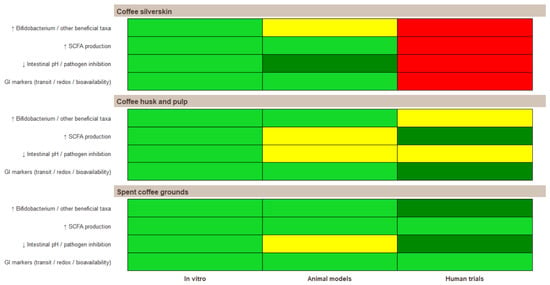
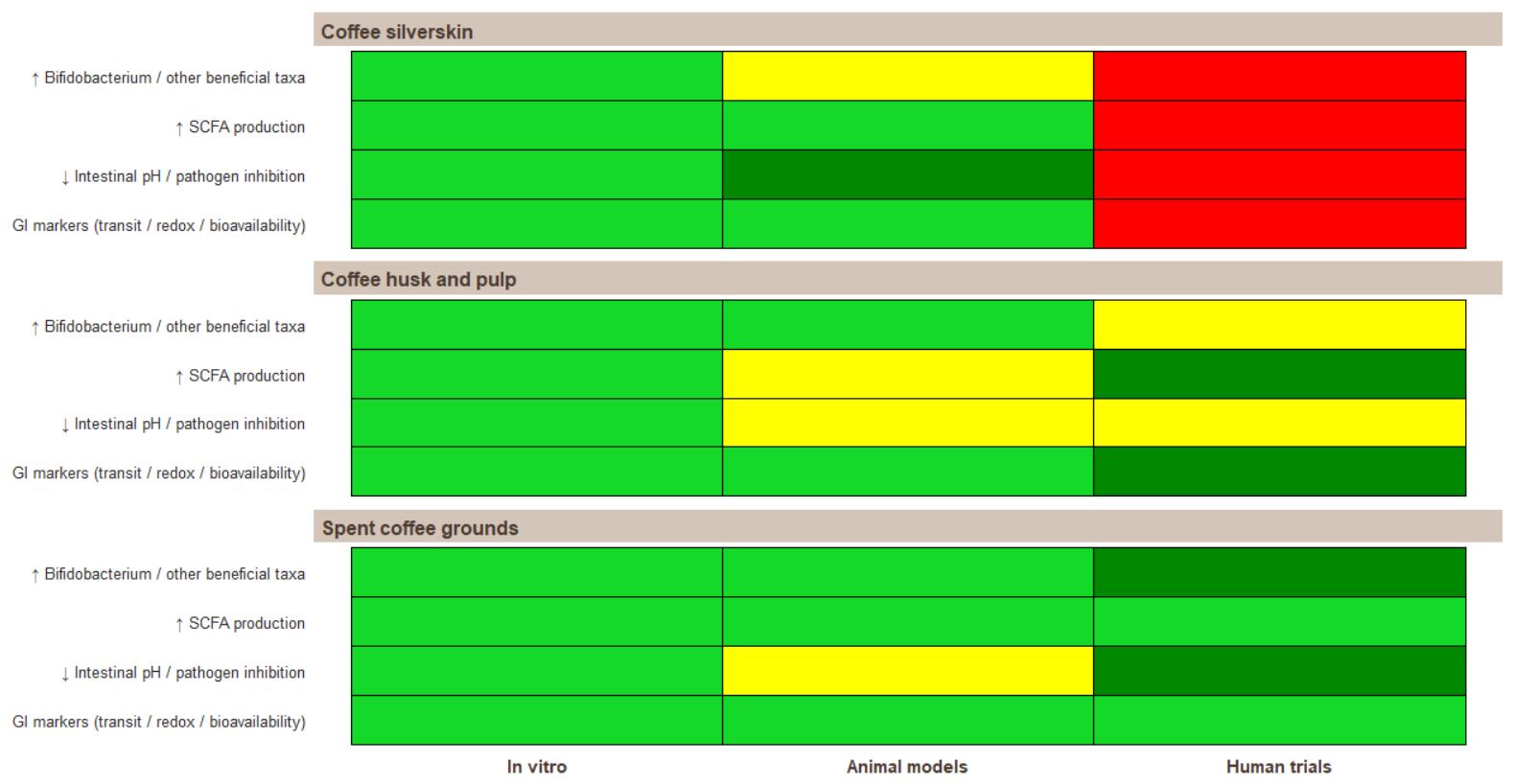
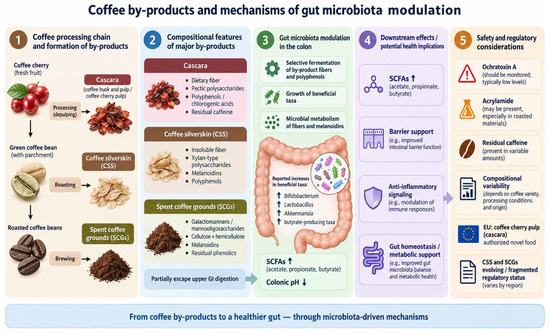
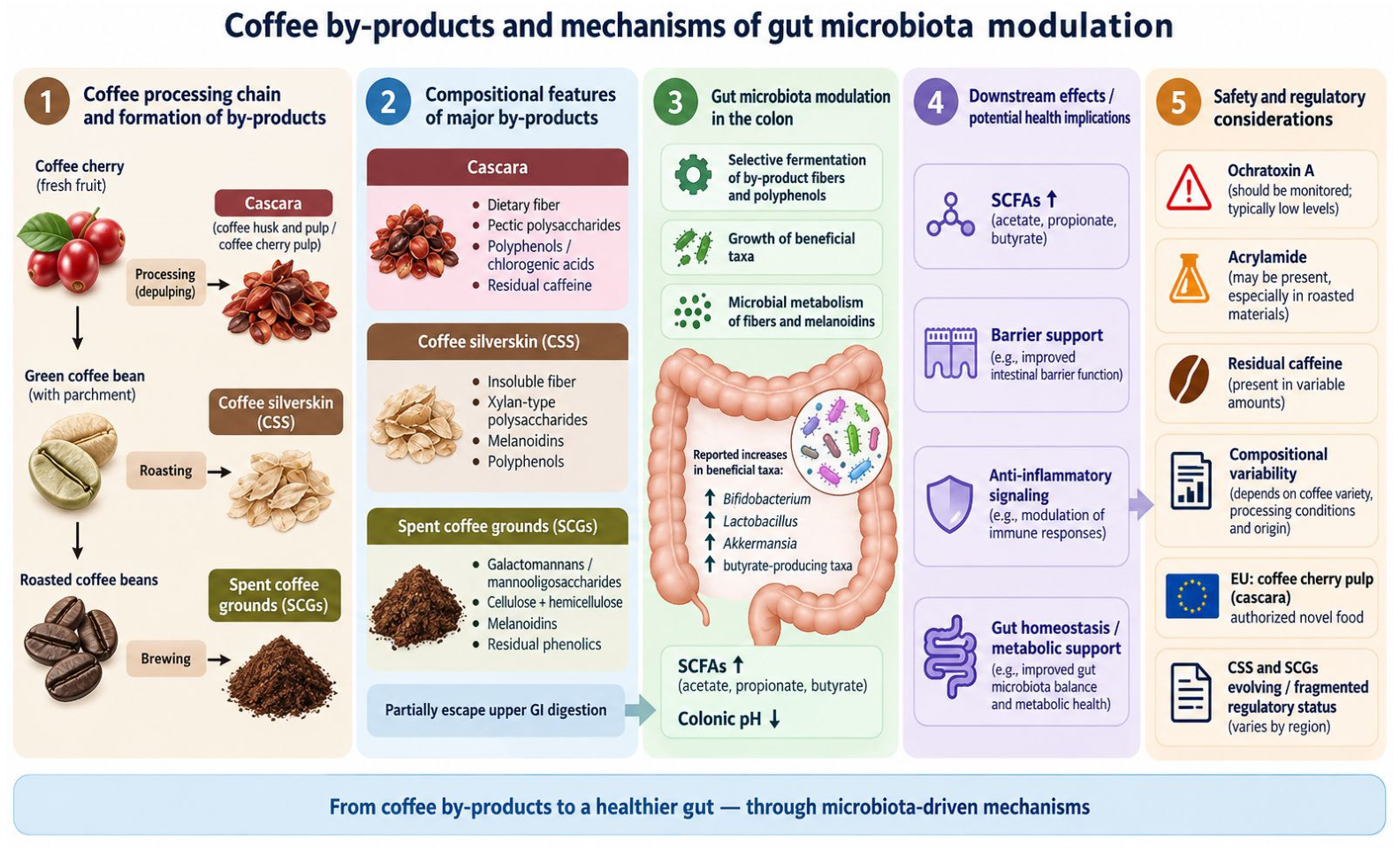

Disclaimer/Publisher’s Note: The statements, opinions and data contained in all publications are solely those of the individual author(s) and contributor(s) and not of MDPI and/or the editor(s). MDPI and/or the editor(s) disclaim responsibility for any injury to people or property resulting from any ideas, methods, instructions or products referred to in the content. |
© 2026 by the authors. Licensee MDPI, Basel, Switzerland. This article is an open access article distributed under the terms and conditions of the Creative Commons Attribution (CC BY) license.