


Abstract
Background: This retrospective case series evaluated the descriptive clinical observations of the bio-activator AMCOP® TC in the treatment of growing patients with Class III dento-skeletal malocclusion. In recent years, elastodontic appliances have been introduced as an evolution of conventional functional appliances. Elastodontic therapy could be an excellent therapeutic alternative in the early treatment of patients with Class III dento-skeletal malocclusion. Aim: This retrospective experimental study evaluated the descriptive clinical observations of the bio-activator AMCOP® TC in the treatment of patients with Class III dento-skeletal malocclusion and described four clinical cases. Materials and methods: The study included 11 subjects (5 males and 6 females, aged between 3 and 12 years) treated with the AMCOP® TC bio-activator for Class III dento-skeletal malocclusion. Patients used the AMCOP® TC device for two hours in the afternoon and all night for 6–8 months and then only at night. For each patient, cephalometric analyses were performed on latero-lateral teleradiographs both at the beginning of treatment (T0) and at the end of treatment (T1). Analyses were performed using DeltaDent® software. Conclusions: Cephalometric observations between T0 and T1 showed changes in sagittal relationship parameters, including ANB values; however, these findings should be interpreted cautiously. Elastodontic therapy with an AMCOP® TC appliance improved the correction of a Class III dento-skeletal malocclusion and postural restoration of the first cervical vertebrae. Although further studies are needed, AMCOP® TC bio-activators may be considered a possible interceptive treatment approach in selected growing patients; however, the present findings should be interpreted with caution. Findings should be considered preliminary and interpreted with caution.
1. Introduction
Class III dento-skeletal malocclusion, which remains a therapeutic challenge today, is characterised by a sagittal alteration of the normal relationships between the maxillary bones [1,2,3]. In particular, the lower jaw is advanced in relation to the upper jaw; there may also be a reversal of the physiological relationship between the incisors (anterior crossbite) [4,5,6]. When the change affects the dental component, it is referred to as dental Class III; when the change affects the skeletal structures of the upper and/or lower jaw, it is referred to as skeletal Class III [7,8,9].
In the early 1990s, Angle described a Class III dento-skeletal malocclusion as one in which the mesio-vestibular cusp of the maxillary first molar occludes distal to the mesio-vestibular sulcus of the mandibular first molar [10,11,12]. A skeletal Class III malocclusion may be caused by overdevelopment of the maxilla and/or overdevelopment of the mandible [13,14,15].
The diagnosis of dental Class III can be made by clinical examination, whereas the diagnosis of skeletal Class III requires cephalometric analysis on teleradiography in latero-lateral projection [7,16,17].
The width of the cephalometric angle ANB, which represents the sagittal discrepancy between the maxilla and the mandible, is assessed [18,19,20]. If ANB is between 0° and 4°, it is a Class I malocclusion; if ANB is >4°, it is a Class II malocclusion; if ANB is <0°, it is a Class III malocclusion [21,22,23]. Cephalometric point A (Downs’ or sub-spinal point A) is the most depressed point of the anterior maxilla, cephalometric point N (nasion) is the most anterior point of the naso-frontal suture, and cephalometric point B (Downs’ or supra-mental point B) is the most depressed point of the anterior mandibular symphysis [24,25,26].
The aetiology of Class III dento-skeletal malocclusion is multifactorial [27,28,29]. In 1980, Ferro defined the aetiological factors as genetic and epigenetic or environmental factors [30,31,32]. With regard to the genetic component, Class III manifestations in the same family suggest a dominant mode of inheritance. Regarding epigenetic or environmental factors, low tongue position, which may be due to oral breathing, swallowing disorders, short frenulum, and labio-palatal schisis, causes overdevelopment of the maxilla and overdevelopment of the mandible [33,34,35].
A Class III dento-skeletal malocclusion can be associated with a normal bite, a deep bite or an open bite [36,37,38]. In Class III normo-bite, which has a favourable prognosis, the vertical dimension is normal. In Class III deep bite, which has a favourable prognosis, there is a reduction in the vertical dimension. In Class III open bite, which has an unfavourable prognosis, the vertical dimension is increased [39,40,41].
Clinically, typical signs of Class III are advancement of the lower dental arch relative to the upper, a concave profile with protrusion of the lower lip (lower procheilia) and/or retrusion of the upper lip (upper retrocheilia) [42,43,44].
Class III may also be associated with sleep apnoea, joint pain, phonation disorders, back pain, recurrent headaches, coughing, sinusitis, and gastro-oesophageal reflux; a condition that may also affect psychological status [45,46,47].
Orthopaedic therapy, which uses the growth potential of the jaw bones is one of the main treatment options [48,49,50].
The aim of this retrospective experimental study was to evaluate the descriptive clinical observations of elastodontic therapy with the AMCOP® TC bio-activator in growing patients with Class III dento-skeletal disorders.
The Multifunctional Cranio-Occluso-Postural Harmoniser (AMCOP®) has the function of harmoniously remodelling the dento-cranio-facial structures, correcting various functional problems through neuro-muscular re-education, and acting on the relationship between the skull and the jaw bones, as well as between occlusion and posture, by acting on the first cervical vertebrae (Figure 1) [51,52,53].
Figure 1.
AMCOP® elastodontic devices on the market.
The AMCOP® bio-activators consist of two flanges, one vestibular and one lingual, which define a central area of equilibrium between the force of the tongue (centrifugal force) and the force of the cheek and lip (centripetal forces) in which the teeth are positioned [54,55,56]. The vestibular flange performs the function of a lip bumper; in fact, it pulls away the perioral muscles and provides proprioceptive stimulation of the bone matrix [57,58,59]. It involves both arches and has an orthopaedic effect on the jaw bones transversely, sagittally, vertically, and torsionally [60,61,62]. The AMCOP® bio-activators also consist of a lingual ramp and a tongue button, which guide the tongue towards the palate and help to restore the correct lingual position and function [63,64,65]. There are also drains to avoid interference with the frenula and retro-incisal papilla, and two concavities at the level of the canine bumps [66,67,68].
The size of the device is chosen according to the transverse distance between the vestibular cusps of the upper sixth [69,70].
The AMCOP® bio-activators are made of a highly elastic, thermoplastic, heat-activated polymer/elastomer mixture, available in two different Shore hardness grades (51 and 60), depending on the surgical requirements [71,72,73,74]. It can be expanded by immersion in hot water (70 °C) for 30 s and then in cold water [75,76,77].
The AMCOP® bio-activators for deciduous dentition patients are particularly suitable for the treatment of children with maxillary hypodevelopment and open bite due to the low lingual position and/or prolonged dummy use. These devices are available in two models, D and DC, with or without a dummy handle [78,79,80].
The AMCOP® bio-activators can be classified as first, second (SC) or third class (TC) devices [81,82,83]. First-class AMCOP® are indicated for transversal and vertical disharmonies; they are suitable for deciduous, mixed, and permanent dentition [84,85,86]. They can have four different arch forms: F-form, for dolichocephals with ogival arches and narrow palates; S-form, for mesocephals with oval arches; OS-form, for mesocephals with square arches; and C-form, for brachycephals with wide, rounded arches and flat palates [87,88,89,90]. In addition, the occlusal plane can be integral, i.e., flat (suitable for patients with a normal bite), or basic, i.e., thicker in the anterior region (suitable for patients with a deep bite) [91,92,93,94].
SC AMCOP®, indicated for Class II malocclusions, consist of an anterior mandibular gliding plane; they control the growth of the upper jaw and correct the overjet by means of a superior incisal retro-inclination and an inferior incisal pro-inclination [95,96,97].
TC AMCOP®, indicated for Class III dento-skeletal malocclusions, stop the growth of the lower jaw and re-educate the tongue into a physiological position. In the case of an open bite, elastodontic therapy must be started within five years [98,99,100,101,102,103,104].
The present retrospective experimental study was conducted to evaluate the descriptive clinical observations of the AMCOP® TC bio-activator device in the treatment of patients with Class III dento-skeletal malocclusions, describing four retrospective clinical cases.
In addition to the vertical pattern, treatment prognosis and appliance selection in Class III dento-skeletal malocclusion also depend on the severity and nature of the discrepancy. Elastodontic appliances such as AMCOP® TC are mainly indicated as an interceptive approach in growing patients with mild Class III presentations, where dentoalveolar compensation and neuromuscular re-education can meaningfully contribute to sagittal correction. Favourable features for AMCOP® TC therapy include a limited skeletal discrepancy (e.g., slightly negative or borderline ANB/Wits), a predominantly dentoalveolar component (anterior crossbite with incisor compensation), manageable arch-length discrepancy/crowding, and the absence of marked transverse constriction requiring rapid maxillary expansion as a primary step. Conversely, cases with severe skeletal Class III, pronounced mandibular prognathism, significant maxillary deficiency requiring protraction protocols, relevant arch-length deficiency, or unfavourable vertical patterns (especially open bite with increased vertical dimension) may show limited response to elastodontic mechanisms alone and often require alternative or adjunct orthopaedic approaches.
Sample Selection
A sample of 11 subjects (5 males and 6 females, aged 3 to 12 years) treated with AMCOP® TC bio-activator was enrolled from patients of the Orthodontic Department of the Bari Polyclinic and a private clinic.
Inclusion criteria:
- Skeletal Class III relationship at baseline, defined clinically and cephalometrically;
- Treatment with AMCOP® TC appliance during the study period;
- Availability of complete pre-treatment and post-treatment clinical and radiographic records.
Exclusion criteria:
- Previous orthodontic treatment;
- Craniofacial syndromes or congenital anomalies;
- Incomplete records.
Informed consent was obtained from each patient. The following materials were collected: extraoral photographs, intraoral photographs, panoramic radiographs, and latero-lateral teleradiographs at the beginning of the treatment/observation period (T0) and at the end of treatment (T1).
Due to the exploratory nature of this retrospective case series, no formal sample size calculation was performed. The sample included all eligible patients treated with the AMCOP® TC appliance during the study period.
Patients were retrospectively selected from those consecutively treated at the Orthodontic Department of the Bari Polyclinic and a private orthodontic clinic during the study period. No eligible patients meeting the inclusion criteria were excluded.
2. Materials and Methods
2.1. Treatment Protocol
The treatment plan included the use of the AMCOP® TC bio-activator (Micerium S.p.A., Avegno, Genoa, Italy), which is indicated for the treatment of Class III dento-skeletal malocclusions in the primary, mixed, and permanent dentition. All clinical photographs and radiographs were obtained at baseline (T0) and at the end of treatment (T1). The average observation period between T0 and T1 was approximately 16–24 months, depending on the individual treatment duration.
The AMCOP® TC is a device with a maxillary sliding occlusal plane and a mandibular stop (Figure 2).
Figure 2.
AMCOP® TC bio-activator.
AMCOP® TC design and reactivation.
The AMCOP® TC is a preformed, one-piece elastodontic appliance engaging both arches, characterised by vestibular and lingual flanges (lip-bumper effect and neutral-zone guidance), a tongue button/lingual ramp to promote a physiological tongue posture, and a Class III-specific occlusal design with a maxillary sliding plane and mandibular stop. Appliance size was selected based on the transverse distance between the buccal cusps of the maxillary first molars. When additional transverse development was required, the appliance was reactivated by thermoplastic expansion (hot water ~70 °C for ~30 s), gently widened in the posterior segments, and then cooled in cold water to stabilise the new shape before intraoral fit verification. The appliances used in this study had a Shore hardness of approximately 60, as recommended for Class III treatment.
Patients wore the device for two hours in the afternoon and all night for 6–8 months and then only at night for the following months.
The following cephalometric parameters, SNA, SNB, and ANB were taken into consideration as well as the clinical occlusal improvement. The pre- and post- treatment cephalometric values were compared to evaluate the success of the orthodontic treatment. Compliance was monitored through parental report during follow-up visits.
Biomechanical mechanism
The AMCOP® TC appliance acts through light elastic forces generated by the elastomeric material and through neuromuscular re-education. The vestibular shields reduce the centripetal pressure of the perioral muscles, favouring transverse development of the maxillary arch. The Class III occlusal configuration with a maxillary sliding plane and mandibular stop guides the mandible posteriorly during closure, producing a sagittal orthopaedic effect and encouraging dentoalveolar compensation. At the same time, the lingual ramp promotes tongue elevation toward the palate, contributing to functional rebalancing and stabilisation of the corrected occlusal relationship.
This study was approved by the Ethics Committee.
Prot. Number: 00152571
15/02/2023 JAOUCPG23ICOMETIP
Study number: 7593 Approved date 25 January 2023
U.O. di Odontostomatologia
CODE: EAP AS
Principal investigator: Prof. F. Inchingolo
U.O. di Odontostomatologia
University Polyclinic of Bari
2.2. Cephalometric Analysis
All radiographs were obtained with standardised head positioning and natural head posture using the same radiographic equipment. For each patient, cephalometric analyses were performed on latero-lateral teleradiographs at the beginning of treatment/observation period (T0) and at the end of treatment (T1). All cephalometric tracings were performed by the same operator using DeltaDent® software (DeltaDent®, Lana, Italy), and measurements were repeated twice to minimise potential measurement error. The same reference cephalometric parameters were considered for all patients to allow a consistent comparison between pre- and post-treatment measurements. Descriptive comparisons between T0 and T1 cephalometric values were performed; no inferential statistical tests were applied due to the limited sample size.
3. Discussion
Class III dento-skeletal malocclusions represent a challenge for modern orthodontics as they are characterised by very complex therapeutic management. Functional or interceptive therapy is a valid treatment option for growing patients [105,106,107,108].
3.1. Traditional Functional Therapy
Functional orthodontics, which was introduced in Europe at the beginning of the 20th century, involves the use of various types of orthodontic devices [109,110,111]. It is indicated for the treatment of malocclusions in adolescents and has an orthopaedic effect on the bases of the jaws [112,113,114].
The ideal age for the use of functional appliances is generally late mixed dentition; however, interceptive treatment may also be initiated earlier in selected cases when functional or dentoalveolar factors are present [115,116,117].
Functional braces are mobile drop devices, i.e., they are designed to drop and encourage the patient to close the mouth so that they can be activated by the action of the tongue on the palate [118,119,120]. In this way, they act on neuromuscular tissues, deactivating non-physiological muscular forces and allowing the patient to re-establish a new occlusal balance [121,122,123].
Functional devices can be divided into activators and morphoconformers, depending on how they work [124,125,126,127]. Morphoconformers include the Fränkel function regulators, which modify the morphology of soft tissues, inactivating abnormal muscle forces and allowing skeletal structures to grow [128,129,130,131]. From a clinical point of view, the use of functional devices during the night and for a few hours (1–2 h) in the afternoon is indicated [132,133,134,135]. In fact, during the night, the device acts on involuntary circuits such as heartbeat, blinking, breathing, and swallowing, while in the afternoon, the involuntary stimulus becomes conscious at the level of the cerebral cortex [136,137,138,139].
However, such devices often cause discomfort to young patients, with a failure rate of up to 34% due to poor treatment compliance [140,141,142].
In order to increase patient compliance, fixed devices such as the Herbst, Forsus, and Powerscope have been introduced to treat Class II malocclusions [143,144,145,146].
Numerous authors have conducted studies regarding the possible treatments of a Class III dento-skeletal malocclusion in order to identify the most effective and to reduce the risk of recurrence of the dysgnathia.
The treatment of the transverse defect related to the upper jaw involves expanding the palate so that the jaw can be positioned correctly [147,148,149]. Palatal expanders are orthodontic devices that expand the upper jaw by acting on the medial palatine suture [150,151,152,153].
Maspero et al. treated patients with maxillary hypodevelopment with Rapid Palatal Expander (RPE) and with Transverse Sagittal Maxillary Expander (TSME). Both types of therapy provided transverse expansion of the upper jaw, with similar results regarding inter-molar distance, palatal depth, and palate length. However, TSME proved more effective in improving the perimeter of the maxillary arch [154,155,156,157].
Minase et al. compared patients with Class III dento-skeletal malocclusion treated with Reverse Twin Block with Lip Pads-Rapid Maxillary Expander (RTBLP-RME) and with Face Mask-Rapid Maxillary Expander (FM-RME). After 9 months, both types of therapy significantly improved the position of the upper jaw and mandible; RTBLP-RME achieved greater skeletal improvements than FM-RME [158,159,160,161].
Cevidanes et al. conducted a study to compare the treatment of patients with Class III dento-skeletal malocclusion with Bone-Anchored Maxillary Protraction (BAMP) and with Face Mask-Rapid Maxillary Expander (FM-RME). The results showed that BAMP resulted in significantly greater upper jaw advancement (approximately 2.5–3 mm) than FM-RME, with significant improvements in midface length and molar relationship. Although the sagittal changes to the mandible were similar, BAMP better controlled vertical growth and avoided retroclination of the lower incisors. However, the BAMP treatment requires surgery for insertion and removal of the anchors, whereas the FM-RME protocol is less invasive but requires more time to use the device [162,163,164,165].
Gencer et al. conducted a retrospective study to compare two types of orthodontic treatment of patients with Class III dento-skeletal malocclusion and anterior crossbite. One group of patients was managed with a Delaire-type Face Mask (FM), while the other group was managed with a Face Mask (FM) and an Anterior Protrusion Device (DPA). Both treatments improved the molar relationship and over-jet, but DPA-FM reduced the undesired effect of mandibular post-rotation [166,167,168].
3.2. Elastodontic Therapy
These findings are consistent with previous studies reporting that elastodontic appliances may contribute to improvements in sagittal relationships and neuromuscular balance in growing patients. Elastodontic therapy is an evolution of functional orthodontics [169,170,171].
Elastodontics was introduced in Europe to treat malocclusions in mixed dentition patients [172,173,174]. Elastodontic therapy uses mild elastic forces to produce both skeletal and dental effects [175,176,177]. It is also called myofunctional therapy because it restores muscle function by neutralising centrifugal and centripetal forces [178,179,180,181]. Treatment with elastodontic devices restores nasal breathing, lip sealing, correct lingual posture and physiological swallowing [182,183,184]. It is necessary to educate the patient to perform certain exercises at home to correct lingual, masticatory and respiratory functions [185,186,187]. These effects are mainly related to the neuromuscular action of the appliance. The vestibular flange acts as a lip bumper, reducing the pressure of the orbicularis and buccinator muscles and promoting passive lip sealing. The lingual ramp and tongue button guide the tongue toward a more physiological palatal position, encouraging nasal breathing and reducing the tendency for low tongue posture. In addition, the presence of the appliance during swallowing helps reprogram the oro-facial muscles, promoting a more physiological swallowing pattern by discouraging anterior tongue thrust and facilitating correct tongue-palate contact. Because the study involved growing patients, part of the observed cephalometric changes may also reflect physiological craniofacial growth rather than treatment effects alone.
There are different types of appliances depending on the malocclusion to be treated; in fact, they are preformed appliances, but there are auxiliary elements that can be added if necessary [188,189,190].
Regarding the material used for their construction, soft silicones or polymeric compositions are generally used to generate light elastic forces that do not traumatise the oral mucosa [191,192,193,194].
The ideal time for elastodontic therapy is in the primary or mixed dentition to achieve orthopaedic and orthodontic effects [195,196,197]. These devices can be used not only in the interceptive phase in conjunction with myofunctional exercises, but also in the restraint phase to maintain the results obtained over time [198,199,200,201].
Commercially available elastodontic appliances include [202,203,204,205]:
- -
- EF devices designed by Daniel Rollet (Éducation Fonctionnelle, Orthoplus®, Igny, France);
- -
- T4K and POT (Trainer For Kids e Pre-Orthodontic Trainer), actually called Myobrace® (MRC Myofunctional Research, Helensvale, Australia);
- -
- LM-Activator (LM, Parainen, Finland);
- -
- MFS (Multi-Function System) by Duran von Arx (Orthodontic World, Barcelona, Spain);
- -
- Muppy® Oral Screen developed by Hintz (DHD, Herne, Germany);
- -
- Occlus-o-Guide®, Nite-Guide®, Class III® and Healthy Start™ (Sweden and Martina);
- -
- AMCOP® (Multifunctional Cranio-Occlusal-Postural Harmonisers) by Micerium.
The AMCOP® bio-activators are functional devices with neuromuscular, orthopaedic and orthodontic effects [206,207,208,209]. These devices are indicated in patients of developmental age; in fact, the plasticity and adaptability of skeletal structures allow the removal of factors responsible for malocclusion [210,211,212]. In addition, AMCOP® are well tolerated by patients and require simple handling and cooperation [213,214,215,216]. After a treatment of 16–20 months with AMCOP® bio-activators, there is a significant radiographic and clinical improvement in the skeletal and dento-alveolar situation of patients [217,218,219].
A review by Ureni et al. examined, by means of cephalometric measurements, the effectiveness of elastodontic devices in the treatment of children with Class II and Class III dento-skeletal malocclusions, comparing them with patients treated with conventional orthodontic appliances. The results showed that elastodontic therapy is able to bring about improvements in sagittal relationships and overall tooth alignment, especially in patients with altered oral habits such as atypical swallowing. However, such devices require patient compliance and would appear to be less effective than conventional orthodontic appliances in bringing about skeletal and soft tissue effects [220,221,222,223].
In a study by Ciavarella et al., patients with advanced mixed dentition and Class II malocclusion were treated with an elastodontic device. After 24 months, significant improvements were found in mandibular length and lower facial height, but no significant changes in tooth inclinations or aesthetic variables. In conclusion, the elastodontic appliance showed limited effects on the correction of malocclusion, mainly affecting mandibular growth [224,225,226].
Ronsivalle et al. performed a retrospective study to compare the treatment of patients with Class III dento-skeletal malocclusion with bi-maxillary plates and Class III elastodontic appliances and with a one-piece elastodontic appliance. The authors concluded that both types of therapy result in significant improvement, but elastodontics provide greater transverse palatal growth [227,228,229,230]. However, the retrospective design and the limited sample may introduce selection bias.
4. Case Series Presentation
Individual cephalometric measurements for each patient are reported in the corresponding case tables. Given the limited sample size, the results are presented descriptively without inferential statistical testing.
4.1. Clinical Case #1
The patient was a 7-year-old boy with a Class III dento-skeletal malocclusion treated with AMCOP® TC. The medical history revealed respiratory difficulties and recurrent colds. Before and after the treatment, orthopantomography (Figure 3 and Figure 4), latero-lateral teleradiography (Figure 5 and Figure 6), postero-anterior teleradiography (Figure 7 and Figure 8), cephalometric examination (Table 1 and Table 2), extraoral photographs (Figure 9 and Figure 10) and intraoral photographs (Figure 11 and Figure 12) were performed.
Figure 3.
Orthopantomography X-ray before treatment (clinical case #1).
Figure 4.
Orthopantomography X-ray after the treatment (clinical case #1).
Figure 5.
Cephalometric tracing (DeltaDent software) before treatment reveals a skeletal Class III (clinical case #1).
Figure 6.
Cephalometric tracing (DeltaDent software) after the treatment (clinical case #1).
Figure 7.
Postero-anterior Teleradiography before treatment (clinical case #1).
Figure 8.
Postero-anterior Teleradiography after the treatment (clinical case #1).
Table 1.
Cephalometric analysis before treatment (clinical case #1).
Table 2.
Cephalometric Analysis after Treatment (Clinical Case #1).
Figure 9.
Initial extraoral photograph (clinical case #1).
Figure 10.
Extraoral photograph after the treatment (clinical case #1).
Figure 11.
Initial intraoral photographs (frontal view and lateral view) of the subject (7-year-old) (clinical case #1).
Figure 12.
Intraoral photographs (frontal view and lateral view) after the treatment (clinical case #1).
Extraoral examination revealed an anterior crossbite, interincisive diastema, contraction of the maxillary arch, and insufficient space for the correct eruption of 1.2 and 2.2. The pre-treatment cephalometric analysis (Deltadent® Lana, Bolzano, Italy) revealed a skeletal Class III. The proposed treatment plan included the use of the AMCOP® TC appliance. The patient wore the device for two hours in the afternoon and all night for 6 months and only at night for a further 6 months. At the end of the treatment, the patient had a Class I dentition with correction of overjet and overbite; the device also allowed tongue reeducation and postural restoration of the first cervical vertebrae.
4.2. Clinical Case #2
The patient was a 7-year-old boy with a Class III dento-skeletal malocclusion treated with AMCOP® TC. The medical history revealed respiratory difficulties and recurrent colds. Before and after the treatment, orthopantomography (Figure 13 and Figure 14), latero-lateral teleradiography (Figure 15 and Figure 16), postero-anterior teleradiography (Figure 17 and Figure 18), cephalometric examination (Table 3 and Table 4), extraoral photographs (Figure 19 and Figure 20) and intraoral photographs (Figure 21 and Figure 22) were performed.
Figure 13.
Orthopantomography X-ray before treatment (clinical case #2).
Figure 14.
Orthopantomography X-ray after the treatment (clinical case #2).
Figure 15.
Latero-lateral Teleradiography before treatment (clinical case #2).
Figure 16.
Latero-lateral Teleradiography after the treatment (clinical case #2).
Figure 17.
Postero-anterior Teleradiography before treatment (clinical case #2).
Figure 18.
Postero-anterior Teleradiography after the treatment (clinical case #2).
Table 3.
Cephalometric analysis before treatment (clinical case #2).
Table 4.
Cephalometric Analysis after Treatment (clinical case #2).
Figure 19.
Initial extraoral photograph (clinical case #2).
Figure 20.
Extraoral photograph after the treatment (clinical case #2).
Figure 21.
Initial intraoral photographs (frontal view and lateral view) of the subject (7-year-old) (clinical case #2).
Figure 22.
Intraoral photographs (frontal view and lateral view) after the treatment (clinical case #2).
Extraoral examination revealed an anterior crossbite, interincisive diastema, contraction of the maxillary arch, and insufficient space for the correct eruption of 1.2 and 2.2. The pre-treatment cephalometric analysis (Deltadent® Lana, Bolzano, Italy) revealed a skeletal Class III. The proposed treatment plan included the use of the AMCOP® TC appliance. The patient wore the device for two hours in the afternoon and all night for 6 months and only at night for a further 8 months. At the end of the treatment, the patient had a dento-skeletal Class I and corrected overjet and overbite; the appliance also allowed tongue reeducation and postural recovery of the first cervical vertebrae.
4.3. Clinical Case #3
The patient was a 3-year-old female with a Class III dento-skeletal malocclusion treated with AMCOP® TC. The medical history revealed the presence of this type of malocclusion in the parents. The extraoral examination revealed an anterior crossbite and a Class III molar and canine on the right and left (Figure 23). The proposed treatment plan involved the use of the AMCOP® TC device (Figure 24). The patient wore the device for two hours in the afternoon and all night for 6 months and only at night for a further 10 months. At the end of the treatment, the patient had a Class I dentoskeleton with a corrected overjet and overbite (Figure 25). To stabilise the result achieved and to guide the eruption of the permanent teeth, the patient wore the appliance only overnight. The patient was followed up with six-monthly visits.
Figure 23.
Initial intraoral photographs (frontal view and lateral view) of the subject (3-year-old) (clinical case #3).
Figure 24.
Intraoral photograph with the AMCOP® TC (clinical case #3).
Figure 25.
Intraoral photographs (frontal view and lateral view) after the treatment (clinical case #3).
4.4. Clinical Case #4
The patient was a 10-year-old female with a Class III dento-skeletal malocclusion treated with AMCOP® TC. Before and after the treatment, orthopantomography (Figure 26 and Figure 27), latero-lateral teleradiography (Figure 28 and Figure 29), postero-anterior teleradiography (Figure 30 and Figure 31), cephalometric examination (Table 5, Table 6, Table 7, Table 8, Table 9 and Table 10), extraoral photographs (Figure 32 and Figure 33), and intraoral photographs (Figure 34 and Figure 35) were performed. At the end of the treatment, the patient’s dental impressions were also taken. The proposed treatment plan included the use of the AMCOP® TC device. The patient wore the appliance for two hours in the afternoon and all night for 6–8 months and then only at night for the following months; the treatment period was 1 year and 7 months. At the end of the treatment, the patient showed resolution of the Class III dento-skeletal malocclusion, as well as a measurable improvement in posture at the level of the first cervical vertebrae.
Figure 26.
Orthopantomography X-ray before treatment (clinical case #4).
Figure 27.
Orthopantomography X-ray after the treatment (clinical case #4).
Figure 28.
Latero-lateral Teleradiography before treatment (clinical case #4).
Figure 29.
Latero-lateral Teleradiography after the treatment (clinical case #4).
Figure 30.
Postero-anterior Teleradiography before treatment (clinical case #4).
Figure 31.
Postero-anterior Teleradiography after the treatment (clinical case #4).
Table 5.
Jaraback Cephalometric analysis before treatment (clinical case #4).
Table 6.
Jaraback Cephalometric analysis after the treatment (clinical case #4).
Table 7.
EBO Cephalometric analysis before treatment (clinical case #4).
Table 8.
EBO Cephalometric analysis after the treatment (clinical case #4).
Table 9.
Giannì Cephalometric analysis before treatment (clinical case #4).
Table 10.
Giannì Cephalometric analysis after the treatment (clinical case #4).
Figure 32.
Initial extraoral photographs (clinical case #4).
Figure 33.
Extraoral photographs after the treatment (clinical case #4).
Figure 34.
Initial intraoral photographs (clinical case #4).
Figure 35.
Intraoral photographs after the treatment (clinical case #4).
This study has several limitations, in particular its retrospective design, small sample size, absence of a control group, variable follow-up, growth-related changes, and non-blinded measurements.
5. Conclusions
The clinical cases reported functional therapy with the AMCOP® TC elastodontic device, worn by the patients for two hours in the afternoon and all night for 6–8 months, and then only at night for the following months, was associated with improvement of the Class III dento-skeletal relationship and postural recovery of the first cervical vertebrae. All treatments had an average duration of 16–24 months, and two or a maximum of three AMCOP® were changed because every 6–8 months the appliance was changed because it lost elasticity. Long-term follow-up studies are needed to evaluate the stability of the obtained results and the potential risk of relapse.
However, further literature studies are needed regarding the use of AMCOP® TC bio-activators for the treatment of Class III dento-skeletal malocclusions. These devices are minimally invasive and have good compliance, so they may be a viable treatment option. However, due to the retrospective design, the small sample size, and the absence of a control group, the present findings should be interpreted with caution and considered preliminary.
Author Contributions
Conceptualization, A.M.I. and L.F.; methodology, D.D.V. and F.C.; software, A.P.; validation, E.d.R., L.F., G.M. and D.D.V.; formal analysis, A.P.; investigation, E.d.R.; resources, F.I.; data curation, A.M.I. and A.D.I.; writing—original draft preparation, F.I., A.P., A.M.I., A.D.I. and G.D.; writing— review and editing, E.d.R., F.C., G.M., L.F. and D.D.V.; visualization, F.C. and A.P.; supervision, G.D.; project administration, E.d.R., F.I., G.D. and A.P.; funding acquisition, F.C. and A.D.I. All authors have read and agreed to the published version of the manuscript.
Funding
This research received no external funding.
Institutional Review Board Statement
This study was approved by the Ethics Committee. Prot. Number: 00152571. 15/02/2023 JAOUCPG23ICOMETIP. Study number: 7593 Approved date 25 January 2023. U.O. di Odontostomatologia. CODE: EAP AS. Principal investigator: F. Inchingolo, U.O. di Odontostomatologia, University Polyclinic of Bari.
Informed Consent Statement
Written informed consent was obtained from parents/legal guardians.
Data Availability Statement
Anonymized data are available from the corresponding author upon reasonable request. The data are not publicly available due to privacy and ethical restrictions.
Acknowledgments
The authors would like to thank all clinicians and staff involved in the management of the clinical case. The authors also sincerely thank the reviewers for their valuable comments and suggestions, which helped improve the quality of this manuscript.
Conflicts of Interest
The authors declare no conflicts of interest. None of the authors has received consultancy fees, speaker honoraria, research support, royalties, or any financial compensation from the manufacturer of the AMCOP® devices (Micerium). The company had no role in study design, data collection, analysis, manuscript preparation, or publication decisions. All devices used in this study were obtained independently through routine clinical practice and were not supplied free of charge.
Abbreviations
| AMCOP | Multifunctional Cranio-Occlusal-Postural Harmoniser |
| BAMP | Bone Anchored Maxillary Protraction |
| DPA | Anterior Protrusion Device |
| EF | Éducation Fonctionnelle |
| FM | Face Mask |
| FM-RME | Face Mask–Rapid Maxillary Expander |
| MFS | Multi-Function System |
| MRC | Myofunctional Research |
| POT | Pre-Orthodontic Trainer |
| RPE | Rapid Palatal Expander |
| RTBLP-RME | Reverse Twin Block with Lip Pads–Rapid Maxillary Expander |
| SC | Second Class |
| T4K | Trainer For Kids |
| TC | Third Class |
| TSME | Transverse Saggital Maxillary Expander |
References
- Proffit, W.R.; Fields, H.W., Jr.; Sarver, D.M. Contemporary Orthodontics; Elsevier Health Sciences: Amsterdam, The Netherlands, 2006. [Google Scholar]
- Sahin, T.; Delforge, A.; Garreau, E.; Raoul, G.; Ferri, J. Orthopedic Treatment of Class III Malocclusions Using Skeletal Anchorage: A Bibliographical Review. Int. Orthod. 2016, 14, 263–272. [Google Scholar] [CrossRef] [Scilit]
- Möhlhenrich, S.C.; Kötter, F.; Peters, F.; Kniha, K.; Chhatwani, S.; Danesh, G.; Hölzle, F.; Modabber, A. Effects of Different Surgical Techniques and Displacement Distances on the Soft Tissue Profile via Orthodontic-Orthognathic Treatment of Class II and Class III Malocclusions. Head Face Med. 2021, 17, 13. [Google Scholar] [CrossRef] [Scilit]
- Eslami, S.; Faber, J.; Fateh, A.; Sheikholaemmeh, F.; Grassia, V.; Jamilian, A. Treatment Decision in Adult Patients with Class III Malocclusion: Surgery versus Orthodontics. Prog. Orthod. 2018, 19, 28. [Google Scholar] [CrossRef] [Scilit]
- Park, J.U.; Baik, S.H. Classification of Angle Class III Malocclusion and Its Treatment Modalities. Int. J. Adult Orthodon. Orthognath. Surg. 2001, 16, 19–29. [Google Scholar] [PubMed]
- Bezerra, G.D.C.; Gaschler, J.A.M.; Lourenço, V.S.; Patel, M.P.; Nahás-Scocate, A.C.R.; Maltagliati, L.Á. Compensatory Treatment of a Complex Class III Malocclusion Using Contemporary Mechanics. J. Clin. Orthod. JCO 2022, 56, 201–209. [Google Scholar]
- Kanas, R.J.; Carapezza, L.; Kanas, S.J. Treatment Classification of Class III Malocclusion. J. Clin. Pediatr. Dent. 2008, 33, 175–185. [Google Scholar] [CrossRef] [Scilit]
- Contaldo, M.; Itro, A.; Lajolo, C.; Gioco, G.; Inchingolo, F.; Serpico, R. Overview on Osteoporosis, Periodontitis and Oral Dysbiosis: The Emerging Role of Oral Microbiota. Appl. Sci. 2020, 10, 6000. [Google Scholar] [CrossRef] [Scilit]
- Ortu, E.; Barrucci, G.; Aprile, G.; Guerrini, L.; Pietropaoli, D.; Monaco, A. Electromyographic Evaluation during Orthodontic Therapy: Comparison of Two Elastodontic Devices. J. Biol. Regul. Homeost. Agents 2020, 34, 1935–1939. [Google Scholar] [CrossRef] [Scilit]
- Azeem, M.; Ul Haq, A.; Ul Hamid, W.; Hayat, M.B.; Khan, D.I.; Ahmed, A.; Khan, M.T. Efficiency of Class III Malocclusion Treatment with 2-Premolar Extraction and Molar Distalization Protocols. Int. Orthod. 2018, 16, 665–675. [Google Scholar] [CrossRef] [Scilit] [PubMed]
- Lim, L.-I.; Choi, J.-Y.; Ahn, H.-W.; Kim, S.-H.; Chung, K.-R.; Nelson, G. Treatment Outcomes of Various Force Applications in Growing Patients with Skeletal Class III Malocclusion. Angle Orthod. 2021, 91, 449–458. [Google Scholar] [CrossRef] [Scilit]
- Baccetti, T.; Franchi, L.; Toth, L.R.; McNamara, J.A. Treatment Timing for Twin-Block Therapy. Am. J. Orthod. Dentofac. Orthop. 2000, 118, 159–170. [Google Scholar] [CrossRef] [Scilit] [PubMed]
- Lee, W.-C.; Shieh, Y.-S.; Liao, Y.-F.; Lee, C.-H.; Huang, C.S. Long-Term Maxillary Anteroposterior Changes Following Maxillary Protraction with or without Expansion: A Meta-Analysis and Meta-Regression. PLoS ONE 2021, 16, e0247027. [Google Scholar] [CrossRef] [Scilit]
- O’Brien, K.; Wright, J.; Conboy, F.; Sanjie, Y.; Mandall, N.; Chadwick, S.; Connolly, I.; Cook, P.; Birnie, D.; Hammond, M.; et al. Effectiveness of Early Orthodontic Treatment with the Twin-Block Appliance: A Multicenter, Randomized, Controlled Trial. Part 1: Dental and Skeletal Effects. Am. J. Orthod. Dentofac. Orthop. 2003, 124, 234–243; quiz 339. [Google Scholar] [CrossRef] [Scilit]
- Cassano, M.; Russo, G.; Granieri, C.; Ciavarella, D. Modification of Growth, Immunologic and Feeding Parameters in Children with OSAS after Adenotonsillectomy. Acta Otorhinolaryngol. Ital. 2018, 38, 124–130. [Google Scholar] [CrossRef] [Scilit]
- Sar, C.; Sahinoğlu, Z.; Özçirpici, A.A.; Uçkan, S. Dentofacial Effects of Skeletal Anchored Treatment Modalities for the Correction of Maxillary Retrognathia. Am. J. Orthod. Dentofac. Orthop. 2014, 145, 41–54. [Google Scholar] [CrossRef] [Scilit]
- Bergersen, E.O. Preventive Eruption Guidance in the 5-to-7-Year-Old. J. Clin. Orthod. JCO 1995, 29, 382–395. [Google Scholar]
- Ciavarella, D.; Mastrovincenzo, M.; Tepedino, M.; Laurenziello, M.; Guida, L.; Montaruli, G.; Troiano, G.; Muzio, L.L. Early Treatment of Pseudo-Class III Malocclusion with Modified Swallowing Occlusal Contact Intercept Appliance (S.O.C.I.A.). J. Indian Soc. Pedod. Prev. Dent. 2018, 36, 206–212. [Google Scholar] [CrossRef] [Scilit] [PubMed]
- Di Stasio, D.; Romano, A.; Gentile, C.; Maio, C.; Lucchese, A.; Serpico, R.; Paparella, R.; Minervini, G.; Candotto, V.; Laino, L. Systemic and Topical Photodynamic Therapy (PDT) on Oral Mucosa Lesions: An Overview. J. Biol. Regul. Homeost. Agents 2018, 32, 123–126. [Google Scholar]
- Grippaudo, M.M.; Quinzi, V.; Manai, A.; Paolantonio, E.G.; Valente, F.; La Torre, G.; Marzo, G. Orthodontic Treatment Need and Timing: Assessment of Evolutive Malocclusion Conditions and Associated Risk Factors. Eur. J. Paediatr. Dent. 2020, 21, 203–208. [Google Scholar] [CrossRef] [Scilit]
- Shrestha, A.; Song, S.H.; Aung, H.N.; Sangwatanakul, J.; Zhou, N. Three-Dimensional Cephalometric Analysis: The Changes in Condylar Position Pre- and Post-Orthognathic Surgery with Skeletal Class III Malocclusion. J. Craniofac. Surg. 2021, 32, 546–551. [Google Scholar] [CrossRef] [Scilit] [PubMed]
- Zhou, X.; Zhang, C.; Yao, S.; Fan, L.; Ma, L.; Pan, Y. Genetic Architecture of Non-Syndromic Skeletal Class III Malocclusion. Oral Dis. 2023, 29, 2423–2437. [Google Scholar] [CrossRef] [Scilit] [PubMed]
- Kotuła, J.; Kuc, A.E.; Lis, J.; Kawala, B.; Sarul, M. New Sagittal and Vertical Cephalometric Analysis Methods: A Systematic Review. Diagnostics 2022, 12, 1723. [Google Scholar] [CrossRef] [Scilit] [PubMed]
- Lee, Y.-S.; Lee, J.-Y. Orthodontic Diagnosis Rates Based on Panoramic Radiographs in Children Aged 6-8 Years: A Retrospective Study. Korean J. Orthod. 2024, 54, 185–195. [Google Scholar] [CrossRef] [Scilit]
- Baik, J.-C.; Choi, Y.-K.; Jeon, H.H.; Kim, S.-H.; Kim, S.-S.; Park, S.-B.; Kim, Y.-I. Skeletal and Dentoalveolar Effects of Maxillary Protraction Using Tooth- and Miniscrew-Anchored Devices in Patients with Class III Malocclusion with Maxillary Deficiency: A Retrospective Follow-Up Study. Appl. Sci. 2023, 13, 10530. [Google Scholar] [CrossRef] [Scilit]
- Minervini, G.; Lucchese, A.; Perillo, L.; Serpico, R.; Minervini, G. Unilateral Superior Condylar Neck Fracture with Dislocation in a Child Treated with an Acrylic Splint in the Upper Arch for Functional Repositioning of the Mandible. Cranio J. Craniomandib. Pract. 2017, 35, 337–341. [Google Scholar] [CrossRef] [Scilit]
- Velásquez, G.; Aliaga-Del Castillo, A.; Valerio, M.V.; Maranhão, O.B.V.; Miranda, F.; Janson, G. Effects of Eruption Guidance Appliance in the Early Treatment of Class III Malocclusion. Angle Orthod. 2024, 94, 286–293. [Google Scholar] [CrossRef] [Scilit]
- Janson, G.; Nakamura, A.; Chiqueto, K.; Castro, R.; de Freitas, M.R.; Henriques, J.F.C. Treatment Stability with the Eruption Guidance Appliance. Am. J. Orthod. Dentofac. Orthop. 2007, 131, 717–728. [Google Scholar] [CrossRef] [Scilit]
- Inchingolo, F.; Pacifici, A.; Gargari, M.; Acitores Garcia, J.I.; Amantea, M.; Marrelli, M.; Dipalma, G.; Inchingolo, A.M.; Rinaldi, R.; Inchingolo, A.D.; et al. CHARGE Syndrome: An Overview on Dental and Maxillofacial Features. Eur. Rev. Med. Pharmacol. Sci. 2014, 18, 2089–2093. [Google Scholar]
- Tabellion, M.; Lisson, J.A. Dentofacial and Skeletal Effects of Two Orthodontic Maxillary Protraction Protocols: Bone Anchors versus Facemask. Head Face Med. 2024, 20, 60. [Google Scholar] [CrossRef] [Scilit]
- Quinzi, V.; Paskay, L.C.; Manenti, R.J.; Giancaspro, S.; Marzo, G.; Saccomanno, S. Telemedicine for a Multidisciplinary Assessment of Orofacial Pain in a Patient Affected by Eagle’s Syndrome: A Clinical Case Report. Open Dent. J. 2021, 15, 102–110. [Google Scholar] [CrossRef] [Scilit]
- Meme’, L.; Gallusi, G.; Coli, G.; Strappa, E.; Bambini, F.; Sampalmieri, F. Photobiomodulation to Reduce Orthodontic Treatment Time in Adults: A Historical Prospective Study. Appl. Sci. 2022, 12, 11532. [Google Scholar] [CrossRef] [Scilit]
- Solano-Mendoza, B.; Iglesias-Linares, A.; Yañez-Vico, R.M.; Mendoza-Mendoza, A.; Alió-Sanz, J.J.; Solano-Reina, E. Maxillary Protraction at Early Ages. The Revolution of New Bone Anchorage Appliances. J. Clin. Pediatr. Dent. 2012, 37, 219–229. [Google Scholar] [CrossRef] [Scilit] [PubMed]
- Dinoi, M.T.; Marchetti, E.; Garagiola, U.; Caruso, S.; Mummolo, S.; Marzo, G. Orthodontic Treatment of an Unerupted Mandibular Canine Tooth in a Patient with Mixed Dentition: A Case Report. J. Med. Case Rep. 2016, 10, 170. [Google Scholar] [CrossRef] [Scilit] [PubMed]
- Tepedino, M.; Iancu-Potrubacz, M.; Ciavarella, D.; Masedu, F.; Marchione, L.; Chimenti, C. Expansion of Permanent First Molars with Rapid Maxillary Expansion Appliance Anchored on Primary Second Molars. J. Clin. Exp. Dent. 2018, 10, e241–e247. [Google Scholar] [CrossRef] [Scilit]
- Ellis, E.; McNamara, J.A. Components of Adult Class III Open-Bite Malocclusion. Am. J. Orthod. 1984, 86, 277–290. [Google Scholar] [CrossRef] [Scilit]
- Ciavarella, D.; Parziale, V.; Mastrovincenzo, M.; Palazzo, A.; Sabatucci, A.; Suriano, M.M.; Bossù, M.; Cazzolla, A.P.; Lo Muzio, L.; Chimenti, C. Condylar Position Indicator and T-Scan System II in Clinical Evaluation of Temporomandibular Intracapsular Disease. J. Cranio-Maxillofac. Surg. 2012, 40, 449–455. [Google Scholar] [CrossRef] [Scilit]
- Quinzi, V.; Marchetti, E.; Guerriero, L.; Bosco, F.; Marzo, G.; Mummolo, S. Dentoskeletal Class II Malocclusion: Maxillary Molar Distalization with No-Compliance Fixed Orthodontic Equipment. Dent. J. 2020, 8, 26. [Google Scholar] [CrossRef] [Scilit] [PubMed]
- Pasciuti, E.; Coloccia, G.; Inchingolo, A.D.; Patano, A.; Ceci, S.; Bordea, I.R.; Cardarelli, F.; Di Venere, D.; Inchingolo, F.; Dipalma, G. Deep Bite Treatment with Aligners: A New Protocol. Appl. Sci. 2022, 12, 6709. [Google Scholar] [CrossRef] [Scilit]
- Quinzi, V.; Ronsivalle, V.; Campanella, V.; Mancini, L.; Torrisi, S.; Lo Giudice, A. New Technologies in Orthodontics: A Digital Workflow to Enhance Treatment Plan and Photobiomodulation to Expedite Clinical Outcomes. Appl. Sci. 2020, 10, 1495. [Google Scholar] [CrossRef] [Scilit]
- Sammartino, G.; Cerone, V.; Gasparro, R.; Riccitiello, F.; Trosino, O. Multidisciplinary Approach to Fused Maxillary Central Incisors: A Case Report. J. Med. Case Rep. 2014, 8, 398. [Google Scholar] [CrossRef] [Scilit]
- da Silva, D.B.H.; Gonzaga, A.S. Importance of Orthodontic Intervention of the Class III Malocclusion in Mixed Dentition. Denta. Press. J. Orthod. 2020, 25, 57–65. [Google Scholar] [CrossRef] [Scilit]
- Babtan, A.M.; Ilea, A.; Feurdean, C.N.; Ceci, S.; Pula, B.; Candrea, S.; Azzollini, D.; Piras, F.; Curatoli, L.; Corriero, A.; et al. Biostimulation with Low-Level Laser Therapy and Its Effects on Soft and Hard Tissue Regeneration. Literature Review. J. Mind Med. Sci. 2022, 9, 28–37. [Google Scholar] [CrossRef] [Scilit]
- Rathi, S.; Chaturvedi, S.; Abdullah, S.; Rajput, G.; Alqahtani, N.M.; Chaturvedi, M.; Gurumurthy, V.; Saini, R.; Bavabeedu, S.S.; Minervini, G. Clinical Trial to Assess Physiology and Activity of Masticatory Muscles of Complete Denture Wearer Following Vitamin D Intervention. Medicina 2023, 59, 410. [Google Scholar] [CrossRef] [Scilit]
- Sugawara, J.; Mitani, H. Facial Growth of Skeletal Class III Malocclusion and the Effects, Limitations, and Long-Term Dentofacial Adaptations to Chincap Therapy. Semin. Orthod. 1997, 3, 244–254. [Google Scholar] [CrossRef] [Scilit] [PubMed]
- Piancino, M.G.; Di Benedetto, L.; Matacena, G.; Deregibus, A.; Marzo, G.; Quinzi, V. Paediatric Orthodontics Part 3: Masticatory Function during Development. Eur. J. Paediatr. Dent. 2019, 20, 247–249. [Google Scholar] [CrossRef] [Scilit] [PubMed]
- Memè, L.; Notarstefano, V.; Sampalmieri, F.; Orilisi, G.; Quinzi, V. ATR-FTIR Analysis of Orthodontic Invisalign® Aligners Subjected to Various In Vitro Aging Treatments. Materials 2021, 14, 818. [Google Scholar] [CrossRef] [Scilit]
- Pellegrino, M.; Cuzzocrea, M.L.; Rao, W.; Pellegrino, G.; Paduano, S. Myofunctional Treatment of Anterior Crossbite in a Growing Patient. Case Rep. Dent. 2020, 2020, 8899184. [Google Scholar] [CrossRef] [Scilit]
- Quinzi, V.; Ferro, R.; Rizzo, F.A.; Marranzini, E.M.; Federici Canova, F.; Mummolo, S.; Mattei, A.; Marzo, G. The Two by Four Appliance: A Nationwide Cross-Sectional Survey. Eur. J. Paediatr. Dent. 2018, 19, 145–150. [Google Scholar] [CrossRef] [Scilit]
- Inchingolo, A.D.; Patano, A.; Coloccia, G.; Ceci, S.; Inchingolo, A.M.; Marinelli, G.; Malcangi, G.; Montenegro, V.; Laudadio, C.; Palmieri, G.; et al. Genetic Pattern, Orthodontic and Surgical Management of Multiple Supplementary Impacted Teeth in a Rare, Cleidocranial Dysplasia Patient: A Case Report. Medicina 2021, 57, 1350. [Google Scholar] [CrossRef] [Scilit]
- Cardarelli, F. Elastodonzia; ACME: Milan, Italy, 2023. [Google Scholar]
- Marra, P.M.; Fiorillo, L.; Cervino, G.; Cardarelli, F.; Cicciù, M.; Laino, L. Elastodontic Treatment with Oral Bio-Activators in Young Children. Minerva Dent. Oral Sci. 2022, 71, 270–276. [Google Scholar] [CrossRef] [Scilit] [PubMed]
- Inchingolo, A.D.; Malcangi, G.; Semjonova, A.; Inchingolo, A.M.; Patano, A.; Coloccia, G.; Ceci, S.; Marinelli, G.; Di Pede, C.; Ciocia, A.M.; et al. Oralbiotica/Oralbiotics: The Impact of Oral Microbiota on Dental Health and Demineralization: A Systematic Review of the Literature. Children 2022, 9, 1014. [Google Scholar] [CrossRef] [Scilit]
- Mummolo, S.; Nota, A.; Marchetti, E.; Padricelli, G.; Marzo, G. The 3D Tele Motion Tracking for the Orthodontic Facial Analysis. BioMed Res. Int. 2016, 2016, 4932136. [Google Scholar] [CrossRef] [Scilit]
- Ciavarella, D.; Mastrovincenzo, M.; D’Onofrio, V.; Chimenti, C.; Parziale, V.; Barbato, E.; Lo Muzio, L. Saliva Analysis by Surface-Enhanced Laser Desorption/Ionization Time-of-Flight Mass Spectrometry (SELDI-TOF-MS) in Orthodontic Treatment: First Pilot Study. Prog. Orthod. 2011, 12, 126–131. [Google Scholar] [CrossRef] [Scilit]
- Severino, M.; Caruso, S.; Ferrazzano, G.F.; Pisaneschi, A.; Fiasca, F.; Caruso, S.; De Giorgio, S. Prevalence of Early Childhood Caries (ECC) in a Paediatric Italian Population: An Epidemiological Study. Eur. J. Paediatr. Dent. 2021, 22, 189–198. [Google Scholar] [CrossRef] [Scilit] [PubMed]
- Ortu, E.; Di Nicolantonio, S.; Severino, M.; Cova, S.; Pietropaoli, D.; Monaco, A. Effectiveness of Elastodontic Appliances in the Treatment of Malocclusions: A Review of the Literature. Eur. J. Paediatr. Dent. 2024, 25, 57–60. [Google Scholar] [CrossRef] [Scilit] [PubMed]
- Inchingolo, A.D.; Ferrara, I.; Viapiano, F.; Netti, A.; Campanelli, M.; Buongiorno, S.; Latini, G.; Carpentiere, V.; Ciocia, A.M.; Ceci, S.; et al. Rapid Maxillary Expansion on the Adolescent Patient: Systematic Review and Case Report. Children 2022, 9, 1046. [Google Scholar] [CrossRef] [Scilit] [PubMed]
- Qazi, N.; Pawar, M.; Padhly, P.P.; Pawar, V.; D’Amico, C.; Nicita, F.; Fiorillo, L.; Alushi, A.; Minervini, G.; Meto, A. Teledentistry: Evaluation of Instagram Posts Related to Bruxism. Technol. Health Care 2023, 31, 1923–1934. [Google Scholar] [CrossRef] [Scilit]
- Mummolo, S.; Tieri, M.; Tecco, S.; Mattei, A.; Albani, F.; Giuca, M.R.; Marzo, G. Clinical Evaluation of Salivary Indices and Levels of Streptococcus Mutans and Lactobacillus in Patients Treated with Occlus-o-Guide. Eur. J. Paediatr. Dent. 2014, 15, 367–370. [Google Scholar]
- Lo Russo, L.; Ciavarella, D.; Salamini, A.; Guida, L. Alignment of Intraoral Scans and Registration of Maxillo-Mandibular Relationships for the Edentulous Maxillary Arch. J. Prosthet. Dent. 2019, 121, 737–740. [Google Scholar] [CrossRef] [Scilit]
- Minervini, G.; Romano, A.; Petruzzi, M.; Maio, C.; Serpico, R.; Di Stasio, D.; Lucchese, A. Oral-Facial-Digital Syndrome (OFD): 31-Year Follow-up Management and Monitoring. J. Biol. Regul. Homeost. Agents 2018, 32, 127–130. [Google Scholar]
- Laganà, G.; Cozza, P. Interceptive Therapy with Elastodontic Appliance: Case Report. Ann. Stomatol. 2010, 1, 22–28. [Google Scholar]
- Marchetti, E.; Mummolo, S.; Mancini, L.; Quinzi, V.; Pontieri, E.; Marzo, G.; Campanella, V. Decontamination in the Dental Office: A Comparative Assessment of a New Active Principle. Dent. Cadmos 2021, 89, 200–206. [Google Scholar] [CrossRef] [Scilit]
- Mummolo, S.; Sapio, S.; Falco, A.; Vittorini, O.L.; Quinzi, V. Management of Pedodontic Patients in Moderate Sedation in Clinical Dentistry: Evaluation of Behaviour before and after Treatment. J. Biol. Regul. Homeost. Agents 2020, 34, 55–62. [Google Scholar]
- Farronato, G.; Giannini, L.; Galbiati, G.; Grillo, E.; Maspero, C. Occlus-o-Guide® versus Andresen Activator Appliance: Neuromuscular Evaluation. Prog. Orthod. 2013, 14, 4. [Google Scholar] [CrossRef] [Scilit]
- Memè, L.; Strappa, E.M.; Monterubbianesi, R.; Bambini, F.; Mummolo, S. SEM and FT-MIR Analysis of Human Demineralized Dentin Matrix: An In Vitro Study. Appl. Sci. 2022, 12, 1480. [Google Scholar] [CrossRef] [Scilit]
- d’Apuzzo, F.; Nucci, L.; Delfino, I.; Portaccio, M.; Minervini, G.; Isola, G.; Serino, I.; Camerlingo, C.; Lepore, M. Application of Vibrational Spectroscopies in the Qualitative Analysis of Gingival Crevicular Fluid and Periodontal Ligament during Orthodontic Tooth Movement. J. Clin. Med. 2021, 10, 1405. [Google Scholar] [CrossRef] [Scilit]
- DT News-Italy-Il Trattamento Funzionale Elastodontico Con Apparecchi AMCOP: Funzione, Estetica e Postura. Available online: https://it.dental-tribune.com/news/il-trattamento-funzionale-elastodontico-con-apparecchi-amcop-funzione-estetica-e-postura/ (accessed on 12 December 2024).
- Gasparro, R.; Sammartino, G.; Mariniello, M.; di Lauro, A.E.; Spagnuolo, G.; Marenzi, G. Treatment of Periodontal Pockets at the Distal Aspect of Mandibular Second Molar after Surgical Removal of Impacted Third Molar and Application of L-PRF: A Split-Mouth Randomized Clinical Trial. Quintessence Int. 2020, 51, 204–211. [Google Scholar] [CrossRef] [Scilit]
- Kanas, R.J.; Carapezza, L.; Kanas, S.J. Nonsurgical Correction of Class III Malocclusions: A New Approach to Treating Late Adolescents and Adults. Gen. Dent. 2011, 59, 196–204; quiz 205–206. [Google Scholar]
- Bavetta, G.; Bavetta, G.; Randazzo, V.; Cavataio, A.; Paderni, C.; Grassia, V.; Dipalma, G.; Gargiulo Isacco, C.; Scarano, A.; De Vito, D.; et al. A Retrospective Study on Insertion Torque and Implant Stability Quotient (ISQ) as Stability Parameters for Immediate Loading of Implants in Fresh Extraction Sockets. BioMed Res. Int. 2019, 2019, 9720419. [Google Scholar] [CrossRef] [Scilit]
- Grassi, A.; Memè, L.; Strappa, E.M.; Martini, E.; Bambini, F. Modified Periosteal Inhibition (MPI) Technique for Extraction Sockets: A Case Series Report. Appl. Sci. 2022, 12, 12292. [Google Scholar] [CrossRef] [Scilit]
- Quinzi, V.; Tecco, S.; Nota, A.; Caggiati, E.; Mummolo, S.; Marzo, G. Mesial Rotation of the Upper First Molar: Association with Anterior Dental Crowding in Mixed and Permanent Dentition. Appl. Sci. 2020, 10, 5301. [Google Scholar] [CrossRef] [Scilit]
- Fichera, G.; Martina, S.; Palazzo, G.; Musumeci, R.; Leonardi, R.; Isola, G.; Lo Giudice, A. New Materials for Orthodontic Interceptive Treatment in Primary to Late Mixed Dentition. A Retrospective Study Using Elastodontic Devices. Materials 2021, 14, 1695. [Google Scholar] [CrossRef] [Scilit]
- Minervini, G.; Nucci, L.; Lanza, A.; Femiano, F.; Contaldo, M.; Grassia, V. Temporomandibular Disc Displacement with Reduction Treated with Anterior Repositioning Splint: A 2-Year Clinical and Magnetic Resonance Imaging (MRI) Follow-Up. J. Biol. Regul. Homeost. Agents 2020, 34, 151–160. [Google Scholar]
- Inchingolo, A.D.; Patano, A.; Coloccia, G.; Ceci, S.; Inchingolo, A.M.; Marinelli, G.; Malcangi, G.; Di Pede, C.; Garibaldi, M.; Ciocia, A.M.; et al. Treatment of Class III Malocclusion and Anterior Crossbite with Aligners: A Case Report. Medicina 2022, 58, 603. [Google Scholar] [CrossRef] [Scilit]
- Cirulli, N.; Inchingolo, A.D.; Patano, A.; Ceci, S.; Marinelli, G.; Malcangi, G.; Coloccia, G.; Montenegro, V.; Di Pede, C.; Ciocia, A.M.; et al. Innovative Application of Diathermy in Orthodontics: A Case Report. Int. J. Environ. Res. Public Health 2022, 19, 7448. [Google Scholar] [CrossRef] [Scilit] [PubMed]
- Migliaccio, S.; Aprile, V.; Zicari, S.; Grenci, A. Eruption Guidance Appliance: A Review. Eur. J. Paediatr. Dent. 2014, 15, 163–166. [Google Scholar]
- Tosco, V.; Monterubbianesi, R.; Aranguren, J.; Memè, L.; Putignano, A.; Orsini, G. Evaluation of the Efficacy of Different Irrigation Systems on the Removal of Root Canal Smear Layer: A Scanning Electron Microscopic Study. Appl. Sci. 2023, 13, 149. [Google Scholar] [CrossRef] [Scilit]
- Bergersen, E.O. Preventive Orthodontics for the 5- to 7-Year-Old with the Nite-Guide Technique. Int. J. Orthod. 2009, 20, 31–35. [Google Scholar]
- Bergersen, E.O. The Eruption Guidance Myofunctional Appliances: How It Works, How to Use It. Funct. Orthod. 1984, 1, 28–29, 31–35. [Google Scholar]
- Malik, D.E.S.; Fida, M. Association Between Maxillary Posterior Segment Discrepancy and The Angulation of Maxillary Molars in Patients with Different Vertical Growth Patterns. J. Ayub Med. Coll. Abbottabad JAMC 2019, 31, 496–501. [Google Scholar] [PubMed]
- Cannatà, D.; Galdi, M.; Martina, S.; Rongo, R.; D’Antò, V.; Valletta, R.; Bucci, R. Preformed Elastodontic Appliances: Awareness and Attitude of Orthodontists and General Dental Practitioners. Children 2024, 11, 418. [Google Scholar] [CrossRef] [Scilit]
- Cazzolla, A.P.; Zhurakivska, K.; Ciavarella, D.; Lacaita, M.G.; Favia, G.; Testa, N.F.; Marzo, G.; La Carbonara, V.; Troiano, G.; Lo Muzio, L. Primary Hyperoxaluria: Orthodontic Management in a Pediatric Patient: A Case Report. Spec. Care Dent. 2018, 38, 259–265. [Google Scholar] [CrossRef] [Scilit]
- Giorgini, E.; Sabbatini, S.; Conti, C.; Rubini, C.; Rocchetti, R.; Fioroni, M.; Memè, L.; Orilisi, G. Fourier Transform Infrared Imaging Analysis of Dental Pulp Inflammatory Diseases. Oral Dis. 2017, 23, 484–491. [Google Scholar] [CrossRef] [Scilit] [PubMed]
- Patano, A.; Inchingolo, A.M.; Cardarelli, F.; Inchingolo, A.D.; Viapiano, F.; Giotta, M.; Bartolomeo, N.; Di Venere, D.; Malcangi, G.; Minetti, E.; et al. Effects of Elastodontic Appliance on the Pharyngeal Airway Space in Class II Malocclusion. J. Clin. Med. 2023, 12, 4280. [Google Scholar] [CrossRef] [Scilit] [PubMed]
- Troiano, G.; Dioguardi, M.; Cocco, A.; Zhurakivska, K.; Ciavarella, D.; Muzio, L.L. Increase in [Corrected] the Glyde Path Diameter Improves the Centering Ability of F6 Skytaper. Eur. J. Dent. 2018, 12, 89–93. [Google Scholar] [CrossRef] [Scilit] [PubMed]
- Cazzolla, A.P.; Campisi, G.; Lacaita, G.M.; Cuccia, M.A.; Ripa, A.; Testa, N.F.; Ciavarella, D.; Lo Muzio, L. Changes in Pharyngeal Aerobic Microflora in Oral Breathers after Palatal Rapid Expansion. BMC Oral Health 2006, 6, 2. [Google Scholar] [CrossRef] [Scilit]
- Maspero, C.; Abate, A.; Cavagnetto, D.; Fama, A.; Stabilini, A.; Farronato, G.; Farronato, M. Operculectomy and Spontaneous Eruption of Impacted Second Molars: A Retrospective Study. J. Biol. Regul. Homeost. Agents 2019, 33, 1909–1912. [Google Scholar] [CrossRef] [Scilit]
- DiBiase, A.T.; Cobourne, M.T.; Lee, R.T. The Use of Functional Appliances in Contemporary Orthodontic Practice. Br. Dent. J. 2015, 218, 123–128. [Google Scholar] [CrossRef] [Scilit]
- Inchingolo, A.D.; Di Cosola, M.; Inchingolo, A.M.; Greco Lucchina, A.; Malcangi, G.; Pettini, F.; Scarano, A.; Bordea, I.R.; Hazballa, D.; Lorusso, F.; et al. Correlation between Occlusal Trauma and Oral Microbiota: A Microbiological Investigation. J. Biol. Regul. Homeost. Agents 2021, 35, 295–302. [Google Scholar] [CrossRef] [Scilit]
- Quinzi, V.; Saccomanno, S.; Manenti, R.J.; Giancaspro, S.; Coceani Paskay, L.; Marzo, G. Efficacy of Rapid Maxillary Expansion with or without Previous Adenotonsillectomy for Pediatric Obstructive Sleep Apnea Syndrome Based on Polysomnographic Data: A Systematic Review and Meta-Analysis. Appl. Sci. 2020, 10, 6485. [Google Scholar] [CrossRef] [Scilit]
- Del Amo, F.S.L.; Yu, S.-H.; Sammartino, G.; Sculean, A.; Zucchelli, G.; Rasperini, G.; Felice, P.; Pagni, G.; Iorio-Siciliano, V.; Grusovin, M.G.; et al. Peri-Implant Soft Tissue Management: Cairo Opinion Consensus Conference. Int. J. Environ. Res. Public Health 2020, 17, 2281. [Google Scholar] [CrossRef] [Scilit]
- Ierardo, G.; Luzzi, V.; Nardacci, G.; Vozza, I.; Polimeni, A. Minimally Invasive Orthodontics: Elastodontic Therapy in a Growing Patient Affected by Dentinogenesis Imperfecta. Ann. Stomatol. 2017, 8, 34–38. [Google Scholar] [CrossRef] [Scilit]
- Dang, Q.T.; Huynh, T.D.; Inchingolo, F.; Dipalma, G.; Inchingolo, A.D.; Cantore, S.; Paduanelli, G.; Nguyen, K.C.D.; Ballini, A.; Isacco, C.G.; et al. Human Chondrocytes from Human Adipose Tissue-Derived Mesenchymal Stem Cells Seeded on a Dermal-Derived Collagen Matrix Sheet: Our Preliminary Results for a Ready to Go Biotechnological Cartilage Graft in Clinical Practice. Stem Cells Int. 2021, 2021, 6664697. [Google Scholar] [CrossRef] [Scilit] [PubMed]
- Bambini, F.; De Stefano, C.A.; Giannetti, L.; Memè, L.; Pellecchia, M. Influence of Biphosphonates on the Integration Process of Endosseous Implants Evaluated Using Single Photon Emission Computerized Tomography (SPECT). Minerva Stomatol. 2003, 52, 331–338. [Google Scholar]
- Gelb, M.; Montrose, J.; Paglia, L.; Saccomanno, S.; Quinzi, V.; Marzo, G. Myofunctional Therapy Part 2: Prevention of Dentofacial Disorders. Eur. J. Paediatr. Dent. 2021, 22, 163–167. [Google Scholar] [CrossRef] [Scilit]
- Inchingolo, A.D.; Pezzolla, C.; Patano, A.; Ceci, S.; Ciocia, A.M.; Marinelli, G.; Malcangi, G.; Montenegro, V.; Cardarelli, F.; Piras, F.; et al. Experimental Analysis of the Use of Cranial Electromyography in Athletes and Clinical Implications. Int. J. Environ. Res. Public Health 2022, 19, 7975. [Google Scholar] [CrossRef] [Scilit]
- Saccomanno, S.; Quinzi, V.; D’Andrea, N.; Albani, A.; Coceani Paskay, L.; Marzo, G. Traumatic Events and Eagle Syndrome: Is There Any Correlation? A Systematic Review. Healthcare 2021, 9, 825. [Google Scholar] [CrossRef] [Scilit]
- Janson, G.; Nakamura, A.; de Freitas, M.R.; Henriques, J.F.C.; Pinzan, A. Apical Root Resorption Comparison between Fränkel and Eruption Guidance Appliances. Am. J. Orthod. Dentofac. Orthop. 2007, 131, 729–735. [Google Scholar] [CrossRef] [Scilit]
- Ferrazzano, G.F.; Coda, M.; Cantile, T.; Sangianantoni, G.; Ingenito, A. SEM Investigation on Casein Phosphopeptides Capability in Contrasting Cola Drinks Enamel Erosion: An in Vitro Preliminary Study. Eur. J. Paediatr. Dent. 2012, 13, 285–288. [Google Scholar] [PubMed]
- Minervini, G.; Franco, R.; Marrapodi, M.M.; Fiorillo, L.; Cervino, G.; Cicciù, M. Economic Inequalities and Temporomandibular Disorders: A Systematic Review with Meta-Analysis. J. Oral Rehabil. 2023, 50, 715–723. [Google Scholar] [CrossRef] [Scilit]
- Farronato, M.; Baselli, G.; Baldini, B.; Favia, G.; Tartaglia, G.M. 3D Cephalometric Normality Range: Auto Contractive Maps (ACM) Analysis in Selected Caucasian Skeletal Class I Age Groups. Bioengineering 2022, 9, 216. [Google Scholar] [CrossRef] [Scilit]
- Zhou, G.; Yu, F.; Yu, H.; Xia, L.; Yuan, L.; Fang, B. Treatment of Skeletal Class III Malocclusion Using a Combined Clear Aligner and Surgery-Early Approach: Assessment Based on the American Board of Orthodontics Objective Grading System. J. Orofac. Orthop./Fortschritte Kieferorthopadie 2024, 85, 359–367. [Google Scholar] [CrossRef] [Scilit] [PubMed]
- Rosa, M.; Quinzi, V.; Marzo, G. Paediatric Orthodontics Part 1: Anterior Open Bite in the Mixed Dentition. Eur. J. Paediatr. Dent. 2019, 20, 80–82. [Google Scholar] [CrossRef] [Scilit]
- Inchingolo, F.; Tatullo, M.; Abenavoli, F.M.; Marrelli, M.; Inchingolo, A.D.; Villabruna, B.; Inchingolo, A.M.; Dipalma, G. Severe Anisocoria after Oral Surgery under General Anesthesia. Int. J. Med. Sci. 2010, 7, 314–318. [Google Scholar] [CrossRef] [Scilit]
- Di Stasio, D.; Lauritano, D.; Gritti, P.; Migliozzi, R.; Maio, C.; Minervini, G.; Petruzzi, M.; Serpico, R.; Candotto, V.; Lucchese, A. Psychiatric Disorders in Oral Lichen Planus: A Preliminary Case Control Study. J. Biol. Regul. Homeost. Agents. 2018, 32, 97–100. [Google Scholar]
- Kesling, C.K. History of Functional Appliances. Am. J. Orthod. Dentofac. Orthop. 2006, 130, 127. [Google Scholar] [CrossRef] [Scilit]
- Compilato, D.; Cirillo, N.; Termine, N.; Kerr, A.R.; Paderni, C.; Ciavarella, D.; Campisi, G. Long-Standing Oral Ulcers: Proposal for a New “S-C-D Classification System”. J. Oral Pathol. Med. 2009, 38, 241–253. [Google Scholar] [CrossRef] [Scilit]
- Ferrazzano, G.F.; Orlando, S.; Cantile, T.; Sangianantoni, G.; Alcidi, B.; Coda, M.; Caruso, S.; Ingenito, A. An Experimental in Vivo Procedure for the Standardised Assessment of Sealants Retention over Time. Eur. J. Paediatr. Dent. 2016, 17, 176–180. [Google Scholar] [PubMed]
- Al-Mozany, S.A.; Dalci, O.; Almuzian, M.; Gonzalez, C.; Tarraf, N.E.; Ali Darendeliler, M. A Novel Method for Treatment of Class III Malocclusion in Growing Patients. Prog. Orthod. 2017, 18, 40. [Google Scholar] [CrossRef] [Scilit] [PubMed]
- Di Stasio, D.; Lauritano, D.; Minervini, G.; Paparella, R.S.; Petruzzi, M.; Romano, A.; Candotto, V.; Lucchese, A. Management of Denture Stomatitis: A Narrative Review. J. Biol. Regul. Homeost. Agents 2018, 32, 113–116. [Google Scholar]
- Sammartino, G.; Marenzi, G.; Colella, G.; Califano, L.; Grivetto, F.; Mortellaro, C. Autogenous Calvarial Bone Graft Harvest: Intraoperational Complications. J. Craniofac. Surg. 2005, 16, 312–319. [Google Scholar] [CrossRef] [Scilit] [PubMed]
- Ricciardi, C.; Cagetti, M.G.; Cattaneo, S.; Qing Hu, Y.; Strohmenger, L. Trattamento ortodontico intercettivo con dispositivi elastomerici preformati: Revisione della letteratura e casi clinici. Dent. Cadmos 2017, 85, 146. [Google Scholar] [CrossRef] [Scilit]
- Tallgren, A.; Christiansen, R.L.; Ash, M.; Miller, R.L. Effects of a Myofunctional Appliance on Orofacial Muscle Activity and Structures. Angle Orthod. 1998, 68, 249–258. [Google Scholar]
- Canfora, F.; Calabria, E.; Cuocolo, R.; Ugga, L.; Buono, G.; Marenzi, G.; Gasparro, R.; Pecoraro, G.; Aria, M.; D’Aniello, L.; et al. Burning Fog: Cognitive Impairment in Burning Mouth Syndrome. Front. Aging Neurosci. 2021, 13, 727417. [Google Scholar] [CrossRef] [Scilit] [PubMed]
- Patini, R.; Staderini, E.; Camodeca, A.; Guglielmi, F.; Gallenzi, P. Case Reports in Pediatric Dentistry Journals: A Systematic Review about Their Effect on Impact Factor and Future Investigations. Dent. J. 2019, 7, 103. [Google Scholar] [CrossRef] [Scilit]
- Paoloni, V.; De Razza, F.C.; Franchi, L.; Cozza, P. Stability Prediction of Early Orthopedic Treatment in Class III Malocclusion: Morphologic Discriminant Analysis. Prog. Orthod. 2021, 22, 34. [Google Scholar] [CrossRef] [Scilit]
- Cantore, S.; Ballini, A. The Digital Diagnostic Approach to Stafne’s Bone Cavity (SBC): From a Review of the Literature to the Description of a Clinical Case. Open Dent. J. 2021, 14, 111–119. [Google Scholar] [CrossRef] [Scilit]
- Jung, M.-H. Fixed-Functional Appliance Treatment Combined with Growth Hormone Therapy. Am. J. Orthod. Dentofac. Orthop. 2017, 152, 402–412. [Google Scholar] [CrossRef] [Scilit] [PubMed]
- Rapone, B.; Inchingolo, A.D.; Trasarti, S.; Ferrara, E.; Qorri, E.; Mancini, A.; Montemurro, N.; Scarano, A.; Inchingolo, A.M.; Dipalma, G.; et al. Long-Term Outcomes of Implants Placed in Maxillary Sinus Floor Augmentation with Porous Fluorohydroxyapatite (Algipore® FRIOS®) in Comparison with Anorganic Bovine Bone (Bio-Oss®) and Platelet Rich Plasma (PRP): A Retrospective Study. J. Clin. Med. 2022, 11, 2491. [Google Scholar] [CrossRef] [Scilit]
- Di Stasio, D.; Lauritano, D.; Romano, A.; Salerno, C.; Minervini, G.; Minervini, G.; Gentile, E.; Serpico, R.; Lucchese, A. In Vivo Characterization of Oral Pemphigus Vulgaris by Optical Coherence Tomography. J. Biol. Regul. Homeost. Agents 2015, 29, 39–41. [Google Scholar]
- Batista, K.B.; Thiruvenkatachari, B.; Harrison, J.E.; O’Brien, K.D. Orthodontic Treatment for Prominent Upper Front Teeth (Class II Malocclusion) in Children and Adolescents. Cochrane Database Syst. Rev. 2018, 3, CD003452. [Google Scholar] [CrossRef] [Scilit]
- Inchingolo, F.; Tatullo, M.; Marrelli, M.; Inchingolo, A.M.; Tarullo, A.; Inchingolo, A.D.; Dipalma, G.; Podo Brunetti, S.; Tarullo, A.; Cagiano, R. Combined Occlusal and Pharmacological Therapy in the Treatment of Temporo-Mandibular Disorders. Eur. Rev. Med. Pharmacol. Sci. 2011, 15, 1296–1300. [Google Scholar]
- Keski-Nisula, K.; Keski-Nisula, L.; Salo, H.; Voipio, K.; Varrela, J. Dentofacial Changes after Orthodontic Intervention with Eruption Guidance Appliance in the Early Mixed Dentition. Angle Orthod. 2008, 78, 324–331. [Google Scholar] [CrossRef] [Scilit]
- Sammartino, G.; Marenzi, G.; Tammaro, L.; Bolognese, A.; Calignano, A.; Costantino, U.; Califano, L.; Mastrangelo, F.; Tetè, S.; Vittoria, V. Anti-Inflammatory Drug Incorporation into Polymeric Nano-Hybrids for Local Controlled Release. Int. J. Immunopathol. Pharmacol. 2005, 18, 55–62. [Google Scholar] [PubMed]
- Maspero, C.; Prevedello, C.; Giannini, L.; Galbiati, G.; Farronato, G. Atypical Swallowing: A Review. Minerva Stomatol. 2014, 63, 217–227. [Google Scholar]
- Papadopoulou, A.K.; Koletsi, D.; Masucci, C.; Giuntini, V.; Franchi, L.; Darendeliler, M.A. A Retrospective Long-Term Comparison of Early RME-Facemask versus Late Hybrid-Hyrax, Alt-RAMEC and Miniscrew-Supported Intraoral Elastics in Growing Class III Patients. Int. Orthod. 2022, 20, 100603. [Google Scholar] [CrossRef] [Scilit]
- Ramirez-Yañez, G.; Sidlauskas, A.; Junior, E.; Fluter, J. Dimensional Changes in Dental Arches after Treatment with a Prefabricated Functional Appliance. J. Clin. Pediatr. Dent. 2007, 31, 279–283. [Google Scholar] [CrossRef] [Scilit] [PubMed]
- Lo Muzio, L.; Lo Russo, L.; Falaschini, S.; Ciavarella, D.; Pentenero, M.; Arduino, P.; Favia, G.; Maiorano, E.; Rubini, C.; Pieramici, T.; et al. Beta- and Gamma-Catenin Expression in Oral Dysplasia. Oral Oncol. 2009, 45, 501–504. [Google Scholar] [CrossRef] [Scilit]
- Almuzian, M.; Almukhtar, A.; Ulhaq, A.; Alharbi, F.; Darendeliler, M.A. 3D Effects of a Bone-Anchored Intra-Oral Protraction in Treating Class III Growing Patient: A Pilot Study. Prog. Orthod. 2019, 20, 37. [Google Scholar] [CrossRef] [Scilit]
- Termine, N.; Panzarella, V.; Ciavarella, D.; Lo Muzio, L.; D’Angelo, M.; Sardella, A.; Compilato, D.; Campisi, G. Antibiotic Prophylaxis in Dentistry and Oral Surgery: Use and Misuse. Int. Dent. J. 2009, 59, 263–270. [Google Scholar] [CrossRef] [Scilit] [PubMed]
- Ferrazzano, G.F.; Salerno, C.; Sangianantoni, G.; Caruso, S.; Ingenito, A.; Cantile, T. The Effect of Dental Treatment under General Anesthesia on Quality of Life and Growth and Blood Chemistry Parameters in Uncooperative Pediatric Patients with Compromised Oral Health: A Pilot Study. Int. J. Environ. Res. Public Health 2020, 17, 4407. [Google Scholar] [CrossRef] [Scilit] [PubMed]
- Gasparro, R.; Qorri, E.; Valletta, A.; Masucci, M.; Sammartino, P.; Amato, A.; Marenzi, G. Non-Transfusional Hemocomponents: From Biology to the Clinic-A Literature Review. Bioengineering 2018, 5, 27. [Google Scholar] [CrossRef] [Scilit]
- Shah, S.S.; Nankar, M.Y.; Bendgude, V.D.; Shetty, B.R. Orofacial Myofunctional Therapy in Tongue Thrust Habit: A Narrative Review. Int. J. Clin. Pediatr. Dent. 2021, 14, 298–303. [Google Scholar] [CrossRef] [Scilit]
- Foersch, M.; Jacobs, C.; Wriedt, S.; Hechtner, M.; Wehrbein, H. Effectiveness of Maxillary Protraction Using Facemask with or without Maxillary Expansion: A Systematic Review and Meta-Analysis. Clin. Oral Investig. 2015, 19, 1181–1192. [Google Scholar] [CrossRef] [Scilit]
- Galluccio, G.; Guarnieri, R.; Jamshir, D.; Impellizzeri, A.; Ierardo, G.; Barbato, E. Comparative Evaluation of Esthetic and Structural Aspects in Class II Functional Therapy. A Case-Control Retrospective Study. Int. J. Environ. Res. Public Health 2021, 18, 6978. [Google Scholar] [CrossRef] [Scilit] [PubMed]
- Mortellaro, C.; Dall’Oca, S.; Lucchina, A.G.; Castiglia, A.; Farronato, G.; Fenini, E.; Marenzi, G.; Trosino, O.; Cafiero, C.; Sammartino, G. Sublingual Ranula: A Closer Look to Its Surgical Management. J. Craniofac. Surg. 2008, 19, 286–290. [Google Scholar] [CrossRef] [Scilit]
- Adeni, M.K.; Parameswaran, R.; Vijayalakshmi, D.; Sainulabdeen, J. Multi-Disciplinary Orthodontic Camouflage Treatment of a Severe Skeletal Class III Malocclusion with 1 Year Follow-up—A Case Report. Indian J. Dent. Res. 2022, 33, 338–343. [Google Scholar] [CrossRef] [Scilit]
- Moss, M.L.; Salentijn, L. The Primary Role of Functional Matrices in Facial Growth. Am. J. Orthod. 1969, 55, 566–577. [Google Scholar] [CrossRef] [Scilit]
- Inchingolo, A.D.; Inchingolo, A.M.; Malcangi, G.; Avantario, P.; Azzollini, D.; Buongiorno, S.; Viapiano, F.; Campanelli, M.; Ciocia, A.M.; De Leonardis, N.; et al. Effects of Resveratrol, Curcumin and Quercetin Supplementation on Bone Metabolism-A Systematic Review. Nutrients 2022, 14, 3519. [Google Scholar] [CrossRef] [Scilit] [PubMed]
- Kapadia, R.M.; Shah, A.P.; Diyora, S.D.; Rathva, V.J. Non-Surgical Treatment of Skeletal Class III Malocclusion. BMJ Case Rep. 2014, 2014, bcr2013202326. [Google Scholar] [CrossRef] [Scilit]
- Cianci, C.; Pappalettera, G.; Renna, G.; Casavola, C.; Laurenziello, M.; Battista, G.; Pappalettere, C.; Ciavarella, D. Mechanical Behavior of PET-G Tooth Aligners Under Cyclic Loading. Front. Mater. 2020, 7, 104. [Google Scholar] [CrossRef] [Scilit]
- Inchingolo, F.; Tatullo, M.; Pacifici, A.; Gargari, M.; Inchingolo, A.D.; Inchingolo, A.M.; Dipalma, G.; Marrelli, M.; Abenavoli, F.M.; Pacifici, L. Use of Dermal-Fat Grafts in the Post-Oncological Reconstructive Surgery of Atrophies in the Zygomatic Region: Clinical Evaluations in the Patients Undergone to Previous Radiation Therapy. Head Face Med. 2012, 8, 33. [Google Scholar] [CrossRef] [Scilit]
- Minervini, G.; Franco, R.; Marrapodi, M.M.; Ronsivalle, V.; Shapira, I.; Cicciù, M. Prevalence of Temporomandibular Disorders in Subjects Affected by Parkinson Disease: A Systematic Review and Metanalysis. J. Oral Rehabil. 2023, 50, 877–885. [Google Scholar] [CrossRef] [Scilit]
- Klocke, A.; Korbmacher, H.; Kahl-Nieke, B. Influence of Orthodontic Appliances on Myofunctional Therapy. J. Orofac. Orthop./Fortschritte Kieferorthopadie 2000, 61, 414–420. [Google Scholar] [CrossRef] [Scilit] [PubMed]
- Minervini, G.; Romano, A.; Petruzzi, M.; Maio, C.; Serpico, R.; Lucchese, A.; Candotto, V.; Di Stasio, D. Telescopic Overdenture on Natural Teeth: Prosthetic Rehabilitation on (OFD) Syndromic Patient and a Review on Available Literature. J. Biol. Regul. Homeost. Agents 2018, 32, 131–134. [Google Scholar]
- Scandurra, C.; Gasparro, R.; Dolce, P.; Bochicchio, V.; Muzii, B.; Sammartino, G.; Marenzi, G.; Maldonato, N.M. The Role of Cognitive and Non-Cognitive Factors in Dental Anxiety: A Mediation Model. Eur. J. Oral Sci. 2021, 129, e12793. [Google Scholar] [CrossRef] [Scilit] [PubMed]
- Pasini, M.; Giuca, M.R.; Ligori, S.; Mummolo, S.; Fiasca, F.; Marzo, G.; Quinzi, V. Association between Anatomical Variations and Maxillary Canine Impaction: A Retrospective Study in Orthodontics. Appl. Sci. 2020, 10, 5638. [Google Scholar] [CrossRef] [Scilit]
- Koaban, A.; Al-Harbi, S.K.; Al-Shehri, A.Z.; Al-Shamri, B.S.; Aburazizah, M.F.; Al-Qahtani, G.H.; Al-Wusaybie, L.H.; Alkhalifa, L.B.; Al-Saad, M.M.; Al-Nehab, A.A.; et al. Current Trends in Pediatric Orthodontics: A Comprehensive Review. Cureus 2024, 16, e68537. [Google Scholar] [CrossRef] [Scilit] [PubMed]
- Montenegro, V.; Inchingolo, A.D.; Malcangi, G.; Limongelli, L.; Marinelli, G.; Coloccia, G.; Laudadio, C.; Patano, A.; Inchingolo, F.; Bordea, I.R.; et al. Compliance of Children with Removable Functional Appliance with Microchip Integrated during Covid-19 Pandemic: A Systematic Review. J. Biol. Regul. Homeost. Agents 2021, 35, 365–377. [Google Scholar] [CrossRef] [Scilit]
- Memè, L.; Sartini, D.; Pozzi, V.; Emanuelli, M.; Strappa, E.M.; Bittarello, P.; Bambini, F.; Gallusi, G. Epithelial Biological Response to Machined Titanium vs. PVD Zirconium-Coated Titanium: An In Vitro Study. Materials 2022, 15, 7250. [Google Scholar] [CrossRef] [Scilit]
- Maspero, C.; Cavagnetto, D.; Fama, A.; Giannini, L.; Galbiati, G.; Farronato, M. Hyrax versus Transverse Sagittal Maxillary Expander: An Assessment of Arch Changes on Dental Casts. A Retrospective Study. Saudi Dent. J. 2020, 32, 93–100. [Google Scholar] [CrossRef] [Scilit]
- Inchingolo, F.; Hazballa, D.; Inchingolo, A.D.; Malcangi, G.; Marinelli, G.; Mancini, A.; Maggiore, M.E.; Bordea, I.R.; Scarano, A.; Farronato, M.; et al. Innovative Concepts and Recent Breakthrough for Engineered Graft and Constructs for Bone Regeneration: A Literature Systematic Review. Materials 2022, 15, 1120. [Google Scholar] [CrossRef] [Scilit]
- Ferrazzano, G.F.; Sangianantoni, G.; Cantile, T.; Amato, I.; Ingenito, A.; Noschese, P. Dental Health in Asthmatic Children: A South Italy Study. J. Dent. Child. Chic. Ill 2012, 79, 170–175. [Google Scholar]
- Saccomanno, S.; Mummolo, S.; Giancaspro, S.; Manenti, R.J.; Mastrapasqua, R.F.; Marzo, G.; Quinzi, V. Catering Work Profession and Medico-Oral Health: A Study on 603 Subjects. Healthcare 2021, 9, 582. [Google Scholar] [CrossRef] [Scilit]
- Minase, R.A.; Bhad, W.A.; Doshi, U.H. Effectiveness of Reverse Twin Block with Lip Pads-RME and Face Mask with RME in the Early Treatment of Class III Malocclusion. Prog. Orthod. 2019, 20, 14. [Google Scholar] [CrossRef] [Scilit]
- Bambini, F.; Greci, L.; Memè, L.; Santarelli, A.; Carinci, F.; Pezzetti, F.; Procaccini, M.; Lo Muzio, L. Raloxifene Covalently Bonded to Titanium Implants by Interfacing with (3-Aminopropyl)-Triethoxysilane Affects Osteoblast-like Cell Gene Expression. Int. J. Immunopathol. Pharmacol. 2006, 19, 905–914. [Google Scholar] [CrossRef] [Scilit] [PubMed]
- Rullo, R.; Festa, V.M.; Rullo, F.; Trosino, O.; Cerone, V.; Gasparro, R.; Laino, L.; Sammartino, G. The Use of Piezosurgery in Genioplasty. J. Craniofac. Surg. 2016, 27, 414–415. [Google Scholar] [CrossRef] [Scilit]
- Grassi, F.R.; Ciccolella, F.; D’Apolito, G.; Papa, F.; Iuso, A.; Salzo, A.E.; Trentadue, R.; Nardi, G.M.; Scivetti, M.; De Matteo, M.; et al. Effect of Low-Level Laser Irradiation on Osteoblast Proliferation and Bone Formation. J. Biol. Regul. Homeost. Agents 2011, 25, 603–614. [Google Scholar] [PubMed]
- Cevidanes, L.; Baccetti, T.; Franchi, L.; McNamara, J.A.; De Clerck, H. Comparison of Two Protocols for Maxillary Protraction: Bone Anchors versus Face Mask with Rapid Maxillary Expansion. Angle Orthod. 2010, 80, 799–806. [Google Scholar] [CrossRef] [Scilit] [PubMed]
- Alshadidi, A.A.F.; Alshahrani, A.A.; Aldosari, L.I.N.; Chaturvedi, S.; Saini, R.S.; Hassan, S.A.B.; Cicciù, M.; Minervini, G. Investigation on the Application of Artificial Intelligence in Prosthodontics. Appl. Sci. 2023, 13, 5004. [Google Scholar] [CrossRef] [Scilit]
- Maspero, C.; Fama, A.; Cavagnetto, D.; Abate, A.; Farronato, M. Treatment of Dental Dilacerations. J. Biol. Regul. Homeost. Agents 2019, 33, 1623–1627. [Google Scholar]
- Rossi, R.; Memè, L.; Strappa, E.M.; Bambini, F. Restoration of Severe Bone and Soft Tissue Atrophy by Means of a Xenogenic Bone Sheet (Flex Cortical Sheet): A Case Report. Appl. Sci. 2023, 13, 692. [Google Scholar] [CrossRef] [Scilit]
- Gencer, D.; Kaygisiz, E.; Yüksel, S.; Tortop, T. Comparison of Double-Plate Appliance/Facemask Combination and Facemask Therapy in Treating Class III Malocclusions. Angle Orthod. 2015, 85, 278–283. [Google Scholar] [CrossRef] [Scilit] [PubMed]
- Heideborn, M.; Heideborn, M. Clinical and Electromyographic Results of Treatment with the Splint-Activator of Soulet-Besombes. Fortschr. Kieferorthop. 1965, 26, 293–299. [Google Scholar] [CrossRef] [Scilit] [PubMed]
- Primozic, J.; Federici Canova, F.; Rizzo, F.A.; Marzo, G.; Quinzi, V. Diagnostic Ability of the Primary Second Molar Crown-to-Root Length Ratio and the Corresponding Underlying Premolar Position in Estimating Future Expander Anchoring Teeth Exfoliation. Orthod. Craniofac. Res. 2021, 24, 561–567. [Google Scholar] [CrossRef] [Scilit]
- Cardarelli, F.; Drago, S.; Rizzi, L.; Bazzani, M.; Pesce, P.; Menini, M.; Migliorati, M. Effects of Removable Functional Appliances on the Dentoalveolar Unit in Growing Patients. Medicina 2024, 60, 746. [Google Scholar] [CrossRef] [Scilit]
- Quinzi, V.; Gallusi, G.; Carli, E.; Pepe, F.; Rastelli, E.; Tecco, S. Elastodontic Devices in Orthodontics: An In-Vitro Study on Mechanical Deformation under Loading. Bioengineering 2022, 9, 282. [Google Scholar] [CrossRef] [Scilit]
- Liu, H.; Zhang, Y.; Lu, W.; Yang, Y.; Liu, X.; Chen, S.; Li, W.; Han, B. Lower Incisor Position in Skeletal Class III Malocclusion Patients: A Comparative Study of Orthodontic Camouflage and Orthognathic Surgery. Angle Orthod. 2024, 94, 504–511. [Google Scholar] [CrossRef] [Scilit]
- Ortu, E.; Pietropaoli, D.; Cova, S.; Marci, M.C.; Monaco, A. Efficacy of Elastodontic Devices in Overjet and Overbite Reduction Assessed by Computer-Aid Evaluation. BMC Oral Health 2021, 21, 269. [Google Scholar] [CrossRef] [Scilit]
- Garg, D.; Rai, P.; Tripathi, T.; Kanase, A. Effects of Different Force Directions of Intra-Oral Skeletally Anchored Maxillary Protraction on Craniomaxillofacial Complex, in Class III Malocclusion: A 3D Finite Element Analysis. Dent. Press J. Orthod. 2023, 27, e2220377. [Google Scholar] [CrossRef] [Scilit]
- Contaldo, M.; Della Vella, F.; Raimondo, E.; Minervini, G.; Buljubasic, M.; Ogodescu, A.; Sinescu, C.; Serpico, R. Early Childhood Oral Health Impact Scale (ECOHIS): Literature Review and Italian Validation. Int. J. Dent. Hyg. 2020, 18, 396–402. [Google Scholar] [CrossRef] [Scilit] [PubMed]
- Martino, F.; Peña, M.; Joubert, R. Surgical-Orthodontic Retreatment of a Severe Skeletal Class III Malocclusion Following an Orthodontic Camouflage. Dent. Press J. Orthod. 2021, 26, e2119247. [Google Scholar] [CrossRef] [Scilit] [PubMed]
- Inchingolo, A.D.; Patano, A.; Coloccia, G.; Ceci, S.; Inchingolo, A.M.; Marinelli, G.; Malcangi, G.; Montenegro, V.; Laudadio, C.; Pede, C.D.; et al. The Efficacy of a New AMCOP® Elastodontic Protocol for Orthodontic Interceptive Treatment: A Case Series and Literature Overview. Int. J. Environ. Res. Public Health 2022, 19, 988. [Google Scholar] [CrossRef] [Scilit] [PubMed]
- Ciavarella, D.; Tepedino, M.; Gallo, C.; Montaruli, G.; Zhurakivska, K.; Coppola, L.; Troiano, G.; Chimenti, C.; Laurenziello, M.; Lo Russo, L. Post-Orthodontic Position of Lower Incisors and Gingival Recession: A Retrospective Study. J. Clin. Exp. Dent. 2017, 9, e1425–e1430. [Google Scholar] [CrossRef] [Scilit]
- Li, J.; Feng, X.; Lin, Y.; Lin, J. The Stability Guided Multidisciplinary Treatment of Skeletal Class III Malocclusion Involving Impacted Canines and Thin Periodontal Biotype: A Case Report with Eight-Year Follow-Up. Medicina 2022, 58, 1588. [Google Scholar] [CrossRef] [Scilit]
- Biagi, R.; Cardarelli, F.; Storti, E.; Majorana, A.; Farronato, G. Multiple Traumatic Injury to Maxillary Incisors in an Adolescent Female: Treatment Outcome with Two Years Follow-Up. Ann. Stomatol. 2013, 4, 212–217. [Google Scholar]
- Boyd, K.L.; Saccomanno, S.; Coceani Paskay Hv, L.; Quinzi, V.; Marzo, G. Maldevelopment of the Cranio-Facial-Respiratory Complex: A Darwinian Perspective. Eur. J. Paediatr. Dent. 2021, 22, 225–229. [Google Scholar] [CrossRef] [Scilit]
- Quinzi, V.; Panetta, G.; Filippi, P.; Rizzo, F.A.; Mancini, L.; Mummolo, S. Autotransplatation of Immature Third Molars as Substitutes for Congenitally Missing Second Premolars: An Alternative Solution in a Young Patient with Oligodontia. J. Biol. Regul. Homeost. Agents 2020, 34, 155–163. [Google Scholar]
- Jing, W.; Jiao, J.; Xu, L.; Hou, J.-X.; Li, X.-T.; Wang, X.-X.; Xu, X.; Mao, M.-X. Periodontal Soft- and Hard-Tissue Changes after Augmented Corticotomy in Chinese Adult Patients with Skeletal Angle Class III Malocclusion: A Non-Randomized Controlled Trial. J. Periodontol. 2020, 91, 1419–1428. [Google Scholar] [CrossRef] [Scilit]
- Laudadio, C.; Inchingolo, A.D.; Malcangi, G.; Limongelli, L.; Marinelli, G.; Coloccia, G.; Montenegro, V.; Patano, A.; Inchingolo, F.; Bordea, I.R.; et al. Management of Anterior Open-Bite in the Deciduous, Mixed and Permanent Dentition Stage: A Descriptive Review. J. Biol. Regul. Homeost. Agents 2021, 35, 271–281. [Google Scholar] [CrossRef] [Scilit]
- Lanteri, V.; Cossellu, G.; Farronato, M.; Ugolini, A.; Leonardi, R.; Rusconi, F.; De Luca, S.; Biagi, R.; Maspero, C. Assessment of the Stability of the Palatal Rugae in a 3D-3D Superimposition Technique Following Slow Maxillary Expansion (SME). Sci. Rep. 2020, 10, 2676. [Google Scholar] [CrossRef] [Scilit]
- Kaygisiz, E.; Ocakoglu, G.; Kurnaz, M.; Yüksel, S.; Tortop, T. Geometric Morphometric Analysis of the Pharyngeal Airway during Treatment of Class III Malocclusion. Am. J. Orthod. Dentofac. Orthop. 2022, 162, 374–385. [Google Scholar] [CrossRef] [Scilit]
- Rinchuse, D.J.; Rinchuse, D.J. Developmental Occlusion, Orthodontic Interventions, and Orthognathic Surgery for Adolescents. Dent. Clin. N. Am. 2006, 50, 69–86, vi. [Google Scholar] [CrossRef] [Scilit]
- Ferrazzano, G.F.; Cantile, T.; Coda, M.; Alcidi, B.; Sangianantoni, G.; Ingenito, A.; Di Stasio, M.; Volpe, M.G. In Vivo Release Kinetics and Antibacterial Activity of Novel Polyphenols-Enriched Chewing Gums. Molecules 2016, 21, 1008. [Google Scholar] [CrossRef] [Scilit]
- Liu, Y.; Yang, K. Three-Dimensional Changes in the Upper Airway and Craniomaxillofacial Morphology of Patients with Angle Class III Malocclusion Treated with a Frankel III Appliance. BMC Oral Health 2021, 21, 634. [Google Scholar] [CrossRef] [Scilit]
- Campanella, V.; Gallusi, G.; Nardi, R.; Mea, A.; Di Taranto, V.; Montemurro, E.; Marzo, G.; Libonati, A. Dentinal Substrate Variability and Bonding Effectiveness: SEM Investigation. J. Biol. Regul. Homeost. Agents 2020, 34, 49–54. [Google Scholar]
- D’Ettorre, G.; Farronato, M.; Candida, E.; Quinzi, V.; Grippaudo, C. A Comparison between Stereophotogrammetry and Smartphone Structured Light Technology for Three-Dimensional Face Scanning. Angle Orthod. 2022, 92, 358–363. [Google Scholar] [CrossRef] [Scilit]
- Di Nicolantonio, S.; D’Angelo, M.A.; Pietropaoli, D.; Monaco, A.; Ortu, E. Computer-Guided Evaluation of the Use of Two Different Devices in the Reduction of Inferior Tooth Crowding. Clin. Pract. 2024, 14, 1185–1195. [Google Scholar] [CrossRef] [Scilit] [PubMed]
- Inchingolo, A.M.; Fatone, M.C.; Malcangi, G.; Avantario, P.; Piras, F.; Patano, A.; Di Pede, C.; Netti, A.; Ciocia, A.M.; De Ruvo, E.; et al. Modifiable Risk Factors of Non-Syndromic Orofacial Clefts: A Systematic Review. Children 2022, 9, 1846. [Google Scholar] [CrossRef] [Scilit] [PubMed]
- D’Apuzzo, F.; Grassia, V.; Quinzi, V.; Vitale, M.; Marzo, G.; Perillo, L. Paediatric Orthodontics. Part 4: SEC III Protocol in Class III Malocclusion. Eur. J. Paediatr. Dent. 2019, 20, 330–334. [Google Scholar] [CrossRef] [Scilit] [PubMed]
- D’Esposito, V.; Lecce, M.; Marenzi, G.; Cabaro, S.; Ambrosio, M.R.; Sammartino, G.; Misso, S.; Migliaccio, T.; Liguoro, P.; Oriente, F.; et al. Platelet-Rich Plasma Counteracts Detrimental Effect of High-Glucose Concentrations on Mesenchymal Stem Cells from Bichat Fat Pad. J. Tissue Eng. Regen. Med. 2020, 14, 701–713. [Google Scholar] [CrossRef] [Scilit]
- McSwiney, T.P.; Millett, D.T.; McIntyre, G.T.; Barry, M.K.; Cronin, M.S. Tooth Size Discrepancies in Class II Division 1 and Class III Malocclusion Requiring Surgical-Orthodontic or Orthodontic Treatment. J. Orthod. 2014, 41, 118–123. [Google Scholar] [CrossRef] [Scilit]
- Ackerman, J.L.; Proffit, W.R. Preventive and Interceptive Orthodontics: A Strong Theory Proves Weak in Practice. Angle Orthod. 1980, 50, 75–87. [Google Scholar]
- Inchingolo, A.D.; Inchingolo, A.M.; Bordea, I.R.; Xhajanka, E.; Romeo, D.M.; Romeo, M.; Zappone, C.M.F.; Malcangi, G.; Scarano, A.; Lorusso, F.; et al. The Effectiveness of Osseodensification Drilling Protocol for Implant Site Osteotomy: A Systematic Review of the Literature and Meta-Analysis. Materials 2021, 14, 1147. [Google Scholar] [CrossRef] [Scilit]
- Lo Giudice, A.; Ronsivalle, V.; Santonocito, S.; Lucchese, A.; Venezia, P.; Marzo, G.; Leonardi, R.; Quinzi, V. Digital Analysis of the Occlusal Changes and Palatal Morphology Using Elastodontic Devices. A Prospective Clinical Study Including Class II Subjects in Mixed Dentition. Eur. J. Paediatr. Dent. 2022, 23, 275–280. [Google Scholar] [CrossRef] [Scilit]
- Inchingolo, A.D.; Ceci, S.; Patano, A.; Inchingolo, A.M.; Montenegro, V.; Di Pede, C.; Malcangi, G.; Marinelli, G.; Coloccia, G.; Garibaldi, M.; et al. Elastodontic Therapy of Hyperdivergent Class II Patients Using AMCOP® Devices: A Retrospective Study. Appl. Sci. 2022, 12, 3259. [Google Scholar] [CrossRef] [Scilit]
- Sabatucci, A.; Raffaeli, F.; Mastrovincenzo, M.; Luchetta, A.; Giannone, A.; Ciavarella, D. Breathing Pattern and Head Posture: Changes in Craniocervical Angles. Minerva Stomatol. 2015, 64, 59–74. [Google Scholar] [PubMed]
- Minervini, G.; Franco, R.; Marrapodi, M.M.; Fiorillo, L.; Cervino, G.; Cicciù, M. The Association between Parent Education Level, Oral Health, and Oral-Related Sleep Disturbance. An Observational Crosssectional Study. Eur. J. Paediatr. Dent. 2023, 24, 218–223. [Google Scholar] [CrossRef] [Scilit] [PubMed]
- Ronsivalle, V.; Nucci, L.; Bua, N.; Palazzo, G.; La Rosa, S. Elastodontic Appliances for the Interception of Malocclusion in Children: A Systematic Narrative Hybrid Review. Children 2023, 10, 1821. [Google Scholar] [CrossRef] [Scilit] [PubMed]
- Minervini, G.; Franco, R.; Marrapodi, M.M.; Almeida, L.E.; Ronsivalle, V.; Cicciù, M. Prevalence of Temporomandibular Disorders (TMD) in Obesity Patients: A Systematic Review and Meta-Analysis. J. Oral Rehabil. 2023, 50, 1544–1553. [Google Scholar] [CrossRef] [Scilit]
- Bambini, F.; Pellecchia, M.; Memè, L.; Santarelli, A.; Emanuelli, M.; Procaccini, M.; Muzio, L.L. Anti-Inflammatory Cytokines in Peri-Implant Soft Tissues: A Preliminary Study on Humans Using CDNA Microarray Technology. Eur. J. Inflamm. 2007, 5, 121–127. [Google Scholar] [CrossRef] [Scilit]
- Sammartino, G.; Gasparro, R.; Marenzi, G.; Trosino, O.; Mariniello, M.; Riccitiello, F. Extraction of Mandibular Third Molars: Proposal of a New Scale of Difficulty. Br. J. Oral Maxillofac. Surg. 2017, 55, 952–957. [Google Scholar] [CrossRef] [Scilit] [PubMed]
- Cui, Y.; Huang, T.; Yu, Z.; Zhou, S.; Zhang, L.; Han, Y.; Li, S.; Wang, Q.; Tian, Y. Mechanical Characterization and Structural Analysis of Elastodontic Appliances under Intraoral and Artificial Aging Conditions. BMC Oral Health 2024, 24, 1337. [Google Scholar] [CrossRef] [Scilit]
- Staderini, E.; Patini, R.; Camodeca, A.; Guglielmi, F.; Gallenzi, P. Three-Dimensional Assessment of Morphological Changes Following Nasoalveolar Molding Therapy in Cleft Lip and Palate Patients: A Case Report. Dent. J. 2019, 7, 27. [Google Scholar] [CrossRef] [Scilit]
- Malcangi, G.; Inchingolo, A.D.; Patano, A.; Coloccia, G.; Ceci, S.; Garibaldi, M.; Inchingolo, A.M.; Piras, F.; Cardarelli, F.; Settanni, V.; et al. Impacted Central Incisors in the Upper Jaw in an Adolescent Patient: Orthodontic-Surgical Treatment—A Case Report. Appl. Sci. 2022, 12, 2657. [Google Scholar] [CrossRef] [Scilit]
- Quinzi, V.; Federici Canova, F.; Rizzo, F.A.; Marzo, G.; Rosa, M.; Primozic, J. Factors Related to Maxillary Expander Loss Due to Anchoring Deciduous Molars Exfoliation during Treatment in the Mixed Dentition Phase. Eur. J. Orthod. 2021, 43, 332–337. [Google Scholar] [CrossRef] [Scilit]
- Schmitz, D. Adult Orthodontic and TMJ Retreatment with Elastodontic Appliance. An Early Progress Report. Funct. Orthod. 1990, 7, 35–40. [Google Scholar] [PubMed]
- Inchingolo, F.; Tatullo, M.; Abenavoli, F.M.; Marrelli, M.; Inchingolo, A.D.; Inchingolo, A.M.; Dipalma, G. Comparison between Traditional Surgery, CO2 and Nd:Yag Laser Treatment for Generalized Gingival Hyperplasia in Sturge-Weber Syndrome: A Retrospective Study. J. Investig. Clin. Dent. 2010, 1, 85–89. [Google Scholar] [CrossRef] [Scilit]
- Toth, L.R.; McNamara, J.A. Treatment Effects Produced by the Twin-Block Appliance and the FR-2 Appliance of Fränkel Compared with an Untreated Class II Sample. Am. J. Orthod. Dentofac. Orthop. 1999, 116, 597–609. [Google Scholar] [CrossRef] [Scilit]
- Lo Giudice, A.; Ronsivalle, V.; Conforte, C.; Marzo, G.; Lucchese, A.; Leonardi, R.; Isola, G. Palatal Changes after Treatment of Functional Posterior Cross-Bite Using Elastodontic Appliances: A 3D Imaging Study Using Deviation Analysis and Surface-to-Surface Matching Technique. BMC Oral Health 2023, 23, 68. [Google Scholar] [CrossRef] [Scilit] [PubMed]
- Patano, A.; Cirulli, N.; Beretta, M.; Plantamura, P.; Inchingolo, A.D.; Inchingolo, A.M.; Bordea, I.R.; Malcangi, G.; Marinelli, G.; Scarano, A.; et al. Education Technology in Orthodontics and Paediatric Dentistry during the COVID-19 Pandemic: A Systematic Review. Int. J. Environ. Res. Public Health 2021, 18, 6056. [Google Scholar] [CrossRef] [Scilit] [PubMed]
- Paduano, S.; Paduano, F.P.; Aiello, D.; Barbara, L.; Zampogna, S.; Pujia, R.; Malara, C.; Cantile, T.; Ferrazzano, G.F. OSAS in Developing Age: Screening of a Southern Italy Population. Eur. J. Paediatr. Dent. 2019, 20, 302–305. [Google Scholar] [CrossRef] [Scilit]
- Ferrazzano, G.F.; Sangianantoni, S.; Mitrano, R.L.; Ingenito, A.; Alcidi, B.; Cantile, T. Assessing Changes in Oral Health-Related Quality of Life and Body Growth in 3-5 Years Old Children Following Dental Treatment under General Anaesthesia Due to Severe Dental Caries. Eur. J. Paediatr. Dent. 2019, 20, 214–218. [Google Scholar] [CrossRef] [Scilit]
- Herpel, C.; Rammelsberg, P.; Schwindling, F.S. Nonsurgical Treatment of Class III Malocclusion with Temporomandibular Disorder Comorbidity: A Clinical Report. J. Prosthet. Dent. 2023, 129, 819–823. [Google Scholar] [CrossRef] [Scilit]
- Ciavarella, D.; Monsurrò, A.; Padricelli, G.; Battista, G.; Laino, L.; Perillo, L. Unilateral Posterior Crossbite in Adolescents: Surface Electromyographic Evaluation. Eur. J. Paediatr. Dent. 2012, 13, 25–28. [Google Scholar] [PubMed]
- Brambilla, E.; Locarno, S.; Gallo, S.; Orsini, F.; Pini, C.; Farronato, M.; Thomaz, D.V.; Lenardi, C.; Piazzoni, M.; Tartaglia, G. Poloxamer-Based Hydrogel as Drug Delivery System: How Polymeric Excipients Influence the Chemical-Physical Properties. Polymers 2022, 14, 3624. [Google Scholar] [CrossRef] [Scilit]
- Ureni, R.; Verdecchia, A.; Suárez-Fernández, C.; Mereu, M.; Schirru, R.; Spinas, E. Effectiveness of Elastodontic Devices for Correcting Sagittal Malocclusions in Mixed Dentition Patients: A Scoping Review. Dent. J. 2024, 12, 247. [Google Scholar] [CrossRef] [Scilit]
- De Ridder, L.; Aleksieva, A.; Willems, G.; Declerck, D.; Cadenas de Llano-Pérula, M. Prevalence of Orthodontic Malocclusions in Healthy Children and Adolescents: A Systematic Review. Int. J. Environ. Res. Public Health 2022, 19, 7446. [Google Scholar] [CrossRef] [Scilit]
- Coloccia, G.; Inchingolo, A.D.; Inchingolo, A.M.; Malcangi, G.; Montenegro, V.; Patano, A.; Marinelli, G.; Laudadio, C.; Limongelli, L.; Di Venere, D.; et al. Effectiveness of Dental and Maxillary Transverse Changes in Tooth-Borne, Bone-Borne, and Hybrid Palatal Expansion through Cone-Beam Tomography: A Systematic Review of the Literature. Medicina 2021, 57, 288. [Google Scholar] [CrossRef] [Scilit]
- Minervini, G.; Franco, R.; Marrapodi, M.M.; Fiorillo, L.; Cervino, G.; Cicciù, M. Post-Traumatic Stress, Prevalence of Temporomandibular Disorders in War Veterans: Systematic Review with Meta-Analysis. J. Oral Rehabil. 2023, 50, 1101–1109. [Google Scholar] [CrossRef] [Scilit] [PubMed]
- Ciavarella, D.; Campobasso, A.; Campa, R.; Suriano, C.; Illuzzi, G.; Cazzolla, A.P.; Tepedino, M. Cephalometric Effects of the Elastodontic Appliance in Managing Skeletal Class II Division 1 Cases. Australas. Orthod. J. 2021, 37, 251–258. [Google Scholar] [CrossRef] [Scilit]
- Ramirez-Yañez, G.O.; Faria, P. Early Treatment of a Class II, Division 2 Malocclusion with the Trainer for Kids (T4K): A Case Report. J. Clin. Pediatr. Dent. 2008, 32, 325–329. [Google Scholar] [CrossRef] [Scilit]
- Gasparro, R.; Adamo, D.; Masucci, M.; Sammartino, G.; Mignogna, M.D. Use of Injectable Platelet-Rich Fibrin in the Treatment of Plasma Cell Mucositis of the Oral Cavity Refractory to Corticosteroid Therapy: A Case Report. Dermatol. Ther. 2019, 32, e13062. [Google Scholar] [CrossRef] [Scilit]
- Ronsivalle, V.; Quinzi, V.; La Rosa, S.; Leonardi, R.; Lo Giudice, A. Comparative Analysis of Skeletal Changes, Occlusal Changes, and Palatal Morphology in Children with Mild Class III Malocclusion Treated with Elastodontic Appliances and Bimaxillary Plates. Children 2023, 10, 1219. [Google Scholar] [CrossRef] [Scilit]
- Ferrazzano, G.F.; Sangianantoni, G.; Cantile, T.; Amato, I.; Orlando, S.; Ingenito, A. Dental Enamel Defects in Italian Children with Cystic Fibrosis: An Observational Study. Community Dent. Health 2012, 29, 106–109. [Google Scholar]
- Maspero, C.; Gaffuri, F.; Castro, I.O.; Lanteri, V.; Ugolini, A.; Farronato, M. Correlation between Dental Vestibular-Palatal Inclination and Alveolar Bone Remodeling after Orthodontic Treatment: A CBCT Analysis. Materials 2019, 12, 4225. [Google Scholar] [CrossRef] [Scilit] [PubMed]
- Piombino, P.; Marenzi, G.; Dell’Aversana Orabona, G.; Califano, L.; Sammartino, G. Autologous Fat Grafting in Facial Volumetric Restoration. J. Craniofac. Surg. 2015, 26, 756–759. [Google Scholar] [CrossRef] [Scilit] [PubMed]
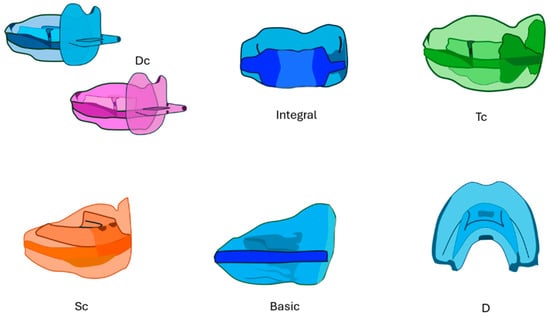
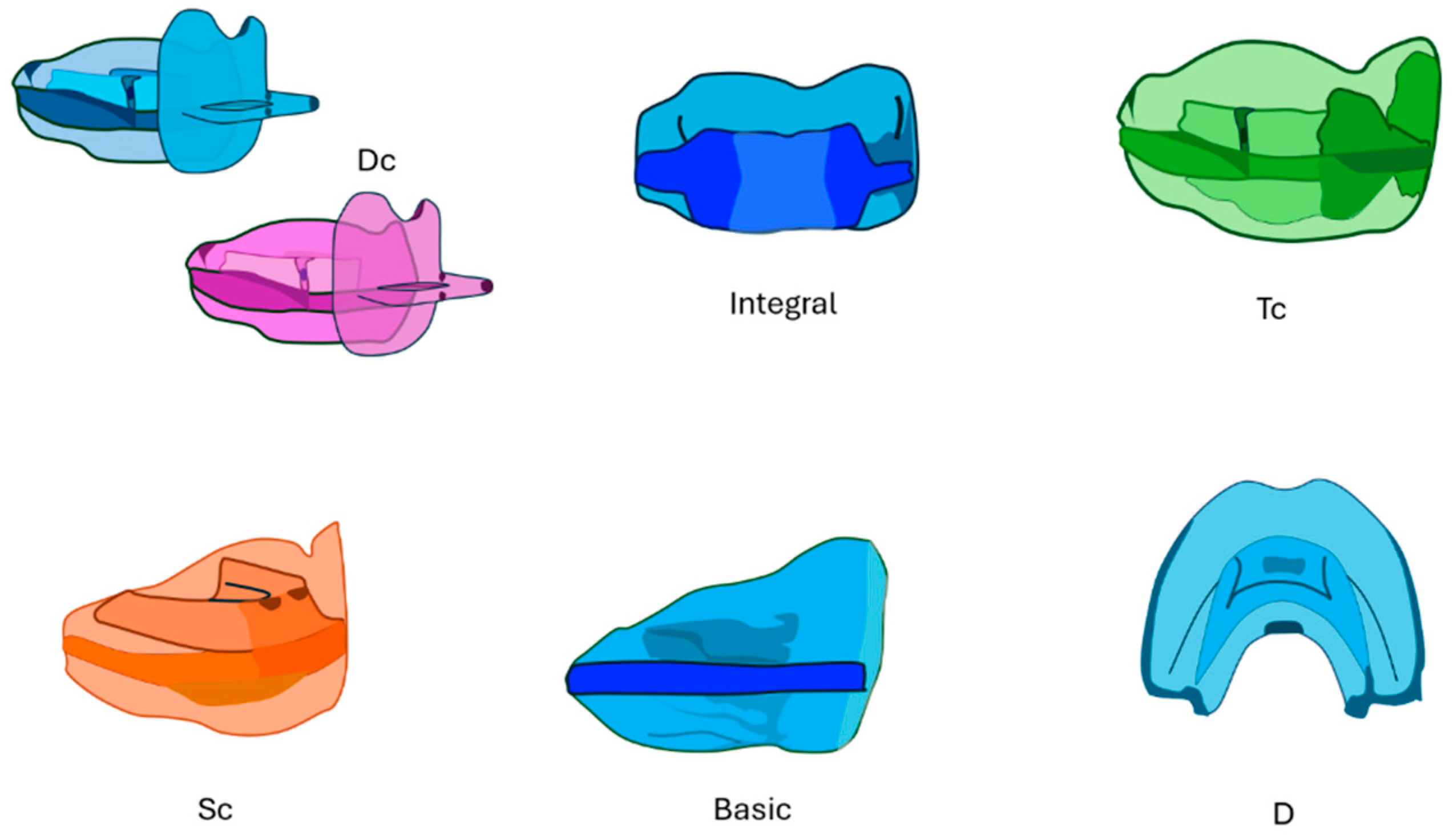
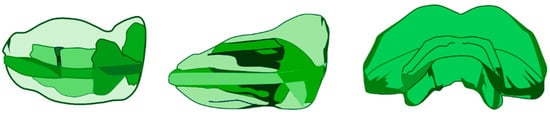
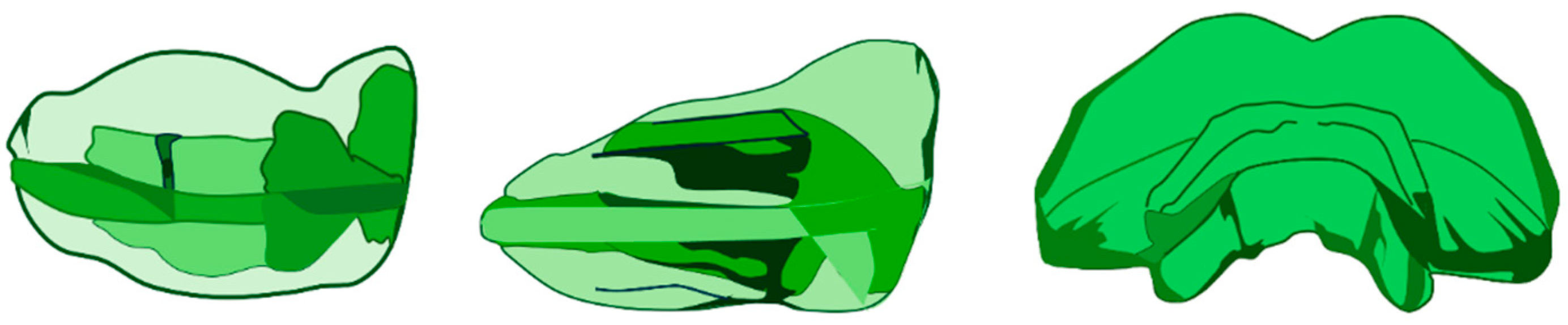
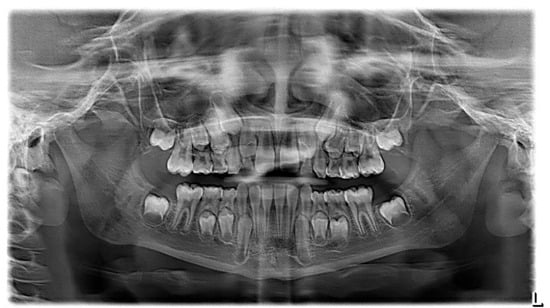
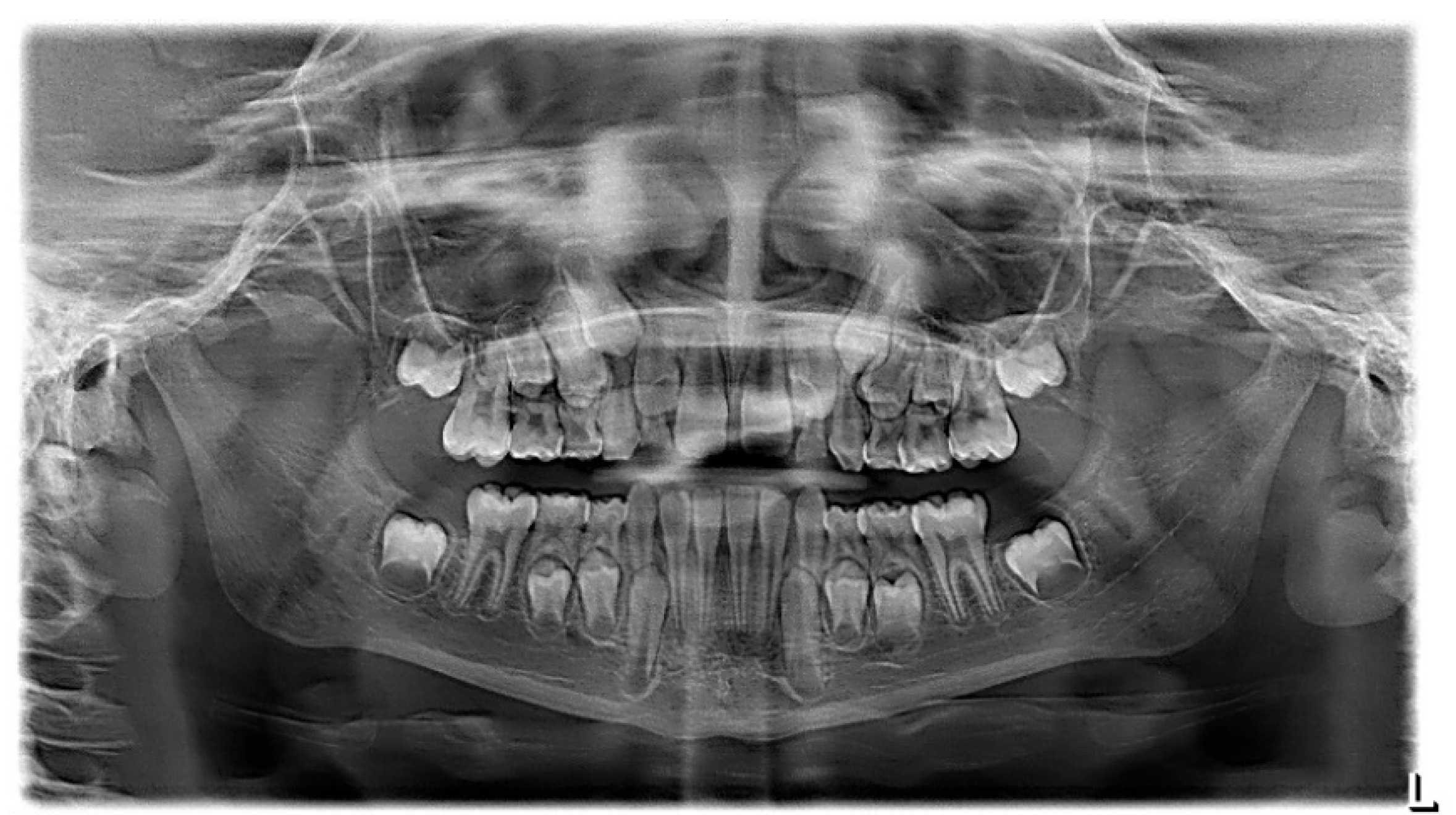
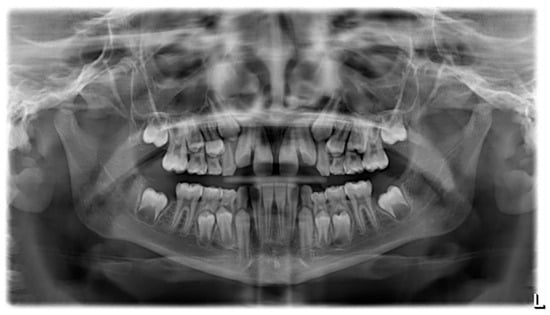
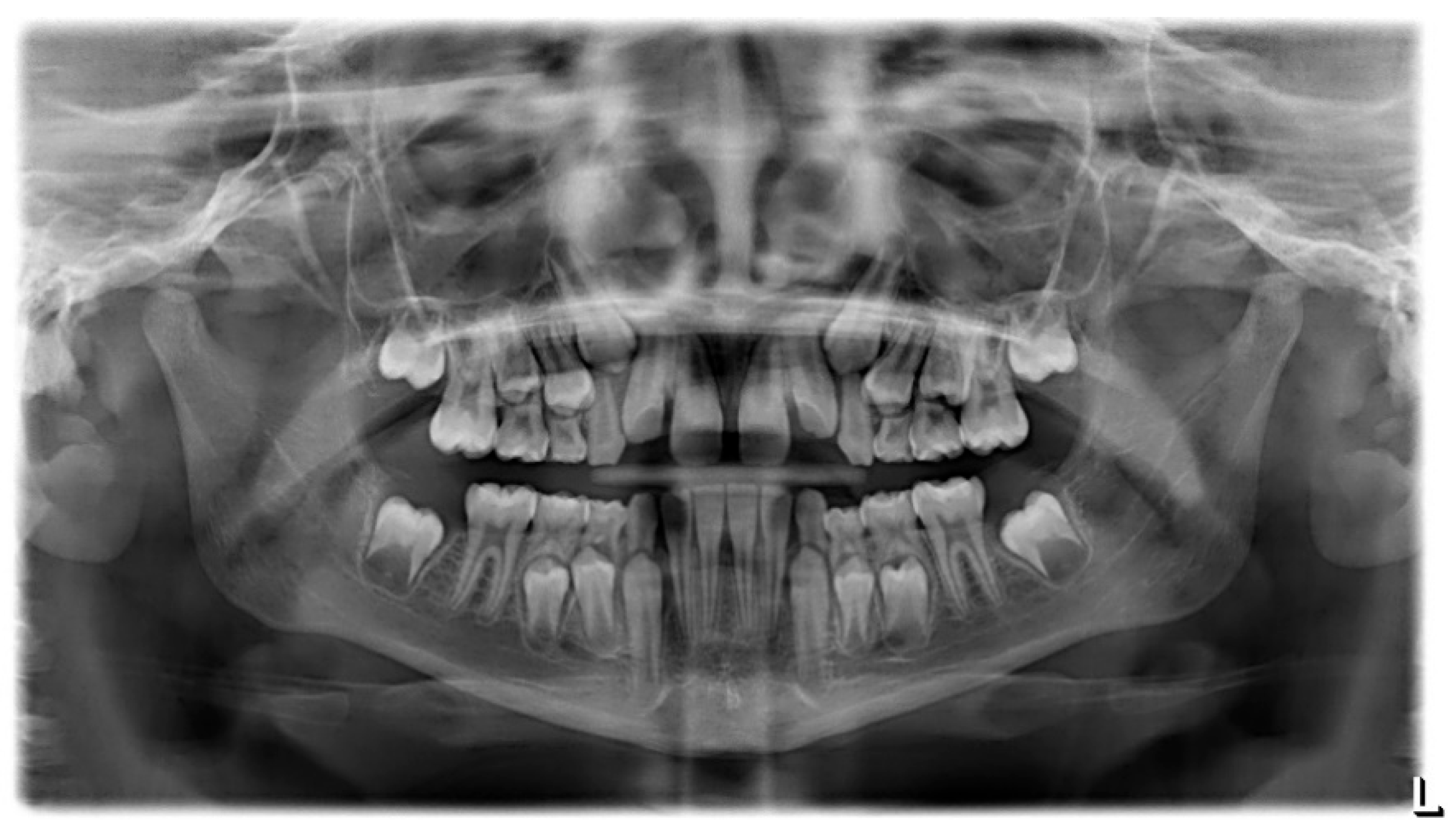
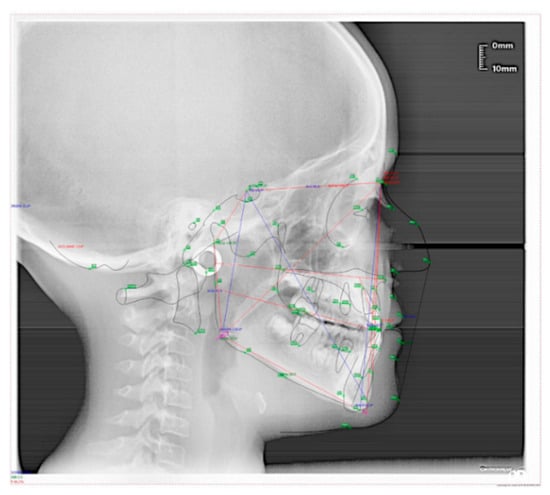
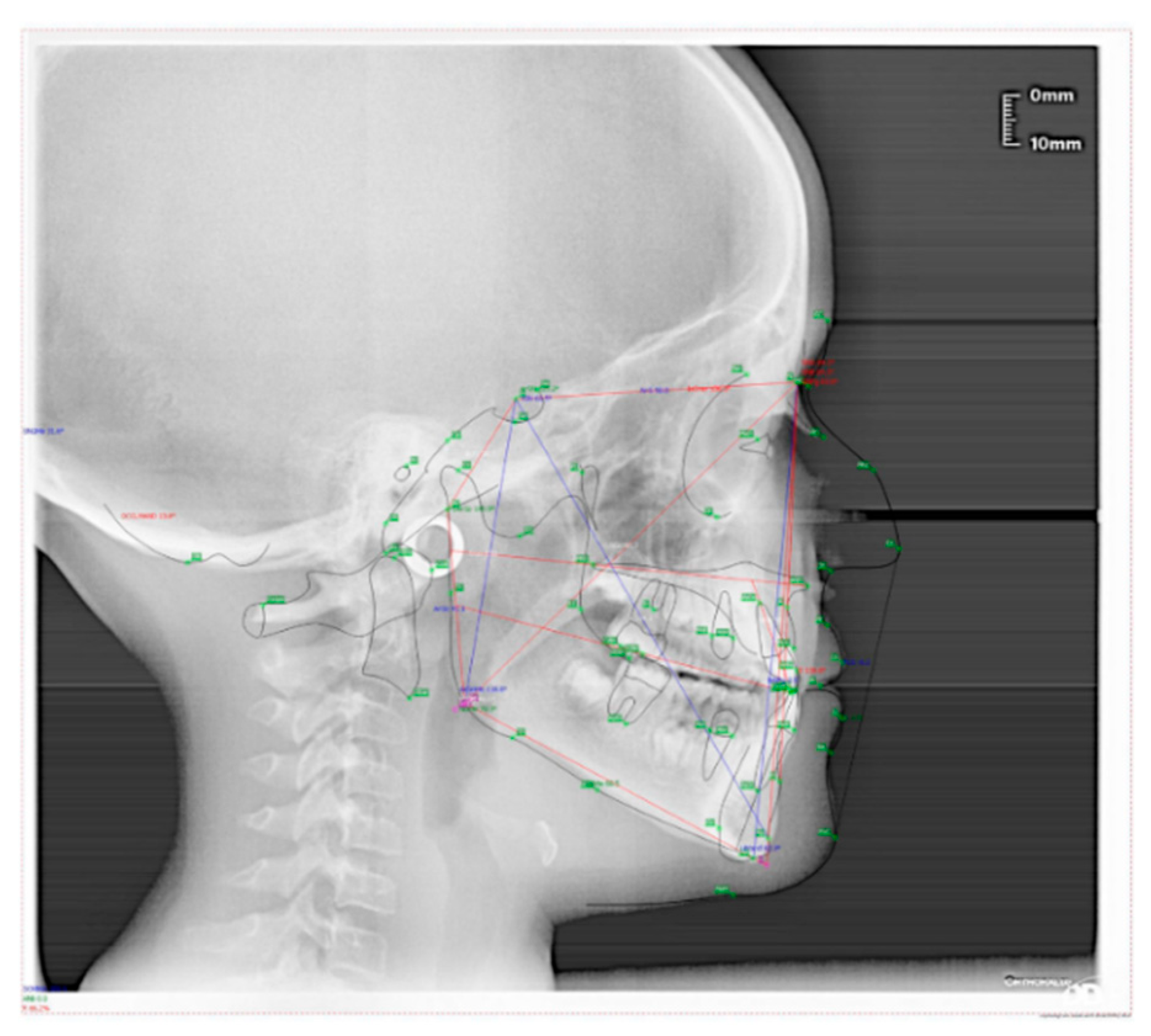
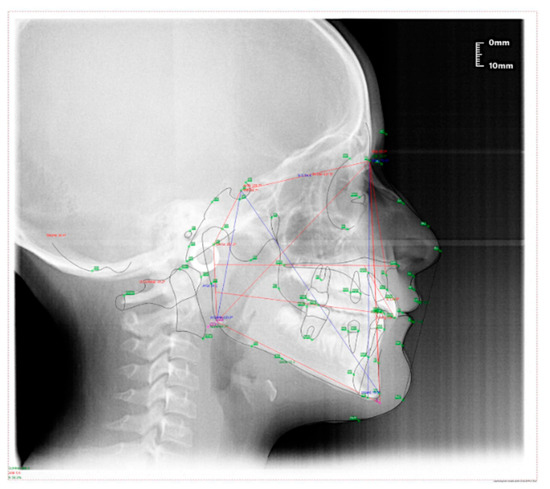
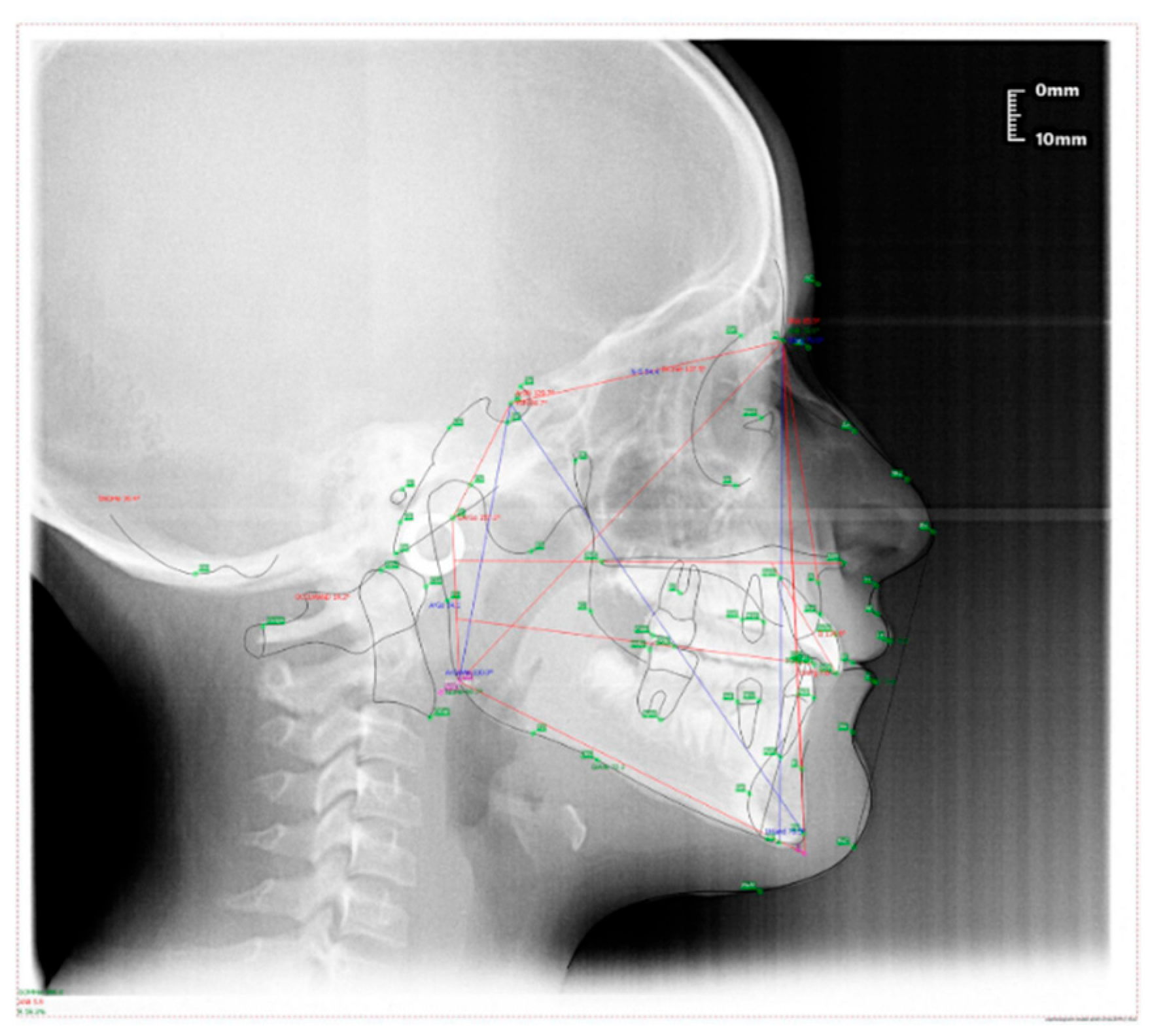
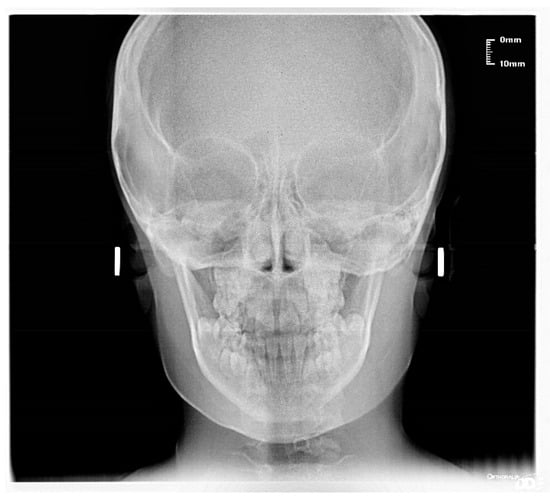
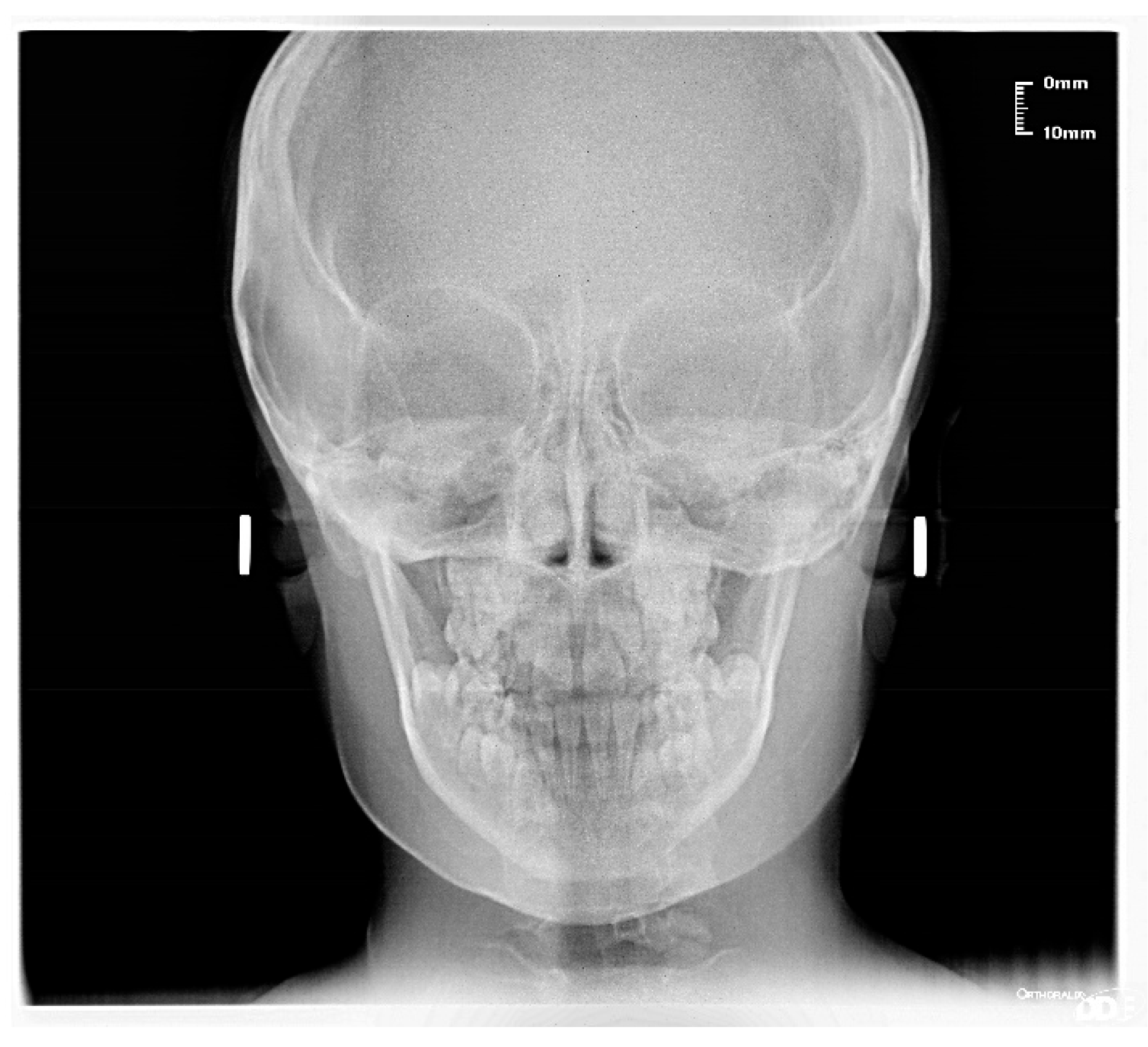
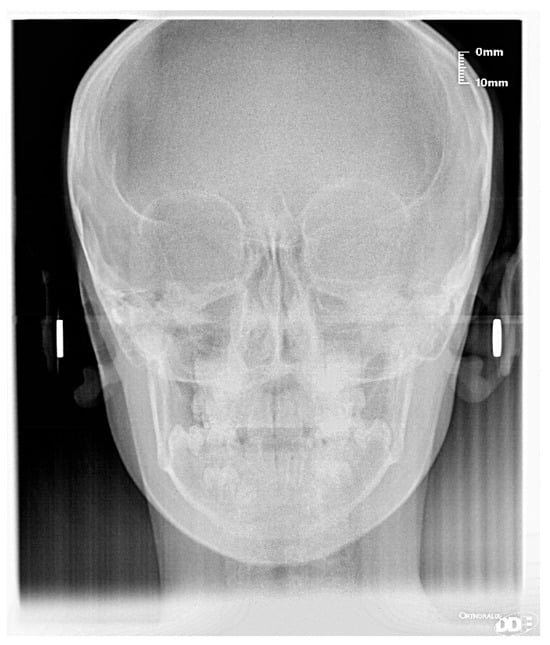
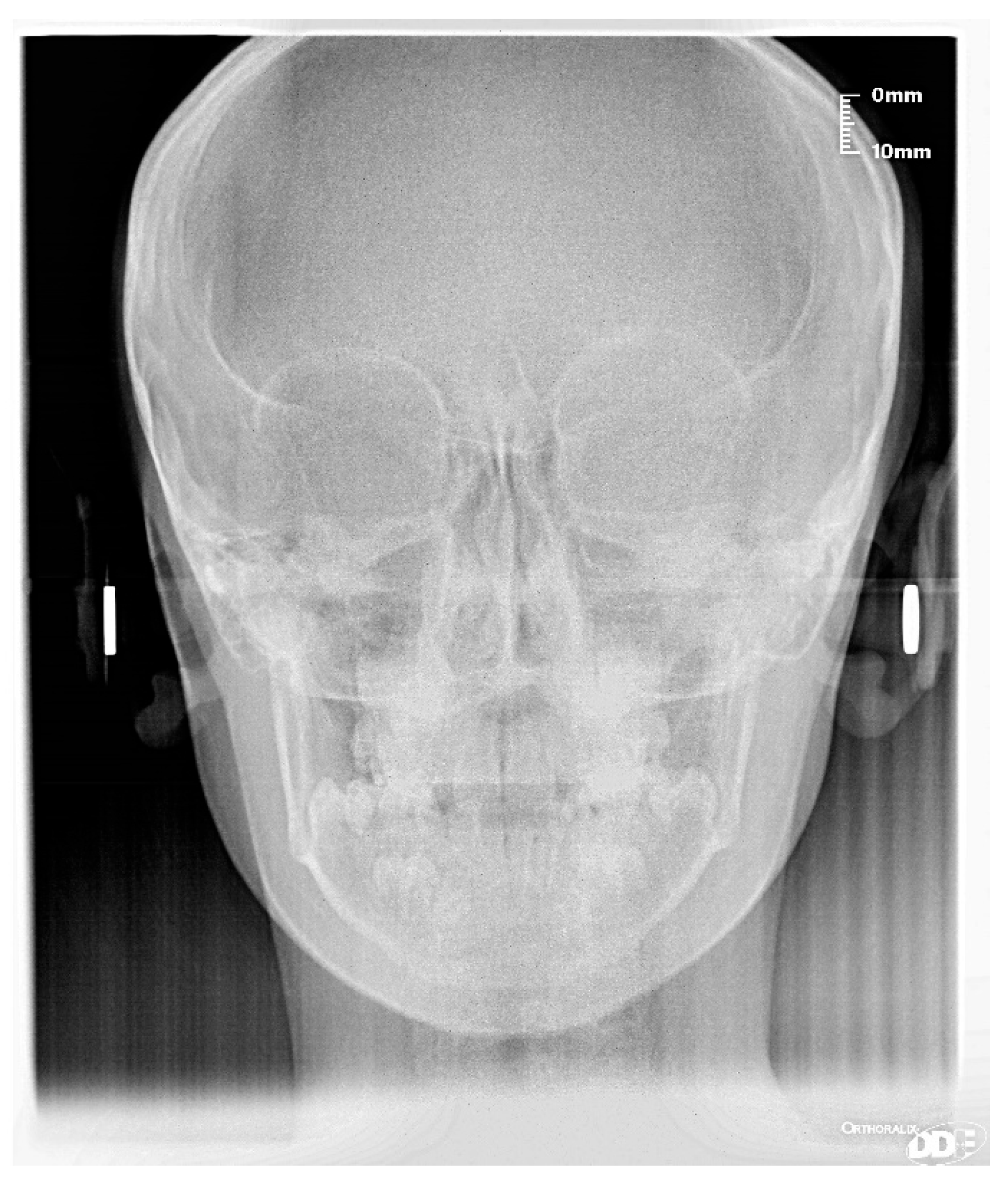


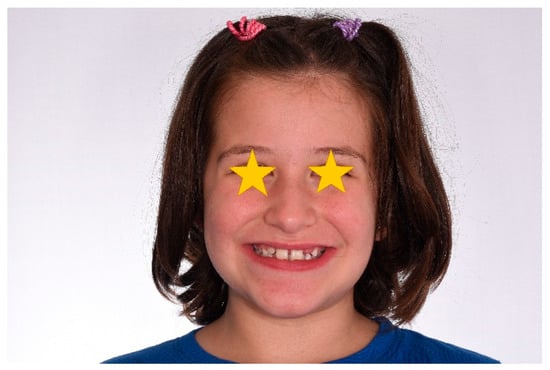
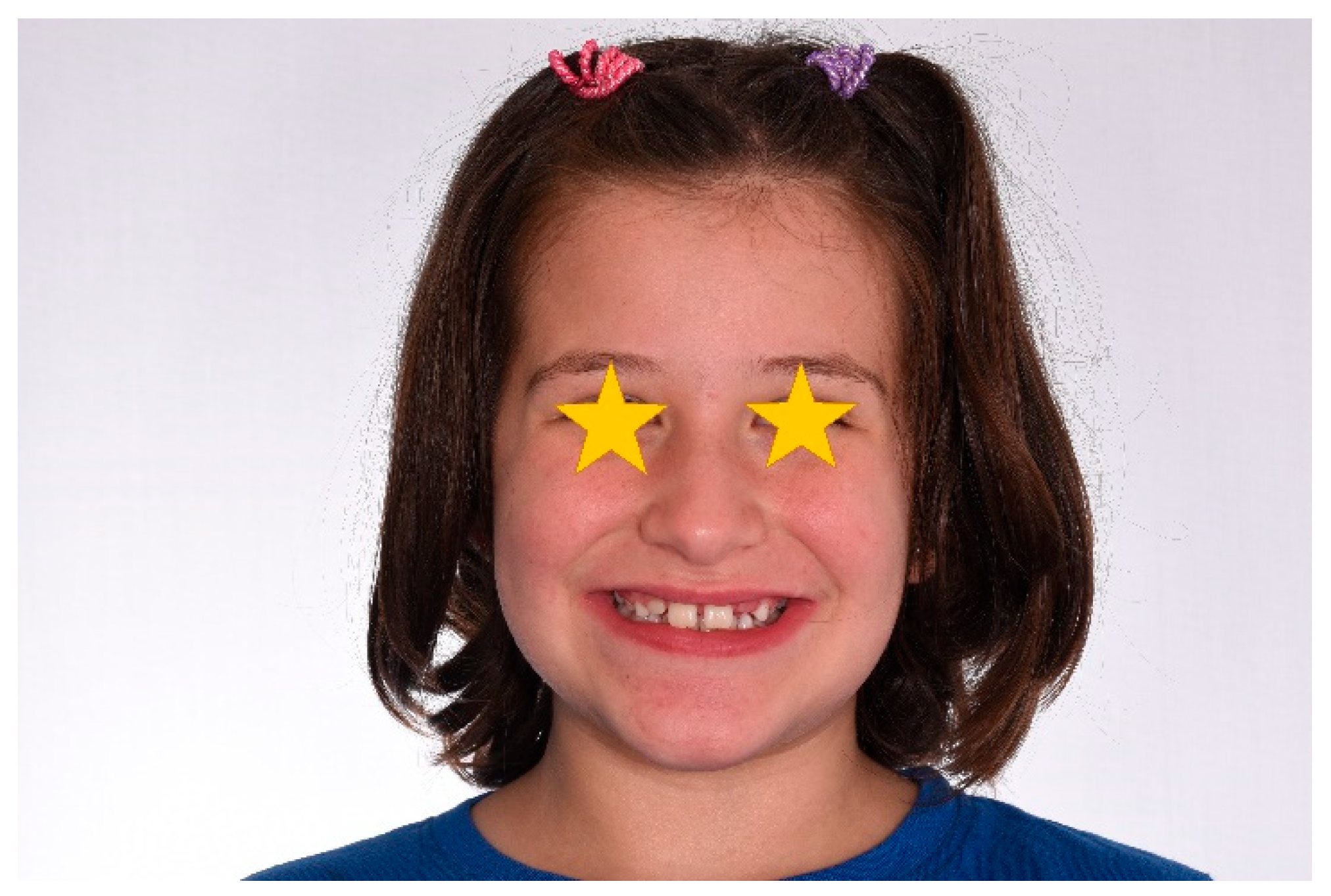
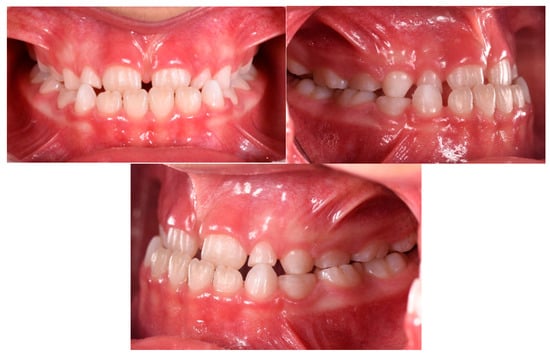
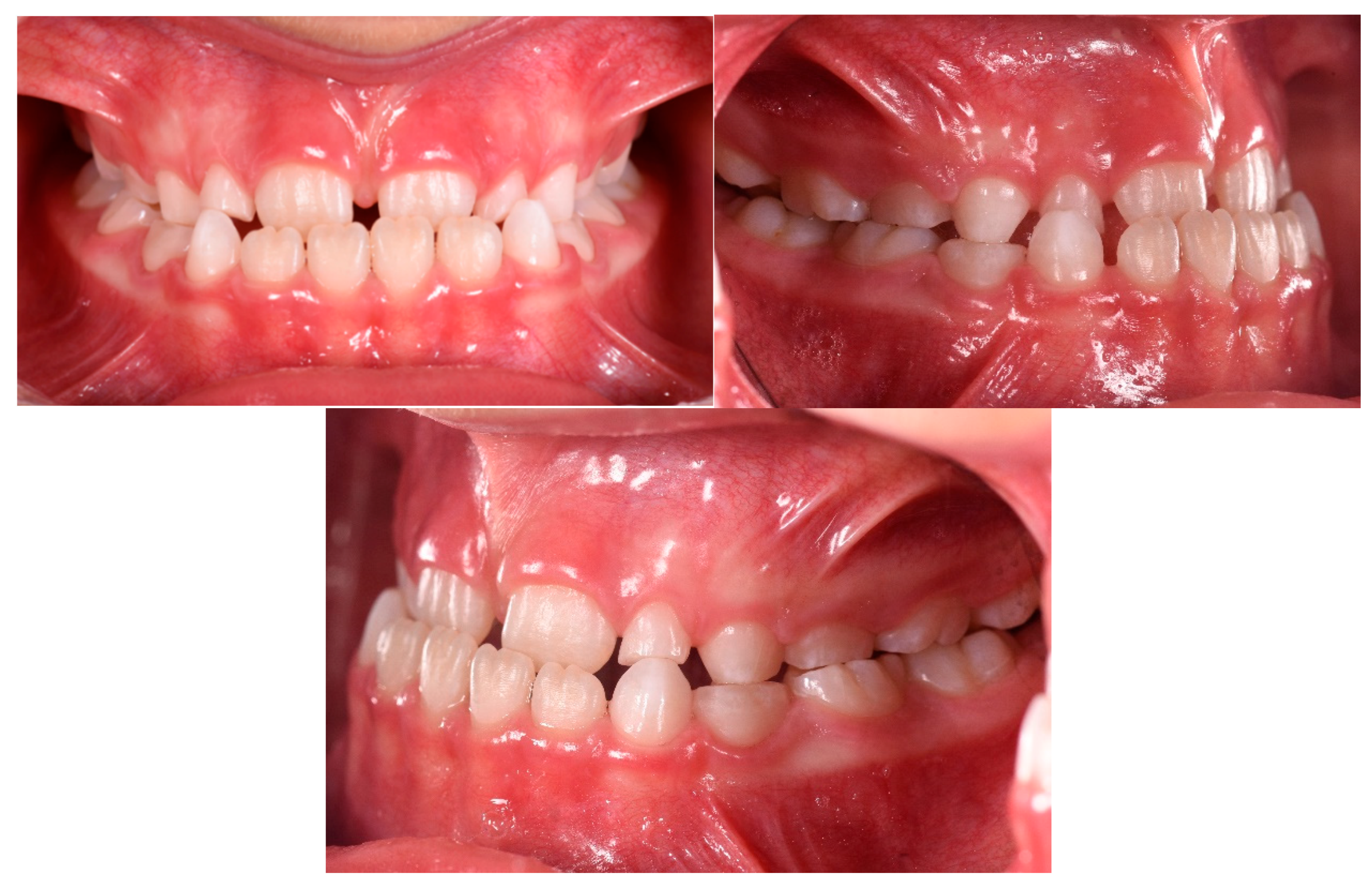
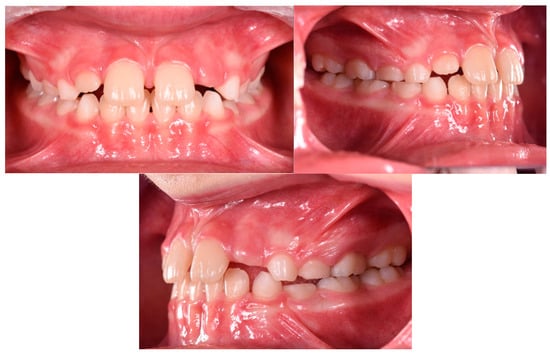
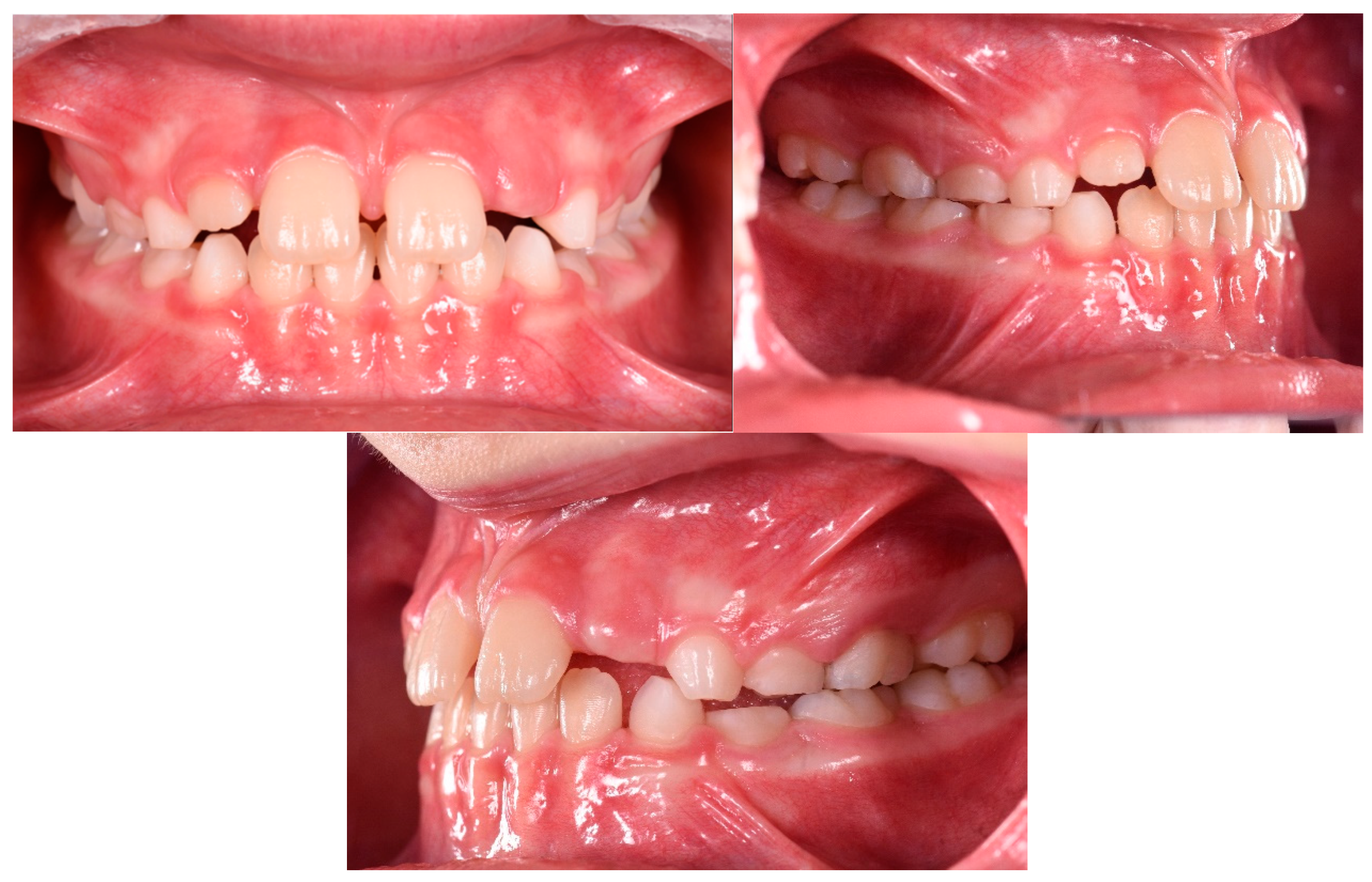
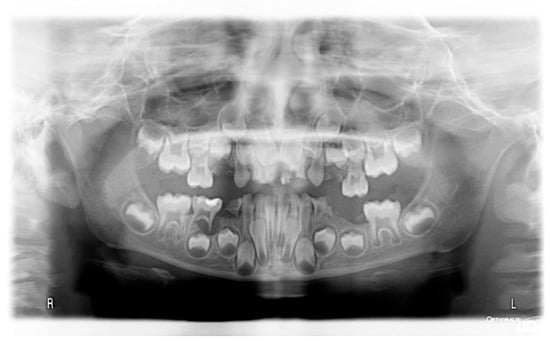
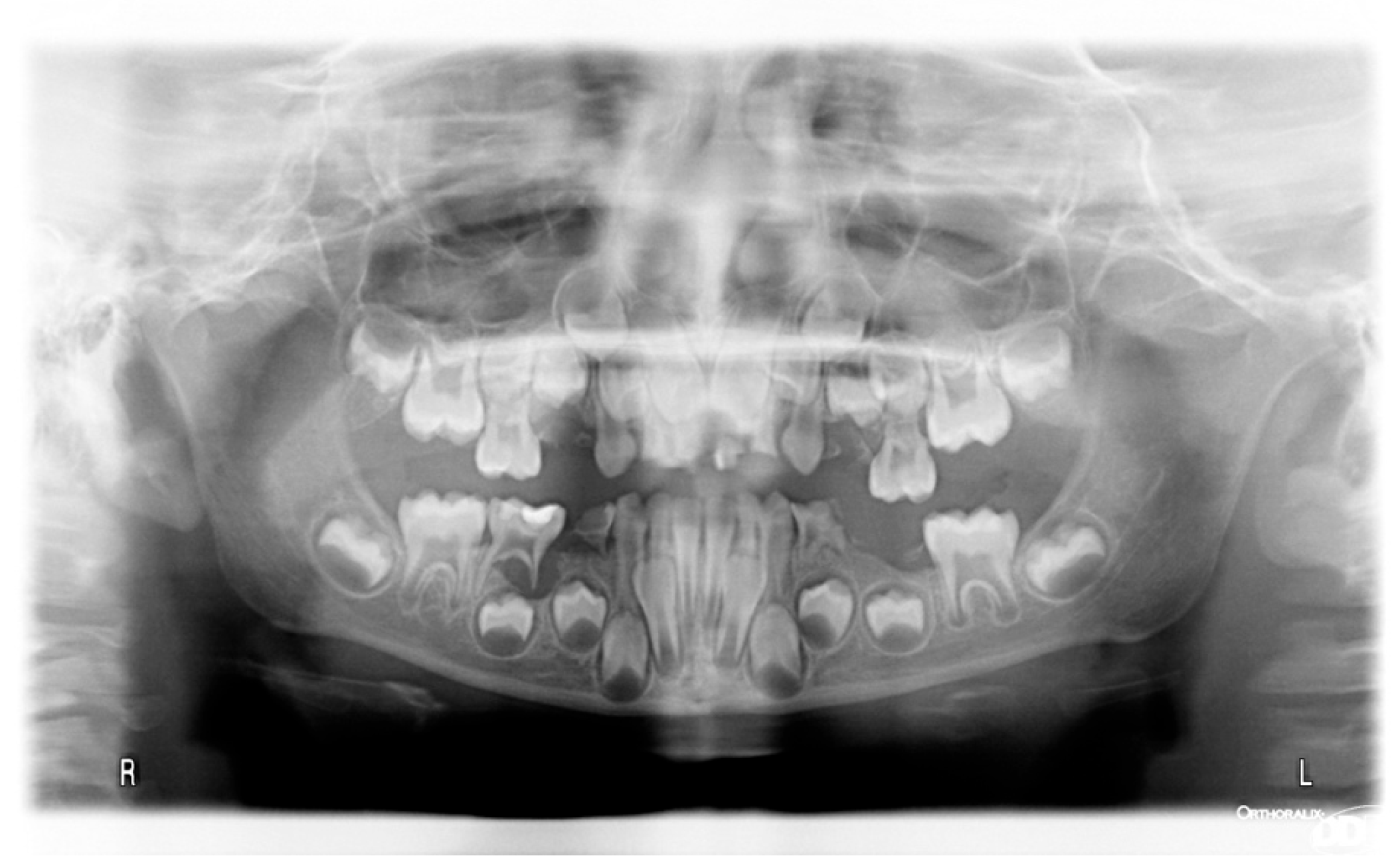
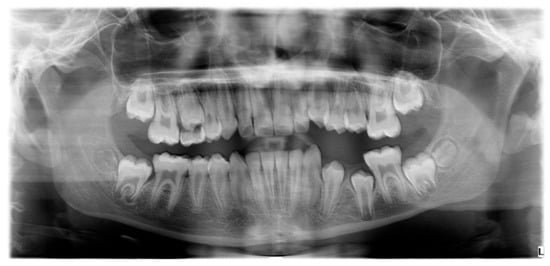
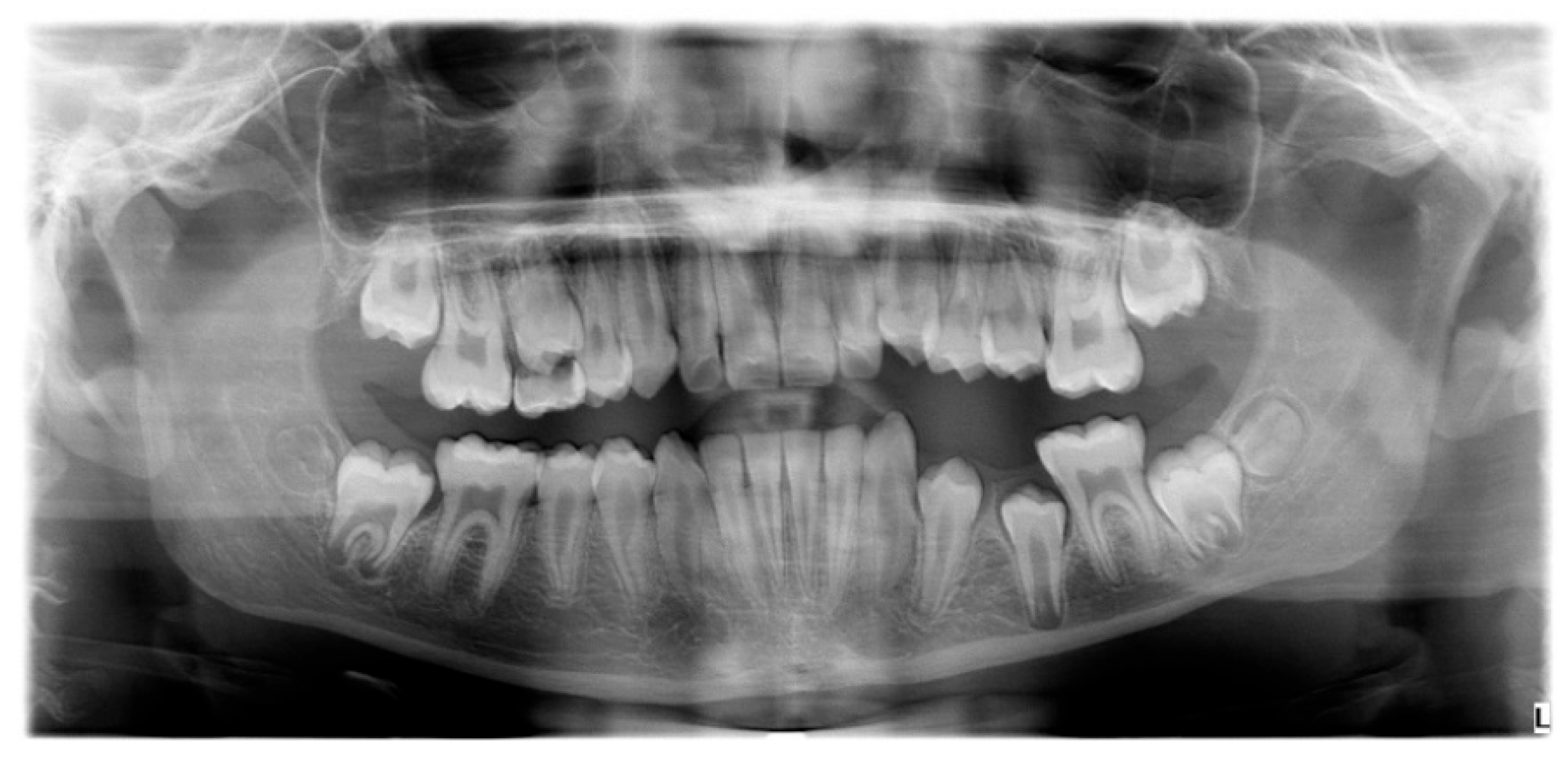
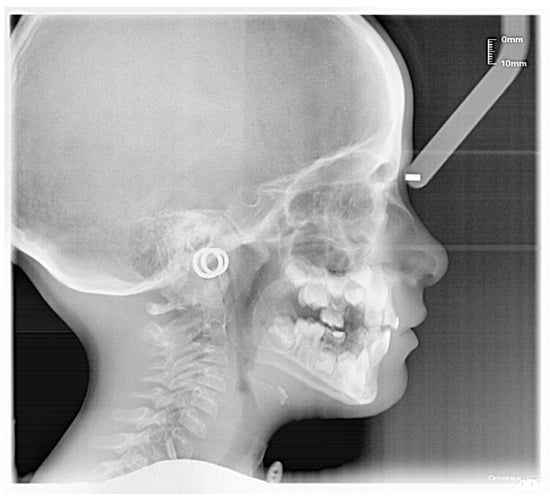
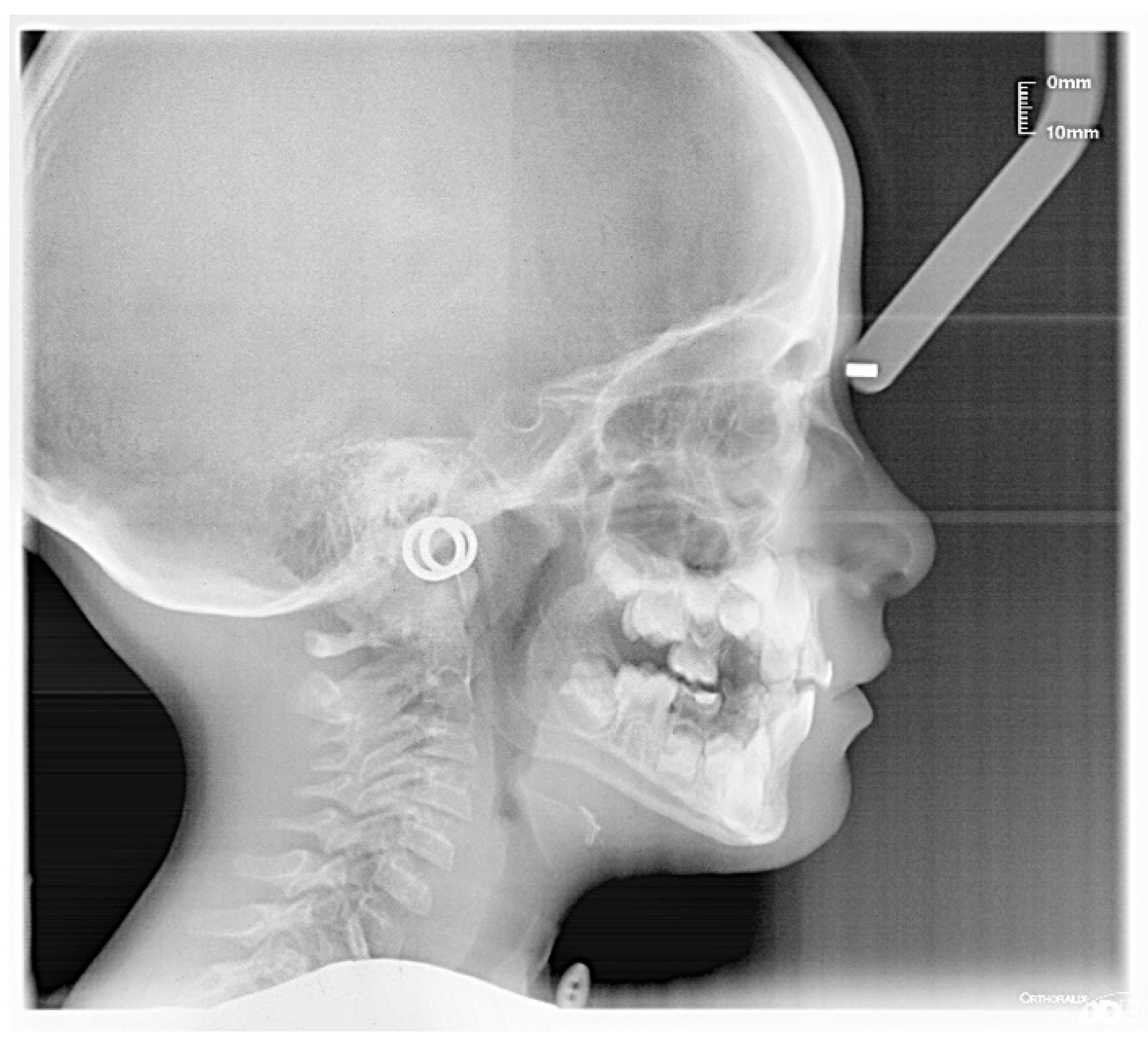
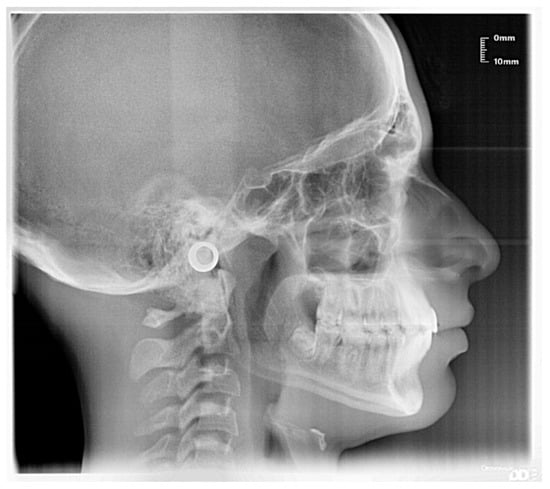
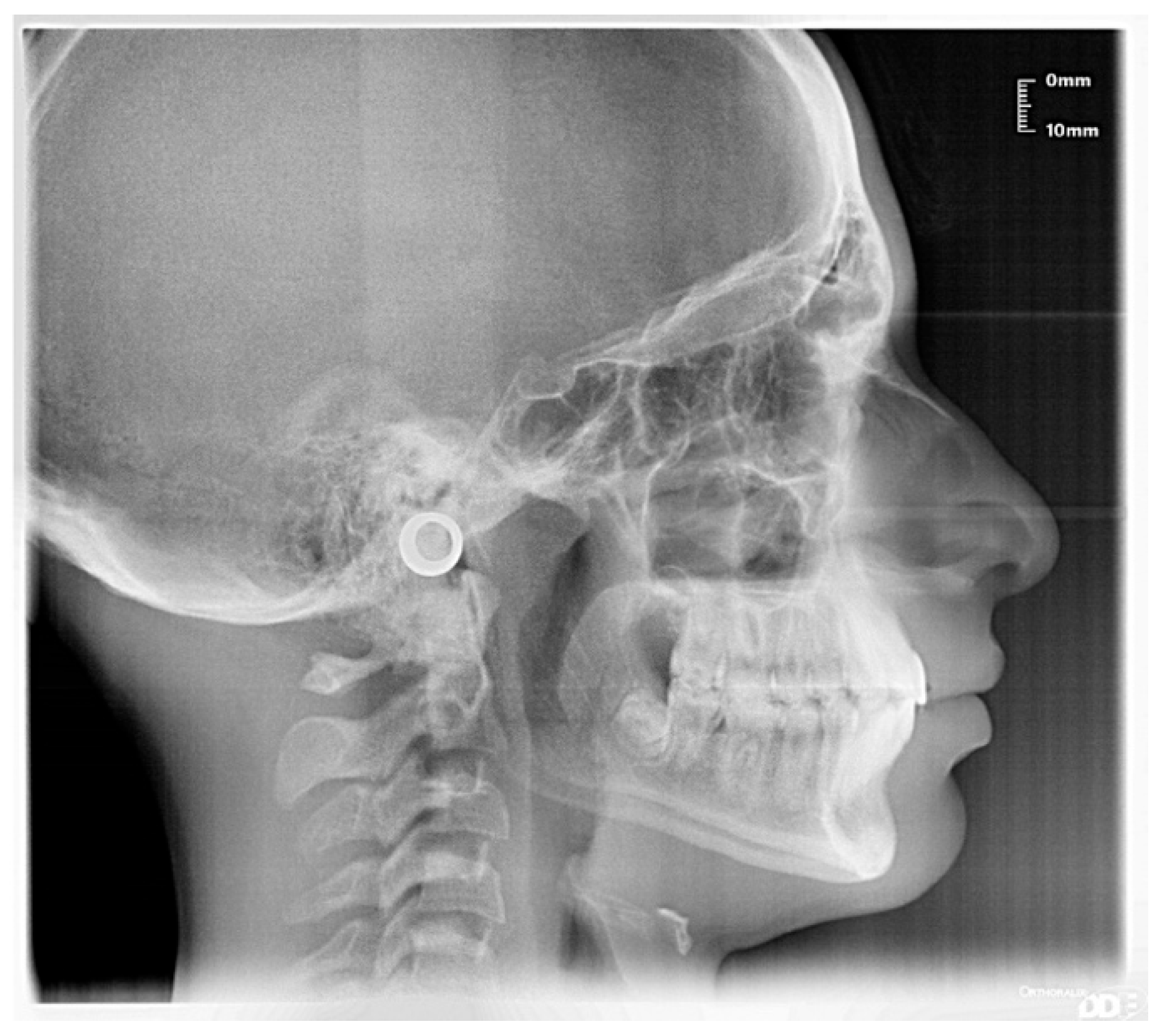
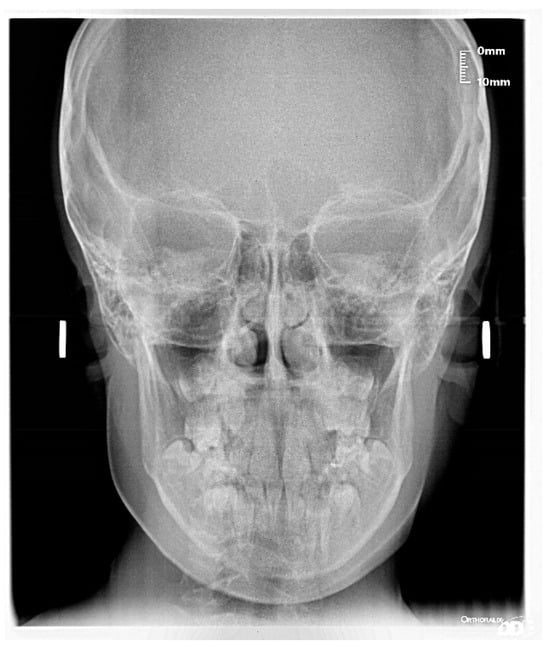
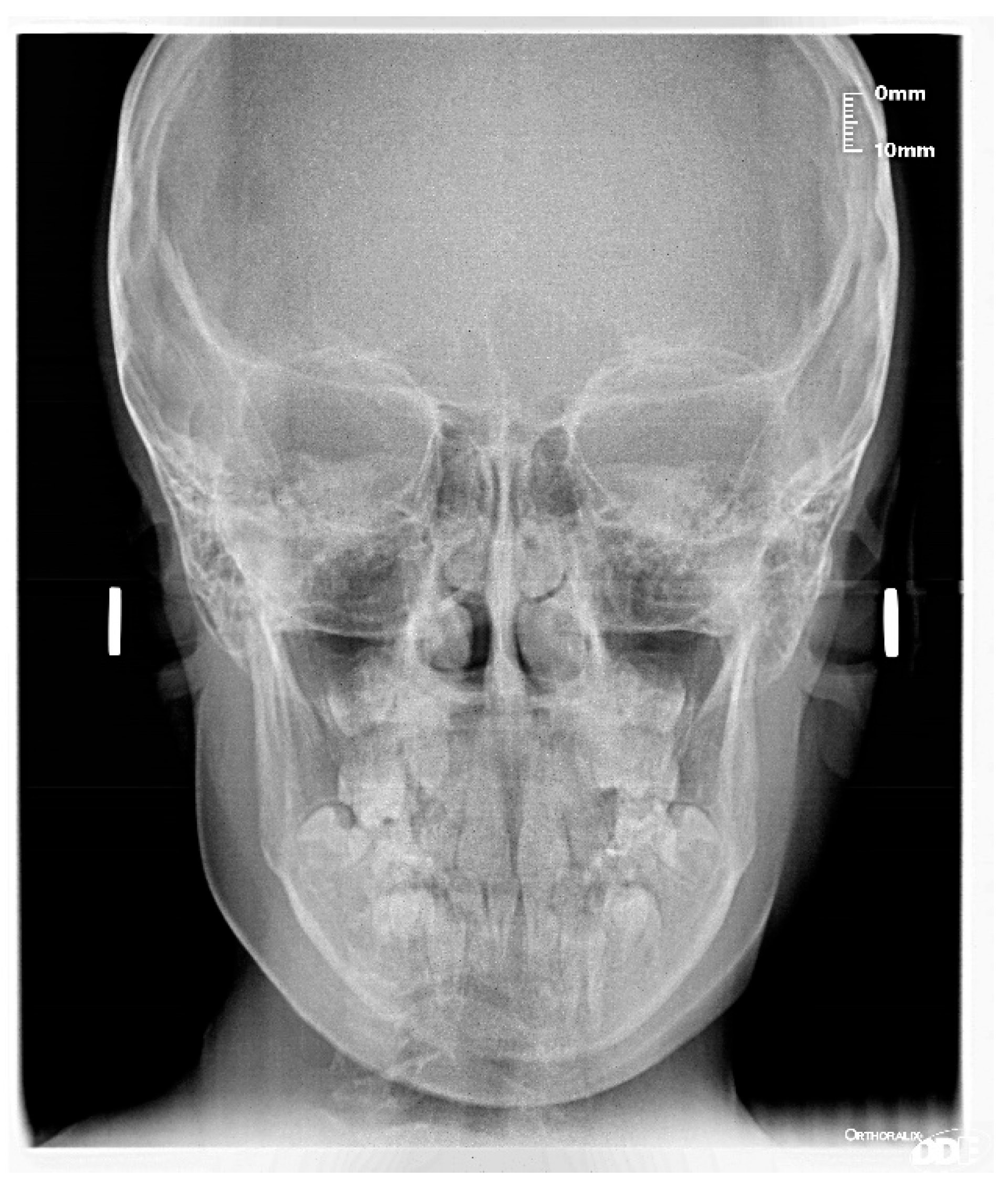
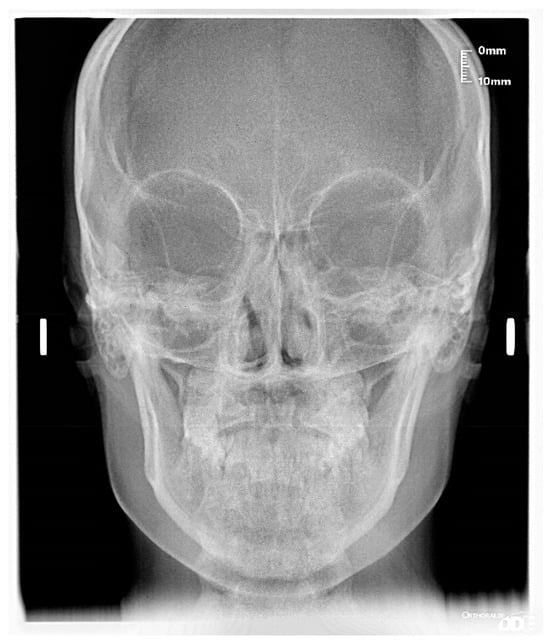
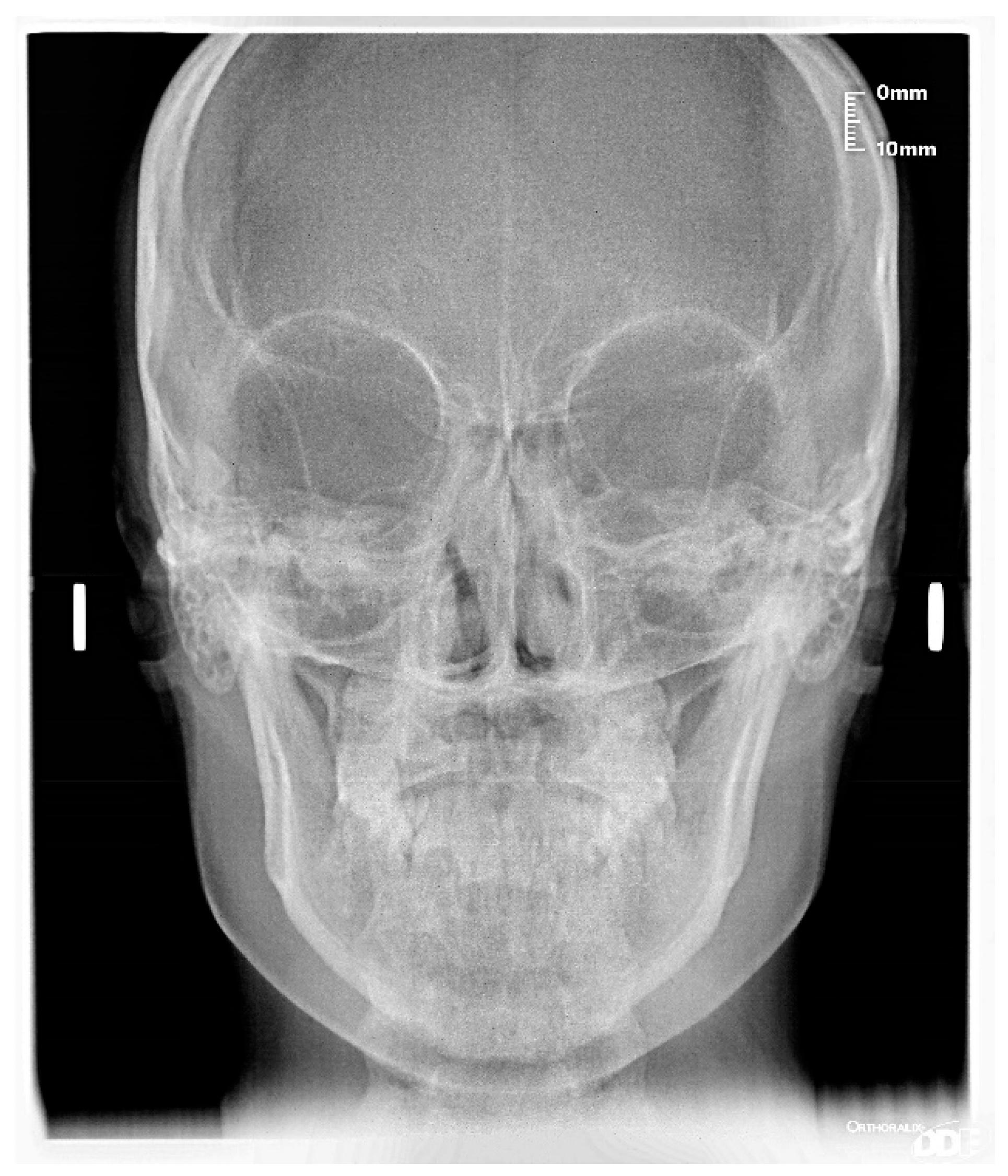
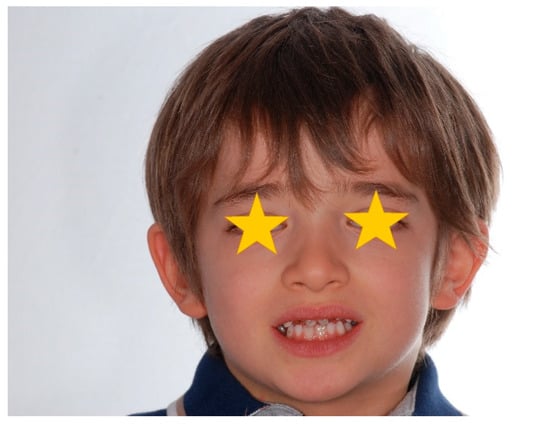
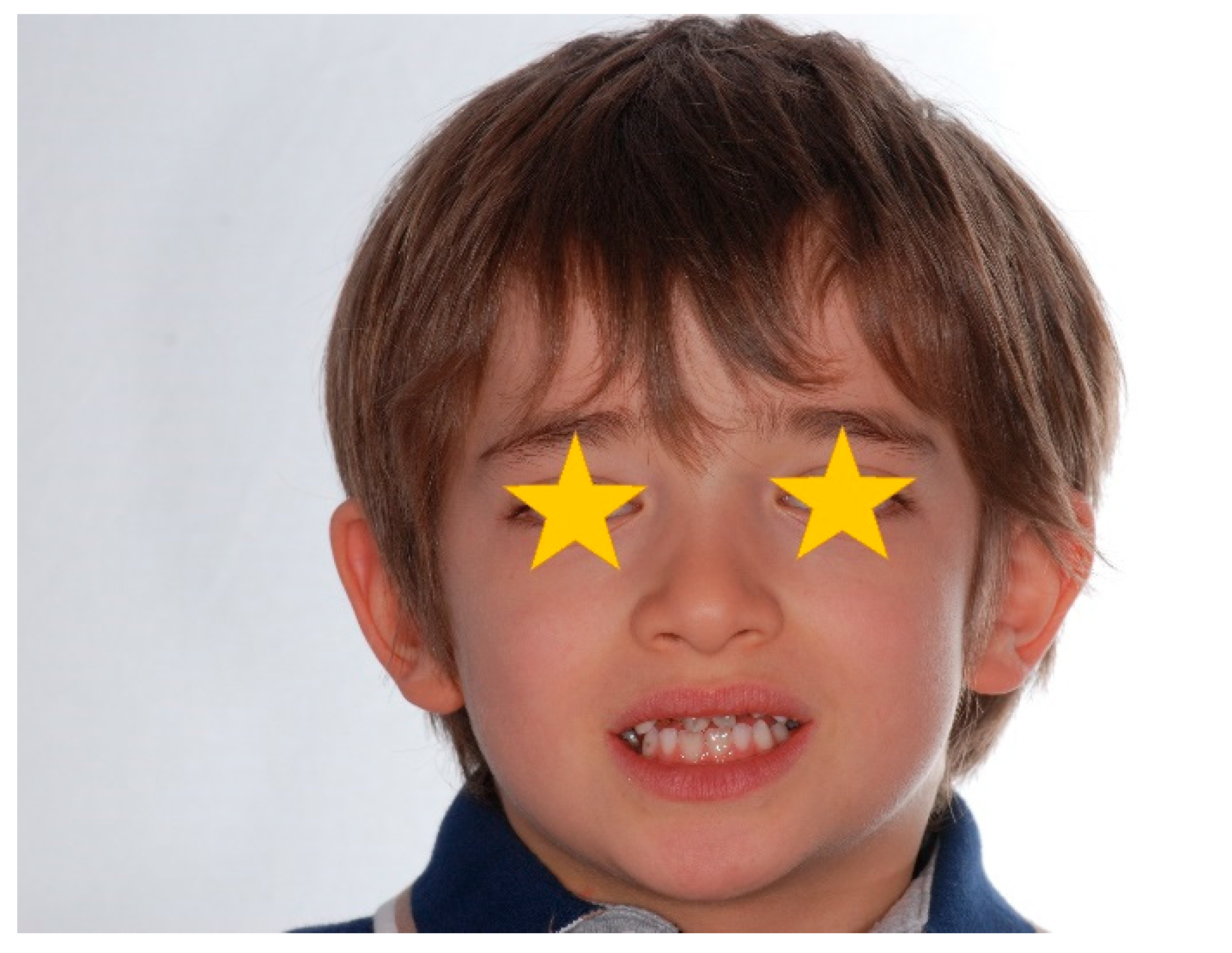


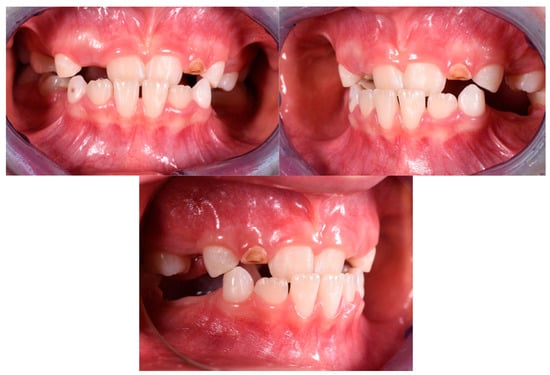
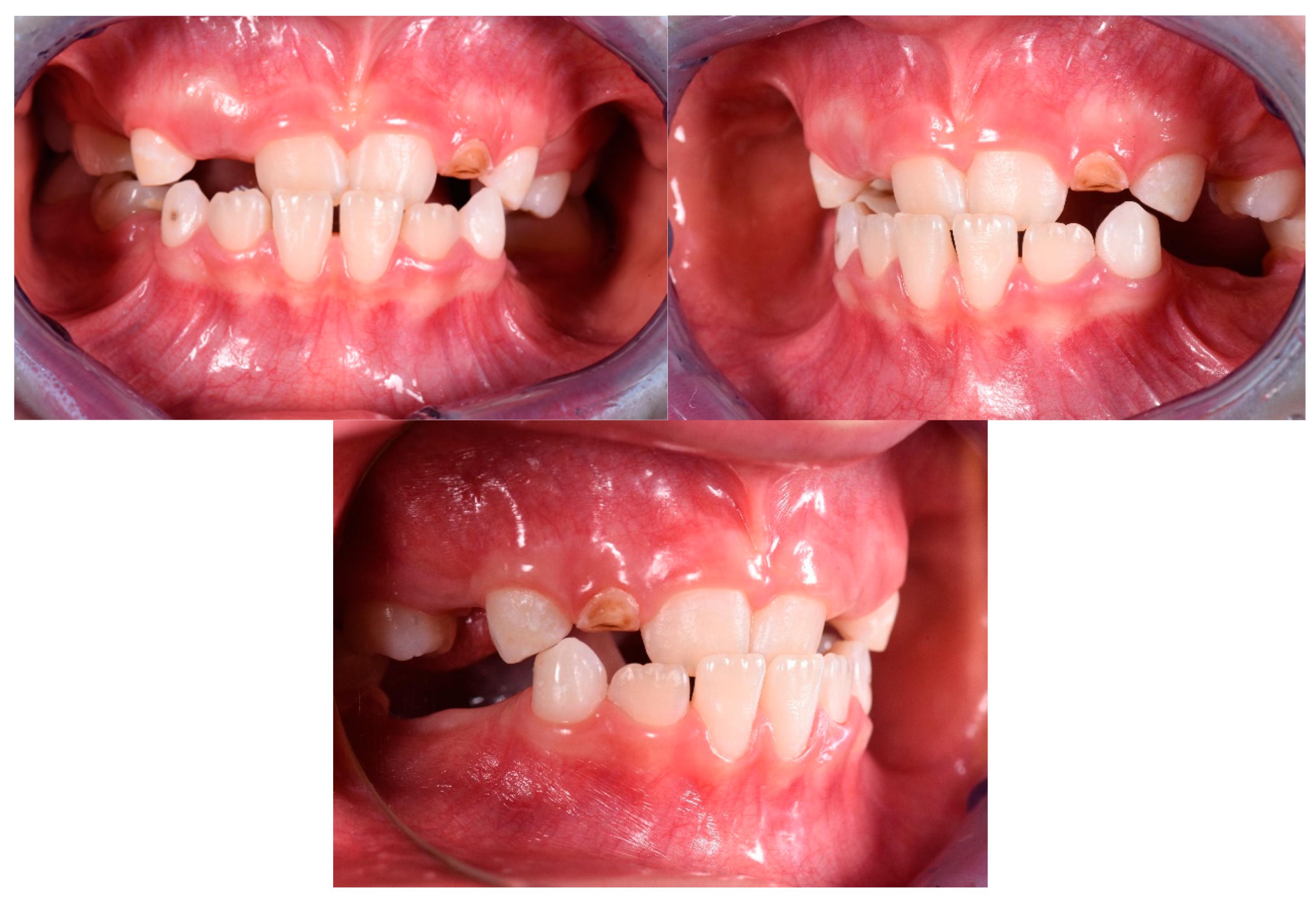
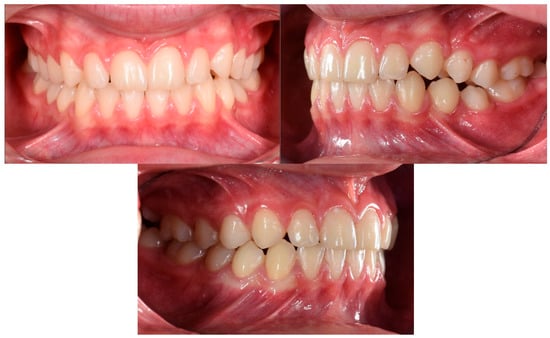
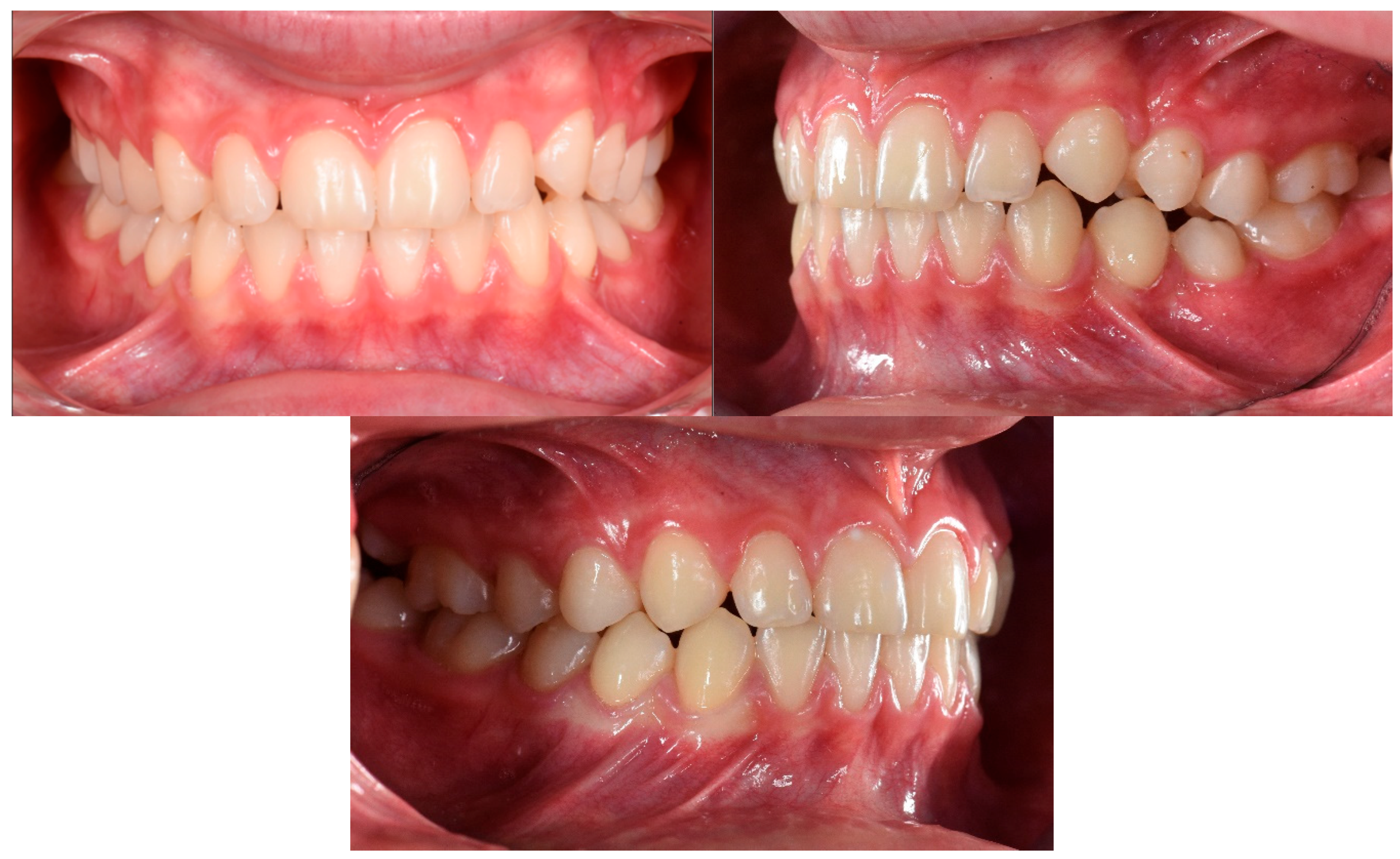
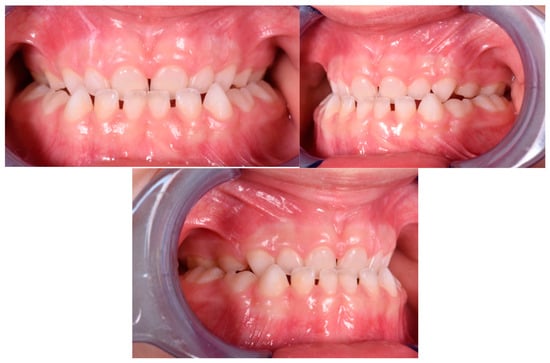
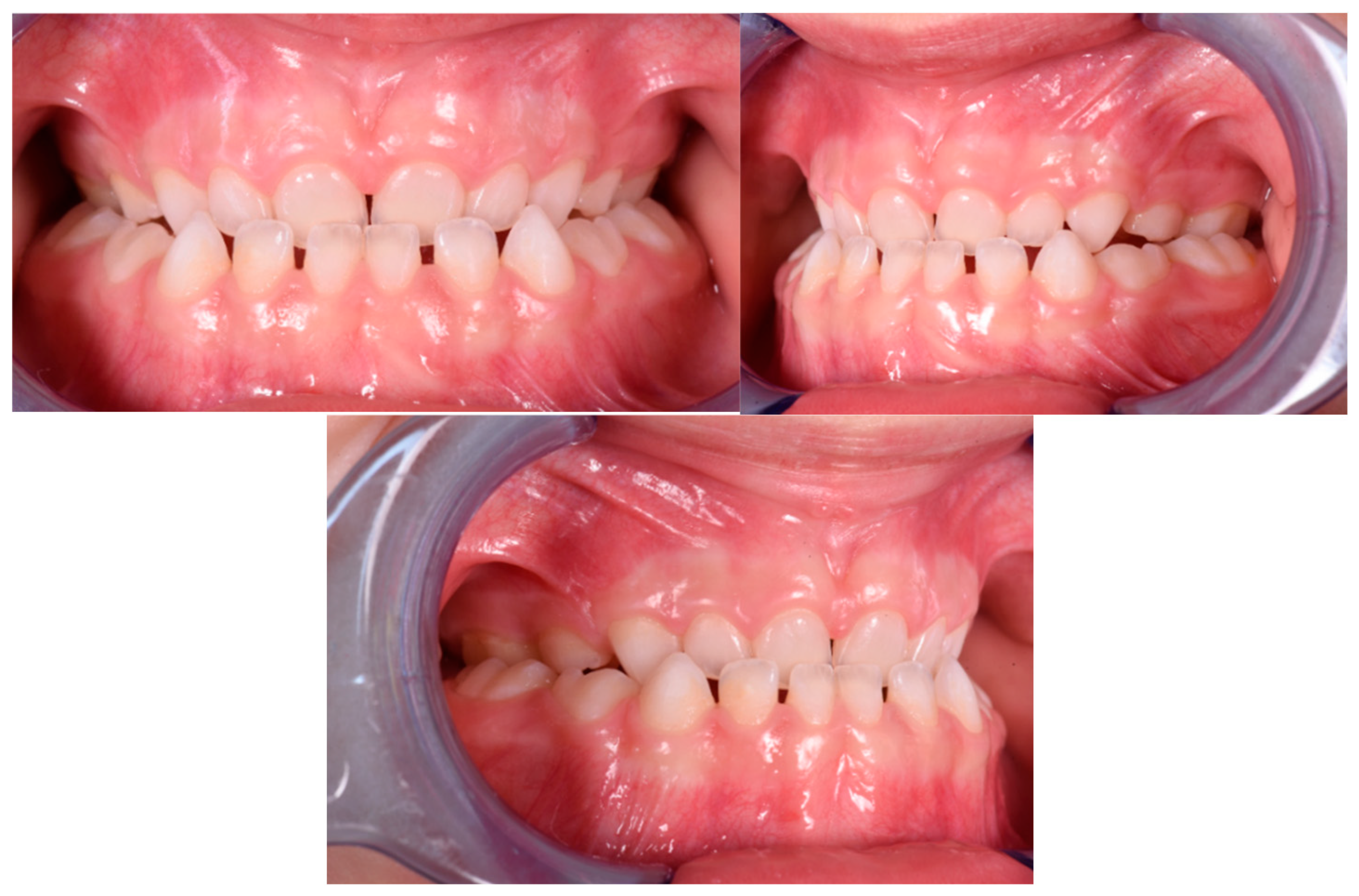
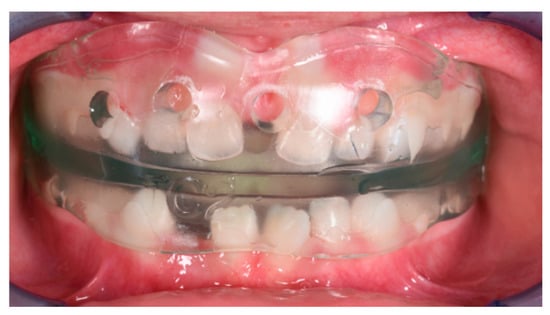
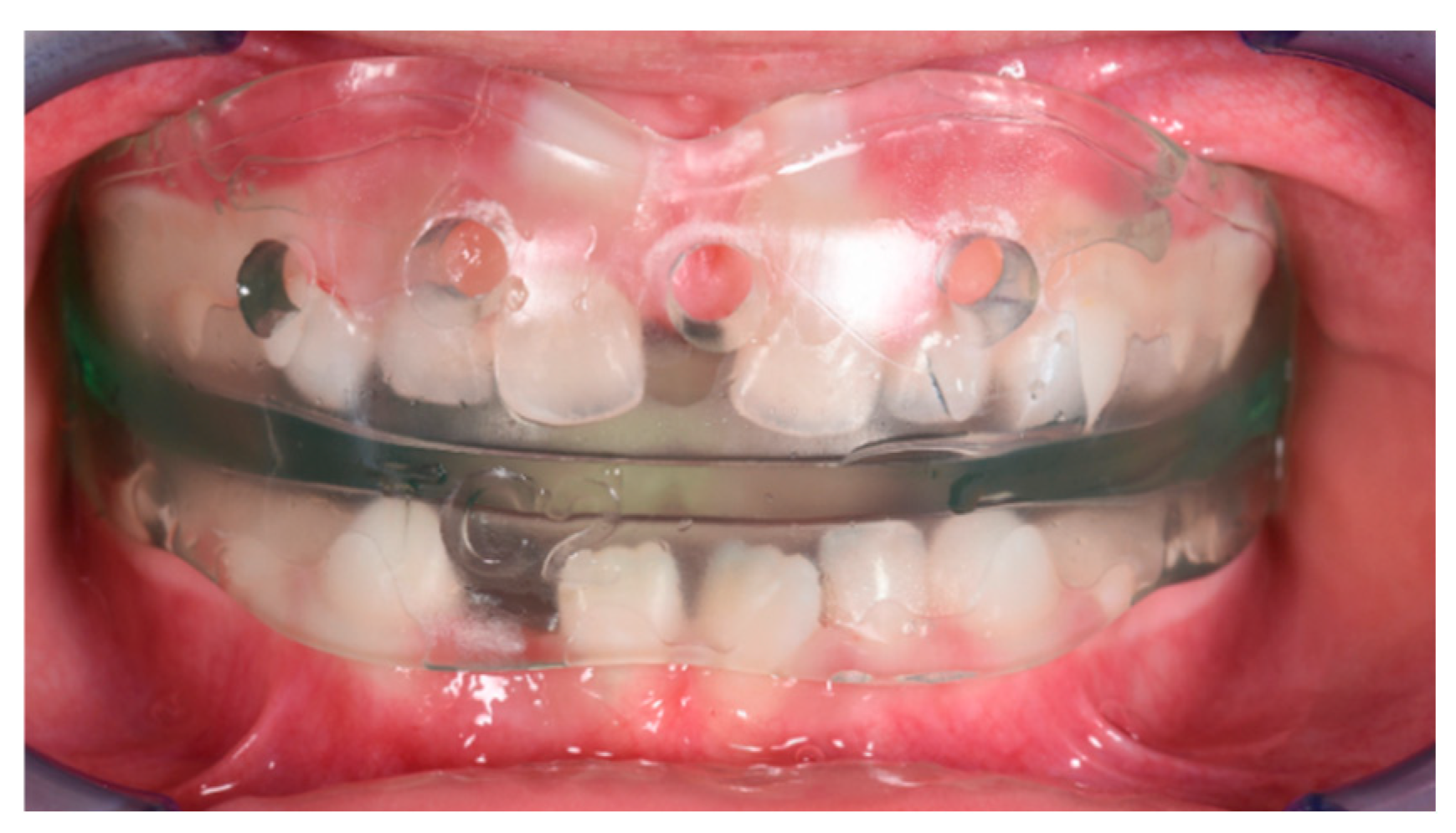
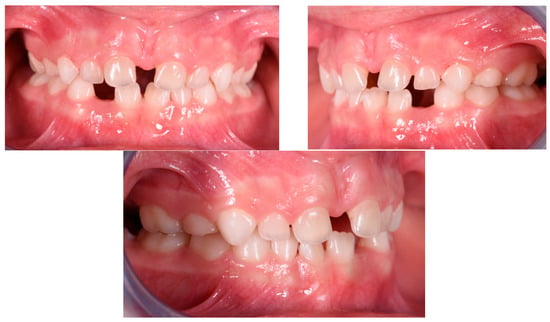
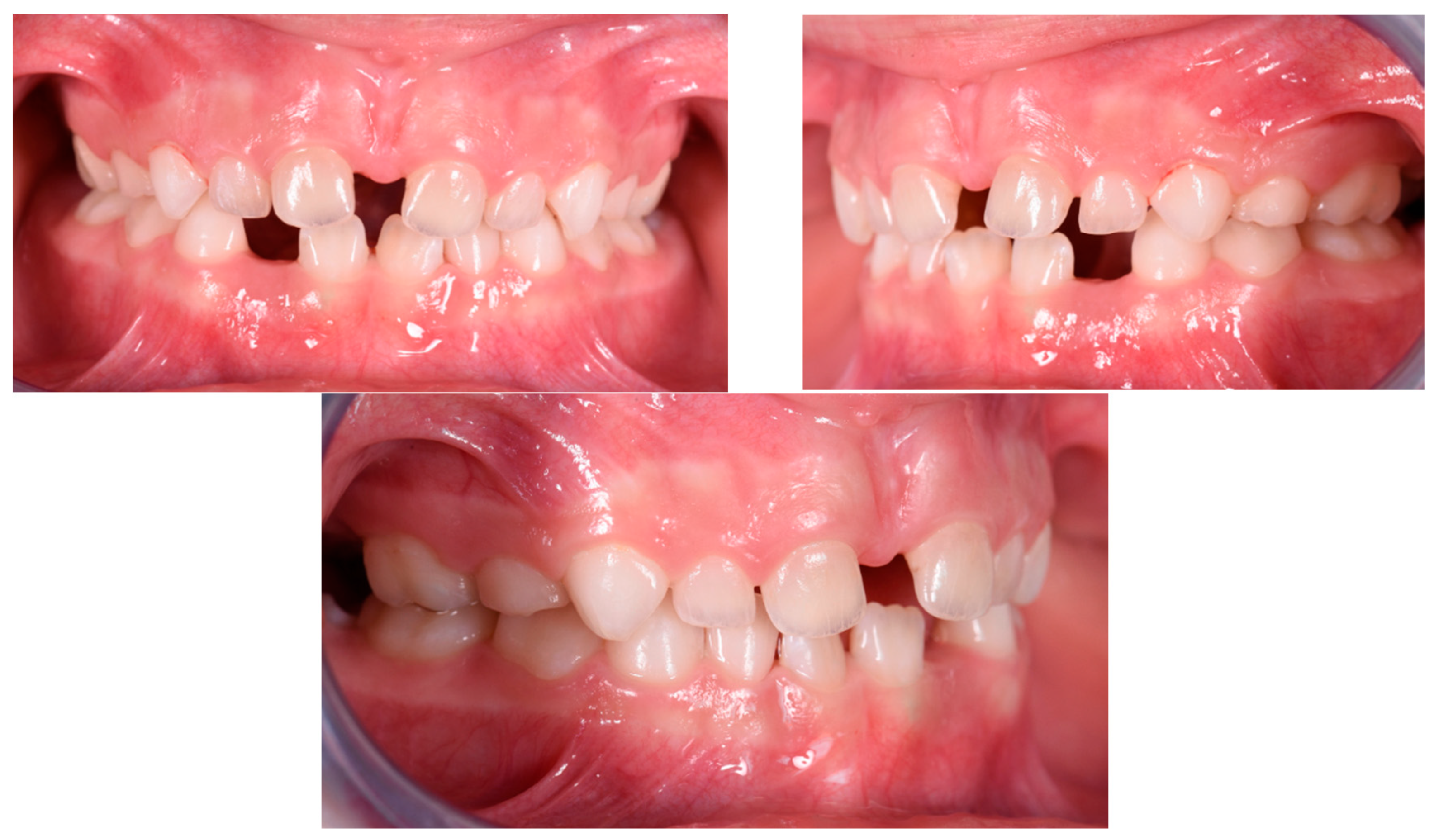
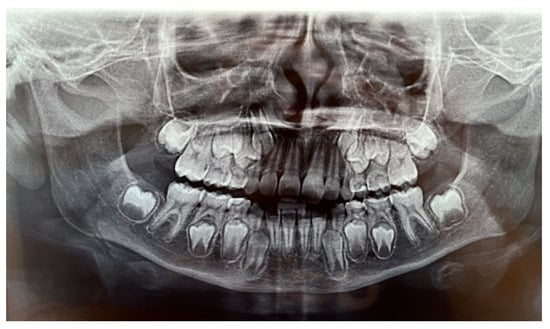
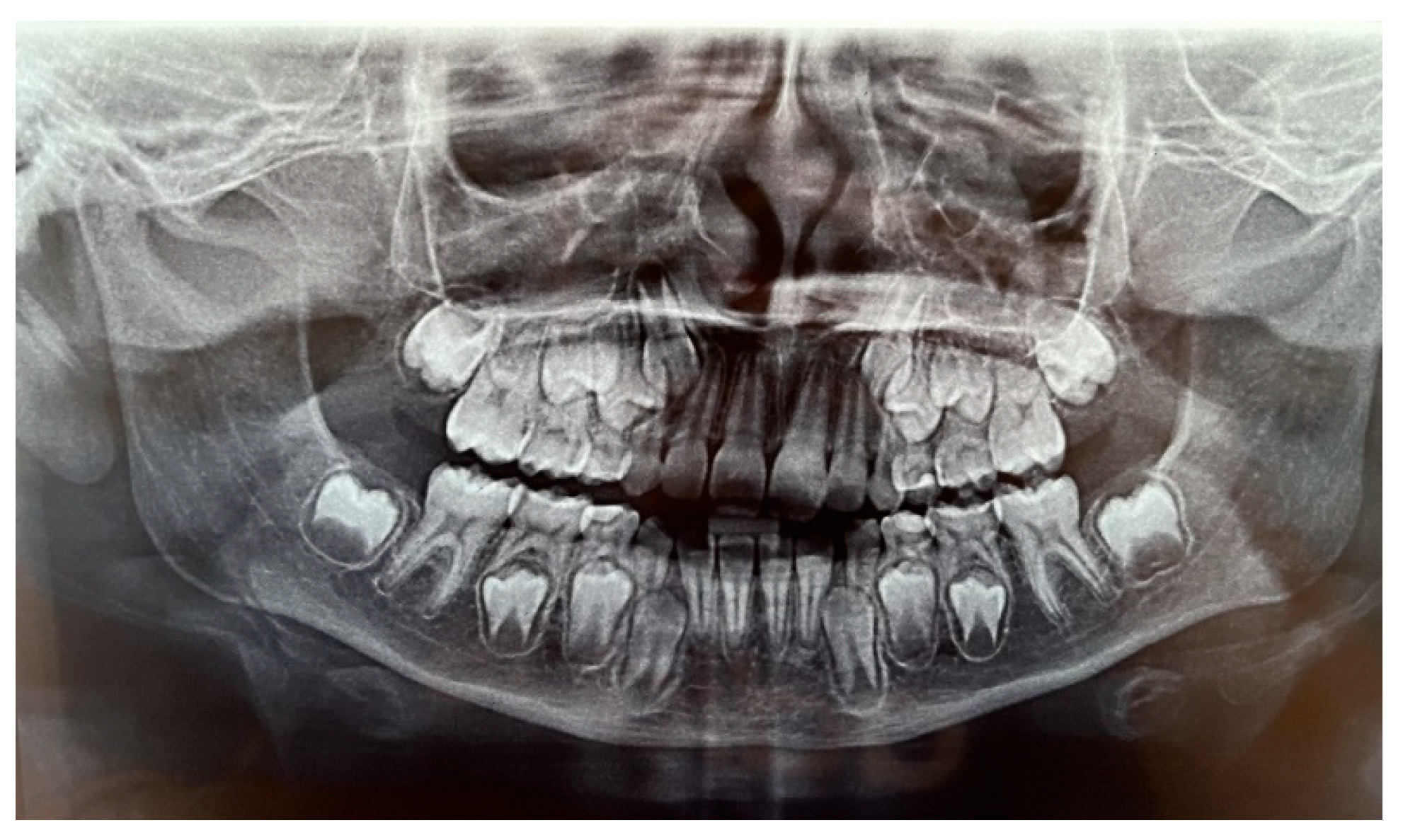
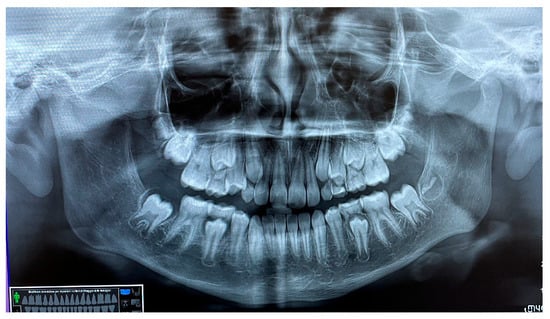
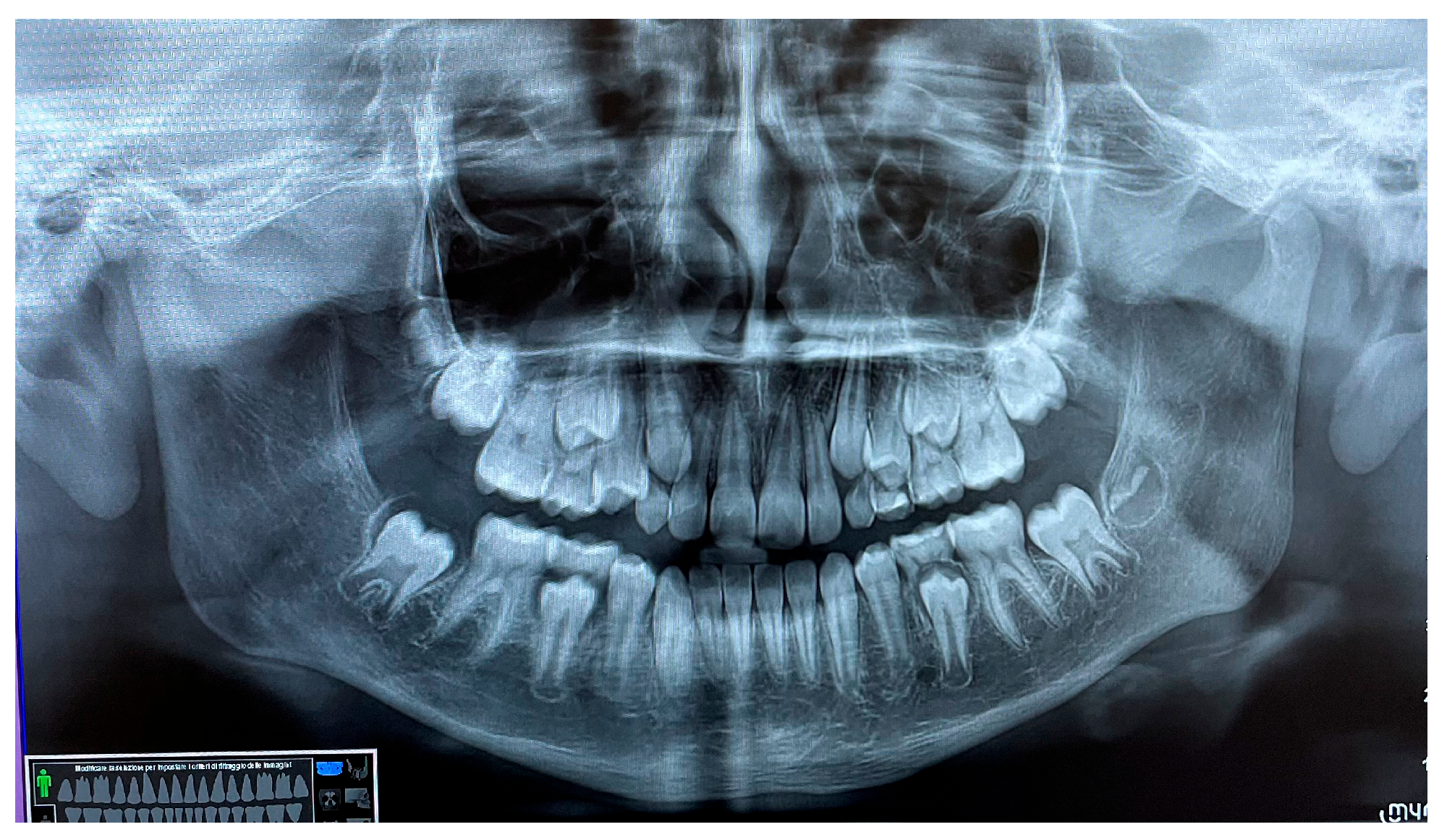
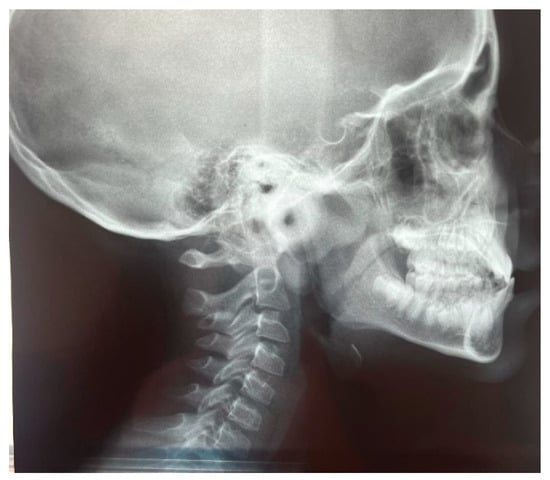
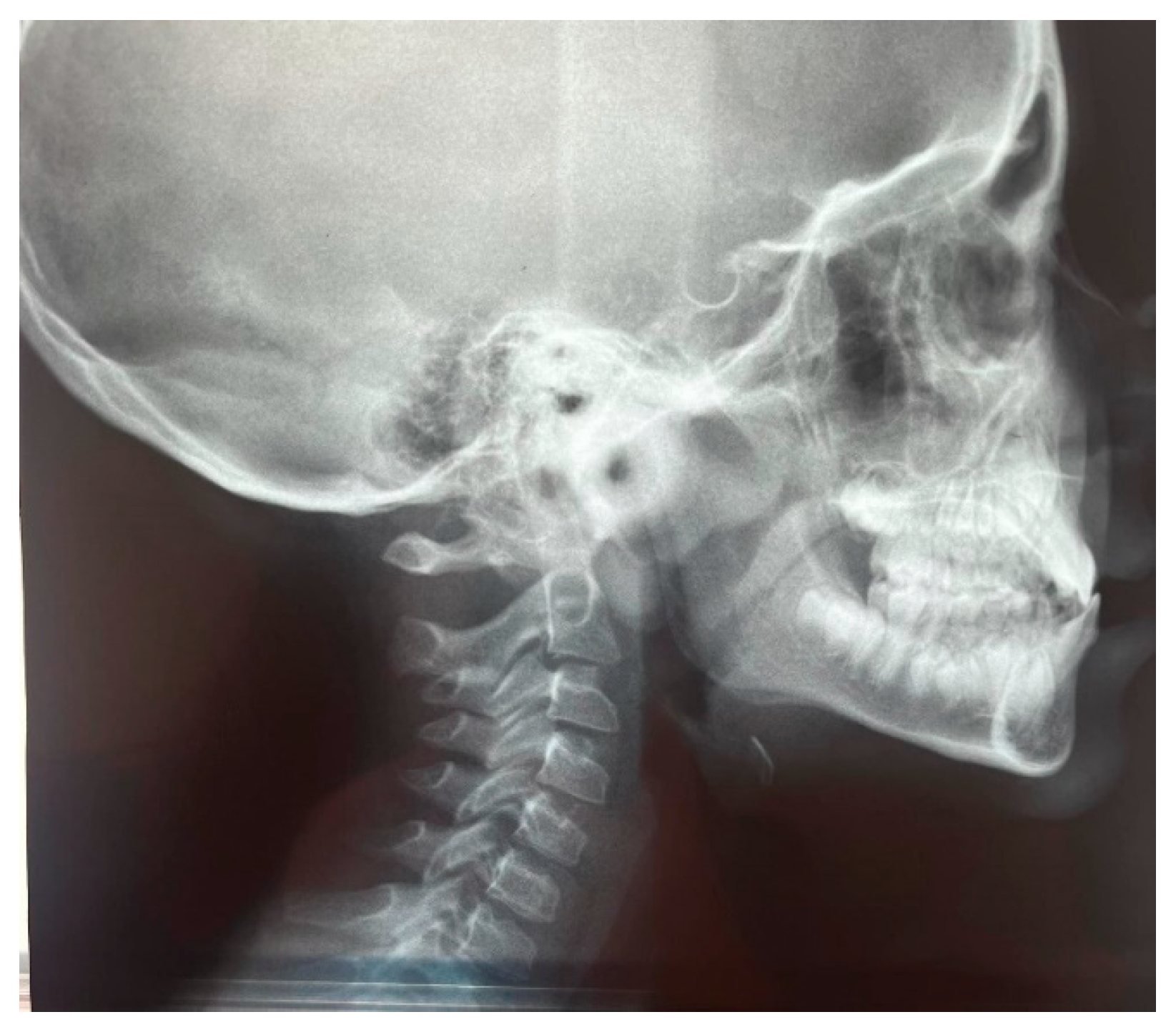
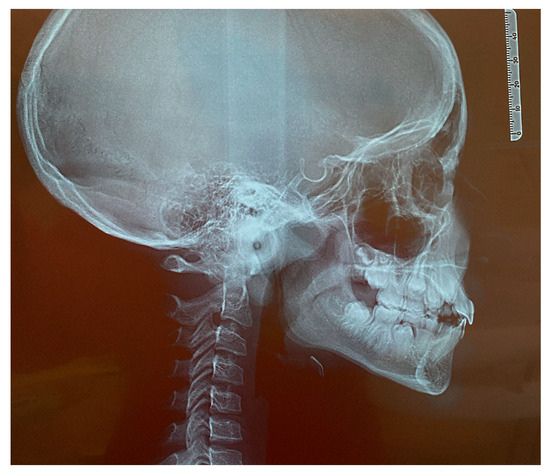
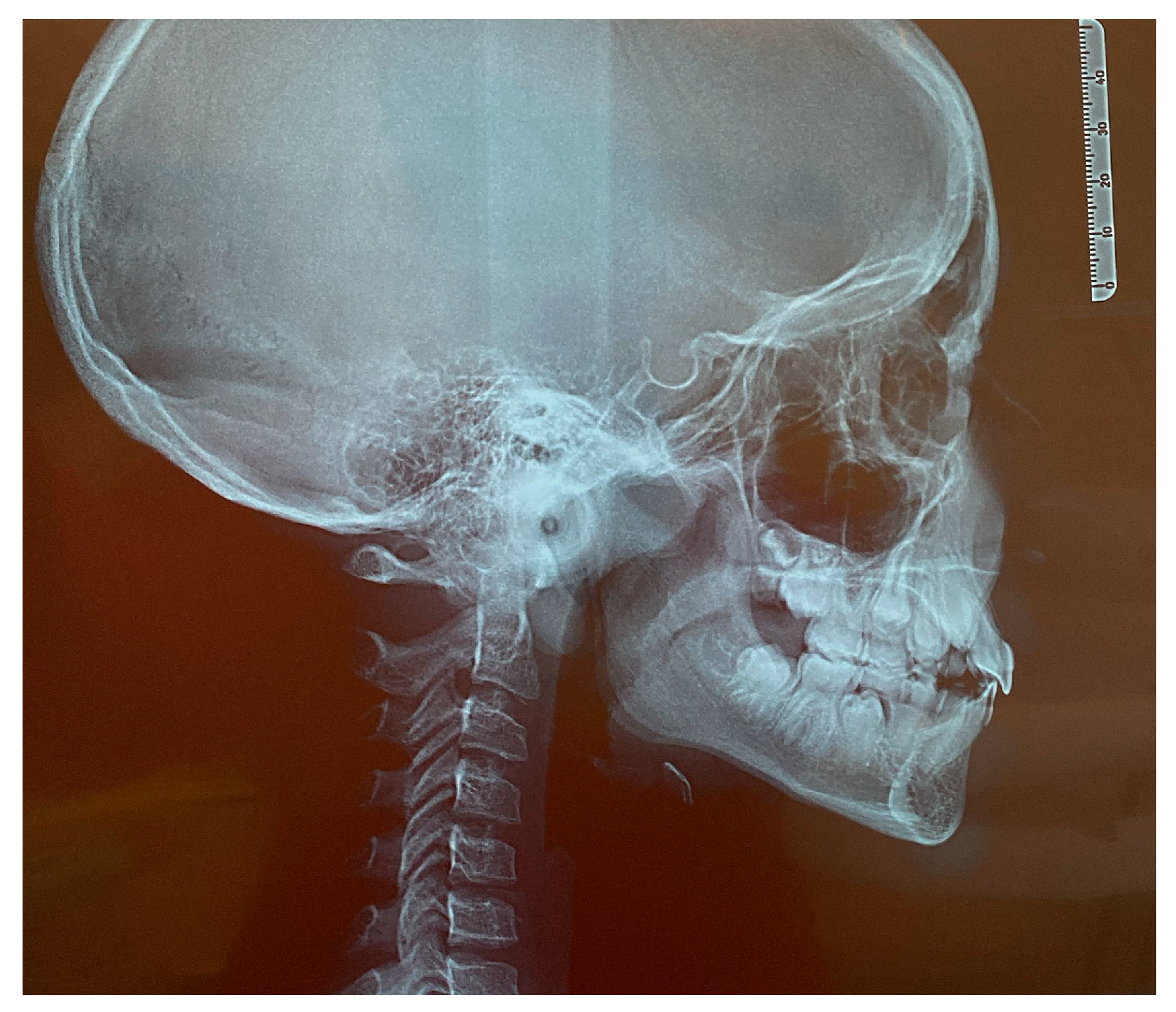
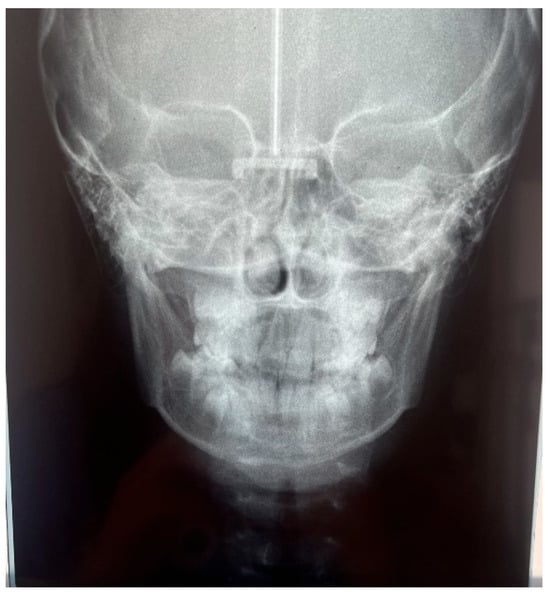
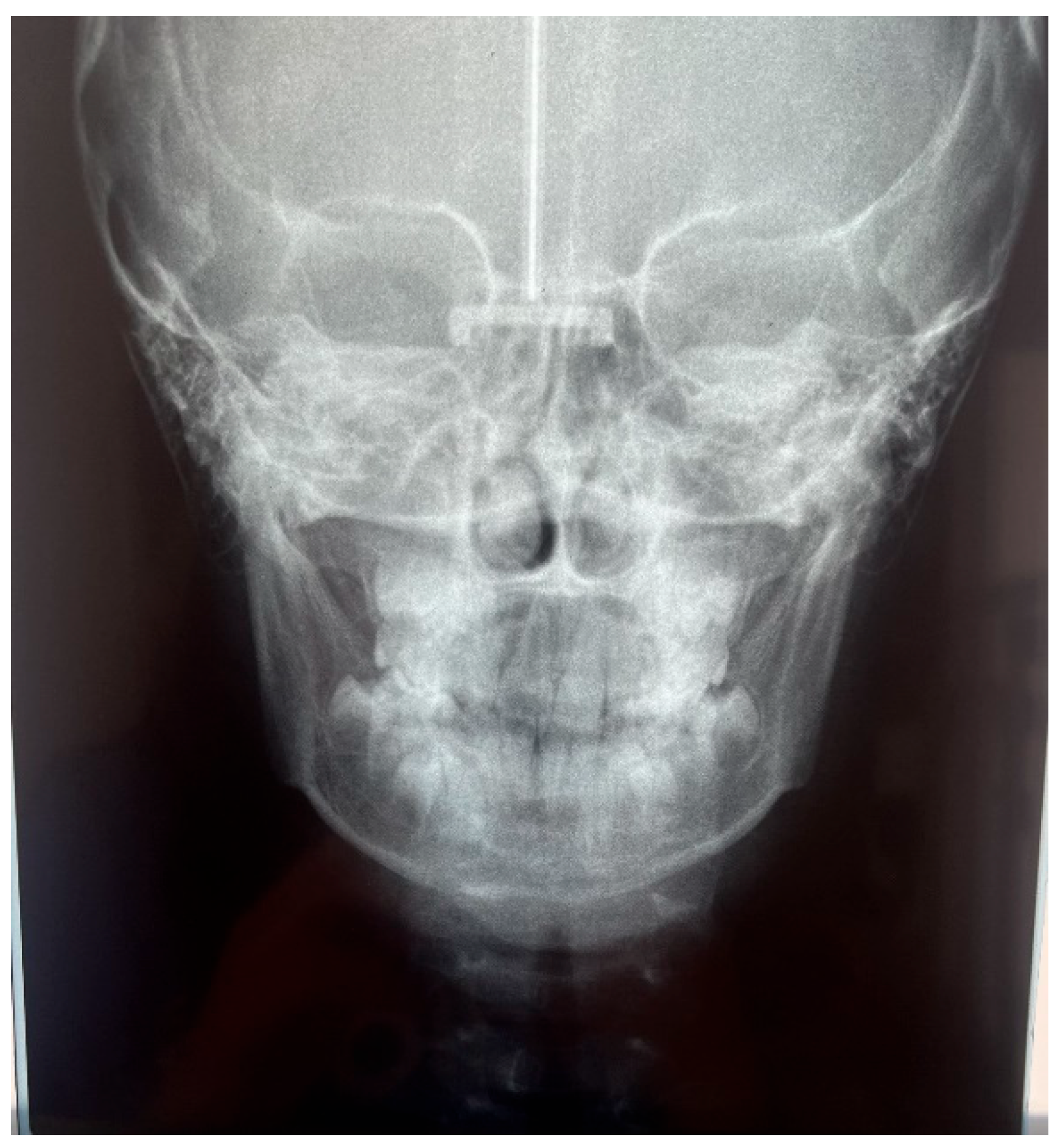
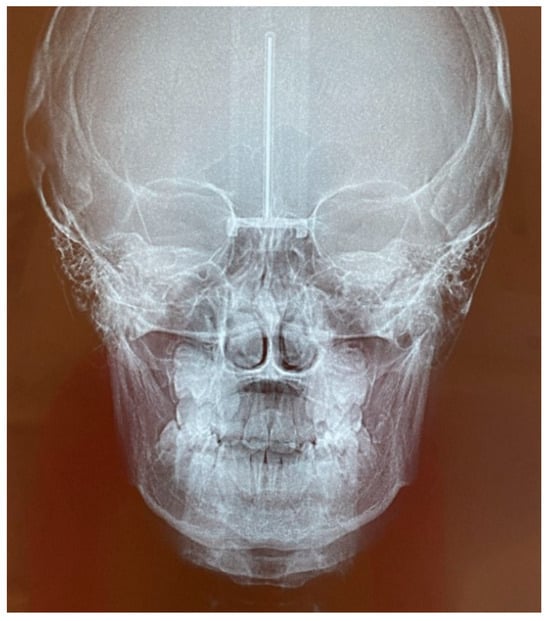
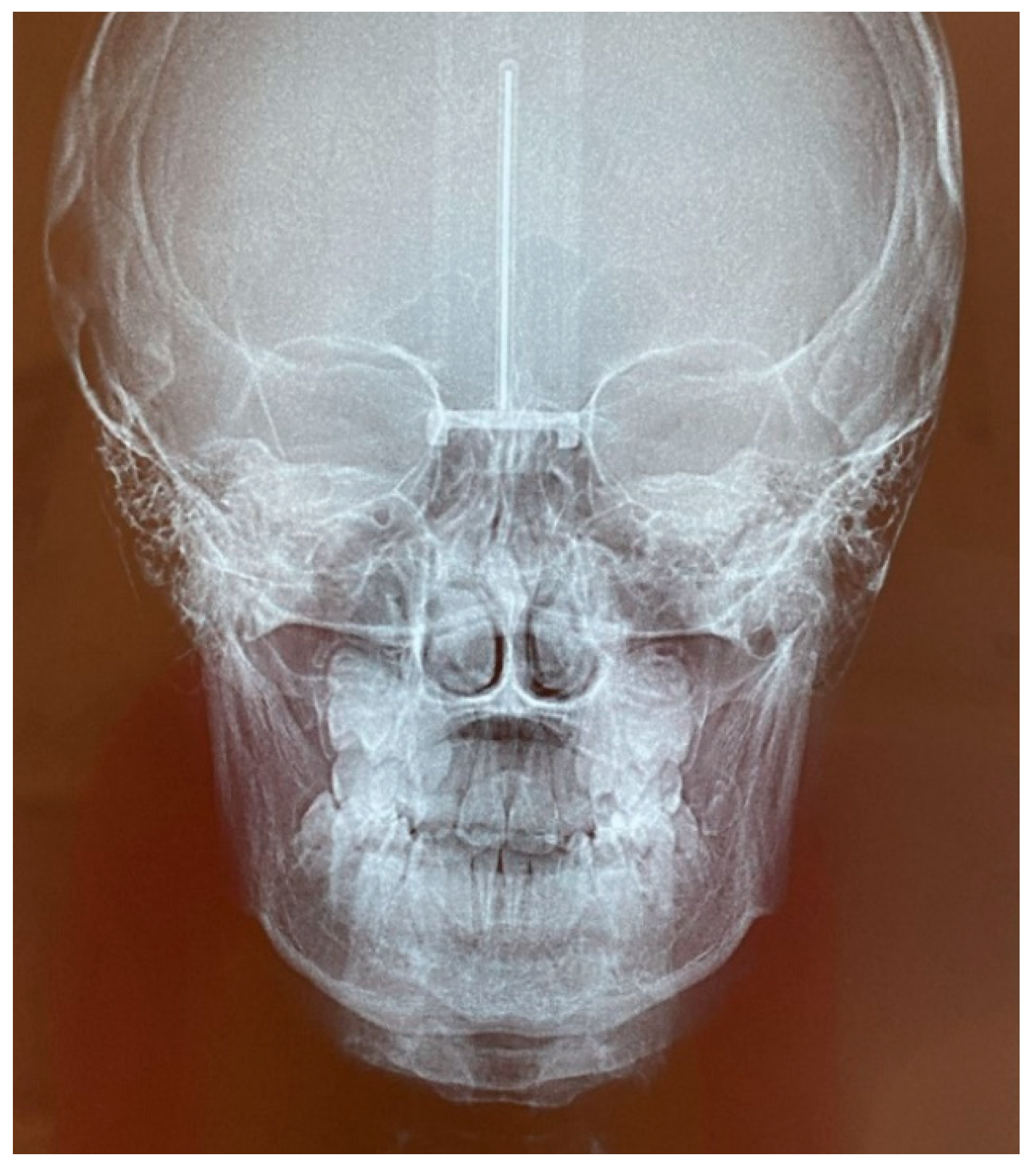
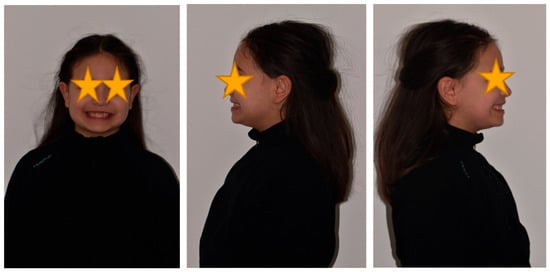
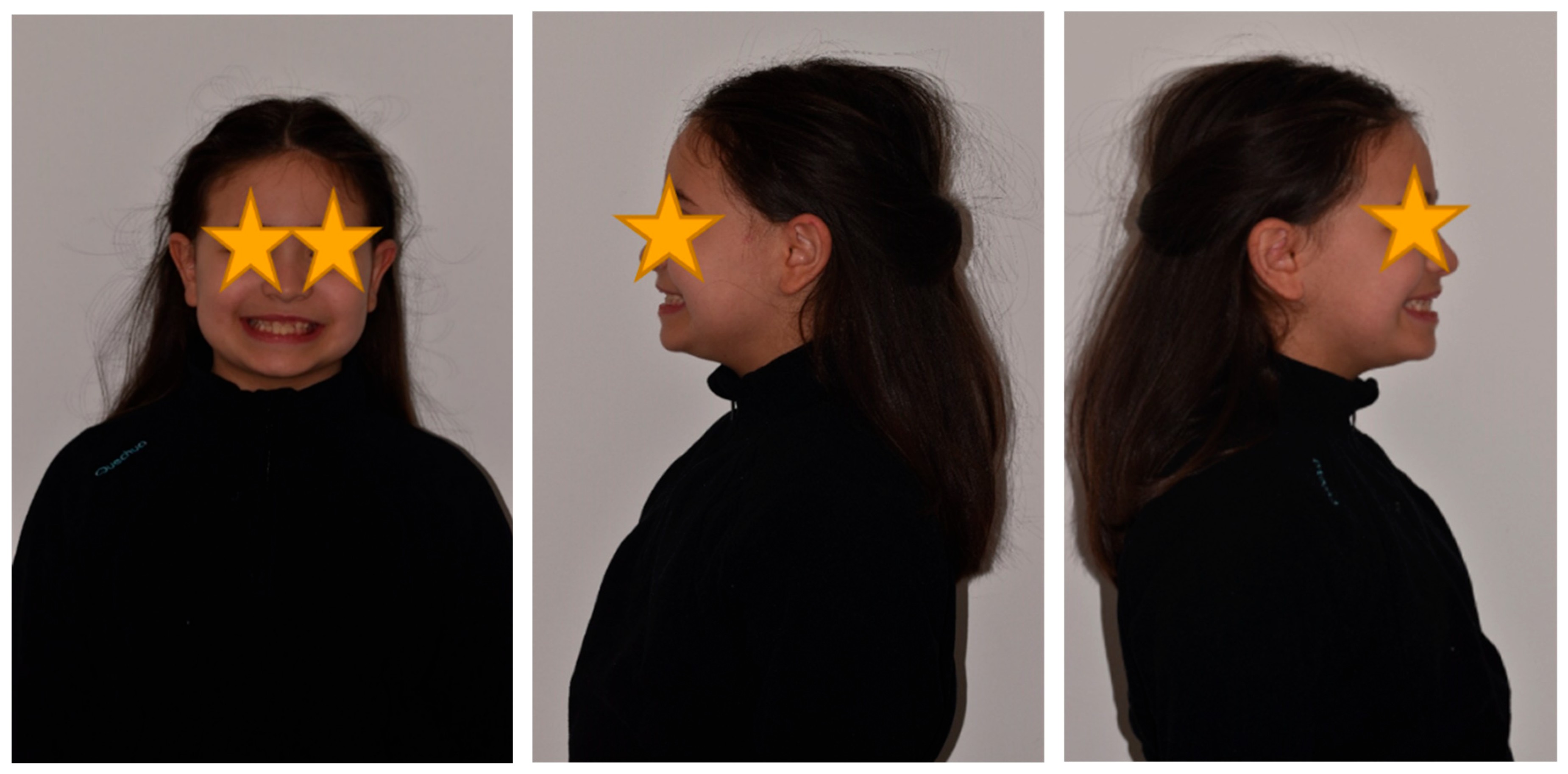
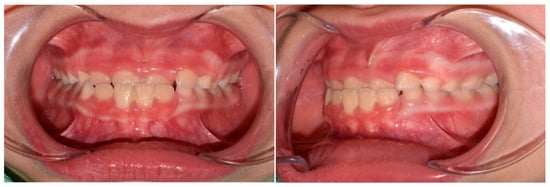
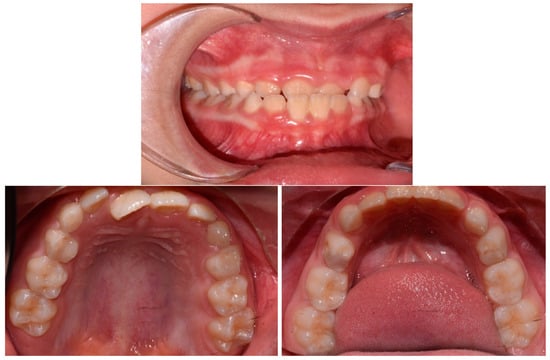
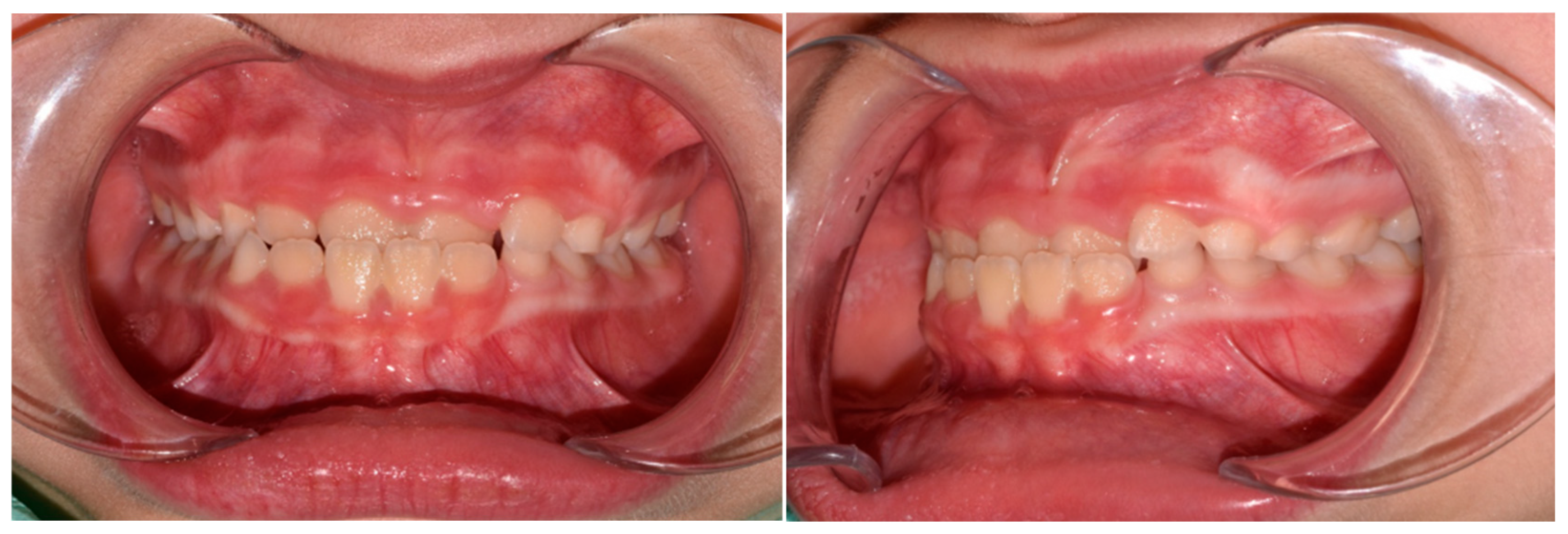
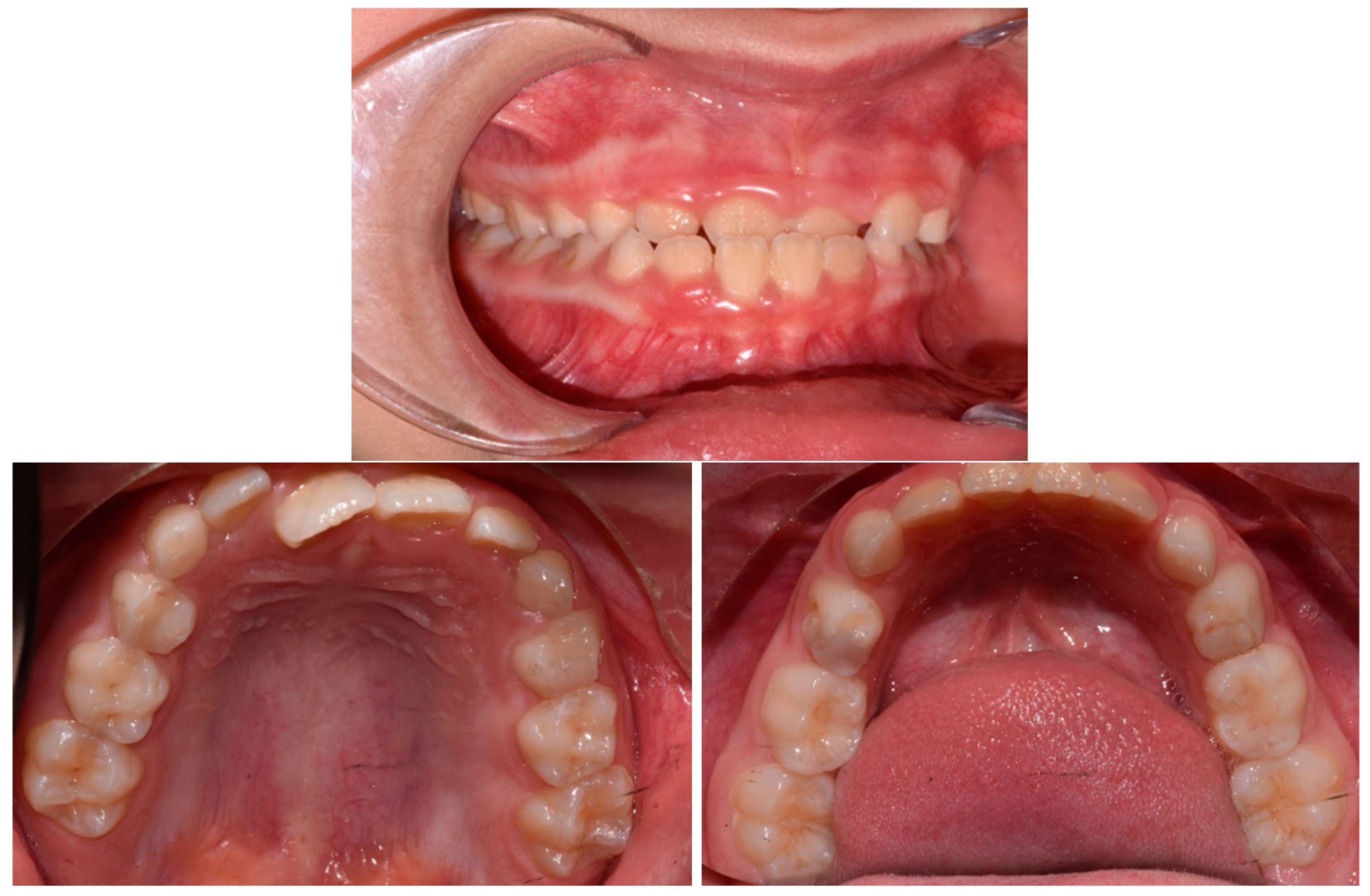
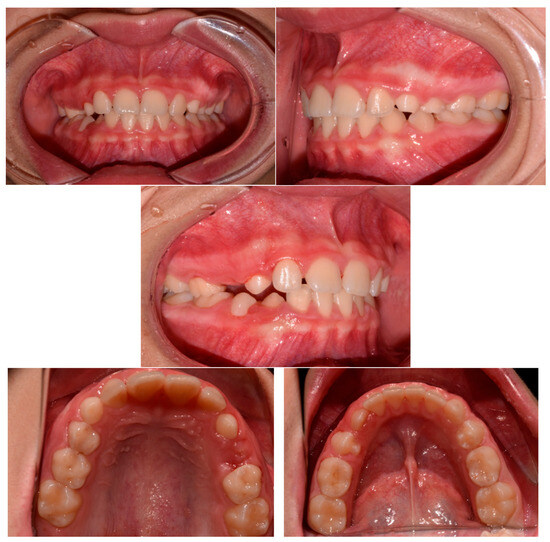
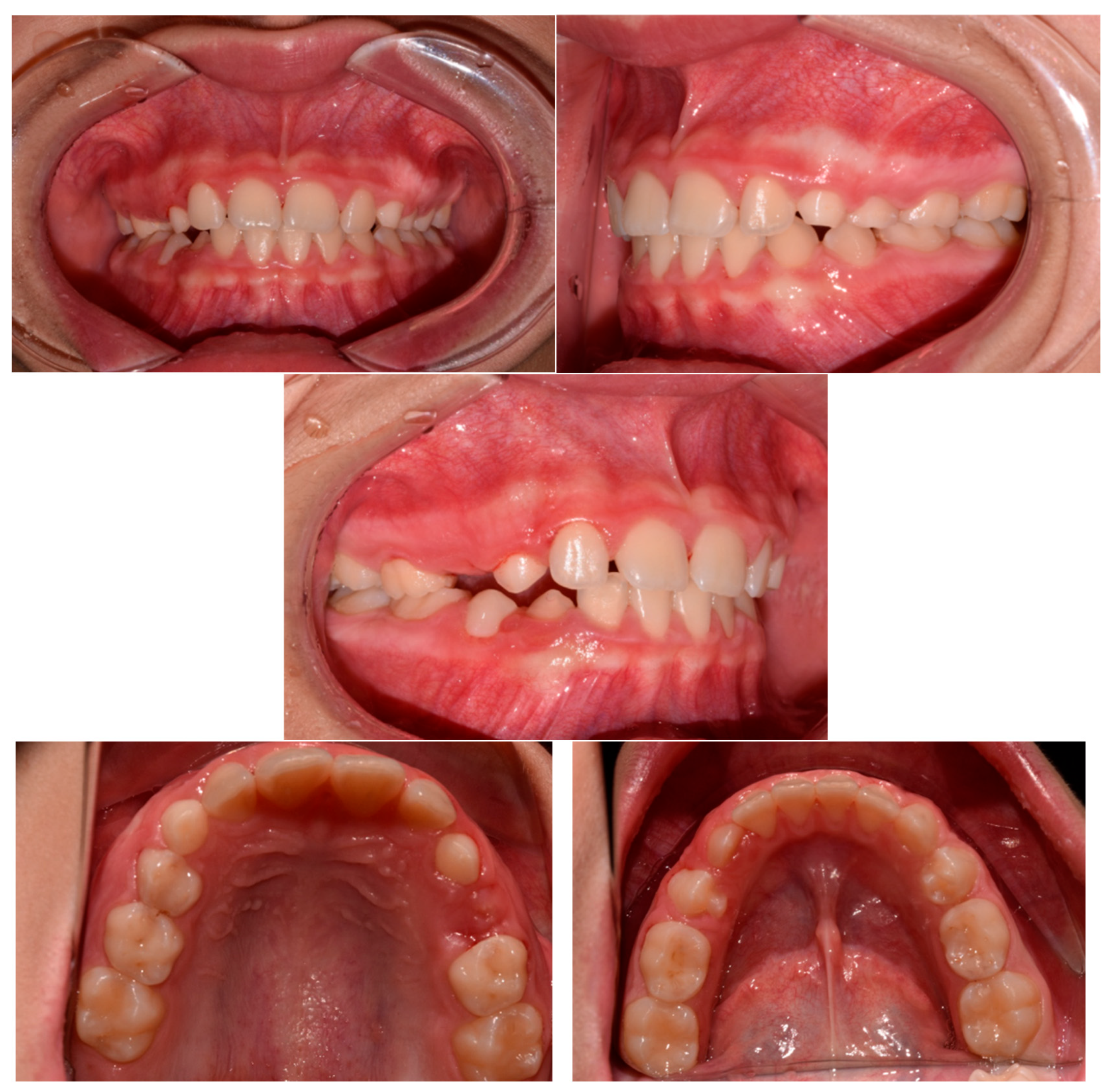

Disclaimer/Publisher’s Note: The statements, opinions and data contained in all publications are solely those of the individual author(s) and contributor(s) and not of MDPI and/or the editor(s). MDPI and/or the editor(s) disclaim responsibility for any injury to people or property resulting from any ideas, methods, instructions or products referred to in the content. |
© 2026 by the authors. Licensee MDPI, Basel, Switzerland. This article is an open access article distributed under the terms and conditions of the Creative Commons Attribution (CC BY) license.