


Abstract
Background: Platelet-rich plasma (PRP) and bone marrow aspirate concentrate (BMAC) vary in composition and are associated with heterogeneous clinical outcomes. We examined donor, procedural, and disease-related factors associated with product composition and clinical prognosis. Methods: Six databases and registers were searched. Eighteen human studies were included. Two independent reviewers assessed risk of bias using Quality in Prognosis Studies (QUIPS), and certainty was rated using a Grading of Recommendations Assessment, Development and Evaluation (GRADE)-informed approach. Because of heterogeneity, findings were synthesized narratively. Results: Thirteen studies concerned PRP (seven composition, six clinical) and five concerned BMAC (three composition, two clinical). Baseline whole-blood platelet count was positively associated with final PRP platelet concentration in two studies (low-certainty evidence), without establishing greater administered platelet dose or clinical benefit. BMAC cellular yield varied with harvesting conditions and cellular assay definitions; demographic associations were inconsistent. Associations between radiographic osteoarthritis severity and outcomes after PRP were heterogeneous and of very-low certainty. Conclusions: Donor biology and processing characteristics are associated with selected orthobiologic product measures, but corresponding clinical implications remain uncertain. Single-arm prognostic studies cannot establish treatment-effect modification or composition-mediated benefit. Registration: PROSPERO CRD420261483107. Level of Evidence: Level III; systematic review of predominantly observational and prognostic-factor studies.
1. Introduction
Autologous orthobiologic therapies, particularly platelet-rich plasma (PRP) and bone marrow aspirate concentrate (BMAC), are increasingly used for orthopedic and musculoskeletal disorders. Despite expanding clinical use, reported biologic composition and treatment response remain heterogeneous. Most explanations for this variability have focused on preparation systems, centrifugation protocols, leukocyte content, injection strategy, and clinical indication [1,2].
Two prior syntheses address related but distinct questions: Colomer-Selva et al. reviewed physiological factors affecting PRP in both human and veterinary settings [3], while Dave et al. pooled BMAC cellular-yield measures according to axial versus appendicular harvest site [4]. The present review was designed to distinguish intrinsic donor biology, procedural determinants of product composition, and clinical prognosis following treatment.
Because PRP and BMAC are autologous products, their starting cellular material varies among donors. Intrinsic variables of interest include age, sex, baseline hematologic profile, body mass index (BMI), smoking, metabolic conditions, and medication exposure. These must be distinguished from procedural variables (harvest site, aspirate volume, preparation system, and activation method) and disease-level variables (radiographic osteoarthritis severity, baseline symptoms, and joint alignment). The three classes of variables require separate interpretation.
An observed association with product composition does not demonstrate a corresponding association with clinical benefit. Moreover, factors associated with outcomes within a treated cohort are prognostic correlates, not necessarily modifiers of the causal treatment effect. Demonstrating effect modification requires appropriate comparisons between treatment strategies or formal interaction analyses; demonstrating a composition-mediated pathway requires data linking donor factors, measured final product attributes, and clinical outcomes in an appropriate analysis.
The purpose of this systematic review was to evaluate whether patient- or donor-level factors are associated with PRP composition, BMAC composition, and clinical response after orthopedic or musculoskeletal PRP or BMAC treatment. This review was designed to evaluate the donor as a potential intrinsic determinant of autologous orthobiologic variability, while distinguishing evidence for product-composition variability from evidence for clinical-response variability.
2. Methods
2.1. Protocol and Registration
This systematic review was reported in accordance with the Preferred Reporting Items for Systematic Reviews and Meta-Analyses (PRISMA) 2020 statement and the Synthesis Without Meta-analysis (SWiM) reporting guideline [5,6]. The protocol was registered prospectively in relation to study selection in the International Prospective Register of Systematic Reviews (PROSPERO; CRD420261483107) on 19 August 2026, after the initial database search (completed 30 June 2026) but before screening began. No subsequent changes to eligibility criteria, primary outcomes, or the planned narrative synthesis were reported. The three-category taxonomy of intrinsic donor factors, procedural factors, and disease/care context clarifies presentation of the original review question rather than establishing an additional eligibility restriction. The updated study-selection process is shown in Figure 1 and Supplementary Table S4; full search strings and the reporting checklist are provided in Supplementary Tables S1 and S6.
Figure 1.
PRISMA flow diagram.
2.2. Review Question and Conceptual Framework
The review addressed three outcome streams: PRP composition, BMAC composition, and clinical outcomes observed after PRP/BMAC treatment. For clarity of reporting, explanatory factors were grouped during revision as (i) intrinsic donor characteristics (age, sex, whole-blood counts, body mass index [BMI], smoking, metabolic status, comorbidities, and medication exposure); (ii) procedural variables (harvest site, aspirate volume, device, and processing conditions, activation); and (iii) disease/care-context variables (Kellgren–Lawrence [KL] grade, alignment, baseline pain, previous surgery, and co-interventions).
2.3. Eligibility Criteria
Human studies were eligible if they investigated autologous PRP or BMAC and reported associations between patient/donor characteristics or relevant procedural or disease-context factors and product composition or musculoskeletal clinical outcomes. Eligible designs included prospective and retrospective cohorts, cross-sectional human-donor investigations, case-control studies, and applicable secondary analyses of trials. No minimum clinical follow-up duration was required. Both single-injection and multiple-injection regimens were eligible, irrespective of injection number or interval. Concomitant physical therapy, analgesics, nonsteroidal anti-inflammatory drugs and other conservative measures did not determine exclusion but were considered potential sources of confounding. An untreated comparator was not required for within-treated-cohort prognosis. Adverse events were not primary outcomes and were extracted only descriptively when available.
2.4. Exclusion Criteria and Product Definitions
Studies were excluded if they were animal studies, cadaveric studies, purely in vitro studies without human donor-level data, reviews, editorials, protocols, commentaries, or articles without original data. Case reports and case series with fewer than 10 participants were excluded. Studies were also excluded if they evaluated non-autologous biologic products, adipose-derived products, stromal vascular fraction, culture-expanded cells, isolated exosomes, isolated growth-factor preparations, or products not classifiable as PRP or BMAC. Platelet-rich fibrin was excluded unless it was clearly used as an injectable PRP-like orthobiologic. Unconcentrated bone marrow aspirate was excluded unless it was analyzed as the baseline comparator to BMAC. PRP was defined as an autologous platelet-concentrated blood product, including leukocyte-poor PRP, leukocyte-rich PRP, and autologous conditioned plasma when the product was clearly a PRP derivative. BMAC was defined as an autologous concentrated bone marrow aspirate product. Mesenchymal stromal cells (MSCs) were distinguished from other marrow nucleated-cell and colony-forming assays.
2.5. Information Sources and Search Strategy
The systematic review searched PubMed/MEDLINE, Embase, Scopus, Web of Science, Cochrane CENTRAL, and ClinicalTrials.gov; the database search strategies are documented in Supplementary Table S1. The initial literature search was completed on 30 June 2026, and additional searches were undertaken during manuscript revision. The final search and study-selection process encompassed all the databases and registers listed above. Across these sources, 7579 records were identified; after duplicate removal, 18 studies ultimately met eligibility criteria. The final aggregate study-selection numbers are presented in Figure 1 and Supplementary Table S4.
2.6. Study Selection
Following deduplication, two reviewers independently screened titles and abstracts against the predefined eligibility criteria. Potentially eligible articles underwent independent full-text assessment by the same reviewers. Disagreements were resolved through discussion or, when necessary, adjudication by a third reviewer. The primary reason for exclusion was documented for each excluded full-text article. The study-selection process is presented in the PRISMA 2020 flow diagram (Figure 1).
2.7. Data Extraction
Data were extracted into a standardized Microsoft Excel spreadsheet developed a priori. One reviewer extracted the data, and a second reviewer independently verified the extracted data against the full text. Discrepancies were resolved by consensus, with third-reviewer adjudication when necessary. Extracted information included study identification, country, study design, sample size, clinical indication, product type, preparation method, harvest site when applicable, participant characteristics, patient- or donor-level factors analyzed, PRP or BMAC composition outcomes, clinical outcomes, follow-up duration, statistical methods, effect estimates, and author conclusions. Template extraction fields are reported in Supplementary Table S5.
2.8. Outcomes
The primary domains comprised associations between patient/donor or relevant contextual factors and (i) PRP composition, (ii) BMAC composition, or (iii) clinical outcomes observed after treatment. Composition measurements included whole-blood and product platelet counts, leukocyte measures, concentration and recovery factors, final product volume or platelet dose when reported, cytokines, growth factors, mononuclear cells, colony-forming unit assays, and mesenchymal stromal-cell measures. Clinical response was defined by the outcomes and responder criteria specified in each source article. When explicitly reported, minimal clinically important difference (MCID), Patient Acceptable Symptom State (PASS), or Outcome Measures in Rheumatology/Osteoarthritis Research Society International (OMERACT–OARSI) classifications were extracted as study-specific outcomes. No common responder threshold was imposed retrospectively. Studies reporting only continuous changes in patient-reported measures were analyzed separately and not interpreted as providing responder-level evidence. Differences in instruments, thresholds, and follow-up times were considered major sources of heterogeneity. Safety events were not included in the primary factor–outcome synthesis.
2.9. Risk-of-Bias Assessment
Risk of bias was assessed independently by two reviewers across the six Quality in Prognosis Studies (QUIPS) domains: study participation, study attrition, prognostic-factor measurement, outcome measurement, study confounding, and statistical analysis/reporting [7]. Disagreements were resolved by discussion and, when needed, third-reviewer adjudication. The final independently validated appraisal includes all 18 studies (Supplementary Table S2). Attrition was designated not applicable when longitudinal follow-up was not part of the study design, rather than automatically assigned low risk. QUIPS judgments addressed bias relevant to the factor–outcome associations under review, not comparative PRP/BMAC treatment effectiveness. Particular attention was given to confounding, multiple biomarker comparisons, adjusted-model specification, sparse clinical events, and reporting inconsistencies.
Reporting-bias and small-study-effect assessment were considered at the evidence-domain level. Formal funnel-plot assessment was not performed because no meta-analysis was conducted and the number of comparable studies within each domain was insufficient for meaningful statistical assessment. Selective reporting was instead considered qualitatively during risk-of-bias and certainty assessment, with attention to whether studies reported prespecified predictors, complete product-composition variables, and interpretable clinical-response outcomes.
2.10. Certainty of Evidence
The two reviewers independently evaluated the certainty of evidence by defined factor–product–outcome domains using a GRADE-informed framework; their validated judgments are detailed across 15 domains in Supplementary Table S3 [8]. For clinical prognosis in treated cohorts, observational prognostic evidence initially received high certainty, with possible downgrading for risk of bias, inconsistency, indirectness, imprecision, and suspected publication bias in accordance with prognostic-factor GRADE guidance. For cross-sectional product-composition and procedural-yield associations, a conservative low starting level was used as an explicitly review-specific methodological adaptation, not as a formal GRADE rule for these study designs. Each final rating reflects the stated reasons for downgrade; no domain was upgraded solely because an association attained statistical significance. In particular, evidence connecting baseline whole-blood platelet count with final PRP platelet concentration was rated low certainty, rather than the moderate certainty originally proposed. Null findings were not interpreted as evidence of equivalence.
2.11. Data Synthesis
The narrative synthesis was planned in the original review, but no fixed numerical threshold for consistency or vote-counting algorithm was prespecified. Findings were grouped by product, explanatory factor class, and proximal (composition) versus distal (clinical outcome) endpoint. Study-specific directions were evaluated alongside reported effect sizes, precision, analytical unit, covariate adjustment, and assay compatibility. A statistically nonsignificant association was not coded as a proven null effect; studies reporting only continuous outcomes were not converted into responder studies. Conflicting results were described without ranking studies solely by statistical significance. Meta-analysis was not performed because the clinically and analytically comparable factor–outcome pairs were too sparse or heterogeneous.
2.12. Ethics and Data Availability
Ethics approval and informed consent were not required because this systematic review used data from previously published studies. No external funding was received. The authors declare no conflicts of interest. Data extracted for this review are available from the corresponding author upon reasonable request.
3. Results
3.1. Study Selection
Across all six prespecified databases and registers, the final PRISMA flow identified 7579 records. After removing 1486 duplicates, 6093 records underwent title-and-abstract screening, of which 5954 were excluded. A total of 139 reports were sought for retrieval; four were not retrieved, and 135 full-text reports were assessed for eligibility. Of these, 117 were excluded for the following primary reasons: no patient/donor-factor analysis (n = 39); wrong product or non-autologous product (n = 25); non-orthopedic or non-musculoskeletal indication (n = 16); review, editorial, protocol, or no original data (n = 14); animal, cadaveric, or purely in vitro study (n = 9); duplicate or overlapping cohort (n = 8); and insufficient extractable data (n = 6). Eighteen studies were included in the systematic review (Figure 1; Supplementary Table S4).
3.2. Study Characteristics
Eighteen studies were included: 13 evaluated PRP or autologous conditioned plasma and five evaluated BMAC. Categorized by their principal contribution, seven studies addressed PRP composition, three addressed BMAC composition, six clinical outcomes following PRP, and two clinical outcomes following BMAC. The studies varied in indication, preparation, assay, analytical unit, and follow-up. Table 1 reports the study characteristics and study-specific populations.
Table 1.
Characteristics of all 18 included studies.
3.3. Patient and Donor Factors Associated with PRP Composition
Seven studies evaluated PRP composition in relation to patient or donor characteristics (Table 2) [11,14,16,18,21,24,25]. Rossi and Karaborklu Argut reported positive associations between starting whole-blood platelet count and final PRP platelet concentration. Rossi observed lower final platelet concentration with increasing age, whereas Taniguchi and Evanson described age-related differences in selected growth factors. Xiong studied 39 healthy donors using standardized PRP preparation and observed higher concentrations of IL-1β, TNF-α, IL-1Ra, and TGF-β1 among male donors, with no significant difference in PRP platelet concentrations. Trevissón evaluated 26 donors and found no significant sex difference in platelet enrichment factor (p = 0.818), while reporting differences in selected leukocyte subsets by age–sex groups and the influence of capture efficiency. In contrast to Xiong, Evanson reported higher selected growth factors among female donors, and Taniguchi reported no clear sex association. Wicinski detected no significant BMI-group differences in selected growth factors. These studies do not establish a single direction of sex or age association across platelet, leukocyte, and molecular outcome classes.
Table 2.
PRP composition: seven included studies.
3.4. Patient and Procedural Factors Associated with BMAC Composition
Three studies investigated BMAC composition or cellular yield (Table 3) [13,17,20]. Cavallo reported greater mononuclear-cell yield in younger patients and, in a harvest-site comparison, higher mononuclear and CFU-F yield in iliac-crest than proximal-tibial samples. Muthu found negative correlations of age with MNC count (r = −0.681) and colony-forming unit count (r = −0.693), and reported additional associations with aspirate volume and comorbidities. Huddleston found no significant associations of age, sex, weight, or BMI with final MSC concentration under standardized harvesting and processing. These studies measured noninterchangeable cellular endpoints; harvest site and aspirate volume are procedural, not intrinsic donor factors.
Table 3.
BMAC composition: three included studies.
3.5. Patient Factors Associated with Clinical Response After PRP Treatment
Six reports examined factors associated with observed clinical outcomes after PRP or autologous conditioned plasma, primarily in knee osteoarthritis (Table 4) [10,15,19,22,23,26]. Saita et al. reported that higher radiographic grade was associated with lower odds of response (adjusted OR 0.58; 95% CI 0.45–0.75) [15]. Alessio-Mazzola et al. studied 118 patients (mean follow-up 51.1 ± 14.8 months), reporting 18 treatment failures (15.3%) and qualitative associations of higher BMI and KL grade with failure [19]; contradictory coefficient/OR/CI/p-value combinations prevent reliable quantitative interpretation of its multivariable table. Korpershoek et al. analyzed continuous KOOS and pain outcomes in 140 patients (158 knees) and found no significant prognostic factor in the reported models; this study is not counted as an independently defined dichotomous-responder cohort [10]. Chopin et al. studied 197 patients (210 knees), identifying 92/210 knees (43.8%) as responders after seven months. Physiotherapy (adjusted OR 0.46, 95% CI 0.24–0.90) and marked limitation of flexion (heel-to-buttock distance > 35 cm; adjusted OR 0.31, 95% CI 0.15–0.65) were associated with lower responder probability, unlike KL grade in that cohort [26]. Kikuchi assessed study-defined short-term response and PRP composition metrics [22]; Ota reported selected baseline symptom and metabolic factors in a small treated-only cohort [23]. None of these observational studies established modification of comparative PRP treatment efficacy.
Table 4.
Observed clinical outcome associations: eight included studies.
3.6. Patient Factors Associated with Clinical Response After BMAC Treatment
Two BMAC clinical-outcome studies considered baseline characteristics in knee osteoarthritis [9,12]. Rasovic described associations of disease severity with selected pain and functional outcomes but inconsistent age- and BMI-related associations. Smith proposed a decision rule involving baseline pain and previous knee surgery based on a single-arm clinical series; the model had not been externally validated. Neither report identified a validated donor-specific modifier of the comparative treatment effect.
Across the final 18-study QUIPS matrix, study participation was rated moderate risk in 17 studies and high risk in one. Study attrition was not applicable in nine, low risk in two, and moderate risk in seven. Prognostic-factor measurement was rated low risk in 16 and moderate in two; outcome measurement low in 14 and moderate in four. Study confounding was rated moderate in 10 and high in eight; statistical analysis/reporting low in two, moderate in 11 and high in five. These domain-specific frequencies describe the independent reviewers’ final judgments and should not be collapsed into a single score. Study-level results appear in Supplementary Table S2.
3.7. Integrated Synthesis, Risk of Bias, and Certainty of Evidence
Across the included studies, final PRP platelet concentration was positively associated with whole-blood platelet count in Rossi and Karaborklu Argut. This is a proximal composition association that partly reflects platelet input–output relationships, not evidence of greater administered platelet dose or clinical efficacy. BMAC associations differed by cellular assay, donor age, indication, and harvesting site. In clinical PRP studies, higher Kellgren–Lawrence (KL) grade was associated with poorer observed outcomes in Saita and with failure in Alessio-Mazzola, whereas Korpershoek and Chopin reported different outcome frameworks without corresponding consistent findings. The six-domain QUIPS assessments and their 18-study frequencies are given in Section 3.6 and Supplementary Table S2. The 15 GRADE-informed domain profiles are summarized in Supplementary Table S3. No study formally established a donor-factor-measured product-composition-clinical-benefit mediated pathway.
4. Discussion
This updated evidence set adds direct human-donor biochemical evidence and a larger clinical PRP cohort to the original synthesis. The most robust compositional observation concerns the relationship between baseline whole-blood platelet count and final PRP platelet concentration. The clinical meaning of this finding is constrained by platelet recovery, concentration factor, final product volume, and total delivered platelet dose. Sex, age, and other donor features may influence selected components, but effects are endpoint-specific. Clinical-outcome studies predominantly describe prognosis within treated groups and cannot establish relative treatment benefit without a suitable comparator and interaction analysis.
These findings should be interpreted as a framework for future investigation rather than definitive evidence that donor characteristics determine orthobiologic efficacy. The current literature suggests that the donor may contribute to product variability, but clinical response remains multifactorial and is influenced by disease phenotype, structural severity, product preparation, procedural factors, rehabilitation, and outcome definition.
4.1. Donor Biology and PRP Composition
A positive association between baseline whole-blood platelet concentration and final PRP concentration is expected to some extent because the donor platelet pool constrains the possible processed output [11,18]. Concentration (platelets per unit volume), administered single-injection dose (concentration × injection volume), and concentration factor (final product/whole blood concentration) are different descriptors. Repeated-injection cumulative dose also depends on the number of administrations. Extraction or recovery efficiency depends on the preparation platform. An external systematic review suggests that total delivered platelet dose merits investigation in clinical trials [27]; however, these cross-study dose analyses are not evidence that donor baseline platelet count itself improves outcomes, and they cannot establish a patient-level mediating mechanism.
Selected growth-factor measures varied with age in some studies, but age bands, assays, and preparation protocols differed [11,14,21]. An age-associated laboratory signal should not be assumed to represent a universally monotonic reduction in PRP biological potency. The reported associations need to be interpreted outcome by outcome, separating platelet concentration from released growth factors and cytokines.
Sex-related laboratory differences should be interpreted by analyte. Evanson reported higher selected growth factors in female donors, whereas Xiong observed higher selected cytokines and growth factors in male donors, and Trevissón did not identify a significant sex difference in platelet concentration. Contradictory biomarker directions do not invalidate each individual study, but rule out an undifferentiated statement that either sex produces superior PRP. BMI-group comparisons were mostly null in the available composition studies; this is not proof of no effect. Medication exposure, metabolic phenotype, and inflammatory status require better prospective characterization.
4.2. Donor Biology and BMAC Composition
The three original BMAC composition studies used nonidentical cellular endpoints. Cavallo and Muthu reported age-related associations with mononuclear or clonogenic metrics [13,17], while Huddleston did not find a corresponding association with final MSC concentration under standardized harvest and processing [20]. These are different assays rather than directly interchangeable tests of the same biological construct. Limited sample sizes and residual confounding further constrain the interpretation.
Harvest site and aspirate volume are procedural variables, not intrinsic donor characteristics. A within-study iliac-crest versus proximal-tibia comparison reported differences in selected cell-yield measures [17], but the 2025 systematic review and meta-analysis by Dave et al. did not detect an overall axial-versus-appendicular difference in pooled total nucleated-cell or CFU outcomes [4]. These results are not necessarily contradictory because the pooled analysis combines heterogeneous sites and assays. Neither establishes an absolute clinically optimal site, and donor versus procedural effects should be evaluated separately.
4.3. Interpretation of Clinical Outcomes
Clinical-response studies predominantly evaluated pain or function within treated single-arm cohorts. Such analyses can identify associations with prognosis after an intervention but do not estimate how much benefit is caused by PRP/BMAC, nor whether age, BMI, KL grade, or another factor modifies that benefit. This distinction is essential when discussing responder classifications, because differences in baseline disease burden, co-interventions, expectations, and outcome thresholds can influence observed outcomes independently of a treatment-specific biological mechanism.
Higher Kellgren–Lawrence grade was associated with worse observed outcomes in some treated cohorts, including Saita et al. and Alessio-Mazzola et al., but findings were not uniformly reproduced across studies using different endpoints and follow-up windows [10,15,19,26]. The Alessio-Mazzola cohort adds clinically relevant long-term observational information (mean 51.1 months; 18/118 reported failures), but internally inconsistent adjusted regression outputs preclude a trustworthy numerical odds ratio without clarification [19]. In Chopin et al., no association with radiographic grade was detected; physiotherapy and restricted knee flexion were associated with response, plausibly reflecting underlying clinical severity or treatment context rather than causal interference with PRP action [26]. Therefore, disease stage may be prognostic in some settings, but these studies do not establish either a universal threshold for selection or a causal interaction with PRP treatment efficacy.
No included original study formally tested the complete mediating pathway from donor factor, through the characterized final product, to the clinical outcome.
4.4. Implications for Research
For PRP, studies should report the starting whole-blood platelet count, final concentration and volume, administered platelet dose, concentration and recovery factors, residual leukocyte/red-cell content, activation conditions, and processing system [1,2,11,18]. BMAC studies should separately report donor variables and procedural factors, including harvest site and aspirate volume, final total nucleated-cell and mononuclear counts, assay method, and CFU-F/MSC metrics when validated [13,17,20]. Medication exposure deserves explicit consideration but was not consistently assessed in the original clinical and composition cohorts [28].
Prospective studies should collect donor biology, final product characterization, and validated patient outcomes within the same participants. To evaluate treatment-effect modification, a comparative design with prespecified factor-by-treatment interaction analysis is needed; to examine mediation, temporally ordered measurements and explicit causal assumptions are additionally necessary. Associations found in uncontrolled cohorts should be described as prognostic, not predictive of comparative treatment benefit.
5. Limitations
The included studies differed in design, preparation systems, laboratory assays, follow-up, and confounder adjustment. Many prognostic cohorts were single-arm, and some analyses had few events or inconsistent clinical outcome definitions. Some published numeric results were internally inconsistent, notably the adjusted regression outputs for BMI and KL grade in Alessio-Mazzola et al.; this study was retained in the qualitative synthesis while the discordant numeric estimates were not reproduced as reliable effect sizes. Risk-of-bias judgments and domain-specific certainty ratings should be interpreted alongside these limitations, particularly where only one or two studies contributed to a domain.
Compositional and clinical outcome streams rarely occurred in the same appropriately analyzed dataset. Consequently, an association of donor characteristics with product composition cannot be taken as evidence of improved clinical efficacy, treatment-effect modification, or a composition-mediated benefit. Some BMAC endpoints are defined by assays that are not directly comparable. Given clinical, procedural, and statistical heterogeneity, narrative rather than quantitative synthesis was used.
The review is nevertheless limited by heterogeneity in the production and reporting of PRP/BMAC, incomplete or non-comparable cellular assays, sparse prognostic evidence, and clinical endpoints assessed at differing time points. Associations observed in uncontrolled cohorts do not establish that a factor alters the benefit of PRP/BMAC relative to another treatment. The number of studies contributing to most evidence domains was small, and publication bias could not be assessed reliably with formal statistical methods.
6. Conclusions
Across 18 included studies, baseline whole-blood platelet count was associated with final PRP platelet concentration (low-certainty evidence), whereas associations involving donor age, sex, and soluble mediators varied by analyte, assay, and preparation. BMAC composition was associated with selected age-related and harvest-site factors, but donor biology could not be separated completely from technique and indication. Within-treated-cohort clinical associations, including radiographic osteoarthritis severity, were inconsistent and generally supported by very-low-certainty evidence. Alessio-Mazzola et al. contributed a longer-term cohort of 118 patients, with 18 reported failures, although published adjusted regression estimates contain internal inconsistencies. No included study demonstrated that patient factors modified comparative treatment benefit or that composition mediated clinical outcomes. More complete donor/product reporting and appropriately controlled prospective studies are required before personalized PRP/BMAC selection can be justified.
Supplementary Materials
The following supporting information can be downloaded at: https://www.mdpi.com/article/10.3390/bioengineering13111364/s1. Table S1. Full database and register search strategies, including database-specific search terms, Boolean operators, limits, and ClinicalTrials.gov search terms. Table S2. Study-level QUIPS risk-of-bias judgments for the 18 included studies, with domain definitions and supporting methodological notes [7,9,10,11,12,13,14,15,16,17,18,19,20,21,22,23,24,25,26]. Table S3. GRADE-informed certainty-of-evidence profile for 15 factor–product–outcome associations [8,9,10,11,12,13,14,15,16,17,18,19,20,21,22,23,24,25,26]. Table S4. PRISMA 2020 study-selection summary and aggregate reasons for full-text exclusion [5]. Table S5. Standardized data-extraction framework and variables collected from the included studies. Table S6. Completed PRISMA 2020 reporting checklist with manuscript and supplementary-material locations [5]. Table S7. Selected study-level effect estimates, analytical sample sizes, and interpretation notes for the included studies [9,10,11,12,13,14,15,16,17,18,19,20,21,22,23,24,25,26]. Table S8. Full-text exclusion log for 117 reports, including study identifiers, exclusion reasons, and links to the corresponding unique bibliographic references [29,30,31,32,33,34,35,36,37,38,39,40,41,42,43,44,45,46,47,48,49,50,51,52,53,54,55,56,57,58,59,60,61,62,63,64,65,66,67,68,69,70,71,72,73,74,75,76,77,78,79,80,81,82,83,84,85,86,87,88,89,90,91,92,93,94,95,96,97,98,99,100,101,102,103,104,105,106,107,108,109,110,111,112,113,114,115,116,117,118,119,120,121,122,123,124,125,126,127,128,129,130,131,132,133,134,135,136,137,138,139,140,141,142,143,144,145].
Author Contributions
Conceptualization: F.P., G.D., G.P., and M.A.-M.; Methodology: F.P., G.D., G.P., and M.A.-M.; Formal analysis and investigation: F.P., G.D., G.P., M.A.-M., and C.D.; Writing—original draft preparation: F.P. and C.D.; Writing—review and editing: All authors; Supervision: V.S.; All authors have accepted responsibility for the entire content of this manuscript and consented to its submission to the journal. All authors have read and agreed to the published version of the manuscript.
Funding
This research received no external funding.
Institutional Review Board Statement
Ethics approval was not required because this systematic review used data from previously published studies.
Data Availability Statement
Data extracted for this review are available from the corresponding author upon reasonable request.
Conflicts of Interest
The authors declare no conflicts of interest.
References
- Murray, I.R.; Geeslin, A.G.; Goudie, E.B.; Petrigliano, F.A.; LaPrade, R.F. Minimum Information for Studies Evaluating Biologics in Orthopaedics (MIBO): Platelet-rich plasma and mesenchymal stem cells. J. Bone Jt. Surg. Am. 2017, 99, 809–819. [Google Scholar] [CrossRef] [Scilit] [PubMed]
- Chahla, J.; Cinque, M.E.; Piuzzi, N.S.; Mannava, S.; Geeslin, A.G.; Murray, I.R.; Dornan, G.J.; Muschler, G.F.; Laprade, R.F. A call for standardization in platelet-rich plasma preparation protocols and composition reporting: A systematic review of the clinical orthopaedic literature. J. Bone Jt. Surg. Am. 2017, 99, 1769–1779. [Google Scholar] [CrossRef] [Scilit] [PubMed]
- Colomer-Selva, R.; Tvarijonavciute, A.; Franco-Martínez, L.; Hernández-Guerra, Á.M.; Carrillo, J.M.; Rubio, M.; Sopena, J.J.; Satué, K. Physiological factors affecting platelet-rich plasma variability in human and veterinary medicine. Front. Vet. Sci. 2025, 12, 1571373. [Google Scholar] [CrossRef] [Scilit] [PubMed]
- Dave, U.; Rubin, J.; Shah, H.; Gerhold, C.; McCormick, J.R.; Bi, A.S.; Yuh, C.; Rossi, L.A.; Chahla, J. Bone marrow aspirate concentrate (BMAC) harvested in the axial and appendicular skeleton does not differ in progenitor cell count: A systematic review and meta-analysis. J. Orthop. 2025, 63, 216–223. [Google Scholar] [CrossRef] [Scilit] [PubMed]
- Page, M.J.; McKenzie, J.E.; Bossuyt, P.M.; Boutron, I.; Hoffmann, T.C.; Mulrow, C.D.; Shamseer, L.; Tetzlaff, J.M.; Akl, E.A.; Brennan, S.E.; et al. The PRISMA 2020 statement: An updated guideline for reporting systematic reviews. BMJ 2021, 372, n71. [Google Scholar] [CrossRef] [Scilit] [PubMed]
- Campbell, M.; McKenzie, J.E.; Sowden, A.; Katikireddi, S.V.; Brennan, S.E.; Ellis, S.; Hartmann-Boyce, J.; Ryan, R.; Shepperd, S.; Thomas, J.; et al. Synthesis without meta-analysis (SWiM) in systematic reviews: Reporting guideline. BMJ 2020, 368, l6890. [Google Scholar] [CrossRef] [Scilit] [PubMed]
- Hayden, J.A.; van der Windt, D.A.; Cartwright, J.L.; Cote, P.; Bombardier, C. Assessing bias in studies of prognostic factors. Ann. Intern. Med. 2013, 158, 280–286. [Google Scholar] [CrossRef] [Scilit] [PubMed]
- Foroutan, F.; Guyatt, G.; Zuk, V.; Vandvik, P.O.; Alba, A.C.; Mustafa, R.; Vernooij, R.; Arevalo-Rodriguez, I.; Munn, Z.; Roshanov, P.; et al. GRADE Guidelines 28: Use of GRADE for the assessment of evidence about prognostic factors: Rating certainty in identification of groups of patients with different absolute risks. J. Clin. Epidemiol. 2020, 121, 62–70. [Google Scholar] [CrossRef] [Scilit] [PubMed]
- Smith, A.D.; Sydora, D.; Burnham, R. Derivation of a clinical decision rule for a bone marrow aspirate concentrate injection in knee osteoarthritis. Regen. Med. 2023, 18, 461–470. [Google Scholar] [CrossRef] [Scilit] [PubMed]
- Korpershoek, J.V.; Vonk, L.A.; de Windt, T.S.; Admiraal, J.; Kester, E.C.; van Egmond, N.; Saris, D.B.F.; Custers, R.J.H. Intra-articular injection with Autologous Conditioned Plasma does not lead to a clinically relevant improvement of knee osteoarthritis: A prospective case series of 140 patients with 1-year follow-up. Acta Orthop. 2020, 91, 743–749. [Google Scholar] [CrossRef] [Scilit] [PubMed]
- Rossi, L.; Ranalletta, M.; Pasqualini, I.; Zicaro, J.P.; Costa Paz, M.; Camino, P.; Piuzzi, N.S. Substantial variability in platelet-rich plasma composition is based on patient age and baseline platelet count. Arthrosc. Sports Med. Rehabil. 2023, 5, e853–e858. [Google Scholar] [CrossRef] [Scilit] [PubMed]
- Rasovic, P.; Dulic, O.; Lalic, I.; Matijevic, R.; Janjic, N.; Tosic, M.; Aleksandric, D.; Abazovic, D.; Miskulin, M.; Matijevic, S.; et al. The role of osteoarthritis severity, BMI and age on clinical efficacy of bone marrow aspirate concentrate in the treatment of knee osteoarthritis. Regen. Med. 2023, 18, 735–747. [Google Scholar] [CrossRef] [Scilit] [PubMed]
- Muthu, S.; Jeyaraman, M.; Narula, A.; Ravi, V.R.; Gandi, A.; Khanna, M.; Maffulli, N.; Gupta, A. Factors influencing the yield of progenitor cells in bone marrow aspiration concentrate-a retrospective analysis of 58 patients. Biomedicines 2023, 11, 738. [Google Scholar] [CrossRef] [Scilit] [PubMed]
- Taniguchi, Y.; Yoshioka, T.; Sugaya, H.; Gosho, M.; Aoto, K.; Kanamori, A.; Yamazaki, M. Growth factor levels in leukocyte-poor platelet-rich plasma and correlations with donor age, gender, and platelets in the Japanese population. J. Exp. Orthop. 2019, 6, 4. [Google Scholar] [CrossRef] [Scilit] [PubMed]
- Saita, Y.; Kobayashi, Y.; Nishio, H.; Wakayama, T.; Fukusato, S.; Uchino, S.; Momoi, Y.; Ikeda, H.; Kaneko, K. Predictors of effectiveness of platelet-rich plasma therapy for knee osteoarthritis: A retrospective cohort study. J. Clin. Med. 2021, 10, 4514. [Google Scholar] [CrossRef] [Scilit] [PubMed]
- Wicinski, M.; Szwedowski, D.; Wrobel, L.; Jeka, S.; Zabrzynski, J. The influence of body mass index on growth factor composition in the platelet-rich plasma in patients with knee osteoarthritis. Int. J. Environ. Res. Public Health 2023, 20, 40. [Google Scholar] [CrossRef] [Scilit] [PubMed]
- Cavallo, C.; Boffa, A.; de Girolamo, L.; Merli, G.; Kon, E.; Cattini, L.; Santo, E.; Grigolo, B.; Filardo, G. Bone marrow aspirate concentrate quality is affected by age and harvest site. Knee Surg. Sports Traumatol. Arthrosc. 2023, 31, 2140–2151. [Google Scholar] [CrossRef] [Scilit] [PubMed]
- Karaborklu Argut, S.; Celik, D.; Ergin, O.N.; Kilicoglu, O.I. Factors affecting the features of platelet-rich plasma in patients with knee osteoarthritis. Acta Orthop. Traumatol. Turc. 2023, 57, 148–153. [Google Scholar] [CrossRef] [Scilit] [PubMed]
- Alessio-Mazzola, M.; Lovisolo, S.; Sonzogni, B.; Capello, A.G.; Repetto, I.; Formica, M.; Felli, L. Clinical outcome and risk factor predictive for failure of autologous PRP injections for low-to-moderate knee osteoarthritis. J. Orthop. Surg. 2021, 29, 23094990211021922. [Google Scholar] [CrossRef] [Scilit] [PubMed]
- Huddleston, H.P.; Tauro, T.; Credille, K.; Dandu, N.; Hevesi, M.; Chahla, J.; Forsythe, B.; Verma, N.; Yanke, A.B.; Cole, B.J. Patient demographic factors are not associated with mesenchymal stromal cell concentration in bone marrow aspirate concentrate. Arthrosc. Sports Med. Rehabil. 2023, 5, e559–e567. [Google Scholar] [CrossRef] [Scilit] [PubMed]
- Evanson, J.R.; Guyton, M.K.; Oliver, D.L.; Hire, J.M.; Topolski, R.; Zumbrun, S.D.; McPherson, J.C.; Bojescul, J.A. Gender and age differences in growth factor concentrations from platelet-rich plasma in adults. Mil. Med. 2014, 179, 799–805. [Google Scholar] [CrossRef] [Scilit] [PubMed]
- Kikuchi, N.; Yoshioka, T.; Arai, N.; Sugaya, H.; Hyodo, K.; Taniguchi, Y.; Okuno, K.; Kanamori, A.; Yamazaki, M. A retrospective analysis of clinical outcome and predictive factors for responders with knee osteoarthritis to a single injection of leukocyte-poor platelet-rich plasma. J. Clin. Med. 2021, 10, 5121. [Google Scholar] [CrossRef] [Scilit] [PubMed]
- Ota, M.; Okumo, T.; Sato, A.; Nagasaka, R.; Mukunoki, M.; Izukashi, K.; Oike, J.; Yagura, S.; Koya, T.; Kanzaki, K. Prognostic factors in intra-articular platelet-rich plasma treatment for knee osteoarthritis: A comparative analysis of responders and nonresponders. Cureus 2024, 16, e57645. [Google Scholar] [CrossRef] [Scilit] [PubMed]
- Xiong, G.; Lingampalli, N.; Koltsov, J.C.B.; Leung, L.L.; Bhutani, N.; Robinson, W.H.; Chu, C.R. Men and Women Differ in the Biochemical Composition of Platelet-Rich Plasma. Am. J. Sports Med. 2018, 46, 409–419. [Google Scholar] [CrossRef] [Scilit] [PubMed]
- Trevissón, B.; Becerro-de-Bengoa-Vallejo, R.; Sevillano, D.; González, N.; Losa-Iglesias, M.E.; López-López, D.; Alou, L. Influence of Sexual Dimorphism, Aging, and Differential Cell Capture Efficiency of Blood Separation Systems on the Quality of Platelet-Rich Plasma. J. Clin. Med. 2022, 11, 1683. [Google Scholar] [CrossRef] [Scilit] [PubMed]
- Chopin, C.; Geoffroy, M.; Kanagaratnam, L.; Dorilleau, C.; Ecarnot, F.; Siboni, R.; Salmon, J.-H. Prognostic Factors Related to Clinical Response in 210 Knees Treated by Platelet-Rich Plasma for Osteoarthritis. Diagnostics 2023, 13, 760. [Google Scholar] [CrossRef] [Scilit] [PubMed]
- Berrigan, W.; Tao, F.; Kopcow, J.; Park, A.L.; Allen, I.; Tahir, P.; Reddy, A.; Bailowitz, Z. The effect of platelet dose on outcomes after platelet rich plasma injections for musculoskeletal conditions: A systematic review and meta-analysis. Curr. Rev. Musculoskelet. Med. 2024, 17, 570–588. [Google Scholar] [CrossRef] [Scilit] [PubMed]
- Kao, D.S.; Zhang, S.W.; Vap, A.R. A systematic review on the effect of common medications on platelet count and function: Which medications should be stopped before getting a platelet-rich plasma injection? Orthop. J. Sports Med. 2022, 10, 23259671221088820. [Google Scholar] [CrossRef] [Scilit] [PubMed]
- Ta, C.N.; Vasudevan, R.; Mitchell, B.C.; Keller, R.A.; Kent, W.T. The Influence of Industry Affiliation on Randomized Controlled Trials of Platelet-Rich Plasma for Knee Osteoarthritis. Am. J. Sports Med. 2023, 51, 3583–3590. [Google Scholar] [CrossRef] [Scilit] [PubMed]
- Zhou, Y.; Li, H.; Cao, S.; Han, Y.; Shao, J.; Fu, Q.; Wang, B.; Wu, J.; Xiang, D.; Liu, Z.; et al. Clinical Efficacy of Intra-Articular Injection with P-PRP Versus that of L-PRP in Treating Knee Cartilage Lesion: A Randomized Controlled Trial. Orthop. Surg. 2023, 15, 740–749. [Google Scholar] [CrossRef] [Scilit] [PubMed]
- Liu, S.S.; Xu, L.L.; Liu, L.K.; Lu, S.J.; Cai, B. Platelet-rich plasma therapy for temporomandibular joint osteoarthritis: A randomized controlled trial. J. Craniomaxillofac. Surg. 2023, 51, 668–674. [Google Scholar] [CrossRef] [Scilit] [PubMed]
- Khasru, M.R.; Siddiq, M.A.B.; Jubery, T.A.Z.N.; Marzen, T.; Hoque, A.; Ahmed, A.Z.; Begum, M.; Chowdhury, F.R.; Salek, A.K.M.; Khan, M.M. Outcome of Intra-articular Injection of Total Stromal Cells and Platelet-Rich Plasma in Primary Knee Osteoarthritis: A Randomized Clinical Trial. Cureus 2023, 15, e34595. [Google Scholar] [CrossRef] [Scilit] [PubMed]
- Li, T.; Li, Y.; Li, W.; Wang, X.; Ding, Q.; Gao, J.; Zhang, Y.; Zhuang, W. Impact of autologous platelet-rich plasma therapy vs. hyaluronic acid on synovial fluid biomarkers in knee osteoarthritis: A randomized controlled clinical trial. Front. Med. 2023, 10, 1258727. [Google Scholar] [CrossRef] [Scilit] [PubMed]
- Parmanantham, M.; Seenappa, H.; Das, S.; Shanthappa, A.H. Comparison of Functional Outcome of Single Versus Multiple Intra-articular Platelet-Rich Plasma Injection for Early Osteoarthritis Knee. Cureus 2023, 15, e38513. [Google Scholar] [CrossRef] [Scilit] [PubMed]
- Sabaghzadeh, A.; Zarei Kurdkandi, H.; Ebrahimpour, A.; Biglari, F.; Jafari Kafiabadi, M. Efficacy of Platelet-Rich Plasma for Chronic Lateral Ankle Instability After Modified Broström-Gould surgery: A Randomized, Single-Blinded, Prospective Controlled Trial. Foot Ankle Orthop. 2023, 8, 24730114231168633. [Google Scholar] [CrossRef] [Scilit] [PubMed]
- Cole, B.J.; Kaiser, J.T.; Wagner, K.R.; Sivasundaram, L.; Otte, R.S.; Tauro, T.M.; White, G.M.; Ralls, M.L.; Yanke, A.B.; Forsythe, B.; et al. Prospective Randomized Trial of Biologic Augmentation with Bone Marrow Aspirate Concentrate in Patients Undergoing Arthroscopic Rotator Cuff Repair. Am. J. Sports Med. 2023, 51, 1234–1242. [Google Scholar] [CrossRef] [Scilit] [PubMed]
- Lewis, E.; Merghani, K.; Robertson, I.; Mulford, J.; Prentice, B.; Mathew, R.; Van Winden, P.; Ogden, K. The effectiveness of leucocyte-poor platelet-rich plasma injections on symptomatic early osteoarthritis of the knee: The PEAK randomized controlled trial. Bone Jt. J. 2022, 104-B, 663–671. [Google Scholar] [CrossRef] [Scilit] [PubMed]
- Di Martino, A.; Boffa, A.; Andriolo, L.; Romandini, I.; Altamura, S.A.; Cenacchi, A.; Roverini, V.; Zaffagnini, S.; Filardo, G. Leukocyte-Rich versus Leukocyte-Poor Platelet-Rich Plasma for the Treatment of Knee Osteoarthritis: A Double-Blind Randomized Trial. Am. J. Sports Med. 2022, 50, 609–617. [Google Scholar] [CrossRef] [Scilit] [PubMed]
- El-Kadiry, A.E.; Lumbao, C.; Salame, N.; Rafei, M.; Shammaa, R. Bone marrow aspirate concentrate versus platelet-rich plasma for treating knee osteoarthritis: A one-year non-randomized retrospective comparative study. BMC Musculoskelet. Disord. 2022, 23, 23. [Google Scholar] [CrossRef] [Scilit] [PubMed]
- Anz, A.W.; Plummer, H.A.; Cohen, A.; Everts, P.A.; Andrews, J.R.; Hackel, J.G. Bone Marrow Aspirate Concentrate Is Equivalent to Platelet-Rich Plasma for the Treatment of Knee Osteoarthritis at 2 Years: A Prospective Randomized Trial. Am. J. Sports Med. 2022, 50, 618–629. [Google Scholar] [CrossRef] [Scilit] [PubMed]
- Wang, Y.C.; Lee, C.L.; Chen, Y.J.; Tien, Y.C.; Lin, S.Y.; Chen, C.H.; Chou, P.P.; Huang, H.T. Comparing the Efficacy of Intra-Articular Single Platelet-Rich Plasma(PRP) versus Novel Crosslinked Hyaluronic Acid for Early-Stage Knee Osteoarthritis: A Prospective, Double-Blind, Randomized Controlled Trial. Medicina 2022, 58, 1028. [Google Scholar] [CrossRef] [Scilit] [PubMed]
- Zaffagnini, S.; Andriolo, L.; Boffa, A.; Poggi, A.; Cenacchi, A.; Busacca, M.; Kon, E.; Filardo, G.; Di Martino, A. Microfragmented Adipose Tissue Versus Platelet-Rich Plasma for the Treatment of Knee Osteoarthritis: A Prospective Randomized Controlled Trial at 2-Year Follow-up. Am. J. Sports Med. 2022, 50, 2881–2892. [Google Scholar] [CrossRef] [Scilit] [PubMed]
- Barman, A.; Prakash, S.; Sahoo, J.; Mukherjee, S.; Maiti, R.; Roy, S.S. Single intra-articular injection with or without intra-osseous injections of platelet-rich plasma in the treatment of osteoarthritis knee: A single-blind, randomized clinical trial. Injury 2022, 53, 1247–1253. [Google Scholar] [CrossRef] [Scilit] [PubMed]
- Kirschner, J.S.; Cheng, J.; Creighton, A.; Santiago, K.; Hurwitz, N.; Dundas, M.; Beatty, N.; Kingsbury, D.; Konin, G.; Abutalib, Z.; et al. Efficacy of Ultrasound-Guided Glenohumeral Joint Injections of Leukocyte-Poor Platelet-Rich Plasma Versus Hyaluronic Acid in the Treatment of Glenohumeral Osteoarthritis: A Randomized, Double-Blind Controlled Trial. Clin. J. Sport Med. 2022, 32, 558–566. [Google Scholar] [CrossRef] [Scilit] [PubMed]
- Nunes-Tamashiro, J.C.; Natour, J.; Ramuth, F.M.; Toffolo, S.R.; Mendes, J.G.; Rosenfeld, A.; Furtado, R.N.V. Intra-articular injection with platelet-rich plasma compared to triamcinolone hexacetonide or saline solution in knee osteoarthritis: A double blinded randomized controlled trial with one year follow-up. Clin. Rehabil. 2022, 36, 900–915. [Google Scholar] [CrossRef] [Scilit] [PubMed]
- Chan, A.G.; Hoffmann, J.D.; Pisquiy, J.J.; Belmont, P.J., Jr.; Dunn, J.C. Quality of prospective controlled randomized trials regarding platelet-rich plasma injection for osteoarthritis of the knee. J. Orthop. Sci. 2022, 27, 190–198. [Google Scholar] [CrossRef] [Scilit] [PubMed]
- Godek, P.; Szczepanowska-Wolowiec, B.; Golicki, D. Collagen and platelet-rich plasma in partial-thickness rotator cuff injuries. Friends or only indifferent neighbours? Randomised controlled trial. BMC Musculoskelet. Disord. 2022, 23, 1109. [Google Scholar] [CrossRef] [Scilit] [PubMed]
- Keene, D.J.; Alsousou, J.; Harrison, P.; O’Connor, H.M.; Wagland, S.; Dutton, S.J.; Hulley, P.; Lamb, S.E.; Willett, K. PATH-2 Trial group. Platelet-rich plasma injection for acute Achilles tendon rupture: Two-year follow-up of the PATH-2 randomized, placebo-controlled, superiority trial. Bone Jt. J. 2022, 104-B, 1256–1265. [Google Scholar] [CrossRef] [Scilit] [PubMed]
- Randelli, P.S.; Stoppani, C.A.; Santarsiero, G.; Nocerino, E.; Menon, A. Platelet-Rich Plasma in Arthroscopic Rotator Cuff Repair: Clinical and Radiological Results of a Prospective Randomized Controlled Trial Study at 10-Year Follow-Up. Arthroscopy 2022, 38, 51–61. [Google Scholar] [CrossRef] [Scilit] [PubMed]
- Yurtbay, A.; Say, F.; Çinka, H.; Ersoy, A. Multiple platelet-rich plasma injections are superior to single PRP injections or saline in osteoarthritis of the knee: The 2-year results of a randomized, double-blind, placebo-controlled clinical trial. Arch. Orthop. Trauma Surg. 2022, 142, 2755–2768. [Google Scholar] [CrossRef] [Scilit] [PubMed]
- Duan, W.; Su, X.; Yu, Z.; Jiang, M.; Zhao, L.; Giannoudis, P.V.; Guo, J.J. No Benefit to Platelet-rich Plasma Over Placebo Injections in Terms of Pain or Function in Patients with Hemophilic Knee Arthritis: A Randomized Trial. Clin. Orthop. Relat. Res. 2022, 480, 2361–2370. [Google Scholar] [CrossRef] [Scilit] [PubMed]
- Zhang, C.; Cai, Y.Z.; Wang, Y. Injection of Leukocyte-Poor Platelet-Rich Plasma for Moderate-to-Large Rotator Cuff Tears Does Not Improve Clinical Outcomes but Reduces Retear Rates and Fatty Infiltration: A Prospective, Single-Blinded Randomized Study. Arthroscopy 2022, 38, 2381–2388.e1. [Google Scholar] [CrossRef] [Scilit] [PubMed]
- Dávila Castrodad, I.M.; Kraeutler, M.J.; Fasulo, S.M.; Festa, A.; McInerney, V.K.; Scillia, A.J. Improved Outcomes with Arthroscopic Bone Marrow Aspirate Concentrate and Cartilage-Derived Matrix Implantation versus Chondroplasty for the Treatment of Focal Chondral Defects of the Knee Joint: A Retrospective Case Series. Arthrosc. Sports Med. Rehabil. 2022, 4, e411–e416. [Google Scholar] [CrossRef] [Scilit] [PubMed]
- Boffa, A.; Di Martino, A.; Andriolo, L.; De Filippis, R.; Poggi, A.; Kon, E.; Zaffagnini, S.; Filardo, G. Bone marrow aspirate concentrate injections provide similar results versus viscosupplementation up to 24 months of follow-up in patients with symptomatic knee osteoarthritis. A randomized controlled trial. Knee Surg. Sports Traumatol. Arthrosc. 2022, 30, 3958–3967. [Google Scholar] [CrossRef] [Scilit] [PubMed]
- Baria, M.; Pedroza, A.; Kaeding, C.; Durgam, S.; Duerr, R.; Flanigan, D.; Borchers, J.; Magnussen, R. Platelet-Rich Plasma Versus Microfragmented Adipose Tissue for Knee Osteoarthritis: A Randomized Controlled Trial. Orthop. J. Sports Med. 2022, 10, 23259671221120678. [Google Scholar] [CrossRef] [Scilit] [PubMed]
- Wu, Y.T.; Li, T.Y.; Lee, K.C.; Lam, K.H.S.; Chang, C.Y.; Chang, C.K.; Chen, L.C. Efficacy of a Novel Intra-Articular Administration of Platelet-Rich Plasma One-Week Prior to Hyaluronic Acid versus Platelet-Rich Plasma Alone in Knee Osteoarthritis: A Prospective, Randomized, Double-Blind, Controlled Trial. J. Clin. Med. 2022, 11, 3241. [Google Scholar] [CrossRef] [Scilit] [PubMed]
- Pretorius, J.; Nemat, N.; Alsayed, A.; Mustafa, A.; Hammad, Y.; Shaju, T.; Nadeem, S. Double-Blind Randomized Controlled Trial Comparing Platelet-Rich Plasma with Intra-Articular Corticosteroid Injections in Patients with Bilateral Knee Osteoarthritis. Cureus 2022, 14, e29744. [Google Scholar] [CrossRef] [Scilit] [PubMed]
- Arliani, G.G.; Durigon, T.S.; Pedroso, J.P.; Ferreira, G.F.; Oksman, D.; Oliveira, V.O. Intra-articular Infiltration of Platelet-Rich Plasma versus Hyaluronic Acid in Patients with Primary Knee Osteoarthritis: Preliminary Results from a Randomized Clinical Trial. Rev. Bras. Ortop. 2022, 57, 402–408. [Google Scholar] [CrossRef] [Scilit] [PubMed]
- Szwedowski, D.; Mobasheri, A.; Moniuszko, A.; Zabrzyński, J.; Jeka, S. Intra-Articular Injection of Platelet-Rich Plasma Is More Effective than Hyaluronic Acid or Steroid Injection in the Treatment of Mild to Moderate Knee Osteoarthritis: A Prospective, Randomized, Triple-Parallel Clinical Trial. Biomedicines 2022, 10, 991. [Google Scholar] [CrossRef] [Scilit] [PubMed]
- Raeissadat, S.A.; Ghazi Hosseini, P.; Bahrami, M.H.; Salman Roghani, R.; Fathi, M.; Gharooee Ahangar, A.; Darvish, M. The comparison effects of intra-articular injection of Platelet Rich Plasma (PRP), Plasma Rich in Growth Factor (PRGF), Hyaluronic Acid (HA), and ozone in knee osteoarthritis; a one year randomized clinical trial. BMC Musculoskelet. Disord. 2021, 22, 134. [Google Scholar] [CrossRef] [Scilit] [PubMed]
- Danieli, M.V.; Guerreiro, J.P.F.; Queiroz, A.O.; da Rosa Pereira, H.; Cataneo, D.C. Leucocyte-poor-platelet-rich plasma intra-operative injection in chondral knee injuries improve patients outcomes. A prospective randomized trial. Int. Orthop. 2021, 45, 463–471. [Google Scholar] [CrossRef] [Scilit] [PubMed]
- Dulic, O.; Rasovic, P.; Lalic, I.; Kecojevic, V.; Gavrilovic, G.; Abazovic, D.; Maric, D.; Miskulin, M.; Bumbasirevic, M. Bone Marrow Aspirate Concentrate versus Platelet Rich Plasma or Hyaluronic Acid for the Treatment of Knee Osteoarthritis. Medicina 2021, 57, 1193. [Google Scholar] [CrossRef] [Scilit] [PubMed]
- Dório, M.; Pereira, R.M.R.; Luz, A.G.B.; Deveza, L.A.; de Oliveira, R.M.; Fuller, R. Efficacy of platelet-rich plasma and plasma for symptomatic treatment of knee osteoarthritis: A double-blinded placebo-controlled randomized clinical trial. BMC Musculoskelet. Disord. 2021, 22, 822. [Google Scholar] [CrossRef] [Scilit] [PubMed]
- Tucker, J.D.; Goetz, L.L.; Duncan, M.B.; Gilman, J.B.; Elmore, L.W.; Sell, S.A.; McClure, M.J.; Quagliano, P.V.; Martin, C.C. Randomized, Placebo-Controlled Analysis of the Knee Synovial Environment Following Platelet-Rich Plasma Treatment for Knee Osteoarthritis. PM&R 2021, 13, 707–719. [Google Scholar] [CrossRef] [Scilit] [PubMed]
- Bennell, K.L.; Paterson, K.L.; Metcalf, B.R.; Duong, V.; Eyles, J.; Kasza, J.; Wang, Y.; Cicuttini, F.; Buchbinder, R.; Forbes, A.; et al. Effect of Intra-articular Platelet-Rich Plasma vs Placebo Injection on Pain and Medial Tibial Cartilage Volume in Patients with Knee Osteoarthritis: The RESTORE Randomized Clinical Trial. JAMA 2021, 326, 2021–2030. [Google Scholar] [CrossRef] [Scilit] [PubMed]
- Elawamy, A.; Kamel, E.Z.; Mahran, S.A.; Abdellatif, H.; Hassanien, M. Efficacy of Genicular Nerve Radiofrequency Ablation Versus Intra-Articular Platelet Rich Plasma in Chronic Knee Osteoarthritis: A Single-Blind Randomized Clinical Trial. Pain Physician 2021, 24, 127–134. [Google Scholar] [CrossRef] [Scilit]
- Palco, M.; Fenga, D.; Basile, G.C.; Rizzo, P.; Cavalieri, B.; Leonetti, D.; Alito, A.; Bruschetta, A.; Traina, F. Platelet-Rich Plasma Combined with Hyaluronic Acid versus Leucocyte and Platelet-Rich Plasma in the Conservative Treatment of Knee Osteoarthritis. A Retrospective Study. Medicina 2021, 57, 232. [Google Scholar] [CrossRef] [Scilit] [PubMed]
- Milovanovic, D.; Vukman, P.; Gavrilovic, D.; Begovic, N.; Stijak, L.; Sreckovic, S.; Kadija, M. The Influence of Platelet-Rich Fibrin on the Healing of Bone Defects after Harvesting Bone-Patellar Tendon-Bone Grafts. Medicina 2024, 60, 154. [Google Scholar] [CrossRef] [Scilit] [PubMed]
- Naidu, N.S.S.; Kancharla, A.K.; Nandigam, A.R.; Tasneem, S.M.; Gummaluri, S.S.; Dey, S.; Prathipaty, R.J. Comparative study of demineralized freeze-dried bone allograft and its combination with platelet-rich fibrin in the treatment of intrabony defects: A randomized clinical trial. Dent. Med. Probl. 2024, 61, 507–513. [Google Scholar] [CrossRef] [Scilit] [PubMed]
- Al-Arman, A.M.; Moneir, W.; Amer, H.E.; Ebada, H.A. Platelet rich fibrin augmented tympanoplasty versus cartilage tympanoplasty: A randomized clinical trial. Eur. Arch. Otorhinolaryngol. 2024, 281, 5739–5746. [Google Scholar] [CrossRef] [Scilit] [PubMed]
- Polak, D.; Falcoff, D.; Chackartchi, T.; Asher, R.; Assad, R. Sustainability and Release Pattern of Growth Factors from Bone Grafts Prepared with Platelet-Rich Fibrin. Int. J. Oral Maxillofac. Implants 2024, 39, 473–478. [Google Scholar] [CrossRef] [Scilit] [PubMed]
- Shanbhag, S.; Al-Sharabi, N.; Kampleitner, C.; Mohamed-Ahmed, S.; Kristoffersen, E.K.; Tangl, S.; Mustafa, K.; Gruber, R.; Sanz, M. The use of mesenchymal stromal cell secretome to enhance guided bone regeneration in comparison with leukocyte and platelet-rich fibrin. Clin. Oral Implants Res. 2024, 35, 141–154. [Google Scholar] [CrossRef] [Scilit] [PubMed]
- Anthraper, M.S.J.; Chandramouli, A.; Srinivasan, S.; Rangasamy, J. Lyophilized platelet rich fibrin and gelatin incorporated bioadhesive bone cement composite for repair of mandibular continuity defects. Int. J. Biol. Macromol. 2024, 258, 129086. [Google Scholar] [CrossRef] [Scilit] [PubMed]
- Patil, R.T.; Dhadse, P.V.; Salian, S.S.; Punse, S.D.; Bajaj, P.; Oza, R. Evaluation of Effectiveness of Nanocrystalline Hydroxyapatite and Demineralized Bone Matrix Combined with Titanium-platelet Rich Fibrin for Ridge Preservation: A Randomized Controlled Clinical Trial. J. Contemp. Dent. Pract. 2024, 25, 1069–1076. [Google Scholar] [CrossRef] [Scilit] [PubMed]
- Beaudoin, P.L.; Carles, G. Template for Diced Cartilage with Platelet-Rich Fibrin (PRF) in Rhinoplasty: An Easy Solution for Millimetric Camouflage of the Full Dorsal Esthetic Unit. Facial Plast. Surg. 2023, 39, 707–713. [Google Scholar] [CrossRef] [Scilit] [PubMed]
- Sui, X.; Zhang, H.; Yao, J.; Yang, L.; Zhang, X.; Li, L.; Wang, J.; Li, M.; Liu, Z. 3D printing of ‘green’ thermo-sensitive chitosan-hydroxyapatite bone scaffold based on lyophilized platelet-rich fibrin. Biomed. Mater. 2023, 18, 025022. [Google Scholar] [CrossRef] [Scilit] [PubMed]
- Dragonas, P.; Prasad, H.S.; Yu, Q.; Mayer, E.T.; Fidel, P.L., Jr. Bone Regeneration in Maxillary Sinus Augmentation Using Advanced Platelet-Rich Fibrin (A-PRF) and Plasma Rich in Growth Factors (PRGF): A Pilot Randomized Controlled Trial. Int. J. Periodontics Restor. Dent. 2023, 43, 319–327. [Google Scholar] [CrossRef] [Scilit] [PubMed]
- You, J.S.; Jung, G.W.; Oh, J.S.; Moon, S.Y.; Lee, W.P.; Jo, H.H. Volumetric evaluation of effects of platelet-rich fibrin and concentrated growth factor on early bone healing after endodontic microsurgery: A randomized controlled trial. BMC Oral Health 2023, 23, 821. [Google Scholar] [CrossRef] [Scilit] [PubMed]
- de Almeida Malzoni, C.M.; Pichotano, E.C.; Freitas de Paula, L.G.; de Souza, R.V.; Okamoto, R.; Austin, R.S.; Marcantonio, E., Jr.; de Molon, R.S.; Zandim-Barcelos, D.L. Combination of leukocyte and platelet-rich fibrin and demineralized bovine bone graft enhanced bone formation and healing after maxillary sinus augmentation: A randomized clinical trial. Clin. Oral Investig. 2023, 27, 5485–5498. [Google Scholar] [CrossRef] [Scilit] [PubMed]
- Zhang, L.; Dong, Y.; Liu, Y.; Liu, X.; Wang, Z.; Wan, J.; Yu, X.; Wang, S. Multifunctional hydrogel/platelet-rich fibrin/nanofibers scaffolds with cell barrier and osteogenesis for guided tissue regeneration/guided bone regeneration applications. Int. J. Biol. Macromol. 2023, 253, 126960. [Google Scholar] [CrossRef] [Scilit] [PubMed]
- Nguyen, M.; Nguyen, T.T.; Tran, H.L.B.; Tran, D.N.; Ngo, L.T.Q.; Huynh, N.C. Effects of advanced platelet-rich fibrin combined with xenogenic bone on human periodontal ligament stem cells. Clin. Exp. Dent. Res. 2022, 8, 875–882. [Google Scholar] [CrossRef] [Scilit] [PubMed]
- Kasl, J.; Zeman, P.; Pavelka, T.; Cibulková, J.; Pilný, J.; Matějka, J. Clinical Outcomes of the Application of Platelet-Rich Fibrin during Anatomic Anterior Cruciate Ligament Reconstruction: Results of Prospective Randomised Study. Acta Chir. Orthop. Traumatol. Cech. 2022, 89, 279–285. [Google Scholar] [CrossRef] [Scilit] [PubMed]
- Işık, G.; Kenç, S.; Özveri Koyuncu, B.; Günbay, S.; Günbay, T. Injectable platelet-rich fibrin as treatment for temporomandibular joint osteoarthritis: A randomized controlled clinical trial. J. Craniomaxillofac. Surg. 2022, 50, 576–582. [Google Scholar] [CrossRef] [Scilit] [PubMed]
- Elbrashy, A.; Osman, A.H.; Shawky, M.; Askar, N.; Atef, M. Immediate implant placement with platelet rich fibrin as space filling material versus deproteinized bovine bone in maxillary premolars: A randomized clinical trial. Clin. Implant Dent. Relat. Res. 2022, 24, 320–328. [Google Scholar] [CrossRef] [Scilit] [PubMed]
- Steller, D.; Simon, R.; Von Bialy, R.; Hakim, S.G.; Pries, R. Impact of Zoledronic Acid and Denosumab Treatment on Growth Factor Concentration in Platelet Rich Fibrin of Patients with Osteolytic Bone Metastases. Anticancer Res. 2021, 41, 3917–3923. [Google Scholar] [CrossRef] [Scilit] [PubMed]
- Işık, G.; Özden Yüce, M.; Koçak-Topbaş, N.; Günbay, T. Guided bone regeneration simultaneous with implant placement using bovine-derived xenograft with and without liquid platelet-rich fibrin: A randomized controlled clinical trial. Clin. Oral Investig. 2021, 25, 5563–5575. [Google Scholar] [CrossRef] [Scilit] [PubMed]
- Csönge, L.; Bozsik, Á.; Tóth-Bagi, Z.; Gyuris, R.; Kónya, J. Regenerative medicine: Characterization of human bone matrix gelatin (BMG) and folded platelet-rich fibrin (F-PRF) membranes alone and in combination (sticky bone). Cell Tissue Bank. 2021, 22, 711–717. [Google Scholar] [CrossRef] [Scilit] [PubMed]
- Brahma Prasad Chary, N.O.; Raju, M.S.; Suresh Sajjan, M.C.; Gottumukkala, S.N.; Manyam, R. Comparison of quality of bone and insertion torque values of early implants placed at 6 and 8 weeks in sockets preserved with advanced platelet-rich fibrin: A randomized controlled trial. J. Indian Prosthodont. Soc. 2021, 21, 366–374. [Google Scholar] [CrossRef] [Scilit] [PubMed]
- Iao, S.; Ouyang, X.; Qiao, J.; Liu, J.; Liu, W.; Zhong, J. Growth Factors Release in Concentrated Growth Factor and Advanced Platelet-Rich Fibrin Sticky Bone. Oral Dis. 2025, 31, 2531–2539. [Google Scholar] [CrossRef] [Scilit] [PubMed]
- Antuña, S.; Barco, R.; Martínez Diez, J.M.; Sánchez Márquez, J.M. Platelet-rich fibrin in arthroscopic repair of massive rotator cuff tears: A prospective randomized pilot clinical trial. Acta Orthop. Belg. 2013, 79, 25–30. [Google Scholar] [PubMed]
- Weber, S.C.; Kauffman, J.I.; Parise, C.; Weber, S.J.; Katz, S.D. Platelet-rich fibrin matrix in the management of arthroscopic repair of the rotator cuff: A prospective, randomized, double-blinded study. Am. J. Sports Med. 2013, 41, 263–270. [Google Scholar] [CrossRef] [Scilit] [PubMed]
- Rodeo, S.A.; Delos, D.; Williams, R.J.; Adler, R.S.; Pearle, A.; Warren, R.F. The effect of platelet-rich fibrin matrix on rotator cuff tendon healing: A prospective, randomized clinical study. Am. J. Sports Med. 2012, 40, 1234–1241. [Google Scholar] [CrossRef] [Scilit] [PubMed]
- Tandogan, R.N.; Polat, M.; Beyzadeoglu, T.; Karabulut, E.; Yildirim, K.; Kayaalp, A. Topical co-delivery of platelet rich fibrin and tranexamic acid does not decrease blood loss in primary total knee arthroplasty compared to the standard of care: A prospective, randomized, controlled trial. Knee Surg. Sports Traumatol. Arthrosc. 2021, 29, 519–528. [Google Scholar] [CrossRef] [Scilit] [PubMed]
- Bernasconi, A.; Cailliez, J.; de Cesar Netto, C.; Wargny, M.; Mehdi, N.; Colombier, J.A.; Lintz, F. Is adjunction of advanced platelet-rich fibrin (A-PRF) useful in first metatarsophalangeal joint arthrodesis? A retrospective cohort study. Foot 2020, 42, 101648. [Google Scholar] [CrossRef] [Scilit] [PubMed]
- Del Torto, M.; Enea, D.; Panfoli, N.; Filardo, G.; Pace, N.; Chiusaroli, M. Hamstrings anterior cruciate ligament reconstruction with and without platelet rich fibrin matrix. Knee Surg. Sports Traumatol. Arthrosc. 2015, 23, 3614–3622. [Google Scholar] [CrossRef] [Scilit] [PubMed]
- Sánchez, M.; Anitua, E.; Azofra, J.; Andía, I.; Padilla, S.; Mujika, I. Comparison of surgically repaired Achilles tendon tears using platelet-rich fibrin matrices. Am. J. Sports Med. 2007, 35, 245–251. [Google Scholar] [CrossRef] [Scilit] [PubMed]
- Mehling, B.; Hric, M.; Salatkova, A.; Vetrak, R.; Santora, D.; Ovariova, M.; Mihalyova, R.; Manvelyan, M. A Retrospective Study of Stromal Vascular Fraction Cell Therapy for Osteoarthritis. J. Clin. Med. Res. 2020, 12, 747–751. [Google Scholar] [CrossRef] [Scilit] [PubMed]
- Nguyen, P.D.; Tran, T.D.; Nguyen, H.T.; Vu, H.T.; Le, P.T.; Phan, N.L.; Vu, N.B.; Phan, N.K.; Van Pham, P. Comparative Clinical Observation of Arthroscopic Microfracture in the Presence and Absence of a Stromal Vascular Fraction Injection for Osteoarthritis. Stem Cells Transl. Med. 2017, 6, 187–195. [Google Scholar] [CrossRef] [Scilit] [PubMed]
- Milovanovic, D.; Kadija, M.; Gavrilović, D.; Sreckovic, S.; Bilanovic, M.; Matić, A.; Vukman, P. Sensory Deficit Following Anterior Cruciate Ligament Reconstruction with Bone-Patellar Tendon-Bone Autograft: Platelet-Rich Fibrin (PRF) Could Provide a Solution. Medicina 2025, 61, 2202. [Google Scholar] [CrossRef] [Scilit] [PubMed]
- Al-Rihaymee, S.; Mahmood, M.S.; Abdulbaqi, H.R.; Majeed, Z.N. Platelet-rich fibrin as an adjunct to scaling and root planing in treatment of shallow periodontal pockets: A randomized clinical trial. J. Oral Biosci. 2024, 66, 612–618. [Google Scholar] [CrossRef] [Scilit] [PubMed]
- Ozkal Eminoglu, D.; Arabaci, T.; Oztas Sahiner, G.A. The effect of titanium-platelet rich fibrin on periodontal intrabony defects: A randomized controlled split-mouth clinical study. PLoS ONE 2024, 19, e0304970. [Google Scholar] [CrossRef] [Scilit] [PubMed]
- Torumtay Cin, G.; Lektemur Alpan, A.; Çevik, Ö. Efficacy of injectable platelet-rich fibrin on clinical and biochemical parameters in non-surgical periodontal treatment: A split-mouth randomized controlled trial. Clin. Oral Investig. 2023, 28, 46. [Google Scholar] [CrossRef] [Scilit] [PubMed]
- Arabaci, T.; Albayrak, M. Titanium-prepared platelet-rich fibrin provides advantages on periodontal healing: A randomized split-mouth clinical study. J. Periodontol. 2018, 89, 255–264. [Google Scholar] [CrossRef] [Scilit] [PubMed]
- Wang, X.; Fok, M.R.; Pelekos, G.; Jin, L.; Tonetti, M.S. Increased local concentrations of growth factors from leucocyte- and platelet-rich fibrin do not translate into improved alveolar ridge preservation: An intra-individual mechanistic randomized controlled trial. J. Clin. Periodontol. 2022, 49, 889–898. [Google Scholar] [CrossRef] [Scilit] [PubMed]
- Patel, G.K.; Gaekwad, S.S.; Gujjari, S.K.; S C, V.K. Platelet-Rich Fibrin in Regeneration of Intrabony Defects: A Randomized Controlled Trial. J. Periodontol. 2017, 88, 1192–1199. [Google Scholar] [CrossRef] [Scilit] [PubMed]
- Sherif, M.A.; Anter, E.; Graetz, C.; El-Sayed, K.F. Injectable platelet-rich fibrin with vitamin C as an adjunct to non-surgical periodontal therapy in the treatment of stage-II periodontitis: A randomized controlled clinical trial. BMC Oral Health 2025, 25, 772. [Google Scholar] [CrossRef] [Scilit] [PubMed]
- Khan, M.P.; Ali, H.; Kumar, S. Efficacy of platelet rich plasma for acceleration of healing in chronic wounds. J. Pak. Med. Assoc. 2024, 74, 1634–1637. [Google Scholar] [CrossRef] [Scilit] [PubMed]
- Zhang, Q.; Wang, Y.; Ran, C.; Zhou, Y.; Zhao, Z.; Xu, T.; Hou, H.; Lu, Y. Characterization of distinct microbiota associated with androgenetic alopecia patients treated and untreated with platelet-rich plasma (PRP). Anim. Models Exp. Med. 2024, 7, 106–113. [Google Scholar] [CrossRef] [Scilit] [PubMed]
- Pincelli, T.; Zawawi, S.; Shapiro, S.; Heckman, M.G.; Hochwald, A.P.; Desmond, C.; Arthurs, J.; Tolaymat, L.; Forte, A.; Bruce, A. A Pilot, Single-Blind, Randomized Controlled Study Evaluating the Use of Platelet-Rich Plasma for Hand Skin Rejuvenation. Plast. Reconstr. Surg. 2024, 154, 727–734. [Google Scholar] [CrossRef] [Scilit] [PubMed]
- Shin, S.Y.; Chung, N.; Shin, J.E.; Kim, J.H.; Park, C.; Kwon, H.; Choi, D.H.; Lee, J.R.; Kim, J.H. Angiogenic factor-driven improvement of refractory thin endometrium with autologous platelet-rich plasma intrauterine infusion in frozen embryo transfer cycles. Front. Endocrinol. 2024, 15, 1431453. [Google Scholar] [CrossRef] [Scilit] [PubMed]
- Shen, M.H.; Guo, Y.S.; Duan, H. Effect of autologous platelet-rich plasma perfusion on cytokines in uterine drainage fluid of patients with intrauterine adhesions following hysteroscopic adhesiolysis. Zhonghua Fu Chan Ke Za Zhi 2024, 59, 440–446. [Google Scholar] [CrossRef] [Scilit] [PubMed]
- Stefanis, A.J.; Arenberger, P.; Arenbergerova, M.; Rigopoulos, D. Efficacy of Platelet-Rich Plasma versus Mesotherapy with Recombinant Growth Factors and Stem Cell-Conditioned Media in Androgenetic Alopecia: A Retrospective Study. Skin Appendage Disord. 2024, 10, 376–382. [Google Scholar] [CrossRef] [Scilit] [PubMed]
- Wu, S.; Liu, S.; Chen, J.; Dai, D.; Liu, W.; Le, D.; Guan, Q.; Miao, Y.; Hu, Z.; Qu, Q. Evaluation of platelet-rich plasma plus basic fibroblast growth factor combined with minoxidil in the treatment of androgenetic alopecia: A randomized controlled trial. J. Cosmet. Dermatol. 2023, 22, 1995–2002. [Google Scholar] [CrossRef] [Scilit] [PubMed]
- Okumura, Y.; Inomata, T.; Fujimoto, K.; Fujio, K.; Zhu, J.; Yanagawa, A.; Shokirova, H.; Saita, Y.; Kobayashi, Y.; Nagao, M.; et al. Biological effects of stored platelet-rich plasma eye-drops in corneal wound healing. Br. J. Ophthalmol. 2023, 108, 37–44. [Google Scholar] [CrossRef] [Scilit] [PubMed]
- Qu, Q.; He, Y.; Guo, Z.; Sun, Y.; Fan, Z.X.; Yi, Y.H.; Zhu, D.C.; Hu, Z.Q.; Miao, Y. Efficacy of Platelet-Rich Plasma plus Basic Fibroblast Growth Factor on the Treatment of Androgenic Alopecia. Plast. Reconstr. Surg. 2023, 151, 630e–640e. [Google Scholar] [CrossRef] [Scilit] [PubMed]
- Chang, Y.; Peng, J.; Zhu, Y.; Sun, P.; Mai, H.; Guo, Q.; Guo, J.; Liang, X.; Chen, P. How platelet-rich plasma (PRP) intra-uterine injection improve endometrial receptivity of intrauterine adhesions in women: A time-series-based self-controlled study. J. Reprod. Immunol. 2023, 156, 103796. [Google Scholar] [CrossRef] [Scilit] [PubMed]
- Singh, S.K.; Singh, S. Effect of platelet counts and activator in platelet-rich plasma on the treatment of androgenetic alopecia, split-head comparison: A randomised, double-blind study. Indian J. Dermatol. Venereol. Leprol. 2023, 89, 647–655. [Google Scholar] [CrossRef] [Scilit] [PubMed]
- Polster, H.; Kagha, K.; Luke, J. Platelet Rich Plasma for the Treatment of Scarring Alopecia Due to Discoid Lupus Erythematosus. J. Drugs Dermatol. 2022, 21, 309–310. [Google Scholar] [CrossRef] [PubMed]
- Khan, F.A.; Hussain, M.; Khan, B.M.; Afsar, S.; Shafique, M.; Haq, S.U.; Akbar, N.; Siddique, A. Comparative Study Between Intralesional Injection Of Platelet Rich Plasma And Intra Lesional Triamcinolone For The Treatment Of Alopecia Areata. J. Ayub Med. Coll. Abbottabad 2022, 34, 762–765. [Google Scholar] [CrossRef] [Scilit] [PubMed]
- Suo, Z.; Xu, Y.; Zhang, A.; Cao, Y.; Liu, J.; Wang, H.; Zhong, R. Application of platelet-rich plasma lysate combined with hyaluronic acid microneedles for the treatment of alopecia. Drug Deliv. Transl. Res. 2025, 15, 3517–3527. [Google Scholar] [CrossRef] [Scilit] [PubMed]
- Koç Babayiğit, F.; Kartal, D.; Çinar, S.L.; Borlu, M. Effects of platelet-rich plasma application on hair follicle count, telogen/anagen ratio, and miniaturized hair ratio in patients with androgenic alopecia: Alone or in combination with other treatments. J. Dermatol. Treat. 2025, 36, 2528343. [Google Scholar] [CrossRef] [Scilit] [PubMed]
- Chan, G.K.L.; Guo, M.S.; Dai, D.K.; Lai, Q.W.S.; Fung, K.W.C.; Zheng, B.Z.; Wu, K.Q.; Man, B.K.K.; Dong, T.T.; Tsim, K.W.K. An Optimized Extract, Named Self-Growth Colony, from Platelet-Rich Plasma Shows Robust Skin Rejuvenation and Anti-Ageing Properties: A Novel Technology in Development of Cosmetics. Skin Pharmacol. Physiol. 2021, 34, 74–85. [Google Scholar] [CrossRef] [Scilit] [PubMed]
- Jawanda, H.; Khan, Z.A.; Warrier, A.A.; Acuña, A.J.; Allahabadi, S.; Kaplan, D.J.; Ritz, E.; Jackson, G.R.; Mameri, E.S.; Batra, A.; et al. Platelet-Rich Plasma, Bone Marrow Aspirate Concentrate, and Hyaluronic Acid Injections Outperform Corticosteroids in Pain and Function Scores at a Minimum of 6 Months as Intra-Articular Injections for Knee Osteoarthritis: A Systematic Review and Network Meta-analysis. Arthroscopy 2024, 40, 1623–1636.e1. [Google Scholar] [CrossRef] [Scilit] [PubMed]
- Garcia-Motta, H.; Carvalho, C.; Guilherme, E.M.; de Oliveira, M.P.B.; Rossi, K.N.Z.P. Effects of intra-articular injection of platelet-rich plasma on the inflammatory process and histopathological characteristics of cartilage and synovium in animals with osteoarthritis: A systematic review with meta-analysis. Adv. Rheumatol. 2024, 64, 24. [Google Scholar] [CrossRef] [Scilit] [PubMed]
- Zhang, W.; Ma, Y.; Lu, F.; Song, H.; Hu, Y. Efficacy and safety of high tibial osteotomy combined with platelet-rich plasma for treating knee osteoarthritis: A systematic review and meta-analysis of the Chinese population. BMC Musculoskelet. Disord. 2024, 25, 876. [Google Scholar] [CrossRef] [Scilit] [PubMed]
- Lin, F.; Zhang, X.; Cui, C. Mesenchymal stem cells and platelet rich plasma therapy for knee osteoarthritis: An umbrella review of systematic reviews with meta-analysis. Ann. Saudi Med. 2024, 44, 195–211. [Google Scholar] [CrossRef] [Scilit] [PubMed]
- Oeding, J.F.; Varady, N.H.; Fearington, F.W.; Pareek, A.; Strickland, S.M.; Nwachukwu, B.U.; Camp, C.L.; Krych, A.J. Platelet-Rich Plasma Versus Alternative Injections for Osteoarthritis of the Knee: A Systematic Review and Statistical Fragility Index-Based Meta-analysis of Randomized Controlled Trials. Am. J. Sports Med. 2024, 52, 3147–3160. [Google Scholar] [CrossRef] [Scilit] [PubMed]
- Gao, J.; Ma, Y.; Tang, J.; Zhang, J.; Zuo, J. Efficacy and safety of platelet-rich plasma and hyaluronic acid combination therapy for knee osteoarthritis: A systematic review and meta-analysis. Arch. Orthop. Trauma Surg. 2024, 144, 3947–3967. [Google Scholar] [CrossRef] [Scilit] [PubMed]
- Wang, R.; Xie, Y.; Xie, L.; Liu, J.; Jia, J.; Chen, X.; Wu, Q. Platelet-Rich Plasma Versus corticosteroid in the Treatment of Knee Osteoarthritis: A Systematic Review and Meta-Analysis of Randomized Controlled Trials. Georgian Med. News 2024, 349, 169–182. [Google Scholar]
- Tjandra, K.C.; Novriansyah, R.; Sudiasa, I.N.S.; Ar, A.; Rahmawati, N.A.D.; Dilogo, I.H. Modified Mesenchymal stem cell, platelet-rich plasma, and hyaluronic acid intervention in early stage osteoarthritis: A systematic review, meta-analysis, and meta-regression of arthroscopic-guided intra-articular approaches. PLoS ONE 2024, 19, e0295876. [Google Scholar] [CrossRef] [Scilit] [PubMed]
- Zhang, W.B.; Ma, Y.L.; Lu, F.L.; Guo, H.R.; Song, H.; Hu, Y.M. The clinical efficacy and safety of platelet-rich plasma on frozen shoulder: A systematic review and meta-analysis of randomized controlled trials. BMC Musculoskelet. Disord. 2024, 25, 718. [Google Scholar] [CrossRef] [Scilit] [PubMed]
- Ye, X.; Shen, Z.; Li, X.; Zhang, B.; Shen, G.; Wu, L. Microfragmented adipose tissue versus platelet-rich plasma in the treatment of knee osteoarthritis: A systematic review and meta-analysis. Acta Orthop. Belg. 2024, 90, 549–558. [Google Scholar] [CrossRef] [Scilit] [PubMed]
- Shen, Z.; Ye, X.; He, Y.; Shen, G.; Xu, K.; Zhang, B.; Wu, L. Arthroscopic rotator cuff repair combined with platelet-rich plasma products can reduce the rate of retearing and improve clinical outcomes: A meta-analysis of randomized controlled trials. Medicine 2024, 103, e38069. [Google Scholar] [CrossRef] [Scilit] [PubMed]
- Spicer, S.J.; Soliman, S.; Malek, R.; Kaplan, M.; Clark, J.; Averell, N.; Goodwin, B.; Jermyn, R. A Comparison of Functional Outcomes in Rotator Cuff Repairs Using Adjunctive Bone Marrow Aspirate Concentrate vs. Bone Marrow Aspirate Concentrate with Platelet-Rich Plasma: A Systematic Review and Meta-Analysis. Cureus 2024, 16, e67594. [Google Scholar] [CrossRef] [Scilit] [PubMed]
- Khalid, S.; Ali, A.; Deepak, F.; Zulfiqar, M.S.; Malik, L.U.; Fouzan, Z.; Nasr, R.A.; Qamar, M.; Bhattarai, P. Comparative effectiveness of intra-articular therapies in knee osteoarthritis: A meta-analysis comparing platelet-rich plasma (PRP) with other treatment modalities. Ann. Med. Surg. 2024, 86, 361–372. [Google Scholar] [CrossRef] [Scilit] [PubMed]
- Sánchez-Losilla, C.; Ferré-Aniorte, A.; Álvarez-Díaz, P.; Barastegui-Fernández, D.; Cugat, R.; Alentorn-Geli, E. Efficacy of platelet-rich plasma in rotator cuff repair: Systematic review and meta-analysis. Rev. Esp. Cir. Ortop. Traumatol. 2024, 68, 296–305. [Google Scholar] [CrossRef] [Scilit] [PubMed]
- Wu, Q.; Yao, X.; Shan, N.; Cai, Y.; Fan, Y. Platelet-rich plasma ameliorates cartilage degradation in rat models of osteoarthritis via the OPG/RANKL/RANK system. Folia Histochem. Cytobiol. 2024, 62, 154–164. [Google Scholar] [CrossRef] [Scilit] [PubMed]
- Zhang, K.; Zhang, C.; Ren, Q.; Wang, D.; Sun, L.; Wang, X.; Wang, Y.; Shi, H. Effects of Leukocyte-rich platelet-rich plasma and Leukocyte-poor platelet-rich plasma on cartilage in a rabbit osteoarthritis model. Cell. Mol. Biol. 2024, 70, 217–226. [Google Scholar] [CrossRef] [Scilit] [PubMed]
- Celikten, M.; Sahin, H.; Senturk, G.E.; Bilsel, K.; Pulatkan, A.; Kapicioglu, M.; Sakul, B.U. The effect of platelet-rich fibrin, platelet-rich plasma, and concentrated growth factor in the repair of full thickness rotator cuff tears. J. Shoulder Elb. Surg. 2024, 33, e261–e277. [Google Scholar] [CrossRef] [Scilit] [PubMed]
- Park, S.H.; Kim, D.Y.; Lee, W.J.; Jang, M.; Jeong, S.M.; Ku, S.K.; Kwon, Y.S.; Yun, S. Effect of platelet-rich plasma in Achilles tendon allograft in rabbits. J. Vet. Sci. 2024, 25, e22. [Google Scholar] [CrossRef] [Scilit] [PubMed]
- Ou, J.; Wang, H.; Yan, A.; Wang, K. Experimental Study of Autologous Platelet-rich Plasma Combined with Sodium Hyaluronate on Tendon-bone Healing After Rotator Cuff Injury Repair in Rabbits. J. Musculoskelet. Neuronal Interact. 2024, 24, 82–89. [Google Scholar] [PubMed]
- Zeng, S.; Sun, J.; Qin, B.; Liu, Y.; Liu, G.; Deng, K.; Yin, Y.; Bao, D. Semi-Bone Tunnel Technique Using Double-Row Suture Bridge Combined with Platelet-Rich Plasma Hydrogel for Rotator Cuff Repair in a Rabbit Model. Am. J. Sports Med. 2024, 52, 1308–1318. [Google Scholar] [CrossRef] [Scilit] [PubMed]
- Daghan, B.; Cinar, F.; Yalcin, C.E.; Aydin, S.Y.; Acun, O.; Celik, U.; Baghaki, S.; Turkmen, A. Morphological, histological and biomechanical comparison of bone marrow aspirate concentrate, micro-fragmented adipose tissue and platelet-rich plasma in prevention of tendon adhesion. J. Plast. Reconstr. Aesthet. Surg. 2023, 87, 1–9. [Google Scholar] [CrossRef] [Scilit] [PubMed]
- Oda, H.; Kaizawa, Y.; Franklin, A.; Sanchez Rangel, U.; Storaci, H.; Min, J.G.; Wang, Z.; Abrams, G.D.; Chang, J.; Fox, P.M. Assessment of a Synergistic Effect of Platelet-Rich Plasma and Stem Cell-Seeded Hydrogel for Healing of Rat Chronic Rotator Cuff Injuries. Cell Transplant. 2023, 32, 9636897231190174. [Google Scholar] [CrossRef] [Scilit] [PubMed]
- Zhang, K.; Xu, T.; Xie, H.; Li, J.; Fu, W. Donor-Matched Peripheral Blood-Derived Mesenchymal Stem Cells Combined with Platelet-Rich Plasma Synergistically Ameliorate Surgery-Induced Osteoarthritis in Rabbits: An In Vitro and In Vivo Study. Am. J. Sports Med. 2023, 51, 3008–3024. [Google Scholar] [CrossRef] [Scilit] [PubMed]
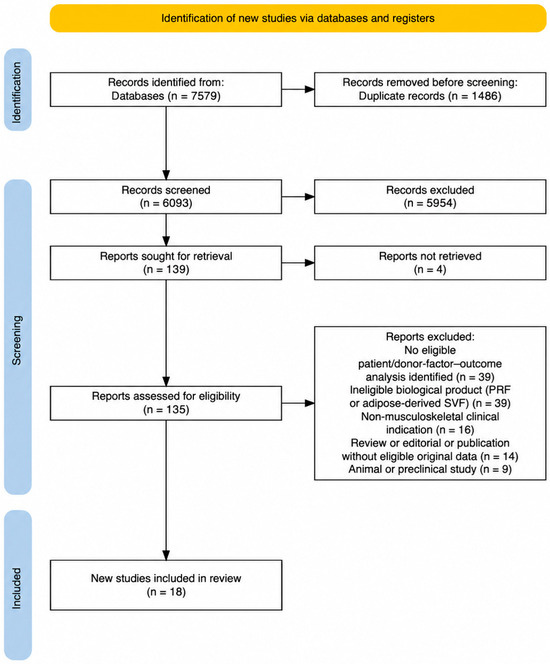
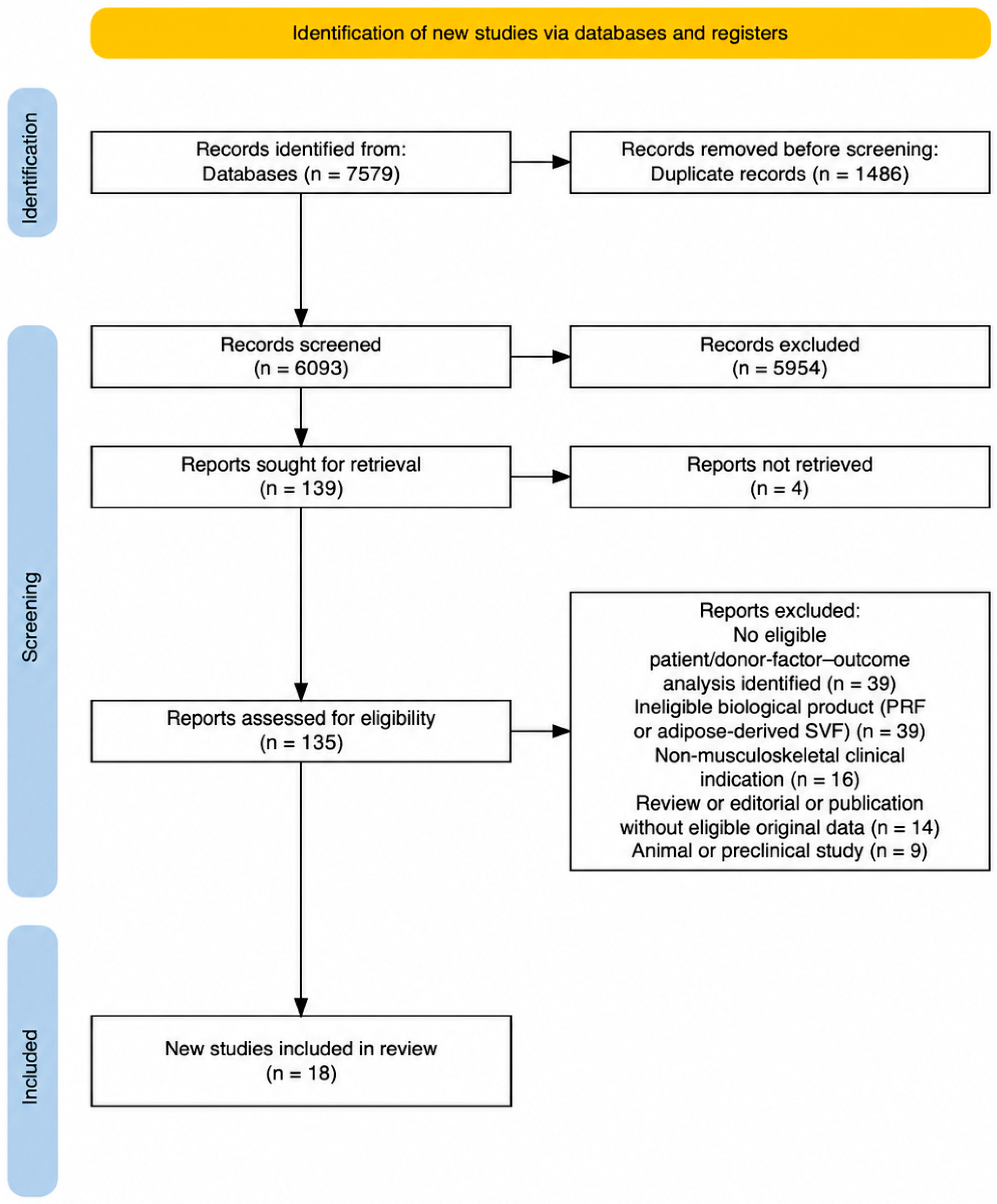

Disclaimer/Publisher’s Note: The statements, opinions and data contained in all publications are solely those of the individual author(s) and contributor(s) and not of MDPI and/or the editor(s). MDPI and/or the editor(s) disclaim responsibility for any injury to people or property resulting from any ideas, methods, instructions or products referred to in the content. |
© 2026 by the authors. Licensee MDPI, Basel, Switzerland. This article is an open access article distributed under the terms and conditions of the Creative Commons Attribution (CC BY) license.