


Abstract
Anticipating surgical instruments and consumables can enhance scrub nurses’ preparation. We developed next-item anticipation models using event history and contextual information, excluding surgical field video input. This single-center study analyzed 5391 provision or self-retrieval events prospectively recorded from preparation to completion of 34 oral and maxillofacial procedures involving horizontally impacted third molar extraction. Markov, gated recurrent unit (GRU), and Transformer models were evaluated using nested leave-one-case-out cross-validation with inner five-fold model selection. The primary outcome was case-averaged Top-5 accuracy across 62 individual item classes. Postoperatively assessed extraction difficulty was also examined in a sensitivity analysis. Candidate constraints excluded unavailable items based on prepared quantities and intraoperative use. History-only single-seed GRU and Transformer models exceeded Markov in mean case-averaged Top-5 accuracy across three seeds by 8.2 and 6.7 percentage points, respectively. Before the constraints, the Top-5 accuracy was 60.4% for Markov, 70.2% for context-informed GRU ensembles, and 69.3% for context-informed Transformer ensembles. Context selection and re-tuning yielded small increases in point estimates. Constraints improved accuracy by approximately two percentage points in all three models. These findings support developing candidate presentation systems to assist scrub nurses’ preparation. These internal results require multicenter validation and in-use evaluation to establish generalizability and clinical utility.
1. Introduction
Experienced scrub nurses ensure the smooth progression of surgery by preparing and providing surgical instruments and consumables (hereafter referred to as surgical items) in advance of the surgeon’s requests [1]. The Scrub Practitioners’ List of Intraoperative Non-Technical Skills (SPLINTS) framework identifies anticipation as a key behavioral component of situation awareness for scrub practitioners [2]. Accurately predicting which item will be needed next requires an understanding of the procedural sequence, surgeon’s preferences, and current progress of surgery—skills that are honed through clinical experience [3]. An observational study conducted during cesarean sections has demonstrated that novice scrub nurses are less likely than their experienced counterparts to prepare instruments ahead of surgeons’ requests, and the instruments they do offer in anticipation are more frequently declined by surgeons [4]. The World Health Organization projects a global shortage of approximately 4.1 million nurses by 2030 if current trends persist [5]. Given the ongoing challenges in maintaining an adequate nursing workforce, education to support novice nurses’ skill development and technologies to assist or automate scrub nursing tasks are crucial.
Simulations and virtual reality have been explored as educational tools to support novice scrub nurses in developing skills related to instrument handling, procedural sequencing, and situation awareness [6,7]. These approaches provide training primarily for predefined surgical scenarios. However, their primary focus is on skill acquisition rather than providing real-time, sequential anticipation support during live surgical procedures.
Research on automating instrument provision has explored the scrub nurse robot (SNR) and robotic scrub nurse (RSN) systems. Miyawaki et al. analyzed intraoperative movements of surgeons and scrub nurses, proposed a model representing procedural steps along with the actions and states of involved personnel, and investigated its application in adaptive motion planning for SNRs [8]. Yoshimitsu et al. developed and evaluated an SNR capable of detecting instrument withdrawal, transporting the next instrument, and automatically inserting its tip into a trocar [9]. Khan and Bombardelli introduced a robot that provided and collected instruments in response to voice commands [10]. Effective preparation and provision of instruments ahead of the surgeon’s request require anticipation of the next instrument.
Deep learning has been applied in many fields, including medicine [11]. Previous studies have also examined the predictions of surgical progress and instrument utilization. Nelson et al. analyzed instrument use sequences, demonstrating consistent instrument exchange patterns within specific procedure types and highlighting the predictability of these sequences [12]. Maktabi and Neumuth presented a method for predicting subsequent resource utilization based on surgical workflow time-series data, including instrument usage [13]. Forestier et al. developed a method for predicting the next surgical action from preceding action sequences, focusing on the surgeon’s right-hand activities during the wound-closure phase [14].
Additionally, Rivoir et al. proposed a method to predict the time until a specific instrument appears in a laparoscopic video [15]. Other anticipation methods have leveraged instrument interactions and recognition outputs, such as surgical phase information [16]. Wagner et al. demonstrated instrument anticipation using a graph neural network that integrated laparoscopic videos, operating room videos, and medical device data [17]. They further incorporated laparoscopic video-based next-instrument anticipation into an RSN [18], and explored anticipation using a gated recurrent unit (GRU) model that leveraged instrument-use history and patterns associated with specific surgeon groups [19]. Notably, the study integrating laparoscopic video-based anticipation into an RSN identified the omission of events occurring outside the abdominal cavity as a key limitation [18]. This limitation motivates an approach to next-item anticipation that covers the entire surgical workflow, from preparation to completion, including events outside the surgical field. Owing to differences in prediction targets, the number of candidate classes, input information, and evaluation methodologies, direct comparison of reported performance across these studies is not feasible.
In this study, we combine next-item anticipation based on event history and contextual information with candidate constraints derived from the prepared quantities in instrument sets and intraoperative usage. We evaluate model performance from surgical preparation through completion, aiming to present candidate items to support scrub nurses. The prediction targets encompass the provision of instruments and consumables to the surgeon or assistant, as well as their self-retrieval of these items, regardless of whether a request is made. Without incorporating the surgical field video as model input, we compare the GRU and Transformer models with a baseline Markov model and evaluate the combined effect of adding contextual information and re-tuning the models, as well as the effect of applying candidate constraints, on predictive performance. Supplementary analyses include item-level performance assessment and evaluation of the contribution of each item to overall accuracy.
2. Materials and Methods
2.1. Study Design and Data Collection
This study involved the development of a prediction model utilizing prospectively collected intraoperative observational data from a single center. Ethical approval was obtained from the Ethics Committee of Tokyo Women’s Medical University (approval numbers: 2024-0163 and 2025-0070), and all procedures were conducted in accordance with the Declaration of Helsinki [20]. The study population comprised patients undergoing oral and maxillofacial surgery for the extraction of horizontally impacted third molars under general anesthesia between April 2025 and July 2026. This procedure was selected owing to the frequent involvement of less experienced scrub nurses at our institution. Eligible cases included those for which written informed consent, including consent for video recording, was obtained. Exclusion criteria were incomplete video recordings, absence of an incision, plate removal, and tooth autotransplantation. One case was excluded for plate removal and one for tooth autotransplantation. No a priori sample size calculation was performed; the sample size was determined by the number of eligible cases identified during the study period, all of which were included.
Intraoperative video recordings were obtained using a 4K camera (23.98 frames/s, FDR-AX60; Sony Corporation, Tokyo, Japan) positioned adjacent to the instrument table. Along with intraoperative observation records, these videos were used to chronologically code the timing of item requests, provision or self-retrieval, and returns, as well as to document the source, recipient, return destination, and procedure site. Python (version 3.12.3) was used for video playback and timestamp inspection, and event records were entered into Microsoft Excel. A request was defined as an explicit request for a specified item. The observation period spanned from the moment the surgeon donned the gown and gloves until the instrument table was no longer maintained as a sterile field. Two researchers independently coded all the cases according to predefined criteria, with discrepancies resolved by consensus following a review of the records. Timestamps were integrated by averaging the two researchers’ recorded values; discrepancies of at least 1 s were reviewed and corrected by consensus.
A schematic of the staff positions, camera placement in the operating room, camera view, and instrument sets is shown in Figure 1.
Figure 1.
Surgical setting and instrument setup. (a) Schematic of staff positions and camera placement in the operating room. (b) Camera view. (c) Tooth extraction instrument set. (d) Instrument set for tooth extraction with concomitant tumor or cyst excision. The surgeon and Assistant 1 performed the procedure as appropriate, whereas Assistant 2 engaged in tasks such as stabilization of the patient’s head.
2.2. Anticipation Task and Item Classification
Target events were defined as either the provision of an item to the surgeon or an assistant, or the self-retrieval of items from the instrument table or sterile field. The inclusion of self-retrieval events reflects the aim of supporting scrub nurses in preparing and arranging items, including those retrieved directly by surgeons or assistants. For each target event, the sequence of preceding events up to, but not including, the target event was used as input, whereas the item actually provided or retrieved served as the ground-truth label. The event history encompassed not only provision and self-retrieval events but also included briefings, debriefings, signals for gauze counts, and records of excised specimens; however, these additional events were not considered predictive targets. Events related to returns and requests were excluded from the input history. Instead, return records were utilized to define candidate constraints, and request records were used to evaluate Top-5 accuracy by request status and to calculate the interval from request to provision or self-retrieval. The history length was defined as the number of preceding events incorporated for each prediction.
Target items were classified into three levels: Category A, primarily based on individual item names (62 classes); Category B, based on instrument or supply type (36 classes); and Category C, based on function (7 classes) (Table S1). The instruments and consumables commonly used together as a single set—such as needle holders, needles, and sutures—were treated as a single class. This grouped class included two needle types and six suture types. At our institution, scrub nurses ask the surgeon during surgery which needle and suture types will be used and prepare them before use. Separate models were trained and evaluated for each classification type. Category A served as the primary analysis to reflect the intended granularity of individual candidate items, whereas Categories B and C were used for secondary analyses to examine model performance at broader classification levels.
2.3. Contextual Features
Previous surgical studies have demonstrated associations between patient characteristics, case complexity, and operative duration, as well as variations in surgical actions and instrument usage according to surgeon experience [21,22,23,24,25]. Specifically, in third molar extraction, factors such as tooth position and morphology, the specific procedures performed, surgeon experience, and patient age have all been associated with surgical difficulty and operative duration [26,27,28]. Based on these findings, information potentially related to surgical progress and item selection was identified as candidate contextual features (Table 1).
Table 1.
Candidate contextual features for model development.
For the procedure/surgical phase and procedure site, the recorded values assigned to each target event were utilized. These values were assigned using only information available before the target event, including the preoperative surgical schedule and cues such as briefings, signals for gauze counts, and instructions or signals from the surgeon. These event-level annotations were obtained from recorded data; real-time acquisition was not evaluated. Procedure/surgical phase was consolidated into four categories to accommodate the limited number of cases and facilitate identification of these categories during actual use.
The extraction difficulty was classified with reference to the modified Parant scale (MPS) commonly used for mandibular third molar extraction [29,30]. Four levels (MPS 1–4) were assigned based on the surgical maneuvers performed. A single dentist assessed all the extracted teeth postoperatively using both surgical videos and extracted specimens. Postoperatively assessed MPS was used only in an additional exploratory oracle sensitivity analysis (Section 2.7.2).
2.4. Next-Item Anticipation Models
For next-item anticipation, Markov, GRU, and Transformer models were employed. The Markov model served as a simple, interpretable statistical baseline, utilizing only event history. For the GRU and Transformer models, both history-only and context-informed models were evaluated.
2.4.1. Markov Model
The Markov model is an n-gram-based history-matching baseline that ranks candidate items by prioritizing matches with longer histories. In the training set, the frequencies of items following each history of the preceding 1–n events (where n is the maximum order) were counted. During prediction, histories were matched in descending order of available length, up to the selected maximum order. Items following each matched history were added to the candidate list in descending order of frequency, excluding duplicates. Ties in frequency were resolved deterministically using the natural sort order of item names, with case-insensitive text comparison and numeric substrings sorted numerically. The remaining candidates were added in descending order of overall frequency across the training cases. For the first event, the frequencies of items that occurred first in the training cases were used. As a post hoc benchmark in Category A, a frequency-only (zero-order) baseline ranked items by their occurrence frequencies across the 33 outer training cases, using the same deterministic tie-breaking rule. It required no inner-loop model selection and was evaluated on the held-out case both with and without candidate constraints.
2.4.2. GRU and Transformer
For the GRU [31], each event preceding the prediction time point was represented by a learnable embedding vector. Dropout [32] was applied to the embeddings prior to their sequential input into a unidirectional GRU, maintaining chronological order. When multiple GRU layers were employed, dropout was also applied between the layers. Layer normalization [33] and dropout were applied to the final hidden state of the final GRU layer to obtain a feature representation of the input.
For the Transformer [34], an encoder-only architecture was utilized, with a prediction token appended to the event history. Each event embedding was augmented with a learnable positional embedding that encoded its distance from the prediction position, measured in number of events. The resulting sequence was fed into the Transformer. Dropout was incorporated within the encoder, and layer normalization was applied to the output corresponding to the prediction token to obtain a feature representation of the input.
For the history-only variants of both models, the resulting feature representation was passed through a fully connected layer to generate a score for each item, followed by a softmax function to obtain the predicted probabilities. Dropout was applied only during training.
2.4.3. Integration of Contextual Features
We compared the TOKEN and multilayer perceptron (MLP) modes to integrate contextual features into the GRU and Transformer.
In the TOKEN mode, age, height, and weight were each discretized into five categories with approximately equal representation, based on their distributions in the training data. Each contextual feature was converted into an embedding vector and prepended to the event history to form a single input sequence. The predicted probabilities for each item were calculated from the resulting feature representation.
In MLP mode, contextual features were processed independently from the event history. Categorical variables were transformed into embedding vectors, whereas continuous variables—age, height, and weight—were standardized using the means and standard deviations (SDs) derived from the training data. These inputs were then fed into a two-layer MLP to generate a contextual feature representation. This representation was concatenated with the event history representation to compute the predicted probability for each item. The details of the MLP architecture are provided in Supplementary Table S2.
2.5. Model Selection, Training, and Internal Evaluation
2.5.1. Cross-Validation and Preprocessing
Model selection and internal evaluation were conducted using nested cross-validation, employing leave-one-case-out cross-validation (LOOCV) in the outer loop, and five-fold cross-validation at the case level in the inner loop [35]. The overall model selection and evaluation procedures are shown in Figure 2, whereas the search and training settings for the GRU and Transformer models are listed in Supplementary Table S2.
Figure 2.
Model development and evaluation for next-item anticipation. * Only context-informed GRU and Transformer models employ contextual features, integrated via TOKEN or MLP. † See Supplementary Table S2 for history-length search, hyperparameters, and training settings. For the Category A history-only single-seed benchmark, selected configurations were retrained separately under deterministic settings; ensemble analyses used the model-development runs. The Category A frequency-only baseline used item frequencies from the 33 outer training cases, without inner-loop model selection. CV, cross-validation; GRU, gated recurrent unit; LOOCV, leave-one-case-out cross-validation; MLP, multilayer perceptron; SFS, sequential forward selection.
In each outer fold, one case was evaluated, whereas the remaining 33 cases were used for model selection and training. For inner cross-validation, these 33 cases were randomly partitioned into five subsets at the case level, and all candidate configurations within the same outer fold were evaluated using identical splits. Model selection was based on case-averaged Top-5 accuracy in inner cross-validation. The preprocessing parameters were estimated exclusively from the training cases within each inner fold and recalculated using all 33 cases for the final training. No information from a held-out case was used to fit numerical transformations, scaling parameters, or data-dependent feature encodings before that case was evaluated.
2.5.2. Selection of Model Configurations and Contextual Features
For the Markov model, the maximum order was selected from 1 to 10, with ties resolved by selecting the lowest order.
For the GRU and Transformer models, the history length and hyperparameters were initially tuned sequentially using the history-only model, followed by the re-tuning of the history length. During the history-length search, a smoothing spline was fitted to the results of a coarse search, and additional lengths near the estimated peak were evaluated. The history length that achieved the highest accuracy among all the evaluated candidates was selected.
Sequential forward selection (SFS) [36] was then performed independently for both TOKEN and MLP integration modes within each model to select feature groups based on their additional predictive value given the groups already selected. Seven contextual feature groups were considered: procedure/surgical phase; side; jaw; surgeon; Assistant 1; sex and age; and height and weight. Starting with the history-only model, the group that produced the largest accuracy improvement was added at each step. Feature addition continued until no further improvement was observed.
If contextual features were selected, the hyperparameters and history length were re-tuned in that order; otherwise, the history-only model was retained. Between the two integration modes, the one yielding the higher case-averaged Top-5 accuracy in inner cross-validation was selected.
2.5.3. Training and Prediction for the Held-Out Case
For the Markov model, the item frequencies following each history were recalculated using all 33 training cases under the selected configuration, and predictions were generated for the held-out case.
The GRU and Transformer models were trained using the cross-entropy loss and AdamW optimizer [37]. During inner cross-validation, early stopping was based on the validation loss. Output classes were defined from the corresponding training fold, and validation events whose true class was absent from that fold were excluded from the loss calculation. For the final training on all 33 cases, the median of the best epoch counts obtained across the five inner folds for each configuration was used. Both the history-only and context-informed models for each architecture were trained using three different random seeds. Predictions from each seed were evaluated separately, and the predicted probabilities for each item in the held-out case were averaged across seeds to determine the three-seed ensemble ranking. For the primary history-only single-seed benchmark, the selected configurations were retrained separately under deterministic settings (Table S2); ensemble analyses used the model-development runs.
For each target event in the held-out case, predictions were generated using the preceding event history and, for context-informed models, contextual features assigned using only information available before that event. Changes in the procedure/surgical phase or procedure site that occurred before a target event were reflected in the prediction for that event. Candidate constraints were then applied to these predictions using the available quantity of each item, calculated according to the temporal rule described in Section 2.6.
This procedure was repeated 34 times, with a different case held out each iteration, thereby generating out-of-fold predictions for every case using models that had not been trained on that case.
2.6. Candidate Constraints Based on Prepared Quantities
For each item in the instrument set for a given case (Figure 1c,d), the available quantity was determined by subtracting the number in use immediately before the target event from the quantity prepared before surgery. The calculation used only provision, self-retrieval, and return data associated with item events that preceded the target event in the recorded sequence and whose corresponding timestamps were strictly earlier than the target event’s recorded provision or self-retrieval time. The target event and any data at or after that time were excluded, and the target item’s identity was not used.
Items with an available quantity of zero were excluded from the candidate set, and the remaining candidates were re-ranked while preserving their original relative orders. Candidate constraints were applied to all three models and the frequency-only baseline in Category A. Although candidate constraints can also be applied to Category B, this classification does not distinguish among specific variants within an instrument group, such as different types of tissue elevators. We therefore focused on reporting constraint effects for Category A, the primary analysis targeting individual items. For the GRU and Transformer models, context-informed models with candidate constraints were designated as the final models. Masking unavailable items during training was not evaluated.
2.7. Evaluation Metrics and Exploratory Analyses
2.7.1. Metrics of Anticipation Performance
The primary outcome was the case-averaged Top-5 accuracy in Category A, reflecting the intended application of presenting candidate items to support scrub nurses’ preparation. Five candidates were selected as a practical presentation set, considering the space available for arranging instruments and evidence of a short-term memory capacity averaging about four chunks (approximately three to five) [38]. The additional metrics were the Top-1 and Top-3 accuracy, mean reciprocal rank (MRR), and Macro-F1. For case i, let Ni denote the number of target events and rit the predicted rank of the correct item at event t (∞ if the item was not among the candidates), with M representing the number of cases (34 in this study). The Top-k accuracy for case i and the case-averaged Top-k accuracy are defined using Equations (1) and (2), where I represents an indicator function that equals 1 when the condition is satisfied and 0 otherwise.
In the outer evaluation, events in the held-out case whose true class was absent from the outer training cases (two events in Category A) remained in the denominator Ni of Equation (1) and were counted as incorrect for Top-1, Top-3, and Top-5 accuracy for all three models and the frequency-only baseline.
MRR was defined as the within-case mean of the reciprocal rank of the correct item, assigning a value of 0 when the item was not present among the candidates. The case-specific MRR values were then averaged across all 34 cases. Macro-F1 was computed by aggregating out-of-fold predictions from all outer folds and calculating the arithmetic mean of class-specific F1 scores based on Top-1 predictions across all classes at each classification level. Macro-F1 complemented Top-5 accuracy by summarizing precision and recall for the top-ranked prediction while weighting all classes equally, including infrequently used items. Class support was assessed using predictions pooled across all outer folds, avoiding the assignment of separate F1 scores to classes absent from individual folds. Each metric was calculated separately for Categories A, B, and C. Interpretation of Category C performance was restricted to Top-1 accuracy and Macro-F1 because uniformly selecting five distinct classes from seven yields an expected Top-5 accuracy of 71.4%.
2.7.2. Exploratory Analyses
For Category A, epoch-wise training and validation cross-entropy losses were summarized for the selected context-informed GRU and Transformer configurations using 170 inner-fold model-selection runs per model. Markov training (resubstitution) and inner-validation Top-5 accuracy were evaluated across maximum orders 1–10 before candidate constraints.
To assess whether additional case-specific information could improve next-item anticipation, an oracle sensitivity analysis was conducted for the Category A GRU and Transformer models, incorporating postoperatively assessed extraction difficulty (MPS) as an eighth candidate contextual feature group.
For the final GRU and Transformer models, the target events within each case were ordered chronologically. Events occurring at the same ordinal position (e.g., first and second) were aggregated across cases to compute the Top-5 accuracy and number of contributing cases at each position.
For both models, item-level Top-5 accuracy was determined by pooling all cases and dividing the number of correct Top-5 predictions for each item by its total number of occurrences.
The contribution of each item to case-averaged Top-5 accuracy was calculated as the mean across cases of the reduction from 100% accuracy attributable to prediction errors for that item, expressed as a negative value in percentage points.
An exploratory error analysis focused on tissue elevators, the Category B group with the most individual item classes. Using pooled out-of-fold predictions from the final Category A models, we calculated the proportion of incorrect Top-1 predictions of a tissue elevator for which the true item was another tissue elevator.
To examine prediction performance by recorded request status, Top-5 accuracy was calculated using predictions from all three models after applying candidate constraints. Separately for events with and without recorded requests, the number of correct Top-5 predictions was divided by the total number of events pooled across cases. Pooled Top-5 accuracy after applying candidate constraints was also summarized by acquisition route (provision or self-retrieval).
For target events with recorded requests, the time from the request to provision or self-retrieval was calculated. These times were aggregated across cases and reported as the median [interquartile range (IQR)].
2.7.3. Measurement of Prediction Time
The prediction time was measured on a central processing unit (CPU) using a single thread for both the context-informed GRU and Transformer models across all evaluated events in Category A. The measurement encompassed the numerical encoding of inputs through the selection of the Top-5 candidates, including predictions from the three independently trained models (with different random seeds) and averaging of their predicted probabilities, as well as calculation of available quantities and application of candidate constraints. Model loading, input recognition, and onscreen displays were excluded from the timing. After an initial warm-up, each event was measured five times, with the median value recorded as its prediction time.
The mean prediction time was calculated for each case and averaged across the 34 cases. The CPU specifications are listed in Supplementary Table S2.
2.8. Statistical Analysis
Patient and procedural characteristics were summarized as the mean ± SD for continuous variables and counts and percentages for categorical variables. Selected maximum history lengths and Markov orders were reported as medians [IQRs] across the outer folds. The selection frequency of contextual feature groups and integration modes was summarized as the number of outer folds in which each feature group or integration mode was selected at each classification level.
The primary architectural benchmark evaluated history-only, single-seed GRU and Transformer models against the deterministic Markov model using case-averaged Top-5 accuracy in Category A before candidate constraints were applied. For both history-only and context-informed neural models, performance was summarized as the mean ± sample SD across the three seeds. Context-informed three-seed ensembles were evaluated separately as complete model configurations. Secondary analyses compared the GRU and Transformer models using Top-5 accuracy in Category A and descriptively summarized the additional metrics and performance in Categories B and C.
For the three-seed ensembles in Category A, the combined effect of incorporating contextual information and model re-tuning was evaluated by comparing history-only models with context-informed models prior to the application of candidate constraints. The effects of candidate constraints were evaluated by comparing model performance before and after their application for each of the three models. Differences in the Top-5 accuracy between models or conditions were calculated as the mean of within-case differences across all 34 cases in the outer evaluation and expressed as percentage points.
For the three-seed ensembles and the Markov and frequency-only baselines, the 95% confidence intervals (CIs) for Top-k accuracy, MRR, Macro-F1, and mean differences in Top-5 accuracy were calculated using a naive case-level percentile bootstrap with 5000 resamples of out-of-fold predictions from all 34 cases in the outer evaluation [39]. For comparisons between models or conditions, the same cases were resampled to maintain pairing. The same paired bootstrap procedure was used for the primary architectural benchmark after averaging the three independently evaluated, seed-specific Top-5 accuracies within each case. Macro-F1 was recalculated in each bootstrap resample using all events from the sampled cases; classes absent from both the true labels and Top-1 predictions were assigned an F1 score of zero. The models were not retrained or reselected during resampling.
All analyses were conducted using Python (version 3.12.3; Python Software Foundation, Beaverton, OR, USA); details regarding the software and computational environment are provided in Supplementary Table S2. Generative artificial intelligence (AI; ChatGPT, OpenAI; GPT-5.5 and GPT-6) was employed to assist in the development and modification of analysis code. The authors reviewed and validated the code and analysis results, and assume full responsibility for the analyses and their outcomes.
3. Results
3.1. Study Cases and Events
The selection of the 34 analyzed cases is shown in Figure 3, whereas the patient and procedural characteristics are listed in Table 2. In 13 cases (38.2%), excision of a jaw tumor or cyst was performed in conjunction with tooth extraction. Eleven surgeons participated in the procedures; the three with the highest caseloads were responsible for 10, 7, and 5 cases, accounting for 22 cases (64.7%) overall. Sixteen individuals served as Assistant 1, each participating in one to six cases.
Figure 3.
Patient selection flow diagram.
Table 2.
Patient and procedural characteristics.
Of the 5934 recorded events, 5391 (90.8%) were included in the performance evaluation. The distribution of events is presented in Table 3. Provision or self-retrieval without a request comprised 3061 events (56.8% of evaluated events), of which 1792 involved self-retrieval by either the surgeon or an assistant (33.2% of all evaluated events). The median time from request to provision or self-retrieval was 2.59 s [IQR, 1.79–4.08 s]. The pre-consensus percentage agreement between the two researchers on item labels, calculated from retained item-label discrepancy records, was 98.3%. Timestamp corrections did not change the order of item events in the input history.
Table 3.
Event selection and item provision or self-retrieval by request status.
3.2. Anticipation Performance and Model Comparisons
In the primary architectural benchmark for Category A (Table 4A), case-averaged Top-5 accuracy (mean ± SD across three seeds) was 68.6 ± 0.2% for the history-only GRU model and 67.1 ± 0.6% for the history-only Transformer model, compared with 60.4% for Markov. The corresponding mean differences from Markov were 8.2 percentage points (95% CI, 7.0 to 9.5) for GRU and 6.7 percentage points (95% CI, 5.5 to 8.0) for Transformer. When accuracies were averaged across the three seeds for each case, GRU and Transformer outperformed Markov in 33 and 32 of the 34 cases, respectively. Table 4A also presents single-seed results for the context-informed models.
Performance prior to the application of the candidate constraints is presented in Table 4B, with GRU and Transformer representing the context-informed three-seed ensembles. The reported 95% CIs are naive case-level bootstrap intervals obtained by resampling fixed out-of-fold predictions and do not incorporate variability from model retraining or reselection. For these configurations in Category A, the case-averaged Top-5 accuracy was 60.4% for Markov, 70.2% for GRU, and 69.3% for the Transformer model. The mean difference from Markov was 9.8 percentage points (95% CI, 8.1 to 11.5) for GRU and 8.9 percentage points (95% CI, 7.5 to 10.3) for the Transformer model. The difference between GRU and Transformer (GRU–Transformer) was 0.9 percentage points (95% CI, −0.1 to 1.8), with the CI including zero. The frequency-only baseline achieved a case-averaged Top-5 accuracy of 37.0% in Category A (Table 4B). Performance in Category B is also presented in Table 4B. For the Category A configurations in Table 4B, 24, 23, and 25 of the 62 classes received no Top-1 predictions from Markov, GRU, and Transformer, respectively, across the pooled out-of-fold predictions from all 34 cases.
Table 4.
Next-item anticipation performance across classification levels and model configurations. (A) Single-seed performance in Category A; mean ± SD across three seeds for neural models. (B) Markov, frequency-only baseline (Category A), and context-informed three-seed ensemble performance.
Table 5.
Effects of contextual feature addition, re-tuning, and candidate constraints on Top-5 accuracy (Category A).
Case-level Top-5 accuracy for Category A is shown in Figure 4. The context-informed GRU and Transformer ensembles each outperformed the Markov model in 33 of the 34 cases. All three models achieved their highest accuracy in a case involving bilateral extraction of horizontally impacted mandibular third molars, and their lowest accuracy in a case involving horizontally impacted maxillary third molar extraction, multiple mandibular tooth extractions, and jaw tumor excision. Notably, this lowest-accuracy case included three of the eight teeth classified as “Other teeth” across all 34 cases (Table 2).
Figure 4.
Case-level Top-5 accuracy of the Markov, GRU, and Transformer models in Category A before candidate constraints. The circles represent individual cases, and light gray lines connect results from the same case across models. Diamonds and adjacent percentages indicate case-averaged Top-5 accuracy. GRU and Transformer results are from context-informed three-seed ensembles.
3.3. Effects of Contextual Features and Candidate Constraints
Case-averaged Top-5 accuracy for each model configuration in Category A and the corresponding changes are listed in Table 5. The accuracies were 69.3% for the history-only GRU three-seed ensemble and 68.1% for the history-only Transformer three-seed ensemble. The corresponding increases with contextual feature selection and model re-tuning were 0.88 percentage points for GRU (95% CI, −0.27 to 2.00) and 1.25 percentage points for Transformer (95% CI, 0.29 to 2.20); the GRU CI included zero.
The case-averaged Top-5 accuracy increased by 1.82 percentage points for Markov, 2.16 for GRU, and 2.17 for the Transformer model when candidate constraints were applied. For the frequency-only baseline, accuracy increased from 37.0% to 37.5% (Table 5). Top-1 accuracy, Top-3 accuracy, MRR, and Macro-F1 for the final GRU and Transformer models are reported in Supplementary Table S3.
3.4. Selection of History Lengths, Contextual Features, and Integration Modes
In Category A, the median selected maximum history length for the history-only models was 48 events for the GRU and 12.5 events for the Transformer model. For the context-informed models, these values were 92.5 and 9.5 events, respectively. During inner cross-validation, GRU Top-5 accuracy generally increased with longer history lengths before plateauing, whereas the Transformer tended to achieve higher accuracy with relatively short histories, with performance declining as history length increased further.
The number of outer folds in which each contextual feature group or integration mode was selected for the context-informed models is listed in Table 6. The procedure/surgical phase feature was selected in 34 of 34 folds for GRU and 33 of 34 folds for Transformer in Category A, and in all 34 folds in Categories B and C. Additional feature groups selected in at least half of the folds for both models were jaw and surgeon in Category A, and jaw in Category B. In Category C, procedure/surgical phase was the only feature group selected in at least half of the folds for both models. In Category A, the median number of selected contextual feature groups was three and four for the GRU and Transformer models, respectively.
Table 6.
Contextual feature and integration mode selection across outer folds.
Regarding integration modes, MLP was more frequently selected for GRU across all classification levels. For the Transformer model, TOKEN integration mode was preferred across all three categories.
The oracle analysis allowing postoperative MPS as a candidate feature yielded case-averaged Top-5 accuracies of 70.3% for GRU and 69.6% for Transformer before candidate constraints (+0.06 and +0.30 percentage points versus the main analysis, respectively). These results are optimistic retrospective estimates, not estimates of real-time predictive performance.
3.5. Detailed Performance Analysis and Supplementary Evaluation
The Top-5 accuracy of the final models in Category A, along with the number of cases reaching each target event position, is shown in Figure 5. Both the GRU and Transformer models demonstrated high accuracy at the beginning of the sequence, with accuracy varying across subsequent event positions. Notably, from the 190th event onward—where fewer than 10 cases contributed to the analysis—both models exhibited increased fluctuations in accuracy.
Figure 5.
Top-5 accuracy and the number of cases by within-case event position (Category A, final models).
The item-level Top-5 accuracy and contributions of each item to the case-averaged Top-5 accuracy for the final models in Category A are presented in Table S1. The five items with the largest sums of absolute negative contributions across the two models are listed in Table 7. The muscle retractor had the largest negative contribution for both models (−1.60 percentage points for GRU and −1.78 for the Transformer model), followed by non-toothed tissue forceps. Both final models achieved 0% item-level Top-5 accuracy for a common subset of 18 out of the 62 classes, representing 185 events (3.4% of the 5391 evaluated events); each of these classes occurred no more than 25 times.
Table 7.
Exploratory analysis of item-level Top-5 accuracy and error contributions.
Among incorrect Top-1 predictions of a tissue elevator, the true item was another tissue elevator in 23.8% of events for GRU and 27.8% for Transformer.
Across all evaluated events, requests were recorded for 2330 of the 5391 events (43.2%; Table 3). With candidate constraints applied, pooled Top-5 accuracy across the 3061 events with no recorded requests was 68.3% for the Markov model and 77.2% for both the GRU and Transformer models. For the 2330 events with recorded requests, the corresponding values were 53.5%, 64.0%, and 62.5%, respectively. By acquisition route, pooled Top-5 accuracy for provision events (n = 3487) was 58.8% for Markov, 68.8% for GRU, and 67.8% for Transformer; for self-retrieval events (n = 1904), the corresponding values were 67.5%, 76.4%, and 76.5%.
The case-averaged prediction times per event for the GRU and Transformer models, including candidate constraints, were 3.06 and 1.91 ms, respectively.
Training and validation loss curves for the Category A context-informed models are shown in Figure 6. Across the 170 inner-fold fits per model, the median selected epoch was 12 (range, 3–28) for GRU and 14 (range, 5–24) for Transformer. From the selected checkpoint to the final logged epoch, mean training loss decreased by 0.163 and 0.142, while mean validation loss increased by 0.035 and 0.036, respectively.
Figure 6.
Training and validation cross-entropy loss across epochs for Category A context-informed (a) GRU and (b) Transformer models. Lines show medians across available inner-fold runs; lower panels show run counts (maximum, 170). Each run contributes through its stopping epoch. Training loss was recorded during minibatch updates with dropout active; validation loss was evaluated at the end of each epoch without dropout, using only target classes observed in the corresponding training fold.
Increasing the maximum Markov order from 1 to 10 increased mean training Top-5 accuracy from 67.35% to 99.95%, whereas inner-validation accuracy decreased from 59.80% to 58.15% (Figure 7). The selected maximum order was 1 in 33 outer folds and 2 in one fold.
Figure 7.
Category A Markov Top-5 accuracy by maximum order for training (resubstitution) and held-out inner-fold validation. Scores were averaged with equal weighting across cases and outer folds, after first averaging repeated training evaluations within each case.
4. Discussion
4.1. Anticipation Performance of the Models
In this study, next-item anticipation models were developed to assist scrub nurses in preparing for oral and maxillofacial surgeries, utilizing data from 34 cases involving the extraction of horizontally impacted third molars under general anesthesia. These models predicted the next item for both provision and self-retrieval events throughout the surgical workflow, using event history and contextual information without relying on video input from the surgical field. In the primary architectural benchmark for Category A, the history-only single-seed GRU and Transformer models achieved higher mean Top-5 accuracy than Markov using event history alone and without ensembling. The frequency-only baseline achieved 37.0%, compared with 60.4% for Markov, suggesting that sequential history provides predictive information beyond overall item frequencies.
The context-informed three-seed ensembles achieved Top-5 accuracies of 70.2% for GRU and 69.3% for Transformer, and each outperformed Markov in 33 of 34 cases before candidate constraints were applied. Neither GRU nor Transformer demonstrated superiority over the other under the study conditions; the CI for their difference included zero. After candidate constraints based on prepared quantities and intraoperative usage, the final models reached 72.4% for GRU and 71.5% for Transformer.
Before the application of candidate constraints, Top-1 accuracy was 31.7% for GRU and 31.1% for Transformer, and Top-3 accuracy was 58.2% and 57.1%, respectively. The MRR was 0.490 for the GRU and 0.482 for the Transformer model, compared with 0.401 for the Markov model, indicating improved prioritization of the correct item. Although accurately identifying the next individual item as the top-ranked candidate remains challenging, these findings suggest that narrowing the selection to a small set of likely items may help nurses decide what to prepare. Further improvements in Top-1 accuracy may support anticipatory preparation of the next item, as practiced by experienced scrub nurses, and contribute to a smoother surgical workflow.
For broader classifications, the case-averaged Top-5 accuracy prior to candidate constraints was 78.0% for GRU and 77.5% for the Transformer model in Category B. In the function-based Category C, Top-1 accuracy was 53.0% for GRU and 51.4% for Transformer, and Macro-F1 was 0.246 and 0.231, respectively. Because uniformly selecting five distinct classes at random from seven yields an expected Top-5 accuracy of 71.4%, interpretation of Category C performance was restricted to Top-1 accuracy and Macro-F1.
The depth of the surgical field and confined working space have been cited as challenges for video acquisition during intraoral surgery [40]. A key advantage of the proposed approach is its ability to narrow down candidate items without relying on surgical field video input, making it potentially useful for preparation support in these constrained environments.
4.2. Roles of Event History and Contextual Information
For the three-seed ensembles, incorporating contextual information and re-tuning the models led to small increases in the point estimates of case-averaged Top-5 accuracy for Category A: 0.88 percentage points for GRU and 1.25 percentage points for Transformer. The CI for the GRU gain included zero. The history-only models also demonstrated predictive capability. Contextual information may have helped account for further variation in item selection related to the procedure, anatomical site, and surgeon.
For the Category A Markov model, a maximum order of one was selected in 33 out of 34 folds, suggesting that longer histories may have provided an insufficient number of matching training examples. By contrast, the GRU and Transformer models do not require exact history matches and can use learned representations from event sequences to inform their predictions [31,34].
In Category A, the median selected maximum history lengths were 48 events for GRU and 12.5 events for Transformer in the history-only models, and 92.5 and 9.5 events, respectively, in the context-informed models. Longer historical sequences provide information not only about immediately preceding actions but also about the instruments previously selected and the progression of the procedure within each case. For example, certain instruments may be used in only a few cases but repeatedly within those cases, making their prior use a potential indicator of subsequent selection. However, results from the history-length search suggest that longer input histories do not necessarily improve accuracy and that history length should be adjusted for each model.
In Category A, the median number of selected contextual feature groups was three for GRU and four for Transformer. The procedure/surgical phase feature was selected in at least 33 out of 34 folds across all classifications for both models. Explicit information about the ongoing procedure may therefore have helped predict the next item needed. Its additional predictive value beyond event position was not separately evaluated in this study.
Additionally, in Category A, jaw and surgeon information were selected in at least half of the folds for both models. Information distinguishing the maxilla from the mandible may have helped predict instrument selection for the procedure site by reflecting anatomical differences in bone thickness and surgical access.
The oracle analysis showed slightly higher Top-5 accuracy when postoperative MPS, which reflects bone removal and tooth sectioning, was included as a candidate feature. Because MPS is unavailable at prediction time, real-time performance must be validated prospectively using only information available when predictions are made.
Wagner et al. grouped surgeons based on their instrument-use patterns and incorporated these groupings into predictive models [19]. In the present study, the identities of the surgeon and Assistant 1 were included among the candidate contextual features, and their inclusion in the models was determined through feature selection alongside other candidate features. Surgeon-specific information may have reflected differences in instrument preferences, surgical techniques such as methods of tooth sectioning, and overall surgical approaches, providing clues to the sequence and repeated use of instruments. This information may also have reflected differences in the procedures performed and the difficulty of the cases assigned to each surgeon.
In terms of context integration, the MLP mode was more frequently selected for the GRU model across all classifications. For Transformer, the TOKEN mode was more frequently selected across all three categories. In the TOKEN mode of Transformer, self-attention enables the model to learn relationships between context and individual events within the event history. In the MLP mode of GRU, contextual information is processed separately from the event history and subsequently incorporated into predictions, thereby obviating the need to retain contextual information introduced at the beginning of the sequence through to its end. These differences in information processing may have influenced the observed selection patterns. However, the features, history length, and model settings were tuned separately for each mode. Therefore, the results cannot be attributed solely to the context integration mode.
The selection of contextual features varied across classifications and models. For clinical implementation, predictive performance should be assessed for the case mix and combinations of input information at the target institution. The choice of contextual information and its integration mode should take into account the resources required to acquire and update that information.
4.3. Candidate Constraints Based on Prepared Quantities in Instrument Sets
Introducing candidate constraints improved the case-averaged Top-5 accuracy for Category A by approximately two percentage points across all three models. Excluding items unavailable at the time—based on the prepared quantities and intraoperative usage—enhanced accuracy. An advantage of this approach is that instrument set information, which reflects institutional experience, can be leveraged to narrow candidate selections without necessitating model retraining.
Optimization of instrument sets based on actual usage has been reported to reduce the number of instruments per set and associated costs [41]. The usage records accumulated in this study could similarly inform revisions to the surgical instrument sets prepared for procedures.
4.4. Performance Across Surgical Progression and Individual Items, and Areas for Improvement
As shown in Figure 5, the Top-5 accuracy for both final models is high immediately following the start of the procedure, then fluctuates with the event position. At our institution, the first approximately 20 events often include relatively standardized steps, such as surgical site antisepsis, draping, and preparation of the drill and electrosurgical equipment, which likely contributed to the high accuracy. Once incision-related procedures commence, instrument selection becomes more variable, depending on the specific procedure—for example, the choice of scalpel or the decision to use a tissue elevator versus a surgical drill. This increased variability in instrument selection may have made subsequent predictions more difficult. However, the surgical stage corresponding to a given event position can differ between cases; therefore, these results do not directly represent model performance at each surgical stage. Additionally, fluctuations in accuracy were pronounced from event position 190 onward, with fewer than 10 cases contributing data at these positions. Additional cases are needed to assess model performance during the later portions of cases with many events.
In the case-level analysis prior to the application of candidate constraints, the case with the lowest accuracy involved multiple tooth extractions combined with jaw tumor excision, and included three of the eight teeth classified as “Other teeth” across all 34 cases (Table 2). Variability in instrument use resulting from the combination of procedures, along with the limited number of training cases involving these specific extractions, may have contributed to the observed challenges in prediction accuracy.
At the item level, the muscle retractor made the largest negative contribution to case-averaged Top-5 accuracy for both models, followed by the non-toothed tissue forceps (Table 7). By contrast, the saline-filled syringe demonstrated high item-level Top-5 accuracy of approximately 90% for both models and occurred frequently (636 events); its negative contribution was −1.04 percentage points for GRU and −1.33 for Transformer.
The patterns of instrument use at our institution suggest several challenges in predicting individual items, including distinguishing between instruments with similar functions, selecting the specific type within an instrument group, and anticipating the timing of use. In addition to the muscle retractor, both the wire retractor and the Sternberg cheek retractor were employed to expose the surgical field, and the choice may vary with surgeon preference and intraoperative circumstances. Similarly, accurate prediction for non-toothed tissue forceps and a mucosal elevator (Kyodai) requires distinguishing which variant within the same instrument group will be selected based on the situation following incision. In approximately one-quarter of incorrect Top-1 tissue-elevator predictions, the true item was a different tissue elevator. This pattern suggests that group-level presentation may offer preparation cues in some error cases, although its clinical utility remains untested (Section 4.5). Grouping needle holders, needles, and sutures into a single class may increase Top-5 accuracy during wound closure compared with a finer-grained classification; discrimination among individual needle and suture types was not evaluated and remains a topic for future research.
Saline-filled syringes were used at different times and with different patterns of repetition for irrigation during drilling and for irrigation of the surgical field. A dental explorer may be used before extraction, during crown sectioning, and to check for retained roots; however, it is not invariably used in these situations. Rivoir et al. discussed the lower prediction reliability of instruments whose use varies dynamically with the situation [15]. In the present study, event history and contextual information may not have adequately captured these instrument choices or the need to use particular instruments. The 18 classes with 0% Top-5 accuracy in both final models highlighted the difficulty in predicting infrequently used items. Poor performance was also observed for some items used across multiple cases, such as the Sternberg cheek retractor (9 cases; Top-5 accuracy of 2.9% in both models; Table S1). Thus, case-averaged Top-5 accuracy does not imply consistent performance across individual items. The low Macro-F1 values observed prior to the application of candidate constraints (0.167 for GRU and 0.156 for the Transformer model; Table 4B) reflect limited Top-1 classification performance when all item classes were weighted equally. Both models achieved higher Macro-F1 scores in Category B (Table 4B), although its broader class definitions limit direct comparison with Category A. Grouping related items increases the number of training examples per class and reduces the need to distinguish individual items, potentially facilitating prediction at the group level.
Incorporating temporal information associated with instrument usage may enhance predictive accuracy. For example, in lymph node dissection during robot-assisted gastrectomy, the proportion of time spent using certain instruments was reported to be lower in a more experienced group [25]. Integrating surgeon-specific data with temporal information could help capture differences in procedural progress and actions, even when instrument-use sequences are the same, by accounting for individual surgeons’ patterns. However, temporal information was not included among the prediction inputs in this study, and its potential contribution remains unassessed.
To further improve performance, prediction errors should be examined in the context of instrument usage and surgical workflow, particularly focusing on items with large negative contributions. This analysis can help identify critical information gaps across various instruments and procedures. Next, we should determine whether contextual or temporal information can address these gaps, assess the need for video from the surgical field or the scrub nurse’s viewpoint, and evaluate the effects of these additions.
4.5. Supporting Scrub Nurses’ Preparation and Considerations for Clinical Implementation
Candidate presentations to scrub nurses can use instrument groups (Category B) in addition to individual items (Category A). For example, if the precise type of tissue elevator cannot be identified, presenting “tissue elevator” as a candidate may prompt the nurse to arrange the relevant instruments within easy reach.
In this study, 56.8% of the evaluated events involved provision or self-retrieval without an explicit request, including instances where the surgeon or an assistant retrieved items independently. This finding suggests that preparation in the absence of explicit requests may be a target for support, in addition to responding to requests. In an exploratory analysis, Top-5 accuracy was lower for events with recorded requests than for those without requests. This may reflect a tendency for surgeons to make requests when selecting items that are less readily anticipated from the usual sequence, such as rarely used items or alternative instrument types. However, the reasons for this difference remain unclear. In the descriptive analysis stratified by acquisition route, pooled Top-5 accuracy was lower for provision events than for self-retrieval events, highlighting the importance of evaluating provision-specific performance when assessing support for scrub nurses.
The integration of intraoperative information has been highlighted as a critical component in AI-assisted surgery [42]. The clinical implementation of this approach could use radiofrequency identification for instrument tracking and management [43] or instrument recognition from video of the instrument table [44] to distinguish between provision, self-retrieval, and return events and update event histories and inventory levels, with return records used only for inventory updates. Future work should evaluate the accuracy and latency of event acquisition and inventory updates under the temporal rule described in Section 2.6 during clinical use.
Patient characteristics, surgeon information, and planned procedure sites can be obtained through preoperative data entry or integration with electronic health records. The current procedure site and surgical phase could be updated by the scrub nurse, based on an assessment of the surgical situation, through an interface adapted from touchless monitor-control systems [45], or by the circulating nurse. Potential approaches for future implementation include automated phase identification and updating based on cues such as briefings, debriefings, gauze counts, confirmation of specimen collection, and signals from the surgeon. The extraction difficulty could potentially be estimated from preoperative panoramic radiographs, although reliance on image-based estimation alone has inherent limitations [30]. Further research is needed to assess the concordance between these estimations and postoperative assessments, as well as to evaluate the impact of estimation errors on the performance of next-item anticipation models. The accuracy and timeliness of real-time logging of phase transitions and non-target events, as well as its effects on staff workload and attention, remain to be evaluated. This includes assessing whether impending phase transitions can be recognized and phase information entered with sufficient lead time to anticipate the next required item.
The options for presenting candidates should include methods that do not obstruct the view of the surgical field or instrument table, such as see-through head-mounted displays [46] or ceiling-mounted monitors.
In this study, the median time from request to provision or self-retrieval was 2.59 s, whereas the case-averaged computation time per event for the context-informed three-seed ensembles, including candidate constraints, was 3.06 ms for GRU and 1.91 ms for Transformer on a CPU. Therefore, prediction computation was negligible compared with the observed time from request to provision or self-retrieval. However, preparation support systems must also consider delays associated with information acquisition, candidate presentation, and the time required for nurses to review candidates and prepare items.
Rivoir et al. predicted the time until a specific instrument appeared in a laparoscopic video [15]. Wagner et al. adjusted prediction timing to accommodate the preparation time required by robotic systems before instrument exchange [18]. Although the present study predicted the identity of the next item, it did not evaluate the interval between candidate presentation and the moment the item was required. Future research should determine optimal timing for candidate presentation to facilitate timely preparation and evaluate, in real-world settings, whether prediction-based preparation reduces the time from request to provision or self-retrieval.
4.6. Limitations
This study has several limitations. First, model development and internal validation were conducted using 34 cases from a single institution, and the generalizability of predictive performance to other institutions or procedures remains unknown. The limited number of independent cases may reduce the stability of performance estimates and heighten the risk of overfitting, particularly given the complexity of the neural models. Slight increases in validation loss alongside continued decreases in training loss after the selected checkpoints (Figure 6) and the widening training–validation gap at higher Markov orders (Figure 7) indicated susceptibility to overfitting. Early stopping, dropout, and order selection were intended to limit this risk. Performance was not compared across surgeons or procedure types because the small sample size and heterogeneity of procedure combinations would limit the interpretability of these comparisons. Further validation is necessary in environments with different instrument sets, scrub nursing practices, and case mixes. Additionally, rare items and atypical surgical sequences were underrepresented, highlighting the need for more data to adequately assess the predictive performance in these scenarios.
Second, the oracle sensitivity analysis used postoperative MPS and therefore does not estimate real-time predictive performance. Predictive performance using preoperative estimates has not yet been evaluated. Additionally, the validity of extending the MPS from mandibular third molar extraction to all extracted teeth remains to be established.
Third, the evaluation relied on manually coded records of event histories and contextual information. Complete pre-consensus records for each researcher were not retained, precluding retrospective calculation of Cohen’s κ for item labels or an intraclass correlation coefficient for timestamps. Percentage agreement is not adjusted for chance, and unchanged event order does not quantify timestamp reliability. The effects of information acquisition errors and update delays, as well as total system response times from information acquisition to candidate presentation, have not been evaluated.
Fourth, the models have not been evaluated in actual clinical settings by scrub nurses; therefore, it remains unclear whether candidate presentation reduces preparation and provision times or workload. The required level of predictive accuracy for clinical implementation, optimal classification schemes, and the appropriate number of candidates to present are yet to be established.
Fifth, the 95% CIs were calculated by resampling fixed case-level predictions without retraining or reselecting the models. These intervals therefore do not capture variability from repeated model selection and training with different training sets or random seeds. Assigning F1 = 0 to classes absent from both the true labels and Top-1 predictions in bootstrap resamples may lower Macro-F1 values compared with excluding these classes and affect the resulting CIs.
Finally, differences in the extent of tuning applied to the Markov and neural models constrain the interpretation of their observed performance differences. Context-conditioned statistical baselines were not evaluated.
5. Conclusions
This study developed models to anticipate the next surgical instruments or consumables required, aiming to support scrub nurses in their preparation tasks. The prediction task encompassed the entire surgical process, from preparation to completion, and included both the provision of items to surgeons or assistants and their self-retrieval. The predictions were based on the history of provision, self-retrieval, and other relevant events, as well as contextual information, such as the procedure, anatomical site, and surgeon, without relying on surgical field video input. In an internal evaluation involving 34 oral and maxillofacial surgery cases from a single institution, history-only single-seed GRU and Transformer models exceeded Markov in mean case-averaged Top-5 accuracy across three seeds for 62 individual item classes by 8.2 and 6.7 percentage points, respectively. Configurations incorporating contextual feature selection and model re-tuning demonstrated small increases in Top-5 accuracy point estimates compared with history-only configurations. Additionally, applying candidate constraints based on the quantities prepared in the instrument sets and intraoperative usage increased case-averaged Top-5 accuracy by approximately two percentage points for all three models, with the final context-informed GRU and Transformer ensembles achieving 72.4% and 71.5%, respectively. This evaluation was conducted using recorded data and did not assess actual reductions in preparation and provision times or workload. Future research should expand the sample size, include diverse case mixes, and validate predictive performance across multiple institutions. The development and in-use evaluation of an integrated system—encompassing information acquisition, real-time updating, and candidate presentation—are also recommended to assess its practical utility for scrub nurses and its effects on preparation efficiency and workload.
Supplementary Materials
The following supporting information can be downloaded at: https://www.mdpi.com/article/10.3390/bioengineering13111335/s1, Table S1: Surgical item classification, occurrence counts, case counts, item-level Top-5 accuracy, and contributions to case-averaged Top-5 accuracy. Table S2: Model settings, software, and computational environment for the GRU and Transformer models. Table S3: Next-item anticipation performance of the final GRU and Transformer models after candidate constraints (Category A).
Author Contributions
Conceptualization, T.N., K.Y. and K.M.; methodology, T.N., K.Y., N.S.-M., N.K., T.O. and K.M.; software, T.N. and M.S.; validation, T.N. and M.S.; formal analysis, T.N.; investigation, T.N., N.S.-M., A.K., N.K. and T.O.; data curation, T.N., M.S., N.S.-M., A.K. and N.K.; writing—original draft, T.N.; writing—review and editing, T.N., K.Y., K.H., T.O. and K.M.; visualization, T.N. and M.S.; funding acquisition, K.Y. and K.H.; resources, K.H., T.O. and K.M.; supervision, K.H., T.O. and K.M.; project administration, K.M. All authors have read and agreed to the published version of the manuscript.
Funding
This research was supported by THK Co., Ltd., as part of a collaborative research project with Tokyo Women’s Medical University. The article processing charges (APC) were also covered by this funding.
Institutional Review Board Statement
The study was conducted in accordance with the Declaration of Helsinki and approved by the Ethics Committee of Tokyo Women’s Medical University (initial study: approval number 2024-0163, 27 January 2025; subsequent collaborative research: approval number 2025-0070, 19 June 2025).
Informed Consent Statement
Written informed consent for study participation and video recording was obtained from all participants.
Data Availability Statement
The analysis code used in this study is publicly available at https://github.com/nakanotadashifats/Anticipating-the-Next-Surgical-Item (accessed on 7 November 2026). The data generated during this study are not publicly available owing to restrictions associated with the collaborative research agreement between Tokyo Women’s Medical University and THK Co., Ltd. Access to these data may be requested from the corresponding author and will be considered on a case-by-case basis, subject to approval by both institutions and applicable intellectual property regulations. Any data sharing will be conducted strictly within the scope of participant consent.
Acknowledgments
T.N. gratefully acknowledges Akihiro Teramachi of THK Co., Ltd., for his support and for providing the opportunity to pursue doctoral studies. The authors also extend their appreciation to the colleagues and staff at THK Co., Ltd. and Tokyo Women’s Medical University for their valuable assistance and support throughout this research. The authors utilized ChatGPT (OpenAI; GPT-5.5 and GPT-6) to assist in the development of analysis code, as well as for English translation and language editing. All code and manuscript content were thoroughly reviewed and verified by the authors, who assume full responsibility for the analyses, results, and manuscript content.
Conflicts of Interest
T.N., M.S., and K.H. are employees of THK Co., Ltd., and K.Y. serves as a paid consultant for the company. Their specific contributions to this study are detailed in the Author Contributions section. Manuscript review by THK Co., Ltd. was limited to its employee authors. K.M. was responsible for the decision to submit the manuscript. THK Co., Ltd., and Tokyo Women’s Medical University jointly filed a patent application in Japan related to this study (Japanese Patent Application No. 2025-201077). This application is currently pending and unpublished. T.N., M.S., K.Y., K.H., and K.M. are named as inventors on this application. The remaining authors declare that the research was conducted in the absence of any commercial or financial relationships that could be construed as a potential conflict of interest.
Abbreviations
The following abbreviations are used in this manuscript:
| SPLINTS | Scrub Practitioners’ List of Intraoperative Non-Technical Skills |
| SNR | Scrub nurse robot |
| RSN | Robotic scrub nurse |
| MPS | Modified Parant scale |
| GRU | Gated recurrent unit |
| TF | Transformer |
| MLP | Multilayer perceptron |
| LOOCV | Leave-one-case-out cross-validation |
| SFS | Sequential forward selection |
| MRR | Mean reciprocal rank |
| CI | Confidence interval |
| SD | Standard deviation |
| IQR | Interquartile range |
| CPU | Central processing unit |
| AI | Artificial intelligence |
References
- Mitchell, L.; Flin, R.; Yule, S.; Mitchell, J.; Coutts, K.; Youngson, G. Thinking ahead of the surgeon. An interview study to identify scrub nurses’ non-technical skills. Int. J. Nurs. Stud. 2011, 48, 818–828. [Google Scholar] [CrossRef] [Scilit]
- Mitchell, L.; Flin, R.; Yule, S.; Mitchell, J.; Coutts, K.; Youngson, G. Development of a behavioural marker system for scrub practitioners’ non-technical skills (SPLINTS system). J. Eval. Clin. Pract. 2013, 19, 317–323. [Google Scholar] [CrossRef] [Scilit]
- Park, B.H.; Chang, S.O. The process of situational awareness embodiment of perioperative scrub nurses: An analytic induction approach. J. Korean Acad. Fundam. Nurs. 2022, 29, 94–104. [Google Scholar] [CrossRef] [Scilit]
- Koh, R.Y.I.; Park, T.; Wickens, C.D. An investigation of differing levels of experience and indices of task management in relation to scrub nurses’ performance in the operating theatre: Analysis of video-taped caesarean section surgeries. Int. J. Nurs. Stud. 2014, 51, 1230–1240. [Google Scholar] [CrossRef] [Scilit]
- World Health Organization. State of the World’s Nursing Report 2025; World Health Organization: Geneva, Switzerland, 2025; Available online: https://www.who.int/publications/i/item/9789240110236 (accessed on 22 September 2026).
- Glaser, B.; Schellenberg, T.; Koch, L.; Hofer, M.; Modemann, S.; Dubach, P.; Neumuth, T. Design and evaluation of an interactive training system for scrub nurses. Int. J. Comput. Assist. Radiol. Surg. 2016, 11, 1527–1536. [Google Scholar] [CrossRef] [Scilit]
- Bracq, M.S.; Michinov, E.; Le Duff, M.; Arnaldi, B.; Gouranton, V.; Jannin, P. Training situational awareness for scrub nurses: Error recognition in a virtual operating room. Nurse Educ. Pract. 2021, 53, 103056. [Google Scholar] [CrossRef] [Scilit]
- Miyawaki, F.; Masamune, K.; Suzuki, S.; Yoshimitsu, K.; Vain, J. Scrub nurse robot system-intraoperative motion analysis of a scrub nurse and timed-automata-based model for surgery. IEEE Trans. Ind. Electron. 2005, 52, 1227–1235. [Google Scholar] [CrossRef]
- Yoshimitsu, K.; Masamune, K.; Miyawaki, F. Enhancing surgical efficiency with an automated scrub nurse robot: A focus on automatic instrument insertion. Int. J. Comput. Assist. Radiol. Surg. 2025, 20, 1975–1985. [Google Scholar] [CrossRef] [Scilit]
- Khan, M.; Bombardelli, J. Embodied AI in the operating room: A voice-interactive robotic scrub nurse for surgical instrument handoffs. J. Robot. Surg. 2026, 20, 894. [Google Scholar] [CrossRef] [Scilit]
- Dong, S.; Wang, P.; Abbas, K. A survey on deep learning and its applications. Comput. Sci. Rev. 2021, 40, 100379. [Google Scholar] [CrossRef] [Scilit]
- Nelson, C.A.; Luxon, E.; Oleynikov, D. Tool sequence trends in minimally invasive surgery: Statistical analysis and implications for predictive control of multifunction instruments. J. Healthc. Eng. 2012, 3, 261–278. [Google Scholar] [CrossRef] [Scilit]
- Maktabi, M.; Neumuth, T. Online time and resource management based on surgical workflow time series analysis. Int. J. Comput. Assist. Radiol. Surg. 2017, 12, 325–338. [Google Scholar] [CrossRef] [Scilit]
- Forestier, G.; Petitjean, F.; Riffaud, L.; Jannin, P. Automatic matching of surgeries to predict surgeons’ next actions. Artif. Intell. Med. 2017, 81, 3–11. [Google Scholar] [CrossRef] [Scilit]
- Rivoir, D.; Bodenstedt, S.; Funke, I.; von Bechtolsheim, F.; Distler, M.; Weitz, J.; Speidel, S. Rethinking anticipation tasks: Uncertainty-aware anticipation of sparse surgical instrument usage for context-aware assistance. In Medical Image Computing and Computer Assisted Intervention–MICCAI 2020; Martel, A.L., Abolmaesumi, P., Stoyanov, D., Mateus, D., Zuluaga, M.A., Zhou, S.K., Racoceanu, D., Joskowicz, L., Eds.; Lecture Notes in Computer Science; Springer: Cham, Switzerland, 2020; Volume 12263, pp. 752–762. [Google Scholar] [CrossRef] [Scilit]
- Yuan, K.; Holden, M.; Gao, S.; Lee, W. Anticipation for surgical workflow through instrument interaction and recognized signals. Med. Image Anal. 2022, 82, 102611. [Google Scholar] [CrossRef] [Scilit]
- Wagner, L.; Schneider, D.N.; Mayer, L.; Jell, A.; Müller, C.; Lenz, A.; Knoll, A.; Wilhelm, D. Towards multimodal graph neural networks for surgical instrument anticipation. Int. J. Comput. Assist. Radiol. Surg. 2024, 19, 1929–1937. [Google Scholar] [CrossRef] [Scilit]
- Wagner, L.; Jourdan, S.; Mayer, L.; Müller, C.; Bernhard, L.; Kolb, S.; Harb, F.; Jell, A.; Berlet, M.; Feussner, H.; et al. Robotic scrub nurse to anticipate surgical instruments based on real-time laparoscopic video analysis. Commun. Med. 2024, 4, 156. [Google Scholar] [CrossRef] [Scilit]
- Wagner, L.; Bernhard, L.; Geiger, A.; Schneider, D.; Knoll, A.; Wilhelm, D. Modeling surgeon-specific instrument usage profiles to improve instrument anticipation. Proc. Automed 2026, 3, 2482. [Google Scholar] [CrossRef]
- World Medical Association. World Medical Association Declaration of Helsinki: Ethical principles for medical research involving human participants. JAMA 2025, 333, 71–74. [Google Scholar] [CrossRef] [Scilit]
- Lowndes, B.; Thiels, C.A.; Habermann, E.B.; Bingener, J.; Hallbeck, S.; Yu, D. Impact of patient factors on operative duration during laparoscopic cholecystectomy: Evaluation from the National Surgical Quality Improvement Program database. Am. J. Surg. 2016, 212, 289–296. [Google Scholar] [CrossRef] [Scilit]
- Langenberger, B.; Schrednitzki, D.; Halder, A.; Busse, R.; Pross, C. Leveraging machine learning for duration of surgery prediction in knee and hip arthroplasty—A development and validation study. BMC Med. Inform. Decis. Mak. 2025, 25, 106. [Google Scholar] [CrossRef] [Scilit]
- Humm, G.; Peckham-Cooper, A.; Hamade, A.; Wood, C.; Dawas, K.; Stoyanov, D.; Lovat, L.B. Automated analysis of intraoperative phase in laparoscopic cholecystectomy: A comparison of one attending surgeon and their residents. J. Surg. Educ. 2023, 80, 994–1004. [Google Scholar] [CrossRef] [Scilit]
- Ma, R.; Ramaswamy, A.; Xu, J.; Trinh, L.; Kiyasseh, D.; Chu, T.N.; Wong, E.Y.; Lee, R.S.; Rodriguez, I.; DeMeo, G.; et al. Surgical gestures as a method to quantify surgical performance and predict patient outcomes. npj Digit. Med. 2022, 5, 187. [Google Scholar] [CrossRef] [Scilit]
- Strong, J.S.; Furube, T.; Takeuchi, M.; Kawakubo, H.; Maeda, Y.; Matsuda, S.; Fukuda, K.; Nakamura, R.; Kitagawa, Y. Evaluating surgical expertise with AI-based automated instrument recognition for robotic distal gastrectomy. Ann. Gastroenterol. Surg. 2024, 8, 611–619. [Google Scholar] [CrossRef] [Scilit]
- Sánchez-Torres, A.; Soler-Capdevila, J.; Ustrell-Barral, M.; Gay-Escoda, C. Patient, radiological, and operative factors associated with surgical difficulty in the extraction of third molars: A systematic review. Int. J. Oral Maxillofac. Surg. 2020, 49, 655–665. [Google Scholar] [CrossRef] [Scilit]
- Sánchez-Torres, A.; Sabreen, E.; Arias-Huerta, X.; Camps-Font, O.; Figueiredo, R.; Valmaseda-Castellón, E.; Gay-Escoda, C. Learning curve in the extraction of impacted lower third molars: A prospective cohort study. Eur. J. Dent. Educ. 2025, 29, 266–276. [Google Scholar] [CrossRef] [Scilit]
- Sánchez-Garcés, M.Á.; Toledano-Serrabona, J.; Camps-Font, O.; Peñarrocha-Diago, M.; Sánchez-Torres, A.; Sanmartí-Garcia, G.; Vegas-Bustamante, E.; Figueiredo, R.; Valmaseda-Castellón, E.; Gay-Escoda, C.; et al. Diagnosis and indications for the extraction of third molars—The SECIB clinical practice guideline. Med. Oral Patol. Oral Cir. Bucal 2024, 29, e545–e551. [Google Scholar] [CrossRef] [Scilit]
- Garcia Garcia, A.; Gude Sampedro, F.; Gandara Rey, J.; Gallas Torreira, M. Trismus and pain after removal of impacted lower third molars. J. Oral Maxillofac. Surg. 1997, 55, 1223–1226. [Google Scholar] [CrossRef] [Scilit]
- Danjo, A.; Kuwada, C.; Aijima, R.; Kamohara, A.; Fukuda, M.; Ariji, Y.; Ariji, E.; Yamashita, Y. Limitations of panoramic radiographs in predicting mandibular wisdom tooth extraction and the potential of deep learning models to overcome them. Sci. Rep. 2024, 14, 30806. [Google Scholar] [CrossRef] [Scilit]
- Cho, K.; van Merriënboer, B.; Gulcehre, C.; Bahdanau, D.; Bougares, F.; Schwenk, H.; Bengio, Y. Learning phrase representations using RNN encoder-decoder for statistical machine translation. In Proceedings of the 2014 Conference on Empirical Methods in Natural Language Processing (EMNLP), Doha, Qatar, 25–29 October 2014; pp. 1724–1734. [Google Scholar] [CrossRef] [Scilit]
- Srivastava, N.; Hinton, G.; Krizhevsky, A.; Sutskever, I.; Salakhutdinov, R. Dropout: A simple way to prevent neural networks from overfitting. J. Mach. Learn. Res. 2014, 15, 1929–1958. Available online: https://www.jmlr.org/papers/v15/srivastava14a.html (accessed on 27 October 2026).
- Ba, J.L.; Kiros, J.R.; Hinton, G.E. Layer normalization. arXiv 2016, arXiv:1607.06450. [Google Scholar] [CrossRef] [Scilit]
- Vaswani, A.; Shazeer, N.; Parmar, N.; Uszkoreit, J.; Jones, L.; Gomez, A.N.; Kaiser, Ł.; Polosukhin, I. Attention is all you need. In Proceedings of the Advances in Neural Information Processing Systems, 30; Curran Associates, Inc.: Red Hook, NY, USA, 2017; pp. 5998–6008. Available online: https://proceedings.neurips.cc/paper_files/paper/2017/file/3f5ee243547dee91fbd053c1c4a845aa-Paper.pdf (accessed on 7 November 2026).
- Varma, S.; Simon, R. Bias in error estimation when using cross-validation for model selection. BMC Bioinform. 2006, 7, 91. [Google Scholar] [CrossRef] [Scilit]
- Guyon, I.; Elisseeff, A. An introduction to variable and feature selection. J. Mach. Learn. Res. 2003, 3, 1157–1182. Available online: https://www.jmlr.org/papers/v3/guyon03a.html (accessed on 1 October 2026).
- Loshchilov, I.; Hutter, F. Decoupled weight decay regularization. In Proceedings of the International Conference on Learning Representations, New Orleans, LA, USA, 6–9 May 2019; Available online: https://openreview.net/forum?id=Bkg6RiCqY7 (accessed on 1 October 2026).
- Cowan, N. The magical number 4 in short-term memory: A reconsideration of mental storage capacity. Behav. Brain Sci. 2001, 24, 87–114. [Google Scholar] [CrossRef] [Scilit]
- Efron, B. Nonparametric standard errors and confidence intervals. Can. J. Stat. 1981, 9, 139–158. [Google Scholar] [CrossRef] [Scilit]
- Navia, A.; Parada, L.; Urbina, G.; Vidal, C.; Morovic, C.G. Optimizing intraoral surgery video recording for residents’ training during the COVID-19 pandemic: Comparison of 3 point of views using a GoPro. J. Plast. Reconstr. Aesthet. Surg. 2021, 74, 1101–1160. [Google Scholar] [CrossRef] [Scilit]
- Toor, J.; Bhangu, A.; Wolfstadt, J.; Bassi, G.; Chung, S.; Rampersaud, R.; Mitchell, W.; Milner, J.; Koyle, M. Optimizing the surgical instrument tray to immediately increase efficiency and lower costs in the operating room. Can. J. Surg. 2022, 65, E275–E281. [Google Scholar] [CrossRef] [Scilit]
- Masamune, K.; Kusuda, K.; Muragaki, Y. Introduction/Definition of “AI Surgery”. In Artificial Intelligence in Surgery: Recent Advances and Future; Masamune, K., Kusuda, K., Nakamura, H., Muragaki, Y., Eds.; Springer: Singapore, 2025; pp. 1–7. [Google Scholar] [CrossRef] [Scilit]
- Yamashita, K.; Kusuda, K.; Ito, Y.; Komino, M.; Tanaka, K.; Kurokawa, S.; Ameya, M.; Eba, D.; Masamune, K.; Muragaki, Y.; et al. Evaluation of surgical instruments with radiofrequency identification tags in the operating room. Surg. Innov. 2018, 25, 374–379. [Google Scholar] [CrossRef] [Scilit]
- Ma, Y.; Tao, T.; Ma, X.; Li, H.; Cheng, Z.; Kang, M.; Zhuang, Y.; Zhou, L.; Li, F.; Su, S.; et al. An integrated deep learning framework for effective management of surgical instruments tables based on videos. Health Care Manag. Sci. 2026, 29, 19. [Google Scholar] [CrossRef] [Scilit]
- Yoshimitsu, K.; Muragaki, Y.; Maruyama, T.; Yamato, M.; Iseki, H. Development and initial clinical testing of “OPECT”: An innovative device for fully intangible control of the intraoperative image-displaying monitor by the surgeon. Neurosurgery 2014, 10, 46–50. [Google Scholar] [CrossRef] [Scilit]
- Yoshida, S.; Sasaki, A.; Sato, C.; Yamazaki, M.; Takayasu, J.; Tanaka, N.; Okabayashi, N.; Hirano, H.; Saito, K.; Fujii, Y.; et al. A novel approach to surgical instructions for scrub nurses by using see-through-type head-mounted display. Comput. Inform. Nurs. 2015, 33, 335–338. [Google Scholar] [CrossRef] [Scilit]
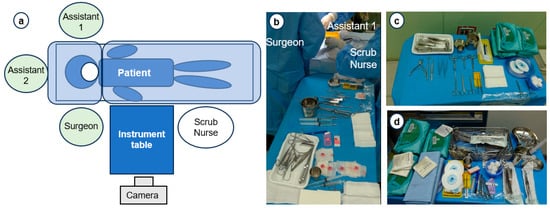
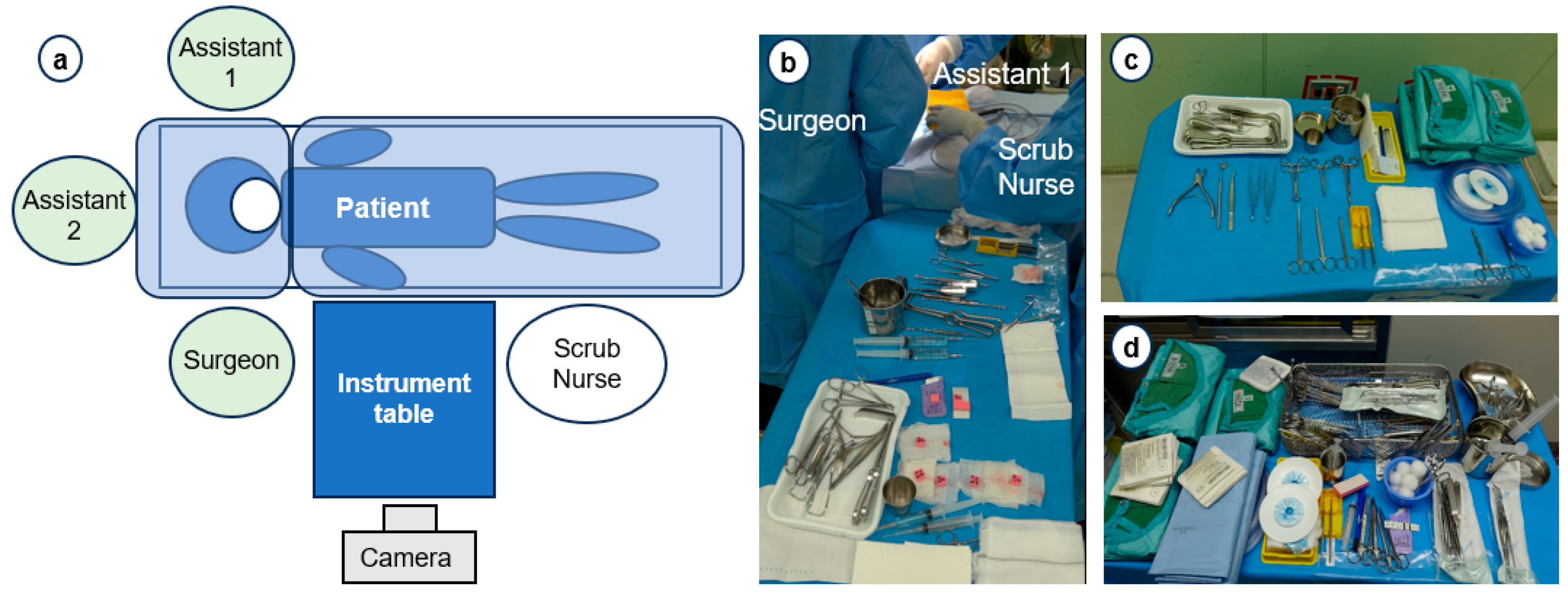
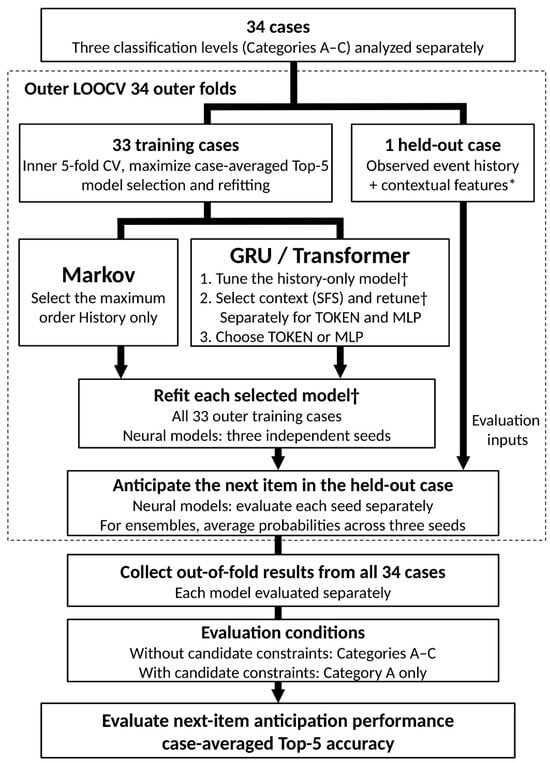
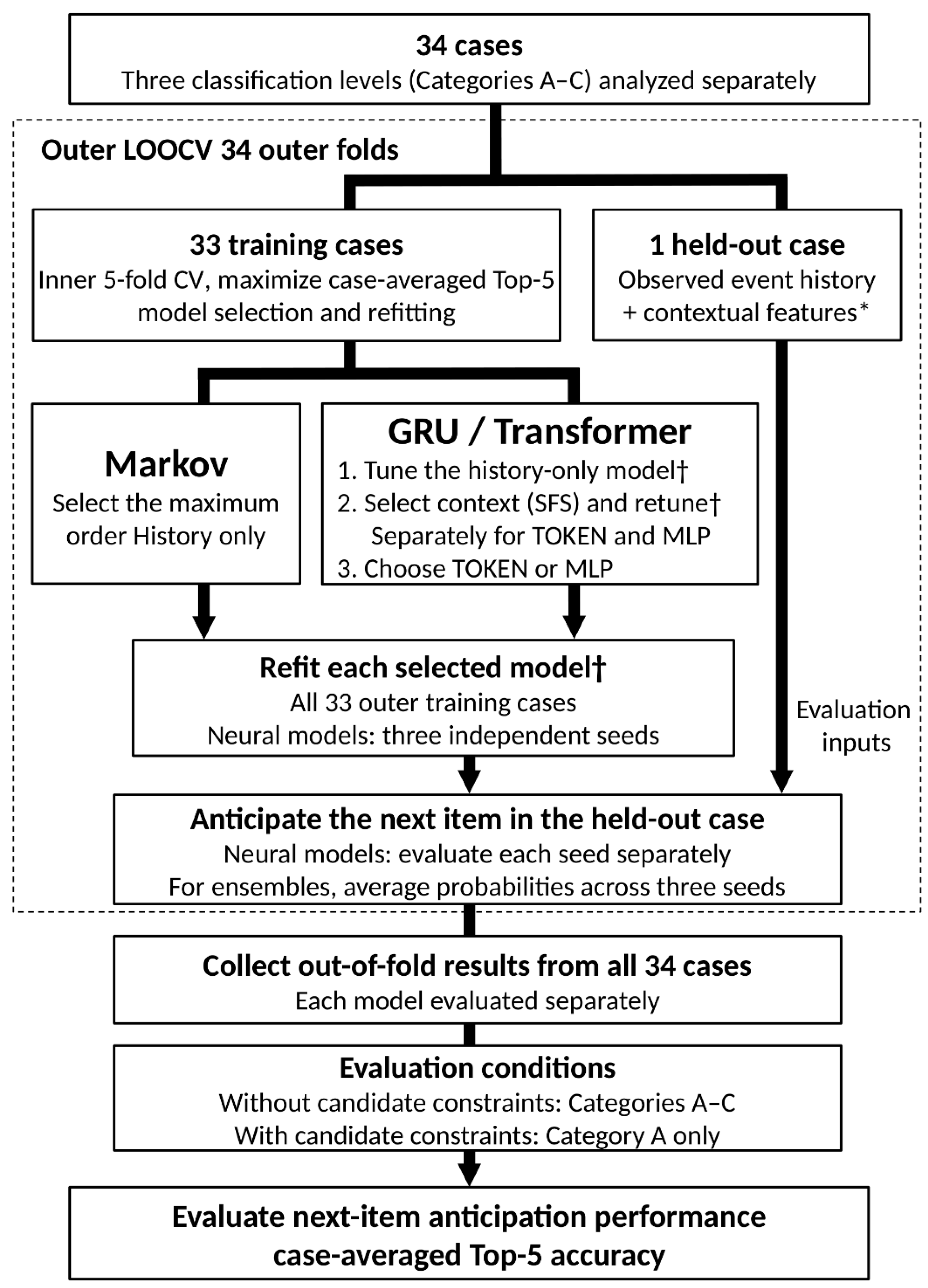
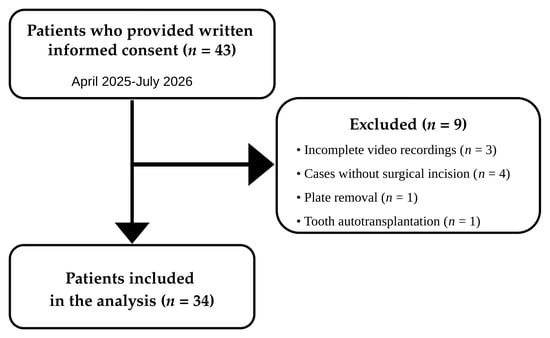
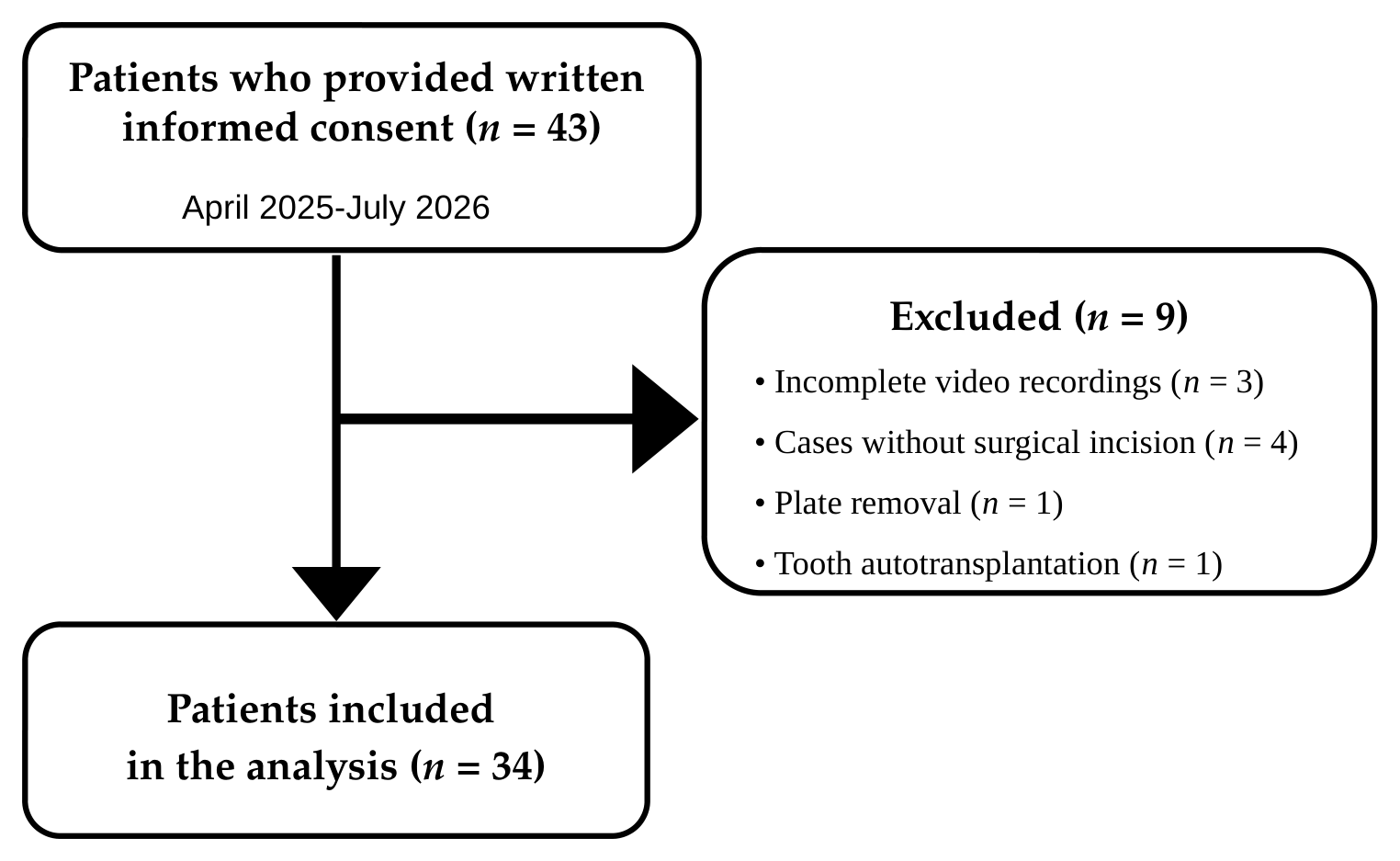
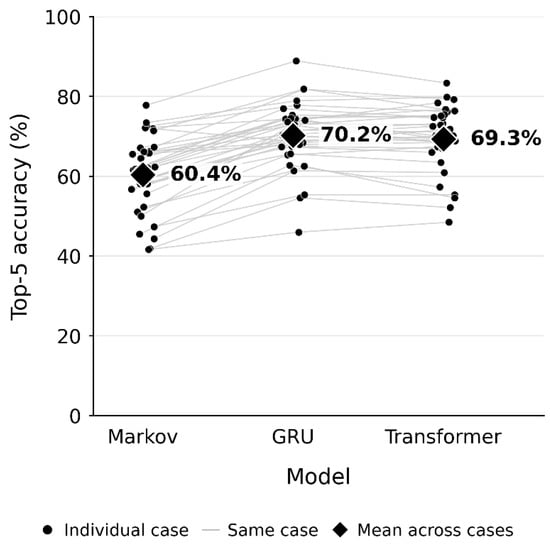
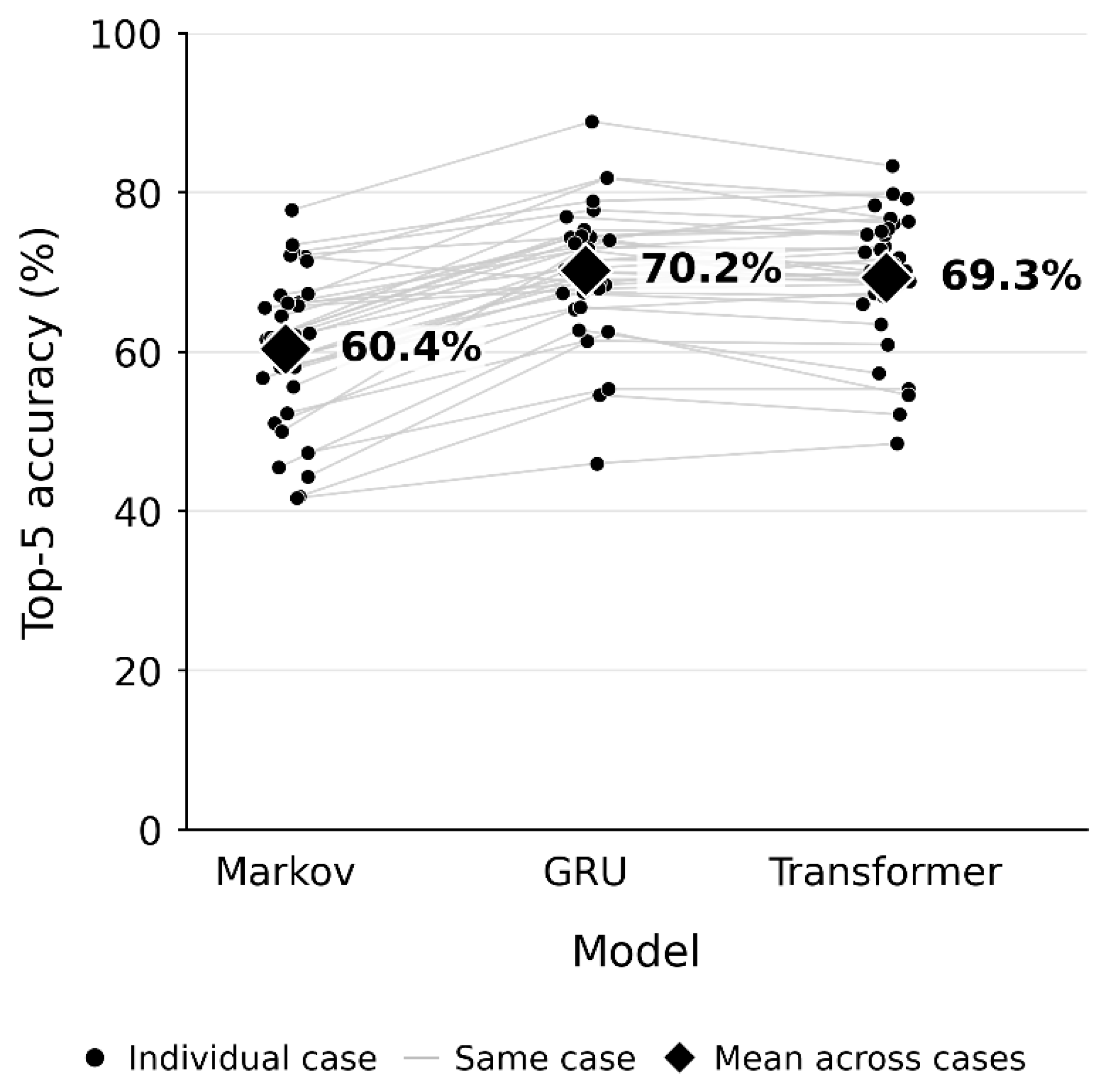
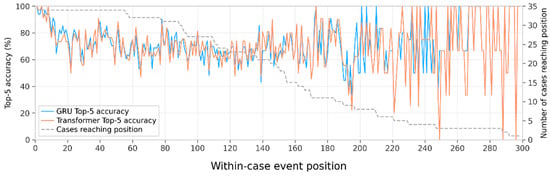
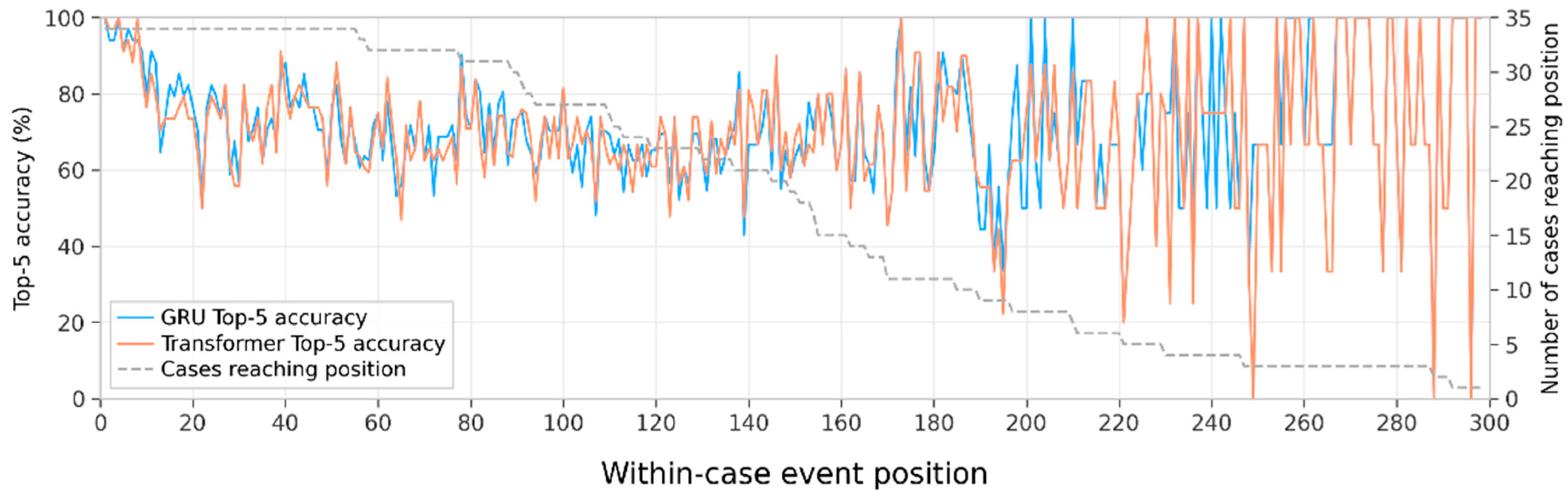
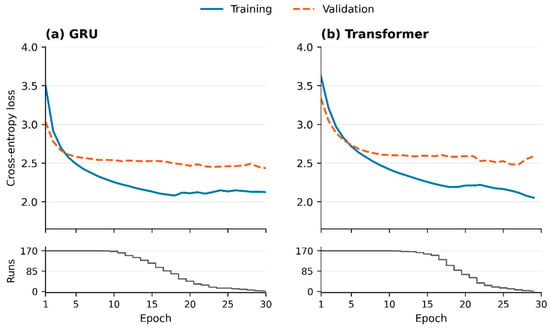
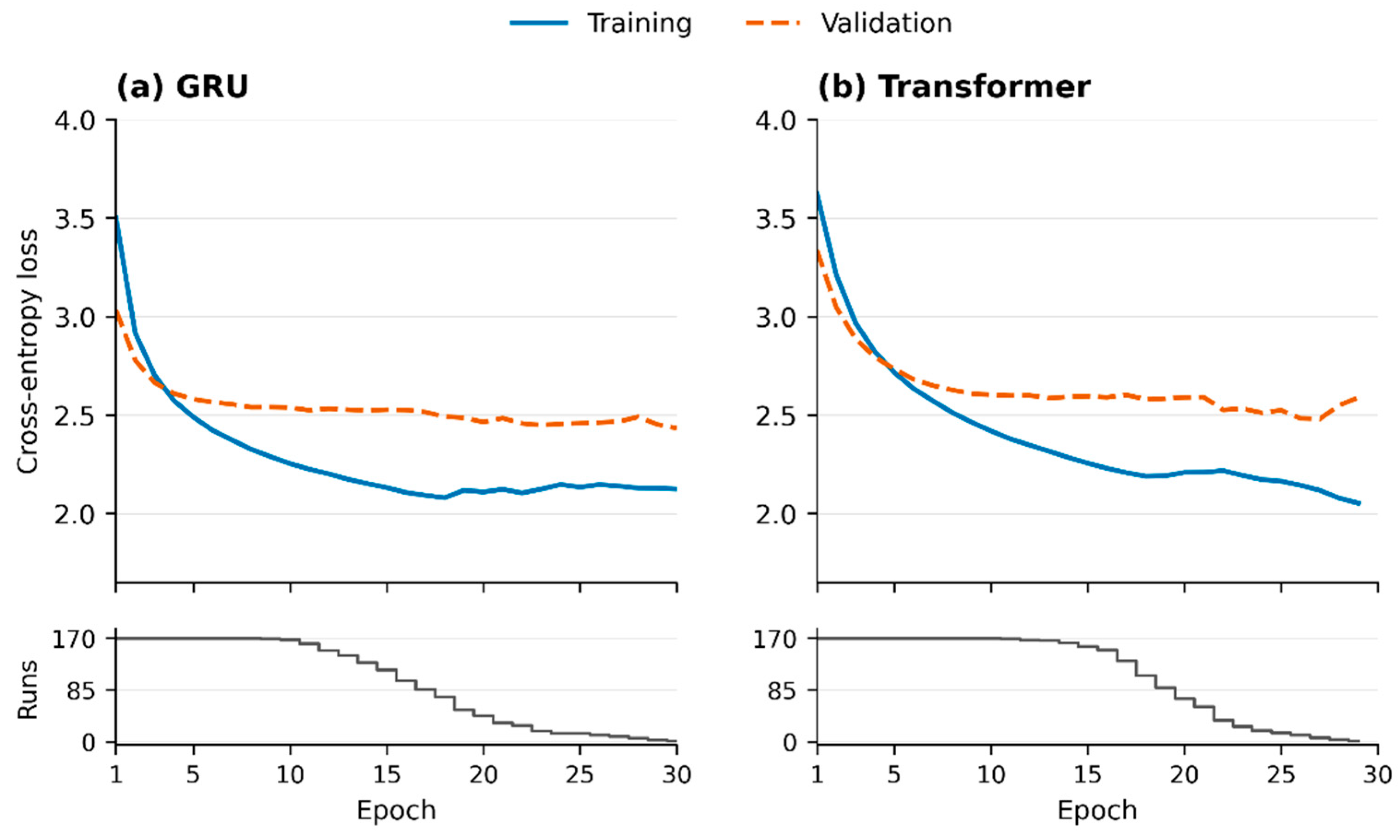
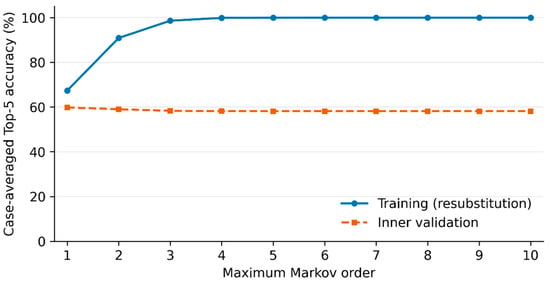
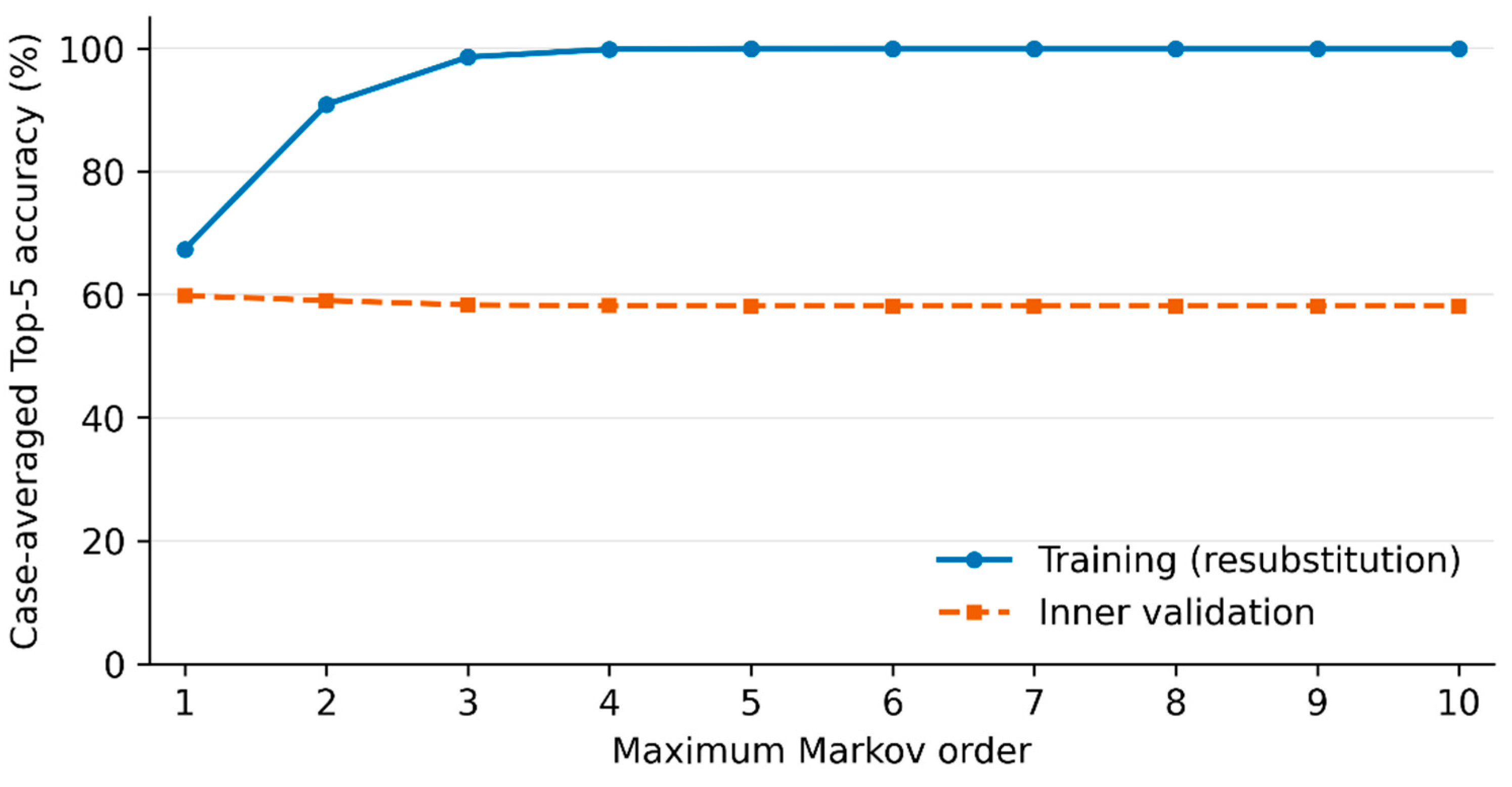

Disclaimer/Publisher’s Note: The statements, opinions and data contained in all publications are solely those of the individual author(s) and contributor(s) and not of MDPI and/or the editor(s). MDPI and/or the editor(s) disclaim responsibility for any injury to people or property resulting from any ideas, methods, instructions or products referred to in the content. |
© 2026 by the authors. Licensee MDPI, Basel, Switzerland. This article is an open access article distributed under the terms and conditions of the Creative Commons Attribution (CC BY) license.