


Abstract
Understanding water dynamics and nutrient transport in structured soils remains a critical challenge in hydrology, particularly due to the influence of preferential flow pathways. This systematic literature review synthesises evidence from 47 studies identified through screening 770 papers by title, abstract, and full text using a PRISMA-based workflow. This review only focused on eligible studies investigating water flow, solute transport, or modelling approaches in structured soil, while studies without an experimental or modelling component were excluded. This review included 39 studies, coupled with 25 and 28 studies using field, laboratory, and modelling approaches, to analyse preferential flow and nutrient transport. The most common method for field experiments is soil physical measurement (42%), whereas HYDRUS (28%) is the primary tool used in modelling approaches. Despite advances in physically based modelling, accurately representing preferential flow remains challenging due to limitations in model conceptualisation, parameterisation, and the representation of spatial and temporal soil heterogeneity. Modelling strategies such as dual-domain formulations and inverse modelling improve representation but introduce additional complexity and uncertainty. The synthesis highlights a critical gap between experimental evidence and model representation, emphasising the need for improved integration of soil structural dynamics and non-equilibrium transport processes in hydrological modelling.
1. Introduction
Agricultural soil is inherently heterogeneous, characterised by macropores, cracks, and a structured composition that influences its behaviour. Macroporosity arises from biological activity, the natural aggregation of soil particles, desiccation cracking, or no-till agricultural practices [1]. Preferential flow (PF), which is governed by subsurface soil pore structure at various scales, is a crucial pathway allowing water and pollutants to bypass the soil matrix quickly, leading directly to subsurface drains and freshwater bodies [2,3,4,5]. PF is common in riparian zones, occurring horizontally toward the channel, sometimes bypassing beneficial soil reactions during baseflow, or vertically, infiltrating surface water during storms to promote beneficial reactions [3].
Nutrient losses, particularly nitrogen (N) and phosphorus (P), are widely recognised as a major driver of water quality degradation, leading to eutrophication, harmful algal blooms, and contamination of groundwater and surface water systems, with significant consequences for aquatic ecosystems and human health [6,7]. Agricultural activities constitute the dominant source of these nutrient inputs due to intensive fertiliser and manure application, accumulation of legacy nutrients in soils, and high nutrient surpluses that exceed plant uptake, thereby increasing the risk of nutrient mobilisation and export from agroecosystems [8,9,10]. The transport of nutrients from agricultural land to receiving water bodies is governed by complex hydrological processes involving both surface and subsurface pathways. Surface runoff and erosion mobilize nutrients from the soil surface, particularly during high-intensity rainfall events, thereby acting as key mechanisms for the transfer of particulate and dissolved nutrients [11,12]. However, increasing evidence indicates that subsurface pathways—including leaching to groundwater, interflow, and artificial drainage systems such as tile drains—often dominate nutrient export, especially in intensively managed and artificially drained agricultural landscapes [13,14,15]. These subsurface processes facilitate continuous and sometimes delayed nutrient transport, sustaining long-term loading to surface waters even beyond immediate fertilizer application periods, and are strongly influenced by hydrological connectivity and groundwater dynamics [13,15]. The interaction between agricultural nutrient inputs and multiple hydrological transport pathways underscores the critical environmental implications of nutrient loss, emphasizing the need for integrated management strategies that address both nutrient sources and transport mechanisms to effectively mitigate water quality degradation while maintaining agricultural productivity. Such nutrient transport and management conditions are inseparable from the soil’s heterogeneity. As a result, nutrient transport processes in heterogeneous soil systems often deviate from classical matrix flow assumptions, making them particularly challenging to represent in conventional modelling frameworks. Structured clay soils represent a critical environment for testing the limitations of current hydrological models in capturing preferential flow and nutrient transport processes.
Numerous studies have examined preferential flow using models to understand water and nutrient dynamics. The development of multidimensional and multi-domain modelling approaches has improved the representation of spatially heterogeneous flow pathways, including fractures, macropores, and desiccation cracks, which may not be adequately represented by conventional one-dimensional equilibrium-flow approaches [5,16,17]. Several models, such as IROWC-P, MICRO, SOIL-N, and HYDRUS, have been widely applied to simulate water flow and solute transport in agricultural soils, including applications involving preferential flow. Nevertheless, representing preferential flow under field conditions remains challenging because model performance is influenced by the spatial and temporal variability of preferential flow pathways, uncertainty in soil hydraulic parameterisation and boundary conditions, model dimensionality and structural assumptions, and the availability of appropriate data for calibration and validation. Increasing model dimensionality may improve the representation of spatially heterogeneous flow processes, but it also increases parameterisation requirements, computational demand, and data requirements [5]. More broadly, Jarvis et al. [18] concluded that current-generation simulation models still do not fully reflect empirical process knowledge of preferential flow.
Previous reviews have provided important insights into individual aspects of water and solute dynamics in soils. These include nutrient losses to water under specific agricultural settings [10], phosphorus fate and transport in subsurface-drained agricultural soils [14], and modelling of phosphorus losses from field to watershed scales [12]. Other reviews have focused more specifically on colloid transport under transient flow conditions [4] and non-equilibrium water flow and solute transport through soil macropores [19]. Collectively, these studies have substantially advanced our understanding of nutrient losses, preferential transport mechanisms, and their modelling within their respective scopes. However, a broader synthesis linking field and laboratory observations of preferential flow in structured soils with water and nutrient transport and their representation in hydrological models remains limited.
These challenges highlight the need to critically synthesise how preferential flow and associated water and nutrient transport have been investigated experimentally and represented in modelling studies. Such integration is important for determining whether processes observed under field and laboratory conditions are adequately represented in current modelling frameworks and for identifying where discrepancies remain between experimental evidence and model conceptualisation. Therefore, this systematic review aims to evaluate the experimental and modelling approaches used to investigate preferential flow in structured soils, examine their strengths and limitations in representing water and nutrient transport, and identify key methodological limitations and research gaps that should guide future developments in this field.
2. Materials and Methods
2.1. Search Strategy and Keywords
This review was conducted to address the following research question: “How are preferential flow and nutrient transport represented across experimental and modelling studies in structured agricultural soils, and what challenges remain in accurately simulating these processes?” The literature strategy was developed around the principal concepts addressed in this review, including structured soils and preferential flow, water and solute transport, and the experimental and modelling approaches used to investigate these processes. Peer-reviewed publications were selected from Scopus, ScienceDirect, SpringerLink, and Web of Science. We chose these databases because they contain many publications on agroecology. We used the PICO Framework to identify keywords for searching publications across various databases. Boolean logic was employed to retrieve publications from various databases. Relevant keywords and their synonyms were combined using Boolean operators (AND/OR) to capture variations in terminology across the literature. For all databases used when retrieving publications, several concepts and alternative terms related to the research question were employed. The first concept pertains to the type of soil focused on in this review, namely Vertosols, with some alternatives such as clay soils, swelling soils, shrink-swell soils, heavy clay soils, and structured soil. The second concept relates to soil hydraulic properties and management practices, with several alternatives including infiltration, water retention, hydraulic conductivity, preferential flow, fertigation, pore structure, and residue management. The third concept concerns water redistribution and solute transport, with some alternatives such as nitrogen mobility, phosphorus transport, water infiltration, runoff, drainage, nutrient cycling, and nutrient distribution. The complete database-specific search strings, including all keywords, PICO frameworks, and Boolean operators, are provided in Appendix A Table A1 and Table A2.
2.2. PRISMA Flow
This study follows the standard systematic review guidelines outlined in the Preferred Reporting Items for Systematic Reviews and Meta-Analyses (PRISMA) framework. The PRISMA workflow is an evidence-based process that facilitates a systematic literature review [20,21]. It is used to show the flow of information throughout the different stages, display the number of included and excluded articles, and list the reasons for these inclusions and exclusions. The overall workflow involved several steps: (a) scoping, (b) planning, (c) identification, (d) screening, (e) assessing eligibility, and (f) interpreting the findings [22,23,24].
Scoping is the first step of a systematic literature review and is critical in achieving the formulated research objective [24]. It is specified in a straightforward, unambiguous, structured question that considers the outcome the study wants to achieve [22,25]. Search planning consists of developing the search strategy using specific terms and identifying appropriate digital databases eligible for the study [24]. In this study, 4 databases were used: Scopus, ScienceDirect, SpringerLink, and Web of Science. In the identification step, the main search was performed by implementing the predefined search planning and strategy and examining the resulting papers. The search results were uploaded to the reference manager EndNote Version 21.5 to remove duplicates. The publication outputs across the entire database for the year are as follows: Scopus (212 publications), ScienceDirect (132 publications), SpringerLink (392 publications), and Web of Science (117 publications), totalling 853 publications. After all publications were imported into the EndNote reference manager, deduplication was performed on publications with the same author, publication year, title, and DOI, resulting in 83 duplicate papers and leaving 770 papers to be further screened in the Covidence platform www.app.covidence.org (accessed on 24 September 2025). These papers were then uploaded in bulk to Covidence, a web-based platform designed to streamline systematic review workflows, including citation screening, full-text assessment, conflict resolution, and data extraction [26,27]. When performing bulk uploading to Covidence, there were 13 papers that were still duplicates and will be automatically removed by Covidence, leaving 757 papers for screening. In the screening process, papers with irrelevant titles or abstracts, not peer-reviewed, or review articles were also removed. In the eligibility screening process, selected papers from the first screening were eliminated based on the inclusion and exclusion criteria, which will be further discussed in Section 2.3 [23,24]. There were 548 papers excluded at this stage out of 757 papers screened, resulting in 209 papers that will proceed to the full-text review stage (eligibility screening process). The details of the literature selection process based on the PRISMA flow diagram are shown in Figure 1. A structured data form was developed in Microsoft Excel to extract information obtained from the selected papers [28]. This information was coded according to the following variables: publication year, country of research, field experiment methods, land use type, lab measurement methods, experimental results, and modelling types (numerical, mechanistic, and empirical). In the final step, the results were summarised in a structured report that included the study characteristics, the heterogeneity of the included studies, interpretations of the findings, discussions, limitations, and recommendations for future research [24].
Figure 1.
Literature selection process based on the PRISMA flow diagram [29].
2.3. Inclusion and Exclusion Criteria
At the full-text or eligibility screening stage, this refers to the inclusion and exclusion criteria used to select relevant studies. The inclusion and exclusion criteria will always vary and be dynamic from one review paper to another, depending on what the paper aims to discuss in more detail. This study will use the inclusion and exclusion criteria shown in Table 1.
Table 1.
Inclusion/exclusion criteria for article selection. PICO framework is used based on what is provided in Covidence.
Studies that were included investigated water flow, nutrient transport, or modelling approaches in soil systems, with particular emphasis on structured agricultural soils. The focus on structured clay soils, such as Vertosols and other shrink–swell systems, was intentionally adopted because of their pronounced structural heterogeneity and strong susceptibility to preferential flow. This study also included studies examining nutrient and tracer transport, provided that they contributed to understanding the mechanisms of water–nutrient interactions or their representation in modelling frameworks. Studies were excluded if they focused solely on nutrient leaching outcomes without providing insight into the underlying transport processes, controlling soil physical properties, or modelling approaches. Studies that reported nutrient losses without linking these to flow mechanisms, soil structure, or transport modelling were not considered within the scope of this review.
2.4. Data Extraction (Extraction Template in Covidence)
To facilitate full-text review or eligibility screening in Covidence, the program provides an extraction template that can be customised as needed when extracting papers. This study used Extraction Model 2 from Covidence, which allows for extracting narrative or descriptive data, with no defined comparison group, and we plan to synthesise evidence across studies [26]. This template consists of 2 Headings: Heading 1, Study Characteristics, and Heading 2, Experiments. Heading 1 has 6 text fields: year published, journal name, title, authors, country of research, and aim of study. Heading 2 has three tables: field measurement, lab measurement, and modelling. The field measurement table lists extraction details, including the field measurement name, sample type, number of samples, number of plots, land use, statistical measurement, and results. The lab measurement table lists extraction details, including the lab measurement name, sample type, number of samples, results, and statistical performance. Modelling has a list of extraction details, including the name of the model, type of model, description of the model, model application area, input variable, output variable, validation, calibration, simulation, results, temporal resolutions, spatial resolutions, accessibility of models, link/model documentation, and application references.
2.5. Quality Assessment (Quality Assessment Template in Covidence)
Following data extraction, a quality assessment was conducted for all included studies using a customised assessment framework implemented in Covidence Extraction 2. The quality assessment process was designed to evaluate the methodological robustness, reporting transparency, and modelling reliability of the selected studies. Assessment criteria were developed a priori and applied consistently across all studies to minimise reviewer bias. Covidence facilitated the independent assessment and documentation of quality judgments, providing a structured and auditable workflow for evidence synthesis. Although this quality assessment stage is optional, the quality assessment outcomes can subsequently be used to support the interpretation of study findings and to identify methodological limitations across the reviewed literature [29].
This study used 15 custom questions divided into 7 subcategories, namely the following: (1) study design and objective, (2) controls and comparators, (3) replication and sample size, (4) data collection and measurement quality, (5) analysis and uncertainty, (6) results and interpretation, and (7) bias and limitations. All questions in this quality assessment are answered with the options “Yes” (criterion fully satisfied), “No” (criterion not satisfied), and “Unclear” (insufficient information provided). Quality assessment was conducted by 2 reviewers, and inter-rater agreement was assessed using Cohen’s Kappa coefficient. The resulting agreement level was interpreted according to the criteria proposed by Landis and Koch [30]. Discrepancies between reviewers were resolved through discussion to reach a consensus. This approach follows established practices in systematic reviews to enhance reliability and reduce subjective bias in study appraisal [29,31,32]. The quality assessment results were not used as exclusion criteria but were incorporated into the synthesis to support a critical interpretation of the evidence base. In particular, the assessment enabled the identification of recurring methodological strengths and limitations across studies, particularly regarding the representation of water dynamics and solute transport processes in structured soils and modelling frameworks.
2.6. Synthesis Approach (Thematic and Tabulation)
Following data extraction and quality assessment, the included studies were synthesised using an integrated approach combining thematic synthesis, tabulation, and descriptive quantitative analysis. This mixed-method synthesis strategy was adopted to accommodate the methodological diversity of the reviewed studies, which encompassed field experiments, laboratory investigations, and process-based modelling of water dynamics and solute transport. Thematic synthesis was conducted using an inductive approach, in which themes were derived directly from the content of the included studies rather than from predefined categories. Through iterative reading and coding, recurring concepts and research focuses were identified and grouped into thematic domains relevant to soil hydrology and solute transport processes. These themes included preferential flow processes, cracks and macropore structures and their imaging, the use of bromide as a tracer, model limitations in representing bypass flow, modifications of modelling frameworks, nitrogen dynamics, soil homogeneity assumptions, solute movement mechanisms, leaching processes under irrigation systems, inverse modelling approaches, vadose zone observations, and phosphorus application studies. The thematic synthesis identified common patterns, methodological trends, and conceptual gaps across the literature, particularly regarding the interaction between soil structure and solute transport behaviour. This approach is consistent with established methods for synthesising heterogeneous evidence in systematic reviews [33].
To complement the thematic analysis, a structured tabulation approach was employed to systematically organise and compare key characteristics of the included studies. Extracted data were compiled into evidence tables summarising study characteristics, experimental approaches, modelling approaches, and calibration and validation methods. This tabulation facilitated transparent comparisons across studies and supported the identification of methodological consistencies and differences. The use of structured tables is widely recommended in systematic reviews to enhance reproducibility and clarity in the synthesis of complex datasets [34]. In addition to qualitative synthesis, descriptive statistical analysis was conducted to quantify patterns within the literature. Frequency analysis was performed to examine the distribution of studies across modelling approaches, geographical locations, and publication trends over time. These results were visualised using graphical representations software R version 4.5.2, to support interpretation and to highlight dominant research directions and potential gaps. The integration of thematic synthesis with tabulation and descriptive analysis provides a comprehensive framework for synthesising diverse evidence and enables both qualitative interpretation and quantitative summaries of research trends [35].
3. Results
3.1. Overview of Research Trends
The results are synthesised by grouping the reviewed studies into three complementary categories: field-based investigations, laboratory experiments, and modelling approaches. Field studies provide direct evidence of water flow and solute transport under natural or managed conditions, capturing the influence of soil structure and environmental variability. Laboratory experiments offer controlled conditions to isolate specific processes, such as soil hydraulic behaviour, water movement, and nutrient transport. Modelling studies integrate these observations to simulate water and solute transport processes, enabling the evaluation of underlying mechanisms and predictive analysis.
These three categories are inherently interconnected, as shown in Figure 2. Field observations reveal complex preferential flow behaviour, laboratory studies help quantify key parameters and processes, and modelling approaches attempt to represent and generalise these dynamics. Organising the synthesis in this way enables a structured evaluation of how experimental evidence informs model development and how modelling approaches succeed or fail to reproduce observed processes. This structure also supports the identification of gaps between observed processes and their representation in modelling frameworks.
Figure 2.
Interconnected methodologies among analysed studies, field experiments, lab experiments, and modelling approaches in studying preferential flow and nutrient transport in structured soils.
The inter-reviewer agreement during the quality assessment process was moderate (Cohen’s κ = 0.49), reflecting variability in study interpretation due to the diversity of methodologies across the reviewed literature. The temporal distribution of the 47 studies included in this review is presented in Figure 3. The earliest study was published in 1989, while the most recent studies were published in 2025. Overall, research on water dynamics and solute transport processes exhibited a gradual increase over the review period, although publication activity remained intermittent during the 1990s and early 2000s. Between 1989 and 2005, publications were relatively sparse, with most years represented by only one or two studies. Research activity increased during the late 2000s and early 2010s, culminating in the highest number of publications in 2012 (n = 6). Following this peak, publication frequencies fluctuated between one and three studies per year, indicating sustained but variable research interest in the topic. A second period of increased publication activity was observed between 2020 and 2024, with publication counts generally exceeding those in earlier decades. The observed increase in publication frequency after 2010 suggests growing scientific interest in understanding complex water flow and solute transport processes in soils. This could also suggest technological developments, such as improved sensing technologies, tracer studies, computational power, and wider adoption of HYDRUS modelling software. This trend coincides with broader developments in vadose zone hydrology, including increased attention to preferential flow processes, advances in field monitoring techniques, and the wider adoption of physically based numerical models to simulate water and solute movement in structured soils. However, despite the overall increase in research activity, the temporal distribution remains uneven, reflecting the specialised and multidisciplinary nature of this research field.
Figure 3.
Temporal distribution of the 47 studies included in this review.
3.2. Representation of Preferential Flow in Experimental Studies
The experimental approaches employed in the reviewed studies encompass a diverse range of methods for investigating water flow and solute transport in soils, as shown in Figure 4. Soil physical measurements were the most frequently applied approach (42%), followed by chemical or nutrient analysis (28%) and tracer-based studies (28%), while hydrological measurements (23%) and soil water monitoring (21%) were also commonly reported. Importantly, several studies did not rely on a single experimental approach but instead combined multiple methods to capture the complexity of water flow and solute transport processes. This integration of methods highlights the inherent challenges in observing preferential flow, which often requires simultaneous assessment of soil structure, water movement, and solute behaviour. Tracer-based techniques play a critical role in identifying preferential flow pathways by directly observing rapid solute movement through macropores and cracks [36,37,38,39,40]. Meanwhile, soil physical measurements and hydrological observations provide complementary information on soil structure and water dynamics, which are essential for interpreting flow processes beyond the soil matrix. The use of combined experimental approaches indicates that preferential flow cannot be adequately characterised using a single method. Instead, a multi-method framework is required to capture the interactions between soil structure, water flow, and solute transport, particularly in structured agricultural soils.
Figure 4.
Field experiment method families represented in the reviewed studies.
A more detailed examination of the techniques employed within each methodological category reveals consistent patterns in how preferential flow and solute transport processes are investigated. While a wide range of soil physical measurement methods were applied, including lysimeters (n = 10), infiltrometers (n = 5), and in situ hydraulic conductivity tests (n = 2), these approaches collectively highlight the importance of capturing water movement under field-relevant conditions. In particular, lysimeter-based studies frequently provide direct evidence of percolation and solute leaching, emphasising the role of vertical transport processes and the influence of soil structure on water redistribution [37,41,42,43]. Chemical and nutrient analysis methods, such as leaching experiments (n = 9) and breakthrough curve analysis (n = 4), consistently demonstrate that solute transport is highly dynamic and often exhibits non-equilibrium behaviour [44,45,46]. These techniques reveal that nutrient movement is not solely governed by diffusion and matrix flow but is strongly influenced by rapid transport pathways that can significantly enhance leaching losses. Tracer-based methods, particularly bromide tracers (n = 10), provide some of the most compelling evidence of preferential flow processes. The widespread use of tracers across the reviewed studies consistently shows early solute arrival and uneven distribution patterns, indicating that transport is dominated by fast flow pathways rather than uniform matrix flow [36,37,39,40,43,47,48,49]. These findings reinforce the critical role of preferential flow in controlling solute dynamics in structured soils. In addition, soil water monitoring techniques, including groundwater observations (n = 4), piezometers (n = 3), and time-domain reflectometry (n = 3), contribute to understanding the temporal dynamics of water movement and storage. Collectively, these approaches demonstrate that water flow in structured soils is highly variable in both space and time, further complicating the representation of transport processes [50,51,52]. The diversity of techniques employed across the reviewed studies does not simply reflect methodological variation but rather converges on a consistent finding: Water and solute transport in structured soils are governed by heterogeneous and preferential flow processes. This convergence of evidence across multiple methodological approaches provides a strong empirical basis for evaluating the ability of modelling frameworks to reproduce these dynamics. The number of methodologies adopted in this study exceeds the number of identified papers, as several papers have used more than one methodology. These classifications of methodologies are shown in Figure 5.
Figure 5.
Evidence heatmap of field methodologies used by method family.
3.3. Modelling Approaches for Water and Solute Transport
The modelling approaches identified in this study are presented in Figure 6, which highlights a clear dominance of physically based numerical models in simulating water flow and solute transport processes. Twenty-eight of forty-seven papers (60%) reviewed used modelling approaches for this. Among these models, the HYDRUS modelling framework (including 1D, 2D, and 3D) was the most frequently applied approach (28%), accounting for a substantial proportion of the reviewed studies. This widespread use reflects the capability of HYDRUS to simulate variably saturated flow and coupled solute transport processes based on Richards’ equation and advection–dispersion formulations [53,54]. The geographical distribution of the reviewed studies is presented in Figure 7, providing spatial context for the modelling approaches reported across different countries. China, as the country with the most reviews in this study, conducted research using HYDRUS to examine water, salt, and nitrogen transport [55,56]; to simulate unsaturated flow under flood irrigation [50]; and also to quantify soil moisture content [57]. Meanwhile, Australia uses HYDRUS in research comparing drip irrigation wetting patterns and nitrate distribution using electrical resistivity analysis (ERI), dye tracers, and 2D modelling approaches [58], and this method is further used to observe flow in sodic clay soil with solution composition-dependent hydraulic conductivity [59]. In addition to HYDRUS, several studies employed models based on Richards’ equation combined with advection–dispersion transport formulations (11%). These models provide a physically grounded representation of water flow and solute movement in the soil matrix and are widely used in vadose zone hydrology [60]. Some countries have used this approach, including China, Australia, Canada, Iran, the United States, and Brazil. China used this approach to simulate the spatial and temporal variation of nitrate leaching in the vadose zone of alluvial regions [61]. Meanwhile, Australia and Canada want to observe preferential solute transport in unsaturated soils and model it [46,62]. A study by Sadehgi et al. suggested that scaled solutions for Richards’ equation—in this context, reducing the need for separate numerical solutions for each soil and flow conditions—was constrained by its reliance on the exponential power (EP) hydraulic function used to derive the invariant solutions [63], and from USA, Souza et al. suggest—in their research on the coupling between soil properties and soil water content in shrink–swell soils—that shrinking contributes to lowering pedon-scale soil moisture contents and prolongs the persistence of dry soil moisture states [64]. However, their application often relies on simplifying assumptions, such as homogeneous soil conditions and equilibrium flow, which may limit their ability to represent complex transport processes in structured soils [42,50,58,65].
Figure 6.
Specific modelling approaches reported across the reviewed studies.
Figure 7.
Geographical distribution of the studies included in the systematic review.
A smaller number of studies utilised empirical and semi-empirical approaches, including pedotransfer functions and transfer function models (6%), to estimate soil hydraulic properties or predict solute transport behaviour. While these approaches are computationally efficient and require fewer input parameters, they are generally limited in their ability to explicitly represent process-based interactions between soil structure, water flow, and solute transport [66]. Other modelling approaches identified in the reviewed studies include specialised methods such as tracer budget models, source-responsive preferential flow (SRPF) travel-time models, geostatistical approaches, and hydrogeochemical models (8%). These approaches were typically applied to address specific research questions or to complement process-based simulations rather than to provide a comprehensive representation of water and solute transport processes.
Although HYDRUS was the most frequently reported modelling approach, its substantially higher frequency than any other individual model (<6% each) occurred within an otherwise highly diverse modelling landscape. The identification of 17 different modelling approaches demonstrates substantial methodological heterogeneity, indicating both a relative concentration around HYDRUS and considerable diversity among the remaining modelling frameworks. At a broader methodological level, numerical and mechanistic approaches predominated, whereas empirical modelling was comparatively uncommon, showing that modelling efforts were largely oriented towards process-based representations of water and solute transport rather than empirical relationships derived primarily from observations. However, the diversity of model types and conceptual frameworks reflects ongoing efforts to address the challenges associated with representing preferential flow and heterogeneous soil conditions. This variability in modelling approaches highlights the need for improved integration between experimental observations and model development, particularly in structured agricultural soils, where preferential flow plays a critical role in nutrient transport.
3.4. Limitations of Models in Representing Preferential Flow
Despite the widespread use of physically based models to simulate water flow and solute transport, a consistent limitation across the reviewed studies is the inadequate representation of preferential flow processes. This limitation is particularly evident in structured soils, where macropores, cracks, and biopores create highly heterogeneous flow pathways that deviate significantly from the assumptions underlying conventional modelling approaches [42,58,65]. Most used models, including those based on Richards’ equation coupled with advection–dispersion formulations, are fundamentally derived under the assumption of continuum flow in a homogeneous porous medium [50]. While these models can effectively describe water movement within the soil matrix, conventional single-domain formulations do not explicitly represent rapid transport through connected macropores or cracks, physical non-equilibrium between preferential-flow and matrix domains, or water and solute exchange between these domains [19,60,67]. As a result, several studies reported systematic underestimation of solute transport rates, particularly in scenarios involving rapid infiltration or tracer movement through macropore networks. One of the key conceptual limitations arises from the assumption of local equilibrium between mobile and immobile water phases. In structured soils, however, water flow often occurs through distinct domains, such as macropores and the surrounding soil matrix, leading to dual-domain or multi-domain flow behaviour. Conventional single-porosity models cannot explicitly represent these processes, leading to discrepancies between observed and simulated solute breakthrough curves [60,68]. This mismatch is especially pronounced in tracer experiments, where early arrival times and tailing behaviour cannot be adequately reproduced without incorporating non-equilibrium transport formulations [36].
Another major limitation relates to the representation of soil structural dynamics. In shrink–swell soils, such as Vertosols, the formation and closure of cracks are highly dynamic processes influenced by soil moisture conditions. However, most modelling frameworks assume static soil structure, thereby neglecting temporal variations in macropore connectivity and flow pathways. This simplification limits models’ ability to simulate transient preferential flow processes, particularly under fluctuating environmental conditions such as wetting–drying cycles [46]. The parameterisation of preferential flow remains a significant challenge. Many models require parameters that are difficult to measure directly, such as macropore geometry, connectivity, and hydraulic conductivity of preferential pathways. In practice, these parameters are often estimated through calibration or inverse modelling. Limitations can occur when the inverse is not well constrained. Issues such as correlations between parameters, insufficient calibration data, and the simultaneous optimization of multiple parameters can result in parameter non-uniqueness or equifinality. This means that different combinations of parameters can produce similar results that fit the calibration observations equally well [69]. The reliance on calibration also limits the transferability of model applications across different sites and soil conditions [19]. To address these limitations, several studies have proposed modified modelling approaches, including dual-porosity and dual-permeability models, and preferential flow modules integrated into existing frameworks [56,70]. While these approaches improve the representation of non-equilibrium transport processes, they also increase model complexity and data requirements. Consequently, their application remains constrained by the availability of detailed experimental data and the challenges associated with parameter estimation [67].
The reviewed studies highlight a fundamental gap between experimental observations and model representation of preferential flow processes. While current modelling approaches provide valuable insights into water and solute transport in soils, their ability to accurately simulate preferential flow remains limited. This gap underscores the need for continued development of modelling frameworks that better integrate soil structural dynamics, non-equilibrium transport processes, and high-resolution experimental observations, particularly in structured agricultural soils where preferential flow plays a critical role in nutrient transport and leaching.
3.5. Modelling Strategies to Address Preferential Flow
In response to the limitations of conventional modelling approaches, a range of strategies has been developed to improve the representation of preferential flow and solute transport processes in soils. These strategies primarily focus on incorporating non-equilibrium flow dynamics, accounting for soil structural heterogeneity, and enhancing the linkage between experimental observations and model parameterisation. One of the most widely adopted approaches is the use of dual-domain conceptualisations, including dual-porosity and dual-permeability models. These models distinguish between flow in the soil matrix and preferential pathways, allowing for the simulation of rapid transport processes that single-porosity formulations cannot capture [51]. By explicitly representing mobile and immobile water regions, dual-domain models provide a more realistic description of solute exchange and breakthrough behaviour in structured soils. Another important strategy involves modifying and extending existing modelling frameworks, particularly HYDRUS. Several studies have implemented preferential flow modules or adapted model structures to better represent non-equilibrium transport processes, including the incorporation of dual-permeability formulations and mobile–immobile water concepts. These modifications have been shown to improve the simulation of tracer transport and early solute arrival times, especially under conditions where preferential flow dominates [36,53].
Inverse modelling techniques also play a critical role in addressing parameter-estimation uncertainties. By calibrating model parameters against observed data, inverse approaches enable the estimation of effective hydraulic properties and transport parameters that reflect both matrix and preferential flow behaviour [71,72]. This approach is particularly valuable in cases where direct measurement of macropore properties is not feasible, although it introduces additional uncertainty related to parameter non-uniqueness and model equifinality [56]. In addition, hybrid modelling approaches have been explored to integrate empirical observations with process-based simulations. These approaches combine physically based models with statistical or data-driven techniques to improve predictive performance and reduce reliance on poorly constrained parameters. While still emerging, such methods offer potential for bridging the gap between detailed process representation and practical model application [73].
Despite these advances, the reviewed studies indicate that no single modelling strategy fully resolves the challenges of representing preferential flow. Improvements in model performance are often achieved at the cost of increased complexity and data requirements. Consequently, the effectiveness of these strategies remains strongly dependent on the availability of high-quality experimental data, particularly those capturing soil structure and flow pathways at relevant spatial and temporal scales. The development of modelling strategies to address preferential flow reflects a shift towards more physically realistic, data-integrated approaches. However, further progress is needed to enhance the robustness, scalability, and applicability of these models, particularly in structured agricultural soils, where preferential flow plays a key role in controlling nutrient transport and leaching.
3.6. Nutrient Transport and Solute Behaviour in Modelling Context
The reviewed studies demonstrate that nutrient and solute transport is strongly influenced by the interplay between water flow processes and soil structural characteristics, particularly the formation and connectivity of cracks and macropores that facilitate preferential flow. Preferential flow pathways, such as macropores and cracks, play a critical role in controlling the rapid movement of solutes, often bypassing the soil matrix and limiting opportunities for retention and transformation [41,65,74]. Process-based modelling approaches have been widely used to simulate solute transport, typically coupling water flow equations with advection–dispersion formulations. These models allow for the representation of solute movement driven by convective flow and diffusive processes, as well as chemical reactions such as sorption and transformation [62]. However, their performance is highly dependent on the accurate representation of flow pathways, which remains a major challenge in structured soils. A recurring observation across the reviewed studies is the discrepancy between simulated and observed solute transport behaviour, particularly in tracer-based experiments. Rapid breakthrough, early arrival times, and long-tailing effects are frequently reported in experimental data, indicating the presence of preferential flow [65,74]. In contrast, models based on equilibrium and homogeneous assumptions often underestimate solute leaching and fail to reproduce these non-equilibrium transport patterns [42,65]. Nitrogen dynamics were among the most commonly investigated processes, with several studies highlighting the sensitivity of nitrogen transport to flow conditions and soil structure [75]. Preferential flow can enhance nitrate leaching by facilitating rapid transport beyond the root zone, reducing the time available for biological uptake and transformation.
Despite advances in modelling approaches, the reviewed studies indicate that capturing nutrient transport under preferential flow conditions remains challenging. Model performance is often constrained by limitations in representing soil heterogeneity, non-equilibrium transport processes, and the coupling between physical and biogeochemical interactions. As a result, simulations of nutrient transport, particularly for reactive solutes such as nitrogen and phosphorus, remain highly uncertain. The synthesis highlights that accurate prediction of nutrient transport in soil requires models that can simultaneously represent preferential flow, solute transport mechanisms, and soil biogeochemical processes. This integration remains a key challenge in hydrological modelling and underscores the need for improved model formulations and high-quality experimental data to reduce uncertainties and limitations in model performance and representation.
4. Discussion
4.1. Linking Preferential Flow Observations to Model Representation
The synthesis of the reviewed studies highlights a persistent and systematic disconnection between experimental observations and modelling representations of water flow and solute transport in structured soils. Twenty-three of the forty-seven studies consistently demonstrate that preferential flow pathways, such as macropores, biopores, and shrink–swell cracks, exert a dominant control on the redistribution of water and solutes. Tracer-based investigations, particularly those employing bromide [36,39,40,49], provided evidence of early breakthrough, rapid transport, and spatially non-uniform solute distributions, while lysimeter observations and imaging techniques [76,77] provided complementary evidence of structurally controlled flow. Importantly, only 11 of these 23 studies (47.8%) also incorporated modelling, indicating that less than half of the studies providing evidence of preferential flow directly coupled these observations with model-based analysis. Of these 11 studies, nine (81.8%) reported limitations in representing preferential flow or associated solute transport. This pattern suggests that the experimental–modelling gap is not solely a consequence of limited observations of preferential flow; rather, difficulties persist when experimentally identified preferential transport processes are translated into modelling frameworks. The nature of this disconnect is also evident in the contrast between the processes revealed experimentally and the assumptions required for their modelling. Experimental observations demonstrate rapid and spatially heterogeneous transport associated with preferential pathways, whereas some modelling applications simplify the soil profile as vertically homogeneous. This discrepancy reflects a broader difficulty in translating observed soil heterogeneity into model-resolvable hydraulic properties. Soil hydraulic variability occurs across multiple spatial scales, while measurements used for model parameterisation are commonly obtained at much smaller support scales than those represented in field-scale simulations. Consequently, locally measured hydraulic properties may not adequately represent the effective flow behaviour emerging from unresolved spatial heterogeneity [78]. The challenge extends beyond spatial variability because the hydrological significance of soil structure depends not simply on the presence of macropores or cracks but also on their size and continuity, their interaction with the surrounding matrix, and the initial and boundary conditions that determine whether these pathways become hydrologically active [19]. Translating these characteristics into modelling frameworks requires structural heterogeneity to be represented through effective domain properties, geometry, and exchange processes. However, the effective structural geometry of preferential-flow domains remains difficult to characterise, while increasing the explicit representation of heterogeneous domains also increases the information required for parameterisation [67,78]. This provides a mechanistic explanation for why simplified or effective representations of the soil profile may still be adopted even when experimental observations demonstrate substantial structural heterogeneity. A further complication is that preferential flow pathways may evolve over time through the formation, degradation, opening, and closure of macropores and cracks in response to wetting–drying and shrink–swell processes, biological activity, vegetation, and agricultural management such as cropping, tillage, and traffic. Changes in soil structural configuration and hydrological conditions can modify the potential for preferential pathways to conduct water and solutes, making static representations increasingly difficult to reconcile with temporally variable preferential-flow behaviour [19,67].
At the same time, the reviewed evidence shows that methodological developments such as temporal-moment analysis can improve the characterisation of preferential solute transport, illustrating that the gap does not arise exclusively from model structure but also from how experimental information is translated into quantities suitable for model evaluation. Taken together, these findings indicate that improved alignment between experimental observations and modelling requires not simply more measurements but measurements and analytical approaches capable of constraining the specific preferential-flow processes represented within the model.
4.2. Structural and Conceptual Constraints of Continuum-Based Models
A key limitation identified in this review is the widespread reliance on continuum-based modelling approaches derived from Richards’ equation. The modelling evidence indicates that limitations in representing preferential flow cannot be attributed to a single modelling framework. Among the 28 studies involving modelling, only 5 (17.9%) employed continuum-based approaches derived from Richards’ equation, while 17 different modelling approaches were identified across the reviewed literature. These models assume that soil can be represented as a homogeneous, porous medium with continuous flow and local equilibrium. While this framework is effective for describing matrix flow, it is fundamentally inconsistent with the presence of preferential pathways that introduce discrete, high-conductivity domains within the soil profile. The consequences of these assumptions are evident in models’ inability to reproduce non-equilibrium transport processes. This diversity reflects the considerable range of conceptual approaches that have been developed to represent equilibrium and non-equilibrium water and solute transport, ranging from single-domain formulations to mobile–immobile, dual-porosity, and dual-permeability concepts [60,67,79,80]. Nevertheless, recurring difficulties in representing preferential transport were evident in the present review, including underestimation of bypass flow in three studies and issues associated with simplified representations of heterogeneous soil profiles. The persistence of these limitations across a diverse modelling landscape suggests that the challenge extends beyond the selection of a particular model to how preferential-flow processes and structural heterogeneity are conceptualised, parameterised, and evaluated. This interpretation is consistent with broader assessments showing that advances in empirical understanding of preferential flow have outpaced the ability of current models to represent these processes predictively [18,81]. An important distinction is therefore required between the governing flow equation and the conceptual representation of the soil domain. Richards-equation-based formulations can accommodate spatially varying hydraulic properties, and their use does not inherently require a vertically homogeneous soil profile. The difficulty arises when the effective continuum representation is unable to resolve the hydraulic behaviour generated by structurally distinct and connected preferential pathways. Spatial heterogeneity in hydraulic properties occurs across multiple scales, while effective model parameters may depend on the scale of application and prevailing boundary conditions [78]. Preferential flow further complicates this representation because macropores and other structural pathways may generate non-equilibrium conditions in which water and solute movement cannot be adequately characterised by a single equilibrium state of the bulk soil [19,82]. Adequate field-scale representation remains constrained by the difficulty of obtaining observations capable of supporting scale-dependent parameterisation of preferential-flow processes. Thus, the mismatch identified in the present review between experimentally observed heterogeneity and simplified soil-profile representations reflects not merely insufficient model complexity but a fundamental difficulty in translating heterogeneous flow structures into effective model properties at the relevant spatial scale [81].
The problem becomes more pronounced when preferential pathways are represented explicitly as interacting flow domains. Dual-domain approaches provide an important conceptual advance by allowing non-equilibrium between matrix and preferential-flow regions, while dual-permeability formulations permit water movement in both interacting domains [67,79]. Such approaches can therefore represent processes that are inaccessible to conventional equilibrium formulations, but they also introduce additional requirements for characterising domain-specific hydraulic properties and exchange processes. Köhne et al. [80], in their review of model applications to structured soils, demonstrated the broad application of equilibrium and non-equilibrium approaches to water flow and tracer transport while also highlighting the importance of parameter estimation and model conceptualisation in reproducing preferential transport. Beven and Germann [81] further emphasised that macropore connectivity and scale-dependent parameterisation remain fundamental challenges. Consequently, increasing structural detail within a model does not automatically resolve the experimental–modelling discrepancy; the additional domains and exchange processes must also be sufficiently constrained by observations. The reviewed studies further demonstrate that model performance was process- and response-dependent rather than uniformly inadequate. Three studies reported underestimation of bypass flow, while another reported disagreement between simulated and observed nitrogen and ammonium dynamics. In contrast, other studies demonstrated agreement between HYDRUS simulations and measured soil water content, successful prediction of percolation and solute fronts through inverse modelling, and improved predictive performance following modification of HYDRUS-1D and inverse estimation of model parameters. Although the number of studies within each category was limited, these contrasting outcomes indicate that satisfactory reproduction of an individual state variable should not automatically be interpreted as evidence that the underlying preferential-flow processes are represented with equivalent accuracy. This distinction is particularly relevant for structured soils because preferential transport can involve simultaneous physical and chemical non-equilibrium processes, which require different levels of model conceptualisation [79]. Model performance should therefore be evaluated against the specific flow and transport processes and response variables for which the model is intended, rather than inferred solely from agreement with an individual observation. Temporal variability in soil structure introduces an additional conceptual challenge. Only three of the reviewed modelling studies explicitly considered or discussed dynamic structural changes associated with cracks, macropores, or wetting–drying behaviour. This limitation is important because preferential-flow behaviour depends not only on the presence of structural pores but also on the configuration and connectivity of the active flow network [19,81]. Dynamic non-equilibrium can additionally arise where hydraulic behaviour under transient conditions cannot be represented adequately by equilibrium relationships between averaged water content and pressure head [82]. Gerke [67] similarly identified dynamic soil structure as an unresolved challenge for quantitative preferential-flow modelling. The relatively limited consideration of structural dynamics in the studies reviewed here, therefore, highlights an important distinction between model complexity and process realism: adding parameters or additional flow domains does not necessarily improve preferential-flow prediction unless these additions represent processes demonstrated experimentally and can be independently or adequately constrained.
4.3. Implications for Nutrient Transport and Environmental Risk
The implications of preferential flow for nutrient transport extend beyond an increase in solute velocity, because the environmental consequences depend on the interaction between hydrological pathways, nutrient properties, and agricultural management. Of the 47 studies reviewed, 11 investigated nutrient transport, including 6 that specifically examined nitrogen, while 8 studies reported leaching. In addition, 10 studies identified management-related controls on nutrient or solute transport. These findings indicate that nutrient losses cannot be interpreted solely from bulk soil properties or average water fluxes but need to be considered in relation to the conditions under which preferential pathways become hydraulically active and intersect with nutrient sources. This interpretation is consistent with evidence that the occurrence and strength of non-equilibrium transport depend on macropore-network characteristics, soil and site properties, management, and prevailing initial and boundary conditions [19,83]. Importantly, the effect of preferential flow cannot be assumed to be equivalent for all solutes found in agricultural systems. Bromide provides a useful hydrological reference because it generally behaves as a relatively conservative tracer and has therefore been widely used to identify rapid water-associated transport and preferential breakthrough [84]. In the present review, 8 of the 10 studies employing bromide tracers (80%) reported evidence of early breakthrough, non-uniform distribution, or preferential transport. This strong tracer response provides evidence that rapid pathways can substantially alter solute travel times relative to matrix-dominated transport. However, bromide behaviour should not be directly extrapolated to reactive nutrients. Bromide can itself depart from ideal conservative behaviour under some soil conditions, while reactive solutes are additionally influenced by interactions with the solid phase and by their residence and contact times within the soil [19]. This distinction is particularly important when moving from tracer-derived evidence to nutrient-loss predictions. Preferential pathways can bypass a substantial proportion of the soil matrix, reducing the opportunity for lateral equilibration and interaction with chemically and biologically reactive soil surfaces [19,67]. The consequence is not simply faster transport; preferential flow can alter the time available for sorption, transformation, and other retention processes. Jarvis also noted that sorption retardation during macropore transport may be weaker than in the bulk soil because of smaller reactive surface areas and kinetic limitations. Thus, the environmental significance of preferential flow depends on both pathway connectivity and solute reactivity. A conservative tracer may primarily reveal the hydrological architecture of rapid transport, whereas nutrient behaviour reflects the combined effects of that architecture and nutrient-specific retention and transformation processes. The nitrogen evidence requires particular consideration. Nitrate is relatively mobile in soil and, like bromide, is an anion that can undergo limited sorption under many soil conditions; however, unlike bromide, its fate is also affected by biological transformations and plant uptake. Consequently, similarities between bromide and nitrate movement can provide information on hydrological transport, whereas differences may reflect processes beyond water flow alone. This distinction becomes even greater for other nutrient forms, such as ammonium or phosphorus, for which retention and reaction with the soil matrix can exert stronger controls. Preferential flow can nevertheless facilitate the rapid movement of reactive solutes when connected flow pathways reduce their contact with reactive matrix surfaces; experimental work in structured clay soils has, for example, demonstrated preferential transport of phosphorus through biopores and fractures [85].
The management evidence identified in this review further indicates that nutrient-loss risk emerges from the interaction between the nutrient source and the hydrological event rather than from soil structure alone. Ten studies associated management practices with differences in nutrient or solute transport, including effects related to irrigation, fertilisation or fertigation, and land use. This is mechanistically plausible because management can modify both the availability of solutes near preferential-flow entry points and the hydrological conditions controlling activation of rapid pathways. Jarvis [19] similarly identified cropping, tillage, and traffic among factors influencing macropore networks, while rainfall intensity and initial water conditions affect the extent to which preferential-flow potential is realised. Thus, management practices that conserve water or reduce total irrigation do not necessarily reduce nutrient leaching if the timing and mode of water application promote hydraulic connections between nutrient-rich soil regions and preferential pathways. These interactions have important consequences for model-based environmental risk assessment. The reviewed studies included three cases in which models underestimated bypass flow and one in which simulated nitrogen and ammonium dynamics disagreed with observations, as discussed in Section 4.2. Such discrepancies become particularly important for nutrient prediction because errors in representing preferential water movement propagate into simulations of residence time, root-zone retention, and nutrient transformation. Moreover, reproducing bulk water dynamics does not necessarily ensure accurate prediction of nutrient transport when the relevant solute is subject to additional physical, chemical, or biological processes. The challenge is therefore not simply to increase predicted leaching but to represent when preferential pathways become active, how rapidly solutes are transported through them, and how nutrient-specific reactions modify that transport. This distinction is consistent with the broader conclusion that empirical understanding of preferential flow has advanced more rapidly than its predictive representation in current modelling frameworks [18].
4.4. Advances in Modelling Preferential Flow and Associated Trade-Offs
In response to these limitations, significant efforts have been made to improve the representation of preferential flow in modelling frameworks. Dual-domain approaches, including dual-porosity and dual-permeability models, represent a major advancement by explicitly distinguishing between matrix flow and preferential pathways [56,70,86]. These models allow for the simulation of non-equilibrium transport and have been shown to improve agreement with experimental observations [60]. Modifications to existing modelling frameworks, including enhancements to HYDRUS, further improve the representation of preferential flow processes. Inverse modelling techniques are widely used to estimate effective parameters that reflect both matrix and preferential flow behaviour, particularly when direct measurements are not available. However, these advances introduce new challenges. Increased model complexity leads to greater data requirements and difficulties in parameter estimation. Preferential-flow models that explicitly distinguish matrix and macropore domains can provide a more physically meaningful representation of non-equilibrium flow than simpler single-domain formulations, but this additional structure requires parameters describing the hydraulic properties of individual domains and the exchange processes between them. Many of these parameters cannot be measured directly or independently, making their estimation dependent on inverse modelling or calibration [87,88,89,90]. Importantly, the challenge is not simply the increasing number of parameters, but whether the available observations contain sufficient information to uniquely identify them. Parameter sensitivity, correlation, and interdependence can allow different parameter combinations to reproduce similar observations, even when individual parameters remain poorly constrained. Roulier et al. [87], for example, demonstrated that inverse estimation of macropore-flow parameters was more reliable when multiple types of observations were available, whereas some exchange and reaction parameters remained uncertain due to low sensitivity and parameter correlations. Similarly, Larsbo and Jarvis [88] showed that some preferential flow parameters could not converge towards their true values because of parameter interdependence, despite the availability of detailed experimental observations. This parameter-identification problem becomes increasingly important as models move from controlled experimental systems to field-scale applications. Preferential-flow parameters characterise structural features and effective processes, including macropore-domain hydraulic properties and matrix–macropore exchange, for which their values may depend on pathway configuration and spatial scale. Arora et al. [89] demonstrated substantial uncertainty and interdependence among dual-permeability parameters, while experimental work has shown that parameters governing exchange between preferential and matrix domains can vary with the geometry and configuration of preferential pathways. Thus, parameters obtained through calibration may represent effective properties of a particular experiment rather than uniquely measurable soil characteristics, complicating their transfer to different soil conditions, spatial scales, or hydrological regimes. The practical consequences become particularly evident in multidimensional and large-scale applications. An increase in spatial dimensionality and the number of interacting domains expands both computational demand and the parameter space that must be explored during calibration and uncertainty analysis. In a catchment-scale application of a three-dimensional dual-permeability model, Hopp et al. [91] restricted calibration to the most influential parameters and imposed fixed relationships between parameters across soil layers specifically to maintain feasible computational costs. Despite successful calibration, the dual-permeability model did not outperform the calibrated single-domain reference model for the evaluated discharge response. This example illustrates an important distinction between increased process representation and demonstrable predictive improvement: adding physically plausible processes does not guarantee superior predictions when additional parameters cannot be sufficiently constrained by the available data.
Thus, a trade-off emerges between model realism and practical applicability. While more complex models provide improved representation of processes, they may be less robust and more difficult to apply in real-world contexts. Their robustness becomes conditional on whether model complexity is commensurate with the information content of the available observations. Hydrological modelling frameworks have long recognised that appropriate model complexity should be determined by the characteristics of the system, modelling purpose, and information available for parameter identification [92]. For preferential-flow modelling, this implies that additional domains, structural parameters, or exchange processes are most defensible when they correspond to experimentally demonstrated processes and can be adequately constrained. Otherwise, greater structural realism may increase parameter uncertainty, equifinality, computational burden, and difficulties in transferring calibrated parameterisations to real-world applications without necessarily producing a corresponding improvement in predictive performance.
4.5. Key Research Gaps and Future Directions
The synthesis of the reviewed studies identifies several critical research gaps that must be addressed to advance the modelling of water and solute transport in structured soils. First, there is a need to explicitly incorporate soil structural heterogeneity into modelling frameworks. This includes not only the presence of macropores and cracks but also their dynamic evolution under changing environmental conditions. Second, the integration of experimental observations into modelling workflows remains limited. While high-resolution techniques such as tracer studies, CT imaging, and lysimeter measurements provide detailed insights into flow processes, their use in model parameterisation and validation remains insufficient. Third, the coupling between hydrological and biogeochemical processes needs strengthening. Nutrient transport is governed by both physical transport mechanisms and chemical transformations, yet these processes are often treated independently in modelling studies. Developing integrated models that capture these interactions is essential for improving predictive capability.
Finally, there is a need to develop modelling approaches that balance physical realism with computational efficiency and data availability. Models must be able to capture key processes while remaining practical for application in agricultural management and environmental assessment.
5. Conclusions
This systematic literature review synthesised current knowledge on water dynamics, preferential flow, and nutrient transport in structured soils, with a particular focus on their representation in modelling approaches. By integrating 47 studies, it is demonstrated that preferential flow can be a dominant process controlling water redistribution and solute transport, especially in structured soils with well-developed and hydraulically connected macropores or cracks, as consistently evidenced by tracer studies, lysimeter observations, and soil structural analyses. However, this process remains inadequately represented in many widely used modelling frameworks. This study shows that physically based models, particularly those derived from Richards’ equation and implemented on platforms such as HYDRUS, are widely used to simulate water flow and solute transport. While these models are effective in describing matrix flow, they often fail to capture non-equilibrium transport processes associated with preferential flow. This results in systematic underestimation of solute leaching and discrepancies between observed and simulated transport behaviour, especially in structured soils. Modelling strategies such as dual-domain approaches, inverse modelling, and framework modifications have improved the representation of preferential flow to some extent. However, these approaches introduce increased complexity and parameter uncertainty, highlighting a trade-off between model realism and practical applicability. Furthermore, the integration of hydrological and biogeochemical processes remains limited, thereby constraining models’ ability to accurately predict nutrient dynamics under field conditions.
Overall, this review identifies a critical gap between experimental observations and model representation of preferential flow and solute transport. Addressing this gap requires the development of modelling frameworks that explicitly account for soil structural heterogeneity, non-equilibrium transport processes, and dynamic soil behaviour. In addition, improved integration of high-resolution experimental data into model parameterisation and validation is essential.
This study advances hydrological modelling by providing a comprehensive, data-driven synthesis of current approaches and their limitations. The insights presented here support the development of more robust, realistic models for predicting water and nutrient transport in agricultural systems, which is essential for improving water-quality management and sustainable land-use practices.
Author Contributions
Conceptualization, N.S. and F.A.A.; methodology, N.S.; software, F.A.A.; validation, N.S., F.A.A. and V.F.; formal analysis, N.S. and F.A.A.; investigation, N.S. and F.A.A.; resources, N.S.; data curation, N.S. and F.A.A.; writing—original draft preparation, N.S.; writing—review and editing, N.S., F.A.A. and V.F.; visualization, F.A.A.; supervision, V.F.; project administration, N.S. All authors have read and agreed to the published version of the manuscript.
Funding
This research received no external funding.
Data Availability Statement
Access to data needed to reproduce the figures will be made available by the authors upon request.
Acknowledgments
During the preparation of this manuscript/study, the author(s) used Covidence 2026 for the purposes of systematically reviewing and extracting papers and producing a PRISMA flow diagrams; R software version 4.5.2 for the purposes of graph visualization; and Gen AI Elicit.com (Covina, CA, USA) and ChatGPT Version 5.4 Plus for the purposes of generating text and finding related references. The authors have reviewed and edited the output and take full responsibility for the content of this publication.
Conflicts of Interest
The authors declare no conflicts of interest.
Appendix A
Appendix A.1
Table A1.
The following is a PICO framework table used in the strategy for searching for papers in databases such as Scopus, ScienceDirect, SpringerLink, and Web of Science.
Appendix A.2
Table A2.
Boolean logic is used in each database’s search strategies.
References
- Maqbool, A.; Li, W.; Stumpp, C.; Soriano, M.-A.; Gómez, J.A. Effect of Preferential Microplastics Leaching Through Macropores on Vertical Soil Particle Transport. Eur. J. Soil Sci. 2025, 76, e70140. [Google Scholar] [CrossRef] [Scilit]
- Askar, M.H.; Youssef, M.A.; Chescheir, G.M.; Negm, L.M.; King, K.W.; Hesterberg, D.L.; Amoozegar, A.; Skaggs, R.W. DRAINMOD Simulation of macropore flow at subsurface drained agricultural fields: Model modification and field testing. Agric. Water Manag. 2020, 242, 106401. [Google Scholar] [CrossRef] [Scilit]
- Hester, E.T.; Fox, G.A. Preferential Flow in Riparian Groundwater: Gateways for Watershed Solute Transport and Implications for Water Quality Management. Water Resour. Res. 2020, 56, e2020WR028186. [Google Scholar] [CrossRef] [Scilit]
- Wang, C.; Wang, R.; Huo, Z.; Xie, E.; Dahlke, H.E. Colloid transport through soil and other porous media under transient flow conditions—A review. WIREs Water 2020, 7, e1439. [Google Scholar] [CrossRef] [Scilit]
- Zhao, Y.; Yi, J.; Yao, R.; Li, F.; Hill, R.L.; Gerke, H.H. Dimensionality and scales of preferential flow in soils of Shale Hills hillslope simulated using HYDRUS. Vadose Zone J. 2024, 23, e20367. [Google Scholar] [CrossRef] [Scilit]
- Zhang, J.; Huang, J.; Qian, R.; Zhang, Q.; Gao, J. Lowland artificial watersheds with unique nutrient transport: Response to natural and anthropogenic drivers. J. Hydrol. 2023, 622, 129635. [Google Scholar] [CrossRef] [Scilit]
- Kronvang, B.; Wendland, F.; Kovar, K.; Fraters, D. Land Use and Water Quality. Water 2020, 12, 2412. [Google Scholar] [CrossRef] [Scilit]
- Hoffmann, C.C.; Zak, D.; Kronvang, B.; Kjaergaard, C.; Carstensen, M.V.; Audet, J. An overview of nutrient transport mitigation measures for improvement of water quality in Denmark. Ecol. Eng. 2020, 155, 105863. [Google Scholar] [CrossRef] [Scilit]
- Liu, W.; Youssef, M.A.; Birgand, F.P.; Chescheir, G.M.; Tian, S.; Maxwell, B.M. Processes and mechanisms controlling nitrate dynamics in an artificially drained field: Insights from high-frequency water quality measurements. Agric. Water Manag. 2020, 232, 106032. [Google Scholar] [CrossRef] [Scilit]
- Van de Vlasakker, P.C.H.; Tonderski, K.; Metson, G.S. A Review of Nutrient Losses to Waters From Soil- and Ground-Based Urban Agriculture—More Nutrient Balances Than Measurements. Front. Sustain. Food Syst. 2022, 6, 842930. [Google Scholar] [CrossRef] [Scilit]
- Shao, F.; Tao, W.; Wang, Q.; Wu, J.; Su, L.; Sun, Y.; Zeng, S. A modified model for predicting nutrient loss in runoff using a time-varying mixing layer. J. Hydrol. 2021, 603, 127091. [Google Scholar] [CrossRef] [Scilit]
- Wang, Z.; Zhang, T.; Tan, C.S.; Qi, Z. Modeling of phosphorus loss from field to watershed: A review. J. Environ. Qual. 2020, 49, 1203–1224. [Google Scholar] [CrossRef] [Scilit] [PubMed]
- Williams, M.R.; Penn, C.J.; McAfee, S.J. Source and transport controls on nutrient delivery to tile drains. J. Hydrol. 2022, 612, 128146. [Google Scholar] [CrossRef] [Scilit]
- Grenon, G.; Singh, B.; De Sena, A.; Madramootoo, C.A.; von Sperber, C.; Goyal, M.K.; Zhang, T. Phosphorus fate, transport and management on subsurface drained agricultural organic soils: A review. Environ. Res. Lett. 2021, 16, 013004. [Google Scholar] [CrossRef] [Scilit]
- Rixon, S.; May, H.; Persaud, E.; Elsayed, A.; Levison, J.; Binns, A.; Goel, P. Subsurface influences on watershed nutrient concentrations and loading in a clay dominated agricultural system. J. Hydrol. 2024, 645, 132140. [Google Scholar] [CrossRef] [Scilit]
- Aguilar-López, J.P.; Bogaard, T.; Gerke, H.H. Dual-Permeability Model Improvements for Representation of Preferential Flow in Fractured Clays. Water Resour. Res. 2020, 56, e2020WR027304. [Google Scholar] [CrossRef] [Scilit]
- Luo, Y.; Zhang, J.; Zhou, Z.; Aguilar-Lopez, J.P.; Greco, R.; Bogaard, T. Effects of dynamic changes of desiccation cracks on preferential flow: Experimental investigation and numerical modeling. Hydrol. Earth Syst. Sci. 2023, 27, 783–808. [Google Scholar] [CrossRef] [Scilit]
- Jarvis, N.; Koestel, J.; Larsbo, M. Understanding Preferential Flow in the Vadose Zone: Recent Advances and Future Prospects. Vadose Zone J. 2016, 15, 1–11. [Google Scholar] [CrossRef] [Scilit]
- Jarvis, N.J. A review of non-equilibrium water flow and solute transport in soil macropores: Principles, controlling factors and consequences for water quality. Eur. J. Soil Sci. 2007, 58, 523–546. [Google Scholar] [CrossRef] [Scilit]
- Liberati, A.; Altman, D.G.; Tetzlaff, J.; Mulrow, C.; Gøtzsche, P.C.; Ioannidis, J.P.; Clarke, M.; Devereaux, P.J.; Kleijnen, J.; Moher, D. The PRISMA statement for reporting systematic reviews and meta-analyses of studies that evaluate healthcare interventions: Explanation and elaboration. BMJ 2009, 339, b2700. [Google Scholar] [CrossRef] [Scilit] [PubMed]
- Moher, D.; Liberati, A.; Tetzlaff, J.; Altman, D.G. Preferred reporting items for systematic reviews and meta-analyses: The PRISMA statement. PLoS Med. 2009, 6, e1000097. [Google Scholar] [CrossRef] [Scilit] [PubMed]
- Khan, K.S.; Kunz, R.; Kleijnen, J.; Antes, G. Five steps to conducting a systematic review. J. R. Soc. Med. 2003, 96, 118–121. [Google Scholar] [CrossRef] [Scilit] [PubMed]
- Kelley, G.A.; Kelley, K.S. Systematic reviews and meta-analysis in nutrition research. Br. J. Nutr. 2019, 122, 1279–1294. [Google Scholar] [CrossRef] [Scilit] [PubMed]
- Koutsos, T.M.; Menexes, G.C.; Dordas, C.A. An efficient framework for conducting systematic literature reviews in agricultural sciences. Sci. Total Environ. 2019, 682, 106–117. [Google Scholar] [CrossRef] [Scilit] [PubMed]
- Sargeant, J.M.; Rajic, A.; Read, S.; Ohlsson, A. The process of systematic review and its application in agri-food public-health. Prev. Vet. Med. 2006, 75, 141–151. [Google Scholar] [CrossRef] [Scilit] [PubMed]
- Veritas Health Innovation. Covidence Systematic Review Software; Veritas Health Innovation: Melbourne, Australia, 2025; Available online: https://www.covidence.org/ (accessed on 25 September 2025).
- Kellermeyer, L.; Harnke, B.; Knight, S. Covidence and Rayyan. J. Med. Libr. Assoc. 2018, 106, 580–583. [Google Scholar] [CrossRef] [Scilit]
- Tawfik, G.M.; Dila, K.A.S.; Mohamed, M.Y.F.; Tam, D.N.H.; Kien, N.D.; Ahmed, A.M.; Huy, N.T. A step by step guide for conducting a systematic review and meta-analysis with simulation data. Trop. Med. Health 2019, 47, 46. [Google Scholar] [CrossRef] [Scilit] [PubMed]
- Page, M.J.; McKenzie, J.E.; Bossuyt, P.M.; Boutron, I.; Hoffmann, T.C.; Mulrow, C.D.; Shamseer, L.; Tetzlaff, J.M.; Akl, E.A.; Brennan, S.E.; et al. The PRISMA 2020 statement: An updated guideline for reporting systematic reviews. BMJ 2021, 372, n71. [Google Scholar] [CrossRef] [Scilit] [PubMed]
- Landis, J.R.; Koch, G.G. The measurement of observer agreement for categorical data. Biometrics 1977, 33, 159–174. [Google Scholar] [CrossRef] [Scilit]
- Higgins, J.P.T.; Altman, D.G. Assessing Risk of Bias in Included Studies. In Cochrane Handbook for Systematic Reviews of Interventions; Cochrane Collaboration: London, UK, 2008; pp. 187–241. [Google Scholar]
- Sterne, J.A.C.; Egger, M.; Moher, D. Addressing Reporting Biases. In Cochrane Handbook for Systematic Reviews of Interventions; Cochrane Collaboration: London, UK, 2008; pp. 297–333. [Google Scholar]
- Thomas, J.; Harden, A. Methods for the thematic synthesis of qualitative research in systematic reviews. BMC Med. Res. Methodol. 2008, 8, 45. [Google Scholar] [CrossRef] [Scilit] [PubMed]
- Popay, J.; Roberts, H.; Sowden, A.; Petticrew, M.; Arai, L.; Rodgers, M.; Britten, N.; Roen, K.; Duffy, S. Guidance on the Conduct of Narrative Synthesis in Systematic Reviews: A Product from the ESRC Methods Programme; Lancaster University: Lancaster, UK, 2006. [Google Scholar]
- Mays, N.; Pope, C.; Popay, J. Systematically reviewing qualitative and quantitative evidence to inform management and policy-making in the health field. J. Health Serv. Res. Policy 2005, 10, 6–20. [Google Scholar] [CrossRef] [Scilit] [PubMed]
- Dousset, S.; Thevenot, M.; Pot, V.; Simunek, J.; Andreux, F. Evaluating equilibrium and non-equilibrium transport of bromide and isoproturon in disturbed and undisturbed soil columns. J. Contam. Hydrol. 2007, 94, 261–276. [Google Scholar] [CrossRef] [Scilit] [PubMed]
- Maeda, M.; Bergström, L.F. Leaching patterns of heavy metals and nitrogen evaluated with a modified tanks-in-series model. J. Contam. Hydrol. 2000, 43, 165–185. [Google Scholar] [CrossRef] [Scilit]
- Wu, Q.; Liu, C.; Lin, W.; Zhang, M.; Wang, G.; Zhang, F. Quantifying the preferential flow by dye tracer in the North China Plain. J. Earth Sci. 2014, 26, 435–444. [Google Scholar] [CrossRef] [Scilit]
- Olatuyi, S.O.; Akinremi, O.O.; Flaten, D.N.; Lobb, D.A. Solute transport in a hummocky landscape: I. Two-dimensional redistribution of bromide. Can. J. Soil Sci. 2012, 92, 609–629. [Google Scholar] [CrossRef] [Scilit]
- Chen, C.C.; Roseberg, R.J.; Selker, J.S. Using microsprinkler irrigation to reduce leaching in a shrink/swell clay soil. Agric. Water Manag. 2002, 54, 159–171. [Google Scholar] [CrossRef] [Scilit]
- Fishkis, O.; Noell, U.; Diehl, L.; Jaquemotte, J.; Lamparter, A.; Stange, C.F.; Burke, V.; Koeniger, P.; Stadler, S. Multitracer irrigation experiments for assessing the relevance of preferential flow for non-sorbing solute transport in agricultural soil. Geoderma 2020, 371, 114386. [Google Scholar] [CrossRef] [Scilit]
- Perkins, K.S.; Nimmo, J.R.; Rose, C.E.; Coupe, R.H. Field tracer investigation of unsaturated zone flow paths and mechanisms in agricultural soils of northwestern Mississippi, USA. J. Hydrol. 2011, 396, 1–11. [Google Scholar] [CrossRef] [Scilit]
- Xie, X.J.; Ran, W.; Shen, Q.R.; Yang, C.Y.; Yang, J.J.; Cao, Z.H. Field studies on 32P movement and P leaching from flooded paddy soils in the region of Taihu Lake, China. Environ. Geochem. Health 2004, 26, 237–243. [Google Scholar] [CrossRef] [Scilit] [PubMed]
- Xiao, M.; Li, Y.; Wang, J.; Hu, X.; Wang, L.; Miao, Z. Study on the law of nitrogen transfer and conversion and use of fertilizer nitrogen in paddy fields under water-saving irrigation mode. Water 2019, 11, 218. [Google Scholar] [CrossRef] [Scilit]
- Stagnitti, F.; Allinson, G.; Morita, M.; Nishikawa, M.; Il, H.; Hirata, T. Temporal moments analysis of preferential solute transport in soils. Environ. Model. Assess. 2000, 5, 229–236. [Google Scholar] [CrossRef] [Scilit]
- Ulén, B.; Shirmohammadi, A.; Bergström, L.F. Phosphorus transport through a clay soil. J. Environ. Sci. Health Part A 1998, 33, 67–82. [Google Scholar] [CrossRef] [Scilit]
- Skaggs, T.H.; Suarez, D.L.; Goldberg, S.; Shouse, P.J. Replicated lysimeter measurements of tracer transport in clayey soils: Effects of irrigation water salinity. Agric. Water Manag. 2012, 110, 84–93. [Google Scholar] [CrossRef] [Scilit]
- Ju, J.; Rudolph, D.; King, D.; Huber, A.; Ribey, M. Subsurface mobility of land applied greenhouse nutrient feed water and environmental implications. J. Environ. Manag. 2023, 327, 116856. [Google Scholar] [CrossRef] [Scilit] [PubMed]
- Mao, M.; Ren, L. An upscaling approach to simulate unsaturated flow in horizontally heterogeneous soils at field scale under flood irrigation. Agric. Water Manag. 2010, 97, 2020–2028. [Google Scholar] [CrossRef] [Scilit]
- Merdun, H. Using TDR and modeling tools to investigate effects of interactive factors on preferential flow and transport in field sandy clay soil. Environ. Earth Sci. 2013, 71, 1821–1838. [Google Scholar] [CrossRef] [Scilit]
- Baram, S.; Kurtzman, D.; Dahan, O. Water percolation through a clayey vadose zone. J. Hydrol. 2012, 424, 165–171. [Google Scholar] [CrossRef] [Scilit]
- Šimůnek, J.; van Genuchten, M.T.; Šejna, M. Recent Developments and Applications of the HYDRUS Computer Software Packages. Vadose Zone J. 2016, 15, 1–25. [Google Scholar] [CrossRef] [Scilit]
- Šimůnek, J.; van Genuchten, M.T.; Šejna, M. Development and Applications of the HYDRUS and STANMOD Software Packages and Related Codes. Vadose Zone J. 2008, 7, 587–600. [Google Scholar] [CrossRef] [Scilit]
- Xu, C.; Zeng, W.Z.; Wu, J.W.; Huang, J.S. Effects of different irrigation strategies on soil water, salt, and nitrate nitrogen transport. Ecol. Chem. Eng. S 2015, 22, 589–609. [Google Scholar] [CrossRef] [Scilit]
- Tong, J.; Gu, Y.; Cheng, K. Using an ensemble Kalman filter method for a soil nitrogen transport model in the real rice field. J. Hydrol. 2024, 645, 132224. [Google Scholar] [CrossRef] [Scilit]
- Li, S.; Zhou, D.; Luan, Z.; Pan, Y.; Jiao, C. Quantitative simulation on soil moisture contents of two typical vegetation communities in Sanjiang Plain, China. Chin. Geogr. Sci. 2011, 21, 723–733. [Google Scholar] [CrossRef] [Scilit]
- Hardie, M.; Ridges, J.; Swarts, N.; Close, D. Drip irrigation wetting patterns and nitrate distribution: Comparison between electrical resistivity (ERI), dye tracer, and 2D soil-water modelling approaches. Irrig. Sci. 2018, 36, 97–110. [Google Scholar] [CrossRef] [Scilit]
- Reading, L.P.; Baumgartl, T.; Bristow, K.L.; Lockington, D.A. Applying HYDRUS to Flow in a Sodic Clay Soil with Solution Composition–Dependent Hydraulic Conductivity. Vadose Zone J. 2012, 11, vzj2011-0137. [Google Scholar] [CrossRef] [Scilit]
- Šimůnek, J.; Jarvis, N.J.; van Genuchten, M.T.; Gärdenäs, A. Review and comparison of models for describing non-equilibrium and preferential flow and transport in the vadose zone. J. Hydrol. 2003, 272, 14–35. [Google Scholar] [CrossRef] [Scilit]
- Feng, W.; Wang, S.; Tan, K.; Ma, L.; Hu, C. Simulation of spatial and temporal variation of nitrate leaching in the vadose zone of alluvial regions on a large regional scale. Sci. Total Environ. 2024, 916, 170114. [Google Scholar] [CrossRef] [Scilit] [PubMed]
- Kamil, H.; Beljadid, A.; Soulaïmani, A.; Bourgault, Y. Semi-implicit schemes for modeling water flow and solute transport in unsaturated soils. Adv. Water Resour. 2024, 193, 104835. [Google Scholar] [CrossRef] [Scilit]
- Sadeghi, M.; Ghahraman, B.; Ziaei, A.N.; Davary, K.; Reichardt, K. Invariant solutions of Richards’ equation for water movement in dissimilar soils. Soil Sci. Soc. Am. J. 2012, 76, 1–9. [Google Scholar] [CrossRef] [Scilit]
- Souza, R.; Ghannam, K.; Calabrese, S. Dynamic coupling between soil properties and water content in shrink-swell soils: Effects on surface hydrologic partitioning. Adv. Water Resour. 2024, 184, 9. [Google Scholar] [CrossRef] [Scilit]
- Bronswijk, J.J.B.; Hamminga, W.; Oostindie, K. Rapid nutrient leaching to groundwater and surface water in clay soil areas. Eur. J. Agron. 1995, 4, 431–439. [Google Scholar] [CrossRef] [Scilit]
- Wösten, J.H.M.; Pachepsky, Y.A.; Rawls, W.J. Pedotransfer functions: Bridging the gap between available basic soil data and missing soil hydraulic characteristics. J. Hydrol. 2001, 251, 123–150. [Google Scholar] [CrossRef] [Scilit]
- Gerke, H.H. Preferential flow descriptions for structured soils. J. Plant Nutr. Soil Sci. 2006, 169, 382–400. [Google Scholar] [CrossRef] [Scilit]
- Köhne, J.M.; Köhne, S.; Gerke, H.H. Estimating the hydraulic functions of dual-permeability models from bulk soil data. Water Resour. Res. 2002, 38, 26-1–26-11. [Google Scholar] [CrossRef] [Scilit]
- Le Bourgeois, O.; Bouvier, C.; Brunet, P.; Ayral, P.A. Inverse modeling of soil water content to estimate the hydraulic properties of a shallow soil and the associated weathered bedrock. J. Hydrol. 2016, 541, 116–126. [Google Scholar] [CrossRef] [Scilit]
- Colombani, N.; Mastrocicco, M.; Di Giuseppe, D.; Faccini, B.; Coltorti, M. Variation of the hydraulic properties and solute transport mechanisms in a silty-clay soil amended with natural zeolites. Catena 2014, 123, 195–204. [Google Scholar] [CrossRef] [Scilit]
- Hopmans, J. Review of inverse estimation of soil hydraulic properties. In Proceedings of the International Workshop on Characterization and Measurement of the Hydraulic Properties of Unsaturated Porous Media, Riverside, CA, USA, 22–24 October 1999; pp. 643–658. [Google Scholar]
- Roulier, S.; Jarvis, N. Modeling macropore flow effects on pesticide leaching: Inverse parameter estimation using microlysimeters. J. Environ. Qual. 2003, 32, 2341–2353. [Google Scholar] [PubMed]
- Vereecken, H.; Schnepf, A.; Hopmans, J.W.; Javaux, M.; Or, D.; Roose, T.; Vanderborght, J.; Young, M.H.; Amelung, W.; Aitkenhead, M.; et al. Modeling Soil Processes: Review, Key Challenges, and New Perspectives. Vadose Zone J. 2016, 15, 1–57. [Google Scholar] [CrossRef] [Scilit]
- Allaire, S.E.; van Bochove, E.; Denault, J.T.; Dadfar, H.; Thériault, G.; Charles, A.; de Jong, R. Preferential pathways of phosphorus movement from agricultural land to water bodies in the canadian great lakes basin: A predictive tool. Can. J. Soil Sci. 2011, 91, 361–374. [Google Scholar] [CrossRef] [Scilit]
- Djodjic, F.; Bergstrom, L.; Ulen, B. Phosphorus losses from a structured clay soil in relation to tillage practices. Soil Use Manag. 2002, 18, 79–83. [Google Scholar] [CrossRef] [Scilit]
- Borg, G.C.; Jansson, P.-E.; Lindén, B. Simulated and measured nitrogen conditions in a manured and fertilised soil. Plant Soil 1990, 121, 251–267. [Google Scholar] [CrossRef]
- Filipović, V.; Kodešová, R.; Petošić, D. Experimental and mathematical modeling of water regime and nitrate dynamics on zero tension plate lysimeters in soil influenced by high groundwater table. Nutr. Cycl. Agroecosyst. 2012, 95, 23–42. [Google Scholar] [CrossRef] [Scilit]
- Mooney, S.J. Three-dimensional visualization and quantification of soil macroporosity and water flow patterns using computed tomography. Soil Use Manag. 2002, 18, 142–151. [Google Scholar] [CrossRef] [Scilit]
- Vereecken, H.; Kasteel, R.; Vanderborght, J.; Harter, T. Upscaling Hydraulic Properties and Soil Water Flow Processes in Heterogeneous Soils: A Review. Vadose Zone J. 2007, 6, 1–28. [Google Scholar] [CrossRef] [Scilit]
- Šimůnek, J.; van Genuchten, M.T. Modeling Nonequilibrium Flow and Transport Processes Using HYDRUS. Vadose Zone J. 2008, 7, 782–797. [Google Scholar] [CrossRef] [Scilit]
- Köhne, J.M.; Köhne, S.; Šimůnek, J. A review of model applications for structured soils: A) Water flow and tracer transport. J. Contam. Hydrol. 2009, 104, 4–35. [Google Scholar] [CrossRef] [Scilit] [PubMed]
- Beven, K.; Germann, P. Macropores and water flow in soils revisited. Water Resour. Res. 2013, 49, 3071–3092. [Google Scholar] [CrossRef] [Scilit]
- Diamantopoulos, E.; Durner, W. Dynamic Nonequilibrium of Water Flow in Porous Media: A Review. Vadose Zone J. 2012, 11, vzj2011.0197. [Google Scholar] [CrossRef] [Scilit]
- Koestel, J.K.; Moeys, J.; Jarvis, N.J. Meta-analysis of the effects of soil properties, site factors and experimental conditions on solute transport. Hydrol. Earth Syst. Sci. 2012, 16, 1647–1665. [Google Scholar] [CrossRef] [Scilit]
- Flury, M.; Wai, N.N. Dyes as tracers for vadose zone hydrology. Rev. Geophys. 2003, 41, 1002. [Google Scholar] [CrossRef] [Scilit]
- Jensen, M.; Hansen, H.; Jørgensen, P.; Magid, J. Leaching of Phosphate in Structured Soil—A Two Step Process. Hydrol. Res. 1999, 30, 361–378. [Google Scholar] [CrossRef] [Scilit]
- Chen, R.; Filipović, V.; Zhang, J.; Li, W.; Ye, H.; Zhang, J.; Wang, Z. Uncovering soil preferential flow induced by different drip irrigation emitter settings: Insights integrating wetting-fronts image variability, HYDRUS-2D, and active region model. Catena 2025, 249, 108669. [Google Scholar] [CrossRef] [Scilit]
- Roulier, S.; Jarvis, N. Analysis of Inverse Procedures for Estimating Parameters Controlling Macropore Flow and Solute Transport in the Dual-Permeability Model MACRO. Vadose Zone J. 2003, 2, 349–357. [Google Scholar] [CrossRef] [Scilit]
- Larsbo, M.; Jarvis, N. Information content of measurements from tracer microlysimeter experiments designed for parameter identification in dual-permeability models. J. Hydrol. 2006, 325, 273–287. [Google Scholar] [CrossRef] [Scilit]
- Arora, B.; Mohanty, B.P.; McGuire, J.T. Uncertainty in dual permeability model parameters for structured soils. Water Resour. Res. 2012, 48, W01524. [Google Scholar] [CrossRef] [Scilit] [PubMed]
- Ngo Viet, V.; Latifi, A.; Simonnot, M.-O. Soil Hydraulic Parameters Characterizing Preferential Water Flow: Estimability Analysis and Identification. J. Hydrol. Eng. 2014, 19, 04014017. [Google Scholar] [CrossRef] [Scilit]
- Hopp, L.; Glaser, B.; Klaus, J.; Schramm, T. The relevance of preferential flow in catchment scale simulations: Calibrating a 3D dual-permeability model using DREAM. Hydrol. Processes 2020, 34, 1237–1254. [Google Scholar] [CrossRef] [Scilit]
- Wagener, T.; Boyle, D.P.; Lees, M.J.; Wheater, H.S.; Gupta, H.V.; Sorooshian, S. A framework for development and application of hydrological models. Hydrol. Earth Syst. Sci. 2001, 5, 13–26. [Google Scholar] [CrossRef] [Scilit]
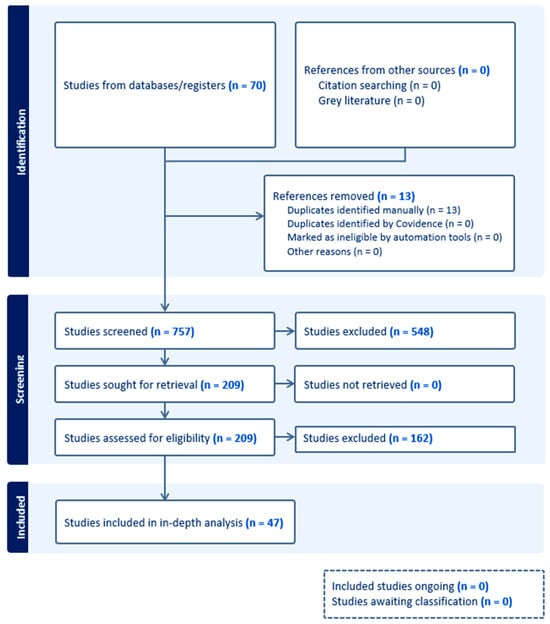
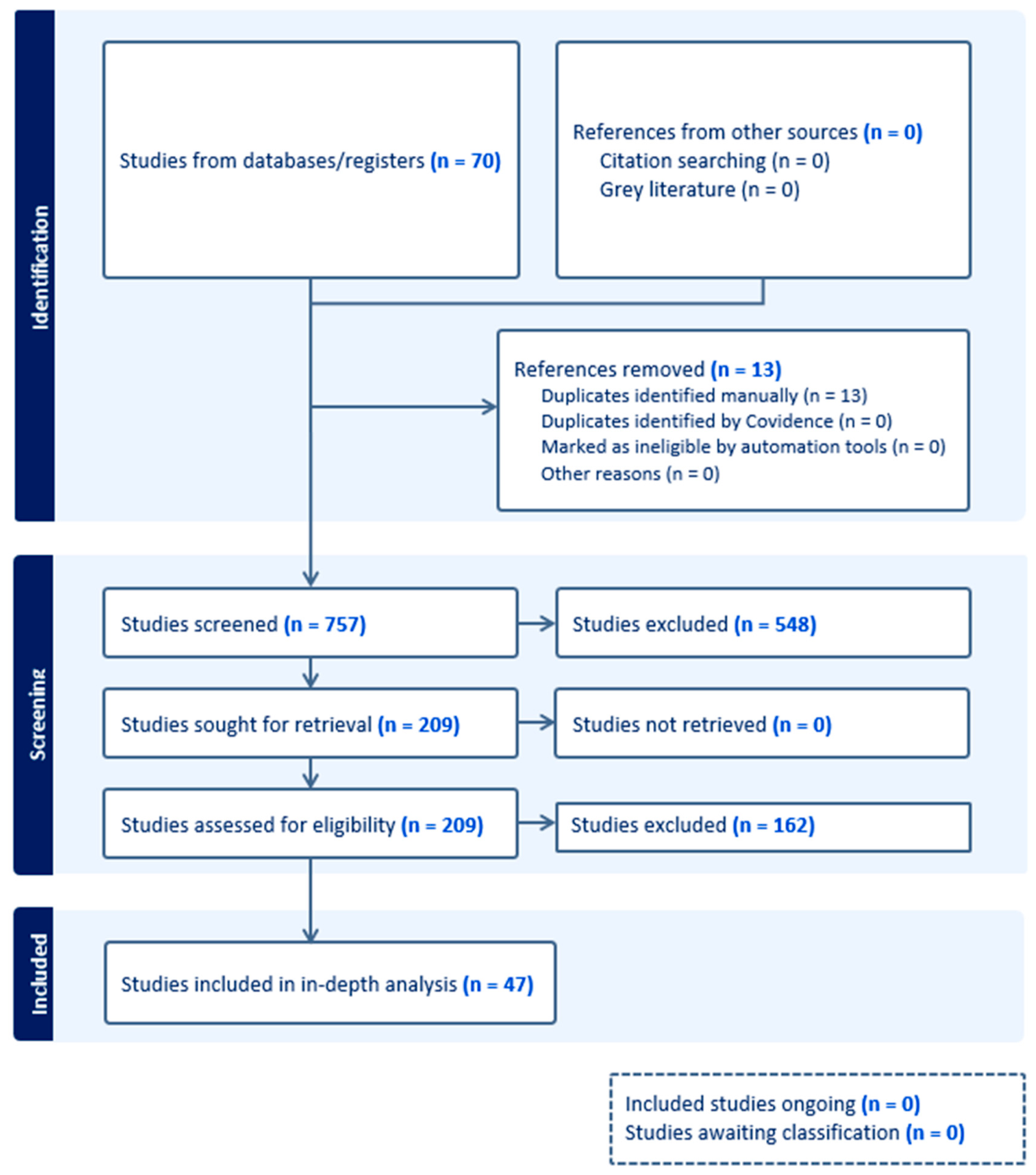
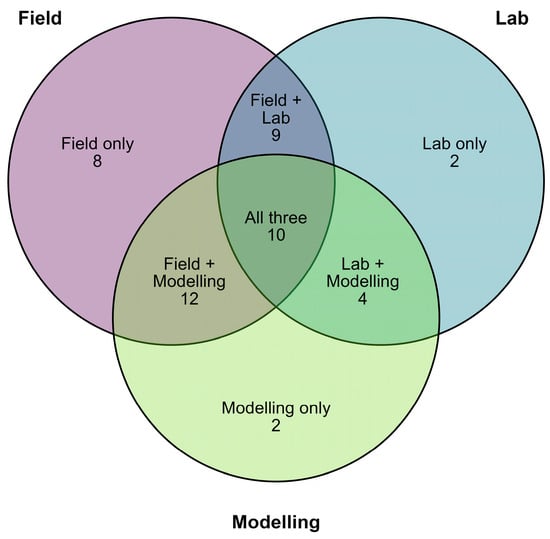
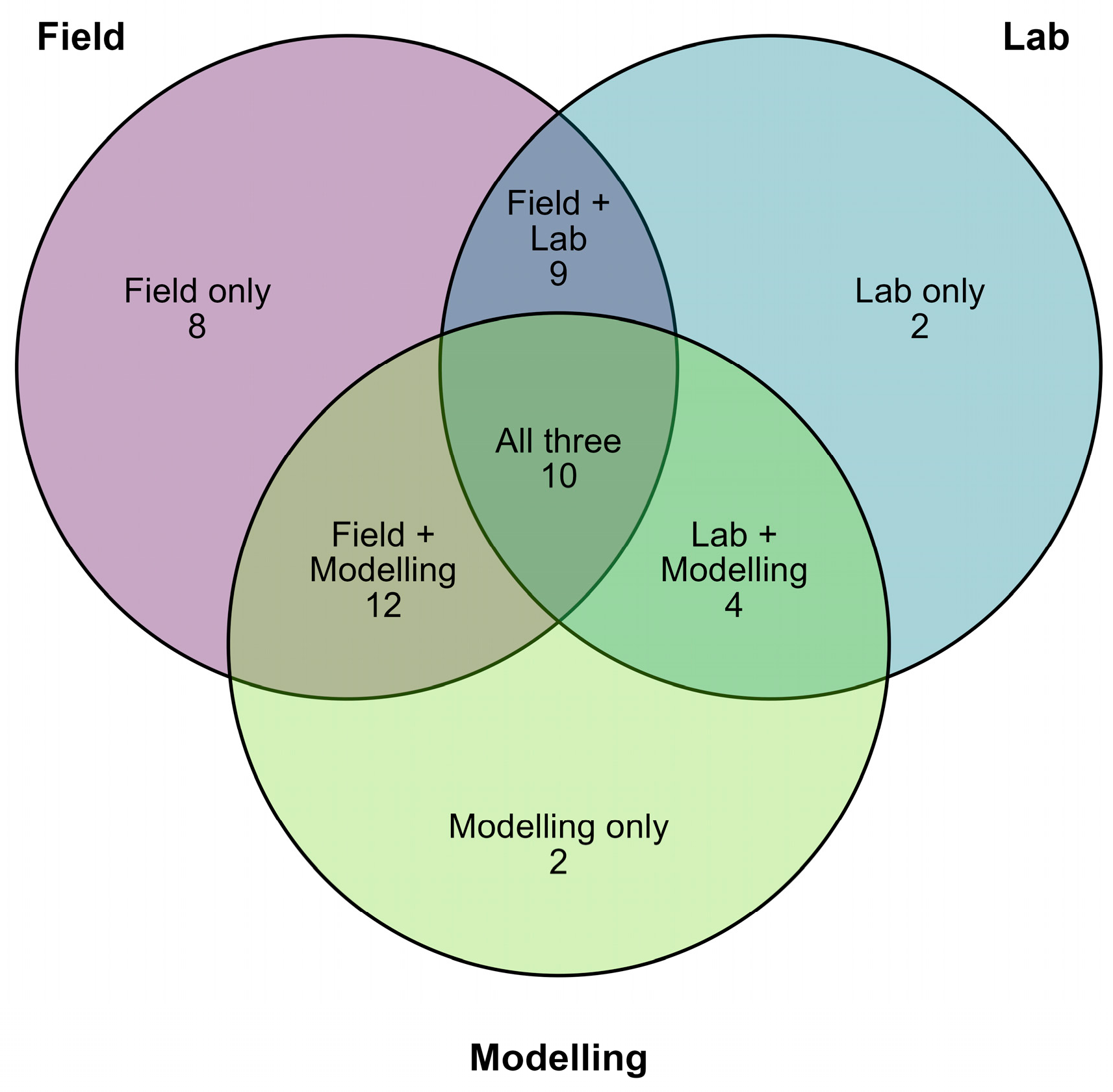
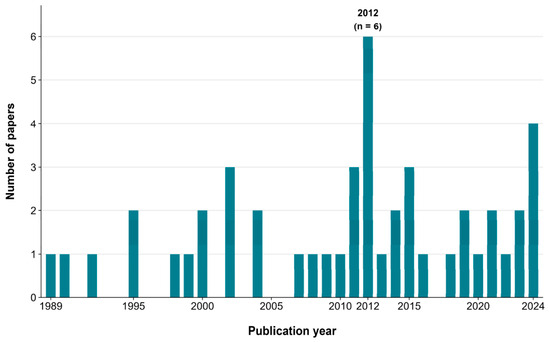
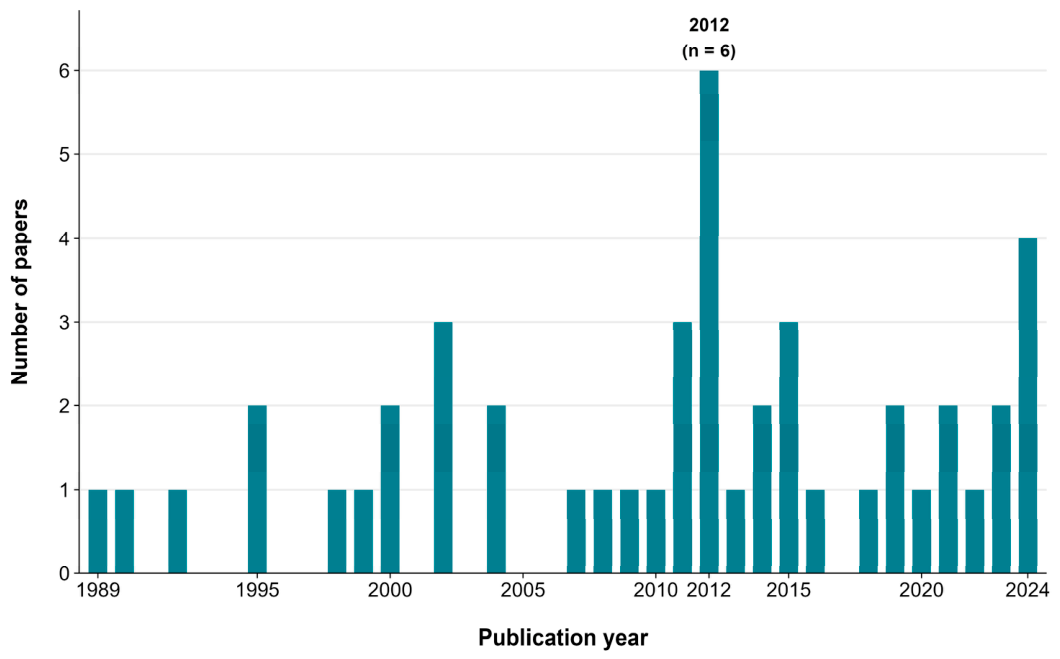
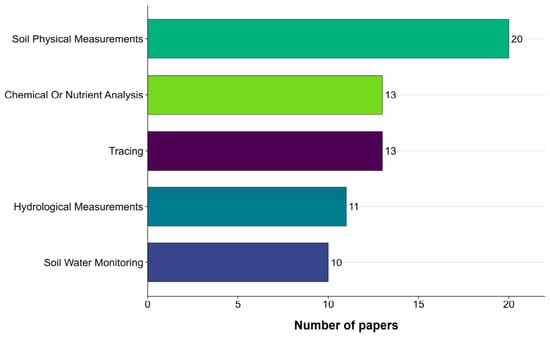
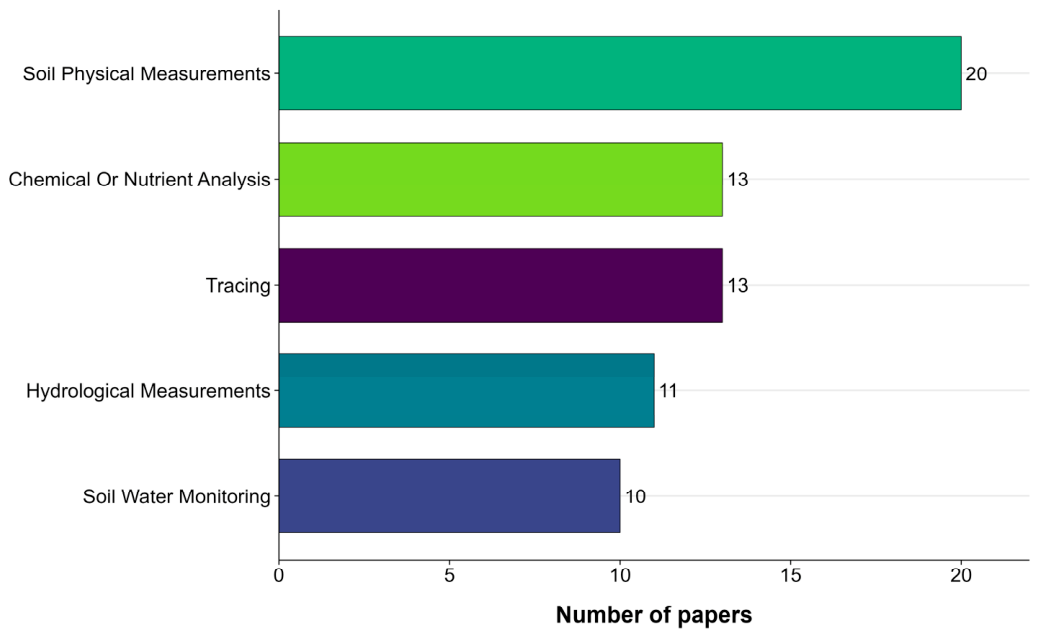
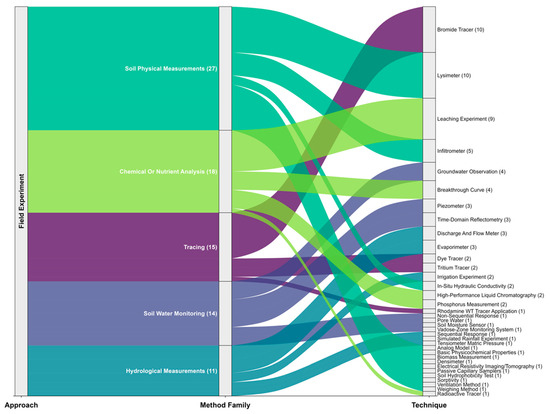
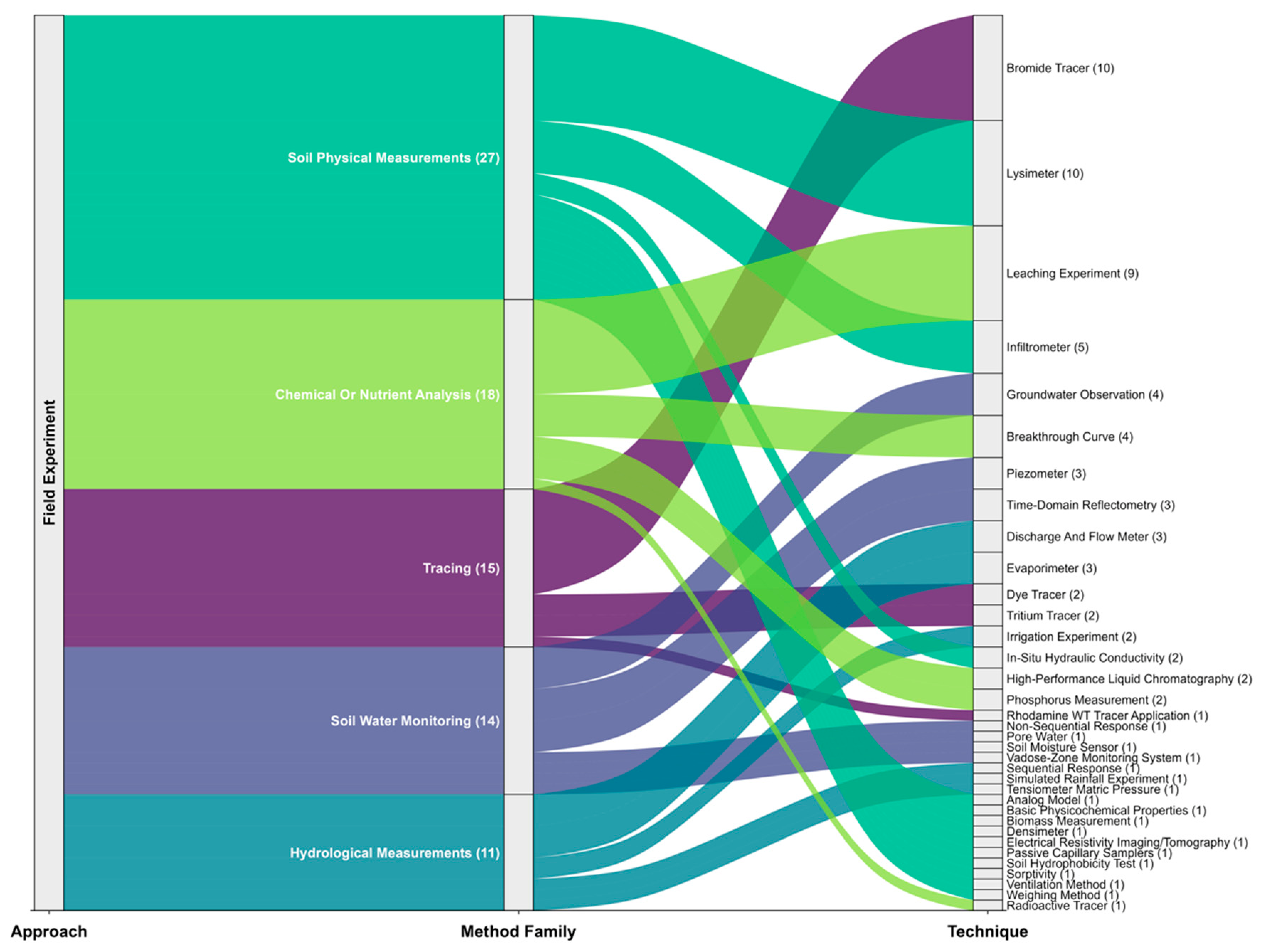
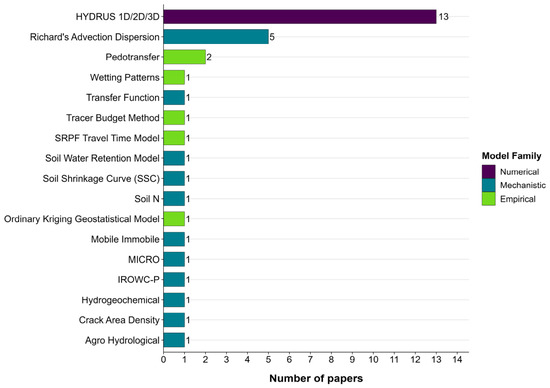
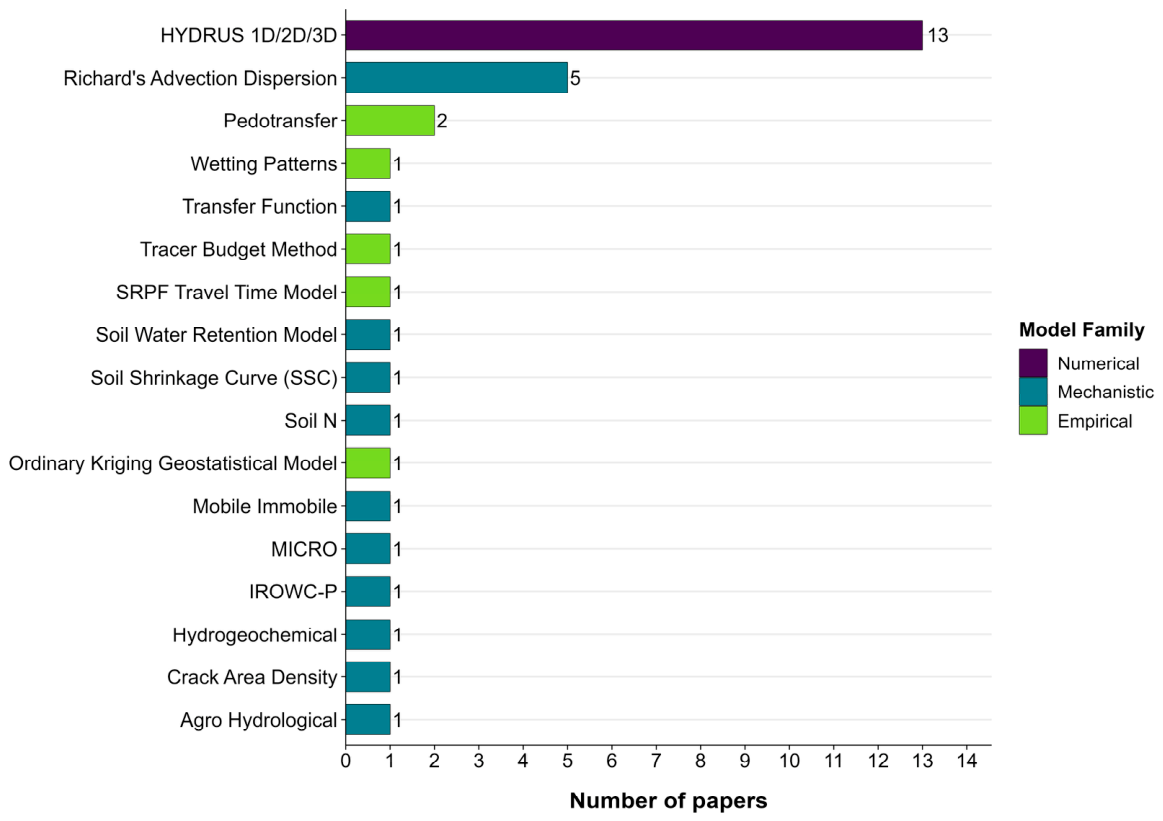
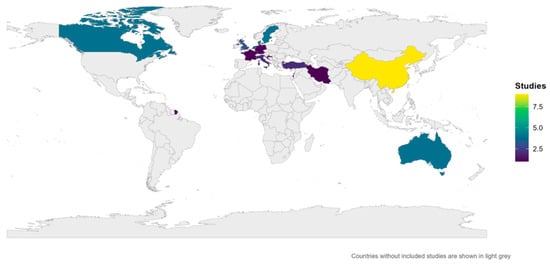
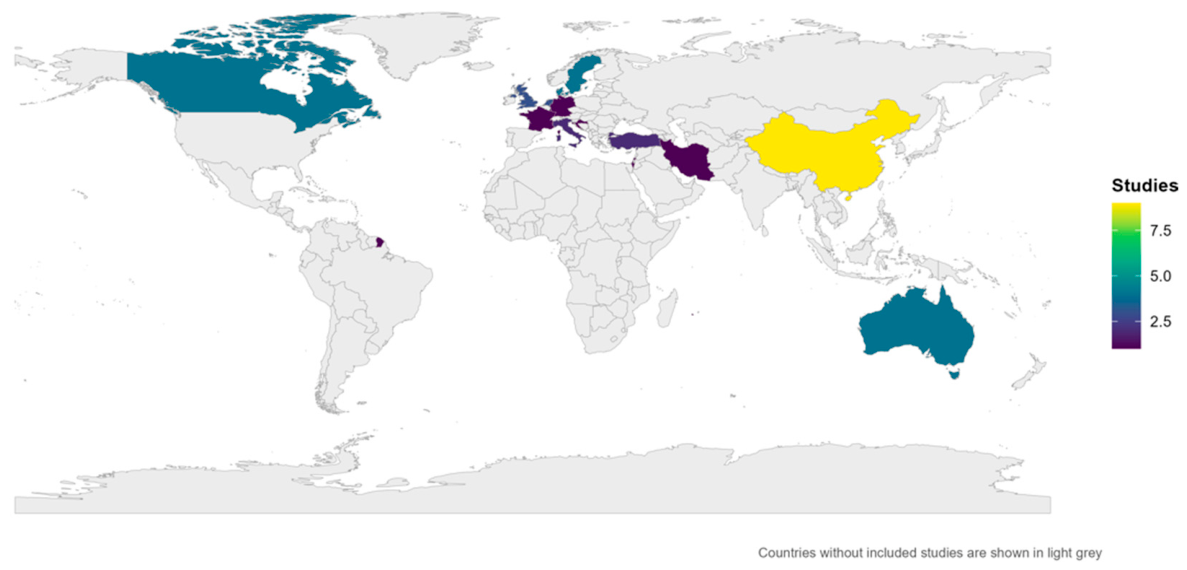

Disclaimer/Publisher’s Note: The statements, opinions and data contained in all publications are solely those of the individual author(s) and contributor(s) and not of MDPI and/or the editor(s). MDPI and/or the editor(s) disclaim responsibility for any injury to people or property resulting from any ideas, methods, instructions or products referred to in the content. |
© 2026 by the authors. Licensee MDPI, Basel, Switzerland. This article is an open access article distributed under the terms and conditions of the Creative Commons Attribution (CC BY) license.