


Abstract
Standard 16000-8 of the International Organization for Standardization (ISO 16000-8) specifies the assessment of ventilation performance using age-of-air concepts and tracer gas techniques. Since its publication in 2007, ventilation systems and assessment practices have evolved considerably, driven by increased use of mixed-mode and decentralized ventilation and advances in modeling and measurement technologies. This review examines how ISO 16000-8 can be modernized to harmonize with adjacent ventilation and indoor air quality standards while remaining applicable to contemporary systems and emerging approaches. A structured literature search of Web of Science and Google Scholar identified 76 studies (2007–2026) that engage with ISO 16000-8, age-of-air metrics, or tracer gas-based assessment. The literature was synthesized qualitatively using the framework of Preferred Reporting Items for Systematic reviews and Meta-Analyses (PRISMA), classifying studies into performance assessment, measurement–simulation convergence, and standardization discourse. The synthesis shows that while the conceptual foundations of ISO 16000-8 remain valid, assumptions of homogeneous mixing and steady-state conditions are often violated in real buildings, leading to inconsistent application of age-of-air indicators. Field and laboratory studies under point-source conditions demonstrate reduced ventilation effectiveness of 0.73–0.82 in classrooms and 0.5–1.4 in various indoor environments, instead of ≈1 for perfect mixing. Spatial heterogeneity is also observed in mixed-mode systems, with an efficiency around 0.5. In decentralized and façade-integrated systems, air exchange effectiveness deviates from theoretical expectations, indicating inhomogeneous air renewal and short-circuiting. Field measurements show configuration-dependent discrepancies in air exchange rates (e.g., carbon dioxide vs. perfluorocarbon tracer methods under varying door positions), while wind induces time-varying infiltration. Collectively, the literature demonstrates systematic violations of well-mixed and steady-state assumptions underpinning ISO 16000-8. Fragmentation between ventilation performance standards and indoor air quality regulation limits practical uptake. Emerging experimental, numerical, and data-driven methods complement ISO 16000-8, provided applicability domains and uncertainties are addressed. The review concludes that ISO 16000-8 should be modernized toward a harmonized, performance-based framework integrating diverse ventilation systems and assessment technologies.
1. Introduction
Indoor air quality (IAQ) assessment increasingly depends on the ability to evaluate not only the provision of ventilation airflow, but its actual effectiveness in renewing indoor air and reducing occupant exposure [1,2,3]. Over the past two decades, this shift has been reflected in growing reliance on performance-based indicators such as local mean age of air , air exchange effectiveness , and air exchange efficiency which capture spatial and temporal heterogeneity in airflow that is obscured by nominal air change rates alone [1,3,4]. Within this context, the standard 16000-8 of the International Organization for Standardization (ISO 16000-8) on the determination of of air in buildings has established itself as a reference method for experimentally characterizing ventilation performance using tracer gas techniques [5,6,7]. is defined as the average time elapsed since air at a given location entered the ventilated space [5]. The air exchange effectiveness is defined according to Norme européenne (European standard) 16798-3 (EN 16798-3) as the ratio of the difference between the exhaust air trace gas concentration and the supply air concentration to the difference between the concentration at a given location in the ventilated space and the supply concentration, quantifying how effectively ventilation removes contaminants from the ventilated space [8]. The air exchange efficiency is defined as the ratio of the theoretical age of air leaving the ventilated space (derived from the total volume and the total flow rate of the ventilated space) and the actual age of air leaving the ventilated space, expressing how well the ventilation air is utilized compared with the ventilation under piston flow conditions [5].
However, ISO 16000-8 was developed under assumptions that increasingly diverge from contemporary ventilation practice, including the widespread implementation of mechanically driven airflow [9] and the variability of ventilation boundary conditions and room envelope opening configurations [10].
At the same time, the regulatory and technical landscape surrounding ventilation assessment has become more fragmented [11]. Adjacent standards at the levels of the International Organization for Standardization (ISO) [12], the Comité Européen de Normalisation CEN [8,13,14], as well as the American Society of Heating, Refrigerating and Air-Conditioning Engineers (ASHRAE) [15,16,17,18,19,20] and the American Society for Testing and Materials (ASTM) [21] address ventilation design, system testing, and airflow effectiveness from differing conceptual perspectives, often without explicit methodological alignment [22]. In parallel, emerging measurement approaches—such as continuous CO2 monitoring [4], decentralized sensor networks [23], and data-driven prediction methods [24,25]—are increasingly applied in practice, yet remain only loosely connected to established standardized procedures. These developments raise fundamental questions about the continued applicability, interpretability, and harmonizing role of ISO 16000-8 [11].
Against this background, this review addresses the following overarching research question: how can ISO 16000-8 be modernized to harmonize with adjacent ventilation standards while remaining practically applicable to contemporary ventilation systems and emerging measurement methods? To operationalize this question, the review is structured around four subsidiary questions:
- (1)
- First, to what extent do the theoretical foundations and methodological assumptions of ISO 16000-8 remain valid for modern ventilation concepts, including naturally ventilated, mixed-mode, and decentralized systems?Extensions of the core theoretical basis are needed for transient boundary conditions (wind, window opening) as demonstrated by Buratti et al. with respect to variable boundary conditions affecting the determination of [3] and for spatial variability due to inhomogeneous mixing [26,27].
- (2)
- Second, how consistently are ISO 16000-8-based performance indicators applied and interpreted across experimental, numerical, and field studies, and where do contradictions or systematic limitations arise?Performance indicators are not always consistently interpretable across studies as pointed out by a study of Björling et al. highlighting that different experimental setups may yield incomparable results [28].
- (3)
- Third, what interfaces and incompatibilities exist between ISO 16000-8 and adjacent standards governing ventilation design, system performance, and IAQ assessment?The current version of ISO 16000-8 operates in isolation from building design standards (e.g., [8,13,18]) as shown by Saffell and Nehr who emphasized the need to align air quality, thermal comfort, and energy efficiency frameworks [11]. Despite the fact that internationally recognized standards for the ventilation assessment of indoor environments exist, each standard has a specific focus: ISO 16000-8 addresses the local mean age of air [5], EN 16798-3 addresses ventilation rates and classes of the indoor environmental quality [8], and ASHRAE 129 addresses air exchange effectiveness [20]. This emphasizes the need for harmonization.
- (4)
- Finally, how can emerging measurement and modeling approaches be meaningfully integrated with ISO 16000-8 without undermining its role as a reproducible and comparable reference method?Emerging approaches (e.g., artificial intelligence (AI), computational fluid dynamics (CFD)) can complement ISO 16000-8, but must be standardized in terms of validation and comparability as demonstrated in a study by Buratti and Palladino who combined tracer gas methodology with artificial neural networks for carbon dioxide prediction and demonstrated a shift toward hybrid measurement–model approaches [29].
By addressing these questions through a critical synthesis of the literature, this review aims to position ISO 16000-8 not as a static test procedure, but as a potential cornerstone of a harmonized, performance-based framework for ventilation and IAQ assessment in contemporary buildings. Section 2 reviews the state of the art in determining local mean ages of air and the tracer gas methodologies underpinning ISO 16000-8. Section 3 describes the review methodology and literature selection process. Section 4 presents the results and qualitative synthesis based on the framework of Preferred Reporting Items for Systematic reviews and Meta-Analyses (PRISMA) using an evidence table [30]. Section 5 discusses implications for the modernization and harmonization of ISO 16000-8 which are transferred to specific suggestions for modernization compiled in Section 6. Finally, Section 7 concludes this study.
2. Determining Local Mean Ages of Air in Buildings: State of the Art
The determination of has emerged as a foundation for characterizing ventilation conditions in indoor environments. ISO 16000-8 standardizes this approach, prescribing the use of single tracer gases (e.g., sulfur hexafluoride (SF6), perfluorocarbons, nitrous oxide (N2O), carbon dioxide (CO2)) to quantify the time that air at a specific location has, on average, resided within a building. ISO 16000-8 does not define “air” in terms of its chemical composition but rather treats it as a carrier medium for transport processes relevant to ventilation performance. The standard does not aim to measure the concentrations of the main atmospheric components (nitrogen and oxygen), as these remain nearly constant in indoor environments (approximately 78% and 21%, respectively) and therefore do not provide information about airflow patterns or ventilation effectiveness. Instead, the standard relies on tracer gases, which can be artificially introduced or whose concentrations vary due to occupant activity. These gases enable the detection of spatial and temporal concentration gradients, which are essential for quantifying ventilation metrics such as the air change rate, the local mean age of air, the air exchange effectiveness, and the air exchange efficiency. Without such gradients, the underlying transport processes cannot be resolved experimentally.
serves as an integrative indicator, reflecting not only ventilation rates but also air distribution efficiency and source exposure potential in diverse indoor settings. Its relevance spans verification of regulatory ventilation requirements, evaluation of IAQ deficiencies, and assessment of the strength and spatial distribution of emission sources. State-of-the-art methodologies align with the general principles of tracer gas measurement, wherein air is either marked and tracked as it is replaced (decay method) or continuously introduced at controlled rates (homogeneous emission methods).
- ▪
- Decay method: The air within the target zone is initially marked with a tracer gas, and the subsequent reduction in concentration is monitored over time. is calculated according to Equation (1) as the ratio of the integral of tracer concentration over time to its initial valuewhereis the local mean age of air (time units, e.g., hours);is the tracer gas concentration in the zone at time (e.g., ppmv or mg/m3);is the initial tracer gas concentration at ;is the time elapsed since initial tracer gas marking.This method has been effectively applied for air change rates up to 10 h−1 and allows for capturing cross-zone interactions by marking all connected zones [5]. In practice, incomplete mixing leads to spatial variability in initial concentration C0, introducing systematic errors in estimation of , particularly in large or potentially stratified spaces [31].
- ▪
- Active homogeneous emission method: Tracer gas is introduced at a constant, volume-proportional rate, and steady-state concentrations are measured with active analyzers. is calculated according to Equation (2) as the ratio of the tracer-gas steady state concentration to the volume-specific tracer-gas injection ratewhereis the local mean age of air;is the steady-state tracer gas concentration in the zone (e.g., ppmv or mg/m3);is the total tracer gas injection rate into the zone (e.g., mass per unit time);is the volume of the zone (m3).ISO 16000-8 states that the active homogeneous emission method is suitable for measuring time-varying conditions in simple buildings, while passive homogeneous emission with active sampling is better suited for complex buildings [5]. In practice, the steady-state assumption is often violated in time-varying systems, with CO2 concentrations fluctuating significantly in rooms with natural ventilation, decentralized ventilation units or in setups where the room envelope opening significantly affects [4].
- ▪
- Passive homogeneous emission method: Similar in principle to the active method, passive emission relies on diffusion-based tracer sources, with integrating samples collected for laboratory analysis. This technique is particularly suited for long-term monitoring or when continuous instrumentation is impractical [5]. is calculated according to Equation (3) as the ratio of the tracer-gas steady state concentration to the volume-specific tracer-gas diffusion emission ratewhereis the local mean age of air;is the time-averaged tracer gas concentration collected by a sorbent or integrating sampler (steady state, e.g., ppmv or mg/m3);is the tracer gas diffusion emission rate into the zone (e.g., mass per unit time);is the zone volume (m3).In practice, the application of passive homogeneous emission methods is subject to several methodological limitations. In particular, the assumption of a constant and well-characterized tracer gas diffusion rate may not hold under low-ventilation conditions, where concentration gradients between source and ambient air can influence emission kinetics. Field studies in low air exchange environments, such as historic buildings also showed substantial variations in relative humidity [32]. This represents a source of uncertainty for the passive homogeneous emission method since diffusion-based sources may exhibit temperature- and concentration-dependent variability, leading to systematic uncertainty in calculated local mean age of air values. In addition, the use of sorbent-based integrating samplers introduces challenges related to sampling duration, uptake rate calibration, and potential saturation effects. These factors can affect the accuracy of time-averaged concentration measurements. As a result, the reliability of passive tracer methods depends on careful calibration of emission sources and samplers under representative environmental conditions, as well as explicit consideration of associated uncertainties.
3. Methodology
This review is based on a structured literature search conducted using the Web of Science [33] and Google Scholar [34] databases. These platforms were selected to ensure comprehensive coverage of scientific journal articles, conference proceedings, and pre-normative research relevant to ventilation performance assessment and standardization. Selected conference papers were included to capture recent developments and emerging methodologies. Only contributions from established international conferences in indoor air quality and ventilation research were considered (e.g., ROOMVENT [35], Indoor Air [36], Healthy Buildings [37], Air Infiltration and Ventilation Centre (AIVC) [38], Vilnius Tech conferences [39], International Council of Museums—Committee for Conservation (ICOM-CC) [40]). These conferences apply structured review procedures. For instance, ROOMVENT uses a double-blind peer-review process for full papers [41], while proceedings published in E3S Web of Conferences undergo peer review administered by expert referees under editorial supervision [42]. The AIVC conference provides both peer-reviewed and non-peer-reviewed submission tracks, with peer-reviewed papers undergoing formal evaluation of abstracts and full manuscripts [43]. For other included conferences (e.g., Indoor Air [44], Healthy Buildings [45], Vilnius Tech conferences [46], ENG4PAL [47], and ICOM-CC [48]), submissions are subject to scientific committee evaluation based on relevance, originality, and methodological quality, with acceptance contingent upon meeting established academic standards. A limitation of including conference papers in this study is that peer-review procedures may vary across conference venues, particularly with respect to the depth of review (e.g., abstract-based vs. full-paper review). While only established conferences with structured review processes were included and all papers were individually screened for quality, some variability in review rigor cannot be fully excluded. However, all conference papers included in this study were additionally screened for methodological transparency, relevance to tracer gas or ventilation performance assessment, and internal consistency.
The search was performed using the keyword “ISO 16000-8”, applied to titles, abstracts, and keywords where available. The temporal scope of the search was restricted to publications released between January 2007, corresponding to the publication year of ISO 16000-8, and February 2026, in order to capture both foundational studies and recent methodological developments.
All records were screened for the following criteria:
- ▪
- The record is a peer-reviewed source.
- ▪
- The record is an English-language publication.
- ▪
- The record engages with ISO 16000-8 OR age-of-air concepts OR tracer gas measurement for ventilation assessment OR the application, interpretation or critique in experimental, numerical or regulatory contexts of ISO 16000-8.
The literature search was intentionally restricted to the keyword “ISO 16000-8” in titles, abstracts, and keywords to ensure a focused, standard-centric analysis. The aim of this review is not to exhaustively cover all studies on age-of-air or ventilation performance, but to evaluate how ISO 16000-8 is applied, interpreted, and criticized in the scientific literature. This approach enables a consistent analytical framework by ensuring that all included studies explicitly engage with the standard. While this restriction may exclude relevant studies that do not cite ISO 16000-8, such works are selectively referenced in the discussion where they provide important contextual insights into methodological limitations or emerging approaches. This trade-off between completeness and conceptual focus is considered appropriate for the objectives of the present review. A limitation of this approach is that studies addressing age-of-air or ventilation effectiveness without explicit reference to ISO 16000-8 may not be systematically captured. As a result, the review emphasizes a standard-related discourse rather than the full breadth of methodological developments in the field.
To structure the qualitative synthesis, the reviewed studies were classified into three analytical groups based on their primary focus:
- (I)
- Performance-oriented studies: investigations primarily concerned with quantifying ventilation performance using age-of-air metrics, air exchange effectiveness, or related indicators in experimental or real-world settings.
- (II)
- Methodological convergence studies: studies focusing on the comparison, validation, or integration of different assessment approaches (e.g., tracer gas methods, CFD, or hybrid techniques), with emphasis on methodological consistency and reliability.
- (III)
- Standardization-oriented studies: contributions that explicitly address the applicability, limitations, or development of standards (e.g., ISO 16000-8, EN 16798-3, ASHRAE 129), including proposals for harmonization or methodological extensions.
Studies addressing multiple aspects were assigned to more than one group where appropriate. However, in cases where a dominant contribution could be identified, classification was based on the primary objective of the study. For example, although Alsadun et al. address interactions between IAQ and energy performance, the study was classified under group III (standardization-oriented) because its primary contribution lies in evaluating implications for regulatory frameworks and performance criteria rather than developing or validating ventilation performance metrics directly [49]. Studies assigned to multiple groups (e.g., I and II) reflect contributions that simultaneously address performance evaluation and methodological comparison, highlighting the increasing integration of experimental and numerical approaches in ventilation research.
4. Results
The literature was analyzed using a qualitative synthesis approach, focusing on the identification of dominant themes, methodological trends, areas of convergence and divergence, and implications for the modernization and harmonization of ISO 16000-8. The review does not aim to provide a quantitative meta-analysis, but rather a critical, concept-driven synthesis of the state of knowledge relevant to standard revision and integration with emerging ventilation assessment methods.
4.1. Included Studies
A total of 229 records were initially identified through database searching. After removal of duplicates ( = 8), non-peer-reviewed records ( = 5), and records not available as English-language publications ( = 66), 150 records were screened based on titles and abstracts. Of these, 36 records were excluded since they did not exhibit engagement with ISO 16000-8 OR age-of-air concepts OR tracer gas measurement for ventilation assessment OR the application, interpretation or critique in experimental, numerical or regulatory contexts of ISO 16000-8. The remaining 114 reports were sought for retrieval. 38 of the reports were not retrieved. Finally, 76 reports were assessed in full text and included in the qualitative synthesis (see Figure 1).
Figure 1.
Flow diagram for the framework of Preferred Reporting Items for Systematic reviews and Meta-Analyses (PRISMA) for the critical review performed in this study. A record is the title or abstract (or both) of a report indexed in a database. A report is the document (paper or electronic) supplying information. Records that refer to the same report (such as the same journal article) are duplicates [30].
To ensure transparency and analytical traceability, these studies are summarized in a PRISMA-style [30] evidence table (Table 1), which documents key characteristics of each included publication, including study type, indoor context, methodological approach, and principal contribution.
Beyond descriptive cataloguing, Table 1 supports qualitative synthesis by assigning each study to one or more analytical groups reflecting dominant research paradigms as outlined in Section 3: (I) performance-oriented ventilation assessment, (II) methodological convergence between measurement and simulation, (III) standardization and harmonization discourse. This structured classification enables systematic comparison across heterogeneous study designs and provides a foundation for identifying thematic trends, methodological gaps, and opportunities for the modernization and integration of ISO 16000-8 with emerging ventilation measurement and evaluation approaches.
Table 1.
PRISMA-style evidence table of included studies on ISO 16000-8 and ventilation assessment.
Among the reviewed records, group I entries dominate (47 of 76 entries, >60%), confirming that ISO 16000-8 modernization should engage performance-based metrics, not just . Group II entries provide the strongest modernization leverage, especially where tracer gas metrics are cross-validated with CFD, AI, or optical methods. Group III entries expose fragmentation: ventilation performance standards evolve separately from chemical IAQ standards—a key harmonization gap ISO 16000-8 could bridge. It should be noted that some group III entries included in the broader context of IAQ assessment rely on surrogate indicators such as CO2 concentrations [50,81] and VOC concentrations [60,103,104] and tracer gas replacement [61]. Other studies focus on the broader context of harmonized technical standardization [6,7,11,88] or the existing target conflict of energy efficiency and ventilation effectiveness [49]. These studies do not directly engage with age-of-air metrics as defined in ISO 16000-8, but provide complementary insights into ventilation-related exposure patterns [50,60,81,103,104], methodological development [61], and policy processes within technical standardization [6,7,11,49,88].
Across the three analytical groups, a number of consistent cross-cutting patterns emerge that extend beyond the individual classifications. Group I (performance-oriented studies, = 47) reveals substantial variability in the interpretation and application of , particularly when comparing controlled laboratory studies with field investigations. While laboratory-based studies often assume well-defined boundary conditions and near-ideal mixing, field studies in real buildings frequently report spatial heterogeneity, short-circuiting effects, and sensitivity to sensor placement, leading to inconsistent or non-comparable values of . Group II (methodological convergence, = 20) further highlights that agreement between different assessment approaches (e.g., CFD and experimental techniques) is often demonstrated qualitatively rather than quantitatively, limiting the robustness of cross-method validation. At the same time, Group III (standardization-oriented studies, = 24) consistently identifies gaps in existing standards, particularly regarding boundary conditions, spatial and temporal sampling strategies, and the treatment of non-ideal or non-steady-state environments. Taken together, these findings indicate that inconsistencies in interpretation are not confined to a single methodological domain but arise systematically across experimental, numerical, and standardization contexts. This convergence of evidence underscores the need to modernize ISO 16000-8 by incorporating guidance on spatial variability, transient conditions, and occupant-relevant exposure metrics. Note that the numbers of entries per group add up to since 15 studies listed in Table 1 are assigned to two groups.
4.2. Performance-Oriented Ventilation Assessment
Across the reviewed literature, a clear and sustained shift is evident from ventilation rate-centric evaluation toward performance-based paradigms grounded in ventilation effectiveness, mean age of air, and contaminant removal efficiency. While ISO 16000-8 introduced age-of-air concepts as early as 2007, the evidence base accumulated since then demonstrates that air change rate alone is an insufficient descriptor of ventilation quality in real indoor environments.
A large proportion of experimental studies—spanning residential buildings, offices, classrooms, museums, hospitals, and transport-related spaces—show that spatial variability, incomplete mixing, and source—receptor relationships strongly condition occupant exposure, even under nominally compliant ventilation rates (e.g., [2,3,95]). These findings are particularly pronounced in naturally ventilated and hybrid systems, where airflow patterns are sensitive to boundary conditions, geometry, furniture layout, and occupant behavior. The recurring use of local mean age of air, breathing-zone effectiveness, and infection-relevant removal metrics underscores a consensus that ventilation performance must be evaluated relative to where and how pollutants are generated and inhaled, not merely how much air is supplied.
A particularly important contribution in this context is provided by Auerswald et al. [52], who conducted tracer gas measurements in a controlled climate chamber with systematically varied boundary conditions, including seasonal temperature differences and internal heat loads. Their results show that air exchange effectiveness is highly sensitive to these factors, with measured values frequently falling below the expected range for ideal mixing due to short-circuiting and spatially heterogeneous airflow patterns. These findings have direct implications for the application of ISO 16000-8, which implicitly assumes quasi-steady conditions and a sufficiently mixed indoor environment for the interpretation of age-of-air metrics. The observed dependence on thermal stratification and localized airflow structures suggests that such assumptions may not hold in practice, particularly for decentralized or non-uniform ventilation systems. Consequently, the study highlights the need to account for boundary-condition variability when interpreting tracer gas measurements and derived ventilation performance indicators.
Practical measurement challenges related to the variability of ventilation modes are highlighted by Björling et al., who investigated the application of the homogeneous emission method in a school environment [28]. While local mean age of air could be determined using passive integrative samplers, the study demonstrated that estimating the average room-specific air exchange rate by taking the inverse of the measured local mean age of air yields incorrect results. In particular, integrative measurements obscure airflow patterns that are variable over time. These findings point to a critical gap in ISO 16000-8, which provides limited guidance on the temporal variability of ventilation flows and requirements for the sampling strategy. Consequently, measurement uncertainty is not only a function of the tracer gas method itself but also of the temporal variation in the boundary conditions.
Important implications for the harmonization of ventilation performance metrics are highlighted by Contrada et al., who compared air exchange efficiency values obtained using the ASHRAE 129 protocol and a tracer decay-based approach aligned with ISO 16000-8 principles [10]. The study shows that, although differences may remain within uncertainty bounds under controlled mechanical ventilation conditions (e.g., differences on the order of a few percentage points), the underlying definitions of key parameters differ fundamentally. While ASHRAE 129 relies on exhaust-based measurements of the nominal time constant, the decay-based approach derives effectiveness from spatial averaging of local mean ages within the occupied zone. This distinction becomes particularly relevant in natural and mixed-mode ventilation, where exhaust locations are not clearly defined and airflow patterns are highly heterogeneous. In such cases, the two approaches may yield systematically different effectiveness values, with deviations potentially exceeding typical measurement uncertainty ranges reported for controlled environments. Consequently, the study underscores that ventilation effectiveness metrics are method-dependent and not directly interchangeable, posing a challenge for the harmonization of standards and the comparability of reported performance indicators across studies.
Kiil et al. extend the evaluation of ventilation performance by focusing on infection risk in classroom environments using breathing-zone-oriented assessment approaches [72]. By employing mannequin-based setups to represent occupants, the study evaluates ventilation effectiveness in terms of exposure and dose rather than relying solely on room-averaged metrics. This approach captures the spatial variability of contaminant concentration at the receptor level and highlights the importance of airflow patterns in determining individual exposure. These findings reveal a key limitation of ISO 16000-8, which is based on the determination of and implicitly assumes that such metrics are representative of occupant exposure. However, does not explicitly account for breathing-zone conditions or the directional transport of contaminants between source and receptor. As a result, environments with similar age-of-air values may still exhibit significantly different exposure risks depending on local airflow structures. Consequently, the integration of breathing-zone-specific metrics, such as dose-based or exposure-oriented indicators derived from mannequin-based measurements, represents an important direction for extending current standards. Such approaches would enable a more accurate assessment of ventilation performance in the context of airborne infection risk, particularly in densely occupied indoor environments. This shift from bulk air metrics to receptor-oriented assessment reflects a broader transition in ventilation research, where the effectiveness of ventilation is increasingly evaluated based on its ability to reduce inhalation exposure rather than solely on air exchange characteristics.
From a standardization perspective, the body of reviewed literature exposes a structural limitation of ISO 16000-8: although the standard provides a methodological basis for age-of-air measurement, it remains weakly integrated with exposure-oriented performance metrics that dominate contemporary ventilation research. Modernization therefore requires not incremental refinement, but a reframing of ISO 16000-8 as a performance evaluation standard rather than a supporting measurement technique.
4.3. Methodological Convergence Between Measurement and Simulation
A second, cross-cutting trend concerns the convergence between experimental measurement, numerical simulation, and data-driven methods. Hybrid experimental–numerical studies have become the dominant mode for validating ventilation performance indicators, with tracer gas measurements increasingly serving as reference data for CFD models, reduced-order simulations, and machine learning predictors (e.g., [24,25,68,69,71,79,80]).
Díaz-Calderón et al. contribute to the discussion on methodological convergence by comparing tracer gas measurements obtained in a wind tunnel with corresponding CFD simulations for a cross-ventilated building configuration [63]. The study demonstrates that CFD is capable of reproducing key airflow structures and spatial tracer gas distributions observed experimentally, supporting its use as a complementary tool for ventilation analysis. However, the alignment between experimental and numerical results is primarily assessed qualitatively through the comparison of concentration fields and flow patterns, rather than through standardized quantitative metrics such as correlation coefficients or normalized error measures. As a result, while the study provides evidence of general agreement, the degree of convergence remains difficult to quantify. This highlights a broader gap in the literature, where experimental CFD validation is often demonstrated descriptively rather than through consistent statistical indicators, limiting the comparability and reproducibility of such validation efforts. Future studies would benefit from adopting standardized validation metrics (e.g., correlation coefficients, normalized mean square error, or fractional bias) to enable a more rigorous and comparable assessment of agreement between experimental and numerical approaches.
Friebe & Grüttner introduce an optical measurement approach based on aerosol (fog) attenuation, enabling real-time determination of air change rates. The method follows the same exponential decay principle as conventional tracer gas techniques and shows good agreement with SF6-based measurements, with reported deviations on the order of 6%. CFD simulations of the room airflow showed that local air exchange rate measurements at a single point can deviate by up to 20% from the room’s average air exchange rate [66]. However, the use of aerosol particles instead of an inert gaseous tracer introduces additional physical processes, including particle deposition, evaporation, and gravitational settling, which are not accounted for in ISO 16000-8. These effects may influence the decay curve and thereby challenge the assumption of a conserved tracer quantity underlying age-of-air calculations. Despite these limitations, the method offers significant potential as a complementary tool. Its real-time measurement capability and spatially resolved optical signal enable the identification of airflow structures, mixing conditions, and preferential pathways. In this context, the optical approach could be used to support or validate tracer gas measurements, for example by visualizing the dispersion behavior associated with SF6 decay and identifying deviations from well-mixed conditions assumed in standard applications. This also reinforces the broader observation that deviations from ideal tracer behavior and well-mixed conditions represent a key source of uncertainty in ventilation assessment methods.
The convergence between measurement and simulation outlined above has two important implications for ISO 16000-8. First, it challenges the implicit assumption that tracer gas decay constitutes a self-sufficient “gold standard.” Numerous studies demonstrate that tracer results are highly sensitive to emission strategy (homogeneous vs. local), sensor placement, averaging time, and boundary stability—factors that are often idealized in laboratory settings but difficult to control in field applications [10]. Second, emerging alternatives—including optical methods, passive multizone tracers, and AI-assisted estimation of age-of-air fields—suggest that tracer gas techniques are becoming part of a broader methodological ecosystem rather than a standalone solution.
Notably, pre-normative work on tracer substitution (e.g., krypton replacing SF6) and real-time measurement approaches reflect increasing regulatory and practical pressure to reduce environmental impact, improve safety, and enable continuous monitoring [61]. ISO 16000-8, in its current form, does not accommodate these developments, as it remains methodologically prescriptive rather than performance- or outcome-oriented. Harmonization with CFD validation protocols, uncertainty analysis frameworks, and alternative sensing technologies emerge as a necessary step to maintain relevance.
4.4. Standardization and Harmonization Discourse
Despite the strong methodological advances in ventilation assessment, the synthesis reveals a persistent fragmentation between ventilation performance standards and broader IAQ regulation. A substantial subset of the reviewed literature addresses IAQ problems through chemical characterization, health outcomes, or perceived comfort, often with limited integration of ventilation performance metrics beyond generic air exchange rates (e.g., [6,11,88,90,91]).
Conversely, performance-oriented ventilation studies frequently operate in isolation from regulatory IAQ frameworks, focusing on physical indices without explicit linkage to compliance, health-based thresholds, or policy implementation. This disconnect is especially evident in residential and low-energy buildings, where occupant perception, behavior, and adaptive practices significantly mediate ventilation effectiveness but are weakly represented in ISO-aligned measurement protocols.
The implication for ISO 16000-8 is twofold. First, the standard occupies an ambiguous position within the ISO 16000 series: it addresses ventilation performance indirectly but is rarely operationalized in IAQ investigations dominated by chemical and sensory metrics. Second, opportunities for harmonization—such as linking age-of-air measurements to pollutant-specific exposure assessment, infection risk modeling, or comfort perception—remain largely unexplored at the normative level, despite being well established in the research literature.
The aspects highlighted in this section are particularly critical because they directly affect the practical applicability of ISO 16000-8 in real-world ventilation scenarios. The observed limitations not only influence measurement accuracy but also impact the comparability of results across different building types and ventilation strategies.
5. Discussion
The reviewed body of literature demonstrates that ISO 16000-8 provides a robust conceptual framework for assessing ventilation performance based on tracer gas methods and age-of-air metrics. However, the synthesis of the analyzed studies reveals recurring discrepancies between the standard’s underlying assumptions and real-world building operation. In particular, deviations from homogeneous mixing and steady-state conditions are consistently reported across both experimental and field-based investigations, leading to variability in the interpretation of local mean age of air and related performance indicators.
These discrepancies become especially evident when comparing controlled laboratory environments with in situ measurements in occupied buildings. While laboratory studies tend to confirm the internal consistency of tracer gas methodologies, field studies highlight the influence of dynamic boundary conditions, spatial heterogeneity, and occupant behavior. As a result, the applicability of ISO 16000-8 in modern ventilation contexts—such as mixed-mode or naturally ventilated buildings—remains conditional and requires careful interpretation.
To further contextualize these findings, selected studies that do not explicitly reference ISO 16000-8 were considered to capture broader methodological and application-oriented developments in the field. For instance, Itokazu et al. demonstrate experimentally that ventilation performance is strongly governed by airflow structure, with displacement ventilation significantly reducing contaminant dispersion compared to mixing systems, particularly within the breathing zone [106]. This highlights the importance of spatial heterogeneity, which is not fully represented by the homogeneous mixing assumptions embedded in ISO 16000-8. In a complementary numerical investigation, Itokazu et al. show that cross-ventilation performance is inherently non-uniform and requires advanced indices such as transfer probability and travel time to describe contaminant transport mechanisms, thereby extending beyond conventional age-of-air metrics [107].
From a broader indoor environmental perspective, Frontczak and Wargocki emphasize that occupant comfort and perception are shaped by multiple interacting factors, including individual control and environmental variability [108]. This suggests that ventilation performance metrics should not be interpreted in isolation from user-centered outcomes. Similarly, Ding et al. highlight that commonly applied ventilation strategies in classrooms are often insufficient to mitigate both short- and long-range airborne transmission, pointing to a gap between current standard-based approaches and health-oriented performance requirements [109]. This need for a paradigm shift is further reinforced by Morawska et al., who advocate for mandatory indoor air quality performance standards explicitly addressing airborne infection risks, thereby extending beyond traditional comfort-based frameworks [110].
Additional methodological insights are provided through tracer gas studies by Batterman using CO2 as a surrogate, which demonstrate that steady-state and decay-based methods may yield unreliable ventilation rate estimates under dynamic occupancy and low air exchange conditions [111]. Extending this line of evidence, Finneran and Burridge propose an integral CO2-based method for estimating per-person ventilation rates that explicitly avoids assumptions of steady-state conditions and perfect mixing [112]. Their results show that reliable ventilation estimates can be obtained even under highly variable real-world conditions, with quantifiable uncertainty bounds (e.g., approximately ±24% using minimal input data, reducible with multi-sensor deployment). This approach highlights the potential of time-integrated and data-driven methods to overcome key limitations inherent in ISO 16000-8 methodologies, particularly in occupied and dynamically operated spaces.
Taken together, these complementary studies reinforce the conclusion that while ISO 16000-8 provides a valuable methodological foundation, its assumptions of homogeneity and steady-state behavior are increasingly challenged by real-world ventilation scenarios. These include spatially heterogeneous airflow patterns, time-varying boundary conditions, and emerging health-driven performance criteria. Consequently, there is a need to extend the standard toward a more flexible and performance-oriented framework that reflects the complexity of contemporary indoor environments and leverages advances in measurement and data analysis techniques.
6. Proposed Modernization of ISO 16000-8
The literature review highlights several areas where ISO 16000-8 could be modernized and clarified. Clause 1 (Scope) of the standard currently focuses on mean age of air measurements in steady-state rooms, but studies show applicability to naturally ventilated, mixed-mode, and decentralized systems, suggesting the scope should be explicitly broadened. Clause 3 (Terms and definitions) reveals divergent interpretations of mean age of air and ventilation effectiveness, indicating a need for refined definitions with explanatory notes distinguishing local versus room-averaged indicators. Clauses 4 and 5, covering method principles and test conditions, assume well-mixed, steady-state operation, yet evidence points to incomplete mixing, temporal variability, and sensitivity to environmental and occupant-driven factors, implying guidance on validity limits and non-steady-state conditions is needed. Clauses 6 and 7, addressing tracer gas selection and measurement procedures, would benefit from guidance on alternative tracer techniques, passive sampling, and multi-point or zone-weighted measurements to account for spatial heterogeneity. Clause 8 (Application of results) and Clause 9 (Test report) could be enhanced by incorporating hybrid experimental–CFD methods, predictive tools, and structured uncertainty reporting. Additionally, the standard currently lacks harmonization with other frameworks and coverage of future-oriented methods; literature suggests adding informative annexes to align with EN and ASHRAE standards and to include emerging continuous monitoring, AI-assisted prediction, and hybrid performance indicators, positioning ISO 16000-8 as a reference method within a broader assessment framework.
Taking together, the reviewed 76 studies point toward a need for conceptual modernization rather than technical amendment. The evidence supports three interrelated directions for revising ISO 16000-8:
- (1)
- A shift from air change rate verification toward performance-based evaluation using spatially resolved effectiveness metrics;
- (2)
- Explicit integration of tracer gas methods with numerical, optical, and data-driven approaches, including guidance on uncertainty and applicability domains;
- (3)
- Harmonization with IAQ and health-oriented standards to bridge the current divide between ventilation physics and regulatory practice.
Rather than prescribing a single measurement technique, a modernized ISO 16000-8 could function as a unifying framework that defines performance objectives, methodological equivalence, and interpretation principles across diverse ventilation systems and assessment technologies. The reviewed literature provides both the empirical justification and the methodological building blocks for such a transition, positioning ISO 16000-8 as a potential cornerstone in an integrated, performance-oriented indoor air quality standard landscape.
6.1. Transition from Steady-State to Transient Assessment
A fundamental limitation of ISO 16000-8 lies in its reliance on steady-state assumptions for the determination of . However, the reviewed literature consistently demonstrates that indoor environments rarely operate under steady-state conditions, as ventilation rates and boundary conditions are subject to temporal variation due to changing occupancy, control strategies, and environmental influences. As a result, the use of steady-state approaches can lead to systematic inaccuracies in the characterization of ventilation performance. To address this issue, it is proposed to extend the standard to include transient measurement protocols that enable time-resolved evaluation of tracer gas concentrations. Such an extension would allow for a more realistic representation of ventilation processes and improve the reliability of derived performance metrics. In practical terms, this would require the incorporation of time-series analysis methods for tracer gas decay or build-up, the definition of appropriate temporal averaging procedures, and the provision of guidance for handling non-stationary boundary conditions.
6.2. Accounting for Spatial Heterogeneity Through Multi-Point Measurements
Another critical limitation of the current standard is the assumption of homogeneous mixing, which implies uniform tracer gas concentrations throughout the investigated space. Empirical evidence from numerous studies indicates that this assumption is frequently violated, particularly in large or geometrically complex spaces, as well as in environments with stratified airflow patterns or localized ventilation effects. Under such conditions, tracer gas concentrations may exhibit significant spatial variability, leading to discrepancies in the estimation of depending on measurement instrument placement. To improve the spatial representativeness of measurements, it is therefore necessary to move beyond single-point sampling and adopt multi-point measurement strategies. A revised version of ISO 16000-8 should provide clear guidance on the selection and distribution of measurement locations, taking into account factors such as room size, ventilation type, and occupancy patterns. In addition, it should address the aggregation of spatially distributed data into representative performance indicators, thereby reducing uncertainty and enhancing comparability across different applications.
6.3. Introduction of Occupant-Centered Ventilation Metrics
While ISO 16000-8 provides valuable information on ventilation performance at the room level, it does not explicitly account for the conditions experienced by occupants. This represents a significant limitation, particularly in light of increasing attention to indoor air quality and airborne exposure risks. Recent research emphasizes that ventilation effectiveness can vary substantially within the occupied zone, and that metrics based solely on room-averaged values may not adequately reflect actual exposure conditions. To address this gap, it is proposed that the standard be extended to include occupant-centered ventilation metrics, such as the local mean age of air within the breathing zone and occupant-specific air exchange effectiveness. The introduction of such metrics would align the standard more closely with health-oriented performance criteria and provide a more meaningful basis for evaluating ventilation strategies in real-world settings.
6.4. Harmonization with Related Standards
The literature reviewed in this study also highlights a lack of consistency between ISO 16000-8 and other widely used standards, including EN 16798-3 and ASHRAE 129. Differences in definitions, measurement methodologies, and performance indicators create challenges for the comparison and interpretation of results across different frameworks. This fragmentation limits the broader applicability of ventilation performance assessments and may lead to inconsistencies in design and evaluation practices. To overcome these issues, a revised ISO 16000-8 should aim to harmonize its key concepts and methodologies with those of related standards. This includes aligning definitions of ventilation effectiveness, standardizing tracer gas procedures, and ensuring compatibility of performance metrics. Such harmonization would facilitate interdisciplinary collaboration and support the integration of ventilation performance assessment into regulatory and design processes.
6.5. Integration of Computational Methods
In parallel with experimental approaches, computational fluid dynamics has become an essential tool for analyzing airflow and ventilation performance in indoor environments. Despite its widespread adoption in both research and engineering practice, ISO 16000-8 currently does not address the use of computational methods. This represents a missed opportunity to leverage advanced modeling techniques for the evaluation of complex ventilation scenarios. It is therefore recommended that the standard be expanded to include guidance on the application and validation of computational fluid dynamics. This should encompass requirements for model validation against experimental data, specification of boundary conditions and modeling assumptions, and recommendations for the combined use of computational and experimental methods. The integration of such approaches would enable more comprehensive and flexible assessments of ventilation performance, particularly in situations where experimental measurements alone are insufficient.
6.6. Addressing Limitations of Tracer Gas Representativeness
Although tracer gases provide a practical and widely accepted means of evaluating ventilation performance, their behavior does not necessarily reflect that of all indoor pollutants. Differences in source characteristics, chemical reactivity, and deposition processes can lead to discrepancies between tracer gas behavior and actual pollutant transport. As a result, ventilation performance metrics derived from tracer gas measurements may not fully capture the dynamics of indoor air quality. To improve the interpretability of results, the standard should explicitly acknowledge these limitations and provide guidance on their implications. This may include the consideration of multiple tracer gases with different properties, the use of correction approaches for specific pollutant classes, and a clearer definition of the scope of tracer-based methods. By doing so, the standard would offer a more nuanced understanding of the relationship between ventilation performance and indoor air quality.
6.7. Implementation Considerations
In order to ensure that the proposed modifications can be adopted in practice, their implementation should follow a stepwise and flexible approach. Not all applications require the same level of methodological detail, and the standard should therefore accommodate different levels of complexity. A possible approach would involve distinguishing between basic measurement protocols, which provide a simplified assessment of ventilation performance, and advanced methodologies, which incorporate multi-point measurements, transient analysis, and computational modeling. Such a structure would allow the standard to remain accessible to a broad range of users while supporting more detailed and rigorous investigations where necessary. At the same time, care should be taken to maintain compatibility with existing measurement practices in order to facilitate the transition to an updated framework.
7. Conclusions
This review sets out to examine how ISO 16000-8 can be modernized to remain relevant within an increasingly heterogeneous ventilation landscape while achieving greater harmonization with adjacent standards and emerging assessment methods. The synthesis of 76 reviewed studies demonstrates that the standard’s core conceptual contribution—namely the use of age-of-air–based metrics to characterize ventilation performance—remains fundamentally sound. However, its current formulation reflects assumptions of homogeneous mixing, steady boundary conditions, and system simplicity that are no longer representative of contemporary indoor environments.
Addressing the first subsidiary question, the evidence indicates that the theoretical foundations of ISO 16000-8 are valid in principle but incomplete in scope. Age of air and related performance indicators retain explanatory power across naturally ventilated, mixed-mode, and decentralized systems, yet their interpretability is strongly conditioned by spatial heterogeneity, source location, and temporal variability. Modern ventilation concepts routinely violate the implicit assumptions under which the standard was originally conceived, leading to systematic under- or overestimation of performance when methods are applied without contextual adaptation.
With respect to the second question, the review reveals substantial inconsistency in how ISO 16000-8-derived indicators are applied and interpreted across experimental, numerical, and field studies. While tracer gas techniques remain widely used, their implementation varies considerably in terms of emission strategy, sensor placement, averaging time, and boundary control. These variations are rarely documented in a manner that supports reproducibility or cross-study comparability, and contradictions frequently arise when metrics developed for well-mixed conditions are applied to environments characterized by incomplete mixing or localized exposure. This inconsistency suggests that the limitation lies not in the indicators themselves, but in the absence of standardized guidance on applicability domains and uncertainty.
The third subsidiary question highlights a structural fragmentation between ISO 16000-8 and adjacent standards governing ventilation design and indoor air quality assessment. Ventilation performance metrics based on age of air are weakly coupled to regulatory frameworks that emphasize air change rates, contaminant concentration limits, or perceived indoor environmental quality. As a result, ISO 16000-8 occupies an ambiguous position: it is frequently cited in research yet seldom operationalized in compliance-oriented IAQ investigations or design standards. This disconnect constrains its practical impact and limits opportunities for harmonization across the ISO 16000 series and related ventilation standards.
Finally, the review demonstrates that emerging measurement and modeling approaches—ranging from CFD-supported assessment and optical air change measurements to data-driven prediction of ventilation effectiveness—do not undermine the relevance of ISO 16000-8 but rather expose the need to reposition it. Rather than serving as a prescriptive tracer gas protocol, ISO 16000-8 could evolve into a reference framework that defines performance concepts, methodological equivalence, and interpretation principles across diverse technologies. Such an evolution would preserve reproducibility and comparability while enabling integration with advanced tools and continuous monitoring strategies.
In conclusion, the modernization of ISO 16000-8 should not be approached as a technical update of measurement procedures, but as a conceptual realignment toward performance-based ventilation assessment. By explicitly addressing heterogeneity, uncertainty, and methodological plurality, and by strengthening interfaces with adjacent ventilation and IAQ standards, ISO 16000-8 can continue to function as a robust and harmonized reference in an era of increasingly complex indoor environments.
Author Contributions
Conceptualization, S.N. and J.H.; methodology, S.N. and J.H.; formal analysis, S.N. and J.H.; writing—original draft preparation, S.N.; writing—review and editing, J.H. All authors have read and agreed to the published version of the manuscript.
Funding
The publication costs were funded by the Open Access Publication Fund of Hochschule Düsseldorf University of Applied Sciences.
Data Availability Statement
The original contributions presented in this study are included in the article. Further inquiries can be directed to the corresponding author.
Acknowledgments
The authors thank Kilian Deitenberg for preparatory work in the field of literature pre-screening and for numerous useful technical discussions. During the preparation of this work the authors used DeepL Translator for syntactic text revision (web version, accessed on 12 February 2026). As DeepL is a continuously updated online service, no fixed version number is provided. After using this tool/service, the authors reviewed and edited the content as needed and took full responsibility for the content of the published article.
Conflicts of Interest
The authors declare no conflicts of interest.
Abbreviations
The following abbreviations are used in this manuscript:
| AI | Artificial intelligence |
| AIVC | Air Infiltration and Ventilation Centre |
| ANN | Artificial neural network |
| ANSI | American National Standards Institute |
| ASHRAE | American Society of Heating, Refrigerating and Air-Conditioning Engineers |
| ASTM | American Society for Testing and Materials |
| CEN | Comité Européen de Normalisation (European Committee for Standardization) |
| CFD | Computational fluid dynamics |
| DNN | Deep neural network |
| EN | Norme européenne (European standard) |
| ENG4PAL | Engineering for Palestine |
| IAQ | Indoor air quality |
| ICOM-CC | International Council of Museums—Committee for Conservation |
| ISO | International Organization for Standardization |
| LMA | Local mean age |
| MAA | Mean age of air |
| PFT | Perfluorocarbon tracer |
| ppmv | Concentration expressed in parts per million by volume (ppmv), equivalent to µmol/mol for ideal gas conditions. |
| PRISMA | Preferred reporting items for systematic reviews and meta-analyses |
| SBS | Sick building syndrome |
| VOC | Volatile organic compound |
References
- Sandberg, M.; Lundström, H.; Nilsson, H.O.; Stymne, H. Experimental Methods in Ventilation. In Advances in Building Energy Research; Routledge: Milton Park, UK, 2007. [Google Scholar]
- Sherman, M.H.; Walker, I.S. Measured Air Distribution Effectiveness for Residential Mechanical Ventilation. HVAC&R Res. 2009, 15, 211–229. [Google Scholar] [CrossRef] [Scilit]
- Buratti, C.; Mariani, R.; Moretti, E. Mean Age of Air in a Naturally Ventilated Office: Experimental Data and Simulations. Energy Build. 2011, 43, 2021–2027. [Google Scholar] [CrossRef] [Scilit]
- Mikola, A.; Kõiv, T.-A.; Rehand, J.; Voll, H. The Usage of CO2 Tracer Gas Methods for Ventilation Performance Evaluation in Apartment Buildings. In Proceedings of the “Environmental Engineering” 10th International Conference, Vilnius, Lithuania, 27–28 April 2017; Vilnius Gediminas Technical University: Vilnius, Lithuania, 2017; ISSN 2029-7092. ISBN 978-609-476-044-0. [Google Scholar]
- ISO 16000-8:2007; Indoor Air—Part 8: Determination of Local Mean Ages of Air in Buildings for Characterizing Ventilation Conditions. International Organization for Standardization (ISO): Geneva, Switzerland, 2007.
- Yu, C.; Crump, D. Standards for Evaluating Indoor Air. Indoor Built Environ. 2011, 20, 389–392. [Google Scholar] [CrossRef] [Scilit]
- Crump, D. Investigating Indoor Air Quality Problems: Best Practice and Case Studies. Proc. Inst. Civ. Eng. Forensic Eng. 2013, 166, 94–103. [Google Scholar] [CrossRef] [Scilit]
- DIN EN 16798-3:2017-11; Energy Performance of Buildings—Ventilation for Buildings—Part 3: For Non-Residential Buildings—Performance Requirements for Ventilation and Room-Conditioning Systems (Modules M5-1, M5-4). German Version EN 16798-3:2017; DIN Media GmbH: Berlin, Germany, 2017. [CrossRef] [Scilit]
- Sherman, M. Does Mixing Make Residential Ventilation More Effective? Lawrence Berkeley National Laboratory: Berkeley, CA, USA, 2010. [Google Scholar]
- Contrada, F.; Causone, F.; Allab, Y.; Kindinis, A. A New Method for Air Exchange Efficiency Assessment Including Natural and Mixed Mode Ventilation. Energy Build. 2022, 254, 111553. [Google Scholar] [CrossRef] [Scilit]
- Saffell, J.; Nehr, S. Improving Indoor Air Quality through Standardization. Standards 2023, 3, 240–267. [Google Scholar] [CrossRef] [Scilit]
- ISO 12569:2017; Thermal Performance of Buildings and Materials—Determination of Specific Airflow Rate in Buildings—Tracer Gas Dilution Method. International Organization for Standardization (ISO): Geneva, Switzerland, 2017.
- DIN EN 16798-7:2017-11; Energy Performance of Buildings—Ventilation for Buildings—Part 7: Calculation Methods for the Determination of Air Flow Rates in Buildings Including Infiltration (Modules M5-5). German Version; DIN Media GmbH: Berlin, Germany, 2017. [CrossRef] [Scilit]
- DIN EN 13141-1:2019-04; Ventilation for Buildings—Performance Testing of Components/Products for Residential Ventilation—Part 1: Externally and Internally Mounted Air Transfer Devices. German Version EN 13141-1:2019; DIN Media GmbH: Berlin, Germany, 2019. [CrossRef] [Scilit]
- ANSI/ASHRAE 62.1-2025; Ventilation and Acceptable Indoor Air Quality (Includes ANSI/ASHRAE Addenda Listed in Appendix Q). American National Standards Institute (ANSI): Washington, DC, USA, 2025.
- ANSI/ASHRAE 62.2-2025; Ventilation and Acceptable Indoor Air Quality in Residential Buildings. American National Standards Institute (ANSI): Washington, DC, USA, 2025.
- ANSI/ASHRAE 111-2024; Measurement, Testing, Adjusting, and Balancing of Building HVAC Systems. American National Standards Institute (ANSI): Washington, DC, USA, 2024.
- ANSI/ASHRAE/IES 90.1-2022; Energy Standard for Sites and Buildings Except Low-Rise Residential Buildings–I-P Edition. American National Standards Institute (ANSI): Washington, DC, USA, 2024.
- ANSI/ASHRAE/ASHE 170-2021; Ventilation of Health Care Facilities. American National Standards Institute (ANSI): Washington, DC, USA, 2022.
- ANSI/ASHRAE 129-1997; (RA 2002)—Measuring Air-Change Effectiveness. American National Standards Institute (ANSI): Washington, DC, USA, 2002.
- ASTM E741-24; Standard Test Method for Determining Air Change in a Single Zone by Means of a Tracer Gas Dilution. American Society for Testing and Materials (ASTM): West Conshohocken, PA, USA, 2004.
- Orosa, J.A.; Oliveira, A.C. Indoor Air Standards and Models. In Passive Methods as a Solution for Improving Indoor Environments; Green Energy and Technology; Springer: London, UK, 2012; pp. 15–47. ISBN 978-1-4471-2335-4. [Google Scholar]
- da Silva, M.G.; Costa, J.J.; Gaspar, A.; Paulino, A.; Bento, M.; Botte, G. The Influence of Wind on the Infiltration Rates in a Web-Based Monitored Office Building. In Proceedings of the Roomvent 2011: The 12th International Conference on Air Distribution in Rooms, Trondheim, Norway, 9–22 June 2011. [Google Scholar]
- Shin, S.; Baek, K.; So, H. Rapid Monitoring of Indoor Air Quality for Efficient HVAC Systems Using Fully Convolutional Network Deep Learning Model. Build. Environ. 2023, 234, 110191. [Google Scholar] [CrossRef] [Scilit]
- Shin, S.; Baek, K.; So, H. Rapid Prediction of Local Mean Age of Air for Energy-Efficient Ventilation Systems Using Permutation Feature Importance. Int. J. Energy Res. 2025, 2025, 3878472. [Google Scholar] [CrossRef] [Scilit]
- Mikola, A.; Kiil, M.; Võsa, K.-V.; Ejaz, M.F.; Kilpeläinen, S.; Kosonen, R.; Kurnitski, J. Ventilation Effectiveness Measurements and CFD Simulations in Classrooms for Infection Risk Control. In Proceedings of the E3S Web of Conferences, Rotterdam, The Netherlands, 22–25 May 2022; EDP Sciences: Les Ulis, France, 2025; Volume 672, p. 01014. [Google Scholar]
- Kiil, M.; Mikola, A.; Võsa, K.-V.; Simson, R.; Kurnitski, J. Ventilation Effectiveness and Incomplete Mixing in Air Distribution Design for Airborne Transmission. Build. Environ. 2025, 267, 112207. [Google Scholar] [CrossRef] [Scilit]
- Björling, M.; Akander, J.; Steen Englund, J. On Measuring Air Infiltration Rates Using Tracer Gases in Buildings with Presence Controlled Mechanical Ventilation Systems. In Proceedings of the Indoor Air 2016, 14th International Conference of Indoor Air Quality and Climate, Ghent, Belgium, 3–8 July 2016; ISIAQ: Herndon, VA, USA, 2016. [Google Scholar]
- Buratti, C.; Palladino, D. Mean Age of Air in Natural Ventilated Buildings: Experimental Evaluation and CO2 Prediction by Artificial Neural Networks. Appl. Sci. 2020, 10, 1730. [Google Scholar] [CrossRef] [Scilit]
- Page, M.J.; McKenzie, J.E.; Bossuyt, P.M.; Boutron, I.; Hoffmann, T.C.; Mulrow, C.D.; Shamseer, L.; Tetzlaff, J.M.; Akl, E.A.; Brennan, S.E.; et al. The PRISMA 2020 Statement: An Updated Guideline for Reporting Systematic Reviews. BMJ 2021, 372, n71. [Google Scholar] [CrossRef] [Scilit]
- Björling, M.; Stymne, H.; Boman, C.-A. The Indoor Climate of a Naturally Ventilated Church. In Proceedings of the Healthy Buildings Syracuse, NY, USA, 13–18 September 2009; IAQ: Syracuse, NY, USA, 2009; pp. 1–4. [Google Scholar]
- Mattsson, M.; Akander, J.; Björling, M. Field Test of Dehumidifiers for Avoiding Condensation in Unheated Historical Wooden Houses. In Proceedings of the Roomvent Conference, Stockholm, Sweden, 22–25 April 2024. [Google Scholar]
- Web of Science Platform|Clarivate. Available online: https://clarivate.com/academia-government/scientific-and-academic-research/research-discovery-and-referencing/web-of-science/ (accessed on 4 February 2026).
- Google Scholar. Available online: https://scholar.google.com/ (accessed on 4 February 2026).
- History—Roomvent 2026. Available online: https://www.roomvent2026.com/en/history (accessed on 25 March 2026).
- Indoor Air 2026. The 19th International Conference of the International Society of Indoor Air Quality & Climate Comes to Singapore in 2026, Singapore, 14–18 June 2016; Available online: https://demo3.indoorair2026.org/ (accessed on 25 March 2026).
- About Healthy Building. Available online: http://www.hb2025.co.in/about.html#about-healthy-buildings (accessed on 25 March 2026).
- AIVC Conferences. Available online: https://www.aivc.org/events/conferences (accessed on 25 March 2026).
- Vilnius Tech Conferences. Available online: https://conferences.vilniustech.lt/index.php/index/en (accessed on 25 March 2026).
- ICOM-CC|ICOM-CC Triennial Conferences. Available online: https://www.icom-cc.org/en/conferences/triennial-conferences (accessed on 25 March 2026).
- Submission Guide—Roomvent 2026. Available online: https://www.roomvent2026.com/en/submission-guide (accessed on 25 March 2026).
- E3S Web of Conferences. Available online: https://www.e3s-conferences.org/about-the-journal/publishing-policies-ethics (accessed on 25 March 2026).
- AIVC 2026 Conference. Available online: https://www.aivc.org/news/submit-your-abstracts-aivc-2026-conference-1 (accessed on 25 March 2026).
- Indoor Air 2026. Available online: https://demo3.indoorair2026.org/Programme/CallForAbstracts (accessed on 25 March 2026).
- Important Dates—Healthy Buildings Conference 2025. Available online: http://www.hb2025.co.in/call-for-papers.html (accessed on 25 March 2026).
- Publication Policy|International Scientific Conference “Business and Management”. Available online: https://conferences.vilniustech.lt/index.php/BM/PublicationPolicy2026?issueId=1 (accessed on 25 March 2026).
- Palestine Polytechnic University. Engineering for Palestine Conference. Available online: https://eng4pal.ppu.edu/ (accessed on 25 March 2026).
- ICOM-CC Publications Online. Available online: https://www.icom-cc-publications-online.org/about-publications-online (accessed on 25 March 2026).
- Alsadun, I.S.R.; Bashir, F.M.; Andleeb, Z.; Ben Houria, Z.; Mohamed, M.A.S.; Agboola, O. Synergistic Air Quality and Cooling Efficiency in Office Space with Indoor Green Walls. Buildings 2025, 15, 3656. [Google Scholar] [CrossRef] [Scilit]
- Araújo-Martins, J.; Carreiro Martins, P.; Viegas, J.; Aelenei, D.; Cano, M.M.; Teixeira, J.P.; Paixão, P.; Papoila, A.L.; Leiria-Pinto, P.; Pedro, C.; et al. Environment and Health in Children Day Care Centres (ENVIRH) – Study Rationale and Protocol. Rev. Port. Pneumol. 2014, 20, 311–323. [Google Scholar] [CrossRef] [Scilit]
- Auerswald, S.; Pflug, T.; Engelmann, P.; Carbonare, N.; Bongs, C.; Henning, H.-M. A Holistic Evaluation Method for Decentralized Ventilation Systems. In Proceedings of the 39th AIVC Conference “Smart Ventilation for Buildings”, Antibes Juan-Les-Pins, France, 18–19 September 2018. [Google Scholar]
- Auerswald, S.; Hörberg, C.; Pflug, T.; Pfafferott, J.; Bongs, C.; Henning, H.-M. Experimental Investigation of the Air Exchange Effectiveness of Push-Pull Ventilation Devices. Energies 2020, 13, 5817. [Google Scholar] [CrossRef] [Scilit]
- Auerswald, S.; Hörberg, C.; Pflug, T.; Pfafferott, J.; Bongs, C. Ventilation Effectiveness of Alternating Façade-Integrated Ventilation Devices. In Proceedings of the Roomvent Conference 2021, Virtual Conference, 15–17 February 2021. [Google Scholar]
- Auerswald, S.; Devineni, R.; Pflug, T.; Bongs, C. Ventilation Effectiveness of Alternating Façade-Integrated Ventilation Devices in a Dwelling. In Proceedings of the 41st AIVC/ASHRAE IAQ—9th TightVent—7th Venticool Conference, Athens, Greece, 4–6 May 2022. [Google Scholar]
- Auerswald, S.; Wagner, A.; Henning, H.-M. Proposal of an Effort-Benefit Diagram to Compare Unit and Room Air-Change Rates Applied to a Literature Review. In Proceedings of the 43rd AIVC—11th TightVent—9th Venticool Conference, Copenhagen, Denmark, 4–5 October 2023. [Google Scholar]
- Björling, M. Air Exchange and Ventilation in an Underground Train Station. In Proceedings of the 10th International Conference on Healthy Buildings 2012, Brisbane, Australia, 8–12 July 2012; pp. 1406–1411. [Google Scholar]
- Björling, M. Local Tracer Emission Mimicking Air-Borne Disease Spreading in an Office Space with Mixing Ventilation. In Proceedings of the ISIAQ International Regional Conference, Reykjavík, Iceland, 8–11 June 2025; p. 8. [Google Scholar]
- Björling, M.; Hou, J. Comparison of Pft and Co2 Estimates of Air Exchange Rates in an Apartment. In Proceedings of the Indoor Air 2020: The 16th Conference of the International Society of Indoor Air Quality & Climate, Online, 1 November 2020; pp. 1211–1215. [Google Scholar]
- Björling, M.; Hjulstad, G. Air Exchange Rate and Internal Air Flows in a Naturally Ventilated Museum Building. In Proceedings of the E3S Web of Conferences, Tallinn, Estonia, 18–21 April 2021; EDP Sciences: Les Ulis, France, 2021; Volume 246, p. 01003. [Google Scholar]
- Brandt, S.; Brozowski, F.; Horn, W.; Müller, B. Odour Testing of Building Products: Examinations for an on-Going Development of the Test Standard ISO 16000-28. In Proceedings of Healthy Buildings 2023 Europe, Aachen, Germany, 11–14 June 2023; ISIAQ (International Society of Indoor Air Quality and Climate): Suwanee, GA, USA, 2023; pp. 345–352. [Google Scholar]
- Cabaset, E.; Marchal, M.; Santandrea, A.; Herbinet, O.; Belut, E.; Lechêne, S.; Marsteau, S.; Leclerc, J.-P. Validation of Krypton as a New Tracer Gas for the Standardization Tests of Collective and Individual Protection Systems. Ann. Work. Expo. Health 2024, 68, 86–96. [Google Scholar] [CrossRef] [Scilit]
- Cho, D.; Yu, K.-H.; Yu, J. Evaluation of Natural Ventilation Performance Using the Multi-Functional Floor Heating System. J. Archit. Inst. Korea Plan. Des. 2007, 23, 275–282. [Google Scholar]
- Díaz-Calderón, S.F.; Gromke, C.; Castillo, J.A.; Huelsz, G. Wind Tunnel Measurements of Indoor Air Quality in a Building with Natural Cross-Ventilation. Rev. Mex. Fís. 2025, 71, 010601. [Google Scholar] [CrossRef] [Scilit]
- Ekström, T.; Blomsterberg, Å. Renovation of Swedish Single-Family Houses to Passive House Standard–Analyses of Energy Savings Potential. Energy Procedia 2016, 96, 134–145. [Google Scholar] [CrossRef] [Scilit]
- Englund, J.S.; Cehlin, M.; Akander, J.; Moshfegh, B. Measured and Simulated Energy Use in a Secondary School Building in Sweden—A Case Study of Validation, Airing, and Occupancy Behaviour. Energies 2020, 13, 2325. [Google Scholar] [CrossRef] [Scilit]
- Friebe, C.; Grüttner, R. Development of an Optical, Real Time Measurement Method for Air Change Rates in Indoor Areas. In Proceedings of the E3S Web of Conferences, Nuremberg, Germany, 6–8 May 2025; EDP Sciences: Les Ulis, France, 2025; Volume 672, p. 07039. [Google Scholar]
- Henriksson, M.; Nilsson, H. Ventilation Efficiency Measurements—A Comparison between Three Supply Air Methods. Master’s Thesis, Lund University, Lund, Sweden, 2016. [Google Scholar]
- Hormigos-Jimenez, S.; Padilla-Marcos, M.A.; Meiss, A.; Gonzalez-Lezcano, R.A.; Feijó-MuÑoz, J. Experimental Validation of the Age-of-the-Air CFD Analysis: A Case Study. Sci. Technol. Built Environ. 2018, 24, 994–1003. [Google Scholar] [CrossRef] [Scilit]
- Hormigos-Jimenez, S.; Padilla-Marcos, M.Á.; Meiss, A.; Gonzalez-Lezcano, R.A.; Feijó-Muñoz, J. Assessment of the Ventilation Efficiency in the Breathing Zone during Sleep through Computational Fluid Dynamics Techniques. J. Build. Phys. 2019, 42, 458–483. [Google Scholar] [CrossRef] [Scilit]
- Hwang, T.; Kim, G.; Kim, J.; Park, B. Field Evaluation of Residential Ventilation Performance Using Simultaneous Multi-Pollutant Generation and Continuous Monitoring. Atmosphere 2026, 17, 212. [Google Scholar] [CrossRef] [Scilit]
- Itokazu, R.; Kabanshi, A.; Kuga, K.; Ikegaya, N.; Ito, K. Exploring Ventilation Efficiency through Scalar Transport Equations with Existing and New CFD-Based Indices. Build. Environ. 2025, 277, 112942. [Google Scholar] [CrossRef] [Scilit]
- Kiil, M.; Valgma, I.; Võsa, K.-V.; Simson, R.; Mikola, A.; Tark, T.; Kurnitski, J. Ventilation Effectiveness in Classroom Infection Risk Control. In Proceedings of the E3S Web of Conferences, Tokyo, Japan, 20–23 May 2023; EDP Sciences: Les Ulis, France, 2023; Volume 396, p. 01043. [Google Scholar]
- Kiil, M.; Võsa, K.-V.; Simson, R.; Mikola, A.; Kurnitski, J. Draught and Ventilation Effectiveness in Large and High Space with Excessive Heat Gains. In Proceedings of the 15th REHVA HVAC World Congress–CLIMA 2025, Milan, Italy, 4–6 June 2025; Zilio, C., Busato, F., Mazzarella, L., Noro, M., Eds.; Lecture Notes in Civil Engineering; Springer Nature: Cham, Switzerland, 2026; Volume 763, pp. 443–452. ISBN 978-3-032-06809-5. [Google Scholar]
- Kim, N.K.; Kang, D.H.; Kim, B.W.; Kang, H.W. Optimal Location and Performance Prediction of Portable Air Cleaner in Composite Room Shapes Using Convolutional Neural Network. Build. Environ. 2023, 242, 110500. [Google Scholar] [CrossRef] [Scilit]
- Langer, S.; Bekö, G. Indoor Air Quality in the Swedish Housing Stock and Its Dependence on Building Characteristics. Build. Environ. 2013, 69, 44–54. [Google Scholar] [CrossRef] [Scilit]
- Lee, S.; Choi, L.; Park, J.; Daniel, K.F.; Hong, S.; Kwon, K.; Hwang, O. Evaluation of Actual Ventilation Rates and Efficiency in Research-Scale Pig Houses Based on Ventilation Configurations. Animals 2023, 13, 2451. [Google Scholar] [CrossRef] [Scilit]
- Lee, S.M.; Lee, S.Y.; Kim, G.T.; Kwag, B.C. Development of Tracer Gas Method to Improve Indoor Air Quality: A Study on Ventilation Performance in Apartment Buildings in South Korea. Buildings 2024, 15, 49. [Google Scholar] [CrossRef] [Scilit]
- Li, W.; Chong, A.; Hasama, T.; Xu, L.; Lasternas, B.; Tham, K.W.; Lam, K.P. Effects of Ceiling Fans on Airborne Transmission in an Air-Conditioned Space. Build. Environ. 2021, 198, 107887. [Google Scholar] [CrossRef] [Scilit]
- Li, L.; He, Y.; Chen, W.; Ji, Y.; Fung, J.C.; Lau, A.K. An Integrated Experimental and CFD Analysis of Ceiling-Fan-Integrated Air Conditioning System: Indoor Air Quality and Air Velocity. Build. Environ. 2024, 258, 111633. [Google Scholar] [CrossRef] [Scilit]
- Maraqa, S. Validation of CFD Simulations for Natural Ventilation in Hospital Wards Using CO2 Decay Method. In Proceedings of the 2025 Engineering for Palestine Conference (ENG4PAL) PPU, Hebron, Palestine, 29–30 September 2025; Palestine Polytechnic University: Hebron, Palestine, 2025. [Google Scholar]
- Mendes, A.; Aelenei, D.; Papoila, A.L.; Carreiro-Martins, P.; Aguiar, L.; Pereira, C.; Neves, P.; Azevedo, S.; Cano, M.; Proença, C.; et al. Environmental and Ventilation Assessment in Child Day Care Centers in Porto: The Envirh Project. J. Toxicol. Environ. Health Part A 2014, 77, 931–943. [Google Scholar] [CrossRef] [Scilit]
- Mikola, A.; Rehand, J.; Kurnitski, J. Air Change Efficiency of Room Ventilation Units. In Proceedings of the E3S Web of Conferences, Bucharest, Romania, 26–29 May 2019; EDP Sciences: Les Ulis, France, 2019; Volume 111, p. 01017. [Google Scholar]
- Mikola, A.; Kiil, M.; Võsa, K.-V.; Kurnitski, J. Infection Risk-Based Ventilation Effectiveness Assessment in Cruise Ship Common Spaces Using Tracer Gas Measurements. E3S Web Conf. 2025, 672, 01002. [Google Scholar] [CrossRef] [Scilit]
- Mitova, M.I.; Campelos, P.B.; Goujon-Ginglinger, C.G.; Maeder, S.; Mottier, N.; Rouget, E.G.; Tharin, M.; Tricker, A.R. Comparison of the Impact of the Tobacco Heating System 2.2 and a Cigarette on Indoor Air Quality. Regul. Toxicol. Pharmacol. 2016, 80, 91–101. [Google Scholar] [CrossRef] [Scilit]
- Mitova, M.I.; Bielik, N.; Campelos, P.B.; Cluse, C.; Goujon-Ginglinger, C.G.; Jaquier, A.; Gomez Lueso, M.; Maeder, S.; Pitton, C.; Poget, L.; et al. Air Quality Assessment of the Tobacco Heating System 2.2 under Simulated Residential Conditions. Air Qual. Atmos. Health 2019, 12, 807–823. [Google Scholar] [CrossRef] [Scilit]
- Mitova, M.I.; Cluse, C.; Correia, D.; Goujon-Ginglinger, C.G.; Kleinhans, S.; Poget, L.; Sendyk, S.S. Comprehensive Air Quality Assessment of the Tobacco Heating System 2.2 under Simulated Indoor Environments. Atmosphere 2021, 12, 989. [Google Scholar] [CrossRef] [Scilit]
- Nayyef, D.R.; Mahdi, A.A. Experimental Study for Comparison of Thermal Comfort and Air Age between Two Combined Ventilation Systems with Chilled Ceiling Considering Occupant Density. Heat Transf. 2023, 52, 3557–3581. [Google Scholar] [CrossRef] [Scilit]
- Nehr, S.; Hösen, E.; Tanabe, S. Emerging Developments in the Standardized Chemical Characterization of Indoor Air Quality. Environ. Int. 2017, 98, 233–237. [Google Scholar] [CrossRef] [Scilit]
- Porras-Amores, C.; Viñas-Arrebola, C.; Rodríguez-Sánchez, A.; Villoria-Sáez, P. Assessing the Potential Use of Strategies Independent from the Architectural Design to Achieve Efficient Ventilation: A Spanish Case Study. Build. Serv. Eng. Res. Technol. 2014, 35, 529–542. [Google Scholar] [CrossRef] [Scilit]
- Psomas, T.; Teli, D.; Langer, S.; Wahlgren, P. Indoor humidity of dwellings and association with building characteristics, behaviours and health in a northern climate. Build. Environ. 2021, 198, 298–328. [Google Scholar] [CrossRef] [Scilit]
- Psomas, T.; Teli, D.; Donovan, A.O.; Kolias, P.; Langer, S. Association of Perceived Thermal Comfort and Air Quality with Building and Occupant-Related Characteristics and Environmental Parameters in Sweden. Energies 2024, 17, 1471. [Google Scholar] [CrossRef] [Scilit]
- Reed, S.; Shepherd, M. Indoor Air Quality. In Principles of Occupational Health and Hygiene; Routledge: Milton Park, UK, 2020; pp. 298–328. [Google Scholar]
- Romano, F.; Colombo, L.P.M.; Gaudenzi, M.; Joppolo, C.M.; Romano, L.P. Passive Control of Microclimate in Museum Display Cases: A Lumped Parameter Model and Experimental Tests. J. Cult. Herit. 2015, 16, 413–418. [Google Scholar] [CrossRef] [Scilit]
- Sedlyarov, O.I.; Polieftova, A.P.; Aleinikov, V.Y. Quality of Air Medium of Production Compartments of Enterprises Involved in Production of Chemical Fibers and Methods of Simulation of the Air Medium. Fibre Chem. 2019, 51, 312–317. [Google Scholar] [CrossRef] [Scilit]
- Sherman, M.H.; Walker, I.S. Impacts of Mixing on Acceptable Indoor Air Quality in Homes. HVAC&R Res. 2010, 16, 315–329. [Google Scholar] [CrossRef] [Scilit]
- Shinohara, N.; Kataoka, T.; Takamine, K.; Butsugan, M.; Nishijima, H.; Gamo, M. Modified Perfluorocarbon Tracer Method for Measuring Effective Multizone Air Exchange Rates. Int. J. Environ. Res. Public Health 2010, 7, 3348–3358. [Google Scholar] [CrossRef] [Scilit] [PubMed]
- Smedemark, S.H.; Ryhl-Svendsen, M.; Toftum, J. Distribution of Temperature, Moisture and Organic Acids in Storage Facilities with Heritage Collections. Build. Environ. 2020, 175, 106782. [Google Scholar] [CrossRef] [Scilit]
- Smedemark, S.H.; Ryhl-Svendsen, M.; Toftum, J. Comparing the Air Quality Performance in Unoccupied Storage Buildings between Mechanical Ventilation and Semi-Passive Climate Control. In Proceedings of the ICOM-CC 19th Triennial Conference: Transcending Boundaries: Integrated Approaches to Conservation, Beijing, China, 17–21 May 2021; pp. 17–21. [Google Scholar]
- Smedje, G.; Wang, J.; Norbäck, D.; Nilsson, H.; Engvall, K. SBS Symptoms in Relation to Dampness and Ventilation in Inspected Single-Family Houses in Sweden. Int. Arch. Occup. Environ. Health 2017, 90, 703–711. [Google Scholar] [CrossRef] [Scilit]
- Stamp, S.; Burman, E.; Shrubsole, C.; Chatzidiakou, L.; Mumovic, D.; Davies, M. Seasonal Variations and the Influence of Ventilation Rates on IAQ: A Case Study of Five Low-Energy London Apartments. Indoor Built Environ. 2022, 31, 607–623. [Google Scholar] [CrossRef] [Scilit]
- Strenk, T.; Straková, Z. Preparation of Experimental Measurements of the Indoor Environment in Residential Spaces. In Proceedings of the 15th REHVA HVAC World Congress—CLIMA 2025; Zilio, C., Busato, F., Mazzarella, L., Noro, M., Eds.; Lecture Notes in Civil Engineering; Springer Nature: Cham, Switzerland, 2026; Volume 763, pp. 308–317. ISBN 978-3-032-06809-5. [Google Scholar]
- Yaghoot, E.A. Identifying the Relationship Between Indoor Environmental Quality and Remote Work Productivity: A Holistic Approach on Providing a Linkage Between Occupant Response and Behavior and IEQ; Royal Institute of Technology—Kungliga Tekniska Högskolan: Stockholm, Sweden, 2025. [Google Scholar]
- Yu, C.W.F.; Kim, J.T. Building Pathology, Investigation of Sick Buildings—VOC Emissions. Indoor Built Environ. 2010, 19, 30–39. [Google Scholar] [CrossRef] [Scilit]
- Yu, C.W.F.; Kim, J.T. Long-Term Impact of Formaldehyde and VOC Emissions from Wood-Based Products on Indoor Environments; and Issues with Recycled Products. Indoor Built Environ. 2012, 21, 137–149. [Google Scholar] [CrossRef] [Scilit]
- Ziarani, N.N.; Cook, M.J.; O’Sullivan, P.D. Experimental Evaluation of Airflow Guiding Components for Wind-Driven Single-Sided Natural Ventilation: A Comparative Study in a Test Chamber. Energy Build. 2023, 300, 113627. [Google Scholar] [CrossRef] [Scilit]
- Itokazu, R.; Kabanshi, A.; Linden, E.; Sundberg, M.; Senkic, D.; Björling, M.; Sandberg, M.; Ito, K. An Experimental Study of Indoor Scalar Diffusion to Simulate Occupant Exhalation-Derived Bio-Effluents. In Proceedings of the ISHVAC 2025, Tokyo, Japan, 29 November–2 December 2025. [Google Scholar]
- Itokazu, R.; Fernandez, K.B.; Kuga, K.; Ito, K. Point-to-Point Scalar Transfer Efficiencies within a Cross-Ventilated Room Model Sheltered by Urban-Like Block Arrays. In Proceedings of the E3S Web of Conferences, Alexandroupolis, Greece, 18–20 June 2025; EDP Sciences: Les Ulis, France, 2025; Volume 672, p. 03007. [Google Scholar]
- Frontczak, M.; Wargocki, P. Literature Survey on How Different Factors Influence Human Comfort in Indoor Environments. Build. Environ. 2011, 46, 922–937. [Google Scholar] [CrossRef] [Scilit]
- Ding, E.; Zhang, D.; Bluyssen, P.M. Ventilation Regimes of School Classrooms against Airborne Transmission of Infectious Respiratory Droplets: A Review. Build. Environ. 2022, 207, 108484. [Google Scholar] [CrossRef] [Scilit]
- Morawska, L.; Allen, J.; Bahnfleth, W.; Bennett, B.; Bluyssen, P.M.; Boerstra, A.; Buonanno, G.; Cao, J.; Dancer, S.J.; Floto, A.; et al. Mandating Indoor Air Quality for Public Buildings. Science 2024, 383, 1418–1420. [Google Scholar] [CrossRef] [Scilit]
- Batterman, S. Review and Extension of CO2-Based Methods to Determine Ventilation Rates with Application to School Classrooms. Int. J. Environ. Res. Public Health 2017, 14, 145. [Google Scholar] [CrossRef] [Scilit] [PubMed]
- Finneran, J.; Burridge, H.C. Inferring Ventilation Rates with Quantified Uncertainty in Operational Rooms Using Point Measurements of Carbon Dioxide: Classrooms as a Case Study. Build. Environ. 2024, 254, 111309. [Google Scholar] [CrossRef] [Scilit]
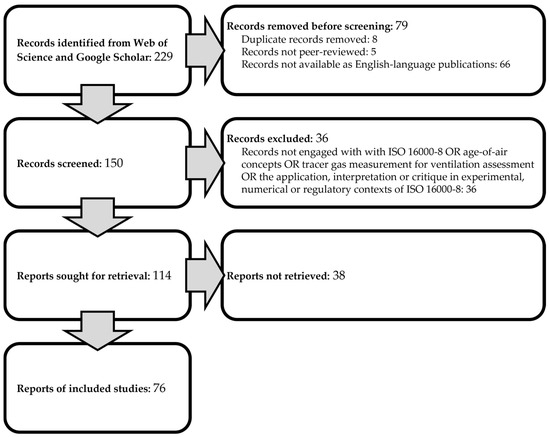
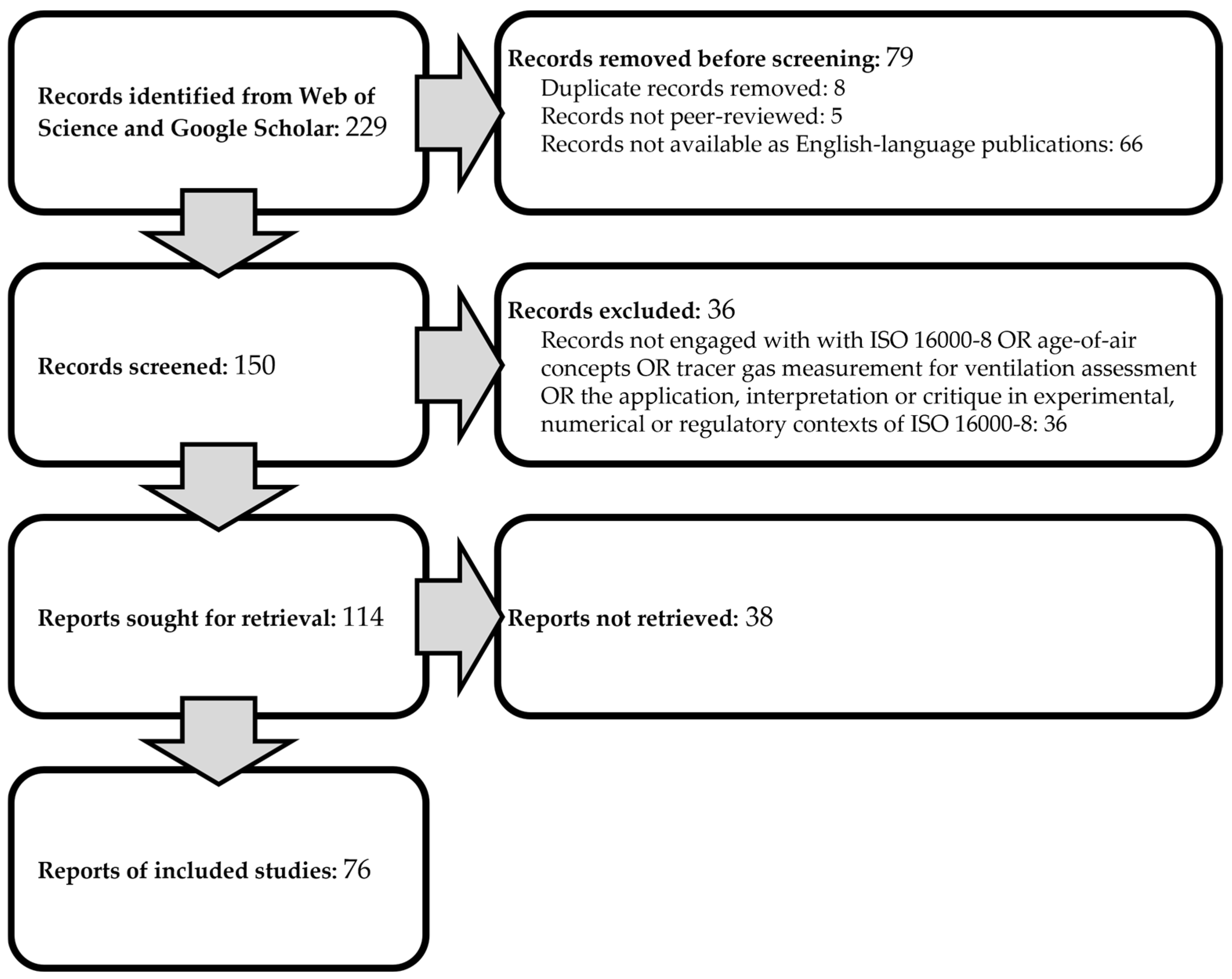
Disclaimer/Publisher’s Note: The statements, opinions and data contained in all publications are solely those of the individual author(s) and contributor(s) and not of MDPI and/or the editor(s). MDPI and/or the editor(s) disclaim responsibility for any injury to people or property resulting from any ideas, methods, instructions or products referred to in the content. |
© 2026 by the authors. Licensee MDPI, Basel, Switzerland. This article is an open access article distributed under the terms and conditions of the Creative Commons Attribution (CC BY) license.