


Highlights
What are the main findings?
- A thiol-functionalized magnetic biochar was developed for selective Cd2+ enrichment and matrix cleanup.
- Cd2+ uptake was mainly governed by thiol-mediated Cd–S coordination, with a practical enrichment capacity of 82.65 mg/g.
- Magnetic preconcentration achieved an approximately 40-fold enrichment factor, effectively improving analyte availability for CLIA.
- The integrated method enabled rapid Cd2+ determination with LODs of 0.007 ng/mL in water and 1.4 ng/g in aquatic products.
- Selective magnetic enrichment can effectively overcome matrix interference in complex samples.
- Pretreatment-driven preconcentration can extend the trace-detection capability of rapid CLIA without modifying its intrinsic detection principle.
- The proposed workflow provides a simple and sensitive strategy for routine Cd2+ monitoring in environmental water and aquatic products.
Abstract
Efficient enrichment and rapid determination of trace cadmium (Cd2+) in complex environmental and food matrices remain challenging because of severe matrix interference and insufficient sample pretreatment efficiency. Herein, a thiol-functionalized silica-coated magnetic biochar (MBC@SiO2–SH) was developed as a selective magnetic adsorbent and integrated with a homogeneous chemiluminescence immunoassay (CLIA) to establish an enrichment-assisted analytical strategy for trace Cd2+ determination in environmental water and aquatic products. Owing to its abundant thiol coordination sites, large specific surface area, and excellent magnetic responsiveness, MBC@SiO2–SH exhibited a high practical Cd2+ enrichment capacity (82.65 mg/g) under high-loading conditions, remarkable selectivity, and good reusability toward Cd2+. Adsorption kinetic, isotherm, thermodynamic, and X-ray photoelectron spectroscopy analyses revealed that Cd2+ uptake was predominantly governed by Cd–S coordination accompanied by physical adsorption. Under the optimized fixed-bed enrichment conditions, the proposed column achieved a preconcentration factor of approximately 40, enabling efficient matrix cleanup and selective enrichment prior to CLIA. The integrated method exhibited excellent analytical performance for both environmental water and aquatic products, with recoveries of 92.26–118.64% and 92.41–108%, respectively, and showed good agreement with ICP-MS. By coupling selective magnetic preconcentration with rapid homogeneous immunodetection, the proposed strategy provides a simple, sensitive, and efficient analytical platform for routine monitoring of trace Cd2+ and offers a generalizable framework for enrichment-assisted rapid analysis of trace contaminants in complex environmental and food matrices.
1. Introduction
As environmental monitoring and food safety surveillance continue to move toward trace-level, rapid, and high-throughput analysis, the major bottleneck limiting analytical performance is gradually shifting from instrumental detection to sample pretreatment [1,2]. Heavy metal contamination has become a persistent environmental and food safety concern owing to its long-term persistence, bioaccumulation, and toxicity [3]. In complex environmental and food matrices, target contaminants usually exist at extremely low concentrations and coexist with abundant dissolved organic matter, proteins, lipids, and inorganic ions [4]. These matrix components not only dilute target analytes but also interfere with subsequent analytical processes, resulting in reduced sensitivity, poor reproducibility, and inaccurate quantification [2]. Therefore, developing pretreatment strategies capable of simultaneously removing matrix interference and enriching trace analytes has become a fundamental challenge for rapid and reliable contaminant analysis [5].
Among various toxic contaminants, cadmium (Cd2+) is of particular concern because of its high mobility, long biological half-life, and strong tendency for bioaccumulation throughout aquatic food webs [6]. Continuous exposure to cadmium has been associated with renal dysfunction, skeletal damage, and multiple chronic diseases [7]. Consequently, many countries have established increasingly stringent maximum residue limits for cadmium in aquatic products and environmental waters. Reliable determination of trace Cd2+ in these complex matrices is therefore essential for environmental risk assessment and food safety monitoring. However, the coexistence of complicated biological and environmental matrices greatly compromises analytical accuracy, making trace-level Cd2+ determination considerably more challenging than that in simple aqueous systems [8].
Currently, laboratory-based techniques such as inductively coupled plasma mass spectrometry (ICP-MS) [8], graphite furnace atomic absorption spectrometry (GFAAS) [9], and inductively coupled plasma optical emission spectrometry (ICP-OES) [10] provide excellent sensitivity and analytical accuracy for cadmium determination. Nevertheless, these methods generally require sophisticated instrumentation, labor-intensive sample preparation, and centralized laboratory facilities, limiting their applicability for rapid and high-throughput analysis. Homogeneous chemiluminescence immunoassay (CLIA), by contrast, offers rapid detection, high sensitivity, operational simplicity, and excellent compatibility with batch analysis [11]. However, its analytical performance in complex samples is frequently compromised by matrix-derived proteins, lipids, dissolved organic matter, and coexisting ions [12], which suppress chemiluminescent signals and interfere with antibody recognition. As a result, improvements in immunoassay performance are often constrained not by the detection principle itself but by insufficient sample pretreatment. Although considerable efforts have been devoted to developing more sensitive probes, antibodies, and signal amplification strategies [13,14], comparatively little attention has been paid to designing selective pretreatment materials that simultaneously eliminate matrix interference and enrich trace metal ions before rapid immunodetection.
Magnetic solid-phase extraction (MSPE) has emerged as an attractive pretreatment strategy because it enables rapid magnetic separation, efficient enrichment, and effective matrix cleanup without centrifugation or filtration [15]. Nevertheless, conventional magnetic adsorbents generally suffer from insufficient selectivity toward Cd2+ owing to the lack of specific binding sites. Biochar possesses a porous structure, large surface area, and excellent environmental compatibility, making it an ideal substrate for adsorbent construction [16]. However, pristine biochar mainly contains nonspecific oxygen-containing functional groups, resulting in limited affinity and selectivity for Cd2+. According to the Hard and Soft Acids and Bases (HSAB) theory [17], thiol groups exhibit strong coordination affinity toward soft metal ions such as Cd2+. Therefore, integrating magnetic separation with thiol-functionalized biochar is expected to simultaneously achieve selective Cd2+ enrichment and efficient matrix cleanup prior to immunoassay.
Based on this hypothesis, we developed a thiol-functionalized silica-coated magnetic biochar (MBC@SiO2–SH) as a selective magnetic pretreatment material and integrated it with homogeneous CLIA to establish an enrichment-assisted analytical strategy for rapid trace-level cadmium determination in environmental water and aquatic products. Unlike previously reported thiol-functionalized magnetic adsorbents that mainly focus on heavy-metal removal, MBC@SiO2–SH was specifically engineered for analytical enrichment by integrating magnetic separation, matrix purification, and selective Cd2+ capture. The hierarchical architecture consisting of Fe3O4 magnetic core, SiO2 protective shell, porous biochar framework, and thiol coordination sites enables efficient analyte enrichment prior to rapid immunodetection. The adsorption behavior, selectivity, adsorption mechanism, regeneration performance, and analytical enhancement capability were systematically investigated. More importantly, this work demonstrates that selective magnetic preconcentration can bridge the sensitivity gap between rapid CLIA and conventional instrumental analysis, providing a new strategy for trace contaminant monitoring in complex environmental and food matrices.
2. Materials and Methods
2.1. Chemicals and Reagents
All chemicals and solvents were of analytical grade unless otherwise specified and were used without further purification. Anhydrous ethanol, ammonia solution, and toluene were purchased from ANPEL Laboratory Technologies Inc. (Shanghai, China). Ferric chloride hexahydrate (FeCl3·6H2O) and ferrous chloride tetrahydrate (FeCl2·4H2O) were obtained from Shanghai Macklin Biochemical Co., Ltd. (Shanghai, China). Tetraethyl orthosilicate (TEOS) and 3-mercaptopropyltriethoxysilane (MPTES) were also supplied by Shanghai Macklin Biochemical Co., Ltd. (Shanghai, China). Cadmium nitrate tetrahydrate (Cd(NO3)2·4H2O), lead nitrate, copper acetate, zinc acetate, and chromium chloride were purchased from North Weiye Measurement Group Co., Ltd. (Xinyang, China).
Ultrapure water (18.2 MΩ·cm) was used throughout the experiments. A series of Cd2+ standard solutions were prepared by serial dilution of Cd(NO3)2·4H2O with ultrapure water. Standard solutions of competing metal ions (100 mg/L) were prepared by dissolving the corresponding metal salts in ultrapure water.
2.2. Preparation of BC and MBC@SiO2-SH
The collected moss was air-dried, further dried at 105 °C for 24 h, ground, passed through a 100-mesh sieve, and stored in a desiccator. Moss biochar (BC) was prepared via high-temperature pyrolysis: the powdered moss was tightly packed in a quartz boat and heated in a tube furnace under N2 atmosphere (350 mL/min) at a heating rate of 10 °C·min−1 to 800 °C, held for 2 h, and cooled naturally. The resulting biochar was sieved (300-mesh) and stored under dry conditions.
To prepare magnetic biochar (MBC), FeCl3·6H2O and FeCl2·4H2O (Fe3+: Fe2+ molar ratio = 2:1) were dissolved in 200 mL deionized water. Under N2 protection, 10 g of BC was ultrasonically dispersed into the solution in a three-necked flask. With mechanical stirring (500 rpm) at 60 °C, 40 mL of ammonia (25–28 wt%) was added dropwise to adjust the pH to 10–11, initiating coprecipitation. After 2 h of reaction, Fe3O4 particles were deposited on the biochar. The product was magnetically separated, washed with deionized water and ethanol until neutral, and vacuum-dried at 60 °C for 12 h.
For SiO2 coating, 10 g of MBC was dispersed in 200 mL ethanol and ultrasonicated for 30 min. Then, 100 mL deionized water and 20 mL ammonia were added as the catalyst. Under reflux at 60 °C and stirring (500 rpm), a mixture of 5 mL tetraethyl orthosilicate (TEOS) and 20 mL ethanol was added dropwise over 1.5–2 h. The reaction continued for 6 h to form a SiO2 shell via hydrolysis and condensation. The resulting MBC@SiO2 was magnetically collected, washed with ethanol–water (1:1, v/v), and vacuum-dried at 60 °C for 12 h.
Finally, thiol functionalization was conducted by drying 10 g of MBC@SiO2 at 105 °C for 2 h to activate surface hydroxyl groups. Under N2, the material was dispersed in 150 mL anhydrous toluene, followed by addition of 6 mL 3-Mercaptopropyltriethoxysilane (MPTES, ~50% excess). The reaction proceeded under reflux at 80 °C for 24 h to graft thiol groups. The product (MBC@SiO2-SH) was magnetically separated, washed with toluene and ethanol, and vacuum-dried at 40 °C for 24 h.
2.3. Characterizations of Materials
The surface microstructure of sample was analyzed using the scanning electron microscope (SEM). The Brunauer–Emmett–Teller (BET) surface area, pore size, and pore volume of the sample were analyzed with an Automatic Surface Area and Pore Analyzer. Vibrating Sample Magnetometer (VSM) primarily measures the magnetic properties of biochar to determine their magnetic classification. The surface functional group of the sample was analyzed with Fourier Transform Infrared Spectroscopy (FT-IR) spectrophotometer. The thermal stability of the materials was analyzed using a thermogravimetric analyzer (TGA). The biochar structure was characterized by X-ray Diffraction (XRD) with Cu Kα radiation, scanning was run from 5° to 90° (2θ). The surface chemical states of the catalyst were analyzed by X-ray photoelectron spectrometry (XPS) using a K-Alpha spectrometer with Al Kα radiation. The specific Characterization instruments for biochar are detailed in the Supplementary Information (SI) Text S1.
2.4. Cd2+ Adsorption by MBC and MBC@SiO2-SH
Subsequent adsorption experiments were performed within the environmental Cd2+ concentration range of 1–50 mg/L. The effects of adsorbent dosage (0.2, 0.4, 0.6, 0.8, 1, and 1.2 g/L) and solution pH (adjusted to 3, 4, 5, 6, and 7 with 0.1 mM HCl/NaOH) were studied. All samples containing the adsorbent and 30 mg/L Cd2+ solution were oscillated at 25 °C for 12 h to ensure adsorption equilibrium before the final Cd2+ concentration was measured via Inductively Coupled Plasma Mass Spectrometry (ICP-MS). Detection information for Cd2+ is provided in SI Text S2.
The adsorption behavior was systematically investigated through kinetic, isotherm, and thermodynamic experiments. Kinetic studies employed an adsorbent dosage of 0.18 g/L in 100 mL of 30 mg/L Cd2+ solution (pH 5.0, 25 °C), with samples collected from 0 to 24 h. Isotherm experiments utilized varying Cd2+ concentrations (5–100 mg/L) shaken for 12 h at 25 °C, and the data were fitted with Freundlich and Langmuir models. Thermodynamic studies were conducted at different temperatures (15, 25, 35, 45 °C) with an adsorbent dosage of 0.6 g/L in 30 mL of 30 mg/L Cd2+ solution. All samples were filtered (0.22 μm) after reaching equilibrium, and the residual Cd2+ concentration was quantified by ICP-MS. Detailed information about the models is provided in SI Text S3.
Also, competitive enrichment was investigated in a multicomponent system containing 30 mg/L each of Cd2+, Pb2+, Cr3+, Cu2+, and Zn2+, using an adsorbent dosage of 1.0 g/L under identical conditions. Additionally, adsorption–desorption cycling experiments were performed. The spent adsorbent was regenerated by shaking with 0.1 M EDTA-2NaCa·H2O for 2 h at 25 ± 1 °C, followed by filtration, washing with deionized water, and drying at 60 °C. The regenerated adsorbent was then reused in subsequent enrichment cycles under the initial conditions (30 mg/L Cd2+, pH 5.0, 25 °C, 1.0 g/L dosage).
2.5. Cd2+ Enrichment by BC and MBC@SiO2-SH
2.5.1. Cd2+ Enrichment in Environmental Water
The enrichment performance was further evaluated in real environmental water matrices (lake and pond water) spiked with 5, 30, and 50 mg/L Cd2+. A fixed adsorbent dosage of 0.6 g/L was added to 30 mL of the water sample and shaken at 25 °C for 12 h to reach equilibrium. The residual Cd2+ concentration was determined by ICP-MS to calculate the enrichment capacity and removal efficiency, with all experiments conducted in triplicate. It should be noted that the Cd2+ uptake obtained in this enrichment experiment represents the practical Cd2+ loading capacity under enrichment conditions rather than the equilibrium adsorption capacity determined from batch adsorption experiments.
To investigate the applicability of the material for continuous sample pretreatment, MBC@SiO2–SH was packed into a solid-phase extraction (SPE) column and employed as a magnetic preconcentration medium. Briefly, 2 L of real environmental water containing 30 mg/L Cd2+ was continuously pumped through the column using a peristaltic pump at a constant flow rate. After adsorption, the retained Cd2+ was eluted with 50 mL of 0.1 M EDTA-2NaCa·H2O, and the eluate was subsequently subjected to CLIA analysis. The Cd2+ concentrations in the influent, effluent, and eluate were determined by ICP-MS.
The preconcentration factor (PF) was calculated according to Equation (1):
where Vs is the sample volume, Ve is the elution volume, and R is the recovery of Cd2+ after the enrichment process.
2.5.2. Cd2+ Enrichment in Aquatic Products
A 5 mL aliquot of the aquatic product sample (0.5 g), pretreated with 5% nitric acid, was transferred into a glass vial. The pH was adjusted to approximately 8.0 by adding 0.6 M NaOH, and the final volume was brought to 10 mL. Then, 40 mg of adsorbent (BC@SiO2-SH) was introduced, and the mixture was magnetically stirred for 35 min. The adsorbent was then collected and immersed in 0.1 M HCl for 10 min, followed by washing with 0.1 M EDTA-2NaCa·H2O and deionized water. The eluates were combined to a total volume of 20 mL, and the Cd2+ concentration was determined by ICP-MS.
2.6. Trace-Level Determination of Cadmium by CLIA
We chose a sensitive and specific CLIA method based on sandwich immunoassay. In this system, donor and acceptor microspheres are brought into proximity through antigen–antibody interactions, enabling energy transfer and light emission that can be quantitatively correlated with analyte concentration. The emitted signals are collected and processed to determine target levels.
In the experiment, 20 μL of water sample filtered through a 0.22 μm membrane was first added to an eight-well plate. Then, 20 μL of biotinylated antibody was added. Next, under light-protected conditions, 40 μL of a mixture was added, containing donor microspheres conjugated with streptavidin and acceptor microspheres conjugated with the antibody. The resulting 80 μL reaction system was incubated at 37 °C for 30 min. Finally, the sample was transferred to a detection instrument, where light signals were collected by a photosensitive element. The analyte concentration was calculated using mathematical fitting. The limit of detection (LOD) was 0.28 μg/L for Cd2+.
2.7. Data Analysis
All experiments were conducted in triplicate, and the results are expressed as mean values. Data analysis and visualization were performed using Microsoft Excel 2021, Origin Pro 2022, and MDI Jade 6.5. The normality of the data distribution was assessed using the Kolmogorov–Smirnov test, and homogeneity of variances was verified by Levene’s test.
3. Results and Discussion
3.1. Construction and Structural Characterization of MBC@SiO2–SH
The fabrication procedure of MBC@SiO2–SH is illustrated in Figure 1a. Moss-derived biochar (BC) was first magnetized through the in situ coprecipitation of Fe3O4 nanoparticles, followed by SiO2 coating and thiol grafting to obtain the thiol-functionalized magnetic adsorbent. This hierarchical architecture was designed to integrate magnetic responsiveness, structural stability, and abundant Cd2+ coordination sites into a single enrichment material. The morphological evolution is presented in Figure 1b. Pristine BC exhibited a relatively dense carbon framework with limited pore development and an uneven amorphous surface. After Fe3O4 loading, abundant magnetic nanoparticles were uniformly distributed on the carbon matrix, accompanied by the formation of a more open porous structure [18]. Subsequent SiO2 coating generated a continuous protective layer while preserving the interconnected pore network [19], and thiol functionalization maintained the porous architecture without structural collapse, favoring rapid Cd2+ diffusion and adsorption [20].
Figure 1.
Synthesis of MBC@SiO2-SH. (a) Process diagram for preparing MBC@SiO2-SH from aquaculture moss raw materials. (b) Scanning electron microscopy (SEM) map of BC, MBC, and MBC@SiO2-SH.
The structural optimization was further confirmed by BET analysis (Table 1). The BET surface area increased from 35.652 m2/g for BC to 102.413 m2/g for MBC@SiO2–SH, corresponding to an increase of approximately 187.26%. The Langmuir surface area increased from 94.735 to 756.211 m2/g, corresponding to approximately 698.24%, while pore volume increased from 0.044 to 0.223 cm3/g, corresponding to approximately 406.82%. The enlarged surface area and pore volume provide more accessible adsorption sites and facilitate mass transfer, thereby improving the enrichment efficiency toward Cd2+. The increase in surface area after thiol functionalization can be attributed to the combined effects of MPTES grafting and silica-supported surface reconstruction. The introduction of thiol-containing silane molecules may prevent excessive pore collapse during modification and improve the accessibility of internal porous channels, thereby exposing more adsorption domains [21]. Similar observations have been reported for thiol-modified biochar and silica-based adsorbents, where organosilane functionalization altered pore structure and increased accessible surface area, contributing to enhanced adsorption performance [22].
Table 1.
Textural parameters of biochar materials.
Rapid magnetic separation is essential for magnetic solid-phase extraction. As shown in Figure 2a, the saturation magnetization increased from 1.05 emu/g for BC to 22.57 emu/g for MBC@SiO2–SH owing to the successful incorporation of Fe3O4 nanoparticles. The absence of obvious magnetic hysteresis indicates typical superparamagnetic behavior, enabling rapid magnetic recovery without residual aggregation. Successful surface functionalization was confirmed by FTIR spectroscopy (Figure 2b). The characteristic Fe–O vibration at 690.8 cm−1 verified the formation of magnetic iron oxide, while the Si–O–Fe vibration at 459 cm−1 indicated the successful deposition of the silica layer onto the Fe3O4 core. Furthermore, the presence of oxygen-containing groups together with C–S-related vibrations after MPTES modification confirmed the successful grafting of thiol groups onto the silica surface. These introduced functional groups provide abundant coordination sites for Cd2+ capture, particularly facilitating selective Cd–S complexation during the enrichment process. The peak assignments are in good agreement with previous reports on Fe3O4@SiO2-based magnetic composites. Generally, the Fe–O stretching vibration of magnetite appears in the low-wavenumber region (approximately 500–700 cm−1), whereas Si–O–Si and Si–O–Fe vibrations associated with silica coating are typically observed below 1100 cm−1 [23]. The emergence of C–S-related vibrations after MPTES functionalization further provides evidence for successful thiol immobilization on the silica shell [24].
Figure 2.
Characterization of biochar adsorbents. (a) The field-dependent magnetization curve of BC and MBC@SiO2-SH. (b) FT-IR spectra of MBC@SiO2-SH. TG/DTG curves of (c) MBC and (d) MBC@SiO2-SH.
The thermal stability of the modified material was evaluated by TGA (Figure 2c,d). Compared with MBC, MBC@SiO2–SH exhibited a lower total weight loss (12.51 wt% vs. 16.73 wt%) and a higher residual mass (87.44% vs. 83.21%), demonstrating that the SiO2 coating improved the structural stability of the magnetic composite. The DTG peak centered at 271 °C is assigned to the thermal decomposition of surface-grafted organic thiol-containing groups introduced by MPTES modification, which is consistent with the FTIR evidence of thiol functionalization. This thermal degradation profile is consistent with previous reports on silane-functionalized magnetic silica materials, where adsorbed water is typically removed at low temperatures, grafted organic moieties decompose mainly within 200–500 °C, and the inorganic SiO2 framework remains thermally stable [24,25].
Collectively, these results demonstrate that Fe3O4 incorporation endowed the material with excellent magnetic responsiveness, SiO2 coating enhanced structural robustness, and thiol grafting introduced abundant Cd2+ coordination sites [18,19]. Meanwhile, the significantly increased surface area and hierarchical porous framework facilitate mass transfer and adsorption, providing the structural basis for the selective enrichment and matrix-cleanup performance investigated in the following sections. Furthermore, the improved textural properties induced by thiol functionalization should be considered as an additional factor contributing to Cd2+ enrichment, because enlarged surface area and pore accessibility facilitate the exposure of thiol coordination sites and accelerate analyte diffusion toward active regions [21,22].
3.2. Structure-Dependent Adsorption Behavior
To verify whether the structural advantages of MBC@SiO2–SH contributed to enhanced enrichment performance, its adsorption behavior under representative environmental conditions was systematically evaluated. As shown in Figure 3a, the N2 adsorption–desorption isotherm of MBC@SiO2–SH exhibited a typical type IV profile accompanied by an H3 hysteresis loop, indicating the presence of abundant mesoporous structures and slit-shaped pores generated from the aggregation of layered carbon domains. The gradual increase in adsorption capacity at high relative pressure regions is attributed to capillary condensation within the hierarchical mesoporous framework. This porous architecture provides accessible pathways for Cd2+ diffusion and facilitates adsorption by increasing the availability of surface active sites. This feature was consistent with the BET analysis, suggesting the formation of abundant accessible pores that facilitate continuous Cd2+ adsorption. Such a hierarchical pore architecture is favorable for Cd2+ enrichment, as mesopores promote the diffusion of hydrated metal ions, while micropores and external surface sites provide additional adsorption interfaces. Similar correlations between pore structure and heavy-metal adsorption performance have been widely reported for biochar-based materials, where increased surface area, well-developed pore networks, and improved accessibility of active sites contribute to enhanced metal uptake [26,27]. Therefore, the enlarged surface area and pore volume generated through Fe3O4 loading, SiO2 coating, and thiol functionalization likely facilitated Cd2+ transport and improved the utilization efficiency of adsorption sites, thereby enhancing the enrichment capability of MBC@SiO2–SH [28].
Figure 3.
(a) The N2 adsorption–desorption isotherms (insert: the pore size distribution curves) of BC and MBC@SiO2-SH. Effect of (b) MBC@SiO2-SH dosage, (c) pH and (d) humic acid (HA) on Cd2+ adsorption by BC and MBC@SiO2-SH. (e) The saturation Cd2+ adsorption capacities of BC and MBC@SiO2-SH in the presence of an equal concentration of competitive metal ions (selective adsorption experiment). (f) Reusability of MBC@SiO2-SH.
The adsorption performance was first optimized by varying the adsorbent dosage (Figure 3b). Increasing the dosage continuously improved the Cd2+ removal efficiency owing to the increased availability of adsorption sites, whereas the adsorption capacity (qe) gradually decreased because the initial Cd2+ concentration remained constant. This phenomenon is commonly observed in adsorption systems and is mainly attributed to the unsaturated adsorption sites generated at higher adsorbent concentrations, resulting in a lower adsorbate-to-adsorbent ratio [29]. Considering both removal efficiency (96.7%) and equilibrium adsorption capacity (49.08 mg/g), 0.6 g/L was selected as the optimal dosage for subsequent experiments.
Solution pH played a critical role in regulating Cd2+ adsorption behavior (Figure 3c). Within the investigated pH range (3–7), the adsorption capacity of MBC@SiO2–SH initially increased with increasing pH and reached a maximum equilibrium adsorption capacity of 45.78 mg/g at pH 5, followed by a slight decrease under more alkaline conditions. Compared with pristine BC, MBC@SiO2–SH maintained substantially higher adsorption capacities across the environmentally relevant pH range, demonstrating its robust Cd2+ enrichment capability under aquatic conditions. The enhanced adsorption at elevated pH values was mainly attributed to the progressive deprotonation of surface functional groups, particularly thiol and oxygen-containing groups, which generated more negatively charged coordination sites for Cd2+ binding. However, further increases in pH resulted in decreased adsorption capacity, likely due to Cd2+ hydrolysis and the formation of Cd hydroxyl species, which reduced the concentration of free Cd2+ available for surface complexation [30]. Similar pH-dependent adsorption trends have been reported for thiol-functionalized carbonaceous adsorbents, where Cd2+ uptake is jointly governed by surface complexation and electrostatic interactions [31].
At low pH, the protonation of surface functional groups and competition between H+ and Cd2+ for available binding sites can suppress Cd2+ adsorption. As the pH increases, progressive deprotonation of thiol and oxygen-containing groups increases the availability of negatively charged sites and favors Cd2+ surface complexation, accounting for the increase in adsorption up to pH 5. However, further increases in pH can alter the aqueous speciation of Cd2+ through hydrolysis, producing species such as CdOH+ and other hydrolyzed forms. The predominance of free Cd2+ at lower pH and the increasing contribution of hydrolyzed/colloidal Cd species at higher pH have been reported previously [32,33]. In addition, under sufficiently alkaline conditions, Cd(OH)2 precipitation may occur and contribute to the apparent removal of Cd from solution [34]. Because the present experiments were limited to pH 7, direct precipitation of bulk Cd(OH)2 cannot be quantitatively confirmed from the current dataset. Therefore, the slight decrease observed above pH 5 is more conservatively attributed primarily to changes in Cd2+ speciation and the resulting decrease in freely available Cd2+ for specific surface complexation, with hydroxide formation/precipitation considered a possible secondary contribution. This interpretation is consistent with previous studies showing that Cd2+ adsorption on biochar is strongly pH-dependent and is controlled by the combined effects of surface deprotonation, surface complexation, ion exchange, and Cd hydroxide-related processes [35].
Because dissolved organic matter is ubiquitous in natural waters, the influence of humic acid (HA) was further investigated (Figure 3d). For BC, low HA concentrations (0.1–0.5 mg/L) slightly increased the adsorption capacity from 19.12 to 19.88 mg/g, whereas higher HA concentrations (5–20 mg/L) reduced the adsorption capacity by 59.36%, probably because excessive HA molecules blocked pores and occupied active adsorption sites [36]. The inhibitory effect of high HA concentrations has also been observed in other biochar adsorption systems, where macromolecular organic matter competes with metal ions for adsorption sites or forms surface coatings that hinder ion diffusion into internal pores [37]. In contrast, the relatively small decrease observed for MBC@SiO2–SH at high HA concentrations indicates improved resistance toward organic interference. This behavior may be attributed to the specific coordination affinity between thiol groups and Cd2+, which provides stronger binding interactions than nonspecific adsorption involving oxygen-containing groups. Previous studies have demonstrated that sulfur-functionalized adsorbents maintain high Cd2+ selectivity even in complex matrices containing competing organic matter and coexisting ions [38].
Selectivity is essential for practical enrichment in complex matrices [39]. As shown in Figure 3e, MBC@SiO2–SH exhibited the highest adsorption toward Cd2+, followed by Pb2+, whereas the adsorption of Cu2+, Zn2+, and Cr3+ was considerably lower. The selectivity coefficients toward Cd2+ relative to Pb2+, Cu2+, Zn2+, and Cr3+ were 1.06, 1.89, 2.11, and 2.47, respectively. Compared with BC, the adsorption enhancement factors of MBC@SiO2–SH reached 4.40 for Cd2+, 2.32 for Pb2+, 1.56 for Cu2+, and 1.48 for Cr3+, confirming that thiol functionalization substantially strengthened both adsorption affinity and Cd2+ selectivity [40]. The regeneration performance of the adsorbent was further evaluated (Figure 3f). Adsorbed Cd2+ was desorbed using 0.1 mol/L EDTA-2Na containing Ca2+, where the stronger Cd–EDTA complex (log K ≈ 16.5) displaced Cd2+ from the thiol coordination sites (log K ≈ 10–12) [41]. After five consecutive adsorption–desorption cycles, the adsorption capacity of MBC@SiO2–SH decreased from 48.40 mg/g (96.32% removal) to 40.54 mg/g (80.80% removal), corresponding to an adsorption capacity retention of 83.76%. Previous studies have demonstrated that thiol-functionalized carbonaceous materials remove Cd2+ mainly through strong surface complexation and Cd–S coordination, which provides high adsorption affinity but may also limit the complete regeneration of some active sites due to the stability of metal–sulfur interactions [31,42]. In addition, sulfur functionalization and repeated regeneration processes may influence pore accessibility and surface characteristics, contributing to gradual capacity attenuation [42]. Nevertheless, MBC@SiO2–SH maintained high adsorption efficiency after repeated use, demonstrating satisfactory regeneration stability and practical applicability [43,44].
Overall, the adsorption results demonstrate that the structural advantages introduced by Fe3O4 loading, SiO2 coating, and thiol functionalization not only enhance adsorption capacity but also improve anti-interference ability, Cd2+ selectivity, and regeneration stability [45]. These characteristics collectively provide the performance basis for the selective enrichment of trace Cd2+ in complex environmental and food matrices.
3.3. Mechanistic Insight into Selective Cd2+ Enrichment
3.3.1. Adsorption Kinetics
To elucidate the rate-limiting steps governing Cd2+ enrichment, the adsorption kinetics of MBC@SiO2–SH were systematically investigated. The experimental data were fitted using pseudo-first-order, pseudo-second-order, Avrami fractional-order, Elovich, and intra-particle diffusion models (Figure 4a,b and Table 2) [46].
Figure 4.
(a,b) Cd2+ adsorption kinetics and (c) the equilibrium adsorption isotherms of BC and MBC@SiO2-SH in aqueous solution at pH 5.0.
Table 2.
Kinetic model parameters for the adsorption of Cd2+ onto BC and MBC@SiO2-SH in water.
As shown in Figure 4a, Cd2+ adsorption proceeded rapidly during the initial stage and gradually approached equilibrium after approximately 480 min, reaching an adsorption capacity of 45.04 mg/g, while complete equilibrium was achieved at 720 min. The rapid initial uptake is attributed to the abundant accessible adsorption sites distributed on the external surface and within the interconnected pore channels of MBC@SiO2–SH [47]. As adsorption proceeded, the remaining Cd2+ ions gradually diffused into the internal porous structure, where the strong coordination interaction between Cd2+ and thiol groups became the dominant rate-controlling process, thereby extending the equilibrium time [48].
The kinetic parameters summarized in Table 2 indicate that both the pseudo-first-order and Avrami fractional-order models provided excellent fits to the experimental data, with equilibrium adsorption capacities of 46.65 and 47.32 mg/g, respectively, and identical correlation coefficients (R2 = 0.999). The excellent agreement between the experimental and calculated adsorption capacities confirms the high reliability of these models in describing the adsorption process. The Avrami model provided a better description of the adsorption kinetics, suggesting that Cd2+ adsorption involved multiple rate-controlling steps, including diffusion processes and interactions with surface active sites [46].
The intra-particle diffusion analysis further revealed that thiol functionalization significantly increased the diffusion rate constants (ks2 and ks3) compared with pristine BC. This improvement is closely associated with the enlarged specific surface area, increased mesoporous volume, and interconnected pore structure established during Fe3O4 loading and SiO2 coating. These structural characteristics effectively shorten the diffusion pathway of Cd2+ and increase the accessibility of internal active sites, thereby facilitating rapid mass transfer throughout the adsorption process [49].
The enhanced adsorption kinetics are further supported by the surface chemistry characterized in Section 3.1. The abundant oxygen-containing groups together with the grafted thiol groups provide a high density of coordination sites, enabling rapid capture of Cd2+ during the initial adsorption stage while maintaining continuous adsorption within the internal porous framework. These results indicate that the hierarchical pore structure primarily accelerates Cd2+ transport, whereas thiol coordination governs the subsequent selective binding process.
3.3.2. Adsorption Isotherms
Adsorption isotherm analysis was conducted to further elucidate the interaction between Cd2+ and the functionalized adsorbent at equilibrium. Four classical isotherm models, including the Langmuir, Freundlich, Temkin, and Dubinin–Radushkevich (D–R) models, were employed to fit the experimental data (Figure 4c and Table 3) [29].
Table 3.
Isotherm parameters for Cd2+ adsorption onto BC and MBC@SiO2-SH at 298.15 K.
Among the four models, the Langmuir model provided the best description of Cd2+ adsorption on MBC@SiO2–SH, with a correlation coefficient of R2 = 0.997, substantially higher than that obtained using the Freundlich model (R2 = 0.584). This result indicates that Cd2+ adsorption predominantly occurs through monolayer coverage on energetically homogeneous active sites rather than through heterogeneous multilayer adsorption [50]. Considering the successful grafting of abundant thiol groups demonstrated by FTIR, the Langmuir behavior strongly suggests that these uniformly distributed thiol coordination sites dominate the equilibrium adsorption process [51].
The Langmuir fitting further yielded a maximum equilibrium adsorption capacity (qmax) of 46.41 mg/g, which is more than twice that of pristine BC (21.46 mg/g), demonstrating that thiol functionalization substantially enhances the utilization efficiency of adsorption sites. This remarkable increase agrees well with the enlarged specific surface area and pore volume discussed in Section 3.1, indicating that both structural optimization and surface functionalization contribute synergistically to Cd2+ enrichment [26,27].
The Temkin model further revealed that the equilibrium binding constant (Kt) of MBC@SiO2–SH reached 136.055 L/g, which is 9.09 times higher than that of BC. This substantial increase reflects a much stronger interaction between Cd2+ and the modified adsorbent after thiol functionalization. Unlike pristine BC, where Cd2+ adsorption mainly relies on electrostatic attraction and weak complexation with oxygen-containing functional groups, the introduced thiol groups provide high-affinity coordination sites capable of forming stable Cd–S coordination bonds [52]. Consequently, MBC@SiO2–SH exhibits significantly greater adsorption driving force and stronger affinity toward Cd2+, particularly under low-concentration conditions relevant to trace enrichment.
Furthermore, the D–R model was further applied to evaluate the adsorption energy and adsorption mechanism. The mean adsorption energy (E) was calculated using E = (2β)−1/2, where β represents the D–R constant (mol2 kJ−2). The calculated E values were 6.72 and 11.55 kJ mol−1 for BC and MBC@SiO2–S, respectively. The higher E value of MBC@SiO2–S suggests stronger interactions between Cd2+ and the modified surface. Combined with FTIR and XPS results, the enhanced Cd2+ adsorption was mainly attributed to surface complexation and coordination interactions involving thiol groups, accompanied by electrostatic attraction and pore filling effects. The improved energetic uniformity further facilitates selective Cd2+ adsorption by minimizing the heterogeneity of adsorption sites.
Overall, the equilibrium adsorption results demonstrate that the exceptional Cd2+ enrichment capability of MBC@SiO2–SH originates from the synergistic effect of structural optimization and surface functionalization. The hierarchical porous framework improves mass transport and site accessibility, whereas uniformly distributed thiol groups dominate equilibrium adsorption through strong Cd–S coordination. Unlike conventional magnetic biochar adsorbents that mainly rely on nonspecific adsorption by oxygen-containing groups (Table S1), MBC@SiO2–SH provides selective chemical recognition toward Cd2+, which is essential for subsequent analytical enrichment in complex matrices [50,52].
3.3.3. Adsorption Thermodynamics
Thermodynamic parameters, including enthalpy change (ΔH0), Gibbs free energy change (ΔG0), and entropy change (ΔS0), were calculated to evaluate the energetics and spontaneity of Cd2+ adsorption on the biochar materials. As shown in Figure S1 and Table 4, the positive values of ΔH0 indicate an endothermic adsorption process, which is consistent with the isotherm results. The negative ΔG0 values confirm the spontaneity of adsorption, while the positive ΔS0 values suggest an increase in randomness at the solid–liquid interface during the process. The adsorption capacity increased with rising temperature (15–45 °C), a trend also observed in other systems, such as Cd2+ adsorption on granular activated carbon [53]. For the thermodynamic analysis, the equilibrium constant was defined from the Langmuir equilibrium relationship at each temperature and converted to a dimensionless standard equilibrium constant before being used in the thermodynamic equations. The Langmuir constant was first expressed using molar units, and the standard concentration was defined as 1 mol L−1. For the dilute Cd2+ solutions used here, the activity coefficient was approximated as unity. The resulting standard equilibrium constant was then normalized using the defined standard state to obtain a dimensionless value before calculation of the thermodynamic parameters. The Gibbs free energy change was calculated using the dimensionless standard equilibrium constant, while the enthalpy and entropy changes were obtained from the corresponding linear van’t Hoff relationship. This explicit standard-state treatment avoids directly substituting a dimensional concentration-based equilibrium constant into the logarithmic thermodynamic equations [54,55].The increase in adsorption capacity with temperature and the positive ΔH0 indicate the endothermic nature of Cd2+ uptake. However, the positive ΔH0 value alone does not constitute definitive evidence of chemisorption. Instead, the thermodynamic results should be interpreted together with the FTIR, XPS, isotherm, and kinetic evidence. Collectively, these results support an important contribution from specific surface interactions and Cd–S coordination, while other interactions, including electrostatic attraction and pore filling, may also contribute to the overall adsorption process [56].
Table 4.
Thermodynamics parameters for Cd2+ uptake by BC and MBC@SiO2-SH.
The ΔS0 and ΔH0 values for MBC@SiO2–SH were determined to be 171.60 J/mol*K and 27.91 kJ/mol, which are 2.33 and 1.73 times those of BC, respectively. The thermodynamic parameters indicate that Cd2+ adsorption on MBC@SiO2–SH is endothermic with a favorable positive entropy change. While these parameters alone cannot definitively establish the adsorption mechanism, their larger magnitudes—when considered alongside spectroscopic and adsorption data—are consistent with strong Cd–S coordination imparted by thiol functionalization, though concurrent physisorption and pore-filling effects cannot be excluded. Thus, the thermodynamic evidence supports, rather than independently proves, the role of chemical coordination in Cd2+ uptake [55,56]. This is further corroborated by the contrasting behavior of BC, which exhibits enthalpy-driven physisorption (exothermic but entropically unfavorable) [57], underscoring the specific chemisorption conferred by thiol groups.
3.3.4. Structural Evidence for the Adsorption Mechanism
The crystal structure evolution of the adsorbents was investigated by XRD analysis (Figure 5a). Compared with pristine BC, Fe-loaded MBC exhibited distinct diffraction peaks corresponding to Fe3O4, confirming the successful formation of magnetic iron oxide on the biochar surface. This phase transformation is consistent with the reported magnetization pathway involving the sequential conversion of FeCl3 to Fe(OH)3, FeO(OH), and finally Fe3O4 [23]. Meanwhile, the weakened intensity of the amorphous carbon peak in MBC suggested strong interactions between iron species and the carbon matrix, which may contribute to the generation of additional adsorption sites and provide magnetic responsiveness for efficient separation. After SiO2 coating and thiol functionalization, MBC@SiO2–SH exhibited a more pronounced amorphous background, which was mainly attributed to the overlapping diffraction contributions from the silica shell and carbon matrix. The characteristic Fe3O4 reflections remained unchanged, indicating that the silica coating effectively preserved the crystalline integrity of the magnetic core by preventing oxidation and structural degradation. The diffraction peak assignments were consistent with standard crystallographic data and previous studies on Fe3O4-based magnetic composites, where Fe3O4 reflections correspond to the inverse spinel structure and the absence of distinct SiO2 peaks is associated with the amorphous nature of silica [58]. These results confirm the successful construction of a stable SiO2-coated magnetic biochar composite, which is consistent with the enhanced magnetic stability observed from the hysteresis loop analysis.
Figure 5.
(a) XRD patterns of MBC and MBC@SiO2-SH. (b) XPS spectra of MBC@SiO2-SH before and after adsorption of Cd2+. (c) Cd 3d, (d) O 1s, and (e) S 2p.
XPS analysis was further performed to obtain direct surface-chemical evidence for Cd2+ uptake and to compare MBC@SiO2–SH before and after adsorption (Figure 5b). After Cd2+ adsorption, two characteristic Cd 3d peaks appeared at 404.78 and 411.58 eV, assigned to Cd2+ 3d5/2 and 3d3/2, respectively (Figure 5c), directly confirming the presence of Cd on the adsorbent surface. The O 1s peak shifted slightly from 529.7 to 529.5 eV after adsorption (Figure 5d), suggesting a change in the local electronic environment of oxygen-containing surface species. This observation is consistent with possible involvement of O-containing groups in Cd2+ interactions, although the small shift does not by itself establish a specific Cd–O bonding configuration. Similar surface-chemical changes have been used as supporting evidence for metal-ion complexation on functionalized carbonaceous adsorbents [31,33].
The S 2p spectrum provides stronger evidence for the role of the grafted thiol groups. The sulfur signal characteristic of the thiol-containing surface decreased from 54.44% to 46.82% after Cd2+ adsorption (Figure 5e). Although changes in normalized XPS atomic percentages can also be affected by surface composition and sampling depth, the decrease in the sulfur-related signal after Cd2+ uptake is consistent with participation of the S-containing groups in Cd2+ binding. This interpretation agrees with previous studies showing that thiol-functionalized carbonaceous and silica-based adsorbents exhibit enhanced Cd2+ affinity through sulfur-containing coordination sites [31,40,42]. The newly appeared N 1s signal at 405.6 eV is attributed to nitrate species originating from Cd(NO3)2·4H2O and is not considered evidence for the adsorption mechanism.
Taken together, the before and after XPS results provide direct evidence for Cd2+ immobilization at the MBC@SiO2–SH surface and support the involvement of sulfur- and, to a lesser extent, oxygen-containing surface groups. The FTIR spectrum available in this study was collected for the pristine MBC@SiO2–SH material and was used to verify the successful introduction of thiol-containing functionalities; because a post-adsorption FTIR spectrum was not obtained, FTIR cannot be used here to claim adsorption-induced peak shifts. This limitation is now explicitly recognized. Nevertheless, the combination of thiol functionalization evidence, XPS changes after Cd2+ adsorption, the higher Cd2+ affinity of MBC@SiO2–SH than BC, and the pH-dependent adsorption behavior provides convergent support for specific surface interactions, particularly Cd–S coordination, as an important contributor to Cd2+ uptake, in agreement with previous reports on thiol-modified biochar and thiol-functionalized adsorbents [40,42].
Accordingly, the adsorption mechanism proposed in Figure 6 is presented as a plausible multi-step process rather than as a uniquely demonstrated pathway. The hierarchical porous structure and the increased surface area/pore volume are expected to facilitate Cd2+ transport and access to adsorption sites, which is consistent with the intraparticle-diffusion analysis and the rapid initial uptake [33,47]. Electrostatic attraction may also contribute because adsorption increased with pH as surface functional groups became progressively less protonated; however, no direct surface-charge measurement was performed in the present study, so its contribution cannot be quantitatively separated. Physical adsorption/pore filling may coexist with specific surface interactions, as suggested by the D–R energy range and the heterogeneous porous structure, but these processes cannot be independently quantified from the current dataset. In contrast, the appearance of Cd 3d signals together with the post-adsorption changes in O 1s and S 2p provides the strongest experimental support for specific surface binding, with thiol-mediated Cd–S interaction likely playing an important role [31,40,42]. Therefore, the overall Cd2+ uptake is more appropriately described as a combination of pore-assisted mass transfer and surface interactions, with Cd–S coordination being the best-supported specific binding contribution.
Figure 6.
Conceptual schematic illustration of the proposed architecture of MBC@SiO2-SH and the plausible adsorption mechanism of Cd2+.
3.4. Selective Enrichment in Complex Matrices
Although adsorption experiments demonstrated the intrinsic affinity of MBC@SiO2–SH toward Cd2+, practical rapid analysis requires efficient matrix cleanup and analyte preconcentration prior to immunodetection. Therefore, the enrichment performance of MBC@SiO2–SH was further evaluated in real environmental matrices to investigate its capability for selectively capturing and concentrating Cd2+ from complex samples.
3.4.1. Selective Enrichment of Cd2+ in Real Environmental Water Samples
Environmental water samples, including lake water and aquaculture water (Figure S2), were selected as representative complex matrices because they contain abundant dissolved organic matter, nutrients, and competing ions that may interfere with Cd2+ detection. To evaluate the enrichment capability under realistic conditions, samples were spiked with Cd2+ at concentrations of 5, 30, and 50 mg/L and treated with MBC@SiO2–SH under optimized adsorption conditions. After magnetic separation, the residual Cd2+ concentration was determined by ICP-MS, and the enrichment capacity was calculated.
As shown in Figure 7a,b, MBC@SiO2–SH exhibited efficient Cd2+ enrichment in both lake water and aquaculture water matrices. Compared with pristine BC, MBC@SiO2–SH maintained significantly enhanced enrichment performance, particularly at higher Cd2+ concentrations. For example, in lake water containing 30 mg/L Cd2+, the enrichment capacities of BC and MBC@SiO2–SH were 33.78 and 50.22 mg/g, respectively. When the Cd2+ concentration increased to 50 mg/L, MBC@SiO2–SH achieved a practical Cd2+ loading of 82.65 mg/g during the enrichment process, whereas BC exhibited limited enhancement due to the saturation of nonspecific adsorption sites. This value represents the Cd2+ capture capability under high-loading enrichment conditions rather than the equilibrium adsorption capacity.
Figure 7.
Batch and Column Adsorption Performance of MBC@SiO2-SH in Real Water Samples. (a) Adsorption capacities of BC and MBC@SiO2-SH in lake water and pond water. (b) Corresponding Cd2+ removal efficiencies. (c) Column adsorption capacities of MBC@SiO2-SH at different packing amounts and flow rates. (d) Corresponding Cd2+ removal efficiencies during column adsorption.
The superior enrichment capability of MBC@SiO2–SH was also maintained in aquaculture water, despite the presence of more complex matrix components. This stable performance indicates that the thiol-functionalized surface provides selective coordination sites for Cd2+, while the porous structure facilitates mass transfer and improves accessibility of active sites. Therefore, MBC@SiO2–SH not only captures Cd2+ efficiently but also reduces matrix-derived interference, demonstrating its suitability as a pretreatment material for rapid analytical methods [43].
3.4.2. Selective Extraction and Enrichment of Cd2+ in Aquatic Product Matrices
Beyond environmental water samples, aquatic products represent another important complex matrix for Cd2+ monitoring because they contain abundant proteins, lipids, and other biological components that may interfere with rapid analytical methods. Therefore, the enrichment capability of MBC@SiO2–SH was further evaluated for Cd2+ extraction from aquatic products. Crab muscle and hepatopancreas samples (Figure S3) were selected as representative aquatic products and spiked with mixed heavy metal standards. After pretreatment with 5% nitric acid, MBC@SiO2–SH was introduced to selectively capture and enrich Cd2+ from the extracted solutions. Following magnetic separation and elution, the recovered Cd2+ concentration was determined by ICP-MS.
As summarized in Table 5, MBC@SiO2–SH achieved Cd2+ recovery rates of 88.90–93.29% in crab muscle and 79.94–88.49% in hepatopancreas samples, demonstrating efficient enrichment performance in complex biological matrices. The satisfactory recoveries indicate that MBC@SiO2–SH can effectively overcome matrix interference caused by proteins and organic components, enabling reliable Cd2+ extraction prior to subsequent detection. In addition to Cd2+, MBC@SiO2–SH also exhibited adsorption capability toward Pb2+, whereas the extraction efficiencies for Zn2+, Cu2+, and Cr3+ were relatively lower. This difference suggests that the abundant thiol groups on MBC@SiO2–SH provide preferential coordination toward Cd2+ [22],thereby contributing to selective enrichment in complex aquatic product matrices.
Table 5.
Recovery rate of Cd2+ from Chinese mitten crab (Eriocheir sinensis) muscle and crab roe/paste using MBC@SiO2-SH pretreatment.
Overall, these results demonstrate that MBC@SiO2–SH functions not only as an adsorption material but also as an effective enrichment medium for diverse complex matrices. Through selective capture, magnetic separation, matrix cleanup, and analyte concentration, the proposed enrichment strategy provides a critical bridge between sample pretreatment and rapid CLIA detection. This feature distinguishes the present work from conventional adsorption studies and highlights its practical value for trace Cd2+ analysis [59].
3.4.3. Column-Based Preconcentration and Enrichment Factor Evaluation
To further translate the enrichment capability into a practical sample pretreatment strategy, MBC@SiO2–SH was integrated into a fixed-bed column for continuous Cd2+ preconcentration (Figure S4). Compared with batch adsorption, column enrichment enables continuous processing of large-volume samples and provides a direct approach for increasing analyte concentration before detection [60].
Lake water and pond water with an initial Cd2+ concentration of 30 mg/L were treated under varying flow rates (1, 2, and 5 mL/min) and adsorbent packing amounts (0.6, 1, and 2 g). As illustrated in Figure 7c,d, the highest removal efficiency was achieved at the lowest flow rate of 1 mL/min, while the efficiency decreased at 5 mL/min. This trend indicates that longer contact time between the adsorbent and contaminants at lower flow rates promotes more complete adsorption and higher removal efficiency. As the adsorption process proceeded, the removal rate gradually declined, and the residual Cd2+ concentration in the effluent increased, primarily due to the gradual saturation of available adsorption sites on MBC@SiO2–SH. Under optimized conditions (flow rate: 1 mL/min; adsorbent loading: 2 g), the enrichment column achieved adsorption capacities of 49.69 mg/g and 49.13 mg/g for lake water and aquaculture water, respectively. Following enrichment, the captured Cd2+ was eluted using 50 mL of 0.1 M EDTA-2NaCa·H2O, and the eluates were collected for subsequent CLIA analysis. Based on the initial sample volume (2 L) and final elution volume (50 mL), the enrichment factor (EF) was calculated to be approximately 40.
The enrichment factor of approximately 40 substantially increased the effective Cd2+ concentration while simultaneously reducing matrix interference, providing a favorable pretreatment step for subsequent CLIA. Unlike conventional adsorption-based removal approaches, the proposed strategy utilizes MBC@SiO2–SH as a selective enrichment medium to convert trace Cd2+ from large-volume samples into concentrated eluates suitable for rapid detection.
Based on the intrinsic CLIA detection limit (0.28 μg/L) and the enrichment factor of approximately 40 obtained under the optimized conditions, the effective method detection limit in the original sample was theoretically reduced to approximately 0.007 μg/L after enrichment. Although the intrinsic sensitivity of the immunoassay remained unchanged, selective magnetic preconcentration substantially lowered the detectable concentration in the original matrix by concentrating Cd2+ into a smaller elution volume while simultaneously reducing matrix interference. Therefore, the enrichment process effectively extends the practical sensitivity of the rapid CLIA platform toward trace-level analysis. This enrichment-assisted strategy effectively bridges the sensitivity limitation of rapid immunoassays and provides a practical platform for trace Cd2+ monitoring in complex environmental matrices [61].
3.5. Enrichment-Assisted Rapid CLIA Determination
To evaluated whether this pretreatment strategy could translate into improved analytical performance for rapid Cd2+ determination. The enriched Cd2+ eluates obtained from environmental water and aquatic product samples were directly subjected to CLIA, and the analytical performance of the proposed enrichment-assisted method was systematically evaluated in terms of repeatability, specificity, accuracy, and practical applicability.
3.5.1. The Repeatability, Stability and Specificity
The repeatability and stability of the enrichment-assisted CLIA method were first evaluated to assess the reliability of the analytical procedure. Calibration curves were obtained over four consecutive days, and the coefficients of variation (CVs) of relative light unit (RLU) responses at different Cd2+ concentration levels were below 10% (Table S2), indicating satisfactory repeatability of the proposed method. The storage stability of the CLIA reagents was further investigated by monitoring signal variation during storage at −4 °C. No significant decrease in RLU responses was observed, demonstrating good stability of the detection system and its suitability for routine analysis.
The specificity of the proposed assay was evaluated by assessing its cross-reactivity (CR) with other metal ions, including Li+, Na+, Mg2+, Al3+, K+, Ca2+, Mn2+, Fe3+, Co2+, Ni2+, Cu2+, Zn2+, Rb+, Sr2+, Ag+, Ba2+, Hg2+, Pb2+, and Cd2+. Cross-reactivity was calculated according to the following equation: CR (%) = (IC50 of Cd2+/IC50 of the interfering ion) × 100%. As shown in Table S3, all tested ions exhibited negligible cross-reactivity, confirming the high specificity of the proposed assay.
3.5.2. Validation with Spiked Real Samples
To further evaluate the practical applicability of the enrichment-assisted CLIA method, recovery experiments were conducted using environmental water and aquatic product samples with different Cd2+ concentrations. For environmental water samples, four Cd2+ levels (0.5, 1, 5, and 10 μg/L) were selected for spiking experiments. For aquatic product samples, four concentration levels (50, 100, 200, and 450 μg/kg) were investigated (Table 6). Each concentration level was analyzed in triplicate.
Table 6.
Spiked Recovery Analysis of Real Samples.
The analytical results obtained by the proposed method were further compared with those obtained by ICP-MS using a paired Student’s t-test. No statistically significant differences were observed between the two methods for either environmental water samples (t = 0.949, p = 0.41) or aquatic product samples (t = −0.541, p = 0.63), indicating good agreement between the proposed homogeneous CLIA and the reference ICP-MS method.
3.5.3. Comparison with Previously Reported Methods
The analytical performance of the proposed strategy was further compared with previously reported Cd2+ detection methods (Table 7). Conventional ELISA and immunochromatographic methods generally provide good sensitivity but may suffer from lengthy incubation procedures, insufficient matrix tolerance, or limited enrichment capability. In contrast, the present enrichment-assisted CLIA strategy combines selective magnetic enrichment with rapid homogeneous detection, achieving advantages in preconcentration factor, detection sensitivity, analysis efficiency, and applicability to complex environmental water and aquatic product matrices.
Table 7.
Summary of similar detection methods for Cd.
In contrast, the proposed strategy integrates selective magnetic enrichment with homogeneous CLIA, achieving rapid analysis while maintaining high sensitivity and accuracy. The enrichment process effectively increases the concentration of Cd2+ in the final eluate and simultaneously removes matrix-derived interference, enabling reliable detection in complex environmental and food samples. These advantages significantly improve the practicality of immunoassay-based Cd determination by reducing both sample preparation time and operational complexity without sacrificing analytical sensitivity. Unlike conventional signal amplification strategies, the improvement in analytical sensitivity originated primarily from increasing the analyte concentration available for immunodetection. Therefore, selective magnetic enrichment extends the practical detection capability of rapid CLIA without altering the intrinsic performance of the immunoassay itself.
4. Conclusions
In this study, a thiol-functionalized silica-coated magnetic biochar (MBC@SiO2–SH) was successfully developed and integrated with a CLIA for rapid determination of trace Cd2+ in environmental water and aquatic products. Benefiting from its abundant thiol coordination sites, large specific surface area, and excellent magnetic responsiveness, MBC@SiO2–SH exhibited high adsorption capacity, remarkable selectivity, and good regeneration performance. Mechanistic analyses confirmed that Cd2+ adsorption was dominated by Cd–S coordination. Under the optimized conditions, the enrichment column achieved a preconcentration factor of approximately 40, providing efficient matrix cleanup and selective enrichment prior to CLIA. The integrated method achieved limits of detection of 0.007 ng/mL for environmental water and 1.4 ng/g for aquatic products, with recoveries of 92.26–118.64% and 92.41–108%, respectively, and showed no significant difference from ICP-MS measurements. In addition, the enrichment pretreatment itself afforded Cd2+ recoveries of 88.90–93.29% in crab muscle and 79.94–88.49% in hepatopancreas samples, demonstrating its applicability to complex biological matrices. Overall, the principal contribution of this work is the integration of selective thiol-based magnetic enrichment, matrix purification, and homogeneous CLIA into a single analytical workflow, which improves the practical trace-detection capability of CLIA without relying on detector-side signal amplification. This strategy provides a simple, rapid, and sensitive approach for Cd2+ monitoring in complex environmental and aquatic-product matrices and highlights selective sample pretreatment as a key component of practical rapid analysis.
Supplementary Materials
The following supporting information can be downloaded at: https://www.mdpi.com/article/10.3390/toxics14090785/s1, Text S1. Characterization of biochar; Text S2. Cd2+ analysis in water and aquatic products; Text S3. Adsorption models of Cd2+; Figure S1. The adsorption thermodynamics of BC and MBC@SiO2-SH in aqueous solution; Figure S2. Water samples from lake and aquaculture pond; Figure S3. Sampling of Chinese mitten crabs; Figure S4. Column-type experimental apparatus. Table S1. Comparison of Cd(II) adsorption performance of carbon-based adsorbents; Table S2. The repeatability and stability test; Table S3. Specificity evaluation of this method. References [66,67,68,69,70,71] are cited in Supplementary Materials.
Author Contributions
L.Z.: Writing—original draft, Data curation, Investigation. X.Z.: Theoretical background, Methodology. Z.L., L.F.: Investigation, Methodology. L.Q.: Formal analysis. S.M.: Funding acquisition, Supervision. Conceptualization, Experimental design, Data interpretation, and critical revision. C.S.: Theoretical background, Methodology, Writing—review & editing. All authors have read and agreed to the published version of the manuscript.
Funding
This work was supported by the Central Public-interest Scientific Institution Basal Research Fund, Freshwater Fisheries Research Center, CAFS (NO. 2025JBFZ04), Central Public-interest Scientific Institution Basal Research Fund, CAFS (NO. 2025XT0404) and the earmarked fund for CARS (Grant No. CARS-45).
Institutional Review Board Statement
Not applicable.
Informed Consent Statement
Not applicable.
Data Availability Statement
The raw data supporting the conclusions of this article will be made available by the authors on request.
Acknowledgments
We are grateful to all the people for participating in this study for contributing to the research.
Conflicts of Interest
The authors declare no conflicts of interest.
References
- Ridgway, K.; Lalljie, S.P.D.; Smith, R.M. Sample preparation techniques for the determination of trace residues and contaminants in foods. J. Chromatogr. A 2007, 1153, 36–53. [Google Scholar] [CrossRef] [Scilit] [PubMed]
- Trufelli, H.; Palma, P.; Famiglini, G.; Cappiello, A. An overview of matrix effects in liquid chromatography-mass spectrometry. Mass Spectrom. Rev. 2011, 30, 491–509. [Google Scholar] [CrossRef] [Scilit] [PubMed]
- Munir, N.; Jahangeer, M.; Bouyahya, A.; El Omari, N.; Ghchime, R.; Balahbib, A.; Aboulaghras, S.; Mahmood, Z.; Akram, M.; Ali Shah, S.M.; et al. Heavy Metal Contamination of Natural Foods Is a Serious Health Issue: A Review. Sustainability 2022, 14, 161. [Google Scholar] [CrossRef] [Scilit]
- Lambropoulou, D.A.; Albanis, T.A. Methods of sample preparation for determination of pesticide residues in food matrices by chromatography-mass spectrometry-based techniques: A review. Anal. Bioanal. Chem. 2007, 389, 1663–1683. [Google Scholar] [CrossRef] [Scilit] [PubMed]
- Li, Y.P.; Wang, C.; Zhao, J.; Liu, X.; Ma, M.; Gao, A.; Sun, K. A systematic review of separation/preconcentration and detection techniques for speciation analysis of arsenic and selenium in water. Anal. Methods 2025, 17, 5807–5830. [Google Scholar] [CrossRef] [Scilit] [PubMed]
- Liu, H.; Rong, X.; Zhao, H.; Xia, R.; Li, M.; Wang, H.; Cui, H.; Wang, X.; Zhou, J. Bioaccumulation of Atmospherically Deposited Cadmium in Soybean: Three-Year Field Experiment Combined with Cadmium Isotopes. Environ. Sci. Technol. 2024, 58, 17703–17716. [Google Scholar] [CrossRef] [Scilit] [PubMed]
- Huang, M.; Yin, J.; Wan, Y.; Duan, R. The influences of pulse exposure versus continuous exposure to cadmium are different: Mechanisms elucidated from motor behavior and brain in amphibian larvae. Ecotoxicol. Environ. Saf. 2025, 299, 118412. [Google Scholar] [CrossRef] [Scilit] [PubMed]
- Piyanuch, P.; Patawanich, P.; Sirirak, J.; Suwatpipat, K.; Kamkaew, A.; Burgess, K.; Wanichacheva, N. Rapid and visual detection of Cd2+ based on aza-BODIPY near infrared dye and its application in real and biological samples for environmental contamination screening. J. Hazard. Mater. 2021, 409, 124487. [Google Scholar] [CrossRef] [Scilit] [PubMed]
- Mustatea, G.; Ungureanu, E.L.; Iorga, S.C.; Ciotea, D.; Popa, M.E. Risk Assessment of Lead and Cadmium in Some Food Supplements Available on the Romanian Market. Foods 2021, 10, 581. [Google Scholar] [CrossRef] [Scilit] [PubMed]
- Angioni, A.; Cabitza, M.; Russo, M.T.; Caboni, P. Influence of olive cultivars and period of harvest on the contents of CuCd, Pb, and Zn in virgin olive oils. Food Chem. 2006, 99, 525–529. [Google Scholar] [CrossRef] [Scilit]
- Xiao, Q.; Xu, C.X. Research progress on chemiluminescence immunoassay combined with novel technologies. Trac Trends Anal. Chem. 2020, 124, 115780. [Google Scholar] [CrossRef] [Scilit]
- Wang, W.; Man, Z.; Wang, L.; Kou, Y.; Pan, T.T.; Zhao, Y.; Shen, T.T.; Xu, S.; Xiao, H.; Liu, F. Breaking through the interference of liquid matrix: A study on cadmium detection in water using LIBS assisted with EDTA-modified fiber membrane and its influencing factors. J. Environ. Chem. Eng. 2025, 13, 120172. [Google Scholar] [CrossRef] [Scilit]
- Hong, F.; Huang, C.; Wu, L.; Wang, M.; Chen, Y.; She, Y. Highly sensitive magnetic relaxation sensing method for aflatoxin B1 detection based on Au NP-assisted triple self-assembly cascade signal amplification. Biosens. Bioelectron. 2021, 192, 113489. [Google Scholar] [CrossRef] [Scilit] [PubMed]
- Chen, H.; Wu, S.Y.; Dong, F.; Cheng, W.; Li, Q.; Ding, S.; Luo, R. A novel chemiluminescence immunoassay for highly sensitive and specific detection of protein using rolling circle amplification and the multiplex binding system. Sens. Actuators B Chem. 2015, 221, 328–333. [Google Scholar] [CrossRef] [Scilit]
- Li, N.; Jiang, H.-L.; Wang, X.; Wang, X.; Xu, G.; Zhang, B.; Wang, L.; Zhao, R.-S.; Lin, J.-M. Recent advances in graphene-based magnetic composites for magnetic solid-phase extraction. Trac Trends Anal. Chem. 2018, 102, 60–74. [Google Scholar] [CrossRef] [Scilit]
- Mohanty, A.K.; Vivekanandhan, S.; Das, O.; Romero Millán, L.M.; Klinghoffer, N.B.; Nzihou, A.; Misra, M. Biocarbon materials. Nat. Rev. Methods Primers 2024, 4, 19. [Google Scholar] [CrossRef] [Scilit]
- Gazquez, J.L.; Mendez, F. The hard and soft acids and bases principle-an atoms in molecules viewpoint. J. Phys. Chem. 1994, 98, 4591–4593. [Google Scholar] [CrossRef] [Scilit]
- Li, M.; Fu, S.; Han, Y.; Zheng, J.; Wang, C.; Xu, X.; Zhu, L. Synergistic removal of carbon and phosphorus by modified carbon-based magnetic materials. Chem. Eng. J. 2024, 491, 151244. [Google Scholar] [CrossRef] [Scilit]
- Ye, P.; Guo, B.; Qin, H.; Wang, C.; Li, J.; Chen, Y.; Lu, D.; Wang, L.; Gao, P.; Ma, P.; et al. Investigation of the properties and sustainability of modified biochar-doped cement-based composite. Cem. Concr. Compos. 2024, 153, 105684. [Google Scholar] [CrossRef] [Scilit]
- Huang, Y.; Xia, S.; Lyu, J.; Tang, J. Highly efficient removal of aqueous Hg2+ and CH3Hg+ by selective modification of biochar with 3-mercaptopropyltrimethoxysilane. Chem. Eng. J. 2019, 360, 1646–1655. [Google Scholar] [CrossRef] [Scilit]
- Wu, Y.W.; Li, Z.B.; Zhang, Z.; Li, Z.K.; Cheng, P.; Fan, C.H.; Yan, Q.Z.; Guo, X.M.; Jia, L.; Yu, Y. Performance and mechanism of mercury removal and sulfur resistance catalysts based on surface active site regulation strategies. Colloids Surf. A. 2026, 728, 138608. [Google Scholar] [CrossRef] [Scilit]
- Najafi, M.; Rostamian, R.; Rafati, A.A. Chemically modified silica gel with thiol group as an adsorbent for retention of some toxic soft metal ions from water and industrial effluent. Chem. Eng. J. 2011, 168, 426–432. [Google Scholar] [CrossRef] [Scilit]
- Roto, R.; Yusran, Y.; Kuncaka, A. Magnetic adsorbent of Fe3O4@SiO2 core-shell nanoparticles modified with thiol group for chloroauric ion adsorption. Appl. Surf. Sci. 2016, 377, 30–36. [Google Scholar] [CrossRef] [Scilit]
- Melnyk, I.V.; Pogorilyi, R.P.; Zub, Y.L.; Vaclavikova, M.; Gdula, K.; Dąbrowski, A.; Seisenbaeva, G.A.; Kessler, V.G. Protection of Thiol Groups on the Surface of Magnetic Adsorbents and Their Application for Wastewater Treatment. Sci. Rep. 2018, 8, 8592. [Google Scholar] [CrossRef] [Scilit] [PubMed]
- Liu, H.X.; Xie, X.J. Thiol-methyl-modified magnetic microspheres for effective cadmium (II) removal from polluted water. Environ. Sci. Pollut. Res. 2021, 28, 42750–42762. [Google Scholar] [CrossRef] [Scilit] [PubMed]
- Ahmad, M.; Rajapaksha, A.U.; Lim, J.E.; Zhang, M.; Bolan, N.; Mohan, D.; Vithanage, M.; Lee, S.S.; Ok, Y.S. Biochar as a sorbent for contaminant management in soil and water: A review. Chemosphere 2014, 99, 19–33. [Google Scholar] [CrossRef] [Scilit] [PubMed]
- Tan, X.; Liu, Y.; Zeng, G.; Wang, X.; Hu, X.; Gu, Y.; Yang, Z. Application of biochar for the removal of pollutants from aqueous solutions. Chemosphere 2015, 125, 70–85. [Google Scholar] [CrossRef] [Scilit] [PubMed]
- Li, H.B.; Dong, X.; da Silva, E.B.; de Oliveira, L.M.; Chen, Y.; Ma, L.Q. Mechanisms of metal sorption by biochars: Biochar characteristics and modifications. Chemosphere 2017, 178, 466–478. [Google Scholar] [CrossRef] [Scilit] [PubMed]
- Foo, K.Y.; Hameed, B.H. Insights into the modeling of adsorption isotherm systems. Chem. Eng. J. 2010, 156, 2–10. [Google Scholar] [CrossRef] [Scilit]
- Appel, C.; Ma, L. Concentration, pH, and surface charge effects on cadmium and lead sorption in three tropical soils. J. Environ. Qual. 2002, 31, 581–589. [Google Scholar] [CrossRef] [Scilit]
- Fan, J.J.; Cai, C.; Chi, H.; Reid, B.J.; Coulon, F.; Zhang, Y.; Hou, Y. Remediation of cadmium and lead polluted soil using thiol-modified biochar. J. Hazard. Mater. 2020, 388, 122037. [Google Scholar] [CrossRef] [Scilit] [PubMed]
- Mathialagan, T.; Viraraghavan, T. Adsorption of cadmium from aqueous solutions by perlite. J. Hazard. Mater. 2002, 94, 291–303. [Google Scholar] [CrossRef] [Scilit] [PubMed]
- Gao, L.Y.; Deng, J.H.; Huang, G.F.; Li, K.; Cai, K.Z.; Liu, Y.; Huang, F. Relative distribution of Cd2+ adsorption mechanisms on biochars derived from rice straw and sewage sludge. Bioresour. Technol. 2019, 272, 114–122. [Google Scholar] [CrossRef] [Scilit] [PubMed]
- Taty-Costodes, V.C.; Fauduet, H.; Porte, C.; Delacroix, A. Removal of Cd(II) and Pb(II) ions, from aqueous solutions, by adsorption onto sawdust of Pinus sylvestris. J. Hazard. Mater. 2003, 105, 121–142. [Google Scholar] [CrossRef] [Scilit] [PubMed]
- Tajar, A.F.; Kaghazchi, T.; Soleimani, M. Adsorption of cadmium from aqueous solutions on sulfurized activated carbon prepared from nut shells. J. Hazard. Mater. 2009, 165, 1159–1164. [Google Scholar] [CrossRef] [Scilit] [PubMed]
- Mo, Y.H.; Li, Y.; Wang, L.; Wang, Y.; Guo, H.; Mahmoud, M.S. Opposite influences of alginate and humic acid fouling on the degradation of sulfamethoxazole by electroactive membranes: Phenomena and mechanisms. Sep. Purif. Technol. 2025, 355, 129799. [Google Scholar] [CrossRef] [Scilit]
- Chen, B.L.; Chen, Z.M. Sorption of naphthalene and 1-naphthol by biochars of orange peels with different pyrolytic temperatures. Chemosphere 2009, 76, 127–133. [Google Scholar] [CrossRef] [Scilit] [PubMed]
- Vu, T.H.; Nguyen, V.C. Thiol-functionalized magnetic biochar as an efficient sorbent for magnetic dispersive micro-SPE coupled with ICP-MS determination of Pb(ii), Cd(ii), and Hg(ii) in environmental waters. J. Anal. At. Spectrom. 2026, 41, 1354–1363. [Google Scholar] [CrossRef] [Scilit]
- Yuan, F.; Yan, D.; Song, S.; Zhang, J.; Yang, Y.; Chen, Z.; Lu, J.; Wang, S.; Sun, Y. Removal of heavy metals from water by adsorption on metal organic frameworks: Research progress and mechanistic analysis in the last decade. Chem. Eng. J. 2025, 506, 160063. [Google Scholar] [CrossRef] [Scilit]
- Rozyyev, V.; Gao, F.; Liu, Y.; Shevate, R.; Pathak, R.; Mane, A.U.; Darling, S.B.; Elam, J.W. Thiol-Functionalized Adsorbents through Atomic Layer Deposition and Vapor-Phase Silanization for Heavy Metal Ion Removal. Acs Appl. Mater. Interfaces 2024, 16, 34030–34041. [Google Scholar] [CrossRef] [Scilit] [PubMed]
- Mugalova, G.R.; Chyraguv, F.M.; Gambarov, D.G. Stability Constants of Several Transition-Metal Complexes with Tetradentate Ligands. Russ. J. Inorg. Chem. 1999, 44, 68–69. [Google Scholar]
- Xiang, D.; Wang, Z.; Rao, C.; Liu, X.; Fang, F.; Tang, W.; Bao, S.; Fang, T. Enhancing Cd (II) immobilization with thiol-modified low-temperature pyrolysis biochar: Efficiency, mechanism, and applications. J. Environ. Chem. Eng. 2024, 12, 112387. [Google Scholar] [CrossRef] [Scilit]
- Li, H.Y.; Jia, Y.Q.; Chen, Y.; Ye, Q.Y.; Xian, L.C.; Qian, J.S. Amino-functionalized yolk-shell magnetic silica nanoparticles for the selective removal of heavy metal ions. Microporous Mesoporous Mater. 2025, 387, 113535. [Google Scholar] [CrossRef] [Scilit]
- Jiang, L.; Zhang, J.; An, J.; Jian, Y.; Zhang, S.; Gbon, S.S.K.; Guo, X. Thiol-functionalized Cu-MOF@biochar composite for high-efficiency removal of Pb2+ and Cd2+ from aqueous solutions: Unraveling competitive adsorption mechanisms. J. Environ. Manag. 2026, 401, 128871. [Google Scholar] [CrossRef] [Scilit] [PubMed]
- Singh, J.; Jadeja, R. Recent advances in agricultural waste derived magnetic biochar for removal of heavy metal ions: Mechanistic insights and technological innovation. J. Mol. Struct. 2025, 1325, 141005. [Google Scholar] [CrossRef] [Scilit]
- Plazinski, W.; Rudzinski, W.; Plazinska, A. Theoretical models of sorption kinetics including a surface reaction mechanism: A review. Adv. Colloid Interface Sci. 2009, 152, 2–13. [Google Scholar] [CrossRef] [Scilit] [PubMed]
- Yadanaparthi, S.K.R.; Graybill, D.; von Wandruszka, R. Adsorbents for the removal of arsenic, cadmium, and lead from contaminated waters. J. Hazard. Mater. 2009, 171, 1–15. [Google Scholar] [CrossRef] [Scilit] [PubMed]
- Iqbal, M.; Saeed, A.; Zafar, S.I. FTIR spectrophotometry, kinetics and adsorption isotherms modeling, ion exchange, and EDX analysis for understanding the mechanism of Cd2+ and Pb2+ removal by mango peel waste. J. Hazard. Mater. 2009, 164, 161–171. [Google Scholar] [CrossRef] [Scilit] [PubMed]
- Ho, Y.S. Review of second-order models for adsorption systems. J. Hazard. Mater. 2006, 136, 681–689. [Google Scholar] [CrossRef] [Scilit] [PubMed]
- Limousin, G.; Gaudet, J.P.; Charlet, L.; Szenknect, S.; Barthès, V.; Krimissa, M. Sorption isotherms: A review on physical bases, modeling and measurement. Appl. Geochem. 2007, 22, 249–275. [Google Scholar] [CrossRef] [Scilit]
- Zeng, X.C.; Zhang, G.H.; Zhu, J.; Wu, Z. Adsorption of heavy metal ions in water by surface functionalized magnetic composites: A review. Environ. Sci. Water Res. Technol. 2022, 8, 907–925. [Google Scholar] [CrossRef] [Scilit]
- Sui, F.; Qi, Y.; Ma, J.; Cui, L.; Quan, G.; Yan, J. S-Rich Biochar Enhances Cd Immobilization by Boosting Fe Transformation Under Decreasing pe. Agronomy 2025, 15, 2423. [Google Scholar] [CrossRef] [Scilit]
- Manjuladevi, M.; Anitha, R.; Manonmani, S. Kinetic study on adsorption of Cr(VI), Ni(II), Cd(II) and Pb(II) ions from aqueous solutions using activated carbon prepared from Cucumis melo peel. Appl. Water Sci. 2018, 8, 36. [Google Scholar] [CrossRef] [Scilit]
- Lima, E.C.; Hosseini-Bandegharaei, A.; Moreno-Piraján, J.C.; Anastopoulos, I. A critical review of the estimation of the thermodynamic parameters on adsorption equilibria. Wrong use of equilibrium constant in the Van’t Hoof equation for calculation of thermodynamic parameters of adsorption. J. Mol. Liq. 2019, 273, 425–434. [Google Scholar] [CrossRef] [Scilit]
- Chen, T.; Da, T.; Ma, Y. Reasonable calculation of the thermodynamic parameters from adsorption equilibrium constant. J. Mol. Liq. 2021, 322, 114980. [Google Scholar] [CrossRef] [Scilit]
- Tran, H.N. Improper Estimation of Thermodynamic Parameters in Adsorption Studies with Distribution Coefficient KD (qe/Ce) or Freundlich Constant (KF): Considerations from the Derivation of Dimensionless Thermodynamic Equilibrium Constant and Suggestions. Adsorpt. Sci. Technol. 2022, 2022, 1–23. [Google Scholar] [CrossRef] [Scilit]
- Ali, I.; Asim, M.; Khan, T.A. Low cost adsorbents for the removal of organic pollutants from wastewater. J. Environ. Manag. 2012, 113, 170–183. [Google Scholar] [CrossRef] [Scilit] [PubMed]
- Sanati, A.M.; Kamari, S.; Ghorbani, F. Application of response surface methodology for optimization of cadmium adsorption from aqueous solutions by Fe3O4@SiO2@APTMS core-shell magnetic nanohybrid. Surf. Interfaces 2019, 17, 100374. [Google Scholar] [CrossRef] [Scilit]
- Fang, G.Z.; Tan, J.; Yan, X.P. An ion-imprinted functionalized silica gel sorbent prepared by a surface imprinting technique combined with a sol-gel process for selective solid-phase extraction of cadmium(II). Anal. Chem. 2005, 77, 1734–1739. [Google Scholar] [CrossRef] [Scilit] [PubMed]
- Morales, P.D.S.; Mantovani dos Santos, P.M.; Evaristo de Carvalho, A.; Zanetti Corazza, M. Vortex-assisted magnetic solid-phase extraction of cadmium in food, medicinal herb, and water samples using silica-coated thiol-functionalized magnetic multiwalled carbon nanotubes as adsorbent. Food Chem. 2022, 368, 130823. [Google Scholar] [CrossRef] [Scilit] [PubMed]
- Fischer, L.; Hann, S.; Worsfold, P.J.; Miró, M. On-line sample treatment coupled with atomic spectrometric detection for the determination of trace elements in natural waters. J. Anal. At. Spectrom. 2020, 35, 643–670. [Google Scholar] [CrossRef] [Scilit]
- Liu, G.; Wang, J.F.; Li, Z.Y.; Liang, S.Z.; Liu, J.H.; Wang, X.N. Development of direct competitive enzyme-linked immunosorbent assay for the determination cadmium residue in farm produce. Appl. Biochem Biotechnol. 2009, 159, 708–717. [Google Scholar] [CrossRef] [Scilit] [PubMed]
- Ling, S.; Zhao, Q.; Iqbal, M.N.; Dong, M.; Li, X.; Lin, M.; Wang, R.; Lei, F.; He, C.; Wang, S. Development of immunoassay methods based on monoclonal antibody and its application in the determination of cadmium ion. J. Hazard Mater. 2021, 411, 124992. [Google Scholar] [CrossRef] [Scilit] [PubMed]
- Arai, H.; Nakamura, K.; Yoshida, Y.; Tawarada, K. Development of quantitative immunochromatographic kit and visual screening immunoassay strip for cadmium. Anal. Bioanal. Chem. 2016, 408, 6063–6068. [Google Scholar] [CrossRef] [Scilit] [PubMed]
- Abe, K.; Nakamura, K.; Arao, T.; Sakurai, Y.; Nakano, A.; Suginuma, C.; Tawarada, K.; Sasaki, K. Immunochromatography for the rapid determination of cadmium concentrations in wheat grain and eggplant. J. Sci. Food Agric. 2011, 91, 1392–1397. [Google Scholar] [CrossRef] [Scilit] [PubMed]
- Guo, W.-J.; Liang, X.-F.; Lin, D.-S.; Xu, Y.-M.; Wang, L.; Sun, Y.-B.; Qin, X. Adsorption of Cd2+ on biochar from aqueous solution. Huan Jing Ke Xue 2013, 34, 3716–3721. [Google Scholar] [PubMed]
- Park, C.M.; Han, J.; Chu, K.H.; Al-Hamadani, Y.A.J.; Her, N.; Heo, J.; Yoon, Y. Influence of solution pH, ionic strength, and humic acid on cadmium adsorption onto activated biochar: Experiment and modeling. J. Ind. Eng. Chem. 2017, 48, 186–193. [Google Scholar] [CrossRef] [Scilit]
- Khan, Z.H.; Gao, M.; Qiu, W.; Islam, M.S.; Song, Z. Mechanisms for cadmium adsorption by magnetic biochar composites in an aqueous solution. Chemosphere 2020, 246, 125701. [Google Scholar] [CrossRef] [Scilit] [PubMed]
- Han, C.; Wang, M.; Ren, Y.; Zhang, L.; Ji, Y.; Zhu, W.; Song, Y.; He, J. Characterization of pruned tea branch biochar and the mechanisms underlying its adsorption for cadmium in aqueous solution. RSC Adv. 2021, 11, 26832–26843. [Google Scholar] [CrossRef] [Scilit] [PubMed]
- Liu, P.; Rao, D.; Zou, L.; Teng, Y.; Yu, H. Capacity and potential mechanisms of Cd(II) adsorption from aqueous solution by blue algae-derived biochars. Sci. Total Environ. 2021, 767, 145447. [Google Scholar] [CrossRef] [Scilit] [PubMed]
- Liu, L.; Yue, T.; Liu, R.; Lin, H.; Wang, D.; Li, B. Efficient absorptive removal of Cd(II) in aqueous solution by biochar derived from sewage sludge and calcium sulfate. Bioresour. Technol. 2021, 336, 125333. [Google Scholar] [CrossRef] [Scilit] [PubMed]
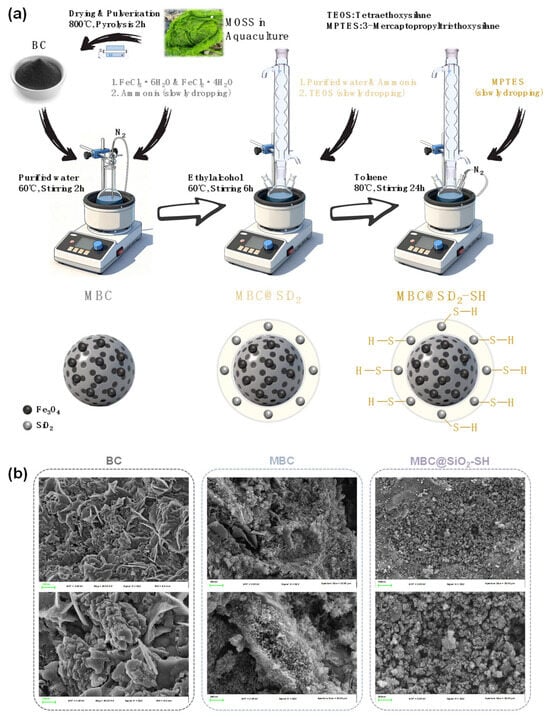
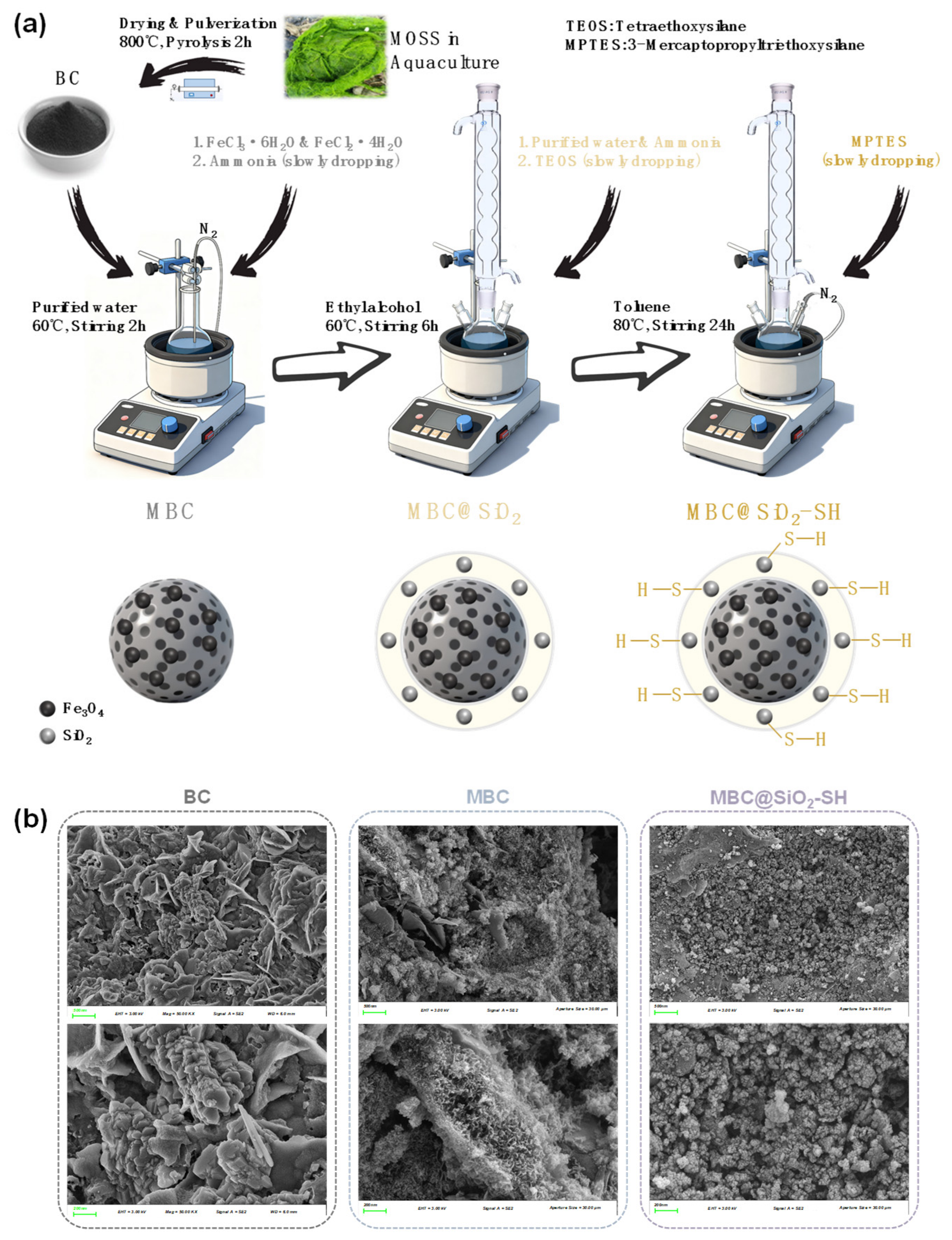
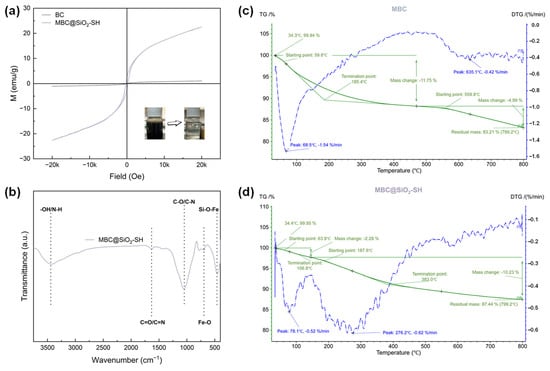
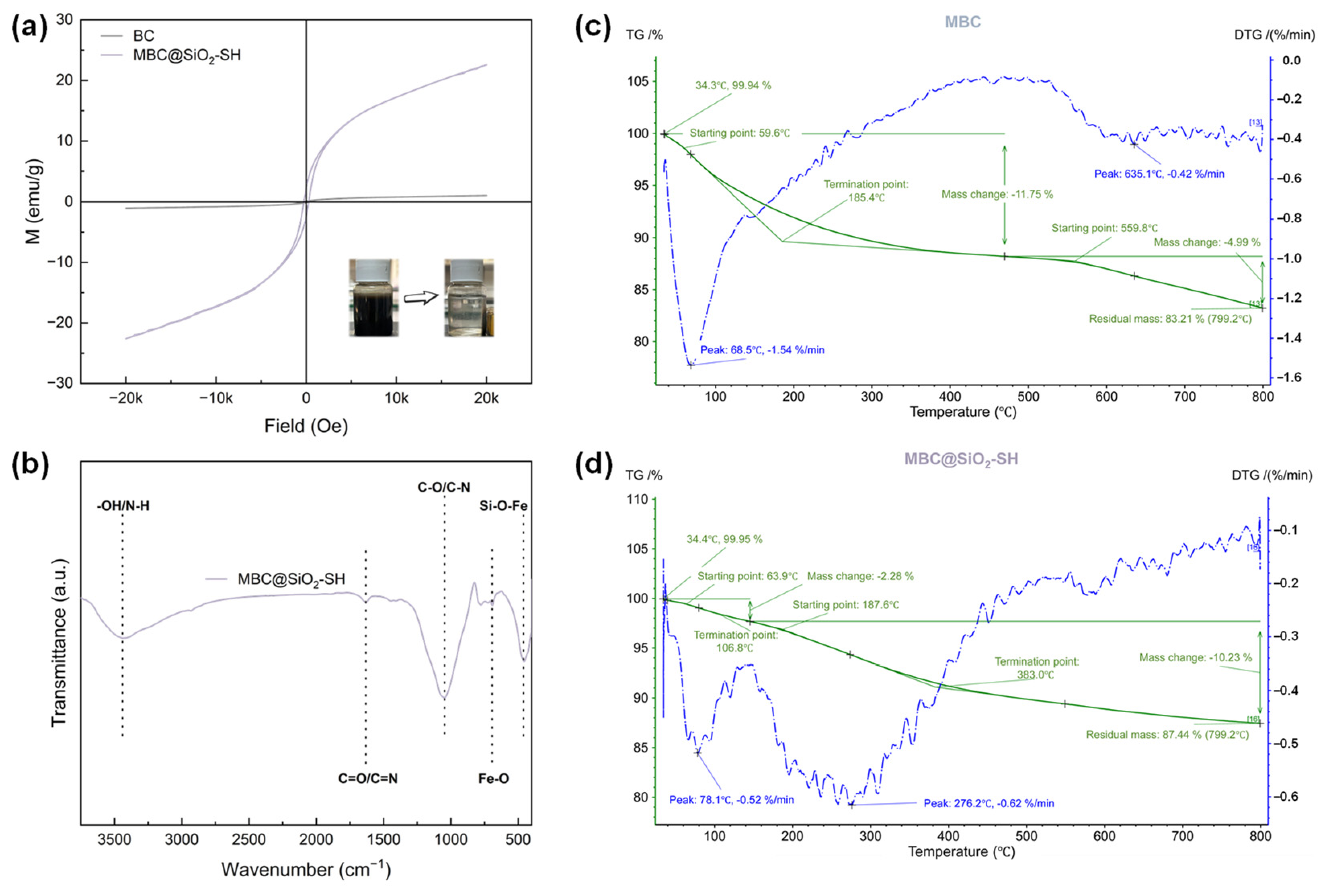
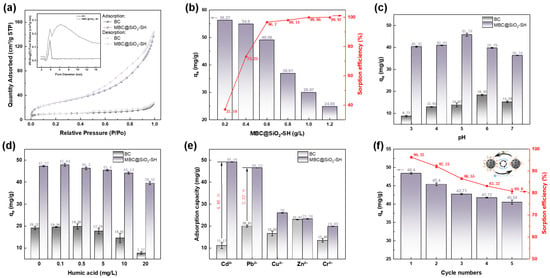
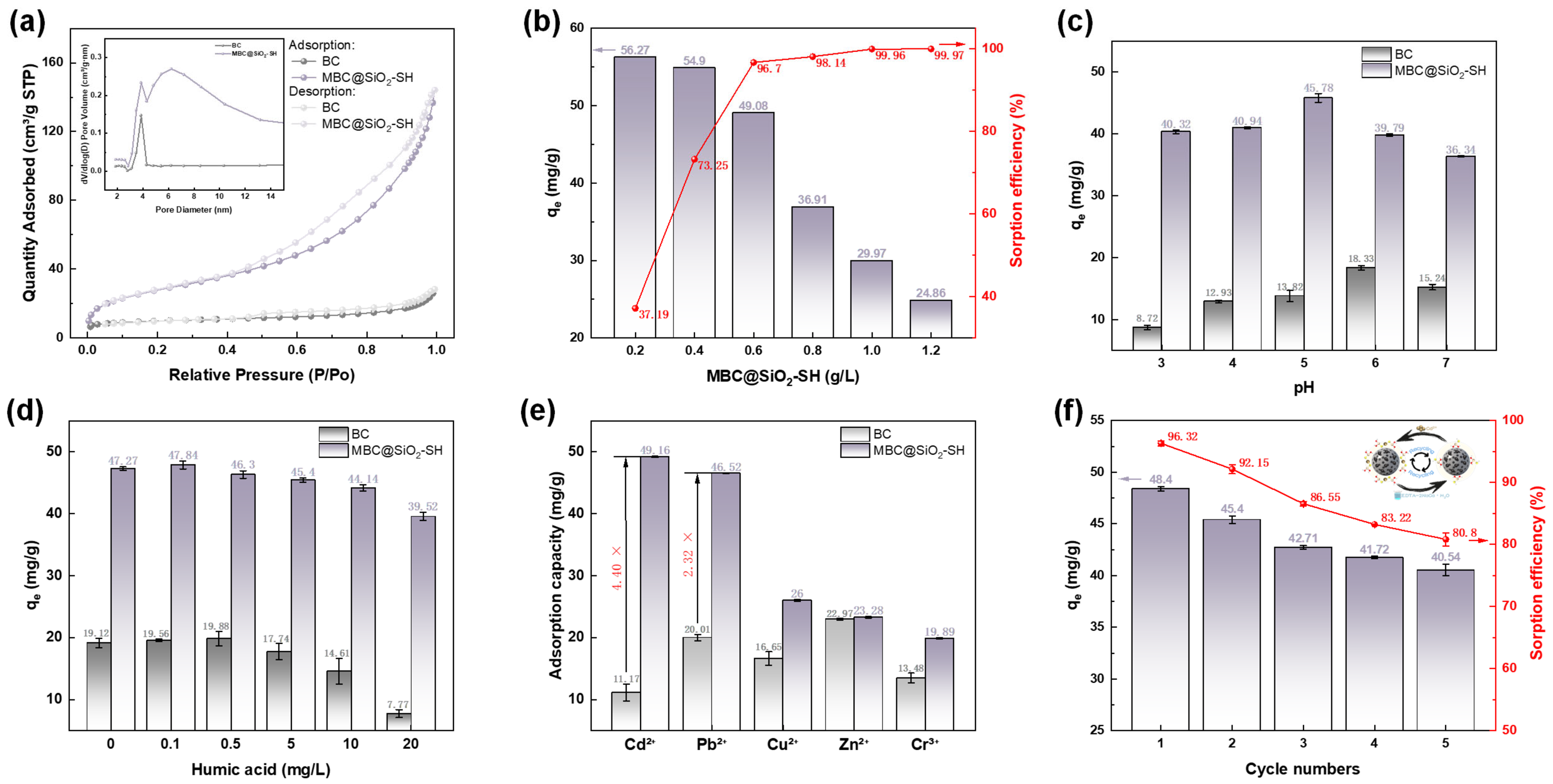
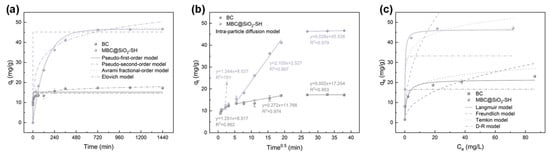
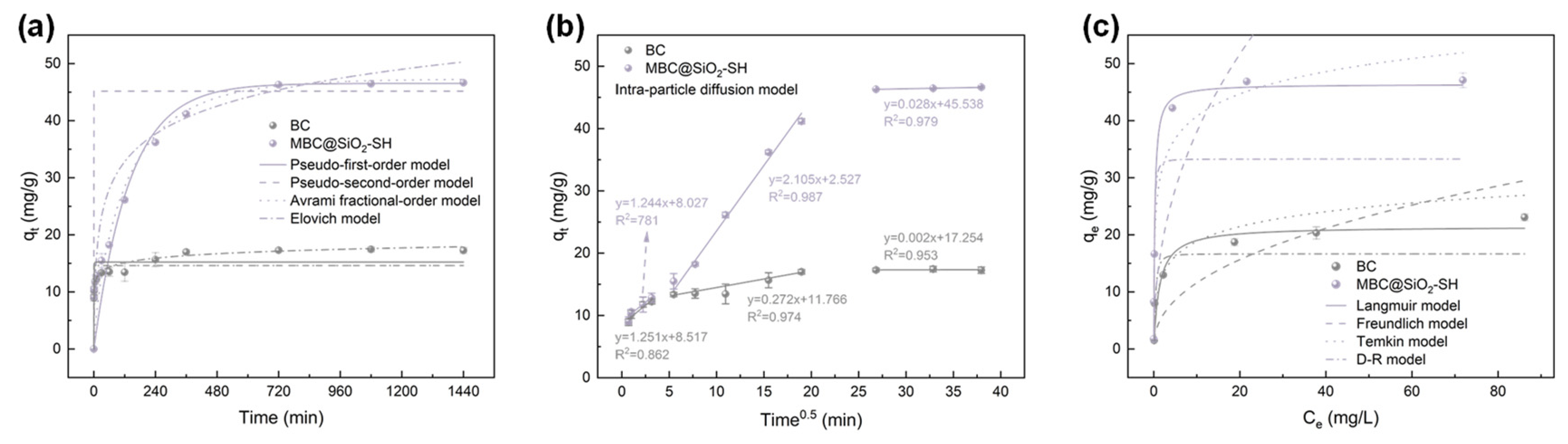
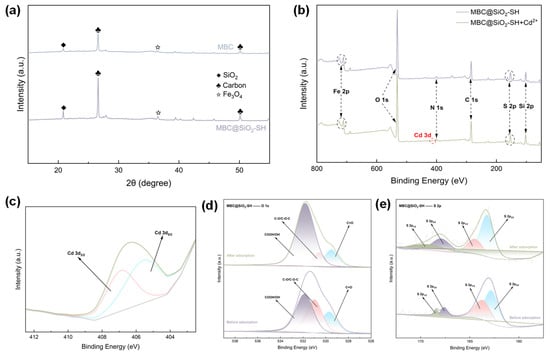
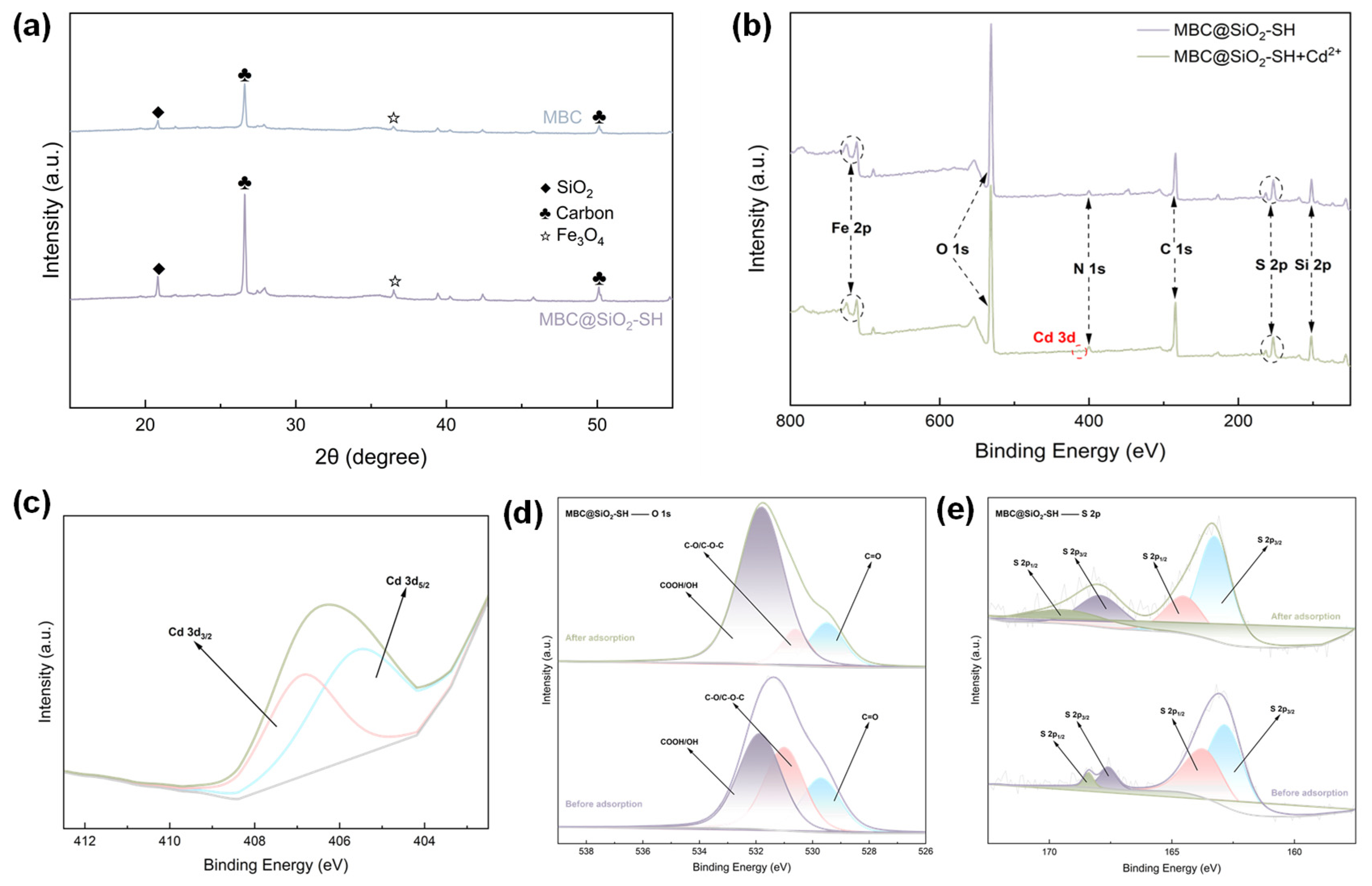
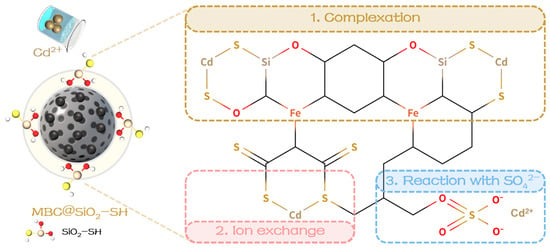
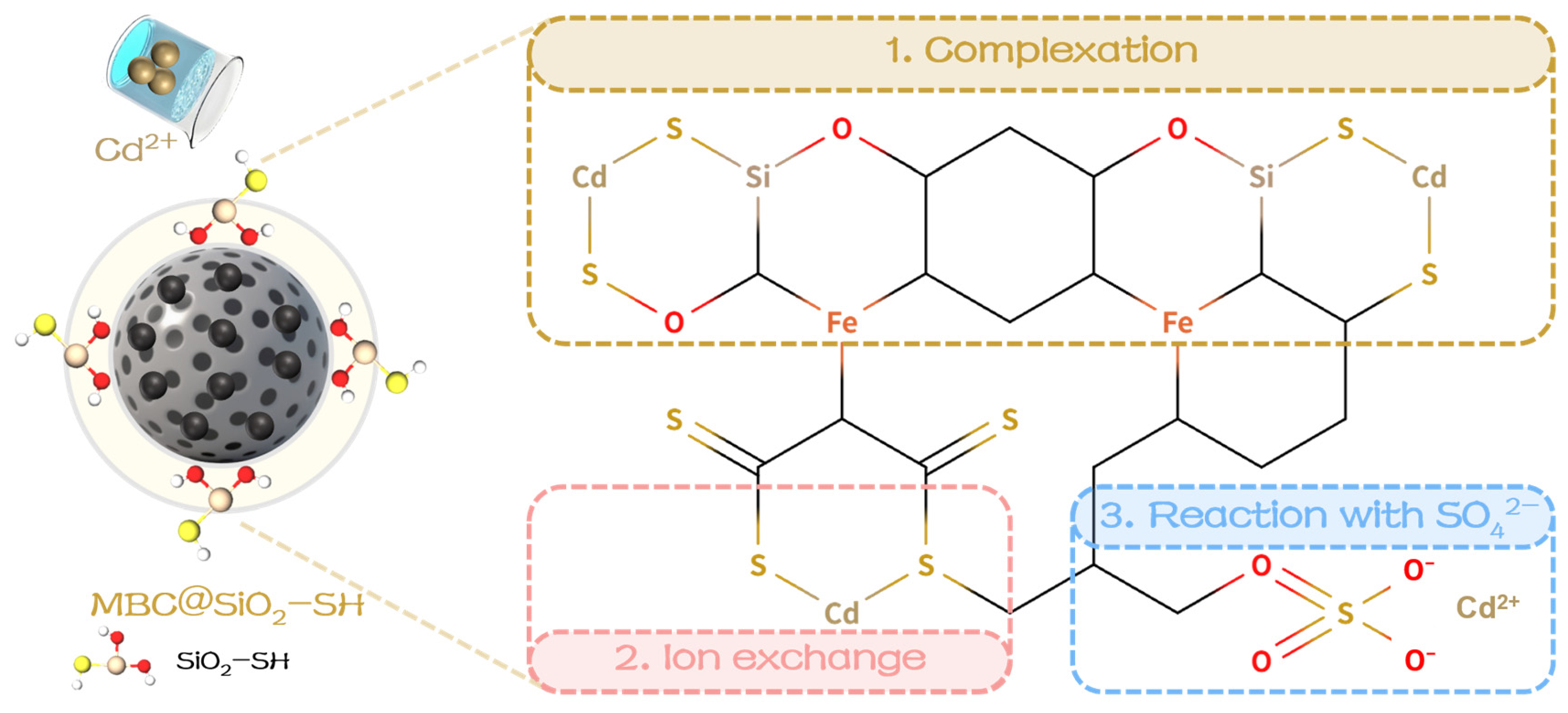
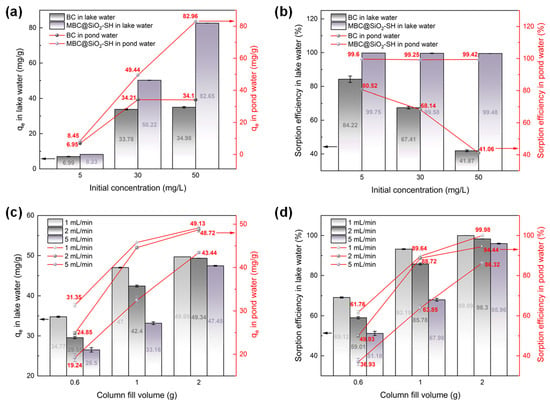

Disclaimer/Publisher’s Note: The statements, opinions and data contained in all publications are solely those of the individual author(s) and contributor(s) and not of MDPI and/or the editor(s). MDPI and/or the editor(s) disclaim responsibility for any injury to people or property resulting from any ideas, methods, instructions or products referred to in the content. |
© 2026 by the authors. Licensee MDPI, Basel, Switzerland. This article is an open access article distributed under the terms and conditions of the Creative Commons Attribution (CC BY) license.