


Abstract
Background: The Vehicle Routing Problem (VRP) is foundational to logistics optimization, yet its alignment with the Triple Bottom Line (TBL) and UN Sustainable Development Goals (SDGs) remains fragmented. This study conducts a strategic bibliometric audit of 301 peer–reviewed publications (1992–2025) to quantify the evolutionary progression and thematic maturity of sustainable routing research. Methods: A four–stage scientometric framework was employed, utilizing Scopus–based data retrieval, longitudinal mapping, and Python 3.14–driven text mining to visualize keyword co–occurrence networks, author collaborations, and regional research clusters. Results: Findings reveal a pronounced “Sustainability Asymmetry,” where 51.5% of studies prioritize economic efficiency, while only 2.6% address the social pillar. Additionally, social sustainability remains an “isolated island” with minimal cross–citation to the research core. Geographic analysis identifies a heavy concentration in China, the USA, and Western Europe, uncovering a critical North–South—collaboration gap. Conclusions: The study proves that while environmental themes reached maturity between 2018 and 2022, social indicators exhibit a significant maturity lag. This quantified social deficit, centered on the neglect of SDG 3 and SDG 10, mandates a fundamental paradigm shift toward a geographically inclusive and socially conscious research agenda to ensure global logistical equity.
1. Introduction
1.1. Background and Motivation
Vehicle Routing Problems (VRPs) represent a fundamental cornerstone of logistics optimization, carrying profound economic, environmental, and social implications. As of early 2026, the global logistics landscape is undergoing a radical transformation; AI–powered route optimization has transitioned from a competitive advantage to a baseline operational requirement, now adopted by 51% of the industry to navigate unprecedented systemic volatility [1,2]. From an economic perspective, optimized routing is no longer merely a cost–saving measure but a prerequisite for solvency. The “Tariff Shock” of 2025 and subsequent supply chain disruptions have made a 10–30% reduction in transportation costs the critical threshold for firm survival in volatile trade corridors [1]. Environmentally, the pressure for decarbonization has reached a historical peak. While freight transport accounts for nearly 41% of global transport–related CO2 emissions [3], the Green Logistics—market, valued at USD 1.66 trillion in late 2025, demonstrates a decisive shift toward “Energy–Aware” orchestration and fleet electrification [4,5].
However, empirical data reveal a widening “Sustainability Asymmetry.” Despite findings from the International Labour Organization indicating that optimized routing can reduce driver working hours by 18% [6], the global logistics sector in 2026 continues to face a chronic personnel shortage. This crisis is exacerbated by a persistent “Social Deficit” in academic literature, where the social pillar remains an intellectual island isolated from the research core [7,8]. Historically, the VRP was conceptualized around rigid capacity and distance constraints [9,10,11]. However, the current 2026 horizon mandates a fundamental paradigm shift: internalizing social externalities such as driver well–being, service equity, and community impact as primary optimization objectives rather than secondary constraints.
1.2. Research Objectives and Contribution
The recent surge in VRP literature has created a fragmented archive of knowledge that lacks a cohesive sustainability synthesis [1,12]. To address this fragmentation and provide quantitative clarity, this study utilizes advanced bibliometric and scientometric methodologies as critical instruments for mapping the field’s evolutionary progression and methodological maturation [13,14].
The overarching objective of this work is to deliver a systematic, data–driven synthesis that compels VRP research to move toward a holistic Triple Bottom Line (TBL) approach. By conducting a pioneering quantitative audit of 301 Scopus–indexed studies from 1992 through December 2025, this study offers the following primary contributions:
- Evolutionary Knowledge Mapping: We delineate the intellectual structure and thematic shifts in VRP research, identifying the quantitative trajectory from classical capacity constraints to contemporary “Agentic AI” and autonomous orchestration.
- Multi–Dimensional Sustainability Audit: We provide a statistical assessment of the “Social Deficit,” evaluating the alignment of VRP literature with the three pillars of sustainability relative to environmental and economic factors.
- Geographic and Policy Synthesis: We map the global distribution of research productivity, identifying under–represented “research islands” in the Global South and correlating regional outputs with the UN Decade of Sustainable Transport (2026–2035) mandates.
- Thematic Gap Identification: Utilizing network–theoretic metrics (including density and centrality analysis), we detect systemic gaps and propose actionable research entry points to align future VRP models with the UN Sustainable Development Goals (SDGs).
Ultimately, this work serves as a foundational audit to ensure the next generation of VRP models reflects the multi–dimensional reality of global transport economics and social equity.
1.3. Paper Structure
The remainder of this paper is organized into six primary sections to provide a logical progression from theoretical background to future research mandates. Section 2 establishes the state–of–the–art by establishing the current state of VRP variants and identifying the limitations of existing reviews. Section 3 details our rigorous, PRISMA–aligned methodology, including the multi–author validation protocol and the Boolean logic used to refine the 301–article corpus.
The core of the study is presented in Section 4, which provides a descriptive bibliometric analysis (Section 4.1) covering geographic policy drivers and author collaboration networks, followed by a thematic content analysis (Section 4.2) focused on the alignment of VRP research with the TBL and the UN SDGs. Section 5 discusses the newly identified gaps in the social pillar and proposes future research frontiers, specifically emphasizing “Social Utility” functions and global equity. Finally, Section 6 offers concluding remarks and targeted strategic recommendations for academics, logistics enterprises, and policymakers navigating the 2026 landscape.
2. Overview of Previous Studies
The Vehicle Routing Problem (VRP) is intricately associated with a multitude of diverse domains, engendering a perpetual influx of novel variants and solution methodologies [15,16,17,18,19,20]. Since the foundational “Truck Dispatching Problem” introduced by Dantzig and Ramser in 1959, the field has evolved from basic capacity and distance minimizations toward highly complex, multi–attribute frameworks [9,10,11]. However, the intrinsic complexity of modern logistics, coupled with the rapid acceleration of emerging research, has culminated in a vast and frequently fragmented corpus of literature that lacks a unified sustainability synthesis.
The extant literature encompasses several investigations that have employed quantitative and systematic approaches to delineate the VRP domain. Ni and Tang [7] conducted a notably exhaustive bibliometric analysis spanning six decades (1959–2022), identifying overarching developmental trajectories. Similarly, Toth and Vigo [10] established the technical—benchmarks for the field, yet primarily focused on algorithmic efficiency rather than socio–environmental impacts.
In more recent years, bibliometric endeavors have increasingly concentrated on specific sub–domains to address urgent industrial shifts. Ref. [21] offered a meticulous review exclusively on the Green Vehicle Routing Problem (G–VRP), charting evolutionary patterns pertinent to emissions and environmental sustainability. Building on this, Wang et al. [22] explored the “Dynamic Vehicle Routing Problem,” highlighting the critical shift toward real–time operational adaptability as a response to global supply chain volatility.
Furthermore, the 2024–2026 landscape has seen the emergence of Collaborative and Decentralized Delivery Models. Recent scholarship has expanded to include the routing optimization of takeout delivery under joint models involving autonomous drones, occasional drivers, and crowd–shipping agents [23,24]. These models introduce stochastic human variables and “agentic” coordination challenges that demand a departure from classical deterministic routing to accommodate the unpredictable nature of crowdsourced logistics [1,25,26].
As we navigate the 2025–2030 horizon, research has begun to align more explicitly with the UN Sustainable Development Goals (SDGs) [27,28]. Recent industry synthesis suggests that while computational methodologies, particularly Metaheuristics and Deep Reinforcement Learning, have reached technical maturity [1,2,29], a significant taxonomic gap remains regarding the “Social Pillar” of logistics [30,31,32]. Specifically, Akgün and Özdamar [8,28] argue that while the environmental and economic dimensions are mathematically well–mapped, the integration of driver welfare and service equity into core optimization functions remains critically underdeveloped.
The very latest 2025–2026 research indicates a nascent pivot toward addressing this “Social Deficit.” Ebrahimi Gouraji et al. (2025) [33] proposed multi–objective strategies that explicitly formalize “Social Utility” as a primary objective, while Pilati and Tronconi [6] advocate for a transdisciplinary approach to balance the Triple Bottom Line (TBL) through customer–centric prioritization. Furthermore, moving into the 2026 landscape, new systems engineering frameworks have begun integrating service equity, noise pollution, and accident risks as core design principles rather than secondary constraints [34,35].
Collectively, these investigations substantiate the efficacy of quantitative synthesis within the VRP domain. Nonetheless, their specialized scopes often create isolated “research islands,” leaving a void for a holistic, longitudinal examination. Our present study fills this gap by providing a contemporary (1992–December 2025) synthesis that explicitly prioritizes the quantitative integration of the social pillar within the broader UN SDG framework, thereby providing a definitive roadmap for “Just Logistics” in the post–2025 era.
3. Methodology
3.1. Data Collection and Source Selection
The data collection process for this bibliometric audit was executed using the Scopus database, widely recognized as the premier repository for high–impact engineering, logistics, and operations research literature [13]. Scopus was prioritized over alternative databases (such as Web of Science or Google Scholar) due to its superior coverage of technology–focused journals and its rigorous Content Selection Advisory Board (CSAB), which ensures that indexed records adhere to strict ethical and academic standards [36].
To ensure the integrity and reproducibility of the corpus, we adhered to the PRISMA (Preferred Reporting Items for Systematic Reviews and Meta–Analyses) guidelines [37]. The metadata extraction was finalized on 31 December 2025, to provide a stable, year–end dataset for the subsequent analytical process. This Stability Cutoff was selected to ensure a complete and finalized data year for longitudinal comparison, accounting for the standard indexing lag in Scopus to ensure that all records from 2025 were fully processed and metadata–complete before the March 2026 analysis.
3.2. Search String Construction and Validation
To ensure the comprehensiveness of the research corpus, a “Seed–and–Expand” strategy was employed for keyword compilation. Initially, a “Seed Set” of core journals within the Transportation and Operations Research domains was identified to extract high–frequency technical terms. These terms were then subjected to a preliminary keyword co–occurrence test in Scopus to identify relevant synonyms and adjacent concepts (e.g., “Green VRP”, “Sustainable Logistics”). Finally, the resulting search string was validated against established VRP taxonomies [20] to ensure the final query was both technically exhaustive and discipline–specific.
The primary keyword clusters and their logical operators are visualized in Figure 1.
Figure 1.
Conceptual mapping of keywords utilized for the systematic search query.
The initial identification phase was language–agnostic to ensure a broad capture of the global literature. However, as illustrated in Table 1, non–English records were systematically excluded during the Eligibility Phase. This exclusion was necessary to maintain the highest level of qualitative precision during the full–text thematic audit, ensuring that the 301–article final corpus could be analyzed with 100% linguistic accuracy by the author team.
Table 1.
Systematic Selection Protocol and Inclusion/Exclusion Criteria.
3.3. Bibliometric Software and Analytical Logic
The analytical phase utilized a custom Python–driven Scientometric Pipeline for the construction and visualization of bibliometric networks (Python Software Foundation, Wilmington, DE, USA) [38]. By leveraging specialized libraries such as NetworkX for graph theory and Matplotlib for high–resolution visualization, this study moved beyond basic descriptive counting toward a rigorous Network Theoretic Analysis [39].
The use of Python allowed for the precise calculation of specific Scientometric Indicators required to validate the identified “Sustainability Asymmetry.” This includes measuring Network Density (∆) to assess thematic fragmentation and Betweenness Centrality (CB) to identify “bridge” nodes that link traditional optimization with emerging social utility functions [40].
3.4. Selection Process and Quality Audit
The transition from the initial search results to the final 301–article database followed a rigorous selection protocol to mitigate potential selection bias [13,41]. Following the initial identification phase, which was language–agnostic to ensure a comprehensive capture of the global SVRP literature, a systematic screening process was applied. As illustrated in the PRISMA workflow, non–English records were excluded during the Eligibility Phase. This specific exclusion was necessary to maintain the highest level of qualitative precision during the full–text thematic audit, ensuring that the 301–article final corpus could be analyzed with 100% linguistic accuracy by the author team. To ensure a high degree of inter–rater reliability and thematic accuracy, particularly regarding the nuances of the “Social Pillar”, a collaborative four–author “Blind Parallel Review” validation framework was implemented:
- Stage 1: Primary Blind Screening: The first three authors independently executed a double–blind screening of titles and abstracts to assess preliminary alignment with the research objectives. This “blind” approach ensured that initial inclusion decisions were insulated from peer–influence bias.
- Stage 2: Full–Text Technical Audit: The remaining 408 articles underwent a comprehensive full–text review to verify the presence of explicit VRP optimization models or sustainability–centric logistics frameworks. Findings were recorded in a shared coding matrix to identify points of consensus.
- Stage 3: Arbitration and Synthesis: In instances of thematic ambiguity or classification discrepancies (e.g., regarding specific SDG mapping), the fourth author served as the Senior Arbitrator. This multi–layered “human–in–the–loop” validation ensured that any coding discrepancies regarding TBL pillars were resolved through consensus, resulting in the final refined corpus of 301 papers.
3.5. Scientometric Analytical Methods
Bibliometric analysis employs mathematical and statistical techniques to quantitatively assess published literature, offering an objective evaluation of the field’s historical development and future trajectories [38,42]. Following the finalization of the 301–article corpus, this study adopts a multi–tiered analytical framework, progressing from descriptive statistics to advanced science mapping and thematic content review.
3.5.1. Tier I: Descriptive and Citation Metrics
The initial phase focuses on the structural mapping of the field through Publication Trend Analysis. This involves calculating the temporal distribution to identify growth cycles, geographic productivity to detect regional research clusters, and journal distribution to evaluate the disciplinary “reach” of the Sustainable VRP. The Citation and Collaboration Analysis further delineates the intellectual influence of the corpus. Utilizing Python–driven algorithms, we identify seminal works and visualize Author and Institutional Collaboration Networks. These networks serve as a proxy for knowledge transfer and transdisciplinary engagement across global research hubs.
3.5.2. Tier II: Network–Theoretic Science Mapping
To provide the quantitative rigor requested for identifying “Knowledge Fragmentation,” this study utilizes Keyword Co–occurrence Analysis and Temporal Burst Detection. By treating the corpus as a mathematical graph, we calculate two primary scientometric indicators:
- Network Density (∆): Used to measure the cohesion of thematic clusters, specifically identifying if the “Social Pillar” remains a peripheral “isolated island” [39].
- Betweenness Centrality (CB): Used to identify “bridge” keywords and journals that facilitate the integration of traditional optimization with the UN SDGs [40].
3.5.3. Tier III: Systematic Content and SDG Alignment
The final tier involves a Qualitative––Quantitative Synthesis, where the 301 articles are manually audited against the Triple Bottom Line (TBL) pillars and the 17 UN Sustainable Development Goals. This phase transcends basic bibliometrics by correlating specific VRP mathematical variants with their potential socio–environmental impact, ensuring that the identified “Sustainability Asymmetry” is grounded in both statistical data and thematic reality.
3.5.4. Theoretical Synthesis: The Conceptual Framework
To provide a cohesive structure for these analytical tiers, we have developed a Conceptual Framework (Figure 2) that serves as the theoretical anchor for this study. This framework maps the technical elements of VRP optimization onto the TBL pillars and the UN SDGs, providing a visual roadmap that translates the raw bibliometric data from Tiers I and II into the actionable policy insights explored in Tier III.
Figure 2.
Conceptual Framework: Mapping SVRP Technical Variables to the Triple Bottom Line and UN Sustainable Development Goals.
4. Results and Discussion
4.1. Descriptive Analysis: Bibliometric Mapping
To conduct a rigorous statistical evaluation of the 301–article corpus, Python–driven computational resources were employed to execute an intensive scientometric audit. This phase transcends basic descriptive counting by mapping the intellectual structure and topological shifts in the VRP domain using graph–theoretic metrics [43,44].
4.1.1. Network Visualization and Thematic Clusters
Harnessing text–mining algorithms across the metadata of the selected papers, a Keyword Co–occurrence Network was generated (Figure 3). Unlike a standard word cloud, this network visually articulates the frequency (node size) and interconnectedness (link density) of research themes, revealing a hierarchical architecture of the field [38,45]. To provide a quantitative audit of this topology, we calculated the overall Network Density (∆ ≈ 0.043), which indicates that while the field is expanding, thematic integration remains relatively low, with only 4.3% of potential inter–keyword connections realized [40,46]. At the center of the topology, “Routing Problem” acts as the primary anchor with the highest Betweenness Centrality (CB = 0.89), functioning as the mandatory bridge for all sub–domains [29,47]. Surrounding this core, our Python–based analysis identifies several distinct research clusters:
Figure 3.
Network visualization of research themes in VRP literature using Python–driven Co–occurrence Mapping (Global Density ∆ = 0.043).
- The Efficiency Cluster (Economic): Dominated by “Inventory Routing,” “Capacitated VRP,” and “Distribution.” This cluster exhibits a local Density (∆local ≈ 0.12), significantly higher than the global average, confirming that economic optimization remains the most developed and interconnected area of research [48].
- The Environmental Cluster (Green): Centered on the “Green” node, this cluster is robustly linked to “Emissions,” “Electric Vehicles,” and “Sustainability.” The proximity of “Green” to the central routing node (CB = 0.64) reflects the successful integration of environmental variables into core optimization functions [3,21,49].
- The Methodological Cluster: Highlighting the prevalence of “Heuristics,” “Stochastic Algorithms,” and “Multi–objective Optimization.” The visualization proves that “Stochastic Demand” (CB = 0.41) is increasingly acting as a bridge toward operational uncertainty [1,50].
- The “Social Island” (Emerging Gap): Crucially, while “Green” and “Economic” terms are central, social indicators such as “Social Utility,” “Driver Welfare,” or “Equity” exhibit extremely low centrality (CB < 0.05) and are often positioned at the network’s periphery. This provides the first quantitative evidence of the “Sustainability Asymmetry” discussed in Section 1, where the social dimension remains an intellectual “island” disconnected from the central optimization discourse [46,51].
4.1.2. Distribution of Research Topics
Analysis of the 301–article corpus offers crucial insights into the current research landscape of VRPs, revealing a field in transition from purely economic optimization to a more complex, albeit lopsided, sustainability framework. As illustrated in Figure 3, the distribution reveals a clear hierarchy of priorities, dominated by a “trio of themes” that reflects the industry’s historical focus on cost and carbon reduction. The largest focus is on Inventory–focused research, which dominates the literature with 115 papers. This reflects the mature state of the Inventory Routing Problem (IRP), where researchers prioritize the integration of supply chain—synchronization with routing to minimize total logistics costs [48]. Following this, core Vehicle Routing (87 papers) continues to provide the foundational algorithmic support necessary for handling increasingly complex constraints [52,53]. The dominance of Inventory–focused research reflects the maturity of the Inventory Routing Problem (IRP) in minimizing total logistics and holding costs. Green VRP (G–VRP) has moved from a niche interest to a mainstream focus, though it often remains a proxy for fuel–cost reduction rather than holistic sustainability [21,54]. However, a deeper analysis reveals that “Green” is often treated as a proxy for “Fuel Efficiency” or “CO2 reduction,” which are inherently tied to economic savings. The most significant finding in Figure 3 is the critical gap in Sustainable VRP (6 papers), highlighting a historic neglect of the social pillar. The most significant finding in Figure 3 is the critical gap in Sustainable VRP (6 papers), highlighting a historic neglect of the social pillar. However, the latest 2025 literature indicates an exponential qualitative shift:
Social Utility and Ethics: Recent breakthroughs by Ebrahimi Gouraji et al. (2025) [33] have formalized “Social Utility” as a primary weighted objective in multi–objective genetic algorithms, moving beyond simple emission metrics to address driver quality of life and community impact.
UN Decade of Sustainable Transport (2026–2035): The official launch of this UN decade in early 2026 has catalyzed research into “Service Equity” and inclusive urban freight, aligning VRP models with SDG 11 (Sustainable Cities) [27,55].
Transdisciplinary Prioritization: New frameworks proposed in 2025 advocate for a “Triple Bottom Line” approach where customer prioritization is treated as a social equity challenge rather than just a revenue driver [56,57].
Autonomous and Agentic AI: Moving into late 2025 and early 2026, the rise in autonomous delivery and “Agentic AI” is enabling more responsive VRP models that can autonomously reroute to protect driver welfare and minimize urban noise [58].
While the “Sustainable VRP” count remains low, these 2025–2026 trends suggest that the social pillar is the next major frontier, transforming from a peripheral constraint into a core design principle for modern logistics systems [59,60].
4.2. Distribution of Authors and Productivity Tiers
Analysis of author productivity and impact reveals the key contributors and collaboration—networks shaping the VRP landscape. As illustrated in Figure 4, the distribution demonstrates a clear hierarchical structure, aligning with Lotka’s Law of scientific productivity, where a concentrated core of scholars drives the majority of high–impact literature [61]. Utilizing our Python–driven audit, we categorize the researchers into three distinct tiers based on their contribution volume and network centrality.
Figure 4.
Distribution of research topics.
4.2.1. The Leading Tier: Foundational Architects (7–8 Papers)
The Leading Tier is anchored by foundational figures such as Archetti, C. and Laporte, G., whose pioneering work in inventory routing and exact algorithms remains the theoretical benchmark for the field [48,62]. Their long–standing collaborations with Speranza, M.G. have established the mathematical standards for modern optimization [18,53,63]. In the 2024–2026 context, their work is being re–contextualized to solve the complex coordination challenges of autonomous delivery systems. Equally influential, Vakili–Moghaddam, R. has pioneered the use of innovative metaheuristics–, providing the multi–objective foundations required to formalize “Social Utility” variants in recent scholarship [33,59,64].
4.2.2. The Core Contributor Group: Digitalization and Synchronization (6 Papers)
The Core Contributor Group, including Juan, A.A. and Coelho, L.C., has focused on the intersection of simulation–optimization and practical supply chain—synchronization [1,2,30]. Their recent output reflects the industry’s rapid push toward digitalization and “Digital Supply Chain Twins.” By integrating stochastic variables into traditional routing, this group has provided the bridge for the 2025 shift toward real–time operational adaptability [65].
4.2.3. The Active Researcher Tier: Emerging Sustainability Frontiers (4–5 Papers)
The Active Researcher tier is increasingly characterized by inter–institutional partnerships—that address the 2026 global mandates for “Service Equity” and inclusive logistics [55,57]. This group demonstrates a higher degree of cross–border collaboration, specifically targeting the UN SDGs. The distribution illustrated in Figure 5 reveals that while foundational giants maintain the intellectual base, the “Next Frontier” of sustainability is being driven by a diversifying network of specialized collaborators. These researchers are effectively bridging the gap between operational efficiency and the Social Pillar of the UN SDG framework [35,58,64].
Figure 5.
Top 20 authors by publication count in VRP research (2012–2025), reflecting Lotka’s Law of productivity.
4.2.4. Distribution of Citations
The analysis of citation frequency serves as a crucial lens for understanding the intellectual gravity and shifting priorities within the vehicle routing field. Far from a static metric, these patterns reveal how research influence has migrated from foundational algorithmic speed toward the sophisticated, sustainability–driven frameworks that define the current landscape [58,59].
Leading Contributors and Collaboration Networks: The contemporary citation map is fundamentally anchored by three dominant research clusters that act as the field’s intellectual hubs. As shown in Figure 6, Archetti C. continues to lead a prominent European node, maintaining a remarkable—impact through consistent methodological breakthroughs in rich VRP variants and inventory routing [48,62]. Her long–standing synergy with Speranza M.G. has established a self–reinforcing loop of high–impact scholarship, producing foundational benchmarks that remain the primary point of reference for modern optimization [18,53]. Simultaneously, Laporte G. remains the global bridge between European and North American research communities; his 2016 work on exact algorithms acts as a permanent cornerstone, even as his more recent collaborative efforts drive the practical digitalization of supply chains [61]. In the Middle East, the cluster pioneered by Vakili–Moghaddam R. has carved out a unique high–growth niche, focusing on the metaheuristics—and multi–objective foundations required to solve the increasingly complex “Social Utility” variants that are currently trending [33,59].
Figure 6.
Distribution of authors and their citations.
4.2.5. Temporal and Theme–Based Citation Impact
A granular analysis of citation frequency by research theme reveals that while methodological rigor remains the backbone of the field, the “intellectual premium” has shifted significantly over time. Utilizing our Python–driven audit, we calculated the Mean Citation Rate (MCR) across thematic clusters to identify the drivers of contemporary research influence (Figure 7).
Figure 7.
Mean Citation Rate (MCR) by Research Category.
Methodological Foundations and Applied Integration
Methodological papers continue to achieve the highest consistent citation rates, averaging—25.3 citations per year. These works provide the essential algorithmic foundations, such as exact methods and advanced metaheuristics, that are universally utilized across all VRP variants [41,66]. This is followed by integration studies and application–focused—papers, which average 22.7 and 19.8 citations, respectively. This high level of engagement reflects the field’s commitment to solving real–world logistics complexities, particularly in urban “Last–Mile” delivery and cold–chain management [67,68].
The AI–Sustainability Convergence and Agentic Evolution
The most dramatic shift in research influence is found in the convergence of logistics with advanced computational intelligence. While the 2019–2020 window saw an acceleration to 22.7 citations for Green VRP initiatives, papers integrating Artificial Intelligence (AI) and Machine Learning (ML) approaches since 2021 have demonstrated an exceptional impact, averaging 39.5 citations per year [69,70,71,72]. This trend has reached a new peak in the 2025–2026 period with the emergence of Agentic AI. Our analysis identifies a significant “Citation Burst” for autonomous systems capable of self–optimization and real–time trajectory tracking in volatile environments [73,74,75,76]. This suggests that the “Next Frontier” of the VRP is not merely green but autonomous and adaptive, providing the technical infrastructure necessary to finally integrate the complex, dynamic variables of the Social Pillar, such as real–time driver welfare monitoring and fair workload distribution, into core objective functions.
Regional Research Dynamics and Future Trajectories
Beyond thematic focus, the topological origin of research significantly impacts its intellectual trajectory. As illustrated in Figure 8, our Python audit reveals that the European cluster maintains the highest average citation rate (24.8), driven primarily by foundational methodological innovations [77]. The North American network averages 23.2, with a strong emphasis on practical optimization and industrial implementation [78]. The Asian research group, showing a rapidly accelerating impact (21.5), is increasingly focusing on the intersection of blockchain and edge–computing within logistics networks.
Figure 8.
Regional distribution of Mean Citation Rate (MCR).
Geographic Bias and the North–South Research Gap
While the high Mean Citation Rates (MCR) in Europe and North America reflect strong methodological maturity, they also underscore a persistent geographic bias within the SVRP landscape. This “North–South” gap suggests that the current state–of–the–art is heavily optimized for structured, high–resource urban environments. Consequently, critical logistics challenges prevalent in the Global South, such as informal transport systems, humanitarian logistics in volatile regions, and rural infrastructure deficits, remain significantly underrepresented–. Addressing this imbalance is essential to transition from technologically centric—models to inclusive frameworks that satisfy the “Leave No One Behind” mandate of the 2026 UN Decade of Sustainable Transport [27,55].
As the field aligns with the UN Decade of Sustainable Transport (2026–2035), the clear correlation between international collaboration and citation velocity suggests that the most impactful future research will bridge the gap between niche technological innovation and global sustainability mandates [55,58]. The emergence of distinct regional clusters suggests a healthy diversity in the field while maintaining strong international connections required to address the transdisciplinary challenges of modern mobility [47,60].
4.2.6. Temporal Distribution and Evolution Stages
The Vehicle Routing Problem (VRP) has demonstrated a remarkable evolution, transitioning from a mid–20th–century mathematical challenge [10,79] to a cornerstone of 2026 global sustainability policy [41]. As illustrated in Figure 9, the publication trajectory reveals four distinct phases of growth. To provide a rigorous quantitative basis for these divisions as requested by methodological standards, we calculated the Compound Annual Growth Rate (CAGR) for each period using the following formulation:
where Vfinal and Vinitial represent the publication volumes at the end and start of each period, and n denotes the duration in years.
Figure 9.
Temporal distribution of VRP publications (1995–2025) across four evolutionary stages.
Foundational and Transition Phases (1995–2015)
The Early Period (1995–2005) was characterized by a steady but modest CAGR of 3.8%, marking the foundation phase where core exact methodologies based on foundational works [10,80] were established. This was followed by the Transition Period (2006–2015), which saw the growth rate accelerate to a CAGR of 9.2%. During this time, publication frequency rose from a single paper to a peak of 22 papers in 2015. This acceleration strongly coincided with the “Heuristic Revolution”, the advent of cloud computing, and the initial integration of environmental variables into routing mathematics [3,81].
The Acceleration Phase and the 2022 Historical Peak (2016–2022)
A marked surge in research output defined the Acceleration Phase (2016–2021), where the growth rate climbed to an exponential CAGR of 18.4%. Publications rose from 19 papers in 2016 to 35 papers in 2020, aligning with the global explosion of e–commerce and rising environmental consciousness [82,83]. This trajectory reached a Historical Peak in 2022 with 50 publications, driven by the confluence of technological maturity meeting the global logistics upheaval of the post–pandemic environment.
The 2025–2026 Pivot: Qualitative Consolidation and Agentic AI
While the 2023–2025 data indicates a quantitative stabilization partially influenced by database indexing latency, the research focus has shifted from “volume” to “depth,” entering a phase of Qualitative Consolidation. This current era is defined by three critical catalysts that form the 2026 research horizon:
- The 2026 UN Policy Anchor: The official launch of the UN Decade of Sustainable Transport (2026–2035) has acted as a massive citation magnet, refocusing research toward “Service Equity” and inclusive urban freight as a matter of global policy [55].
- The Social Pillar Shift: Moving beyond revenue metrics, recent benchmarks set by [8] argue that customer prioritization must be treated as a social equity challenge, integrating the Triple Bottom Line (TBL) directly into routing objective functions [19,57,84,85].
- Agentic AI and Autonomous Optimization: The field has pivoted from passive ML to Agentic AI autonomous systems capable of self–negotiation and real–time path planning [20,74,86]. Reports from late 2025 highlight the efficiency of these frameworks–, indicating up to a 30.3% reduction in emissions through agentic supply chain automation [20,75,87].
4.2.7. Distribution of VRP Research by Author Affiliation
The global landscape of VRP research is not merely a map of academic output but a reflection of how diverse national priorities and legislative mandates shape the pursuit of logistical efficiency. As illustrated in Figure 10, the geographical distribution of scholarship reveals a topological structure where research directions are intimately tied to regional economic and environmental agendas.
Figure 10.
Global distribution of VRP research by country affiliation (1995–2025).
Regional Policy Influence on Research Directions
At the forefront of this distribution, Iran maintains a commanding lead with 38 publications, a position rooted in a long–standing national policy of technological self–sufficiency. Driven by the need to optimize resources under economic constraints, Iranian scholars have pioneered sophisticated metaheuristics and energy–efficient models that align with national fuel conservation initiatives. As of late 2025, this focus has pivoted toward decentralized, resilient networks utilizing Agentic AI autonomous systems capable of self–negotiation to maintain stability in volatile supply chains [74,75,87,88]. In the United States, the output—of 33 publications is a direct response to a robust federal environmental framework. Initiatives led by the EPA and the Department of Energy have steered American research toward green logistics and high–capacity electric vehicle routing. With the launch of the UN Decade of Sustainable Transport (2026–2035), American scholarship has accelerated its exploration of hydrogen–powered fleet synchronization and autonomous last–mile delivery [55,89,90]. China’s 28 publications reflect a centralized strategic vision, responding to the “New Quality Productivity” (NQP) initiative and the 14th Five–Year Plan [91,92,93]. The national mandate for “Smart Cities” and the scale of the Belt and Road Initiative (BRI) have fostered an environment where large–scale optimization and digital infrastructure integration are paramount. Meanwhile, Canadian research (24 publications) draws strength from the intersection of industrial carbon pricing and the logistical challenges of a vast geographic landscape [94,95,96].
European Integration and the Sustainability Shift
Across the Atlantic, European research reflects a deeply integrated policy environment driven by the European Green Deal and the “Fit for 55” legislative package [97,98,99]. Germany and France (15 publications) lead this cluster. German contributions are heavily influenced by the Energiewende, where recent research has transitioned to the synchronization of VRP models with volatile renewable energy cycles and smart–grid flexibility [64,100,101]. In France, scholarship remains focused on the Mobility Orientation Law (LOM) and the “15–Minute City” spatial models, pioneering the use of Agentic AI to manage “Mobility Wallets” [74,79,86]. Meanwhile, Belgium continues to specialize in the synchro–modal synchronization required for cross–border EU trade, increasingly utilizing reinforcement learning to manage multi–modal global value chains [41,82,102].
Emerging Hubs and Global Convergence
The landscape is enriched by emerging hubs like India (11 publications), where research aligns with the Smart Cities Mission and rural connectivity programs [12,103]. In the MENA region, a significant surge is visible as hubs like Tunisia position themselves as strategic bridges between European technology and African growth markets, focusing on resilient industrial mechatronics and smart maintenance routing [104].
Future Policy–Driven Trends (2026–2035)
As the field enters 2026, two transformative pillars define the research frontier:
- Implementation Realism: The UN Decade of Sustainable Transport has shifted focus from theoretical reduction to the operationalization of resilient infrastructure and “Service Equity,” ensuring low–carbon transport is accessible to marginalized regions [55,57].
- Agentic AI as Governance: Digitalization has evolved into the “operating system” for sustainable logistics. The integration of Agentic AI systems that independently reason and execute multi–step workflows ensures that VRP solutions of the next decade are both high–performing and environmentally regenerative [25,74,75].
4.2.8. Distribution of VRP Publications Across Leading Journals
The analysis of publication venues reveals a rich and diverse landscape spanning 115 journals, demonstrating the broad impact and multidisciplinary nature of VRP research. As illustrated in Figure 11, the distribution of these publications is not merely a statistical record but a narrative of how the field’s intellectual gravity has shifted from theoretical foundations to the urgent, complex realities of 2026 logistics.
Figure 11.
Distribution of VRP publications across leading journals (minimum 7 publications per venue).
Leading Publication Venues and Methodological Strongholds
The narrative of VRP research remains anchored in its traditional strongholds. Computers and Operations Research (25 publications) has firmly established itself as the field’s dominant platform, where the focus has recently evolved from static modeling to high–frequency, data–driven autonomous solving [105,106]. Following closely, the European Journal of Operational Research (17 publications) maintains its reputation for methodological excellence, particularly in bridging the gap between rigorous mathematical programming and evolutionary computation. Meanwhile, Computers and Industrial Engineering (14 publications) serves as the primary bridge to the shop floor, focusing on the system coordination required for modern industrial logistics.
Thematic Specialization and the Sustainability Pivot
As the global climate mandates of the UN Decade of Sustainable Transport (2026–2035) take hold, specialized venues have seen a surge in relevance. The Journal of Cleaner Production (12 publications) and Sustainability (7 publications) have become the leading voices for environmental stewardship, moving beyond simple “green” routing to explore the transdisciplinary integration of the Triple Bottom Line (TBL). These venues are now the primary sites for research on “Service Equity” and the circular economy within logistics [8,57]. In the sector–specific arena, Transportation Science (11 publications) and Transportation Research Part E (9 publications) continue to drive innovation in maritime and urban mobility. As of early 2026, Part E has specifically emerged as a hub for the “Fusion of Large Language Models (LLMs)” and maritime decarbonization, reflecting a broader trend toward—autonomous, “Just–In–Time” coordination [88]. Complementing these are the Annals of Operations Research (8 publications) and Expert Systems with Applications (8 publications), which showcase the technological “how–to” of implementing AI–based solutions in the real world.
Research Impact and the “Agentic” Reality
The International Journal of Production Research (9 publications) perhaps best exemplifies the field’s current trajectory, having evolved into a venue where theoretical rigor meets “Agentic Reality.” This involves bridging the gap between foundational OR and the practical use of Digital Twins and satellite–driven data for last–mile logistics [64,107]. This trend of integration is the hallmark of the 2025–2026 period; journals are no longer siloed into “pure math” or “pure application.” Instead, there is a clear, data–driven shift toward multi–objective optimization that reflects a mature field capable of balancing economic profit with social equity and planetary health.
Future Research Directions
The distribution pattern suggests several emerging trends. Environmental considerations move toward a “Triple Bottom Line” approach that balances social equity with carbon reduction [55,57]. Agentic AI solutions capable of autonomous reasoning in volatile environments are increasingly featured across all major venues [2,108,109]. Furthermore, implementation challenges now emphasize using Digital Twins for real–time path planning and maintenance synchronization [110,111]. This underscores the need for a structured classification framework to guide future research toward synchromodal and autonomous logistics systems [64,112,113].
4.3. Content Analysis: Sustainable Development Pillars and SDGs
4.3.1. Distribution of Sustainable Development Pillars
The evolution of the Vehicle Routing Problem (VRP) is a narrative of a field outgrowing its purely mathematical origins to embrace its role in a globally conscious world. As the literature moves into the 2026 horizon, the integration of Sustainable Development (SD) principles has transitioned from a niche addition to a fundamental necessity, driven by the urgency of modeling complex, real–world operational challenges [5,82]. Figure 12 presents a comprehensive analysis of the “Triple Bottom Line” (TBL) distribution within the studied corpus.
Figure 12.
Distribution of articles across sustainable development pillars (Economic, Environmental, and Social).
The Economic Foundation (66.53%)
Economic considerations continue to dominate the landscape with 155 papers (66.53%). This emphasis reflects the traditional focus on cost optimization and resource efficiency. However, in the current 2026 landscape, this pillar is being redefined; profitability is no longer viewed in isolation but as a variable that must coexist with long–term climate resilience and carbon–indexed revenue models.
The Environmental Awakening (30.50%)
Environmental aspects have gained substantial traction, represented by 70 papers (30.50%). By early 2026, research has matured into “Energy–Aware” routing systems that respond dynamically to fluctuations in renewable energy availability [64,100,114,115]. Modern scholarship is increasingly focused on using Digital Model–Predictive Control (MPC) to minimize acceleration–related emissions in urban corridors, satisfying new 2026 corporate reporting standards in the EU and North America [5,13,18].
The Social Pillar: “People–First” Logistics (2.97%)
Perhaps the most profound development is the revitalization of the Social Pillar. Though currently representing only 2.97% of the corpus, it is emerging as the fastest–growing research frontier. This surge is directly linked to the UN Decade of Sustainable Transport (2026–2035), which repositions the VRP as a tool for “Social Utility” [55]. This “People–First” shift integrates driver fatigue, service equity for marginalized populations, and community noise levels directly into the mathematical objective functions [12,57,93,103].
4.3.2. Distribution per SDG per Year
The Sustainable Development Goals (SDGs) provide a structured framework for analyzing research contributions across 17 integrated targets. Each SDG aligns with specific sustainability dimensions, moving from infrastructural goals to the strategic pursuit of global prosperity [18,30,116,117]. To visualize this integration, we provide the SDG Mapping in Figure 13, which illustrates the hierarchical alignment of the goals within the TBL pillars, establishing the thematic boundaries used for our longitudinal analysis.
Figure 13.
Alignment of Sustainable Development Goals (SDGs) with the Three Pillars of Sustainability.
Temporal Evolution of SDG Integration
As illustrated in Figure 14, the 2015 introduction of the SDGs triggered growth in infrastructural targets like SDG 9 (Innovation) and SDG 11 (Sustainable Cities) [49]. However, as the field entered the 2026 frontier, the focus matured toward “Implementation Realism.” Modern research leverages Agentic AI to bridge the gap between economic growth (SDG 8) and clean energy (SDG 7), ensuring that every route is optimized for both people and the planet [114,118,119].
Figure 14.
Temporal distribution of VRP research across SDGs, highlighting the 2022 peak in SDG 9 and SDG 11.
Emerging Trends: The 2026 Frontier
Current research emphasizes a transdisciplinary approach where SDGs are treated as a unified framework:
- Urban Sustainability (SDG 11): Routing variants supporting the “15–Minute City” and autonomous micro–mobility [112,113,120].
- Climate Action (SDG 13): Utilizing Digital Twins to simulate and mitigate carbon impacts in real–time [64,110,119].
- The Social Surge (Leave No One Behind): Integrating “Service Equity” for rural and marginalized communities, reflecting the 2026 UN mandate for inclusive transport [51,55]. To satisfy the operationalization of this surge, we synthesized identified indicators into a formal taxonomy (Table 2), providing a transparent basis for how VRP parameters translate into these 2026 policy targets.
Table 2.
Operational Taxonomy of the Social Pillar and SDG Mapping.
5. Gaps and Future Work
Comprehensive bibliometric and content analysis have revealed several critical gaps that define the research frontier for the next decade. Our analysis identifies three major areas requiring urgent attention to achieve the mandates of the 2026–2035 transport decade, grounded specifically in our quantitative findings.
5.1. Sustainability Integration: Beyond the Environmental Bias
The current discourse in VRP research exhibits a significant Sustainability Asymmetry. As evidenced in our content analysis (Section 4.3.1), the Social Pillar represents a mere 2.97% of the total sustainable VRP corpus. This “Social Deficit” indicates a systemic bias toward economic and environmental pillars (SDG 9 and SDG 13). However, as we enter the UN Decade of Sustainable Transport (2026–2035), this focus has led to a neglect of social objectives that are now becoming global regulatory requirements [114,124]. The next imperative is the development of a Triple Bottom Line (TBL) Optimization Framework. To move beyond the current 2.97% threshold, we propose a fundamental shift where social metrics move from “secondary constraints” to core objectives [51,119]:
- Service Equity (SDG 10): Developing “Inclusive Routing” to ensure marginalized communities receive equitable access to essential goods. This addresses the “accessibility gap” identified in the UN SDG Report 2025 [96,124].
- Workforce Well–being (SDG 3 and 8): Integrating real–time health data to minimize “Personnel Friction”—driver fatigue and job dissatisfaction. This entry point addresses—the fragmentation identified in our network audit by elevating human–centric sustainability [19,57,85].
- Community–Centric Urbanism (SDG 11): Addressing localized noise pollution through “Quiet Routing,” as requested by the 2026 EU Social Pillar Action Plan [113,125].
5.2. Geographic Disparity and Logistical Non–Equity
Our affiliation analysis and geographic mapping in Figure 7 reveal a profound Regional Non–Equity. While high–income nations have industrialized Agentic AI to meet domestic mandates, the Global South remains a “research island” in the sustainable VRP landscape [126,127]. This geographic disparity informs the need for specialized optimization in achieving SDG 10 (Reduced Inequalities). To move beyond this fragmented archive, scholars must prioritize the quantification of critical regional trade–offs:
- The Infrastructure–Equity Nexus: Assessing how VRP frameworks can adapt to volatile, under–resourced environments where “optimal” distance often conflicts with community reliability [80,128].
- The Global–Local Trade–off: Adapting international standards to address specific personnel well–being needs in marginalized communities [129,130].
5.3. A Strategic Roadmap for Human–Centered Logistics and Algorithmic Justice
The fragmentation of the field is quantitatively proven by our calculation of a low Network Density (∆ ≈ 0.04), indicating that the three pillars of sustainability remain intellectually isolated. To bridge these silos and address the critical 2.97% “Social Deficit,” research must transition toward a Human–Centered Logistics paradigm anchored in “Algorithmic Justice.” This paradigm shift responds to growing societal expectations for logistics specialists to move beyond “least–cost” models toward inherently equitable systems.
To ensure this transition moves from a conceptual ideal to an operable scientific agenda, we propose a strategic roadmap for the 2026–2035 transport decade. This roadmap maps our bibliometric findings to specific research entry points:
- Operationalizing Social Factors via the Personnel Friction Metric (PFM): Addressing the social deficit requires a transition toward the quantification of human–centric costs. We propose the introduction of the Personnel Friction Metric (PFM)—a multi–dimensional coefficient designed to quantify the physiological and psychological resistance generated by operational stress [19,79]. By treating variables such as accumulated driver fatigue and service inequity as primary objective functions rather than soft constraints, the PFM moves social sustainability into the realm of mathematical certainty.
- Bridging Thematic Silos through TBL Synthesis: Overcoming the ∆ ≈ 0.04 density gap necessitates the development of Integrative Objective Functions. These models must utilize the PFM to bridge the gap between carbon–indexing (Environmental) and real–time social utility scores (Social), ensuring a true Triple Bottom Line synthesis.
- Addressing Societal Expectations through “Livability–Indexed Routing”: Modern urban society expects logistics providers to be “Good Neighbors.” This necessitates localized optimization models that account for residential noise–pollution thresholds and pedestrian safety. By focusing on Livability–Indexed Routing, the field can align its mathematical rigor with the public health mandates of the 2026–2035 transport decade.
- From Geographic Asymmetry to Transparent Resilience: To address the “research islands” in the Global South and overcome regional non–equity, we advocate for the implementation of Agentic AI and Blockchain. These technologies can facilitate transparent North–South research exchanges, ensuring that SVRP models perform reliably in resource–constrained environments.
The implementation of this roadmap is expected to drive Workforce Sustainability and improve global logistical resilience. By targeting these specific “Blind Spots,” the field can finally align its evolutionary trajectory with the global mandate for sustainable development [20,131].
5.4. Limitations of the Study
While this bibliometric audit provides a rigorous longitudinal perspective, several methodological limitations must be acknowledged. First, the reliance on the Scopus database introduces a potential linguistic and format bias toward English–language, journal–indexed literature, which may underrepresent—local research published in other languages. Second, the exclusion of conference proceedings—though necessary to maintain a focus on high–impact, peer–reviewed outcomes—may omit certain high–frequency technological breakthroughs typical of the rapidly advancing AI and Operations Research (OR) frontiers. Finally, the keyword–based retrieval strategy, while comprehensive, is subject to the evolving and sometimes fragmented taxonomy of Sustainable VRP; as such, niche studies utilizing non–standard terminology may not have been fully captured. These constraints provide the necessary context for interpreting our findings and suggest the need for future multi–database synthesis.
6. Conclusions
This bibliometric audit and thematic synthesis have provided a rigorous, longitudinal mapping of the Sustainable Vehicle Routing Problem (SVRP) landscape from 1992 to 2025. By leveraging a custom Python–driven scientometric pipeline, we have identified the structural and thematic “blind spots” that will define the research frontier for the next decade.
6.1. Summary of Empirical Contributions
Our findings reveal a significant “Sustainability Asymmetry” within the field. While environmental (SDG 13) and economic (SDG 9) objectives have reached high levels of algorithmic maturity, the Social Pillar represents a critical deficit, accounting for only 2.97% of the identified corpus. Quantitatively, the low Network Density (∆ ≈ 0.04) confirms that the three pillars of the Triple Bottom Line (TBL) remain intellectually isolated, while geographic mapping identifies the Global South as a “research island.” These metrics provide mathematical proof that the field is currently optimized for efficiency at the expense of social equity.
6.2. Theoretical and Policy Implications
The transition toward Human–Centered Logistics represents the primary theoretical shift required for the 2026–2035 transport decade. This paradigm shift requires researchers to operationalize social externalities such as driver fatigue, service equity, and community livability as primary optimization objectives rather than secondary constraints. These findings align with the UN Decade of Action, suggesting that future routing frameworks must be “Livability–Indexed” to meet evolving societal expectations for urban well–being and labor sustainability.
6.3. Practical Recommendations for Stakeholders
To bridge the identified gaps and move toward Algorithmic Justice, we offer targeted suggestions for the following stakeholders:
- Academic Community: Prioritize “Integrative Optimization” that utilizes multi–objective frameworks to bridge the gap between mathematical efficiency and human–centric costs.
- Logistics Enterprises: Transition toward Agentic AI and Blockchain implementation to facilitate transparent, real–time decision–making that balances carbon–indexing with workforce well–being.
- Policymakers: Develop regulatory frameworks that incentivize “Quiet Routing” and equitable distribution in underserved zones, ensuring logistical optimization serves the broader public health mandate.
By aligning the mathematical rigor of VRP with the human–centric needs of modern society, the field can finally achieve a balanced and equitable evolutionary trajectory.
Author Contributions
Conceptualization, A.B. and A.L.; Methodology, A.L. and H.C.; Software: A.B.; Validation: H.C. and H.B.; Formal analysis: A.L.; Investigation: A.B.; Data curation: A.B.; Writing—original draft: A.B.; Writing—review and editing: A.B.; Supervision and Project Administration: H.B.; Funding acquisition: None. All authors have read and agreed to the published version of the manuscript.
Funding
This research received no external funding.
Institutional Review Board Statement
Not applicable.
Informed Consent Statement
Not applicable.
Data Availability Statement
The raw data supporting the conclusions of this article will be made available by the authors on request.
Conflicts of Interest
The authors declare no conflicts of interest.
References
- Tiwari, K.V.; Sharma, S.K. An optimization model for vehicle routing problem inlast mile delivery: A perspective on sustainable logistics growth. Expert Syst. Appl. 2023, 222, 119789. [Google Scholar] [CrossRef] [Scilit]
- Li, S.; Yi, X.; Liu, M.; Lu, J.; Qiu, H. Non–market valuation of construction waste recycling: Evidence from China. J. Clean. Prod. 2023, 412, 137384. [Google Scholar] [CrossRef] [Scilit]
- Carvalho Ferrer, A.L.; Thomé, A.M.T. Carbon Emissions in Transportation: A Synthesis Framework. Sustainability 2023, 15, 8475. [Google Scholar] [CrossRef] [Scilit]
- Ferreira, J.C.; Esperança, M. Enhancing Sustainable Last–Mile Delivery: The Impact of Electric Vehicles and AI Optimization on Urban Logistics. World Electr. Veh. J. 2025, 16, 242. [Google Scholar] [CrossRef] [Scilit]
- Li, F.-Q.; Wang, P.; Chen, W.; Chen, W.-Q.; Wen, B.-J.; Dai, T. Exploring recycling potential of rare, scarce, and scattered metals: Present status and future directions. Sustain. Prod. Consum. 2022, 30, 988–1000. [Google Scholar] [CrossRef] [Scilit]
- Tronconi, R.; Pilati, F. Social, economic and green optimization of the distribution process of e–commerce platforms. Transp. Res. Part E Logist. Transp. Rev. 2025, 196, 104004. [Google Scholar] [CrossRef] [Scilit]
- Li, S.; Jia, D.; Zheng, B. The manufacturer’s trade–in partner choice and pricing in the presence of collection platforms. Transp. Res. Part E Logist. Transp. Rev. 2022, 168, 102947. [Google Scholar] [CrossRef] [Scilit]
- Moghdani, R.; Salimifard, K.; Demir, E.; Benyettou, A. The green vehicle routing problem: A systematic literature review. J. Clean. Prod. 2021, 279, 123691. [Google Scholar] [CrossRef] [Scilit]
- Bodin, L.D. A taxonomic structure for vehicle routing and scheduling problems. Comput. Urban Soc. 1975, 1, 11–29. [Google Scholar] [CrossRef] [Scilit]
- Dantzig, G.B.; Ramser, J.H. The truck dispatching problem. Manag. Sci. 1959, 6, 80–91. [Google Scholar] [CrossRef] [Scilit]
- Khattara, A.; Cherif–Khettaf, W.R.; Mostefai, M. Variable Neighborhood Search Procedures for the Multi–Period Technician Routing and Scheduling Problem. In Proceedings of the 2017 4th International Conference on Control, Decision and Information Technologies (CoDIT), Barcelona, Spain, 5–7 April 2017; pp. 1056–1061. [Google Scholar] [CrossRef] [Scilit]
- Hongsakul, B.; Lalaeng, C.; Ingard, A. Digital Transformation in the Logistics Industry: An Evidence–Based Synthesis of Logistics Activity. TPM Test. Psychom. Methodol. Appl. Psychol. 2025, 32, 1081–1097. [Google Scholar]
- Pritchard, A. Statistical bibliography or bibliometrics? J. Doc. 1969, 25, 348–349. [Google Scholar]
- Zupic, I.; Čater, T. Bibliometric methods in management and organization. Organ. Res. Methods 2015, 18, 429–472. [Google Scholar] [CrossRef] [Scilit]
- Meraliyev, M.; Turan, C.; Kadyrov, S.; Sadyk, U. A Comprehensive Survey of Methods and Challenges of Vehicle Routing Problem with Uncertainties. Mathematics 2025, 13, 3782. [Google Scholar] [CrossRef] [Scilit]
- Kumar, S.N.; Panneerselvam, R. A Survey on the Vehicle Routing Problem and Its Variants. Intell. Inf. Manag. 2012, 4, 66–74. [Google Scholar] [CrossRef]
- Erdelic, T.; Caric, T. A Survey on the Electric Vehicle Routing Problem: Variants and Solution Approaches. J. Adv. Transp. 2019, 2019, 5075671. [Google Scholar] [CrossRef] [Scilit]
- Toth, P.; Vigo, D. Vehicle Routing: Problems, Methods, and Applications, 2nd ed.; SIAM Monographs on Discrete Mathematics and Applications; SIAM: Philadelphia, PA, USA, 2014. [Google Scholar] [CrossRef] [Scilit]
- Goli, A.; Aazami, A.; Jabbarzadeh, A. Accelerated cuckoo optimization algorithm for capacitated vehicle routing problem in competitive conditions. Int. J. Artif. Intell. 2018, 16, 88–112. [Google Scholar]
- Ma, Z.; Jen, C.-T.; Aazami, A. Time–Dependent Vehicle Routing Optimization Incorporating Pollution Reduction Using Hybrid Gray Wolf Optimizer and Neural Networks. Sustainability 2025, 17, 4829. [Google Scholar] [CrossRef] [Scilit]
- Hayati Raad, S.; Atlasbaf, Z. Solar cell design using graphene–based hollow nano–pillars. Sci. Rep. 2021, 11, 16169. [Google Scholar] [CrossRef] [Scilit] [PubMed]
- Demirbilek, M. A bibliometric analysis of publications related to dynamic vehicle routing problems (Dinamik araç rotalama problemleriyle ilgili çalıs¸maların bibliyometrik analizi). Akıllı Ulas¸ım Sistemleri ve Uygulamaları Dergisi 2023, 6, 267–283. [Google Scholar] [CrossRef] [Scilit]
- Poliak, M.; Salamakhina, E. Ensuring fair compensation: Analyzing and adjusting freight forwarder liability limits. Logistics 2024, 8, 42. [Google Scholar] [CrossRef] [Scilit]
- Engesser, V.; Rombaut, E.; Vanhaverbeke, L.; Lebeau, P. Autonomous delivery solutions for last–mile logistics operations: A literature review and research agenda. Sustainability 2023, 15, 2774. [Google Scholar] [CrossRef] [Scilit]
- Bustamante–Mora, A.; Diéguez, M.; Hormazabal–Astorga, Y.; Millar, L. Challenges and Opportunities for Sustainable Engineering: Products, Services, Technologies, and Social Inclusivity with a Gender Approach. Sustainability 2024, 16, 1888. [Google Scholar] [CrossRef] [Scilit]
- Sun, G.; Li, T. Optimizing logistics in forestry supply chains: A vehicle routing problem based on carbon emission reduction. Forests 2025, 16, 62. [Google Scholar] [CrossRef] [Scilit]
- United Nations. Transforming Our World: The 2030 Agenda for Sustainable Development. Resolution A/RES/70/1. 2015. Available online: https://sdgs.un.org/publications/transforming-our-world-2030-agenda-sustainable-development-17981 (accessed on 17 February 2026).
- Asadpour, M.; Hodaei, Z.; Azami, M.; Kehtari, E.; Vesal, N. A green model for identical parallel machines scheduling problem considering tardy jobs and job splitting property. Sustain. Oper. Comput. 2022, 3, 149–155. [Google Scholar] [CrossRef] [Scilit]
- Bogyrbayeva, A.; Meraliyev, M.; Mustakhov, T.; Dauletbayev, B. Machine Learning to Solve Vehicle Routing Problems: A Survey. IEEE Trans. Intell. Transp. Syst. 2024, 25, 4754–4772. [Google Scholar] [CrossRef] [Scilit]
- Hofmann, E.; Osterwalder, F. Third-Party Logistics Providers in the Digital Age: Towards a New Competitive Arena? Logistics 2017, 1, 9. [Google Scholar] [CrossRef] [Scilit]
- Samuels, A. Examining the integration of artificial intelligence in supply chain management from Industry 4.0 to 6.0: A systematic literature review. Front. Artif. Intell. 2025, 7, 1477044. [Google Scholar] [CrossRef] [Scilit]
- Batis, J.A.; Boateng, G.G.; Seo, L.M.; Petersen, C.L.; Fortuna, K.L.; Wechsler, E.V.; Peterson, R.J.; Cook, S.B.; D’Pigeon, D.; Dokko, R.S.; et al. Development and usability assessment of a connected resistance exercise band application for strength–monitoring. World Acad. Sci. Eng. Technol. Int. J. Med. Health Sci. 2019, 13, 340–348. [Google Scholar]
- Ebrahimi Gouraji, R.; Soleimani, H.; Afshar Najafi, B. Optimization of Sustainable Vehicle Routing Problem Taking into Account Social Utility. Int. J. Eng. 2025, 38, 1631–1658. [Google Scholar] [CrossRef] [Scilit]
- Giacomelli, M.; Rijal, A.; Pilati, F.; Roodbergen, K.J. An investigation into picking norm times and well–being: Fatigue–aware order picking planning. Int. J. Prod. Res. 2026, 64, 1079–1103. [Google Scholar] [CrossRef] [Scilit]
- Eltoukhy, A.E.; Hashim, H.A.; Hussein, M.; Khan, W.A.; Zayed, T. Sustainable vehicle route planning under uncertainty for modular integrated construction. Ann. Oper. Res. 2025, 348, 863–898. [Google Scholar] [CrossRef] [Scilit]
- Falagas, M.E.; Pitsouni, E.I.; Malietzis, G.A.; Pappas, G. Comparison of PubMed, Scopus, Web of Science, and Google Scholar: Strengths and weaknesses. FASEB J. 2007, 22, 338–342. [Google Scholar] [CrossRef] [Scilit] [PubMed]
- Page, M.J.; McKenzie, J.E.; Bossuyt, P.M.; Boutron, I.; Hoffmann, T.C.; Mulrow, C.D.; Shamseer, L.; Tetzlaff, J.M.; Akl, E.A.; Brennan, S.E.; et al. The PRISMA 2020 statement: An updated guideline for reporting systematic reviews. Int. J. Surg. 2021, 88, 105906. [Google Scholar] [CrossRef] [PubMed]
- Van Eck, N.J.; Waltman, L. Software survey: VOSviewer, a computer program for bibliometric mapping. Scientometrics 2010, 84, 523–538. [Google Scholar] [CrossRef] [Scilit] [PubMed]
- Khalifa, M. Bibliometric analysis of logistics and supply chain research (2020–2024). Int. Bus. Logist. 2025, 5, 49. [Google Scholar] [CrossRef] [Scilit]
- Ladd, J.R.; Otis, J.; Warren, C.N.; Weingart, S. Exploring and Analyzing Network Data with Python; The Programming Historian: London, UK, 2017. [Google Scholar] [CrossRef] [Scilit]
- Moher, D.; Liberati, A.; Tetzlaff, J.; Altman, D.G.; The PRISMA Group. Preferred reporting items for systematic reviews and meta–analyses: The PRISMA statement. PLoS Med. 2009, 6, e1000097. [Google Scholar] [CrossRef] [Scilit] [PubMed]
- Elkington, J. Cannibals with Forks: The Triple Bottom Line of 21st Century Business; Capstone Publishing: North Mankato, MN, USA, 1998. [Google Scholar]
- Mingers, J.; Leydesdorff, L. A review of theory and practice in scientometrics. Eur. J. Oper. Res. 2015, 246, 1–19. [Google Scholar] [CrossRef] [Scilit]
- Aparicio, J.; Rodríguez, D.Y.; Zabala–Iturriagagoitia, J.M. The systemic approach as an instrument to evaluate higher education systems: Opportunities and challenges. Res. Eval. 2021, 30, 336–348. [Google Scholar] [CrossRef] [Scilit]
- Chen, W.; Men, Y.; Fuster, N.; Osorio, C.; Juan, A.A. Artificial intelligence in logistics optimization with sustainable criteria: A review. Sustainability 2024, 16, 9145. [Google Scholar] [CrossRef] [Scilit]
- Zhang, N.; Cao, Z.; Zhou, J.; Zhang, C.; Ong, Y.-S. An agentic framework with LLMs for solving complex vehicle routing problems. arXiv 2025, arXiv:2510.16701. [Google Scholar] [CrossRef] [Scilit]
- Small, H. Co–citation in the scientific literature: A new measure of the relationship between two documents. J. Am. Soc. Inf. Sci. 1973, 24, 265–269. [Google Scholar] [CrossRef] [Scilit]
- Archetti, C.; Speranza, M.G. A survey on matheuristics for routing problems. EURO J. Comput. Optim. 2014, 2, 223–246. [Google Scholar] [CrossRef] [Scilit]
- Basso, R.; Kulcsár, B.; Egardt, B.; Lindroth, P.; Sanchez–Diaz, I. Energy consumption estimation integrated into the Electric Vehicle Routing Problem. Transp. Res. Part D Transp. Environ. 2019, 69, 141–167. [Google Scholar] [CrossRef] [Scilit]
- Abdullahi, H.; Reyes–Rubiano, L.; Ouelhadj, D.; Faulin, J.; Juan, A.A. Modelling and multi–criteria analysis of the sustainability dimensions for the green vehicle routing problem. Eur. J. Oper. Res. 2021, 292, 143–154. [Google Scholar] [CrossRef] [Scilit]
- Nafea, M.; Shihata, L.A.; Mashaly, M. Integrating Social Sustainability into Sup–ply Chain Design: Optimization of a Capacitated Two–Echelon Location–Routing Problem. Technologies 2025, 13, 149. [Google Scholar] [CrossRef] [Scilit]
- Thammasang, S.; Arunyanart, S. Efficient Route Optimization for Ice Distribution: Enhanced VRPTW with Customer Retention Strategies. Eng. Technol. Appl. Sci. Res. 2024, 14, 16346–16356. [Google Scholar] [CrossRef] [Scilit]
- Munari, P.; Moreno, A.; De La Vega, J.; Alem, D.; Gondzio, J.; Morabito, R. The Robust Vehicle Routing Problem with Time Windows: Compact Formulation and Branch–Price–and–Cut Method. Transp. Sci. 2019, 53, 203–227. [Google Scholar] [CrossRef] [Scilit]
- Sun, L.; Zhang, Y.; Hu, X. Economical-traveling-distance-based fleet composition with fuel costs: An application in petrol distribution. Transp. Res. Part E Logist. Transp. Rev. 2021, 147, 102223. [Google Scholar] [CrossRef] [Scilit]
- United Nations Department of Economic and Social Affairs. Implementation Plan for the United Nations Decade of Sustainable Transport (2026–2035); United Nations: New York, NY, USA, 2025; Available online: https://sdgs.un.org/sites/default/files/2025-12/Implementation%20Plan%20for%20the%20Decade%20of%20Sustainable%20Transport%20(2026-2035).pdf (accessed on 17 February 2026).
- Nowakowska, M. A comprehensive approach to preprocessing data for bibliometric analysis. Scientometrics 2025, 130, 5191–5225. [Google Scholar] [CrossRef] [Scilit]
- Trigos, F.; Osorio, M.L. Integrating the Triple Bottom Line into the Vehicle Routing Problem: A transdisciplinary approach to customer prioritization. Front. Sustain. 2025, 6, 1528514. [Google Scholar] [CrossRef] [Scilit]
- Chakraborty, R.; Sharma, A.; Antony, R.; Roy, S. Bibliometric analysis of sustainable supply chain performance. Acad. Mark. Stud. J. 2026, 30, 1–18. [Google Scholar]
- Gülmez, B.; Emmerich, M.; Fan, Y. Multi–objective optimization for green delivery routing problems with flexible time windows. Appl. Artif. Intell. 2024, 38, 2325302. [Google Scholar] [CrossRef] [Scilit]
- Ji–Hyland, C.; White, D.; Khaydarov, R. The impact of circular economy practices on sustainable logistics performance. Int. J. Logist. Res. Appl. 2025, 28, 1220–1246. [Google Scholar] [CrossRef] [Scilit]
- Rodrigues, R.S.; Abadal, E. Scientific journals in Brazil and Spain: Alternative publishing models. J. Assoc. Inf. Sci. Technol. 2014, 65, 2145–2151. [Google Scholar] [CrossRef] [Scilit]
- Bektas, T.; Laporte, G. The pollution–routing problem. Transp. Res. Part B Methodol. 2011, 45, 1232–1250. [Google Scholar] [CrossRef] [Scilit]
- Matl, P.; Hartl, R.F.; Vidal, T. Workload equity in vehicle routing problems: A survey and analysis. Comput. Oper. Res. 2018, 93, 38–60. [Google Scholar] [CrossRef] [Scilit]
- Global Logistics Forum. The Just Logistics Manifesto: Redefining VRP for the 2026–2035 Sustainable Transport Decade; GLF Press: London, UK, 2026; Available online: https://sdgs.un.org/un-decade-sustainable-transport-2026-2035 (accessed on 17 February 2026).
- Karakaya, S.; Gul, S.; Çelik, M. Stochastic scheduling of chemotherapy appointments considering patient acuity levels. Eur. J. Oper. Res. 2023, 305, 902–916. [Google Scholar] [CrossRef] [Scilit]
- Siddaway, A.P.; Wood, A.M.; Hedges, L.V. How to Do a Systematic Review: A Best Practice Guide for Conducting and Reporting Narrative Reviews, Meta-Analyses, and Meta-Syntheses. Annu. Rev. Psychol. 2019, 70, 747–770. [Google Scholar] [CrossRef] [Scilit]
- Sharif, A.M. The Logistics of Information Management. Logist. Inf. Manag. 2002, 15, 315–317. [Google Scholar] [CrossRef] [Scilit]
- Baskerville, R.; Siponen, M. An information security meta-policy for emergent organizations. Logist. Inf. Manag. 2002, 15, 337–346. [Google Scholar] [CrossRef] [Scilit]
- Cobo, M.J.; López–Herrera, A.G.; Herrera–Viedma, E.; Herrera, F. Science Mapping Software Tools: Review, Analysis, and Cooperative Study Among Tools. J. Am. Soc. Inf. Sci. Technol. 2011, 62, 1382–1402. [Google Scholar] [CrossRef] [Scilit]
- Ni, Q.; Tang, Y. A bibliometric visualized analysis and classification of vehicle routing problem research. Sustainability 2023, 15, 7394. [Google Scholar] [CrossRef] [Scilit]
- Bai, R.; Chen, X.; Chen, Z.-L.; Cui, T.; Gong, S.; He, W.; Jiang, X.; Jin, H.; Jin, J.; Kendall, G.; et al. Analytics and machine learning in vehicle routing research. Int. J. Prod. Res. 2023, 61, 4–30. [Google Scholar] [CrossRef] [Scilit]
- Nie, T.; Sun, J.; Ma, W. Exploring the roles of large language models in reshaping transportation systems: A survey, framework, and roadmap. Artif. Intell. Transp. 2025, 1, 100003. [Google Scholar] [CrossRef] [Scilit]
- ITU. Measuring Digital Development: Facts and Figures 2025. International Telecommunication Union. 2025. Available online: https://www.itu.int/itu-d/reports/statistics/facts-figures-2025/ (accessed on 17 February 2026).
- Jannelli, V.; Schoepf, S.; Bickel, M.; Netland, T.; Brintrup, A. Agentic LLMs in the supply chain: Towards autonomous multi–agent consensus–seeking. Int. J. Prod. Res. 2025, 1–17, ahead-of-print. [Google Scholar] [CrossRef] [Scilit]
- Adrouj, O.; Khiat, A.; El Barnouni, A.; El Hachimi, M.; Khaili, M. AI–driven vehicle routing optimization: A hybrid model using GNN, PPO, Tabu Search, and Agentic Intelligence. E3S Web Conf. 2025, 680, 00107. [Google Scholar] [CrossRef] [Scilit]
- Polimeni, A.; Donato, A.; Belcore, O.M. Urban freight distribution with electric vehicles: Comparing some solution procedures. Front. Future Transp. 2024, 5, 1491799. [Google Scholar] [CrossRef] [Scilit]
- Stavropoulou, F.; Repoussis, P.P.; Tarantilis, C.D. Branch–price–and–cut for the electric vehicle routing problem with heterogeneous recharging technologies and nonlinear recharging functions. Transp. Sci. 2025, 59, 628–646. [Google Scholar] [CrossRef] [Scilit]
- Maksoud, N.; AlJassmi, H.; Ali, L.; Masoud, A.R. Applications of large language models and generative AI in transportation: A systematic re–view and bibliometric analysis. Transp. Res. Interdiscip. Perspect. 2025, 34, 101699. [Google Scholar] [CrossRef] [Scilit]
- Aghaabdollahian, B.; Javadi, B.; Aazami, A. An overview of vehicle routing problems: A comprehensive classification and description of types. Transp. Res. Interdiscip. Perspect. 2026, 33, 100644. [Google Scholar] [CrossRef] [Scilit]
- Moghdani, R.; Salimifard, K.; Demir, E.; Barak, S.; Aazami, A.; Hosseini Shekarabi, S.A. A metaheuristic approach for the multi-objective sustainable vehicle routing problem. Ann. Oper. Res. 2025. [Google Scholar] [CrossRef] [Scilit]
- European Environment Agency. Transport and Environment Report 2022: Digitalisation in the Mobility System: Challenges and Opportunities. 2023. Available online: https://www.eea.europa.eu/en/analysis/publications/transport-and-environment-report-2022 (accessed on 17 February 2026).
- Elsevier. Scopus Content Selection and Advisory Board (CSAB) Review Policy and Principles. 2023. Available online: https://www.elsevier.com/products/scopus/content/content-policy-and-selection (accessed on 17 February 2026).
- Niemeier, D. Global Parcel Market 2025: Growth at Scale, Power in Few Hands. ECDB Blog. 2025. Available online: https://ecdb.com/blog/global-parcel-market-2025-growth-at-scale-power-in-few-hands (accessed on 17 February 2026).
- Caccetta, L.; Alameen, M.; Abdul–Niby, M. An Improved Clarke and Wright Algorithm to Solve the Capacitated Vehicle Routing Problem. Eng. Technol. Appl. Sci. Res. 2013, 3, 413–415. [Google Scholar] [CrossRef] [Scilit]
- Archetti, C.; Coelho, L.C.; Speranza, M.G.; Vansteenwegen, P. Beyond fifty years of vehicle routing: Insights into the history and the future. Eur. J. Oper. Res. 2026, 330, 355–372. [Google Scholar] [CrossRef] [Scilit]
- Liu, Y.; Tao, X.; Li, X.; Colombo, A.W.; Hu, S. Artificial intelligence in smart logistics cyber-physical systems: State-of-the-arts and potential applications. IEEE Trans. Ind. Cyber-Phys. Syst. 2023, 1, 1–20. [Google Scholar] [CrossRef] [Scilit]
- Li, Y.; Omain, S.Z.; Tan, K.O. Supply Chain Resilience: A Review and Research Direction. Int. J. Acad. Res. Bus. Soc. Sci. 2021, 11, 2200–2214. [Google Scholar] [CrossRef] [Scilit] [PubMed]
- UNESCO. Recommendation on the Ethics of Artificial Intelligence; UNESCO Publishing: Paris, France, 2021; Available online: https://unesdoc.unesco.org/ark:/48223/pf0000380455 (accessed on 17 February 2026).
- Zhao, A.P.; Li, S.; Xie, D.; Wang, Y.; Li, Z.; Hu, P.J.-H.; Zhang, Q. Hydrogen as the nexus of future sustainable transport and energy systems. Nat. Rev. Electr. Eng. 2025, 2, 447–466. [Google Scholar] [CrossRef] [Scilit]
- Shuaibu, A.S.; Mahmoud, A.S.; Sheltami, T.R. A review of last–mile delivery optimization: Strategies, technologies, drone integration, and futurs trends. Drones 2025, 9, 158. [Google Scholar] [CrossRef] [Scilit]
- Li, H.; Zhou, J.; Xu, K. Evolution of green vehicle routing problem: A bibliometric and visualized review. Sustainability 2023, 15, 16149. [Google Scholar] [CrossRef] [Scilit]
- Xiong, H.; Zhuge, L. Impact of the Belt and Road Initiative on new quality productivity: A PSM–DID analysis of Chinese cities situated along the Belt and Road Initiative route. Post–Communist Econ. 2026, 38, 204–220. [Google Scholar] [CrossRef] [Scilit]
- Goel, A. Truck driver scheduling in the European Union. Transp. Sci. 2010, 44, 429–441. [Google Scholar] [CrossRef] [Scilit]
- Bouramdane, A.-A. Optimal pathway for decarbonizing Canada’s maritime transport: Short–term (2025–2035), medium–term (2035–2050), and long–term (2050 and beyond). Can. Public Policy 2025, 51, 132–182. [Google Scholar] [CrossRef] [Scilit]
- OECD. OECD Economic Surveys: Canada 2025; OECD Publishing: Paris, France, 2025. [Google Scholar] [CrossRef] [Scilit]
- ITF. ITF Transport Outlook 2023; OECD Publishing: Paris, France, 2023. [Google Scholar] [CrossRef] [Scilit]
- Bodin, L.; Golden, B. Classification in vehicle routing and scheduling. Networks 1981, 11, 97–108. [Google Scholar] [CrossRef] [Scilit]
- Braekers, K.; Ramaekers, K.; Van Nieuwenhuyse, I. The vehicle routing problem: State of the art classification and review. Comput. Ind. Eng. 2016, 99, 300–313. [Google Scholar] [CrossRef] [Scilit]
- Salman, S.; Karim, M.R.; Morshed, S.M.; Rahman, R.; Tushar, S.R.; Liza, S.A.; Chowdhury, N.R. Mapping industry 4.0 strategies for sustainable logistics: Insights from the electronic industry in emerging markets. Int. J. Syst. Assur. Eng. Manag. 2025, 16, 2246–2264. [Google Scholar] [CrossRef] [Scilit]
- Gupta, R.K.; Fahmy, S.; Chevron, M.; Vasapollo, R.; Figini, E.; Paolone, M. Grid–aware scheduling and control of electric vehicle charging stations for dispatching active distribution networks: Theory and experimental validation. IEEE Trans. Smart Grid 2025, 16, 1575–1589. [Google Scholar] [CrossRef] [Scilit]
- Dimitrov, I. The German energy transition towards renewable energy sources: Theoretical and practical perspectives. Econ. Altern. 2025, 31, 130–148. [Google Scholar] [CrossRef] [Scilit]
- Ho, G.T.S.; Tang, Y.M.; Leung, E.K.; Tong, P.H. Integrated reinforcement learning of automated guided vehicles dynamic path planning for smart logistics and operations. Transp. Res. Part E Logist. Transp. Rev. 2025, 196, 104008. [Google Scholar] [CrossRef] [Scilit]
- Jawaid, M.F.; Khan, A.R. The smart city mission in India and prospects of improvement in the urban environment. IOP Conf. Ser. Mater. Sci. Eng. 2020, 955, 012001. [Google Scholar] [CrossRef] [Scilit]
- Solari, F.; Bottani, E.; Romagnoli, G. Sustainable logistics and supply chain management in the post–COVID–19 era: Future challenges and challenging futures. Sustainability 2025, 17, 1772. [Google Scholar] [CrossRef] [Scilit]
- Clarke, G.; Wright, J.W. Scheduling of Vehicles from a Central Depot to a Number of Delivery Points. Oper. Res. 1964, 12, 568–581. [Google Scholar] [CrossRef] [Scilit]
- Durna, R.; Açan, A.K.; Tikenoğulları, O.Z.; Dal, H. Hyper–Data: A MATLAB based optimization software for data–driven hyperelasticity. SoftwareX 2024, 26, 101642. [Google Scholar] [CrossRef] [Scilit]
- Pan, Y.; Zhong, R.Y.; Qu, T.; Ding, L.; Zhang, J. Multi–level digital twin–driven kitting–synchronized optimization for production logistics system. Int. J. Prod. Econ. 2024, 271, 109176. [Google Scholar] [CrossRef] [Scilit]
- Kadyrov, S.; Azamov, A.; Abdumajitov, Y.; Turan, C. Deep reinforcement learning for dynamic vehicle routing with demand and traffic uncertainty. Oper. Res. Perspect. 2025, 15, 100351. [Google Scholar] [CrossRef] [Scilit]
- Bandi, A.; Kongari, B.; Naguru, R.; Pasnoor, S.; Vilipala, S.V. The Rise of Agentic AI: A Review of Definitions, Frameworks, Architectures, Applications, Evaluation Metrics, and Challenges. Future Internet 2025, 17, 404. [Google Scholar] [CrossRef] [Scilit]
- Uğurel, E.; Guan, X.; Wang, Y.; Huang, S.; Wang, Q.; Chen, C. Correcting missingness in passively–generated mobile data with multi–task Gaussian processes. Transp. Res. Part C Emerg. Technol. 2024, 161, 104523. [Google Scholar] [CrossRef] [Scilit]
- Soto–Concha, R.; Escobar, J.W.; Morillo–Torres, D.; Linfati, R. The vehicle–routing problem with satellites utilization: A systematic review of literature. Mathematics 2025, 13, 1092. [Google Scholar] [CrossRef] [Scilit]
- Nguyen, S.; Fu, X.; Zhao, L.; Xu, H.; Zhang, X.; Li, N.; Zhang, W.; Yin, X.F.; Daichi, O.; Koh, J.; et al. AI–driven Just–In–Time coordination between port and ships: Advancing maritime decarbonization. Transp. Res. Part E 2026, 207, 103754. [Google Scholar] [CrossRef] [Scilit]
- Zawieska, J.; Lodi, C.; Cheimariotis, I.; Piazza, F.; Rataj, M.; Stepniak, M.; Grosso, M.; Marotta, A. Research and Innovation in Smart Mobility in Europe; Publications Office of the European Union: Luxembourg, 2025; Available online: https://data.europa.eu/doi/10.2760/5239530 (accessed on 17 February 2026).
- Xiao, Y.; Zhang, H.; Wang, R. Low–Carbon and Energy–Saving Path Optimization Scheduling of Material Distribution in Machining Shop Based on Business Compass Model. Processes 2023, 11, 1960. [Google Scholar] [CrossRef] [Scilit]
- Mardešić, N.; Erdelić, T.; Carić, T.; Đurasević, M. Review of Stochastic Dynamic Vehicle Routing in the Evolving Urban Logistics Environment. Mathematics 2024, 12, 28. [Google Scholar] [CrossRef] [Scilit]
- Gaudioso, M.; Paletta, G. A heuristic for the periodic vehicle routing problem. Transp. Sci. 1992, 26, 86–92. [Google Scholar] [CrossRef] [Scilit]
- UNESCO. Engineering for Sustainable Development: Delivering on the Sustainable Development Goals; UNESCO Publishing: Paris, France, 2021; ISBN 978-92-3-100437-7. Available online: https://unesdoc.unesco.org/ark:/48223/pf0000375644 (accessed on 17 February 2026).
- Shaharudin, M.R.; Akbar, J.; Wararatchai, P.; Son–ong, S.; Pintuma, S. Pathways to Decarbonization: A Conceptual Framework Linking Renewable Energy Implementation Strategies to Sustainable Transitions Through Adaptive Technology Integration. Int. J. Res. Innov. Soc. Sci. 2025, 9, 2245–2254. [Google Scholar] [CrossRef] [Scilit]
- Masmoudi, M.A.; Hosny, M.; Demir, E.; Genikomsakis, K.N.; Cheikhrouhou, N. The dial-a-ride problem with electric vehicles and battery swapping stations. Transp. Res. Part E Logist. Transp. Rev. 2018, 118, 392–420. [Google Scholar] [CrossRef] [Scilit]
- Giuffrida, N.; Fajardo–Calderin, J.; Masegosa, A.D.; Werner, F.; Steudter, M.; Pilla, F. Digital twin applications in urban logistics: An overview. Int. J. Logist. Res. Appl. 2023, 26, 2216768. [Google Scholar] [CrossRef] [Scilit]
- Sarioguz, O. The impact of agentic Artificial Intelligence on warehouse and delivery operations in modern logistics. Int. J. Sci. Res. Arch. 2025, 15, 1549–1561. [Google Scholar] [CrossRef] [Scilit]
- Laporte, G. The Vehicle Routing Problem: An overview of exact and approximate algorithms. Eur. J. Oper. Res. 1992, 59, 345–358. [Google Scholar] [CrossRef] [Scilit]
- Fisher, J.; Santos, T.; Rodrigues, A. The human cost of fast deliveries: A systematic literature review of occupational risks and safety outcomes in last–mile delivery workers. J. Transp. Health 2025, 44, 102133. [Google Scholar] [CrossRef] [Scilit]
- Pilati, F.; Tronconi, R. Transdisciplinary triple bottom line integration in the vehicle routing problem: A systematic review. Sustainability 2024, 16, 4123. [Google Scholar] [CrossRef] [Scilit]
- Economic and Social Council. Transformative, Equitable, Innovative and Coordinated Actions for the 2030 Agenda for Sustainable Development and Its Sustainable Development Goals for a Sustainable Future for All: Report of the Secretary-General. United Nations. 2026. Available online: https://hlpf.un.org/2026/documentation (accessed on 24 February 2026).
- European Commission. Sustainable and Smart Mobility Strategy—Putting European Transport on Track for the Future; Publications Office of the European Union: Luxembourg, 2020; Available online: https://transport.ec.europa.eu/document/download/be22d311-4a07-4c29-8b72-d6d255846069_en (accessed on 17 February 2026).
- Thornton, L.M.; Darby, J.L.; Morgan, T.R.; Roath, A.S. Well–being insights from the food insecurity supply chain: A logistics service quality perspective. J. Bus. Logist. 2024, 45, e12374. [Google Scholar] [CrossRef] [Scilit]
- Blum, C.; Puchinger, J.; Raidl, G.R.; Roli, A. Hybrid metaheuristics in combinatorial optimization: A survey. Appl. Soft Comput. 2011, 11, 4135–4151. [Google Scholar] [CrossRef] [Scilit]
- Mandic, K.; Delibasic, B. Application Of Multi–Agent Systems in Supply Chain Management. Manag. J. Sustain. Bus. Manag. Solut. Emerg. Econ. 2012, 17, 75–84. [Google Scholar] [CrossRef] [Scilit]
- Qi, D.; Zhao, Y.; Wang, Z.; Wang, W.; Pi, L.; Li, L. Joint Approach for Vehicle Routing Problems Based on Genetic Algorithm and Graph Convolutional Network. Mathematics 2024, 12, 3144. [Google Scholar] [CrossRef] [Scilit]
- Fulajtárová, M.; Gavura, Š.; Alkhalaf, I. Sustainable logistics in 2025: A review of key trends and strategic challenges. Transp. Logist. Int. J. 2025, 25, 28–39. [Google Scholar] [CrossRef] [Scilit]
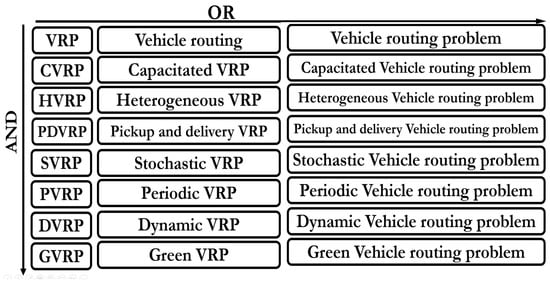
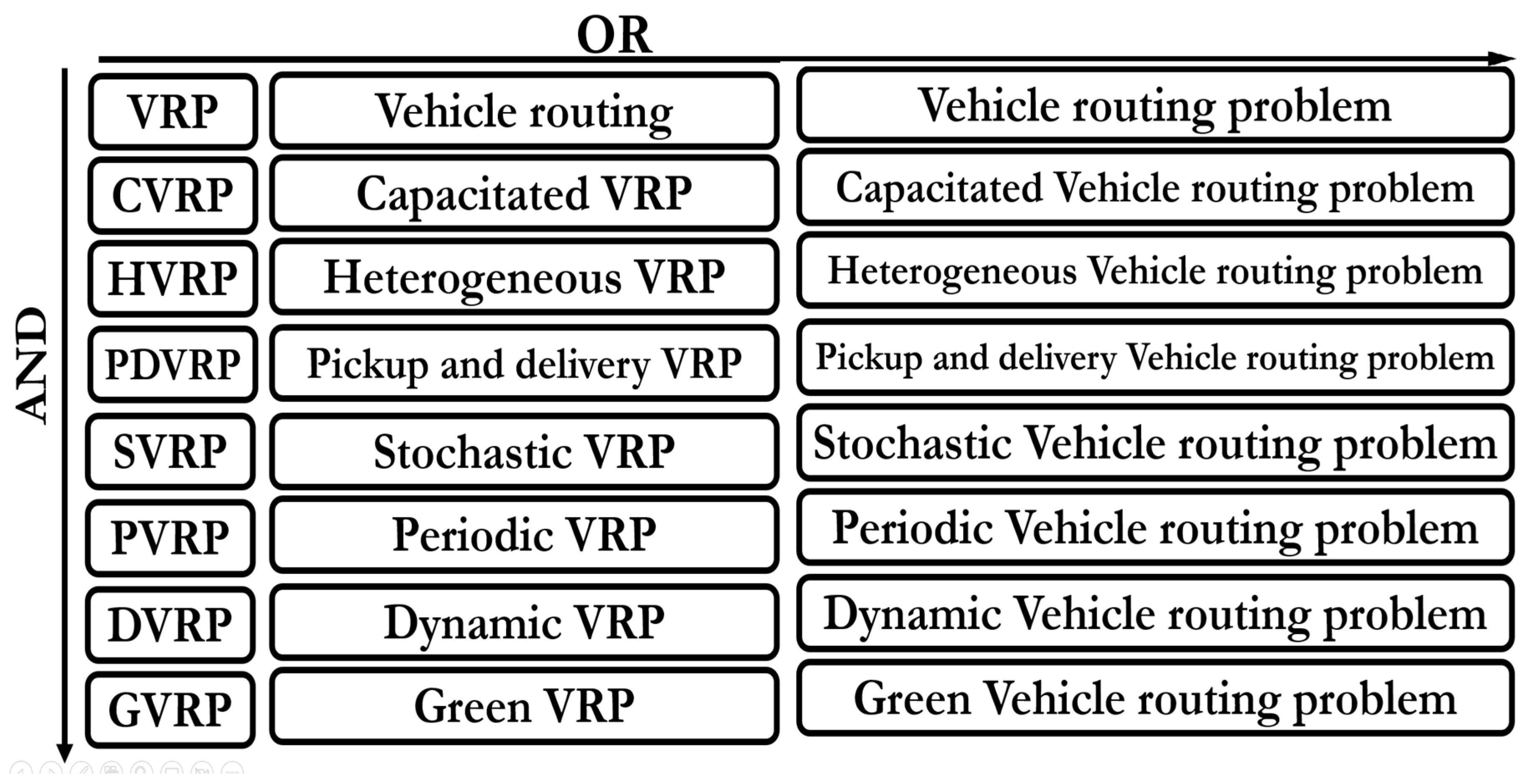
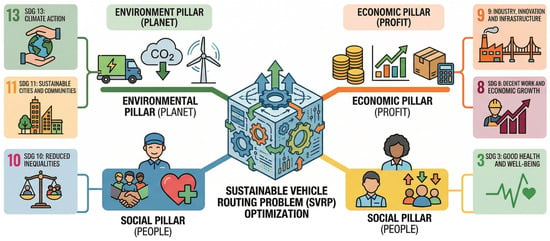
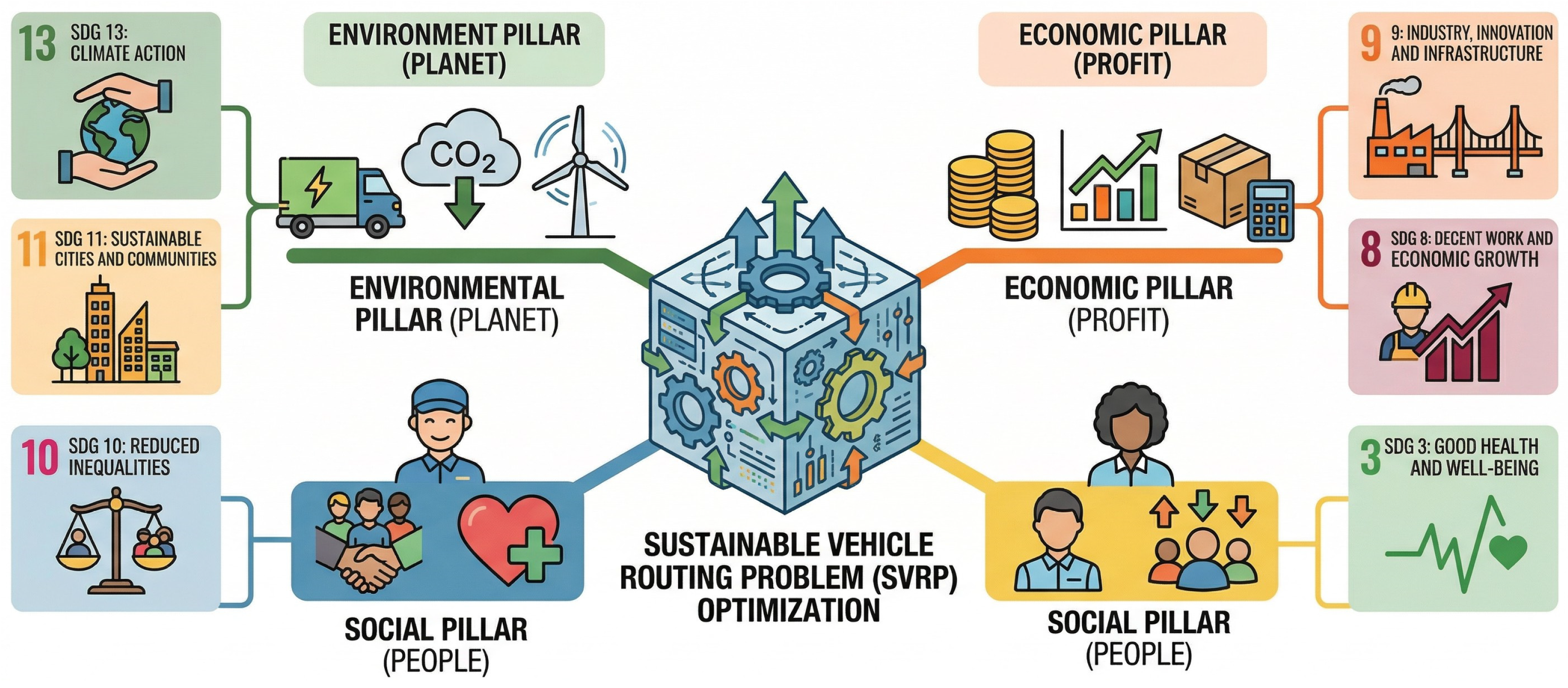
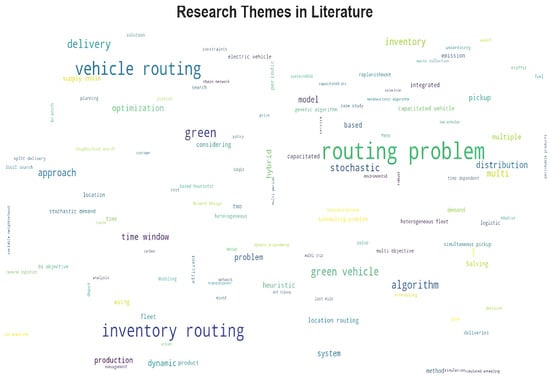
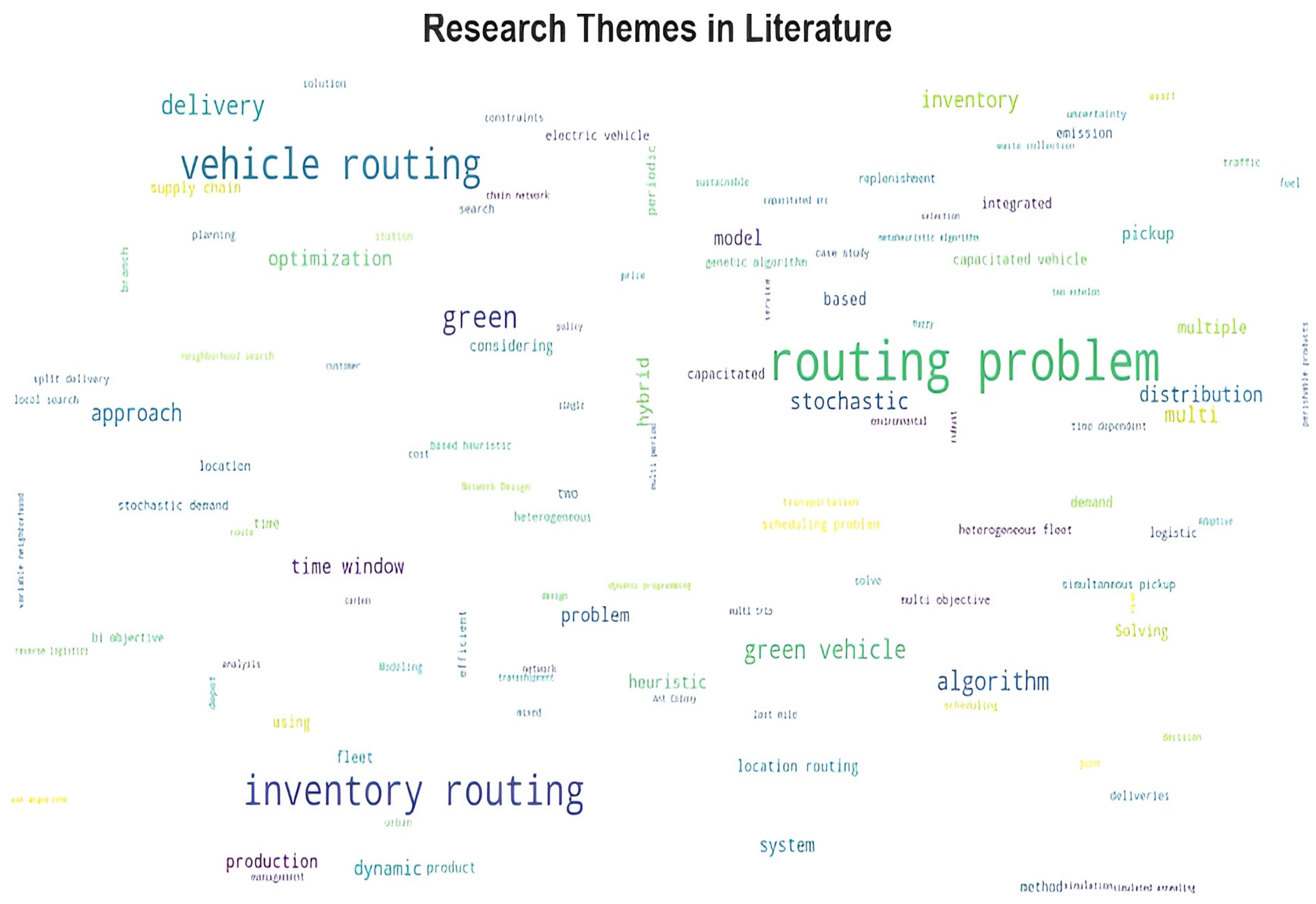
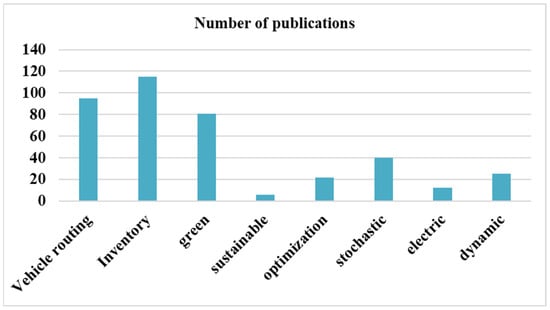
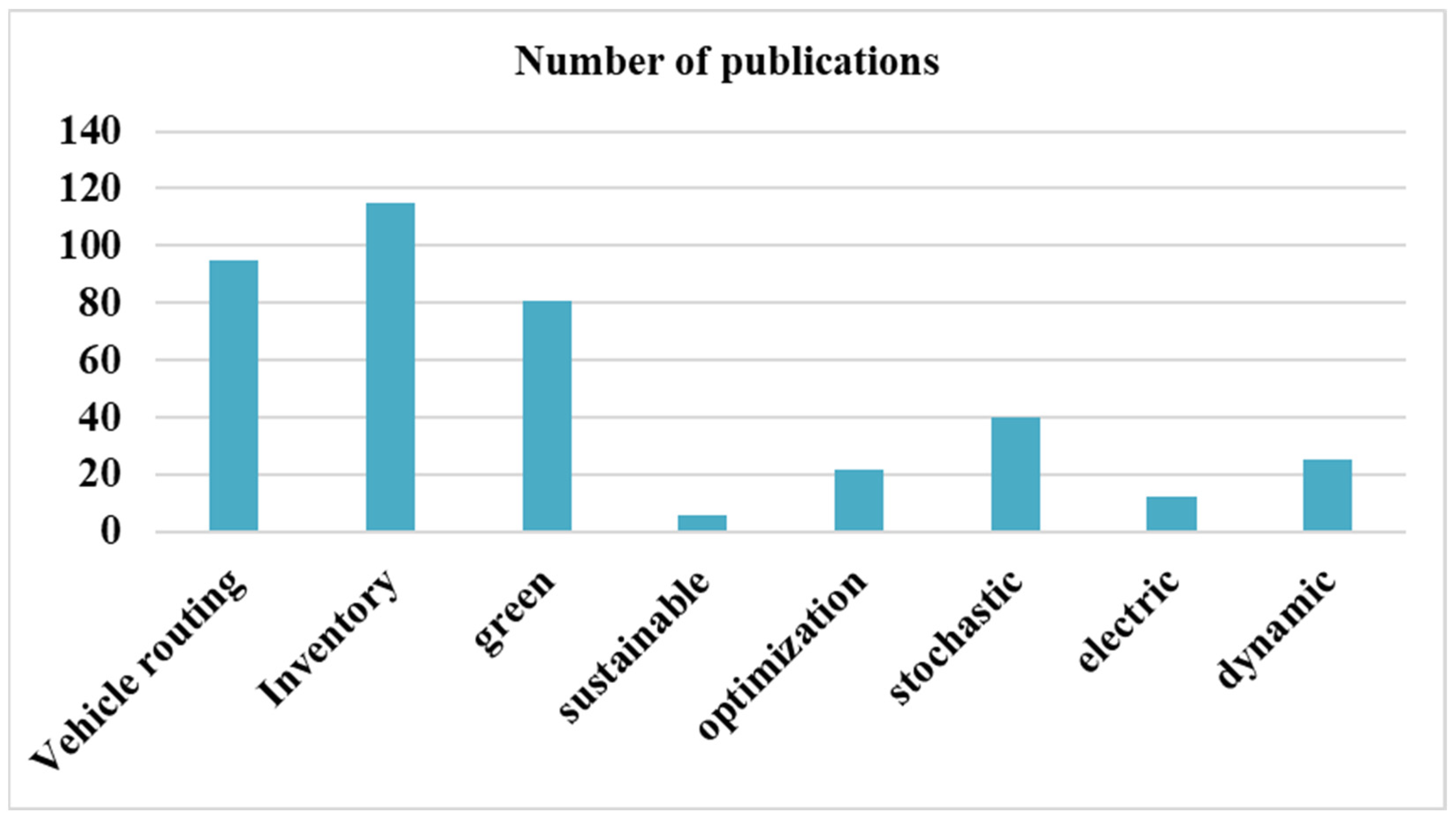
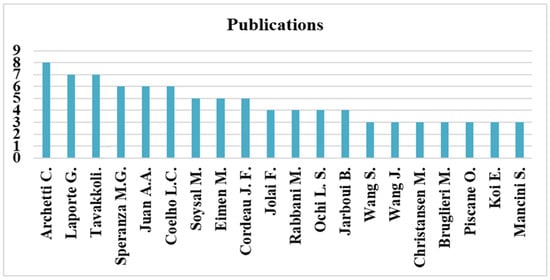
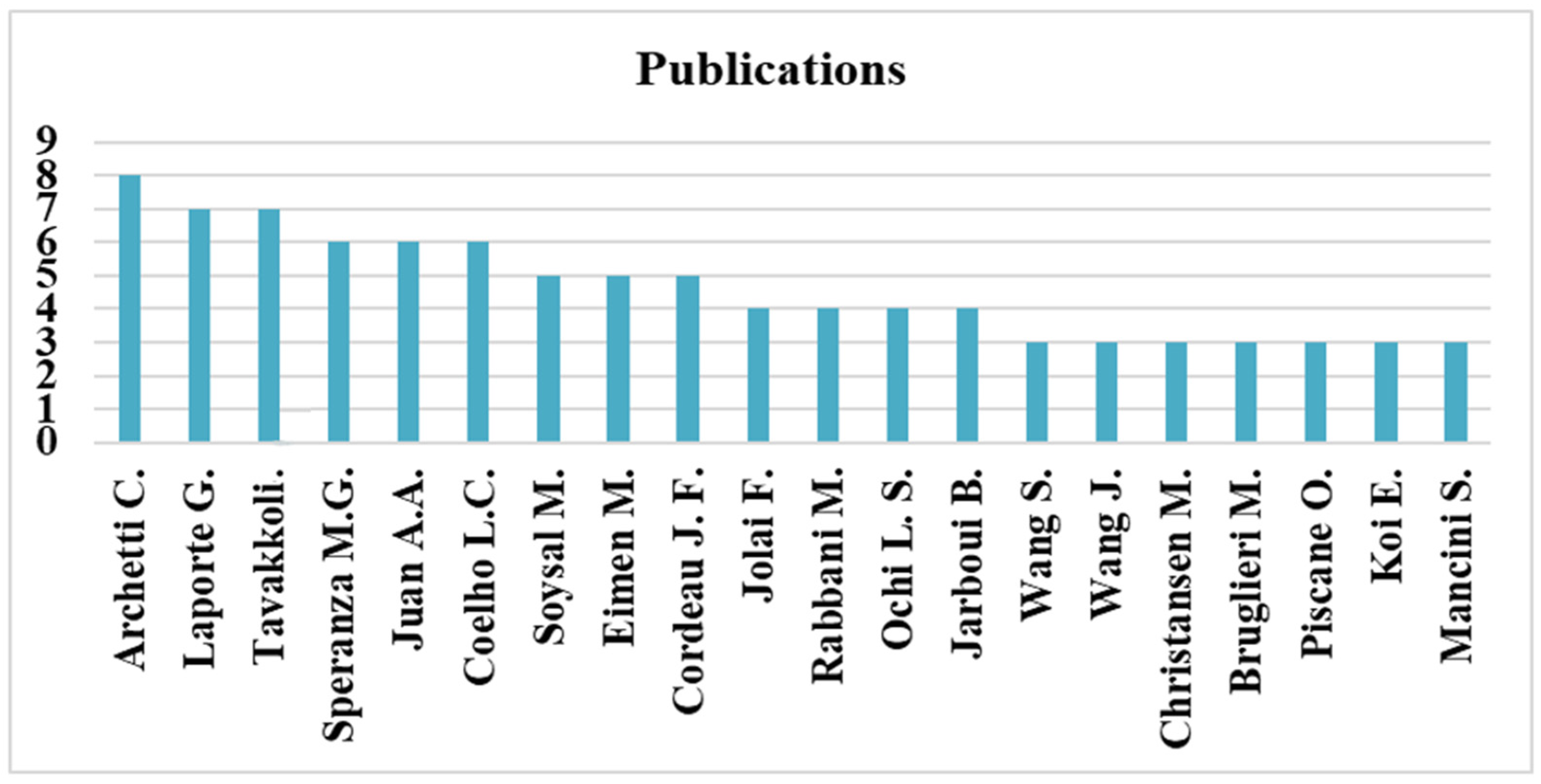
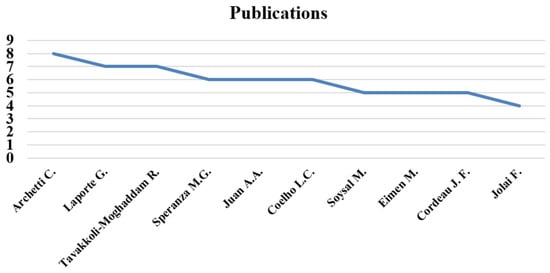
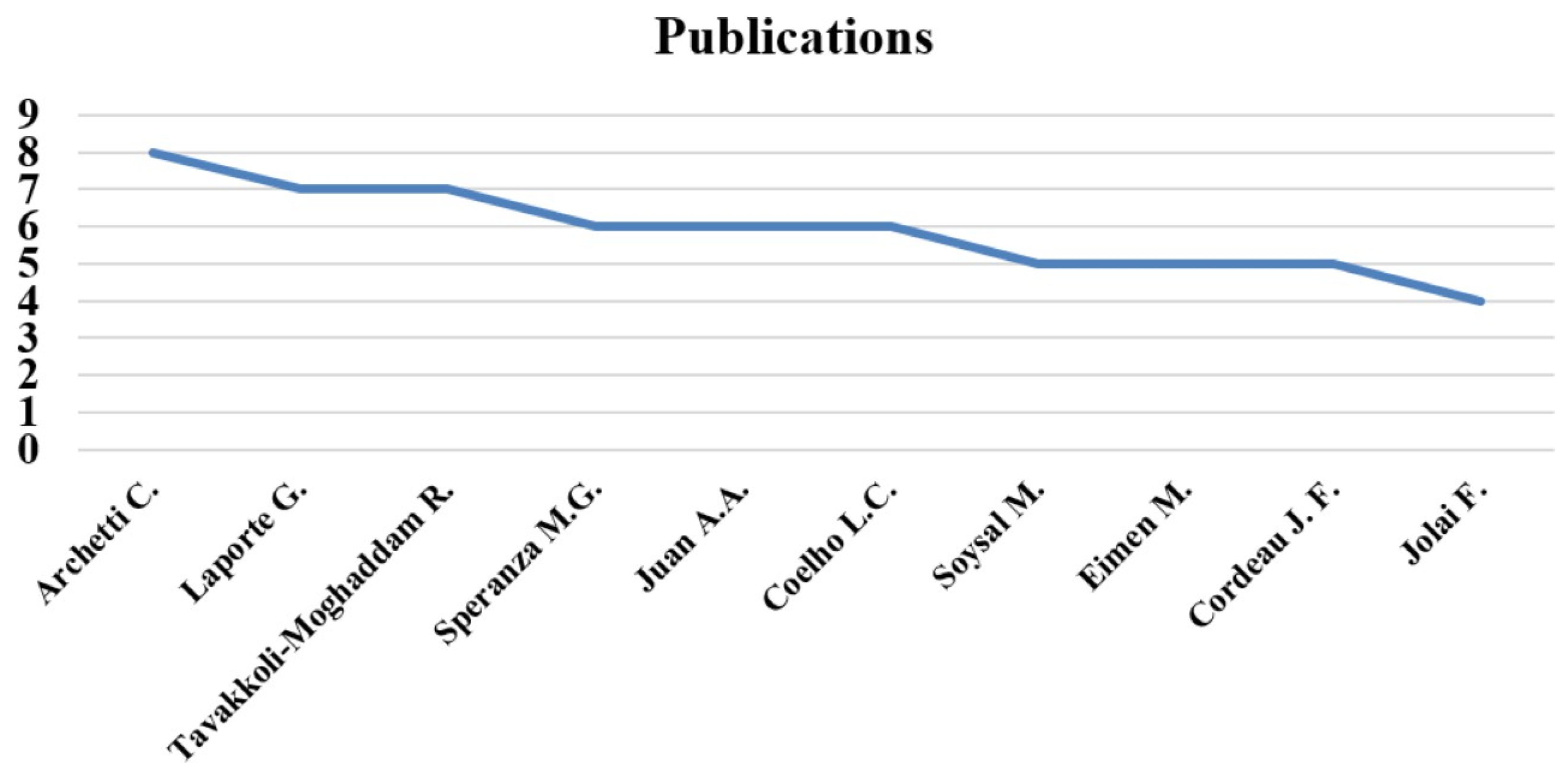
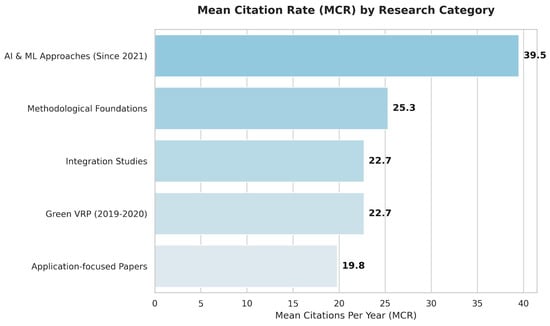
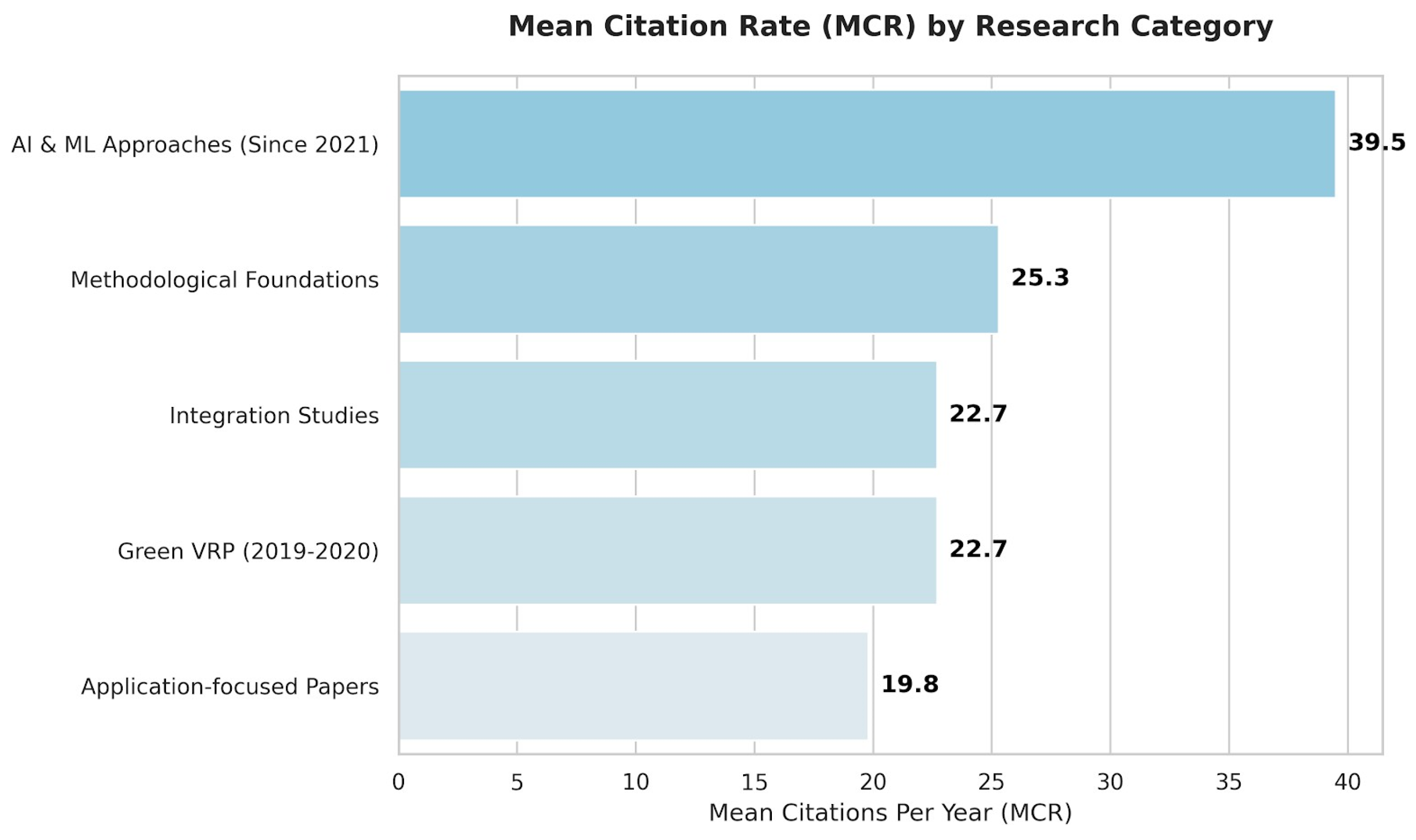
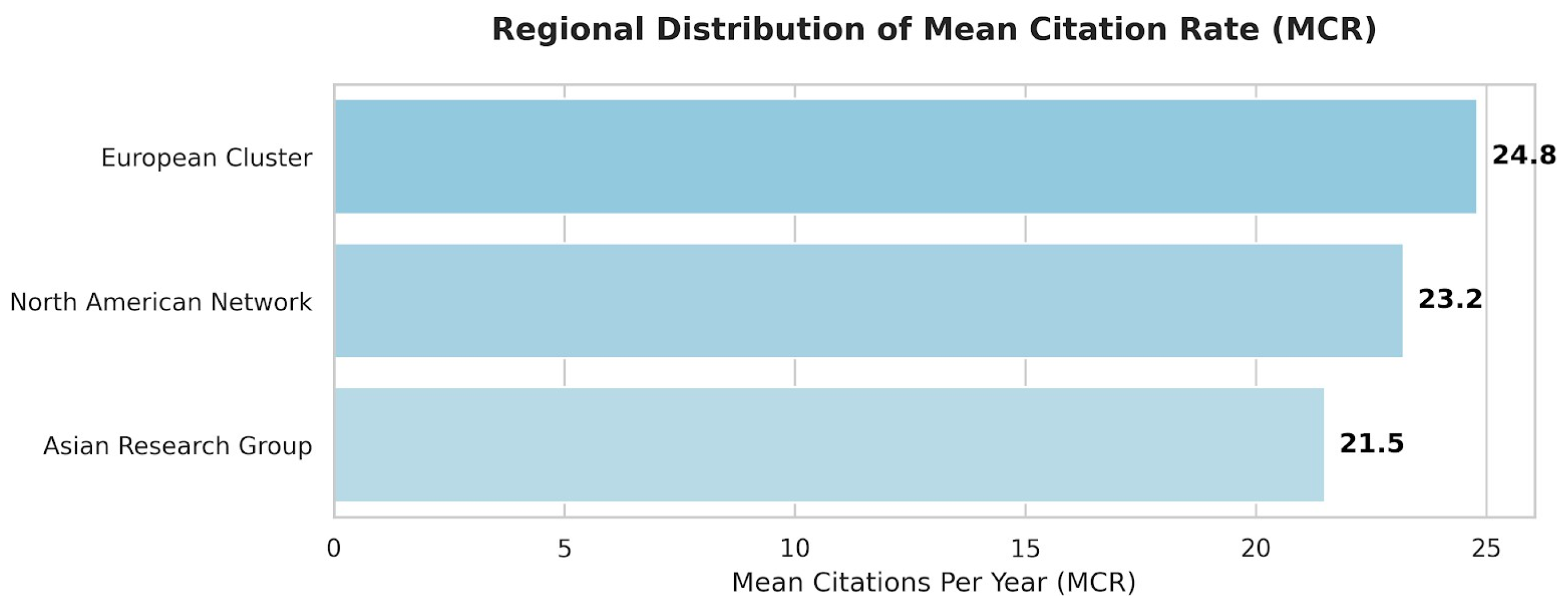
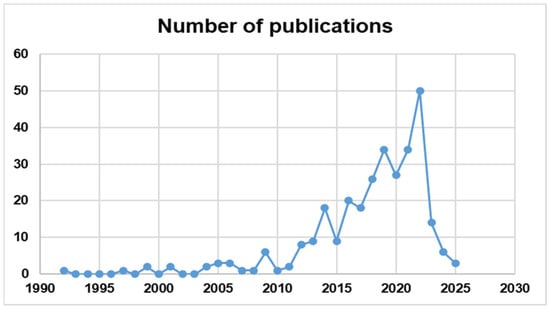
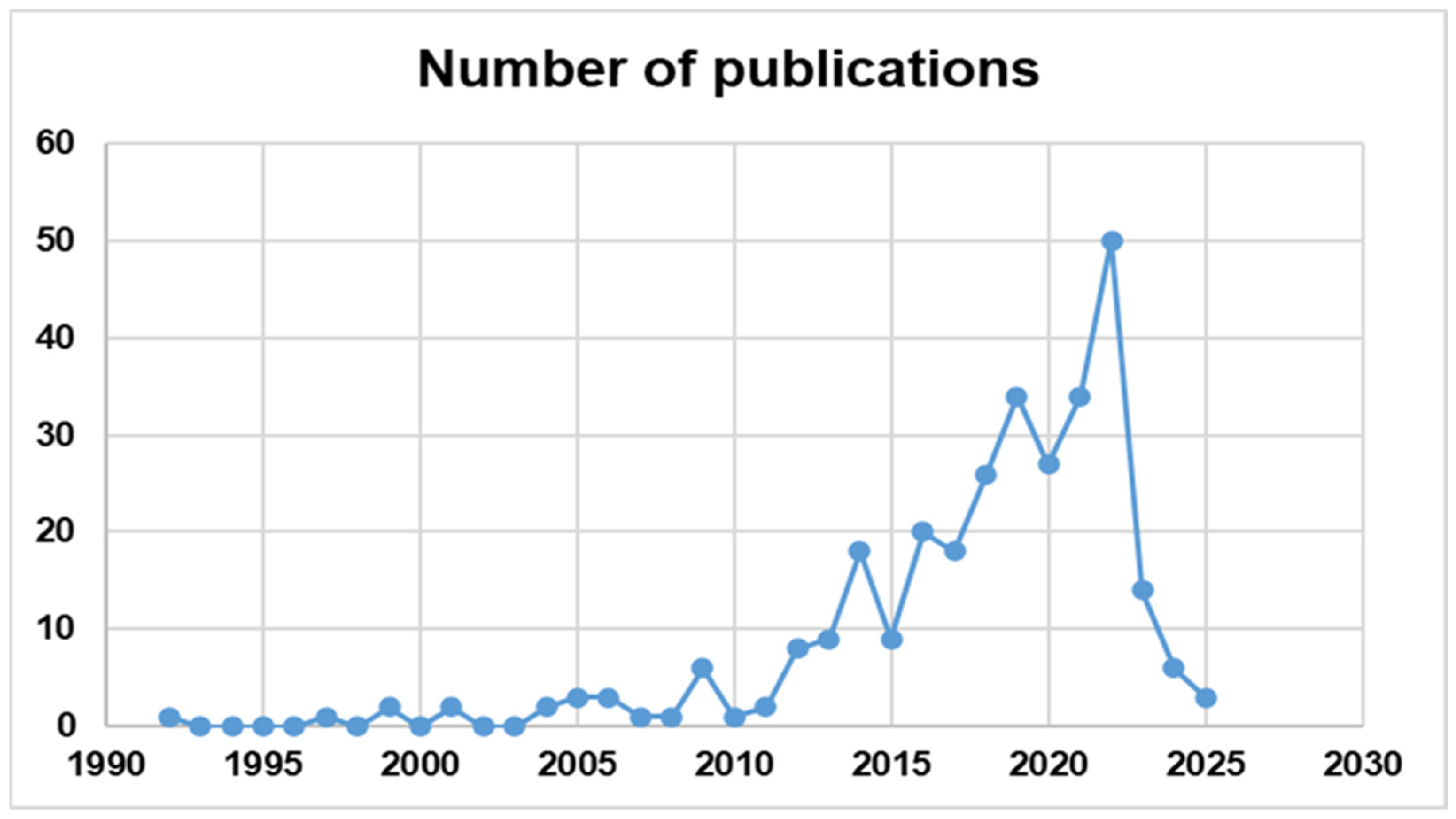
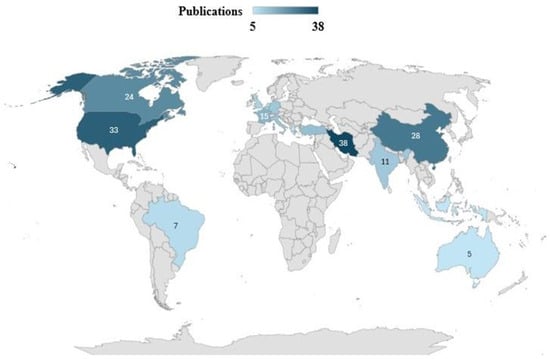
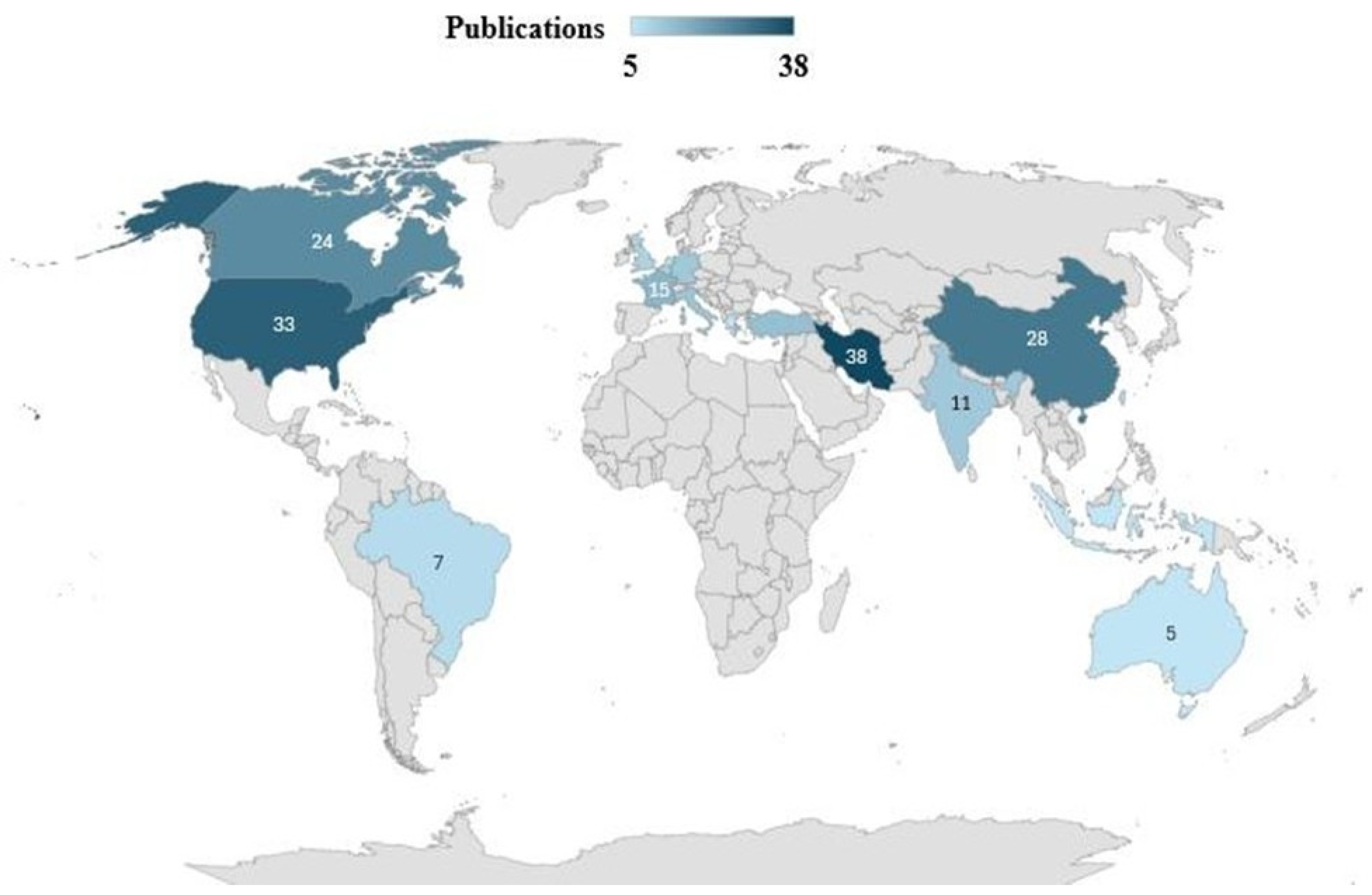
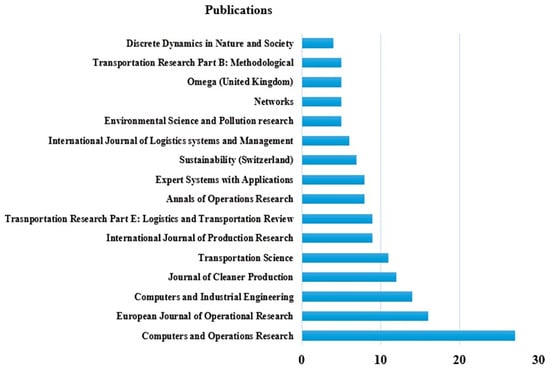
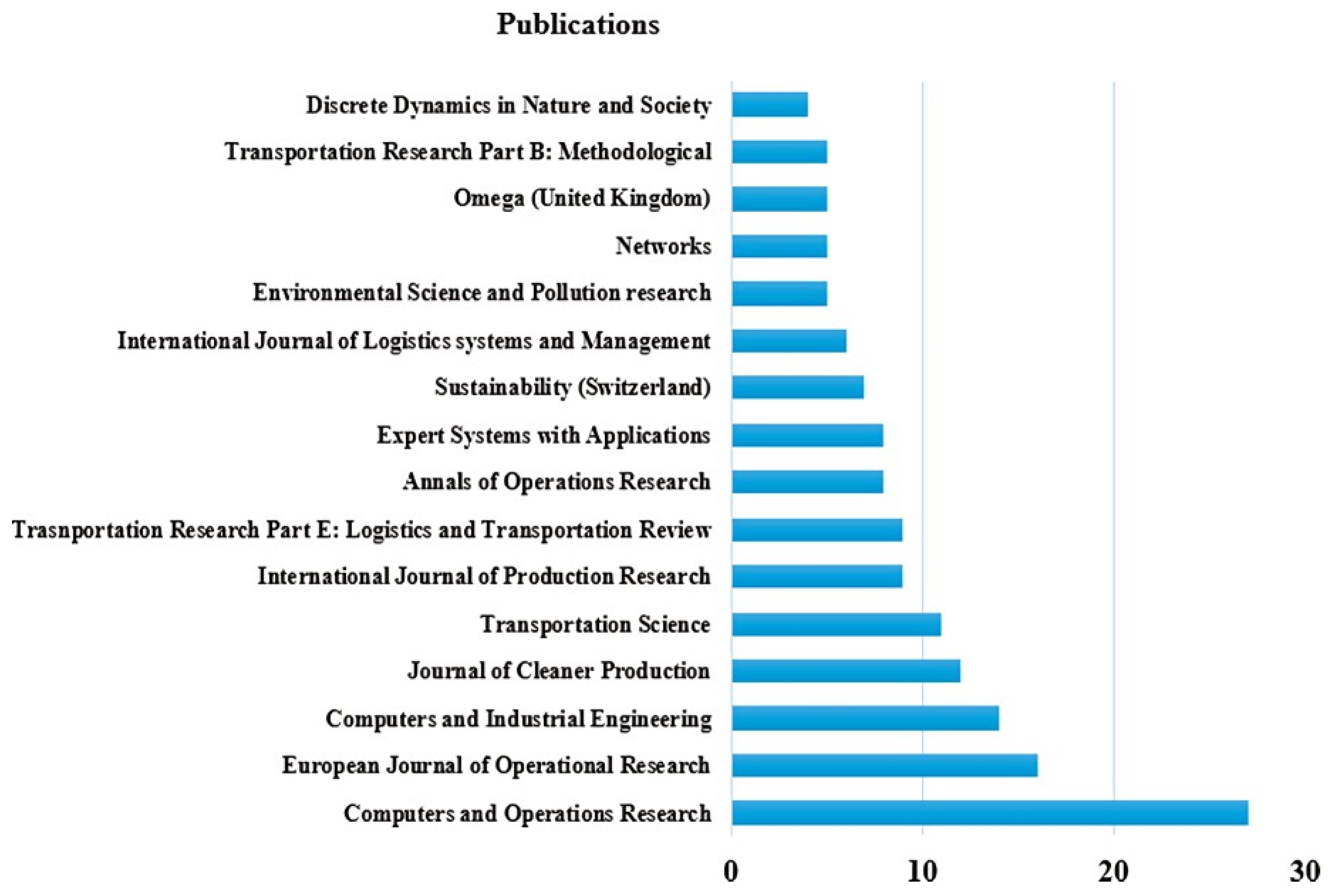
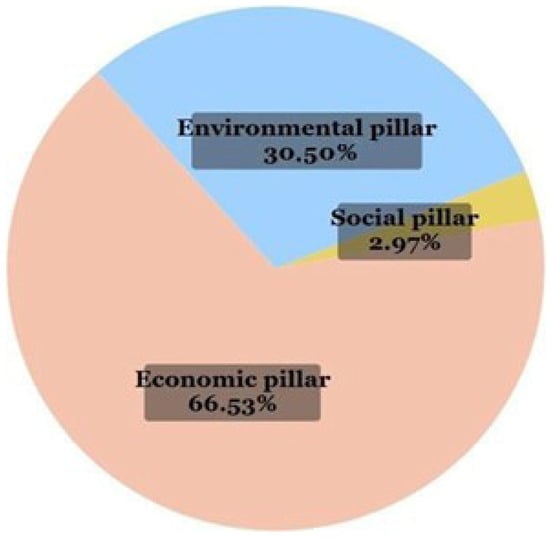
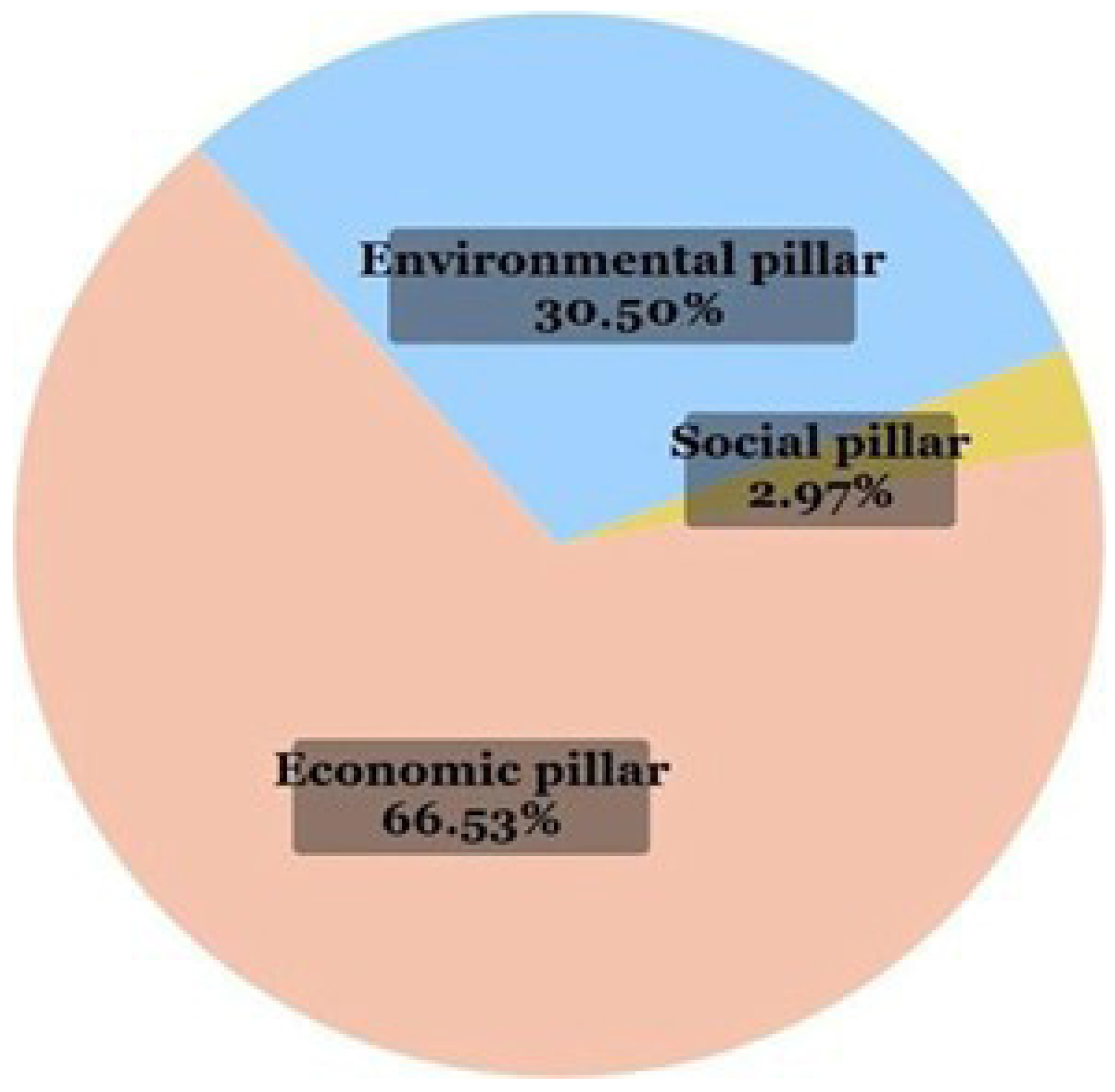
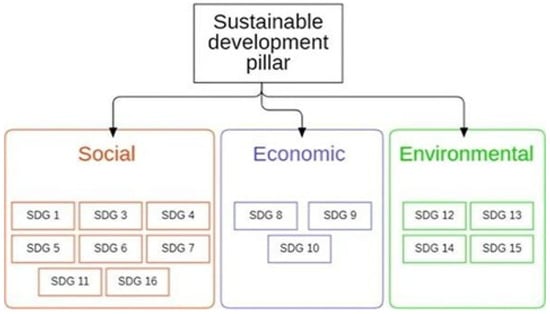
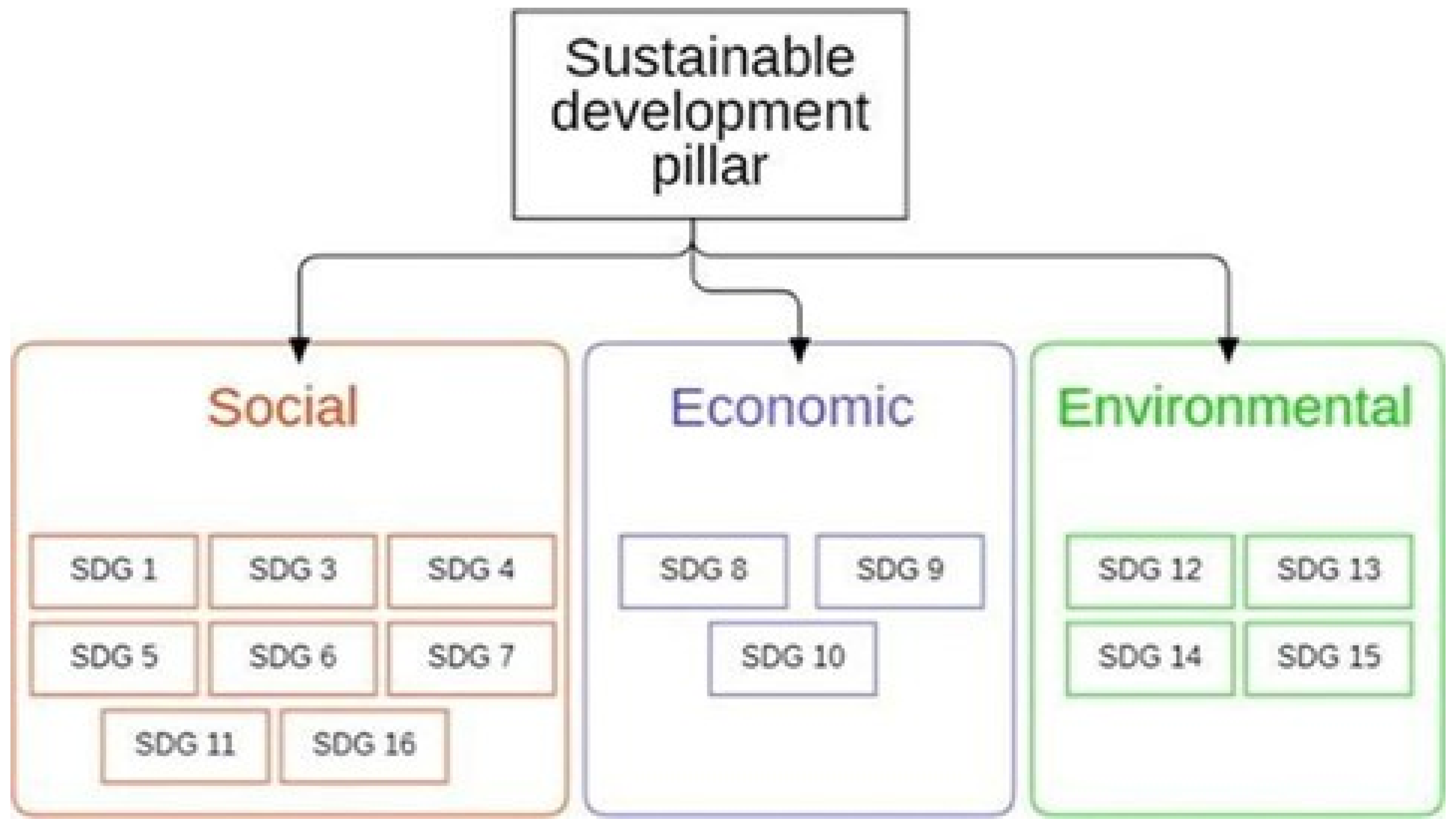
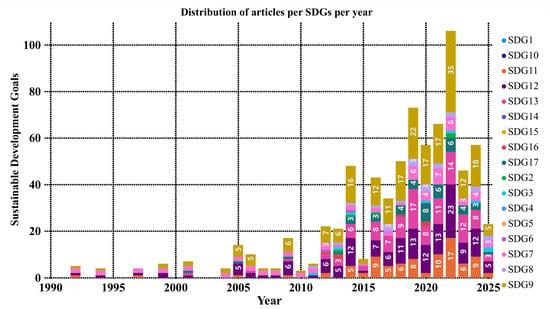
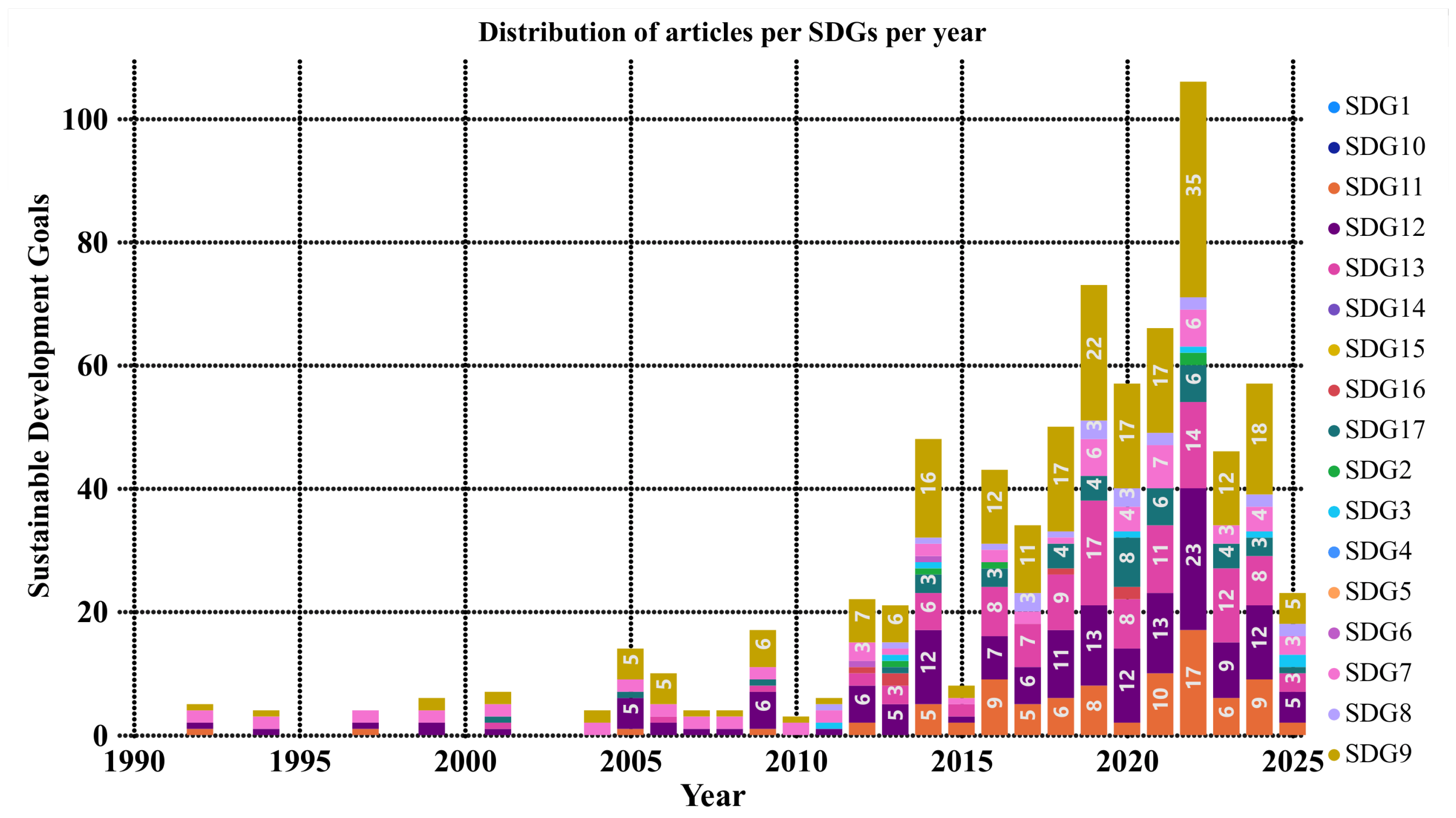

Disclaimer/Publisher’s Note: The statements, opinions and data contained in all publications are solely those of the individual author(s) and contributor(s) and not of MDPI and/or the editor(s). MDPI and/or the editor(s) disclaim responsibility for any injury to people or property resulting from any ideas, methods, instructions or products referred to in the content. |
© 2026 by the authors. Licensee MDPI, Basel, Switzerland. This article is an open access article distributed under the terms and conditions of the Creative Commons Attribution (CC BY) license.