


Abstract
Background: The status of healthy food in emerging markets is questionable. Despite growing health awareness and e-commerce adoption among consumers, the impact of unconventional last-mile distribution on consumer purchase intention (PI) remains insufficiently explored, especially in emerging markets such as the Egyptian market. Methods: Survey data from 201 Egyptian consumers were analyzed using PLS-SEM via SmartPLS 4.0, employing bootstrapping with 5000 resamples to test direct, mediated, and moderated structural paths within the proposed extended Theory of Planned Behavior (TPB) framework. Results: All three TPB constructs significantly predicted PI, with attitude as the dominant driver. Online shopping exerted a marginally significant direct effect on purchase intention but did not significantly mediate any TPB–PI relationship. Furthermore, vending machine usage did not moderate the TPB–PI pathways. Conclusions: This study advances the understanding of last-mile logistics in behavioral food consumption models, suggesting that channel-level maturity may condition the role of digital and vending distribution in emerging markets and warranting future investigation.
1. Introduction
Over the past decade, profound shifts in global consumption patterns have positioned healthy food purchasing as a critical behavioral domain within consumer research. Driven by escalating rates of lifestyle-related chronic conditions, including cardiovascular disease, obesity, and type 2 diabetes [1,2]. This behavioral shift is further accelerated by the post-COVID-19 heightening of personal health awareness, food safety consciousness, and immune system protection concerns, collectively transforming how individuals evaluate and select their food products [3,4]. This has prompted more studies on human purchase intention, defined as a consumer’s cognitive disposition and readiness to engage in a specific purchasing behavior [5]. Intention has emerged as the most proximal predictor of actual healthy food consumption behavior, forming the cornerstone of behavioral food research across theoretical traditions [6,7].
On a global scale, the consumption of healthy food has become deeply ingrained within narratives of modern lifestyles, with main markets such as the United States, Germany, and France leading adoption of organic food driven by preferences for chemical-free dietary choices and sustainability awareness [8,9,10]. The evolution of dietary choices in Egypt is increasingly characterized by a complex interplay between external environmental constraints and internal psychological motivations, which matches recent research evidence that preferences toward healthy food consumption are rooted in a consumer’s health concerns and their health consciousness [11,12]. Several operational constraints in Egypt hinder the acquisition of these healthy products, such as the high cost of these healthy products compared with the individual’s average level of income and the relative unavailability of these products in traditional retail channels [13]. At the same time, digital transformation in Egypt is reshaping consumer behavior, with about 40% of Egyptian consumers using applications to track their dietary habits and around 50% engaging with AI-driven personalized diet and fitness plans [14]. The Egyptian organic food market is projected to grow from 2025 to 2032 at a compound annual growth rate of 7.1%, driven by health consciousness and expanding e-commerce delivery infrastructure [15], highlighting the need to understand the behavioral mechanisms that motivate healthy food purchasing in this evolving context. The Theory of Planned Behavior (TPB) is considered one of the most pivotal frameworks for predicting healthy choices in behavioral sciences [16].
Most existing studies testing healthy food purchase intention have focused mainly on internal psychological and behavioral determinants, particularly in the developed Western economies, overlooking the influence of infrastructural, socioeconomic, and culture-related factors that may shape purchasing behavior differently [17,18]. Although the previous literature has applied the TPB to healthy food purchasing intentions, two important research gaps remain. Firstly, the potential mediating role of online shopping usage in explaining how psychological determinants lead to healthy food purchase intention remains unexplored. Secondly, the moderating role of unconventional distribution channels, specifically vending machines, in shaping established TPB pathways has received limited empirical attention. These gaps are particularly relevant in developing markets such as Egypt, where empirical and theoretical evidence remains limited.
Therefore, this study directly addresses both gaps by empirically testing an extended TPB framework that integrates vending machine usage as a moderator and online shopping as a last-mile logistics mediator of healthy food purchase intention in the Egyptian context by achieving the following objectives:
- 1-
- To examine the direct effect of the Theory of Planned Behavior antecedents on consumers’ purchasing intentions towards healthy food.
- 2-
- To investigate the indirect structural effect of the Theory of Planned Behavior antecedents on healthy food purchase intentions through online shopping usage.
- 3-
- To evaluate how usage of vending machines moderates the relationship between Theory of Planned Behavior antecedents and healthy food purchase intentions.
This research is structured as follows: firstly, the literature review, where the theoretical background is thoroughly examined, determining the main constructs to develop the research model and its hypotheses to be tested in the Egyptian context. Followed by the research methodology used to test the hypothesized framework. Then the paper concludes by presenting the results analysis, synthesizing empirical findings, and providing recommendations and future directions.
2. Theoretical Foundations
2.1. Theory of Planned Behavior (TPB)
The Theory of Planned Behavior (TPB) represents one of the most extensively validated frameworks for predicting consumers’ behavioral intentions across consumer research domains [19]. Building upon the Theory of Reasoned Action (TRA), which mentioned subjective norms (SN) and attitude (ATT) as the main determinants of behavioral intention [20], TPB introduced the perceived behavioral control (PBC) construct to account for the reality that consumers do not always possess complete control over their actual actions [21]. These three determinants from the theoretical base of TPB explain how consumers translate social influences, capability, and belief assessments into deliberate behavioral intentions [18,22].
The TPB has been applied thoroughly in food consumption research, consistently demonstrating explanatory power across different behavioral domains, including sustainable dietary choices, organic food purchasing, and healthy eating intentions. For instance, ref. [23] confirmed that healthy food habits are shaped not only by personal attitude but also by accessibility and convenience infrastructure. Ref. [24] applied TPB theory to examine the consumer’s purchasing intention toward nutrition-labeled fast-food items, while ref. [25] used TPB as a dominant framework among marketing specialists and social psychologists to examine food choice behavior. Furthermore, one recent application explained 76% of the variance in intention to purchase sustainably sourced food [26], which highlights the considerable predictive utility of this framework.
Even though it has theoretical robustness, the TPB theory has been subject to several substantive critiques on different grounds that are salient in the present research context. For instance, this framework conceptualizes the pathway from TPB antecedents to intention as an internal psychological process, neglecting the role of environmental, situational, and logistical factors that condition whether the psychological intentions can be enacted [27,28]. In emerging markets such as the Egyptian context, the physical retail infrastructure is uneven, unconventional distribution channels are at nascent stages of adoption, and digital penetration is accelerating; this absence represents a significant theoretical limitation [29].
Furthermore, while TPB accounts for PBC as an internal capability assessment, it does not formally accommodate external channel-level enablers such as online shopping platforms or automated retail formats that structurally mediate or moderate the translation of intention into behavior. These limitations provide the theoretical motivation for the present study’s extension of TPB to incorporate last-mile logistics mechanisms as formally specified mediating and moderating constructs.
2.2. Conceptual Framework and Hypotheses Development
Predicting healthy food purchase intention requires a theoretical architecture that transcends the explanatory boundaries of conventional psychological models. This study therefore proposes an extended TPB framework that preserves the theory’s established psychological core while formally integrating two novel logistical constructs, online shopping and vending machine usage, to produce a more contextually complete and theoretically generative model of healthy food purchase intention.
The application of TPB to healthy food purchase intention has generated a substantial and largely convergent empirical literature, with ATT, PBC, and SN consistently emerging as significant predictors across diverse cultural and geographic contexts [14,30,31]. However, the relative magnitude and mechanisms of these effects vary meaningfully across contexts, suggesting that their operation is conditioned by cultural, economic, and infrastructural factors that warrant explicit theoretical attention.
2.2.1. The Direct Effect of the Theory of Planned Behavior Constructs
Within the context of this study, the antecedent of ATT is operationalized through two theoretically distinct sub-dimensions: food safety concern and health consciousness. This deconstruction approach responds to a review of unidimensional attitudinal measurement in food behavior research [32,33], recognizing that health-oriented attitudes operate through differentiated cognitive pathways that carry distinguishable predictive weight. Health consciousness represents the degree to which an individual is concerned and attentive to their propensity to engage in health-promoting behaviors [34,35]. Additionally, it functions as an intrinsic motivational force that motivates consumers toward nutritionally superior food choices [6,36]. Food safety concern is considered a cognitive evaluative trigger to assess the integrity and credibility of food products against established safety standards [37,38]. These sub-dimensions together provide a theoretically precise account of the attitudinal driver of healthy food purchase intention rather than single-factor measures afford, enhancing the validity of the TPB framework in healthy food consumption contexts [39,40].
Attitude reflects individuals’ favorable valuation of healthy food and serves as a primary direct indicator of healthy food purchase intentions [41,42]. Ref. [43] proved that ATT is the most influential TPB predictor of healthy food purchase intention, followed by PBC and SN, a hierarchy that aligns with the primacy of internal cognitive evaluation over external social and capability factors in individualist consumption contexts. In collectivist societies, this hierarchy may be modulated by stronger normative pressures and greater economic sensitivity, necessitating empirical investigation in this underrepresented context [44,45]. Ref. [46] confirmed that positive attitudes toward green packaging and healthy food are the main drivers of green buying behavior, and attitude significantly affected healthy food purchase intention among Korean consumers [47]. Also, ref. [42] confirmed a positive relationship between ATT and an individual’s PI towards healthy products. Refs. [48,49] found that an individual’s attitude towards purchasing healthy products influences their buying intentions. In extended TPB models, ref. [32] argued that health-related beliefs (health concern, consciousness) shape the overall evaluation of food choices. Based on this theoretical explanation, the following hypothesis is proposed:
H1.
Consumers’ attitude has a positive impact on healthy food purchase intention.
PBC is operationalized in this study through Availability (AVA) and Affordability (AFF) as theoretically distinct yet interdependent facets of consumer capability assessment [19,46]. It has also been consistently established as a significant positive predictor of healthy food purchase intention, as a high degree of the PBC factor, based on the consumers’ anticipated ease and internal factors, leads to a stronger positive behavioral intention that may be developed into actual behavior [50,51]. The significance of PBC is well-established across TPB applications; however, its specific mechanism of influence in low-to-middle-income emerging market contexts differs meaningfully from that observed in developed economies. This aligns with [52]’s identification of PBC as a large necessary condition, suggesting that a minimum threshold of perceived capability must be met before purchase intention can meaningfully form. Furthermore, ref. [39] demonstrates that while consumers may maintain strong healthy eating intentions, actual retail choices are heavily constrained by perceived household expenses and the physical availability of products within their immediate community food environment, a dynamic particularly pronounced in Egyptian urban and peri-urban settings [15].
In the context of healthy food consumption, empirical evidence confirmed that perceived control mitigates the effort required, facilitating the transition from internal readiness to actionable intentions [53]. As ref. [12] confirmed, higher perceived ease of access elevates consumer intention towards healthy food purchasing. Refs. [50,54] demonstrate that consumers’ psychological commitment to purchase healthy food increases when anticipating high product availability and low behavioral effort required. Therefore, the following hypothesis has been formulated:
H2.
Consumers’ perceived behavioral control has a positive impact on healthy food purchase intention.
SN, the third construct captures the influence of social pressure from family members, peers, and reference groups on individual behavioral decisions [22], that have been repeatedly confirmed as a significant predictor of healthy food purchase intention across diverse cultural contexts [55,56,57]. However, the strength of normative influence is meaningfully moderated by cultural orientation, with collectivist societies consistently demonstrating stronger SN effects on food-related behavioral intentions than individualist counterparts [45]. Egypt’s predominantly collectivist cultural framework, wherein family approval and peer conformity constitute primary social reference points, therefore provides a theoretically favorable context for strong normative effects on healthy food purchase intention [58]. The integration of social network influences through the SN construct thus captures a mechanism of cultural salience in the Egyptian consumer context. Also, ref. [57] suggested that SN can be used as a forecasting tool for repurchase intentions. Subjective norms were considered significantly related to intentions in healthy food purchasing in Vietnam, Tanzania, Kenya, and Pakistan [59,60]. In the Thai market, subjective norms were the second most influential factor affecting purchase intentions after attitude [61]. Moreover, subjective norms affect attitude itself and moderate the attitude-intention and PBC–intention relationships. Therefore, the following hypothesis has been formulated:
H3.
Consumers’ subjective norms have a positive impact on healthy food purchase intention.
2.2.2. The Mediating Role of Online Shopping
The main limitation of applying conventional TPB in food consumption research is the exclusive focus on internal psychological factors, neglecting the external logistical drivers through which intentions are operationalized into purchasing behavior. With the developing retail infrastructure and the ease of physical access to healthy food remaining economically and geopolitically uneven, this absence represents a crucial theoretical gap. Online shopping platforms are considered a last-mile logistics tool that facilitates transactions and actively mediates the path of conversion of psychological health-oriented intentions to actual purchasing behavior by reducing economic, informational, and geographical barriers to healthy food access [62,63].
Within the TPB paradigm, consumers’ intentions and subsequent actions are driven by three cognitive constructs: attitude, perceived behavioral control, and subjective norms [19,22]. In the context of healthy food, however, social pressure and positive attitudes often fail to translate into actual consumption because structural execution barriers create an intention-behavior gap [64]. Accordingly, the functionality of online shopping does not exist only as an external purchasing channel but is also considered an intervening mechanism that transmits the motivational impact of cognitive constructs into systematic purchasing decisions by eliminating physical and cognitive constraints [65]. Each TPB construct interacts differently with digital platforms to drive healthy food purchasing intentions.
First, attitude, which is reinforced by health concern and health consciousness, requires transparent product information to lead to actual purchase intentions, which could be fulfilled through different e-commerce platforms by providing supplementary health claims and comprehensive nutritional data, reinforcing favorable consumer evaluations and bridging the gap between positive health attitudes and purchasing intentions [25,59]. However, positive cognitive perceptions alone often fail to translate into purchase intentions when consumers face ambiguity regarding nutritional quality and product authenticity in conventional retail stores [66]. Through optimizing product visibility, information access, and online shopping channels, a favorable attitude towards healthy food is translated into concrete behavioral intention [67]. Despite the growing empirical attention to e-commerce utilization, the integration of online shopping usage as a mediator in the relationship between attitude and purchase intention remains underdeveloped in emerging markets such as the Egyptian or Middle Eastern consumer context [68]. Therefore, the following hypothesis has been formulated:
H4.
Consumers’ usage of online shopping mediates the association between attitude and healthy food purchase intention.
Second, perceived behavioral control is directly enhanced when e-commerce platforms mitigate logistical friction through features such as real-time price comparison, time-saving search functions, and door-to-door delivery, which elevate consumers’ perceived self-efficacy to maintain a healthy diet [63]. In the context of healthy food, PBC is constrained in traditional markets by the spatial distribution of specialty retailers, perceived high prices, and the time required to purchase healthy food [69]. When consumers perceive different logistical challenges, even strong self-efficacy will struggle to translate into purchasing intention [55]. Through enhancing convenience, expanding product availability, and optimizing information access, online shopping platforms serve as a critical mediator that converts consumers’ perceived control over healthy food eating into actual purchase intentions [70]. Examining this mechanism addresses a notable empirical gap in how digital infrastructure resolves structural execution barriers in the developed Middle Eastern context. Therefore, the following hypothesis has been formulated:
H5.
Consumers’ usage of online shopping mediates the association between perceived behavioral control and healthy food purchase intention.
Third, subjective norms are boosted in digital environments where online social influence, peer recommendations, and family expectations prompt consumers to actively search for healthy food alternatives across e-commerce channels [71]. Instead of letting social pressure stall due to limitations in offline retailing, online shopping platforms will provide an immediate, viable pathway for consumers to act based on normative expectations and translate social encouragement into healthy food purchase intentions [72,73]. In the context of food consumption, normative beliefs and the motives of complying with health-conscious peer networks positively shape dietary aspirations [74,75]. Nevertheless, existing empirical studies find that subjective norms are among the weakest direct factors of purchase intention in traditional contexts, mainly because social encouragement dissolves when consumers face limited local availability and immediate retail inconvenience [76,77]. Therefore, the following hypothesis has been formulated:
H6.
Consumers’ usage of online shopping mediates the association between subjective norms and healthy food purchase intention.
2.2.3. The Moderating Role of Vending Machine Usage
The existence of vending machines as a healthy food distribution channel is considered a significant transformation in last-mile logistics thinking, challenging the historical alignment between automated retail and energy-dense items [78,79]. Driven by the development of cold-chain logistics, growing consumer health consciousness, and digital payment integration, the usage of vending machines has repositioned itself in developing markets as an unconventional contactless channel for distributing certified healthy food options, organic snacks, and fresh balanced meals [80]. In urban environments with high density, these vending machines offer round-the-clock accessibility, reducing traditional temporal, transactional, and geographical barriers to purchasing healthy food [81,82].
The theoretical case for using vending machines as a moderator of TPB frameworks draws on [83]. Diffusion of Innovation (DOI) theory confirms that behavioral influence is dependent on whether consumers surpass a minimum threshold of perceived advantage, trialability, and awareness. Where a distribution channel has achieved a sufficient level of diffusion, consumers’ familiarity generates a stable channel utility perception that can amplify established behavioral intention pathways, such as in the United Arab Emirates, the United Kingdom, and Japan. In contrast, in markets where their channels remain at the early diffusion stages, their ability to function as a meaningful boundary of TPB relationships is theoretically constrained regardless of the strength of those pathways. This theoretical foundation is supported by the Food Environment Framework [84], which differentiates between the macro-level food environment incorporating the accessibility and availability of food retail chains, the community level, and the micro-level consumer environment which reflects the interactions of the individual-level channels. According to [85], environmental design elements do not directly change the baseline of psychological traits; rather, they modify the decision-making friction and situational entry barriers to determine the degree to which internal psychological drivers translate to behavioral actions. This represents a novel empirical contribution of the present study, offering important theoretical insights into the conditions under which emerging distribution formats can and cannot function as behavioral moderators.
The moderating influence of the TPB pathways operates through three distinct theoretical mechanisms in establishing a sufficient vending machine infrastructure. First, from the attitudinal perspective, the availability of different healthy food options in vending machines supports health-oriented attitudes by providing validation of a tangible environment of healthy consumption norms, which strengthens the attitude-intention relationship [86,87]. Ref. [88] mentioned that the purchases of healthy food will be increased when stocking vending machines with high-quality healthy food and labeling it with nutritional data, as the existence of these machines not only facilitates a purchasing transaction, but also can transform a pre-existing healthy food intention into a successful purchase. Despite the theoretical plausibility of these moderating mechanisms, no prior study has empirically tested vending machine usage as a boundary condition of TPB-based purchase intention pathways in a developing market context. Therefore, the following hypothesis has been formulated:
H7.
Consumers’ usage of vending machines moderates the association between attitude and healthy food purchase intention.
Second, from a PBC perspective, the accessibility of vending machines directly reduces the required effort and resources invested to enact healthy food purchasing intentions, which strengthens the relationship [88,89]. Under conditions of immediate spatial accessibility and high vending machine density, the linking path between normative drivers and attitude to purchase intentions is significantly intensified, as the presence of a convenient physical unconventional channel reduces the time cost and the cognitive effort associated with healthy food purchasing [90]. Conversely, when vending machines offering healthy options are scarce or geographically isolated, a state of “cognitive dissonance” arises, accompanied by the anticipation of difficulties or obstacles [91]. Even consumers with high normative motivation and strong healthy attitudes will experience a decline in purchase intention, as anticipated logistical barriers will affect the motivational force of their underlying beliefs [69]. Therefore, the following hypothesis has been formulated:
H8.
Consumers’ usage of vending machines moderates the association between perceived behavioral control and healthy food purchase intention.
Third, from a normative perspective, the widespread visibility of healthy vending machines in shared environments such as public spaces, schools, and workplaces is considered passive social endorsement that magnifies the pressure of SN towards healthy food selection [92,93]. The existence of healthy automated retail, when visibly integrated into daily life, will increase normative expectations that continuously intensify the link between social pressure and purchase intentions [94]. Nevertheless, when these healthy vending machines remain isolated or scarce, consumers with strong normative motivation will face anticipated logistical challenges that erode purchase intentions and trigger cognitive dissonance [95]. Since the relationship between perceived norms and behavioral intention is moderated by behavioral and environmental cues that signal outcome expectations and collective approval, visible usage of vending machines by peers in high-traffic areas amplifies normative compliance and reinforces perceived social consensus [96]. Most of the research shows the extent to which the presence of vending machines can shape healthy consumption behavior by moderating the effect of normative and attitudinal drivers [87,94]. Therefore, the following hypothesis has been formulated:
H9.
Consumers’ usage of vending machines moderates the association between subjective norms and healthy food purchase intention.
The proposed conceptual framework summarized in Table 1 synthesizes environmental, digital, and psychological drivers of healthy food purchase intention into a theoretically integrated model that extends TPB beyond its conventional psychological boundaries. The framework is anchored by the three constructs derived from TPB, each posited to exert a direct positive effect on healthy food purchase intention. Online shopping usage is positioned as a mediating mechanism that captures the structural pathway through which these psychological antecedents are converted into purchasing behavior via digital last-mile logistics facilitation. Vending machine usage is positioned as a situational moderator that conditions the strength of each TPB–intention relationship based on the availability and familiarity of this unconventional distribution channel within the consumer’s immediate food environment. These interconnected paths form a holistic framework that captures both the cognitive determinants and the logistical enablers of healthy food purchase intention, offering a theoretically enriched and contextually grounded alternative to conventional TPB applications in food consumption research Figure 1.
Table 1.
Proposed hypotheses and supporting studies.
Figure 1.
The proposed framework.
3. Methodology
In this section, the developed conceptual model is examined in addition to the measurement of the study’s hypotheses. The study has employed partial least squares structural equation modeling PLS-SEM using SmartPLS software, whose default method is the orthogonalization (two-stage) approach [99]. This fits when examining the relationship between multiple unobserved variables known as latent constructs determined by a group of observed variables [100]. The developed conceptual model is based on a reflective–formative measurement model whose fitness is measured in two steps: firstly, the validity and reliability of the first (lower) order construct is assessed. Secondly, the formative weights of the second (higher) order construct are measured. Then, the 5000 bootstrapping method is run to test the proposed hypotheses.
3.1. Survey Development
The study employed cross-sectional research using survey to measure research hypotheses as the data was collected one time from the survey participants. The survey development process comprised two key phases. Initially, existing literature was reviewed to select appropriate survey items for measuring each variable. Subsequently, content validity using a pilot test was conducted to ensure the robustness of the instrument. The pilot test was conducted to refine the survey by identifying and addressing potential weaknesses before its final implementation [101,102]. Table 2 presents the literature sources that informed the survey, while the survey items of each variable are shown in Appendix A.
Table 2.
The literature sources that informed the survey.
The survey began with a cover introducing the purpose of the research. The questions were divided into three sections. The first section presents the demographic questions; the second measures healthy food purchase intention; and the third lists the variables intended to be measured in this study. All the survey variables were measured using 5-points Likert scale ranging from 1 ‘strongly disagree’ to 5 ‘strongly agree. Eligibility was confirmed through a screening question at the survey entry point: ‘Are you aware of healthy food products and have an understanding of what constitutes a healthy lifestyle?’.
3.2. Sampling and Data Collection
A purposive sampling technique was employed to gather responses from participants, ensuring they had a fundamental understanding of a healthy lifestyle. The required sample size was determined based on [103]’s guideline, which recommends a number of observations using (N > 50 + 8K); N = number of observations and K is the number of independent variables. Since the current research is studying 7 independent variables, resulting in N = 50 + 8 × 7= 106, while ref. [100] explained that the ratio needed to generalize the results is a range between 15 and 20 observations per independent variable; thus, the least number of observations needed to generalize the results is 15 × 7 = 105. Also following [99], the inverse square root method calculates the minimum sample size for 80% power at a 5% significance level (two-tailed) as Nmin > (2.486/betamin)2. Assuming a priori minimum path coefficient of betamin = 0.20, the required sample size is (2.486/0.20)2 = approx. 155.
An online version of the survey was created using Google Forms and was distributed through social media platforms Facebook, Instagram, and LinkedIn, as well as WhatsApp groups. The form was prepared to ensure that all the questions are answered before submission. Using this technique, the study succeeded in gathering 201 surveys for the period from January 2025–March 2025.
Partial least squares structural equation modeling (PLS-SEM) is used to test the developed hypotheses and the unconventional logistics role presented by the mediating effect of online shopping and the moderating effect of vending machine usage.
4. Results
4.1. Respondents’ Demographics
Table 3 presents the demographic characteristics of the participants. The sample consisted of 42.08% males and 57.92% females, indicating a slightly higher representation of female respondents. The majority of participants (84%) were aged 18–33 years, followed by 12.9% aged 34–40 years, and 2.5% above 40 years. This distribution shows that younger consumers constituted the dominant group in the study, which means that Generation Z and younger millennials are the most predominant respondents. Around (61%) of the respondents reported a monthly income of less than 20,000; this indicates that the sample primarily represents low- to middle-income consumers. A large proportion (78%) of the respondents were single, while 22% were married; over half of the participants (53%) reported engaging in regular exercise.
Table 3.
The demographic characteristics of the participants.
Table 4 presents the descriptive statistics for all constructs included in the structural model. All construct means fall above the scale midpoint of 3.0, indicating a generally favorable orientation toward healthy food purchasing across the sample. ATT recorded the highest mean score, reflecting strong positive evaluation of healthy food, with its sub-dimensions CON and CONS showing similarly elevated scores. SN and PI were also above the midpoint, suggesting that social influence and intention to purchase are present but with greater inter-respondent variability. PBC was more moderate, with its AFF scoring higher than AVA. The two last-mile logistics channels: ONL was only marginally above the midpoint with the highest standard deviation among main constructs, indicating considerable variation in healthy food online shopping engagement across respondents. VEN similarly showed moderate mean use alongside high dispersion, reflecting the emergent and uneven penetration of healthy food vending in the Egyptian market.
Table 4.
Descriptive statistics for all study constructs.
4.2. The Measurement Model
An examination of the variables’ reliability and validity is conducted to assess the measurement model. Reliability is measured using internal consistency reliability (factor loading) and composite reliability. Also, validity is measured using convergent and discriminant validity [102].
Table 5 represents the results of validity and reliability for the latent variables in addition to healthy food purchase intention (PI). Table 6 reppresents the discriminant validity for the latent variables.
Table 5.
The validity and reliability of the latent variables.
Table 6.
Discriminant validity for the latent variables.
Using PLS, indicators’ reliability is measured by examining the loadings of the items with their respective construct. All the items had loadings greater than the cutoff > 0.5. Although CON3 had a loading of (0.478), the overall CON reliability remains acceptable (α = 0.631, CR = 0.727) and AVE = 0.565, which confirms convergent validity; accordingly, no items were deleted [100]. As for the Cronbach’s alpha and composite reliability that measure how well the items measure their constructs; the results show that all the constructs had composite reliability > 0.7 except for AFF whose CR > 0.6 which is acceptable cutoff point according to [99] with respect to the context of the current study. The results of AVE convergent validity revealed that all the constructs had AVE > 0.5, indicating that more than 50% of the variance in the items is explained by the respective constructs and that convergent validity is established [104]. Also, the discriminant validity results showed that the shared variance between all constructs is not larger than the AVE (square root), which indicates that more variance is shared between the latent variable component and its block of indicators/items than with another component representing a different block of indicators/items [105]. These results prove the validity and reliability of the outer measurement model. Table 7 shows the results of the Variance Inflation Factor (VIF) used to measure the multicollinearity between the items were all less than 5, which indicates that no multicollinearity exists between the items.
Table 7.
Variance Inflation Factors (VIF) for each variable.
In the current model, ATT and PBC, as higher-order constructs, were estimated using the disjoint two-stage approach [102], wherein latent variable scores from the first-stage measurement model serve as manifest variables in the second-stage structural model. This approach avoids the collinearity issues associated with repeated-indicators approaches while preserving the formative measurement logic of each higher-order construct.
To validate these higher-order constructs, VIF values were examined to check for collinearity, and their values were less than 5 as shown in Table 8. Also, the outer weights values were checked and showed significance except for AVA; however, its outer loading values showed significance for its p-values [106]. Ref. [99] explained that the indicator should be retained if its outer loading exceeds 0.50 or is significant (p-value 0.043), as it contributes meaningful variance to the construct. Ref. [102] emphasized that formative indicators should not be removed solely for statistical non-significance, as this would compromise content validity, which was also supported by [107].
Table 8.
The validity for the higher-order constructs.
4.3. The Structural Model
The hypotheses proposed in this study are assessed using the path coefficients and their significance [108] as shown in Table 9, in addition to the coefficient of determination (R2). Using PLS two-tailed, based on 5000 bootstrap resamples, the direct paths between TPB constructs and purchase intention revealed that ATT has a strong, significant effect on healthy food purchase intention. This shows that consumers’ health consciousness and food safety concerns play a decisive role in shaping their intention to purchase healthy food, which supports H1. PBC measured through AFF and AVA exerts a small but significant effect on purchase intention, which means that consumers who perceive healthy foods as affordable and accessible are marginally more likely to intend to purchase them; thus, H2 is supported. SN demonstrates a statistically significant relationship with purchase intention, highlighting the role of social approval and peer influence; accordingly, H3 is supported.
Table 9.
Path coefficient.
These results show that while TPB predictors have significant direct relationships with intention, their path coefficients also show their significant influence on online shopping. ATT negatively predicts online shopping adoption, suggesting that highly health-conscious and concerned consumers may be skeptical of online food purchasing channels concerning trust, quality, or delivery reliability [109], while the mechanism behind this negative relationship warrants further investigation. The path of PBC is significant, which means that PBC strongly predicted online shopping usage (β = 0.480, p < 0.001). This shows that AFF and AVA perceptions enhance consumers’ likelihood of using online shopping as a channel. For SN, the path is strong and significant, showing that social norms positively shape online shopping usage (β = 0.168, p = 0.008), suggesting that peer and family influence play a role in encouraging consumers to use digital channels.
The results also examined whether ONL serves as a mediator between TPB constructs and PI. As a prerequisite for mediation, ONL was found to significantly predict PI (β = 0.128, p = 0.037), suggesting that ONL channel usage positively influences PI directly. However, the specific indirect effects, which constitute the formal test of mediation, were examined through bootstrapped confidence intervals.
Table 10 shows that the indirect effect of ATT through ONL on PI is negative and non-significant (β = −0.081, p = 0.060). The opposing signs of the direct effect and the indirect effect suggest a potentially inconsistent mediation pattern whereby health-conscious consumers are less likely to use online channels, partially suppressing the ATT and PI pathway; however, this pattern does not reach statistical significance and therefore remains inconclusive; thus, H4 is not supported. For PBC, the specific indirect effect is positive and not significant at the 5% level (β = 0.098, p = 0.054). This indicates consistency but nonsignificant mediation, with online shopping indicating the rejection of H5. The indirect path of the SN is positive but not significant (β = 0.016, p = 0.151). Therefore, H6 is not supported.
Table 10.
Specific indirect effect.
These findings suggest that online shopping does not serve as an effective mediator between TPB constructs and healthy food purchase intention in Egypt. Notably, the indirect effects exhibit construct-differentiated patterns indicating that the online channel may interact asymmetrically with different psychological drivers, though these patterns remain statistically inconclusive at the current sample size. This warrants replication in larger samples and in markets with higher digital food retail penetration.
As for the usage of vending machines, the results revealed that the usage does not exert a statistically significant direct effect on purchase intention (β = −0.040, t = 0.564, p = 0.573). Furthermore, none of the hypothesized moderation effects reached statistical significance: the interaction between vending machine usage and ATT (β = 0.020, t = 0.319, p = 0.750), the interaction between vending machine usage and PBC (β = −0.089, t = 1.171, p = 0.242), and the interaction between vending machine usage and SN (β = 0.059, t = 1.116, p = 0.264) were all non-significant. These findings suggest that the influence of ATT, PBC and SN on consumers’ PI operates consistently across varying levels of vending machine usage experience, indicating that prior exposure to vending machine technology does not amplify or attenuate the predictive relationships within the proposed model in the Egyptian market. This outcome aligns with prior research suggesting that technology familiarity does not always translate into a meaningful boundary condition in consumer behavior models [19,110]. Therefore, hypotheses H7, H8, and H9 are rejected. All the results are summarized in Figure 2.
Figure 2.
Structural Equation Modeling (SEM) using SmartPLS 4.0 software.
4.4. Model Explanatory Power, Effect Sizes, and Model Fit
The structural model demonstrated satisfactory explanatory power, with the latent variable for PI achieving an R2 value of 0.489 and an adjusted R2 of 0.478, indicating that approximately 48.9% of the variance in purchase intention was accounted for by the proposed model constructs. The bootstrapped R2 estimate for PI is 0.486 (t = 10.713, p = 0.000), confirming the stability and statistical robustness of the model’s predictive capacity across resampling iterations. These values fall within the moderate-to-substantial range as recommended by [102] for behavioral intention models in consumer research contexts.
Ref. [111]’s f2 effect size criteria are examined to assess the relative contribution of each predictor to the explanation of purchase intention. ATT demonstrated a medium effect size (f2 = 0.235), underscoring its substantive contribution to explaining variance in purchase intention beyond other predictors in the model. SN exhibited an effect size approaching medium (f2 = 0.143), reflecting a meaningful though comparatively modest contribution. In contrast, PBC yielded a small effect size of f2 = 0.033. ONL demonstrated a small effect size on PI (f2 = 0.021), while the VEN showed negligible effect (f2 = 0.003), consistent with its non-significant direct path; their unique incremental contribution to explaining purchase intention is limited [102,111].
Regarding overall model fit, the Standardized Root Mean Square Residual (SRMR) was 0.065 for both the saturated and estimated models, falling below the recommended threshold of 0.08 [112], thereby confirming an acceptable fit between the hypothesized model structure and the observed data. The convergence of SRMR values across both model specifications further indicates that the imposed structural constraints did not meaningfully distort model representation.
5. Discussion
The findings reinforce the relevance of the TPB in explaining healthy food purchase intentions in the Egyptian market, while also highlighting important contextual nuances.
The finding that ATT is the primary and most significant predictor of PI confirms that a positive evaluation of healthy food, driven by health consciousness and food safety, remains the core driver of consumer intent, which was also reported by [30,31]. This decomposition of ATT showed the strongest direct effect, confirming prior studies [19,113] that health concern and consciousness are decisive for predicting healthy food choices. Including food safety concerns and healthy consciousness as a measure for ATT provides a more nuanced understanding of the cognitive and affective factors that drive consumer intentions. This allows understanding of the internal psychological drivers and enables understanding of the correctly targeted emotional and cognitive bases of consumer decisions that should be considered. Additionally, enhances the predictive ability of TPB in contexts where health is a central concern. This is strongly supported by the construct Health-Centric Food Choice [114]; this construct demonstrates that prioritizing nutritional value and ingredient quality significantly influences how consumers distinguish healthy products and select their preferred retail environments [39]. Ref. [40] also highlighted that health consciousness worked as a significant stimulus that shapes a consumer’s internal ATT and subsequent intent to adopt healthier food options. Also, Ref. [37] highlighted that food safety concern positively affects ATT and willingness to pay for healthy food, and ref. [33] emphasized that decomposing ATT into health-based subcomponents improves understanding of food choice behavior.
PBC and SN also significantly shaped purchase intention, aligning with research by [44,115]. The significance of PBC, operationalized partly through AFF and social approval, emphasizes that both economic and social ecosystems need to support healthy consumption. This aligns with [40] finding that price fairness and social influences are essential antecedents for healthy food adoption.
The significance of PBC proved that if healthy food is perceived as easy to access and affordable, people feel empowered to act on their intentions. It validates the need to improve market infrastructure, pricing, and distribution, especially in underserved communities. This was explained by [52], which identified PBC as a large necessary condition, suggesting that a minimum threshold of perceived capability and resource availability must be met before a consumer can even form an intention to act. Ref. [39] explained that while consumers may have a strong intention to buy healthy food, their actual retail choices are heavily constrained by their perceived household expenses and the physical availability of products within their immediate community food environment. Ref. [40] results proved that Indian consumers, similar to the Egyptians, are sensitive to whether the price reflects the inherent value of the product. This is explained by the demographics of the study; the large share of respondents with low income (61% earning less than 20,000) highlights the importance of AFF as a dimension of PBC. This shows that financial constraints are key barriers to adopting healthy dietary behaviors in developing countries. This explains why PBC, operationalized through AVA and AFF, significantly affected healthy food PI.
The significant role of SN on healthy food purchase intention means that social pressure represented in family influence or peer behavior matters in consumers’ decisions to buy healthy food. This is particularly relevant in collectivist cultures like Egypt, where social influence plays a significant role in shaping behavior. This is supported by [45,116], who emphasized that social expectations shape health-related behaviors. This suggests that healthy food suppliers should focus on leveraging influencers, health advocates, or peer-group endorsements. This aligns with the Social Network Theory [117] or [19], which posits that consumers frequently rely on social recommendations and peer influence to navigate food environments [39]. This aligns with the Indian study conducted by [52], which found that social pressure and peer alignment are critical, particularly for youth cohorts (Gen Z and millennials) who seek social acceptance in sustainable practices.
This is also justified by the higher proportion of female respondents (57.9%), which explains the influence of ATT and SN. Prior studies indicate that women are more engaged in food purchasing decisions and more concerned with nutritional value and food safety [118,119]. Thus, their presence in the sample elaborates the significance of ATT measured through CONS and CON, in addition to the social influence captured by SN. Also, the relatively high percentage of participants who exercise regularly (53%) explains the strong role of health-related attitudes. This shows that physically active consumers exhibit stronger health consciousness and are more likely to translate positive attitudes toward healthy food into purchase intention.
The marginal significance of the direct effect of ONL indicates that the use of online shopping translated into higher purchase intention for healthy food. It also shows that when consumers have convenient delivery options, such as online ordering, they are more likely to commit to healthy food consumption. This is motivated by the increasing internet penetration and shifting lifestyles, as Egyptians are now more open to e-commerce and alternative food access points. However, the small effect size (f2 = 0.021) suggests the practical influence of ONL on PI remains limited in the current sample. This offers a pathway for businesses and policymakers to make healthy food more reachable. This supports emerging research, e.g., [120,121] that found digital channels and smart LML solutions enhance the adoption of healthier lifestyles, particularly post-pandemic.
The absence of confirmed mediation, with a lack of statistically significant mediation of TPB–PI relationships through ONL, suggests that the psychological pathways from ATT, PBC, and SN are not reliably channeled through online shopping in the current sample. This contradicts [122], which reported significant online-channel mediation in Asian food contexts. Still, the negative effect of ATT on online shopping suggests skepticism about online food channels, possibly due to uncertainty about product freshness and ingredient authenticity in digital retail contexts. Prior studies confirm that mistrust and perceived risk hinder online grocery adoption, especially for perishable and healthy foods [123]. The same was explained by [39], who attributed this to the trust gap and the necessity for institutional trust to validate healthy food claims. This aligns with the Trust-Commitment Theory [124], which establishes that commitment to healthy eating requires a corresponding level of institutional trust in the enabling channel. Where that trust is absent, even strongly positive attitudes toward the end goal fail to generate engagement with the available means. Health-conscious consumers may view digital channels as prioritizing convenience over the product freshness and health certification they value in traditional or large-chain settings. Ref. [40] argued that consumers are often hesitant to use digital platforms without clear evidence of certification and LML reliability. This mirrors the conflicts identified by [52] regarding Ready-to-Eat (RTE) food delivery. Ref. [52] noted that while consumers may have a positive attitude toward sustainability, green delivery options often involve longer waiting times or potential trade-offs in food freshness, which can act as a deterrent. This skepticism among health-conscious consumers suggests that the instrumental evaluation of outcomes such as the reliability of delivery and product quality is currently a bottleneck for digital channels. Dual-Process Theory [125] can also interpret this as a conflict between two cognitive systems operating simultaneously within health-conscious consumers. System (1) is fast, intuitive, and emotionally driven, which generates a positive attitude toward healthy food based on deeply internalized health values and food safety concerns. System (2) is deliberative and analytically oriented, which then evaluates the available procurement channels and concludes that online platforms are insufficiently reliable to guarantee the product freshness, nutritional integrity, and safety certification that health-conscious consumers prioritize. Thus, stronger health-oriented attitudes paradoxically suppress engagement with digital food channels, as the deliberative evaluation of e-commerce reliability introduces friction that outweighs the convenience afforded by online procurement. This suggests that interventions aimed at increasing transparency in online healthy food sourcing, such as quality certification, real-time freshness tracking, and third-party verification, could reduce friction in System 2 deliberation and facilitate online channel adoption.
Regarding the absence of significant moderation between VEN and TPB constructs, this indicates that vending machine familiarity does not moderate the psychological pathways from ATT, PBC, and SN to PI. Combined with the non-significant direct effect of VEN on PI (β = [−0.04], p = [0.573]), these findings confirm that vending machines have not yet established a meaningful role in the Egyptian healthy food consumption context, neither as a direct access channel nor as a boundary condition shaping existing TPB pathways. This could be interpreted through the Concept of Food Environment Framework [84], which emphasizes that individual behavior is shaped by the physical and policy context of their surroundings [39]. This contrasts with findings in developed markets [34], where smart vending machines are expanding healthy food access. This suggests that while vending machines could theoretically provide convenient access points for healthy food, their role in Egypt remains underdeveloped. Factors such as low availability of healthy options in vending machines, cultural preferences for fresh food, and trust in traditional retail channels may explain this non-significance [126]. While Ref. [40] explained that short food supply chains in developing markets face significant challenges, including poor infrastructure and a lack of technology integration, such that if vending machines have not established their role in the last-mile logistics of the healthy food market, they will likely fail to moderate the existing psychological pathways between consumer attitude and intention. Furthermore, ref. [126] highlighted that for a retail or delivery format to influence intention, it must first surpass specific bottleneck levels of consumer familiarity and perceived utility. In the Egyptian market context, the results found that vending machines dispensing healthy food products have limited penetration in the market and are not a recognizable or trusted distribution modality within consumers’ cognitive food environment schemas. Worth mentioning is that VEN exhibits adequate variance in this sample (M = 3.758, SD = 0.926), confirming that the non-significant moderation is not attributable to a floor effect or restricted moderator range. The absence of moderation therefore reflects a genuine null moderating effect in the current Egyptian context, theoretically interpretable through [83]. Diffusion of Innovation Theory reflects insufficient channel-level maturity, which posits that the adoption of a new technology or distribution channel is contingent upon consumers surpassing a minimum threshold of awareness, trialability, and perceived relative advantage. Consequently, consumer familiarity with this channel remains below the critical threshold necessary for it to function as a meaningful behavioral boundary condition that amplifies or attenuates the established psychological pathways between ATT, PBC, SN, and PI.
6. Conclusions
This study examined the determinants of healthy food purchase intention among Egyptian consumers by extending TPB to incorporate ONL as a mediating mechanism and VEN as a moderating construct. The findings confirm that ATT, SN, and PBC are significant predictors of PI, with ATT emerging as the most influential driver, underscoring the centrality of health consciousness and food safety concerns in shaping consumer decision-making within emerging market contexts.
The novel integration of ONL as a last-mile logistics mediator within the TPB framework yielded theoretically informative results, clarifying the boundary conditions of digital retail channels in healthy food consumption. Contrary to hypotheses, the mediation analysis revealed that ONL did not significantly mediate the relationships between any of the TPB constructs and PI. Notably, ONL demonstrated a marginally significant direct effect on PI, suggesting it functions as an independent driver of PI rather than as a channel through which TPB antecedents operate. However, the borderline p-values for the ATT- and PBC-mediated paths also suggest these relationships warrant further investigation.
Also, the moderating role of VEN was not supported in the current sample; the absence of significant moderation indicates that vending machine usage does not amplify or weaken the TPB–PI relationships in the Egyptian context. This likely reflects limited penetration and consumer familiarity with vending machines as a healthy food distribution channel, contrasting with their established role in developed markets.
6.1. Theoretical and Practical Implications
This study provides both theoretical and practical implications. These findings contribute to the growing body of literature advocating for context-sensitive extensions of TPB in food consumption research, particularly in developing economies where logistical infrastructure and digital adoption intersect with behavioral intention formation. The first contribution lies in the extended use of TPB through the introduction of LML to the Egyptian healthy food context, which is one of only a small number of such studies in MENA and confirms the model’s cross-cultural applicability in a developing economy with distinct food culture, religiosity, and income-distribution constraints.
The second and most substantive theoretical contribution lies in the decomposition of ATT into CONS and CON and the decomposition of PBC into AVA and AFF as distinct yet theoretically coherent sub-dimensions. Conventional applications of TPB treat ATT as a unidimensional evaluative construct, yet this study demonstrates that in health-related consumption contexts, attitude operates through distinguishable cognitive pathways that carry differential predictive weight. By operationalizing ATT through these two health-centric subcomponents, the study enriches TPB’s attitudinal dimension with greater construct granularity, enabling a more precise mapping of the cognitive and affective mechanisms through which consumers evaluate healthy food choices. This decomposition approach responds directly to calls in the literature for more nuanced attitudinal measurement in food behavior research [31] and establishes a replicable methodological precedent for future TPB applications in health consumption domains. In a similar vein, the study decomposes PBC into AVA and AFF; operationalizing PBC through these two resource-based and access-based components extends the control dimension of TPB with greater construct granularity. The third theoretical contribution pertains to the introduction of online shopping and vending machine usage as novel mediating and moderating variables within a TPB-based healthy food consumption model. This finding advances a theoretical proposition that distribution is contingent upon channel maturity, which has not been explicitly articulated in prior TPB extensions, and which offers a productive theoretical agenda for future research in markets where innovative food retail formats are at earlier stages of consumer adoption.
From a practical standpoint, the results highlight the need to build trust and transparency in online platforms (e.g., cold-chain certification, clear labeling, customer reviews) to ensure that positive consumer attitudes are not offset by channel mistrust. Also, there should be policies that promote digital food safety regulations and logistics infrastructure improvements that could help convert the currently non-significant pathway into a meaningful channel by addressing the trust deficit that currently prevents health-conscious attitudes from translating into online purchasing behavior. Also, it is suggested that practitioners in the Egyptian healthy food market should focus on nudging consumer behavior through framed pricing and information by providing specific sustainability information (like carbon footprint details), which can be as effective as price discounts in encouraging healthy choices. This implies that online channels could overcome the observed negative attitude-adoption path by implementing SDG-aligned labels or transparency-focused features that reinforce trust and highlight the social responsibility of the purchase. Conversely, the non-significant moderating role of vending machine usage reflects the nascent state of this distribution channel in Egypt, suggesting that substantial investment in consumer familiarization and infrastructure development is a prerequisite before vending machines can meaningfully influence healthy food consumption patterns.
6.2. Limitations and Future Research
Despite its theoretical and empirical contributions, this study is subject to several limitations that should be acknowledged and that collectively outline a productive agenda for future research. The study’s cross-sectional design precludes causal inference between the examined constructs, as all data were collected at a single point in time. While PLS-SEM provides robust path coefficient estimation, it cannot establish temporal precedence among the variables and PI. Future research should adopt longitudinal or experimental designs to trace the evolution of healthy food purchase intentions over time and to capture the dynamic interplay between psychological antecedents and logistical enablers as digital retail infrastructure in Egypt continues to mature.
Second, although purposive sampling was methodologically appropriate as the study specifically required respondents with awareness of healthy food products and healthy lifestyle practices, which cannot be verified through probability sampling frames in the Egyptian context, the reliance on social media platforms as the primary distribution channel introduces a recruitment boundary condition. The resulting sample skews toward younger adults (84% aged 18–33) and single respondents (79.1%), which reflects both the digital recruitment channel and the documented concentration of health-conscious, digitally engaged consumers within these demographic groups. While this profile is consistent with the study’s target population, it limits generalizability to older, married, and digitally disengaged segments. Future research should employ stratified or quota sampling across broader demographic bands to test whether the proposed framework holds equally across various profiles.
Third, the study relies on self-reported Likert-scale data, in which respondents may overstate their healthy food purchase intentions or health consciousness relative to their actual behavior. Although Harman’s single-factor test and the measurement model diagnostics confirmed discriminant validity, future research should triangulate self-reported intentions with actual purchase records to strengthen criterion validity.
Also, this study is geographically bounded to the Egyptian consumer market, which, while offering valuable insights into a large and underrepresented emerging economy, limits the cross-cultural transferability of the findings. The collectivist cultural orientation of Egyptian society, the nascent state of its e-commerce food retail infrastructure, and the specific economic constraints facing its consumer base collectively constitute a unique contextual configuration that may not replicate in other developing markets. Future research should conduct cross-national comparative studies across Middle Eastern, African, and South Asian emerging markets to identify which elements of the proposed extended TPB framework are universally applicable and which are context-specific, thereby contributing to a more culturally sensitive and geographically inclusive theoretical understanding of healthy food consumption behavior.
A further limitation is that demographic characteristics were not included as control variables in the structural model. They were employed in the study as sample descriptive statistics rather than controlled effects, and future research should formally test their controlling roles.
Finally, as the sample size (N = 201) is adequate for estimating main structural paths in PLS-SEM, statistical power for detecting small moderation effects is limited; a larger sample would be required for 80% power [127]. Consequently, the non-significant VEN moderation results should be interpreted with caution, as they may reflect insufficient power for small interaction effects rather than a true null effect. The descriptive statistics of VEN showed adequate variance and a moderate-to-high level of vending machine familiarity in the sample, so future research should replicate the moderation analysis with larger samples and in contexts where healthy food vending machines are more systematically deployed to determine whether channel maturity transforms this moderating role.
Author Contributions
Conceptualization, S.S.G.H.; Methodology, S.S.G.H.; Software, S.A.S.; Validation, S.A.S.; Formal analysis, S.A.S.; Investigation, S.A.S.; Data curation, S.A.S.; Writing—original draft, S.A.S. and S.S.G.H.; Writing—review & editing, S.S.G.H.; Supervision, S.S.G.H.; Project administration, S.A.S. and S.S.G.H. All authors have read and agreed to the published version of the manuscript.
Funding
This research received no external funding.
Institutional Review Board Statement
The experimental protocol was approved by the Institutional Review Board of the Arab Academy for Science, Technology, and Maritime Transport (408-2026: 5 June 2026).
Informed Consent Statement
Informed consent was obtained from all subjects involved in the study.
Data Availability Statement
The original contributions presented in this study are included in the article. Further inquiries can be directed to the corresponding author.
Acknowledgments
The authors used AI tools during the preparation of this article to improve clarity, refine the language, and enhance the writing style to match the standards of the journal, while ensuring that the AI content has been reviewed and edited.
Conflicts of Interest
The authors declare no conflicts of interest.
Abbreviations
The following abbreviations are used in this manuscript:
| SEM | Structural Equation Modeling |
| TPB | Theory of Planned Behavior |
| ATT | Attitude |
| PBC | Perceived Behavioral Control |
| SN | Subjective Norms |
| AFF | Affordability |
| AVA | Availability |
| CON | Convenience |
| ONL | Online Shopping |
| PI | Purchase Intention |
| VEN | Vending Machine Usage |
| CONS | Health Consciousness |
Appendix A
Table A1.
Scale constructs.
References
- García-Salirrosas, E.E.; Rondon-Eusebio, R.F. Green Marketing Practices Related to Key Variables of Consumer Purchasing Behavior. Sustainability 2022, 14, 8499. [Google Scholar] [CrossRef] [Scilit]
- Ramadhan, N.; Cempaka, L.; David, W. A Healthy Lifestyle and Purchase Intention on Food Claims. J. Funct. Food Nutraceutical 2024, 5, 53–66. [Google Scholar] [CrossRef] [Scilit]
- Shang, Y.; Li, H.; Zhang, R. Effects of Pandemic Outbreak on Economies: Evidence from Business History Context. Front. Public Health 2021, 9, 632043. [Google Scholar] [CrossRef] [Scilit] [PubMed]
- Haddad, S.S.; Nasib, N.F. The Role of Online Platforms in Enhancing Logistics Activity Performance: Case Study—Salla Platform: KSA. In Cases on International Business Logistics in the Middle East; Abdelbary, I., Haddad, S., Elkady, G., Eds.; IGI Global: Hershey, PA, USA, 2023; pp. 186–203. [Google Scholar] [CrossRef] [Scilit]
- Barbaritano, M.; Savelli, E. How consumer environmental responsibility affects the purchasing intention of design furniture products. Sustainability 2021, 13, 6140. [Google Scholar] [CrossRef] [Scilit]
- Parashar, S.; Singh, S.; Sood, G. Examining the Role of Health Consciousness, Environmental Awareness and Intention on Purchase of Organic Food: A Moderated Model of Attitude. J. Clean. Prod. 2023, 386, 135553. [Google Scholar] [CrossRef] [Scilit]
- Albornoz, R.; García-Salirrosas, E.E.; Millones-Liza, D.Y.; Villar-Guevara, M.; Toyohama-Pocco, G. Using the theory of perceived value to determine the willingness to consume foods from a healthy brand: The role of health consciousness. Nutrients 2024, 16, 1995. [Google Scholar] [CrossRef] [Scilit] [PubMed]
- Watanabe, E.A.d.M.; Alfinito, S.; Curvelo, I.C.G.; Hamza, K.M. Perceived value, trust and purchase intention of organic food: A study with Brazilian consumers. Br. Food J. 2020, 122, 1070–1184. [Google Scholar] [CrossRef] [Scilit]
- Lubowiecki-Vikuk, A.; Dąbrowska, A.; Machnik, A. Responsible Consumer and Lifestyle: Sustainability Insights. Sustain. Prod. Consum. 2021, 25, 91–101. [Google Scholar] [CrossRef] [Scilit] [PubMed]
- Militaru, G.; Barbu, A.; Deselnicu, D.C.; Haddad, S. An Overview of the Existing Gap Between the Romanian University Educational Offers Focused on Entrepreneurship and the Maritime Cruise Industry. Int. Bus. Logist. J. 2023, 3, 62–74. [Google Scholar] [CrossRef] [Scilit]
- Haddad, S.S.G. The Status of Leather Supply Chain in Egypt: An Exploratory Study for the INNOLEA Project. In Proceedings of the 7th International Conference on Advanced Materials and Systems (ICAMS 2018), Bucharest, Romania, 18–20 October 2018; pp. 105–110. [Google Scholar] [CrossRef] [Scilit]
- Zayed, M.F.; Gaber, H.R.; El Essawi, N. Examining the Factors That Affect Consumers’ Purchase Intention of Organic Food Products in a Developing Country. Sustainability 2022, 14, 5868. [Google Scholar] [CrossRef] [Scilit]
- Elsayed, M. The Effect of Egyptian Consumer Values & Lifestyles on Organic Food Purchase Intention: Applied on Z-Generation. Arab J. Adm. 2022, 42, 407–418. [Google Scholar] [CrossRef] [Scilit]
- PwC. Egyptians Embrace Digital-First, Health-Focused Food Shopping: 2025 Voice of the Consumer Report; PricewaterhouseCoopers Middle East: Dubai, United Arab Emirates, 2025; Available online: https://www.pwc.com/m1/en/media-centre/articles/egyptians-digital-health-focused-food-shopping.html (accessed on 3 December 2025).
- GMI Research. Egypt Organic Food Market Size, Share, Trends, Forecast 2025–2032. 2025. Available online: https://www.gmiresearch.com/report/egypt-organic-food-market/ (accessed on 12 January 2026).
- Zhang, R.; Chen, M. Predicting Online Shopping Intention: The Theory of Planned Behavior and Live E-Commerce. SHS Web Conf. 2023, 155, 02008. [Google Scholar] [CrossRef] [Scilit]
- Jaiswal, D.; Kant, R. Green Purchasing Behaviour: A Conceptual Framework and Empirical Investigation of Indian Consumers. J. Retail. Consum. Serv. 2018, 41, 60–69. [Google Scholar] [CrossRef] [Scilit]
- Lago, N.C.; Marcon, A.; Ribeiro, J.L.D.; Medeiros, J.F.; Brião, V.B.; Antoni, V.L. Determinant Attributes and the Compensatory Judgement Rules Applied by Young Consumers to Purchase Environmentally Sustainable Food Products. Sustain. Prod. Consum. 2020, 23, 256–273. [Google Scholar] [CrossRef] [Scilit]
- Ajzen, I. The Theory of Planned Behavior. Organ. Behav. Hum. Decis. Process. 1991, 50, 179–211. [Google Scholar] [CrossRef] [Scilit]
- Tsaknis, P.A.; Sahinidis, A.G. Do Personality Traits Affect Entrepreneurial Intention? The Mediating Role of the Theory of Planned Behavior. Dev. Learn. Organ. Int. J. 2024, 38, 31–34. [Google Scholar] [CrossRef] [Scilit]
- Shin, Y.H.; Jung, S.E.; Im, J.; Severt, K. Applying an Extended Theory of Planned Behavior to Examine State-Branded Food Product Purchase Behavior: The Moderating Effect of Gender. J. Foodserv. Bus. Res. 2020, 23, 358–375. [Google Scholar] [CrossRef] [Scilit]
- Ajzen, I. The Theory of Planned Behavior: Frequently Asked Questions. Hum. Behav. Emerg. Technol. 2020, 2, 314–324. [Google Scholar] [CrossRef] [Scilit]
- Fleșeriu, C.; Cosma, S.A.; Cornelia, P. Values and Planned Behaviour of the Romanian Organic Food Consumer. Sustainability 2020, 12, 1722. [Google Scholar] [CrossRef] [Scilit]
- Sobaih, A.E.E.; Abdelaziz, A.S. The Impact of Nutrition Labelling on Customer Buying Intention and Behaviours in Fast Food Operations: Some Implications for Public Health. Int. J. Environ. Res. Public Health 2022, 19, 7122. [Google Scholar] [CrossRef] [Scilit] [PubMed]
- Lo Dato, E.; Gostoli, S.; Tomba, E. Psychological Theoretical Frameworks of Healthy and Sustainable Food Choices: A Systematic Review of the Literature. Nutrients 2024, 16, 3687. [Google Scholar] [CrossRef] [Scilit] [PubMed]
- Jakubowska, D.; Dąbrowska, A.Z.; Pachołek, B.; Sady, S. Behavioral Intention to Purchase Sustainable Food: Generation Z’s Perspective. Sustainability 2024, 16, 7284. [Google Scholar] [CrossRef] [Scilit]
- Sniehotta, F.F.; Presseau, J.; Araújo-Soares, V. Time to Retire the Theory of Planned Behaviour. Health Psychol. Rev. 2014, 8, 1–7. [Google Scholar] [CrossRef] [Scilit] [PubMed]
- Bosnjak, M.; Ajzen, I.; Schmidt, P. The Theory of Planned Behavior: Selected Recent Advances and Applications. Eur. J. Psychol. 2020, 16, 352–356. [Google Scholar] [CrossRef] [Scilit] [PubMed]
- Haddad, S.S.; El-Desouky, Z.I.; Ahmed, A.S.; Negi, S. The Impact of COVID-19 on the Pharmaceutical Supply Chain in Egypt: The Case of Pharco Group. In Cases on International Business Logistics in the Middle East; Abdelbary, I., Haddad, S., Elkady, G., Eds.; IGI Global: Hershey, PA, USA, 2023; pp. 92–109. [Google Scholar] [CrossRef] [Scilit]
- Khan, Y.; Hameed, I.; Akram, U. What Drives Attitude, Purchase Intention and Consumer Buying Behavior Toward Organic Food? A Self-Determination Theory and Theory of Planned Behavior Perspective. Br. Food J. 2023, 125, 2572–2587. [Google Scholar] [CrossRef] [Scilit]
- Kin, T.W.; Rahamat, S.; Yusri, M.; Iman, M.D. Consumers’ Intention to Purchase Healthful Foods and Beverages from Vending Machines in a Healthcare Institution: An Application of Theory of Planned Behaviour and Health Consciousness. Malays. J. Med. Health Sci. 2024, 20, 42. [Google Scholar] [CrossRef] [Scilit]
- Toklu, I.; Tuygun Toklu, A. The Effect of Consumer Confusion, Health Consciousness, Food Safety Concerns and Intention to Consume Healthy Foods on Slow Food Consumption. Int. J. Acad. Res. Econ. Manag. Sci. 2025, 14, 102–118. [Google Scholar] [CrossRef] [Scilit] [PubMed]
- Iqbal, J.; Yu, D.; Zubair, M.; Rasheed, M.I.; Khizar, H.M.U.; Imran, M. Health Consciousness, Food Safety Concern, and Consumer Purchase Intentions Toward Organic Food: The Role of Consumer Involvement and Ecological Motives. SAGE Open 2021, 11, 21582440211015727. [Google Scholar] [CrossRef] [Scilit]
- Yang, Q.; Al Mamun, A.; Gao, J.; Makhbul, Z.K.M. Modeling the Intention and Usage of Medicine Vending Machine: Using Partial Least Squares-Structural Equation Modelling and Necessary Condition Analysis. Digit. Health 2023, 9, 20552076231194935. [Google Scholar] [CrossRef] [Scilit] [PubMed]
- Nagaraj, S. Role of Consumer Health Consciousness, Food Safety & Attitude on Organic Food Purchase in Emerging Market: A Serial Mediation Model. J. Retail. Consum. Serv. 2021, 59, 102423. [Google Scholar] [CrossRef] [Scilit]
- Pan, J.; Wu, K.-S.; Huang, D.-M.; Sun, S.-W. Role of Health-Consciousness on Purchase Intention of Health and Wellness Food: The Serial Mediating Effect of Attitude and Desire. Nutrients 2025, 17, 746. [Google Scholar] [CrossRef] [Scilit] [PubMed]
- Alamoudi, L.H.; Salam, M.A. Factors Influencing Consumer Adoption of Smart Parcel Lockers: A Scoping Review. Logistics 2026, 10, 180. [Google Scholar] [CrossRef] [Scilit]
- Huang, Z.; Zhu, Y.D.; Deng, J.; Wang, C.L. Marketing Healthy Diets: The Impact of Health Consciousness on Chinese Consumers’ Food Choices. Sustainability 2022, 14, 2059. [Google Scholar] [CrossRef] [Scilit]
- Esfandiari Bahraseman, S.; Dehghani Dashtabi, M.; Firoozzare, A.; Boccia, F.; Pakook, S.; Covino, D. Understanding Consumer Behavior in the Choice of Healthy Food Retail Outlets: An Examination of Information Types and the Interplay Between Institutional Trust and Social Recommendations. Econ. Anal. Policy 2025, 86, 2070–2094. [Google Scholar] [CrossRef] [Scilit]
- Kumar, V.; Sindhwani, R.; Zhang, J.Z.; Gaur, J. Optimizing Short Food Supply Chains Through Understanding Consumer Preferences for Organic Foods via E-Commerce Platforms and Last-Mile Logistics. Br. Food J. 2025, 127, 1788–1809. [Google Scholar] [CrossRef] [Scilit]
- Qi, X.; Tian, X.; Ploeger, A. Exploring Chinese Consumers’ Online Purchase Intentions toward Certified Food Products during the COVID-19 Pandemic. Foods 2021, 10, 2729. [Google Scholar] [CrossRef] [Scilit] [PubMed]
- Mughal, H.A.; Thøgersen, J.; Faisal, F. Purchase Intentions of Non-Certified Organic Food in a Non-Regulated Market: An Application of the Theory of Planned Behavior. J. Int. Food Agribus. Mark. 2023, 35, 110–133. [Google Scholar] [CrossRef] [Scilit]
- Dorce, L.; Corrêa da Silva, M.; Carrijo Mauad, J.; Domingues, C.; Borges, J. Extending the Theory of Planned Behavior to Understand Consumer Purchase Behavior for Organic Vegetables in Brazil: The Role of Perceived Health Benefits, Perceived Sustainability Benefits and Perceived Price. Food Qual. Prefer. 2021, 91, 104191. [Google Scholar] [CrossRef] [Scilit]
- Teng, C.-C.; Lu, C.-H. Organic Food Consumption in Taiwan: Motives, Involvement, and Purchase Intention Under the Moderating Role of Uncertainty. Appetite 2016, 105, 95–105. [Google Scholar] [CrossRef] [Scilit] [PubMed]
- Gao, M.; Huang, L. Quality of Channel Integration and Customer Loyalty in Omnichannel Retailing: The Mediating Role of Customer Engagement and Relationship Program Receptiveness. J. Retail. Consum. Serv. 2021, 63, 102688. [Google Scholar] [CrossRef] [Scilit]
- Li, Y.; Shan, B. Exploring the Role of Health Consciousness and Environmental Awareness in Purchase Intentions for Green-Packaged Organic Foods: An Extended TPB Model. Front. Nutr. 2025, 12, 1528016. [Google Scholar] [CrossRef] [Scilit] [PubMed]
- Canova, L.; Manganelli, A.M. Energy-Saving Behaviours in Workplaces: Application of an Extended Model of the Theory of Planned Behaviour. Eur. J. Psychol. 2020, 16, 384–400. [Google Scholar] [CrossRef] [Scilit] [PubMed]
- Jaiswal, D.; Kaushal, V.; Singh, P.; Biswas, A. Green Market Segmentation and Consumer Profiling: A Cluster Approach to an Emerging Consumer Market. Benchmarking Int. J. 2021, 28, 792–812. [Google Scholar] [CrossRef] [Scilit]
- Paul, J.; Modi, A.; Patel, J. Predicting Green Product Consumption Using Theory of Planned Behavior and Reasoned Action. J. Retail. Consum. Serv. 2016, 29, 123–134. [Google Scholar] [CrossRef] [Scilit]
- Minh, H.; Nhan, D. Determinants of Consumers’ Purchasing Intentions Toward Organic Foods: A Study in Ho Chi Minh City, Vietnam. HCMCOUJS Econ. Bus. Adm. 2020, 9, 178–189. [Google Scholar] [CrossRef] [Scilit]
- Yang, Y.; Wang, S.; Wang, Q.; Azadi, H.; Dogot, T. Perceived Value and Organic Food Purchase Intention for Sustainable Agricultural Development: An Extended Theory of Planned Behavior in Shandong, China. Sustainability 2026, 18, 10419. [Google Scholar] [CrossRef] [Scilit]
- Sen, P.; Roy, A.; Laradi, S.; Das, A.; Ray, A.; Parida, R.; Das, S. Young Consumers’ Attitudes Toward Selecting Green Delivery Option of Ready-to-Eat Food Products: A Case of West Bengal, India Using Extended Theory of Planned Behaviour Model. J. Clean. Prod. 2026, 538, 147291. [Google Scholar] [CrossRef] [Scilit]
- Salleh, M.N.M.; Misron, A.; Che Musa, N. Examining the Mediating Effects of Perceived Behavioral Control and Purchase Intention on Sustainable Consumer Behavior. Int. J. Acad. Res. Bus. Soc. Sci. 2024, 14, 1339–1356. [Google Scholar] [CrossRef] [Scilit] [PubMed]
- Carrión Bósquez, N.G.; Arias-Bolzmann, L.G.; Martínez Quiroz, A.K. The Influence of Price and Availability on University Millennials’ Organic Food Product Purchase Intention. Br. Food J. 2023, 125, 536–550. [Google Scholar] [CrossRef] [Scilit]
- Asif, M.; Xuhui, W.; Nasiri, A.; Ayyub, S. Determinant Factors Influencing Organic Food Purchase Intention and the Moderating Role of Awareness: A Comparative Analysis. Food Qual. Prefer. 2018, 63, 144–150. [Google Scholar] [CrossRef] [Scilit]
- Sadiq, M.A.; Rajeswari, B.; Ansari, L.; Kirmani, M.D. The Role of Food Eating Values and Exploratory Behaviour Traits in Predicting Intention to Consume Organic Foods: An Extended Planned Behaviour Approach. J. Retail. Consum. Serv. 2021, 59, 102352. [Google Scholar] [CrossRef] [Scilit]
- Pham, N.M.; Vo, N.K.T.; Tran, S.S.T.; Tran To, H.H.; Lam, B.Q. How Does Herd Behaviour Impact the Purchase Intention? Explore the Moderating Effect of Risk Aversion in the Context of Vietnamese Consumers. Acta Psychol. 2023, 241, 104096. [Google Scholar] [CrossRef] [Scilit] [PubMed]
- Haddad, S.; Mohamed, S. Enhancing the Downstream Supply Chain of Egyptian National Companies. In Proceedings of the 9th International Conference on Management and Industrial Engineering (ICMIE 2019), Bucharest, Romania, 14–16 November 2019; Niculescu Publishing House: Bucharest, Romania, 2019; pp. 153–165. Available online: https://upb.ro/calendar-evenimente/the-international-conference-of-management-and-industrial-engineering-icmie/ (accessed on 2 August 2025).
- Nguyen, T.T.M.; Phan, T.H.; Nguyen, H.L.; Dang, T.K.T.; Nguyen, N.D. Antecedents of Purchase Intention toward Organic Food in an Asian Emerging Market: A Study of Urban Vietnamese Consumers. Sustainability 2019, 11, 4773. [Google Scholar] [CrossRef] [Scilit]
- Wang, X.; Pacho, F.; Liu, J.; Kajungiro, R. Factors Influencing Organic Food Purchase Intention in Developing Countries and the Moderating Role of Knowledge. Sustainability 2019, 11, 209. [Google Scholar] [CrossRef] [Scilit]
- Inthong, C.; Champahom, T.; Jomnonkwao, S.; Chatpattananan, V.; Ratanavaraha, V. Exploring Factors Affecting Consumer Behavioral Intentions toward Online Food Ordering in Thailand. Sustainability 2022, 14, 8493. [Google Scholar] [CrossRef] [Scilit]
- Li, G.; Yang, L.; Zhang, B.; Li, X.; Chen, F. How Do Environmental Values Impact Green Product Purchase Intention? The Moderating Role of Green Trust. Environ. Sci. Pollut. Res. 2021, 28, 46020–46034. [Google Scholar] [CrossRef] [Scilit] [PubMed]
- ElSemary, M.; Eman, N.; Deselnicu, D.C.; Haddad, S.S.G. An Empirical Study on the Determinants of Customers’ Intentions to Switch to Smart Lockers as a Trending Last-Mile Logistics Channel. Logistics 2025, 9, 177. [Google Scholar] [CrossRef] [Scilit]
- Tongkachok, K.; Elkady, G.; Haddad, S. Effective Role of Artificial Intelligence and Chatbots in Marketing Strategies for Decision Making for Online Customers. Bus. Manag. Econ. Eng. 2022, 20, 2. [Google Scholar]
- Jung, H.J.; Choi, Y.J.; Oh, K.W. Influencing Factors of Chinese Consumers’ Purchase Intention to Sustainable Apparel Products: Exploring Consumer “Attitude–Behavioral Intention” Gap. Sustainability 2020, 12, 1770. [Google Scholar] [CrossRef] [Scilit]
- Lian, Y.; Deeprasert, J.; Jiang, S. Cognitive–Affective Negotiation Process in Green Food Purchase Intention: A Qualitative Study Based on Grounded Theory. Foods 2025, 14, 2856. [Google Scholar] [CrossRef] [Scilit] [PubMed]
- Verstraeten, J.; Heeremans, E.; Geuens, M.; Vermeir, I. How Online Grocery Shopping Drives Private Label Food Purchases. J. Bus. Res. 2023, 167, 114057. [Google Scholar] [CrossRef] [Scilit]
- Ali, A.H.; Elrouby, H.; Haddad, S. The Role of Continuous Improvement Process in Optimizing the Warehouse Operations: A Case Study on a German Automotive Company. J. Logist. Inf. Serv. Sci. 2022, 9, 169–196. [Google Scholar] [CrossRef] [Scilit]
- Müller, J.; Acevedo-Duque, Á.; García-Salirrosas, E.E.; Escobar-Farfán, M.; Esponda-Pérez, J.A.; Vargas, E.C.; Alvarez Becerra, R.; Alcina, S. Factors Influencing Healthy Product Consumer Behavior: An Integrated Model of Purchase Intention. Front. Public Health 2025, 13, 1576427. [Google Scholar] [CrossRef] [Scilit] [PubMed]
- Arora, N.; Aggarwal, A. The Role of Perceived Benefits in Formation of Online Shopping Attitude Among Women Shoppers in India. S. Asian J. Bus. Stud. 2018, 7, 91–110. [Google Scholar] [CrossRef] [Scilit]
- Esfandyari Bayat, S.; Artang, A.; Valizadeh, N.; Akbari, M.; Bijani, M.; Ataei, P.; Goli, I. Digital Markets, Local Products: Psychological Drivers of Buying Nomadic Local Foods Online. Foods 2025, 14, 3468. [Google Scholar] [CrossRef] [Scilit] [PubMed]
- Utami, H.; Jauhari Elfa, M.; Wiyono, S.; Sari, D.; Perdana, T. Sustaining Consumer Excitement: The Role of Online Customer Experience and Engagement in Shaping Behavioural Intentions in Food Social Commerce. Sustainability 2025, 17, 8061. [Google Scholar] [CrossRef] [Scilit]
- Guiné, R.P.F. The Second Edition of Motivations Associated with Food Choices and Eating Practices. Foods 2023, 12, 2986. [Google Scholar] [CrossRef] [Scilit] [PubMed]
- Jia, Q.; Zhou, S.; Liu, R.; Zuo, Y.; Pan, C.; Chen, Y.; Gong, Y.; Chen, R. How Social Norms Influence Purchasing Intention of Domestic Products: The Mediating Effects of Consumer Ethnocentrism and Domestic Product Judgments. Behav. Sci. 2023, 13, 453. [Google Scholar] [CrossRef] [Scilit] [PubMed]
- Núñez-Naranjo, A.; Morales-Urrutia, D.; Mantilla-Falcón, L.; Ibarra-Torres, O.; Córdova, P. Health Consciousness and Dietary Behavior: A Theory of Planned Behavior Analysis of Organic Food Adoption Among Young Consumers. Behav. Sci. 2026, 16, 1006. [Google Scholar] [CrossRef] [Scilit] [PubMed]
- Chan, E.Y. Consumer behavior in the future. In Consumer Behavior in Practice: Strategic Insights for the Modern Marketer; Chan, E.Y., Ed.; Palgrave Macmillan: London, UK, 2024; pp. 251–263. [Google Scholar] [CrossRef] [Scilit]
- Jiang, J.; Chen, S.; Wang, H.; Zhuang, X.; Zheng, Z.; Luo, S. How Does Online Shopping Shape the Sense of Community? The Mediating Role of Various Social Activities. Buildings 2024, 14, 3362. [Google Scholar] [CrossRef] [Scilit]
- Rozman, U.; Lorber, M.; Bolha, A.; Bahar, J.B.; Lavrič, M.; Turk, S.Š. Sustainability Aspects of Food and Drinks Offered in Vending Machines at Slovenian Universities. Front. Nutr. 2025, 12, 1439690. [Google Scholar] [CrossRef] [Scilit] [PubMed]
- Lappi, J.; Arvola, A.; Calton, A.; Umer, A.; Vanhatalo, S.; Kilpeläinen, P.; Pennanen, K.; Sozer, N. Development and Consumer Perceptions of a Snack Machine Producing Customized or Personalized On-Demand Bakery Products. Food Humanit. 2025, 5, 100802. [Google Scholar] [CrossRef] [Scilit]
- Rozman, U.; Kac, A.; Lavrič, M.; Šostar Turk, S. Can Vending Machines Promote Healthy Eating? Evidence from a Hospital Intervention. Nutrients 2026, 18, 293. [Google Scholar] [CrossRef] [Scilit] [PubMed]
- Su, M.; Zhao, J.; Qi, G.; Kim, J.; Park, K.-S. Online Retailer Cold Chain Physical Distribution Service Quality and Consumers: Evidence from China During the COVID-19 Pandemic. Int. J. Logist. Res. Appl. 2022, 25, 1419–1437. [Google Scholar] [CrossRef] [Scilit]
- Bertossi, A.; Troiano, S.; Marangon, F. Circularity, Sustainability, and the Quality of Coffee Sold via Vending Machines: What Do Italian Consumers Prefer? Agribusiness 2024, 40, 871–890. [Google Scholar] [CrossRef] [Scilit]
- García-Avilés, J.A. Diffusion of Innovation. In The International Encyclopedia of Media Psychology; Van den Bulck, J., Ewoldsen, D.R., Mares, M.-L., Scharrer, E., Eds.; John Wiley & Sons, Inc.: Hoboken, NJ, USA, 2020; pp. 1–8. [Google Scholar] [CrossRef] [Scilit]
- Story, M.; Kaphingst, K.M.; Robinson-O’Brien, R.; Glanz, K. Creating Healthy Food and Eating Environments: Policy and Environmental Approaches. Annu. Rev. Public Health 2008, 29, 253–272. [Google Scholar] [CrossRef] [Scilit] [PubMed]
- Sinesio, E.P.; Fontana, M.E.; de Guimarães, J.C.F.; Marques, P.C. Autonomous Last-Mile Logistics in Emerging Markets: A Study on Consumer Acceptance. Logistics 2025, 9, 106. [Google Scholar] [CrossRef] [Scilit]
- Rombach, M.; Dean, D.L.; Baird, T.; Rice, J. Fruit vending machines as a means of contactless purchase: Exploring factors determining US consumers’ willingness to try, buy and pay a price premium for fruit from a vending machine during the coronavirus pandemic. COVID 2022, 2, 1650–1665. [Google Scholar] [CrossRef] [Scilit]
- Bertossi, A.; Rizzi, L.; Troiano, S.; Marangon, F. Exploratory Analysis of Influential Factors in the Choices of Using Single-Use or Reusable Cups in Vending. Br. Food J. 2024, 126, 609–624. [Google Scholar] [CrossRef] [Scilit]
- Aprile, M.C.; Punzo, G. How environmental sustainability labels affect food choices: Assessing consumer preferences in southern Italy. J. Clean. Prod. 2022, 332, 130046. [Google Scholar] [CrossRef] [Scilit]
- Sabău, M.M.; Mititean, P.; Pocol, C.B.; Dabija, D.-C. Factors Generating the Willingness of Romanian Consumers to Buy Raw Milk from Vending Machines. Foods 2023, 12, 2193. [Google Scholar] [CrossRef] [Scilit] [PubMed]
- Aljohani, K. The Role of Last-Mile Delivery Quality and Satisfaction in Online Retail Experience: An Empirical Analysis. Sustainability 2024, 16, 4743. [Google Scholar] [CrossRef] [Scilit]
- Almoraie, N.M. Consumption Habits and Attitudes Associated with Vending Machines Use on a Saudi Arabian University Campus. Curr. Top. Nutraceutical Res. 2024, 22, 325–333. [Google Scholar] [CrossRef] [Scilit]
- Hasan, H.; Faris, M.A.-I.E.; Mohamad, M.N.; Al Dhaheri, A.S.; Hashim, M.; Stojanovska, L.; Al Daour, R.; Rashid, M.; El-Farra, L.; Alsuwaidi, A.; et al. Consumption, Attitudes, and Trends of Vending Machine Foods at a University Campus: A Cross-Sectional Study. Foods 2021, 10, 2122. [Google Scholar] [CrossRef] [Scilit] [PubMed]
- Marko, S.; Wylie, S.; Utter, J. Enablers and Barriers to Healthy Eating Among Hospital Nurses: A Systematic Review. Int. J. Nurs. Stud. 2022, 138, 104412. [Google Scholar] [CrossRef] [Scilit] [PubMed]
- Whatnall, M.C.; Patterson, A.J.; Hutchesson, M.J. Effectiveness of Nutrition Interventions in Vending Machines to Encourage the Purchase and Consumption of Healthier Food and Drinks in the University Setting: A Systematic Review. Nutrients 2020, 12, 876. [Google Scholar] [CrossRef] [Scilit] [PubMed]
- Perfetti, A.; Pietrini, R.; Scarpi, D.; Gistri, G. Snack Dilemma: How Vending Machines Influence Choice of Virtue and Vice Foods. J. Retail. Consum. Serv. 2025, 87, 104369. [Google Scholar] [CrossRef] [Scilit]
- Melnyk, V.; van Herpen, E.; Jak, S.; van Trijp, H.C.M. The Mechanisms of Social Norms’ Influence on Consumer Decision Making. Z. Psychol. 2019, 227, 4–17. [Google Scholar] [CrossRef] [Scilit]
- Lee, K.H.; Bonn, M.A.; Cho, M. Consumer Motives for Purchasing Organic Coffee: The Moderating Effects of Ethical Concern and Price Sensitivity. Int. J. Contemp. Hosp. Manag. 2015, 27, 1157–1180. [Google Scholar] [CrossRef] [Scilit]
- Michaelidou, N.; Hassan, L.M. The Role of Health Consciousness, Food Safety Concern and Ethical Identity on Attitudes and Intentions Towards Organic Food. Int. J. Consum. Stud. 2008, 32, 163–170. [Google Scholar] [CrossRef] [Scilit]
- Hair, J.F., Jr.; Hult, G.T.M.; Ringle, C.M.; Sarstedt, M. A Primer on Partial Least Squares Structural Equation Modeling (PLS-SEM), 3rd ed.; SAGE Publications: Thousand Oaks, CA, USA, 2022. [Google Scholar]
- Cai, L. Latent variable modeling. Shanghai Arch. Psychiatry 2012, 24, 118–120. [Google Scholar] [CrossRef] [PubMed]
- Lowe, N.K. What Is a Pilot Study? J. Obstet. Gynecol. Neonatal Nurs. 2019, 48, 117–118. [Google Scholar] [CrossRef] [Scilit] [PubMed]
- Hair, J.F.; Risher, J.J.; Sarstedt, M.; Ringle, C.M. When to Use and How to Report the Results of PLS-SEM. Eur. Bus. Rev. 2019, 31, 2–24. [Google Scholar] [CrossRef] [Scilit]
- Green, S.B. How Many Subjects Does It Take to Do a Regression Analysis. Multivar. Behav. Res. 1991, 26, 499–510. [Google Scholar] [CrossRef] [Scilit] [PubMed]
- Fornell, C.; Larcker, D.F. Evaluating structural equation models with unobservable variables and measurement error. J. Mark. Res. 1981, 18, 39–50. [Google Scholar] [CrossRef] [Scilit]
- Shin, D.-H. The role of affordance in the experience of virtual reality learning: Technological and affective affordances in virtual reality. Telemat. Inform. 2017, 34, 1826–1836. [Google Scholar] [CrossRef] [Scilit]
- Usakli, A.; Küçükergin, K.G. Using partial least squares structural equation modeling in hospitality and tourism: Do researchers follow practical guidelines? Int. J. Contemp. Hosp. Manag. 2018, 30, 3462–3512. [Google Scholar] [CrossRef] [Scilit]
- Cenfetelli, R.T.; Bassellier, G. Interpretation of Formative Measurement in Information Systems Research. MIS Q. 2009, 33, 689–708. [Google Scholar] [CrossRef] [Scilit]
- Hair, J.F.; Sarstedt, M.; Ringle, C.M.; Mena, J.A. An Assessment of the Use of Partial Least Squares Structural Equation Modeling in Marketing Research. J. Acad. Mark. Sci. 2012, 40, 414–433. [Google Scholar] [CrossRef] [Scilit]
- Singh, A.; Verma, P. Factors Influencing Indian Consumers’ Actual Buying Behaviour Towards Organic Food Products. J. Clean. Prod. 2017, 167, 473–483. [Google Scholar] [CrossRef] [Scilit]
- Venkatesh, V.; Thong, J.Y.L.; Xu, X. Consumer Acceptance and Use of Information Technology: Extending the Unified Theory of Acceptance and Use of Information Technology. MIS Q. 2012, 36, 157–178. [Google Scholar] [CrossRef] [Scilit]
- Cohen, J. Statistical Power Analysis for the Behavioral Sciences, 2nd ed.; Lawrence Erlbaum Associates: Hillsdale, NJ, USA, 1988. [Google Scholar] [CrossRef] [Scilit]
- Henseler, J.; Ringle, C.M.; Sarstedt, M. A New Criterion for Assessing Discriminant Validity in Variance-Based Structural Equation Modeling. J. Acad. Mark. Sci. 2015, 43, 115–135. [Google Scholar] [CrossRef] [Scilit]
- Yadav, R.; Pathak, G.S. Determinants of Consumers’ Green Purchase Behavior in a Developing Nation: Applying and Extending the Theory of Planned Behavior. Ecol. Econ. 2017, 134, 114–122. [Google Scholar] [CrossRef] [Scilit]
- Granovetter, M.S. The strength of weak ties. Am. J. Sociol. 1973, 78, 1360–1380. [Google Scholar] [CrossRef] [Scilit] [PubMed]
- Arvola, A.; Vassallo, M.; Lähteenmäki, L.; Saba, A.; Dean, M.; Messina, F.; Winkelmann, M.; Claupein, E.; Bartels, A.; Tuorila, H.; et al. Predicting Intentions to Purchase Organic Food: The Role of Affective and Moral Attitudes in the Theory of Planned Behaviour. Appetite 2008, 50, 443–454. [Google Scholar] [CrossRef] [Scilit] [PubMed]
- Nystrand, B.T.; Olsen, S.O. Consumers’ Attitudes and Intentions Toward Consuming Functional Foods in Norway. Food Qual. Prefer. 2020, 80, 103827. [Google Scholar] [CrossRef] [Scilit]
- Furst, T.; Connors, M.; Bisogni, C.A.; Sobal, J.; Falk, L.W. Food Choice: A Conceptual Model of the Process. Appetite 1996, 26, 247–265. [Google Scholar] [CrossRef] [Scilit] [PubMed]
- Ma, Y.J.; Littrell, M.A.; Niehm, L.S. Young Female Consumers’ Intentions Toward Fair Trade Consumption. Int. J. Retail Distrib. Manag. 2012, 40, 41–63. [Google Scholar] [CrossRef] [Scilit]
- Faiz, S.; Razzaq, A.; Riasat, F.; Musharraf, S.; Firdos, U. Examining the Gender Differences in Eating Behaviors and Eating Beliefs among Young Adults. Pak. J. Posit. Psychol. 2026, 3, 215–220. [Google Scholar] [CrossRef] [Scilit]
- Văduva, L.L.; Nedelcu, A.-M.; Stancu, D.; Bălan, C.; Purcărea, I.-M.; Gurău, M.; Cristian, D.A. Digital Technologies for Public Health Services after the COVID-19 Pandemic: A Risk Management Analysis. Sustainability 2023, 15, 3146. [Google Scholar] [CrossRef] [Scilit]
- Li, X.; Zhang, M. How digital health technologies promote healthy life in the Post-COVID-19 Era: Evidences from national survey on Chinese adolescents and youngsters. Front. Public Health 2023, 11, 1135313. [Google Scholar] [CrossRef] [Scilit] [PubMed]
- Roh, M.; Park, K. Adoption of O2O Food Delivery Services in South Korea: The Moderating Role of Moral Obligation in Meal Preparation. Int. J. Inf. Manag. 2019, 47, 262–273. [Google Scholar] [CrossRef] [Scilit]
- Habib, S.; Hamadneh, N.N. Impact of Perceived Risk on Consumers Technology Acceptance in Online Grocery Adoption amid COVID-19 Pandemic. Sustainability 2021, 13, 10221. [Google Scholar] [CrossRef] [Scilit]
- Morgan, R.M.; Hunt, S.D. The Commitment-Trust Theory of Relationship Marketing. J. Mark. 1994, 58, 20–38. [Google Scholar] [CrossRef] [Scilit]
- Krämer, W. Kahneman, D. (2011): Thinking, Fast and Slow. Stat. Pap. 2014, 55, 915. [Google Scholar] [CrossRef] [Scilit]
- Pelet, J.-E.; Taieb, B.; Alkhudary, R. Measuring Consumer Perceptions of Home-Delivery Convenience—The Case of Cargo Bikes. Int. J. Retail Distrib. Manag. 2023, 51, 1371–1387. [Google Scholar] [CrossRef] [Scilit]
- Faul, F.; Erdfelder, E.; Buchner, A.; Lang, A.-G. Statistical Power Analyses Using G*Power 3.1: Tests for Correlation and Regression Analyses. Behav. Res. Methods 2009, 41, 1149–1160. [Google Scholar] [CrossRef] [Scilit] [PubMed]
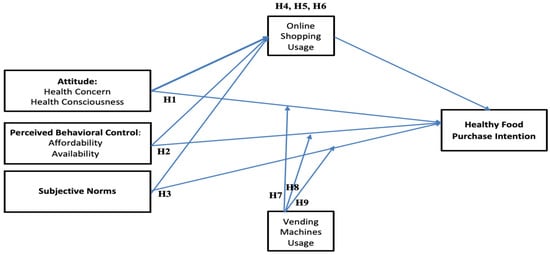
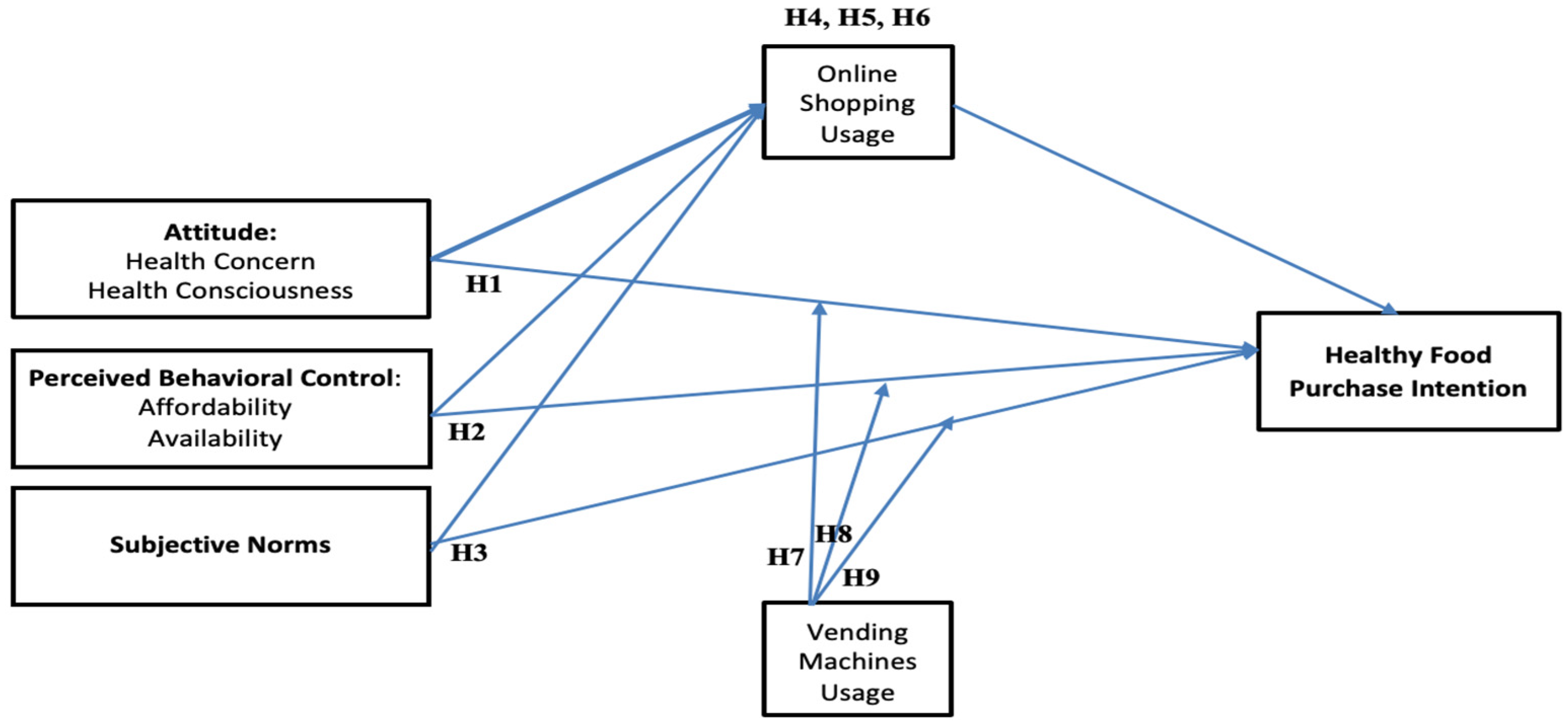
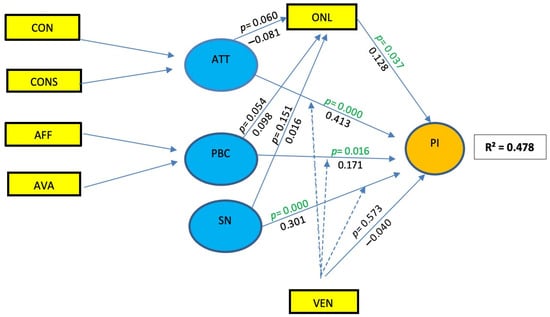
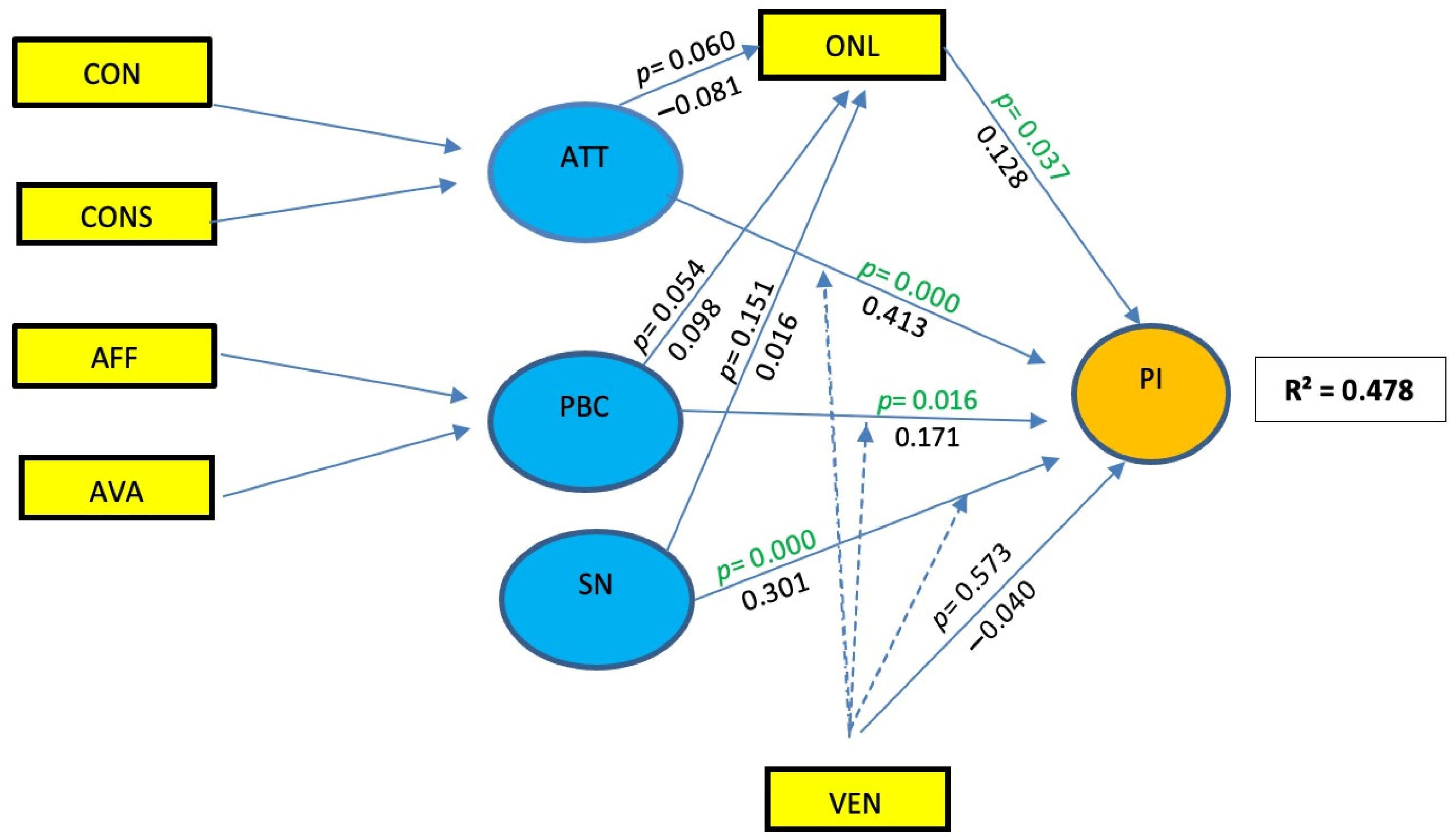

Disclaimer/Publisher’s Note: The statements, opinions and data contained in all publications are solely those of the individual author(s) and contributor(s) and not of MDPI and/or the editor(s). MDPI and/or the editor(s) disclaim responsibility for any injury to people or property resulting from any ideas, methods, instructions or products referred to in the content. |
© 2026 by the authors. Licensee MDPI, Basel, Switzerland. This article is an open access article distributed under the terms and conditions of the Creative Commons Attribution (CC BY) license.