


Abstract
Background: Oil and gas logistics operates across remote, hazardous and multi-modal networks, yet the literature offers limited systematic treatment of logistics-specific risks, their interdependencies and their links to the Sustainable Development Goals (SDGs). This study classifies the principal logistical risk categories and proposes an SDG-aligned risk management framework. Methods: A structured narrative review of the academic literature, industry reports and risk standards was conducted. Risk categories were derived through iterative thematic clustering and mapped qualitatively to SDGs at the Goal level. Results: Seven categories were identified: six risk drivers (geopolitical, environmental, regulatory and compliance, market and price, technological and cybersecurity, and human capital) and one aggregate outcome, supply chain disruption. In a hypothetical likelihood–impact illustration for a reference operator, market and price, geopolitical, and technological and cybersecurity risks fell in the high zone. Each category was linked to one or more SDGs, and a five-stage iterative framework adapted from ISO 31000:2018, with an SDG screening layer, was proposed. Conclusions: Logistics risks are interdependent and benefit from integrated, continuously monitored management. The SDG links are conceptual, and the classification, scoring and mapping are author-generated and illustrative; they require empirical and expert validation.
1. Introduction
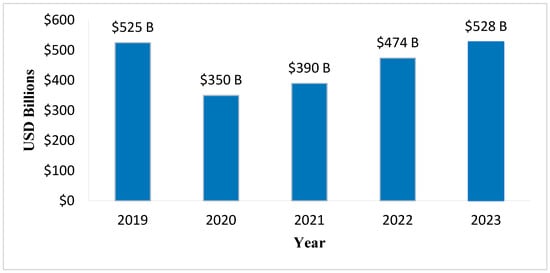
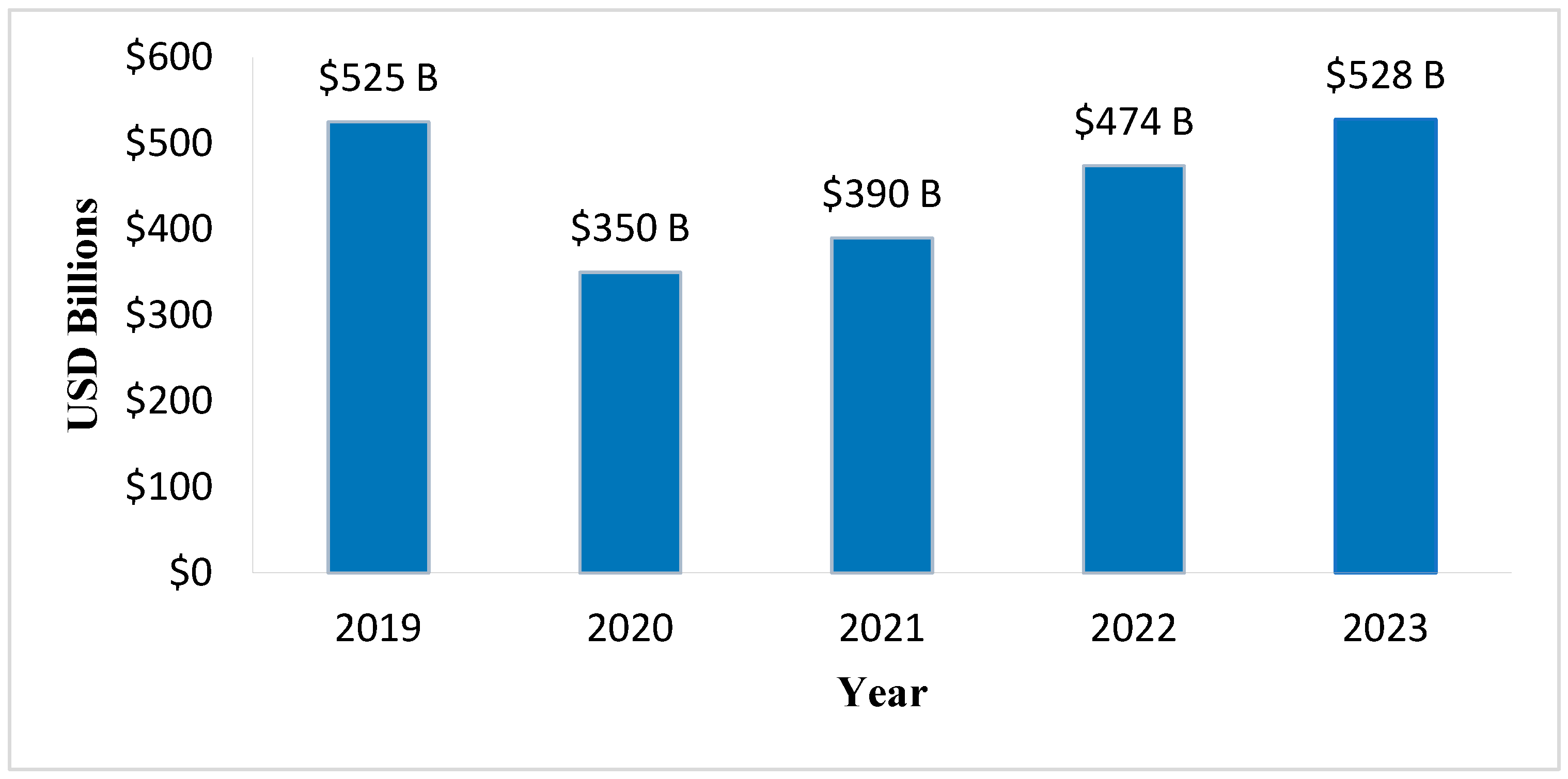
The oil and gas industry constitutes one of the principal pillars of the global economy, generating substantial fiscal revenue, sustaining employment across multiple sectors, and underpinning energy security at national and international levels. The industry’s supply chain—spanning upstream exploration and extraction, midstream transportation and storage, and downstream refining and distribution—is characterised by exceptional operational complexity. The pandemic’s lasting impact on investment behaviour is evidenced in Figure 1, which charts global upstream oil and gas capital expenditure from 2019 to 2023. The sharp contraction to approximately USD 350 billion in 2020—a decline of roughly 33% from the 2019 baseline—was followed by a gradual recovery, with expenditure recovering to approximately USD 528 billion by 2023, in line with the 2019 level of approximately USD 525 billion. Notably, upstream investment consistently represents approximately 60% of total oil and gas capital expenditure throughout this period [1,2]. This complexity is compounded by the geographical remoteness of production facilities, the technical demands of handling hazardous materials across multiple phases (gaseous, liquid, and solid), and the scale of capital investment required at every stage of the value chain [3,4].
Figure 1.
Global upstream oil and gas capital expenditure trends, 2019–2023, reflecting pandemic-driven contraction and subsequent recovery (source: [1,2]).
Logistics in the oil and gas sector is therefore not merely a supportive function but a critical determinant of operational continuity and financial performance. The challenging geography of extraction sites, inadequate infrastructure in remote regions, and considerable distance from major transportation hubs require highly specialised and meticulously coordinated logistical arrangements. Any inefficiency or disruption within this system can cascade rapidly across the entire supply chain, resulting in production delays, cost overruns, reputational damage, and, in the most severe cases, environmental and safety incidents.
Despite the centrality of logistics to industry performance, the academic literature reveals a notable gap in systematic, sector-specific risk analysis. While general supply chain risk management has received substantial scholarly attention [5,6,7,8], the application of structured risk management methodologies to oil and gas logistics remains comparatively underdeveloped, and a number of existing studies already provide formal causal or empirical resilience models for specific aspects of this domain [9,10,11,12,13,14,15]. Existing studies tend to address individual risk categories—such as geopolitical instability [16,17,18,19,20,21] or environmental hazards [22,23,24,25,26,27]—in relative isolation from one another. Sustainability-oriented research on supply chains has examined how practices relate to the Goals [28], and work on oil and gas supply chains has addressed sustainability through tools such as life cycle assessment [29] and through systematic reviews [30]; recent studies of oil and gas logistics have also addressed individual Goals, such as SDG 7 [14] and SDGs 8 and 13 [27]. However, to our knowledge, the systematic mapping of logistics risk categories onto multiple Goals has not been undertaken for this sector.
To position the contribution, the closest studies can be summarised as follows. Formal causal and empirical models address specific parts of the system, for example interactions among risk factors in petroleum supply chains [9], DEMATEL–ANP analysis of crude oil supply chain risks [13], Bayesian-network prediction of logistical failures [14] and scenario analysis of energy-efficiency risks in supply chain resilience [15], but they do not classify risks across categories or connect them to the SDGs. Systematic reviews of risk mitigation [20] and of sustainability practices [30] are broader, but they treat risk and sustainability separately, and recent work on Industry 5.0 barriers [31] addresses a single technology theme. To our knowledge, none of these studies combines a single logistics risk taxonomy with an explicit mapping to the SDGs that states the mechanism and a candidate indicator for each link, which is the gap addressed here.
This paper addresses that gap by providing analysis of the principal logistical risk categories inherent to the oil and gas supply chain, and the methodological tools available to identify, assess, and mitigate those risks. The specific objectives of this study are: (1) to classify and characterise the major risk categories confronting oil and gas logistics operations; (2) to evaluate established and emerging risk management frameworks applicable to this sector; and (3) to propose a structured, iterative risk management system adaptable to enterprise-level logistics planning, augmented with an explicit, goal-level Sustainable Development Goal alignment layer.
The contribution of this paper is fourfold. First, it consolidates dispersed evidence on oil and gas logistics risks into a coherent analytical framework. Second, it records for each risk and SDG link whether it arises at the micro-logistics level of the individual enterprise or at the macro-logistics level of the wider supply chain networkand uses this distinction to define the scope of risk identification in Stage 2. Third, it provides actionable guidance for practitioners responsible for logistics governance in resource-intensive industrial environments. Fourth, it introduces the United Nations Sustainable Development Goals (SDGs) as an analytical lens through which each risk category and management response is screened, with the mechanism, evidence and a candidate indicator stated for each link, thereby connecting operational logistics risk management to the global sustainability agenda.
The UN 2030 Agenda for Sustainable Development, adopted in 2015, established 17 SDGs as a universal call to action to end poverty, protect the planet, and ensure prosperity for all. The energy sector occupies a pivotal position within this agenda: oil and gas supply chains are simultaneously drivers of economic development and sources of systemic risk to environmental, social, and governance (ESG) outcomes. SDG 7 calls for affordable, reliable, sustainable, and modern energy for all—a goal that depends on the resilience of oil and gas logistics networks during the ongoing energy transition. SDG 8 links economic growth to decent work conditions, directly implicating human capital management in the sector. SDG 9 emphasises resilient infrastructure and sustainable industrialisation, encompassing the digital and physical infrastructure of energy supply chains. SDG 13 demands urgent action on climate change, placing environmental risks from oil and gas operations under heightened scrutiny. SDG 16 highlights the role of strong institutions and peaceful societies in enabling stable supply routes, while SDG 17 underscores the importance of global partnerships in building the cross-border logistics cooperation that underpins energy security. By grounding its risk analysis in this framework, this paper advances a sustainability-integrated approach to oil and gas logistics governance that extends conventional financial and operational risk management.
The theoretical foundation of this study is grounded in supply chain risk management (SCRM), a discipline that has evolved considerably since the early 2000s in response to high-profile supply chain failures across multiple industries. SCRM is broadly defined as the identification, assessment, and mitigation of risks that threaten the continuity, integrity, or efficiency of supply chain operations. In the oil and gas context, the logistical system is understood as an economic network of interconnected subsystems performing logistics functions through coordinated flow management [32,33,34,35,36].
Logistics risk, as defined in the extant literature, refers to the potential for adverse outcomes arising from logistics activities—including transportation, warehousing, cargo handling, and inventory management—as well as from managerial failures in the execution of these functions. Scholars have examined logistics risks at two levels: the micro-logistics level, which encompasses risks internal to the enterprise; and the macro-logistics level, which addresses risks distributed across the supply chain network [37].
Supply chain disruptions in the oil and gas sector have been extensively documented as a primary source of operational risk. Chopra and Sodhi [38] established an early framework for categorising disruptions, and subsequent work has demonstrated the amplified vulnerability of energy sector supply chains due to the high capital intensity and long lead times characteristic of oil and gas projects [39]. Geopolitical instability has been identified as a particularly significant risk driver in the sector, given the concentration of reserves in politically volatile regions [40].
Environmental risks have gained increasing prominence in the literature, reflecting both the physical consequences of climate change for infrastructure integrity and the growing regulatory burden of environmental compliance. Studies have documented the disruptive effects of extreme weather events on drilling platforms, pipelines, and refinery infrastructure [41]. Market risk—specifically, the volatility of global crude oil prices—has been shown to exert significant downstream pressure on logistics budgets and investment planning [42].
Technological risk in energy logistics has emerged as a rapidly evolving area of concern, with particular attention directed towards cyber vulnerabilities in industrial control systems and digital supply chain platforms and towards barriers to Industry 5.0 adoption in the downstream oil and gas value chain [31,43,44]. Finally, the literature has increasingly highlighted the human capital dimension of supply chain risk, noting that shortages of qualified supply chain management professionals in the energy sector represent a structural vulnerability with consequences for operational efficiency and safety [45].
Risk management frameworks applicable to oil and gas logistics draw on a range of methodological traditions. Quantitative approaches—including statistical modelling, probability assessment, and Monte Carlo simulation—enable numerical risk quantification, while qualitative tools such as the Delphi method, SWOT analysis, scenario planning, and decision tree analysis support strategic risk reasoning under uncertainty. An effective risk management system integrates both traditions within an iterative governance cycle encompassing risk identification, assessment, response formulation, and monitoring.
Despite the breadth of this literature, a gap persists: the connection between oil and gas supply chain risk management and the UN Sustainable Development Goals remains comparatively unexplored. The growing body of research on sustainable supply chains has addressed SDG alignment mainly through case studies concentrated in agri-food settings and developing economies [28], and research on sustainability in oil and gas supply chains remains diverse and fragmented, with a lack of comprehensive frameworks [30]; energy sector logistics risk has therefore received comparatively little attention from an SDG perspective. The SDGs provide an internationally agreed normative framework that is directly relevant to the seven risk categories identified in this study. Supply chain disruption risk intersects with SDG 7 (energy continuity) and SDG 9 (infrastructure resilience); geopolitical risk with SDG 16 (strong institutions) and SDG 17 (global partnerships); environmental risk with SDG 13 (climate action) and SDG 15 (life on land); regulatory risk with SDG 16 (institutions) and SDG 12 (responsible production); market volatility with SDG 7 (affordable energy), SDG 8 (economic growth) and SDG 10 (reduced inequalities); technological risk with SDG 9 (resilient infrastructure); and human capital risk with SDG 4 (quality education) and SDG 8 (decent work). These are the primary links; secondary links are listed in Section 3. By mapping these intersections explicitly, this paper contributes an SDG-integrated analytical framework to the supply chain risk management literature; the criteria and limitations of this mapping are set out in Section 2.
2. Materials and Methods
This study employed a structured narrative literature review to examine logistical risk in the oil and gas industry. Given the absence of a unified quantitative dataset spanning all relevant risk categories, and in line with established practice in exploratory risk analysis research [46,47], a desk-based research design was adopted. Primary analytical inputs comprised a structured review of the peer-reviewed academic literature, industry technical reports, and established risk management standards. The choice of a narrative rather than a PRISMA-type systematic design reflects the heterogeneity of the evidence (peer-reviewed studies, industry and regulatory reports, and standards), which is not suited to pooled synthesis, and the conceptual aim of the study, which is to derive a taxonomy and map it to the SDGs and not to estimate an effect. To keep the evidence selection traceable, the literature was searched in Scopus, Web of Science, ScienceDirect and ProQuest between February 2025 and December 2025, and the search was updated in 2026 (until September 2026) to include recent publications, using the terms “oil and gas logistics”, “logistical risk assessment”, “risk identification” and “sustainable development goals”. Publications from the last 10 to 15 years were given priority, with older sources retained only where they are foundational texts or standards. Sources were included if they were written in English, were peer-reviewed articles, industry or regulatory reports, or standards, and were relevant to the topic of the study. Approximately 150 records were screened and 64 sources were retained.
The risk categories presented in Section 3 were derived inductively through iterative thematic clustering of the reviewed sources: recurring risk themes were grouped, overlapping themes were consolidated (for example, cyber risk and broader digital/technological risk were merged into a single “Technological and cybersecurity risk” category), and the resulting groupings were compared for coverage with the risk classification of Chopra and Sodhi [37], recent reviews of supply chain and oil and gas risk [5,8,18,20] and an industry analysis [48]; ISO 31000 and COSO ERM [49,50] are process frameworks and not risk typologies, and were used only to check that no major risk domain was left out. The categories were not defined a priori by the authors before the review, nor were they generated through a formal coding software or a dual-coder reliability procedure; the classification therefore reflects the authors’ interpretive synthesis rather than an independently reproducible coding exercise. Each identified risk category was analysed in terms of: (1) its defining characteristics and principal sources; (2) the mechanisms through which it manifests as logistical disruption; and (3) the mitigation strategies and risk management tools considered most effective in the literature and practice. The seven categories are analytical groupings and not an exhaustive list. Themes that might be expected as separate categories were assigned as follows: energy-transition and stranded-asset exposure to the regulatory and market categories; social licence and community opposition to the regulatory, environmental and human capital categories; physical security and maritime threats, such as piracy, to the geopolitical and supply chain disruption categories; and health, safety and accident risks to the environmental and human capital categories. Other classifications are possible, and this boundary is acknowledged as a limitation.
The risk management framework proposed in this paper is structured according to a five-stage iterative cycle—situational analysis, risk identification, risk assessment, risk response, and monitoring and control—adapted from widely adopted international risk management standards, including ISO 31000:2018, and is not presented as a new risk management process. This framework serves as the organising structure for the analytical and prescriptive contributions of the study. SDG-mapping procedure: this paper augments the conventional risk framework with an SDG alignment dimension. A link between a risk category and an SDG was recorded where (a) a risk event affects the conditions that the Goal addresses (direct mechanism), (b) a mitigation measure contributes to the Goal, or (c) a mitigation measure creates a trade-off with the Goal. Links supported by a direct mechanism in the reviewed evidence are reported as primary and the others as secondary. Section 3 gives the mechanism, supporting evidence, level (micro or macro) and a candidate indicator for each link, and conceptual relevance is not treated as evidence of SDG progress. The mapping was performed at the Goal level by the two authors independently and then reconciled through discussion; it is a qualitative, interpretive assessment of thematic relevance between each risk category and the language of the 17 SDGs and their high-level aims, rather than a formal target-by-target audit against the 169 official SDG targets, and it has not been subject to independent third-party or expert-panel validation. Where a risk category plausibly relates to more than one Goal, the Goals judged most directly implicated are reported; overlapping or ambiguous mappings (e.g., risks touching both SDG 8 and SDG 10) are discussed narratively rather than resolved through a numeric weighting scheme. This qualitative, non-validated character of the SDG mapping is stated explicitly as a limitation of the present study, and independent expert validation of the mapping is identified as a priority for future research.
The derivation of the seven categories from the reviewed literature is summarised in Table 1, which reports for each category the candidate themes that were consolidated into it, representative sources, and the rationale for consolidation. Supply chain disruption is retained as a category because the reviewed sources treat it as a risk in its own right, but it is also the outcome through which the other six categories reach logistics operations; it is therefore handled as an aggregate outcome and is not scored as a peer of its drivers in Section 4.
Table 1.
Derivation of the seven risk categories.
3. Risk Categories in Oil and Gas Logistics
Risk identification in oil and gas logistics involves pinpointing sources of potential adverse outcomes correlated with core logistical functions: procurement, transportation, packaging, warehousing, and distribution. Based on the structured narrative review described in Section 2, seven principal risk categories are identified and analysed below. Each subsection closes with a short note on SDG relevance; the mechanisms, evidence, level and candidate indicators for all links are consolidated in Table 2 at the end of this section.
3.1. Supply Chain Disruption Risk
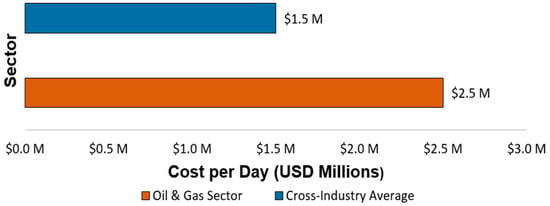
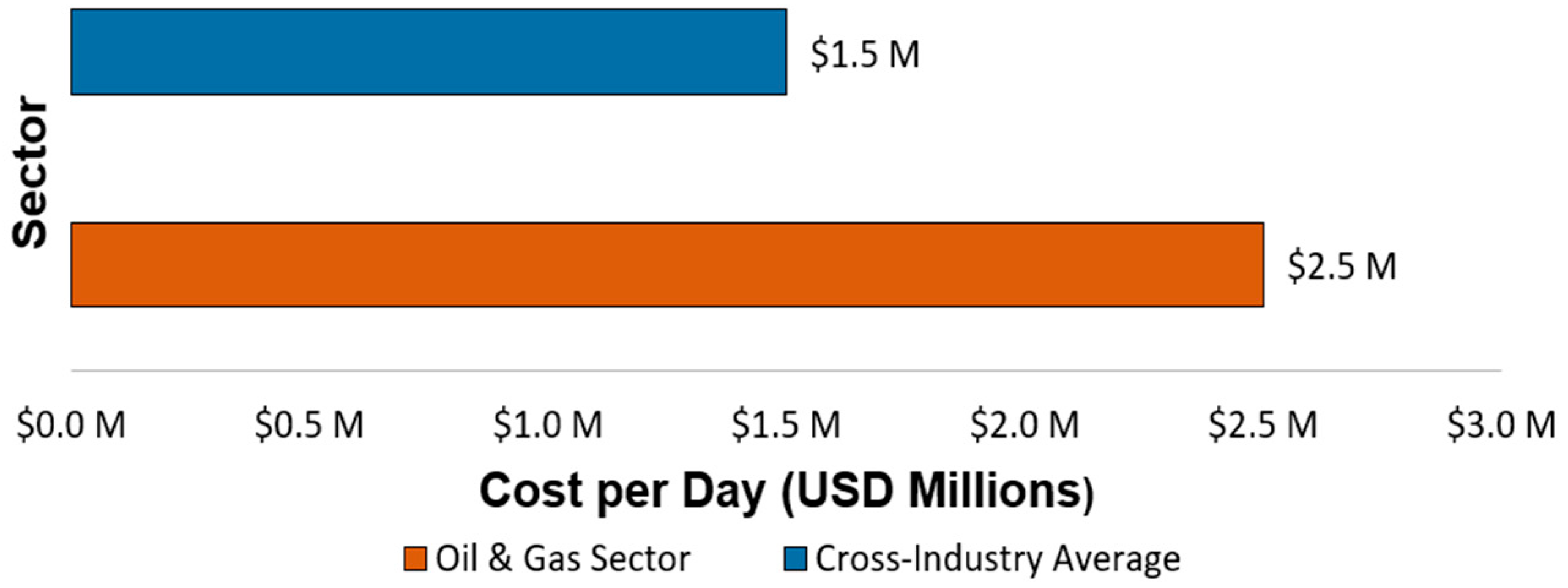
The oil and gas supply chain encompasses numerous sequential and interdependent stages, from raw material extraction to end-user delivery. Its complexity renders it intrinsically vulnerable to cascading disruptions, as failures can propagate probabilistically across logistical modes [14]. Equipment failures, labour disputes, transportation delays, and supplier insolvency can each trigger a chain of operational consequences disproportionate to the initial incident. The capital intensity of the sector means that downtime carries significant financial costs, while the long lead times associated with specialised equipment procurement amplify the duration of any disruption. The financial magnitude of supply chain vulnerability is demonstrated in Figure 2, which shows that the oil and gas sector incurs an average daily disruption cost of USD 2.5 million—approximately 67% higher than the cross-industry average of USD 1.5 million per day—suggesting the sector’s acute sensitivity to logistical interruptions. Across all major industries, the average annual loss per company from supply chain disruptions reached approximately $82 million in 2022, down from $184 million in 2020 at the height of the COVID-19 pandemic [51]. In 2022 alone, operating costs across the oil and gas sector increased by 7–15 percent, driven by labour market pressures and raw-material inflation, with marine and aviation logistics particularly affected as fuel costs rose by approximately 20 percent on an annual basis [49]. Supply chain disruption is therefore treated here both as a category in its own right and as the aggregate outcome through which the categories described below reach logistics operations.
Figure 2.
Comparative daily supply chain disruption costs: oil and gas sector versus cross-industry average (2023) [40,51].
SDG relevance: Supply chain disruption risk is primarily linked to SDG 7 (Affordable and Clean Energy) and SDG 9 (Industry, Innovation and Infrastructure), with secondary links to SDG 10 and SDG 17 (Table 2). Interruptions to fuel and energy deliveries reduce the reliability of supply that SDG 7 aims for, and the vulnerability of long, capital-intensive chains is relevant to the resilient infrastructure sought by SDG 9. Cost escalations of the kind reported for 2022 may fall disproportionately on downstream consumers and energy-dependent economies, which is a possible tension with SDG 10. Mitigation measures such as diversification, digital monitoring and strategic inventory buffers may support continuity (SDG 7, SDG 9) and coordination with partners (SDG 17), but they can also increase emissions, land use and resource consumption (SDG 12, SDG 13, SDG 15); these trade-offs are discussed in Section 5.1. These links are conceptual: the reviewed evidence does not measure SDG outcomes.
3.2. Geopolitical Risk
A substantial proportion of global oil and gas reserves are located in geopolitically sensitive regions, exposing supply chains to risks arising from political instability, armed conflict, trade sanctions, and abrupt policy changes. As of 2023, OPEC member states collectively held approximately 80 percent of the world’s total proven crude oil reserves, with Venezuela and Saudi Arabia alone accounting for roughly 46 percent of OPEC’s reserves. OPEC members also contributed over 37 percent of worldwide crude oil production in 2023 [52]. This geographic concentration of reserves in politically volatile regions creates structural dependencies for global logistics networks. Government transitions in oil-producing countries can precipitate alterations to licensing regimes, export policies, or infrastructure access arrangements, any of which may restrict supply routes or create transportation bottlenecks. For enterprises operating in the Caspian region—including those based in Azerbaijan—the intersection of competing regional interests and export route dependencies represents a particularly salient geopolitical risk dimension [53]. Embargoes and diplomatic ruptures can, in extreme cases, render entire supply corridors non-operational.
SDG relevance: Geopolitical risk is primarily linked to SDG 16 (Peace, Justice and Strong Institutions) and SDG 17 (Partnerships for the Goals), with a secondary link to SDG 10. Political instability, conflict and sanctions affect the institutional conditions on which stable cross-border energy logistics depend (SDG 16), while multilateral agreements, transit arrangements and coordinated route diversification are partnership-based ways of managing the exposure (SDG 17); for Caspian and Azerbaijani stakeholders, the Southern Gas Corridor is an example of such an arrangement. Embargoes and trade sanctions may restrict energy access in vulnerable economies (SDG 10). Route diversification may, however, lengthen transport distances and increase emissions (SDG 13), a trade-off to be weighed in Stage 4.
3.3. Environmental Risk
Environmental risks in oil and gas logistics arise from both acute events and chronic conditions. Acute environmental risks include oil spills, pipeline ruptures, and explosions, each of which may result in severe cleanup liabilities, regulatory sanctions, and long-term reputational damage. An industry analysis of federal pipeline data [55] found that total liquid pipeline incidents declined by 23 percent over the five years from 2019 to 2023, with equipment-failure-related incidents impacting people or the environment falling by 50 percent across the same period. Nevertheless, PHMSA valuation of onshore crude oil spills in the United States between 2005 and 2022 [54] covered 3734 incidents with non-zero quantities released, generating substantial cleanup, property damage, and remediation expenditures. Chronic risks encompass the gradual degradation of infrastructure due to corrosion, subsidence, or vegetation encroachment. Climate-related risks—including hurricanes, seismic activity, flooding, and extreme temperature events—are capable of damaging drilling platforms, pipelines, and refinery equipment, causing prolonged operational interruptions. Scenario analysis of risks to energy efficiency in supply chain resilience likewise identifies natural events as the most critical risk category [15]. Secondary environmental risks, such as deforestation and contamination of soil and water resources, may additionally trigger project cancellations or impose requirements for costly remediation and compliance measures.
SDG relevance: Environmental risk is primarily linked to SDG 13 (Climate Action) and SDG 15 (Life on Land), with secondary links to SDG 14, SDG 12, SDG 3 and SDG 9. The industry contributes to climate change and is itself exposed to its physical consequences, so environmental risk management addresses both resilience and mitigation (SDG 13). Spills and pipeline ruptures can contaminate terrestrial and aquatic ecosystems (SDG 15, SDG 14); the 3734 onshore crude oil incidents recorded in the United States over 2005–2022 [54] illustrate the scale of this exposure, although they do not measure biodiversity or land-productivity outcomes. Leak detection, integrity management and environmental impact assessment support resilient infrastructure (SDG 9), waste reduction (SDG 12) and the protection of communities from hazardous exposure (SDG 3), although such programmes also consume energy and materials. Evidence from upstream oil supply chains shows that climate change, resource insecurity and labour exploitation are interlinked [27], which connects environmental risk to SDG 8.
3.4. Regulatory and Compliance Risk
The oil and gas industry operates under an extensive and evolving regulatory framework covering environmental protection, occupational health and safety, transportation of hazardous materials, and export controls. In the United States alone, the sector is subject to oversight by at least nine federal agencies, including the EPA, OSHA, PHMSA, and BSEE, each with distinct and frequently updated compliance requirements. The financial consequences of non-compliance can be severe: under the U.S. Oil Pollution Act, civil penalties may reach $25,000 per day of violation or $1000 per barrel of oil discharged, with failure to notify federal agencies potentially resulting in fines of up to $500,000 for organisations [56]. Changes in legislation—whether in the form of stricter emissions standards, revised safety requirements, or new permitting procedures—may require enterprises to invest significantly in process modifications, infrastructure upgrades, or compliance documentation. Regulatory risk is amplified in multi-jurisdictional operations, where enterprises must simultaneously navigate the legal requirements of multiple countries or regional bodies. Non-compliance carries the risk of operational shutdowns, financial penalties, and reputational harm.
SDG relevance: Regulatory and compliance risk is primarily linked to SDG 16 (Peace, Justice and Strong Institutions) and SDG 12 (Responsible Consumption and Production), with secondary links to SDG 13, SDG 3 and SDG 17. Regulatory bodies that govern safety, environmental protection and hazardous-materials transport are part of the institutional architecture through which these Goals are operationalised (SDG 16), and compliance regimes for spill prevention, emissions and hazardous waste concern SDG 12 directly; they also underpin climate and health objectives (SDG 13, SDG 3). Enterprises that invest proactively in compliance capacity, and not only in penalty avoidance, contribute to accountable industry behaviour and coherent policy frameworks (SDG 16, SDG 17). Compliance costs may, however, raise delivered energy costs, a possible tension with SDG 7.
3.5. Market and Price Risk
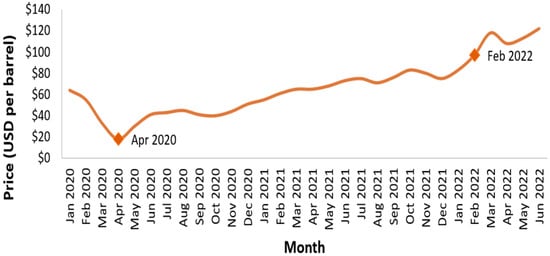
The volatility of global crude oil and natural gas prices is a structural feature of the energy market, driven by supply–demand dynamics, OPEC production decisions, macroeconomic conditions, and speculative financial activity. Figure 3 traces the trajectory of Brent crude oil prices between 2020 and 2022, capturing two pivotal market shocks: the COVID-19 demand collapse in April 2020, which drove prices below USD 20 per barrel, and the Russia–Ukraine conflict commencing February 2022, which propelled prices above USD 120 per barrel by mid-2022—a sixfold increase within a two-year period. Global oil and gas producers received approximately $4 trillion in revenues in 2022, an extraordinary windfall, while the preceding price collapse in 2020 forced initial investment cuts of 20–35 percent across the industry. OPEC+ production cuts of 2 million barrels per day announced in late 2022, followed by further voluntary reductions in 2023, demonstrated the continued capacity of producer alliances to influence global supply conditions and logistics planning horizons. Price fluctuations directly affect the economics of logistics operations: elevated prices increase transportation and storage costs, while price declines can render marginal production facilities uneconomic, leading to output reductions and associated logistics reconfigurations. Market risk is further compounded by currency fluctuations in international procurement and exchange rate exposure in cross-border logistics contracts [52,57,58,59,60].
Figure 3.
Brent crude oil price trajectory illustrating extreme market volatility driven by the COVID-19 pandemic and the Russia–Ukraine conflict, 2020–2022 (source: [1]).
SDG relevance: Market and price risk is primarily linked to SDG 7 (Affordable and Clean Energy), SDG 8 (Decent Work and Economic Growth) and SDG 10 (Reduced Inequalities). High prices raise energy costs for households and industry, which bears on affordability (SDG 7); price collapses, as in 2020, were followed by investment cuts of 20–35 percent across the industry, with possible consequences for employment and economic stability in oil-dependent economies (SDG 8); and energy-importing developing countries are more exposed to price shocks than exporters (SDG 10). Hedging, long-term contracts and demand diversification respond to commercial imperatives and may also support the expansion of sustainable energy infrastructure (SDG 7), although long-term supply contracts can lock in fossil-fuel volumes (SDG 13). The distributional effects described here are conceptual and were not measured.
3.6. Technological and Cybersecurity Risk
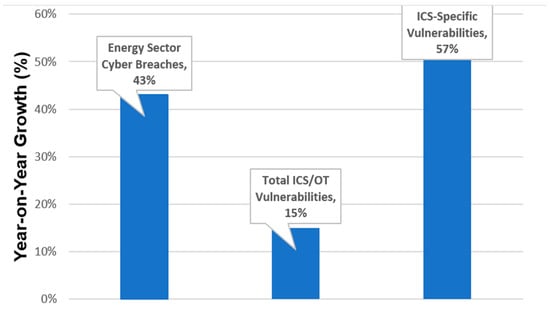
Advanced technologies—including digital twin systems, IoT-enabled asset monitoring, enterprise resource planning platforms, and automated logistics management systems—have become integral to operational efficiency in oil and gas supply chains. However, increased digital integration also expands the attack surface available to malicious actors. The growing technological vulnerability of oil and gas operations is quantified in Figure 4, which records year-on-year growth in three cybersecurity threat indicators for 2022–2023. ICS-specific vulnerabilities recorded the steepest increase at 57%, followed by energy sector cyber breaches at 43% and total ICS/OT vulnerabilities at 15%, collectively signalling an accelerating threat environment for industrial control systems. The 2021 Colonial Pipeline ransomware attack, which resulted in the shutdown of a system supplying approximately half of the fuel for the southeastern United States and prompted a federal state of emergency, illustrated in concrete terms the potential systemic consequences of a successful cyberattack on petroleum logistics infrastructure. GlobalData analytics further indicate that mentions of cybersecurity in global oil and gas company filings are on track to reach an all-time high in 2024, reflecting heightened board-level awareness of the threat [61]. System failures and software malfunctions represent additional technological risks that, while less dramatic, can cause meaningful logistical inefficiencies and data loss. Enterprises must therefore balance the efficiency gains of digital adoption against the risk exposure it introduces.
Figure 4.
Year-on-year growth in cybersecurity threats targeting oil and gas industrial control systems, 2022–2023 (source: [61]).
SDG relevance: Technological and cybersecurity risk is primarily linked to SDG 9 (Industry, Innovation and Infrastructure), with secondary links to SDG 7 and, more weakly, SDG 11. Digital transformation can support resilient infrastructure (SDG 9), but the reported growth in ICS-specific vulnerabilities and energy-sector breaches (Figure 4) suggests that adoption without cybersecurity governance can weaken the resilience that SDG 9 seeks. The Colonial Pipeline attack showed how a cyber incident can interrupt fuel supply across a region, which is relevant to reliable energy supply (SDG 7). The link to SDG 11 rests on the dependence of urban energy systems on digitally managed logistics networks and is treated as secondary. Cybersecurity investment is therefore framed as a continuity measure that supports SDG 9, while digital monitoring also enlarges the attack surface.
3.7. Human Capital Risk
The effective management of oil and gas supply chains requires a workforce with specialised competencies spanning logistics coordination, regulatory compliance, hazardous materials handling, and supply chain analytics. The increasing complexity of these requirements has intensified demand for qualified supply chain management professionals at a time when the available talent pool is constrained. Data from Statista [62] indicate that the number of oil and gas industry job openings worldwide reached approximately 73,000 in July 2022, reflecting near-continuous growth from the post-pandemic trough of April 2020, as the sector sought to rebuild operational capacity following the severe work-force cuts of 2020 [62]. The labour cost pressures associated with this tightening talent market have been significant: McKinsey analysis found that labour rates in oil and gas operations grew at more than 9 percent per annum in 2022–2023 [49], which may feed into logistics costs. Furthermore, a 2023 survey of procurement leaders found that 74 percent agreed they could not hope to comply with emerging regulations without supporting data analytics and risk management capabilities, underscoring the intersection of human capital and compliance risk. These indicators cover the oil and gas industry as a whole and do not by themselves show a shortage of logistics specialists; they are consistent with, but do not demonstrate, pressure on the talent pool. The link between workforce competence and operational performance is better supported by studies of safety culture and sustainability risk management in the sector [45]. On the basis of such evidence, workforce deficiencies may manifest as operational inefficiencies, increased error rates, compliance failures, and reduced adaptive capacity in the face of supply chain disruptions, and human capital risk may act both as standalone vulnerability and as multiplier of other risk categories; this multiplier role is an interpretation of the reviewed literature and was not tested here.
SDG relevance: Human capital risk is primarily linked to SDG 4 (Quality Education) and SDG 8 (Decent Work and Economic Growth), with secondary links to SDG 5 and SDG 17. Competence gaps relate to SDG 4’s concern with relevant technical and vocational skills, but the indicators reviewed here (industry-wide job postings and labour-rate growth) do not establish that professional education systems are failing to supply logistics specialists. SDG 8 is relevant through workforce volatility, such as the cuts of 2020 followed by the recovery in hiring, and through safe and decent working conditions in hazardous operations. SDG 5 is relevant to the extent that the talent pipeline and working conditions are inclusive, a point not examined in the reviewed sources. University partnerships, industry-funded training and international knowledge transfer (SDG 17) are plausible responses, although automation of logistics tasks could reduce employment opportunities (SDG 8).
Table 2.
Risk–SDG–mitigation matrix: primary and secondary SDG links, mechanism, level, supporting evidence in this paper, candidate indicator and the main trade-off of typical mitigation measures.
4. Risk Management Framework for Oil and Gas Logistics
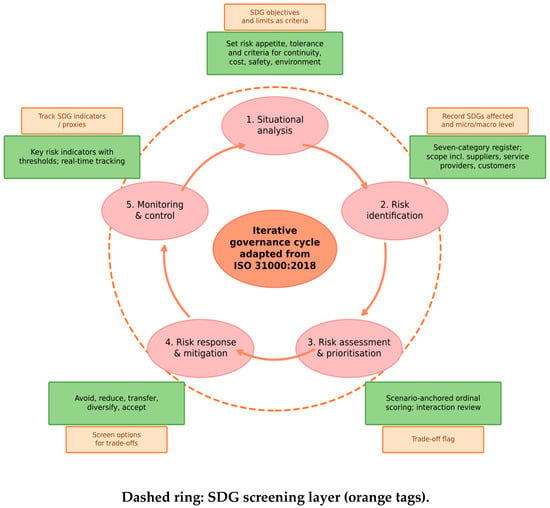
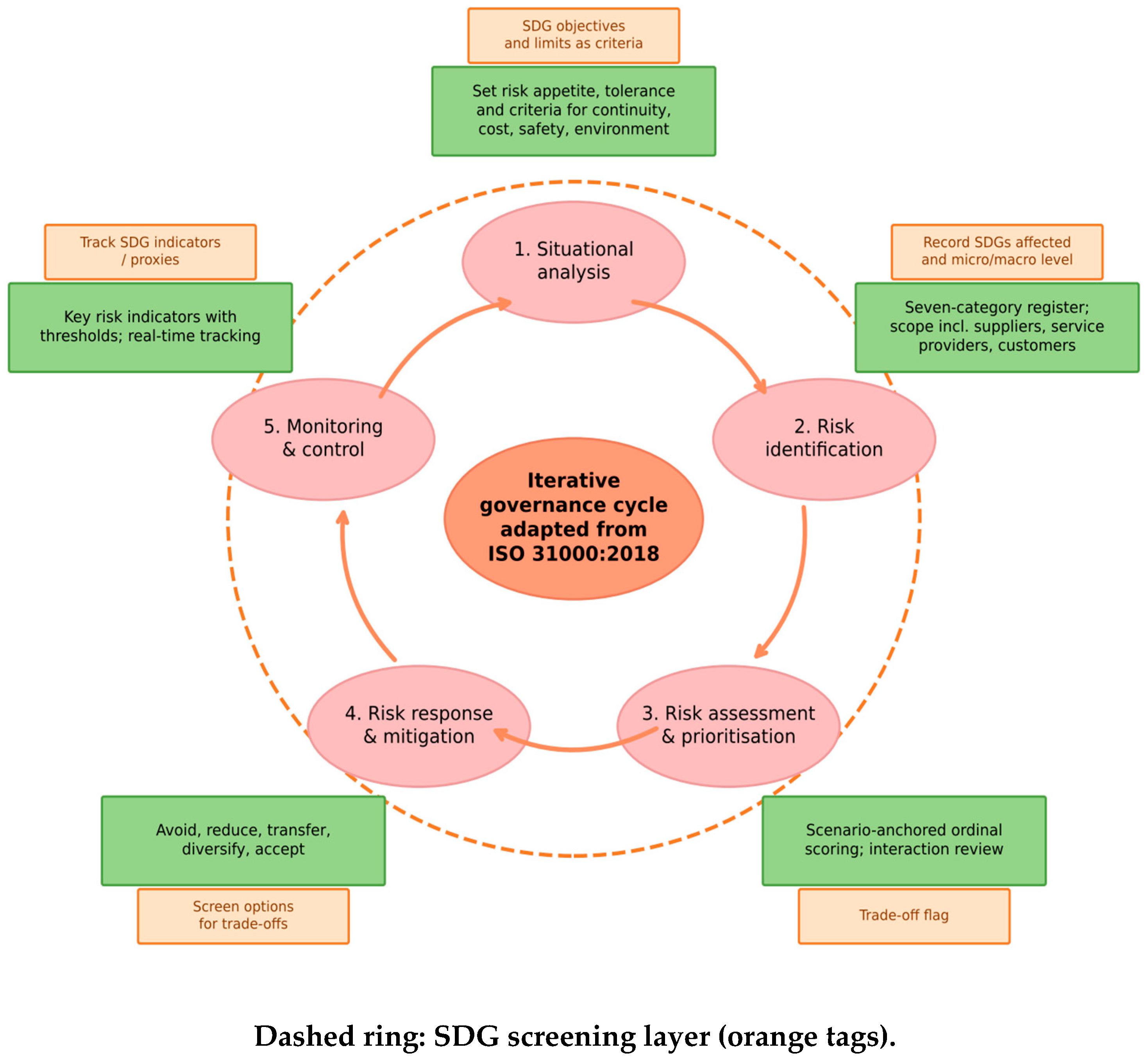
In response to the multidimensional risk landscape identified above, Figure 5 presents a proposed five-stage iterative risk management framework adapted for oil and gas logistics operations. The framework—structured around situational analysis, risk identification, assessment and prioritisation, response and mitigation, and monitoring and control—is adapted from the ISO 31000:2018 risk management guidelines and positions iterative governance as a continuous, feedback-driven process rather than a static compliance exercise. The adaptation of the ISO 31000:2018 process to oil and gas logistics, including the added SDG layer, is summarised in Table 3.
Figure 5.
Proposed five-stage iterative risk management framework for oil and gas logistics operations.
Table 3.
Adaptation of the ISO 31000:2018 process to oil and gas logistics and the SDG layer.
4.1. Stage 1: Situational Analysis
The first stage establishes the strategic and operational context within which risk management activities are to be conducted. It requires the alignment of organisational goals, logistics strategies, and business processes with an assessment of the prevailing risk environment. During this stage, risk appetite—defined as the level of risk the organisation is prepared to accept in pursuit of its strategic objectives—is formally established, alongside the maximum risk tolerance, which represents the upper boundary of acceptable exposure. In iterative applications of the cycle, situational analysis incorporates lessons learned from the preceding cycle to refine goals, risk appetite thresholds, and strategic priorities. The SDG layer adds sustainability objectives and tolerance limits, for example limits on emissions, spill volumes and workplace injuries, to the risk criteria, so that they are weighed alongside financial and operational criteria.
4.2. Stage 2: Risk Identification
Risk identification involves the systematic detection of logistics risks, the determination of their sources and types, and the preliminary assessment of their potential consequences. Effective risk identification draws on multiple inputs, including operational data, expert knowledge, incident records, regulatory intelligence, and benchmarking against comparable organisations. In the oil and gas context, risk identification should encompass all logistics functions—procurement, transportation, warehousing, inventory management, and distribution—and should extend beyond the enterprise boundary to capture risks emanating from key suppliers, logistics service providers, and customers. The scope is set by level: micro-logistics risks are internal to the enterprise, while macro-logistics risks arise across the supply chain network, and Table 2 records the level of each risk and SDG link. For each identified risk, the SDGs potentially affected are also recorded. Tools commonly employed at this stage include risk registers, checklists, brainstorming sessions, process mapping, and Failure Mode and Effects Analysis (FMEA). Recent work additionally applies AI-enabled topic modelling to extract risk indicators from large unstructured datasets in oil and gas supply chains and to integrate them into demand forecasting [63].
4.3. Stage 3: Risk Assessment and Prioritisation
Following identification, each risk must be assessed in terms of its likelihood of occurrence and the severity of its potential consequences. The oil and gas logistics context supports a range of assessment methods, and the distinction between them is one of degree and not a rigid classification. Statistical analysis, Monte Carlo simulation and probability–impact modelling provide numerical estimates of risk magnitude where data are available; Delphi studies, expert panels, SWOT analysis and scenario analysis support structured judgement where historical data are limited or uncertainty is high; and some tools combine both, for example decision trees, which can be qualitative or quantitative, and FMEA, which pairs qualitative description of failure modes with ordinal scoring. Multi-criteria methods such as DEMATEL and the analytic network process have been used to analyse risk interdependencies in crude oil supply chains [13], while Bayesian belief networks combined with Monte Carlo simulation [15] and Bayesian-network-based hybrid frameworks [14] have been used to explore scenario consequences and to predict logistical failures.
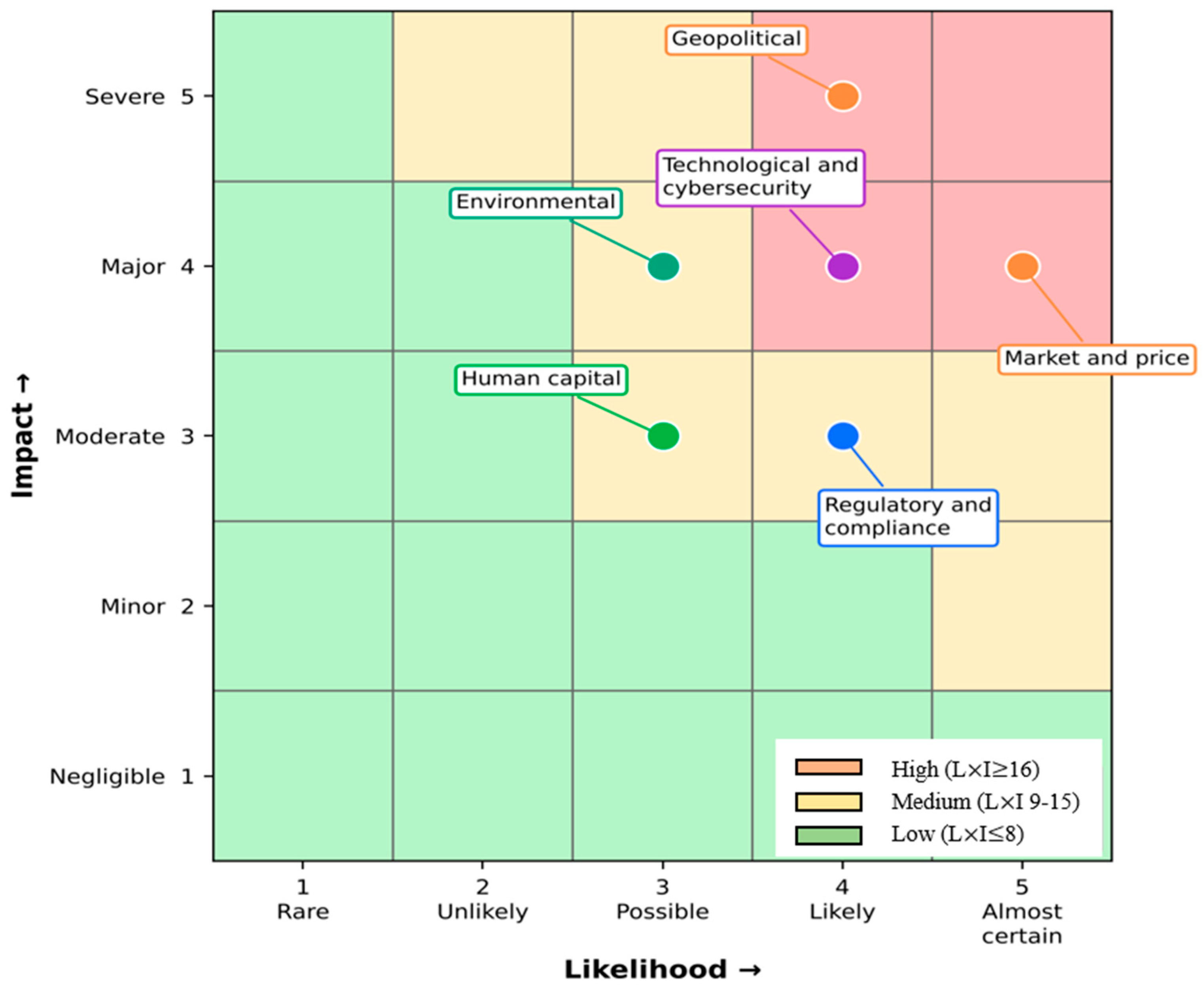
Illustrative application: This illustration is hypothetical and uses no enterprise data. The relative severity of the six risk drivers is illustrated in Figure 6 using a 5 × 5 likelihood–impact matrix. Supply chain disruption is not scored as a peer of the other categories: it is the aggregate outcome through which they act on logistics operations, and scoring it alongside them would count the same exposure twice. The scores are hypothetical and apply to a reference operator and scenario defined in Table 5 (a stylised mid-size midstream logistics operator that is not tied to a specific geography or transport mode, a five-year horizon and one defined event per category); they do not describe the sector as a whole. In this illustration, three categories fall in the high zone (L × I ≥ 16): market and price (L = 5, I = 4), geopolitical (L = 4, I = 5) and technological and cybersecurity (L = 4, I = 4). Environmental (L = 3, I = 4), regulatory and compliance (L = 4, I = 3) and human capital (L = 3, I = 3) fall in the medium zone (9 ≤ L × I ≤ 15). Scores were assigned by the two authors against the anchors in Table 4. The scores remain author judgements informed by the evidence in Section 3 and were not validated by an independent panel. Table 5 shows that the band of every category changes under a one-point shift in a single score, so the matrix should be read as an illustration of the method and not as a prioritisation of the sector’s risks. The scale is ordinal rather than cardinal: the product L × I is used solely to define the three visual bands of the matrix and carries no cardinal interpretation, so a category scored 20 is not “twice as severe” as one scored 10.
Figure 6.
Hypothetical risk assessment matrix for the six risk drivers of oil and gas logistics risk for a reference operator (see Table 5). Supply chain disruption is the aggregate outcome and is not scored.
To avoid the impression of unwarranted numerical precision, the ordinal scale underlying Figure 6 is defined in Table 4. The impact anchors are descriptive thresholds derived from the evidence reviewed in Section 3; they do not represent measured frequencies or monetised losses.
Table 4.
Ordinal anchors for the likelihood and impact scales used in Figure 6.
Table 5.
Scoring basis and sensitivity of the hypothetical matrix in Figure 6 (reference operator: mid-size midstream logistics operator, five-year horizon). The band column uses L × I ≥ 16 as high and 9–15 as medium.
4.4. Stage 4: Risk Response and Mitigation
Based on the outputs of risk assessment, management selects and implements appropriate risk response strategies. The principal response options available to oil and gas logistics enterprises include: risk avoidance (restructuring operations to eliminate exposure); risk reduction or mitigation (implementing controls to reduce likelihood or impact); risk transfer (through insurance, contractual allocation, or hedging instruments); risk diversification (spreading exposure across multiple suppliers, routes, or technologies); and risk acceptance (retaining residual risks within the organisation’s risk tolerance). The choice of response strategy should reflect the cost of mitigation relative to the expected value of loss avoided, as well as the organisation’s strategic risk appetite. In practice, effective risk response in oil and gas logistics combines multiple strategies across different risk categories. The SDG layer adds a screening step: each response option is checked for trade-offs with the Goals identified in Table 2 before selection. For example, safety stocks, parallel routes and additional storage can improve continuity (SDG 7, SDG 9) while increasing emissions, land use or resource consumption (SDG 12, SDG 13, SDG 15), and options with co-benefits are preferred where the cost of mitigation is comparable.
Illustrative application (Stage 4): Consider the geopolitical risk of the reference operator in Table 5 (L = 4, I = 5, score 20). Stage 1 sets a residual score of 15 or less and, through the SDG layer, a limit on the increase in annual logistics-related emissions. Route diversification (30% of volume through a longer secondary route) and a 30-day buffer stock (longer than the 14-day event) both reduce the score to 12 (L = 4, I = 3). Without an emissions limit, the cheaper option, diversification (cost index 100 against 130), is chosen. With a limit of +5%, diversification (+9% emissions) is excluded and buffer stock (+3%) is chosen at a 30% cost premium; any limit from +3% up to below +9% gives the same result, and a limit below +3% excludes both options and returns the decision to Stage 1. All values are hypothetical. The example illustrates the screening logic only, and the outcome depends on route length, transport mode and storage energy use.
4.5. Stage 5: Monitoring and Control
The final stage—continuous monitoring and control—is not a discrete phase but rather an ongoing process embedded throughout the entire risk management cycle. It involves the real-time tracking of key risk indicators, the periodic review of risk assessments and response measures, and the preparation of management reports that feed into subsequent iterations of the cycle. Monitoring activities should be supported by digital tools capable of aggregating operational data from across the supply chain and flagging deviations from established risk thresholds. The outputs of the monitoring stage inform the situational analysis of the next cycle, ensuring that the risk management system remains dynamic, responsive, and aligned with the evolving risk landscape.
5. Discussion
5.1. Implications for Theory
The analysis presented in this paper reveals that logistical risk in the oil and gas industry is characterised by complexity, interconnectedness, and asymmetry. Individual risk categories rarely operate in isolation; rather, they interact in ways that amplify overall supply chain vulnerability. A geopolitical disruption, for example, may simultaneously restrict supply routes, trigger regulatory changes, and create market price volatility—compounding the operational and financial impact well beyond what any single risk would produce in isolation. This systemic quality of oil and gas logistics risk underscores the limitations of siloed, category-specific risk management approaches and supports the case for integrated frameworks of the type proposed in this study. This reading is consistent with systems-thinking evidence that climate-related, social and supply chain risks in upstream oil supply chains interact across levels and cannot be addressed by isolated supply-chain-level policies [27], and with evidence that failures propagate probabilistically across the logistical modes of the global oil and gas supply chain [14].
The five-stage iterative risk management cycle proposed here adapts the prescriptions of existing frameworks such as ISO 31000:2018 and COSO ERM to the specific operational context of oil and gas logistics. The explicit inclusion of supply chain partner risk assessment in Stage 2 reflects a recognised gap in enterprise-level risk management practice: organisations that assess only their own risks are systematically blind to vulnerabilities in their supplier and customer networks that can trigger equivalent or greater disruption.
Human capital risk is treated here as a discrete category because the reviewed literature points to workforce competence and safety culture as an active driver of operational and compliance outcomes [45], whereas workforce issues have often been treated as a background condition. The reviewed evidence is consistent with the view that competence gaps and talent pressure in specialist roles, such as hazardous-materials logistics, regulatory compliance and digital supply chain technologies, may limit the effectiveness of other risk management measures, although the industry-wide indicators in Section 3.7 do not by themselves demonstrate a shortage of such specialists. This has possible implications for enterprise-level human resource planning and for workforce development policy, which would need to be tested empirically.
A further dimension of this study’s contribution lies in its systematic mapping of the seven identified risk categories onto the UN Sustainable Development Goals. This SDG-integrated analytical framework suggests that supply chain risk management in oil and gas is not a purely commercial discipline, but a domain with profound sustainability implications. The systemic interconnectedness of logistics risks maps directly onto the integrated nature of the SDGs themselves: just as disruption risk amplifies geopolitical and market risks, the failure to achieve SDG 7 (energy access) can undermine SDG 8 (economic growth), SDG 3 (health), and SDG 4 (education) in energy-dependent communities. The SDG framework therefore provides a normative vocabulary for expressing the societal stakes of logistics risk, and a starting point for identifying the indirect SDG impacts that a major supply chain disruption can trigger—though, as noted in Section 2, the Goal-level mapping presented here is an author-conducted qualitative exercise and would benefit from independent expert validation and target-level refinement before being used as a formal diagnostic or reporting instrument. Evidence from SDG-oriented supply chain research indicates that practices relate to the Goals both directly and indirectly, depend on context and sector, and should be demonstrated with evidence rather than assumed [28], which reinforces the need for the validation noted above. Earlier work on sustainable development in oil and gas supply chains has explored these links through specific tools such as life cycle assessment [29], and recent reviews describe the sector’s sustainability approaches as fragmented [30]; the seven-category mapping presented here complements this work by addressing logistics risk systematically across several Goals.
The SDG layer is intended to change decisions at three points of the cycle (Table 3). In Stage 1 it adds sustainability limits to the risk criteria; in Stage 3 it flags the risks whose mitigation is likely to conflict with a Goal; and in Stage 4 it screens response options for trade-offs. The trade-offs are real: redundancy, buffer stocks and additional infrastructure improve continuity but can increase emissions, land use and resource consumption; route diversification may lengthen transport distances; hedging and long-term supply contracts can lock in fossil-fuel volumes; and greater digital monitoring enlarges the cyber attack surface. Evidence of this kind is context-dependent, which is a reason to treat the SDG links as conditions to be checked in each application and not as demonstrated SDG progress.
5.2. Implications for Practice and Policy
The growing salience of cybersecurity risk in oil and gas logistics also merits emphasis. As the sector continues to adopt digital technologies—including IoT sensors, cloud-based logistics platforms, and AI-driven supply chain analytics—the exposure to cyber threats targeting critical operational technology (OT) systems will increase correspondingly. Industry actors must therefore integrate cybersecurity governance into their logistics risk frameworks rather than treating it as a domain solely within the remit of information technology departments.
The findings are consistent with the broader literature on supply chain resilience, which emphasises the importance of proactive risk identification, redundancy in critical supply chain nodes, and adaptive capacity as determinants of recovery speed following disruption [8]. These principles are directly applicable to oil and gas logistics management and should inform both strategic planning and operational decision-making in the sector.
The practical implications of these findings are significant for supply chain managers, operations directors, and senior executives in the oil and gas sector. Investment in robust risk identification and assessment capabilities, the cultivation of cross-functional risk governance processes, and the development of diversified and resilient supply chain architectures may reduce disruption costs and improve operational continuity, although the size of any return was not assessed in this study. For policymakers and industry regulators, the findings highlight the importance of supporting workforce development initiatives and establishing collaborative frameworks for the sharing of logistics risk intelligence. Evidence from the Gulf petrochemical sector similarly points to the role of government policy and partnerships in enabling supply chain sustainability [64].
5.3. Limitations of the Study and Future Research Directions
This study has several limitations. First, the evidence base was assembled through a purposive, structured narrative review rather than a systematic review conducted under a pre-registered protocol (e.g., PRISMA); consequently, the seven-category risk taxonomy, while compared with established classifications, cannot be regarded as an exhaustively reproducible classification, and a replication using formal systematic-review or bibliometric methods is a natural next step. Second, the likelihood–impact positions in Figure 6 and the accompanying prioritisation discussion in Section 4 reflect a qualitative, literature-informed judgement rather than a statistically validated risk score derived from a structured expert-elicitation procedure; readers should treat the matrix as an illustrative heuristic rather than a decision-ready analytical output. Third, the SDG mapping presented in Section 2 was conducted by the two authors at the Goal level, without independent panel validation or a formal target-level audit against the 169 SDG targets; overlapping and ambiguous mappings were resolved narratively rather than through a reproducible weighting scheme. Fourth, as a conceptual and cross-sectoral synthesis, the paper does not report primary empirical data (e.g., firm-level survey or case-study evidence); the quantitative figures cited throughout are drawn from secondary industry and regulatory sources, as referenced in each case. The illustrative application in Section 4 is hypothetical and does not replace validation with enterprise data. Fifth, the seven categories are analytical groupings; themes such as energy-transition exposure, social licence and physical security were assigned to existing categories (Section 2), and other classifications are possible. These limitations do not, in the authors’ view, undermine the paper’s core contribution—an integrated, SDG-aware conceptual framework for oil and gas logistics risk governance—but they do delimit the claims that can be made on the basis of the current evidence, and each is identified as a specific direction for future research in the following paragraph.
Future research should seek to validate the proposed framework through empirical investigation in specific regional and sub-sector contexts, to develop quantitative risk scoring instruments adapted to oil and gas logistics, and to examine the effectiveness of specific mitigation strategies under controlled conditions. A structured expert panel (experts rating likelihood, impact and detectability, analysed with a method such as BWM, fuzzy AHP or DEMATEL and a consistency check) would be a natural way to validate or replace the author-assigned scores, and enterprise case studies would test the framework in practice. A quantitative analysis of risk interdependencies, for example with DEMATEL or interpretive structural modelling [13,44], is a further direction. AI-enabled topic modelling of unstructured text [63] could also be used to test whether the seven-category taxonomy can be reproduced or refined in a reproducible way, addressing the interpretive character of the present classification. Longitudinal studies tracking the evolution of risk profiles in response to digital transformation and energy transition dynamics would also make a valuable contribution to this field. Specifically from an SDG perspective, future research should pursue three additional directions. First, empirical studies should measure the quantitative SDG impact of supply chain disruptions in oil and gas—for example, estimating the number of households pushed below SDG 7 energy access thresholds during a major logistics crisis, or quantifying the SDG 8 employment losses associated with a price collapse. Second, researchers should develop and test an SDG-weighted risk scoring instrument that incorporates sustainability criteria into logistics risk prioritisation, enabling enterprises to rank risk categories not only by financial impact but also by SDG damage potential. Third, comparative studies across different energy-producing regions—including the Caspian, the Gulf, and Sub-Saharan Africa—should examine how national SDG commitments influence the regulatory and institutional frameworks that shape geopolitical and compliance risk profiles, thereby providing a policy-relevant evidence base for SDG-aligned energy governance reform.
6. Conclusions
This paper has presented a structured narrative analysis of logistical risk in the oil and gas industry. Seven categories were identified: six risk drivers (geopolitical, environmental, regulatory and compliance, market and price, technological and cybersecurity, and human capital risk) and one aggregate outcome, supply chain disruption. Their characteristics, interrelationships and management implications were examined within a five-stage risk governance framework adapted from ISO 31000:2018, and the Sustainable Development Goals were used as an analytical lens, with each category linked to one or more Goals through a stated mechanism (Table 2). The conclusions below distinguish evidence drawn from the reviewed literature, the author-generated classification and mapping, and illustrative propositions.
Evidence drawn from the reviewed literature: First, the literature indicates that oil and gas logistics risks interact and amplify one another, which argues for integrated rather than category-specific management. Second, assessment methods range from numerical to expert-judgement approaches and are often combined within an iterative cycle with ongoing monitoring. Third, supply chain partners are a recognised source of exposure, so risk assessment benefits from extending beyond the focal enterprise. Fourth, the reviewed sources describe cybersecurity and human capital risks as insufficiently addressed in industry practice.
Author-generated classification and mapping: The seven-category taxonomy, the treatment of supply chain disruption as an aggregate outcome and the Goal-level mapping with candidate indicators (Table 2) are the authors’ interpretive synthesis. Supply chain disruption was mapped primarily to SDG 7 and SDG 9; geopolitical risk to SDG 16 and SDG 17; environmental risk to SDG 13 and SDG 15; regulatory and compliance risk to SDG 16 and SDG 12; market and price risk to SDG 7, SDG 8 and SDG 10; technological and cybersecurity risk to SDG 9; and human capital risk to SDG 4 and SDG 8, with secondary links in Table 2. These links describe conceptual relevance and plausible mechanisms; SDG outcomes were not measured, and the mapping does not demonstrate progress towards the 2030 Agenda.
Illustrative propositions (the likelihood–impact matrix and the worked example in Stage 4) is hypothetical, and the sensitivity analysis shows that the scores are unstable under small changes, so they should not be read as sector-wide priorities. The worked example shows how an emissions limit could change the choice of response, but the proposition that SDG screening can change this choice, for example by favouring options with co-benefits over options that add infrastructure, still requires testing.
Author Contributions
Supervision, outline, structure, guidance: F.I.; expertise, data curation, visualization, writing—original draft preparation: F.I. and H.I. All authors have read and agreed to the published version of the manuscript.
Funding
This research received no external funding.
Institutional Review Board Statement
Not applicable.
Informed Consent Statement
Not applicable.
Data Availability Statement
The original contributions presented in this study are included in the article. Further inquiries can be directed to the corresponding author.
Conflicts of Interest
The authors declare no conflicts of interest.
References
- IEA. Oil 2023: Analysis and Forecast to 2028; International Energy Agency: Paris, France, 2023. [Google Scholar]
- IEA. The Implications of Oil and Gas Field Decline Rates; International Energy Agency: Paris, France, 2025. [Google Scholar]
- Chima, C.M. Supply-chain management issues in the oil and gas industry. J. Bus. Econ. Res. 2007, 5. [Google Scholar] [CrossRef] [Scilit]
- Zhukovskiy, Y.L.; Batueva, D.E.; Buldysko, A.D.; Gil, B.; Starshaia, V.V. Fossil energy in the framework of sustainable development: Analysis of prospects and development of forecast scenarios. Energies 2021, 14, 5268. [Google Scholar] [CrossRef] [Scilit]
- Emrouznejad, A.; Abbasi, S.; Sıcakyuz, C. Supply chain risk management: A content analysis-based review of existing and emerging topics. Supply Chain Anal. 2023, 3, 100031. [Google Scholar] [CrossRef] [Scilit]
- Hasib, A.; Mahboob, A.B.; Taher, M.A.; Rahman, M.A. Innovative approaches to sustainable supply chain management in the manufacturing industry: A systematic literature review. Glob. Mainstream J. Innov. Eng. Emerg. Technol. 2024, 3, 1–13. [Google Scholar] [CrossRef] [Scilit]
- Attia, A.M. Integrated risk management and maintenance planning in oil and gas supply chain operations under market uncertainty. Comput. Chem. Eng. 2025, 192, 108879. [Google Scholar] [CrossRef] [Scilit]
- Hosseini Shekarabi, S.A.; Kiani Mavi, R.; Romero Macau, F. Supply chain resilience: A critical review of risk mitigation, robust optimisation, and technological solutions and future research directions. Glob. J. Flex. Syst. Manag. 2025, 26, 681–735. [Google Scholar] [CrossRef] [Scilit]
- Kumar, S.; Barua, M.K. Modeling and investigating the interaction among risk factors of the sustainable petroleum supply chain. Resour. Policy 2022, 79, 102922. [Google Scholar] [CrossRef] [Scilit]
- Ekram, A.; Elmesmary, H.; Sakr, A.L. Developing a framework to achieve resilience in the oil and gas supply chain during logistics disruptions: An empirical study. Int. J. Energy Sect. Manag. 2024, 18, 896–917. [Google Scholar] [CrossRef] [Scilit]
- Aydin, N.; Seker, S.; Şen, C. A new risk assessment framework for safety in oil and gas industry: Application of FMEA and BWM based picture fuzzy MABAC. J. Pet. Sci. Eng. 2022, 219, 111059. [Google Scholar] [CrossRef] [Scilit]
- Hasan, J.; Thomas, A.; Tomos, O. Sustainable supply chain practices in the oil and gas industry: A case study. Sustainability 2024, 16, 1720. [Google Scholar] [CrossRef] [Scilit]
- Fazli, S.; Kiani Mavi, R.; Vosooghidizaji, M. Crude oil supply chain risk management with DEMATEL-ANP. Oper. Res. 2015, 15, 453–480. [Google Scholar] [CrossRef] [Scilit]
- Ghosh, S.; Mondal, S. Designing a predictive framework on logistical failures for the global oil and gas supply chain. Results Eng. 2025, 28, 108242. [Google Scholar] [CrossRef] [Scilit]
- Ayranci, G.; Ozbiltekin-Pala, M.; Mangla, S.K.; Kazancoglu, Y. Risks to energy efficiency in supply chain resilience: From an emerging economy context. Prod. Plan. Control 2026, 37, 645–664. [Google Scholar] [CrossRef] [Scilit]
- Caldara, D.; Iacoviello, M. Measuring geopolitical risk. Am. Econ. Rev. 2022, 112, 1194–1225. [Google Scholar] [CrossRef] [Scilit]
- Cui, L.; Yue, S.; Nghiem, X.-H.; Duan, M. Exploring the risk and economic vulnerability of global energy supply chain interruption in the context of Russo-Ukrainian war. Resour. Policy 2023, 81, 103373. [Google Scholar] [CrossRef] [Scilit]
- Bednarski, L.; Roscoe, S.; Blome, C.; Schleper, M.C. Geopolitical disruptions in global supply chains: A state-of-the-art literature review. Prod. Plan. Control 2025, 36, 536–562. [Google Scholar] [CrossRef] [Scilit]
- Desogus, E.; Grosso, D.; Bompard, E.; Russo, S.L. Modelling the geopolitical impact on risk assessment of energy supply system: The case of Italian crude oil supply. Energy 2023, 284, 128578. [Google Scholar] [CrossRef] [Scilit]
- Otieno, S.O.; Sirisomboonsuk, P.; Burns, J.R.; Raina, G.S. Risk mitigation in oil and gas supply chain: A systematic literature review. Manag. Rev. Q. 2026, 76. [Google Scholar] [CrossRef] [Scilit]
- Wang, S.; Wang, Y.; Li, J. Impact of geopolitical risks on crude oil security: A Copula-based assessment framework. Energy 2025, 318, 134862. [Google Scholar] [CrossRef] [Scilit]
- Ismayilova, H.G.; Farzalizada, Z.I.; Damirova, J.R.; Alakbarov, Y.Z.; Shahlarli, M.E. Fuzzy assessment of technological risks in the main oil pipeline. In Proceedings of the 11th World Conference “Intelligent Systems for Industrial Automation” (WCIS-2020); Advances in Intelligent Systems and Computing; Springer: Cham, Switzerland, 2021; Volume 1323. [Google Scholar] [CrossRef] [Scilit]
- Ismayilov, G.; Iskandarov, E.; Farzalizade, Z.; Abishova, R. Some aspects of operational risk management in oil and gas field pipelines. Reliab. Theory Appl. 2023, 18, 565–568. [Google Scholar] [CrossRef]
- Ismayilov, G.; Ismayilova, F.; Zeynalov, R.; Jahangirova, K. Modeling of emergency oil spill in free mode of flow. Reliab. Theory Appl. 2024, 19, 187–192. [Google Scholar] [CrossRef]
- Zhang, Q.; Liu, J.-F.; Gao, Z.-H.; Chen, S.-Y.; Liu, B.-Y. Review on the challenges and strategies in oil and gas industry’s transition towards carbon neutrality in China. Pet. Sci. 2023, 20, 3931–3944. [Google Scholar] [CrossRef] [Scilit]
- Yan, Y.; Pang, Y.X.; Luo, X.; Lin, Q.; Pang, C.H.; Zhang, H.; Gao, X.; Wu, T. Carbon dioxide-focused greenhouse gas emissions from petrochemical plants and associated industries: Critical overview, recent advances and future prospects of mitigation strategies. Process Saf. Environ. Prot. 2024, 188, 406–421. [Google Scholar] [CrossRef] [Scilit]
- Hosseinzadeh, M.; Samadi Foroushani, M.; Alikhani, R. Systems thinking for climate change and modern slavery mitigation in supply chains: Insights from panarchy theory. Int. J. Prod. Econ. 2026, 293, 109901. [Google Scholar] [CrossRef] [Scilit]
- Fritz, M.M.C.; Silva, M.E.; Carmagnac, L. Sustainable development goals and supply chain practices: A framework based on a meta-synthesis analysis of case studies. Int. J. Logist. Manag. 2026, 37, 452–475. [Google Scholar] [CrossRef] [Scilit]
- Matos, S.; Hall, J. Integrating sustainable development in the supply chain: The case of life cycle assessment in oil and gas and agricultural biotechnology. J. Oper. Manag. 2007, 25, 1083–1102. [Google Scholar] [CrossRef] [Scilit]
- Okeke, A. An exploration of sustainability and supply chain management practises in the oil and gas industry: A systematic review of practises and implications. Environ. Sustain. Indic. 2024, 23, 100462. [Google Scholar] [CrossRef] [Scilit]
- Singh, J.; Gupta, A.K.; Shaikh, I. Barriers to the adoption of Industry 5.0 in the downstream oil and gas value chain: A fuzzy ISM-MICMAC analysis. Logistics 2026, 10, 186. [Google Scholar] [CrossRef] [Scilit]
- Bowersox, D.J.; Closs, D.J.; Cooper, M.B. Supply Chain Logistics Management, 4th ed.; McGraw-Hill: New York, NY, USA, 2013. [Google Scholar]
- Christopher, M. Logistics and Supply Chain Management, 5th ed.; Pearson Education: Harlow, UK, 2016. [Google Scholar]
- Coyle, J.J.; Langley, C.J.; Novack, R.A.; Gibson, B. Supply Chain Management: A Logistics Perspective, 10th ed.; Cengage Learning: Mason, OH, USA, 2017. [Google Scholar]
- Zhang, L.; Fu, S.; Tian, J.; Peng, J. A review of energy industry chain and energy supply chain. Energies 2022, 15, 9246. [Google Scholar] [CrossRef] [Scilit]
- Yusuf, Y.Y.; Gunasekaran, A.; Musa, A.; Dauda, M.; El-Berishy, N.M.; Cang, S. A relational study of supply chain agility, competitiveness and business performance in the oil and gas industry. Int. J. Prod. Econ. 2014, 147, 531–543. [Google Scholar] [CrossRef] [Scilit]
- Polikarpova, M.G.; Baryshnikova, V.V. Statistical approach to estimation of logistical risks of industrial organizations. Stat. Econ. 2013, 3, 134–136. (In Russian) [Google Scholar]
- Chopra, S.; Sodhi, M.S. Managing risk to avoid supply-chain breakdown. MIT Sloan Manag. Rev. 2004, 46, 53–61. [Google Scholar]
- Rawat, A.; Gupta, S.; Rao, T.J. A review on prospective risks and mitigation for oil and gas projects: Implication for Indian CGD companies. Int. J. Energy Sect. Manag. 2023, 17, 41–62. [Google Scholar] [CrossRef] [Scilit]
- Torres, J.B.R.; Earnhardt, M.P.; Roman, J.; Schaefer, T. Supply chain reliability in the integrated oil & gas industry post Covid-19: Applying the supply chain reliability ratio. Int. Res. J. Econ. Manag. Stud. 2023, 2, 260–273. [Google Scholar] [CrossRef] [Scilit]
- Tscherning, R. Climate risk and physical resilience: Adapting natural gas pipeline infrastructure for the clean energy transition in Canada. In The Palgrave Handbook of Natural Gas and Global Energy Transitions; Olawuyi, D., Pereira, R., Eds.; Palgrave Macmillan: Cham, Switzerland, 2022. [Google Scholar] [CrossRef] [Scilit]
- Mohammad, S.I.S.; Al-Daoud, K.I.; Al Oraini, B.S.; Alqahtani, M.M.; Vasudevan, A.; Ali, I. Impact of crude oil price volatility on procurement and inventory strategies in the Middle East. Int. J. Energy Econ. Policy 2025, 15, 715–727. [Google Scholar] [CrossRef] [Scilit]
- Mehdiyev, S.A.; Hashimov, M.A. Analysis of threats and cybersecurity in the oil and gas sector within the context of critical infrastructure. Int. J. Inf. Technol. Comput. Sci. 2024, 16, 43–53. [Google Scholar] [CrossRef] [Scilit]
- Pettersen, S.; Grøtan, T.O. Exploring the grounds for cyber resilience in the hyper-connected oil and gas industry. Saf. Sci. 2024, 171, 106384. [Google Scholar] [CrossRef] [Scilit]
- Egila, A.; Kamal, M.; Mangla, S.K.; Rich, N.; Tjahjono, B. Highly reliable organisations and sustainability risk management: Safety cultures in the Nigerian oil and gas supply chain sector. Bus. Strategy Environ. 2025, 34, 2680–2701. [Google Scholar] [CrossRef] [Scilit]
- Aditiyawarman, T.; Kaban, A.P.S.; Soedarsono, J.W. A recent review of risk-based inspection development to support service excellence in the oil and gas industry: An artificial intelligence perspective. ASME J. Risk Uncertain. Part B 2022, 9, 010801. [Google Scholar] [CrossRef] [Scilit]
- Zhang, X.; Yan, L.; Lai, F.; Wang, H. Research progress and prospects of risk assessment methods for oil and gas development. Geoenergy Sci. Eng. 2025, 253, 213992. [Google Scholar] [CrossRef] [Scilit]
- McKinsey & Company. How Oil and Gas Companies Can Secure Supply-Chain Resilience; McKinsey Energy Insights: Houston, TX, USA, 2023. [Google Scholar]
- ISO 31000:2018; Risk Management-Guidelines. International Organization for Standardization: Geneva, Switzerland, 2018.
- COSO. Enterprise Risk Management-Integrating with Strategy and Performance; Committee of Sponsoring Organizations of the Treadway Commission: Durham, NC, USA, 2017. [Google Scholar]
- Interos. Annual Global Supply Chain Report 2023; Interos: Arlington, VA, USA, 2023. [Google Scholar]
- OPEC. Annual Statistical Bulletin 2024, 59th ed.; Organization of the Petroleum Exporting Countries: Vienna, Austria, 2024. [Google Scholar]
- Sukhankin, S. The Caspian Sea as an Emerging Energy Hub; Institut Français des Relations Internationales: Paris, France, 2025; 32p. [Google Scholar]
- PHMSA. Valuation of Crude Oil Spills in Transportation Incidents; U.S. Department of Transportation: Washington, DC, USA, 2023.
- Liquid Energy Pipeline Association (LEPA); American Petroleum Institute (API). 2023 Performance Report & 2023–2025 Pipeline Excellence Strategic Plan; LEPA/API: Washington, DC, USA, 2024. [Google Scholar]
- U.S. Environmental Protection Agency (EPA). Fiscal Year 2024 Agency Report; EPA: Washington, DC, USA, 2024. Available online: https://www.epa.gov/system/files/documents/2025-01/fy24-annual-performance-report.pdf (accessed on 20 November 2026).
- Chen, J.; Zhang, J. Crude oil price shocks, volatility spillovers, and global systemic financial risk transmission mechanisms: Evidence from the stock and foreign exchange markets. Resour. Policy 2023, 85, 103875. [Google Scholar] [CrossRef] [Scilit]
- Cigolini, R.; Pero, M.; Rossi, T.; Sianesi, A. Using simulation to manage project supply chain in the offshore oil and gas industry. Prod. Plan. Control 2015, 26, 167–177. [Google Scholar] [CrossRef] [Scilit]
- Zhao, L.-T.; Guo, S.-Q.; Wang, Y. Oil market risk factor identification based on text mining technology. Energy Procedia 2019, 158, 3589–3595. [Google Scholar] [CrossRef] [Scilit]
- Li, L. Asymmetric dynamics between supply chain disruptions, oil price shocks, and U.S. investor sentiment. Energy Econ. 2025, 145, 108440. [Google Scholar] [CrossRef] [Scilit]
- Stagg, I. GlobalData: Cyberattacks a growing threat for oil and gas. World Pipelines, 19 August 2024.
- Statista. Monthly Number of Oil and Gas Industry Job Postings Worldwide; Statista: Hamburg, Germany, 2022. [Google Scholar]
- Gezdur, A.; Bhattacharjya, J.; Panagiotelis, A.; Doley, H. Supply chain risk identification using AI-powered topic modelling: Implications for demand forecasting in oil and gas companies. J. Oper. Res. Soc. 2026, 1–19. [Google Scholar] [CrossRef] [Scilit]
- Alsaif, A.; Grant, D.B.; Shaw, S. Exploring supply chain sustainability practices in the Gulf Cooperation Council petrochemical sector. Int. J. Logist. Res. Appl. 2025, 28, 1111–1140. [Google Scholar] [CrossRef] [Scilit]

Disclaimer/Publisher’s Note: The statements, opinions and data contained in all publications are solely those of the individual author(s) and contributor(s) and not of MDPI and/or the editor(s). MDPI and/or the editor(s) disclaim responsibility for any injury to people or property resulting from any ideas, methods, instructions or products referred to in the content. |
© 2026 by the authors. Licensee MDPI, Basel, Switzerland. This article is an open access article distributed under the terms and conditions of the Creative Commons Attribution (CC BY) license.