


Abstract
Biochar synthesis is a complex process influenced by multiple factors and requiring an efficient optimization approach to maximize the yield and its physico-chemical properties. This study employs Response Surface Methodology (RSM) as a valuable tool that reduces the number of experiments needed to study multiple variables and their interactions based on three responses, including the yield percentage, the BET surface area, and the zeta potential. The Doehlert experimental design was applied to optimize biochar production from peas pods, using three key parameters: the impregnation ratio, pyrolysis temperature, and heating time. This design produced a highly accurate second-order quadratic model for three responses (R2 = 0.985, 0.988, and 0.991), identifying significant interactions between the different synthesis parameters (p < 0.001). The experimental results revealed that both the pyrolysis temperature and impregnation ratio positively influenced the surface area of the biochar. In contrast, the heating time had a negative effect on the surface area. Furthermore, the impregnation ratio was found to significantly reduce the carbon yield. Two samples, representing low and high surface areas from the 15 experimental trials of the RSM, were selected for a further evaluation of their adsorption efficiency for hexavalent chromium (Cr(VI)) and carbon dioxide (CO2).
Keywords:
biochar; synthesis; Response Surface Methodology (RSM); adsorption efficiency; Cr(VI); CO2 1. Introduction
Water is a vital resource for sustaining life on Earth. However, its quality is increasingly threatened by industrial discharges, agricultural runoff, and ineffective wastewater treatment systems [1,2]. Among the various pollutants contaminating water bodies, heavy metals are of particular concern due to their toxicity, persistence, and tendency to bioaccumulate within aquatic food chains [3,4]. Toxic elements such as mercury, lead, chromium, cadmium, and arsenic are known to pose severe risks to both ecosystems and human health [5]. Once ingested through contaminated food or water, these metals can trigger various health complications, including neurological disorders, cancer, renal dysfunction, and congenital malformations [6,7,8].
Chromium is one of the most frequently encountered heavy metals in polluted waters, largely due to its extensive industrial usage [9]. This element is used across multiple sectors, such as leather tanning, catalysis, refractories, surface coatings, pigments, and dyes [10,11]. Chromium commonly exists in two oxidation states, Cr(III) and Cr(VI), with the latter being significantly more toxic. Cr(VI) is known for its mutagenic, carcinogenic, and teratogenic effects [12], prompting regulatory agencies such as the World Health Organization to set strict limits: 0.1 mg/L in surface water and 0.05 mg/L in drinking water [13].
Various treatment methods, including chemical precipitation [14], ion exchange [15], membrane separation [16,17], and adsorption, have been explored to remove Cr(VI) from contaminated water [18,19,20,21]. Among these, adsorption stands out due to its operational simplicity, low cost, and high removal efficiency even at low contaminant concentrations [22]. Activated carbon (AC) is one of the most effective adsorbents owing to its high surface area, porous structure, and strong affinity for heavy metals [23]. However, the commercial production of AC remains costly, driving research towards low-cost and sustainable alternatives derived from agricultural waste [24]. Agricultural by-products such as teff straw, pomegranate peels, apple peels, and artemisia monosperma have shown promise as precursors for biochar or activated carbon [25,26,27,28,29].
In recent years, green pea residues, especially pea pods, have emerged as an underutilized lignocellulosic biomass with potential for valorization. During the harvesting and processing of vegetables, approximately 30% (w/w) of the biomass typically ends up as waste [30]. This residual biomass is usually repurposed as soil fertilizer or animal feed, yet its quantity often exceeds the actual demand for these uses [31]. Belonging to the lignocellulosic biomass category, green peas are part of the world’s most abundant plant waste group, which accounts for over 60% of the total plant matter generated through photosynthesis [32]. Typically used for composting or livestock feed, these fibrous residues are rich in cellulose, hemicellulose, and lignin key constituents, which make them suitable for conversion into biochar. Despite this, the use of pea pods for producing adsorbents remains limited, especially for applications targeting the removal of either aqueous heavy metals like Cr(VI) or the capture of gaseous pollutants such as carbon dioxide.
Carbon dioxide (CO2) emissions continue to rise due to human activities such as fossil fuel combustion and industrial processes, contributing significantly to global warming [33]. Biochar materials, when appropriately engineered, can serve as effective adsorbents for CO2 capture thanks to their high porosity and tunable surface chemistry. For example, coconut-shell-derived nitrogen-doped biochar used as an adsorbent significantly enhanced CO2 adsorption efficiency, demonstrating the potential of engineered biochars to improve carbon capture processes while valorizing agricultural residues [34]. Similarly, biochar produced from domestic sewage sludge at 600 °C demonstrated a CO2 adsorption capacity of 0.971 mmol g−1, attributed to its enhanced porosity and alkalinity, reinforcing the value of biochar as a sustainable carbon capture material [35]. This makes them suitable candidates for gas-phase pollutant control, in addition to water treatment applications.
Numerous studies have explored the conversion of various biomass types, including mushroom root [36], Tectona grandis leaf [37], and sawdust [38], into biochar for pollutant removal. However, compared with other agricultural residues, pea pods have received limited attention as precursors for activated biochar. In particular, the combined effects of the impregnation ratio, pyrolysis temperature, and treatment time on the yield, surface area, and surface charge have not been systematically investigated. Moreover, the relationships among the synthesis conditions, physicochemical properties, and adsorption performance in both aqueous Cr(VI) removal and gas-phase CO2 capture remain scarcely explored. Pea pods, in contrast, are abundant, biodegradable, and globally accessible, making them an attractive, eco-friendly option for biochar production. However, compared with other agricultural residues, pea pods have received limited attention as precursors for activated biochar. In particular, the combined effects of the impregnation ratio, pyrolysis temperature, and treatment time on the yield, surface area, and surface charge have not been systematically investigated, and the use of the same pea-pod-derived material for both aqueous Cr(VI) removal and gas-phase CO2 capture remains largely unexplored.
To address the complexity of optimizing biochar synthesis, statistical tools such as Response Surface Methodology (RSM) have proven effective. RSM allows for the simultaneous evaluation of multiple process variables and their interactions while minimizing the number of experiments compared to traditional one-variable-at-a-time methods [39]. Among RSM designs, the Doehlert matrix offers distinct advantages, including a uniform experimental point distribution and flexibility in adjusting factor levels, but remains underutilized in biochar-related research compared to more commonly used designs like the Central Composite Design (CCD) or Box–Behnken Design (BBD) [40]. In this study, we employed the Doehlert design to optimize biochar production from pea pod residues, focusing on key synthesis parameters such as the phosphoric acid impregnation ratio, activation temperature, and time of pyrolysis. The optimization aimed to enhance the surface area, yield, and zeta potential of the resulting biochar for the effective removal of Cr(VI) and CO2.
This study focuses on the development of activated carbon derived from pea pods, a locally available agricultural residue in Tunisia, through chemical activation using phosphoric acid (H3PO4). The resulting biochar was applied to investigate two distinct applications: the removal of Cr(VI) from aqueous solutions and the capture of carbon dioxide (CO2) from gas streams. To address existing gaps in biomass valorization and process optimization, the Doehlert design under Response Surface Methodology (RSM) was employed to fine-tune critical synthesis parameters, including the H3PO4 impregnation ratio, activation temperature, and pyrolysis time. Furthermore, the effects of the contact time and solution pH were evaluated separately for Cr(VI). The effect of the activation temperature, the adsorption selectivity, and thermodynamics were studied for CO2 adsorption. Isotherm modeling and adsorption mechanism studies were conducted to better understand the interactions between the activated carbon and each pollutant.
The novelty of this study does not rely solely on the two adsorption applications, but on the integrated use of a Doehlert experimental design to relate the synthesis parameters to the biochar yield, surface area, and zeta potential, followed by the comparison of materials with markedly different textural properties in aqueous Cr(VI) removal and gas-phase CO2 capture. This integrated investigation highlights the versatility and environmental relevance of pea-pod-derived biochar as a multifunctional adsorbent for both water and air purification.
2. Results and Discussion
2.1. Characterization of the Raw Material
The physico-chemical properties of the biomass are summarized in Table 1. The pea pods present a relatively low moisture content and ash content compared to other biomasses such as banana and potato peels [41]. The high carbon content and low fixed carbon suggest efficient thermal conversion, as reported previously by Daffala et al. (2025) [42]. The pH at the point of zero charge (4.61) suggests that the surface of the pea pod biomass becomes negatively charged at neutral pH, favoring the interaction with cationic species in aqueous systems. Elemental analysis further reveals that pea pods are carbon and oxygen rich.
Table 1.
Properties of pea pods.
Figure 1 shows the FTIR spectrum of pea pods, revealing the presence of various functional groups. The large adsorption band observed between 3000 and 3600 cm−1 is attributed to hydroxyl groups of phenols, alcohols, and carboxylic acids [43]. The C–H stretching bands appear at 2922 cm−1 and 2850 cm−1, corresponding to asymmetric and symmetric stretching, respectively [44]. The signal at 1733 cm−1 is related to the carbonyl group present in the biomass [45]. The strong band at 1530 cm−1 is attributed to C=C stretching vibrations within the aromatic rings, characteristic of the lignin structure [46]. The broad band observed at 1020 cm−1 is generally related to C–O stretching in ethers, alcohols, and esters [47]. The signals observed at 830 and 775 cm−1 are associated with C–H deformation and bending modes characteristic of cellulose [48].
Figure 1.
FTIR spectrum of pea pods. The main vibration signals are evidenced in the figure.
The thermogravimetric analysis of pea pods provides useful insights into the thermal stability, decomposition pathways, and organic and inorganic structure of the raw material. Since the TGA was performed under N2 using the same heating rate adopted for biochar synthesis (10 °C min−1), it also provides a qualitative basis for selecting the investigated pyrolysis temperature range. Figure 2 shows the thermogravimetric (TG) and derivative thermogravimetric (DTG) analyses of PP. The initial weight loss (1.08%), observed at 70 °C, is attributed to the moisture content and surface-bound water loss [49]. The second stage of degradation occurred between 150 °C and 350 °C, corresponding to the highest mass loss of 59%. This stage is mainly attributed to the overlapping decomposition of hemicellulose and cellulose [50]. The lower limit selected for pyrolysis optimization (400 °C) was therefore above the main devolatilization region of the raw biomass. Above 400 °C, thermal degradation proceeds at a slower rate, with the residual mass decreasing steadily to around 28% at 700 °C, owing to continued lignin degradation and secondary carbonization and structural-rearrangement reactions. This gradual high-temperature behavior, related to lignin decomposition [51,52], supports the investigation of pyrolysis temperatures between 400 and 700 °C and residence times between 30 and 120 min, which control the extent of carbonization and volatile release. However, because the TGA/DTG analysis was performed on untreated pea pods, it provides only a qualitative reference for the temperature and time parameters and does not directly account for the effect of the H3PO4 impregnation ratio.
Figure 2.
TGA (left axis) and DTGA (right axis) curves of pea pods.
2.2. Modeling and Design of Experiments
The results of the three-factor Doehlert experimental design, including the yield (Y1), the BET surface area (Y2), and zeta potential (Y3), are presented in Table 2. The verification of the model regression for each response is performed using the ANOVA test [53]. The results of this test, including the Fischer ratio, lack of fit p-value, and R-squared (R2), are summarized in Table 3. The Fischer test provides critical information about the variability in the data and whether the observed differences are statistically significant. For each model, the F-ratio calculated by the software is notably high, and the corresponding p-values are all less than 0.05. This indicates that the three models are statistically significant, and the independent variables have a substantial effect on the response variables [54].
Table 2.
Doehlert design experiments and the results of three recorded responses.
Table 3.
ANOVA test results and R-squared values for each response.
The determination coefficient R2 for each response is higher than 0.980 (Table 3), indicating an excellent fit of the regression model to the experimental data. These high values of R2 confirm the accuracy of these models in predicting the responses across all the experimental conditions [43]. These results demonstrate the robustness of the models in explaining the observed variability and their suitability for predictive and optimization purposes [55]. Figure 3, presenting the comparison between the predicted and experimental data, confirms the high correlation and good predictive accuracy of the different responses within the confidence level of 95 % [56].
Figure 3.
Comparison of predicted values versus observed values.
2.3. Statistical Evaluation and Optimization of Process Variables
The experimental design evaluates the effect of the individual and interactive effects of each factor on the studied responses through the ANOVA test. This approach allows a comprehensive understanding of how the factors and their combinations influence the response variables [57]. Table 4 presents the analysis of variable effects and their statistical significance. The impregnation ratio, pyrolysis temperature, and heating time were identified as significant parameters, with p-values less than 0.05 for all three models, indicating their strong influence on the biochar synthesis process [58]. The positive and negative signs of the coefficients in the quadratic model represent synergistic or antagonistic effects, respectively, on the studied response. The impregnation ratio exhibits a significant negative influence on both the yield and zeta potential, while positively impacting the surface area. Temperature emerges as the most influential parameter, demonstrating the strongest positive effect on the surface area. In contrast, heating time positively affects the yield but has a negative impact on the other two responses (surface area and zeta potential).
Table 4.
Analysis of variable effects and their statistical significance.
The 2D response surface plots (Figure 4, Figure 5 and Figure 6) are useful to study the effects of the different variables on the yield, BET area, and zeta potential [59]. Each surface contour plot is generated by varying two independent variables, keeping the third variable at the center of the domain. Figure 4 presents the surface plots for the interaction of the impregnation ratio (X1) and the temperature (X2). Figure 4a shows that the carbon yield ranges from 9% to 33%. An increase of the impregnation ratio results in a decrease in the carbon yield. Higher amounts of activating agent will intensify the decomposition of the cellulose, hemicellulose, and lignin of the biomass during pyrolysis [60]. The release of more volatile matter and gases leads to the formation of less carbon residue. At a higher ratio (1:3.5 wt./wt.), the oxidative properties of phosphoric acid are more pronounced and promote the formation of additional CO, CO2 from the carbon, leading to the lowest observed carbon yield of 9%. The BET surface area increases with the temperature, reaching a maximum of 1134 m2 g−1 in the range of 550 °C to 630 °C (Figure 4b). However, pyrolysis at temperatures above 600 °C results in a decline in the BET surface area of the biochars. Phosphoric acid is one of the most commonly used chemical activating agents [46,61,62]. Acting as a dehydrating agent, it promotes a bond cleavage reaction and crosslinking reactions such as condensation and cyclization, which enhance pore formation in the biochar and subsequently increase the surface area of the material [63]. The chemical activation process mediated by phosphoric acid has been reported in the literature to generate phosphorous oxides [26]:
2 H3PO4 ↔ P2O5 + 3 H2O
P2O5 + 5 C ↔ 2 P + 5 CO
Figure 4.
Surface response plots of the interaction of X1 (impregnation ratio) and X2 (temperature) for the responses (a) yield, (b) surface area, and (c) zeta potential.
Figure 5.
Surface response plots of the interaction of X1 (impregnation ratio) and X3 (time) for the responses (a) yield, (b) surface area, and (c) zeta potential.
Figure 6.
Surface response plots of the interaction of X2 (temperature) and X3 (time) for the responses (a) yield, (b) surface area, and (c) zeta potential.
The strong oxidizing nature of H3PO4, combined with pyrolysis at temperatures above 600 °C, can lead to the collapse of pores present in the biochar, resulting in a significant decrease in the surface area [63]. Divyangkumar et al. have reported that the blockage of pores by inorganic ash compounds at the temperature range between 600 °C and 700 °C can be the reason for surface area loss [51].
Figure 5 presents the evolution of the yield, surface area, and zeta potential as functions of the impregnation ratio (X1) and the residence time (X3). The same effect of the activating agent on the yield was observed, as mentioned in the previous paragraph (Figure 5a). The residence time has a lower effect on the yield compared to the impregnation ratio. However, this parameter has a more significant effect on the surface area. Increasing the time from 20 min to 75 min leads to the enhancement of the surface area due to the development of a porous structure (Figure 5b). This trend is inverted when the time exceeds 75 min, likely due to pore enlargement followed by collapse, which results in a decrease in both the surface area and pore volume. Figure 5c shows that increasing the impregnation ratio tends to result in a more negative zeta potential of the biochars. Phosphoric acid acts as a Lewis acid during the activation process and introduces oxygen- and phosphorus-containing functional groups onto the carbon surface, such as carbonyl, phosphate esters, or polyphosphate species [64]. Phosphate monoester groups undergo a first dissociation in the strongly acidic region and a second dissociation near neutral pH. Therefore, at the measured pH, accessible phosphate groups are expected to be partially or largely deprotonated. The presence of these negatively charged acidic functions explains the negative zeta-potential values and their increase in magnitude with the amount of activating agents. However, the measured zeta potential may also be affected by the solution pH, ionic strength, other surface functional groups, residual inorganic species, and particle aggregation.
Figure 6 shows the effect of varying the temperature (X2) and time (X3) on the studied responses. A similar behavior is observed with the residence time, as shown in Figure 5. When it exceeds 75 min, the surface area sharply decreases from 1134 m2 g−1 to 119 m2 g−1 at temperatures higher than 550 °C, due to pore collapse. Figure 6b demonstrates that the zeta potential is more negatively pronounced with an increasing temperature. At higher pyrolysis temperatures, thermal decomposition and phosphoric acid activation promote the formation of acidic oxygen-containing groups, resulting in a more negatively charged surface of carbon when dissolved in water.
2.4. Application on Hexavalent Chromium Removal and CO2 Removal
Based on the response surface analysis (Section 2.3), two biochars representing contrasting regions of the experimental domain were selected for the Cr(VI) adsorption and CO2 removal: ACEXP6 (impregnation ratio 1.25:1, 700 °C, 75 min) and ACEXP13 (impregnation ratio 2.00:1, 550 °C, 75 min). This selection allowed an evaluation of adsorption performance across different textural and surface properties predicted by the model. Consistent with the RSM analysis, the higher impregnation ratio used for ACEXP13 resulted in a lower carbon yield (16.16% vs. 31.69% for ACEXP6), while its lower activation temperature (550 °C) yielded a substantially higher BET surface area (1003 m2 g−1 vs. 263 m2 g−1 for ACEXP6), reflecting the pore collapse previously observed above 600 °C. Regarding zeta potential, ACEXP6 exhibited a more negative surface charge (−9.35 mV) than ACEXP13 (−7.41 mV). These contrasting properties, directly derived from the optimization step, are discussed below in relation to their respective Cr(VI) adsorption performance.
2.4.1. Characterization of the Two Biochars
Table 5 presents the physico-chemical properties of both samples. The pH of zero charge for the two carbons is comparable and within the acidic range, indicating a predominant acidic surface character. This indicates that at pH lower than pHpzc, the surface charge is positive, and for higher pH values, the surface charge becomes negative. The carbon content increased markedly upon carbonization, reaching 68.78 ± 0.33% for ACEXP6 and 62.74 ± 0.34% for ACEXP13, while the nitrogen and hydrogen contents remained comparatively low (1.68 ± 0.01% N and 2.72 ± 0.19% H for ACEXP6; 1.32 ± 0.15% N and 1.99 ± 0.31% H for ACEXP13), and sulfur was negligible. The low H/C ratios (0.04 and 0.03) suggest a high degree of aromatic condensation.
Table 5.
Properties of ACEXP6 and ACEXP13.
The isotherms obtained by the adsorption/desorption of N2 at 77 K on the two biochars are reported in Figure 7. Both isotherms are of the I-IV mixed type of the IUPAC classification, as expected for micro/mesoporous materials, but the curve of the ACEXP13 sample is much higher than the other one indicating a more extended surface and porosity, as confirmed by the results of the BET and DFT methods reported in Table 6. Although the total pore volumes of the two samples are very different (0.16 cm3 g−1 for ACEXP6 and 0.71 cm3 g−1 for ACEXP13), the types of pores observed in the DFT pore size distribution curves reported in Figure 8 are not so different: in both cases, two families of micropores (smaller than 1 nm and between 1 and 2 nm) and one family of mesopores (between 2 and 20 nm) are evidenced by the curves. This evidence suggests that the formation of pores occurs in a similar way for the two samples (as demonstrated by the micropore fraction of about 0.30 in both cases), even if there is a different extent caused by a different impregnation ratio and activation time and temperature.
Figure 7.
Adsorption and desorption isotherms of nitrogen at 77 K for ACEXP6 and ACEXP13.
Table 6.
Textural features of the two activated biochars.
Figure 8.
Pore size distribution for ACEXP6 and ACEXP13.
The FTIR spectra of the biomass, ACEXP6, and ACEXP13 are presented in Figure 9. As previously discussed (Section 2.1), the biomass spectrum shows characteristic O–H and C–H bands associated with its lignocellulosic structure. After H3PO4 activation, both bands markedly decrease in intensity in ACEXP6 and ACEXP13, indicating dehydration and degradation of the lignocellulosic structure during pyrolysis. In addition, three signals at 1571, 1416, and 1042 cm−1, attributed to aromatic C=C stretching, O–H bending/C–H deformation, and C–O stretching vibrations, respectively, are observed for both biochars. A weak band at 1702 cm−1 is observed exclusively in ACEXP13. The band at 1702 cm−1, assigned to the C=O stretching of residual carboxylic and carbonyl groups, is consistent with the lower activation temperature used for this sample (550 °C), which likely preserved a greater proportion of oxygenated surface functionalities compared to the more severe carbonization at 700 °C used for ACEXP6. The band at 951 cm−1 may be attributed to P–O–C/P=O related vibrations. These additional oxygen- and phosphorus-containing functionalities are consistent with the superior Cr(VI) adsorption performance of ACEXP13 discussed in Section 2.4.2.
Figure 9.
FTIR spectra of the biomass, ACEXP6, and ACEXP13.
2.4.2. Effect of Parameters, Adsorption Isotherms, and Mechanism of Cr(VI) Removal
As shown in Figure 10, the removal of Cr(VI) increased with time for both ACEXP6 and ACEXP13. A rapid increase in removal was observed during the first 60 min, especially for ACEXP13, which reached around 45% in that short time. This initial fast uptake is due to the availability of many free active sites on the surface of the adsorbents [65]. After 120 min, the removal percentages started to stabilize, indicating that equilibrium was reached. This behavior is linked to the progressive saturation of adsorption sites as more Cr(VI) ions attach to the surface. ACEXP13 consistently showed higher removal efficiency compared to ACEXP6, which can be attributed to its higher surface area and more developed porosity. These features improve ion diffusion and increase the number of accessible sites for chromium binding. Based on these results, the contact time was fixed at 120 min for all subsequent experiments.
Figure 10.
Effect of contact on Cr(VI) removal.
The pH of the solution plays a crucial role in the removal of Cr(VI) via adsorption, as it directly influences both the chemical form of chromium in water and the surface charge of the adsorbent. As shown in Figure 11, both modified biochars (ACEXP6 and ACEXP13) showed very high removal efficiency at pH 2, reaching nearly 100%. However, as the pH increased, the efficiency of both materials decreased significantly, with almost no removal observed at pH 8 and above. This behavior is mainly related to the interaction between Cr(VI) species and the surfaces of the biochars. At low pH values, Cr(VI) is mainly present as HCrO4− [66]. In acidic conditions, the surface of the biochar becomes positively charged due to the protonation of functional groups, leading to electrostatic attraction with the negatively charged Cr(VI) ions, which improves removal [67].
Figure 11.
Effect of pH on Cr(VI) removal.
The zeta potential values obtained for ACEXP6 (−9.35 mV) and ACEXP13 (−7.41 mV), which reflect the RSM-established influence of the activation temperature on surface charge (Section 3.2, Figure 6c), further explain the pH-dependent adsorption behavior of Cr(VI). The less negative surface charge of ACEXP13 at a neutral pH suggests a comparatively weaker repulsive barrier toward the increasingly anionic Cr(VI) species (CrO42−, Cr2O72−) as the pH rises, which may also contribute to its superior removal efficiency relative to ACEXP6 across the pH range tested.
At higher pH levels, the biochar surfaces become more negatively charged, while Cr(VI) species shift into even more negatively charged forms such as CrO42− and Cr2O72− [68]. This causes strong electrostatic repulsion, which severely limits the removal capacity [69]. Moreover, under alkaline pH, the precipitation of chromium onto biochar can occur, which blocks active sites and limits both the adsorption and reduction of Cr(VI) [70]. As the pH becomes more alkaline, Cr(III) is progressively removed from the solution through precipitation in the form of oxides or hydroxides [71]. Several studies have shown that the best Cr(VI) removal is typically achieved under strongly acidic conditions (around pH 2), as reported for adsorbents like sodium alginate-modified biochar [72], rubia cordifolia [73], and activated carbon derived from moringa oleifera [68]. Although both materials followed a similar behavior, ACEXP13 consistently performed better than ACEXP6. This is attributed to its preparation conditions, higher H3PO4 impregnation ratio, and lower activation temperature, which led to a greater surface area (1003 m2 g−1 vs. 263 m2 g−1) and better-developed porosity, offering more active sites for adsorption.
The experimental data were fitted to four isotherm models, Langmuir, Freundlich, Temkin, and Dubinin–Radushkevich (D–R), and the model parameters are listed in Table 7. The Langmuir model assumes monolayer adsorption on a uniform surface. It provided a good fit to the data, with R2 values of 0.959 for ACEXP13 and 0.970 for ACEXP6. This suggests that Cr(VI) adsorption occurred mainly through monolayer coverage. The maximum adsorption capacity (Q0) was higher for ACEXP13 (77.6 mg/g) than for ACEXP6 (67.3 mg/g), which aligns with its larger surface area and better porosity. The Freundlich model, which assumes a heterogeneous surface, also fitted the data well, especially for ACEXP13 (R2 = 0.969). The 1/n values for both materials were below 1 (0.261 and 0.198), confirming that the adsorption process was favorable and that the surfaces had sites of varying affinities. The Temkin model considers interactions between the adsorbate and adsorbent. The higher AT value for ACEXP6 (24.31 L/mg) compared to ACEXP13 (9.67 L/mg) could reflect stronger binding forces. However, the lower R2 value for ACEXP13 (0.937) indicates that this model was slightly less suitable than Langmuir or Freundlich. The Dubinin–Radushkevich (D–R) model was less accurate, as shown by lower R2 values (0.837 for ACEXP13 and 0.906 for ACEXP6). However, the mean adsorption energy (E) was below 8 kJ/mol for both materials, suggesting that the process was mainly physical in nature.
Table 7.
Constants and determination coefficients of Cr(VI) adsorption isotherm models.
These results confirm the added value of the Doehlert optimization step. The higher Q0 obtained for ACEXP13 (77.6 mg g−1) compared to ACEXP6 (67.3 mg g−1) is directly consistent with the RSM-predicted surface area trend: the lower activation temperature (550 °C) used for ACEXP13, falling within the optimal 550–630 °C range identified in Section 3.2, preserved a highly developed porous structure (1003 m2 g−1), providing significantly more accessible sites for Cr(VI) binding than the pore-collapsed structure of ACEXP6 (263 m2 g−1, obtained at 700 °C).
To assess the adsorption performance of the developed biochars, ACEXP6 and ACEXP13 were compared to a variety of activated carbons reported in the literature (Table 8). At pH 2 and after 120 min of contact time, ACEXP6 exhibited an adsorption capacity of 67.3 mg g−1, while ACEXP13 reached 77.6 mg g−1. These values are considerably higher than most adsorbents derived from biomass and activated with H3PO4 or other agents. For example, activated carbons prepared from Leucaena leucocephala (13.85 mg g−1), ficus nitida leaves (21.00 mg g−1), and Teff straw activated by H2SO4 addition showed relatively low adsorption capacities of 11.07, 13.85, and 19.48 mg g−1, respectively. Even materials like pomegranate peel (28.28 mg g−1), artemisia monosperma (36.9 mg g−1), and apple peels (36.01 mg g−1) demonstrated moderate capacities. Notably, only a few biochars, such as those from typha (55.5 mg g−1), sugar beet bagasse (52.8 mg g−1), acacia falcata (60.14 mg g−1), and Teff straw activated by H3PO4 addition (49.29 mg g−1) approached the performance of ACEXP6, yet they still fell short of the adsorption potential of ACEXP13. This comparison clearly positions the pea-pod-derived biochar as one of the most efficient low-cost adsorbents for Cr(VI) removal under acidic conditions.
Table 8.
Comparison of maximum Cr(VI) adsorption capacities and other relevant information related to ACEXP6, ACEXP13, and other biochar-based biomass adsorbents reported in the literature.
The superior performance can be linked to the effective chemical activation with H3PO4, which enhances the area and porosity and introduces functional surface groups that interact favorably with Cr(VI) species. And in fact, the values of affinity, intended as the adsorption capacity of one square meter of adsorbent and reported in Table 8, are reasonably high for the biochars from pea pods described in this paper. In the table, the highest value of affinity is shown by the typha-derived biochar; nevertheless, the quite limited specific surface area of this material hampers its efficiency in Cr(VI) removal. These findings underline the potential of agricultural waste like pea pods to be transformed into efficient adsorbents through optimized activation conditions.
The adsorption of Cr(VI) onto the H3PO4 activated biochars ACEXP13 and ACEXP6 involves both physical and chemical interactions, strongly influenced by the structural and surface properties developed during the activation process. Phosphoric acid activation enhances the porosity of the biochars and introduces a variety of surface functional groups, such as hydroxyl, carboxyl, carbonyl, and phosphate groups [78]. These groups contribute to the adsorption process through electrostatic attraction, surface complexation, and potential ligand exchange [78,79]. The significantly higher surface area of ACEXP13 (1003 m2 g−1) compared to ACEXP6 (264 m2 g−1) increases the number of accessible sites for Cr(VI) binding and improves diffusion within the porous matrix. Under acidic conditions, where Cr(VI) is mainly present as HCrO4− and Cr2O72−, the surface functional groups of the biochars tend to become protonated, reducing electrostatic repulsion and enhancing attraction with the negatively charged chromium species [66]. The isotherm results support this multi-mechanism behavior: the Langmuir model suggests monolayer adsorption on uniform sites, the Freundlich model indicates heterogeneity in binding sites, and the low energy values from the Dubinin–Radushkevich model (E < 8 kJ/mol) point to a dominant physisorption process. Nonetheless, the presence of phosphorus-containing groups from H3PO4 activation also suggests possible chemisorption via inner-sphere complexation [80]. Overall, Cr(VI) removal is governed by a combination of pore filling, electrostatic attraction, surface complexation, and ligand exchange, with ACEXP13 demonstrating greater efficiency due to its more developed porous structure and richer surface chemistry, as summarized in Figure 12.
Figure 12.
Mechanism of Cr(VI) adsorption onto ACEXP6 and ACEXP13.
2.4.3. Application in CO2 Capture
Effect of Activation Temperature
Prior to CO2 adsorption studies, the H3PO4 activated biochars were activated at different temperatures, namely 20 °C, 150 °C, and 300 °C, and the adsorption measurements were conducted at 25 °C. The CO2 adsorption–desorption isotherms of ACEXP6 and ACEXP13 are depicted in Figure 13. The results show that the influence of the activation temperature varied considerably between the two samples; ACEXP6 showed a moderate response to the activation temperature, while ACEXP13 exhibited better adsorption performance, which could be attributed to its enhanced porous structure (micropore volume = 0.21 cm3 g−1). In the case of ACEXP6, a gradual increase in CO2 uptake was observed with an increasing activation temperature. At 1000 mbar, the CO2 uptake was found to be 0.24, 0.30, and 0.54 mmol g−1 at 20 °C, 150 °C, and 300 °C, respectively. This could be due to the removal of residual moisture and volatile components, as well as the partial opening of blocked pores, thereby enhancing CO2 diffusion into the porous structure.
Figure 13.
Effect of the activation temperature on CO2 capture for ACEXP6 (on the left) and ACEXP13 (on the right).
In contrast, ACEXP13 showed only a slight increase in CO2 uptake when the activation temperature was increased from 20 to 300 °C, with adsorption capacity rising from 1.30 to 1.44 mmol g−1 at 1000 mbar. This implies that the intrinsic textural properties of the activated biochar sample strongly determine the adsorption performance, while thermal pretreatment can further improve performance when the pore structure is less developed. Therefore, ACEXP13 appears to be the better performing adsorbent, whereas ACEXP6 benefits more from a higher activation temperature prior to CO2 adsorption.
Adsorption Selectivity
CO2/N2 adsorption isotherms and the corresponding coefficient of selectivity of ACEXP6 and ACEXP13 are presented in Figure 14. The adsorption selectivity of the activated biochars was evaluated using Ideal Adsorbed Solution Theory (IAST) for a 15% CO2 and 85% N2 binary mixture. IAST was developed by Myers and Prausnitz, and it is commonly used for predicting multicomponent adsorption equilibria and selectivity using only single-component experimental isotherm data collected at the same temperature on the same adsorbent [81]. As expected, both samples showed preferential adsorption of CO2 over N2 across the investigated pressure range, confirming their potential for post-combustion CO2 capture. This preferential uptake could be attributed to the higher quadrupole moment and greater polarizability of CO2 compared with N2, which promote stronger interactions with the biochar surface and enhance adsorption within the microporous structure [82].
Figure 14.
CO2 (line and symbol curves) and N2 (empty symbols) adsorption isotherms at 20 °C (on the left); IAST CO2/N2 selectivity (on the right).
The curves reported in Figure 14, right section, indicate that ACEXP13 overcomes in selectivity ACEXP6 when the pressure exceeds the value of 1000 mbar. Therefore the combination of favorable CO2 adsorption capacity and selectivity identifies ACEXP13 as the more promising adsorbent for CO2 capture from flue gas stream, particularly at elevated pressure.
The CO2/N2 selectivity values obtained in this study are comparable with, and in some cases exceed, those reported for other biomass-derived carbonaceous adsorbents. For instance, Serafin et al. [83] reported an IAST selectivity value of 166 under the same experimental conditions for Olive stone-derived carbon. Similarly, Etzi et al. [84] reported a maximum CO2/N2 selectivity of 61 at 20 °C for sucrose-derived KOH/urea-activated carbons for a 15:85 CO2/N2 mixture.
Adsorption Thermodynamics
Figure 15 presents the experimental CO2 adsorption isotherms and corresponding Toth model fittings for ACEXP6 and ACEXP13 at 20, 30, 40, and 50 °C. The results demonstrate that the adsorption temperature significantly influenced the CO2 uptake of both samples, with adsorption capacity decreasing progressively as the temperature increased. For ACEXP6, the CO2 uptake at 1000 mbar decreased from 0.24 mmol g−1 at 20 °C to 0.12 mmol g−1 at 50 °C, corresponding to an approximately 50% reduction in adsorption performance. Similarly, ACEXP13 exhibited a decline in CO2 uptake from 1.30 mmol g−1 to 0.69 mmol g−1 under the same pressure and temperature conditions, representing an approximate 47% decrease. This inverse relationship conforms with the thermodynamic characteristics of exothermic physisorption, in which elevated thermal energy weakens the interaction strength between CO2 molecules and the adsorbent surface, thereby shifting the adsorption equilibrium in an unfavorable direction [85]. Notably, ACEXP13 maintained a substantially higher adsorption capacity than ACEXP6 across the entire temperature range, with its uptake at 20 °C being approximately 5.4 times greater than that of ACEXP6. This superior performance may be attributed to the more favorable textural properties of ACEXP13, particularly its higher micropore volume and BET surface area, with values of 0.21 cm3 g−1 and 1003 m2 g−1, respectively.
Figure 15.
Experimental CO2 adsorption isotherms and Toth model fitting for ACEXP6 (on the left) and ACEXP13 at different temperatures (on the right).
The Toth model is a modified form of the Langmuir isotherm and is widely used to describe adsorption on heterogeneous surfaces because it provides reliable predictions at both low- and high-pressure limits. This reduces deviations between experimental adsorption data and calculated equilibrium values, thereby improving the accuracy of isotherm modeling [86]. The good agreement between the experimental data and the Toth model fittings indicates that the model adequately described the CO2 adsorption behavior of both ACEXP6 and ACEXP13. The corresponding fitting parameters are depicted in Table 9. The high correlation coefficient values obtained for both samples at different temperatures, with R2 values exceeding 0.999, confirms the suitability of the Toth Model. Moreover, the decrease in the Toth constant, KT, with an increasing temperature indicates reduced adsorbent–adsorbate affinity at elevated temperatures, confirming the exothermic nature of the adsorption process. This findings corroborates the experimental isotherm results, which showed that CO2 adsorption on both adsorbents was thermodynamically more favorable at lower temperatures [87]. The heterogeneity factor t ranging from 0.220 to 0.330 (t < 1) indicates the surface heterogeneity of the activated biochar and suggests that adsorption occurred on energetically diverse sites within the activated biochar structure.
Table 9.
Parameters of Toth isotherm model.
The Toth isotherm fit was used to evaluate the isosteric heat of adsorption (Qst) at different coverages, using the Clausius−Clapeyron equation. The determination of the isosteric heat of adsorption is crucial in the design of CO2 capture systems as it is related to the binding energy of adsorbate molecules and provides insight into the energy required for adsorbent regeneration. As shown in Figure 16, the Qst values of ACEXP6 and ACEXP13 ranged from 19.41 to 26.02 kJ mol−1, suggesting the physisorption of CO2 molecules on the adsorbents. These values are comparable to, or slightly lower than, those previously reported for other activated biochars [88,89,90]. ACEXP6 showed a slightly lower heat of adsorption, implying that it will require the lowest amount of energy for its regeneration.
Figure 16.
Isosteric heat of adsorption as a function of surface loading.
3. Materials and Methods
3.1. Materials
The raw material used for biochar preparation is pea pods, which were obtained from the local area in Tunis, Tunisia. It was first cleaned with tap water several times, then with distilled water and dried at 80 °C overnight, and finally grinded, sieved, and named PP. Phosphoric acid (85%), hydrochloric acid (37%), and ethanol (95%) were purchased from Acros. Potassium dichromate (99%), sodium hydroxide (99%), 1.5-diphenycarbazide (98%), and sodium chloride (99%) were supplied by Sigma Aldrich (Milan, Italy). All the solutions were prepared with distilled water.
3.2. Characterization of Raw Material
The physico-chemical characterization of pea pods (PPs) was performed through a determination of the pH of zero charge, proximate and elemental analysis, FTIR, and TGA analysis. The experimental procedure for the point of zero charge (pHpzc) determination consisted of adding 30 mg of biomass (solid/solution ratio of 3 g L−1) to six tubes containing 10 mL of NaCl (0.01 mol L−1) each, with the initial pH adjusted across the range 2–12 using HCl or NaOH (0.1 and 1 mol L−1). Each pH condition was analyzed in triplicate. The mixtures were kept under stirring for 24 h to reach equilibrium. The final pH was then measured using a Metrohm pH meter, and the pHpzc was determined as the intersection of the curve of the initial pH versus the final pH with the bisector line [91]. The proximate analysis of the raw material was carried out by measuring different physical properties of the biomass [58]. The moisture content was determined according to ASTM D2016. Briefly, 1 g of pea pods (PPs) was dried in the oven at 105 °C until a constant weight was achieved. The moisture content was calculated using Equation (1):
where MC is the moisture content (%), Wi is the initial weight (g), and Wf is the final weight (g). The ash content (AC) was assessed following ASTM E1755-01; 0.5 g of PPs was placed in a crucible and heated in a muffle furnace from room temperature to 575 °C for 3 h. Equation (2) was used to determine the AC:
where AC is the ash content (%), Wa is the ash weight (g), and Wi is the initial weight (g). The determination of volatile matter (VM) was performed according to ASTM D3175; 0.5 g of the sample was heated in a muffle furnace up to 925 °C for 7 min. The VM was calculated using Equation (3):
where VM is the volatile matter content (%), Wl is the loss of mass due to volatile matter (g), and Wi is the initial mass of the sample (g). Finally, the fixed carbon (FC) was determined from the MC, AC, and VM using Equation (4):
MC = (Wi − Wf)/Wi × 100
AC = Wa/Wi × 100
VM = Wl/Wi × 100
FC= 100 − (MC + AC + VM)
The elemental analysis of PP was performed using a Thermo Nicolet Flash EA 1112 elemental analyzer (Thermo, Milan, Italy) measuring the amount of C, H, N, and S. The oxygen content was calculated based on the difference. The FTIR spectrum of PPs was recorded using a Perkin Elmer instrument (Spectrum 100) (Milan, Italy) in Attenuated Total Reflectance (ATR) mode, in the range from 650 to 4000 cm−1 at a 4 cm−1 resolution. Thermogravimetric analysis was performed on a TA instrument SDT Q600 (Milan, Italy) under a nitrogen gas flow of 100 mL min−1. About 10 mg of sample was placed in an alumina pan and heated from room temperature to 800 °C with a ramp of 10 °C min−1.
3.3. Fabrication of the Biochar
The chemical activation of raw material was carried out using phosphoric acid. The impregnation ratios between the activating agent and PPs varied from 1:0.5 to 1:3.5 (w/w), as presented in Table 1. The mixture was shaken for 4 h at 85 °C, and the obtained slurry was dried in the oven at 105 °C overnight. The pyrolysis step was conducted using a quartz tubular furnace placed in a tubular furnace under an inert atmosphere (N2) under a flow rate of 250 mL min−1. The dried mixture was heated from room temperature until the selected temperature (400, 550, or 700 °C) with a heating rate of 10 °C min−1 then remained at that temperature for the chosen time of each synthesis (residence time from 30 to 120 min). After thermal treatment, the samples were allowed to cool under continuous N2 flow, before being washed several times with distilled water to reach neutral pH.
3.4. Doehlert Experimental Design
In this study, the Doehlert experimental design was employed to optimize the synthesis parameters of biochars [92]. Three key factors were selected based on their relevance, the impregnation ratio, pyrolysis temperature, and residence time, as detailed in Table 10. Fifteen experiments including three repetitions at the center point were carried out, according to the Doehlert design.
Table 10.
Factors and their corresponding levels.
Three responses were recorded for each experiment of the RSM: the yield (Y1), the BET surface area (Y2), and the zeta potential (Y3). The yield of the biochar was determined using the following Equation (5):
where Wf and Wi are the weights in grams of the synthesized biochar and the precursor, respectively. The specific surface area was determined using a Micrometrics ASAP 2020 (Micrometrics, Norcross, GA, USA) for nitrogen adsorption at 77 K. The samples were outgassed at 300 °C for about 8 h prior to analysis, and the area was calculated with the Brunauer–Emmett–Teller (BET) equation. The zeta potential was measured using a Malvern Zeta sizer Nano-ZS (Lissone, Italy). Briefly, the sample was dispersed in 10 mL of NaCl solution, and the pH was fixed at neutral pH and then sonicated for 10 min before each measurement. The experimental data were processed using NemordW software (Version 9901). The model validation was performed using the analysis of variance (ANOVA), lack of fit, and coefficient of correlation R2 [43]. The mathematical model of the response surface design is a second degree polynomial. For three variables, Equation (6) is as follows:
where Yi is the response, Xi represents the level of the factor i, and a0, ai, and aij are the coefficients of the polynomial.
Y1 = Wf/Wi × 100
Yi = a0 + a1X1 + a2X2 + a3X3 + a12X1X2 + a13X1X3 + a23X2X3 + a11X12 + a22X22 + a33X32
3.5. Adsorption Experiments
The stock Cr(VI) solution (1000 mg L−1) was prepared by dissolving 2.829 g of K2Cr2O7 in 1000 mL of distilled water. Solutions with different concentrations of Cr(VI) in the range of 10–250 mg L−1 were prepared by performing dilution from the stock solution; 5 mL of Cr(VI) solution was added to the known adsorbent amount in glass tubes. After filtration, the amount of remaining hexavalent chromium was determined using the 1,5-diphenylcarbazide method at the wavelength 540 nm using a UV-Visible spectrophotometer [93]. The removal percentage Yi (%) and the adsorption capacity qe (mg g−1) of Cr(VI) were calculated according to Equations (7) and (8):
where C0 (mg L−1) is the initial concentration of Cr(VI), Ce (mg L−1) is the concentration at equilibrium of Cr(VI), V (L) is the solution volume, and W (g) is the adsorbent amount.
Yi = (C0 − Ce)/C0 × 100
qe = (C0 − Ce) × V/W
The adsorption kinetics of Cr(VI) were evaluated at a fixed solution pH of 5.8, using an adsorbent dosage of 10 mg of biochar per 10 mL of Cr(VI) solution (1 g L−1) at an initial concentration of 10 mg L−1.
Adsorption isotherms of pure CO2 and N2 based on the two selected biochars were measured using an Intelligent Gravimetric Microbalance (IGA, Warrington, UK). Measurements were conducted over a pressure range of 0 to 4 bar at a constant temperature of 25 °C, maintained by a thermostatic water bath (Julabo, Berlin, Germany). Prior to analysis, the samples were outgassed at 25, 150, and 300 °C. For each sample and each gas, three adsorption–desorption cycles were performed. The thermodynamic study was performed at four temperatures: 20, 30, 40, and 50 °C. The raw data were exported from the IGA software and processed to express the adsorption capacity of each gas as a function of pressure.
4. Conclusions
In this work, the synthesis of biochars from pea pods was optimized using the Doehlert experimental design. Three parameters and three responses were chosen. The ANOVA test results show that the three models are statistically significant, and the high determination coefficient confirms the robustness of the predicting models. The three parameters have demonstrated a strong influence on biochar synthesis. The temperature exhibits a positive effect on the surface area; however, the impregnation ratio has a negative effect. The residence time positively affects the yield but has a negative impact on both the surface area and zeta potential. The two selected biochars have a surface area of 263 and 1003 m2 g−1 for ACEXP6 and ACEXP13, respectively. Both materials showed good efficiency for hexavalent chromium removal from water with a maximum adsorption capacity of 67.3 and 77.6 mg g−1 at 298 K for ACEXP6 and ACEXP13, respectively. They also demonstrated excellent CO2 uptake and selectivity, with 0.24 and 1.44 mmol g−1 at a pressure of 1 bar and 20 °C, for ACEXP6 and ACEXP13, respectively. The Toth model showed the best fit for the experimental data, suggesting the presence of energetically heterogeneous adsorption sites. This study offers an overview of the effect of synthesis parameters on biochar synthesis and the dual efficiency of these materials for Cr(VI) removal and CO2 capture.
Author Contributions
Conceptualization, E.B.K., B.R. and A.M.; methodology, E.B.K., B.R., F.C., B.H. and G.M.; software, E.B.K., B.R. and A.M.; validation, E.B.K. and B.R.; formal analysis, A.M.; investigation, E.B.K., B.R. and A.M.; resources, F.C., B.H. and G.M.; data curation, E.B.K., B.R., A.M. and M.F.A.; writing—original draft preparation, E.B.K. and B.R.; writing—review and editing, M.F.A., F.C., B.H. and G.M.; supervision, E.B.K., F.C. and G.M.; project administration, G.M.; funding acquisition, F.C. and G.M. All authors have read and agreed to the published version of the manuscript.
Funding
This research received no external funding.
Institutional Review Board Statement
Not applicable.
Informed Consent Statement
Not applicable.
Data Availability Statement
The raw data supporting the conclusions of this article will be made available by the authors on request.
Acknowledgments
The authors acknowledge support from Project CH4.0 under the MUR (Italian Ministry for Universities and Research) program “Dipartimenti di Eccellenza 2023–2027” (CUP: D13C22003520001).
Conflicts of Interest
The authors declare no conflicts of interest.
References
- Tessema, B.; Gonfa, G.; Mekuria Hailegiorgis, S. Preparation of modified silica gel supported silver nanoparticles and its evaluation using zone of inhibition for water disinfection. Arab. J. Chem. 2024, 17, 106036. [Google Scholar] [CrossRef] [Scilit]
- Singh, B.J.; Chakraborty, A.; Sehgal, R. A systematic review of industrial wastewater management: Evaluating challenges and enablers. J. Environ. Manag. 2023, 348, 119230. [Google Scholar] [CrossRef] [Scilit] [PubMed]
- Sriram, G.; Kigga, M.; Uthappa, U.T.; Rego, R.M.; Thendral, V.; Kumeria, T.; Jung, H.-Y.; Kurkuri, M.D. Naturally available diatomite and their surface modification for the removal of hazardous dye and metal ions: A review. Adv. Colloid Interface Sci. 2020, 282, 102198. [Google Scholar] [CrossRef] [Scilit] [PubMed]
- Musie, W.; Gonfa, G. Fresh water resource, scarcity, water salinity challenges and possible remedies: A review. Heliyon 2023, 9, e18685. [Google Scholar] [CrossRef] [Scilit] [PubMed]
- Jomova, K.; Alomar, S.Y.; Nepovimova, E.; Kuca, K.; Valko, M. Heavy metals: Toxicity and human health effects. Arch. Toxicol. 2025, 99, 153–209. [Google Scholar] [CrossRef] [Scilit] [PubMed]
- Tesfaye Gari, M.; Tessema Asfaw, B.; Arumugasamy, S.K.; Deso Abo, L.; Jayakumar, M. Natural Resources-Based Activated Carbon Synthesis. In Encyclopedia of Green Materials; Baskar, C., Ramakrishna, S., Daniela La Rosa, A., Eds.; Springer Nature: Singapore, 2022; pp. 1–11. [Google Scholar] [CrossRef] [Scilit]
- Islam, M.; Roy, D.; Singha, D. Metal Ion Toxicity in Human Body: Sources, Effects, Mechanisms and Detoxification Methods. Chem. Afr. 2025, 8, 779–797. [Google Scholar] [CrossRef] [Scilit]
- Alegbe, P.J.; Appiah-Brempong, M.; Awuah, E. Heavy metal contamination in vegetables and associated health risks. Sci. Afr. 2025, 27, e02603. [Google Scholar] [CrossRef] [Scilit]
- Nibe, R.L.; Gaikwad, R.W. A Comprehensive Review on Application of Different Natural and Chemically Modified Nanomaterials Adsorbents for Heavy Metals Removal. J. Inorg. Organomet. Polym. 2025, 35, 3222–3242. [Google Scholar] [CrossRef] [Scilit]
- Medina, C.; Debut, A.; Silva, J.; Gallegos, J.; Vicuña, K.; Palmay, P.; Carrera, S. Chromic Oxide Recovery from Tannery Wastewater and Application as Dye. Rev. Politécnica 2025, 55, 41–50. [Google Scholar]
- Liu, M.; Mao, J.; Zhang, Z.; Li, L.; Long, T.; Chao, W. Current supply status, demand trends and security measures of chromium resources in China. Green Smart Min. Eng. 2024, 1, 53–57. [Google Scholar] [CrossRef] [Scilit]
- Shang, X.; Che, X.; Ma, K.; Guo, W.; Wang, S.; Sun, Z.P.; Xu, W.; Zhang, Y. Chronic Cr(VI) exposure-induced biotoxicity involved in liver microbiota-gut axis disruption in Phoxinus lagowskii Dybowski based on multi-omics technologies. Environ. Pollut. 2025, 368, 125759. [Google Scholar] [CrossRef] [Scilit] [PubMed]
- Hussain, S.A.; Nadeem, M.; Ayub, M.A.; Ali, M.; Abbasi, G.H.; Ul Haq, M.A.; Mehmood, H.; Khan, A.; Alnafisi, B.K.; Irfan, M. Health Risk Assessment Associated with Heavy Metals Pollution in Sandy Clay Loam Soils and Vegetables Irrigated by Wastewater: A Case Study of Bahawalpur City. Eurasian Soil Sci. 2025, 58, 16. [Google Scholar] [CrossRef] [Scilit]
- Yang, X.; Xiong, J.; Cao, L.; Zhang, Y.; Wu, P.; Shi, Y.; Zhang, H.; Pi, K.; Qiu, G. One-step electrochemical reduction and precipitation removal of Cr(VI) in acid wastewaters using amidoxime-functionalized carbon felt. Desalination 2025, 593, 118257. [Google Scholar] [CrossRef] [Scilit]
- Gao, Z.; Jia, Z.; Liu, F.; Yang, L.; Cheng, Q.; Zhao, T. Hydrophobic deep eutectic solvents: Towards a greener and more efficient extraction process of Cr(VI) from aqueous solutions. J. Environ. Chem. Eng. 2025, 13, 115122. [Google Scholar] [CrossRef] [Scilit]
- Wang, D.; Wu, D.; Wei, A.; Gao, J.; Pan, C.; Mao, Z.; Feng, Q. Scalable, high flux of electrospun nanofibers membrane for rapid adsorption-reduction synergistic removal of Cr(VI) ions in wastewater. Sep. Purif. Technol. 2025, 360, 130747. [Google Scholar] [CrossRef] [Scilit]
- Cai, J.; Liu, B.; Xie, F.; Mao, X.; Zhang, B. Micelle-enhanced nanofiltration process for chromium-containing wastewater treatment: Performance, Cr(VI) redox and mechanism. J. Water Process Eng. 2025, 69, 106631. [Google Scholar] [CrossRef] [Scilit]
- Rzig, B.; Guesmi, F.; Sillanpää, M.; Hamrouni, B. Biosorption potential of olive leaves as a novel low-cost adsorbent for the removal of hexavalent chromium from wastewater. Biomass Convers. Biorefin. 2024, 14, 12961–12979. [Google Scholar] [CrossRef] [Scilit]
- Rzig, B.; Guesmi, F.; Sillanpää, M.; Hamrouni, B. Modelling and optimization of hexavalent chromium removal from aqueous solution by adsorption on low-cost agricultural waste biomass using response surface methodological approach. Water Sci. Technol. 2021, 84, 552–575. [Google Scholar] [CrossRef] [Scilit] [PubMed]
- Azaiez, S.; Ben Khalifa, E.; Magnacca, G.; Cesano, F.; Bracco, P.; Hamrouni, B. Highly porous biochars from different biomasses as potential adsorbents for chromium removal: Optimization by response surface methodology. Int. J. Environ. Sci. Technol. 2024, 21, 4565–4586. [Google Scholar] [CrossRef] [Scilit]
- Ben Khalifa, E.; Rzig, B.; Chakroun, R.; Nouagui, H.; Hamrouni, B. Application of response surface methodology for chromium removal by adsorption on low-cost biosorbent. Chemom. Intell. Lab. Syst. 2019, 189, 18–26. [Google Scholar] [CrossRef] [Scilit]
- Rashid, R.; Shafiq, I.; Akhter, P.; Iqbal, M.J.; Hussain, M. A state-of-the-art review on wastewater treatment techniques: The effectiveness of adsorption method. Environ. Sci. Pollut. Res. 2021, 28, 9050–9066. [Google Scholar] [CrossRef] [Scilit] [PubMed]
- Neme, I.; Gonfa, G.; Masi, C. Activated carbon from biomass precursors using phosphoric acid: A review. Heliyon 2022, 8, e11940. [Google Scholar] [CrossRef] [Scilit] [PubMed]
- Rani, G.M.; Pathania, D.; Umapathi, R.; Rustagi, S.; Huh, Y.S.; Gupta, V.K.; Kaushik, A.; Chaudhary, V. Agro-waste to sustainable energy: A green strategy of converting agricultural waste to nano-enabled energy applications. Sci. Total Environ. 2023, 875, 162667. [Google Scholar] [CrossRef] [Scilit] [PubMed]
- Ali, H.M.; Essawy, A.A.; Elnasr, T.A.S.; Aldawsari, A.M.; Alsohaimi, I.; Hassan, H.M.A.; Abdel-Farid, I.B. Selective and efficient sequestration of Cr(VI) in ground water using trimethyloctadecylammonium bromide impregnated on Artemisia monosperma plant powder. J. Taiwan Inst. Chem. Eng. 2021, 125, 122–131. [Google Scholar] [CrossRef] [Scilit]
- Beyan, S.M.; Prabhu, S.V.; Ambio, T.A.; Gomadurai, C. A Statistical Modeling and Optimization for Cr(VI) Adsorption from Aqueous Media via Teff Straw-Based Activated Carbon: Isotherm, Kinetics, and Thermodynamic Studies. Adsorpt. Sci. Technol. 2022, 2022, 7998069. [Google Scholar] [CrossRef] [Scilit]
- Shewatatek, S.; Gonfa, G.; Hailegiorgis, S.M.; Tessema, B. Response Surface Optimization of Chromium (IV) Removal with Teff Straw-Based Activated Carbon. Results Chem. 2025, 15, 102168. [Google Scholar] [CrossRef] [Scilit]
- Abdel-Galil, E.A.; Hussin, L.M.S.; El-Kenany, W.M. Adsorption of Cr(VI) from aqueous solutions onto activated pomegranate peel waste. Desalin. Water Treat. 2021, 211, 250–266. [Google Scholar] [CrossRef] [Scilit]
- Enniya, I.; Rghioui, L.; Jourani, A. Adsorption of hexavalent chromium in aqueous solution on activated carbon prepared from apple peels. Sustain. Chem. Pharm. 2018, 7, 9–16. [Google Scholar] [CrossRef] [Scilit]
- Nimbalkar, P.R.; Khedkar, M.A.; Chavan, P.V.; Bankar, S.B. Biobutanol production using pea pod waste as substrate: Impact of drying on saccharification and fermentation. Renew. Energy 2018, 117, 520–529. [Google Scholar] [CrossRef] [Scilit]
- Gao, Y.; Xia, H.; Sulaeman, A.P.; De Melo, E.M.; Dugmore, T.I.J.; Matharu, A.S. Defibrillated Celluloses via Dual Twin-Screw Extrusion and Microwave Hydrothermal Treatment of Spent Pea Biomass. ACS Sustain. Chem. Eng. 2019, 7, 11861–11871. [Google Scholar] [CrossRef] [Scilit]
- Verma, N.; Bansal, M.C.; Kumar, V. Pea peel waste: A lignocellulosic waste and its utility in cellulase production by Trichoderma reesei under solid state cultivation. Bioresources 2011, 6, 1505–1519. [Google Scholar] [CrossRef] [Scilit]
- Islam, F.S. Clean coal technology: The solution to global warming by reducing the emission of carbon dioxide and methane. Am. J. Smart Technol. Solut. 2025, 4, 8–15. [Google Scholar] [CrossRef] [Scilit]
- Zhang, J.; Li, Q.; Zhang, J.; Liu, H.; Wang, H.; Zhang, J. Enhanced CO2 absorption in amine-based carbon capture aided by coconut shell-derived nitrogen-doped biochar. Sep. Purif. Technol. 2025, 353, 128451. [Google Scholar] [CrossRef] [Scilit]
- Oktaviana, A.A.; Hermana, J.; Syafei, A.D.; Hsi, H.C. Effect of Pyrolysis Temperature of Domestic Sewage Sludge Biochar on CO2 Adsorption. Results Eng. 2025, 26, 105136. [Google Scholar] [CrossRef] [Scilit]
- Pan, X.; Zhao, N.; Shi, H.; Wang, H.; Ruan, F.; Wang, H.; Feng, Q. Biomass activated carbon derived from golden needle mushroom root for the methylene blue and methyl orange adsorption from wastewater. Ind. Crops Prod. 2025, 223, 120051. [Google Scholar] [CrossRef] [Scilit]
- Taer, E.; Melisa, M.; Agustino, A.; Taslim, R.; Sinta Mustika, W.; Apriwandi, A. Biomass-based activated carbon monolith from Tectona grandis leaf as supercapacitor electrode materials. Energy Sources Part A Recovery Util. Environ. Eff. 2025, 47, 9490–9501. [Google Scholar] [CrossRef] [Scilit]
- Rzig, B.; Kojok, R.; Ben Khalifa, E.; Magnacca, G.; Lahssini, T.; Hamrouni, B.; Bellakhal, N. Adsorption performance of tartrazine dye from wastewater by raw and modified biomaterial: Equilibrium, isotherms, kinetics and regeneration studies. Biomass Convers. Biorefin. 2024, 14, 18313–18330. [Google Scholar] [CrossRef] [Scilit]
- Ben Khalifa, E.; Cecone, C.; Rzig, B.; Azaiez, S.; Cesano, F.; Malandrino, M.; Bracco, P.; Magnacca, G. Green surface modification of polyvinyl alcohol fibers and its application for dye removal using Doehlert experimental design. React. Funct. Polym. 2023, 193, 105763. [Google Scholar] [CrossRef] [Scilit]
- Ben Khalifa, E.; Cecone, C.; Bracco, P.; Malandrino, M.; Paganini, M.C.; Magnacca, G. Eco-friendly PVA-LYS fibers for gold nanoparticle recovery from water and their catalytic performance. Environ. Sci. Pollut. Res. 2023, 30, 65659–65674. [Google Scholar] [CrossRef] [Scilit] [PubMed]
- Nasir, G.; Zaidi, S.; Siddiqui, A.; Sirohi, R. Characterization of pea processing by-product for possible food industry applications. J. Food Sci. Technol. 2023, 60, 1782–1792. [Google Scholar] [CrossRef] [Scilit] [PubMed]
- Dafalla, M.; Inayat, A.; Jamil, F.; Ghenai, C.; Rocha-Meneses, L.; Shanableh, A. Integrated approach for response surface methodology optimization in biochar and bio-oil production from Moringa seeds: Pyrolysis enhancement with zeolite catalyst. Bioresour. Technol. Rep. 2025, 30, 102123. [Google Scholar] [CrossRef] [Scilit]
- Guo, C.; Ding, L.; Jin, X.; Zhang, H.; Zhang, D. Application of response surface methodology to optimize chromium (VI) removal from aqueous solution by cassava sludge-based activated carbon. J. Environ. Chem. Eng. 2021, 9, 104785. [Google Scholar] [CrossRef] [Scilit]
- Lotfy, V.F.; Basta, A.H. Sustainable Heteroatom Doped Biochar for Methylene Blue Adsorption with Structure Function Insights. Sci. Rep. 2026, 16, 13153. [Google Scholar] [CrossRef] [Scilit] [PubMed]
- Liu, S.; Wang, Y.; Xiao, C.; Jiang, M.; Ding, X.; Zhang, H.; Zheng, K.; Chen, L.; Tian, X.; Zhang, X. Pea-Pod-like Carbon Microspheres Encapsulated by Graphene-like Carbon Nitride for Enhanced Thermal Conductivity in Polyimide Films. ACS Appl. Polym. Mater. 2022, 4, 6553–6562. [Google Scholar] [CrossRef] [Scilit]
- Benadjemia, M.; Millière, L.; Reinert, L.; Benderdouche, N.; Duclaux, L. Preparation, characterization and Methylene Blue adsorption of phosphoric acid activated carbons from globe artichoke leaves. Fuel Process. Technol. 2011, 92, 1203–1212. [Google Scholar] [CrossRef] [Scilit]
- Hajji Nabih, M.; El Hajam, M.; Boulika, H.; Chiki, Z.; Ben Tahar, S.; Idrissi Kandri, N.; Zerouale, A. Preparation and characterization of activated carbons from cardoon “Cynara Cardunculus” waste: Application to the adsorption of synthetic organic dyes. Mater. Today Proc. 2023, 72, 3369–3379. [Google Scholar] [CrossRef] [Scilit]
- El Hajam, M.; Idrissi Kandri, N.; Harrach, A.; El Khomsi, A.; Zerouale, A. Physicochemical characterization of softwood waste “Cedar” and hardwood waste “Mahogany”: Comparative study. Mater. Today Proc. 2019, 13, 803–811. [Google Scholar] [CrossRef] [Scilit]
- El-Nemr, M.A.; Yılmaz, M.; Ragab, S.; Al-Mur, B.A.; Hassaan, M.A.; El Nemr, A. Fabrication of Pea pods biochar-NH2 (PBN) for the adsorption of toxic Cr6+ ion from aqueous solution. Appl. Water Sci. 2023, 13, 194. [Google Scholar] [CrossRef] [Scilit]
- Muhammed, H.; Balaji, K.; Tamilarasan, N.; Senthil Kumar, D.; Sakthivel, R. Characterization of Tea Factory Waste Biomass via TGA: Pyrolysis Kinetics and Thermal Behavior. Chem. Thermodyn. Therm. Anal. 2026, 21, 100251. [Google Scholar] [CrossRef] [Scilit]
- Divyangkumar, N.; Panwar, N.L. Optimizing high performance biochar from sugarcane bagasse and corncob via vacuum pyrolysis. Energy 360 2025, 3, 100014. [Google Scholar] [CrossRef] [Scilit]
- Kumar, M.; Shukla, S.K.; Upadhyay, S.N.; Mishra, P.K. Analysis of thermal degradation of banana (Musa balbisiana) trunk biomass waste using iso-conversional models. Bioresour. Technol. 2020, 310, 123393. [Google Scholar] [CrossRef] [Scilit] [PubMed]
- Chueca de Bruijn, A.; Gómez-Gras, G.; Fernández-Ruano, L.; Farràs-Tasias, L.; Pérez, M.A. Optimization of a combined thermal annealing and isostatic pressing process for mechanical and surface enhancement of Ultem FDM parts using Doehlert experimental designs. J. Manuf. Process. 2023, 85, 1096–1115. [Google Scholar] [CrossRef] [Scilit]
- de Oliveira Fontoura, C.R.; Dutra, L.V.; Guezgüan, S.M.; Nascimento, M.A.; de Oliveira, A.F.; Lopes, R.P. Optimization of one-pot H3PO4-activated hydrochar synthesis by Doehlert design: Characterization and application. J. Anal. Appl. Pyrolysis 2022, 168, 105775. [Google Scholar] [CrossRef] [Scilit]
- Wang, Y.; Li, J.; Li, Q.; Xu, L.; Ai, Y.; Liu, W.; Zhou, Y.; Zhang, B.; Guo, N.; Cao, B.; et al. Effective amendment of cadmium in water and soil before and after aging of nitrogen-doped biochar: Preparation optimization, removal efficiency and mechanism. J. Hazard. Mater. 2024, 477, 135356. [Google Scholar] [CrossRef] [Scilit] [PubMed]
- Ribeiro, T.S.; de Araújo Sobrinho, I.; Gonçalves, M.A.; da Silva Lima, V.; Figueira, B.A.M.; da Rocha Filho, G.N.; da Conceição, L.R.V. Green synthesis of biodiesel from magnetic basic biochar derived from Amazonian murici residual biomass: Optimization, kinetic, thermodynamic, and environmental studies. J. Environ. Chem. Eng. 2024, 12, 114725. [Google Scholar] [CrossRef] [Scilit]
- Bell, S. Experimental Design. In International Encyclopedia of Human Geography; Elsevier: Amsterdam, The Netherlands, 2009; pp. 672–675. [Google Scholar] [CrossRef] [Scilit]
- Irfan, M.; Ghalib, S.A.; Waqas, S.; Khan, J.A.; Rahman, S.; Faraj Mursal, S.N.; Ghanim, A.A.J. Response Surface Methodology for the Synthesis and Characterization of Bio-Oil Extracted from Biomass Waste and Upgradation Using the Rice Husk Ash Catalyst. ACS Omega 2023, 8, 17869–17879. [Google Scholar] [CrossRef] [Scilit] [PubMed]
- Dechapanya, W.; Wongsuwan, K.; Lewis, J.H.; Khamwichit, A. Optimization and Modification of Bacterial Cellulose Membrane from Coconut Juice Residues and Its Application in Carbon Dioxide Removal for Biogas Separation. Energies 2024, 17, 4750. [Google Scholar] [CrossRef] [Scilit]
- Dhar, S.A.; Sakib, T.U.; Hilary, L.N. Effects of pyrolysis temperature on production and physicochemical characterization of biochar derived from coconut fiber biomass through slow pyrolysis process. Biomass Convers. Biorefin. 2022, 12, 2631–2647. [Google Scholar] [CrossRef] [Scilit]
- Lu, Z.; Zhang, H.; Shahab, A.; Zhang, K.; Zeng, H.; Bacha, A.-U.-R.; Nabi, I.; Ullah, H. Comparative study on characterization and adsorption properties of phosphoric acid activated biochar and nitrogen-containing modified biochar employing Eucalyptus as a precursor. J. Clean. Prod. 2021, 303, 127046. [Google Scholar] [CrossRef] [Scilit]
- Jiang, H.; Li, X.; Bai, J.; Pan, W.; Luo, Z.; Dai, Y. Removal of ciprofloxacin lactate by phosphoric acid activated biochar: Urgent consideration of new antibiotics for human health. Chem. Eng. Sci. 2024, 283, 119403. [Google Scholar] [CrossRef] [Scilit]
- Samghouli, N.; Bencheikh, I.; Azoulay, K.; Jansson, S.; El Hajjaji, S. Mechanistic and reactional activation study of carbons destined for emerging pharmaceutical pollutant adsorption. Environ. Monit. Assess. 2025, 197, 259. [Google Scholar] [CrossRef] [Scilit] [PubMed]
- Shi, Y.; Liu, G.; Wang, L.; Zhang, H. Heteroatom-doped porous carbons from sucrose and phytic acid for adsorptive desulfurization and sulfamethoxazole removal: A comparison between aqueous and non-aqueous adsorption. J. Colloid Interface Sci. 2019, 557, 336–348. [Google Scholar] [CrossRef] [Scilit] [PubMed]
- Zuo, J.; Li, W.; Xia, Z.; Zhao, T.; Tan, C.; Wang, Y.; Li, J. Preparation of Modified Biochar and Its Adsorption of Cr(VI) in Aqueous Solution. Coatings 2023, 13, 1884. [Google Scholar] [CrossRef] [Scilit]
- Juturu, R.; Vinayagam, R.; Murugesan, G.; Selvaraj, R. Mesoporous phosphorus-doped activated carbon from Acacia falcata: Mechanistic insights into Cr(VI) removal, regeneration, and spiking studies. Diam. Relat. Mater. 2025, 153, 112015. [Google Scholar] [CrossRef] [Scilit]
- Chen, T.; Xing, L.; Niu, S. Simultaneous reduction and adsorption of Cr(VI) on a novel magnetic nitrogen-rich nanocomposite in acidic solutions. Diam. Relat. Mater. 2024, 148, 111353. [Google Scholar] [CrossRef] [Scilit]
- Bahador, F.; Foroutan, R.; Esmaeili, H.; Ramavandi, B. Enhancement of the chromium removal behavior of Moringa oleifera activated carbon by chitosan and iron oxide nanoparticles from water. Carbohydr. Polym. 2021, 251, 117085. [Google Scholar] [CrossRef] [Scilit] [PubMed]
- Madan, S.; Thapa, U.; Tiwari, S.; Tiwari, S.K.; Jakka, S.K.; Soares, M.J. Designing of a nanoscale zerovalent iron@fly ash composite as efficient and sustainable adsorbents for hexavalent chromium (Cr(VI)) from water. Environ. Sci. Pollut. Res. 2021, 28, 22474–22487. [Google Scholar] [CrossRef] [Scilit] [PubMed]
- Qiu, Y.; Zhang, Q.; Gao, B.; Li, M.; Fan, Z.; Sang, W.; Hao, H.; Wei, X. Removal mechanisms of Cr(VI) and Cr(III) by biochar supported nanosized zero-valent iron: Synergy of adsorption, reduction and transformation. Environ. Pollut. 2020, 265, 115018. [Google Scholar] [CrossRef] [Scilit] [PubMed]
- Yang, Y.; Zhang, Y.; Wang, G.; Yang, Z.; Xian, J.; Yang, Y.; Li, T.; Pu, Y.; Jia, Y.; Li, Y.; et al. Adsorption and reduction of Cr(VI) by a novel nanoscale FeS/chitosan/biochar composite from aqueous solution. J. Environ. Chem. Eng. 2021, 9, 105407. [Google Scholar] [CrossRef] [Scilit]
- Tian, Y.; Sun, X.; Chen, N.; Cui, X.; Yu, H.; Feng, Y.; Xing, D.; He, W. Efficient removal of hexavalent chromium from wastewater using a novel sodium alginate-biochar composite adsorbent. J. Water Process Eng. 2024, 64, 105655. [Google Scholar] [CrossRef] [Scilit]
- Yadav, S.; Tomar, S.; Sharma, V.; Jaiswar, G. Investigation of Potential of Activated Carbon by Activation of Rubia cordifolia with Phosphoric Acid in Removal of Cr(VI) from Aqueous Solution. Chem. Afr. 2024, 7, 2073–2085. [Google Scholar] [CrossRef] [Scilit]
- Malwade, K.; Lataye, D.; Mhaisalkar, V.; Kurwadkar, S.; Ramirez, D. Adsorption of hexavalent chromium onto activated carbon derived from Leucaena leucocephala waste sawdust: Kinetics, equilibrium and thermodynamics. Int. J. Environ. Sci. Technol. 2016, 13, 2107–2116. [Google Scholar] [CrossRef] [Scilit]
- Ali, I.H.; Alrafai, H.A. Kinetic, isotherm and thermodynamic studies on biosorption of chromium(VI) by using activated carbon from leaves of Ficus nitida. Chem. Cent. J. 2016, 10, 36. [Google Scholar] [CrossRef] [Scilit] [PubMed]
- Ghorbani, F.; Kamari, S.; Zamani, S.; Akbari, S.; Salehi, M. Optimization and modeling of aqueous Cr(VI) adsorption onto activated carbon prepared from sugar beet bagasse agricultural waste by application of response surface methodology. Surf. Interfaces 2020, 18, 100444. [Google Scholar] [CrossRef] [Scilit]
- Cai, Y.; Yang, J.; Ran, Z.; Bu, F.; Chen, X.; Shaaban, M.; Peng, Q.-A. Optimizing Typha biochar with phosphoric acid modification and ferric chloride impregnation for hexavalent chromium remediation in water and soil. Chemosphere 2024, 354, 141739. [Google Scholar] [CrossRef] [Scilit] [PubMed]
- Chu, G.; Zhao, J.; Huang, Y.; Zhou, D.; Liu, Y.; Wu, M.; Peng, H.; Zhao, Q.; Pan, B.; Steinberg, C.E. Phosphoric acid pretreatment enhances the specific surface areas of biochars by generation of micropores. Environ. Pollut. 2018, 240, 1–9. [Google Scholar] [CrossRef] [Scilit] [PubMed]
- Zhao, L.; Zheng, W.; Mašek, O.; Chen, X.; Gu, B.; Sharma, B.K.; Cao, X. Roles of Phosphoric Acid in Biochar Formation: Synchronously Improving Carbon Retention and Sorption Capacity. J. Environ. Qual. 2017, 46, 393–401. [Google Scholar] [CrossRef] [Scilit] [PubMed]
- Chen, Y.; Zhang, R.; Gao, J.; Han, M.; Qin, S.; Liu, K.; Shu, Y.; Zhang, R.; Shi, C.; Zheng, Y. The role of silica in biomass for calcium-modified biochar: Phosphorus removal mechanism and potential as a phosphate fertilizer application. J. Environ. Sci. 2025, 158, 242–253. [Google Scholar] [CrossRef] [Scilit] [PubMed]
- Ismail, M.; Bustam, M.A.; Kari, N.E.F.; Yeong, Y.F. Ideal Adsorbed Solution Theory (IAST) of Carbon Dioxide and Methane Adsorption Using Magnesium Gallate Metal-Organic Framework (Mg-gallate). Molecules 2023, 28, 3016. [Google Scholar] [CrossRef] [Scilit] [PubMed]
- Zhang, Y.; Wei, Z.; Liu, X.; Liu, F.; Yan, Z.; Zhou, S.; Wang, J.; Deng, S. Synthesis of palm sheath derived-porous carbon for selective CO2 adsorption. RSC Adv. 2022, 12, 8592–8599. [Google Scholar] [CrossRef] [Scilit] [PubMed]
- Serafin, J.; Dziejarski, B.; Sreńscek-Nazzal, J. An innovative and environmentally friendly bioorganic synthesis of activated carbon based on olive stones and its potential application for CO2 capture. Sustain. Mater. Technol. 2023, 38, e00717. [Google Scholar] [CrossRef] [Scilit]
- Etzi, M.; Sartoretti, E.; Bensaid, S.; Allione, M.; Ferraris, S.; Castellino, M.; Armandi, M. Tuning microporosity and surface chemistry: The synergistic effect of KOH and urea on CO2 capture performance of sucrose-derived activated carbons. Chem. Eng. J. 2025, 521, 167166. [Google Scholar] [CrossRef] [Scilit]
- Kuloglija, S.; Kropik, I.-M.; Ahmed, A.E.G.; Kalman, V.; Windbacher, A.; Jordan, C.; Konior, A.; Abbaspour, N.; Steinacher, N.; Winter, F.; et al. Isotherms and kinetics of CO2 adsorption on biochar-based activated carbon for sustainable climate solutions. Sep. Purif. Technol. 2026, 382, 136079. [Google Scholar] [CrossRef] [Scilit]
- Vargas, D.P.; Giraldo, L.; Moreno-Piraján, J.C. CO2 Adsorption on Activated Carbon Honeycomb-Monoliths: A Comparison of Langmuir and Tóth Models. Int. J. Mol. Sci. 2012, 13, 8388–8397. [Google Scholar] [CrossRef] [Scilit] [PubMed]
- Mukhtar, A.; Mellon, N.; Saqib, S.; Khawar, A.; Rafiq, S.; Ullah, S.; Al-Sehemi, A.G.; Babar, M.; Bustam, M.A.; Khan, W.A.; et al. CO2/CH4 adsorption over functionalized multi-walled carbon nanotubes; an experimental study, isotherms analysis, mechanism, and thermodynamics. Microporous Mesoporous Mater. 2020, 294, 109883. [Google Scholar] [CrossRef] [Scilit]
- Manyà, J.J.; González, B.; Azuara, M.; Arner, G. Ultra-microporous adsorbents prepared from vine shoots-derived biochar with high CO2 uptake and CO2/N2 selectivity. Chem. Eng. J. 2018, 345, 631–639. [Google Scholar] [CrossRef] [Scilit]
- Mehra, P.; Paul, A. Decoding Carbon-Based Materials’ Properties for High CO2 Capture and Selectivity. ACS Omega 2022, 7, 34538–34546. [Google Scholar] [CrossRef] [Scilit] [PubMed]
- Ramos, P.B.; Mamaní, A.; Erans, M.; Jerez, F.; Ponce, M.F.; Sardella, M.F.; Arencibia, A.; Bavio, M.A.; Sanz-Pérez, E.S.; Sanz, R. CO2 Capture from Porous Carbons Developed from Olive Pruning Agro-Industrial Residue. Energy Fuels 2024, 38, 6102–6115. [Google Scholar] [CrossRef] [Scilit]
- Chakraborty, R.; Asthana, A.; Singh, A.K.; Verma, R.; Sankarasubramanian, S.; Yadav, S.; Carabineiro, S.A.C.; Susan, M.A.B.H. Chicken feathers derived materials for the removal of chromium from aqueous solutions: Kinetics, isotherms, thermodynamics and regeneration studies. J. Dispers. Sci. Technol. 2022, 43, 446–460. [Google Scholar] [CrossRef] [Scilit]
- Cerqueira, U.M.F.M.; Bezerra, M.A.; Ferreira, S.L.C.; de Jesus Araújo, R.; da Silva, B.N.; Novaes, C.G. Doehlert design in the optimization of procedures aiming food analysis—A review. Food Chem. 2021, 364, 130429. [Google Scholar] [CrossRef] [Scilit] [PubMed]
- Ben Khalifa, E.; Azaiez, S.; Magnacca, G.; Cesano, F.; Benzi, P.; Hamrouni, B. Synthesis and characterization of promising biochars for hexavalent chromium removal: Application of response surface methodology approach. Int. J. Environ. Sci. Technol. 2023, 20, 4111–4126. [Google Scholar] [CrossRef] [Scilit]
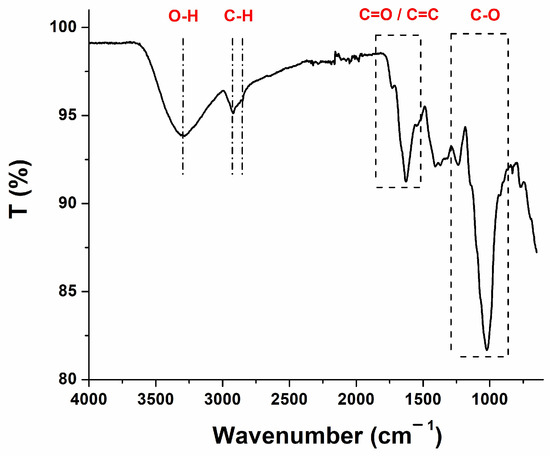
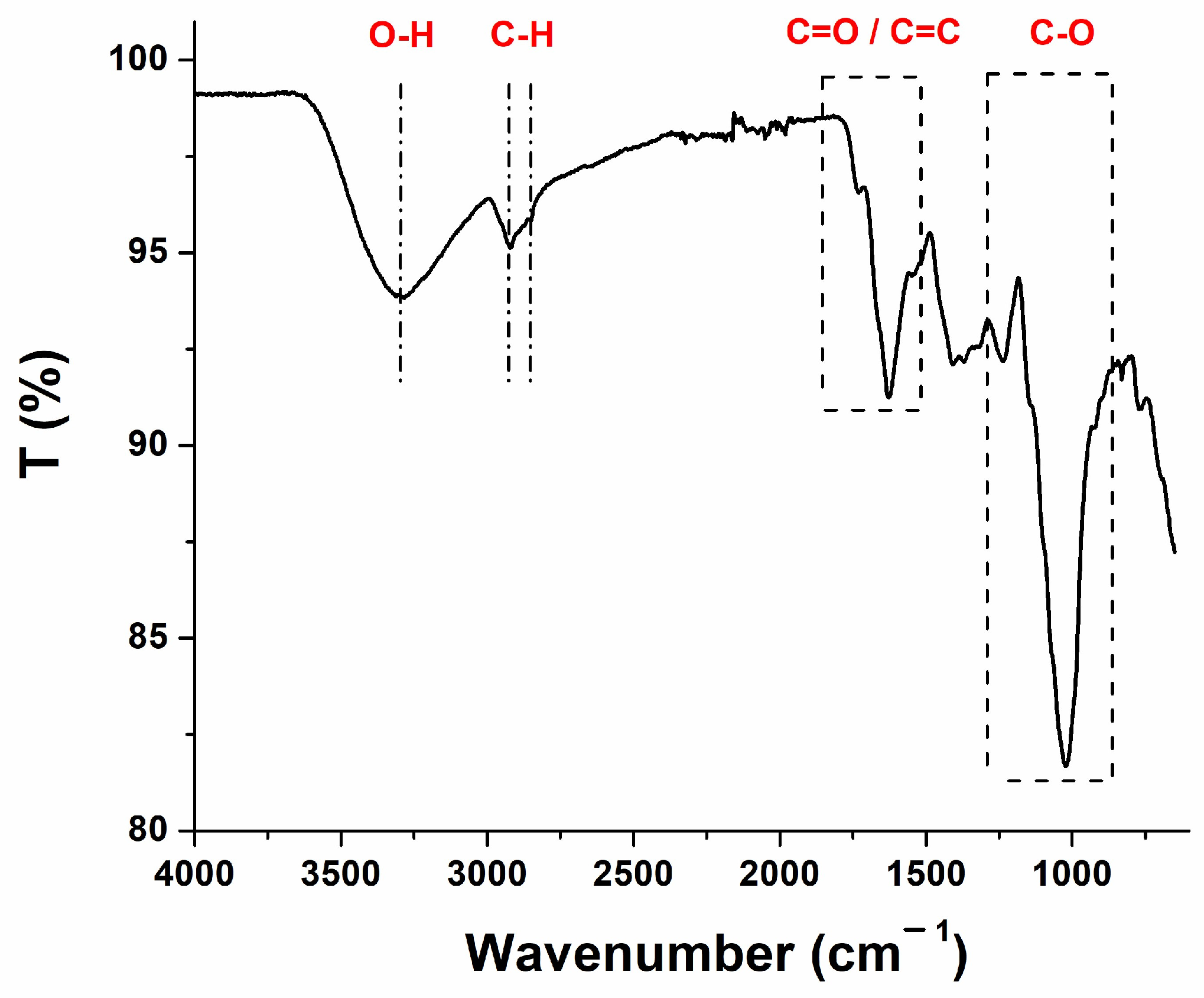
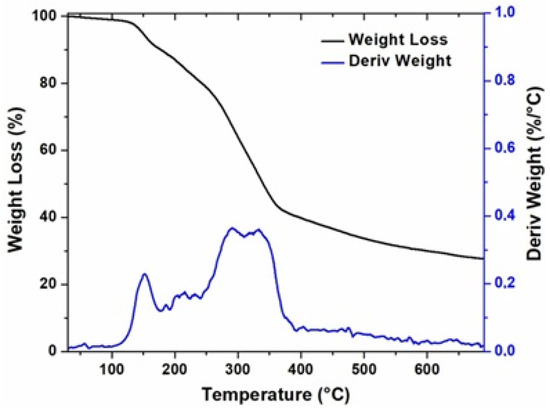
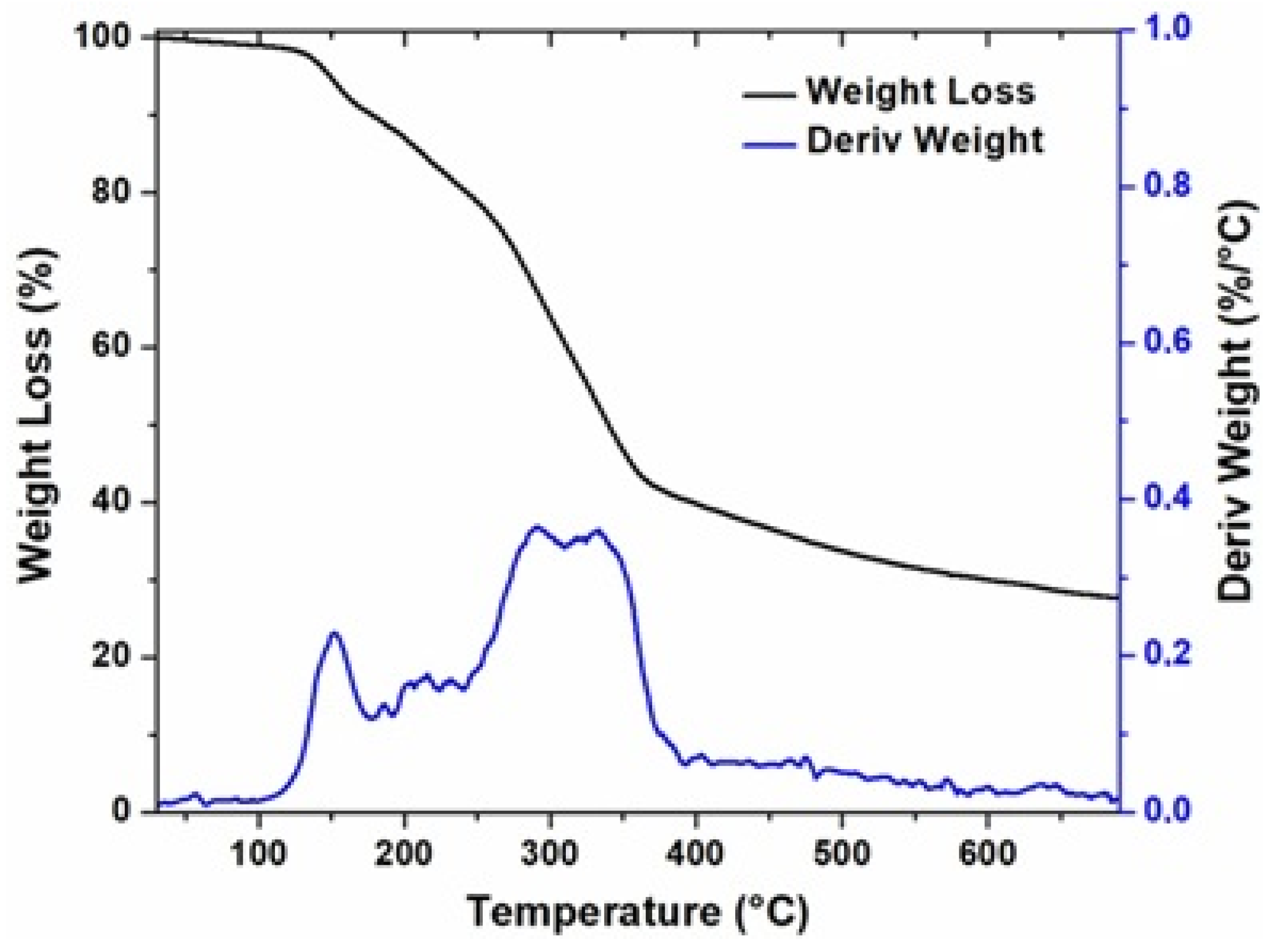
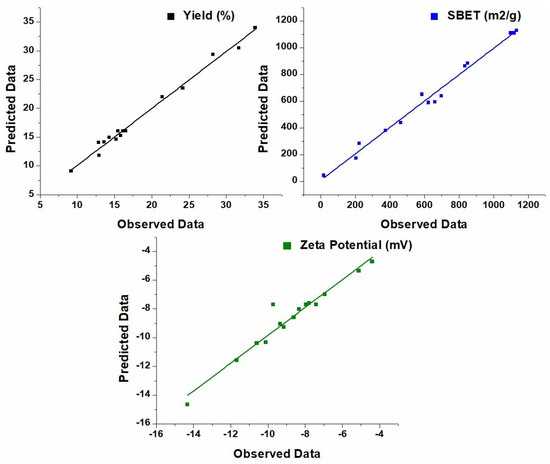
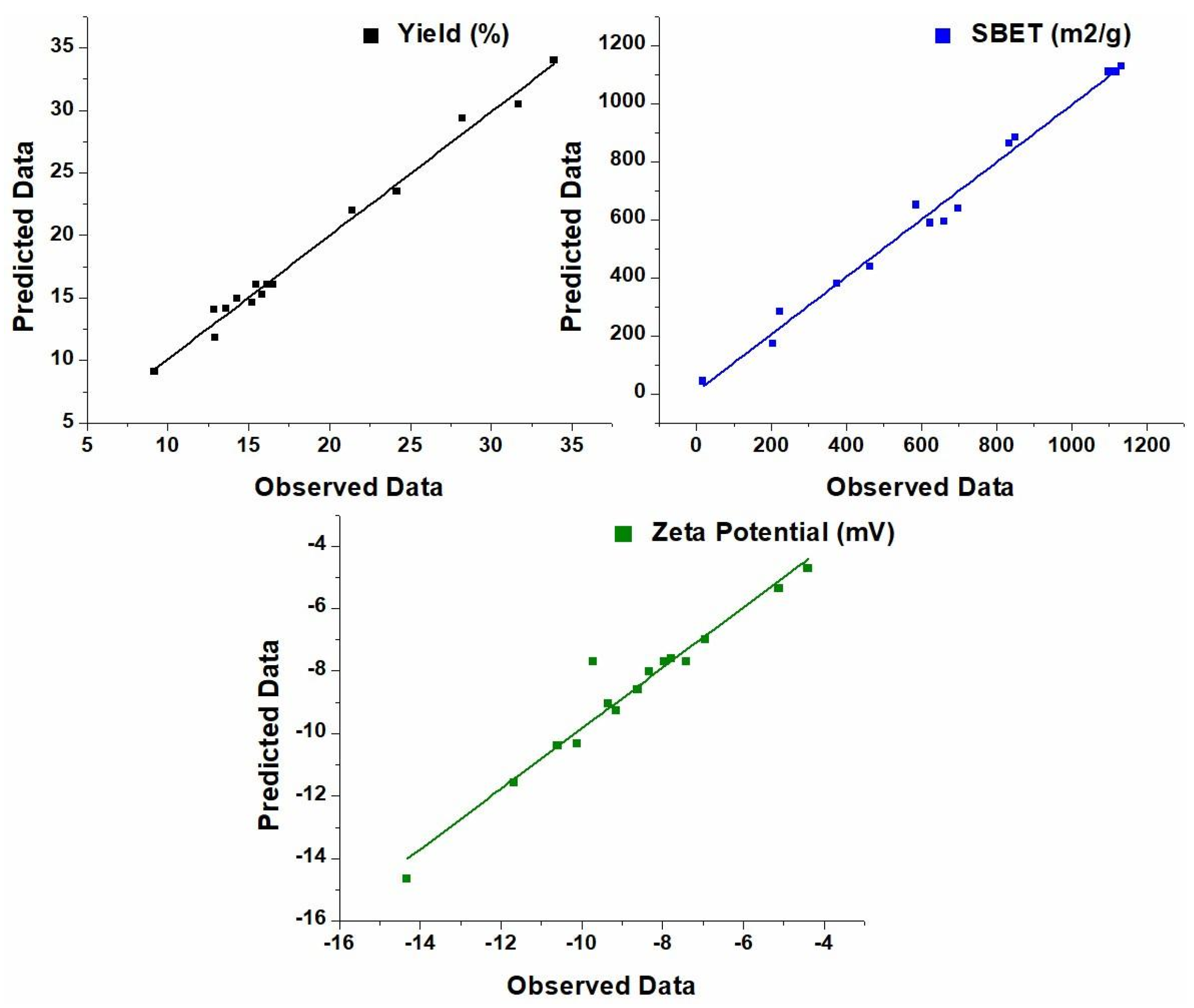
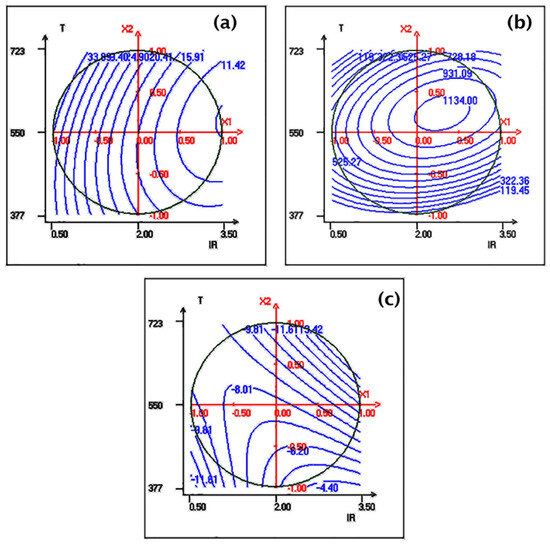
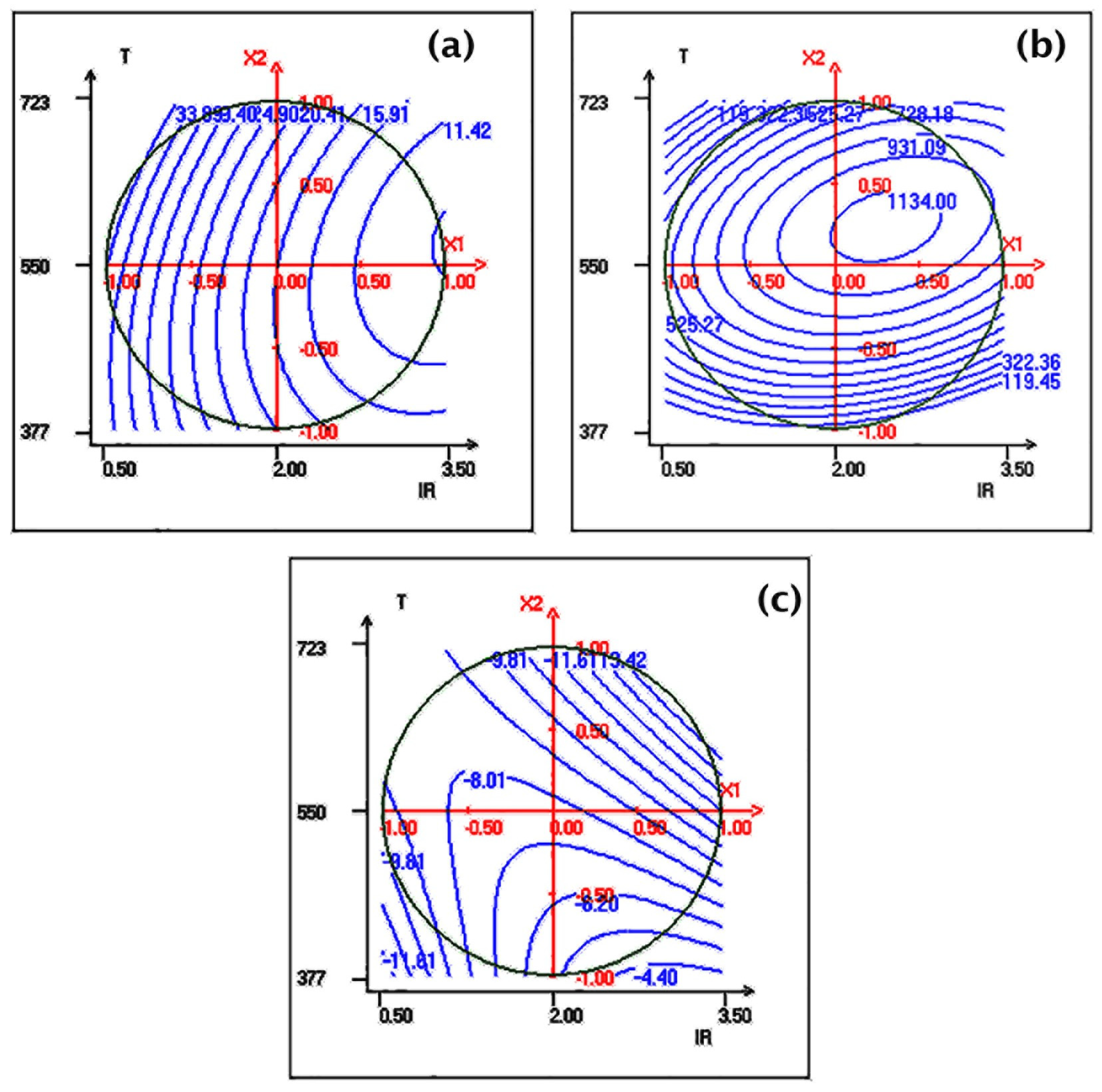
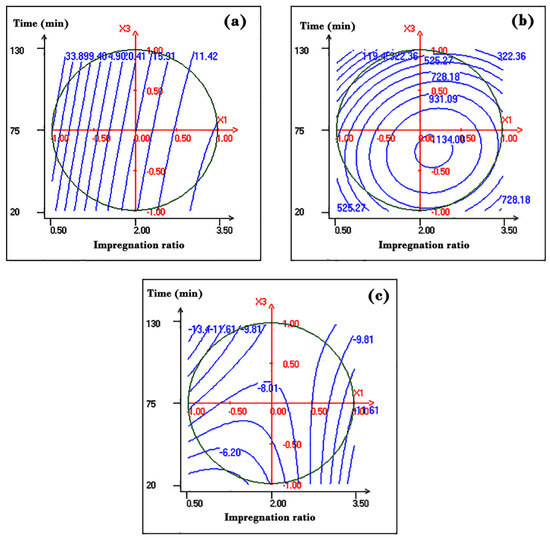
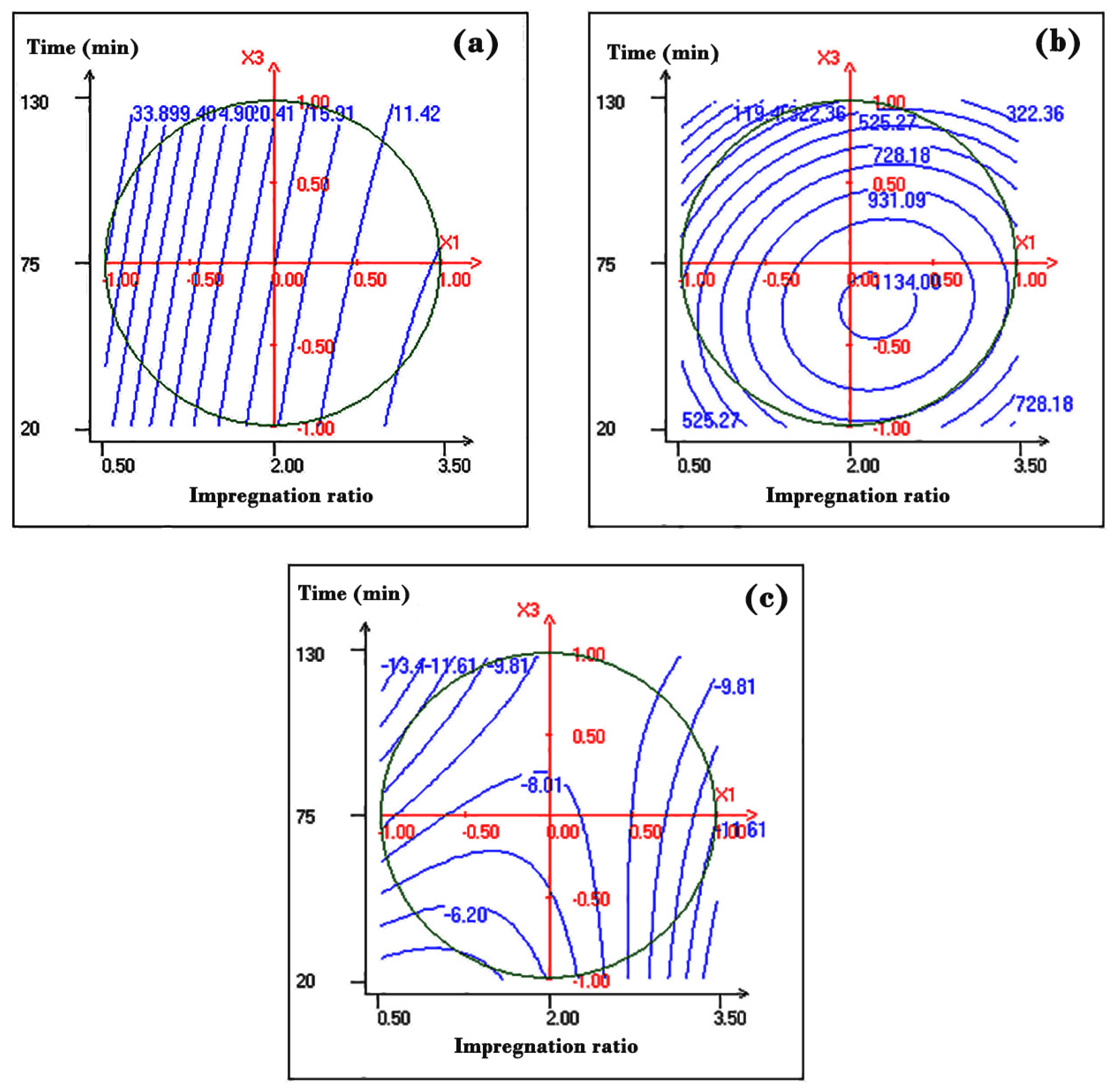
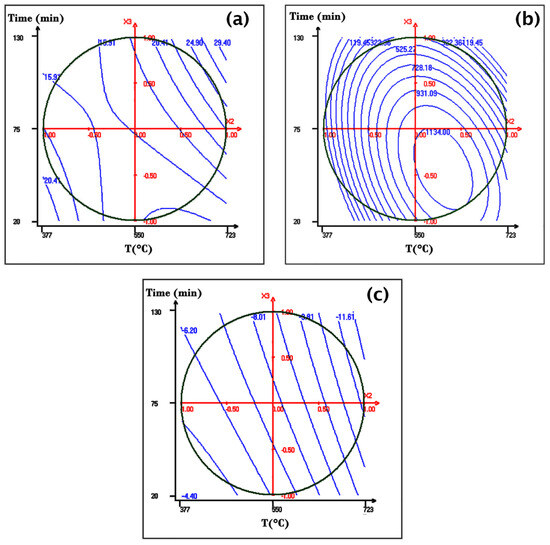
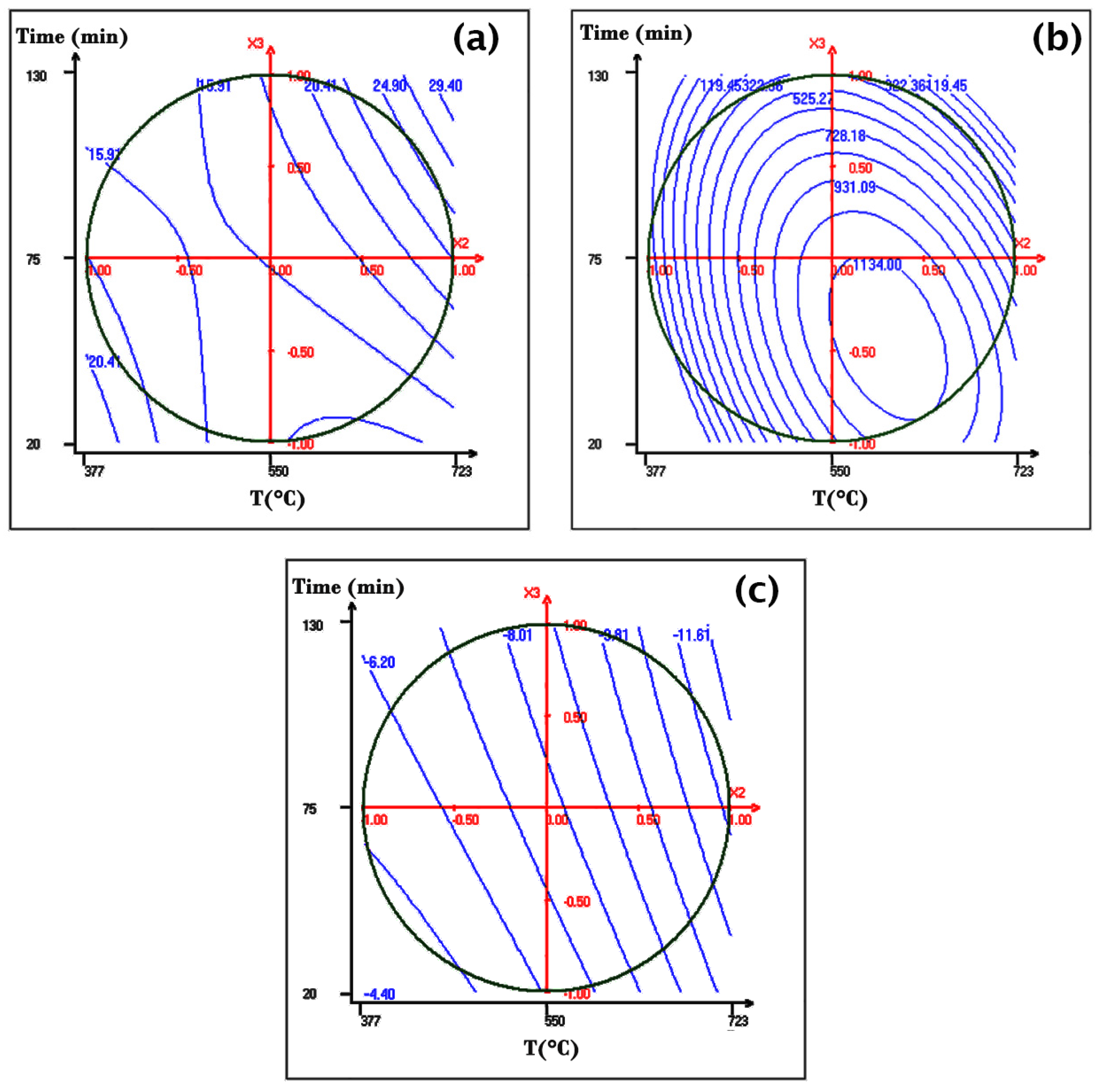
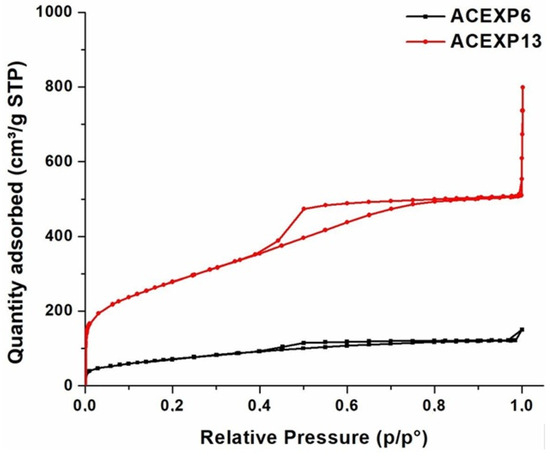
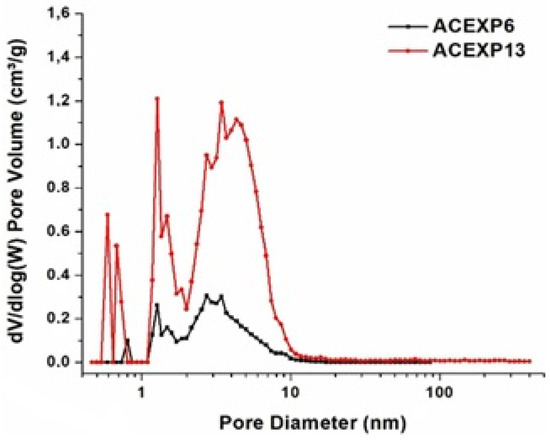
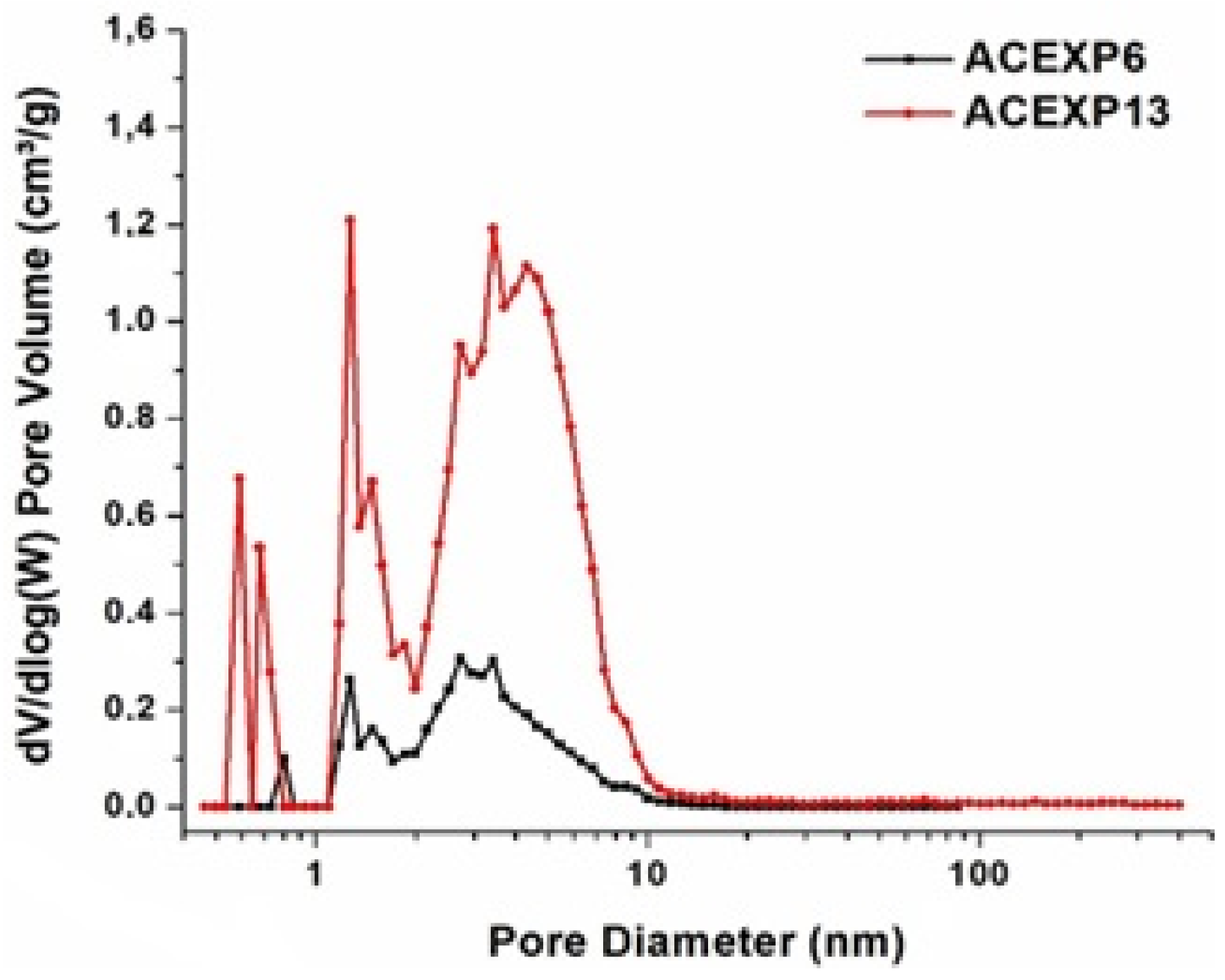
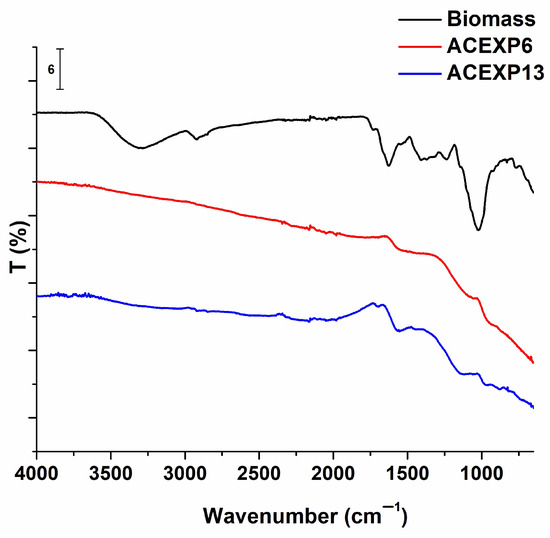
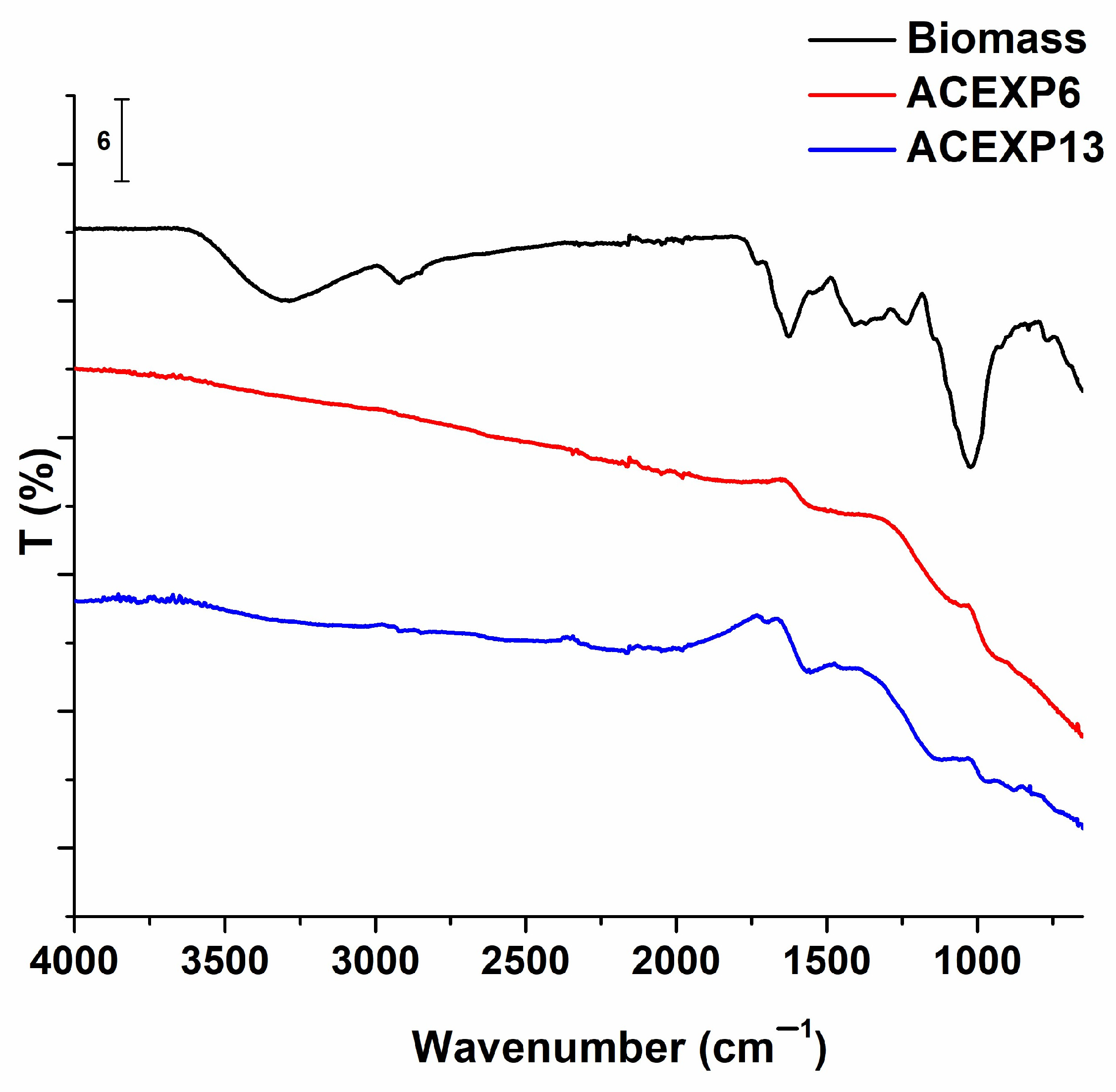
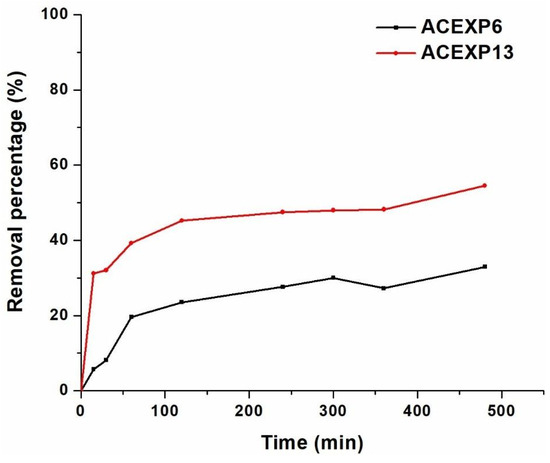
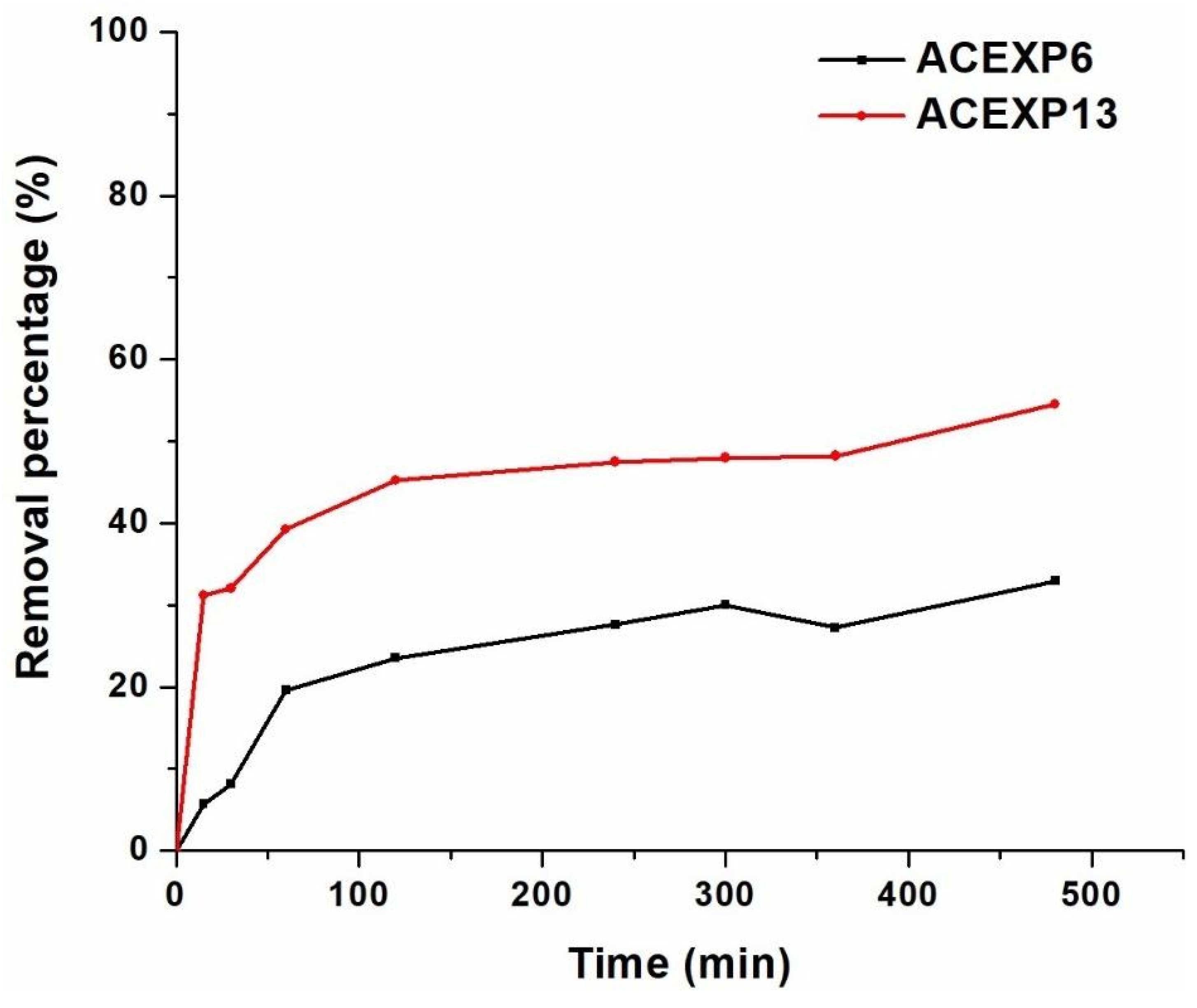
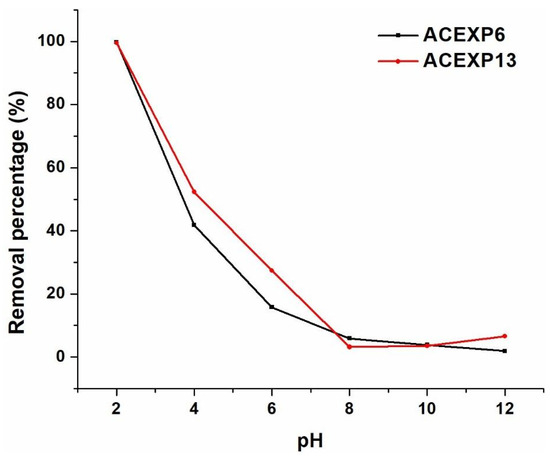
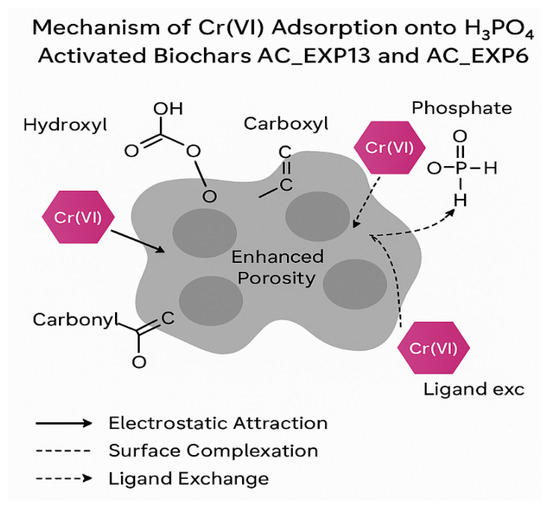
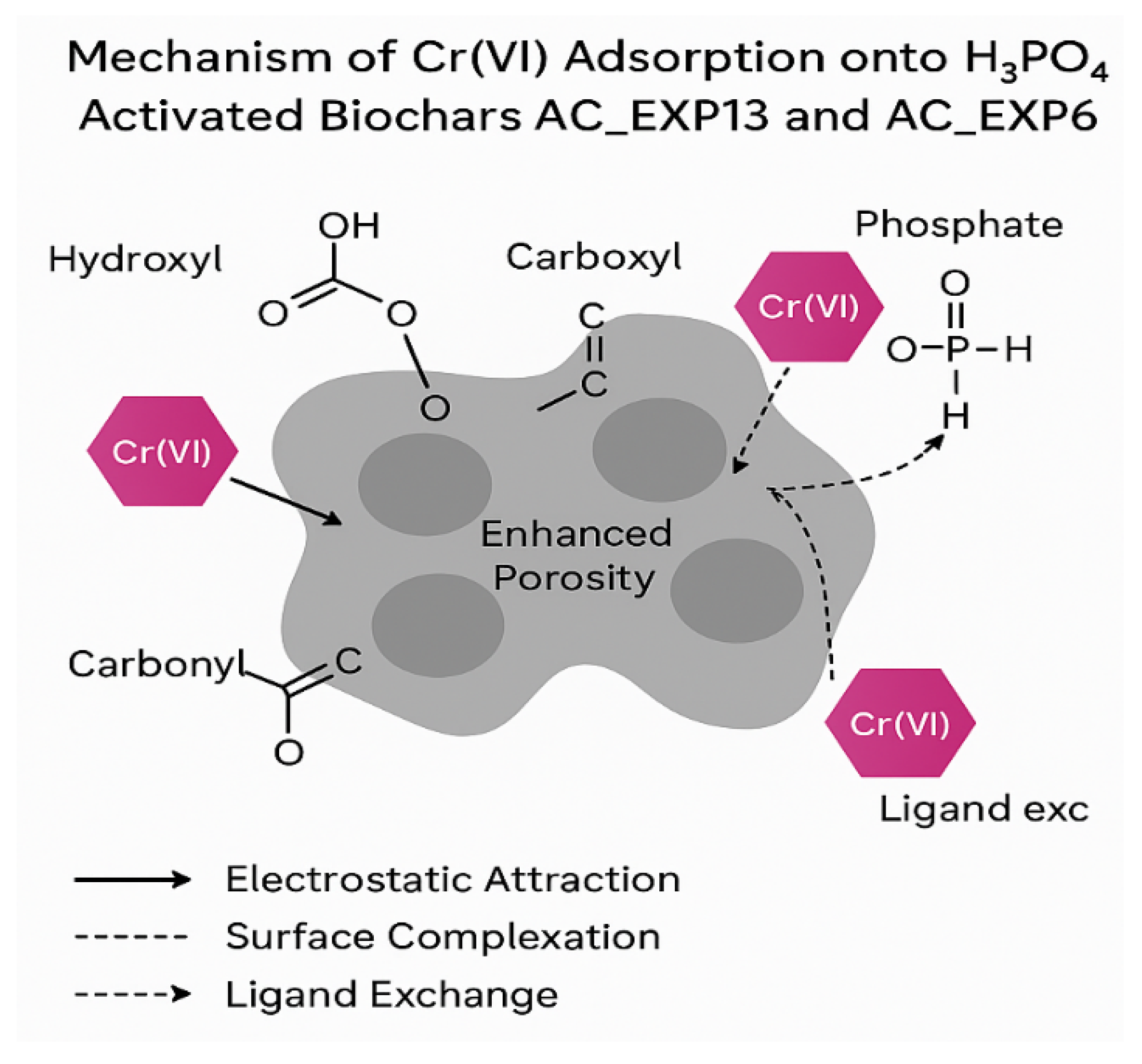
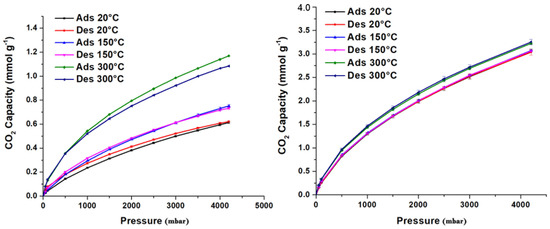
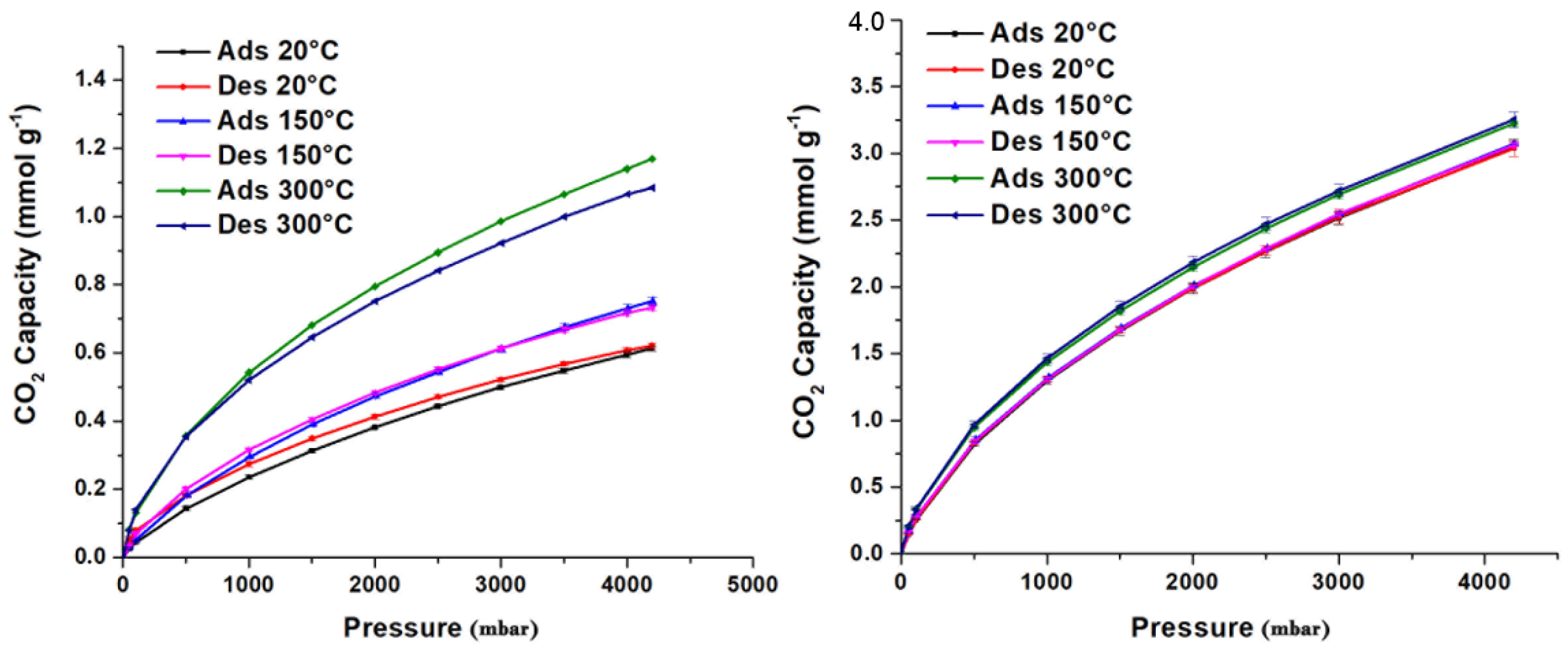
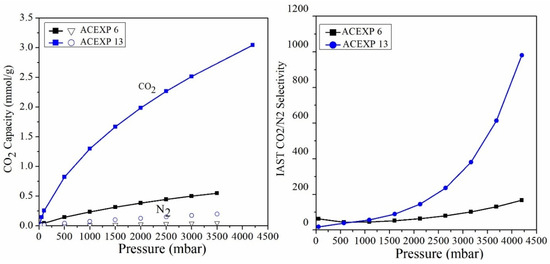
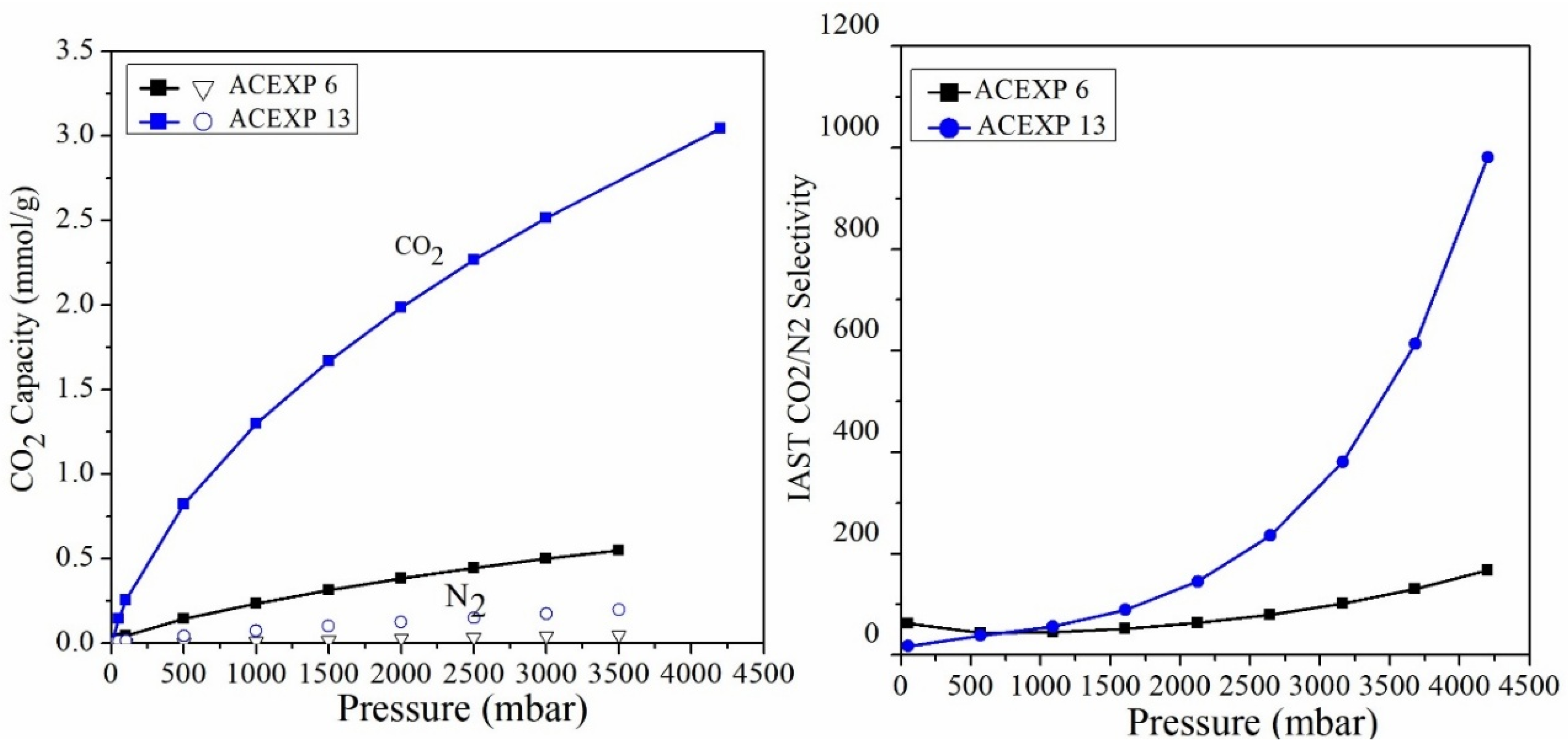
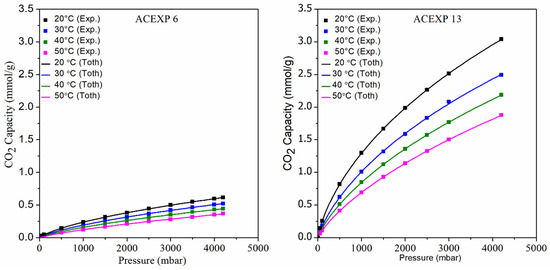
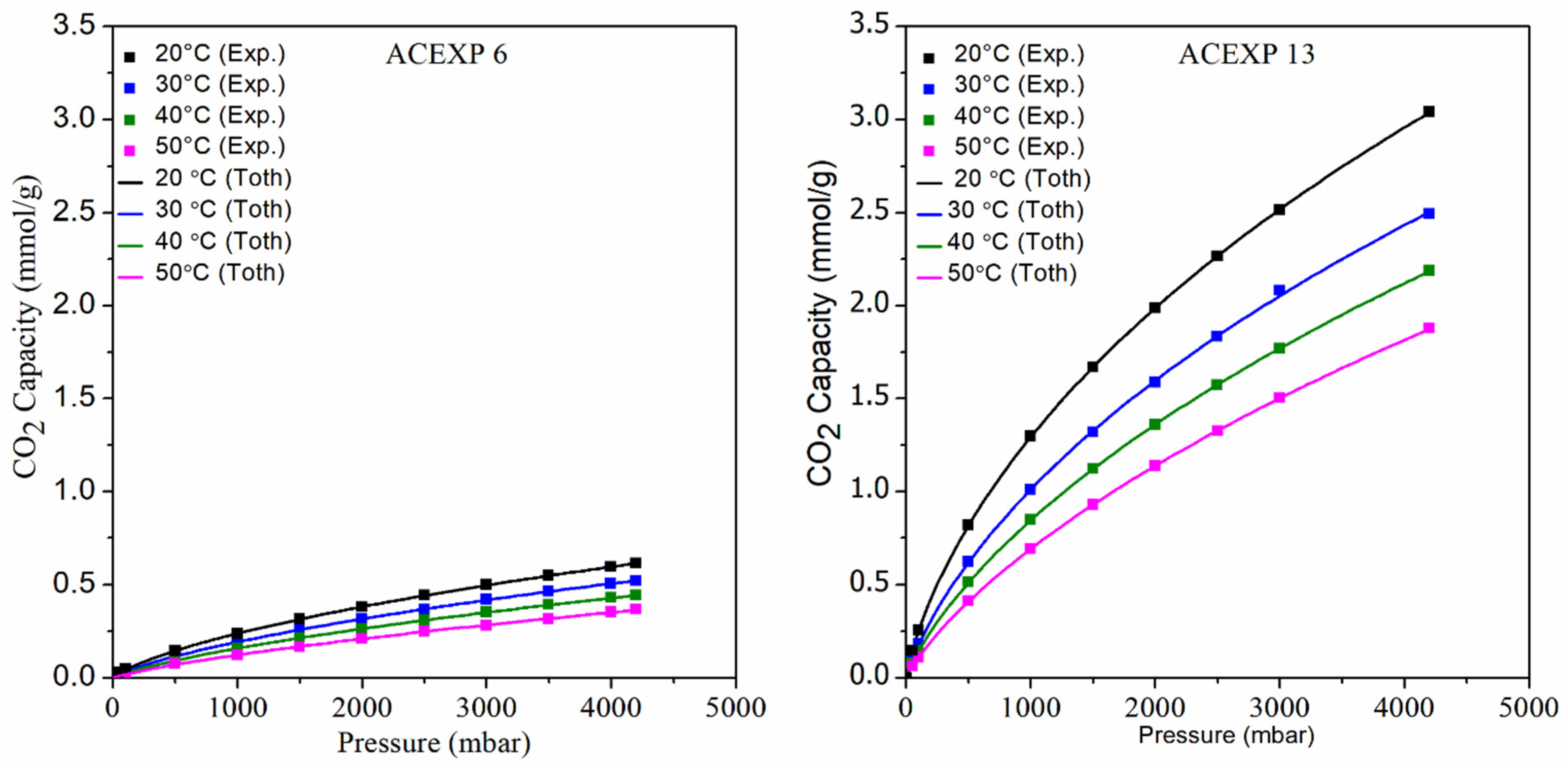
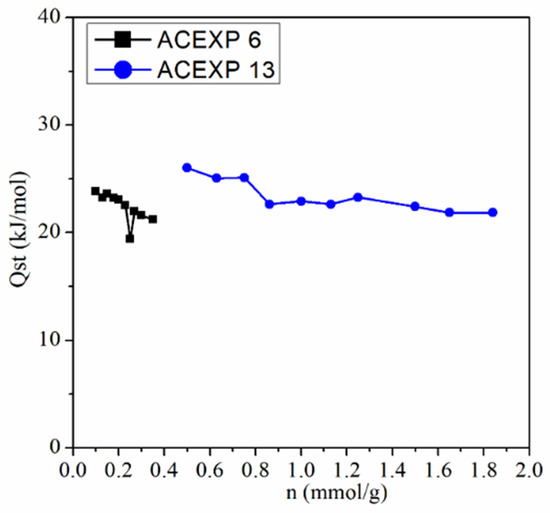
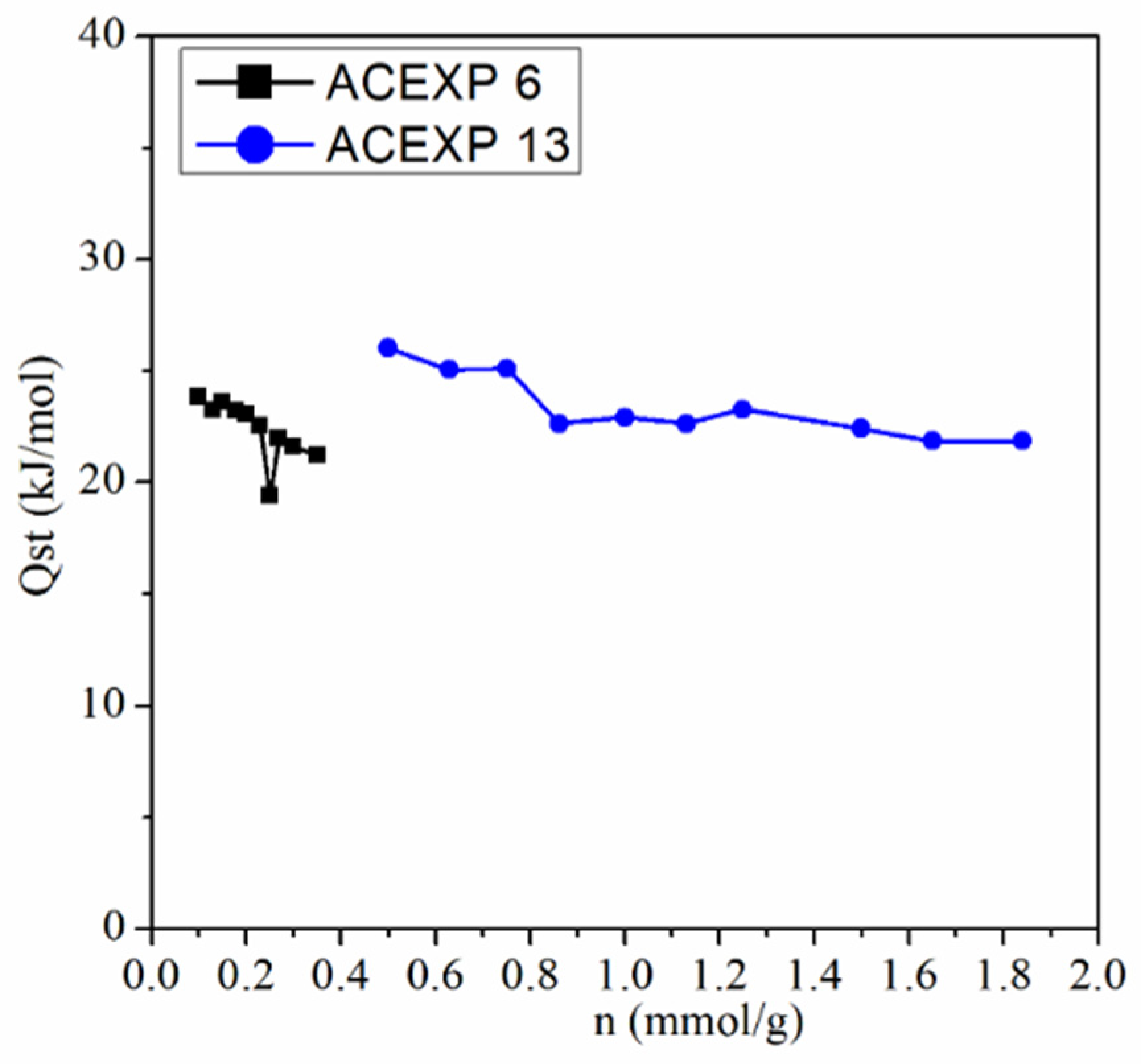

Disclaimer/Publisher’s Note: The statements, opinions and data contained in all publications are solely those of the individual author(s) and contributor(s) and not of MDPI and/or the editor(s). MDPI and/or the editor(s) disclaim responsibility for any injury to people or property resulting from any ideas, methods, instructions or products referred to in the content. |
© 2026 by the authors. Licensee MDPI, Basel, Switzerland. This article is an open access article distributed under the terms and conditions of the Creative Commons Attribution (CC BY) license.