


Abstract
Background: Titanium-based orthopedic implants can release titanium in chloride, acidic and protein-containing biological environments. Conventional acid-digestion ICP-MS can be used to determine the total titanium content released from the implants, but requires substantial mineral-acid consumption and multiple sample-handling steps. Objective: To develop and evaluate a 3,4,3-(LI-1,2-hydroxypyridinone)-assisted online supercritical fluid extraction–ICP-MS method for the determination of extractable titanium released from commercially pure titanium and Ti-6Al-4V implants. Methods: Implant samples were incubated for 21 days in phosphate-buffered saline, simulated body fluid, acidic inflammatory medium, and an albumin-containing matrix. Extraction temperature, pressure, time, pH, modifier, and ligand concentration were optimized. Linearity, detection and quantification limits, recovery, precision, matrix effects, carryover, robustness, and stability were assessed. Results: Optimal extraction was achieved at 60 °C, 25 MPa, 20 min, pH 5.5, 15% methanol, and 50 µmol L−1 ligand. The method was linear over 0.10–5.00 µg L−1, with R2 values of 0.9987 and 0.9979 in phosphate-buffered saline and albumin matrix, respectively. Using the 3σ/S, detection limits were 0.033 and 0.044 µg L−1. Recoveries were 98.4–101.2% and 94.2–96.1%, respectively. Titanium release increased with time and was highest under acidic conditions. Ti-6Al-4V consistently released slightly more titanium than commercially pure titanium across the evaluated model media. Conclusions: The method reduced acid use and handling, but requires specialized high-pressure instrumentation. Conventional acid-digestion ICP-MS remains more accessible for routine total titanium analysis. Clinical-matrix and tribocorrosion validation remain necessary.
1. Introduction
Titanium and titanium alloys are widely used in orthopedic and dental implants because of their favorable strength-to-weight ratio, corrosion resistance, biocompatibility, and ability to support osseointegration. Commercially pure titanium (cp-Ti) and Ti-6Al-4V are particularly important for load-bearing applications because their naturally formed titanium oxide layer provides substantial protection against corrosion in physiological environments [1,2]. However, this passive layer is not completely inert. Chloride-rich fluids, local acidification, inflammatory oxidative stress, protein adsorption, micromotion, mechanical wear, and disruption of the oxide surface may promote the release of dissolved titanium species and titanium-containing particulate debris [3,4].
Titanium released from implant surfaces may accumulate in peri-implant tissues or become detectable in biological fluids. Although titanium-based materials are generally considered biocompatible, elevated local or systemic titanium concentrations have been associated with inflammatory responses, adverse tissue reactions, and implant-related complications [4,5,6]. The amount and physicochemical form of released titanium depend on the implant composition, surface characteristics, exposure duration, surrounding pH, ionic composition, protein content, and mechanical environment. Consequently, analytical methods used for implant-release studies must provide adequate sensitivity while remaining applicable to saline, phosphate-rich, acidic, and protein-containing media [3,7].
Inductively coupled plasma mass spectrometry (ICP-MS) is widely used for trace and ultra-trace elemental analysis because of its high sensitivity, broad dynamic range, and multi-element capability. Nevertheless, titanium determination by ICP-MS is analytically challenging. Titanium may be present at very low concentrations, while calcium-, sulfur-, phosphorus-, carbon-, and oxygen-containing matrix components can produce spectral or polyatomic interferences at commonly monitored titanium isotopes. High concentrations of salts and proteins may also cause signal suppression, nebulizer instability, deposition on the sample-introduction system, and progressive instrumental drift [6,8]. These challenges are particularly relevant to simulated body fluids and biological matrices.
Conventional acid digestion followed by ICP-MS remains the most established and accessible approach for total titanium determination. Complete digestion can recover dissolved and particulate titanium fractions and is compatible with routine clinical, research, and regulatory laboratories. However, digestion commonly requires concentrated mineral acids, heating, cooling, dilution, and multiple sample-transfer steps. These operations increase preparation time, generate acidic waste, and may introduce contamination or analyte loss during ultra-trace analysis [8,9]. Direct dilution or simple acidification can reduce preparation time but may be inadequate for samples containing proteins, suspended particles, or high concentrations of physiological salts. Therefore, alternative sample-preparation strategies that reduce handling and matrix loading while maintaining analytical sensitivity warrant investigation. Such approaches should be considered complementary to, rather than replacements for, conventional digestion unless equivalence for total titanium determination is experimentally demonstrated.
Supercritical fluid extraction (SFE), particularly using supercritical carbon dioxide modified with a polar organic solvent, offers a potential means of integrating extraction, matrix separation, and instrumental detection. Supercritical carbon dioxide has low viscosity, high diffusivity, adjustable density, and limited generation of aqueous or acidic waste. However, ionic metals are not directly soluble in non-polar supercritical carbon dioxide. Their extraction generally requires conversion into a neutral or sufficiently transportable metal–ligand complex, together with an organic modifier that improves ligand solubility and phase transfer [10,11]. Extraction efficiency is consequently governed by several interdependent variables, including temperature, pressure, carbon dioxide density, modifier composition, ligand concentration, extraction time, sample pH, metal speciation, and matrix composition. Temperature may improve diffusion and complex-transfer kinetics while simultaneously decreasing carbon dioxide density at a fixed pressure. Increasing pressure generally improves fluid density and solvating capacity, although a plateau may occur once sufficient transport conditions have been achieved. These temperature–pressure relationships must therefore be experimentally evaluated during method development.
The octadentate ligand 3,4,3-(LI-1,2-hydroxypyridinone), abbreviated as HOPO, was selected as the chelating reagent in the present study. Titanium is predominantly present as Ti(IV), a hard Lewis acid with a strong preference for oxygen-donor ligands. The multiple hydroxypyridinone groups of HOPO provide a high-denticity oxygen-donor coordination environment that may stabilize high-charge-density metal ions and reduce competition from hydrolysis or weak matrix binding [12,13]. These properties make HOPO a potentially useful reagent for sequestering titanium from aqueous and biomatrix-relevant media before transfer through modifier-containing supercritical carbon dioxide. Nevertheless, the behavior of the titanium–HOPO complex under SFE conditions has not been fully characterized. Accordingly, the proposed extraction mechanism should be interpreted as ligand-mediated titanium sequestration and transport supported by analytical recovery and ligand-free control experiments, rather than as direct structural confirmation of the extracted complex.
Previous ICP-MS methods for titanium determination have largely relied on acid digestion, acidification, dilution, or offline separation procedures. Ligand-assisted SFE methods have also been investigated for metal extraction, but their applications have predominantly involved environmental, geological, or relatively simple inorganic samples [10,11]. Their performance in orthopedic implant-release media remains insufficiently established, particularly in the presence of phosphate, chloride, acidic components, and proteins that may alter titanium speciation, ligand accessibility, extraction efficiency, and ICP-MS response. Moreover, the practical advantages of an online SFE–ICP-MS platform must be weighed against the need for specialized high-pressure pumps, a back-pressure regulator, a heated transfer interface, trained operators, and additional maintenance. Conventional acid-digestion ICP-MS therefore remains more readily available for routine laboratories, whereas online SFE–ICP-MS may offer advantages for specialized applications requiring reduced handling and automated extraction.
The present study developed and evaluated a HOPO-assisted online SFE–ICP-MS method for determining extractable titanium released from cp-Ti and Ti-6Al-4V implant materials. The effects of extraction temperature, pressure, dynamic extraction time, sample-conditioning pH, organic modifier, and HOPO concentration were investigated. Analytical performance was assessed in phosphate-buffered saline, simulated body fluid, an acidic inflammatory model medium, and an albumin-containing model matrix by evaluating linearity, sensitivity, recovery, precision, matrix effects, carryover, robustness, and stability. The method was also applied to titanium-release samples generated during static immersion for up to 21 days. Because the study used simulated media and static conditions, it was designed to evaluate analytical feasibility rather than reproduce clinical titanium release under mechanical loading, wear, or tribocorrosion. Further validation using clinical specimens, surface-area-normalized release measurements, and dynamically loaded implant models will be required before clinical or routine regulatory implementation.
1.1. Chemicals, Reagents, Standards, and Gases
All chemicals and reagents were of analytical-reagent grade or higher and were used as received unless otherwise specified. The Milli-Q water purification system (Millipore, Bedford, MA, USA) produced ultrapure water (18.2 MΩ cm), which was used to create all aqueous solutions. The Merck laboratory in Darmstadt, Germany supplied a certified titanium standard solution for ICP-MS calibration which contained 1000 mg L−1 Ti in 2% HNO3 and working standards through serial dilution of this solution in suitable aqueous media. The sample conditioning process and cleaning and dilution operations used nitric acid (HNO3, trace-metal grade, 65%) and hydrochloric acid (HCl, trace-metal grade, 37%) which were acquired from Merck (Darmstadt, Germany). Bombay Carbon Dioxide Co. from Mumbai, India provided carbon dioxide gas (≥99.99%) as the supercritical extraction fluid. The HOPO-assisted SFE procedure required evaluation of organic modifiers which included methanol and acetonitrile (HPLC-grade) from Sigma-Aldrich (St. Louis, MO, USA). The preparation of phosphate-buffered saline (PBS), simulated body fluid (SBF), albumin-containing medium, inflammatory acidic medium, sodium chloride, potassium chloride, calcium chloride, magnesium chloride, sodium bicarbonate, sodium phosphate salts, bovine serum albumin and other necessary reagents were obtained from Sigma-Aldrich as analytical grade products. All vessels, glassware, polypropylene tubes and plastic consumables for ultra-trace titanium analysis underwent a 24 h soak in 10% (v/v) nitric acid before receiving multiple ultrapure water rinses and complete drying in a contamination-controlled environment.
1.2. HOPO Ligand
3,4,3-(LI-1,2-HOPO) octadentate hydroxypyridinone scaffold was selected as the chelating agent based on its coordination chemistry and demonstrated affinity for hard tetravalent metal ions. HOPO is an octadentate oxygen-donor chelator containing four hydroxypyridinone moieties, each providing two oxygen atoms for metal coordination [12,13]. The octadentate binding mode creates exceptionally stable complexes with titanium(IV), which has a high charge density and strong preference for oxygen-based coordination [12]. Stability constants for HOPO–Ti4+ complexes exceed log β value > 30, surpassing conventional chelators such as EDTA (log β ∼25) and DTPA (log β ∼28) [12,13]. The hard oxygen donor atoms provide excellent selectivity for Ti4+ over divalent physiological ions (Ca2+, Mg2+, Zn2+), minimizing competitive interference [12]. The neutral HOPO–Ti complex exhibits sufficient solubility in modifier-containing supercritical CO2, enabling efficient extraction through the SFE system [10,11].
A comparative assessment of HOPO with alternative chelating agents is presented in Table 1.
Table 1.
Comparative assessment of chelating agents for titanium extraction in supercritical CO2.
1.3. Orthopedic Implant Materials
The research used titanium-based orthopedic implant materials because they offer suitable surfaces for studying titanium release under controlled conditions. The study used new commercial specimens of pure titanium (cp-Ti, Grade 2) and Ti-6Al-4V alloy which were obtained from commercial sources. The research used orthopedic screw-like samples which measured 20 mm in length and 4.0 mm in diameter to match the typical design of commercial implants. The specimens possessed a screw-like external geometry; however, the developed surface area associated with the thread profile was not independently measured. Consequently, subsequent surface-area normalization was based on the geometric envelope area calculated from the nominal specimen length and diameter rather than the actual developed threaded surface area. These materials were selected because they represent common orthopedic implant materials which allow them to study pure titanium against titanium alloys used in medical applications while showing different corrosion and release behaviors. All specimens were stored in metal-free containers that had undergone acid-based cleaning and plastic forceps were used to handle them before further processing to prevent any accidental contamination.
1.4. Implant Cleaning and Preconditioning
All implant specimens underwent a standardized cleaning and preconditioning process before immersion tests to reduce surface contamination and establish uniformity between different specimens. The specimens were first rinsed with ultrapure water to remove particles which had weak adherence before they were washed with methanol to remove any remaining organic substances which stemmed from their handling and packaging process. The samples were then again rinsed with ultrapure water and dried under a stream of filtered nitrogen. Mild sonication of all specimens in ultrapure water for 5 min was performed to facilitate removal of superficially adsorbed debris without altering the bulk material. The specimens transferred after cleaning were placed into polypropylene containers that were metal-free and acid-cleaned and were then stored in contamination-free environments until their scheduled use. The preconditioning procedure was necessary because it allowed titanium to be measured during the release tests which stemmed from established matrix exposure instead of surface contamination which existed before testing.
1.5. Simulated Physiological and Biological Matrices
The simulated physiological environments and biological media were prepared to test titanium release and extraction efficiency at neutral pH and acidic conditions which contain proteins relevant to orthopedic implant settings. The preparation of phosphate-buffered saline (PBS, pH 7.4) involved dissolving sodium chloride (8.00 g), potassium chloride (0.20 g), disodium hydrogen phosphate (1.44 g) and potassium dihydrogen phosphate (0.24 g) in 1 L of ultrapure water. The Kokubo-type formulation was used to create simulated body fluid (SBF, pH 7.4) through a process of stepwise salt dissolution at specified temperatures before tris(hydroxymethyl)aminomethane was used for buffering and hydrochloric acid was added to achieve the extracellular fluid ionic composition. An inflammatory acidic medium was prepared by using hydrochloric acid to adjust PBS pH to 4.5 which created an environment that promotes localized corrosion in metals. The evaluation of protein binding along with matrix complexity effects on titanium recovery and ligand-assisted extraction required the creation of an albumin-containing matrix which involved dissolving bovine serum albumin in PBS until it reached 10% weight/volume concentration. All media were prepared using analytical-grade reagents and ultrapure water, transferred to acid-cleaned metal-free polypropylene containers, stored at 4 °C for not more than 24 h, and equilibrated to room temperature prior to use in immersion and extraction experiments.
1.6. Implant Release-Study Design
Titanium-release experiments were conducted by placing each cleaned implant specimen into 20 mL of the chosen matrix which they stored in polypropylene containers that were free of metal contamination and acid-cleaned during contamination-controlled conditions. The samples remained at 37 °C in a stationary environment for specific time periods which included 1, 3, 7, 14, and 21 days to study the progression of titanium release over time. The immersion medium samples were taken at each time point with trace-metal-clean pipette tips before being either analyzed immediately or stored at 4 °C for later extraction. The container received an equal amount of fresh pre-equilibrated matrix after each aliquot was taken to keep the total volume of immersion solution steady. The matrix blanks which underwent the same incubation process without implant material served as background control samples during parallel processing. All release experiments were carried out in triplicate and fresh matrix was used for each independent experiment to minimize compositional drift and improve comparability of release profiles across implant materials and test media.
1.7. SFE Apparatus and Operating Setup
The laboratory-scale SFE system operated supercritical fluid extraction with separate delivery systems for liquid carbon dioxide and organic modifier. The system included a CO2 cylinder and a cooling unit which kept the fluid in liquid form before compression, a high-pressure CO2 pump and a modifier pump and a preheating coil and a dynamic mixing chamber, a stainless-steel extraction vessel, a temperature-controlled oven and a back-pressure regulator. The extraction vessel was constructed of stainless steel with an internal volume of 80 mL and was used for handling aqueous and biomatrix-containing samples under pressurized extraction conditions. The CO2 line needed cooling before stabilization so the high-pressure pump could deliver liquid CO2 to combine with the HOPO ligand-containing organic modifier which the modifier pump distributed. The mixed extraction phase passed through a preheating zone before entering the extraction vessel which maintained the selected operating temperature. The extracted phase passed through a restrictor to reach the downstream interface/collection system which linked to the ICP-MS unit for elemental analysis. The back-pressure regulator maintained extraction pressure throughout the process which the oven system used to control extraction temperature. The fluid lines together with the extraction pathway underwent flushing between runs through fresh modifier and supercritical CO2 to prevent carryover and cross-contamination. The system allowed users to control extraction temperature, pressure, modifier composition and ligand concentration, extraction duration during method optimization according to the standard setup for titanium SFE–ICP-MS workflows.
1.8. ICP-MS Instrumentation and Operating Conditions
Titanium determination was performed using an Agilent 7900 ICP-MS system (Agilent Technologies, Tokyo, Japan) equipped with an octopole reaction system, a concentric glass nebulizer, a cooled Scott-type spray chamber maintained at 2 °C, standard nickel sampler and skimmer cones. The plasma, auxiliary, carrier and nebulizer gas systems operated by using high-purity argon gas with a purity of at least 99.999%. The instrument operated at its best performance through optimization which established its RF forward power at 1.35 kW and kept its reflected power under 10 W while operating with a coolant gas flow rate of 16 L min−1 and an auxiliary gas flow of 0.30 L min−1 and a carrier gas flow of 0.70 L min−1 and a nebulizer pressure of 2 bar and a solution uptake rate of 0.8 mL min−1. Helium collision mode was used with kinetic energy discrimination to measure all sampleto reduce spectral interference from biological and physiological substances which included 48Ca+ and 32S16O+ and 31P16O1H+. Titanium was quantified primarily at m/z 48, while m/z 47 and m/z 49 were monitored for isotopic ratio verification. The measured 48Ti/47Ti and 48Ti/49Ti ratios were required to remain within ±5% of natural isotopic abundance, confirming the absence of significant uncorrected spectral interference. Internal standard correction was applied to compensate for instrumental drift and matrix-induced signal suppression. The online system received a 10 µg L−1 indium solution (115In in 2% HNO3, trace-metal grade) through a PEEK T-junction which contained minimal dead volume and operated between the SFE restrictor and ICP-MS nebulizer. The analysis of titanium responses used 115In signals for normalization while internal standard recovery between 90 and 110% served as the acceptance threshold for analytical runs. ICP-MS tuning and stabilization with a multi-element standard solution containing Li, Co, In, Ce, and U standards occurred before each analytical sequence. The instrument received approval because its 115In sensitivity reached 10,000 cps per µg L−1 and its CeO+/Ce+ ratio stayed under 1.5% and its Ba2+/Ba+ ratio remained below 3.0%. The analysis of calibration standards together with procedural blanks and extraction blanks and quality-control samples occurred during each batch to check signal stability and to track sample contamination and to detect any background contamination. The Agilent ICP-MS MassHunter software version 4.6 served as the platform for data acquisition, instrument tuning, calibration and quantitative analysis. The data acquisition process used a dwell time of 0.3 s to monitor each isotope while conducting 100 sweeps for each replicate and performing three replicates for every sample which resulted in 90 s of total integration time for each monitored isotope. All titanium concentrations were calculated after procedural blank correction and internal-standard normalization.
1.9. General HOPO-Assisted SFE Procedure
The HOPO ligand entered the extraction process through the organic modifier line which combined it with supercritical CO2 to form the extracting phase at specified temperature and pressure settings. A specific amount of titanium sample was placed into the stainless-steel extraction vessel together with an inert dispersing support which improved the extraction process by enhancing fluid contact. The high-pressure pump operated to cool and pressurize liquid CO2 which it then delivered to the extraction vessel after the separately introduced ligand-containing modifier stream combined with CO2 before entering the vessel. The extraction process began with a static equilibrium phase before it moved into dynamic extraction which used the particular operating parameters. The various extraction temperatures were tested together with different pressure levels and extraction durations and sample preparation methods and solvent modifier compositions and ligand concentrations while maintaining all other factors at their initial levels. The titanium complex which had been extracted passed through the restrictor before reaching the interface/collection system which directed it to the ICP-MS instrument for measurement. The extraction path received fresh modifier and supercritical CO2 between analysis runs to eliminate remaining memory traces and prevent sample mixing. The established extraction framework applies the same analytical strategy which previous studies used for ligand-based titanium extraction using SFE–ICP-MS by directing supercritical CO2 with modifiers through samples under specific conditions before conducting elemental analysis. The optimization variables, investigated ranges, fixed conditions, and selection basis are summarized in Table 2.
Table 2.
Optimization variables and experimental conditions.
1.10. Analytical Procedure for Online SFE–ICP-MS Determination
Titanium extracted from the sample was analyzed usingHOPO-assisted online supercritical fluid extraction which operated at specific parameters followed by ICP-MS elemental analysis.
1.10.1. Sample Pre-Treatment for Protein-Containing Matrices
Samples which contained bovine serum albumin at 10% w/v and other proteins underwent mild sonication at 40 kHz for 5 min at room temperature before SFE processing to break down protein-titanium interactions which enhanced their extraction potential. The initial experiments proved that this procedure enhanced sample recovery; therefore, all protein-containing samples underwent sonication treatment.
1.10.2. Extraction Procedure
The standard experimental procedure required 2.0 mL of sample together with 2.5 g of acid-washed silanized glass beads (150–212 µm) to be placed inside an 80 cc stainless-steel extraction vessel which served as a dispersing matrix to improve phase interaction. The vessel was sealed and placed in a temperature-regulated oven which maintained a temperature of 60 °C. The high-pressure pump generated 25 MPa of pressure to cool liquid CO2 at 0 °C and the HOPO modifier solution (50 µmol L−1 HOPO in methanol) entered the system through a separate pump which combined with CO2 flow before reaching the extraction vessel (final methanol concentration in CO2: 15% v/v). The extraction protocol consisted of a static equilibration step (5 min, no flow) followed by dynamic extraction (20 min, total flow 2.0 mL min−1). The back-pressure regulator system controlled the pressure levels while the temperature unit maintained a steady temperature within a one-degree range of the set point.
1.10.3. Interface to ICP-MS
The extracted titanium complex was continuously transported through a heated restrictor (50 µm i.d. fused-silica capillary, heated to 60 °C using a resistive jacket) into a low-volume (200 µL) PEEK interface chamber. The chamber became the location for downstream decompression, while Ar carrier gas (0.2 L min−1) swept the chamber before the aerosol entered the ICP-MS nebulizer. The setup allowed for direct online analysis without any need for sample storage between tests.
1.10.4. Quantification and Blanks
Matrix-matched calibration standards that underwent the same extraction procedure as the analytical samples were used for quantification. The SFE–ICP-MS procedure included procedural blanks which contained no sample but followed the entire process to determine blank levels that were then removed from sample results. The SFE system contamination was tracked through the use of extraction blanks which contained only CO2/modifier without any matrix. The analysis of a procedural blank following a 10 µg L−1 Ti standard (highest calibrant) showed a Ti concentration of 0.05 µg L−1 which represented 0.5% carryover. The extraction pathway received a 30 s full-flow scCO2 flush which contained 50 µmol L−1 HOPO in 15% methanol/CO2 to prevent memory effects between runs.
All samples were analyzed in triplicate, and titanium concentrations were calculated from the calibration curves after appropriate blank correction and internal standard normalization (115In, as described in Section 1.8).
1.10.5. Conventional Acid-Digestion ICP-MS Comparator
For comparative analytical benchmarking, titanium-spiked PBS and albumin-containing matrices were analyzed using a conventional acid-digestion ICP-MS procedure. Aliquots of 2.0 mL of each matrix were fortified with titanium at three concentration levels of 1.0, 2.5, and 5.0 µg L−1, representing low, medium, and high levels within the validated analytical range. Each sample was treated with 1.0 mL of concentrated nitric acid (HNO3, 65%, trace-metal grade) and heated at 90 °C for 60 min. After digestion, the samples were allowed to cool to room temperature and were quantitatively diluted to a final volume of 10.0 mL with ultrapure water. Procedural blanks containing the corresponding matrix without added titanium were subjected to the same digestion procedure. Each spike level was analyzed in triplicate (n = 3). Titanium concentrations in the digested samples were determined using the Agilent 7900 ICP-MS system under the instrumental conditions described in Section 1.8, with procedural blank correction and 115In internal-standard normalization. Percentage recovery was calculated as Recovery (%) = [(measured titanium concentration − native/background titanium concentration)/added titanium concentration] × 100. Carryover was assessed by analyzing a procedural blank immediately after the highest spike level (5.0 µg L−1) and expressing the residual titanium response relative to that of the preceding high-level sample. The comparison was performed using titanium-spiked model matrices and was intended solely as an analytical recovery benchmark; the same authentic implant-release samples were not analyzed by both methods.
1.11. Statistical Analysis
All experiments were performed in triplicate unless otherwise stated, and results are expressed as mean ± standard deviation (SD). Differences among optimization conditions were evaluated by one-way ANOVA followed by Tukey’s multiple-comparison test. A value of p < 0.05 was considered statistically significant. Different lowercase letters above data points indicate statistically significant differences between groups.
1.11.1. Sample Size Justification
Three samples were selected for the study after the initial data showed an 8.5% variability in titanium release from cp-Ti when exposed to PBS for seven days. A power analysis (α = 0.05, β = 0.20, expected minimum difference = 30%) indicated that n = 3 was sufficient to detect significant differences. All reported data meet this criterion.
1.11.2. Calibration
In the present study, least-squares linear regression was used to create calibration curves which showed the connection between internal-standard-corrected ICP-MS response (Ti/115In intensity ratio) and titanium concentration. The slope, intercept, and correlation coefficient (R2) were calculated for each matrix. A correlation coefficient ≥0.995 was required for acceptance.
1.11.3. Limits of Detection and Quantification
The standard formulas were used to determine the limits of detection (LOD) and quantification (LOQ).
where σ is the standard deviation of 10 replicate measurements of a procedural blank (matrix subjected to the full SFE–ICP-MS procedure without added titanium), and S is the slope of the matrix-matched calibration curve. The new procedural blanks were prepared for every matrix which included PBS and SBF and albumin-containing medium and acidic medium before they tested.
LOD = 3 × σ/S and LOQ = 10 × σ/S
1.11.4. Precision and Robustness
Repeatability (intra-day precision) was evaluated by performing three replicate analyses of a quality-control sample containing 1.0 µg L−1 Ti within the same day, whereas intermediate precision (inter-day precision) was assessed over three separate days. Robustness was evaluated by introducing small deliberate variations around the optimized extraction conditions using the same quality-control concentration. Extraction temperature was varied by ±2 °C from the nominal value of 60 °C (58 and 62 °C), extraction pressure by ±1 MPa from 25 MPa (24 and 26 MPa), methanol concentration by ±2% from 15% (v/v) (13 and 17%, v/v), and HOPO concentration by ±5 µmol L−1 from 50 µmol L−1 (45 and 55 µmol L−1). Each condition was analyzed in triplicate (n = 3), while all other extraction parameters were maintained at their optimized values. Robustness was evaluated from titanium recovery and the corresponding relative standard deviation (%RSD), with %RSD < 15% considered acceptable.
1.12. Extraction Efficiency Concept
The evaluation of titanium recovery through HOPO-assisted supercritical fluid extraction with supercritical fluids was based on extraction efficiency (%E) which measures the percentage of titanium that moves from its original matrix into the ligand-assisted supercritical phase during specific operating conditions. The analytical results were linked to extraction processes to begin titanium concentration in samples while they used %E as their main response measurement during method development. The present research study developed titanium SFE–ICP-MS methods which differed from earlier environmental and inorganic matrix methods because they focused on implant-release and biomatrix-relevant media which included buffered saline and simulated body fluid and acidic inflammatory conditions and albumin-containing systems. The extraction efficiency was assessed through a complete system which combined ligand-based titanium extraction with HOPO–Ti complex behavior in supercritical phases and method stability against ionic and proteinaceous matrix interference. The optimization process considered %E, ICP-MS peak area, signal-to-background ratio, and matrix-corrected recovery values to select optimal conditions that would maximize titanium transfer and maintain analytical precision for physiological matrices. The optimization strategy functioned as an advanced system which established a biomatrix-compatible extraction platform instead of creating an independent matrix extraction system.
1.13. Influence of Extraction Temperature
Extraction temperature is a critical parameter in ligand-assisted supercritical fluid extraction because it governs supercritical CO2 density, solvating ability, phase movement of modifier-containing substances, and HOPO–Ti complex stability during the extraction process [10,11]. The influence of temperature on extraction efficiency in supercritical CO2 is governed by two competing physicochemical mechanisms that operate simultaneously at a fixed pressure [10]. On one hand, increasing temperature enhances analyte diffusion rates and mass transfer kinetics, facilitating faster interfacial exchange between the titanium-containing sample matrix and the ligand-modified supercritical phase. Higher temperatures also improve the kinetic energy of molecules, which promotes more rapid complexation between titanium species and the HOPO ligand, and accelerates the transport of the extracted HOPO–Ti complex through the extraction system [10]. On the other hand, increasing temperature reduces the density of supercritical CO2 at constant pressure, which consequently diminishes its solvating power and solvent strength [10,11]. The density of supercritical CO2 decreases markedly with temperature elevation, and this reduction in density can significantly decrease the solubility of the HOPO–Ti complex in the supercritical phase, thereby reducing extraction efficiency [10]. The net extraction efficiency therefore represents a delicate balance between these competing effects [10]. At lower temperatures, extraction efficiency is limited by slow diffusion rates and decreased mass transfer between the titanium-containing sample and the ligand-modified supercritical phase. As temperature increases, the positive effect of enhanced diffusion and mass transfer outweighs the negative effect of reduced solvent density up to an optimal point. Beyond this optimal temperature, the decrease in CO2 density and solvent strength becomes the dominant factor, leading to reduced extraction efficiency [10].
The effect of extraction temperature was systematically investigated over the range of 40 to 80 °C while maintaining all other extraction parameters at their fixed values, including a pressure of 20 MPa, dynamic extraction time of 20 min, 15% methanol modifier, 50 µmol L−1 HOPO ligand concentration, and sample conditioning at pH 5.5. The evaluation of extraction performance involved measuring extraction efficiency, ICP-MS peak area, and signal-to-background ratio during all temperature tests. The normalized titanium response showed a continuous rise when the temperature increased from 40 °C to 60 °C, indicating that HOPO-mediated titanium transfer became faster and the extracted species moved more effectively through the modifier-containing supercritical phase within this temperature range [10]. The observed maximum at 60 °C indicates that, under the tested conditions, the positive effect of enhanced diffusion and mass transfer outweighs the negative effect of reduced solvent density up to this temperature [10,11]. However, the analytical performance showed no improvement beyond 60 °C, and a decline was observed at higher temperatures (70–80 °C), which can be attributed to decreased CO2 density and reduced solvent power at elevated temperatures [10]. Additionally, elevated temperatures may affect titanium species distribution in buffered, protein-containing matrices and could decrease the accuracy of titanium recovery in comparison to strongly acidic inorganic systems [3,7]. Based on these findings, 60 °C was selected as the optimal extraction temperature for all subsequent experiments, as it provided the best balance between extraction efficiency, analytical sensitivity, and matrix compatibility.
1.14. Effect of Pressure on Extraction
Extraction pressure is another critical parameter in HOPO-assisted titanium extraction through supercritical CO2 because it directly controls CO2 density and, consequently, the solvating power of the supercritical phase [10,11]. The relationship between pressure and extraction efficiency at a fixed temperature is governed by the fundamental properties of supercritical fluids [10]. As pressure increases, the density of supercritical CO2 increases, which enhances the solvent strength of the fluid and improves the solubility of the HOPO–Ti complex in the extraction phase [10,11]. Higher pressure also improves the transport properties of the extraction phase, facilitating better penetration into the sample matrix and more efficient contact between the ligand-modified supercritical phase and the titanium species present in the sample [10]. Additionally, increased pressure enhances the convective mass transfer within the extraction vessel, promoting better distribution of the modifier-containing supercritical fluid throughout the sample matrix [10]. However, the relationship between pressure and extraction efficiency is not linear, as there exists a point beyond which further increases in pressure do not produce additional analytical gain [10]. Once the extraction system has reached a state where the HOPO–Ti complex is fully solubilized and efficiently transported, additional pressure provides no further benefit and only increases operational complexity and cost [10]. Furthermore, excessive pressure may lead to increased system wear, higher maintenance requirements, and potential safety concerns associated with high-pressure operations [11].
The effect of pressure on titanium extraction was examined over the range of 10 to 30 MPa while maintaining all other extraction parameters at their fixed values, including a temperature of 60 °C, dynamic extraction time of 20 min, 15% methanol modifier, 50 µmol L−1 HOPO ligand concentration, and sample conditioning at pH 5.5. The normalized titanium response showed a steady increase when pressure increased from 10 MPa to 25 MPa, which reflects the progressive enhancement of CO2 density and solvent power [10]. This improvement in analytical response demonstrates better transfer of titanium species bound to the HOPO ligand through the supercritical phase with modifiers, as the increased fluid density provides superior solvating capacity for the extracted HOPO–Ti complex [10,11]. The analytical response showed no significant improvement after reaching 25 MPa, with the signal remaining steady up to 30 MPa. This plateau indicates that, under the tested conditions, further compression does not produce additional analytical gain—the extraction system has reached a state where the HOPO–Ti complex is fully solubilized and transported, and additional pressure provides no further benefit [10]. The plateau at 25–30 MPa also suggests that the extraction efficiency has reached its maximum capacity under the established experimental parameters, and that the solubility limit of the HOPO–Ti complex in the supercritical phase has been achieved [10]. Based on these findings, 25 MPa was selected as the optimal extraction pressure for all subsequent experiments, as this level produced optimal analytical results and extraction performance for biomatrix-relevant conditions while avoiding the operational demands of higher pressures [10,11]. The effects of extraction temperature and pressure on HOPO-assisted titanium extraction is given in Figure 1.
Figure 1.
Effects of extraction temperature and pressure on HOPO-assisted titanium extraction. (A) Effect of extraction temperature at a fixed pressure of 20 MPa. (B) Effect of extraction pressure at a fixed temperature of 60 °C. Data are presented as mean ± 95% confidence interval (n = 3).
1.15. Influence of Extraction Time
HOPO-assisted titanium recovery required extraction time as a vital factor because it determined how long the titanium sample remained in contact with the ligand-enhanced supercritical phase. The impact of extraction time was analyzed by testing intervals of 5 to 30 min while keeping all other extraction parameters stable. The normalized titanium response showed a steady rise when the extraction period extended from 5 min to 20 min because the ligand system effectively moved titanium into the supercritical phase. The analytical response stopped showing any significant growth after 20 min and it stayed steady until 30 min, which confirmed complete extraction under the tested conditions. The extraction time of 20 min was selected for future experiments because this duration generated enough analytical results while keeping the extraction process brief.
1.16. Influence of Sample Conditioning Acidity/pH
The pH level during sample conditioning determined HOPO-based titanium extraction performance because it controlled titanium chemical states and the formation of ligand complexes and maintained system compatibility with body fluids. The study tested sample conditioning effects on pH values between 4.5 and 7.4 while maintaining all other extraction parameters at their standard levels. The normalized titanium response showed an increasing trend when the sample pH level dropped from 7.4 to 5.5 which demonstrated better availability of titanium species for extraction under mild acidic conditions. The pH level reduction to 4.5 did not result in any major improvement of response yet some tests demonstrated a minor decrease which could result from matrix modifications and lower extraction accuracy when working with higher acidity. On this basis, pH 5.5 was selected as the optimal sample conditioning value for subsequent experiments, as it provided the best balance between titanium recovery and matrix compatibility under the selected biomatrix-relevant conditions.
1.17. Influence of Solvent Modifier
The titanium extraction process by HOPO depends strongly on the type of organic modifier because it determines both the ligand phase solubility and the extraction complex movement through supercritical CO2. The study evaluated solvent modifier impacts by using dichloromethane and methanol and acetonitrile in an unchanging extraction setup. The research showed that adding a polar modifier to the supercritical phase led to better normalized titanium response than unmodified CO2 which demonstrated the system requires modifier-assisted transport. The analytical results showed methanol delivered the strongest response because it maintained the structure of HOPO ligand and successfully moved titanium through the extraction process. The addition of dichloromethane and acetonitrile to the extraction process improved results compared to no modifier but their performance did not match the results obtained with methanol. The methanol was selected as the best solvent modifier for upcoming tests because it delivered optimal results for ligand dissolution and extraction performance and detection capabilities in the selected biomatrix conditions.
1.18. Influence of Ligand Concentration
The concentration of ligands controlled the HOPO-based titanium extraction because it determined the number of available chelating sites which allowed complex formation and the subsequent movement of extracted species through the supercritical phase containing modifiers. The study analyzed how different HOPO concentrations between 10 and 200 µmol L−1 affected results while all other extraction parameters stayed at their fixed values. The normalized titanium response showed a steady rise when ligand concentration moved from 10 µmol L−1 to 50 µmol L−1 which demonstrated that better HOPO chelating site accessibility led to enhanced titanium capture and extraction stream delivery. The analytical response did not show any significant increase after the concentration reached 50 µmol L−1 because the response remained stable at high ligand concentrations which indicated that the extraction system had reached its maximum capacity under the established parameters. The experiments needed a ligand concentration of 50 µmol L−1 because this value delivered the most effective combination of extraction performance with analytical sensitivity and resource utilization for the chosen biomatrix conditions. The effects of extraction time, sample-conditioning pH, solvent modifier, and HOPO ligand concentration on titanium extraction is given in Figure 2.
Figure 2.
Effects of extraction time, sample-conditioning pH, solvent modifier, and HOPO ligand concentration on titanium extraction. (A) Effect of dynamic extraction time. (B) Effect of sample-conditioning pH. (C) Effect of solvent modifier. (D) Effect of HOPO ligand concentration. Data are presented as mean ± 95% confidence interval (n = 3). Different lowercase letters (a–d) indicate statistically significant differences between experimental conditions (p < 0.05), as determined by one-way ANOVA followed by Tukey’s multiple-comparison test. Data points sharing at least one lowercase letter are not significantly different. Orange circles indicate the selected optimal extraction conditions, while the light green shaded areas highlight these selected conditions.
1.19. Selection of Final Optimized Conditions
The final extraction parameters came from systematic optimization studies which identified the best standardized titanium response and stable instrument performance and suitable biomatrix media compatibility. The optimized method required an extraction temperature of 60 °C and an extraction pressure of 25 MPa and a dynamic extraction period of 20 min and sample conditioning at pH 5.5 and methanol as the organic modifier and a HOPO ligand concentration of 50 µmol L−1. In the present study, selected conditions were used because every single parameter produced the best analytical results without need for more intense experiments or additional chemical usage. The chosen operating set became the standard for all future selectivity tests and validation procedures and implant-release studies because it delivered the best combination of extraction performance and analytical detection capabilities and operational simplicity for the established physiological and biological sample environments.
It should be acknowledged that temperature and pressure were optimized independently using a one-factor-at-a-time (OFAT) approach, wherein each parameter was varied while all others were held constant at their preliminary values [10]. This approach, while widely used in analytical method development due to its simplicity and ease of interpretation, does not account for potential interactive effects between parameters [10]. In particular, temperature and pressure are known to exhibit coupled effects on supercritical CO2 density and solvent strength, and the optimal combination of these parameters may not be identified through independent optimization alone [10,11]. The conditions identified (60 °C and 25 MPa) represent the best combination within the tested ranges under the assumption of independent parameter effects, but may not represent the global optimum if interactive effects were considered [10]. This limitation is acknowledged, and future studies employing multivariate experimental designs such as response surface methodology (RSM) or factorial designs would be valuable to systematically evaluate temperature–pressure interactions and confirm the global optimum for titanium extraction from biomatrix samples [10,11]. The observed response trends for temperature and pressure (with maxima at 60 °C and 25 MPa, respectively) provide a strong foundation for such future investigations.
2. Selectivity, Competitive Sequestration, and Matrix Compatibility
2.1. Interference from Competing Metal Ions
The evaluation process for the HOPO-assisted extraction system assessed its titanium selectivity when multiple metal ions from physiological conditions including Ca2+, Mg2+, Fe3+, Zn2+, Al3+, and V5+ were present in both implant-release and biological matrices. The selection of these ions resulted from their common presence in buffered physiological media together with their ability to interfere with titanium during ligand extraction procedures. The optimized extraction method enabled titanium recovery through stable normalized response values which demonstrated that the HOPO system maintained its titanium extraction selectivity when multiple ions were present. The experimental results showed that Ca2+ and Mg2+ ions did not affect the signal measurements but Fe3+ and Al3+ ions caused higher signal variations because they form stronger bonds with oxygen-based ligands; these changes stayed within the acceptable range for analytical measurements. The obtained results show that this method achieves sufficient selectivity to measure titanium concentrations below one part per trillion in physiological liquids which contain multiple ions. The effect of competing metal ions on titanium determination by HOPO-assisted online SFE–ICP–MS is given in Figure 3. The interference study of competing metal ions on HOPO-assisted SFE–ICP-MS determination of titanium is given in Table 3.
Figure 3.
Effect of competing metal ions on titanium determination by HOPO-assisted online SFE–ICP–MS. Titanium response was evaluated in the absence and presence of Ca2+, Mg2+, Fe3+, Zn2+, Al3+, and V5+ under optimized extraction conditions. Data are presented as mean ± SD (n = 3). The dashed horizontal line indicates the reference response (100%) in the absence of added competing ions.
Table 3.
Interference study of competing metal ions on HOPO-assisted SFE–ICP-MS determination of titanium.
The concentrations of competing ions were chosen on the basis of their relative abundance in physiological matrices and their anticipated coordination competitiveness toward the HOPO ligand.
2.2. Effect of Matrix Components Such as Phosphate and Chloride
The influence of major physiological matrix components on the analytical response of the HOPO-assisted SFE–ICP-MS method was evaluated using PBS and simulated body fluid (SBF). Relative to the aqueous reference response, the normalized matrix responses were 96.8 ± 3.1% for PBS and 92.4 ± 3.8% for SBF. These values represent the effect of matrix composition on the analytical response and should not be interpreted as spike-recovery values. The corresponding matrix factors were approximately 0.97 and 0.93 for PBS and SBF, respectively. Despite the slightly lower response in SBF, acceptable analytical performance was maintained following matrix-matched calibration and blank correction.
2.3. Competitive Sequestration from Albumin-Containing Matrix
The HOPO-assisted extraction system underwent evaluation for titanium recovery from protein-rich environments through using sequestration tests with an albumin-based matrix containing 10% (w/v) bovine serum albumin in PBS solution. The experimental setup aimed to determine if titanium recovery would decrease because of protein interference which causes both nonspecific binding and matrix-related detection challenges. The optimized extraction process allowed titanium detection in albumin media through a normalized response which reached 88.6 ± 4.2% when compared to the aqueous reference system. The experimental results showed lower responses than PBS alone but the signal strength remained strong because the HOPO ligand successfully kept titanium bound to its target even when large amounts of protein were present.
2.4. Comparison with Ligand-Free Extraction
The HOPO ligand performance in titanium recovery was assessed through its optimized ligand-based extraction system which was compared to control extractions that used no ligand at all. The normalized titanium response dropped to 41.3 ± 3.7% during ligand-free testing but HOPO ligand addition restored the response to 100.0 ± 3.0% when all other extraction parameters stayed the same. The significant difference between these results shows that titanium does not move directly into the supercritical phase which contains modifiers without chelation. The current method depends on ligand-based complex formation to control how titanium enters the system and moves through it. The workflow performance relies on multiple factors which include HOPO ligand selectivity when analyzing biomatrix samples rather than depending entirely on supercritical extraction methods. The schematic representation of the HOPO-assisted online SFE–ICP-MS workflow for titanium determination from orthopedic implant release samples is given in Figure 4.
Figure 4.
Schematic representation of the HOPO-assisted online SFE–ICP-MS workflow for titanium determination from orthopedic implant release samples.
3. Method Validation
The HOPO-assisted online SFE–ICP-MS method was fully validated in phosphate-buffered saline (PBS) and albumin-containing matrix as representative physiological and protein-rich media relevant to orthopedic implant-release studies. Aqueous medium and simulated body fluid (SBF) were used as additional base matrices of the analysis to study how samples change when transferred and how substances recover from the matrix and how the matrix affects measurement results. The initial matrix validation process included tests for system performance and linear response and measurement range and detection thresholds and quantification limits and accuracy and recovery and measurement consistency and method strength and sample contamination and immediate analyte stability and sample composition impact. The method achieved proper system performance through its optimized extraction parameters because it generated measurement results which varied less than 3.0% RSD and its internal standard recovery values stayed between 90 and 110%. The calibration for PBS and albumin-containing matrix showed a direct linear relationship between 0.10 and 5.00 µg L−1 which produced correlation coefficients (R2) of 0.9987 and 0.9979, respectively. The method maintained its ability to detect ultra-trace levels of titanium because it produced LOD/LOQ values of 0.033/0.109 µg L−1 for PBS and 0.044/0.145 µg L−1 for albumin-containing matrix. The recovery experiments at three different spike concentrations demonstrated precise results because the PBS samples gave recovery rates between 98.4 and 101.2% and the albumin-containing matrix samples gave recovery rates between 94.2 and 96.1%. The method demonstrated less than 5% RSD for its intra-day precision and less than 7% RSD for its intermediate precision across both validated matrices. The method showed robust performance because small intentional changes in extraction parameters including temperature and pressure and time and modifier composition and HOPO concentration did not cause major response deterioration. The system demonstrated stable performance because carryover remained ≤0.5% while titanium response remained stable for at least 48 h at 4 °C. The method maintained proper analytical performance in related implant-relevant media because SBF and aqueous medium studies demonstrated acceptable recovery rates and only minor matrix-related signal changes during analysis after applying matrix matching and blank correction procedures. The validation performance of the HOPO-assisted online SFE–ICP-MS method in physiological and biomatrix-relevant media is given in Table 4. The matrix-matched calibration curves for titanium determination by HOPO-assisted online SFE–ICP-MS is given in Figure 5.
Table 4.
Validation performance of the HOPO-assisted online SFE–ICP-MS method in physiological and biomatrix-relevant media.
Figure 5.
Matrix-matched calibration curves for titanium determination by HOPO-assisted online SFE–ICP-MS. (A) Calibration curve in phosphate-buffered saline (PBS). (B) Calibration curve in albumin-containing matrix. Linear regression showed good linearity over the validated range of 0.10–5.00 µg L−1, with regression equations of y = 0.981x + 0.015 (R2 = 0.9987) for PBS and y = 0.965x + 0.024 (R2 = 0.9979) for albumin-containing matrix.
Robustness testing demonstrated that small deliberate variations in the extraction conditions did not materially affect the analytical performance of the HOPO-assisted online SFE–ICP-MS method. Titanium recovery remained between 96.9% and 99.5% across all evaluated conditions, while the corresponding %RSD values ranged from 2.6% to 4.2%. Variations in extraction temperature from 58 to 62 °C, pressure from 24 to 26 MPa, methanol concentration from 13 to 17% (v/v), and HOPO concentration from 45 to 55 µmol L−1 produced only minor changes in recovery. All %RSD values remained well below the predefined acceptance criterion of 15%, indicating that the method was robust against small deliberate variations in the evaluated extraction parameters. Robustness evaluation of the HOPO-assisted online SFE–ICP-MS method under deliberate variations in extraction conditions is given in Table 5.
Table 5.
Robustness evaluation of the HOPO-assisted online SFE–ICP-MS method under deliberate variations in extraction conditions.
Comparison with Conventional Acid-Digestion ICP-MS
For analytical benchmarking, a separate spike-recovery comparison was performed between the proposed HOPO-assisted online SFE–ICP-MS workflow and conventional acid-digestion ICP-MS using titanium-spiked PBS and albumin-containing matrices within the validated concentration range. These experiments were conducted using spiked model matrices and not the same authentic implant-release samples; therefore, the comparison should be interpreted as an analytical spike-recovery benchmark rather than a direct head-to-head comparison of titanium released from implant specimens. In PBS, the proposed method provided recoveries of 98.4–101.2%, compared with 96.7–100.4% for conventional acid-digestion ICP-MS. In the albumin-containing matrix, recoveries were 94.2–96.1% for the proposed method and 90.8–93.6% for the conventional workflow. The proposed online procedure also involved shorter sample-preparation time, lower mineral-acid consumption, fewer manual transfer steps, and carryover ≤0.5%. These findings indicate that the HOPO-assisted online SFE–ICP-MS workflow provides acceptable analytical recovery and operational advantages for titanium-spiked physiological and protein-containing model matrices. However, equivalence or superiority for authentic implant-release samples cannot be concluded from the present comparison, and direct paired analysis of the same implant-release samples by both methods is required for further validation.
4. Sample Handling, Contamination Control, and Quality Assurance
The current method requires strict contamination control because it determines ultra-trace levels of titanium in implant-release media and biomatrix-related samples. All glassware and polypropylene tubes and sample-contact surfaces underwent decontamination by soaking in 10% (v/v) HNO3 solution for a minimum of 24 h before they were washed with ultrapure water and dried in an environment that controlled contamination levels. The laboratory implemented a policy that restricted implant specimen manipulation to non-metallic forceps while using acid-cleaned, metal-free vessels for all immersion, transfer and extraction operations to prevent titanium contamination from laboratory equipment and surface contact. The analytical process included matrix blanks that scientists created and analyzed simultaneously with all samples to track titanium levels which originated from reagents and containers and extraction processes. The samples collected during implant-release tests were moved with pipette tips designed for trace metals before being stored in acid-cleaned polypropylene containers at 4 °C until analysis began. The analytical batch contained calibration standards and extraction blanks and procedural blanks and quality-control samples, which scientists used to prove no major contamination occurred while they tracked signal stability throughout the entire sequence. Standard traceability was maintained through preparation of working solutions from certified titanium stock standards, and all analytical responses were subjected to blank correction and internal-standard normalization prior to quantification. The implemented procedures successfully prevented titanium contamination from entering the study results because they controlled the release of titanium and verified the analytical methods used for titanium detection. The HOPO-assisted SFE–ICP-MS method became more reliable through these procedures which enhanced its operational consistency.
5. Application to Orthopedic Implant Titanium-Release Samples
The validated HOPO-assisted online SFE–ICP-MS method was successfully applied to the determination of titanium released from cp-Ti and Ti-6Al-4V orthopedic implant specimens in PBS, SBF, acidic medium (pH 4.5), and albumin-containing matrix over 21 days. Both materials showed a continuous increase in titanium release when they were submerged in all tested media throughout the entire immersion period. As shown in Table 6, the lowest release was observed in PBS, while the highest release occurred in the acidic medium, followed by the albumin-containing matrix and SBF. The titanium concentrations at 21 days for cp-Ti measured 0.42 ± 0.05 µg L−1 in PBS and 0.58 ± 0.06 µg L−1 in SBF and 0.91 ± 0.09 µg L−1 in acidic medium and 0.67 ± 0.07 µg L−1 in albumin-containing matrix. The Ti-6Al-4V sample produced the following results for titanium concentration measurements: 0.49 ± 0.06 µg L−1, 0.66 ± 0.07 µg L−1, 1.08 ± 0.11 µg L−1, and 0.75 ± 0.08 µg L−1. The research showed Ti-6Al-4V released more titanium than cp-Ti during all testing scenarios. The method demonstrated consistent performance across different testing environments which proves its capability to measure titanium levels from implants in body-simulated solutions.
Table 6.
Spike-recovery and operational comparison of the proposed HOPO-assisted online SFE–ICP-MS workflow with conventional acid-digestion ICP-MS in titanium-spiked model matrices.
Geometric Surface Area and Mass Normalization of Titanium Release
To enable meaningful comparison across implant types and with literature data, titanium release results were normalized both to solution concentration (µg L−1) and to implant mass (µg g−1) and surface area (µg cm−2). The surface area calculation for the cylindrical implant specimens, which measured 20 mm in length and 4.0 mm in diameter, was performed using standard geometric formulas. The lateral surface area excluding the ends was calculated as π × d × l, where d is the diameter (0.4 cm) and l is the length (2.0 cm), yielding a value of 2.51 cm2. The total surface area including both ends was calculated as 2πr2 + 2πrh, where r is the radius (0.2 cm) and h is the height (2.0 cm), resulting in a total surface area of 2.76 cm2. For mass normalization, the commercially pure titanium (cp-Ti) specimens had an average mass of 2.15 ± 0.03 g, while the Ti-6Al-4V specimens had an average mass of 2.08 ± 0.04 g. The normalized titanium release values at 21 days, expressed as µg g−1 and µg cm−2, are presented in Table 7. These normalized data facilitate direct comparison of titanium release across different implant materials and experimental conditions, and enable meaningful comparison with previously reported studies that may have used different specimen dimensions or exposure volumes. Because the developed surface area of the screw threads was not independently measured, the reported µg cm−2 values represent normalization to the geometric envelope area and should be regarded as approximate. Direct quantitative comparison with studies reporting true developed threaded surface area should therefore be made cautiously. The release of titanium from commercially pure titanium (cp-Ti) Ti-6Al-4V orthopedic implant samples during 21 days in different immersion solutions is shown in Figure 6. The cumulative titanium release normalized to implant mass and exposed surface area at 21 days is given in Table 8.
Table 7.
Titanium release from orthopedic implant materials in different media over 21 days.
Figure 6.
Time-dependent titanium release profiles of commercially pure titanium (cp-Ti) and Ti-6Al-4V orthopedic implant specimens in different immersion media over 21 days. (A) Phosphate-buffered saline (PBS). (B) Simulated body fluid (SBF). (C) Acidic medium (pH 4.5). (D) Albumin-containing matrix. Values are expressed as mean ± SD (n = 3). Titanium concentrations were measured by the optimized HOPO-assisted online SFE–ICP-MS method following static immersion at 37 °C.
Table 8.
Cumulative titanium release normalized to implant mass and exposed surface area at 21 days.
6. Discussion
The current research established and confirmed a HOPO-based online SFE–ICP-MS technique which detects titanium at ultra-trace levels in media that release orthopedic implants and their related biomatrix substances. The method aimed to solve problems which traditional acid-digestion ICP-MS methods encountered because of their lengthy sample processing times and their requirement for large mineral acid volumes and their multiple sample transfer operations and their potential to introduce contamination during titanium trace analysis [8,9,14]. The proposed workflow combines ligand-assisted extraction with online elemental detection to achieve better analytical performance with buffered and protein-containing samples while keeping the detection limits for titanium at low levels.
The research utilized 3,4,3-(LI-1,2-HOPO) as an octadentate hydroxypyridinone scaffold because scientists have previously proven that hydroxypyridinone ligands with multiple binding sites show strong attraction to metal ions which possess high charge density [12,13]. The current approach utilizes HOPO as a chelating ligand which selectively binds titanium to transfer it into the supercritical CO2 phase that contains modifiers. The ligand-free control experiment produced substantially lower titanium response than the HOPO-assisted system, supporting the important role of ligand-mediated titanium sequestration in the extraction process. The study did not perform structural analysis of the extracted HOPO–Ti complex so the proposed mechanism depends on extraction results and existing knowledge about HOPO metal binding instead of direct structural evidence.
The online SFE–ICP-MS method delivers multiple operational benefits when compared to standard ICP-MS analysis of acid-digested samples. The standard digestion methods need strong mineral acids together with heating and cooling procedures and dilution steps and multiple sample transfers which can lead to sample contamination and analyte loss during ultra-trace analysis [8,9]. The proposed method establishes a direct link between sample processing and analytical evaluation which eliminates all sample processing steps. The method demonstrated minimal carryover and achieved acceptable recovery rates while maintaining proper detection levels in PBS and albumin-based matrices which makes it suitable for small-volume implant-release studies that need contamination control and matrix compatibility. The helium collision mode operation enhanced titanium measurement accuracy through its ability to eliminate primary polyatomic interference which affects samples that contain phosphate and calcium and sulfur and protein components [15,16].
The optimized extraction conditions emerge from the interaction between supercritical fluid characteristics and modifier performance and ligand levels and titanium availability in different matrices. The chosen extraction temperature of 60 °C established a suitable equilibrium which enhanced mass transfer while keeping supercritical CO2 solvent characteristics at their optimal level. The transfer of titanium becomes restricted at low temperatures because metals diffuse slowly while phase interactions decrease but high temperatures lead to lower CO2 density which hampers metal–ligand species transport during extraction [10]. The research achieved optimal performance through pressure settings at 25 MPa because this value enhanced fluid density and improved the movement of the extraction phase which contained the modifier. The research findings align with basic metal-chelate SFE principles because extraction efficiency depends on pressure settings and temperature controls and modifier ratios and ligand solubility and the ability to create metal–ligand complexes that can be extracted [10].
Sample conditioning pH values determined how titanium would react to the test conditions. The best results emerged from slightly acidic conditions which showed that limited acid addition would boost titanium extractability while maintaining matrix stability. Titanium undergoes hydrolysis and phosphate binding and protein binding at neutral pH which leads to decreased extractability when working with buffered solutions and biomaterials [3,7]. The experiment did not show any improvement from stronger acidity levels because too much acid might change the matrix structure and reduce the accuracy of the extraction process. The methanol was chosen as their best modifier because it delivered the highest analytical results from all tested solvents which they attributed to its polar nature and its ability to work with the HOPO ligand and its capacity to move the extracted titanium complex through the supercritical CO2 phase. The response reached its maximum level at HOPO concentrations above 50 µmol L−1 which demonstrated that the chosen extraction parameters reached their maximum ligand saturation point.
The selectivity study demonstrated that the new method maintained proper titanium extraction levels when it encountered typical competing ions which included Ca2+ and Mg2+ and Fe3+ and Zn2+ and Al3+ and V5+. The slightly greater effect observed with Fe3+ and Al3+ is chemically reasonable because these ions are hard Lewis acids and may interact with oxygen-donor ligand systems. The system showed an acceptable analytical response range which proved the HOPO extraction method selects titanium effectively from complex ionic solutions. The high-denticity hydroxypyridinone scaffolds form strong coordination bonds with metal ions which have high charge density so they explain why titanium detection remains unaffected by other competing species [12,13].
The albumin-containing matrix provided an important test of biomatrix compatibility. The presence of proteins in the environment affects titanium recovery because of metal–protein interactions and protein surface binding and environmental viscosity changes and instrument signal detection problems because of sample substances. The research detected titanium presence in the 10% BSA matrix although the recovery rates dropped when compared to PBS. The research showed that mild sonication enhanced extraction results because it broke down protein-titanium complexes which allowed better extraction efficiency. The research shows that albumin and other proteins form bonds with metal ions because these proteins contain functional groups which include carboxylate and imidazole and thiol and amine groups [17,18]. The method maintains its performance standards when used with albumin-containing medium which indicates it will work with advanced biological materials.
The Ti-6Al-4V alloy released titanium at slightly higher levels than commercially pure titanium during the evaluation of multiple testing matrices. The observed differences between these samples probably result from their distinct alloy compositions and their microstructural variations and their phase arrangements and surface chemical properties which influence their corrosion resistance and release patterns [1,19,20]. The detected ultra-trace level concentrations during their release measurements which demanded both precise detection methods and complete protection against contamination. The current method serves as an effective solution to monitor implant release in vitro under controlled conditions because it works well with complex matrix samples and low titanium levels which produce contaminated results and need extended processing time.
Several limitations should be acknowledged. The study used artificial physiological and biomatrix media (PBS, SBF, acidic medium, albumin-containing matrix) rather than real clinical specimens such as serum, synovial fluid, or peri-implant fluid. While the method performed well with albumin-containing matrix, translation to real clinical specimens presents additional challenges, including the presence of lipids, lipoproteins, multiple proteins, and cellular debris not represented in simple model matrices [6,8]. The method focused solely on titanium measurement and did not detect aluminum and vanadium released from Ti-6Al-4V alloy. Supplementary spectroscopic analysis or speciation methods were not used for direct characterization of the extracted HOPO–Ti species, and surface characterization techniques (SEM, EDX, XPS, Raman spectroscopy, electrochemical methods) were not employed to analyze implant surface changes after immersion, which would have established a connection between titanium release and surface degradation of oxide layers. Finally, the release study was conducted under static immersion conditions and did not simulate mechanical loading, wear, or tribocorrosion, which may influence titanium release under in vivo conditions [9,19].
Under dynamic conditions involving mechanical loading, wear, and tribocorrosion, titanium concentrations may be higher (potentially requiring extended calibration range), and a higher proportion of particulate titanium may be generated, necessitating digestion or single-particle ICP-MS (spICP-MS) for accurate quantification [19,21]. Protein-containing media combined with mechanical loading may generate tribochemical reactions altering titanium speciation [19,21].
Regarding practical implementation, SFE–ICP-MS requires specialized high-pressure pumps and trained operators, with higher capital investment than conventional ICP-MS (+$50,000–100,000 for SFE system) [10,11]. However, operational costs are lower (∼2 mL methanol vs. 5–10 mL acid per sample), and sample throughput is higher (25–30 min/sample vs. 90–120 min for conventional digestion). Maintenance burden is higher (seal replacement, pump maintenance, restrictor cleaning), and regulatory acceptance is not yet established for clinical purposes. The method is best suited for specialized research laboratories investigating biomaterial titanium release; conventional ICP-MS remains more accessible for routine clinical and regulatory applications [6,8].
The findings of this study are derived from controlled laboratory experiments using simulated media and static conditions. The observed increase in titanium release under acidic conditions (pH 4.5) is consistent with established corrosion science and should be interpreted as a laboratory observation of pH-dependent corrosion behavior [3,7]. Differences between cp-Ti and Ti-6Al-4V are in vitro observations that should not be directly extrapolated to predict clinical outcomes, where implant design, surgical technique, patient factors, and mechanical loading influence performance [19,21]. These findings should be presented as analytical method development and feasibility assessment rather than as clinical evaluation of implant performance.
Future research should validate this method with biological fluids (requiring sample processing and ethical committee approval), miniaturize the extraction vessel for restricted-volume clinical specimens, investigate spICP-MS integration to identify dissolved versus particulate titanium forms, incorporate surface characterization and electrochemical corrosion testing to correlate titanium release with surface modifications, and extend the platform to multi-element alloy-release profiling.
7. Conclusions
In this study, a hydroxypyridinone-assisted online supercritical fluid extraction–inductively coupled plasma mass spectrometry method was developed for determining extractable titanium in simulated orthopedic implant-release media. The selected conditions were 60 °C, 25 MPa, 20 min dynamic extraction, pH 5.5, 15% methanol and 50 µmol L−1 ligand. The method demonstrated acceptable linearity, recovery and precision in phosphate-buffered saline and an albumin-containing model matrix. Static immersion experiments showed time-dependent titanium release, with higher concentrations under acidic conditions; however, these results represent controlled in vitro observations and should not be extrapolated directly to clinical implant behavior. The platform requires specialized high-pressure extraction equipment, dedicated maintenance and trained operators. Conventional acid-digestion ICP-MS therefore remains more accessible for routine clinical and regulatory laboratories and remains preferable when total dissolved and particulate titanium must be measured. Further validation using real clinical specimens, true surface-area-normalized release data, mechanically loaded tribocorrosion models and direct comparison with conventional digestion is required before routine implementation.
Author Contributions
T.S.: conceptualization; manuscript review and editing; A.P.: literature review, methodology, manuscript drafting; J.S.: literature review, manuscript drafting; D.S.: literature review, manuscript drafting. All authors have read and agreed to the published version of the manuscript.
Funding
This research received no external funding.
Data Availability Statement
The data presented in this study are available from the corresponding author upon reasonable request.
Conflicts of Interest
Authors Tirath Shah and Ankur Patel were employed by the company Department of Quality, Aspire Pharmaceuticals and Veeda Clinical Research Ltd. The remaining authors declare that the research was conducted in the absence of any commercial or financial relationships that could be construed as a potential conflict of interest.
References
- Sharma, V.S.; Sharma, N.; Singh, G.; Gupta, M.K.; Singh, G. Optimization of WEDM Parameters While Machining Biomedical Materials Using EDAS-PSO. Materials 2022, 16, 114. [Google Scholar] [CrossRef] [Scilit] [PubMed]
- Quinn, J.; McFadden, R.; Chan, C.W.; Carson, L. Titanium for Orthopedic Applications: An Overview of Surface Modification to Improve Biocompatibility and Prevent Bacterial Biofilm Formation. iScience 2020, 23, 101745. [Google Scholar] [CrossRef] [Scilit] [PubMed]
- Prestat, M.; Thierry, D. Corrosion of titanium under simulated inflammation conditions: Clinical context and in vitro investigations. Acta Biomater. 2021, 136, 72–87. [Google Scholar] [CrossRef] [Scilit] [PubMed]
- Delgado-Ruiz, R.; Romanos, G. Potential Causes of Titanium Particle and Ion Release in Implant Dentistry: A Systematic Review. Int. J. Mol. Sci. 2018, 19, 3585. [Google Scholar] [CrossRef] [Scilit] [PubMed]
- Zhou, Z.; Shi, Q.; Wang, J.; Chen, X.; Hao, Y.; Zhang, Y.; Wang, X. The unfavorable role of titanium particles released from dental implants. Nanotheranostics 2021, 5, 321–332. [Google Scholar] [CrossRef] [Scilit] [PubMed]
- Khandelwal, G.; Roychoudhury, A.; Bhutia, O.; Shariff, A. Longitudinal surveillance of serum titanium ion levels in patients with indigenous 3D printed total temporomandibular joint replacement. Sci. Rep. 2023, 13, 7275. [Google Scholar] [CrossRef] [Scilit] [PubMed]
- Baino, F.; Yamaguchi, S. The Use of Simulated Body Fluid (SBF) for Assessing Materials Bioactivity in the Context of Tissue Engineering: Review and Challenges. Biomimetics 2020, 5, 57. [Google Scholar] [CrossRef] [Scilit] [PubMed]
- Ferraris, F.; Adelantado, C.; Raggi, A.; Savini, S.; Zougagh, M.; Ríos, Á.; Cubadda, F. An ICP-MS-Based Analytical Strategy for Assessing Compliance with the Ban of E 171 as a Food Additive on the EU Market. Nanomaterials 2023, 13, 2957. [Google Scholar] [CrossRef] [Scilit] [PubMed]
- Barry, J.; Eichler, D.; Robitaille, R.; Vendittoli, P.A. Whole blood titanium metal ion measurement reproducibility of two laboratories. Pract. Lab. Med. 2020, 21, e00167. [Google Scholar] [CrossRef] [Scilit] [PubMed]
- Ding, X.; Liu, Q.; Hou, X.; Fang, T. Supercritical Fluid Extraction of Metal Chelate: A Review. Crit. Rev. Anal. Chem. 2017, 47, 99–118. [Google Scholar] [CrossRef] [Scilit] [PubMed]
- Uwineza, P.A.; Waśkiewicz, A. Recent Advances in Supercritical Fluid Extraction of Natural Bioactive Compounds from Natural Plant Materials. Molecules 2020, 25, 3847. [Google Scholar] [CrossRef] [Scilit] [PubMed]
- Wang, Q.; Liu, Z.; Song, Y.-F.; Chai, Z.; Wang, D. Chelation Behaviors of 3,4,3-LI(1,2-HOPO) with Lanthanides and Actinides Implicated by Molecular Dynamics Simulations. Inorg. Chem. 2023, 62, 4304–4313. [Google Scholar] [CrossRef] [Scilit] [PubMed]
- Bhupathiraju, N.V.S.D.K.; Younes, A.; Cao, M.; Ali, J.; Cicek, H.T.; Tully, K.M.; Ponnala, S.; Babich, J.W.; Deri, M.A.; Lewis, J.S.; et al. Improved synthesis of the bifunctional chelator p-SCN-Bn-HOPO. Org. Biomol. Chem. 2019, 17, 6866–6871. [Google Scholar] [CrossRef] [Scilit] [PubMed]
- Mombelli, A.; Hashim, D.; Cionca, N. What is the impact of titanium particles and biocorrosion on implant survival and complications? A critical review. Clin. Oral Implant. Res. 2018, 29, 37–53. [Google Scholar] [CrossRef] [Scilit] [PubMed]
- Al-Hakkani, M.F. Guideline of inductively coupled plasma mass spectrometry “ICP–MS”: Fundamentals, practices, determination of the limits, quality control, and method validation parameters. SN Appl. Sci. 2019, 1, 791. [Google Scholar] [CrossRef] [Scilit]
- Gong, Z.S.; Jiang, X.H.; Sun, C.Q.; Tian, Y.P.; Guo, G.H.; Zhang, Y.Z.; Zhao, X.H.; Wang, Y. Determination of 21 elements in human serum using ICP-MS with collision/reaction cell. Int. J. Mass Spectrom. 2017, 423, 20–26. [Google Scholar] [CrossRef] [Scilit]
- Zhang, Y.; Addison, O.; Yu, F.; Troconis, B.C.R.; Scully, J.R.; Davenport, A.J. Time-dependent Enhanced Corrosion of Ti6Al4V in the Presence of H2O2 and Albumin. Sci. Rep. 2018, 8, 3185. [Google Scholar] [CrossRef] [Scilit] [PubMed]
- Radovanović, M.B.; Tasić, Ž.Z.; Simonović, A.T.; Petrović Mihajlović, M.B.; Antonijević, M.M. Corrosion Behavior of Titanium in Simulated Body Solutions with the Addition of Biomolecules. ACS Omega 2020, 5, 12768–12776. [Google Scholar] [CrossRef] [Scilit] [PubMed]
- Kheder, W.; Al Kawas, S.; Khalaf, K.; Samsudin, A.R. Impact of tribocorrosion and titanium particles release on dental implant complications—A narrative review. Jpn. Dent. Sci. Rev. 2021, 57, 182–189. [Google Scholar] [CrossRef] [Scilit] [PubMed]
- Berbel, L.O.; Banczek, E.D.P.; Karousis, I.K.; Kotsakis, G.A.; Costa, I. Determinants of corrosion resistance of Ti-6Al-4V alloy dental implants in an In Vitro model of peri-implant inflammation. PLoS ONE 2019, 14, e0210530. [Google Scholar] [CrossRef] [Scilit] [PubMed]
- Gohlke, G.; Cauduro, V.H.; Frozi, E.; Rocha, L.F.; Machado, G.R.; Henn, A.S.; Tao, Y.; Mesko, M.F.; Flores, E.M. Low cost sample preparation method using ultrasound for the determination of environmentally critical elements in seaweed. Ultrason. Sonochem. 2024, 103, 106788. [Google Scholar] [CrossRef] [Scilit] [PubMed]
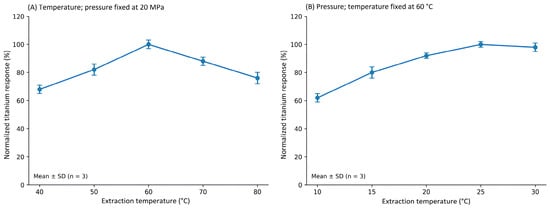
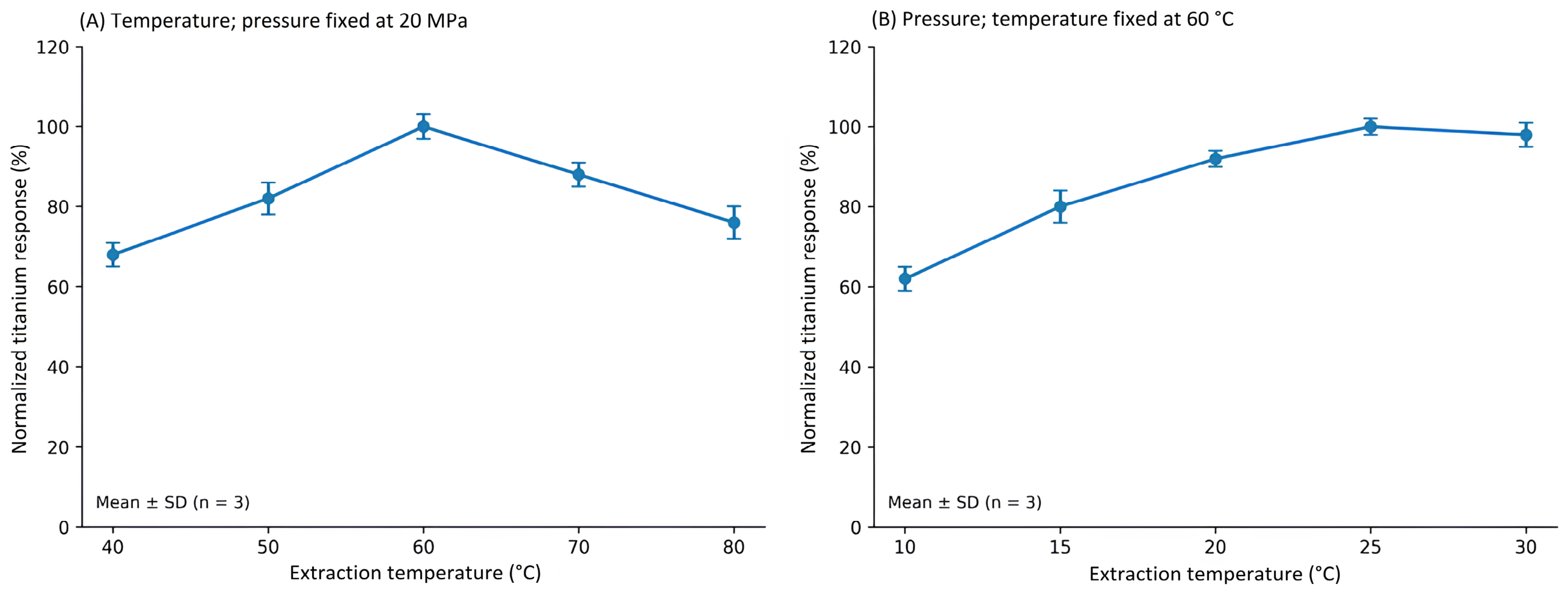
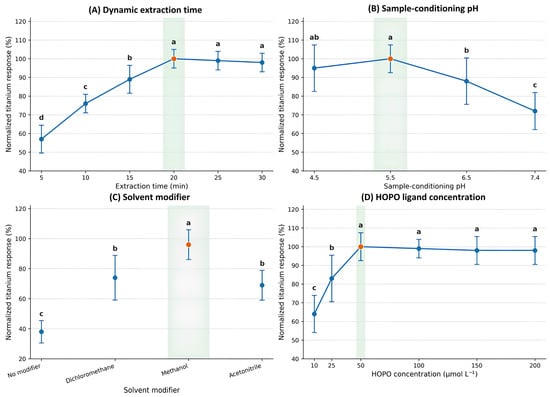
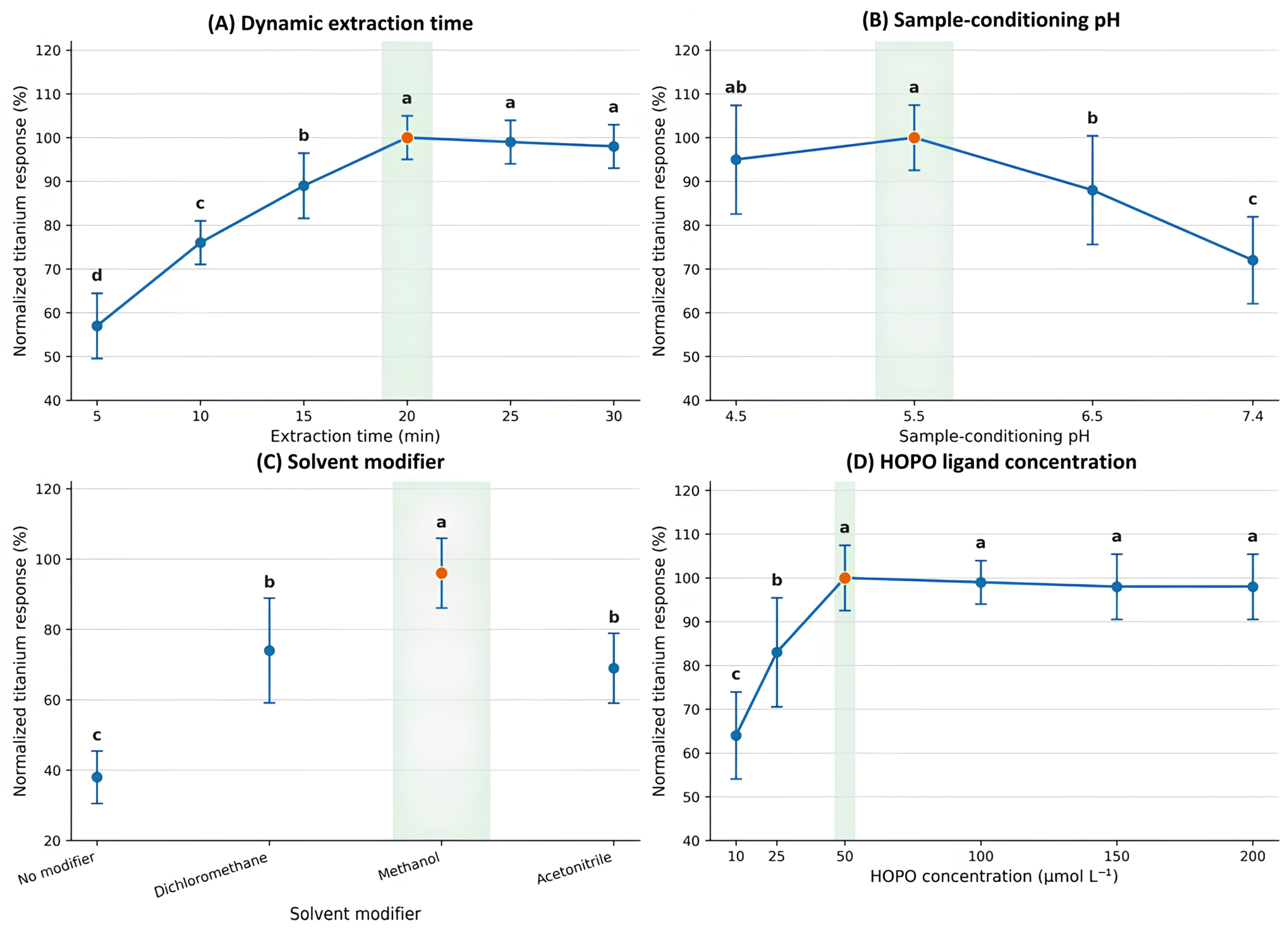
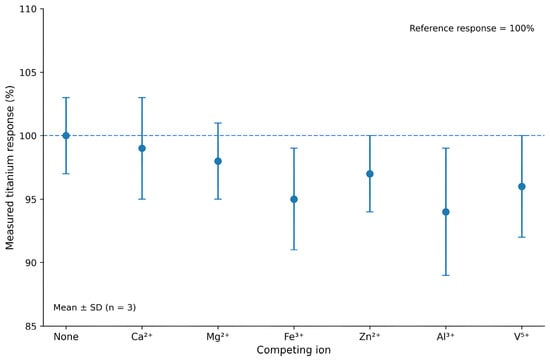
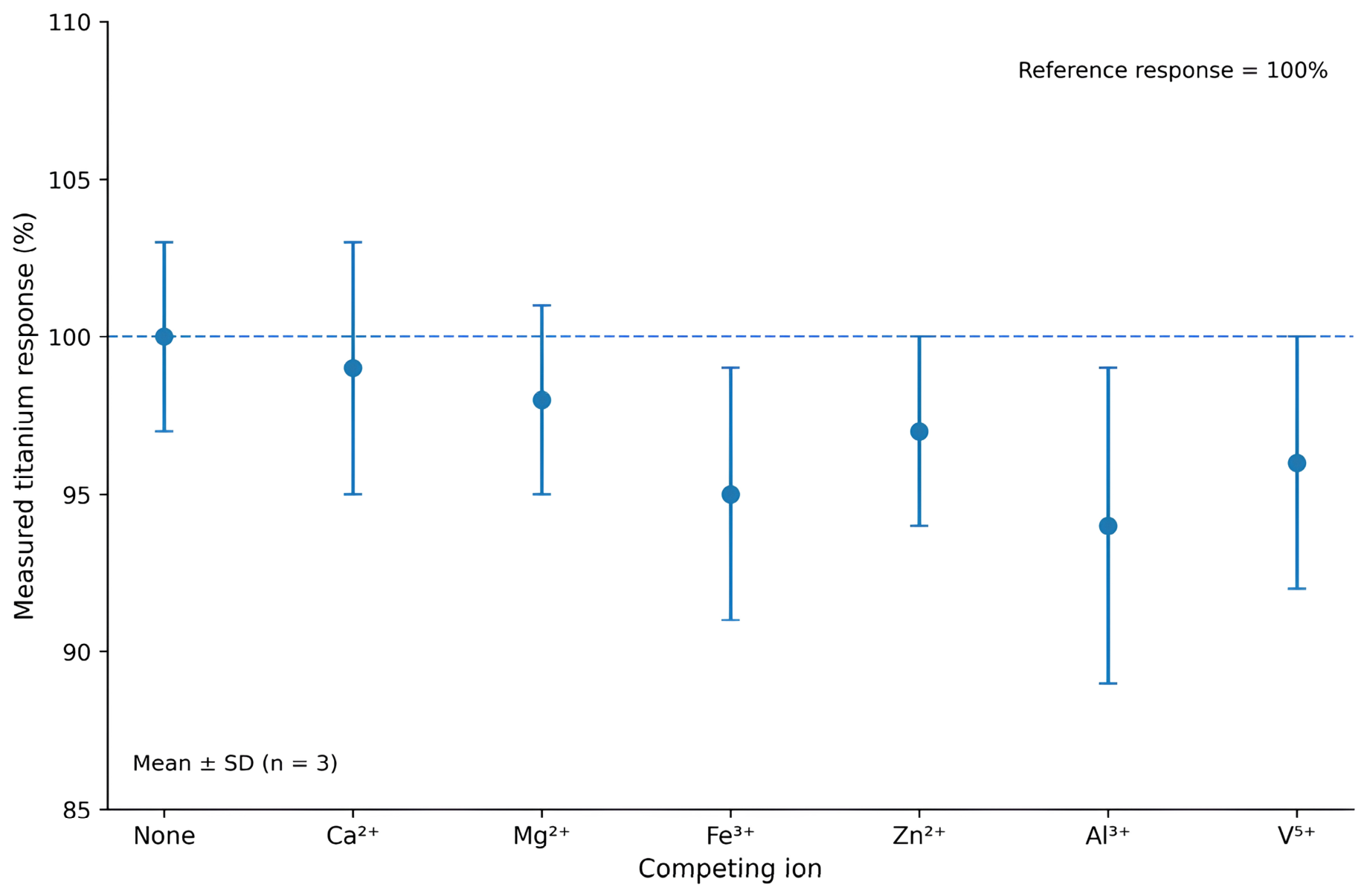
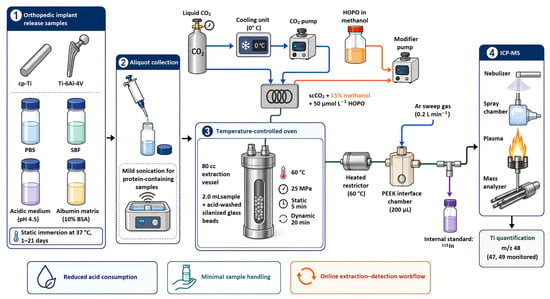
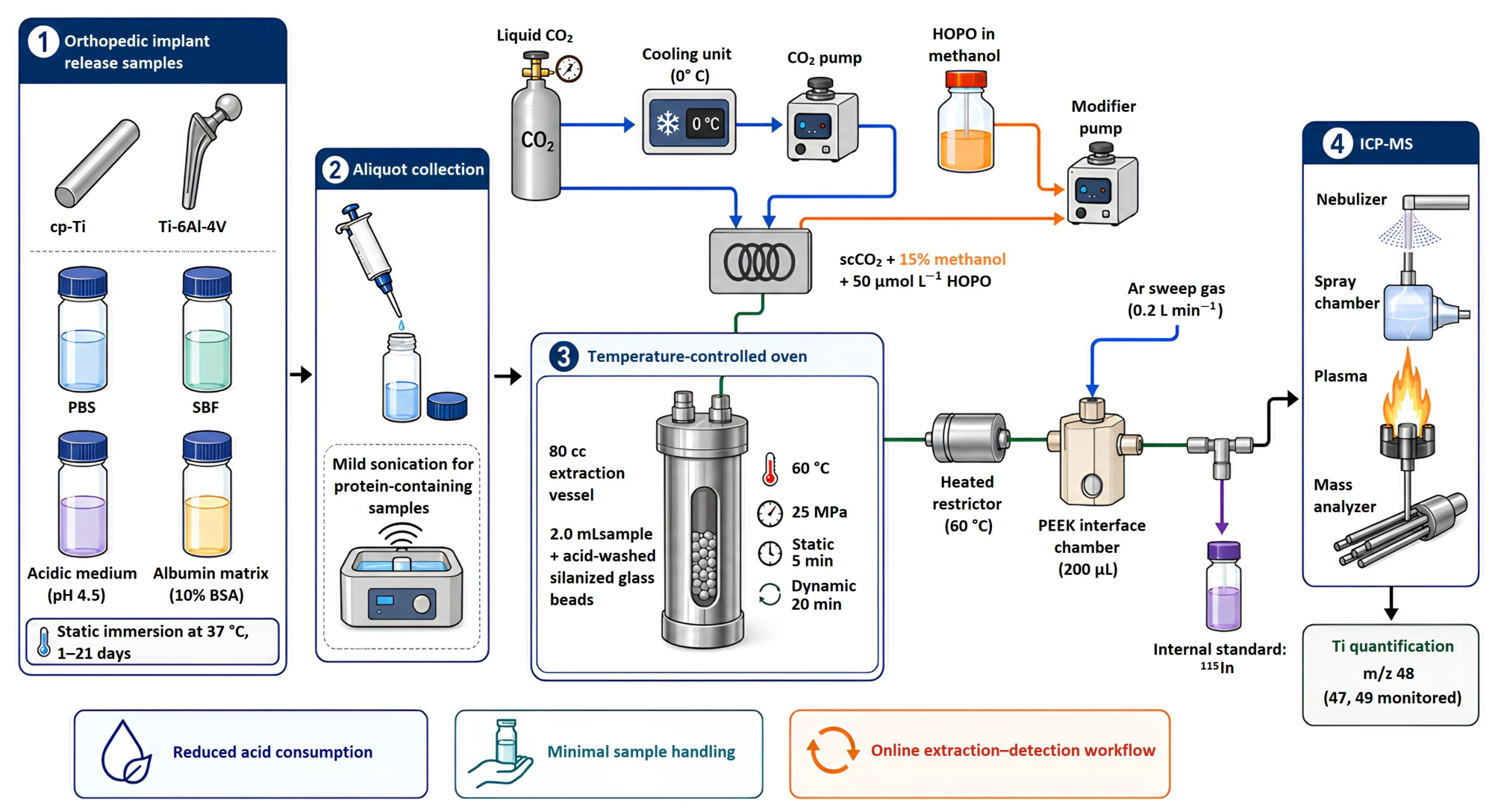
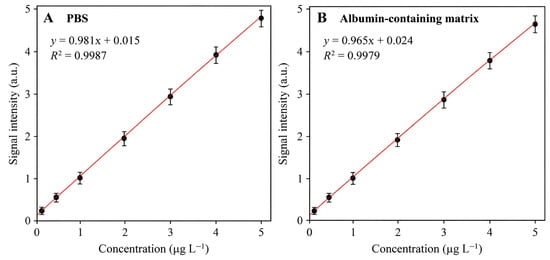
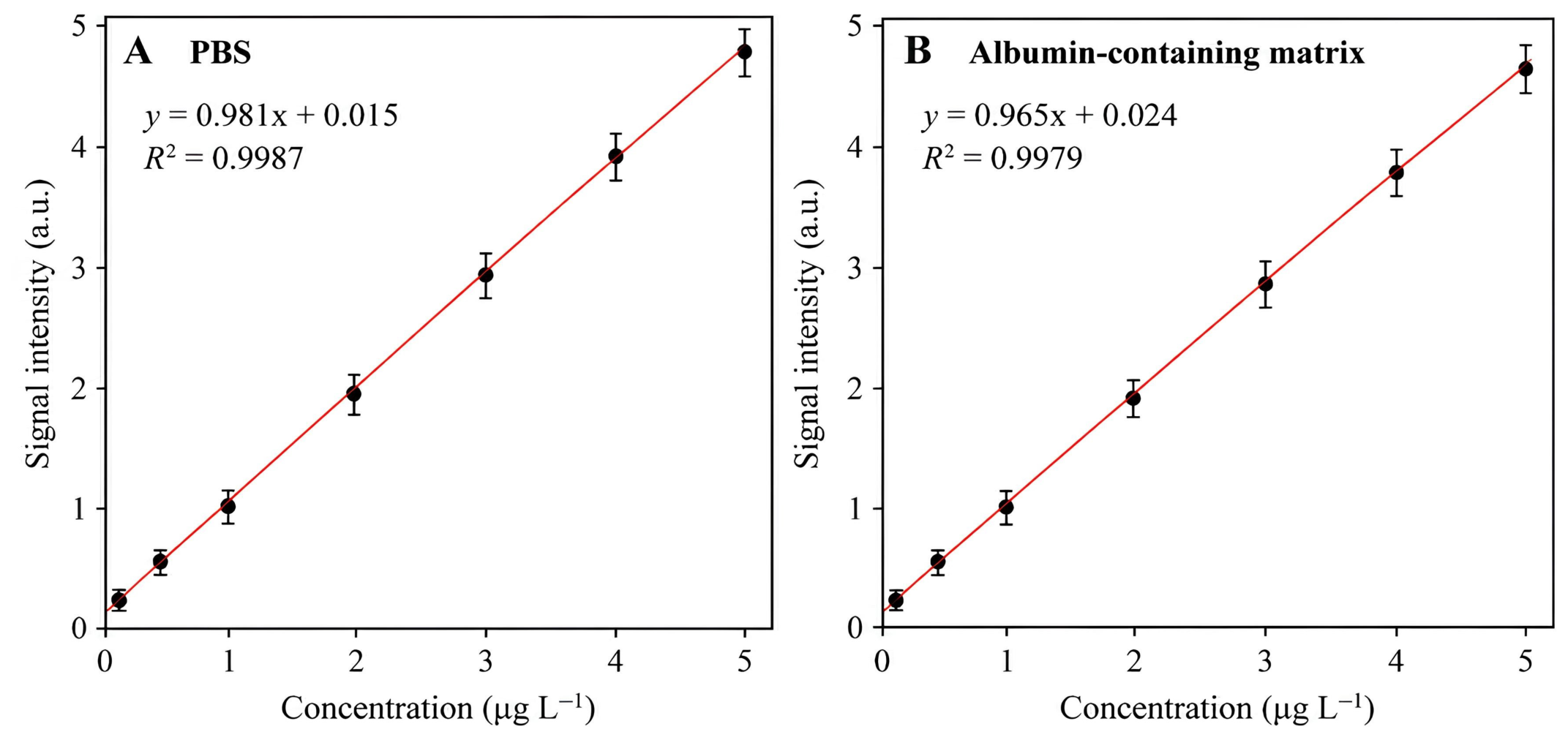
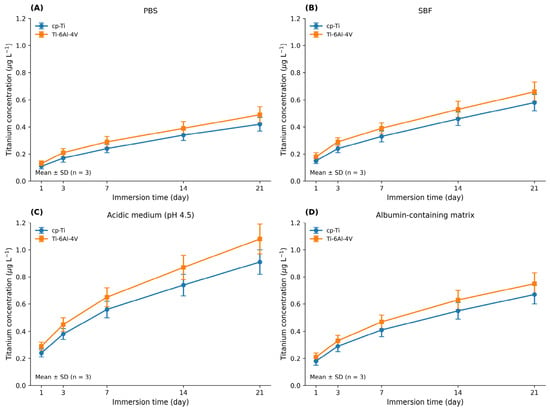
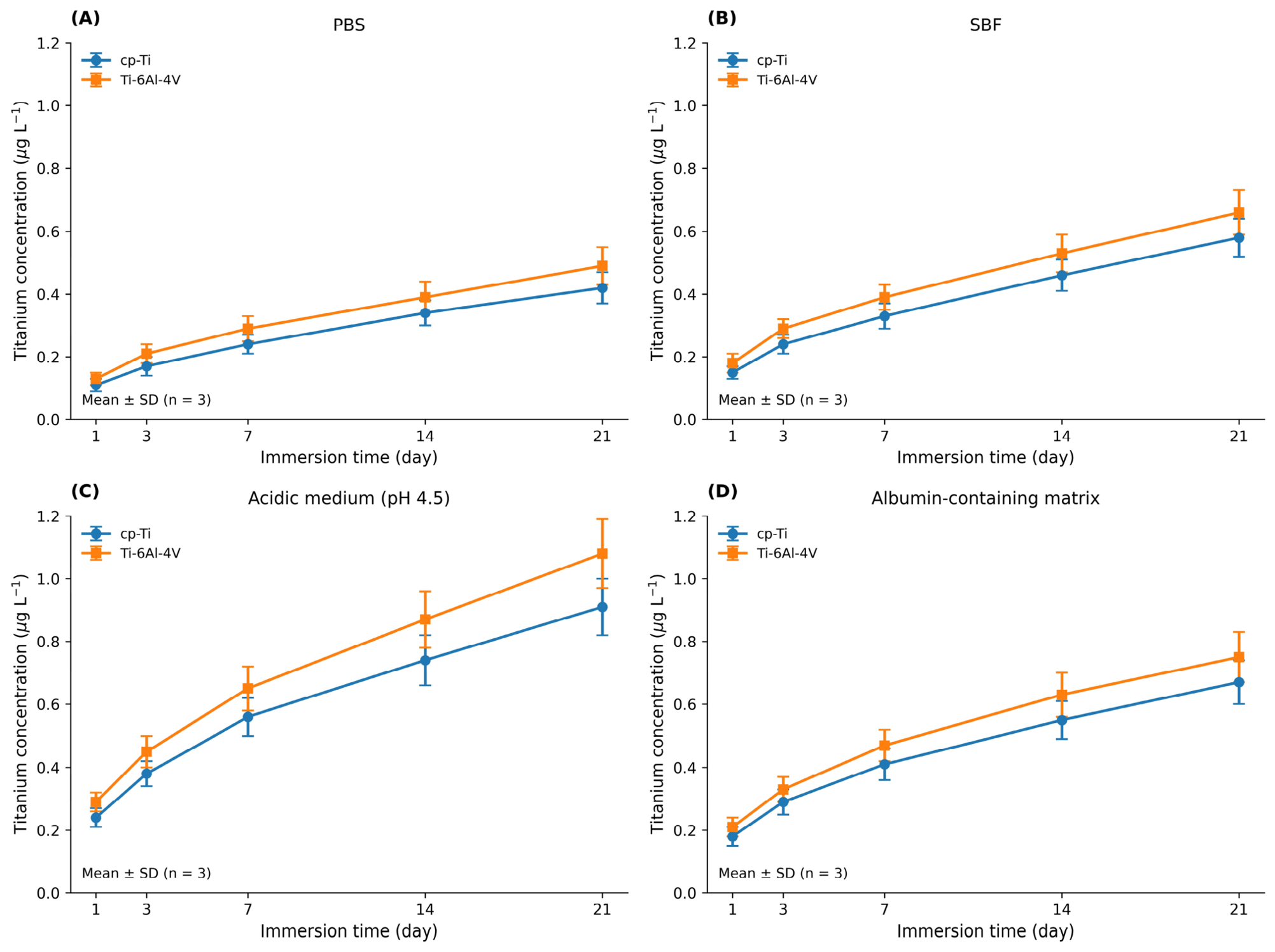

Disclaimer/Publisher’s Note: The statements, opinions and data contained in all publications are solely those of the individual author(s) and contributor(s) and not of MDPI and/or the editor(s). MDPI and/or the editor(s) disclaim responsibility for any injury to people or property resulting from any ideas, methods, instructions or products referred to in the content. |
© 2026 by the authors. Licensee MDPI, Basel, Switzerland. This article is an open access article distributed under the terms and conditions of the Creative Commons Attribution (CC BY) license.