


Abstract
Periplaneta americana (American cockroach) is a traditional medicinal insect rich in bioactive peptides and amino acids, yet its efficient and green extraction remains challenging due to its complex matrix and the thermolabile nature of its active components. This study developed a novel pressurized deep eutectic solvent (DES) extraction method using a “sandwich” system with a phase-switchable feature for the efficient enrichment of total amino acids and peptides from P. americana. A choline chloride-phenylacetic acid (ChCl-PA, 1:2 molar ratio) DES was selected for its suitable melting point (~25 °C), strong intermolecular interactions with the targets, and ease of recovery via phase switching. The extraction was performed in a stainless-steel mold under mild conditions under 8 MPa for 2 h without extra liquid organic solvents. Key parameters including solid-to-solid ratio, pressure, temperature, and time were systematically optimized, achieving a maximum total yield of 120.2 mg/g, higher than conventional stirring, ultrasound-assisted, microwave-assisted, or ethanol reflux extraction. The kinetic study showed that the extraction process of the experimental method could be better described by the pseudo-second-order kinetic model (R2 = 0.9791). The fitting trend of the experimental data generally conformed to the mass transfer behavior similar to chemical adsorption. Theoretically, it is speculated that potential intermolecular interactions including electrostatic attraction, π-π stacking and ion exchange may occur between DES and target components. The DES could be efficiently recovered (>86% recovery) and reused for at least four cycles with acceptable performance. Scanning electron microscopy confirmed pronounced structural disruption of insect powders after extraction, facilitating target release. Greenness assessment using ComplexGAPI and AGREE tools validated the method’s environmental friendliness, with minimal solvent consumption, low energy input, and reduced hazardous waste. Overall, this pressurized DES strategy provides a simple, economical and sustainable laboratory-scale alternative for the extraction of thermosensitive bioactive components from soft biomaterials. It has certain reference significance in laboratory-scale analysis pretreatment and future amplification research in natural product research.
1. Introduction
Periplaneta americana, commonly known as the American cockroach, has been recognized in traditional Chinese medicine for its therapeutic properties, particularly in wound healing, tissue regeneration, and anti-inflammatory applications [1,2,3]. The bioactive components of P. americana include polypeptides, amino acids, and various small-molecule compounds that exhibit significant pharmacological activities [4]. Among them, the peptide types are notably diverse. In addition to neuropeptides that regulate insect growth and development [5], antimicrobial peptides represent another important class. Ali et al. [6] demonstrated that peptides with a relative molecular mass of less than 10 kDa (100 μg/mL) from P. americana exhibited potent bactericidal activity against methicillin-resistant Staphylococcus aureus (MRSA) and pathogenic Escherichia coli K1, with a killing rate exceeding 90%. Furthermore, Zhang et al. identified, via Tricine-SDS-PAGE electrophoresis, that the antitumor-active fraction in the ethanol extract of P. americana was a peptide mixture with a relative molecular mass of approximately 3 kDa [7]. Moreover, the total amino acids (TAA) content of P. americana was determined to be 43.14%, of which seven essential amino acids (threonine, valine, methionine, isoleucine, leucine, phenylalanine, and lysine) accounted for 35.37% of the TAA [8,9]. Compared with botanical medicines, animal-derived medicines often exhibit greater abundance and more pronounced advantages in these bioactive constituents. Collectively, above findings suggest that the peptide and amino acid components of P. americana hold substantial developmental value and considerable medicinal potential.
However, the efficient extraction and enrichment of these active constituents remain challenging due to the complex matrix and the thermo-labile nature of certain bioactive compounds. Ethanol is the most commonly used solvent for the extraction of P. americana, owing to its high efficiency in dissolving a wide range of polar small-molecule compounds [10]. However, its application is associated with drawbacks such as high volatility, substantial solvent consumption, and solvent residue issues, which are not in alignment with the principles of green chemistry. Regarding extraction techniques, refluxing and Soxhlet extraction often suffer from limitations including low efficiency and potential degradation of heat-sensitive constituents [11]. Percolation is ideal as it can be conducted at room temperature under mild conditions. As a dynamic extraction mode, it offers advantages including high solvent utilization efficiency and preservation of thermolabile components from inactivation [12]. Nevertheless, it suffers from high solvent consumption and lengthy extraction duration. Bao [13] investigated the extraction performance of three methods—ultrasonication, percolation, and reflux—for peptide extraction from P. americana. The results revealed that the protein content obtained by ultrasonication (34.18%) was higher than that obtained by percolation (28.74%), whereas reflux extraction yielded a protein content of 25.63%. Pressurized solvent extraction (PSE) has emerged as an alternative technique that enhances mass transfer under elevated temperature and pressure conditions, typically operating at 10.3–20.6 MPa and 50–200 °C [14]. Nevertheless, conventional PSE still requires special instruments and substantial volumes of organic solvents. Meanwhile, operation risks under high temperature and pressure do exist.
Deep eutectic solvents (DESs) have recently gained attention as green alternatives to conventional organic solvents and ionic liquids [15,16], and the latter has been applied by our group to extract target compounds from P. americana [17]. Composed of hydrogen bond acceptors (HBA, e.g., choline chloride) and hydrogen bond donors (HBD, e.g., urea, glycerol, organic acids), DESs possess tunable physicochemical properties, low toxicity, and biodegradability [18]. In the study of Sun and coworkers, the defatted Torreya grandis meal was combined with choline chloride-urea DES with a solid–liquid ratio of 1:10 (w/v) for ultrasonic-assisted protein extraction. After the sonication process (20 kHz, 40 W) for 20 min at 30 °C, the extract was identified to be composed of 600 peptides; moreover, it contained 63 antioxidant peptides compared to 27 in a water extract [19]. For amino acid extraction, Kutlu et al. optimized choline chloride-acetic acid DES for bee bread, achieving total amino acid yields 35.2% higher than ethanol extraction [20]. Liu et al. applied choline chloride-ethylene glycol DES with ultrasonic assistance to extract seleno-amino acids from Cardamine hupingshanensis, obtaining 356 μg/g selenocystine and 147 μg/g selenomethylcysteine under optimized conditions [21]. Although challenges such as high viscosity necessitate optimization of extraction-assisted ways, DESs represent a versatile and biocompatible platform for direct peptides and amino acids extraction from diverse biological matrices. Their broad solubility effect for various molecules also makes them particularly suitable for the effective extraction of these bioactive constituents from P. americana.
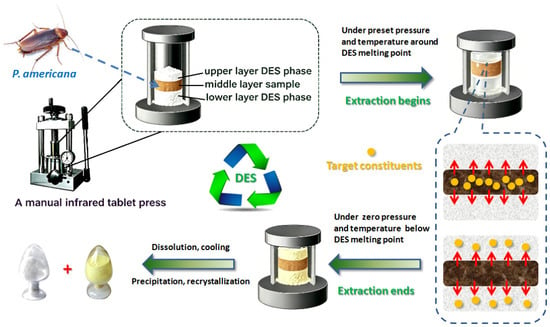
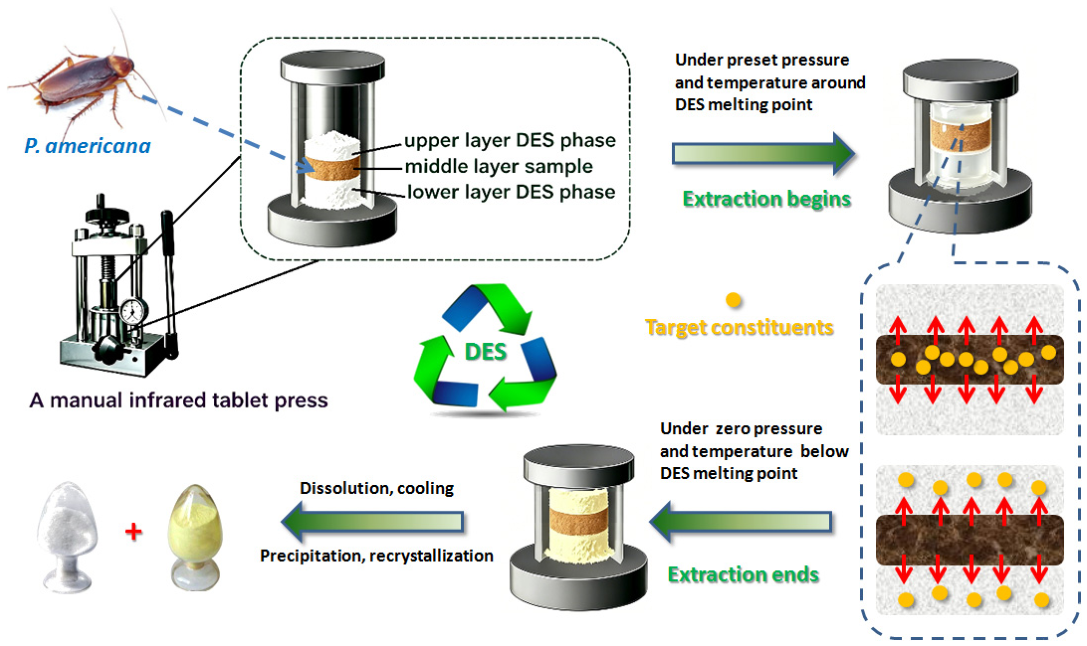
Inspired by the solvent-free pressurized mode developed by us for bamboo-leaf flavonoids [22], the following study herein reports a pressurized DES-based extraction method for the targeted peptides and amino acids from P. americana. This approach employs a “sandwich” configuration of semi-solid DES and dried insect powders, eliminating the need for liquid solvents while achieving high efficiency and good enrichment performance. The entire process was carried out under mild conditions, particularly suitable for extracting unstable components from animal raw materials. Specially, this study applied a phase-switchable system. After extraction, the DES was transferred to a solid through cooling for convenient recovery. Though simple post-treatment, the extracted constituents and DES could be obtained respectively. The whole process of the study is shown in Figure 1. The study aims to achieve innovation in the field of pre-treatment for a small amount of animal/plant samples with lower energy and solvent consumption together with simpler operation procedures.
Figure 1.
Technical roadmap of the whole process.
2. Materials and Methods
2.1. Reagents and Materials
Among the chemicals and reagents, choline chloride, ethanol and other unspecified reagents were all obtained from Kelong chemical reagent factory (Chengdu, China). Phenylacetic acid, phosphate buffer and ninhydrin were purchased from Aladdin Co., Ltd. (Shanghai, China) and standard tryptophan (C11H12N2O2) was obtained from Sigma-Aldrich Inc. (St. Louis, MO, USA). All of the above reagents and solvents used in the present study were of analytical-reagent (AR) grade, biological grade or higher. Unless otherwise specified, all the experimental water in this study was ultra-pure (UP) water, and it was produced by the Milli-Q water-purification system (Millipore, Bedford, MA, USA). The dried defatted insect powders of P. americana were obtained from Yunfeng breeding base (Dali, China) and then ground and sieved into different particle sizes (40, 60, 80, 100, 120 mesh), after which they were sealed and kept at 5 °C for further use.
2.2. Instruments
The new pressurized extraction was operated on a HY-12 disk press machine (Jintuo Instrumental Inc., Tianjin, China) with a stainless steel mold with a diameter of 13 mm, and subsequent quantification was carried out by using the AOE 380 UV-Vis Spectrometer (Aoyi Instrument Co., Ltd., Shanghai, China). Besides that, A JSM-7001F scanning electron microscope (SEM) from JEOL Co., Ltd. (Tokyo, Japan) was applied to observe the insect powders. A Spectrum Two L1600300 Spectrometer (Perkin Elmer, Waltham, MA, USA) was applied to record FT-IR in the range of 4000–450 cm−1. The structure of the DES was characterized by a JNM-ECZ400s/L1 NMR spectrometer (400 MHz, JEOL, Tokyo, Japan) and thermogravimetry-differential scanning calorimetry (DSC) of DES was obtained using an STA 449 F3 synchronous thermal analyzer (NETZSCH, Selb, Germany) under a nitrogen atmosphere (flow rate: 20 mL/min). A DF-101S oil bath pot was procured from Yinyu-yuhua Instrument Co., Ltd. (Gongyi, China). In comparison experiments, the UC-3000 ultrasonic cleaning machine (Ulangee Ultrasonic Instruments Inc., Shenzhen, China) was used for ultrasound-assisted extraction, and a G70F23N1P-G5 microwave oven (Galanz, Foshan, China) was applied for microwave-assisted extraction. A DHG-2150B-type electrially heated dryer (Shengyuanyiqi Inc., Zhengzhou, China) was used to keep the extraction under different temperatures (20–30 °C). A SHZ-D (III) circulation vacuum pump was provided by Dufu Instrument Factory (Zhengzhou, China). The 85-2 type magnetic stirrer was obtained from Sile Instrument Factory (Shanghai, China). The RE-2000 rotary evaporator was purchased from Yarong Biochemical Instrument Factory (Shanghai, China). An FA2004B electronic balance was sourced from Tianmei Balance Instrument Co., Ltd. (Shanghai, China). At last, the TDZ6-WS centrifuge used was from Hunan Hesi Instrument and Equipment Co., Ltd. (Changsha, China).
2.3. Selection and Preparation of Suitable DESs
In the design for the whole separation strategy, the DES candidates in this study should have the following main characteristics: (1) the HBA/HBD structure with strong intermolecular interactions such as hydrogen bonding and π-π effect with the extracted object; (2) the key property of physical state transform in an environment near room temperature (solid under room temperature), and existing as a solid for easy recovery at temperatures below the melting point; (3) good solubility in water for convenient washing in post-treatment procedures for its possible adhesion and residue on insect powders; and (4) ideal biocompatibility, environmental friendliness, and low cost. There are a few DESs that can simultaneously meet all the above requirements. As a result, choline chloride-phenylacetic acid (ChCl-PA, molar ratio 1:2, ChCl as HBA and PA as HBD) was obtained through pilot experimental screening, and its melting point was determined to be 25 °C, which is very suitable for the designed extraction strategy. It was prepared by the HBA and HBD with stirring and heating at 50 °C for 1 h, and the mixture was stirred vigorously until a homogeneous and clear DES mixture was achieved. After cooling below 25 °C, it would slowly become a solid.
2.4. Quantitative Analysis on the Extracted Product with Photometric Ninhydrin Method
The total content of free amino acids and peptides in the extract of P. americana was determined by the photometric ninhydrin method [17]. Since the ninhydrin reaction of free amino acids and peptides is different, and the detailed characterization of free amino acids and peptides needs to be characterized by more detailed and time-consuming analysis methods such as HPLC and LC-MS, this experiment provides an equivalent response. The total content of free amino acids and peptides in the product was expressed by tryptophan equivalent, rather than the absolute mass concentration of total amino acids and peptides. In addition, the total content of free amino acids and peptides used for subsequent relative comparison between different extraction conditions is also expressed in tryptophan equivalent. Here, the 0.5 mg/mL standard tryptophan solution was prepared with the solvent of UP water at first and diluted to yield a series of sample solutions of 0.020, 0.025, 0.030, 0.035, 0.040, and 0.045 mg/mL. After that, 6.0 mL of each sample solution was mixed with an equal volume of UP water in a test tube as a blank control, and then 2% ninhydrin ethanol solution together with 2 mL pH 6.7 phosphate buffer were also added into the test tubes. The mixtures were continuously heated for 15 min in a boiling water bath. UP water was added to bring the volume up to 50 mL after the whole system was cooled to room temperature. The UV-Vis spectrophotometer was employed to measure the absorbance at 570 nm of each concentration of the solutions. The quantitative regression equation was developed with the concentration (mg/mL) of tryptophan as the abscissa and the absorbance (Abs) as the ordinate, which was obtained as y = 52.332x − 0.1769 (R2 = 0.9989). Moreover, the linear range was 0.008–0.040 mg/mL; the average spiked recovery was 97.8% (RSD = 2.95%); the average intra-day precision RSD was 3.51%, and limit of detection (LOD) together with the limit of quantitation (LOQ) were 2.4 and 7.9 μg/mL, respectively. The yield (mg/g) of extracted product was calculated by using Equation (1), as follows:
where m1 is the target component mass (mg) in the extraction solution and M is the mass of the insect powders before extraction (g).
2.5. The Development of Pressurized DES Extraction Method
All the stainless steel mold components were thoroughly cleaned with ethanol prior to use. Before extraction began, the dried and ground DES (passed through a 200-mesh sieve) was evenly spread onto the bottom of the stainless steel compression mold at sub-ambient temperature, serving as the lower solid-phase extractant. This DES layer was lightly tamped to form a flat contact surface. Subsequently, P. americana powders were carefully added onto the lower DES layer and leveled with the mold press. Finally, an equal mass of DES powders, relative to the lower layer, was gently and uniformly applied as the upper solid-phase extractant onto the surface of the insect powders. In this way, the entire system forms a “sandwich” pattern. After that, the upper module was then placed, and the whole system was subjected to compression under preset pressure and ambient conditions around 25 °C for a prescribed extraction duration. As the three key parameters, solid–solid ratio (insect powders:DES = 30 mg:20 mg–30 mg:60 mg), pressure (0–12 MPa), temperature (20–30 °C) and extraction time (0–4 h) were investigated for their potential effects on extraction results. The pressure was regulated via a hydraulic hand pump and a release valve. After loading the “sandwich” system, the valve was closed and the pressure was steadily increased by a pump while monitoring the gauge. Fine adjustments were made by incremental pumping to increase, or gently venting the release valve to decrease, the pressure.
Upon completion of the extraction, the pressure was released and the valve was slowly opened for controlled decompression to avoid possible fracture of different layers in a “sandwich” pattern. The entire system was cooled to below room temperature. The solidified extraction phase and the insect powders were thereby easily separated through disassembling the “sandwich” pattern. The upper and lower DES layers were then combined and homogenized. A known portion of this mixture (approximately 15 mg) was collected and ultrasonically dissolved in 10 mL of UP water until complete dissolution. The resulting solution was filtered through a 0.45 μm microporous membrane, and the filtrate was diluted to a final volume of 50 mL with UP water and water washing solution for insect powders. The concentration of the target constituents in the extract was determined via UV-Vis spectroscopy, following the method described in Section 2.4, with the absorbance of the blank DES subtracted. The yield of total amino acids and peptides was subsequently calculated based on the measured concentration for evaluation of extraction performance.
2.6. Kinetics and Post-Treatment Studies
Kinetics is the study of the influence of various factors on mass transfer rates and can be used to reveal separation mechanisms [22,23,24]. The establishment of relevant kinetic models helps to investigate the relationship between extraction rate and time throughout the entire process of a newly developed method, and can also effectively predict the extraction process and results based on the fitted kinetic model. Based on these aims, this section intends to apply the Web–Morris equation, the Elovich equation, the pseudo first-order kinetic equation, and the pseudo second-order kinetic equation to dynamically fit the extraction process. In this experiment, the extraction amount of the target components was measured at 10, 30, 45, 60, 90, 105, 120, 180, and 240 min under the optimal process conditions, and each time point was measured 3 times. The corresponding kinetic model was determined based on the goodness-of-fit (R2) values of the experimental data.
- (1)
- Web–Morris equation
Its linear expression is shown in Equation (2):
where C is a constant involving the boundary layer, mg/g; kip is the internal diffusion rate constant, mg/(g·min1/2); t is extraction time, min; and qt is the yield of target components, mg/g.
- (2)
- Elovich equation
It can be expressed as in Equation (3):
Moreover, its linear expression is shown in Equation (4):
where α is the initial rate constant, mg/(g·min); β is the parameter constants related to the surface coverage of solid-phase extractant and the activation energy of extraction, g/mg; t is extraction time, min; and qt is the yield of target components, mg/g.
- (3)
- Pseudo first-order kinetic equation
- (4)
- Pseudo second-order kinetic equation
It can be expressed as in Equation (6):
Moreover, its linear expression is shown in Equation (7) as follows:
where k2 is the second-order rate constant, g/(mg·min); qe is the extraction amount at equilibrium, mg/g; t is extraction time, min; and qt is the yield of target components, mg/g.
Although the newly developed method was mainly designed for a small amount of raw materials for an analytical purpose more than a preparative purpose, the DES should be recovered in useful ways according to green chemistry principles. After the extraction procedure in the former Section 2.5, most of DESs containing extracted components could be directly collected, and a very small amount of DESs sticking to insect powders could be collected by washing the latter with UP water. For the merged solution of DES extract and water washing solution, more DES was added to form a supersaturated solution, and then the temperature of the system was lowered to around 2 °C. At this point, DES would precipitate in a solid form, while the extracted components were retained in the liquid aqueous phase. Finally, the former was further purified by repeated recrystallization and then reused, while the latter was obtained after water was removed under vacuum and further freeze-drying. In order to achieve good economic efficiency and save energy consumption, the complex recovery methods for similar green solvents in current reports have not been considered here.
2.7. Comparison Among Different Extraction Ways and Greenness Analysis
Considering the DES (ChCl-PA, 1:2) used in this study has the melting point of 25 °C, the comparative experiments were designed as follows: (1) when the DES has completely become the liquid in an environment slightly above room temperature, the insect powders were extracted with DES with three fourths of its own mass by stirring (300 rpm), ultrasound (240 W, 40 kHz) or microwave (600 W) for 30 min, and the relevant parameter settings met the conditions for conventional extraction; (2) insect powders were refluxed twice with 11 times the amount (g/mL) of 15% ethanol, each time for 75 min (total 2.5 h) [25]. At last, the on-line free tools of Complexity-Greenness Analysis and Process Index (ComplexGAPI, https://bit.ly/ComplexMoGAPI (accessed on 27 September 2026)) and Analytical Greenness Evaluation (AGREE, https://mostwiedzy.pl/AGREE (accessed on 27 September 2026)) were used to evaluate the greenness of the developed method.
3. Results and Discussion
3.1. FT-IR, 1H-NMR, DSC and Phase Diagram Analysis of ChCl-PA Eutectic System
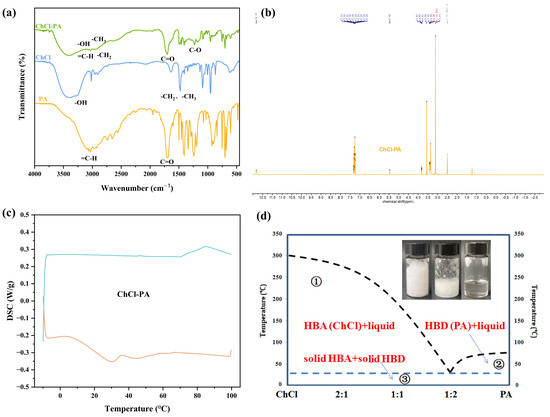
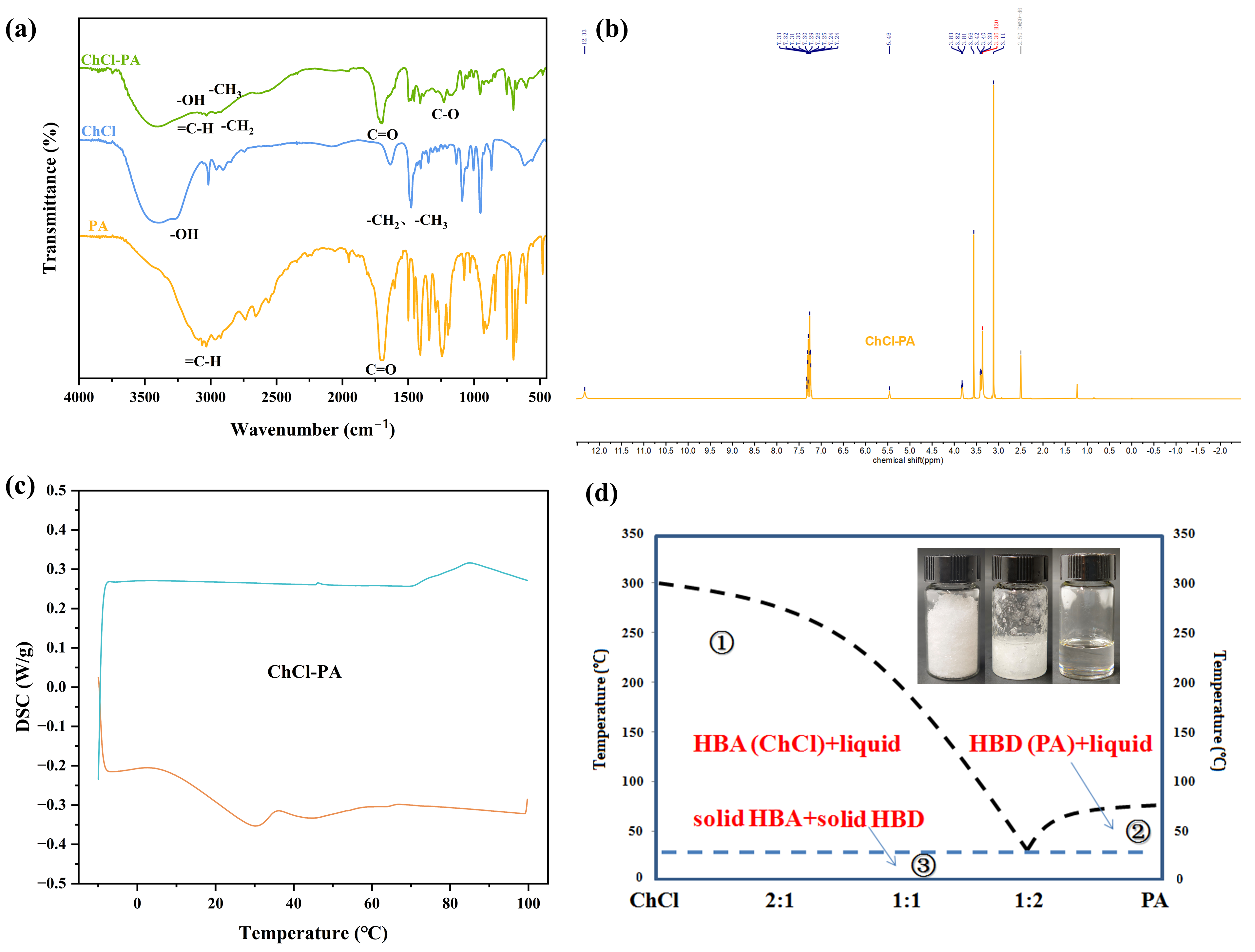
In the FT-IR spectra (KBr disk) of ChCl-PA before and after extraction (see Figure 2a), stretching vibrational signals in the range of 3000–3400 cm−1 were observed and assigned to aromatic hydrogens in PA (the left broad absorbance corresponded to –OH of ChCl, and the right broad absorbance corresponded to –OH of PA). A strong peak at 1710–1720 cm−1 was related to the stretching vibration of the C=O group of PA. A series of signals at 2800–3000 cm−1 and 1300–1500 cm−1 were assigned to –CH3 and –CH2 vibrations, and the peak between 1100 and 1300 cm−1 was assigned to the C–O stretching vibration [26]. Then, the ChCl-PA DES was further characterized by 1H-NMR spectroscopy (see Figure 2b). The characteristic signals of ChCl were observed at δ 3.08–3.22 (N-CH3), 3.48–3.52 (N-CH2) and 3.78–3.90 (O-CH2) ppm, while PA gave signals at δ 3.56 (Ph-CH2) and 7.25–7.40 (aromatic H) ppm. Thirdly, the DSC analysis of DES is shown in Figure 2c. It has an obvious endothermic peak (central point around 25 °C), indicating that DES changes from solid to liquid at this temperature, and there is no obvious decomposition until 80 °C. The phase transition peaks of DES before and after use are similar, indicating that the phase transition behavior of DES is maintained to a large extent. As shown in Figure 2d, the phase diagram of this binary system exhibits a characteristic V-shaped eutectic profile, with temperature plotted against the molar fraction of phenylacetic acid. The curve descends sharply from the melting points of the pure components (ca. 302 °C for choline chloride and 77 °C for phenylacetic acid) to a minimum eutectic point at the 1:2 molar ratio, where the mixture displays the lowest melting temperature. At this composition, the hydrogen-bonding network is optimally balanced, yielding a homogeneous liquid phase at near-ambient conditions, which is stable upon cooling without crystallization of either component.
Figure 2.
(a) FT-IR, (b) 1H-NMR and (c) DSC analysis of DES; (d) the phase diagram of DES.
3.2. Effect of Solid–Solid Ratio on Extraction Result
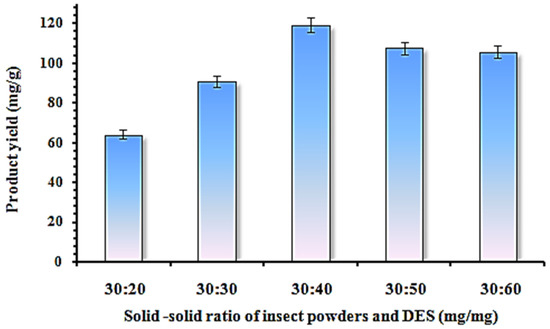
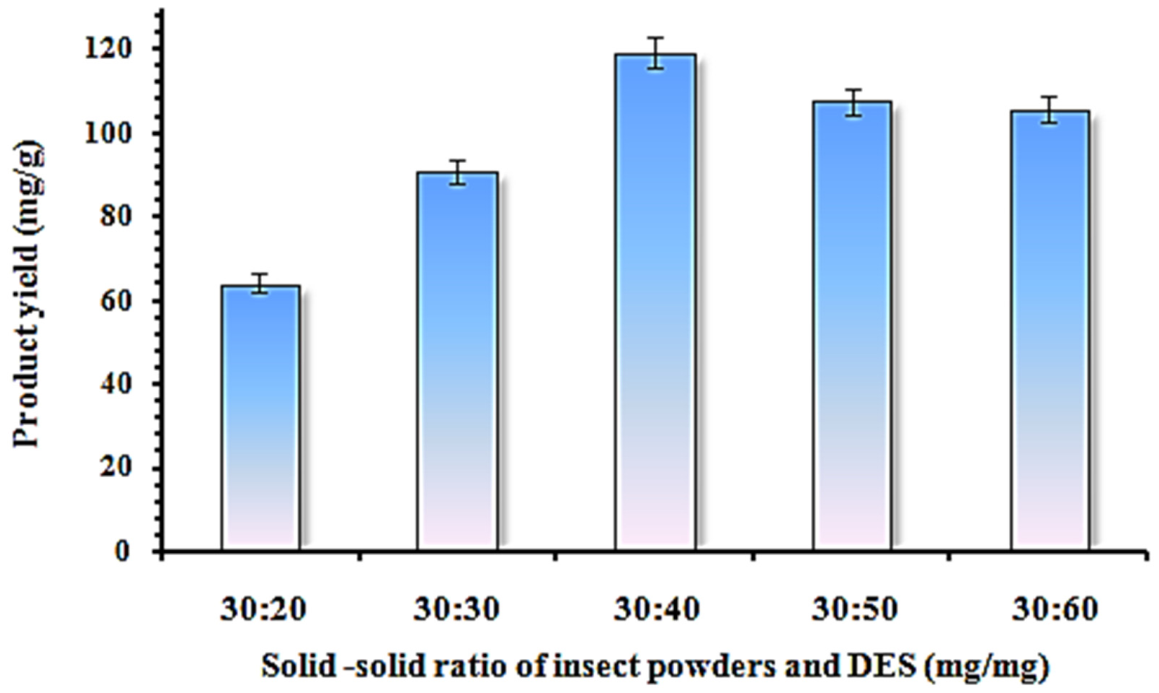
The suitability of the extraction process will directly affect the extraction rate of the target product under pressure in the new system. In order to achieve better extraction results, this study used three sets of single-factor experiments to explore the influence of relevant conditions. After pre experimental screening, the process conditions examined below mainly include three factors: solid–solid ratio, pressurization time, and pressed pressure. In this section, five different levels of solid–solid ratios (insect powders:DES = 30:20 (mg/mg), 30:30 (mg/mg), 30:40 (mg/mg), 30:50 (mg/mg), 30:60 (mg/mg)) are investigated, and pressurization time and pressed pressure are set at 2 h and 8 MPa, respectively. The solid–solid ratio is an important factor affecting extraction efficiency in the developed process. Insufficient extractant cannot fully extract the target compounds, resulting in poor extraction performance; on the other hand, excessive extractant can complicate the process and cause unnecessary waste. Without increasing the contact area, increasing the amount of extractant can only lead to an increase in the thickness of the extractant layer, and the part of the extractant far away from the insect powder is more difficult to exert its effect. In addition, at the same dosage, a double-layer extractant in “sandwich mode” is more ideal than a single-layer extractant because it can come into contact with the extracted material from both sides and achieve substance transfer. As shown in Figure 3, when the solid–solid ratio rose to 30:40 (mg/mg), the target yield reached the highest level (119.2 mg/g), and a larger solid–solid ratio not only did not lead to further improvement on extraction, but also showed a downward trend in yield. In the early stage of the extraction process, as the amount of DES increases, its interaction with animal tissue cells will significantly increase. More target compounds diffuse from inside the cells to outside under pressure under the effect of DES, resulting in higher extraction efficiency; when DES increases to a certain extent, the thickness of the semi-solid phase extractant layer becomes too thick, weakening the driving force of pressure and hindering the penetration of the extractant into the raw material. This impairs the extraction effect on the active ingredients and reduces the extraction efficiency of the target substances. Considering the comprehensive economic benefits, a solid–solid ratio of 30:40 (mg/mg) was chosen for subsequent research.
Figure 3.
The changing trend of yield under various solid–solid ratios.
3.3. Effect of Pressed Pressure on Extraction Result
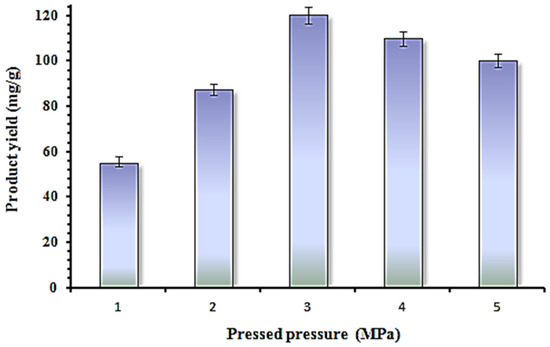
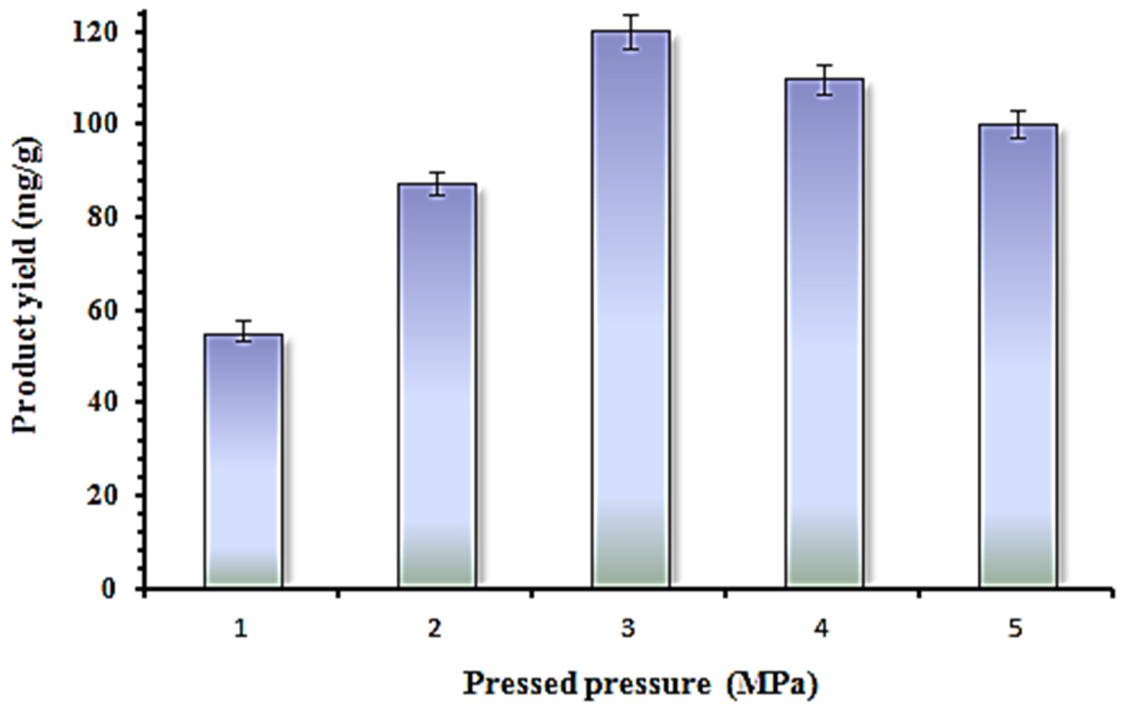
The pressurization pressure is another characteristic parameter of this method, which may simultaneously affect substance diffusion, solubility, and post-treatment. On the one hand, higher pressure is beneficial for overcoming viscosity barriers and can promote extraction by increasing the diffusion rate of solvents in the solid matrix, thereby enhancing mass transfer within the animal matrix. On the other hand, an increase in pressure may theoretically increase the solute vapor pressure, which may improve the solubility of the target constituents. Finally, excessive pressure will completely crush animal cells, causing other coexisting components to seep out, affecting the extraction of the target substance under the competition effect, and also leading to difficulties in post-processing. In this section, five different levels of pressure (4, 6, 8, 10 and 12 MPa) are investigated, and pressurization time and solid–solid ratio are set at 2 h and 30:40 (mg/mg), respectively. High pressure treatment can cause collapse or cell rupture of the solid sample matrix, which can greatly promote the contact and release of internal target substances with DES [27]. As shown in Figure 4, the yield of the target substances increased rapidly with the increase in pressure at first, and a pressure of 8 MPa resulted in the most ideal extraction result (120.2 mg/g). One possible explanation is that increasing pressure may enhance the expansion rate of amino acids and peptides in DES. In addition, the increase in pressure may cause a slight increase in temperature, thereby increasing solubility and permeability of DES. However, the hydraulic press used in this study was not equipped with temperature control, and no temperature measurement was performed during the pressurization process. Therefore, these temperature- and solubility-related explanations are currently only based on theoretical inferences and have not yet been experimentally confirmed. When the operating pressure is too high, as mentioned earlier, it is actually not conducive to further improving the yield of the target substance and post-processing. Considering all factors and safety comprehensively, a pressed pressure of 8 MPa was chosen for subsequent research.
Figure 4.
The changing trend of yield under various pressed pressure.
3.4. Effect of Pressed Duration on Extraction Result
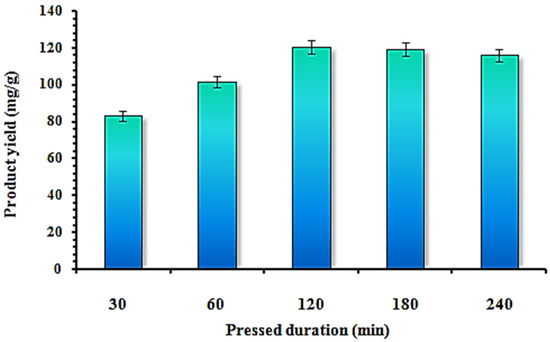
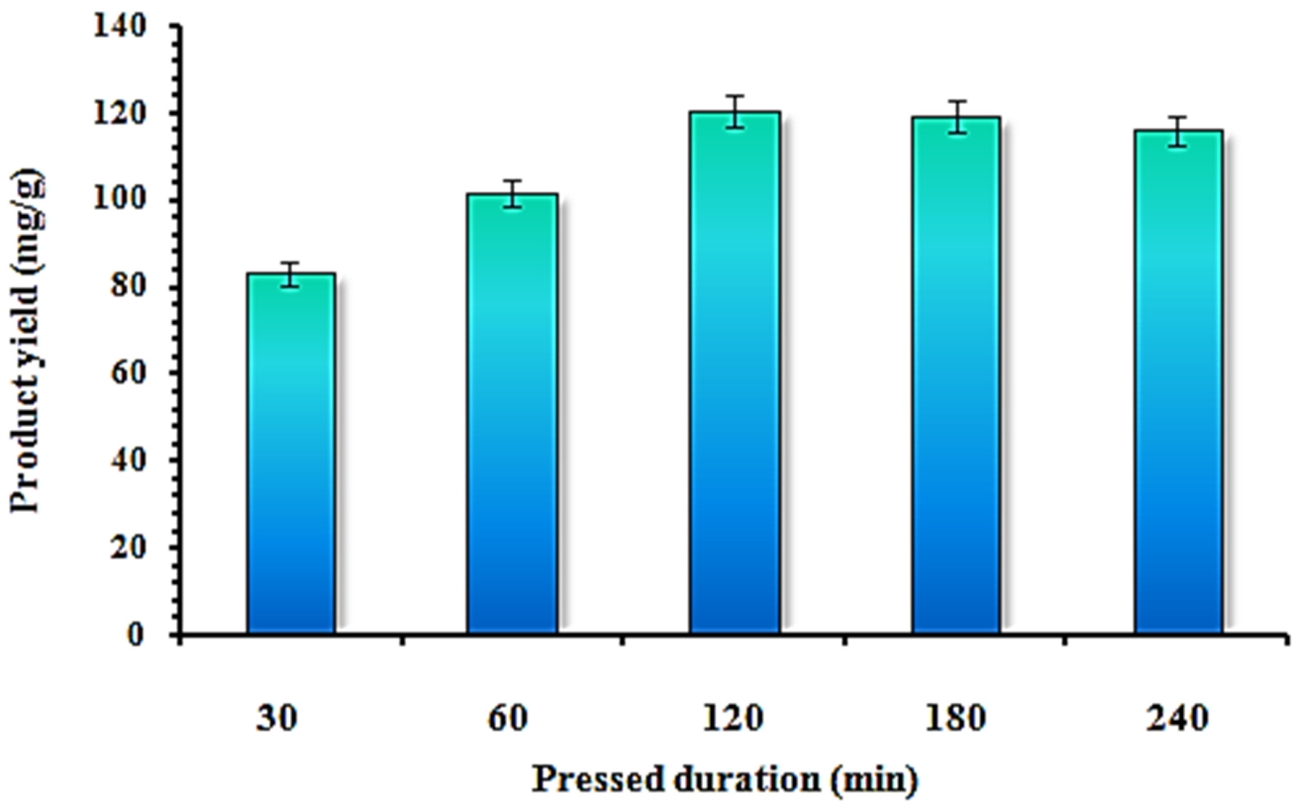
Pressed time is often considered a key factor in determining whether the extraction process has ended. In this section, the optimal solid–solid ratio of 30:40 (mg/mg) and a pressure of 8 MPa were used to investigate the effect of different pressed times (30 min, 60 min, 120 min, 180 min, and 240 min) on the yield of total amino acids and peptides in the extract. As shown in Figure 5, when the pressed time was less than 120 min, the yield of the target substances significantly increased with the increase in pressurization time; when the pressed duration exceeded 120 min, the yield of the target substances did not change significantly as the extraction time continued to increase. The reason is that with the increase in pressed time, total amino acids and peptides in insect powder cells are released and bound to DES, resulting in a significant increase in the yield of the former; however, if the extraction time is too long, most of the target substances in the raw materials release, and the interface concentration between DES and insect powders is too high, which is not conducive to the outward diffusion of intracellular components. As a result, the yield of target substances no longer increases with the increase in pressed time, leading to ineffective extension of the operation process and waste of time. Overall, 2 h can ensure sufficient extraction for the current system.
Figure 5.
The changing trend of yield under various pressed durations.
Here, several conventional pressurized extraction techniques have been employed for initial comparison with related operational conditions. For instance, Rodrtguez-Pérez et al. [28] applied microwave-assisted pressurized extraction with Moringa oleifera leaves as the object, and reported that satisfactory results (yield of 5.2 ± 0.5 mg/g) were achieved only under a pressure of 10 MPa in combination with heating. Howard et al. [29] extracted spinach by using 70% aqueous ethanol, which required a higher extraction pressure of 13.8 MPa, with the pressurized temperature being elevated from 50 °C to 190 °C throughout the process. Rosa et al. [30] extracted olive leaves with 80% aqueous ethanol under 10.3 MPa for 110 min, obtaining a final yield of 30.91%. In the present study, an extraction pressure of 8 MPa and a duration of 120 min were found to be sufficient to achieve a satisfactory extraction outcome, affording a total yield of 120.2 mg/g. In comparison with other studies employing similar green solvents, Ju and cowokers used 3.3 MPa and 6 h in their DES (choline chloride-malonic acid, 1:1) pressurized extraction [31]. The present method not only exhibits superior performance over their results, but also demonstrates enhanced enrichment ability. Moreover, it operates under milder conditions without the use of any auxiliary organic solvents, substantially reducing the consumption of organic solvents and energy. Here, Table 1 exhibits the more systematic comparison. As a whole, this method has a good reference for the extraction of more samples with different properties on a laboratory scale. It may have the potential for future amplification, but the current scale of the experiment is small, so this possibility still needs to be verified by additional industrial amplification experiments outside the existing laboratory scale in the future.
Table 1.
Comparison of extraction methods on their systems, conditions and results.
3.5. Effect of Temperature on Extraction Result
It is well known that, as the temperature increases, the surface tension and viscosity of the solvent will decrease, and the osmotic pressure will also increase. This can allow the solvent to penetrate the cell wall of plants or materials faster, shortening the extraction time. Moreover, increasing the temperature is beneficial for improving solubility and mass transfer rate, because molecular thermal motion is intensified and the diffusion coefficient is increased, which facilitates the dissolution of active ingredients. In addition, heating can also change the microstructure of the material, making it easier for the matrix–cell wall to soften and facilitating the release of effective components inside the cell. Finally, temperature also has process control significance; generally, low temperatures (such as below 60 °C) are suitable for extracting thermosensitive components; medium to high temperatures (such as 80–100 °C) are suitable for extracting polysaccharides or alkaloids; higher temperatures (>120 °C) may be more suitable for extracting lipid-soluble components with lower polarity.
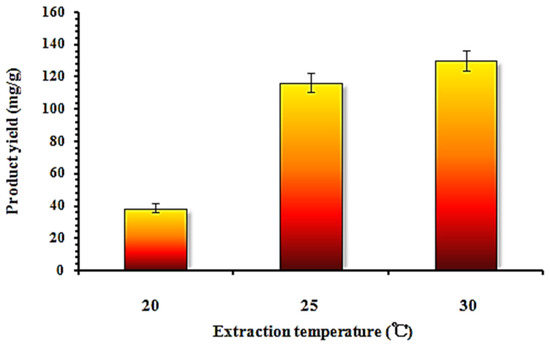
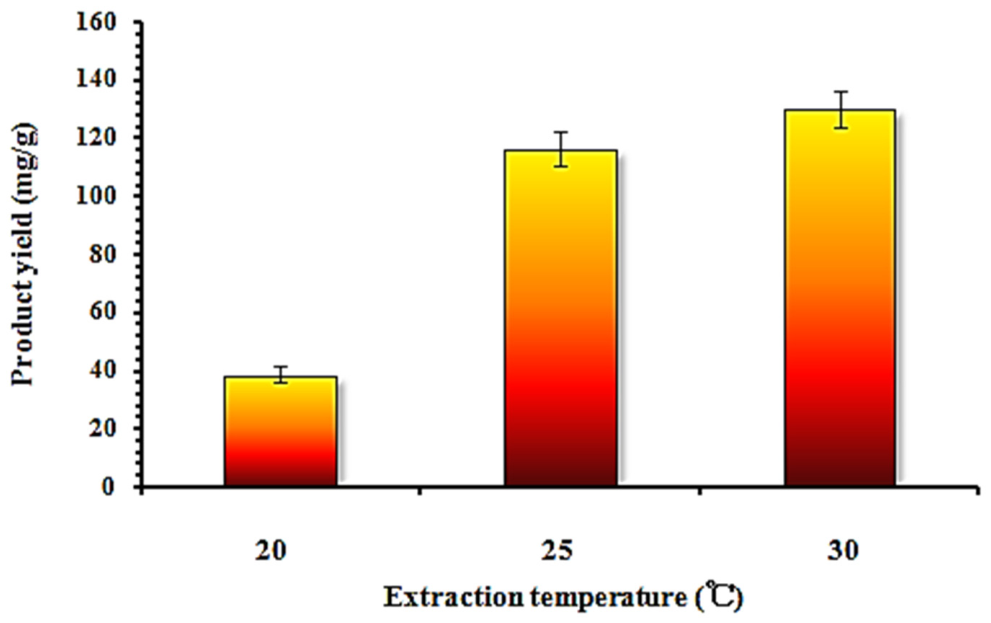
The reported pressure extraction generally involves high temperature. However, considering the properties of the raw material and target components, as well as the goal of energy conservation, and the previously achieved ideal product yield in a near-room-temperature environment, we did not further consider extracting at medium and higher temperatures for a newly developed pressurized mode. Instead, a near-room-temperature environment (20–30 °C) that is close to the melting point of DES was selected. The tablet press itself does not have a temperature controller, and the effects of the three various temperatures were investigated using the electrically heated drying oven. As shown in Figure 6, the extraction performance at 20 °C is not ideal, basically only about one-third of the highest value, because at this temperature point, DES is basically solid, and the large amount of DES particles that do not directly contact insect powders can only play a very limited role. The extraction efficiency is significantly better at 25 °C and 30 °C. This environment, which allows DES to melt while being very mild, is very friendly for the extraction of amino acids and peptides from P. americana, which is also the original intention of establishing this new method.
Figure 6.
The changing trend of yield under various temperatures near room temperature.
3.6. Interactive Analysis on Above Parameters
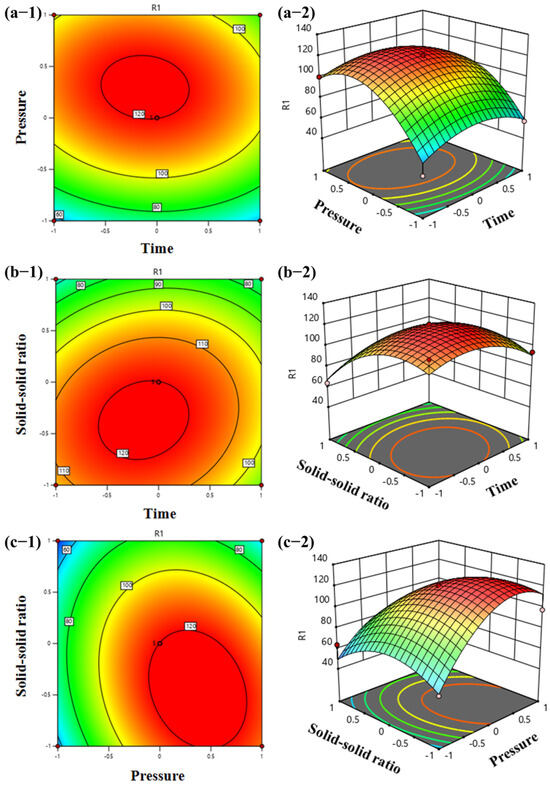
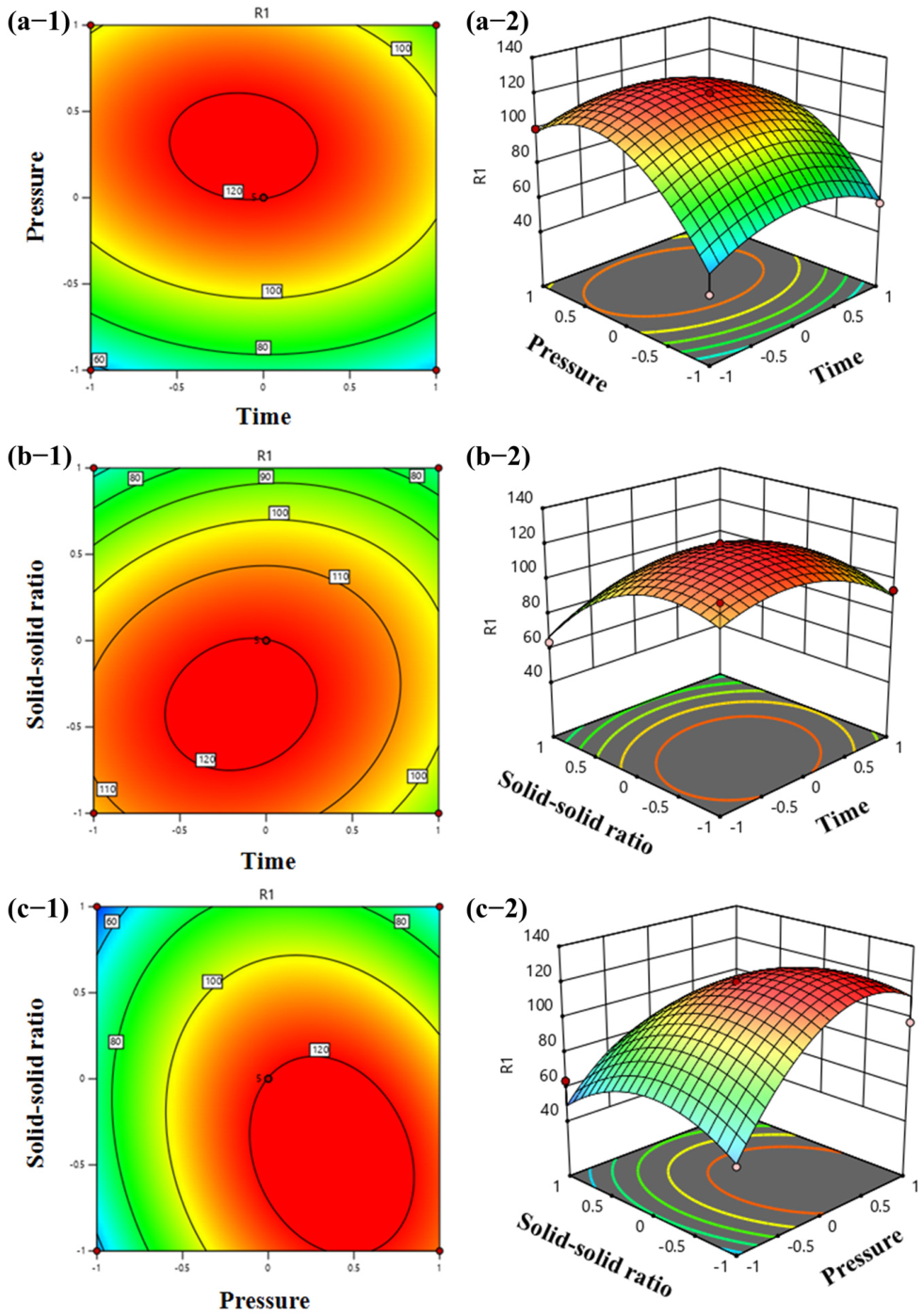
The experiment in this section adopted the Box–Behnken non-factorial design, selecting three factors including pressure (A), time (B), and liquid–solid ratio (C), and setting three levels (the codes of −1, 0 and 1 corresponded to 4, 8, and 12 MPa, 30:20 (mg/mg), 30:40 (mg/mg) and 30:60 (mg/mg), 30, 120, and 240 min, respectively), with a total of 17 experiments (including five sets of center-point replicates). Design Expert 13 software was used to construct a quadratic polynomial regression model with a significance level (α = 0.05). The analysis of variance showed that the model F = 60.86, p < 0.0001, indicating a highly significant model; the repeated measurements of the center point yielded identical results, with a pure error of 0 and no p-value for the mismatch term. The primary items A, B, and C, as well as the secondary items A2, B2, and C2, are all highly significant; the interaction terms AB and BC are not significant, while AC is edge significant. The coefficients of the primary term, interaction term, and quadratic term could be obtained from the regression coefficient table. The Model Graphs module was used to fix a single factor at the central encoding level, generate a three-dimensional response surface and contour map, and visualize the impact of each factor and interaction effect on the product yield of the response value (R1).
Figure 7 summarizes the results of interactive analysis on above parameters of a pressurized extraction process. In this new method, the interplay among pressure, time, and solid–solid ratio (i.e., solid-to-liquid or co-solid formulation ratio) is fundamental to achieving high yield, enrichment, and energy efficiency. The three-way interaction holds direct operational relevance. At a low solid–solid ratio (dilute slurry or low co-solid content), solvent availability is abundant, and pressure predominantly drives initial cell rupture; extraction reaches equilibrium rapidly, making extended time counterproductive due to thermal degradation or energy waste. At a high solid–solid ratio (thick paste or high co-solid loading), solvent penetration is hindered, and mass transfer becomes diffusion-limited; longer pressurized dwell times are then essential to overcome internal resistance, while pressure alone may cause compaction rather than enhanced permeation. A significant three-way interaction would indicate that the optimal pressure-time strategy must be ratio-specific, preventing the common mistake of applying identical extraction parameters across different system composition. From an actual application perspective, this interaction determines whether pressure and time act as synergists or substitutes. A synergistic relationship allows moderate pressure and moderate time to outperform extremes. For practical optimization, the immediate next step is to expand the pressure gradient, extend extraction time, and vary the solid–solid ratio across a wider spectrum.
Figure 7.
Interactive analysis graphs for (a) solid–solid ratio and pressure, (b) solid–solid ratio and pressed duration, and (c) pressure and pressed duration. (a-1), (b-1) and (c-1) are contour plot. (a-2), (b-2) and (c-2) are 3D response surface plot).
3.7. Kinetics Analysis and Comparison with Other Extraction Conditions
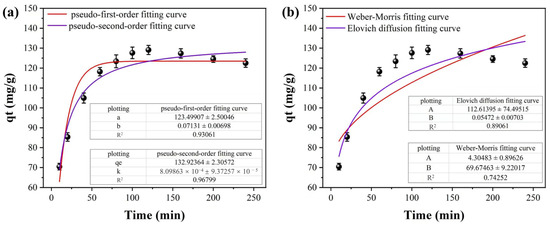
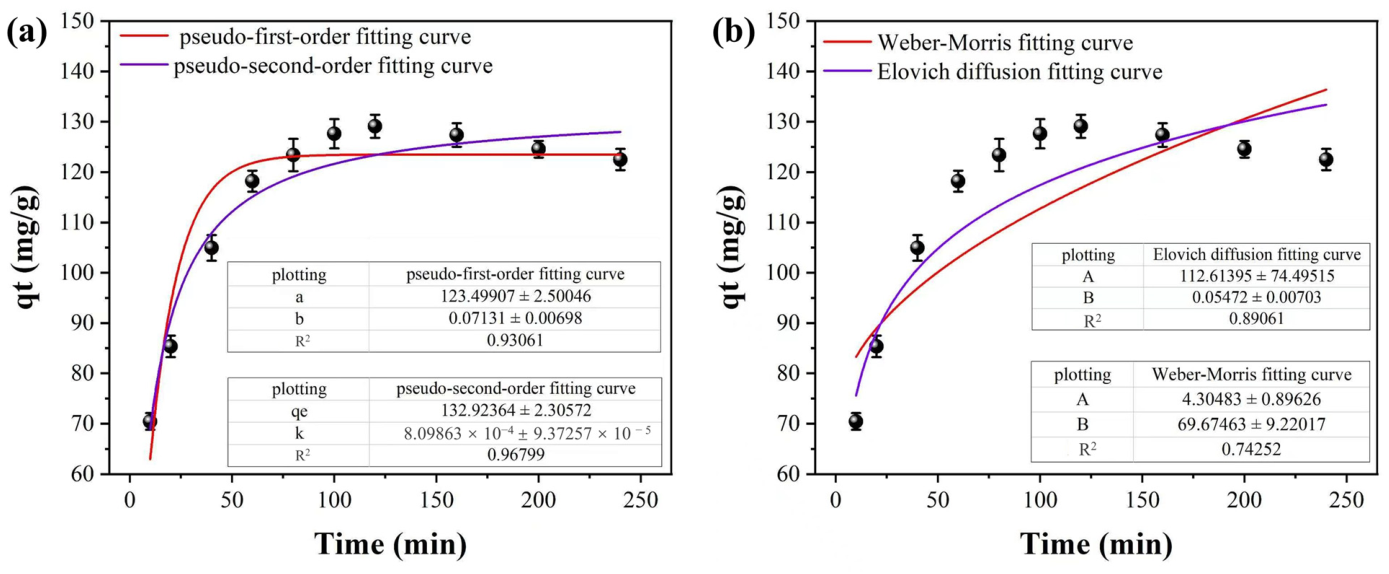
As shown in Figure 5, the extraction process can be divided into two stages. In the first hour, the extraction process occurs rapidly, including the rapid diffusion of DES and target components. During this period, continuous mass transfer between the interior and exterior of animal cells promotes the effective transport of target components to the extraction agent. In the second stage, the diffusion of the target component is mainly driven by the concentration difference between the raw material phase (layer) and the extractant (layer). As the concentration of the target substance in the latter increases, the extraction efficiency significantly decreases and the extraction speed slows down until reaching extraction equilibrium. After screening the extraction conditions above, ChCl PA (1:2) was selected and subjected to suitable extraction conditions (solid–solid ratio of 30:40 (mg/mg); a pressure of 8 MPa), the extracted amount of the target substances was measured at a series of time points (10–240 min), and the experimental data was applied to fit four kinetic models, and the temperature of the whole system was controlled at 30 °C in order to ensure the homogeneity of the developed system. The number of independent replicates for every kinetic point was two (using one batch of DES each). Among them, the Weber–Morris model reflects that the mass transfer rate of the target substances is controlled by diffusion within the particles (e.g., pores diffusion); the Elovich model reflects an exponential decrease in mass transfer rate with increasing surface coverage, which is due to the uneven energy distribution on the surface of the extractant; the pseudo first-order kinetic model is usually only applicable to the surface diffusion process in the initial stage of extraction, which is essentially physical adsorption with external diffusion as the main rate-limiting step; finally, the pseudo second-order kinetic model suggests that the extraction process is not simply controlled by external or internal diffusion, but is often affected by surface reactions, complexation, ion exchange and other interactions. As summarized in Figure 8, the pseudo-second-order kinetic model exhibits the highest R2 (0.96799), indicating that the extraction process can be better described by it. DES is composed of positively charged choline and phenylacetic acid with dissociation tendency—both of them have structural fragments that may interact with amino acids or peptides. It is speculated from chemical theory that there may be electrostatic attraction, π-π stacking and ion exchange between DES and target components.
Figure 8.
Fitting results of four models for kinetic data. (a) pseudo-first-order and pseudo-second-order fitting curve, (b) Weber–Morris and Elovich diffusion fitting curve.
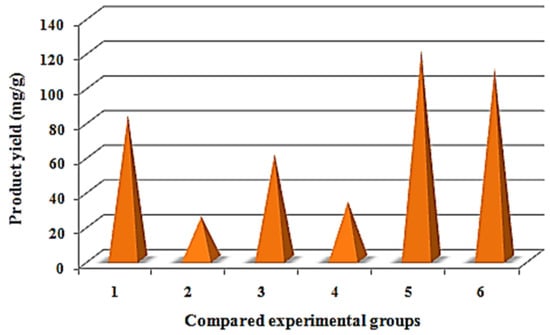
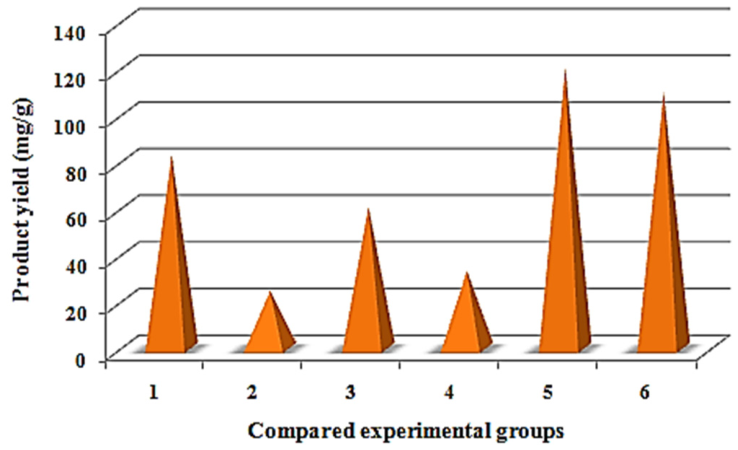
According to the comparative experiments in Section 2.7, the DES (ChCl-PA, 1:2) used in three modes include stirring (300 rpm, 30 °C), ultrasound (240 W, 40 kHz, 30 °C) and microwave (600 W, without temperature control) as traditional assisted ways. Considering that pristine DES has a high viscosity, when it was mixed with insect powders and agglomerated together, the entire system was prone to burning and carbonized under microwave irradiation for more than 30 min. Therefore, when comparing the new method with these three groups, the time was uniformly set at 30 min; microwave radiation needed to be carried out intermittently and the microwave time did not exceed 10 min. As for the comparison on the refulxing extraction conditions with 15% ethanol for 2.5 h (2 × 75 min) in the reference, 2 h was selected for the new method because it was an optimal duration according to above investigations. From the results in Figure 9, it can be easily observed that the newly developed method is particularly suitable for directly using pristine DES as the extraction solvent in a near-room-temperature environment; stirring and microwave-assisted methods either have insufficient mass transfer or excessively high temperature; the ultrasound-assisted method also has insufficient dispersion of insect powders due to the small volume of DES. When using ethanol with a sufficiently large mass-to-volume ratio to disperse and extract insect powders, the reflux lasting up to 2.5 h was not gentle enough, resulting in lower actual yields of the target substances compared to the new method. In summary, the latter balanced reagent consumption, energy cost, and extraction efficiency well, reflecting its unique advantages in the current extractive system.
Figure 9.
Comparison on different groups with various extraction conditions (1: the new method for 30 min, 2: the stirring method for 30 min, 3: the ultrasonic method for 30 min, 4: the microwave method for 30 min, 5: the new method for 2 h, 6: the ethanol refluxing for 2.5 h).
3.8. Post-Treatment and Reuse Results
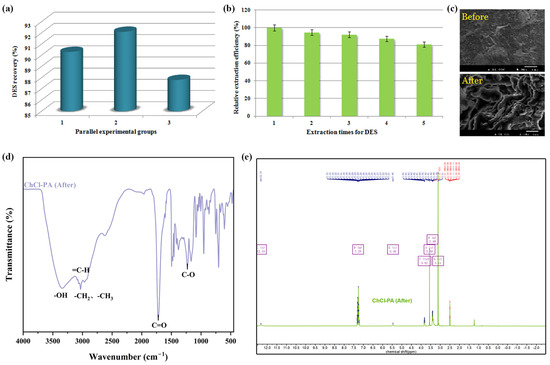
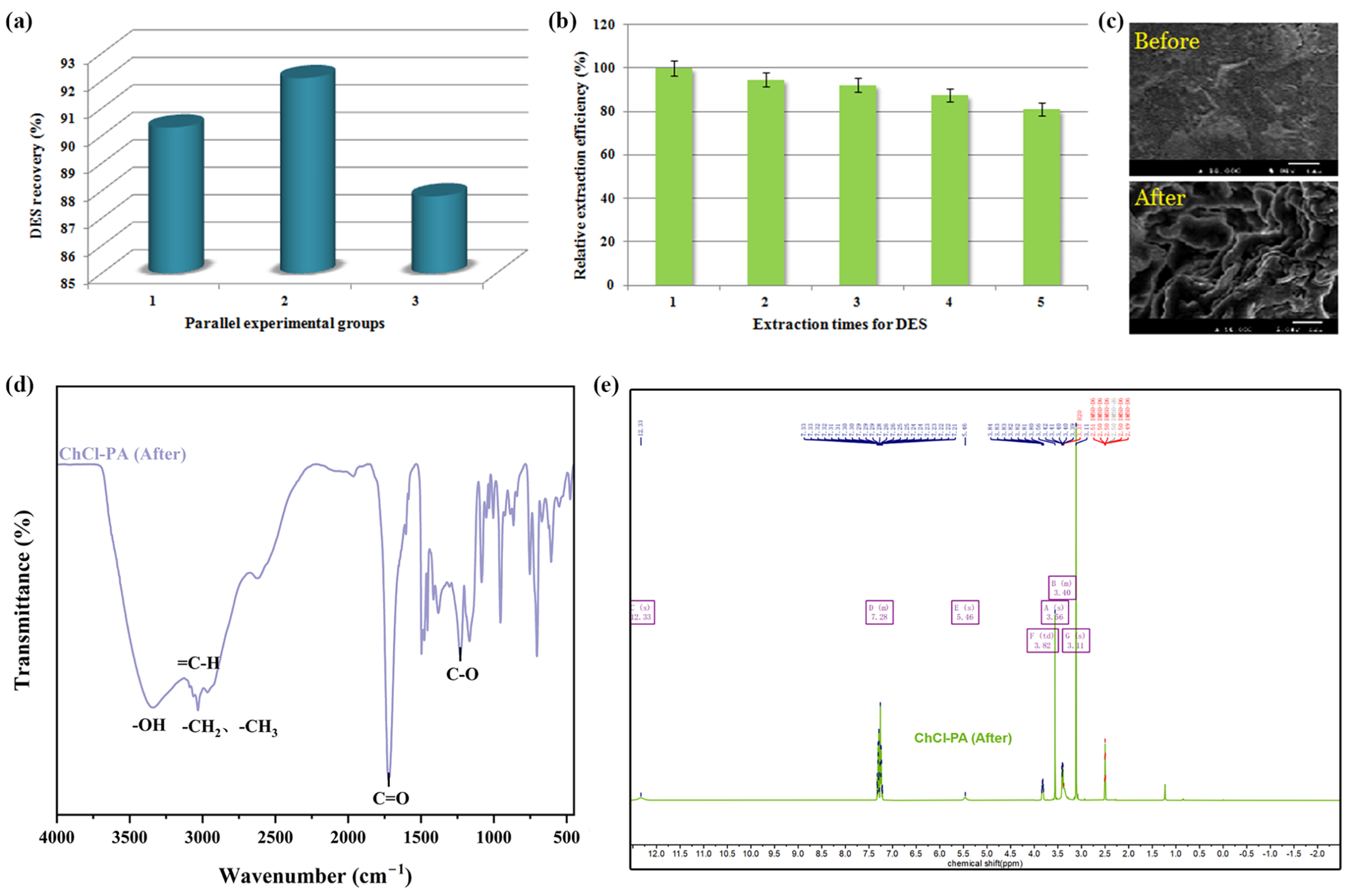
As a kind of friendly extractive solvent, DES has a major advantage over traditional organic solvents in terms of recyclability and ease of recovery, which is in line with the development direction of green chemistry In order to explore the feasibility of developed post-treatment process, the following experiments were carried out. Firstly, three parallel experiments (n = 3) were used for recycling DES from the merged solution of DES extract and water washing solution, and three independent experiments are carried out for each reuse. The mass of recovered DES was used to calculate DES recovery (%) on the basis of actual total DES mass. As shown in Figure 10a, the majority of DES could be recovered, its recovery was above 86% (RSD = 2.40%, below 5%), and the repeatability was acceptable. In addition, the recovered DES after initial use was reused and recycled four times during the extraction process to verify its recycling performance. During each extraction process, other impurities in the raw material of target components may accumulate in DES. These coexisting substances can alter the physicochemical properties of DES or interact with DES, thereby reducing the extraction efficiency of DES in subsequent cycles. Using the extraction efficiency of the newly prepared DES as a reference for 100%, the results in Figure 10b showed it was not until the fifth extraction that there was a significant decrease in extraction performance, indicating that DES at this time requires more detailed and rigorous purification. Nevertheless, the extraction capability at the fifth time can be maintained at 81.0% of the level during the first extraction. After above post-treatment, the insect powders were collected, and the comparison of their SEM photos before and after the extraction in Figure 10c prove the new extraction method based on DES and pressure has a significant impact on the raw materials, which also supports favorable conditions for the diffusion of target substances from insect powders to the outside in a unique complex phase system. Under the existing pressed extraction conditions, the surface of insect powders exhibited obvious pores, wrinkles and breakage, which resulted from the dual effects of external pressure and DES infiltration. At last, the FT-IR spectrum in Figure 10d of the recovered deep eutectic solvent is highly similar to that of the freshly prepared deep eutectic solvent. There is no new peak and no obvious deviation. As for 1H-NMR in Figure 10e, the characteristic ChCl and PA signal were also retained.
Figure 10.
(a) DES recovery for three parallel experimental groups and (b) its reuse performance; (c) comparison on the insect powders before and after extraction; (d) FT-IR and (e) 1H-NMR analysis of DES after recovering.
3.9. Greenness Analysis for the Developed Method
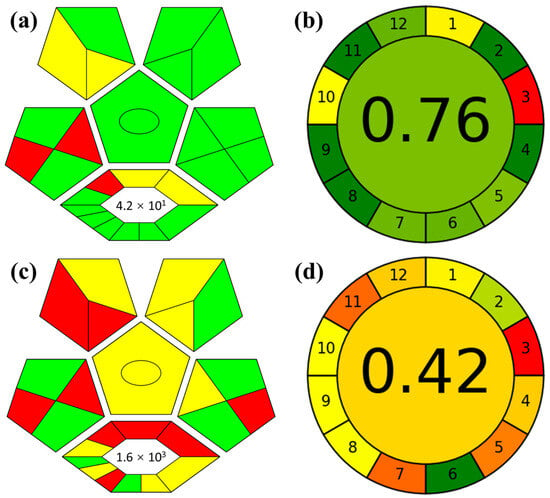
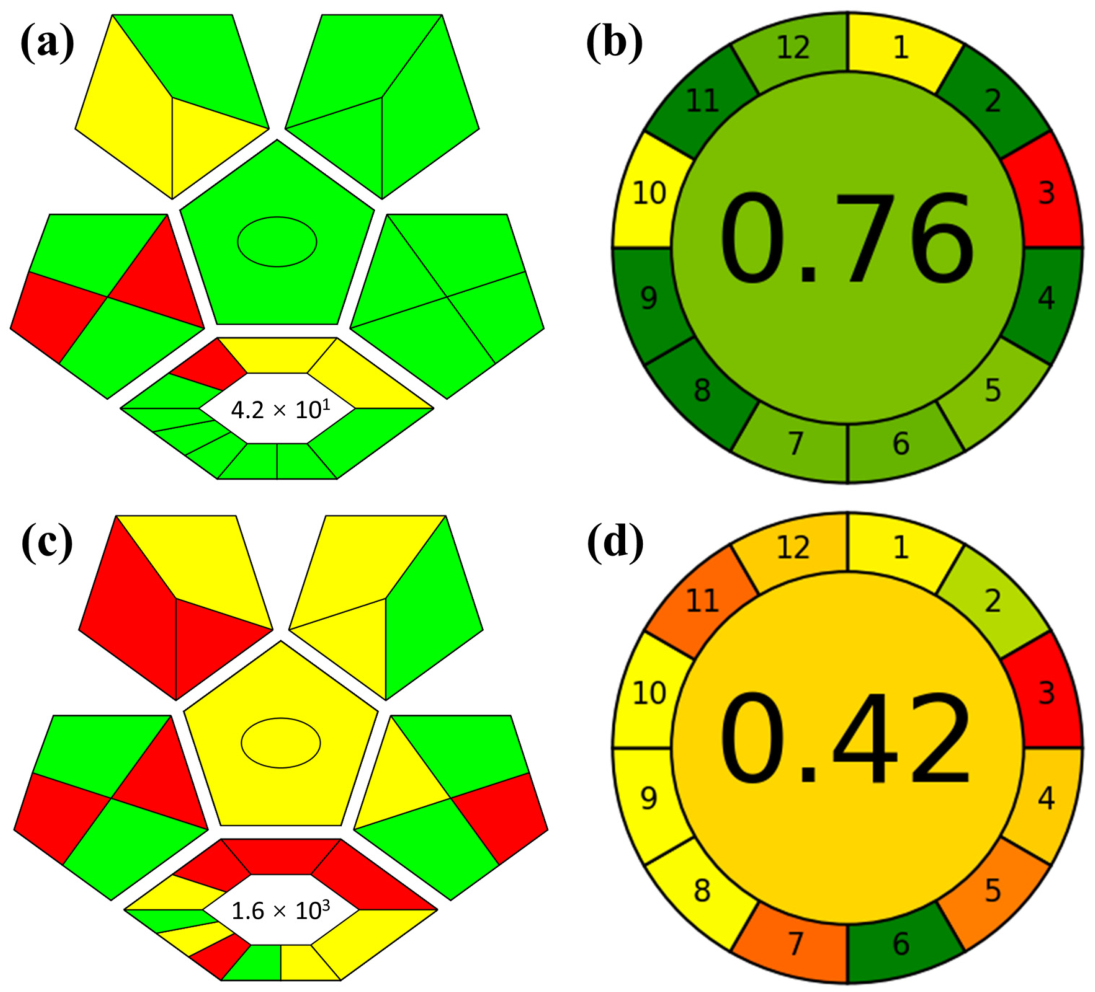
Embracing green chemistry principles necessitates the preferential deployment of low-energy instrumentation, the minimization of hazardous reagent consumption, and the proactive reduction in residual by-products. The overarching paradigm of environmental sustainability has achieved broad consensus across both industrial sectors and academic institutions. To this end, there is a pressing demand for the formulation of simplified, versatile, and adaptive green metrics that can reliably quantify the ecological, toxicological, and occupational safety ramifications of chemical operations. To validate the practicality of our newly introduced assessment system, we applied it to benchmark typical separation workflows under realistic process conditions. In parallel, two widely accessible open-source tools, ComplexGAPI (v.0.2 beta) and AGREE (v.0.5 beta), have progressively garnered recognition and credibility within the chemical research community, serving as benchmark references. These platforms were consequently utilized to cross-validate our experimental protocols, generating comparative data that are systematically depicted in Figure 11a,b. ComplexGAPI includes the environmental impact assessment of all stages of the analysis process from sample collection to final analysis. The color from green to red in the results reflects the impact from low to high [32]. The results of ComplexGAPI analysis of the developed extraction method are shown in Figure 11a. Compared with the large number of yellow and red regions in Figure 11c of the traditional ethanol reflux extraction method, most of the regions in the figure are green, indicating that the developed extraction method is more in line with the principles of green analytical chemistry. And a small number of red regions are mainly due to the fact that the extraction method of this experiment needs to be processed offline in the laboratory, and cannot be directly analyzed in the location of the material. AGREE follows the 12 principles of green analytical chemistry and evaluates the environmental effects or sustainability of the experimental steps [33]. The AGREE score of the developed extraction method is 0.76, which is significantly higher than 0.42 of the ethanol reflux extraction method in Figure 11d, which can prove that this experiment is a better green analysis method. This is consistent with the fact that most of the fan-shaped areas in Figure 11b are green, and a small amount of yellow and red are attributed to the off-line operation of the experimental operation and to the fact that the reagents used are not all biological sources. Overall, the amount of solvent used in this experiment is less and greener, and there is a good overall balance between experimental results and environmental compatibility, which is a greener and friendlier choice. It should be noted again that the method established in this study is intended for the sample pretreatment process of analytical tasks, rather than the large-scale preparation of target components from raw materials. Moreover, the DES preparation, washing with water, centrifugation, filtration, vacuum evaporation, freeze-drying, and DES purification also result in the consumption on some energy and solvent. Systematically lowering them to a lower level will be beneficial for further improving the friendliness of this method.
Figure 11.
ComplexGAPI and AGREE analysis for (a,b) developed extraction method and (c,d) ethanol reflux extraction.
4. Conclusions
A novel effective extraction technique based on all solid system and pressurized DES extraction in a “sandwich” mode was successfully developed for the efficient enrichment of bioactive compounds from Periplaneta americana. This developed approach offers several distinct advantages. In the whole process, it eliminated the use of a large volume of volatile organic solvents and reduced their impact on operators together with safety. Under milder extraction conditions, rapid mass transfer and room temperature operation prevented degradation of thermo-labile compounds. Under pressurized conditions, the disadvantage of high viscosity in DES has been overcome, and mass transfer has been enhanced. As a result, the satisfactory yield was achieved, outperforming conventional methods. No grinding or complex pretreatment procedures were required, making it suitable for soft-textured materials including animal tissues. This friendly extraction strategy shows the potential to prepare Periplaneta americana-based products on a laboratory scale in the application of the sample pretreatment for an analytical purpose and may be used to extract other bioactive compounds from similar biological matrices in future studies.
Author Contributions
Conceptualization, R.L. and S.Y.; methodology, R.L.; software, R.Z.; validation, S.M.; formal analysis, T.Z.; investigation, R.L.; data curation, R.Z.; writing—original draft preparation, S.M.; writing—review and editing, T.Z.; visualization, R.L.; supervision, S.Y.; project administration, S.Y.; funding acquisition, S.Y. All authors have read and agreed to the published version of the manuscript.
Funding
This research was funded by the Natural Science Foundation of Sichuan Province/Sichuan Science and Technology Program (2025ZNSFSC0731) and Fundamental Research Funds for the Central Universities/Sichuan University-Luzhou Science and Technology Innovation Platform Construction Project (2022CDLZ-20-SCU).
Data Availability Statement
Data is contained within the article.
Acknowledgments
All the authors’ affiliations made it convenient for related studies to be conducted. We would like to thank Yanping Huang and Xiang Lin from the Center of Engineering Experimental Teaching, School of Chemical Engineering, Sichuan University, for their help with SEM imaging and FT-IR.
Conflicts of Interest
The authors declare no conflicts of interest.
References
- Kim, I.W.; Choi, R.Y.; Lee, J.H.; Seo, M.; Lee, H.J.; Kim, M.A.; Kim, S.H.; Kim, I.; Hwang, J.S. Anticancer activity of Periplanetasin, an antimicrobial peptide from the cockroach Periplaneta americana. J. Microbiol. Biotechnol. 2021, 31, 1343–1349. [Google Scholar] [CrossRef] [Scilit] [PubMed]
- Ma, H.; Li, X.; Che, J.; Fan, H.; Liu, Q.; Xia, H. The inhibitory effect of Periplaneta americana L. on hepatocellular carcinoma: Explore the anti-hepatocellular carcinoma active site and its mechanism of action. J. Ethnopharmacol. 2022, 291, 114884. [Google Scholar] [CrossRef] [Scilit] [PubMed]
- Wu, X.; Sun, Z.; Shi, B.; Zhang, X. Periplaneta Americana extract Inhibits proliferation and motility of human breast cancer cells through MAPK/ERK signaling pathway and promotes cell apoptosis. Curr. Top. Nutraceutical Res. 2020, 19, 194–198. [Google Scholar] [CrossRef] [Scilit]
- Liang, S.W.; Zhang, Y.F.; Li, J.; Yao, S. Phytochemical Profiling, Isolation, and Pharmacological Applications of Bioactive Compounds from Insects of the Family Blattidae Together with Related Drug Development. Molecules 2022, 27, 8882. [Google Scholar] [CrossRef] [Scilit] [PubMed]
- Predel, R.; Gäde, G. Peptidomics of neurohemal organs from species of the cockroach family Blattidae: How do neuropeptides of closely related species differ? Peptides 2005, 26, 3–9. [Google Scholar] [CrossRef] [Scilit] [PubMed]
- Ali, S.M.; Siddiqui, R.; Ong, S.K.; Shah, M.R.; Anwar, A.; Heard, P.J.; Khan, N.A. Identification and characterization of antibacterial compound(s) of cockroaches (Periplaneta americana). Appl. Microbiol. Biotechnol. 2017, 101, 253–286. [Google Scholar] [CrossRef] [Scilit] [PubMed]
- Zhang, D.; Sun, Y.H.; Li, M.; Sun, Q.; Liu, M.H. Effects of Periplaneta americana polypeptide extracts on tumor growth and immune function in tumor-bearing mice. Chin. J. New Drugs 2015, 24, 681–686. [Google Scholar]
- Li, Q.J.; Wang, Z.G.; Liu, Q.; Xie, Y.; Hu, H.L. Research status of Periplaneta americana with analyses and prospects of key issues. China J. Chin. Mater. Med. 2018, 43, 1507–1516. [Google Scholar]
- Yang, F.; Shao, J.L.; Wang, Q.P.; Yang, B.; He, L.Z.; Lan, S.S.; Shu, J.H. Analysis of Hydrolyzed Amino Acids in Periphaneta americana and Its Nutritional Evaluation. Amino Acids Biot. Resour. 2010, 32, 9–11. [Google Scholar]
- He, Y.; Gu, T.; Yang, Y.S.; Xiao, P.Y. Study on the Antioxidant Activity of Different Periplaneta americana Extracts. J. Dali Univ. 2021, 6, 10–14. [Google Scholar]
- Geng, Y.F. American Cockroach Extract, Preparation Thereof, Preparation Methods Therefor and Applications Thereof. U.S. Patent Application No. US 2022/0339205 A1, 27 October 2022. [Google Scholar]
- Yu, X.; Zhou, J.; Ou, L.L.; Qian, R.; Liao, F.; Zhang, D. Tumor Cytotoxicity of Different Extracts and Different Extraction Methods of Periplaneta americana. Chin. J. Exp. Tradit. Med. Formulae 2016, 22, 153–156. [Google Scholar]
- Bao, S.J. Study on the Preparation Technique and the Antitumor Activity of Periplaneta americana Polypeptidea. Master’s Thesis, Southwest Medical University, Sichuan, China, May 2017. [Google Scholar]
- Laura, B.; Višnjevec, A.M.; Moret, S. Pressurized Liquid Extraction: A Powerful Tool to Implement Extraction and Purification of Food Contaminants. Foods 2023, 12, 2017. [Google Scholar] [CrossRef] [Scilit] [PubMed]
- Wang, Z.Y.; Wang, S.M.; Zhang, Y.; Bi, W.T. Switching from deep eutectic solvents to deep eutectic systems for natural product extraction. Green Chem. Eng. 2025, 6, 36–53. [Google Scholar] [CrossRef] [Scilit]
- Ali, A.; Li, R.R.; Zhu, R.L.; Mahmood, S.; Chen, Q.F.; Yao, S. Deep eutectic solvents for green extraction and separation of bioactive compounds from traditional Chinese medicines. Chin. Med. 2026, 21, 38. [Google Scholar] [CrossRef] [Scilit] [PubMed]
- Liang, S.W.; Li, J.; Chen, Y.; Peng, X.; Ali, A.; Toufouki, S.; Yao, S. Synergism between a Low-Voltage Electric Field and an Ionic Liquid for Efficient Extraction of Multiple Components with Biological Activities from Periplaneta americana. ACS Sustain. Chem. Eng. 2024, 12, 13711–13720. [Google Scholar] [CrossRef] [Scilit]
- Serna-Vázquez, J.; Ahmad, M.Z.; Boczkaj, G.; Castro-Muñoz, R. Latest Insights on Novel Deep Eutectic Solvents (DES) for Sustainable Extraction of Phenolic Compounds from Natural Sources. Molecules 2021, 26, 5037. [Google Scholar] [CrossRef] [Scilit] [PubMed]
- Sun, X.Y.; Wang, Y.R.; Zhao, R.Z.; Wei, Q.F.; Ren, X.L. Separation of protein by formation of deep eutectic solvents using trimethylamine oxide. Sustain. Chem. Pharm. 2023, 35, 101196. [Google Scholar] [CrossRef] [Scilit]
- Kutlu, N.; Gerçek, Y.C.; Çelik, S.; Bayram, S.; Bayram, N.E. An optimization study for amino acid extraction from bee bread using choline chloride-acetic acid deep eutectic solvent and determination of individual phenolic profile. J. Food Meas. Charact. 2024, 18, 1026–1037. [Google Scholar] [CrossRef] [Scilit]
- Liu, X.X.; Zhang, W.Q.; Fei, T.T.; Hu, X.S.; Hu, Z.L.; Jin, S.R. Extraction of Seleno-Amino Acids from Cardamine Hupingshanensis by Ultrasonic Assisted Deep Eutectic Solvents Extraction. Solvent Extr. Res. Dev. Jpn. 2023, 30, 47–58. [Google Scholar] [CrossRef] [Scilit]
- Tang, J.Y.; Cao, Y.; Wang, X.; Yan, W.T.; Yao, S. A targeted extraction with solvent-free pressurized method based on analyte-like oxonium salts: An example for simultaneous determination of bamboo-leaf flavonoids by ultra-performance liquid chromatography/ultraviolet detection. J. Chromatogr. A 2021, 1658, 462595. [Google Scholar] [CrossRef] [Scilit] [PubMed]
- So, G.C.; Macdonald, D.G. Kinetics of oil extraction from canola (rapeseed). Can. J. Chem. Eng. 1986, 64, 80–86. [Google Scholar] [CrossRef] [Scilit]
- Chan, C.H.; Yusoff, R.; Ngoh, G.C. Modeling and kinetics study of conventional and assisted batch solvent extraction. Chem. Eng. Res. Des. 2014, 92, 1169–1186. [Google Scholar] [CrossRef] [Scilit]
- Zhang, Z.; Song, Q.; Fu, C.M.; Gao, F.; Xu, W.Q.; Sheng, F.Y. Optimization of extraction process of Periplaneta americana by central composite design-response surface methodology. Chin. Tradit. Pat. Med. 2012, 34, 756–759. [Google Scholar]
- Altamash, T.; Atilhan, M.; Aliyan, A.; Ullah, R.; Nasser, M.; Aparicio, S. Rheological, Thermodynamic, and Gas Solubility Properties of Phenylacetic Acid-Based Deep Eutectic Solvents. Chem. Eng. Technol. 2017, 40, 778–790. [Google Scholar] [CrossRef] [Scilit]
- Huamán-Castilla, N.L.; Gajardo-Parra, N.; Pérez-Correa, J.R.; Canales, R.I.; Martínez-Cifuentes, M.; Contreras-Contreras, G.; Mariotti-Celis, M.S. Enhanced Polyphenols Recovery from Grape Pomace: A Comparison of Pressurized and Atmospheric Extractions with Deep Eutectic Solvent Aqueous Mixtures. Antioxidants 2023, 12, 1446. [Google Scholar] [CrossRef] [Scilit] [PubMed]
- Rodrtguez-Pérez, C.; Gilbert-López, B.; Mendiola, J.A.; Quirantes-Piné, R.; Segura-Carretero, A.; Ibáñez, E. Optimization of microwave-assisted extraction and pressurized liquid extraction of phenolic compounds from Moringa oleifera leaves by multiresponse surface methodology. Electrophoresis 2016, 37, 1938–1946. [Google Scholar] [CrossRef] [Scilit] [PubMed]
- Howard, L.; Pandjaitan, N. Pressurized Liquid Extraction of Flavonoids from Spinach. J. Food Sci. 2010, 73, 151–157. [Google Scholar]
- Rosa, A.D.; Junges, A.; Fernandes, I.A.; Cansian, R.L.; Corazza, M.L.; Franceschi, E.; Backes, G.T.; Valduga, E. High pressure extraction of olive leaves (Olea europaea): Bioactive compounds, bioactivity and kinetic modelling. J. Food Sci. Technol. 2019, 56, 3864–3876. [Google Scholar] [CrossRef] [Scilit] [PubMed]
- Ju, D.; Bao, Y.; Jiang, L.; Li, Y.; Chen, C. Physicochemical Properties of a Pressurized Deep Eutectic Solvent and Its Application in Extraction Metallurgy. Metals 2025, 15, 350. [Google Scholar] [CrossRef] [Scilit]
- Fang, Q.; Weng, X.; Qiao, X.; Zhao, X.; Yue, Y.; Yu, F.; Shi, M.; Yin, L. Green Analytical Chemistry: From Principles to Modern Evaluation Tools. Talanta 2026, 309, 129918. [Google Scholar] [CrossRef] [Scilit] [PubMed]
- Kolambkar, S.V.; Hurkadale, P.J.; Beerwala, F.A.; Bidikar, C.; Karikazi, A.; Hegde, H.; Darasaguppe, H.R. Development and Validation of Quality by Design Guided HPTLC Method for Estimation of β-Sitosterol in Celastrus Paniculatus Seed Oil and Its Nano-Formulation with Greenness Evaluation. Green Anal. Chem. 2026, 16, 100320. [Google Scholar] [CrossRef] [Scilit]

Disclaimer/Publisher’s Note: The statements, opinions and data contained in all publications are solely those of the individual author(s) and contributor(s) and not of MDPI and/or the editor(s). MDPI and/or the editor(s) disclaim responsibility for any injury to people or property resulting from any ideas, methods, instructions or products referred to in the content. |
© 2026 by the authors. Licensee MDPI, Basel, Switzerland. This article is an open access article distributed under the terms and conditions of the Creative Commons Attribution (CC BY) license.