


Abstract
This study investigates the effect of R141b-Al2O3 nanorefrigerant with mass fractions of 0.1%, 0.3%, 0.5% and 0.9% (w/w%) on the refrigeration time, energy consumption and performance coefficient of a vapor compression refrigeration system (VCRS). The effects of span80 and Tween80 surfactants on the stability of the nanorefrigerant were also investigated, and the optimum sonication time required to prepare stable nanofluids was determined. The results showed that Span-80 is more effective than Tween 80 at producing a stable nanorefrigerant. Then, the effect of span80 surfactant on the efficiency of VCRS was investigated. The results showed that upon using the nanorefrigerant, COP increased by up to 214% compared to the pure refrigerant. Furthermore, using the nanorefrigerant with a surfactant improved the performance coefficient by 52% compared to the nanorefrigerant without a surfactant.
1. Introduction
Today, refrigeration systems have widespread use in air conditioning systems, refrigerators, industrial chillers and other cooling instruments [1]. With the increase in population and the development of industries, the energy consumption of cooling equipment has also increased. Using systems with low efficiency leads to higher energy consumption, higher emissions and higher global warming potential. Therefore, numerous studies have focused on increasing the efficiency of refrigeration equipment [2].
She et al. [3] predicted that despite the expansion of the use of refrigeration systems in the future, their energy consumption will remain constant due to the increase in their efficiency.
On the other hand, with the decline in global energy reserves and increase in energy production costs, the energy labels of equipment have become increasingly important, and various studies have been conducted in recent years to increase the efficiency of refrigeration equipment, which has led to an improvement in their energy grades [4,5].
After introduction of the concept of nanofluids (nanoparticles suspended in a base fluid) by Choi, a new chapter began pertaining to high-efficiency heat exchange design, because nanofluids have higher thermal conductivity coefficients [6,7].
Nanorefrigerants are produced by suspending nanoparticles in refrigerants [8]. The three main advantages of using nanorefrigerants are as follows: 1—enhancing refrigerant solubility in lubricant [9,10]; 2—enhancing the heat transfer coefficient of refrigerants [11]; 3—reducing friction and wear as a result of filling the pores of contact surfaces [12,13,14].
Nanoparticles are used in refrigeration equipment in two ways. In one method, they are mixed into the lubricant oil used in the compressor, which is called nanolubricant. When the refrigerant goes into the compressor and combines with the oil, the nanoparticles get carried along with the refrigerant. Suspending nanoparticles in lubricant oil reduces friction and wear, which leads to a decrease in mechanical losses in the compressor and reduces the compressor’s power consumption. In addition, nanoparticles cause better mixing of oil and refrigerant, which improves oil return to the compressor and reduces oil accumulation in the evaporator and condenser. The improvement of boiling heat transfer due to nanoparticles precipitation in the evaporator is the third reason.
Studies using nanolubricants have shown that they can improve evaporation efficiency and are becoming more popular among researchers. For example, Bi et al. [15] found that using TiO2-R134a-lubricant oil reduces energy use and increases the freezing ability of a refrigerator in a vapor compression refrigeration system. In another study, Henderson et al. [16] used R134a/CuO/lubricant oil nanolubricant and reported a 100% increase in the two-phase boiling heat transfer coefficient. Ohunakin et al. [17] discovered that using SiO2-R134a-mineral oil improves the coefficient of performance (COP) of a home refrigerator and lowers the power needed by the compressor. Kumar et al. [18] studied the impact of R134a/Al2O3/lubricant oil nanofluid and found a 10.2% energy saving when the mass fraction was 0.2%. Xing et al. [19] found that using fullerene C60 nano-oil improves the COP of the compressor and lowers the temperature of the compressor shell by about 3 to 5 degrees Celsius, showing better lubricant stability. Experimental results for nanolubricants with R12 [20], R134a, and R600 [21] also showed a reduction in compressor work, which leads to better COP.
As the second method, nanoparticles are directly suspended in refrigerant, called “nanorefrigerant” [22]. Simple experiments show improving characteristic behaviors of nanorefrigerant [23,24,25,26]. A 4.59% increase in COP due to using Carbon nano tube-R407c [26] nanorefrigerants was reported. This increase is due to the higher thermal conductivity of nanorefrigerants. The density and concentration of nanorefrigerants are key factors affecting the coefficient of performance. The higher density of the nanorefrigerant results in a higher COP. Using nanorefrigerant increases the rate at which heat is transferred in the condenser and evaporator because it raises the heat transfer coefficient of the nanorefrigerants [27,28,29,30]. The efficiency of heat transfer in the evaporator is a key factor that influences how well the cooling system works. Earlier studies have given different results regarding how nanoparticles affect boiling and condensation heat transfer.
Some studies show that using nanofluids decreases the boiling heat transfer coefficient because nanoparticles fill surface pores and reduce surface roughness [31,32]. However, other studies report an increase in boiling heat transfer coefficient due to increasing surface roughness [33,34]. To illustrate, Park et al. [35] showed that suspending 1% of carbon nanotubes in R123 and R134a leads to an increase in the boiling heat transfer coefficient.
It is obvious from the literature that existing research can be divided into two main categories: 1—Research that focuses on the thermal behavior of nanorefrigerants, which indicates change in the heat transfer coefficient of refrigerants in the presence of nanoparticles. 2—Research that focuses on the effect of using nanolubricants in the refrigeration cycle, which indicates the increase in the performance coefficient due to the use of nanolubricants. However, there are few studies [12,36] on the effect of using TiO2-R600a nanorefrigerant [12] and R407c-based nanorefrigerants [26] which indicate their positive effect in reducing the energy consumption of refrigeration systems.
Surfactants are substances that prevent nanoparticles from sticking together and settling by reducing the surface tension between the liquid and nanoparticles. Therefore, they are widely used in the manufacture of nanofluids. In addition to surface tension, surfactants also change other fluid properties such as viscosity and heat transfer coefficient. Furthermore, the effect of SDS, CTAB and Span-80 surfactants on the thermal characteristics of refrigerant-based nanofluids, as nanoparticle stabilizers, was investigated [37]. The results show that the boiling heat transfer coefficient increases in the presence of surfactants, but decreases for high surfactant concentrations. Surfactants have been found to help improve pool boiling heat transfer by decreasing surface tension. When nanoparticles and surfactant molecules work together, they can also make the fluids spread more easily, which helps make the heat transfer during pool boiling better. To illustrate, Diao et al. [38] found that adding SDBS surfactant or Cu nanoparticles in the pure liquid of R141b could enhance pool boiling heat transfer, but Critical heat flux was reduced by SDBS. No published research was found about the effect of surfactant on the performance coefficient or energy consumption of refrigeration systems.
The current study aims to study the effects of using R141b-Al2O3 nanorefrigerant on the performance of a refrigeration system. For this purpose, Al2O3 nanoparticles were directly suspended in the refrigerant at different concentrations in the presence of surfactant span 80. The resulting suspension was used as the refrigerant in a refrigeration system and the power consumption of the system was measured.
2. Materials and Methods
2.1. Experimental Setup
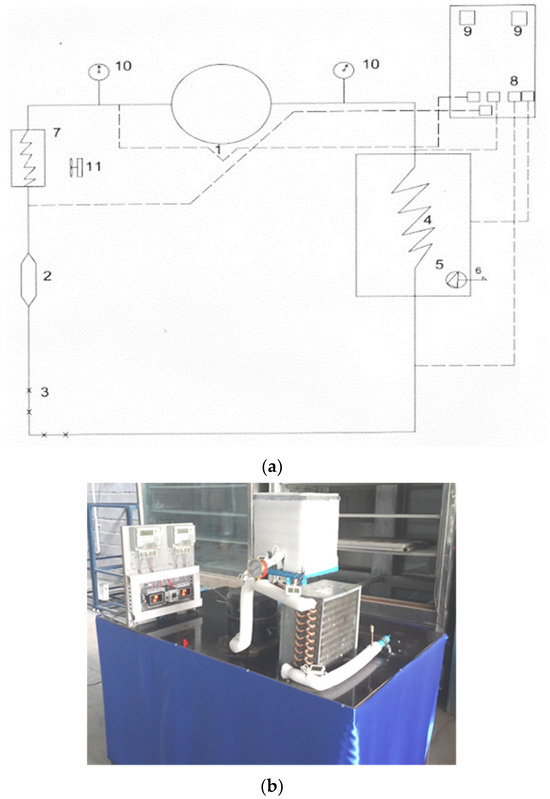
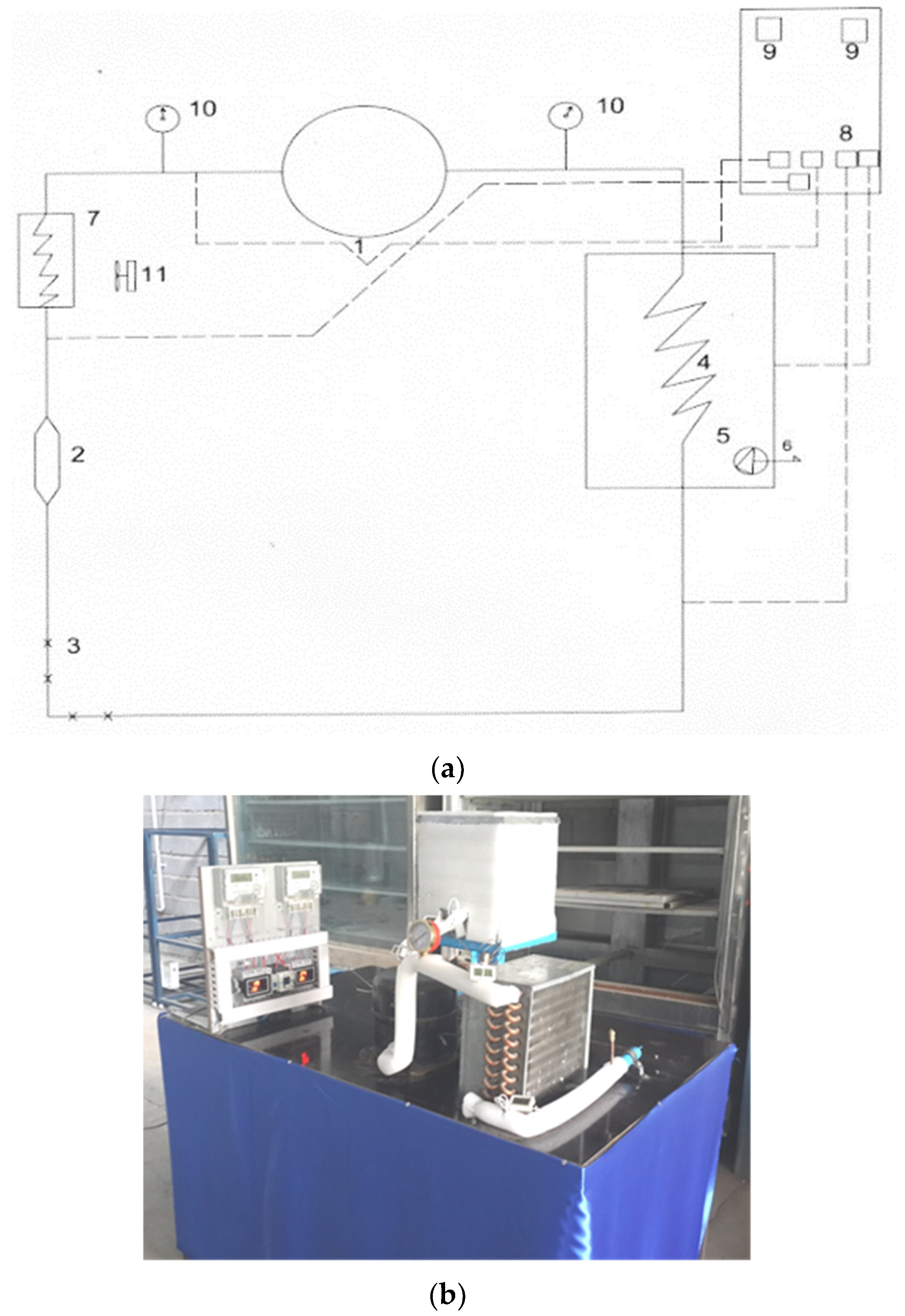
The photographic view and schematic of refrigeration system used in experiments are shown in Figure 1. It has a reciprocating compressor (0.5 hp, 800 W), a capillary, a condenser and an evaporator. The condenser is an air-cooled finned tube heat exchanger. The evaporator is a copper coil placed in a 10 lit insulated reservoir as the freezer. A water pump is used in the reservoir to circulate the water. In this study, four thermometers with digital displays were used at the entrance and exit of the evaporator and condenser, and an industrial pt100 thermal sensor was used for controlling the water temperature. Two pressure gages are also used to indicate the input and output pressures of the compressor. One watt-hour meter measures the energy consumed by the compressor. Table 1 and Table 2 show the specifications of the measuring instruments and main components of the system, designed for cooling 10 L of water for 6 °C using a R141b refrigerator, respectively. To reduce the uncertainties, the experiments are repeated for three times and the average values are presented.
Figure 1.
Experimental setup: (a) Schematic. (b) Photographic view. 1—compressor. 2—filter. 3—expansion valve. 4—evaporator. 5—reservoir. 6—water pump. 7—condenser. 8—temperature indicator. 9—power indicator. 10—pressure gauge. 11—fan.
Table 1.
The properties of the measuring instruments.
Table 2.
Specifications of main components.
The experiment is carried out using the following steps:
- Before the start of the experiment, the system is tested with air at a predetermined pressure in order to ensure that there are no leaks in the system. Afterwards, the air is extracted and the system is vacuumed.
- The system is loaded with pure refrigerant and tested in order to ensure proper operation. The loaded mass of pure refrigerant is used as a reference for the mass of loaded nanorefrigerant.
- The temperature and water volume of the reservoir are set to 26 °C and 10 L, respectively.
- The system is started and continues to work until the temperature of reservoir reaches 20 °C.
- Steps 2 to 4 are repeated for nanorefrigerants with different concentrations.
2.2. Synthesis of Nanorefrigerant
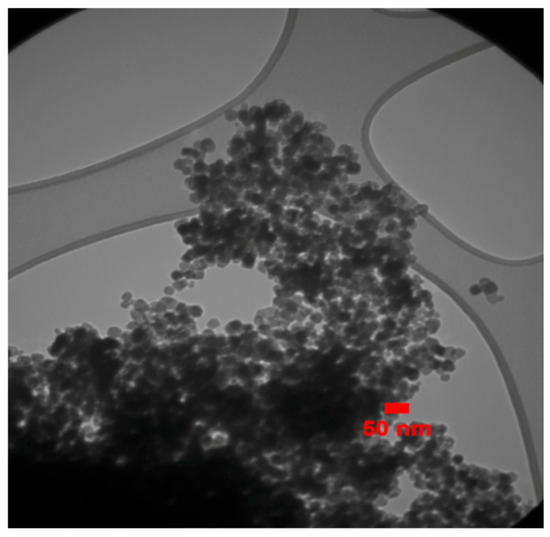
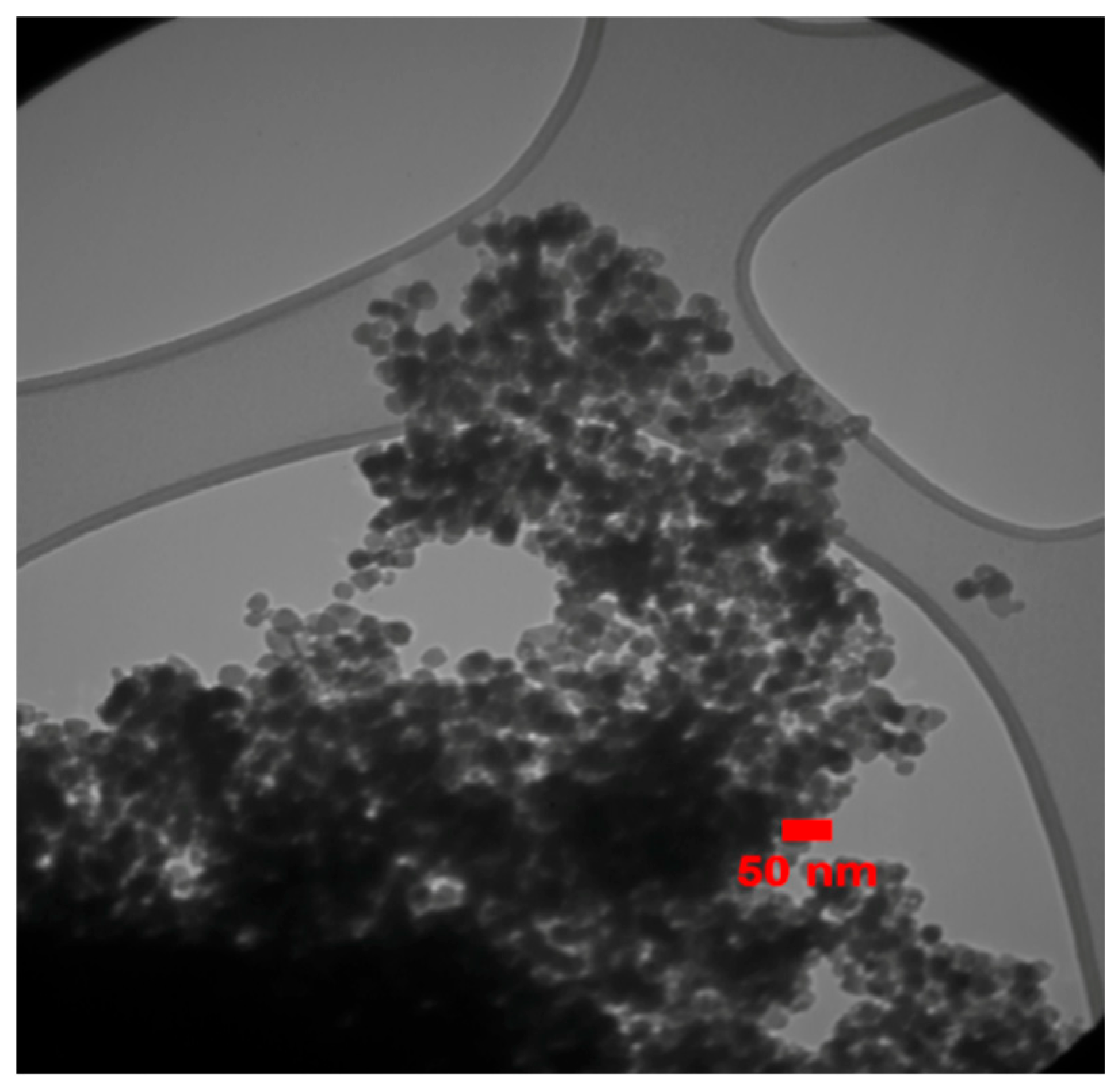
Table 3 shows the properties of Al2O3 nanoparticles (US Research Nanomaterials, United States-Texas) used in the present experiment. Figure 2 shows the TEM images of aluminum oxide nanoparticles. The base fluid in this study is R141b refrigerant, which is liquid at room pressure. Nanorefrigerant is prepared in two steps. In the first step, refrigerant and nanoparticles are mixed using a mechanical mixer and then the surfactant is added to the mixture in order to stabilize it and the mixture is placed in a PARSONIC 30S (20 kHz–400 K) ultrasonic bath. The specifications of the equipment used to manufacture nanorefrigerants are presented in Table 4. Table 5 shows the specifications of the surfactant and the refrigerant.
Table 3.
Properties of nanoparticles.
Figure 2.
TEM image of nanoparticles.
Table 4.
Specifications of the equipment used to manufacturing nanorefrigerants.
Table 5.
Properties of the surfactant and refrigerant.
The mass of nanoparticles used for preparation of the suspension is calculated using Equation (1).
where φ is the concentration of nanoparticles (mass fraction), (w)Al2O3 is the weight of aluminum oxide nanoparticles and (w)R141b is the weight of R141b refrigerant.
The long-term and mid-term stability of nanofluid in systems with forced fluid behaviors is rarely considered. In these systems, due to remixing of nanofluid, precipitation of nanoparticles is reduced. However, it must be remembered that if these systems stop for any reason, without a method for stabilizing nanofluid, nanoparticles start to precipitate in a few hours and this precipitate can clog the paths, increase the pressure and reduce the performance coefficient of the system. A review of the available literature revealed that the two surfactants, span 80 and tween 80, are most commonly used to stabilize nanorefrigerants. Their unique combination of tenability, effective steric hindrance and inherent compatibility with common non-polar refrigerants (R134a, R600), and lubricant oils and less sensitivity to PH and electrolyte changes compared to ionic surfactants, make them a preferred and practical choice over many other surfactants for refrigeration systems [38]. Therefore, in the present study these two surfactants are used to stabilize the nanorefrigerant.
Table 6 presents the effect of surfactants (Span80 and Tween 80), sonication time and sonication power on nanoparticles precipitation in nanorefrigerant with 0.1% mass fraction during 16 h.
Table 6.
Different conditions for preparing nanorefrigerant.
According to the table, it is clear that the least precipitation occurred in Case 8. The reason for not using Tween 80 is that, in similar conditions, using span80 would create smaller clusters. The result of Case 8 was used to make nanorefrigerants with other concentrations.
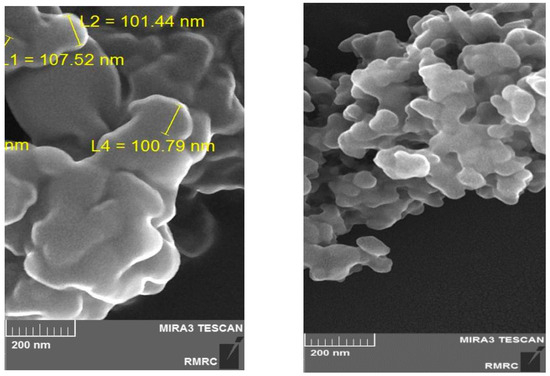
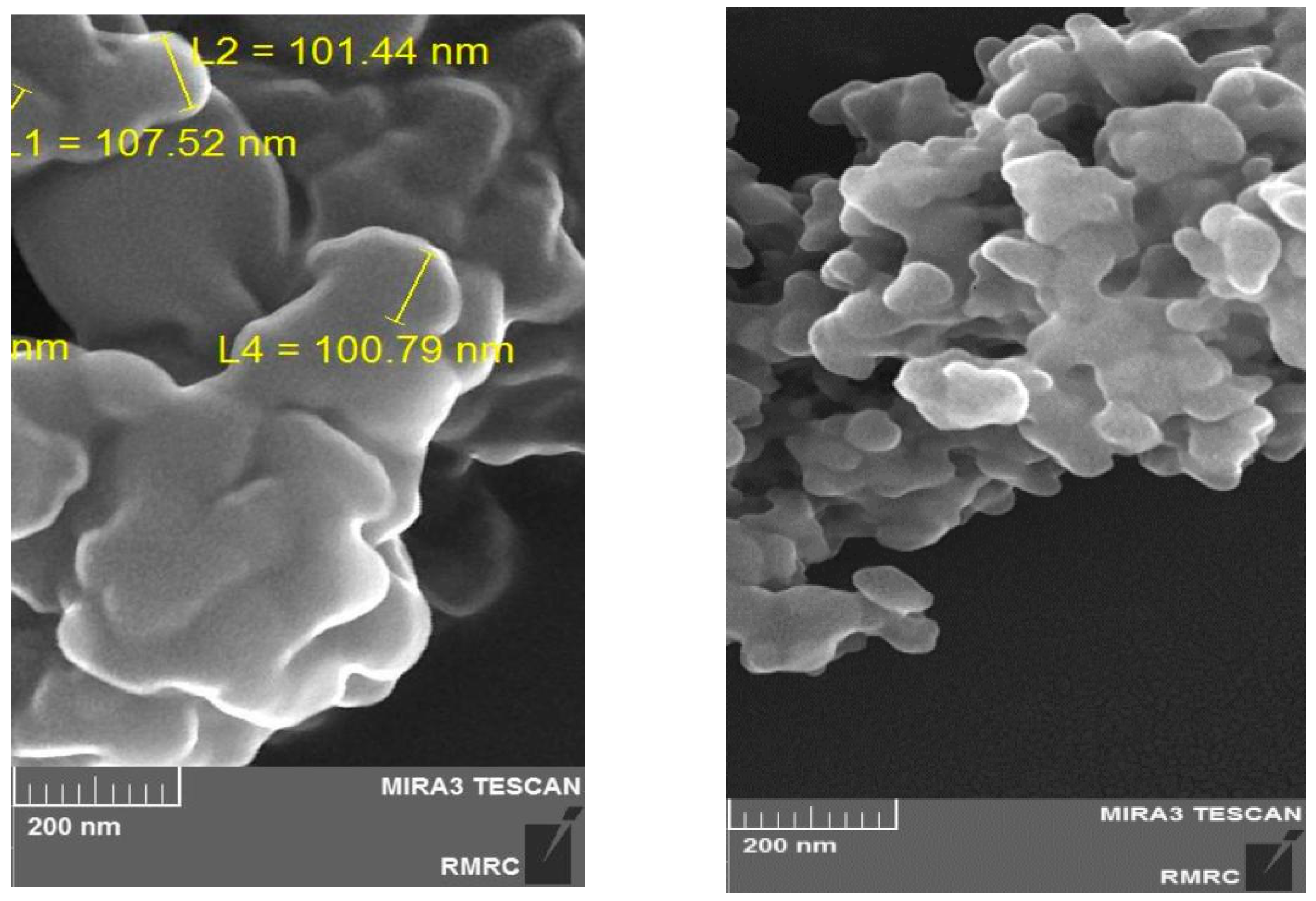
In the current study, two surfactants including Span80 and Tween80 were used for stabilization as shown in Figure 3. The figure shows that using the Span80 surfactant leads to creation of smaller particles and better stability. So, Span-80 was used as a surfactant in this work.
Figure 3.
TEM image of (right): nanorefrigerant with span80 (left): nanorefrigerant with Tween80.
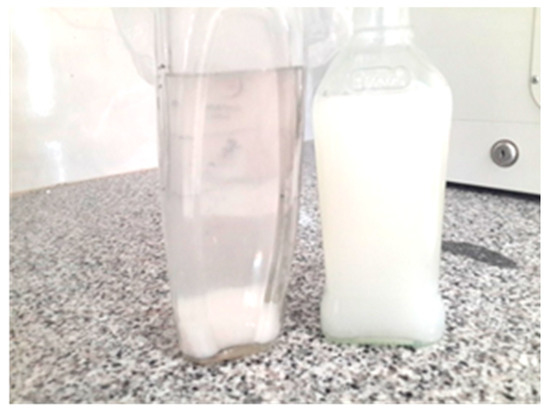
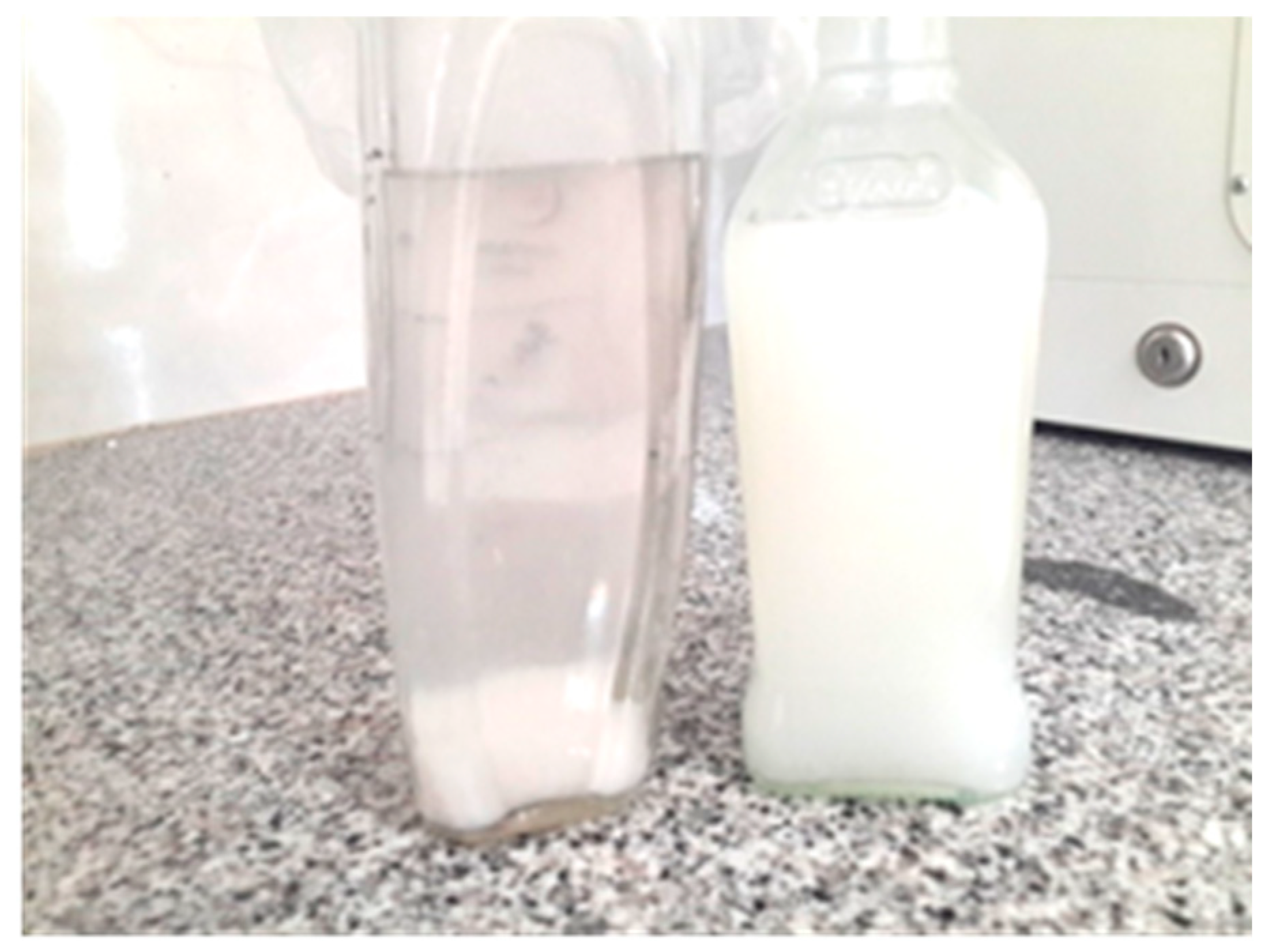
The photos of the prepared Al2O3-R141b nanorefrigerant with span80 and without span80 are shown in Figure 4. The aggregation behavior of nanoparticles without surfactant can be seen from the figure.
Figure 4.
Photos of prepared nanorefrigerants (left) without surfactant (right) with surfactant span80.
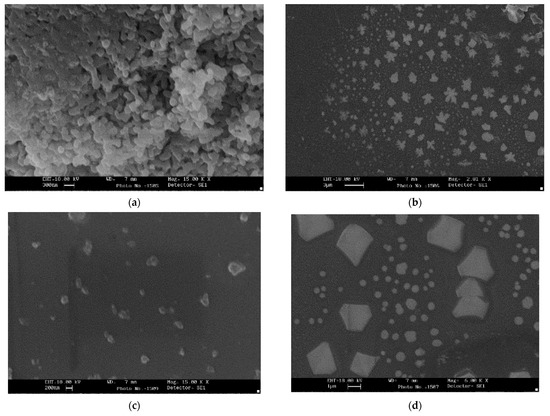
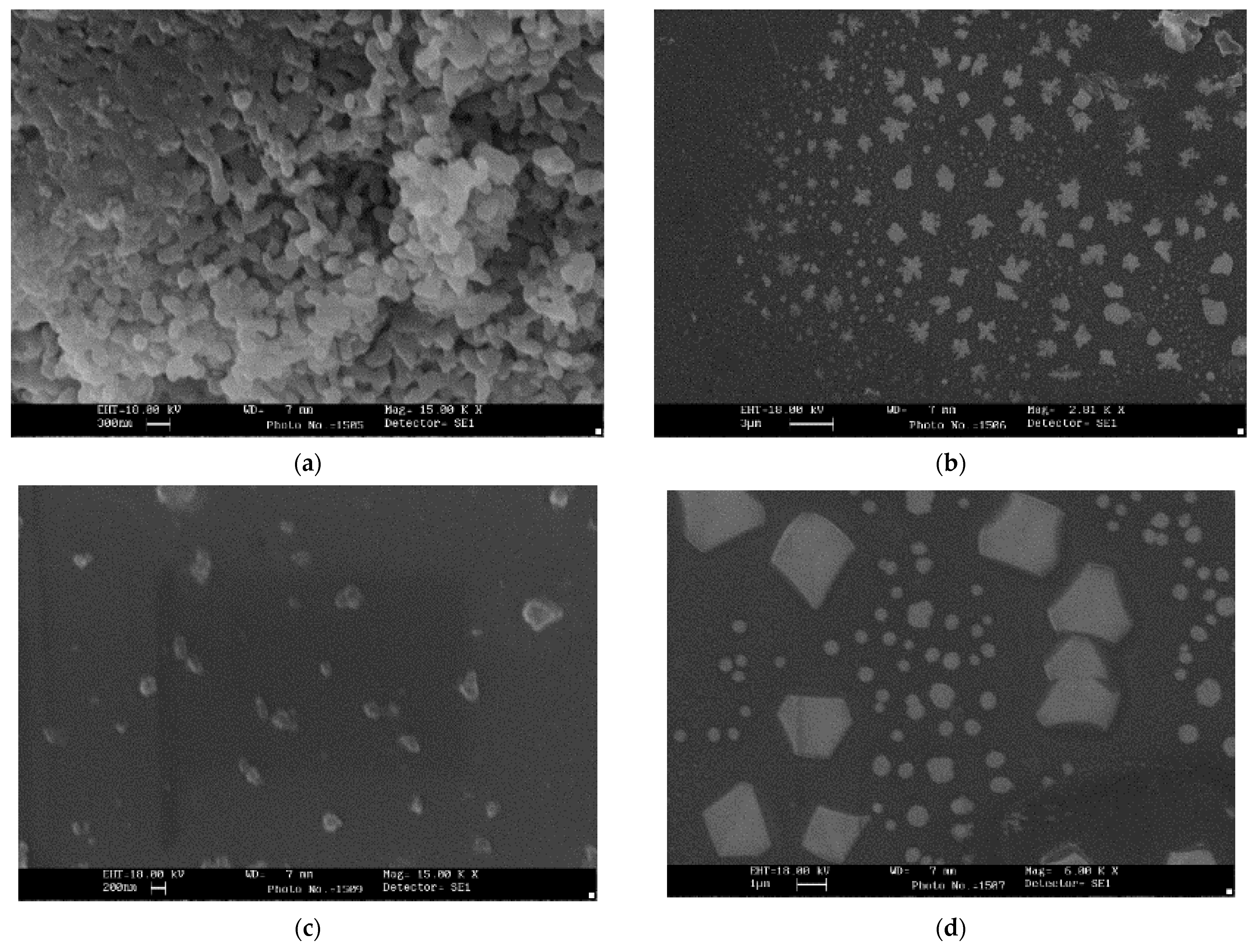
Figure 5 shows the effect of ultrasonication duration on mean cluster size. TEM images of nanorefrigerant at different stages (Figure 4) shows that in around 23 min, nanoparticle clusters break apart. Figure 4 shows that for further ultrasonication (after 23 min), nanoparticles coalesced again. Other studies also mentioned that further sonication after the optimum sonication time caused the nanoparticles to coalesce again [39,40]. Nanorefrigerant was also monitored visually. This monitoring showed that the nanorefrigerant is stable for around 15 h and after that time, its stability is affected. Sixteen hours after production of the nanorefrigerant, 10% of the nanoparticles have precipitated.
Figure 5.
SEM of nanorefrigerant after (a) 10 min, (b) 15 min, (c) 23 min (d) and 35 min of ultrasonication.
2.3. Equations
The performance coefficient of refrigeration cycle is defined as [41]
where W is the power usage of the cycle, measured by watt-hour meter, and Ql is the heat exchanged in the evaporator which is calculated using Equation (3):
where m and cp are the mass and specific heat of water inside reservoir, T1 = 26 °C is the initial temperature and T2 = 20 °C is the final temperature of the water.
3. Results
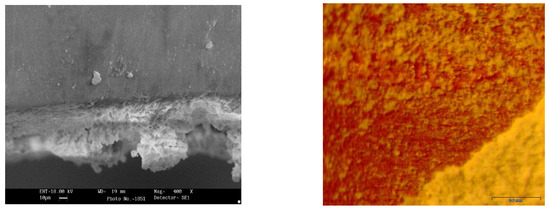
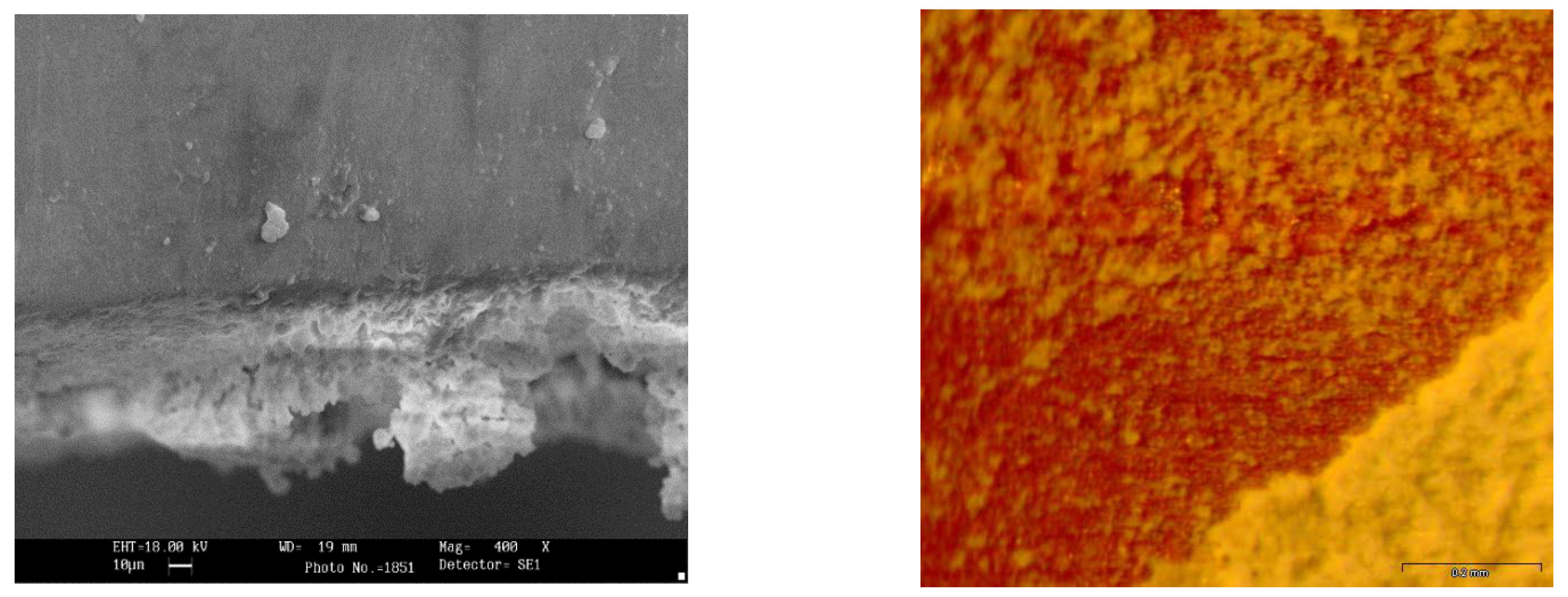
Figure 6 shows the formation of precipitates on the internal surface of evaporator tube while using nanorefrigerant with φ = 0.1%. The height of some of these precipitates reaches 35 μm. These precipitates increase surface roughness and therefore boiling heat transfer coefficient, leading to improved system performance.
Figure 6.
Increasing the internal surface roughness of evaporator due to the nanoparticles precipitation.
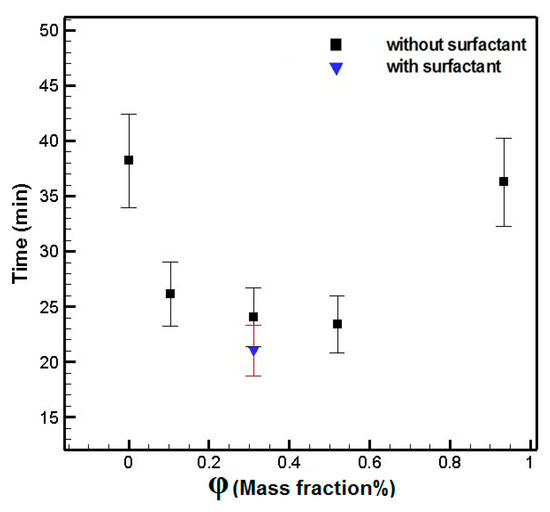
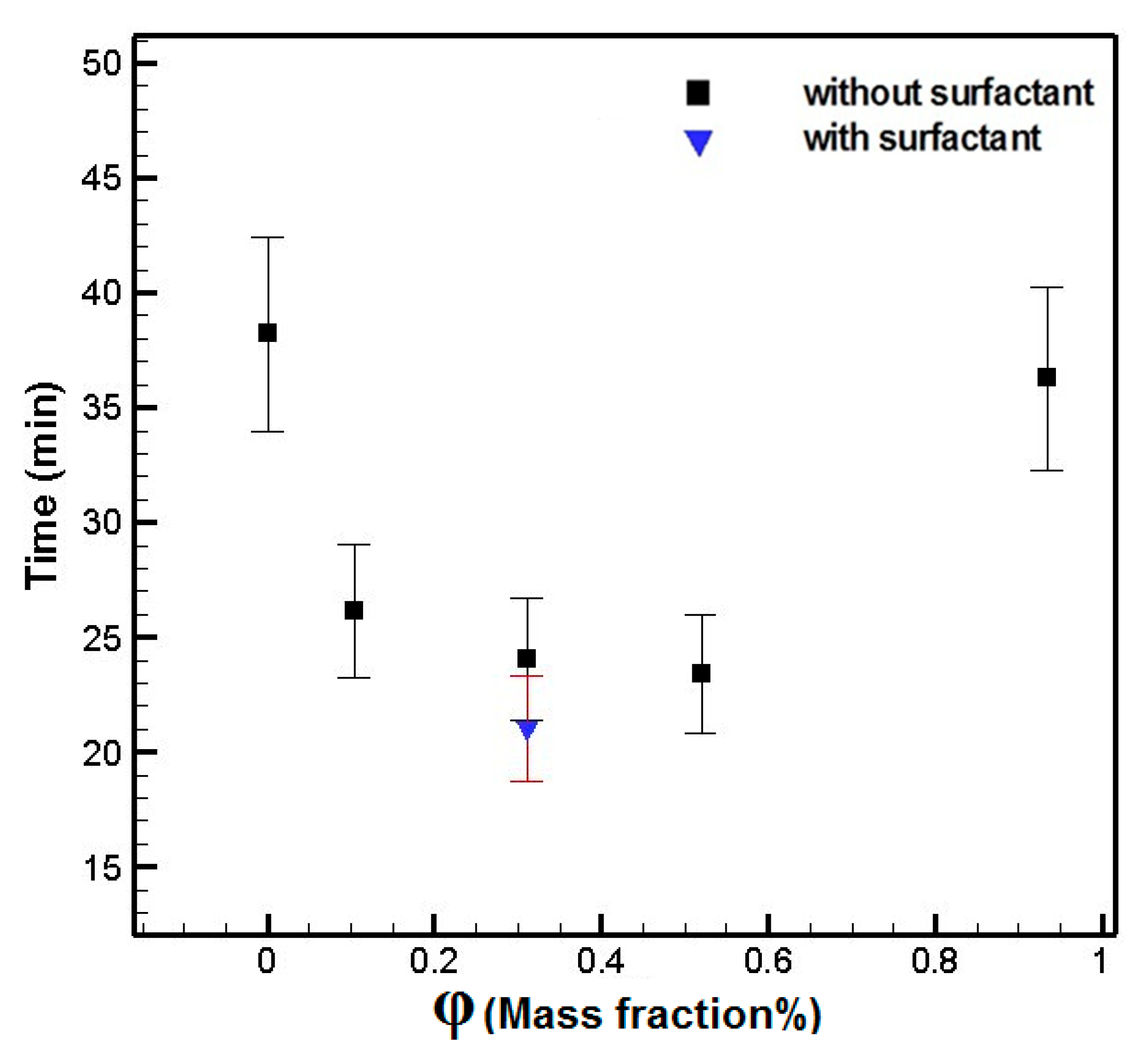
Figure 7 shows the effect of nanorefrigerant on the time necessary for refrigeration. By increasing the nanoparticle concentration, refrigeration time first decreases and then increases. The highest reduction observed for φ = 0.5% is 40%. This is because of the increase in the boiling heat transfer coefficient due to using nanorefrigerant.
Figure 7.
The effect of mass fraction and surfactant on refrigeration time.
The reasons for improving the boiling heat transfer using nanorefrigerants are
- (1)
- Adding nanoparticles alters the texture of the heating surface.
When the roughness of the surface compared to the size of the nanoparticles is much higher, it creates more sites where bubbles can form, which helps improve heat transfer during boiling [42].
- (2)
- Nanoparticles affect the refrigerant’s ability to conduct heat, its boiling point, and other heat-related properties.
- (3)
- Increasing the amount of nanoparticles lowers the surface tension, which makes it easier for bubbles to form and grow, thus improving boiling performance [43,44].
The figure also shows the effect of span80 on refrigeration time for φ = 0.3%. Using nanorefrigerant with surfactant leads to 12% decrease in refrigeration time compared to nanorefrigerant without surfactant. This is due to the fact that using surfactant increases pool boiling heat transfer coefficient. This result is similar to results reported in other studies [37,45,46]. These studies showed that using surfactant increases pool boiling heat transfer coefficient for pure and nanorefrigerants.
The reasons for the increase in the boiling heat transfer coefficient due to surfactants are: (1) Reduction in the surface tension because the formation of an “orientation-arrange molecular layer” in the liquid-vapor interface [47]. (2) Increasing the active nucleation sites because accumulation of the surfactants on hot surfaces decreases the surface-energy in the surface–liquid interfaces [44]. (3) Reducing the secondary nucleation on the bubbles due to aggregation of the surfactants and formation of large particles [48].
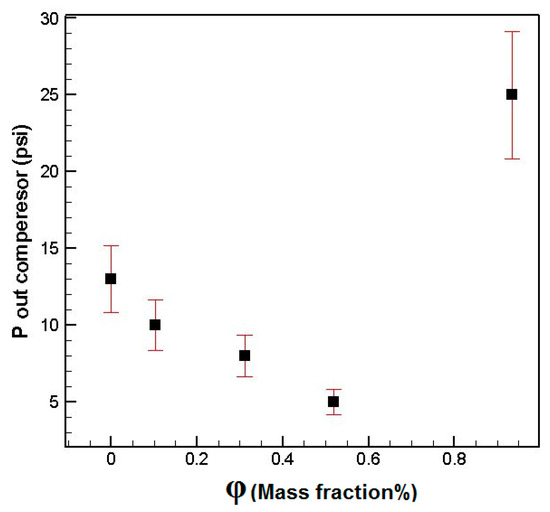
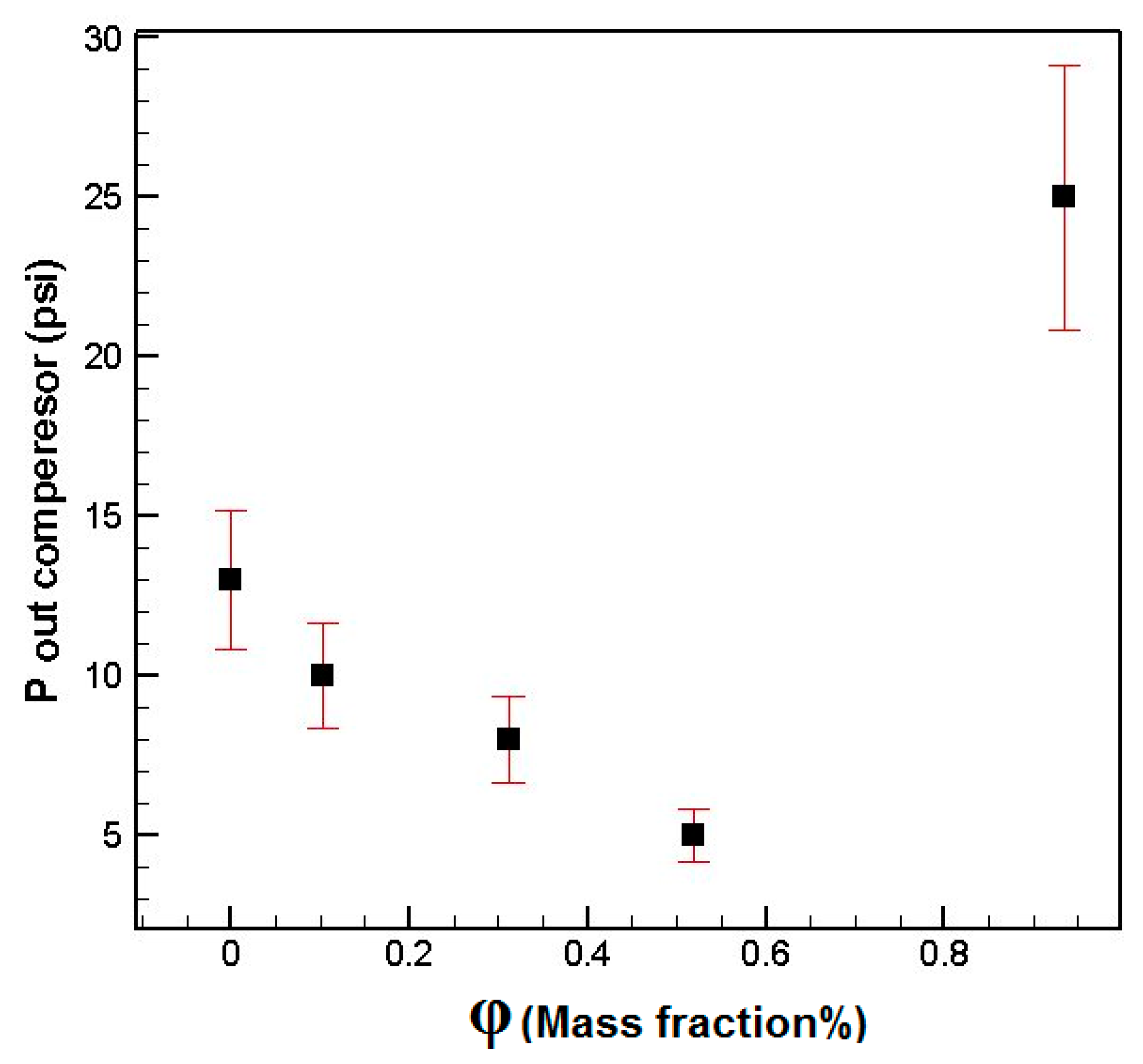
Figure 8 demonstrates the effect of nanorefrigerant concentration on the discharge pressure of the compressor. With the increase in nanoparticles’ mass fraction, the discharge pressure of the compressor decreases. Similar results are presented in previous research about R600a-TiO2 nanorefrigerant [12].
Figure 8.
The effect of nanorefrigerant mass fraction on discharge pressure of the compressor.
This is because with the increase in nanoparticles’ mass fraction, the pressure drop in the expansion valve and evaporator increases. Therefore, compressor vacuum pressure decreases, leading to a decrease in its discharge pressures. Pressure reduction in the evaporator leads to a decrease in saturation temperature in the evaporator, which in turn leads to a decrease in refrigeration time and energy consumption. At the mass fraction of 0.9%, due to increase in viscosity of nanorefrigerant and obstructions in the fluid’s path, compressor’s discharge pressure increases.
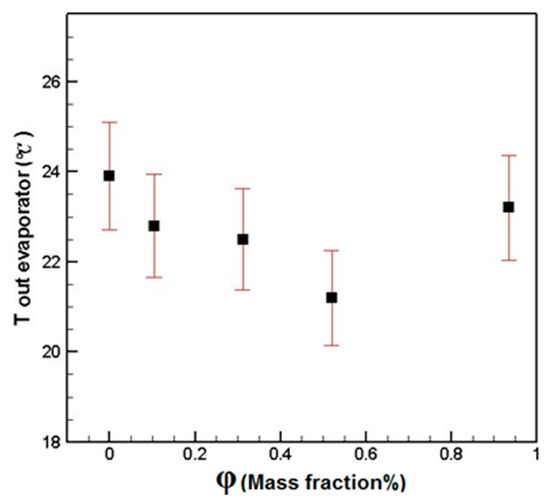
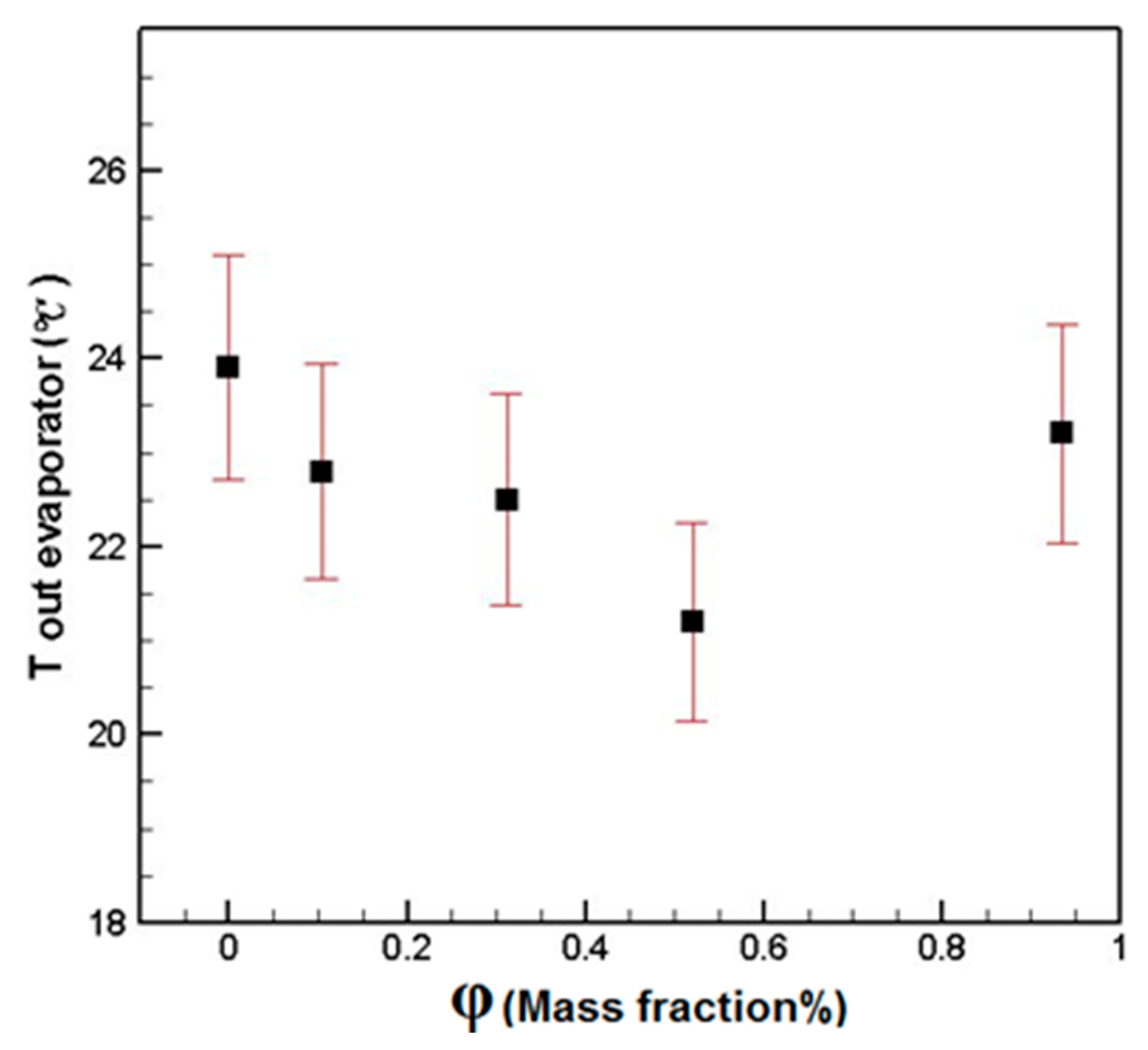
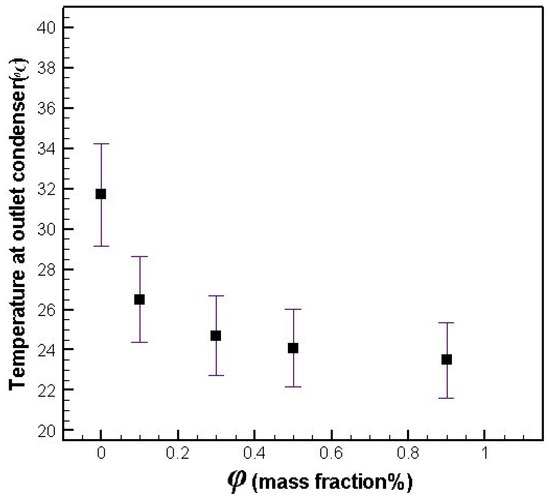
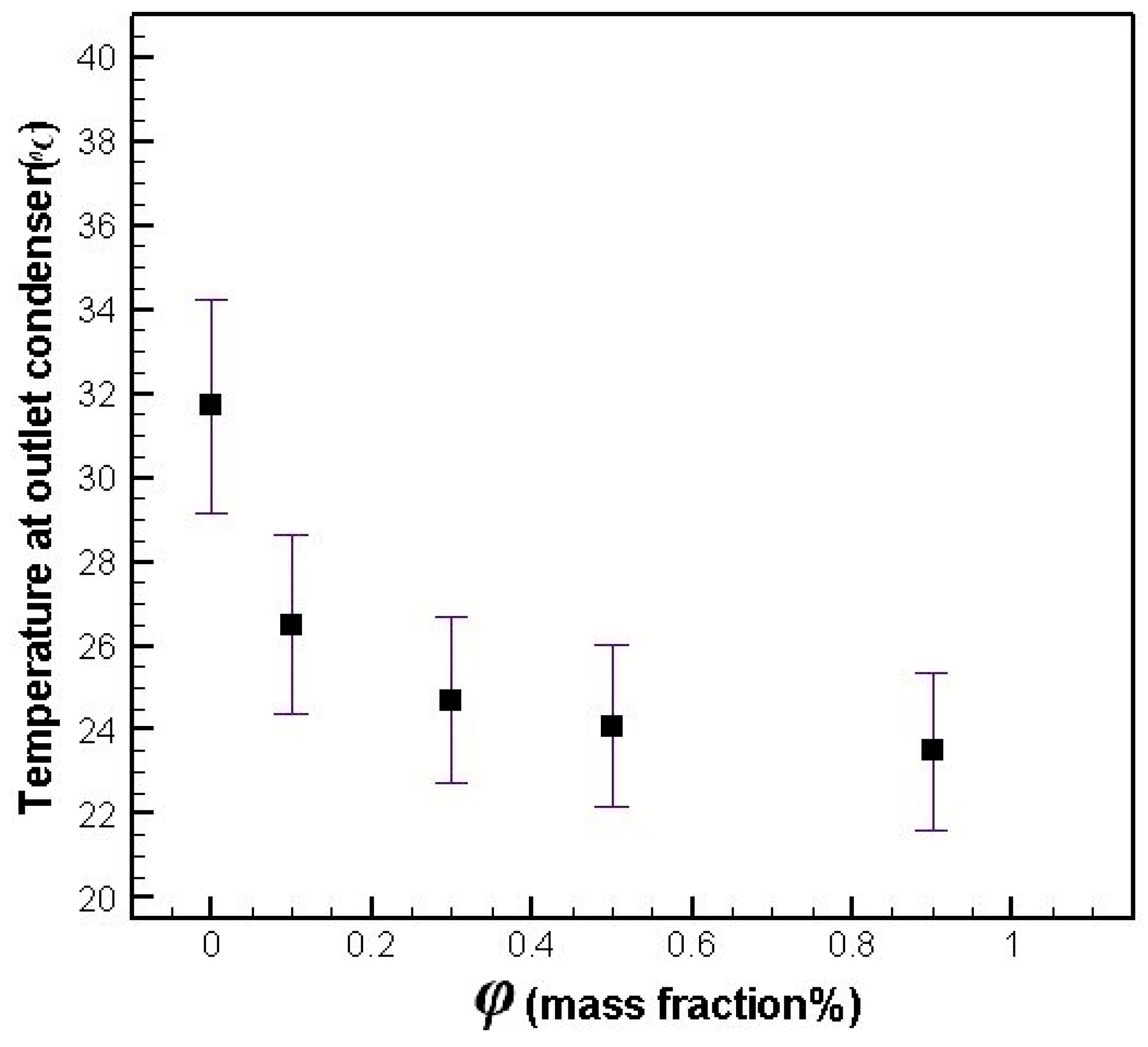
Figure 9 and Figure 10 show the nanorefrigerant temperature at the exit of condenser and evaporator, respectively, versus the mass fraction of nanoparticles. These figures show that the heat transfer of the nanorefrigerant (except for φ = 0.9%) is higher than that of the pure refrigerant. However, using nanoparticles increases the viscosity of the nanorefrigerant compared to the pure refrigerant. This change in viscosity leads to a decrease in pressure, which in turn leads to a reduction in temperature and change on phase.
Figure 9.
Effect of mass fraction on nanorefrigerant temperature at the exit of the evaporator.
Figure 10.
Effect of mass fraction on nanorefrigerant temperature at the exit of condenser.
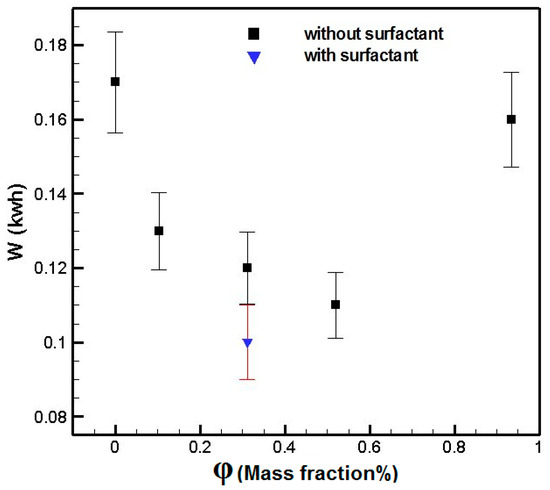
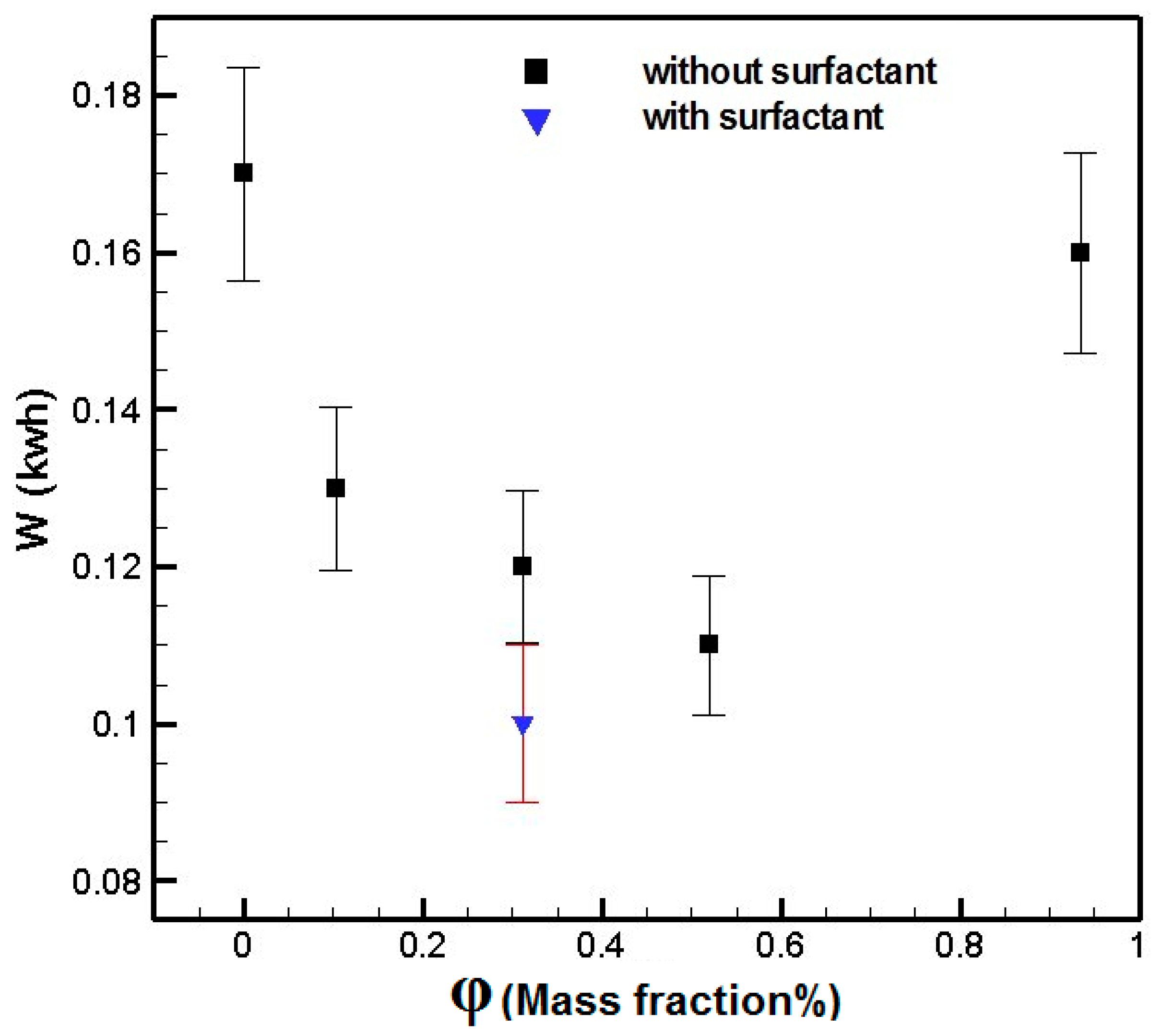
Figure 11 shows the changes in energy consumption of the system versus the concentration of nanoparticles. With increase in concentration, heat transfer increases and refrigeration time decreases, leading to reduced energy consumption of the system. However, at φ = 0.9%, due to increased viscosity and precipitation of nanoparticles, the results are not satisfactory. The best performance is seen at φ = 0.5% with a 35% reduction in energy consumption. At φ = 0.3%, the effect of the surfactant on energy consumption is also presented. This concentration was chosen because the system at this concentration has relatively optimal conditions in terms of energy consumption and it is interesting to also examine the effect of surfactant in these conditions. Using a nanorefrigerant with φ = 0.3% along with surfactant reduces energy consumption by 16% compared to the same concentration of nanoparticles without surfactant.
Figure 11.
Effect of mass fraction and surfactant on energy consumption.
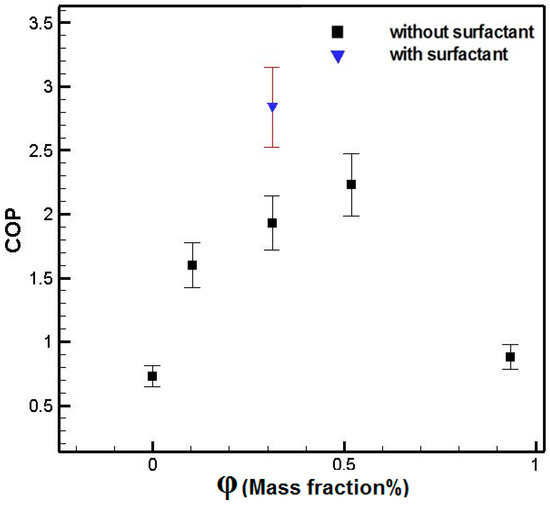
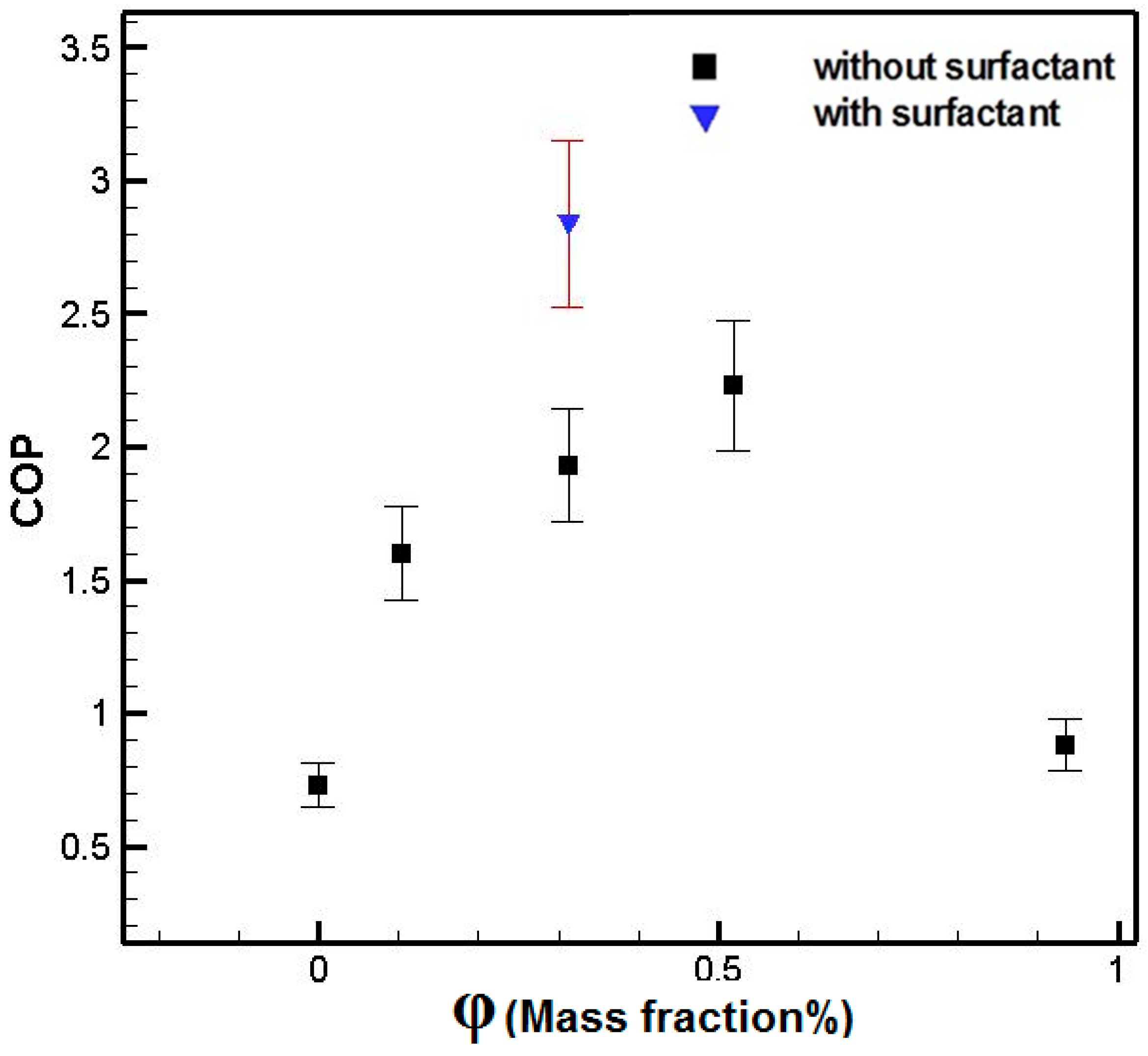
Figure 12 shows the changes in performance coefficient of VCRS versus different nanofluid concentrations. As can be seen, the performance coefficient of the system first increases and then decreases with increment of nanoparticles mass fraction. Similar trend is reported by Bi et al. [15]. The best conditions is achieved for mass fraction of 0.5%, therefore the mass fractions were chosen between 0.1% to 0.9% to show the negative effects of excessive increase in nanoparticles concentration. At mass fraction of 0.3%, adding surfactant improves the performance coefficient by 47% compared to the coefficient without surfactant. For nanorefrigerant without surfactant, the largest increase in performance coefficient is for φ = 0.5%, showing a 214% increase in performance, while nanorefrigerant with φ = 0.3% and surfactant shows a 314% increase in performance coefficient. A 15% increase in COP by using Al2O3-R134a [36] and 17.02% increase by using Carbon nanotube-R407c [26] nanorefrigerants were also reported. This COP improvement may seem unusual at first, but it should be noted that the COP of the base system is about 0.75, which is low compared to conventional systems, and therefore, any change in this system would lead to a significant improvement in COP.
Figure 12.
Effect of mass fraction and surfactant on COP.
The rise in COP is because of the higher concentration of nanoparticles, which creates a bigger surface area for heat to move through. Also, the good thermal conductivity of nanoparticles helps improve how well the nanorefrigerant transfers heat. When more energy is available, the heat transfer becomes faster, which makes the whole system’s COP go up [49].
This article discusses the benefits of using nanorefrigerants in refrigeration systems. However, there are limitations that should be considered. The biggest challenge is the agglomeration and settling of nanoparticles, which can cause blockage of the paths. Also, increased wear and friction in mechanical parts and increased compressor surface temperature are also challenges that need to be considered.
4. Conclusions
This study investigates the effect of using 0.1%, 0.3%, 0.5% and 0.9% (w/w%) R141b-Al2O3 nanorefrigerant on performance characteristics of a VCRS. Furthermore, the effect of surfactants including Span 80 and Tween 80 on nanorefrigerant stabilization is studied. The results showed that, compared to Tween 80, Span80 leads to better stability. On the other hand, nanorefrigerant can significantly decrease energy consumption and time necessary for refrigeration so that:
Using nanorefrigerant without surfactant decreases refrigeration time and energy consumption by 40% and 35% respectively while increasing the performance coefficient by 214%.
Using 0.3% (w/w%) nanorefrigerant with Span 80 decreases refrigeration time and energy consumption by 12% and 16% while increasing performance coefficient by 47% compared to the same mass fraction without surfactant.
The highest COP is observed at nanoparticle mass fraction of 0.5%.
The effect of surfactant on system performance was evaluated only at 0.3% nanoparticle concentration. It is suggested that in future research, the effect of surfactant concentration should be investigated. Other refrigerants such as R134a, R600,… can also be investigated as base fluid.
Author Contributions
Conceptualization, A.H.M.I.; Data curation, D.S.; Writing—original draft, D.S.; Writing—review and editing, A.H.M.I.; Supervision, A.H.M.I. All authors have read and agreed to the published version of the manuscript.
Funding
This research received no external funding.
Data Availability Statement
The data presented in this study are available on request from the corresponding author.
Conflicts of Interest
The authors declare no conflicts of interest.
References
- Wang, G.; Ji, X.; Zou, T.; Chen, Z. Effect evaluation of frame perforation on reducing photovoltaic panel temperature with passive air cooling. Case Stud. Therm. Eng. 2025, 76, 107296. [Google Scholar] [CrossRef]
- Bhatkar, V.W.; Sur, A.; Roy, A. Exergy analysis of a refrigeration system with a minichannel condenser using R134a refrigerant. Front. Heat Mass Transf. 2022, 19, 1–7. [Google Scholar] [CrossRef]
- She, X.; Cong, L.; Nie, B.; Leng, G.; Peng, H.; Chen, Y.; Zhang, X.; Wen, T.; Yang, H.; Luo, Y. Energy-efficient and -economic technologies for air conditioning with vapor compression refrigeration: A comprehensive review. Appl. Energy 2018, 232, 157–186. [Google Scholar] [CrossRef]
- Hu, D.; Yu, Y.; Liu, P. Enhancement of refrigeration performance by energy transfer of shock wave. Appl. Therm. Eng. 2018, 130, 309–318. [Google Scholar] [CrossRef]
- Bai, T.; Yan, G.; Yu, J. Experimental investigation of an ejector-enhanced auto-cascade refrigeration system. Appl. Therm. Eng. 2018, 129, 792–801. [Google Scholar] [CrossRef]
- Shi, H.; Pan, H.; Cheng, Y.; Lu, S.; Kang, P. Imine-Nitrogen-Doped Carbon Nanotubes for the Electrocatalytic Reduction of Flue Gas CO2. ChemElectroChem 2021, 8, 1792–1797. [Google Scholar] [CrossRef]
- Wang, G.; Liu, J.; Zou, T.; Han, W.; Chen, Z. Design and performance evaluation of a novel solar concentration PVT system with dual-runner nanofluids optical filtering. Energy 2025, 340, 139259. [Google Scholar] [CrossRef]
- Tashtoush, B.M.; Al-Nimr, M.A.; Khasawneh, M.A. Investigation of the use of nano-refrigerants to enhance the performance of an ejector refrigeration system. Appl. Energy 2017, 206, 1446–1463. [Google Scholar] [CrossRef]
- Wang, R.X.; Hao, B.; Xie, G.Z. A refrigerating system using HFC134a and mineral lubricant appended with n-TiO2 (R) as working fluids. In Proceedings of the 4th International Symposium on HAVC; Tsinghua University Press: Beijing, China, 2003; pp. 888–892. [Google Scholar]
- Sun, J.-S.; Liao, T.; Ji, Y.-X.; Li, H.; Qu, Y.-Z.; Huang, X.-B.; Lv, K.-H.; Luo, Y.-C.; Zhang, B.; Li, J. Biomimetic inspired superhydrophobic nanofluids: Enhancing wellbore stability and reservoir protection in shale drilling. Pet. Sci. 2025; in press. [Google Scholar] [CrossRef]
- Alawi, O.A.; Salih, J.M.; Mallah, A.R. Thermo-physical properties effectiveness on the coefficient of performance of Al2O3/R141b nano-refrigerant. Int. Commun. Heat Mass Transf. 2019, 103, 54–61. [Google Scholar] [CrossRef]
- Bi, S.; Guo, K.; Liu, Z.; Wu, J. Performance of a domestic refrigerator using TiO2-R600a nano-refrigerant as working fluid. Energy Convers. Manag. 2011, 52, 733–737. [Google Scholar] [CrossRef]
- Tuktarov, A.R.; Khuzin, A.A.; Dzhemilev, U.M. Fullerene-Containing Lubricants: Achievements and Prospects. Pet. Chem. 2020, 60, 113–133. [Google Scholar] [CrossRef]
- Yilmaz, A.C. Performance evaluation of a refrigeration system using nanolubricant. Appl. Nanosci. 2020, 10, 1667–1678. [Google Scholar] [CrossRef]
- Bi, S.-S.; Shi, L.; Zhang, L.-L. Application of nanoparticles in domestic refrigerators. Appl. Therm. Eng. 2008, 28, 1834–1843. [Google Scholar] [CrossRef]
- Henderson, K.; Liu, Y.G.; Jacobi, A.M. Experimental analysis on the flow boiling heat transfer of R134a based Nano Fluids in a horizontal tube. Int. J. Heat Mass Transf. 2010, 53, 944–951. [Google Scholar] [CrossRef]
- Ohunakin, O.S.; Adelekan, D.S.; Gill, J.; Atayero, A.A.; Atiba, O.E.; Okokpujie, I.P.; Abam, F.I. Performance of a Hydrocarbon Driven domestic Refrigerator based on Varying Concentration of SiO2 Nano-lubricant. Int. J. Refrig. 2018, 94, 59–70. [Google Scholar] [CrossRef]
- Kumar, D.S.; Elansezhian, R. Experimental study on Al2O3-R134a nano refrigerant in refrigeration system. Int. J. Mod. Eng. Res. 2012, 2, 3927–3929.27. [Google Scholar]
- Xing, M.; Wang, R.; Yu, J. Application of fullerene C60 nano-oil for performance enhancement of domestic refrigerator compressors. Int. J. Refrig. 2014, 40, 398–403. [Google Scholar] [CrossRef]
- Sabareesh, R.K.; Gobinath, N.; Sajith, V.; Das, S.; Sobhan, C. Application of TiO2 nanoparticles as a lubricant-additive for vapor compression refrigeration systems—An experimental investigation. Int. J. Refrig. 2012, 35, 1989–1996. [Google Scholar] [CrossRef]
- Jia, T.; Wang, R.; Xu, R. Performance of MoFe2O4eNiFe2O4/Fullerene-added nano-oil applied in the domestic refrigerator compressors. Int. J. Refrig. 2014, 45, 120–127. [Google Scholar] [CrossRef]
- Alawi, O.A.; Sidik, N.A.C.; Mohammed, H.A. A comprehensive review of fundamentals, preparation and applications of nanorefrigerants. Int. Commun. Heat Mass Transf. 2014, 54, 81–95. [Google Scholar] [CrossRef]
- Ahmadpour, M.; Akhavan-Behabadi, M. Experimental investigation of heat transfer during flow condensation of HC-R600a based nano-refrigerant inside a horizontal U-shaped tube. Int. J. Therm. Sci. 2019, 146, 106110. [Google Scholar] [CrossRef]
- Eid, E.I.; Khalaf-Allah, R.A.; Tolan, M. Enhancement of pool boiling characteristics by an addition of nano Aluminum oxide to R-141b over a rough horizontal steel circular heater. Int. J. Refrig. 2019, 98, 311–322. [Google Scholar] [CrossRef]
- Sun, B.; Yang, D. Flow boiling heat transfer characteristics of nano-refrigerants in a horizontal tube. Int. J. Refrig. 2014, 38, 206–214. [Google Scholar] [CrossRef]
- Rahman, S.; Issa, S.; Said, Z.; Assad, M.E.H.; Zadeh, R.; Barani, Y. Performance enhancement of a solar powered air conditioning system using passive techniques and SWCNT/R-407c nano refrigerant. Case Stud. Therm. Eng. 2019, 16, 100565. [Google Scholar] [CrossRef]
- Bhatkar, V.W.; Sur, A.; Kumar, R. Study of refrigeration system with minichannel condenser using R1234ze, R134a, R152a, R600a, R290 and mixture of R290/R600a (50/50). Proc. Inst. Mech. Eng. Part E J. Process. Mech. Eng. 2025, 239, 616–626. [Google Scholar] [CrossRef]
- Anand, R.; Jawahar, C.; Solomon, A.B.; Koshy, J.S.; Jacob, J.C.; Tharakan, M.M. Heat transfer properties of HFE and R134a based Al2O3 nano refrigerant in thermosyphon for enhancing the heat transfer. Mater. Today Proc. 2019; in press. [Google Scholar] [CrossRef]
- Yu, W.; Choi, S. The Role of Interfacial Layers in the Enhanced Thermal Conductivity of Nanofluids: A Renovated Maxwell Model. J. Nanoparticle Res. 2003, 5, 167–171. [Google Scholar] [CrossRef]
- Ahmadpour, M.M.; Akhavan-Behabadi, M.A.; Sajadi, B.; Salehi-Kohestani, A. Experimental study of R600a/oil/MWCNT nano-refrigerant condensing flow inside micro-fin tubes. Heat Mass Transf. 2020, 56, 749–757. [Google Scholar] [CrossRef]
- Ham, J.; Kim, H.; Shin, Y.; Cho, H. Experimental investigation of pool boiling characteristics in Al2O3 nanofluid according to surface roughness and concentration. Int. J. Therm. Sci. 2017, 114, 86–97. [Google Scholar] [CrossRef]
- Naphon, P.; Thongjing, C. Pool boiling heat transfer characteristics of refrigerant-nanoparticle mixtures. Int. Commun. Heat Mass Transf. 2014, 52, 84–89. [Google Scholar] [CrossRef]
- Norouzipour, A.; Abdollahi, A.; Afrand, M. Experimental study of the optimum size of silica nanoparticles on the pool boiling heat transfer coefficient of silicon oxide/deionized water nanofluid. Powder Technol. 2019, 345, 728–738. [Google Scholar] [CrossRef]
- Kim, H.; Kim, J.; Kim, M. Experimental Study on CHF Characteristics of Water-TiO2 Nano Fluids. Nucl. Eng. Technol. 2006, 38, 61–68. [Google Scholar]
- Park, K.-J.; Jung, D. Boiling heat transfer enhancement with carbon nanotubes for refrigerants used in building air-conditioning. Energy Build. 2007, 39, 1061–1064. [Google Scholar] [CrossRef]
- Mahbubul, I.; Saadah, A.; Saidur, R.; Khairul, M.; Kamyar, A. Thermal performance analysis of Al2O3/R-134a nanorefrigerant. Int. J. Heat Mass Transf. 2015, 85, 1034–1040. [Google Scholar] [CrossRef]
- Peng, H.; Ding, G.; Hu, H. Effect of surfactant additives on nucleate pool boiling heat transfer of refrigerant-based nanofluid. Exp. Therm. Fluid Sci. 2011, 35, 960–970. [Google Scholar] [CrossRef]
- Diao, Y.; Li, C.; Zhao, Y.; Liu, Y.; Wang, S. Experimental investigation on the pool boiling characteristics and critical heat flux of Cu-R141b nanorefrigerant under atmospheric pressure. Int. J. Heat Mass Transf. 2015, 89, 110–115. [Google Scholar] [CrossRef]
- Kwak, K.; Kim, C. Viscosity and thermal conductivity of copper oxide nanofluid dispersed in ethylene glycol. Korea-Aust. Reol. J. 2005, 17, 35. [Google Scholar]
- Mahbubul, I.M.; Chong, T.H.; Khaleduzzaman, S.S.; Shahrul, I.M.; Saidur, R.; Long, B.D.; Amalina, M.A. Effect of Ultrasonication Duration on Colloidal Structure and Viscosity of Alumina–Water Nanofluid. Ind. Eng. Chem. Res. 2014, 53, 6677–6684. [Google Scholar] [CrossRef]
- Borgnakke, C.; Sonntag, R.E. Fundamentals of Thermodynamics, 10th ed.; Wiley: Hoboken, NJ, USA.
- Narayan, G.P.; Anoop, K.B.; Das, S.K. Effect of surface particle interaction on boiling heat transfer of nanoparticle suspensions. J. Appl. Phys. 2007, 102, 074317. [Google Scholar] [CrossRef]
- Subramani, N.; Prakash, M. Experimental Studies on a Vapour Compression System Using Nanorefrigerants. Int. J. Eng. Sci. Technol. 2011, 3, 95–102. [Google Scholar] [CrossRef]
- Raveshi, M.R.; Keshavarz, A.; Mojarrad, M.S.; Amiri, S. Experimental investigation of pool boiling heat transfer enhancement of alumina–water–ethylene glycol nanofluids. Exp. Therm. Fluid Sci. 2013, 44, 805–814. [Google Scholar] [CrossRef]
- Tang, X.; Zhao, Y.-H.; Diao, Y.-H. Experimental investigation of the nucleate pool boiling heat transfer characteristics of δ-Al2O3-R141b nanofluids on a horizontal plate. Exp. Therm. Fluid Sci. 2014, 52, 88–96. [Google Scholar] [CrossRef]
- Hu, H.; Peng, H.; Ding, G. Nucleate pool boiling heat transfer characteristics of refrigerant/nanolubricant mixture with surfactant. Int. J. Refrig. 2013, 36, 1045–1055. [Google Scholar] [CrossRef]
- Wu, W.-T.; Yang, Y.-M.; Maa, J.-R. Enhancement of Nucleate Boiling Heat Transfer and Depression of Surface Tension by Surfactant Additives. J. Heat Transf. 1995, 117, 526–529. [Google Scholar] [CrossRef]
- Kedzieski, M.A. Enhancement of R123 pool boiling by the addition of Nhexane. J. Enhanc. Heat Transf. 1999, 6, 343–355. [Google Scholar] [CrossRef]
- Said, Z.; Rahman, S.M.; Sohail, M.A.; Bahman, A.M.; Alim, M.A.; Shaik, S.; Radwan, A.M.; El-Sharkawy, I.I. Nano-refrigerants and nano-lubricants in refrigeration: Synthesis, mechanisms, applications, and challenges. Appl. Therm. Eng. 2023, 233, 121211. [Google Scholar] [CrossRef]

Disclaimer/Publisher’s Note: The statements, opinions and data contained in all publications are solely those of the individual author(s) and contributor(s) and not of MDPI and/or the editor(s). MDPI and/or the editor(s) disclaim responsibility for any injury to people or property resulting from any ideas, methods, instructions or products referred to in the content. |
© 2026 by the authors. Licensee MDPI, Basel, Switzerland. This article is an open access article distributed under the terms and conditions of the Creative Commons Attribution (CC BY) license.