


Abstract
Icing poses a severe threat to the safety, durability, and operational reliability of transportation infrastructure in cold regions. Existing studies have mainly focused on ice detection, icing prediction, and deicing technologies, while the links between icing evolution, infrastructure response, risk diagnosis, and autonomous regulation remain insufficiently integrated. This review establishes an integrated framework from icing evolution to intelligent perception, state cognition, risk diagnosis, and autonomous regulation. The multiphysics evolution of pavement icing is discussed in terms of ice nucleation, growth, interfacial adhesion, and freeze–thaw-induced degradation. The effects of temperature, moisture, surface characteristics, and traffic loading are considered. Then, multiscale icing perception is reviewed, with emphasis on environmental parameters, vehicle–pavement mechanical responses, and distributed self-powered sensing based on triboelectric, piezoelectric, and other mechanisms. Data-driven models, physics-informed learning, and digital twins are examined for icing-state recognition and future-state prediction. Icing risks are classified into mechanical safety, infrastructure durability, and traffic operation, providing a quantitative link between icing states and engineering consequences. Adaptive mitigation is discussed through passive surface and thermal regulation, active energy-efficient heating, and closed-loop control. Finally, five research directions are proposed, including self-powered icing intelligence, icing foundation models, infrastructure-scale sensing networks, digital twins of icing evolution, and self-adaptive roads. This review provides a unified perspective for the development of self-aware and autonomous ice-resilient transportation infrastructure.
1. Introduction
Road icing remains a persistent challenge for transportation infrastructure in cold regions, with impacts extending far beyond temporary surface conditions [1,2]. In the United States, over 70% of roads are located in regions with substantial snowfall. Snowy, slushy, and icy pavements are associated with more than 1300 fatalities and 116,800 injuries each year. Average arterial speeds can decrease by 30–40% under snowy or slushy conditions. Winter road maintenance also accounts for roughly 20% of state transportation agency maintenance budgets, with more than US$2.3 billion spent annually on snow and ice control [2,3]. These phenomena demonstrate that icing is not merely a transient surface hazard but also a complex infrastructure challenge affecting safety, mobility, durability, and pavement performance. With the development of intelligent transportation infrastructure, a new management paradigm is therefore required. Road icing has gradually been transformed from an external hazard requiring human intervention into a controllable infrastructure state supported by self-perception, state cognition, prediction, and adaptive response.
Pavement icing is governed by coupled thermal, moisture, interfacial, and mechanical processes. Ice nucleation is initiated under suitable thermodynamic and surface conditions [4,5]. Ice growth is then controlled by heat transfer, water migration, and phase transition. Ice adhesion is further affected by surface chemistry, microtexture, and interfacial interactions [6,7]. Subsequently, repeated freeze–thaw cycles induce pore damage, interfacial debonding, cracking, and structural performance loss [8,9,10]. These processes are strongly affected by pavement materials, surface morphology, environmental conditions, and traffic loading. Therefore, icing should not be described only by the presence or thickness of an ice layer. A more complete description should include the icing state, its temporal evolution, and its mechanical consequences. However, these processes have often been investigated separately. A unified framework from ice formation to pavement degradation is still lacking.
Substantial progress has also been made in pavement icing perception and prediction [11,12]. Environmental parameters, including temperature, humidity, precipitation, water film, and surface conditions, are routinely monitored via stationary sensors and optical systems. Simultaneously, friction, tire–road interaction, vibration, and deformation have also been explored as indicators of icing-induced mechanical changes. More recently, triboelectric, piezoelectric, and other self-powered sensing technologies also provide new opportunities for distributed road monitoring [13,14,15]. On the computational front, Data-driven models have been applied to icing classification and freezing-time prediction. Long short-term memory networks, support vector machines, and other machine learning techniques are introduced for ice recognition and freezing time prediction [16,17]. Physics-informed models have further incorporated heat transfer, moisture transport, and phase-transition constraints. Digital twins have provided a broader framework for real-time state updating and future-state forecasting [18,19]. These developments have shifted icing research from simple condition detection toward multiscale perception and spatiotemporal cognition.
Despite these significant advances, several critical bottlenecks persist. First, existing perception systems are still largely focused on environmental variables or single-point icing identification [20,21]. The relationship between environmental conditions, ice state, tire–road interaction, and pavement response is rarely considered in an integrated manner. Second, conventional wired sensing grids rely heavily on external power, complex wiring, and periodic maintenance [22,23,24]. Their spatial scalability is limited. Although self-powered sensing exhibits strong potential, its long-term stability under low temperatures, high moisture, abrasion, and cyclic traffic loading remains insufficiently understood [25,26]. Third, purely data-driven models suffer from poor generalization when operational scenarios deviate from training datasets, whereas physics-informed models remain bottlenecked by high model complexity and computational cost. Fourth, digital twins can extend prediction from local conditions to infrastructure-scale evolution, yet multisource data fusion, model updating, and real-time computation remain challenging [27,28,29]. Beyond these technology-specific limitations, a more fundamental system-level bottleneck persists: sensing, prediction, risk diagnosis, and mitigation regulation remain largely decoupled. A unified closed-loop framework connecting perception, prediction, risk diagnosis, autonomous regulation, and feedback evaluation remains largely absent from the existing literature.
To address these gaps, this review integrates the latest breakthroughs in intelligent road icing management from physical evolution to autonomous regulation within a structured narrative framework. As shown in Figure 1, the multiphysics evolution of pavement icing is discussed, including ice nucleation, ice growth, interfacial adhesion, and ice-induced mechanical degradation. The corresponding state variables are then linked to multiscale icing perception. Environmental parameters, mechanical responses, and distributed self-powered sensing are compared. Data-driven recognition, physics-informed prediction, and digital-twin-enabled forecasting are subsequently reviewed to establish the cognition layer between perception and future-state prediction. Icing consequences are further evaluated from mechanical safety, infrastructure durability, and traffic operation perspectives. Passive adaptation, active thermal regulation, and closed-loop autonomous icing management are then discussed. Finally, five key future research directions are proposed: self-powered icing intelligence, icing-specific AI foundation models, infrastructure-scale sensing networks, digital twins of icing evolution, and self-adaptive smart roads. Through this framework, road icing is redefined from a condition to be detected into a dynamic infrastructure state that can be perceived, predicted, diagnosed, and adaptively regulated. It should be noted that the evidence supporting these links is uneven: the mechanism–state relationships and individual sensing, recognition, and prediction modules are experimentally validated, whereas network-scale risk diagnosis, decision-making, and infrastructure-level closed-loop regulation currently represent conceptual integration of results from different studies.
Figure 1.
Evolution from icing detection to icing intelligence.
2. Multiphysics Evolution of Icing States in Transportation Infrastructure
Road icing is a dynamic multiphysics evolution process governed by coupled thermal, moisture-transport, mechanical, and interfacial processes. In cold-region transportation, atmospheric conditions, pavement thermal properties, surface chemistry, and vehicle-induced mechanical loading continuously modify the formation and evolution of ice layers [30,31]. Consequently, the same environmental condition may produce significantly different icing states on different pavement surfaces. Existing studies have largely focused on individual aspects of icing formation, including ice nucleation, frost growth, and ice adhesion. However, the transition from microscopic ice formation to macroscopic transportation hazards remains insufficiently understood. In particular, a unified description of how environmental forcing drives transitions among thermal, interfacial, mechanical, and structural icing states is still lacking. Establishing such a state-evolution framework is essential for identifying physically meaningful sensing indicators and enabling adaptive icing management.
2.1. Ice Nucleation on Pavement Surfaces
Ice nucleation represents the initial stage of pavement icing evolution, during which supercooled water undergoes a transition from a metastable state to stable ice crystals. Under natural conditions, homogeneous nucleation is rarely observed because of its high energy barrier. Heterogeneous nucleation dominates on pavement surfaces, where mineral particles, surface defects, pores, and chemical impurities provide preferential nucleation sites [32,33]. The nucleation process is primarily controlled by interfacial energy, surface wettability, and microstructural characteristics. Hydrophilic surfaces generally facilitate ice formation by strengthening water-surface interactions, whereas hydrophobic and superhydrophobic surfaces delay nucleation by reducing effective contact areas and increasing the nucleation barrier. For asphalt pavements, the heterogeneous distribution of aggregates, binders, voids, and aging products further increases the spatial variability of ice nucleation behavior. Therefore, icing initiation is determined by the coupled effects of environmental forcing and pavement surface state rather than temperature alone.
Experimental studies have demonstrated the influence of pavement characteristics on ice nucleation and early-stage icing evolution. Yu et al. [34] developed a low-temperature adhesion testing system to investigate asphalt–ice interfacial behavior, and observed that the completion of water–to-ice phase transition coincided with the initial development of ice adhesion. Li et al. [35] further investigated pavement surfaces with different roughness levels. The increased roughness accelerated freezing by enlarging the water–surface contact area and reducing the nucleation energy barrier, while the overall freezing sequence remained unchanged (Figure 2). Despite these advances, most existing studies have been conducted under controlled laboratory conditions. The effects of traffic loading, repeated wetting–drying cycles, and surface aging on ice nucleation remain insufficiently understood. More importantly, the quantitative relationship between environmental forcing, pavement surface state, and nucleation probability remains poorly established. Such relationships are essential for developing early-warning indicators that can identify the transition from a non-icing to an incipient-icing state.
Figure 2.
Freezing process at different levels of surface roughness.
2.2. Ice Growth Dynamics Under Coupled Environmental Conditions
Following nucleation, ice growth is governed by coupled heat transfer, moisture transport, and phase-transition processes. The evolution of ice thickness is affected by multiple environmental factors (e.g., air and pavement temperature, humidity, precipitation, wind speed, pavement thermal properties, and water availability) [36,37]. Thus, pavement icing represents a dynamic process involving continuous energy and mass exchange. During the early stage, a thin layer of supercooled or liquid water may persist on the pavement surface. Subsequently, heat removal drives progressive solidification and ice-layer growth. Meanwhile, nonuniform temperature and moisture distributions within the pavement structures can result in spatial variability in freezing rate and ice thickness.
Pavement surface characteristics further regulate ice growth morphology. Surface roughness and texture can modify freezing behavior, ice propagation pathways, and the resulting ice morphology. Traffic-induced mechanical loading can further disturb and deform ice layers, resulting in dynamic changes in ice thickness and surface conditions. To capture these processes, several models have been developed to predict pavement icing evolution based on heat transfer and phase-transition theories. As shown in Figure 3, Yang et al. [38] established a thermal phase-transition model and demonstrated that lower temperature and higher wind speed accelerated icing development. Ling et al. [39] further considered salt spray environments and found that salt concentration could delay freezing by modifying heat transfer conditions. Finite difference models were subsequently proposed to estimate icing time based on environmental parameters, showing good agreement between simulations and experiments [40]. An icing-time prediction equation (Equation (1)) based on wind speed (vwind) and rainfall amount (hrainfall) was also proposed. The model was validated in laboratory experiments and achieved a prediction error of 9.12%:
where tw is the time required for all surface water to condense into ice (h), vwind is the wind speed (m/s), Ta is the air temperature (K), and hrainfall is the amount of rainfall (mm).
Figure 3.
Ice growth research under coupled environmental conditions. (a). Ice-water phase transition zone. (b). The theory of road heat conduction (reprinted from [39] under the CC BY 4.0 license).
Collectively, these studies demonstrate an evolution from empirical freezing-time correlations toward physically based thermal and phase-transition models. Nevertheless, most existing formulations remain strongly dependent on controlled boundary conditions and simplified assumptions regarding moisture supply and surface characteristics. Their ability to represent heterogeneous pavement surfaces, transient water availability, traffic-induced disturbance, and repeated freeze–thaw processes remains limited. The coupled effects of traffic loading, pavement aging, and repeated freeze–thaw cycles remain insufficiently understood. A multiphysics framework integrating these interacting processes is therefore needed to achieve more realistic prediction of pavement icing evolution under field conditions.
2.3. Ice Adhesion Evolution at Pavement Interfaces
After ice formation, the ice–pavement interface determines the persistence and removal difficulty of ice layers. Ice adhesion is governed by the coupled effects of surface microstructure and interfacial chemistry, including mechanical interlocking, hydrogen bonding, van der Waals interactions, and chemical bonding [32,41]. Surface asperities and pores promote ice anchoring, whereas surface chemistry and interfacial energy regulate molecular interactions between ice and pavement.
As shown in Figure 4, the quasi-liquid layer (QLL) theory provides an important framework for interpreting ice adhesion at solid–ice interfaces [42,43]. A thin disordered water layer between ice and pavement can modify interfacial bonding and affect adhesion strength. Beyond interfacial structure, ice adhesion is also strongly affected by temperature, freezing rate, and freeze–thaw cycling [44]. Lower temperatures increase ice stiffness and enhance bonding strength, whereas repeated freeze–thaw cycles alter surface morphology and interfacial conditions. These effects indicate that ice adhesion is intrinsically coupled with the thermal and environmental history of the pavement–ice system. Surface modification has therefore emerged as an important strategy for regulating ice adhesion. Recent studies have shown that surface modification strategies, such as superhydrophobic and low-surface-energy coatings, can reduce ice adhesion by weakening ice–surface interactions. However, their practical effectiveness faces considerable challenges under realistic service condition, such as traffic-induced abrasion, repeated freeze–thaw cycling, moisture exposure, surface contamination, and environmental aging. These adverse factors can gradually erode the material’s original icephobic performance.
Figure 4.
Ice adhesion evolution mechanism. (a). Ice-pavement adhesion mechanism. (b). Mechanistic modeling framework for damage on icy road surfaces.
Therefore, ice adhesion should be considered as a dynamic interface state rather than a constant material property. This distinction is particularly important for icing intelligence because the same ice thickness may correspond to substantially different removal difficulty and hazard levels depending on interfacial adhesion. Incorporating adhesion evolution into the broader icing-state framework is therefore essential for predicting ice persistence, evaluating icing-related risks, and designing adaptive icing mitigation strategies.
2.4. Freeze–Thaw and Ice–Load-Induced Pavement Degradation
Ice formation affects not only short-term traffic safety but also long-term pavement degradation. During freeze–thaw cycles, internal stresses are generated by water expansion, ice crystallization, and thermal contraction. At the microscale, ice formation within pores can generate hydraulic pressure and initiates microcracks. With repeated cycling, these defects accumulate and develop into interconnected damage networks, resulting in stiffness reduction, surface deterioration, and durability loss [45,46]. For asphalt pavements, freeze–thaw degradation is mainly associated with moisture damage and weakened binder–aggregate adhesion [47]. Ice formation at the aggregate–binder interface accelerates stripping and structural deterioration. For cement-based pavements, pore-structure evolution and crack propagation dominate the degradation process. Meanwhile, cyclic traffic loading further promotes damage accumulation. The coupled effects of traffic loading and freeze–thaw actions can produce more severe deterioration than individual loading conditions.
Recent experimental studies have confirmed the significant influence of coupled freezing and mechanical actions on pavement performance. Zhang et al. [48] investigated freeze–thaw damage in semi-flexible pavement using microscopic observations and mechanical tests, revealing interface deterioration and strength reduction after repeated cycles (Figure 5a). Sun et al. [49] combined freeze–thaw experiments, accelerated wear tests, and three-dimensional texture measurements, demonstrating that the interaction between temperature variation and cyclic loading resulted in accelerated surface degradation (Figure 5b). These findings indicate that the mechanical consequences of icing emerge from the cumulative evolution of moisture, thermal, interfacial, and mechanical states. Accordingly, icing should be considered as a coupled environmental–mechanical hazard rather than a temporary surface condition.
Figure 5.
Ice-induced pavement degradation. (a). The freeze–thaw test flow chart. (b). Variation trend of pavement wear performance under freeze–thaw–load coupling (reprinted from [49] under the CC BY 4.0 license).
Overall, pavement icing should be understood as a dynamic multiphysics state-evolution process rather than a binary surface condition. Ice nucleation, growth, interfacial adhesion, and freeze–thaw-induced degradation form interconnected stages. Accordingly, the key challenge for icing intelligence is not limited to detecting whether ice exists. It also requires characterizing the evolution of icing states, quantifying the strength of cross-physical-scale coupling, and identifying the functional and structural consequences brought by these states. This physical understanding lays the foundation for multiscale perception, state cognition, risk diagnosis, and autonomous regulation discussed in the following sections.
3. From Sensing to Perception: Multiscale Icing Information Acquisition
Accurate understanding of pavement icing requires the acquisition of multidimensional information beyond the presence of ice layers. Conventional icing monitoring systems mainly rely on wired sensors or localized measurements of temperature and humidity [50,51]. Although these approaches provide valuable information for icing prediction, their applications are restricted by high installation costs, limited spatial coverage, and insufficient capability for capturing dynamic pavement responses. Recent advances in sensing technologies have enabled a transition from simple parameter measurement toward intelligent perception of icing states. Environmental conditions, interfacial characteristics, and mechanical responses can be continuously monitored through distributed sensing architectures. In particular, self-powered sensing technologies [52,53] based on triboelectric, piezoelectric, and mechanically programmable systems provide new opportunities for infrastructure-scale icing perception without external power supplies. These multiscale signals provide the essential data foundation for subsequent icing cognition, risk diagnosis, and autonomous regulation.
3.1. Physical Parameter Perception
Environmental conditions provide the fundamental drivers for pavement icing evolution. Temperature, humidity, precipitation, and surface water conditions are widely monitored as basic indicators of icing states [54,55]. Among these parameters, pavement surface temperature is considered a critical variable because ice formation is closely associated with thermal conditions near the freezing threshold. Various sensing approaches, including temperature sensors, infrared thermography, and fiber-optic systems are developed to capture thermal variations during icing processes.
Moisture-related parameters were incorporated to improve the understanding of icing initiation. Water-film thickness, humidity, and surface wetness provide additional information regarding the availability of freezing water. As shown in Figure 6, Jiang et al. [56] monitored pavement temperature variations using vehicle-mounted sensors and demonstrated that frost formation could occur when surface temperature decreased below the dew point, highlighting the importance of coupled temperature and moisture conditions. Casselgren et al. [57] selected three characteristic wavelengths of 980 nm, 1310 nm, and 1550 nm to design a testing method that can handle ambient light, achieving real environment road classification based on near-infrared (NIR) images to distinguish dry, humid, frosty, icy, and snowy roads, with a detection accuracy of over 90%. Similarly, an integrated optoelectronic sensing system based on infrared LEDs and phototransistors was developed to estimate asphalt ice-layer conditions with different pavement structures [58]. The ice layer thicknesses of asphalt concrete-13 (AC-13), stone matrix asphalt-13 (SMA-13), and open graded friction course-13 (OGFC-13) were measured to be 0.219 mm, 0.261 mm, and 0.326 mm, respectively. Despite these advances, physical parameter perception mainly describes external environmental states and provides limited information on the functional consequences of icing. Identical temperature and humidity conditions may result in different icing risks due to variations in pavement materials, surface morphology, and traffic loading. Therefore, environmental sensing alone cannot fully characterize the evolution and impact of pavement icing.
Figure 6.
Physical parameter perception methods. (a). Pavement temperature perception (reprinted from [56] under the CC BY 4.0 license). (b). Principle of photoelectric sensing.
Future perception systems should combine environmental parameters with interfacial and mechanical responses, enabling a transition from isolated physical measurement toward comprehensive icing state perception.
3.2. Mechanical Response Perception
Mechanical response perception provides direct information on the functional impact of pavement icing. Unlike environmental parameters, mechanical signals reflect the interaction between ice-covered pavements and moving vehicles. The formation of ice layers alters tire–road friction, contact behavior, and vibration transmission characteristics, which are directly related to driving safety [59,60]. Among these responses, friction variation is considered a key indicator of icing-induced hazards. Tire–road friction measurement systems have been developed to evaluate changes in surface anti-skid performance under icy conditions. As shown in Figure 7a, a tire–road friction monitoring system was established to enable quasi-continuous evaluation of friction evolution during vehicle operation [61]. This system achieves quasi-continuous monitoring and long-term dynamic evaluation of road friction force. Miao et al. [62] further developed a non-contact monitoring method for evaluating the anti-skid performance of ice-covered asphalt pavement by combining thermal excitation with a pendulum friction model, achieving reliable friction estimation with monitoring accuracy of 0.83. In addition, intelligent tires equipped with integrated sensors were investigated for direct monitoring of tire–road friction conditions, providing a potential approach for real-time icing perception [63] (Figure 7b). Beyond friction measurement, vehicle-induced vibration and deformation responses provide additional information regarding pavement icing states [31]. Ice-induced changes in surface stiffness and contact conditions can modify dynamic interactions between vehicles and pavements. These mechanical responses can therefore serve as indirect indicators of icing severity and traffic safety risks. However, conventional mechanical sensors usually require external power supplies and fixed installation, limiting their deployment in large-scale road networks. Moreover, mechanical signals are strongly coupled with vehicle characteristics, loading conditions, and pavement structures, making icing-related responses difficult to isolate using single-parameter measurements.
Figure 7.
Mechanical response perception for pavement icing. (a). Tire-road continuity monitoring system (reprinted from [61] under the CC BY 4.0 license). (b). Tire sensors for friction monitoring: (i) tire sensor, (ii) internal cross-section of tire (reprinted from [63] under the CC BY 4.0 license).
3.3. Distributed and Self-Powered Perception
Conventional sensor networks are constrained by wiring complexity and battery replacement, which limits their long-term deployment in cold-region transportation infrastructure. Self-powered sensing [64,65] provides a promising solution by converting environmental or mechanical energy into electrical signals for continuous monitoring. Triboelectric nanogenerators (TENGs) [66,67] generate electrical outputs through contact electrification and electrostatic induction, enabling simultaneous energy harvesting and mechanical sensing. Traffic-induced deformation and tire–road interaction can be directly converted into electrical signals, providing a potential pathway for self-powered icing perception. Piezoelectric sensors [68] utilize electromechanical coupling to transform pavement vibration and deformation into measurable outputs. Moreover, mechanically programmable metamaterial sensors [69,70] allow mechanical states to be encoded through designed structural responses, providing additional flexibility for distributed perception.
The development of distributed sensing networks further enhances the spatial understanding of pavement icing. Sensor deployment strategies have been optimized to improve coverage efficiency and reduce system complexity. Ye et al. [71] investigated the effect of thin water film on road anti-skid performance from indoor experiments to on-site simulations. Meanwhile, TENG-based systems were explored for icing-related applications by utilizing friction-induced electrical signals during water–ice phase transitions [72] (Figure 8). Tire-integrated triboelectric sensing systems were developed [73], where machine learning algorithms are used to extract driving and road-condition information from friction-generated electrical signals. Despite these advances, several challenges remain for practical implementation in cold-region infrastructure. Signal stability under low temperature and high humidity conditions, long-term durability under repeated traffic loading, and decoupling of environmental and mechanical interference require further investigation. In addition, reliable interpretation of self-powered electrical signals remains challenging due to the complex relationship between sensor outputs and icing states.
Figure 8.
The TENG for ice self-powered sensing (reprinted from [72] under the CC BY 4.0 license).
As shown in Table 1, distributed and self-powered sensing provides component-level evidence for autonomous icing monitoring without external power infrastructure. Energy harvesting, mechanical response sensing, and intelligent signal interpretation have been demonstrated separately. However, their calibration, fusion, and long-term operation across infrastructure-scale networks have not yet been validated as an integrated system.
Table 1.
Intelligent icing perception strategies.
In summary, intelligent icing perception requires a transition from isolated environmental monitoring toward multidimensional information acquisition. Physical parameter perception provides fundamental information on icing initiation through temperature, humidity, and water-related conditions, while mechanical response perception reveals the functional consequences of icing through friction variation, tire–road interaction, and dynamic responses. Furthermore, distributed and self-powered sensing technologies enable large-scale and energy-independent monitoring by integrating energy harvesting with signal generation. The combination of environmental, mechanical, and self-powered sensing approaches provides a comprehensive information foundation for icing state cognition, risk diagnosis, and autonomous regulation of cold-region transportation infrastructure.
4. Icing State Cognition and Prediction
Multiscale sensing provides diverse information on pavement icing. However, raw measurements do not directly represent the current or future icing state. Data interpretation is required. Icing cognition can be defined as the transformation of heterogeneous sensing data into identifiable icing states, such as icing onset, ice thickness, surface condition, and risk level. Prediction further extends this process from the current state to its future evolution.
Early icing prediction was based on empirical correlations and statistical regression [81,82]. These methods are simple and computationally efficient. However, their performance is often limited by nonlinear interactions among temperature, moisture, pavement properties, and traffic conditions. Machine learning provides a more flexible alternative. Multisource time-series data are directly used to identify hidden patterns and nonlinear relationships [83]. Nevertheless, purely data-driven models may perform poorly under rare weather conditions and extrapolation scenarios. Physical constraints are increasingly incorporated into learning frameworks. Digital twins provide an extension by linking real roads with virtual models and continuously updating future icing states. Accordingly, icing cognition is evolving from data-based recognition toward physics-informed and digital-twin-enabled forecasting.
4.1. Data-Driven Recognition
Data-driven methods were increasingly used to identify pavement icing states from environmental and sensing data. Early studies mainly relied on statistical regression and support vector machines [84,85,86]. More recent approaches have incorporated random forests, gradient boosting, and deep neural networks [87,88]. Common input variables include pavement temperature, air temperature, relative humidity, precipitation, wind speed, water-film thickness, and friction coefficient. Time-series and multimodal data have further improved the representation of icing evolution.
Different learning strategies have been developed for different prediction tasks. Classification models are used to distinguish dry, wet, frosty, icy, and snowy surfaces. Regression models are used to estimate freezing time and other continuous icing parameters. Hu et al. [89] applied an LSTM model to connected-vehicle data and achieved classification accuracies of 100%, 99.06%, and 98.02% for dry, snowy, and icy surfaces, respectively (Figure 9a). Shangguan et al. [90] developed an improved support vector regression (SVR) model for icing-time prediction using field environmental data and cross-validation (Figure 9b). More recently, large-scale datasets have enabled deep learning models to learn more complex icing patterns. Wang et al. [91] developed the HighwayIce dataset and the IceAlarm model using variables including temperature, friction coefficient, icing rate, water-film thickness, and salinity (Figure 9c). An average absolute error of approximately 6 min was reported for ice-formation time prediction. Probabilistic learning has also been introduced. Zhou et al. [92] used NGBoost to predict ice-formation time while providing quantitative uncertainty information under varying meteorological conditions (Figure 9d). These studies demonstrate the increasing capability of data-driven models in icing state recognition and short-term prediction. Their main advantage lies in the ability to capture nonlinear relationships without requiring explicit governing equations. However, model reliability remains strongly dependent on data quality and representativeness. Sensor noise, missing data, class imbalance, and variations in pavement conditions can reduce prediction accuracy. Performance may also deteriorate under extreme weather conditions that are poorly represented in the training data.
Figure 9.
Data-driven recognition based on machine learning. (a). LSTM networks (reprinted from [89] under the CC BY 4.0 license). (b). The prediction accuracy of SVR (reprinted from [90] under the CC BY 4.0 license). (c). IceAlarm model. (d). NGBoost model.
Therefore, data-driven methods provide an effective basis for current-state recognition and short-term icing prediction. Their predictive capability remains limited when conditions fall outside the training domain. Physical constraints and mechanistic knowledge are thus required to improve model robustness and extrapolation under complex icing conditions.
4.2. Physics-Informed Prediction
Purely data-driven models may perform poorly when icing conditions fall outside the training domain. Physics-informed prediction provides an alternative by incorporating the governing mechanisms of pavement icing into the learning process [93,94]. Heat transfer, moisture transport, and ice–water phase transition are the main physical processes. Their governing equations and boundary conditions can be introduced as physical constraints [95,96,97]. The prediction is then guided by both measured data and physical laws.
Physics-informed neural networks (PINNs) are a representative approach. The governing equations are incorporated into the loss function together with the data error. The balance between physical and data constraints can also be adjusted during training. For example, a road icing prediction model based on artificial neural networks was proposed. Under the conditions of a learning rate of 0.7 and 5 hidden units, the model’s prediction accuracy exceeds 90% [98] (Figure 10a). Combining wavelet transform convolution, an improved TimesNet network was constructed for predicting and warning of high-frequency dynamic and sudden local changes in road icing. The model achieved a prediction accuracy of 98.83% [99] (Figure 10b). Xing et al. [100] further applied a PINN to thermal reflection prediction during road icing. Compared with the finite difference method, the prediction error was reduced by 94.2%. These results indicate that physical constraints can improve prediction accuracy and physical consistency, particularly when available data are limited.
Figure 10.
Physics-informed prediction for pavement icing. (a). The road icing prediction results (reprinted from [98] under the CC BY 4.0 license). (b). The WTConv–TimesNet for Road Icing (reprinted from [99] under the CC BY 4.0 license).
Despite these advantages, physics-informed models remain sensitive to the quality of the physical description. Simplified equations may not fully represent heterogeneous pavement structures, surface moisture, or traffic-induced disturbances. The computational cost can also increase when multiple physical fields are coupled. Therefore, physics-informed prediction should not replace data-driven learning. A hybrid framework is more appropriate, in which sensing data are constrained by thermal and phase-change physics to improve robustness under sparse data and extreme weather conditions.
4.3. Digital Twin Enabled Icing Forecasting
Digital twins extend icing prediction from isolated point forecasting to continuous spatiotemporal forecasting. A virtual representation of the physical road is established by integrating sensing data, meteorological information, traffic conditions, and numerical models [14,52,101]. Real-time measurements are used to update the virtual model. Future icing states are then predicted and fed back to the physical infrastructure.
For pavement icing, surface temperature, moisture, traffic loading, and pavement conditions can be continuously assimilated into the digital twin. Thermal and phase-change models were used to simulate icing evolution. Machine learning can further be introduced to reduce the computational cost of repeated simulations. The future state of ice formation can therefore be estimated across both time and space. Zhu et al. [102] proposed a digital twin framework that integrates sensor, traffic, and meteorological data for early warning of adverse road conditions, including icing and water accumulation (Figure 11a). A physics-based road icing model and its DeepONet surrogate model were adopted to characterize the uncertainty of icing occurrence under different cooling scenarios. In the 60 min advance prediction, the probabilities of icing occurring in mild, moderate, and severe cooling scenarios were 0.06, 0.54, and 0.96, respectively [103]. Yu et al. [104] combined digital twins with multi-time-series stacking to predict highway pavement performance, achieving a prediction accuracy of 94.90% (Figure 11b). The major advantage of digital twins lies in continuous state updating. Local sensing data can be integrated with road-network information to generate spatial icing maps. Changes in ice thickness, surface condition, and icing risk can then be forecast over different time horizons. The road state can thus be shifted from a measured condition to a continuously updated future state. This capability provides an important basis for proactive icing management.
Figure 11.
Digital twin enabled pavement icing forecasting. (a). Framework for pavement diagnostics using digital twin (reprinted from [102] under the Creative Commons Attribution License 4.0). (b). The digital twin learning process (reprinted from [104] under the CC BY 4.0 license). The ellipsis in panel (b) denotes i omitted individual learners.
However, practical implementation remains challenging. Large-scale digital twins require high computational capacity. Multisource data must also be synchronized across different spatial and temporal scales. Missing measurements, sensor uncertainty, and changing pavement properties can further affect model updating. Lightweight models, reduced-order simulations, and efficient data assimilation are therefore required for real-time deployment.
Overall, icing cognition is evolving from data-driven state recognition toward physics-informed and digital-twin-enabled forecasting (Table 2). Because the three paradigms differ in data requirements, physical incorporation and prediction targets, their performance has been summarized qualitatively in Table 2. Data-driven models provide efficient recognition and short-term prediction but rely heavily on labeled data. Physics-informed models improve physical consistency and extrapolation by coupling sensing data with thermal and phase-transition constraints. Digital twins integrate multisource data and physical models to enable continuous spatiotemporal forecasting. This progression establishes a computational pathway from current-state recognition to future-state prediction, providing quantitative inputs for subsequent icing risk diagnosis and autonomous regulation. However, digital twins of icing evolution remain largely conceptually proposed rather than validated end-to-end. The progression should be interpreted as a staged pathway from component-level state recognition to partial-integration future-state prediction. System-scale coupling with risk diagnosis and autonomous regulation remains to be demonstrated.
Table 2.
Quantitative comparison of icing cognition and prediction methods.
5. From Hazard Detection to Risk Diagnosis
Ice presence alone does not define the severity of pavement icing. The same ice state can produce different consequences under different traffic, pavement, and environmental conditions [105,106]. Risk diagnosis is required to translate icing states into measurable engineering risks. This section considers three risk dimensions, including mechanical risk, durability risk and traffic risk. Mechanical risk is related to friction loss and vehicle stability. Durability risk is associated with freeze–thaw damage and material degradation. Traffic risk reflects the effects of icing on vehicle operation and road capacity. These dimensions provide complementary measures of icing severity and form the basis for subsequent autonomous regulation.
5.1. Mechanical Risk Diagnosis
Pavement icing directly alters tire–road interaction and reduces available friction. The friction loss is affected by ice thickness, surface temperature, ice morphology, pavement texture, and tire conditions. Therefore, ice thickness alone cannot fully represent the mechanical risk. The tire–road friction coefficient provides a more direct indicator of driving safety [107,108,109]. Its reduction increases braking demand and weakens lateral stability. Vehicle speed and loading further affect the safety margin. The mechanical risk can be conceptually formulated as a function of multiple interacting variables:
where hi is ice thickness, μ is the tire–road friction coefficient, v is vehicle speed, and L represents vehicle loading. It is important to note that Equation (2) represents a qualitative dependency framework. In practical applications, the specific coefficients and interaction terms for this relationship would require site-specific calibration using field monitoring data (e.g., from intelligent tires or roadside sensors) combined with regression analysis or machine learning algorithms.
Rm ∼ f(hi, μ, υ, L)
The link between friction and vehicle stability has been demonstrated in both simulation and field-based studies. To quantify mechanical risk levels, specific thresholds were established based on the tire–road friction coefficient (μ). Low risk is defined when μ > 0.6, where vehicle stability is generally maintained. Medium risk corresponds to 0.35 ≤ μ ≤ 0.6, requiring increased braking distances and cautious driving. High risk is identified when μ < 0.35, a critical threshold where collision frequency increases markedly and lateral stability control becomes essential [110]. These thresholds are calibrated by local accident data and intelligent tire feedback.
Zhu et al. [111] showed that vehicle stability can be lost even at low speed on icy surfaces, while lateral stability control effectively reduces sideslip and lateral response (Figure 12a). The lateral stability controller can effectively control the lateral angular velocity of the vehicle during steering, significantly reducing the deviation of the vehicle’s center of gravity sideslip angle, and suppressing lateral acceleration. An event-based traffic analysis further showed that collision frequency decreased when the friction coefficient exceeded 0.60 and increased markedly below 0.35 [112] (Figure 12b). Dan et al. [113] quantitatively analyzed the effect of road surface temperature on the anti-skid performance of wet, icy, and snowy roads by simulating different frozen road conditions in a cryogenic laboratory. The results indicate that the anti-skid performance of icy roads decreases as the friction coefficient decreases. The degradation rate is higher than that of wet roads.
Figure 12.
Pavement icing risk diagnosis. (a). The 4-wheel 8-DOF vehicle mechanical model and its yaw velocities (reprinted from [111] under the CC BY 4.0 license). (b). Workflow of event-based traffic empirical analysis framework (reprinted from [112] under the CC BY 4.0 license).
These results indicate that friction loss can be directly linked to safety risk. A risk level can therefore be defined using friction and vehicle-response thresholds. Limited friction loss corresponds to low risk, whereas severe friction degradation and unstable vehicle response indicate high risk. Mechanical diagnosis thus provides a quantitative link from ice state to immediate traffic safety, rather than simply identifying whether ice is present.
5.2. Infrastructure Durability Diagnosis
Icing also causes progressive pavement degradation. Repeated freezing and thawing generate internal stresses through water expansion, thermal contraction, and ice formation in pores. Microcracks can be initiated and accumulated with increasing freeze–thaw exposure [114,115]. The damage mechanisms depend on pavement composition. In asphalt mixtures, moisture damage and aggregate–binder debonding are important. In cement-based materials, pore evolution and freeze–thaw cracking are more dominant.
Freeze–thaw exposure and traffic loading can further interact. Material damage reduces structural integrity, while repeated wheel loads promote crack growth. Durability risk should therefore be assessed under coupled environmental and mechanical conditions [116]. A damage index can be conceptually expressed as
where NFT is the number of freeze–thaw cycles, ΔT is the temperature variation, M is the moisture condition, and L represents traffic loading. Similar to Equation (2), this expression serves as a conceptual framework identifying critical damage drivers. This relationship needs to be quantified through accelerated laboratory freeze–thaw testing to determine the specific damage evolution rate of the material. Then validate based on long-term on-site performance data. The determination of durability risk thresholds [117] relies on the degradation rate of key mechanical parameters (e.g., bending stiffness or splitting strength) relative to the number of freeze–thaw cycles (NFT).
D ∼ f(NFT, ΔT, M, L)
Experimental studies have confirmed the progressive degradation of asphalt mixtures under freeze–thaw exposure. As shown in Figure 13, Cao et al. [118] reported reductions in low-temperature splitting strength and water stability with increasing freeze–thaw cycles. Islam et al. [119] further showed that bending stiffness decreased with increasing freeze–thaw cycles, whereas the change in indirect tensile strength was less pronounced. These results indicate that different mechanical properties exhibit different sensitivities to freeze–thaw damage. The bending stiffness of asphalt mixture decreases with the increase in FT times, while the change in indirect tensile strength with FT times is not significant.
Figure 13.
The influence of freeze–thaw cycles on pavement performance (reprinted from [118] under the CC BY 4.0 license).
Therefore, durability diagnosis should not rely on a single mechanical parameter. Strength, stiffness, water stability, and surface damage can be combined to characterize degradation. Increasing damage accumulation corresponds to a transition from low to high durability risk. This approach extends icing assessment from immediate traffic safety to long-term pavement performance.
5.3. Traffic Risk Diagnosis
Icing can propagate from local pavement conditions to network-level traffic risk. Reduced friction promotes lower vehicle speeds and more conservative driving behavior. Traffic capacity can decrease, while travel time and congestion can increase [120,121,122]. Unlike mechanical risk, which focuses on individual vehicle stability, traffic risk reflects the collective response of vehicles to icing conditions. Traffic performance can be characterized by vehicle speed, capacity, travel time, queue length, and traffic demand. A traffic risk index can be conceptually defined as
where Δv is the reduction in vehicle speed, ΔC is the capacity loss, ΔT is the increase in travel time, and Q is traffic demand. This equation illustrates the functional dependencies of network-level risk. To transform this conceptual relationship into a quantitative tool for traffic management, parameters must be calibrated using microscopic traffic simulation models (e.g., VISSIM) that are validated against historical congestion data during winter storm events.
Rt ∼ f(ΔV, ΔC, ΔT, Q)
Traffic risk levels [123] are classified by comparing real-time traffic parameters against baseline free-flow conditions. The effects of icing on traffic stability have been observed in cold-region roads. As shown in Figure 14, Pei et al. [124] showed that traffic congestion on snowy and icy roads exhibited greater fluctuations and faster transitions than under normal conditions. Spatial congestion was also less stable. Other studies showed that intersection delay increases with snowfall severity and traffic demand [125], indicating a progressive reduction in traffic-carrying capacity under adverse winter conditions. Data-driven and traffic-flow models are used to quantify these effects. Icing forecasts can be combined with traffic demand and road-network information to identify sections with high operational risk [126]. The spatial distribution of icing can then be linked to changes in speed, capacity, and delay. The diagnosis chain can be summarized as icing severity, vehicle response, traffic degradation and network risk.
Figure 14.
Traffic congestion patterns on snowy and icy roads identified by clustering analysis (reprinted from [124] under the CC BY 4.0 license).
Thus, icing diagnosis can be extended from individual vehicle safety to network-level operational performance. This provides a quantitative basis for identifying critical road sections and supporting subsequent autonomous regulation.
Icing risk should be characterized by its engineering consequences (Table 3). Mechanical diagnosis quantifies immediate vehicle safety through friction and stability. Durability diagnosis captures long-term pavement degradation under freeze–thaw and traffic loading. Traffic diagnosis extends local icing effects to network-level capacity and delay. These three dimensions establish a multiscale pathway from icing state to safety, durability, and operational risk, and provide quantitative inputs for autonomous decision-making and regulation. However, a unified risk diagnosis continuously coupled with sensing, prediction, and regulation remains conceptually proposed.
Table 3.
Quantitative framework for icing risk diagnosis.
6. Autonomous Icing Regulation and Adaptive Mitigation
Icing control is shifting from passive response toward adaptive regulation. The control objective is not limited to ice removal. Ice formation and adhesion should be suppressed with minimal energy input. Functional materials provide passive adaptation through surface and thermal regulation [64]. Active thermal regulation is introduced when the icing risk becomes critical [135]. These functions can be further integrated with sensing and prediction to establish a closed-loop management system.
6.1. Passive Adaptation
Passive adaptation is achieved by regulating the pavement–ice interface or pavement thermal state. Superhydrophobic surfaces reduce water retention and interfacial contact [136,137]. Ice nucleation and adhesion can be suppressed. Their performance is mainly governed by surface wettability, texture, and surface chemistry.
Thermal regulation provides another passive strategy. Geothermal systems can use subsurface heat to moderate pavement temperature and reduce icing probability [138]. Phase-change materials can regulate pavement temperature through latent heat storage and release [139] (Figure 15a). Liu et al. [140] reported that phase-change asphalt reduced thermal conductivity by more than 50%, increased temperature regulation efficiency by over 30%, and improved ice-melting capacity by more than 20% (Figure 15b). Other functional additives are shown to reduce the freezing point to −12.9 °C, indicating enhanced resistance to icing [141] (Figure 15c).
Figure 15.
Passive adaptation deicing method. (a). Example of thermographic image used to validate IoT sensor data, confirming higher surface temperatures in the thermally activated section (reprinted from [139] under the CC BY 4.0 license). (b). Phase-change permeable asphalt mixture ice- and snow-melting capacity value test results (reprinted from [140] under the CC BY 4.0 license). (c). Melting efficiency results (reprinted from [141] under the CC BY 4.0 license).
These strategies provide different forms of passive adaptation. Surface modification mainly regulates interfacial ice formation and adhesion, whereas thermal materials regulate the pavement temperature. Their combined use may improve icing resistance without continuous external energy input. However, performance can deteriorate under surface abrasion, material aging, moisture exposure, and repeated freeze–thaw cycles. Long-term durability and service-life stability should therefore be considered alongside initial anti-icing performance.
6.2. Active Regulation
Passive adaptation may not be sufficient under severe icing conditions. Active thermal regulation is required when the pavement state approaches a critical risk level. Conductive materials and embedded heating elements provide direct thermal control [142,143,144]. However, continuous heating over large pavement areas requires substantial energy.
Carbon-based conductive fillers, such as graphite and carbon fiber, are commonly used to establish conductive networks within asphalt mixtures. Li et al. [145] reported a heating efficiency of 78.85% and an ice-melting efficiency of 50.03% for conductive asphalt concrete containing 30% graphite and 0.4% carbon fiber (Figure 16). Conductive asphalt with enhanced mechanical performance was developed through the incorporation of SBS-modified asphalt and carbon black [146]. However, large-area and continuous heating remain energy intensive. Energy harvesting can provide an alternative power source for localized thermal regulation. Mechanical energy from traffic and environmental thermal gradients can be converted into electrical energy by triboelectric, piezoelectric, or thermoelectric systems.
Figure 16.
Conductive asphalt concrete and its performance (reprinted from [145] under the CC BY 4.0 license).
The harvested energy can be stored and supplied when the icing risk reaches a critical level. The energy balance can be expressed as
where Eheat is the energy required for thermal regulation, Eharvest is the harvested energy, and Estored is the stored energy.
Eheat ≤ Eharvest + Estored
However, in practical applications, the effective energy balance is governed by system efficiencies and environmental losses. The actual available energy (Eavail) for heating can be refined as
where ηconv represents the conversion efficiency of the harvesting system (e.g., thermoelectric or piezoelectric efficiency), ηstor denotes the round-trip efficiency of the energy storage device, and Eloss accounts for transmission and self-discharge losses.
Eavail = Eharvest × ηconv × ηstor − Eloss
The required heating power (Preq) must compensate for rapid heat dissipation. Unlike ideal conditions, significant thermal energy is lost to the underlying pavement layers via conduction and to the cold air via convection. Therefore, the heating system is designed with a safety margin to overcome these dynamic thermal losses. Additionally, low-temperature performance poses a critical challenge. Extreme cold can degrade the output voltage of thermoelectric modules if the temperature gradient is insufficient, and it typically reduces the charge acceptance and discharge capacity of electrochemical storage systems. Consequently, the energy management strategy must adapt to these temperature-dependent efficiency drops to ensure reliable de-icing performance.
This approach supports localized and event-triggered heating rather than continuous heating. Heating intensity can be adjusted according to icing severity. Energy demand can therefore be reduced while the required pavement function is maintained. The key challenge is to match the available harvested energy with the thermal demand under realistic traffic and weather conditions.
6.3. Closed-Loop Risk-Based Control Framework
Passive and active regulation can be integrated with intelligent perception and icing prediction to form a closed-loop control framework. This framework distinguishes between four key stages, including sensing, prediction, decision-making, and actuation. Pavement states are acquired through distributed sensing, and future icing conditions are predicted using data-driven or physics-informed models. Based on these predictions, a control decision is made by comparing the risk with predefined thresholds [147,148,149]. Finally, actuation is triggered. Passive adaptation is maintained under low-risk conditions, whereas active regulation is activated when the risk becomes critical. The pavement response is subsequently measured and used to update the control state.
Dynamic thermal control and risk-based prediction have demonstrated component-level feasibility of parts of this framework. In a laboratory-scale experimental study, Chen et al. [150] developed a thermoelectric cooling system for active pavement temperature control. The target temperature was tracked with a steady-state error below 0.08 °C and an accuracy of 99.7% (Figure 17a). Although this study was conducted under controlled conditions rather than in a full-scale field environment, it validated the high-precision capability of the actuation stage. Mo et al. [151] further developed a data-driven icing risk threshold model for geothermal deicing. The system achieved a prediction accuracy of 90.7%, with an average prediction error of 0.71 min (Figure 17b), which supports the reliability of the prediction stage. These results quantitatively validate the actuation and prediction stages, respectively, and provide a technical foundation for future field-scale integration. The closed-loop process can be conceptually defined by sensing, prediction, decision, regulation, and feedback. Control intensity and regulated areas can be adjusted according to the spatial and temporal evolution of icing. While full autonomy requires further integration, this risk-based approach allows regulation to be initiated before severe icing develops. This reduces the dependence on reactive control and unnecessary energy input. Such a framework provides a foundation for intelligent cold-region transportation infrastructure.
Figure 17.
Autonomous icing management. (a). Structural design diagram of active simulation device (reprinted from [150] under the CC BY 4.0 license). (b). Two-stage experimental process and prediction results in cold pavement (reprinted from [151] under the CC BY 4.0 license).
As summarized in Table 4, passive systems modify the interfacial or thermal state, while active systems provide direct and localized thermal control. The proposed have heterogeneous evidence levels: heating efficiency up to 78.85% is a material-level demonstration, temperature-tracking accuracy of 99.7% is a component-level thermal-control demonstration, and icing-risk prediction accuracy of 90.7% is a model-level validation in a separate case. These results support the feasibility of individual functions toward autonomous icing management, but they do not yet demonstrate an end-to-end autonomous icing system.
Table 4.
Component-level quantitative performance of adaptive icing regulation.
7. Conclusions and Future Perspectives
This review establishes an integrated framework linking icing evolution, multiscale perception, state cognition, risk diagnosis, and autonomous regulation for cold-region transportation infrastructure. The results show that pavement icing should be treated as a dynamic infrastructure state shaped by coupled thermal, moisture, interfacial, mechanical, and structural processes. Recent advances in environmental sensing, self-powered sensing, data-driven recognition, physics-informed prediction, and digital-twin modelling provide complementary capabilities for identifying icing states. This framework can support risk-based maintenance, adaptive thermal regulation, and closed-loop decision-making, thereby reduce passive intervention and improve operational safety. However, the reviewed literature remains limited by fragmented validation conditions, short-term monitoring, scarce field-scale deployment, inconsistent datasets, and insufficient assessment of long-term durability under realistic traffic and climate loading. Current evidence mainly supports individual subsystems, including mechanism characterization, sensing modules, recognition algorithms, prediction models, and laboratory-scale thermal actuation, whereas network-scale multimodal sensing, unified risk diagnosis, and infrastructure-level closed-loop regulation remain conceptual and require systematic validation.
As shown in Figure 18, future research should move beyond isolated sensing and control toward autonomous ice-resilient infrastructure.
Figure 18.
Future autonomous ice-resilient infrastructure.
- (1)
- Self-powered icing intelligence
The sensing systems will move from battery-powered nodes toward self-powered distributed perception. TENG, PENG, and TEG technologies can convert traffic and environmental energy into both power and sensing signals. The key challenge is long-term operation under low temperature, moisture, abrasion, and repeated loading. Multi-functional self-powered sensors may provide a basis for continuous icing intelligence.
- (2)
- AI foundation models for icing
Icing prediction will evolve from task-specific models toward icing foundation models. Large-scale meteorological, pavement, traffic, and icing datasets can be jointly learned. Physical constraints can also be incorporated to improve reliability under unseen weather conditions. A dedicated foundation model could support icing-state recognition, evolution prediction, and risk assessment within a unified framework.
- (3)
- Infrastructure-scale sensing networks
Icing perception should be extended from single-point monitoring to road-network sensing. Distributed self-powered nodes, connected vehicles, roadside sensing, and remote observations are jointly used. Spatial data fusion should enable continuous icing maps across road networks. Adaptive sensor deployment and edge computing are important for reducing communication and computational costs.
- (4)
- Digital twins of icing evolution
Future digital twins represent not only the current pavement state but also icing evolution and accumulated damage. Thermal state, ice growth, traffic loading, and freeze–thaw degradation are coupled within the virtual model. Continuous data assimilation keeps the digital twin synchronized with the physical road. This would enable both short-term icing forecasting and long-term infrastructure health management.
- (5)
- Self-adaptive roads
The ultimate goal is to develop roads that can sense, predict, respond, and adapt. Surface materials, sensing units, energy systems, and thermal regulation should be co-designed as an integrated infrastructure. The control state could then be adjusted according to local icing risk. Such systems would move road infrastructure from externally controlled assets toward self-adaptive and autonomous transportation systems.
The future of cold-region transportation infrastructure lies not only in better ice detection but also in roads that can perceive their environment, anticipate icing evolution, assess its consequences, and adapt their own functional state.
Author Contributions
Conceptualization, C.J., X.X. and X.D.; methodology, C.J. and X.Z.; investigation, L.X., X.Y. and X.Z.; writing—original draft preparation, X.X., L.X., X.Y. and X.Z.; writing—review and editing, X.Z., Y.P., H.L. and H.Z.; supervision, H.Z.; project administration, C.J. and X.D.; funding acquisition, C.J., X.X., L.X., X.Y., Y.P. and X.D. All authors have read and agreed to the published version of the manuscript.
Funding
This work was supported by the Science and Technology Project of Guizhou Expressway Group (2026-GS001), the Key Laboratory of Road and Traffic Engineering of the Ministry of Education, Tongji University (K202502), and Research Initiation Project for Talents Introduced by Guangzhou Jiaotong University (K42025080).
Data Availability Statement
The original contributions presented in this study are included in the article. Further inquiries can be directed to the corresponding author.
Acknowledgments
During the preparation of this manuscript, the authors used GPT-5.6 Luna for the purposes of linguistic polishing. The authors have reviewed and edited the output and take full responsibility for the content of this publication.
Conflicts of Interest
Authors Changxing Jiang and Xingbing Xiong were employed by the Bijie Operation and Management Center, Guizhou Expressway Group Co., Ltd. Authors Liang Xu and Xin Yang were employed by the Guizhou Expressway Industry Co., Ltd. The remaining author declare that the research was conducted in the absence of any commercial or financial relationships that could be construed as potential conflicts of interest.
References
- Chang, S.E.; McDaniels, T.L.; Mikawoz, J.; Peterson, K. Infrastructure Failure Interdependencies in Extreme Events: Power Outage Consequences in the 1998 Ice Storm. Nat. Hazards 2007, 41, 337–358. [Google Scholar] [CrossRef] [Scilit]
- Haney, C. Beyond “Snow Shoveler’s Infarction”: Broadening Perspectives on Winter Health Risks. Geogr. Compass 2020, 14, e12494. [Google Scholar] [CrossRef] [Scilit]
- Pisano, P.A.; Goodwin, L.C.; Rossetti, M.A. US Highway Crashes in Adverse Road Weather Conditions. In Proceedings of the 24th Conference on International Interactive Information and Processing Systems for Meteorology, Oceanography and Hydrology, New Orleans, LA, USA, 20–24 January 2008; pp. 20–24. [Google Scholar]
- Mirzanamadi, R.; Hagentoft, C.-E.; Johansson, P.; Johnsson, J. Anti-Icing of Road Surfaces Using Hydronic Heating Pavement with Low Temperature. Cold Reg. Sci. Technol. 2018, 145, 106–118. [Google Scholar] [CrossRef] [Scilit]
- Yao, Y.; Liu, W.; Chen, H.; Jiao, Y.; Yuan, T.; Wu, J.; Guo, C.; Wu, Y. Investigate the Adhesion Behavior and Mechanisms of Salty Ice on Bitumen Surface Based on the Ice Heterogeneous Nucleation Kinetics and Quasi-Liquid Layer Theory. Cold Reg. Sci. Technol. 2025, 231, 104378. [Google Scholar] [CrossRef] [Scilit]
- Xia, H.; Zhao, X.; Wu, Y.; Yuan, T.; Song, L.; Yan, M.; Wang, F.; Chen, H. Preparation and Performance of Antifreeze Adhesive Materials for Asphalt Pavement. Constr. Build. Mater. 2020, 258, 119554. [Google Scholar] [CrossRef] [Scilit]
- Li, Y.; Liu, Z. Prediction Model and Factor Analysis of Ice Adhesion Strength at Concrete Pavement Surface. Cold Reg. Sci. Technol. 2026, 251, 105067. [Google Scholar] [CrossRef] [Scilit]
- DiLorenzo, T.; Habibzadeh-Bigdarvish, O.; Li, D.; Fang, Z.; Kruzic, A.; Yu, X. Rigid Pavement Icing: Misting Tests on a Model Pavement Column under Simulated Cold Fronts inside a Freezer. Int. J. Pavement Eng. 2023, 24, 2044036. [Google Scholar] [CrossRef] [Scilit]
- Zhao, R.; Shi, C.; Zhang, R.; Wang, W.; Zhu, H.; Luo, J. Study on the Freeze-Thaw Resistance of Concrete Pavements in Seasonally Frozen Regions. Materials 2024, 17, 1902. [Google Scholar] [CrossRef] [Scilit]
- Wu, S.; Yang, J.; Sun, X.; Wang, C.; Yang, R.; Zhu, J. Preparation and Characterization of Anti-Freezing Asphalt Pavement. Constr. Build. Mater. 2020, 236, 117579. [Google Scholar] [CrossRef] [Scilit]
- Yang, J.; Zhang, P. Design of a Highway Low-Temperature Icing Monitoring and Early Warning Platform; IEEE: Piscataway, NJ, USA, 2026; pp. 1–6. [Google Scholar]
- Hong, X.; Hu, R.; Gui, K.; Ge, J. Winter Road Surface Status Detection Method Based on Multimodal Sensing and Hybrid Neural Networks; IEEE: Piscataway, NJ, USA, 2025; pp. 951–957. [Google Scholar]
- Ibrahim, W.M.; El Ouni, M.H.; Ghazouani, N. Multifunctional Nanoengineered Cementitious Composites for Self-Sensing, Energy Harvesting, and Structural Energy Storage: Mechanisms, Properties, and Smart Infrastructure Applications. J. Sustain. Cem.-Based Mater. 2026, 1–31. [Google Scholar] [CrossRef] [Scilit]
- Ye, Z.; Wei, Y.; Yang, S.; Li, P.; Yang, F.; Yang, B.; Wang, L. IoT-Enhanced Smart Road Infrastructure Systems for Comprehensive Real-Time Monitoring. Internet Things Cyber-Phys. Syst. 2024, 4, 235–249. [Google Scholar] [CrossRef] [Scilit]
- Mustafa, S.; Sekiya, H.; Morichika, S.; Maeda, I.; Takaba, S.; Hamajima, A. Monitoring Internal Strains in Asphalt Pavements under Static Loads Using Embedded Distributed Optical Fibers. Opt. Fiber Technol. 2022, 68, 102829. [Google Scholar] [CrossRef] [Scilit]
- An, H.; Azad, A.; Noh, S.-J.; Lee, J.-H. A Hybrid RF-LSTM Framework for Predicting Road Surface Friction in Cold-Region Winter Conditions Using Roadside Weather Sensor Data. Cold Reg. Sci. Technol. 2026, 105056. [Google Scholar] [CrossRef] [Scilit]
- Yu, J.; Liu, W.; Li, P.; Zhu, L.; Zhang, Z. Early-Warning Model for Ice Formation on Environmentally Friendly Antifreeze Asphalt Pavement Using Support Vector Machines. ASCE-ASME J. Risk Uncertain. Eng. Syst. Part A Civ. Eng. 2025, 11, 04025008. [Google Scholar] [CrossRef] [Scilit]
- Kodentseva, J.; Gerlein, A.; Andreeva, V.; Koroleva, V. BIM Modeling Technologies in Motorway Life Cycle Control Systems; AIP Publishing LLC.: Melville, NY, USA, 2023; Volume 2910, p. 020068. [Google Scholar]
- Canon, G.; Prokopets, V.; Arrieta, F.E.; Arias, E.; Zeißler, A. A Thermal Digital Twin of Asphalt Pavements: Implementation and Application to an Instrumented Pavement in Costa Rica. In Proceedings of the 16th International Modelica & FMI Conference, Lucerne, Switzerland, 8–10 September 2025; pp. 981–988. [Google Scholar]
- Peng, C.; Ning, Y.; You, Z.; Yin, Q.; Guan, P.; Yang, D.; Ruan, D.; Ye, Z.; Liu, S.; Ji, R. Development of a Sustainable Slow-Release de-Icing Additive for Asphalt Pavements Using Lignin Fiber. Constr. Build. Mater. 2025, 472, 140778. [Google Scholar] [CrossRef] [Scilit]
- Peng, C.; Yang, F.; Dai, J.; Zhao, N.; Guan, P.; Ye, Z.; Ruan, D.; Ning, Y.; Yang, D.; Liu, S.; et al. Preparation of a Superhydrophobic Asphalt Coating with Excellent Photothermal and Microwave Anti-Icing and de-Icing Properties. Appl. Therm. Eng. 2025, 279, 127868. [Google Scholar] [CrossRef] [Scilit]
- Zhang, H.; Li, B.; Karimi, M.; Saydam, S.; Hassan, M. Toward Battery-Free Airflow Monitoring: Groove-Enhanced Piezoelectric Wind Energy Harvester for Underground Mines. IEEE Internet Things J. 2026, 13, 28553–28572. [Google Scholar] [CrossRef] [Scilit]
- Huang, L.-L.; Lin, J.-D.; Huang, W.-H.; Kuo, C.-H.; Chiou, Y.-S.; Huang, M.-Y. Developing Pavement Maintenance Strategies and Implementing Management Systems. Infrastructures 2024, 9, 101. [Google Scholar] [CrossRef] [Scilit]
- Zhao, X.; Liu, L.; Yin, D.; Su, Y.; Hu, T.; Zheng, Y.; Yang, T.; Shi, Q.; Tao, K. A Vehicle-to-Everything (V2X) Interaction System for Intelligent Transportation Based on Energy Harvesting–Sensing Cooperation Triboelectric Nanogenerator. ACS Appl. Electron. Mater. 2025, 7, 7419–7431. [Google Scholar] [CrossRef] [Scilit]
- Civera, M.; Naseem, A.; Chiaia, B. Recent Advances in Embedded Technologies and Self-Sensing Concrete for Structural Health Monitoring. Struct. Concr. 2025, 26, 5300–5334. [Google Scholar] [CrossRef] [Scilit]
- Yang, Q.; Tang, Y.; Yuan, B.; Zhou, J. Cyclic Stress–Strain Behaviour of Soft Clay under Traffic Loading through Hollow Cylinder Apparatus: Effect of Loading Frequency. Road Mater. Pavement Des. 2019, 20, 1026–1058. [Google Scholar] [CrossRef] [Scilit]
- Islam, M.; Jahid, M.K.A.S.R. Role of Digital Twins and Bim in US Highway Infrastructure Enhancing Economic Efficiency and Safety Outcomes through Intelligent Asset Management. Am. J. Adv. Technol. Eng. Solut. 2023, 3, 54–81. [Google Scholar] [CrossRef] [Scilit]
- Jahan, H.; Sreeram, A.; Al-Tabbaa, A.; Airey, G.; Hu, Y.; Awuah, F.; Tan, Z.; Reja, V.K. Advancing Asphalt Pavement Monitoring and Prognostics with Physics-Informed Digital Twins: A Feasibility Study. Int. J. Pavement Eng. 2025, 26, 2566277. [Google Scholar] [CrossRef] [Scilit]
- Li, C.; Ge, H.; Sun, D.; Zhou, X. Novel Conductive Wearing Course Using a Graphite, Carbon Fiber, and Epoxy Resin Mixture for Active de-Icing of Asphalt Concrete Pavement. Mater. Struct. 2021, 54, 48. [Google Scholar] [CrossRef] [Scilit]
- Penn, L.S.; Meyerson, A. Ice-Pavement Bond Prevention: Fundamental Study; Strategic Highway Research Program, National Research Council: Washington, DC, USA, 1992. [Google Scholar]
- Yin, Y.; Han, S.; Zhu, Y.; Wu, S. Functional Durability Evaluation of Asphalt Mixture Containing Ecologically Friendly Hydrophobic Anti-Icing Additives. Constr. Build. Mater. 2023, 367, 129781. [Google Scholar] [CrossRef] [Scilit]
- Yao, Y.; Chen, H.; Li, G.; Wang, X.; Zhou, X.; Qiu, H.; Wu, Y. Effect of Asphalt Surface Properties and Genetic Components on Ice-Asphalt Interface Adhesion Behaviors. Constr. Build. Mater. 2025, 471, 140635. [Google Scholar] [CrossRef] [Scilit]
- Li, J.; Li, B.; Li, G.; Sun, M.; Du, Y.; Guo, F.; Li, L. Effect Evolution and Lifespan Estimation on Ice-Melting Performance of Salt-Storage Asphalt Mixtures under Dynamic Water Scouring. Constr. Build. Mater. 2025, 489, 142327. [Google Scholar] [CrossRef] [Scilit]
- Yao, Y.; Zhou, X.; Li, G.; Chen, H.; Li, N.; Wu, Y. Effect of Multiple Environmental Conditions on the Formation Process and Adhesion Strength of Ice on Asphalt Binder Surface. Constr. Build. Mater. 2024, 438, 137065. [Google Scholar] [CrossRef] [Scilit]
- Li, Y.; Sha, A.; Liu, Z. Wettability and Freezing Characteristic of Pavement Surface with Macro-Scale Roughness. Constr. Build. Mater. 2024, 439, 137328. [Google Scholar] [CrossRef] [Scilit]
- Xie, X.; Chen, Y.; Dai, L.; Xu, L. Experimental and Numerical Study of Seawater Freezing Coupled with Ice Growth Dynamics and Heat/Mass Transfer. Appl. Therm. Eng. 2025, 278, 127329. [Google Scholar] [CrossRef] [Scilit]
- Jorgenson, M.T.; Kanevskiy, M.; Shur, Y.; Moskalenko, N.; Brown, D.R.N.; Wickland, K.; Striegl, R.; Koch, J. Role of Ground Ice Dynamics and Ecological Feedbacks in Recent Ice Wedge Degradation and Stabilization. J. Geophys. Res. Earth Surf. 2015, 120, 2280–2297. [Google Scholar] [CrossRef] [Scilit]
- Yang, E.; Peng, J.; Luo, L.; Zhang, H.; Di, H.; Yuan, F.; Qiu, Y. Analysis on Influencing Factors of Asphalt Pavement Icing and Establishment of Icing Prediction Model. Road Mater. Pavement Des. 2023, 24, 2959–2975. [Google Scholar] [CrossRef] [Scilit]
- Ling, J.; Xing, X.; Zhang, J.; Liu, S. An Experimental Validation-Based Study of Airport Pavement Icing Mechanisms in Saline Environments and the Development of a Simplified Prediction Model. Appl. Sci. 2024, 14, 8867. [Google Scholar] [CrossRef] [Scilit]
- Chen, J.; Sun, C.; Sun, X.; Dan, H.; Huang, X. Finite Difference Model for Predicting Road Surface Ice Formation Based on Heat Transfer and Phase Transition Theory. Cold Reg. Sci. Technol. 2023, 207, 103772. [Google Scholar] [CrossRef] [Scilit]
- Li, Y.; Sha, A.; Wang, Z.; Liu, Z. Laboratory Measurement of the Adhesion Strength between Asphalt Concrete and Ice Layer. Constr. Build. Mater. 2024, 416, 135102. [Google Scholar] [CrossRef] [Scilit]
- Chen, H.; Wu, Y.; Xia, H.; Zhang, Z.; Yuan, T. Anti-Freezing Asphalt Concrete: Ice-Adhesion Performance. J. Mater. Sci. 2018, 53, 4781–4795. [Google Scholar] [CrossRef] [Scilit]
- Tan, Y.; Li, J.; Xu, H.; Li, Z.; Wang, H. The Mechanisms, Evaluation and Estimation of Anti-Skid Performance of Snowy and Icy Pavement: A Review. J. Road Eng. 2023, 3, 229–238. [Google Scholar] [CrossRef] [Scilit]
- Vosoughian, S.; Balieu, R. A Mechanistic Modeling Framework for Prediction and Quantitative Assessment of Frost Heave-Induced Damage in Asphalt Pavements. Int. J. Pavement Eng. 2026, 27, 2701415. [Google Scholar] [CrossRef] [Scilit]
- ud Din, I.M.; Mir, M.S.; Farooq, M.A. Effect of Freeze-Thaw Cycles on the Properties of Asphalt Pavements in Cold Regions: A Review. Transp. Res. Procedia 2020, 48, 3634–3641. [Google Scholar] [CrossRef] [Scilit]
- Ma, F.; Wang, Y.; Shi, K.; Fu, Z.; Huang, R.; Lou, B.; Barbieri, D.M.; Zhu, C.; Zhao, Z. Stiffness, Fatigue and Cracking Performance of Porous Asphalt Concrete under Varying Freeze-Thaw Cycles. Constr. Build. Mater. 2025, 483, 141709. [Google Scholar] [CrossRef] [Scilit]
- Hong, J.; Wang, K.; Xiong, Z.; Gong, M.; Deng, C.; Peng, G.; Zhu, H. Investigation into the Freeze–Thaw Durability of Semi-Flexible Pavement Mixtures. Road Mater. Pavement Des. 2020, 21, 2198–2214. [Google Scholar] [CrossRef] [Scilit]
- Zhang, M.; Xiong, Z.; Gong, M.; Hong, J.; Qiao, H.; Zhang, Y. Multi-Scale Damage Characterisation of Semi-Flexible Pavements under Freeze-Thaw Cycles. Constr. Build. Mater. 2024, 445, 137847. [Google Scholar] [CrossRef] [Scilit]
- Sun, M.; Gong, X.; Xu, H.; Shao, C.; Zhao, Z. Wear Degradation Law of Airport Pavements Under the Coupled Effects of Freeze–Thaw Cycles, Temperature Gradients, and Aircraft Taxiing Loads. Materials 2026, 19, 1368. [Google Scholar] [CrossRef] [Scilit]
- Inoue, M.; Baba, K.; Takada, Y. Ice Detection, Prediction, and Warning System on Highways. HRB Spec. Rep. 1970, 115, 17–26. [Google Scholar]
- Chen, Y.; Wu, J.; Lu, X.; Lin, D.; Wang, Y. Water/Ice/Snow Depth-Detection Technology on Road and Airport Runway Pavement Surface: Literature Review. Transp. Res. Rec. 2025, 2679, 296–343. [Google Scholar] [CrossRef] [Scilit]
- Guo, W.; Guo, N.; Zhang, W.; Yang, R.; Wan, C. Research Progress and Development Trends in Asphalt Pavement Construction Technology for Cold Regions. Eng. Res. Express 2026, 8, 102103. [Google Scholar] [CrossRef] [Scilit]
- DiLorenzo, T.; Yu, X. Use of Ice Detection Sensors for Improving Winter Road Safety. Accid. Anal. Prev. 2023, 191, 107197. [Google Scholar] [CrossRef] [Scilit]
- Marvin, J.T.; Scott, J.; Van Seters, T.; Bowers, R.; Drake, J.A. Winter Maintenance of Permeable Interlocking Concrete Pavement: Evaluating Opportunities to Reduce Road Salt Pollution and Improve Winter Safety. Transp. Res. Rec. 2021, 2675, 174–186. [Google Scholar] [CrossRef] [Scilit]
- DiLorenzo, T.; Yu, X. A Time Domain Reflectometry Sensor for Monitoring Pavement Icing. Cold Reg. Sci. Technol. 2025, 104614. [Google Scholar] [CrossRef] [Scilit]
- Jang, J. Night Icing Prediction Using Vehicle-Mounted Pavement Temperature Sensor and Atmospheric Data. Transp. Res. Interdiscip. Perspect. 2023, 21, 100910. [Google Scholar] [CrossRef] [Scilit]
- Casselgren, J.; Rosendahl, S.; Sjödahl, M.; Jonsson, P. Road Condition Analysis Using NIR Illumination and Compensating for Surrounding Light. Opt. Lasers Eng. 2016, 77, 175–182. [Google Scholar] [CrossRef] [Scilit]
- Zhang, J.; Wang, P.; Wang, H.; Soares, L.; Pei, J.; Ge, J. Development and Verification of Integrated Photoelectric System for Noncontact Detection of Pavement Ponding and Freezing. Struct. Control Health Monit. 2021, 28, e2719. [Google Scholar] [CrossRef] [Scilit]
- Huang, B.; Di, H.; Yang, E.; Chen, Q.; Zhang, H.; Qiu, Y. Mechanistic Insight into the Skid Resistance of Icy Pavements via Experimental Investigation and Finite Element Analysis. Measurement 2026, 269, 120843. [Google Scholar] [CrossRef] [Scilit]
- Li, H.; Song, C.; Guo, Z.; Xu, N. Dynamic Variation and Deterioration Mechanism of the Friction Coefficient between Tire and Pavement under the Icy and Snowy Circumstances. Int. J. Pavement Eng. 2023, 24, 2148160. [Google Scholar] [CrossRef] [Scilit]
- Lazzaro, A.; Merenda, M.; Praticò, F.G. Parasitic Monitoring of Road Constructions: Setting up and Implementing a New System for Pavement-Tyre Friction. IEEE Access 2025, 13, 95358–95378. [Google Scholar] [CrossRef] [Scilit]
- Miao, C.; Mao, S.; Yue, Z.; Jie, S.; Liu, L.; Hu, T.; Zhang, H.; Hao, Y. Skid-Resistance Performance of Active Heating Ice-Melting Pavement on Expressways: A New Non-Contact Monitoring Method Integrating Thermal Imaging and BPN Prediction Model. Case Stud. Constr. Mater. 2026, 25, e06640. [Google Scholar] [CrossRef] [Scilit]
- Pomoni, M. Exploring Smart Tires as a Tool to Assist Safe Driving and Monitor Tire–Road Friction. Vehicles 2022, 4, 744–765. [Google Scholar] [CrossRef] [Scilit]
- Liu, D.; Zhao, J.; Lu, M.; Wang, Z.; He, J. Research Progress of Electrically Conductive Asphalt Concrete Deicing and Snowmelt Technology: Material Development and Application Progress. Sensors 2026, 26, 1831. [Google Scholar] [CrossRef] [Scilit]
- Zheng, G.; Xing, C.; Zhang, L.; Li, H.; Cheng, T.; Tan, Y. Micro-Energy Harvesting and Self-Powered Sensing for Intelligent Road: A Comprehensive Review. Research 2026, 9, 1171. [Google Scholar] [CrossRef] [Scilit]
- Yue, L.; Chen, G.; Zhou, J.; Li, S.; Song, R.; Zheng, X.; Wang, B.; He, Q.; Xie, S. Review of Anti-/De-Icing Strategies Based on Ice Nucleation and Growth Mechanism and Their Applications. Adv. Funct. Mater. 2026, 36, e76934. [Google Scholar] [CrossRef] [Scilit]
- Wang, Z.L. On Maxwell’s Displacement Current for Energy and Sensors: The Origin of Nanogenerators. Mater. Today 2017, 20, 74–82. [Google Scholar] [CrossRef] [Scilit]
- Gui, K.; Ge, J.; Ye, L.; Huang, L. The Piezoelectric Road Status Sensor Using the Frequency Scanning Method and Machine-Learning Algorithms. Sens. Actuators A Phys. 2019, 287, 8–20. [Google Scholar] [CrossRef] [Scilit]
- de Souza Oliveira, H.; Saeedzadeh Khaanghah, N.; Elli, G.; Petti, L.; Cantarella, G.; Milana, E.; Münzenrieder, N. Mechanical Metamaterial Sensors: From Design to Applications. J. Phys. D Appl. Phys. 2025, 58, 133002. [Google Scholar] [CrossRef] [Scilit]
- Park, S.; Nguyen, T.D.; Kim, E.; Jung, J.; Shin, H.; Kim, B.; Kienzlen, A.; Verl, A.; Joe, S. 3D-Printed Metamaterial-Based Soft Sensors: Materials, Design, and Fabrications. Small 2026, e74122. [Google Scholar] [CrossRef] [Scilit]
- Ye, W.; Xiao, S.; Jiang, W.; Li, J.; Lv, H.; Tan, Y. Influence of Thin Water Film on Asphalt Pavement Skid Resistance: From Indoor to in-Situ Test. Int. J. Pavement Eng. 2023, 24, 2138877. [Google Scholar] [CrossRef] [Scilit]
- Alasvand Zarasvand, K.; Soltani, M.; Rajabi-Abhari, A.; Khatir, B.; Malekkhouyan, A.; Niknahad, F.; Di Palma, P.; Bains, J.; Dolatabadi, A.; Li, Y. Triboelectric Nanogenerators Enable Multifunctional Ice Accretion, Melting, and Interfacial Fracture Detection. Adv. Mater. 2025, 37, 2505793. [Google Scholar] [CrossRef] [Scilit]
- Kim, B.; Song, J.Y.; Kim, D.Y.; Cho, M.W.; Park, J.G.; Choi, D.; Lee, C.; Park, S.M. Environmentally Robust Triboelectric Tire Monitoring System for Self-Powered Driving Information Recognition via Hybrid Deep Learning in Time-Frequency Representation. Small 2024, 20, 2400484. [Google Scholar] [CrossRef] [Scilit]
- Wei, L.; Wang, Z.; Chen, P.; Xu, X.; Li, Y.; Li, F.; Tian, G.; Ruan, H.; Li, W.; Zhu, X. A Multifunctional Coating Integrating Photothermal-Electrothermal Conversion and Self-Powered Ice Sensing for All-Weather Anti-Icing. Prog. Org. Coat. 2026, 210, 109749. [Google Scholar] [CrossRef] [Scilit]
- Guo, Y.; Du, Y.; Mao, R.; Zhao, Y.; Guo, J. Infrared Imaging for Autonomous Power Inspection: A Review from Detector to System Integration. Sensors 2026, 26, 3552. [Google Scholar] [CrossRef] [Scilit]
- Wang, J.; Zhang, Y.; Li, Y.; Li, X.; Zhang, J.; Liu, X.; Song, J.; Sun, J.; Zheng, H. A Multifunctional Flexible Superhydrophobic Film for All-Weather Thermal Regulation, Anti-Icing, and Droplet Energy Harvesting. ACS Appl. Mater. Interfaces 2026, 18, 48297–48307. [Google Scholar] [CrossRef] [Scilit]
- Luo, N.; Xu, G.; Feng, Y.; Yang, D.; Wu, Y.; Dong, Y.; Zhang, L.; Wang, D. Ice-Based Triboelectric Nanogenerator with Low Friction and Self-Healing Properties for Energy Harvesting and Ice Broken Warning. Nano Energy 2022, 97, 107144. [Google Scholar] [CrossRef] [Scilit]
- Ahmed, A.; Khan, M.A.H.; Muhamad, M.B.; Hassan, Z.; Jasme, N.; Awan, A.A. Triboelectric Nanogenerators for Green Energy Harvesting and Self-Powered Skid Resistance Sensing: Fundamental Principles, Materials and Mechanisms. In Proceedings of the 6th ASEAN Postgraduate Conference 2025, Kuala Lumpur, Malaysia, 11 November 2025; pp. 233–257. [Google Scholar]
- Chen, Y.; Wang, R.; Li, Z.; Shang, J.; Tong, Z.; Xu, J.; Cao, Y.; Yang, S. Spatially Distributed Sensing in PVDF-Based Smart Tires for Real-Time Road Anomaly Detection. Measurement 2026, 286, 122387. [Google Scholar] [CrossRef] [Scilit]
- Lee, J.; Kim, H.-H.; Kim, Y.; Won, C.-H.; Lee, G.; Kim, K.K.; Yeon, J. Preliminary Feasibility Evaluation of Groove-Filling Thermochromic Polyurea Composites for Low-Temperature Visual Warning in Black Ice-Prone Pavements. Polymers 2026, 18, 1860. [Google Scholar] [CrossRef] [Scilit]
- Han, S.; Xu, J.; Yan, M.; Liu, Z. Using Multiple Linear Regression and BP Neural Network to Predict Critical Meteorological Conditions of Expressway Bridge Pavement Icing. PLoS ONE 2022, 17, e0263539. [Google Scholar] [CrossRef] [Scilit]
- Qiu, X.; Xu, J.-X.; Tao, J.-Q.; Yang, Q. Asphalt Pavement Icing Condition Criterion and SVM-Based Prediction Analysis. J. Highw. Transp. Res. Dev. (Engl. Ed.) 2018, 12, 1–9. [Google Scholar] [CrossRef] [Scilit]
- Yang, X.; You, Z.; Jacob, H.; David, W. Correlation Analysis between Temperature Indices and Flexible Pavement Distress Predictions Using Mechanistic-Empirical Design. J. Cold Reg. Eng. 2017, 31, 4017009. [Google Scholar] [CrossRef] [Scilit]
- Li, Y.; Wang, J.; Wang, K.; Liu, H.; Yang, E. Icing Prediction Model of Asphalt Pavement in Cold Regions Based on an Improved BP Neural Network. J. Mater. Civ. Eng. 2010, 37, 14. [Google Scholar]
- Molinero-Pérez, N.; García-Segura, T.; Ortiz-Garrido, P.; Heras, S.; Sanz-Benlloch, A. A Machine Learning Framework for Pavement Performance Prediction under Extreme Climate Conditions. Mathematics 2026, 14, 945. [Google Scholar] [CrossRef] [Scilit]
- Liu, Z.; He, X. Preparation, Characterization, and Aviation Application of Electrothermal/Photothermal Carbon-Based Composite Films via Multiscale Nanostructure Construction: A Review. ACS Appl. Nano Mater. 2026, 9, 6015–6032. [Google Scholar] [CrossRef] [Scilit]
- Yang, E.; Yang, Q.; Li, J.; Zhang, H.; Di, H.; Qiu, Y. Establishment of Icing Prediction Model of Asphalt Pavement Based on Support Vector Regression Algorithm and Bayesian Optimization. Constr. Build. Mater. 2022, 351, 128955. [Google Scholar] [CrossRef] [Scilit]
- Luo, Z.; Zhou, L. Evaluating Ice-Melting Performance of Highway Deicing Agents: A Machine Learning Approach. J. Comput. Methods Sci. Eng. 2025, 25, 4363–4376. [Google Scholar] [CrossRef] [Scilit]
- Hu, J.; Huang, M.-C.; Yu, X.B. Deep Learning Based on Connected Vehicles for Icing Pavement Detection. AI Civ. Eng. 2023, 2, 1. [Google Scholar] [CrossRef] [Scilit]
- Shangguan, L.; Yin, Y.; Zhang, Q.; Liu, Q.; Xie, W.; Dong, Z. Icing Time Prediction Model of Pavement Based on an Improved SVR Model with Response Surface Approach. Appl. Sci. 2022, 12, 8109. [Google Scholar] [CrossRef] [Scilit]
- Wang, S.; Wang, T.; Pei, X.; Wang, H.; Zhu, Q.; Tang, T.; Hou, T. Highway Icing Time Prediction with Deep Learning Approaches Based on Data from Road Sensors. Sci. China Technol. Sci. 2023, 66, 1987–1999. [Google Scholar] [CrossRef] [Scilit]
- Zhou, X.; Guo, P.; Shi, C.; Gao, J.; Dou, G.; Zhang, H. Probabilistic Prediction of Asphalt Pavement Icing Time Using NGBoost: Factor Analysis and Model Evaluation. Cold Reg. Sci. Technol. 2026, 249, 104977. [Google Scholar] [CrossRef] [Scilit]
- Liu, M.; Duan, W.; Dong, R.; Al-Ammari, M. A Review of Pavement Damping Characteristics for Mitigating Tire-Pavement Noise: Material Composition and Underlying Mechanisms. Materials 2026, 19, 476. [Google Scholar] [CrossRef] [Scilit]
- Li, F.; Luo, D.; Niu, D. Data-Intelligence Driven Methods for Durability, Damage Diagnosis and Performance Prediction of Concrete Structures. Commun. Eng. 2025, 4, 100. [Google Scholar] [CrossRef] [Scilit]
- Li, J.; Zhang, S.; Wang, X. Physics-Informed Neural Network with Fuzzy Partial Differential Equation for Pavement Performance Prediction. Autom. Constr. 2025, 171, 105983. [Google Scholar] [CrossRef] [Scilit]
- Wang, K.; Bao, Y.; Wei, X.; Zhu, C.; Liu, D. A Theory-Guided Multi-Scale Temporal Fusion Network for Road Surface Temperature Nowcasting. iScience 2026, 29, 115085. [Google Scholar] [CrossRef] [Scilit]
- Tang, Y.; Wan, S.; Yang, Q.; Chen, Z.; Xu, Y. A Review: Research Progress in Bridge Structural Health Monitoring From the Perspective of AI Development. Struct. Control Health Monit. 2025, 2025, 8870840. [Google Scholar] [CrossRef] [Scilit]
- Li, J.; Ma, H.; Shi, W.; Tan, Y.; Xu, H.; Zheng, B.; Liu, J. Nondestructive Detection and Early Warning of Pavement Surface Icing Based on Meteorological Information. Materials 2023, 16, 6539. [Google Scholar] [CrossRef] [Scilit]
- Cui, L.; Ji, Y.; Zhang, L.; Li, H. WTConv–TimesNet for Road Icing State Classification with IWOA-Based Hyperparameter Optimization. Sensors 2026, 26, 2980. [Google Scholar] [CrossRef] [Scilit]
- Xing, X.; Ling, J.; Liu, S.; Tao, Z. Physics-Informed Neural Network for Thermal Property Inversion of Airport Pavement Multilayer Materials under Icing Conditions. Constr. Build. Mater. 2026, 522, 146164. [Google Scholar] [CrossRef] [Scilit]
- Xu, H.; Shao, Y.; Chen, J.; Wang, C.; Berres, A. Semi-Automatic Geographic Information System Framework for Creating Photo-Realistic Digital Twin Cities to Support Autonomous Driving Research. Transp. Res. Rec. 2024, 2678, 1068–1084. [Google Scholar] [CrossRef] [Scilit]
- Zhu, S.; Peng, B.; Li, D.; Bai, Y.; Liu, X.; Li, Y. Methods for Addressing Pavement Defects Based on Digital Twin Technology--A Case Study of Snow and Water Accumulation on Road Surface. E3S Web Conf. 2024, 512, 04015. [Google Scholar] [CrossRef] [Scilit]
- Yu, S.; Chen, J.; Yang, Y.; Wang, H. Probabilistic Prediction of Pavement Icing Onset Using a DeepONet-Accelerated Bayesian Framework. Cold Reg. Sci. Technol. 2026, 251, 105074. [Google Scholar] [CrossRef] [Scilit]
- Yu, G.; Zhang, S.; Hu, M.; Wang, Y.K. Prediction of Highway Tunnel Pavement Performance Based on Digital Twin and Multiple Time Series Stacking. Adv. Civ. Eng. 2020, 2020, 8824135. [Google Scholar] [CrossRef] [Scilit]
- Glagolev, S.; Shevtsova, A.; Shekhovtsova, S. Basis for Application of New-Generation Anti-Icing Materials as an Efficient Way to Reduce the Accident Rate on Roads in Winter. Transp. Res. Procedia 2018, 36, 193–198. [Google Scholar] [CrossRef] [Scilit]
- Phan, T.M.; Jang, M.-S.; Park, D.-W. Black Ice Prediction Model for Road Pavement Using Weather Forecast Data and GIS Database. Balt. J. Road Bridge Eng. 2022, 17, 63–79. [Google Scholar] [CrossRef] [Scilit]
- Xu, Y.; Luo, Y.; Xu, Y.; Han, L.; Zhao, Y.; Guo, R. CarSim-Based Stopping Distance Model for Snow-and-Ice Roads: Critical Speed Limits on Ice and Packed Snow. Constr. Build. Mater. 2026, 540, 147733. [Google Scholar] [CrossRef] [Scilit]
- Tan, T.; Xing, C.; Tan, Y.; Gong, X. Safety Aspects on Icy Asphalt Pavement in Cold Region through Field Investigations. Cold Reg. Sci. Technol. 2019, 161, 21–31. [Google Scholar] [CrossRef] [Scilit]
- Song, G.; Jilu, L.; Yiqiu, T.; Chao, L.; Zhiwei, L.; Mingxin, D.; Qiming, D.; Yuejing, L. Friction Performance and Vehicle Braking Performance of Icy Open-Graded Asphalt Pavement. In Proceedings of the CICTP 2024, Shenzhen, China, 23–26 July 2024; pp. 2683–2690. [Google Scholar]
- Hurtado Mayen, A.; Farfán Cabrera, L.I.; Garza Montes-de-Oca, N.F.; Gallardo Hernandez, E.A.; Moreno Rios, M. Sand as a Friction Coefficient Improver on Asphalt Ice Layers. Proc. Inst. Mech. Eng. Part J J. Eng. Tribol. 2022, 236, 1752–1760. [Google Scholar] [CrossRef] [Scilit]
- Zhu, Y.; Li, H.; Wang, K.; Bao, Y.; Zeng, P. A Simulation Study for Lateral Stability Control of Vehicles on Icy Asphalt Pavement. J. Adv. Transp. 2022, 2022, 7361881. [Google Scholar] [CrossRef] [Scilit]
- Abohassan, A.; El-Basyouny, K.; Kwon, T.J. Effects of Inclement Weather Events on Road Surface Conditions and Traffic Safety: An Event-Based Empirical Analysis Framework. Transp. Res. Rec. 2022, 2676, 51–62. [Google Scholar] [CrossRef] [Scilit]
- Dan, H.-C.; He, L.-H.; Xu, B. Experimental Investigation on Skid Resistance of Asphalt Pavement under Various Slippery Conditions. Int. J. Pavement Eng. 2017, 18, 485–499. [Google Scholar] [CrossRef] [Scilit]
- Sun, Y.; Liang, B.; Ma, J.; Jin, J.; Liu, D. Influence of Microcrack Types on Macroscopic Cracking of Sandstone under Freeze-Thaw Erosion. PLoS ONE 2025, 20, e0328244. [Google Scholar] [CrossRef]
- Zhao, Y.; Zhao, Q.; Yang, T.; Chen, Y.; Zhang, P.; Liu, H. Investigation of Crack Propagation and Acoustic Emission Characteristics in Jointed Rock under Freeze–Thaw Cycles Based on DEM. Int. J. Min. Sci. Technol. 2025, 35, 1171–1195. [Google Scholar] [CrossRef] [Scilit]
- Ebrahimi Besheli, A.; Samimi, K.; Moghadas Nejad, F.; Darvishan, E. Improving Concrete Pavement Performance in Relation to Combined Effects of Freeze–Thaw Cycles and de-Icing Salt. Constr. Build. Mater. 2021, 277, 122273. [Google Scholar] [CrossRef] [Scilit]
- Alipour, M.; Tabarsa, A. Improved Soil Materials Durability against Freeze-Thaw and Wet-Dry Cycles for Pavement Construction: A Review. Int. J. Pavement Res. Technol. 2026, 1–25. [Google Scholar] [CrossRef] [Scilit]
- Cao, H.; Chen, T.; Zhu, H.; Ren, H. Influence of Frequent Freeze–Thaw Cycles on Performance of Asphalt Pavement in High-Cold and High-Altitude Areas. Coatings 2022, 12, 752. [Google Scholar] [CrossRef] [Scilit]
- Rashadul, I.M.; A, T.R. Effects of Large Freeze-Thaw Cycles on Stiffness and Tensile Strength of Asphalt Concrete. J. Cold Reg. Eng. 2016, 30, 6014006. [Google Scholar] [CrossRef] [Scilit]
- Jin, J.; Wang, Z.; Zhang, C.; Zhang, Y.; Luo, R.; Zhang, H.; Li, B. Quantifying Expressway Traffic Resilience to Freezing Rain: An Empirical and Spatial Analysis Using ETC Data. Sustain. Cities Soc. 2026, 148, 107682. [Google Scholar] [CrossRef] [Scilit]
- Strong, C.K.; Ye, Z.; Shi, X. Safety Effects of Winter Weather: The State of Knowledge and Remaining Challenges. Transp. Rev. 2010, 30, 677–699. [Google Scholar] [CrossRef] [Scilit]
- Li, Y.; Wang, B.; Feng, Y. Adaptive Timing Design for Ice and Snow Roads with Video Detection. In Proceedings of the 2024 International Conference of Electrical, Electronic and Networked Energy Systems. EENES 2024; Lecture Notes in Electrical Engineering; Springer: Singapore, 2025; pp. 328–335. [Google Scholar]
- Emami Tabrizi, S.; Hippi, M.; Sullivan, J.; Farghaly, H.; Gharabaghi, B. Real-Time Monitoring and Forecasting Ice Layer Thickness Growth Rate and Grip Loss on a Road Network during Winter Storm Events. Transp. Res. Rec. 2025, 2679, 189–200. [Google Scholar] [CrossRef] [Scilit]
- Pei, Y.; Cai, X.; Li, J.; Song, K.; Liu, R. Method for Identifying the Traffic Congestion Situation of the Main Road in Cold-Climate Cities Based on the Clustering Analysis Algorithm. Sustainability 2021, 13, 9741. [Google Scholar] [CrossRef] [Scilit]
- Wan, T.; Gao, J. Analyzing Traffic Operation Characteristics of Cold-Climate Cities Based on Multi-Source Data Fusion: A Case Study of Harbin. Sustainability 2025, 17, 1741. [Google Scholar] [CrossRef] [Scilit]
- Jang, J. Predicting Nighttime Black Ice Using Atmospheric Data for Efficient Winter Road Maintenance Patrols. Transp. Res. Interdiscip. Perspect. 2025, 29, 101299. [Google Scholar] [CrossRef] [Scilit]
- Wallman, C.-G.; Astrom, H. Friction Measurement Methods and the Correlation between Road Friction and Traffic Safety. VTI Medd. 2001, 911, 1–47. [Google Scholar]
- Andersson, M.; Bruzelius, F.; Casselgren, J.; Gäfvert, M.; Hjort, M.; Hultén, J.; Håbring, F.; Klomp, M.; Olsson, G.; Sjödahl, M. Road Friction Estimation; Saab Automobile AB: Trollhättan, Sweden, 2007. [Google Scholar]
- Nguyen, A.-T.; Dinh, T.Q.; Guerra, T.-M.; Pan, J. Takagi–Sugeno Fuzzy Unknown Input Observers to Estimate Nonlinear Dynamics of Autonomous Ground Vehicles: Theory and Real-Time Verification. IEEE/ASME Trans. Mechatron. 2021, 26, 1328–1338. [Google Scholar] [CrossRef] [Scilit]
- Pigeon, M.; Pleau, R. Durability of Concrete in Cold Climates; CRC Press: Boca Raton, FL, USA, 2014. [Google Scholar]
- Valenza, J.J., II; Scherer, G.W. A Review of Salt Scaling: I. Phenomenology. Cem. Concr. Res. 2007, 37, 1007–1021. [Google Scholar] [CrossRef] [Scilit]
- Akin, D.; Sisiopiku, V.P.; Skabardonis, A. Impacts of Weather on Traffic Flow Characteristics of Urban Freeways in Istanbul. Procedia-Soc. Behav. Sci. 2011, 16, 89–99. [Google Scholar] [CrossRef] [Scilit]
- Garcia de la Santa Ramos, J. Impact of Inclement Weather on Traffic and Signal Timing Plan Optimization of Intersections in Nagaoka, Japan. Master’s Thesis, Universitat Politècnica de Catalunya, Barcelona, Spain, 2020. [Google Scholar]
- Dehman, A.; Drakopoulos, A. How Weather Events Affect Freeway Demand Patterns. Transp. Res. Rec. 2017, 2615, 113–122. [Google Scholar] [CrossRef] [Scilit]
- Gao, Y.; Qu, L.; He, B.; Dai, K.; Fang, Z.; Zhu, R. Study on Effectiveness of Anti-Icing and Deicing Performance of Super-Hydrophobic Asphalt Concrete. Constr. Build. Mater. 2018, 191, 270–280. [Google Scholar] [CrossRef] [Scilit]
- Esmeryan, K.D. From Extremely Water-Repellent Coatings to Passive Icing Protection—Principles, Limitations and Innovative Application Aspects. Coatings 2020, 10, 66. [Google Scholar] [CrossRef] [Scilit]
- Gao, H.; Yin, T.; Ma, J.; Zhou, Y.; Li, K.; Bao, J. Research Progress of Photothermal Superhydrophobic Surfaces for Anti-Icing/Deicing. Molecules 2025, 30, 1865. [Google Scholar] [CrossRef] [Scilit]
- Li, Y.; Sha, A.; Tian, Z.; Cao, Y.; Li, X.; Liu, Z. Review on Superhydrophobic Anti-Icing Coating for Pavement. J. Mater. Sci. 2023, 58, 3377–3400. [Google Scholar] [CrossRef] [Scilit]
- Nieto, I.M.; Blázquez, C.S.; Vargas, S.A.; González, E.G.; Sánchez-Herreros, M.Á.; Fernández, V.P.; González-Aguilera, D.; Maté-González, M.Á. Passive Geothermal System for Road Ice Prevention: Design, Implementation and Pilot Validation. Energies 2025, 18, 6049. [Google Scholar] [CrossRef] [Scilit]
- Liu, S.; Zhang, G.; Gao, A.; Niu, Q.; Xie, S.; Xu, B.; Pan, B. Study on the Performance of Phase-Change Self-Regulating Permeable Asphalt Pavement. Buildings 2023, 13, 2699. [Google Scholar] [CrossRef] [Scilit]
- Eom, S.-H.; Jeon, H.-S.; Ryue, T.-G.; Lee, H.-J.; Kim, H.-G.; Abebe, T.N. Development of Anti-Icing and Skid-Resistant Road Surfaces Using Methyl Methacrylate (MMA) Resin-Based Composites. Materials 2025, 18, 501. [Google Scholar] [CrossRef] [Scilit]
- Anis, M.; Abdel-Raheem, M. A Review of Electrically Conductive Cement Concrete Pavement for Sustainable Snow-Removal and Deicing: Road Safety in Cold Regions. Transp. Res. Rec. 2024, 2678, 50–71. [Google Scholar] [CrossRef] [Scilit]
- Wang, C.; Fu, H.; Ma, W.; Zhang, Z.; Ji, X.; Han, X. Combination Design and Performance Evaluation of Conductive Bonding Layer for Asphalt Pavement Active Deicing. Constr. Build. Mater. 2020, 263, 121037. [Google Scholar] [CrossRef] [Scilit]
- He, Y.; Li, Y.; Wang, Y.; Brooks, A.L.; Polaczyk, P.; Huang, B.; Zhou, H. Coal-Derived Conductive Pavement for Winter de-Icing: Prototype, Modeling, and Simulation. Appl. Therm. Eng. 2024, 249, 123356. [Google Scholar] [CrossRef] [Scilit]
- Li, Z.; Guo, T.; Chen, Y.; Lu, Y.; Niu, X.; Yang, X.; Jin, L. Study on Road Performance and Electrothermal Performance of Poured Conductive Asphalt Concrete. Adv. Mater. Sci. Eng. 2022, 2022, 2462126. [Google Scholar] [CrossRef] [Scilit]
- Gürer, C.; Fidan, U.; Korkmaz, B.E. Investigation of Using Conductive Asphalt Concrete with Carbon Fiber Additives in Intelligent Anti-Icing Systems. Int. J. Pavement Eng. 2023, 24, 2077941. [Google Scholar] [CrossRef] [Scilit]
- Nouri Qarahasanlou, A.; Barabady, J.; Vahabbi, M.; Barabadi, A. Classification of Atmospheric Ice Accretion Emergency Event Management Techniques to Support Resilient Decision-Making in Power Infrastructures. J. Infrastruct. Syst. 2026, 32, 3126001. [Google Scholar] [CrossRef] [Scilit]
- Wang, L.; Zhao, X.; Li, S.; Nie, S.; Wang, J.; Liu, J. Preventing Ice Accretion: Design Strategies for Anti-Icing Surfaces. ACS Nano 2025, 19, 36082–36105. [Google Scholar] [CrossRef] [Scilit]
- Blindheim, S.; Rokseth, B.; Johansen, T.A. Autonomous Machinery Management for Supervisory Risk Control Using Particle Swarm Optimization. J. Mar. Sci. Eng. 2023, 11, 327. [Google Scholar] [CrossRef] [Scilit]
- Chen, B.; Ouyang, S.; Mao, F.; Dai, Z. Active Tracking and Decoupling Control of Pavement Temperature for Icing Early-Warning. Meas. Control 2026, 00202940261454271. [Google Scholar] [CrossRef] [Scilit]
- Mo, J.; Wu, K.; Jiang, J.; Qu, L.; Wei, W.; Zhu, J. Intelligent Prediction Model for Icing of Asphalt Pavements in Cold Regions Oriented to Geothermal Deicing Systems. Processes 2026, 14, 294. [Google Scholar] [CrossRef] [Scilit]
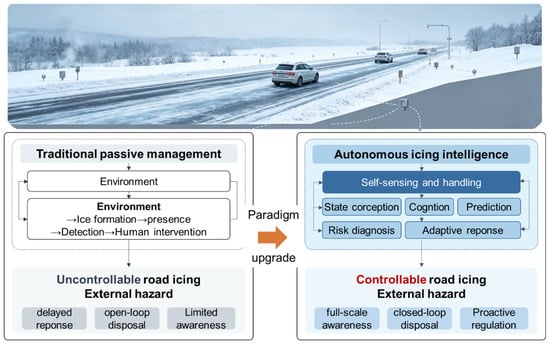
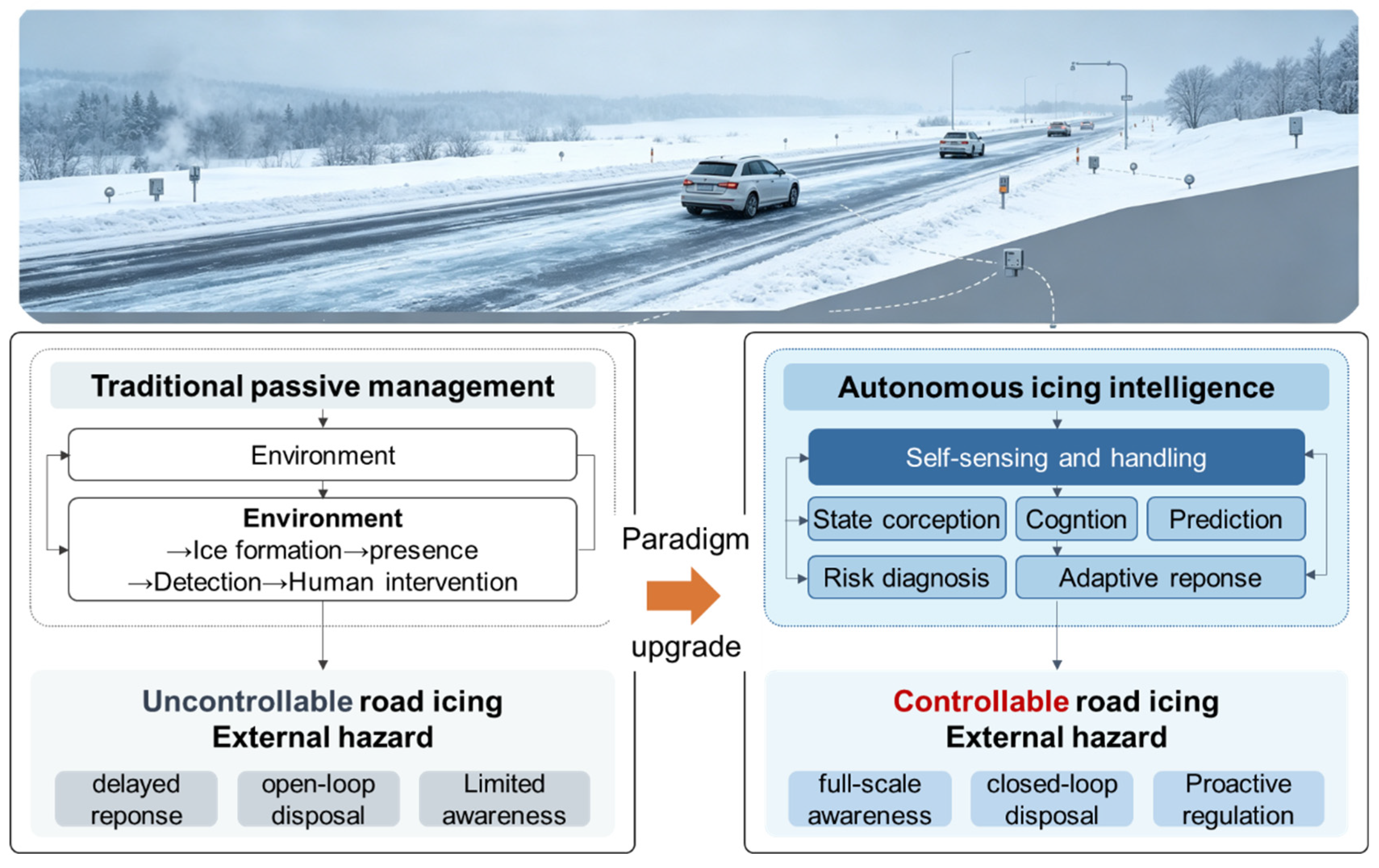
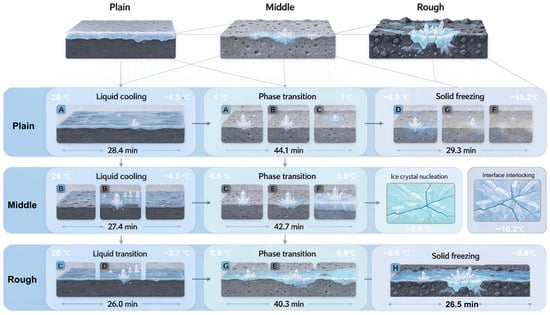
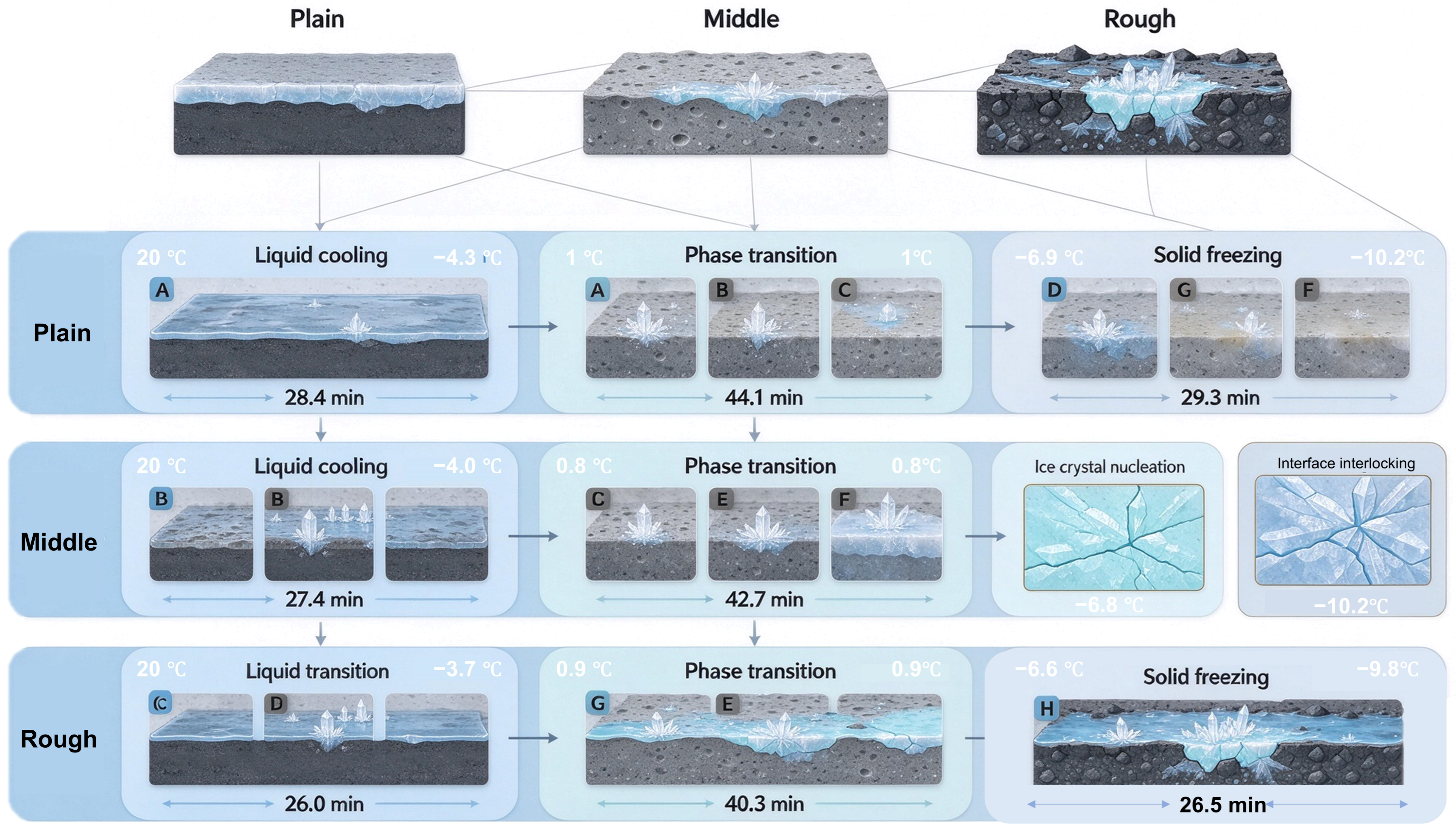
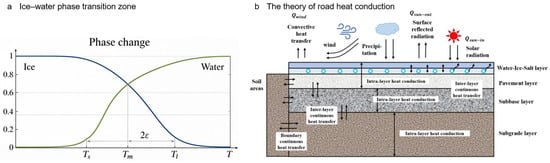
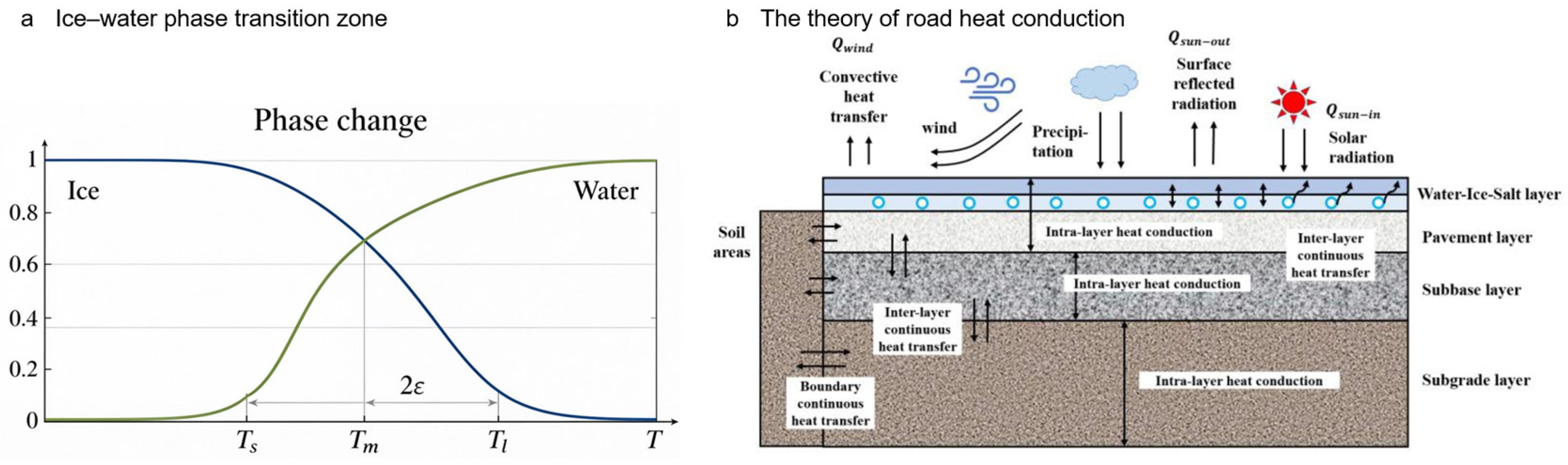
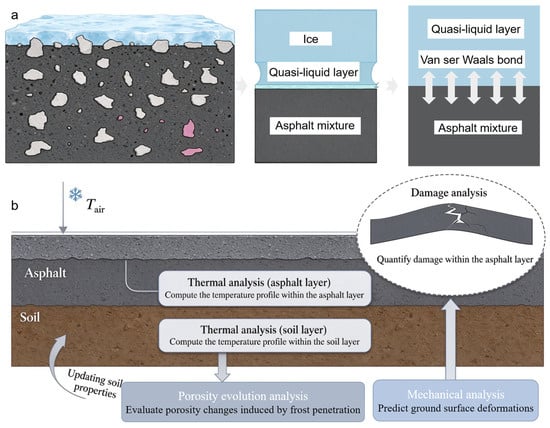
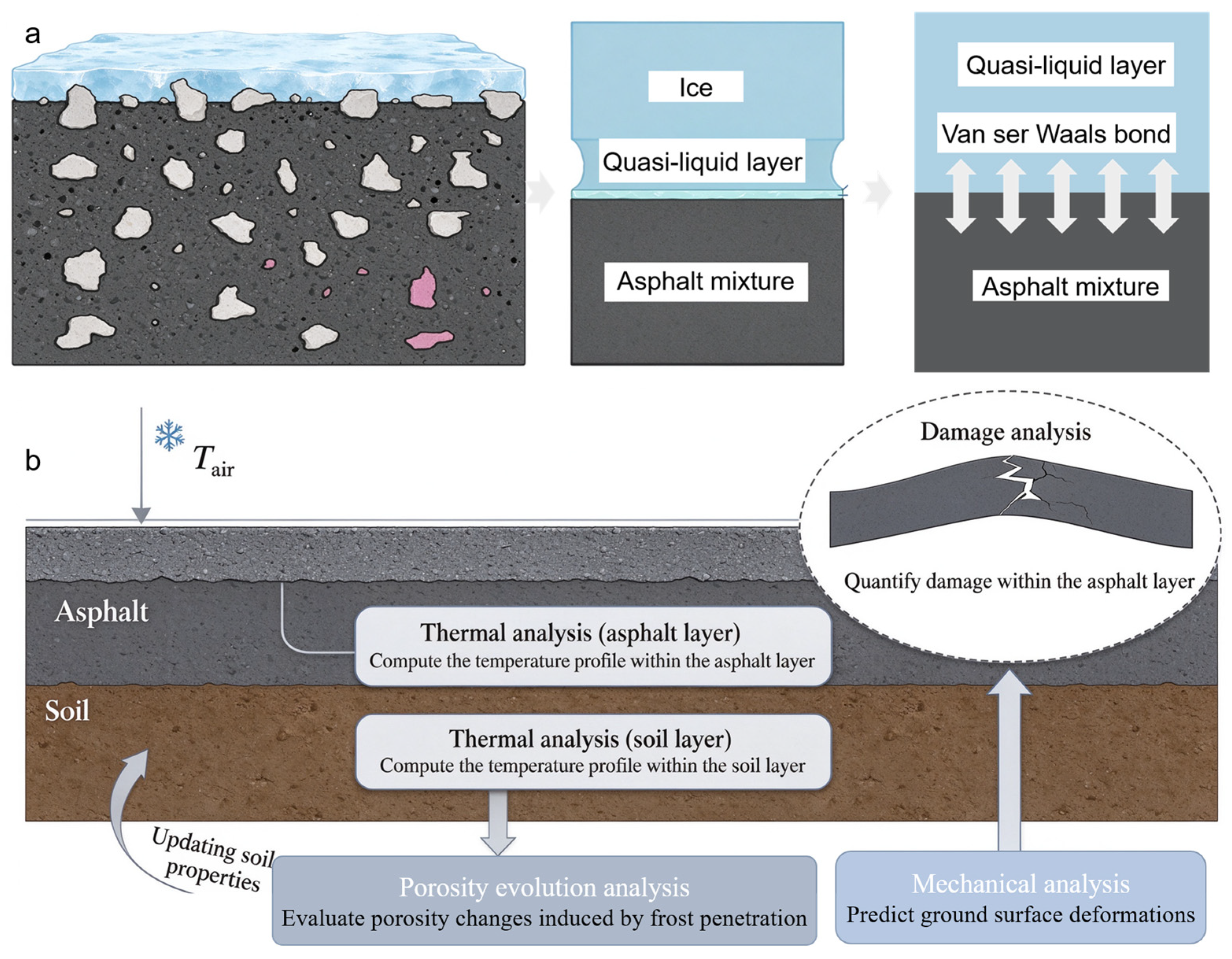
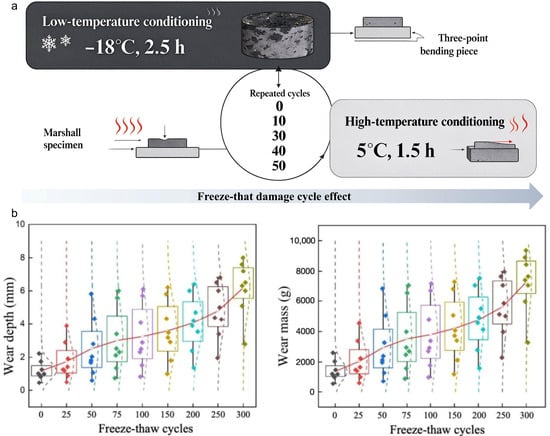
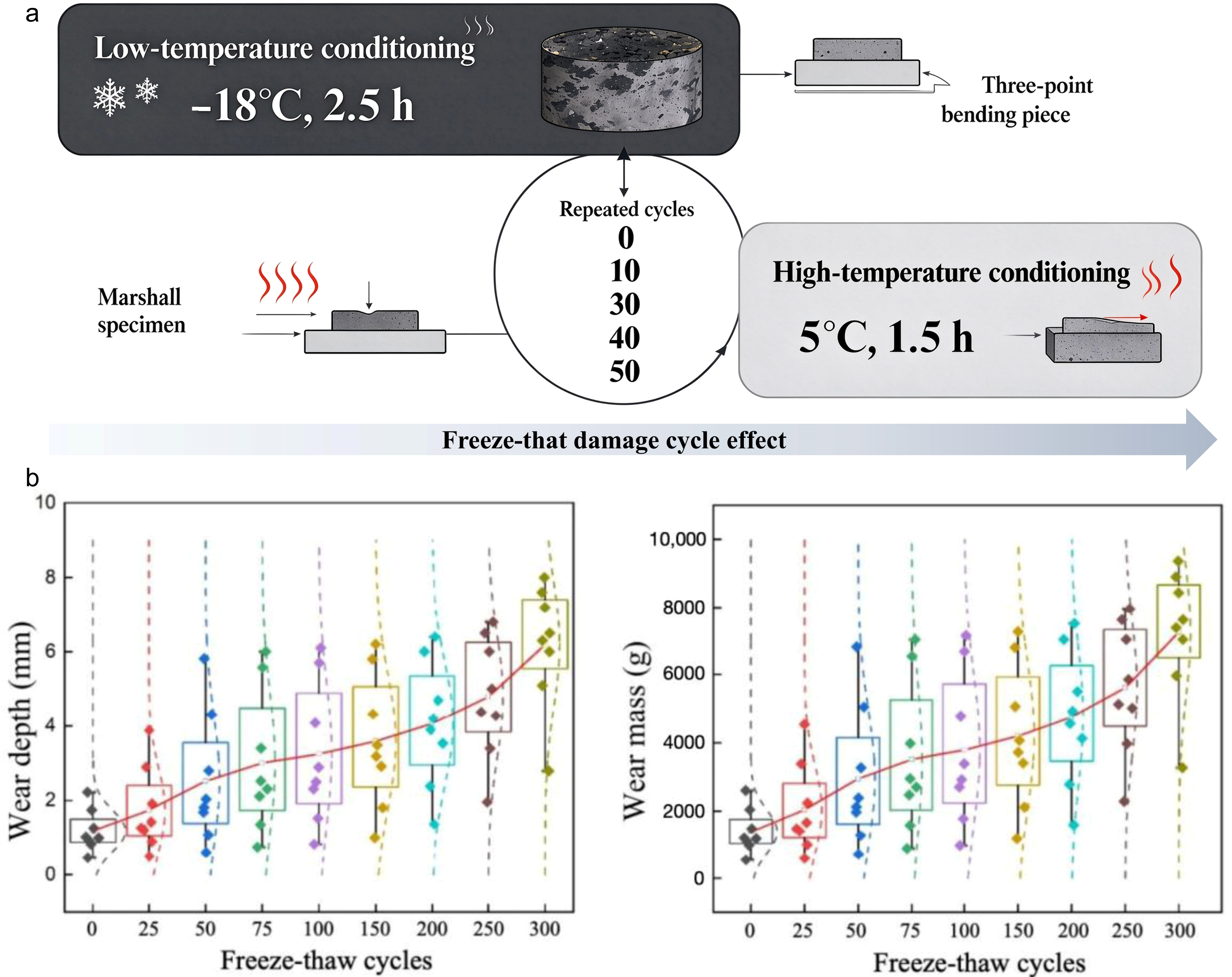
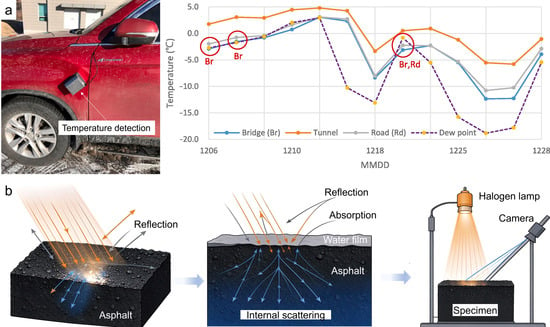
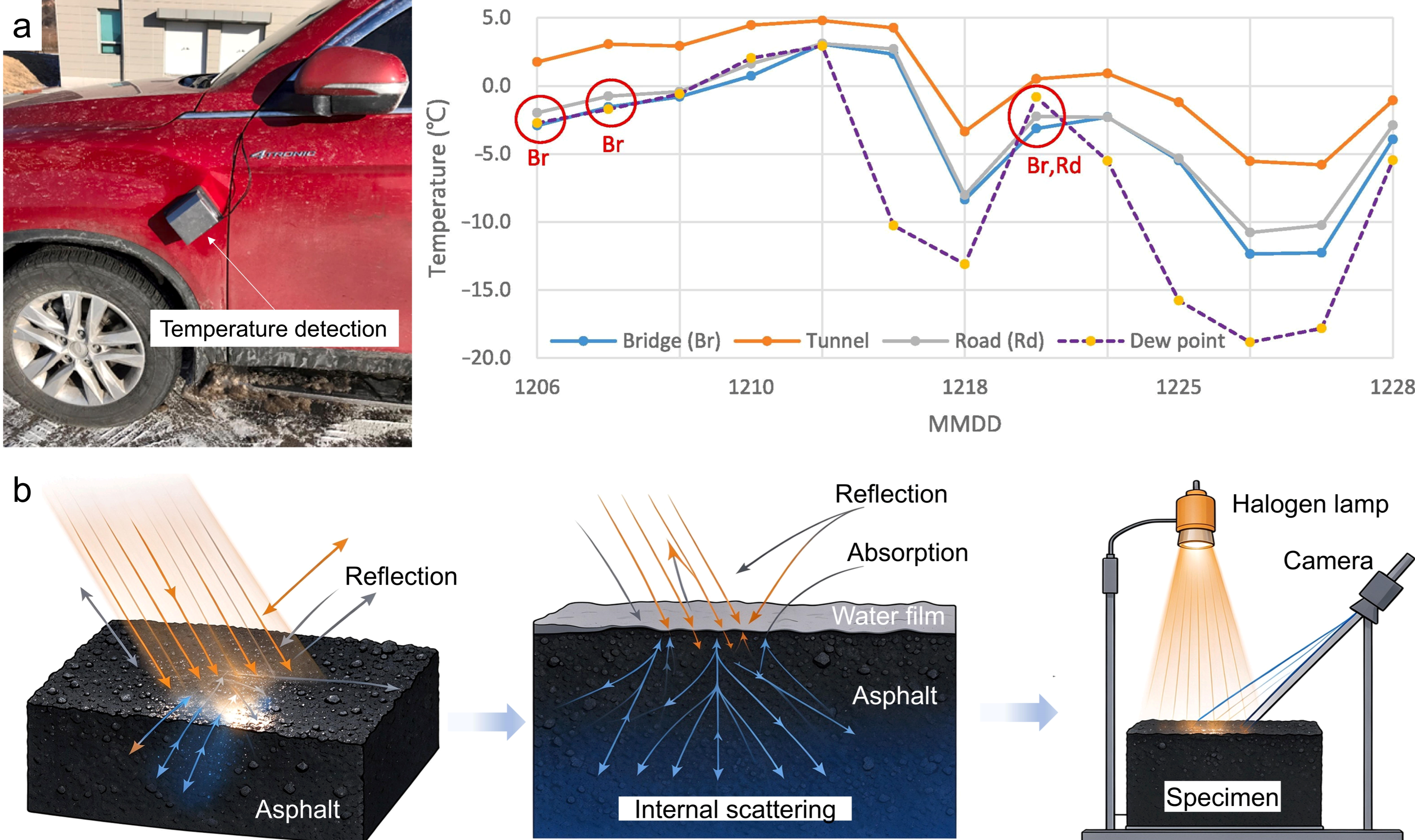
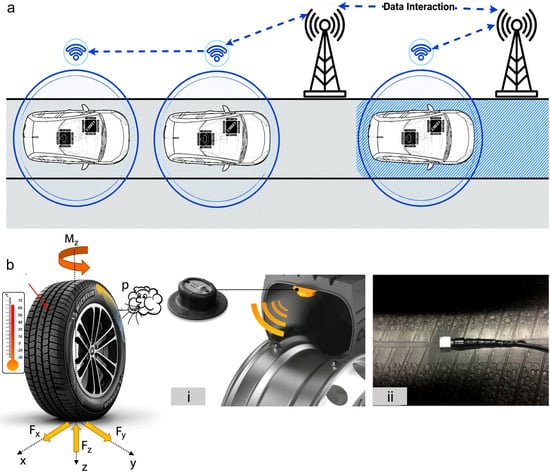
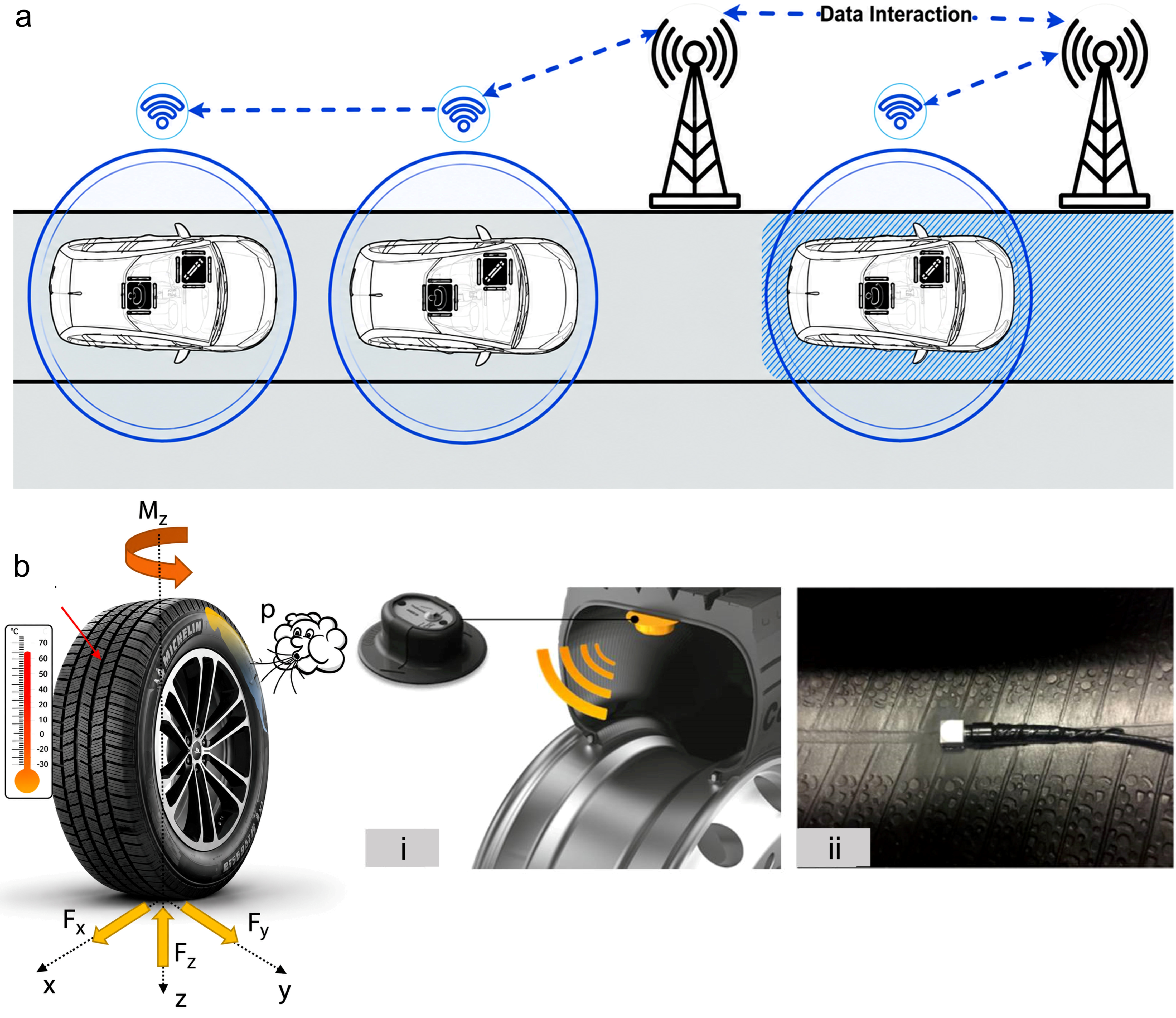
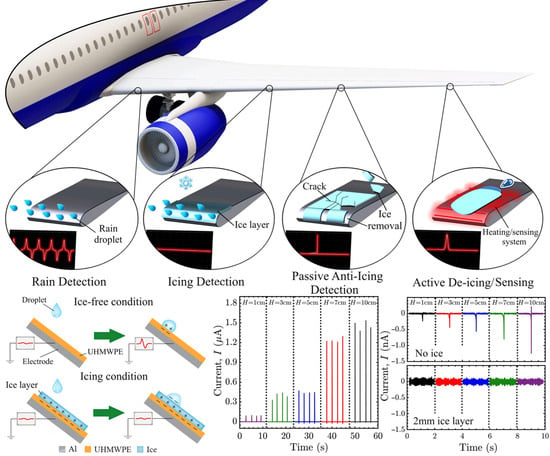
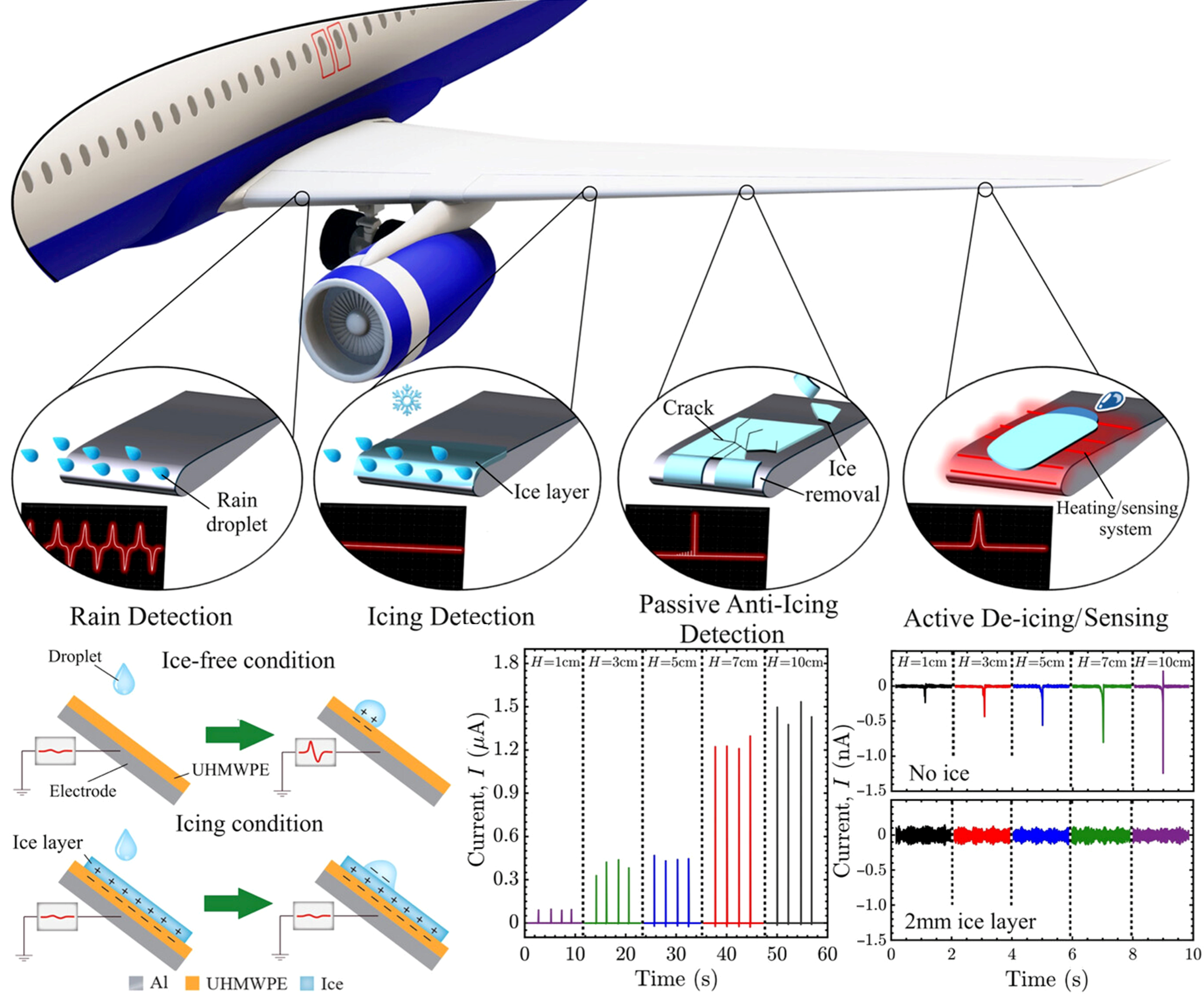
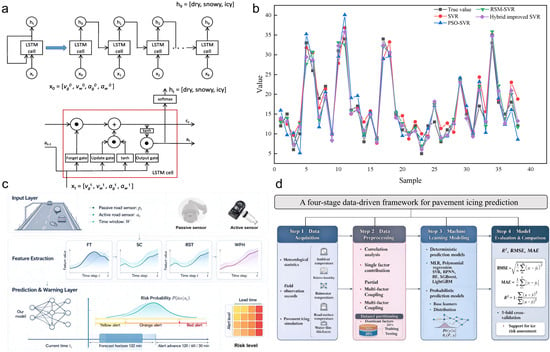
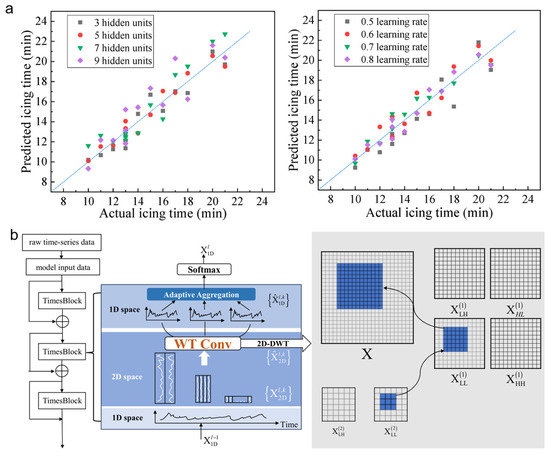
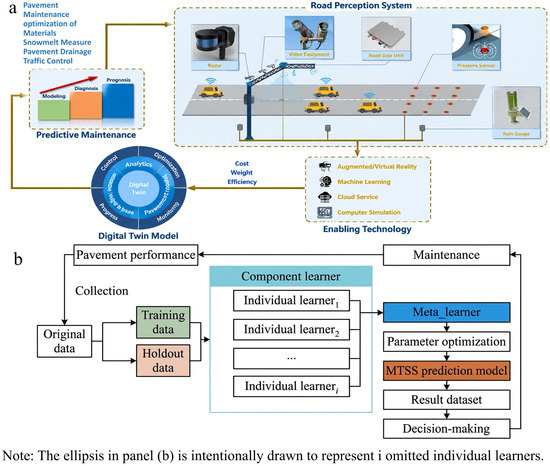
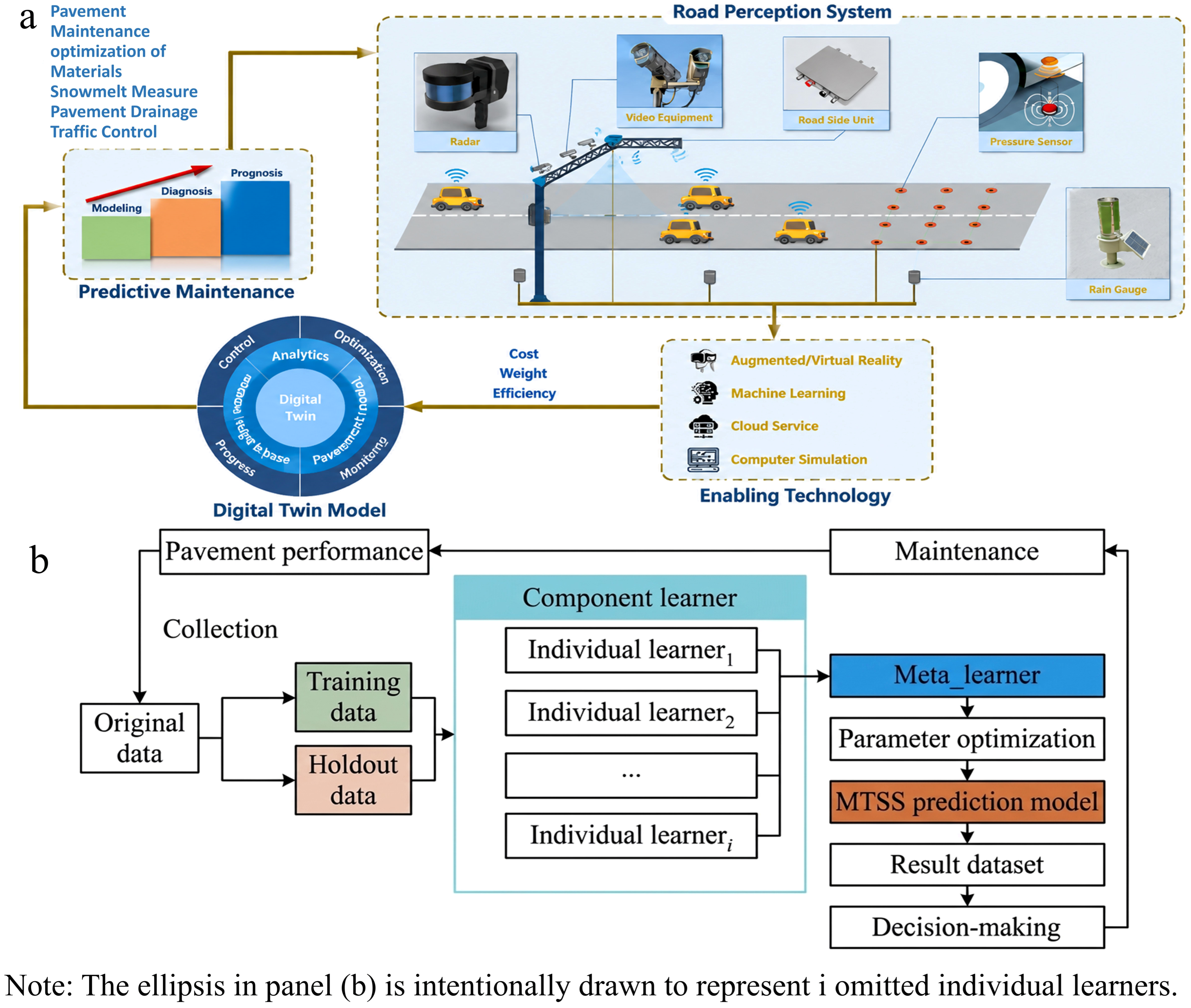
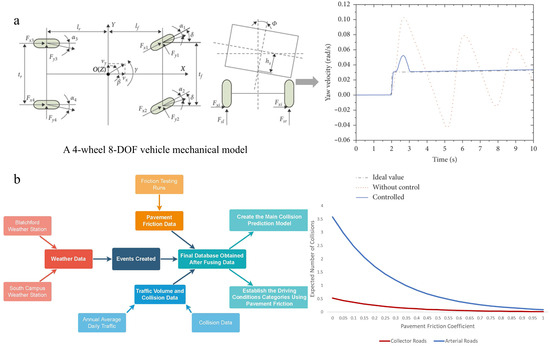
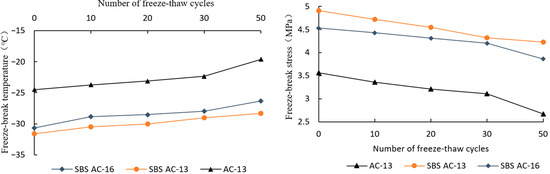
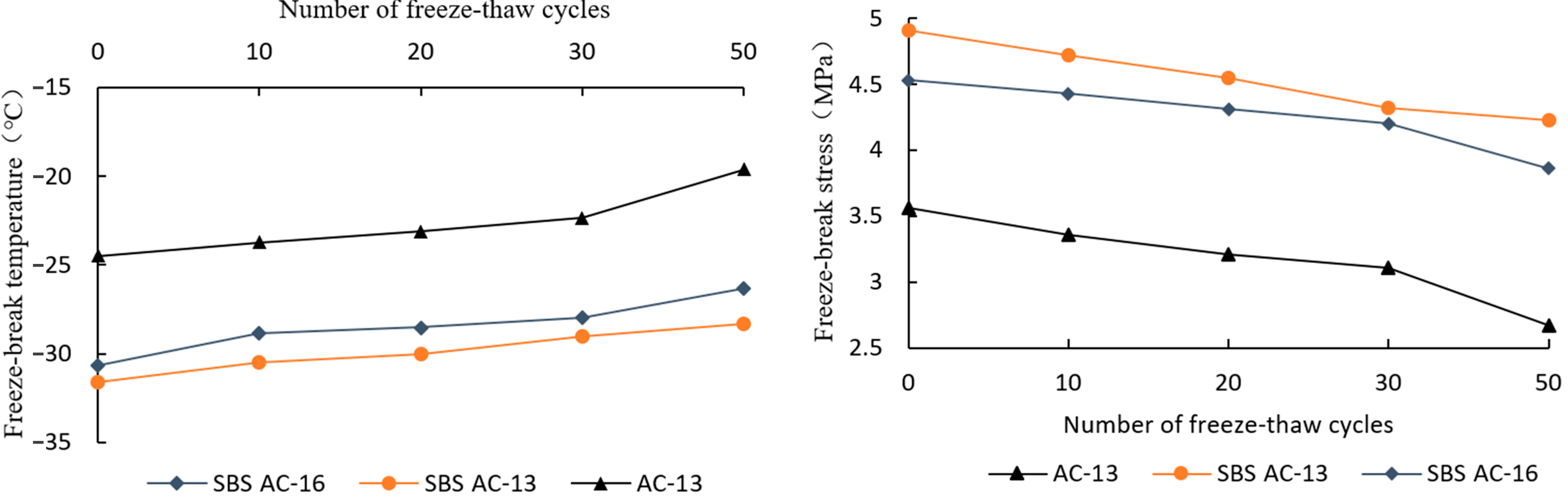
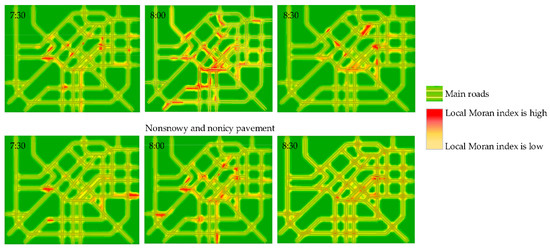
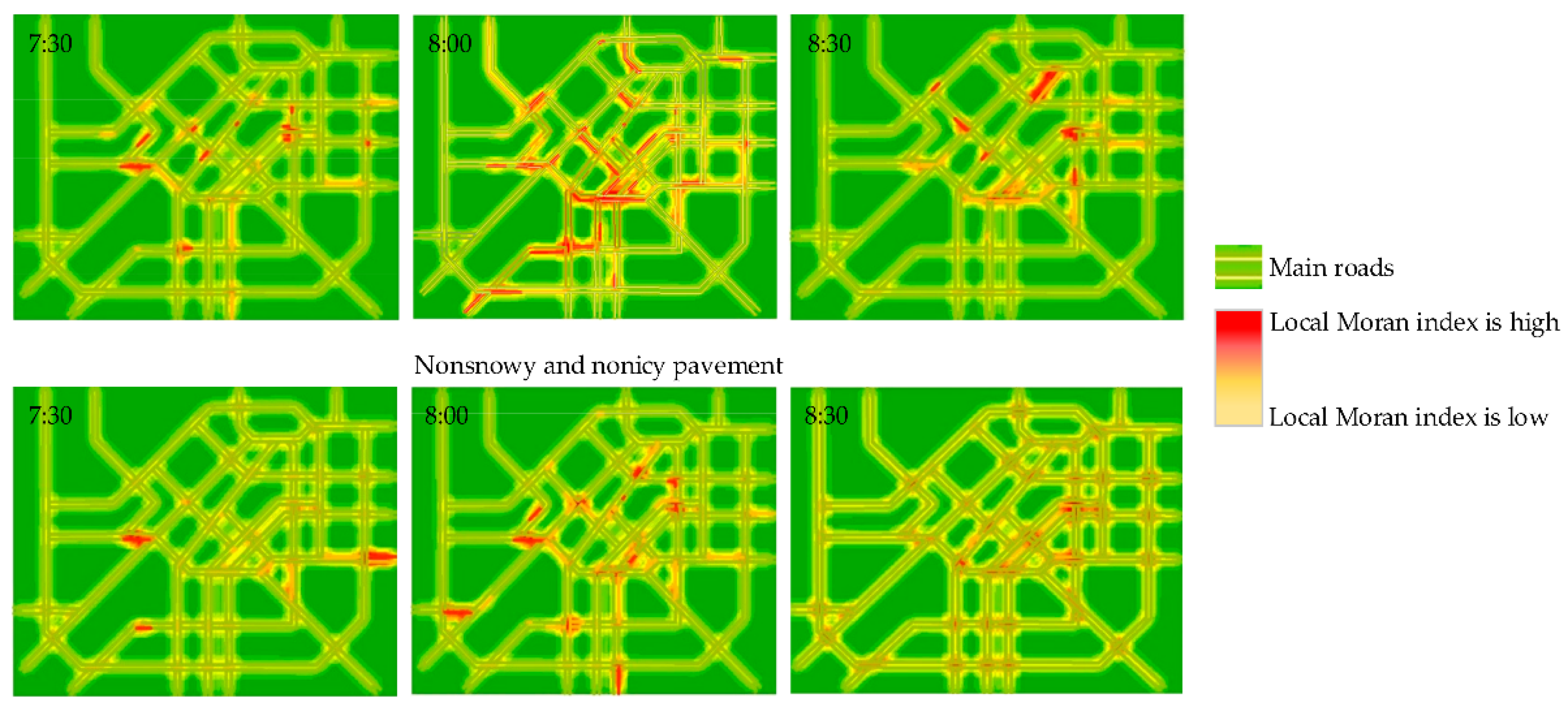
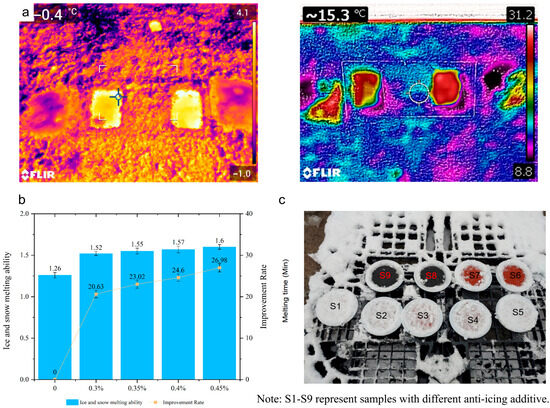
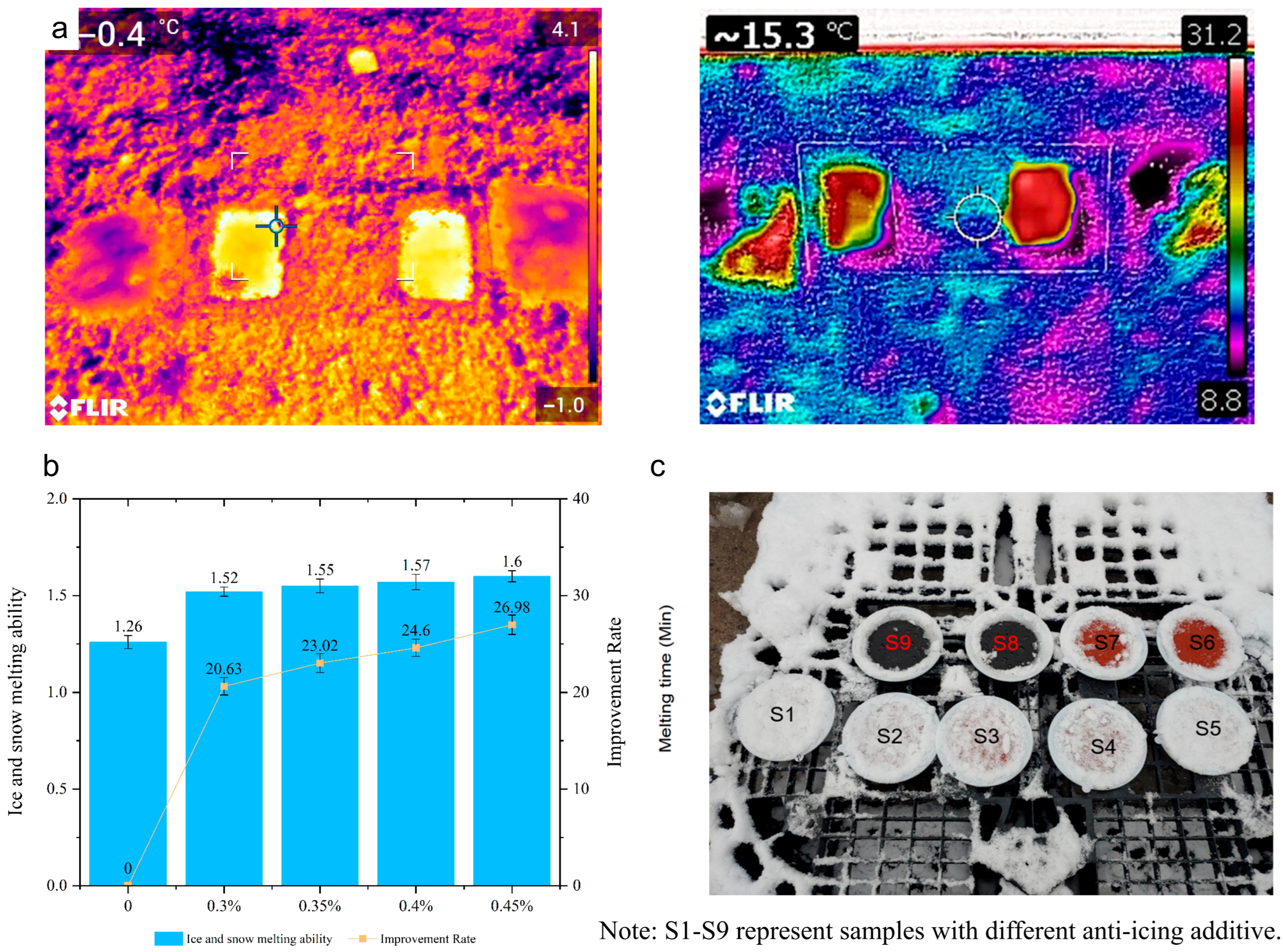
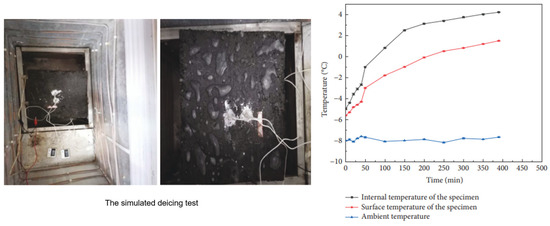
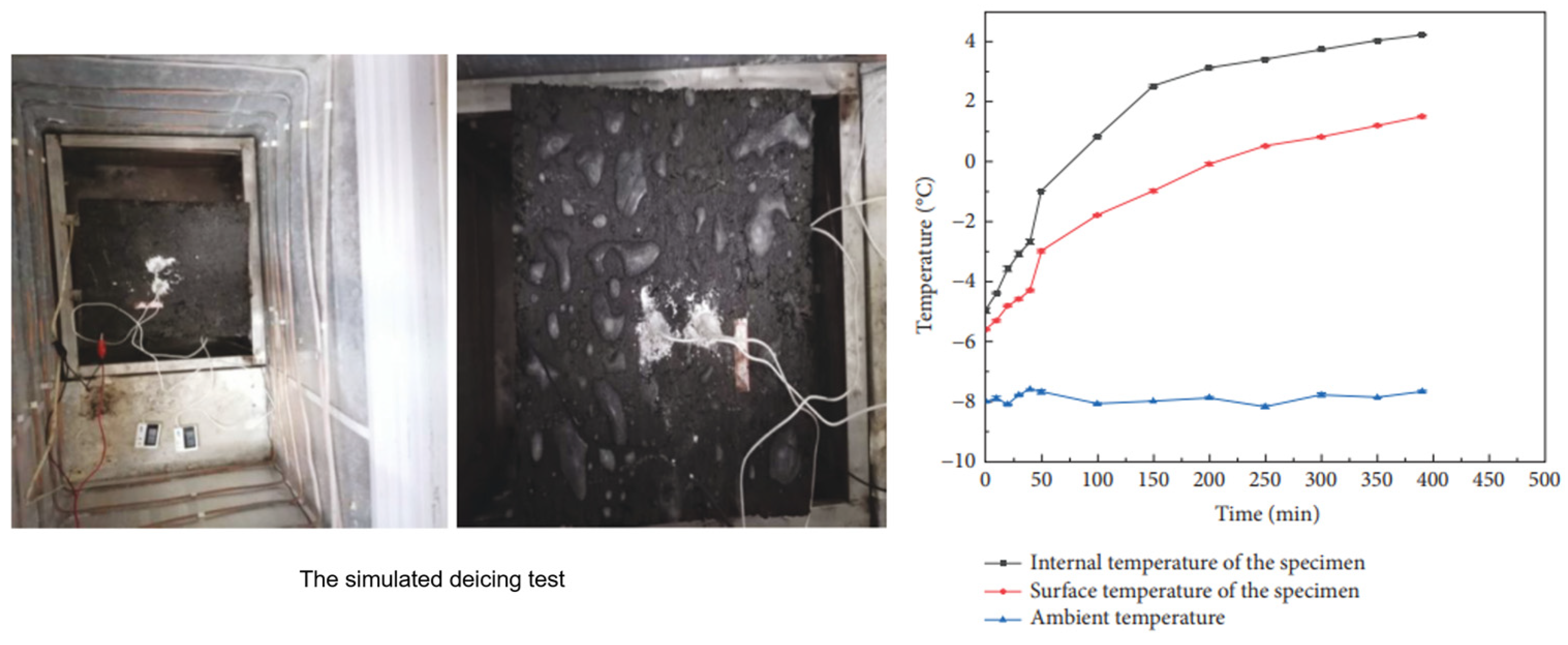
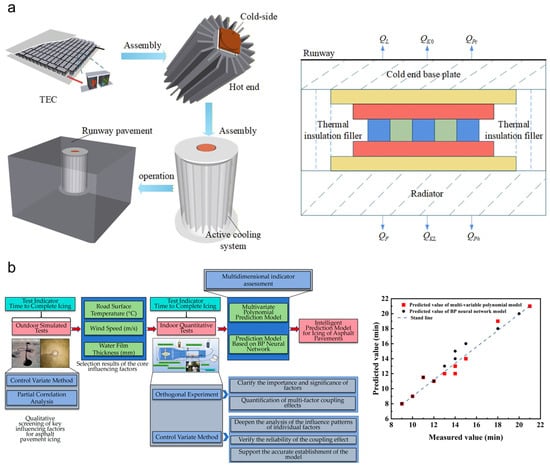
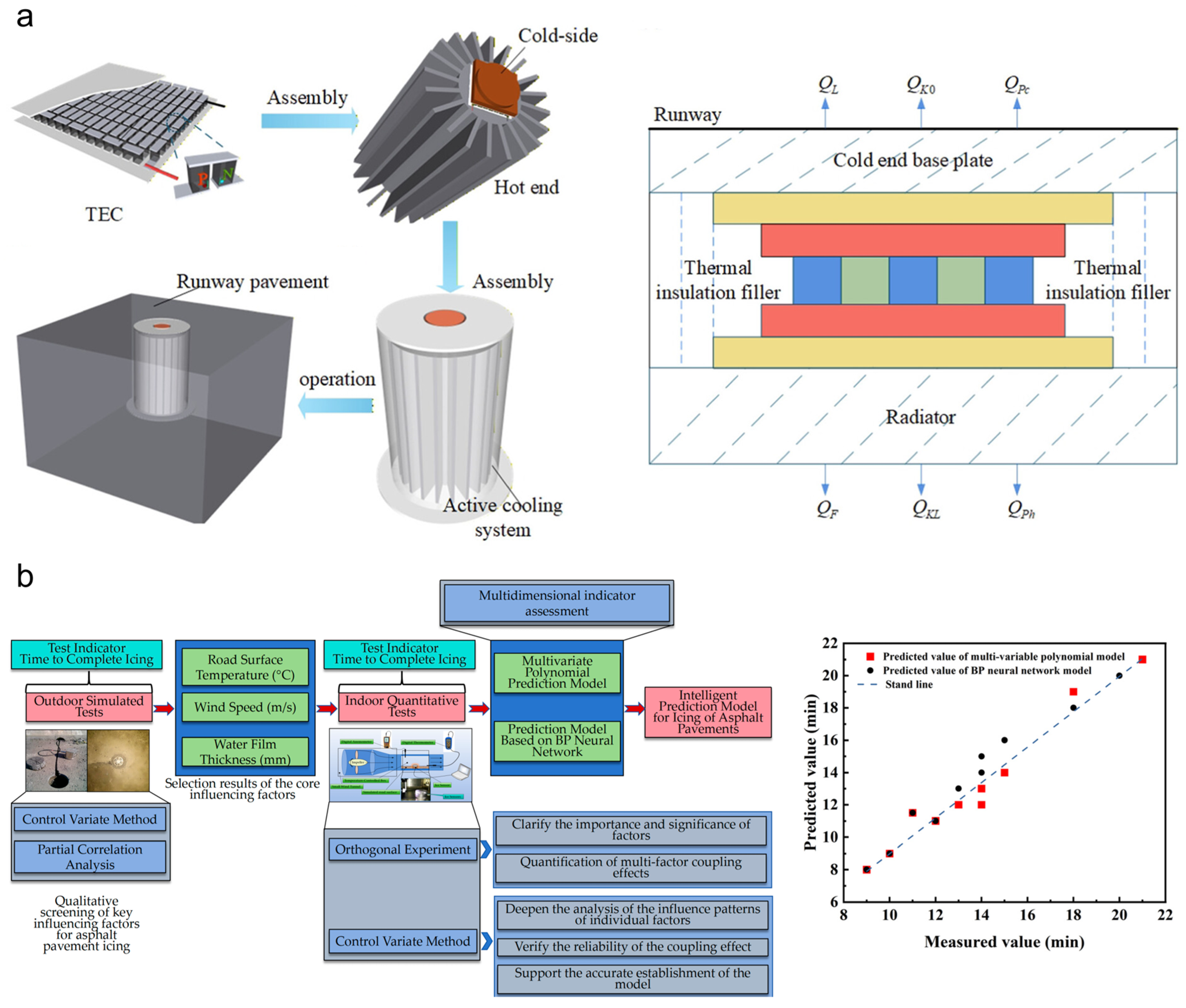
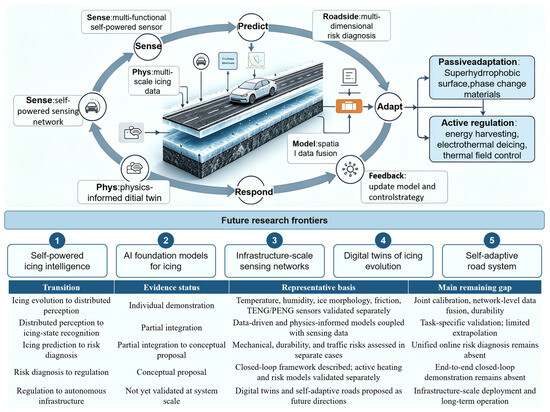
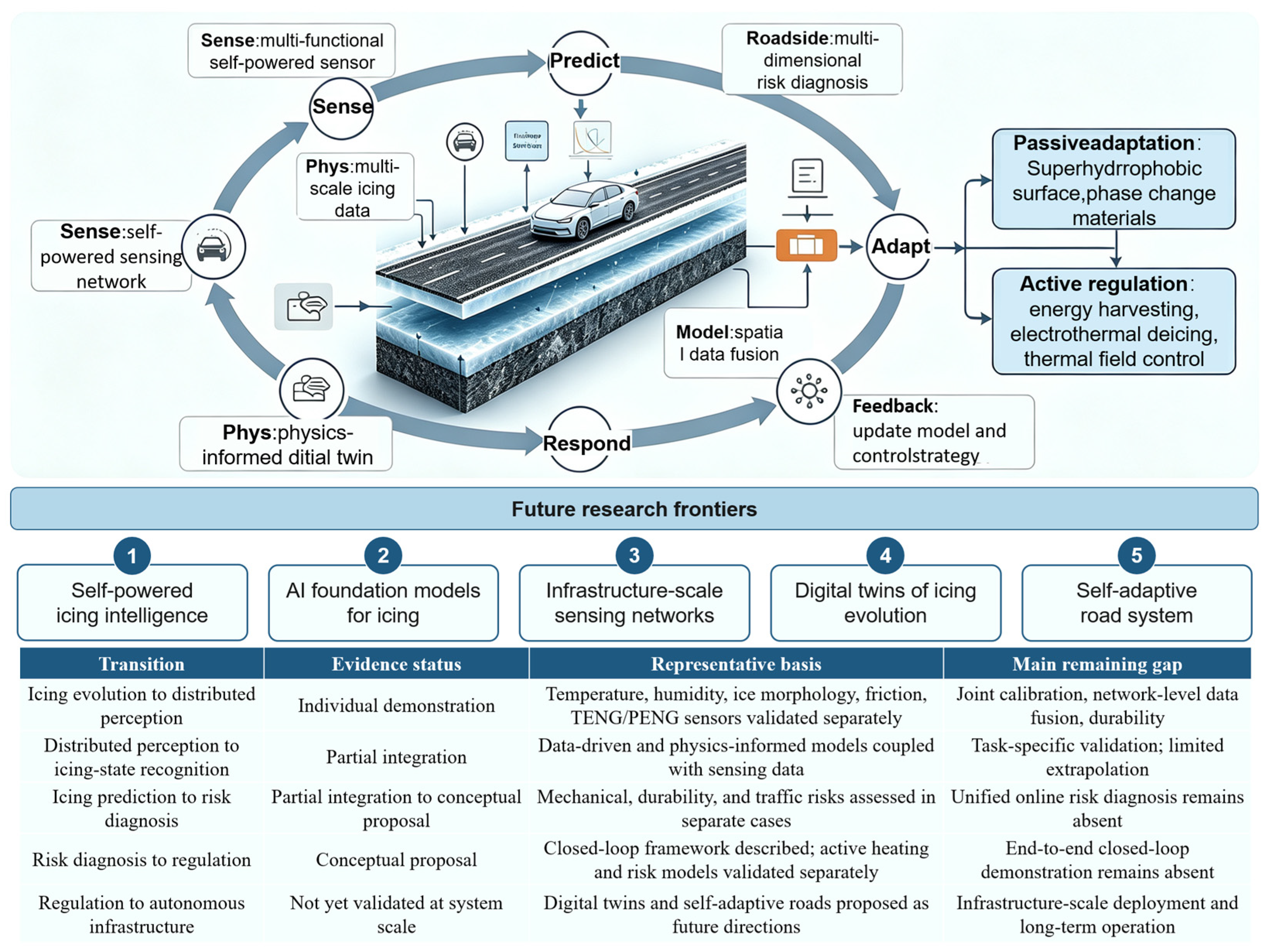

Disclaimer/Publisher’s Note: The statements, opinions and data contained in all publications are solely those of the individual author(s) and contributor(s) and not of MDPI and/or the editor(s). MDPI and/or the editor(s) disclaim responsibility for any injury to people or property resulting from any ideas, methods, instructions or products referred to in the content. |
© 2026 by the authors. Licensee MDPI, Basel, Switzerland. This article is an open access article distributed under the terms and conditions of the Creative Commons Attribution (CC BY) license.