


Abstract
The growing demand for environmentally compatible water-treatment technologies has increased interest in bio-based coagulants as alternatives or complementary agents to conventional chemicals. This study evaluated polysaccharide-containing extracts from Opuntia ficus-indica and Subpilocereus repandus against polyaluminum chloride (PAC) using coagulation–flocculation jar tests with synthetic and natural raw-water matrices. In synthetic water (729 NTU turbidity; 610 Pt–Co apparent color), both cactus-derived biocoagulants showed their highest clarification performance at 10 mg/L. Opuntia ficus-indica achieved 94.65% turbidity and 83.33% apparent color removal, while Subpilocereus repandus achieved 89.49% and 73.72%, respectively. PAC produced faster clarification and higher overall removal; at 16 mg/L, turbidity and apparent color removals reached 99.81% and 99.51% after 60 min. In the exploratory natural raw-water assessment (41 NTU; 301 Pt–Co), Subpilocereus repandus at 10 mg/L achieved 97.12% turbidity and 90.03% apparent color removal. Cactus-derived extracts showed dose- and time-dependent behavior with limited pH variation. COD initially increased after cactus-extract addition, reflecting oxidizable organic matter introduced by the extracts, then decreased during treatment. These findings support their potential as alternative or complementary materials for water clarification.
1. Introduction
Universal access to safe drinking water constitutes one of the major technical and social challenges of the 21st century, serving as a fundamental pillar for human development and public health. Within conventional drinking-water treatment systems, coagulation–flocculation constitutes a key unit operation for the removal of suspended solids, colloidal particles, natural organic matter, pathogens, and disinfection by-product precursors. Consequently, the development of a sustainable and efficient coagulation process has become increasingly important in response to stricter water quality regulation and the global transition toward greener industrial technology [1,2].
For decades, coagulation–flocculation processes have been dominated by the intensive dosing of inorganic chemical coagulants such as aluminum sulfate, ferric chloride, and polyaluminum chloride (PAC), which achieve high removal efficiencies mainly through charge neutralization and sweep flocculation mechanisms. However, the intensive use of these chemicals has generated increased environmental, operational, and economic concerns, including high sludge production, residual metal accumulation, elevated chemical consumption, and increased treatment costs, particularly in decentralized and resource-limited regions [1]. In fact, the massive generation of residual sludge from metallic salts represents between 3% and 5% of the total treated water volume [3]. To illustrate this magnitude, large cities in Brazil alone produce approximately 90 tons of dry sludge daily [4].
In addition to their economic and environmental implications, the physicochemical properties of conventional coagulants pose significant challenges during water treatment processes. Upon hydrolysis, aluminum- and iron-based coagulants can consume the natural alkalinity of water and consequently decrease its pH. The magnitude of this pH reduction depends strongly on factors such as the coagulant dose, the initial alkalinity of the water, and, in the case of polyaluminum chloride (PAC), its basicity; under certain treatment conditions, substantial pH reductions have been reported, for example, from near-neutral values (e.g., pH 7.2) to approximately pH 3.6. Consequently, additional alkaline reagents are required to restore suitable operation conditions, further increasing operational complexity and treatment costs. In parallel, the coagulation process generates large volumes of sludge rich in metallic precipitates, such as aluminum hydroxides, which are non-biodegradable and require costly handling and disposal procedures [5]. This sludge is frequently classified as hazardous waste due to its high moisture content and massive volume, making its disposal in landfills highly challenging and expensive due to logistical costs, spatial scarcity, and increasingly strict environmental regulations, which ultimately fosters improper dumping practices [3,4]. Moreover, the improper disposal of these residues poses severe toxicity risks to ecosystems; when residual aluminum is released into water bodies, it alters the chemical composition, threatens aquatic flora and fauna, and diminishes biodiversity, being particularly dangerous in acidic or alkaline environments where it remains in an easily absorbable ionized form [4,6]. Beyond these operational drawbacks, growing concern has emerged regarding the potential impacts of residual dissolved metal ions, particularly Al3+, remaining in treated water after processing. Long-term exposure to residual aluminum has raised concerns regarding potential human health effects [7]. Several studies have investigated the potential health effects associated with long-term aluminum exposure, including neurological disorders, cognitive impairment such as Alzheimer’s disease, respiratory problems, and cancer [1]. However, the available evidence varies according to the route, duration, and level of exposure, and the potential health risks associated with residual aluminum in drinking water remain a subject of scientific debate [1]. Faced with this scenario, characterized by the high costs of chemical handling and hazardous waste management, water treatment research has shifted toward the development of environmentally compatible and safe alternatives [2,7].
In response to this need for a transition toward sustainability, natural plant-based biocoagulants have emerged as disruptive, renewable, environmentally friendly, and economically viable alternatives to conventional chemical coagulants. Unlike inorganic salts, these organic materials, derived from sources such as Moringa oleifera seeds, oak leaves, pinecones, and cactus biomass, are biodegradable, non-toxic, environmentally safe, and capable of producing treated water free from residual metallic ions [8,9]. These eco-friendly alternatives stand out for their high biodegradability and null toxicity, producing up to five times less sludge volume than their chemical counterparts; moreover, this organic sludge is safe and can be repurposed as biofertilizer [10]. Among these materials, species belonging to the Cactaceae family have attracted considerable scientific interest due to their high content of natural biopolymers, particularly mucilage, polysaccharides, proteins, and polyphenolic compounds, which exhibit coagulation and flocculation properties. Several cactus species have been investigated for this purpose, including Opuntia ficus-indica, Opuntia cochenillifera and Stenocereus griseus, all of which contain hydrocolloidal compounds capable of promoting particle aggregation and turbidity removal from contaminated water [11,12,13,14]. In particular, Opuntia ficus-indica has become one of the most extensively studied species because of its abundance, rapid growth, low cultivation requirements, and high mucilage yield, making it especially attractive for decentralized and low-cost water treatment applications [11]. The integration of Cactaceae mucilages into water purification infrastructures intrinsically aligns with the principles of sustainability and the circular economy, as the valorization of agricultural by-products—such as fruit peels and discarded cladodes—transforms underutilized biological waste into high-value resources for environmental remediation, drastically reducing the carbon footprint of the treatment process [15,16].
The primary mechanism of these natural plant-based biocoagulants transcends simple charge neutralization. Their long polymeric chains and active functional groups, such as hydroxyls and carboxylates, promote adsorption and polymer bridging between colloidal particles, thereby facilitating particle aggregation and floc formation [17,18]. Specifically, in the Opuntia genus, a key structural component of these mucilaginous polysaccharides is galacturonic acid, which presents a high concentration of free carboxyl groups (-COOH) due to its low degree of esterification [19]. This imparts a predominantly polar and hydrophilic character to the mucilage, enabling electrostatic interactions with divalent ions to form stable gels via an “egg-box” mechanism that effectively traps and precipitates pollutants [15]. Simultaneously, the extensive polymer chains unfold in the aqueous solution, linking multiple colloidal particles at once to form larger, denser, and fast-settling flocs [20]. These biopolymers have demonstrated effective removal of turbidity, color, and chemical oxygen demand (COD). Furthermore, their ability to perform under a broad pH range without depleting the natural alkalinity of water reduces the requirement for additional pH-correction reagents [21]. Since they are non-corrosive and do not consume water alkalinity, biocoagulants offer exceptional pH stability, preventing infrastructure deterioration, and further lowering operational costs [20]. In addition, they produce a significantly lower quantity of sludge, which is more compact and readily biodegradable, allowing its potential reuse in agricultural applications, such as fertilization, or in construction materials, thereby promoting circular economy practices and waste valorization [11]. However, despite these multiple ecological benefits, the use of biocoagulants presents significant limitations. Their organic nature can inadvertently increase the dissolved organic matter load in the effluent, potentially elevating the chemical and biological oxygen demand (COD and BOD), which may foster unwanted microbial growth, biofilm formation, or alter the water’s color and odor, often necessitating subsequent purification steps [10,22]. Furthermore, standardizing their production and scaling them to an industrial level remains a critical challenge; the composition of natural biocoagulants exhibits high variability dependent on geographical location, climate, soil conditions, and harvest season [23]. This natural inconsistency, coupled with the lack of standardized extraction protocols and a limited shelf life due to susceptibility to microbial degradation during storage, currently hinders their ability to fully replace conventional chemicals on a large scale [24,25]. Nevertheless, despite these advances and their demonstrated long-term economic viability, most studies remain limited to evaluation using synthetic-water matrices or to applications in which these materials act only as coagulant aids rather than primary coagulants [26]. Moreover, there is still a notable scarcity of research analyzing the standalone performance of less-documented endemic Andean species, such as Subpilocereus repandus, and directly contrasting their efficiency with commercial coagulants under natural raw-water conditions [27].
This study explores the potential application of biocoagulants derived from Andean cacti as sustainable alternatives to conventional metallic coagulants in drinking-water treatment. Unlike traditional inorganic salts, extracts obtained from Opuntia ficus-indica and Subpilocereus repandus can promote water clarification while maintaining pH stability, thereby reducing the need for additional chemical adjustment stages and simplifying technical management of treatment plants. In addition, the high affinity of these biopolymers for suspended and organic contaminants present in natural waters suggests a superior potential for turbidity and organic matter removal without the risks associated with residual metallic ions. Practical applications of these cactus-derived polysaccharides have demonstrated remarkable efficiencies, achieving turbidity reductions ranging from 66% to over 82%, alongside the successful elimination of total suspended solids and bacteriological contaminants such as total coliforms [16]. The biodegradable nature of the generated sludge further supports its environmental compatibility and potential application in decentralized and rural treatment systems. The use of regionally available cactus biomass promotes environmental sustainability through the valorization of renewable biological resources while supporting technological sovereignty and the development of locally accessible water treatment solutions in resource-limited regions, where reducing dependence on imported chemical reagents is particularly important.
Therefore, the main objective of this study was to evaluate the coagulation–flocculation performance of polysaccharide-containing extracts obtained from Opuntia ficus-indica and Subpilocereus repandus as sustainable alternatives to polyaluminum chloride (PAC) for drinking-water treatment. Comparative jar-test experiments were conducted using both synthetic and natural-water matrices under equivalent operational conditions in order to assess the technical feasibility and competitive performance of these biocoagulants in realistic water treatment scenarios.
2. Materials and Methods
The following diagram (Figure 1) represents the complete process of extraction and use of the polysaccharide for the tests proposed in this study:
Figure 1.
Schematic overview of biomass pretreatment, preliminary dehydration-method evaluation, extraction, and subsequent application of the obtained cactus-derived extracts in the experimental assays. Oven-drying and freeze-drying were preliminarily evaluated for both cactus species, and the dehydration procedure providing the higher extraction yield for each species was selected for subsequent extract preparation.
2.1. Study Area and Plant Material
Cladodes of Opuntia ficus-indica and Subpilocereus repandus were collected in the Ecuadorian Andes (Pichincha Province). Plant material was selected according to defined criteria to ensure homogeneity and reproducibility of the extraction process. Only mature cladodes that were physiologically developed (approximately 20–30 cm in length) were harvested from healthy plants showing no visible signs of disease, mechanical damage, or dehydration. Sampling was conducted during the dry season between May and September to minimize variability associated with moisture content.
Following collection, the cladodes were placed in polyethylene containers and transported to the laboratory within a time period of 4 h to prevent degradation. Upon arrival, the material was rinsed with distilled water to remove adhering soil particles and surface contaminants, and then air-dried at ambient temperature prior to further processing. The quantity of plant material collected was sufficient to support all extraction procedures and subsequent experimental analyses.
2.2. Dehydration and Milling
After manual removal of spines and external impurities, the cladodes were cut into small fragments (approximately 2–3 cm). Two dehydration procedures, convection-oven-drying at 45 °C until constant weight and freeze-drying, were preliminarily evaluated for both Opuntia ficus-indica and Subpilocereus repandus. For each species, the dehydration procedure resulting in the higher extraction yield was selected for preparation of the extracts subsequently evaluated in the coagulation–flocculation experiments. Based on this preliminary assessment, oven-drying was selected for Opuntia ficus-indica, whereas freeze-drying was selected for Subpilocereus repandus. This preliminary assessment was conducted as a processing-selection step and was not intended to evaluate the dehydration method as an independent experimental factor. Freeze-drying was performed at a temperature of −45 °C during freezing, followed by primary drying under vacuum of around 0.35 mbar, for 48 h until a constant mass was achieved. The dried material was subsequently milled using a laboratory grinder to obtain a homogeneous powder. The resulting material was sieved through a 600 µm mesh, and the fraction passing through the sieve was collected to obtain a defined particle size for extraction, thereby enhancing mass transfer during the extraction process. The processed samples were stored in airtight containers at room temperature until further use in the extraction procedures.
2.3. Hot-Water Extraction and Ethanol Precipitation
Polysaccharide-containing extracts were obtained through a solid–liquid extraction process using distilled water as solvent. Subsequently, hot-water extraction was performed in a Soxhlet apparatus for 6 h, operating near the boiling point of water (95–100 °C). This continuous extraction approach allowed repeated solvent recirculation, thereby enhancing mass transfer and promoting the recovery of water-soluble polysaccharides [28]. Upon completion, the extract was cooled to room temperature and homogenized to ensure uniform composition.
The homogenized extract was then filtered using a Whatman No. 1 filter paper to remove insoluble residues. The resulting filtrate was concentrated by vacuum evaporation at 31 °C and 2 bar. The concentrated extract was subsequently subjected to precipitation by gradually adding absolute ethanol under constant stirring until a final ethanol concentration exceeding 60% (v/v) was reached [29]. To facilitate complete precipitation of high-molecular-weight fractions, the mixture was maintained at 4 °C for 96 h. The efficiency of polysaccharide separation by ethanol precipitation is significantly enhanced when the mixture is incubated under refrigerated conditions for an extended period, typically exceeding 12 h, due to the reduced solubility of the polymer at low temperatures [30].
Following precipitation, the solid fraction was recovered by centrifugation at 5000 rpm for 10 min and subsequently washed with ethanol to remove residual impurities. Finally, the recovered material was dried at 45 °C until constant weight, yielding the biocoagulant fraction, which was stored in airtight containers at room temperature until further use.
2.4. FTIR Analysis
Fourier-transform infrared (FTIR) spectroscopy was used to identify the functional groups present in the extracted biocoagulant fractions. Samples were prepared using the KBr pellet method following standard procedures for polysaccharide-based materials. Spectral analyses were conducted with a JASCO FT/IR-4700 spectrometer (JASCO Corporation, Tokyo, Japan), over the mid-infrared range (4000–400 cm−1) at a resolution of 4 cm−1. The obtained spectra were interpreted by identifying characteristic absorption bands associated with O–H stretching, C–H vibrations, carbonyl and carboxylate groups, and glycosidic linkages, which are indicative of polysaccharide structure and composition [31,32].
2.5. Synthetic Raw-Water Preparation
A synthetic raw-water matrix was prepared to control baseline conditions and minimize influent variability across jar tests. The formulation was designed to reproduce the target turbidity characteristics under controlled and reproducible conditions.
The synthetic water was prepared using commercial kaolin powder as the primary turbidity-inducing component. The commercial product had a nominal purity of approximately 60% (w/w). For the preparation of 1 L of synthetic water, 3.00 g of commercial kaolin powder was added to 1 L of distilled water. Based on the stated purity of the commercial material, this corresponded to an estimated nominal kaolin content of 1.80 g L−1. In addition, 0.10 g of sodium chloride (NaCl, reagent grade, Fisher Scientific, Waltham, MA, USA) was added per liter of distilled water, resulting in a final NaCl concentration of 100 mg/L. No chromophoric substance was intentionally added to the synthetic-water matrix; therefore, the measured apparent color may reflect contributions from fine suspended particles and other components present in the commercial kaolin material. The mixture was thoroughly homogenized to promote uniform particle dispersion and ensure consistent water quality conditions prior to the coagulation–flocculation experiments.
2.6. Jar Tests and Analytical Monitoring
Jar tests were performed in 1 L beakers to evaluate the coagulation–flocculation performance under controlled conditions. Three dose levels—10, 30, and 60 mg/L—hereafter referred to as low, medium, and high, were applied to assess the dose–response behavior of the biopolymer. Prior to application, the biopolymer was accurately weighed and dissolved in distilled water heated close to its boiling point to enhance solubilization and ensure proper homogenization of the solution. The prepared stock solutions were allowed to equilibrate to room temperature before dosing.
The jar-test procedure included a rapid mixing step at 100 rpm for 60 s, followed by slow mixing at 60 rpm for 20 min to facilitate floc growth, after which the samples were left undisturbed for sedimentation until a total experimental time of 60 min was reached.
For each dose, experiments were conducted in triplicate using independent beakers to quantify within-dose variability and ensure reproducibility. The coagulation–flocculation process was carried out using a standard jar-test procedure consisting of rapid mixing, slow mixing, and subsequent sedimentation, following established methodologies reported in the literature by the American Public Health Association and Standard Methods for the Examination of Water and Wastewater [33].
Samples were collected at defined time intervals (5, 10, 20, 30, 40, 50, and 60 min), and the same sampling schedule was maintained across all experimental conditions. Turbidity was measured using a HACH 2100Q turbidimeter (Hach Company, Loveland, CO, USA), whereas apparent color was determined using a HACH DR1900 spectrophotometer (Hach Company, Loveland, CO, USA) following the corresponding instrument procedures, with distilled water used as the analytical blank. Instrument calibration or verification was performed prior to analysis according to the applicable laboratory procedures. These measurements were used to evaluate the temporal evolution of clarification during the coagulation–flocculation and sedimentation process.
In addition, pH and chemical oxygen demand were monitored to evaluate additional physicochemical responses and potential contributions of dissolved organic matter. COD measurements were performed using a spectrophotometer and low-range digestion vials. The analyses were conducted during three different experimental time phases to evaluate temporal variations throughout the treatment process. These parameters are widely used as indicators of coagulation performance and treated water quality in both conventional and natural coagulant systems [34].
2.7. Experimental Testing of Chemical Coagulants in Synthetic Water
For the experimental evaluation of PAC in the synthetic-water matrix, six concentrations were tested: 2, 4, 8, 12, 16, and 20 mg/L. All PAC treatments were evaluated using the same jar-test procedure and operational conditions described in Section 2.6. The six concentrations were used to characterize the overall PAC dose–response behavior. Based on this preliminary dose–response evaluation, the 12, 16, and 20 mg/L treatments, which represented the higher-performing concentration range, were selected for more detailed temporal and statistical comparison. The complete dose–response results are presented in Table 1.
Table 1.
Temporal dose–response of polyaluminum chloride (PAC) for apparent color and turbidity in synthetic water at concentrations of 2, 4, 8, 12, 16, and 20 mg/L.
2.8. Statistical Analysis
At selected sampling times, one-way analysis of variance (ANOVA) was performed separately to evaluate the effect of coagulant dose on turbidity and apparent color. For the cactus-derived biocoagulants, the three evaluated concentrations (10, 30, and 60 mg/L) were compared independently for each species. For PAC, inferential statistical analysis was conducted using the 12, 16, and 20 mg/L treatments selected from the broader six-dose screening experiment described in Section 2.7. For each analysis, the null hypothesis was that the mean response values were equal among the evaluated dose levels at the corresponding sampling time. Prior to ANOVA, the assumptions of normality and homogeneity of variances were assessed, and no major violations were identified. When a statistically significant effect of dose was detected (α = 0.05), pairwise post hoc comparisons were performed to identify differences between specific concentrations. Multiple-comparison procedures included Bonferroni-adjusted pairwise comparisons, Tukey’s honestly significant difference (HSD) test, and Scheffé’s test. In addition to p-values, eta-squared (η2) was reported as a measure of effect size, representing the proportion of the total variance in the response variable explained by coagulant dose. Statistical analyses were performed using the online version of Numiqo software (http://www.numiqo.com/, Numiqo e.U., Graz, Austria) [35].
2.9. Exploratory Assessment Using Natural Raw Water
To further evaluate the performance of the cactus-derived biocoagulants under a more complex water matrix, an additional assessment was conducted using natural raw water obtained from a drinking-water treatment plant. The natural-water assessment included a stirred no-coagulant control and the three previously evaluated cactus-derived biocoagulant concentrations (10, 30, and 60 mg/L) for each species. PAC was also evaluated; however, because coagulant performance is strongly dependent on water-matrix characteristics, the PAC concentrations used in the natural-water assessment were selected independently based on the best-performing concentration range identified for this specific water. Accordingly, PAC concentrations of 18, 20, and 22 mg/L were evaluated.
The same jar-test procedure and operational conditions described in Section 2.6 were maintained to ensure methodological consistency between the synthetic- and natural-water experiments. Coagulation–flocculation tests were performed in 1 L beakers using the same rapid mixing, slow mixing, sedimentation, and sampling sequence described previously. Turbidity and apparent color were monitored throughout the experimental period to evaluate the temporal evolution of clarification, while chemical oxygen demand (COD) was determined at selected time points to assess changes in oxidizable organic matter. All analytical determinations were performed following the same procedures and instrumental methods used for the synthetic-water experiments.
The natural-water assessment was conducted as a single comparative experiment rather than as an independent replicated experimental series. Therefore, the resulting measurements were interpreted descriptively and were not subjected to inferential statistical analysis. The purpose of this assessment was to provide an initial comparison of treatment performance under a natural-water matrix and to examine whether the clarification behavior observed in synthetic water was also evident under more complex physicochemical conditions.
3. Results
3.1. Polysaccharide Extraction and FTIR Screening
Cladodes were processed to obtain dry powders suitable for extraction, and subsequent hot-water extraction followed by ethanol precipitation yielded polysaccharide-containing fractions intended for evaluation as biocoagulants. FTIR spectroscopy was used to qualitatively characterize the functional groups present in the extracted fractions, and the resulting spectra are presented in Figure 2 and Figure 3.
Figure 2.
FTIR spectrum of the polysaccharide-containing fraction extracted from Opuntia ficus-indica cladodes, showing the characteristic absorption bands associated with functional groups present in the extracted material.
Figure 3.
FTIR spectrum of the polysaccharide-containing fraction extracted from Subpilocereus repandus cladodes, showing the characteristic absorption bands associated with functional groups present in the extracted material.
The spectra exhibited a broad absorption band in the 3600–3000 cm−1 region, corresponding to O–H stretching vibrations characteristic of hydroxyl-rich structures [35,36,37], along with C–H stretching bands in the 3000–2800 cm−1 range [36,37]. Additionally, signals observed between 1750 and 1600 cm−1 were associated with carbonyl and/or carboxylate groups, which are commonly present in polysaccharide-based materials [36]. The region between 1200 and 900 cm−1 showed prominent bands attributed to C–O stretching and glycosidic linkages, characteristic of carbohydrate backbones [37,38].
Overall, these spectral features are consistent with the presence of polysaccharide-containing fractions in the extracted materials. Functional groups such as hydroxyl, carbonyl/carboxylate, and C–O-containing moieties have been associated in the literature with interactions involved in coagulation–flocculation processes, including adsorption and polymer-mediated bridging. However, FTIR analysis alone does not establish the dominant coagulation mechanism occurring under the experimental conditions evaluated in this study.
3.2. Jar-Test Performance on Synthetic Raw Water
The jar-test performance of the biocoagulants was evaluated through clarification experiments conducted on a synthetic raw-water matrix to minimize variability, as previously described. Turbidity and apparent color were monitored during settling for up to 60 min, and three dosage levels (10, 30, and 60 mg/L) were assessed in triplicate.
Both cactus-derived biocoagulants reduced turbidity and apparent color; however, their performance was influenced by both dosage and settling time. In several evaluated conditions, increasing the biocoagulant dose did not result in greater removal and was instead associated with lower final clarification performance. This dose-dependent behavior may be consistent with phenomena reported for natural polymeric coagulants, including particle-surface saturation, excess soluble polymer in suspension, or colloidal restabilization at elevated dosages [39,40,41]. Because these mechanisms were not directly characterized in the present study, they are considered plausible explanations rather than experimentally confirmed mechanisms.
3.3. Dose Effects on Synthetic Raw Water
The removal efficiencies achieved by the evaluated biocoagulants are presented in Table 2 and are discussed in detail in the following sections.
Table 2.
Color and turbidity removal efficiencies achieved by Opuntia ficus-indica and Subpilocereus repandus polysaccharide-containing biocoagulants at different dosages in synthetic water.
3.3.1. Opuntia ficus-indica
Opuntia ficus-indica extracts produced substantial clarification in the synthetic raw-water matrix, reducing both turbidity and apparent color across the evaluated conditions. After 60 min of settling, turbidity removal ranged from 91.8% to 94.7%, while apparent color removal ranged from 69.7% to 83.3% across the tested dose range of 10–60 mg/L. The lowest evaluated dose (10 mg/L) produced the highest final removal efficiencies, reaching 94.65% turbidity removal and 83.33% apparent color removal. The temporal evolution of turbidity and apparent color is presented in Figure 4 and Figure 5.
Figure 4.
Temporal evolution of turbidity in synthetic water treated with the Opuntia ficus-indica-derived biocoagulant at 10, 30, and 60 mg/L. Values are presented as mean ± SD (n = 3).
Figure 5.
Temporal evolution of apparent color in synthetic water treated with the Opuntia ficus-indica-derived biocoagulant at 10, 30, and 60 mg/L. Values are presented as mean ± SD (n = 3).
During the settling process, a rapid initial decrease in turbidity and apparent color was observed, followed by a more gradual stabilization phase, indicating efficient particle aggregation and subsequent settling. In contrast, increasing the dosage did not lead to further improvements and, in some cases, resulted in slight declines in performance, consistent with the overdosing behavior described previously.
3.3.2. Subpilocereus repandus
Subpilocereus repandus also produced substantial clarification in the synthetic raw-water matrix. After 60 min of settling, turbidity removal ranged from 88.5% to 89.5%, while apparent color removal ranged from 67.4% to 73.7% across the evaluated dose range of 10–60 mg/L. As observed for Opuntia ficus-indica, the 10 mg/L treatment produced the highest final removal efficiencies, reaching 89.49% turbidity removal and 73.72% apparent color removal. The temporal evolution of turbidity and apparent color is presented in Figure 6 and Figure 7.
Figure 6.
Temporal evolution of turbidity in synthetic water treated with the Subpilocereus repandus-derived biocoagulant at 10, 30, and 60 mg/L. Values are presented as mean ± SD (n = 3).
Figure 7.
Temporal evolution of apparent color in synthetic water treated with the Subpilocereus repandus-derived biocoagulant at 10, 30, and 60 mg/L. Values are presented as mean ± SD (n = 3).
After 60 min of settling, turbidity removals ranged from 88.5% to 89.5%, while apparent color reductions varied between 67.4% and 73.7% within the tested dose range (10–60 mg/L, expressed as polymer-equivalent concentration). Consistent with the behavior observed for Opuntia ficus-indica, the lowest dose (10 mg/L) yielded the highest overall removal efficiencies, indicating that effective coagulation–flocculation was achieved at relatively low concentrations.
The temporal evolution of turbidity and color removal followed a similar pattern, characterized by a rapid initial decrease during the early stages of settling, followed by a stabilization phase. Increasing the dosage beyond this level did not enhance removal efficiency and, in some cases, resulted in slight declines, consistent with the overdosing effects previously described.
3.3.3. Statistical Analysis
Table 3, shown below, summarizes the statistical analysis of turbidity and apparent color during sedimentation at selected time intervals for each evaluated dose. One-way ANOVA was applied to assess the effect of dosage at each time point, providing F-values, significance levels, and effect sizes (η2), which together describe the magnitude and relevance of dose-dependent differences.
Table 3.
One-way ANOVA summary for turbidity and color removal using cactus polysaccharide extracts and PAC (synthetic raw water; n = 3 per dose).
For Opuntia ficus-indica, significant differences in residual turbidity among doses were observed during the early stages of settling. At 5 min, ANOVA indicated a strong dose effect (F(2,6) = 22.16, p = 0.002, η2 = 0.88), reflecting substantial variability in turbidity removal across the tested concentrations. By 30 min, the effect of dose remained statistically significant but was less pronounced (F(2,6) = 6.35, p = 0.033, η2 = 0.68), suggesting a progressive reduction in dose influence as sedimentation advanced.
A similar trend was observed for apparent color. At 5 min, a strong dose effect was detected (F(2,6) = 430.8, p < 0.001, η2 = 0.998), indicating clear differences in color removal among doses. At 20 min, the effect became marginal (F(2,6) = 5.08, p = 0.051), while at 30 min, it regained statistical significance (F(2,6) = 8.57, p = 0.017, η2 = 0.74), reflecting a non-linear response over time.
For Subpilocereus repandus, dose-dependent differences in turbidity were more evident at intermediate settling times. At 50 min, the effect of dose on residual turbidity was highly significant (F(2,6) = 89.38, p < 0.001, η2 = 0.97), indicating strong divergence in performance among the evaluated concentrations. However, by 60 min, differences among doses were no longer statistically significant (F(2,6) = 2.59, p = 0.154), suggesting that extended settling reduced variability between treatments.
In terms of apparent color, significant dose effects were observed at specific time points. At 40 min, ANOVA indicated a significant effect (F(2,6) = 13.25, p = 0.006, η2 = 0.82), confirming that color removal varied depending on dosage. Overall, these results indicate that the influence of dose is more pronounced during the early and intermediate stages of settling, while differences tend to diminish over time as the system approaches equilibrium.
The PAC treatments were also subjected to statistical analysis to evaluate dose-dependent differences within the higher-performing concentration range identified during the preliminary dose–response assessment. Accordingly, inferential analysis was conducted for the 12, 16, and 20 mg/L treatments. As summarized in Table 3, significant dose effects were observed for turbidity at 10, 20, and 30 min and for apparent color at 20 and 30 min. These results demonstrate that PAC performance depended on both concentration and treatment time and provide the basis for the subsequent post hoc comparisons among the selected PAC concentrations.
Building upon the results of the ANOVA, Table 4 presents the post hoc pairwise comparisons for the statistically significant endpoints identified in Table 3. Bonferroni-adjusted p-values are reported to control multiple testing, and the consistency of these results is evaluated through comparison with Tukey and Scheffé tests. This approach allows for a more robust identification of specific differences between dose levels while accounting for the conservativeness and sensitivity of each method.
Table 4.
Pairwise dose comparisons (post-hoc) for significant endpoints; Bonferroni-adjusted p-values and agreement with Tukey and Scheffé tests.
The post hoc pairwise comparisons presented in Table 4 provide further insight into the specific dose-dependent differences underlying the significant ANOVA results. For Opuntia ficus-indica, turbidity at 5 min showed significant differences between the low and medium doses (p = 0.016) and between the medium and high doses (p = 0.002), while no significant difference was observed between the low and high doses. At 30 min, only the comparison between the low and medium doses remained significant (p = 0.036), indicating a reduction in dose-related differences over time.
In terms of apparent color, at 5 min, the high dose differed significantly from both the low and medium doses (p < 0.001), whereas no significant difference was observed between the low and medium doses. By 30 min, a significant difference was identified only between the low and high doses (p = 0.02), suggesting a shift in the relative performance of the evaluated concentrations as settling progressed.
For Subpilocereus repandus, turbidity at 50 min exhibited significant differences between the high dose and both the low and medium doses (p < 0.001), while no difference was detected between the low and medium doses. This pattern supports the presence of an overdosing effect associated with higher concentrations.
Regarding apparent color, at 40 min a significant difference was observed only between the medium and high doses (p = 0.007), whereas comparisons involving the low dose were not statistically significant. Overall, the agreement among Bonferroni, Tukey, and Scheffé tests across all evaluated cases reinforces the robustness of the identified differences despite the limited sample size.
For PAC, the post hoc analysis similarly demonstrated that dose-dependent differences varied throughout the treatment period, as presented in Table 5.
Table 5.
Pairwise post hoc comparisons among PAC concentrations for significant turbidity and apparent color endpoints, including Bonferroni-adjusted p-values and agreement with Tukey and Scheffé tests.
For turbidity, at 10 min both 16 and 20 mg/L differed significantly from 12 mg/L (p = 0.001 and p = 0.003, respectively), whereas no significant difference was observed between 16 and 20 mg/L (p = 0.203). At 20 min, all three pairwise comparisons were significant (p ≤ 0.002). By 30 min, significant differences remained between 12 and 16 mg/L (p = 0.001) and between 16 and 20 mg/L (p = 0.005), whereas the difference between 12 and 20 mg/L was not significant (p = 0.393). For apparent color, all pairwise comparisons were significant at 20 min (p ≤ 0.018). At 30 min, significant differences were observed between 12 and 16 mg/L (p < 0.001) and between 12 and 20 mg/L (p = 0.001), while no significant difference was detected between 16 and 20 mg/L (p = 0.192). These results demonstrate that the PAC response varied according to both dosage and treatment time, supporting the evaluation of multiple PAC concentrations rather than relying on a single selected dose for comparison.
3.3.4. Water Quality Co-Responses (pH and COD)
The pH remained within a relatively narrow range throughout the evaluated treatment period, with values ranging approximately from 7.3 to 8.4. For Opuntia ficus-indica and S. repandus, only limited variations were observed during coagulation–flocculation and sedimentation, indicating that the cactus-derived extracts did not produce substantial changes in the acid–base conditions of the synthetic-water matrix. The PAC treatment showed a different temporal profile, with a gradual increase in pH under the evaluated experimental conditions. Because the chemical processes responsible for these changes were not specifically investigated, the pH results are interpreted descriptively rather than being attributed to a particular reaction mechanism. The temporal pH profiles are presented in Figure 8.
Figure 8.
Temporal evolution of pH during treatment of synthetic water with Opuntia ficus-indica- and Subpilocereus repandus-derived biocoagulants and polyaluminum chloride (PAC).
For the cactus-derived biocoagulants, pH values represent the weighted average across the tested dosages (10, 30, and 60 mg/L), whereas the PAC profile corresponds to the condition associated with the highest treatment efficiency.
Regarding COD, the results were interpreted in terms of the temporal evolution of measured COD rather than as direct evidence of net removal of the organic matter initially present in the synthetic water. The initial COD of the untreated synthetic-water matrix, measured before coagulant addition, was 16.00 ± 0.15 mg/L. Following the addition of the cactus-derived biocoagulants, an initial increase in COD was observed, consistent with the contribution of oxidizable organic constituents introduced by the extracts themselves. This interpretation was further supported by COD blank measurements performed for the cactus-derived extracts, which confirmed that the extracts themselves contributed measurable oxidizable organic matter to the system. Subsequently, COD decreased during the coagulation–flocculation and sedimentation period, although the magnitude of this decrease differed according to the extract and treatment conditions. As summarized in Table 6 and Table 7, the reported values correspond to mean COD concentrations obtained from triplicate measurements for each experimental condition and describe the temporal behavior of COD throughout the treatment process. Accordingly, decreases observed after the initial increase are interpreted as reductions in measured COD during treatment and not as direct removal efficiencies relative to the initial COD of the untreated synthetic water.
Table 6.
Average COD evolution over the experimental period for Subpilocereus repandus in synthetic water.
Table 7.
Average COD evolution over the experimental period for Opuntia ficus-indica in synthetic water.
The COD data obtained for the cactus-derived treatments are presented in Table 5 and Table 7 for all three evaluated concentrations. Figure 9 presents selected temporal profiles to facilitate comparison among the evaluated coagulants. Opuntia ficus-indica showed an initial increase in COD following biocoagulant addition, consistent with the contribution of oxidizable organic constituents from the extract, followed by a progressive decrease during coagulation–flocculation and sedimentation. A similar initial increase was observed for S. repandus, although COD remained above the untreated-water baseline at the end of the evaluated period. These differences may reflect variations in the amount and behavior of oxidizable organic constituents introduced by the two extracts; however, their specific composition was not characterized in this study. In contrast, PAC did not introduce the same organic contribution observed for the cactus-derived extracts. Accordingly, these COD profiles are interpreted as the temporal evolution of measured COD following coagulant addition rather than as direct removal efficiencies relative to the initial organic matter present in the synthetic water.
Figure 9.
Temporal evolution of chemical oxygen demand (COD) in synthetic water following treatment with Opuntia ficus-indica and Subpilocereus repandus extracts at 10 mg/L and PAC at 12 mg/L.
These results highlight the importance of optimizing the extraction and purification procedures to minimize the contribution of oxidizable organic matter from the cactus-derived extracts to the treated water. Further studies should characterize the nature of the residual organic fraction and evaluate its potential implications for downstream treatment processes, including disinfectant demand and disinfection by-product formation. The temporal evolution of COD for the evaluated treatments is presented in Figure 9.
Figure 10 presents the turbidity removal efficiencies achieved by the optimal doses of the biocoagulants extracted from the two cactus species, Opuntia ficus-indica and Subpilocereus repandus, in comparison with the chemical coagulant–flocculant polyaluminum chloride (PAC).
Figure 10.
Comparison of turbidity removal efficiencies obtained with selected high-performing treatments of Opuntia ficus-indica (10 mg/L), Subpilocereus repandus (10 mg/L), and PAC (20 mg/L) in synthetic water.
Figure 11 illustrates the apparent color removal efficiencies obtained using the optimal doses of the biocoagulants extracted from the two cactus species, Opuntia ficus-indica and Subpilocereus repandus, compared with the chemical coagulant–flocculant polyaluminum chloride (PAC).
Figure 11.
Comparison of apparent color removal efficiencies achieved at the selected high-performing concentrations of Opuntia ficus-indica (10 mg/L), Subpilocereus repandus (10 mg/L), and polyaluminum chloride “PAC” (20 mg/L).
3.3.5. Performance of Polyaluminum Chloride in Synthetic Water
Polyaluminum chloride (PAC) exhibited high clarification performance in the synthetic-water matrix under the evaluated experimental conditions. Six PAC concentrations (2, 4, 8, 12, 16, and 20 mg/L) were initially evaluated to characterize the overall dose–response behavior. This screening identified the 12–20 mg/L range as providing the highest overall clarification performance. Consequently, the 12, 16, and 20 mg/L treatments were selected for more detailed temporal and inferential statistical analysis.
The average turbidity values obtained for the 12, 16, and 20 mg/L PAC treatments at the different sampling times are presented in Figure 12. A rapid decrease in turbidity was observed following PAC addition, with removal efficiencies exceeding 92% for the three concentrations during the evaluated treatment period. The temporal profiles indicate that a substantial proportion of the clarification occurred during the early stages of coagulation–flocculation and sedimentation. Compared with the cactus-derived extracts under their respective evaluated dosage conditions, PAC generally produced a faster turbidity reduction and lower residual turbidity within the monitored period.
Figure 12.
Temporal evolution of turbidity in synthetic water treated with PAC at 12, 16, and 20 mg/L.
Differences among the PAC treatments were further evaluated statistically rather than defining performance solely on the basis of the highest observed removal efficiency. The post hoc comparisons showed that the effect of PAC concentration varied with treatment time. For turbidity, significant differences were observed among several dose pairs at 10, 20, and 30 min, whereas some comparisons, particularly between 16 and 20 mg/L at 10 min and between 12 and 20 mg/L at 30 min, were not statistically significant. These findings indicate that increasing PAC concentration did not result in a uniformly superior response throughout the treatment period. Therefore, PAC performance was interpreted from the combined dose–response, temporal, and statistical results rather than by assuming that the highest tested concentration represented the optimal treatment condition.
Figure 13 shows that the apparent color removal profiles obtained at the three selected PAC concentrations followed a similar temporal pattern, characterized by substantial removal during the early stages of the experimental period. A behavior comparable to that observed for turbidity removal was therefore identified, with PAC producing a rapid reduction in apparent color following its application. The results further indicate that the color removal efficiency achieved with PAC was higher than that observed for the cactus-derived biocoagulants under the evaluated conditions. For the three selected PAC concentrations, apparent color removal exceeded 95%, demonstrating the high effectiveness of PAC for color reduction in the synthetic-water matrix.
Figure 13.
Temporal evolution of apparent color in synthetic water treated with PAC at 12, 16, and 20 mg/L.
Regarding COD behavior during PAC treatment of the synthetic-water matrix, a progressive decrease in measured COD concentration was observed throughout the experimental period. Unlike the profiles obtained with the cactus-derived biocoagulants, PAC treatment did not exhibit an initial increase in COD, consistent with the absence of the additional oxidizable organic matter introduced by the cactus extracts. The PAC treatments showed a pronounced decrease in COD over time, reaching values substantially below the initial concentration of 16.00 ± 0.15 mg/L under the evaluated conditions. The average COD concentrations obtained at the different sampling times and PAC treatment conditions are presented as temporal concentration profiles in Figure 14. These results allow the evolution of measured COD during PAC treatment to be directly evaluated and provide a reference for comparison with the different temporal behavior observed for the cactus-derived biocoagulants. Importantly, this comparison considers the additional organic contribution associated with the cactus extracts when interpreting differences among treatments.
Figure 14.
Temporal evolution of chemical oxygen demand (COD) in synthetic water treated with PAC at 12, 16, and 20 mg/L.
Regarding the effect of PAC on pH in the synthetic-water matrix, the temporal profile showed a progressive increase in pH throughout the experimental period. Under the evaluated conditions, the final samples tended toward neutral to slightly alkaline conditions, indicating that PAC treatment was associated with a measurable change in the acid–base conditions of the synthetic water during coagulation–flocculation and sedimentation. The average pH values recorded at the different sampling times for the evaluated PAC concentrations are presented in Figure 15, illustrating the temporal evolution of pH throughout the treatment period.
Figure 15.
Temporal evolution of pH in synthetic water treated with PAC at 12, 16, and 20 mg/L.
3.3.6. Exploratory Assessment Using Natural Raw Water
The exploratory assessment using natural raw water showed substantial clarification with both cactus-derived biocoagulants, as shown in Table 8. At 10 mg/L, Opuntia ficus-indica achieved 86.08% apparent color removal and 90.73% turbidity removal, whereas Subpilocereus repandus achieved 90.03% apparent color removal and 97.12% turbidity removal. Among the cactus-derived treatments, Subpilocereus repandus therefore exhibited the highest clarification response under the evaluated natural-water conditions.
PAC also produced high clarification performance, with apparent color removal ranging from 94.68% to 95.35% and turbidity removal ranging from 93.76% to 94.00% across the evaluated PAC concentrations. These results indicate that the relative performance of the evaluated coagulants differed from that observed in the synthetic-water matrix, illustrating the influence of water-matrix characteristics on coagulation–flocculation performance.
Because the natural-water assessment was conducted as a single comparative experiment and the treatments were not independently replicated, these results are presented for descriptive purposes only and should not be interpreted as evidence of statistically significant differences among treatments. Nevertheless, the assessment provides preliminary evidence that the cactus-derived extracts can produce substantial turbidity and apparent color reductions under a more complex natural-water matrix.
Table 8.
Comparison of apparent color and turbidity removal efficiencies in natural raw water.
4. Discussion
The cactus-derived polysaccharide-containing extracts exhibited a clear dose- and time-dependent clarification response. This behavior may be consistent with polymer-assisted destabilization mechanisms reported for plant-derived coagulants, including adsorption, interparticle bridging, and charge-related interactions [17,18,41]. However, these mechanisms were not directly quantified in the present study; therefore, they should be considered plausible explanations rather than experimentally confirmed mechanisms. The use of a synthetic-water matrix provided controlled baseline conditions and reduced variability associated with the influent, allowing the effects of extract type, applied dose, and treatment time to be evaluated more consistently. The lower clarification performance observed at some of the higher biocoagulant dosages may similarly be associated with phenomena reported for natural polymeric coagulants, such as particle-surface saturation, excess soluble organic material, or colloidal restabilization [40,42].
For Opuntia ficus-indica, statistically significant dose effects were observed during the early stages of settling and remained detectable at later selected sampling times for turbidity. Post hoc comparisons indicated that the most consistent differences occurred among specific dose levels, demonstrating that relatively small changes in biocoagulant concentration can influence clarification performance. Similar dose-dependent responses have been reported for cactus-derived mucilage and other plant-based coagulants, for which effective treatment is often achieved within a relatively narrow dosage range [32,43]. In the present study, the 10 mg/L treatment produced the highest final turbidity and apparent color removal for Opuntia ficus-indica, indicating that increasing the applied extract concentration did not necessarily improve treatment performance.
For apparent color, Opuntia ficus-indica also exhibited significant dose effects at selected treatment times, whereas other sampling points showed marginal or non-significant differences. This non-linear temporal response indicates that apparent color removal was influenced by both dosage and settling time. Similar behavior has been reported for plant-derived coagulants, where interactions between suspended particles and soluble components of the extracts may affect measured apparent color [34,44]. Because the specific composition of the soluble organic fraction introduced by the extracts was not characterized in the present study, the relative contribution of individual mechanisms to the observed color response cannot be determined from the current results.
A distinct temporal response was observed for Subpilocereus repandus. Turbidity differences among doses were not significant at early sampling times, became highly significant at intermediate settling times, and subsequently diminished. This behavior indicates different clarification kinetics from those observed for Opuntia ficus-indica. Such differences may arise from variations in the physicochemical characteristics of the extracted fractions; however, the present study did not quantify polysaccharide concentration, molecular-weight distribution, uronic-acid content, protein content, or other compositional properties that would allow these differences to be mechanistically assigned. Previous studies have demonstrated that polymer composition and conformation can influence coagulation performance and floc formation in natural coagulants [18,42]. The present results therefore demonstrate differences in treatment behavior between the two cactus-derived extracts but do not establish their compositional origin.
For apparent color, Subpilocereus repandus showed significant dose effects only at specific sampling times, with differences primarily associated with particular dose contrasts. As observed for Opuntia ficus-indica, this response demonstrates that increasing the applied extract concentration did not produce a proportional improvement in apparent color removal. The convergence observed among some treatments at later settling times also indicates that extended sedimentation may reduce the influence of dosage under certain experimental conditions. These results reinforce the importance of evaluating both dose and treatment time when optimizing plant-derived coagulants rather than selecting operating conditions solely on the basis of the amount of coagulant applied.
The agreement obtained among the Bonferroni, Tukey, and Scheffé post hoc procedures provides additional support for the identified dose-dependent differences, although the limited number of replicates should be considered when interpreting the statistical results. In addition, the use of a synthetic raw-water matrix, while advantageous for controlled comparison, does not reproduce the full physicochemical complexity of natural waters. Factors including natural organic matter, alkalinity, ionic strength, particle characteristics, and competing ions may modify coagulation behavior and optimal dosing requirements [26,34]. Consequently, the treatment conditions identified in the synthetic-water experiments should not be assumed to represent universal optimum conditions for natural-water applications. The current statistical results and their limited replication are already described in the manuscript.
The exploratory natural-water assessment supports this interpretation. Both cactus-derived extracts produced substantial reductions in turbidity and apparent color, although their relative performance differed from that observed in the synthetic-water matrix. In particular, Subpilocereus repandus at 10 mg/L achieved 97.12% turbidity removal and 90.03% apparent color removal, while Opuntia ficus-indica at the same concentration achieved 90.73% and 86.08%, respectively. PAC also showed high clarification performance in the natural-water matrix. These differences illustrate the influence of water-matrix characteristics on coagulation–flocculation performance and reinforce the need for matrix-specific dosage evaluation. Nevertheless, because the natural-water assessment was conducted as a single comparative experiment without independent treatment replication, these results should be interpreted descriptively rather than as evidence of statistically significant differences among coagulants.
The comparison with PAC further demonstrated that the conventional chemical coagulant generally produced faster clarification and lower residual turbidity and apparent color under the evaluated synthetic-water conditions. However, the PAC response was also concentration- and time-dependent, and the highest tested concentration did not consistently produce the best response at every sampling time. This finding highlights the importance of dose optimization for both conventional and bio-based coagulants. Rather than demonstrating direct equivalence between the two types of materials, the results indicate that the cactus-derived extracts can achieve substantial clarification at comparatively low applied concentrations while exhibiting treatment behavior distinct from PAC.
The pH response also differed among treatments. The cactus-derived extracts produced comparatively limited changes in pH throughout the treatment period, whereas PAC exhibited a different temporal profile under the evaluated synthetic-water conditions. Because the chemical processes responsible for these changes were not independently characterized, the pH response should be interpreted descriptively rather than attributed to a specific reaction mechanism. From an operational perspective, the relatively narrow pH variation observed with the cactus-derived extracts represents a relevant treatment characteristic, although its practical significance should be confirmed across natural waters with different alkalinity and buffering capacities.
COD behavior requires particular consideration when evaluating the cactus-derived extracts. The untreated synthetic-water matrix had an initial COD of 16.00 ± 0.15 mg/L, and addition of the cactus-derived extracts produced an initial increase in measured COD. Blank measurements of the extracts confirmed that they contributed measurable oxidizable organic matter to the system. COD subsequently decreased during coagulation–flocculation and sedimentation, although the magnitude and final concentration varied according to cactus species and treatment condition. Consequently, these temporal profiles should not be interpreted as conventional COD-removal efficiencies relative to the untreated water, because the biocoagulant itself introduced an additional oxidizable organic fraction. Instead, they describe the temporal evolution of measured COD after extract addition. The current results already establish this interpretation and distinguish it from direct removal of the organic matter initially present in the water.
The contrasting COD behavior observed for PAC supports this interpretation because PAC did not introduce the same oxidizable organic contribution associated with the cactus-derived extracts. These findings identify extract purification as an important consideration for the future development of cactus-derived biocoagulants. Further research should characterize the amount and composition of residual dissolved organic matter introduced during treatment and determine whether additional purification steps can reduce this contribution without compromising coagulation performance. For drinking-water applications, the potential influence of this organic fraction on downstream disinfectant demand and disinfection by-product formation should also be evaluated before full-scale implementation is proposed.
Differences in clarification performance between Opuntia ficus-indica and Subpilocereus repandus should additionally be interpreted in relation to the biomass-processing procedure. Although both oven-drying and freeze-drying were preliminarily evaluated for both species, the dehydration method producing the higher extraction yield was subsequently selected independently for each cactus species. Therefore, species identity and dehydration procedure were not evaluated as independent experimental factors in the coagulation experiments. The observed differences between the two extracts cannot consequently be attributed exclusively to botanical species or extract composition. A factorial evaluation in which both species are processed using the same dehydration procedures would be necessary to distinguish the contributions of plant material and biomass pretreatment to extraction characteristics and coagulation performance.
From an environmental perspective, plant-derived coagulants have been investigated because of their renewable origin and their potential to reduce dependence on conventional chemical coagulants [1,8,9]. However, environmental advantages reported for other plant-based coagulants cannot automatically be attributed to the cactus-derived extracts evaluated in the present study. In particular, the current experiments did not quantify sludge generation, residual-metal concentrations, biodegradability, life-cycle impacts, or other parameters required to establish environmental superiority. The present findings therefore support cactus-derived extracts as potential alternative or complementary clarification materials rather than as universal replacements for conventional coagulants. Their possible application as coagulant aids also warrants further investigation, particularly if effective clarification can be achieved while reducing the required dose of conventional coagulants.
An additional aspect requiring further investigation is the management of sludge generated during coagulation–flocculation. Sludge production and composition were not quantified or characterized in the present study; therefore, its biodegradability, environmental impact, disposal requirements, and potential for reuse or valorization cannot be established from the current results. Future studies should quantify sludge generation and evaluate its physicochemical characteristics, biodegradability, and management options, including direct comparison with sludge generated using conventional coagulants such as PAC. Such information will be necessary for a comprehensive assessment of the environmental sustainability of cactus-derived biocoagulants. Likewise, the present study did not include a formal techno-economic assessment. Future work should therefore evaluate raw-material availability, extraction and processing requirements, chemical and energy consumption, sludge-management costs, and scale-up requirements to determine the economic feasibility of the proposed treatment approach. The current manuscript appropriately identifies sludge characterization and economic feasibility as areas not experimentally evaluated in this study.
5. Conclusions
This study demonstrated the potential of polysaccharide-containing extracts obtained from Opuntia ficus-indica and Subpilocereus repandus for turbidity and apparent color removal through coagulation–flocculation. Under controlled synthetic-water conditions, both cactus-derived extracts produced substantial clarification, with their highest final performance observed at 10 mg/L. At this concentration, Opuntia ficus-indica achieved 94.65% turbidity removal and 83.33% apparent color removal, whereas Subpilocereus repandus achieved 89.49% and 73.72%, respectively. These results indicate that substantial clarification can be achieved at relatively low applied concentrations of the evaluated cactus-derived extracts.
The treatment response was dependent on both dose and treatment time. Increasing the biocoagulant concentration did not consistently improve clarification and, under several conditions, resulted in lower removal efficiencies. Statistical analysis confirmed significant dose-dependent differences at selected treatment times, emphasizing the importance of dosage optimization. Differences were also observed between the two cactus-derived extracts; however, because the dehydration procedure used for subsequent extract preparation was selected independently for each species based on preliminary extraction yield, these differences cannot be attributed exclusively to botanical species or extract composition. Future factorial studies evaluating species and biomass-processing conditions independently are therefore required.
PAC generally produced faster clarification and higher overall removal under the evaluated synthetic-water conditions. Nevertheless, the cactus-derived extracts achieved substantial turbidity and apparent color reductions while producing comparatively limited changes in pH. In the exploratory natural raw-water assessment, Subpilocereus repandus at 10 mg/L achieved 97.12% turbidity removal and 90.03% apparent color removal, demonstrating that substantial clarification was also possible under a more complex water matrix. Because this natural-water assessment was not conducted as an independently replicated experimental series, these results should be interpreted descriptively and require confirmation across additional natural-water matrices.
COD behavior represented an important limitation of the cactus-derived treatments. Addition of the extracts initially increased measured COD because the extracts themselves contributed oxidizable organic matter, followed by a decrease during coagulation–flocculation and sedimentation. Consequently, the observed COD profiles should be interpreted as the temporal evolution of measured COD after biocoagulant addition rather than as direct removal efficiencies relative to the organic matter initially present in the water. This finding highlights the importance of improving extract purification and characterizing the residual organic fraction before drinking-water applications are proposed.
Overall, the results support the potential use of cactus-derived polysaccharide-containing extracts as alternative or complementary materials for water clarification rather than as direct replacements for conventional coagulants under all treatment conditions. Further research should focus on optimizing extraction and purification procedures, evaluating biomass-processing effects, expanding validation across natural waters with different physicochemical characteristics, and characterizing residual organic matter and generated sludge. The potential implications of residual organic matter for downstream disinfectant demand and disinfection by-product formation should also be evaluated. In addition, sludge management and techno-economic feasibility should be assessed before the environmental and practical advantages of these materials can be established for larger-scale application.
Author Contributions
Conceptualization, S.G.-S. and G.A.-L.; methodology, G.A.-L.; validation, S.G.-S. and A.C.R.-R.; formal analysis, S.G.-S. and A.C.R.-R.; investigation, S.G.-S., G.A.-L., A.C.R.-R. and C.F.A.-T.; data curation, G.A.-L. and S.G.-S.; writing—original draft preparation, S.G.-S., G.A.-L. and A.C.R.-R.; writing—review and editing, S.G.-S., G.A.-L., A.C.R.-R., C.F.A.-T. and M.C.T.; visualization, S.G.-S. and A.C.R.-R.; supervision, S.G.-S. and C.F.A.-T.; project administration, S.G.-S.; funding acquisition, S.G.-S., A.C.R.-R. and C.F.A.-T. All authors have read and agreed to the published version of the manuscript.
Funding
The research presented in this study was supported by Escuela Politécnica Nacional through the Vice-Rectorate for Research, Innovation, and Social Engagement. The APC was funded by Escuela Politécnica Nacional through its institutional programs for research and academic dissemination.
Data Availability Statement
The data presented in this study are available from the corresponding author upon reasonable request. The datasets generated and analyzed during the current study are not publicly available due to ongoing related research activities.
Acknowledgments
The authors gratefully acknowledge Escuela Politécnica Nacional, for its institutional support in the development of this research, including access to facilities, equipment, and technical resources. The authors also express their sincere appreciation to the Unit Operations Laboratory, Chemical Processes Laboratory, Department of Food Science and Biotechnology (DECAB), Condensed Matter Laboratory (LMC), Investigation and Environmental Control Center (CICAM) and Water and Sanitation Studies Laboratory (LEAS) for providing the infrastructure and technical support required for the extraction of the biocoagulants and the experimental analyses carried out in this study. Their collaboration was essential to the successful completion of this work.
Conflicts of Interest
The authors declare no conflicts of interest.
Abbreviations
The following abbreviations are used in this manuscript:
| ANOVA | Analysis of Variance |
| COD | Chemical Oxygen Demand |
| FTIR | Fourier-Transform Infrared Spectroscopy |
| HSD | Honestly Significant Difference |
| NTU | Nephelometric Turbidity Units |
| PAC | Polyaluminum Chloride |
| Pt–Co | Platinum–Cobalt Color Units |
| η2 | Eta Squared (Effect Size) |
| ηp2 | Partial Eta-Squared |
References
- Pan, S.-Y.; Fan, C.; Lin, Y.-P. Development and Deployment of Green Technologies for Sustainable Environment. Environments 2019, 6, 114. [Google Scholar] [CrossRef] [Scilit]
- Chianese, S.; Musmarra, D. Innovations in Wastewater Treatment. Environments 2024, 11, 236. [Google Scholar] [CrossRef] [Scilit]
- Sajath, S.H.M.; Nihmiya, A.R.; Arachchige, U.S.P.R. Handling the Sludge When Using Polyaluminum Chloride as a Coagulant in the Potable Water Treatment Process. Nat. Environ. Poll. Technol. 2022, 21, 617–624. [Google Scholar] [CrossRef] [Scilit]
- de Jesus, J.O.N.; Medeiros, D.L.; Esquerre, K.P.O.; Sahin, O.; de Araujo, W.C. Water Treatment with Aluminum Sulfate and Tanin-Based Biocoagulant in an Oil Refinery: The Technical, Environmental, and Economic Performance. Sustainability 2024, 16, 1191. [Google Scholar] [CrossRef] [Scilit]
- Santos, M.S.; Rodrigues, A.B.; Barros, B.d.O.; Bezerra, P.G.F.; de Souza, L.P.; Bufalino, L.; Valverde, K.C. Moringa oleifera Lam as a Biocoagulant in the Treatment of Water from the Amazon River in the Amazon Region, Brazil. Processes 2026, 14, 1502. [Google Scholar] [CrossRef] [Scilit]
- Krupińska, I. Aluminium Drinking Water Treatment Residuals and Their Toxic Impact on Human Health. Molecules 2020, 25, 641. [Google Scholar] [CrossRef] [Scilit] [PubMed]
- da Silva, R.M.P.; de Farias, B.S.; Fernandes, S.S. From Natural to Industrial: How Biocoagulants Can Revolutionize Wastewater Treatment. Processes 2025, 13, 1706. [Google Scholar] [CrossRef] [Scilit]
- Elsergany, M. The Potential Use of Moringa peregrina Seeds and Seed Extract as a Bio-Coagulant for Water Purification. Water 2023, 15, 2804. [Google Scholar] [CrossRef] [Scilit]
- Baatache, O.; Derbal, K.; Benalia, A.; Aberkane, I.; Guizah, Q.E.; Khalfaoui, A.; Pizzi, A. Valorization of Pine Cones (Pinus nigras) for Industrial Wastewater Treatment and Crystal Violet Removal: A Sustainable Approach Based on Bio-Coagulants and a Bio-Adsorbent. Water 2024, 16, 260. [Google Scholar] [CrossRef] [Scilit]
- Kurniawan, S.B.; Abdullah, S.R.S.; Imron, M.F.; Said, N.S.M.; Ismail, N.I.; Hasan, H.A.; Othman, A.R.; Purwanti, I.F. Challenges and Opportunities of Biocoagulant/Bioflocculant Application for Drinking Water and Wastewater Treatment and Its Potential for Sludge Recovery. Int. J. Environ. Res. Public Health 2020, 17, 9312. [Google Scholar] [CrossRef] [Scilit] [PubMed]
- Hadadi, A.; Imessaoudene, A.; Bollinger, J.-C.; Assadi, A.A.; Amrane, A.; Mouni, L. Comparison of Four Plant-Based Bio-Coagulants Performances against Alum and Ferric Chloride in the Turbidity Improvement of Bentonite Synthetic Water. Water 2022, 14, 3324. [Google Scholar] [CrossRef] [Scilit]
- Ihaddaden, S.; Aberkane, D.; Boukerroui, A.; Robert, D. Removal of methylene blue (basic dye) by coagulation-flocculation with biomaterials (bentonite and Opuntia ficus indica). J. Water Process Eng. 2022, 49, 102952. [Google Scholar] [CrossRef] [Scilit]
- Rodrigues, J.R.d.S.; Santos, R.d.S.; Matos, R.A.; Pires, J.C.M.; Salgado, E.M. Sustainable Microalgal Harvesting Process Applying Opuntia cochenillifera: Process Parameters Optimization. Appl. Sci. 2023, 13, 1203. [Google Scholar] [CrossRef] [Scilit]
- Nitola, J.C.; Moreno, L.M.; Medina, O.J. Application of Magnetized Cacti Biomass as Flocculants in Water Treatment. Waste Biomass Valoriz. 2026, 17, 1989–2004. [Google Scholar] [CrossRef] [Scilit]
- Otálora, M.C.; Wilches-Torres, A.; Lara, C.R.; Gómez Castaño, J.A.; Cifuentes, G.R. Evaluation of Turbidity and Color Removal in Water Treatment: A Comparative Study between Opuntia ficus-indica Fruit Peel Mucilage and FeCl3. Polymers 2023, 15, 217. [Google Scholar] [CrossRef] [Scilit] [PubMed]
- Benalia, A.; Baatache, O.; Derbal, K.; Khalfaoui, A.; Atime, L.; Pizzi, A.; Trancone, G.; Panico, A. The Effect of a Cactus-Based Natural Coagulant on the Physical–Chemical and Bacteriological Quality of Drinking Water: Batch and Continuous Mode Studies. Water 2026, 18, 138. [Google Scholar] [CrossRef] [Scilit]
- Benalia, A.; Chaibraa, W.; Djeghar, S.; Derbal, K.; Khalfaoui, A.; Mahfouf, A.; Bouchareb, R.; Panico, A.; Pizzi, A. Use of Extracted Proteins from Oak Leaves as Bio-Coagulant for Water and Wastewater Treatment: Optimization by a Fractional Factorial Design. Water 2023, 15, 1984. [Google Scholar] [CrossRef] [Scilit]
- Baatache, O.; Benalia, A.; Derbal, K.; Khalfaoui, A.; Pizzi, A. Optimized Coagulation Flocculation of Drinking Water Using Pine cone-Based Bio-Coagulants: A Comparative Study of Different Extracts. Water 2025, 17, 1793. [Google Scholar] [CrossRef] [Scilit]
- Fernández-Martínez, M.C.; Jiménez-Martínez, C.; Jaime-Fonseca, M.R.; Alamilla-Beltrán, L. Extraction of Purple Prickly Pear (Opuntia ficus-indica) Mucilage by Microfiltration, Composition, and Physicochemical Characteristics. Polymers 2024, 16, 3383. [Google Scholar] [CrossRef] [Scilit] [PubMed]
- Ali, S.K.; Abdou, M.M.; Emara, M.M.; Farag, R.S.; Mubarak, M.F. Eco-Friendly Solutions: A Comprehensive Review of Natural Coagulants for Sustainable Water Treatment. Environ. Geochem. Health 2025, 47, 535. [Google Scholar] [CrossRef] [Scilit] [PubMed]
- Aguilera Flores, M.M.; Robles Miranda, O.E.; Medellín Castillo, N.A.; Ávila Vázquez, V.; Sánchez Mata, O.; Vázquez Bañuelos, R.; Chávez Murillo, C.E. Evaluation of the Potential of a Biocoagulant Produced from Prickly Pear Peel Waste Valorization for Wastewater Treatment. Water 2024, 16, 1444. [Google Scholar] [CrossRef] [Scilit]
- Hanif, M.A.; Ibrahim, N.; Azhari, A.W.; Dahalan, F.A.; Hasan, M.; Lutpi, N.A.; Othman, N.; Isa, M.H. Natural-Based Coagulants/Flocculants for Microplastics and Nanoplastics Removal via Coagulation–Flocculation: A Systematic Review. Int. J. Environ. Sci. Technol. 2026, 23, 313. [Google Scholar] [CrossRef] [Scilit]
- Badawi, A.K.; Salama, R.S.; Mostafa, M.M.M. Natural-Based Coagulants/Flocculants as Sustainable Market-Valued Products for Industrial Wastewater Treatment: A Review of Recent Developments. RSC Adv. 2023, 13, 19335–19355. [Google Scholar] [CrossRef] [Scilit] [PubMed]
- de Castro, J.H. Recent Trends in Non-conventional Starches for Wastewater Treatment Applications. ASEAN J. Chem. Eng. 2026, 26, 195–225. [Google Scholar] [CrossRef] [Scilit]
- Moreira, I.S.; Tomasi, I.T.; Boaventura, R.A.R.; Botelho, C.M.S.; Ferreira, R.M. Natural Coagulants as Sustainable Alternatives for Wastewater Treatment: A Review. Sustainability 2026, 18, 7130. [Google Scholar] [CrossRef] [Scilit]
- Azamzam, A.A.; Rafatullah, M.; Yahya, E.B.; Ahmad, M.I.; Lalung, J.; Alam, M.; Siddiqui, M.R. Enhancing the Efficiency of Banana Peel Bio-Coagulant in Turbid and River Water Treatment Applications. Water 2022, 14, 2473. [Google Scholar] [CrossRef] [Scilit]
- Benalia, A.; Derbal, K.; Khalfaoui, A.; Bouchareb, R.; Panico, A.; Gisonni, C.; Crispino, G.; Pirozzi, F.; Pizzi, A. Use of Aloe vera as an Organic Coagulant for Improving Drinking Water Quality. Water 2021, 13, 2024. [Google Scholar] [CrossRef] [Scilit]
- Hong, T.; Yin, J.-Y.; Nie, S.-P.; Xie, M.-Y. Applications of infrared spectroscopy in polysaccharide structural analysis: Progress, challenge and perspective. Food Chem. X 2021, 12, 100168. [Google Scholar] [CrossRef] [Scilit] [PubMed]
- Shi, L. Bioactivities, isolation and purification methods of polysaccharides from natural products: A review. Int. J. Biol. Macromol. 2016, 92, 37–48. [Google Scholar] [CrossRef] [Scilit] [PubMed]
- Tai, Y.; Shen, J.; Luo, Y.; Qu, H.; Gong, X. Research progress on the ethanol precipitation process of traditional Chinese medicine. Chin. Med. 2020, 15, 84. [Google Scholar] [CrossRef] [Scilit] [PubMed]
- Pasieczna-Patkowska, S.; Cichy, M.; Flieger, J. Application of Fourier Transform Infrared (FTIR) Spectroscopy in Characterization of Green Synthesized Nanoparticles. Molecules 2025, 30, 684. [Google Scholar] [CrossRef] [Scilit] [PubMed]
- Bouatay, F.; Mhenni, M.F. Use of the Cactus Cladodes Mucilage (Opuntia ficus-indica) As an Eco-Friendly Flocculants: Process Development and Optimization using Stastical Analysis. Int. J. Environ. Res. 2014, 8, 1295–1308. [Google Scholar] [CrossRef] [Scilit]
- American Public Health Association (APHA); American Water Works Association (AWWA); Water Environment Federation (WEF). Standard Methods for the Examination of Water and Wastewater, 23rd ed.; American Public Health Association: Washington, DC, USA, 2017. [Google Scholar]
- Husen, A.K.; Bidira, F.; Bekel, E.A.; Tegegn, M.; Desta, W.M. Color, COD, and turbidity removal from surface water using natural and chemical coagulants: Optimization through response surface methodology. Appl. Water Sci. 2024, 14, 203. [Google Scholar] [CrossRef] [Scilit]
- Numiqo Team. numiqo: Online Statistics Calculator; numiqo e.U.: Graz, Austria, 2023; Available online: https://numiqo.com/ (accessed on 17 May 2026).
- Maletin, M.; Nikić, J.; Gvoić, V.; Pešić, J.; Cvejić, Ž.; Tubić, A.; Agbaba, J. Optimization and Efficiency of Novel Magnetic-Resin-Based Approaches for Enhanced Nickel Removal from Water. Processes 2024, 12, 2287. [Google Scholar] [CrossRef] [Scilit]
- Yang, L.; Yuan, Y. Functional Group Characteristics of Coal Treated with Clean Biomass Surfactant via FTIR Spectroscopy. Sci. Rep. 2025, 15, 18676. [Google Scholar] [CrossRef] [Scilit] [PubMed]
- Yusuf, M.O. Bond Characterization in Cementitious Material Binders Using Fourier-Transform Infrared Spectroscopy. Appl. Sci. 2023, 13, 3353. [Google Scholar] [CrossRef] [Scilit]
- Ortega Ramírez, A.; Cáceres Durán, L.; Castiblanco Molina, L. Introduction to the use of natural coagulants in water purification processes. Environ. J. Water Air Soil 2020, 11, 1–14. [Google Scholar] [CrossRef] [Scilit]
- Guzmán, L.; Villabona, Á.; Tovar, C.; García, R. Reduction of water turbidity using natural coagulants: A review. Rev. UDCA Actual. Divulg. Cient. 2013, 16, 253–262. [Google Scholar]
- Feria, J.J.; Mercado, T.; Jove, F. Uso del quitosano como coagulante natural en el tratamiento de aguas: Una breve revisión. Rev. Espac. 2020, 41, 22. [Google Scholar]
- Sáenz, C.; Sepúlveda, E.; Matsuhiro, B. Opuntia spp mucilage’s: A functional component with industrial perspectives. J. Arid Environ. 2004, 57, 275–290. [Google Scholar] [CrossRef] [Scilit]
- Mold, M.; Linhart, C.; Gómez-Ramírez, J.; Villegas-Lanau, A.; Exley, C. Aluminum and Amyloid-β in Familial Alzheimer’s Disease. J. Alzheimers Dis. 2020, 73, 1627–1635. [Google Scholar] [CrossRef] [Scilit] [PubMed]
- Ariza Ruiz, M.F.; Gutiérrez Vargas, L.L. Revisión bibliográfica del uso de coagulantes naturales como alternativa para el tratamiento de aguas residuales. Ingeciencia 2022, 5, 95–108. [Google Scholar]
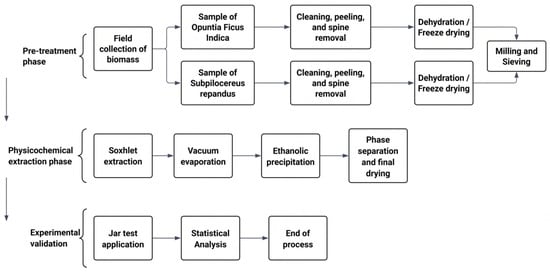
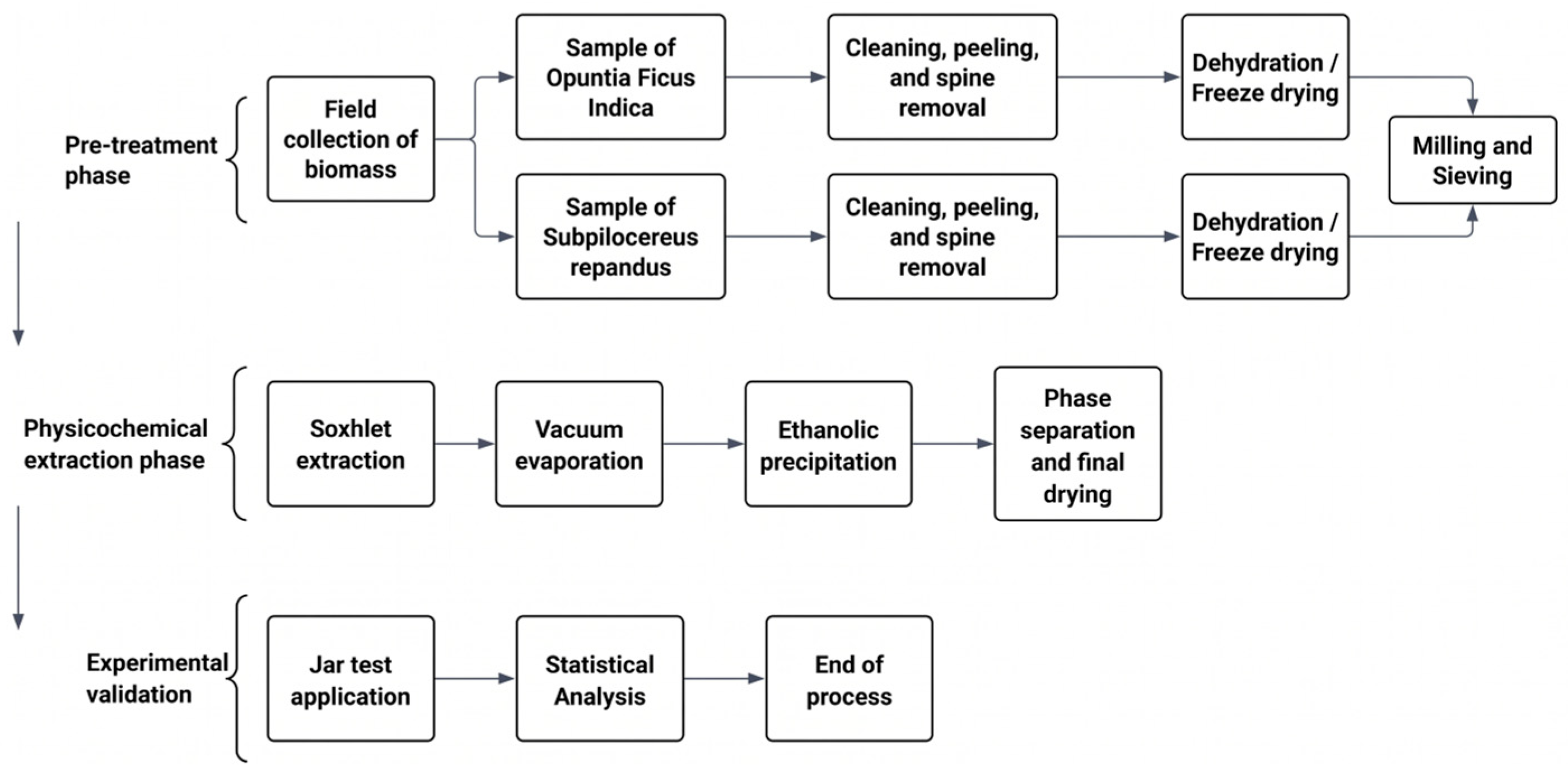
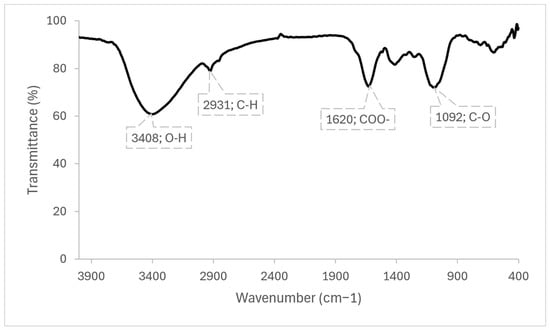
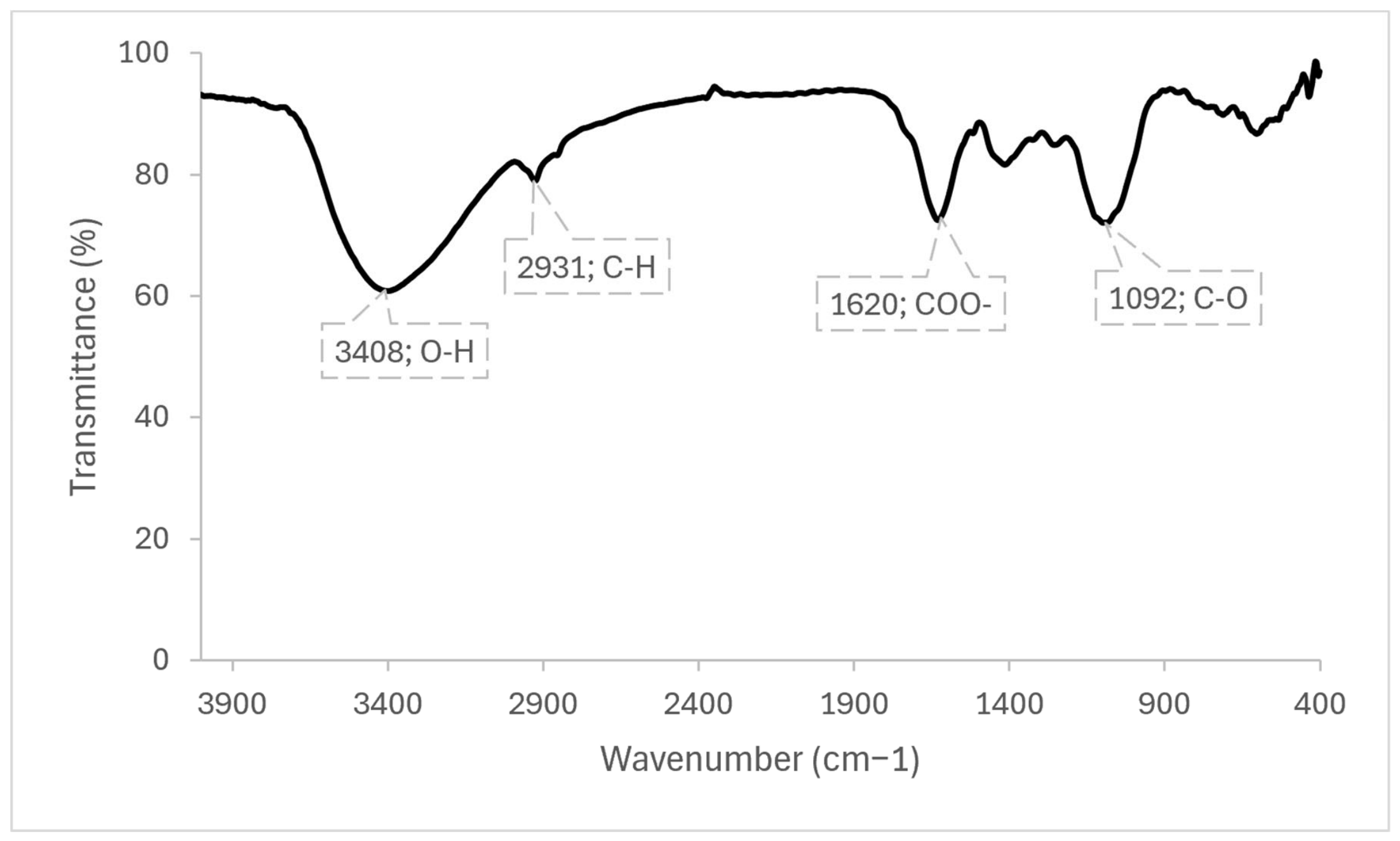
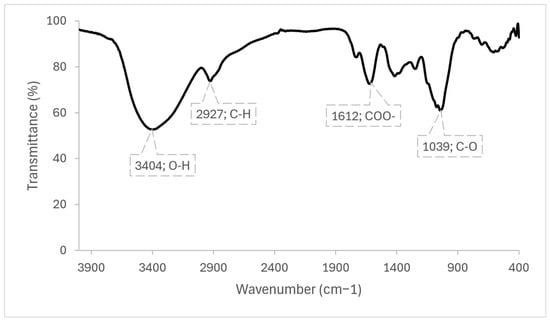
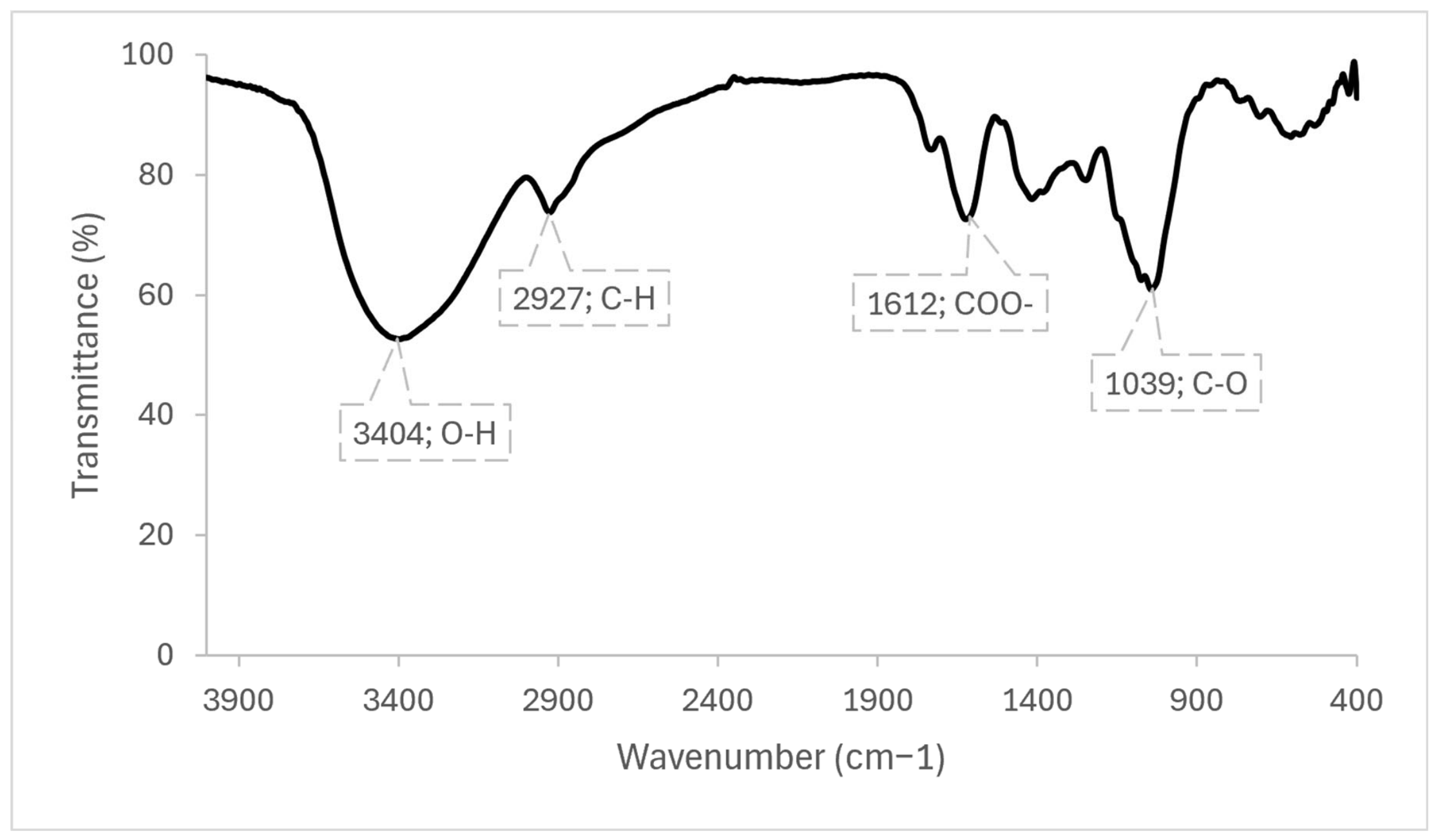
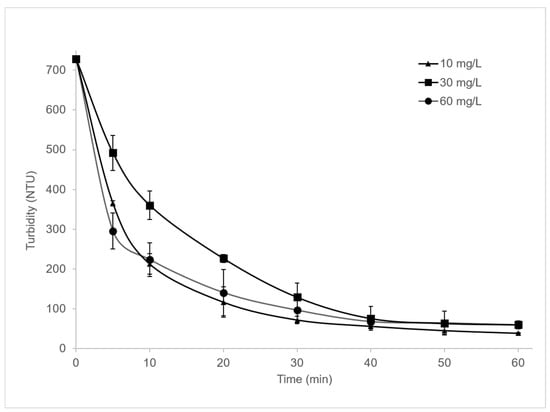
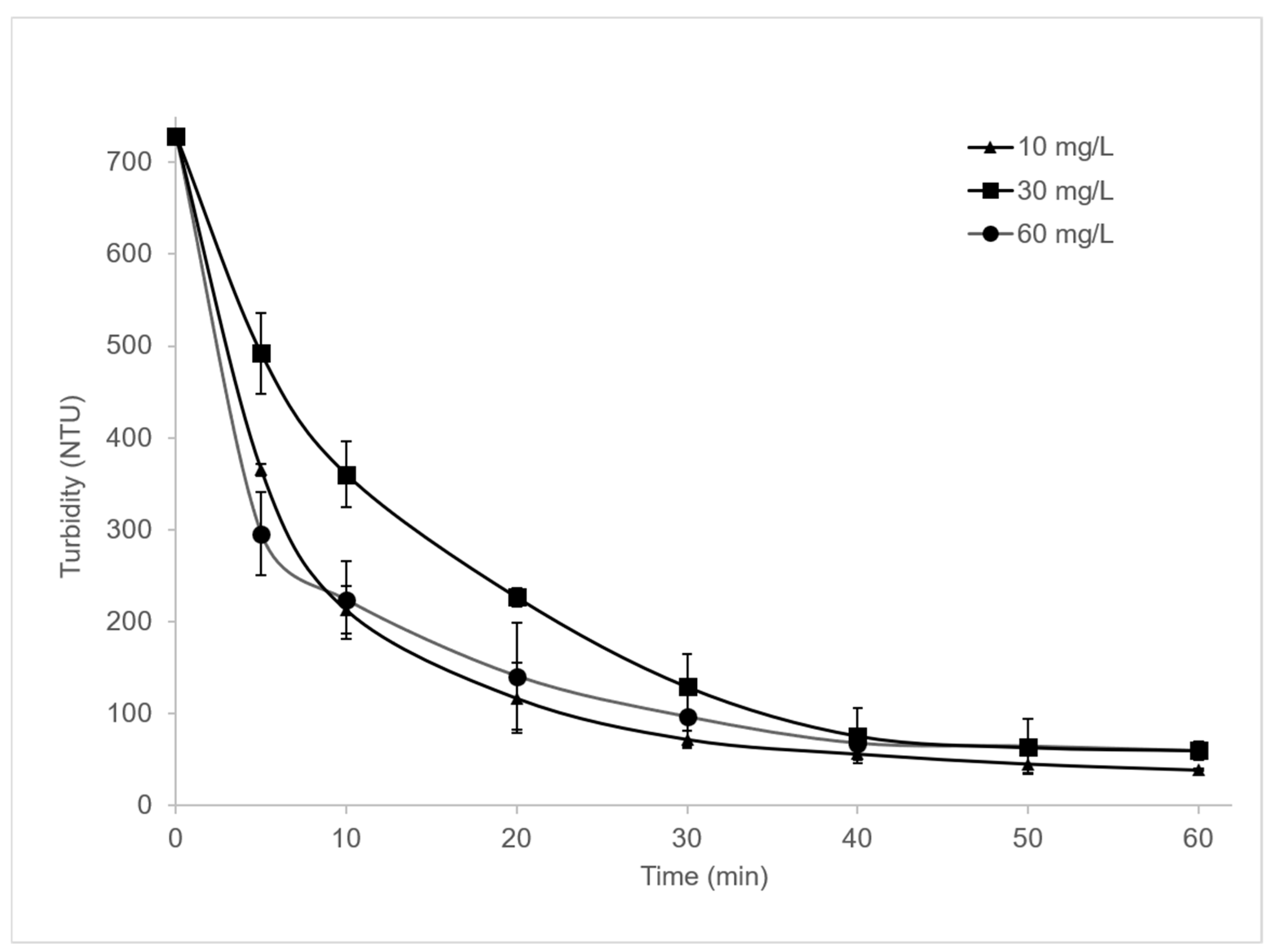
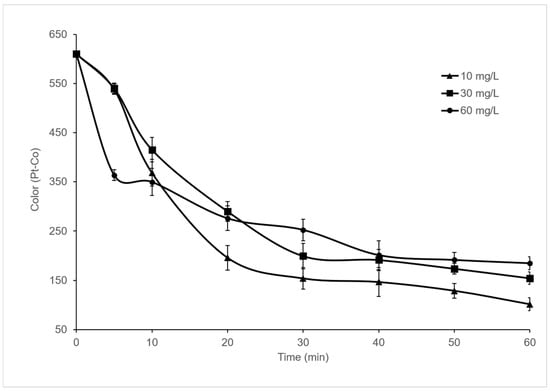
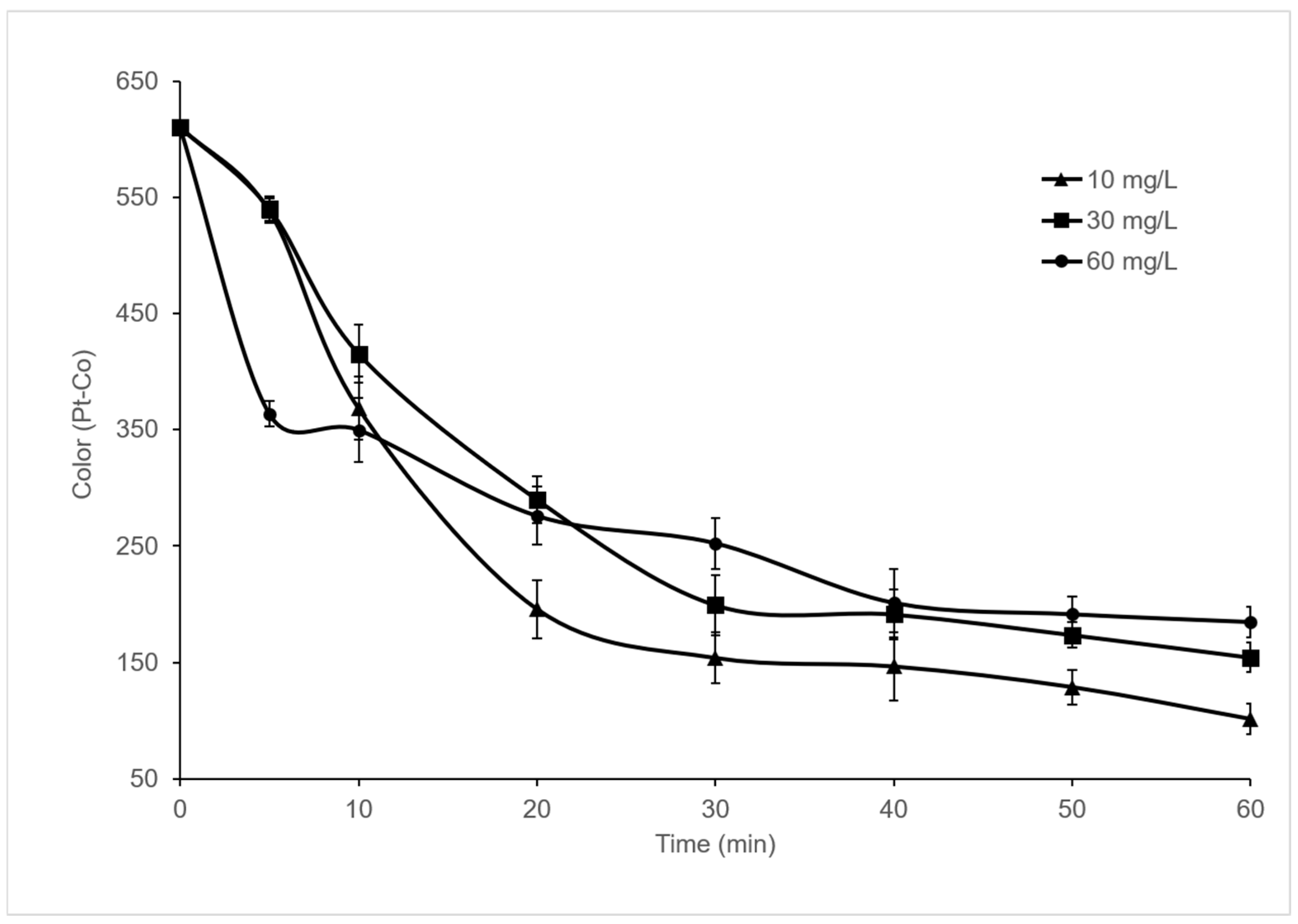
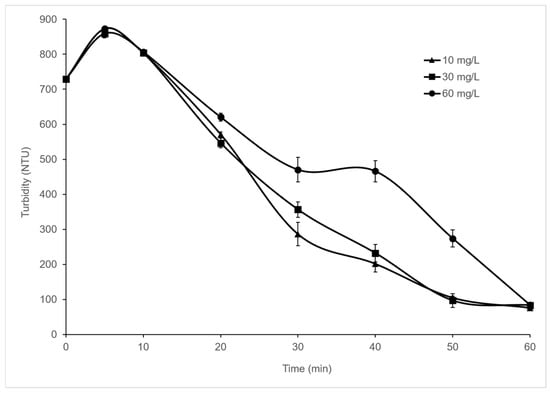
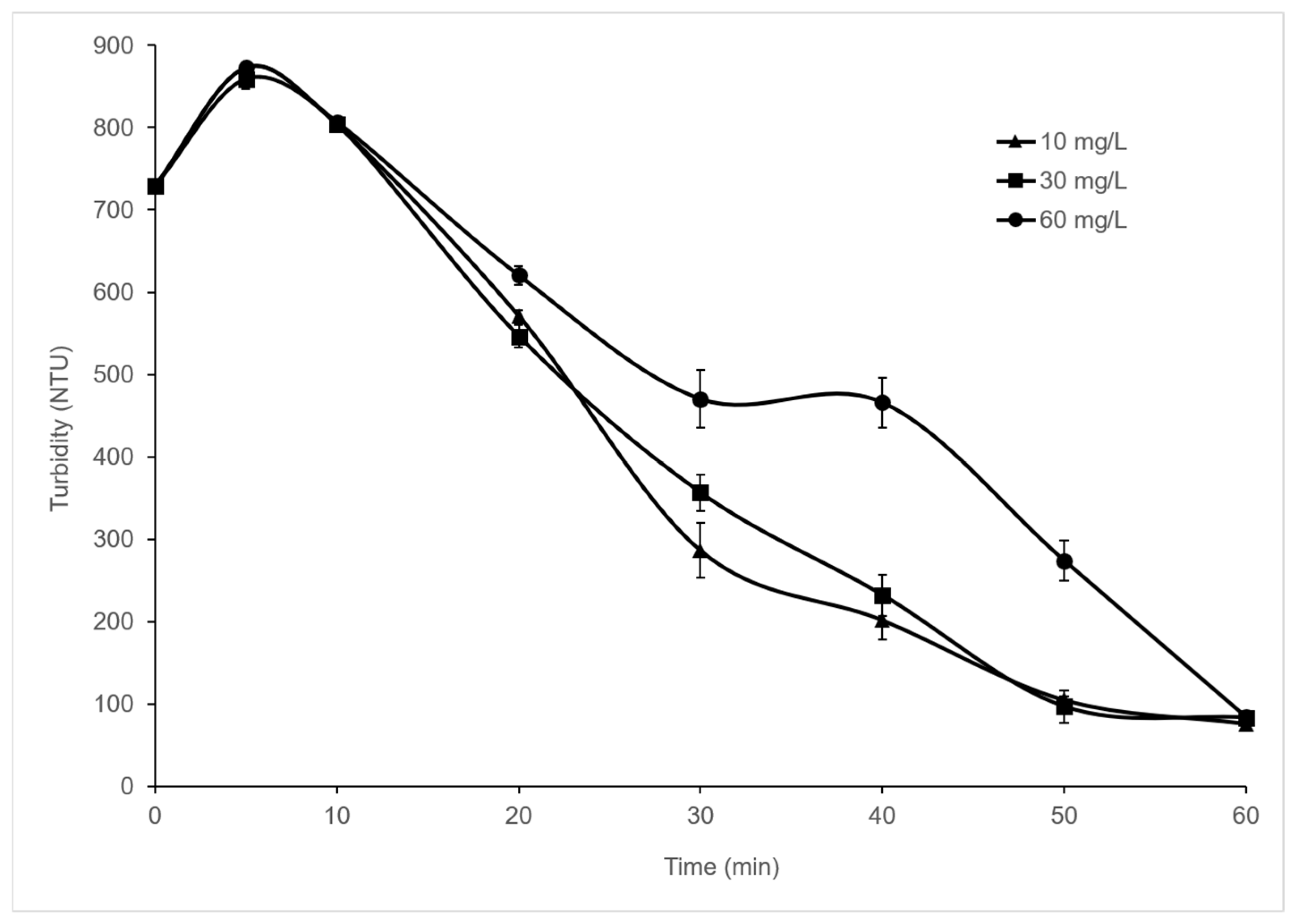
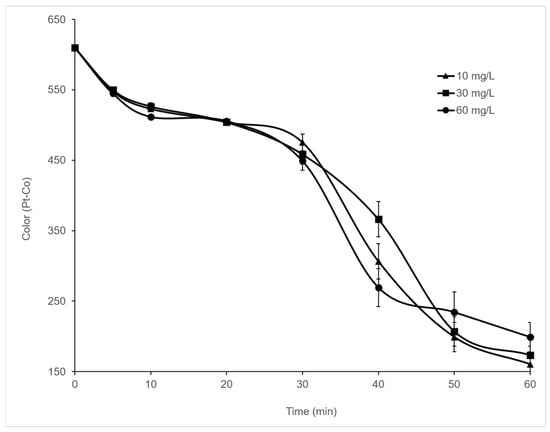
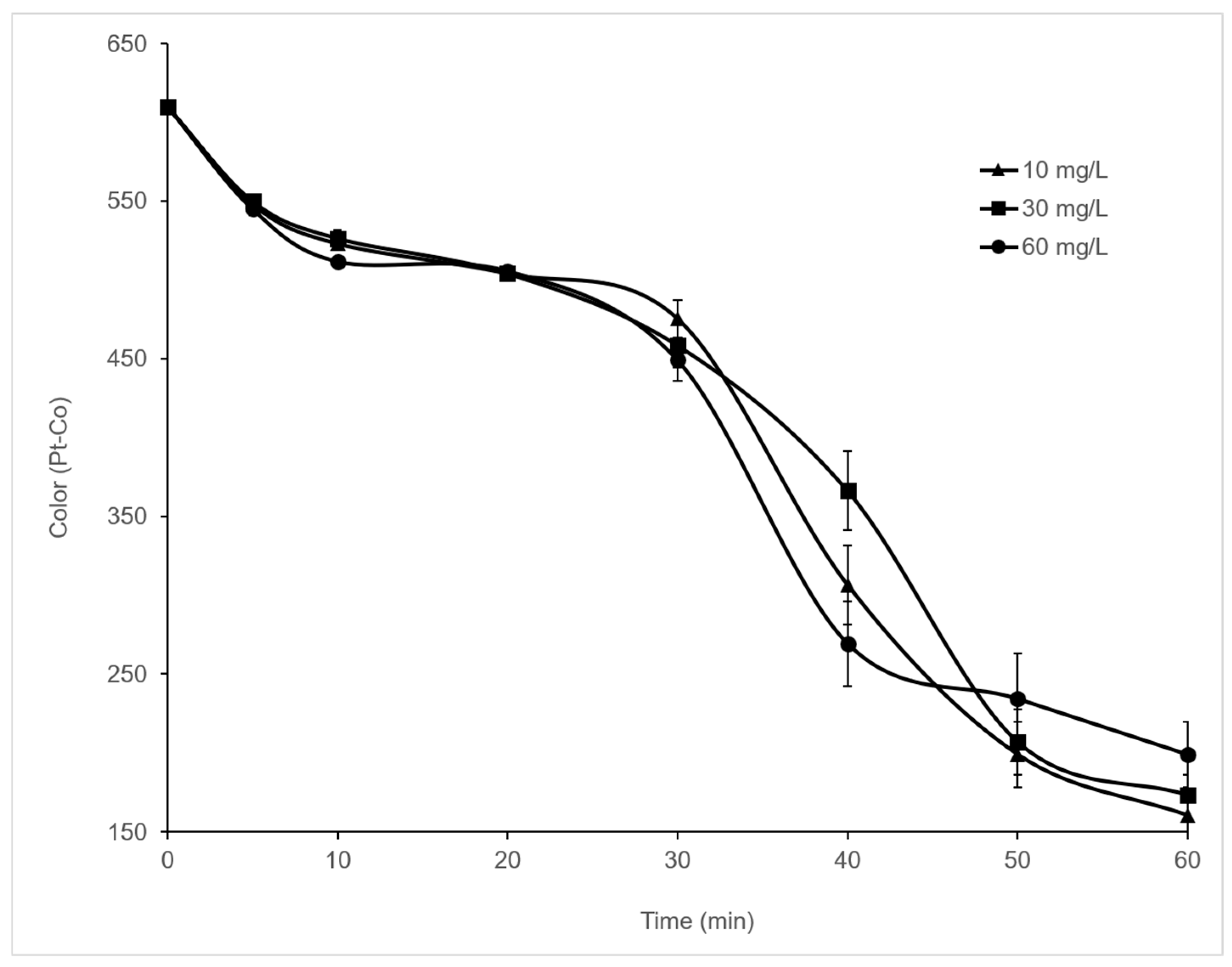
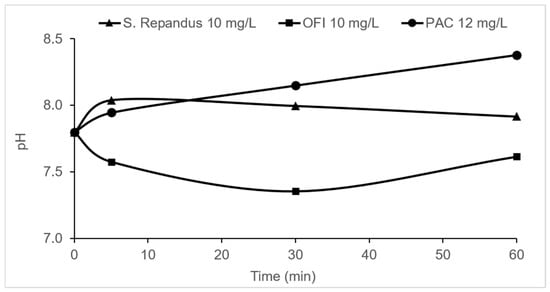
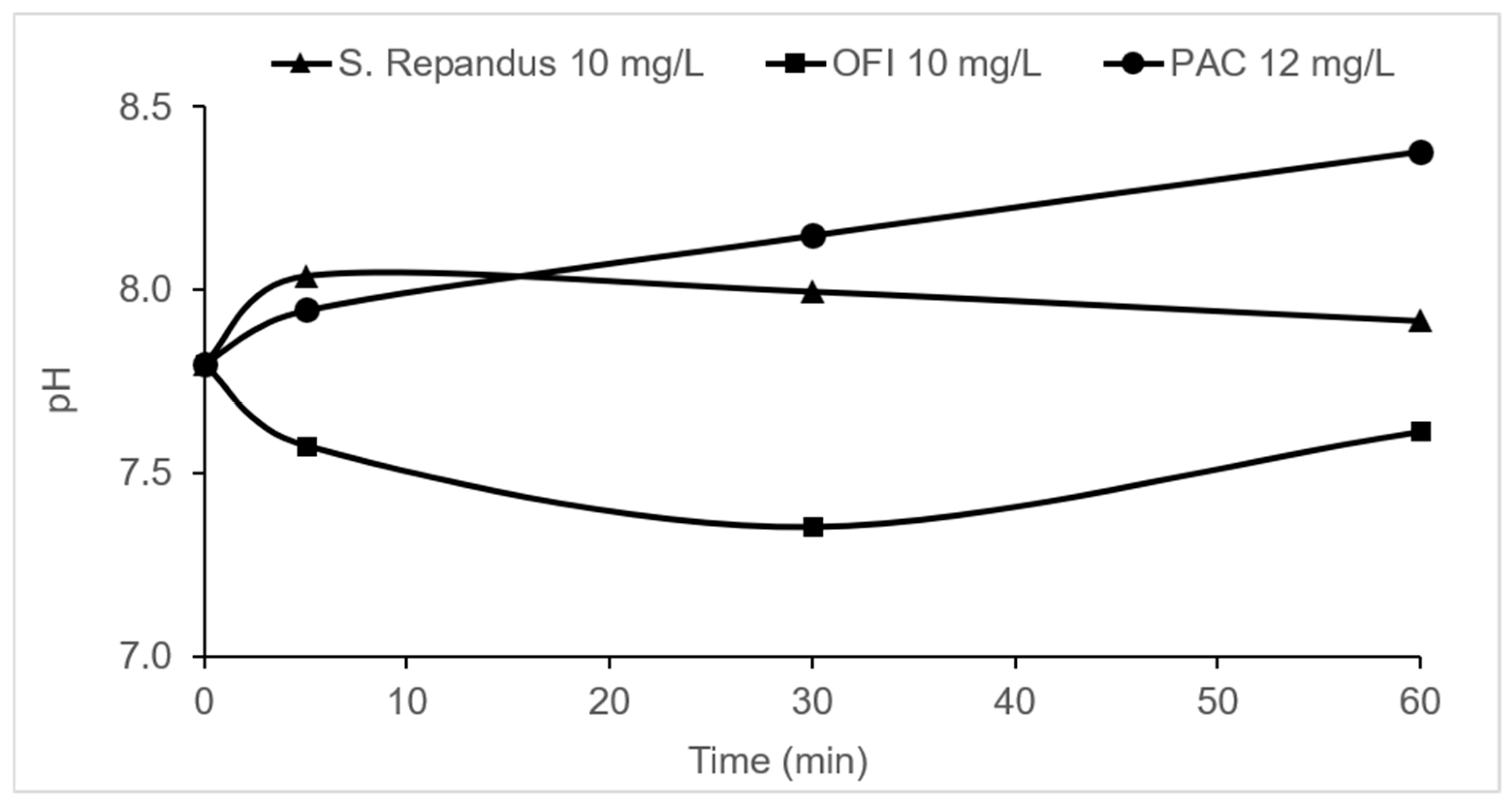
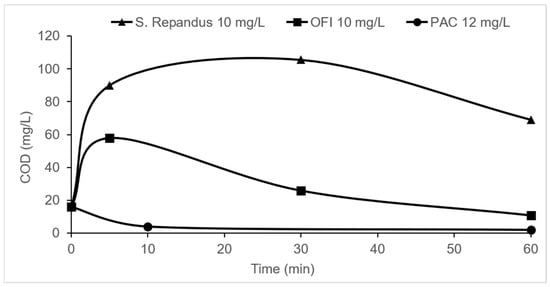
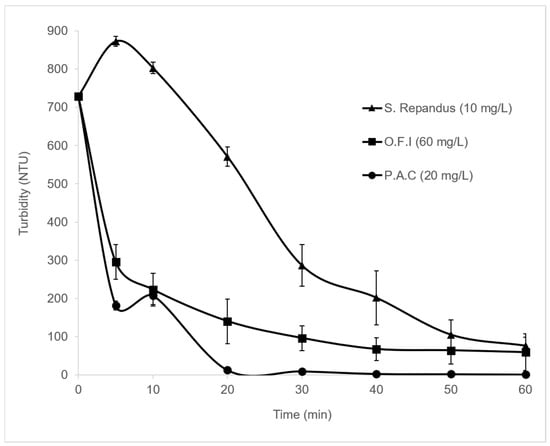
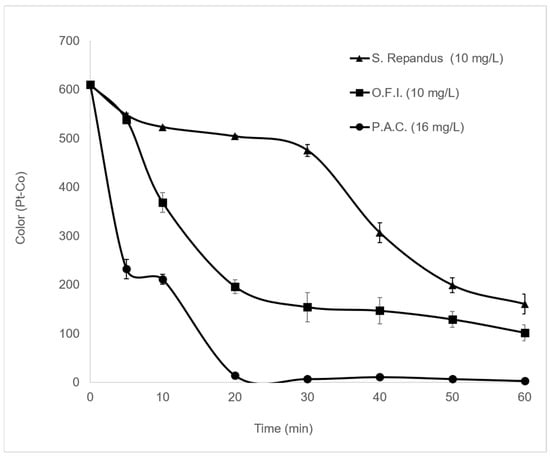
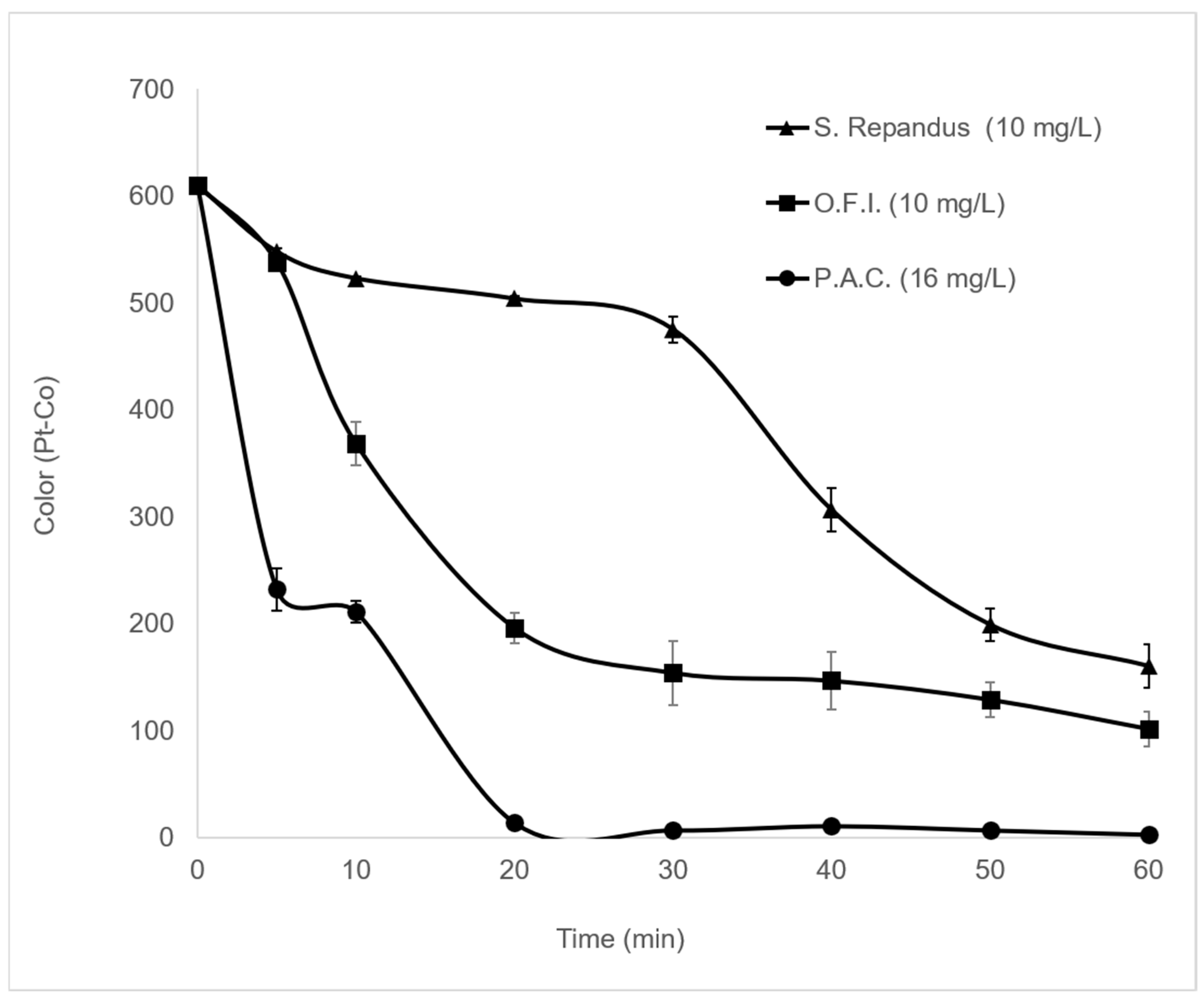
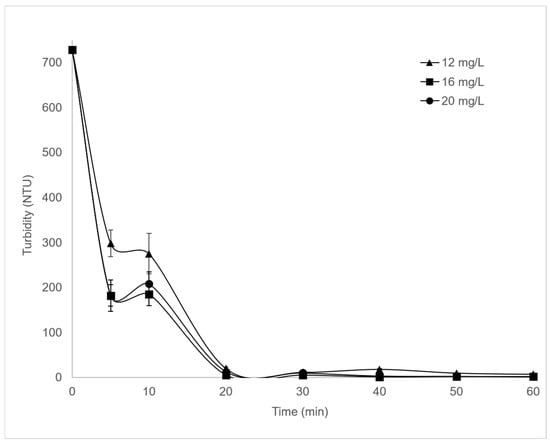
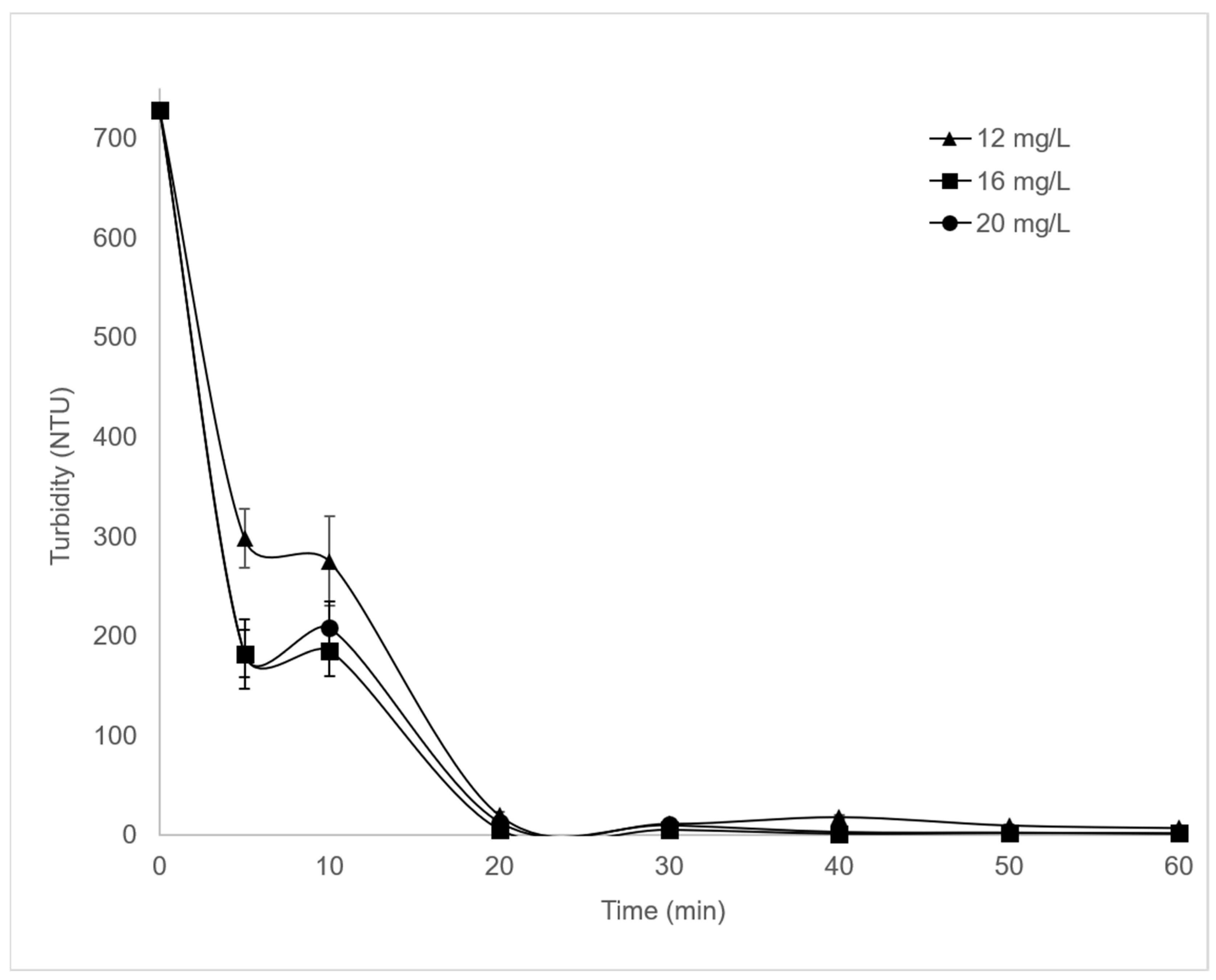
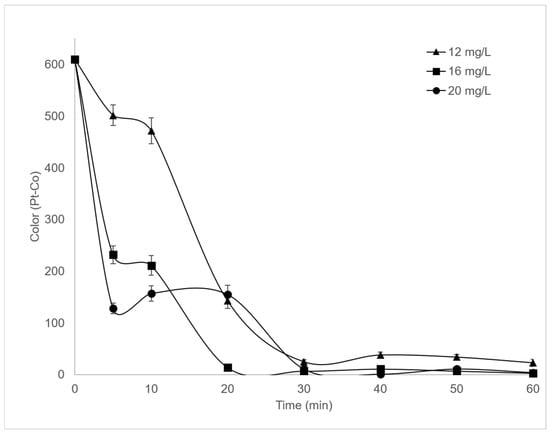
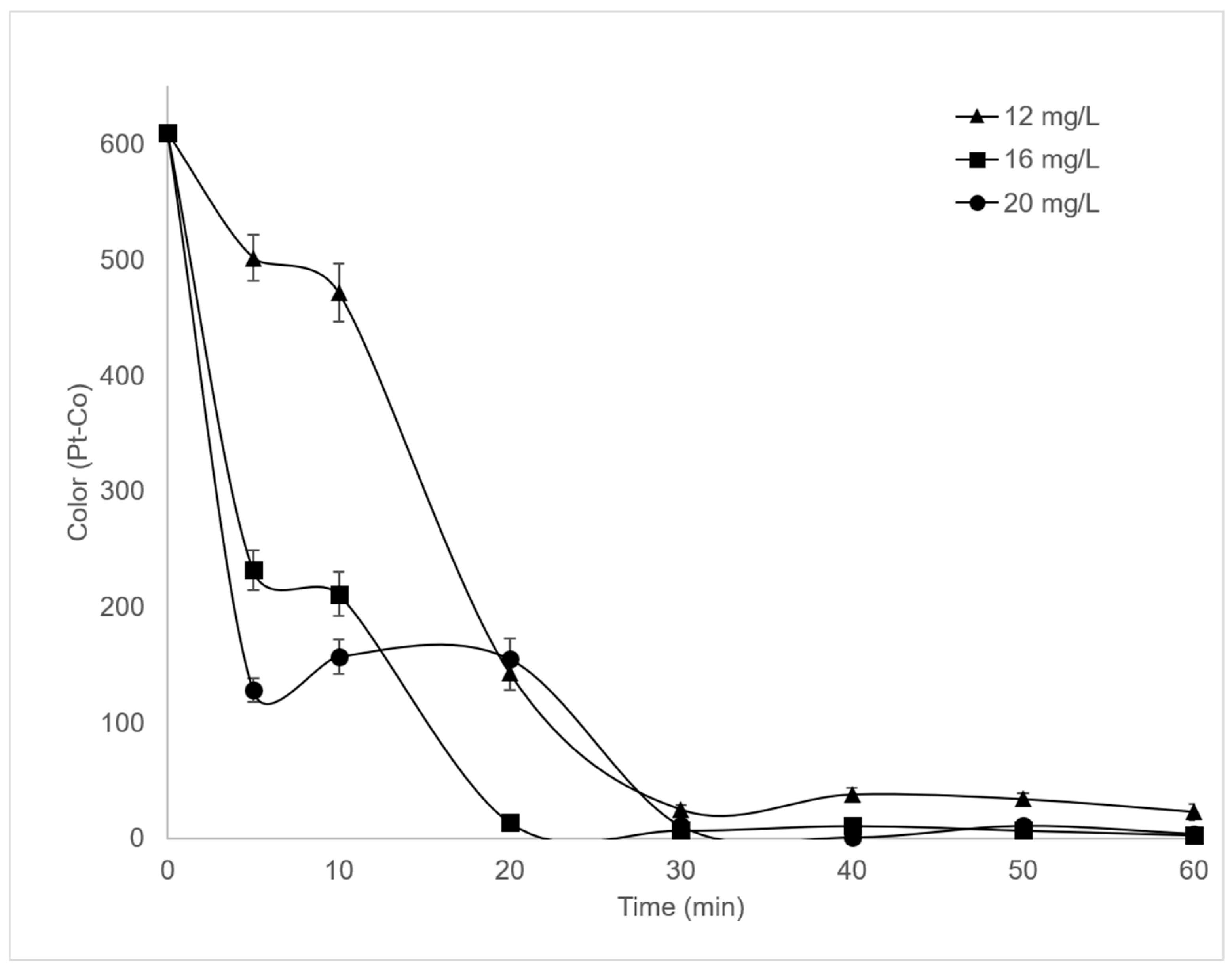
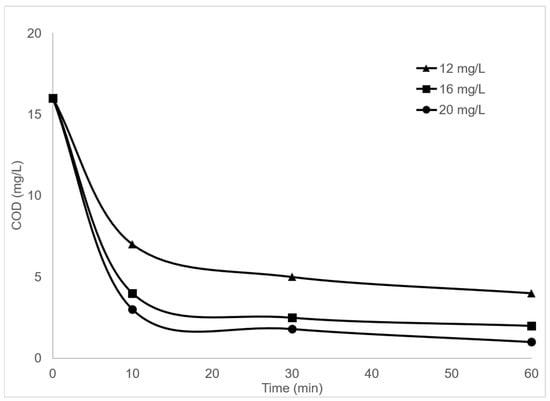
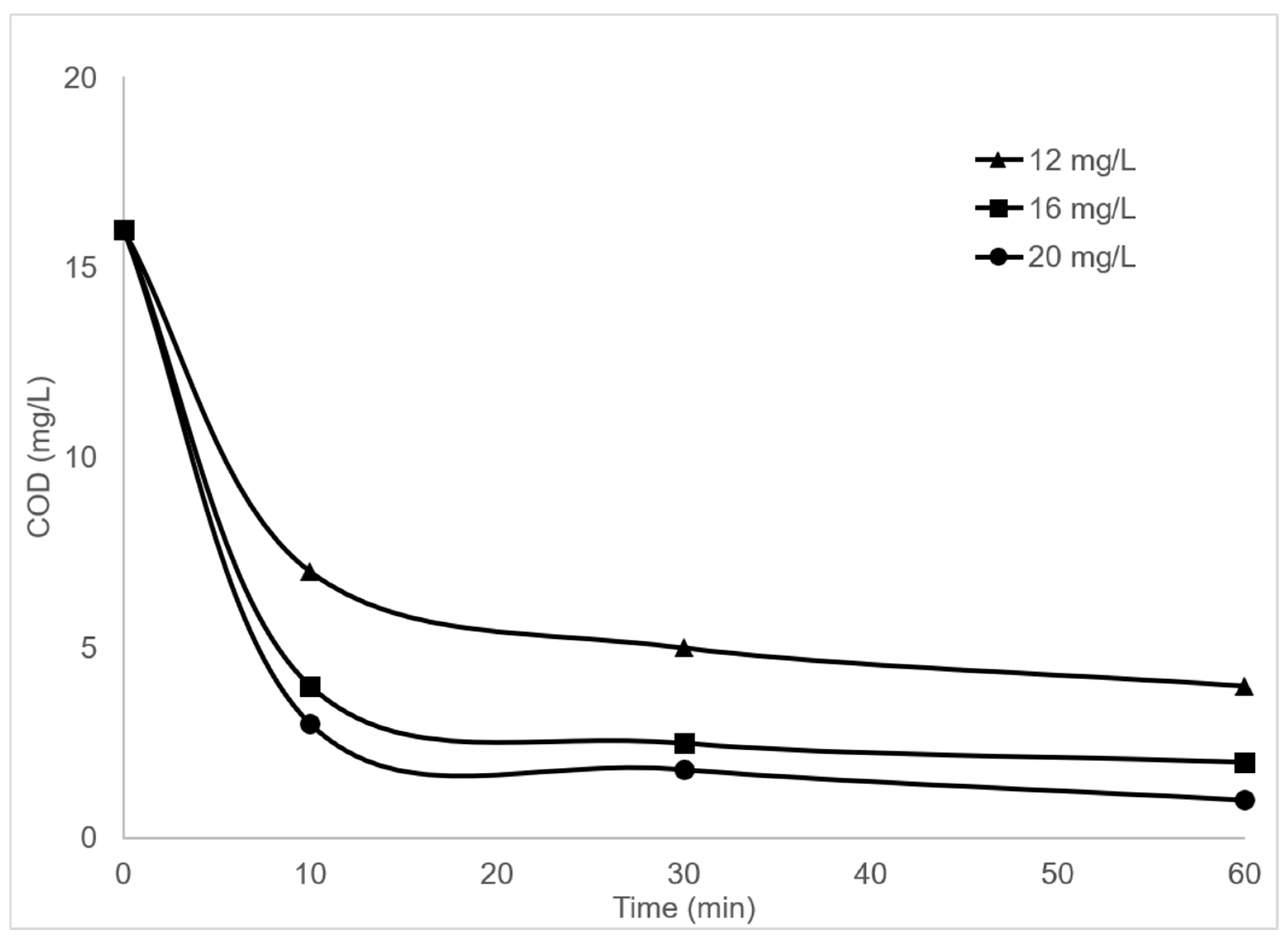
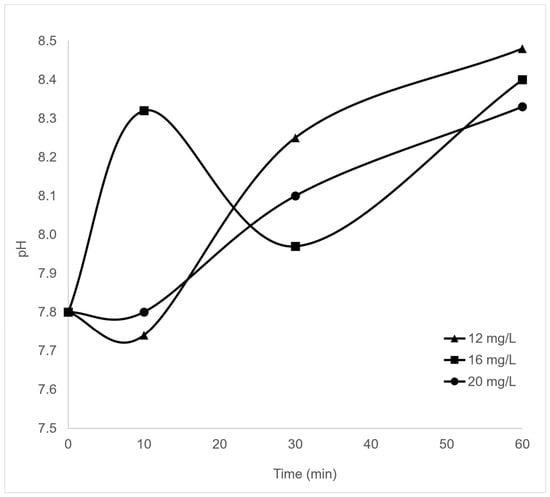

Disclaimer/Publisher’s Note: The statements, opinions and data contained in all publications are solely those of the individual author(s) and contributor(s) and not of MDPI and/or the editor(s). MDPI and/or the editor(s) disclaim responsibility for any injury to people or property resulting from any ideas, methods, instructions or products referred to in the content. |
© 2026 by the authors. Licensee MDPI, Basel, Switzerland. This article is an open access article distributed under the terms and conditions of the Creative Commons Attribution (CC BY) license.