


Abstract
Eccentric reaming tools are widely integrated into bottom-hole assemblies during while-drilling reaming operations to improve borehole quality and enhance drilling-assembly passability. However, their eccentric geometry introduces periodic tool–borehole contact, friction, and impact excitations, which may adversely affect the dynamic stability of the drilling system. In this study, a process-oriented finite element dynamic model of a bottom-hole assembly incorporating a bidirectional eccentric reaming tool was developed to investigate coupled radial, axial, and torsional vibration responses under different stabilizer configurations. Three configurations, namely the near-bit, single-stabilizer, and double-stabilizer configurations, were systematically compared. The results indicate that the double-stabilizer configuration produces the most continuous and regular annular borehole profile and promotes a more stable tool–borehole contact state. Compared with the other configurations, it provides stronger lateral constraint, yields the lowest radial-displacement fluctuations, reduces radial and axial acceleration responses, and mitigates longitudinal impacts. The near-bit configuration exhibits the most pronounced torsional instability, including transient reverse rotation of the reaming tool, whereas no reverse rotation occurs under the double-stabilizer configuration. An orthogonal design was further conducted to optimize the operating parameters. Range analysis shows that rotational speed has a greater influence on the radial-displacement root-mean-square value than weight on bit within the investigated parameter range. The optimal operating condition was identified as a rotational speed of 50 rpm and a weight on bit of 80 kN. These findings demonstrate that bilateral stabilizer support can improve borehole regularity, suppress coupled vibration, and enhance the operational stability of while-drilling eccentric reaming systems.
1. Introduction
The bottom-hole assembly is a critical downhole mechanical system responsible for rock breaking, load transmission, trajectory control, and borehole conditioning during drilling operations. With the increasing development of deep and ultra-deep formations, drilling assemblies are frequently subjected to complex combinations of axial loading, rotary torque, bit–rock interaction, structural contact, and frictional excitation [1,2]. Under such conditions, radial, axial, and torsional vibrations may occur simultaneously and interact with one another, resulting in strongly coupled and nonlinear dynamic behavior [3,4]. Experimental investigations and combined experimental–numerical studies have demonstrated that severe drillstring and BHA vibrations can alter bit motion, load transfer, contact conditions, and rotational stability [5,6], and may contribute to excessive lateral motion, stick–slip, accelerated tool wear, and deterioration of drilling performance [7,8]. Therefore, understanding the coupled dynamic behavior of the BHA and identifying effective vibration-control measures are important for improving the operational stability and reliability of drilling systems.
Dynamic tool–rock interaction is one of the principal sources of excitation in rock-breaking processes [9,10]. Repeated contact and impact can continuously modify the stress state and mechanical response of the surrounding rock, leading to time-dependent variations in the interaction between the cutting tool and the rock mass [11,12]. From this perspective, Zou et al. investigated the transient rock-breaking characteristics of limestone subjected to successive impacts by shield disc cutters under confining pressure conditions and analyzed the evolution of the rock response under repeated impact loading [13]. Their results showed that successive cutter impacts are accompanied by progressive changes in the transient mechanical response and damage state of the rock. This study provides useful experimental and numerical evidence for understanding the importance of repeated tool–rock interaction and transient contact excitation in rock-breaking systems [14,15]. Such dynamic interaction mechanisms are also relevant to the analysis of drilling and reaming processes, in which the lower drilling assembly is continuously subjected to time-varying contact and rock-breaking loads [16].
Reaming and underreaming technologies are widely employed to improve borehole quality, enlarge or trim the wellbore, and facilitate the subsequent passage of drilling and completion assemblies [17,18]. When a reaming tool is integrated into the BHA, the dynamic behavior of the lower drilling assembly becomes more complex because additional tool–borehole interaction is introduced during rotation [19,20]. This effect is particularly important for eccentric reaming tools. Owing to their asymmetric geometry and eccentric operating characteristics, the rotating profile of the tool periodically approaches or contacts the borehole wall, generating time-varying contact, friction, and localized impact loads [21,22]. Consequently, the dynamic response of a BHA equipped with an eccentric reaming tool is governed not only by loads transmitted from the upper drillstring and rock-breaking excitation at the drill bit, but also by the additional excitation generated at the reaming tool–borehole interface. Field investigations, experimental studies, and drilling–reaming analyses have shown that these interactions can substantially influence the motion state and vibration characteristics of the lower drilling assembly [23,24].
Considerable research has been conducted on drillstring and BHA dynamics. Experimental studies have revealed complex axial–torsional–lateral coupling, nonlinear motion, and stick–slip behavior in rotating drillstrings, while analytical and numerical models have been developed to interpret these phenomena and investigate their governing mechanisms [25,26,27]. Finite element, multibody dynamic, and other nonlinear dynamic approaches have also been widely applied to investigate bit–rock interaction, drillstring–borehole contact, lateral vibration, torsional oscillation, and coupled vibration of drilling systems [28,29]. For simultaneous drilling and reaming operations, previous studies have further examined underreamer dynamics, load distribution within drilling–reaming assemblies, hole-enlargement operations, reamer-induced vibration, and torsional and stick–slip responses [30,31,32]. These investigations have provided an important foundation for understanding the dynamic behavior of drilling and reaming systems. However, the introduction of an eccentric reaming tool changes the local contact and constraint conditions of the lower BHA, and its dynamic response is therefore closely related to the structural arrangement of the surrounding drilling assembly.
Stabilizers are important structural components for controlling the lateral motion and constraint condition of the BHA [33,34]. Their number and axial placement modify the support conditions of the lower drillstring and consequently influence bending deformation, motion trajectories, and borehole-contact behavior [35,36]. Experimental, experimentally validated, and numerical studies have shown that stabilizer configuration can significantly affect the dynamic response of drilling assemblies. For a BHA incorporating an eccentric reaming tool, the spatial relationship between the stabilizers and the reaming tool is particularly important because it determines how radial constraint is distributed around the eccentric contact region. A stabilizer located on only one side of the reaming tool and stabilizers located on both sides may therefore produce substantially different local constraint conditions and tool–borehole interaction states. Nevertheless, systematic comparisons of the coupled radial, axial, and torsional responses of eccentric reaming-tool BHAs under different stabilizer arrangements remain relatively limited. In particular, the configuration-dependent responses of both the drill bit and the reaming tool have not been sufficiently examined within a unified dynamic framework [37,38].
In addition to structural configuration, operating parameters have an important influence on drilling-system dynamics. Rotational speed and weight on bit (WOB) are two directly controllable operating variables that affect the loading and rotational states of the lower BHA and can modify the frequency and intensity of bit–rock and tool–borehole interactions [39,40]. Experimental and numerical studies have demonstrated that variations in rotational speed and WOB can lead to substantial changes in drilling vibration, contact behavior, and stick–slip response [41,42]. For an eccentric reaming tool, changes in these parameters may also modify its lateral motion and contact state during borehole trimming. Therefore, after identifying an appropriate structural configuration, evaluating the relative influence of rotational speed and WOB provides a useful basis for selecting operating conditions with favorable vibration characteristics.
Based on the above considerations, this study develops a finite element dynamic model of a BHA incorporating a bidirectional eccentric reaming and underreaming tool for while-drilling reaming operations. Three representative BHA configurations, namely the near-bit, single-stabilizer, and double-stabilizer arrangements, are comparatively investigated under consistent modeling and operating conditions. The wellbore-trimming characteristics and the coupled radial, axial, and torsional dynamic responses of the drill bit and reaming tool are evaluated using motion trajectories, acceleration responses, root-mean-square values, standard deviations, and stick–slip severity. Particular attention is given to the influence of stabilizer arrangement on the lateral constraint, tool–borehole interaction, and dynamic response of the eccentric reaming tool. Furthermore, an orthogonal numerical design involving rotational speed and WOB is conducted to evaluate their relative influence on the radial-displacement response of the reaming tool and to identify a preferred parameter combination within the investigated design space. Through the combined analysis of BHA configuration, eccentric tool–borehole interaction, coupled vibration response, and operating parameters, the present study provides a numerical basis for stabilizer-layout selection, vibration mitigation, and vibration-oriented operating-parameter selection in while-drilling reaming processes.
2. Dynamic Model and Numerical Method
2.1. Description of the BHA System with an Eccentric Reaming Tool
The bottom-hole assembly (BHA) is a slender rotating mechanical system composed of drill collars, stabilizers, reaming tools, and drill bits. During drilling operations, it is subjected to axial loads and rotary torque transmitted from the upper drillstring, as well as dynamic excitations generated by bit–rock interaction [39]. As functional components of the BHA, bidirectional eccentric reaming and underreaming tools are designed to perform minor borehole enlargement, wellbore trimming, and tool centralization while drilling. Owing to their eccentric geometry, these tools are subjected not only to axial loads and torque during rotation but also to periodic contact, frictional interaction, and localized impacts with the borehole wall. These interactions introduce time-varying lateral excitations into the entire BHA system.
During wellbore trimming with an eccentric reaming tool, the dynamic response of the BHA is no longer governed solely by bit–rock interaction. Instead, it is governed by the combined effects of loads transmitted from the upper drillstring, rock-breaking excitation at the drill bit, and contact excitation at the tool–borehole interface [40]. The coupling among these excitations further influences axial load transfer, radial motion trajectories, and torsional stability. Unstable tool–borehole contact may intensify the lateral vibration and localized impact of the reaming tool, induce substantial fluctuations in bit loads, and increase the risk of stick–slip vibration, thereby compromising the operational stability of the downhole mechanical system.
Accordingly, this study establishes a finite element dynamic model of a BHA equipped with a bidirectional eccentric reaming and underreaming tool to investigate the effects of stabilizer configuration and operating parameters on the radial, axial, and torsional vibration responses of the system. The model accounts for the periodic contact excitation induced by the eccentric tool and its coupling with the structural constraints of the BHA, thereby enabling a systematic comparison of the dynamic characteristics of the near-bit, single-stabilizer, and double-stabilizer configurations.
To characterize the loading conditions of the BHA system, the primary external excitations are classified into three categories. The first category comprises the surface input loads, including the axial load associated with the weight on bit and the torque generated by drillstring rotation. The second category comprises the bit–rock interaction loads, including the dynamic forces and resistance torque generated by the interaction between the drill bit and the formation. The third category comprises the tool–borehole contact loads induced by periodic contact, friction, and impact between the eccentric blades and the borehole wall during tool rotation. Together, these excitations govern the radial, axial, and torsional vibration responses of the BHA system. A schematic representation of the external excitations is presented in Figure 1.
Figure 1.
Schematic of the external excitations acting on the BHA system during while-drilling reaming and under-reaming.
2.2. Governing Equations, External Excitations, and Evaluation Indicators
To characterize the vibration response of the BHA system incorporating a bidirectional eccentric reaming and underreaming tool, the drillstring is discretized into a series of finite elements, and its motion is represented by the nodal displacement vector. Accounting for inertia, damping, structural stiffness, and external excitations, the governing dynamic equation of the BHA system is expressed as follows [43]:
where , , and are the global mass, damping, and stiffness matrices of the BHA system, respectively; , , and are the nodal displacement, velocity, and acceleration vectors, respectively; and is the total external excitation vector.
During while-drilling reaming and under-reaming, the external excitation acting on the BHA system is mainly composed of surface input loads, bit–rock interaction loads, and tool–borehole contact loads. Therefore, the total external excitation vector can be written as
where denotes the surface input load vector, mainly including the axial load generated by weight on bit and the torque generated by drill-string rotation; denotes the bit–rock interaction load vector, including axial reaction force, lateral force, and resistance torque generated during bit–formation interaction; and denotes the tool–borehole contact excitation vector caused by the periodic contact, friction, and impact between the eccentric blades and the borehole wall.
The local radial contact between the eccentric reaming tool and the borehole wall is represented using an equivalent spring–damper model. When the radial displacement of the tool exceeds the borehole clearance, the resulting radial contact force is expressed as follows [44]:
where Fr is the radial contact force between the reaming tool and the borehole wall; kr and cr represent the equivalent stiffness and damping characteristics of the tool–borehole contact interaction, respectively; δr is the radial contact deformation, and δr represents the corresponding deformation rate. This expression provides an equivalent mechanical description of the tool–borehole contact behavior, indicating that the contact load is associated with both the contact deformation and the relative motion velocity. Therefore, the tool–borehole interaction exhibits nonlinear and time-dependent characteristics during the reaming process.
In the finite element implementation, the actual tool–borehole interaction was established using the contact formulation available in Abaqus/Explicit. The contact force was determined according to the instantaneous contact state between the reaming tool and the borehole wall, while Equation (3) was used only to describe the physical mechanism of the contact excitation. Therefore, kr and cr in Equation (3) should be regarded as equivalent contact-response parameters rather than independently prescribed constant input parameters in the finite element model.
Because the governing equation involves nonlinear and time-varying excitations, including bit–rock interaction and tool–borehole contact, obtaining an analytical solution is generally difficult. Therefore, the explicit central difference method is employed to solve the transient dynamic response of the BHA system [45]. At time t, the nodal acceleration is calculated as follows:
The nodal velocity at the half time step and the nodal displacement at the next time step are then updated according to
where is the time step. Through this recursive procedure, the transient radial, axial, and torsional vibration responses of the BHA system can be obtained over the simulation period.
To quantitatively assess the vibration intensity and motion stability of the BHA system under different configurations and operating conditions, the root-mean-square (RMS) value and standard deviation of the vibration response are adopted as evaluation metrics. For a discrete vibration signal, the RMS value is calculated as follows:
where is the total number of sampling points and xi is the instantaneous value at the -the sampling point. The RMS value reflects the overall energy level and effective amplitude of the vibration signal. A larger RMS value indicates a stronger vibration response and a higher effective alternating load.
The standard deviation is used to evaluate the fluctuation degree of the vibration response around its mean value, and is calculated as
where is the mean value of the sampled signal. A smaller standard deviation indicates that the vibration data are more concentrated and the motion state is more stable, whereas a larger value indicates stronger fluctuation, transient impact, or unstable lateral motion.
For torsional vibration analysis, the instantaneous rotational speed of the BHA system is extracted to evaluate rotational stability. The fluctuation of rotational speed is mainly caused by the variation in bit resistance torque and the additional torque induced by tool–borehole contact. To characterize the degree of stick–slip vibration, the stick–slip severity is defined as
where and are the maximum and minimum rotational speeds during the selected analysis period, respectively, and is the surface input rotational speed. A larger SSS value indicates stronger rotational speed fluctuation and more severe stick–slip vibration of the BHA system.
3. Finite Element Model and Simulation Setup
A finite element model of the BHA system was developed in Abaqus to investigate the dynamic response of the bidirectional eccentric reaming and underreaming tool during while-drilling reaming operations. Abaqus was employed because it can accommodate nonlinear dynamic analyses involving contact interactions, structural constraints, and external excitations. The model was used to simulate the coupled dynamic responses of the drillstring, reaming tool, drill bit, and borehole wall.
Given the large length-to-diameter ratio of the BHA, beam elements were used to represent conventional tubular components, including the drill collars and stabilizers. This modeling approach reduces computational cost while preserving the principal dynamic characteristics of the slender drillstring system. The drill bit, reaming tool, and borehole wall were modeled according to their respective geometric features to capture the contact interactions occurring during drilling.
To define the scope of the finite element model, several simplifying assumptions were adopted. The conventional tubular components of the BHA were assumed to be homogeneous, isotropic, and linearly elastic, whereas the drill bit, bidirectional eccentric reaming and underreaming tool, and borehole wall were treated as rigid bodies. The investigated formation interval was assumed to be homogeneous, and the borehole was considered vertical. The effects of borehole inclination, azimuthal variation, dogleg severity, and formation heterogeneity were neglected. The interaction between the reaming tool and the borehole wall was represented using the specified contact and friction formulations.
To evaluate the effects of BHA configuration on system vibration, three representative finite element models were developed for a 9½-in. borehole, corresponding to a diameter of 241.3 mm. In the first configuration, the reaming tool was positioned close to the drill bit; this arrangement is referred to as the near-bit BHA model. In the second configuration, a stabilizer was installed between the reaming tool and the drill bit; this arrangement is referred to as the single-stabilizer BHA model. In the third configuration, stabilizers were installed on both sides of the reaming tool; this arrangement is referred to as the double-stabilizer BHA model. The detailed component arrangements are summarized in Table 1, and the corresponding geometric models are presented in Figure 2.
Table 1.
BHA configurations used in the finite element simulations.
Figure 2.
Construction of the geometric models: (a) near-bit BHA model; (b) single-stabilizer BHA model; (c) double-stabilizer BHA model.
During geometric modeling, several simplifying assumptions were introduced to focus on the global dynamic response of the BHA system rather than local structural details. The reaming tool, borehole wall, and drill bit were modeled as rigid bodies to reduce computational cost while capturing the dominant tool–borehole contact interaction. The formation properties within the analyzed interval were assumed to be homogeneous and time-invariant. The borehole was assumed to be vertical, and the effects of borehole inclination, azimuthal variation, and dogleg severity on the initial bending state of the drillstring were neglected. The drill collars, drill pipes, and upper drillstring were modeled as uniform continuous elastic members with isotropic material properties.
The material properties adopted in the finite element model are summarized in Table 2. The drilling components, including the drill collars, drill pipes, stabilizers, reaming tool, and drill bit, were assumed to be manufactured from 4145H steel. The formation was represented by deep carbonate rock. The isotropic material assumption was adopted to describe the elastic response of the metallic components and surrounding formation under the investigated loading conditions. The friction coefficient between the tool and borehole wall was set to 0.30 and maintained constant for all simulations to ensure consistent comparison among different BHA configurations.
Table 2.
Material properties used in the finite element model.
The outer surface of the formation and borehole structure was fully constrained in all translational directions to represent the confinement effect of the surrounding formation.
The mesh was generated according to the geometric characteristics of the individual components. Structured hexahedral meshes were employed for geometrically regular components, such as the borehole wall, whereas unstructured tetrahedral meshes were used for geometrically complex components, including the drill bit and reaming tool. Local mesh refinement was applied in the primary contact and load-transfer regions, including the bit–formation and tool–borehole contact interfaces. The mesh of the double-stabilizer BHA model is presented in Figure 3, while the other two models were discretized using the same meshing strategy.
Figure 3.
Mesh Generation of the Model.
A mesh-independence study was conducted using the double-stabilizer BHA model, with the root-mean-square (RMS) value of the reaming tool’s radial vibration selected as the convergence criterion. As the total number of elements increased, the radial-vibration RMS gradually converged and exhibited negligible variation beyond approximately 650,000 elements. Therefore, a mesh containing approximately 650,000 elements was adopted for all subsequent simulations to achieve an appropriate balance between computational accuracy and efficiency. The results of the mesh-independence study are presented in Figure 4.
Figure 4.
Mesh Independence Verification.
The boundary conditions and operating parameters were specified according to the operating characteristics of the bidirectional eccentric reaming and underreaming tool. The borehole diameter was set to 241.3 mm, corresponding to 9.5 in., and the coefficient of friction between the contacting components was set to 0.3. A weight on bit of 80 kN and a rotational speed of 60 rpm were applied at the upper end of the drill collar. The formation and outer sleeve were fully constrained to represent the mechanical confinement imposed by the surrounding rock.
The material properties, meshing strategy, and boundary conditions described above constituted the numerical framework for simulating the dynamic behavior of the BHA system during while-drilling reaming operations. By incorporating representative component geometries, locally refined meshes in critical contact regions, and appropriate operating conditions, the finite element models captured the principal dynamic responses of the drillstring, reaming tool, and drill bit. These models provided the basis for the subsequent numerical analyses, including the evaluation of vibration responses and the assessment of the effects of BHA configuration on system stability and operational performance.
4. Results and Discussion
4.1. Borehole Shape Characteristics
The simulated borehole morphologies under different BHA configurations are presented in Figure 5. For all three configurations, the region affected by the reaming tool exhibits distinct annular dressing characteristics, indicating that the bidirectional eccentric reaming and underreaming tool can effectively contribute to borehole shaping during while-drilling operations. Compared with the initial borehole generated by the drill bit, the borehole boundary in the tool-affected region is further enlarged and locally smoothed, demonstrating that the reaming tool provides a secondary dressing effect and improves borehole regularity.
Figure 5.
Simulation results of borehole shape under different BHA configurations: first column, bit borehole profile; second column, reaming tool borehole profile; third column, top view of tool-induced borehole profile. (a) Near-bit BHA model; (b) single-stabilizer BHA model; (c) double-stabilizer BHA model.
The top-view profiles show that the borehole boundary generally retains an approximately annular shape, although localized fluctuations are still observed. This phenomenon reflects the periodic contact, cutting, and localized dressing actions induced by the eccentric geometry and rotational motion of the tool, rather than the effect of a uniformly distributed static load. The discontinuous yet repeated interaction between the tool and the borehole wall is consistent with the structural characteristics and operating mechanism of the eccentric reaming tool.
A comparison of the three BHA configurations further indicates that the near-bit and single-stabilizer models exhibit more pronounced local irregularities in the borehole profile, whereas the double-stabilizer configuration produces a more continuous and uniform annular shape. This result suggests that the double-stabilizer BHA provides improved lateral support and promotes a more stable tool–borehole contact state, thereby contributing to enhanced borehole geometry and overall wellbore regularity.
4.2. Radial Vibration Response
Radial vibration is a key dynamic response for evaluating the operational stability of the BHA system during while-drilling reaming and underreaming operations. Owing to the eccentric outer profile of the bidirectional eccentric reaming and underreaming tool, periodic tool–borehole contact introduces lateral excitation into the drillstring system. Consequently, the radial response not only reflects the lateral motion stability of the drill bit and reaming tool but is also closely associated with borehole quality, the tool–borehole contact state, and the risks of localized impact and abnormal cutter wear. In this section, the radial vibration characteristics are evaluated in terms of radial displacement and radial acceleration. Radial displacement is used to characterize the lateral offset and trajectory dispersion of the key components, whereas radial acceleration is employed to quantify vibration intensity and impact severity.
Figure 6 presents the radial motion trajectories of the drill bit and the reaming tool under different BHA configurations. The radial trajectories of the drill bit are generally more concentrated than those of the reaming tool, indicating that the bit maintains a relatively stable lateral motion state under the combined constraints imposed by the borehole and BHA structure. By contrast, the trajectories of the reaming tool are more dispersed and exhibit more complex orbital patterns. This behavior is primarily attributed to the eccentric geometry of the reaming tool and its periodic interaction with the borehole wall during rotation, which render its lateral response more sensitive to contact excitation and structural constraint conditions.
Figure 6.
Radial motion trajectories of the bit and the reaming tool under different BHA configurations: first column, radial motion trajectory of the bit; second column, radial motion trajectory of the reaming tool. (a) Near-bit BHA model; (b) single-stabilizer BHA model; (c) double-stabilizer BHA model.
For the near-bit BHA model, both the drill bit and the reaming tool exhibit relatively dispersed radial trajectories. In particular, the trajectory of the reaming tool extends markedly outward, indicating more pronounced lateral oscillation and a less stable tool–borehole contact state. This behavior can be attributed to the short axial distance between the drill bit and the reaming tool. Under this configuration, the reaming tool is more directly influenced by bit–rock interaction and by lateral disturbances generated near the bottom of the borehole. Consequently, the eccentric contact between the tool and the borehole wall is more likely to induce unstable lateral motion.
For the single-stabilizer BHA model, the radial trajectory of the reaming tool remains relatively complex, with pronounced loop-like motion and lateral offset. Although the stabilizer provides additional support to the BHA system, the constraint is applied predominantly to one side of the reaming tool. The tool therefore remains susceptible to localized bending and nonuniform contact with the borehole wall. This asymmetric support condition may produce a more irregular radial orbit and increase the dispersion of the tool trajectory. Compared with the near-bit configuration, the single-stabilizer arrangement improves the structural constraint to some extent; however, its ability to suppress the lateral motion of the eccentric reaming tool remains limited.
For the double-stabilizer BHA model, the radial trajectories of both the drill bit and the reaming tool are more concentrated and compact. The lateral motion range of the reaming tool is substantially reduced, indicating that the stabilizers installed on both sides of the tool provide stronger radial support and more effectively constrain its eccentric motion. The increased concentration of the trajectories demonstrates that the double-stabilizer configuration reduces the lateral offset of the tool, stabilizes the tool–borehole contact process, and improves the consistency of the reaming operation.
On the basis of the radial motion trajectories, the lateral vibration responses of the BHA system were further quantified using the root-mean-square (RMS) value and standard deviation, as defined in Equations (7) and (8). Figure 7 compares the RMS values and standard deviations of the radial displacements of the drill bit and reaming tool under the three BHA configurations. For the drill bit, the RMS values are 3.3441, 2.9762, and 3.4773 mm for the near-bit, single-stabilizer, and double-stabilizer configurations, respectively, while the corresponding standard deviations are 1.3020, 1.3092, and 1.3697 mm. These relatively small variations indicate that the radial motion of the drill bit is only moderately affected by the stabilizer arrangement.
Figure 7.
Comparison of radial displacement characteristic parameters under different BHA configurations: (a) displacement RMS; (b) displacement standard deviation.
By contrast, the radial response of the reaming tool shows a more pronounced dependence on the BHA configuration. Its RMS values are 3.6539, 4.5149, and 3.4769 mm for the near-bit, single-stabilizer, and double-stabilizer configurations, respectively, while the corresponding standard deviations are 1.8904, 2.3698, and 1.8687 mm. The single-stabilizer configuration produces the highest RMS and standard deviation, whereas the double-stabilizer configuration gives the lowest values. Compared with the single-stabilizer configuration, the double-stabilizer arrangement reduces the radial-displacement RMS and standard deviation of the reaming tool by approximately 23.0% and 21.1%, respectively. These results indicate that bilateral stabilizer support is particularly effective in suppressing the enhanced radial motion observed under the single-stabilizer arrangement and improving the lateral motion stability of the reaming tool.
The comparatively large radial-displacement response of the reaming tool under the single-stabilizer configuration can be further interpreted from the distribution of lateral constraint around the eccentric tool. During rotation, periodic contact between the reaming tool and the borehole wall generates lateral excitation and alters the local loading state of the surrounding BHA. In the single-stabilizer configuration, the additional radial constraint is provided only on one side of the reaming tool, resulting in an asymmetric support condition. This asymmetric constraint modifies the local bending condition of the tool section and may cause lateral deformation to become more concentrated around the eccentric reaming-tool region rather than being effectively restrained on both sides. This provides a mechanical explanation for the larger radial-displacement RMS and standard deviation observed under the single-stabilizer configuration.
By contrast, the double-stabilizer configuration provides radial support on both sides of the reaming tool, forming a more balanced constraint around the eccentric tool section. Such bilateral support more effectively restricts lateral deflection and limits variations in the tool–borehole contact state. The results therefore suggest that the radial dynamic response of the reaming tool depends not only on the presence of stabilizer support, but also on the spatial distribution of that support relative to the eccentric tool.
Among the three configurations, the single-stabilizer BHA model yields the highest RMS value and standard deviation for the radial displacement of the reaming tool, indicating more pronounced lateral oscillation and greater trajectory dispersion. The near-bit BHA model exhibits intermediate displacement levels, whereas the double-stabilizer BHA model yields the lowest RMS value and standard deviation. These results demonstrate that the bilateral support provided by stabilizers positioned on both sides of the reaming tool effectively suppresses radial deflection, enhances lateral motion stability, and promotes more uniform tool–borehole contact.
The radial acceleration responses presented in Figure 8 provide further insight into the vibration intensity and impact behavior of the BHA system. Under all three configurations, the radial acceleration fluctuates about zero, reflecting the alternating nature of lateral vibration during rotary drilling. Compared with the drill bit, the reaming tool exhibits higher acceleration peaks and more pronounced fluctuations, indicating that it is more sensitive to localized impacts induced by periodic tool–borehole contact.
Figure 8.
Radial acceleration response curves under different BHA configurations: left column, bit response; right column, reaming tool response. X and Y denote orthogonal radial directions. (a) Near-bit BHA model; (b) single-stabilizer BHA model; (c) double-stabilizer BHA model.
The quantitative results for the RMS value and standard deviation of radial acceleration are presented in Figure 9. For the drill bit, the RMS values are 17,782.499, 16,479.114, and 16,716.292 mm/s2 for the near-bit, single-stabilizer, and double-stabilizer configurations, respectively, indicating relatively moderate differences among the three arrangements. By contrast, the radial-acceleration RMS of the reaming tool decreases progressively from 18,818.662 mm/s2 in the near-bit configuration to 15,199.674 mm/s2 in the single-stabilizer configuration and further to 10,239.347 mm/s2 in the double-stabilizer configuration. Relative to the near-bit configuration, the double-stabilizer arrangement reduces the RMS of the reaming tool by approximately 45.6%, indicating a marked attenuation of its overall radial vibration intensity.
Figure 9.
Comparison of radial acceleration characteristic parameters under different BHA configurations: (a) acceleration standard deviation; (b) acceleration RMS.
The standard deviation exhibits a different variation pattern. For the reaming tool, the standard deviations are 9303.756, 11,606.950, and 6040.357 mm/s2 for the near-bit, single-stabilizer, and double-stabilizer configurations, respectively. The single-stabilizer configuration produces the largest fluctuation, whereas the double-stabilizer configuration yields the lowest value. Compared with the single-stabilizer configuration, the standard deviation of the reaming tool decreases by approximately 48.0% under the double-stabilizer configuration. In contrast, the drill-bit standard deviation varies only moderately among the three configurations, with values of 9675.166, 9772.854, and 10,498.712 mm/s2, respectively. These quantitative results indicate that the beneficial effect of the double-stabilizer arrangement is more pronounced for the radial dynamic response of the reaming tool than for that of the drill bit.
It is noteworthy that the RMS and standard deviation of radial acceleration do not exhibit exactly the same configuration dependence. For the reaming tool, the near-bit configuration produces the highest RMS, whereas the single-stabilizer configuration produces the highest standard deviation. The RMS reflects the overall intensity of the acceleration response over the analyzed period, while the standard deviation characterizes the dispersion of the response about its mean level. The relatively high RMS under the near-bit configuration therefore indicates a higher overall radial-acceleration response, which may be associated with the relatively weak lateral constraint around the eccentric reaming tool. By contrast, the larger standard deviation under the single-stabilizer configuration suggests a less uniform acceleration response. This behavior may be related to the asymmetric lateral constraint introduced by a stabilizer located on only one side of the reaming tool, which modifies the local support condition and leads to greater variability in the tool–borehole contact state. The double-stabilizer configuration provides a more balanced bilateral constraint and yields lower values of both indicators, indicating simultaneous suppression of the overall radial acceleration level and its fluctuation.
Overall, the results demonstrate that the double-stabilizer BHA configuration provides the most effective lateral constraint. By reducing radial displacement and acceleration responses, this configuration enhances operational stability, promotes more consistent tool–borehole contact, and contributes to improved borehole quality during while-drilling reaming operations.
4.3. Axial Vibration Response
Axial vibration characterizes the longitudinal dynamic response of the BHA system along the borehole axis. It is primarily associated with the transmission of weight on bit, the reaction force exerted by the bottom hole, and the internal dynamic interactions within the drillstring system. During while-drilling reaming and underreaming operations, bit–rock interaction may induce fluctuations in the axial load, while contact between the eccentric reaming tool and the borehole wall may generate additional resistance. The combined effects of these factors can result in periodic axial vibration and longitudinal impacts. Axial vibration is therefore an important indicator of the longitudinal stability of the BHA system and the continuity of axial load transmission.
Because the BHA undergoes macroscopic axial feed motion during drilling, the axial displacement response contains a substantial baseline component associated with the penetration process, which may obscure small-amplitude vibration features. Accordingly, axial acceleration was selected as the evaluation parameter in this section to characterize the longitudinal vibration intensity and impact severity of the drill bit and reaming tool.
Figure 10 presents the axial acceleration responses of the drill bit and reaming tool under the different BHA configurations. For all three configurations, the axial acceleration fluctuates about zero, indicating that the BHA system undergoes alternating longitudinal vibration during drilling. This response is mainly attributable to the combined effects of weight-on-bit transmission, bottom-hole reaction forces, bit–rock interaction, and dynamic tool–borehole contact.
Figure 10.
Axial acceleration response curves under different BHA configurations: left column, bit response; right column, reaming tool response. (a) Near-bit BHA model; (b) single-stabilizer BHA model; (c) double-stabilizer BHA model.
The axial acceleration fluctuations of the drill bit are substantially greater than those of the reaming tool. This difference arises because the drill bit is directly involved in rock breaking and is therefore more strongly affected by variations in bottom-hole loading and impact excitation. By contrast, the reaming tool is primarily subjected to transmitted longitudinal vibration and the additional resistance generated by contact with the borehole wall, resulting in a comparatively lower axial acceleration response. These results indicate that the drill bit is the principal component subjected to axial impact, whereas the reaming tool experiences a weaker but still appreciable longitudinal vibration response during while-drilling reaming operations.
The differences among the three BHA configurations further indicate that stabilizer arrangement influences the axial dynamic response of the system. More effective structural constraint can reduce axial acceleration fluctuations and promote smoother axial load transmission. Accordingly, the axial acceleration response provides an important basis for assessing the longitudinal vibration stability of different BHA configurations.
The axial acceleration responses were further quantified using the RMS value and standard deviation defined in Equations (7) and (8). Figure 11 compares the RMS values and standard deviations of the axial acceleration responses of the drill bit and reaming tool under the different BHA configurations. Because the axial acceleration signals fluctuate about zero and have relatively small mean values, the RMS value and standard deviation exhibit similar trends. Under all three configurations, the drill bit exhibits higher RMS values and standard deviations than the reaming tool, further confirming that the bit is subjected to more intense longitudinal vibration and impact as a result of its direct interaction with the formation.
Figure 11.
Comparison of axial acceleration characteristic parameters under different BHA configurations: (a) standard deviation; (b) RMS.
As the BHA configuration changes from the near-bit arrangement to the single-stabilizer and double-stabilizer arrangements, both the RMS value and standard deviation of axial acceleration decrease progressively for the drill bit and the reaming tool. For the drill bit, the RMS decreases from 13,858.3 mm/s2 in the near-bit configuration to 7637.3 mm/s2 in the single-stabilizer configuration and further to 6004.7 mm/s2 in the double-stabilizer configuration. Compared with the near-bit configuration, the double-stabilizer arrangement therefore reduces the axial-acceleration RMS of the drill bit by approximately 56.7%. For the reaming tool, the corresponding RMS values are 4005.6, 3586.6, and 2749.0 mm/s2, respectively, representing a reduction of approximately 31.4% from the near-bit to the double-stabilizer configuration.
The standard deviation shows the same decreasing trend. For the drill bit, the values decrease from 13,864.3 to 7652.0 and 6017.2 mm/s2, while those of the reaming tool decrease from 4015.1 to 3594.9 and 2746.5 mm/s2 for the near-bit, single-stabilizer, and double-stabilizer configurations, respectively. These quantitative comparisons demonstrate that the double-stabilizer configuration provides the lowest axial acceleration response among the three investigated configurations and more effectively suppresses longitudinal vibration fluctuations under the investigated conditions.
Overall, the axial vibration results indicate that the drill bit is the principal component subjected to longitudinal dynamic excitation during while-drilling reaming operations, whereas the reaming tool exhibits a comparatively weaker axial response. The progressive reductions in both RMS and standard deviation show that stabilizer support improves the axial dynamic behavior of the BHA. Among the three investigated configurations, the double-stabilizer arrangement provides the lowest axial vibration response and therefore exhibits the most favorable longitudinal dynamic stability under the investigated operating conditions.
4.4. Torsional Vibration
Torsional vibration is characterized by fluctuations in angular velocity and the oscillatory torsional response of the BHA system about the borehole axis. During while-drilling reaming and underreaming operations, torsional vibration is primarily induced by variations in the resistance torque generated by bit–rock interaction and by additional torque excitation arising from contact between downhole tools and the borehole wall. The bidirectional eccentric reaming and underreaming tool is subjected not only to the torque transmitted during rock breaking but also to additional resistance torque generated by periodic contact between its eccentric structure and the borehole wall. Consequently, the instantaneous rotational speed of the system may deviate from the prescribed surface rotational speed.
When torque transmission becomes unstable, the BHA system may exhibit intensified rotational-speed fluctuations, localized stick–slip vibration, or even transient reverse rotation. These phenomena can compromise the operational stability of the reaming tool and reduce torque-transmission efficiency. Therefore, torsional vibration analysis is essential for evaluating the rotational stability and operational performance of different BHA configurations.
To quantitatively assess the torsional vibration characteristics of the BHA system, the instantaneous rotational-speed responses of the drill bit and reaming tool were extracted. The standard deviation of rotational speed and the stick–slip severity (SSS), as defined in Equation (9), were adopted as the primary evaluation indices. The standard deviation quantifies the dispersion of rotational-speed fluctuations, whereas the SSS characterizes the severity of stick–slip vibration. Higher values of these indices indicate greater rotational-speed fluctuations and more pronounced torsional instability.
Figure 12 presents the rotational-speed responses of the drill bit and reaming tool under the different BHA configurations. In all three BHA models, the rotational speeds of both components exhibit periodic fluctuations, confirming the occurrence of torsional vibration during drilling and reaming. In terms of the minimum rotational speed, the reaming tool in the near-bit BHA model exhibits the lowest value, with its rotational speed decreasing below zero during several short intervals. This behavior indicates transient reverse rotation and suggests that the reaming tool experiences relatively severe torsional instability under the near-bit configuration.
Figure 12.
Rotational speed response curves under different BHA configurations: left column, bit response; right column, reaming tool response. (a) Near-bit BHA model; (b) single-stabilizer BHA model; (c) double-stabilizer BHA model.
For the single-stabilizer BHA model, the minimum rotational speed of the reaming tool approaches zero, although no sustained reverse rotation is observed. This result indicates that the single-stabilizer configuration improves the torsional response to some extent; however, its ability to suppress extreme low-speed fluctuations remains limited. By contrast, in the double-stabilizer BHA model, the rotational speed of the reaming tool remains above zero throughout the analyzed period, and no reverse rotation is observed. These results demonstrate that the double-stabilizer configuration enhances the rotational stability of the reaming tool and effectively suppresses extreme low-speed fluctuations and transient reverse rotation.
For the near-bit BHA model, the reaming tool exhibits the most pronounced rotational-speed fluctuations. In particular, its rotational speed decreases below zero during several short intervals, indicating transient reverse rotation and severe torsional instability under this configuration. For the single-stabilizer BHA model, the minimum rotational speed of the reaming tool approaches zero, although no sustained reverse rotation is observed. By contrast, in the double-stabilizer BHA model, the rotational speed of the reaming tool remains above zero throughout the analyzed period. This result indicates that the double-stabilizer configuration enhances the rotational stability of the tool and suppresses extreme low-speed fluctuations and transient reverse-rotation events.
The standard deviation of rotational speed and the stick–slip severity (SSS) were further calculated to quantify the dispersion of rotational-speed fluctuations and the intensity of stick–slip vibration, respectively, as presented in Figure 13. For the drill bit, the SSS values are 1.305, 1.285, and 1.328 for the near-bit, single-stabilizer, and double-stabilizer configurations, respectively, indicating relatively limited variation among the three configurations. For the reaming tool, the corresponding SSS values are 1.206, 1.044, and 1.046, respectively. Compared with the near-bit configuration, the SSS of the reaming tool decreases by approximately 13.4% and 13.3% under the single-stabilizer and double-stabilizer configurations, respectively. The nearly identical SSS values of the two stabilizer-supported configurations indicate that the introduction of stabilizer support effectively mitigates the stick–slip severity of the reaming tool, whereas the difference between the single- and double-stabilizer arrangements is limited in terms of SSS alone.
Figure 13.
Comparison of Rotational Speed Characteristic Parameters for Different BHA Configurations:(a) Standard deviation (rpm); (b) SSS.
Regarding the standard deviation of rotational speed, the values for the drill bit are 40.274, 46.120, and 46.339 rpm for the near-bit, single-stabilizer, and double-stabilizer configurations, respectively, while those for the reaming tool are 38.014, 36.238, and 38.361 rpm. For the reaming tool, the differences in standard deviation among the three configurations are relatively small and do not exhibit a monotonic decreasing trend with increasing stabilizer support. Therefore, the torsional stability of the different BHA configurations cannot be evaluated solely from the rotational-speed standard deviation. Combined with the rotational-speed time histories in Figure 12, a clearer distinction can be observed: transient reverse rotation occurs in the near-bit configuration, the rotational speed approaches zero but does not exhibit sustained reverse rotation in the single-stabilizer configuration, whereas the reaming tool remains in positive rotation throughout the analyzed period in the double-stabilizer configuration. These results indicate that the double-stabilizer arrangement is more effective in suppressing extreme low-speed fluctuations and maintaining continuous rotational motion.
The transient reverse rotation observed in the near-bit configuration can be interpreted in terms of the instantaneous imbalance between the driving torque transmitted through the drillstring and the time-varying resistance torque acting on the lower BHA. During while-drilling reaming, the resistance torque is influenced by the combined effects of bit–rock interaction and periodic contact between the eccentric reaming tool and the borehole wall. When the instantaneous resistance becomes sufficiently large relative to the transmitted driving torque, the rotational speed of the lower BHA may decrease rapidly toward zero. During this process, torsional deformation can accumulate in the elastic drillstring, and the subsequent release and redistribution of the stored torsional deformation may produce a short-duration reverse rotational response before forward rotation is restored.
From the perspective of BHA constraint, the relatively weak lateral support around the reaming tool in the near-bit configuration allows larger variations in radial motion and the tool–borehole contact state, which may increase fluctuations in the associated resistance torque. The introduction of stabilizer support restricts the lateral motion of the reaming tool and promotes a more regular contact state, thereby reducing the likelihood of severe instantaneous torque imbalance. This mechanical interpretation is consistent with the progressively improved low-speed rotational behavior observed from the near-bit to the stabilizer-supported configurations.
Overall, the quantitative SSS results demonstrate that stabilizer support reduces the stick–slip severity of the reaming tool relative to the near-bit configuration, while the single- and double-stabilizer configurations show very similar SSS values. The principal advantage of the double-stabilizer configuration is therefore reflected not in a further reduction in every scalar torsional indicator, but in its more stable instantaneous rotational response and the absence of transient reverse rotation. Considering the SSS, rotational-speed dispersion, and time-history characteristics together, the double-stabilizer BHA configuration exhibits the most favorable overall torsional dynamic behavior among the three investigated configurations under the simulated operating conditions.
4.5. Operating Parameter Optimization
Based on the previous analysis, the double-stabilizer BHA model demonstrated the most effective comprehensive vibration reduction among the three BHA configurations. To further investigate the influence of operating parameters on the vibration characteristics of the reaming tool and identify an optimal parameter combination, rotational speed and weight-on-bit were selected as the primary optimization factors. An orthogonal experimental design was adopted to conduct the parameter optimization study.
4.5.1. Orthogonal Experiment Design
During operation, the eccentric reaming tool enlarges and dresses the borehole through eccentric rotation. The tool–borehole contact state and lateral motion stability directly influence reaming uniformity, localized impact wear, and operational safety. Radial vibration is therefore considered a key indicator of tool stability. Specifically, the root-mean-square (RMS) value of radial displacement was selected as the evaluation metric because it characterizes the overall intensity of lateral vibration over the entire response period and facilitates quantitative comparisons among different operating conditions. The factor levels used in the orthogonal experiment are listed in Table 3.
Table 3.
Factor Levels of the Orthogonal Experiment.
4.5.2. Orthogonal Experiment Results and Analysis
Based on the preceding analysis, the double-stabilizer BHA configuration exhibited the most favorable overall vibration-mitigation performance among the three configurations. To further evaluate the effects of operating parameters on the vibration response of the reaming tool and to determine an optimal parameter combination, rotational speed and weight on bit were selected as the principal optimization factors.as shown in Table 4. An orthogonal experimental design was subsequently employed to investigate the effects of these parameters and identify the preferred operating conditions.
Table 4.
Orthogonal experimental design and simulation cases.
The RMS values of radial displacement obtained under the nine operating conditions are presented in Figure 14. The results exhibit marked variations across different combinations of rotational speed and weight on bit, indicating that these operating parameters substantially affect the lateral vibration response of the reaming tool. These results provide a quantitative basis for the subsequent range analysis and optimization of the operating parameters.
Figure 14.
Radial Displacement Results of Orthogonal Tests.
The radial displacement trajectories of the reaming tool under the nine orthogonal-design conditions are presented in Figure 15. The trajectories exhibit marked differences in shape, spatial distribution, and regularity among the operating conditions, indicating that variations in rotational speed and weight on bit substantially influence the lateral vibration response of the reaming tool.
Figure 15.
Radial Displacement Trajectories under Different Operating Conditions in the Orthogonal Experiment.
A range analysis of the radial displacement RMS was performed to quantify the relative influence of each factor. The mean response values ki and the corresponding ranges R for rotational speed, designated as factor A, and weight on bit, designated as factor B, are presented in Figure 16. The range for rotational speed is greater than that for weight on bit, indicating that rotational speed has a more pronounced effect on the radial displacement RMS of the reaming tool within the investigated parameter range.
Figure 16.
Range Analysis of Orthogonal Test Results for Radial Displacement RMS.
With the objective of minimizing the radial displacement RMS, the A1B2 combination, corresponding to a rotational speed of 50 rpm and a weight on bit of 80 kN, yields the lowest response among the nine simulated operating conditions and is therefore identified as the preferred parameter combination within the investigated design space. The range analysis further indicates that rotational speed has a greater influence on the radial displacement RMS than weight on bit within the selected factor levels. Since 50 rpm corresponds to the lower level considered in the present design, the results highlight the lower rotational-speed region as a favorable range for controlling the radial vibration of the reaming tool under the investigated conditions. This finding also provides a useful basis for further refinement of the operating-parameter space and for extending the present framework to broader multi-factor optimization.
4.6. Comparison with Published Experimental Results
To further evaluate the reliability of the numerical predictions, the principal dynamic responses obtained in the present study were compared with experimental observations reported in previous studies. Considering the differences in BHA geometry, tool structure, formation conditions, and operating parameters, the comparison was conducted primarily in terms of vibration characteristics and response trends.
Li et al. [5] experimentally investigated the motion states of a BHA during rotary drilling and found that stabilizer support can effectively restrict lateral vibration. A consistent trend is observed in the present simulations. The radial-acceleration RMS of the eccentric reaming tool decreases from 18,818.662 mm/s2 in the near-bit configuration to 15,199.674 mm/s2 in the single-stabilizer configuration and further to 10,239.347 mm/s2 in the double-stabilizer configuration. The progressive reduction in radial vibration with enhanced stabilizer constraint agrees well with the experimentally observed influence of stabilizer support on BHA lateral dynamics.
The torsional response also exhibits good consistency with published experimental observations. Zhang et al. [1] reported pronounced stick–slip and whirling vibrations accompanied by substantial fluctuations in downhole rotational speed. Similar nonuniform rotational behavior is captured by the present simulations, in which marked rotational-speed fluctuations occur under all three BHA configurations. The near-bit configuration exhibits the most pronounced low-speed response, whereas the double-stabilizer configuration maintains positive rotation throughout the analyzed period. Taken together, the consistent lateral and torsional vibration characteristics indicate that the present numerical model captures the principal dynamic features observed experimentally in drilling systems and strengthens confidence in its application to the dynamic analysis of the bidirectional eccentric reaming BHA.
5. Conclusions
This study established a finite element dynamic model of a BHA incorporating a bidirectional eccentric reaming and underreaming tool. The near-bit, single-stabilizer, and double-stabilizer configurations were compared under consistent geometric, loading, contact, and boundary conditions. Their borehole-trimming performance and coupled radial, axial, and torsional vibration responses were evaluated. An orthogonal numerical design was further employed to investigate the relative effects of rotational speed and weight on bit. The principal findings are summarized as follows.
The stabilizer arrangement significantly affects the simulated borehole morphology. The eccentric reaming tool produces an approximately annular trimmed region through periodic interaction with the borehole wall. Among the three configurations, the double-stabilizer BHA produces the most continuous and regular borehole profile, indicating a more stable tool–borehole contact state under the investigated conditions.
The reaming tool is more sensitive to radial excitation than the drill bit. The single-stabilizer configuration produces the highest radial-displacement RMS value and standard deviation of the reaming tool, whereas the near-bit configuration produces the highest radial-acceleration RMS value. In contrast, the double-stabilizer configuration yields the lowest radial-displacement and radial-acceleration fluctuations, demonstrating that bilateral stabilizer support provides the strongest lateral constraint and the most stable radial motion among the three simulated layouts.
The drill bit is the principal component subjected to axial impact. Its axial-acceleration RMS values and standard deviations are greater than those of the reaming tool under all three configurations. As the BHA layout changes from the near-bit configuration to the single-stabilizer and double-stabilizer configurations, the axial-acceleration fluctuations of both components decrease. The double-stabilizer configuration produces the lowest axial responses and promotes smoother axial-load transmission through the BHA.
The stabilizer configuration also has a pronounced influence on torsional stability. Stick–slip vibration occurs under all three BHA configurations. The near-bit configuration exhibits the highest stick–slip severity for the reaming tool and produces transient reverse rotation. Under the single-stabilizer configuration, the rotational speed approaches zero but no sustained reverse rotation occurs. Under the double-stabilizer configuration, the rotational speed remains positive throughout the analyzed period, indicating more continuous torque transmission and improved resistance to extreme torsional fluctuations.
Within the investigated numerical range, rotational speed has a greater influence on the radial-displacement RMS of the reaming tool than weight on bit. Among the nine simulated operating conditions covering rotational speeds of 50–70 rpm and weights on bit of 60–100 kN, the A1B2 combination, corresponding to 50 rpm and 80 kN, produces the lowest radial-displacement RMS. This combination should therefore be regarded as the preferred condition among the simulated cases rather than as a universally applicable optimum.
Overall, the double-stabilizer configuration provides the most favorable combined performance among the three simulated BHA layouts. It improves borehole-profile regularity, restricts radial motion, attenuates axial impact, and suppresses severe torsional-speed fluctuations and transient reverse rotation. These findings provide numerical guidance for BHA configuration comparison, stabilizer-layout selection, and preliminary operating-parameter screening in while-drilling reaming operations.
The present findings are limited to the investigated tool structure, BHA configurations, operating ranges, and numerical assumptions. Future research will incorporate deviated and curved boreholes, heterogeneous formations, drilling-fluid–structure interaction, and time-varying downhole boundary conditions. Dedicated experimental and field investigations will also be conducted to validate and further refine the numerical model and to evaluate the reliability of the identified parameter trends under representative drilling conditions.
Author Contributions
M.C. and W.L.; methodology, X.Z. and M.C.; formal analysis, X.Z.; investigation, X.Z. and D.T.; data curation, X.Z. and D.T.; writing—original draft preparation, X.Z.; writing—review and editing, M.C., W.L., Q.Z., X.G. and H.L.; visualization, X.Z.; supervision, M.C. and W.L.; project administration, M.C.; funding acquisition, M.C. All authors have read and agreed to the published version of the manuscript.
Funding
This research was funded by the National Science and Technology Major Project for New Oil and Gas Exploration and Development (Intelligent Closed-Loop Integration and Supporting Technology with Measurement and Steering While Drilling), grant number 2025ZD1401206; and the Key Core Technology Research Project of China National Petroleum Corporation, “Research and Development of Vibration Monitoring and Sticking Prevention Technologies and Equipment for 10,000-meter Ultra-deep Well Drill Strings”, grant number 2024ZG39.
Data Availability Statement
The data presented in this study are available from the corresponding author upon reasonable request.
Conflicts of Interest
The authors declare no conflicts of interest.
Abbreviations
The following abbreviations are used in this manuscript:
| BHA | bottom-hole assembly |
| WOB | weight on bit |
References
- Zhang, H.; Di, Q.; Li, N.; Wang, W.; Chen, F. Measurement and Simulation of Nonlinear Drillstring Stick–Slip and Whirling Vibrations. Int. J. Non-Linear Mech. 2020, 125, 103528. [Google Scholar] [CrossRef] [Scilit]
- Yu, F.; Huang, G.; Li, W.; Ni, H.; Huang, B.; Li, J.; Duan, J. Modeling Lateral Vibration of Bottom Hole Assembly Using Cosserat Theory and Laboratory Experiment Verification. Geoenergy Sci. Eng. 2023, 222, 211359. [Google Scholar] [CrossRef] [Scilit]
- Lin, T.; Zhang, Q.; Lian, Z.; Xiao, Z.; Wang, T.; Li, G.; Ding, J. Experimental Study on Vibrational Behaviors of Horizontal Drillstring. J. Pet. Sci. Eng. 2018, 164, 311–319. [Google Scholar] [CrossRef] [Scilit]
- Kapitaniak, M.; Vaziri Hamaneh, V.; Páez Chávez, J.; Nandakumar, K.; Wiercigroch, M. Unveiling Complexity of Drill–String Vibrations: Experiments and Modelling. Int. J. Mech. Sci. 2015, 101–102, 324–337. [Google Scholar] [CrossRef] [Scilit]
- Li, W.; Huang, G.; Ni, H.; Yu, F.; Huang, B.; Jiang, W. Experimental Study and Mechanism Analysis of the Motion States of Bottom Hole Assembly During Rotary Drilling. J. Pet. Sci. Eng. 2020, 195, 107859. [Google Scholar] [CrossRef] [Scilit]
- Lian, Z.; Zhang, Q.; Lin, T.; Wang, F. Experimental and Numerical Study of Drill String Dynamics in Gas Drilling of Horizontal Wells. J. Nat. Gas Sci. Eng. 2015, 27, 1412–1420. [Google Scholar] [CrossRef] [Scilit]
- Kapitaniak, M.; Vaziri, V.; Páez Chávez, J.; Wiercigroch, M. Experimental Studies of Forward and Backward Whirls of Drill-String. Mech. Syst. Signal Process. 2018, 100, 454–465. [Google Scholar] [CrossRef] [Scilit]
- Barnett, L.; Al Dushaishi, M.F.; Khan, M.F.M.H. Experimental Investigation of Drillstring Torsional Vibration Effect on Rate of Penetration with PDC Bits in Hard Rock. Geothermics 2022, 103, 102410. [Google Scholar] [CrossRef] [Scilit]
- Xi, Y.; Wang, W.; Fan, L.; Zha, C.; Li, J.; Liu, G. Experimental and Numerical Investigations on Rock-Breaking Mechanism of Rotary Percussion Drilling with a Single PDC Cutter. J. Pet. Sci. Eng. 2022, 208, 109227. [Google Scholar] [CrossRef] [Scilit]
- Li, Y.; Peng, J.; Zhang, P.; Huang, C. Hard Rock Fragmentation in Percussion Drilling Considering Confining Pressure: Insights from an Experimental Study. Int. J. Rock Mech. Min. Sci. 2021, 148, 104961. [Google Scholar] [CrossRef] [Scilit]
- Niu, W.; Liao, H.; Wang, H.; Pei, X.; Shi, Y.; Niu, J. Analyzing the Performance of Single-Cutter Cutting Rock under Bottom-Hole Pressure Conditions. Geoenergy Sci. Eng. 2024, 233, 212435. [Google Scholar] [CrossRef] [Scilit]
- Ma, J.; Ling, X.; Zhou, Q.; Wang, Z.; Liu, H. Research on the Development Mechanism of Three Kinds of Cracks in Rock Cutting. Appl. Sci. 2023, 13, 11028. [Google Scholar] [CrossRef] [Scilit]
- Zou, B.; Yin, J.; Liu, Z.; Long, X. Transient Rock Breaking Characteristics by Successive Impact of Shield Disc Cutters under Confining Pressure Conditions. Tunn. Undergr. Space Technol. 2024, 150, 105861. [Google Scholar] [CrossRef] [Scilit]
- Liu, W.; Deng, H.; Zhu, X. Investigation on the Rock-Breaking Performance of Specially-Shaped PDC Cutter under Confining Pressure Conditions. Geoenergy Sci. Eng. 2024, 237, 212824. [Google Scholar] [CrossRef] [Scilit]
- Chen, H.; Shi, H.; Zang, Y.; Chen, Z.; He, W.; Li, X.; Shi, M.; Qu, Z.; Xiong, C. Investigation on Rock-Breaking Characteristics of Hard Sandstone by Non-Planar PDC Cutters under High Confining Pressure. Geoenergy Sci. Eng. 2024, 243, 213268. [Google Scholar] [CrossRef] [Scilit]
- Ashoor, F.; Abdollahipour, A.; Khosravi, M.H. Numerical and Experimental Analysis of Contact Pressure in Rock-Disc Cutter Interaction Using Displacement Discontinuity Method and Digital Image Correlation. Transp. Geotech. 2025, 52, 101583. [Google Scholar] [CrossRef] [Scilit]
- Al Dushaishi, M.F.; Stutts, D.S. Vibration Analysis of Simultaneous Drilling and Reaming BHA. J. Pet. Explor. Prod. Technol. 2020, 10, 3409–3417. [Google Scholar] [CrossRef] [Scilit]
- Zhu, X.; Jing, J. Improving the Drilling Performance of Hole Enlargement via Optimized Operation. Proc. Inst. Mech. Eng. Part C J. Mech. Eng. Sci. 2015, 229, 1562–1577. [Google Scholar] [CrossRef] [Scilit]
- Al Dushaishi, M.F.; Alsaba, M.T.; Abbas, A.K.; Tashtoush, T. Stick-Slip Investigation of Dual Drilling and Reaming Bottom Hole Assembly. Proc. Inst. Mech. Eng. Part C J. Mech. Eng. Sci. 2022, 236, 1352–1362. [Google Scholar] [CrossRef] [Scilit]
- Yu, F.; Kuang, Y.; Li, B.; Chen, Q.; Su, M. Vibration Behavior Analysis of Reamers Based on Drill String Dynamics. Sci. Rep. 2025, 15, 39765. [Google Scholar] [CrossRef] [Scilit] [PubMed]
- Shokry, A.; Elgibaly, A.; Salem, A. Implementation of a Novel Eccentric Dog Leg Reamer in Oil Well Drilling. J. Pet. Explor. Prod. Technol. 2021, 11, 1199–1209. [Google Scholar] [CrossRef] [Scilit]
- Youssef, A.S.; Elgibaly, A.A.; Salem, A.M.; Elkatatny, S. Well Delivery Optimization Through an Eccentric Reamer. In Society of Petroleum Engineers—GOTECH 2025; Society of Petroleum Engineers: Dubai, United Arab Emirates, 2025; p. SPE-224778-MS. [Google Scholar] [CrossRef] [Scilit]
- Yu, F.; Kuang, Y.; Li, B. Analysis of the Effect of Stabilizer Configuration on Reamer Vibration Suppression. Sci. Prog. 2026, 109, 00368504251412558. [Google Scholar] [CrossRef] [Scilit] [PubMed]
- Compton, M.; Verano, F.; Nelson, G.R.; Wu, X. Managing Downhole Vibrations for Hole-Enlargement-While-Drilling in a Deepwater Environment: A Proven Approach Using Drillstring-Dynamics Model. In Proceedings of the SPE Latin American & Caribbean Petroleum Engineering Conference, Lima, Peru, 1–3 December 2010; p. SPE-139234-MS. [Google Scholar] [CrossRef] [Scilit]
- Al Shekaili, A.; Afebu, K.O.; Liu, Y.; Papatheou, E. Experimental Analysis of Drillstring Vibrations Using a Small-Scale Drilling Rig. Nonlinear Dyn. 2025, 113, 17491–17518. [Google Scholar] [CrossRef] [Scilit]
- Guo, X.; Qiu, Z.; Li, M.; Li, X.; Hu, N.; Zhao, L.; Ye, C. Axial-Torsional Coupling Vibration Model and Nonlinear Behavior of Drill String System in Oil and Gas Wells. Commun. Nonlinear Sci. Numer. Simul. 2025, 142, 108560. [Google Scholar] [CrossRef] [Scilit]
- Huang, B.; Ni, H.; Jin, Y.; Lu, Y. The Integrated Drill String Dynamic Model Based on the Lumped Mass Method and Discrete Element Method. Mech. Syst. Signal Process. 2024, 221, 111723. [Google Scholar] [CrossRef] [Scilit]
- Zhang, Y.; Ashok, P.; Chen, D.; van Oort, E. Coupled Drillstring Dynamics Modeling Using 3D Field-Consistent Corotational Beam Elements. Geoenergy Sci. Eng. 2024, 233, 212424. [Google Scholar] [CrossRef] [Scilit]
- Liu, J.; Chen, Y.; Liang, S.; Cai, M.; Md, Y. Influence of Non-Newton Rheological Parameters of Drilling Fluid on Axial-Lateral-Torsional Coupling Vibration of Rotating Drill String. Geoenergy Sci. Eng. 2024, 232, 212415. [Google Scholar] [CrossRef] [Scilit]
- Ishak, G.; Daily, J.S.; Miska, S.; Mitchell, R.F. Modeling Dynamic Behavior of Bottom Hole Assemblies Containing an Underreamer. In Proceedings of the SPE Deepwater Drilling and Completions Conference, Galveston, TX, USA, 20–21 June 2012; p. SPE-151235-MS. [Google Scholar] [CrossRef] [Scilit]
- Thomson, I.J.; Radford, S.R.; Powers, J.R.; Shale, L.T.; Jenkins, M.A. A Systematic Approach to a Better Understanding of the Concentric Hole-Opening Process Utilizing Drilling Mechanics and Drilling Dynamics Measurements Recorded Above and Below the Reamer. In Proceedings of the IADC/SPE Drilling Conference, Orlando, FL, USA, 4–6 March 2008; p. SPE-112647-MS. [Google Scholar] [CrossRef] [Scilit]
- Meyer-Heye, B.; Reckmann, H.; Ostermeyer, G.-P. Underreamer Dynamics. In Proceedings of the SPE/IADC Drilling Conference and Exhibition, Amsterdam, The Netherlands, 1–3 March 2011; p. SPE-139893-MS. [Google Scholar] [CrossRef] [Scilit]
- Yu, F.; Lu, Y.-H.; Jin, Y.; Li, W.; Lv, B.-Q.; Ni, H.-J.; Huang, G.-L. Lateral Vibration and Vibration Control Methods for Ultra-Deep Well Drill Strings Based on Cosserat Geometrically Exact Beam Theory. Pet. Sci. 2026, 23, 2655–2685. [Google Scholar] [CrossRef] [Scilit]
- Tao, Z.; Meng, Y.; Huang, X.; Yang, K.; Xiao, G.; Xu, M.; Liu, S.; Fang, P. Study on Lateral Vibration Characteristics of BHA with Double-Span Drill Collar. Adv. Mech. Eng. 2024, 16, 16878132241245351. [Google Scholar] [CrossRef] [Scilit]
- Cheng, Z.; Zhang, L.; Hao, Z.; Ding, X.; Liu, Z.; Li, T. A New Bottom-Hole Assembly Design Method to Maintain Verticality and Reduce Lateral Vibration. Processes 2024, 12, 95. [Google Scholar] [CrossRef] [Scilit]
- Fang, P.; Yang, K.; Li, G.; Feng, Q.; Ding, S. Vibration-Collision Mechanism of Dual-Stabilizer Bottom Hole Assembly System in Vertical Wellbore Trajectory. J. Vibroeng. 2023, 25, 226–246. [Google Scholar] [CrossRef] [Scilit]
- Feng, T.; Bakshi, S.; Gu, Q.; Yan, Z.; Chen, D. Design Optimization of Bottom-Hole Assembly to Reduce Drilling Vibration. J. Pet. Sci. Eng. 2019, 179, 921–929. [Google Scholar] [CrossRef] [Scilit]
- Tang, L.; Yao, H.; Wang, C. Development of Remotely Operated Adjustable Stabilizer to Improve Drilling Efficiency. J. Nat. Gas Sci. Eng. 2021, 95, 104174. [Google Scholar] [CrossRef] [Scilit]
- Cai, M.; Tan, L.; Tan, B.; Luo, X.; Zeng, J.; Mao, D.; Lin, Q. Experimental and Numerical Study on the Dynamic Characteristics of Full-Size PDC Bit. Mech. Syst. Signal Process. 2023, 200, 110560. [Google Scholar] [CrossRef] [Scilit]
- Mao, L.; He, J.; Zhu, J.; Jia, H.; Gan, L. Dynamic Characteristic Response of PDC Bit Vibration Coupled with Drill String Dynamics. Geoenergy Sci. Eng. 2024, 233, 212524. [Google Scholar] [CrossRef] [Scilit]
- Wang, C.; Chen, W.; Wu, Z.; Li, J.; Liu, G. Stick–Slip Characteristics of Drill Strings and the Related Drilling Parameters Optimization. Processes 2023, 11, 2783. [Google Scholar] [CrossRef] [Scilit]
- Zhang, Q.; Xiang, J.; Li, W.; Zhu, W.; Zhao, D.; Qin, X.; Zhao, J. Whirling Dynamics of Drill Strings Subjected to Various WOB and Rotational Speeds. Eur. J. Mech. A/Solids 2026, 118, 106104. [Google Scholar] [CrossRef] [Scilit]
- Khulief, Y.A.; Al-Naser, H. Finite Element Dynamic Analysis of Drillstrings. Finite Elem. Anal. Des. 2005, 41, 1270–1288. [Google Scholar] [CrossRef] [Scilit]
- Galasso, S.; Santelli, L.; Zambetti, R.; Giusteri, G.G. Simulation of Drill-String Systems with Fluid–Structure and Contact Interactions in Realistic Geometries. Comput. Mech. 2025, 75, 1165–1189. [Google Scholar] [CrossRef] [Scilit]
- Fernández de Bustos, I.; Uriarte, H.; Urkullu, G.; Coria, I. A Family of Conditionally Explicit Methods for Second-Order ODEs and DAEs: Application in Multibody Dynamics. Mathematics 2024, 12, 2862. [Google Scholar] [CrossRef] [Scilit]
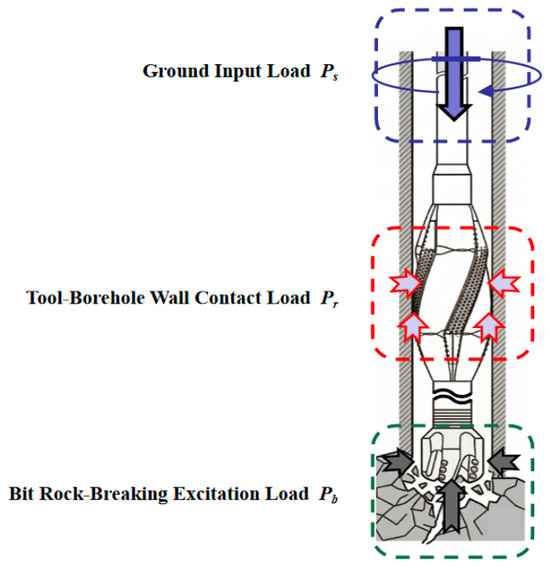
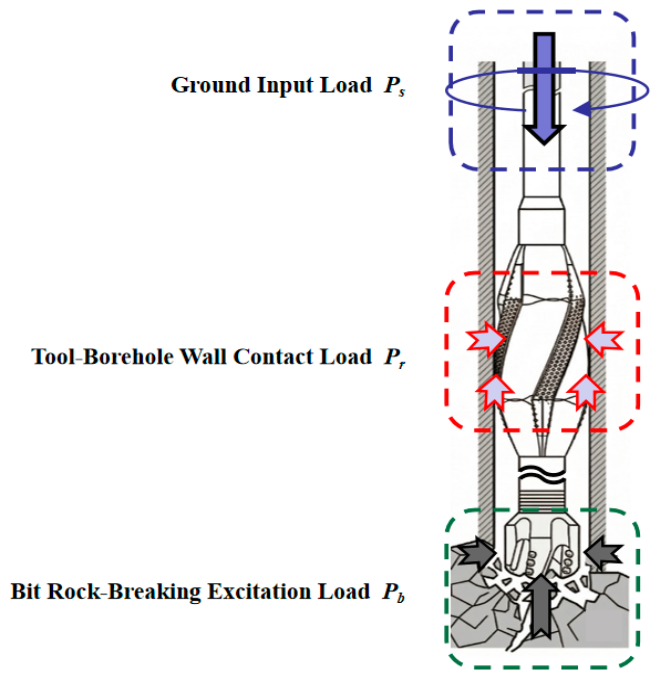
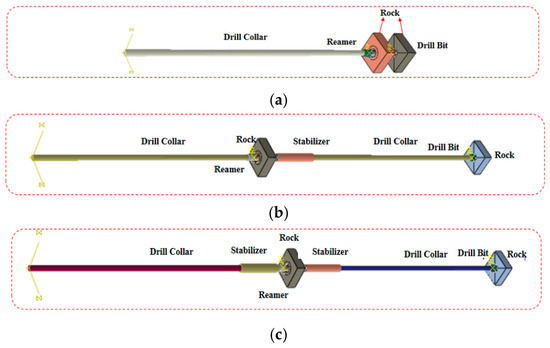
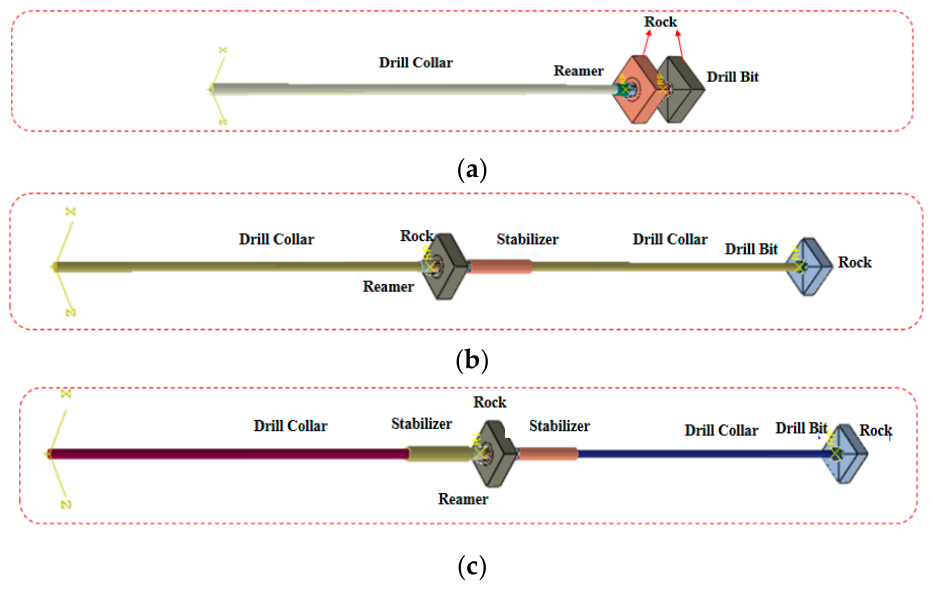
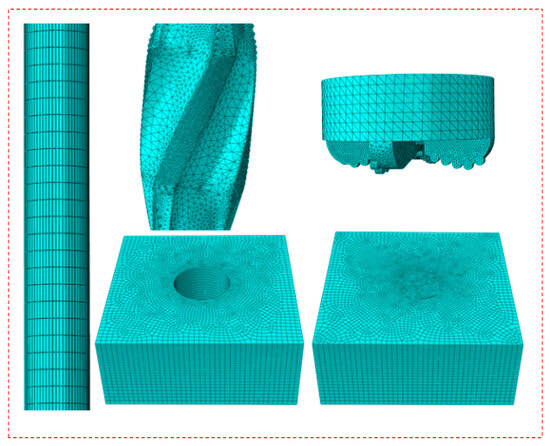
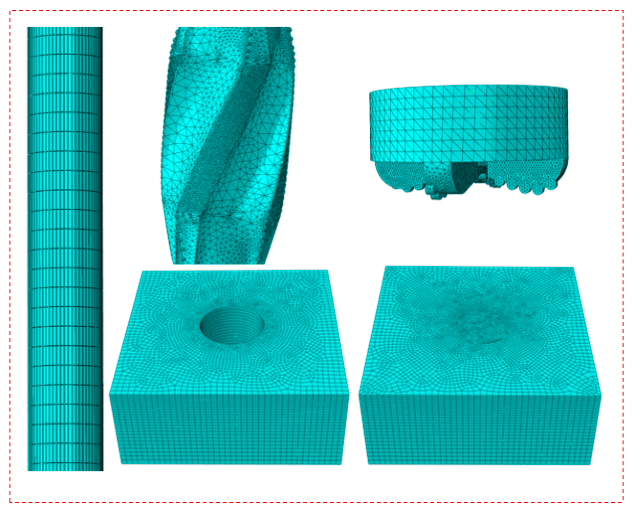
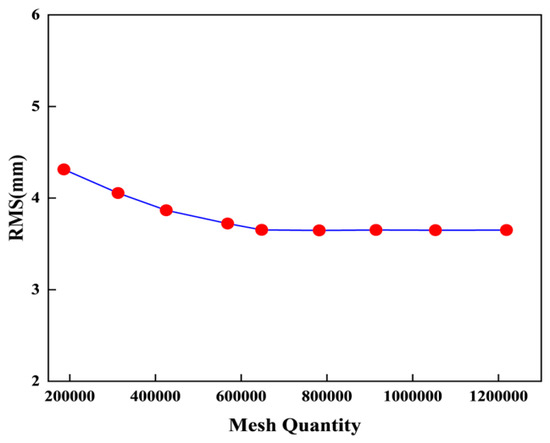
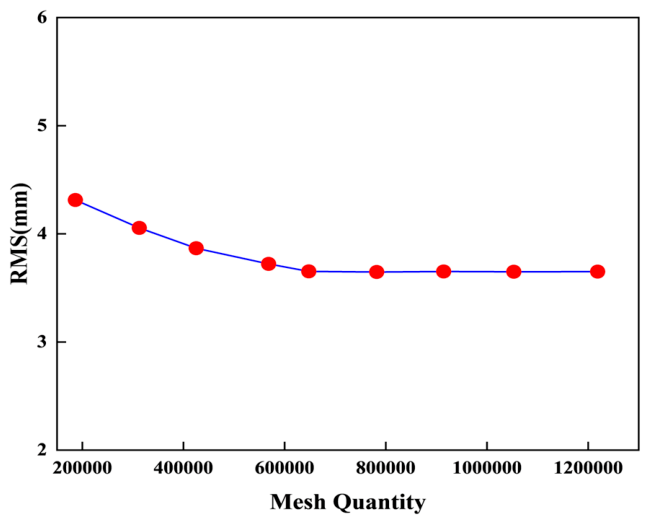
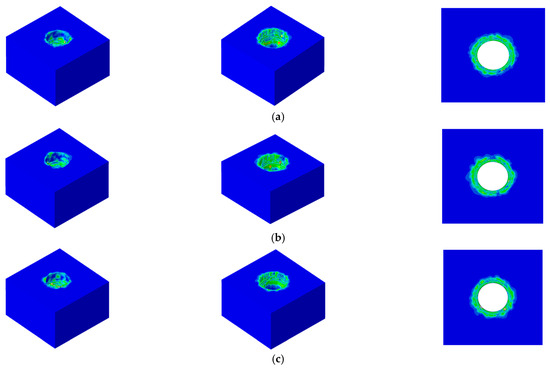
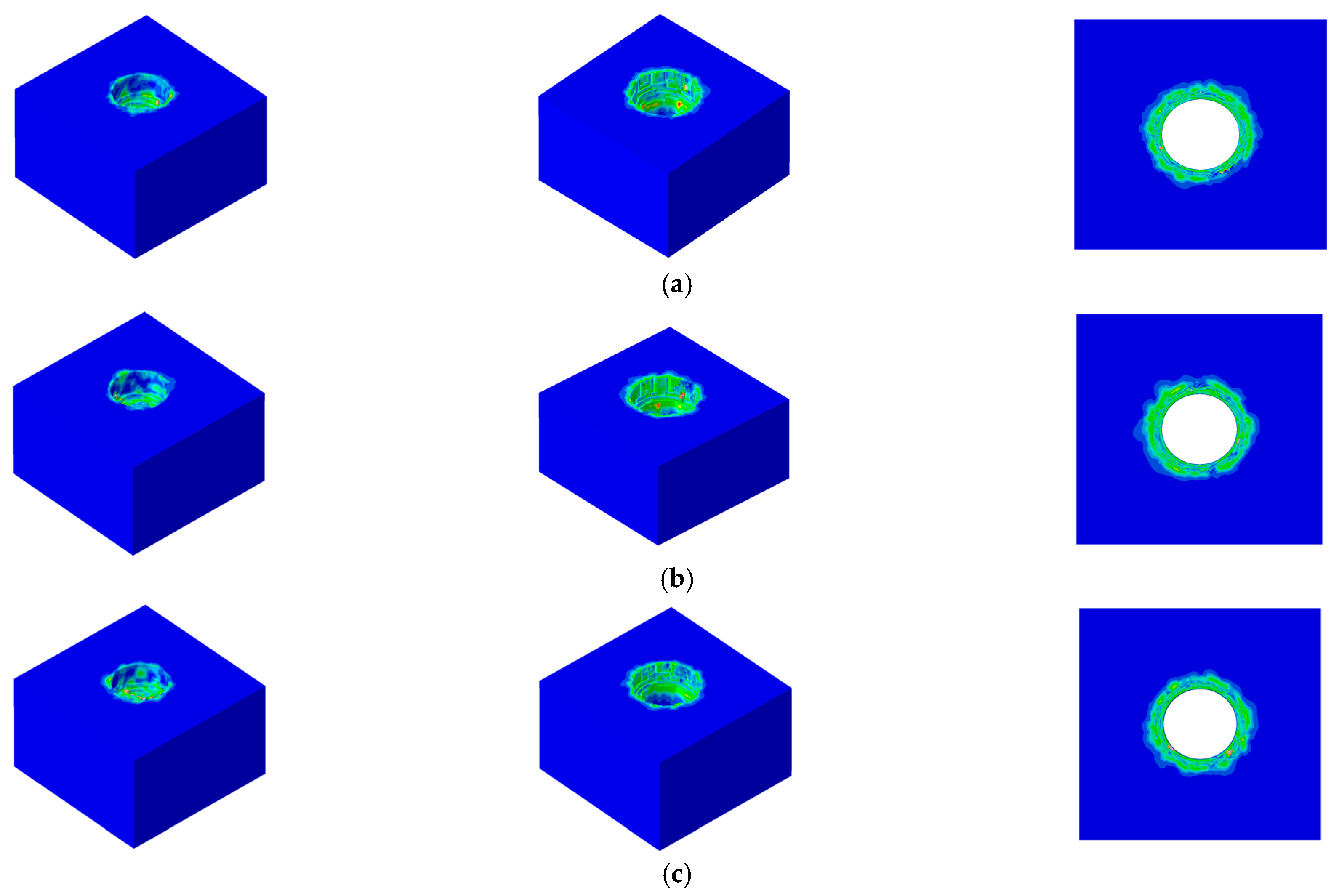
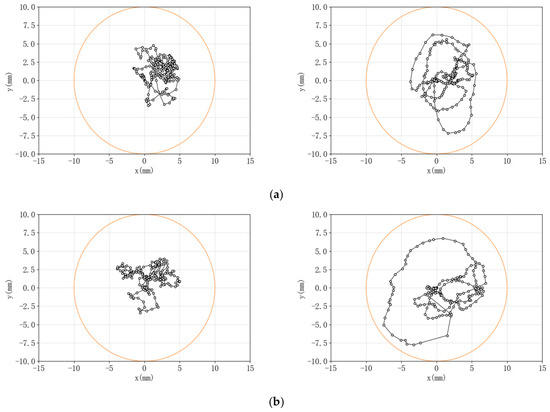
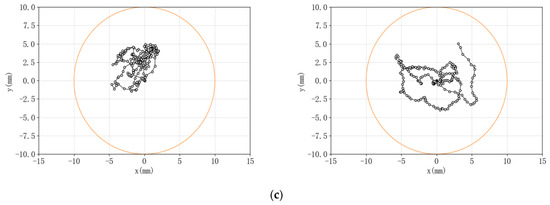
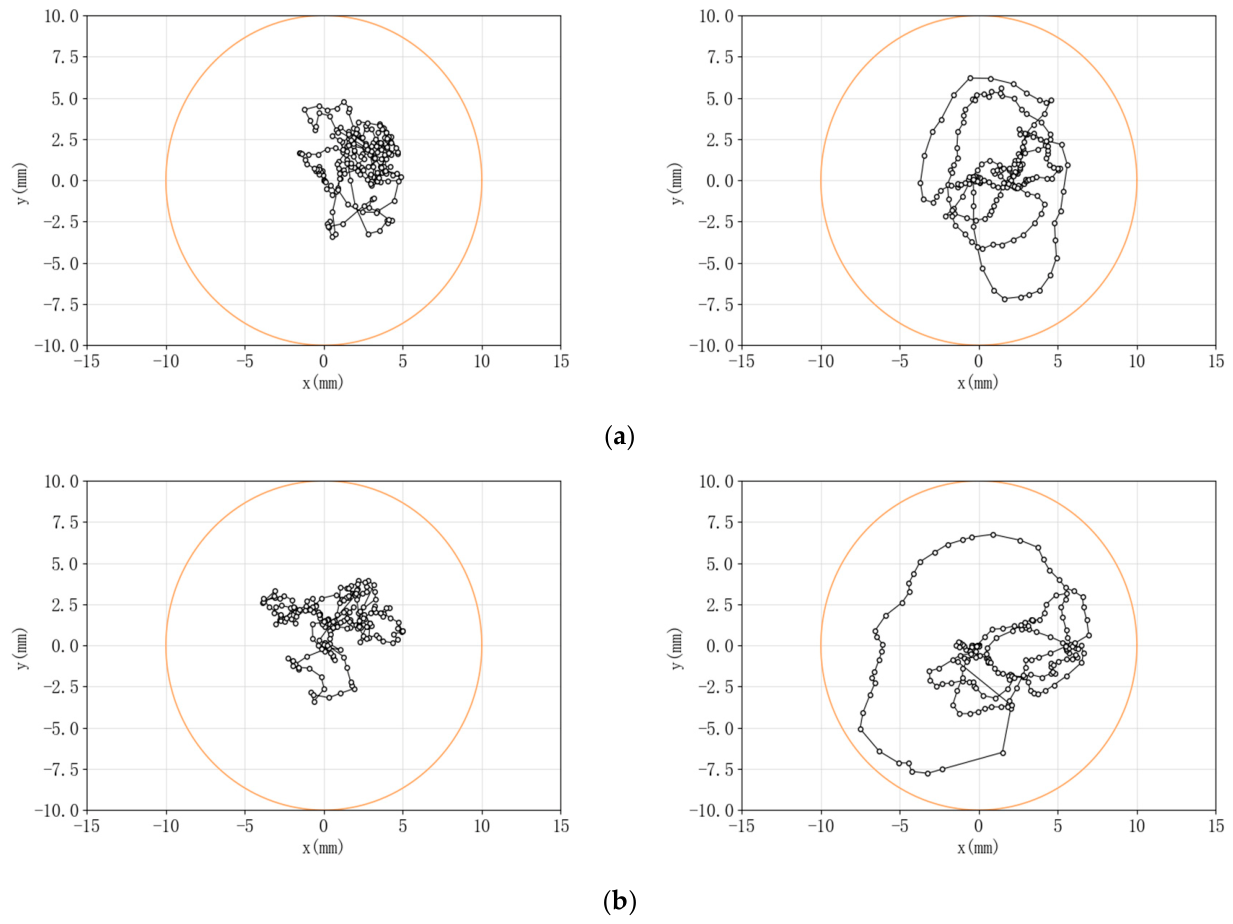
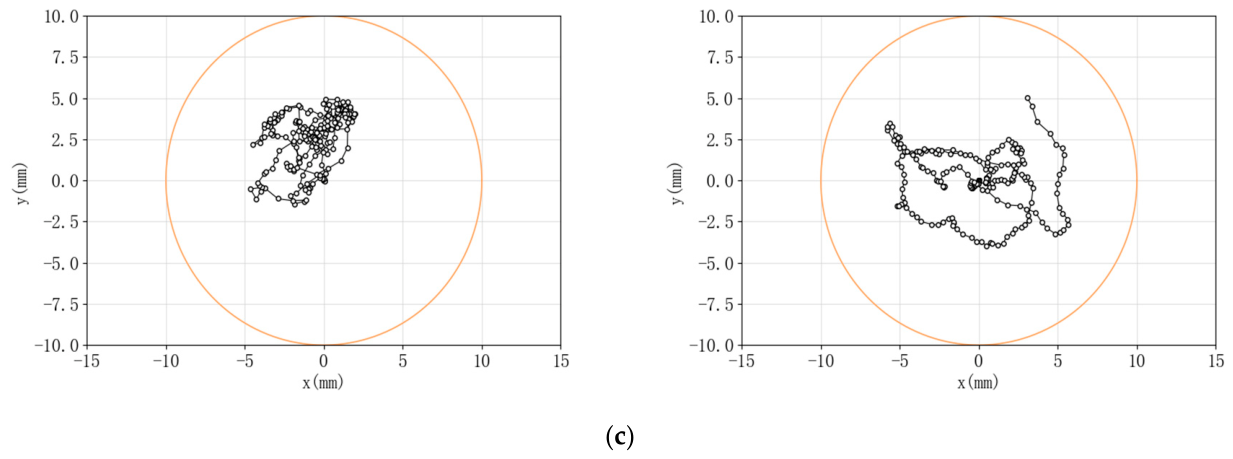
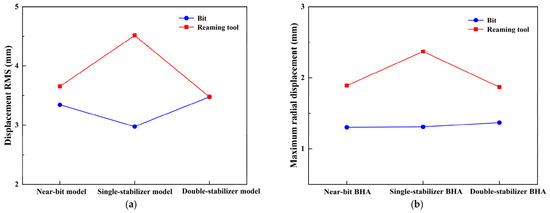
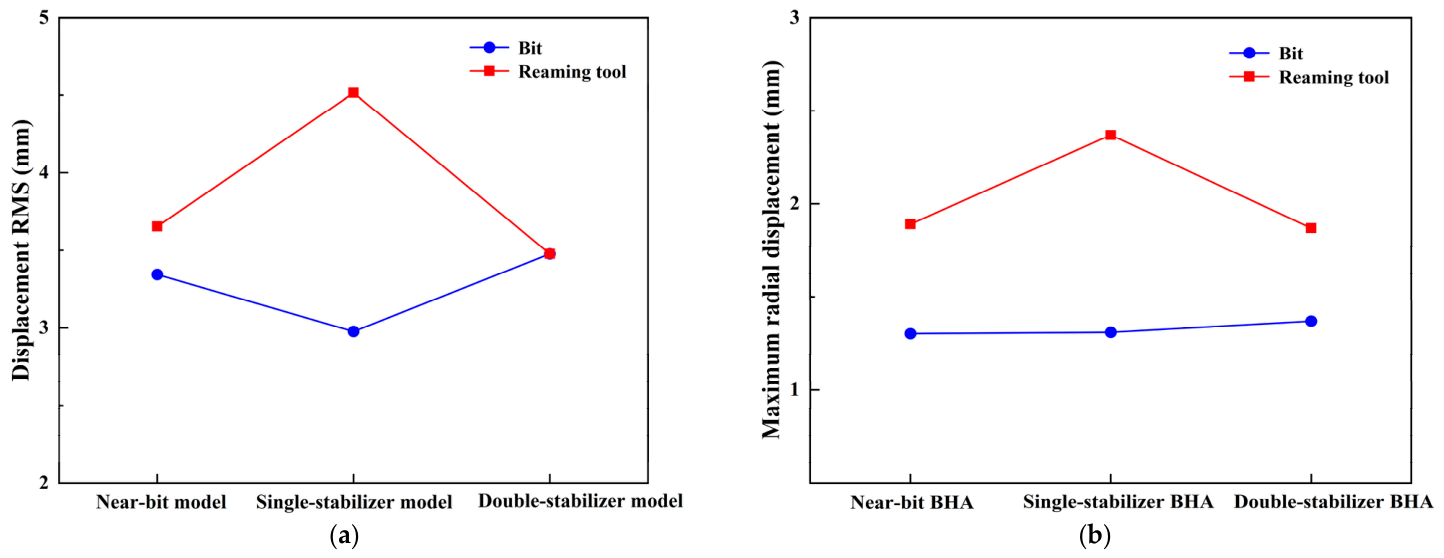
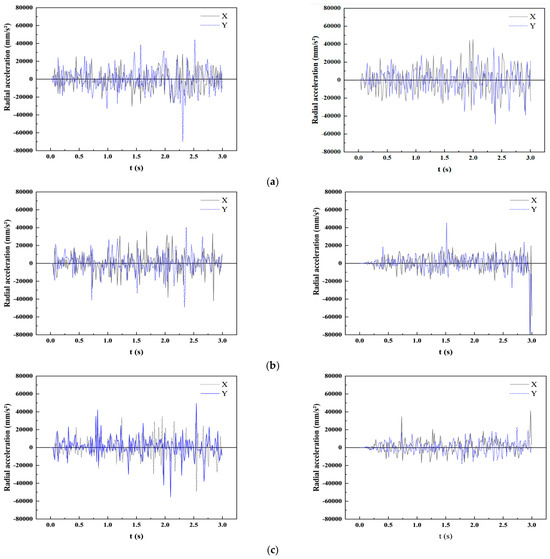
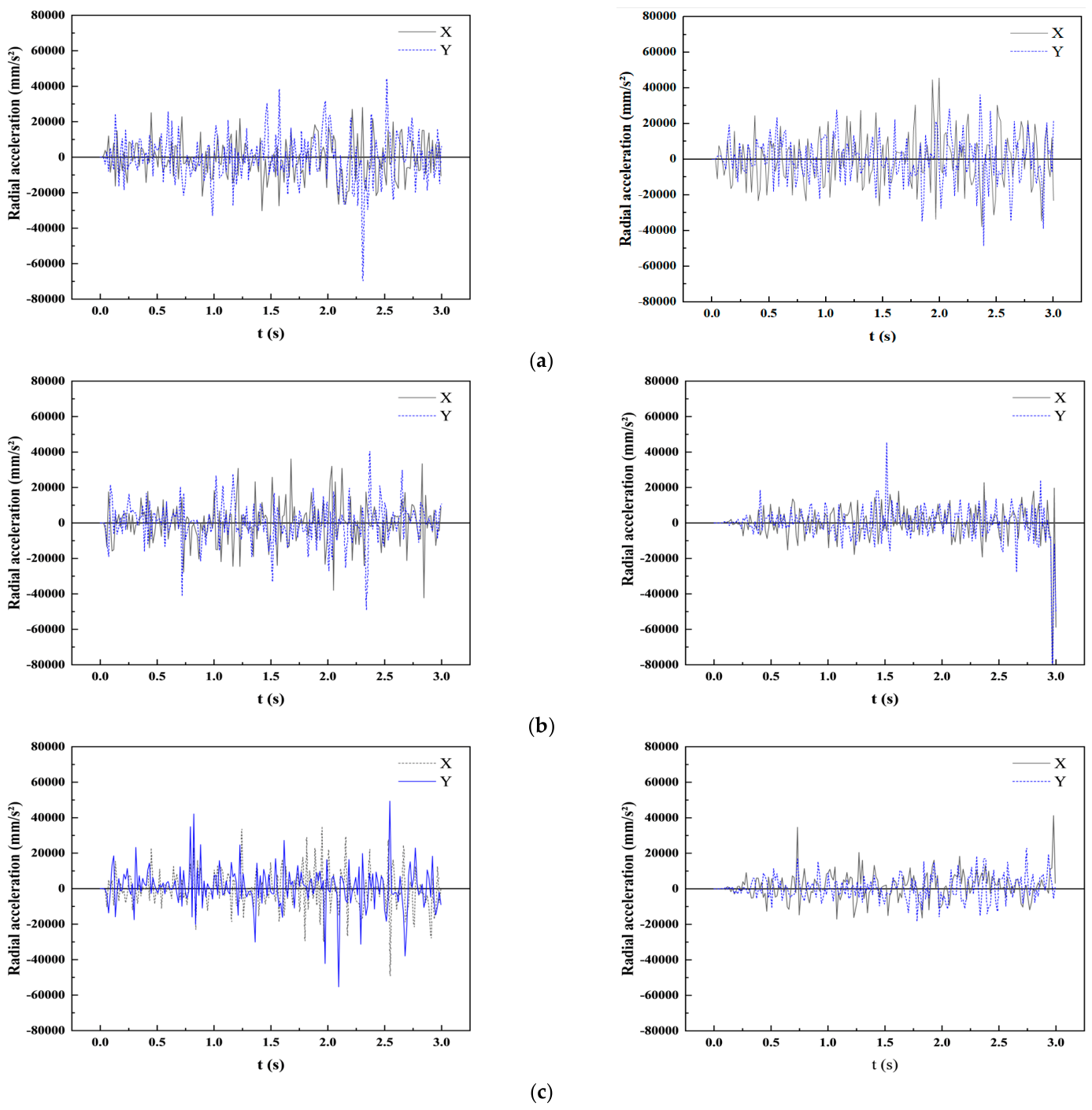
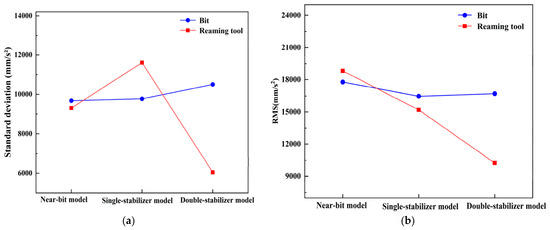
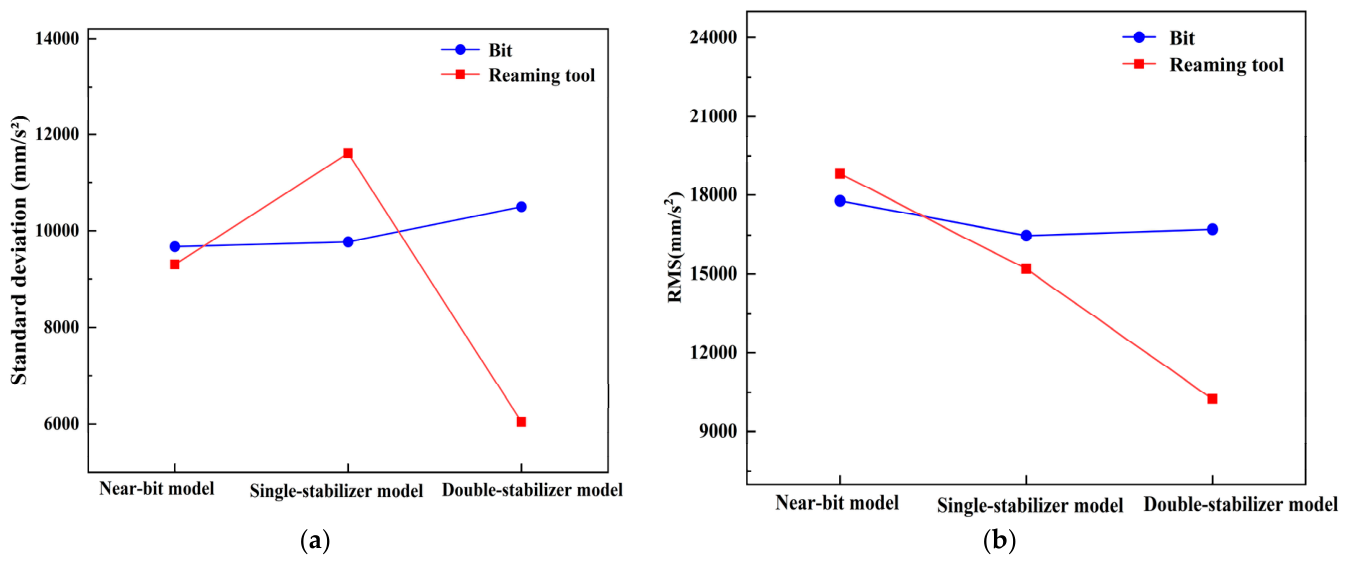
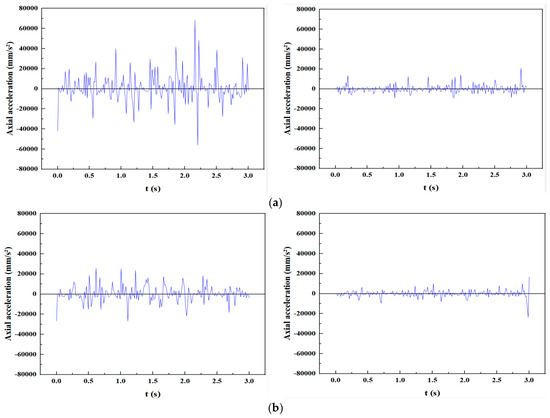
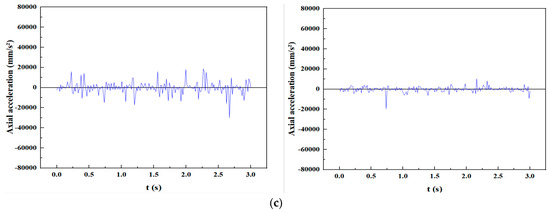
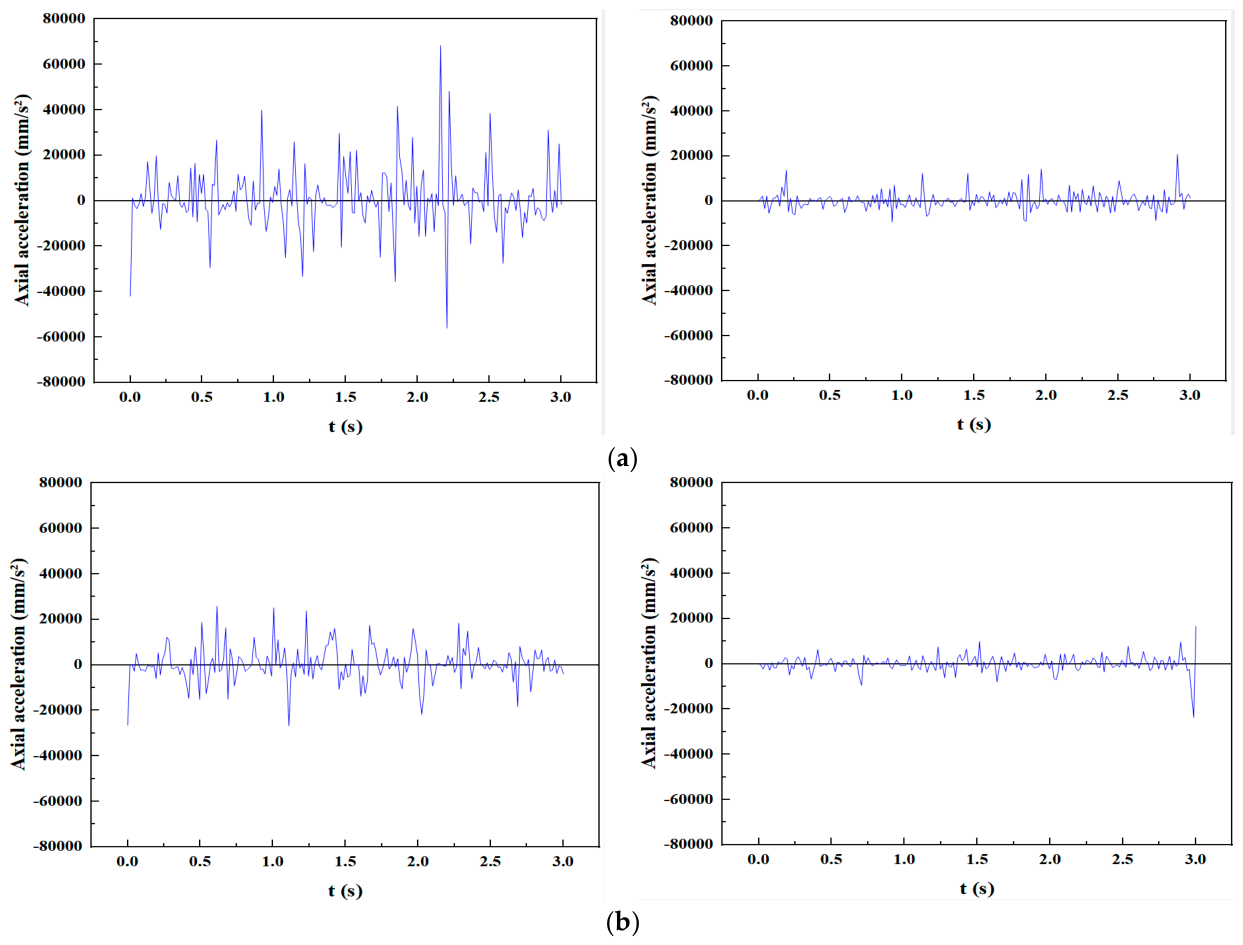
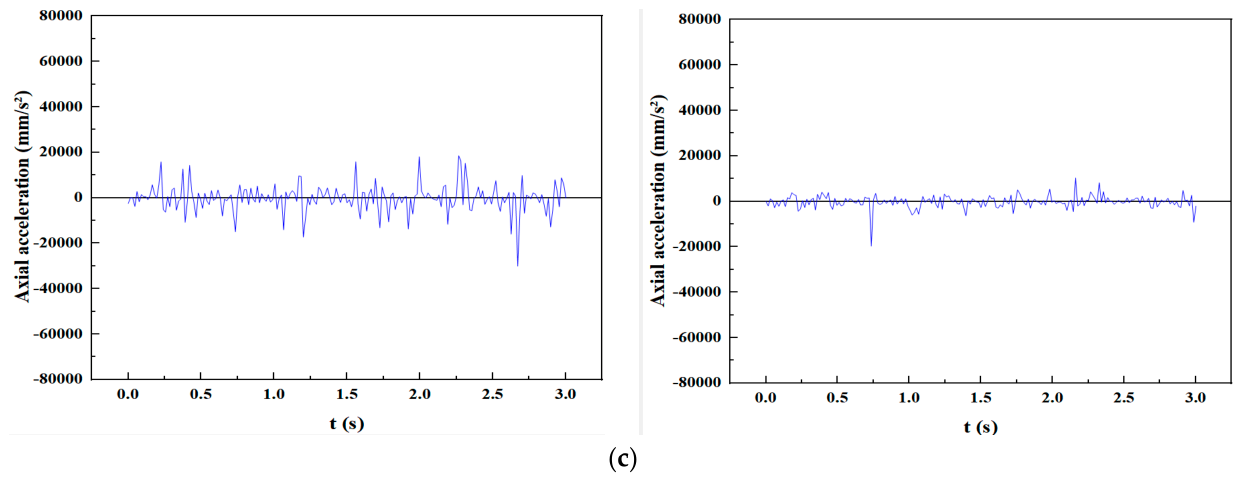
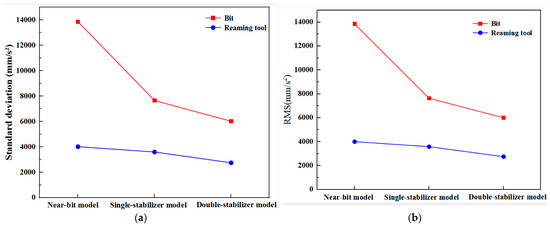
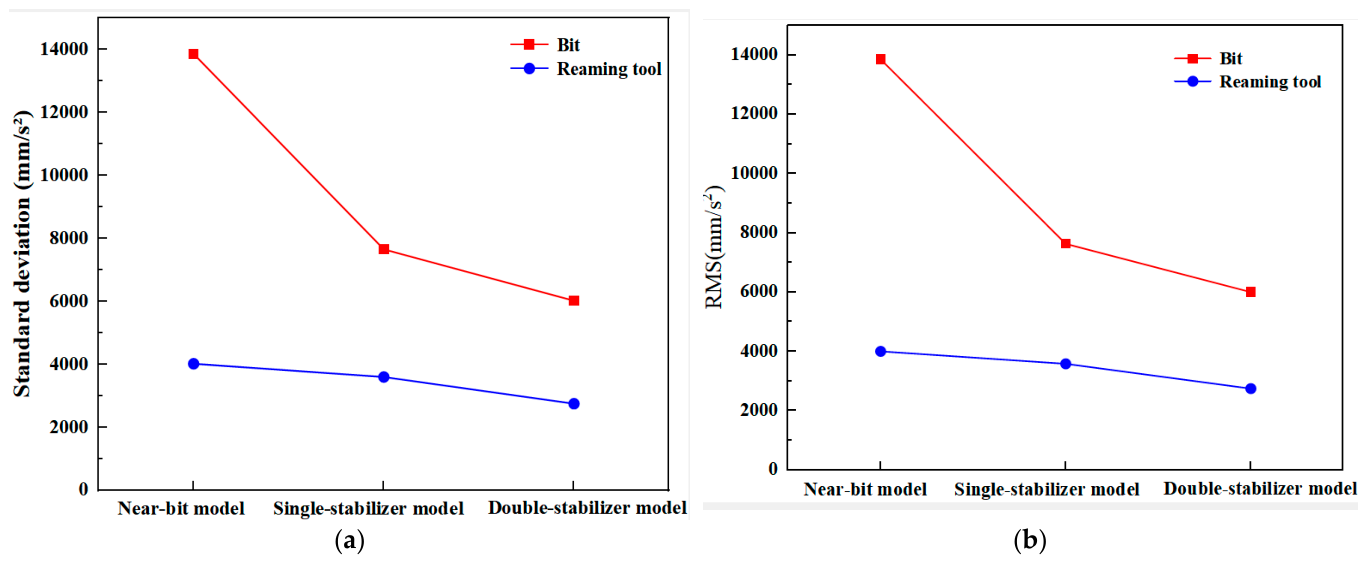
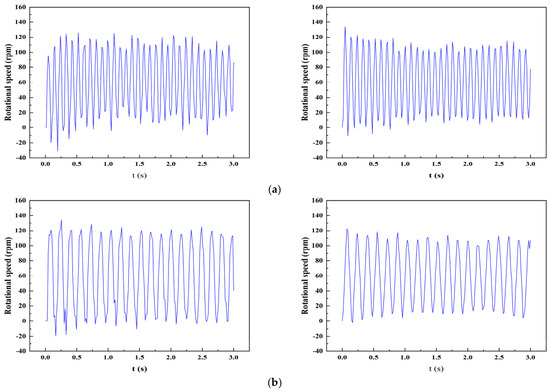
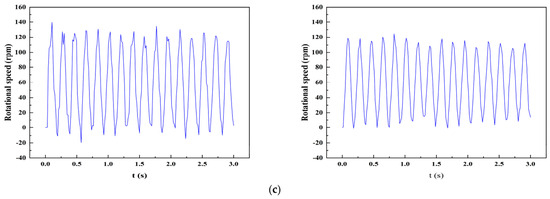
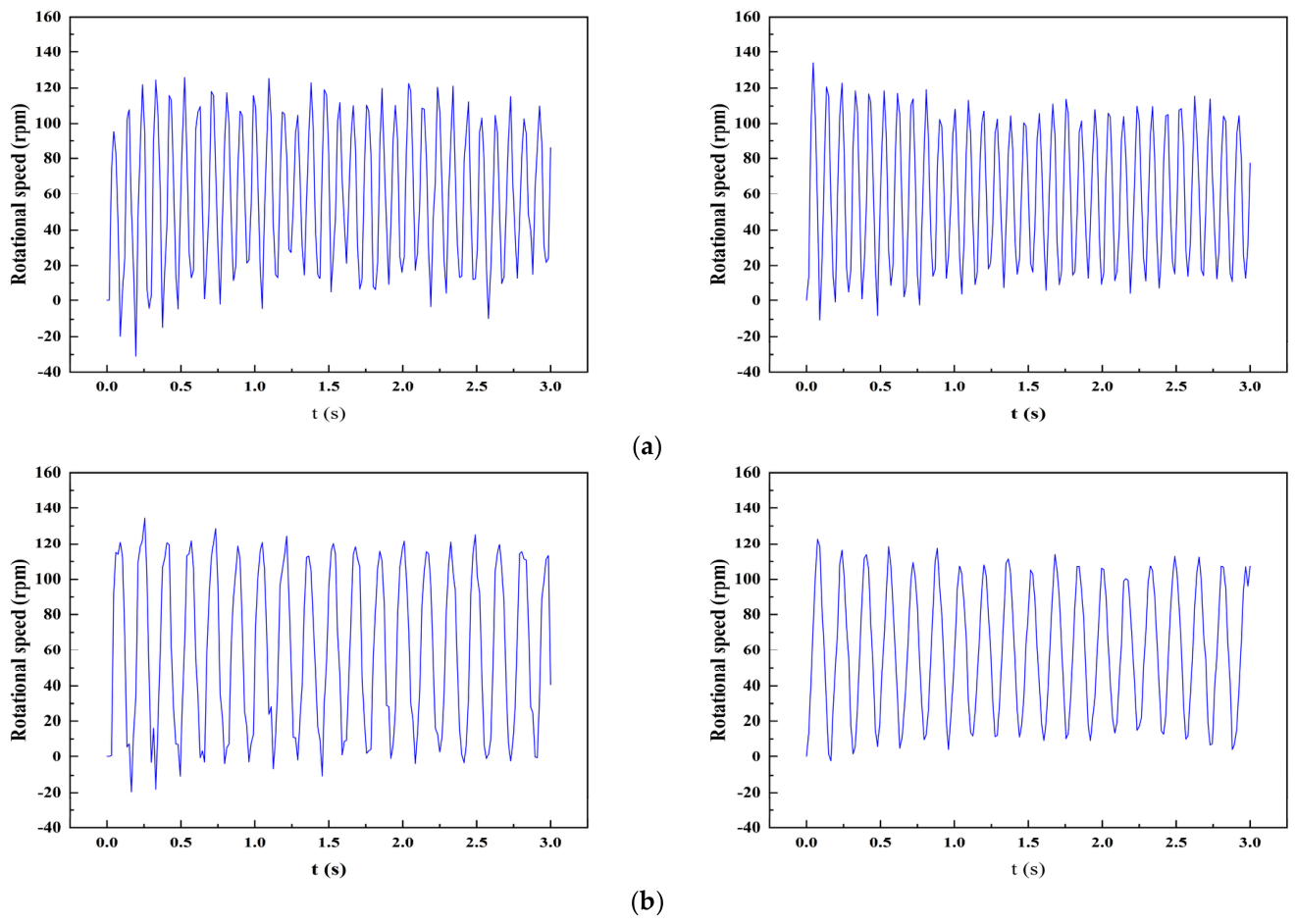
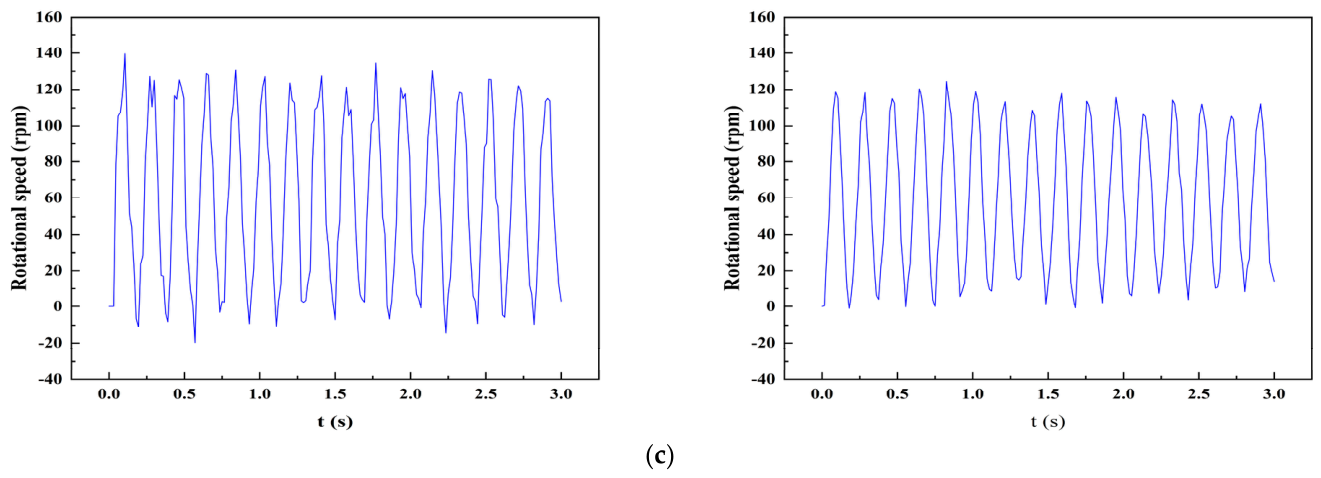
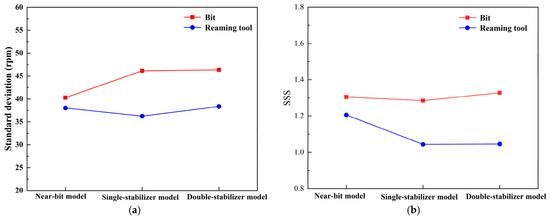
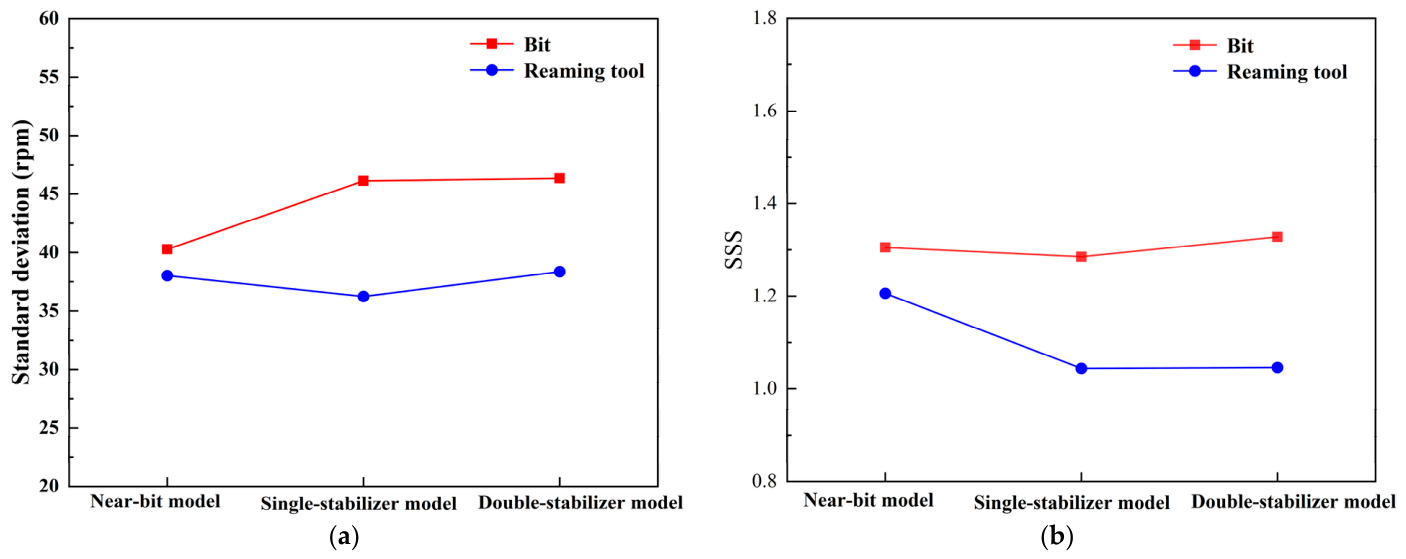
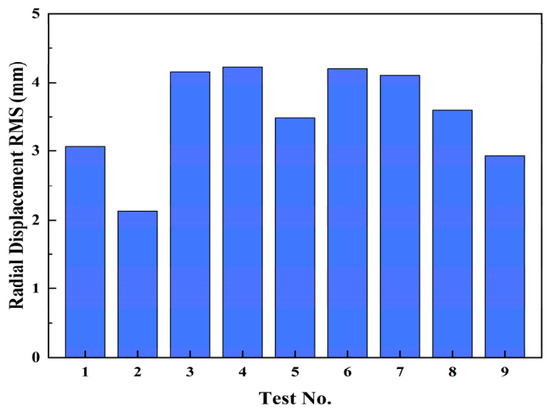
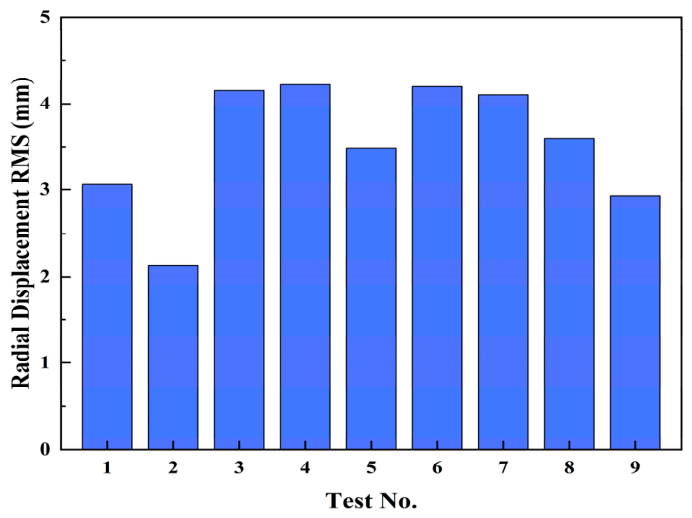
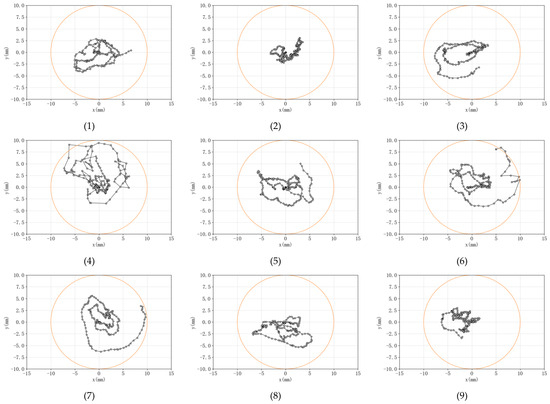
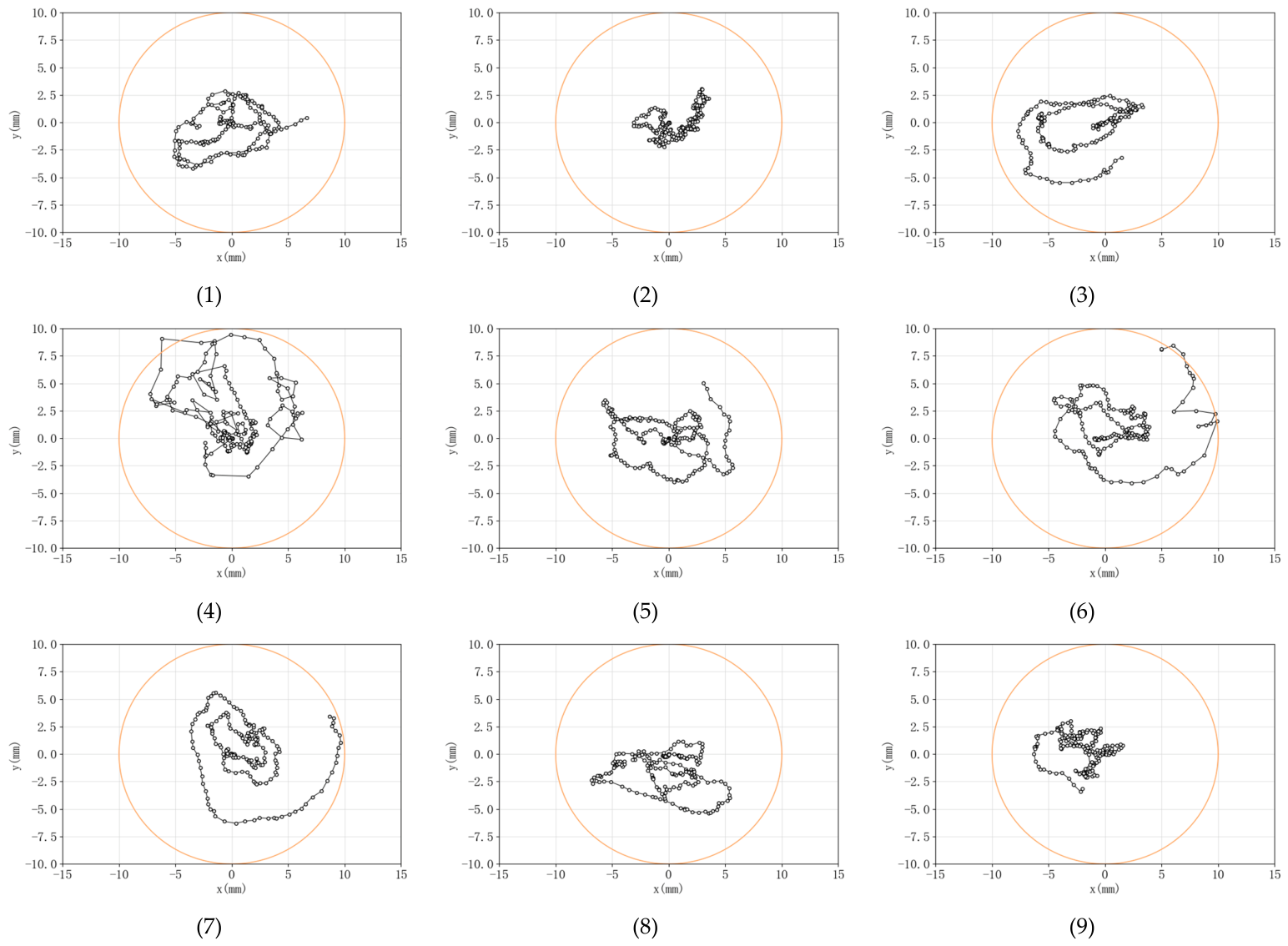
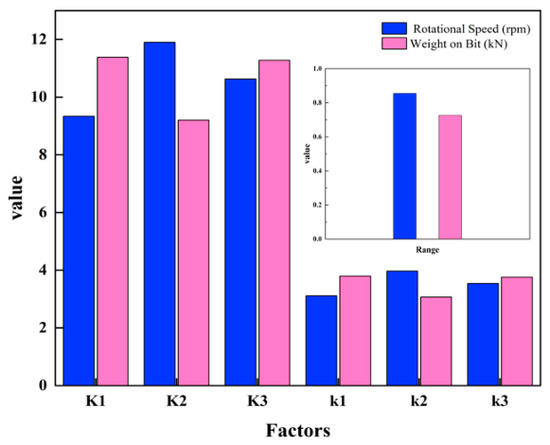
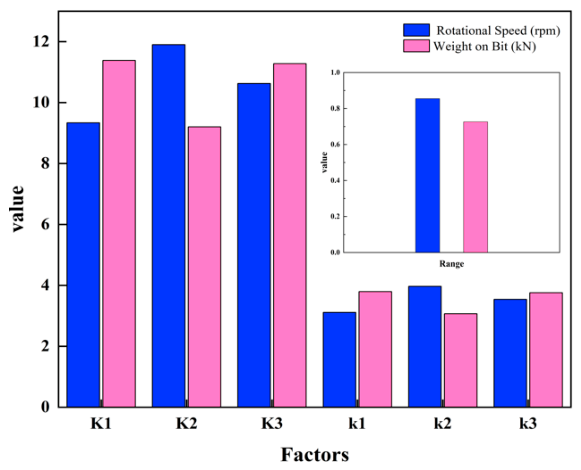

Disclaimer/Publisher’s Note: The statements, opinions and data contained in all publications are solely those of the individual author(s) and contributor(s) and not of MDPI and/or the editor(s). MDPI and/or the editor(s) disclaim responsibility for any injury to people or property resulting from any ideas, methods, instructions or products referred to in the content. |
© 2026 by the authors. Licensee MDPI, Basel, Switzerland. This article is an open access article distributed under the terms and conditions of the Creative Commons Attribution (CC BY) license.