


Abstract
Knowledge worker productivity (KWP) is increasingly challenged by information overload, interruptions, technostress, and growing cognitive complexity. This systematic literature review synthesizes research from information systems (IS), psychology, organizational behavior, and knowledge management to examine cognitive, behavioral, and technology-related mechanisms shaping individual KWP. Following a search of Scopus and Web of Science, supplemented by backward and forward citation searching, 89 studies were included and analyzed using a hybrid deductive–inductive thematic synthesis. The findings identify three interrelated dimensions: cognitive mechanisms, including attention, cognitive flexibility, memory, creativity, and cognitive load; behavioral self-management processes, including situation analysis, goal setting, action planning, resource identification, action implementation, evaluation, and motivation; and technology-related strain, including technology overload, techno-invasion, and technostress. Building on these findings, the review develops an IS research agenda comprising six avenues: productivity monitoring and sensing, goal and habit support, knowledge extraction, personalized digital interventions, learning support, and productivity-based recommendations and systems integration. Unlike prior single-mechanism reviews, this review integrates cognitive, behavioral, and technology-related perspectives into one framework of individual KWP and links each research avenue to its evidence. The findings imply that productivity-oriented IS should support self-regulation while mitigating technology-related strain and preserving autonomy and privacy; many artificial-intelligence-based solutions still await empirical validation.
1. Introduction
The increasing digitization of work has fundamentally transformed how organizations create value and how individuals perform knowledge-intensive tasks. In contemporary economies, knowledge workers are expected to continuously process information, solve complex problems, coordinate across digital environments, and adapt to rapidly changing demands. As manual labor becomes increasingly automated, organizational performance depends more strongly on the cognitive and behavioral capabilities of knowledge workers, making knowledge worker productivity (KWP) a critical asset for modern organizations [1,2,3].
Knowledge work differs substantially from manual or routine labor [4]. Rather than following standardized and repetitive processes, knowledge workers operate in environments characterized by ambiguity, autonomy, non-linearity, and high cognitive demands [5,6]. Their work depends on activities such as information processing, decision-making, creativity, learning, and collaboration [4,5]. Consequently, productivity in knowledge work cannot be understood solely through traditional efficiency metrics or organizational output measures [4,5]. Instead, it emerges from the interaction of cognitive mechanisms, behavioral self-management, and the technological environments in which knowledge work is performed. Cognitive processes such as attention regulation, memory, cognitive flexibility, and information processing interact with behavioral mechanisms including goal setting, self-regulation, motivation, and habit formation to shape individual productivity [7,8].
At the same time, digital technologies have fundamentally reshaped knowledge work environments. Collaboration platforms, communication systems, productivity applications, artificial intelligence (AI), and mobile technologies create new opportunities to support individual productivity while simultaneously increasing the complexity of digital work [9,10]. Information Systems (IS) can assist knowledge workers through adaptive goal setting, intelligent knowledge extraction, workflow support, personalized recommendations, learning support, and real-time feedback mechanisms [11,12,13]. Recent advances in AI further expand the potential for adaptive, personalized, and context-aware productivity support by enabling more intelligent interactions between users and digital systems [9,14].
However, digital technologies also introduce substantial challenges. Constant connectivity, excessive communication, interruptions, information overload, and technostress increasingly impair concentration, self-regulation, and decision quality [15,16,17,18]. Knowledge workers frequently operate in fragmented digital environments that require continuous task switching and cognitive adaptation [19]. These developments have intensified concerns regarding sustainable productivity, mental well-being, and cognitive overload in digitally intensive work settings [15,17,18,20,21]. Consequently, understanding how IS can effectively support cognitive and behavioral processes while minimizing technology-related strain has become an increasingly important research challenge.
Existing research has examined KWP from multiple disciplinary perspectives, including organizational behavior, psychology, knowledge management, and IS research. Prior studies have investigated factors such as cognitive load, self-management, goal setting, procrastination, technostress, and AI-supported work practices [10,22,23,24,25,26]. Nevertheless, the literature remains fragmented across disciplinary boundaries. While psychology primarily explains the cognitive and behavioral mechanisms underlying productive knowledge work, IS research has traditionally focused on technological artifacts, digital tools, and organizational systems [19,27]. As a result, there is still limited integrative understanding of how IS can systematically support the psychological mechanisms that underpin KWP. Existing reviews address this fragmentation only partially, and three limitations can be distinguished. First, they are narrow in scope: recent reviews have synthesized single mechanisms or challenges, such as goal setting [26], technology overload [25], or technostress [24], without relating them to the other cognitive, behavioral, and technology-related mechanisms of KWP. Second, broader syntheses of KWP are conceptual or measurement-oriented, offering a draft framework [2] or measurement approaches [5] without linking individual-level mechanisms to IS support. Third, where reviews derive implications for IS design, these remain confined to a single mechanism, such as IS support for personalized goal planning and tracking [26], whereas IS reviews, for example on AI, focus on business value and research opportunities rather than on individual self-regulation [10]. Consequently, no existing review integrates cognitive mechanisms, behavioral self-management processes, and technology-related strain within a common framework and translates this synthesis into IS capabilities and a research agenda. The present review addresses this gap; the related reviews are discussed in more detail in Section 2.2.
This fragmentation is particularly problematic as AI-driven systems, adaptive productivity technologies, intelligent recommendation systems, and digital self-management tools increasingly converge within everyday knowledge work [10,14]. Although these technologies increasingly shape how knowledge workers regulate attention, manage tasks, process information, and organize work routines, the underlying psychological mechanisms that determine their effectiveness remain insufficiently synthesized within the IS literature. Consequently, there is a need for an interdisciplinary perspective that systematically connects psychological theories of productivity with the design of future IS.
In response to this gap, this paper presents a systematic literature review (SLR) and conceptual synthesis of the cognitive, behavioral, and technology-related mechanisms underlying KWP. Drawing on interdisciplinary literature from IS, psychology, organizational behavior, and knowledge management, the review synthesizes the psychological foundations of productive knowledge work and examines how IS can support these mechanisms. Building on this synthesis, the paper develops an IS research agenda that identifies future opportunities for adaptive, personalized, context-aware, and human-centered productivity support.
Accordingly, this paper addresses the following research questions (RQs):
RQ1: Which (a) cognitive and (b) behavioral mechanisms and (c) technology-related challenges are identified in the literature as shaping knowledge worker productivity?
RQ2: How can Information Systems support the identified cognitive and behavioral mechanisms and address technology-related challenges in knowledge work?
To address these questions, we conduct an SLR following a PRISMA search and selection process across major academic databases. RQ1 guided the literature search and study selection, whereas RQ2 was addressed in a second analytical stage that builds on the RQ1 synthesis (see Section 3.1). The final review corpus consisted of 89 papers and was analyzed through a hybrid deductive–inductive thematic synthesis. The three overarching dimensions served as predefined analytical categories, while specific mechanisms and challenges were identified and iteratively refined through the analysis. Rather than focusing exclusively on organizational productivity outcomes, this review emphasizes the individual-level cognitive and behavioral processes that shape productive knowledge work in digitally intensive environments.
The remainder of this paper is structured as follows. Section 2 introduces the theoretical foundations of KWP. Section 3 describes the review methodology and literature selection process. Section 4 presents the synthesized findings about the cognitive mechanisms, behavioral self-management processes, and technology-related challenges that influence KWP. Based on these findings, Section 5 develops a research agenda for future IS by identifying adaptive, personalized, and AI-driven approaches to supporting knowledge workers, discusses their ethical implications, compares the review with prior reviews, and addresses threats to validity. Finally, Section 6 concludes the paper by summarizing the findings and discussing implications and directions for future research.
2. Theoretical Foundations of Knowledge Worker Productivity
2.1. Conceptualizing Knowledge Worker Productivity
Knowledge work is fundamentally distinct from manual labor, both in its inputs and outputs. While manual tasks are often repetitive and quantifiable, knowledge work involves complex cognitive processes, including analysis, synthesis, decision-making, creativity, and problem-solving [4,27]. Consequently, productivity in knowledge work cannot be adequately assessed through traditional efficiency metrics alone [4,5]. Instead, KWP encompasses both the quality and impact of intellectual contributions as well as the ability to generate value through the effective application of knowledge [3,19].
KWP concerns the extent to which individuals utilize their expertise, skills, and access to information to achieve valuable outcomes in dynamic and often unstructured work environments [19]. Building on Drucker’s (1999) [4] seminal work, knowledge workers are characterized by high levels of autonomy, continuous learning, and responsibility for managing their own work processes. Unlike industrial workers operating within predefined procedures, knowledge workers must continuously organize, prioritize, and adapt their activities in response to changing demands and emerging challenges [5,6].
Building on these perspectives, we define KWP as the extent to which individual knowledge workers transform their expertise, skills, attention, time, and access to information into valuable work outcomes, considering both the quantity and the quality of these outcomes relative to the resources invested [3,4,19]. This definition delimits KWP from related constructs. Efficiency, understood as output relative to time or effort, captures only the quantitative component of KWP [4,5]. Individual or job performance refers to the evaluation of work behaviors and results against job requirements; because it is frequently used as a proxy for KWP, the search strategy of this review covered both productivity and performance (Section 3), although performance does not necessarily account for the resources invested. Creativity is treated in this review as a cognitive mechanism that contributes to the quality and value of work outcomes rather than as a productivity outcome in its own right. Satisfaction and well-being, finally, are not components of KWP but related outcomes and conditions that influence whether productivity can be sustained over time [20,21]. Accordingly, the indicators reported in the included studies relate to different facets of this definition: objective measures primarily capture the quantity of output, perceived productivity reflects knowledge workers’ own assessment of the value of their work [23], performance measures approximate the quality and value of outcomes, and satisfaction and well-being represent related but distinct outcomes (see Section 4.4).
For the purposes of this review, we use three analytical dimensions as sensitizing categories to structure the synthesis: cognitive mechanisms, behavioral self-management processes, and technology-related strain. These dimensions were informed by prior literature and subsequently refined during the analysis rather than treated as mutually exclusive or causally independent categories. Cognitive mechanisms include factors such as attention, memory, cognitive load, creativity, and cognitive flexibility [7,28,29]. Behavioral self-management processes encompass situation analysis, goal setting, planning, implementation, evaluation, and motivation [12,30,31,32]. Unlike the first two dimensions, which describe cognitive and behavioral capabilities of the individual, technology-related strain captures the technology-induced demands that arise from digitally intensive work environments and influence how effectively these capabilities can be exercised [15,33,34]. Accordingly, the review distinguishes between individual-level mechanisms (cognitive mechanisms and behavioral self-management processes), contextual determinants that shape how these mechanisms operate (technology-related strain as well as physical, organizational, and social work conditions), and productivity outcomes as defined above. The three dimensions are related but analytically distinct. Cognitive mechanisms describe individuals’ capacities for processing information, whereas behavioral self-management processes describe how individuals deploy these capacities over time to set, pursue, and evaluate goals. Behavioral processes therefore draw on cognitive mechanisms, for example, when planning relies on working memory or when self-monitoring requires attentional control [7,12]. Technology-related strain, in turn, does not constitute an individual capacity but a set of external demands that act upon both dimensions, for instance, when technology overload increases cognitive load [15] or when techno-invasion reduces the recovery needed for sustained task execution. To avoid conceptual overlap, each construct is assigned to the dimension that corresponds to its primary function. For example, cognitive load denotes the internal limitation of working memory, whereas technology overload denotes the external demand that may cause it. Together, these dimensions help explain how knowledge workers process information, regulate their behavior, and achieve valuable outcomes in digitally intensive work environments.
While cognitive mechanisms, behavioral self-management processes, and technology-related strain explain productivity at the individual level, productive knowledge work also depends on how individuals acquire, organize, retrieve, and apply knowledge throughout their daily work. These activities are commonly described under the concept of personal knowledge management. Personal knowledge management represents an important supporting activity that cuts across the three dimensions rather than constituting a separate dimension of the framework. It describes how individuals acquire, organize, retrieve, share, and apply knowledge throughout their daily work activities [35,36]. Effective personal knowledge management practices help reduce cognitive overload, facilitate decision-making, and support complex problem-solving, thereby contributing directly to individual productivity [16,37]. Supporting these activities requires IS that facilitate knowledge sharing, intelligent knowledge extraction, context-aware information retrieval, and the integration of heterogeneous information sources into workers’ daily workflows [8].
Founded on this perspective, Firdaus et al. (2025) [19] emphasize that organizational knowledge management systems—including knowledge creation, acquisition, storage, sharing, and utilization—provide important foundations for productive knowledge work. However, the productivity benefits of such systems do not arise automatically. Rather, they depend on the active engagement of knowledge workers with knowledge-related activities [19]. This highlights the importance of understanding productivity not merely as a technological outcome, but as a socio-cognitive process that emerges through the interaction between individuals and technological systems.
Technology-related strain has become increasingly important in digitally intensive work environments. Today, knowledge workers operate within complex digital ecosystems characterized by collaboration platforms, communication technologies, AI-powered tools, and large volumes of information. While these technologies create new opportunities for productive knowledge work, they simultaneously introduce technology-induced demands such as information overload, interruptions, technology overload, and technostress [15,18,33]. Consequently, productivity depends not only on cognitive and behavioral capabilities but also on individuals’ ability to cope with technology-related strain by regulating attention, managing cognitive load, and adapting behavior in response to changing work conditions [7,23]. Accordingly, technology-related strain should not be viewed solely as a negative consequence of digitalization but also as an important consideration in the design of productivity-oriented IS.
Psychological and cognitive theories provide important explanations for these processes. Goal-setting theory proposes that clearly defined and meaningful goals improve performance by directing attention and effort toward desired outcomes [38]. Cognitive load theory explains how the limitations of working memory influence the processing of complex information and affect learning and decision-making [39,40]. Similarly, research on self-regulation highlights the importance of monitoring behavior, controlling distractions, and sustaining motivation over time [12].
Taken together, these perspectives suggest that KWP should be viewed as a dynamic process of cognitive and behavioral self-management rather than merely as an output measure. The three dimensions serve as the organizing framework for the remainder of this review and provide the conceptual basis for synthesizing the literature and deriving future IS research opportunities. Productive knowledge work depends on the ability of individuals to regulate attention, manage information, pursue goals, learn continuously, and adapt to changing circumstances. IS plays an increasingly important role in supporting these activities by providing feedback, automation, decision support, and personalized interventions.
Figure 1 summarizes the analytical perspective adopted throughout this review. KWP is conceptualized through three interrelated analytical dimensions—cognitive mechanisms, behavioral self-management processes, and technology-related strain—which provide the analytical structure for the thematic synthesis presented in Section 4, where the varying strength of the evidence for the individual constructs is also discussed. These dimensions are analytical categories rather than empirically tested constructs, and the relationships among them described above are theoretical propositions derived from the literature. Building on this synthesis, Section 5 translates these findings into an IS research agenda by identifying adaptive, personalized, context-aware, and human-centered approaches for supporting knowledge workers through future productivity IS.
Figure 1.
Analytical Structure of Knowledge Worker Productivity. The three dimensions are conceptual categories used to organize the synthesis; the figure does not depict causal or empirically tested relationships. Source: Authors’ own work.
2.2. Related Reviews
Several prior reviews have addressed facets of KWP. Early work compiled approaches to measuring knowledge worker productivity and discussed their suitability for different knowledge-work environments [5], and a more recent systematic review, combined with soft systems methodology, proposed a holistic conceptual framework of KWP [2]. Other reviews have focused on specific mechanisms or challenges, namely the influence of goal setting on the personal productivity of knowledge workers [26], the effects of technology overload in the workplace [25], and the effects of technostress on employee well-being [24]. Within IS research, a systematic review of AI has focused on its business value, implications, and future research opportunities [10]. Section 5 returns to these reviews and systematically compares them with the present review. Taken together, existing reviews either conceptualize and measure KWP at a general level or synthesize individual mechanisms or technology-related challenges in isolation. None of these reviews combines a synthesis of cognitive mechanisms, behavioral self-management processes, and technology-related strain with a translation of the findings into IS capabilities and an IS research agenda, which is the gap addressed by the present review.
3. Method
3.1. Search Strategy
This study employs an SLR to synthesize existing research on KWP and its implications for IS. An SLR was chosen because it provides a transparent, rigorous, and reproducible approach for identifying, evaluating, and synthesizing the existing body of knowledge [41]. In order to provide a detailed overview of the research approach, the review was conducted and reported in accordance with the PRISMA guidelines.
The literature search was conducted on 27–28 July 2026 using the multidisciplinary scientific databases Scopus and Web of Science, which together provide broad coverage of peer-reviewed research in IS, management, psychology, and related disciplines [42,43,44]. To ensure a transparent and reproducible search process, a predefined search string was developed based on the central concepts of this review, namely knowledge work and productivity. The search string was designed to address RQ1: the first concept (“knowledge worker”, “knowledge work”, “knowledge workforce”) delimits the population, and the second (productivity OR performance) delimits the outcome of interest, whereas the specific mechanisms were deliberately not predefined in the search string so that they could emerge from the literature. Although the search string was not formally derived from the PICO or PICOC scheme, its scope can be described in PICOC terms: the population comprises knowledge workers; the phenomena of interest are the cognitive, behavioral, and technology-related mechanisms shaping their productivity; no comparison is specified; the outcome is individual productivity or performance; and the context is individual-level knowledge work in organizational settings. RQ2 did not require a separate search. It was addressed by translating the mechanisms and challenges identified for RQ1, together with the IS-related findings reported in the included studies, into IS capabilities and research avenues; where necessary, this translation was complemented by further IS literature on the respective technologies (e.g., knowledge extraction, large language models, learning analytics), which is cited in Section 5 but is not part of the review corpus.
The search was applied to titles, abstracts, and keywords using the following database-specific search strings: TITLE-ABS-KEY ((“knowledge worker” OR “knowledge work” OR “knowledge workforce”) AND (productivity OR performance)) in Scopus and TS = ((“knowledge worker” OR “knowledge work” OR “knowledge workforce”) AND (productivity OR performance)) in Web of Science. No publication-year restrictions or other database filters were applied; language and document-type criteria were applied during screening. ACM Digital Library and IEEE Xplore were not searched separately because the principal ACM and IEEE journals and conference proceedings are indexed in Scopus; in addition, the forward and backward citation search described below served to capture further human–computer interaction and computing studies. The review was not registered in a public systematic review registry, and no formal review protocol was prepared. However, the databases, search strings, eligibility criteria, and the three analytical dimensions used as initial coding categories were defined by the author team before screening began, and all screening decisions were documented in a shared screening log to minimize selection and analytical bias.
3.2. Eligibility Criteria
Studies were included when they (i) focused on knowledge workers or knowledge work and (ii) investigated productivity, performance, or personal productivity at the individual level, or, in the case of seminal theoretical works identified through backward citation searching, provided the conceptual basis of a mechanism examined in the included studies; (iii) were published as peer-reviewed journal articles, conference papers, or scholarly book chapters, or, in the case of such seminal works, as books or research reports; and (iv) were available in English. Studies were excluded if they focused exclusively on manual or operational work, addressed organizational productivity without considering individual knowledge workers, were editorials, book reviews, dissertations, or other non-peer-reviewed publications not covered by criterion (iii), or lacked sufficient relevance to the research questions.
3.3. Study Selection
The initial database search identified 1963 records in Scopus and 1154 records in Web of Science, resulting in a total of 3117 records. Following the database search, duplicate records were removed, resulting in 2457 unique publications. These publications were subsequently screened based on their titles, reducing the sample to 859 records. The remaining studies then underwent abstract screening, yielding 370 potentially relevant publications for full-text assessment. Following full-text screening, 55 studies met the predefined eligibility criteria. The 315 publications excluded at the full-text stage most frequently did not focus on knowledge workers or knowledge work, addressed productivity exclusively at the organizational or team level, did not examine productivity or performance as a substantive outcome, or were not peer-reviewed publications. The number of exclusions per reason was not recorded during screening and therefore cannot be reported. To ensure comprehensive coverage of the literature, a backward and forward citation search was subsequently conducted for these 55 studies using Google Scholar. Backward searching examined their reference lists, and forward searching examined publications citing them. Candidate publications were screened by title, abstract, and full text against the same inclusion and exclusion criteria, including the exception for seminal theoretical works (Section 3.2); publications already contained in the database sample were removed as duplicates. This process identified 34 additional publications, resulting in a final sample of 89 studies included in the thematic synthesis. The total number of candidate publications screened during citation searching and the number excluded at each screening stage were not recorded and therefore cannot be reported. Study selection and coding were performed independently by two reviewers. Disagreements regarding eligibility or coding were discussed between the reviewers and resolved by consensus. The complete study selection process is illustrated in Figure 2.
Figure 2.
PRISMA flow diagram of the study selection process.
3.4. Evidence Appraisal
Because the included studies are highly heterogeneous in design, ranging from experiments and surveys to qualitative, design-oriented, conceptual, and review contributions, a single standardized risk-of-bias instrument could not be applied meaningfully. Instead, a differentiated evidence appraisal was conducted: each study was classified by evidence type (quantitative empirical, qualitative empirical, mixed methods, design/artifact study, conceptual/theoretical, or review/meta-analysis), as reported in Table S1. This classification was used to weigh the findings in the synthesis and to distinguish mechanisms supported by multiple empirical studies in knowledge-work settings from propositions derived mainly from conceptual, exploratory, or non-knowledge-work research (Section 4.4). However, the classification only distinguishes types of evidence and does not constitute a formal assessment of the methodological quality or risk of bias of the individual studies.
3.5. Thematic Synthesis
Following study selection, the included publications were analyzed using a thematic synthesis approach. Rather than organizing the literature according to disciplinary boundaries, the studies were coded according to their conceptual contributions to KWP. The coding followed a hybrid deductive–inductive approach: the three analytical dimensions were used as initial sensitizing categories, while specific mechanisms and technology-related challenges were identified and iteratively refined during the analysis. These dimensions provide the analytical structure for answering RQ1 in Section 4. The initial coding framework consisted of these three dimensions, which were derived from the theoretical foundations outlined in Section 2, namely research on executive functions and cognitive load for cognitive mechanisms, goal-setting and self-regulation theory for behavioral self-management, and technostress research for technology-related strain. Coding was conducted in a shared Excel coding sheet, with the key findings of each study as the unit of analysis. To establish a common understanding of the categories, the two reviewers first coded a small subset of studies jointly. They then independently assigned each study to one or more dimensions and recorded the specific mechanism or challenge addressed by its key findings (Table S1). A study was assigned to a mechanism when that mechanism constituted a central construct or finding of the study with respect to individual KWP; studies addressing several mechanisms were assigned to each of them. Codes that did not fit existing categories were added as new mechanisms, and related codes were consolidated into broader mechanisms in subsequent iterations; for example, findings on the planning fallacy were consolidated under resource identification, and findings on procrastination, self-control, and overcommitment were consolidated under action implementation. The two reviewers compared their coding in joint discussions, and all disagreements were resolved by consensus. Because coding was consensus-based and the categories evolved iteratively, no inter-rater agreement coefficient was calculated. The resulting coding framework, including operational definitions, coding criteria, and representative studies, is provided in Table S2.
Centered on this synthesis, the identified mechanisms and challenges were subsequently translated into IS support mechanisms and future research opportunities. The second stage of the synthesis translated the mechanisms and challenges identified in RQ1 into potential IS capabilities. Similar or complementary capabilities were then consolidated into six research avenues according to the type of support they provide: monitoring and sensing, goal and habit support, knowledge extraction, personalized intervention, learning support, and integrated recommendations and system architectures—which form the basis for addressing RQ2 in Section 5. The database and citation searches were used to identify studies included in the systematic synthesis. Further theoretical sources cited in Section 1 and Section 2 (e.g., on working memory, deep work, or time management) were used only to establish the conceptual foundations of the review and are not part of the 89-study review corpus, which is listed in full in Table S1.
4. Results: Cognitive, Behavioral and Technology-Related Insights for Knowledge Worker Productivity
In the previous sections, we outlined key concepts of knowledge work and introduced a conceptual framework distinguishing three interrelated dimensions of KWP: cognitive mechanisms, behavioral self-management processes, and technology-related strain. We now turn to the individual mechanisms that determine productivity, addressing RQ1: Which (a) cognitive and (b) behavioral mechanisms and (c) technology-related challenges are identified in the literature as shaping knowledge worker productivity? Understanding these mechanisms is essential for later identifying how IS can support the cognitive and behavioral foundations of productivity (RQ2, addressed in the following section). In contrast to past research, we particularly stress that the knowledge worker’s work process should not solely be seen on an organizational level, and that there is a need to also take a closer look at the individual’s enabling factors. There are many relevant research results in psychology that concern the personal productivity of individual knowledge workers. While an exhaustive list of every topic is not feasible in this context, we introduce central mechanisms organized along the three dimensions established in Section 2.
Figure 3 provides an overview of the identified constructs and the number of included studies addressing each of them. Of the 89 included studies, 33 were primarily assigned to cognitive mechanisms, 44 to behavioral self-management processes, and 12 to technology-related strain; because many studies address several constructs, the construct-level counts sum to more than 89. The identified constructs are as follows:
Figure 3.
Number of included studies per construct, grouped by analytical dimension. Dimension totals count each study once according to its primary dimension; because studies may address several constructs, the construct-level counts sum to more than 89. Source: Authors’ own work.
Cognitive mechanisms: attention and concentration (18 studies), creativity (7), cognitive flexibility (4), cognitive load (3), and memory (3);
Behavioral self-management processes: situation analysis (2), goal setting (11), action planning (3), resource identification (14), action implementation (11), evaluation (10), and motivation (3);
Technology-related strain: technology overload (8), techno-invasion (3), and technostress (9).
Each construct is described in detail in the following subsections.
4.1. Cognitive Mechanisms
Cognitive mechanisms comprise the basic mental processes—attention, memory, creativity, cognitive load and cognitive flexibility—that shape how effectively knowledge workers process information and make decisions. The reviewed literature consistently identifies these mechanisms as fundamental individual-level factors influencing KWP because they shape how information is processed, interpreted, retained, and transformed into valuable outcomes [7,45,46]. Collectively, these cognitive mechanisms help explain important differences in how knowledge workers cope with the cognitive demands of digitally intensive work environments.
Although each cognitive mechanism contributes differently to KWP, they rarely operate in isolation. Instead, attention, memory, cognitive flexibility, creativity, and cognitive load interact continuously as knowledge workers process information, solve problems, and adapt to changing work demands.
Attention and Concentration. This construct refers to the ability to concentrate, i.e., to focus mental effort. The way in which attention is efficiently directed to the current task can be defined as concentration performance. This involves attentive processing of the environment, i.e., processing input with the task in mind, thereby potentially improving performance [8,45,46,47]. Distraction can harm productivity because of the cognitive load caused by switching context—for example, when a colleague wants to talk, or when an e-mail notification interrupts a task [46]. Evidence across the reviewed studies suggests that sustained attention repeatedly emerges as an important contributor to KWP. As digitally intensive work environments expose individuals to a growing number of interruptions and competing information streams, maintaining attentional focus becomes increasingly difficult while simultaneously becoming more critical for effective task execution [45,46,47].
The literature further indicates that attention is influenced not only by digital technologies but also by characteristics of the physical work environment. Research on productive office environments suggests that workplace characteristics such as noise, privacy, workspace layout, and access to dedicated areas for concentrated work can substantially affect knowledge workers’ ability to maintain focus, with poorly designed open workspaces often increasing distraction and reducing individual productivity [48]. Similarly, the digitalization of knowledge work introduces continuous communication demands and fragmented information flows that further challenge sustained concentration [49]. Consequently, both physical and digital work environments shape workers’ ability to maintain attentional focus over extended periods. IS that prioritize context-relevant information and reduce unnecessary interruptions can therefore support sustained attention by minimizing disruptive context switching during knowledge work [8].
Beyond environmental influences, recent research emphasizes that individual differences in attentional regulation also affect productivity. Productivity differences between procrastinators and non-procrastinators are primarily associated with maintaining sustained task focus rather than differences in willingness to perform the task itself [50]. Likewise, qualitative evidence from knowledge workers with attention deficit hyperactivity disorder (ADHD) illustrates that maintaining sustained attention remains challenging despite the use of existing productivity tools, with participants identifying task switching and prioritization as persistent barriers to focused work [51]. Frequent digital communication and interruptions further fragment attention, making sustained concentration more difficult [52]. In sum, these findings suggest that productivity depends not only on minimizing external distractions but also on individuals’ ability to regulate their own attentional resources despite competing demands.
This perspective is reinforced by research that conceptualizes attentional regulation as an active self-regulatory capability rather than a passive cognitive process. In mindfulness literature, this capability is shown to span both internal focus and external environment; for instance, interpersonal mindfulness involves the deliberate direction of attention, awareness of ongoing stimuli, and the capacity to manage focus dynamically during live interactions [53]. Accordingly, effective productivity support should not merely eliminate static distractions but must strengthen an individual’s comprehensive capacity to manage their attention intentionally across changing situational demands.
The examined literature further converges on the importance of context when designing productivity-supporting interventions. Rather than delivering notifications indiscriminately, interventions should be provided in a context-aware manner because notifications issued during periods of intense concentration may themselves become disruptive. Instead, interventions triggered at natural task transition points can better support both productivity and well-being [54]. Supporting this perspective, diary evidence from knowledge workers demonstrates that workflow interruptions reduce daily satisfaction with work performance while simultaneously increasing emotional exhaustion [55]. Recent field evidence likewise shows that context-aware and personalized notifications can promote desired behaviors while minimizing disruption to ongoing knowledge work [56]. Experimental findings further indicate that interruption characteristics—including their timing, source, and perceived value—influence how cognitive resources are allocated, how long interruptions persist, and how quickly knowledge workers resume their primary task [57]. Collectively, these studies demonstrate that interruption management is not solely about reducing the number of interruptions but about intelligently adapting interventions to workers’ cognitive context.
Finally, several studies highlight that sustained attention depends on broader work practices and the preservation of cognitive resources. Flow experiences are facilitated when task demands are well aligned with an individual’s capabilities, thereby supporting prolonged engagement with cognitively demanding work [58]. Qualitative research similarly indicates that knowledge workers actively cultivate flow by deliberately reducing interruptions, protecting uninterrupted work periods, and adapting their work environment to support deep concentration [59]. Moreover, sustaining attention requires preserving the psychological resources necessary for self-control, as depletion of these resources impairs sustained task engagement and reduces job performance [60]. Finally, conceptual work argues that sustainable productivity cannot be achieved by simply suppressing digital distractions. Instead, evidence suggests that knowledge workers should be supported in recognizing distraction triggers, reflecting on their attentional behavior, and deliberately redirecting their focus toward their primary tasks [61]. Therefore, the findings suggest that sustained attention emerges as a multidimensional construct shaped by environmental conditions, individual self-regulation, interruption management, and the preservation of cognitive resources. Together, these findings identify attentional regulation as one of the central mechanisms underlying productive knowledge work and provide a foundation for the IS-based interventions discussed in Section 5.
Cognitive Load. Knowledge workers’ productivity can suffer from system feature overload—when a technology’s complexity exceeds what a given task actually requires [15]. According to cognitive load theory, learning and performance are optimized when demands on working memory are kept low, freeing capacity for information to be consolidated into long-term memory [40]. The literature demonstrates that cognitive load emerges as a central mechanism linking the cognitive demands of knowledge work with the characteristics of digitally intensive work environments. Because the capacity of working memory is inherently limited, productive knowledge work depends not only on the complexity of tasks themselves but also on how information is organized and presented.
The reviewed studies consistently suggest that increasing digitalization amplifies this challenge by exposing knowledge workers to larger volumes of information and more frequent context switches. Consequently, managing cognitive load becomes essential for maintaining effective information processing, learning, and decision-making in knowledge-intensive work environments [15,40]. Rather than attempting to increase individuals’ cognitive capacity, productive work environments should therefore aim to reduce unnecessary mental effort and support efficient allocation of limited cognitive resources.
Gauselmann et al. (2023) [62] further demonstrate that context-sensitive user interfaces can reduce cognitive load by automatically structuring information according to users’ current work context. By presenting task-relevant information while preserving task states across context switches, such systems reduce unnecessary mental effort and support more efficient information processing. Overall, the analyzed literature indicates that cognitive load is not solely determined by task complexity but is also substantially shaped by the design of digital work environments. Reducing unnecessary cognitive demands therefore represents an important prerequisite for sustaining KWP.
Cognitive Flexibility. Knowledge work rarely follows standardized, repetitive, or clearly structured workflows [4]. Instead, it is characterized by non-linearity, ambiguity, and emergent goals, meaning that the trajectory from problem recognition to solution is often iterative rather than linear [4]. Intermediate results frequently reshape the problem itself, requiring knowledge workers to continuously adapt their thinking and decision-making [4]. Knowledge work has been formally characterized as a continuum that differs systematically from manual work along multiple dimensions [6] and these characteristics in turn create psychological challenges such as decision uncertainty, cognitive switching costs, and the need for continuous re-evaluation of priorities [5]. Overall, these characteristics consistently distinguish knowledge work from routine forms of labor and highlight the need for continuous cognitive adaptation rather than adherence to predefined procedures.
Within these dynamic work environments, cognitive flexibility enables knowledge workers to adapt to changing circumstances, shift between alternative perspectives, and revise plans in response to new information [7]. Rather than representing an isolated cognitive ability, cognitive flexibility allows individuals to continuously integrate new information, reassess priorities, and modify their strategies as work demands evolve. Rather than following predefined procedures, productive knowledge work often requires balancing short-term improvisation with long-term goal alignment while navigating uncertain and evolving task requirements [7]. This capability therefore supports effective decision-making under conditions of uncertainty while enabling knowledge workers to respond adaptively to changing task requirements.
In all, the reviewed literature, which is predominantly conceptual, identifies cognitive flexibility as a likely enabler of productive knowledge work in dynamic environments. By enabling individuals to navigate non-linearity, ambiguity, and continuously changing work demands, cognitive flexibility supports adaptive decision-making and sustained KWP [4,5,6,7]. Unlike attention, which primarily concerns maintaining focus, or cognitive load, which reflects limitations in information processing, cognitive flexibility enables knowledge workers to adjust their thinking and behavior as new information, changing priorities, and unforeseen challenges emerge. This adaptive capability becomes increasingly important in digitally intensive work environments, where rapid changes in information, tasks, and collaboration continuously require individuals to revise their decisions and work strategies.
Creativity. This construct is often defined as a combination of (a) originality and (b) appropriateness, usefulness, correctness, and value [63]. Originality refers to the fact that the task solved is heuristic rather than algorithmic [63,64,65]. Collectively, creativity consistently emerges as a defining characteristic of knowledge work because knowledge workers are frequently required to develop novel solutions to complex, ambiguous, and non-routine problems rather than applying standardized procedures.
The reviewed studies further indicate that creative performance is shaped not only by individual cognitive abilities but also by the conditions under which knowledge work is performed, including social-evaluative factors such as working alone versus in groups and the presence of expected evaluation [66]. Empirical evidence indicates that both the social-organizational and physical work environment independently contribute to the creativity of knowledge workers, suggesting that supportive workplace design can foster the generation of novel and valuable ideas [67]. Beyond workplace design, research further suggests that creativity is not confined to traditionally creative occupations but can emerge across all jobs and organizational levels when employees are provided with supportive learning environments, appropriate autonomy, and opportunities to develop their skills [68]. These findings collectively emphasize that creativity can be cultivated through organizational and environmental conditions rather than being viewed solely as an innate individual characteristic.
Beyond the immediate work environment, the analyzed literature also highlights the importance of social relationships for creative performance. Creativity is further shaped by the structure of knowledge workers’ social relationships. Access to diverse social networks and weak ties exposes individuals to non-redundant information, alternative perspectives, and novel approaches to problem solving, thereby increasing the likelihood of generating creative ideas [69]. Exposure to heterogeneous knowledge sources therefore expands the range of available perspectives and supports the recombination of existing knowledge into innovative solutions.
Taken together, the examined literature identifies creativity as a multidimensional mechanism that arises from the interaction between individual capabilities, supportive work environments, and diverse social networks. Rather than representing an isolated cognitive trait, creativity enables knowledge workers to generate novel and valuable solutions in response to uncertainty, changing requirements, and complex problem situations. As knowledge work increasingly depends on innovation, learning, and collaboration, fostering creativity therefore represents an important contributor to productive knowledge work [63,64,66].
Memory. This mechanism is closely related to an individual’s productivity. Efficient presentation of new information lowers extrinsic complexity and thereby the load on working memory, making learning easier [40]. Consistent with this, research on personal file organization shows that people rely on location-based retrieval cues to reduce the mental effort of finding and remembering information [70]. The studies reviewed here suggest that memory emerges as the cognitive mechanism that enables knowledge workers not only to process information efficiently but also to retain, retrieve, and apply knowledge across tasks and over time. Because knowledge work depends heavily on integrating previously acquired information with newly emerging insights, effective memory processes are fundamental to productive knowledge work.
When trying to understand new information, a cognitive load is imposed on working memory in most cases; a large amount of information displayed at once can produce an unnecessary load, as it involves a search for relevant information [40]. The reviewed literature therefore suggests that memory performance is closely intertwined with cognitive load, as excessive or poorly structured information consumes limited working-memory resources and impairs efficient information processing.
Processing of information is strongly related to memory, with implications for both storage and retrieval that result from its internal mechanisms, e.g., the interaction between short-term and long-term memory [62]. Supporting this perspective, context-sensitive IS can facilitate memory processes by reducing unnecessary search effort and presenting relevant information when it is needed, thereby supporting both information retrieval and cognitive performance [62]. In sum, the examined literature identifies memory as a fundamental cognitive mechanism underpinning KWP by enabling the efficient storage, retrieval, and application of information while interacting closely with cognitive load and information presentation.
4.2. Behavioral Self-Management Processes
Behavioral self-management processes comprise the mechanisms through which knowledge workers translate their intentions and goals into sustained productive behavior. The analyzed literature identifies situation analysis, goal setting, action planning, resource identification, action implementation, and evaluation as interconnected processes that enable individuals to regulate their behavior in response to changing work demands. Motivation underlies these processes by sustaining goal-directed behavior throughout the self-management cycle. Together, these mechanisms provide a behavioral foundation for individual KWP by supporting the transition from recognizing a performance-related situation to selecting and implementing appropriate actions and learning from their outcomes. While these processes are conceptually distinguishable, they are closely interrelated and may operate iteratively rather than as a strictly linear sequence. Understanding these mechanisms is particularly relevant for IS research because IS can potentially support individual self-management by helping knowledge workers set and monitor goals, identify relevant resources, structure and implement tasks, and reflect on their performance. The following subsections therefore examine the central behavioral self-management processes identified in the literature and provide the foundation for the IS-supported interventions discussed in Section 5.
Situation Analysis. First, knowledge workers need to recognize present problems, understand their causes and influential factors, and weigh up whether a solution is feasible given the necessary effort [4]. The analyzed literature identifies this initial assessment as the starting point of effective behavioral self-management because it enables individuals to understand their current situation before selecting appropriate courses of action. Rather than immediately initiating goal-directed behavior, knowledge workers must first interpret their work environment, identify relevant challenges, and evaluate whether intervention is necessary and feasible.
From a self-regulation perspective, this initial assessment represents a discrepancy detection process in which individuals compare their current state with internally represented goals or desired states, thereby initiating subsequent self-regulatory processes [71]. This comparison between the current and desired state provides the behavioral foundation for the subsequent self-management processes discussed in this section, including goal setting, planning, resource allocation, implementation, and evaluation. The reviewed literature, which is largely theoretical, suggests that effective situation analysis is a prerequisite for productive knowledge work because it enables individuals to recognize performance gaps and initiate purposeful self-regulatory behavior.
Goal Setting. Based on the analyzed situation, knowledge workers set goals that align their actions. Setting goals is a major mechanism to motivate performance [38]. High goals direct, energize, and prolong effort, focus attention, and arouse task-relevant knowledge and strategies [31]. Practical work on personal productivity tools for engineers likewise emphasizes personal management approaches to support goal pursuit and effective work practices [72]. The reviewed literature generally indicates that goal setting can be seen as the central behavioral mechanism that translates the insights gained during situation analysis into purposeful action by providing direction, structure, and motivation for subsequent self-regulatory processes.
The productivity gain of goal setting is mediated by goal importance, self-efficacy, and complexity, among other factors [31]. Experimental evidence likewise indicates that assigned task goals can substantially improve productivity, while job enrichment has stronger effects on job satisfaction than on productivity [73]. Individual differences also matter: core self-evaluations have been shown to relate to goal-setting behavior, task motivation, and performance [74]. Having goals is also a prerequisite for meaningful task management, as it enables prioritization based on goal fulfillment [72]. Furthermore, goals motivate people to repeat related tasks, thus supporting habit formation [32]. Empirical research on academic research productivity similarly highlights concrete research goals, regular scheduling, peer accountability, and uninterrupted research time as factors supporting productivity [75]. Related experience reports from early-career academics suggest that structured writing sessions combining goal setting, protected writing time, and peer discussion can increase productivity and confidence [76]. Beyond providing direction, goal setting also facilitates the externalization and communication of knowledge, enabling individuals and teams to transform tacit intentions into explicit, shared objectives that support coordinated action and continuous learning [77]. These findings collectively indicate that effective goal setting not only enhances motivation but also provides a behavioral framework for prioritization, persistence, knowledge sharing, and the establishment of productive work routines. These findings are also consistent with a recent systematic literature review, which further highlights personalized goals, continuous feedback, and adaptive goal adjustment as key mechanisms for sustaining productivity over time [26].
From a self-regulation perspective, goals further serve as internal reference standards against which ongoing performance is continuously evaluated, allowing individuals to regulate behavior by reducing discrepancies between current and desired states [71]. By defining desired future states, goals establish the reference point that guides the subsequent selection of measures, allocation of resources, implementation of actions, and evaluation of outcomes. Goal setting therefore provides the behavioral foundation for productive knowledge work by directing attention, sustaining effort, and enabling individuals to prioritize tasks according to their desired outcomes [31,32,38]. Intervention research among university professors further indicates that combining goal setting with behavioral self-management techniques can increase research productivity and manuscript output [78]. All in all, the examined literature identifies goal setting as the organizing mechanism of behavioral self-management, linking cognitive assessment with purposeful action while sustaining motivation throughout the self-regulation process.
Action Planning. From the possible set of actions that enable goal fulfillment, knowledge workers choose those expected to yield the highest benefit. The analyzed literature identifies this step as the process of translating goals into concrete courses of action, thereby bridging the gap between intended outcomes and subsequent behavior. Knowledge workers often face problems bridging the gap between goal setting and goal attainment [79]. Effective action planning therefore requires selecting actions that are both feasible and aligned with previously established goals.
One approach to this challenge is the formulation of implementation intentions, which link situations to goal-directed behavior and thereby further goal attainment [79]. By specifying when, where, and how intended actions should be performed, implementation intentions strengthen the translation of goals into behavior and increase the likelihood that planned actions are successfully executed. Interview evidence further suggests that breaking complex work into smaller, manageable subtasks improves planning accuracy, enables more realistic time allocation, and supports productive task execution, particularly in dynamic and uncertain work environments [80]. These findings suggest that effective planning requires not only identifying appropriate actions but also evaluating their expected value, feasibility, and personal relevance.
Therefore, the literature suggests that knowledge workers should select appropriate measures that transform goals into actionable plans, enabling them to prioritize effective courses of action and increase the likelihood that intended behaviors are successfully translated into goal attainment [72,79]. Overall, the reviewed literature identifies action planning as the critical link between goal setting and implementation, ensuring that desired outcomes are translated into structured, prioritized, and executable plans before the necessary resources are identified and actions are carried out.
Resource Identification. Knowledge workers need to identify the resources required to carry out previously defined measures [38]. The examined literature identifies resource identification as the process of assessing whether the capabilities and conditions necessary for successful task execution are available before implementation begins. For the purposes of this review, we use the term personal resources as an umbrella concept encompassing the tangible and intangible resources that knowledge workers require to perform their work and achieve desired outcomes. These resources include both external factors, such as time, information technology, and workplace arrangements, and internal factors, including skills, knowledge, and mental capabilities. External factors include time, information technology, and workplace arrangements [81,82], whereas internal ones include skills and information-management capabilities [83], as well as mental capacities influenced by sleep, nutrition, or exercise [2]. These findings suggest that effective resource identification extends beyond the availability of material resources to encompass the cognitive and physical capacities required to perform knowledge-intensive work successfully.
Emerging workplace sensing and monitoring technologies may further support knowledge workers in identifying and managing personal resources by providing continuous feedback on physiological and behavioral indicators, although their use also raises concerns regarding privacy, autonomy, and employee acceptance [84]. Beyond individual resources, organizational resources also play an important role in supporting productive knowledge work. In particular, knowledge management systems, together with organizational support mechanisms such as reward systems and top management support, facilitate knowledge sharing and improve access to relevant knowledge resources, thereby supporting knowledge workers in accomplishing their tasks [13]. Building on this perspective, research on knowledge management further emphasizes that productive knowledge work depends not only on the availability of organizational knowledge, but also on systematic processes for creating, collecting, updating, and retrieving both explicit and tacit knowledge. By enabling knowledge workers to reuse previous experiences and avoid recreating existing solutions, such processes improve access to relevant knowledge resources required for effective task execution [85]. Together, these findings indicate that effective resource identification depends not only on individual capabilities but also on organizational structures that facilitate access to relevant knowledge and expertise.
Complementing this organizational perspective, research on personal knowledge management emphasizes that productive knowledge work also depends on individuals’ ability to organize, integrate, and efficiently retrieve information distributed across heterogeneous sources. Semantic approaches that aggregate documents, emails, web resources, and other digital content into a unified, searchable workspace can improve access to relevant knowledge and help reduce information overload during task execution [86]. Similarly, research on personal knowledge management suggests that knowledge workers’ ability to acquire, create, store, share, and apply knowledge contributes directly to individual productivity. This highlights that identifying and managing personal knowledge resources is an integral component of effective resource identification rather than merely relying on organizational knowledge repositories [87].
Regular work breaks can improve both productivity and well-being [20,21]. A common problem when planning resources is the planning fallacy: people consistently underestimate the time needed to complete a project, even knowing that most previous projects were completed late [88]. Most projects exceed their originally estimated time, making the planning fallacy a widespread issue [89]; complex tasks appear more affected than simple ones [80], and incentives for early completion can increase susceptibility, as the resulting motivation shifts focus away from possible obstacles [89]. These findings demonstrate that effective resource identification also requires realistic planning of temporal resources, as inaccurate time estimates can undermine productivity despite well-defined goals and carefully selected measures. The analyzed literature indicates that inaccurate planning—particularly through the planning fallacy—can undermine productivity even when appropriate goals and measures have been established [80,88,89].
In sum, the reviewed literature identifies resource identification as a multidimensional self-management process encompassing personal capabilities, organizational support, knowledge resources, and realistic planning of time and effort. By ensuring that the necessary resources are available before action is taken, resource identification can support effective implementation of planned measures and productive knowledge work.
Action Implementation. The planned measures are carried out with the available resources. The examined literature identifies action implementation as the process of translating planned actions into sustained goal-directed behavior. Successful implementation therefore depends not only on selecting appropriate measures but also on consistently executing them despite cognitive, motivational, and environmental challenges.
A well-known phenomenon interfering with execution is procrastination, which is associated with negative effects on performance, well-being, and physical and mental health [90,91]. Factors such as frustration, boredom, stress, and a lack of autonomy, personal meaning, or structure lead to task aversiveness, which in turn appears to be a causal factor for procrastination [90]. Procrastination is widespread and can negatively affect task performance and well-being [91]. These findings suggest that successful task implementation depends not only on planning but also on maintaining motivation throughout task execution despite adverse emotional states.
Good self-control is a relevant factor for task performance. Earlier research proposed that exerting self-control could temporarily reduce subsequent self-regulatory capacity, a phenomenon referred to as ego depletion [92]. However, subsequent large-scale replication research has questioned the magnitude and robustness of this effect [93]. Thus, the role of temporary self-regulatory depletion in knowledge work remains subject to debate.
Overcommitment is a further challenge that can arise when carrying out tasks, causing an inability to withdraw from work obligations [94]; overcommitted individuals face a significantly higher risk of exhaustion, with further possible consequences including decrements in health, efficacy, sleep quality, and productivity [94]. Together, these findings indicate that sustaining productive task execution requires balancing effort with the preservation of self-regulatory resources.
Recent experimental evidence further suggests that procrastination is not primarily characterized by task avoidance, but rather by an uneven distribution of effort across the available time. Compared with low procrastinators, individuals with stronger procrastination tendencies concentrate their work immediately before deadlines, whereas more productive individuals maintain a steadier pattern of task execution throughout the work process [50]. Conceptual work further emphasizes that not every delay in task execution should be interpreted as procrastination. Whereas procrastination reflects the voluntary and unnecessary postponement of intended activities despite anticipating negative consequences, strategic delay may represent an adaptive self-regulation strategy when postponement is purposeful and supports more effective task completion [95]. These findings highlight that effective implementation requires not only continuous effort but also the ability to distinguish maladaptive delay from purposeful self-regulation.
Recent intervention research further suggests that sustaining productive task execution requires more than avoiding procrastination. Structured work routines that combine dedicated deep work sessions, planned recovery breaks, and interruption management help knowledge workers maintain sustained attention and consistent task execution throughout cognitively demanding work [52]. Recent qualitative evidence further indicates that productive task execution depends not only on planning tools but also on individuals’ ability to prioritize tasks, estimate the time required for their completion, and manage task switching during daily work. Even when using established productivity tools such as digital calendars, reminders, and task management applications, knowledge workers with ADHD reported persistent difficulties translating planned activities into consistent task execution, highlighting the importance of adaptive support during implementation rather than planning alone [51]. Additionally, recent diary research further suggests that productive task execution also depends on appropriate recovery periods. Knowledge workers benefit from taking work breaks that leave them feeling refreshed and ready to resume work, with these recovery experiences positively influencing subsequent productivity [20,21]. Collectively, these studies demonstrate that successful implementation depends on combining structured work routines, adaptive support, and adequate recovery to sustain performance over time.
In total, the analyzed literature identifies action implementation as the stage of behavioral self-management in which planned actions are translated into productive behavior. Successful implementation requires maintaining self-control, avoiding maladaptive procrastination and overcommitment, establishing supportive work routines, and preserving recovery and self-regulatory resources throughout task execution.
Evaluation. The results of carrying out measures, and the way they were achieved, allow for evaluation, which may inform future improvements. The reviewed literature identifies evaluation as the process through which knowledge workers assess previous actions, learn from their experiences, and adapt future behavior. By closing the self-management cycle, evaluation transforms experience into continuous improvement.
Knowledge workers can evaluate their work via self-reflection [12,96], which allows them to become aware of their behavior, make better decisions, and change their behavior for the better [23,97,98]. Similarly, studies on work-break logging demonstrate that reflecting on break-taking behavior enables knowledge workers to better understand the relationship between recovery practices and productivity, thereby supporting behavioral improvements over time [20]. A field study with software developers showed that continuous self-reflection, besides enabling workers to recognize productive and unproductive habits, also leads to self-improvements that increase productivity and well-being [12]. Together, these findings indicate that self-reflection enables knowledge workers to evaluate not only work outcomes but also the behaviors that produced them, thereby supporting continuous learning and behavioral adaptation.
Similarly, repeated opportunities for reflection encourage knowledge workers to reassess their planning behavior, adopt more effective planning strategies, and improve planning accuracy over time [80]. Recent field research further suggests that conversational AI can strengthen self-reflection by linking daily planning with end-of-day reflection through personalized and context-aware dialogues. Revisiting previously established plans enables knowledge workers to evaluate goal attainment, identify productive and unproductive work strategies, and continuously refine subsequent work behavior, thereby supporting both productivity and well-being [99]. A complementary field study further demonstrates that digital interventions can strengthen self-reflection by encouraging knowledge workers to jointly consider their activities, emotions, and well-being rather than focusing exclusively on work output. Supporting structured reflection on the relationships between work activities, emotions, and perceived time well spent enabled participants to develop greater self-awareness and continuously refine their work practices, highlighting the importance of holistic feedback for sustained productivity [100]. Recent qualitative evidence similarly highlights that knowledge workers perceive personalized performance reports as valuable tools for self-awareness and self-reflection, enabling them to better understand their work routines and identify opportunities for improving productivity [101]. Collectively, these studies demonstrate that digital technologies can strengthen evaluation by providing personalized, context-aware, and holistic feedback that supports continuous learning and behavioral refinement.
Self-reflection is linked to intervening in maladaptive habits, as it allows people to become aware of the unaware initiation of an action [12,96]. These findings further suggest that evaluation is not limited to assessing completed work but also enables individuals to recognize and modify habitual behaviors that may otherwise undermine productivity.
In sum, the examined literature identifies evaluation as the learning mechanism within behavioral self-management. Through self-reflection and technology-supported feedback, knowledge workers can assess goal attainment, identify productive and unproductive work patterns, and continuously refine future planning and task execution, thereby fostering sustained improvements in both productivity and well-being [12,23,97,98].
Motivation. It refers to a disposition to direct behavior towards reaching a goal. It helps individuals persevere when difficulties arise, when the chances of success are low, or when a potential reward is not immediate [102,103,104], and underlies goal setting, habit formation, and self-reflection alike. Across the reviewed literature, motivation emerges as the driving force that sustains goal-directed behavior throughout the entire behavioral self-management process. Rather than constituting a separate stage of behavioral self-management, motivation underlies the entire process by sustaining goal-directed behavior from goal setting to evaluation.
Recent empirical evidence further suggests that psychological empowerment and work engagement strengthen productive work behavior by reinforcing employees’ sense of meaningfulness, competence, self-determination, and sustained engagement with their work [104]. Together, the analyzed literature suggests that productive knowledge work depends not only on initiating goal-directed behavior but also on sustaining motivation throughout the self-management process. Motivation enables knowledge workers to persevere despite obstacles, uncertainty, and delayed rewards while reinforcing work engagement, psychological empowerment, and self-regulation over time [102,103,104].
Taken together, the reviewed literature, which is largely theoretical, suggests that motivation is the underlying behavioral mechanism that connects and sustains all stages of self-management. By reinforcing persistence, self-regulation, and work engagement, motivation appears to be an important contributor to maintaining productive knowledge work over time.
4.3. Technology-Related Strain
The cognitive mechanisms (Section 4.1) and behavioral self-management processes (Section 4.2) identified in the examined literature do not operate in isolation. Rather, they are increasingly shaped by IS and digital work environments, which both support and challenge KWP. While digital technologies can enhance cognitive performance and support behavioral self-management, they may simultaneously create new demands that impair KWP.
Since this review aims to identify opportunities for IS to improve KWP (RQ2), it is equally important to understand the technology-related factors that may undermine cognitive functioning and behavioral self-management. Accordingly, the analyzed literature identifies technology-related strain as a third dimension influencing KWP. In this review, technology overload and techno-invasion are treated primarily as technology-related demands or stressors, whereas technostress refers to the resulting strain experienced by individuals when such demands exceed their coping capabilities. This section therefore examines the principal forms of technology-related strain and their implications for individual productivity.
Beyond identifying technology-related strain, recent research further emphasizes that knowledge workers actively adopt coping behaviors to mitigate its adverse effects. These include developing IT-related skills, regulating technology use through temporal and spatial boundaries, and exercising greater autonomy over digital work practices to maintain productivity despite technology-induced demands [105]. These findings suggest that technology-related strain is not solely determined by digital technologies themselves but also by knowledge workers’ ability to adapt their technology use and develop effective coping strategies.
Technology Overload. Knowledge workers increasingly depend on digital technologies to perform their daily tasks, communicate, and process information [15,106]. Across the reviewed literature, digital technologies are recognized as indispensable enablers of knowledge work. However, their productivity benefits depend on knowledge workers’ ability to effectively manage the associated information and communication demands. While these technologies can enhance productivity, their benefits diminish when the amount of technology exceeds an individual’s capacity to use it effectively [15,106]. This phenomenon is referred to as technology overload (also termed techno-overload), describing a situation in which the addition of technological tools suppresses rather than improves productivity [15,106].
One important driver of technology overload is information overload, which occurs when the volume of information and associated processing demands exceed an individual’s cognitive capabilities and available time [15,25]. Vuori et al. (2019) [49] similarly argue that the growing digitalization of knowledge work increases information processing demands and communication intensity, requiring knowledge workers to continuously manage competing digital inputs. Together, these findings indicate that technology overload arises not from digital technologies themselves but from a mismatch between digital demands and individuals’ cognitive processing capacity.
Enterprise IS can mitigate these effects by prioritizing context-relevant information and integrating heterogeneous information sources, thereby reducing unnecessary information processing demands placed on knowledge workers [8]. Recent advances in large language models also create opportunities for supporting knowledge-intensive tasks, including information extraction, retrieval, and synthesis [107]. Qualitative evidence further suggests that knowledge workers intentionally reduce digital interruptions and communication through digital detox practices to regain focus and cope with excessive information and communication demands [108]. Collectively, these studies suggest that both technological and behavioral interventions can help reduce technology overload by limiting unnecessary cognitive demands and supporting more focused information processing. Without such interventions, however, knowledge workers experience greater difficulty maintaining attention, processing relevant information, and completing tasks efficiently [15,25].
The reviewed literature suggests that technology enhances KWP only up to a certain point. When the volume of digital tools and information exceeds individuals’ cognitive processing capacity, technology overload emerges, reducing rather than enhancing KWP [15,25,106]. Empirical evidence further suggests that knowledge workers cope with technology overload by deliberately regulating their technology use, for example through scheduled email checking, temporary disengagement from digital interruptions, and improving IT-related skills [105]. The examined literature identifies technology overload as the consequence of an imbalance between digital demands and human cognitive capacity. Maintaining productive knowledge work therefore requires both IS that reduce unnecessary complexity and behavioral strategies that help knowledge workers regulate their use of digital technologies.
Techno-invasion. The increasing integration of digital technologies into everyday work enables knowledge workers to remain connected beyond traditional working hours [109]. This increased connectivity is a double-edged phenomenon: while digital technologies enhance flexibility and communication, they also allow work-related technologies to intrude into personal life, blurring the boundaries between work and private time—a phenomenon referred to as techno-invasion [108,109].
As a result, knowledge workers may experience increased expectations of permanent availability and reduced opportunities for psychological detachment and recovery [109]. Recent qualitative evidence indicates that knowledge workers deliberately adopt digital detox practices to restore work–life boundaries and reduce the intrusion of work-related technologies into their private lives [108]. Together, these findings suggest that techno-invasion is primarily characterized by the erosion of boundaries between work and private life, thereby limiting opportunities for recovery and increasing work–life conflict. The analyzed literature suggests that these blurred boundaries contribute to work–life conflict and may ultimately impair individual well-being and sustainable productivity [108,109].
These findings indicate that techno-invasion extends the influence of digital work environments beyond the workplace itself. By reducing opportunities for recovery and increasing expectations of constant availability, techno-invasion can undermine the long-term sustainability of KWP [108,109]. To reduce the effects of techno-invasion, knowledge workers frequently establish clear boundaries between work and non-work technology use, such as limiting work-related communication during leisure time or defining technology-free periods for recovery [105]. Considering everything, the reviewed literature identifies techno-invasion as a technology-related strain resulting from the continuous extension of work into private life. Maintaining sustainable productivity therefore requires not only organizational support but also individual boundary-management strategies that enable sufficient psychological detachment and recovery.
Technostress. This phenomenon is conceptualized as the stress experienced by individuals when interacting with digital technologies [33,34,110]. Rather than arising from technology itself, technostress results from technostressors—technology-induced demands, stimuli, and events that challenge individuals’ ability to cope effectively with their digital work environment [33,34,110]. Across the reviewed literature, technostress emerges as a consequence of the interaction between digital work demands and individuals’ coping capabilities rather than the mere presence of technology. As knowledge workers increasingly rely on digital technologies to accomplish their work, these demands become more prevalent and can negatively affect both well-being and productivity [25].
The literature identifies multiple sources of technostress, including conflicts between work and private life, perceived invasions of privacy, job insecurity, work overload, and role ambiguity [33,34,110]. These technology-related demands have been associated with psychological outcomes such as exhaustion, reduced organizational commitment, and lower satisfaction with both information technology and one’s job [33,34,110]. The examined literature further suggests that digital detox represents both a coping strategy after technostress has occurred and a preventive strategy that aims to reduce future technology-induced strain [108]. In addition, technostress may influence behavior by causing individuals to avoid or reduce their use of digital technologies, thereby limiting the potential productivity benefits that these technologies are intended to provide [34,110]. Together, these findings suggest that technostress not only impairs individual well-being but may also diminish the productive use of digital technologies by encouraging avoidance behaviors and reducing technology acceptance.
Research further indicates that coping behaviors—including developing IT competence, maintaining a positive outlook toward technology, exercising autonomy over technology use, and establishing clear usage boundaries—can mitigate the negative effects of technostress on individual productivity [105]. Recent qualitative evidence further suggests that mindfulness supports knowledge workers in coping with technology-related strain by promoting adaptive strategies such as prioritizing competing demands, maintaining attentional focus, accepting technology-related challenges, and flexibly adapting to changing digital work environments [111]. Recent empirical evidence further demonstrates that the consequences of technostress extend beyond reduced technology use. Survey data from knowledge workers indicate that technostress negatively affects perceived job performance and job satisfaction while simultaneously fostering more negative attitudes toward workplace technologies. These findings suggest that technology-related strain not only impairs productivity but may also reduce employees’ willingness to engage with digital work environments over time [112]. Collectively, these studies demonstrate that effective coping requires both behavioral adaptation and supportive work practices that enable knowledge workers to manage technology-induced demands without disengaging from digital technologies.
Overall, the reviewed studies identify technostress as a major technology-related constraint on KWP. Recent evidence further suggests that perceived performance, psychological, and time-related risks associated with generative AI increase perceived effort, while performance and psychological risks also negatively influence users’ emotional responses toward the technology [113]. These findings indicate that technology-related strain increasingly arises not only from the quantity of digital technologies but also from uncertainty regarding their reliability, required oversight, and implications for professional identity [113]. This suggests that technology-related strain in knowledge work may increasingly arise not only from established digital stressors but also from uncertainty regarding the reliability, oversight requirements, and implications of AI-supported work. By increasing psychological strain, influencing technology use behavior, and reducing willingness to engage with digital technologies, technostress can diminish both individual well-being and the productive use of IS [25,33,34,110].
In sum, the literature analyzed indicates that technology-related strain represents the environmental counterpart to the cognitive and behavioral mechanisms discussed previously. While digital technologies create substantial opportunities for productive knowledge work, they also introduce demands that can impair attention, increase cognitive load, disrupt self-regulation, and ultimately reduce productivity. Consequently, understanding technology-related strain is essential for explaining KWP and provides an important foundation for the IS implications discussed in Section 5.
4.4. Cross-Cutting Synthesis and Strength of Evidence
In conclusion, the reviewed literature addresses RQ1 by demonstrating that KWP emerges from the interplay of three complementary dimensions. The first dimension comprises cognitive mechanisms—including attention, memory, cognitive load, creativity, and cognitive flexibility—which determine how knowledge workers process information under conditions of complexity and ambiguity. The second dimension encompasses behavioral self-management processes—including situation analysis, goal setting, action planning, resource identification, action implementation, evaluation, and motivation—which enable knowledge workers to translate intentions into sustained productive behavior. The third dimension comprises technology-related strain, including technology overload, techno-invasion, and technostress, which shapes how knowledge workers interact with digital work environments while influencing both cognitive functioning and behavioral self-management.
Table 1 summarizes the key constructs identified within each dimension together with their synthesized contributions to KWP, based on their theoretical relevance and empirical support. Together, these findings provide a comprehensive conceptual framework that integrates cognitive, behavioral, and technology-related perspectives on KWP. A complete list of the analyzed papers is available in Table S1.
Table 1.
Key Cognitive, Behavioral, and Technology-Related Constructs Affecting Knowledge Worker Productivity.
Comparing findings across the reviewed studies reveals both convergences and discrepancies. The most consistent convergence concerns interruptions: laboratory experiments [57], diary studies [55], field studies [46,56], and qualitative research [59] concur that interruptions disrupt focused work and that their effects depend on characteristics such as timing, source, and perceived value. Similarly, design and field studies of self-monitoring and reflection tools consistently report improvements in self-awareness and work practices [12,99,100]. Discrepancies arise in four areas. First, technology is associated with productivity gains only up to a threshold, beyond which technology overload reduces productivity [15,106]. Second, field research continues to explain performance losses through ego depletion [60], whereas a large-scale replication has questioned the robustness of this effect [93]. Third, procrastination is generally associated with lower performance and well-being [90,91], but recent work suggests that it reflects an uneven distribution of effort rather than task avoidance [50] and that some forms of delay may be adaptive [95]. Fourth, monitoring and personal informatics can support reflection and self-improvement [12,101], yet may also create stress and privacy concerns [84]. Several contextual factors may help explain such differences. Evidence on evaluation and self-monitoring stems largely from software developers [12,96], evidence on goal setting partly from academics [75,76,78], and evidence on cognitive load and procrastination largely from laboratory or student samples [40,50,62,90]. In addition, individual differences, such as polychronicity [55], core self-evaluations [74], or ADHD [51], as well as work arrangements, such as telework or lockdown conditions [80,109], shape how the identified mechanisms relate to productivity.
Productivity indicators also differ considerably across studies and should not be treated as interchangeable. Some studies measure objective productivity, for example through behavioral logs [50] or output counts [78], whereas others assess perceived productivity through self-reports or diaries [15,18,20,23], individual or job performance [60,109,112], satisfaction [55,73,112], or well-being and exhaustion [52,94,100]. These outcomes do not necessarily move in parallel. Assigned task goals improved productivity, whereas job enrichment mainly affected satisfaction [73]; workflow interruptions reduced satisfaction with one’s own performance while increasing emotional exhaustion [55]; and some reflection tools explicitly target time well spent and well-being rather than output [100]. Consequently, the contributions summarized in Table 1 refer to productivity in a broad sense, and findings on one outcome type, particularly perceived productivity or well-being, should not be generalized to objective productivity without further evidence.
The evidence should nevertheless not be interpreted as uniformly convergent across all mechanisms. Of the 89 included studies, 63 are empirical or simulation-based (32 quantitative, including one simulation study, 11 qualitative, 10 mixed-methods, and 10 design/artifact studies), whereas 26 are conceptual, theoretical, or review contributions (Table S1). The strength of evidence therefore differs considerably across mechanisms (Table 1). Here, strength of evidence refers to the number and type of supporting studies rather than to their methodological quality. Attention and interruptions, technostress, and resource identification are supported by multiple empirical studies conducted in knowledge-work settings. Evaluation and self-reflection are supported mainly by design and field studies of self-monitoring tools, which typically involve small samples and specific occupational groups such as software developers. Cognitive load and memory are each supported by only three studies, two of which are laboratory experiments. In contrast, cognitive flexibility, situation analysis, action planning, and motivation rest predominantly on conceptual, review, or general psychological research, and the evidence on goal setting, procrastination, creativity, and self-control derives to a large extent from general psychological research outside knowledge work, often based on student or laboratory samples. Moreover, the empirical studies on technostress and technology overload predominantly rely on cross-sectional self-report surveys and measure perceived rather than objective productivity, and some findings remain contested; for example, the magnitude and robustness of self-regulatory depletion effects remain debated, while technology-related demands may vary substantially depending on the type and intensity of technology use. Accordingly, the constructs identified above should be understood as mechanisms supported by heterogeneous evidence rather than as uniformly established causal determinants of productivity. Constructs resting mainly on conceptual or non-knowledge-work evidence should be read as propositions that require empirical validation in knowledge-work settings.
Building on this framework, Section 5 addresses RQ2 by examining how IS can support the cognitive mechanisms and behavioral self-management processes identified in this section while mitigating technology-related strain.
5. Discussion: Potential of Information Systems for Knowledge Worker Productivity and Future Research Agenda
Section 4 outlined cognitive mechanisms, behavioral self-management processes, and technology-related strain as the three complementary dimensions shaping KWP. Building on these findings, this section addresses RQ2: How can Information Systems support the identified cognitive and behavioral mechanisms and address technology-related challenges in knowledge work? To answer this question, we examine how IS can support the cognitive and behavioral mechanisms identified in Section 4 while mitigating technology-related strain through adaptive, AI-driven, and personalized interventions. Because RQ2 is answered by interpreting and translating the results obtained for RQ1 rather than by a separate analysis of the included studies, we present this answer as part of the discussion. Rather than considering IS as passive productivity tools, the analyzed literature suggests that they can actively support knowledge workers by providing context-aware assistance, personalized feedback, adaptive decision support, and intelligent automation tailored to individual needs and work contexts. In all, these findings suggest that future productivity-oriented IS should not treat cognitive mechanisms, behavioral self-management, and technology-related strain as isolated concerns, but rather as an integrated set of demands requiring systems that support self-regulation while simultaneously reducing technology-induced strain.
Based on the SLR and thematic synthesis, we propose six key research directions for future IS research: productivity monitoring and sensing systems (Section 5.1), IS support for goal setting and habit formation (Section 5.2), knowledge extraction (Section 5.3), personalized digital interventions (Section 5.4), learning support (Section 5.5), and productivity-based recommendations and systems integration (Section 5.6). Table 2 provides an overview of these research directions together with their research avenues, example research questions, and possible evaluation approaches. Together, these research directions translate the cognitive, behavioral, and technology-related insights synthesized in Section 4 into concrete opportunities for designing and evaluating IS that enhance KWP. The research directions below should be understood as theoretically grounded opportunities derived from the synthesized mechanisms and challenges, rather than as empirically validated design prescriptions. To make this derivation traceable, we link each productivity challenge to the underlying mechanisms and supporting studies, the proposed IS capabilities, the corresponding research avenues, and their evidence status. We distinguish between established empirical findings on the underlying mechanisms, theoretically supported propositions, and prospective IS capabilities that have not yet been empirically validated. With few exceptions, such as field evaluations of reflective goal-setting support [12], conversational planning and reflection support [99], and holistic self-reflection interventions [100], the AI-based, adaptive, and personalized capabilities proposed in this section belong to the latter category and should therefore be read as research opportunities rather than as evidence-based recommendations. Each subsection elaborates on one research direction, explicitly linking it to the mechanisms established in Section 4 and outlining promising and concrete directions for future research.
Table 2.
Future research directions, research avenues, example research questions, and possible evaluation approaches.
5.1. Productivity Monitoring and Sensing Systems
Drawing on the findings synthesized in Section 4, productivity monitoring and sensing systems represent a promising research avenue for supporting KWP. Rather than focusing solely on work outcomes, future IS could continuously monitor cognitive, behavioral, and physiological indicators to support the mechanisms identified in Section 4. In particular, productivity monitoring and sensing systems have the potential to support attention and cognitive load (Section 4.1) as well as the personal-resource dimension of behavioral self-management (Section 4.2). By collecting and analyzing context-sensitive data, such systems could enable adaptive feedback and personalized interventions that help knowledge workers regulate their behavior and manage their cognitive resources more effectively [4,114].
Context-Aware Productivity Monitoring and Sensing Systems for Cognitive Load Management. Continuous monitoring may be enabled through a range of sensing technologies, including wearable devices and other sensors, which provide physiological and behavioral data for personalized productivity support. Integrating these data into productivity monitoring systems could help knowledge workers better understand their mental and physical states, identify periods of peak performance and fatigue, and support more informed self-regulation.
Since attention, cognitive load, and personal resources may fluctuate over the course of the workday due to changing task demands and environmental conditions, future IS could leverage continuously collected sensor data to recommend optimal work schedules, break times, and task prioritization, thereby supporting the self-regulation and resource-management mechanisms identified in Section 4.2. Beyond static reminder systems, an important research direction is the development of context-aware interventions that consider users’ ongoing activities and deliver recommendations during natural task transitions. Such adaptive interventions have the potential to promote healthy and productive work behaviors while accounting for users’ ongoing work context [54].
Behavior Tracking and Habit Optimization for Personalized Productivity Support. Implementing cognitive and physiological monitoring, future IS could support KWP through the continuous analysis of behavioral patterns. By leveraging data collected through productivity monitoring and sensing systems, IS may identify work habits, movement patterns, screen time, and other behavioral indicators that provide insight into how knowledge workers organize and perform their daily activities [23,115]. Based on the behavioral self-management mechanisms synthesized in Section 4.2, AI-driven productivity systems could use these insights to detect inefficient work routines, recommend behavior modifications, and reinforce positive habit formation [116].
Beyond simply monitoring behavior, an important research opportunity lies in developing adaptive systems that proactively encourage sustainable work habits. For example, intelligent productivity assistants could provide context-aware reminders to take breaks, maintain ergonomic postures, or reduce digital distractions at appropriate moments, thereby supporting sustained attention, well-being, and long-term productivity [1,54]. Future research should further investigate how behavioral interventions can be personalized to individual work styles and dynamically adapted over time to maximize their effectiveness while avoiding notification fatigue.
Ethical and Practical Considerations. Continuous monitoring of cognitive, behavioral, and physiological data must be balanced with transparency, data protection, and user autonomy so that productivity support does not itself become a source of technostress; moreover, excessive reliance on productivity metrics may encourage over-optimization and undermine the very self-regulation these systems are intended to support [84]. Workplace personal informatics systems are accepted primarily when knowledge workers retain control over what data are collected, how interventions are delivered, and whether performance reports are shared with others [101]. These ethical and organizational implications are discussed in more detail in Section 5.7.
5.2. IS Support for Goal-Setting and Habit Formation
Section 4 identified goal setting, implementation intentions, and habit formation as central behavioral self-management mechanisms that enable knowledge workers to translate intentions into sustained productive behavior. Based on these findings, this section examines how future IS can operationalize, reinforce, and personalize these mechanisms rather than replace them. By combining AI-driven decision support, adaptive feedback, and context-aware interventions, IS have the potential to assist knowledge workers throughout the goal-setting and habit-formation process while preserving individual autonomy and self-regulation.
Adaptive Goal-Setting Frameworks for Personalized Productivity Support. Extending the findings on the goal-setting mechanisms synthesized in Section 4.2, future IS can support knowledge workers throughout the goal-setting process by facilitating goal formulation, execution, monitoring, and adaptation. Workflow automation, project management tools, and digital collaboration platforms already contribute to maintaining goal clarity and flexibility in dynamic work environments [11,12]. Empirical evidence from organizational settings confirms that clear goal setting combined with regular feedback strengthens the attention-directing and self-regulatory functions of goals [117], suggesting that digital systems embedding these same mechanisms could produce comparable effects.
Beyond supporting goal attainment, future IS could strengthen psychological empowerment and work engagement by increasing users’ sense of autonomy, competence, and meaningful progress toward their goals [102]. A recent systematic literature review further identifies personalized goal setting, continuous self-monitoring, adaptive feedback, and dynamic goal adjustment as particularly promising opportunities for future IS supporting KWP [26]. In addition, future productivity support systems should distinguish between maladaptive procrastination and intentional strategic delay, allowing recommendations to account for situations in which postponing a task reflects adaptive prioritization rather than ineffective self-regulation [95]. More broadly, an important research direction is the development of intelligent goal-support systems that continuously adapt goals, feedback, and recommendations to changing work contexts and individual self-regulation needs.
Intelligent Self-Monitoring and Digital Nudging for Sustainable Habit Formation. Building on the habit-formation and implementation-intention mechanisms synthesized in Section 4.2, future IS can support the development and maintenance of productive work routines by reinforcing consistent behavioral patterns over time. AI-driven assistants, time management tools, and performance dashboards provide promising opportunities to facilitate habit formation through personalized reminders, activity tracking, and feedback that encourages adherence to structured routines [12,96,115,116,118]. Rather than merely reminding users to complete tasks, future productivity support systems could dynamically adapt interventions based on users’ progress, work context, and established behavioral patterns, thereby strengthening the implementation-intention mechanisms identified in Section 4.
Beyond supporting productive routines, IS may also promote healthier technology use by facilitating adaptive technostress coping strategies. For example, future systems could help knowledge workers establish personalized technology-use routines, such as scheduled communication windows, technology-free periods, or adaptive reminders that encourage healthy digital work habits [105]. An important research opportunity lies in developing intelligent systems that continuously learn from users’ behavior and personalize habit-forming interventions over time, ensuring that productivity support remains effective while reducing the risk of technology-related strain.
Evaluation and Feedback. Based on the evaluation and self-reflection mechanisms synthesized in Section 4.2, future IS can transform continuous goal assessment into an adaptive feedback process that supports learning, self-regulation, and sustained productivity. By integrating data analytics, automated progress tracking, and AI-driven performance insights, productivity support systems can provide timely feedback that enables knowledge workers to evaluate their progress, reflect on their work behaviors, and adjust their strategies accordingly [96]. Rather than merely reporting performance metrics, an important research opportunity lies in developing intelligent feedback systems that deliver personalized, context-aware, and actionable recommendations tailored to users’ goals, work contexts, and behavioral patterns.
5.3. Knowledge Extraction
Drawing on the cognitive mechanisms identified in Section 4, knowledge extraction represents a key research avenue for supporting knowledge workers in managing increasingly large volumes of heterogeneous information. Knowledge extraction, sometimes also referred to as information extraction, aims to derive structured representations—such as entities, attributes, and their relationships—from unstructured data [13,62]. This capability is particularly important for knowledge workers who routinely process large volumes of heterogeneous textual information [62,119].
Future IS can support knowledge extraction by automating information processing, improving access to relevant knowledge, and representing information in structured formats, for example through knowledge graphs [8]. Beyond extracting information, future systems should also support outcome-oriented planning. Particularly in complex knowledge work, IS should assist users in clarifying desired outcomes before prescribing detailed workflows, thereby allowing work processes to remain flexible and adapt as new information emerges throughout task execution [77].
Another important research opportunity lies in reducing information overload through context-aware knowledge delivery. Rather than presenting all available information, future IS could prioritize relevant content, integrate knowledge from heterogeneous enterprise sources into a unified workspace, and dynamically adapt information presentation to users’ current tasks [8,62]. By automatically filtering, organizing, and preserving task context across interruptions, such systems have the potential to reduce cognitive load and facilitate more efficient knowledge work.
Beyond organizational knowledge management, future productivity systems should also strengthen personal knowledge management by aggregating information across heterogeneous sources, enriching it with semantic metadata, and enabling context-aware retrieval. Semantic knowledge management approaches suggest that intelligent organization, tagging, and retrieval of personal information can reduce information overload and improve knowledge workers’ ability to locate and reuse relevant information efficiently [86]. Based on these capabilities, intelligent IS could further assist knowledge workers in capturing, organizing, sharing, and reusing personal knowledge across tasks, thereby reducing knowledge loss while strengthening individual productivity and long-term knowledge reuse [87].
Intelligent Knowledge Extraction to Support Knowledge Worker Productivity. In addition to the knowledge extraction capabilities outlined above, future IS can automate the identification and structuring of relevant knowledge from unstructured information sources. Knowledge extraction encompasses tasks such as named entity recognition, relation extraction, and attribute extraction, enabling IS to transform heterogeneous data into structured, actionable knowledge [119]. Traditional knowledge extraction approaches can use machine learning to improve the identification and structuring of relevant information [119].
By automating knowledge identification, future IS have the potential to reduce the cognitive load identified in Section 4.1, allowing knowledge workers to spend less time searching for and organizing information and more time interpreting, applying, and creating knowledge. An important research opportunity lies in developing adaptive knowledge extraction systems that continuously learn from users’ interactions, information needs, and work contexts to improve the relevance and quality of extracted knowledge over time.
Hybrid Knowledge Extraction through Large Language Models and AI. Large language models (LLMs) represent a promising emerging research direction for knowledge extraction in future productivity IS. Building on advances in natural language processing, LLMs offer promising capabilities for processing and synthesizing large volumes of unstructured textual information and may support knowledge extraction at scale [107]. These capabilities have the potential to complement traditional knowledge extraction approaches by enabling more intuitive access to organizational knowledge and assisting knowledge workers in navigating increasingly complex information environments.
Despite these opportunities, important challenges remain. Current evidence suggests that LLMs do not consistently outperform traditional knowledge extraction methods across all extraction tasks [120]. Consequently, an important research direction is to investigate how LLM-based approaches can be effectively integrated with established knowledge extraction techniques to improve the accuracy, reliability, and practical applicability of productivity support systems. Future research should further examine under which conditions LLMs provide measurable benefits for knowledge workers and how their capabilities can be leveraged to enhance productivity without compromising the quality or trustworthiness of extracted knowledge.
Impact on Knowledge Worker Productivity. Whether knowledge extraction systems reduce the information overload and cognitive load identified in Section 4.1 and Section 4.3 depends not only on advances in knowledge extraction technologies but also on knowledge workers’ ability to understand, evaluate, and effectively utilize the generated insights. An important research direction is to investigate how IS can combine intelligent knowledge extraction with appropriate user support, transparency, and skill development to ensure that automated assistance enhances rather than replaces human expertise. In sum, knowledge extraction represents a foundational capability for future productivity IS by enabling adaptive, context-aware, and cognitively supportive access to organizational and personal knowledge.
5.4. Personalized Digital Interventions
The findings synthesized in Section 4.1 and Section 4.3 demonstrate that KWP is shaped by dynamic cognitive demands, behavioral adaptations, and technology-related strain. In particular, the non-linearity of knowledge work, the need for cognitive flexibility, and the occurrence of technostress suggest that static, one-size-fits-all productivity support is insufficient. Relying on these findings, this section examines how personalized and adaptive digital interventions can continuously respond to individual cognitive, behavioral, and contextual states.
Rather than providing identical support to all users, future IS should dynamically tailor interventions to users’ goals, work contexts, cognitive demands, and technology-use patterns. Recent Design Science Research reinforces this perspective by proposing integrated platforms that combine physiological, psychological, behavioral, and contextual data with advanced analytics to enable personalized, context-aware interventions for knowledge workers [121]. As digitalization simultaneously creates opportunities for enhanced performance and new cognitive challenges, an important research direction lies in designing adaptive productivity support systems that continuously balance productivity enhancement with the prevention of digital overload and technology-related strain [49].
Context-Aware Personalized Productivity Interventions. Expanding on the dynamic and non-linear nature of knowledge work identified in Section 4.1, just-in-time adaptive interventions represent a promising research direction for future productivity IS. By continuously analyzing sensor data, behavioral patterns, and contextual information, just-in-time adaptive interventions can adapt their support in real time to users’ changing cognitive, emotional, and behavioral states [59]. Rather than providing static recommendations, future IS could deliver personalized interventions at moments when they are most likely to support productive work. For example, systems may detect emerging procrastination, declining task engagement, or increasing cognitive fatigue and provide timely reminders, motivational nudges, or adaptive support before work accumulates near deadlines [50].
Beyond determining whether an intervention should be delivered, an important research opportunity lies in optimizing its timing. Context-aware systems that account for users’ ongoing activities may help reduce unnecessary disruption while supporting productive work behavior [54]. Similarly, future productivity systems should personalize interruption management by distinguishing between different interruption types and selectively delivering notifications according to their urgency and expected impact on ongoing work. Experimental evidence suggests that both the value and source of interruptions influence emotional responses, attention allocation, and task resumption, highlighting intelligent interruption management as a key opportunity for adaptive productivity support [57].
Personalization should extend beyond intervention timing to the content of recommendations. Future IS could tailor recovery activities to individual work patterns by monitoring work-break behavior and recommending personalized recovery strategies that sustain productivity and well-being [20]. Likewise, adaptive systems should account for individual perceptions of AI-related risk. Since performance, psychological, and time-related risks increase perceived effort and reduce positive emotional responses, future systems could proactively reduce uncertainty through transparent feedback, verification support, and user guidance tailored to different user profiles [113].
The effectiveness of adaptive interventions ultimately depends on user acceptance and perceived autonomy. Future research should therefore investigate how explanation frameworks influence users’ acceptance of personalized interventions. Moreover, adaptive interventions should remain user-controlled with respect to their timing and content, as knowledge workers perceive untimely or mandatory recommendations as disruptive rather than supportive [101]. These findings reinforce the broader design principle established throughout this section that adaptive productivity support should augment rather than constrain users’ self-regulation.
Looking ahead, future productivity systems should move beyond isolated intervention mechanisms toward integrated AI-supported assistants that combine reminders, task prioritization, scheduling, adaptive automation, and conversational support within a unified productivity environment. Qualitative evidence suggests that such systems may reduce the executive burden associated with coordinating multiple disconnected productivity tools [51]. Rather than merely blocking distractions, AI-supported assistants could cultivate intentional self-regulation by helping knowledge workers recognize distraction patterns, reflect on their attentional behavior, and consciously redirect their focus through personalized, context-aware interactions [61]. Founded on this perspective, conversational agents may further facilitate continuous self-management by connecting planning and reflection through personalized dialogues that revisit previous plans, encourage structured reflection, and adapt future interactions based on prior user behavior [99]. Finally, future productivity systems should adopt holistic intervention strategies that jointly consider productivity and well-being. Integrating activity tracking with emotion logging, structured reflection, and personalized visual feedback may help knowledge workers better understand how work practices, emotions, and recovery collectively influence productive performance over time [100].
Explainable and Adaptive Recommendation Systems for Personalized Support. Grounded in the cognitive and behavioral mechanisms identified in Section 4, personalized digital interventions depend on IS’ ability to continuously infer users’ cognitive, emotional, and behavioral states. This capability is enabled through personal sensing—the collection and analysis of physical and digital data to infer psychological states, thoughts, and behaviors [122]. Such information may be derived from a variety of sources, including smartphone and wearable sensors, ambient monitoring technologies, and users’ digital footprints [56,122].
Building on these sensing capabilities, AI models can construct digital representations of an individual’s cognitive and emotional state, enabling future IS to deliver context-aware interventions tailored to the mechanisms identified in Section 4 [122]. Rather than providing generic recommendations, such systems could dynamically adapt their support to users’ current cognitive demands, emotional states, and work contexts. At the same time, important research challenges remain regarding the reliability of these digital models as well as ethical considerations related to privacy, transparency, and user autonomy [56,122].
Personalized digital models also create new opportunities for adaptive coping support. Future IS could assist knowledge workers in prioritizing competing demands, maintaining attentional focus, and adapting technology use to changing work contexts. By tailoring interventions to individual needs and situations, such systems may strengthen users’ ability to cope with technology-related strain while preserving autonomy over their digital work practices [111].
Beyond supporting everyday self-regulation, future productivity systems could proactively identify early indicators of technology-related strain and adjust their support before negative consequences emerge. Since technostress has been shown to reduce perceived job performance and job satisfaction while fostering more negative attitudes toward workplace technologies, adaptive IS could dynamically personalize notification behavior, interface complexity, and user support to mitigate technology-related strain before it impairs productive work [112]. More broadly, an important research opportunity lies in developing trustworthy, privacy-preserving digital models that enable highly personalized productivity support while maintaining users’ transparency, autonomy, and control over their personal data.
5.5. Learning Support
Building on the cognitive mechanisms identified in Section 4, learning support represents an important research avenue for enhancing KWP. Knowledge work inherently involves continuous informal learning embedded in everyday work activities [8], relying on memory, attention, and self-regulated learning processes to acquire, retain, and apply knowledge effectively. At the same time, the increasing volume of digital information creates new learning challenges by intensifying information overload and cognitive demands [8]. Consequently, future IS should not only facilitate knowledge acquisition but also actively support continuous learning throughout daily work.
The growing importance of technology-supported learning extends beyond formal education to professional development and knowledge work, where digital technologies increasingly enable self-directed, lifelong learning and continuous performance improvement [123]. Recent qualitative evidence further suggests that generative AI productivity tools can support workplace learning by providing task support, enriching employees’ knowledge, and facilitating individual and collaborative learning processes [124]. Beyond supporting knowledge acquisition, future learning systems should also foster creativity as an integral component of knowledge work. Rather than limiting digital learning support to the transfer of knowledge and skills, future IS should create learning environments that encourage experimentation, problem solving, and the development of creative capabilities across different work contexts, thereby supporting sustained KWP [68].
Multimodal Learning Analytics for Personalized Skill Development. Learning analytics provides a promising foundation for adaptive learning support by measuring, collecting, analyzing, and reporting learning-related data to better understand and improve learning processes [125]. While originally developed in educational settings, learning analytics has increasingly been extended to professional and workplace learning [8,126]. Grounded in the self-reflection mechanisms synthesized in Section 4.2, future IS could leverage learning analytics to personalize learning content according to users’ job roles, work tasks, and individual learning needs while providing timely feedback embedded directly within work practices [126] using various models to further increase personalized skills development.
AI-Supported Learning Analytics for Continuous Workplace Learning. AI-powered learning analytics further expands these opportunities by constructing learner profiles based on users’ characteristics, behaviors, and performance, thereby enabling adaptive feedback, personalized learning pathways, and optimized feedback scheduling [126]. To achieve this, future systems may integrate diverse data sources ranging from system logs and clickstream data to keystroke dynamics, eye-tracking information, and wearable sensor data [58,126]. Since multimodal data appears to improve the prediction of learning performance, an important research opportunity lies in developing multimodal learning analytics approaches that combine heterogeneous data sources to deliver more accurate, personalized, and context-aware learning support than current single-source approaches [58,127].
5.6. Productivity-Based Recommendations and Systems Integration
The findings synthesized in Section 4 demonstrate that KWP emerges from the interaction of cognitive mechanisms, behavioral self-management processes, and technology-related strain rather than from isolated factors. Consequently, future IS should not address attention regulation, goal pursuit, resource management, or technostress independently, but instead integrate these mechanisms into coherent, adaptive productivity support environments. Based on this perspective, this section examines how data-driven recommendations and integrated software architectures can operationalize these interconnected mechanisms within unified productivity systems.
Supporting KWP requires IS that treat self-regulation as a continuous, multilevel process rather than a collection of isolated functions. Since self-regulation simultaneously encompasses goal management, task execution, attention regulation, knowledge access, reflection, and feedback, future productivity systems should integrate these complementary capabilities into adaptive support environments that continuously respond to users’ changing goals, work contexts, and cognitive demands [71].
AI-Driven Task Prioritization and Workflow Optimization. Expanding on the behavioral self-management mechanisms identified in Section 4, AI-driven task prioritization and workflow optimization represent promising research directions for future productivity IS. In particular, AI offers significant opportunities to support resource identification, task prioritization, and adaptive workflow management by assisting knowledge workers in making informed decisions about how to allocate their limited cognitive and temporal resources [14].
Future productivity systems could leverage advanced recommendation algorithms to evaluate task urgency, complexity, dependencies, and changing work conditions in order to generate personalized task prioritization recommendations [4,23]. Such capabilities may help address planning challenges identified in Section 4.2, including cognitive biases such as the planning fallacy, by supporting more realistic scheduling and dynamic workload management.
Beyond optimizing individual task sequences, an important research opportunity lies in developing intelligent workflow support systems that continuously balance productivity, cognitive workload, and user well-being. Rather than optimizing exclusively for efficiency or task completion, future IS should dynamically adapt recommendations to users’ changing priorities, cognitive capacity, and contextual demands, thereby supporting sustainable productivity over time.
Scalable Software Architectures for Adaptive Productivity Information Systems. Resting on the research avenues discussed throughout this section, future productivity IS require both intelligent information processing and robust technical architectures to deliver adaptive and personalized support. Natural language processing represents a key enabling technology for intelligent information retrieval and knowledge-intensive question answering, thereby helping knowledge workers manage the cognitive load identified in Section 4.1 [128].
Large language models further expand these capabilities by enabling automated content classification, conversational assistance, and more natural interactions between users and productivity systems [107]. At the same time, current evidence from synthetic biology illustrates both the potential of LLM-based knowledge extraction and the need for human and domain-specific validation [129], suggesting that future research should investigate hybrid approaches that combine rule-based knowledge extraction with machine learning techniques to improve the robustness and trustworthiness of productivity support systems.
Beyond intelligent information processing, future productivity systems require software architectures capable of integrating the diverse capabilities discussed throughout this section. Scalable and interoperable architectures should support the seamless integration of productivity monitoring and sensing systems, adaptive recommendation engines, AI assistants, and other complementary services within a unified productivity environment [116]. Microservices-based architectures provide a promising foundation for modular functionality and real-time processing, while event-driven architectures could enable continuous synchronization of productivity data to support adaptive goal setting, self-monitoring, behavioral reinforcement, and other self-regulation mechanisms.
Ultimately, an important research challenge lies in balancing technological sophistication with usability [23]. Future productivity IS should therefore combine intelligent information processing, adaptive recommendations, and scalable software architectures within transparent, user-centered, and maintainable ecosystems that effectively support knowledge workers without introducing unnecessary complexity.
5.7. Ethical and Organizational Implications
The research avenues proposed above rely to a large extent on behavioral sensing, physiological monitoring, personalized interventions, and AI-supported recommendations. These capabilities raise ethical and organizational risks that cut across all six avenues. First, data collected to support individual self-regulation can be repurposed for workplace surveillance or performance evaluation; knowledge workers are accordingly concerned about whether and how such data are shared with others in their organization [101]. Second, informed consent is difficult to ensure in employment relationships, because power asymmetries between employers and employees may render participation in monitoring only nominally voluntary. Third, models that infer cognitive or emotional states from personal data may be unreliable [56,122] and may be biased toward the groups on which they were developed. The evidence base synthesized in Section 4 illustrates this risk: evaluations of self-monitoring and self-reflection approaches stem largely from software developers [12,96], and knowledge workers with ADHD report that existing productivity tools do not adequately support them [51]. Fourth, persuasive interventions and excessive reliance on productivity metrics may undermine the very autonomy and self-regulation they are intended to support and may increase stress [84].
Consequently, future research should clearly distinguish between systems designed to support individual self-regulation, in which the knowledge worker is the primary user and owner of the data, and systems used for managerial monitoring or performance evaluation, which require different forms of governance and legitimation. For the former, the reviewed literature suggests several human-centered design principles: (1) user control over which data are collected, how interventions are delivered, and whether results are shared [101]; (2) purpose limitation, meaning that data collected for self-regulation are not used for evaluation or other secondary purposes without explicit and revocable consent, and are shared with employers only in anonymized and aggregated form, if at all; (3) transparency and explainability of inferences and recommendations [84,122]; (4) data minimization and privacy-preserving processing; (5) validation of models and interventions across diverse user groups, including neurodivergent knowledge workers [51]; and (6) involvement of employees and their representatives in system design and deployment. Empirically examining how these principles affect acceptance, trust, and productivity outcomes represents an important research opportunity across all six avenues.
5.8. Synthesis of the Research Agenda and Comparison with Prior Reviews
Taken together, the six research avenues presented in this section demonstrate how future IS can support—rather than substitute for—the cognitive mechanisms, behavioral self-management processes, and technology-related strain presented in Section 4, thereby addressing RQ2. Rather than providing isolated productivity functions, the findings suggest that future productivity IS should evolve toward adaptive, personalized, context-aware, and human-centered support environments that continuously assist knowledge workers in regulating their cognition, behavior, and digital work practices.
For practice, the findings suggest that productivity-oriented IS should be designed not merely to increase task throughput but to support sustainable self-regulation. In particular, organizations should consider systems that reduce unnecessary interruptions and information overload, provide adaptive feedback, support goal and reflection processes, and preserve employee autonomy and transparency when personal productivity data are collected.
Table 3 links selected productivity challenges identified in Section 4 to their underlying mechanisms and supporting studies, the proposed IS capabilities, the corresponding research avenues (Table 2), and their evidence status, thereby providing an integrated bridge between RQ1 and RQ2. Table 3 focuses on selected productivity challenges that most directly motivate the proposed research avenues; it is therefore complementary to, rather than exhaustive of, the constructs summarized in Table 1. Compared with prior reviews (Table 4), the present review contributes in three respects. Theoretically, it integrates cognitive mechanisms, behavioral self-management processes, and technology-related strain into a common framework of individual KWP, whereas prior reviews have examined goal setting [26], technology overload [25], or technostress [24] separately, or have conceptualized KWP at a general level [2,5]. Methodologically, it combines a cross-disciplinary corpus from IS, human–computer interaction, psychology, and management with an evidence-type appraisal of the included studies and a synthesis matrix that traces the research agenda back to the reviewed evidence (Table 3). Practically, it translates the synthesized mechanisms into concrete IS capabilities and research avenues, together with human-centered design principles (Section 5.7).
Table 3.
Synthesis matrix linking knowledge worker productivity challenges, underlying mechanisms, proposed IS capabilities, and research avenues.
Table 4.
Comparison of the present review with related reviews.
5.9. Threats to Validity
Several threats to the validity of this review should be considered, together with the measures taken to mitigate them. With regard to the identification of studies, the review searched Scopus and Web of Science and may therefore not capture relevant studies indexed exclusively in other databases, such as ACM Digital Library or IEEE Xplore, although this risk was mitigated by the coverage of major ACM and IEEE venues in Scopus and by forward and backward citation searching. In addition, the restriction to English-language publications may have excluded relevant research published in other languages, and the focus of the search string on knowledge work and productivity or performance terminology may have missed studies that examine individual mechanisms, such as attention, self-regulation, or cognitive load, without explicitly framing their outcomes in terms of productivity or performance.
Relating to study selection and coding, the review was not registered and no formal protocol was published; this risk was mitigated by defining the databases, search strings, eligibility criteria, and initial coding categories before screening and by documenting all screening decisions. No formal inter-rater reliability coefficient was calculated for the screening and coding process; instead, a common understanding of the categories was established through joint coding of an initial subset of studies, and all disagreements were resolved through discussion and consensus. In addition, the retention of seminal theoretical works identified through backward searching involved a degree of judgment. Moreover, the number of exclusions per reason at the full-text stage and the number of candidate publications screened and excluded during citation searching were not recorded. This limits the extent to which the study selection process can be independently verified.
With regard to the synthesis and its conclusions, no standardized risk-of-bias instrument was applied; instead, the heterogeneous studies were classified by evidence type, which does not capture differences in methodological quality within each evidence type. Consequently, the findings should be interpreted as a synthesis of reported mechanisms and challenges rather than as an assessment of the relative causal strength of the underlying evidence. Moreover, many existing studies examine individual productivity interventions in isolation, limiting the understanding of how cognitive, behavioral, and technological mechanisms interact within integrated productivity systems, and empirical evidence regarding adaptive AI-supported productivity systems remains limited, so that many of the proposed research avenues require further validation in real-world knowledge work settings.
With respect to the generalizability of the findings, this review adopts an individual-level perspective. While prior research has predominantly examined KWP at the organizational level, this review focuses on the cognitive and behavioral processes that shape productive knowledge work at the level of the individual knowledge worker. This perspective complements existing organizational approaches, but it also means that broader organizational factors influencing productivity are not examined comprehensively. In addition, parts of the evidence stem from student or laboratory samples and from specific occupational groups, such as software developers and academics (Section 4.4), which may limit the transferability of the findings to other knowledge-work contexts. Future research could therefore investigate how individual-level cognitive and behavioral mechanisms interact with organizational structures, processes, and productivity outcomes across different occupational settings.
6. Conclusions
This SLR examined the psychological mechanisms underlying KWP and explored how IS can support these mechanisms to enhance individual performance. By synthesizing research across cognitive psychology, behavioral self-management, and technology-related strain, the review provides an integrated understanding of the factors that influence KWP and establishes a foundation for designing future productivity-oriented IS. The findings indicate that KWP extends beyond efficient task execution and is shaped by the interaction of cognitive processes, behavioral regulation, and the technological environments in which knowledge work is performed.
In addressing RQ1, the review identified three interrelated dimensions that influence KWP: cognitive mechanisms, behavioral self-management, and technology-related strain. Together, these dimensions illustrate that productive knowledge work depends not only on managing attention, memory, and cognitive load, but also on effective goal setting, self-regulation, habit formation, and the ability to cope with increasingly complex digital work environments. Rather than viewing these dimensions independently, the review highlights their continuous interaction in shaping individual productivity. These findings rest on heterogeneous evidence: the effects of interruptions and attention, technostress, and resource-related factors are supported by multiple empirical studies in knowledge-work settings, whereas cognitive flexibility and several behavioral mechanisms, such as situation analysis and motivation, are supported mainly by conceptual or general psychological research (Section 4.4).
Drawing on these findings, RQ2 translated the identified psychological mechanisms into a coherent IS research agenda comprising six complementary research avenues: productivity monitoring and sensing systems, goal setting and habit formation, knowledge extraction, personalized digital interventions, learning support, and productivity-based recommendations supported by intelligent software architectures. These research avenues are propositions derived from the synthesis rather than established findings: apart from early field evaluations of reflection and goal-setting support, most of the proposed AI-based, adaptive, and personalized capabilities have not yet been empirically validated (Table 3) and should be tested in real-world knowledge work settings, for example, using the evaluation approaches outlined in Table 2.
The review further highlights several implications for IS research. Rather than developing isolated productivity tools, future research should focus on integrated productivity ecosystems that combine intelligent monitoring, adaptive recommendations, AI-supported knowledge management, personalized interventions, and continuous learning support within scalable and trustworthy software architectures. At the same time, the increasing use of AI and personal productivity data reinforces the importance of transparency, explainability, user autonomy, and privacy-preserving system design. Consequently, future productivity systems should not be evaluated solely according to efficiency gains but also according to their ability to support sustainable work practices, user well-being, and long-term acceptance.
The limitations of this review are discussed as threats to validity in Section 5.9. Overall, this review contributes to the IS literature by establishing a conceptual bridge between psychological theories of KWP and future IS design. Rather than treating productivity as a purely technological challenge, the findings suggest that effective productivity support requires IS that augment human cognitive and behavioral capabilities through adaptive, personalized, context-aware, and human-centered support. By synthesizing existing knowledge and identifying promising directions for future research, this review provides a foundation for developing next-generation productivity IS that are not only technologically sophisticated but also ethically responsible, trustworthy, and aligned with the evolving needs of knowledge workers.
Supplementary Materials
The following supporting information can be downloaded at: https://www.mdpi.com/article/10.3390/informatics13120203/s1, Table S1: List of the 89 studies included in the systematic review; Table S2: Coding framework with operational definitions, coding criteria, and representative studies.
Author Contributions
Conceptualization, A.S., R.H., F.K., E.K. and F.A.; methodology, A.S. and R.H.; validation, A.S. and R.H.; formal analysis, A.S., R.H., E.K., F.K. and F.A.; investigation, A.S. and R.H.; resources, A.S. and R.H.; writing—original draft preparation, A.S. and R.H.; writing—review and editing, A.S. and F.K.; visualization, A.S.; supervision, F.A.; project administration, F.A. and E.K. All authors have read and agreed to the published version of the manuscript.
Funding
This research received no external funding. We acknowledge support from the Open Access Publication Fund of the University of Duisburg-Essen.
Institutional Review Board Statement
Not applicable.
Informed Consent Statement
Not applicable.
Data Availability Statement
No new data were created or analyzed in this study. The list of included studies is provided in Table S1 in the Supplementary Materials.
Acknowledgments
During the preparation of this manuscript, the authors used ChatGPT 5 and 6 (OpenAI) and Claude Sonnet 5.5 (Anthropic) to support language editing, improve readability, and assist with structural refinement. The authors reviewed and edited all AI-assisted content and take full responsibility for the content of the published manuscript.
Conflicts of Interest
The authors declare no conflicts of interest.
Abbreviations
The following abbreviations are used in this manuscript:
| ADHD | Attention Deficit Hyperactivity Disorder |
| AI | Artificial Intelligence |
| IS | Information Systems |
| KWP | Knowledge Worker Productivity |
| LLM | Large Language Model |
| PICOC | Population, Intervention, Comparison, Outcome, Context |
| PRISMA | Preferred Reporting Items for Systematic Reviews and Meta-Analyses |
| RQ | Research Question |
| SLR | Systematic Literature Review |
References
- Moussa, M.; Bright, M.; Varua, M.E. Investigating knowledge workers’ productivity using work design theory. Int. J. Product. Perform. Manag. 2017, 66, 822–834. [Google Scholar] [CrossRef] [Scilit]
- Óskarsdóttir, H.G.; Oddsson, G.V.; Sturluson, J.Þ.; Sæmundsson, R.J. Towards a holistic framework of knowledge worker productivity. Adm. Sci. 2022, 12, 50. [Google Scholar] [CrossRef] [Scilit]
- Shujahat, M.; Sousa, M.J.; Hussain, S.; Nawaz, F.; Wang, M.; Umer, M. Translating the impact of knowledge management processes into knowledge-based innovation: The neglected and mediating role of knowledge-worker productivity. J. Bus. Res. 2019, 94, 442–450. [Google Scholar] [CrossRef] [Scilit]
- Drucker, P.F. Knowledge-worker productivity: The biggest challenge. Calif. Manag. Rev. 1999, 41, 79–94. [Google Scholar] [CrossRef] [Scilit]
- Thomas, B.E.; Baron, J.P. Evaluating Knowledge Worker Productivity: Literature Review; Interim Report FE-94/27; U.S. Army Construction Engineering Research Laboratories: Champaign, IL, USA, 1994. [Google Scholar]
- Ramírez, Y.W.; Steudel, H.J. Measuring knowledge work: The knowledge work quantification framework. J. Intellect. Cap. 2008, 9, 564–584. [Google Scholar] [CrossRef] [Scilit]
- Diamond, A. Executive functions. Annu. Rev. Psychol. 2013, 64, 135–168. [Google Scholar] [CrossRef] [Scilit] [PubMed]
- Simperl, E.; Thurlow, I.; Warren, P.; Dengler, F.; Davies, J.; Grobelnik, M.; Mladenic, D.; Gómez-Pérez, J.M.; Moreno, C.R. Overcoming information overload in the enterprise: The active approach. IEEE Internet Comput. 2010, 14, 39–46. [Google Scholar] [CrossRef] [Scilit]
- Brynjolfsson, E.; Li, D.; Raymond, L. Generative AI at work. Q. J. Econ. 2025, 140, 889–942. [Google Scholar] [CrossRef] [Scilit]
- Collins, C.; Dennehy, D.; Conboy, K.; Mikalef, P. Artificial intelligence in information systems research: A systematic literature review and research agenda. Int. J. Inf. Manag. 2021, 60, 102383. [Google Scholar] [CrossRef] [Scilit]
- Grundstein, M. Knowledge workers as an integral component in global information system design. In Information Resources Management: Global Challenges; IGI Global: Hershey, PA, USA, 2007; pp. 236–261. [Google Scholar]
- Meyer, A.N.; Murphy, G.C.; Zimmermann, T.; Fritz, T. Enabling good work habits in software developers through reflective goal-setting. IEEE Trans. Softw. Eng. 2021, 47, 1872–1885. [Google Scholar] [CrossRef] [Scilit]
- Nezafati, N.; Razaghi, S.; Moradi, H.; Shokouhyar, S.; Jafari, S. Promoting knowledge sharing performance in a knowledge management system: Do knowledge workers’ behavior patterns matter? VINE J. Inf. Knowl. Manag. Syst. 2023, 53, 637–662. [Google Scholar] [CrossRef] [Scilit]
- Dwivedi, Y.K.; Kshetri, N.; Hughes, L.; Slade, E.L.; Jeyaraj, A.; Kar, A.K.; Baabdullah, A.M.; Koohang, A.; Raghavan, V.; Ahuja, M.; et al. Opinion Paper: “So what if ChatGPT wrote it?” Multidisciplinary perspectives on opportunities, challenges and implications of generative conversational AI for research, practice and policy. Int. J. Inf. Manag. 2023, 71, 102642. [Google Scholar] [CrossRef] [Scilit]
- Karr-Wisniewski, P.; Lu, Y. When more is too much: Operationalizing technology overload and exploring its impact on knowledge worker productivity. Comput. Hum. Behav. 2010, 26, 1061–1072. [Google Scholar] [CrossRef] [Scilit]
- Korn, F.; Kolender, D.; Ziolkowski, R.; Karger, E.; Ahlemann, F. Mind the Mess: A Matrix of Personal Knowledge Management Challenges Across the Knowledge Lifecycle. In ECIS 2026 Proceedings; Association for Information Systems (AIS): Milan, Italy, 2026. [Google Scholar]
- Maier, C.; Laumer, S.; Wirth, J.; Weitzel, T. Technostress and the hierarchical levels of personality: A two-wave study with multiple data samples. Eur. J. Inf. Syst. 2019, 28, 496–522. [Google Scholar] [CrossRef] [Scilit]
- Tarafdar, M.; Tu, Q.; Ragu-Nathan, B.S.; Ragu-Nathan, T.S. The impact of technostress on role stress and productivity. J. Manag. Inf. Syst. 2007, 24, 301–328. [Google Scholar] [CrossRef] [Scilit]
- Firdaus, H.B.; Liza, S.A.; Al Masud, A.; Hossain, M.A. Impact of knowledge management on knowledge worker productivity: Individual knowledge management engagement as a mediator. Knowl. Manag. Res. Pract. 2025, 23, 287–303. [Google Scholar] [CrossRef] [Scilit]
- Epstein, D.A.; Avrahami, D.; Biehl, J.T. Taking 5: Work-breaks, productivity, and opportunities for personal informatics for knowledge workers. In Proceedings of the 2016 CHI Conference on Human Factors in Computing Systems; Association for Computing Machinery: New York, NY, USA, 2016; pp. 673–684. [Google Scholar]
- Henning, R.A.; Jacques, P.; Kissel, G.V.; Sullivan, A.B.; Alteras-Webb, S.M. Frequent short rest breaks from computer work: Effects on productivity and well-being at two field sites. Ergonomics 1997, 40, 78–91. [Google Scholar] [CrossRef] [Scilit] [PubMed]
- Chuang, Y.T.; Chiang, H.L.; Lin, A.P. Insights from the Job Demands–Resources Model: AI’s dual impact on employees’ work and life well-being. Int. J. Inf. Manag. 2025, 83, 102887. [Google Scholar] [CrossRef] [Scilit]
- Kim, Y.H.; Choe, E.K.; Lee, B.; Seo, J. Understanding personal productivity: How knowledge workers define, evaluate, and reflect on their productivity. In Proceedings of the 2019 CHI Conference on Human Factors in Computing Systems; Association for Computing Machinery: New York, NY, USA, 2019; pp. 1–12. [Google Scholar]
- Mansuroğlu, E.; Smith, A.P. Technostress and employee well-being: A systematic review of empirical evidence. Comput. Hum. Behav. Rep. 2026, 21, 100941. [Google Scholar] [CrossRef] [Scilit]
- Rasool, T.; Warraich, N.F.; Sajid, M. Examining the impact of technology overload at the workplace: A systematic review. SAGE Open 2022, 12, 21582440221114320. [Google Scholar] [CrossRef] [Scilit]
- Schkolski, A. The influence of goal setting on the personal productivity of knowledge workers: A systematic literature review. Int. J. Product. Perform. Manag. 2025, 74, 93–118. [Google Scholar] [CrossRef] [Scilit]
- Kianto, A.; Shujahat, M.; Hussain, S.; Nawaz, F.; Ali, M. The impact of knowledge management on knowledge worker productivity. Balt. J. Manag. 2019, 14, 178–197. [Google Scholar] [CrossRef] [Scilit]
- Engle, R.W. Working memory capacity as executive attention. Curr. Dir. Psychol. Sci. 2002, 11, 19–23. [Google Scholar] [CrossRef] [Scilit]
- Newport, C. Deep Work: Rules for Focused Success in a Distracted World; Grand Central Publishing: New York, NY, USA, 2016. [Google Scholar]
- Aeon, B.; Aguinis, H. It’s about time: New perspectives and insights on time management. Acad. Manag. Perspect. 2017, 31, 309–330. [Google Scholar] [CrossRef] [Scilit]
- Locke, E.A.; Latham, G.P. Building a practically useful theory of goal setting and task motivation: A 35-year odyssey. Am. Psychol. 2002, 57, 705–717. [Google Scholar] [CrossRef] [Scilit] [PubMed]
- Ouellette, J.A.; Wood, W. Habit and intention in everyday life: The multiple processes by which past behavior predicts future behavior. Psychol. Bull. 1998, 124, 54–74. [Google Scholar] [CrossRef] [Scilit]
- Ayyagari, R.; Grover, V.; Purvis, R. Technostress: Technological antecedents and implications. MIS Q. 2011, 35, 831–858. [Google Scholar] [CrossRef] [Scilit]
- Tarafdar, M.; Tu, Q.; Ragu-Nathan, T.S. Impact of technostress on end-user satisfaction and performance. J. Manag. Inf. Syst. 2010, 27, 303–334. [Google Scholar] [CrossRef] [Scilit]
- Cheong, R.K.F.; Tsui, E. The roles and values of personal knowledge management: An exploratory study. VINE 2010, 40, 204–227. [Google Scholar] [CrossRef] [Scilit]
- Wright, K. Personal knowledge management: Supporting individual knowledge worker performance. Knowl. Manag. Res. Pract. 2005, 3, 156–165. [Google Scholar] [CrossRef] [Scilit]
- Jones, W.P.; Teevan, J. (Eds.) Personal Information Management; University of Washington Press: Seattle, WA, USA, 2007. [Google Scholar]
- Locke, E.A.; Latham, G.P. A Theory of Goal Setting and Task Performance; Prentice-Hall: Englewood Cliffs, NJ, USA, 1990. [Google Scholar]
- Paas, F.G.; Van Merriënboer, J.J. Instructional control of cognitive load in the training of complex cognitive tasks. Educ. Psychol. Rev. 1994, 6, 351–371. [Google Scholar] [CrossRef] [Scilit]
- Sweller, J. Cognitive load during problem solving: Effects on learning. Cogn. Sci. 1988, 12, 257–285. [Google Scholar] [CrossRef] [Scilit]
- Page, M.J.; McKenzie, J.E.; Bossuyt, P.M.; Boutron, I.; Hoffmann, T.C.; Mulrow, C.D.; Shamseer, L.; Tetzlaff, J.M.; Akl, E.A.; Brennan, S.E.; et al. The PRISMA 2020 statement: An updated guideline for reporting systematic reviews. BMJ 2021, 372, n71. [Google Scholar] [CrossRef] [Scilit] [PubMed]
- Aghaei, A.; Salehi, H.; Md Yunus, M.; Farhadi, H.; Fooladi, M.; Farhadi, M.; Ale Ebrahim, N. A comparison between two main academic literature collections: Web of Science and Scopus databases. Asian Soc. Sci. 2013, 9, 18–26. [Google Scholar] [CrossRef] [Scilit]
- Mongeon, P.; Paul-Hus, A. The journal coverage of Web of Science and Scopus: A comparative analysis. Scientometrics 2016, 106, 213–228. [Google Scholar] [CrossRef] [Scilit]
- Ruales Guzmán, B.V.; Brun, A.; Castellanos Domínguez, O.F. Quality management as a determinant factor of productivity: A systematic literature review. Int. J. Product. Perform. Manag. 2019, 68, 675–698. [Google Scholar] [CrossRef] [Scilit]
- Banbury, S.; Berry, D. Office noise and employee concentration: Identifying causes of disruption and potential improvements. Ergonomics 2005, 48, 25–37. [Google Scholar] [CrossRef] [Scilit] [PubMed]
- Dabbish, L.; Mark, G.; González, V.M. Why do I keep interrupting myself?: Environment, habit and self-interruption. In Proceedings of the SIGCHI Conference on Human Factors in Computing Systems; ACM: Vancouver, BC, Canada, 2011; pp. 3127–3130. [Google Scholar]
- Gupta, A.; Sharda, R.; Greve, R.A. You’ve got email! Does it really matter to process emails now or later? Inf. Syst. Front. 2011, 13, 637–653. [Google Scholar] [CrossRef] [Scilit]
- Harris, R. Defining and measuring the productive office. J. Corp. Real. Estate 2019, 21, 55–71. [Google Scholar] [CrossRef] [Scilit]
- Vuori, V.; Helander, N.; Okkonen, J. Digitalization in knowledge work: The dream of enhanced performance. Cogn. Technol. Work 2019, 21, 237–252, Correction in Cogn. Technol. Work 2020, 22, 427–433. [Google Scholar] [CrossRef] [Scilit]
- Di Nocera, F.; De Piano, R.; Rullo, M.; Tempestini, G. A lack of focus, not task avoidance, makes the difference: Work routines in procrastinators and non-procrastinators. Behav. Sci. 2023, 13, 333. [Google Scholar] [CrossRef] [Scilit] [PubMed]
- Campbell, J.; Çerçi, S.; Cecchinato, M.E. ADHD and knowledge work: Exploring strategies, challenges and opportunities for AI. In IFIP Conference on Human-Computer Interaction; Springer Nature: Cham, Switzerland, 2023; pp. 115–123. [Google Scholar]
- Pang, D.; van Woerkom, M. Enhancing knowledge workers’ well-being and productivity: A mindful co-working design approach. Gr. Interaktion. Organ. Z. Angew. Organ. 2025, 56, 243–261. [Google Scholar] [CrossRef] [Scilit]
- Khoury, B.; Vergara, R.C.; Spinelli, C. Interpersonal mindfulness questionnaire: Scale development and validation. Mindfulness 2022, 13, 1007–1031. [Google Scholar] [CrossRef] [Scilit] [PubMed]
- Hu, D.; Bae, J.; Lim, S.I.; Lee, S.W. Context-aware sit-stand desk for promoting healthy and productive behaviors. In Adjunct Proceedings of the 36th Annual ACM Symposium on User Interface Software and Technology; Association for Computing Machinery: New York, NY, USA, 2023; pp. 1–3. [Google Scholar]
- Pachler, D.; Kuonath, A.; Specht, J.; Kennecke, S.; Agthe, M.; Frey, D. Workflow interruptions and employee work outcomes: The moderating role of polychronicity. J. Occup. Health Psychol. 2018, 23, 417–427. [Google Scholar] [CrossRef] [Scilit] [PubMed]
- Hu, D.; Chung, J.; Diaz, D.V.; Lee, S.; Lee, S.W.; Lim, S. Toward context-aware and personalized sit-stand desk interventions: Insights from a field observational study. Int. J. Hum.-Comput. Stud. 2026, 215, 103863. [Google Scholar] [CrossRef] [Scilit]
- Zhou, X.; Patrick Rau, P.L. Interruption value type and source matter in different phases of an interruption process: Emotional/cognitive impact and neural evidence. Hum. Factors 2024, 66, 1431–1449. [Google Scholar] [CrossRef] [Scilit] [PubMed]
- Pastushenko, O.; Oliveira, W.; Isotani, S.; Hruška, T. A methodology for multimodal learning analytics and flow experience identification within gamified assignments. In Extended Abstracts of the 2020 CHI Conference on Human Factors in Computing Systems; Association for Computing Machinery: New York, NY, USA, 2020; pp. 1–9. [Google Scholar]
- Stano, F.; Wilson, M.L.; Weinhardt, C.; Knierim, M. Hacking Flow: From Lived Practices to Innovation. In Proceedings of the 2026 CHI Conference on Human Factors in Computing Systems; Association for Computing Machinery: New York, NY, USA, 2026; pp. 1–18. [Google Scholar]
- Song, H.; Yin, Q.; Zhang, Q.; Li, Y. The impact of compulsory citizenship behavior on job performance of new-generation knowledge workers: The roles of ego depletion and relational energy. Psychol. Res. Behav. Manag. 2023, 16, 2367–2381. [Google Scholar] [CrossRef] [Scilit] [PubMed]
- Jarrahi, M.H.; Blyth, D.L.; Goray, C. Mindful work and mindful technology: Redressing digital distraction in knowledge work. Digit. Bus. 2023, 3, 100051. [Google Scholar] [CrossRef] [Scilit]
- Gauselmann, P.; Runge, Y.; Jilek, C.; Frings, C.; Maus, H.; Tempel, T. A relief from mental overload in a digitalized world: How context-sensitive user interfaces can enhance cognitive performance. Int. J. Hum.-Comput. Interact. 2023, 39, 140–150. [Google Scholar] [CrossRef] [Scilit]
- Amabile, T.M. The social psychology of creativity: A componential conceptualization. J. Pers. Soc. Psychol. 1983, 45, 357–376. [Google Scholar] [CrossRef] [Scilit]
- Amabile, T.M.; Barsade, S.G.; Mueller, J.S.; Staw, B.M. Affect and creativity at work. Adm. Sci. Q. 2005, 50, 367–403. [Google Scholar] [CrossRef] [Scilit]
- Runco, M.A. Creativity. Annu. Rev. Psychol. 2004, 55, 657–687. [Google Scholar] [PubMed]
- Shalley, C.E. Effects of coaction, expected evaluation, and goal setting on creativity and productivity. Acad. Manag. J. 1995, 38, 483–503. [Google Scholar] [CrossRef] [Scilit] [PubMed]
- Dul, J.; Ceylan, C.; Jaspers, F. Knowledge workers’ creativity and the role of the physical work environment. Hum. Resour. Manag. 2011, 50, 715–734. [Google Scholar] [CrossRef] [Scilit]
- Waight, C.L. Exploring connections between human resource development and creativity. Adv. Dev. Hum. Resour. 2005, 7, 151–159. [Google Scholar] [CrossRef] [Scilit]
- Perry-Smith, J.E.; Shalley, C.E. The social side of creativity: A static and dynamic social network perspective. Acad. Manag. Rev. 2003, 28, 89–106. [Google Scholar] [CrossRef] [Scilit]
- Barreau, D.; Nardi, B.A. Finding and reminding: File organization from the desktop. ACM SIGCHI Bull. 1995, 27, 39–43. [Google Scholar] [CrossRef] [Scilit]
- Lord, R.G.; Diefendorff, J.M.; Schmidt, A.M.; Hall, R.J. Self-regulation at work. Annu. Rev. Psychol. 2010, 61, 543–568. [Google Scholar] [CrossRef] [Scilit] [PubMed]
- Irrinki, S. Personal tools for becoming a more successful engineer. J.-Am. Water Works Assoc. 2005, 97, 68–71. [Google Scholar] [CrossRef] [Scilit]
- Umstot, D.D.; Bell, C.H.; Mitchell, T.R. Effects of job enrichment and task goals on satisfaction and productivity: Implications for job design. J. Appl. Psychol. 1976, 61, 379–394. [Google Scholar] [CrossRef] [Scilit]
- Erez, A.; Judge, T.A. Relationship of core self-evaluations to goal setting, motivation, and performance. J. Appl. Psychol. 2001, 86, 1270–1279. [Google Scholar] [CrossRef] [Scilit] [PubMed]
- Pahom, O.; Box, C.; Ellis, A.; Rains, S. Women, writing, and the pandemic: An autoethnographic study on factors constraining or supporting women’s research writing at a small Christian university. Christ. High. Educ. 2024, 23, 311–333. [Google Scholar] [CrossRef] [Scilit]
- Kent, A.; Berry, D.M.; Budds, K.; Skipper, Y.; Williams, H.L. Promoting writing amongst peers: Establishing a community of writing practice for early career academics. High. Educ. Res. Dev. 2017, 36, 1194–1207. [Google Scholar] [CrossRef] [Scilit]
- Woolley, A.W. Putting first things first: Outcome and process focus in knowledge work teams. J. Organ. Behav. 2009, 30, 427–452. [Google Scholar] [CrossRef] [Scilit]
- McDougall, D.; Black, R.S.; Smith, G.J.; Skouge, J. Mystic inspiration of effective habits? Acad. Leadersh. Online J. 2007, 5, 66–80. [Google Scholar] [CrossRef] [Scilit]
- Gollwitzer, P.M. Implementation intentions: Strong effects of simple plans. Am. Psychol. 1999, 54, 493–503. [Google Scholar] [CrossRef] [Scilit]
- Ahmetoglu, Y.; Brumby, D.P.; Cox, A.L. Disengaged from planning during the lockdown? An interview study in an academic setting. IEEE Pervasive Comput. 2021, 20, 18–25. [Google Scholar] [CrossRef] [Scilit]
- Ma, J.; Ma, D.; Li, Z.; Kim, H. Effects of a workplace sit–stand desk intervention on health and productivity. Int. J. Environ. Res. Public Health 2021, 18, 11604. [Google Scholar] [CrossRef] [Scilit] [PubMed]
- Palvalin, M. How to measure impacts of work environment changes on knowledge work productivity–validation and improvement of the SmartWoW tool. Meas. Bus. Excell. 2017, 21, 175–190. [Google Scholar] [CrossRef] [Scilit]
- Hwang, Y.; Kettinger, W.J.; Yi, M.Y. Personal information management effectiveness of knowledge workers: Conceptual development and empirical validation. Eur. J. Inf. Syst. 2015, 24, 588–606. [Google Scholar] [CrossRef] [Scilit]
- Adler, D.A.; Tseng, E.; Moon, K.C.; Young, J.Q.; Kane, J.M.; Moss, E.; Mohr, D.C.; Choudhury, T. Burnout and the quantified workplace: Tensions around personal sensing interventions for stress in resident physicians. Proc. ACM Hum.-Comput. Interact. 2022, 6, 1–48. [Google Scholar] [CrossRef] [Scilit] [PubMed]
- Ahmad, H.; An, M. Knowledge management implementation in construction projects: A KM model for Knowledge Creation, Collection and Updating (KCCU). Int. J. Proj. Organ. Manag. 2008, 1, 133–166. [Google Scholar] [CrossRef] [Scilit]
- Alishevskikh, A.V.; Emshanova, T.V. Enhancing the Personal Knowledge Management with Semantic Desktop Technologies: SCAN approach. In Semantic Technologies for Business and Information Systems Engineering: Concepts and Applications; IGI Global Scientific Publishing: Hershey, PA, USA, 2012; pp. 106–123. [Google Scholar]
- Shujahat, M.; Wang, M.; Ali, M.; Bibi, A.; Razzaq, S.; Durst, S. Idiosyncratic job-design practices for cultivating personal knowledge management among knowledge workers in organizations. J. Knowl. Manag. 2021, 25, 770–795. [Google Scholar] [CrossRef] [Scilit]
- Buehler, R.; Griffin, D.; Ross, M. Exploring the “planning fallacy”: Why people underestimate their task completion times. J. Pers. Soc. Psychol. 1994, 67, 366–381. [Google Scholar] [CrossRef]
- Buehler, R.; Griffin, D.; Peetz, J. The Planning Fallacy. In Advances in Experimental Social Psychology; Elsevier: Amsterdam, The Netherlands, 2010; pp. 1–62. [Google Scholar]
- Blunt, A.K.; Pychyl, T.A. Task aversiveness and procrastination: A multi-dimensional approach to task aversiveness across stages of personal projects. Personal. Individ. Differ. 2000, 28, 153–167. [Google Scholar] [CrossRef] [Scilit]
- Steel, P. The nature of procrastination: A meta-analytic and theoretical review of quintessential self-regulatory failure. Psychol. Bull. 2007, 133, 65–94. [Google Scholar] [CrossRef] [Scilit] [PubMed]
- Baumeister, R.F.; Vohs, K.D.; Tice, D.M. The Strength Model of Self-Control. Curr. Dir. Psychol. Sci. 2007, 16, 351–355. [Google Scholar] [CrossRef] [Scilit]
- Hagger, M.S.; Chatzisarantis, N.L.D.; Alberts, H.; Anggono, C.O.; Batailler, C.; Birt, A.R.; Brand, R.; Brandt, M.J.; Brewer, G.; Bruyneel, S.; et al. A Multilab Preregistered Replication of the Ego-Depletion Effect. Perspect. Psychol. Sci. 2016, 11, 546–573. [Google Scholar] [CrossRef] [Scilit] [PubMed]
- Montes, C.M.; Penzenstadler, B. Breathe-well grounded theory: Self-discovery and personal growth in knowledge workers through well-being practices. Acta Psychol. 2026, 265, 106736. [Google Scholar] [CrossRef] [Scilit] [PubMed]
- Klingsieck, K.B. Procrastination: When good things don’t come to those who wait. Eur. Psychol. 2013, 18, 24–34. [Google Scholar]
- Meyer, A.N.; Murphy, G.C.; Zimmermann, T.; Fritz, T. Design recommendations for self-monitoring in the workplace: Studies in software development. Proc. ACM Hum.-Comput. Interact. 2017, 1, 1–24. [Google Scholar]
- Kim, Y.H.; Jeon, J.H.; Choe, E.K.; Lee, B.; Kim, K.; Seo, J. TimeAware: Leveraging framing effects to enhance personal productivity. In Proceedings of the 2016 CHI Conference on Human Factors in Computing Systems; Association for Computing Machinery: New York, NY, USA, 2016; pp. 272–283. [Google Scholar]
- Ruvimova, A.; McGrenere, J.; Fritz, T. TimeMarbles: A more holistic approach to self-reflecting on focus in the knowledge workplace. In Proceedings of the 2026 CHI Conference on Human Factors in Computing Systems; Association for Computing Machinery: New York, NY, USA, 2026; pp. 1–16. [Google Scholar]
- Abbas, A.; Wohn, C.; Hu, D.; Rho, E.H.; Lee, S.W. PITCH: Designing agentic conversational support for planning and self-reflection. In Proceedings of the 7th ACM Conference on Conversational User Interfaces; Association for Computing Machinery: New York, NY, USA, 2025; pp. 1–22. [Google Scholar]
- Chow, K.; Fritz, T.; Holsti, L.; Barbic, S.; McGrenere, J. Feeling stressed and unproductive? A field evaluation of a therapy-inspired digital intervention for knowledge workers. ACM Trans. Comput.-Hum. Interact. 2023, 31, 1–33. [Google Scholar] [CrossRef] [Scilit]
- Abdalazim, N.; Zanardi, I.; Alecci, L.; Debus, E.; Landoni, M.; Santini, S. Measured Enough: How Academic Knowledge Workers Negotiate Data Sharing and Control. In Proceedings of the Extended Abstracts of the 2026 CHI Conference on Human Factors in Computing Systems, Barcelona, Spain, 13–17 April 2026; pp. 1–7. [Google Scholar]
- Deci, E.L.; Ryan, R.M. Intrinsic Motivation and Self-Determination in Human Behavior; Springer Science & Business Media: New York, NY, USA, 2013. [Google Scholar]
- Sekhar, C.; Patwardhan, M.; Singh, R.K. A literature review on motivation. Glob. Bus. Perspect. 2013, 1, 471–487. [Google Scholar] [CrossRef] [Scilit]
- Tsai, S.P. Innovative behaviour of knowledge workers and social exchange attributes of financial incentive: Implications for knowledge management. J. Knowl. Manag. 2018, 22, 1712–1735. [Google Scholar] [CrossRef] [Scilit]
- Tarafdar, M.; Pirkkalainen, H.; Salo, M.; Makkonen, M. Taking on the “dark side”—Coping with technostress. IT Prof. 2020, 22, 82–89. [Google Scholar] [CrossRef] [Scilit]
- Karr-Wisniewski, P.; Carroll, E.A.; Richter-Lipford, H. Technology overload: Gender-based perceptions of knowledge worker performance. In Proceedings of the 17th Americas Conference on Information Systems, Detroit, MI, USA, 4–7 August 2011; Association for Information Systems: Atlanta, GA, USA, 2011; Paper 42. [Google Scholar]
- Nazeer, S.; Sumbal, M.S.; Liu, G.; Munir, H.; Tsui, E. The next big thing: Role of ChatGPT in personal knowledge management challenges and opportunities for knowledge workers across diverse disciplines. Glob. Knowl. Mem. Commun. 2025, 74, 2255–2269. [Google Scholar] [CrossRef] [Scilit]
- Marx, J.; Braun, L.M.; Mirbabaie, M. Motivators of knowledge workers to conduct digital detox. In Proceedings of the International Conference on Information Systems ICIS 2022: Digitization for the Next Generation, Copenhagen, Denmark, 9–14 December 2022. [Google Scholar]
- Kumar, V.; Verma, A.; Jain, S.; Sharma, A. Failure of neutralization: How digital job demands shape cyberslacking and job performance in telework. Acta Psychol. 2026, 264, 106609. [Google Scholar] [CrossRef] [Scilit] [PubMed]
- Maier, C.; Laumer, S.; Weinert, C.; Weitzel, T. The effects of technostress and switching stress on discontinued use of social networking services: A study of Facebook use. Inf. Syst. J. 2015, 25, 275–308. [Google Scholar] [CrossRef] [Scilit]
- Ioannou, A. Mindfulness and technostress in the workplace: A qualitative approach. Front. Psychol. 2023, 14, 1252187. [Google Scholar] [CrossRef] [Scilit] [PubMed]
- Chen, L.; Muthitacharoen, A. An empirical investigation of the consequences of technostress: Evidence from China. In Social Issues in the Workplace: Breakthroughs in Research and Practice; IGI Global Scientific Publishing: Hershey, PA, USA, 2016; pp. 667–690. [Google Scholar]
- Schulte, N.; Nussbaum, J.A.; Kanbach, D.K.; Steinhoff, M.M.; Kraus, S. Risk it, if you dare: A quantitative analysis of the effects of perceived risk facets on the adoption of generative artificial intelligence in knowledge work. Technol. Soc. 2026, 87, 103338. [Google Scholar] [CrossRef] [Scilit]
- Palvalin, M.; van der Voordt, T.; Jylhä, T. The impact of workplaces and self-management practices on the productivity of knowledge workers. J. Facil. Manag. 2017, 15, 423–438. [Google Scholar] [CrossRef] [Scilit]
- Wilk, L.A.; Redmon, W.K. The effects of feedback and goal setting on the productivity and satisfaction of university admissions staff. J. Organ. Behav. Manag. 1998, 18, 45–68. [Google Scholar] [CrossRef] [Scilit]
- Schönböck, J.; Retschitzegger, W.; Schwinger, W.; Pröll, B.; Kapsammer, E.; Hammerle, B.; Graf, D.; Lechner, M.; Angster, C. Through the lens of goalification—A survey on personal informatics and persuasive systems research. In International Conference on Information Technology & Systems; Springer: Cham, Switzerland, 2024; pp. 422–434. [Google Scholar]
- Akanpaadgi, E.; Kuuyelleh, E.N.; Adam, A. Performance management and contextual performance in technical universities. Soc. Sci. Humanit. Open 2024, 9, 100788. [Google Scholar] [CrossRef] [Scilit]
- Meyer, A.N.; Fritz, T.; Murphy, G.C.; Zimmermann, T. Software developers’ perceptions of productivity. In Proceedings of the 22nd ACM SIGSOFT International Symposium on Foundations of Software Engineering; Association for Computing Machinery: New York, NY, USA, 2014; pp. 19–29. [Google Scholar]
- Tedmori, S.; Jackson, T.W.; Bouchlaghem, D. Optimising the Email Knowledge Extraction System to Support Knowledge Work. In Proceedings of the 15th European Conference on Information Systems, St. Gallen, Switzerland, 7–9 June 2007; pp. 681–691. [Google Scholar]
- Ma, Y.; Cao, Y.; Hong, Y.; Sun, A. Large language model is not a good few-shot information extractor, but a good reranker for hard samples! In Proceedings of the Findings of the Association for Computational Linguistics: EMNLP 2023, Singapore, 6–10 December 2023; pp. 10572–10601. [Google Scholar]
- Korn, F.; Karger, E.; Ahlemann, F.; Schkolski, A. From Stress to Success: Designing a Diagnosis and Intervention Platform for Knowledge Workers. In International Conference on Design Science Research in Information Systems and Technology; Springer: Cham, Switzerland, 2025; pp. 281–295. [Google Scholar]
- Mohr, D.C.; Zhang, M.; Schueller, S.M. Personal sensing: Understanding mental health using ubiquitous sensors and machine learning. Annu. Rev. Clin. Psychol. 2017, 13, 23–47. [Google Scholar] [CrossRef] [Scilit] [PubMed]
- Wang, M.; Chang, C.C. Technology in higher education and human performance. Knowl. Manag. E-Learn. Int. J. 2012, 4, 231–235. [Google Scholar] [CrossRef] [Scilit]
- Callari, T.C.; Puppione, L. Can generative artificial intelligence productivity tools support workplace learning? A qualitative study on employee perceptions in a multinational corporation. J. Workplace Learn. 2025, 37, 266–283. [Google Scholar] [CrossRef] [Scilit]
- Long, P.; Siemens, G. Penetrating the fog: Analytics in learning and education. Educ. Rev. 2011, 46, 30–32. [Google Scholar]
- Sajja, R.; Sermet, Y.; Cwiertny, D.; Demir, I. Integrating AI and learning analytics for data-driven pedagogical decisions and personalized interventions in education. Technol. Knowl. Learn. 2026, 31, 1289–1319. [Google Scholar] [CrossRef] [Scilit]
- Mu, S.; Cui, M.; Huang, X. Multimodal data fusion in learning analytics: A systematic review. Sensors 2020, 20, 6856. [Google Scholar] [CrossRef] [Scilit] [PubMed]
- Lewis, P.; Perez, E.; Piktus, A.; Petroni, F.; Karpukhin, V.; Goyal, N.; Küttler, H.; Lewis, M.; Yih, W.; Rocktäschel, T.; et al. Retrieval-augmented generation for knowledge-intensive NLP tasks. Adv. Neural Inf. Process. Syst. 2020, 33, 9459–9474. [Google Scholar]
- Xiao, Z.; Li, W.; Moon, H.; Roell, G.W.; Chen, Y.; Tang, Y.J. Generative artificial intelligence GPT-4 accelerates knowledge mining and machine learning for synthetic biology. ACS Synth. Biol. 2023, 12, 2973–2982. [Google Scholar] [CrossRef] [Scilit] [PubMed]


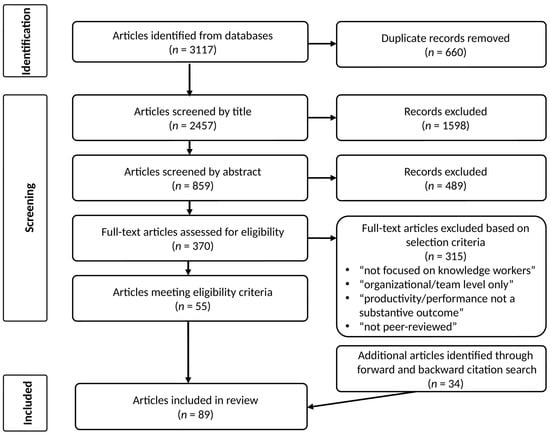
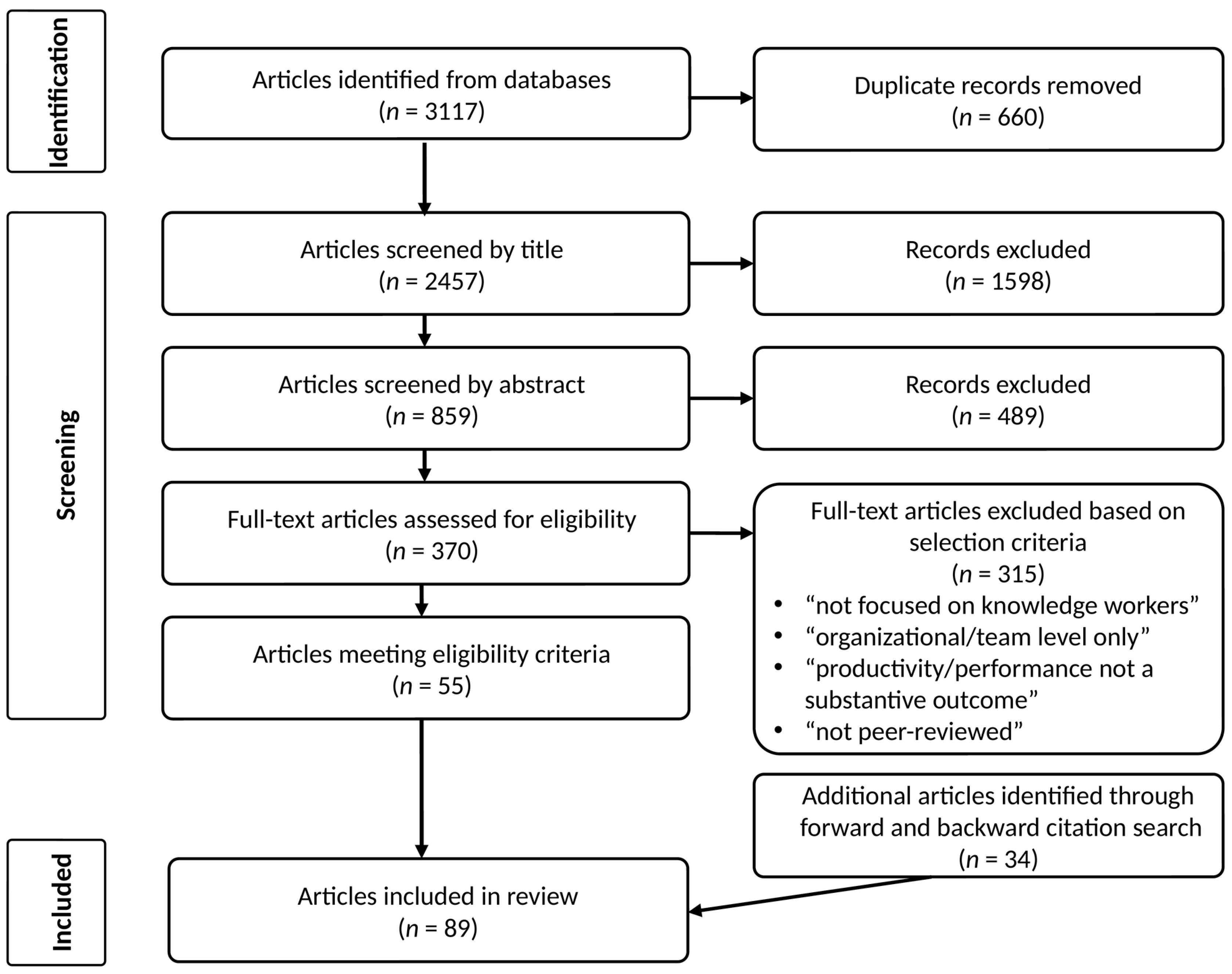
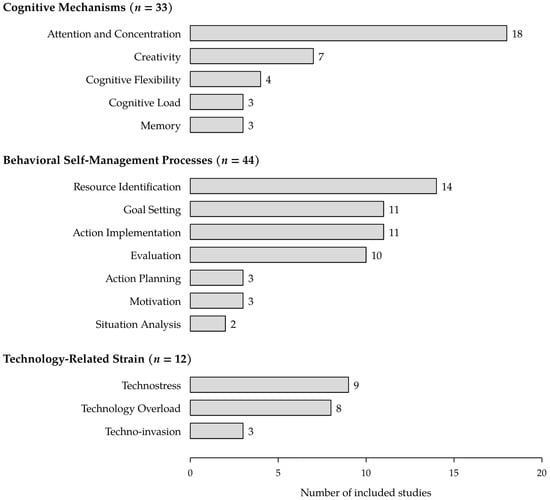
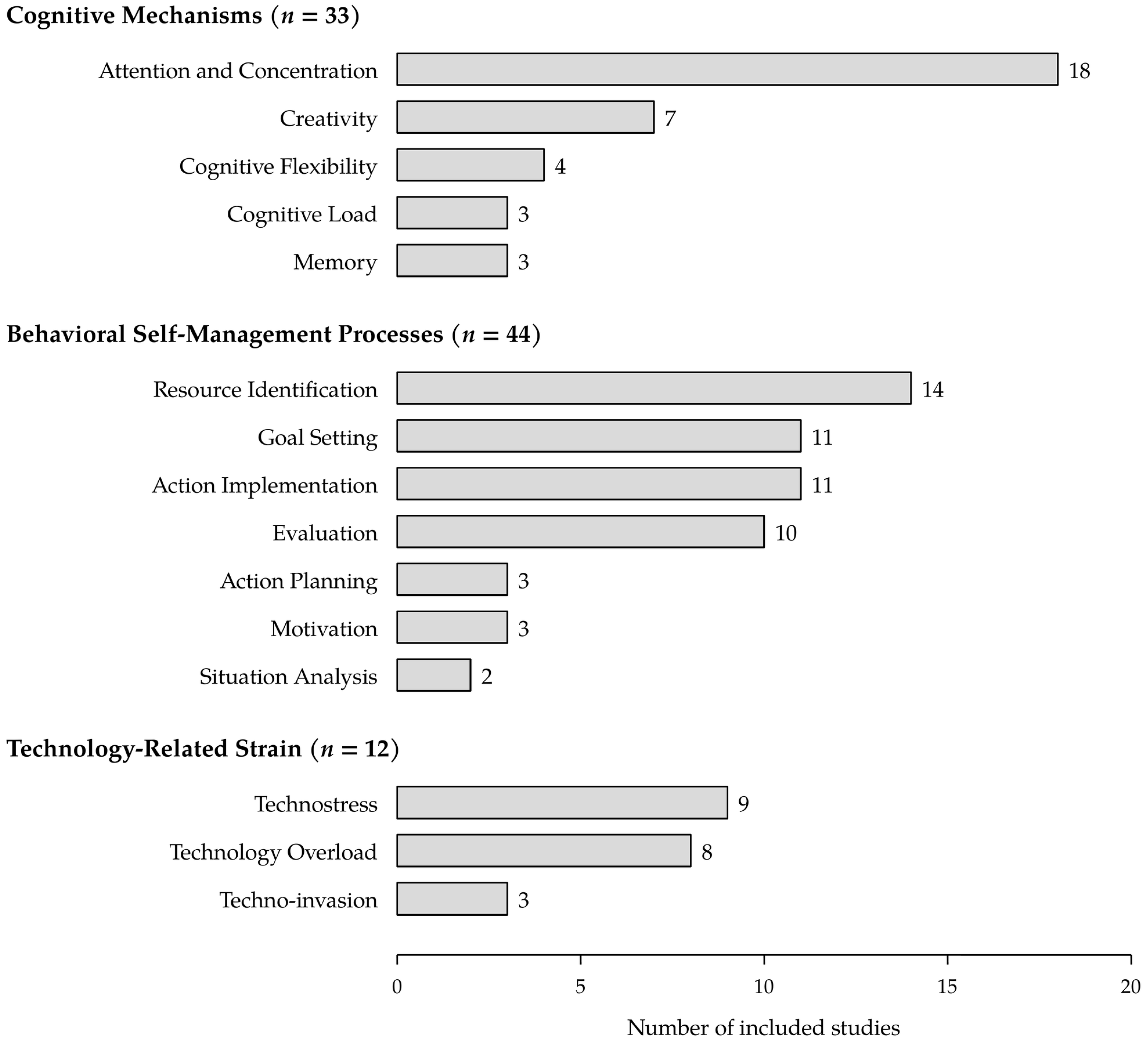

Disclaimer/Publisher’s Note: The statements, opinions and data contained in all publications are solely those of the individual author(s) and contributor(s) and not of MDPI and/or the editor(s). MDPI and/or the editor(s) disclaim responsibility for any injury to people or property resulting from any ideas, methods, instructions or products referred to in the content. |
© 2026 by the authors. Licensee MDPI, Basel, Switzerland. This article is an open access article distributed under the terms and conditions of the Creative Commons Attribution (CC BY) license.