


Highlights
What are the main findings?
- Economic support policies including the Earned Income Tax Credit, Child Tax Credit and paid family leave show consistent protective associations for child maltreatment, while evidence of protection for interpersonal violence is limited and mixed.
- Public assistance programs like TANF and SNAP that increase benefit generosity or expand eligibility show protective associations with child maltreatment and interpersonal violence, while polices with more restrictions may increase the risk of family violence.
What are the implications of the main findings?
- Generous economic support policies with few restrictions are a viable mechanism to prevent child maltreatment and interpersonal violence.
- Economic support policies are one component of comprehensive, multilevel prevention strategies for children, families, and communities and the many interconnected systems that support them.
Abstract
Background: Each year, more than half a million children in the United States experience child maltreatment (CM), which impacts their physical, mental, and cognitive health. Intimate partner violence (IPV) often co-occurs in households where CM is experienced, and a growing body of evidence connects financial security to lower rates of both. Objective: We examined the extent to which state-level economic support policies prevent CM and IPV. Participants and Setting: This review included studies that examined the impact of state economic support policies on children and youth (age birth to 18) and adult partners (18 and older) living in the United States. Methods: We conducted a PRISMA-guided systematic review of studies published between 1990 and 2025 and included 37 studies. Results: Generous, accessible economic support policies are associated with reductions in CM, reinforcing the protective role of economic security in child wellbeing. Findings associated with IPV were more nuanced: affordable housing is consistently associated with lower IPV but the impact of EITC, SNAP and minimum wage were inconsistent. Conclusions: Research should examine the mechanisms driving changes in CM and IPV to clarify how and for whom these policies are most effective.
1. Introduction
In 2024, 7.7 million children in the U.S. were involved in at least one Child Protective Services (CPS) referral of alleged child abuse or neglect [1]. Following the investigation of these referrals, over 500,000 children were found to have experienced child maltreatment (CM), including physical abuse, neglect, psychological/emotional abuse, and child sexual abuse, which are associated with developmentally deleterious public health problems, yet remain preventable [1,2]. Children with a history of maltreatment experience higher rates of mental health problems, often display social and cognitive dysregulation, struggle in school settings, report difficulties maintaining healthy romantic relationships, and are at heighted risk for a variety of physical health concerns [3,4,5,6,7,8,9].
Another form of family violence, intimate partner violence (IPV), often co-occurs in households where CM is perpetrated [10]. IPV is generally defined as physical abuse, sexual abuse, psychological victimization and/or stalking behaviors committed by a current or former romantic partner [11,12]. Data from a 2023–2024 national survey show that just over 1 in 3 women and 1 in 6 men experienced sexual or physical violence and/or stalking by an intimate partner in their lifetime [13]. While IPV can be viewed as an act between intimate partners and not directed at children, approximately 20–37% of children have been exposed to IPV [14,15]. IPV exposure in childhood has been associated with the development of psychopathology, disruptions to academic functioning, and social, cognitive, and interpersonal deficits [16]. Moreover, children and adolescents who experience IPV are twice as likely to engage in violent social relationships with peers and intimate partners [17]. Finally, the co-occurrence between IPV and CM is high whereby children exposed to IPV are three to nine times more likely to be victims of CM than children not exposed to IPV [18].
The Family Stress Model is a useful framework to examine the antecedents associated with CM and IPV. The Ecological Systems Theoretical model is widely used to show how child maltreatment and interpersonal violence are shaped by interactions and risks at different levels (e.g., individual, interpersonal, systemic, and structural). Since the current study focused on only one level, the macrosystem (e.g., laws and policies), we chose the Family Stress Model to explore the mechanisms of how economic and concrete support policies may alleviate economic pressure, resulting in potential reductions in CM and IPV. For example, Family Stress Model demonstrates how economic instability drives family stress and how bolstering economic stability can protect against family violence [19]. For this research, we use the term “economic disadvantage” (e.g., material and financial hardship) to define one or more environmental conditions that impact family economic well-being. We recognize that economic disadvantage is not static and that families may move in and out of financial insecurity over time [20]. Nevertheless, children raised in households that experience economic disadvantage face an elevated risk of economic hardship in adulthood, and without support or intervention, financial disadvantage can endure across generations and make it harder for children to achieve economic well-being into adulthood [21,22].
Notably, economic disadvantages are not experienced equally for different groups of people. Some groups, including people of color, individuals with a disability, and individuals with different immigration status, among others, may disproportionately experience lower levels of economic well-being. Economic disadvantages, including material hardship (i.e., lacking basic access to resources like housing, food, and transportation), are a major source of family stress, which can create conditions that heighten the risk of CM and IPV [23,24,25,26]. The reasons for these financial inequities are complex (e.g., systemic and structural barriers), yet they are also connected to the ways in which child maltreatment is surveilled and reported.
Since the Family Stress Model distinguishes between economic hardship as a source of external pressure and the way that that pressure materializes in the form of family violence, we make a distinction between the different types of economic support. Economic supports (ES) are state-level policy options that strengthen household financial security and stability through direct or indirect financial assistance. By reducing economic disadvantage, these supports may reduce family stress and, in turn, the risk of family violence. Prevention research related to ES policies frequently capitalizes on natural experiments, those that occur as policies are enacted differently and at various times across states, at the state-level using longitudinal, panel designs. These quasi-experimental studies take advantage of state-by-year variations in the timing of policy adoption or expansion as well as differences in micro-level policy design features, otherwise referred to as “policy specifications and calibrations” [27].
Two well-developed approaches for conceptualizing and characterizing a policy’s specifications and calibrations include a policy’s generosity and whether it imposes administrative burdens on target populations. The concept of generosity is multidimensional, encompassing eligibility (e.g., wide or narrow eligibility limits to define the target population) as well as the benefit levels provided by a given policy to recipients (e.g., large or small tax credits) [28]. Administrative burdens are barriers that limit access to policy benefits and services for those who are otherwise qualified to receive them. These include compliance costs (e.g., financial documentation requirements and re-application requirements), learning costs (e.g., understanding complicated eligibility criteria), and psychological costs (e.g., feeling of a loss of autonomy due to intrusive administrative oversight) [28,29,30]. Characterizing policies by their generosity or administrative burdens allows for better comparison across discrete economic support policy interventions.
1.1. Current Study
The current body of literature on this topic emphasizes the co-occurrence of CM and IPV but few are examining this co-occurrence within the context of economic disadvantage as a risk factor or economic and concrete support as a protective factor [31,32]. The literature that examines economic disadvantages relative to family violence typically explores the relationship between a singular economic and concrete support policy (e.g., TANF, SNAP, or EITC) on either CM or IPV or a specific health or wellbeing outcome (e.g., income, housing, poverty) [33]. The existing literature found substantive evidence connecting economic disadvantage and CM and IPV, while isolating the impact of specific risk factors. For example, concerning child maltreatment only, other systematic reviews found that lost income, ongoing material hardship (e.g., difficulties meeting basic needs), and housing insecurity predicted CM [34,35]. Research also found that housing insecurity, specifically homelessness, eviction, or stays in an emergency shelter, was associated with CM and/or out-of-of home placement of a child [36]. The existing literature on IPV is more nuanced. Several studies, including systematic reviews, examined the economic empowerment among women and the association between economic support provision among females and gender-based violence, but these studies focus on low- and middle-income countries [37,38]. While a growing body of research has examined associations between ES policies and employment, poverty, family violence and material hardship, at present there are no evidence reviews that examine the impact of ES policies on both CM and IPV in a U.S. context. This study aims to provide a holistic understanding of the types of policies that meet the economic needs of families and provide evidence across ES policies that address drivers of CM and IPV and opportunities to strengthen and protect families that experience economic disadvantage.
1.2. Objectives/Purpose
This systematic review aimed to answer the following research questions:
- To what extent are state-level economic support policies associated with reductions child maltreatment?
- To what extent are state-level economic support policies associated with reductions in intimate partner violence?
2. Methods
2.1. Search Strategy
We conducted a systematic review guided by the Preferred Reporting Items for Systematic reviews and Meta-Analysis (PRISMA) [39]. We searched EBSCO host databases including Academic Search Complete, CINAHL with Full Text, Business Source Complete, Education Resource Complete, Sociology Source Ultimate, and Criminal Justice Abstracts with Full Text. We also searched Web of Science [Clarivate]. Reference lists for records that met study inclusion criteria were scanned for additional relevant records. The search strategy was reviewed in consultation with two librarians from the University of Arkansas Little Rock. We used the following search terms: (economic support OR concrete support OR housing support) AND (“child maltreatment” OR “child abuse” OR “child neglect” OR “child mistreatment” OR “intimate partner violence” OR “partner violence” OR “partner abuse” OR “spouse abuse”) AND (“Childcare subsidies” OR “Child Tax Credit” OR “Child and Dependent Care Tax Credit” OR “Earned Income Tax Credit” OR “Paid Family Leave” OR “Temporary Assistance for Needy Families” OR “Supplemental Nutrition Assistance Program” OR “Special Supplemental Nutrition Program for Women Infant and Children” OR “Housing Choice Voucher Program” OR Medicaid OR “Supplemental Security Income” OR “Unemployment insurance”).
2.2. Study Inclusion
Citations were managed and deduplicated using Zotero and exported to Rayyan for a two-phase screening process. Four reviewers (ET, ES, GC, and BD, further referred to as the review team) independently screened titles and abstracts and full text records from a randomized selection of records. The review team was randomly assigned records and double-screened each record. Conflicts in the screening process were identified through Rayyan and resolved through group discussion and review of the study inclusion and exclusion criteria until 100% consensus was reached at both the title and abstract and full text screening phases. Studies were included if they met the following criteria:
- The study population included children and youth (age birth to 18) and adult partners (18 and older).
- State-level ES programs, policies, or policy specifications or calibrations implemented in the United States.
- Study design was experimental or quasi-experimental.
- Reported outcome included one more of the following: rates, prevalences, odds, risk, proportion, and/or incidences of CM and/or IPV.
- The record was written in English.
In this paper, we categorized ES policies in two ways, cash transfers and non-cash (in-kind, near-cash), and examined them relative to their impact on reducing or mitigating economic disadvantages and improving economic well-being. For this review, cash transfer policies put money directly in families’ hands and include Child and Dependent Care Tax Credit (CDCTC), Child Tax Credits (CTC), Earned Income Tax Credits (EITC), Supplemental Security Income (SSI), Temporary Assistance for Needy Families (TANF), and Unemployment Insurance (UI).
Within the context of this research, non-cash policies offset regular family expenses and include childcare subsidies, housing supports, Medicaid, and Supplemental Nutrition Assistance Program (SNAP) (see Supplemental Table S1). A key component to our review is examining and describing policy design variations that shape eligibility and, to the extent possible, exploring how individuals access and benefit from these policies. While examining the differences between cash and non-cash transfers is outside the scope of this review, we feel it is important to distinguish between these types of ES policies with the general understanding that many families benefit from both types. Eligible interventions included state-level economic support policies, or policy specifications and calibrations that were predefined and listed above.
Since we conducted a systematic review of secondary research, we refer to CM as defined, measured, and reported at a state level (e.g., self-report, administratively reported). We address the biases and inconsistencies related to CM measurement in the limitations section. For CM specific outcomes, we included studies that reported on out-of-home placement including foster care, child removal rates, CM reports, substantiated CM, and parent self-reported CM. Outcomes related to reunification, length of out-of-home placement, and length of time that CPS was engaged did not meet our criteria. For IPV outcomes, we considered any form of partner, spouse, or domestic violence among adults that was reported at the state level. While our review primarily focused on state-level rates and prevalences of CM and IPV, we extracted information from articles pertaining to both mediators (i.e., mechanisms) and moderators (i.e., subgroup effects) when available. Details on methods are described in the pre-registered protocol at PROSPERO (: CRD420250655324).
2.3. Bias and Quality Appraisal
We utilized the JBI Critical Appraisal Tools for randomized controlled trials (RCTs) and quasi-experimental study designs [40,41]. The review team conducted critical appraisal of all records. Two independent reviewers appraised all records. Discrepancies during the appraisal process were resolved through discussion. In accordance with JBI guidance, we did not apply numerical thresholds or cutoff scores to categorize studies into low, medium, or high quality, recognizing that not all appraisal items carry equal weight [42]. Instead, we appraised each record independently, and the critical appraisal results were summarized for all records to enhance transparency and accountability rather than to assign a composite quality score (Supplemental Table S2). The quality appraisal was treated as a distinct component of the evidence synthesis. Rather than using methodological quality to exclude studies or weight individual findings, we report methodological strengths and limitations to characterize the overall evidence base. No articles were excluded based on the quality appraisal process.
2.4. Data Extraction
The review team extracted data from a randomly assigned sample of records, using a customized data extraction form that was entered into Qualtrics. The following information was extracted: study characteristics (e.g., citation, study design, sample size); policy characteristics (e.g., policy description, context, variables); types of economic supports (e.g., housing, income, child care, tax credit, food); analytic approaches (e.g., experimental or quasi-experimental methods); robustness and methodological rigor; categorical outcomes for CM and IPV (e.g., sexual, physical, emotional, neglect); and overall impact (e.g., outcomes increased or decreased, main findings).
Each record was subject to data extraction by two independent reviewers to assess consistency. Inter-rater reliability was calculated as percent agreement [43,44]. To determine the rate of agreement we used the following formula:
Percent agreement = [Agreements/(Agreements + Disagreements)] × 100
Since data points included a combination of quantitative and qualitative variables, inter-rater reliability varied between 70% (qualitative variables) and 85% (quantitative variables). Disagreements were resolved through discussion, since most variables were qualitative, until a 100% consensus was reached [45]. After extraction, we synthesized findings by descriptive characteristics of studies, study design, types of economic support policies, outcomes, and overall impact. We also conducted an in-depth synthesis of analytical approaches and methodological precision which included eight indicators of methodological rigor and transparency. These indicators reflect (a) clarity of the counterfactual, (b) key quasi-experimental assumptions, (c) sensitivity testing, (d) structural differences across states, (e) attention to heterogeneity, (f) testing hypothesized mechanisms, (g) modeling multiple supports simultaneously, and (h) adjusting for correlated observations in longitudinal state data (see Supplemental Table S3).
3. Results
3.1. Study Selection
Of the 7821 records retrieved, 29 were included after removing duplicates, screening titles, abstracts, and full texts. An additional 31 records were identified through citation referencing; eight met study criteria, resulting in a total of 37 studies included in this review (see Figure 1).
Figure 1.
PRISMA Flow Diagram.
3.2. Study Characteristics
A total of 37 articles met our criteria. Studies meeting all criteria were published between 2002–2026 (even though our search strategy went back as far as 1990, no published studies prior to 2002 met study criteria). Thirty-six studies included a quasi-experimental study design, while one study included a randomized control trial. We reported the number of states and state-years in each study to demonstrate the scale of the data as well as the statistical power, which informed the precision and robustness of study findings. In some instances, the studies reported state-years and in other instances, we calculated this information using data from tables, appendices, and the methods section of the original study articles. Eight studies (22%) did not report states (or state-years) but instead reported observations, number of families or caregivers, or census tract groups (see Table 1 for sample sizes across studies that did not report state-years).
Table 1.
Sample Size and Description Among Studies That Did Not Report State-Years.
Twelve studies (32%) examined state policies within all 50 states (and the District of Columbia). Fourteen studies (38%) examined economic policies in a single state or a group of states where a policy was implemented at different times or in a different way, labeling some states as “treatment” and others “comparison” (e.g., SNAP, Medicaid). Twenty-seven studies (73%) either reported state-years or reported enough information that we could calculate state years. State years ranged from 2–1350. The median state-years reported was 510 and the most frequently reported state-year was 750 (see Table 2 for characteristics of included studies).
Table 2.
Characteristics of Included Studies by Policy or Program.
3.3. Intervention Characteristics
3.3.1. Child Maltreatment and Interpersonal Violence Outcomes
A total of 21 studies report the overall rate of child maltreatment. According to these studies, overall CM was defined as substantiated and/or unsubstantiated reports, suspected child abuse or neglect, foster care entry, and/or investigation rates. Most studies reported disaggregated rates of CM including neglect (n = 15), physical abuse (n = 14), emotional abuse (n = 7), or sexual abuse (n = 4). Few studies examined the impact of ES on sexual abuse since empirical evidence connecting these two is limited, and it has been determined that other factors are associated with sexual abuse among children [67,83]. Seven studies reported overall rates of IPV. Among studies that disaggregated IPV by type included sexual abuse (n = 3), physical abuse (n = 3), and emotional abuse (n = 2).
3.3.2. Analytic Approaches
To understand the effects of state-level economic support policies on the prevention of CM and IPV, we reviewed the analytic approaches in all studies that met our inclusion criteria. Analytic approaches are reported across six categories: difference-in-differences (DiD) designs, two-way fixed effects models, ordinary least squares (OLS) or linear regression models, generalized linear models, multilevel or mixed-effects regression, and structural equation modeling (see Supplemental Table S3).
Nearly half of studies employed difference-in-differences designs (n = 18, 48.6%). Some studies implemented two-way fixed effects within DiD frameworks [47,71], also reflected in the DiD category. An additional six studies (16.2%) used two-way fixed effects regression without explicit difference-in-differences framing, estimating within-state associations while accounting for stable state characteristics and national time trends. Five studies (13.5%) employed ordinary least squares linear regression, including one that implemented an instrumental variables strategy via two-stage least squares to address endogeneity [46]. Another five studies (13.5%) used generalized linear models (e.g., logistic regression, Poisson, or negative binomial regression) to accommodate binary or count outcomes common in child maltreatment and intimate partner violence research. Two studies (5.4%) employed multilevel or mixed-effects models, explicitly modeling hierarchical data structures and between-state variability. One study (2.7%) used structural equation modeling, estimating mediation pathways to examine potential mechanisms linking economic support to family violence outcomes.
Few studies (n = 12, 32%) defined and justified a comparison group or counterfactual and formally assessed pre-intervention outcome trends between treatment and comparison groups (n = 11, 30%). These indicators of rigor are particularly important for studies employing quasi-experimental designs, such as DiD or two-way fixed effects approaches, where causal inference depends on a well-articulated comparison condition and the plausibility of parallel trends. Among studies using these designs, about half explicitly documented their comparator and provided an assessment of pre-intervention trends.
Robustness checks, operationalized as sensitivity analyses or alternative model specifications to assess the stability of findings, were common (n = 17, 46%), as were adjustments for state-level structural or contextual differences (n = 25, 68%), typically through covariates, fixed effects, or related controls. Approximately one-third of studies examined differential policy effects across subgroups or contexts (e.g., by race/ethnicity, income, or family structure), reflecting attention to heterogeneity and equity-relevant variation. Although individual-level characteristics (e.g., race) were not a primary focus of this review, we report subgroup findings when examined by included studies. Examples of subgroup findings include race, age, and policy combinations among others. These findings are presented within their respective policy domains, while the Supplemental Table S3 identifies studies that examined heterogeneity via subgroup analysis.
Few studies formally tested mediating pathways linking economic supports to CM or IPV outcomes (n = 2, 5%). A limited number of studies evaluated the cumulative or joint effects of multiple economic supports within a single analytic framework (n = 7, 19%). Three studies employed generalized estimating equations to account for correlated observations in longitudinal state data, a pattern that reflects the analytic context in which this adjustment is methodologically appropriate. A single study in this review [78], leveraged randomized assignment to evaluate the effects of increased income through a naturally occurring experiment embedded within Wisconsin’s welfare reform. That study exploited a federally mandated random assignment evaluation of Wisconsin’s full child support pass-through and disregard policy under TANF, which increased household income without altering eligibility or work requirements.
3.3.3. Association Between Economic Support Policies and Family Violence
To address the review questions, we synthesized evidence on the relationship between state-level economic support policies and family violence outcomes. Findings are presented separately for CM and IPV and are organized by economic support policy domain. Within each policy domain, we summarize associations between policy characteristics, including benefit generosity, program access, and eligibility restrictions, and family violence outcomes. Table 3 provides a summary of study characteristics, policies evaluated, outcomes examined, and principal findings for each policy group.
Table 3.
Summary of Findings by Child Maltreatment and IPV Outcomes.
Child Maltreatment. Twenty-nine studies examined associations between state-level economic support policies and child maltreatment outcomes (see Table 3 Summary of Findings by Child Maltreatment and IPV Outcomes). Policies evaluated included CTC (n = 1), childcare subsidies (n = 4), EITC (n = 5), Medicaid expansion (n = 4), PFL (n = 2), SNAP policies (n = 3), TANF policies (n = 4), and studies examining multiple economic support policies simultaneously (n = 6). Outcomes included CPS investigations, substantiations, foster care entry, abusive head trauma hospitalizations, emergency department visits, self-reported maltreatment, and child sexual abuse investigations.
Child Tax Credit. Bullinger and Boy [56] was the only study that evaluated the impact of CTC on child maltreatment. This study found that the 2021 CTC expansion was associated with short-term reductions in child abuse and neglect-related emergency department visits following payment distribution; reductions were strongest between October and December 2021 and were statistically significant among male children and non-Hispanic White children.
Childcare Subsidies. Four studies examined childcare subsidy policies. Greater access to childcare subsidies and more generous eligibility policies were associated with lower levels of emotional neglect, reductions in neglect and physical abuse investigations, and lower rates of substantiated maltreatment [49,50,55]. Klika et al. [55] found that more generous income eligibility policies were associated with reductions in neglect and physical abuse investigations among children ages 0–5. Similarly, Rochford et al. [50] reported lower maltreatment rates in states with higher income eligibility thresholds and copayment exemptions for families in poverty and found that higher income eligibility thresholds were associated with lower rates of substantiated child sexual abuse. In contrast, more restrictive policies, including asset tests, counting public supports as income, and 30-h work requirements, were associated with higher rates of neglect or substantiated maltreatment [50,54].
Earned Income Tax Credit. Five studies evaluated EITC policies. Overall, more generous EITC policies, particularly refundable EITCs, were associated with lower rates of CPS investigations, neglect, abusive head trauma hospitalizations, child maltreatment reports, and foster care entry [46,58,59,61,62]. Berger et al. [46] found that greater EITC-induced income increases were associated with lower risk of CPS investigations and behaviorally approximated neglect among low-income families. Klevens et al. [61] reported a 13% reduction in abusive head trauma hospitalizations among children under age two in states with refundable EITCs, while Rostad et al. [59] found approximately an 11% reduction in foster care entry rates associated with refundable EITC policies. Biehl and Hill [62] similarly reported reductions in foster care entry following federal EITC expansion among states with state-level EITCs. Findings were less consistent for abuse-specific outcomes, with several studies reporting stronger associations for neglect and child welfare system involvement than for physical or sexual abuse.
Medicaid Expansion. Four studies examined Medicaid expansion. Across studies, Medicaid expansion was associated with reductions in neglect-related outcomes and foster care entry [47,68,69]. Beland et al. [69] found significant reductions in foster care entries overall and foster care entries related to neglect, while Brown et al. [47] and McGinty et al. [68] reported reductions in child neglect reports following Medicaid expansion. In contrast, Medicaid expansion was not statistically significantly associated with reductions in physical abuse [47,68] or child sexual abuse investigations [67]. Assini-Meytin et al. [67] found a temporary increase in child sexual abuse reporting during the first year following expansion, despite finding no statistically significant association with child sexual abuse investigation rates overall.
Paid Family Leave. Two studies examined paid family leave policies. Klevens et al. [71] found that California’s PFL policy was associated with significant reductions in abusive head trauma hospitalizations among children under age two. Tanis et al. [70] reported that states implementing paid family leave experienced slower increases in infant maltreatment investigation rates compared with states without paid leave policies. Both studies identified statistically significant reductions in CM outcomes during infancy and early childhood.
Supplemental Nutrition Assistance Program. Three studies examined SNAP policies. SNAP eligibility expansions and more generous SNAP policies were associated with reductions in CPS involvement, maltreatment investigations, and foster care entry [72,73,75]. Austin et al. [72] found that SNAP eligibility expansion was associated with significant reductions in foster care entry rates, with effects increasing over time and the largest decreases observed among Black children. Austin et al. [73] reported reductions in CPS-investigated reports overall and for neglect following SNAP eligibility expansion, while Johnson-Motoyama et al. [75] found that SNAP income generosity policies were associated with lower CPS involvement among low-income households. Across studies, associations were strongest for neglect-related outcomes and child welfare system involvement.
Temporary Assistance for Needy Families. Four studies examined TANF policies. More generous TANF policies, including income supplements, higher spending levels, greater program reach, and higher TANF-to-poverty ratios, were associated with lower rates of maltreatment reports, neglect, foster care placement, and maternal self-reported physical abuse [52,76,77,78]. Cancian et al. [78] found that families participating in a randomized TANF income supplement program were approximately 10% less likely to experience screened-in maltreatment reports than control families. Ginther and Johnson-Motoyama [76] reported that higher TANF caseloads were associated with lower rates of neglect and fewer foster care placements, whereas policies that reduced access to benefits were associated with increases in neglect and foster care entry. Spencer et al. [52] found that higher TANF benefit levels were associated with lower maternal self-reported physical abuse, while TANF time limits were associated with increased physical abuse. Only one study examined the association between TANF access and child sexual abuse and found no statistically significant association [76].
Multiple Economic Support Policies. Six studies evaluated multiple ES policies independently, not the cumulative impacts of more than one policy. Across these studies, policies that increased family income or access to resources, including CTC, EITC refunds, SNAP expansions, Medicaid expansion, minimum wage increases, and higher TANF benefit levels, were associated with reductions in CM reports, CPS contact, foster care entry, or other indicators of child welfare involvement [53,63,80].
Piña et al. [80] found that CTC, SNAP expansions, and minimum wage increases were associated with reductions in CM reports among children under age three, driven primarily by declines in neglect. Thomas et al. [53] reported lower odds of CPS contact among families residing in states with refundable EITCs and higher TANF-to-poverty ratios. In contrast, lower benefit levels, childcare subsidy waitlists, and restrictive TANF policies were associated with higher rates of maltreatment investigations, substantiated maltreatment, foster care placement, or out-of-home care [79,82].
Intimate Partner Violence. Seven studies examined associations between state-level ES policies and IPV outcomes (see Table 3 Summary of Findings by CM and IPV Outcomes). Policies evaluated included EITC policies (n = 2), Federal Pandemic Unemployment Compensation (n = 1), Low-Income Housing Tax Credit availability (n = 2), SNAP policies (n = 1), and one study examining multiple economic support policies simultaneously. Outcomes included self-reported IPV victimization, IPV-related homicide, IPV reports to law enforcement, IPV-related emergency department visits, and maternal self-reported nonphysical IPV.
Earned Income Tax Credit. Two studies examined the association between state EITC generosity and IPV. Edmonds et al. [57] found no statistically significant association between state EITC generosity and self-reported IPV victimization across all 50 states. Similarly, Moe et al. [60] found no statistically significant association between state EITC generosity and intimate partner homicide among women.
Federal Pandemic Unemployment Compensation. One study examined Federal Pandemic Unemployment Compensation. Hsu and Henke [64] found that FPUC implementation during the COVID-19 pandemic was associated with a statistically significant short-term increase in police-reported IPV against women, driven primarily by more severe offenses during the early implementation period. The authors provide an interpretation for why IPV would increase following unemployment compensation that could be explained by the Theory of Instrumental Violence, which posits that violence might emerge to control household financial resources.
Low-Income Housing Tax Credit. Two studies examined affordable housing availability through the LIHTC program. Across these studies, greater affordable housing availability was associated with reductions in both fatal and nonfatal IPV outcomes. Austin et al. [66] found that greater LIHTC availability was associated with lower IPV-related homicide rates, with reductions of approximately 12% overall and approximately 20% in states with higher eviction rates. Shanahan et al. [65] similarly found that greater LIHTC availability was associated with lower rates of IPV-related emergency department visits among women, with adjusted models indicating approximately a 10% reduction compared with state-years with fewer LIHTC units.
Supplemental Nutrition Assistance Program. One study examined SNAP eligibility expansions and IPV. Austin et al. [74] found that states adopting SNAP eligibility expansions that both eliminated asset tests and increased income eligibility thresholds experienced lower rates of IPV and other relationship violence compared with states that did not adopt either policy. Eliminating the asset test was not associated with changes in IPV.
Multiple Economic Support Policies. One study examined multiple economic support policies in relation to nonphysical IPV. Spencer et al. [51] evaluated EITC, minimum wage, and TANF policies among mothers and found that refundable state EITCs were associated with lower rates of coercive IPV, with stronger associations among Black women. Minimum wage policies were not significantly associated with nonphysical IPV outcomes. The association between TANF policy characteristics was less consistent. Different measures of TANF policy generosity and program restrictions were associated with nonphysical IPV in different directions across racial groups, and some policies were also associated with increased economic hardship or coercive victimization. Among the few statistically significant associations, some measures of greater TANF access (e.g., higher TANF-to-poverty ratios) and less restrictive sanction policies were associated with increased coercive victimization, whereas other TANF policy features were not significantly associated with IPV outcomes.
Child Maltreatment and Intimate Partner Violence. Only one study examined CM and IPV outcomes within the same analytic framework [48]. The study evaluated the effects of Illinois’s staggered SNAP benefit issuance policy, which altered the timing and distribution of SNAP benefits without changing the total amount of assistance households received. Rather than receiving a single monthly benefit, households received smaller benefit distributions throughout the month. Using administrative data on police-reported domestic violence and CM reports, Carr and Packham [48] found that staggered SNAP issuance was associated with a 6.9% increase in domestic violence incidents and a 30% increase in CM reports. Notably, this study examined changes in benefit distribution timing rather than changes in program eligibility or overall benefit generosity.
4. Discussion
Child maltreatment and IPV remain pervasive public health challenges. The adverse effects of family violence are profound and wide-ranging, affecting a broad range of physical and mental health outcomes across the lifespan [84]. Intimate partner violence is also prevalent, impacting more than 43.5 million women and 20.7 million men across the U.S [13]. Household financial instability can increase family stress, which in turn can affect parenting behaviors and practices and child well-being. ES policies can address financial pressure on families through cash assistance or by indirectly providing basic needs, like childcare, rent, and food, to strengthen and support families [85].
Overall, findings across studies were consistent: when states enact more comprehensive ES policies, this was associated with declines in child maltreatment, particularly neglect. In contrast, evidence concerning IPV is more limited and less consistent, with associations varying across policy types and IPV outcomes. Most of the articles (n = 33, or 89%) reported a statistically significant reduction in at least one CM or IPV outcome paired with expansions in accessibility or benefit of state ES policies. The literature examining the relation between ES and CM was the most robust, with particularly strong evidence linking ES to reductions in child neglect and physical abuse. Despite promising findings related to neglect and to a lesser extent, physical abuse, the literature has been more mixed with regard to child sexual abuse (CSA) and IPV. Child sexual abuse is complex, and research on the association between economic disadvantage and CSA is limited. A recent review found that the strongest predictor of CSA perpetration was prior victimization, either by a child who had experienced abuse or a family member who had experienced abuse [86]. Evidence connecting economic disadvantage to CSA is less consistent than evidence linking financial strain to neglect or physical abuse [33].
Relative to IPV, the term “economic abuse” emerged in 2000, with little consistency in conceptualization. One systematic review found that economic abuse, assessed at the individual level, was not associated with prolonged economic disadvantage but rather with coercion, manipulation, and control that forced dependency [87]. The research that examines the connection between economic disadvantage and IPV shows nuance and complexity. Evidence shows that financial support can be protective or induce risk depending on the context. For example, quasi-experimental research on the impact of $1000 after-tax income dispersed through EITC program was associated with lower rates of IPV among women with low income [88]. Conversely, Hsu [89] found that IPV increased immediately following TANF payment receipt.
Research conducted during the COVID-19 pandemic further illustrates this nuance. Research from this period found that domestic violence calls to police decreased following CARES Act stimulus payments, but calls increased in areas with higher concentrations of Hispanic residents and noncitizens even after payments were distributed [90]. Together, these examples illustrate how in some instances economic supports may lower rates of IPV by alleviating financial stress and insecurity, a well-established driver of IPV, while in other cases these supports create an environment where money becomes a resource through which a dominant partner can exert power and control [91].
While extant research links local housing supports to CM prevention, evidence on the impact of state-level housing policies on CM and IPV is limited [92,93]. Both studies examining the LIHTC Program and meeting our inclusion criteria found lower IPV-related outcomes (e.g., emergency department visits, homicides) as housing availability increased. Studies excluded because the housing intervention was not a state-level policy similarly support the protective role of stable housing for partners and children. For example, COVID-19 eviction moratoria were associated with lower rates of CM, while long-term rent subsidies were associated with lower IPV, psychological distress, and child removals [93,94].
The articles reviewed focused less on variation in the type of ES policy (e.g., cash assistance vs. non-cash assistance) and more on variation within a given policy. Klika et al. [55], for example, examined state-by-year variation in childcare subsidy income eligibility thresholds (i.e., the maximum income for subsidy eligibility) and child welfare investigations of neglect and physical abuse. Broader eligibility increased access to childcare subsidies and was associated with lower CM rates. This is one key aspect of welfare policy “generosity” (i.e., benefit access and eligibility) that was frequently examined in the reviewed ES literature. Other examples of generosity include increases in benefit level. Kovski et al. [63] found that state increases to the CTC and EITC amounts were associated with reduced CM. Finally, when states reduce or remove barriers (i.e., administrative burdens) for families to access policy benefits, CM outcomes also tend to decrease. Klevens et al. [82] found that states with lower waitlists for childcare subsidies evidenced lower rates of CM. Likewise, Rochford et al. [50] found that families required to provide less proof of income from multiple income sources saw lower rates of abuse. Spencer et al. [52] found that removing TANF time limits were associated with decreased physical abuse. In summary, as states enact more generous policies (e.g., increasing benefit levels and expanding access to policies/services) and reduce administrative burdens, rates of CM and IPV tend to decline.
Despite promising main-effects findings, less is known about how these policies produce the observed effects, and if effects operate similarly across populations because mechanisms of change are rarely examined. Only two studies incorporated formal tests of mediation. Chang et al. [49] used structural equation modeling to examine the mediating effects of parental self-efficacy and found that childcare subsidy receipt was associated with increased parental self-efficacy, which in turn was associated with reductions in emotional neglect. Brown et al. [47] explored parental Medicaid coverage as an explanatory pathway within a DiD framework but found no statistically significant association between coverage changes and maltreatment outcomes. An additional study, Potter et al. [81], examined nonparental care rates alongside foster care entry as an indicator of family stability, approximating a potential mediating mechanism through related outcomes, although these were not modeled as mediating pathways explicitly. While hypothesized mechanisms center on reduced material hardship and improved caregiver capacity, empirical tests of these pathways remain limited, particularly when examining the impact of multiple ES policies.
Subgroup analyses were more common than tests of mechanisms or mediation, often examining variation in policy effects by race and child age, though the rationale was often implicit rather than theory driven. Studies rarely articulated why effects of ES policies were expected to vary across racial groups, but disparate distribution of poverty, system involvement, and policy effectiveness may plausibly explain the inclusion of race in sub-group analyses.
Results suggest that policy effects are not uniform across racial groups, though consistency and directions of findings varied. SNAP eligibility expansions were associated with significant decreases in foster care entry, with effects increasing over time and particularly strong reductions among Black children [72]. In contrast Austin et al. [73] found that SNAP expansions were associated with reductions in CPS-investigated reports overall and for neglect for White children, but not for Black children. Spencer et al. [51] reported that refundable state EITC policies were associated with reductions in coercive IPV, with stronger protective effects among Black women. Piña et al. [80] found that TANF, and other ES policies (e.g., SNAP), were associated with fewer neglect reports, especially among Black children. Ha et al. [77] found evidence that TANF spending on family or marriage promotion and work-related activities was associated with lower neglect, with effects moderated by a state’s Black population concentration.
Age-based subgroup analyses were common and grounded by a theoretical rationale since children’s developmental stage shapes both their exposure to economic hardship and their vulnerability to CM. Consistent with this understanding of risk and CM several studies prioritized age of children within subgroup analyses.
Several studies examine age identified variation across developmental stages, with some evidence that ES policies produced stronger effects among younger children. Childcare subsidy generosity was associated with reductions in neglect and physical abuse among children ages zero to five, but not older children [55]. Paid family leave and tax credit policies showed impacts in early childhood or infancy [56,70,71]. In contrast, SNAP expansions, demonstrated consistent effects across age groups [73], while EITC expansions, showed larger reductions in foster care entry among older youth [62]. Evidence from short-term income interventions suggests that timing and developmental context shape outcomes, with smaller or non-significant effects observed among children ages two to five in some analyses [56]. These findings indicate that while ES policies may reduce violence-related outcomes overall, their effects are not uniform across populations. Many ES policies are geared towards families with young children; therefore, the impacts of violence prevention may be most pronounced for younger ages. This variation underscores the need for more intentional, theoretically grounded subgroup and mechanism-focused research to clarify how and for whom these policies are most effective.
4.1. Strengths and Limitations
The review evaluating the impact of ES policies on CM and IPV has several strengths and limitations. Many of the articles reviewed employ statistical techniques, common to econometrics, that emphasize attempts at causal inference. For example, the use of DiD designs combined with directed acyclic graphs, inclusion of time-variant and time-varying covariates, and use of multiple time points with staggered policy designs isolate the causal impact of ES policies on violence prevention. Another strength of this systematic review involves the level of methodological rigor employed during the data extraction phase, including systematically analyzing regarding analytic approaches, enabling a more nuanced understanding of policy specifications and calibrations and findings.
However, there are notable limitations. First, most studies are quasi-experimental. Only one RCT met our inclusion criteria. While Randomized trials remain the only design which can isolate potential casual effects, given ethical concerns, this design might not be appropriate for children and families at risk of child welfare involvement when access to resources and support should be readily available. We cannot overstate this fact enough: quasi-experimental studies, unlike RCTs, cannot definitively claim casual impacts. Despite best attempts at adjustment for time-invariant and time-varying covariates, third variables may still present confounding issues. Second, the ES policy literature relies on unlinked, administrative data sources like the National Child Abuse and Neglect Data System. A preferred approach would be to link individual- or family-level treatment and outcome data. In addition, although methodological quality and potential sources of bias were systematically assessed and reported, we did not conduct sensitivity analyses stratified by risk of bias. Consequently, we cannot determine whether excluding studies with greater methodological limitations would have changed the overall conclusions of the review. Relatedly, there is a paucity of studies that examine FSM mediators/mechanisms. This leads to an empirically under-evaluated gap in the literature. Future research using linked data should focus more effort on untangling main effects, moderation effects, and mechanism/mediation effects.
Third, most studies focused on the impact of a single ES policy on a single outcome. Childcare subsidy income eligibility is one of several ES policy interventions within states and, likewise, child neglect is one of several outcomes related to violence against children that occur in the community [77,95]. Many families with low incomes benefit from more than one ES policy (e.g., CTC, EITC) [96]. Moreover, states sometimes pass a package of bills (i.e., multiple policies) to improve child and family well-being. Additionally, ES policies with eligibility criteria that include income limits or work requirements might exclude individuals who are unable to sustain employment because of untreated substance use and/or an unmanaged mental illness, but who are among the high-risk families reported to CPS. Future research should examine the combined effect of ES policy sets on CM and IPV prevention [97]. Additionally, only seven studies examined associations between ES polices and IPV specifically, with findings varying across policy types and outcomes. Consequently, conclusions regarding the potential role of economic support policies in IPV prevention warrant further investigation.
Fourth, there is vague justification for which types of maltreatment are examined (e.g., CM rates vs. subtype rates such as neglect, physical abuse). Similarly, there are inconsistencies for the types of CM outcomes studied with respect to child welfare involvement (investigations vs. substantiations). Without clear theory, consistent approaches, and more frequent replication attempts, it is unclear if ES policies have a specific or general effect on maltreatment subtypes or whether ES policies impact both CPS investigations and substantiations equally.
Moreover, this study did not examine ES policies within the context of other programs and interventions (e.g., substance use, mental health, positive parenting) that support families with complex needs who are at risk of welfare system involvement. While this review upholds evidence that ES policies, in general, are associated with lower rates of CM and IPV, these policies alone are insufficient to prevent CM and IPV. Due to our inclusion and exclusion criteria, we did not examine studies that included a qualitative element to the evaluation of ES policy impact on child and family functioning. In addition, our inclusion and exclusion criteria prioritized state level policy implementation, hence research on local policies were excluded.
The final limitation concerns how CM outcomes are measured. Several studies rely on foster care entry as a proxy for maltreatment [59,62,69,72]. Although most children enter foster care due to abuse or neglect, not all entries are driven by maltreatment [98]. A meaningful share of placements is associated with factors such as parental incarceration [99] and, to a lesser extent, parental death [100].
Many studies rely on substantiated reports of abuse or neglect from state child welfare systems (e.g., NCANDS data) as indicators of maltreatment, often disaggregated by type (e.g., neglect or physical abuse). While this is standard practice, the validity of substantiation as a measure of maltreatment has been questioned [101]. Research comparing substantiated and unsubstantiated cases raises concerns about whether substantiation reliably distinguishes true differences in maltreatment versus system-level decision processes. If substantiation were a valid indicator of CM, one would expect higher rates of recidivism and worse socioemotional outcomes for children and families with substantiated cases. However, prior studies comparing families with substantiated versus unsubstantiated reports of CM found no significant differences in recidivism [102,103], and both groups show elevated risks for later academic and behavioral problems [104]. Evidence suggests that when child welfare policy allows families with unsubstantiated cases of maltreatment to access services, the likelihood of substantiation decreases significantly [105].
These limitations reflect the complexity of decision making in child welfare systems, where substantiation is shaped not only by underlying maltreatment but also by resource availability, child welfare policy, caseworker judgment, and child and family characteristics [106,107]. Taken together, commonly used outcome measures, including foster care entry and substantiation, are imperfect proxies for child maltreatment.
4.2. Implications
Generous state-level ES policies with few administrative burdens have the potential to prevent and/or reduce some forms of CM, particularly neglect and physical abuse. Evidence for IPV prevention is less established, with fewer studies and less consistent findings across policy types. Together, these findings highlight the potential role of ES policies in comprehensive family violence prevention strategies while underscoring the need for additional research examining their associations with IPV.
When states construct comprehensive ES policies, the rate of child neglect and child physical abuse tends to decline. The evidence for reductions in IPV is a bit more mixed and complex, owing in part to fewer studies examining the impact of ES policies on IPV. The reviewed body of literature consistently finds improvements to state-level ES policies associated with reductions in family violence, particularly child neglect and physical abuse. A promising aspect of these studies is how varied their methodological approaches are: econometric approaches such as difference-in-differences, latent variable modeling approaches such as structural equation modeling, individual and state-level samples, mediation and moderation approaches all converge on similar findings—ES policies have potential to prevent and reduce some forms of family violence.
Economic support policies represent just one primary prevention lever. Child maltreatment and IPV should be multifaceted, involving systems across multiple levels of analysis (from individual factors to family-level systems, through policy). The focus of ES policies is to help lower-income (primarily working) families afford childcare, healthcare, housing, and food, and provide the time away from work to bond with and care for children. By reducing this stress, family violence can decrease. Future work should focus on multiple policy approaches and rigorously evaluate mediators and moderators, while emphasizing causality through RCTs or quasi-experimental designs. Lastly, efforts to incorporate lived-experience, family voices and stories, and other forms of qualitative data are crucial aspects of prevention science.
Supplementary Materials
The following supporting information can be downloaded at https://www.mdpi.com/article/10.3390/children13111615/s1, Table S1: Economic Support Policies; Table S2: Quality Appraisal; Table S3: Methodological Rigor and Transparency by Analytic Method.
Author Contributions
All authors supported conceptualization. B.D., E.L.T. and E.M.S.S. were responsible for the methodology, analysis, and original draft preparation. All authors supported review and editing. All authors have read and agreed to the published version of the manuscript.
Funding
This publication is supported by the Centers for Disease Control and Prevention (U01CE003658) of the U.S. Department of Health and Human Services (HHS) as part of a financial assistance award totaling $699,989 with 100 percent funded by CHC/HHS. The contents are those of the authors and do not necessarily represent the official views of nor an endorsement by CDC/HHS, or the U.S. Government.
Institutional Review Board Statement
Not applicable.
Informed Consent Statement
Not applicable.
Data Availability Statement
No new data were created or analyzed in this study. Data sharing is not applicable to this article.
Acknowledgments
We thank Gretchen Cusick for helping shape the study design and methodology and for her support with title and abstract screening, and data extraction.
Conflicts of Interest
The authors declare no conflicts of interest.
References
- U.S. Department of Health & Human Services, Administration for Children and Families, Administration on Children, Youth and Families, Children’s Bureau. Child Maltreatment 2024; U.S. Department of Health & Human Services: Washington, DC, USA, 2024. Available online: https://acf.gov/cb/data-research/child-maltreatment (accessed on 15 September 2025).
- Russotti, J.; Warmingham, J.M.; Duprey, E.B.; Handley, E.D.; Manly, J.T.; Rogosch, F.A.; Cicchetti, D. Child maltreatment and the development of psychopathology: The role of developmental timing and chronicity. Child Abus. Negl. 2021, 120, 105215. [Google Scholar] [CrossRef] [Scilit] [PubMed]
- Baldwin, J.R.; Wang, B.; Karwatowska, L.; Schoeler, T.; Tsaligopoulou, A.; Munafò, M.R.; Pingault, J.-B. Childhood maltreatment and mental health problems: A systematic review and meta-analysis of quasi-experimental studies. Am. J. Psychiatry 2023, 180, 117–126. [Google Scholar] [CrossRef] [Scilit] [PubMed]
- Cao, H.; Ma, R.; Li, X.; Liang, Y.; Wu, Q.; Chi, P.; Li, J.-B.; Zhou, N. Childhood emotional maltreatment and adulthood romantic relationship well-being: A multilevel, meta-analytic review. Trauma Violence Abus. 2022, 23, 778–794. [Google Scholar] [CrossRef] [Scilit] [PubMed]
- Fares-Otero, N.E.; De Prisco, M.; Oliva, V.; Radua, J.; Halligan, S.L.; Vieta, E.; Martinez-Aran, A. Association between childhood maltreatment and social functioning in individuals with affective disorders: A systematic review and meta-analysis. Acta Psychiatr. Scand. 2023, 148, 142–164. [Google Scholar] [CrossRef] [Scilit] [PubMed]
- Mehta, D.; Kelly, A.B.; Laurens, K.R.; Haslam, D.; Williams, K.E.; Walsh, K.; Baker, P.R.A.; Carter, H.E.; Khawaja, N.G.; Zelenko, O. Child maltreatment and long-term physical and mental health outcomes: An exploration of biopsychosocial determinants and implications for prevention. Child Psychiatry Hum. Dev. 2023, 54, 421–435. [Google Scholar] [CrossRef] [Scilit] [PubMed]
- Vachon, D.D.; Krueger, R.F.; Rogosch, F.A.; Cicchetti, D. Assessment of the harmful psychiatric and behavioral effects of different forms of child maltreatment. JAMA Psychiatry 2015, 72, 1135–1142. [Google Scholar] [CrossRef] [Scilit] [PubMed]
- Xiao, Z.; Baldwin, M.M.; Meinck, F.; Obsuth, I.; Murray, A.L. The impact of childhood psychological maltreatment on mental health outcomes in adulthood: A protocol for a systematic review and meta-analysis. Syst. Rev. 2021, 10, 224. [Google Scholar] [CrossRef] [Scilit] [PubMed]
- Zhang, H.; Wang, Z.; Tang, X.; Wang, W. The association between child maltreatment and academic achievement: A systematic review and meta-analysis. Child Abus. Negl. 2025, 159, 107159. [Google Scholar] [CrossRef] [Scilit] [PubMed]
- Li, S.; Zhao, F.; Yu, G. Childhood maltreatment and intimate partner violence victimization: A meta-analysis. Child Abus. Negl. 2019, 88, 212–224. [Google Scholar] [CrossRef] [Scilit] [PubMed]
- Ali, P.A.; Dhingra, K.; McGarry, J. A literature review of intimate partner violence and its classifications. Aggress. Violent Behav. 2016, 31, 16–25. [Google Scholar] [CrossRef] [Scilit]
- Murphy, M.; Smith, E.R.; Chandarana, S.; Ellsberg, M. Experience of intimate partner violence and non-partner sexual violence in conflict-affected settings: A systematic review and meta-analysis. Trauma Violence Abus. 2025, 26, 1109–1124. [Google Scholar] [CrossRef] [Scilit] [PubMed]
- Leemis, R.W.; Kudon, H.Z.; Zhu, S.; Smith, S.G.; Chen, J.; Friar, N.W.; Basile, K.C. The National Intimate Partner and Sexual Violence Survey (NISVS): 2023/2024 Sexual Violence Data Brief; National Center for Injury Prevention and Control, Centers for Disease Control and Prevention: Atlanta, GA, USA, 2025. Available online: https://www.cdc.gov/nisvs/media/pdfs/sexualviolence-brief.pdf (accessed on 15 September 2025).
- Kiesel, L.R.; Piescher, K.N.; Edleson, J.L. The relationship between child maltreatment, intimate partner violence exposure, and academic performance. J. Public Child Welf. 2016, 10, 434–456. [Google Scholar] [CrossRef] [Scilit]
- Øverlien, C. Children exposed to domestic violence: Conclusions from the literature and challenges ahead. J. Soc. Work 2010, 10, 80–97. [Google Scholar]
- Holmes, M.R.; Berg, K.A.; Bender, A.E.; Evans, K.E.; O’Donnell, K.; Miller, E.K. Nearly 50 years of child exposure to intimate partner violence empirical research: Evidence mapping, overarching themes, and future directions. J. Fam. Violence 2022, 37, 1207–1219. [Google Scholar] [CrossRef] [Scilit]
- Osborne, K.-L.; Munasinghe, S.; Page, A. The intergenerational transmission of emotional intimate partner violence: A systematic review and meta-analysis. J. Fam. Violence 2025. [Google Scholar] [CrossRef] [Scilit]
- Thackeray, J.D.; Hibbard, R.; Dowd, M.D.; Committee on Child Abuse and Neglect; Committee on Injury, Violence, and Poison Prevention. Intimate partner violence: The role of the pediatrician. Pediatrics 2010, 125, 1094–1100. [Google Scholar] [PubMed]
- Conger, R.D.; Conger, K.J.; Elder, G.H., Jr.; Lorenz, F.O.; Simons, R.L.; Whitbeck, L.B. A family process model of economic hardship and adjustment of early adolescent boys. Child Dev. 1992, 63, 526–541. [Google Scholar] [CrossRef] [Scilit] [PubMed]
- Hill, H.D.; Romich, J.; Mattingly, M.J.; Shamsuddin, S.; Wething, H. An Introduction to Household Economic Instability and Social Policy. Soc. Serv. Rev. 2017, 91, 371–389. [Google Scholar] [CrossRef] [Scilit] [PubMed]
- Bastian, J.; Michelmore, K. The long-term impact of the earned income tax credit on children’s education and employment outcomes. J. Labor Econ. 2018, 36, 1127–1163. [Google Scholar] [CrossRef] [Scilit] [PubMed]
- Chetty, R.; Hendren, N.; Kline, P.; Saez, E. Where is the land of Opportunity? The Geography of Intergenerational Mobility in the United States. Q. J. Econ. 2014, 129, 1553–1623. [Google Scholar] [CrossRef] [Scilit]
- Lucero, J.L.; Lim, S.; Santiago, A.M. Changes in economic hardship and intimate partner violence: A family stress framework. J. Fam. Econ. Issues 2016, 37, 395–406. [Google Scholar] [CrossRef] [Scilit]
- Masarik, A.S.; Conger, R.D. Stress and child development: A review of the Family Stress Model. Curr. Opin. Psychol. 2017, 13, 85–90. [Google Scholar] [CrossRef] [Scilit] [PubMed]
- Meyer, S.R.; Hardt, S.; Brambilla, R.; Stöckl, H. A systematic review of theories of stress as a predictor of intimate partner violence. Trauma Violence Abus. 2025, 26, 871–888. [Google Scholar] [CrossRef] [Scilit] [PubMed]
- Wu, Q.; Xu, Y. Parenting stress and risk of child maltreatment during the COVID-19 pandemic: A family stress theory-informed perspective. Dev. Child Welf. 2020, 2, 180–196. [Google Scholar] [CrossRef] [Scilit]
- Capano, G.; Howlett, M. Calibration and specification in policy practice: Micro-dimensions of policy design. Policy Des. Pract. 2024, 7, 115–128. [Google Scholar] [CrossRef] [Scilit]
- Van Hootegem, A.; Meuleman, B.; Abts, K. Two faces of benefit generosity: Comparing justice preferences in the access to and level of welfare benefits. Eur. Sociol. Rev. 2024, 40, 523–534. [Google Scholar] [CrossRef] [Scilit]
- Herd, P.; Hoynes, H.; Michener, J.; Moynihan, D. Introduction: Administrative Burden as a Mechanism of Inequality in Policy Implementation. RSF Russell Sage Found. J. Soc. Sci. 2023, 9, 1–30. [Google Scholar] [CrossRef] [Scilit]
- Herd, P.; Moynihan, D. Administrative Burdens in the Social Safety Net. J. Econ. Perspect. 2025, 39, 129–150. [Google Scholar] [CrossRef] [Scilit]
- Tullberg, E.; Vaughon, W. Revisiting the Co-Occurrence of Intimate Partner Violence and Child Maltreatment. J. Interpers. Violence 2023, 38, 2957–2982. [Google Scholar] [CrossRef] [Scilit] [PubMed]
- Olejníková, L.; Dragiewicz, M.; Woodlock, D.; Salter, M.; Banks, C. Co-Occurrence of Child Sexual Abuse and Domestic Violence: A Scoping Review. Trauma Violence Abus. 2026, 27, 2479–2494. [Google Scholar] [CrossRef] [Scilit] [PubMed]
- Skinner, G.C.M.; Hodges, N.; Kennedy, E. A systematic review of the relationship between poverty and child abuse and neglect: Evidence from individual and family level studies. Child. Youth Serv. Rev. 2026, 182, 108753. [Google Scholar] [CrossRef] [Scilit]
- Conrad-Hiebner, A.; Byram, E. The Temporal Impact of Economic Insecurity on Child Maltreatment: A Systematic Review. Trauma Violence Abus. 2020, 21, 157–178. [Google Scholar] [CrossRef] [Scilit] [PubMed]
- Cusick, G.; Gaul-Stout, J.; Kakuyama-Villaber, R.; Wilks, O.; Grewal-Kök, Y.; Anderson, C. A Systematic Review of Economic and Concrete Support to Prevent Child Maltreatment. Societies 2024, 14, 173. [Google Scholar] [CrossRef] [Scilit]
- Chandler, C.E.; Austin, A.E.; Shanahan, M.E. Association of Housing Stress With Child Maltreatment: A Systematic Review. Trauma Violence Abus. 2022, 23, 639–659. [Google Scholar] [CrossRef] [Scilit] [PubMed]
- Buller, A.M.; Pichon, M.; Hidrobo, M.; Mulford, M.; Amare, T.; Sintayehu, W.; Tadesse, S.; Ranganathan, M. Cash plus programming and intimate partner violence: A qualitative evaluation of the benefits of group-based platforms for delivering activities in support of the Ethiopian government’s Productive Safety Net Programme (PSNP). BMJ Open 2023, 13, e069939. [Google Scholar] [CrossRef] [Scilit] [PubMed]
- Eggers Del Campo, I.; Steinert, J.I. The Effect of Female Economic Empowerment Interventions on the Risk of Intimate Partner Violence: A Systematic Review and Meta-Analysis. Trauma Violence Abus. 2022, 23, 810–826. [Google Scholar] [CrossRef] [Scilit] [PubMed]
- Page, M.J.; McKenzie, J.E.; Bossuyt, P.M.; Boutron, I.; Hoffmann, T.C.; Mulrow, C.D.; Shamseer, L.; Tetzlaff, J.M.; Akl, E.A.; Brennan, S.E.; et al. The PRISMA 2020 statement: An updated guideline for reporting systematic reviews. BMJ 2021, 372, n71. [Google Scholar] [CrossRef] [Scilit] [PubMed]
- Barker, T.H.; Habibi, N.; Aromataris, E.; Stone, J.C.; Leonardi-Bee, J.; Sears, K.; Hasanoff, S.; Klugar, M.; Tufanaru, C.; Moola, S.; et al. The revised JBI critical appraisal tool for the assessment of risk of bias for quasi-experimental studies. JBI Evid. Synth. 2024, 22, 378–388. [Google Scholar] [CrossRef] [Scilit] [PubMed]
- Barker, T.H.; Stone, J.C.; Sears, K.; Klugar, M.; Tufanaru, C.; Leonardi-Bee, J.; Aromataris, E.; Munn, Z. The revised JBI critical appraisal tool for the assessment of risk of bias for randomized controlled trials. JBI Evid. Synth. 2023, 21, 494–506. [Google Scholar] [CrossRef] [Scilit] [PubMed]
- Munn, Z.; Barker, T.H.; Moola, S.; Tufanaru, C.; Stern, C.; McArthur, A.; Stephenson, M.; Aromataris, E. Methodological quality of case series studies: An introduction to the JBI critical appraisal tool. JBI Evid. Synth. 2020, 18, 2127–2133. [Google Scholar] [PubMed]
- Minuk, A.; Shurr, J.; Mau, K. A scoping review of the research related to special education placement decisions in Canada. Br. J. Spec. Educ. 2025, 52, 416–425. [Google Scholar] [CrossRef] [Scilit]
- Dino, M.J.; Leinbach, C.; Dino, G.; Thiamwong, L.; Villafuerte, C.M.; Shattell, M.; Pimentel, J.; Zamora, M.A.; Bautista, A.; Vitug, J.P.; et al. Smart Speakers for Health and Well-Being of Older Adults: A Mixed-Methods Review. Healthcare 2025, 13, 2772. [Google Scholar] [CrossRef] [Scilit] [PubMed]
- Büchter, R.B.; Weise, A.; Pieper, D. Development, testing and use of data extraction forms in systematic reviews: A review of methodological guidance. BMC Med. Res. Methodol. 2020, 20, 259. [Google Scholar] [CrossRef] [Scilit] [PubMed]
- Berger, L.M.; Font, S.A.; Slack, K.S.; Waldfogel, J. Income and child maltreatment in unmarried families: Evidence from the earned income tax credit. Rev. Econ. Househ. 2017, 15, 1345–1372. [Google Scholar] [CrossRef] [Scilit] [PubMed]
- Brown, E.C.B.; Garrison, M.M.; Bao, H.; Qu, P.; Jenny, C.; Rowhani-Rahbar, A. Assessment of rates of child maltreatment in states with Medicaid expansion vs states without Medicaid expansion. JAMA Netw. Open 2019, 2, e195529. [Google Scholar] [CrossRef] [Scilit] [PubMed]
- Carr, J.B.; Packham, A. SNAP schedules and domestic violence. J. Policy Anal. Manag. 2021, 40, 412–452. [Google Scholar] [CrossRef] [Scilit]
- Chang, O.D.; Maguire-Jack, K.; Marçal, K.E.; Showalter, K.; Park, Y.; Machinga-Asaolu, R.O.; Thibodeau, E.; Murphy, C.A.; Klika, J.B. Childcare subsidy receipt and reduced emotional neglect: Examining parents’ enhanced self-efficacy as a mediator. Child Abus. Negl. 2025, 159, 107184. [Google Scholar] [CrossRef] [Scilit] [PubMed]
- Rochford, H.I.; Zeiger, K.D.; Peek-Asa, C. Child care subsidies: Opportunities for prevention of child maltreatment. Child Adolesc. Soc. Work J. 2024, 41, 593–603. [Google Scholar] [CrossRef] [Scilit]
- Spencer, R.A.; Livingston, M.D.; Woods-Jaeger, B.; Rentmeester, S.T.; Sroczynski, N.; Komro, K.A. The impact of temporary assistance for needy families, minimum wage, and Earned Income Tax Credit on Women’s well-being and intimate partner violence victimization. Soc. Sci. Med. 2020, 266, 113355. [Google Scholar] [CrossRef] [Scilit] [PubMed]
- Spencer, R.A.; Livingston, M.D.; Komro, K.A.; Sroczynski, N.; Rentmeester, S.T.; Woods-Jaeger, B. Association between Temporary Assistance for Needy Families (TANF) and child maltreatment among a cohort of fragile families. Child Abus. Negl. 2021, 120, 105186. [Google Scholar] [CrossRef] [Scilit] [PubMed]
- Thomas, M.M.C.; Waldfogel, J.; Williams, O.F. Inequities in child protective services contact between Black and White children. Child Maltreat. 2023, 28, 42–54. [Google Scholar] [CrossRef] [Scilit] [PubMed]
- Maguire-Jack, K.; Park, Y.; Feely, M.; Schneider, W.; Pace, G.T.; Klika, J.B.; Thibodeau, E. Childcare subsidy employment and copayment requirements and child maltreatment. Child Maltreat. 2024, 29, 612–624. [Google Scholar] [CrossRef] [Scilit] [PubMed]
- Klika, J.B.; Maguire-Jack, K.; Feely, M.; Schneider, W.; Pace, G.T.; Rostad, W.; Murphy, C.A.; Merrick, M.T. Childcare subsidy enrollment income generosity and child maltreatment. Children 2022, 10, 64. [Google Scholar] [CrossRef] [Scilit] [PubMed]
- Bullinger, L.R.; Boy, A. Association of expanded child tax credit payments with child abuse and neglect emergency department visits. JAMA Netw. Open 2023, 6, e2255639. [Google Scholar] [CrossRef] [Scilit] [PubMed]
- Edmonds, A.T.; Moe, C.A.; Adhia, A.; Mooney, S.J.; Rivara, F.P.; Hill, H.D.; Rowhani-Rahbar, A. The earned income tax credit and intimate partner violence. J. Interpers. Violence 2022, 37, NP12519–NP12541. [Google Scholar] [CrossRef] [Scilit] [PubMed]
- Kovski, N.L.; Hill, H.D.; Mooney, S.J.; Rivara, F.P.; Morgan, E.R.; Rowhani-Rahbar, A. Association of state-level earned income tax credits with rates of reported child maltreatment, 2004–2017. Child Maltreat. 2022, 27, 325–333. [Google Scholar] [CrossRef] [Scilit] [PubMed]
- Rostad, W.L.; Ports, K.A.; Tang, S.; Klevens, J. Reducing the number of children entering foster care: Effects of state earned income tax credits. Child Maltreat. 2020, 25, 393–397. [Google Scholar] [CrossRef] [Scilit] [PubMed]
- Moe, C.A.; Adhia, A.; Mooney, S.J.; Hill, H.D.; Rivara, F.P.; Rowhani-Rahbar, A. State Earned Income Tax Credit policies and intimate partner homicide in the USA, 1990–2016. Inj. Prev. 2020, 26, 562–565. [Google Scholar] [CrossRef] [Scilit] [PubMed]
- Klevens, J.; Schmidt, B.; Luo, F.; Xu, L.; Ports, K.A.; Lee, R.D. Effect of the earned income tax credit on hospital admissions for pediatric abusive head trauma, 1995–2013. Public Health Rep. 2017, 132, 505–511. [Google Scholar] [CrossRef] [Scilit] [PubMed]
- Biehl, A.M.; Hill, B. Foster care and the earned income tax credit: Foster care and the earned income tax credit. Rev. Econ. Househ. 2018, 16, 661–680. [Google Scholar] [CrossRef] [Scilit]
- Kovski, N.L.; Hill, H.D.; Mooney, S.J.; Rivara, F.P.; Rowhani-Rahbar, A. Short-term effects of tax credits on rates of child maltreatment reports in the United States. Pediatrics 2022, 150, e2021054939. [Google Scholar] [CrossRef] [Scilit] [PubMed]
- Hsu, L.; Henke, A. Unemployment insurance generosity and intimate partner violence. Rev. Econ. Househ. 2024, 22, 1461–1481. [Google Scholar] [CrossRef] [Scilit]
- Shanahan, M.E.; Austin, A.E.; Durrance, C.P.; Martin, S.L.; Runyan, D.K.; Runyan, C.W. The association of the low-income housing tax credit program and intimate partner violence related emergency department visits. J. Fam. Violence 2026, 41, 187–193. [Google Scholar] [CrossRef] [Scilit] [PubMed]
- Austin, A.E.; Durrance, C.P.; Runyan, C.W.; Runyan, D.K.; Martin, S.L.; Mercer, J.; Shanahan, M.E. Affordable housing through the low-income housing tax credit program and intimate partner violence-related homicide. Prev. Med. 2022, 155, 106950. [Google Scholar] [CrossRef] [Scilit] [PubMed]
- Assini-Meytin, L.C.; Nair, R.; McGinty, E.B.; Stuart, E.A.; Letourneau, E.J. Is the Affordable Care Act Medicaid expansion associated with reported incidents of child sexual abuse? Child Maltreat. 2023, 28, 203–208. [Google Scholar] [CrossRef] [Scilit] [PubMed]
- McGinty, E.E.; Nair, R.; Assini-Meytin, L.C.; Stuart, E.A.; Letourneau, E.J. Impact of Medicaid expansion on reported incidents of child neglect and physical abuse. Am. J. Prev. Med. 2022, 62, e11–e20. [Google Scholar] [CrossRef] [Scilit] [PubMed]
- Beland, L.-P.; Huh, J.; Kim, D. The effect of Affordable Care Act Medicaid expansions on foster care admissions. Health Econ. 2021, 30, 2943–2951. [Google Scholar] [CrossRef] [Scilit] [PubMed]
- Tanis, J.M.; Klein, S.M.; Boyke, H. State paid family leave policies and infant maltreatment. Child Abus. Negl. 2024, 152, 106758. [Google Scholar] [CrossRef] [Scilit] [PubMed]
- Klevens, J.; Luo, F.; Xu, L.; Peterson, C.; Latzman, N.E. Paid family leave’s effect on hospital admissions for pediatric abusive head trauma. Inj. Prev. 2016, 22, 442–445. [Google Scholar] [CrossRef] [Scilit] [PubMed]
- Austin, A.E.; Naumann, R.B.; Shanahan, M.E.; Frank, M. State expansion of Supplemental Nutrition Assistance Program eligibility and rates of foster care entries. Child Abus. Negl. 2023, 145, 106399. [Google Scholar] [CrossRef] [Scilit] [PubMed]
- Austin, A.E.; Shanahan, M.E.; Frank, M.; Naumann, R.B.; McNaughton Reyes, H.L.; Corbie, G.; Ammerman, A.S. Association of state expansion of supplemental nutrition assistance program eligibility with rates of child protective services–investigated reports. JAMA Pediatr. 2023, 177, 294–302. [Google Scholar] [CrossRef] [Scilit] [PubMed]
- Austin, A.E.; Shanahan, M.; Frank, M.; Reyes, H.L.M.; Ammerman, A.; Short, N.A. State expansion of supplemental nutrition assistance program eligibility and rates of interpersonal violence. Prev. Med. 2023, 175, 107725. [Google Scholar] [CrossRef] [Scilit] [PubMed]
- Johnson-Motoyama, M.; Ginther, D.K.; Oslund, P.; Jorgenson, L.; Chung, Y.; Phillips, R.; Beer, O.W.J.; Davis, S.; Sattler, P.L. Association between state supplemental nutrition assistance program policies, child protective services involvement, and foster care in the US, 2004–2016. JAMA Netw. Open 2022, 5, e2221509. [Google Scholar] [CrossRef] [Scilit] [PubMed]
- Ginther, D.K.; Johnson-Motoyama, M. Associations Between State TANF Policies, Child Protective Services Involvement, And Foster Care Placement: Study examines associations between state-level Temporary Assistance for Needy Families policies, child protective services involvement, and foster care placement. Health Aff. 2022, 41, 1744–1753. [Google Scholar]
- Ha, Y.; Scott, J.C.; Collins, M.E.; Suh, H.S. Understanding relations between state-level variation in TANF spending and substantiated child maltreatment in the USA. J. Soc. Serv. Res. 2022, 48, 441–450. [Google Scholar] [CrossRef] [Scilit]
- Cancian, M.; Yang, M.Y.; Slack, K.S. The effect of additional child support income on the risk of child maltreatment. Soc. Serv. Rev. 2013, 87, 417–437. [Google Scholar] [CrossRef] [Scilit] [PubMed]
- Paxson, C.; Waldfogel, J. Welfare reforms, family resources, and child maltreatment. J. Policy Anal. Manag. 2003, 22, 85–113. [Google Scholar] [CrossRef] [Scilit]
- Piña, G.; Moore, K.; Mihalec-Adkins, B.; Darling, K.; Abdi, F.; Liehr, A. State policy levers for reducing early childhood maltreatment: The importance of family planning and economic support policies. Child Maltreat. 2025, 30, 565–578. [Google Scholar] [CrossRef] [Scilit] [PubMed]
- Potter, M.H.; Littleton, T.; Font, S.A. State support policies and children’s living arrangements. Child Abus. Negl. 2022, 134, 105873. [Google Scholar] [CrossRef] [Scilit] [PubMed]
- Klevens, J.; Barnett, S.B.L.; Florence, C.; Moore, D. Exploring policies for the reduction of child physical abuse and neglect. Child Abus. Negl. 2015, 40, 1–11. [Google Scholar] [CrossRef] [Scilit] [PubMed]
- Jespersen, A.F.; Lalumière, M.L.; Seto, M.C. Sexual abuse history among adult sex offenders and non-sex offenders: A meta-analysis. Child Abus. Negl. 2009, 33, 179–192. [Google Scholar] [CrossRef] [Scilit] [PubMed]
- Cicchetti, D.; Toth, S.L. Child maltreatment and developmental psychopathology: A multilevel perspective. In Developmental Psychopathology: Maladaptation and Psychopathology, 3rd ed.; Cicchetti, D., Ed.; John Wiley & Sons: Hoboken, NJ, USA, 2016; pp. 457–512. [Google Scholar] [CrossRef] [Scilit]
- Fortson, B.L.; Klevens, J.; Merrick, M.T.; Gilbert, L.K.; Alexander, S.P. Child Abuse and Neglect Prevention Resource for Action: A Compilation of the Best Available Evidence; National Center for Injury Prevention and Control, Centers for Disease Control and Prevention: Atlanta, GA, USA, 2016. Available online: https://www.cdc.gov/violence-prevention/media/pdf/resources-for-action/CAN-Prevention-Resource_508.pdf (accessed on 15 April 2026).
- Assink, M.; van der Put, C.E.; Meeuwsen, M.W.C.M.; de Jong, N.M.; Oort, F.J.; Stams, G.J.J.M.; Hoeve, M. Risk factors for child sexual abuse victimization: A meta-analytic review. Psychol. Bull. 2019, 145, 459–489. [Google Scholar] [CrossRef] [Scilit] [PubMed]
- Johnson, L.; Chen, Y.; Stylianou, A.; Arnold, A. Examining the impact of economic abuse on survivors of intimate partner violence: A scoping review. BMC Public Health 2022, 22, 1014. [Google Scholar] [CrossRef] [Scilit] [PubMed]
- Cesur, R.; Rodríguez-Planas, N.; Roff, J.; Simon, D. Intimate partner violence and income: Quasi-experimental evidence from the earned income tax credit. J. Law Econ. 2025, 68, 755–804. [Google Scholar] [CrossRef] [Scilit]
- Hsu, L.-C. The timing of welfare payments and intimate partner violence. Econ. Inq. 2017, 55, 1017–1031. [Google Scholar] [CrossRef] [Scilit]
- Erten, B.; Keskin, P.; Prina, S. Social distancing, stimulus payments, and domestic violence: Evidence from the us during covid-19. AEA Pap. Proc. 2022, 112, 262–266. [Google Scholar] [CrossRef] [Scilit]
- Tankard, M.E.; Iyengar, R. Economic policies and intimate partner violence prevention: Emerging complexities in the literature. J. Interpers. Violence 2018, 33, 3367–3387. [Google Scholar] [CrossRef] [Scilit] [PubMed]
- Fowler, P.J.; Schoeny, M. Permanent housing for child welfare-involved families: Impact on child maltreatment overview. Am. J. Community Psychol. 2017, 60, 91–102. [Google Scholar] [CrossRef] [Scilit] [PubMed]
- Zhang, L.; Wang, Y.; Berger, L.M. State-based eviction moratoria and child maltreatment during the COVID-19 pandemic. Pediatrics 2025, 155, e2024068174. [Google Scholar] [CrossRef] [Scilit] [PubMed]
- Gubits, D.; Shinn, M.; Wood, M.; Brown, S.R.; Dastrup, S.R.; Bell, S.H. What interventions work best for families who experience homelessness? Impact estimates from the family options study. J. Policy Anal. Manag. 2018, 37, 835–866. [Google Scholar] [CrossRef] [Scilit]
- Maguire-Jack, K.; Hardi, F.; Stormer, B.; Lee, J.Y.; Feely, M.; Rostad, W.; Ford, D.C.; Merrick, M.T.; Murphy, C.A.; Klika, J.B. Early childhood education and care policies in the U.S. And their impact on family violence. Child. Youth Serv. Rev. 2022, 142, 106653. [Google Scholar] [CrossRef] [Scilit] [PubMed]
- Matthay, E.C.; Gottlieb, L.M.; Rehkopf, D.; Tan, M.L.; Vlahov, D.; Glymour, M.M. What to do when everything happens at once: Analytic approaches to estimate the health effects of co-occurring social policies. Epidemiol. Rev. 2021, 43, 33–47. [Google Scholar] [CrossRef] [Scilit] [PubMed]
- Black Maternal Health Momnibus Act of 2021, H.R. 959, 117th Congress. 2021. Available online: https://www.congress.gov/bill/117th-congress/house-bill/959 (accessed on 1 April 2026).
- McDonald, T.; Brook, J. Typologies of children in foster care for reasons other than abuse or neglect. J. Public Child Welf. 2009, 3, 391–408. [Google Scholar] [CrossRef] [Scilit]
- Morrison, M.; Drake, B. Foster children in care due to parental incarceration: A national longitudinal study. Child. Youth Serv. Rev. 2023, 144, 106708. [Google Scholar] [CrossRef] [Scilit] [PubMed]
- Shaw, T.V.; Bright, C.L.; Sharpe, T.L. Child welfare outcomes for youth in care as a result of parental death or parental incarceration. Child Abus. Negl. 2015, 42, 112–120. [Google Scholar] [CrossRef] [Scilit] [PubMed]
- Fluke, J.D.; Tonmyr, L.; Gray, J.; Bettencourt Rodrigues, L.; Bolter, F.; Cash, S.; Jud, A.; Meinck, F.; Casas Muñoz, A.; O’Donnell, M.; et al. Child maltreatment data: A summary of progress, prospects and challenges. Child Abus. Negl. 2021, 119, 104650. [Google Scholar] [CrossRef] [Scilit] [PubMed]
- Jedwab, M.; Benbenishty, R.; Chen, W.; Glasser, S.; Siegal, G.; Lerner-Geva, L. Child protection decisions to substantiate hospital child protection teams’ reports of suspected maltreatment. Child Abus. Negl. 2015, 40, 132–141. [Google Scholar] [CrossRef] [Scilit] [PubMed]
- Kohl, P.L.; Jonson-Reid, M.; Drake, B. Time to leave substantiation behind: Findings from a national probability study. Child Maltreat. 2009, 14, 17–26. [Google Scholar] [CrossRef] [Scilit] [PubMed]
- Fantuzzo, J.W.; Perlman, S.M.; Dobbins, E.K. Types and timing of child maltreatment and early school success: A population-based investigation. Child Youth Serv. Rev. 2011, 33, 1404–1411. [Google Scholar] [CrossRef] [Scilit]
- Font, S.A.; Gershoff, E.T. Foster Care: How We Can, and Should, Do More for Maltreated Children. Soc. Policy Rep. 2020, 33, 1–40. [Google Scholar] [CrossRef] [Scilit] [PubMed]
- Baumann, D.J.; Fluke, J.D.; Dalgleish, L.; Kern, H. The decision-making ecology. In From Evidence to Outcomes in Child Welfare: An International Reader; Shlonsky, A., Benbenishty, R., Eds.; Oxford University Press: New York, NY, USA, 2014; pp. 24–40. [Google Scholar]
- Fluke, J.D.; López, M.L.; Benbenishty, R.; Knorth, E.J.; Baumann, D.J. Decision-Making and Judgment in Child Welfare and Protection: Theory, Research, and Practice; Oxford University Press: New York, NY, USA, 2020. [Google Scholar]
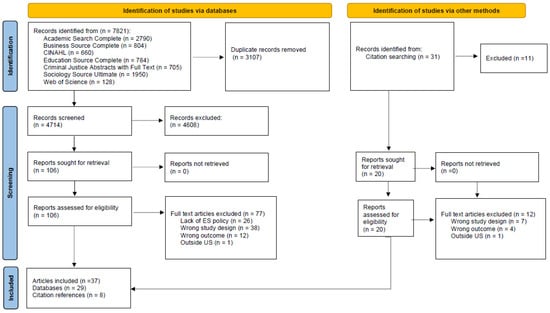
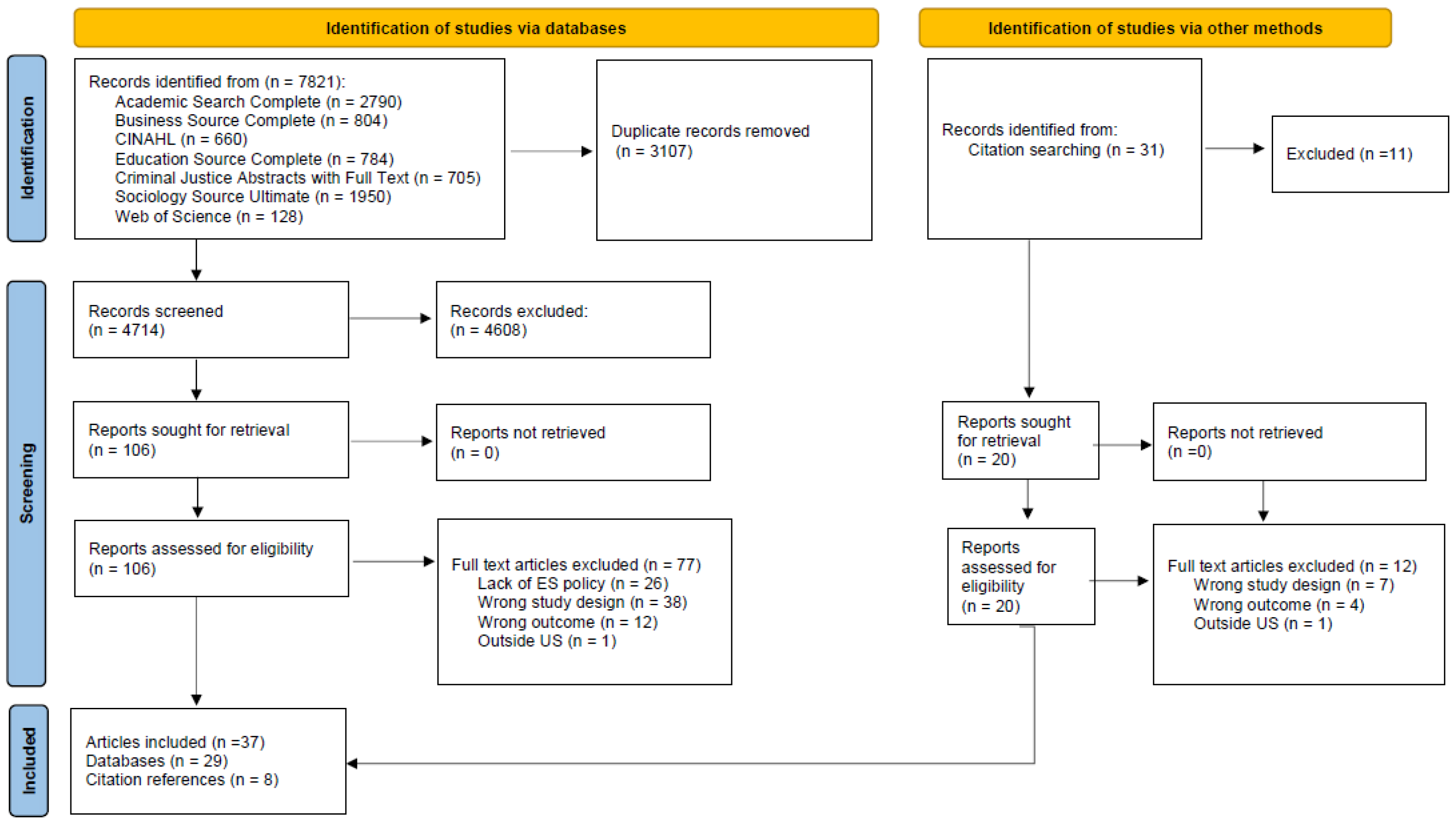

Disclaimer/Publisher’s Note: The statements, opinions and data contained in all publications are solely those of the individual author(s) and contributor(s) and not of MDPI and/or the editor(s). MDPI and/or the editor(s) disclaim responsibility for any injury to people or property resulting from any ideas, methods, instructions or products referred to in the content. |
© 2026 by the authors. Licensee MDPI, Basel, Switzerland. This article is an open access article distributed under the terms and conditions of the Creative Commons Attribution (CC BY) license.