


Highlights
What are the main findings?
- Across fourteen longitudinal cohorts followed for 2 to 50 years, reported seizure freedom at last follow-up ranged from 62% to 93% under four different definitions, and remission with antiseizure medication withdrawn was reported by a single cohort.
- Drug resistance, symptomatic etiology and early seizure onset recurred as markers of less favorable long-term outcome: a standardized mortality ratio of 22.9 for symptomatic epilepsy against no deaths among 328 children with non-symptomatic epilepsy, 8 cases of sudden unexpected death per 10,000 patient-years in a tertiary cohort, and a full-scale IQ 11.4 points lower with drug-resistant epilepsy.
What is the implication of the main finding?
- Because the cohorts differ in the definition of remission, in the age at outcome ascertainment and in the populations studied, these characteristics support prognostic stratification at the transfer to adult care rather than prediction of outcome in an individual patient.
- Comparable long-term evidence requires common definitions of remission and drug resistance and a common cognitive battery applied at defined ages; without them, outcomes cannot be combined across cohorts.
Abstract
Background/Objectives: Childhood-onset epilepsies that do not remit are the patients adult neurologists inherit at transition, yet no framework predicts adult neurological status or mortality from pediatric features. We reviewed the longitudinal evidence. Methods: PubMed/MEDLINE, Embase, Scopus and the Cochrane Library were searched from 1980 to 5 November 2026 for cohort or population-based studies of epilepsy with onset before 18 years; studies contributing to the synthesis of long-term outcomes required five or more years of follow-up. Risk of bias was rated with the Quality In Prognosis Studies (QUIPS) tool. The cohorts differed in the definition of remission, in the age at outcome ascertainment and in the quantities reported, and several publications describe the same underlying cohorts, so the evidence is presented as a structured narrative synthesis without pooled estimates, following PRISMA 2020. Results: Fourteen studies were included. They report on 4326 participants with epilepsy, which is the sum of the sample sizes of the individual publications and not a count of distinct individuals, because three groups of publications report on the same underlying cohorts; follow-up ranged from 2 to 50 years. Reported seizure freedom ranged from 90% of 195 patients with no seizures at final follow-up to 93% of 47 children with absence epilepsy, each cohort using its own definition, and 62% of the 421 patients in the Nova Scotia cohort reached terminal remission. A Danish tertiary cohort reported 8 SUDEP cases per 10,000 patient-years, and more than 95% of the patients who died there had drug-resistant epilepsy. In the Dutch cohort the standardized mortality ratio was 22.9 (95% CI 7.9 to 37.9) for symptomatic epilepsy, with no deaths among 328 children with non-symptomatic epilepsy. Drug resistance was associated with a full-scale IQ 11.4 points lower in the Connecticut cohort, measured eight to nine years after onset. Conclusions: Drug resistance, symptomatic etiology and early seizure onset recur across cohorts as markers of less favorable adult outcome and support prognostic risk stratification at the transition to adult care rather than individual prediction. The evidence is observational, heterogeneous in definition and ascertainment, and describes groups rather than individuals.
1. Introduction
Epilepsy is one of the most common serious neurological disorders of childhood, affecting approximately 0.5–1% of pediatric populations in developed countries [1,2]. Beyond its relatively high prevalence, childhood-onset epilepsy represents a clinically and biologically heterogeneous group of disorders characterized by substantial variability in seizure phenotype, underlying etiology, response to antiseizure medication (ASM), neurodevelopmental trajectory, and long-term prognosis. The clinical course may range from self-limited epileptic syndromes with remission during childhood or adolescence to persistent epilepsies associated with substantial neurological, cognitive, and functional morbidity extending into adulthood [3,4]. Accordingly, childhood-onset epilepsy should not be regarded as a static condition confined to the pediatric period, but rather as a potentially lifelong neurological disorder whose consequences may evolve across successive developmental stages.
The natural history of childhood epilepsy is heterogeneous. Age-dependent, self-limited syndromes such as childhood absence epilepsy and the self-limited focal epilepsies usually remit as children pass through the corresponding developmental stages, although remission is not invariably permanent and relapse after a period of seizure freedom is well documented [3]. At the opposite end of the spectrum, epilepsies associated with structural abnormalities, genetic causes or persistent treatment resistance are considerably more likely to continue into adult life [4,5]. Three characteristics recur in this literature as candidate determinants of the long-term course: epilepsy etiology, drug resistance and age at seizure onset. Symptomatic epilepsies follow a less favorable course than those with no identified cause. Drug resistance is associated with persistent seizures and with poorer outcomes in several domains. Early onset may matter most when seizures coincide with rapid brain development [4,5]. All three are documented during routine pediatric care, which is what makes them candidate prognostic markers rather than mere descriptors of the initial presentation.
The consequences of childhood-onset epilepsy are not confined to seizure control. Long-term follow-up shows that adults with a history of childhood epilepsy may carry persistent social and functional disadvantage even when the seizure course itself has been favorable [4]. Seizure remission is therefore an important therapeutic endpoint but not a synonym for recovery, and persistent or drug-resistant epilepsy may be accompanied by cumulative cognitive, educational, occupational and psychosocial disadvantage that becomes more visible with age. Persistent seizures, the underlying pathology and prolonged exposure to antiseizure medication coexist over many years, so their individual contributions to adult cognitive status cannot readily be separated; what can be established is whether characteristics recorded in childhood identify the children whose later course is unfavorable.
Mortality is the second dimension of long-term burden. Adults whose childhood-onset epilepsy persists are a clinically selected group carrying a greater burden of complex disease [2], and sudden unexpected death in epilepsy (SUDEP) is the leading epilepsy-related cause of death, with a risk that varies with markers of severity, particularly persistent and frequent seizures [6]. Cohorts followed from childhood show that excess mortality remains relevant across decades of observation [7], and the pediatric SUDEP literature repeatedly identifies early seizure onset, high seizure frequency, intellectual disability, developmental delay, polytherapy and structural brain abnormalities among the features reported in fatal cases [8]. Whether such features, recorded prospectively in childhood, anticipate later mortality is a different question from whether they are found retrospectively in those who die.
Despite a large literature on childhood epilepsy, its long-term prognostic determinants remain fragmented across outcome domains. Population-based work has examined adult social outcomes [4], systematic reviews have pooled treatment outcomes after newly diagnosed epilepsy without addressing the childhood-to-adulthood link specifically [9], and research on transition has concentrated on the organization of services rather than on the clinical determinants of adult outcome [10]. The quantitative integration of longitudinal evidence linking specific childhood characteristics to seizure, cognitive, neurological and mortality outcomes in adulthood has not been undertaken. That integration is complicated by genuine differences between the available cohorts in population, phenotype, follow-up duration, diagnostic era and outcome definition: population-based cohorts describe prognosis more broadly, whereas tertiary and surgical cohorts over-represent severe and drug-resistant disease. A synthesis is therefore needed both to estimate the size of these associations and to establish how consistent they are across settings.
The transition from pediatric to adult neurological care constitutes a critical stage in this longitudinal disease trajectory. For individuals whose epilepsy persists into adulthood, the transition occurs at a time when clinical management increasingly encompasses not only seizure control but also cognitive functioning, independence, education, employment, psychosocial adaptation, and long-term risk management. Previous literature has highlighted important organizational and clinical challenges associated with transition to adult epilepsy care [10]. However, effective transition requires more than an administrative transfer between pediatric and adult services; it also requires recognition of the individual’s accumulated disease burden and an understanding of the factors that may determine future neurological outcomes.
Against this background, the present systematic review was undertaken to provide an integrated assessment of the long-term trajectory of childhood-onset epilepsy, with particular emphasis on the prognostic significance of characteristics identifiable during childhood. The analysis focuses on seizure remission and seizure freedom, SUDEP and mortality, and cognitive and neurological outcomes, while examining age at seizure onset, epilepsy etiology, and drug resistance as key potential determinants of adult prognosis. By bringing these outcome domains together within a longitudinal framework, this review aims to strengthen the evidence base for prognostic assessment and to inform a more risk-adapted approach to the transition from pediatric to adult neurological care.
Aim
The primary aim of this systematic review was to synthesize the available longitudinal evidence on the prognostic significance of pediatric epilepsy characteristics for neurological, cognitive and mortality outcomes at long-term follow-up, which in most but not all of the included cohorts extends into adult life. The review was designed to determine whether clinical characteristics identifiable during childhood including age at seizure onset, epilepsy etiology, and drug resistance are associated with subsequent seizure, cognitive, neurological, and mortality outcomes after transition into adulthood.
Objectives
The following specific objectives were prespecified:
To quantify long-term seizure outcomes after childhood-onset epilepsy, distinguishing seizure freedom from full remission off antiseizure medication.
To estimate long-term mortality and SUDEP risk and to identify the pediatric characteristics associated with them, in particular epilepsy etiology.
To estimate the association between drug resistance and adult cognitive outcome, and to test whether age at seizure onset modifies it.
To describe broader neurological, educational, occupational and social outcomes in adulthood wherever longitudinal data allowed.
To examine sources of between-study heterogeneity and to translate the synthesized evidence into a prognostic framework usable at the pediatric-to-adult transition.
To our knowledge this is the first systematic review to address the prognostic significance of pediatric epilepsy characteristics across several adult outcome domains at once, treating seizure control, mortality and SUDEP, and cognitive and neurological status as distinct but connected dimensions of one trajectory rather than as a single endpoint. It draws on cohorts with follow-up of 2 to 50 years, including both population-based and clinically enriched populations, and it sets out what one contributing cohort reports on the interaction between age at onset and drug resistance in relation to cognitive outcome, which bears directly on how early risk should be judged.
2. Materials and Methods
2.1. Study Design and Reporting Framework
This study was conducted as a systematic review of longitudinal evidence examining the relationship between characteristics of childhood-onset epilepsy and neurological, cognitive, seizure-related, and mortality outcomes during long-term follow-up. The review was reported in accordance with the Preferred Reporting Items for Systematic Reviews and Meta-Analyses (PRISMA) 2020 statement [11] and the protocol followed the PRISMA-P recommendations [12]. The review is registered in PROSPERO under registration number CRD420261545122, version 1.0 published on 21 October 2026. Registration followed the database searches and the initial submission of this manuscript and is therefore retrospective.
2.2. Eligibility Criteria
Studies were considered eligible when they investigated individuals with epilepsy diagnosed during childhood or adolescence and provided longitudinal follow-up of subsequent clinical, neurological, cognitive, seizure-related, or mortality outcomes.
Eligible study designs were prospective or retrospective longitudinal cohort studies, population-based or community-based cohorts, disease registries, and long-running hospital cohorts followed into adult life. Studies of specific pediatric epilepsy subgroups, including childhood absence epilepsy and infantile spasms, were eligible on the same terms. Surgical and device outcome series, treatment-response studies of a single syndrome, and genetic or imaging cohorts without longitudinal clinical outcomes were not eligible, because they describe selected treatment samples rather than the course of childhood-onset epilepsy.
Studies were eligible if epilepsy onset occurred before 18 years of age and if at least one outcome was ascertained five or more years after onset, or at or after the transition to adult care. For inclusion in the synthesis of long-term outcomes a minimum follow-up of five years was required, with at least one outcome ascertained at or after the transition to adult care. Studies with shorter follow-up, and studies whose outcomes were ascertained entirely before adulthood, are reported in the narrative synthesis with the age at which their outcomes were ascertained stated alongside them. Reported follow-up across the included studies ranged from approximately 2 to 50 years. One retrospective hospital cohort of childhood and juvenile absence epilepsy, which enrolled patients with seizure onset between 3 and 27 years of age, did not meet this criterion and was excluded at full-text assessment [13]; it was included in the previous version of this review and its removal is the only change to the set of included studies.
The outcomes considered relevant to the review were seizure freedom or remission, including complete remission defined by seizure freedom without antiseizure medication where reported; SUDEP and all-cause mortality; standardized mortality ratios (SMRs); and cognitive or neurological outcomes, including full-scale intelligence quotient (FSIQ), academic and functional outcomes, and neuropsychological measures.
Studies were excluded when they were cross-sectional, isolated case reports, case series without longitudinal outcome assessment, or did not provide information on childhood-onset epilepsy. Reviews were not considered independent primary studies for quantitative synthesis; however, relevant systematic and narrative reviews were used to identify potentially eligible primary studies and to provide contextual information when appropriate.
2.3. Information Sources and Search Strategy
A systematic literature search was performed in PubMed/MEDLINE, Embase Classic+Embase (Ovid), Scopus and the Cochrane Library, including the Cochrane Central Register of Controlled Trials (CENTRAL). The searches covered 1 January 1980 to 5 November 2026 and were run on 5 November 2026, without language restrictions. They returned 416 records in PubMed/MEDLINE, 1239 in Embase, 2207 in Scopus and 340 in the Cochrane Library, giving 4202 records before de-duplication (Figure 1). Web of Science was named in the original version of this review; it was replaced by Scopus because the subscription available to the authors does not support the field-tagged query required, and Scopus provides comparable coverage for this question.
Figure 1.
PRISMA 2020 flow diagram showing the identification, screening, eligibility assessment and inclusion of studies. The left arm records the database searches run on 5 November 2026 and the right arm the studies identified through citation searching and the reference lists of included studies and previous reviews.
The core PubMed search strategy combined terms related to epilepsy, childhood onset, longitudinal or long-term outcomes, mortality and SUDEP, seizure remission or freedom, and cognitive or neurological outcomes:
(“epilepsy”[MeSH] OR “seizure disorder”[tiab] OR “epileptic”[tiab]) AND (“child*”[tiab] OR “pediatric”[tiab] OR “childhood onset”[tiab]) AND (“adult outcome*”[tiab] OR “long-term outcome*”[tiab] OR “longitudinal”[tiab] OR “prognosis”[tiab]) AND (“mortality”[MeSH] OR “SUDEP”[tiab] OR “sudden unexpected death”[tiab] OR “seizure remission”[tiab] OR “seizure freedom”[tiab] OR “cognitive outcome”[tiab] OR “neurological outcome”[tiab] OR “pharmacoresistant”[tiab] OR “drug-resistant”[tiab]).
Database-specific search strategies were adapted to the indexing systems of each database. The strategy run in each database, with its platform, date, limits and record count, is given in Supplementary Table S2. Reference lists of included studies and relevant systematic or narrative reviews were screened, and backward and forward citation tracking was undertaken to identify additional eligible publications. This approach is consistent with the identification of the primary cohorts and relevant review literature reported in Section 3.
2.4. Study Selection
All retrieved records were screened independently by two reviewers (A.V. and A.S.). Screening was performed first at the title and abstract level, followed by full-text assessment of potentially eligible publications. Disagreements were resolved by discussion and, when consensus could not be reached, by consultation with a third reviewer (L.L.-P.). The searches were re-run on 5 November 2026 during revision and all records retrieved were screened again against the eligibility criteria; the decision on every record is reported in Supplementary Table S5.
Agreement between reviewers at the full-text stage was assessed using Cohen’s kappa and was 0.84.
After de-duplication, 2893 records were screened and 367 reports were assessed in full. The final evidence base consists of fourteen longitudinal primary cohort publications, together with two review articles used for contextualization and for the identification of further evidence.
2.5. Data Extraction
Data were independently extracted using a standardized data-extraction form. Extracted variables included first author and year of publication, country, study design and setting, sample size, age at epilepsy onset, duration of follow-up, epilepsy etiology or syndrome, drug-resistance status, and reported neurological, cognitive, seizure-related, SUDEP, and mortality outcomes.
For each outcome, the effect estimate or the numerator and denominator reported by the study was extracted as published, together with its measure of uncertainty where one was given and with the definition the study applied. For mortality outcomes, both all-cause mortality and standardized mortality ratios were recorded separately. For cognitive outcomes, full-scale IQ differences and other reported neuropsychological measures were extracted according to the scale used in the original study.
When clarification or additional information was required, the corresponding authors of four studies were contacted; two authors provided additional information.
2.6. Risk of Bias Assessment
Risk of bias was assessed with the Quality In Prognosis Studies (QUIPS) tool [14], which is the instrument matched to a review of prognostic factors. QUIPS rates six domains: study participation, study attrition, prognostic factor measurement, outcome measurement, study confounding, and statistical analysis and reporting. Each domain was rated as low, moderate or high risk of bias, and an overall judgement was formed from the domain ratings. Two reviewers (A.V. and A.S.) assessed every included study independently, and disagreements were resolved by discussion. The domain ratings for each study are reported in Section 3.5.
Ratings were made from the published reports. Where a study does not report a quantity needed for a domain, for example the proportion of the cohort retained at final follow-up, the domain was rated on what the report does state and the absence is recorded with the rating rather than treated as adequate.
The included cohort studies differ markedly in the risk of bias they carry, and the differences follow study design: population-based and community-based prospective cohorts are rated at low or low to moderate overall risk, while referred, single-center and surgical cohorts are rated at high risk (Section 3.5).
Because the evidence base consists predominantly of observational longitudinal cohorts that differ substantially in population, outcome definition and follow-up duration, the domain ratings were read together with the clinical and methodological characteristics of each study when interpreting its findings.
2.7. Outcome Measures
The principal outcomes were analyzed separately according to their clinical meaning and statistical scale.
Seizure outcomes included seizure freedom, defined in the individual studies and, where specified, as freedom from seizures for at least one year, and full remission, defined as seizure freedom while no longer receiving antiseizure medication.
Mortality outcomes included all-cause mortality and standardized mortality ratios comparing mortality with that expected in the general population. SUDEP was analyzed separately from all-cause mortality.
Cognitive and neurological outcomes included FSIQ and other neuropsychological or functional measures reported during follow-up. Where sufficient comparable quantitative data were available, FSIQ differences between drug-resistant and drug-sensitive epilepsy groups were quantitatively synthesized.
This separation was maintained to avoid combining outcomes measured on fundamentally different clinical and statistical scales.
2.8. Synthesis Methods
The included cohorts differ in the definition of remission, in the age at which outcomes were ascertained, in the populations from which they were drawn and in the quantities they report, and several of the publications describe the same underlying cohorts. Quantitative synthesis was therefore not undertaken. The evidence is presented as a structured narrative synthesis.
Outcomes were grouped into four domains: seizure outcomes, mortality and SUDEP, cognitive and neurological outcomes, and psychosocial outcomes. Within each domain the finding of every contributing cohort is reported as published, with the numerator and denominator, or the effect estimate and its confidence interval, exactly as the source gives them, together with the definition applied by that cohort and the age at which the outcome was ascertained. No effect estimates were combined, transformed or re-expressed.
Where only one cohort reports an outcome, this is stated and the finding is attributed to that cohort rather than presented as a summary of the literature.
Because no estimates were combined, no between-study heterogeneity statistics are reported. The variation between cohorts is instead described directly, in terms of the definitions, populations and ascertainment windows that differ between them, and is shown alongside each cohort’s own estimate in the figures that follow.
Publication bias was not assessed formally. The included evidence consists of long-running cohort studies reporting multiple outcomes rather than of trials of a single effect, and the number of cohorts per outcome is too small for the available methods to be informative.
2.9. Subgroup Comparisons
Where data permitted, differences in outcomes were examined according to clinically relevant childhood epilepsy characteristics reported by the primary studies, particularly age at seizure onset, epilepsy etiology, and drug-resistance status.
Age at onset was considered according to the categories reported in the original studies, with particular attention to very early onset, including onset before two years of age. Etiology was considered according to the distinction between symptomatic and non-symptomatic epilepsy used in the mortality studies. Drug resistance was considered according to the definitions applied in the original studies, with particular attention to persistent or pharmacoresistant epilepsy.
No new interaction analysis was undertaken for this review. The Connecticut cohort tested the interaction between age at seizure onset and pharmacoresistance formally, in linear regression models, and reported a substantial interaction for full-scale IQ (p = 0.003), with the effect of pharmacoresistance lessening as age at onset increased [15]. That finding has not been replicated in another cohort, and the pattern described in Section 3.4 therefore rests on a single study.
2.10. Assessment of Certainty of Evidence
The certainty of the evidence was considered for each outcome domain using the GRADE domains of risk of bias, inconsistency, indirectness, imprecision and publication bias [16]. Because no estimates were pooled, certainty is discussed narratively in Section 4.7 and no summary rating is attached to a pooled estimate.
The considerations that bear on certainty are set out with the limitations in Section 4.7.
2.11. Software
No meta-analytic software was used, because no quantitative synthesis was performed. The Wilson confidence intervals reported with the seizure outcomes in Section 3.2 were calculated from the numerators and denominators reported in the source publications; all other values reproduced in this review are those published by the contributing studies. Those intervals and all figures were produced in Python 3.11 (Python Software Foundation, Wilmington, DE, USA) with NumPy 2.4 and Matplotlib 3.11. No chemicals, reagents, devices, instruments or commercial materials were used in this review.
3. Results
3.1. Study Selection and Characteristics
The database searches run on 5 November 2026 identified 4202 records, of which 2893 remained after removal of 1309 duplicates. Title and abstract screening excluded 2526 records and 367 reports were assessed for eligibility, of which 362 were excluded, most often because the report described a surgical, device or single-syndrome treatment series rather than a cohort followed into adult life (n = 243). Five of the included studies were retrieved by the database searches. The remaining nine were identified through citation searching and the reference lists of the included studies and of previous reviews, and are shown in the second arm of the flow diagram. Fourteen studies were included in total; two review publications [5,6] were used for contextual interpretation only and were not treated as primary studies. The record-level screening decisions are given in Supplementary Table S5 and the process is summarized in Figure 1.
The included primary studies comprised population-based, community-based, tertiary-center, hospital-based, and epilepsy-surgery cohorts. Study sample sizes ranged from 17 to 1974 participants with epilepsy, 4326 in total across the fourteen publications, and reported follow-up durations ranged from 2 to 50 years, depending on the outcome and study design. Follow-up duration, analyzed sample size and whether outcomes were ascertained in adulthood are shown for each study in Figure 2. The primary outcomes assessed across the included publications were seizure remission or seizure freedom, SUDEP and all-cause mortality, and cognitive, neurological, and social outcomes. Characteristics of the included publications are presented in Table 1.
Figure 2.
Follow-up duration (a) and analyzed sample size (b) of the fourteen included studies, ordered by follow-up duration. Color indicates whether the reported outcomes were ascertained in adulthood, spanned adolescence and adulthood, or were ascertained entirely before the age of 18 years, classified from the age at entry and the follow-up duration reported in each source. The dashed line marks the five-year minimum follow-up applied to the studies contributing to the synthesis of long-term outcomes. Data are from the fourteen included studies [4,7,15,17,18,19,20,21,22,23,24,25,26,27].
Table 1.
Characteristics of included studies.
This total is the sum of the sample sizes reported in each publication and is not a count of distinct individuals. Three groups of included publications report on the same underlying cohorts: the Turku population-based cohort is the source of three publications [7,17,18], the Connecticut study of two [15,19], and the Dutch Study of Epilepsy in Childhood of two [20,21]. The degree of participant overlap within each group cannot be established from the published reports, so each outcome is reported publication by publication, and the number of distinct participants in this review is smaller than the publication-level total reported here. The age at which outcomes were ascertained also differs across the included studies. Three cohorts ascertained their outcomes entirely before the age of 18: the Connecticut cognitive cohort reassessed children eight to nine years after onset [15], the neuropsychological cohort of Jones and colleagues followed children for two years [22], and the surgical cohort of Freitag and Tuxhorn reported outcomes between six months and ten years after surgery in childhood [23]. Four cohorts report outcomes spanning adolescence and adulthood [20,24,25,26] and the remaining seven ascertained outcomes in adult life; the classification of every study is shown in Figure 2.
Population-based cohorts provided the longest longitudinal observations, including the Finnish cohorts with approximately 35–40 years of follow-up and the Swedish cohort with 50 years of follow-up. Other cohorts evaluated more specific clinical populations, including childhood absence epilepsy, infantile spasms, and children undergoing epilepsy surgery.
Several studies evaluated related but distinct aspects of long-term outcome. The Finnish and Swedish population-based cohorts primarily contributed data on seizure remission, drug resistance, mortality, and SUDEP, whereas the Berg cohorts focused on cognitive and social outcomes. Surgical cohorts contributed additional information on long-term cognitive development after epilepsy surgery. These differences in population characteristics, clinical setting, follow-up duration, and outcome definitions were considered when interpreting the findings.
3.2. Seizure Remission and Freedom in Adulthood
Seizure outcome data were reported across several longitudinal cohorts, with substantial variation in the definition of remission, duration of follow-up, and epilepsy subtype. Two clinically distinct outcomes are reported separately: seizure freedom for at least one year and full remission, defined as seizure freedom without antiseizure medication (ASM). Individual study findings are summarized in Table 2. The contributing cohorts do not use a single endpoint: remission reached at any point during follow-up, terminal remission, and seizure freedom at the final assessment are distinct quantities, and the duration of seizure freedom required, together with the interval off antiseizure medication required for full remission, was defined by each study rather than by a common rule. The definition used by each cohort is given in Table 2 and beneath each study in Figure 3, and the pooled proportion therefore averages related but non-identical endpoints.
Table 2.
Seizure remission and seizure freedom outcomes across included cohort studies.
Figure 3.
Proportion seizure-free or in remission at last follow-up in the four cohorts contributing seizure-outcome data, with 95% Wilson confidence intervals calculated from the numerators and denominators reported in the source publications. The definition applied by each cohort is given beneath its estimate; the definitions are not interchangeable, which is why the proportions are not combined. Data are from the four cohorts contributing seizure-outcome data [4,18,20,27].
Four cohorts reported the proportion of patients free of seizures at the end of follow-up, each under its own definition, and the reported proportions range from 62% to 93%. The Finnish population cohort reported that 95 of 102 patients (93%) had entered at least one one-year remission during a median of 40 years of follow-up [18]; the Swedish 50-year cohort reported 90% of its true-incidence group free of seizures at final follow-up [27]; the Dutch absence-epilepsy cohort reported 93% of 47 children free of seizures after 12 to 17 years [20]; and the Nova Scotia cohort reported terminal remission in 62% of 421 patients [4]. The definitions are not interchangeable, and the cohort estimates and the definition each applied are shown in Figure 3.
Long-term population-based follow-up demonstrated that remission could occur many years after childhood diagnosis. In the Finnish 40-year cohort of 102 patients, 93% achieved at least one period of remission, whereas 7% never achieved remission during follow-up [18]. In the Swedish population-based cohort, 90% of patients were seizure-free at 50 years of follow-up in the incidence group [27].
Full remission, meaning freedom from seizures with antiseizure medication withdrawn, is reported less often and less consistently. In the population-based Nova Scotia cohort of 421 patients followed for a mean of 26 years, terminal remission was reached by 61 to 65% of patients. Neither the remission rate nor the clinical course, which included intractability, status epilepticus, the number of antiseizure medications tried and the number of generalized tonic–clonic seizures, differed according to family socioeconomic status [4]. The other cohorts report freedom from seizures without stating medication status at the same time point, so no comparable proportion can be given for them.
Early seizure burden was also associated with subsequent drug resistance. In the Finnish cohort, patients who experienced weekly seizures during the first year of treatment had a substantially higher risk of developing drug-resistant epilepsy (HR 8.2, 95% CI 1.6–43.0; p = 0.0125) [18]. In the same cohort, symptomatic etiology was associated with poorer long-term seizure outcome, whereas early seizure frequency was predictive of seizure control but was not associated with mortality.
Outcome differed according to epilepsy syndrome. In the Dutch childhood absence epilepsy (CAE) cohort of 47 patients, 93% were seizure-free after 12–17 years of follow-up, while 7% remained actively epileptic [20]. In contrast, the Austrian cohort of 163 patients with childhood and juvenile absence epilepsy reported two-year seizure freedom in 56% of the childhood absence, 62% of the juvenile absence and 54% of the overlap subgroup after a mean follow-up of 25.8 years. Late development of tonic–clonic or myoclonic seizures was associated with subsequent relapse [13].
Overall, the longitudinal evidence indicates that seizure remission is common among individuals with childhood-onset epilepsy, but the probability of sustained seizure freedom and complete remission varies according to epilepsy etiology, drug resistance, seizure burden, syndrome, and duration of follow-up. Individual study characteristics and reported predictors are summarized in Table 2.
3.3. SUDEP and Mortality
Mortality and SUDEP outcomes were reported by six of the included cohorts, with substantial variation in study setting, follow-up duration, ascertainment methods, and underlying epilepsy severity. SUDEP incidence and all-cause mortality according to etiology are reported separately. Individual study findings are summarized in Table 3.
Table 3.
SUDEP and mortality outcomes.
SUDEP incidence is reported by the contributing cohorts on different denominators, and no common rate can be derived from them. The Danish tertiary-center cohort recorded nine SUDEP cases among 1974 patients over nine years, which the authors express as 8 SUDEP cases per 10,000 patient-years for the cohort as a whole. More than 95% of the patients who died in that cohort had drug-resistant epilepsy. That figure describes the deaths and is not an incidence rate for the drug-resistant subgroup [24]. The Finnish population cohort recorded 23 SUDEP cases among 60 deaths in 245 patients followed for about 40 years [7], and the infantile-spasms cohort recorded 25 deaths among 150 patients over a median of 12 years, 13 of them before the age of five [25]. Events and person-time restricted to drug-resistant patients are not reported by any of these studies.
In the Finnish cohort followed for approximately 40 years, 60 of 245 patients died, and 23 deaths (38%) were attributed to SUDEP. Autopsy information was available for approximately 70% of deaths. No SUDEP deaths were observed during childhood among patients with idiopathic/non-structural epilepsy, whereas SUDEP risk emerged during adolescence. Failure to achieve five-year terminal remission and a non-localization-related epilepsy type were identified as the strongest predictors of SUDEP.
In the Danish tertiary-center cohort of 1974 patients, nine SUDEP cases were identified during nine years of follow-up, corresponding to approximately 8 per 10,000 patient-years. Among deceased patients, more than 95% had drug-resistant epilepsy and 90% had intellectual disability.
All-cause mortality differs markedly according to epilepsy etiology. In the Dutch Study of Epilepsy in Childhood, nine of 472 children died, a mortality seven-fold higher than expected (SMR 7.0, 95% CI 2.4 to 11.5); no deaths occurred among the 328 children with non-symptomatic epilepsy, whereas every death occurred in symptomatic epilepsy (SMR 22.9, 95% CI 7.9 to 37.9) [21]. The Swedish 50-year cohort reported a standardized mortality ratio of 2.61 for the cohort as a whole, without a confidence interval and without separating etiologies [27], and the Finnish cohort reported mortality ninefold higher in symptomatic than in non-symptomatic epilepsy [18]. Because the three cohorts report the ratio on different bases, and because one of them observed no deaths in the non-symptomatic group, the ratios are presented separately rather than combined (Figure 4).
Figure 4.
(a) Standardized mortality ratios reported by the contributing cohorts, by etiology, on a logarithmic scale; the Swedish cohort reported no confidence interval for its ratio and is shown as an open marker. (b) Proportion of each cohort that died during follow-up, annotated with the reported share of deaths that were epilepsy-related. The two panels have different denominators and are not directly comparable. Data are from the cohorts reporting mortality outcomes [7,18,21,24,25,27].
The Finnish 40-year cohort of 102 patients reported that 13% of participants died, with symptomatic etiology associated with an approximately nine-fold increased risk of death (HR 9.0, 95% CI 1.8–44.8). In this cohort, early seizure frequency was associated with seizure outcome but did not predict mortality.
The Swedish population-based cohort with 50 years of follow-up reported an overall SMR of 2.61, with later deaths predominantly attributable to causes other than epilepsy. Neurological impairment and epilepsy-related conditions were more prominent among deaths occurring at younger ages. No SUDEP was reported in the population incidence group.
In the hospital-based cohort of 150 patients with infantile spasms, overall mortality was 17% during approximately 12 years of follow-up. SUDEP accounted for 45% of deaths occurring after five years of age, compared with 17% of deaths before five years. Persistent epileptic spasms were associated with increased mortality (OR 4.3, 95% CI 1.1–16.7), as was severe respiratory comorbidity (OR 12.75, 95% CI 2.88–56.32).
The systematic review by Abdel-Mannan et al. identified several clinical characteristics repeatedly reported among pediatric SUDEP cases, including early seizure onset, high seizure frequency, intellectual disability, developmental delay, polypharmacy, and structural brain abnormalities [8]. Because this publication was a systematic review rather than an independent longitudinal cohort, these findings were considered contextual and were not treated as an additional independent cohort in the quantitative synthesis.
Overall, the mortality findings indicate a substantial difference in long-term risk according to epilepsy etiology, with markedly elevated mortality among patients with symptomatic epilepsy. SUDEP was particularly concentrated among patients with drug-resistant epilepsy and persistent seizures, while population-based cohorts suggested substantially lower mortality in non-symptomatic epilepsy. Individual study results are detailed in Table 3 and shown in Figure 4.
3.4. Cognitive and Neurological Outcomes at Long-Term Follow-Up
Cognitive and neurological outcomes were reported in six studies, including community-based longitudinal cohorts and cohorts of children undergoing epilepsy surgery. The studies differed substantially in patient selection, follow-up duration, cognitive measures, and clinical setting. Individual findings are summarized in Table 4.
Table 4.
Cognitive and neurological outcomes across included studies.
In the prospective community-based cohort reported by Berg et al., 198 children diagnosed with epilepsy before eight years of age were reassessed using the Wechsler Intelligence Scale for Children, Third Edition (WISC-III) after 8–9 years of follow-up [15]. Drug-resistant epilepsy (DRE) was associated with an 11.4-point lower full-scale IQ (FSIQ) compared with drug-sensitive epilepsy (p = 0.002). The association was observed across the four WISC-III domains. A significant interaction between age at epilepsy onset and DRE was identified (p = 0.003), with the greatest cognitive disadvantage observed among children with the earliest onset, particularly those diagnosed before two years of age. Within the DRE subgroup, early onset was strongly associated with an FSIQ below 80 (p < 0.0001), whereas age at onset was not significantly associated with cognitive outcome among children with drug-sensitive epilepsy (p = 0.61).
One cohort provides a direct comparison of full-scale IQ by drug-resistance status. In the Connecticut community-based cohort of 198 children with new-onset epilepsy before the age of eight, pharmacoresistance was associated with a full-scale IQ 11.4 points lower than in drug-sensitive epilepsy (p = 0.002), measured on reassessment eight to nine years after onset [15]. That age at assessment is a long-term childhood-to-adolescence outcome rather than an adult one. No second cohort reports the same comparison in a form that could be set beside it.
The same cohort describes the association between age at onset and cognitive outcome as a gradient, with the greatest disadvantage among children whose epilepsy began earliest and was drug-resistant [15]. No contributing publication reports an odds ratio for a full-scale IQ below 80, and none is given here.
Longer-term functional outcomes were evaluated by Berg et al. in a cohort of 241 young adults followed for approximately 15 years [19]. Seizure course, classified as excellent, good, fluctuating, or pharmacoresistant, was associated with adult social outcomes, including university completion, employment, and driving ability. The pharmacoresistant subgroup, representing approximately 8% of the cohort, had the least favorable outcomes across these domains. Learning difficulties and psychiatric disorders were also independently associated with several adverse social outcomes.
Surgical cohorts provided additional information on cognitive trajectories in children with severe epilepsy. Viggedal et al. followed 17 children for 10 years after epilepsy surgery [26]. IQ remained stable during follow-up, while learning capacity and working memory improved. Verbal memory improved in approximately half of the participants and declined in the remainder, figurative memory declined in most, and reaction times were slower at the 10-year assessment. Thirty-five percent of participants were seizure-free at the 10-year follow-up.
Freitag and Tuxhorn evaluated 50 children who underwent epilepsy surgery before seven years of age [23]. Before surgery, 70% had an FSIQ below 70. Age at seizure onset and the extent of the lesion predicted preoperative cognitive development; development remained stable in 41 of the 50 children after surgery, and gains of 15 or more IQ points were recorded in 11 children by the last follow-up.
In the cohort reported by Jones et al., 64 children with epilepsy, 39 with complex partial seizures and 25 with childhood absence epilepsy, together with 27 healthy controls, were followed for two years [22]. IQ and academic achievement remained generally stable during follow-up, although baseline seizure characteristics were associated with IQ and mathematics scores among children with average baseline intelligence. Seizure type and seizure frequency were among the clinical variables considered in relation to cognitive outcomes.
The long-term population-based cohort of Camfield and Camfield included 421 individuals followed for approximately 26 years [4]. Among adults with normal intelligence but ongoing seizures, adverse social outcomes included higher rates of unemployment, incomplete education, psychiatric diagnoses, and financial difficulties. These findings indicated that seizure remission alone did not necessarily translate into favorable adult social functioning.
Overall, the available evidence indicates that drug resistance and very early seizure onset are associated with poorer cognitive outcomes, while persistent seizure activity is associated with less favorable adult functional and social outcomes. However, cognitive evidence was derived from relatively heterogeneous populations, including community-based and surgical cohorts, and the cognitive comparisons rest on one or two cohorts each. The individual study findings are presented in Table 4.
3.5. Risk of Bias
Risk of bias assessments for the included studies are presented in Table 5. Overall, the methodological quality varied according to study design and clinical setting. Population-based and community-based prospective cohorts were rated at low or low to moderate overall risk of bias, whereas tertiary-center, hospital-based and surgical cohorts were rated at high risk, principally on study participation and confounding.
Table 5.
Risk of bias assessment using the Quality In Prognosis Studies (QUIPS) tool.
The three Finnish population-based cohorts, the Swedish 50-year cohort and the two Dutch population-based cohorts are rated at low risk on study participation, attrition, prognostic factor measurement and outcome measurement, with confounding and analysis rated moderate because adjustment for the underlying disorder is limited. The Connecticut community-based cohort is the only study rated at low risk on every domain.
Overall risk of bias was low or low to moderate in seven of the fourteen cohorts, all of them population-based or community-based studies with prospective follow-up, moderate in three, and high in four. The high ratings arise in the tertiary and single-center cohorts and in the two surgical cohorts, where participation is drawn from referred populations and no comparison group is available, so confounding by the underlying disorder cannot be separated from the prognostic factor of interest. Attrition was rated low only where the proportion retained is reported numerically, which is the case in two cohorts (94% and 72%); in the remainder the report does not state it and the domain is rated moderate. Cognitive function was formally assessed in 6 of the 14 cohorts (Table 4), so the cognitive findings rest on a minority of the evidence base.
The referred and surgical cohorts are rated at high risk principally on study participation, because they draw on populations selected for referral or for surgery, and on confounding, because no comparison group is available and the effect of the prognostic factor cannot be separated from that of the underlying disorder. In the two surgical cohorts, outcome measurement is additionally rated moderate, since cognitive assessment intervals differ between participants.
3.6. Summary of Reported Outcomes
The outcomes reported by each cohort are summarized by domain in Table 2, Table 3, Table 4 and Table 5 and shown in Figure 3 and Figure 4. No estimates were combined, so no summary table of pooled values is presented.
Seizure outcomes are reported by four cohorts under four different definitions, ranging from 62% to 93% (Section 3.2, Figure 3). Terminal remission with medication withdrawn is reported by one cohort, at 61 to 65% [4].
Mortality is reported as a standardized ratio by three cohorts on different bases, from 2.61 for a whole cohort [27] to 22.9 for symptomatic epilepsy in a cohort that recorded no deaths in its non-symptomatic group [21]. SUDEP is reported as a whole-cohort rate of 8 per 10,000 patient-years by one cohort [24] and as a proportion of deaths by two others [7,25] (Section 3.3, Figure 4).
Cognitive outcomes are reported by six cohorts using different instruments at different ages; one of them provides a comparison by drug-resistance status, at 11.4 points of full-scale IQ [15] (Section 3.4, Table 4).
The risk-of-bias assessment for every included cohort is given in Table 5 and Figure 5, and the ages at which outcomes were ascertained are shown in Figure 2.
Figure 5.
QUIPS domain ratings for the fourteen included studies, as reported in Table 5. Population-based and community-based prospective cohorts are rated at low risk of bias on most domains, whereas the referred and surgical cohorts are rated at high risk on study participation and confounding. Ratings are for the fourteen included studies [4,7,15,17,18,19,20,21,22,23,24,25,26,27].
4. Discussion
4.1. Principal Findings
This systematic review synthesized longitudinal evidence on seizure, mortality, SUDEP, cognitive, and neurological outcomes in individuals with childhood-onset epilepsy followed into adulthood. The findings demonstrate substantial variability in long-term outcomes, with seizure control, drug resistance, epilepsy etiology, and age at onset emerging as important characteristics associated with adult outcomes. These findings are consistent with previous longitudinal observations indicating that the clinical course of childhood-onset epilepsy is heterogeneous and that remission, relapse, and long-term functional outcomes may differ substantially between individuals [3,5].
The long-term consequences of childhood-onset epilepsy were not restricted to seizure control or cognitive performance. Longitudinal evidence has demonstrated associations between seizure course and educational, occupational, and other social outcomes in adulthood [4,19]. Accordingly, the findings of this review support a multidimensional approach to long-term outcome assessment rather than relying exclusively on seizure remission as the principal marker of successful transition to adult care.
4.2. Seizure Outcomes and Long-Term Epilepsy Course
The seizure outcomes identified in this review indicate that a substantial proportion of individuals with childhood-onset epilepsy achieve sustained seizure control by adulthood. The Finnish and Swedish longitudinal cohorts reported high rates of remission or seizure freedom during extended follow-up [18,27]. Similarly, long-term studies of specific epilepsy syndromes have demonstrated favorable seizure outcomes in selected populations, although persistent or recurrent seizures remained present in a proportion of patients [13,20].
The proportions reported by the included cohorts are therefore broadly consistent with the wider longitudinal literature. The contrast between freedom from seizures and remission with medication withdrawn, reported by the Nova Scotia cohort at 61 to 65% [4], shows that complete withdrawal from antiseizure medication without recurrent seizures is a more restrictive endpoint. This distinction matters when interpreting long-term prognosis, because freedom from seizures during a particular period does not necessarily indicate permanent resolution of epilepsy [3,5].
These proportions can be set beside the largest available synthesis of newly diagnosed epilepsy, in which pooled cumulative one-year seizure freedom was 79% (95% CI 74 to 83) across 39 cohorts and 21,139 patients and was higher in pediatric than in adult cohorts (85% versus 68%) [9]. The proportions reported here straddle that figure, which is consistent with an evidence base weighted towards epilepsy that persisted long enough to be followed into adult life. Remission off antiseizure medication, reported by one cohort at 62%, is by contrast higher than the 39% (95% CI 30 to 50) who were off antiseizure medication at last follow-up in that synthesis, which may reflect the far longer follow-up of the cohorts included here.
Several included studies identified characteristics associated with less favorable seizure outcomes. Early seizure frequency and etiology were associated with subsequent medical outcome in the Finnish cohort [18], while persistent epilepsy and drug resistance were associated with less favorable long-term trajectories in other longitudinal studies [4,27]. In childhood absence epilepsy, most patients achieved long-term seizure freedom, although a minority continued to experience seizures or developed other seizure types [13,20]. These findings emphasize that the long-term course depends not only on the presence of epilepsy during childhood but also on the underlying epilepsy phenotype and subsequent seizure trajectory.
The variation between cohorts should be considered when applying these findings clinically. Differences in epilepsy classification, baseline seizure burden, etiology, treatment exposure, follow-up duration and definitions of remission all contribute to it. The cohort findings should therefore be read as evidence from heterogeneous longitudinal populations rather than as individual-level prognostic probabilities.
4.3. Mortality and SUDEP
Mortality was one of the most clinically important long-term outcomes identified in this review. The markedly elevated standardized mortality ratio for symptomatic epilepsy in the Dutch cohort contrasts with the absence of deaths among the children with non-symptomatic epilepsy in the same cohort [21]. Long-term Finnish data also show an important contribution of epilepsy etiology to mortality risk [18].
The SUDEP findings further emphasize the importance of epilepsy severity. The Danish tertiary cohort reported 8 SUDEP cases per 10,000 patient-years across the whole cohort [24]. The Finnish long-term study reported a substantial SUDEP burden during extended follow-up, with SUDEP accounting for a considerable proportion of epilepsy-related deaths [7]. The systematic review by Abdel-Mannan et al. similarly identified early seizure onset, high seizure frequency, intellectual or developmental impairment, polytherapy and structural abnormalities among the characteristics reported in pediatric SUDEP cases [8].
The individual studies included in the present review also identified persistent seizures and drug resistance as important characteristics among patients who subsequently died from SUDEP [7,8,24,25]. The cohorts differ in setting, epilepsy severity, duration of follow-up and ascertainment of cause of death, so their rates are not directly comparable with one another.
4.4. Cognitive and Neurological Outcomes
The cognitive findings demonstrate that the long-term consequences of childhood-onset epilepsy extend beyond seizure control. The prospective cohort reported by Berg et al. demonstrated lower cognitive performance among children with drug-resistant epilepsy, with the greatest differences observed among those with earlier seizure onset [15]. That cohort reported a full-scale IQ 11.4 points lower in drug-resistant than in drug-sensitive epilepsy, measured on reassessment eight to nine years after onset.
The association between early onset and cognitive impairment was further supported by the increased odds of an IQ below 80 among patients with drug-resistant epilepsy beginning before two years of age. These findings suggest that early seizure onset in combination with persistent drug resistance identifies a subgroup with particularly unfavorable cognitive outcomes [15]. However, the observational design of the underlying studies means that the relative contributions of seizure burden, underlying brain pathology, treatment exposure, developmental factors, and other comorbidities cannot be separated completely.
Long-term functional outcomes were also important. Berg et al. reported that seizure course was associated with adult social outcomes, including education and employment, while learning and psychiatric difficulties also contributed to poorer social functioning [19]. Similarly, the long-term population-based study by Camfield et al. demonstrated that persistent epilepsy was associated with less favorable social outcomes despite similarities in aspects of clinical course and remission [4]. These findings indicate that successful transition to adulthood cannot be defined solely by seizure remission.
The surgical cohorts provide additional information on cognitive trajectories in selected patients. Studies of children undergoing epilepsy surgery have reported cognitive stability or improvement in some domains after surgery, particularly among those achieving seizure freedom [23,26]. Nevertheless, these findings derive from highly selected surgical populations and therefore cannot be generalized directly to the broader population of childhood-onset epilepsy. A further constraint is the outcome measure itself. Full-scale IQ, administered once in childhood and once in adulthood, is a coarse summary of development, and the instruments differ between these cohorts, which limits comparison of cognitive trajectories across them.
4.5. Psychiatric and Social Outcomes
Psychiatric and psychosocial outcomes represent an important component of the transition from pediatric to adult epilepsy care. In the included literature, psychiatric difficulties were particularly evident among individuals with persistent or drug-resistant epilepsy, and social outcomes were influenced by both seizure course and cognitive or learning difficulties [19]. Psychiatric outcomes were not reported homogeneously enough across the included studies to permit pooling and are treated here as contextual; they nonetheless belong in the integrated assessment of neurological, cognitive, educational and social functioning at transition that the transition literature recommends [5,10].
4.6. Clinical Implications
The findings have several implications for clinical practice. First, long-term risk assessment should consider epilepsy etiology, drug resistance, and age at onset, as these characteristics were repeatedly associated with less favorable neurological, cognitive, or mortality outcomes across the included studies [7,15,18,21].
Second, seizure outcome should not be considered in isolation. Cognitive development and adult social functioning may remain impaired despite seizure remission, particularly among patients with a history of drug-resistant or early-onset epilepsy [4,15,19]. Cognitive and psychosocial assessment may therefore provide complementary information during transition to adult care.
Third, patients with persistent drug-resistant epilepsy warrant particular attention to SUDEP and mortality risk. Existing evidence supports discussion of SUDEP risk and appropriate preventive strategies in patients with relevant risk characteristics [7,8]. At the same time, the heterogeneity of the available evidence means that risk estimates should be individualized rather than applied uniformly to all patients with childhood-onset epilepsy.
Finally, transition to adult neurological care should be viewed as a clinically important period rather than solely an administrative transfer. Continuity of treatment, reconstruction of the longitudinal seizure history, assessment of current antiseizure medication requirements, and evaluation of cognitive and psychosocial functioning are consistent with the principles described in the literature on transition in epilepsy [5,10].
Figure 6 summarizes these implications as a stratification that can be applied at the point of transfer, linking each pediatric characteristic to the cohort findings that support it and to the action it should trigger. Two qualifications apply to this use of the evidence. The estimates are prognostic associations measured in groups and do not predict the course of an individual patient. Each cohort also set its own point in follow-up at which drug resistance was established, so drug resistance is best read as a marker of a severe course across follow-up rather than as a characteristic present at diagnosis.
Figure 6.
Risk stratification at the pediatric-to-adult transition. Each pediatric characteristic is linked to the findings of the cohorts in this review that support it and to the corresponding action at transfer. The findings are those of individual observational cohorts and were not pooled; they describe groups rather than individuals. Figure 6 is a preliminary clinical synthesis of the cohort findings reported here and requires prospective validation before it is used to counsel an individual patient. The cohort findings shown are those of the Connecticut, Finnish, Dutch and Danish cohorts [15,18,21,24].
4.7. Strengths and Limitations
This review has several strengths. It synthesized longitudinal evidence extending from childhood into adulthood and considered multiple clinically relevant outcomes, including seizure remission, SUDEP, mortality, cognitive performance, and adult social functioning. The inclusion of population-based longitudinal cohorts provided evidence from extended periods of follow-up, while quantitative pooling allowed summary estimates to be obtained for several outcomes.
Several limitations should nevertheless be considered. First, the included studies were observational and differed in study design, population characteristics, epilepsy etiology, severity, treatment exposure, follow-up duration, and outcome definitions. These differences are the reason the findings are reported cohort by cohort rather than combined.
Second, most outcomes are reported by only a few cohorts, and several are reported by one. This is particularly true of the mortality and SUDEP outcomes, and it is the reason the evidence is presented cohort by cohort rather than as summary estimates.
Third, some outcomes were derived from selected populations. In particular, the cognitive and neurological evidence included surgical cohorts, which may represent patients with more severe or treatment-resistant epilepsy [23,26]. The results from these cohorts should therefore not be extrapolated directly to the general population.
Fourth, ascertainment of mortality and SUDEP differed between studies. Some cohorts benefited from detailed longitudinal follow-up and autopsy information, whereas registry-based studies relied more heavily on clinical records or death certificates [7,21,24,25]. Differences in ascertainment may consequently influence reported mortality and SUDEP rates.
Fifth, cognitive and social outcomes were assessed using different instruments and definitions across studies. The broader neurological and psychosocial consequences of childhood-onset epilepsy could not be summarized comprehensively.
Sixth, and most consequential for the interpretation of this review, not every included cohort observes an adult outcome. Three cohorts ascertained their outcomes entirely before the age of 18 years, and four more span adolescence and adulthood (Figure 2). The community-based cognitive cohort reassessed children 8 to 9 years after an onset before the age of 8 [15], so the full-scale IQ difference it reports is an adolescent rather than an adult measurement. The cognitive findings should therefore be read as evidence on the developmental consequences of drug resistance rather than as measurements made after transition.
Seventh, one retrospective hospital cohort of childhood and juvenile absence epilepsy, which enrolled patients with seizure onset between 3 and 27 years of age, has been excluded from this version of the review because it does not meet the childhood-onset criterion [13]. Its exclusion removes the lowest of the reported seizure proportions and narrows the reported range.
Eighth, the quantitative synthesis originally reported in this manuscript has been withdrawn. The study-level inputs behind the pooled estimates could not be reconciled with the data reported by the contributing publications, and the evidence is therefore presented as a narrative synthesis. Several contributing cohorts were recruited between 1961 and 1985, before most currently used antiseizure medications and before modern neuroimaging and genetic diagnosis, which limits the transfer of their findings to children diagnosed today. Ninth, cognitive outcomes were measured with different instruments and with different editions of the same instrument across cohorts spanning four decades, and surgical and non-surgical populations are not comparable; both limit the interpretation of long-term cognitive trends. Tenth, a quantitative synthesis of these outcomes would require study-level data that the publications do not currently provide in a comparable form, in particular events and person-time for the drug-resistant subgroups, group means and standard deviations for the cognitive comparisons, and remission proportions under a common definition. Obtaining those data is the first priority for any update of this review.
4.8. Future Research
Future research should prioritize prospective longitudinal studies that enroll children with newly diagnosed epilepsy and follow them systematically through the transition into adult neurological care. Such studies should use standardized definitions of drug resistance, seizure remission, SUDEP, cognitive impairment and adult functional outcomes, and a common cognitive battery applied at defined ages, so that findings from different cohorts can be compared directly.
The effect of contemporary antiseizure medications also warrants further investigation. Several of the long-term cohorts included in this review were initiated before many currently used antiseizure medications became widely available, limiting the applicability of historical treatment-era findings to contemporary practice. Future prospective cohorts should therefore document treatment exposure and changes in antiseizure medication strategy throughout follow-up.
Further research should also examine whether structured transition programs improve adult seizure control, cognitive outcomes, psychosocial functioning and continuity of care. The existing literature on transition emphasizes the importance of coordinated pediatric-to-adult care [10], but evidence linking specific transition models to long-term neurological outcomes remains limited, and what such a program should contain is not established for epilepsy. Specifying the components of a transition program and the outcomes used to judge it in advance, rather than retrospectively, is the first requirement of such a study.
5. Conclusions
Childhood-onset epilepsy is associated with heterogeneous long-term outcomes extending into adulthood. In this systematic review, a substantial proportion of patients in every contributing cohort achieved freedom from seizures, although remission with antiseizure medication withdrawn was reported less often and by fewer cohorts. Drug-resistant epilepsy and symptomatic etiology were associated with less favorable long-term outcomes, including increased mortality and poorer cognitive performance.
The cohort findings also indicate an increased burden of SUDEP in populations enriched for drug-resistant epilepsy and substantially elevated mortality among those with symptomatic epilepsy. Cognitive outcomes were less favorable in patients with drug-resistant epilepsy, particularly when epilepsy had begun at an early age. Adult outcomes were not limited to seizure control, as cognitive, educational, occupational and psychosocial difficulties were also reported in several longitudinal cohorts.
Overall, these findings support the need for long-term, multidimensional follow-up of individuals with childhood-onset epilepsy, extending beyond seizure assessment to include cognitive, psychiatric, educational, and social functioning. Patients with early-onset drug-resistant epilepsy and symptomatic etiology may require particularly close long-term surveillance. However, the substantial heterogeneity between studies and the low-to-moderate certainty of evidence for several outcomes highlight the need for prospective studies using standardized definitions and contemporary treatment approaches to better characterize individual long-term prognosis. These conclusions rest on the findings of individual cohorts, which were not combined, and on cohorts that differ in the definition of remission and in the age at which outcomes were ascertained.
Supplementary Materials
The following supporting information can be downloaded at: https://www.mdpi.com/article/10.3390/children13111613/s1. Table S1a: PRISMA 2020 checklist. Table S1b: PRISMA 2020 for Abstracts checklist. Table S2: Search strategy for each database. Table S3: Data extraction form. Table S4: Study-level dataset. Table S5: Screening record for the searches of 5 November 2026. Tables S1–S5 are supplied in a single file.
Author Contributions
Conceptualization, C.T., A.V. and A.S.; methodology, A.V. and A.S.; formal analysis, A.V.; validation, C.T. and M.B.; investigation, A.V., A.S. and M.B.; data curation, A.V. and A.S.; writing—original draft preparation, C.T. and A.V.; writing—review and editing, A.S., M.B. and L.L.-P.; supervision, L.L.-P.; project administration, A.V. All authors have read and agreed to the published version of the manuscript.
Funding
This research received no external funding.
Institutional Review Board Statement
Not applicable. This systematic review involves no primary data collection and is based entirely on previously published studies. No ethical approval is required.
Informed Consent Statement
Not applicable. No primary participant data were collected.
Data Availability Statement
No new primary data were collected for this study. All data are drawn from previously published studies cited in the reference list. The extracted data supporting the conclusions of this article are available from the corresponding author on reasonable request.
Conflicts of Interest
The authors declare no conflicts of interest.
References
- Camfield, P.; Camfield, C. Incidence, prevalence and aetiology of seizures and epilepsy in children. Epileptic Disord. 2015, 17, 117–123. [Google Scholar] [CrossRef] [Scilit] [PubMed]
- Fiest, K.M.; Sauro, K.M.; Wiebe, S.; Patten, S.B.; Kwon, C.S.; Dykeman, J.; Pringsheim, T.; Lorenzetti, D.L.; Jetté, N. Prevalence and incidence of epilepsy: A systematic review and meta-analysis of international studies. Neurology 2017, 88, 296–303. [Google Scholar] [CrossRef] [Scilit] [PubMed]
- Berg, A.T.; Shinnar, S.; Levy, S.R.; Testa, F.M.; Smith-Rapaport, S.; Beckerman, B. Two-year remission and subsequent relapse in children with newly diagnosed epilepsy. Epilepsia 2001, 42, 1553–1562. [Google Scholar] [CrossRef] [Scilit] [PubMed]
- Camfield, C.; Camfield, P.; Smith, B. Poor versus rich children with epilepsy have the same clinical course and remission rates but a less favorable social outcome: A population-based study with 25 years of follow-up. Epilepsia 2016, 57, 1826–1833. [Google Scholar] [CrossRef] [Scilit] [PubMed]
- Camfield, P.R.; Camfield, C.S. What happens to children with epilepsy when they become adults? Some facts and opinions. Pediatr. Neurol. 2014, 51, 17–23. [Google Scholar] [CrossRef] [Scilit] [PubMed]
- Whitney, R.; Donner, E.J. Risk factors for sudden unexpected death in epilepsy (SUDEP) and their mitigation. Curr. Treat. Options Neurol. 2019, 21, 7. [Google Scholar] [CrossRef] [Scilit] [PubMed]
- Sillanpää, M.; Shinnar, S. SUDEP and other causes of mortality in childhood-onset epilepsy. Epilepsy Behav. 2013, 28, 249–255. [Google Scholar] [CrossRef] [Scilit] [PubMed]
- Abdel-Mannan, O.; Taylor, H.; Donner, E.J.; Sutcliffe, A.G. A systematic review of sudden unexpected death in epilepsy (SUDEP) in childhood. Epilepsy Behav. 2019, 90, 99–106. [Google Scholar] [CrossRef] [Scilit] [PubMed]
- Janmohamed, M.; Hakeem, H.; Ooi, S.; Hakami, S.; Vu, L.; Perucca, P.; O’Brien, T.J.; Antonic-Baker, A.; Chen, Z.; Kwan, P. Treatment outcomes of newly diagnosed epilepsy: A systematic review and meta-analysis. CNS Drugs 2023, 37, 13–30. [Google Scholar] [CrossRef] [Scilit] [PubMed]
- Goselink, R.J.M.; Olsson, I.; Malmgren, K.; Reilly, C. Transition to adult care in epilepsy: A systematic review. Seizure 2022, 101, 52–59. [Google Scholar] [CrossRef] [Scilit] [PubMed]
- Page, M.J.; McKenzie, J.E.; Bossuyt, P.M.; Boutron, I.; Hoffmann, T.C.; Mulrow, C.D.; Shamseer, L.; Tetzlaff, J.M.; Akl, E.A.; Brennan, S.E.; et al. The PRISMA 2020 statement: An updated guideline for reporting systematic reviews. BMJ 2021, 372, n71. [Google Scholar] [CrossRef] [Scilit] [PubMed]
- Shamseer, L.; Moher, D.; Clarke, M.; Ghersi, D.; Liberati, A.; Petticrew, M.; Shekelle, P.; Stewart, L.A.; PRISMA-P Group. Preferred reporting items for systematic review and meta-analysis protocols (PRISMA-P) 2015: Elaboration and explanation. BMJ 2015, 349, g7647. [Google Scholar] [CrossRef] [Scilit] [PubMed]
- Trinka, E.; Baumgartner, S.; Unterberger, I.; Unterrainer, J.; Luef, G.; Haberlandt, E.; Bauer, G. Long-term prognosis for childhood and juvenile absence epilepsy. J. Neurol. 2004, 251, 1235–1241. [Google Scholar] [CrossRef] [Scilit] [PubMed]
- Hayden, J.A.; van der Windt, D.A.; Cartwright, J.L.; Côté, P.; Bombardier, C. Assessing bias in studies of prognostic factors. Ann. Intern. Med. 2013, 158, 280–286. [Google Scholar] [CrossRef] [Scilit] [PubMed]
- Berg, A.T.; Zelko, F.A.; Levy, S.R.; Testa, F.M. Age at onset of epilepsy, pharmacoresistance, and cognitive outcomes: A prospective cohort study. Neurology 2012, 79, 1384–1391. [Google Scholar] [CrossRef] [Scilit] [PubMed]
- Guyatt, G.H.; Oxman, A.D.; Vist, G.E.; Kunz, R.; Falck-Ytter, Y.; Alonso-Coello, P.; Schünemann, H.J. GRADE: An emerging consensus on rating quality of evidence and strength of recommendations. BMJ 2008, 336, 924–926. [Google Scholar] [CrossRef] [Scilit] [PubMed]
- Sillanpää, M.; Shinnar, S. Status epilepticus in a population-based cohort with childhood-onset epilepsy in Finland. Ann. Neurol. 2002, 52, 303–310. [Google Scholar] [CrossRef] [Scilit] [PubMed]
- Sillanpää, M.; Schmidt, D. Early seizure frequency and aetiology predict long-term medical outcome in childhood-onset epilepsy. Brain 2009, 132, 989–998. [Google Scholar] [CrossRef] [Scilit] [PubMed]
- Berg, A.T.; Baca, C.B.; Rychlik, K.; Vickrey, B.G.; Caplan, R.; Testa, F.M.; Levy, S.R. Determinants of social outcomes in adults with childhood-onset epilepsy. Pediatrics 2016, 137, e20153944. [Google Scholar] [CrossRef] [Scilit] [PubMed]
- Callenbach, P.M.C.; Bouma, P.A.D.; Geerts, A.T.; Arts, W.F.M.; Stroink, H.; Peeters, E.A.J.; van Donselaar, C.A.; Peters, A.C.B.; Brouwer, O.F. Long-term outcome of childhood absence epilepsy: Dutch Study of Epilepsy in Childhood. Epilepsy Res. 2009, 83, 249–256. [Google Scholar] [CrossRef] [Scilit] [PubMed]
- Callenbach, P.M.; Westendorp, R.G.; Geerts, A.T.; Arts, W.F.; Peeters, E.A.; van Donselaar, C.A.; Peters, A.C.; Stroink, H.; Brouwer, O.F. Mortality risk in children with epilepsy: The Dutch Study of Epilepsy in Childhood. Pediatrics 2001, 107, 1259–1263. [Google Scholar] [CrossRef] [Scilit] [PubMed]
- Jones, J.E.; Siddarth, P.; Gurbani, S.; Shields, W.D.; Caplan, R. Cognition, academic achievement, language, and psychopathology in pediatric chronic epilepsy: Short-term outcomes. Epilepsy Behav. 2010, 18, 211–217. [Google Scholar] [CrossRef] [Scilit] [PubMed]
- Freitag, H.; Tuxhorn, I. Cognitive function in preschool children after epilepsy surgery: Rationale for early intervention. Epilepsia 2005, 46, 561–567. [Google Scholar] [CrossRef] [Scilit] [PubMed]
- Grønborg, S.; Uldall, P. Mortality and causes of death in children referred to a tertiary epilepsy center. Eur. J. Paediatr. Neurol. 2014, 18, 66–71. [Google Scholar] [CrossRef] [Scilit] [PubMed]
- Harini, C.; Nagarajan, E.; Bergin, A.M.; Pearl, P.; Loddenkemper, T.; Takeoka, M.; Morrison, P.F.; Coulter, D.; Harappanahally, G.; Marti, C.; et al. Mortality in infantile spasms: A hospital-based study. Epilepsia 2020, 61, 702–713. [Google Scholar] [CrossRef] [Scilit] [PubMed]
- Viggedal, G.; Kristjansdottir, R.; Olsson, I.; Rydenhag, B.; Uvebrant, P. Cognitive development from two to ten years after paediatric epilepsy surgery. Epilepsy Behav. 2012, 25, 2–8. [Google Scholar] [CrossRef] [Scilit] [PubMed]
- Brorson, L.O.; Eriksson, M.; Blomberg, K.; Stenninger, E. Fifty years’ follow-up of childhood epilepsy: Medical outcome, morbidity, and medication. Epilepsia 2019, 60, 381–392. [Google Scholar] [CrossRef] [Scilit] [PubMed]
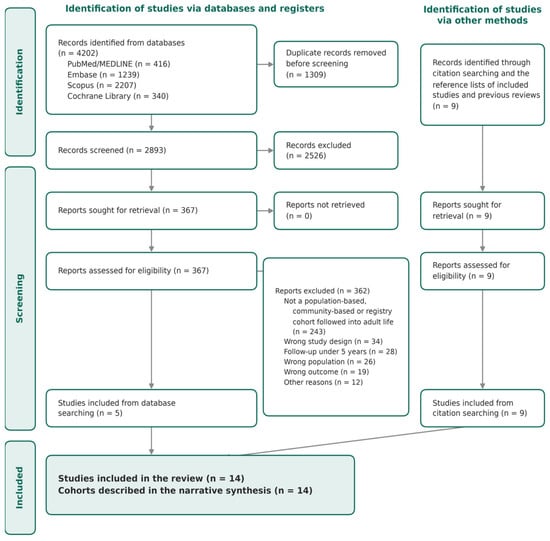
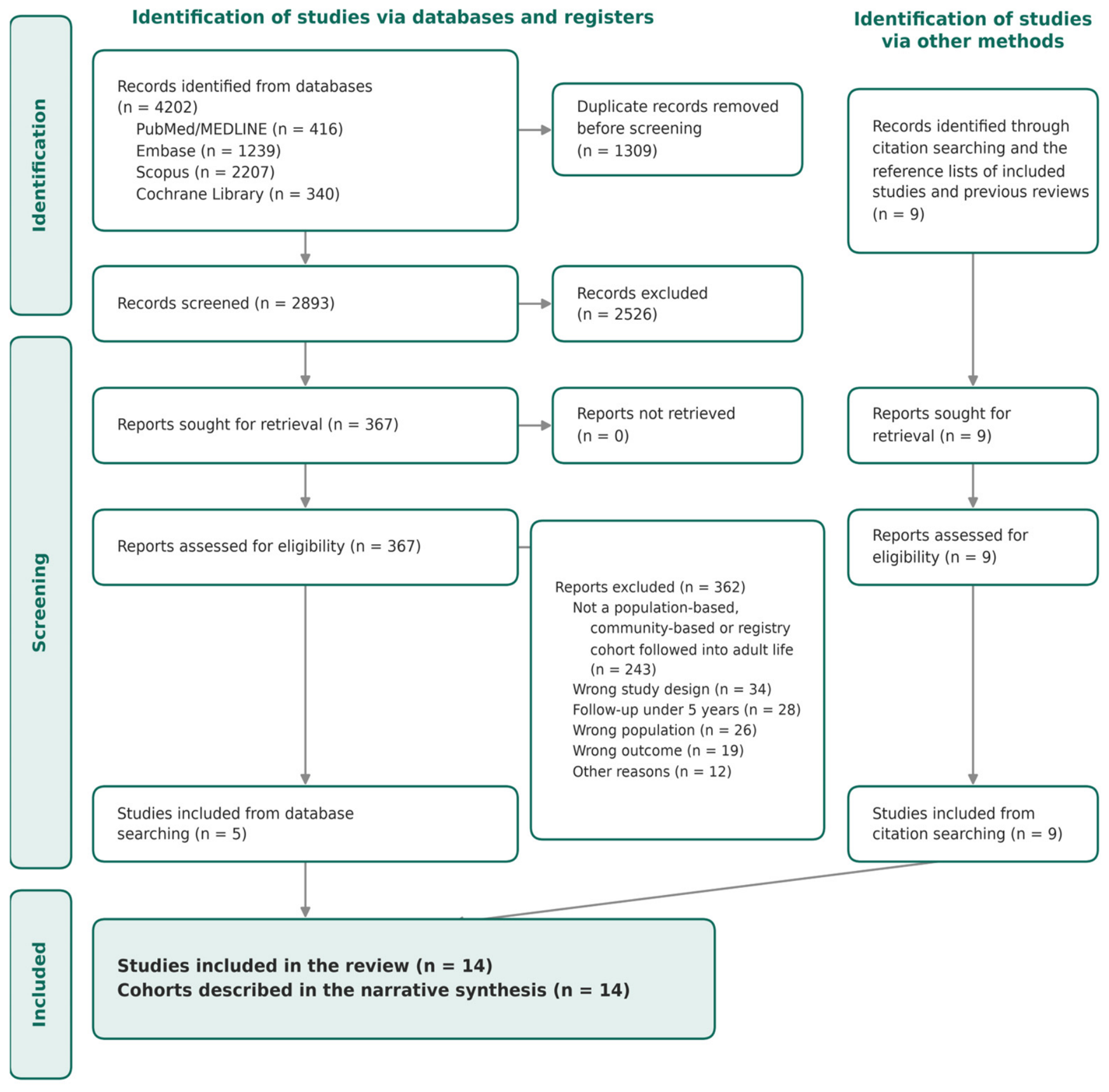
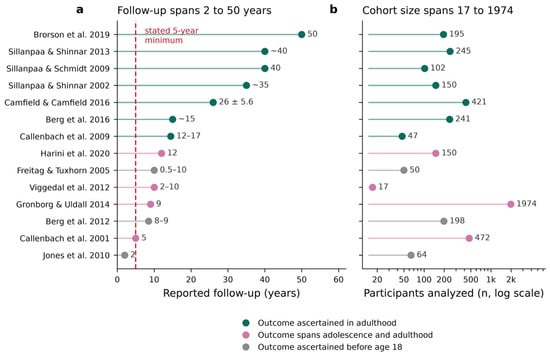
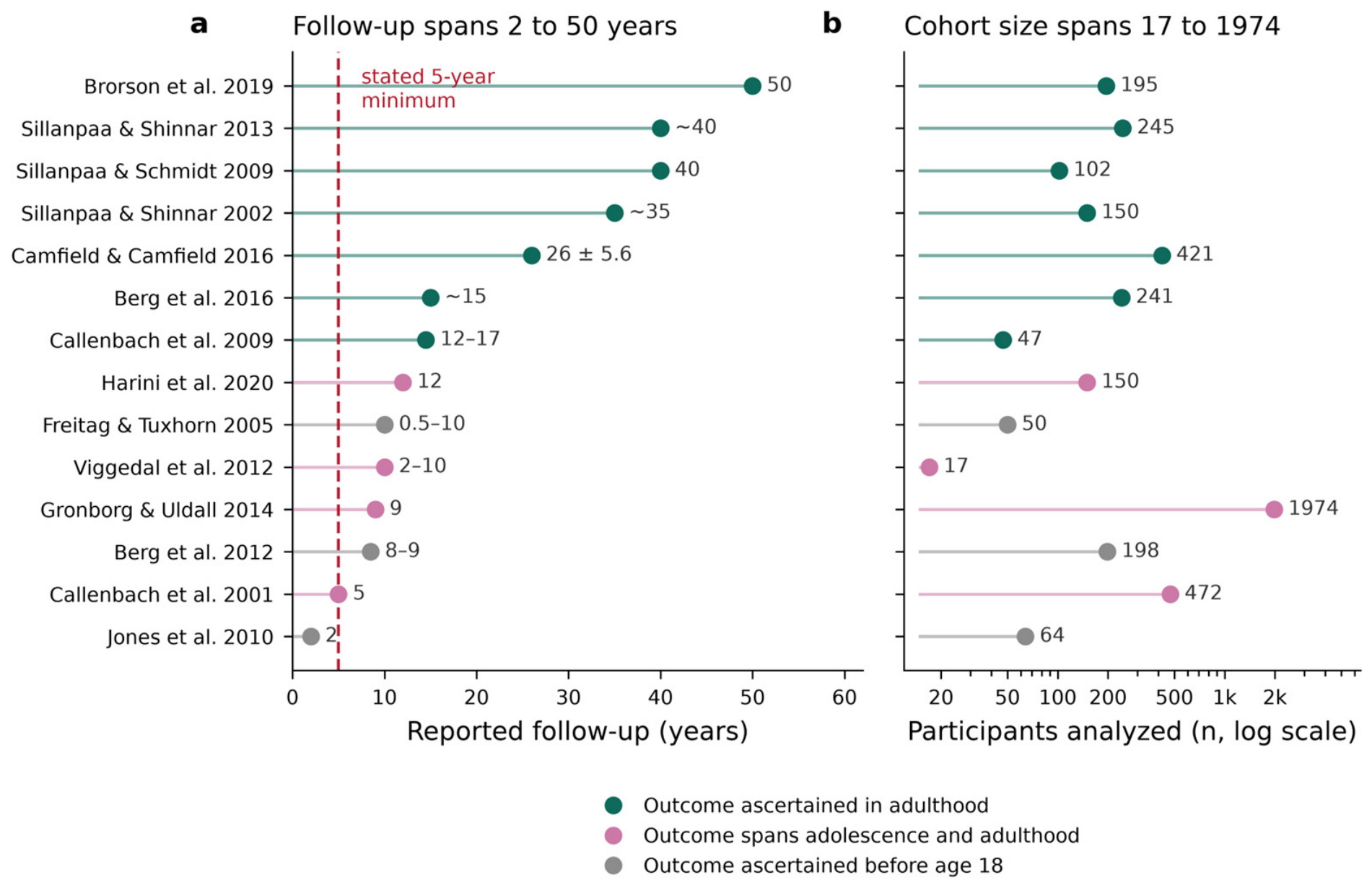
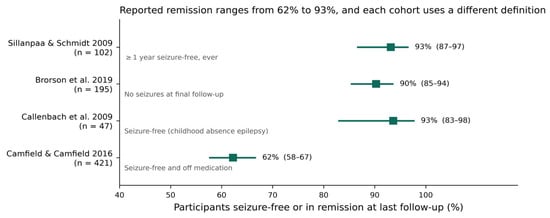
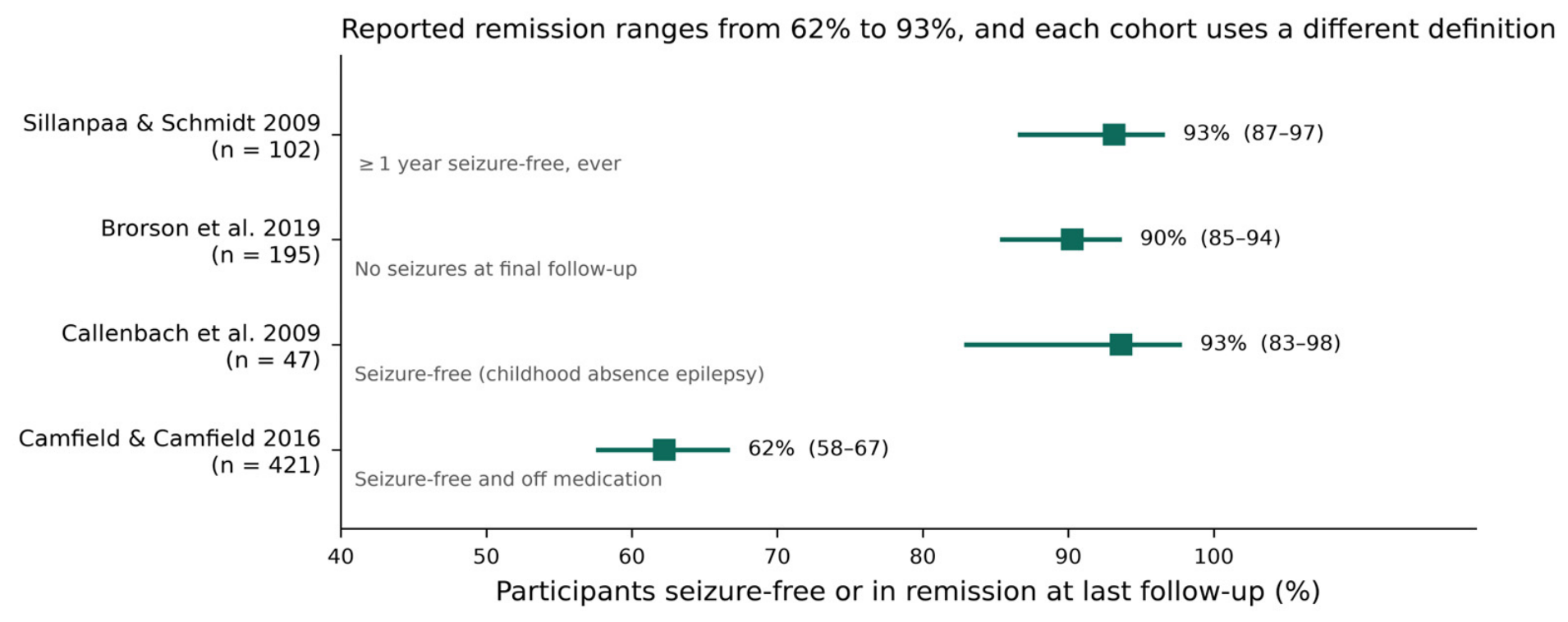
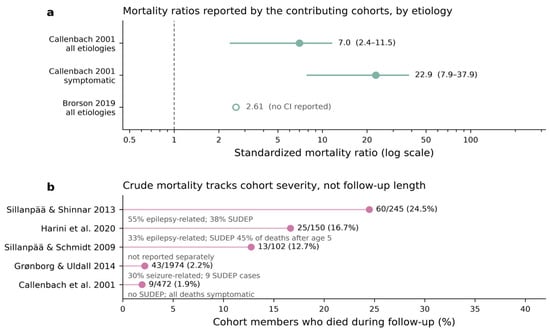
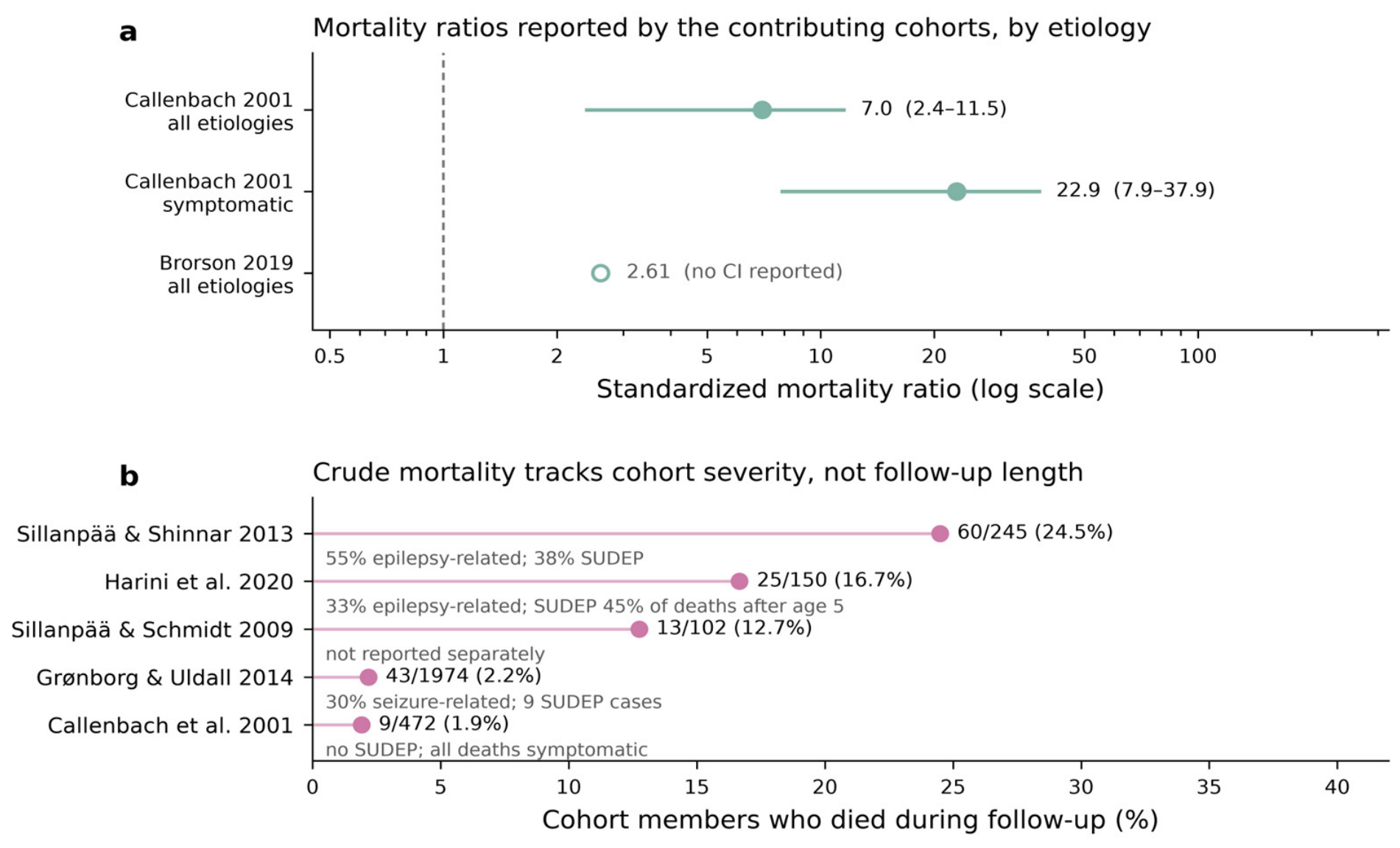
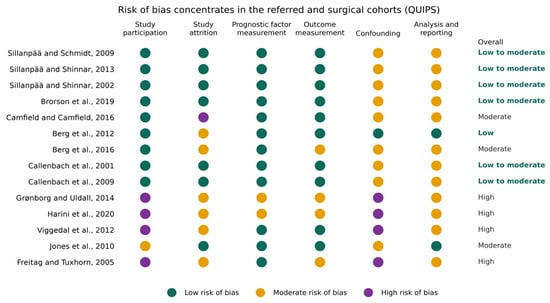
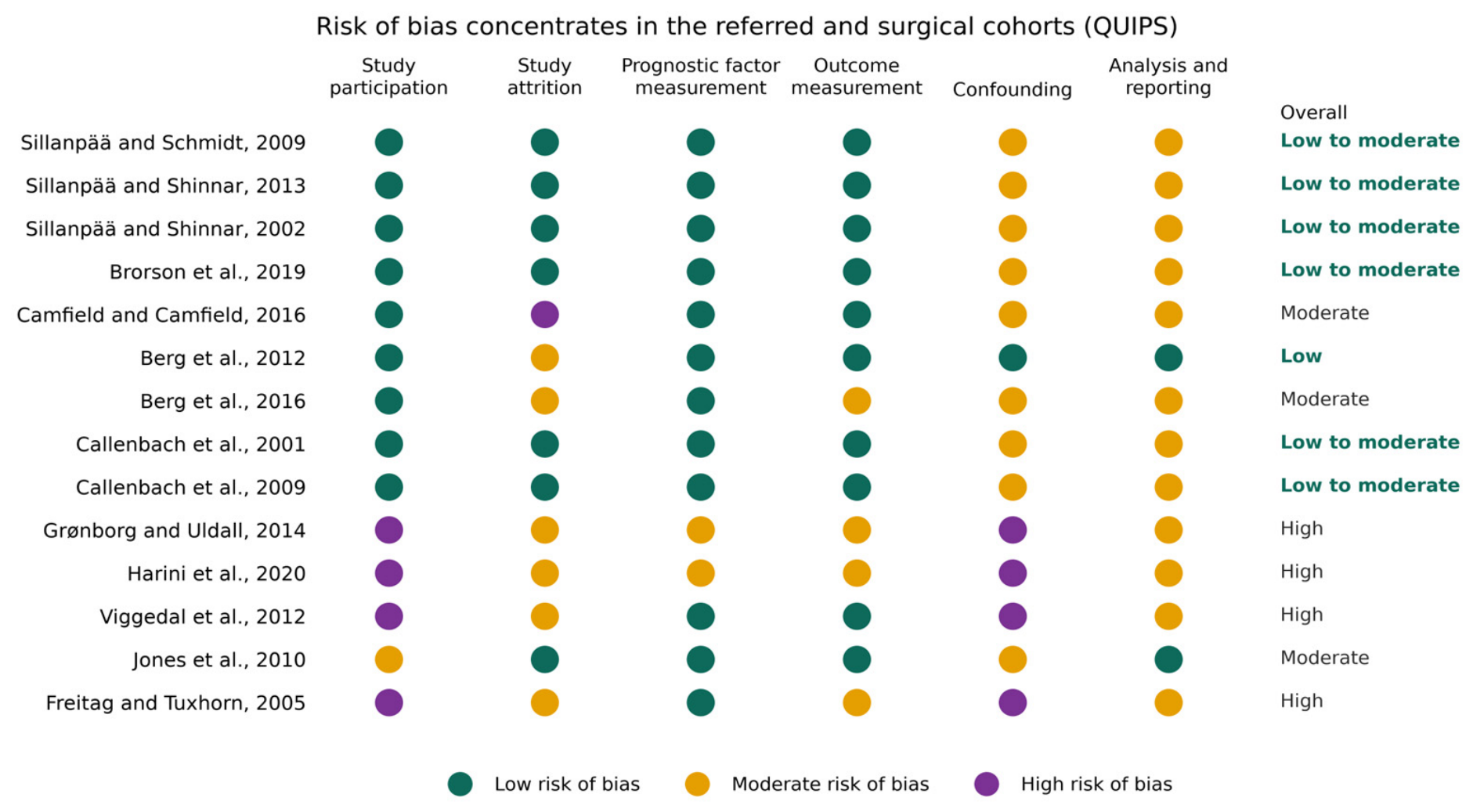
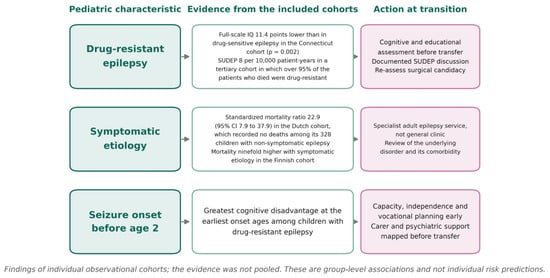
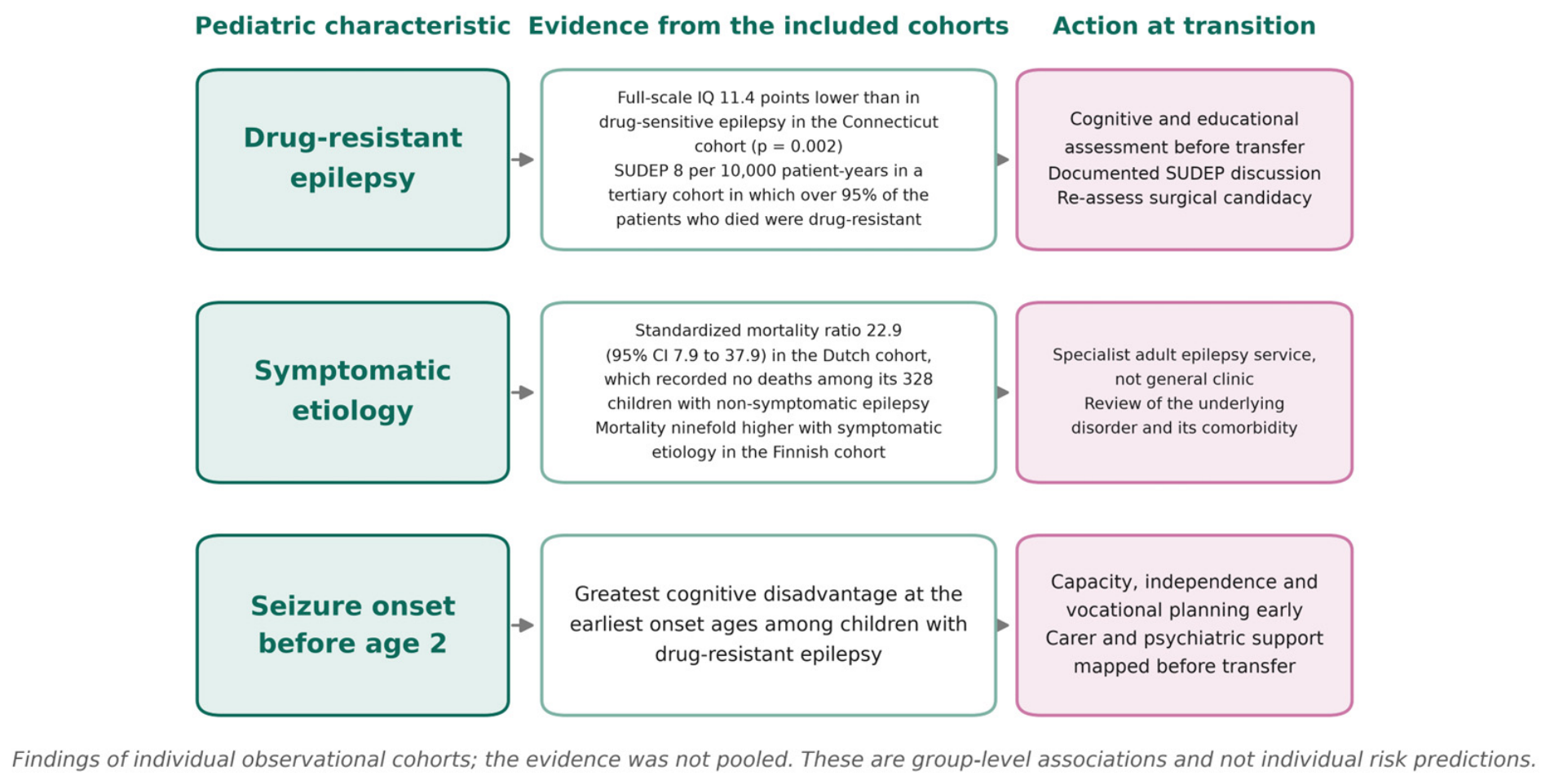

Disclaimer/Publisher’s Note: The statements, opinions and data contained in all publications are solely those of the individual author(s) and contributor(s) and not of MDPI and/or the editor(s). MDPI and/or the editor(s) disclaim responsibility for any injury to people or property resulting from any ideas, methods, instructions or products referred to in the content. |
© 2026 by the authors. Licensee MDPI, Basel, Switzerland. This article is an open access article distributed under the terms and conditions of the Creative Commons Attribution (CC BY) license.