

Journal Description
Children
Children
is an international, peer-reviewed, open access journal on children’s health, published monthly online by MDPI.
- Open Access— free for readers, with article processing charges (APC) paid by authors or their institutions.
- High Visibility: indexed within Scopus, SCIE (Web of Science), PubMed, PMC, Embase, and other databases.
- Journal Rank: JCR - Q1 (Pediatrics) / CiteScore - Q1 (Pediatrics, Perinatology and Child Health)
- Rapid Publication: manuscripts are peer-reviewed and a first decision is provided to authors approximately 15.4 days after submission; acceptance to publication is undertaken in 2.5 days (median values for papers published in this journal in the first half of 2026).
- Recognition of Reviewers: Reviewers whose reports are timely and of high quality receive an APC discount voucher for a future publication in an MDPI journal. Become a reviewer.
Impact Factor:
2.6 (2025);
5-Year Impact Factor:
2.7 (2025)
Latest Articles
Sequential Prediction of Bronchopulmonary Dysplasia from Birth Through the First Week of Life Using Machine Learning
Children 2026, 13(10), 1299; https://doi.org/10.3390/children13101299 - 24 Sep 2026
Abstract
Background/Objectives: Bronchopulmonary dysplasia (BPD) risk evolves as clinical information accumulates after birth. This study evaluated the incremental predictive value of routinely available data from birth through the first week of life using cumulative, time-aligned feature sets. Methods: The primary analysis of
[...] Read more.
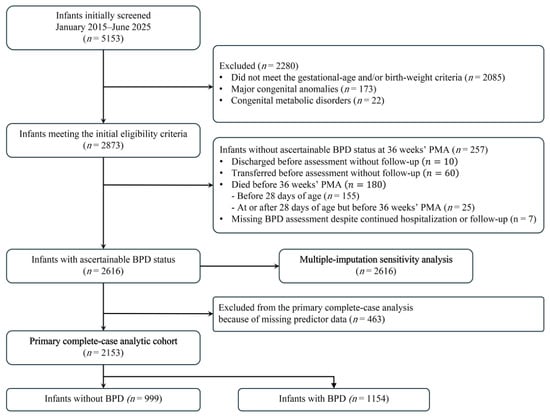
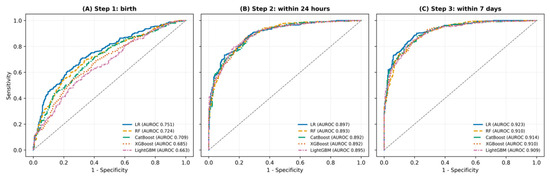
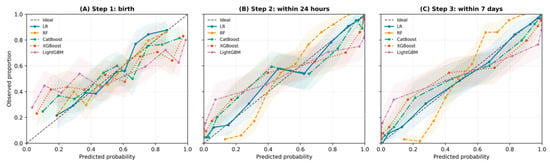
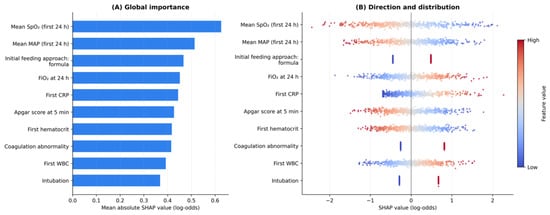
Background/Objectives: Bronchopulmonary dysplasia (BPD) risk evolves as clinical information accumulates after birth. This study evaluated the incremental predictive value of routinely available data from birth through the first week of life using cumulative, time-aligned feature sets. Methods: The primary analysis of this retrospective cohort study included 2153 preterm infants who survived to 36 weeks’ postmenstrual age and had ascertainable BPD status and complete predictor data. The outcome was clinically documented BPD at 36 weeks’ postmenstrual age, based on the treating neonatologists’ assessment of continued supplemental oxygen and/or respiratory-support requirements. Three cumulative feature sets were constructed using variables available at or immediately after birth (Step 1), additional clinical and laboratory variables available within the first 24 h (Step 2), and further clinical-course variables available through postnatal day 7 (Step 3). Logistic regression, random forest, XGBoost, LightGBM, and CatBoost models were developed using a stratified 70:30 training–test split and five-fold stratified cross-validation. Internal validation assessed discrimination, calibration, and Brier scores in the held-out test set. AUROC confidence intervals and paired differences between prediction windows were estimated using 2000 bootstrap resamples. Predictor contributions were examined using SHapley Additive exPlanations. A multiple-imputation sensitivity analysis evaluated logistic regression and random forest in all 2616 infants with ascertainable BPD status. Results: Of the 2153 infants, 1154 (53.6%) had clinically documented BPD. Logistic regression achieved the highest held-out test-set AUROC at each prediction window: 0.751 (95% CI, 0.714–0.788) in Step 1, 0.897 (0.873–0.919) in Step 2, and 0.923 (0.902–0.942) in Step 3. Paired AUROC increases were 0.146 (95% CI, 0.110–0.181) from Step 1 to Step 2 and 0.026 (0.015–0.036) from Step 2 to Step 3. Logistic regression Brier scores decreased from 0.202 to 0.130 and 0.112, respectively. In the Step 3 logistic regression model, the leading predictors by mean absolute SHAP value were mean SpO2 during the first 24 h, mean arterial pressure, initial feeding approach, FiO2 at 24 h, and C-reactive protein. In the expanded sensitivity-analysis test cohort, logistic-regression AUROCs were 0.747, 0.893, and 0.913 for Steps 1–3, respectively. Conclusions: The addition of first-24 h clinical information substantially improved BPD prediction beyond birth variables, with further improvement from data accumulated through postnatal day 7. The primary analysis did not demonstrate an added predictive benefit of the evaluated tree-based algorithms over logistic regression. The primary findings apply to a selected cohort of survivors with complete data and should not be generalized to all initially eligible infants or interpreted as prediction of BPD or death. Temporal and external validation and prospective evaluation of clinical utility are required before implementation.
Full article
(This article belongs to the Section Pediatric Neonatology)
►
Show Figures
Open AccessArticle
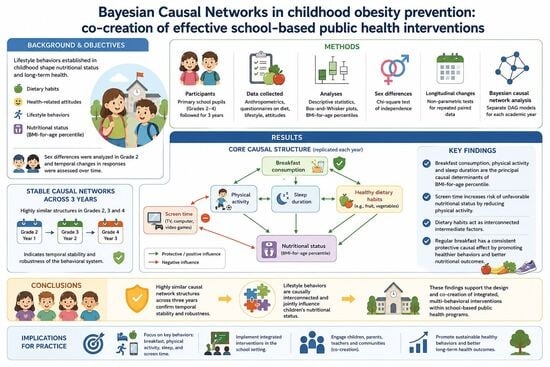
Health-Related Behaviors and BMI Across Three School Years: Annual Bayesian Network Patterns During the PETICA Childhood Obesity Prevention Program
by
Sara Cobal Pravdić, Darija Vranešić Bender, Jasenka Gajdoš Kljusurić, Ema Kazazić, Željko Krznarić and Želimir Kurtanjek
Children 2026, 13(10), 1298; https://doi.org/10.3390/children13101298 - 24 Sep 2026
Abstract
Background/Objectives: This study examined annual probabilistic network structures among dietary habits, health-related attitudes, lifestyle behaviors, and body mass index (BMI) during implementation of the PETICA school-based program. Methods: This was a three-year prospective, uncontrolled school-based intervention with repeated measurements of the same cohort
[...] Read more.
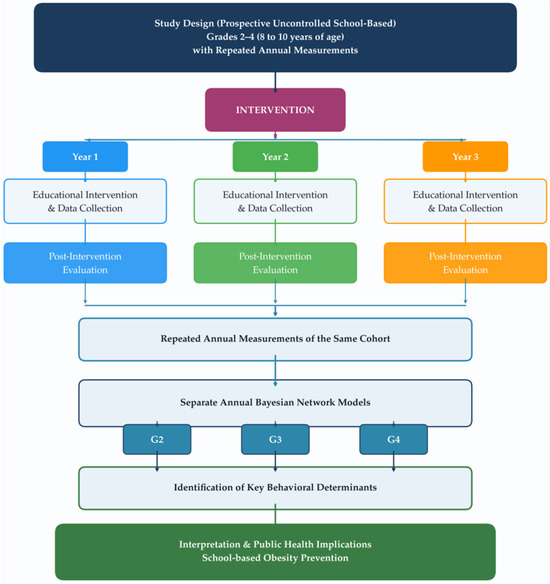
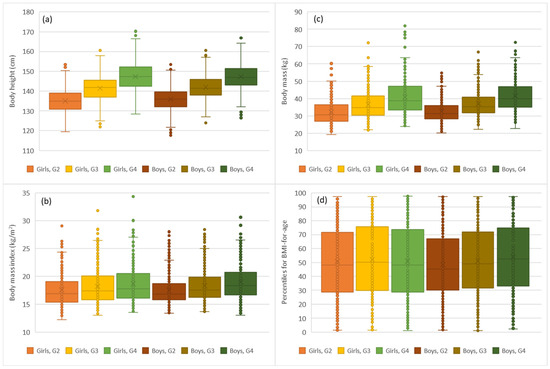
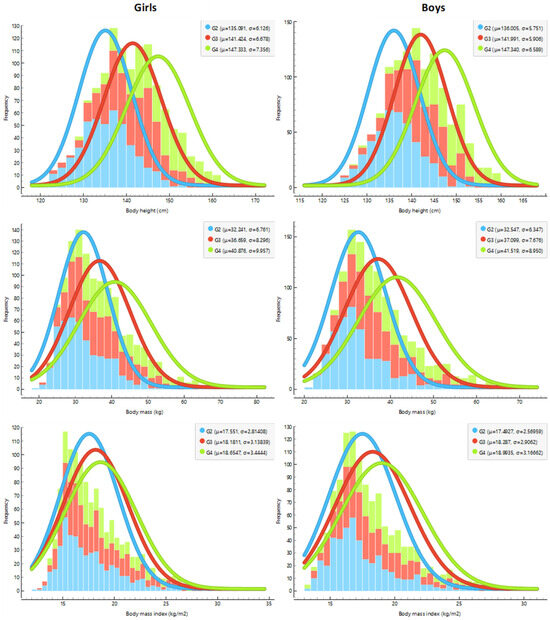
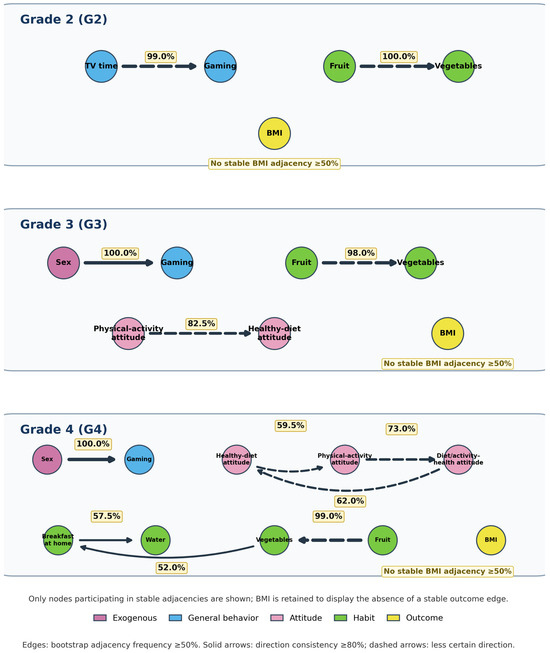
Background/Objectives: This study examined annual probabilistic network structures among dietary habits, health-related attitudes, lifestyle behaviors, and body mass index (BMI) during implementation of the PETICA school-based program. Methods: This was a three-year prospective, uncontrolled school-based intervention with repeated measurements of the same cohort in Grades 2–4. The BMI analytic samples comprised 915 pupils in Grade 2 (461 boys, 454 girls; mean age 7.9 ± 0.4), 840 in Grade 3 (429 boys, 411 girls; mean age 8.9 ± 0.5), and 684 in Grade 4 (341 boys, 343 girls; mean age 9.9 ± 0.4). BMI was recalculated from measured body mass and height and used as the continuous network outcome. BMI-for-age percentiles were retained for age- and sex-specific descriptive classification and sensitivity analysis. Separate score-based Bayesian networks were estimated for each grade. Network stability was assessed using 200 nonparametric bootstrap samples, with stable adjacency defined as a bootstrap frequency of at least 50%. Results: Fruit and vegetable intake formed a stable adjacency in all three grades, with bootstrap frequencies of 100.0% in Grade 2, 98.0% in Grade 3, and 99.0% in Grade 4. The sex of the pupil and computer/video-game use were stably connected in Grades 3 and 4 (100.0% in both grades). Stable connections among health-related attitudes were more prominent in later grades. In Grade 4, at-home breakfast consumption was connected with water intake (57.5%) and vegetable intake (52.0%). No behavioral adjacency with continuous BMI reached the prespecified 50% stability threshold in any grade. The largest subthreshold behavior–BMI signal was observed for at-home breakfast consumption in Grade 4 (39.0%). Conclusions: Selected relationships among reported health-related behaviors were reproducible across annual assessments, whereas direct behavior–BMI connections were year-specific and did not reach the stability threshold. The greater integration of attitudes and healthy habits in later grades is compatible with cumulative, age-adapted health education, but the absence of an untreated comparison group prevents attribution of these patterns to PETICA. The findings do not establish causal effects or program effectiveness, but may contribute to hypotheses generation for future evaluations of multi-component school-based obesityprevention programs.
Full article
(This article belongs to the Section Pediatric Endocrinology & Diabetes)
►▼
Show Figures

Graphical abstract
Open AccessCase Report
Psychotropic Polypharmacy in a 5-Year-Old Boy with a SHANK3 Variant and Complex Mental Health Problems
by
Wolfgang Briegel and Erdmute Kunstmann
Children 2026, 13(10), 1297; https://doi.org/10.3390/children13101297 - 24 Sep 2026
Abstract
Background: Dysfunction of the SHANK3 gene has been linked to several neuropsychiatric and neurodevelopmental disorders, such as attention deficit/hyperactivity disorder (ADHD), autism spectrum disorder, and epilepsy. SHANK3 haploinsufficiency is the known etiology of Phelan–McDermid syndrome. Case presentation: This report presents a five-year-old boy
[...] Read more.
Background: Dysfunction of the SHANK3 gene has been linked to several neuropsychiatric and neurodevelopmental disorders, such as attention deficit/hyperactivity disorder (ADHD), autism spectrum disorder, and epilepsy. SHANK3 haploinsufficiency is the known etiology of Phelan–McDermid syndrome. Case presentation: This report presents a five-year-old boy in whom the c.2062G>C; p.Val688Leu variant was identified in a mosaic state in the SHANK3 gene (40% of heterozygous cells) and classified as a variant of uncertain significance (VUS). The patient was diagnosed with complex mental health problems, which, analogous to typical SHANK3 disruption, included ADHD, oppositional defiant disorder, developmental coordination disorder, Non-REM sleep arousal disorder, insomnia disorder, and avoidant/restrictive food intake disorder. Starting at the age of three years, his psychiatric treatment had included various medication trials over the course of two years. Ultimately, a substantial reduction in emotional outbursts, externalizing behaviors, and parental stress occurred following a multimodal treatment approach comprising psychotropic polypharmacy (PP), i.e., lisdexamfetamine, melatonin, and risperidone, along with behavioral therapy interventions, speech therapy, and occupational therapy. Under this PP, constipation was documented as the only adverse reaction. At the 15-month follow-up, improvements had been quite stable, despite risperidone medication being stopped about 19 weeks after initiation. Conclusions: As shown in this case report, even very young children with complex neuropsychiatric problems and SHANK3 variants might not be treated sufficiently by therapeutic interventions alone, but might require a combination of therapeutic and psychopharmacological interventions to achieve a substantial symptom reduction. However, PP must be approached with a high degree of caution and subjected to close monitoring in children with SHANK3 variants, who are susceptible to an elevated risk of adverse outcomes. Moreover, given the paucity of research in this population, it seems advisable to follow prevailing general guidelines in child and adolescent psychiatry.
Full article
(This article belongs to the Special Issue Pediatric Polypharmacy: Improving Safety and Adherence)
Open AccessArticle
Assessment of Residual Skeletal and Dental Growth in Children: A Cross-Sectional Study Using Quantitative Cameriere Methods
by
Raffaella Grimaldi, Barbara Frenna, Giulia Perrotta, Salvatore Fiandaca, Carlo Satta, Stefano Cubeddu, Leonardo Catalini, Roberto Cameriere, Alessio Verdecchia and Enrico Spinas
Children 2026, 13(10), 1296; https://doi.org/10.3390/children13101296 - 24 Sep 2026
Abstract
Background/Objectives: Accurate assessment of biological maturation is essential in pediatric dentistry and orthodontics for optimizing treatment timing. Quantitative methods proposed by Cameriere allow continuous estimation of residual skeletal and dental growth; however, the degree of agreement between these maturation processes remains unclear. This
[...] Read more.
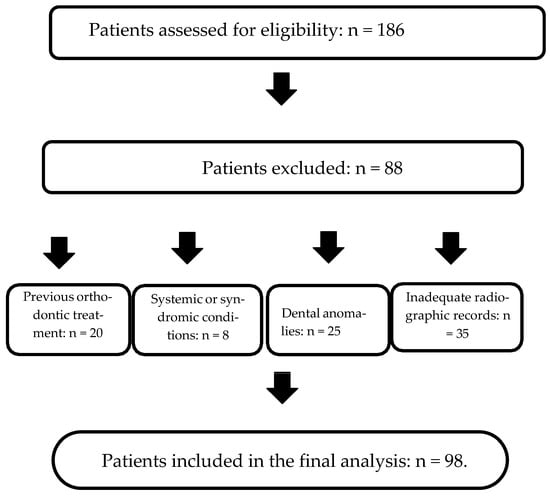
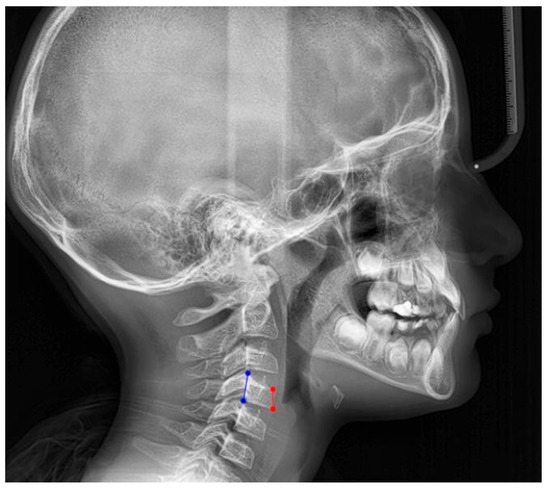
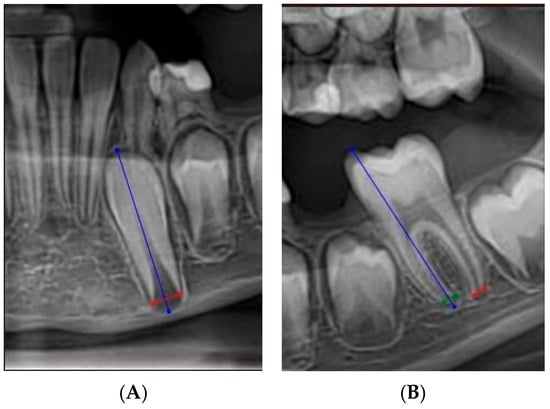
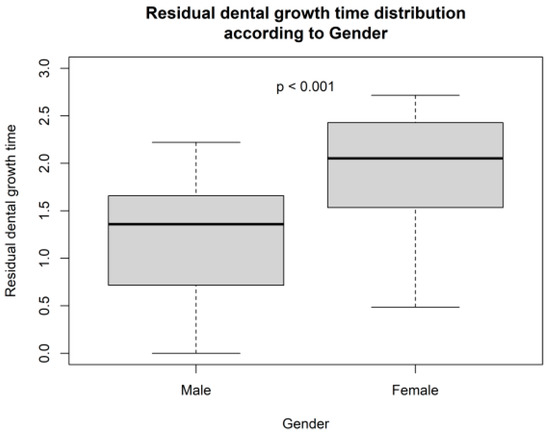
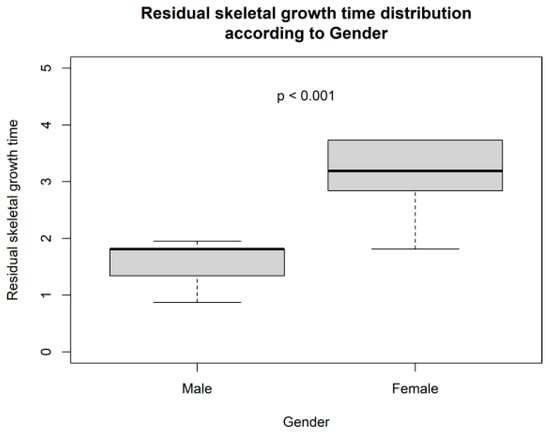
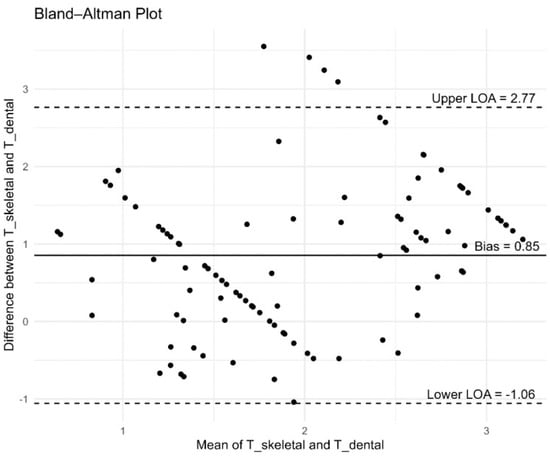
Background/Objectives: Accurate assessment of biological maturation is essential in pediatric dentistry and orthodontics for optimizing treatment timing. Quantitative methods proposed by Cameriere allow continuous estimation of residual skeletal and dental growth; however, the degree of agreement between these maturation processes remains unclear. This study aimed to assess residual skeletal and dental growth in children using quantitative Cameriere methods and to evaluate the agreement between these two maturation indicators. Methods: This cross-sectional observational study included 98 Caucasian subjects (50 males and 48 females) aged 7.0–11.9 years. Residual skeletal growth was assessed on lateral cephalometric radiographs using the fourth cervical vertebra ratio (C4-Vba), while residual dental growth was evaluated on panoramic radiographs using the open apices method. Measurements were performed using the AgEstimation Project software v1.0. Intra- and inter-observer reproducibility were assessed using intraclass correlation coefficients (ICCs). Correlation analysis and Bland–Altman analysis were performed to evaluate the association and agreement between skeletal and dental maturation. Results: Excellent reproducibility was observed for all measurements, with ICC values ranging from 0.93 to 1.00. Residual skeletal growth time (T_skeletal) and residual dental growth time (T_dental) showed a weak positive association (Spearman ρ = 0.18, p = 0.09). Discrepancies exceeding the predefined 1-year threshold between skeletal and dental maturation (|ΔT| > 1 year) were observed in 48.0% of subjects. Skeletal predominance was identified in 46.9% of cases, whereas dental predominance was observed in only 1.0%. Females showed significantly greater residual skeletal and dental growth compared with males (p < 0.001). Conclusions: Skeletal and dental maturation showed limited agreement in children aged 7–11 years, supporting the concept that these processes follow partially independent biological pathways. The integration of quantitative skeletal and dental assessments may improve the evaluation of individual growth potential and support more personalized orthodontic treatment planning.
Full article
(This article belongs to the Special Issue Early Dental Treatment in Children: A Focus on Behavior Intervention and Management)
►▼
Show Figures

Figure 1

Open AccessArticle
Longitudinal Changes in Caregiver Psychological Well-Being and Infant Temperament Following Preterm Birth: From Enrollment to 12 Months Corrected Age
by
Dohyung Lee, Nam Hyun Lee, Sumin Kim and Eun Jae Ko
Children 2026, 13(10), 1295; https://doi.org/10.3390/children13101295 - 24 Sep 2026
Abstract
Background: Advances in neonatal care have substantially improved the survival of preterm infants; however, longitudinal changes in caregiver psychological well-being and infant temperament during follow-up remain incompletely understood. This study aimed to characterize changes in caregiver psychological measures and infant temperament from enrollment
[...] Read more.
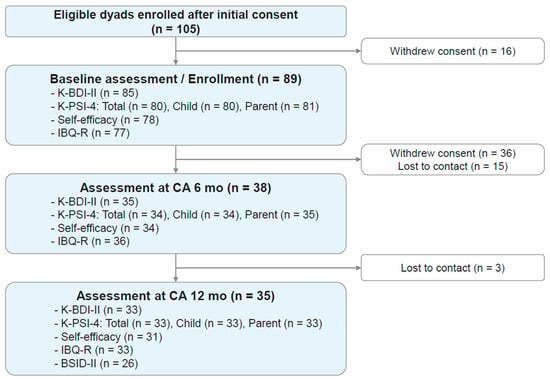
Background: Advances in neonatal care have substantially improved the survival of preterm infants; however, longitudinal changes in caregiver psychological well-being and infant temperament during follow-up remain incompletely understood. This study aimed to characterize changes in caregiver psychological measures and infant temperament from enrollment through 12 months corrected age (CA) and to explore their clinical and socioeconomic correlates. Methods: This prospective longitudinal cohort study included 35 preterm infant–parent dyads assessed at enrollment (mean CA, 2.3 ± 1.3 months), 6 months CA, and 12 months CA. The same parent completed measures of depressive symptoms (Korean Beck Depression Inventory-II [K-BDI-II]), parenting stress (Korean Parenting Stress Index, Fourth Edition [K-PSI-4]), general self-efficacy, and infant temperament (Infant Behavior Questionnaire–Revised [IBQ-R]) across available assessments. Developmental outcomes were assessed using the Bayley Scales of Infant Development, Second Edition (BSID-II) at 12 months CA. Longitudinal changes were analyzed using linear mixed-effects models with false discovery rate (FDR) correction across the eight domain-level questionnaire outcomes comprising the main longitudinal analysis family; additional analyses were exploratory. Results: K-BDI-II depressive symptom scores (FDR q = 0.022) and K-PSI-4 Parent-domain stress (q = 0.011) decreased over time, whereas Total Stress, Child-domain stress, and general self-efficacy did not change significantly. Infant Surgency/Extraversion (q < 0.008) and Negative Affectivity (q = 0.008) increased, whereas Orienting/Regulation did not change significantly. No associations between clinical or socioeconomic characteristics and study outcomes remained significant after FDR correction. At 12 months CA, K-PSI-4 Total Stress was positively correlated with parent-reported infant Negative Affectivity (r = 0.47, q = 0.039). Conclusions: Caregiver psychological measures and infant temperament showed distinct longitudinal changes from enrollment through 12 months CA following preterm birth. Repeated assessment of caregiver psychological well-being may complement developmental follow-up of preterm infants. These within-cohort findings, particularly the exploratory associations, require confirmation in larger and more diverse longitudinal cohorts.
Full article
(This article belongs to the Section Pediatric Neurology & Neurodevelopmental Disorders)
►▼
Show Figures

Figure 1
Open AccessReview
Procedural Sedation in Pediatric Gastroenterology: A Narrative Review from the Shared Perspective of Pediatric Gastroenterology and Anesthesiology
by
Sevim Cesur, Nihal Uyar Aksu, Ayşen Uncuoğlu, Tülay Çardaközü and Dilek İçli
Children 2026, 13(10), 1294; https://doi.org/10.3390/children13101294 - 24 Sep 2026
Abstract
Background/Objectives: Endoscopic and interventional procedures in pediatric gastroenterology are increasing in number and complexity, and most require sedation or, in selected cases, general anesthesia (GA); children face a higher risk of serious sedation-related adverse events than adults. Written jointly by pediatric gastroenterologists and
[...] Read more.
Background/Objectives: Endoscopic and interventional procedures in pediatric gastroenterology are increasing in number and complexity, and most require sedation or, in selected cases, general anesthesia (GA); children face a higher risk of serious sedation-related adverse events than adults. Written jointly by pediatric gastroenterologists and anesthesiologists, this review provides a practical, evidence-referenced framework for procedural sedation across pediatric gastrointestinal procedures. Methods: We performed a narrative review of PubMed/MEDLINE (inception to 20 June 2026, the date of the final search), prioritizing society guidelines, systematic reviews, randomized controlled trials, and large registries on pediatric procedural sedation, sedative agents, capnography, and high-flow nasal oxygen (HFNO). Results: Sedation should be matched to the procedure and to a structured risk tier, targeting the lightest depth that allows safe completion. Propofol-, ketamine-, and dexmedetomidine-based regimens dominate; remimazolam and esketamine are emerging, but pediatric data are limited. Capnography detects hypoventilation before desaturation, and HFNO reduces hypoxemia in adults, whereas pediatric-specific evidence remains limited and the pediatric subgroup analysis did not reach statistical significance. Higher-risk groups require tailored planning, monitoring, and rescue readiness; most evidence is observational or extrapolated from adults. Conclusions: Safe pediatric gastrointestinal sedation combines structured risk assessment, rational drug combinations, capnography-supported monitoring, and consistent complication reporting. Who administers deep sedation, and whether general anesthesia is preferred, should depend on patient and procedural risk together with local regulations, institutional policy, training and credentialing, and rescue capability, within a shared gastroenterology-anesthesiology framework. Adequately powered pediatric trials of HFNO and of remimazolam/esketamine, and long-term neurodevelopmental follow-up, are priorities.
Full article
(This article belongs to the Section Pediatric Gastroenterology and Nutrition)
Open AccessArticle
Development of a Nomogram Model for Predicting Mortality Risk in Critically Ill Children with Influenza
by
Yingying Ye, Zhiling Zhang, Jianlong Chen, Huiming Sun, Zhenjiang Bai, Weifang Zhou and Yanqun Jiang
Children 2026, 13(10), 1293; https://doi.org/10.3390/children13101293 - 23 Sep 2026
Abstract
Background: Influenza virus commonly infects children. Children with critical infection may develop influenza-associated encephalopathy or encephalitis, conditions rarely seen in adults and associated with high mortality. This results in growing healthcare resource consumption and family burden. Objective: This study aimed to identify the
[...] Read more.
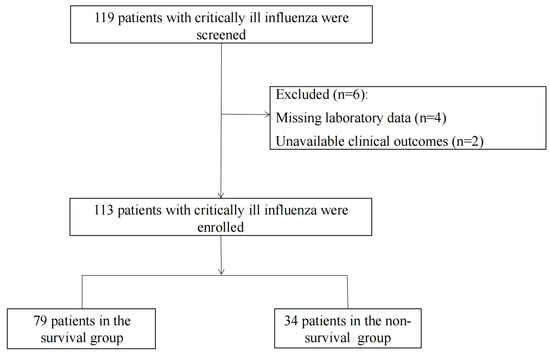
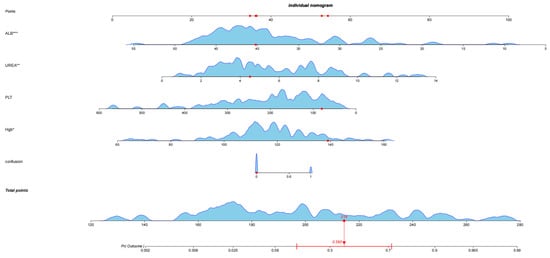
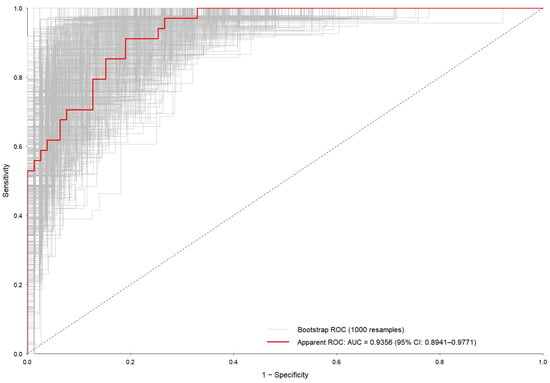
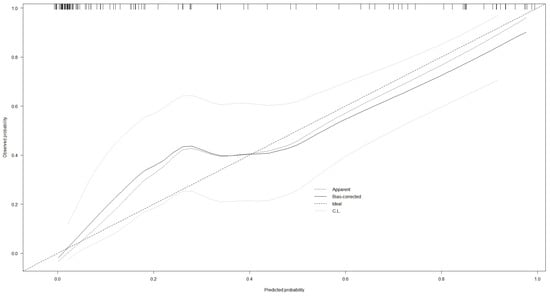
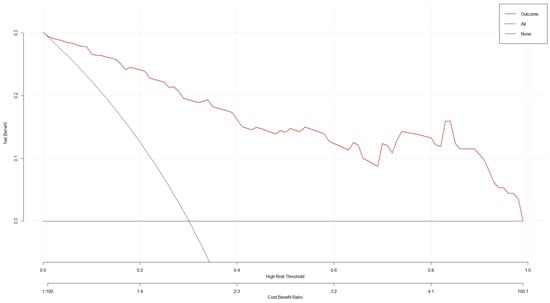
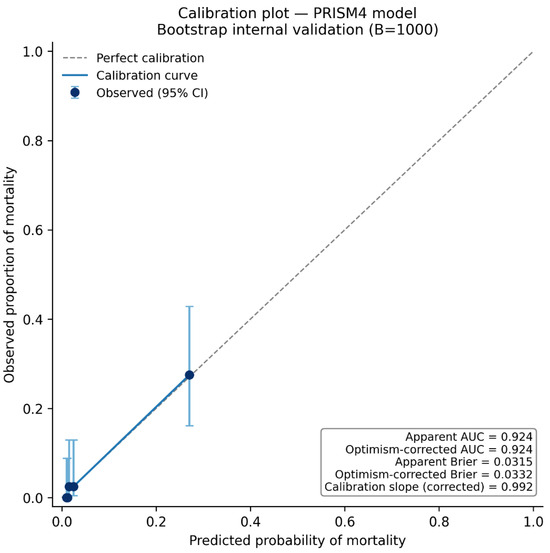
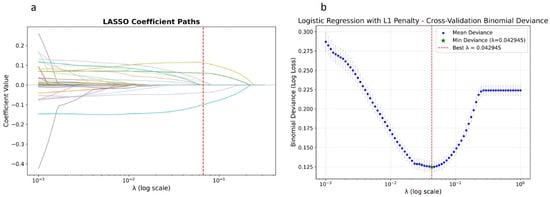
Background: Influenza virus commonly infects children. Children with critical infection may develop influenza-associated encephalopathy or encephalitis, conditions rarely seen in adults and associated with high mortality. This results in growing healthcare resource consumption and family burden. Objective: This study aimed to identify the predictors for death in critically ill children with influenza, so as to facilitate early recognition of high-risk patients, guide clinical interventions, and reduce mortality. Methods: We retrospectively analyzed the clinical data of critically ill children with influenza admitted to the Children’s Hospital of Soochow University between January 2018 and January 2026. L1-penalized binomial logistic regression (LASSO) was used for variable selection. Variables selected by LASSO were entered into a Firth penalized logistic regression model to identify independent predictors of mortality, based on which a nomogram was constructed to estimate mortality risk. Model discrimination was assessed using the receiver operating characteristic (ROC) curve and area under the curve (AUC). Bootstrap resampling was performed for internal validation and optimism correction. Model calibration was assessed using calibration curves, and decision curve analysis (DCA) was performed to evaluate the clinical net benefit of the model. Results: A total of 113 critically ill children with influenza were included, of whom 34 died, corresponding to a mortality rate of 30.1%. LASSO regression was used for variable selection, followed by Firth penalized logistic regression to develop a mortality risk prediction model. The final model included five variables: Hgb, PLT, UREA, ALB, and confusion. A mortality risk nomogram was developed based on these five predictors and internally validated using bootstrap resampling. The ROC curve showed good discrimination of the nomogram in internal validation. The calibration curve demonstrated good agreement between the predicted probabilities and observed outcomes. DCA showed that the nomogram provided a higher net benefit across a certain range of threshold probabilities, indicating its potential clinical utility. Conclusions: Hgb, PLT, UREA, ALB, and confusion are important predictors of mortality in critically ill children with influenza. The nomogram developed based on these predictors showed good discrimination and calibration, as well as potential clinical net benefit, and may serve as an adjunctive tool for early identification of mortality risk and clinical decision-making in critically ill children with influenza.
Full article
(This article belongs to the Special Issue Addressing Challenges in Pediatric Critical Care Medicine (2nd Edition))
►▼
Show Figures

Figure 1
Open AccessSystematic Review
Hemimegalencephaly in Children: A Systematic Review of Diagnosis, Management, and Outcomes in 161 Reported Cases
by
Farah Mokeddem, Maria Veronica Moran, Alex S. Aguirre, Diego Moreno, Rinat Jonas, Juan Contreras, Yasmine Elhefnawy and Alcy R. Torres
Children 2026, 13(10), 1292; https://doi.org/10.3390/children13101292 - 23 Sep 2026
Abstract
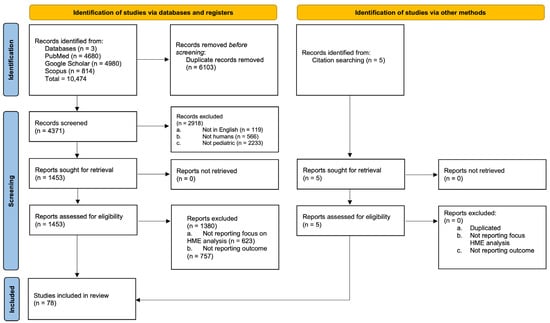
Background/Objectives: To describe the clinical and genetic features of hemimegalencephaly in pediatric patients, and to highlight treatment outcomes in this population. Methods: This is a systematic literature review following PRISMA guidelines. We used PubMed, Google Scholar, and Scopus for this systematic literature review
[...] Read more.
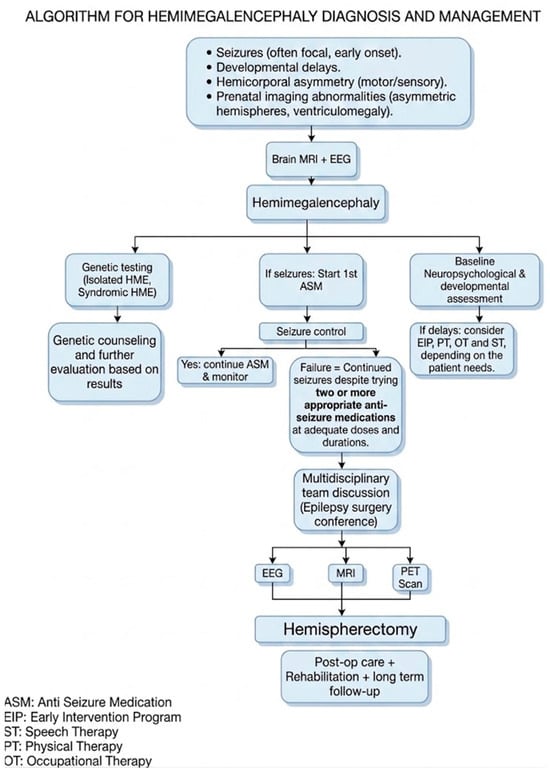
Background/Objectives: To describe the clinical and genetic features of hemimegalencephaly in pediatric patients, and to highlight treatment outcomes in this population. Methods: This is a systematic literature review following PRISMA guidelines. We used PubMed, Google Scholar, and Scopus for this systematic literature review as databases. Clinical data, imaging findings, EEG patterns, genetic variants, associated syndromes and treatment modalities and outcomes were reviewed, analyzed and summarized in tables. A total of 161 pediatric patients with hemimegalencephaly are described. A risk of bias and sensitivity analysis was conducted. Results: Hemimegalencephaly is more frequently reported in males. The most common subtype was isolated hemimegalencephaly followed by the syndromic subtype, in particular the association with Ito’s hypomelanosis. The most common seizure type was focal onset with impaired awareness. Genetic analysis showed variants in TSC1, TSC2, NPRL3, and PIK3CA, supporting mTOR pathway involvement. Drug-resistant epilepsy was present in approximately 73.2% (118/161) of the sample size. Hemispherectomy, especially functional, in our sample was more frequently reported and the current limited available literature suggests potentially comparable seizure outcomes compared to anatomical hemispherectomy in terms of seizure reduction. Our biggest limitation is the lack of long-term neurological follow-up in the existing literature. Conclusions: Hemimegalencephaly presents with a wide clinical and genetic spectrum and frequently results in drug-resistant epilepsy and developmental impairment. Although surgery may offer seizure relief, outcomes vary and the optimal approach remains individualized. Early diagnosis is essential to enable timely intervention and coordinated care. A multidisciplinary team including neurology, genetics, radiology and neurosurgery is key to optimizing outcomes. Broader studies including milder cases and long follow-up are needed to fully understand disease progression and guide management.
Full article
(This article belongs to the Special Issue Advances in Diagnosis and Treatment of Pediatric Neurological Disorders)
►▼
Show Figures

Graphical abstract
Open AccessArticle
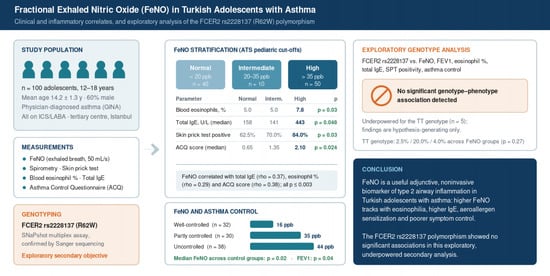
Clinical and Inflammatory Correlates of Fractional Exhaled Nitric Oxide in Turkish Children and Adolescents with Asthma: Exploratory Analysis of the FCER2 rs2228137 Polymorphism
by
Azer Kilic Baskan, Berrak Oztosun, Deniz Ozceker, Aysel Kalayci, Mehmet Seven, Haluk Cokugras and Ayse Ayzıt Kilinc Sakallı
Children 2026, 13(10), 1291; https://doi.org/10.3390/children13101291 - 23 Sep 2026
Abstract
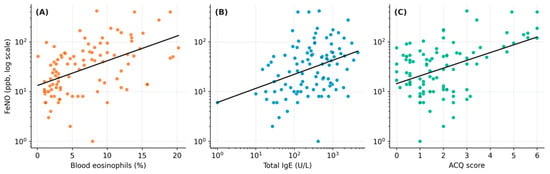
Background/Objectives: Fractional exhaled nitric oxide (FeNO) is a noninvasive biomarker of eosinophilic airway inflammation in asthma, but data on its clinical correlates in Turkish children and adolescents are limited. This study aimed to determine which clinical and inflammatory characteristics were independently associated with
[...] Read more.
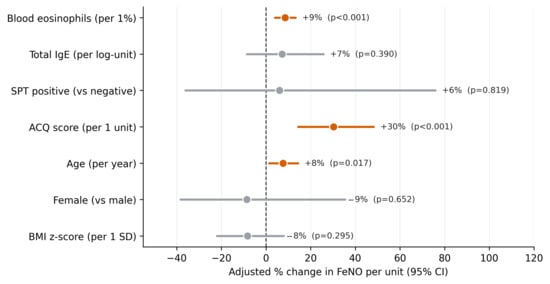
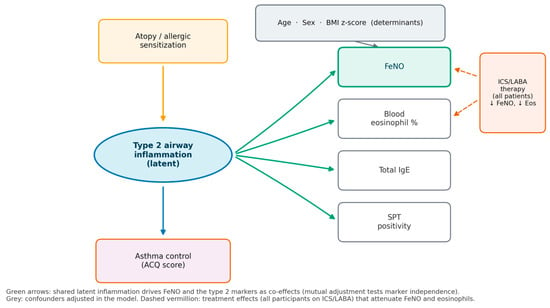
Background/Objectives: Fractional exhaled nitric oxide (FeNO) is a noninvasive biomarker of eosinophilic airway inflammation in asthma, but data on its clinical correlates in Turkish children and adolescents are limited. This study aimed to determine which clinical and inflammatory characteristics were independently associated with FeNO and, as a secondary exploratory objective, to assess whether the FCER2 rs2228137 (R62W) polymorphism is associated with FeNO and related clinical features. Methods: In this cross-sectional study of 100 children and adolescents aged 6–18 years with asthma receiving inhaled corticosteroid/long-acting beta-agonist therapy at a tertiary center in Istanbul, Türkiye, FeNO, spirometry, skin prick testing, peripheral blood eosinophil percentage, total IgE, and Asthma Control Questionnaire (ACQ) score were measured. Genotyping of rs2228137 was performed by SNaPshot multiplex assay and confirmed by Sanger sequencing. The primary inferential analysis was a multivariable linear regression of ln-transformed FeNO with age, sex and BMI z-score as prespecified baseline covariates; analyses by American Thoracic Society (ATS) FeNO categories were descriptive, and genotype was examined as a covariable in adjusted regression models. Results: In the primary multivariable analysis (n = 98; R2 = 0.42), blood eosinophil percentage (β = 0.082, 95% CI 0.039–0.124; p < 0.001) and ACQ score (β = 0.264, 95% CI 0.135–0.394; p < 0.001) were independently associated with ln(FeNO), as was age (β = 0.074, 95% CI 0.013–0.134; p = 0.02), whereas total IgE and aeroallergen sensitization were not independently associated with FeNO. Descriptive analyses across clinically defined ATS FeNO categories showed gradients consistent with a greater type 2 inflammatory burden and poorer symptom control at higher FeNO levels. In exploratory analyses with the rs2228137 genotype entered as a covariable in the adjusted models, no genotype–phenotype association was statistically significant across the examined models (FeNO, FEV1, eosinophil percentage, total IgE, skin prick test positivity, uncontrolled asthma); this prespecified secondary analysis was statistically underpowered, particularly for the TT genotype (n = 5). Conclusions: FeNO is a useful adjunctive biomarker of type 2 airway inflammation and symptom control in Turkish children and adolescents with asthma, whereas the exploratory FCER2 rs2228137 analysis did not reveal genotype–phenotype associations; given the small subgroup sizes, these findings should be regarded as hypothesis-generating.
Full article
(This article belongs to the Section Pediatric Pulmonary and Sleep Medicine)
►▼
Show Figures

Graphical abstract
Open AccessSystematic Review
Mallet-Like Distal Phalanx Base Injuries in Children and Adolescents: A PRISMA-ScR Scoping Review and a Proposed, Unvalidated Phenotype-Based Assessment Framework
by
Simon Arvati, Sami Cherfan, Nolwen Lemonnier, Carmen-Mediana Ion and Francois Luc
Children 2026, 13(10), 1290; https://doi.org/10.3390/children13101290 - 22 Sep 2026
Abstract
Background/Objectives: A mallet-like posture in a child or adolescent can represent a closed tendon or dorsal avulsion injury, but it may instead signal a physeal or juxtaphyseal distal-phalanx fracture that communicates with the nail unit. We mapped the diagnostic and management evidence and
[...] Read more.
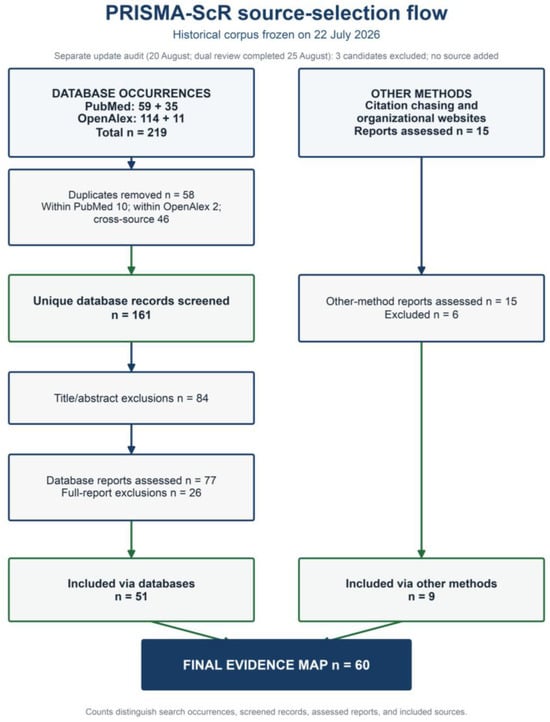
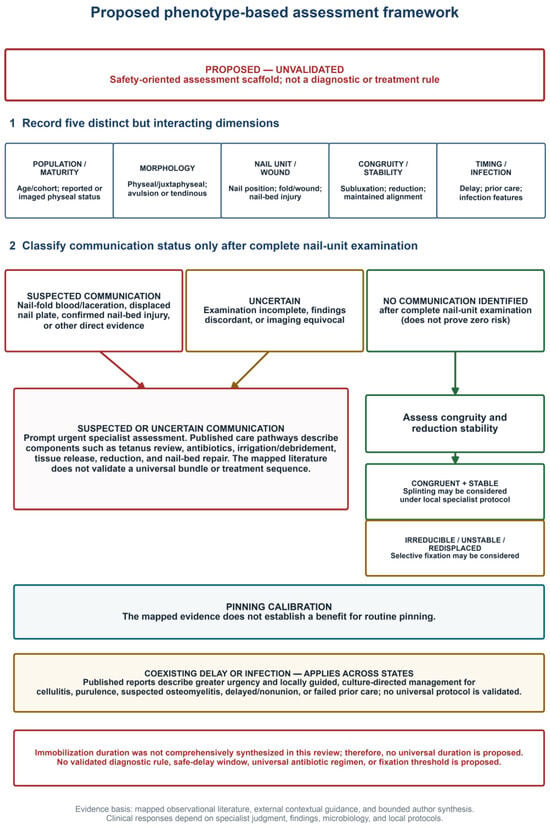
Background/Objectives: A mallet-like posture in a child or adolescent can represent a closed tendon or dorsal avulsion injury, but it may instead signal a physeal or juxtaphyseal distal-phalanx fracture that communicates with the nail unit. We mapped the diagnostic and management evidence and developed a proposed phenotype-based assessment framework whose clinical performance has not been validated. Methods: Following Joanna Briggs Institute (JBI) guidance and the Preferred Reporting Items for Systematic Reviews and Meta-Analyses extension for Scoping Reviews (PRISMA-ScR), PubMed and OpenAlex were searched without date restrictions through 22 July 2026, with citation chasing and organizational-website searching. Two human reviewers independently screened titles/abstracts and assessed potentially eligible reports; disagreements were resolved by discussion and consensus. One reviewer charted standardized data and a second verified the displayed fields. Results: The historical search yielded 219 database occurrences and 161 unique records. After 84 title/abstract exclusions, 77 database reports were assessed; 26 were excluded and 51 included. Other methods contributed nine sources, yielding 60 included sources. Evidence was predominantly retrospective and heterogeneous. Immobilization duration was not comprehensively synthesized in this review; therefore, no universal duration is proposed. No diagnostic-accuracy study, formal certainty grade, universally supported antibiotic regimen, or validated fixation threshold was identified. Conclusions: Nail-unit findings can raise concern for communication and support urgent specialist assessment under local protocols. Closed, congruent, stable mallet injuries may be considered for splinting after a complete nail-unit examination. The framework is proposed and unvalidated.
Full article
(This article belongs to the Special Issue Pediatric Orthopaedic Trauma: Evolving Surgical Indications and Techniques)
►▼
Show Figures

Figure 1
Open AccessReview
Implementation Strategies for Promoting Physical Activity in Under-Resourced South African Schools: A Scoping Review
by
Livhuwani Phylist Ramashiya, Musa Lewis Mathunjwa, Lebogang Faith Thaga and Gudani Goodman Mukoma
Children 2026, 13(10), 1289; https://doi.org/10.3390/children13101289 - 22 Sep 2026
Abstract
Background/Objectives: Learners in under-resourced South African schools face substantial barriers to physical activity (PA). Schools provide a feasible platform for PA promotion in disadvantaged communities where alternative recreational opportunities are scarce. This scoping review synthesised implementation strategies, barriers, facilitators, and evidence gaps regarding
[...] Read more.
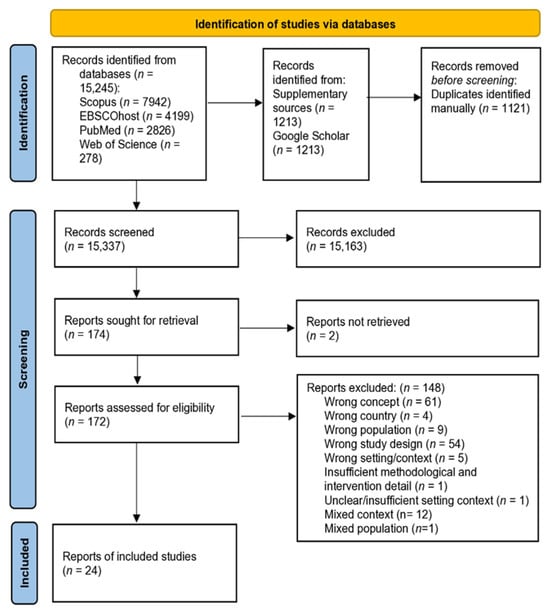
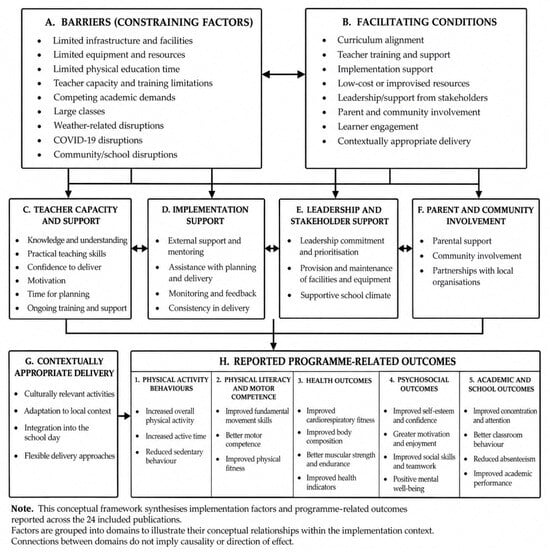
Background/Objectives: Learners in under-resourced South African schools face substantial barriers to physical activity (PA). Schools provide a feasible platform for PA promotion in disadvantaged communities where alternative recreational opportunities are scarce. This scoping review synthesised implementation strategies, barriers, facilitators, and evidence gaps regarding school-based PA promotion in under-resourced South African schools. Methods: Guided by the Joanna Briggs Institute methodology, this review is reported following PRISMA-ScR and PRISMA-S guidelines. PubMed, Scopus, Web of Science, and EBSCOhost (SPORTDiscus, ERIC, CINAHL, and Academic Search Complete) were searched as electronic databases, while Google Scholar (via Publish or Perish) was searched separately as a supplementary source for eligible peer-reviewed studies and the formal institutional grey literature published between January 2010 and June 2026. Eligible studies examined structured PA interventions in government-funded primary and secondary schools in under-resourced settings. Data were extracted using a standardised form, synthesised descriptively, and appraised using the appropriate Joanna Briggs Institute critical appraisal checklists. Results: Twenty-four studies met the inclusion criteria. Most interventions were curriculum-integrated and delivered during school hours through Physical Education, Life Orientation, classroom activity breaks, or multicomponent programmes. Common barriers included inadequate infrastructure, limited teacher capacity, competing academic demands, constrained instructional time, and challenges in implementation fidelity. Key facilitators included curriculum alignment, teacher training and support, learner engagement, provision of low-cost resources, and culturally appropriate programme delivery. Conclusions: This review mapped the implementation strategies for school-based physical activity in under-resourced South African schools. Curriculum integration, educator support, stakeholder engagement, and low-cost, contextually appropriate approaches were reported as facilitators of programme implementation, whereas resource constraints and limited implementation capacity remained persistent barriers. Given the heterogeneity of the evidence, these findings should be interpreted as reported influences of implementation rather than as established determinants of programme success. Future research should strengthen the evidence base by evaluating interventions in secondary schools and examining implementation fidelity and long-term sustainability.
Full article
(This article belongs to the Special Issue Promotion of Physical Activity in Children and Adolescents from the School Setting: Present and Future Challenges)
►▼
Show Figures

Figure 1

Open AccessArticle
Novel Fibrinogen- and Procalcitonin-Based Composite Ratios for Mortality Prediction in Pediatric Trauma
by
Fatih Durak, Emine Pinar Kulluoglu, Sevgi Sakman and Gokcen Ozcifci
Children 2026, 13(10), 1288; https://doi.org/10.3390/children13101288 - 22 Sep 2026
Abstract
Background: Composite biomarkers combining inflammatory or metabolic markers with a negative acute-phase protein predict outcomes in critically ill patients, but fibrinogen-based ratios grounded in the “lethal triad” of trauma-induced coagulopathy remain unexplored in pediatric trauma. We evaluated novel lactate/fibrinogen (LFR) and procalcitonin/fibrinogen (PFR)
[...] Read more.
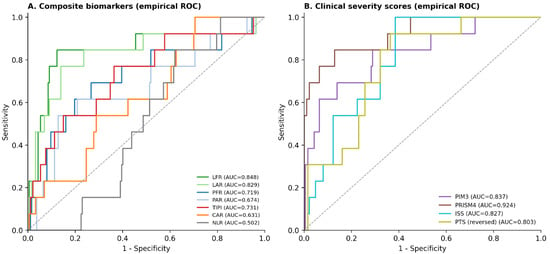
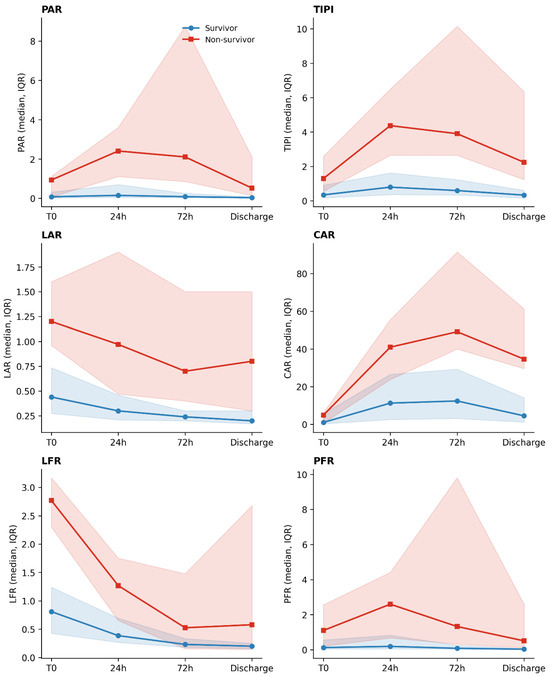
Background: Composite biomarkers combining inflammatory or metabolic markers with a negative acute-phase protein predict outcomes in critically ill patients, but fibrinogen-based ratios grounded in the “lethal triad” of trauma-induced coagulopathy remain unexplored in pediatric trauma. We evaluated novel lactate/fibrinogen (LFR) and procalcitonin/fibrinogen (PFR) ratios alongside the procalcitonin/albumin ratio (PAR), a composite triple inflammation–perfusion index (TIPI, combining procalcitonin, CRP, and lactate relative to albumin), and established albumin-based ratios and severity scores for mortality prediction. Methods: In this retrospective cohort study, 200 pediatric trauma patients admitted to the PICU of İzmir City Hospital (27 October 2023–27 October 2025) were analyzed. All ratios were calculated serially over the first 72 h and at PICU discharge. Discrimination was assessed by ROC analysis. Independent predictors were identified using Firth penalized logistic regression, with bootstrap validation (B = 1000). Results: Thirteen patients (6.5%) died. LFR achieved the highest point-estimate discrimination (AUC 0.848), numerically exceeding LAR (0.829), though not significantly (p = 0.399). PAR, TIPI, and PFR were also independently associated with mortality (all p < 0.05), whereas CAR and NLR were not. LFR correlated strongly with LAR (ρ = 0.873), indicating overlapping information despite differing denominators. Serial trajectories provided only limited, largely inconclusive incremental value. A sensitivity analysis including early deaths and rapid discharges (n = 274) confirmed LFR/LAR’s robust discrimination. but not that of PAR, TIPI, or PFR. Conclusions: Lactate-based ratios showed the strongest single-timepoint discrimination, with the novel LFR performing comparably to LAR via a distinct coagulopathy-based mechanism. Lactate- and fibrinogen-based ratios were robust to inclusion of early deaths, whereas inflammation-based ratios were not, indicating that biomarker validity may depend on injury-to-death timing in pediatric trauma.
Full article
(This article belongs to the Section Pediatric Emergency Medicine & Intensive Care Medicine)
►▼
Show Figures

Figure 1
Open AccessArticle
Early Cardiotoxicity in Pediatric Patients with Acute Lymphoblastic Leukemia and Hodgkin Lymphoma: Incidence, Risk Factors, and Clinical Implications
by
Ronja Meyer, Leonie Dewein, Tobias Baumann, Katharina Rais, Daniel Steinbach, Michael Kaestner and Christian Apitz
Children 2026, 13(10), 1287; https://doi.org/10.3390/children13101287 - 22 Sep 2026
Abstract
Background: Cardiotoxicity is a major adverse effect of antineoplastic therapy in pediatric oncology, potentially leading to long-term morbidity. This study aimed to evaluate the incidence, spectrum, and risk factors of early cardiovascular (CV) complications in children treated for acute lymphoblastic leukemia (ALL) and
[...] Read more.
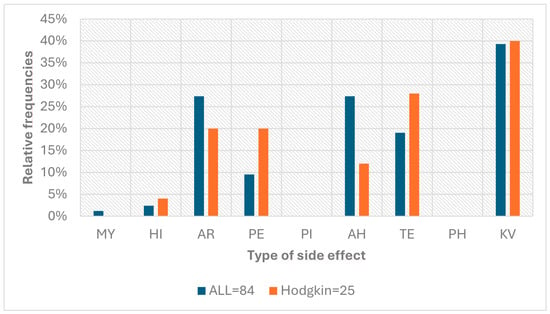
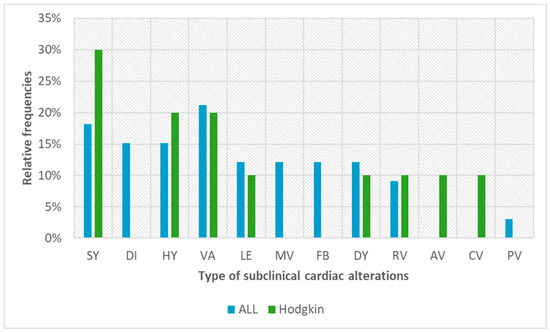
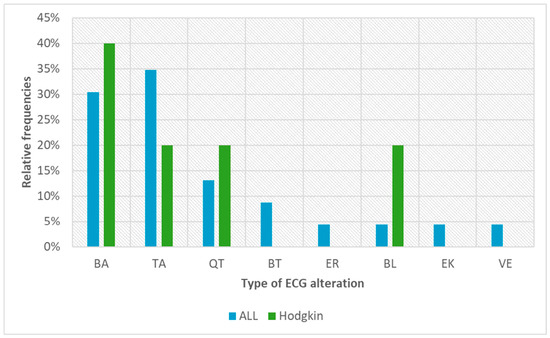
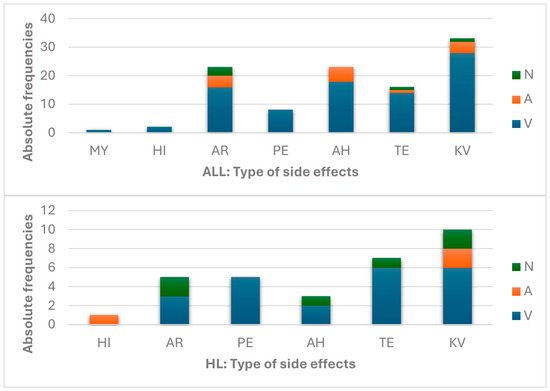
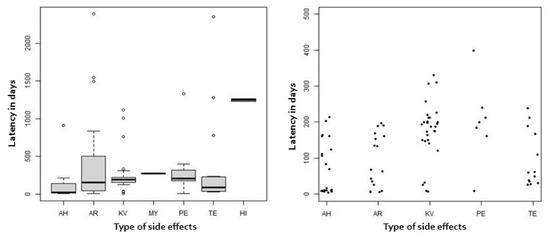
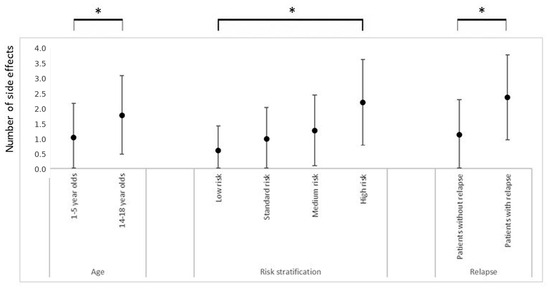
Background: Cardiotoxicity is a major adverse effect of antineoplastic therapy in pediatric oncology, potentially leading to long-term morbidity. This study aimed to evaluate the incidence, spectrum, and risk factors of early cardiovascular (CV) complications in children treated for acute lymphoblastic leukemia (ALL) and Hodgkin lymphoma (HL). Methods: In this retrospective cohort study, 109 patients diagnosed with ALL or HL between 2013 and 2019 were analyzed. All patients were under 18 years at diagnosis. CV assessment included electrocardiography, echocardiography, blood pressure and Holter monitoring, and additional imaging where available. Early cardiotoxicity was defined as CV events occurring during or shortly after therapy, including echocardiographic abnormalities, arrhythmias, arterial hypertension, and other CV complications. Descriptive and exploratory statistical analyses were performed to identify potential risk factors. Results: Early CV events occurred in 69% of ALL patients and 68% of HL patients. Multiple CV events were observed in 32% of ALL and 36% of HL patients. Most cardiotoxic effects were subclinical or transient; clinically significant CV complications were rarely detected. These comprised treatment-requiring heart failure, arterial hypertension, and thromboembolic events. Persistent CV abnormalities were also observed, including subclinical cardiac dysfunction, arterial hypertension, and cardiac arrhythmias. The majority of CV complications occurred within the first 500 days after therapy initiation. Increased cardiotoxicity was associated with older age, higher treatment risk groups, and disease relapse, while no significant sex differences were identified. Conclusions: CV abnormalities were frequent in children and adolescents receiving treatment for ALL or HL, although most were subclinical or transient. Clinically significant CV complications were uncommon. These findings support systematic CV surveillance during and after pediatric cancer therapy, with particular attention to persistent abnormalities and potentially treatable complications.
Full article
(This article belongs to the Special Issue Research Progress of the Pediatric Cardiology: 4th Edition)
►▼
Show Figures

Figure 1

Open AccessArticle
Knowledge Improvement After a Neonatal Resuscitation Course in a Low-Resource Setting
by
Giulia Merendi, Paolo Ernesto Villani, Amani Pokou Rebecca N’Guessan Kouame, Aya Georgette N’Goran Koffi, Anna Margherita Buriola, Francesco Cavallin, Laura Canonico, Giovanni Putoto and Daniele Trevisanuto
Children 2026, 13(10), 1286; https://doi.org/10.3390/children13101286 - 22 Sep 2026
Abstract
Background: The application of neonatal guidelines developed for high-resource settings is often difficult in low-resource settings due to structural differences and lack of equipment and personnel. The Helping Babies Breathe (HBB) program has been developed to overcome this limitation by adapting the protocols
[...] Read more.
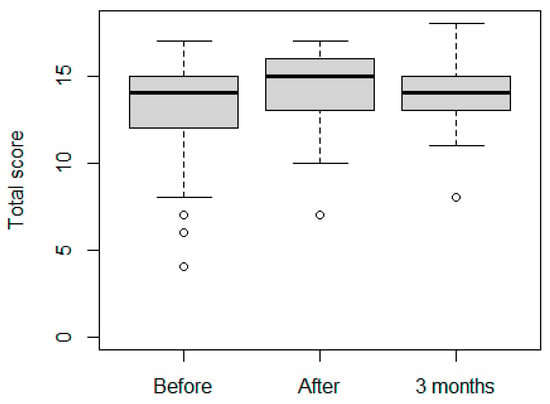
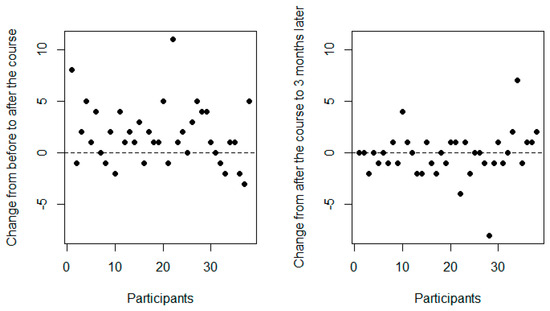
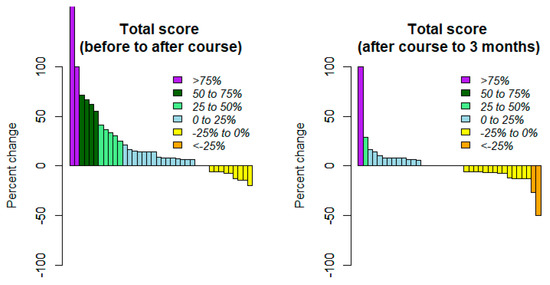
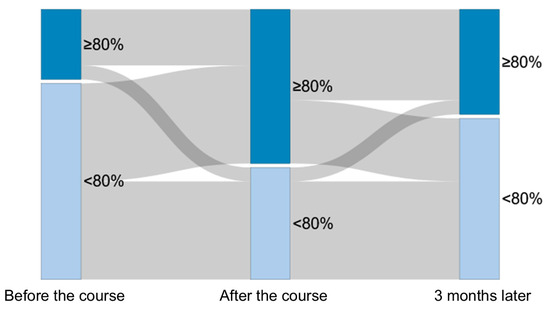
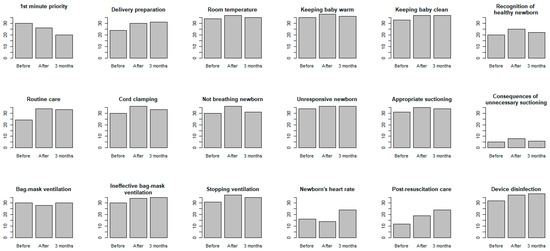
Background: The application of neonatal guidelines developed for high-resource settings is often difficult in low-resource settings due to structural differences and lack of equipment and personnel. The Helping Babies Breathe (HBB) program has been developed to overcome this limitation by adapting the protocols to local needs and resources. Objective: To evaluate knowledge after the HBB course among healthcare providers in a low-resource setting. Methods: A prospective, observational assessment of knowledge after a HBB course and knowledge retainment three months later. Participants were 38 healthcare providers in a referral hospital of Abidjan in Côte d’Ivoire. A multiple-choice written test was administered before the course, after the course and three months later to assess knowledge changes. Results: Over maximum 18 points, median total score was 14 points (IQR 12–15) before the course, 15 points (IQR 13–16) after the course, and 14 points (IQR 13–15) three months later. A passing criterion of ≥80% was achieved by 26% participants before the course, 58% after the course (p = 0.006) and 39% three months later (p = 0.07). Conclusions: In a referral hospital in Côte d’Ivoire, neonatal resuscitation knowledge of healthcare staff increased after a HBB course but the performance was lower at the three-month assessment than immediately after the course. Further research may assess long-term knowledge retainment and future educational interventions may target other areas of improvement.
Full article
(This article belongs to the Special Issue Stabilisation and Resuscitation with Optimal Management of Preterm and Term Newborns: Practical Considerations)
►▼
Show Figures

Figure 1

Open AccessArticle
Early Hemogram-Derived Inflammatory Indices Do Not Independently Predict Hospital Stay in Children with Human Bocavirus Detected by Polymerase Chain Reaction
by
Ali Kansu Tehçi, Mehmet Tolga Köle, Deniz Güven, İbrahim Kandemir, Öznur Karaca Vural, Saadet Paker Gülcan, Fuat Gezer, Emel Örün and Eyüp Sarı
Children 2026, 13(10), 1285; https://doi.org/10.3390/children13101285 - 22 Sep 2026
Abstract
Background/Objectives: Human bocavirus (HBoV) is frequently detected by polymerase chain reaction (PCR) in respiratory samples from children with acute respiratory tract disease, but prolonged viral DNA persistence and frequent co-detection complicate interpretation of its clinical significance. We evaluated whether early hemogram-derived inflammatory indices
[...] Read more.
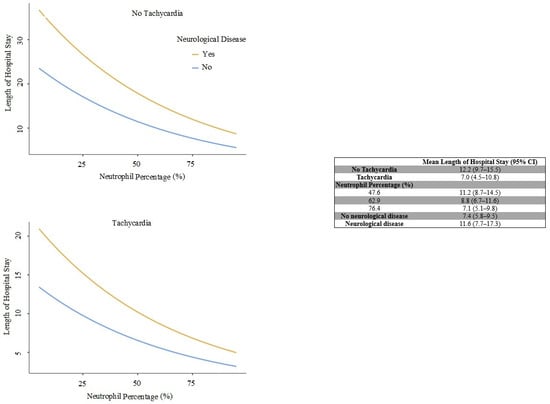
Background/Objectives: Human bocavirus (HBoV) is frequently detected by polymerase chain reaction (PCR) in respiratory samples from children with acute respiratory tract disease, but prolonged viral DNA persistence and frequent co-detection complicate interpretation of its clinical significance. We evaluated whether early hemogram-derived inflammatory indices are associated with clinical outcomes in hospitalized children with PCR-detected HBoV. Methods: This single-center retrospective cohort included 170 hospitalized children aged 1 month to 18 years with HBoV detected by PCR in nasopharyngeal samples between July 2022 and June 2025. Data obtained within the first 24 h of hospitalization were analyzed. Systemic immune-inflammation index (SII), neutrophil-to-lymphocyte ratio (NLR), platelet-to-lymphocyte ratio (PLR), and neutrophil percentage-to-albumin ratio (NPAR) were calculated. Associations with clinical outcomes were assessed using correlation analyses, and multivariable generalized linear modeling was used to evaluate factors associated with length of hospital stay. Results: Median age was 18 months (IQR, 11–33), and microbiological co-detection was present in 60.4%. Oxygen therapy was required in 82.8%, high-flow nasal cannula support in 22.0%, and PICU admission in 5.4%. All four indices were inversely correlated with length of hospital stay and blood gas bicarbonate levels. However, none independently predicted length of stay after adjustment. Neurological disease, neutrophil percentage, and tachycardia remained independently associated with length of stay; neurological disease was associated with a 1.56-fold longer expected hospitalization, whereas higher neutrophil percentage and tachycardia were associated with shorter expected hospitalization. Conclusions: Early hemogram-derived inflammatory indices were associated with clinical course but did not independently predict hospitalization duration in children with PCR-detected HBoV. Their prognostic value should be interpreted cautiously, particularly when length of stay is used as a process-sensitive outcome, and the observed associations should not be considered HBoV-specific.
Full article
(This article belongs to the Section Pediatric Infectious Diseases)
►▼
Show Figures

Figure 1

Open AccessArticle
Eleven-Year Trends in Stillbirth, Neonatal and Infant Mortality and Birthweight-Specific Risk: A BABIES Matrix Analysis from a Tertiary Maternity Center in Kazakhstan, 2015–2025
by
Ardak Ayazbekov, Saken Khaidarov, Mukhabat Nartayeva, Venera Israilova, Assel Arginbekova, Aliya Aubakirova, Zhulduz Galiyeva, Aliya Meirmanova, Gulmira Rapilbekova and Dair Seisembekov
Children 2026, 13(10), 1284; https://doi.org/10.3390/children13101284 - 22 Sep 2026
Abstract
Background/Objectives: Long-run facility-level perinatal data from Central Asia are scarce. We described eleven years of stillbirth, neonatal, infant and perinatal mortality at one tertiary maternity center in Kazakhstan, and used the Birthweight and Age-at-death Boxes for Intervention and Evaluation System (BABIES) matrix to
[...] Read more.
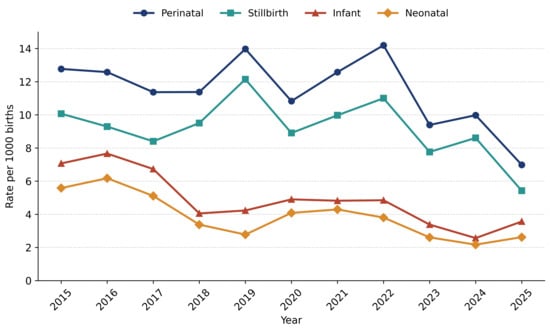
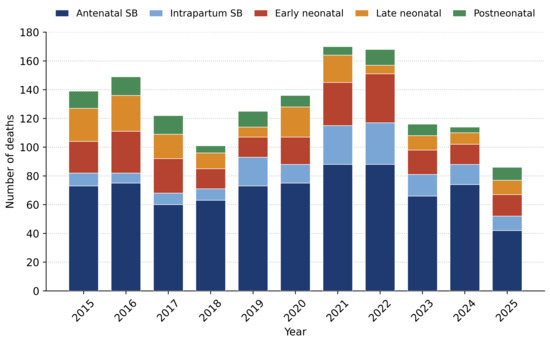
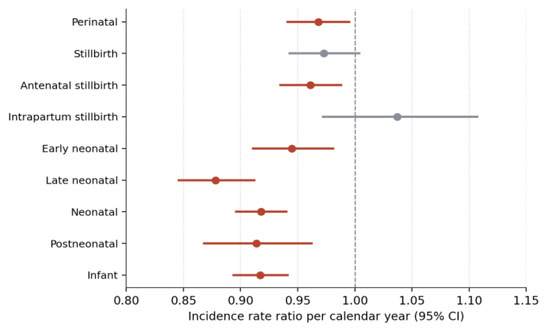
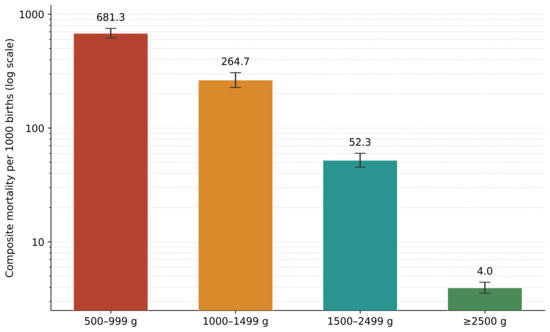
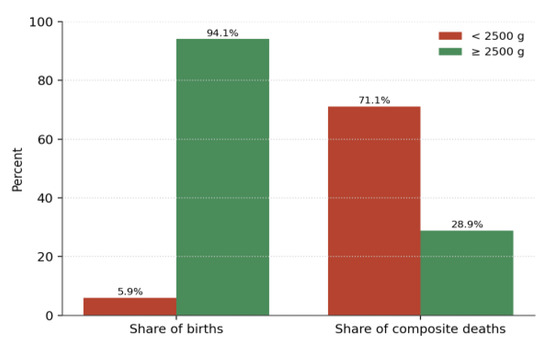
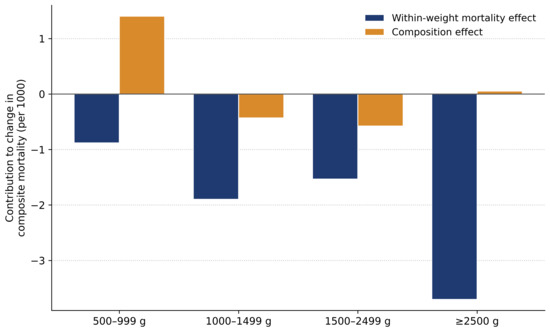
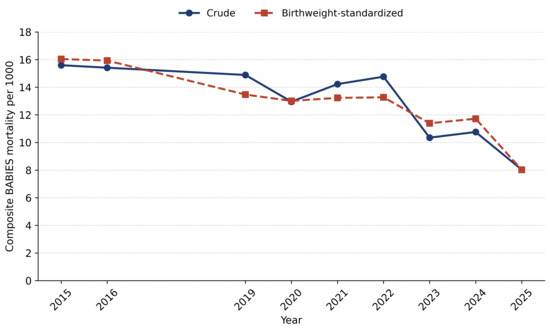
Background/Objectives: Long-run facility-level perinatal data from Central Asia are scarce. We described eleven years of stillbirth, neonatal, infant and perinatal mortality at one tertiary maternity center in Kazakhstan, and used the Birthweight and Age-at-death Boxes for Intervention and Evaluation System (BABIES) matrix to locate where feto-infant deaths concentrated. Methods: Retrospective ecological analysis of aggregated annual institutional records, 2015–2025: 102,481 total births, 101,544 live births, 937 stillbirths and 489 infant deaths. Rates were modeled by Poisson regression with the log birth denominator as offset, refitted as quasi-Poisson and negative binomial. Composite feto-infant mortality (antenatal and intrapartum stillbirth plus death at 0–27 days, per 1000 total births in each birthweight band) was examined by direct standardization and Kitagawa decomposition, using the nine years whose matrix cells reconciled with the registry. The study was not preregistered. Results: Infant mortality fell from 7.07 to 3.57 per 1000 live births (rate ratio 0.50, 95% CI 0.33–0.77) and stillbirth from 10.07 to 5.42 per 1000 total births (0.54, 0.38–0.76), an average annual decline near 8% for neonatal and infant mortality. Antenatal stillbirth declined; no clear change was detected for intrapartum stillbirth (1.11 to 1.04 per 1000; 0.94, 0.38–2.32). Births below 2500 g were 5.9% of all births but 71.1% of composite feto-infant deaths (rate ratio 39). Decomposition placed the reduction within birthweight bands rather than in the birthweight distribution, in single-year and pooled-period versions. Conclusions: The design is ecological and descriptive: it shows where feto-infant deaths are concentrated, not why. Intrapartum stillbirth and births below 2500 g are the groups in which any further reduction would have to be found.
Full article
(This article belongs to the Special Issue Addressing Challenges in Pediatric Critical Care Medicine (2nd Edition))
►▼
Show Figures

Figure 1

Open AccessArticle
Cochlear Implant Fitting Profiles in Children with Congenital Cytomegalovirus: One-Year Longitudinal Comparison with GJB2-Related Hearing Loss
by
Sara Ghiselli, Patrizia Consolino, Diego Di Lisi, Patrizia Frontera, Alessia Ghia and Domenico Cuda
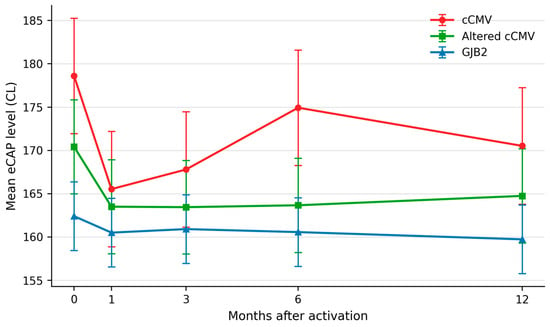
Children 2026, 13(10), 1283; https://doi.org/10.3390/children13101283 - 22 Sep 2026
Abstract
Background/Objectives: Congenital cytomegalovirus (cCMV) infection is a major cause of paediatric sensorineural hearing loss and may involve peripheral and central auditory pathways. This study investigated longitudinal cochlear implant (CI) fitting parameters in children with cCMV-related hearing loss, including the influence of MRI-detectable
[...] Read more.
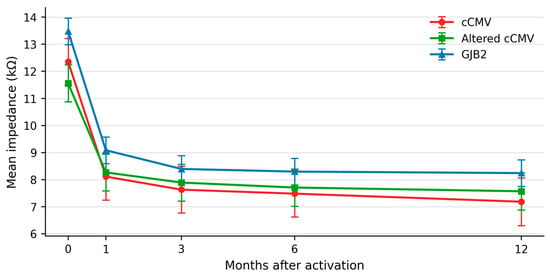
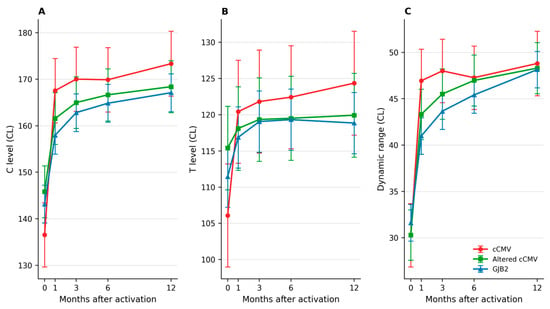
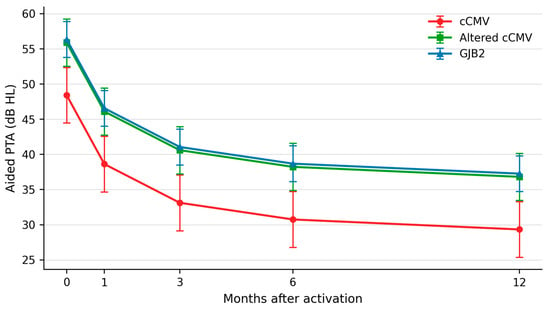
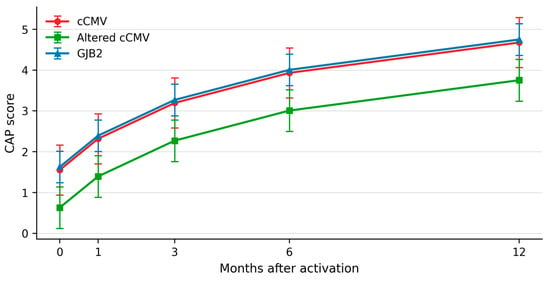
Background/Objectives: Congenital cytomegalovirus (cCMV) infection is a major cause of paediatric sensorineural hearing loss and may involve peripheral and central auditory pathways. This study investigated longitudinal cochlear implant (CI) fitting parameters in children with cCMV-related hearing loss, including the influence of MRI-detectable brain abnormalities, using GJB2-related hearing loss as a reference. Methods: This retrospective multicentre study included 56 children (89 implanted ears) divided into cCMV, altered cCMV (with MRI abnormalities), and GJB2 groups. Outcomes were evaluated at activation and 1, 3, 6, and 12 months after activation using longitudinal mixed-effects models with participant and ear nested within participant as random intercepts. Results: Significant group-by-time interactions were identified for eCAP, impedance, C and T levels, and dynamic range. Adjusted eCAP differences were time-specific rather than uniform throughout follow-up. C and T levels showed no significant adjusted between-group contrasts, and dynamic range differed only between cCMV and GJB2 at 1 month. Aided PTA improved over time and was better in the cCMV group than in the other groups. CAP scores improved over time and were lower in the altered cCMV group than in both the GJB2 and cCMV groups. Conclusions: CI fitting parameters followed different longitudinal patterns across aetiological groups, but most between-group differences were time-specific. MRI abnormalities were associated with poorer functional auditory performance rather than a uniform electrophysiological profile. Objective fitting measures, aided audibility, and functional auditory performance should therefore be interpreted jointly during follow-up.
Full article
(This article belongs to the Special Issue Assessment and Intervention in Language and Communication for Pediatric Populations with Hearing Loss)
►▼
Show Figures

Figure 1
Open AccessArticle
The Situation and Factors Associated with Dental Caries Among Preschool Children in Nakhon Si Thammarat Province, Thailand
by
Pastraporn Kaewpawong, Kiatkamjorn Kusol and Hasanah Pairoh
Children 2026, 13(9), 1282; https://doi.org/10.3390/children13091282 - 21 Sep 2026
Abstract
Background: Early childhood caries (ECC) remains a major public health concern and is influenced by interactions among children, environmental, and dental care factors. Purpose: This study aimed to determine the prevalence of dental caries and identify factors associated with dental caries among preschool
[...] Read more.
Background: Early childhood caries (ECC) remains a major public health concern and is influenced by interactions among children, environmental, and dental care factors. Purpose: This study aimed to determine the prevalence of dental caries and identify factors associated with dental caries among preschool children in Nakhon Si Thammarat Province. Methods: A cross-sectional study was conducted among 435 children aged 3–5 years and their primary caregivers. Oral health was assessed by preliminary visual screening, and caregivers completed structured questionnaires on demographic characteristics, oral health attitudes and practices, and dental service utilization. Generalized estimating equations (GEEs) were used to account for clustering within child development centers. Results: Dental caries was identified in 52.6% of children, and 55.6% had visible oral uncleanliness. In multivariable GEE analysis, higher caregiver oral health care practice scores were associated with lower odds of dental caries (AOR = 0.05; 95% CI: 0.02–0.14; p < 0.001). Children whose caregivers had an educational level below a bachelor’s degree had higher odds of dental caries (AOR = 3.03; 95% CI: 2.09–4.41; p < 0.001). Children who were never or only sometimes taken to a dentist for toothache also had higher odds of dental caries (AOR = 1.95; 95% CI: 1.31–2.90; p = 0.001). Conclusions: Dental caries remains common among preschool children in southern Thailand. Strengthening caregivers’ practical oral health care skills and promoting preventive rather than symptom-driven dental care may support caries prevention.
Full article
(This article belongs to the Section Pediatric Dentistry & Oral Medicine)
Open AccessArticle
Factors Associated with Uninterpretable Spirometry During Asthma Screening in Children with Sickle Cell Disease: An Expanded Multicenter Study in French Guiana
by
Gabriel Bafunyembaka, Joddy Mafema, Christian Kinsiona, Nadia Nathan and Narcisse Elenga
Children 2026, 13(9), 1281; https://doi.org/10.3390/children13091281 - 21 Sep 2026
Abstract
Background/Objectives: Spirometry is essential for objective asthma assessment in children with sickle cell disease (SCD), but technically uninterpretable examinations may reduce the effectiveness of systematic screening. This study aimed to determine their frequency and identify associated demographic, clinical, social, disease-related, and center-level factors
[...] Read more.
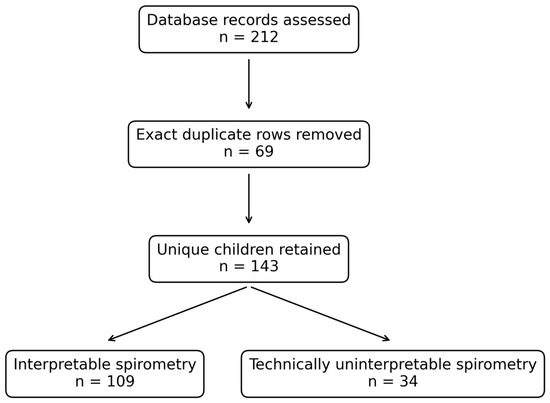
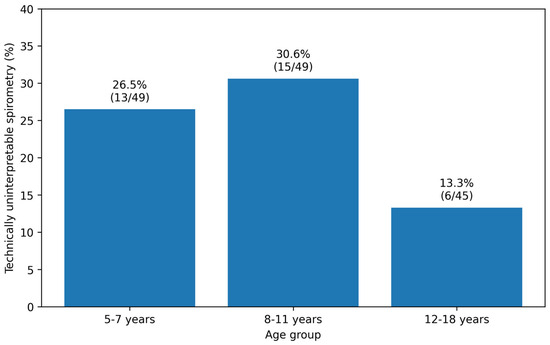
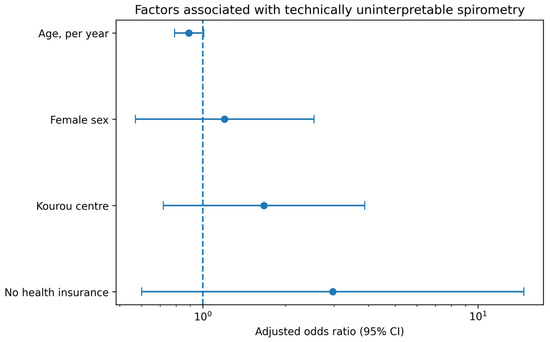
Background/Objectives: Spirometry is essential for objective asthma assessment in children with sickle cell disease (SCD), but technically uninterpretable examinations may reduce the effectiveness of systematic screening. This study aimed to determine their frequency and identify associated demographic, clinical, social, disease-related, and center-level factors in French Guiana. Methods: We conducted a prospective multicenter observational study involving children and adolescents with confirmed SCD who underwent systematic asthma screening at Cayenne, Kourou, and Saint-Laurent-du-Maroni hospitals between January 2025 and May 2026. Spirometry technical quality was assessed according to the 2019 American Thoracic Society/European Respiratory Society technical standards and classified as interpretable or technically uninterpretable according to the acceptability, usability, and repeatability of the recorded maneuvers. Across the three sites, spirometry was performed on the recorded MicroLab platform using GLI-2012 reference equations. Salbutamol was delivered by pressurized metered-dose inhaler with a valved holding chamber when bronchodilator testing was technically feasible; the exact device submodel/manufacturer metadata, center-specific software versions, and administered salbutamol dose were not retained in the exported analytical dataset. Participant characteristics were compared between groups, and associated factors were examined using univariable and multivariable logistic regression. Results: After removal of duplicate records, 143 unique children were included. Spirometry was technically uninterpretable in 34 participants (23.8%). Children with uninterpretable examinations were significantly younger than those with interpretable spirometry (8.9 ± 3.0 vs. 10.5 ± 4.0 years; p = 0.015). In univariable analysis, each additional year of age was associated with a 12% reduction in the odds of uninterpretable spirometry (OR 0.88, 95% CI 0.78–0.99; p = 0.036). After adjustment for sex, recruitment center, and health-insurance status, the inverse association persisted in direction and magnitude but did not reach conventional statistical significance (adjusted OR 0.89, 95% CI 0.79–1.01; p = 0.075). Given the limited number of outcome events, this attenuation may reflect reduced statistical power. No other investigated factor was independently associated with non-interpretability. Conclusions: Nearly one-quarter of children had technically uninterpretable spirometry. Younger children may benefit from enhanced preparation, age-adapted coaching, experienced operators, and planned repeat testing to improve asthma-screening yield and reduce missed respiratory disease.
Full article
(This article belongs to the Section Pediatric Pulmonary and Sleep Medicine)
►▼
Show Figures

Figure 1
Open AccessArticle
Imatinib Mesylate and Sirolimus Inhibit Vascular Fibroproliferative Remodeling in Pulmonary Vein Stenosis
by
Julia Gaal, Sophie C. Doettl, Kerstin Saraci, Cindy Zajac, Alexa von Mueffling, Peter E. Hammer, Magnus von Piechowski, Verena Gebert, Andrei-Antonio M. Caracioni, Daniel Diaz-Gil, Viktoria Weixler, Pedro J. Del Nido, Kathy Jenkins and Ingeborg Friehs
Children 2026, 13(9), 1280; https://doi.org/10.3390/children13091280 - 21 Sep 2026
Abstract
Background: Pulmonary vein stenosis (PVS) is a progressive disease characterized by neointimal hyperplasia with poor outcomes. Clinical observations show that adjunctive therapy with imatinib mesylate and sirolimus is associated with improved survival and reduced rates of reintervention. In this study, we aimed to
[...] Read more.
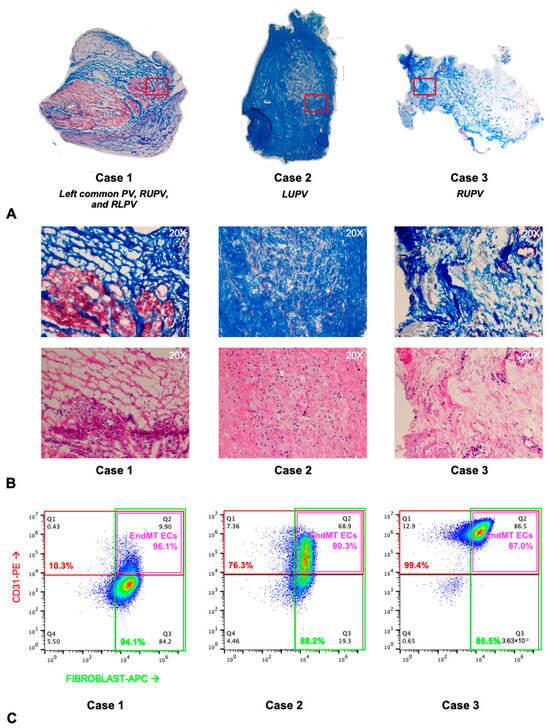
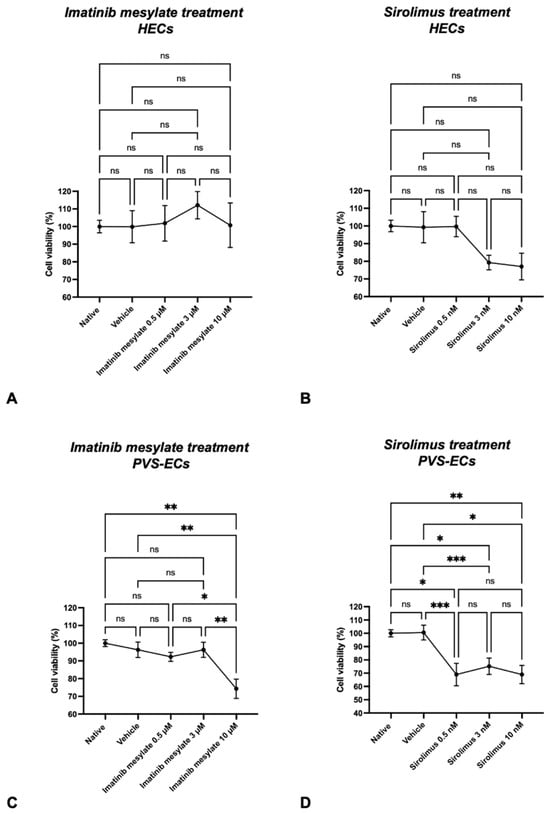
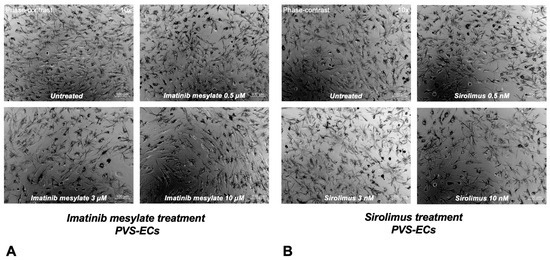
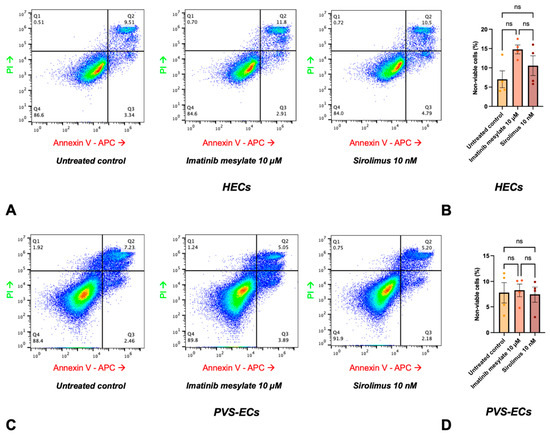
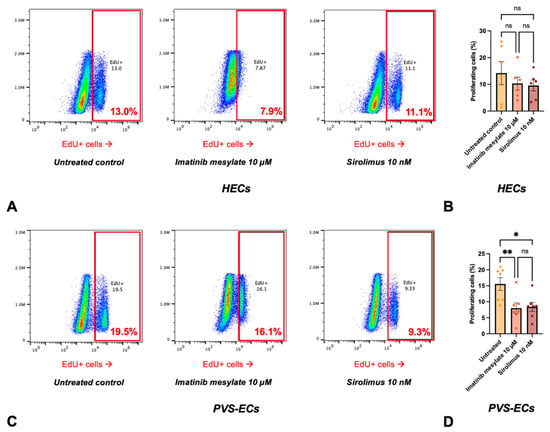
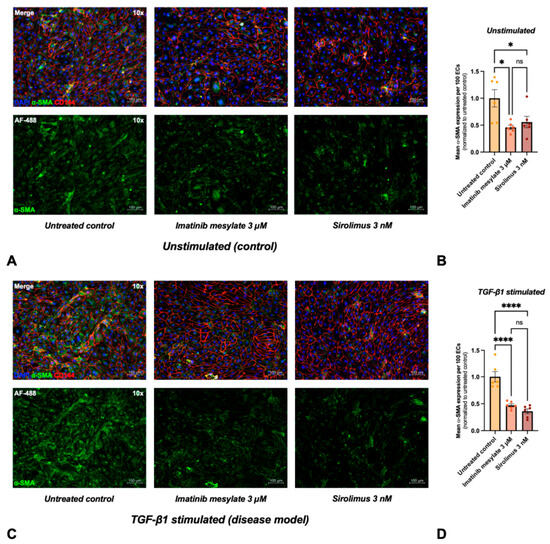
Background: Pulmonary vein stenosis (PVS) is a progressive disease characterized by neointimal hyperplasia with poor outcomes. Clinical observations show that adjunctive therapy with imatinib mesylate and sirolimus is associated with improved survival and reduced rates of reintervention. In this study, we aimed to investigate the cellular mechanisms underlying PVS development and progression and to elucidate how these targeted therapies modulate these processes. Methods: We retrospectively analyzed cardiac catheterization and computed tomography, and lung scan data from three patients with PVS to estimate wall shear stress (WSS) at multiple time points. Tissue specimens resected during anatomical repair surgery were analyzed for tissue composition and fibrosis using hematoxylin and eosin staining, Masson’s trichrome staining, and flow cytometric analysis of endothelial cell (ECs) and fibroblast markers to determine endothelial-to-mesenchymal transition (EndMT). The safety and efficacy of imatinib mesylate and sirolimus were evaluated in healthy and PVS-derived ECs using cellular viability and proliferation assays, and by assessing fibrotic marker expression indicative of EndMT. Results: Patients exhibited severely elevated WSS estimates at multiple time points throughout disease progression. Disproportionate fibrotic remodeling driven by ECs transitioning into mesenchymal cells through EndMT was the cellular substrate of resected tissue in PVS. Targeted therapy with clinically relevant concentrations of imatinib mesylate and sirolimus was safe and significantly inhibited fibroproliferation and EndMT. At follow-up, all patients were alive and free of surgical and stent-based reintervention after anatomic repair surgery and adjunctive imatinib mesylate and sirolimus therapy. Conclusions: Fibroproliferative ECs undergoing EndMT are likely the cellular substrate underlying PVS development and progression. A multimodal approach consisting of anatomically focused surgical repair with adjunctive imatinib mesylate and sirolimus therapy may attenuate fibroproliferative remodeling.
Full article
(This article belongs to the Special Issue Pulmonary Vein Stenosis in Neonates and Infants: Etiology, Diagnosis and Management (2nd Edition))
►▼
Show Figures

Figure 1
Journal Menu
► ▼ Journal Menu-
- Children Home
- Aims & Scope
- Editorial Board
- Reviewer Board
- Topical Advisory Panel
- Early Career Editorial Board
- Instructions for Authors
- Special Issues
- Topics
- Sections & Collections
- Article Processing Charge
- Indexing & Archiving
- Editor’s Choice Articles
- Most Cited & Viewed
- Journal Statistics
- Journal History
- Journal Awards
- Conferences
- Editorial Office
Journal Browser
► ▼ Journal BrowserHighly Accessed Articles
Latest Books
E-Mail Alert
News
22 September 2026
Children Webinar | Leveraging High–Fidelity Data and Machine Learning in the ICU, 19 October 2026
9 September 2026
Meet Us at Nutrients 2026—Clinical Nutrition: from Research to Practice, 22–24 October 2026, Barcelona, Spain
Topics
Topic in
Nutrients, Metabolites, Healthcare, Children, Obesities, Life
Non-Communicable Diseases Silent Killer: Metabolic and Obesity Risks of Sedentary Behaviors
Topic Editors: Kotsedi Daniel Monyeki, Machoene Derrick SekgalaDeadline: 30 September 2026
Topic in
Behavioral Sciences, Children, EJIHPE, IJERPH, Healthcare
Mental Health and the 2030 Sustainable Development Agenda: Old Problems and New Perspectives
Topic Editors: Carlos Laranjeira, Ana QueridoDeadline: 31 October 2026
Topic in
Children, Education Sciences, Healthcare, EJIHPE, J. Intell.
Diversity, Educational Inclusion, Emotional Intelligence, Coping, and Other Factors That Influence Psychological Health and Well-Being
Topic Editors: Francisco Manuel Morales Rodríguez, Juan Pedro Martínez-RamónDeadline: 31 December 2026
Topic in
Healthcare, Sports, JFMK, Adolescents, Children
Physical Activity, Exercise, and Psychological Well-Being Across the Lifespan
Topic Editors: Gianpiero Greco, Eduardo Matta Mello PortugalDeadline: 31 March 2027
Conferences
Special Issues
Special Issue in
Children
Mental Health of Children with Special Needs: The Present and a Challenge for the Future
Guest Editors: Karolina Eszter Kovács, Beáta Erika Nagy, Matteo FabrisDeadline: 25 September 2026
Special Issue in
Children
Treating Toxic Stress in Pediatric Clinical Practice
Guest Editors: Rachel Gilgoff, Devika Bhushan, Jorina M. ElbersDeadline: 25 September 2026
Special Issue in
Children
Diagnosis, Treatment, and Long-Term Prognosis of Pediatric Oral Surgical Diseases
Guest Editors: Silvia D’Agostino, Luisa LimongelliDeadline: 25 September 2026
Special Issue in
Children
Congenital Heart Defects in Children: Quality of Life and Care Strategies
Guest Editors: Shyam Sathanandam, Ranjit PhilipDeadline: 25 September 2026
Topical Collections
Topical Collection in
Children
Pediatric Palliative Care Update
Collection Editor: Regina Okhuysen-Cawley
Topical Collection in
Children
Emotional and Behavioral Problems in Children and Adolescents: Assessment and Intervention
Collection Editors: Pietro Muratori, Valentina Levantini
Topical Collection in
Children
Advancements in the Management of Children with Cerebral Palsy
Collection Editor: Erich Rutz